

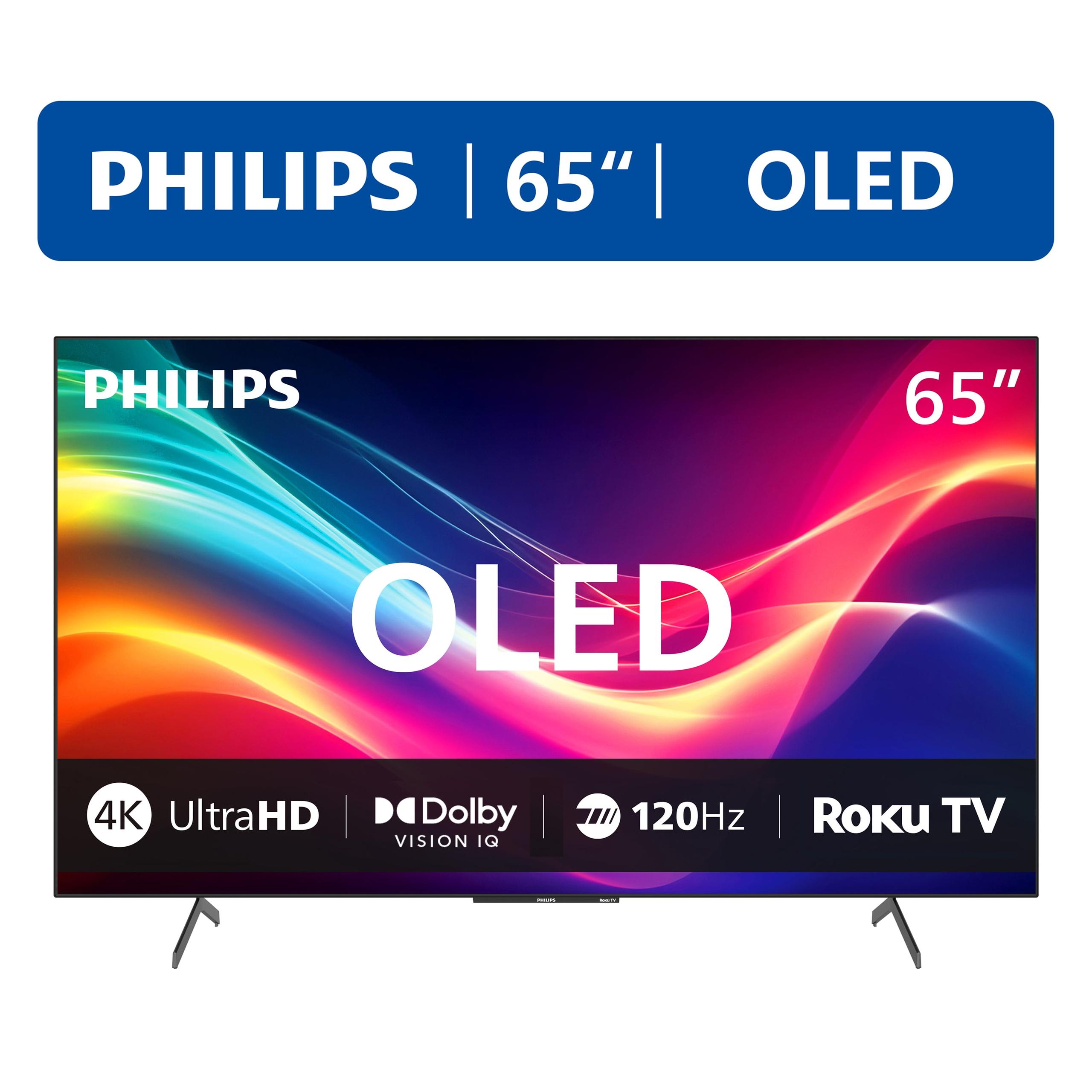
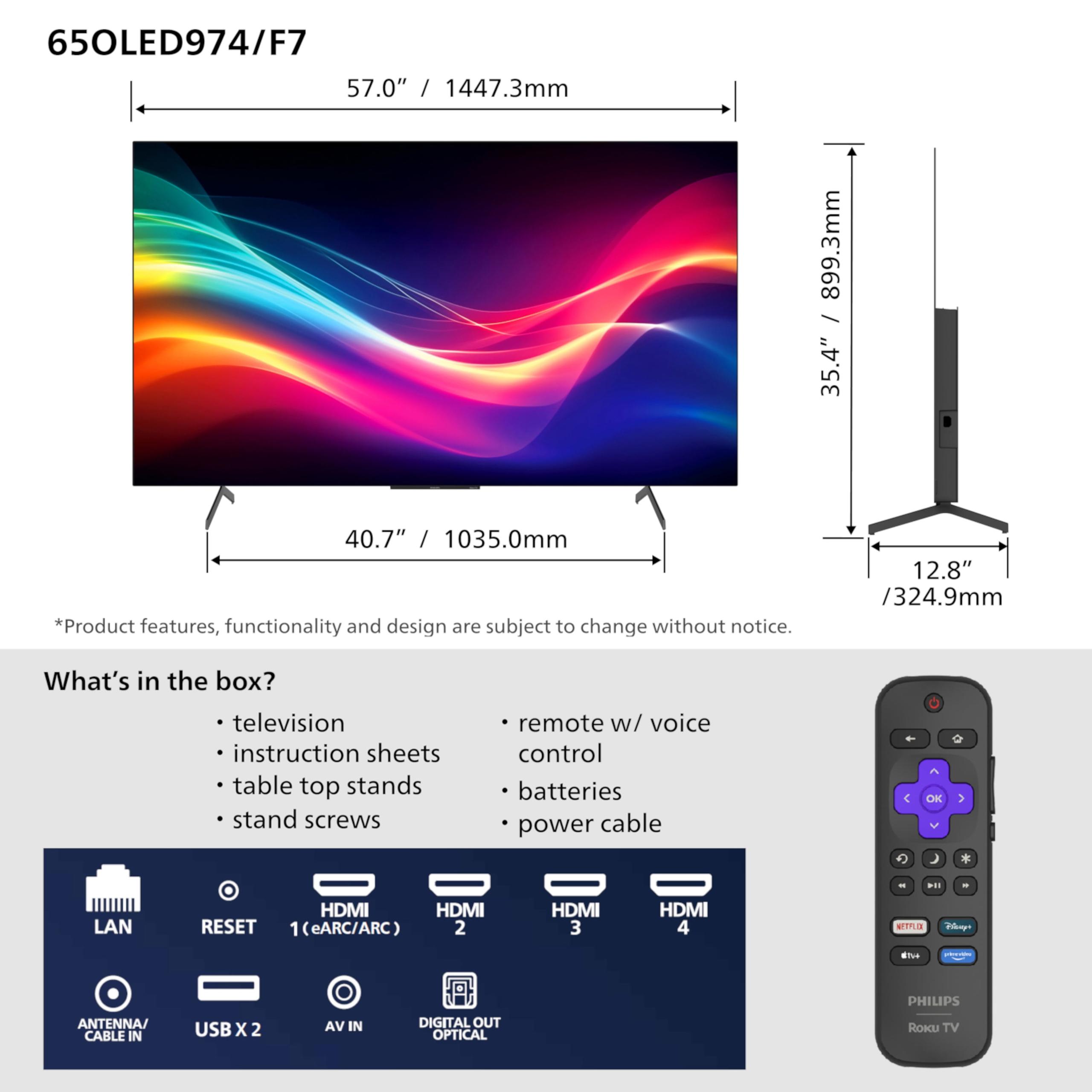

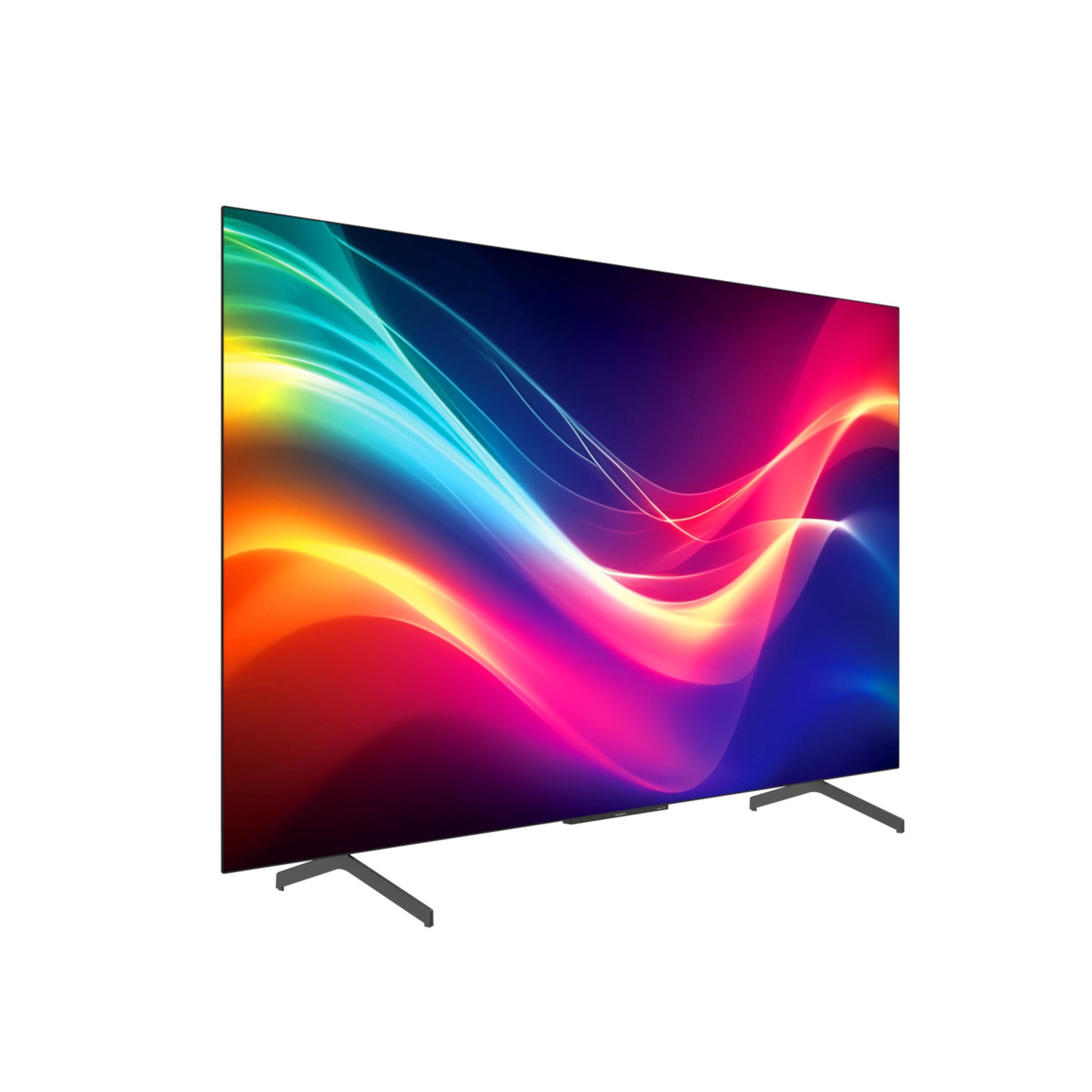
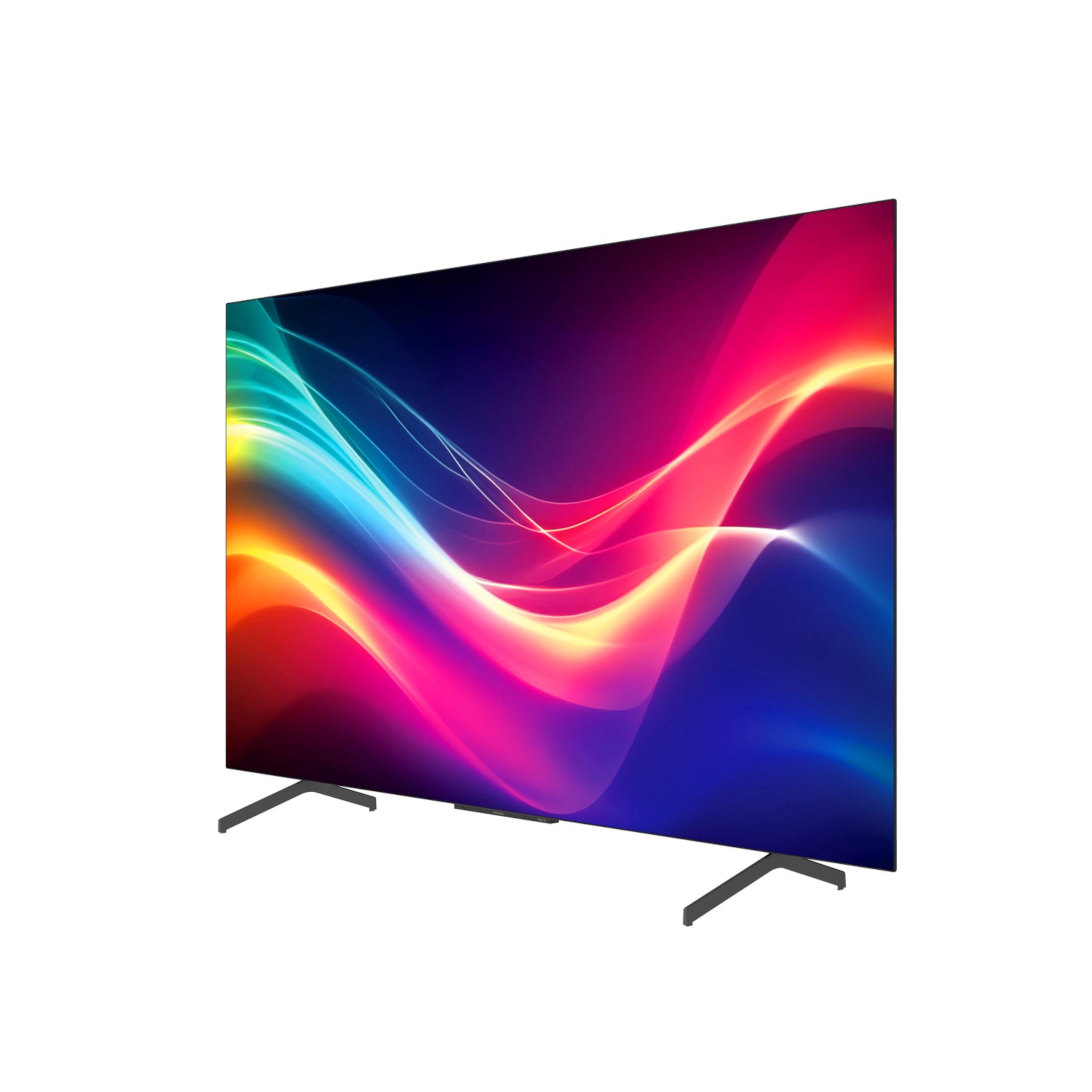


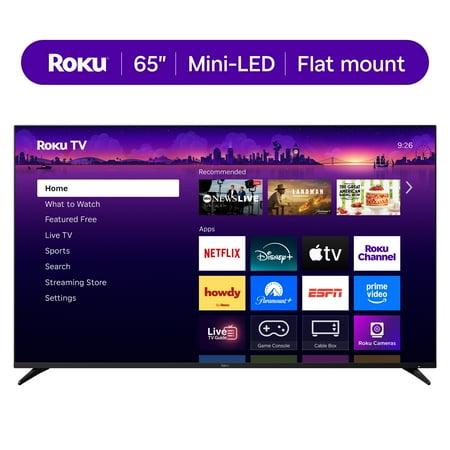
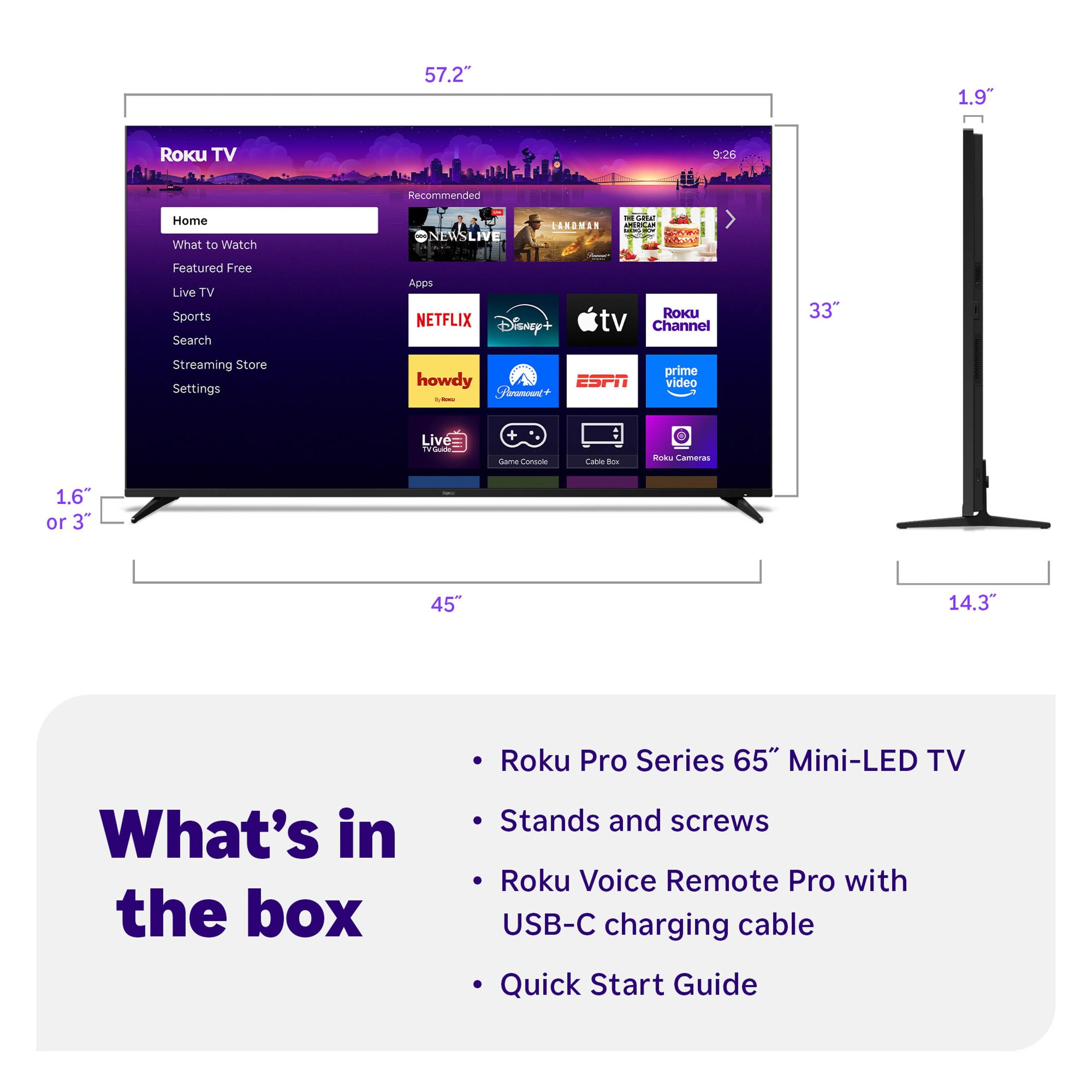
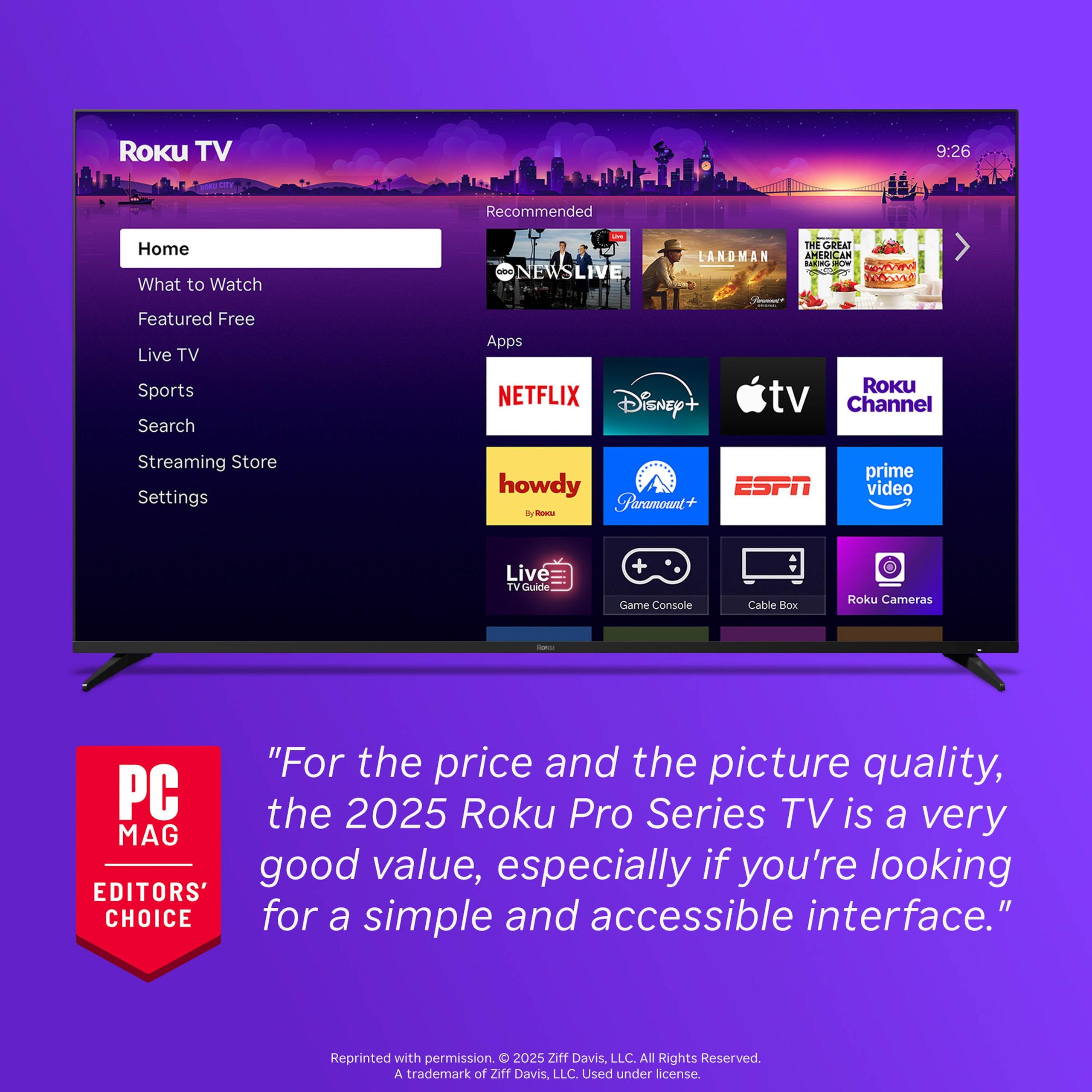

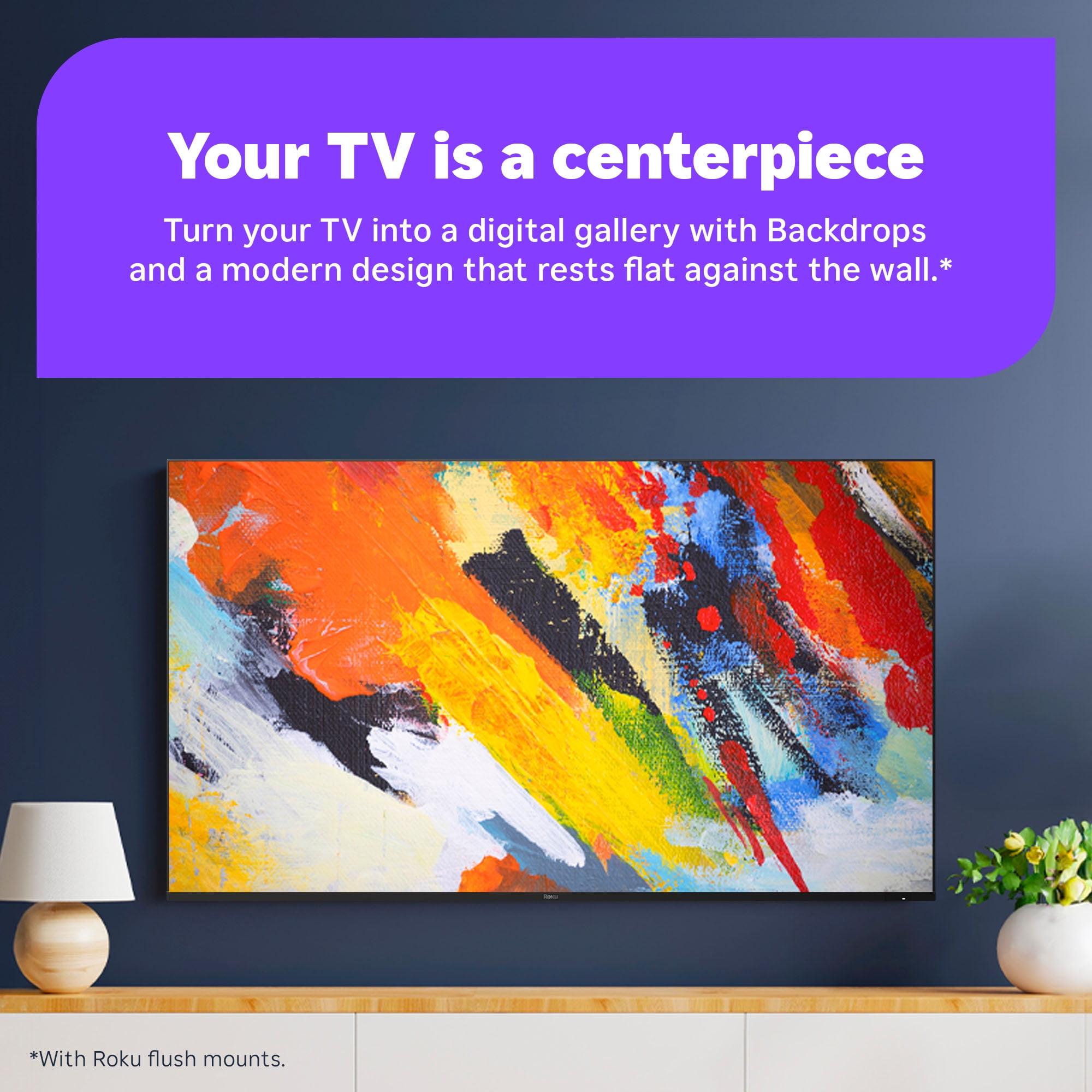
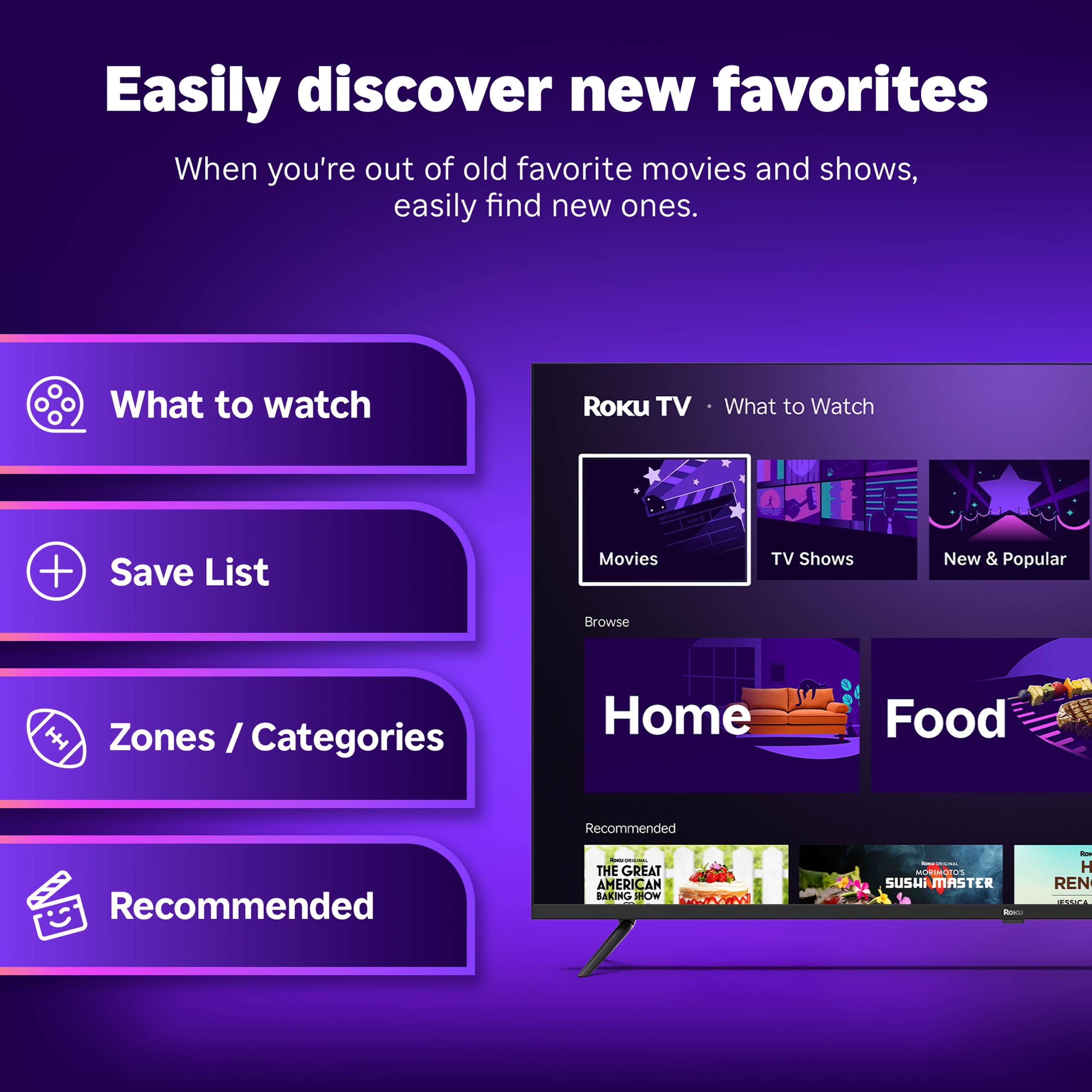

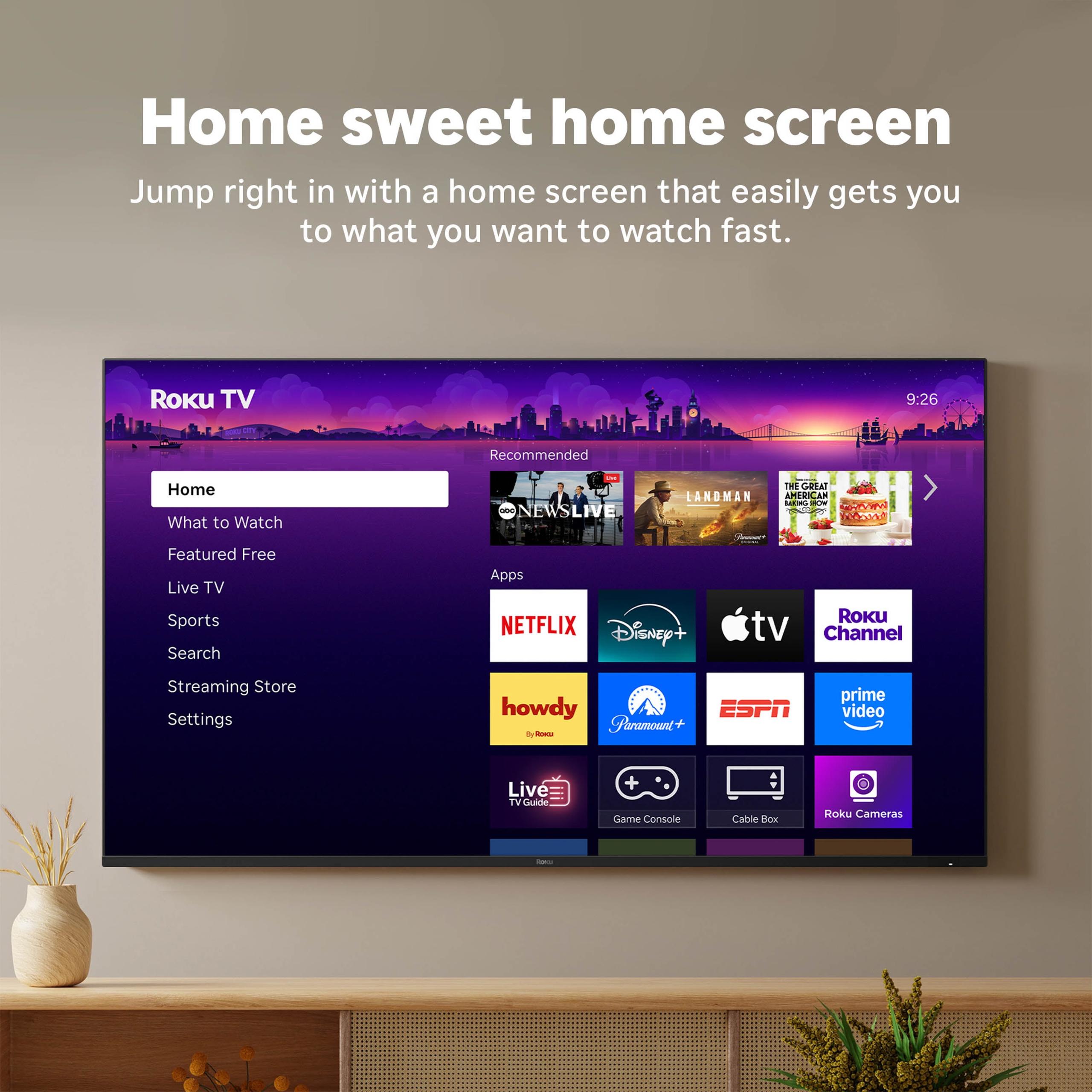
When you're shopping for a premium 65-inch TV in 2025, you're entering a fascinating battleground between two fundamentally different display technologies. The Philips 65OLED974/F7 represents the OLED camp with its perfect blacks and infinite contrast, while the Roku 65" Pro Series 2025 champions QLED technology with mini-LED backlighting for exceptional brightness. Both released in 2024-2025, these TVs showcase how display technology has evolved to address different viewing needs and room environments.
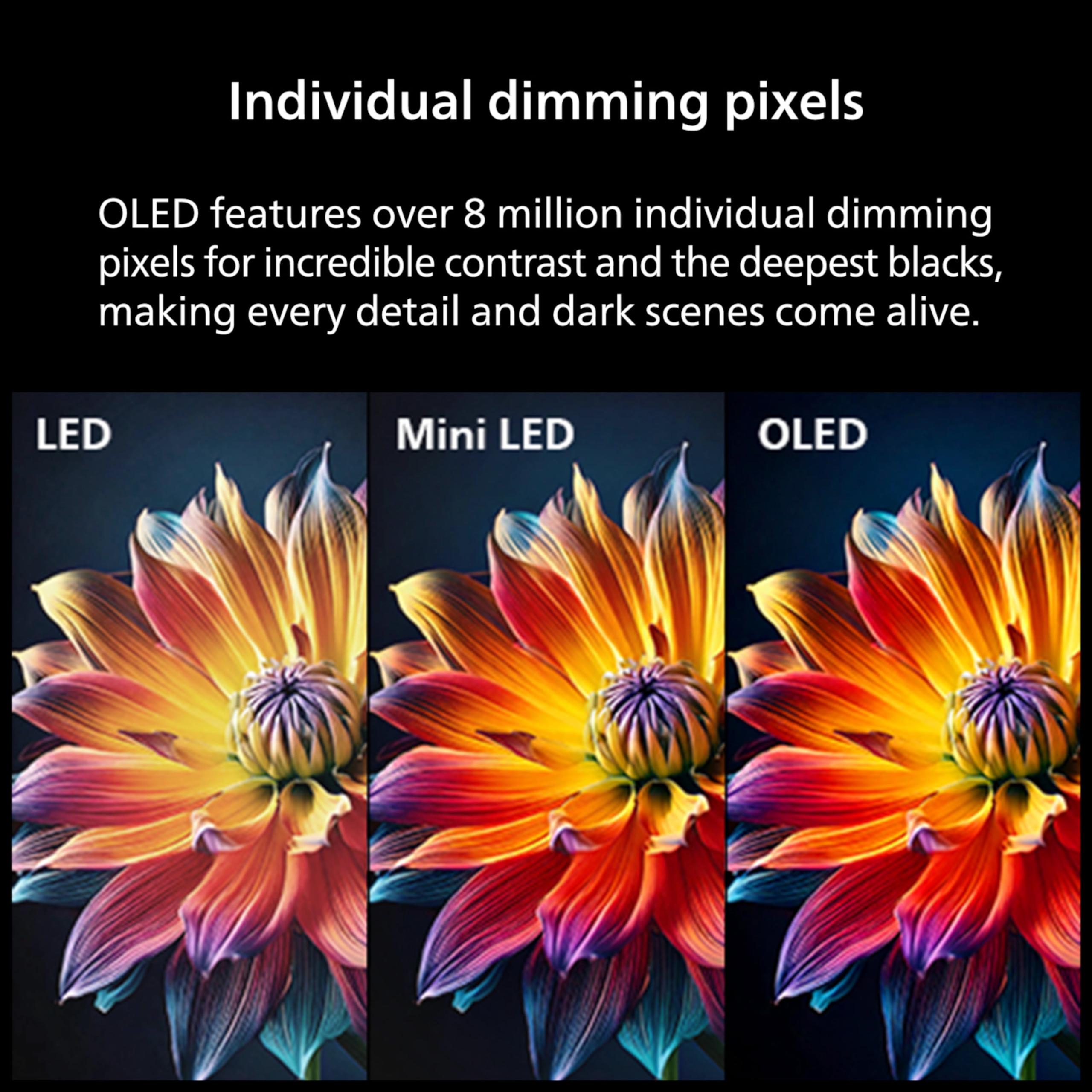
The core difference between these TVs lies in how they create light and color. The Philips OLED974/F7 uses organic light-emitting diode technology, where each of the 8 million pixels generates its own light. When a pixel needs to show black, it simply turns off completely, creating what's called "perfect blacks" – something that's impossible with traditional LCD technology.
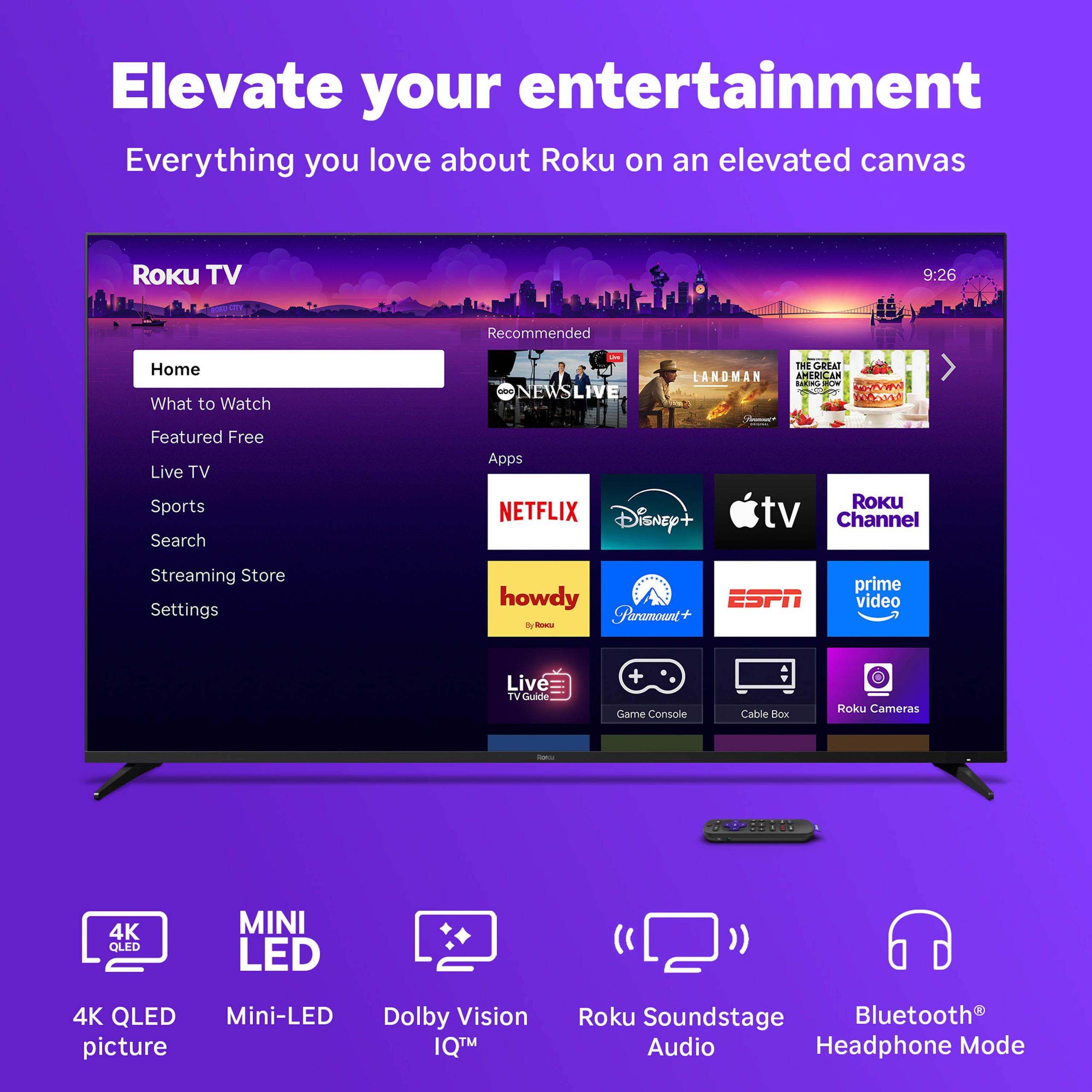
The Roku Pro Series 2025, on the other hand, uses quantum dot LED (QLED) technology with mini-LED backlighting. This means thousands of tiny LEDs behind the screen provide the light, which then passes through quantum dot filters to create enhanced colors. The mini-LED backlighting includes full array local dimming (FALD), where zones of LEDs can dim or brighten independently to improve contrast – though they can't achieve the perfect blacks of OLED since some light always bleeds through.
These fundamental differences shape everything about how these TVs perform, from their brightness capabilities to their suitability for different room environments.
If your TV sits in a living room with large windows, overhead lighting, or any significant ambient light, the Roku Pro Series 2025 is the clear winner. Our research shows it can reach peak brightness levels of 1,750-1,800 nits – that's roughly four times brighter than a typical laptop screen. This exceptional brightness means the TV can overpower ambient light and maintain vibrant colors even when sunlight streams through your windows.
The mini-LED backlighting technology plays a crucial role here. Unlike older LCD TVs that struggled with uniformity, the Roku Pro Series 2025 uses thousands of individual LED zones that can adjust brightness independently. This creates what Roku calls "75% higher dynamic contrast" compared to their previous generation, meaning bright objects stay bright while dark areas remain relatively dark, even in challenging lighting conditions.
The Philips OLED974/F7 transforms into something magical when the lights go down. Each pixel can turn completely off, creating true black levels that LCD technology simply cannot match. This isn't just about darker blacks – it's about the contrast ratio, which is technically infinite since you're dividing any brightness value by zero.
In practice, this means watching a movie like "Blade Runner 2049" or "Dune" becomes a completely immersive experience. Dark space scenes, shadowy interiors, and nighttime sequences gain a three-dimensional quality that makes the screen seem to disappear. The Philips OLED974/F7 also maintains perfect black levels across its entire 176-degree viewing angle, so everyone in the room gets the same exceptional dark room experience.
However, the moment you introduce significant ambient light, this advantage evaporates. Our research indicates the Philips OLED974/F7 struggles in bright environments because its peak brightness is insufficient to overcome glare, making it primarily suitable for dedicated theater rooms or evening viewing.
High Dynamic Range (HDR) content is designed to show a wider range of brightness levels, from deeper blacks to brighter whites, mimicking what your eyes see in real life. How these TVs handle HDR reveals their fundamental differences.
The Roku Pro Series 2025 excels with HDR content because it can actually display the bright highlights that HDR mastering intends. When you're watching an HDR movie and the sun reflects off water or an explosion lights up the screen, the mini-LED backlight can pump out enough brightness to make these moments truly impactful. The TV supports Dolby Vision IQ and HDR10+ Adaptive, which automatically adjust the picture based on your room's ambient lighting – a practical feature that ensures HDR content looks right whether you're watching during the day or at night.
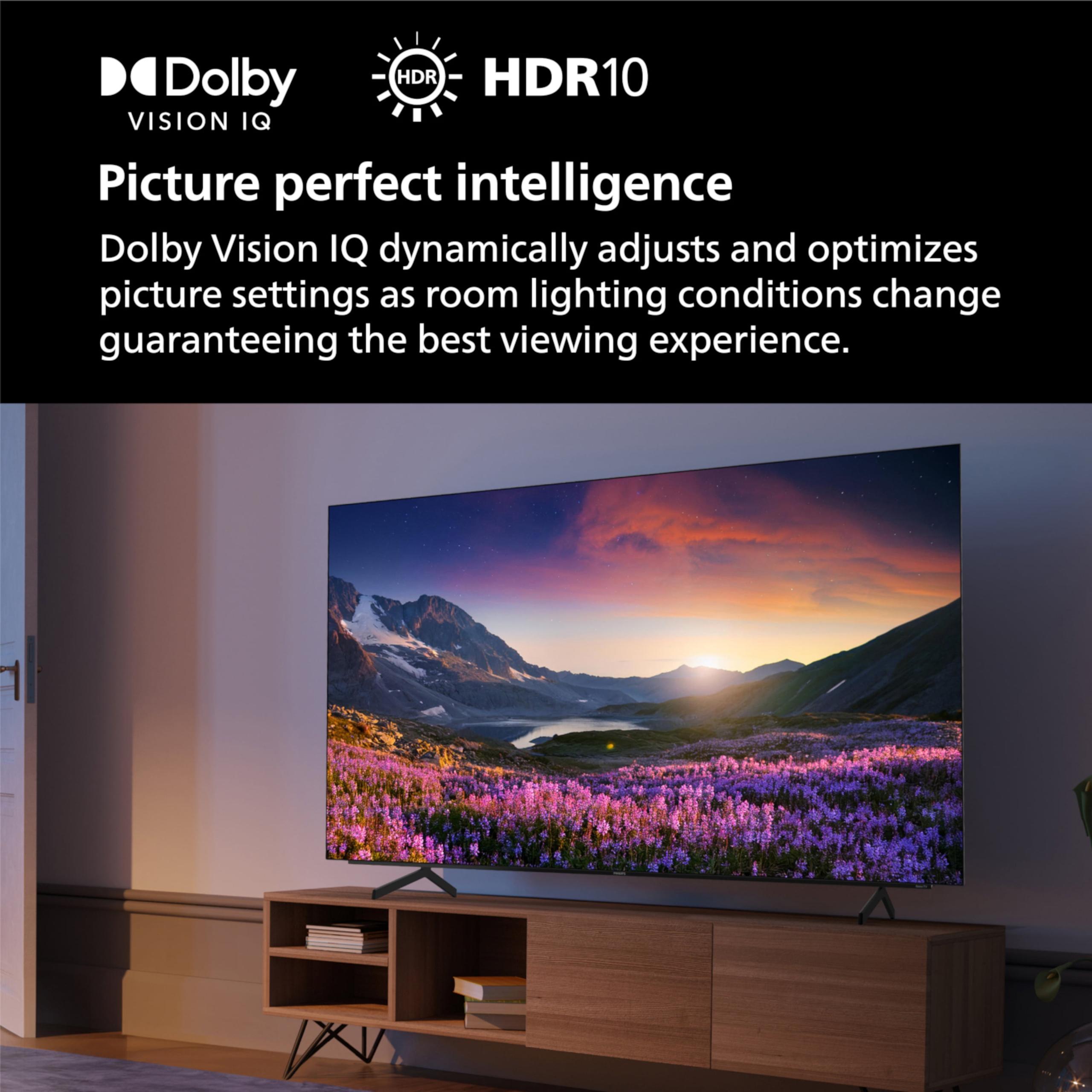
The Philips OLED974/F7 takes a different approach to HDR. While it can't match the peak brightness of mini-LED displays, it leverages its perfect black levels to create impressive contrast ratios. In HDR content with dark scenes – think horror movies, space films, or moody dramas – the OLED's ability to show true blacks alongside any level of brightness creates a compelling viewing experience, even if the brightest highlights aren't as punchy.
However, our research consistently shows that the Philips OLED974/F7's limited peak brightness results in HDR content appearing muted compared to what directors intended. Bright HDR scenes that should pop often appear dim, reducing the overall impact of HDR content.
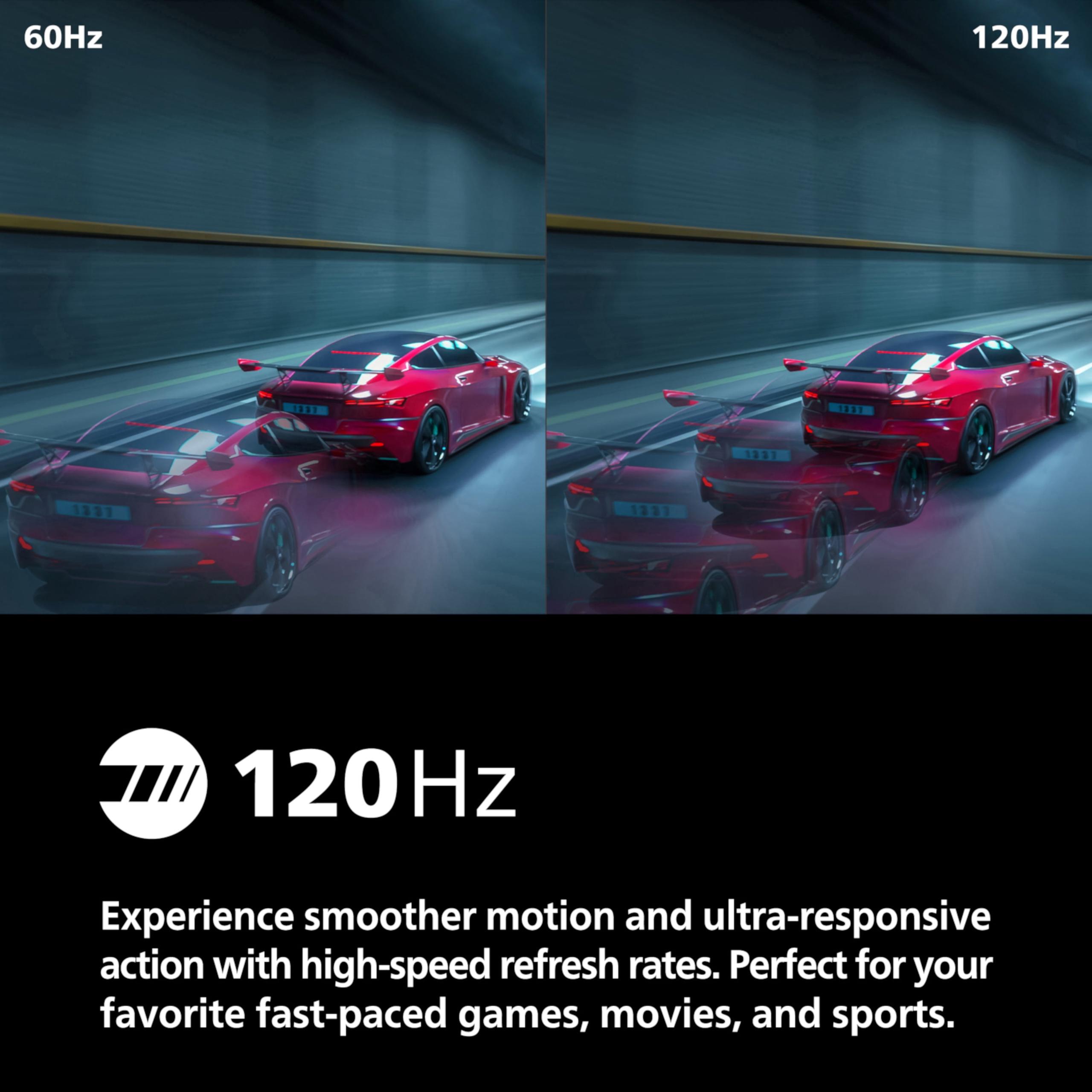
Both TVs target serious gamers with 120Hz refresh rates and HDMI 2.1 connectivity, but they excel in different ways.
The Philips OLED974/F7 offers an almost supernatural gaming experience with its sub-0.1 millisecond pixel response time. This means when you're playing fast-paced games like "Call of Duty" or racing simulators, there's virtually no motion blur trailing behind moving objects. The pixels change states so quickly that even the most demanding competitive gamers won't notice any lag in the display's response to their inputs.
The TV also supports AMD FreeSync Premium, which synchronizes the display's refresh rate with your gaming console's output frame rate. This eliminates screen tearing – those annoying horizontal lines that appear when the display and console get out of sync – creating smoother gameplay.
The Roku Pro Series 2025 counters with FreeSync Premium Pro and excellent brightness for gaming in any lighting condition. While its pixel response time isn't quite as fast as OLED, it's still exceptional at around 5.2 milliseconds of input lag at 120Hz. For most gamers, this difference is imperceptible, and the trade-off comes with the ability to game comfortably in bright rooms without worrying about glare washing out dark game environments.
Both TVs feature Auto Low Latency Mode (ALLM), which automatically switches to game mode when it detects a gaming console, minimizing input lag without requiring manual settings adjustments.
One area where the Roku Pro Series 2025 significantly outperforms its competition is built-in audio. The enhanced Sound Stage Audio system uses side-firing speakers with Dolby Atmos support to create what many users describe as "theater-like" sound quality. User reviews consistently praise the bass response, with some noting it's powerful enough to "rattle walls" – unusual for built-in TV speakers.
This audio superiority means many users can delay or avoid purchasing a separate soundbar, making the overall entertainment system more streamlined and cost-effective. The inclusion of Bluetooth Headphone Mode also adds flexibility for late-night viewing without disturbing others.
The Philips OLED974/F7 includes a Dolby Atmos-compatible 2.1 speaker system with a dedicated subwoofer, providing decent audio quality for most content. However, it doesn't match the impact and room-filling sound of the Roku Pro Series 2025's audio system. For users prioritizing the ultimate home theater experience, this difference in audio quality could influence the need for additional audio equipment.
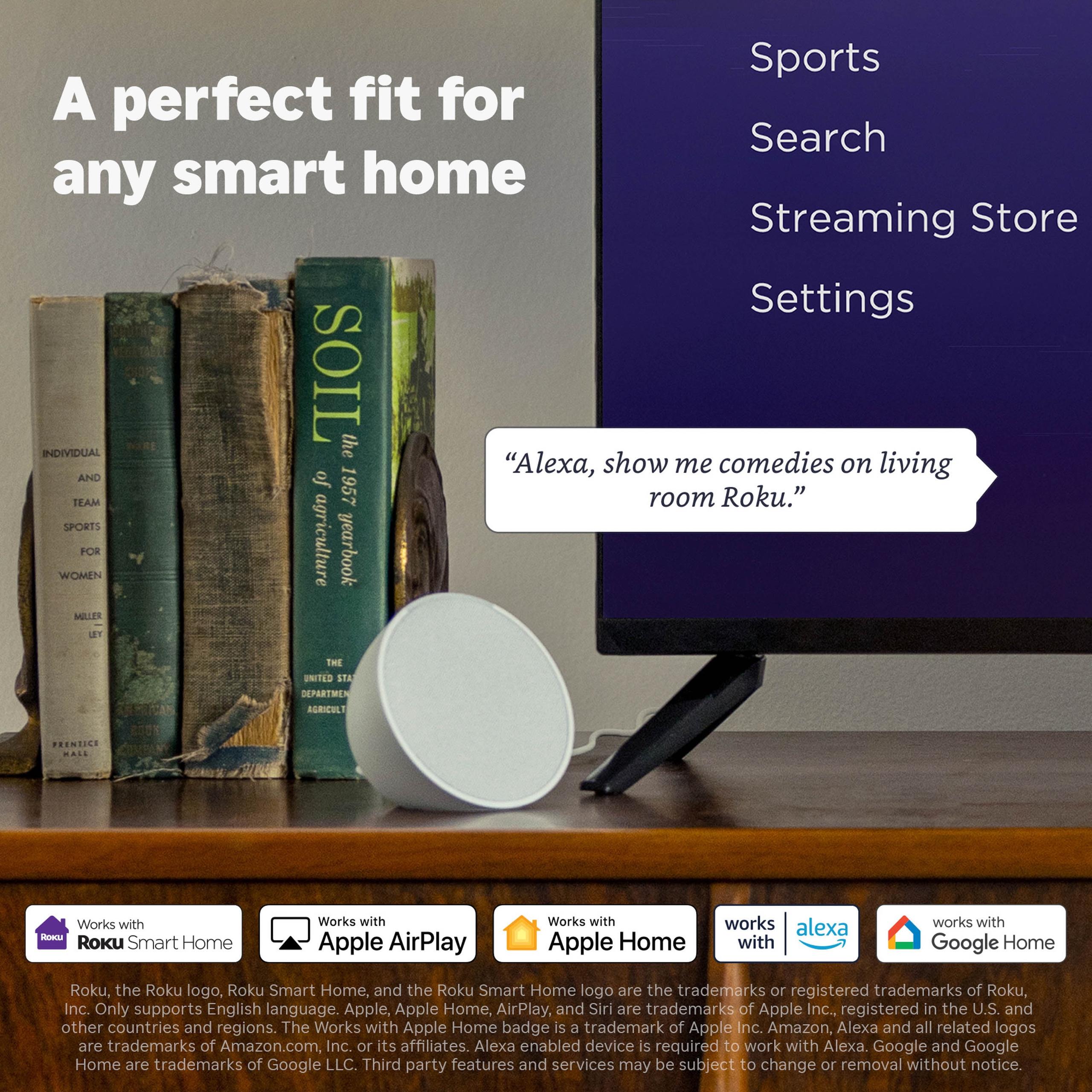
Both TVs run Roku OS, but with important differences that affect daily use.
The Roku Pro Series 2025 incorporates Wi-Fi 6 technology, providing faster app loading, more reliable streaming, and better performance when multiple devices share your home network. This translates to less buffering, quicker navigation through menus, and more responsive voice commands.
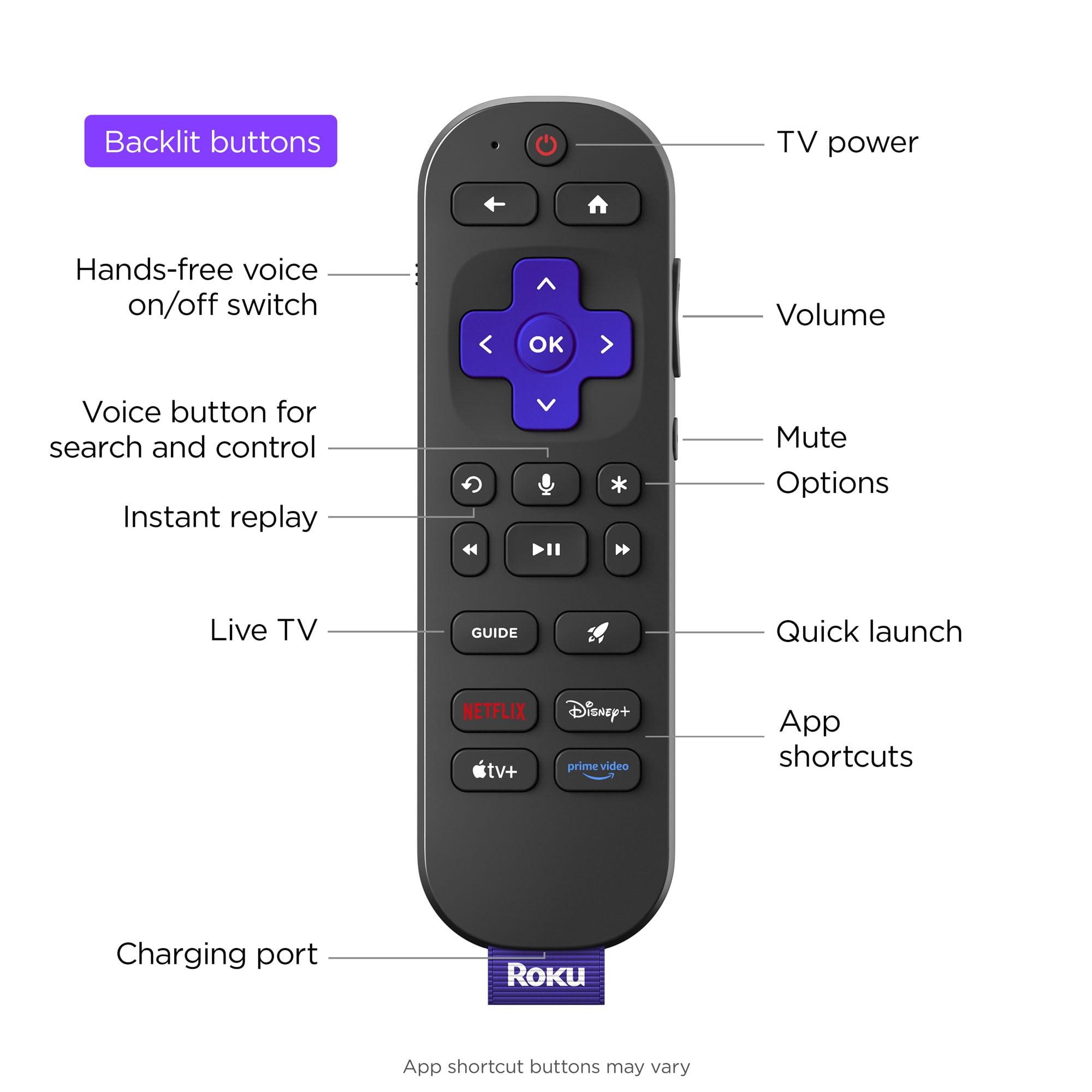
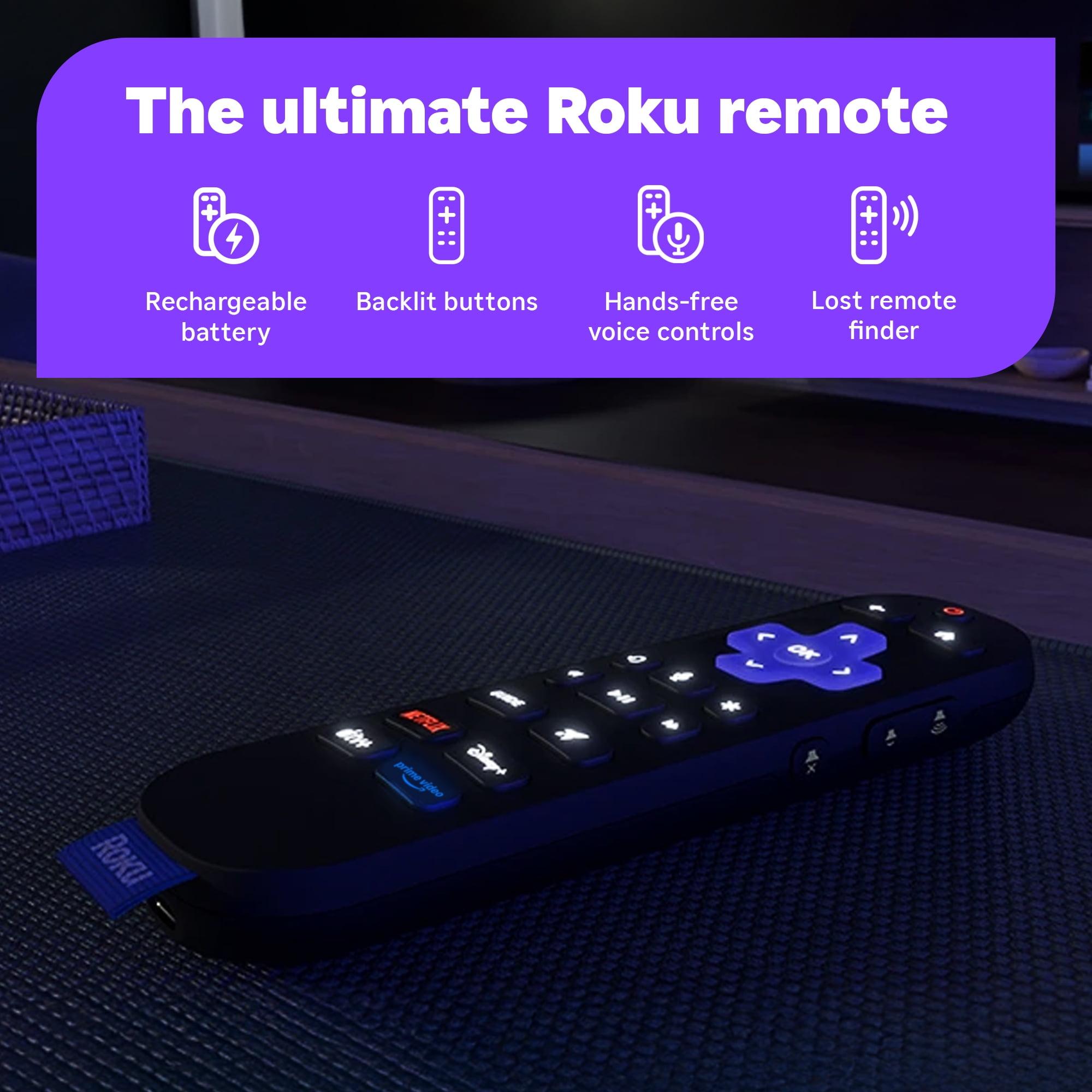
The included Roku Voice Remote Pro (2nd Edition) features backlighting for use in dark rooms, a rechargeable battery, and a remote finder button built into the TV's side panel – addressing one of the most common frustrations with TV remotes.
Both TVs feature advanced processing, but with different approaches. The Roku Pro Series 2025 uses Smart Picture Max, an AI-powered system that automatically adjusts picture settings on a scene-by-scene basis, optimizing color, contrast, and sharpness without user intervention. The Philips OLED974/F7 focuses more on accurate color reproduction out of the box, requiring less processing but offering fewer automatic optimizations.
For users who care about color accuracy – whether for professional work or simply wanting to see content as creators intended – both TVs offer compelling but different advantages.
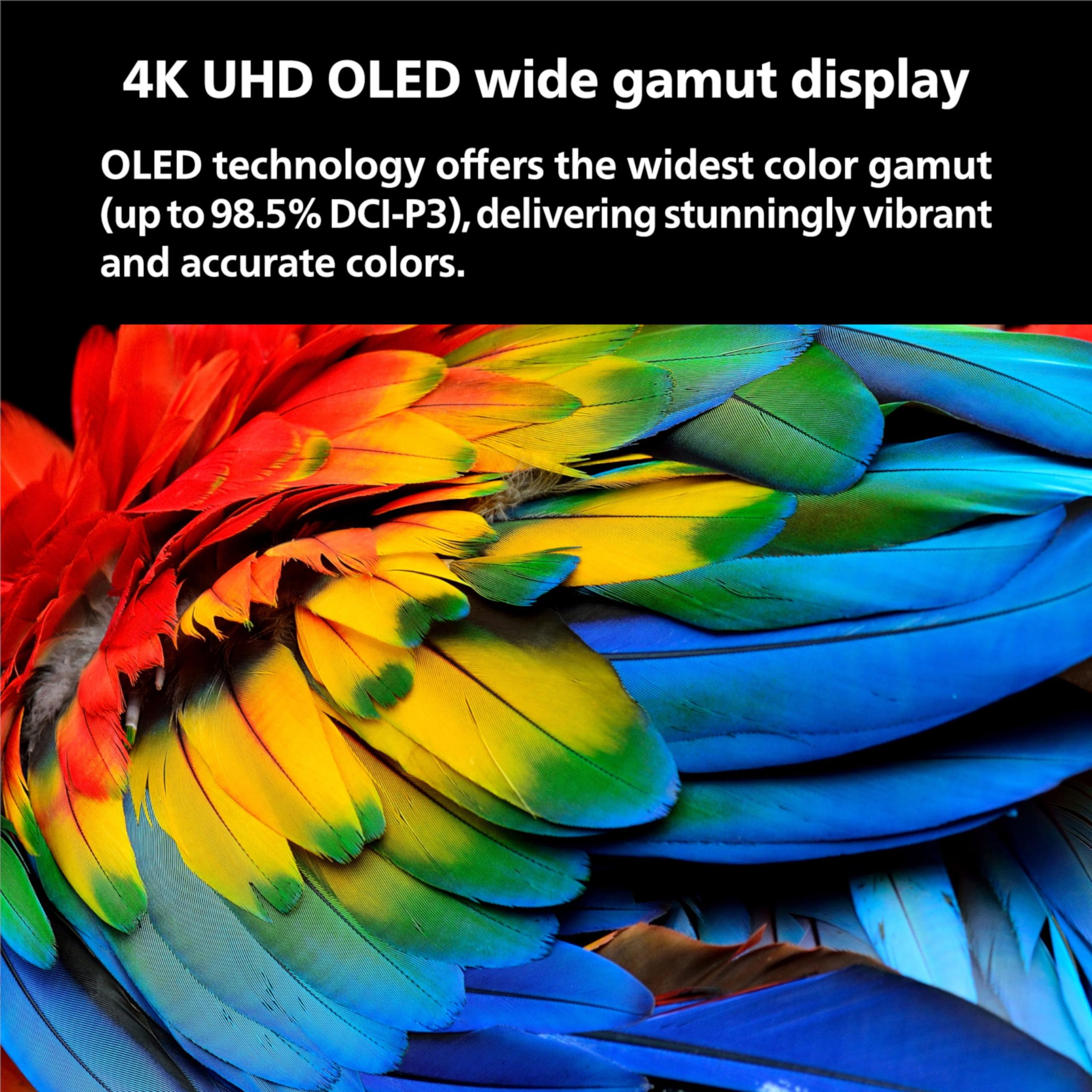
The Philips OLED974/F7 provides exceptional out-of-the-box color accuracy in SDR content, covering 98.5% of the DCI-P3 color gamut. This means most content will look correct without any calibration, making it ideal for movie enthusiasts who want authentic color reproduction.
The Roku Pro Series 2025 covers 96.9% UHDA-P3 and 80.6% BT.2020 color gamut, with quantum dot technology providing enhanced color volume – the ability to maintain color saturation at various brightness levels. While it may require some calibration for critical viewing, its broader color capabilities make it excellent for HDR content that leverages wider color gamuts.
For dedicated home theater setups, the choice becomes more nuanced. The Philips OLED974/F7 excels in controlled lighting environments where its perfect blacks and wide viewing angles create an immersive cinematic experience. The lack of light pollution from backlighting means the TV essentially disappears in dark rooms, with only the image visible.
However, the Roku Pro Series 2025 offers superior HDR performance and better built-in audio, potentially reducing the need for additional equipment. For home theaters that aren't completely light-controlled, or for users who watch a mix of content types, the Roku Pro Series 2025 provides more versatility.
At the time of writing, both TVs occupy similar price ranges in the premium 65-inch category, making the decision more about performance priorities than budget constraints.
The Philips OLED974/F7 offers exceptional value for users with controlled viewing environments, providing OLED technology's premium benefits at a competitive price point. However, its brightness limitations make it less versatile for varying room conditions.
The Roku Pro Series 2025 represents excellent value for most users because of its room versatility, superior HDR performance, and exceptional built-in audio. The mini-LED backlighting technology also avoids potential burn-in concerns that can affect OLED panels with static content over time.
Choose the Philips OLED974/F7 if you primarily watch in dark or dimly lit environments, prioritize perfect black levels and color accuracy, or need the fastest possible gaming response times. This TV excels for movie enthusiasts with dedicated viewing rooms and competitive gamers who prioritize response time above all else.
Choose the Roku Pro Series 2025 if you need versatility across different lighting conditions, watch significant HDR content, prefer not to immediately invest in additional audio equipment, or want the latest smart TV features. This TV works better for typical living room setups where ambient light varies throughout the day.
Ultimately, both represent excellent choices in the premium TV category, but your specific room environment and viewing habits should guide your decision more than minor price differences. The OLED excels in its element but demands specific conditions, while the QLED provides exceptional performance across a wider range of real-world scenarios.
| Philips 65OLED974/F7 65" OLED Roku TV | Roku 65" Pro Series 2025 4K QLED TV |
|---|---|
| Display Technology - Determines picture quality fundamentals | |
| OLED with self-illuminating pixels for perfect blacks | QLED with Mini-LED backlighting and full array local dimming |
| Peak Brightness - Critical for HDR impact and bright room viewing | |
| Poor brightness, unsuitable for bright rooms | 1,750-1,800 nits peak, excellent for any lighting condition |
| Contrast Ratio - Affects depth and realism of dark scenes | |
| Infinite contrast with perfect blacks (no haloing) | Excellent contrast with 75% improvement over previous gen, minimal blooming |
| Response Time - Important for gaming and fast motion | |
| ~5.2ms input lag at 120Hz (excellent for gaming) | |
| Refresh Rate - Smoothness for sports and gaming | |
| 120Hz native panel | 120Hz with enhanced motion handling |
| Color Accuracy - How true-to-life colors appear | |
| Excellent out-of-box SDR accuracy, 98.5% DCI-P3 coverage | 96.9% UHDA-P3, 80.6% BT.2020 with Smart Picture Max AI |
| Gaming Features - Modern console compatibility | |
| HDMI 2.1, 4K@120Hz, AMD FreeSync Premium, VRR, ALLM | HDMI 2.1, 4K@120Hz, FreeSync Premium Pro, VRR, ALLM |
| HDR Support - Enhanced dynamic range capabilities | |
| Dolby Vision IQ, HDR10, HLG (limited by poor brightness) | Dolby Vision IQ, HDR10+ Adaptive, HLG (excellent brightness for impact) |
| Audio Quality - Built-in sound performance | |
| Dolby Atmos 2.1 system, adequate quality | Enhanced Sound Stage Audio with Dolby Atmos, exceptional bass |
| Viewing Angles - Picture quality when viewed from sides | |
| 176° horizontal/vertical (excellent for wide seating) | Narrower QLED viewing angles, best for centered viewing |
| Smart Features - Connectivity and user experience | |
| Roku OS, standard Wi-Fi, basic remote | Roku OS with Wi-Fi 6, backlit Voice Remote Pro with finder button |
| Room Suitability - Best viewing environments | |
| Dark/dimly lit rooms only, struggles with ambient light | Versatile for any lighting condition, excels in bright rooms |
| Burn-in Risk - Long-term durability concerns | |
| Potential OLED burn-in with static content over time | No burn-in risk with Mini-LED technology |
The Roku 65" Pro Series 2025 is significantly better for bright rooms with its peak brightness of 1,750-1,800 nits that can overcome ambient light and glare. The Philips 65OLED974/F7 has poor brightness performance and struggles in any well-lit environment, making it unsuitable for living rooms with windows or overhead lighting.
The Philips 65OLED974/F7 uses OLED technology where each pixel creates its own light and can turn completely off for perfect blacks. The Roku 65" Pro Series 2025 uses QLED with Mini-LED backlighting, where thousands of LEDs behind the screen provide light through quantum dot filters for enhanced brightness and color volume.
For dark room movie watching, the Philips 65OLED974/F7 excels with perfect blacks and infinite contrast that creates exceptional depth. However, the Roku 65" Pro Series 2025 provides better HDR impact with brighter highlights and works in any lighting condition, making it more versatile for most home theater setups.
Yes, both TVs offer excellent gaming performance. The Philips 65OLED974/F7 has superior response time at <0.1ms for virtually no motion blur, while the Roku 65" Pro Series 2025 offers 5.2ms input lag and better visibility in bright gaming environments. Both support 4K@120Hz, VRR, and modern console features.
The Roku 65" Pro Series 2025 has significantly better audio with its Enhanced Sound Stage Audio system featuring powerful bass that users describe as "theater-like." The Philips 65OLED974/F7 has adequate Dolby Atmos audio but doesn't match the room-filling sound quality of the Roku model.
Both work well for home theaters but in different ways. The Philips 65OLED974/F7 is ideal for dedicated dark theater rooms where its perfect blacks create an immersive cinematic experience. The Roku 65" Pro Series 2025 offers more flexibility for mixed-use theater rooms with superior HDR brightness and better built-in audio.
The Roku 65" Pro Series 2025 provides much better HDR performance with its high peak brightness making highlights truly pop and impactful. The Philips 65OLED974/F7 delivers muted HDR content due to limited brightness, though it maintains excellent contrast with perfect blacks in dark scenes.
Both TVs run Roku OS, but the Roku 65" Pro Series 2025 includes Wi-Fi 6 for faster performance, a backlit Voice Remote Pro with charging, and a remote finder button. The Philips 65OLED974/F7 offers standard Roku smart features with basic remote control and connectivity options.
The Philips 65OLED974/F7 offers superior viewing angles at 176° horizontally and vertically, maintaining perfect picture quality from any seating position. The Roku 65" Pro Series 2025 has narrower QLED viewing angles that work best for centered viewing positions typical of most living room setups.
The Philips 65OLED974/F7 has potential OLED burn-in risks if static content like news tickers or gaming HUDs are displayed for extended periods. The Roku 65" Pro Series 2025 uses Mini-LED technology with no burn-in risk, making it more suitable for varied content consumption and gaming with static elements.
Value depends on your viewing environment and needs. The Philips 65OLED974/F7 offers excellent value for dark room enthusiasts wanting OLED technology benefits. The Roku 65" Pro Series 2025 provides better overall value for most users with room versatility, superior HDR performance, and exceptional built-in audio reducing additional equipment needs.
Both TVs handle sports well with 120Hz refresh rates for smooth motion. The Roku 65" Pro Series 2025 is better for daytime sports viewing in bright rooms with maintained color vibrancy and contrast. The Philips 65OLED974/F7 excels for evening sports viewing with crystal-clear motion and wide viewing angles for group watching in controlled lighting.
We've done our best to create useful and informative comparisons to help you decide what product to buy. Our research uses advanced automated methods to create this comparison and perfection is not possible - please contact us for corrections or questions. These are the sites we've researched in the creation of this article: rtings.com - versus.com - versus.com - rtings.com - samsclub.com - versus.com - youtube.com - usa.philips.com - bestbuy.com - usa.philips.com - consumerreports.org - usa.philips.com - documents.philips.com - tvoutlet.ca - displayspecifications.com - business.walmart.com - displayspecifications.com - ecoustics.com - walmart.com - bestbuy.com - rtings.com - techradar.com - youtube.com - roku.com - youtube.com - walmart.com - bestbuy.com - youtube.com - electronicexpress.com - roku.com - pcvarge.com - ecoustics.com

Privacy Policy
Terms and Conditions - Affiliate Policy
Home Security
© Copyright 2008-2026.
11816 Inwood Rd #1211, Dallas, TX 75244