

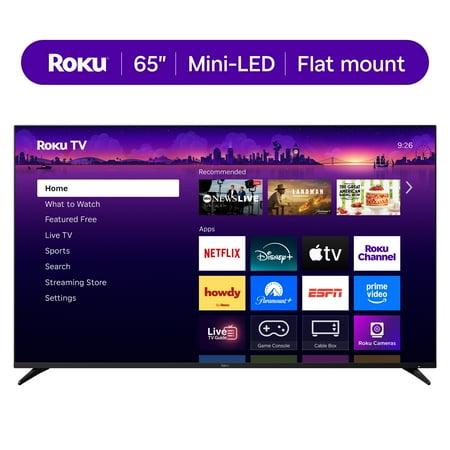
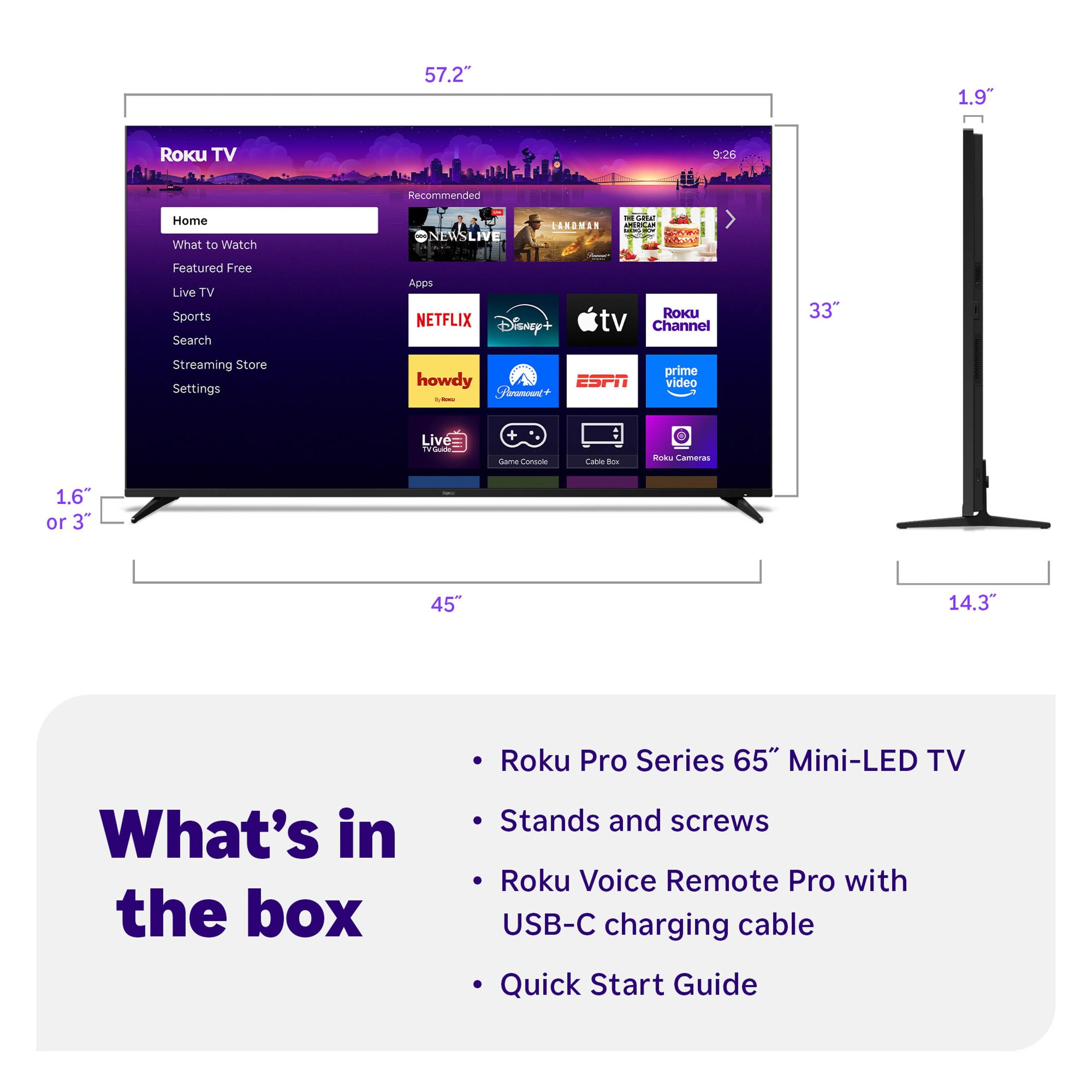
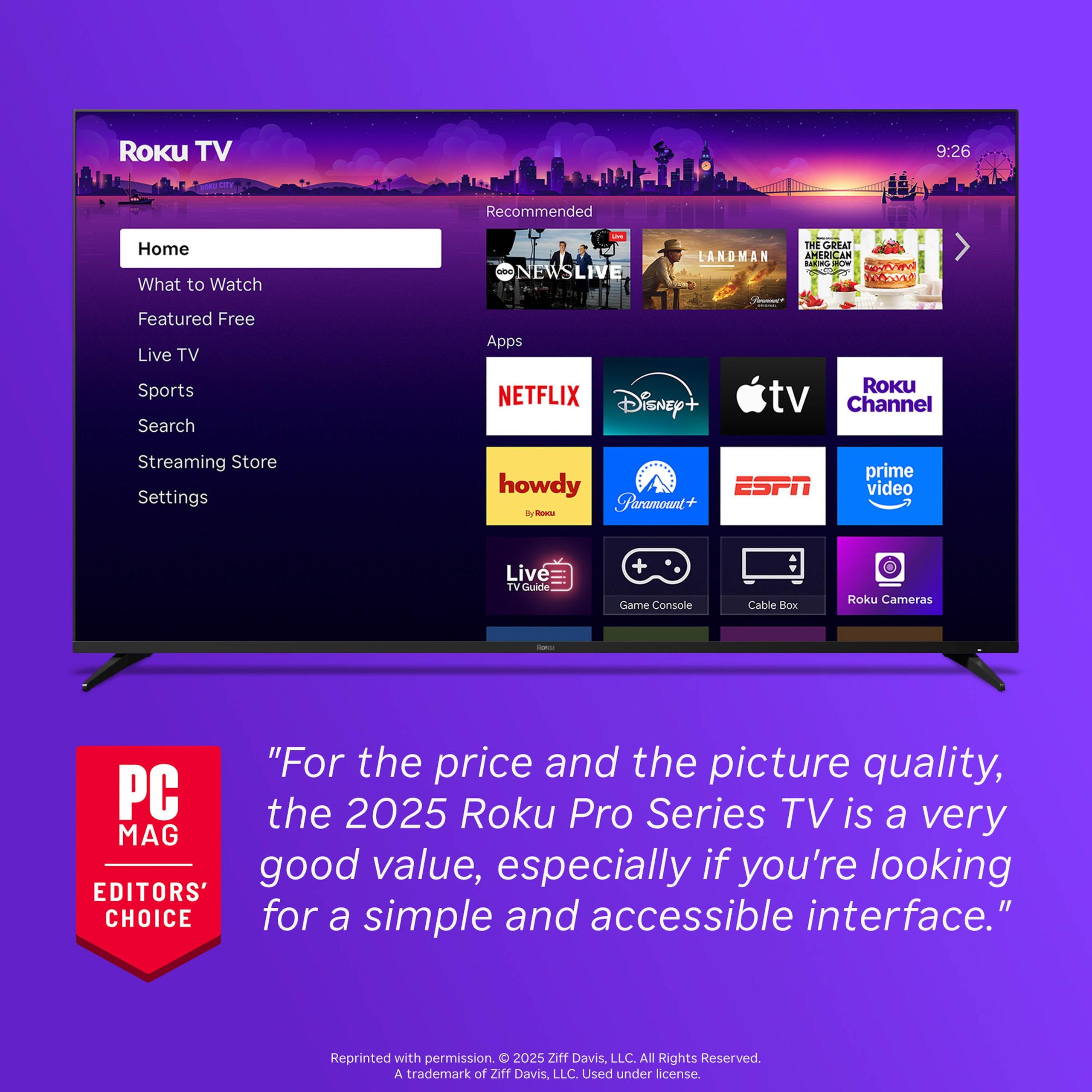
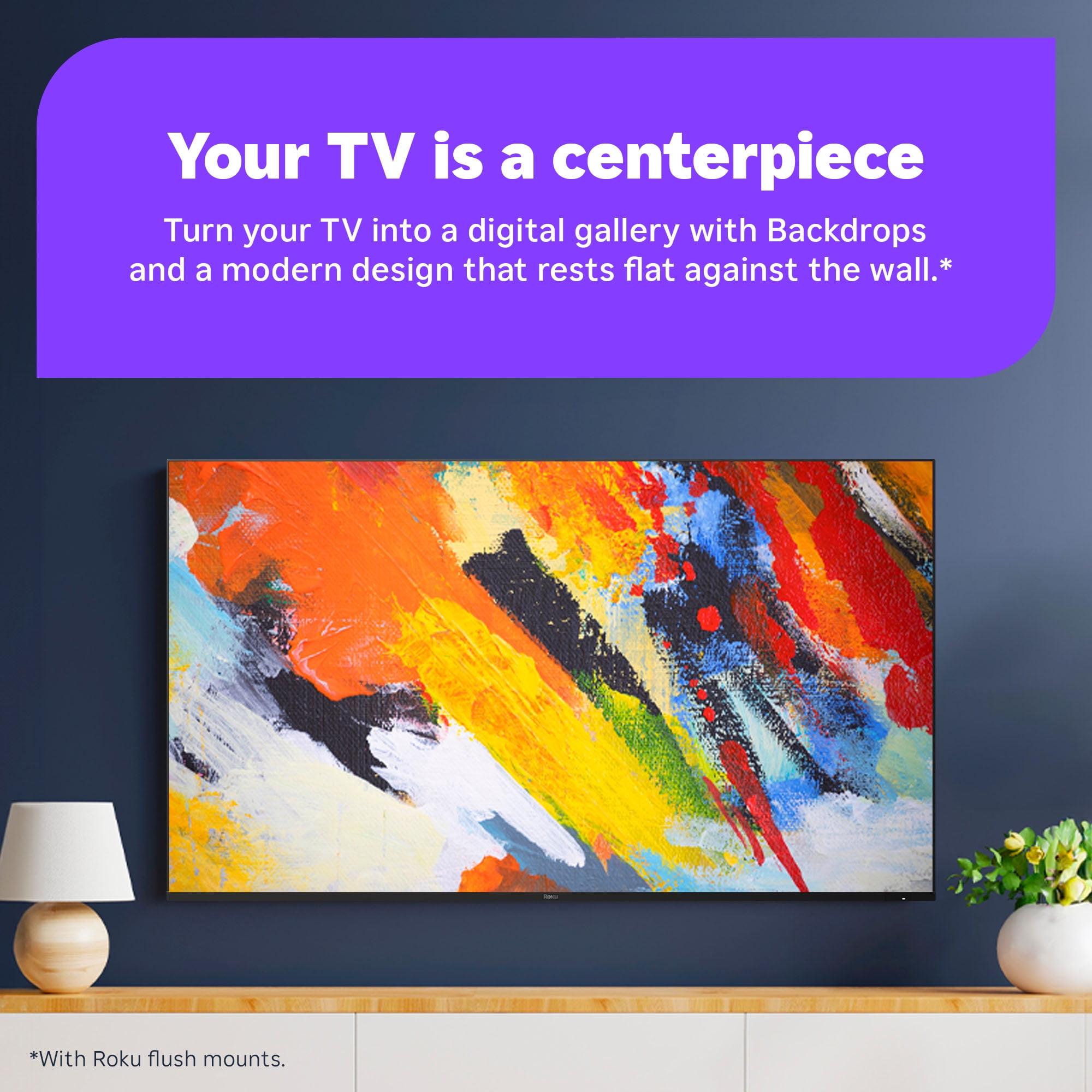
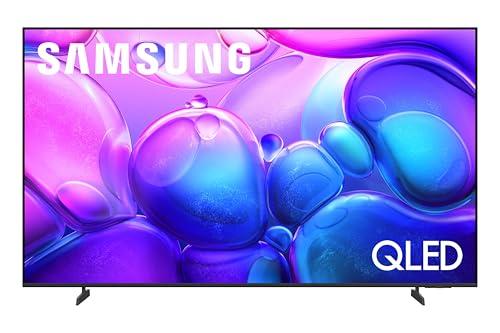

Choosing between the Roku 65" Pro Series 2025 and Samsung 75" Q6F Series 2025 perfectly illustrates one of the biggest dilemmas in TV shopping: do you prioritize premium features and picture quality, or maximize screen size for your budget? Both 2025 models represent quantum dot LED (QLED) technology—a significant step up from basic LED TVs that uses tiny particles to produce more vibrant, accurate colors—but they target completely different buyers.
At the time of writing, the Roku Pro Series costs roughly double what you'd pay for the Samsung Q6F, despite offering 10 fewer inches of screen real estate. That price gap isn't arbitrary—it reflects fundamental differences in display technology, gaming capabilities, and audio quality that could make or break your viewing experience depending on what you value most.
Both TVs use QLED panels, which sandwich a layer of quantum dots—microscopic particles that glow specific colors when hit by light—between the backlight and LCD panel. This technology produces more accurate colors and better brightness than traditional LED TVs, especially in bright rooms where cheaper displays often look washed out.
However, not all QLED implementations are equal. The key differentiators include the backlight system (standard LED versus Mini-LED), local dimming capabilities (how precisely the TV can control bright and dark areas), processing power for upscaling lower-quality content, and refresh rate for smooth motion. These technical differences directly translate to real-world performance gaps that become obvious when watching HDR movies, playing games, or viewing in challenging lighting conditions.
The main considerations when choosing between modern QLEDs include screen size versus picture quality trade-offs, gaming performance requirements, smart platform preferences, audio quality expectations, and your room's lighting conditions. The Roku Pro Series and Samsung Q6F represent opposite approaches to these priorities.
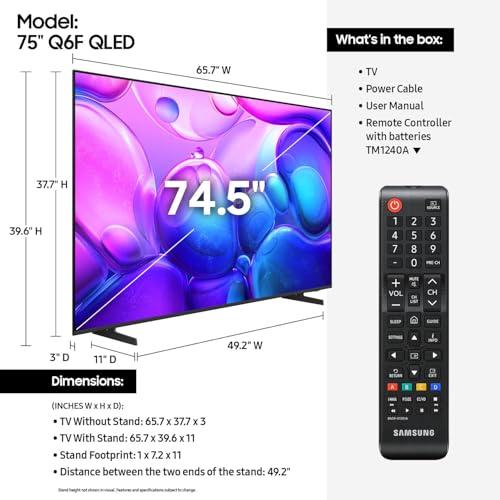
The Samsung Q6F's 75-inch screen provides significantly more viewing area—about 44% more screen space than the Roku's 65-inch display. For large living rooms or anyone sitting more than 10 feet from their TV, that size difference creates a more immersive experience that smaller screens simply cannot match.
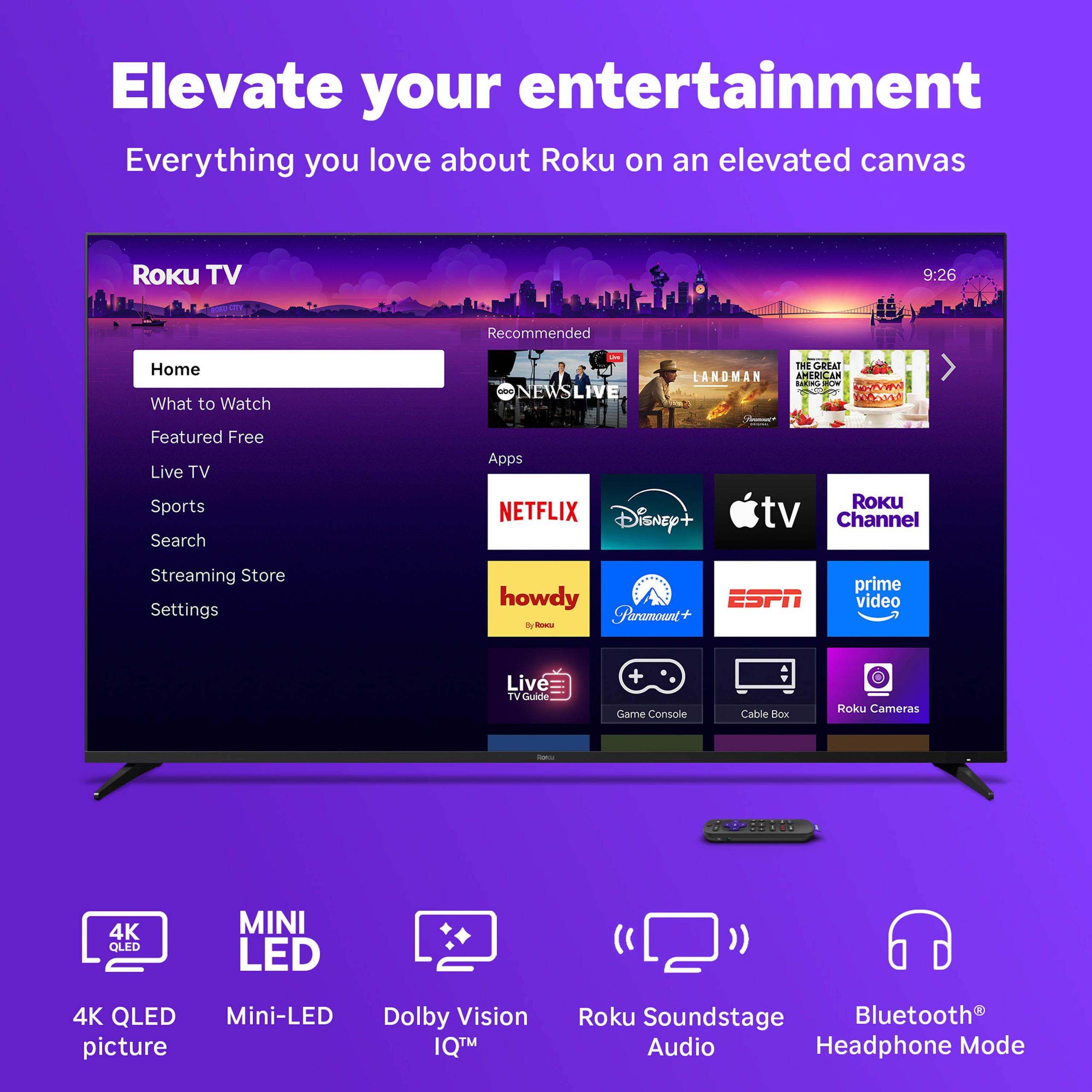
However, the Roku Pro Series compensates for its smaller size with Mini-LED backlighting technology. While standard QLED TVs like the Samsung Q6F use a relatively uniform backlight across the entire screen, Mini-LED systems pack thousands of tiny LEDs behind the panel with independent local dimming zones. This means the Roku can make specific areas of the screen incredibly bright while keeping other sections completely dark—crucial for HDR content where you want bright explosions alongside deep space backgrounds.
The practical result? The Roku delivers what reviewers consistently describe as "75% higher dynamic contrast" compared to previous generations, with minimal blooming (unwanted light halos around bright objects). The Samsung Q6F produces respectable contrast but cannot achieve the same precision, particularly in dark room viewing where these differences become most apparent.
For gaming, the performance gap between these TVs is substantial and decisive. The Roku Pro Series features a true 120Hz refresh rate, meaning it can display 120 unique frames per second for incredibly smooth motion. Combined with two HDMI 2.1 ports capable of handling 4K resolution at 120Hz, plus AMD FreeSync Premium Pro technology (which eliminates screen tearing), the Roku can fully utilize PlayStation 5 and Xbox Series X capabilities.
Input lag—the delay between pressing a controller button and seeing the action on screen—drops to just 5.2 milliseconds on the Roku at 120Hz. For context, most competitive gamers consider anything under 20ms acceptable, making this exceptionally responsive. Variable Refresh Rate (VRR) and Auto Low Latency Mode (ALLM) further enhance gaming by synchronizing the TV's refresh rate with your console's output and automatically switching to the fastest response mode when gaming is detected.
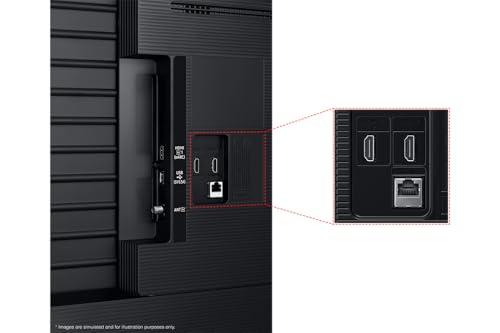
The Samsung Q6F supports gaming features like Auto Game Mode and basic VRR, but it's fundamentally limited by its 60Hz refresh rate and standard HDMI ports. You can still enjoy games, but you'll miss out on the butter-smooth motion and competitive advantages that high refresh rate gaming provides. For casual gaming, this limitation isn't deal-breaking, but serious gamers will immediately notice the difference.
Beyond raw specifications, both TVs handle picture quality differently through their processing engines. The Roku Pro Series includes Smart Picture Max, an AI-powered system that analyzes each scene and automatically adjusts color saturation, contrast, and sharpness. Think of it as having a professional calibrator constantly optimizing your picture—it switches between different picture modes, adjusts color temperature, and fine-tunes contrast ratios without any input from you.
This scene-by-scene optimization produces consistently excellent results across different content types. Whether you're watching a dark thriller, bright sports broadcast, or animated movie, the Roku adapts automatically. User reviews consistently praise this feature for eliminating the flat, artificial look that often plagues heavily compressed streaming content.
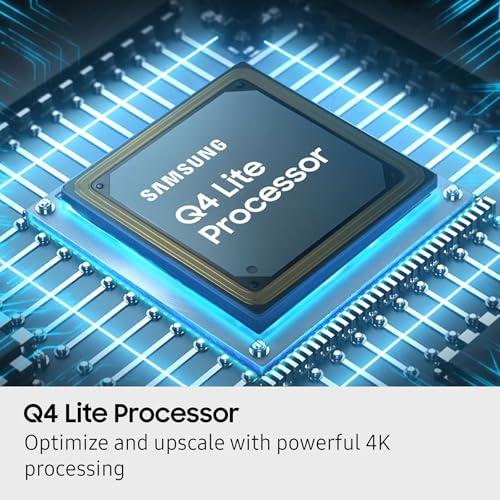
The Samsung Q6F takes a more traditional approach with its Q4 Lite processor. It includes Color Booster technology that enhances red and blue saturation for more vibrant images, plus Motion Xcelerator that estimates motion between frames to reduce blur. While these features improve picture quality compared to basic LED TVs, they lack the sophisticated, real-time optimization of the Roku's AI system.
Peak brightness represents another crucial difference. The Roku Pro Series can reach impressive brightness levels that make HDR content truly pop, especially highlights like sun reflections or explosions. The Samsung Q6F, while still bright enough for most viewing conditions, cannot match these peak levels. In very bright rooms with lots of windows, this difference becomes noticeable when watching HDR movies during daytime.
The 120Hz versus 60Hz refresh rate difference extends beyond gaming to all motion-heavy content. Sports broadcasts, action movies, and even camera pans in documentaries appear noticeably smoother on the Roku Pro Series. The TV can display twice as many frames per second, reducing motion blur and making fast-moving objects easier to track.
Both TVs include motion interpolation features—technology that creates artificial frames between real ones to smooth out motion—but higher native refresh rates always produce better results than software tricks. The Samsung Q6F's Motion Xcelerator technology works reasonably well for casual viewing, but cannot match the natural smoothness of true 120Hz playback.
For sports enthusiasts, this difference is particularly important. Following a hockey puck, tennis ball, or football through rapid camera movements becomes much easier when motion appears fluid rather than slightly choppy. The Roku also handles judder—the stuttering effect when 24fps movies are displayed on TVs—more gracefully across different source types.
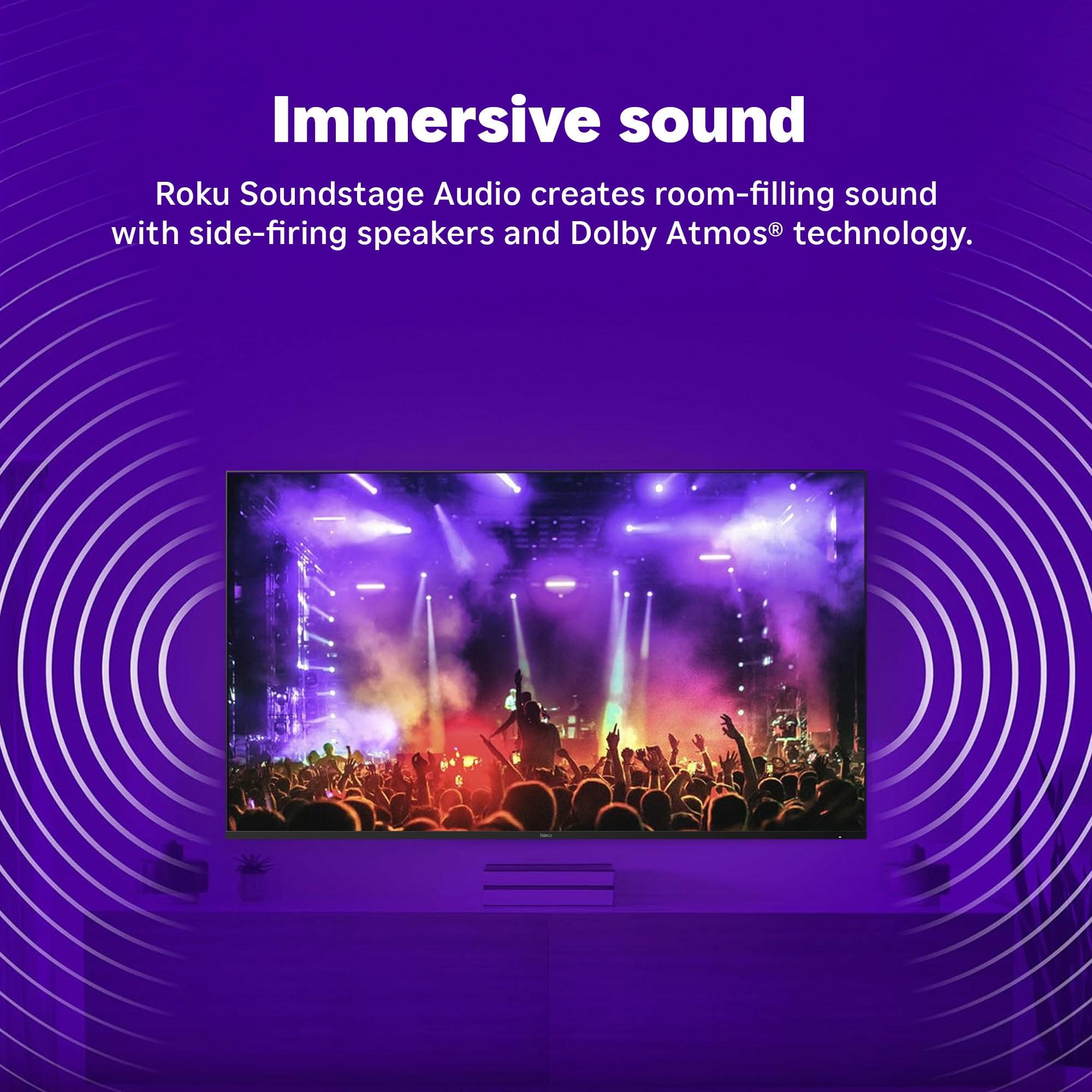
Audio represents one of the Roku Pro Series' strongest advantages. Its Soundstage Audio system with side-firing speakers and Dolby Atmos support creates genuinely impressive sound that many users describe as eliminating the immediate need for a soundbar. Dolby Atmos is a surround sound technology that places audio objects in three-dimensional space, making helicopter sounds appear overhead or footsteps seem to move around the room.
User reviews consistently highlight the Roku's "theater-like bass that rattles walls" and sufficient volume levels that fill rooms without strain. For many buyers, this audio quality difference alone justifies the price premium, especially considering that quality soundbars often cost several hundred dollars.
The Samsung Q6F includes Object Tracking Sound Lite (OTS Lite) with 20-watt speakers—adequate for general viewing but lacking the depth and room-filling presence of the Roku's audio system. Most users will eventually want to add external speakers, which should be factored into the total cost of ownership.
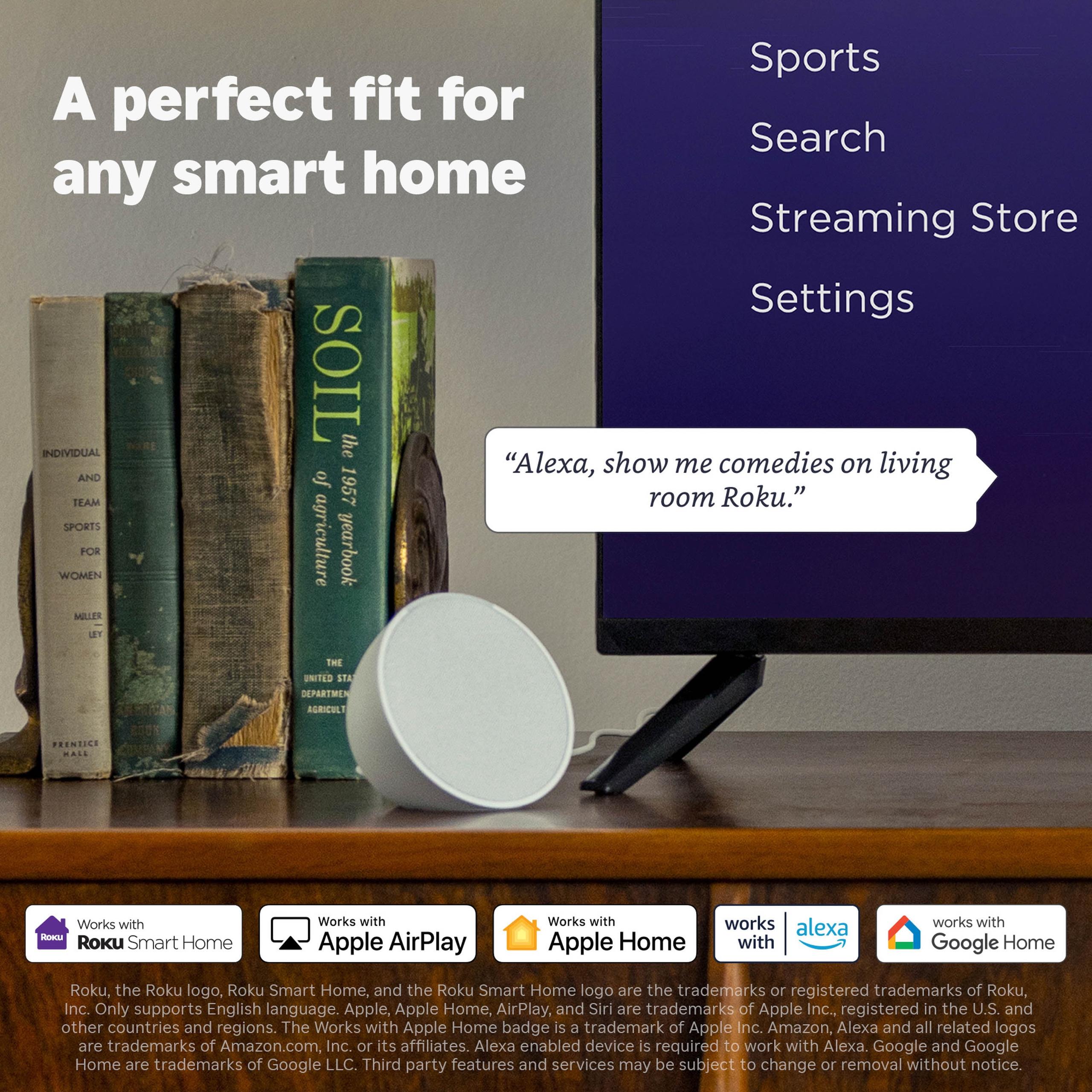
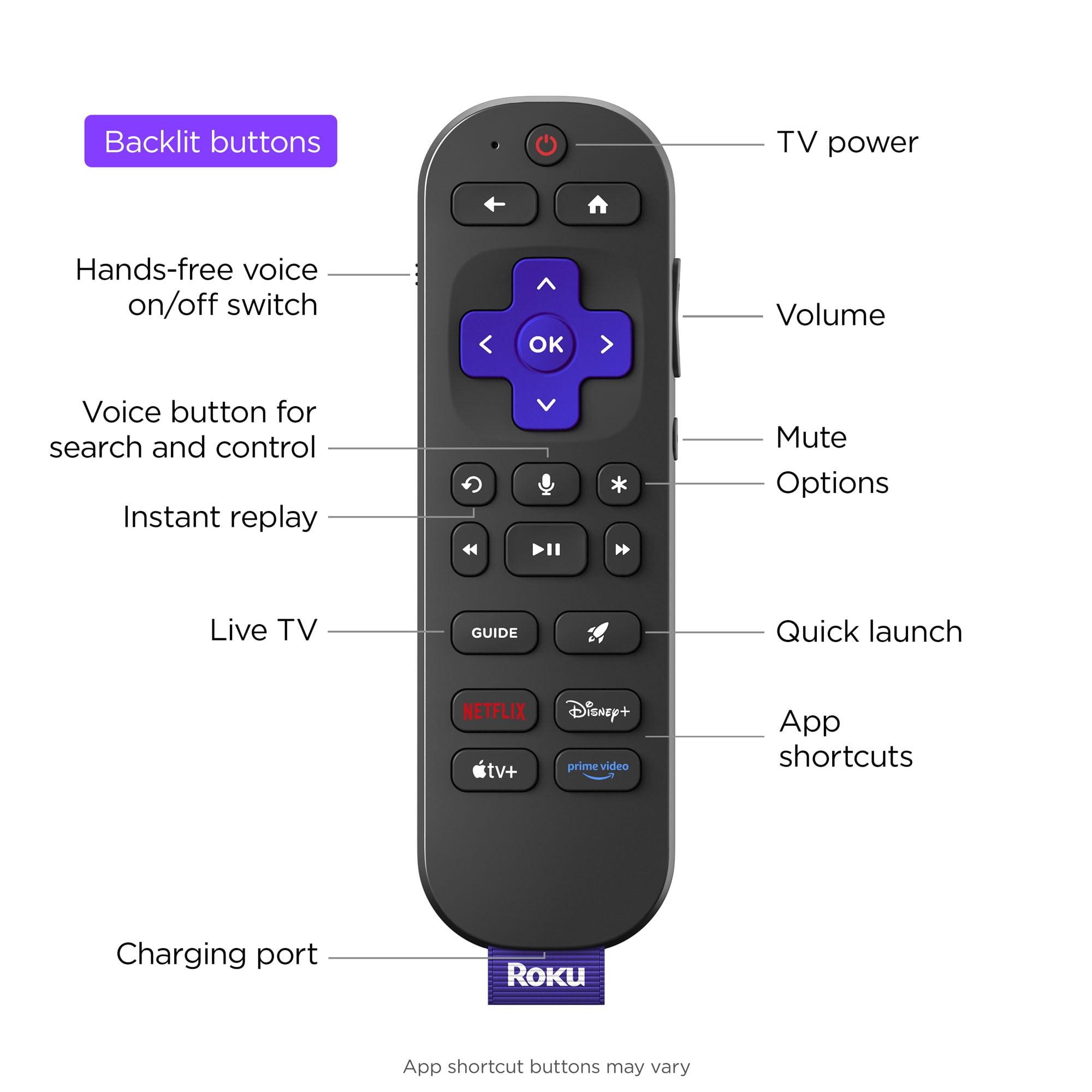
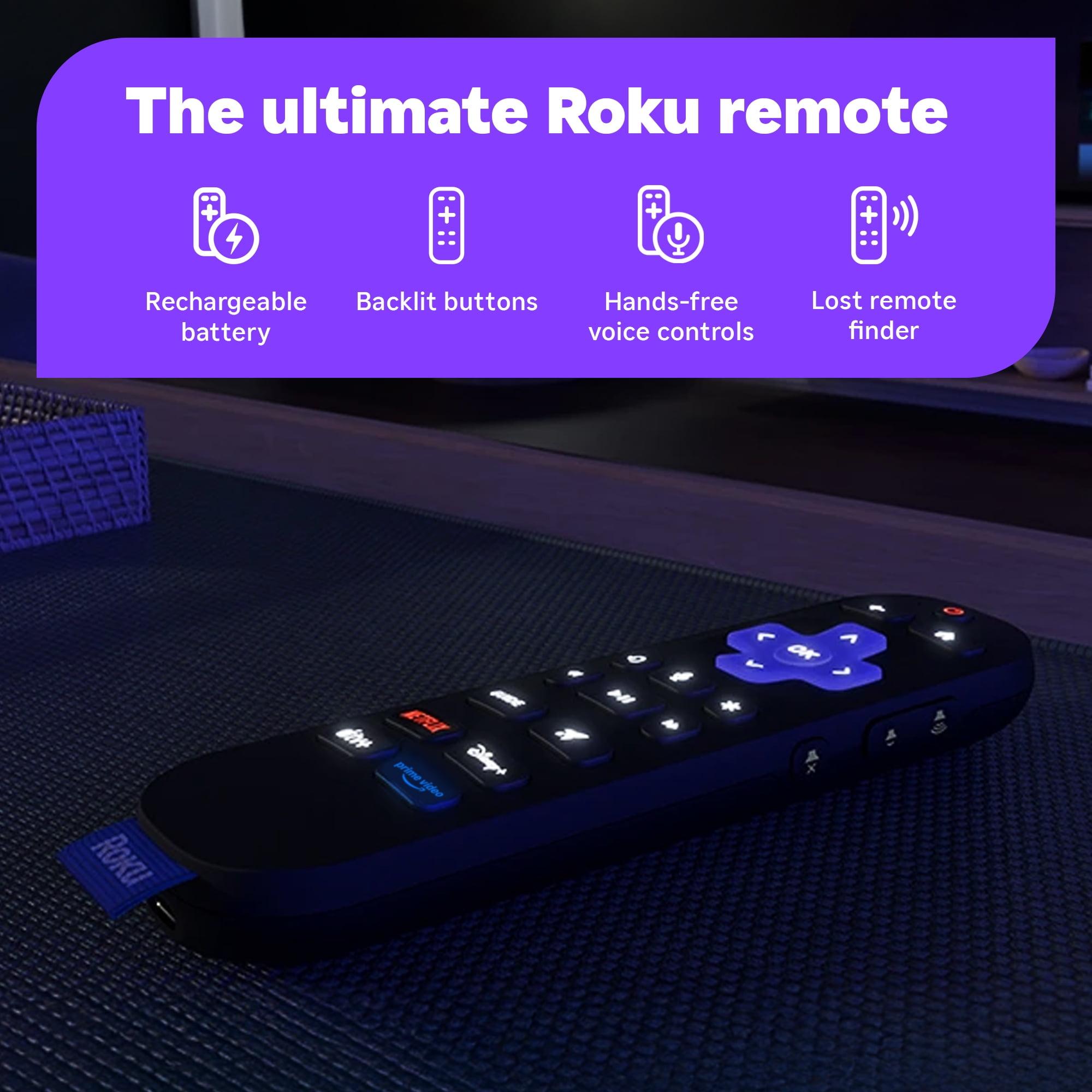
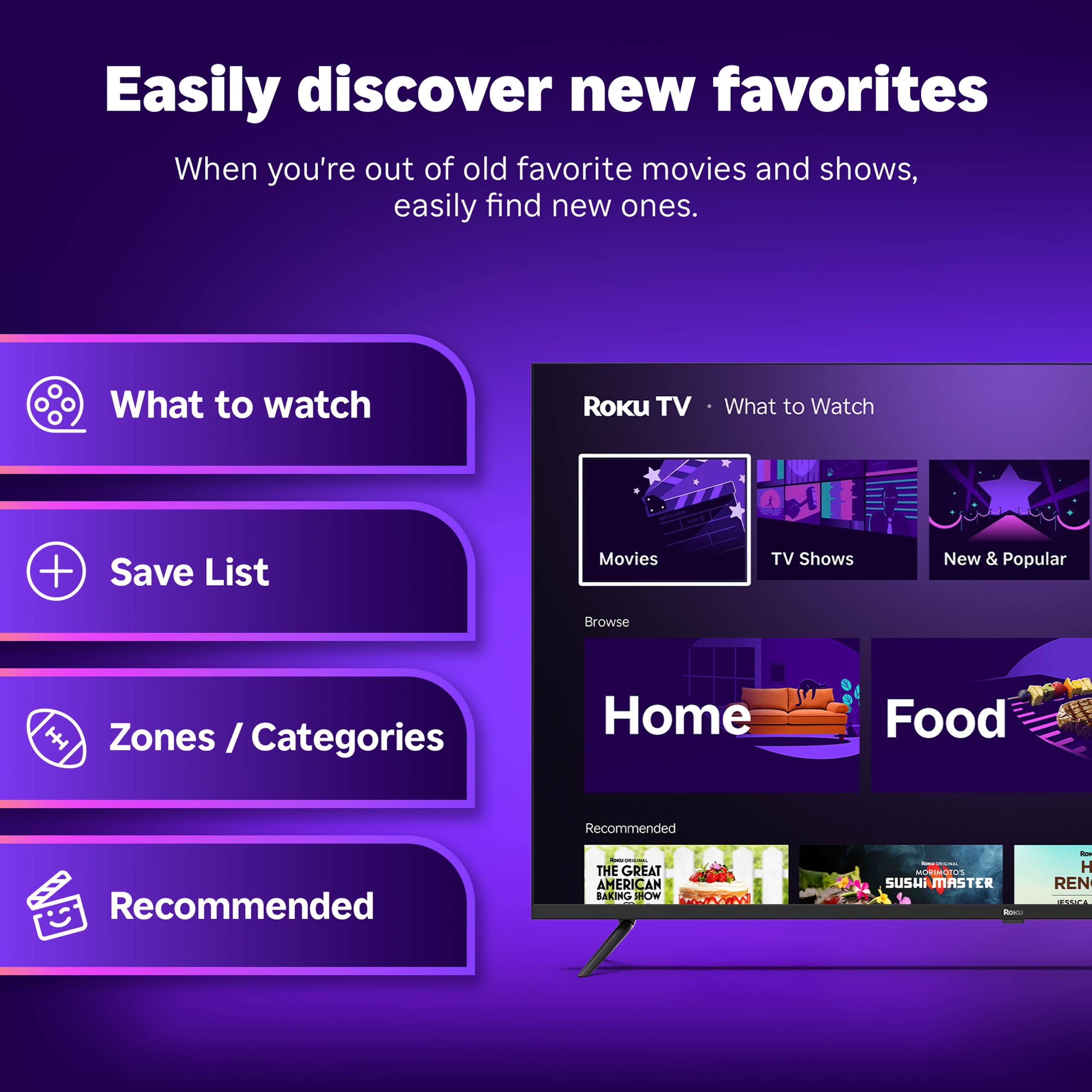
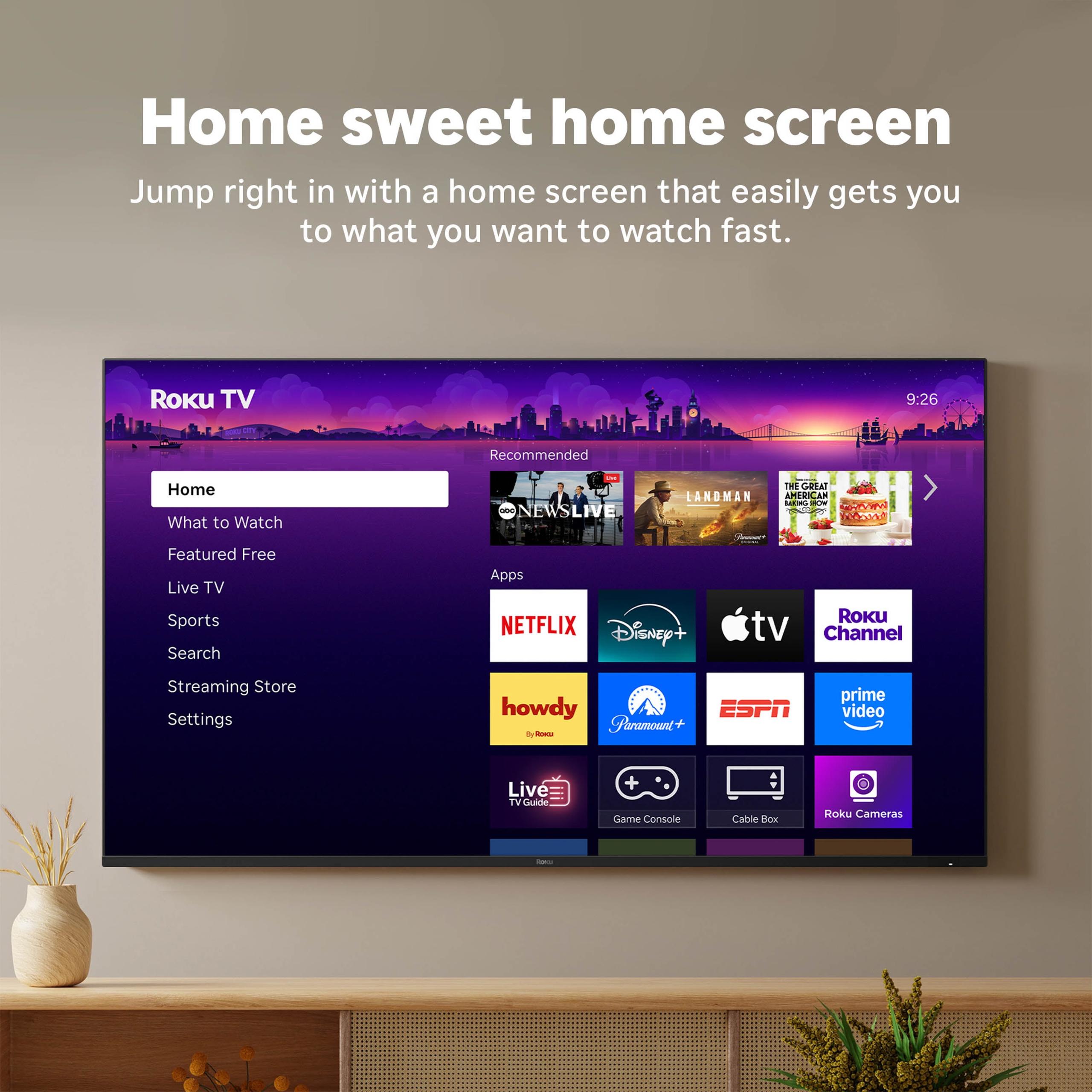
Both TVs run capable smart TV platforms, but with different philosophies. The Roku TV OS emphasizes simplicity and speed, presenting all your apps, streaming services, and inputs in a clean, unified interface. Wi-Fi 6 connectivity ensures fast app loading and smooth navigation. The included Voice Remote Pro features backlit buttons for dark room use, hands-free voice controls, and a unique remote finder button on the TV itself—invaluable for anyone who regularly misplaces remotes.
Samsung's Tizen platform on the Q6F offers more comprehensive smart home integration through SmartThings Hub, plus Samsung TV Plus with over 2,000 free streaming channels. The platform supports multiple voice assistants and provides extensive customization options. However, this feature richness can feel overwhelming for users who simply want to launch Netflix or YouTube quickly.
From our research into user feedback, the Roku platform tends to satisfy users seeking straightforward, reliable performance, while the Samsung platform appeals to those wanting comprehensive smart home control and extensive free content options.
Your room's lighting and seating arrangement significantly influence which TV performs better. The Roku Pro Series excels in bright rooms thanks to its Mini-LED backlighting and higher peak brightness. Colors remain vibrant and blacks stay deep even with windows or lamps creating ambient light—a common weakness of cheaper displays.
However, the Roku has relatively narrow viewing angles, meaning image quality degrades when viewed from the side. This limitation matters less in typical living room setups but could be problematic for wide seating arrangements or open-concept spaces where people view from various angles.
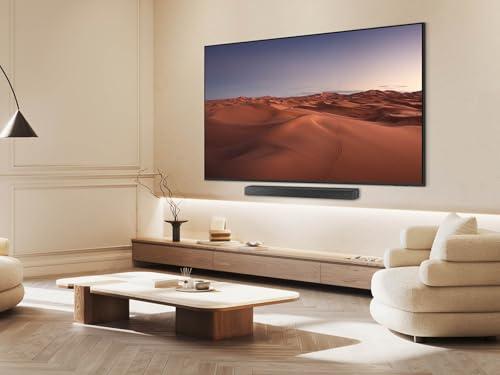
The Samsung Q6F's larger 75-inch screen provides more flexibility for room layouts, and its adjustable feet can be positioned at different widths to accommodate various TV stands. The sheer size helps maintain an engaging viewing experience even from suboptimal angles, though image quality still degrades with extreme off-axis viewing.
For dedicated home theater use, the Roku Pro Series represents the clear choice despite its smaller size. Mini-LED backlighting with precise local dimming creates the deep blacks and bright highlights that make HDR movies truly cinematic. The AI-powered picture processing ensures consistent quality across different streaming services and disc sources, while Dolby Atmos audio creates an immersive soundscape without additional equipment.
The Samsung Q6F can certainly serve in a home theater setup, particularly where budget constraints require maximizing screen size. However, its limited peak brightness and basic local dimming cannot reproduce the dynamic range that makes HDR content compelling. Most serious home theater enthusiasts would need to add a quality soundbar to achieve satisfying audio performance.
In dark room viewing—the ideal home theater environment—the Roku's superior contrast ratio and black levels become most apparent. Stars against deep space, candlelit scenes, and shadow detail in dark movies all benefit from Mini-LED precision.
The Roku 65" Pro Series 2025 makes sense for buyers who prioritize picture quality, gaming performance, and audio quality over maximum screen size. It's ideal for serious gamers with PS5 or Xbox Series X consoles, movie enthusiasts who appreciate premium processing and HDR performance, and anyone with a bright living room where the superior contrast and brightness capabilities provide tangible benefits.
This TV also appeals to buyers who value simplicity and reliability in their smart TV experience, plus those who want excellent built-in audio without purchasing additional equipment. If you're willing to pay more for premium features and don't require the absolute largest screen possible, the Roku delivers exceptional value for its capabilities.
The Samsung 75" Q6F Series 2025 serves budget-conscious buyers who need maximum screen size above all else. It's perfect for large family rooms, basement entertainment areas, or any space where viewing distance exceeds 10-12 feet. Casual gamers who primarily play story-driven games rather than competitive online titles will find its 60Hz performance adequate.
This TV also makes sense for Samsung ecosystem users who want SmartThings integration, buyers who primarily watch streaming content and cable TV rather than premium movie sources, and anyone entering QLED technology for the first time without requiring flagship features.
At the time of writing, the price difference between these TVs reflects their target markets and capabilities. The Samsung Q6F costs roughly half what you'll pay for the Roku Pro Series, making it an attractive option for maximizing screen size on a budget.
However, consider your long-term satisfaction and usage patterns. If you're a serious gamer, movie enthusiast, or have a bright room with challenging lighting, the Roku's premium features will provide daily benefits that justify the higher cost. The superior audio quality alone could save you hundreds of dollars in soundbar purchases.
For most buyers, I'd recommend the Roku Pro Series unless budget constraints or room size absolutely require the larger display. The combination of Mini-LED picture quality, 120Hz gaming capabilities, and excellent built-in audio creates a more satisfying overall experience that will remain relevant as content quality and gaming technology continue advancing.
The Samsung Q6F serves as an excellent entry point into QLED technology and provides genuinely good performance for its price point. However, the Roku represents what premium TV technology can achieve when manufacturers focus on picture quality and user experience over cost optimization.
Consider your priorities carefully: if screen size trumps everything else, the Samsung delivers excellent value. If you want the best possible viewing and gaming experience in a still-generous 65-inch package, the Roku justifies its premium through superior technology and performance.
| Roku 65" Pro Series 2025 | Samsung 75" Q6F Series 2025 |
|---|---|
| Screen Size - Bigger isn't always better, but viewing distance matters | |
| 65 inches (ideal for 8-10 foot viewing distance) | 75 inches (ideal for 10-12+ foot viewing distance) |
| Display Technology - Mini-LED provides superior contrast and HDR performance | |
| QLED with Mini-LED backlighting and full array local dimming | Standard QLED with basic LED backlighting |
| Refresh Rate - Critical for gaming and smooth sports viewing | |
| 120Hz native (perfect for PS5/Xbox Series X gaming) | 60Hz (adequate for casual gaming and streaming) |
| Gaming Features - Make or break specs for serious gamers | |
| HDMI 2.1, 4K@120Hz, VRR, FreeSync Premium Pro, 5.2ms input lag | Basic VRR and Auto Game Mode, limited to 4K@60Hz |
| HDR Support - Dolby Vision provides the best movie experience | |
| Dolby Vision IQ, HDR10+ Adaptive, HDR10, HLG | HDR10+, HDR10, HLG (no Dolby Vision support) |
| Picture Processing - AI optimization vs basic enhancement | |
| Smart Picture Max AI (scene-by-scene automatic optimization) | Q4 Lite processor with Color Booster technology |
| Audio Quality - Can eliminate need for separate soundbar | |
| Dolby Atmos with side-firing speakers, room-filling sound | 20W 2CH speakers with Object Tracking Sound Lite |
| Smart Platform - Different approaches to streaming and control | |
| Roku TV OS with Wi-Fi 6, simple unified interface | Samsung Tizen with SmartThings Hub, 2000+ free channels |
| Remote Control - Premium features vs standard functionality | |
| Rechargeable Voice Remote Pro with backlit buttons, finder button | Standard remote with voice control support |
| Peak Brightness - Crucial for bright room viewing and HDR impact | |
| Excellent HDR brightness, superior bright room performance | Limited peak brightness, adequate for most conditions |
| Price Positioning - Value proposition reflects target audience | |
| Premium pricing for enthusiast features and performance | Budget-friendly entry into large-screen QLED technology |
The Roku 65" Pro Series 2025 is significantly better for gaming with its 120Hz refresh rate, HDMI 2.1 ports supporting 4K@120Hz, and ultra-low 5.2ms input lag. It includes AMD FreeSync Premium Pro and VRR for tear-free gaming on PS5 and Xbox Series X. The Samsung 75" Q6F is limited to 60Hz and 4K@60Hz gaming, making it adequate only for casual gaming.
The Samsung 75" Q6F offers a 75-inch screen compared to the Roku 65" Pro Series' 65-inch display. This means the Samsung provides about 44% more viewing area, making it better for large rooms or viewing distances over 10 feet. However, the smaller Roku compensates with superior picture quality and Mini-LED technology.
The Roku 65" Pro Series 2025 delivers superior picture quality with Mini-LED backlighting, full array local dimming, and 75% higher dynamic contrast. It produces deeper blacks and brighter highlights with minimal blooming. The Samsung Q6F uses standard QLED technology with basic local dimming, providing good but not exceptional contrast performance.
Both TVs support HDR, but the Roku Pro Series includes Dolby Vision IQ, HDR10+ Adaptive, HDR10, and HLG for the most comprehensive HDR support. The Samsung 75" Q6F supports HDR10+, HDR10, and HLG but lacks Dolby Vision, which is considered the premium HDR format for streaming movies and shows.
The Roku 65" Pro Series performs much better in bright rooms thanks to its Mini-LED backlighting and superior peak brightness. Colors remain vibrant and blacks stay deep even with ambient light. The Samsung Q6F can handle moderate brightness but may appear washed out in very bright conditions.
The Roku Pro Series 2025 features significantly superior audio with Dolby Atmos support, side-firing speakers, and room-filling sound that many users say eliminates the need for a soundbar. The Samsung 75" Q6F has basic 20W speakers with Object Tracking Sound Lite - adequate but not impressive audio quality.
The Roku 65" Pro Series uses Roku TV OS, known for its simple, unified interface and fast Wi-Fi 6 performance. It's generally considered more user-friendly for basic streaming. The Samsung Q6F runs Tizen OS with more features like SmartThings integration and 2000+ free channels, but can feel more complex for simple users.
The Roku Pro Series 2025 is excellent for home theater use with Mini-LED contrast, Dolby Vision support, and built-in Dolby Atmos audio. The Samsung 75" Q6F can work for home theater but lacks the deep blacks, peak brightness, and audio quality that serious movie enthusiasts prefer - you'd likely need to add a soundbar.
This depends on priorities. The Samsung 75" Q6F offers exceptional value for buyers prioritizing screen size on a budget - you get 10 more inches for significantly less money. The Roku 65" Pro Series provides better value for performance-focused buyers who want premium gaming, picture quality, and audio features.
Yes, both the Roku Pro Series and Samsung Q6F fully support 4K streaming from all major services. However, the Roku's Smart Picture Max AI processing and superior upscaling provide notably better image quality, especially with lower-bitrate streaming content that can appear soft on other TVs.
The Roku 65" Pro Series 2025 is superior for sports with its 120Hz refresh rate providing smoother motion, better motion handling, and clearer tracking of fast-moving objects like hockey pucks or tennis balls. The Samsung Q6F's 60Hz display with Motion Xcelerator technology is acceptable but cannot match true 120Hz smoothness.
Choose the Samsung 75" Q6F if you have a large room, sit far from the TV, prioritize maximum screen size on a budget, and mainly watch streaming content casually. Choose the Roku 65" Pro Series if you're a gamer, movie enthusiast, have a bright room, want superior audio quality, or prefer premium performance over maximum size.
We've done our best to create useful and informative comparisons to help you decide what product to buy. Our research uses advanced automated methods to create this comparison and perfection is not possible - please contact us for corrections or questions. These are the sites we've researched in the creation of this article: bestbuy.com - rtings.com - techradar.com - youtube.com - roku.com - youtube.com - walmart.com - bestbuy.com - youtube.com - electronicexpress.com - roku.com - pcvarge.com - ecoustics.com - youtube.com - rtings.com - cnet.com - youtube.com - rtings.com - samsung.com - bestbuy.com - samsung.com - samsung.com - bestbuy.com - manuals.plus - arrowassociatedstores.com - samsung.com - samsung.com - samsung.com - flatpanelshd.com - device.report

Privacy Policy
Terms and Conditions - Affiliate Policy
Home Security
© Copyright 2008-2026.
11816 Inwood Rd #1211, Dallas, TX 75244