

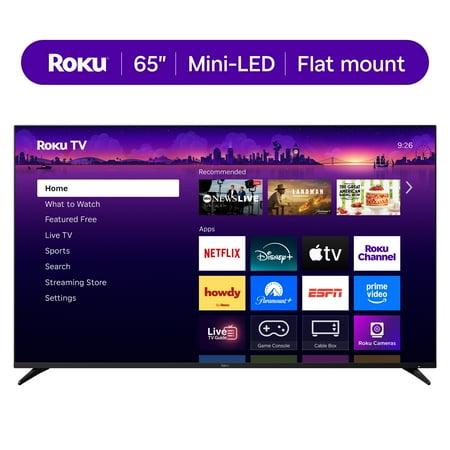
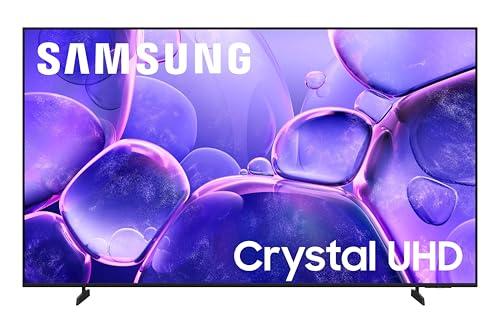
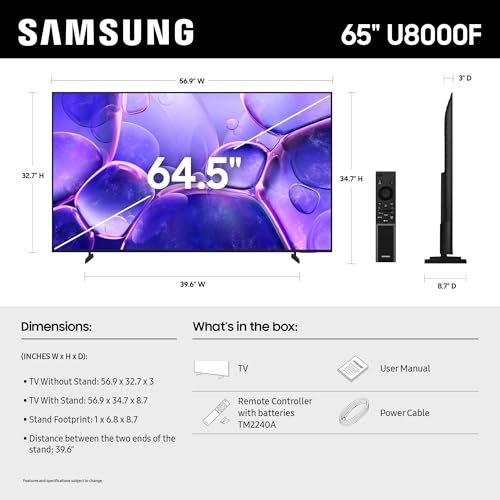
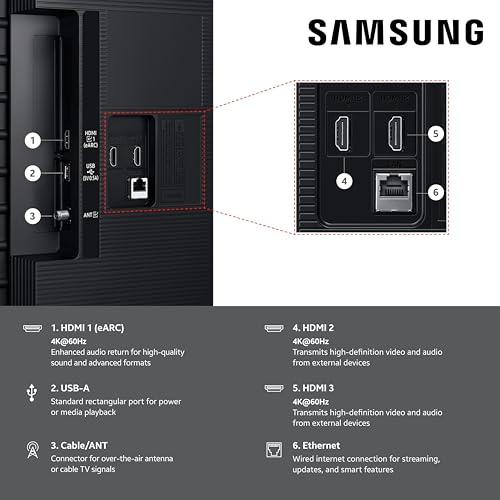

When you're shopping for a 65-inch 4K TV in 2025, you'll quickly discover there's a massive performance gulf between premium and budget models. The Roku 65" Pro Series 2025 and Samsung 65" Crystal UHD U8000F perfectly illustrate this divide—at the time of writing, they're separated by over $800 in price, which translates to dramatically different viewing experiences.
Both TVs launched in 2025, but they represent completely different philosophies. The Roku Pro Series builds on years of Mini-LED development and AI-powered picture processing, while Samsung's U8000F focuses on delivering basic 4K functionality at an accessible price point. Understanding these differences will help you determine which approach makes sense for your situation.
Before diving into specifics, it's worth understanding what separates premium TVs from budget models. The most significant factor is backlighting technology—how the TV illuminates its LCD panel to create the image you see.
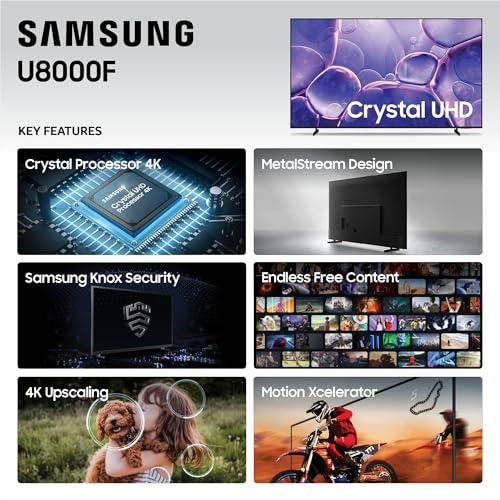
Budget TVs like the Samsung U8000F use basic LED backlighting, where a strip of LEDs along the edges or back of the screen provides uniform illumination. This approach keeps costs low but limits contrast—the difference between the brightest whites and darkest blacks your TV can display simultaneously.
Premium models like the Roku Pro Series employ Mini-LED backlighting, using thousands of tiny LEDs arranged behind the screen in precise zones. Each zone can be dimmed or brightened independently (called local dimming), creating much better contrast. When a movie scene shows stars against a night sky, Mini-LED can keep the stars bright while making the surrounding areas truly dark.
The Roku takes this further with QLED technology, where a layer of quantum dots enhances color accuracy and brightness. These microscopic particles emit pure colors when hit by light, resulting in more vibrant and accurate images than traditional LCD displays.
The most dramatic difference between these TVs becomes apparent the moment you turn them on in a typical living room. Our research into professional reviews reveals the Roku Pro Series delivers exceptional brightness levels—reaching over 1,800 nits in its brightest mode. For context, most budget TVs struggle to exceed 300-400 nits.
This brightness advantage isn't just about impressing friends with vivid colors. In real-world viewing conditions—living rooms with windows, lamps, or overhead lighting—brighter TVs maintain image quality while dimmer displays look washed out. The Samsung U8000F falls into this latter category, with reviewers consistently noting it's unsuitable for bright rooms.
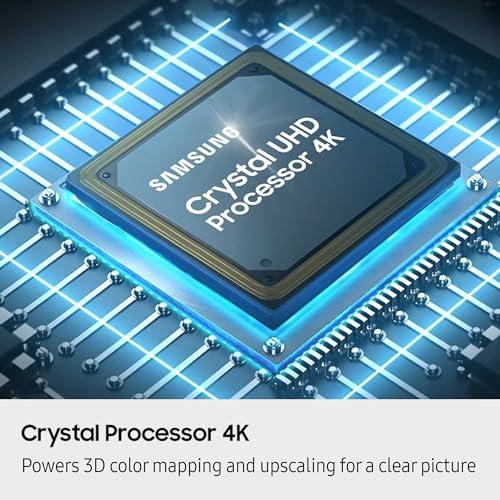
HDR performance (High Dynamic Range) showcases this divide most clearly. HDR content from Netflix, Amazon Prime, or 4K Blu-rays contains information about how bright highlights should appear and how dark shadows should be. The Roku can actually reproduce these extremes, making explosions genuinely dazzling while keeping shadow details visible. The Samsung, lacking both sufficient brightness and local dimming, renders HDR content with compressed contrast that looks flat and lifeless.
Color accuracy represents another significant gap. The Roku's quantum dot technology and factory calibration deliver colors that closely match what filmmakers intended. Professional measurements show color accuracy ratings around 2.6 (where lower numbers indicate better accuracy), while budget TVs often exceed 4.0, meaning colors appear noticeably off from the source material.
The Samsung U8000F does achieve decent color accuracy for standard definition content in controlled lighting, which explains why some users report satisfaction when upgrading from much older TVs. However, this acceptable performance doesn't extend to HDR content or bright viewing environments.
Gaming capabilities separate these TVs dramatically, especially if you own or plan to purchase a PlayStation 5 or Xbox Series X. The Roku Pro Series includes full HDMI 2.1 support, meaning it can handle 4K resolution at 120 frames per second—the maximum output these modern consoles can provide.
Beyond raw specifications, the Roku implements Variable Refresh Rate (VRR), which synchronizes the TV's display with your console's output to eliminate screen tearing—those horizontal lines that appear during fast motion in games. It also features Auto Low Latency Mode (ALLM), automatically switching to game mode when it detects a console, reducing input lag (the delay between pressing a button and seeing the result on screen) to just 5.2 milliseconds.
The Samsung U8000F includes basic gaming features like ALLM, but its 60Hz refresh rate means VRR provides minimal benefit. More importantly, it lacks HDMI 2.1 bandwidth, so even if you connect a PS5 or Xbox Series X, you won't access their full capabilities.
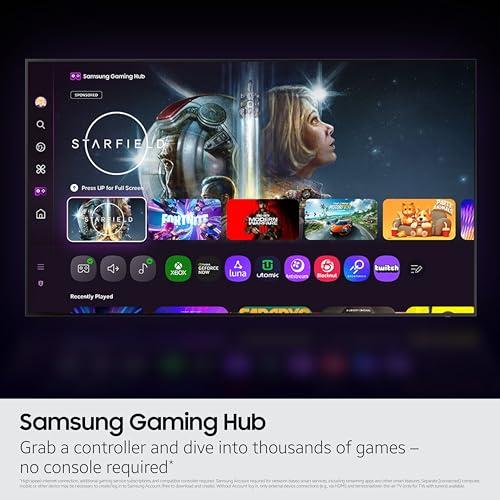
For casual gaming—streaming services' cloud gaming or older consoles—the Samsung performs adequately. Its input lag, while higher than the Roku, remains acceptable for non-competitive gaming. However, the poor motion handling creates noticeable blur during fast-paced sequences, which affects both gaming and sports viewing.
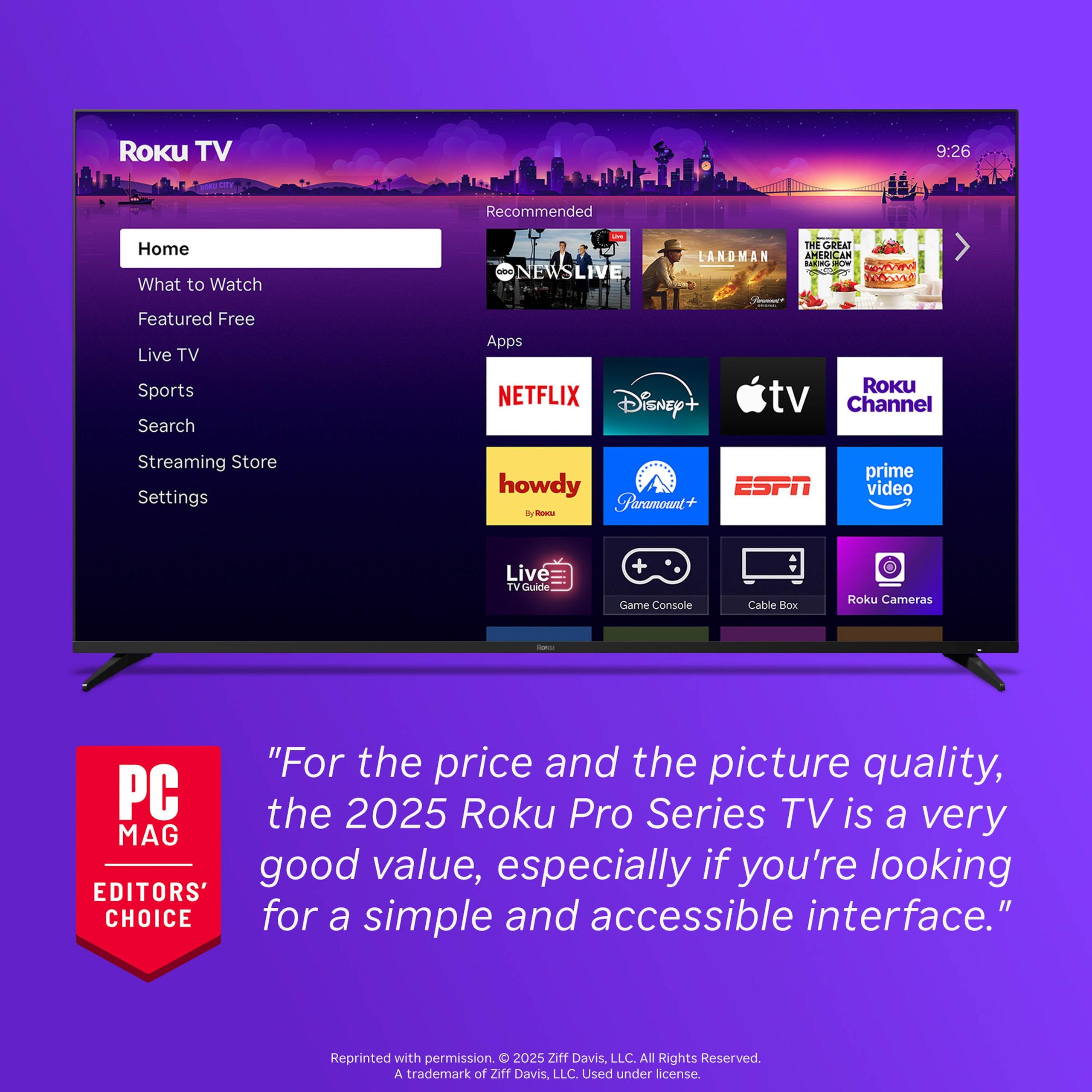
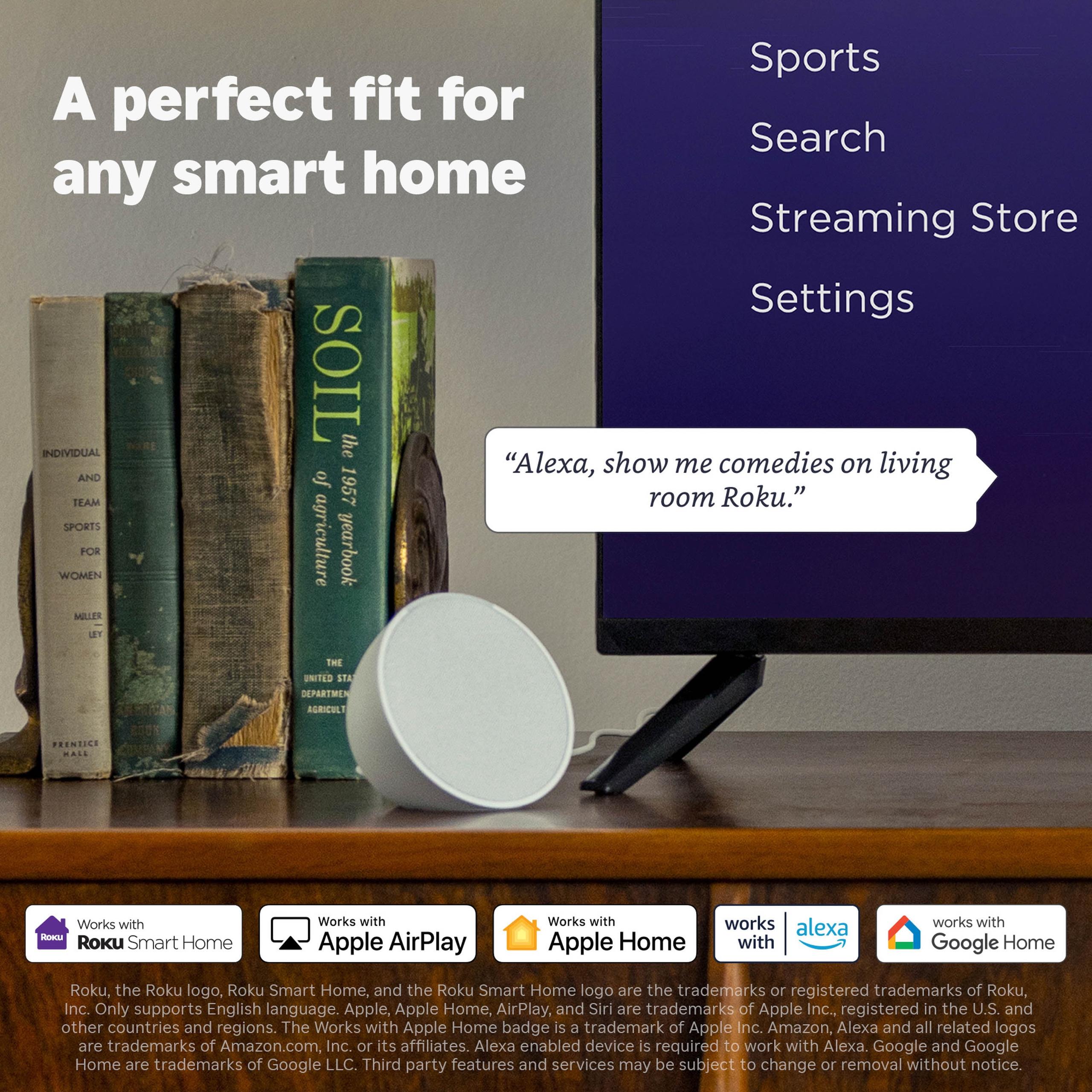
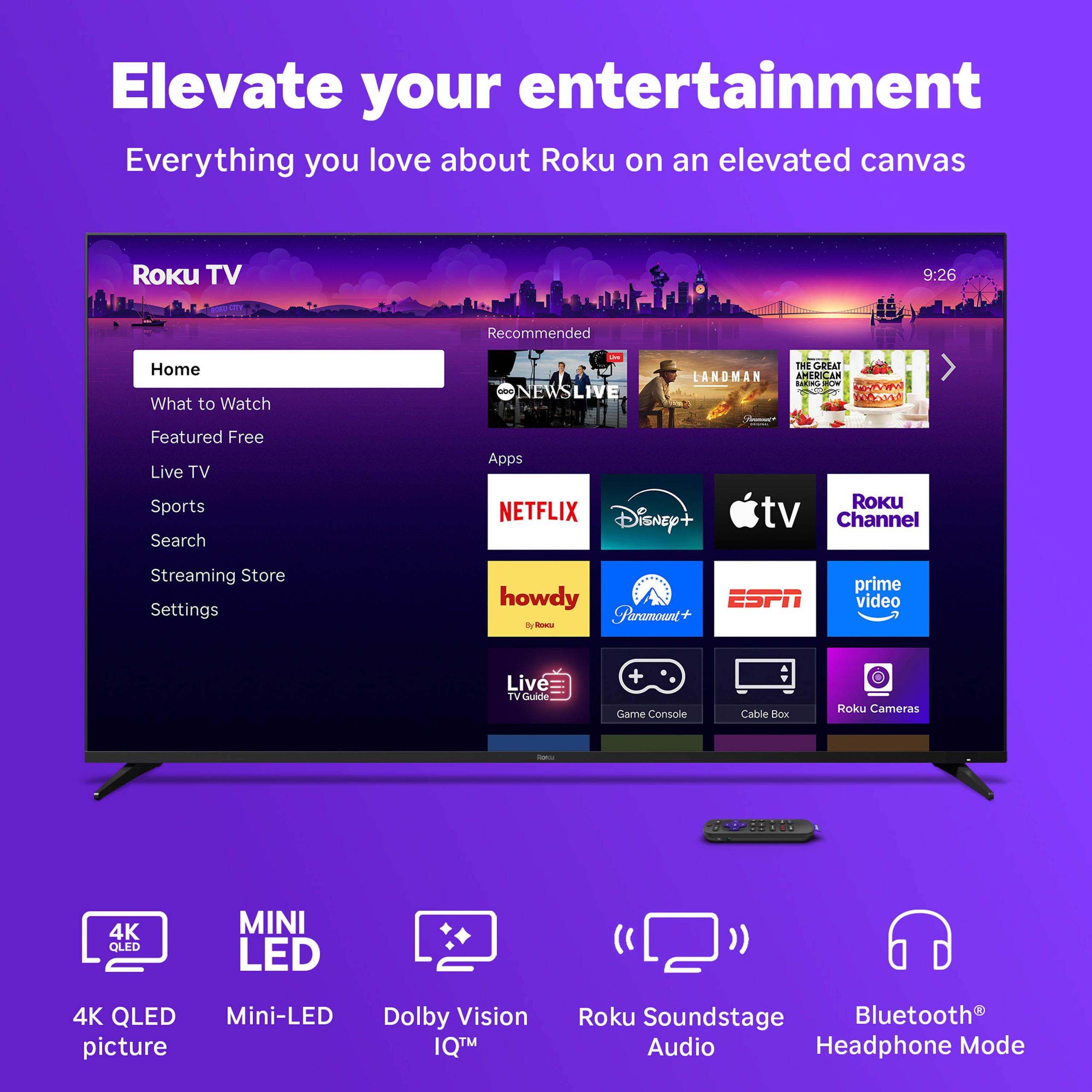
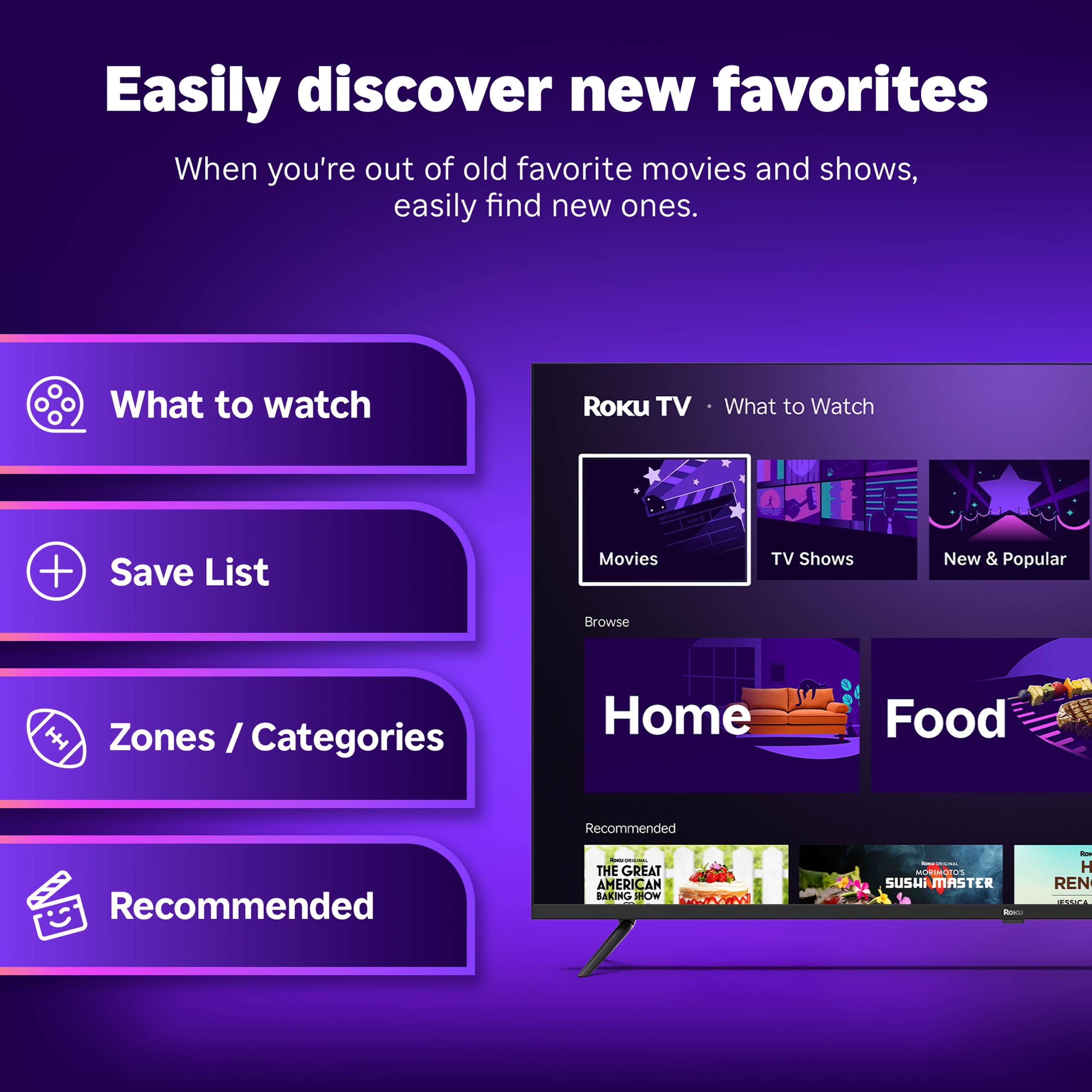
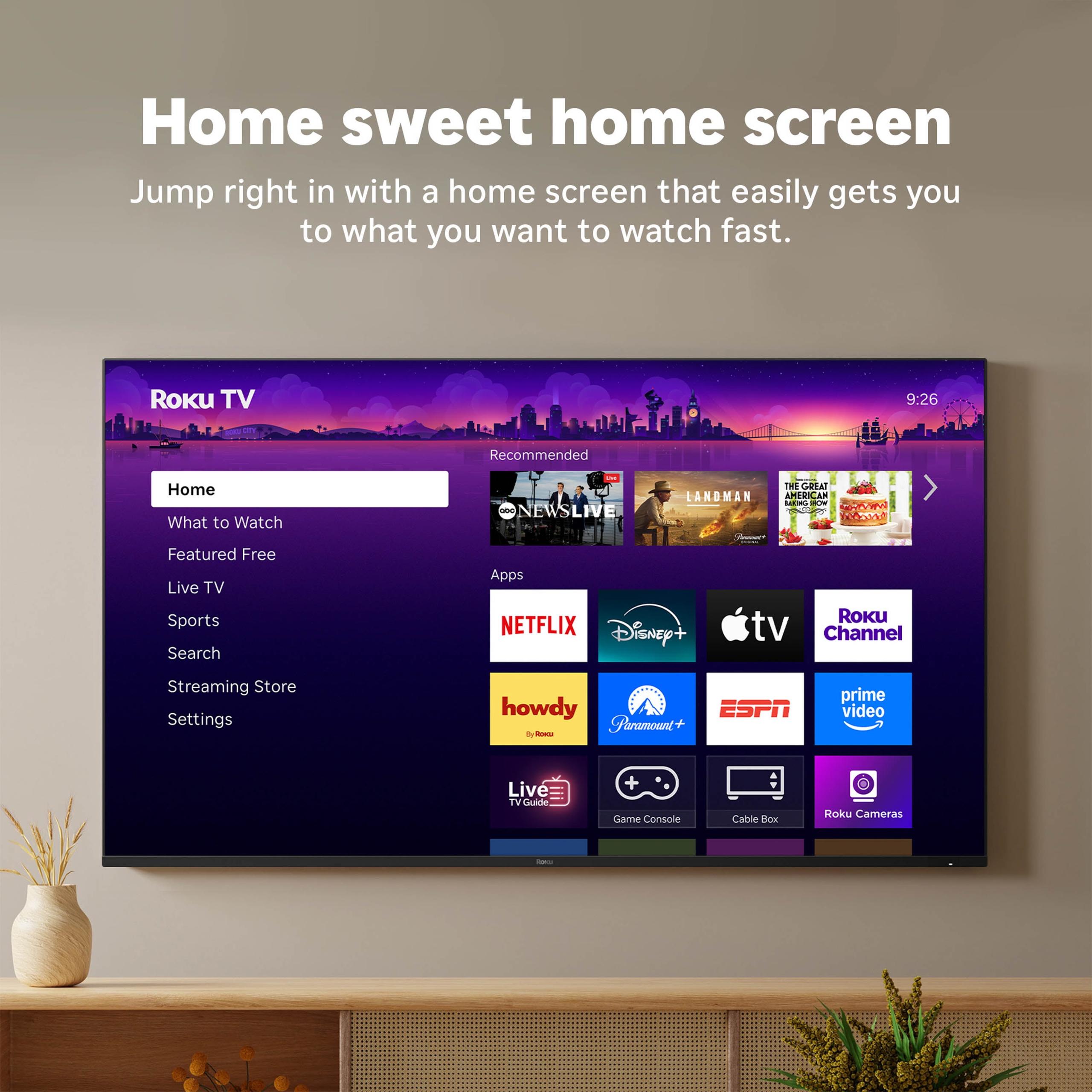
Both TVs offer capable smart TV platforms, but with different approaches. The Roku Pro Series runs Roku TV OS 15, known for its unified interface that aggregates content from various streaming services into a single home screen. This system has matured over years of development, offering fast app launches and intuitive navigation.
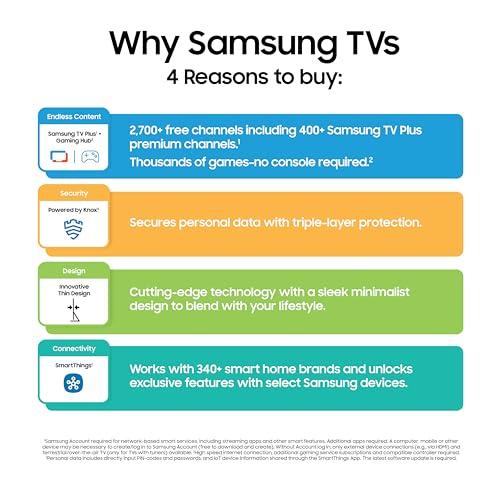
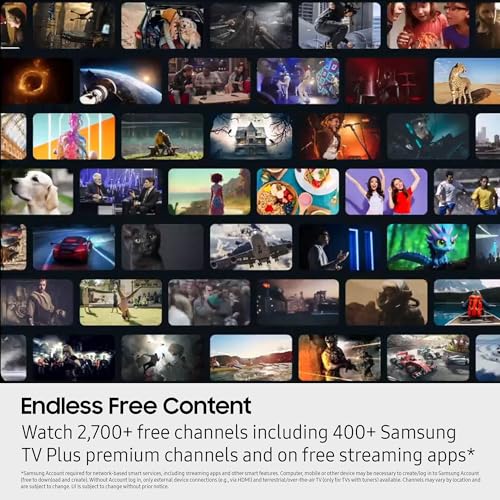
Samsung's U8000F uses Tizen OS with One UI, providing deeper smart home integration through SmartThings Hub. If you're already invested in Samsung's ecosystem or want extensive smart home control, this represents a genuine advantage. Samsung TV Plus offers thousands of free streaming channels, though content quality varies significantly.
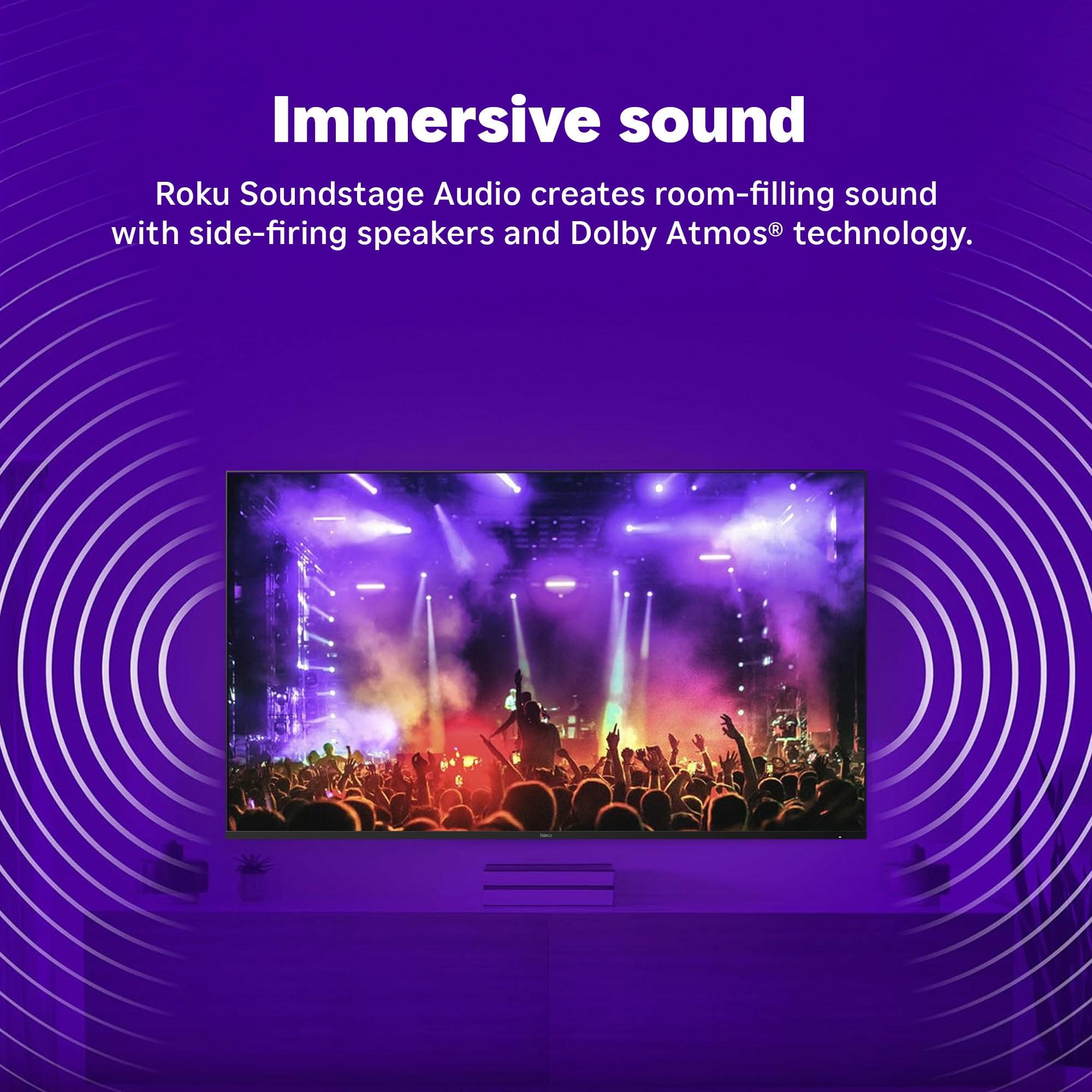
Audio quality reveals another substantial difference. The Roku's Soundstage Audio system with side-firing speakers and Dolby Atmos support delivers room-filling sound that many users find satisfactory without additional equipment. Our review research indicates it produces genuine bass response and clear dialogue—unusual for built-in TV speakers.
The Samsung U8000F's 20-watt speaker system provides clear but weak audio. Reviewers consistently recommend pairing it with a soundbar for acceptable performance, effectively adding $100-300 to the total cost.
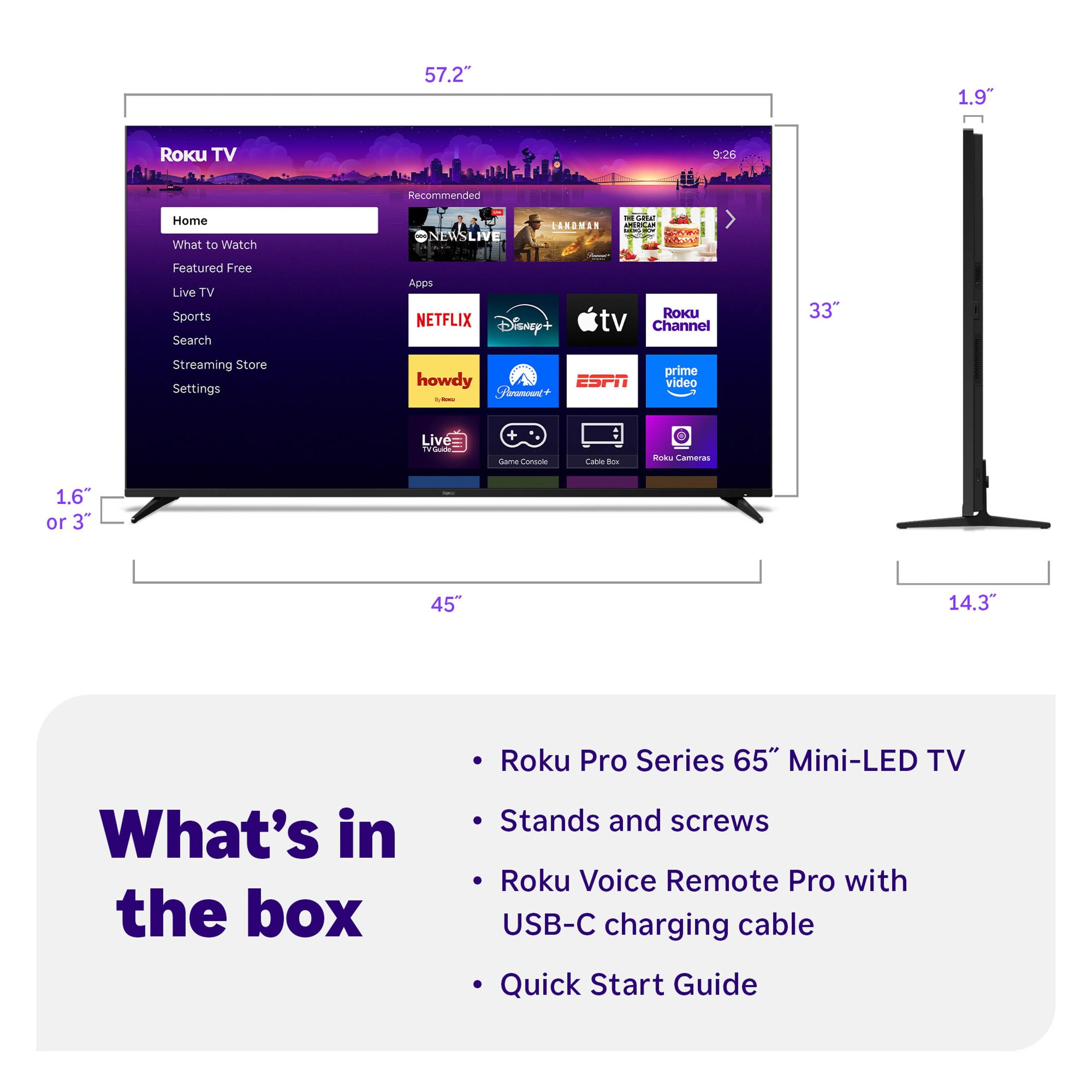
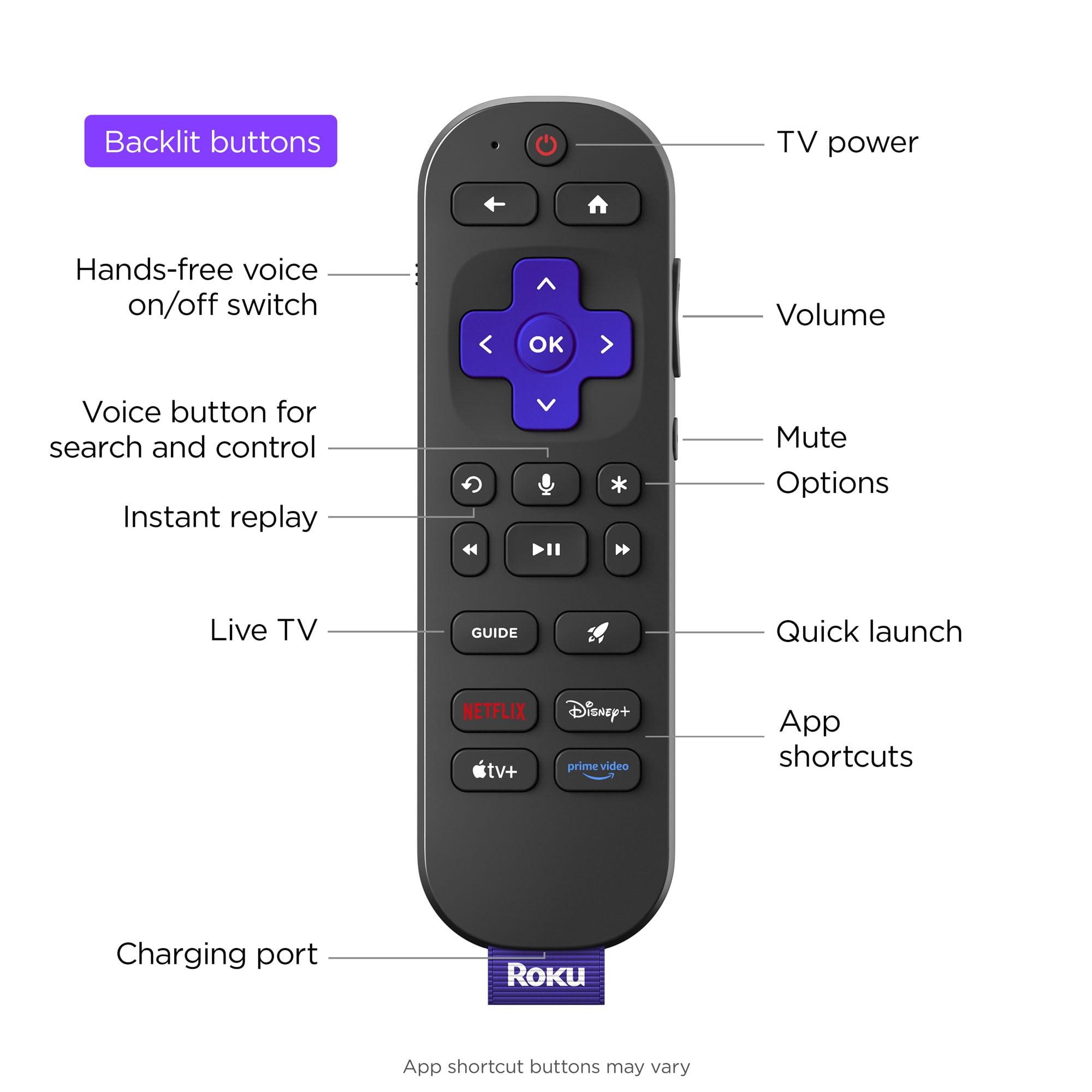
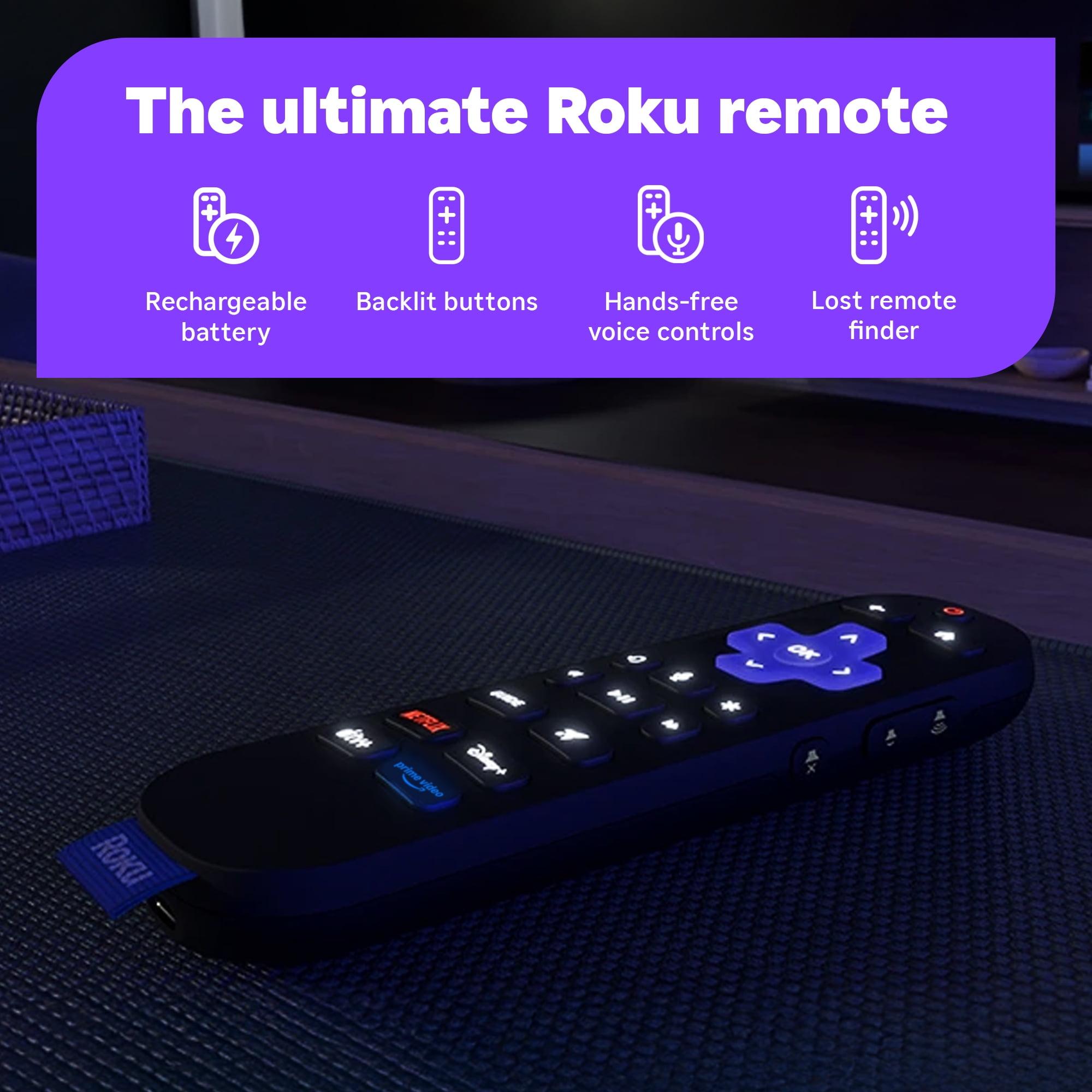
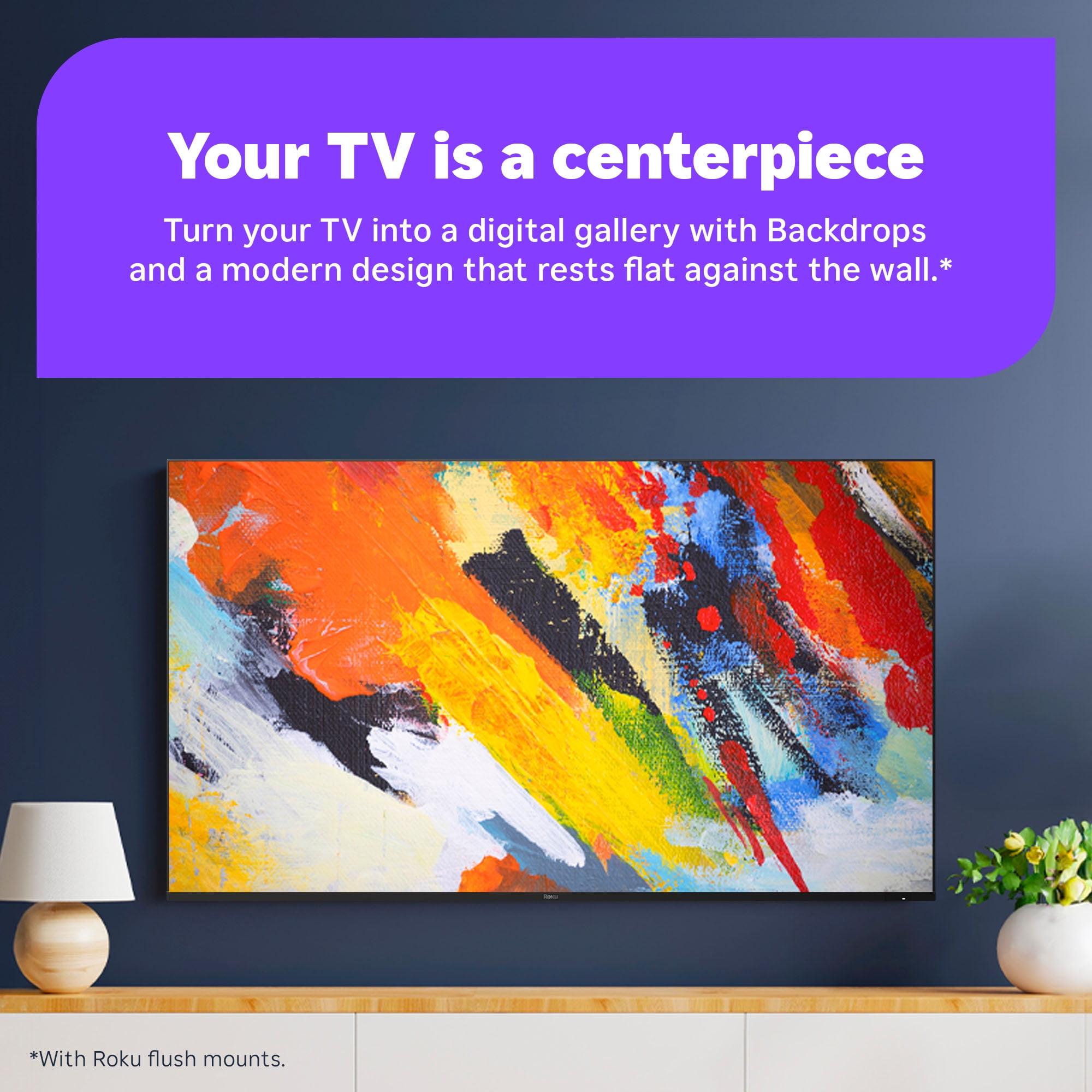
The Roku Pro Series reflects premium build quality with substantial weight and materials that feel durable. Its design prioritizes functionality—the included Voice Remote Pro features backlit buttons, rechargeable battery, and a finder function activated by pressing a button on the TV itself.
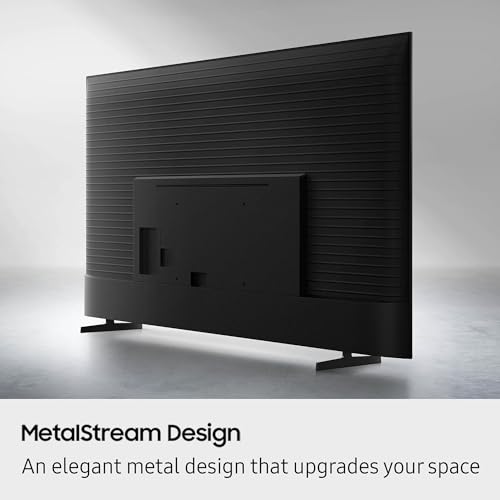
Samsung's U8000F showcases the company's MetalStream Design with slim bezels and an attractive profile. While it uses more plastic construction than premium models, the overall aesthetic remains appealing for its price category.
Both TVs share similar viewing angle limitations—colors and brightness degrade when watched from the side—typical of LCD technology regardless of price point.
Home Theater Setup: The Roku Pro Series excels in dedicated viewing environments where image quality takes priority. Its superior contrast, brightness, and HDR performance create genuinely cinematic experiences, especially with high-quality sources like 4K Blu-rays or premium streaming content.
Bright Living Room: This scenario heavily favors the Roku. Its exceptional brightness maintains image quality despite ambient light, while the Samsung U8000F appears washed out and lifeless.
Dark Room Casual Viewing: Both TVs function adequately for standard content in controlled lighting, though the Roku still provides noticeably better contrast and color accuracy.
Secondary TV Applications: For bedrooms, kitchens, or guest rooms where budget constraints matter more than ultimate quality, the Samsung U8000F delivers acceptable 4K functionality at a fraction of the cost.
At the time of writing, the price difference between these models reflects genuine performance gaps rather than brand premium. The Roku Pro Series costs roughly three times more than the Samsung U8000F, but delivers substantially superior performance across every meaningful metric.
For buyers prioritizing long-term satisfaction, the Roku's superior brightness, contrast, and gaming capabilities provide better future-proofing. As streaming services continue expanding HDR content and gaming becomes increasingly important, these features become more valuable over time.
The Samsung U8000F offers exceptional value for buyers with specific constraints—tight budgets, secondary room applications, or upgrading from significantly older displays. Its weaknesses become less apparent when expectations align with its budget positioning.
Choose the Roku Pro Series if:
Your budget accommodates the premium pricing and image quality matters significantly to your viewing enjoyment. This TV makes sense for primary viewing locations where you'll watch HDR content, play modern games, or deal with significant ambient lighting. The superior built-in audio may eliminate soundbar purchases, partially offsetting the higher initial cost.
Home theater enthusiasts will appreciate the accurate colors, excellent contrast, and bright HDR performance that approaches what filmmakers intended. Serious gamers benefit from full next-generation console support and low input lag.
Choose the Samsung U8000F if:
Budget constraints make the premium option unrealistic, or you're purchasing for secondary viewing locations where ultimate quality isn't essential. This TV works well for casual streaming in controlled lighting environments, especially when upgrading from much older displays.
The decent smart TV features and attractive design provide good value for buyers who plan to add soundbar systems regardless of built-in audio quality.
These TVs represent fundamentally different approaches to 65-inch 4K displays. The Roku Pro Series delivers genuine premium performance that justifies its pricing for serious viewers, while the Samsung U8000F provides basic 4K functionality at an accessible price point.
The substantial price gap reflects real performance differences rather than marketing hype. Your choice should align with both budget realities and performance expectations—attempting to find middle ground between such distinct market positions often leads to disappointment.
For most buyers investing in their primary TV for 5-7 years of daily use, the Roku's superior image quality, gaming capabilities, and bright room performance provide better long-term value despite higher upfront costs. However, the Samsung U8000F serves budget-conscious buyers well when expectations match its entry-level positioning.
| Roku 65" Pro Series 2025 | Samsung 65" Crystal UHD U8000F |
|---|---|
| Display Technology - Determines picture quality, brightness, and contrast | |
| Mini-LED with QLED and full-array local dimming | Basic LED backlight without local dimming |
| Peak Brightness - Critical for HDR content and bright rooms | |
| Up to 1,818 nits (excellent for any lighting condition) | ~300-400 nits (requires dark room viewing) |
| HDR Support - Essential for premium streaming content | |
| Dolby Vision IQ, HDR10+, HLG (full premium HDR) | HDR10, HDR10+, HLG (basic HDR with poor performance) |
| Refresh Rate - Important for gaming and sports | |
| Native 120Hz with VRR and ALLM | 60Hz with basic VRR (limited effectiveness) |
| Gaming Features - Future-proofing for PS5/Xbox Series X | |
| HDMI 2.1, 4K@120Hz, 5.2ms input lag | HDMI 2.0, 4K@60Hz max, higher input lag |
| Smart TV Platform - Daily user experience | |
| Roku TV OS 15 with unified interface | Tizen OS with SmartThings integration |
| Audio System - Determines if soundbar is needed | |
| Dolby Atmos with side-firing speakers (room-filling sound) | 20W 2CH basic speakers (soundbar recommended) |
| Build Quality - Long-term durability and premium feel | |
| Premium materials with substantial weight | MetalStream design with more plastic construction |
| Remote Control - Daily convenience features | |
| Backlit Voice Remote Pro with finder button | Standard remote without backlighting |
| Color Accuracy - How true-to-life colors appear | |
| Excellent (2.6 rating) with quantum dot enhancement | Decent for SDR, poor for HDR content |
| Motion Handling - Sports and action movie performance | |
| Good response time with minimal blur | Poor response time with noticeable motion blur |
| Viewing Angles - Performance when not sitting directly in front | |
| Narrow (typical for QLED technology) | Narrow (typical for budget LCD panels) |
| Price Category - Value positioning at time of writing | |
| Premium tier (~$1,200 range) | Budget tier (~$380 range) |
The Roku 65" Pro Series 2025 delivers significantly better picture quality with its Mini-LED backlighting, QLED technology, and local dimming zones. It produces brighter, more vibrant images with better contrast for both HDR and standard content. The Samsung Crystal UHD U8000F offers decent picture quality for basic viewing but struggles with HDR content and bright room conditions.
The Roku Pro Series 2025 is purpose-built for modern gaming with HDMI 2.1 support, 4K@120Hz capability, and extremely low input lag (5.2ms). It's fully compatible with PS5 and Xbox Series X features. The Samsung U8000F handles casual gaming adequately but is limited to 60Hz refresh rates and lacks full next-gen console support.
The Roku 65" Pro Series 2025 excels in bright rooms with peak brightness reaching over 1,800 nits, maintaining excellent image quality despite ambient lighting. The Samsung Crystal UHD U8000F performs poorly in bright conditions, appearing washed out and requiring controlled lighting for optimal viewing.
The Roku Pro Series 2025 includes impressive built-in audio with Dolby Atmos support that many users find sufficient without additional equipment. The Samsung U8000F has basic 20W speakers that most reviewers recommend supplementing with a soundbar for satisfactory audio quality.
Both TVs offer user-friendly platforms, but with different strengths. The Roku Pro Series features Roku TV OS with a unified interface that aggregates content from multiple streaming services. The Samsung U8000F runs Tizen OS with deeper smart home integration and Samsung TV Plus free channels.
The Roku 65" Pro Series 2025 is excellent for dedicated home theater rooms with superior HDR performance, accurate colors, and impressive contrast that creates truly cinematic experiences. The Samsung Crystal UHD U8000F can work for casual home theater use but lacks the brightness and contrast needed for premium viewing experiences.
Value depends on your priorities and budget. The Samsung U8000F provides exceptional value for budget-conscious buyers needing basic 4K functionality. The Roku Pro Series 2025 offers better long-term value for those prioritizing picture quality, gaming features, and bright room performance despite its higher upfront cost.
The Roku Pro Series 2025 supports premium HDR formats including Dolby Vision IQ, HDR10+, and HLG with excellent performance across all formats. The Samsung Crystal UHD U8000F technically supports HDR10, HDR10+, and HLG but delivers poor HDR performance due to limited brightness and contrast capabilities.
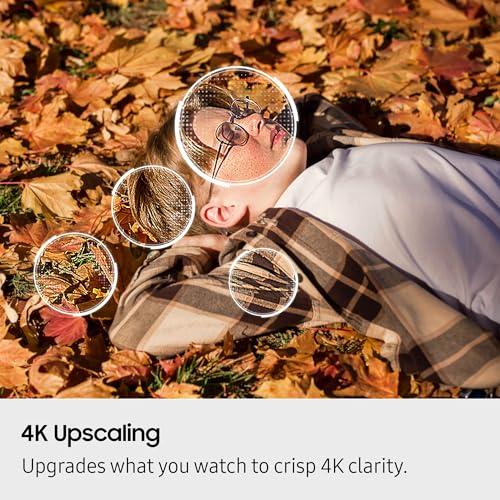
The Roku 65" Pro Series 2025 handles sports better with good motion processing, higher brightness for daytime viewing, and superior upscaling of broadcast content. The Samsung U8000F struggles with fast motion blur and appears dim during daytime sports viewing in typical living room lighting.
The Roku Pro Series features premium construction with substantial materials and an excellent backlit remote with finder functionality. The Samsung Crystal UHD U8000F showcases attractive MetalStream design with slim bezels but uses more plastic construction typical of budget models.
The Roku 65" Pro Series 2025 offers better future-proofing with HDMI 2.1, 120Hz gaming support, and superior brightness that will remain impressive as content quality improves. The Samsung U8000F provides basic functionality that may feel outdated sooner, especially as HDR content becomes more prevalent.
If upgrading from an older HD TV on a tight budget, the Samsung Crystal UHD U8000F provides a significant improvement at an accessible price point. However, if you can afford the investment, the Roku Pro Series 2025 delivers a much more impressive upgrade experience with features and performance that will satisfy for years to come.
We've done our best to create useful and informative comparisons to help you decide what product to buy. Our research uses advanced automated methods to create this comparison and perfection is not possible - please contact us for corrections or questions. These are the sites we've researched in the creation of this article: bestbuy.com - rtings.com - techradar.com - youtube.com - roku.com - youtube.com - walmart.com - bestbuy.com - youtube.com - electronicexpress.com - roku.com - pcvarge.com - ecoustics.com - bestbuy.com - youtube.com - youtube.com - rtings.com - youtube.com - samsung.com - hometechnologyreview.com - rtings.com - samsung.com - displayspecifications.com - samsung.com - displayspecifications.com - walmart.com - billsmith.com - dentonstv.com - samsung.com - samsung.com - samsung.com - youtube.com - bestbuy.com - bestbuy.com - youtube.com - samsung.com - donstv.com

Privacy Policy
Terms and Conditions - Affiliate Policy
Home Security
© Copyright 2008-2026.
11816 Inwood Rd #1211, Dallas, TX 75244