

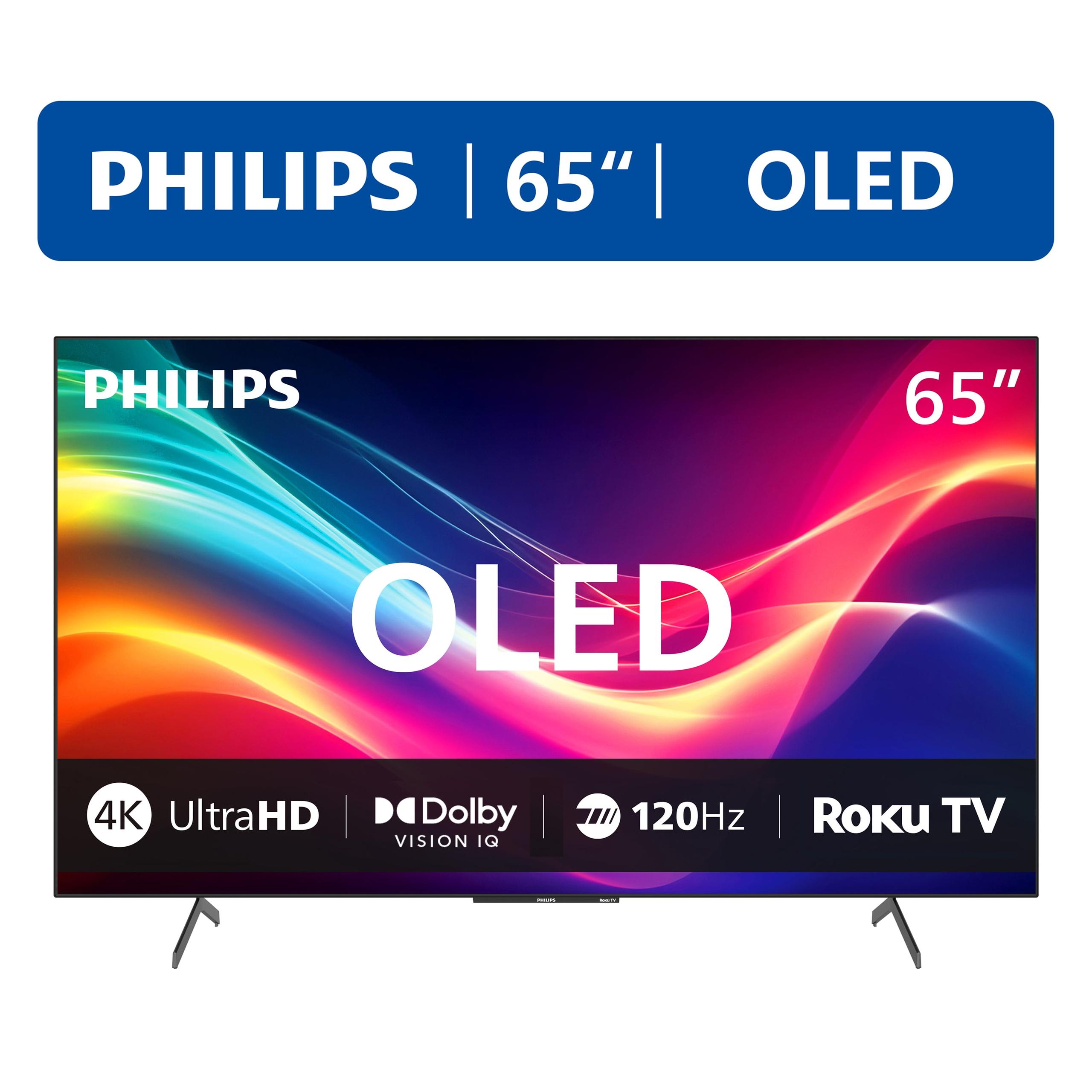
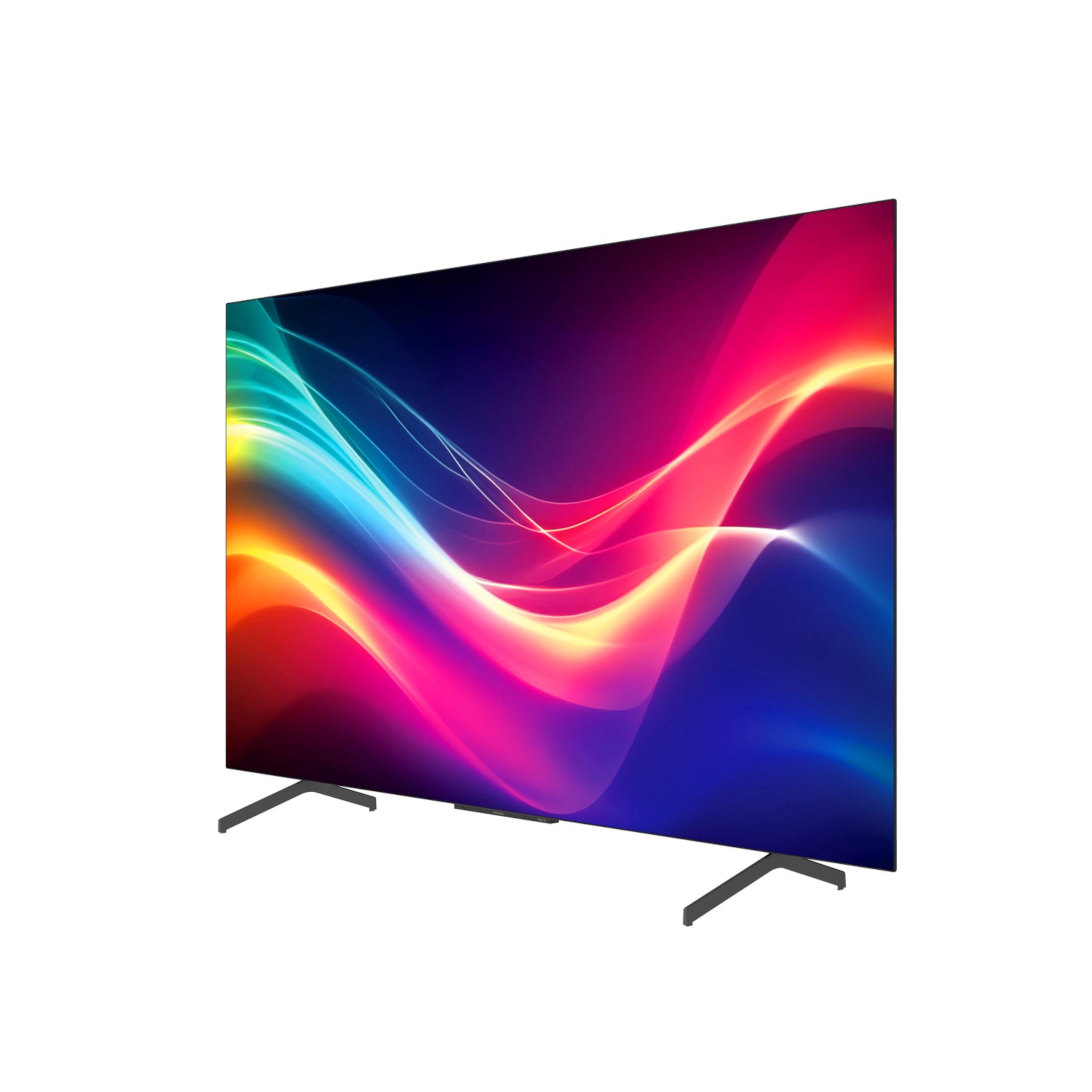
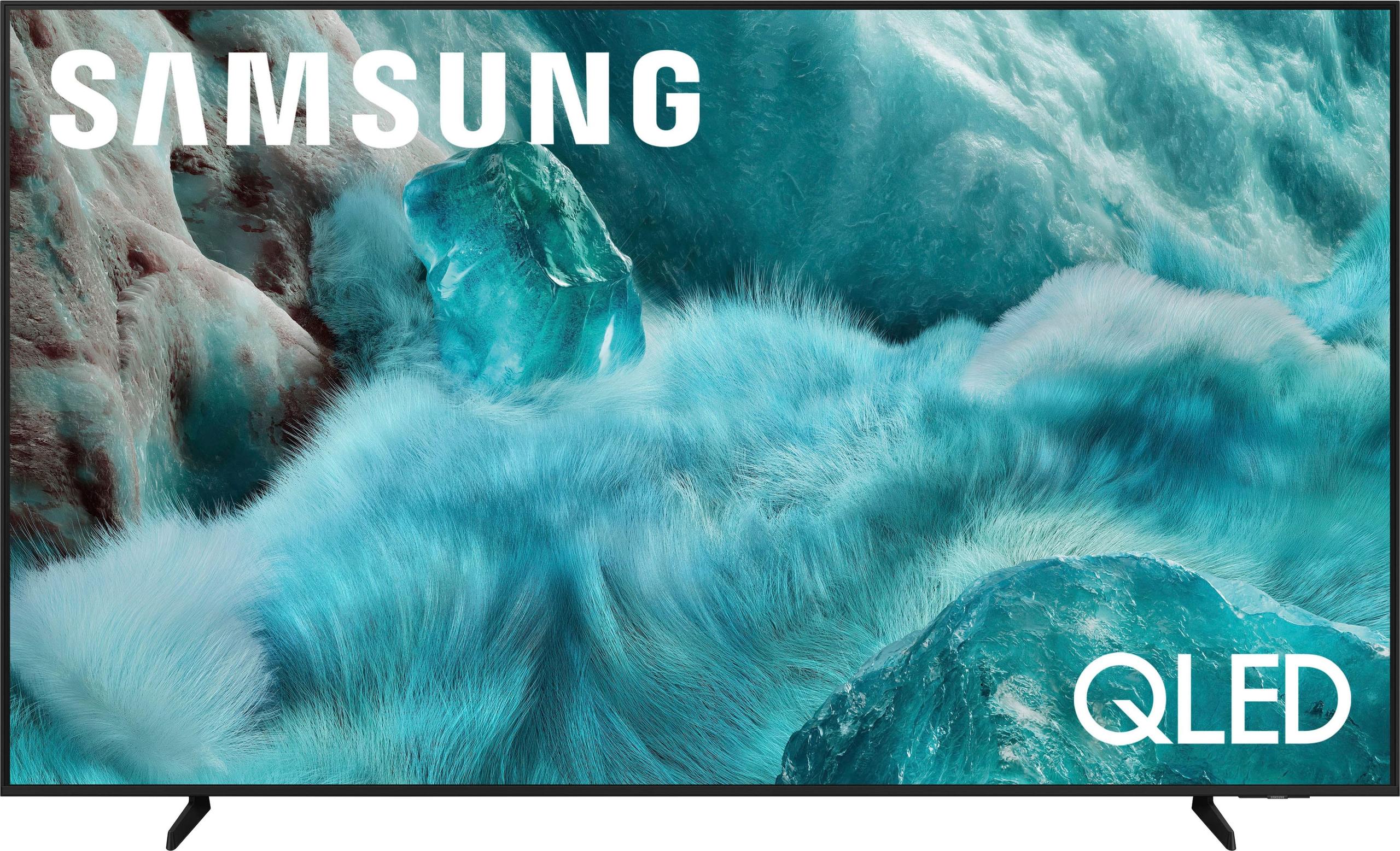
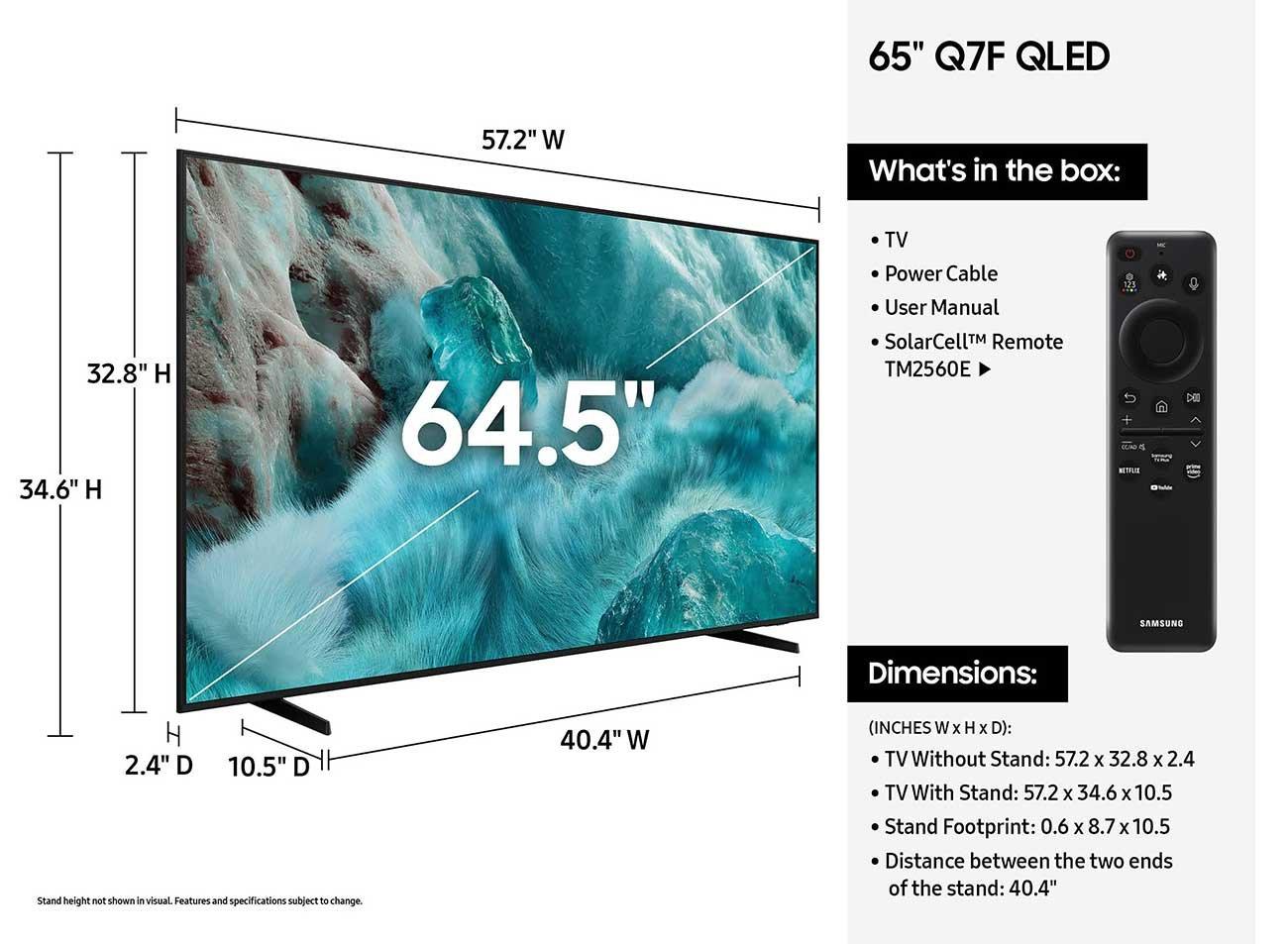

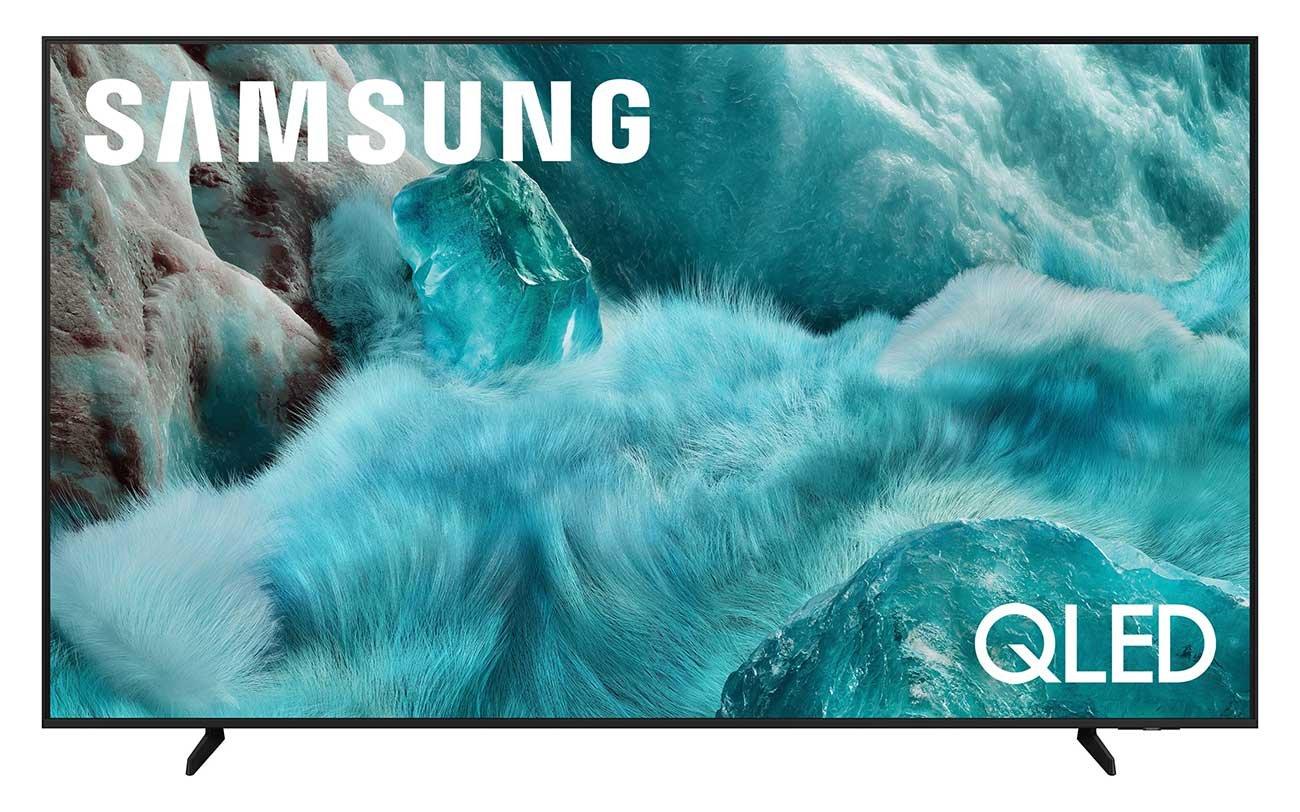
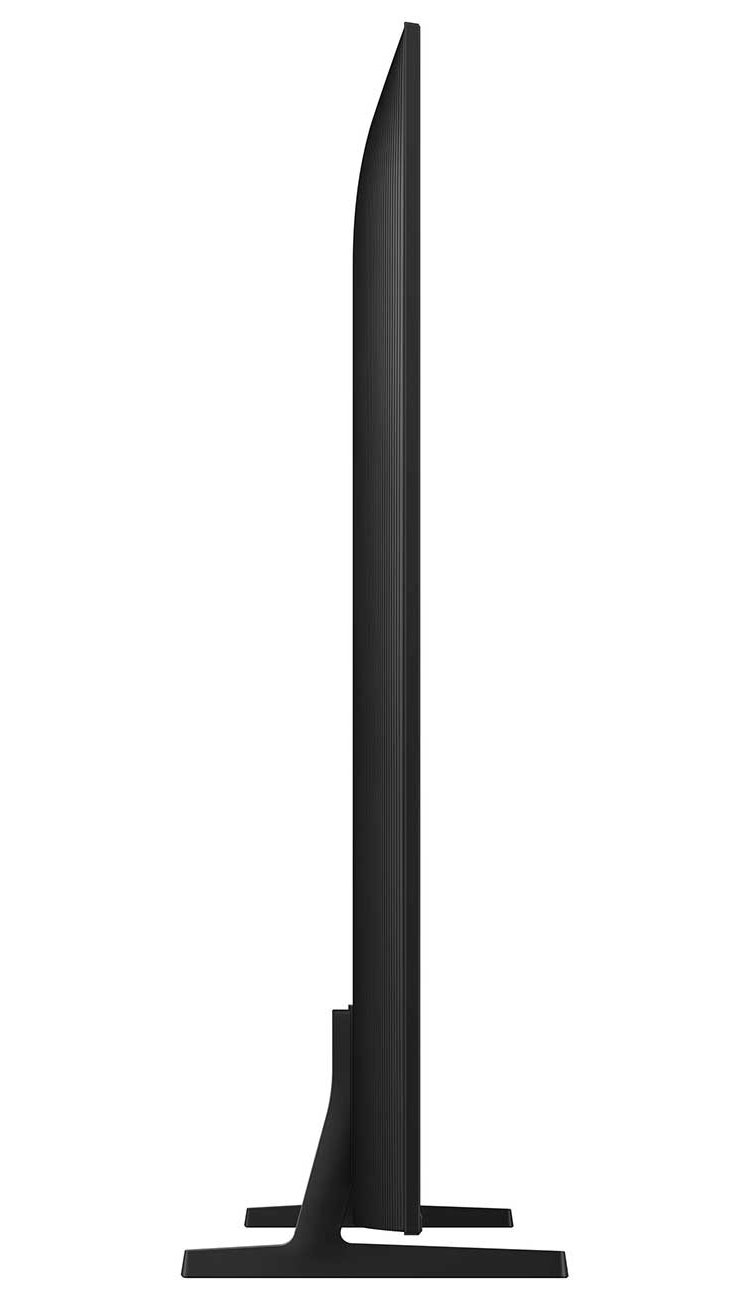
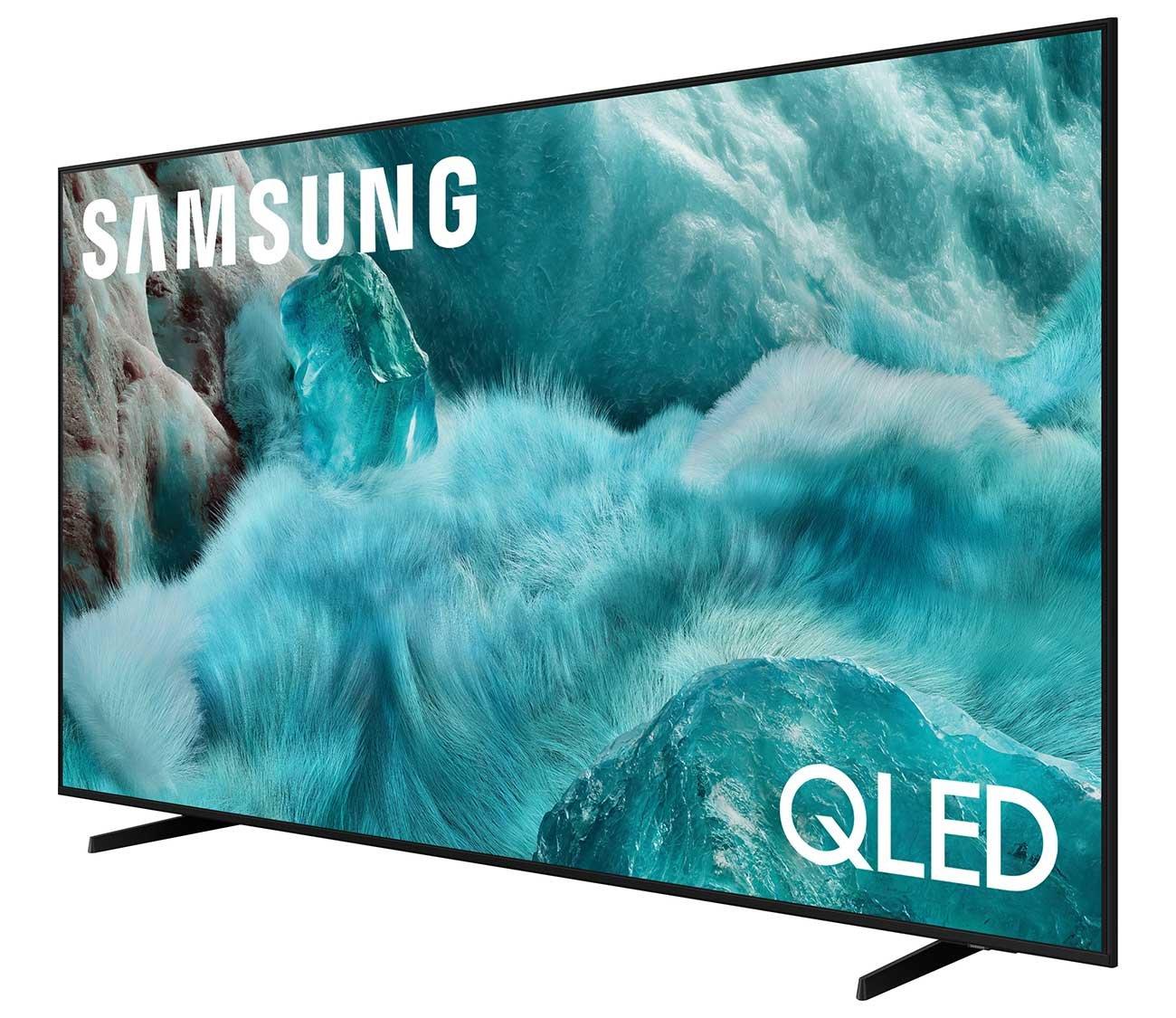
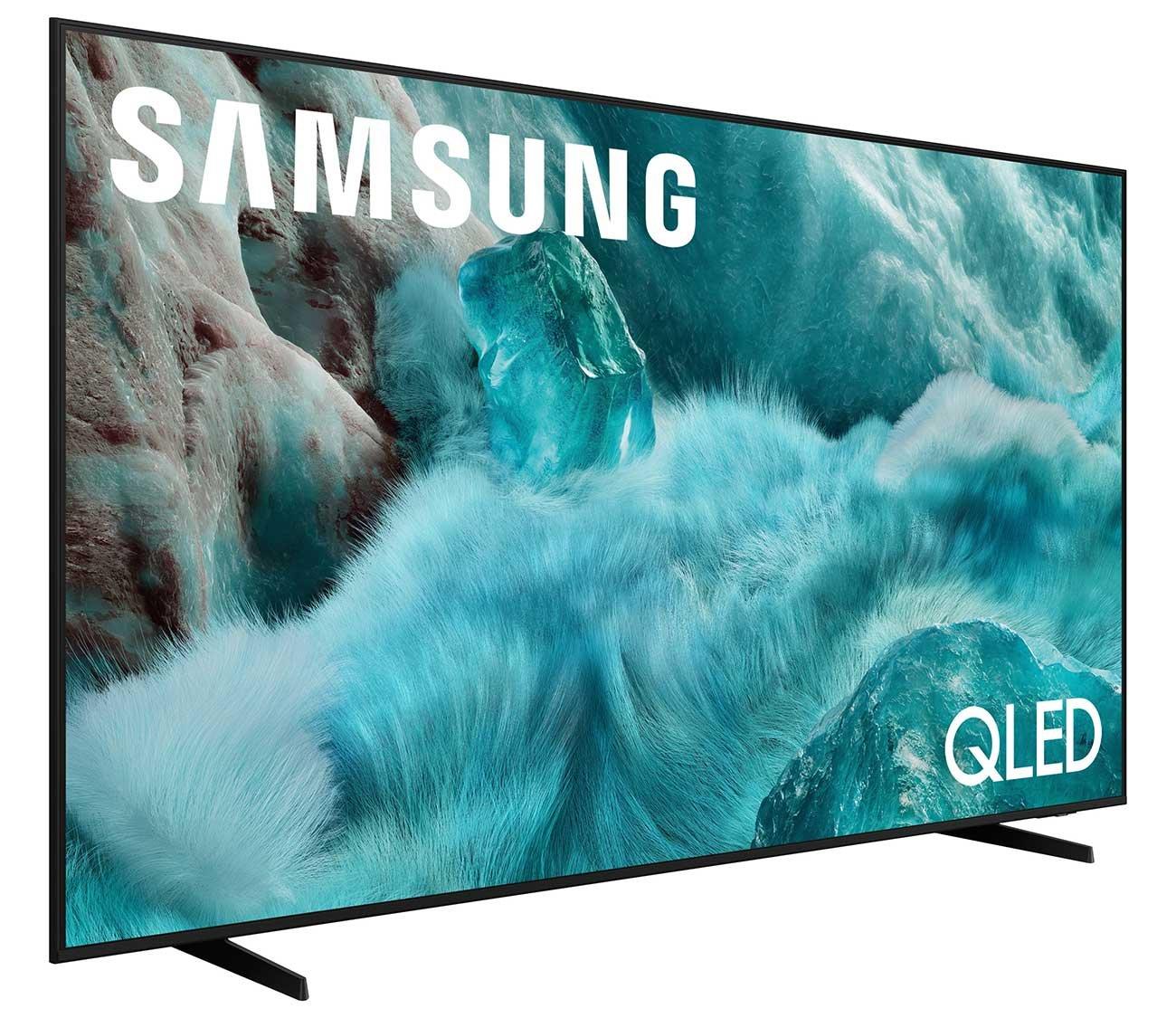

When you're shopping for a 65-inch TV, you'll quickly discover that not all premium televisions are created equal. Two technologies dominate the market: OLED and QLED. The Philips 65OLED974/F7 represents the OLED camp, while the Samsung Q7F showcases QLED technology. At the time of writing, these TVs sit in vastly different price ranges, with the Philips commanding a significant premium over the Samsung—but that price gap tells an important story about what you're actually getting for your money.
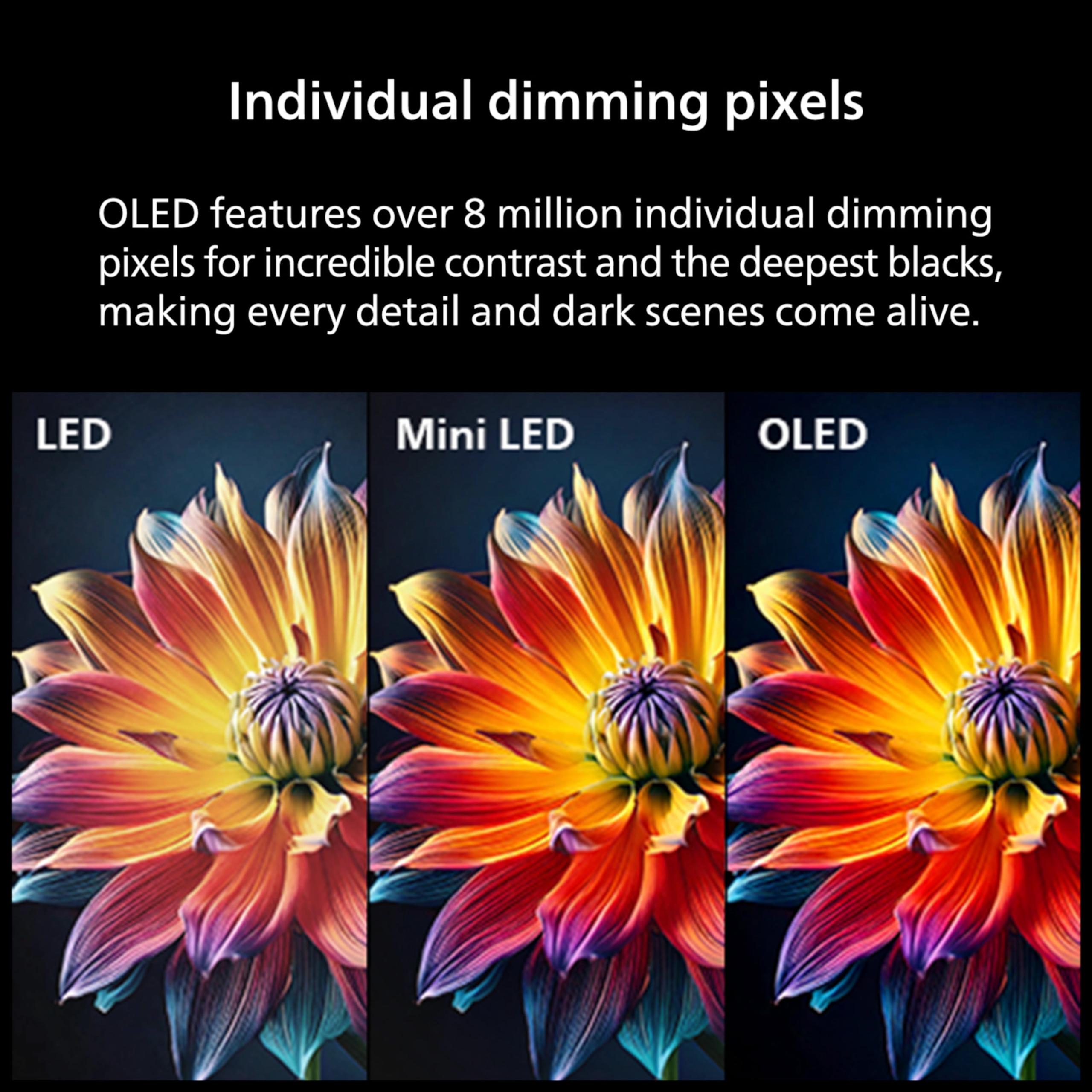
The fundamental difference between these displays comes down to how they create light. The Philips OLED974/F7 uses organic light-emitting diodes where each pixel generates its own light, while the Samsung Q7F relies on a traditional LED backlight that shines through quantum dot layers to enhance colors. Think of OLED like having 8 million tiny light bulbs that can turn completely on or off independently, versus QLED being more like a flashlight shining through colored filters.
This technological distinction affects everything from how deep the blacks look to how well the TV handles fast-moving sports or gaming content. OLED technology has matured significantly since its mainstream debut around 2013, with 2024-2025 models like the Philips 974 offering improved brightness and longevity compared to earlier generations. QLED technology, which Samsung introduced in 2017, has also evolved, though the Samsung Q7F represents more of a budget-friendly implementation rather than the cutting-edge QLED displays found in Samsung's flagship models.
The most dramatic difference between these TVs becomes apparent the moment you watch anything with dark scenes. The Philips OLED974/F7 delivers what's called "infinite contrast ratio"—when a pixel needs to be black, it simply turns off completely. This creates the kind of deep, inky blacks you'd see in a movie theater, where space scenes truly look like the void of space rather than dark gray.
The Samsung Q7F, by contrast, suffers from what experts call "grayish blacks" because its LED backlight can never turn off completely. Even with local dimming technology (which this model lacks), LED-backlit displays struggle to match OLED's contrast performance. This limitation becomes particularly noticeable when watching movies with letterbox bars—those black bars above and below the picture will glow slightly gray on the Samsung, while they disappear entirely on the Philips.
Here's where things get interesting. While the Philips OLED974/F7 excels in dark rooms, it faces limitations in bright environments. OLED panels typically peak around 400-800 nits of brightness (nits measure how bright a display can get), which works beautifully for evening viewing but can struggle against sunlight streaming through windows.
The Samsung Q7F doesn't solve this problem either—in fact, it makes it worse. With a peak brightness of only around 500 nits, this Samsung model falls short of what modern HDR content demands. Most HDR movies and shows are mastered expecting displays capable of at least 1,000 nits, so both TVs will compress bright highlights, though the Philips handles this more gracefully thanks to better tone mapping.
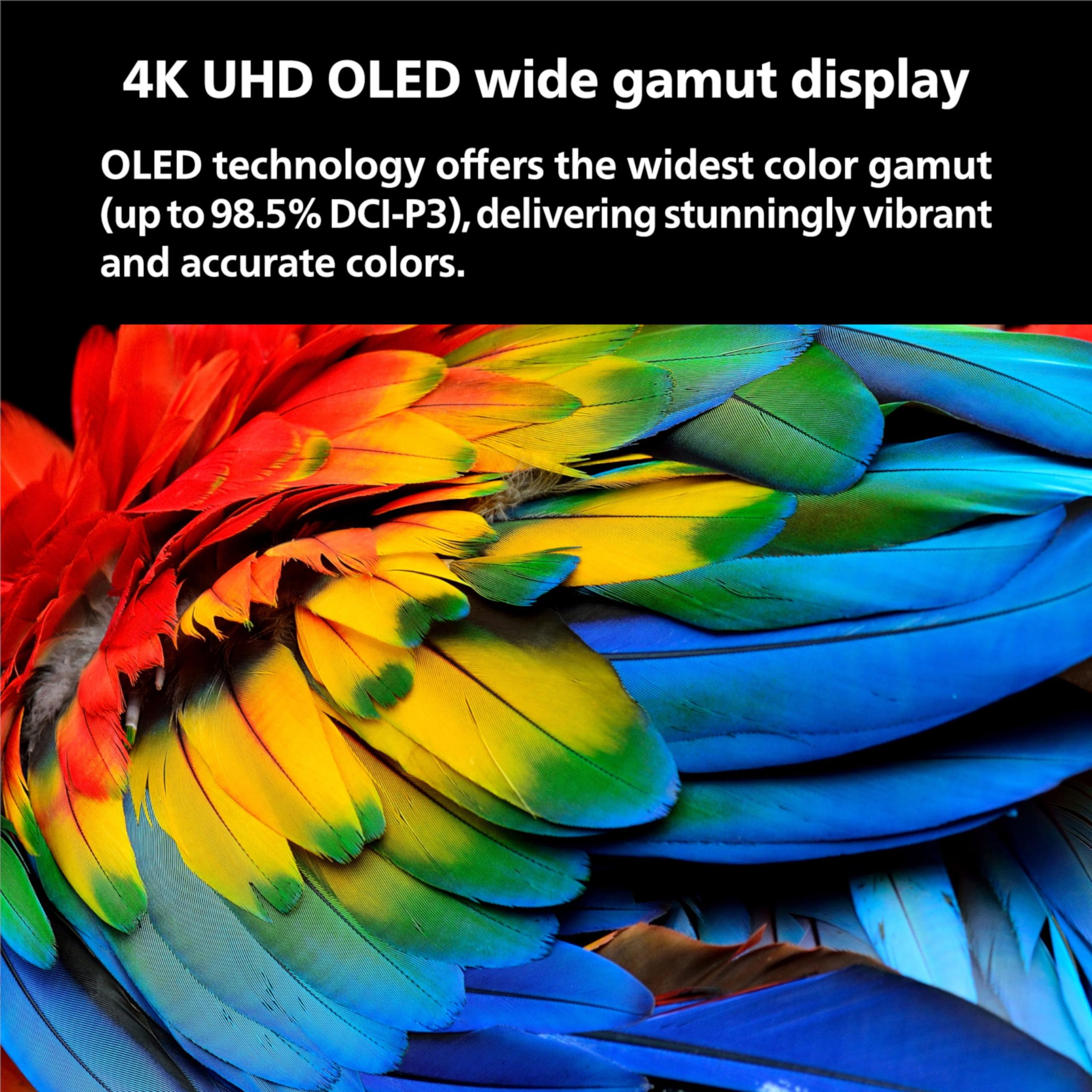
Color reproduction reveals another significant gap between these models. The Philips OLED974/F7 covers up to 98.5% of the DCI-P3 color space—that's the color standard used by movie studios—meaning it can display nearly all the colors that filmmakers intended. Combined with 10-bit color depth, it can show over one billion different color variations for smooth gradients in sunsets or skin tones.
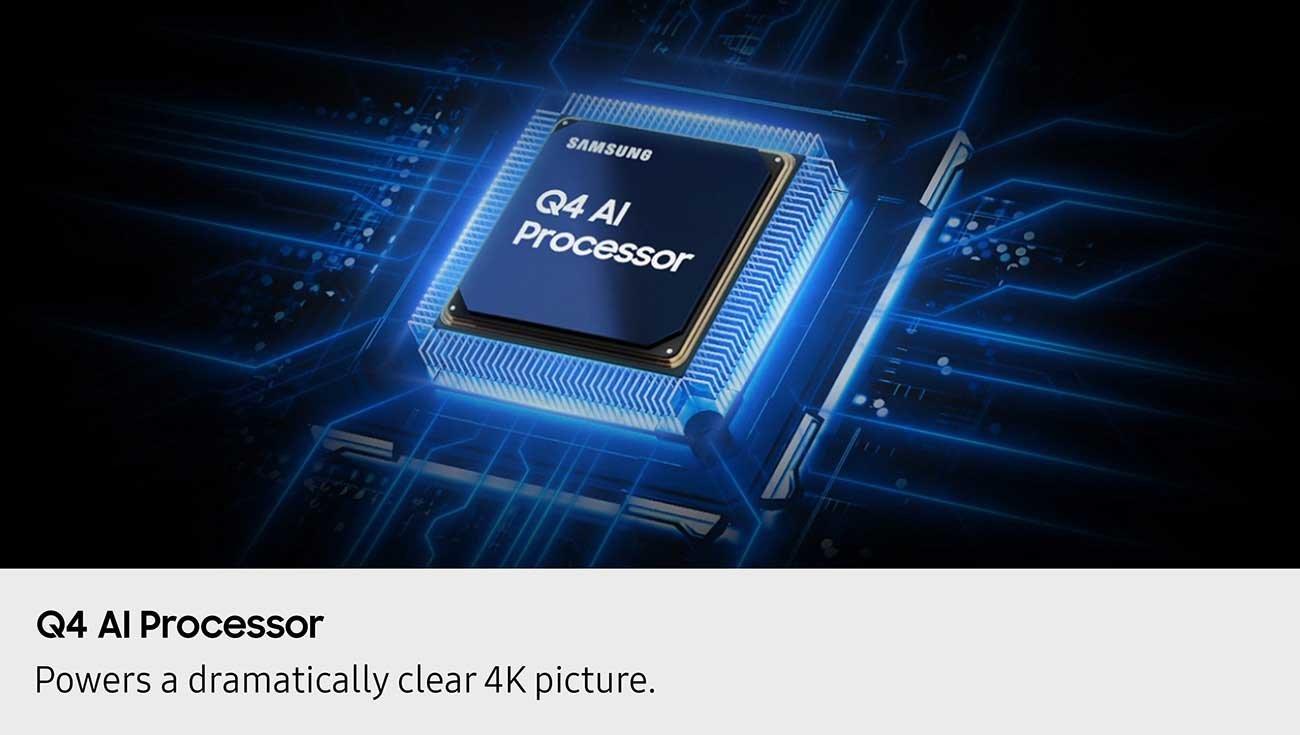
The Samsung Q7F uses quantum dot technology to enhance colors beyond what a standard LED TV can achieve, but it operates at a lower tier than Samsung's premium QLED models. While colors appear vibrant, the limited brightness means that bright, saturated colors—like a red sports car in sunlight—won't pop with the same intensity as they would on brighter displays.
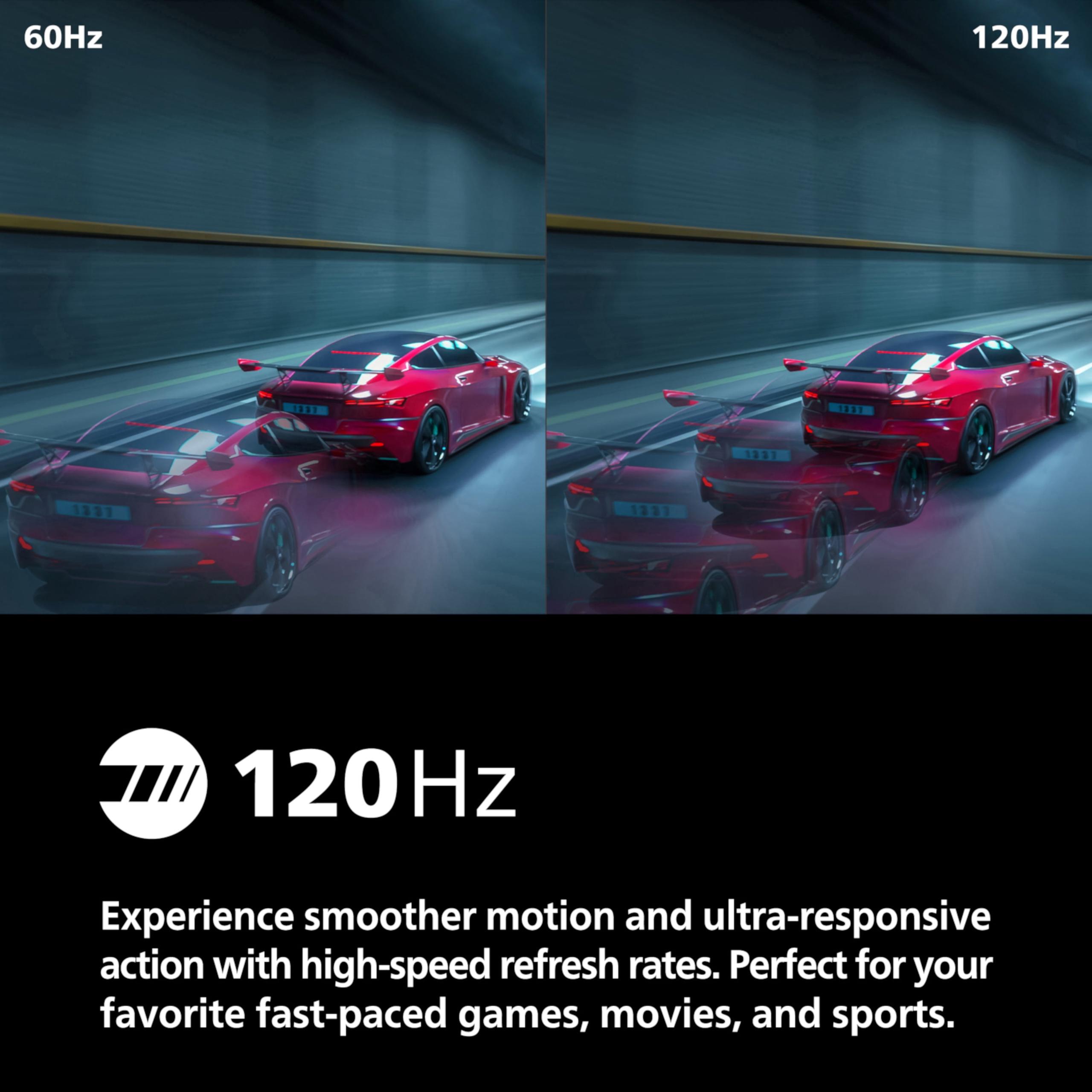
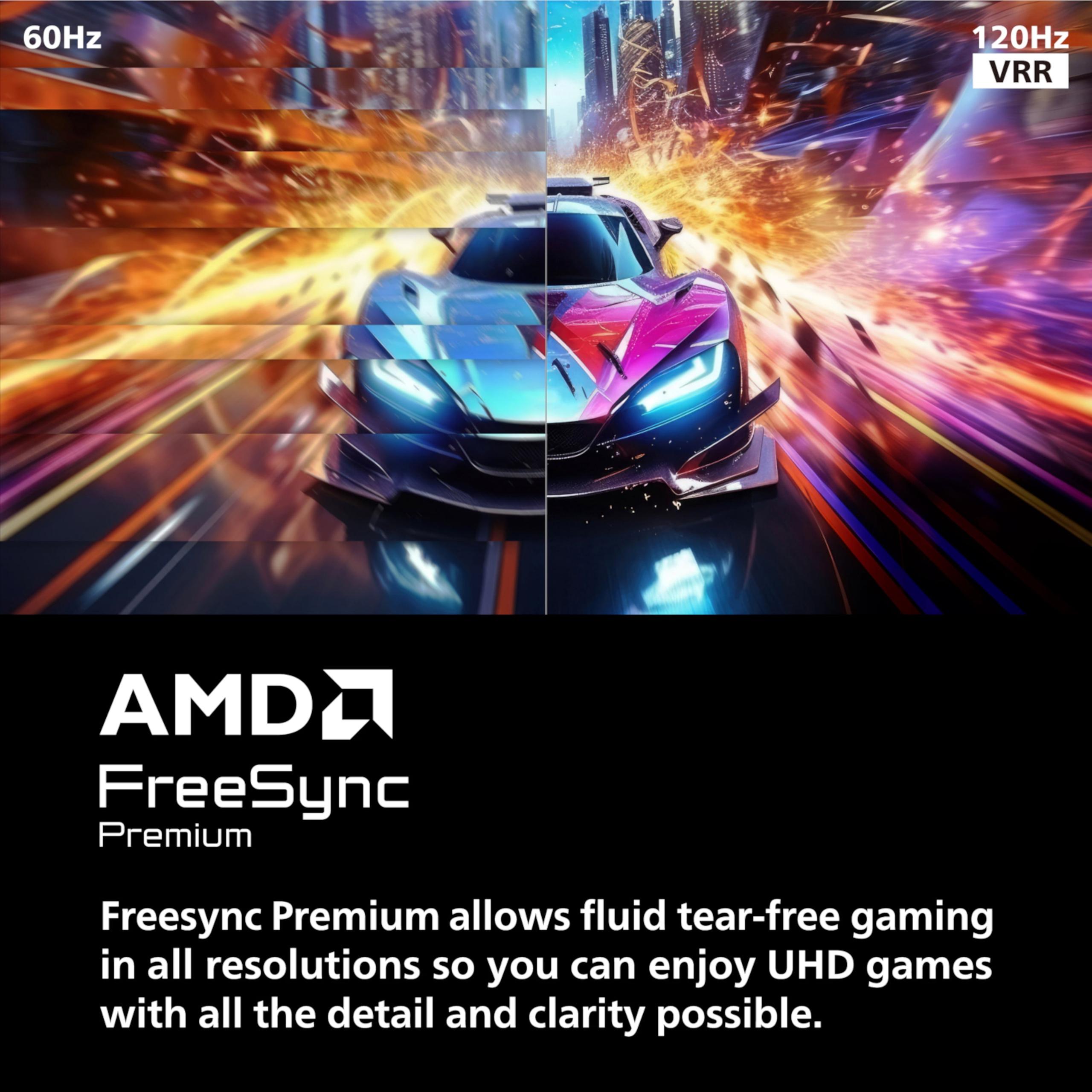
If gaming matters to you, the performance gap between these TVs becomes a chasm. The Philips OLED974/F7 features a 120Hz refresh rate with AMD FreeSync Premium, making it fully compatible with the latest PlayStation 5, Xbox Series X, and high-end gaming PCs. The response time of less than 0.1 milliseconds means virtually no motion blur during fast action sequences.
More importantly, the Philips includes HDMI 2.1 ports that support 4K gaming at 120 frames per second. When playing competitive games like Call of Duty or racing simulators, this higher frame rate provides a tangible advantage in responsiveness and visual smoothness. Variable Refresh Rate (VRR) technology eliminates screen tearing—those horizontal lines that appear when the TV's refresh rate doesn't match the game's frame rate.
The Samsung Q7F falls far behind in gaming capabilities. Limited to 60Hz with no VRR support and only HDMI 2.0 ports, it can't take advantage of next-generation console features. For casual gaming, this might suffice, but anyone serious about gaming performance should look elsewhere.
High Dynamic Range (HDR) content—which includes most Netflix original series, Amazon Prime Video shows, and 4K Blu-ray movies—represents the biggest advancement in home video since the jump to high definition. HDR expands both the brightness range and color palette of video content, creating more lifelike images with greater detail in shadows and highlights.
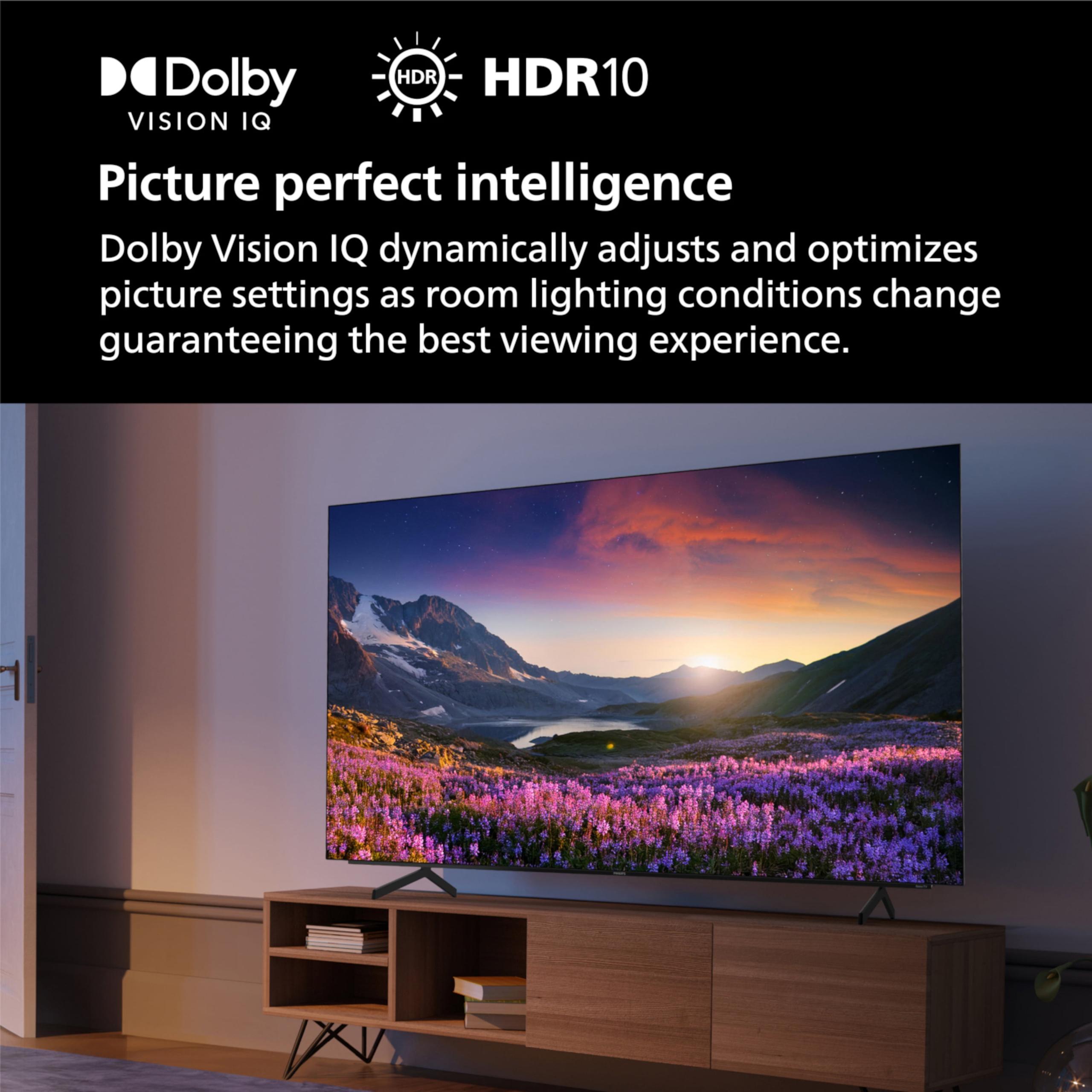
The Philips OLED974/F7 supports multiple HDR formats including Dolby Vision, HDR10, and HLG. Dolby Vision IQ takes this further by adjusting the picture based on your room's ambient lighting—dimming highlights in a dark room or boosting them when lights are on. This adaptive approach helps maintain the filmmaker's intent regardless of viewing conditions.
Unfortunately, the Samsung Q7F only supports HDR10+, missing out on Dolby Vision content entirely. Since many premium streaming services and 4K Blu-rays use Dolby Vision, you'll be limited to the less sophisticated HDR10 version of the same content. Combined with the Samsung's limited brightness, HDR content often appears flat and underwhelming compared to what these formats can deliver on capable displays.
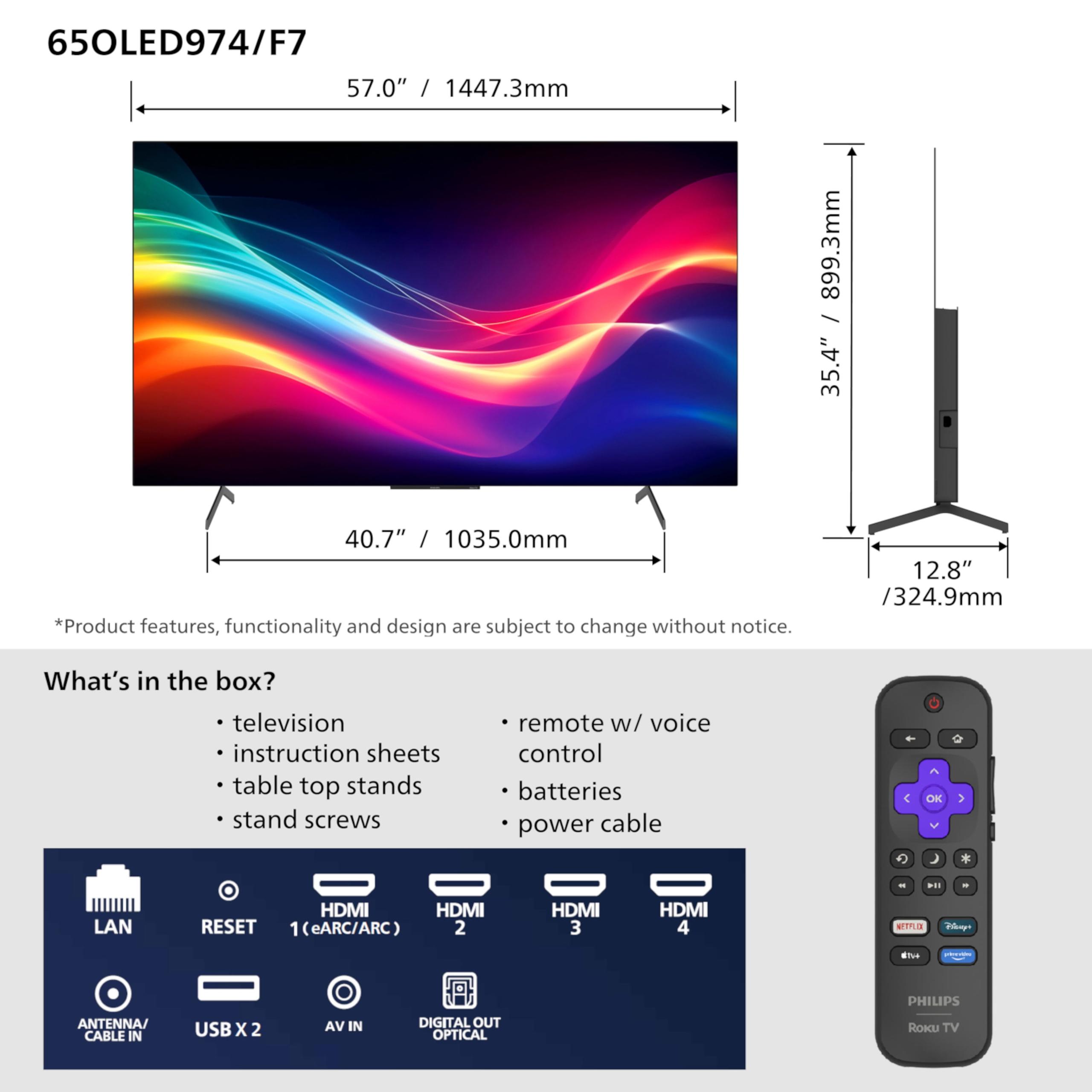
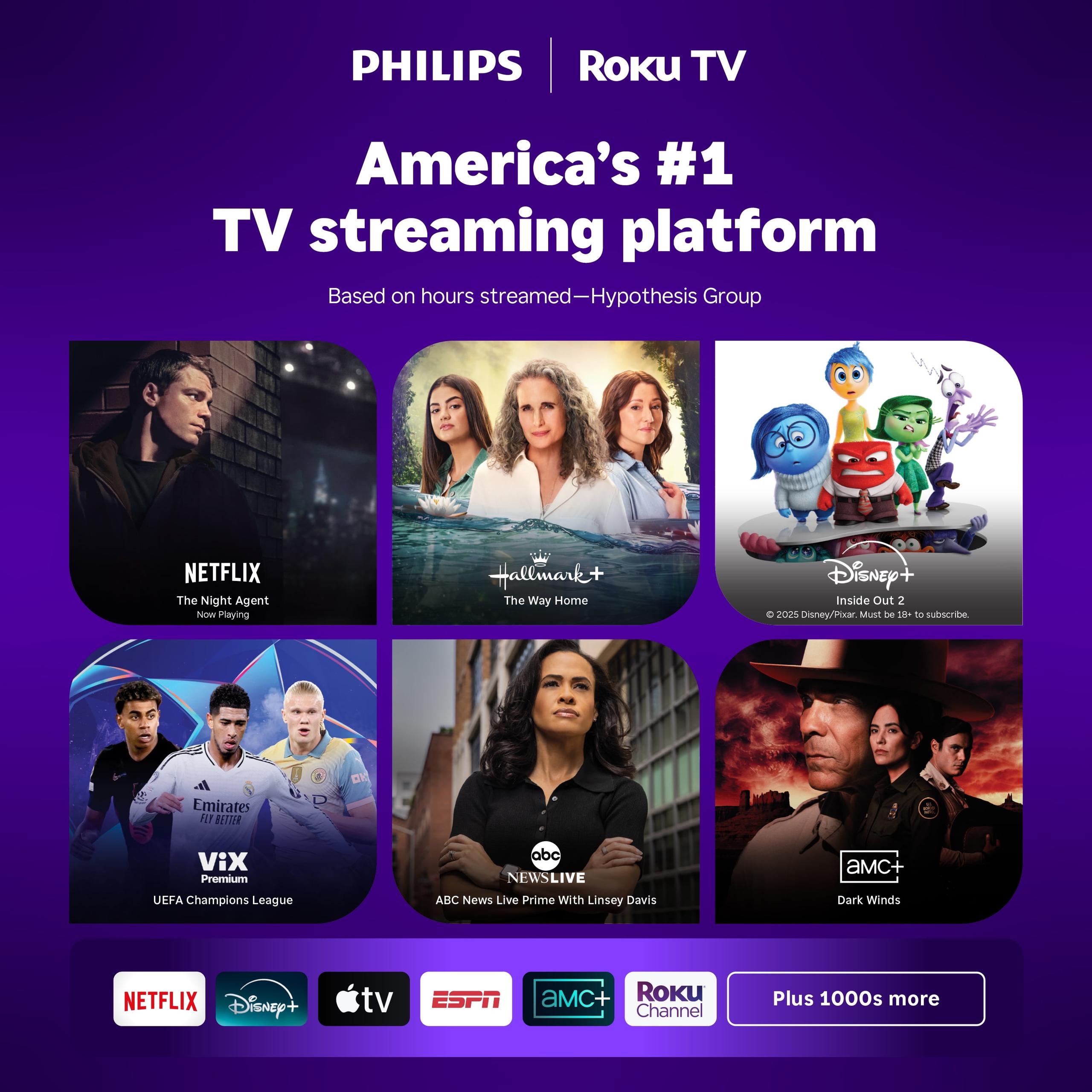
Both TVs offer comprehensive smart TV platforms, but with different philosophies. The Philips OLED974/F7 runs Roku TV, which emphasizes simplicity and content discovery. The interface presents streaming apps clearly without overwhelming menus, and the included voice remote handles most common commands reliably.
The Samsung Q7F uses Samsung's Tizen operating system with Vision AI integration. This system learns viewing habits and can automatically adjust picture settings, suggest content, and integrate with other Samsung smart home devices. The Bixby voice assistant provides hands-free control, though it's not as widely compatible as Alexa or Google Assistant.
For connectivity, the Philips OLED974/F7 offers more future-proof options with its HDMI 2.1 ports and eARC support for high-quality audio passthrough to soundbars. The Samsung provides adequate connectivity for current needs but may limit upgrade paths as devices increasingly require higher bandwidth.
In a dedicated home theater environment, the Philips OLED974/F7 shines brightest—literally and figuratively. The ability to produce true blacks transforms the viewing experience, especially for cinematic content shot in ultra-wide aspect ratios. Those black bars above and below the picture completely disappear, creating an immersive experience that draws you into the movie.
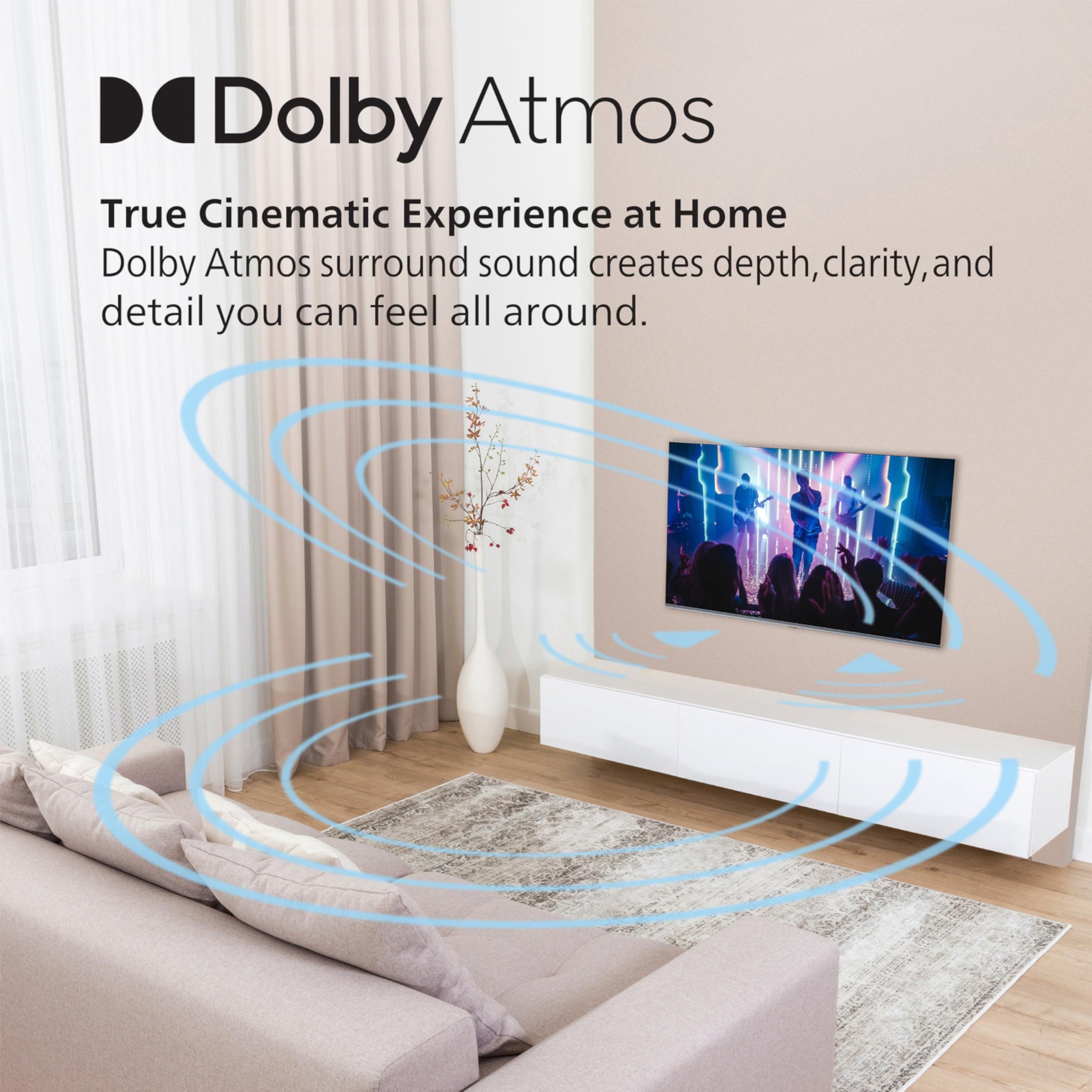
The Dolby Atmos audio support in the Philips adds another layer of immersion, though serious home theater enthusiasts will likely pair either TV with a dedicated surround sound system. The Philips' superior picture quality provides a better foundation for that premium audio investment.
For rooms with significant ambient light, neither TV excels, but the Philips OLED974/F7 handles reflections slightly better thanks to its anti-reflective screen coating. The key is controlling your lighting—both TVs perform best with curtains drawn and lights dimmed.
OLED technology has overcome early concerns about burn-in (permanent image retention) through improved panel design and software protections. The Philips OLED974/F7 includes pixel shifting and automatic screen cleaning cycles that activate during standby periods. For typical viewing habits—watching varied content rather than leaving static images on screen for hours—burn-in risk is minimal.
The Samsung Q7F uses traditional LED backlighting that typically lasts 50,000+ hours before noticeable degradation. Both displays should provide many years of reliable service under normal usage patterns.
The Philips OLED974/F7 makes sense for viewers who prioritize picture quality above all else. If you're building a dedicated home theater, enjoy HDR content from premium streaming services, or game on modern consoles, the Philips delivers experiences that the Samsung simply cannot match. The price premium, substantial at the time of writing, reflects genuinely superior technology rather than brand markup.
Choose the Samsung Q7F if budget constraints are paramount and you primarily watch standard definition or HD content in dimly lit rooms. It's adequate for basic smart TV needs and provides access to Samsung's ecosystem at an entry-level price point. However, understand that you're accepting significant compromises in HDR performance, gaming capabilities, and bright room viewing.
These TVs target fundamentally different buyers despite their similar screen sizes. The Philips OLED974/F7 represents premium display technology that justifies its higher cost through superior contrast, gaming performance, and HDR compatibility. The Samsung Q7F offers basic large-screen functionality at a budget price but with notable limitations that may frustrate users expecting modern TV capabilities.
If you're investing in a TV you plan to keep for 5+ years, the Philips provides better future-proofing as content continues evolving toward higher frame rates and more sophisticated HDR formats. The Samsung might serve adequately for immediate needs but could feel outdated sooner as your viewing habits or content preferences change.
Consider your viewing environment, content preferences, and intended usage carefully. The price difference between these models reflects real performance gaps that matter for certain use cases while being irrelevant for others. Choose based on which TV's strengths align with how you actually watch television, not which sounds better on paper.
| Philips 65OLED974/F7 | Samsung Q7F QLED |
|---|---|
| Display Technology - Fundamentally affects picture quality and viewing experience | |
| OLED with self-illuminating pixels for perfect blacks | QLED with LED backlight and quantum dot enhancement |
| Contrast Ratio - Critical for dark scene detail and overall image depth | |
| Infinite contrast ratio (true blacks) | 4500:1 static contrast (grayish blacks) |
| Peak Brightness - Determines HDR impact and bright room performance | |
| Typical OLED brightness (~400-800 nits) | 500 cd/m² (inadequate for HDR content) |
| Refresh Rate - Essential for gaming and smooth motion | |
| 120Hz native with AMD FreeSync Premium | 60Hz maximum (no VRR support) |
| Response Time - Affects motion blur in fast content | |
| <0.1ms (virtually no blur) | Standard LED response time |
| HDR Format Support - Compatibility with premium streaming content | |
| Dolby Vision IQ, Dolby Vision, HDR10, HLG | HDR10+ only (no Dolby Vision) |
| HDMI Connectivity - Future-proofing for gaming and devices | |
| 4 ports with HDMI 2.1 (2 ports support 4K@120Hz) | 3 HDMI 2.0 ports (no HDMI 2.1) |
| Gaming Features - Next-gen console compatibility | |
| Full 4K@120Hz, VRR, ALLM, FreeSync Premium | Basic 60Hz gaming only |
| Smart Platform - User interface and app ecosystem | |
| Roku TV with intuitive interface | Tizen OS with Samsung Vision AI |
| Audio System - Built-in sound quality | |
| Dolby 2.1 system with subwoofer, Dolby Atmos | Standard stereo speakers with 3D processing |
| Viewing Angles - Picture consistency from different seating positions | |
| 176° horizontal/vertical (OLED advantage) | VA panel with limited viewing angles |
| Local Dimming - Improves contrast in LED displays | |
| Not needed (per-pixel dimming) | No local dimming (major limitation) |
| Color Gamut Coverage - Color accuracy and vibrancy | |
| Up to 98.5% DCI-P3 with 10-bit depth | Quantum dot enhanced but brightness-limited |
| Best Use Case - Optimal viewing scenarios | |
| Dark to moderate lighting, premium content, gaming | Dim rooms only, basic viewing, budget priority |
The Philips 65OLED974/F7 delivers superior picture quality with perfect black levels and infinite contrast ratio thanks to its OLED technology. Each pixel can turn completely off, creating true blacks that make dark scenes look realistic. The Samsung Q7F uses QLED technology with LED backlighting, which produces grayish blacks and lower overall contrast. For movies and premium content, the Philips OLED provides a more cinematic viewing experience.
The Philips 65OLED974/F7 is significantly better for gaming with its 120Hz refresh rate, AMD FreeSync Premium, and HDMI 2.1 support for 4K gaming at 120fps. It has virtually no input lag and supports Variable Refresh Rate (VRR) for smooth gameplay. The Samsung Q7F is limited to 60Hz with no VRR or HDMI 2.1, making it unsuitable for next-generation console gaming or competitive PC gaming.
Neither TV excels in very bright rooms, but both have limitations. The Philips OLED974/F7 has typical OLED brightness levels that work best in controlled lighting. The Samsung Q7F only reaches about 500 nits peak brightness, which is insufficient for overcoming glare in bright rooms. For sunny living rooms, you'd want to consider higher-end models with greater brightness capabilities.
The Philips 65OLED974/F7 runs Roku TV, which offers a simple, intuitive interface with excellent content discovery and wide app compatibility. The Samsung Q7F uses Samsung's Tizen OS with Vision AI features that learn your viewing habits and integrate with Samsung smart home devices. Both platforms provide access to major streaming services, but Roku tends to be more user-friendly for most viewers.
The Philips 65OLED974/F7 supports Dolby Vision IQ, Dolby Vision, HDR10, and HLG, providing compatibility with virtually all HDR content from Netflix, Disney+, and 4K Blu-rays. The Samsung Q7F only supports HDR10+ and lacks Dolby Vision support, which means you'll miss out on the enhanced HDR experience from many premium streaming services and movies.
The Philips 65OLED974/F7 features a Dolby 2.1 speaker system with a dedicated subwoofer and Dolby Atmos support for immersive spatial audio. The Samsung Q7F has standard stereo speakers with 3D audio processing through Vision AI. While both provide decent built-in audio, the Philips offers richer bass and better surround sound capabilities without additional speakers.
The Philips 65OLED974/F7 is significantly better for home theater use due to its perfect black levels, superior contrast, and comprehensive HDR support including Dolby Vision. In a darkened theater room, the OLED technology creates an immersive cinematic experience with deep blacks and vibrant colors. The Samsung Q7F lacks the contrast and HDR capabilities needed for premium home theater performance.
The Philips 65OLED974/F7 maintains excellent picture quality from wide viewing angles (176° horizontal and vertical) thanks to OLED technology. The Samsung Q7F uses a VA panel that suffers from color shifting and contrast loss when viewed from the sides, making it less suitable for rooms where people sit at various angles to the screen.
The Philips 65OLED974/F7 offers superior connectivity with four HDMI ports including two HDMI 2.1 ports that support 4K@120Hz, plus eARC for high-quality audio passthrough. The Samsung Q7F has three HDMI 2.0 ports without HDMI 2.1 support, limiting bandwidth for gaming consoles and future devices that require higher data transfer rates.
The Philips 65OLED974/F7 excels with motion handling due to its <0.1ms response time and 120Hz refresh rate, virtually eliminating motion blur in fast sports and action scenes. The Samsung Q7F is limited to 60Hz with standard LED response times, which can result in more noticeable motion blur during fast-paced content like sports or action movies.
The value proposition depends on your priorities and budget. The Samsung Q7F offers basic large-screen functionality at a lower price point, making it suitable for budget-conscious buyers with modest expectations. The Philips 65OLED974/F7 commands a premium but delivers genuinely superior technology with better picture quality, gaming performance, and future-proofing that justifies the higher cost for enthusiasts.
The Philips 65OLED974/F7 has typical OLED brightness limitations that make it less ideal for very bright rooms, though it excels in most other scenarios. The Samsung Q7F has multiple significant limitations including poor peak brightness, no local dimming, limited gaming capabilities, lack of Dolby Vision support, and narrow viewing angles, making it suitable mainly for dim room viewing with basic content.
We've done our best to create useful and informative comparisons to help you decide what product to buy. Our research uses advanced automated methods to create this comparison and perfection is not possible - please contact us for corrections or questions. These are the sites we've researched in the creation of this article: rtings.com - versus.com - versus.com - rtings.com - samsclub.com - versus.com - youtube.com - usa.philips.com - bestbuy.com - usa.philips.com - consumerreports.org - usa.philips.com - documents.philips.com - tvoutlet.ca - displayspecifications.com - business.walmart.com - displayspecifications.com - ecoustics.com - walmart.com - bestbuy.com - youtube.com - samsung.com - samsung.com - pcrichard.com - samsung.com - samsung.com - videoandaudiocenter.com - displayspecifications.com - bestbuy.com - samsung.com - samsung.com - samsung.com - samsung.com - news.samsung.com

Privacy Policy
Terms and Conditions - Affiliate Policy
Home Security
© Copyright 2008-2026.
11816 Inwood Rd #1211, Dallas, TX 75244