

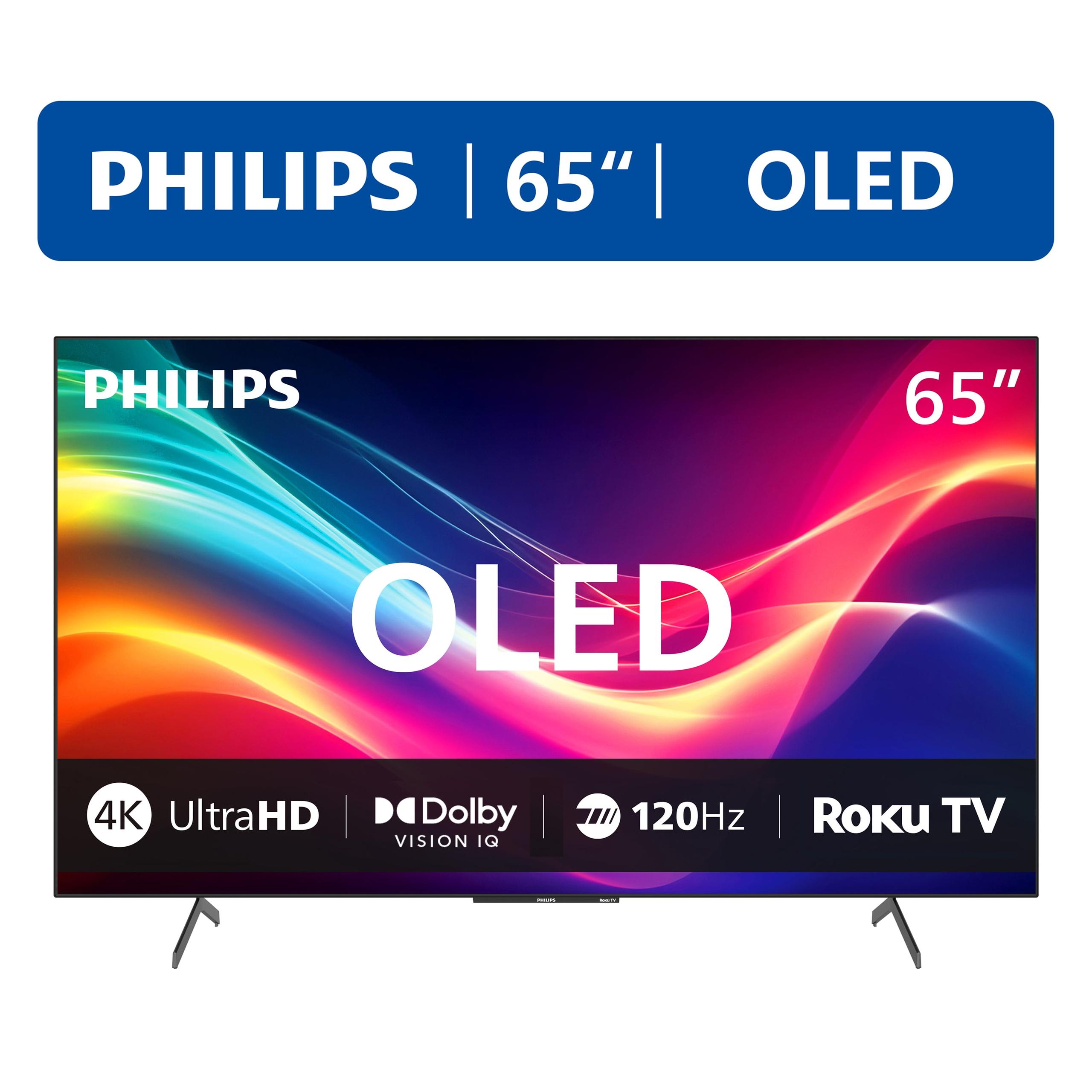
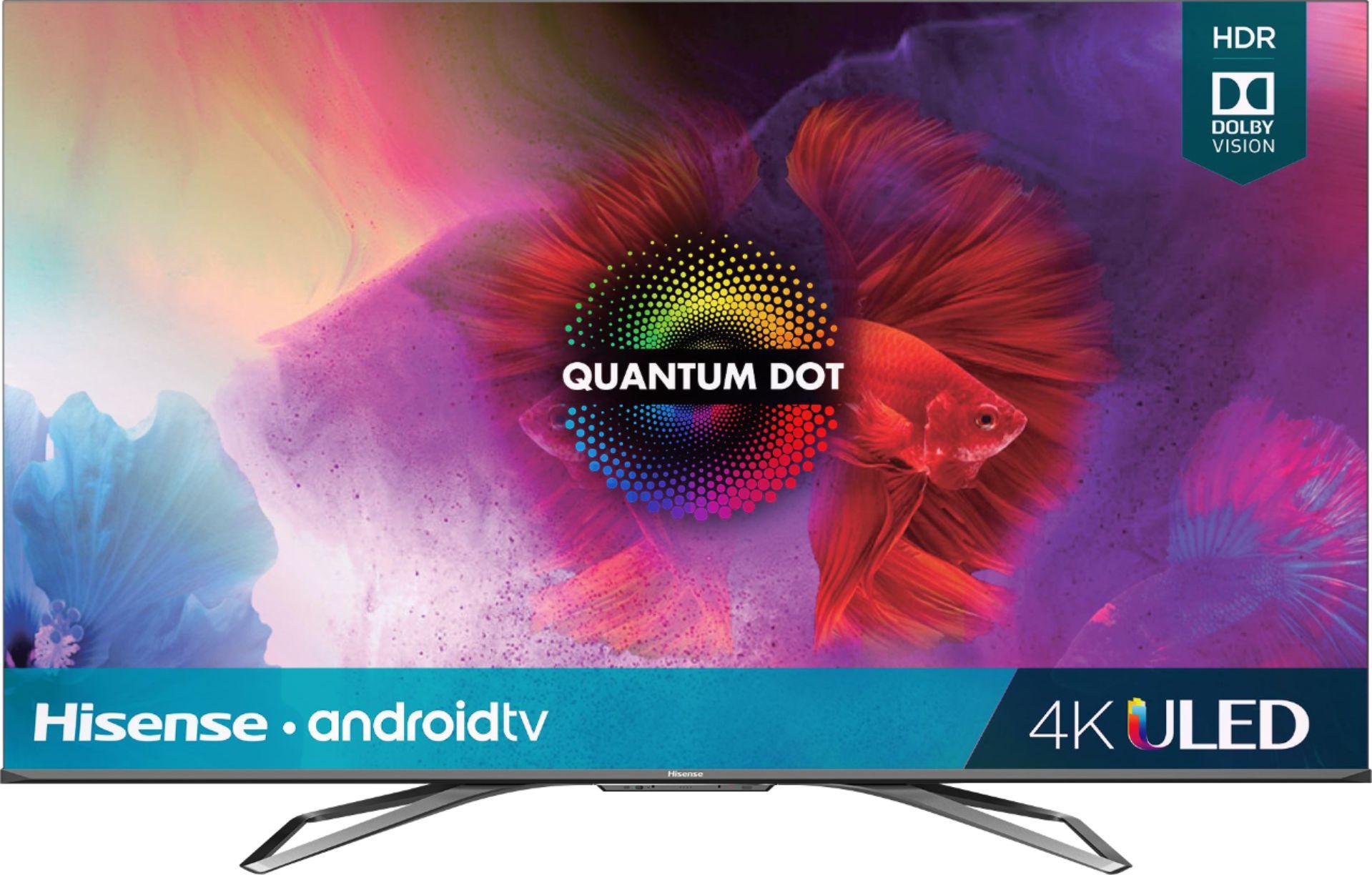
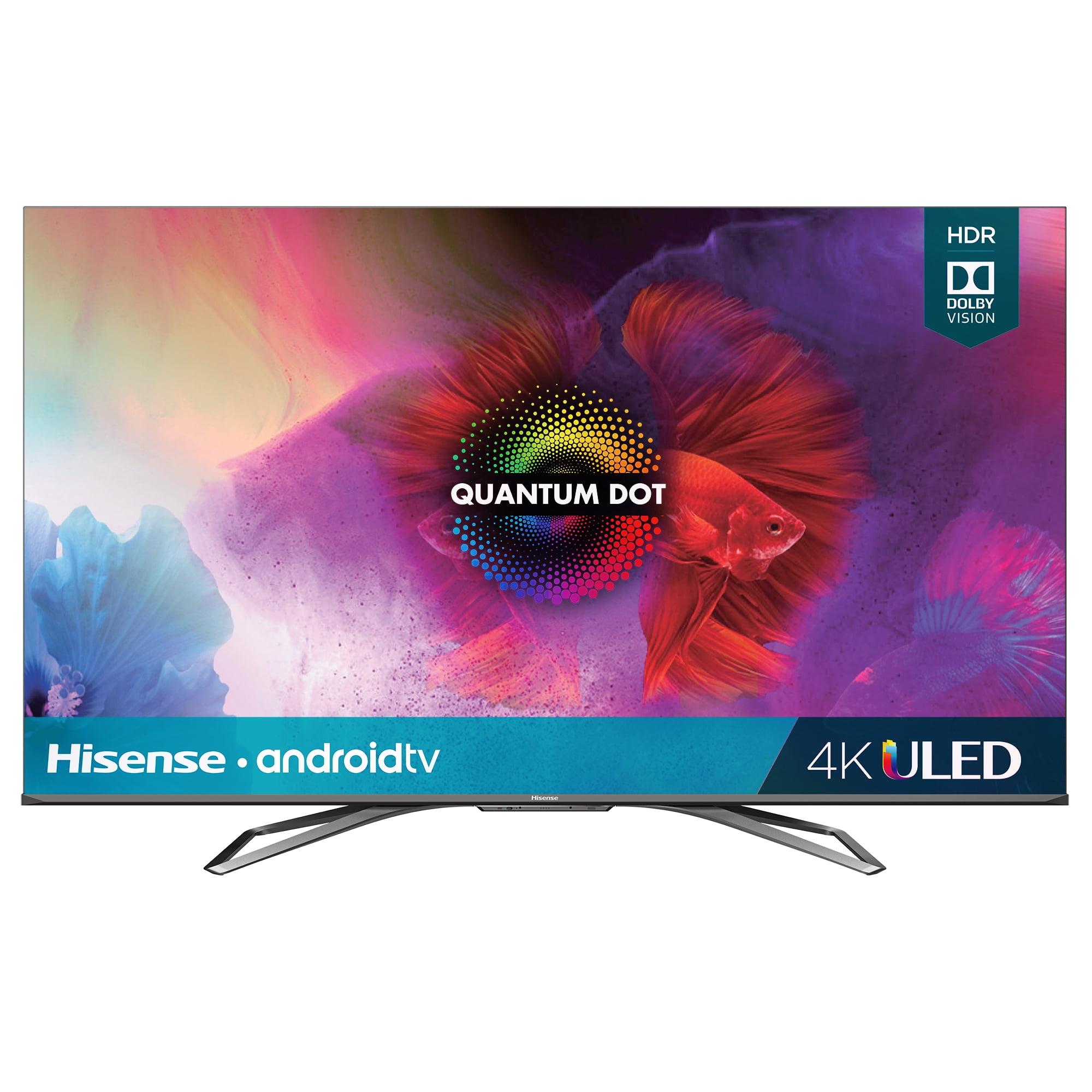
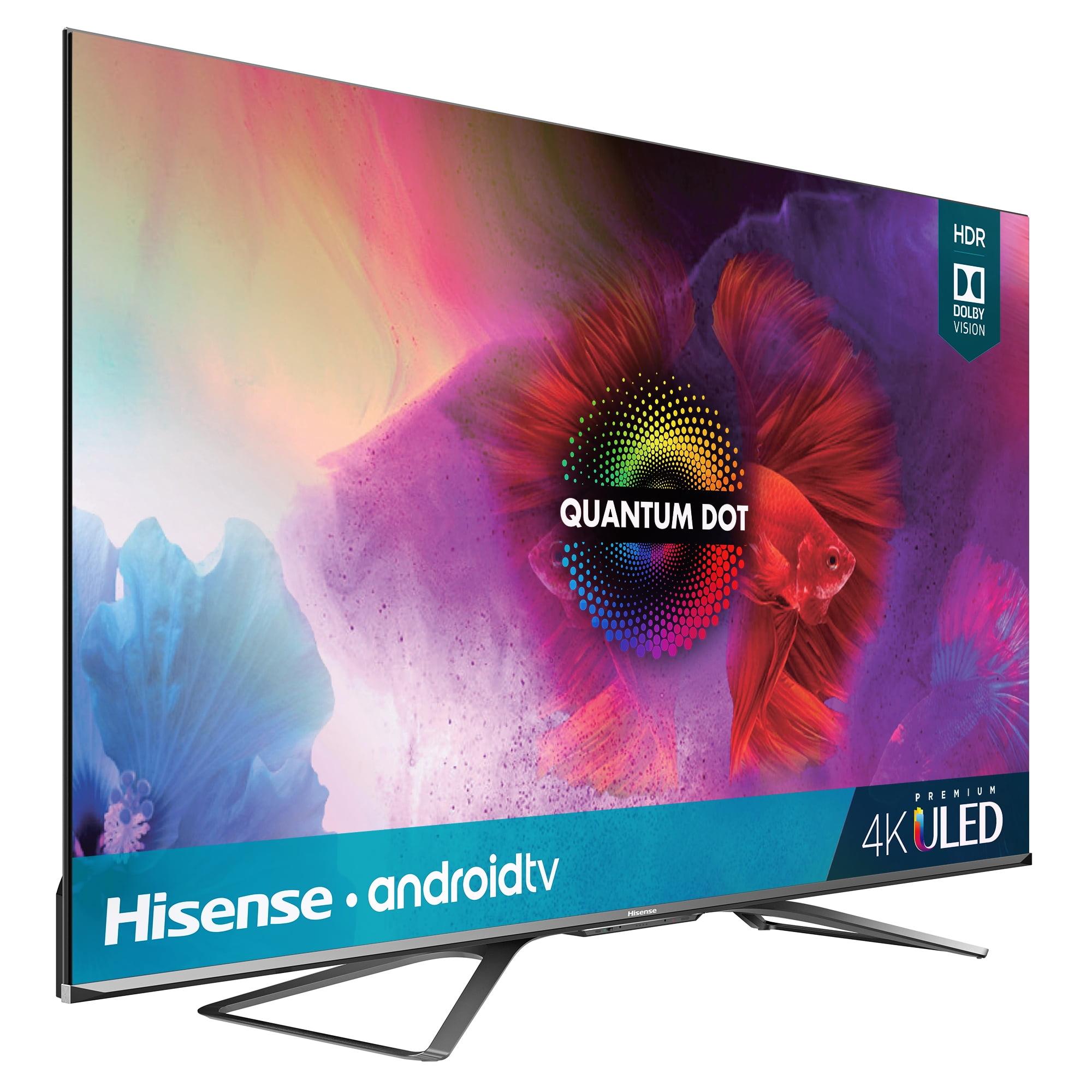

When you're shopping for a premium 65-inch TV, you're essentially choosing between two fundamentally different display technologies that take opposite approaches to creating stunning visuals. The Philips 65OLED974/F7 represents the OLED camp with its pixel-perfect blacks, while the Hisense H9G Quantum Series champions the quantum dot LED approach with blazing brightness. Both TVs, released around 2020-2021, sit in that sweet spot where flagship features meet reasonable pricing—at the time of writing, both hover around the $1,200 mark, making this less about budget and more about which technology suits your viewing habits.
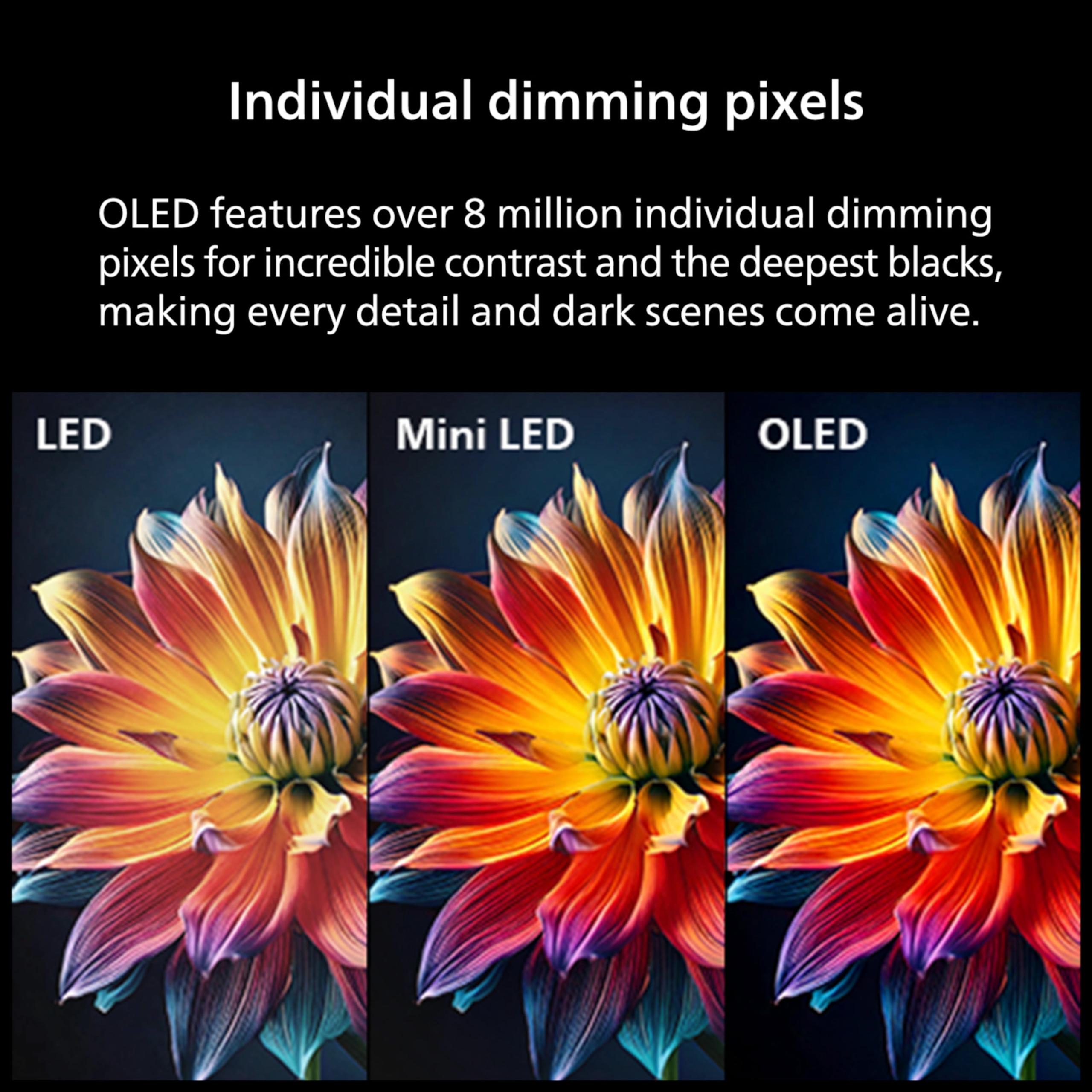
The core difference between these TVs comes down to how they create light. The Philips OLED uses millions of organic compounds that light up individually when electricity passes through them. Think of each pixel as a tiny light bulb that can turn completely on, completely off, or anywhere in between. This gives OLED displays their signature advantage: true blacks that aren't actually displaying any light at all.
The Hisense H9G, on the other hand, uses a more traditional LED backlight system enhanced with quantum dot technology. Quantum dots are microscopic particles that, when hit by light, emit very pure colors. The TV then uses 180 separate dimming zones—sections of the backlight that can brighten or dim independently—to create contrast. It's like having 180 individual flashlights behind the screen that can adjust their brightness based on what's being displayed.
Both approaches have evolved significantly since their 2020-2021 releases. OLED technology has improved in brightness output and longevity, while quantum dot displays have gained more dimming zones and better processing algorithms. However, the fundamental trade-offs between these technologies remain the same.
This is where the Philips OLED absolutely dominates. When you're watching a movie scene set in space, those black areas around the stars are genuinely black—no light is being emitted from those pixels. The contrast ratio is technically infinite because you're dividing any amount of light by zero. In practical terms, this means shadow details pop with incredible depth, and bright objects against dark backgrounds create that "floating in space" effect that makes OLED so compelling for movie watching.
The Hisense H9G fights back with its 180 local dimming zones. When the TV detects a dark area in the image, it dims the LED backlights in that region. It's impressive technology that creates much deeper blacks than cheaper LED TVs, but it can't compete with OLED's pixel-perfect control. You might notice subtle "blooming" where bright objects cause a slight halo effect in nearby dark areas—this is the backlight bleeding through despite the dimming zones' best efforts.
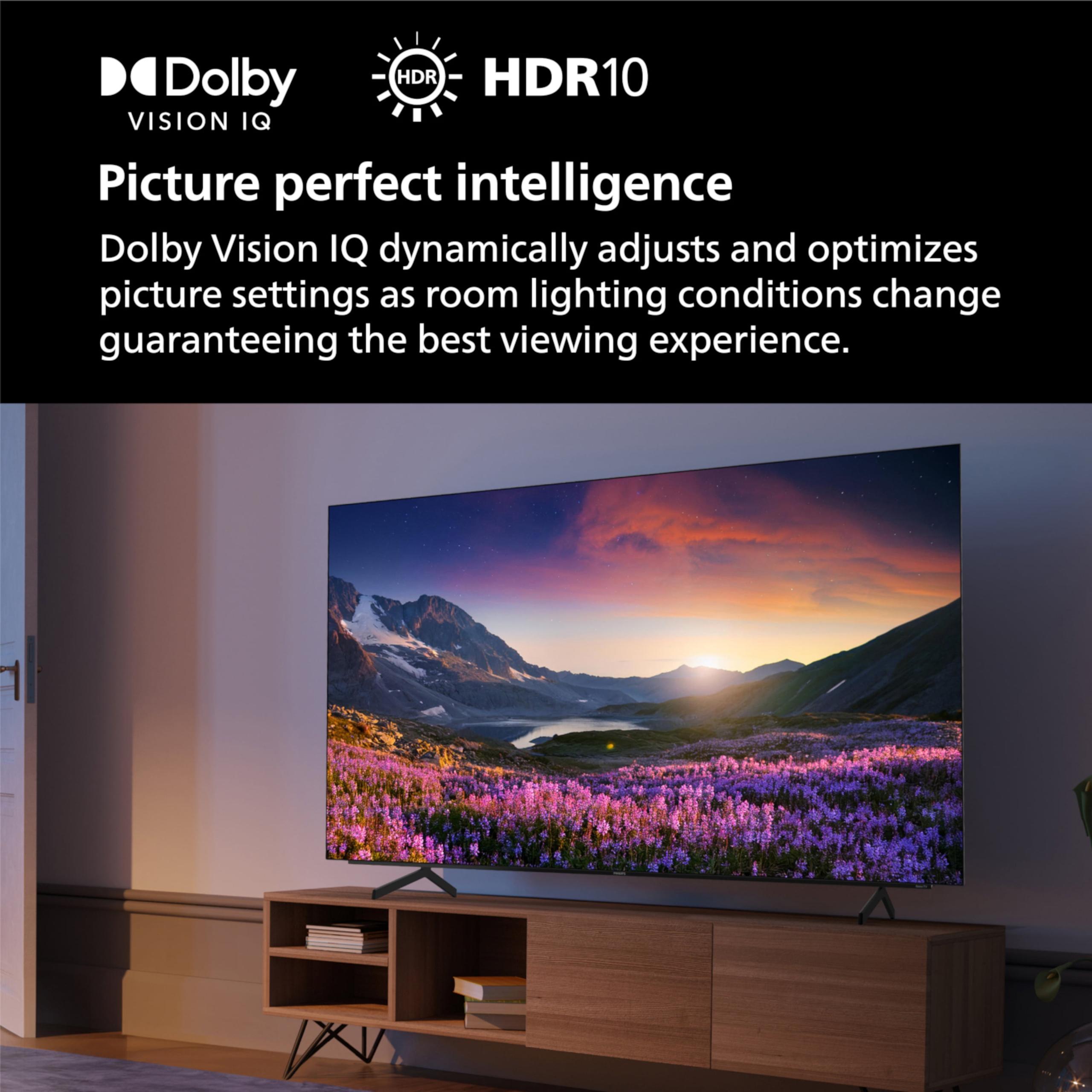
Here's where the tables turn dramatically. The Hisense H9G can punch out up to 1,000 nits of brightness, which is genuinely impressive. To put this in perspective, a bright sunny day measures around 100,000 nits, while indoor lighting typically ranges from 100-500 nits. This high brightness capability means HDR (High Dynamic Range) content—those Netflix and Disney+ shows labeled with HDR10 or Dolby Vision—really pops with brilliant highlights and vibrant colors that feel almost three-dimensional.
The Philips OLED struggles here, managing significantly less peak brightness. While exact figures vary based on specific content and settings, OLED panels typically max out around 600-700 nits in real-world usage. This limitation becomes painfully obvious when you're watching HDR content during the day or in a bright room. Those spectacular sunset scenes or car headlights at night just don't have the same impact—they look more like suggestions of brightness rather than the eye-searing brilliance the content creator intended.
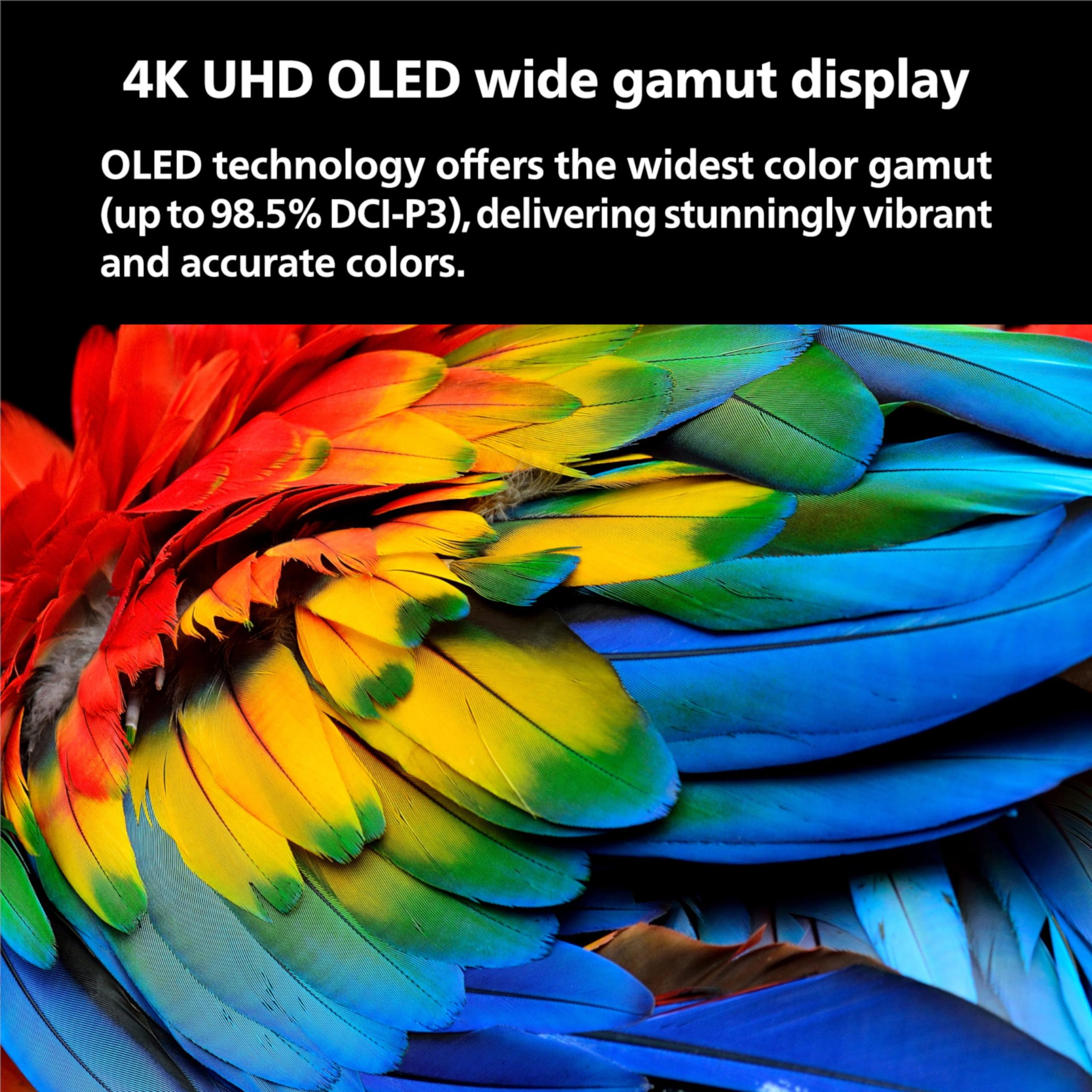
Both TVs excel at color reproduction, but in different ways. The Philips OLED covers up to 98.5% of the DCI-P3 color space (the standard used for digital cinema) and delivers exceptional out-of-the-box color accuracy. Colors look natural and true-to-life without any tweaking—skin tones are realistic, grass looks genuinely green, and the overall palette feels balanced and refined.
The Hisense H9G uses quantum dot technology to achieve what Hisense claims is over a billion color combinations. Quantum dots excel at producing pure, saturated colors, which can make content look more vibrant and punchy than real life. This isn't necessarily bad—many people prefer this slightly oversaturated look, especially for animated content or nature documentaries where you want those colors to really pop.
Gaming has become a crucial consideration for modern TVs, especially with the PlayStation 5, Xbox Series X, and upcoming Nintendo Switch 2 pushing higher frame rates and resolutions.
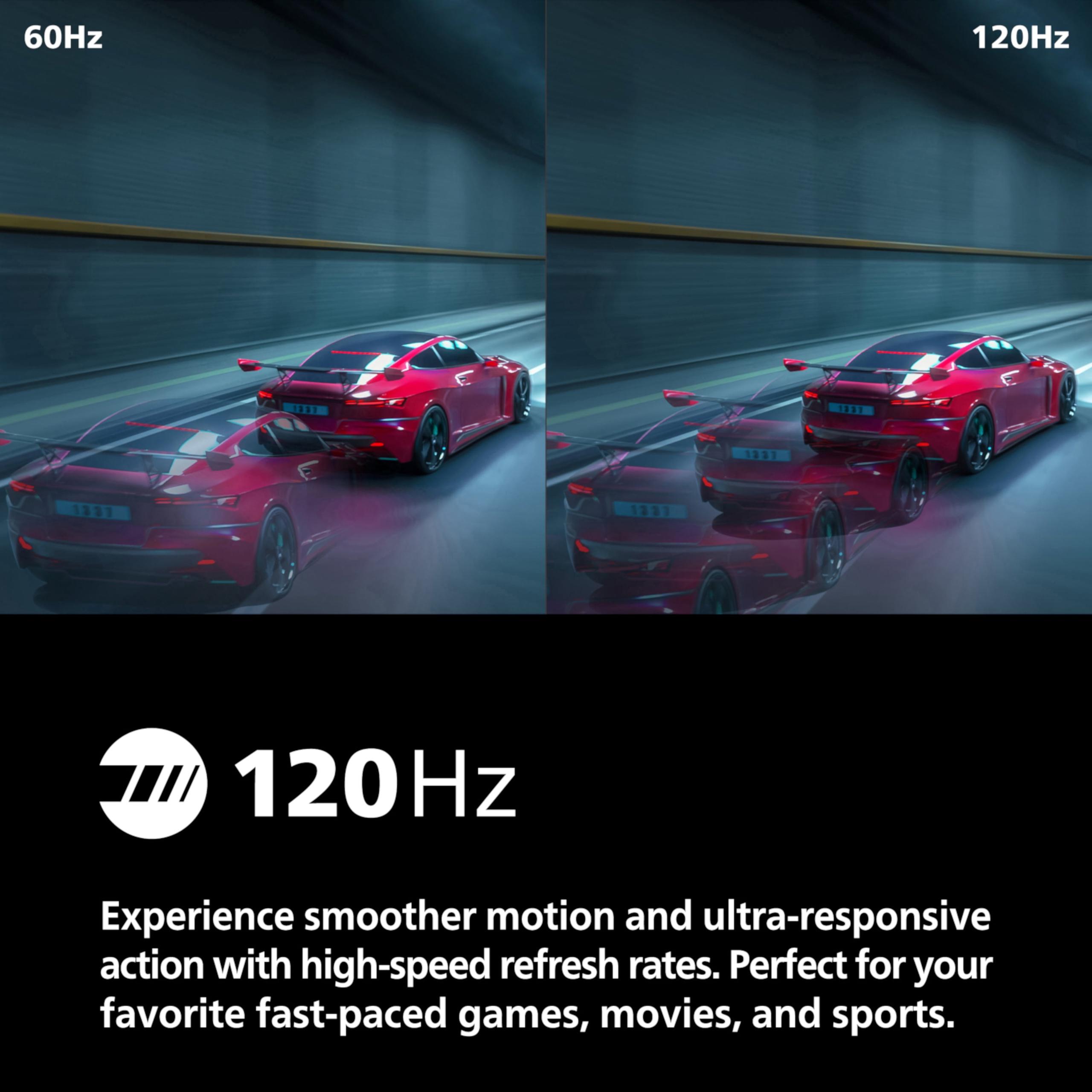
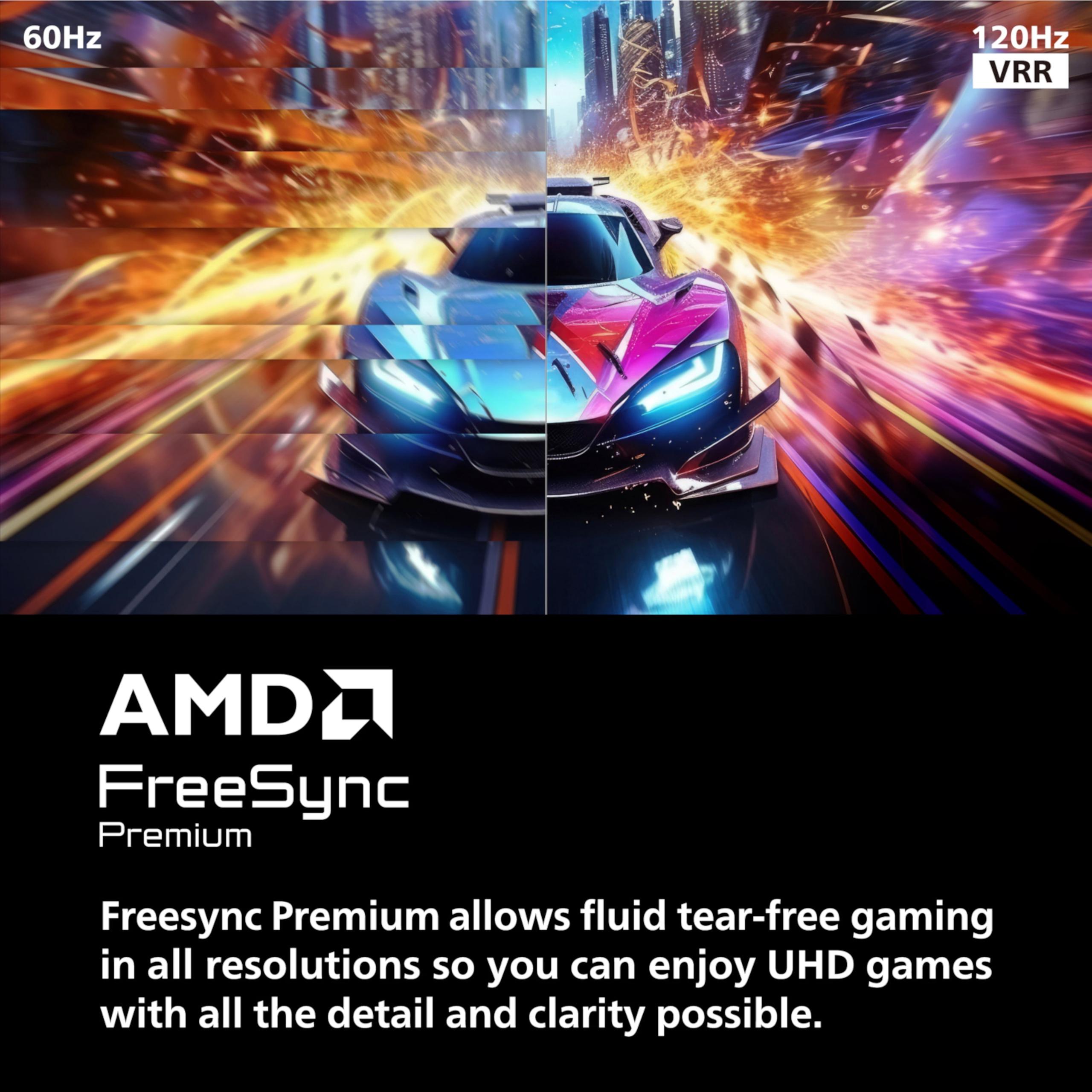
The Philips OLED is genuinely impressive for gaming, with a response time under 0.1 milliseconds. To understand why this matters: when you press a button on your controller, there's a tiny delay between when the TV receives the signal and when it actually displays the result. OLED's near-instantaneous pixel switching means virtually no motion blur during fast-paced games, and input lag stays low, especially at 120Hz refresh rates. The TV also supports AMD FreeSync Premium, which synchronizes the TV's refresh rate with your gaming console or PC to eliminate screen tearing—those jarring horizontal lines that can appear during rapid movement.
The Hisense H9G offers solid gaming performance with low input lag in its dedicated Game Mode, but it lacks variable refresh rate (VRR) support and has slower response times than OLED. It's perfectly adequate for casual gaming, but competitive gamers who need every millisecond advantage will notice the difference.
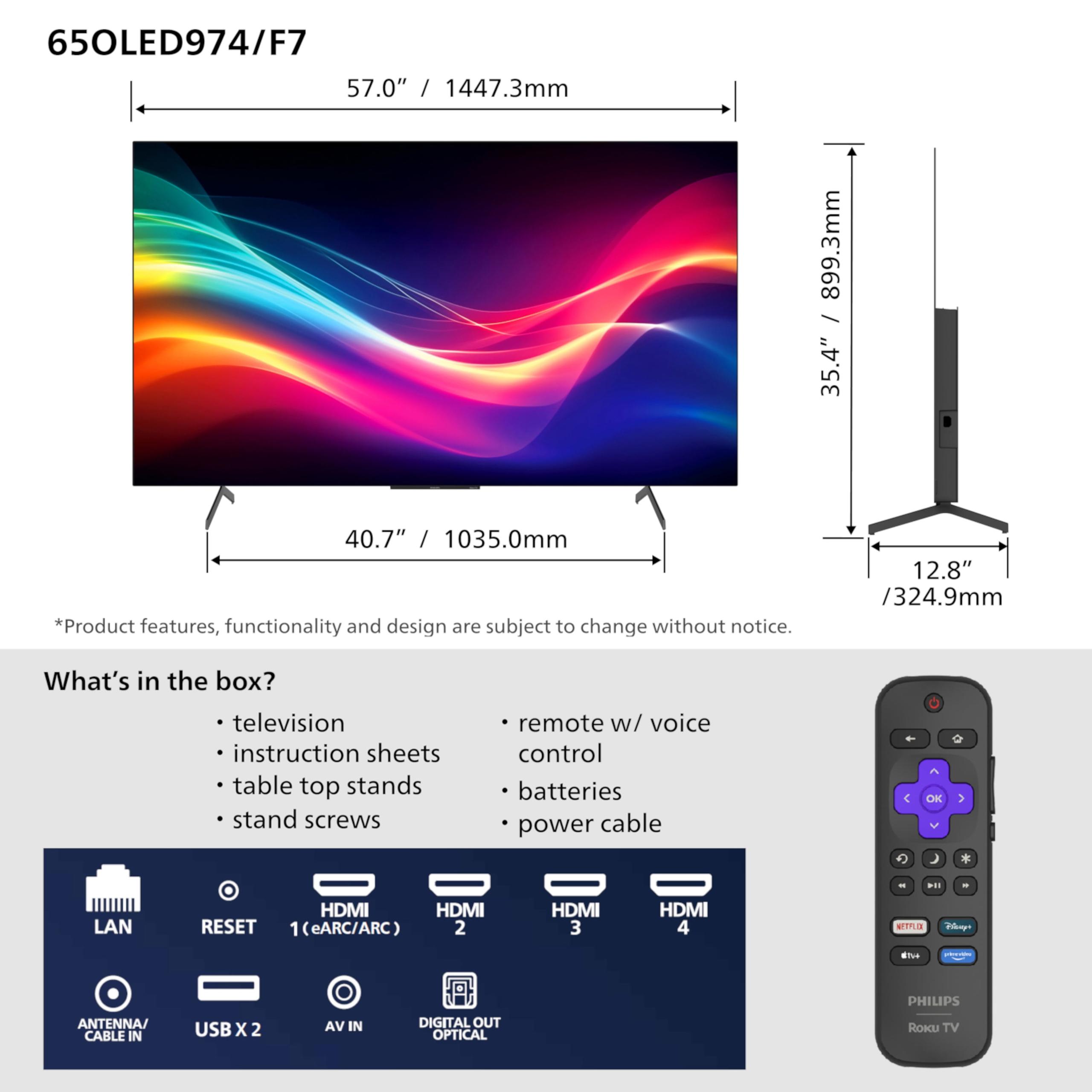
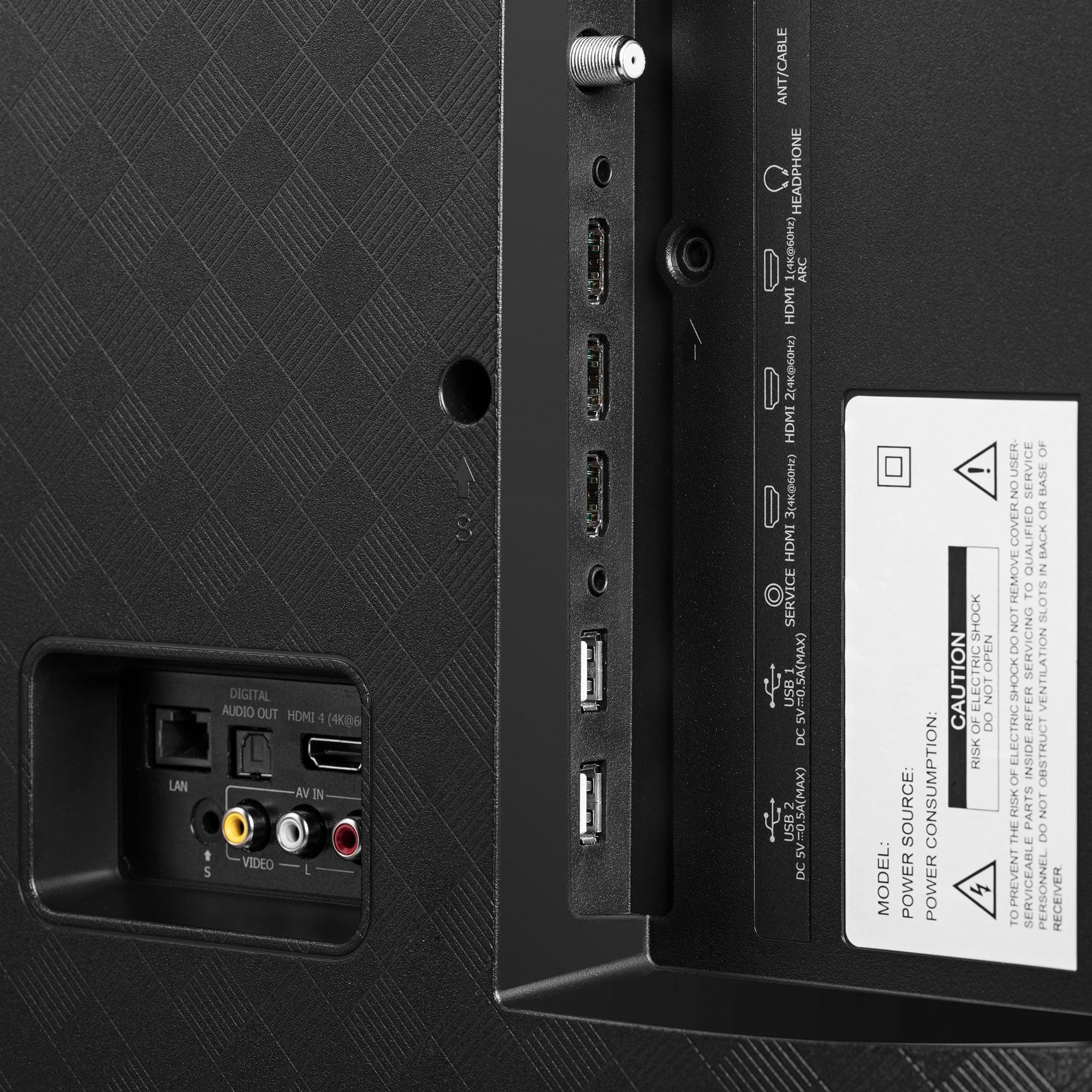
Both TVs support 4K gaming at 120Hz, though the Philips has proper HDMI 2.1 connectivity on two ports, while the Hisense uses HDMI 2.0. This technical difference might limit some future gaming features, though current consoles work fine with both.
The choice between Roku TV and Android TV represents two different philosophies about what a smart TV should do.
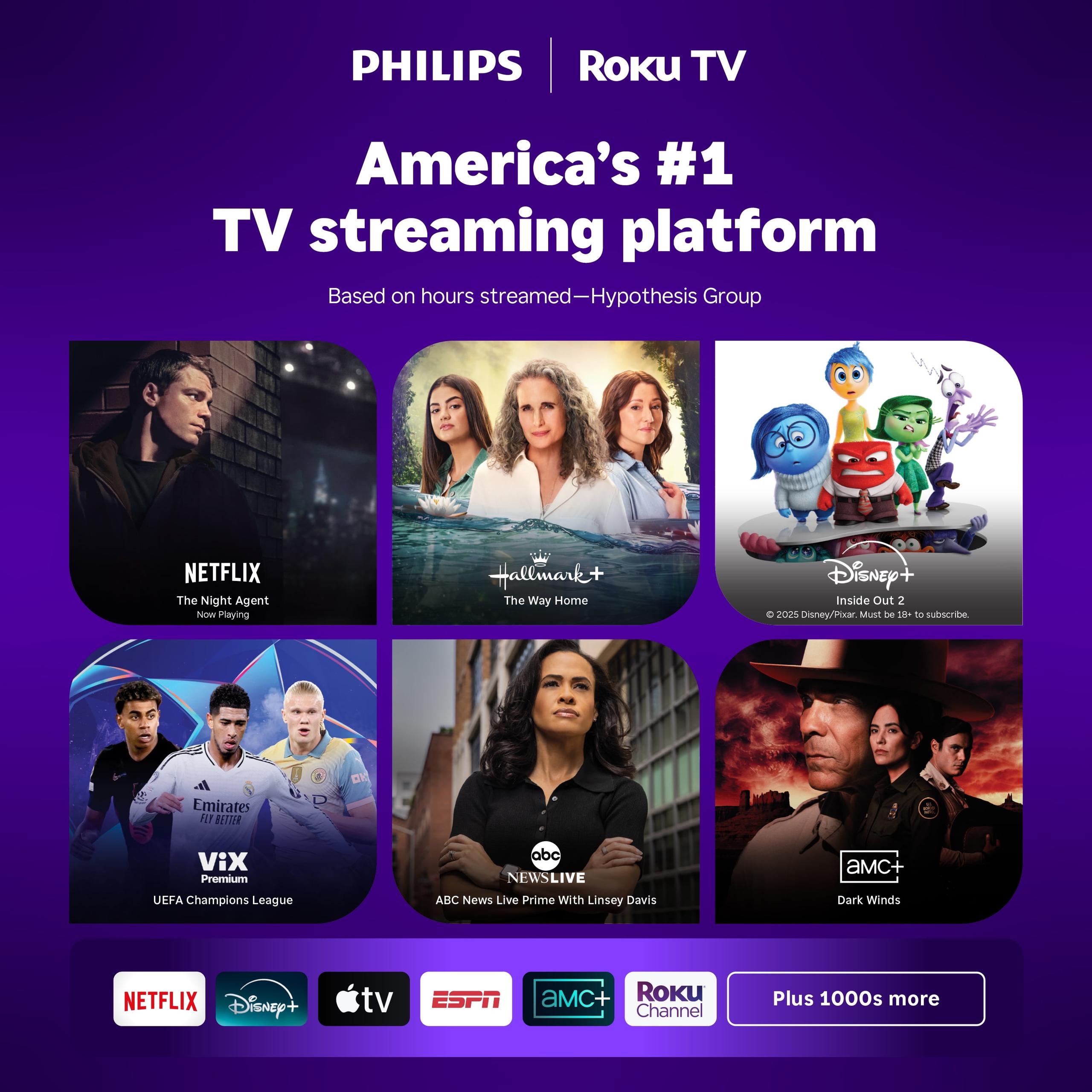
The Philips OLED runs Roku TV, which prioritizes simplicity and content discovery. The interface is clean, fast, and gets out of your way. Roku's content search spans across multiple streaming services, so when you search for a movie, it shows you whether it's free on Tubi, available with your Netflix subscription, or rentable from Amazon Prime. The platform rarely feels cluttered or overwhelming.
The Hisense H9G uses Android TV with deep Google integration. If you're already invested in the Google ecosystem—using Gmail, Google Photos, YouTube TV, or Google Assistant smart home devices—this integration feels seamless. The TV includes built-in microphones for hands-free voice control, so you can literally tell it to "play Stranger Things on Netflix" from across the room. Chromecast functionality is built right in, making it effortless to cast photos, videos, or music from your phone.
Android TV offers more customization options and access to the full Google Play Store, but it can also feel more complex and occasionally sluggish compared to Roku's streamlined approach.
Your viewing environment often determines which TV will work better for you, regardless of other preferences.
Bright Rooms and Daytime Viewing
If your TV faces windows or you watch during the day with lights on, the Hisense H9G is the clear winner. Its 1,000-nit brightness capability means it can overpower ambient light and maintain vibrant, punchy visuals even in challenging lighting conditions. HDR content maintains its impact, and you won't find yourself squinting at dark scenes or struggling to make out shadow details.
The Philips OLED becomes frustrating in bright environments. Despite its excellent reflection handling, the limited brightness means bright scenes look dim and HDR content loses its punch. You'll find yourself constantly adjusting blinds or waiting for evening to get the full impact of your favorite shows.
Dark Room and Home Theater Setup
This is where the Philips OLED transforms into something magical. In a dedicated home theater or darkened living room, those perfect blacks create an almost holographic sense of depth. Stars in space scenes appear to float in genuine darkness, while shadow details reveal themselves with stunning clarity. The viewing experience feels immersive in a way that's hard to describe until you experience it firsthand.
The Hisense H9G still looks excellent in dark rooms, but the subtle backlight bleeding becomes more noticeable when you're not fighting ambient light. Those 180 dimming zones work hard, but they can't achieve the pixel-perfect control that makes OLED so compelling for cinematic viewing.
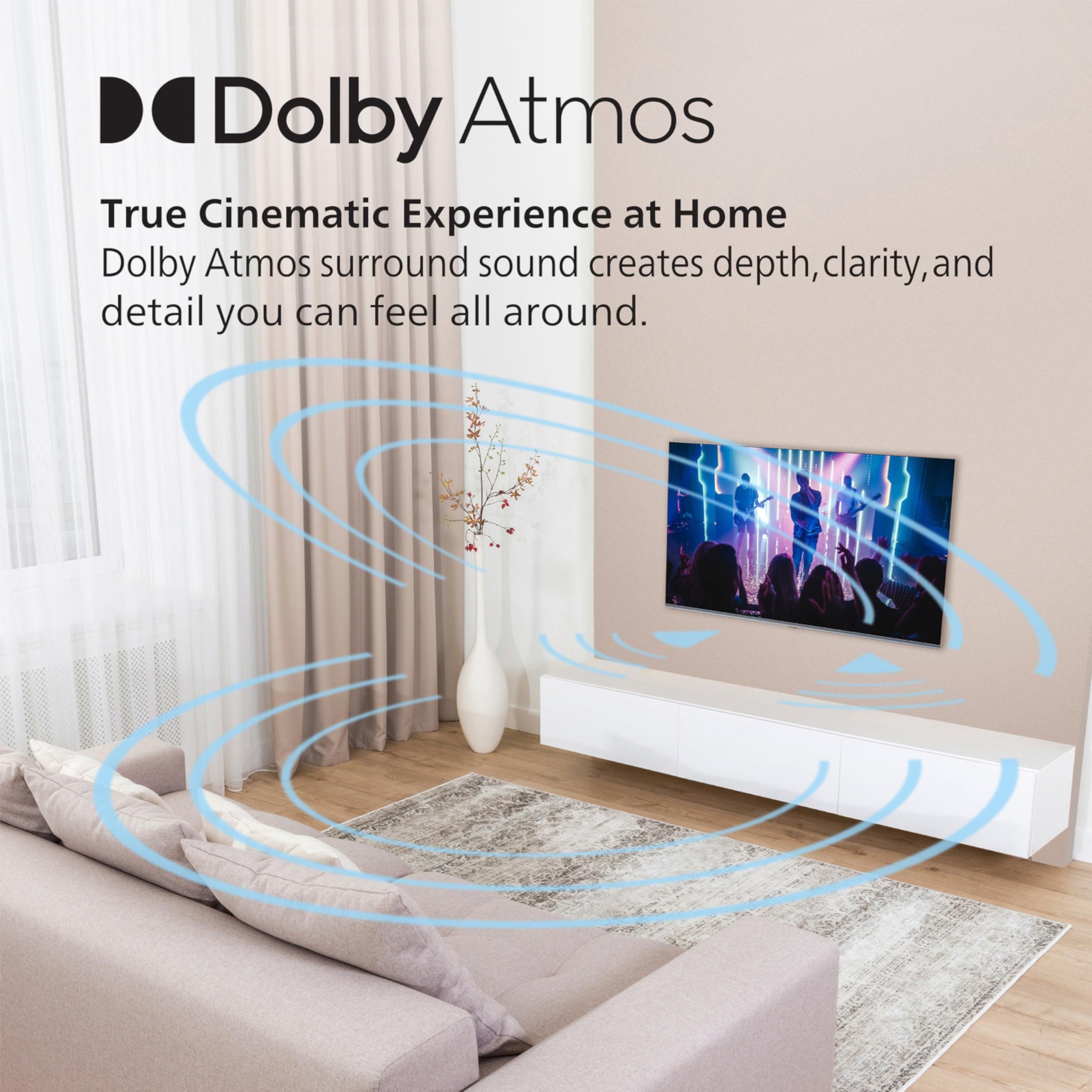
Both TVs support Dolby Atmos, which creates three-dimensional soundscapes by bouncing audio off your ceiling and walls. The Philips OLED includes a 2.1 speaker system with a dedicated subwoofer, potentially offering better built-in audio than the Hisense H9G's dual 10-watt speakers.
However, at this price point, most buyers will eventually add a soundbar or home theater system, making built-in audio quality less critical for long-term satisfaction.
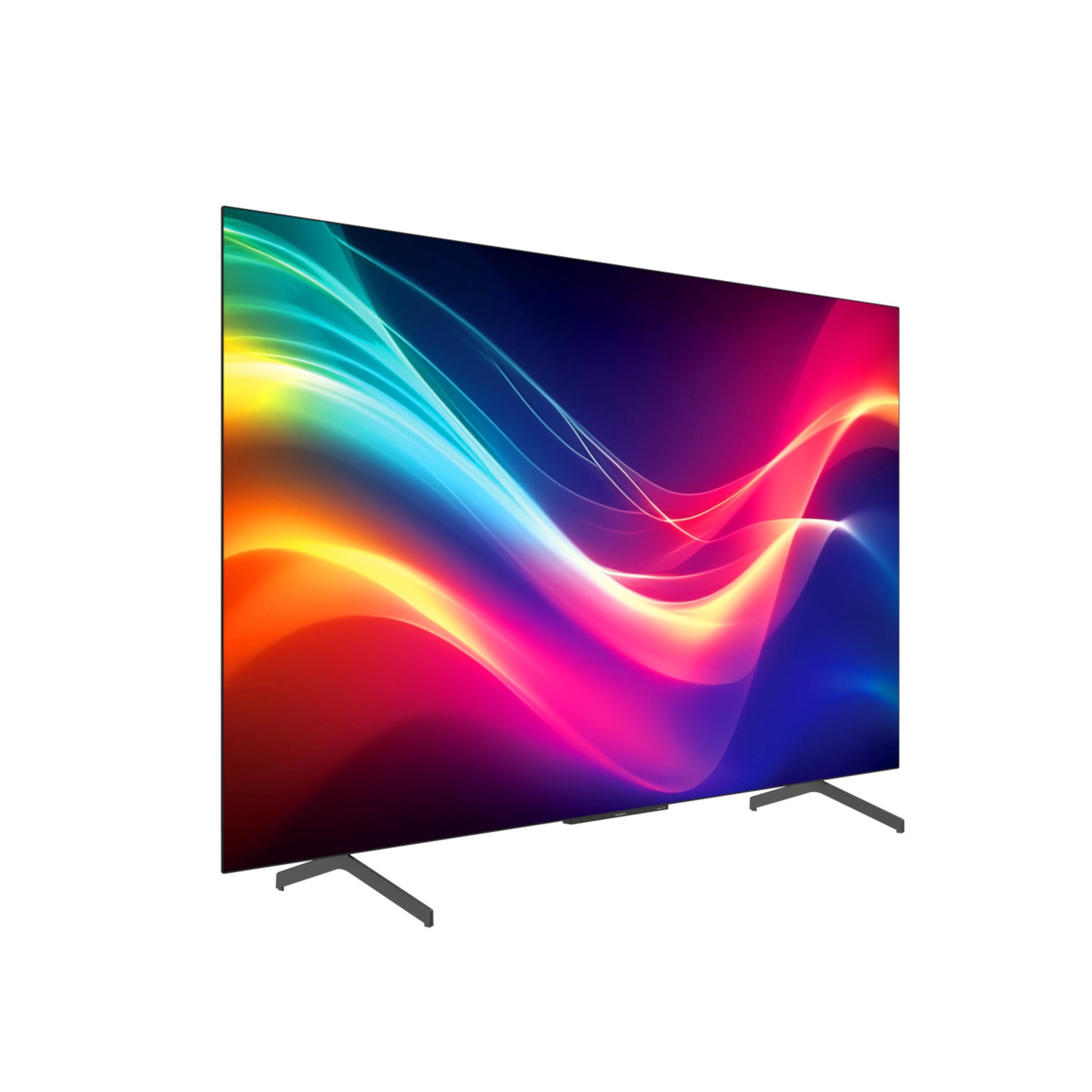
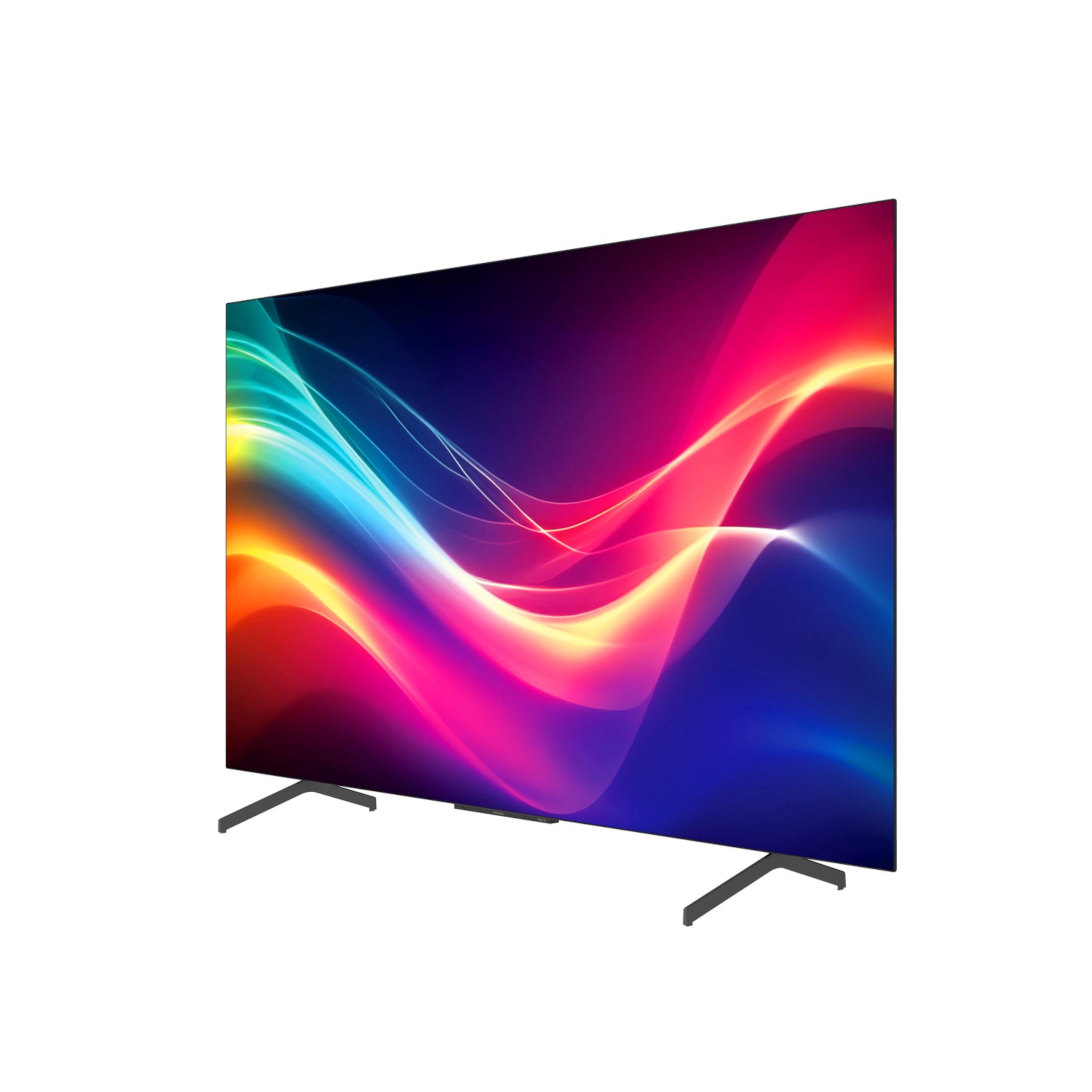
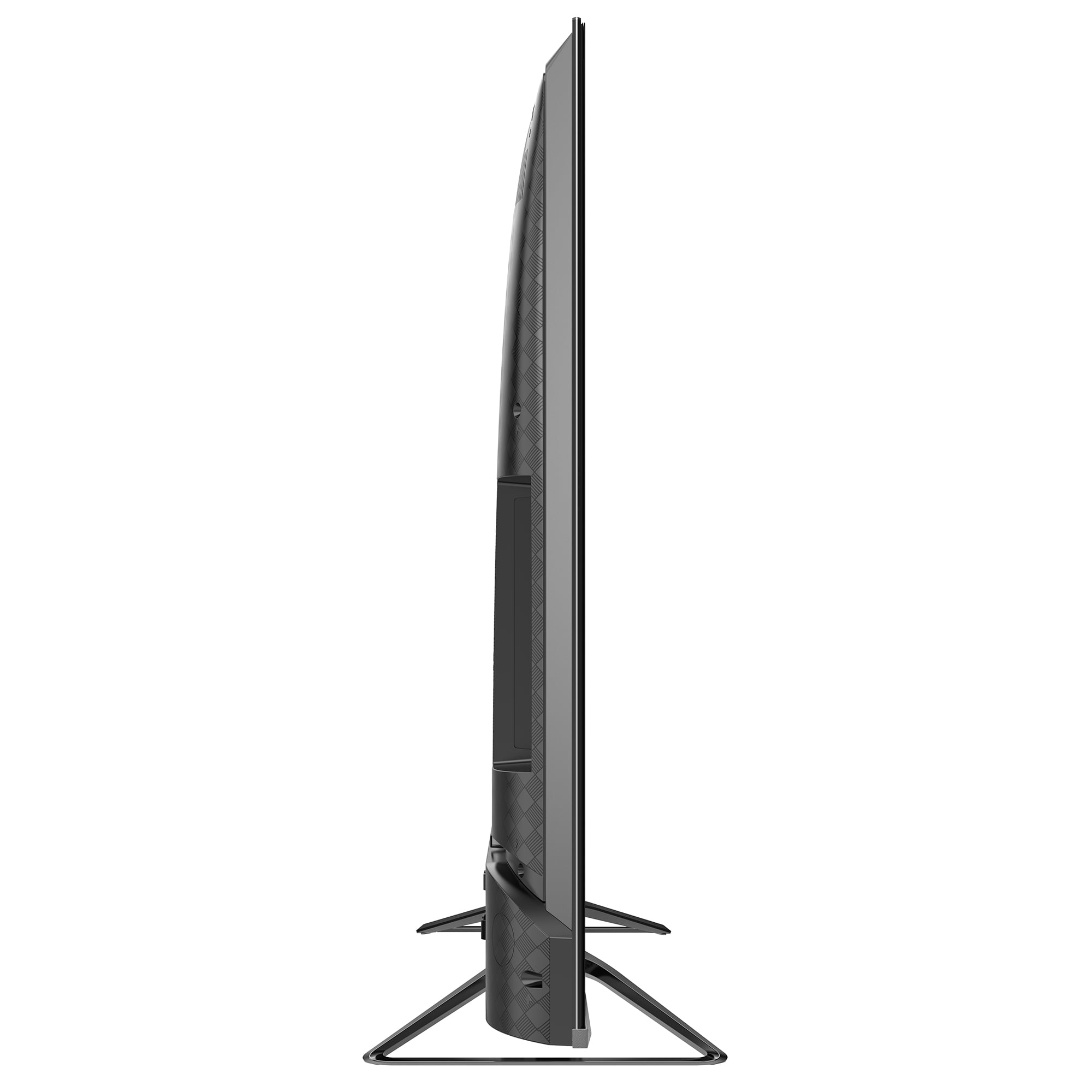
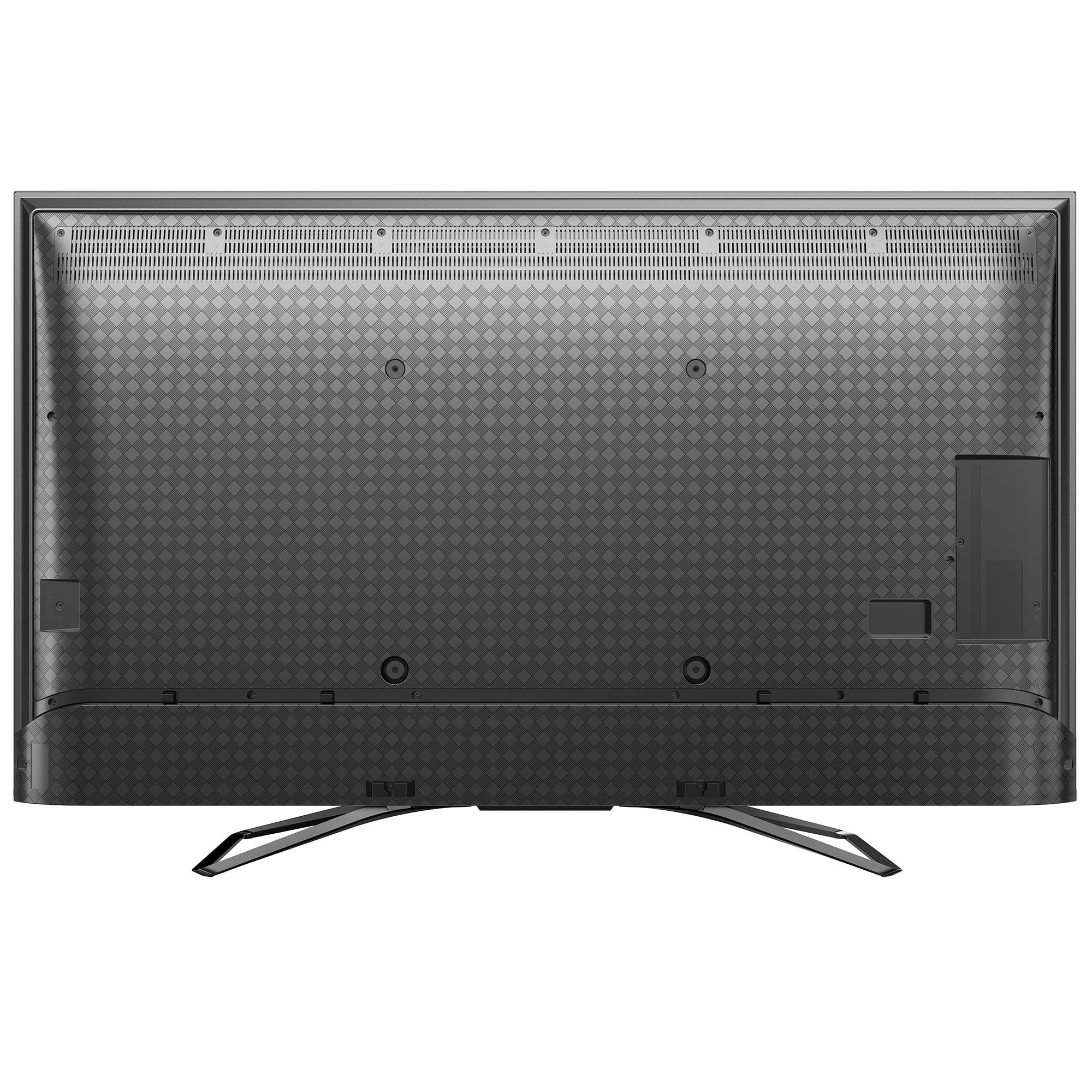
The Philips OLED wins on pure elegance with its ultra-thin 2.2-inch profile and nearly borderless design. When wall-mounted, it creates that "picture frame" aesthetic that makes the TV disappear into your décor. The premium feel extends to the included stand, which provides solid support while maintaining the TV's sleek appearance.
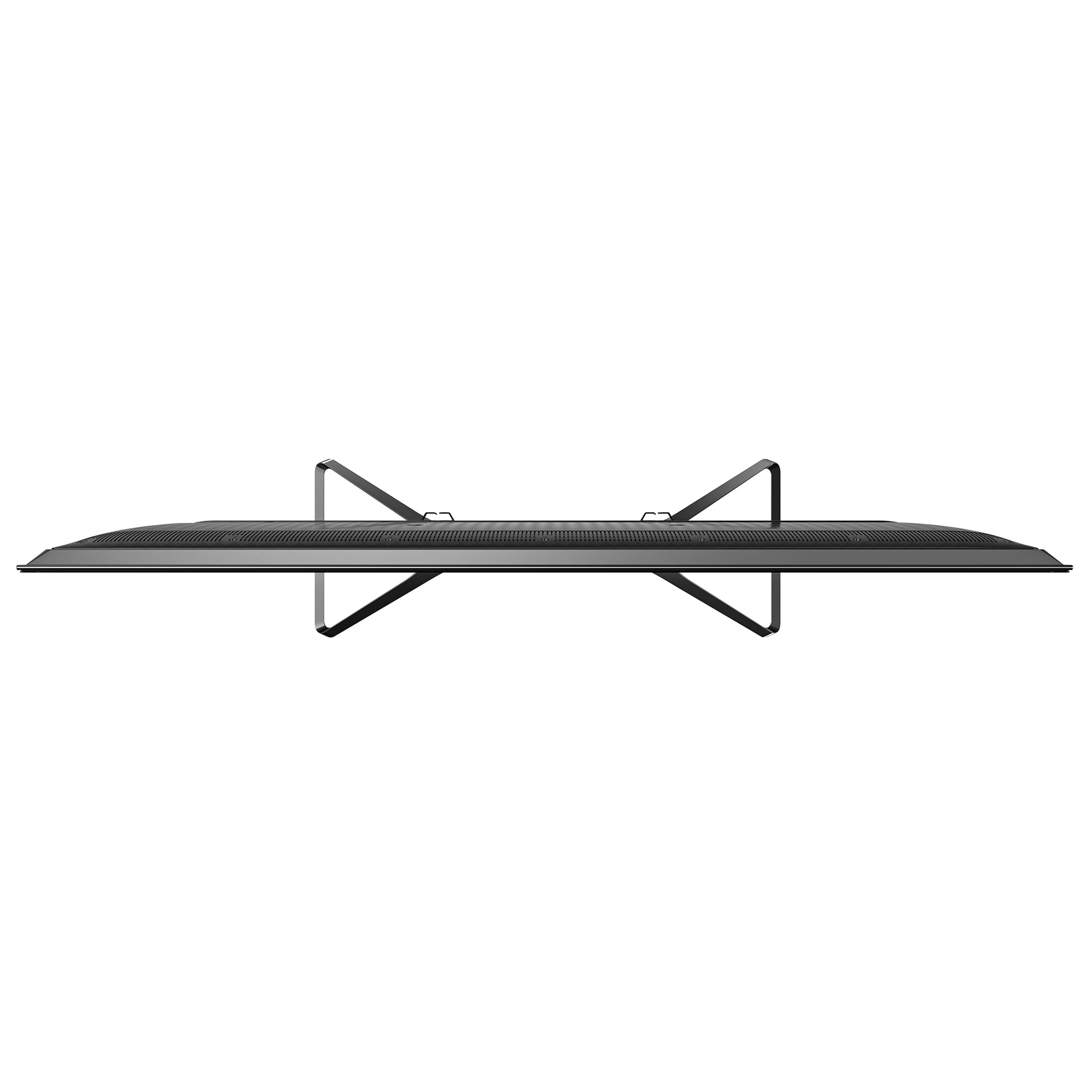
The Hisense H9G has a more traditional TV design with a 4.1-inch thickness. While not as striking as the OLED's razor-thin profile, it feels solid and well-constructed. The design won't win awards, but it won't detract from your room's aesthetics either.
At the time of writing, both TVs occupy similar price territories, making value more about long-term satisfaction than initial cost. OLED technology has largely overcome early concerns about burn-in (permanent image retention), though it remains theoretically possible with extreme usage patterns like displaying static images for thousands of hours.
The Hisense H9G's LED backlight system has a longer theoretical lifespan, and quantum dot technology has proven stable over time. However, the more complex local dimming system includes more components that could potentially fail.
Both TVs should provide years of excellent performance, but your satisfaction will largely depend on whether you chose the right technology for your viewing environment and preferences.
Choose the Philips 65OLED974/F7 if you:
Choose the Hisense 65" H9G Quantum Series if you:
The decision ultimately comes down to your room's lighting and your primary viewing habits. The Hisense offers more versatility and works well in almost any environment, while the Philips OLED excels specifically in dark-room, cinematic viewing scenarios where its perfect blacks and color accuracy create an almost magical viewing experience.
Both represent excellent value in the premium TV space, but choose based on where and how you actually watch TV, not just which technology sounds more impressive on paper. Your daily viewing experience will thank you for prioritizing practical performance over spec sheet bragging rights.
| Philips 65OLED974/F7 | Hisense 65" H9G Quantum Series |
|---|---|
| Display Technology - Fundamental difference affecting contrast and brightness | |
| OLED with pixel-level dimming | Quantum Dot LED with 180 local dimming zones |
| Peak Brightness - Critical for HDR impact and bright room viewing | |
| ~600-700 nits (struggles in bright rooms) | Up to 1,000 nits (excellent for daytime viewing) |
| Black Levels - Determines contrast and dark scene detail | |
| Perfect blacks (infinite contrast ratio) | Very deep blacks with minimal blooming |
| Refresh Rate - Affects motion smoothness and gaming | |
| 120Hz native panel | 120Hz native panel with Motion Rate 480 |
| Response Time - Gaming performance and motion blur | |
| <0.1ms (virtually no motion blur) | Standard LED response time (some motion blur) |
| Gaming Features - Next-gen console compatibility | |
| HDMI 2.1, AMD FreeSync Premium, VRR support | HDMI 2.0, Game Mode only (no VRR) |
| Color Accuracy - Out-of-box picture quality | |
| Excellent SDR accuracy, 98.5% DCI-P3 coverage | Good accuracy with quantum dot enhancement |
| Smart Platform - User interface and app ecosystem | |
| Roku TV (simple, content-focused) | Android TV with Google Assistant integration |
| Voice Control - Hands-free operation capability | |
| Bluetooth remote only (button required) | Built-in microphones for hands-free control |
| Design Profile - Wall-mount aesthetics | |
| Ultra-thin 2.2" depth with borderless design | Traditional 4.1" thickness |
| Audio System - Built-in sound quality | |
| 2.1 speakers with dedicated subwoofer | Dual 10W speakers |
| Best Use Case - Ideal viewing environment | |
| Dark rooms, cinematic viewing, competitive gaming | Bright rooms, daytime viewing, Google ecosystem users |
The Hisense H9G Quantum Series is significantly better for bright rooms with its 1,000-nit peak brightness capability. The Philips 65OLED974/F7 struggles in bright environments due to its limited brightness output, making HDR content appear dim and reducing overall picture impact during daytime viewing.
The Philips 65OLED974/F7 uses OLED technology where each pixel creates its own light and can turn completely off for perfect blacks. The Hisense H9G Quantum Series uses Quantum Dot LED technology with a backlight system and 180 local dimming zones to create contrast, offering brighter peak brightness but unable to achieve true black levels.
The Philips 65OLED974/F7 is superior for gaming with its <0.1ms response time, HDMI 2.1 connectivity, and AMD FreeSync Premium support for variable refresh rates. The Hisense H9G Quantum Series offers decent gaming performance but lacks VRR support and has slower response times, making it better suited for casual rather than competitive gaming.
Yes, both the Philips 65OLED974/F7 and Hisense H9G Quantum Series support 4K UHD resolution (3840x2160) and multiple HDR formats including Dolby Vision, HDR10, and HLG. However, the Hisense displays HDR content with more impact due to its higher peak brightness capability.
The Philips 65OLED974/F7 runs Roku TV, which offers a simpler, more streamlined interface focused on content discovery. The Hisense H9G Quantum Series uses Android TV with deeper Google integration, hands-free voice control, and more customization options, but can feel more complex for users wanting basic functionality.
The Hisense H9G Quantum Series offers superior voice control with built-in microphones for hands-free Google Assistant commands from across the room. The Philips 65OLED974/F7 requires using the Bluetooth voice remote and pressing a button to activate voice control features.
The Philips 65OLED974/F7 excels in dark rooms with its perfect black levels and infinite contrast ratio, creating a truly cinematic experience with exceptional shadow detail. While the Hisense H9G Quantum Series performs well in dark rooms, it cannot match OLED's pixel-perfect contrast control.
The Philips 65OLED974/F7 includes a 2.1 speaker system with a dedicated subwoofer for potentially better bass response. The Hisense H9G Quantum Series features dual 10W speakers. Both support Dolby Atmos, but most users in this price range will likely add external audio systems for optimal sound quality.
The Philips 65OLED974/F7 delivers excellent out-of-the-box color accuracy with 98.5% DCI-P3 coverage and natural-looking colors that require minimal calibration. The Hisense H9G Quantum Series produces vibrant colors through quantum dot technology but may appear slightly oversaturated compared to the more accurate OLED display.
The Philips 65OLED974/F7 offers full next-gen compatibility with HDMI 2.1 ports supporting 4K@120Hz, VRR, and ALLM features for PS5 and Xbox Series X|S. The Hisense H9G Quantum Series uses HDMI 2.0 connections, which work with current consoles but may limit some advanced gaming features.
Both the Philips 65OLED974/F7 and Hisense H9G Quantum Series offer excellent value in their price range. The choice depends on your viewing environment: the Philips provides premium dark-room performance and gaming features, while the Hisense offers more versatility across different lighting conditions with superior brightness.
The Philips 65OLED974/F7 features an ultra-thin 2.2-inch profile with a nearly borderless design that creates a premium "floating picture" aesthetic when wall-mounted. The Hisense H9G Quantum Series has a more traditional 4.1-inch thickness with solid build quality but a less striking appearance compared to the sleek OLED design.
We've done our best to create useful and informative comparisons to help you decide what product to buy. Our research uses advanced automated methods to create this comparison and perfection is not possible - please contact us for corrections or questions. These are the sites we've researched in the creation of this article: rtings.com - versus.com - versus.com - rtings.com - samsclub.com - versus.com - youtube.com - usa.philips.com - bestbuy.com - usa.philips.com - consumerreports.org - usa.philips.com - documents.philips.com - tvoutlet.ca - displayspecifications.com - business.walmart.com - displayspecifications.com - ecoustics.com - walmart.com - rtings.com - bestbuy.com - techradar.com - youtube.com - digitaltrends.com - assets.hisense-usa.com - bestbuy.com - youtube.com - bestbuy.com

Privacy Policy
Terms and Conditions - Affiliate Policy
Home Security
© Copyright 2008-2026.
11816 Inwood Rd #1211, Dallas, TX 75244