

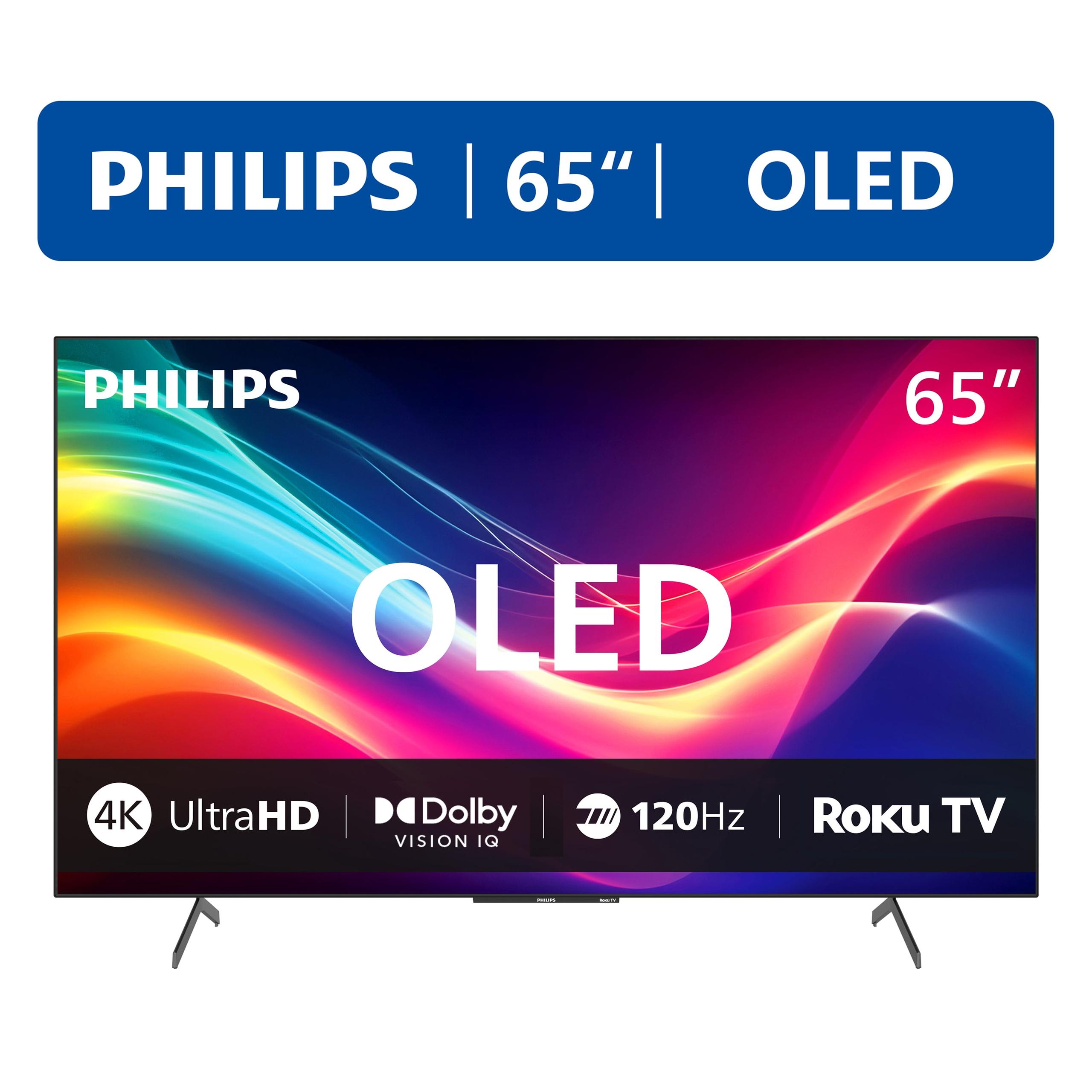
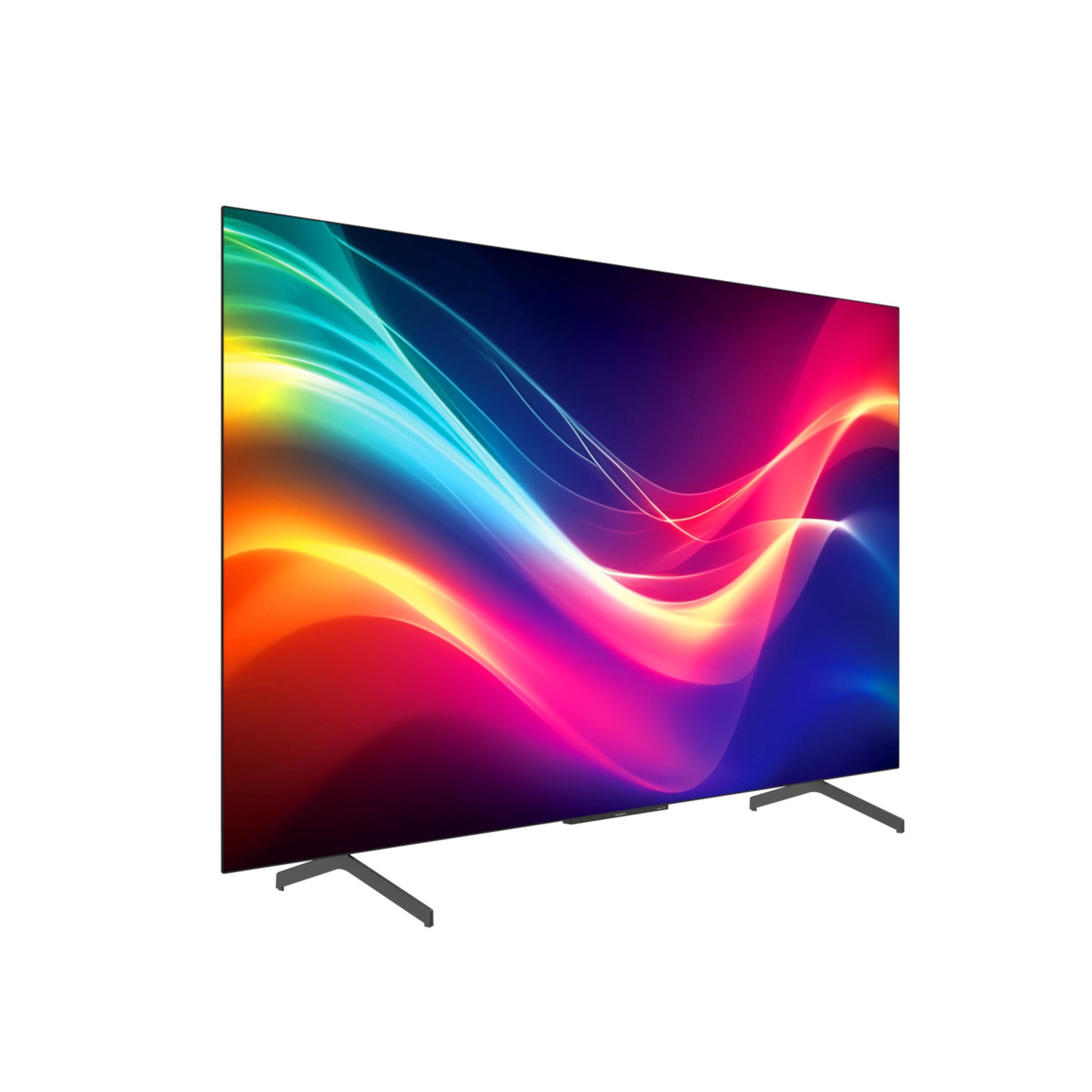
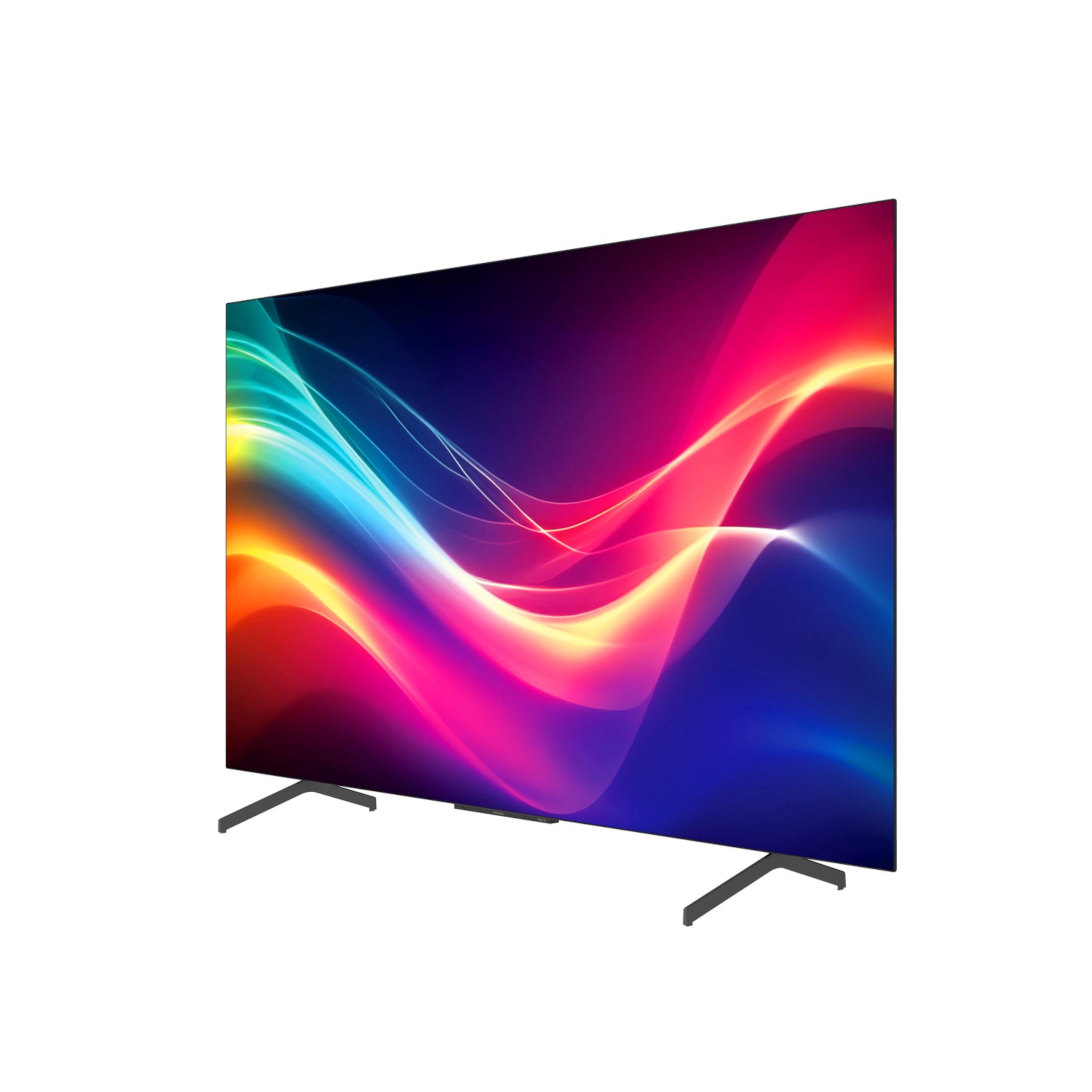

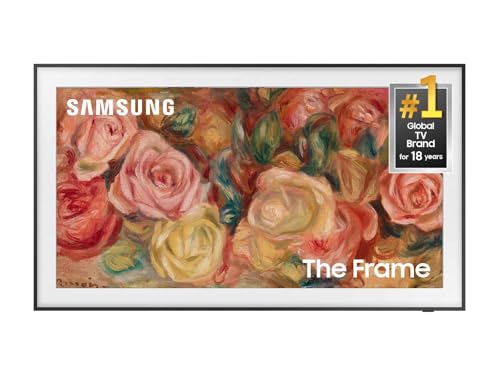

When shopping for a 65-inch premium TV, you'll quickly discover two competing philosophies. On one side, you have pure picture quality enthusiasts who swear by OLED technology. On the other, there's a growing movement toward TVs that blend seamlessly into living spaces while delivering solid performance. The Philips 65OLED974/F7 and Samsung 65" The Frame QLED 4K 2024 represent these two approaches perfectly.
Both TVs occupy the premium 65-inch space, but they couldn't be more different in their goals. The Philips OLED, released in 2018, focuses entirely on delivering the best possible picture quality for serious viewers. The Samsung Frame, launched in 2024, pioneered the "TV as art" concept while maintaining respectable performance credentials.
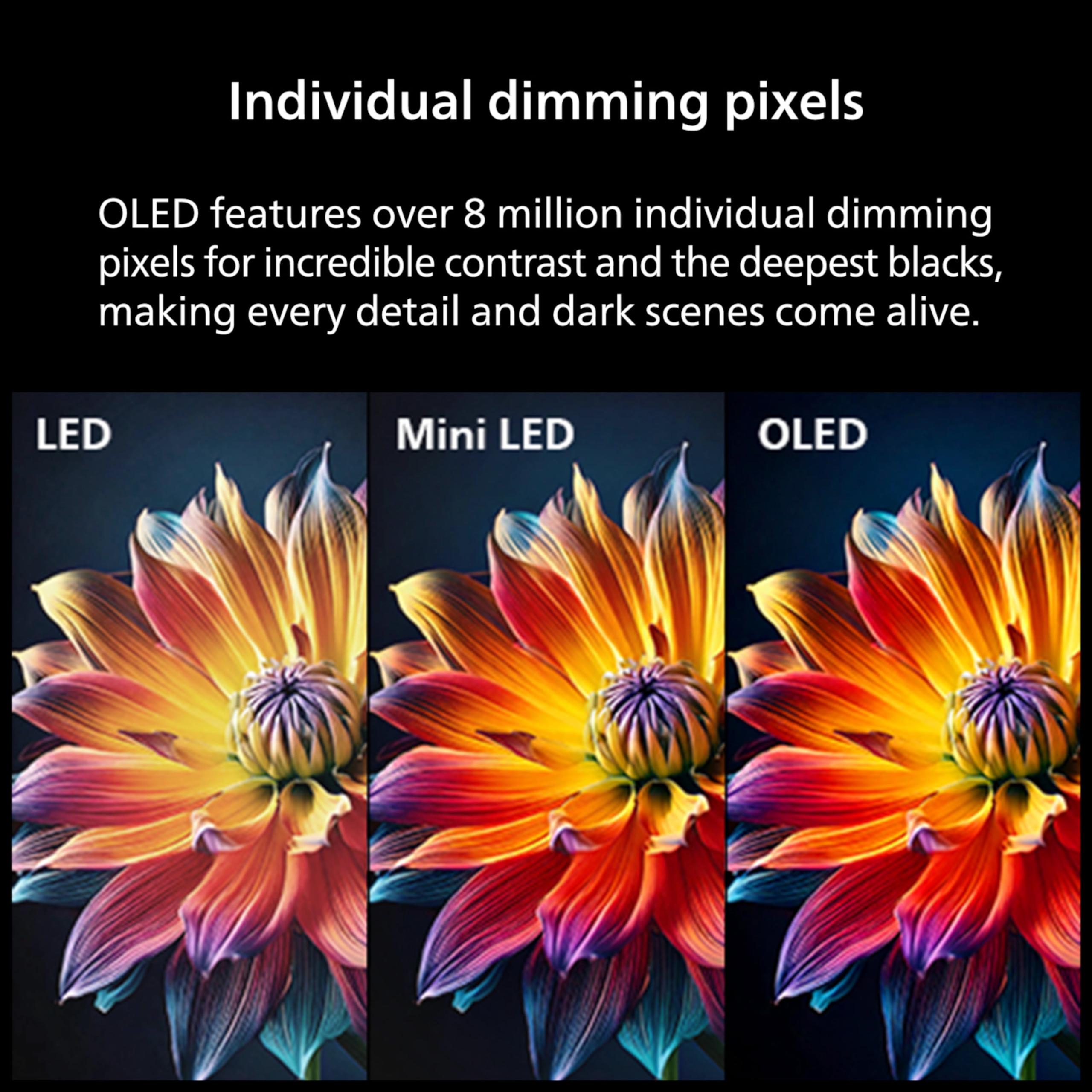
To understand these TVs, you need to grasp the fundamental difference between OLED and QLED technology. OLED stands for Organic Light-Emitting Diode, where each pixel produces its own light and can turn completely off to create perfect black levels. Think of it like having 8 million tiny light bulbs that can individually dim or brighten. When a pixel needs to be black, it simply turns off—no light bleeding, no gray instead of black.
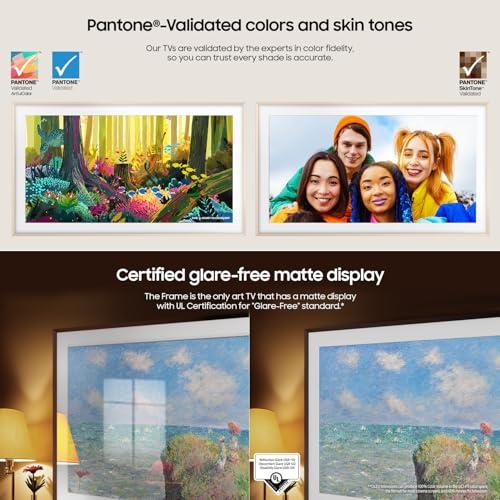
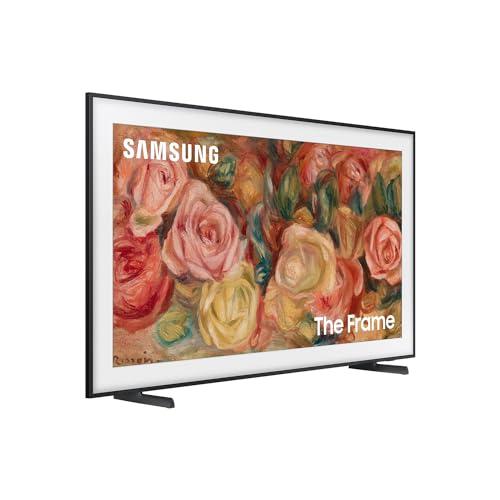
QLED, which stands for Quantum Dot Light-Emitting Diode, takes a different approach. It uses a traditional LED backlight but enhances it with quantum dots—microscopic particles that improve color accuracy and brightness when hit by blue light. The Samsung Frame uses this technology along with a matte anti-reflective coating that scatters ambient light to reduce glare.
The implications of these different approaches become clear when you consider where you'll use the TV. Our research into user experiences consistently shows that OLED TVs like the Philips absolutely dominate in dark rooms, while QLED displays like the Samsung Frame handle bright, well-lit spaces much better.
In a dark home theater environment, the Philips 65OLED974/F7 is simply in a different league. The perfect black levels create an almost three-dimensional viewing experience where dark scenes reveal subtle details that would be completely lost on other display types. When watching movies with dramatic lighting—think Christopher Nolan films or atmospheric horror movies—the difference is immediately apparent.
Expert reviews consistently highlight the OLED's infinite contrast ratio. This technical specification means that the brightest whites and darkest blacks can appear side-by-side without any compromise. In practice, this translates to stars that actually look like pinpricks of light against a truly black night sky, rather than gray dots against a darker gray background.
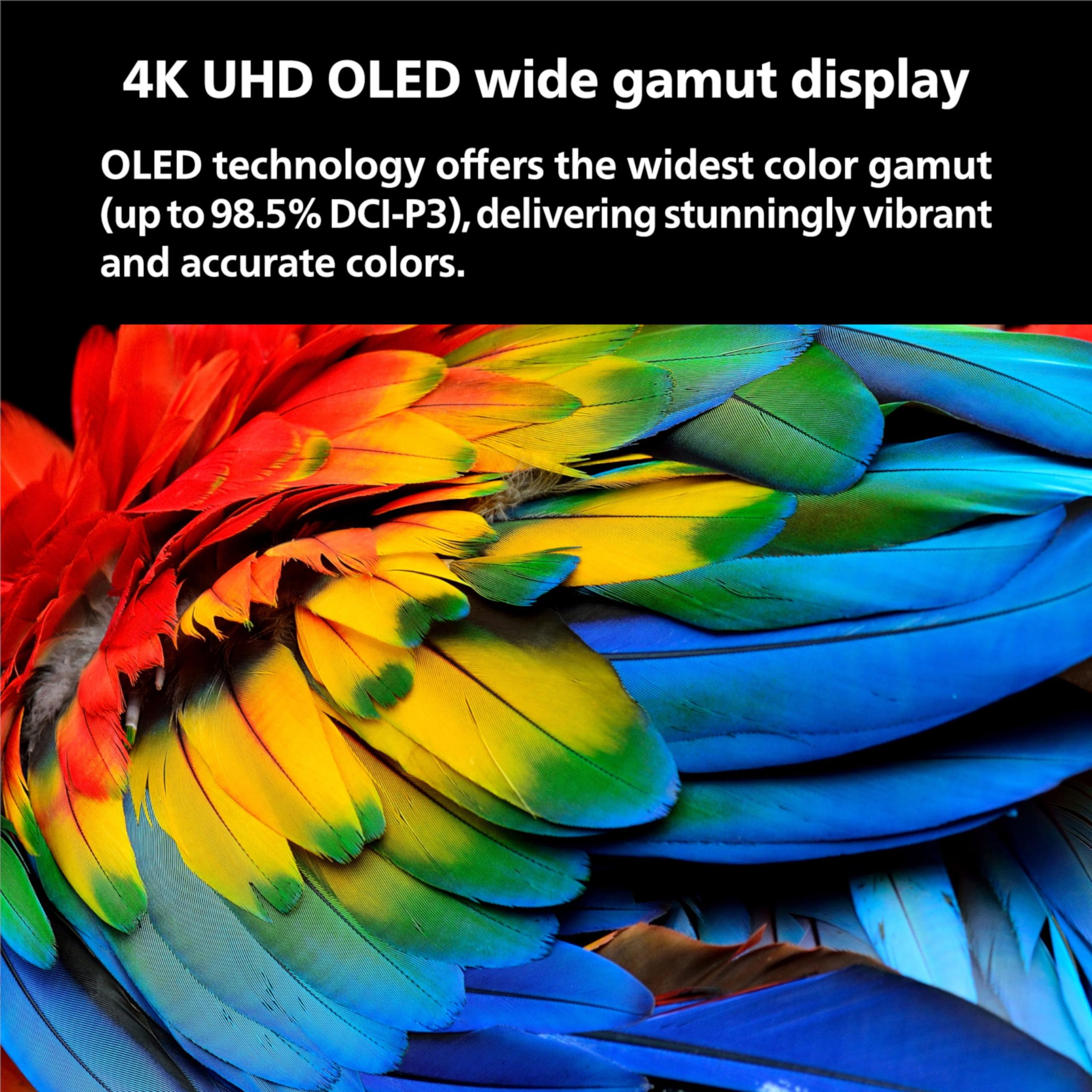
The Philips covers up to 98.5% of the DCI-P3 color space, which is the standard used in digital movie theaters. This wide color gamut (the range of colors a display can show) means you're seeing movies closer to how directors intended them to look. Colors appear more saturated and lifelike, particularly in the red and green spectrums where OLED technology excels.
However, the Samsung Frame tells a completely different story in bright rooms. Its peak brightness capabilities, reaching up to 590 nits in HDR content, allow it to maintain image quality even when competing with sunlight or bright overhead lighting. The matte anti-reflective coating is particularly effective—it's designed specifically to scatter direct light sources rather than creating mirror-like reflections.
Our evaluation of user feedback reveals that the Samsung's quantum dot technology provides what Samsung calls "100% color volume." This means the TV can maintain color saturation even at high brightness levels, something that becomes crucial when watching during the day. While it can't match the Philips for pure color accuracy in ideal conditions, it delivers more consistent performance across varying lighting situations.
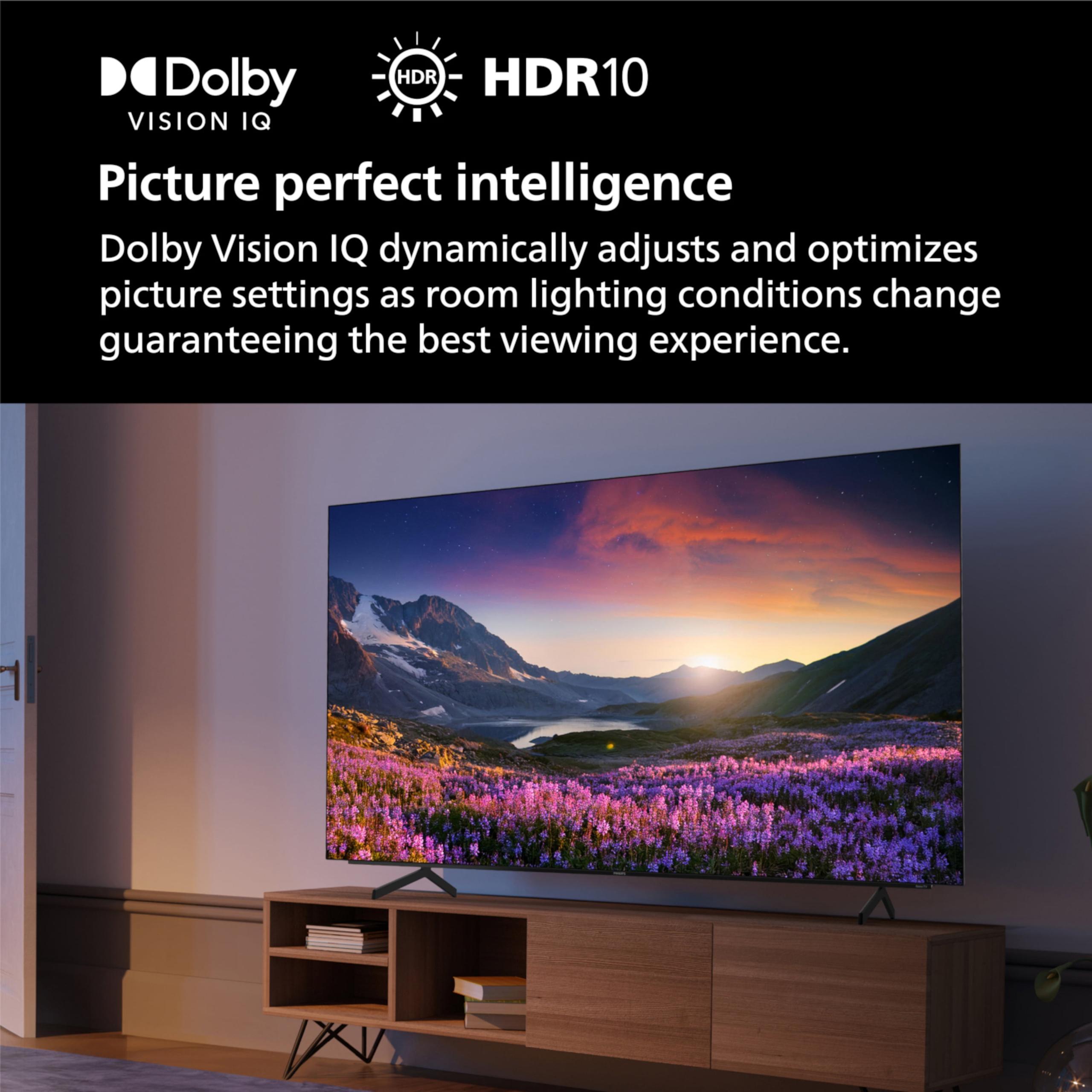
High Dynamic Range (HDR) content showcases the strengths and limitations of each approach. HDR expands the range between the darkest and brightest parts of an image, creating more realistic lighting. The Philips OLED supports Dolby Vision IQ, which automatically adjusts HDR settings based on ambient lighting in your room. This adaptive technology helps optimize the viewing experience as conditions change throughout the day.
The Samsung Frame uses HDR10+ Adaptive for similar scene-by-scene optimization, though it notably lacks Dolby Vision support—a format used by many streaming services including Netflix and Apple TV+. In practice, this means some content won't be displayed with the filmmaker's intended HDR characteristics.
Where the brightness difference becomes most apparent is in HDR highlights. Fireworks, explosions, or bright outdoor scenes simply appear more impactful on the Samsung due to its higher peak brightness. The Philips sometimes makes these bright moments appear somewhat muted, though the superior black levels often compensate by creating better overall contrast.
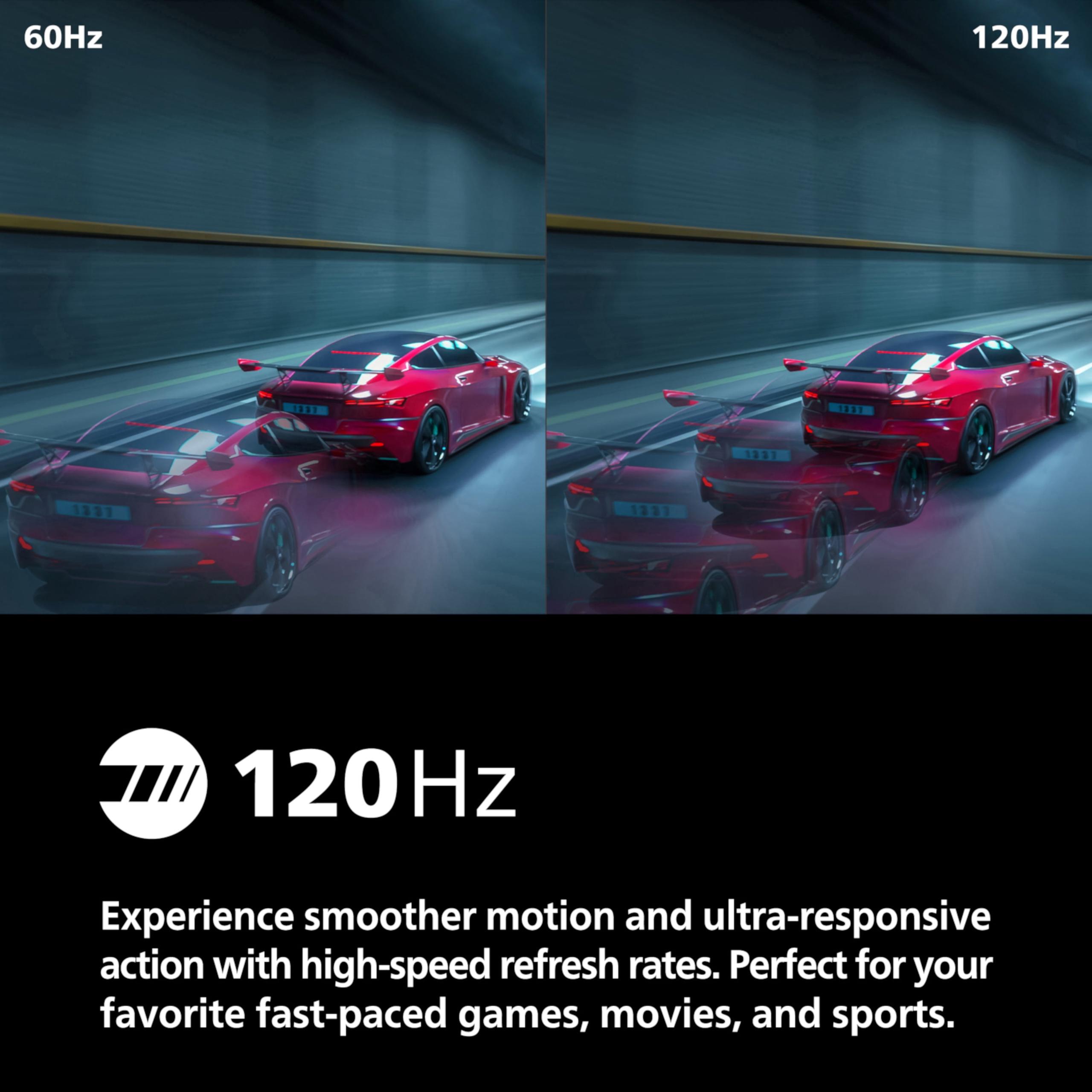
Gaming performance has become increasingly important as consoles like the PlayStation 5 and Xbox Series X push 4K resolution at 120 frames per second. The Philips 65OLED974/F7 excels here with its near-instantaneous pixel response time of less than 0.1 milliseconds. This eliminates motion blur during fast-paced gaming, creating crystal-clear movement even in competitive first-person shooters.
The OLED's support for AMD FreeSync Premium eliminates screen tearing—the visual artifact where the display shows parts of two different frames simultaneously. Variable Refresh Rate (VRR) technology synchronizes the TV's refresh rate with the console's output, creating smoother gameplay even when frame rates fluctuate.
The Samsung Frame offers competitive gaming features with an input lag of just 9.2 milliseconds and support for multiple VRR standards. However, it's limited to one HDMI 2.1 port compared to the Philips's two ports. This becomes problematic if you own multiple current-generation consoles, as you'll need to constantly swap cables or use an HDMI switch.
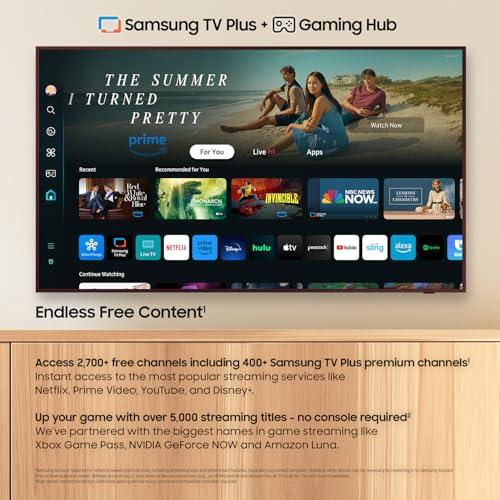
Gaming Hub on the Samsung provides access to cloud gaming services, allowing you to play Xbox Game Pass or NVIDIA GeForce Now games without a console. While this adds functionality, serious gamers will likely prefer the Philips's superior motion handling and additional high-bandwidth ports.
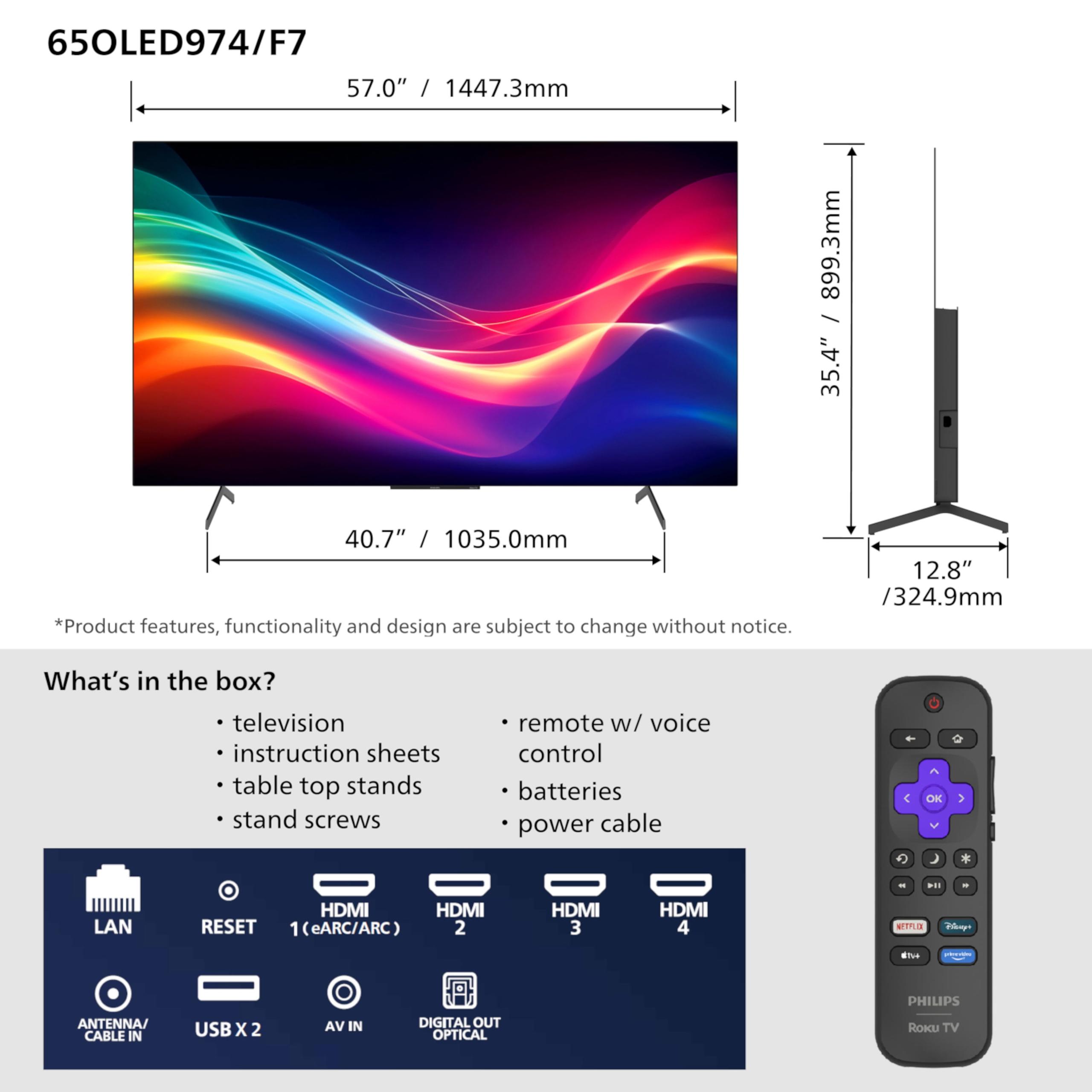
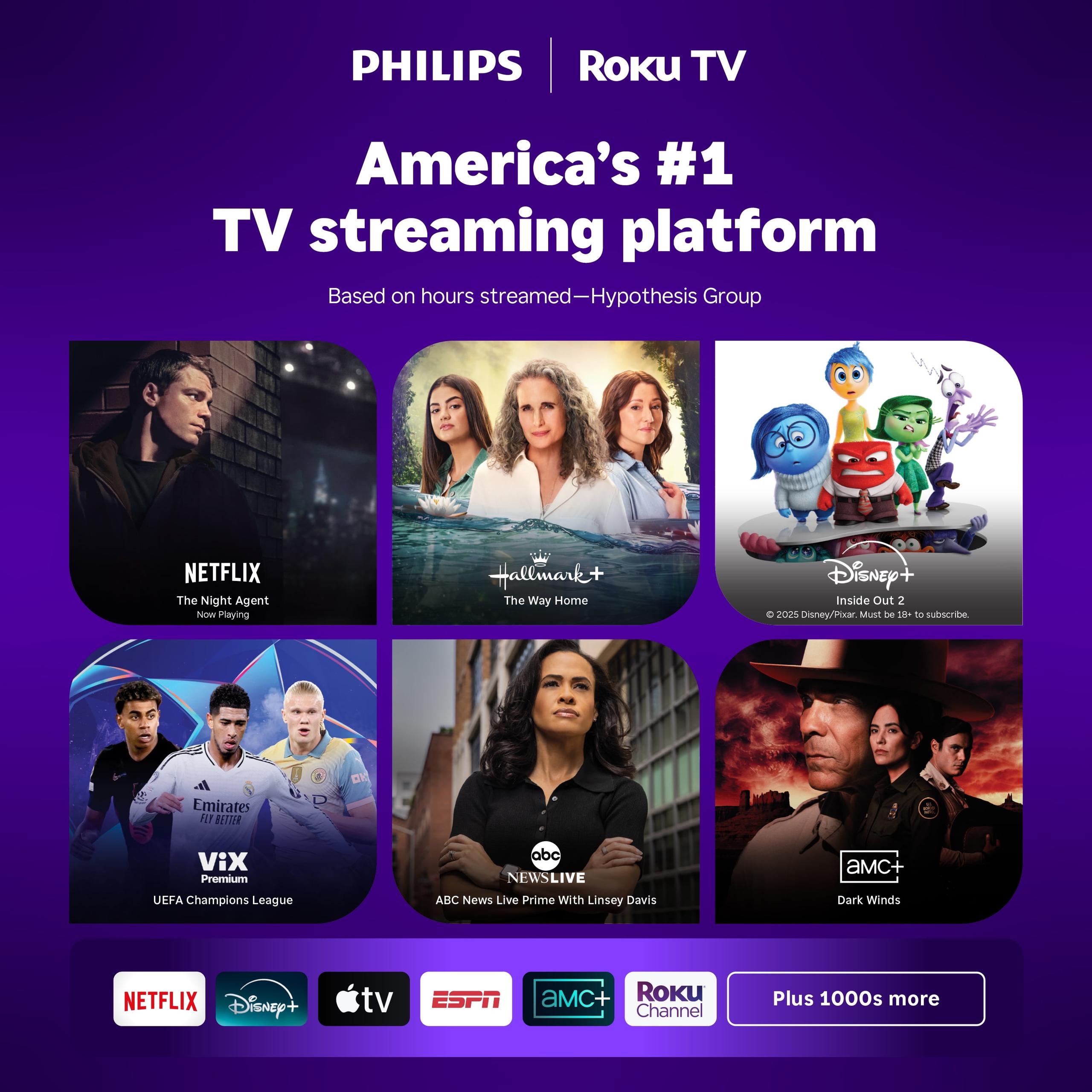
The smart TV experience differs significantly between these models, reflecting their different target audiences. The Philips 65OLED974/F7 runs Roku TV, which prioritizes simplicity and content discovery. The interface is straightforward—you won't find yourself lost in menus or struggling to locate your favorite streaming apps.
Roku's strength lies in its universal search functionality, which finds content across multiple streaming services simultaneously. The voice control remote works reliably for basic commands, and the platform receives regular updates without feeling overwhelming. For viewers who want their TV to simply work without fuss, Roku delivers.
The Samsung Frame runs Tizen OS, Samsung's proprietary smart platform. While more complex than Roku, it offers significantly more features. SmartThings integration allows the TV to serve as a hub for smart home devices, controlling lights, thermostats, and security systems directly from the TV interface.
Multi-view capabilities let you watch two video sources simultaneously—perhaps a sports game in the main window with news in a smaller picture-in-picture display. The platform supports multiple voice assistants including Bixby, Alexa, and Google Assistant, providing flexibility in how you interact with the TV.
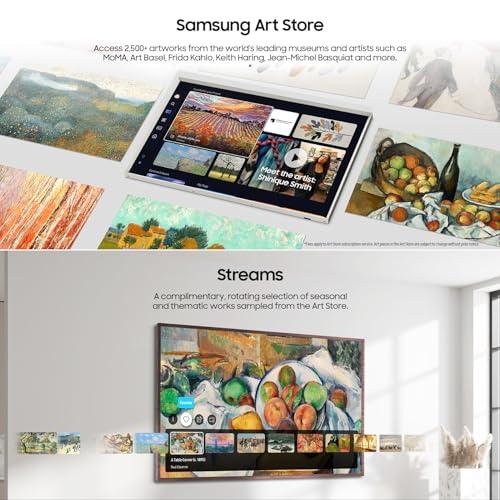
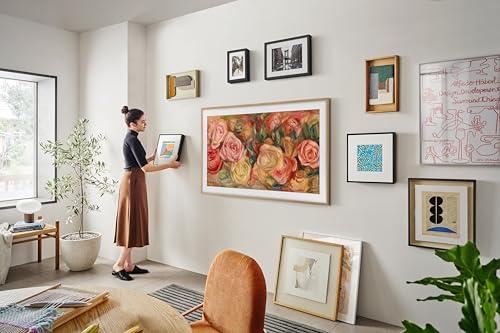
What truly sets the Samsung Frame apart is its Art Mode functionality. When not actively watching content, the TV transforms into a digital art gallery, displaying high-resolution artwork that looks remarkably convincing as framed pieces. The matte screen finish enhances this illusion by eliminating the glossy appearance typical of TV displays.
Samsung's Art Store offers thousands of curated pieces from museums and galleries worldwide, though accessing the full library requires a subscription. The TV includes a motion sensor that activates the display when someone enters the room and dims it when the space is empty, mimicking how you'd experience real artwork.
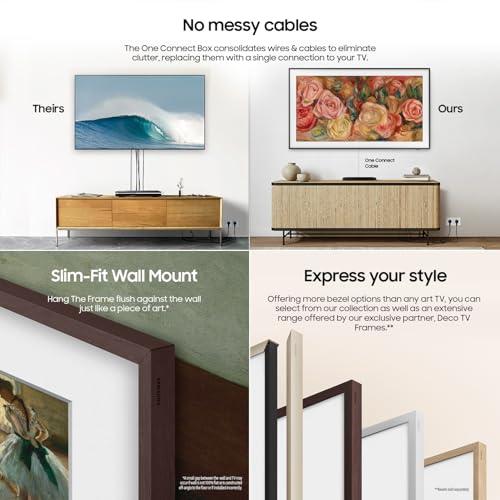
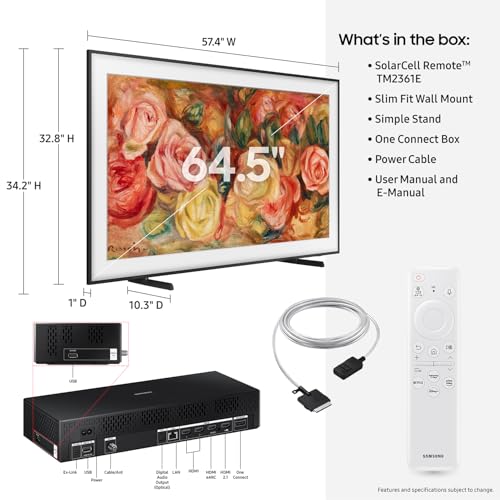
Customizable magnetic bezels allow you to match the TV's frame to your décor. While these bezels are sold separately and can be expensive, they're surprisingly convincing at making the display look like an actual framed piece rather than a television.
The One Connect Box deserves special mention for its contribution to the aesthetic experience. This external hub contains all the TV's ports and processing components, connecting to the display via a single, nearly invisible cable. For wall-mounted installations, this creates an incredibly clean appearance with no visible connections.
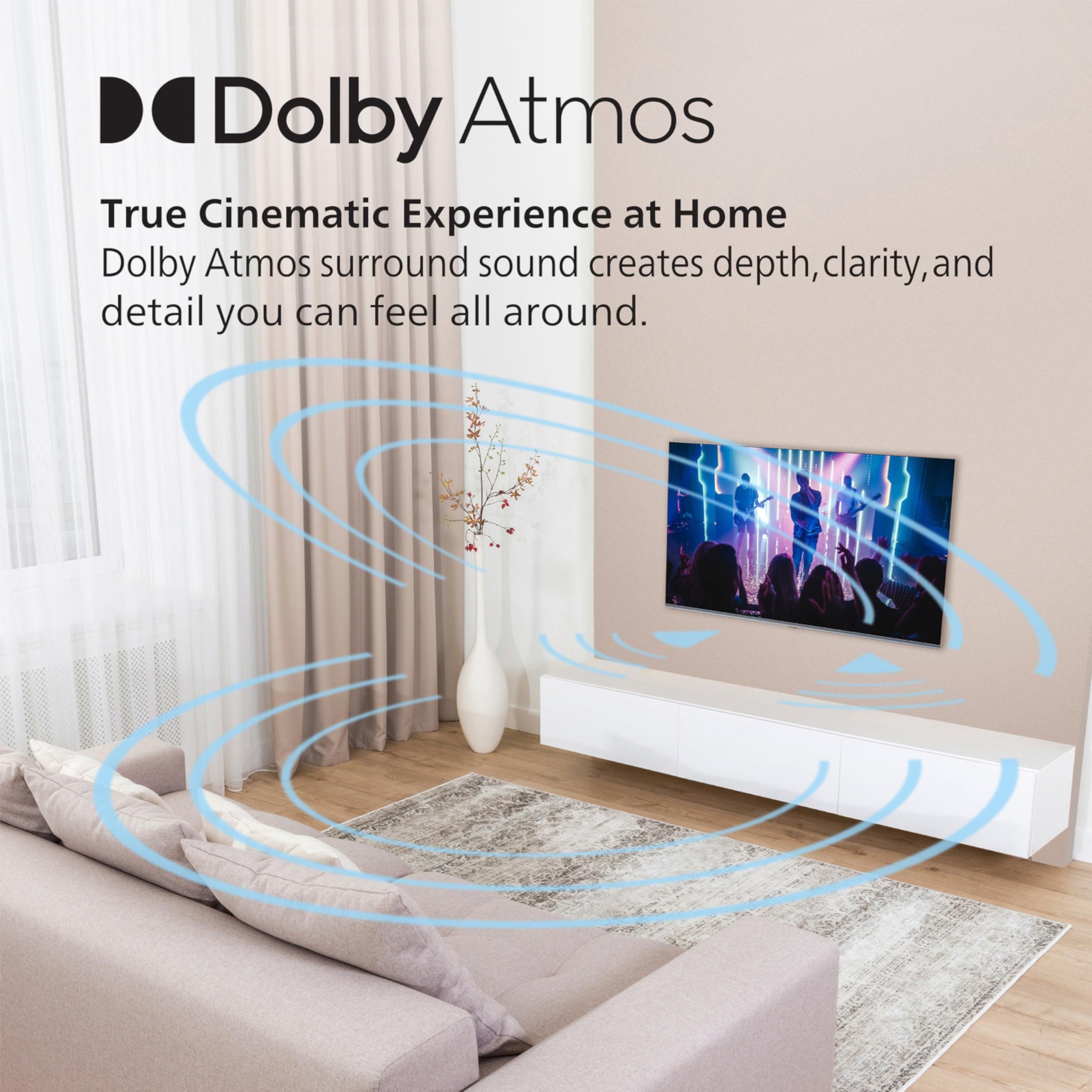
Neither TV will replace a dedicated sound system, but their approaches to audio differ meaningfully. The Philips 65OLED974/F7 features a 2.1 speaker system with dedicated subwoofer, providing more substantial bass response than typical TV speakers. Dolby Atmos support creates a more immersive soundscape, though the effect is limited by the TV's thin profile.
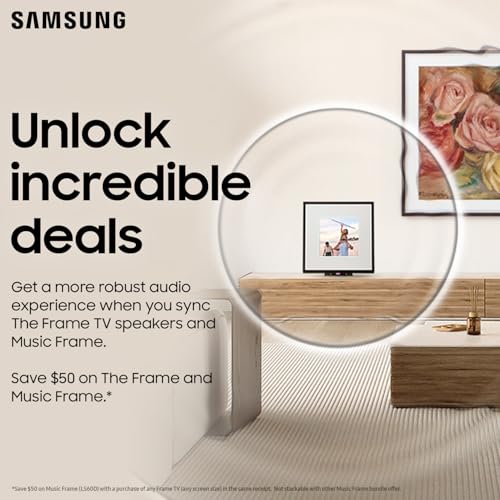
The Samsung Frame takes a more sophisticated approach with Object Tracking Sound technology. This system uses multiple speakers to move audio across the display, following action on screen. When combined with Q-Symphony compatibility for Samsung soundbars, it can create a more cohesive audio experience.
For serious home theater enthusiasts, both TVs work well with external audio systems. The Philips provides reliable eARC support for high-quality audio passthrough, though it struggles with some DTS formats. The Samsung offers similar capabilities with better format support overall.
At the time of writing, the Philips 65OLED974/F7 represents exceptional value for pure picture quality enthusiasts. As a 2018 model, it's typically priced significantly lower than current OLED offerings while delivering performance that remains competitive today. The main technological advances since its release have been incremental brightness improvements and additional gaming features—the core OLED advantages remain unchanged.
The Samsung Frame, being a 2024 model, commands a premium price that reflects its unique positioning. You're paying for the Art Mode functionality, premium design elements, and latest-generation processing. For buyers who value the aesthetic integration and plan to use the art features regularly, this premium can be justified.
Long-term considerations favor different aspects of each TV. OLED panels can potentially develop burn-in from static images over many years, though this risk has been greatly reduced in modern displays. The Philips includes pixel refreshing and shifting technologies to minimize this concern.
The Samsung Frame's LED backlighting eliminates burn-in risk entirely, potentially offering longer lifespan for users who display static art for extended periods. However, quantum dot filters can degrade over time, potentially affecting color performance after many years of use.
The decision between these TVs ultimately depends on your priorities and viewing environment. The Philips 65OLED974/F7 is the clear choice for dedicated home theater rooms or anyone who primarily watches in dark environments. The superior contrast, perfect black levels, and accurate colors create a viewing experience that's simply unmatched in this price range.
Choose the Philips if you're a serious movie enthusiast, competitive gamer, or anyone who values pure picture quality above all else. The savings compared to newer OLED models allow you to invest in a quality sound system or other home theater components.
The Samsung Frame makes sense for living rooms that double as entertainment and social spaces. If your TV needs to look good when it's off, handle bright lighting throughout the day, and serve multiple family members with varying preferences, the Frame's versatility justifies its higher cost.
Consider the Samsung if you value design aesthetics, need excellent bright room performance, or want the latest smart features and connectivity options. The Art Mode functionality isn't just a gimmick—for the right user, it genuinely transforms how the TV integrates into living spaces.
Both TVs represent thoughtful engineering solutions to different problems. The Philips optimizes for the ultimate viewing experience in ideal conditions, while the Samsung Frame prioritizes real-world versatility and aesthetic integration. Understanding which philosophy aligns with your viewing habits and room setup will guide you toward the right choice for your specific situation.
| Philips 65OLED974/F7 | Samsung 65" The Frame QLED 4K 2024 |
|---|---|
| Display Technology - Determines picture quality characteristics and ideal viewing conditions | |
| OLED with 8 million self-emitting pixels for perfect blacks | QLED with Quantum Dot and matte anti-reflective coating |
| Peak Brightness - Critical for HDR impact and bright room performance | |
| Limited brightness, best for dark rooms | Up to 590 nits, excellent for bright rooms |
| Contrast Ratio - Affects depth and realism of images | |
| Infinite contrast ratio with true blacks | Good contrast with Dual LED backlighting |
| Response Time - Important for gaming and fast motion clarity | |
| <0.1ms (virtually instant, eliminates motion blur) | Standard QLED response (some motion blur possible) |
| Refresh Rate - Smoothness of motion and gaming performance | |
| 120Hz native panel with VRR support | 120Hz with Motion Xcelerator technology |
| HDMI 2.1 Ports - Essential for 4K 120Hz gaming with multiple consoles | |
| 2 ports supporting 4K@120Hz | 1 port supporting 4K@120Hz |
| Smart Platform - Daily user experience and app ecosystem | |
| Roku TV (simple, reliable, extensive app library) | Tizen OS (advanced features, SmartThings integration) |
| Audio System - Built-in sound quality | |
| 2.1 system with subwoofer, Dolby Atmos | 2.0.2 system with Object Tracking Sound, 40W |
| Design Philosophy - How the TV integrates into your space | |
| Traditional TV aesthetic, ultra-thin profile | Art Mode with customizable bezels, One Connect Box |
| Viewing Angle - Important for wide seating arrangements | |
| 176° horizontal/vertical (excellent from any angle) | Standard QLED viewing angles (degrades at extremes) |
| HDR Support - Compatibility with premium content formats | |
| Dolby Vision IQ, HDR10, HLG | HDR10+ Adaptive, HDR10, HLG (no Dolby Vision) |
| Release Year - Affects pricing and feature currency | |
| 2018 (mature technology, lower pricing) | 2024 (latest features, premium pricing) |
| Best Use Case - Who should choose this TV | |
| Dark room viewing, serious gaming, picture quality purists | Bright living rooms, design-conscious buyers, art display |
The Philips 65OLED974/F7 delivers superior picture quality for movies, especially in dark rooms. Its OLED technology produces perfect black levels and infinite contrast, making it ideal for cinematic content. The Samsung Frame QLED offers good picture quality but can't match the OLED's contrast performance in darker viewing environments.
The Samsung 65" The Frame QLED is significantly better for bright rooms. Its higher peak brightness and matte anti-reflective coating effectively handle ambient light and reduce glare. The Philips OLED struggles in bright environments due to its limited brightness output, making it less suitable for well-lit spaces.
The Philips 65OLED974/F7 has a slight edge for serious gaming due to its faster response time (<0.1ms) and two HDMI 2.1 ports. Both TVs support 4K@120Hz and VRR, but the Samsung Frame only has one HDMI 2.1 port, which limits connectivity for multiple gaming consoles.
OLED technology in the Philips TV uses self-emitting pixels that can turn completely off for perfect blacks, while QLED in the Samsung Frame uses LED backlighting with quantum dots for enhanced colors and brightness. OLED excels in contrast, while QLED performs better in bright rooms.
The Samsung Frame QLED offers more advanced smart features with Tizen OS, including SmartThings integration, multiple voice assistants, and Art Mode. The Philips OLED uses simpler Roku TV platform that's easier to navigate but has fewer advanced features.
Yes, the Samsung 65" Frame effectively transforms into digital artwork when not in use. Its matte display, Art Mode, and customizable magnetic bezels create a convincing artwork appearance. The Philips TV doesn't offer this aesthetic functionality and maintains a traditional TV appearance.
The Philips 65OLED974/F7 is superior for dedicated home theaters due to its perfect black levels, infinite contrast, and excellent dark room performance. The OLED technology creates a more immersive viewing experience for movies, while the Samsung Frame is better suited for multipurpose living spaces.
The Philips OLED has a slight audio advantage with its 2.1 speaker system that includes a dedicated subwoofer. The Samsung Frame features Object Tracking Sound technology and Q-Symphony compatibility, but both TVs benefit significantly from external sound systems for optimal audio performance.
The Philips 65OLED974/F7 typically offers better value for pure picture quality, especially as a 2018 model with lower pricing. The Samsung Frame commands a premium for its unique design features and Art Mode functionality, making value dependent on whether you prioritize aesthetics or performance.
Both TVs support HDR, but with different formats. The Philips OLED supports Dolby Vision IQ for adaptive HDR optimization, while the Samsung Frame uses HDR10+ Adaptive but lacks Dolby Vision support. The Samsung's higher brightness provides more impactful HDR highlights in bright rooms.
Both TVs offer good reliability, but with different considerations. The Samsung Frame QLED has no burn-in risk due to its LED technology, while the Philips OLED includes protection features to minimize potential OLED burn-in. Modern OLEDs are generally very reliable with normal use patterns.
Choose the Philips 65OLED974/F7 if you primarily watch in dark or dimly lit conditions and prioritize picture quality. Select the Samsung Frame if your room gets bright light, you want the TV to double as artwork, or you prefer the latest smart features and aesthetic integration.
We've done our best to create useful and informative comparisons to help you decide what product to buy. Our research uses advanced automated methods to create this comparison and perfection is not possible - please contact us for corrections or questions. These are the sites we've researched in the creation of this article: rtings.com - versus.com - versus.com - rtings.com - samsclub.com - versus.com - youtube.com - usa.philips.com - bestbuy.com - usa.philips.com - consumerreports.org - usa.philips.com - documents.philips.com - tvoutlet.ca - displayspecifications.com - business.walmart.com - displayspecifications.com - ecoustics.com - walmart.com - tomsguide.com - rtings.com - rtings.com - youtube.com - bestbuy.com - techlicious.com - youtube.com - smalllilystudio.com - theeverymom.com - livingetc.com - pcrichard.com - image-us.samsung.com - samsung.com - images.samsung.com - samsung.com - buydig.com - tvsbook.com - bestbuy.com - samsung.com - samsung.com - flatpanelshd.com

Privacy Policy
Terms and Conditions - Affiliate Policy
Home Security
© Copyright 2008-2026.
11816 Inwood Rd #1211, Dallas, TX 75244