

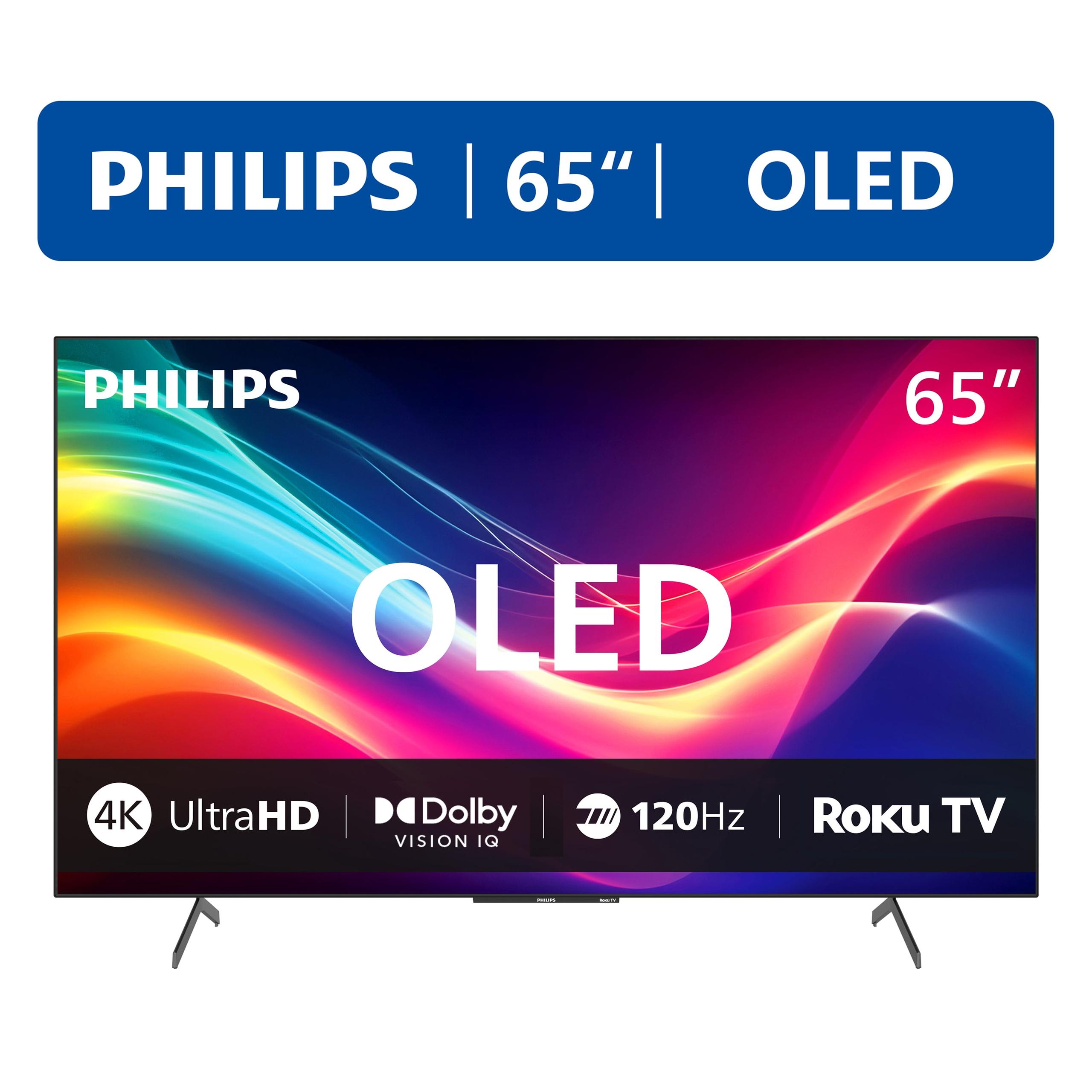
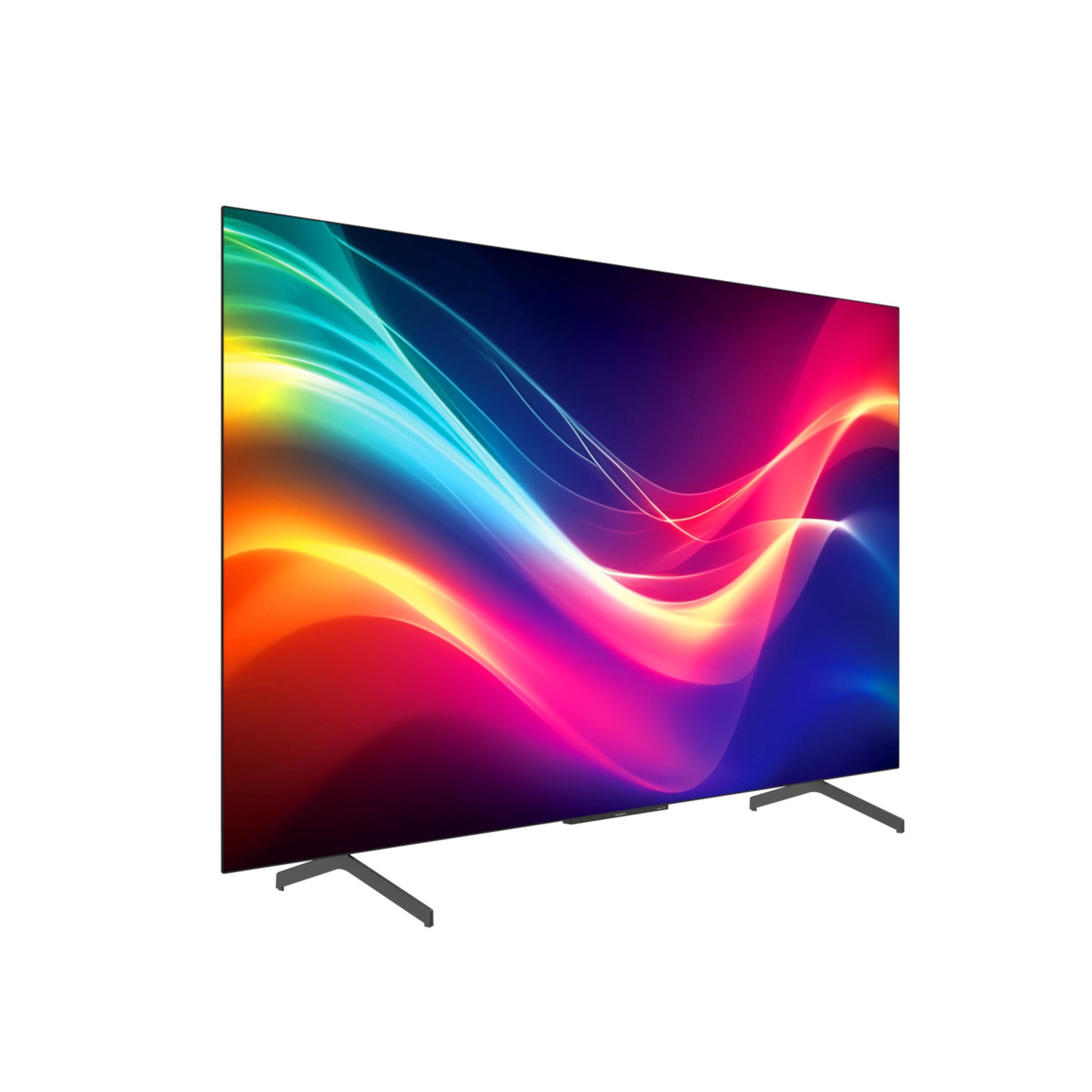

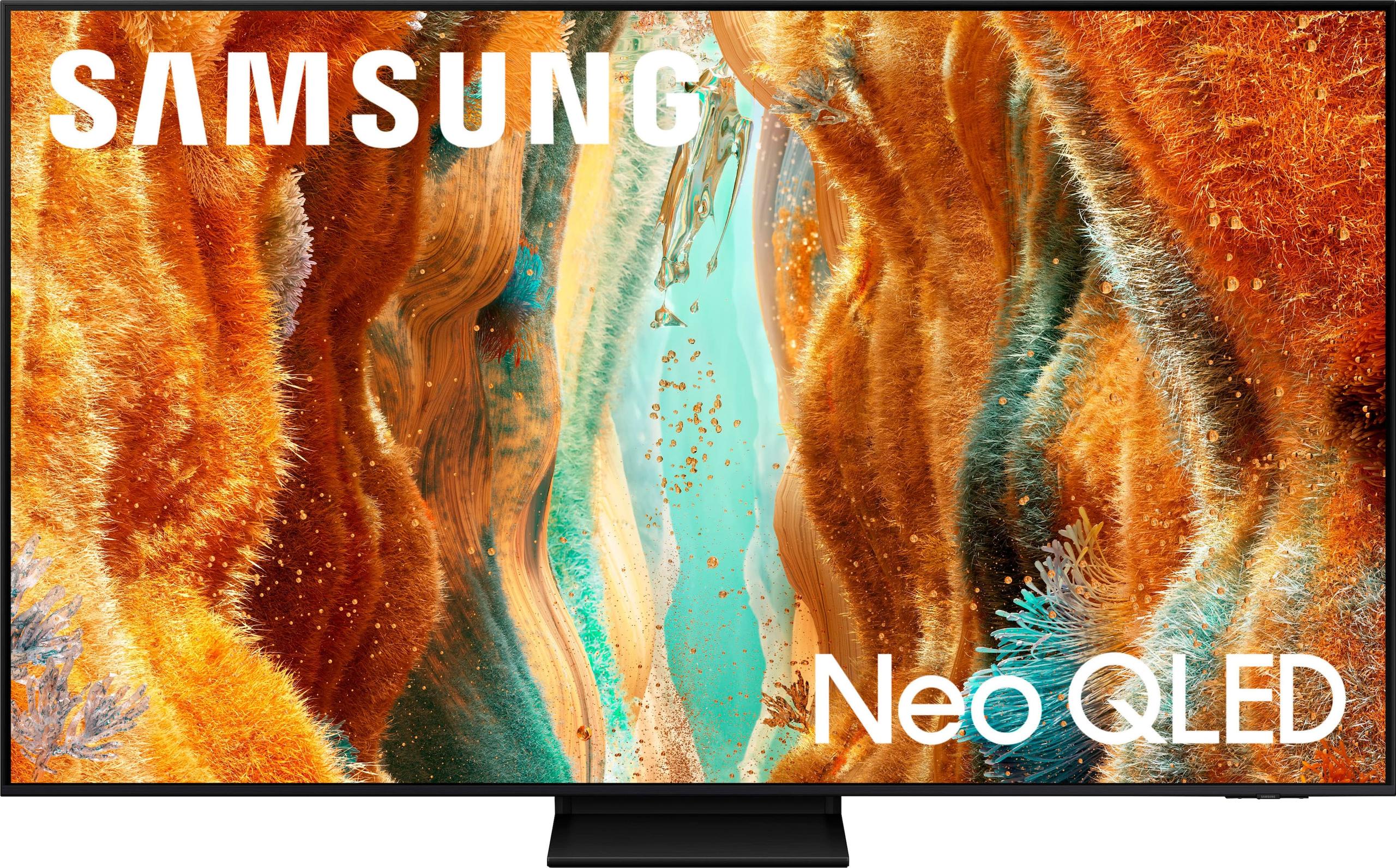
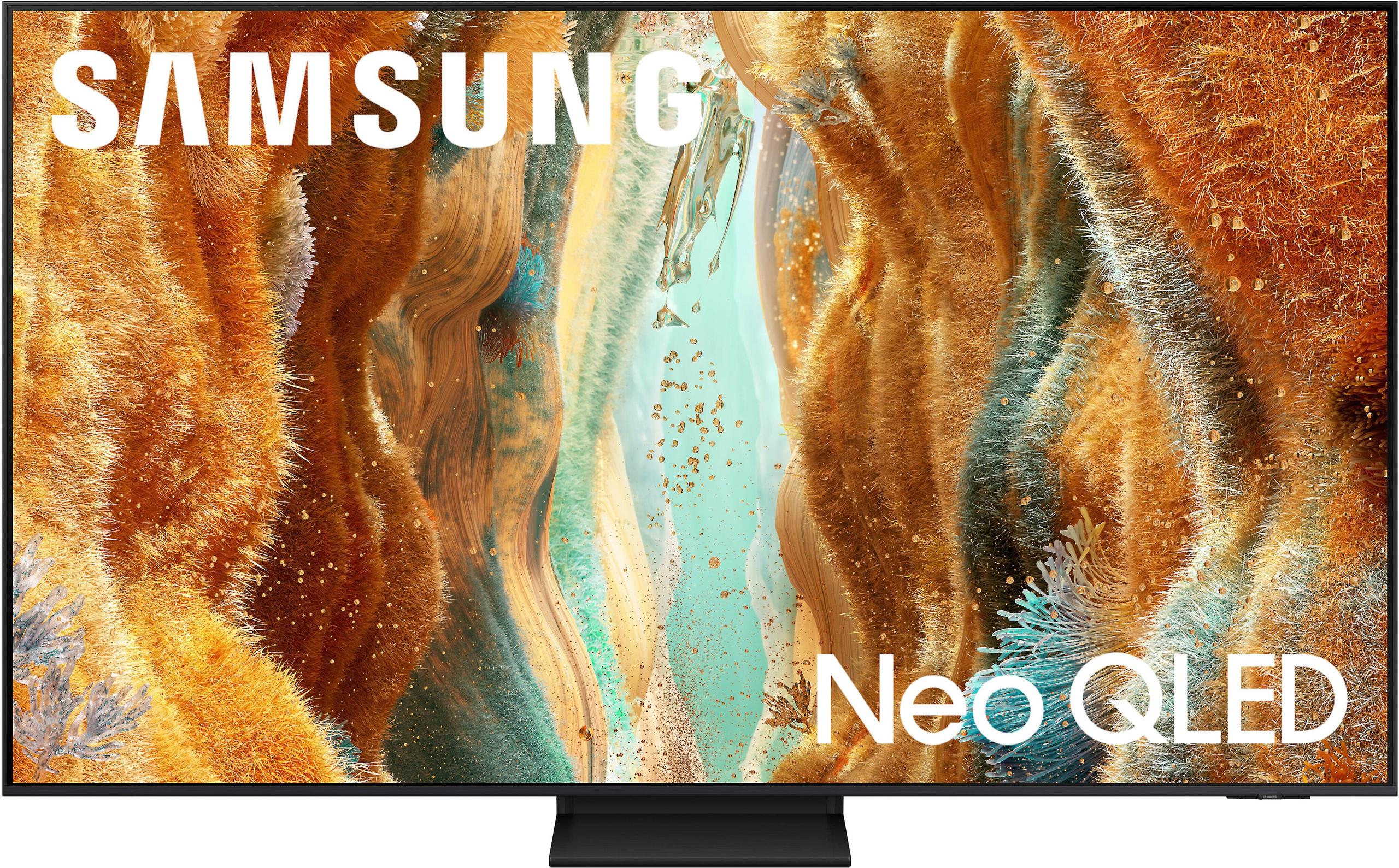
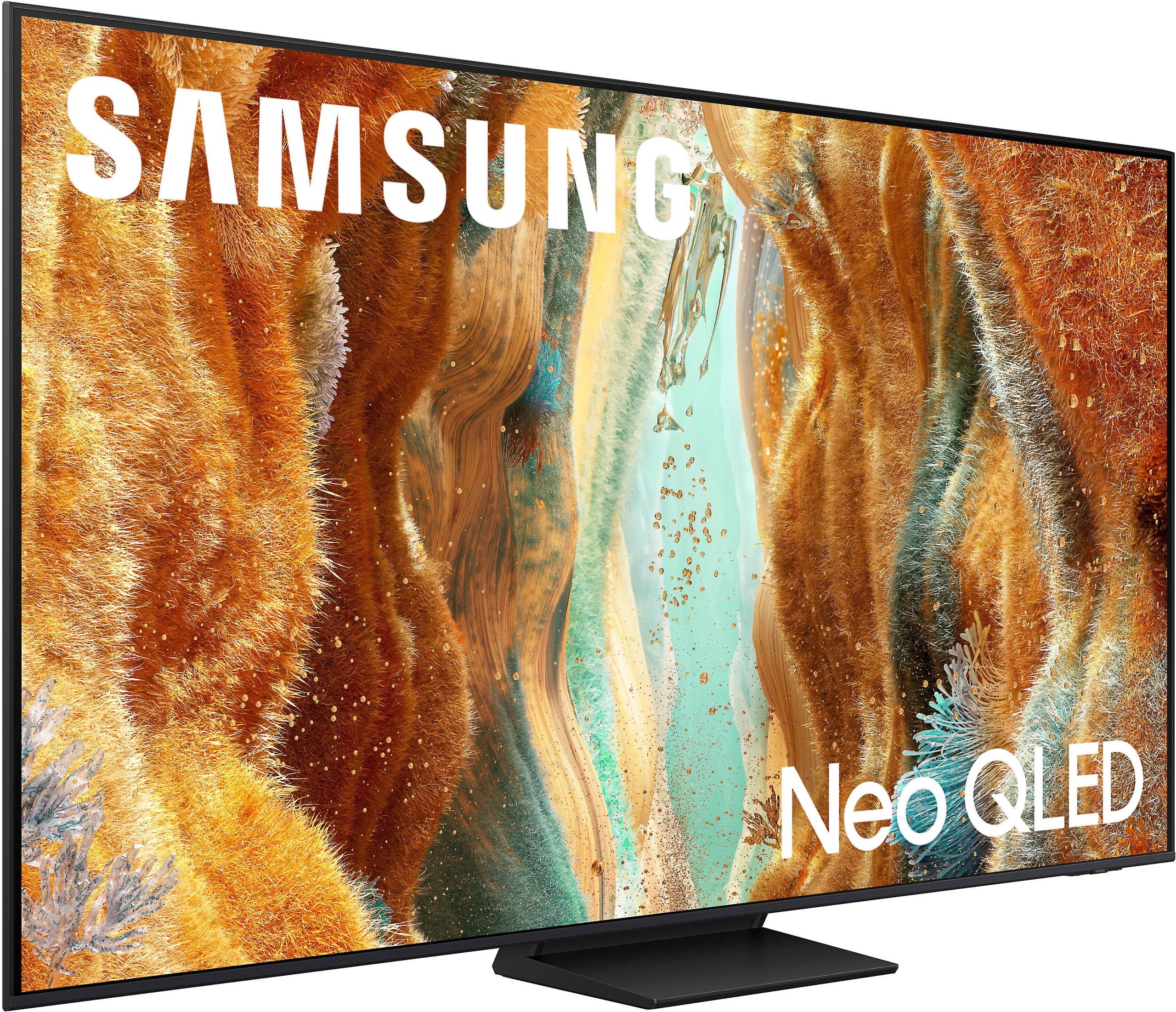
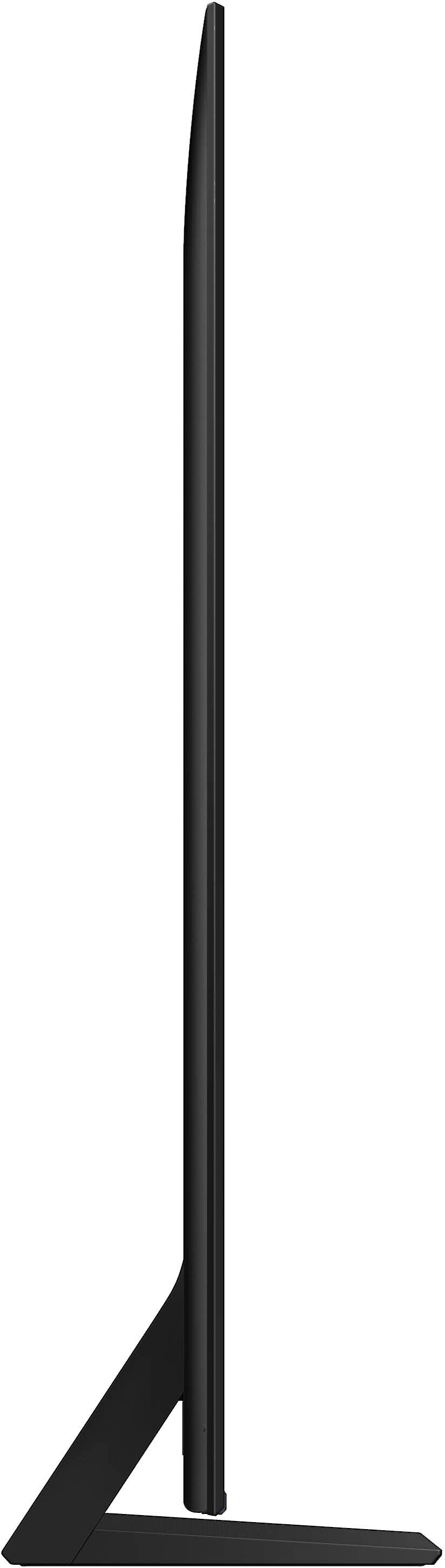


When you're shopping for a premium 65-inch TV, you'll quickly discover two competing technologies dominating the high-end market: OLED and Neo QLED. These represent fundamentally different approaches to creating stunning picture quality, and understanding their differences is crucial for making the right choice for your home theater.
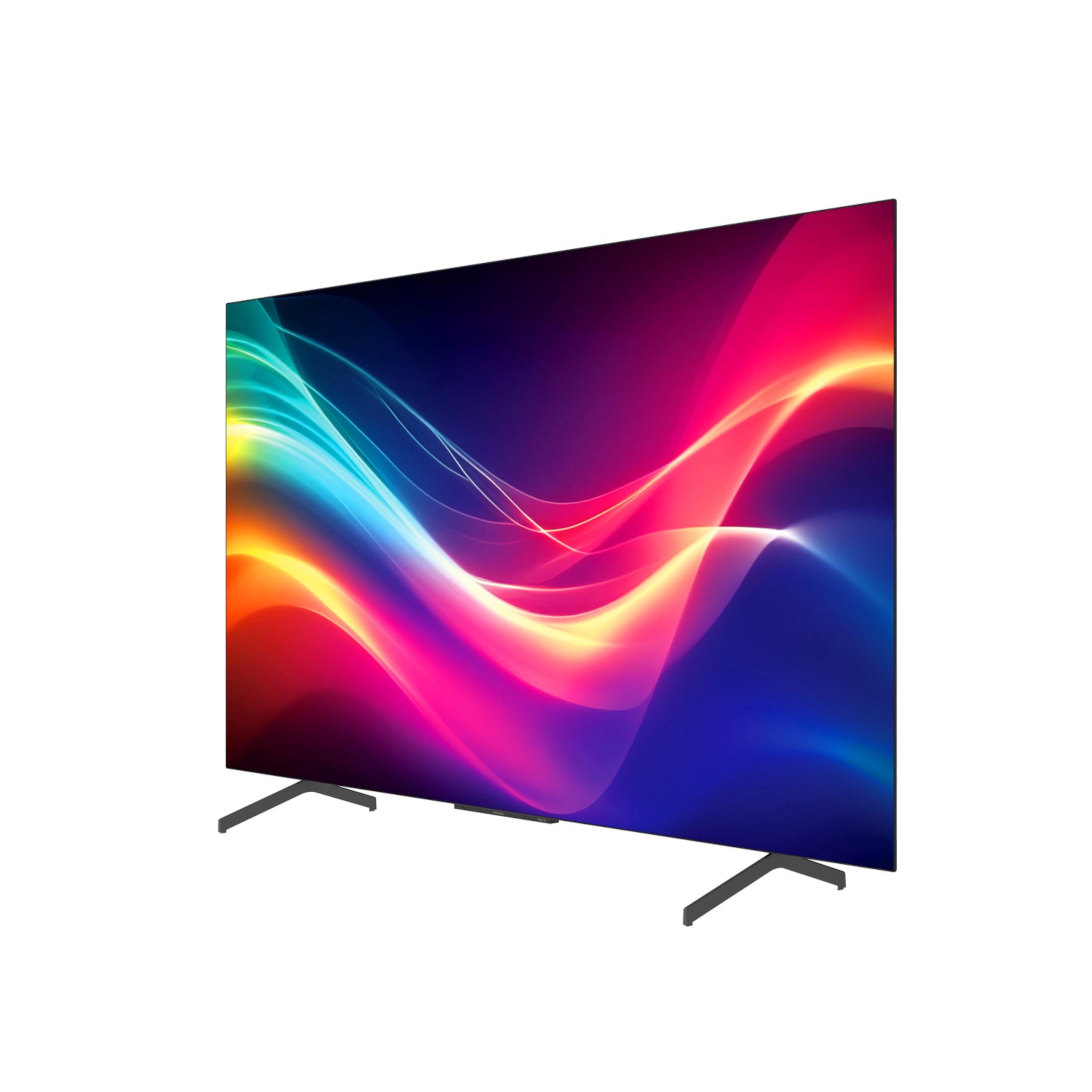
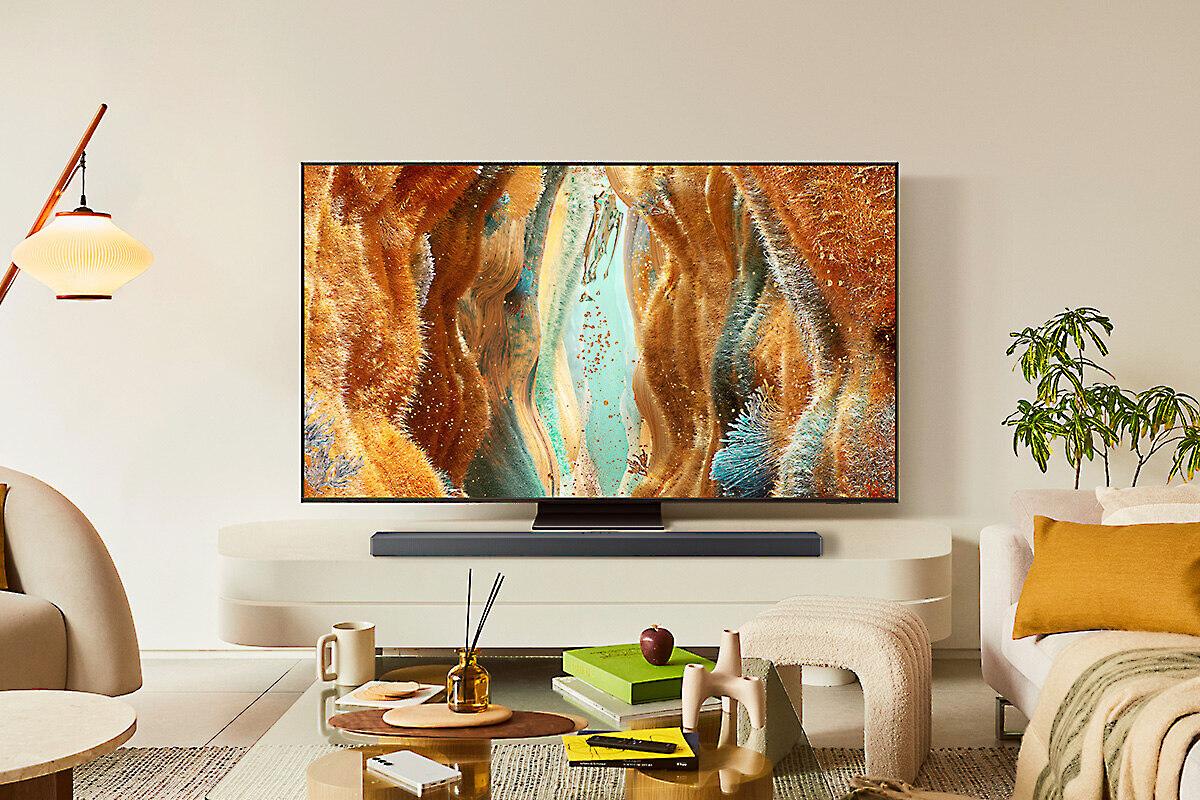
Today we're comparing the Philips 65OLED974/F7, a 2018 OLED display running Roku TV, against Samsung's brand-new 2025 QN70F Neo QLED with Vision AI technology. While these TVs are separated by seven years of technological development, they both aim to deliver exceptional viewing experiences through very different methods.
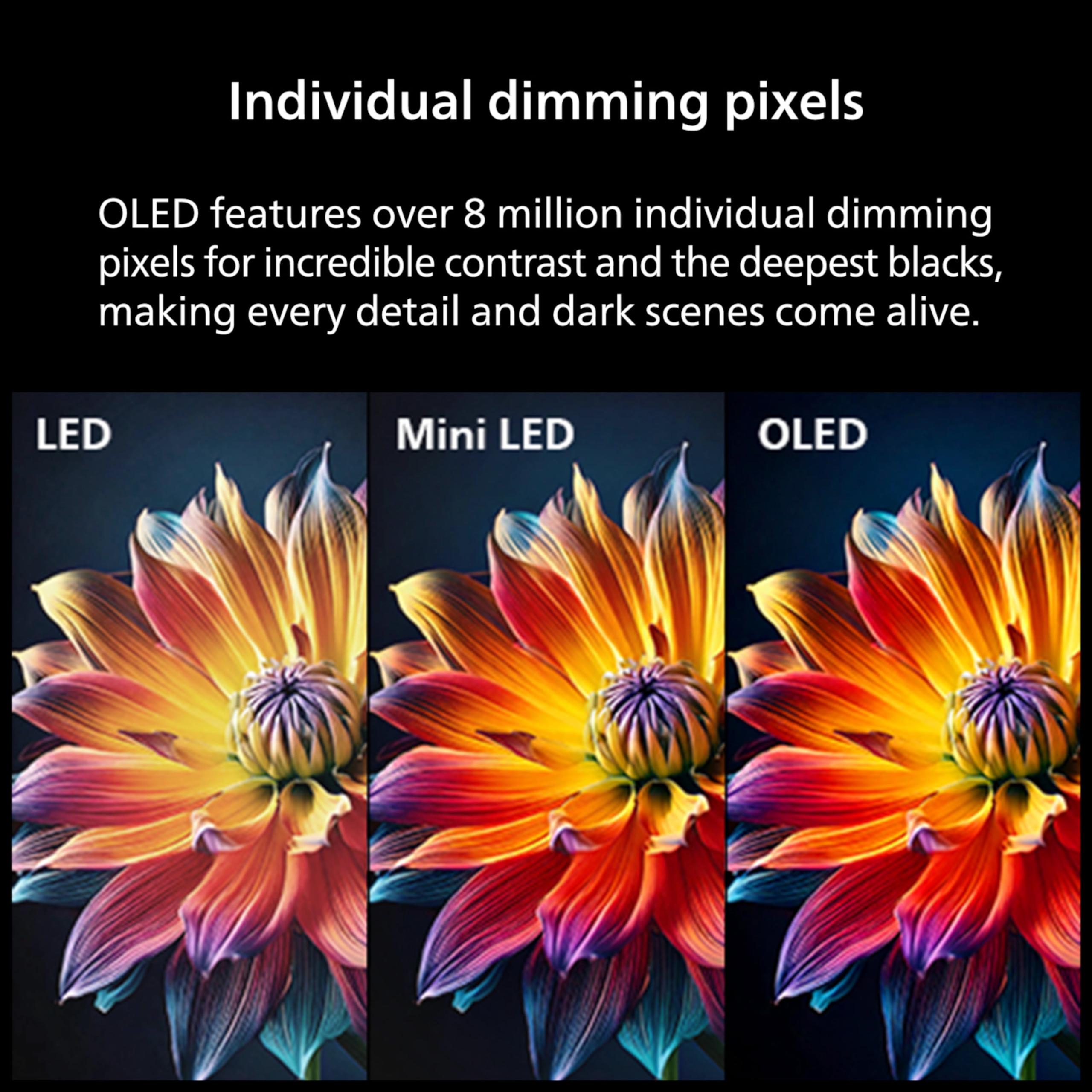
The premium TV landscape has evolved dramatically over the past decade. OLED technology uses organic compounds that emit their own light when electricity passes through them - imagine millions of tiny light bulbs that can turn on and off individually. This creates what's called "pixel-level control," where each dot of light on your screen can be completely independent of its neighbors.
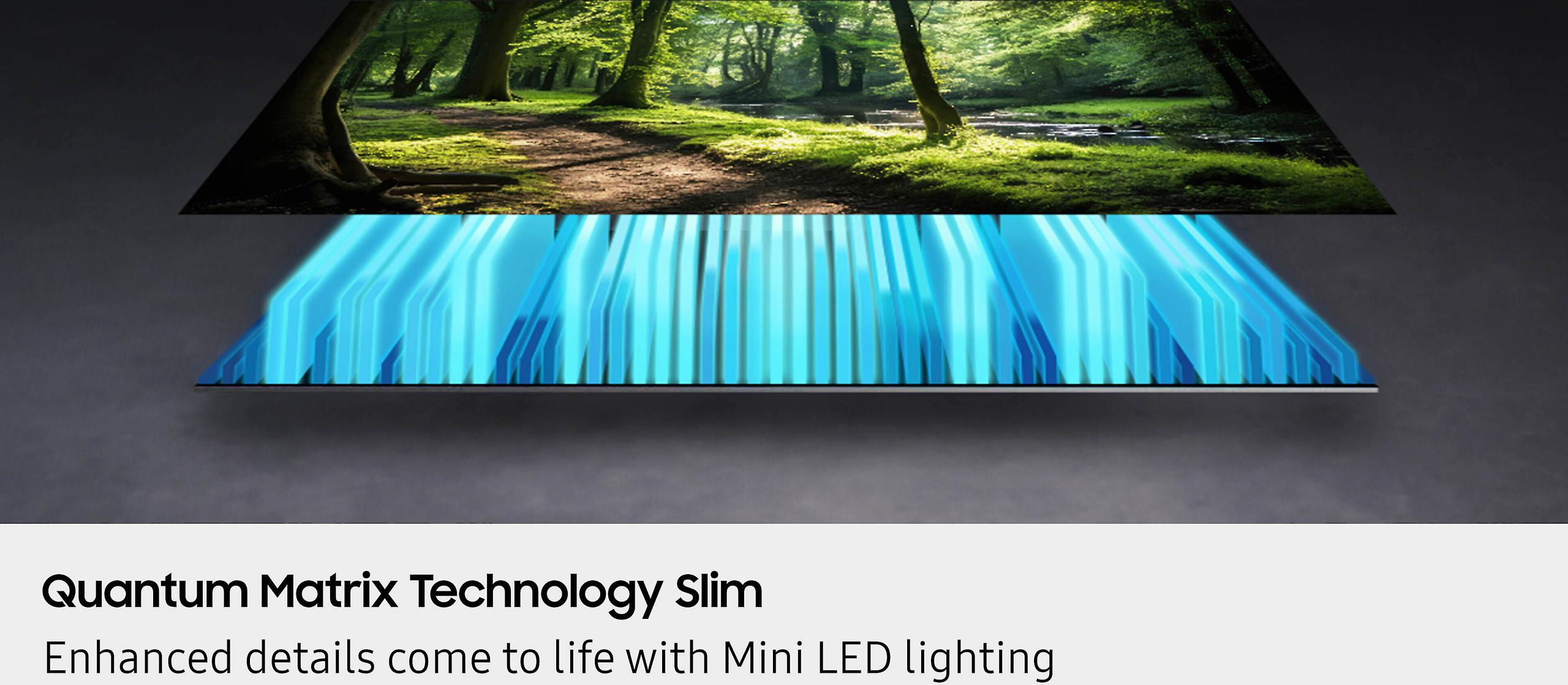
Neo QLED, Samsung's latest iteration of their QLED technology, takes a different approach. It uses traditional LED backlighting but with much smaller "Mini LEDs" - thousands of tiny lights behind the screen that can dim or brighten in zones. These work with Quantum Dot technology, which are microscopic particles that enhance color production when hit by light.
The Philips OLED represents mature OLED technology from 2018, while the Samsung QN70F showcases the latest 2025 advancements in Mini LED and AI processing. This seven-year gap means we're essentially comparing proven, potentially discounted technology against cutting-edge features and future-proofing.
The most dramatic difference between these technologies becomes apparent when you're watching a movie with dark scenes. The Philips OLED can achieve what engineers call "infinite contrast ratio" - when a pixel needs to show black, it simply turns off completely. This creates true darkness that looks exactly like turning off your TV, but only for specific parts of the image.
Picture watching a space movie where stars twinkle against the void of space. On the Philips OLED, that black space appears genuinely dark, making the stars pop with incredible realism. The OLED's response time of less than 0.1 milliseconds means these pixel changes happen virtually instantly, eliminating any trailing or ghosting effects during fast motion scenes.
The Samsung Neo QLED uses thousands of Mini LEDs arranged in dimming zones behind the screen. While this creates excellent contrast compared to regular TVs, it can't achieve true blacks because there's always some light bleeding from the backlight. However, Samsung's Quantum Matrix Technology Slim has significantly improved this limitation compared to older LED TVs, creating much more precise control over brightness zones.
Here's where the tables turn dramatically. The Samsung QN70F can produce much brighter images than the Philips OLED. This isn't just about making everything blindingly bright - it's about creating realistic HDR (High Dynamic Range) experiences where bright objects like the sun, explosions, or car headlights can actually make you squint a bit, just like in real life.
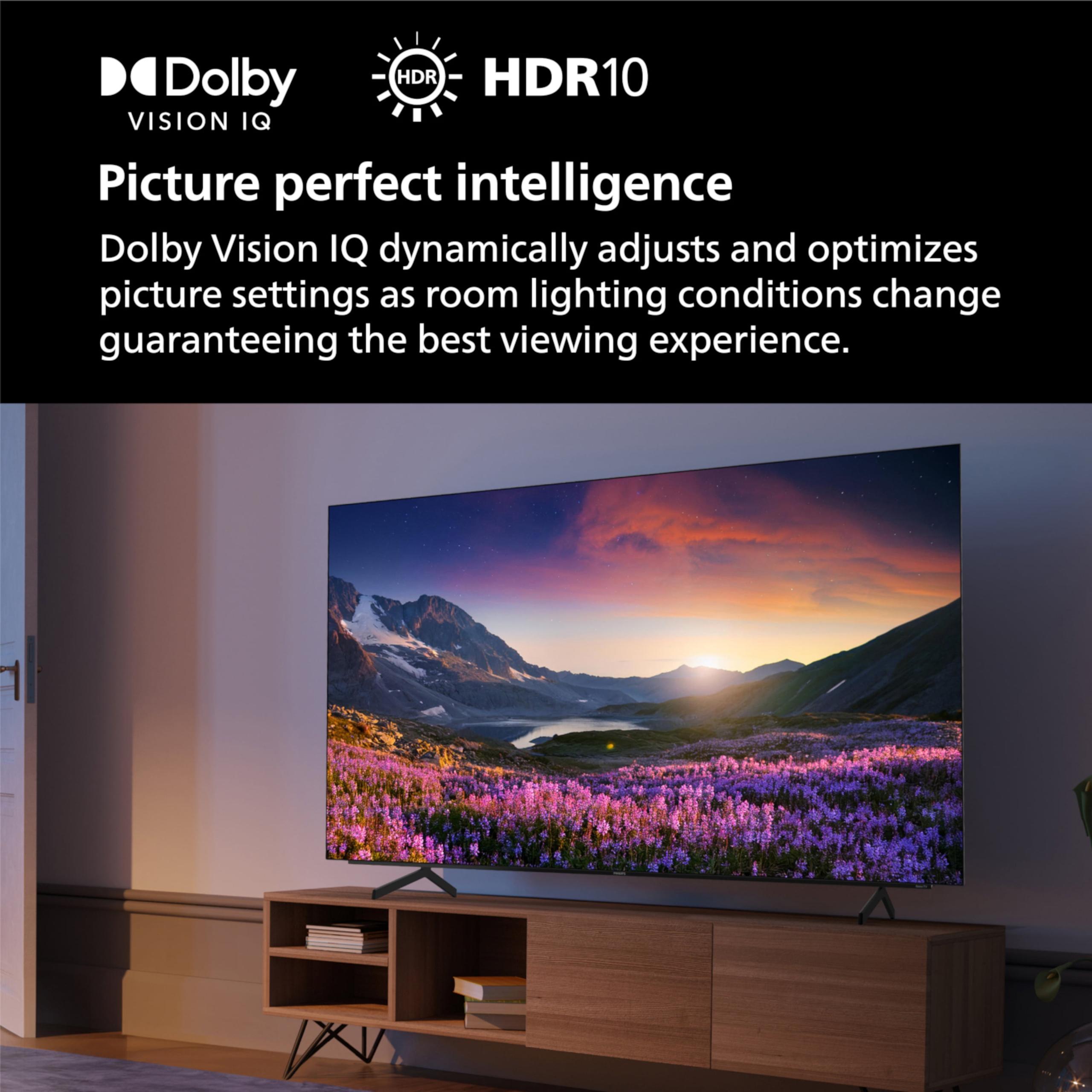
Our research into user and expert reviews consistently shows that the Philips OLED struggles in bright rooms. Its peak brightness limitations mean that during daytime viewing, the picture can appear washed out or dim, especially when watching HDR content where bright highlights should really pop off the screen.
The Samsung's superior brightness also means better color volume - the ability to display vibrant colors even at high brightness levels. Think of a sunset scene: the OLED might show deep, rich oranges in darker parts of the sky, but struggle to maintain that color saturation where the sun appears brightest. The Neo QLED can keep those colors vibrant even at peak brightness levels.
Modern gaming demands have transformed TVs into serious gaming displays, and both units offer compelling but different advantages.
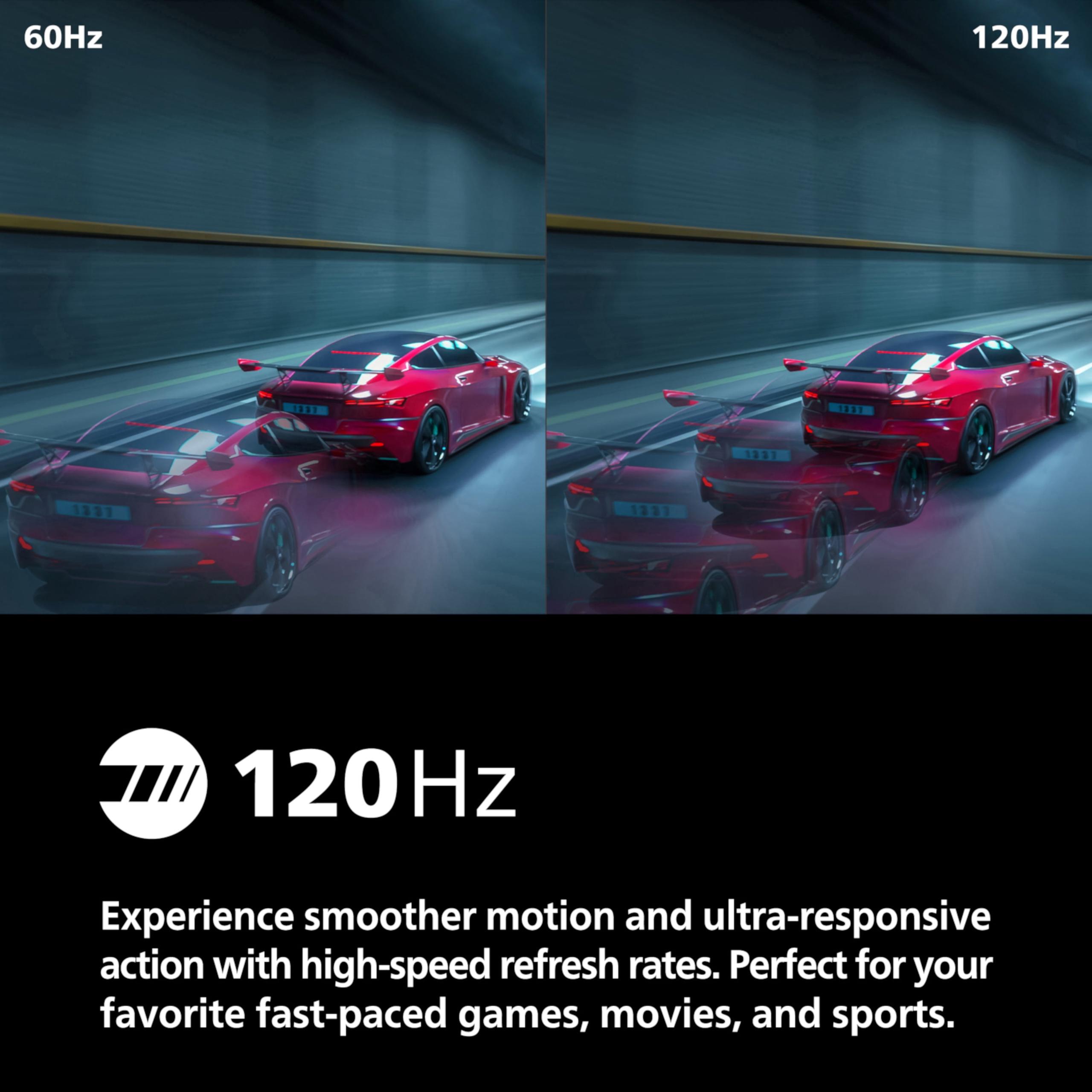
The Philips OLED excels in response time - the measure of how quickly pixels can change from one color to another. At less than 0.1 milliseconds, it's practically instantaneous, meaning fast-moving objects in games appear razor-sharp without any trailing blur. This is particularly noticeable in competitive first-person shooters where tracking fast movement is crucial.
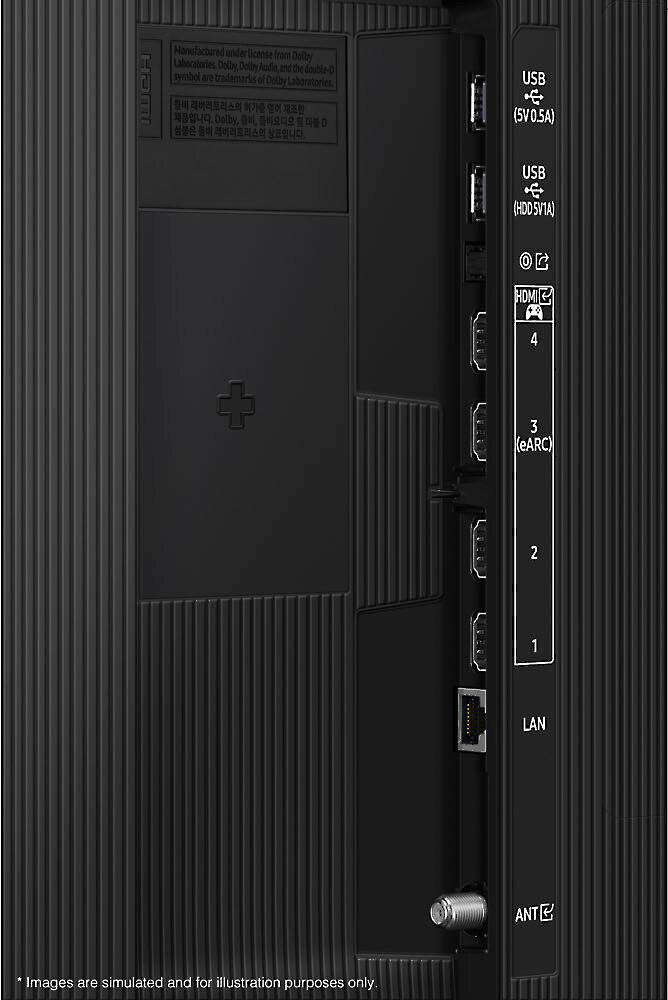
However, the Samsung QN70F takes the lead in refresh rate capabilities. While the Philips offers 120Hz native refresh rate, the Samsung supports up to 144Hz across all four HDMI 2.1 ports. This higher refresh rate means smoother motion overall and is increasingly important as gaming PCs and future consoles push higher frame rates.
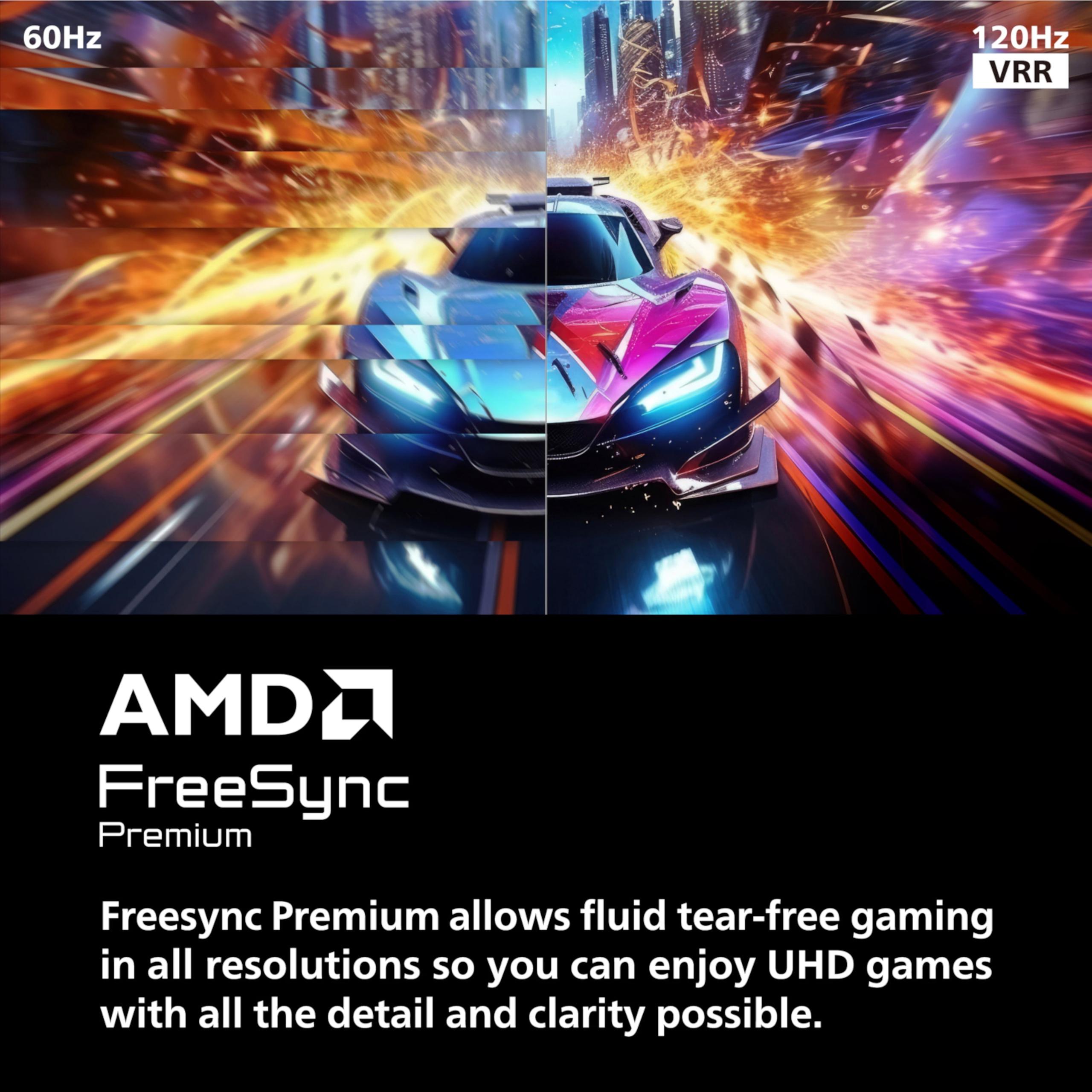
Both TVs support Variable Refresh Rate (VRR) technology - the Philips through AMD FreeSync Premium, and the Samsung through FreeSync Premium Pro. VRR synchronizes the TV's refresh rate with your gaming device's output frame rate, eliminating screen tearing (those horizontal lines that appear when frame rates don't match) and reducing input lag.
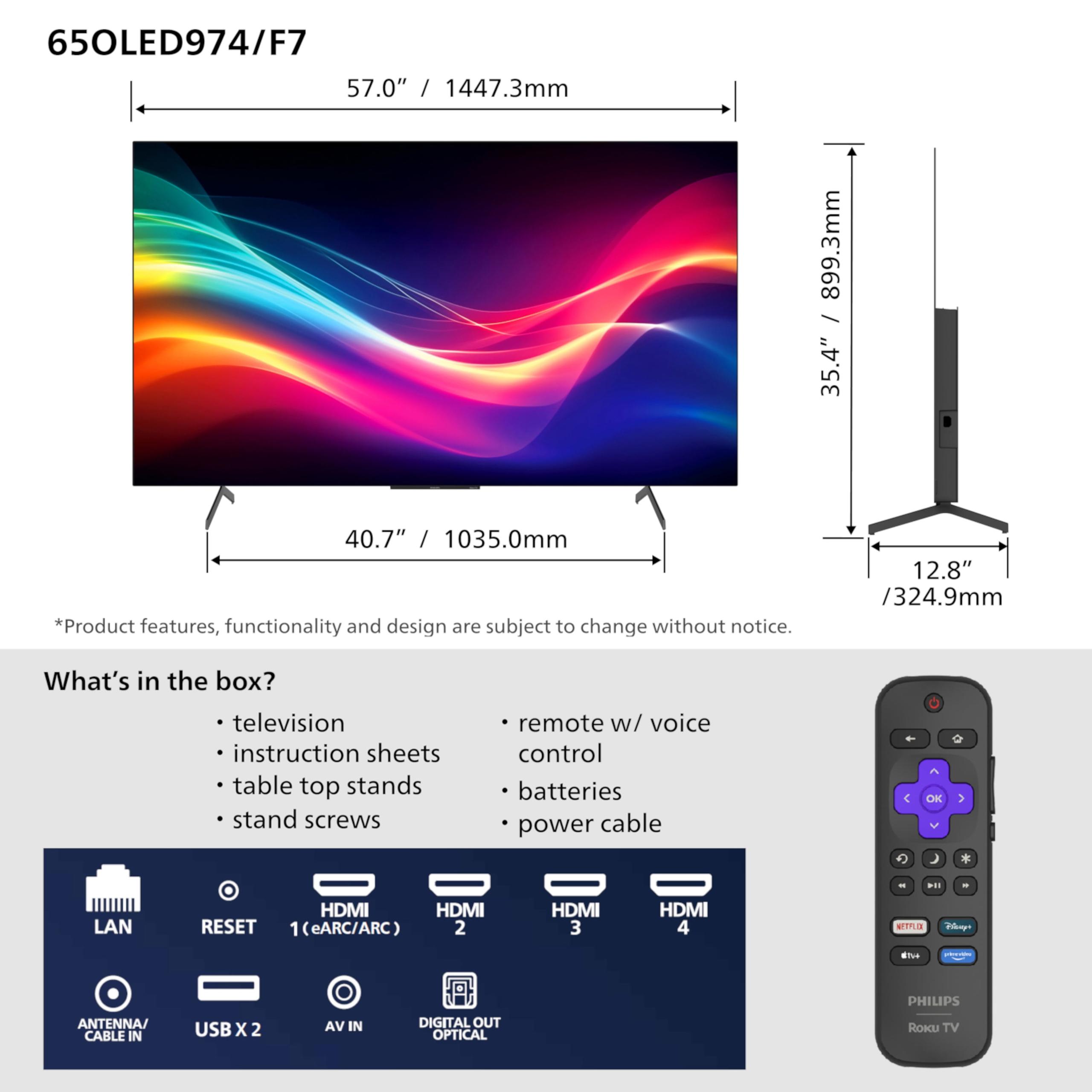
The Samsung's advantage lies in its four HDMI 2.1 ports versus the Philips's two, offering more flexibility for connecting multiple high-end gaming devices simultaneously. The Samsung also includes Auto Low Latency Mode (ALLM), which automatically switches to the lowest input lag settings when it detects gaming content.
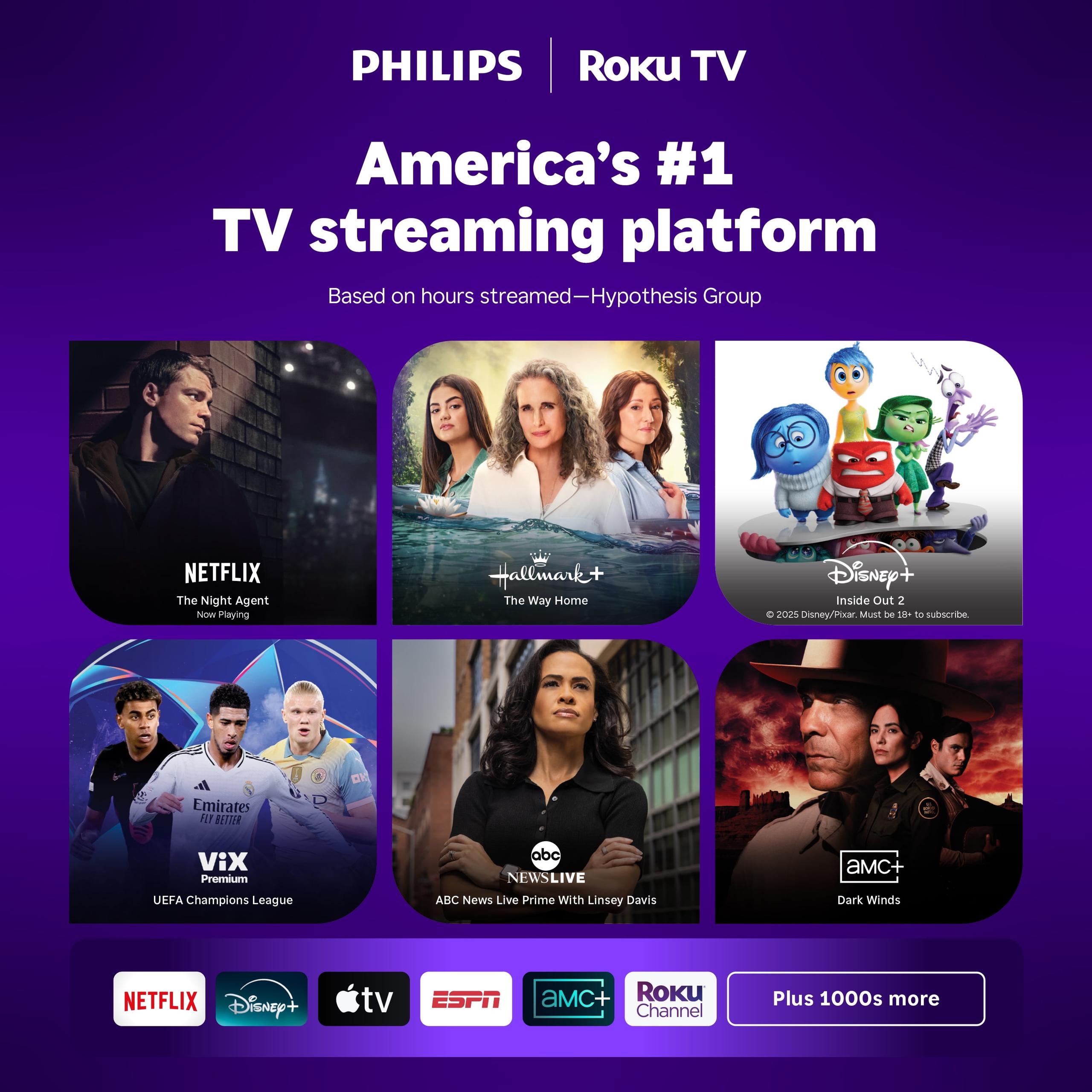
The seven-year technology gap becomes most apparent in smart TV capabilities. The Philips OLED runs Roku TV, which remains one of the most user-friendly smart TV platforms. It offers straightforward navigation, extensive app support, and reliable performance without unnecessary complexity.
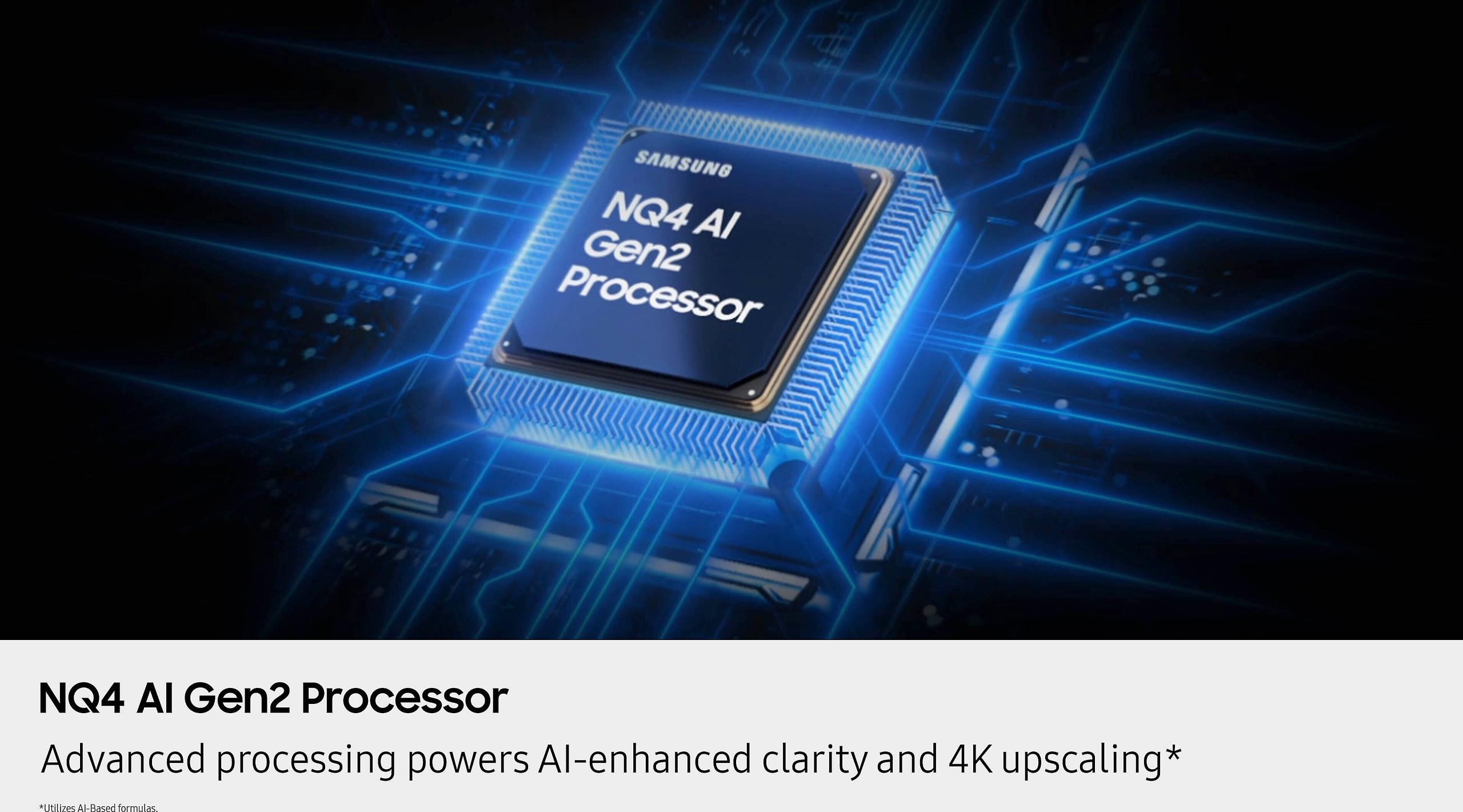
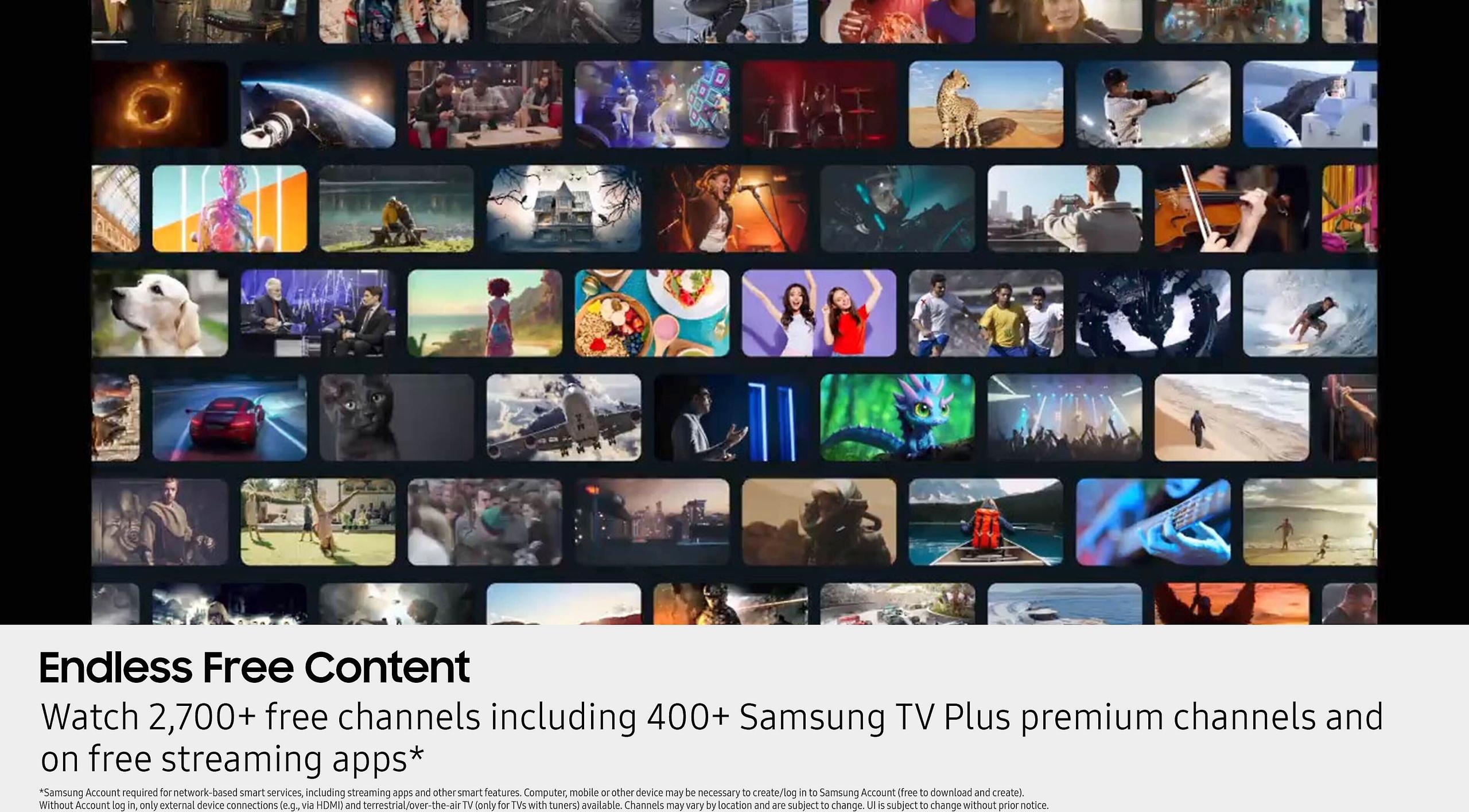
The Samsung QN70F represents a massive leap forward with its Vision AI technology powered by the NQ4 AI Gen2 processor. This isn't just marketing fluff - the AI actively enhances your viewing experience in several practical ways:
4K AI Upscaling: When you watch older content or lower-resolution streams, the AI analyzes the image and intelligently adds detail to make it look closer to native 4K quality. This is particularly valuable given how much content we stream from various sources with inconsistent quality.
Click-to-Search: Point your remote at any actor or object on screen, and the TV can identify them and provide relevant information. This feature proves surprisingly useful when watching movies or shows where you recognize someone but can't place them.
Live Translate: Real-time subtitle translations for live broadcasts, breaking down language barriers for international content.
The Samsung's Tizen platform also receives regular updates and long-term support, while the 2018 Philips may have limited future update availability.
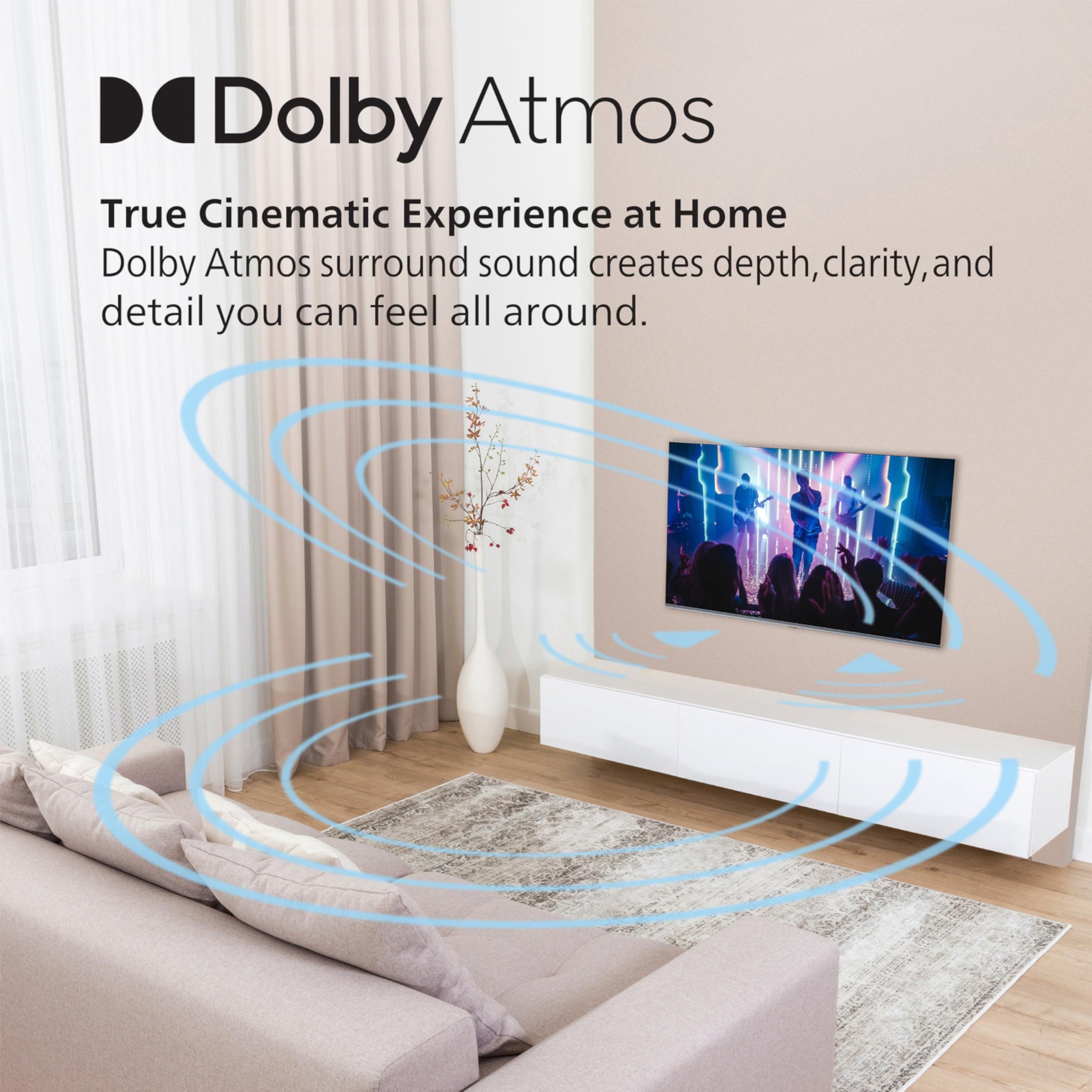
Both TVs include respectable built-in audio systems, though neither replaces a dedicated sound system for serious home theater use. The Philips features a 2.1 speaker configuration with two main speakers plus a subwoofer, supporting Dolby Atmos for spatial audio effects.
The Samsung includes Object Tracking Sound (OTS Lite), which attempts to move audio around the screen to match on-screen action, plus support for Samsung's Q-Symphony technology that can coordinate with compatible Samsung soundbars.
Your viewing environment plays the largest role in determining which technology suits you better.
For dedicated home theaters or dark room viewing, the Philips OLED creates a more cinematic experience. The perfect blacks make movie letterbox bars disappear completely, creating the illusion that the picture is floating in space. Colors appear rich and vibrant against this perfect darkness, and the lack of backlight uniformity issues means no distracting bright spots or clouding.
In living rooms with lots of windows or bright overhead lighting, the Samsung Neo QLED performs significantly better. Its higher peak brightness cuts through ambient light, maintaining picture quality even during daytime viewing. The OLED's limited brightness means it can appear washed out or difficult to see clearly in bright conditions.
At the time of writing, these TVs occupy very different market positions. The Philips OLED, being from 2018, may be available at significantly reduced prices as retailers clear older inventory. This could make it exceptional value for buyers who primarily watch in dark environments and don't need the latest smart TV features.
The Samsung QN70F commands premium pricing as a current-generation model with cutting-edge features. However, it offers better future-proofing with its modern connectivity, ongoing software support, and advanced AI capabilities that will continue improving over time.
Understanding the technical specifications helps reveal real-world performance differences:
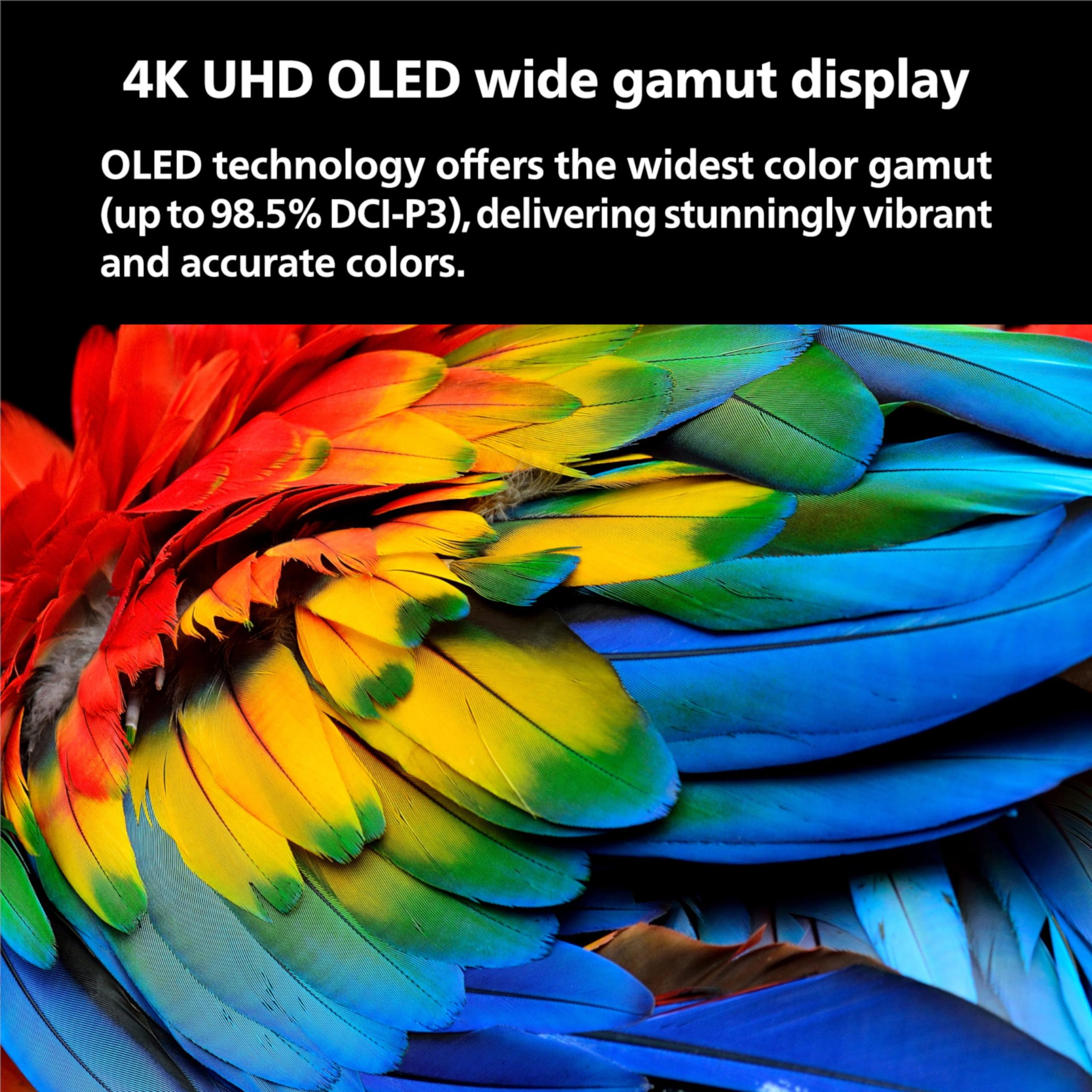
Color Gamut Coverage: The Philips covers up to 98.5% of the DCI-P3 color space, which is excellent for movie content. However, its brightness limitations mean it can't display these colors at high brightness levels, reducing overall color volume.
Native Refresh Rate: Both support high refresh rates, but the Samsung's 144Hz capability across all ports provides better flexibility and future-proofing for emerging gaming standards.
HDR Support: Both handle standard HDR formats, but the Samsung's superior brightness makes HDR content more impactful, while the OLED's perfect blacks provide better shadow detail in dark HDR scenes.
You're a home theater enthusiast who watches primarily in dark environments. The perfect contrast and instantaneous response time create an incredibly immersive experience for movies and competitive gaming. If you can find it at a significant discount, it represents exceptional value for OLED technology, especially if you're satisfied with Roku TV's straightforward smart features.
The OLED is also ideal for viewers who prioritize image purity over brightness - those who appreciate subtle gradations in dark scenes and don't mind adjusting room lighting to optimize the viewing experience.
Your TV will be used in a bright living space, or you want the flexibility to watch comfortably at any time of day. The superior brightness makes HDR content more spectacular and prevents the frustration of dim, washed-out images during daytime viewing.
The Samsung is also the better choice for users who value cutting-edge smart TV features, regular software updates, and future-proofing. The AI features aren't just gimmicks - they genuinely enhance the viewing experience and will continue improving over time.
For serious gamers who want maximum flexibility, the Samsung's four HDMI 2.1 ports and 144Hz support provide better connectivity options for multiple high-end devices.
Both TVs excel in different scenarios, making this less about finding a universal winner and more about matching technology to your specific needs and viewing environment.
The Philips OLED delivers a more cinematic, immersive experience in dark rooms with its perfect blacks and instantaneous response. If available at a significant discount, it offers incredible value for premium display technology.
The Samsung QN70F provides a more versatile, future-ready experience with superior brightness, modern AI features, and better connectivity. While it requires a higher investment, it delivers consistent performance across all lighting conditions and viewing scenarios.
Consider your primary viewing environment, gaming needs, and budget flexibility. In a dedicated home theater, the OLED's cinematic qualities shine. In a multipurpose living room, the Samsung's brightness and versatility make it the more practical choice. Either way, you're getting exceptional picture quality that will transform your viewing experience.
| Philips 65OLED974/F7 65" OLED Roku TV | Samsung 65" QN70F Neo QLED 4K Vision AI Smart TV 2025 |
|---|---|
| Display Technology - Fundamentally different approaches to picture quality | |
| OLED with self-illuminating pixels for perfect blacks | Neo QLED with Mini LED backlighting and Quantum Dot technology |
| Release Year - Impacts features, support, and potential pricing | |
| 2018 (mature technology, potential deep discounts) | 2025 (cutting-edge features, premium pricing) |
| Contrast Ratio - Critical for dark scene detail and cinematic experience | |
| Infinite contrast with true blacks (pixels turn completely off) | Excellent contrast but limited by backlight bleeding |
| Peak Brightness - Essential for HDR impact and bright room viewing | |
| Limited brightness, struggles in well-lit rooms | Significantly brighter, excellent for daytime viewing and HDR |
| Response Time - Most important for gaming and fast motion clarity | |
| <0.1ms (virtually instantaneous, no motion blur) | Fast but not matching OLED's instantaneous response |
| Refresh Rate - Key for smooth gaming and sports | |
| 120Hz native panel | Up to 144Hz support across all ports |
| Gaming Features - Important for console and PC gaming | |
| AMD FreeSync Premium, 2 HDMI 2.1 ports, ALLM | AMD FreeSync Premium Pro, 4 HDMI 2.1 ports, 144Hz support |
| Smart TV Platform - Affects usability and future updates | |
| Roku TV (simple, reliable, limited AI features) | Tizen with Vision AI (advanced features, ongoing updates) |
| AI Processing - Enhances picture quality and user experience | |
| No AI processing capabilities | NQ4 AI Gen2 processor with 4K upscaling and smart features |
| Color Accuracy - Important for realistic picture reproduction | |
| Excellent out-of-the-box, covers 98.5% DCI-P3 | Good color volume with enhanced brightness capabilities |
| Audio System - Built-in sound quality | |
| 2.1 system with subwoofer, Dolby Atmos support | 2CH system with Object Tracking Sound, Q-Symphony support |
| Best Use Case - Who should choose each TV | |
| Dark room home theaters, competitive gaming, budget OLED seekers | Bright rooms, HDR enthusiasts, future-proofing, versatile viewing |
| Room Lighting Compatibility - Where each TV performs best | |
| Optimal in dark/dim environments, struggles in bright rooms | Excellent in all lighting conditions, especially bright spaces |
The Philips 65OLED974/F7 is significantly better for dark room viewing due to its OLED technology. Each pixel can turn completely off to create perfect blacks, resulting in infinite contrast that makes dark scenes appear incredibly realistic. This makes the Philips OLED ideal for home theater setups where you can control lighting conditions.
The Samsung 65" QN70F Neo QLED performs much better in bright rooms thanks to its superior peak brightness capabilities. The Mini LED backlighting can overcome ambient light and glare, while the Philips OLED may appear washed out or dim during daytime viewing in well-lit spaces.
Both TVs offer excellent gaming features, but they excel in different areas. The Philips 65OLED974/F7 has a faster response time (<0.1ms) for competitive gaming, while the Samsung QN70F offers higher refresh rates (144Hz vs 120Hz) and more HDMI 2.1 ports for connecting multiple gaming devices.
OLED technology in the Philips TV uses self-illuminating pixels that can turn completely off for perfect blacks. Neo QLED in the Samsung TV uses thousands of Mini LEDs behind the screen with Quantum Dot technology for enhanced brightness and color, but cannot achieve true blacks like OLED can.
The Samsung 65" QN70F has significantly more advanced smart features with its Vision AI technology, including 4K upscaling, Click-to-Search, and Live Translate. The Philips OLED uses the simpler but reliable Roku TV platform without AI enhancement features.
For movies in dark environments, the Philips 65OLED974/F7 provides a more cinematic experience with perfect blacks and excellent contrast. For movies in bright rooms or HDR content with bright scenes, the Samsung Neo QLED delivers more impactful highlights and better overall visibility.
The Samsung QN70F is more future-proof as a 2025 model with ongoing software updates, modern AI features, and four HDMI 2.1 ports. The Philips OLED from 2018 may have limited future update support and fewer advanced connectivity options.
The Philips 65OLED974/F7 excels in contrast, response time, and dark room performance, potentially at a lower price point. The Samsung Neo QLED leads in brightness, smart features, gaming connectivity, and versatility across different viewing environments.
The Samsung 65" QN70F is generally better for sports due to its superior brightness that works well in typical living room lighting. Both TVs handle fast motion well, but the Philips OLED may struggle with visibility during daytime sports viewing in bright rooms.
The Philips 65OLED974/F7 features a 2.1 speaker system with a dedicated subwoofer and Dolby Atmos support. The Samsung QN70F includes Object Tracking Sound technology and Q-Symphony compatibility with Samsung soundbars, though both benefit from external audio systems for serious home theater use.
Value depends on your priorities and available pricing. The Philips OLED may offer exceptional value if available at discounted prices for its premium OLED technology. The Samsung Neo QLED provides better value for versatile use cases and future-proofing despite its higher current pricing.
For a dedicated home theater with controlled lighting, the Philips 65OLED974/F7 creates a more immersive cinematic experience with perfect blacks. For a multipurpose room that serves as both living space and theater, the Samsung QN70F Neo QLED offers more flexibility across different lighting conditions and usage scenarios.
We've done our best to create useful and informative comparisons to help you decide what product to buy. Our research uses advanced automated methods to create this comparison and perfection is not possible - please contact us for corrections or questions. These are the sites we've researched in the creation of this article: rtings.com - versus.com - versus.com - rtings.com - samsclub.com - versus.com - youtube.com - usa.philips.com - bestbuy.com - usa.philips.com - consumerreports.org - usa.philips.com - documents.philips.com - tvoutlet.ca - displayspecifications.com - business.walmart.com - displayspecifications.com - ecoustics.com - walmart.com - rtings.com - youtube.com - wifihifi.com - samsung.com - samsung.com - samsung.com - samsung.com - flatpanelshd.com - news.samsung.com - bestbuy.com

Privacy Policy
Terms and Conditions - Affiliate Policy
Home Security
© Copyright 2008-2026.
11816 Inwood Rd #1211, Dallas, TX 75244