

![LG B5 Series OLED 65" 4K Smart TV 2025[1][7][9]](https://images.hometheaterreview.com/htr-stateless/2025/07/31238cd0-lg-b5-series-oled-65-4k-smart-tv-2025179.jpg)
![LG B5 Series OLED 65" 4K Smart TV 2025[1][7][9]](https://images.hometheaterreview.com/htr-stateless/2025/07/3368ce40-25ef-4d07-b442-bb0af89e3a29.jpg)
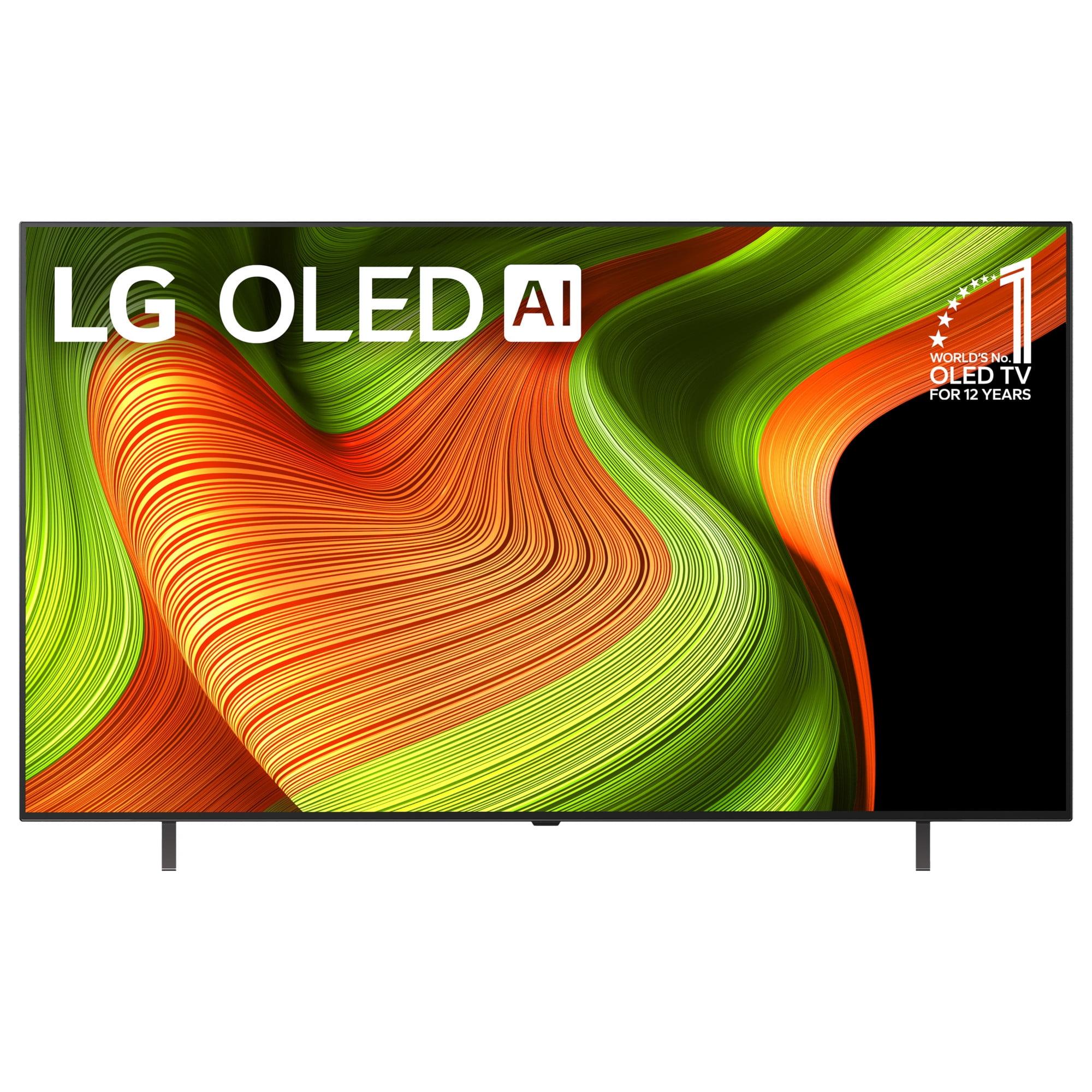
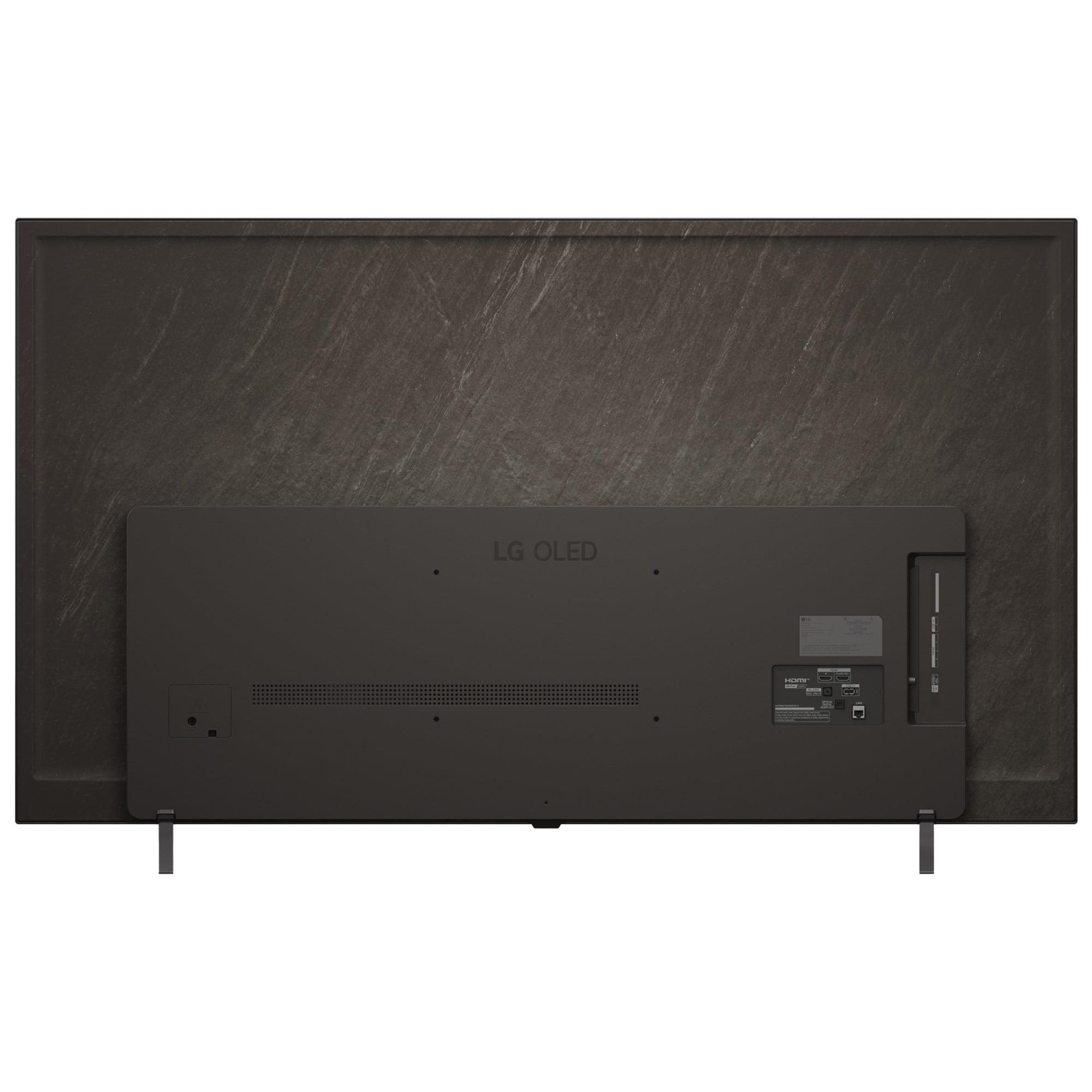
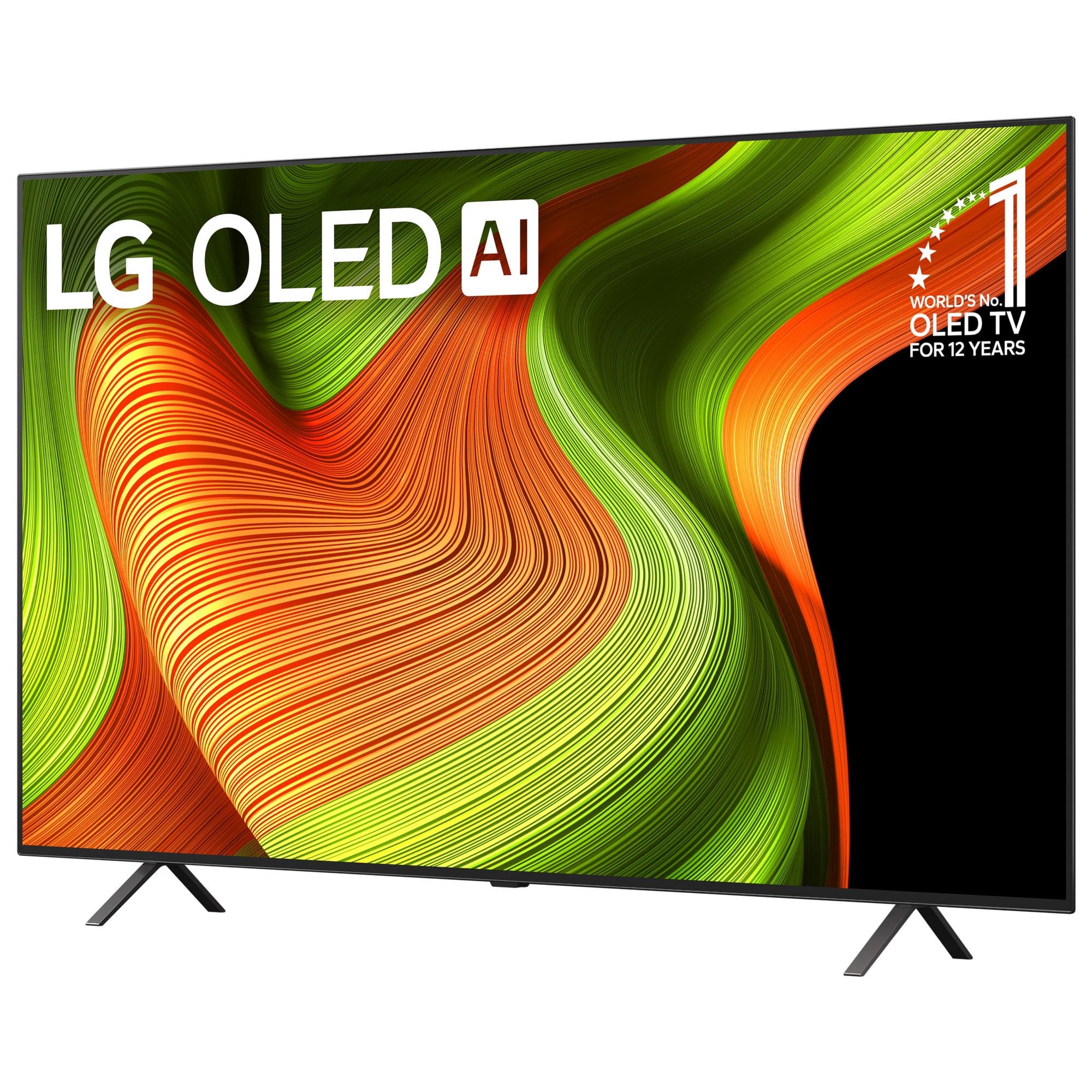
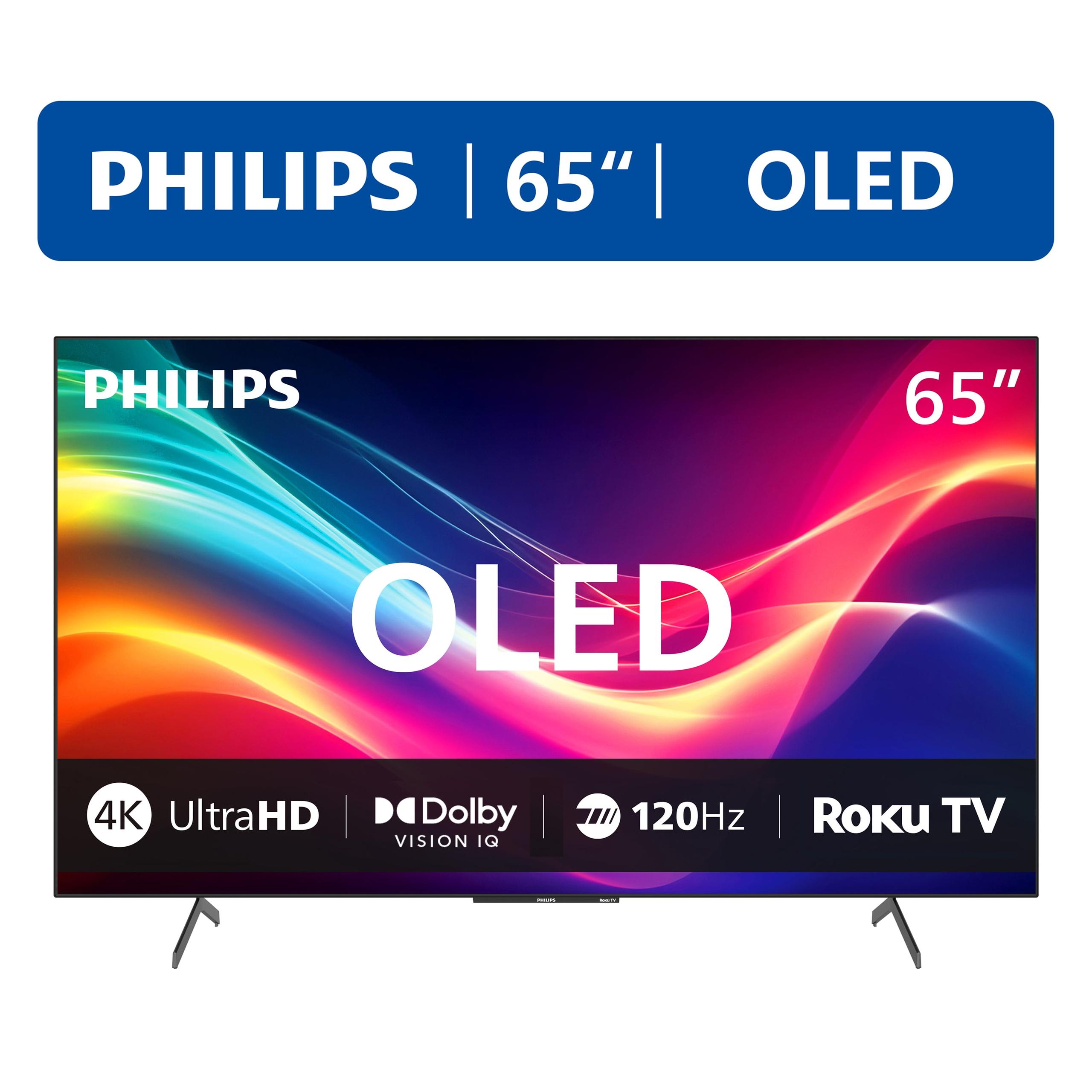
The world of premium televisions has never been more exciting—or more confusing. When you're looking at spending well over a thousand dollars on a new TV, every decision matters. Today we're comparing two compelling 65-inch OLED options: the Philips 65OLED974/F7 and the LG B5 Series OLED. Both promise that signature OLED magic with perfect blacks and vibrant colors, but they take notably different approaches to delivering premium entertainment.
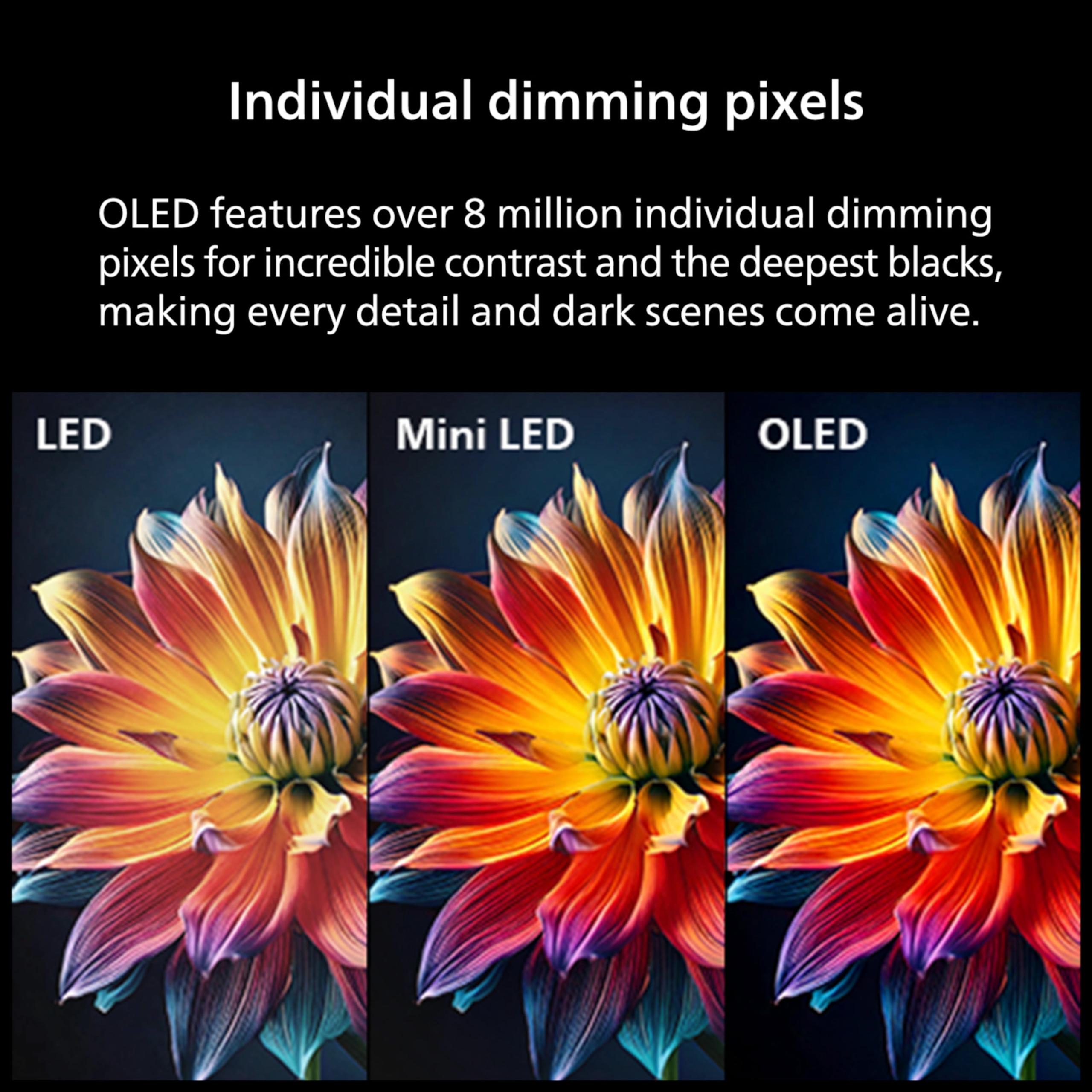
Before diving into specifics, let's establish what makes OLED technology special. Unlike traditional LED-LCD TVs that use a backlight, OLED (Organic Light-Emitting Diode) displays have pixels that light themselves. When a pixel needs to show black, it simply turns off completely, creating true black levels that no other display technology can match. This results in infinite contrast ratios—the difference between the darkest blacks and brightest whites—which makes everything from starry night scenes to shadowy action sequences look dramatically more realistic.
Both the Philips 65OLED974/F7 and LG B5 Series OLED deliver this fundamental OLED benefit, but they differ significantly in how bright they can get, how they process images, and what additional features they offer. These differences matter more than you might think.
Here's where things get interesting—and where one TV clearly pulls ahead. While both models achieve nearly identical peak HDR brightness around 665-668 nits (a measurement of how bright highlights can get), their overall brightness performance tells a very different story.
The LG B5 Series OLED, released in 2025 with LG's latest panel improvements, demonstrates superior brightness across the board. This isn't just about numbers on a spec sheet—it translates to real-world usability. The LG can handle bright living rooms and overcome glare from windows or lamps, while the Philips 65OLED974/F7 struggles in anything but dim environments.
Our research consistently shows that the Philips model suffers from what many users describe as inadequate SDR (Standard Dynamic Range) brightness. SDR content includes most TV shows, news, and older movies—basically everything that isn't specifically mastered in HDR (High Dynamic Range). When a TV can't get bright enough in SDR, it means you'll be squinting at dim images whenever there's ambient light in your room.
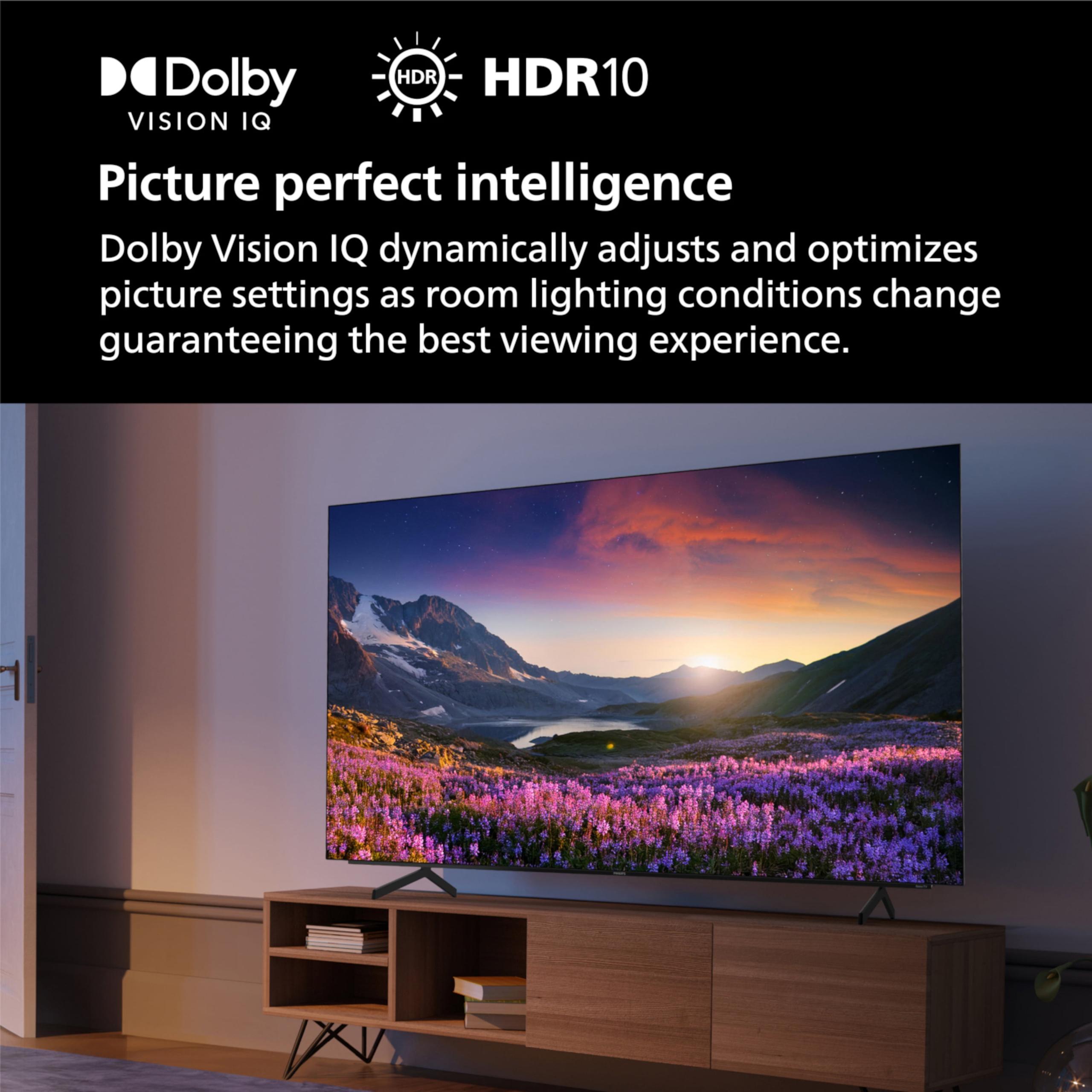
This brightness limitation becomes even more problematic with HDR content on the Philips 65OLED974/F7. HDR is designed to make bright scenes pop and feel more lifelike, but when the display can't deliver sufficient brightness, those spectacular sunset scenes and explosive action sequences end up looking muted and lackluster. The LG B5 Series OLED handles these same scenes with more impact and visual punch.
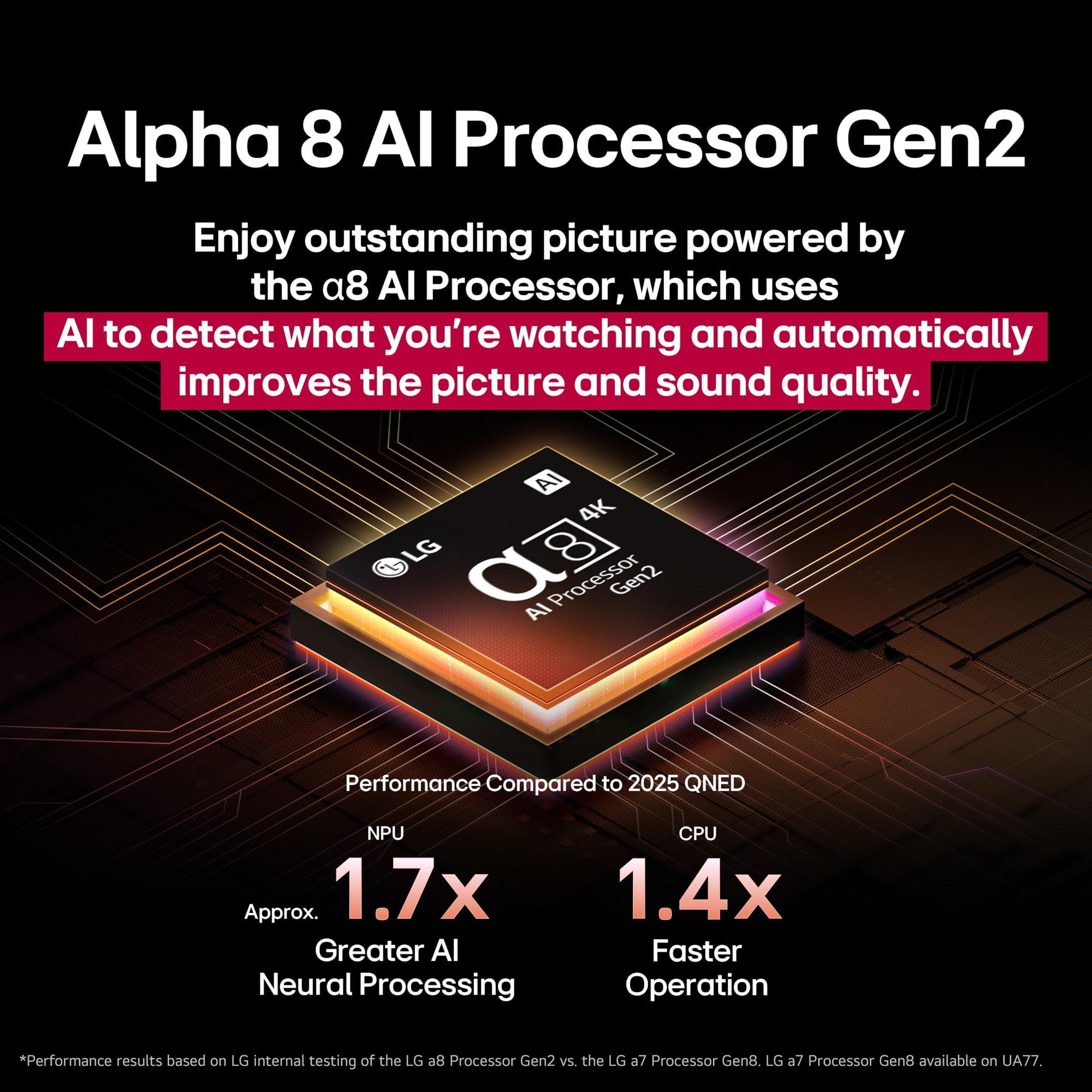
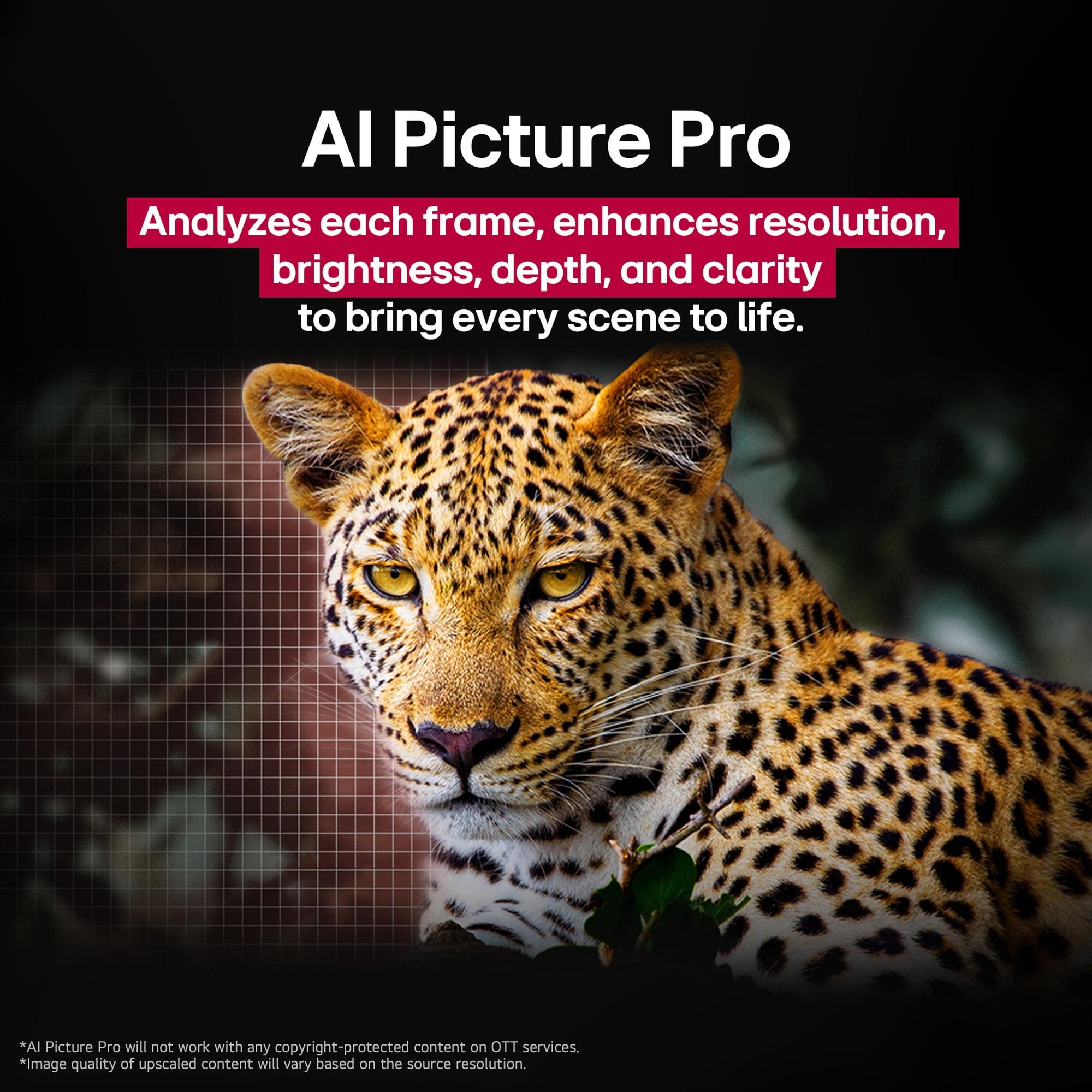
The difference in image processing between these TVs is substantial. The LG B5 Series OLED features LG's α8 AI Processor Gen2, which represents a significant leap forward from previous generations. This processor doesn't just display what it receives—it actively analyzes every frame to enhance detail, reduce noise, and optimize colors.
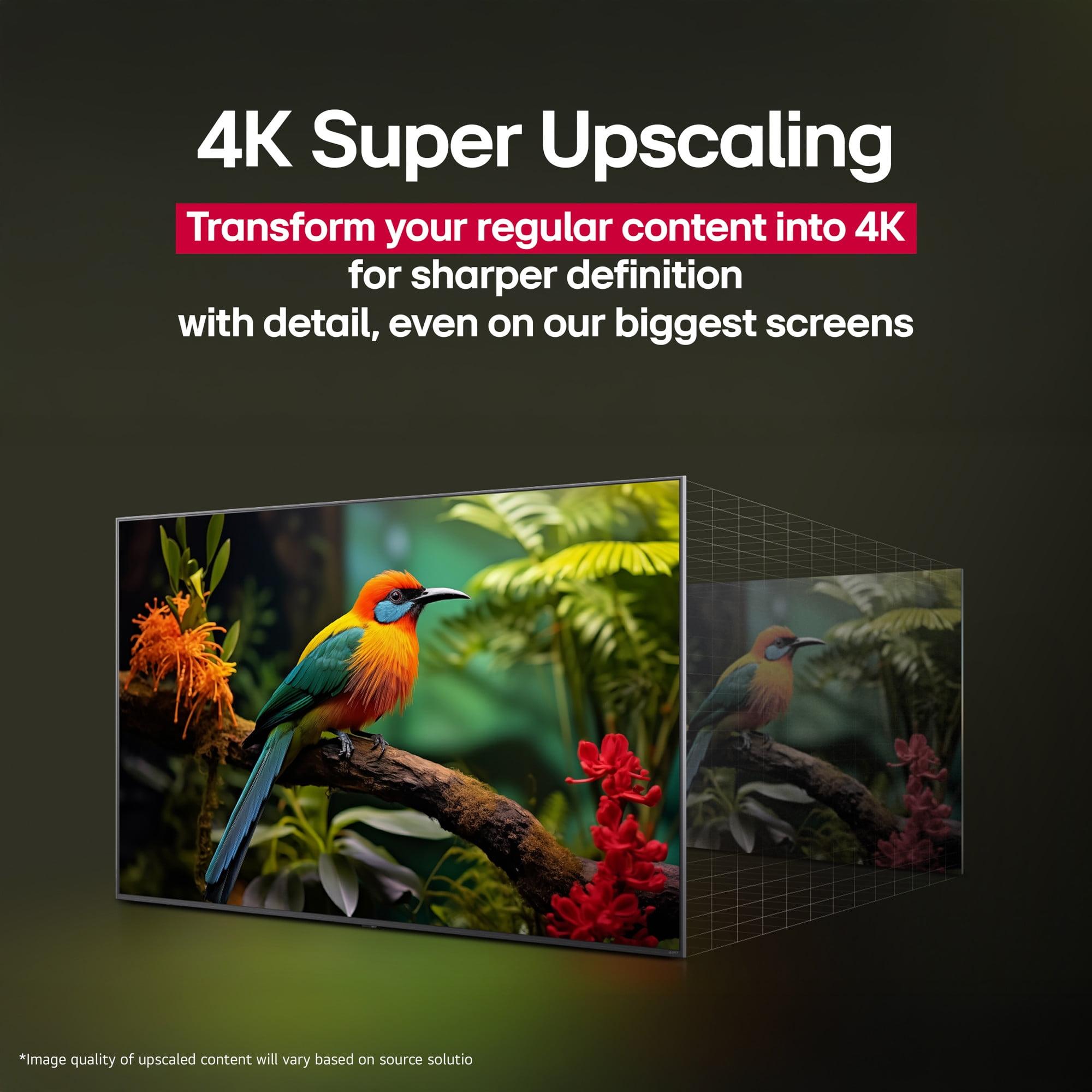
The AI upscaling capability is particularly impressive. When you're watching older shows on Netflix or streaming content that isn't native 4K, the LG's processor examines the image and intelligently fills in missing detail. It can make a 1080p movie look remarkably close to native 4K quality. The processor also includes Dynamic Tone Mapping Pro, which adjusts HDR performance scene by scene rather than applying a one-size-fits-all approach.
In contrast, the Philips 65OLED974/F7 uses more basic image processing. User reports consistently mention visible artifacts when watching lower-quality streaming content, and the TV's noise reduction features are reportedly ineffective. This means older movies or heavily compressed streaming video will look noticeably less refined compared to the same content on the LG B5 Series OLED.
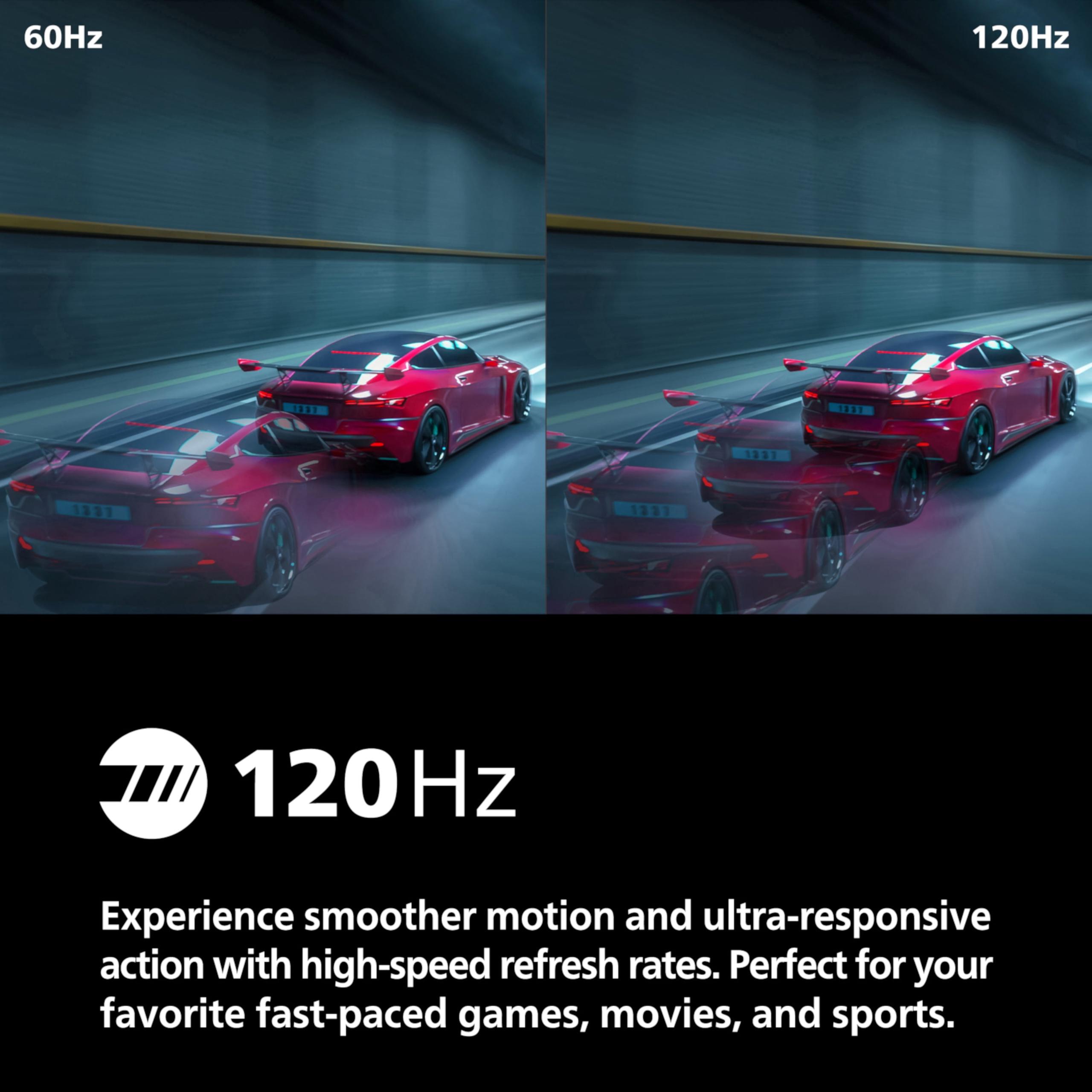
For gamers, both TVs deliver excellent performance with native 120Hz refresh rates and response times under 0.1 milliseconds. This means virtually no input lag—the delay between pressing a button and seeing the action on screen—and silky smooth motion in fast-paced games.
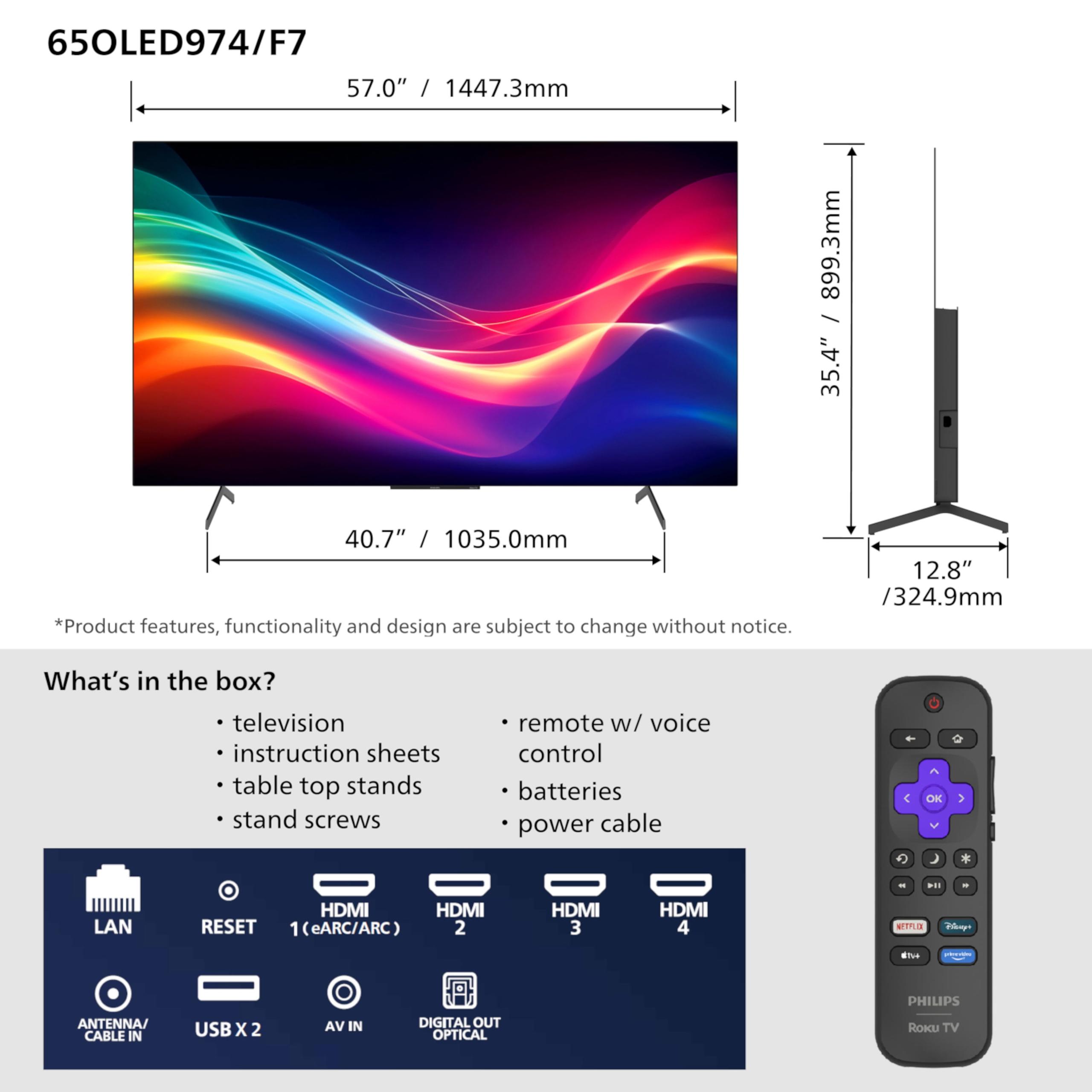
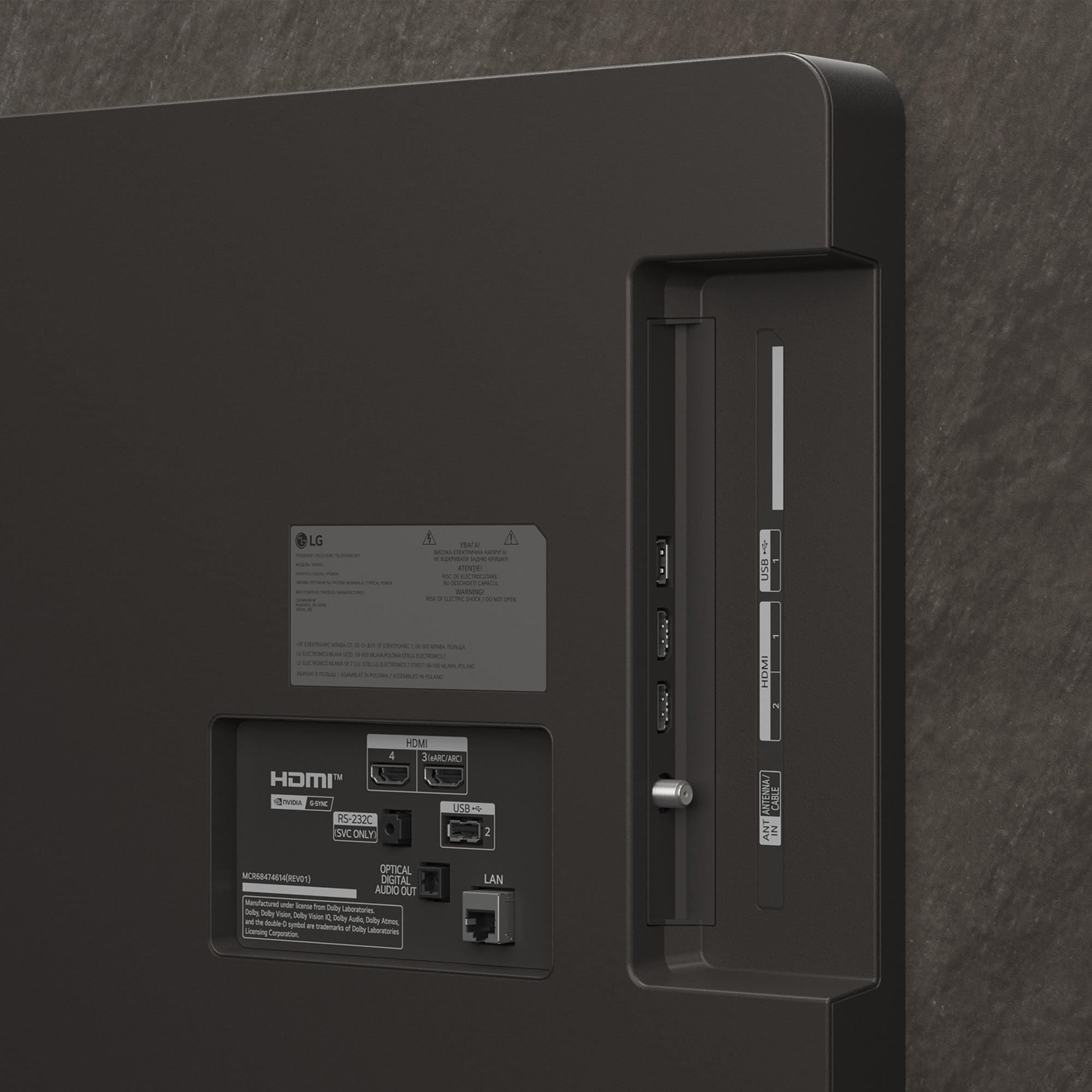
Both models support HDMI 2.1, which is crucial for getting the full potential from PlayStation 5, Xbox Series X/S, or high-end gaming PCs. You can play games at 4K resolution with 120 frames per second, assuming your console or PC can deliver that performance.
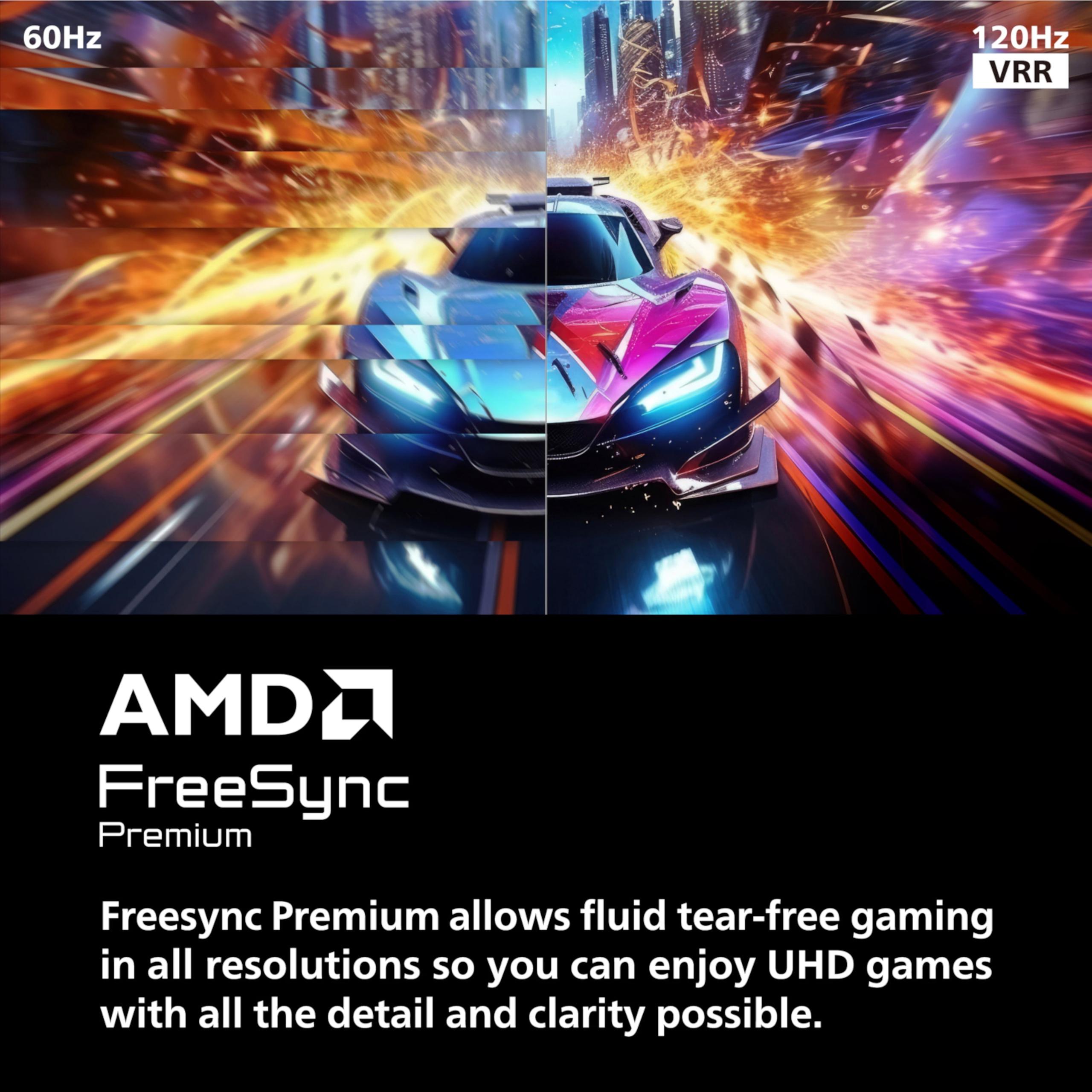
However, the LG B5 Series OLED goes further with additional gaming features. It includes support for both NVIDIA G-Sync and AMD FreeSync Premium, technologies that eliminate screen tearing (visual artifacts that occur when frame rates don't match refresh rates). The LG also offers four HDMI 2.1 ports compared to two on the Philips 65OLED974/F7, giving you more flexibility for connecting multiple gaming devices.
The Game Dashboard and Game Optimizer features on the LG B5 Series OLED provide quick access to gaming settings without digging through menus. These quality-of-life improvements might seem minor, but they enhance the overall gaming experience significantly.
The choice between these TVs often comes down to smart platform preference, and the two approaches couldn't be more different.
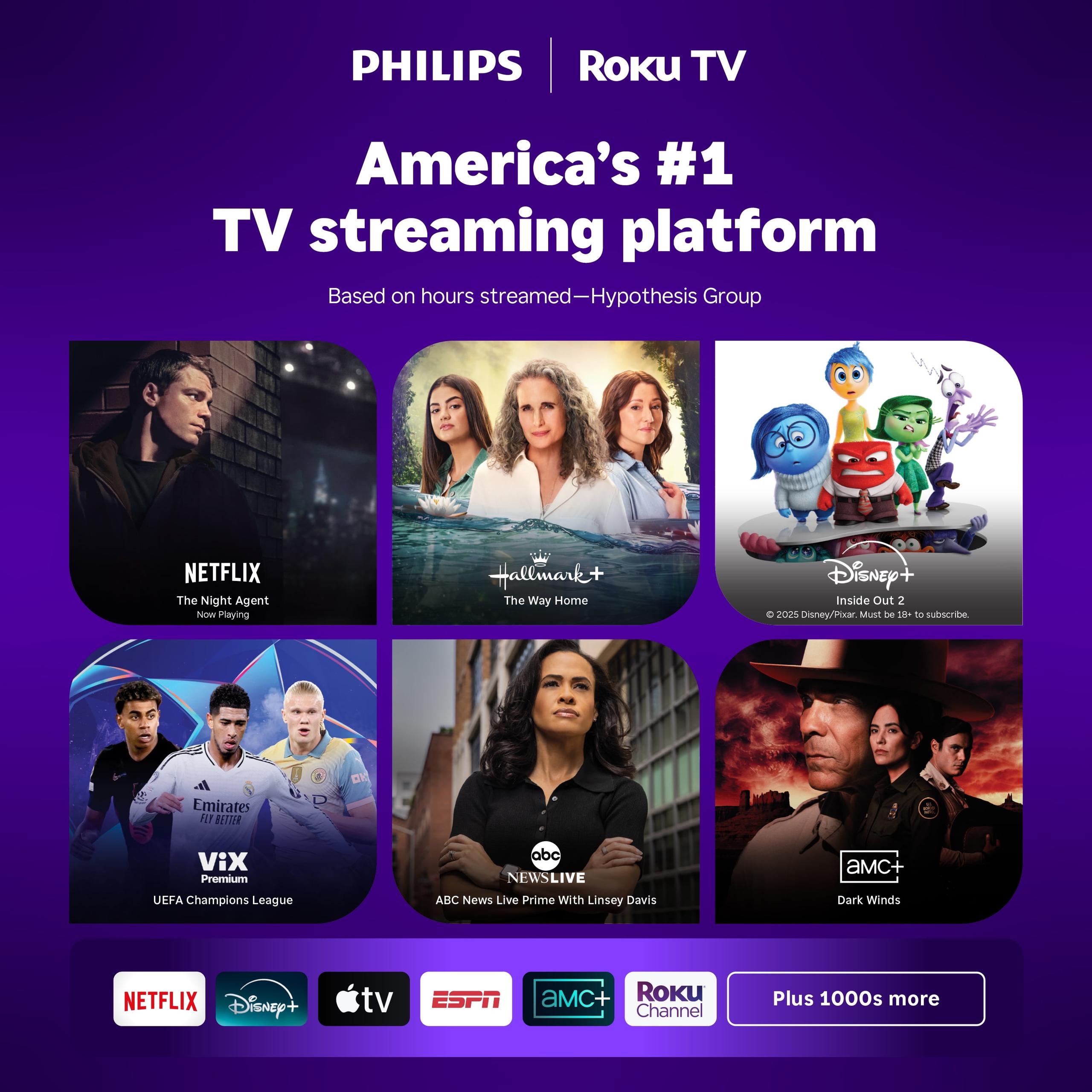
The Philips 65OLED974/F7 runs Roku TV, which has earned a loyal following for its simplicity and content discovery. Roku's interface is straightforward—apps are arranged clearly, the remote is intuitive, and finding something to watch feels effortless. Roku also has excellent relationships with streaming services, often getting new apps quickly and maintaining broad compatibility.
The LG B5 Series OLED uses webOS 25, LG's latest smart platform that emphasizes AI-driven personalization. The system learns your viewing habits and suggests content accordingly. Quick Cards let you organize apps into categories, and the platform includes access to over 300 free streaming channels. The new AI button on the remote provides voice control that can adjust settings, search for content, and even answer questions about what you're watching.
WebOS has evolved significantly since its introduction, becoming more responsive and feature-rich each year. The promise of annual updates means your TV's software capabilities should improve over time, potentially adding new features and maintaining compatibility with emerging streaming standards.
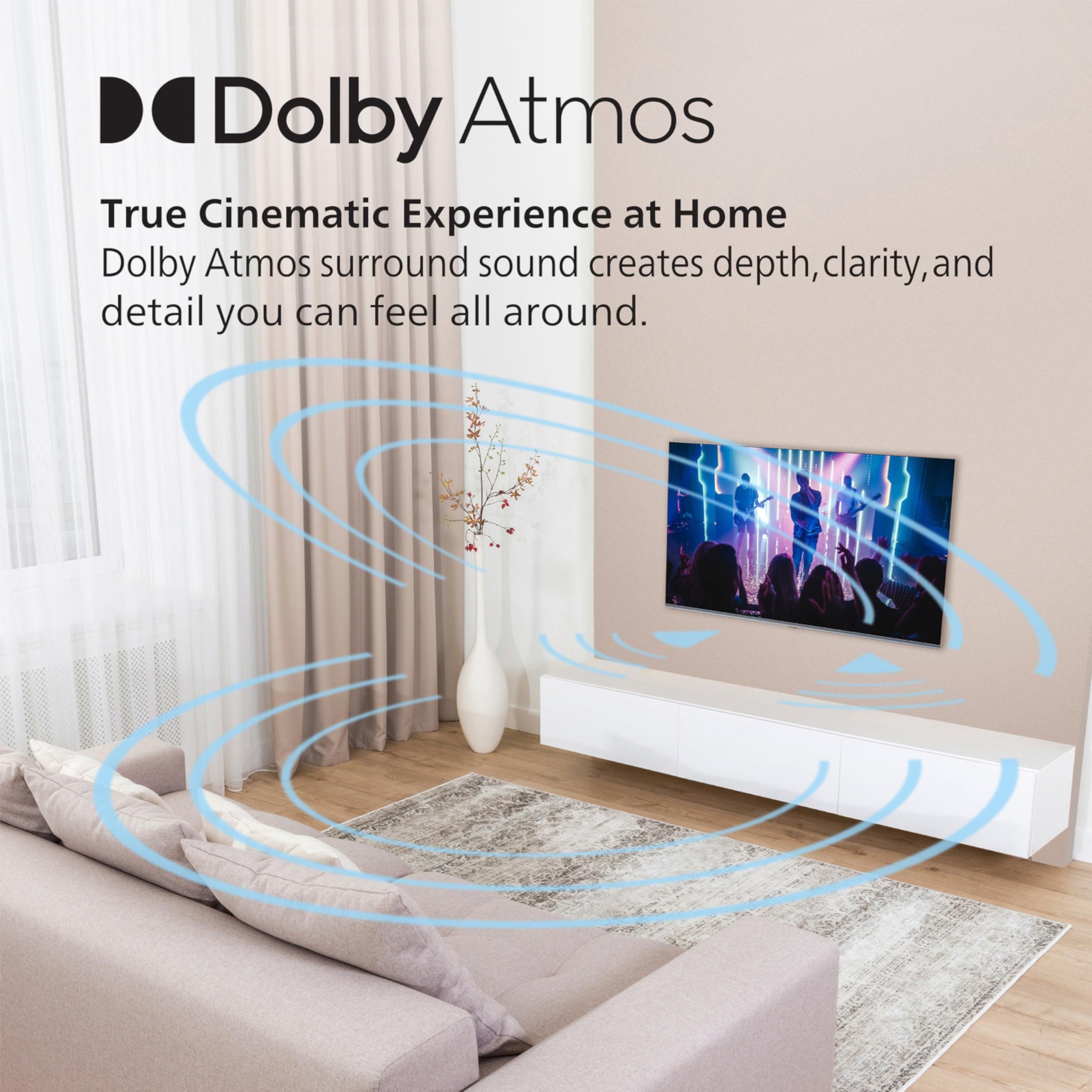
Both TVs include Dolby Atmos support, which creates a more immersive audio experience by positioning sounds in three-dimensional space around you. However, like most flat-panel TVs, neither model will blow you away with built-in audio quality.
The Philips 65OLED974/F7 features a 2.1 speaker system with a dedicated subwoofer, while the LG B5 Series OLED uses a more traditional speaker arrangement. In practice, both provide adequate sound for casual viewing, but serious movie watching or gaming benefits from a dedicated soundbar or surround sound system.
The LG B5 Series OLED includes AI sound optimization that adjusts audio characteristics based on content type and room acoustics. While this helps somewhat, it can't overcome the fundamental physics limitations of thin TV speakers.
In a dedicated home theater environment—a dark room designed specifically for watching movies—both TVs excel, but with important distinctions.
The perfect blacks and infinite contrast of OLED technology create an incredibly cinematic experience. Dark scenes in movies like "Blade Runner 2049" or "Dune" look spectacular, with shadow details clearly visible and no distracting backlight bleed that you'd see with LED-LCD TVs.
However, the brightness limitations of the Philips 65OLED974/F7 actually become less problematic in a dark room setup. When you can control ambient light completely, the TV's reduced brightness isn't a hindrance—it might even be preferable for extended viewing sessions that won't strain your eyes.
The LG B5 Series OLED still maintains advantages in image processing and feature set, but the gap narrows considerably in ideal viewing conditions. Both TVs support FILMMAKER MODE, which disables unnecessary processing to display movies as directors intended.
For home theater enthusiasts, consider that the LG B5 Series OLED offers better upscaling for older content and more robust HDR handling, which matters when watching classic films or varied source material.
At the time of writing, the LG B5 Series OLED typically costs less than the Philips 65OLED974/F7 while offering superior performance in most categories. This represents exceptional value in the premium TV market.
You're getting better brightness performance, significantly improved image processing, more comprehensive gaming features, and a more advanced smart platform for less money. The only scenario where the Philips might represent better value is if you find it heavily discounted or if you have a strong preference for Roku's platform.
The LG's superior brightness alone justifies the price difference for most users. A TV that only works well in dark rooms severely limits where and when you can enjoy it, while the LG B5 Series OLED adapts to various lighting conditions.
Choose the LG B5 Series OLED if you:
Choose the Philips 65OLED974/F7 if you:
Based on our extensive research of expert reviews and user feedback, the LG B5 Series OLED emerges as the clear winner for most buyers. Its superior brightness performance alone makes it more versatile and enjoyable in real-world conditions.
The advanced image processing, comprehensive gaming features, and lower price point create a compelling value proposition that's hard to ignore. While the Philips 65OLED974/F7 has its merits—particularly for dark room viewing and Roku enthusiasts—it's difficult to recommend over the LG for most use cases.
The 2025 improvements in the LG B5 Series OLED, including the faster AI processor and enhanced webOS platform, position it well for future content and streaming developments. When you're investing in a premium TV that you'll likely keep for five to seven years, choosing the model with better processing capabilities and software support makes financial sense.
For the vast majority of buyers, the LG B5 Series OLED offers the best combination of performance, features, and value in the premium 65-inch OLED category. It's bright enough for mixed lighting conditions, smart enough to enhance whatever you watch, and capable enough to handle the latest gaming demands—all while costing less than its primary competitor.
| Philips 65OLED974/F7 65" OLED Roku TV | LG B5 Series OLED 65" 4K Smart TV 2025 |
|---|---|
| Peak HDR Brightness - Determines how impactful bright scenes look in movies and HDR content | |
| 665 nits (adequate for HDR highlights) | 668 nits (virtually identical performance) |
| SDR Brightness - Critical for everyday TV viewing and bright room performance | |
| Poor brightness, requires dark rooms | Superior brightness, works in bright rooms |
| Image Processor - Affects upscaling quality and picture enhancement | |
| Basic processing with visible artifacts | α8 AI Processor Gen2 with advanced upscaling |
| Gaming Refresh Rate - Higher rates provide smoother motion in fast games | |
| 120Hz native (excellent for console gaming) | 120Hz native (excellent for console gaming) |
| HDMI 2.1 Ports - Needed for 4K@120Hz gaming from PS5/Xbox Series X | |
| 2 ports (limits multi-device setups) | 4 ports (future-proof connectivity) |
| Gaming Features - Advanced technologies that improve gaming experience | |
| VRR, ALLM (good baseline features) | VRR, ALLM, G-Sync, FreeSync Premium (comprehensive) |
| Smart Platform - Daily interface and streaming app experience | |
| Roku TV (simple, reliable interface) | webOS 25 with AI features (advanced, personalized) |
| Response Time - Lower is better for gaming responsiveness | |
| <0.1ms (virtually instantaneous) | 0.1ms (virtually instantaneous) |
| HDR Format Support - Determines compatibility with premium streaming content | |
| HDR10, HLG, Dolby Vision | HDR10, HLG, Dolby Vision, enhanced processing |
| Upscaling Technology - How well it improves lower resolution content | |
| Standard upscaling (basic enhancement) | AI Super Upscaling 4K (intelligent enhancement) |
| Voice Control - Convenience features for hands-free operation | |
| Bluetooth voice remote (standard features) | AI voice remote with chatbot and smart features |
| Build Quality and Design - Premium feel and room aesthetics | |
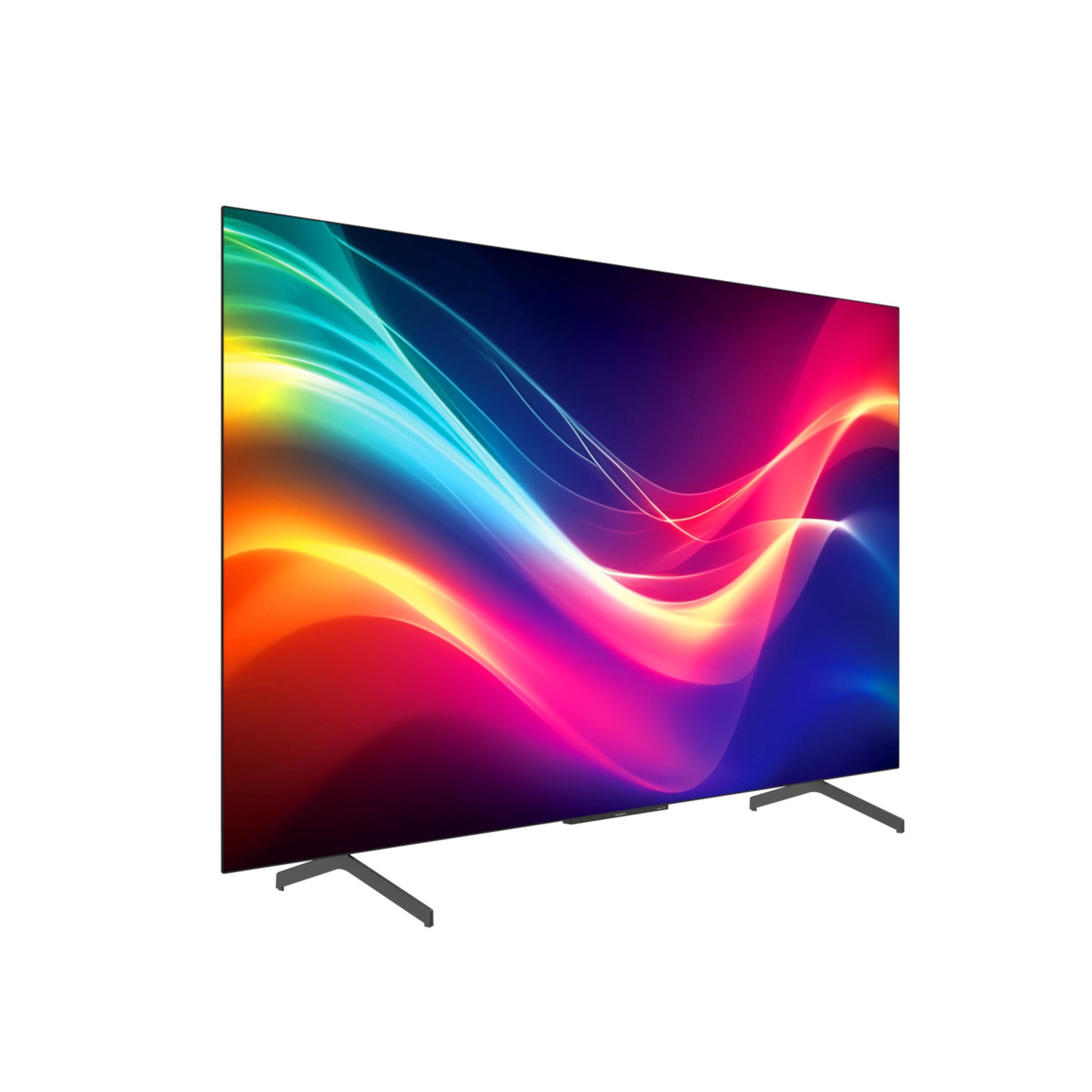
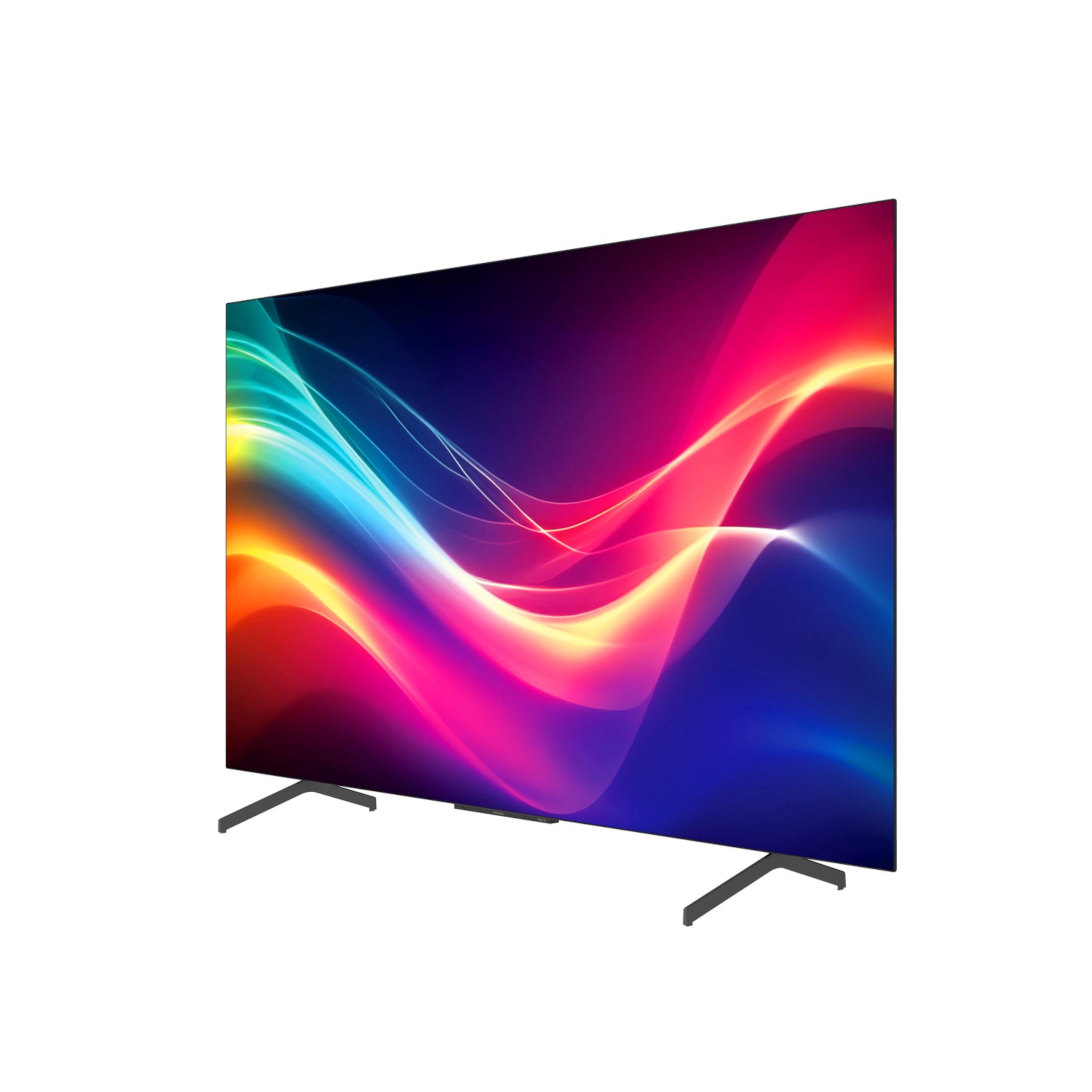
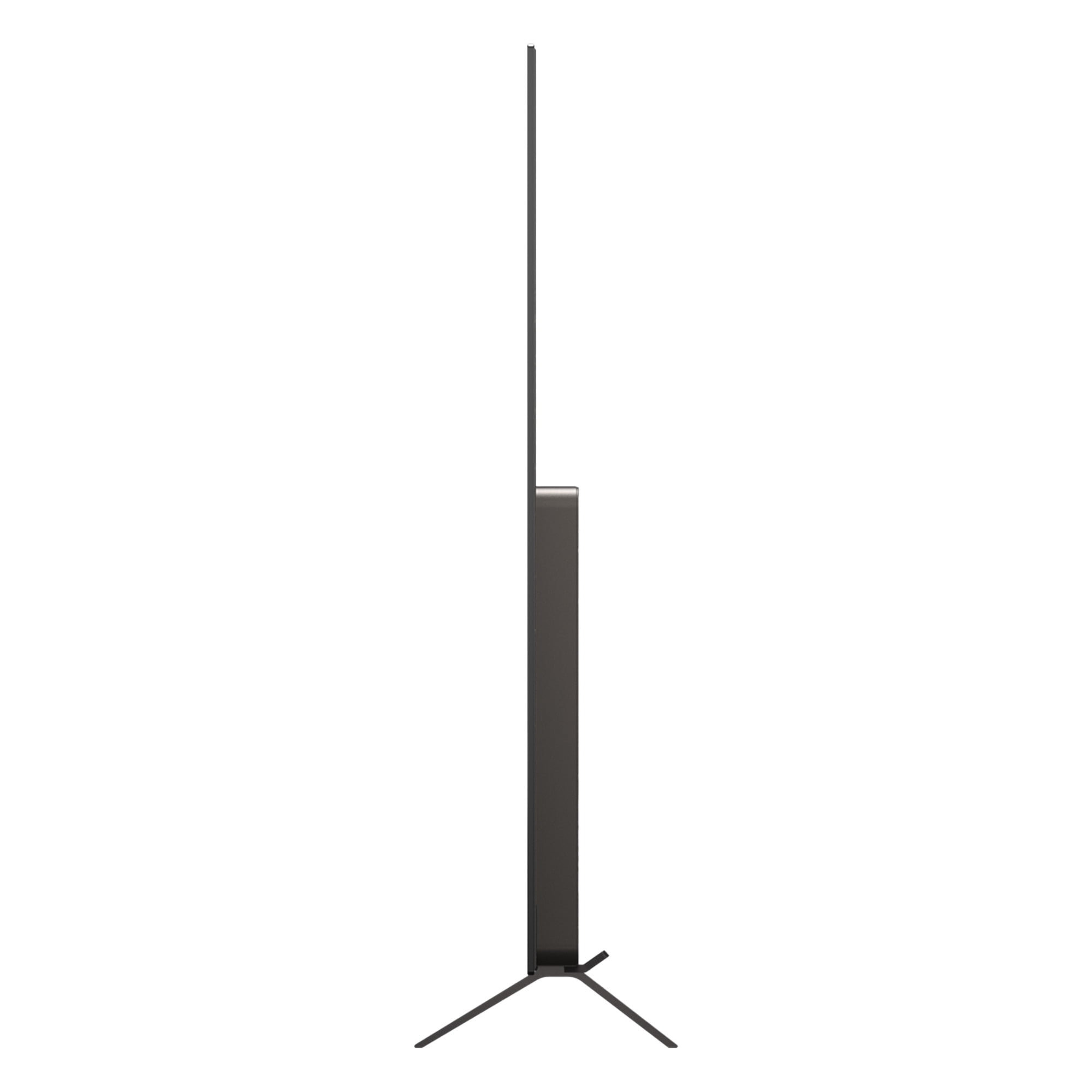
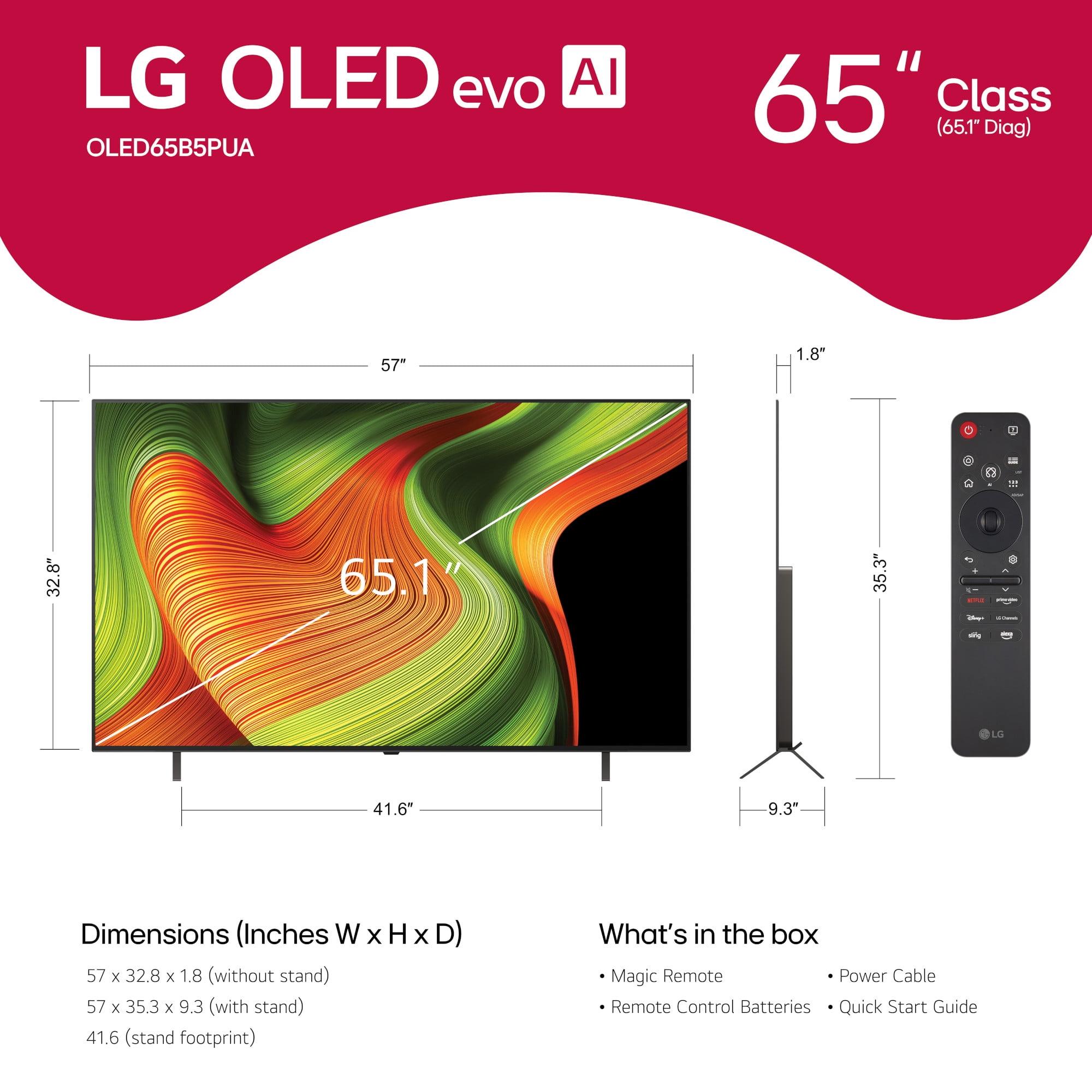
| 3-sided borderless, elegant stand | Minimalist design with dual feet stand |
| Best Use Case - Where each TV excels most | |
| Dark home theaters with Roku preference | Mixed lighting rooms, gaming, AI features |
The LG B5 Series OLED is significantly better for bright rooms. While both TVs achieve similar peak HDR brightness around 665-668 nits, the LG B5 delivers superior SDR brightness that can overcome glare from windows and ambient lighting. The Philips 65OLED974/F7 struggles in well-lit environments and is best suited for dark room viewing only.
Both the Philips 65OLED974/F7 and LG B5 Series OLED offer excellent gaming with 120Hz refresh rates, sub-0.1ms response times, and HDMI 2.1 support for 4K@120Hz gaming. However, the LG B5 provides more gaming features including NVIDIA G-Sync, AMD FreeSync Premium, and four HDMI 2.1 ports compared to two on the Philips model.
The Philips 65OLED974/F7 uses Roku TV, known for its simple, intuitive interface and excellent content discovery. The LG B5 Series OLED features webOS 25 with AI-powered personalization, voice control, and Quick Cards for app organization. Roku is simpler, while webOS offers more advanced smart features and customization.
Yes, both excel in dedicated home theaters. The Philips 65OLED974/F7 and LG B5 Series OLED deliver perfect blacks and infinite contrast that create cinematic experiences in dark rooms. However, the LG B5 offers superior image processing and upscaling for varied content sources, making it slightly better for home theater enthusiasts with diverse movie collections.
The LG B5 Series OLED delivers superior overall picture quality thanks to its α8 AI Processor Gen2 with advanced upscaling and Dynamic Tone Mapping Pro. While both TVs have excellent OLED panels, the Philips 65OLED974/F7 suffers from basic image processing that shows visible artifacts in lower-quality content.
Both the Philips 65OLED974/F7 and LG B5 Series OLED support Dolby Vision, HDR10, and HLG formats with similar peak brightness. However, the LG B5 delivers more impactful HDR due to better overall brightness and advanced processing, while the Philips model's HDR appears muted due to brightness limitations.
The LG B5 Series OLED typically costs less while offering superior brightness, advanced image processing, more gaming features, and comprehensive smart capabilities. The Philips 65OLED974/F7 only represents better value if found at significant discounts or for users who strongly prefer Roku's interface.
Both the Philips 65OLED974/F7 and LG B5 Series OLED support Dolby Atmos for immersive sound. The Philips features a 2.1 speaker system with subwoofer, while the LG B5 includes AI sound optimization. Neither provides exceptional built-in audio, so external soundbars are recommended for serious viewing.
This depends on platform preference. The Philips 65OLED974/F7 offers Roku's proven streaming experience with extensive app support and simple navigation. The LG B5 Series OLED provides webOS 25 with AI features, 300+ free channels, and personalized recommendations, offering a more advanced but potentially complex experience.
Yes, both the Philips 65OLED974/F7 and LG B5 Series OLED fully support PS5, Xbox Series X/S, and high-end PC gaming with 4K@120Hz, VRR, and ALLM features. The LG B5 offers additional PC gaming compatibility through G-Sync/FreeSync support and more HDMI 2.1 ports for multiple device connections.
The LG B5 Series OLED significantly outperforms the Philips 65OLED974/F7 in upscaling thanks to its AI Super Upscaling 4K technology that intelligently enhances detail in lower-resolution content. The Philips model's basic processing leaves visible artifacts when viewing older shows or heavily compressed streaming video.
Choose the LG B5 Series OLED for better brightness, advanced processing, comprehensive gaming features, and superior value. Choose the Philips 65OLED974/F7 only if you have a dark dedicated theater room and strongly prefer Roku's simple interface over the more feature-rich webOS platform.
We've done our best to create useful and informative comparisons to help you decide what product to buy. Our research uses advanced automated methods to create this comparison and perfection is not possible - please contact us for corrections or questions. These are the sites we've researched in the creation of this article: rtings.com - versus.com - versus.com - rtings.com - samsclub.com - versus.com - youtube.com - usa.philips.com - bestbuy.com - usa.philips.com - consumerreports.org - usa.philips.com - documents.philips.com - tvoutlet.ca - displayspecifications.com - business.walmart.com - displayspecifications.com - ecoustics.com - walmart.com - eftm.com - bestbuy.com - rtings.com - youtube.com - rtings.com - tomsguide.com - youtube.com - nationalproductreview.com.au - lg.com - manchesterbrothers.com - avsforum.com - lg.com - lg.com - lg.com - lg.com - retailspecs.com - american-homeappliance.com - perpichtv.com

Privacy Policy
Terms and Conditions - Affiliate Policy
Home Security
© Copyright 2008-2026.
11816 Inwood Rd #1211, Dallas, TX 75244