

When you're ready to upgrade to a premium 65-inch TV, you'll quickly discover that the technology landscape has become more complex than ever. Gone are the days when your biggest decision was simply picking a screen size. Today's premium TVs use fundamentally different display technologies that each excel in different areas, and understanding these differences is crucial for making the right choice.
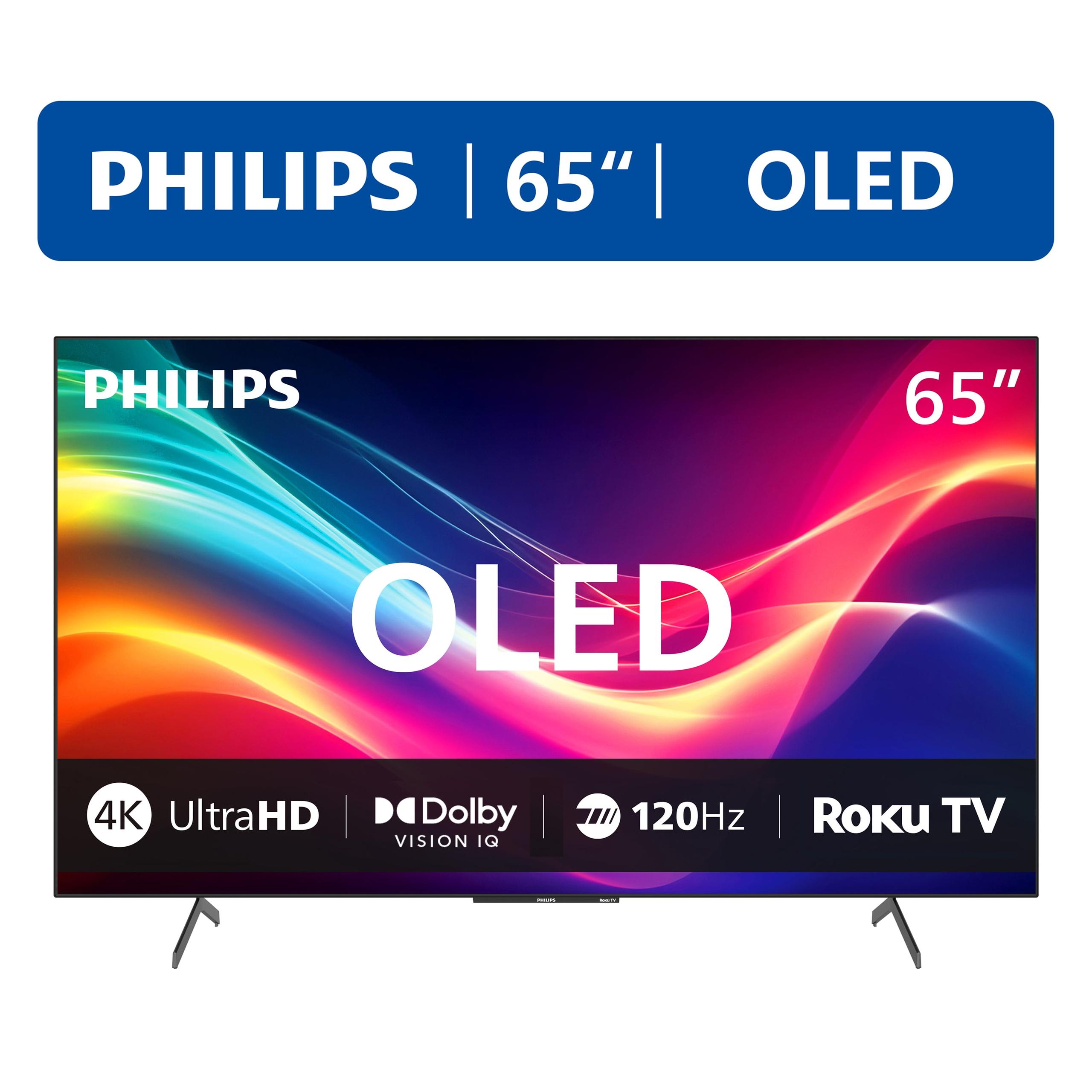
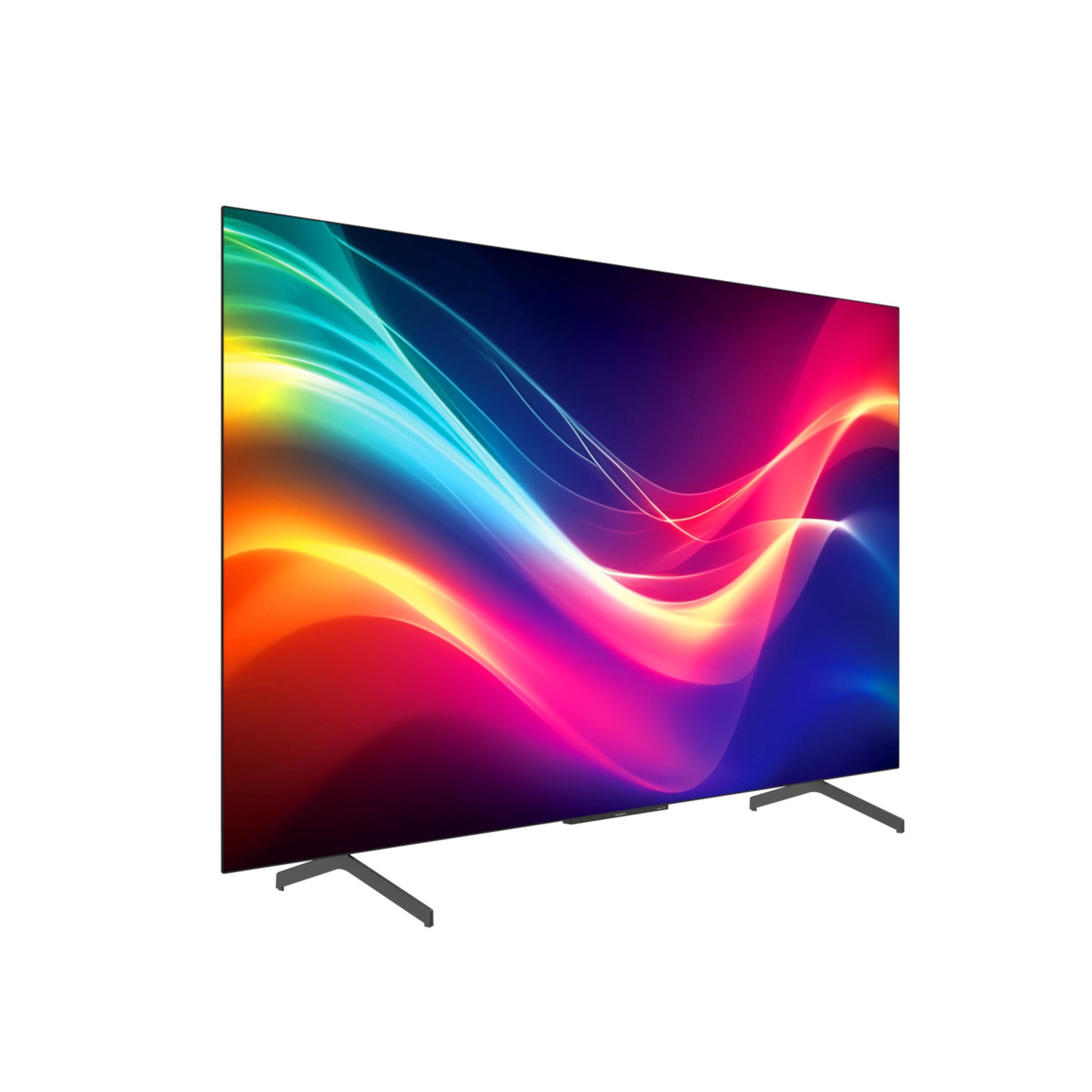
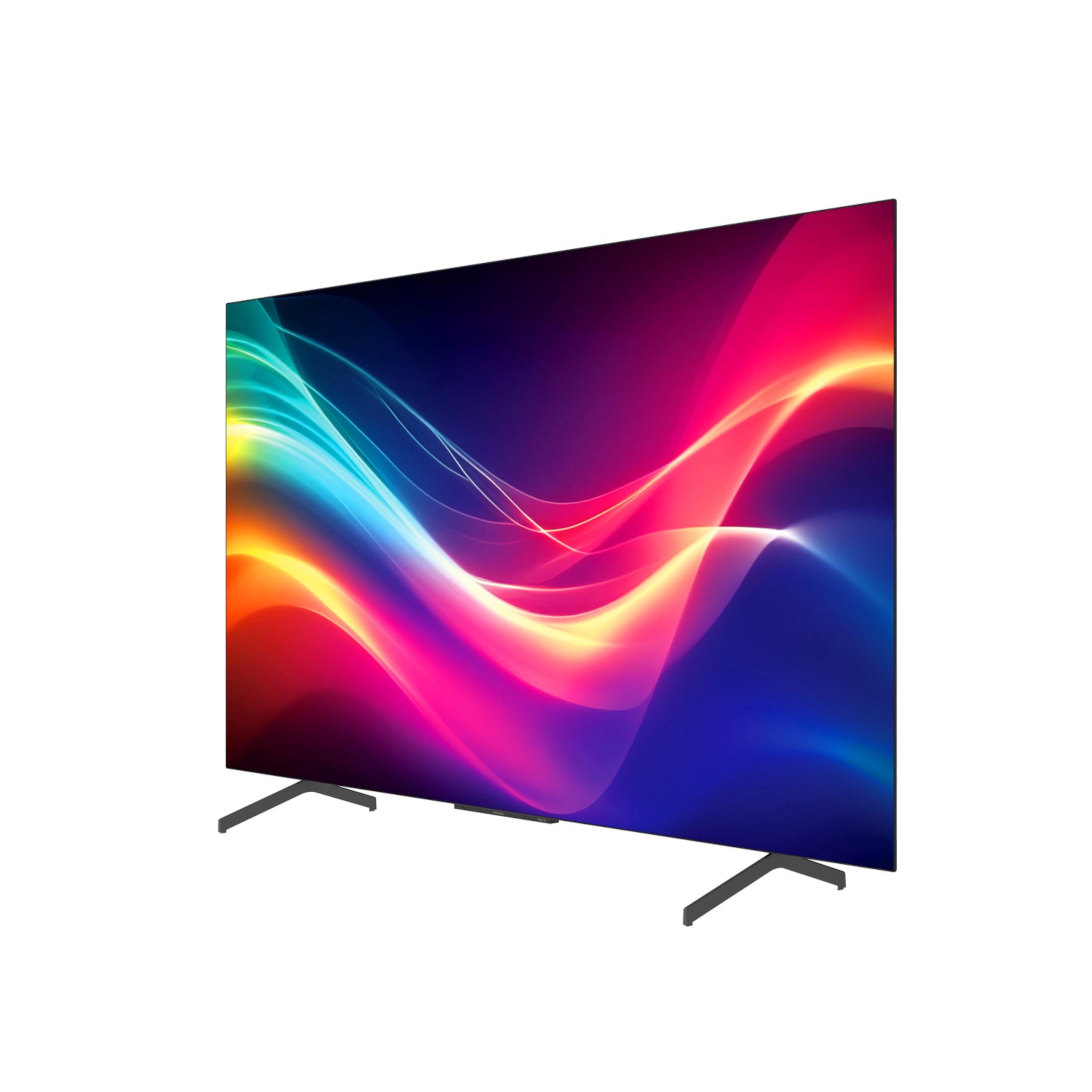
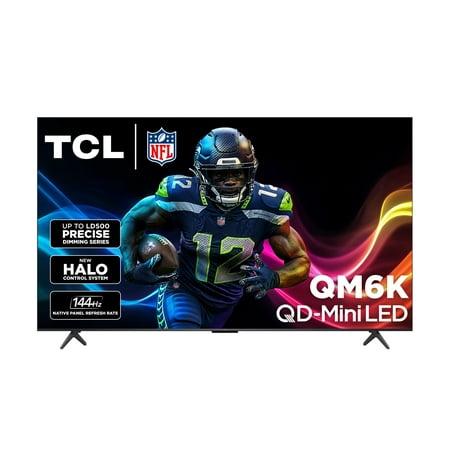
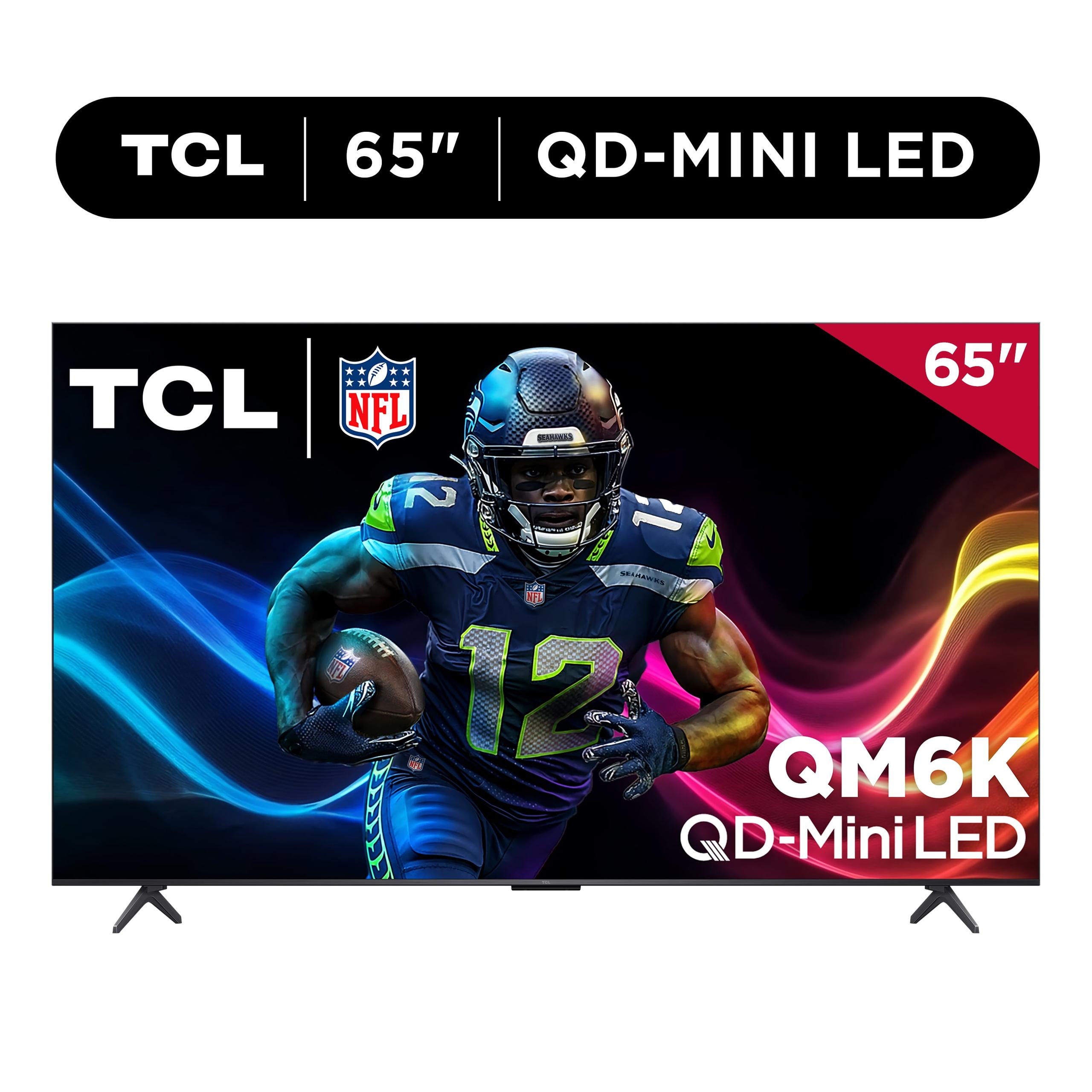
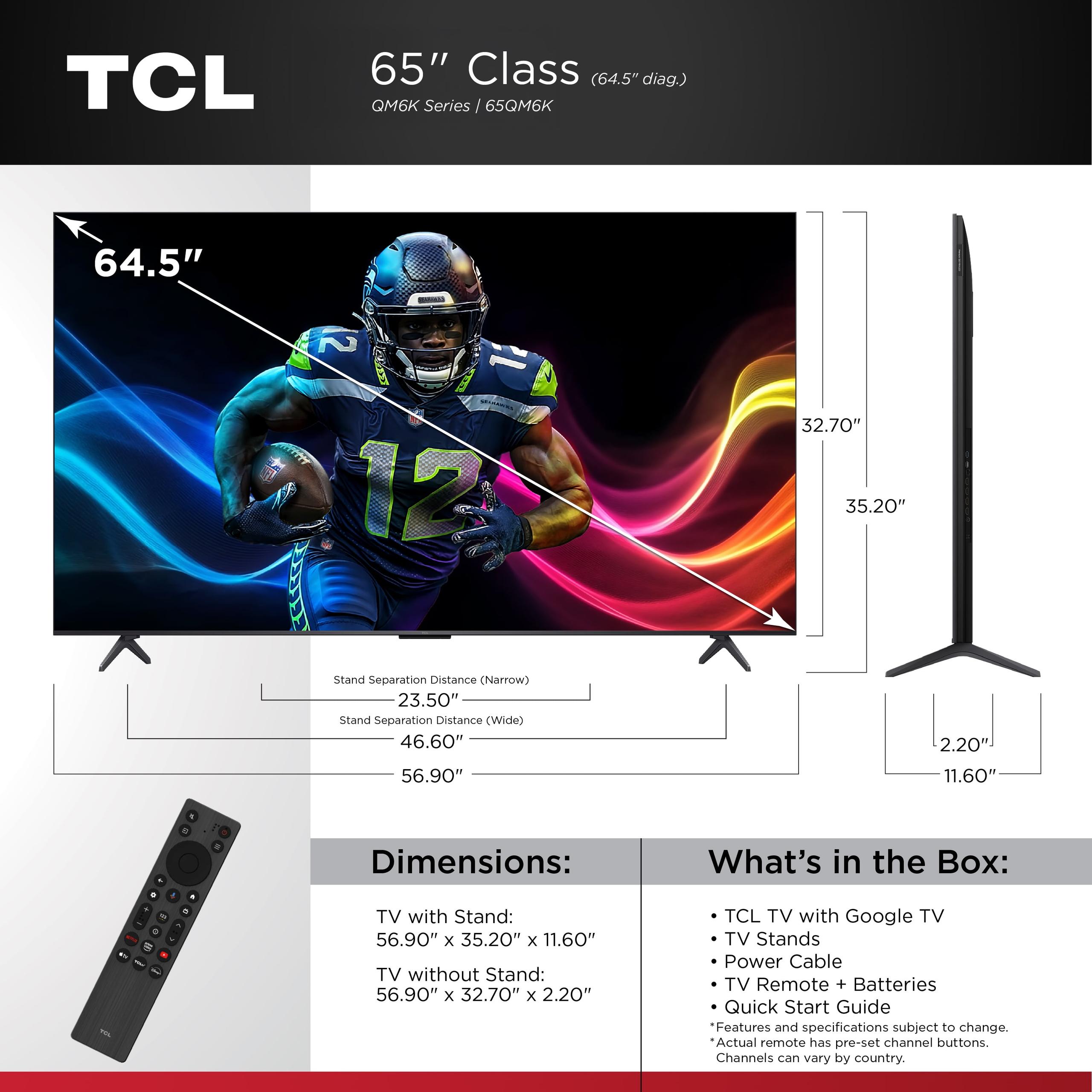
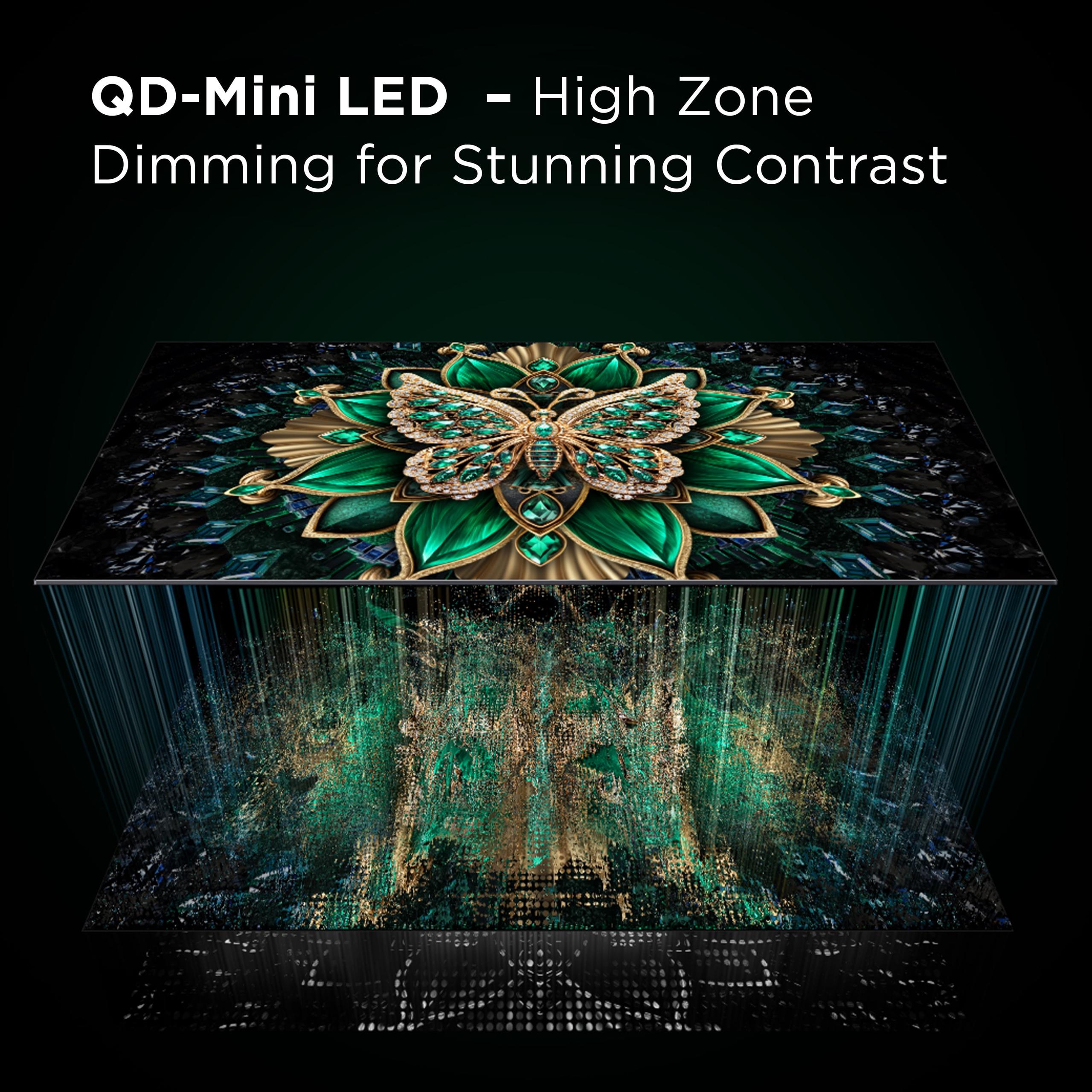
The two TVs we're comparing today represent this technological divide perfectly. The Philips 65OLED974/F7 uses OLED (Organic Light-Emitting Diode) technology, where each individual pixel creates its own light and can turn completely off to produce perfect blacks. Meanwhile, the TCL 65" QM6K employs QD-Mini LED technology, which combines thousands of tiny LED backlights with quantum dot color enhancement to achieve extremely high brightness levels.
Both approaches have merit, but they're optimized for different viewing scenarios and preferences. Let's dive deep into what makes each tick and help you figure out which one belongs in your living room.
The premium TV market has essentially split into two camps: OLED and various forms of advanced LED backlighting. Each technology makes different trade-offs, and understanding these trade-offs is essential for making an informed decision.
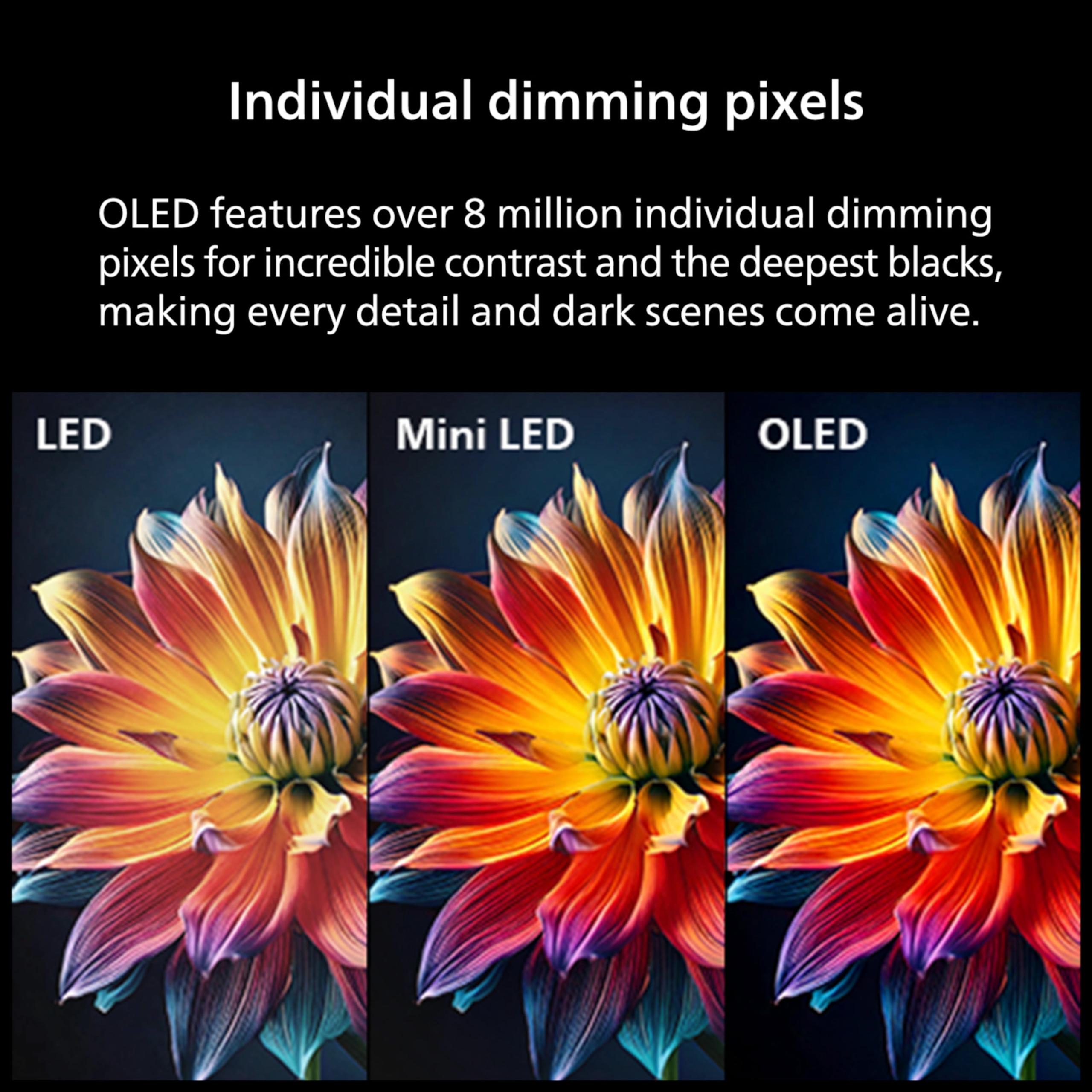
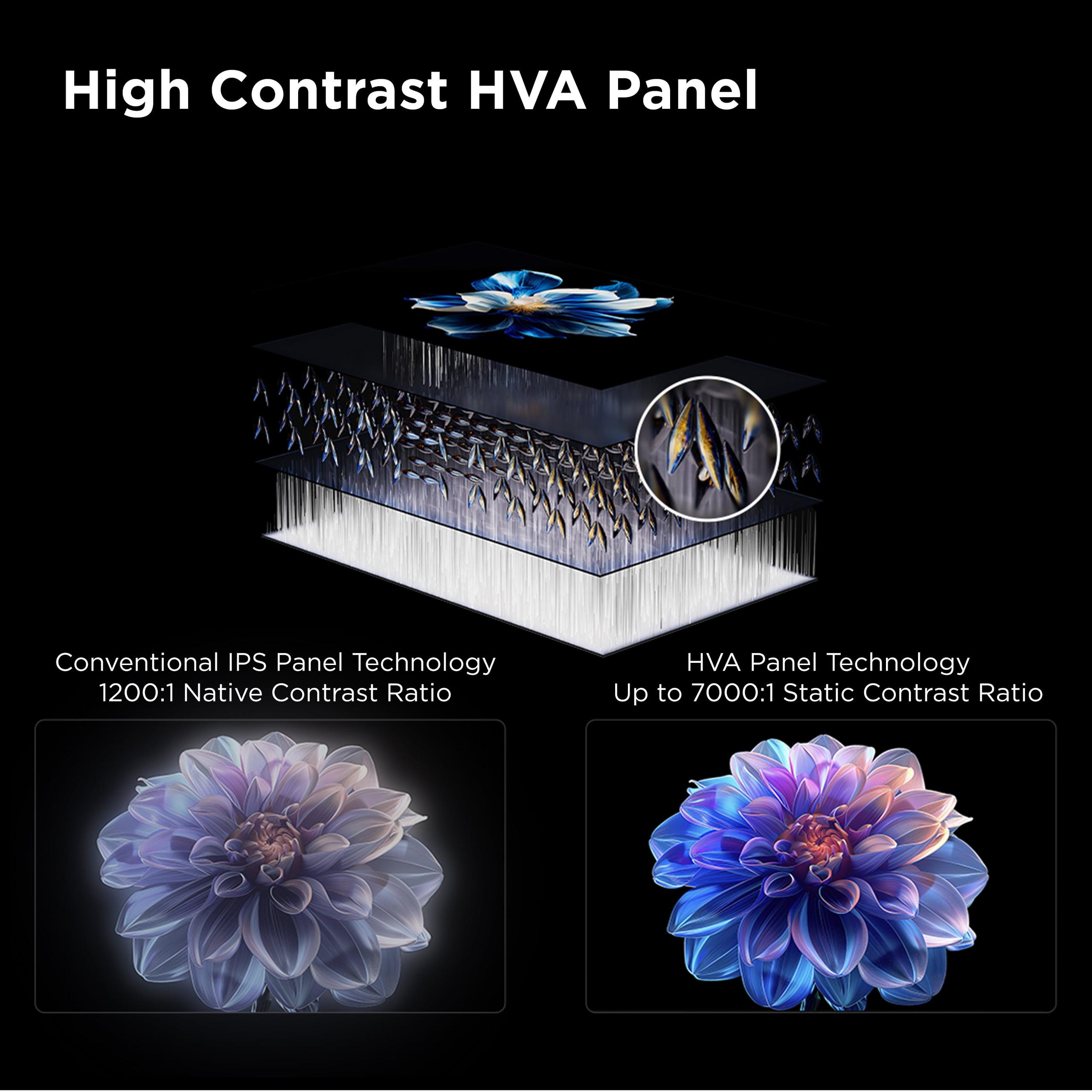
OLED technology, found in the Philips 65OLED974/F7, works by using organic compounds that emit light when electricity passes through them. Think of each pixel as a tiny light bulb that can turn on, off, or dim independently. This pixel-level control creates what's called an "infinite contrast ratio" – when a pixel needs to be black, it simply turns off completely, producing true darkness rather than the dark gray you get from LCD screens.
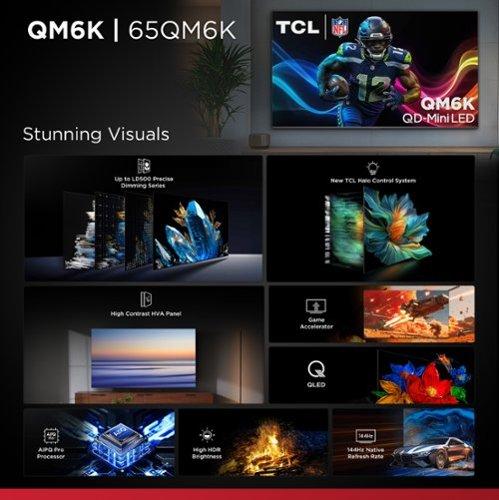
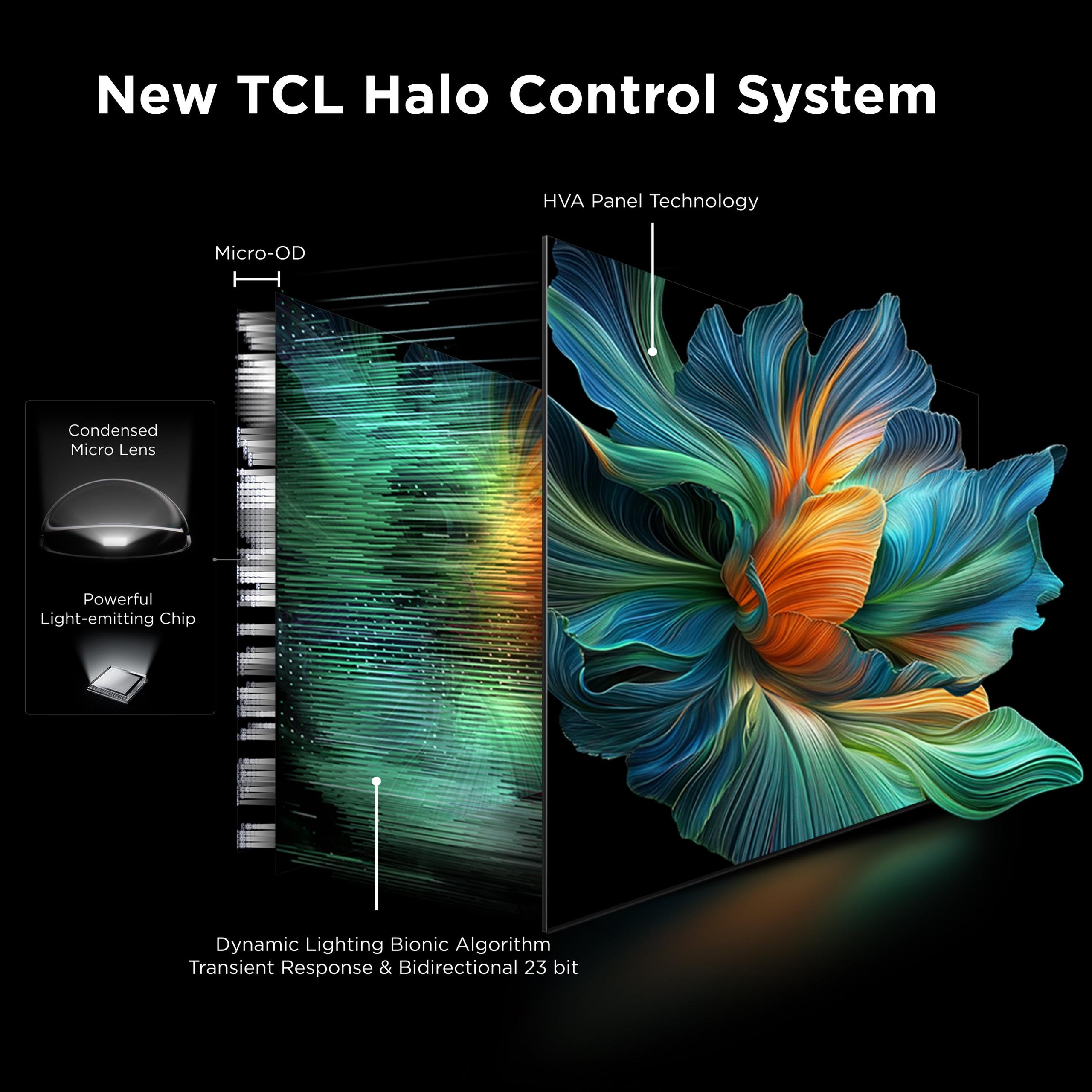
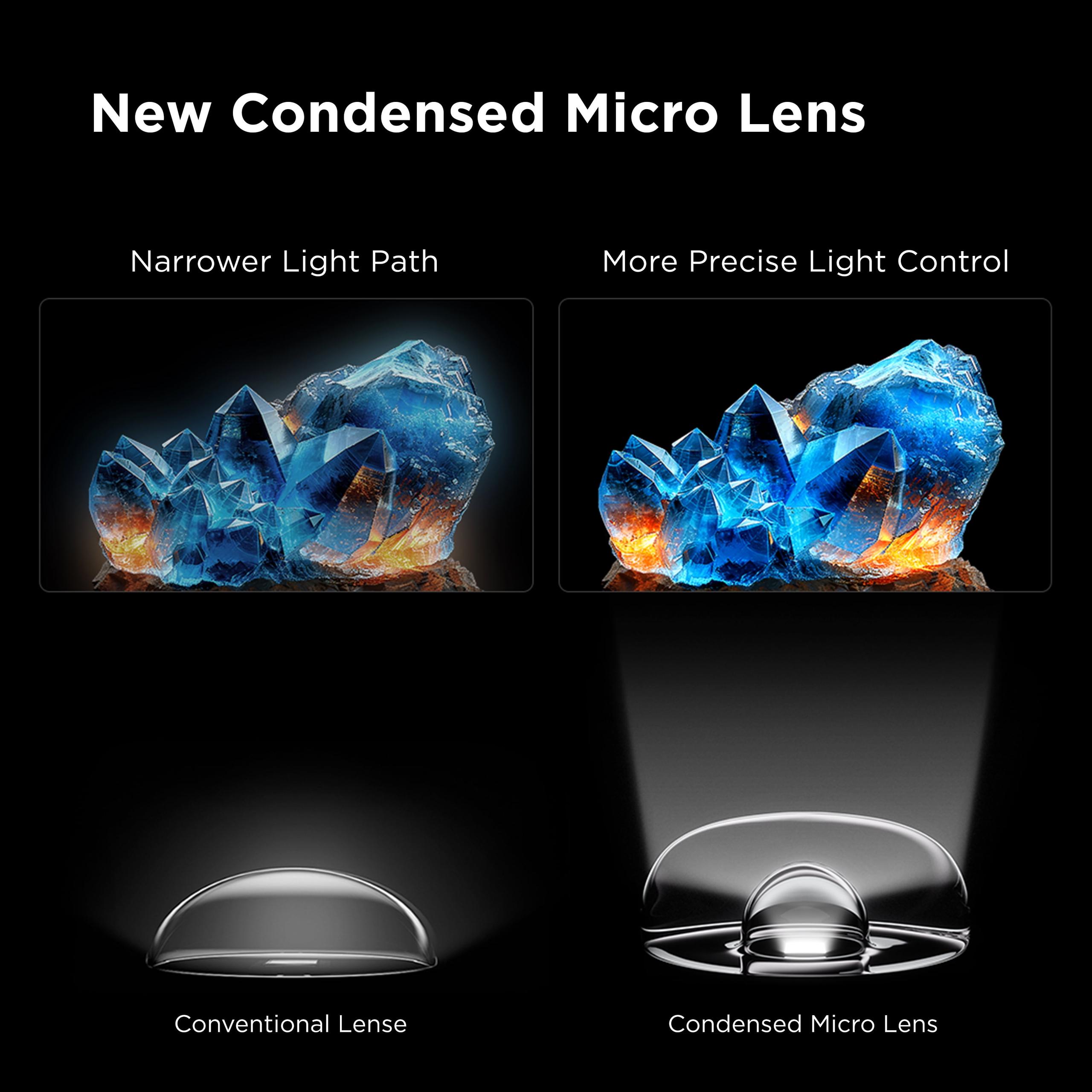
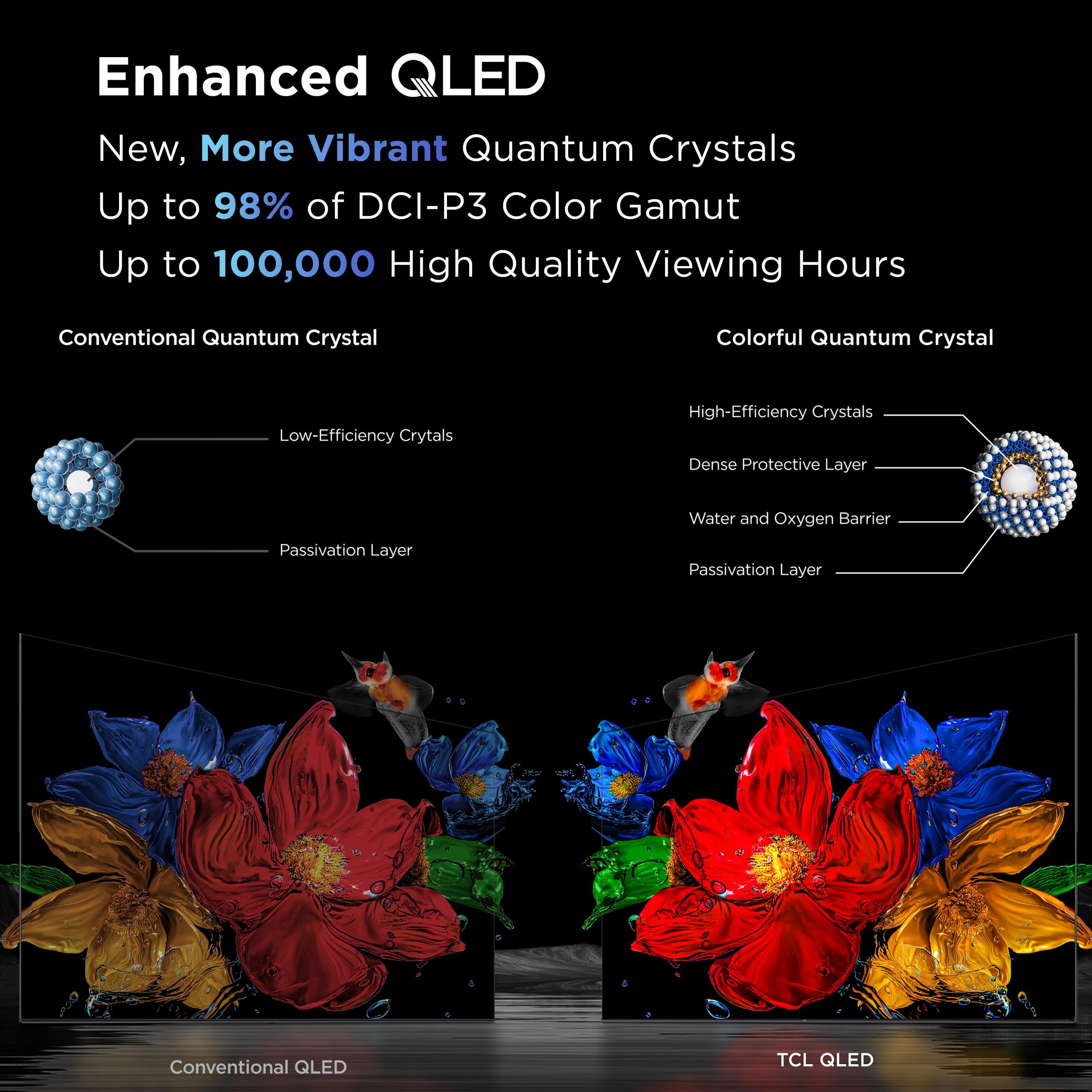
QD-Mini LED technology, used in the TCL QM6K, takes a different approach. It uses thousands of tiny LED lights behind a quantum dot-enhanced LCD panel. The "mini" part refers to the size of these LEDs – they're much smaller than traditional LED backlights, allowing for more precise control. The quantum dots act like color filters that convert the LED's blue light into extremely pure red and green light, creating more vibrant and accurate colors.
The fundamental difference comes down to this: OLED prioritizes contrast and black levels, while QD-Mini LED prioritizes brightness and color volume. Neither is inherently better – they're just optimized for different strengths.
This is where the Philips OLED truly shines. When watching a movie with a night scene or space sequence, OLED's perfect blacks create an almost three-dimensional depth that's impossible to achieve with any backlit technology. Each of the 8 million pixels can turn completely off, meaning black areas of the screen emit literally zero light.
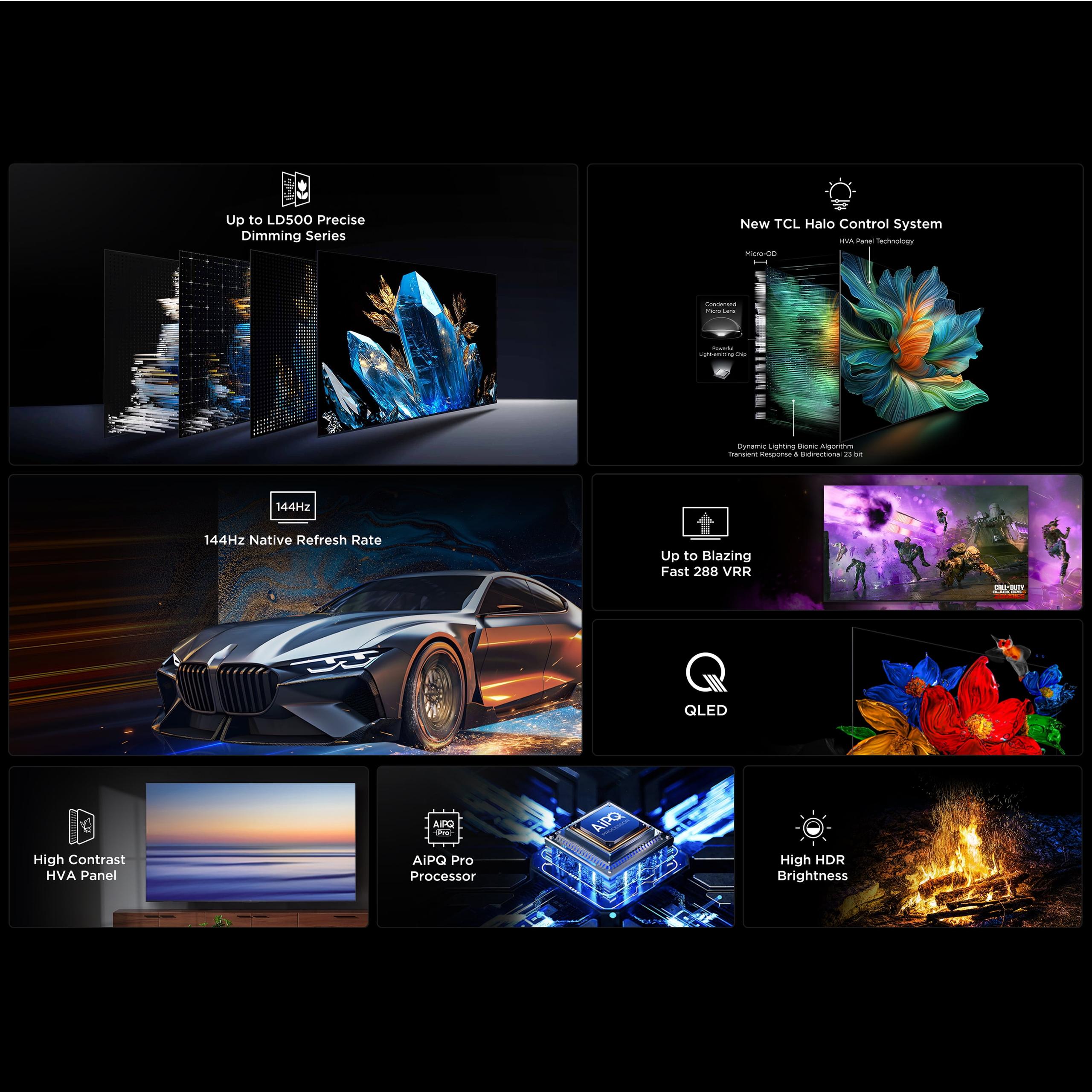
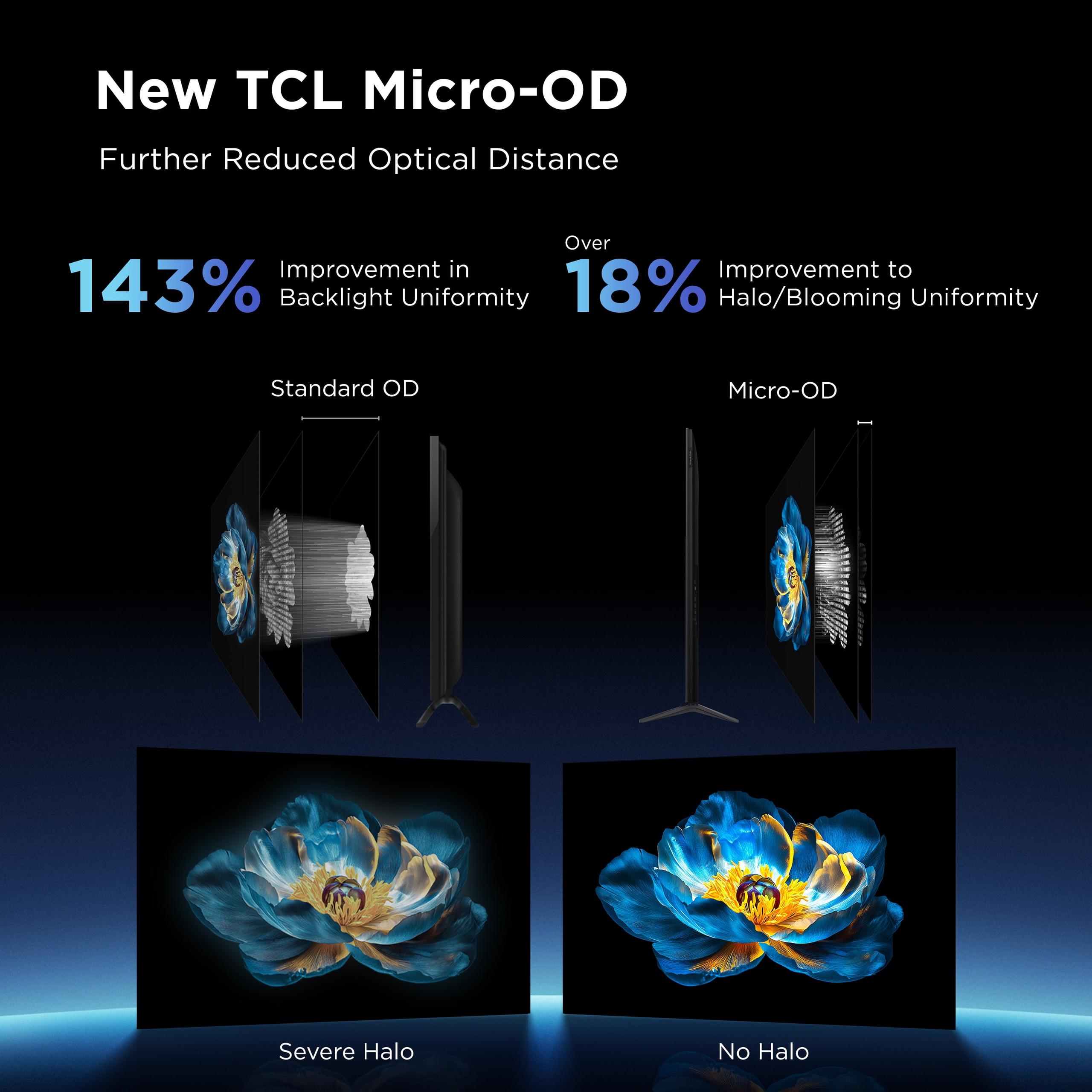
The TCL QM6K, despite having up to 500 local dimming zones, can't quite match this performance. Local dimming works by grouping pixels into zones that share the same backlight. When the TV wants to display black, it dims or turns off the entire zone. However, if that zone contains both bright and dark elements, the TV has to compromise. This can lead to "blooming" – where bright objects appear to have a faint halo around them against dark backgrounds.
That said, the TCL's local dimming performance is quite impressive for the technology. With 500 zones controlling the backlight, blooming is minimized compared to TVs with fewer zones, and in most real-world content, the difference is less noticeable than you might expect.
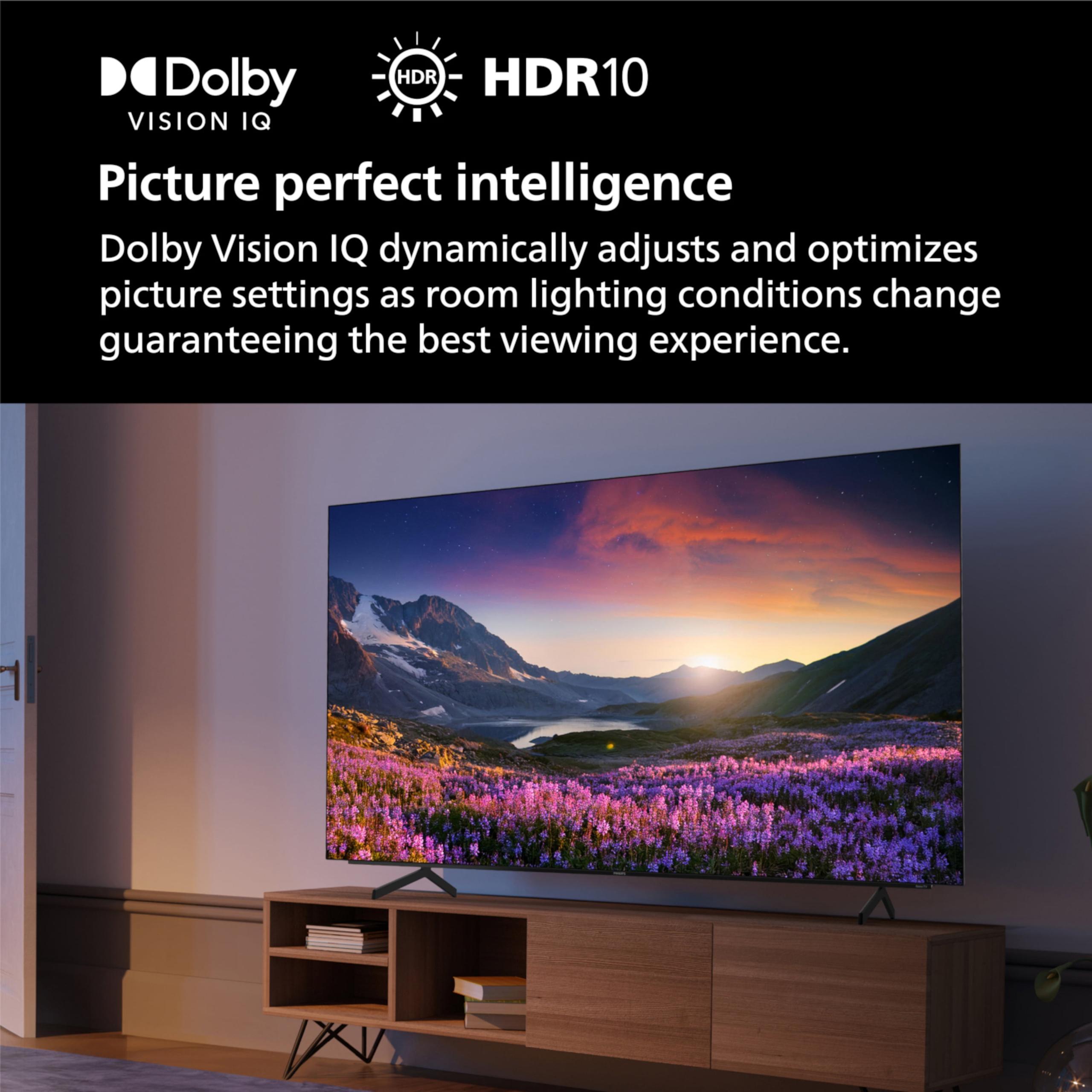
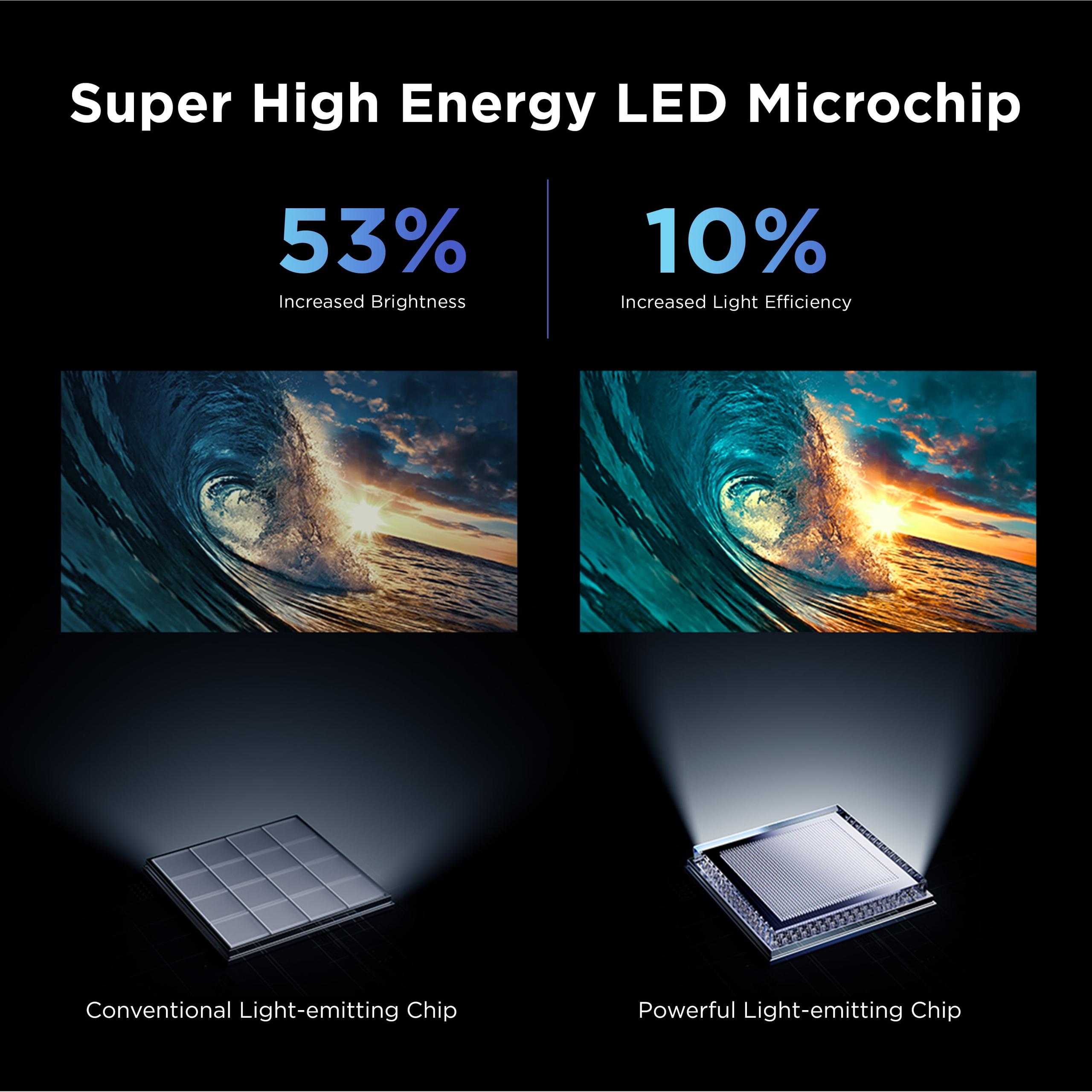
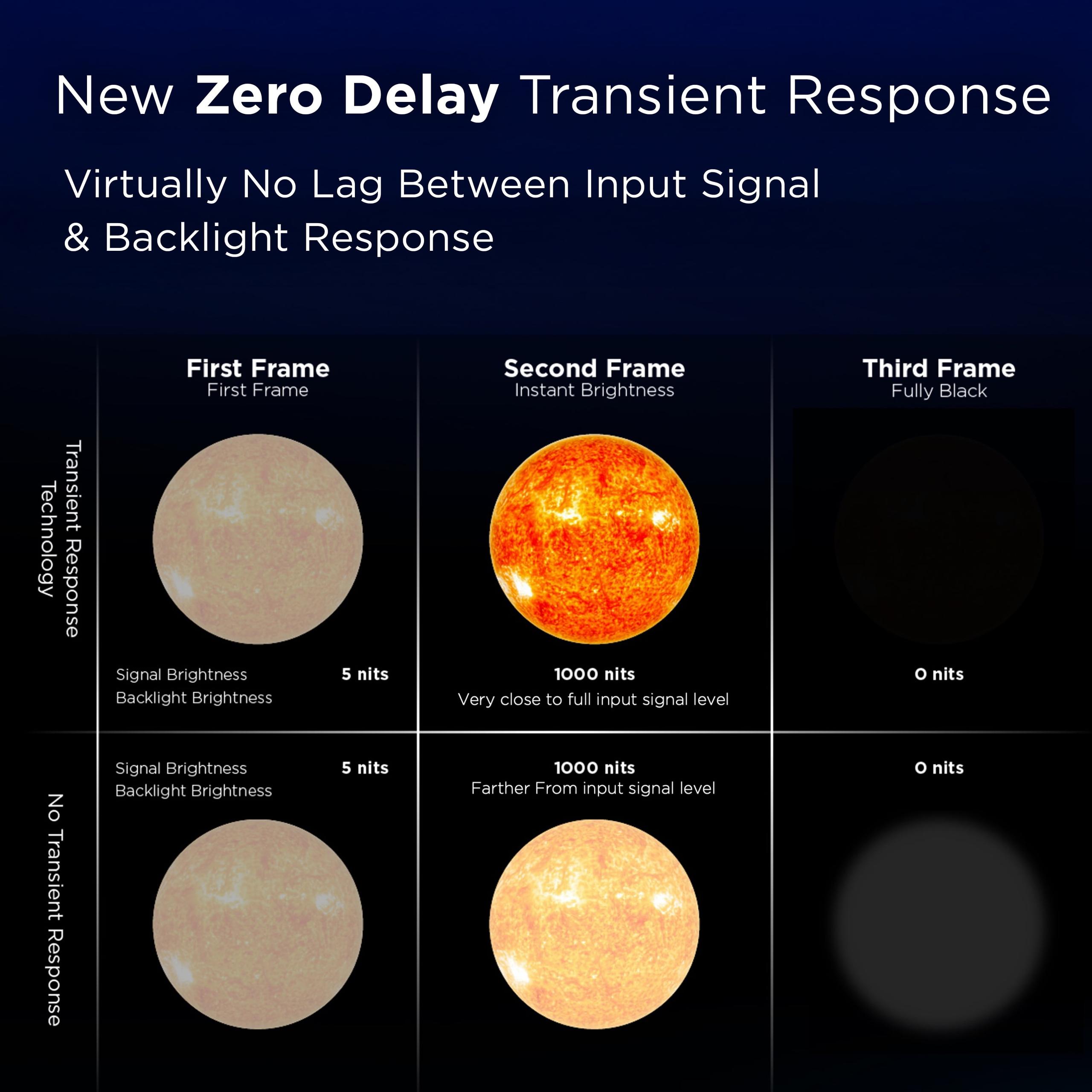
Here's where the tables turn. The TCL QM6K can achieve significantly higher peak brightness levels thanks to its Super High Energy LED Chip technology, which TCL claims is 53% brighter than previous generations while being 10% more energy efficient. In practical terms, this means HDR (High Dynamic Range) content really pops, with bright highlights that can genuinely surprise you.
HDR works by expanding the range between the darkest and brightest parts of an image. While the Philips OLED nails the dark end of this spectrum, it struggles with peak brightness, typically maxing out around 400-600 nits. This limitation means that HDR highlights – like sunlight reflecting off water or explosions in action movies – don't have the same impact they should.
The TCL, on the other hand, can likely push past 1000 nits, making those bright moments genuinely dazzling. If you watch a lot of HDR content during the day or in well-lit rooms, this brightness advantage becomes crucial for maintaining image quality against ambient light.
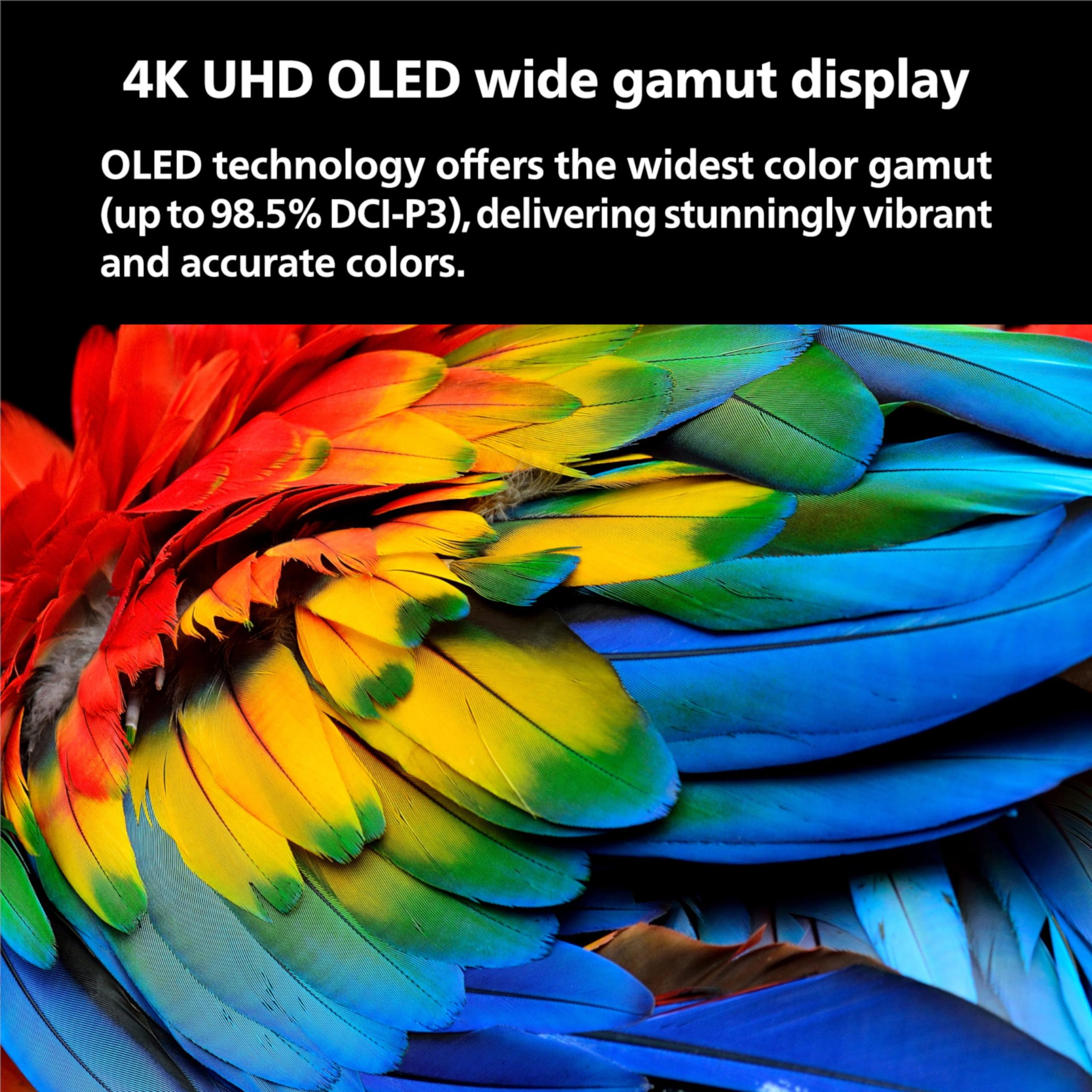
Both TVs excel in color reproduction, but they take different approaches. The Philips OLED covers up to 98.5% of the DCI-P3 color space and tends to deliver more naturally accurate colors straight out of the box. OLED's color reproduction is inherently precise because each pixel's color output is directly controlled.
The TCL QM6K uses quantum dots to enhance color performance. Quantum dots are tiny particles that emit very pure colors when hit with light, allowing the TV to produce a wider range of more saturated colors. This can make content appear more vibrant, though sometimes at the expense of strict accuracy.
Color volume – how well a TV maintains color saturation at different brightness levels – is where the TCL has an advantage. Because it can get much brighter, it can display vivid colors even in very bright scenes, while the Philips may see colors wash out as brightness increases.
Gaming has become a major consideration for TV buyers, especially with the release of PlayStation 5 and Xbox Series X consoles that support 4K gaming at high frame rates.
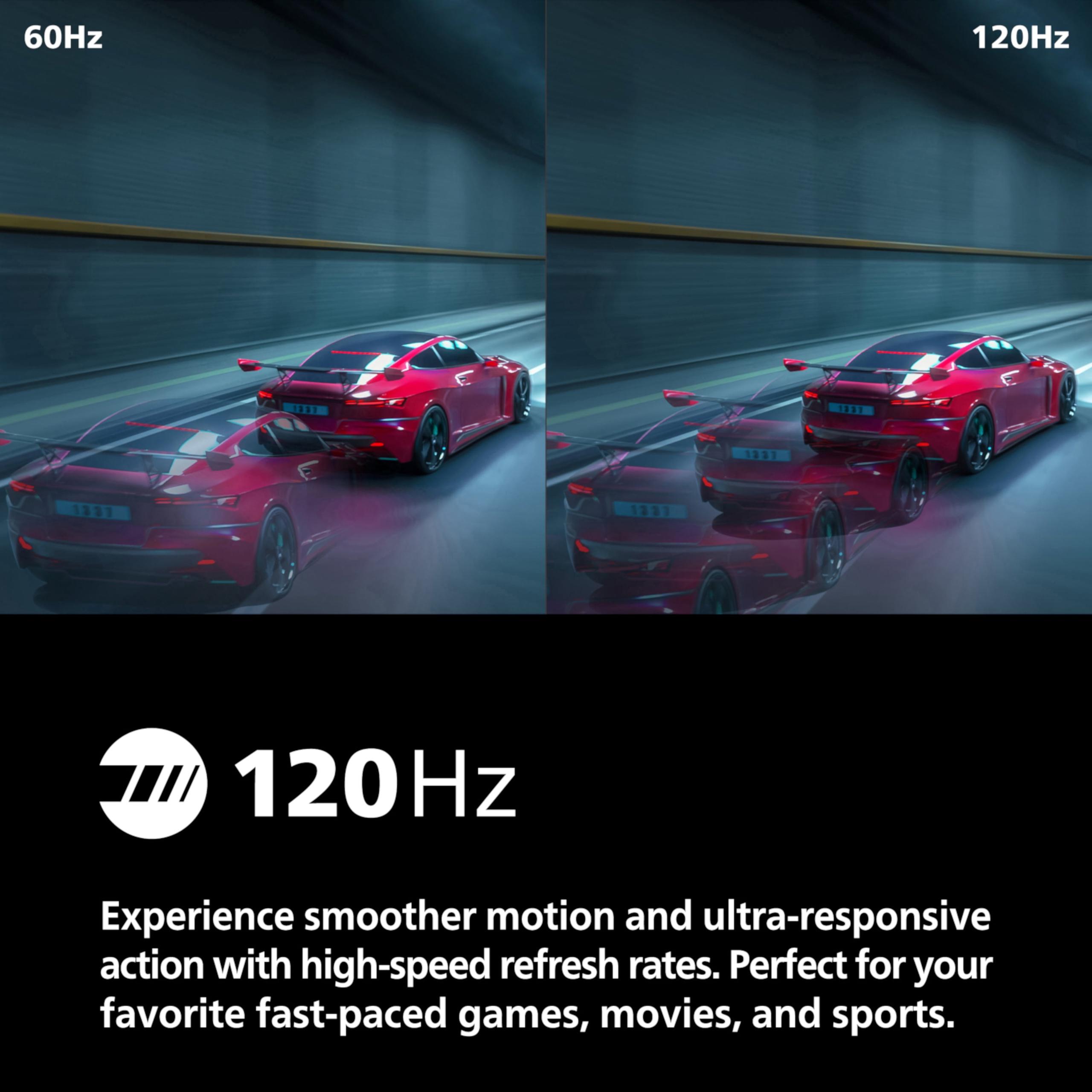
The TCL QM6K takes the lead here with its 144Hz native refresh rate and Game Accelerator 288 technology, which supports variable refresh rates up to 288Hz. This higher refresh rate means smoother motion in fast-paced games and reduced input lag. For competitive gaming, these milliseconds can make a real difference.
The Philips OLED offers a 120Hz native refresh rate with a response time under 0.1 milliseconds. While not as high as the TCL's maximum refresh rate, 120Hz is more than sufficient for current gaming consoles and provides perfectly smooth gameplay. The OLED's near-instantaneous response time means virtually no motion blur – when something moves across the screen, it stays crisp and clear.
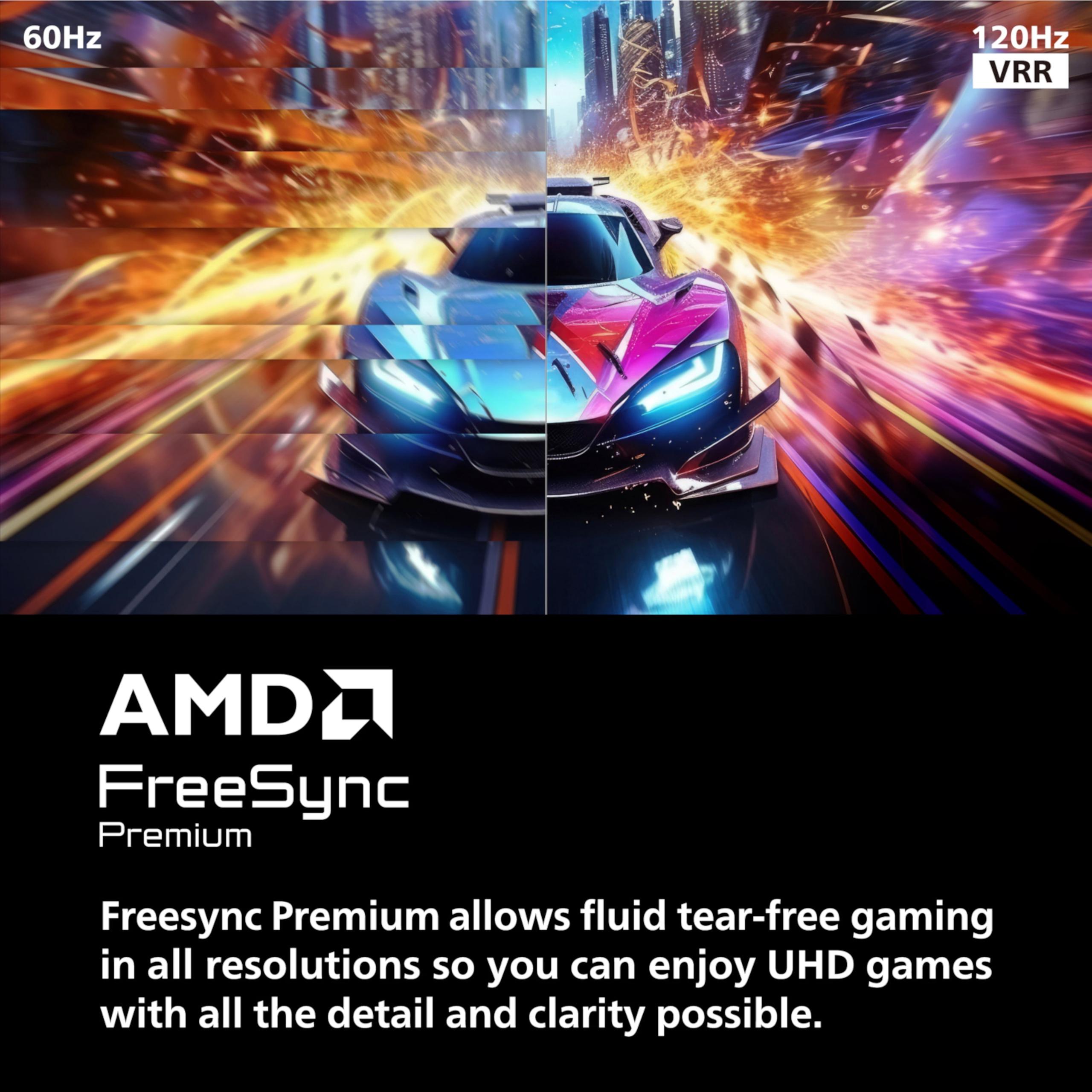
Both TVs support variable refresh rate (VRR) technology, which synchronizes the TV's refresh rate with your game console's output frame rate. This eliminates screen tearing and stuttering that can occur when the console and TV get out of sync.
The Philips OLED includes AMD FreeSync Premium and ALLM (Auto Low Latency Mode), which automatically switches the TV to its fastest gaming mode when it detects a gaming signal. The TCL QM6K goes a step further with FreeSync Premium Pro, which adds HDR gaming support to the VRR functionality.
For most gamers, both TVs will provide excellent experiences. The choice often comes down to whether you prioritize the OLED's perfect blacks for atmospheric games or the TCL's higher brightness for competitive gaming in bright rooms.
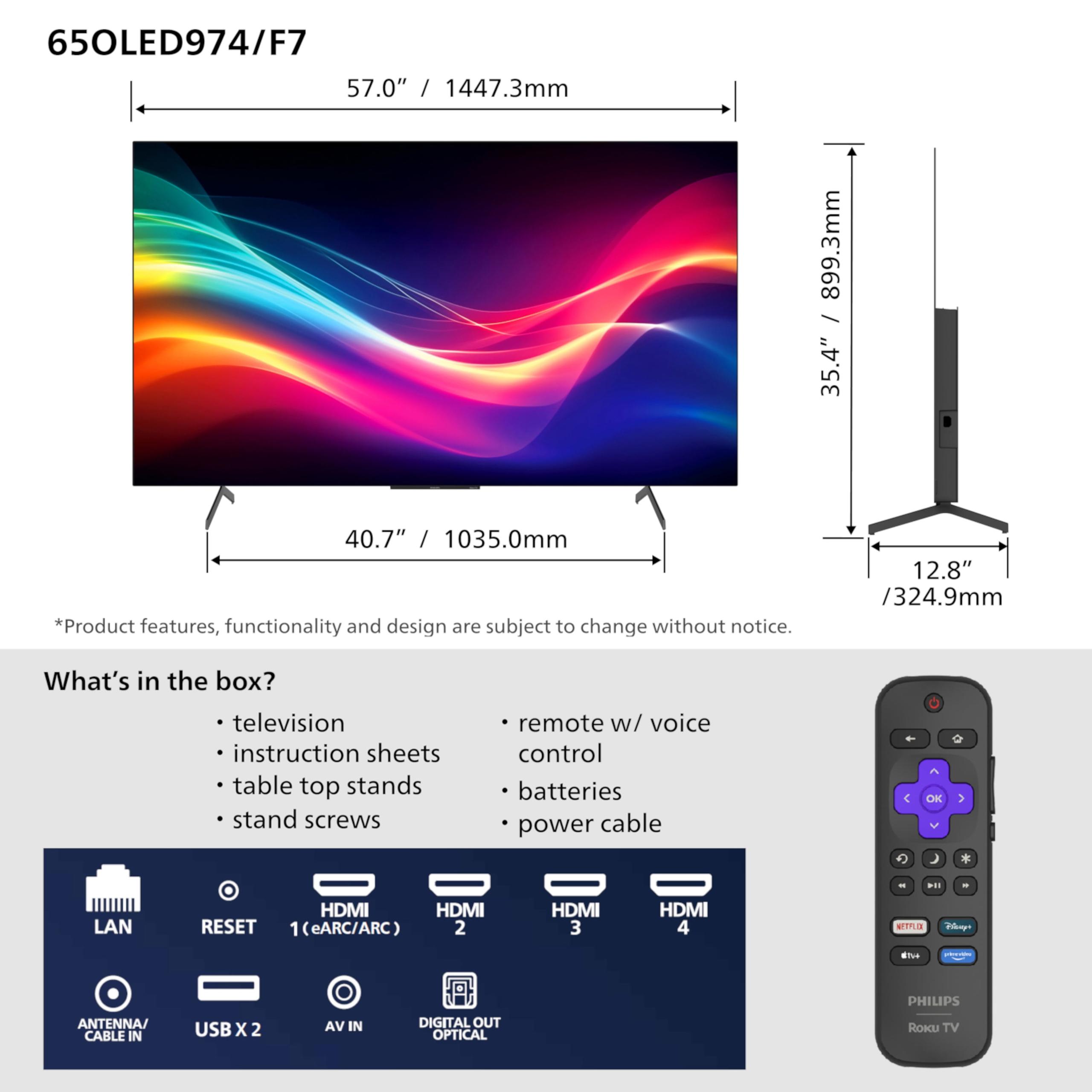
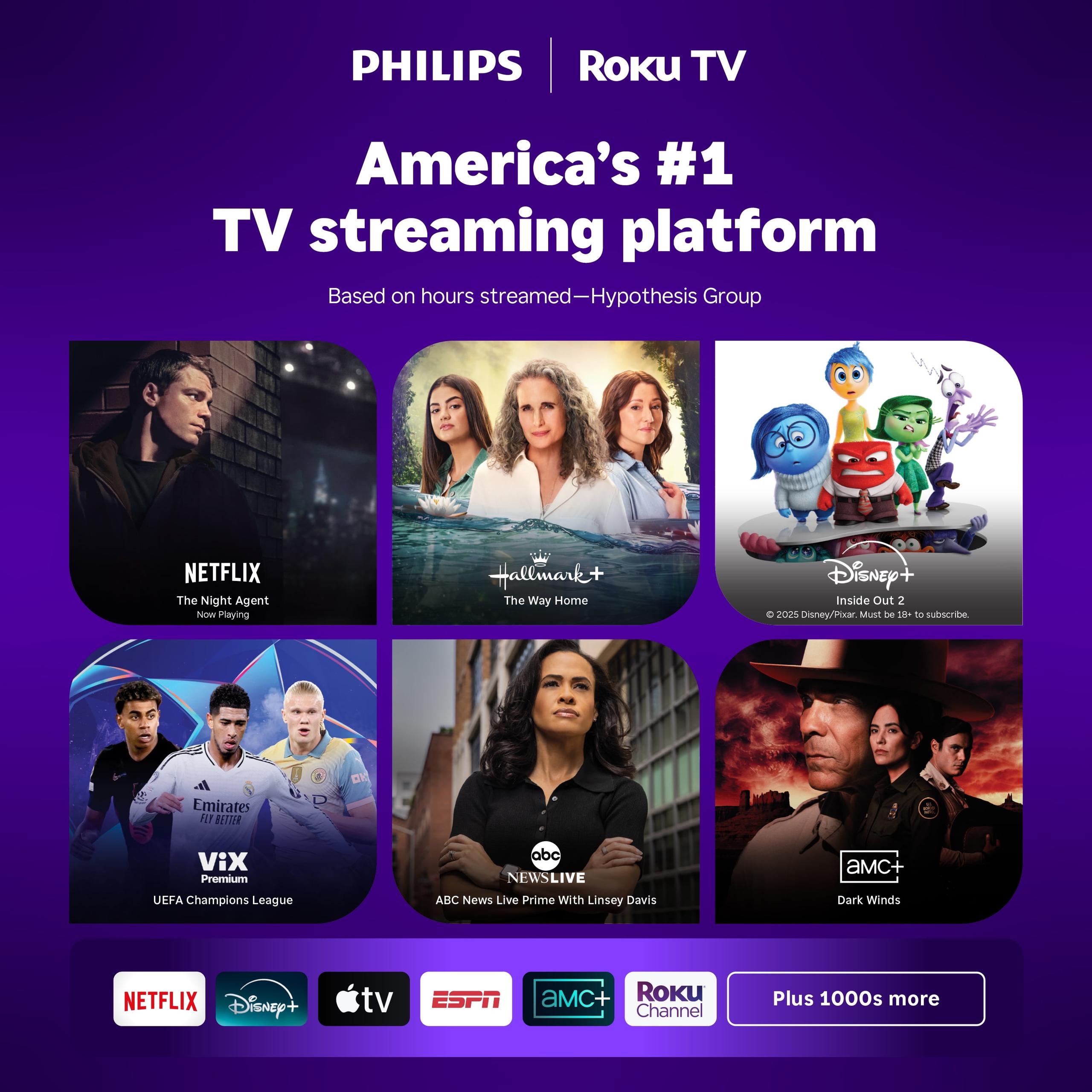
The smart TV platform is something you'll interact with every day, so it's worth considering carefully. The Philips OLED runs Roku TV, which has earned a reputation for simplicity and reliability. Roku's interface is straightforward – you won't find fancy animations or complex menus, but you will find fast performance and an excellent selection of apps. The search function works well, and the voice remote handles basic commands effectively.
The TCL QM6K uses Google TV, which is Google's latest smart TV platform. Google TV offers more sophisticated features like AI-powered content recommendations, deeper integration with Google services, and support for Google Assistant voice commands. The interface is more visually appealing and offers more customization options than Roku, though it can feel more complex for users who prefer simplicity.
Google TV also tends to receive new features and updates more frequently than Roku, though Roku's stability and app compatibility are generally more consistent across different models and manufacturers.
Your viewing environment should heavily influence your decision between these TVs. This is perhaps the most important practical consideration that many buyers overlook.
The Philips OLED performs best in controlled lighting environments. In a dedicated home theater room with blackout curtains, this TV will deliver a cinematic experience that's hard to beat. The perfect blacks create incredible depth and atmosphere, especially in darker content like sci-fi movies or horror films. However, in a bright living room with large windows, the OLED's limited brightness becomes a significant handicap. Ambient light reflection can wash out the image, and you'll lose much of the contrast advantage that makes OLED special.
The TCL QM6K is much more versatile when it comes to room lighting. Its higher brightness output means it can maintain image quality even in well-lit rooms. If your TV is in the family room where you watch during the day with curtains open, the TCL's brightness advantage becomes crucial. The quantum dot enhancement also helps colors remain vibrant under ambient lighting conditions.
Both TVs represent significant technological achievements, but they arrived at different points in the technology cycle. The Philips OLED, released in 2018, was part of the first wave of OLED TVs to reach mainstream pricing. Since then, OLED manufacturing has become more efficient, but the fundamental brightness limitations remain inherent to the technology.
The TCL QM6K, launched in 2025, represents the latest evolution of Mini LED technology. TCL has been aggressively pushing Mini LED development, and this model showcases several years of refinement in local dimming algorithms, LED efficiency, and quantum dot enhancement.
At the time of writing, both TVs offer compelling value propositions in their respective categories. The Philips provides OLED technology at a price point that was unthinkable just a few years ago, while the TCL delivers premium features like 144Hz gaming and advanced local dimming at an even more aggressive price point.
If you're setting up a dedicated home theater, the Philips OLED has some distinct advantages. OLED's perfect blacks are particularly beneficial in dark viewing environments, creating the kind of infinite contrast that makes movies feel more immersive. The accurate color reproduction also means you're seeing movies closer to how directors intended them to look.
However, if your "home theater" is actually a multi-purpose family room, the TCL QM6K might be the better choice. Its higher brightness means better performance with ambient lighting, and the 144Hz refresh rate provides benefits for both movie content and gaming.
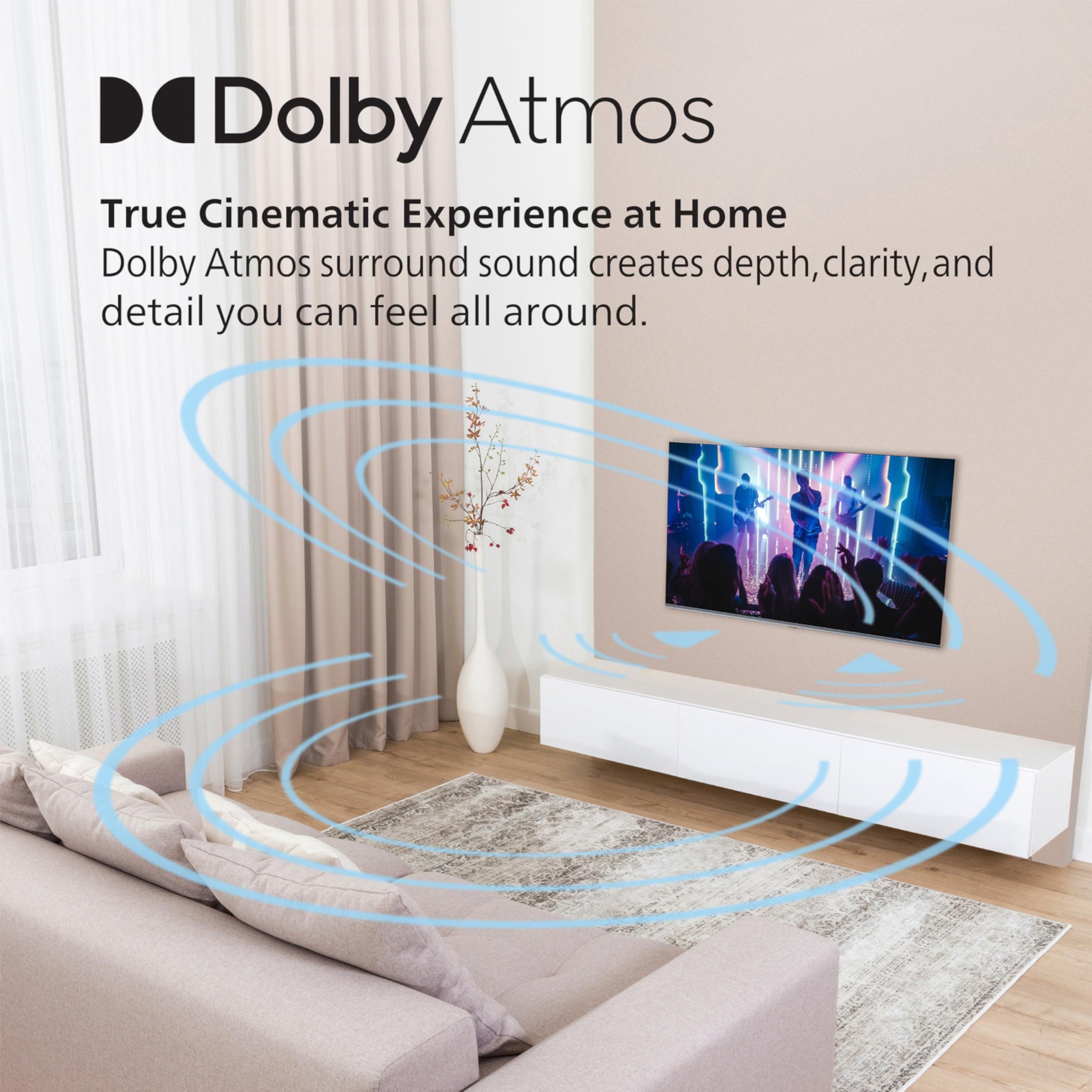
The audio capabilities also matter for home theater use. The Philips features a 2.1 speaker system with Dolby Atmos, while the TCL includes an Onkyo-tuned 2.1 system with both Dolby Atmos and DTS Virtual:X. Both will benefit significantly from adding a dedicated soundbar or surround sound system for true home theater audio.
Choose the Philips 65OLED974/F7 if you:
Choose the TCL 65" QM6K if you:
The reality is that both TVs will deliver excellent experiences for most users. The Philips OLED excels in creating that premium, cinematic experience that OLED is famous for, while the TCL QM6K offers more versatility and the latest gaming features at a compelling price point.
Your room's lighting conditions should be the primary deciding factor. If you can control the lighting in your viewing space, OLED's perfect blacks provide an experience that's hard to replicate. If you need a TV that performs well in various lighting conditions while offering cutting-edge gaming features, the TCL's Mini LED approach makes more sense.
Both represent excellent value in the premium TV market at the time of writing, and either choice will be a significant upgrade from older LED TVs. The key is understanding which technology's strengths align better with your specific viewing habits and environment.
| Philips 65OLED974/F7 | TCL 65" QM6K |
|---|---|
| Display Technology - Determines contrast performance and optimal viewing conditions | |
| OLED with 8 million individual dimming pixels for perfect blacks | QD-Mini LED with up to 500 local dimming zones for high brightness |
| Peak Brightness - Critical for HDR impact and bright room viewing | |
| ~400-600 nits (excellent for dark rooms, struggles in bright spaces) | 1000+ nits with Super High Energy LED Chip (great for any lighting) |
| Refresh Rate - Important for gaming and smooth motion | |
| 120Hz native (excellent for current consoles and movies) | 144Hz native with Game Accelerator 288 up to 288Hz VRR (cutting-edge gaming) |
| Gaming Features - Essential for console and PC gaming | |
| AMD FreeSync Premium, ALLM, HDMI 2.1 on select ports | FreeSync Premium Pro, Game Accelerator 288, likely superior input lag |
| Smart Platform - Your daily interface experience | |
| Roku TV (simple, reliable, excellent app selection) | Google TV (advanced AI recommendations, Google Assistant integration) |
| Color Performance - Affects picture realism and vibrancy | |
| 98.5% DCI-P3 coverage, naturally accurate out-of-box | Quantum dot enhanced colors, potentially wider gamut but more saturated |
| Audio System - Built-in sound quality | |
| 2.1 speaker system with Dolby Atmos | 2.1 Onkyo-tuned system with Dolby Atmos and DTS Virtual:X |
| Optimal Room Environment - Where each TV performs best | |
| Dark to moderately lit rooms, home theater setups | Bright living rooms, versatile lighting conditions |
| Response Time - Critical for gaming and fast motion | |
| <0.1ms (virtually eliminates motion blur) | Standard for Mini LED (good but not OLED-level) |
| Release Year - Technology generation and feature currency | |
| 2018 (mature OLED technology, proven reliability) | 2025 (latest Mini LED innovations, cutting-edge features) |
The Philips 65OLED974/F7 delivers superior picture quality for movies, especially in dark viewing environments. Its OLED technology produces perfect blacks and infinite contrast ratios that make dark scenes incredibly immersive. However, the TCL QM6K offers brighter HDR highlights that can be more impressive for action sequences and daytime viewing.
OLED technology in the Philips 65OLED974/F7 uses self-emitting pixels that can turn completely off for perfect blacks. QD-Mini LED in the TCL QM6K uses thousands of tiny LED backlights with quantum dot enhancement to achieve higher brightness levels. OLED excels in contrast, while Mini LED excels in brightness and room versatility.
The TCL QM6K has advantages for gaming with its 144Hz refresh rate and Game Accelerator 288 technology supporting up to 288Hz VRR. The Philips OLED offers excellent gaming with 120Hz, near-instantaneous response times, and AMD FreeSync Premium. Both provide great gaming experiences, but the TCL offers more cutting-edge gaming features.
The TCL QM6K is much better suited for bright rooms thanks to its high peak brightness that can overcome ambient light and glare. The Philips 65OLED974/F7 struggles in bright environments due to OLED's inherent brightness limitations, making it better suited for controlled lighting conditions.
The Philips 65OLED974/F7 uses Roku TV, known for its simple, reliable interface and excellent app selection. The TCL QM6K runs Google TV, which offers more advanced features like AI recommendations and Google Assistant integration but can feel more complex for users preferring simplicity.
Both TVs support major HDR formats, but they perform differently. The TCL QM6K delivers more impactful HDR with brighter highlights thanks to its superior peak brightness. The Philips OLED offers excellent HDR contrast with perfect blacks but limited brightness that can make HDR highlights appear dimmer than intended.
For dedicated home theater rooms with controlled lighting, the Philips 65OLED974/F7 is typically preferred due to its perfect blacks creating incredible depth and cinematic atmosphere. However, if your "home theater" is a multi-purpose family room, the TCL QM6K might be better due to its brightness versatility and advanced gaming features.
The Philips OLED has limited peak brightness that makes it unsuitable for bright rooms and reduces HDR impact. The TCL QM6K cannot achieve perfect blacks like OLED and may show some blooming around bright objects in dark scenes, though its 500 local dimming zones minimize this issue.
Both TVs offer compelling value in their respective categories. The Philips 65OLED974/F7 provides OLED technology at an accessible price point, while the TCL QM6K delivers cutting-edge features like 144Hz gaming and high brightness at an aggressive price. Your specific needs and room environment should determine the better value.
The Philips OLED features a 2.1 speaker system with Dolby Atmos support, while the TCL QM6K includes an Onkyo-tuned 2.1 system supporting both Dolby Atmos and DTS Virtual:X. Both provide decent built-in audio, though serious home theater setups will benefit from adding a dedicated soundbar or surround system.
The TCL QM6K being a 2025 model includes more current technology like 144Hz gaming that may stay relevant longer. The Philips 65OLED974/F7 from 2018 uses mature OLED technology that's proven reliable but lacks some newer gaming features. Both should provide years of excellent service with regular software updates.
Absolutely. Room lighting is the most important factor in choosing between these TVs. Choose the Philips OLED for dark to moderately lit rooms where you can control ambient light. Choose the TCL QM6K for bright living spaces, rooms with large windows, or anywhere you can't fully control lighting conditions throughout the day.
We've done our best to create useful and informative comparisons to help you decide what product to buy. Our research uses advanced automated methods to create this comparison and perfection is not possible - please contact us for corrections or questions. These are the sites we've researched in the creation of this article: rtings.com - versus.com - versus.com - rtings.com - samsclub.com - versus.com - youtube.com - usa.philips.com - bestbuy.com - usa.philips.com - consumerreports.org - usa.philips.com - documents.philips.com - tvoutlet.ca - displayspecifications.com - business.walmart.com - displayspecifications.com - ecoustics.com - walmart.com - youtube.com - tomsguide.com - youtube.com - tcl.com - tomsguide.com - youtube.com - youtube.com - hometechnologyreview.com - rtings.com - bestbuy.com - tcl.com - youtube.com - youtube.com - bestbuy.com - youtube.com - youtube.com - youtube.com - tcl.com - youtube.com - walmart.com - tcl.com - displayspecifications.com - kitele.com - displayspecifications.com - flatpanelshd.com - woodruffappliance.com - displayspecifications.com - prnewswire.com - tcl.com - youtube.com - abt.com - youtube.com - tclkenya.co.ke - budgethomefurn.com

Privacy Policy
Terms and Conditions - Affiliate Policy
Home Security
© Copyright 2008-2026.
11816 Inwood Rd #1211, Dallas, TX 75244