

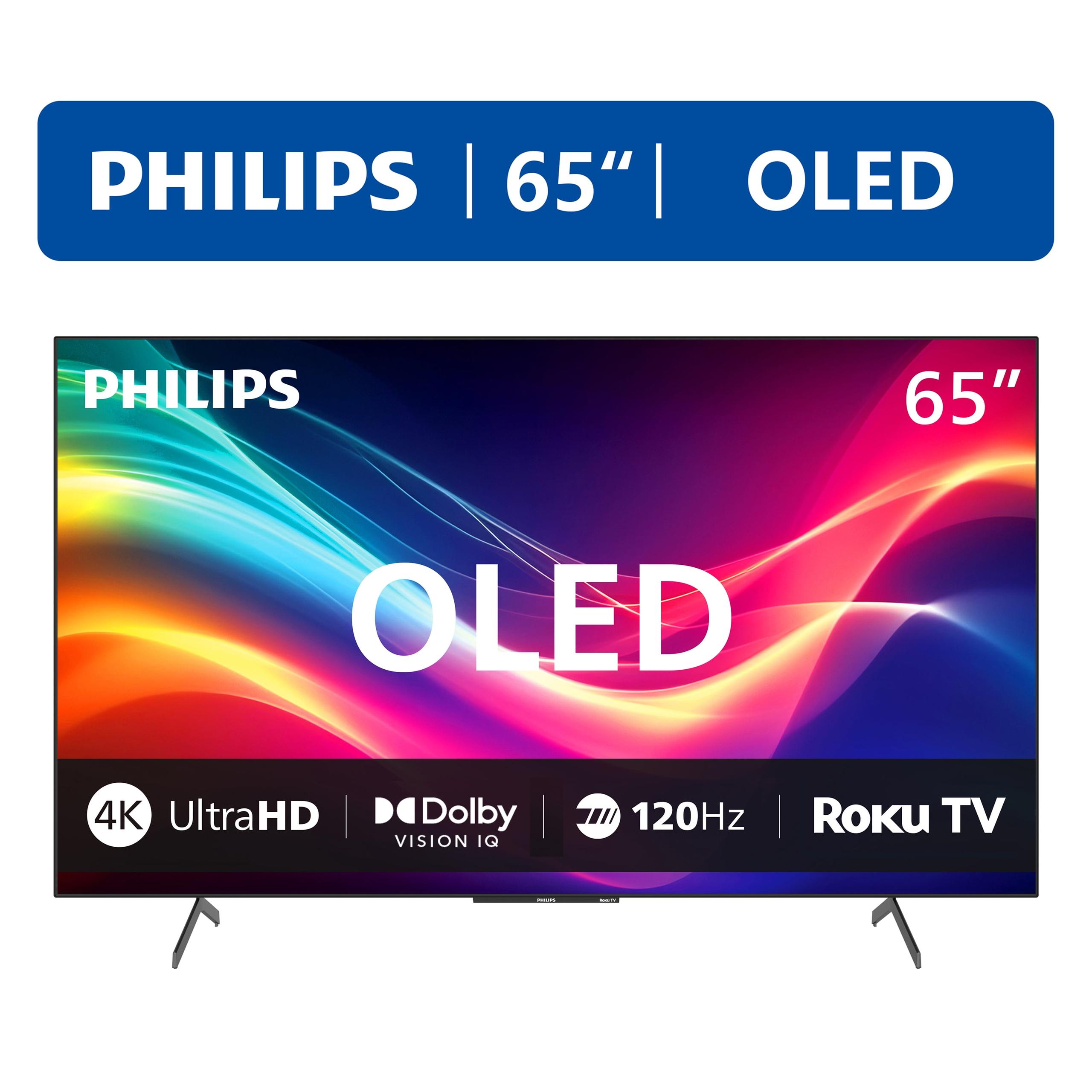
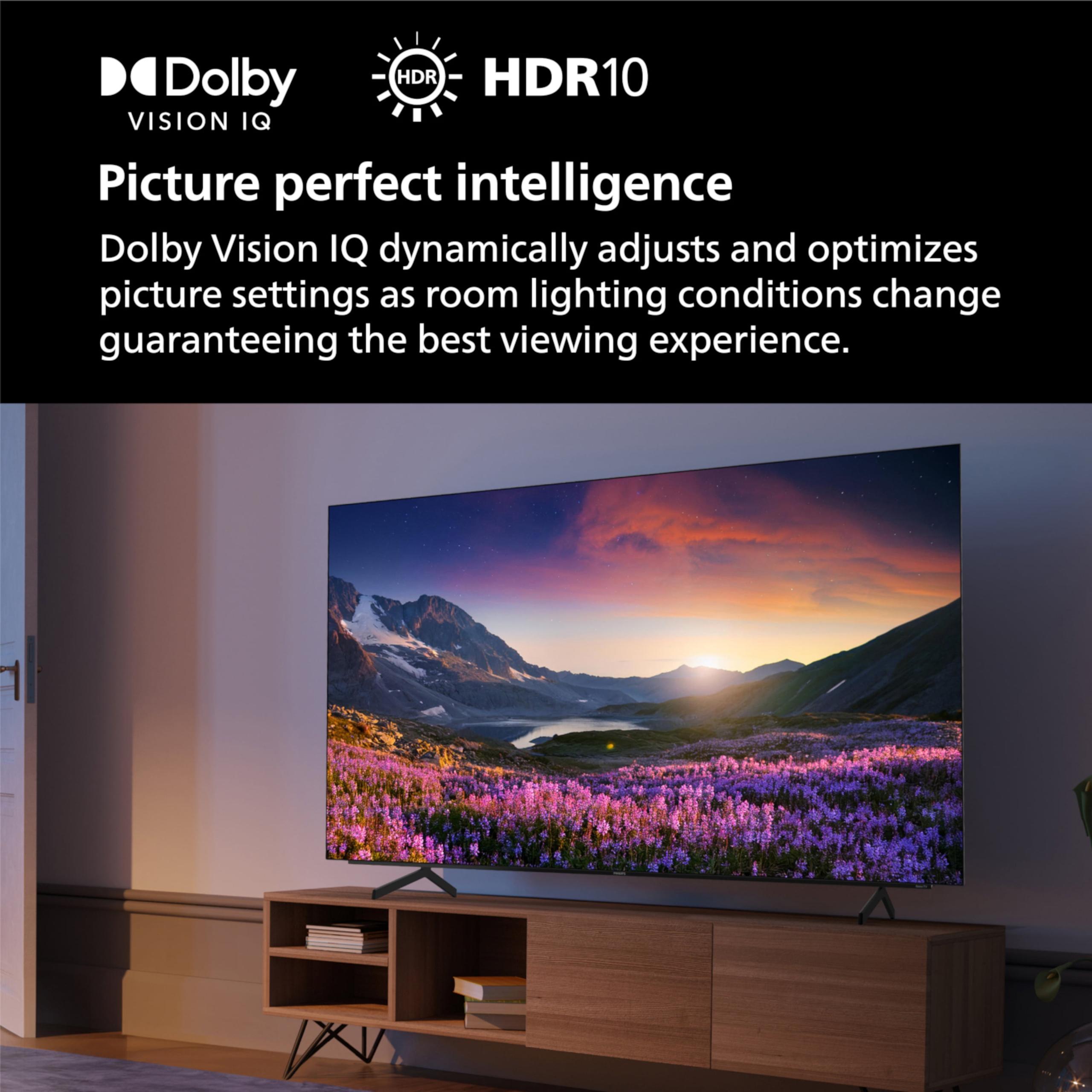
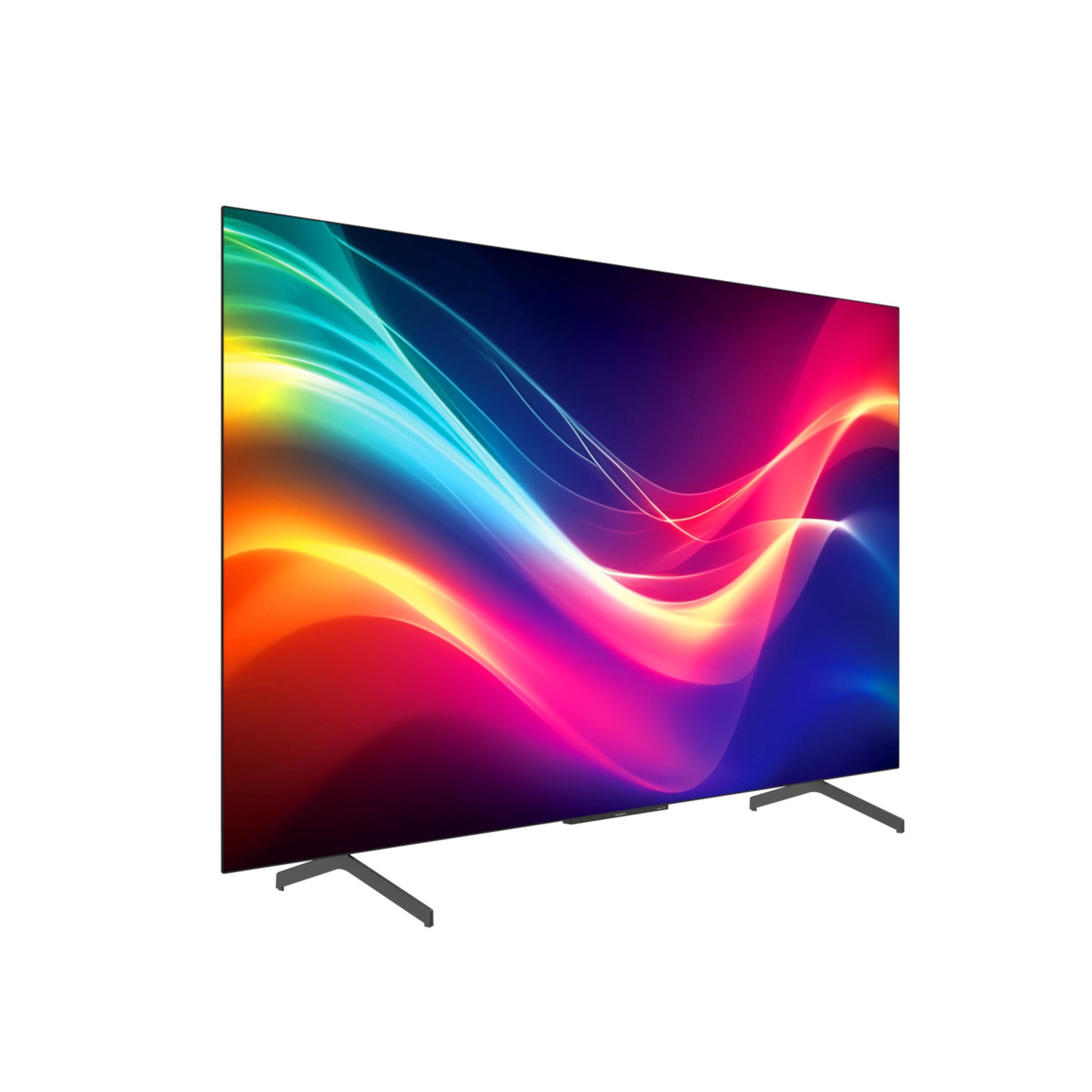
Choosing between premium TV technologies has never been more complicated—or more rewarding. Two fundamentally different approaches dominate the high-end market: OLED displays that create perfect blacks through self-illuminating pixels, and Mini LED systems that use thousands of tiny backlights for precise brightness control. The Philips 65OLED974/F7 and LG 65" QNED92A represent these competing philosophies, each with distinct strengths that make them ideal for different viewing situations.
At the time of writing, both TVs occupy the premium segment but approach picture quality from opposite directions. Understanding these differences is crucial because your choice will significantly impact your viewing experience for years to come.
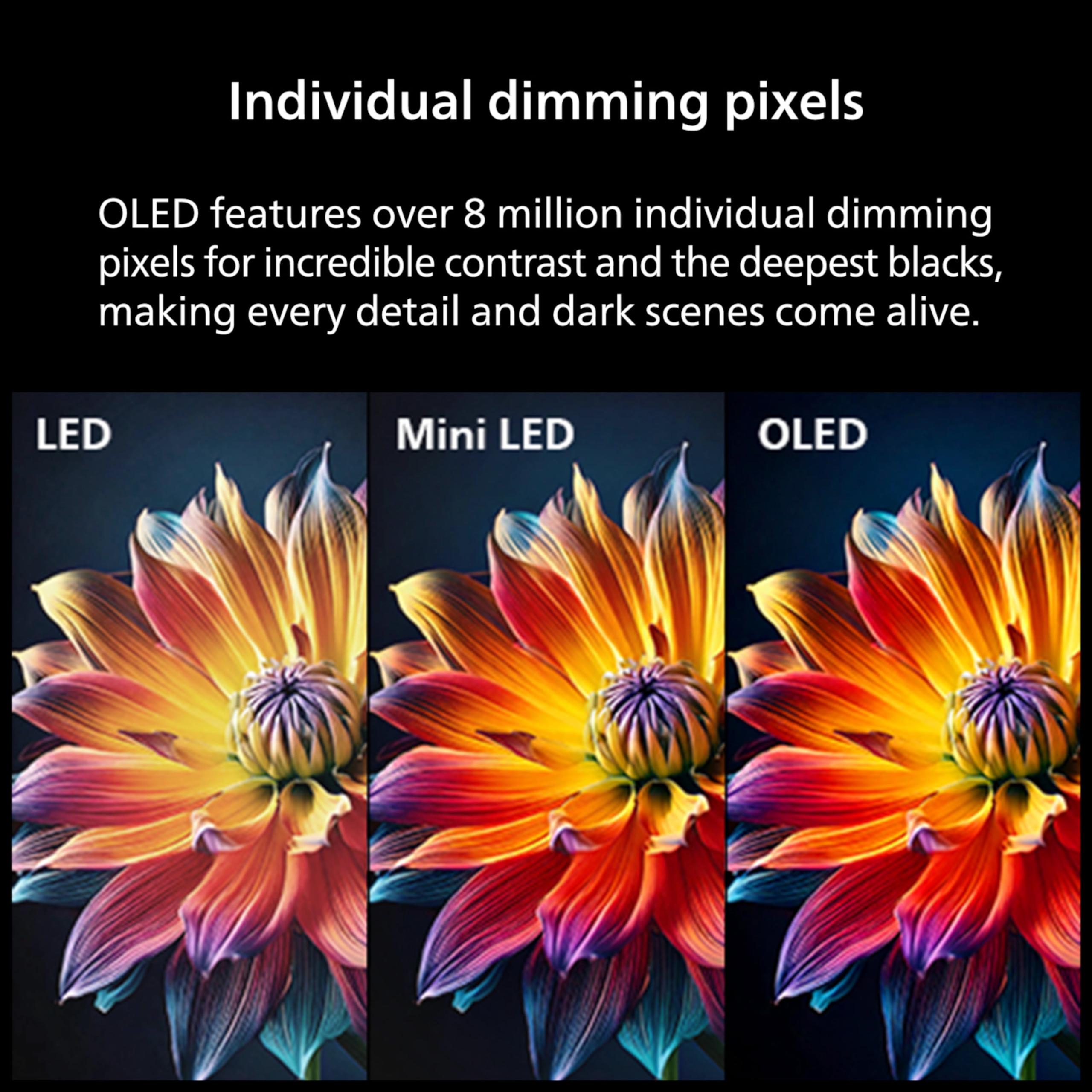
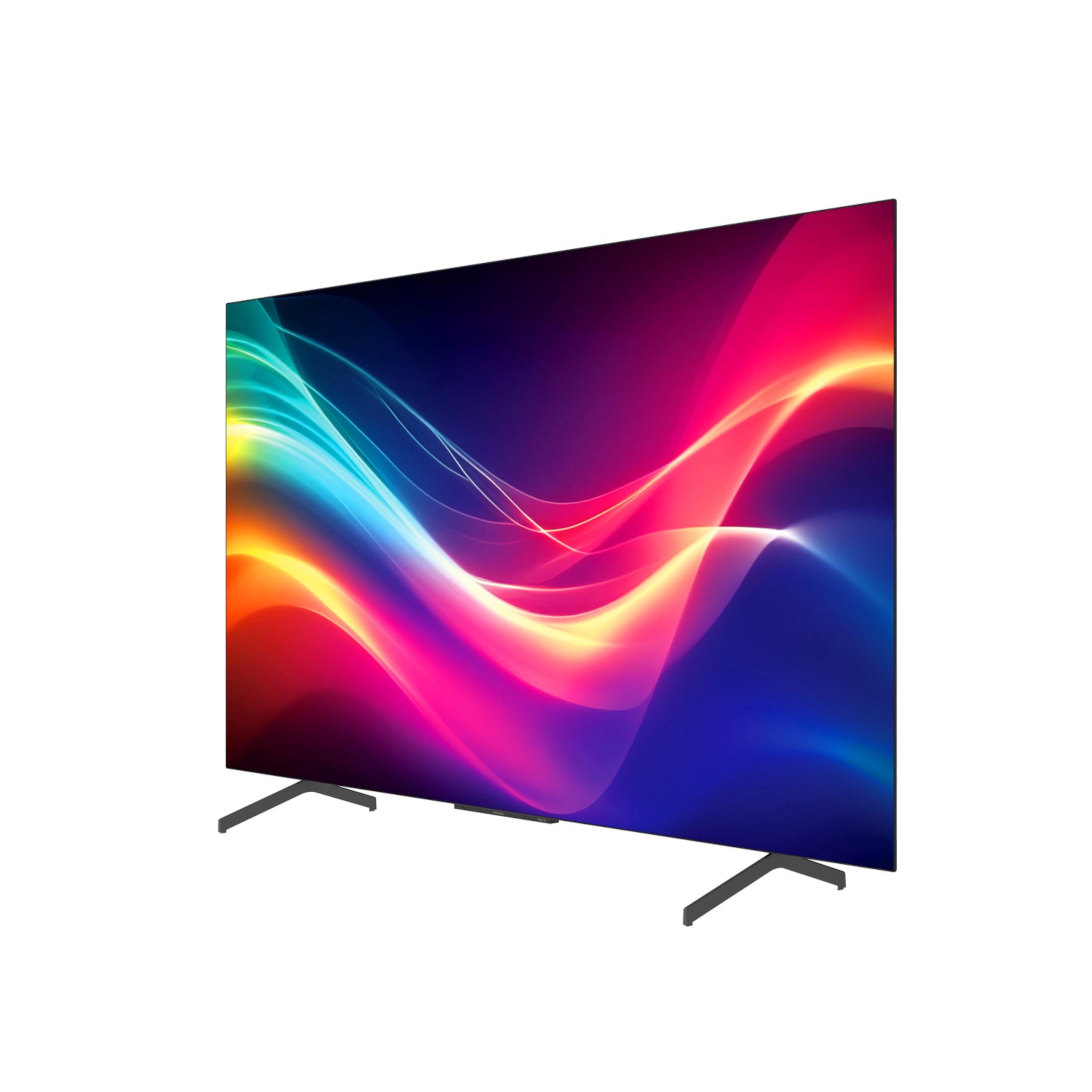
The core difference between these technologies determines everything else about their performance. OLED (Organic Light-Emitting Diode) displays like the Philips 65OLED974/F7 feature 8 million individual pixels that produce their own light. When a pixel needs to display black, it simply turns off completely, creating true darkness with infinite contrast.
Mini LED technology, found in the LG 65" QNED92A, takes a different approach. It uses thousands of tiny LED backlights organized into hundreds of individually controlled dimming zones behind an LCD panel. These zones can brighten or dim independently, creating much better contrast than traditional LED TVs while maintaining the brightness advantages of backlit displays.
This fundamental difference creates a cascade of performance characteristics that affect everything from movie watching to gaming. The Philips OLED excels at creating inky blacks and stunning contrast in dark rooms, while the LG Mini LED delivers superior brightness and versatility across different lighting conditions.
The Philips 65OLED974/F7 represents OLED technology that has matured significantly over the past few years. OLED panels have improved in brightness and reduced burn-in susceptibility compared to earlier generations, though they still face fundamental limitations in peak brightness output.
The LG 65" QNED92A, released in 2025, showcases the latest Mini LED advancements. This technology has evolved rapidly, with manufacturers dramatically increasing the number of dimming zones while shrinking LED sizes. The result is much better contrast control and reduced haloing effects compared to Mini LED TVs from just a few years ago.
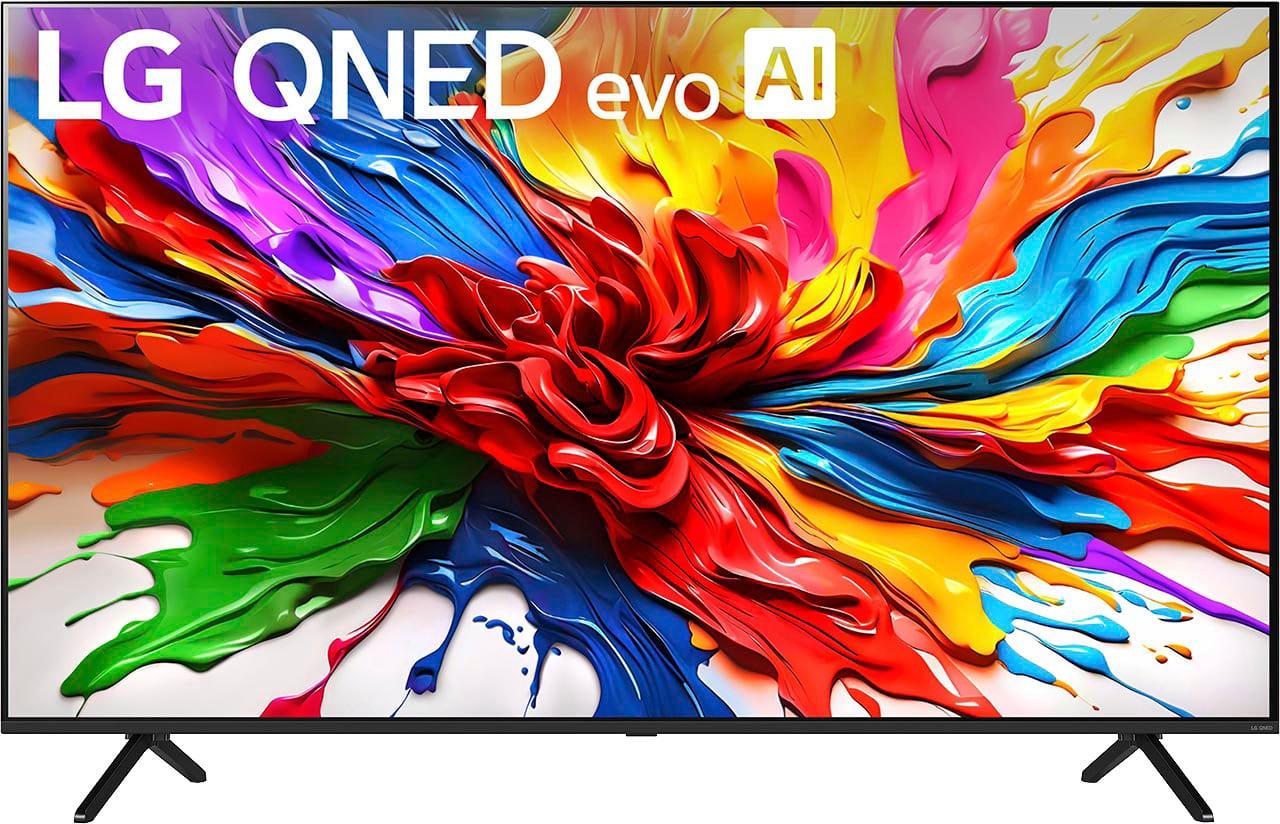
LG's QNED (Quantum Nanocell) branding combines quantum dot color technology with their NanoCell filtering for enhanced color accuracy. The "evo" designation indicates their latest panel improvements, while the AI processor represents their most advanced picture processing to date.
This is where the fundamental technology difference becomes most apparent. The Philips OLED delivers true infinite contrast because its pixels can turn completely off. When you're watching a movie with dark scenes—think space sequences or horror films—you get absolute darkness with no light bleed whatsoever. Bright stars or highlights appear to float against this perfect black backdrop, creating exceptional depth and realism.
The LG QNED92A achieves impressive contrast through hundreds of local dimming zones, but it cannot match true black levels. Instead of pure black, you'll see very dark charcoal gray in the darkest scenes. This isn't necessarily a problem for most content, and many viewers won't notice the difference in normal viewing conditions. However, in a completely dark room watching content with black bars or dark scenes, the difference becomes apparent.
Our research into professional reviews consistently shows that OLED's perfect blacks create a more immersive dark room experience, particularly for movies and cinematic content. The Philips model excels here, delivering that premium theater-like experience that OLED is known for.
Here's where the tables turn dramatically. The LG QNED92A reaches peak brightness levels of 1,520 nits in smaller highlight windows, making it significantly brighter than the Philips OLED. This brightness advantage translates directly into HDR (High Dynamic Range) performance that actually lives up to its name.
HDR content is designed to showcase both deep blacks and brilliant highlights—think sun reflecting off water or bright explosions in action scenes. The LG model can display these highlights with proper intensity, making them pop off the screen and creating the wow factor that HDR promises. Bright scenes in HDR movies, sports highlights, and vibrant gaming content all benefit from this superior brightness.
The Philips OLED, unfortunately, struggles significantly with brightness. Professional reviews consistently note that HDR content appears muted and dim, with highlights failing to stand out as intended. This limitation is particularly noticeable in bright scenes and significantly diminishes the HDR experience that these premium formats are meant to provide.
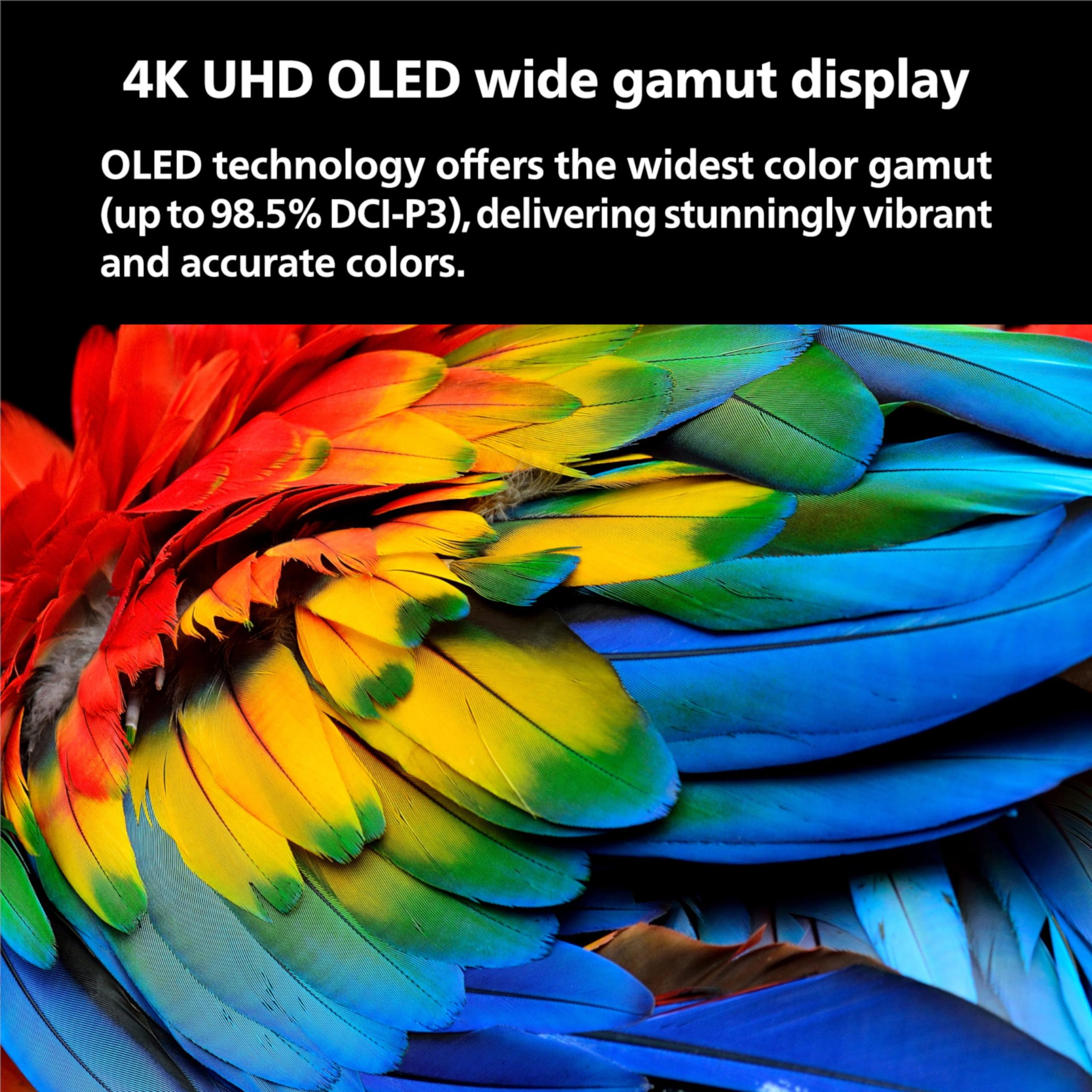
Both TVs deliver excellent color performance, but with different strengths. The LG QNED92A achieves 97% coverage of the DCI-P3 color space (the standard used for digital cinema) and carries 100% color volume certification. This means it can display vibrant, saturated colors even in bright scenes—something many displays struggle with.
The quantum dot technology in the LG model produces particularly punchy, vivid colors that work exceptionally well for sports, nature documentaries, and animated content. The wide color gamut ensures you're seeing colors as content creators intended, with excellent saturation and accuracy.
The Philips OLED delivers vibrant and accurate colors in standard dynamic range (SDR) content without requiring professional calibration. However, its brightness limitations affect color volume—the ability to maintain color saturation at different brightness levels. Bright, vibrant colors in HDR content appear more muted than they should because the display simply cannot get bright enough to maintain proper saturation.
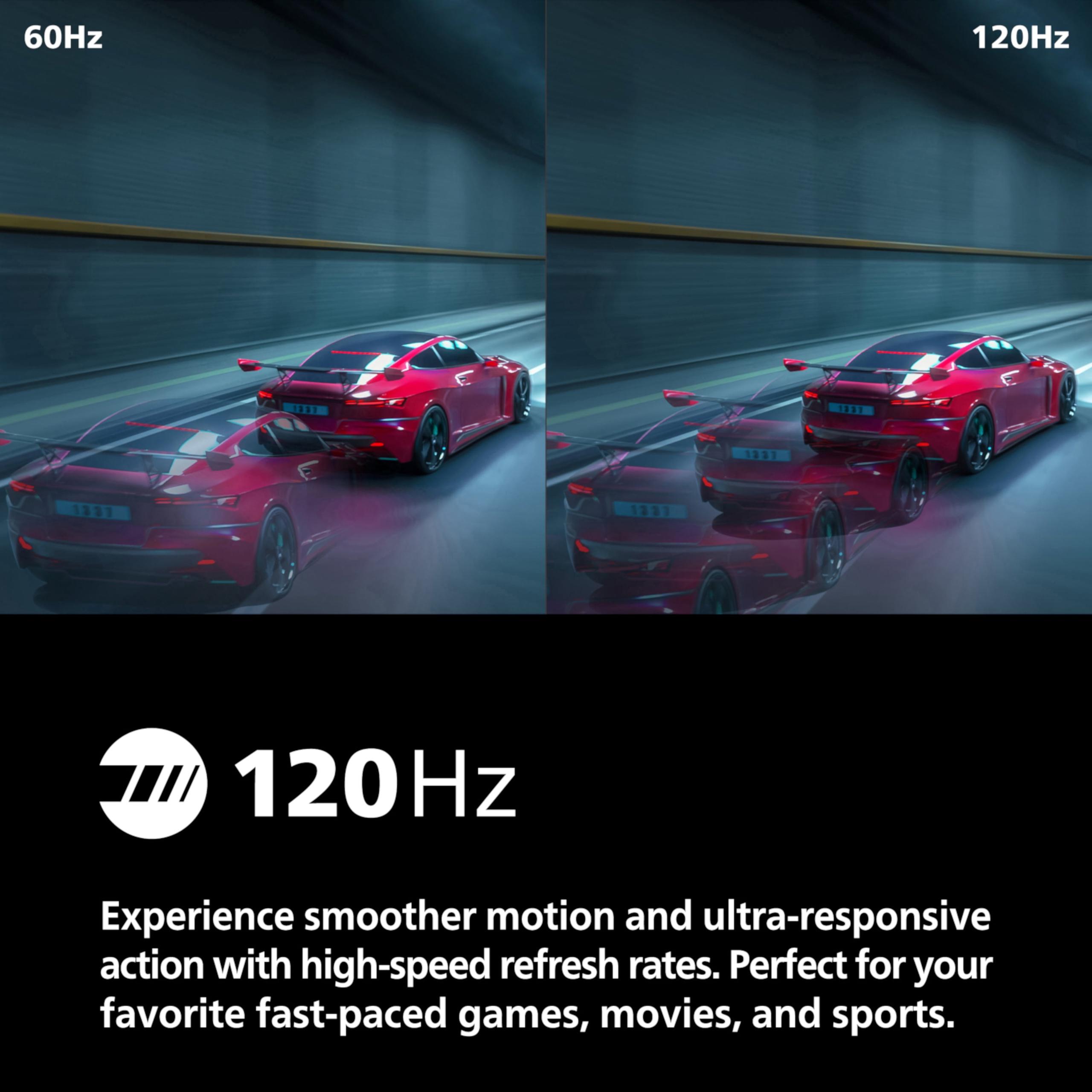
Modern gaming demands specific technical capabilities, and both TVs deliver but in different ways. The Philips OLED features near-instantaneous pixel response times of less than 0.1 milliseconds. This creates incredibly sharp motion with zero blur during fast-paced gaming. Racing games, first-person shooters, and any content with rapid movement benefits from this crystal-clear motion reproduction.
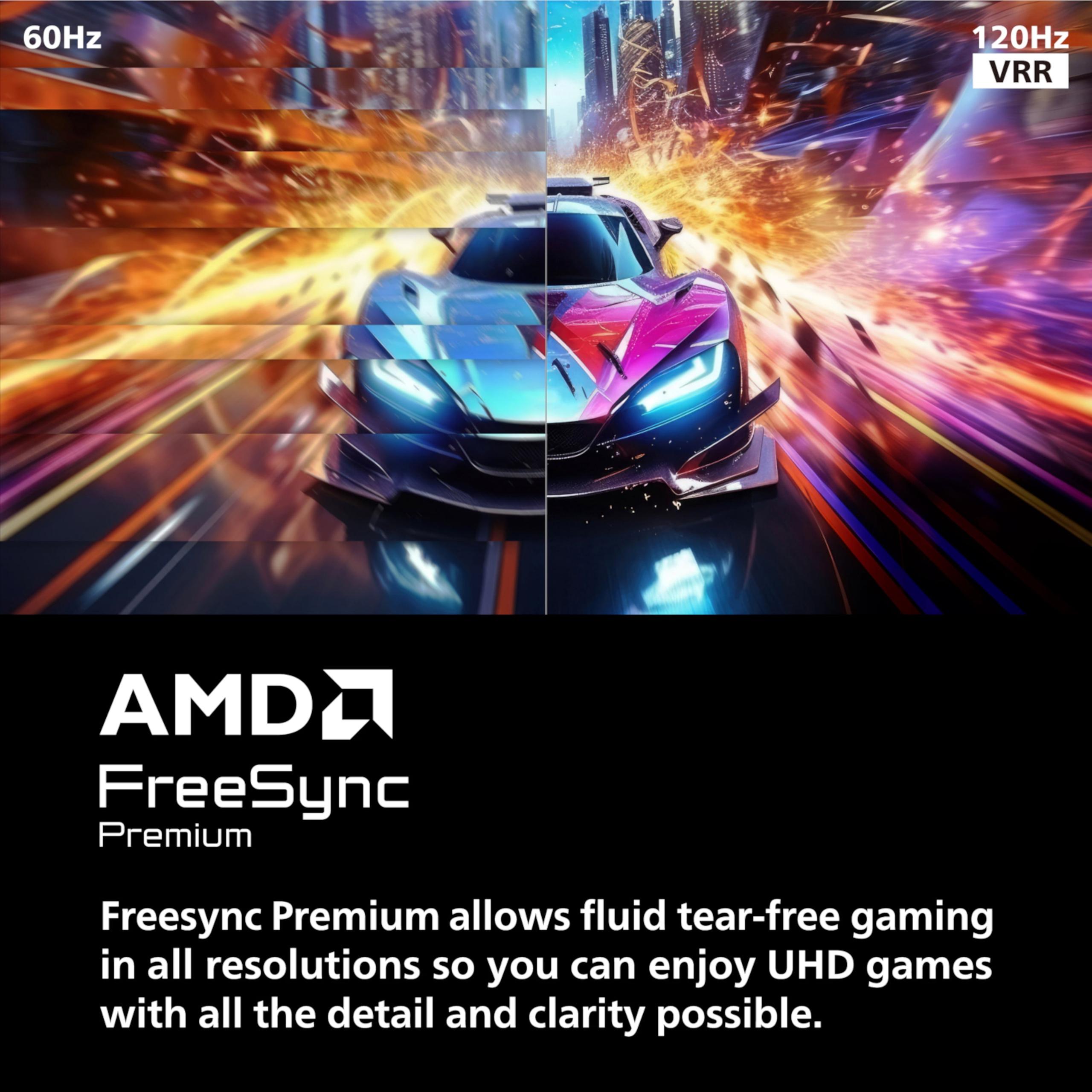
The LG QNED92A takes a more comprehensive approach to gaming. All four HDMI ports support 4K resolution at 120Hz refresh rates with Variable Refresh Rate (VRR) technology, which synchronizes the display's refresh rate with your gaming console or PC to eliminate screen tearing. The measured input lag of just 9.6 milliseconds ensures responsive controls.
More importantly, the LG model supports gaming in HDR with proper brightness levels. Gaming content often features bright highlights—explosions, muzzle flashes, bright environments—that truly shine on this display. The Philips OLED, while delivering perfect blacks for atmospheric gaming, cannot properly display these bright gaming moments due to its brightness limitations.
Both TVs support AMD FreeSync and other gaming technologies, making them compatible with modern PlayStation, Xbox, and PC gaming setups. However, the LG's superior brightness makes it more versatile for different types of gaming content.
This might be the most important consideration for your specific situation. The LG QNED92A is specifically engineered for bright rooms and varied lighting conditions. Its high peak brightness easily overcomes ambient lighting, glare, and even direct sunlight in many cases. The anti-glare properties help maintain image quality regardless of your room's lighting setup.
If your TV room has windows, overhead lighting, or you watch during the day, the LG model will provide a consistently excellent experience. Sports viewing, in particular, benefits from this brightness advantage, as games often feature bright outdoor scenes and benefit from vivid, punchy colors that remain visible even with room lights on.
The Philips OLED is fundamentally a dark room display. Professional reviews consistently note that it's unsuitable for bright rooms due to poor peak brightness and noticeable reflections from light sources. This isn't a minor limitation—it's a fundamental characteristic that determines when and how you can enjoy the TV optimally.
However, in the right environment—a dark or dimly lit room—the Philips model creates an incredibly immersive experience. The perfect blacks and excellent contrast make it feel like you're looking through a window into the content rather than at a display. For dedicated movie watching in a controlled lighting environment, this creates a premium experience that's hard to match.
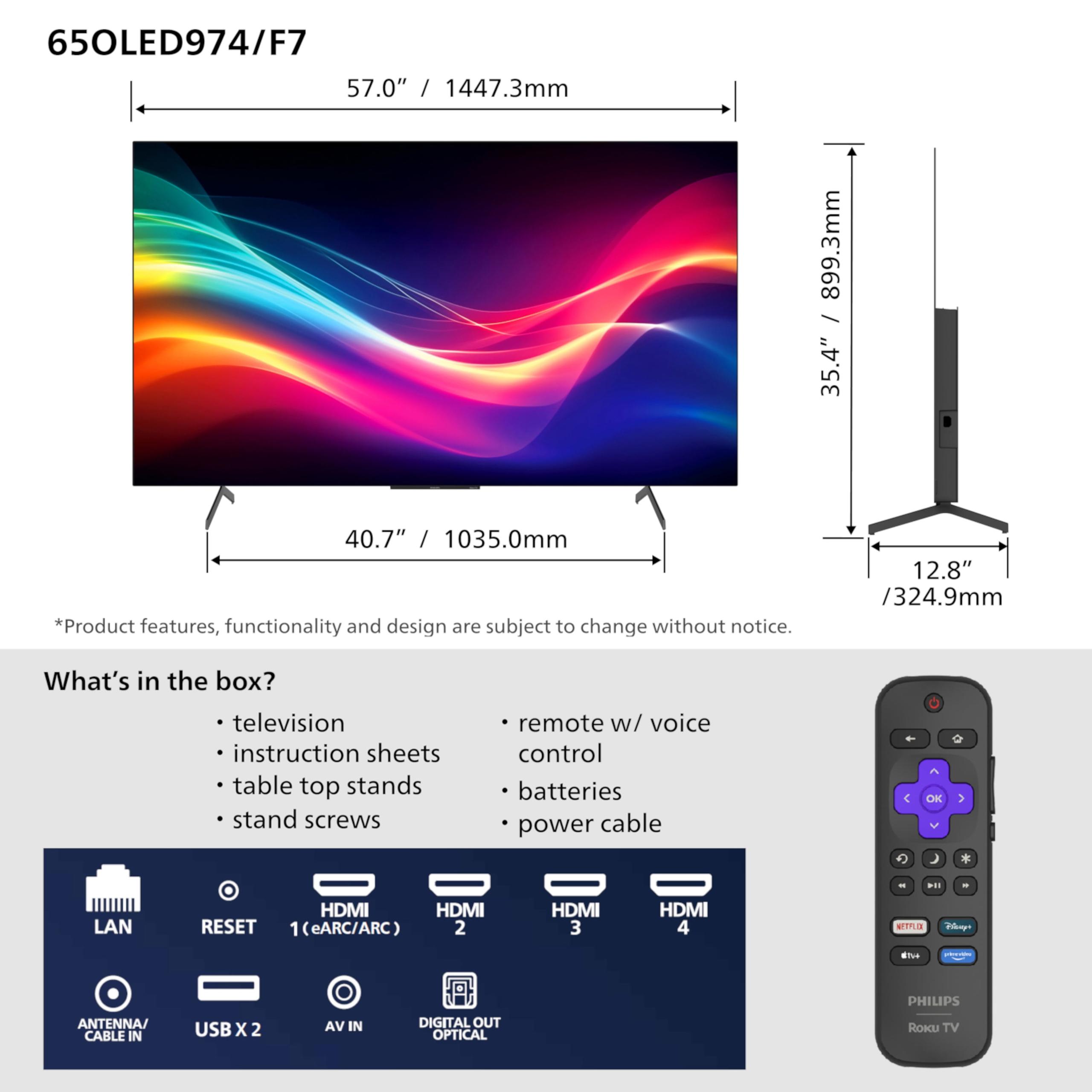
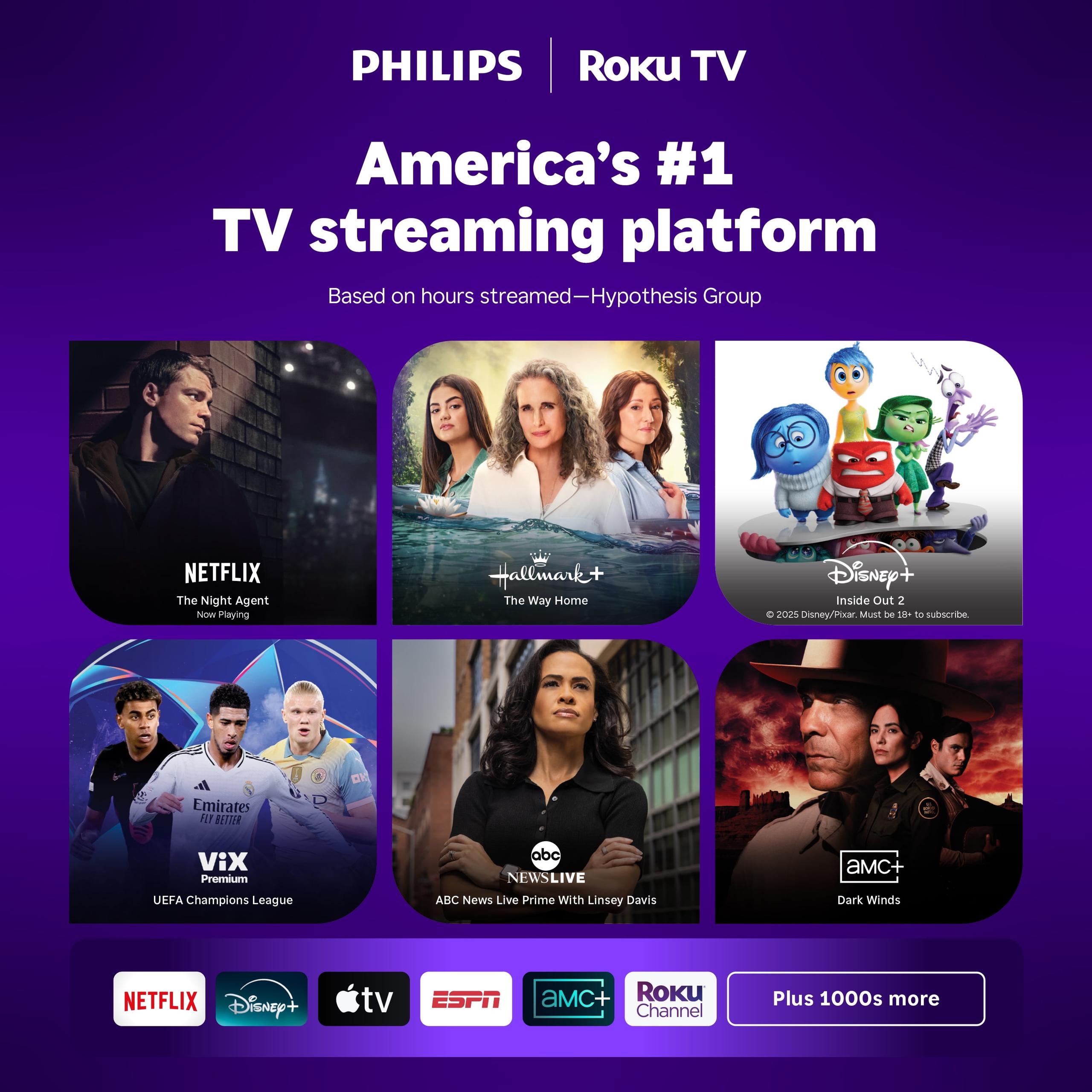
The platform differences extend beyond just interface preferences. The Philips OLED runs Roku TV, which provides a straightforward, reliable smart TV experience with excellent app support and regular updates. Roku's interface is clean and intuitive, making it easy to find content across different streaming services.
The LG QNED92A features webOS 25 with more advanced AI capabilities and comprehensive smart home integration. The α8 AI processor continuously optimizes picture and sound quality based on content analysis, and the system supports Google Assistant, Amazon Alexa, Apple HomeKit, and the newer Matter standard for smart home devices.
More significantly, LG guarantees software updates for five years through their Re:New program. This means you'll continue receiving new features, security updates, and app support well into the future. The LG model also includes Wi-Fi 6E for faster, more reliable streaming and reduced buffering, particularly important for high-bitrate 4K content.
OLED technology, including the Philips model, carries some burn-in risk with static content displayed for extended periods. While modern OLED panels are much more resistant to this issue than earlier generations, it remains a consideration for users who watch news channels, play games with static UI elements, or use the TV as a computer monitor frequently.
The LG QNED92A faces no burn-in risk due to its LCD-based technology. This makes it more suitable for varied usage patterns, including gaming, news watching, and any scenario where static elements might be displayed for extended periods.
Both displays should provide years of reliable service, but the LCD technology in the LG model typically maintains consistent brightness over time, while OLED panels may experience gradual brightness reduction after many years of use.
For dedicated home theater setups, the choice depends entirely on your room design. The Philips OLED excels in properly designed dark rooms with controlled lighting. The infinite contrast and perfect blacks create exceptional depth that makes movies feel more immersive and engaging. Film enthusiasts who value cinematic accuracy and have invested in room darkening will find the OLED experience compelling.
However, the brightness limitations of the Philips model significantly impact HDR movie performance. Many modern films are mastered with bright highlights in mind, and these simply don't have the intended impact on dim displays. Action films, bright outdoor scenes, and any content with significant HDR grading will appear more muted than intended.
The LG QNED92A delivers more complete HDR performance while still providing excellent blacks through local dimming. For most home theater applications, this represents a better balance of dark room performance and proper HDR reproduction. The TV can handle everything from dark, atmospheric films to bright action sequences with appropriate impact.
At the time of writing, both TVs occupy the premium segment but represent different value propositions. The Philips OLED offers traditional OLED benefits at a competitive price point, making premium display technology more accessible. However, its brightness limitations restrict its use cases significantly.
The LG QNED92A commands a higher price but provides more comprehensive performance across different viewing scenarios. The superior brightness, gaming features, and five-year software support justify the premium for users who need versatility.
Consider that a TV purchase typically lasts 7-10 years. The LG model's broader compatibility with different room conditions and content types may provide better long-term satisfaction, even if the initial investment is higher.
Choose the Philips 65OLED974/F7 if you have a dedicated dark viewing room and primarily watch content in controlled lighting conditions. If you're a movie enthusiast who values perfect blacks above all else and can accept brightness limitations, the OLED experience at this price point is compelling. It's also suitable if you prefer the Roku TV interface and don't require advanced gaming features.
The LG 65" QNED92A makes more sense for the majority of users. Its superior brightness handles varied lighting conditions, delivers proper HDR impact, and provides comprehensive gaming capabilities. Choose this if your TV room has windows or ambient lighting, if you watch sports or bright content regularly, or if you need a display that performs well across all types of content and usage scenarios.
For most households, the LG model's versatility and consistent performance across different situations makes it the better long-term choice. The Philips OLED serves a more specific use case—dedicated dark room viewing—but excels in that scenario.
The technology choice ultimately comes down to your viewing environment and priorities. Perfect blacks in dark rooms versus bright, impactful HDR performance in varied lighting conditions. Both approaches have merit, but understanding these fundamental differences ensures you'll choose the technology that best matches your specific needs and viewing habits.
| Philips 65OLED974/F7 | LG 65" QNED92A |
|---|---|
| Display Technology - Fundamental difference affecting all picture quality | |
| OLED with self-illuminating pixels | Mini LED with hundreds of local dimming zones |
| Peak Brightness - Critical for HDR impact and bright room viewing | |
| Poor brightness, unsuitable for bright rooms | 1,520 nits peak, excellent for any lighting condition |
| Black Levels - Determines contrast and dark scene detail | |
| Perfect infinite blacks, pixels turn completely off | Very dark charcoal gray, cannot achieve true black |
| Color Coverage - Affects color vibrancy and accuracy | |
| Vibrant SDR colors, limited HDR color volume | 97% DCI-P3, 100% color volume certified |
| Gaming Performance - Input lag and refresh rate capabilities | |
| <0.1ms response time, 120Hz native panel | 9.6ms input lag, 4K 120Hz on all HDMI 2.1 ports |
| HDR Support - Premium content format compatibility | |
| Dolby Vision IQ, HDR10, HLG (but dim output) | Dolby Vision, HDR10, HLG with proper brightness |
| Smart TV Platform - Interface and long-term software support | |
| Roku TV with standard update cycle | webOS 25 with 5-year guaranteed updates |
| Burn-in Risk - Long-term reliability consideration | |
| Potential burn-in with static content | No burn-in risk due to LCD technology |
| Best Room Environment - Where each TV excels | |
| Dark rooms only, reflects light sources | Any lighting condition, bright room optimized |
| Processor - Picture and audio optimization capabilities | |
| Standard processing with basic upscaling | α8 AI Gen2 with advanced AI picture/sound optimization |
| Connectivity - Future-proofing and wireless performance | |
| Wi-Fi 802.11ac, standard HDMI features | Wi-Fi 6E, Bluetooth 5.3, comprehensive smart home integration |
The LG 65" QNED92A is significantly better for bright rooms with its 1,520 nits peak brightness and excellent anti-glare properties. The Philips 65OLED974/F7 has poor brightness performance and is unsuitable for well-lit environments, showing noticeable reflections from light sources.
The Philips 65OLED974/F7 delivers perfect infinite blacks since each pixel can turn completely off, creating true darkness. The LG 65" QNED92A achieves very dark charcoal gray through local dimming zones but cannot match OLED's true black levels.
Both TVs offer excellent gaming performance, but the LG 65" QNED92A provides more comprehensive gaming features with 4K 120Hz on all HDMI ports, 9.6ms input lag, and superior HDR brightness for impactful gaming visuals. The Philips 65OLED974/F7 excels with near-instantaneous response times but lacks proper HDR brightness.
The LG 65" QNED92A delivers superior HDR performance with proper brightness levels that make highlights pop and create the intended visual impact. The Philips 65OLED974/F7 struggles with HDR due to poor peak brightness, making HDR content appear muted and dim.
The Philips 65OLED974/F7 has potential burn-in risk with static content due to OLED technology, though modern panels are more resistant. The LG 65" QNED92A has no burn-in risk due to its LCD-based Mini LED technology.
For dark, controlled home theater environments, the Philips 65OLED974/F7 creates exceptional depth with perfect blacks. However, the LG 65" QNED92A offers more complete performance with proper HDR brightness while still delivering excellent contrast through local dimming zones.
The Philips 65OLED974/F7 runs Roku TV with a simple, reliable interface and good app support. The LG 65" QNED92A features webOS 25 with advanced AI features, comprehensive smart home integration, and guaranteed 5-year software updates.
The LG 65" QNED92A achieves 97% DCI-P3 color coverage with 100% color volume certification, delivering vibrant colors even in bright scenes. The Philips 65OLED974/F7 offers accurate SDR colors but limited HDR color volume due to brightness constraints.
The LG 65" QNED92A excels in any lighting condition with superior brightness and anti-glare properties. The Philips 65OLED974/F7 is designed specifically for dark rooms and performs poorly in bright environments with noticeable light reflections.
The LG 65" QNED92A is significantly better for sports with its high brightness, vibrant colors, and excellent performance in bright rooms where sports are typically watched. The Philips 65OLED974/F7 cannot compete in bright room sports viewing scenarios.
The LG 65" QNED92A offers Wi-Fi 6E, Bluetooth 5.3, and comprehensive smart home integration with Google Assistant, Alexa, and Apple HomeKit. The Philips 65OLED974/F7 provides standard Wi-Fi 802.11ac and basic smart TV connectivity through Roku.
The LG 65" QNED92A typically provides better long-term value with its versatility across different room conditions, no burn-in risk, 5-year software update guarantee, and superior brightness that maintains relevance as content gets brighter. The Philips 65OLED974/F7 serves specific dark room use cases but has more limited applications.
We've done our best to create useful and informative comparisons to help you decide what product to buy. Our research uses advanced automated methods to create this comparison and perfection is not possible - please contact us for corrections or questions. These are the sites we've researched in the creation of this article: rtings.com - versus.com - versus.com - rtings.com - samsclub.com - versus.com - youtube.com - usa.philips.com - bestbuy.com - usa.philips.com - consumerreports.org - usa.philips.com - documents.philips.com - tvoutlet.ca - displayspecifications.com - business.walmart.com - displayspecifications.com - ecoustics.com - walmart.com - stereoindex.com - youtube.com - youtube.com - digitaltrends.com - abt.com - lg.com - youtube.com - ecoustics.com - hometheaterforum.com - lg.com - valueelectronics.com - listenup.com - pcrichard.com - furnitureconnectionnd.com - avnirvana.com - files.bbystatic.com - lg.com - lgnewsroom.com - techradar.com - bestbuy.com - bestbuy.com - youtube.com - youtube.com

Privacy Policy
Terms and Conditions - Affiliate Policy
Home Security
© Copyright 2008-2026.
11816 Inwood Rd #1211, Dallas, TX 75244