

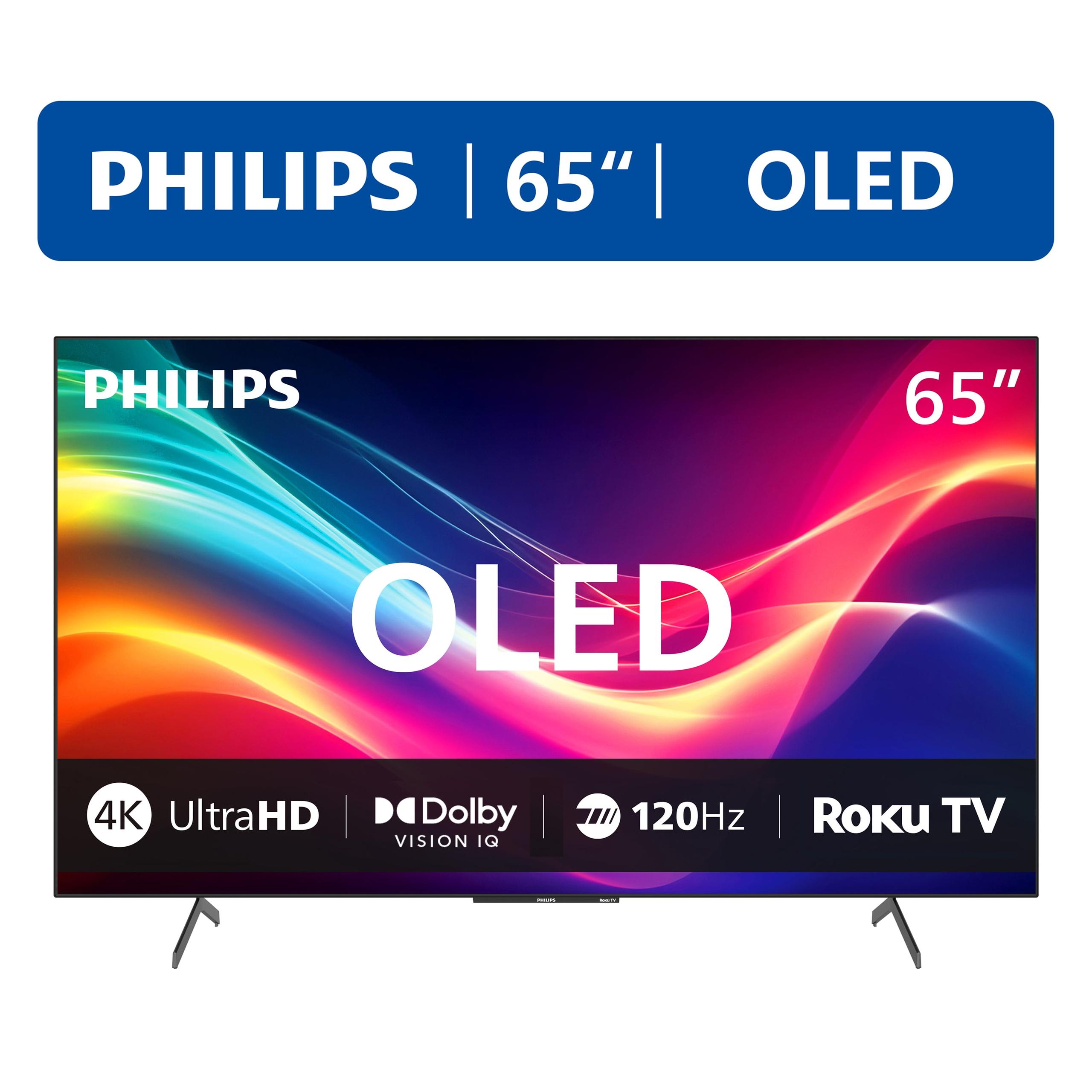
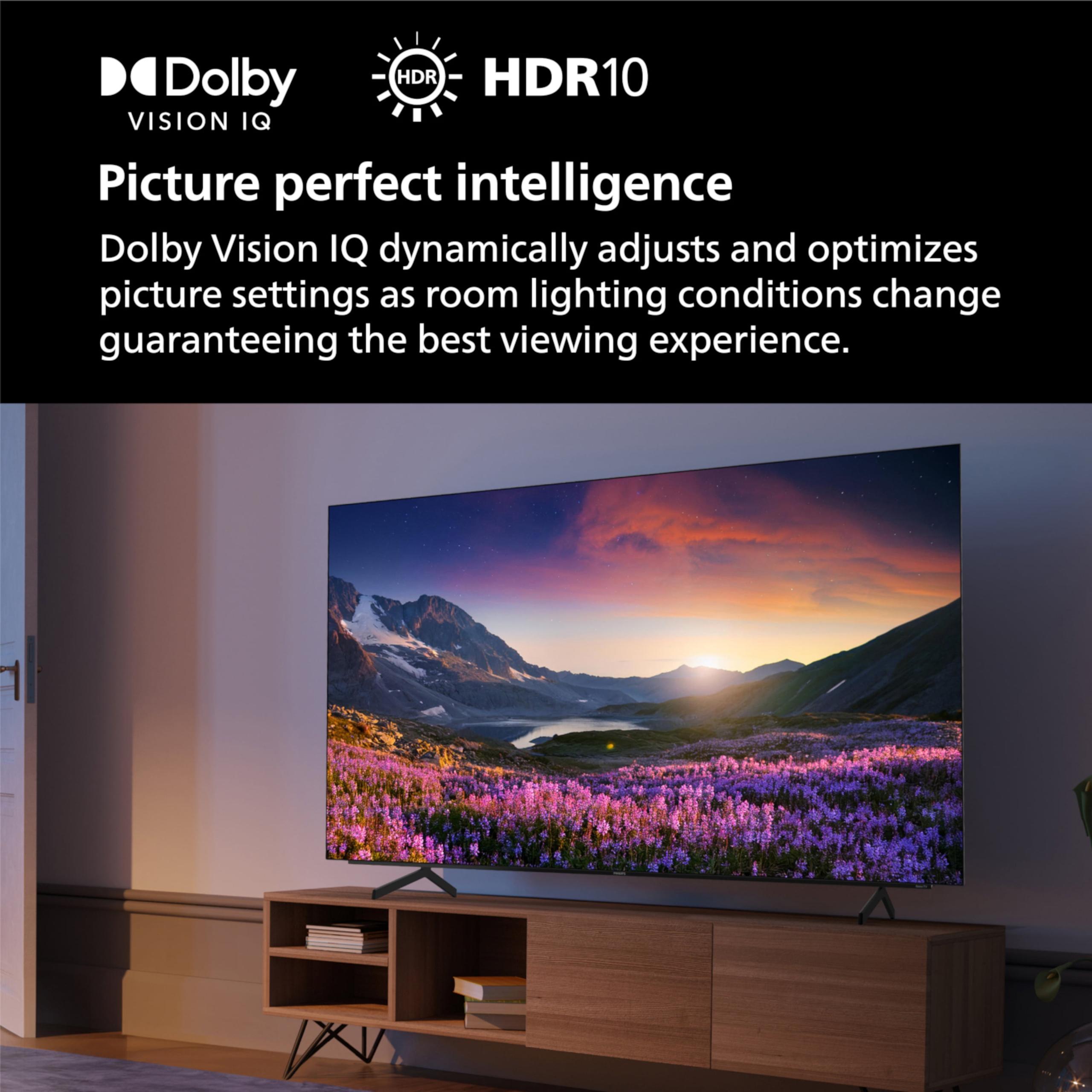
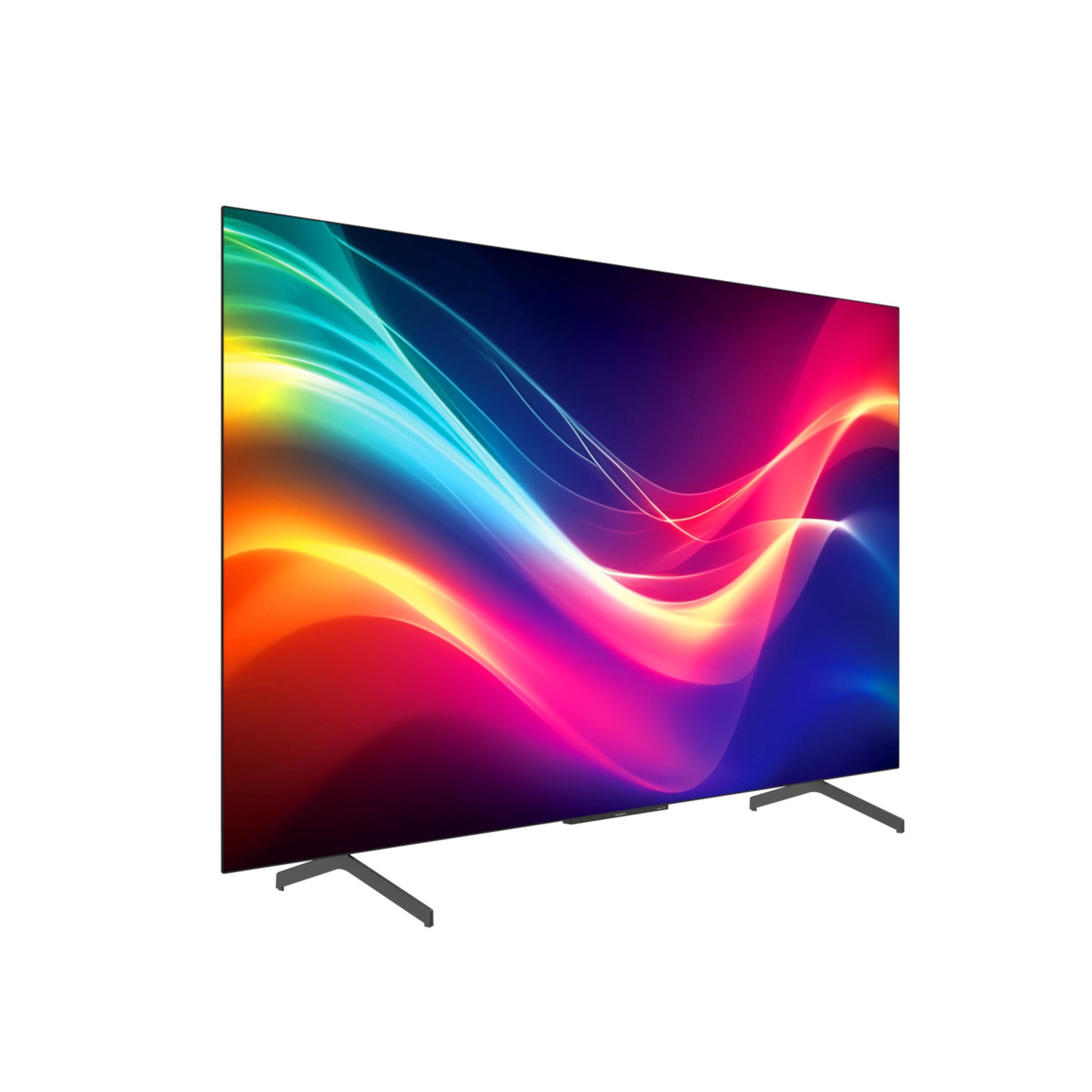
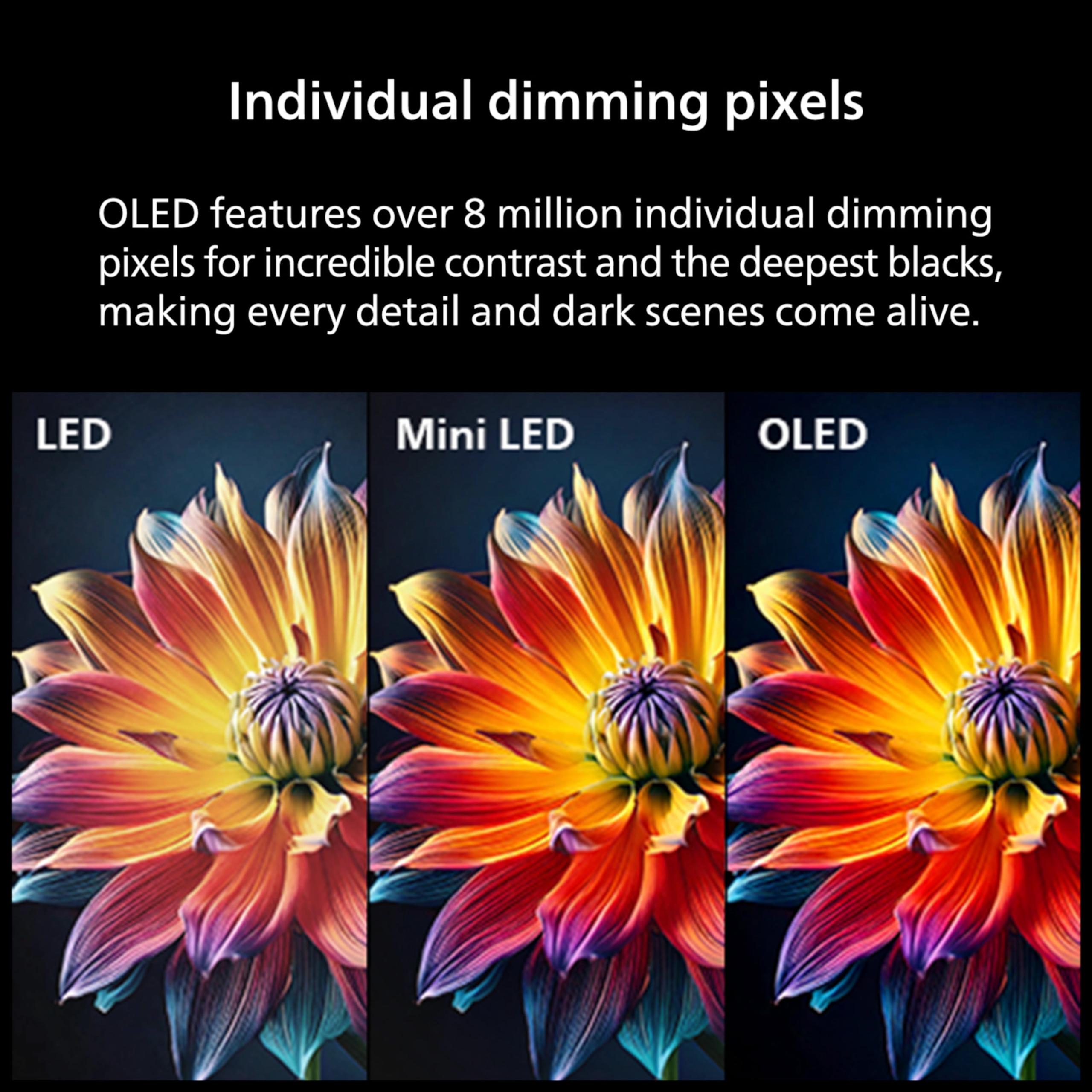
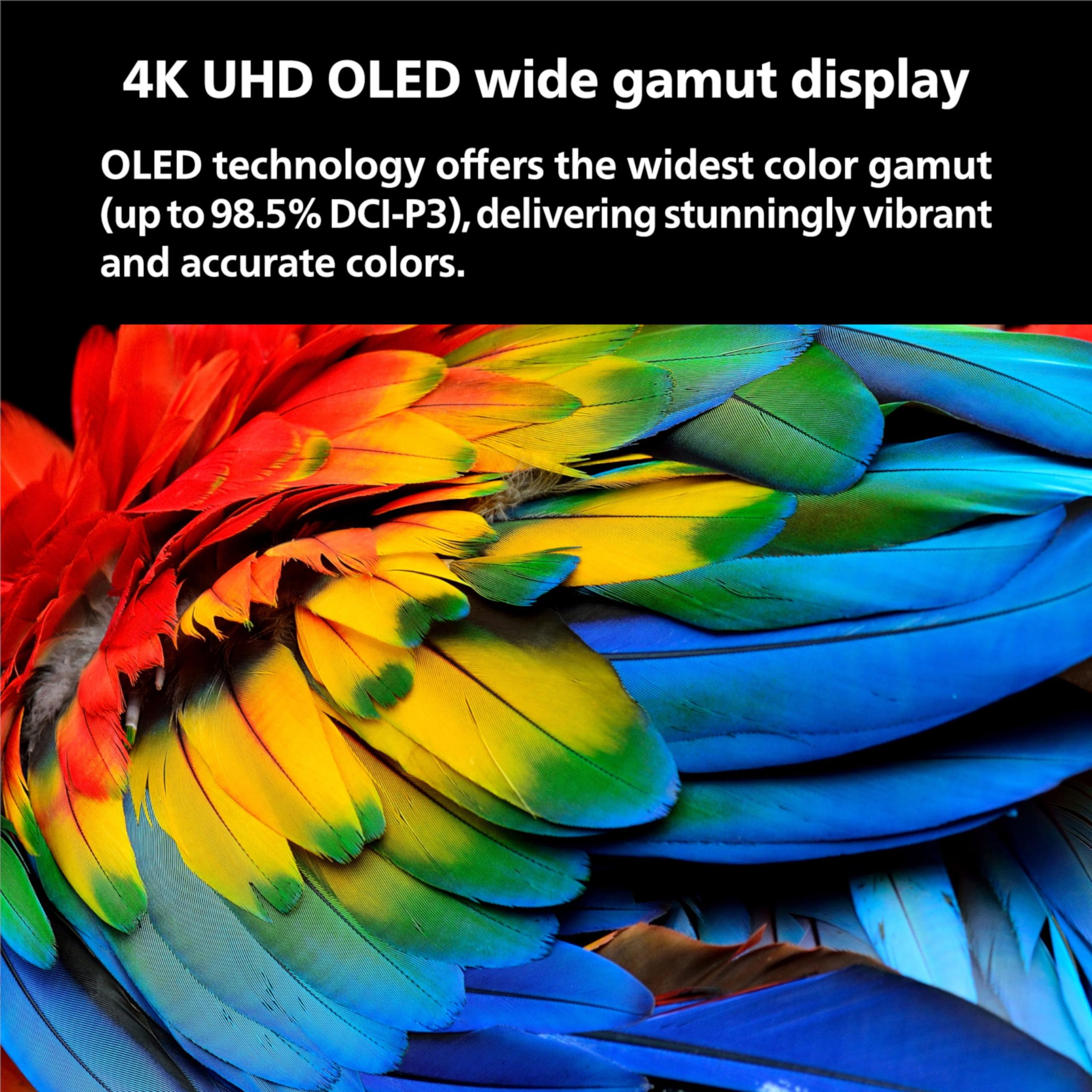
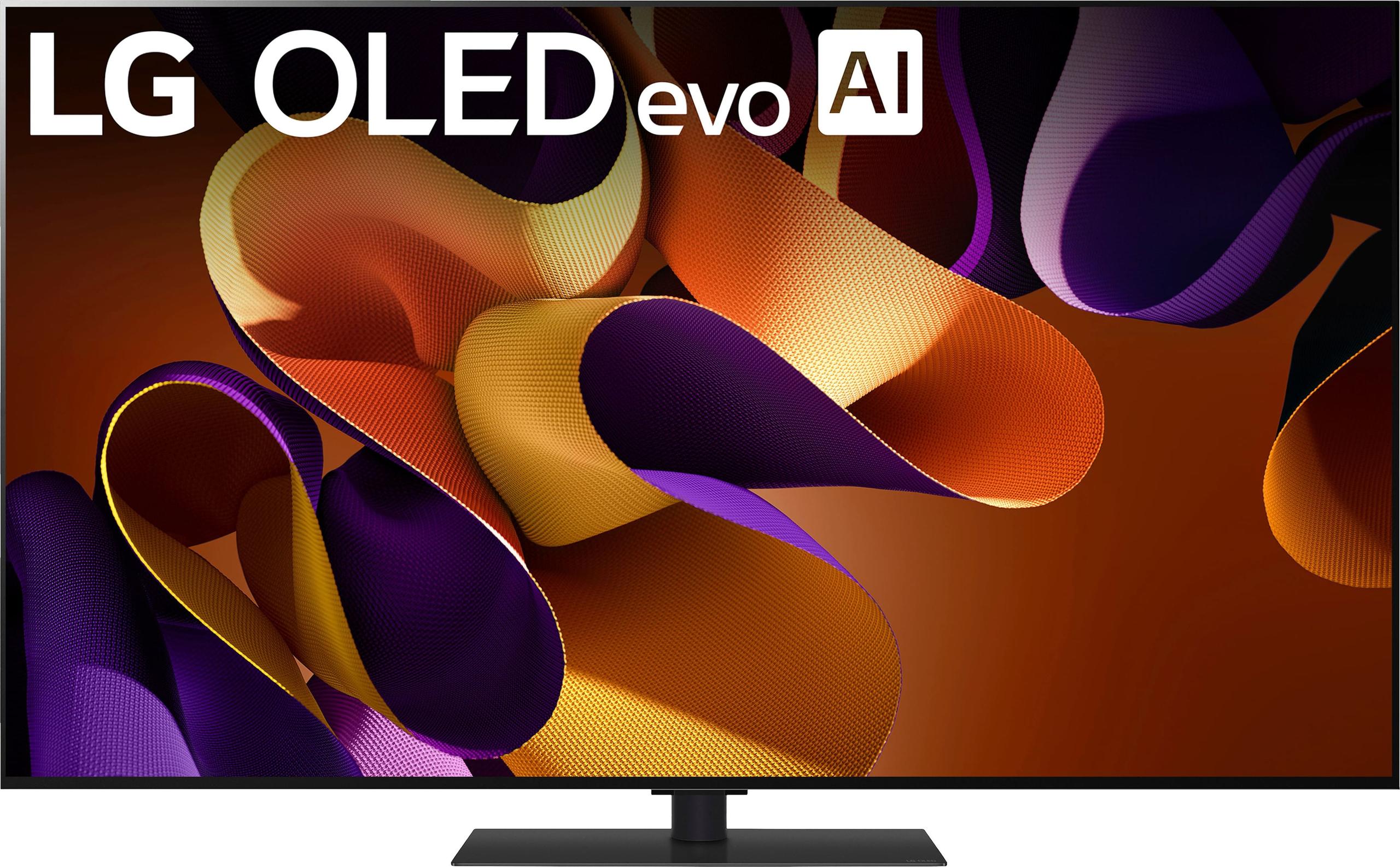
When shopping for a premium 65-inch OLED TV in 2024, two models often rise to the top of consideration lists: the Philips 65OLED974/F7 and the LG G4 Series. Both represent significant investments in home entertainment technology, but they take notably different approaches to delivering that perfect OLED experience we all crave.
OLED technology has matured significantly since its mainstream introduction around 2013. These self-illuminating pixels—meaning each tiny dot of light can turn completely on or off independently—create perfect blacks and infinite contrast ratios that LCD TVs simply cannot match. But as OLED panels have evolved, manufacturers have focused on solving the technology's traditional weakness: brightness. This is where our two contenders diverge most dramatically.
The most critical performance characteristic for any OLED TV today is brightness capability, measured in nits (a unit of luminance). Traditional OLEDs peaked around 400-600 nits, which looked stunning in dark rooms but struggled in bright living spaces. Modern premium OLEDs push well beyond 1,000 nits, with some reaching 1,400+ nits for HDR highlights.
This brightness directly impacts two crucial aspects of your viewing experience: HDR performance and room versatility. HDR (High Dynamic Range) content is mastered with the assumption that your display can produce bright highlights—think the glint of sunlight on water or the glow of a lightsaber. Without sufficient brightness, these moments fall flat, appearing dull and lifeless instead of the jaw-dropping spectacle filmmakers intended.
Color accuracy and processing power round out the essential performance metrics. The best OLED processors use AI to analyze incoming content frame-by-frame, reducing noise, upscaling lower-resolution material, and maintaining the filmmaker's original color grading intent.
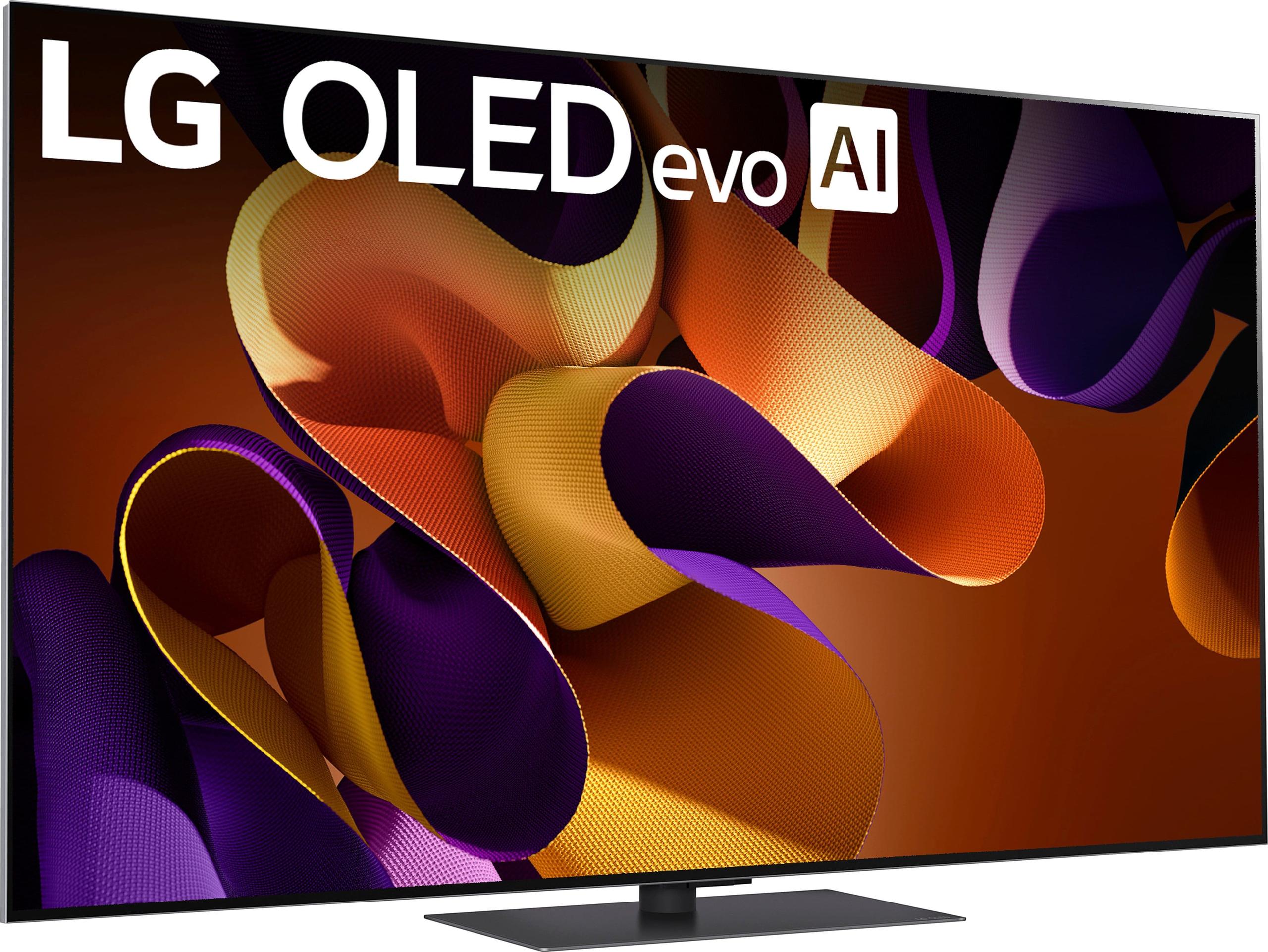
The LG G4 Series launched in 2024 with LG's second-generation Brightness Booster Max technology, representing a significant leap forward from their 2023 models. Using advanced Micro Lens Array (MLA) panels and four-stack OLED architecture, the G4 can hit peak brightness levels around 1,400 nits. This isn't just a number on a spec sheet—it fundamentally changes how the TV performs in real-world conditions.
During our research into professional reviews and user feedback, the brightness advantage becomes immediately apparent. The LG G4 handles ambient light with confidence, making it suitable for bright living rooms, spaces with large windows, or any scenario where you can't control lighting completely. HDR content truly shines, with highlights that pop dramatically from the perfect black backgrounds.
The Philips 65OLED974/F7, while featuring OLED's inherent perfect blacks and infinite contrast, suffers from what reviewers consistently identify as its primary weakness: limited brightness output. Professional assessments indicate it struggles to overcome glare in well-lit rooms and fails to deliver the impactful HDR experience that modern content demands. This brightness limitation means HDR highlights appear muted and underwhelming—imagine watching a sunset scene where the sun looks more like a dim lightbulb than a blazing star.
This difference matters more than you might initially think. Most of us don't watch TV in completely dark rooms most of the time. Whether it's afternoon movie sessions, evening news with table lamps on, or weekend sports viewing with natural light streaming in, the LG G4's superior brightness makes it dramatically more versatile.
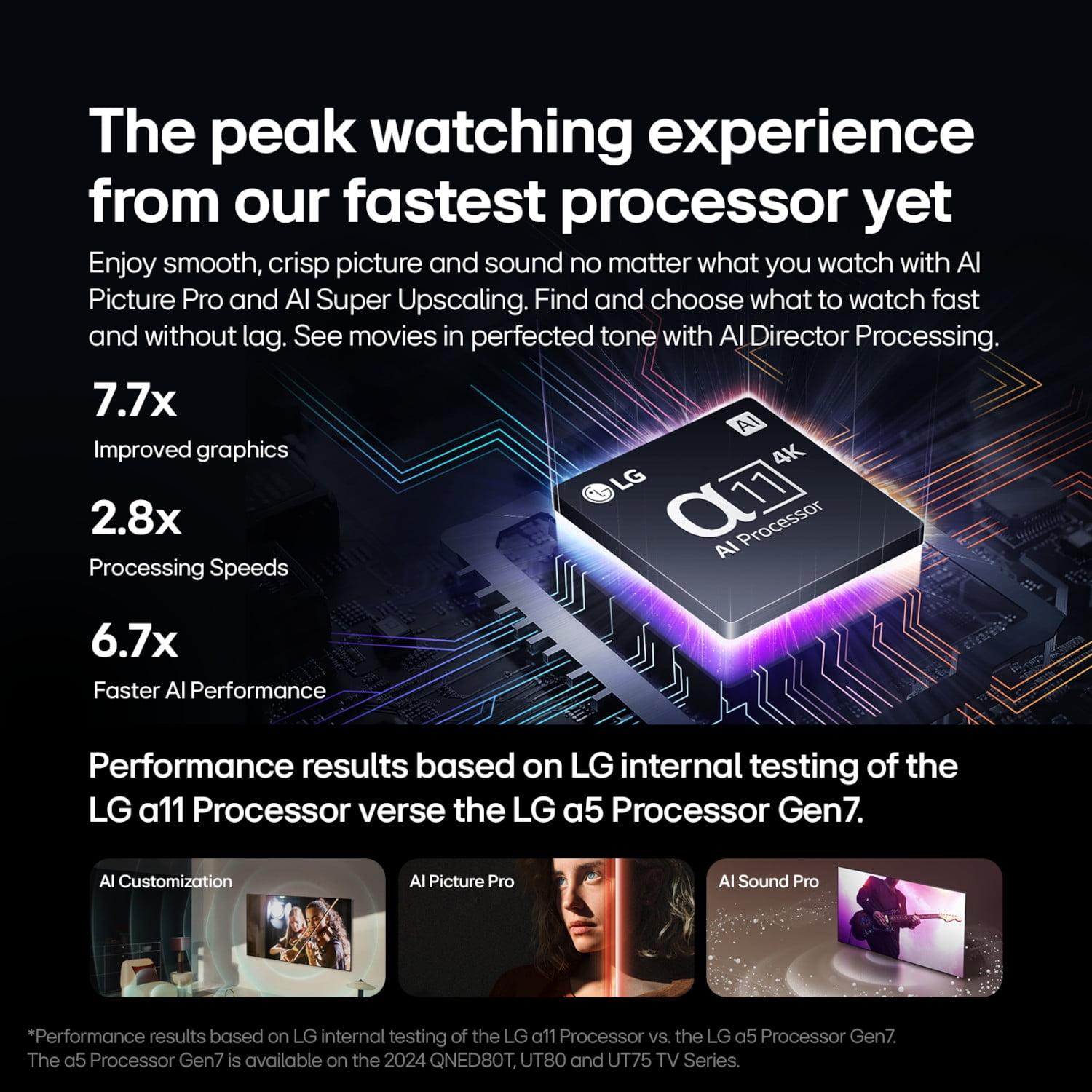
The LG G4 Series runs on LG's α11 (Alpha 11) AI Processor, which represents a substantial upgrade from previous generations. This chip delivers 6.7 times faster AI performance and 2.8 times faster overall processing compared to older LG models. In practical terms, this means better upscaling of non-4K content (like streaming shows or older movies), more effective noise reduction, and superior motion handling.
The processor's AI Picture Pro feature analyzes each scene and adjusts settings dynamically. If you're watching a dark thriller, it might enhance shadow detail without crushing blacks. Switch to a bright nature documentary, and it optimizes for vibrant colors and highlight detail. This happens automatically, frame by frame, creating a more engaging viewing experience without requiring manual adjustments.
Color accuracy out of the box favors the LG G4 as well. Professional calibration reviews consistently praise its ability to display content closer to filmmakers' original intent, requiring minimal adjustment for accurate colors. This matters because most users never calibrate their TVs professionally—what you see straight out of the box is what you get.
The Philips 974 offers decent image processing but lacks the advanced AI capabilities of its LG competitor. More concerning, some professional reviews noted that its noise reduction features are essentially non-functional, leading to visible artifacts in lower-quality content like heavily compressed streaming videos or older cable broadcasts.
Interestingly, the Philips model does offer slightly higher pixel density at 68 pixels per inch compared to the LG's 45 ppi. However, at typical viewing distances (8-12 feet for a 65-inch screen), this difference is essentially imperceptible to human vision.
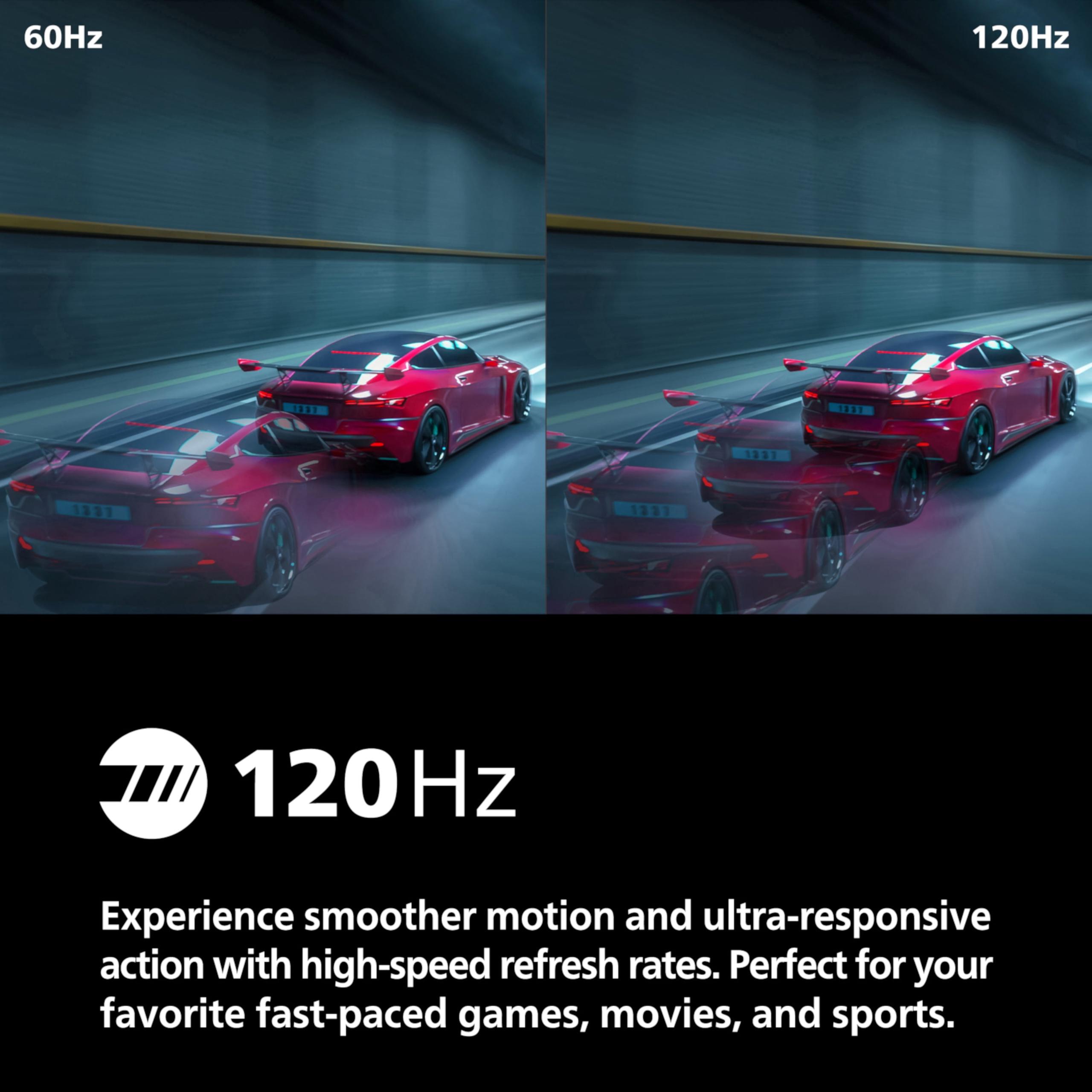
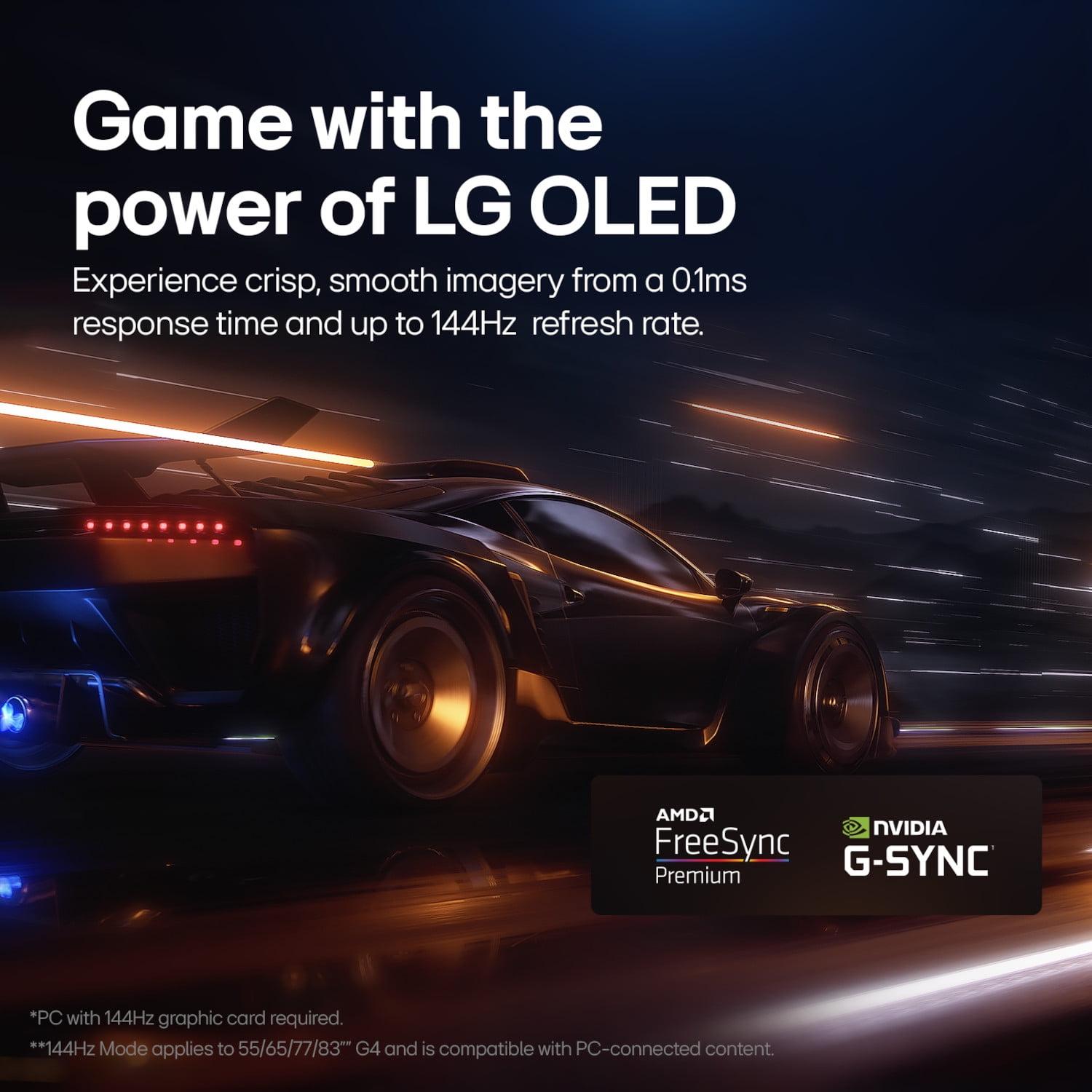
Both televisions cater exceptionally well to gaming enthusiasts, supporting the features modern consoles and gaming PCs demand. Native 120Hz refresh rates mean smoother motion in fast-paced games, while sub-millisecond response times ensure your controller inputs translate immediately to on-screen action—crucial for competitive gaming.
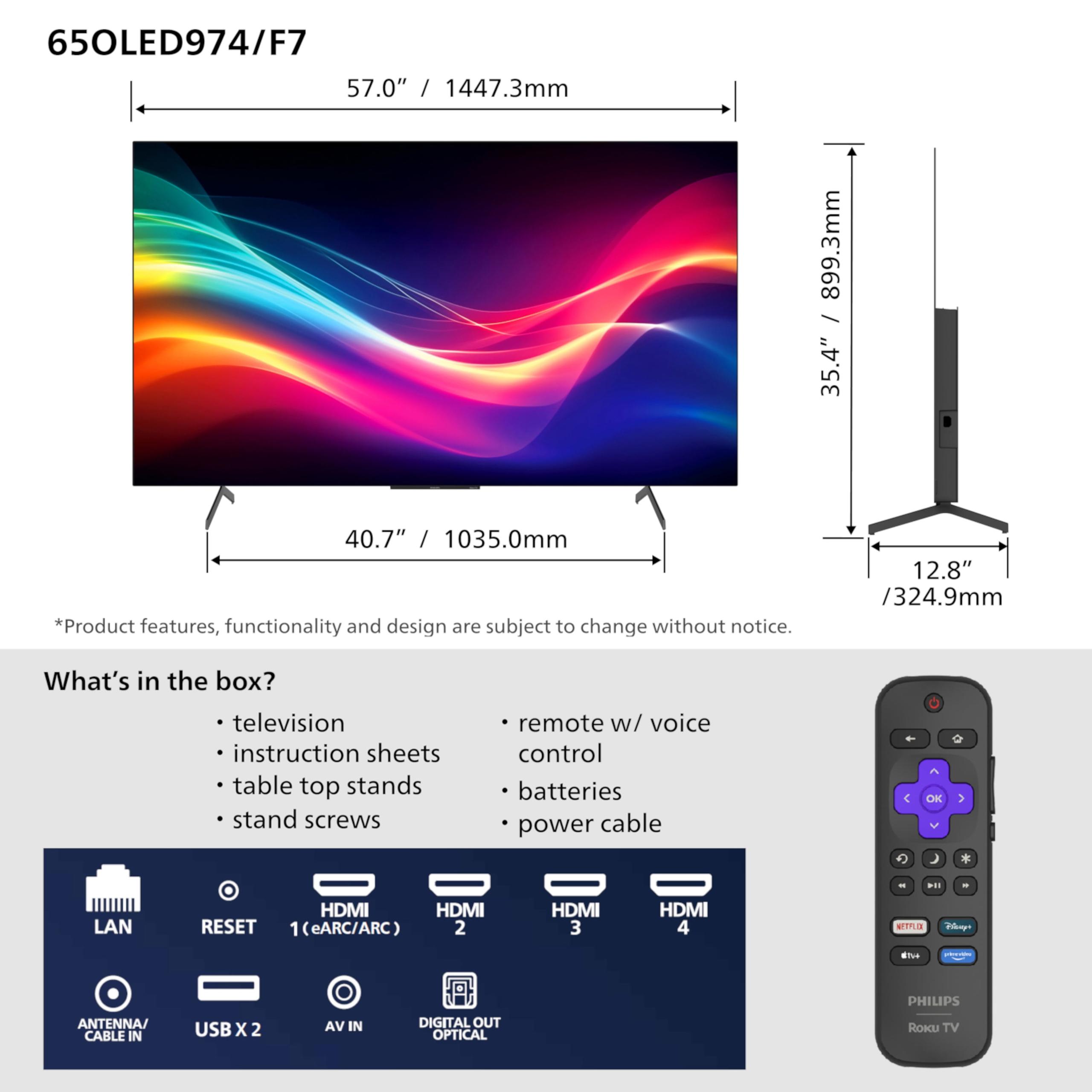
The LG G4 edges ahead with four full HDMI 2.1 ports compared to the Philips model's two. This connectivity advantage becomes important if you own multiple gaming devices: perhaps a PlayStation 5, Xbox Series X, and a gaming PC. You won't need to constantly swap cables or use HDMI switches.
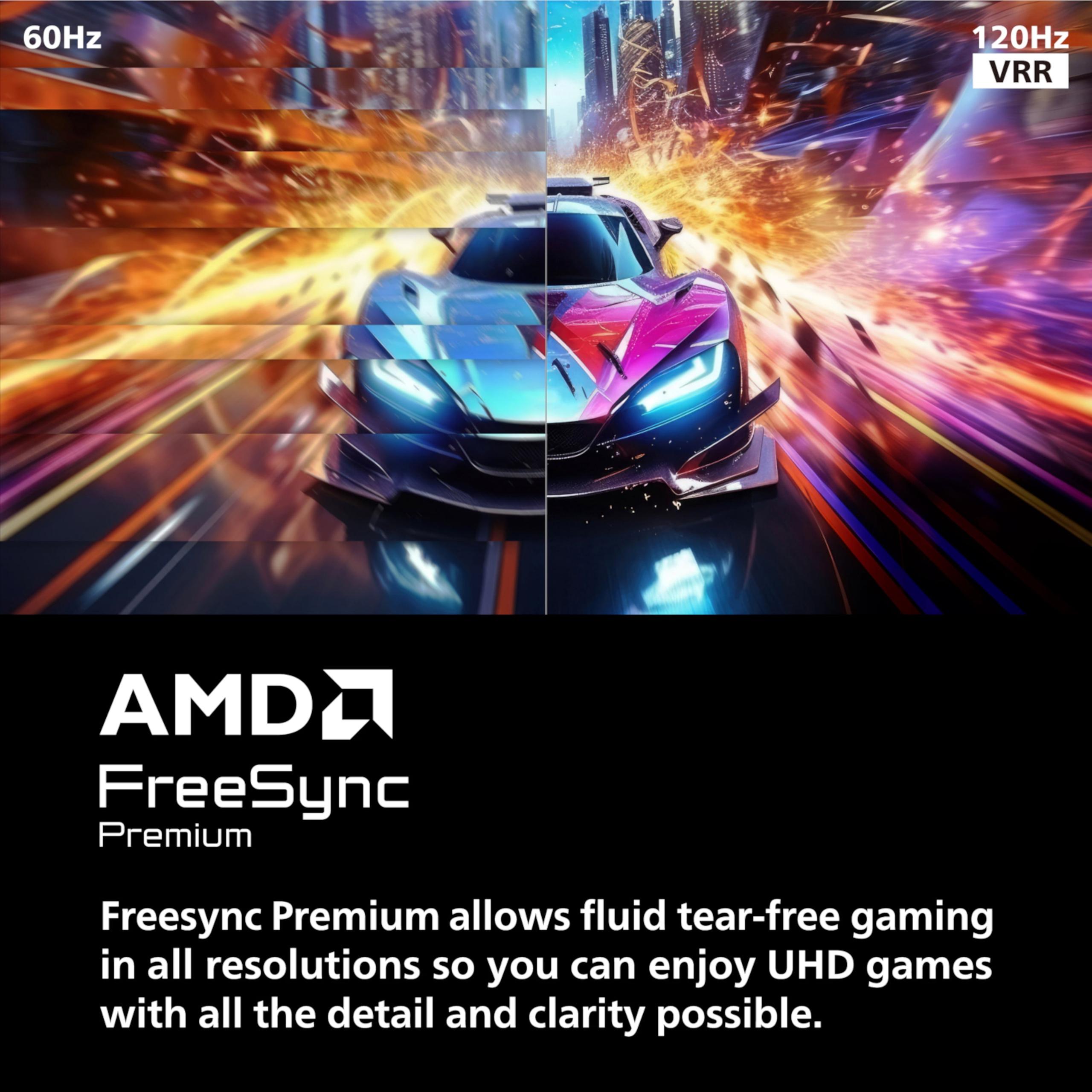
Both support Variable Refresh Rate (VRR) technology, which synchronizes the display's refresh rate with your gaming device's frame rate output. This eliminates screen tearing—those annoying horizontal lines that appear when frame rates don't match perfectly—and reduces input lag for more responsive gameplay.
However, the LG G4's brightness advantage carries into gaming as well. HDR games look more impactful with brighter highlights, making environments more immersive and improving visibility in dark game areas. The difference is particularly noticeable in games with high dynamic range content, where explosions, magical effects, or bright outdoor environments benefit from higher peak brightness.
The smart TV experience differs significantly between these models, reflecting different philosophical approaches to user interaction.
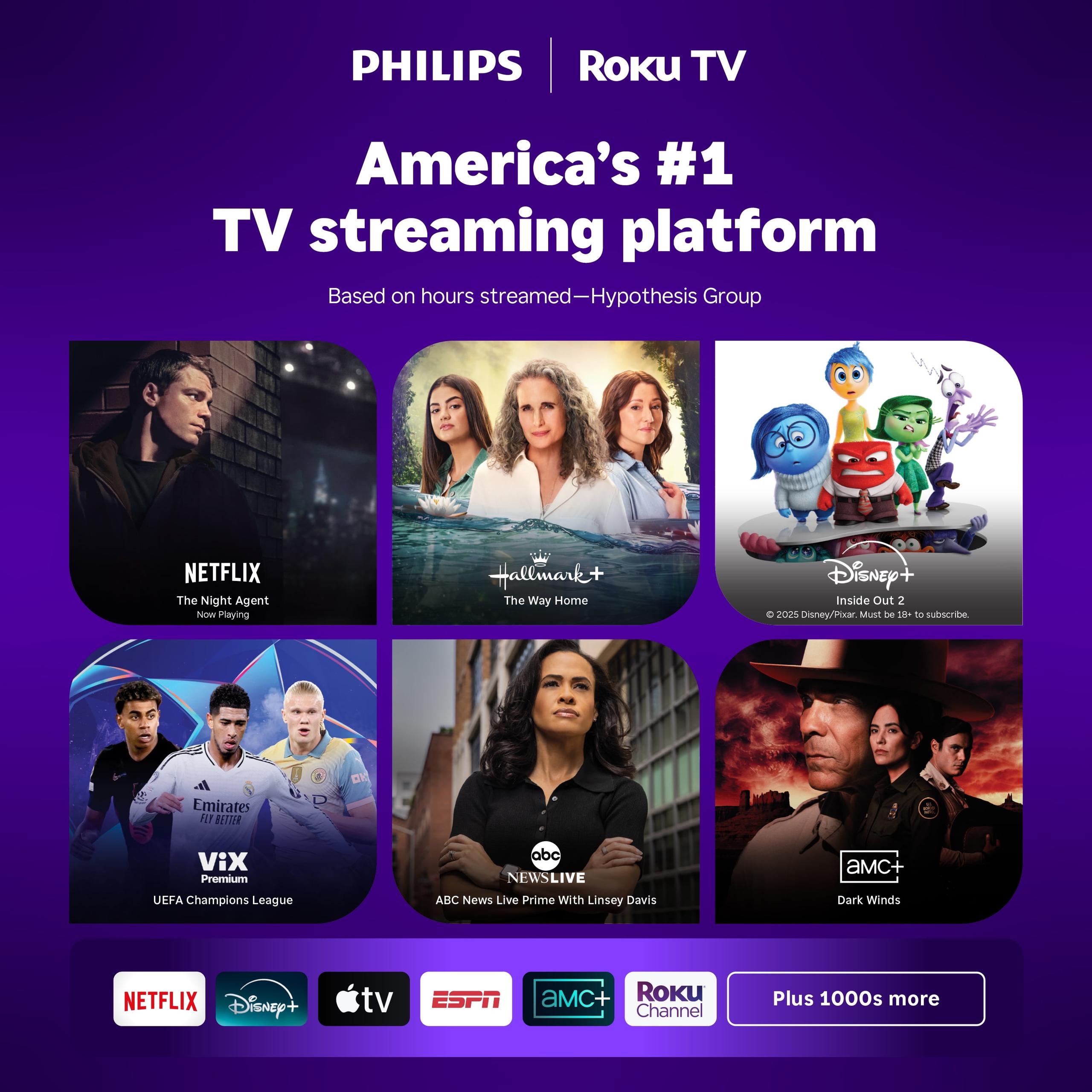
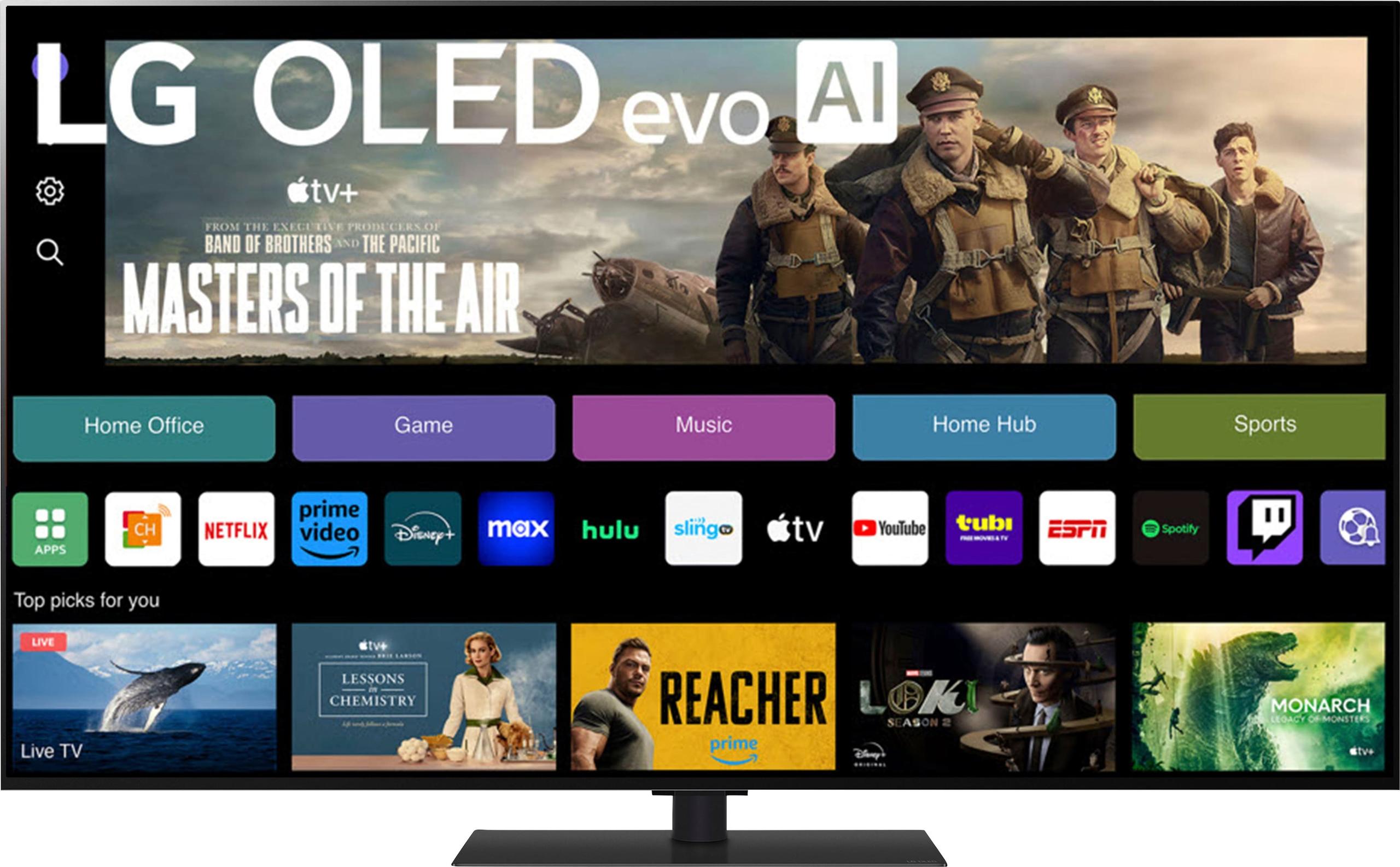
The Philips 974 runs Roku TV, which many consider the gold standard for simplicity and content discovery. Roku's interface remains refreshingly straightforward—no overwhelming menus or buried settings. The platform offers excellent app support and makes finding content across different streaming services relatively painless. Voice control works through the included Bluetooth remote, though it requires button presses rather than always-listening functionality.
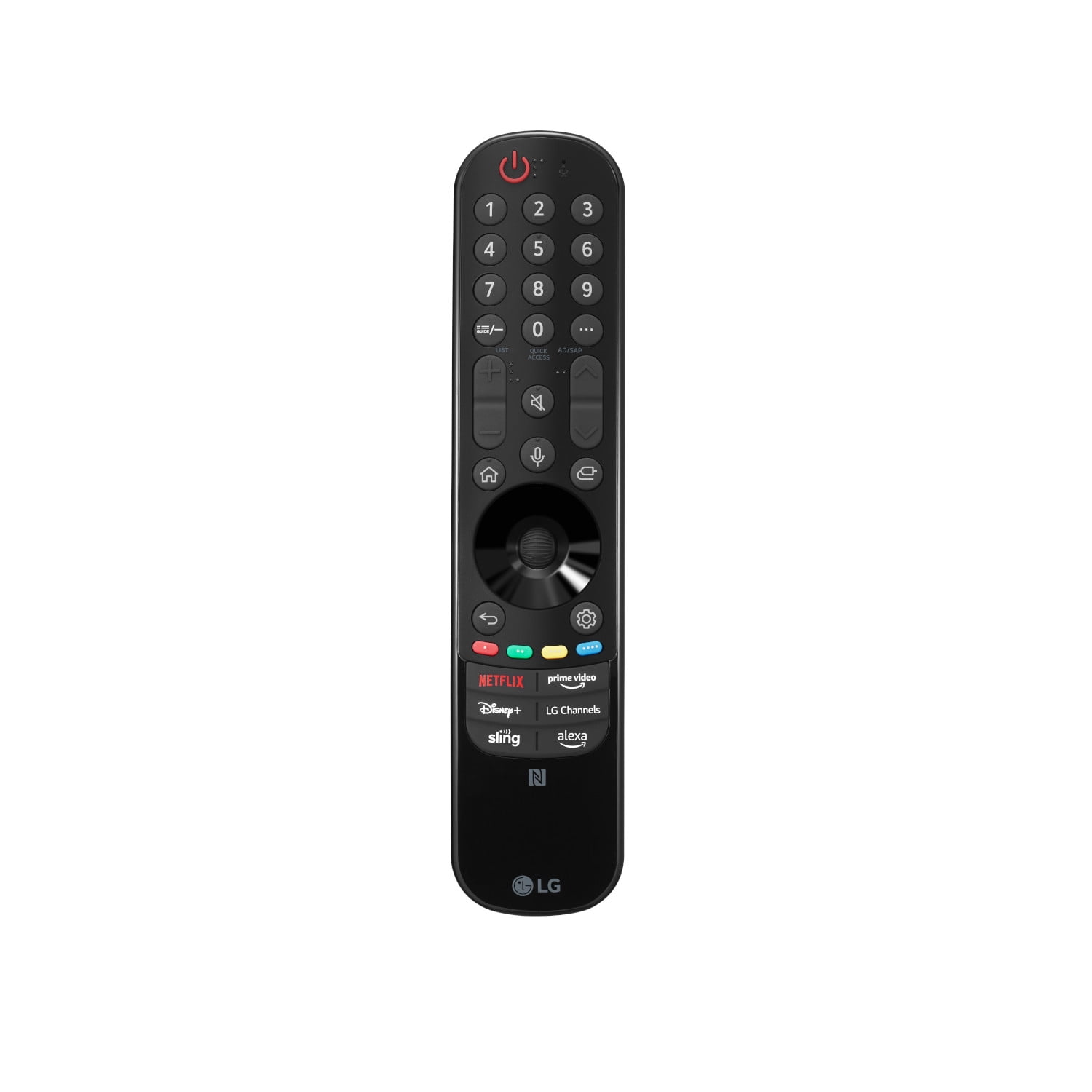
The LG G4 runs webOS 24, LG's latest smart TV platform iteration. This system offers more advanced features, including a built-in far-field microphone for hands-free voice commands. Quick Cards help organize favorite apps, while AI Concierge provides personalized content recommendations based on viewing habits.
WebOS also supports cloud gaming services like GeForce NOW and Amazon Luna, essentially turning your TV into a gaming console when paired with a compatible controller. This feature appeals particularly to users who want access to PC gaming libraries without owning dedicated gaming hardware.
The platform differences matter for long-term satisfaction. Roku TV receives consistent updates and maintains broad app support, but offers fewer advanced features. WebOS provides more sophisticated capabilities but with added complexity that some users find overwhelming.
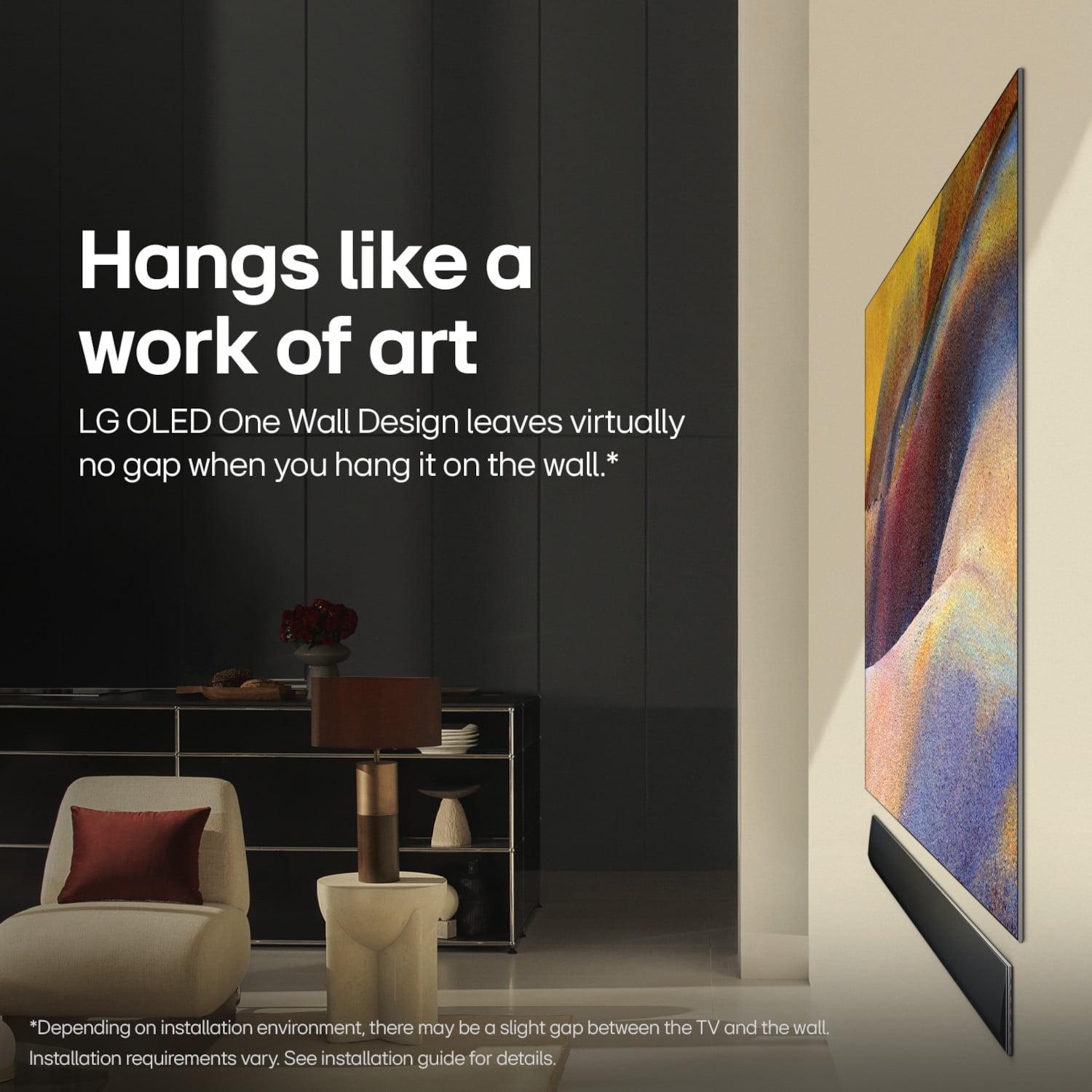
Both televisions embody premium OLED design principles: impossibly thin profiles, minimal bezels, and sophisticated materials. The LG G4 measures just 24.3mm thick, while the Philips model comes in at 2.2 inches. Both are designed with gallery-style wall mounting in mind, capable of sitting nearly flush against the wall like artwork.
The LG G4 includes both wall mounting hardware and a table stand, addressing previous customer feedback about LG's gallery-focused approach. The Philips 974 also includes a table stand, though both models look most elegant when wall-mounted.
Build quality appears comparable between both models, with sturdy construction and premium materials throughout. Both feature the thin, bezel-less aesthetic that makes OLED panels so visually striking when displaying content.
For dedicated home theater use, both televisions deliver the perfect blacks and infinite contrast that make OLED technology special. However, the brightness difference becomes particularly important for HDR movie content.
Modern films are increasingly mastered with higher peak brightness targets, expecting displays capable of 1,000+ nits for proper highlight rendering. The LG G4 handles these requirements confidently, delivering the "wow factor" moments that justify HDR content's premium pricing. Imagine watching "Dune" and seeing the desert sun genuinely blazing, or "Top Gun: Maverick" with cockpit reflections that actually sparkle.
The Philips 974 still delivers excellent dark room performance with perfect blacks and good color reproduction, but HDR highlights lack the impact that makes modern films truly spectacular. This limitation becomes more apparent with high-quality content sources like 4K Blu-rays or premium streaming services' highest bitrate offerings.
Audio performance requires external solutions for both models if you want true home theater sound. While the LG G4 offers a more sophisticated 4.2 channel system with AI sound processing, and the Philips model includes a dedicated subwoofer, neither approaches the performance level serious home theater enthusiasts demand. Budget for a quality soundbar or surround sound system regardless of which TV you choose.
At the time of writing, the LG G4 Series typically commands a lower price than the Philips 974 despite offering superior performance in most measurable categories. This pricing advantage makes the LG an even more compelling choice for most buyers.
The value equation becomes clear when considering room versatility. The Philips model essentially requires dedicated dark room installation to achieve its best performance, limiting its usefulness for many living situations. The LG G4 adapts to various lighting conditions, making it suitable for primary living room use, bedroom installation, or dedicated theater rooms equally well.
Long-term value considerations favor the LG model as well, with more advanced processing that should handle future content developments better and more comprehensive connectivity for evolving gaming and entertainment devices.
The decision between these models largely depends on your viewing environment and priorities.
Choose the LG G4 Series if you want maximum versatility and performance. Its superior brightness makes it suitable for any room lighting condition, while advanced processing ensures excellent picture quality with all content types. The comprehensive gaming features and lower price point make it the obvious choice for most buyers.
The Philips 65OLED974/F7 makes sense only for very specific scenarios: dedicated dark room viewing environments where you can control ambient light completely, or situations where Roku TV's interface strongly appeals to you. Even then, the brightness limitation significantly impacts HDR content enjoyment.
For home theater enthusiasts, the LG G4 delivers the brightness necessary for proper HDR presentation while maintaining OLED's perfect black levels. Casual viewers benefit from its room adaptability and ease of use. Gamers appreciate the comprehensive connectivity and low input lag performance.
The bottom line: unless you have compelling reasons to prefer Roku TV's interface or exclusively watch in pitch-black environments, the LG G4 Series offers superior performance, better value, and greater long-term satisfaction. Its brightness advantage isn't just a specification difference—it's a fundamental improvement that makes the TV more enjoyable to use in real-world conditions.
In the premium OLED market, brightness has become the key differentiator, and the LG G4 delivers where it matters most while costing less than its dimmer competition. That's a winning combination that's hard to argue against.
| Philips 65OLED974/F7 65" OLED Roku TV | LG 65" G4 Series OLED evo 4K UHD Smart TV 2024 |
|---|---|
| Peak Brightness - Most critical difference affecting HDR impact and room versatility | |
| Poor brightness, unsuitable for bright rooms | Up to 1,400 nits with Brightness Booster Max, excellent for any lighting |
| Display Technology - Both offer perfect blacks but different brightness capabilities | |
| Standard OLED with self-lit pixels | OLED evo with Micro Lens Array (MLA) for enhanced brightness |
| Processor & AI Features - Affects upscaling, noise reduction, and smart capabilities | |
| Basic processing with non-functional noise reduction | α11 AI Processor with 6.7x faster AI performance and advanced upscaling |
| Refresh Rate & Gaming - Important for smooth motion and competitive gaming | |
| Native 120Hz, supports VRR, <0.1ms response time | Native 120Hz up to 144Hz, supports VRR, G-Sync, FreeSync Premium |
| HDMI 2.1 Connectivity - Critical for multiple next-gen gaming devices | |
| 2 HDMI 2.1 ports supporting 4K@120Hz | 4 HDMI 2.1 ports supporting up to 4K@144Hz |
| Smart TV Platform - Different approaches to content and usability | |
| Roku TV (simple interface, excellent app support) | webOS 24 (advanced AI features, cloud gaming, voice control) |
| Audio System - Both require external sound for premium home theater | |
| Dolby 2.1 system with dedicated subwoofer | 4.2 channel 60W with AI Sound Pro virtual 11.1.2 upmixing |
| Color Accuracy - Affects out-of-box picture quality without calibration | |
| Good SDR colors, decent HDR accuracy | Excellent out-of-box accuracy, superior content creator intent |
| Pixel Density - Minor difference imperceptible at normal viewing distances | |
| 68 ppi (slightly sharper on paper) | 45 ppi (still excellent for 65" at 8-12 ft viewing) |
| Warranty Coverage - Important for long-term OLED ownership confidence | |
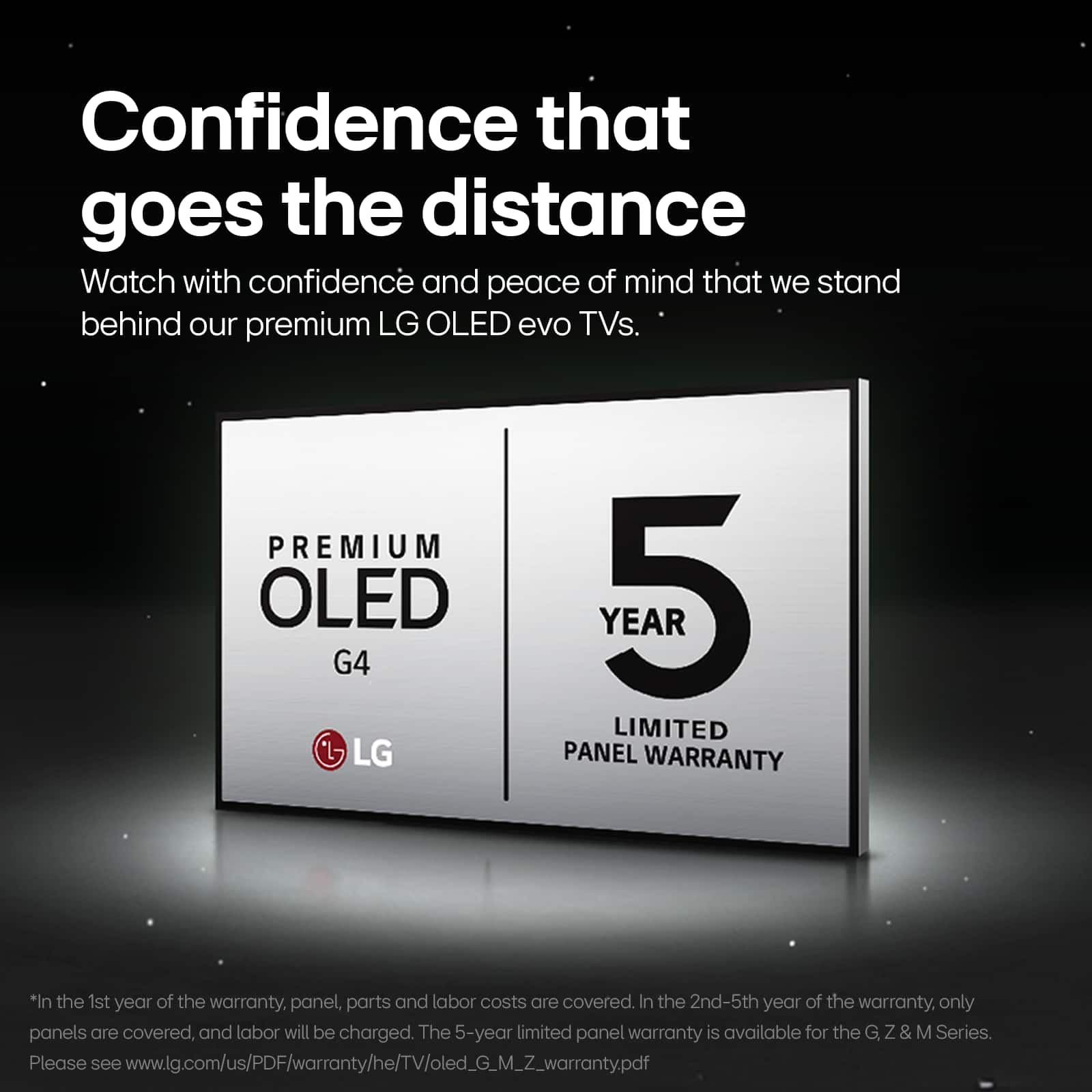
| Standard warranty coverage | 5-year panel warranty including burn-in protection |
| Room Suitability - Critical factor for most buyers | |
| Dark rooms only due to brightness limitations | Any lighting condition from bright living rooms to dark theaters |
| Value Proposition - Performance per dollar consideration | |
| Higher price for limited brightness performance | Lower price with superior brightness and features |
The LG G4 Series is significantly better for bright rooms thanks to its Brightness Booster Max technology that delivers up to 150% brighter images. The Philips 65OLED974/F7 struggles with glare and ambient light, making it suitable only for dark viewing environments.
The primary difference is brightness capability. The LG G4 Series produces much brighter images that make HDR content pop and enable viewing in well-lit rooms, while the Philips 65OLED974/F7 has limited brightness that restricts it to dark room use only.
Both TVs offer excellent gaming with 120Hz refresh rates and low input lag, but the LG G4 Series has the edge with four HDMI 2.1 ports versus two on the Philips model, plus support for NVIDIA G-Sync and AMD FreeSync Premium for smoother gameplay.
Yes, both the Philips 65OLED974/F7 and LG G4 Series support 4K resolution and HDR formats including Dolby Vision. However, the LG G4 delivers much more impactful HDR performance due to its superior brightness capabilities.
The Philips 65OLED974/F7 uses Roku TV, which offers a simple interface and excellent app selection. The LG G4 Series runs webOS 24 with more advanced AI features, cloud gaming support, and hands-free voice control. Both are reliable platforms with different strengths.
Both TVs deliver perfect blacks ideal for home theater, but the LG G4 Series is superior for home theater due to its ability to properly display bright HDR highlights that make movies more impactful. The Philips 65OLED974/F7 works well only in completely dark theater rooms.
The LG G4 Series typically offers better value, providing superior brightness performance, more advanced processing, and additional features while often costing less than the Philips 65OLED974/F7.
Both TVs have decent built-in audio - the Philips 65OLED974/F7 features a 2.1 system with subwoofer, while the LG G4 Series has a 4.2 channel system with AI sound processing. However, both benefit from external soundbars or speakers for premium audio quality.
The LG G4 Series generally has better overall picture quality due to its advanced α11 AI processor, superior brightness for HDR content, and excellent out-of-box color accuracy. The Philips 65OLED974/F7 offers good picture quality but is limited by its brightness constraints.
Yes, both the Philips 65OLED974/F7 and LG G4 Series support wall mounting with their ultra-thin profiles. The LG G4 is specifically designed for flush wall mounting and includes mounting hardware, while both models also come with table stands.
The LG G4 Series is better for streaming due to its superior brightness that makes HDR content more engaging, advanced AI processing for better upscaling of compressed streaming content, and more versatile room performance. The Philips 65OLED974/F7 works well for streaming only in dark environments.
Choose the LG G4 Series for most situations - it offers better brightness, superior processing, more gaming features, and greater room versatility at a competitive price. Only consider the Philips 65OLED974/F7 if you exclusively watch in dark rooms and strongly prefer Roku TV's interface.
We've done our best to create useful and informative comparisons to help you decide what product to buy. Our research uses advanced automated methods to create this comparison and perfection is not possible - please contact us for corrections or questions. These are the sites we've researched in the creation of this article: rtings.com - versus.com - versus.com - rtings.com - samsclub.com - versus.com - youtube.com - usa.philips.com - bestbuy.com - usa.philips.com - consumerreports.org - usa.philips.com - documents.philips.com - tvoutlet.ca - displayspecifications.com - business.walmart.com - displayspecifications.com - ecoustics.com - walmart.com - hometechnologyreview.com - hometechnologyreview.com - whathifi.com - hometechnologyreview.com - youtube.com - tomsguide.com - tomsguide.com - smarthomesounds.co.uk - rtings.com - rtings.com - bhphotovideo.com - youtube.com - schaeferstv.com - bestbuy.com - costco.com - lg.com - lg.com - shopsilica.com - bestbuy.com - techradar.com - bestbuy.com - bestbuy.com - lg.com - lgnewsroom.com

Privacy Policy
Terms and Conditions - Affiliate Policy
Home Security
© Copyright 2008-2026.
11816 Inwood Rd #1211, Dallas, TX 75244