

When I first started researching premium TVs, the sheer number of acronyms and marketing terms felt overwhelming. OLED, QLED, Mini-LED, HDR10, Dolby Vision – it's enough to make anyone's head spin. But here's the thing: understanding these technologies isn't just about impressing your tech-savvy friends. It's about making the right choice for how you actually watch TV.
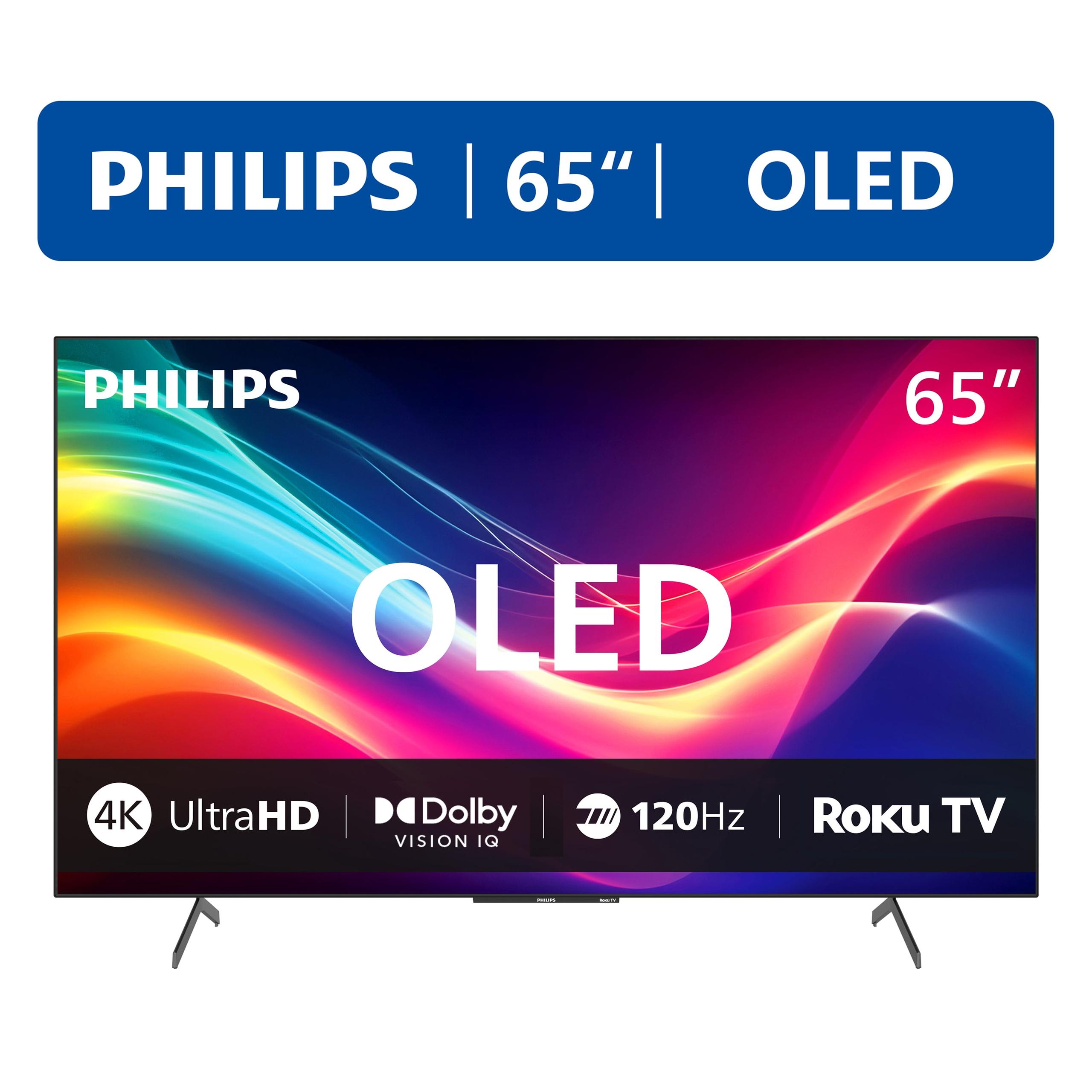
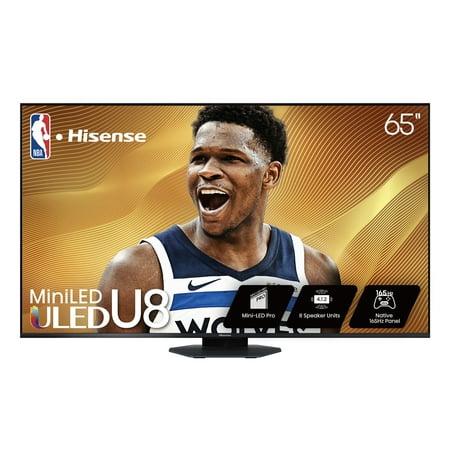
Today, we're diving deep into two compelling 65-inch TVs that represent different philosophies in premium display technology: the Philips 65OLED974/F7 and the Hisense 65" U8 Series Mini-LED. Both launched in recent years as manufacturers pushed the boundaries of what's possible in home entertainment, but they achieve stunning picture quality through completely different approaches.
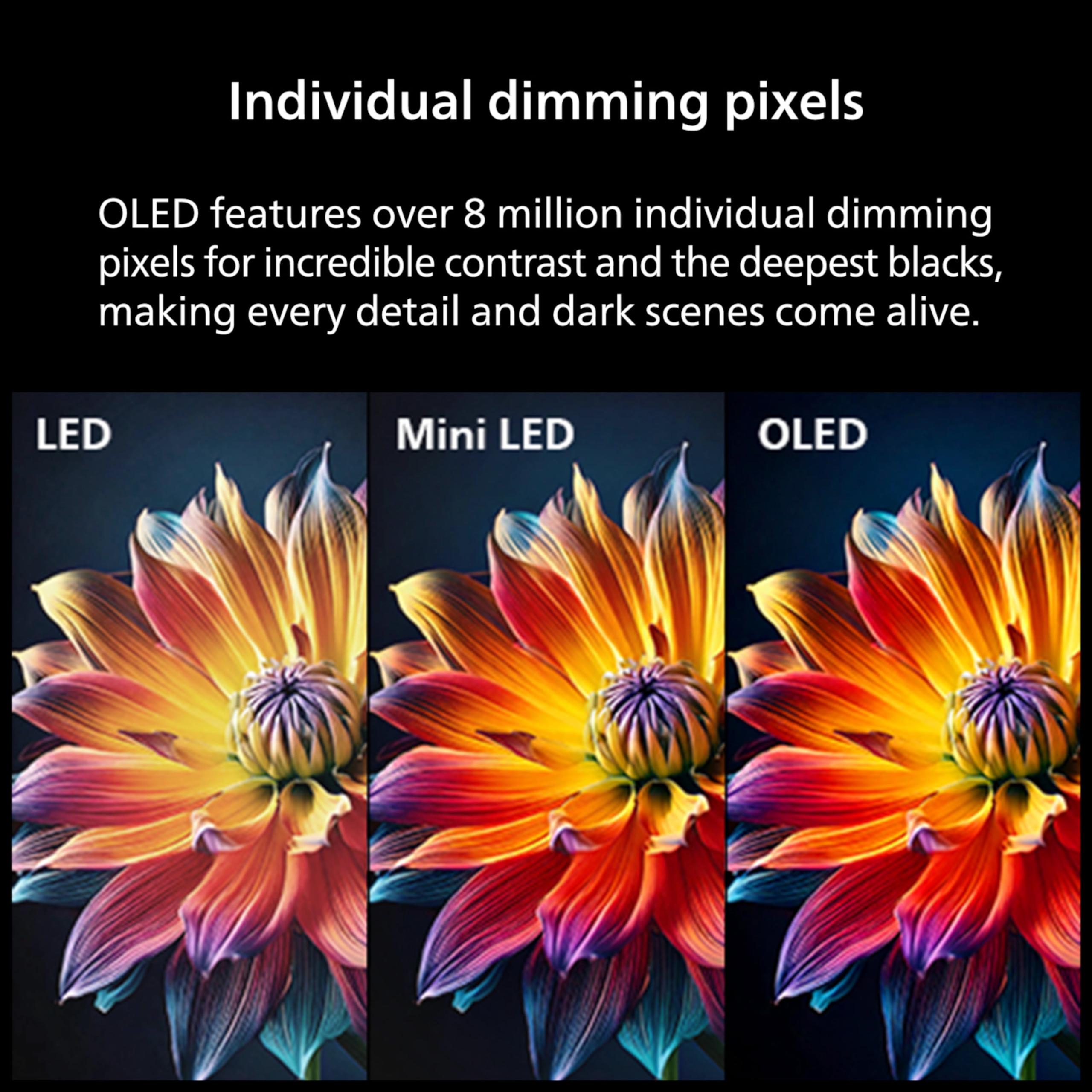
The fundamental difference between these TVs comes down to how they create light and darkness on screen. The Philips OLED uses what's called "self-emissive" technology – each of the 8.3 million pixels can light up independently or turn completely off. Think of it like having 8.3 million tiny light bulbs that can instantly switch on and off. When a pixel needs to show black, it simply turns off, creating what we call "perfect blacks."
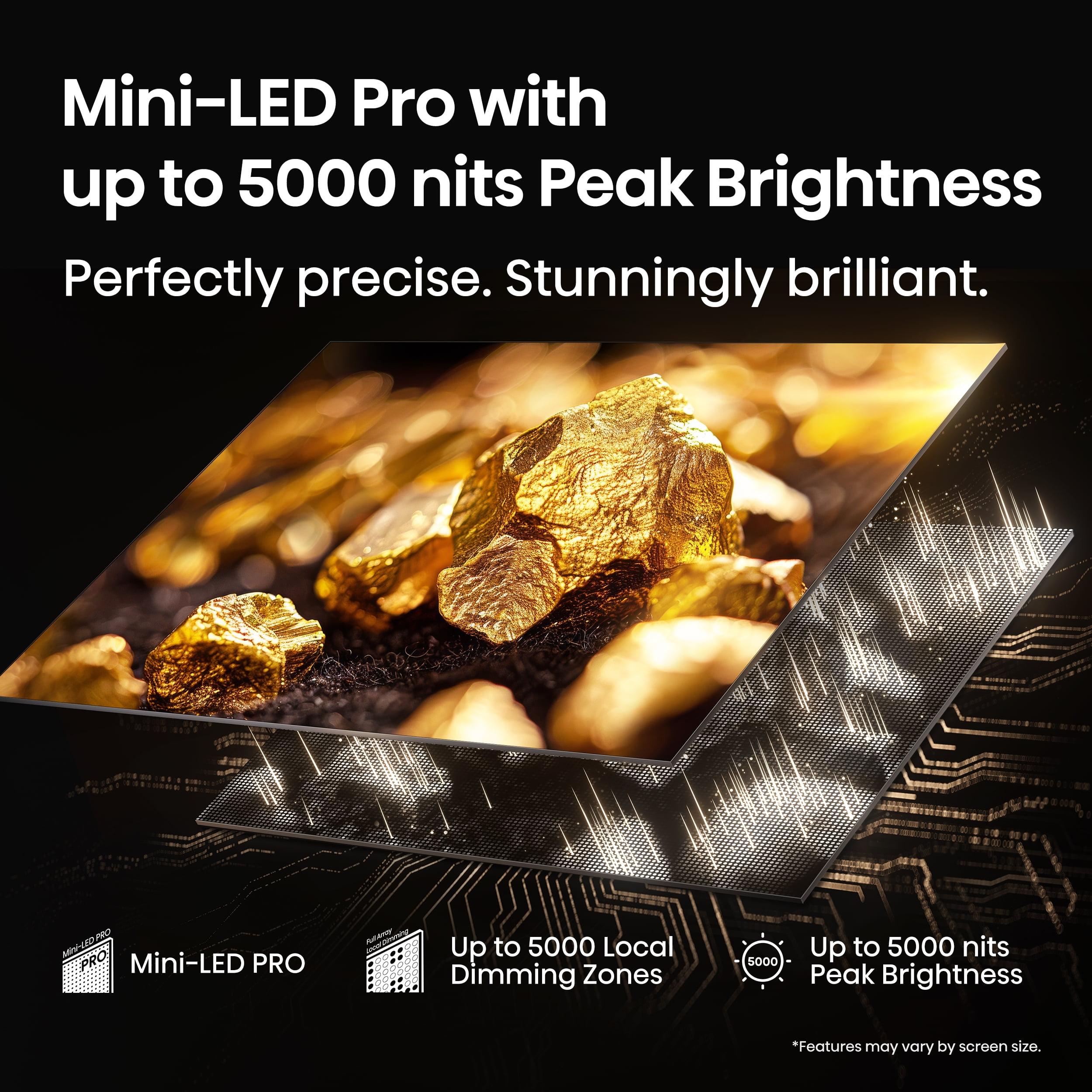
The Hisense U8, on the other hand, uses Mini-LED technology with something called "Full Array Local Dimming." Instead of self-lighting pixels, it has thousands of tiny LED backlights (over 2000 in this case) that sit behind the screen. These LEDs can dim or brighten in zones to control how much light reaches different parts of the screen. It's like having 2000+ stage lights that can adjust independently to create the right lighting for each scene.
Both approaches have their strengths, and understanding them helps explain why these TVs excel in different situations.
Here's where the Hisense U8 really flexes its muscles. With peak brightness reaching up to 3000 nits (a measurement of how bright a display can get), it's roughly three times brighter than most OLED TVs. To put that in perspective, a sunny day outside measures around 100,000 nits, while indoor lighting typically ranges from 100-500 nits. The Philips OLED, like most OLEDs, peaks at around 800-1000 nits.
Why does this matter? If you're watching TV in a bright living room with large windows, that extra brightness makes a massive difference. I've seen many people disappointed with OLED performance during daytime viewing, not because the technology is inferior, but because it simply can't compete with bright ambient light. The Hisense U8 can punch through that glare and maintain vibrant colors even when sunlight is streaming through your windows.
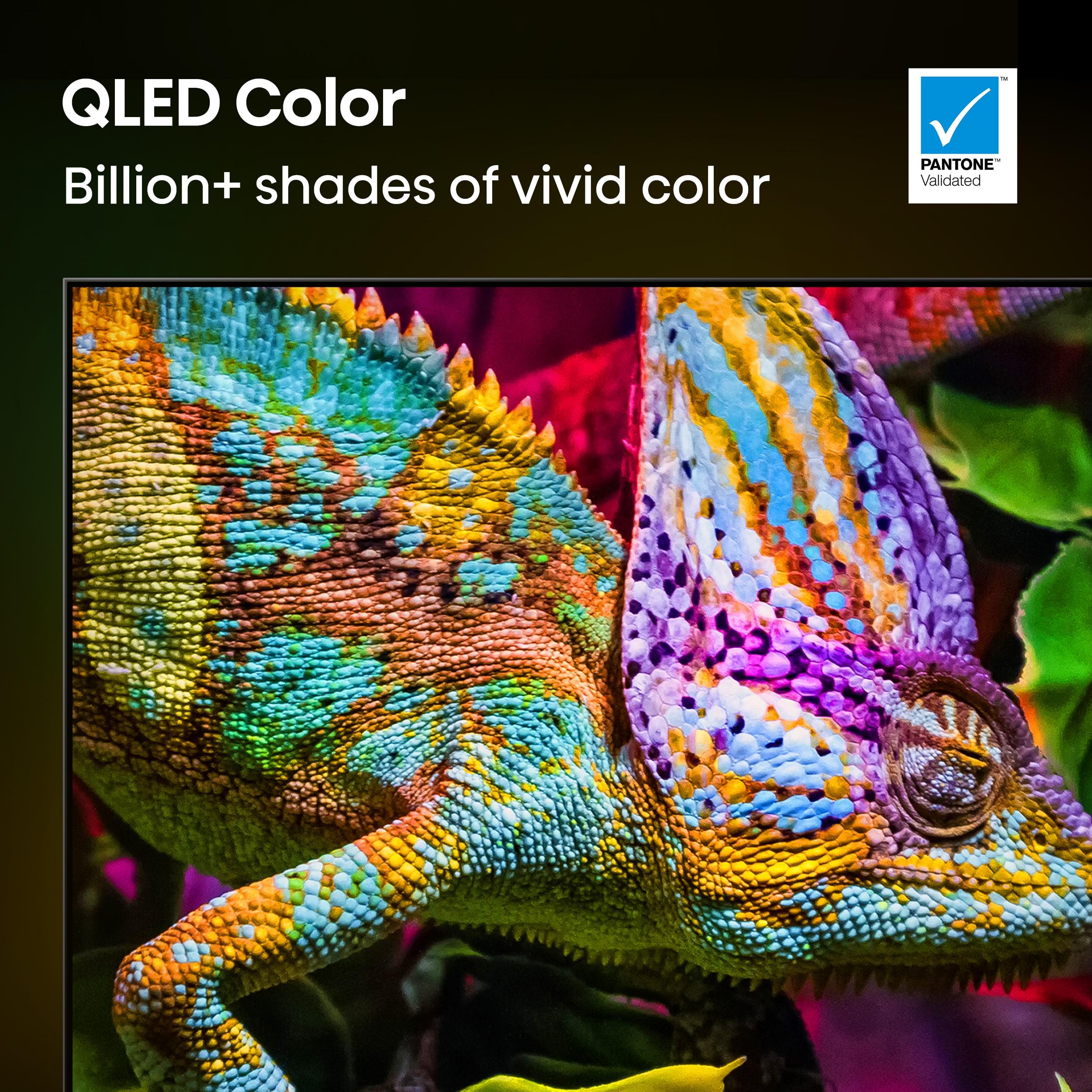
The Hisense also benefits from Quantum Dot technology, which uses microscopic particles to create more accurate and vibrant colors. Combined with that high brightness, HDR (High Dynamic Range) content really pops. HDR is designed to show a wider range of brightness and colors than standard video, mimicking what our eyes see in real life. When you're watching a sunset scene in an HDR movie, those bright highlights need substantial brightness to look realistic – something the Hisense U8 delivers in spades.
However, all that brightness comes with a trade-off: the Hisense can't achieve true black levels. Even with 2000+ dimming zones, some light inevitably bleeds through, creating what we call "blooming" – a subtle glow around bright objects on dark backgrounds. It's significantly better than older LED TVs, but it's still there if you look for it.
This is where the Philips OLED absolutely dominates. When a pixel needs to show black, it turns off completely – no light, no glow, nothing. The result is an infinite contrast ratio, meaning the difference between the darkest dark and brightest bright is theoretically unlimited. In practical terms, this creates an almost three-dimensional depth to images that's particularly stunning in dark room viewing.
I remember watching "Blade Runner 2049" on an OLED for the first time – those dark, moody scenes had a depth and richness that made me feel like I was looking through a window rather than at a screen. The Philips OLED delivers this same experience, with perfect blacks that make colors appear to float in space.
The trade-off? In bright rooms, that perfect black performance becomes less noticeable, and the overall image can appear dim compared to the Hisense U8. OLEDs also have the potential for burn-in, where static images displayed for extended periods can leave permanent marks on the screen. While modern OLEDs have significantly reduced this risk through various protective technologies, it's still a consideration for users who leave news channels or gaming HUDs on screen for hours at a time.
Both TVs cater to serious gamers, but they take different approaches. The Philips OLED delivers what might be the fastest gaming experience possible with a response time of less than 0.1 milliseconds. Response time measures how quickly a pixel can change from one color to another – the lower the better for gaming. For context, most gaming monitors consider anything under 5ms excellent, so 0.1ms is incredibly fast.
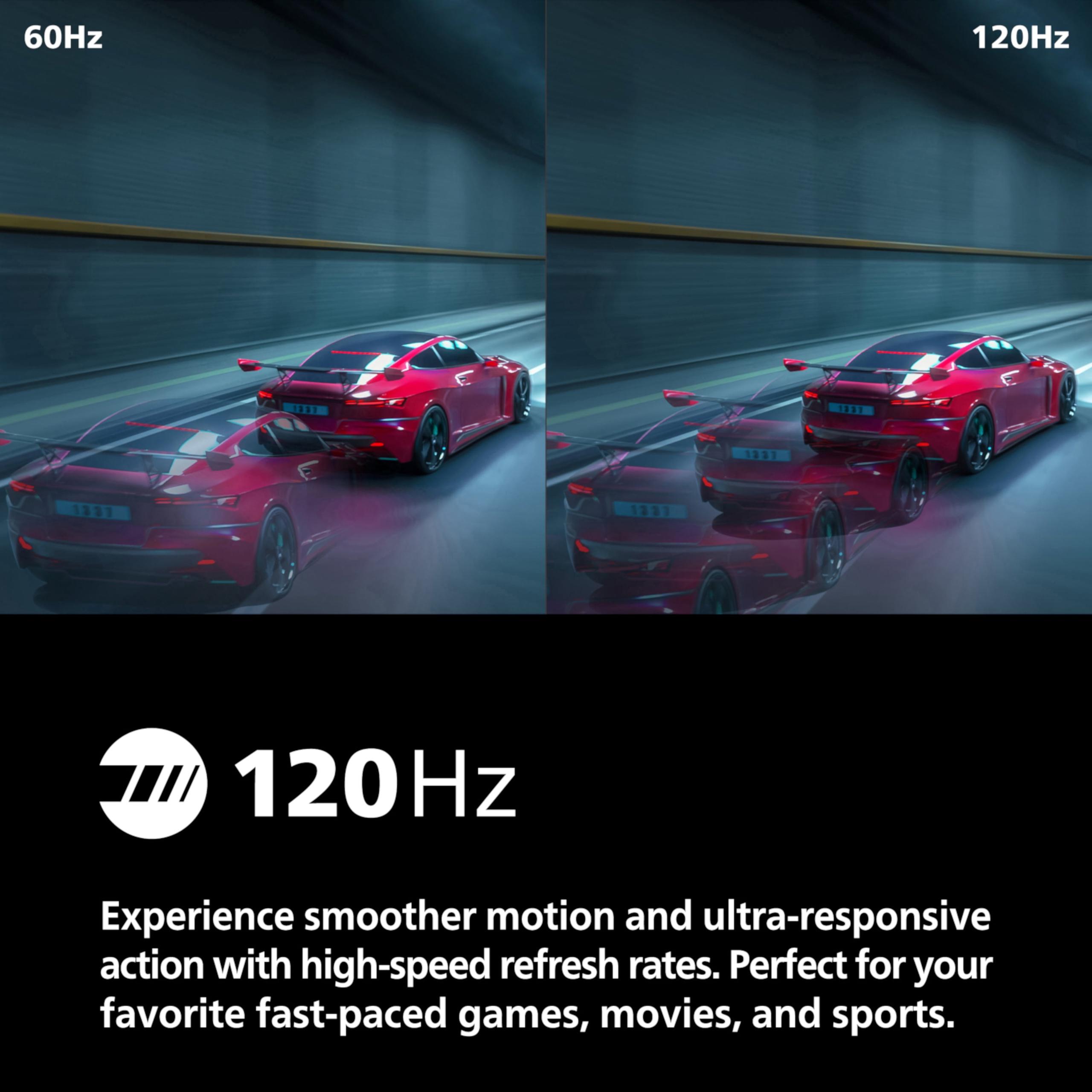
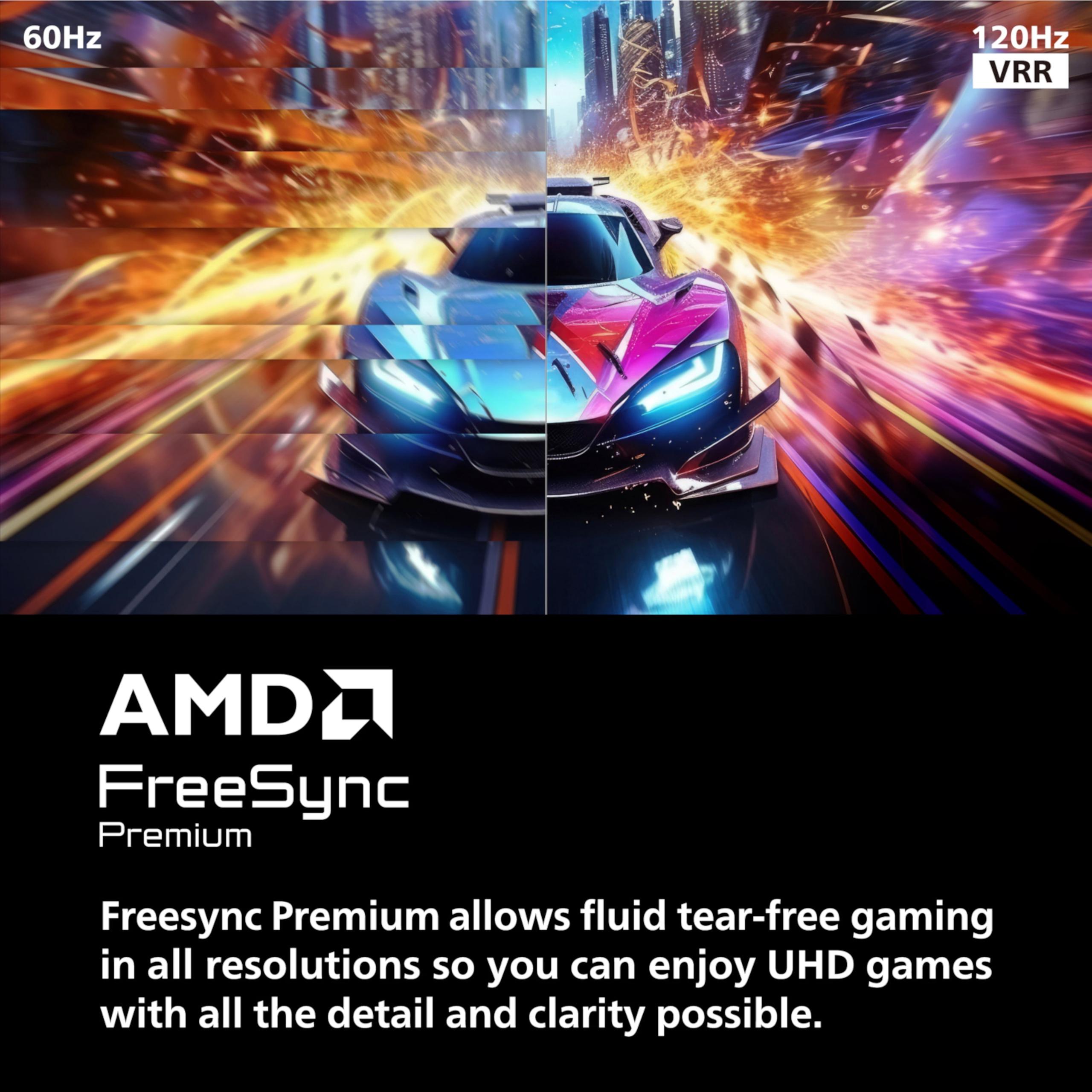
This blazing speed, combined with the 120Hz refresh rate (meaning the screen updates 120 times per second), creates buttery-smooth motion with zero blur. The TV supports AMD FreeSync Premium, which synchronizes the TV's refresh rate with your gaming console's frame rate, eliminating screen tearing – those annoying horizontal lines that appear when the display and graphics card are out of sync.
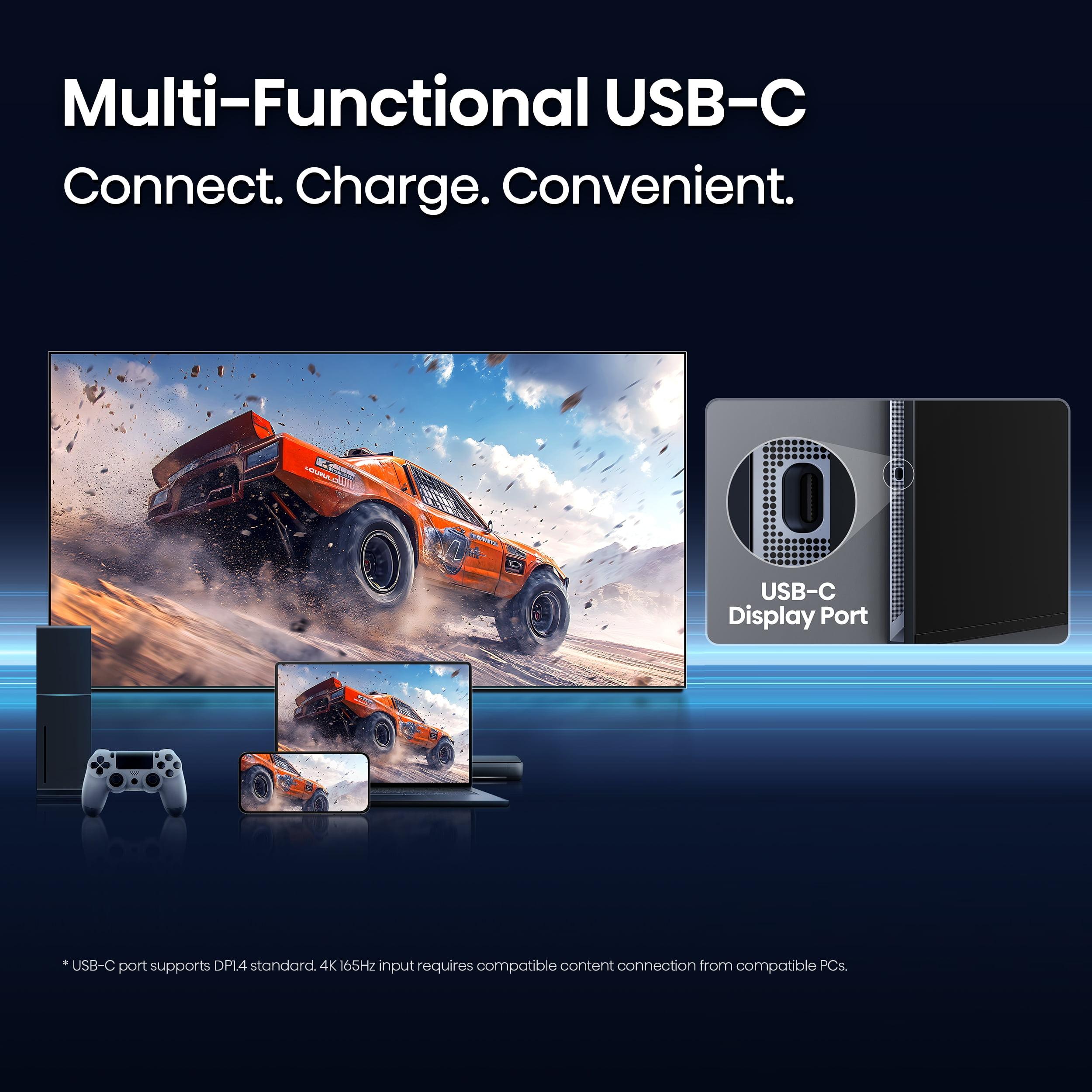
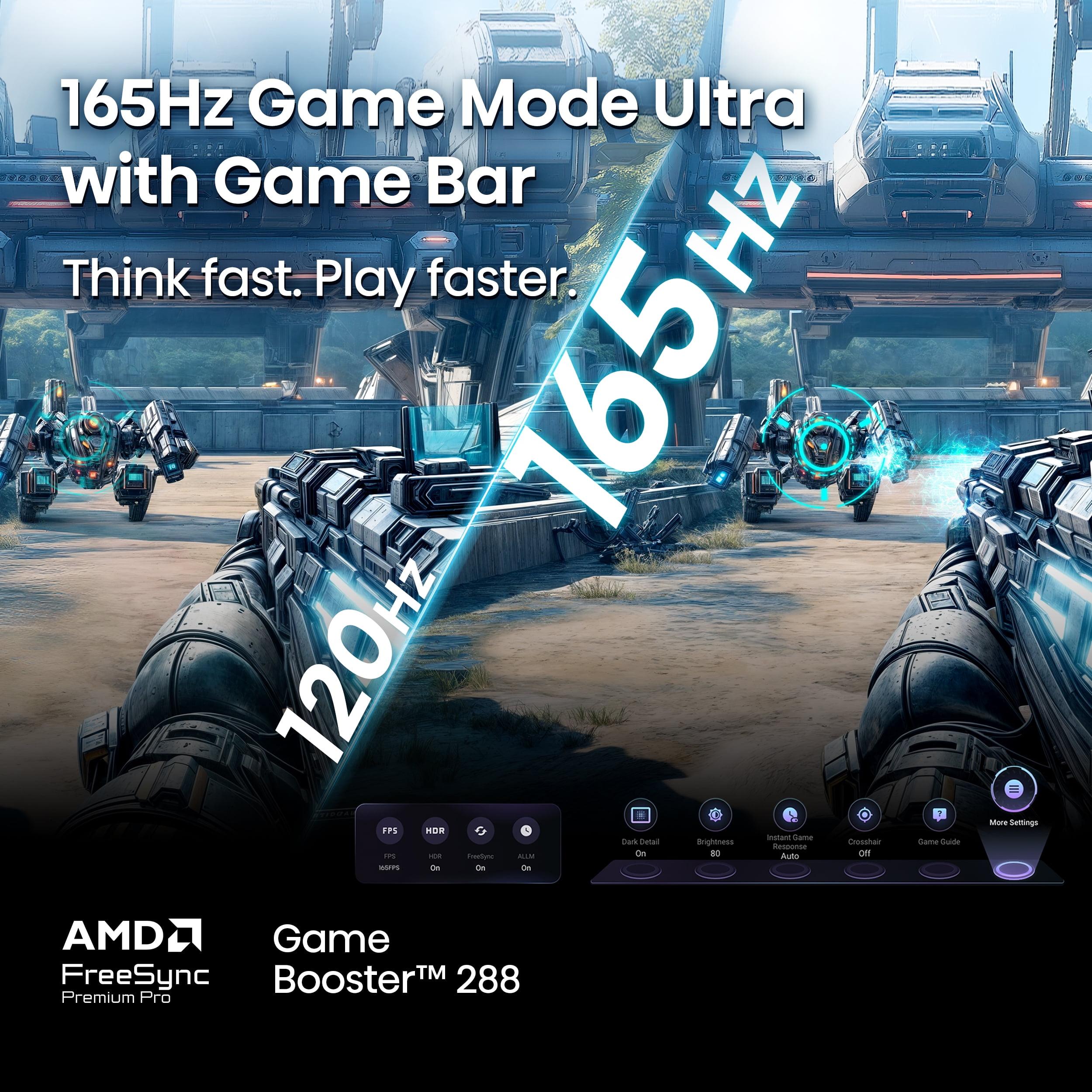
The Hisense U8 counter-attacks with a higher 144Hz refresh rate and AMD FreeSync Premium Pro support. While its response time isn't quite as fast as OLED, it's still excellent for gaming. The extra refresh rate headroom means it can better handle variable frame rates from 48Hz all the way up to 144Hz. It also includes a dedicated Game Bar that lets you adjust settings without leaving your game – a nice quality-of-life feature.
For competitive gaming where every millisecond counts, the Philips OLED has the edge. For more casual gaming with the latest consoles, both perform excellently, though the Hisense offers more flexibility with its higher refresh rate ceiling.
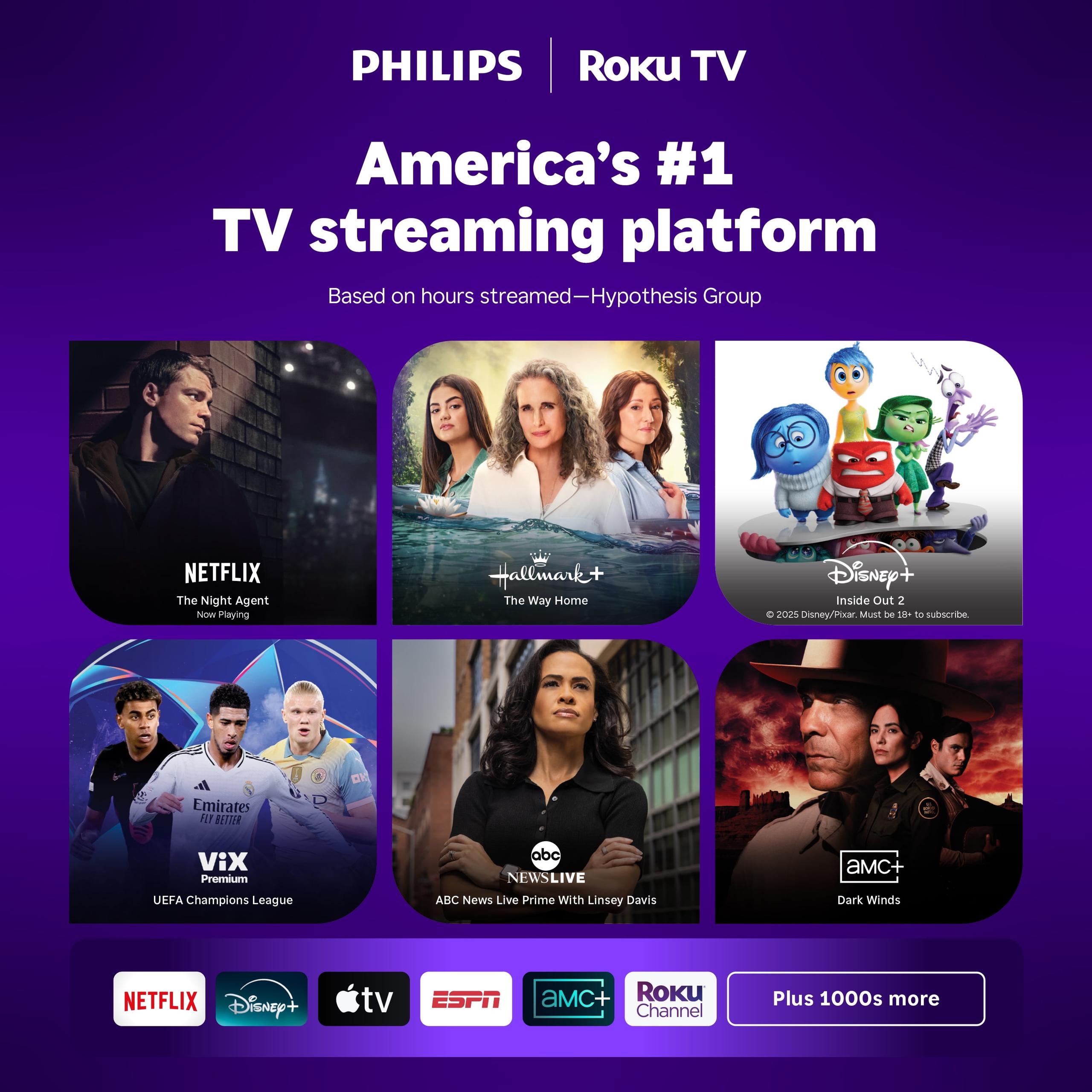
The smart TV experience differs significantly between these models. The Philips OLED runs Roku TV, which has become the gold standard for simple, intuitive smart TV interfaces. Roku's strength lies in its clean, fast interface and comprehensive app support. There's minimal bloatware, no intrusive ads cluttering the home screen, and the voice remote works reliably for basic commands.
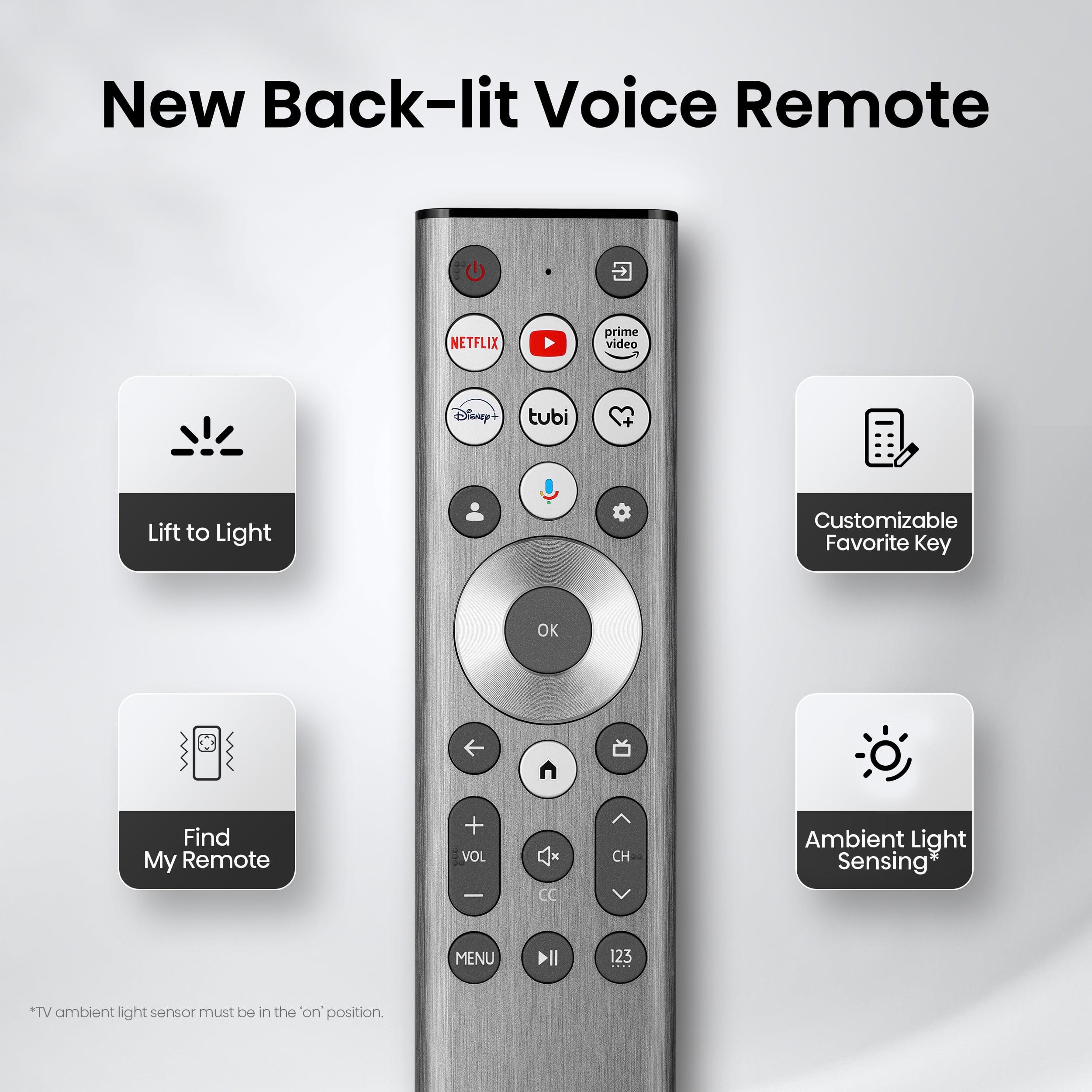
The Hisense U8 uses Google TV, which represents a more sophisticated but complex approach. Google TV leverages artificial intelligence to provide personalized content recommendations across all your streaming services. It integrates deeply with Google's ecosystem, supporting "Hey Google" voice commands and smart home control. The interface is more visually rich but can feel overwhelming for users who just want to find their favorite streaming app quickly.
Both platforms support all major streaming services, but Google TV offers more advanced features like cross-platform search and better integration with mobile devices. Roku TV wins on simplicity and reliability – it just works without fuss.
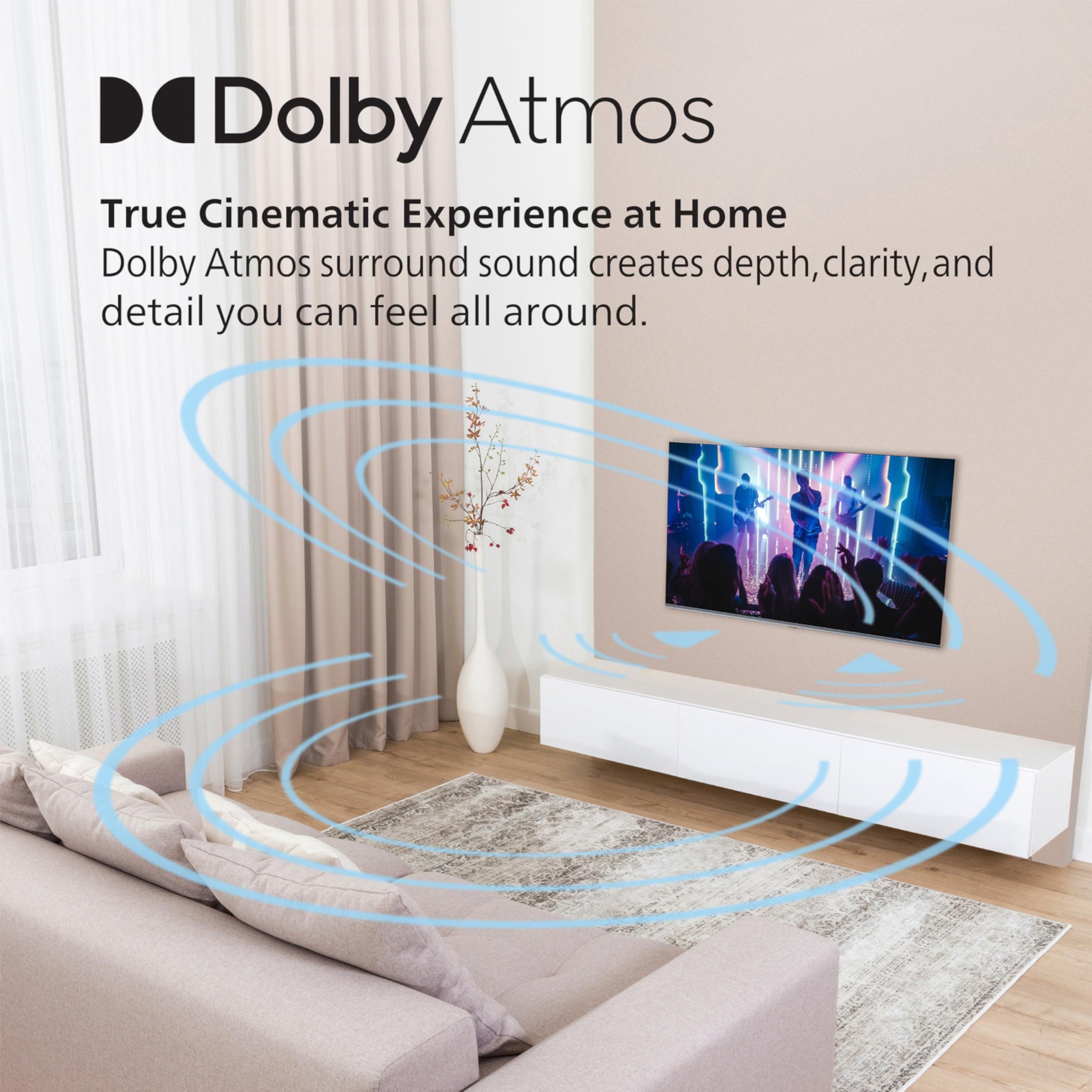
Built-in TV audio has improved dramatically in recent years, and both these TVs reflect that progress. The Philips OLED features a 2.1 speaker system with Dolby Atmos support, providing decent sound that's perfectly adequate for casual viewing. The slim OLED design does limit speaker size, which affects bass response and overall volume.
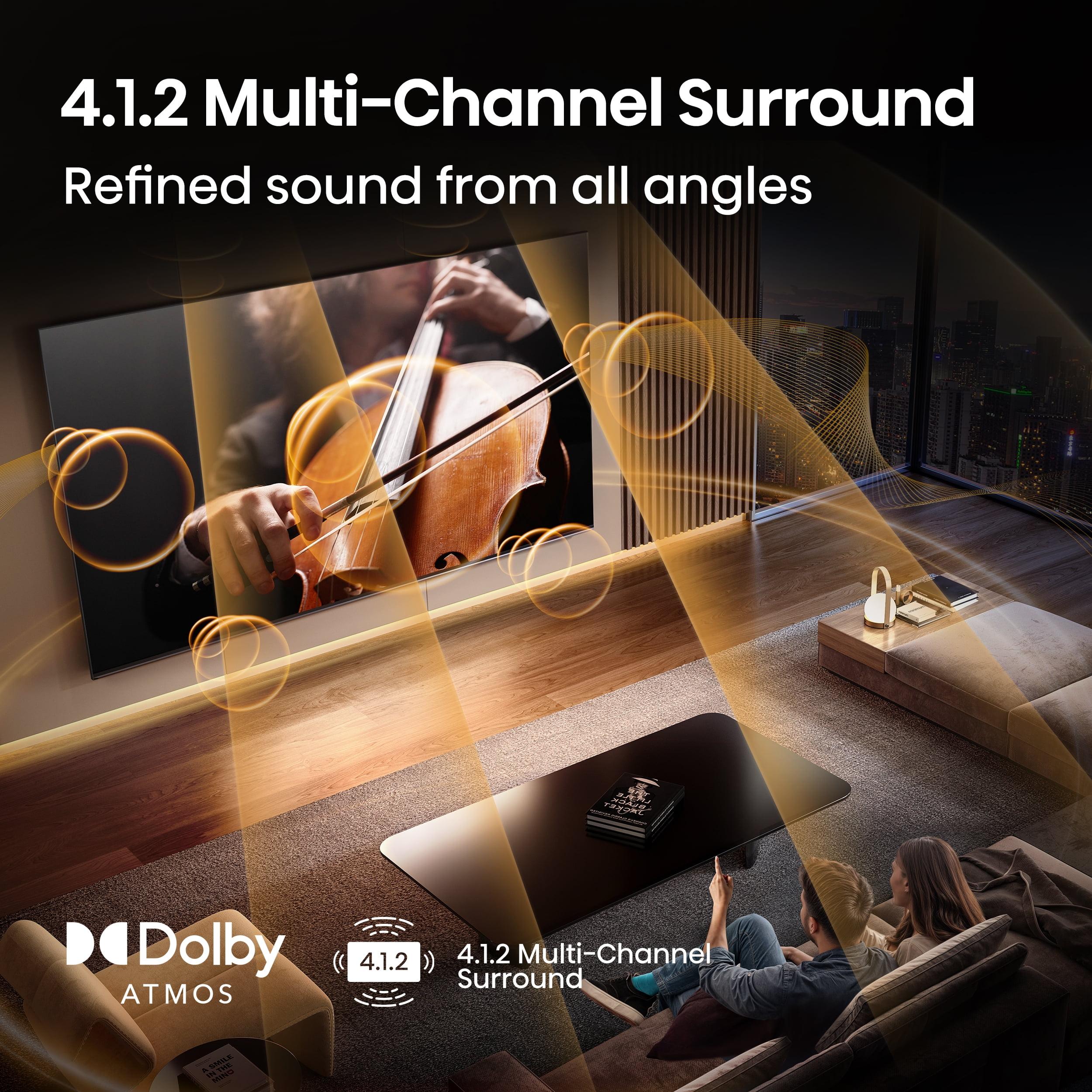
The Hisense U8 takes audio more seriously with its 50W 2.1.2 multi-channel system. The ".2" indicates upward-firing speakers that bounce sound off your ceiling to create height effects – a key component of Dolby Atmos. This creates a more immersive soundstage that complements the bright, vibrant picture quality.
While both TVs offer respectable audio for their built-in speakers, neither replaces a dedicated sound system for serious home theater use. However, the Hisense's more robust audio setup gives it an advantage for users who don't plan to add external speakers.
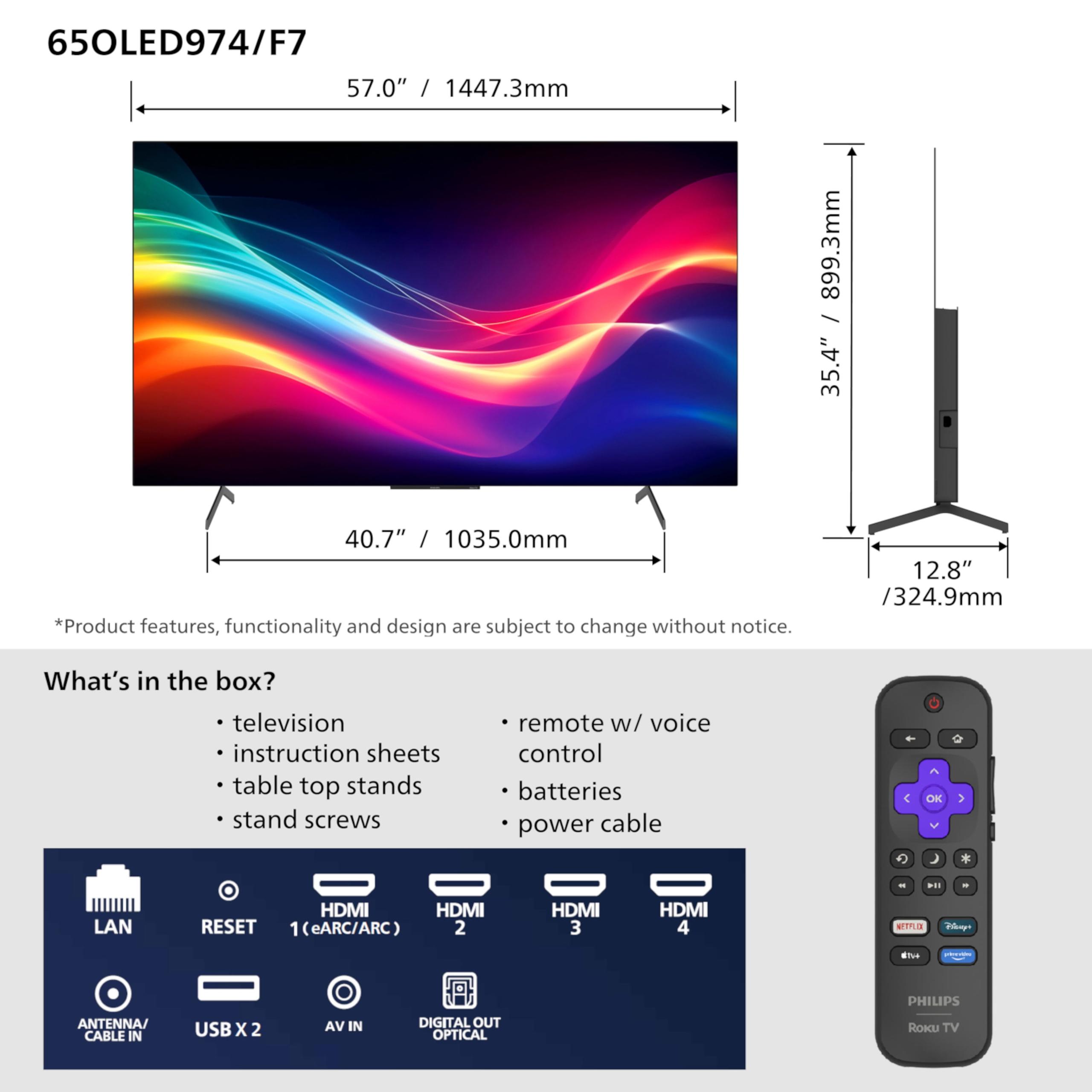
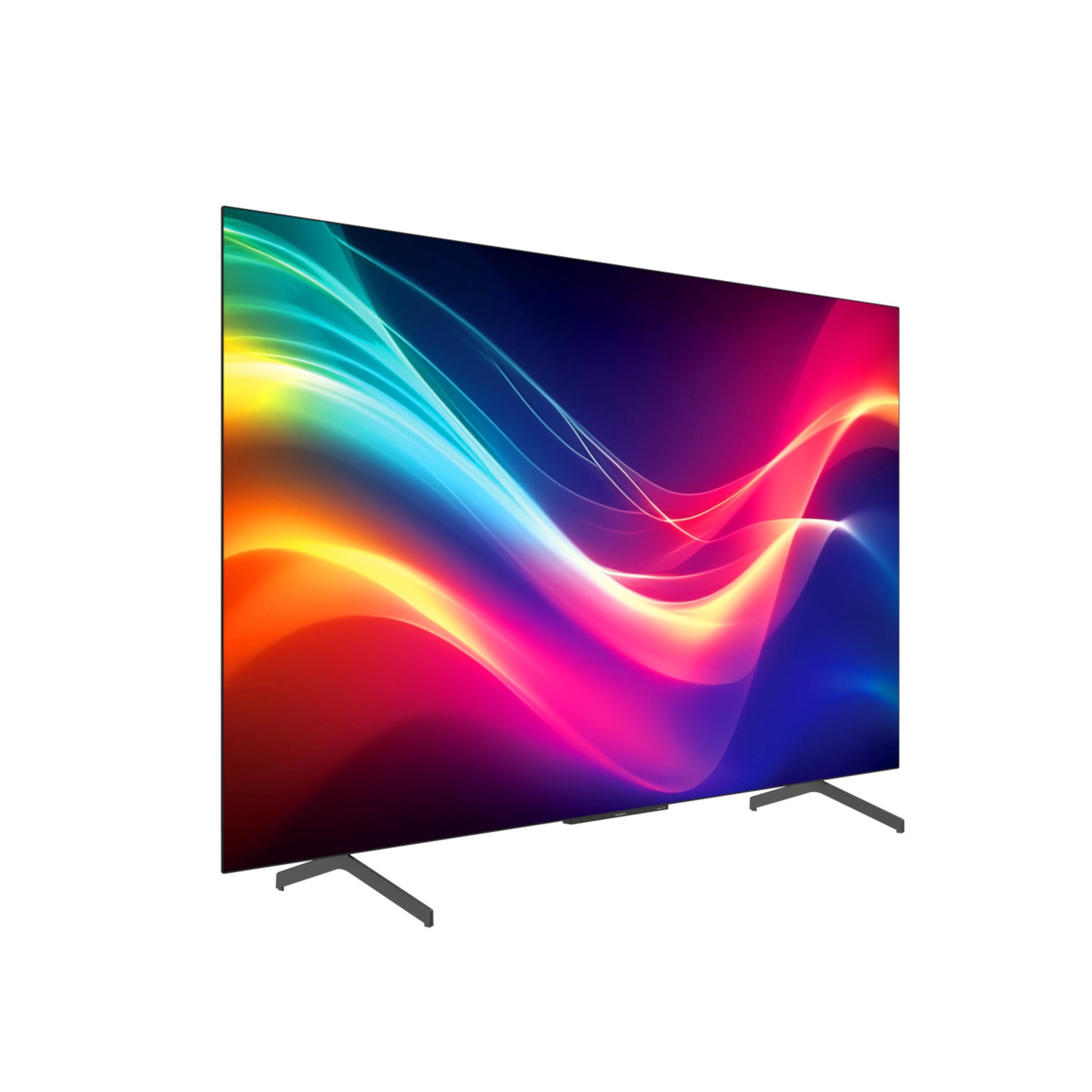
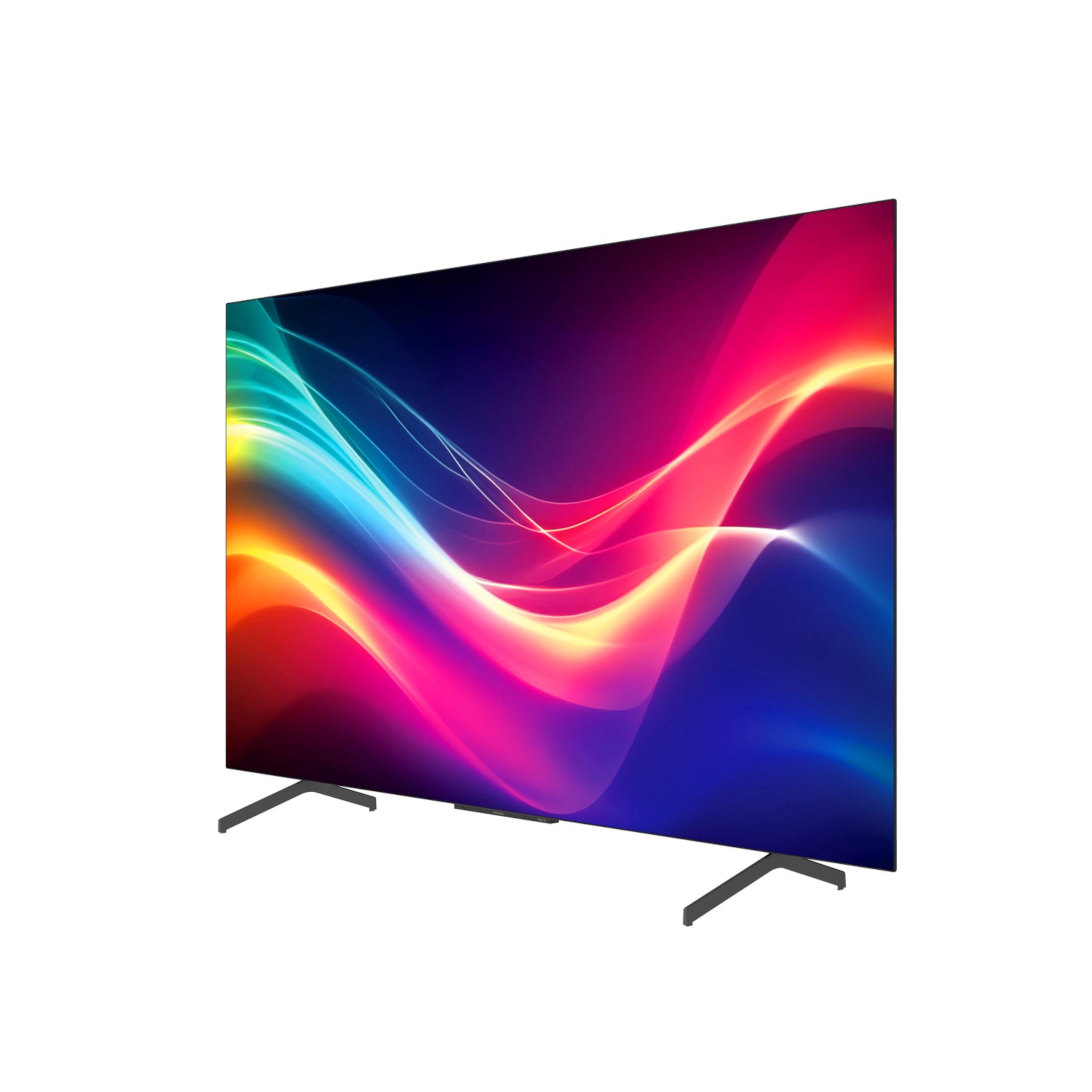
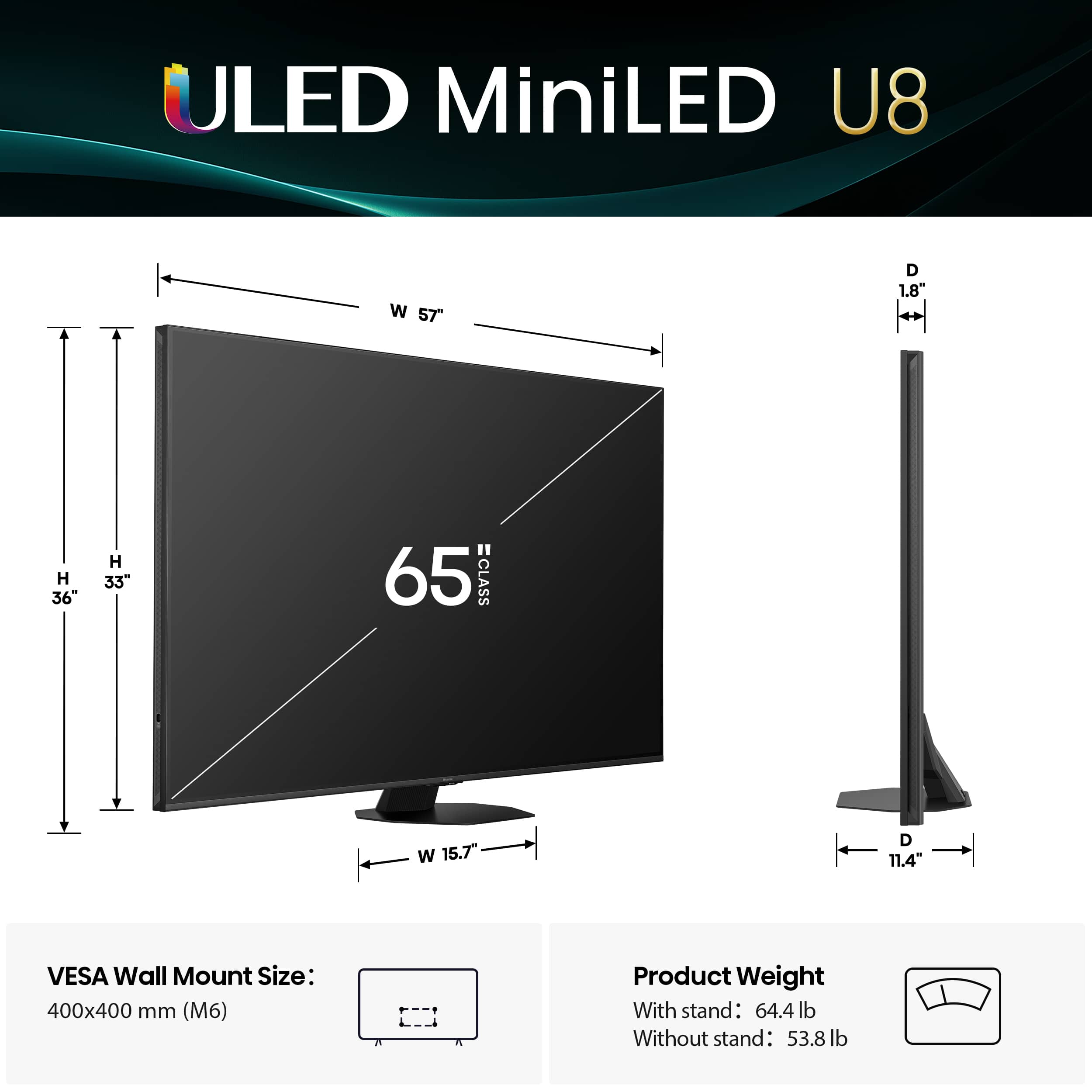
The Philips OLED showcases one of OLED technology's most appealing aspects: the impossibly thin profile. At just 2.2 inches deep, it creates a stunning floating effect when wall-mounted. The minimalist design emphasizes the display itself, making it feel more like a piece of art than a TV.
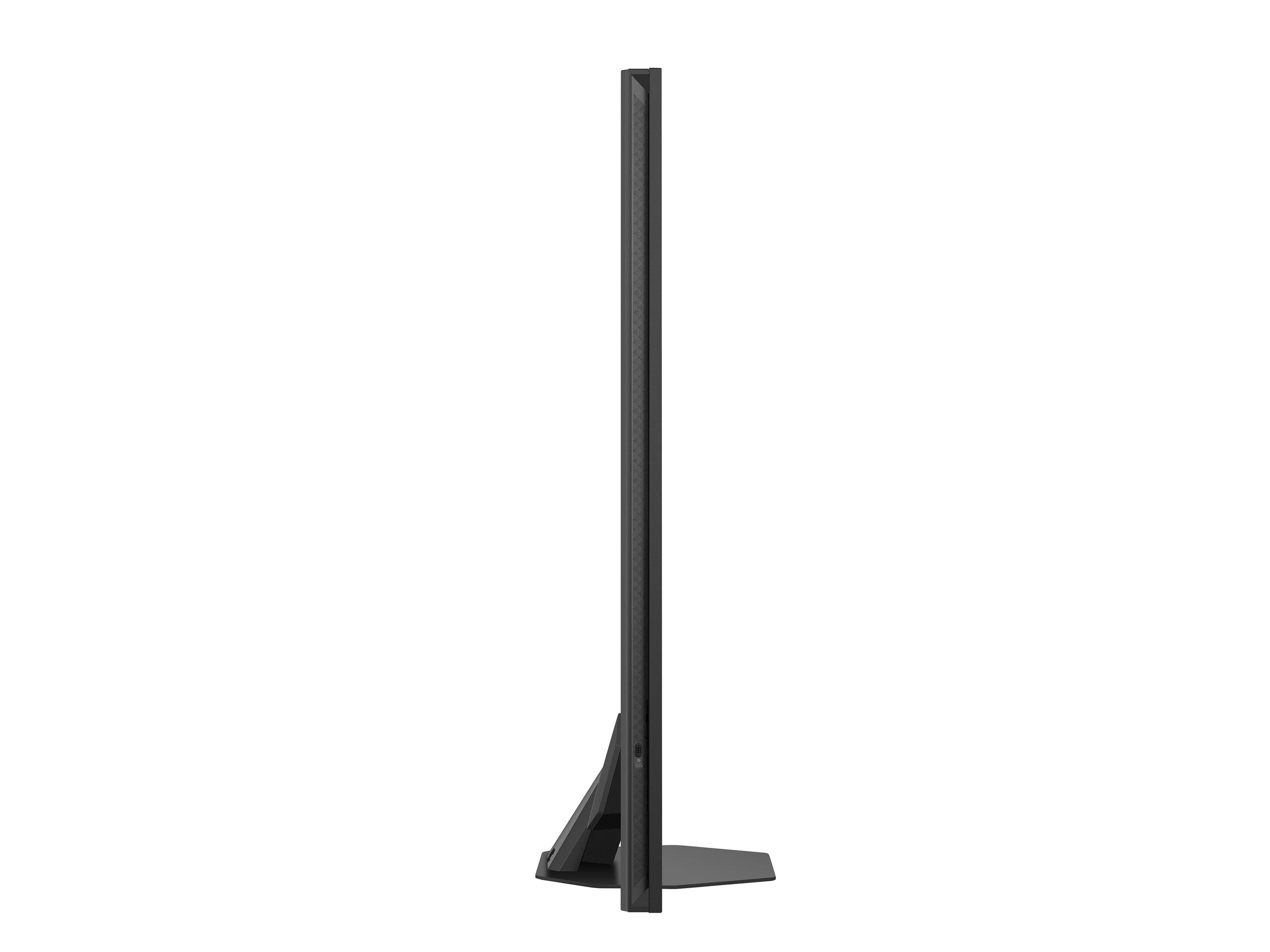
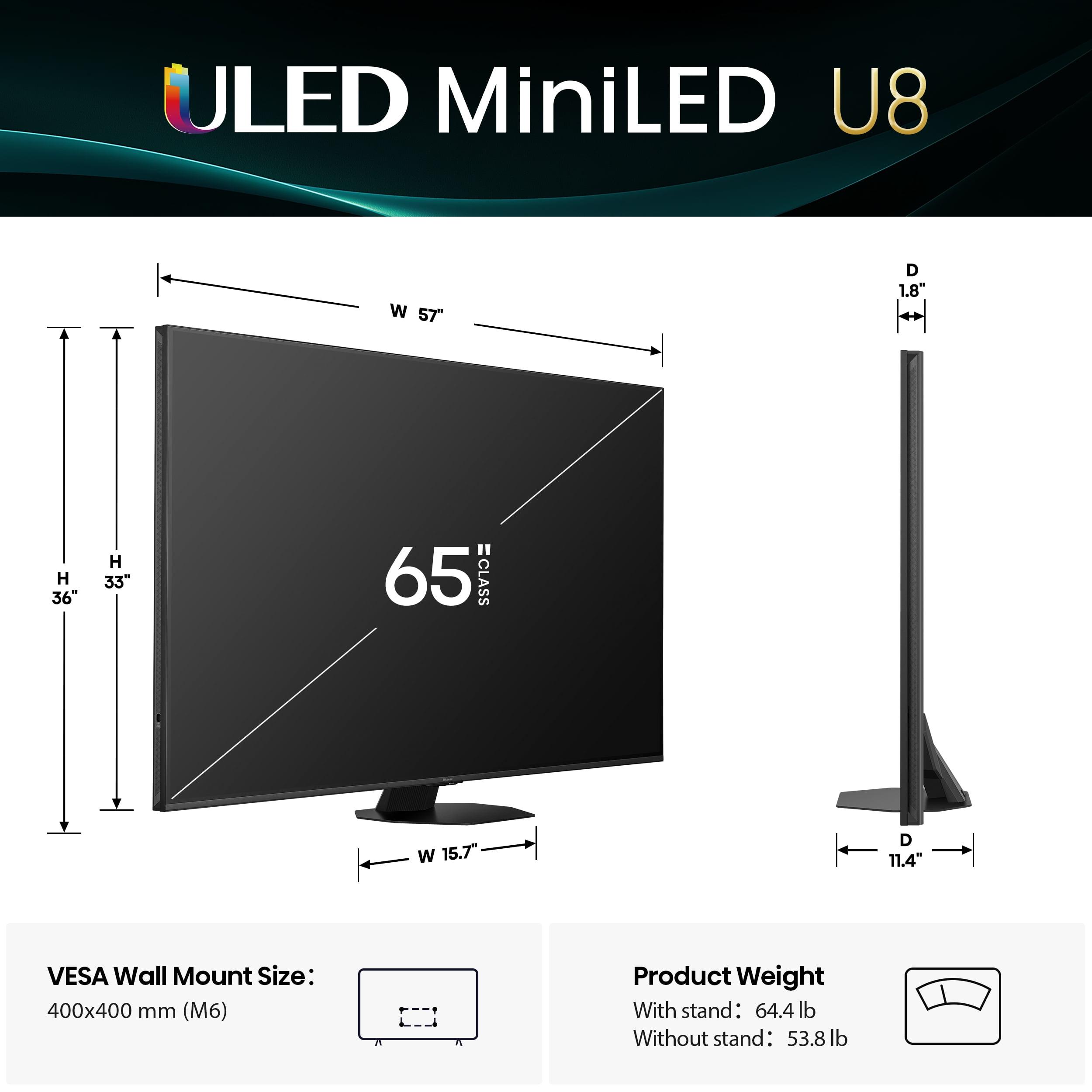
The Hisense U8 can't match that ultra-thin aesthetic due to its backlighting requirements, but it compensates with thoughtful practical features. The adjustable-height stand accommodates soundbars without blocking the screen, and the build quality feels solid and substantial. It's designed for daily family use rather than showroom aesthetics.
At the time of writing, both TVs occupy similar price ranges in the premium TV market, though exact pricing fluctuates with sales and availability. The value calculation depends entirely on your priorities and viewing environment.
The Philips OLED delivers premium OLED technology at what's become an accessible price point for this display type. You're getting true cinema-quality picture performance, fastest-possible gaming response, and the reliability of the Roku platform. However, you're sacrificing brightness performance and some gaming features.
The Hisense U8 offers what might be the best brightness-per-dollar ratio available. The Mini-LED backlighting with thousands of dimming zones, combined with quantum dot colors and high peak brightness, delivers performance that challenges much more expensive TVs. The 144Hz gaming features and robust smart platform add significant value.
Consider the Hisense U8 the better overall value for most buyers, particularly those with bright viewing environments or mixed-use scenarios.
Your room's lighting characteristics should heavily influence your decision. The Philips OLED transforms dark and dimly-lit rooms into personal cinemas. Movie nights with the lights off become genuinely cinematic experiences, with perfect blacks creating depth and dimension that's impossible to achieve any other way.
However, place that same OLED in a bright family room with large windows, and its limitations become apparent. The screen can appear washed out during daytime viewing, colors lose their punch, and you'll find yourself constantly adjusting blinds or waiting for sunset to get the full experience.
The Hisense U8 excels in versatile lighting conditions. It maintains color accuracy and punch even with significant ambient light, making it suitable for everything from bright morning news watching to evening movie sessions. The anti-glare coating helps reduce reflections, though very bright light sources can still be distracting.
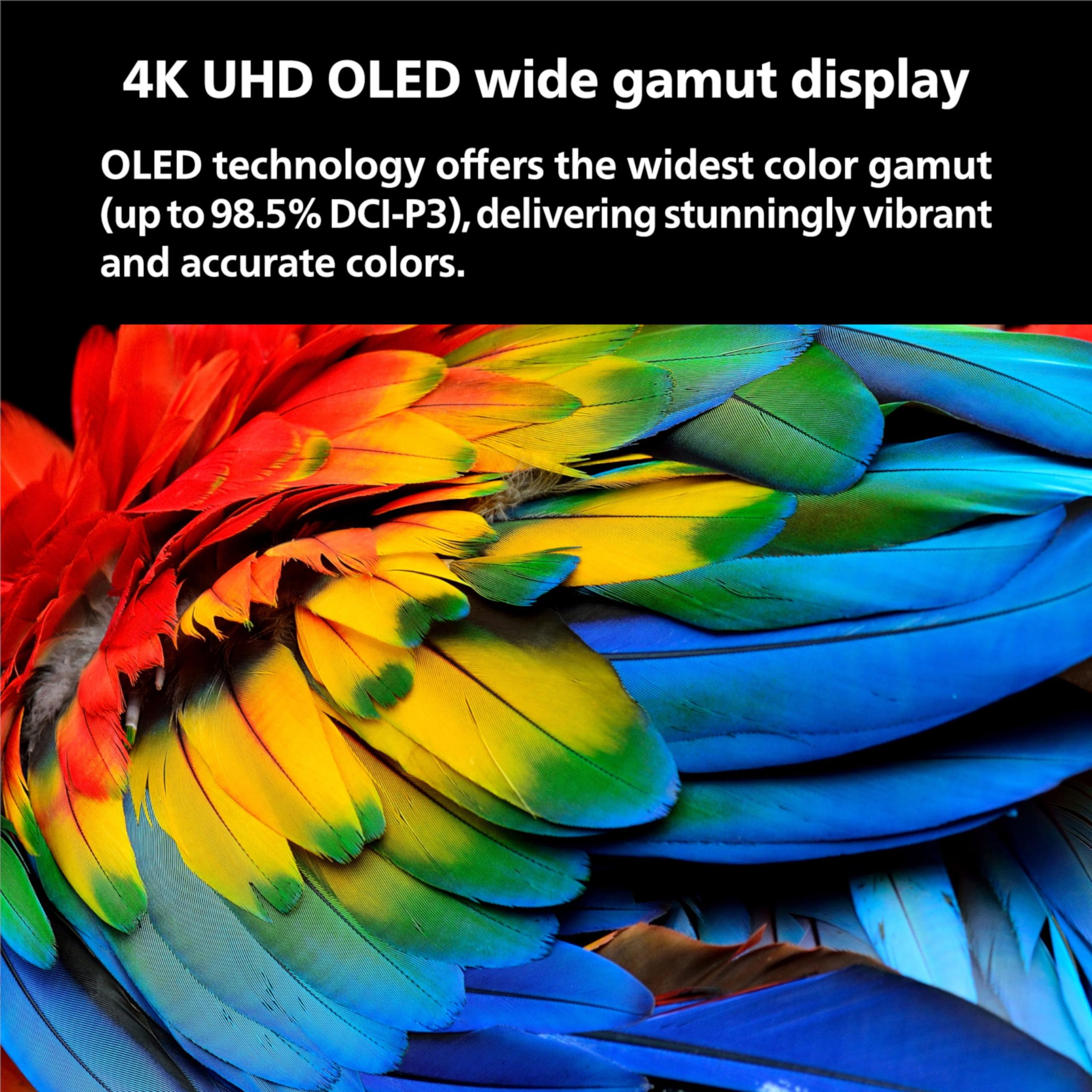
For dedicated home theater setups, the Philips OLED holds significant advantages. The perfect black levels create the cinematic depth that movie enthusiasts crave, while the wide viewing angles ensure good picture quality even for off-center seating. The fast response time eliminates motion blur during action sequences, and the accurate colors (covering 98.5% of the DCI-P3 color space used in movie production) ensure you're seeing films as intended.
The Hisense U8 can certainly serve in a home theater, particularly if you can't achieve complete darkness in your viewing room. Its superior brightness makes HDR content more impactful, and the robust audio system reduces the need for immediate speaker upgrades.
Choose the Philips 65OLED974/F7 if you prioritize pure picture quality above all else, primarily watch in dark environments, and value the fastest gaming performance available. It's the choice for enthusiasts who want the closest thing to a professional reference monitor for their home.
Choose the Hisense 65" U8 Series if you need a TV that excels in various lighting conditions, want the brightest HDR experience possible, and prefer having cutting-edge gaming features with room to grow. It's the practical choice that doesn't sacrifice performance.
Both represent excellent values in the premium TV market at the time of writing, but your room's lighting and primary use cases should drive your decision more than brand loyalty or marketing claims. The beauty of today's TV market is that both approaches can deliver stunning results – it's just a matter of matching the right technology to your specific needs.
| Philips 65OLED974/F7 | Hisense 65" U8 Series Mini-LED |
|---|---|
| Display Technology - Fundamentally different approaches to picture quality | |
| OLED with 8 million self-illuminating pixels | Mini-LED with 2000+ local dimming zones |
| Peak Brightness - Critical for HDR impact and bright room viewing | |
| ~800-1000 nits (excellent for dark rooms) | Up to 3000 nits (exceptional for any lighting) |
| Black Level Performance - Determines contrast and cinematic depth | |
| Perfect blacks (pixels turn completely off) | Near-black with minimal blooming |
| Refresh Rate - Affects gaming smoothness and motion clarity | |
| 120Hz native | 144Hz native with VRR 48-144Hz |
| Response Time - Critical for competitive gaming performance | |
| <0.1ms (fastest possible) | ~1-2ms (excellent for gaming) |
| Color Technology - Impacts color accuracy and vibrancy | |
| 98.5% DCI-P3 coverage with OLED color accuracy | Quantum Dot with billion+ color shades |
| Gaming Features - Next-gen console and PC gaming support | |
| AMD FreeSync Premium, HDMI 2.1 on 2 ports | AMD FreeSync Premium Pro, Game Bar, ALLM |
| Smart Platform - Daily usability and app ecosystem | |
| Roku TV (simple, reliable interface) | Google TV (AI recommendations, voice control) |
| Audio System - Built-in sound quality | |
| 2.1 Dolby Atmos system | 50W 2.1.2 multi-channel with upward-firing speakers |
| Viewing Angles - Important for family room seating | |
| 176° with minimal color shift | Limited viewing angles (typical for Mini-LED) |
| Design Profile - Aesthetic impact and mounting options | |
| Ultra-thin 2.2" OLED profile | Standard Mini-LED thickness with adjustable stand |
| Best Use Case - Where each TV truly excels | |
| Dark room home theater and competitive gaming | Bright rooms and versatile family viewing |
| Durability Concerns - Long-term considerations | |
| Potential OLED burn-in with static content | No burn-in risk, more robust for daily use |
| Warranty Coverage - Peace of mind factor | |
| Standard 1-year warranty | 2-year warranty (double industry standard) |
The Hisense U8 Series Mini-LED is significantly better for bright rooms. With peak brightness up to 3000 nits and anti-glare technology, it can overcome ambient light and maintain vibrant colors during daytime viewing. The Philips 65OLED974/F7 struggles in bright environments due to its lower peak brightness, making colors appear washed out when competing with sunlight or room lighting.
OLED technology in the Philips 65OLED974/F7 uses self-illuminating pixels that can turn completely off for perfect blacks. Mini-LED technology in the Hisense U8 Series uses thousands of tiny LED backlights with local dimming zones to control brightness. OLED delivers superior contrast and black levels, while Mini-LED provides exceptional brightness and eliminates burn-in concerns.
For competitive gaming, the Philips OLED has the advantage with its <0.1ms response time and 120Hz refresh rate, delivering the fastest possible gaming performance. The Hisense U8 offers excellent gaming with 144Hz refresh rate and comprehensive gaming features, but slightly higher input lag. Both support HDMI 2.1 and variable refresh rate for next-gen consoles.
The Philips 65OLED974/F7 excels in dedicated home theater environments with its perfect blacks, infinite contrast ratio, and accurate colors that create a truly cinematic experience in dark rooms. The Hisense U8 Series can work for home theater but shines more in versatile family rooms where some ambient light is present.
The Philips OLED uses Roku TV, which offers a simple, fast interface with excellent app support and no intrusive ads. The Hisense U8 runs Google TV, providing AI-powered recommendations, voice control, and smart home integration but with a more complex interface. Roku wins for simplicity, while Google TV offers more advanced features.
The Philips 65OLED974/F7 has potential for burn-in with static images, though modern OLEDs have protective measures to minimize this risk. The Hisense U8 Series Mini-LED has no burn-in risk and is generally more durable for daily family use, backed by a 2-year warranty compared to the standard 1-year coverage.
The Hisense U8 offers superior built-in audio with its 50W 2.1.2 multi-channel system featuring upward-firing speakers for Dolby Atmos effects. The Philips OLED has a decent 2.1 Dolby Atmos system but is limited by the slim OLED design. Neither replaces a dedicated sound system for serious home theater use.
The Philips 65OLED974/F7 maintains excellent picture quality at wide viewing angles (176°) with minimal color shift, making it ideal for family viewing. The Hisense U8 Series has more limited viewing angles, typical of Mini-LED technology, where picture quality degrades when viewed from the side.
The Hisense U8 generally offers better overall value with its versatile performance across different lighting conditions, comprehensive gaming features, superior built-in audio, and longer warranty. The Philips OLED provides excellent value for OLED technology but is more specialized for dark room viewing and competitive gaming.
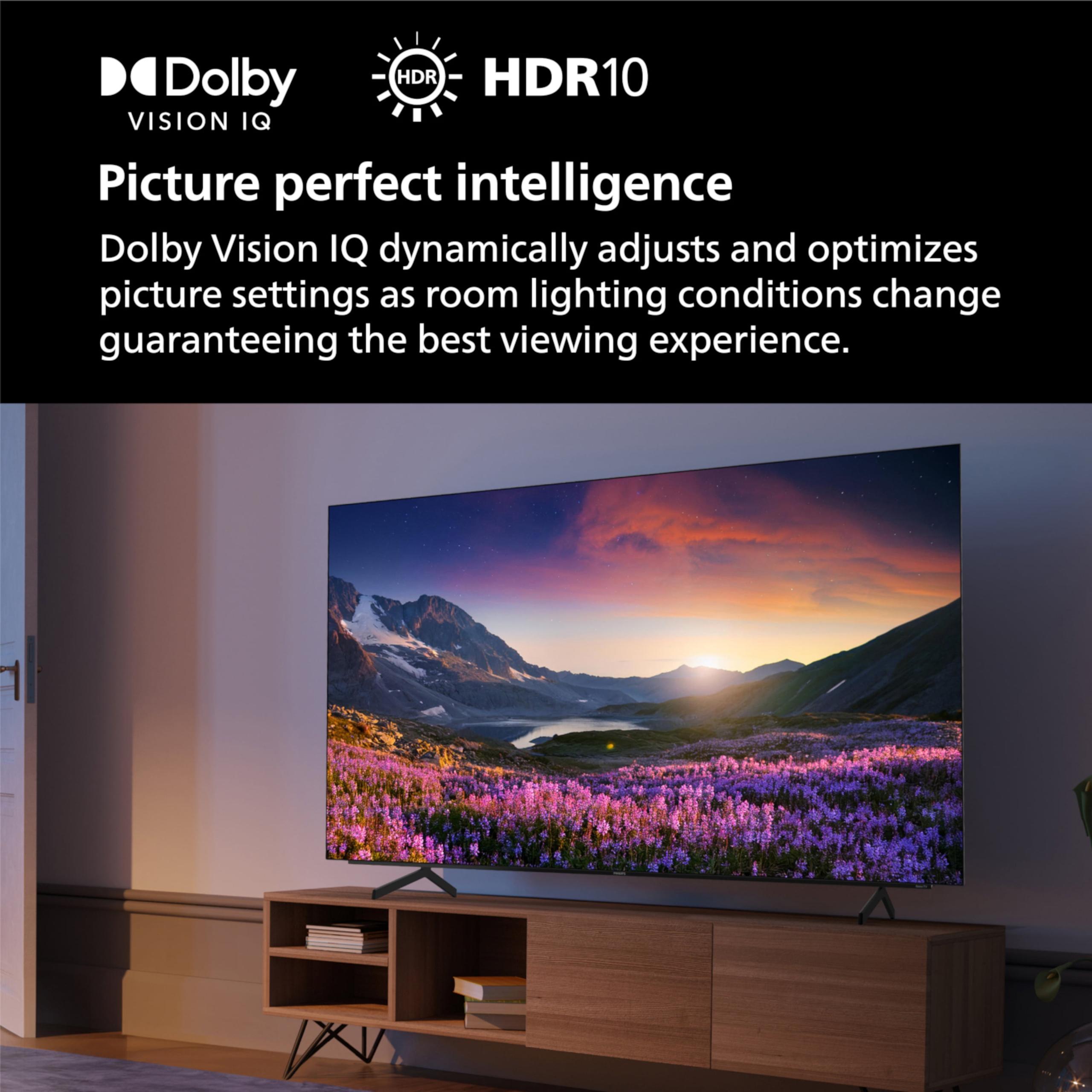
Both TVs support comprehensive HDR formats. The Philips 65OLED974/F7 supports Dolby Vision IQ, Dolby Vision, HDR10, and HLG with excellent color accuracy. The Hisense U8 Series supports Dolby Vision, HDR10, HDR10+, and HLG with superior brightness that makes HDR content more impactful in bright environments.
The Philips OLED is dramatically thinner at just 2.2 inches deep, creating an elegant floating appearance when wall-mounted. The Hisense U8 has standard Mini-LED thickness but includes thoughtful features like an adjustable stand height for soundbar compatibility and better cable management.
Choose the Philips 65OLED974/F7 if you primarily watch in dark or dimly lit rooms and prioritize perfect picture quality for movies and gaming. Choose the Hisense U8 Series Mini-LED if you have bright rooms, need versatile performance across different lighting conditions, or want maximum brightness for HDR content impact.
We've done our best to create useful and informative comparisons to help you decide what product to buy. Our research uses advanced automated methods to create this comparison and perfection is not possible - please contact us for corrections or questions. These are the sites we've researched in the creation of this article: rtings.com - versus.com - versus.com - rtings.com - samsclub.com - versus.com - youtube.com - usa.philips.com - bestbuy.com - usa.philips.com - consumerreports.org - usa.philips.com - documents.philips.com - tvoutlet.ca - displayspecifications.com - business.walmart.com - displayspecifications.com - ecoustics.com - walmart.com - bestbuy.com - hisense-usa.com - rtings.com - bestbuy.com - rtings.com - hisense-usa.com - youtube.com - hisense-usa.com - avsforum.com - hisense-usa.com - hisense-usa.com - rtings.com - avsforum.com - hisense-usa.com - prnewswire.com - hisense-usa.com - bestbuy.com - youtube.com - hisense-usa.com

Privacy Policy
Terms and Conditions - Affiliate Policy
Home Security
© Copyright 2008-2026.
11816 Inwood Rd #1211, Dallas, TX 75244