

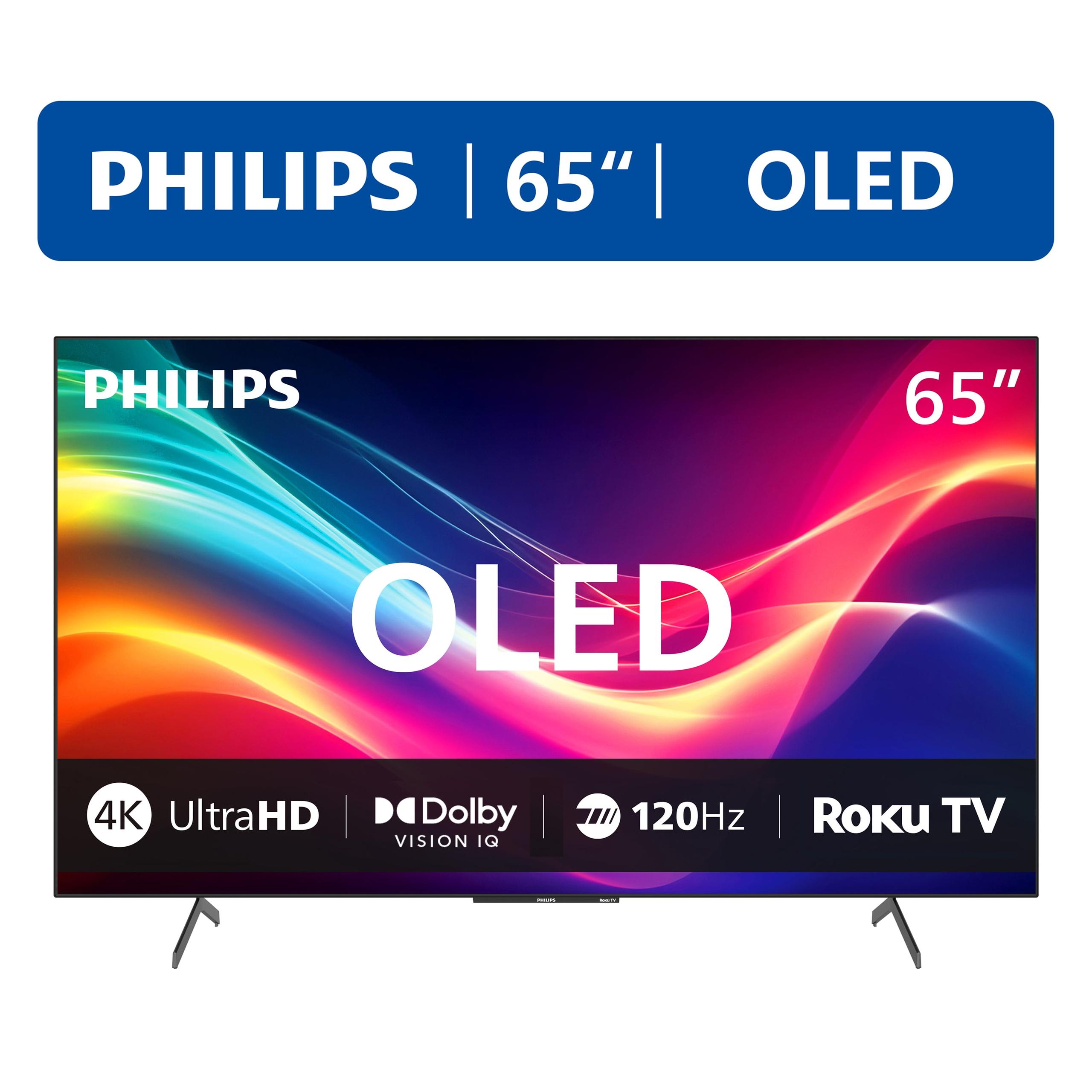
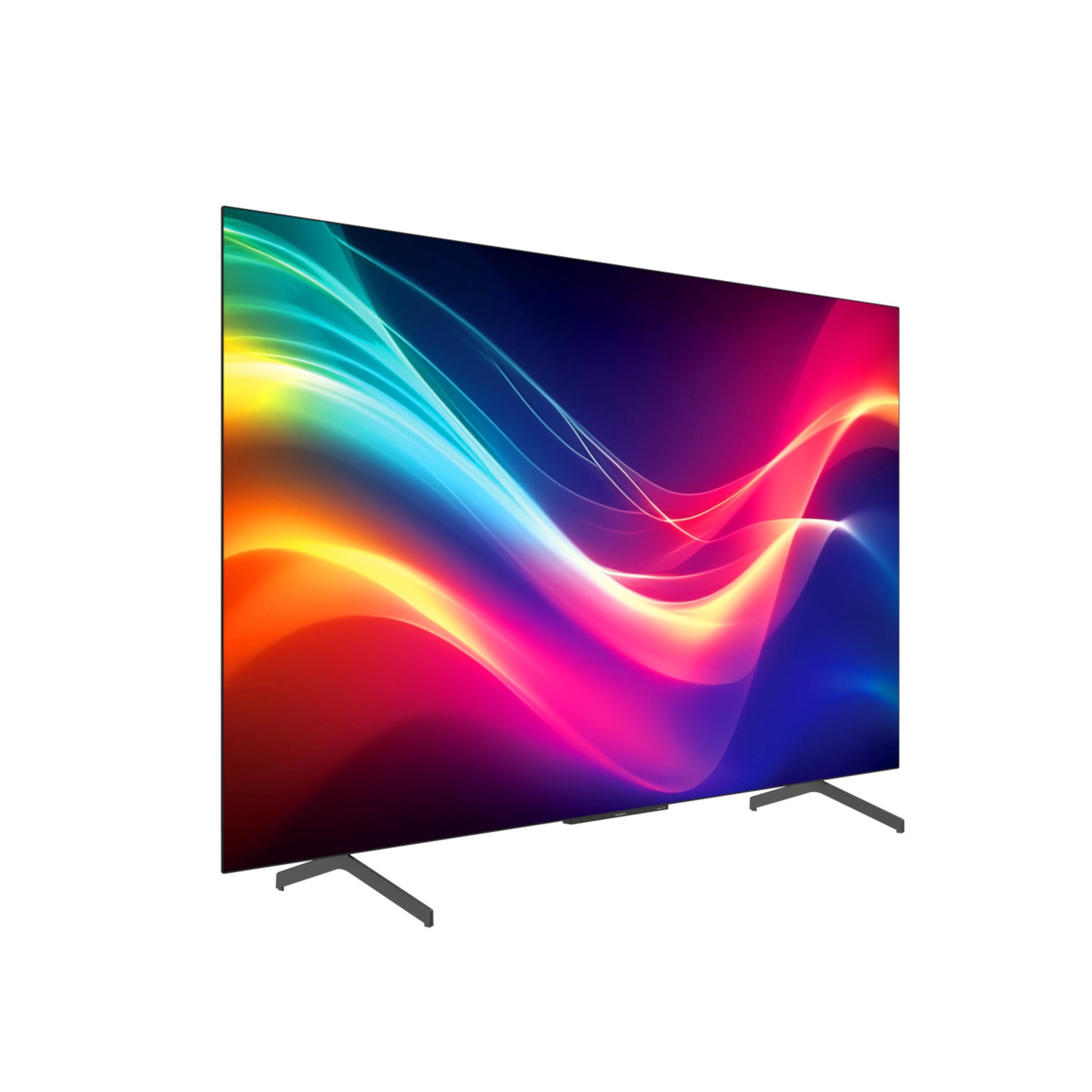
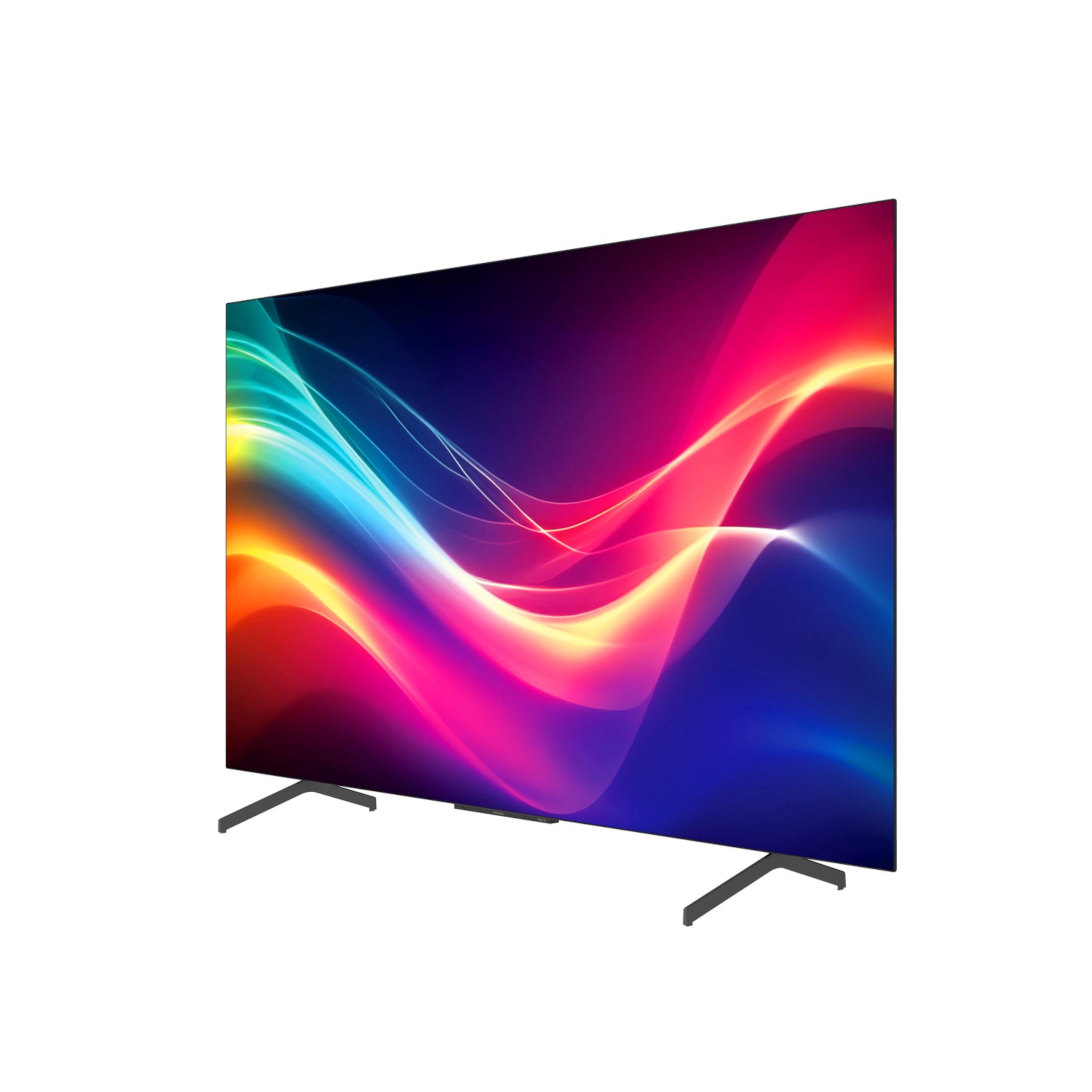

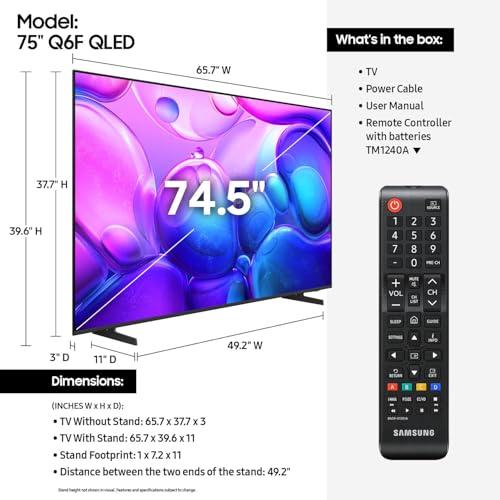

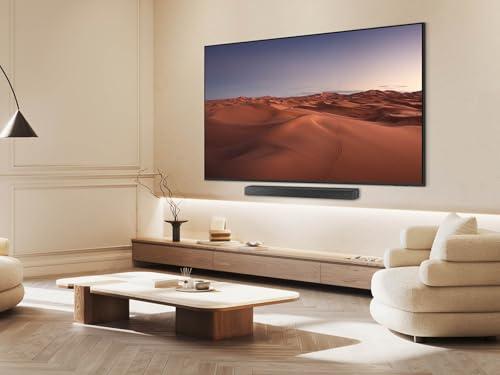
The battle between display technologies has never been more interesting. On one side, we have the Philips 65OLED974/F7 representing the OLED camp with its pixel-perfect black levels. On the other, the Samsung 75-Inch QLED Q6F Series 2025 brings quantum dot technology to a massive 75-inch screen at a more accessible price point.
Both TVs launched in 2024-2025, during a period when TV manufacturers have been focusing on making premium technologies more affordable. The Philips OLED is actually manufactured by Skyworth for the North American market under license, while Samsung's Q6F series represents their effort to bring QLED benefits to budget-conscious buyers who still want a large screen experience.
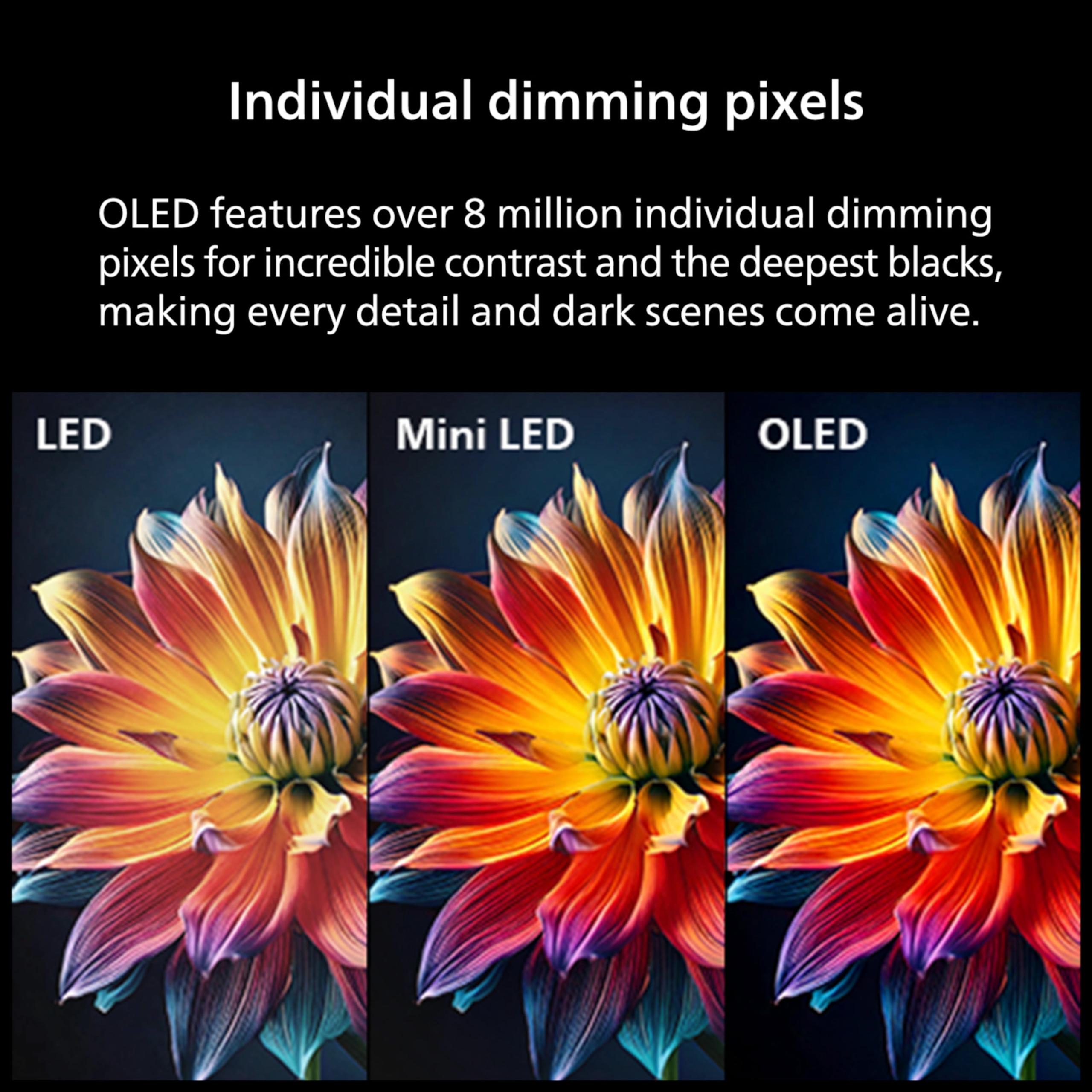
OLED technology works by having each pixel generate its own light through organic compounds that emit light when electricity passes through them. Think of it like having 8 million tiny light bulbs that can turn completely on or off independently. This is fundamentally different from traditional TVs that use a backlight shining through pixels.
QLED technology enhances traditional LED-backlit displays by adding a layer of quantum dots—microscopic particles that can produce very pure colors when hit by light. While still requiring a backlight (unlike OLED), this quantum dot layer significantly improves color reproduction and brightness compared to standard LED TVs.
The core trade-off? OLED excels at contrast and black levels, while QLED typically wins on brightness and large screen value.
The Philips OLED delivers what's called "infinite contrast ratio"—a technical way of saying it can produce perfect blacks alongside bright whites in the same image. When a pixel needs to be black, it simply turns off completely. No light leakage, no gray blacks, just true darkness.
This creates an almost three-dimensional depth to images that's immediately noticeable when watching movies with dark scenes. Think about space movies or nighttime scenes—stars pop against truly black space, and shadowy areas maintain detail without looking washed out.
The Samsung Q6F, using edge-lit LED backlighting with quantum dots, can't achieve this same level of contrast. Its black levels appear more like dark gray, especially noticeable in dim viewing environments. However, Samsung's UHD Dimming technology does help manage local contrast better than basic LED TVs.
Here's where the tables turn. The Samsung QLED can get significantly brighter than the Philips OLED, particularly important for two scenarios: bright rooms and HDR content impact.
HDR (High Dynamic Range) content is designed to show a wider range of brightness levels, from deep shadows to brilliant highlights like sunlight or explosions. The Philips struggles with peak brightness, meaning HDR highlights often appear muted and lack the intended visual impact. Bright scenes that should pop simply don't have enough luminance to stand out.
The Samsung, with its quantum dot enhancement, maintains vibrant colors even at higher brightness levels—something called "color volume." This means you can watch in a bright living room without losing color saturation or detail visibility.
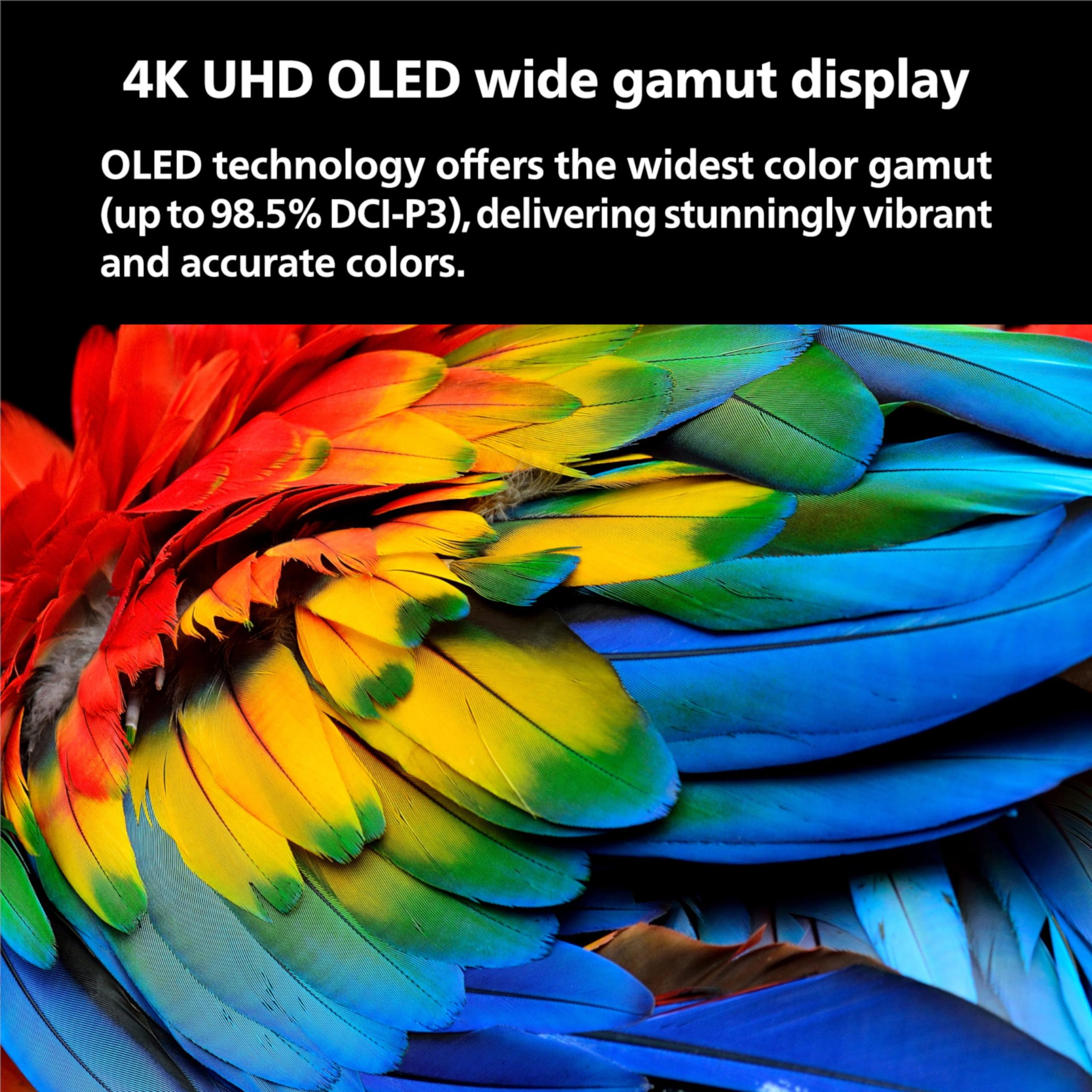
The Philips OLED covers up to 98.5% of the DCI-P3 color space (the standard used by movie studios) with excellent out-of-the-box accuracy. Colors look natural and film-accurate without needing professional calibration. This matters most for movie enthusiasts who want to see content as directors intended.
Samsung's approach with the Q6F emphasizes what they call "100% Color Volume"—the ability to reproduce vibrant colors at any brightness level. The quantum dots help achieve this, but the result tends toward more saturated, "punchy" colors that may not be as accurate but often appear more vivid to casual viewers.
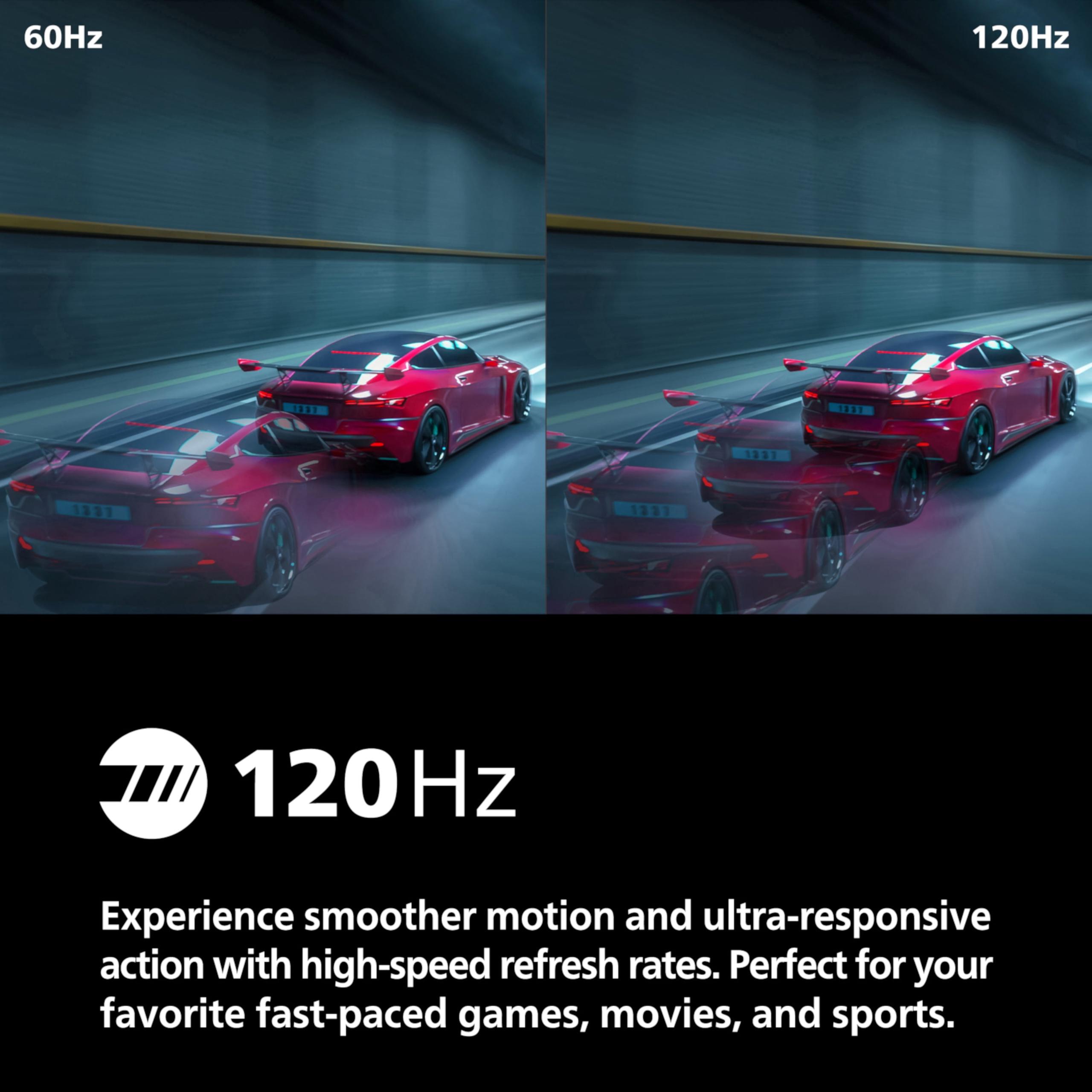
Modern gaming demands have transformed TV requirements. The Philips OLED excels here with its 120Hz native panel and sub-0.1 millisecond response time. This response time measures how quickly pixels can change from one color to another—crucial for eliminating motion blur during fast action.
The TV supports AMD FreeSync Premium, which synchronizes the display's refresh rate with a gaming console's frame rate output. This eliminates screen tearing (where part of the image shows one frame while another part shows the next frame) and reduces input lag—the delay between pressing a controller button and seeing the result on screen.
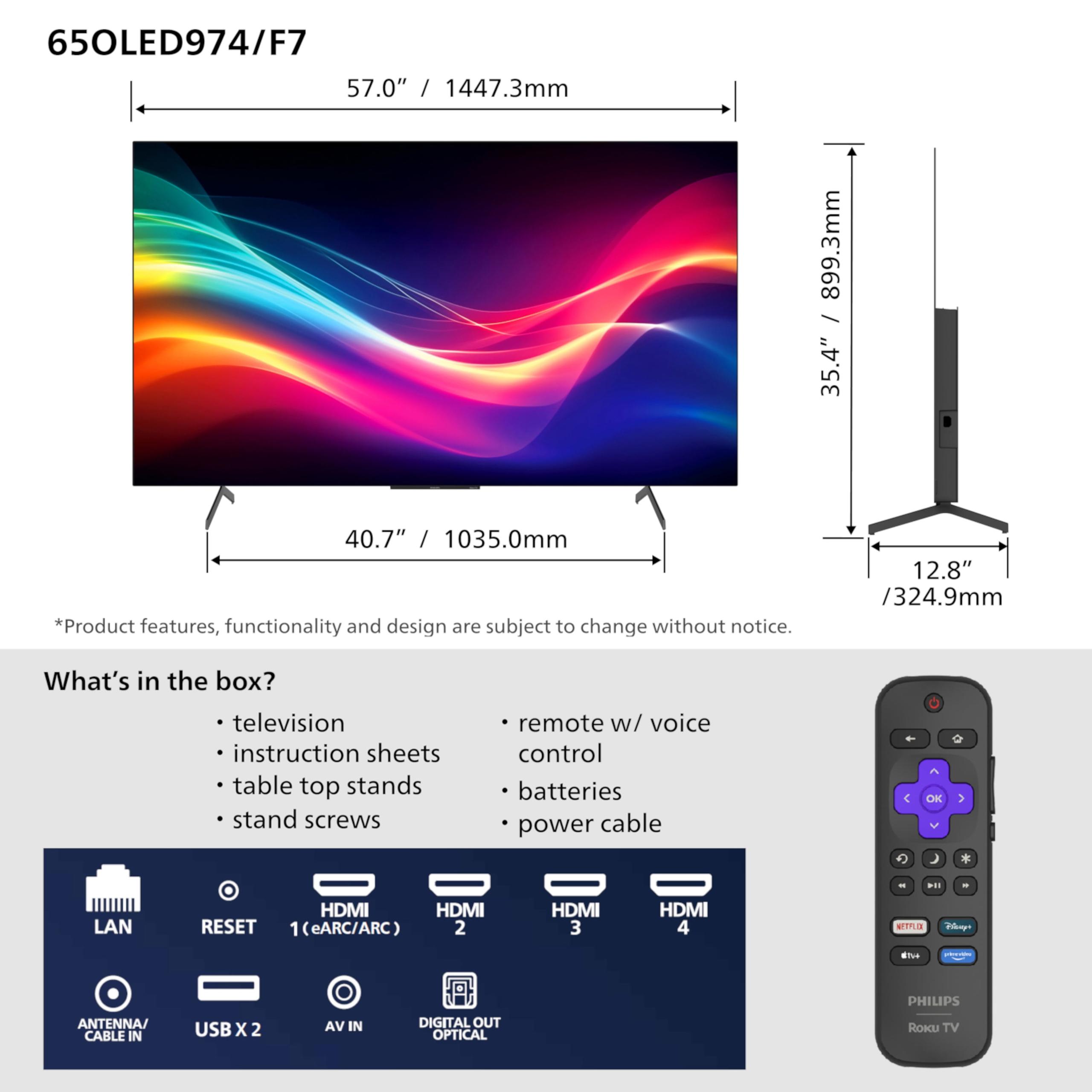
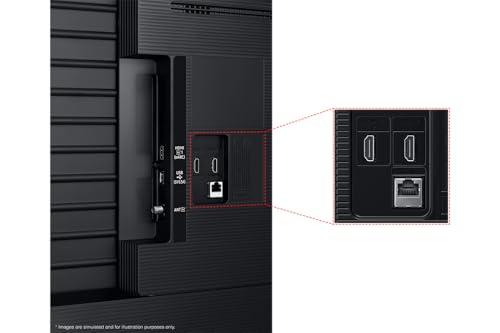
Most importantly, the Philips includes HDMI 2.1 bandwidth on two ports, enabling true 4K gaming at 120 frames per second with modern consoles like PlayStation 5 and Xbox Series X.
The Samsung Q6F operates at 60Hz with basic motion processing and lacks HDMI 2.1 support. While adequate for casual gaming, it can't take advantage of next-generation console capabilities. This limitation becomes more significant as game developers increasingly target higher frame rates.
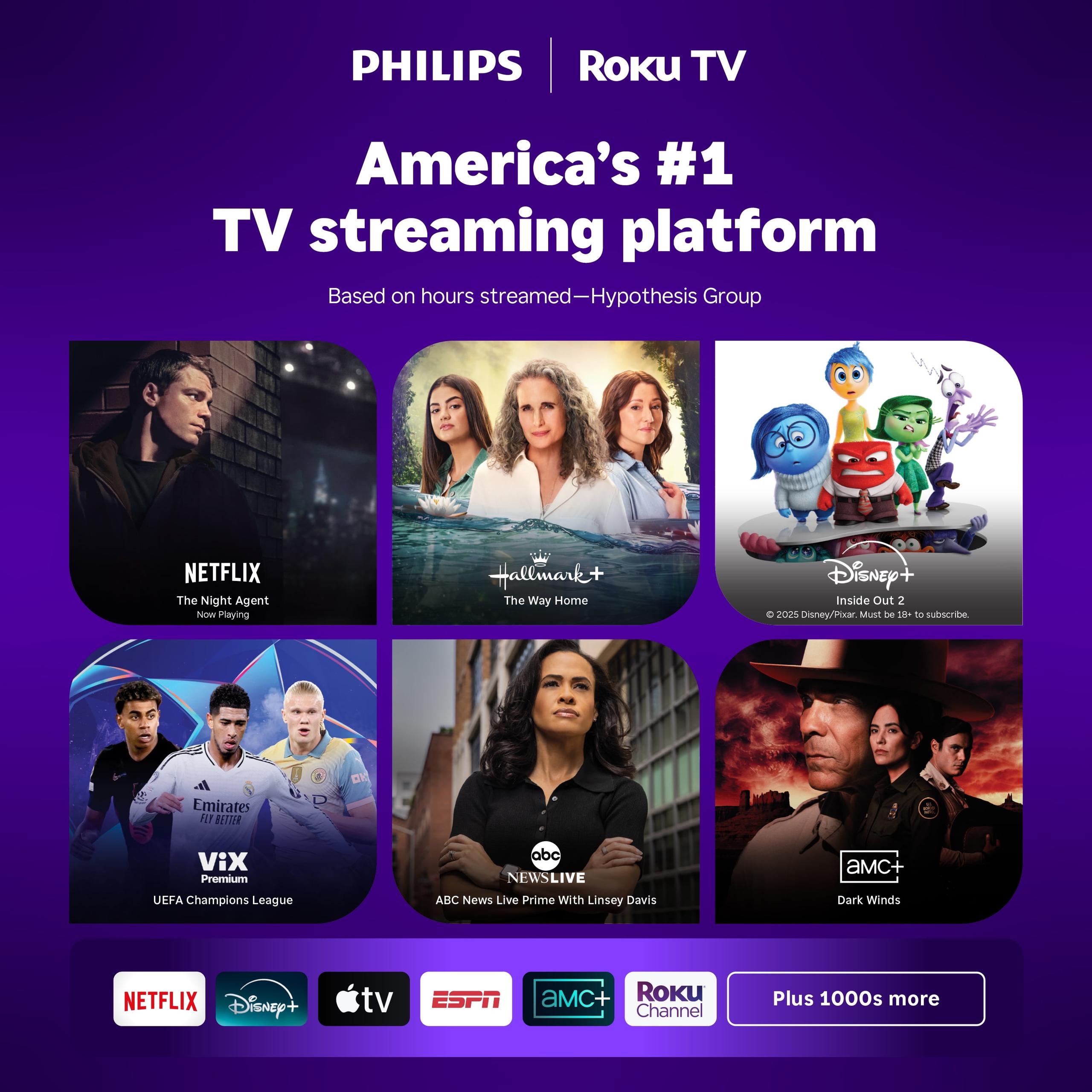
The platform battle here represents two distinct approaches. Roku TV on the Philips prioritizes simplicity and content discovery. Its interface remains intuitive even for less tech-savvy users, with excellent search functionality across multiple streaming services. However, it offers limited smart home integration capabilities.
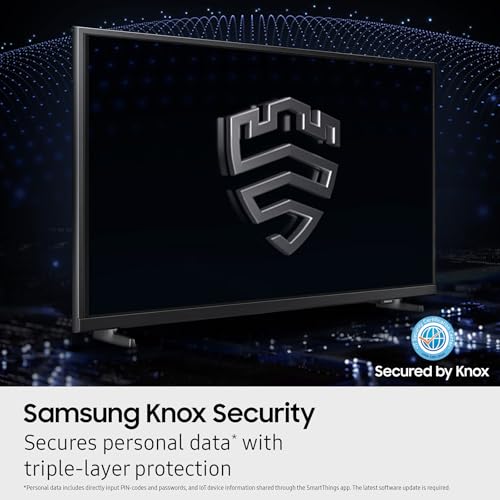
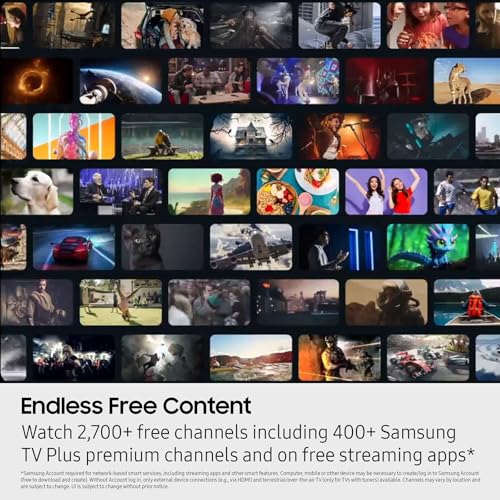
Samsung's Tizen platform on the Q6F provides a more comprehensive ecosystem experience. The SmartThings Hub functionality allows control of compatible smart home devices directly from the TV. Samsung TV Plus offers over 2,000 free streaming channels, while Knox Security provides enhanced privacy protection for smart features.
For households already invested in Samsung appliances or smart home ecosystems, this integration becomes valuable. The platform also supports more advanced features like Samsung Health integration and better voice assistant compatibility.
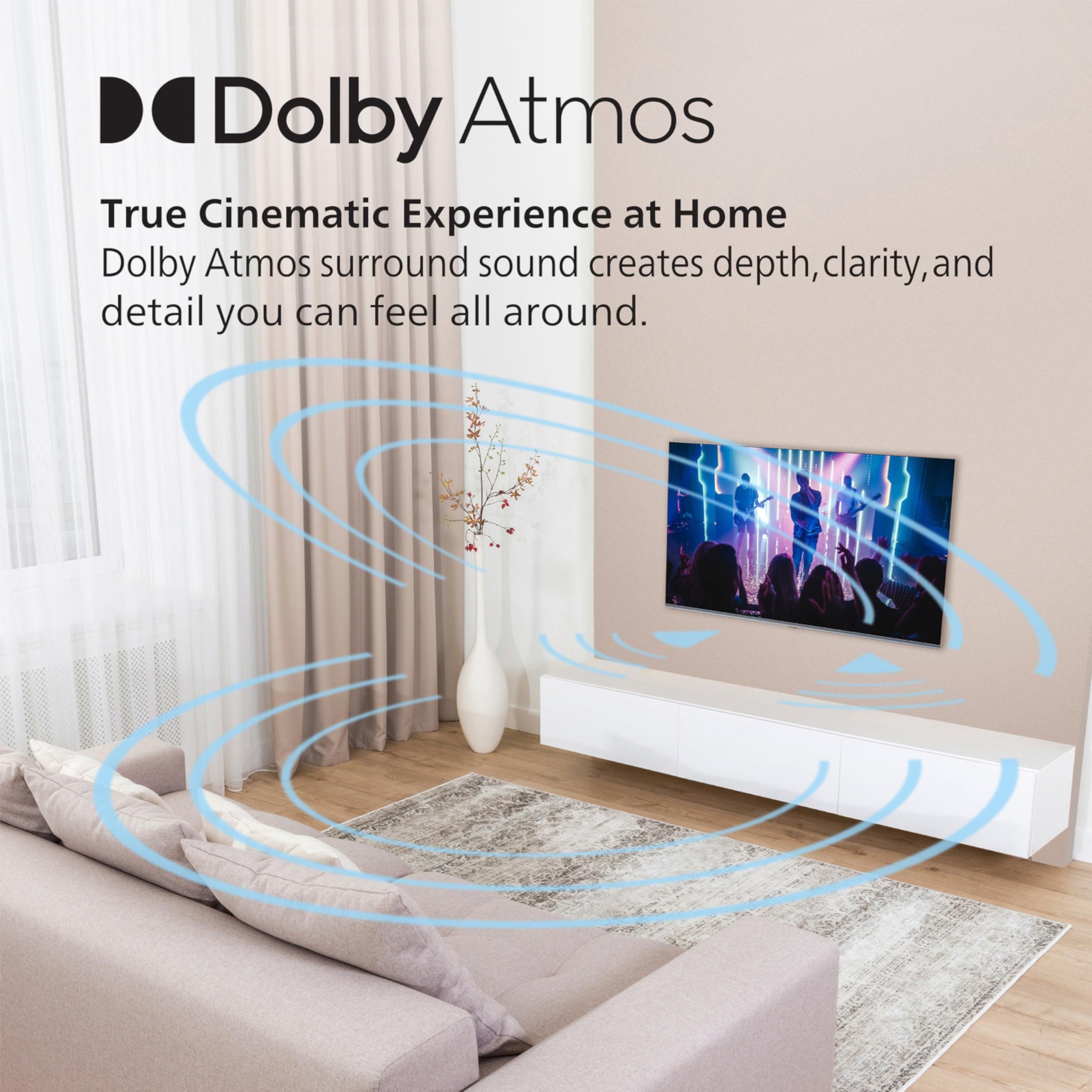
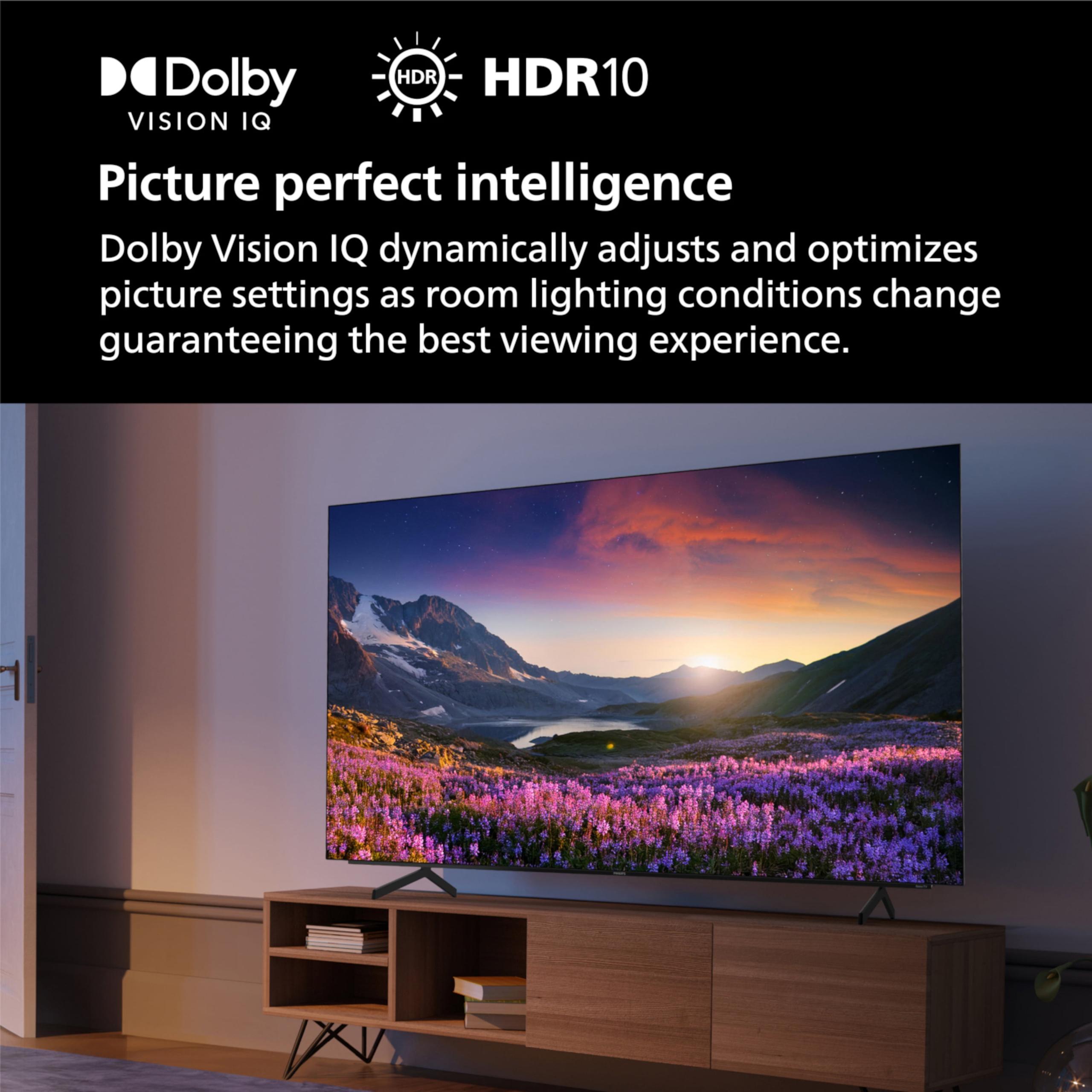
Audio quality becomes increasingly important with larger screen sizes, and here the Philips OLED has a slight edge with its 2.1 speaker configuration including a dedicated subwoofer. The Dolby Atmos support helps create more spatial audio that better matches the premium picture quality.
The Samsung uses a basic 2-channel, 20-watt system with Object Tracking Sound Lite—technology that attempts to make audio follow on-screen action. While adequate for casual viewing, the 75-inch screen size may expose the audio limitations more than smaller displays would.
Both TVs support eARC (enhanced Audio Return Channel) for connecting high-quality soundbars, which becomes almost essential for home theater setups with screens this size.
This comparison ultimately hinges on your viewing environment. The Philips OLED performs best in controlled lighting situations. Its perfect blacks and accurate colors create an almost cinema-like experience in dark rooms, but bright ambient light reveals reflections on the glossy screen surface and reduces the visual impact of its contrast advantage.
The Samsung Q6F handles bright rooms much better. Its higher brightness output and quantum dot color enhancement maintain image quality even with windows or lamps creating ambient light. The anti-reflective screen treatment helps manage direct light sources better than the OLED's mirror-like finish.
The 10-inch size difference represents about 30% more screen area—significant for sports viewing, gaming, and general entertainment value. However, the Philips OLED's 65-inch screen provides higher pixel density (more pixels per inch), resulting in sharper detail when sitting at typical viewing distances of 8-10 feet.
For home theater enthusiasts, the OLED's superior picture quality often outweighs the size disadvantage, especially in dedicated viewing rooms. For family rooms where the TV serves multiple purposes and viewing distances vary, the Samsung's larger size provides better versatility.
At the time of writing, OLED technology typically commands a premium over QLED displays of similar sizes. The Philips OLED represents good value within the OLED category, though it's worth noting this is a Sam's Club exclusive model that may have different availability than mainstream retail models.
The Samsung Q6F offers compelling value for large screen buyers who want quantum dot enhancement without flagship pricing. However, as Samsung's entry-level QLED, it lacks some advanced features found in their higher-tier models like local dimming zones or 120Hz gaming support.
The Philips OLED provides better long-term gaming compatibility with its HDMI 2.1 support and 120Hz capability. As game developers continue optimizing for higher frame rates, this becomes increasingly valuable.
The Samsung Q6F's 60Hz limitation may feel more restrictive over time, though it remains perfectly adequate for streaming content and broadcast television, which typically don't exceed 60 frames per second.
Choose the Philips 65OLED974/F7 if you prioritize picture quality above all else. It's ideal for movie enthusiasts with controlled viewing environments, serious gamers who want next-gen console compatibility, and anyone building a dedicated home theater setup. The superior contrast and color accuracy create a more immersive cinematic experience that justifies the smaller screen size.
The Samsung 75-Inch QLED Q6F makes more sense for bright room viewing, families wanting maximum screen impact for sports and entertainment, and buyers prioritizing value over cutting-edge features. Its smart platform integration and large screen presence work well for multi-purpose family rooms.
Consider room lighting as your primary deciding factor. If you typically watch with ambient light or can't control room brightness, the Samsung's advantages in bright conditions outweigh the OLED's contrast benefits. For dark room viewing where picture quality takes precedence, the Philips OLED delivers a more premium experience despite its smaller size.
Both represent solid choices within their respective categories, but they serve different viewing priorities and room environments. The key is honestly assessing your viewing habits and room setup to determine which technology approach better matches your needs.
| Philips 65OLED974/F7 65" OLED Roku TV | Samsung 75-Inch QLED Q6F Series 2025 Smart TV |
|---|---|
| Screen Size - Bigger screen provides more immersive viewing but OLED offers premium picture quality | |
| 65 inches (higher pixel density, better for 8-10 ft viewing) | 75 inches (30% larger screen area, better for large rooms) |
| Display Technology - Fundamental difference in how the TV produces images | |
| OLED with perfect pixel-level dimming | QLED with quantum dot color enhancement |
| Peak Brightness - Critical for HDR impact and bright room viewing | |
| Limited brightness, best in dark rooms | Significantly brighter, handles ambient light well |
| Black Levels - Affects contrast and depth in dark scenes | |
| Perfect blacks (pixels turn completely off) | Elevated blacks typical of LED backlighting |
| Refresh Rate - Important for gaming and motion clarity | |
| 120Hz native with HDMI 2.1 support | 60Hz standard with basic motion processing |
| Gaming Features - Next-gen console compatibility | |
| AMD FreeSync Premium, VRR, 4K@120Hz gaming | Auto Game Mode only, limited to 4K@60Hz |
| Response Time - Eliminates motion blur in fast action | |
| Sub-0.1ms (virtually instant pixel transitions) | Standard LED response time (slower motion handling) |
| Smart Platform - Daily interface and app ecosystem | |
| Roku TV (simple, excellent content discovery) | Samsung Tizen (comprehensive smart home integration) |
| Audio System - Built-in sound quality | |
| 2.1 speakers with subwoofer, Dolby Atmos | 2CH 20W speakers with Object Tracking Sound Lite |
| Room Environment Suitability - Where each TV performs best | |
| Excellent in dark/dim rooms, shows reflections in bright light | Better for bright rooms, maintains color in ambient light |
| Color Accuracy - How true-to-life colors appear | |
| Film-accurate colors, 98.5% DCI-P3 coverage | More saturated "punchy" colors, 100% Color Volume |
| HDR Performance - Premium content viewing experience | |
| Dolby Vision IQ but limited brightness reduces impact | HDR10+ with better highlight brightness |
| Future-Proofing - Long-term gaming and content compatibility | |
| Excellent (HDMI 2.1, 120Hz ready for next-gen) | Limited (60Hz may feel restrictive over time) |
The Philips 65OLED974/F7 is significantly better for dark room viewing. OLED technology allows each pixel to turn completely off, creating perfect black levels that make colors pop and provide exceptional depth in dark scenes. The Samsung 75-Inch QLED Q6F uses LED backlighting which produces elevated black levels that appear more like dark gray, reducing the cinematic experience in dim environments.
The Samsung 75-Inch QLED Q6F Series 2025 is much better suited for bright rooms. Its quantum dot technology maintains vibrant colors even with ambient light, and it produces significantly higher peak brightness to overcome glare. The Philips OLED shows noticeable reflections on its glossy screen and lacks sufficient brightness to compete with ambient light from windows or lamps.
The Philips 65OLED974/F7 is superior for next-gen gaming. It features a 120Hz native panel, HDMI 2.1 support for 4K@120Hz gaming, AMD FreeSync Premium, and sub-0.1ms response time for virtually no motion blur. The Samsung Q6F is limited to 60Hz with basic gaming features, making it less capable of utilizing modern console capabilities.
The Samsung QLED Q6F at 75 inches provides about 30% more screen area than the Philips OLED's 65-inch display. For large rooms, sports viewing, and family entertainment, the bigger screen creates a more immersive experience. However, the smaller OLED offers higher pixel density and may be more appropriate for typical living room viewing distances of 8-10 feet.
The Philips OLED uses Roku TV, which offers a simpler, more intuitive interface with excellent content discovery across streaming services. The Samsung Q6F runs Tizen, which provides more comprehensive smart home integration and Samsung ecosystem features but has a steeper learning curve. Roku tends to be more user-friendly for less tech-savvy viewers.
The Philips 65OLED974/F7 has superior built-in audio with a 2.1 speaker system including a dedicated subwoofer and Dolby Atmos support. The Samsung 75-Inch Q6F uses basic 2-channel 20W speakers with Object Tracking Sound Lite, which may feel inadequate for the large 75-inch screen size and will likely require an external soundbar for optimal audio quality.
Picture quality depends on your viewing environment. The Philips OLED delivers superior contrast, perfect blacks, and more accurate colors for a cinematic experience in controlled lighting. The Samsung QLED offers brighter, more vibrant colors that maintain quality in ambient light but cannot match OLED's contrast performance in dark rooms.
Both TVs handle streaming content well, but the Philips 65OLED974/F7 provides a more premium movie-watching experience with its film-accurate colors, perfect blacks, and support for Dolby Vision IQ. The Samsung Q6F works better for general entertainment viewing in bright family rooms where its larger size and brightness advantages become more valuable than cinematic accuracy.
Value depends on your priorities. The Samsung 75-Inch QLED Q6F offers more screen area per dollar and better bright-room performance at an entry-level QLED price point. The Philips OLED provides premium display technology with superior gaming features and picture quality, representing good value within the OLED category for those prioritizing performance over size.
HDR performance varies significantly between these models. The Samsung Q6F can display brighter highlights that make HDR content more impactful, though with less accurate colors. The Philips 65OLED974/F7 offers better contrast and color accuracy but limited peak brightness that can make HDR highlights appear muted compared to the intended visual impact.
For a dedicated home theater setup, the Philips OLED is the clear choice. Its perfect black levels, accurate color reproduction, superior gaming capabilities, and excellent performance in controlled lighting create a more authentic cinematic experience. The Samsung QLED works better for multi-purpose family rooms rather than dedicated theater environments.
The Philips 65OLED974/F7 is better future-proofed with HDMI 2.1 support and 120Hz capability for evolving gaming standards. The Samsung 75-Inch Q6F Series 2025 is limited to 60Hz and HDMI 2.0, which may feel restrictive as content creators increasingly target higher frame rates, though it remains adequate for current streaming services and broadcast television.
We've done our best to create useful and informative comparisons to help you decide what product to buy. Our research uses advanced automated methods to create this comparison and perfection is not possible - please contact us for corrections or questions. These are the sites we've researched in the creation of this article: rtings.com - versus.com - versus.com - rtings.com - samsclub.com - versus.com - youtube.com - usa.philips.com - bestbuy.com - usa.philips.com - consumerreports.org - usa.philips.com - documents.philips.com - tvoutlet.ca - displayspecifications.com - business.walmart.com - displayspecifications.com - ecoustics.com - walmart.com - youtube.com - rtings.com - cnet.com - youtube.com - rtings.com - samsung.com - bestbuy.com - samsung.com - samsung.com - bestbuy.com - manuals.plus - arrowassociatedstores.com - samsung.com - samsung.com - samsung.com - flatpanelshd.com - device.report

Privacy Policy
Terms and Conditions - Affiliate Policy
Home Security
© Copyright 2008-2026.
11816 Inwood Rd #1211, Dallas, TX 75244