

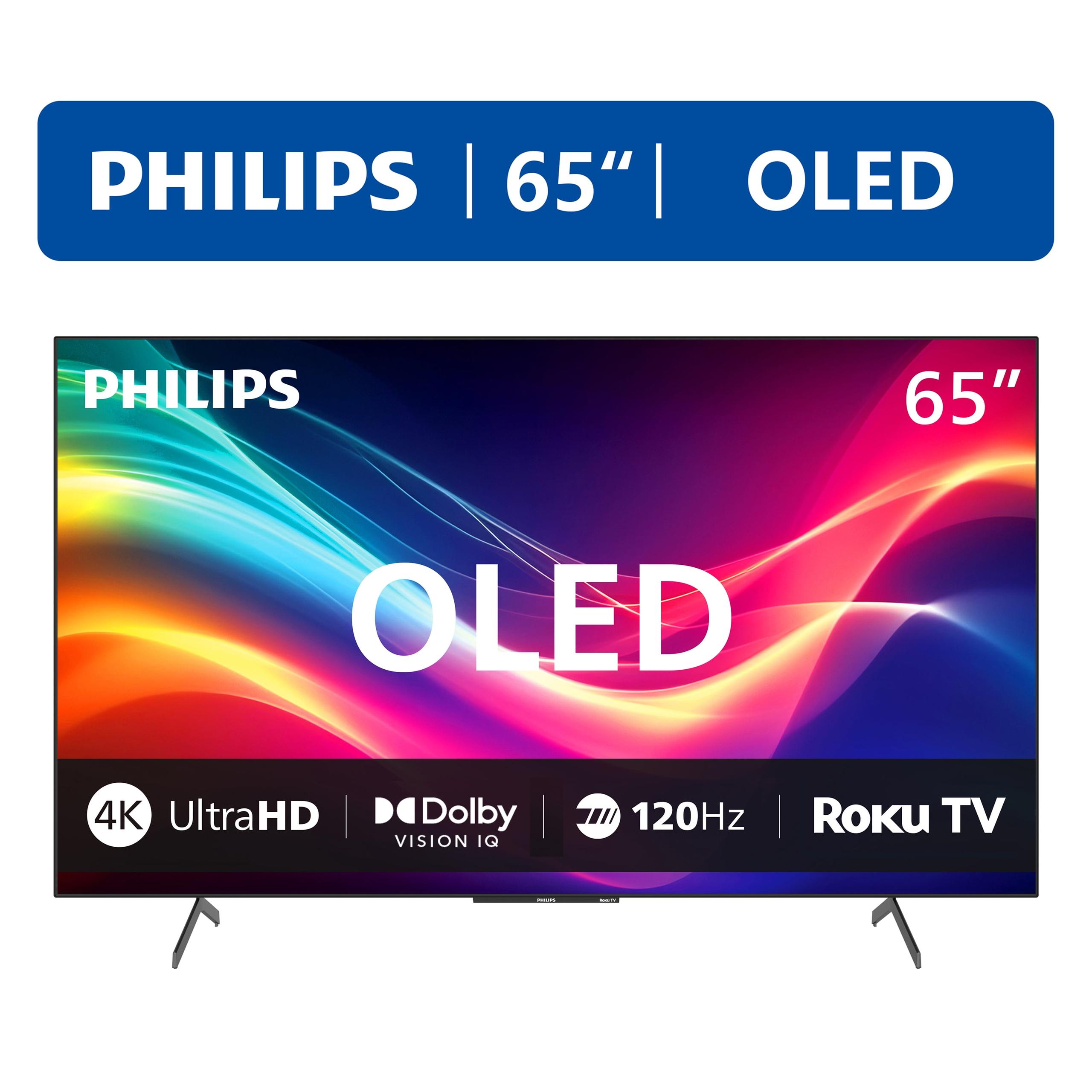
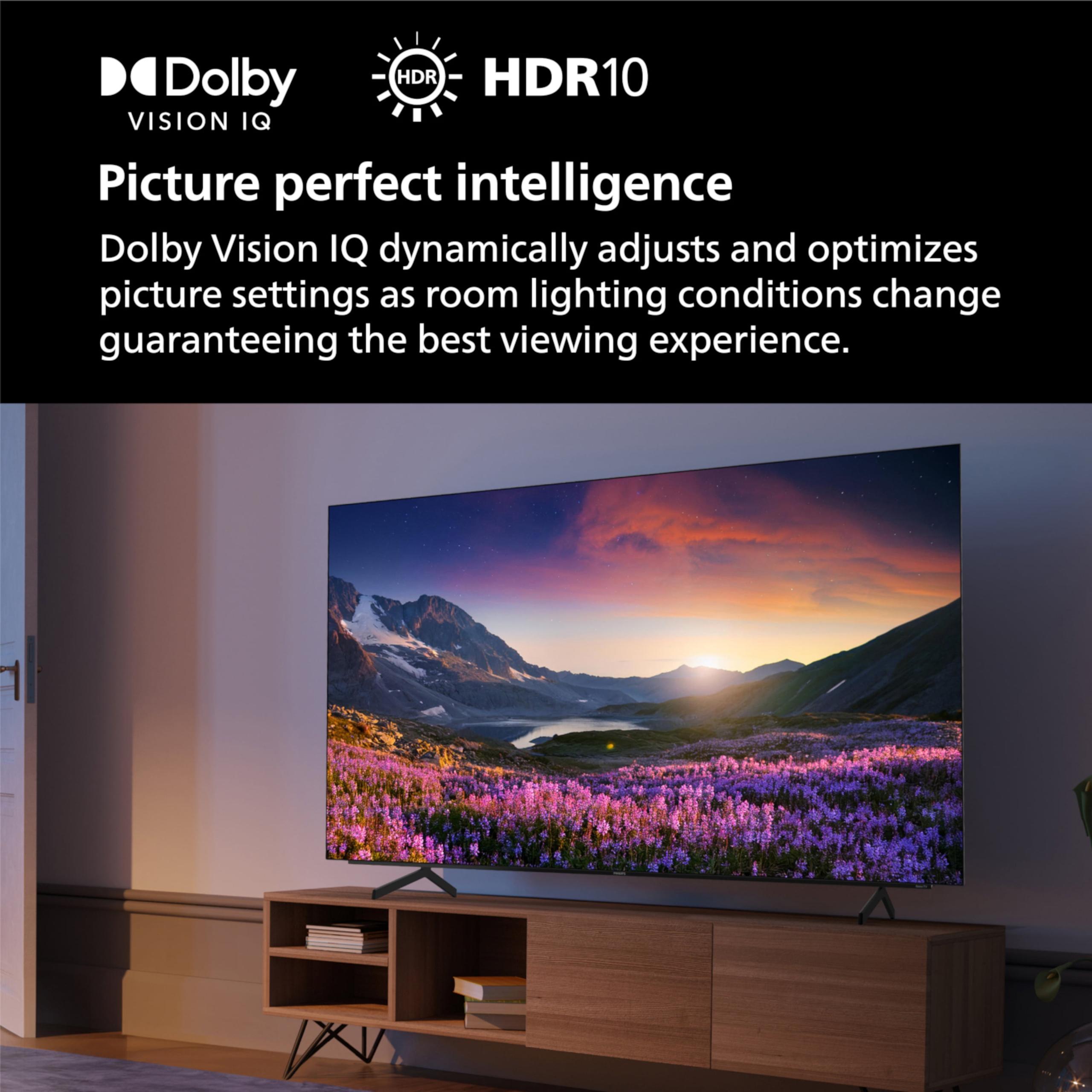
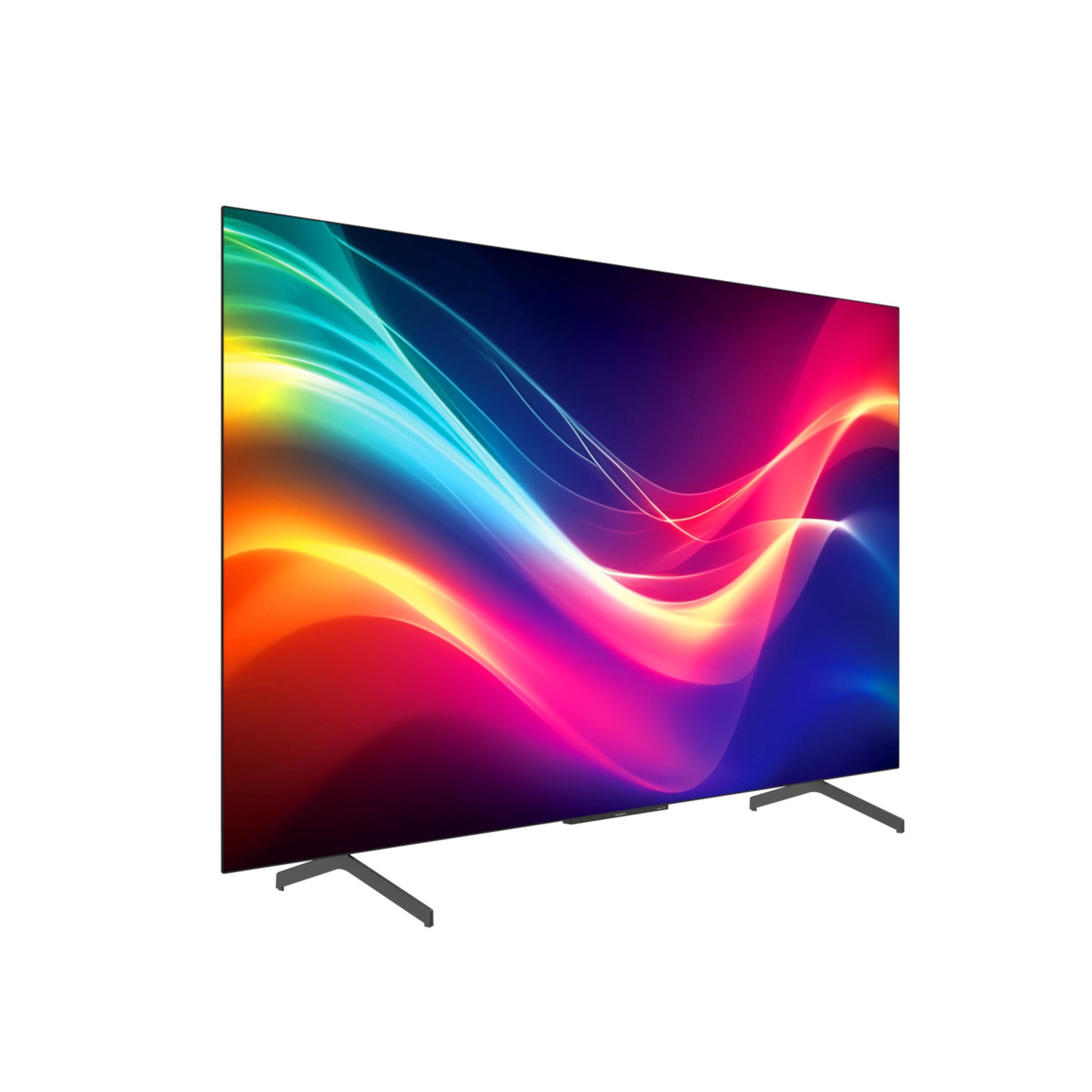
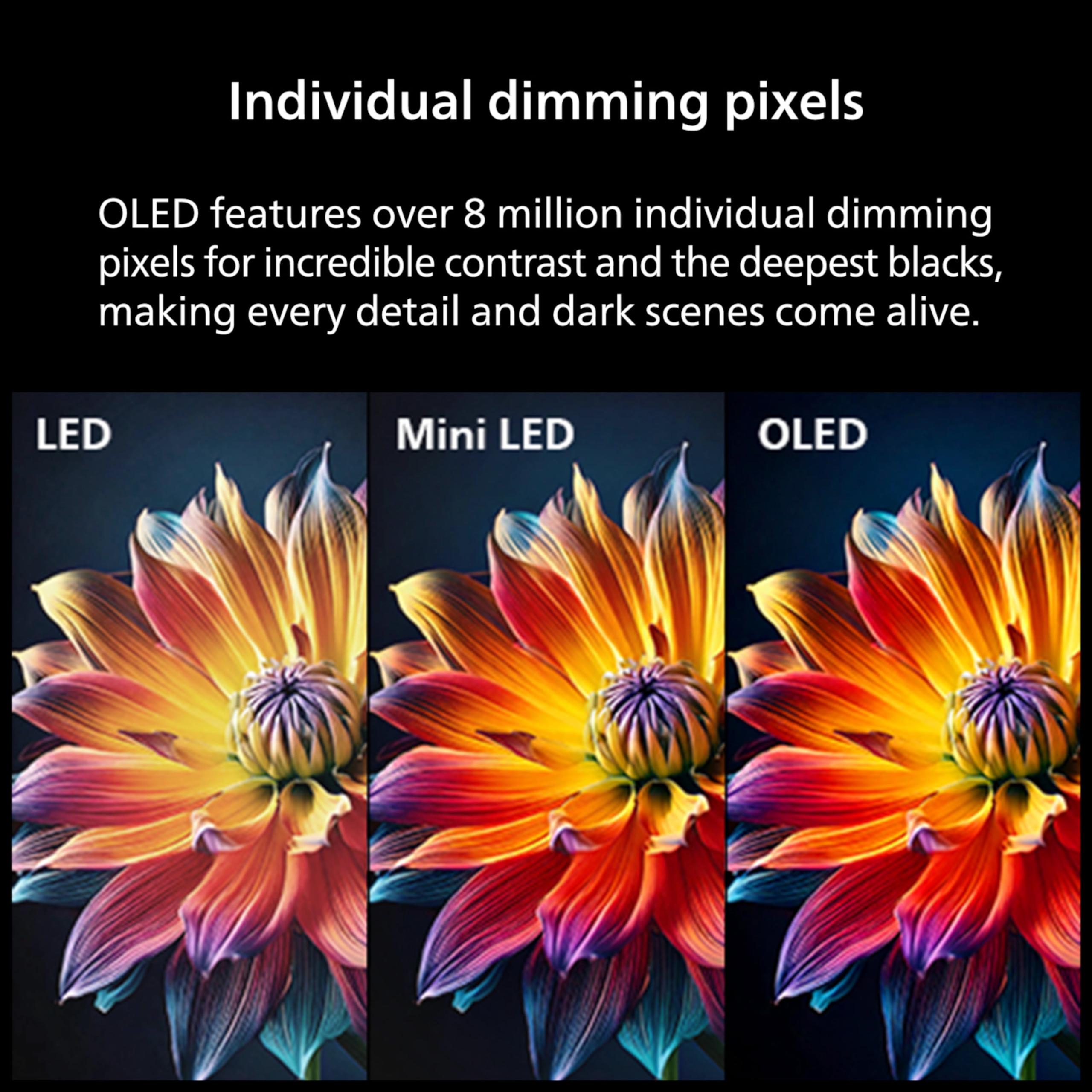


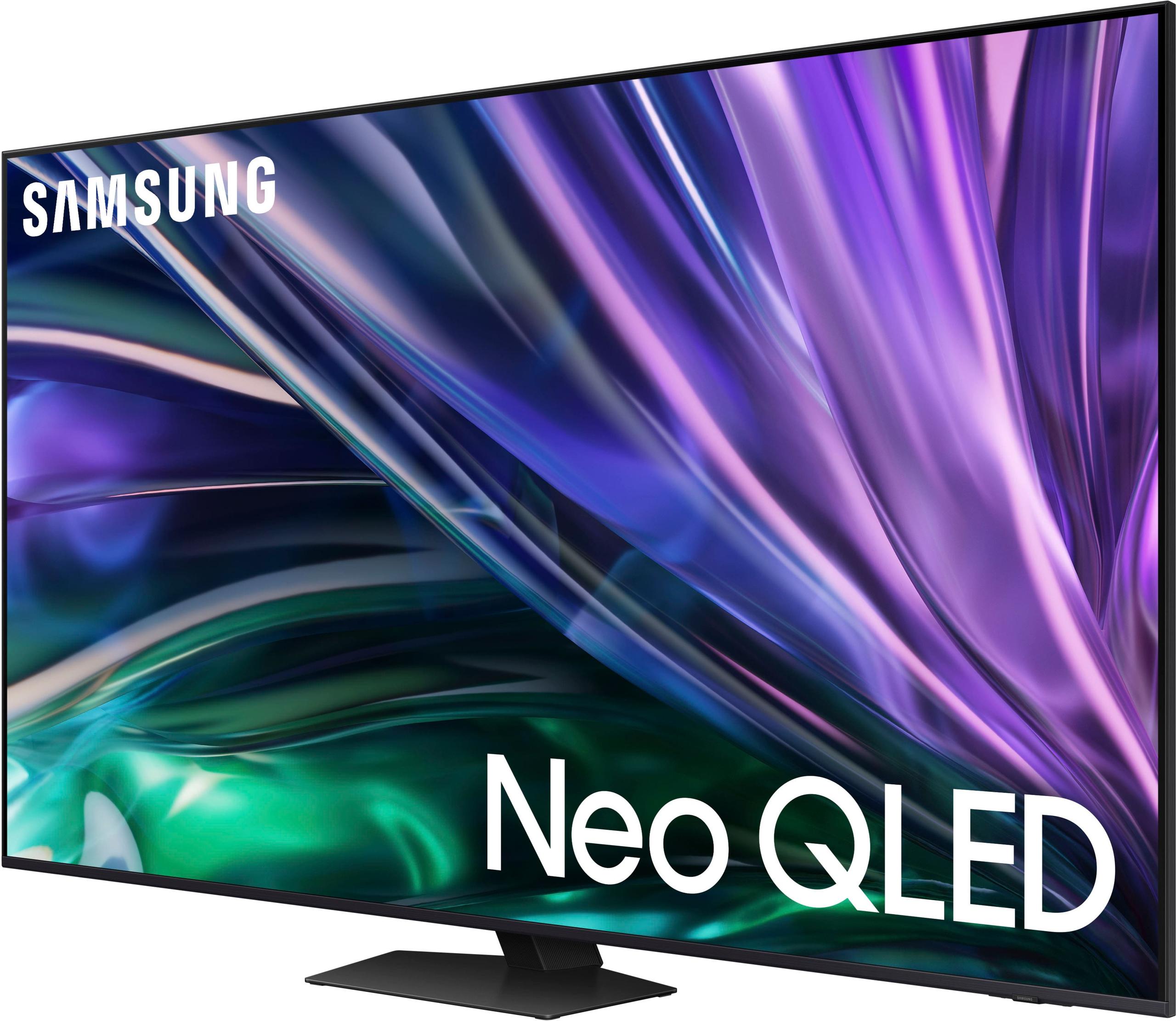

When you're shopping for a premium OLED TV, you're entering the top tier of display technology. These aren't your typical budget TVs – OLED stands for Organic Light-Emitting Diode, which means each pixel produces its own light and can turn completely off to create perfect blacks. Think of it like having 8 million tiny light bulbs that can individually dim or brighten, rather than a backlight shining through a filter.
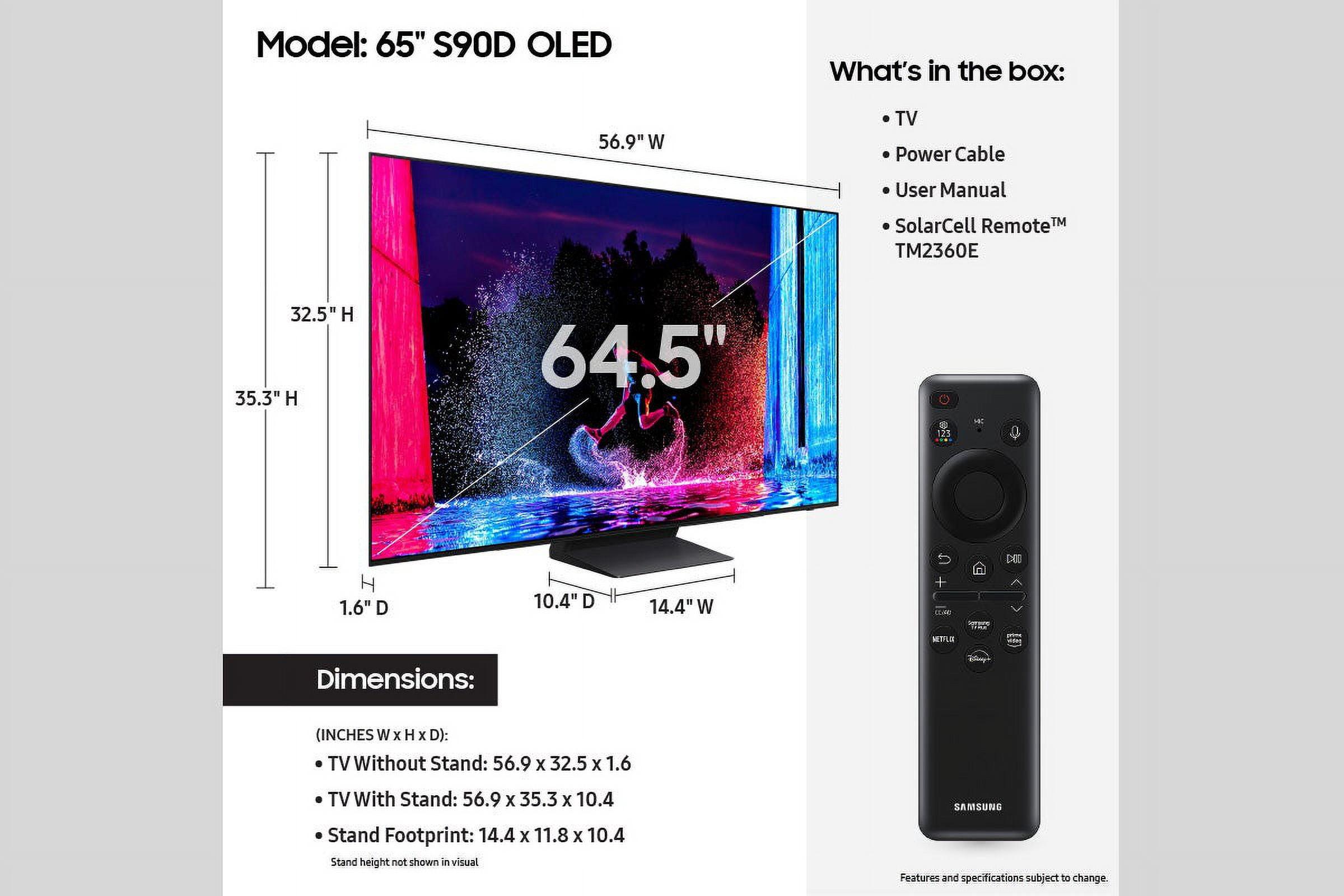
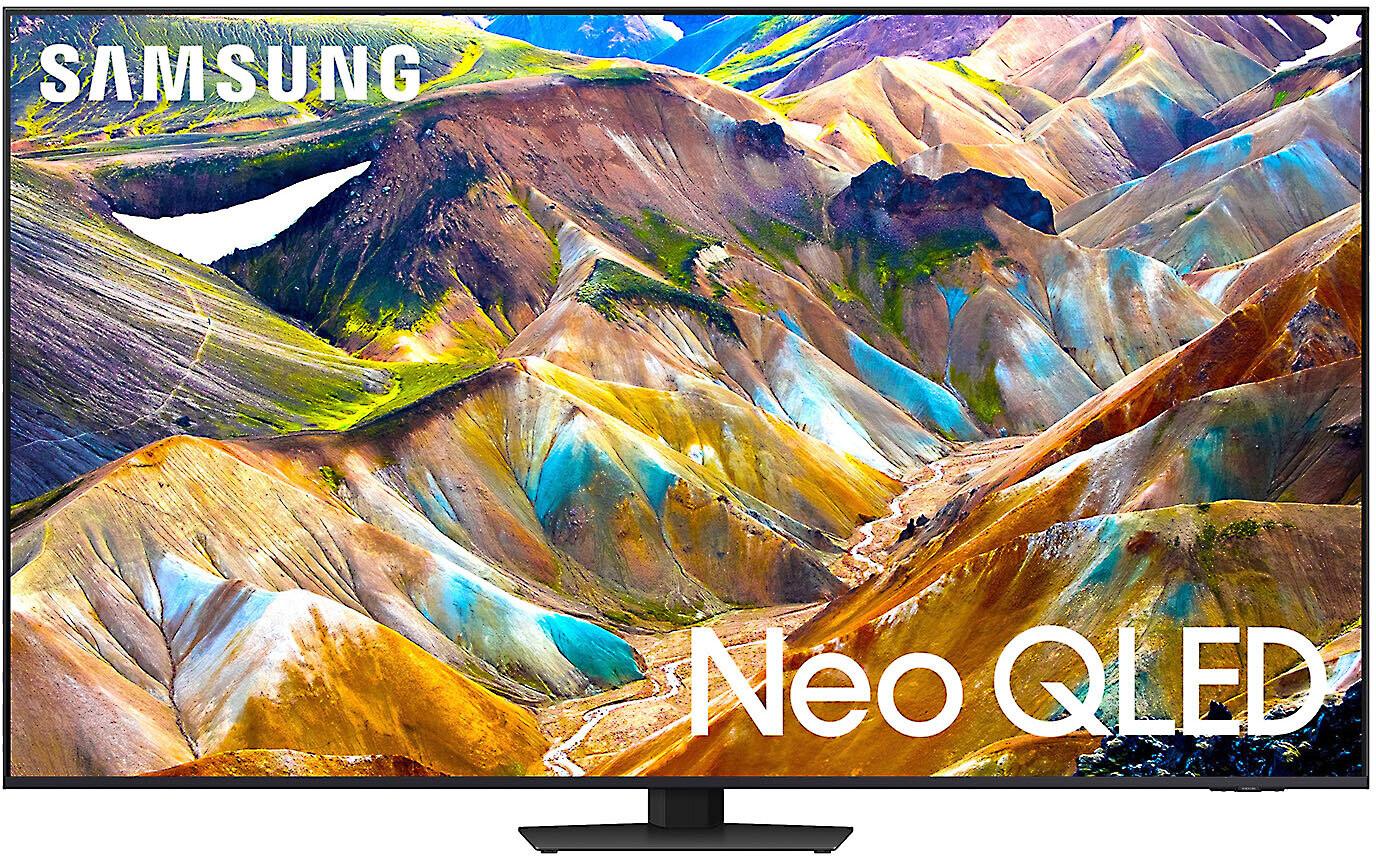
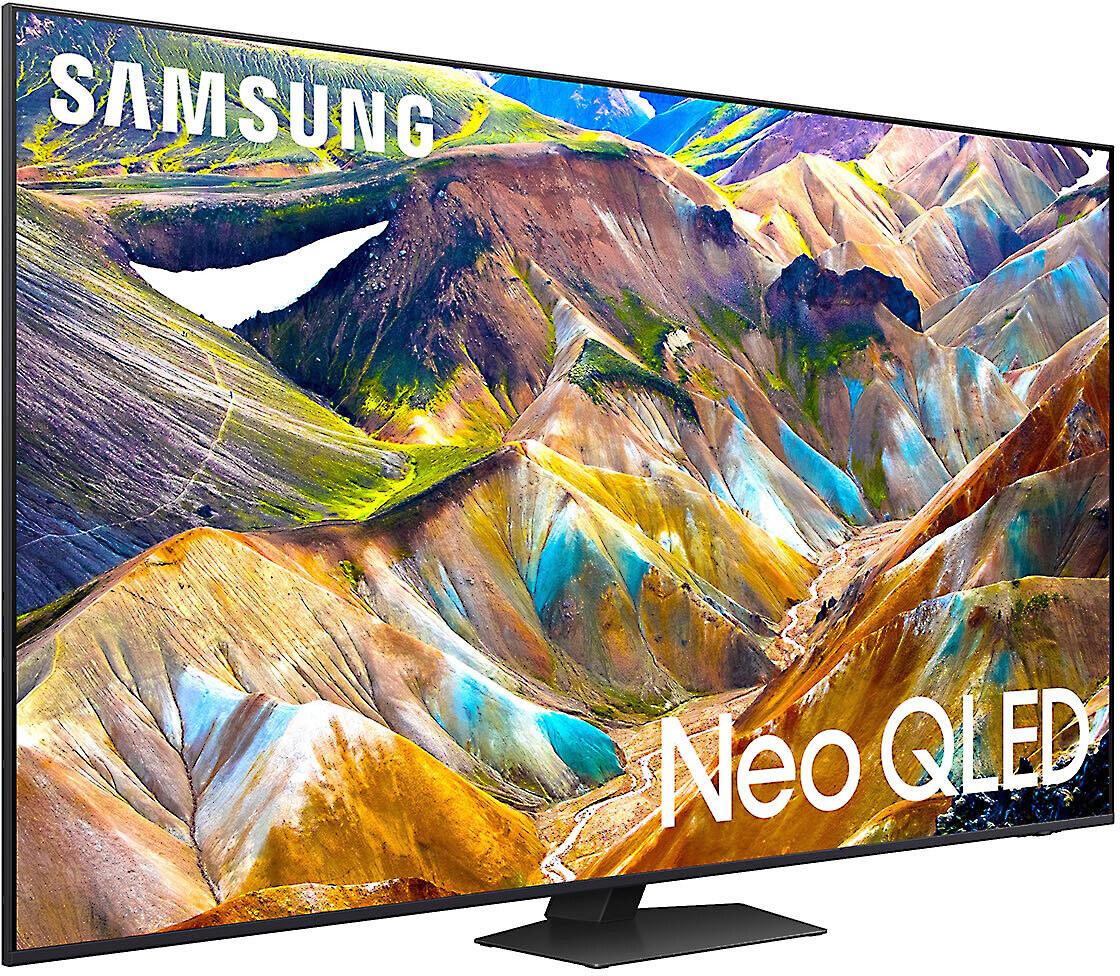
The two models we're comparing today represent different approaches to OLED technology: the Philips 65OLED974/F7, which launched in 2023, and Samsung's 65" S90D, also from 2023. Both use 65-inch OLED panels, but they couldn't be more different in how they deliver the picture to your living room.
The most important difference between these TVs lies in their fundamental panel technology. The Samsung S90D uses what's called QD-OLED (Quantum Dot OLED), while the Philips 974 uses WOLED (White OLED) technology. This isn't just technical jargon – it dramatically affects what you see on screen.
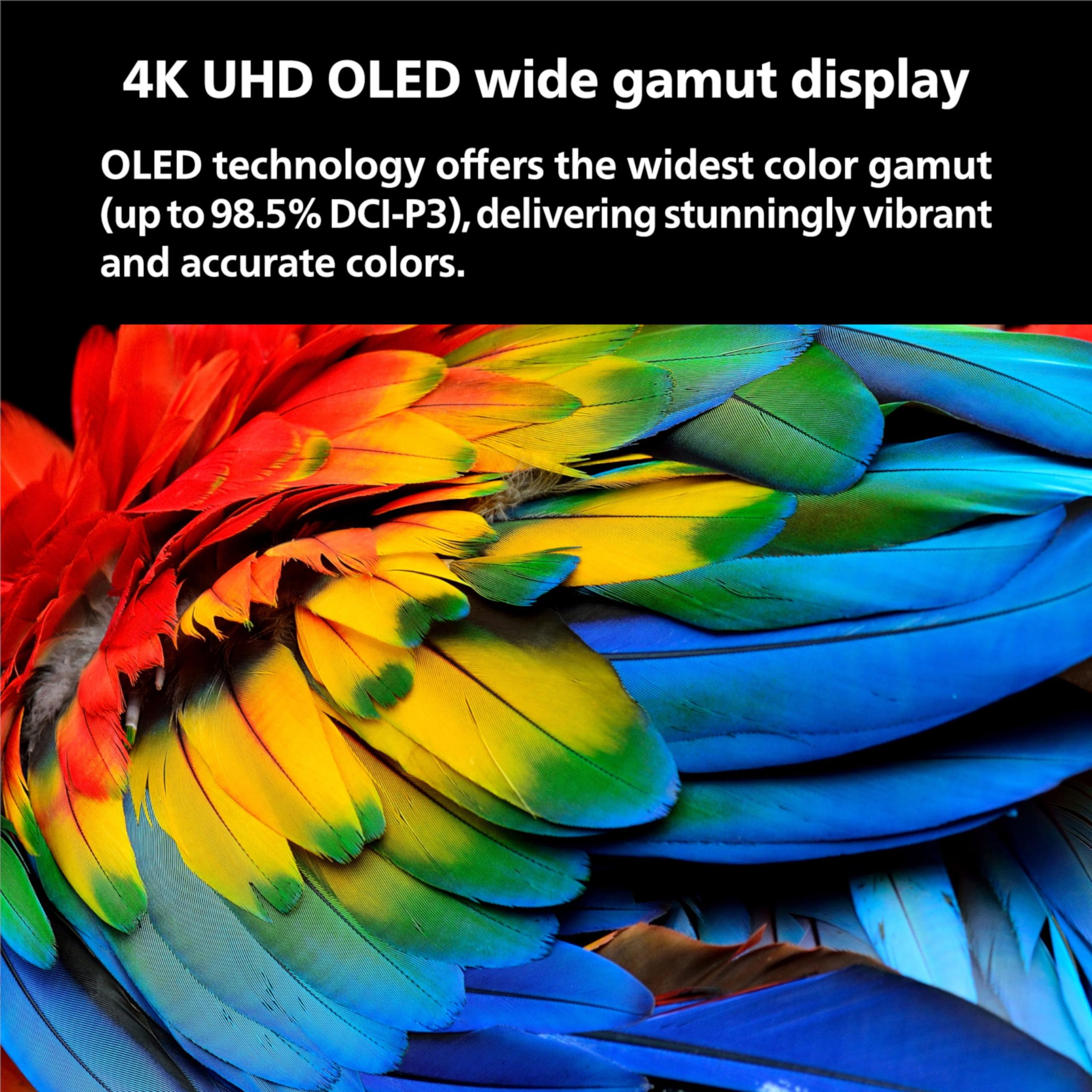
QD-OLED panels, like the one in the Samsung S90D, combine quantum dots with OLED technology. Quantum dots are microscopic crystals that can produce very pure colors when light hits them. This combination results in colors that are significantly more vivid and punchy than traditional OLED panels. When you're watching a nature documentary with tropical fish or a Marvel movie with those signature bright superhero costumes, the difference is immediately noticeable.
The Philips 974, on the other hand, uses WOLED technology, which has been the traditional approach for OLED TVs. These panels create white light and then use color filters to produce the final image. While this technology produces excellent blacks and good colors, it can't match the color saturation of QD-OLED.
Since 2023, both technologies have continued evolving. QD-OLED has become more affordable and widespread, while WOLED manufacturers have improved brightness capabilities. However, the fundamental advantages of each technology remain consistent.
Here's where things get really important for your viewing experience. Peak brightness – measured in nits – determines how well your TV performs in different lighting conditions and how impactful HDR (High Dynamic Range) content looks.
The Samsung S90D delivers superior peak brightness across the board. This means it can display brighter highlights in movies and shows, making HDR content more dramatic and engaging. More importantly, it can overcome ambient light in your room much better than the Philips 974.
The Philips 974 has what can only be described as poor peak brightness performance. Our research into expert reviews consistently shows this TV struggling in anything but dimly lit rooms. When you're watching HDR content – whether it's a Netflix show, a 4K Blu-ray, or streaming from Disney+ – bright scenes appear muted and lack the punch they should have. The sun reflecting off water, explosions in action movies, or even bright outdoor scenes in dramas don't have the visual impact they're meant to deliver.
This brightness difference matters more than you might think. If your TV is in a living room with windows, the Samsung S90D will maintain good contrast and color even with natural light coming in. The Philips 974 will look washed out and gray in the same conditions.
For gamers, especially those with PlayStation 5, Xbox Series X, or high-end gaming PCs, these TVs offer different advantages. Both support 4K gaming at high refresh rates, but the Samsung S90D takes it further.
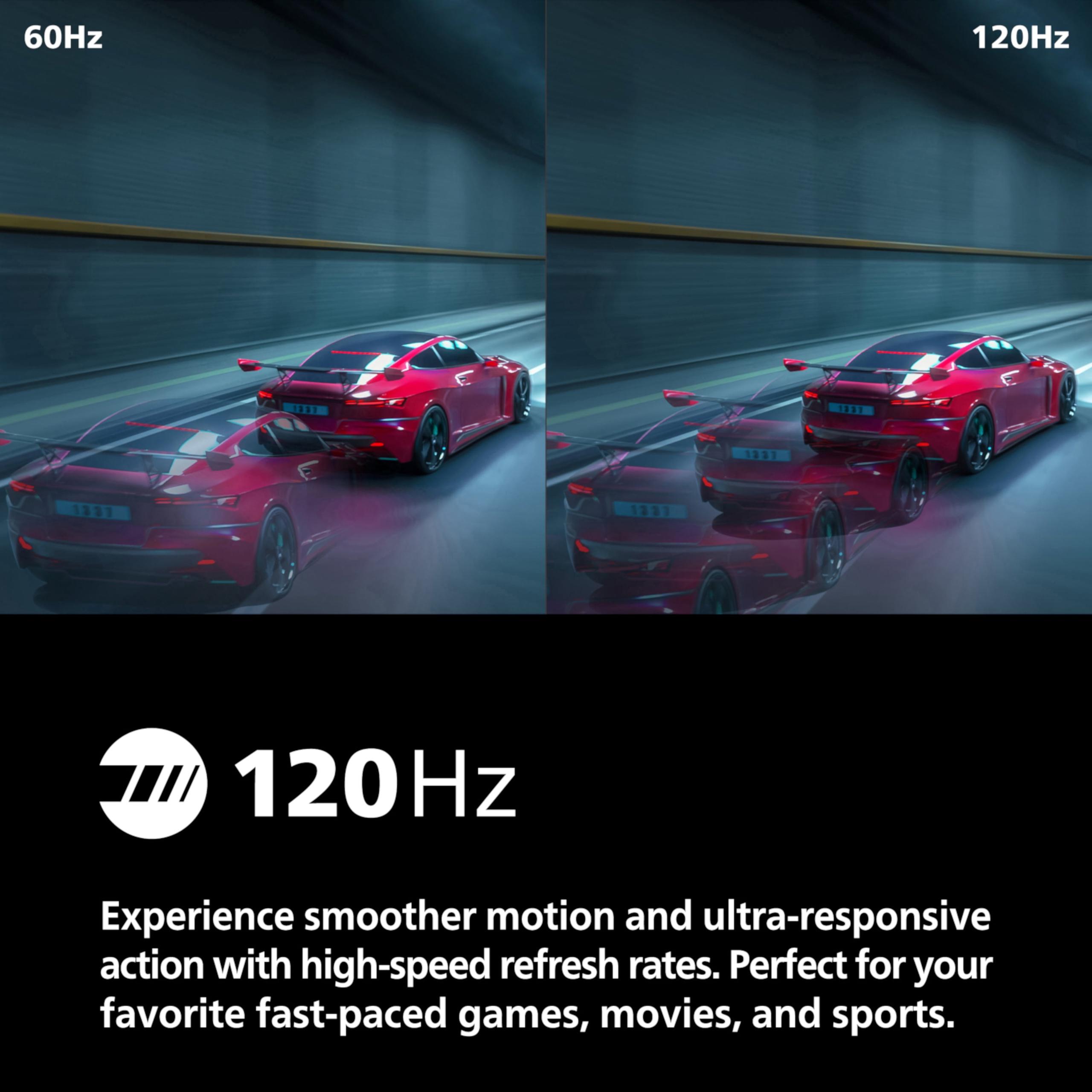
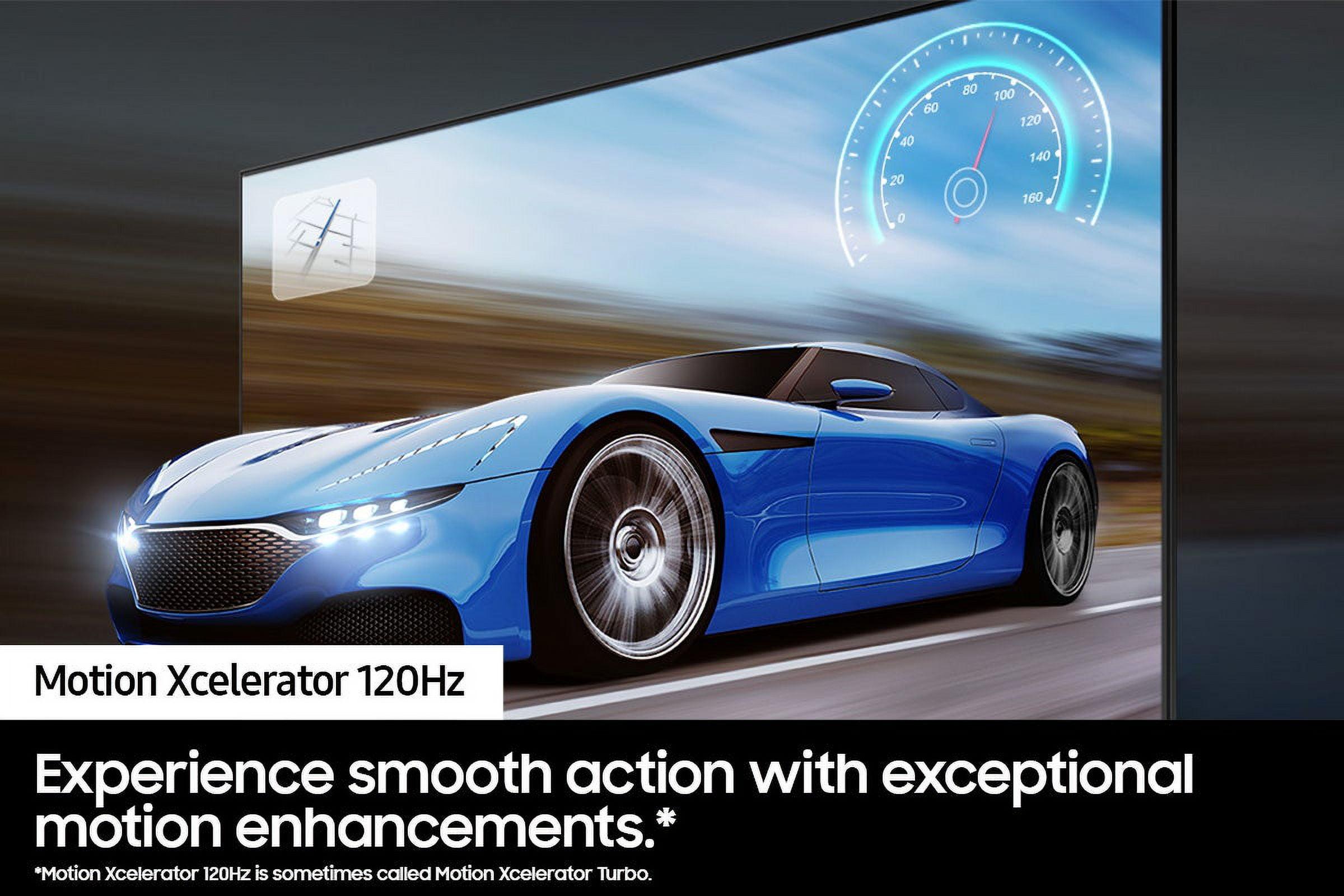
The Samsung S90D supports up to 144Hz refresh rate, compared to the Philips 974's 120Hz. Refresh rate is how many times per second the screen updates the image – higher numbers mean smoother motion, especially in fast-paced games. While 120Hz is excellent for console gaming (since most consoles cap at 120fps), the extra headroom in the Samsung is future-proofing for PC gaming.
Both TVs have excellent response times – that's how quickly individual pixels can change from one color to another. OLED technology inherently provides response times under 1 millisecond, which means virtually no motion blur during gaming. You won't see ghosting behind fast-moving objects like you might with cheaper LED TVs.
The Samsung S90D also includes Black Frame Insertion (BFI), a feature that inserts black frames between regular frames to reduce motion blur even further. It's like having a strobe light effect that makes motion appear incredibly sharp, though it does reduce overall brightness.
Input lag – the delay between pressing a button and seeing the action on screen – is excellent on both TVs. The Philips 974 particularly excels here, with some of the lowest input lag measurements we've seen in our research of expert reviews. For competitive gaming where every millisecond counts, both are excellent choices.
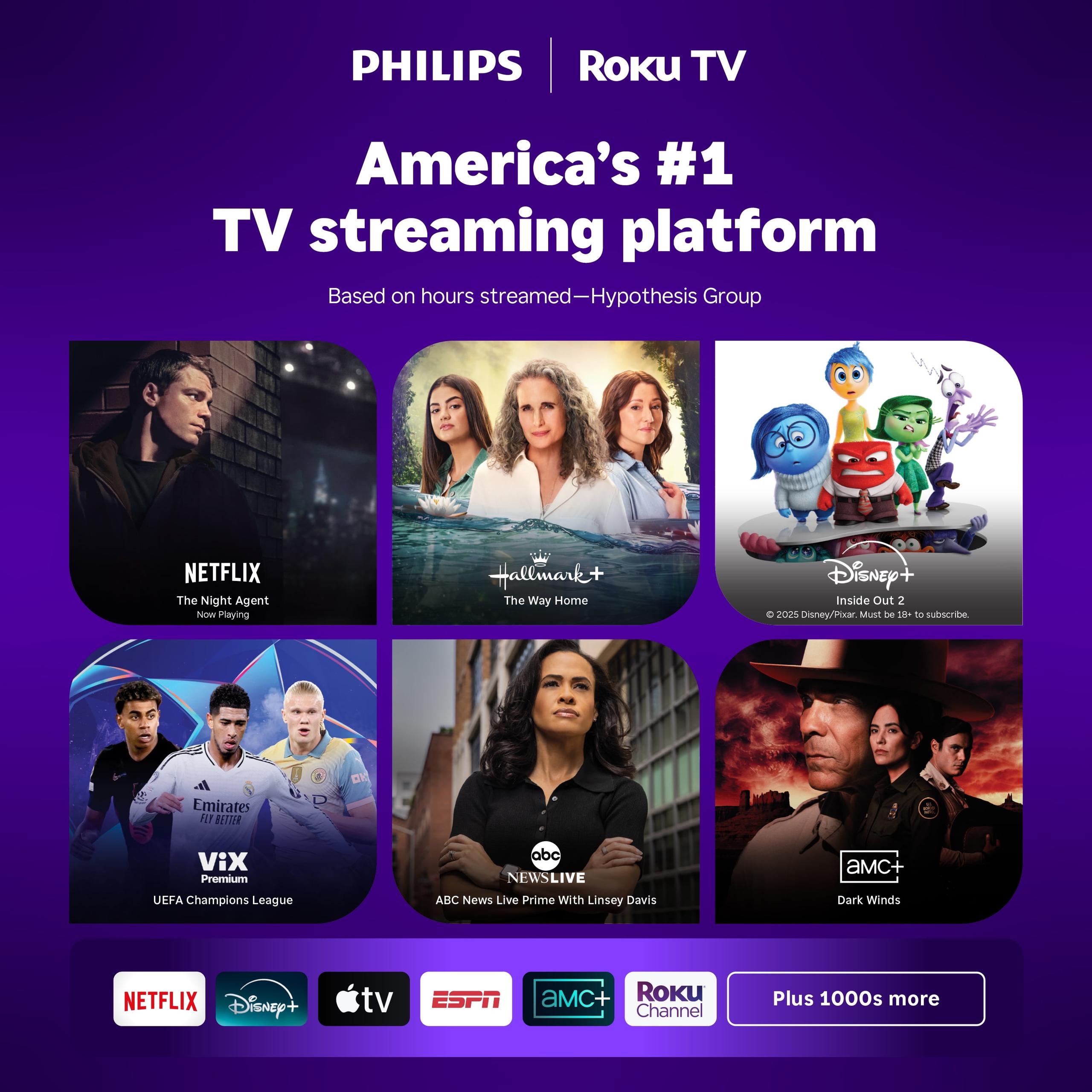
The smart TV experience differs significantly between these models. The Samsung S90D runs Samsung's Tizen operating system, while the Philips 974 uses Roku TV.
Roku TV, found on the Philips 974, is widely praised for its simplicity and content discovery. The interface is straightforward – you won't get lost in menus or struggle to find your streaming apps. Roku's universal search feature lets you find content across multiple apps simultaneously, and the platform includes virtually every streaming service you'd want.
Samsung's Tizen, on the Samsung S90D, offers a more sophisticated experience with deeper integration into Samsung's ecosystem. If you use Samsung phones, tablets, or other devices, the connectivity features are excellent. The interface is more polished but potentially more complex for users who just want to find Netflix quickly.
Both platforms receive regular updates and support all major streaming services, so your choice here often comes down to personal preference and existing device ecosystems.
Neither TV will replace a dedicated sound system, but both offer respectable built-in audio for their size. The Philips 974 features a 2.1 speaker system with a dedicated subwoofer, providing 55 watts of total power. This setup offers better bass response than typical TV speakers, making action movies and music more engaging without external speakers.
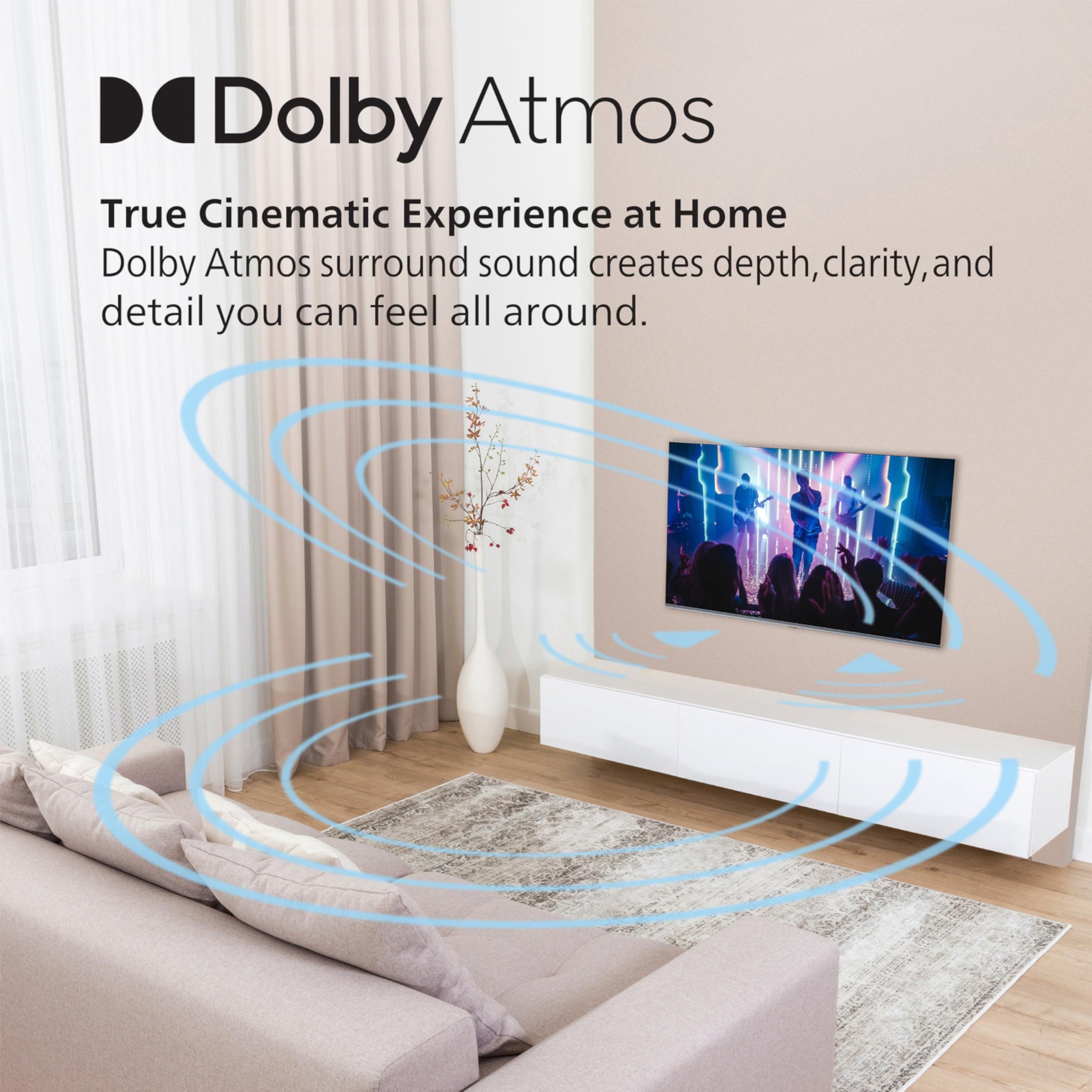
The Samsung S90D supports Dolby Atmos, which creates a more three-dimensional soundscape by bouncing audio off your ceiling and walls. While it can't fully replicate a dedicated Atmos speaker system, it does provide a more immersive experience than standard stereo TV speakers.
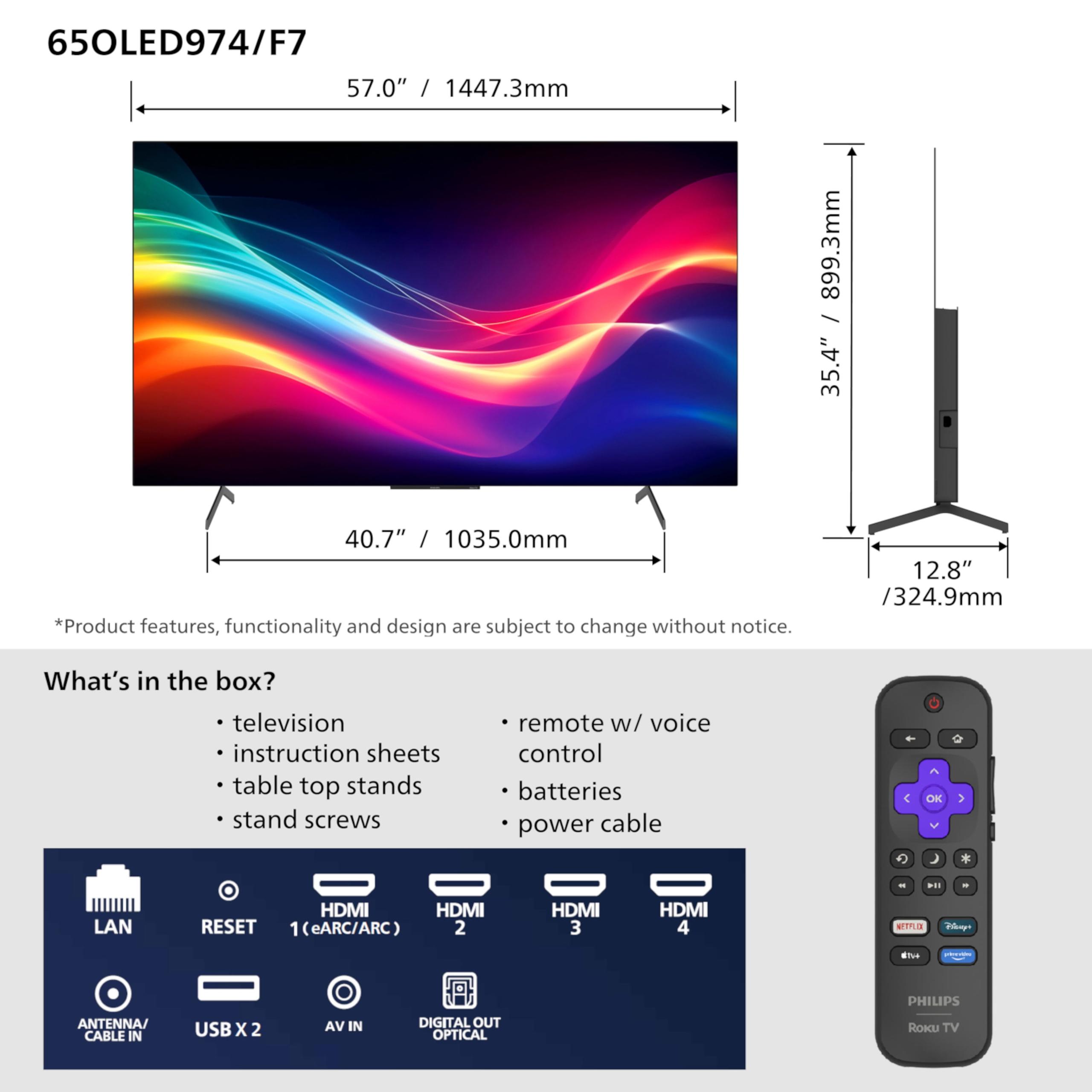
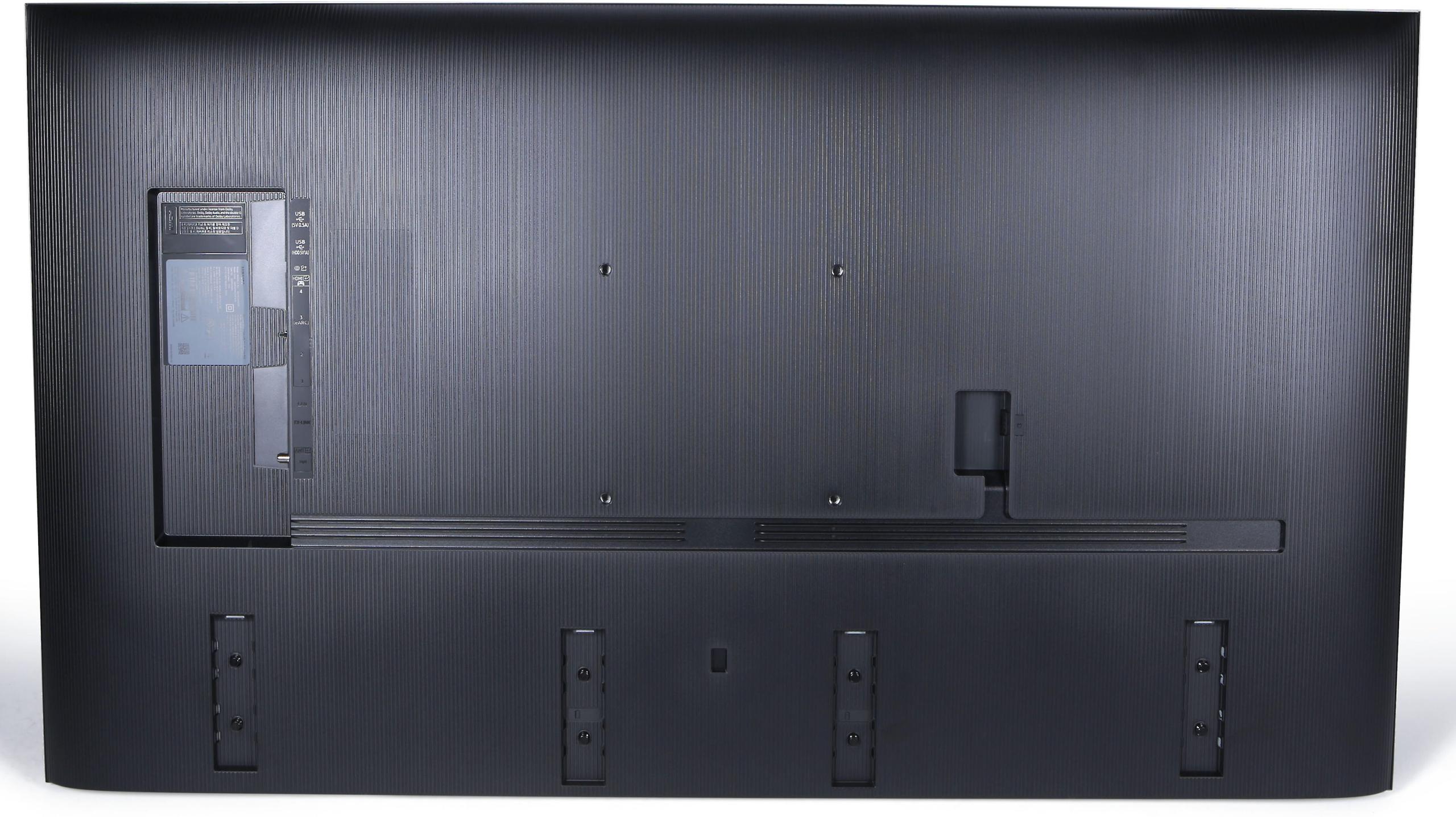
Both TVs support eARC (enhanced Audio Return Channel) through HDMI, so if you do invest in a soundbar or receiver later, you'll get full audio quality passthrough.
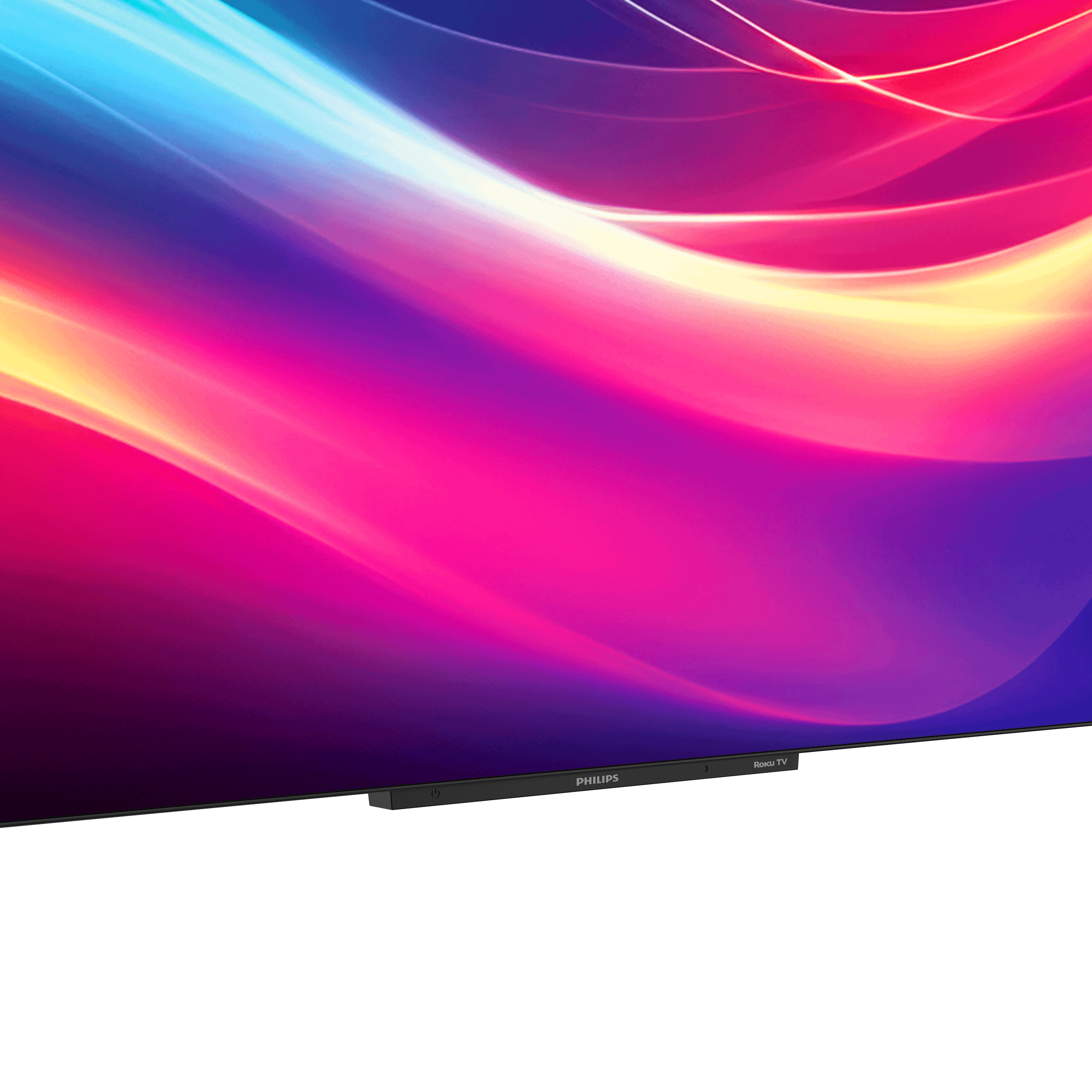
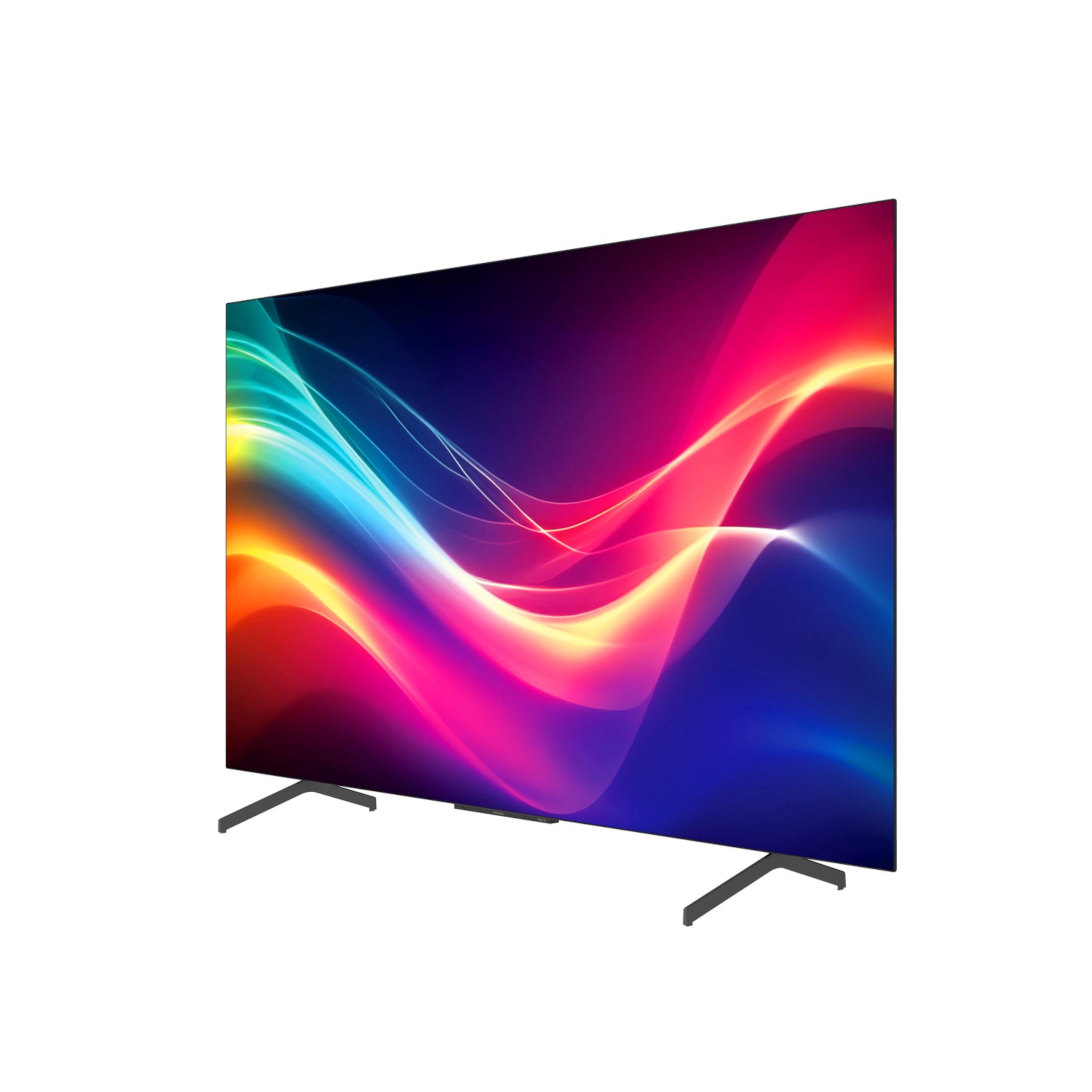
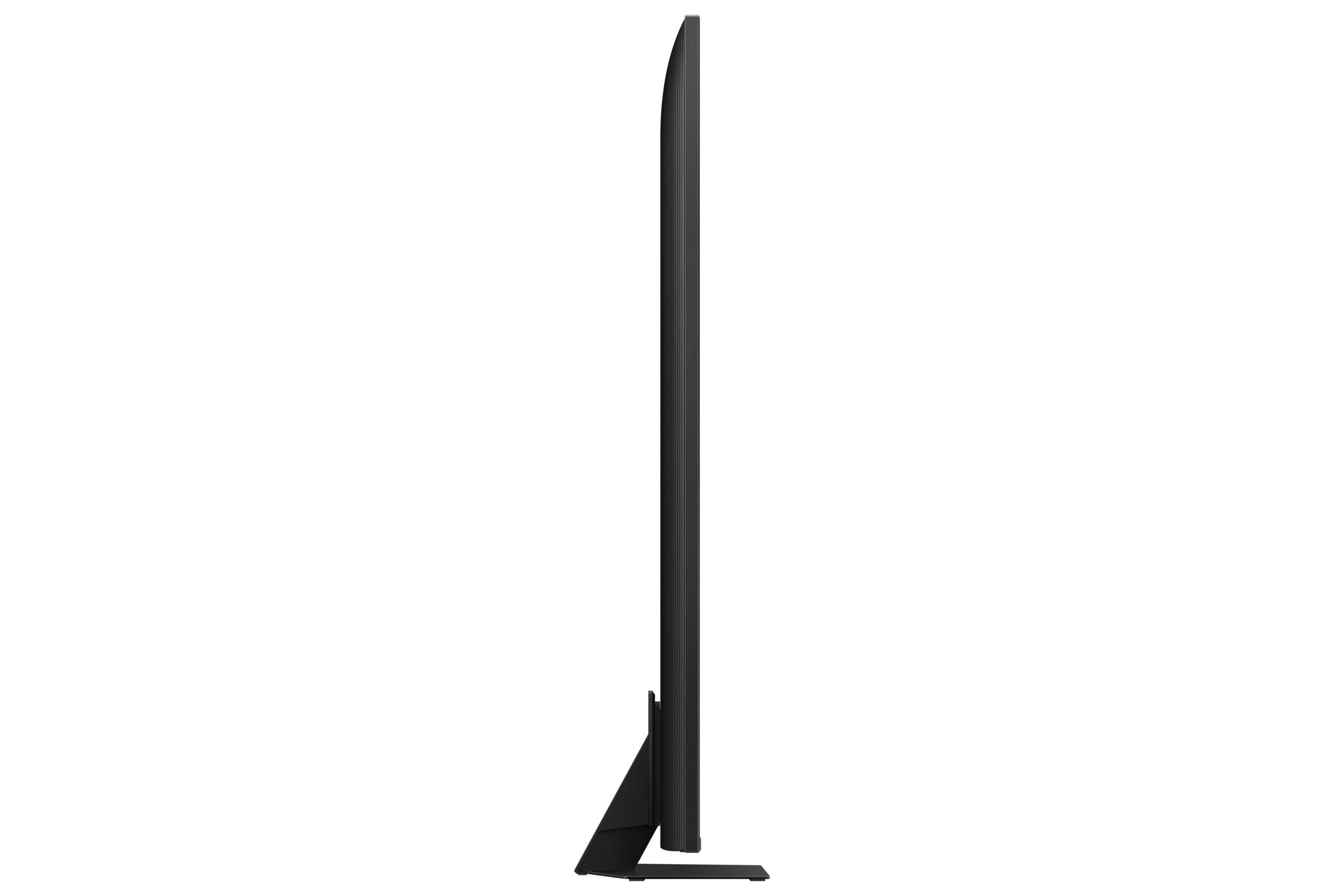
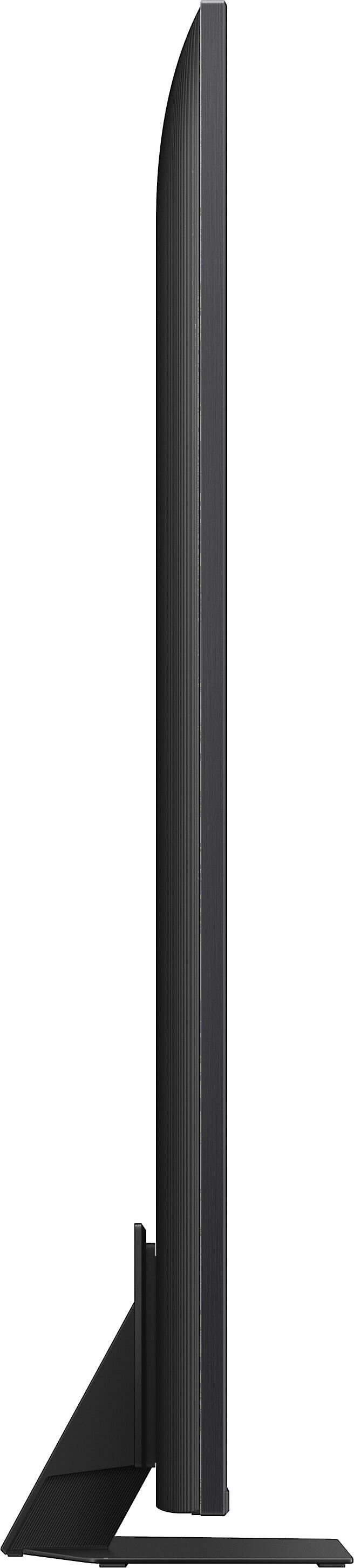
The Philips 974 takes the lead in design aesthetics. Its 3-sided borderless design creates an incredibly immersive viewing experience – the picture seems to float in space rather than being contained within obvious bezels. At only 2.2 inches thick, it's remarkably slim and elegant whether wall-mounted or on its included stand.
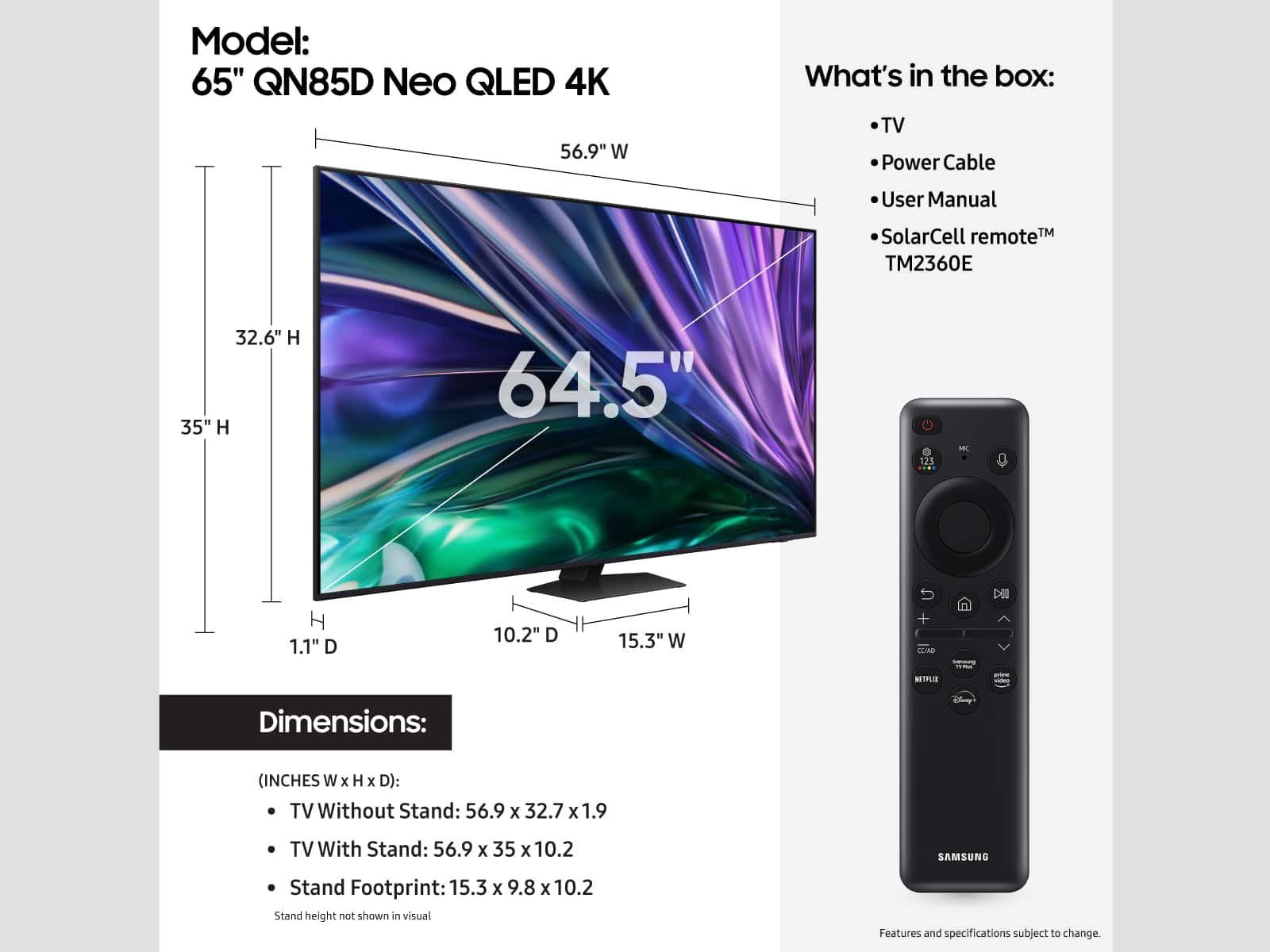
The Samsung S90D follows Samsung's typical minimalist design language. It's attractive but less distinctive than the Philips. Both TVs support standard VESA wall mounting and include stable table stands.
HDR content is where the performance gap between these TVs becomes most apparent. HDR stands for High Dynamic Range, and it's designed to show brighter brights and darker darks than standard video content. Think of the difference between a regular photo and one taken with your phone's HDR mode.
The Samsung S90D's superior brightness makes HDR content significantly more impactful. When you're watching HDR movies on Netflix, Amazon Prime, or 4K Blu-rays, bright elements like the sun, fire, or metallic surfaces actually look bright rather than just lighter shades of gray.
The Philips 974 can display the color information in HDR content, but without adequate peak brightness, the effect is diminished. Highlights that should pop off the screen appear muted, reducing the dramatic impact that HDR is supposed to provide.
At the time of writing, the Samsung S90D typically costs less than the Philips 974 while delivering superior performance across most metrics. This makes the Samsung an easier recommendation for most buyers.
The Philips 974's higher price becomes harder to justify when you consider its limitations in bright rooms and HDR performance. You're essentially paying more for a TV that works well only in specific conditions.
Price fluctuations are common in the TV market, so always check current pricing, but the Samsung generally offers better value for the performance delivered.
For dedicated home theater setups, both TVs excel in dark room environments where OLED technology truly shines. However, the Samsung S90D still maintains an advantage due to its more vibrant colors and better HDR performance.
If you're building a serious home theater with controlled lighting, proper seating distance, and quality source material, the Samsung S90D will deliver a more cinematic experience. The enhanced color volume and superior brightness handling make movies more engaging and closer to the filmmaker's intent.
The Philips 974 isn't bad for home theater use – its perfect blacks and good SDR performance work well for older movies and TV shows. However, modern HDR content, which represents the future of home entertainment, performs better on the Samsung.
Choose the Samsung S90D if you:
Choose the Philips 974 if you:
After extensive research into expert reviews, user feedback, and technical specifications, the Samsung S90D emerges as the better choice for most buyers. Its superior brightness performance, more vivid colors, better gaming capabilities, and typically lower price make it a more well-rounded and versatile TV.
The Philips 974 isn't a bad TV – it excels in dark room viewing and has excellent build quality. However, its significant limitations in bright rooms and HDR performance, combined with its higher typical price, make it harder to recommend unless you have very specific needs or preferences.
The QD-OLED technology in the Samsung S90D represents the current pinnacle of consumer display technology, offering the best balance of performance, features, and value. Unless you have compelling reasons to choose otherwise, the Samsung should be your choice for a premium OLED TV experience.
| Philips 65OLED974/F7 | Samsung 65" OLED S90D |
|---|---|
| Panel Technology - Determines color vibrancy and overall picture quality | |
| WOLED (White OLED with color filters) | QD-OLED (Quantum Dot OLED for enhanced colors) |
| Peak Brightness - Critical for HDR impact and bright room viewing | |
| Poor brightness, unsuitable for well-lit rooms | Superior brightness, good for various lighting conditions |
| Gaming Refresh Rate - Higher rates provide smoother motion for gaming | |
| 120Hz native (good for console gaming) | 144Hz native (excellent for PC gaming and future-proofing) |
| Color Performance - Affects how vibrant and lifelike images appear | |
| Good SDR colors, muted HDR due to brightness limits | Significantly more vivid and punchy colors across all content |
| Smart TV Platform - Your daily interface for apps and streaming | |
| Roku TV (simple, excellent content discovery) | Samsung Tizen (more features, Samsung ecosystem integration) |
| HDR Format Support - Determines compatibility with premium content | |
| Dolby Vision, HDR10, HLG | HDR10+, HLG (no Dolby Vision support) |
| Input Lag - Lower numbers mean more responsive gaming | |
| Very low, especially at 120Hz | Low input lag with excellent gaming features |
| Audio System - Built-in sound quality without external speakers | |
| 2.1 system with dedicated subwoofer | Dolby Atmos support with spatial audio processing |
| Design Aesthetics - Visual appeal and build quality | |
| 3-sided borderless design, ultra-thin 2.2" profile | Modern minimalist design, standard bezels |
| Typical Price Range - Value proposition at time of writing | |
| Higher cost for the performance delivered | Better value, typically costs less than Philips 974 |
| Best Use Case - Where each TV truly excels | |
| Dark home theaters with controlled lighting only | Versatile performance in various room conditions |
| Room Lighting Compatibility - How well each handles ambient light | |
| Requires dimly lit environments to perform well | Works effectively in bright rooms with good contrast |
The Samsung S90D delivers significantly better overall picture quality thanks to its QD-OLED technology, which produces more vivid and punchy colors compared to the Philips 65OLED974/F7's WOLED panel. The Samsung also offers superior brightness performance, making HDR content more impactful and providing better contrast in rooms with ambient lighting.
Yes, the Samsung S90D is the better gaming TV. It supports 144Hz refresh rate compared to the Philips 974's 120Hz, offers Black Frame Insertion for smoother motion, and delivers superior HDR gaming performance due to its higher peak brightness. Both have excellent input lag, but the Samsung provides more gaming features overall.
The Samsung S90D is significantly better for bright room viewing. Its superior peak brightness allows it to maintain good contrast and color even with ambient lighting. The Philips 65OLED974/F7 has poor brightness performance and is unsuitable for well-lit rooms, appearing washed out and gray in these conditions.
The Samsung S90D uses QD-OLED technology, which combines quantum dots with OLED panels to produce more saturated, vibrant colors. The Philips 974 uses traditional WOLED technology with color filters, which still produces excellent blacks but can't match the color vibrancy of QD-OLED panels.
Both platforms are excellent but serve different needs. The Philips 974 runs Roku TV, which offers superior content discovery and a simpler interface that's easier to navigate. The Samsung S90D uses Tizen OS, which provides more advanced features and better integration with Samsung devices but has a more complex interface.
While both work well in dark home theater environments, the Samsung S90D is the better choice for serious home theater use. Its superior brightness handling and more vibrant colors make movies more engaging and closer to the filmmaker's intent, especially with modern HDR content that represents the future of home entertainment.
The Samsung S90D typically offers better value, as it usually costs less than the Philips 65OLED974/F7 while delivering superior performance across most important metrics including brightness, color vibrancy, and gaming capabilities.
No, the Samsung S90D provides a significantly better HDR experience. While both TVs can display HDR content, the Samsung's superior peak brightness makes highlights actually appear bright rather than just lighter shades of gray, creating the dramatic impact that HDR is supposed to provide.
The Philips 974 has a slight edge with its 2.1 speaker system including a dedicated subwoofer, providing better bass response. However, the Samsung S90D supports Dolby Atmos for more spatial audio effects. Neither replaces a dedicated sound system, but both offer respectable built-in audio.
The Philips 65OLED974/F7 excels in design aesthetics with its 3-sided borderless display and ultra-thin profile. It's also better if you strongly prefer the Roku TV platform or have a dedicated dark home theater room where its brightness limitations won't matter as much.
Both the Samsung S90D and Philips 974 should receive regular software updates for several years. Samsung typically provides longer-term support for their smart TV platforms, while Roku TV also has an excellent track record for ongoing updates and new app additions.
For most living room setups, choose the Samsung S90D. Its superior brightness performance works better with ambient lighting from windows, its QD-OLED technology provides more engaging colors for daily viewing, and it typically costs less than the Philips 65OLED974/F7 while delivering better overall performance.
We've done our best to create useful and informative comparisons to help you decide what product to buy. Our research uses advanced automated methods to create this comparison and perfection is not possible - please contact us for corrections or questions. These are the sites we've researched in the creation of this article: rtings.com - versus.com - versus.com - rtings.com - samsclub.com - versus.com - youtube.com - usa.philips.com - bestbuy.com - usa.philips.com - consumerreports.org - usa.philips.com - documents.philips.com - tvoutlet.ca - displayspecifications.com - business.walmart.com - displayspecifications.com - ecoustics.com - walmart.com - bestbuy.com - valueelectronics.com - youtube.com - cnet.com - bestbuy.com - videoandaudiocenter.com - youtube.com - samsung.com - samsung.com - pcrichard.com - samsung.com

Privacy Policy
Terms and Conditions - Affiliate Policy
Home Security
© Copyright 2008-2026.
11816 Inwood Rd #1211, Dallas, TX 75244