

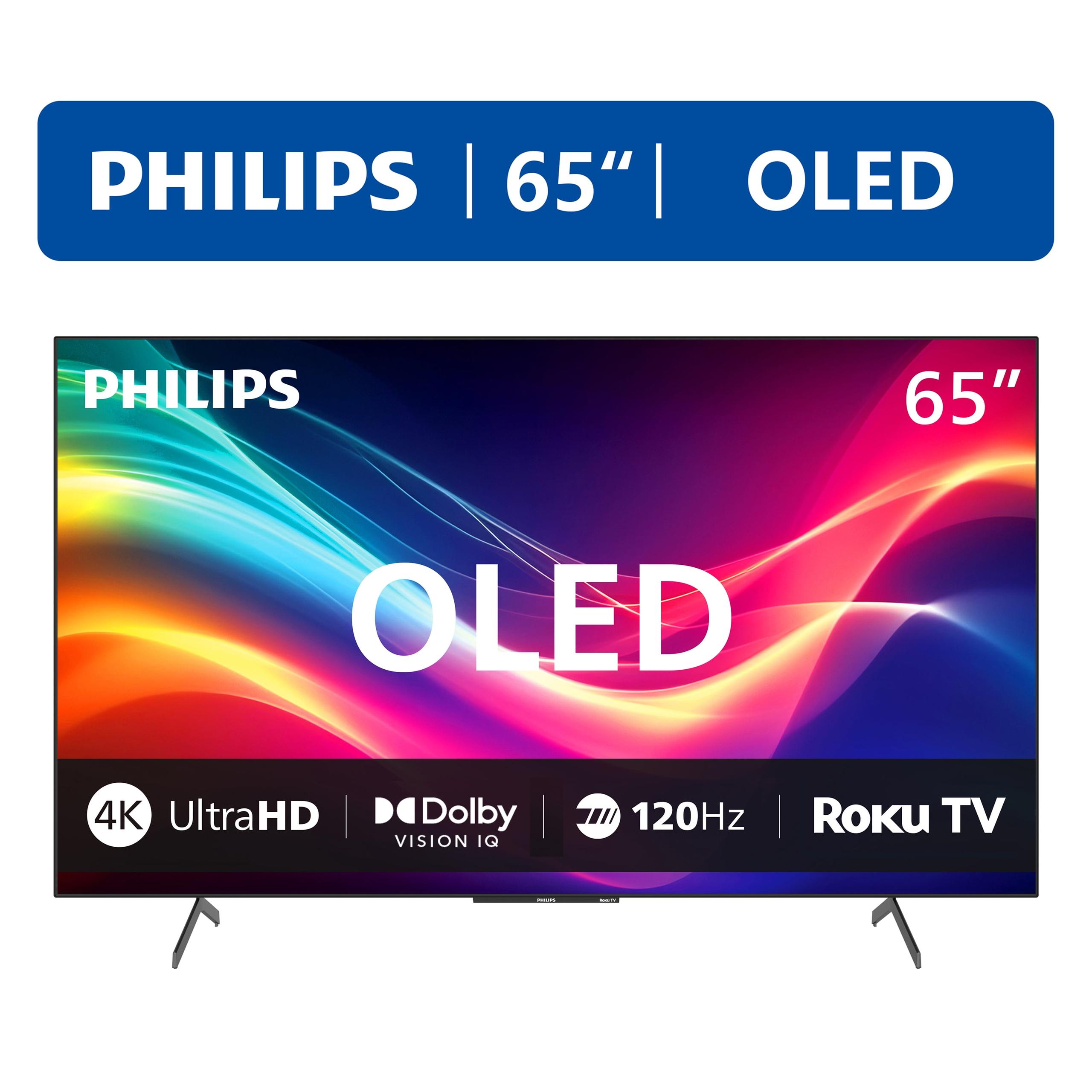
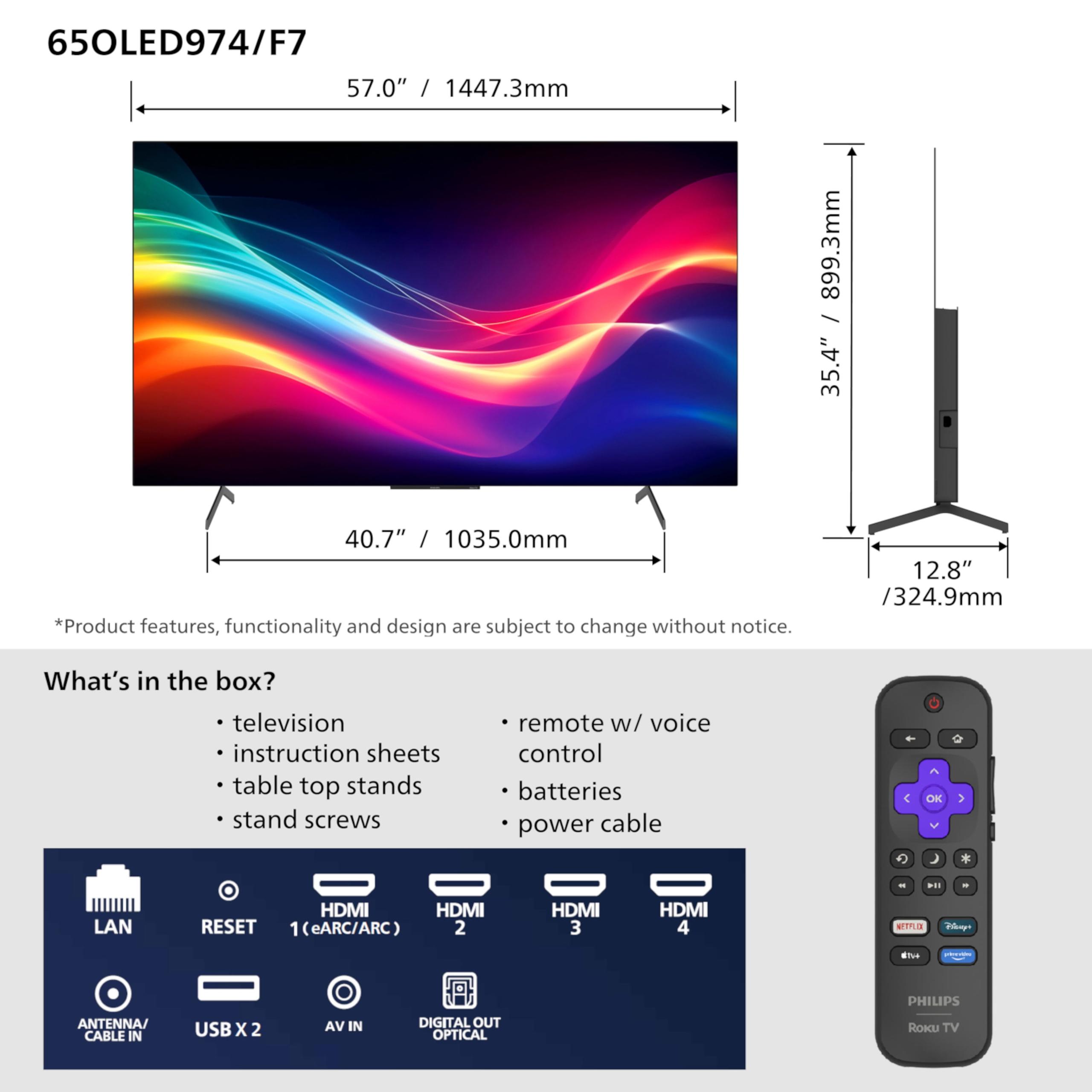

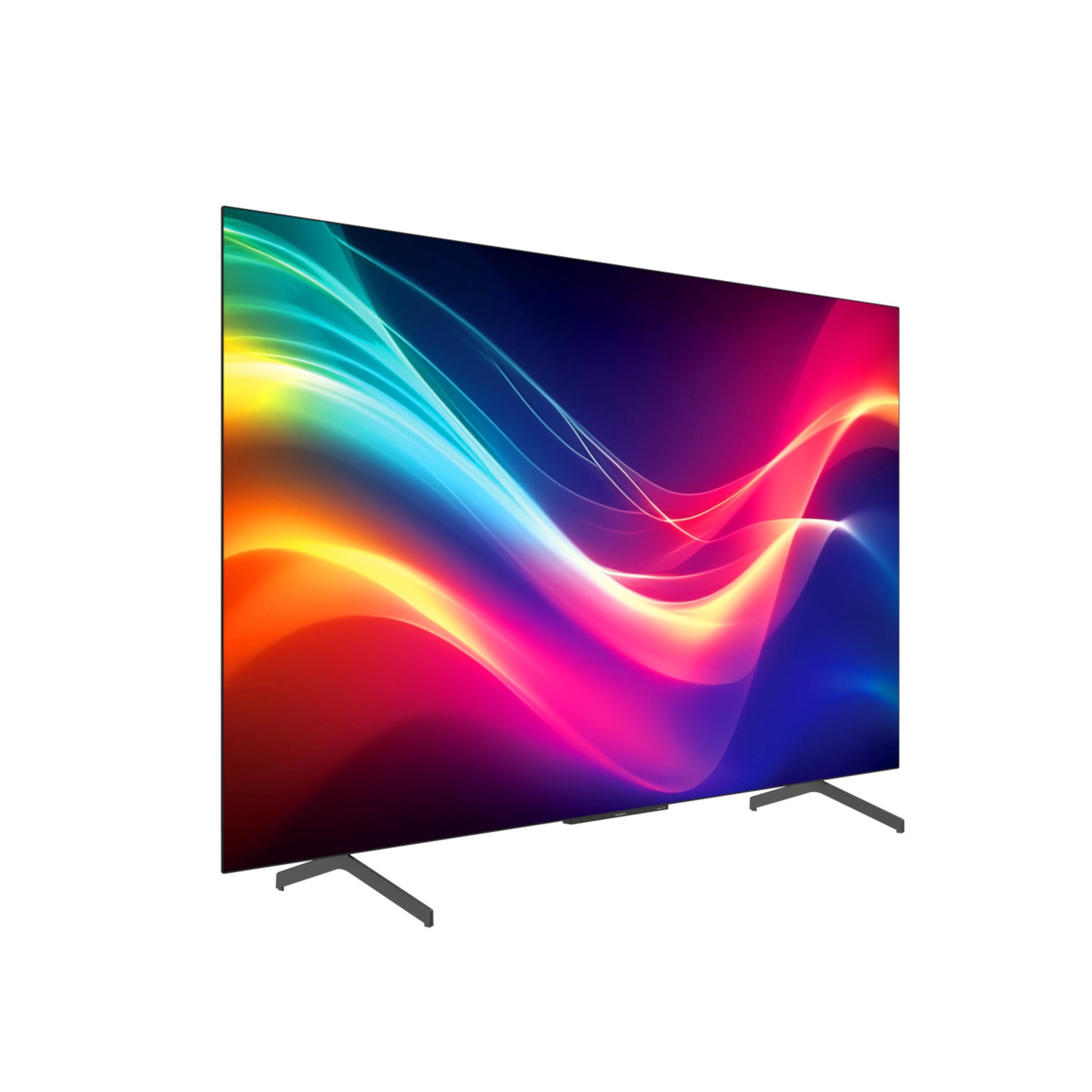
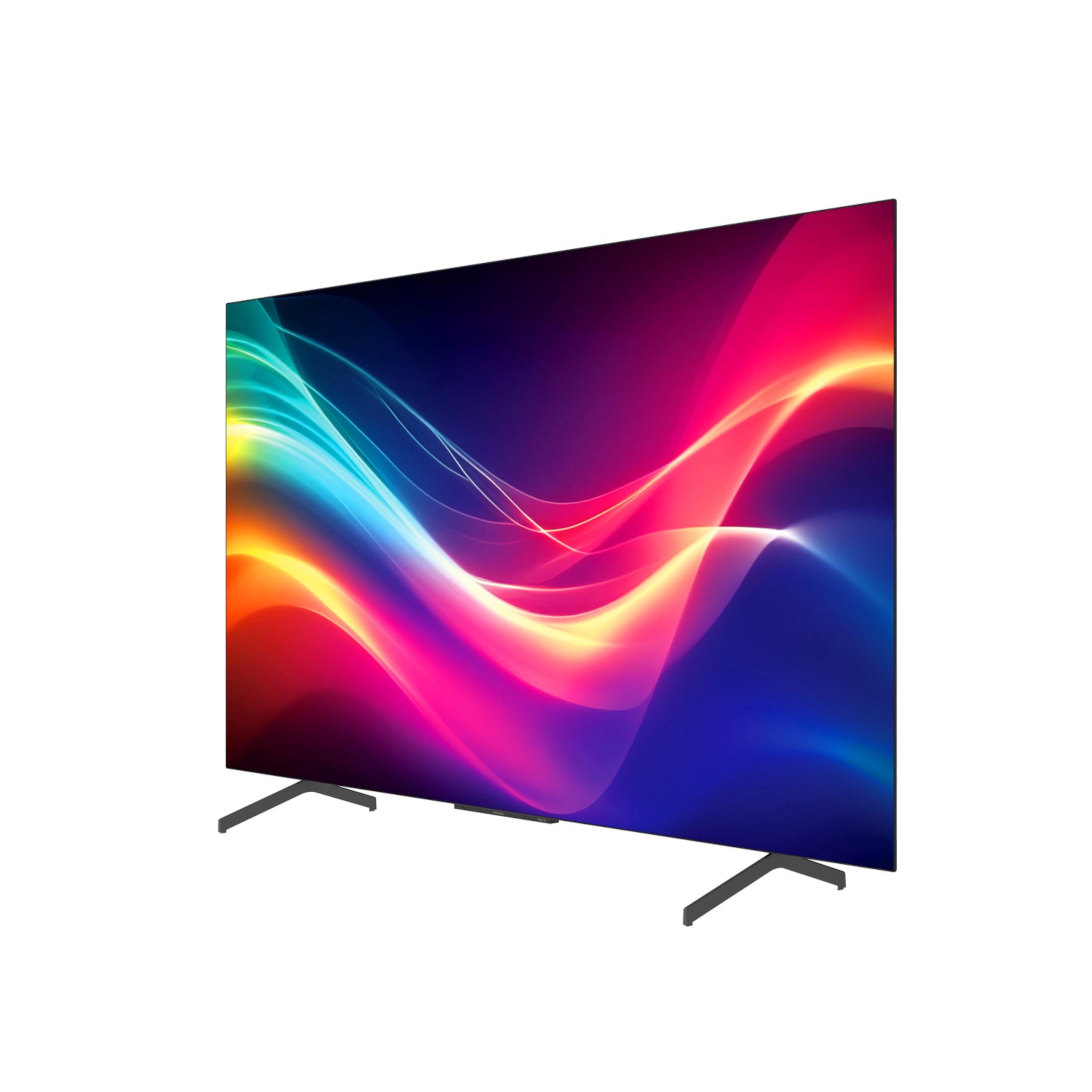


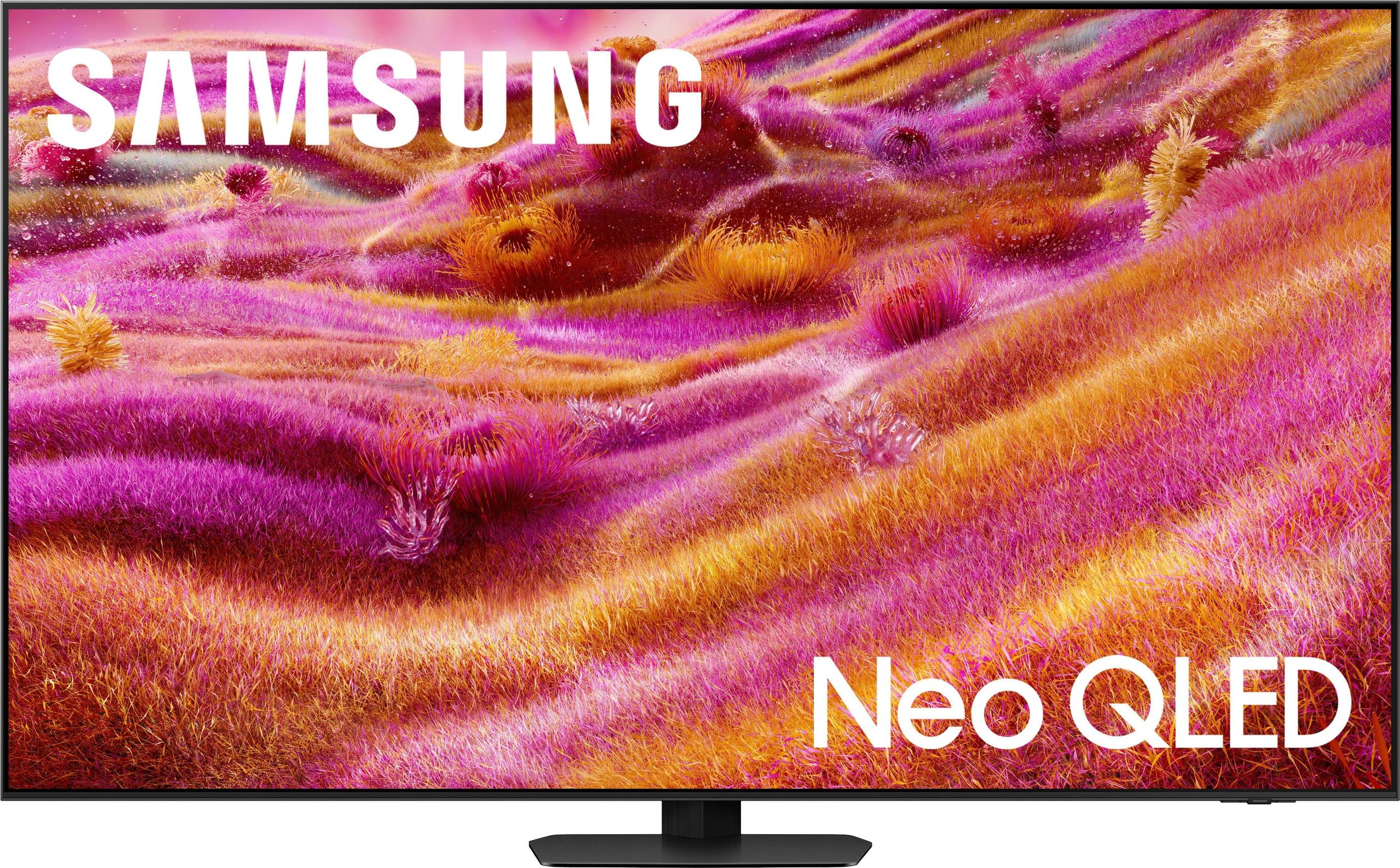
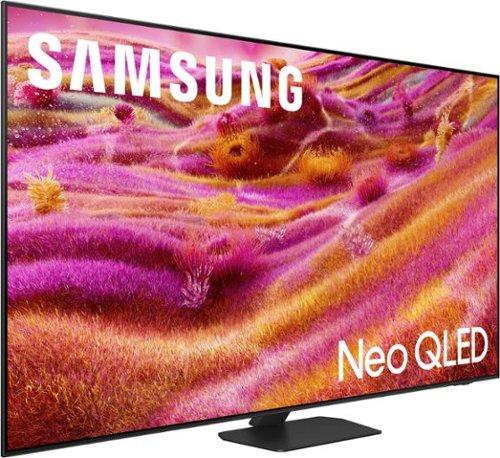


Shopping for a premium 65-inch TV means choosing between two fundamentally different approaches to creating the perfect picture. The Philips 65OLED974/F7, released in 2018, represents mature OLED technology at an accessible price point, while the Samsung QN90F, launched in 2025, showcases the latest Neo QLED innovations with advanced AI processing. Both deliver impressive picture quality, but they excel in completely different scenarios.
Understanding these technologies isn't just about specs—it's about how you actually use your TV. Do you binge Netflix in a dark living room, or is your TV the centerpiece of a bright, window-filled space? Are you a competitive gamer who needs lightning-fast response times, or do you prioritize streaming convenience and smart features? These questions matter more than any marketing buzzword.
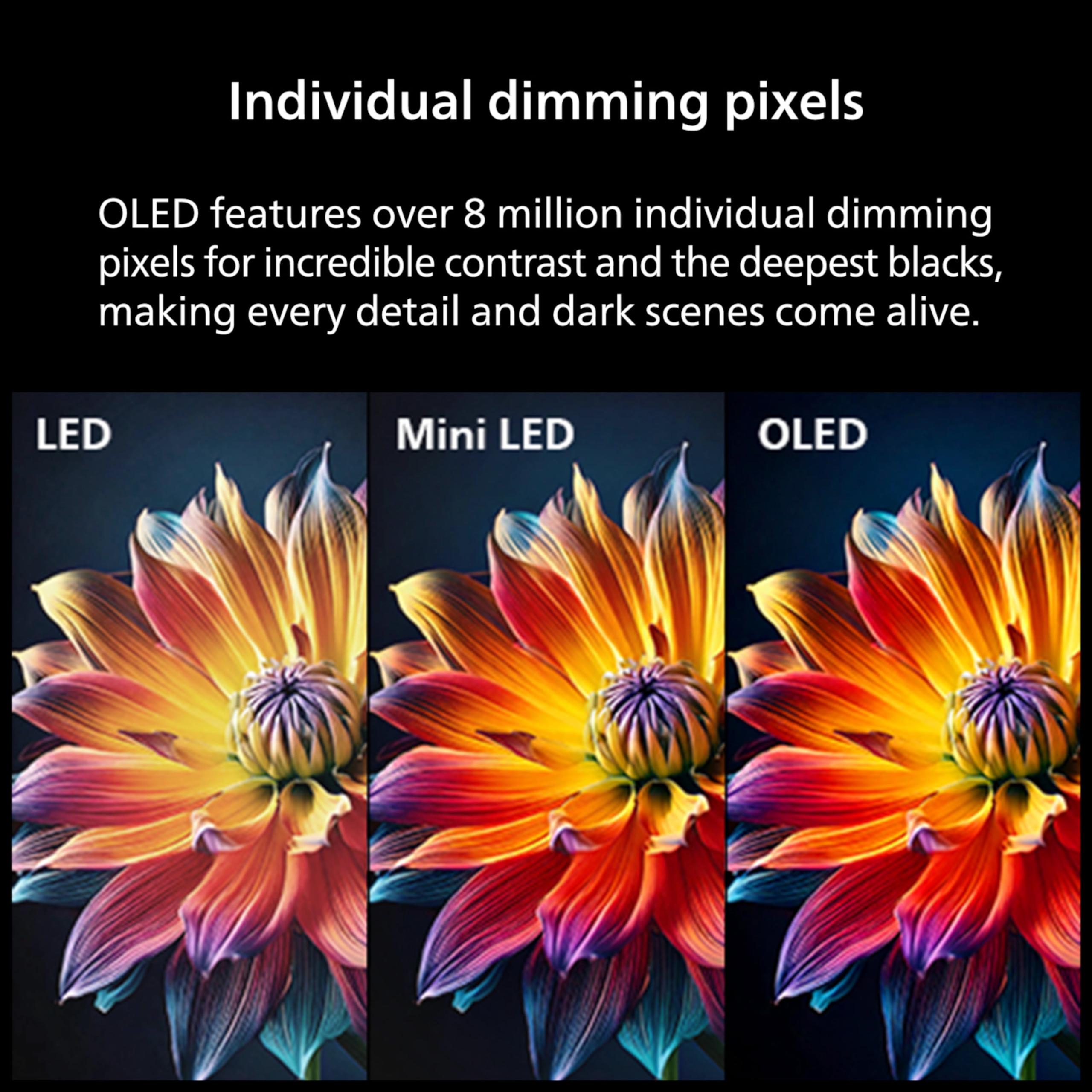
OLED and Neo QLED represent opposing philosophies in display technology. OLED (Organic Light-Emitting Diode) panels like the one in the Philips 65OLED974/F7 use millions of individual pixels that can turn completely on or off. Think of each pixel as a tiny light bulb—when a scene calls for deep blacks, those pixels simply shut off entirely, creating infinite contrast ratios that make dark scenes look incredibly realistic.
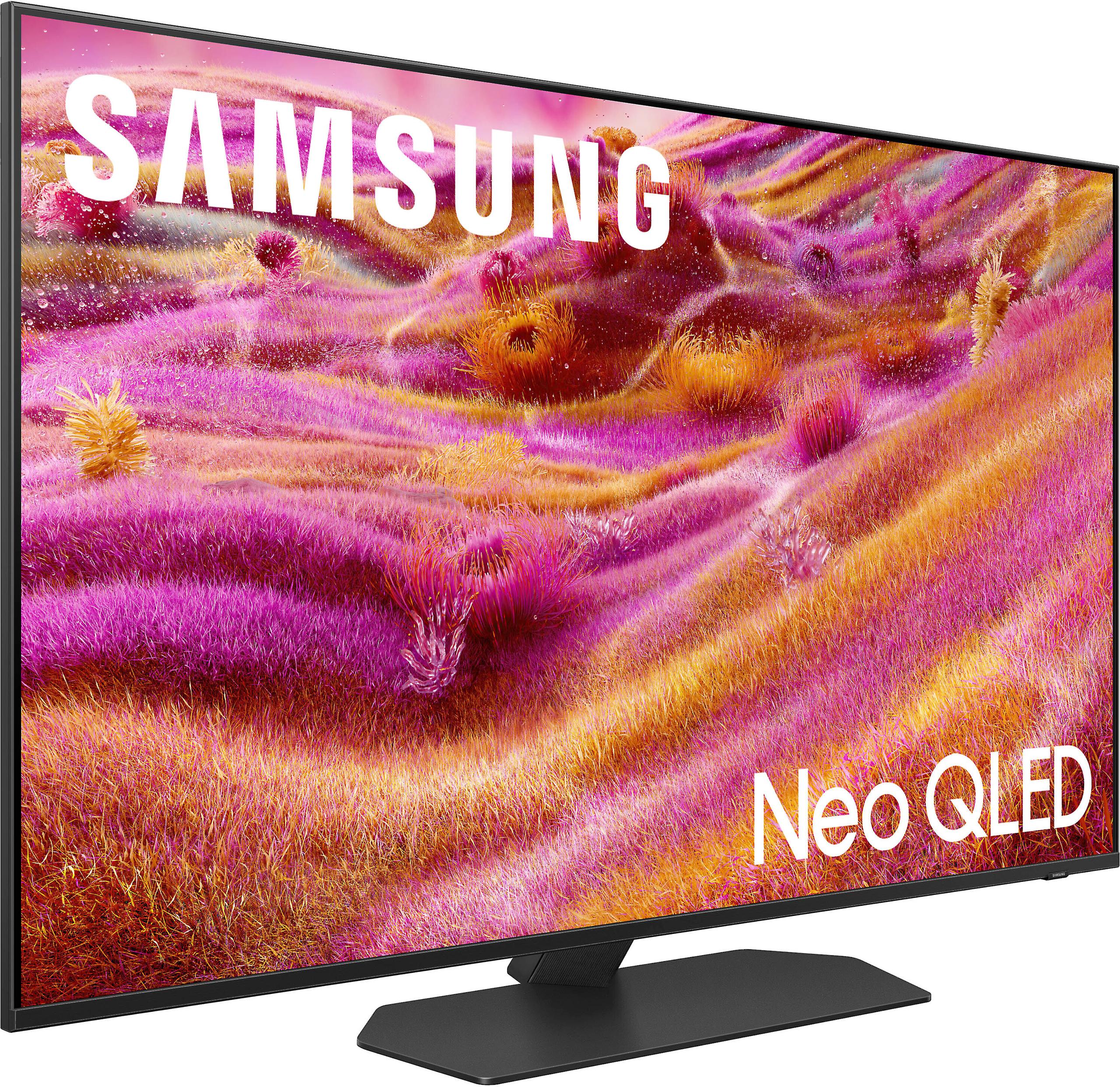
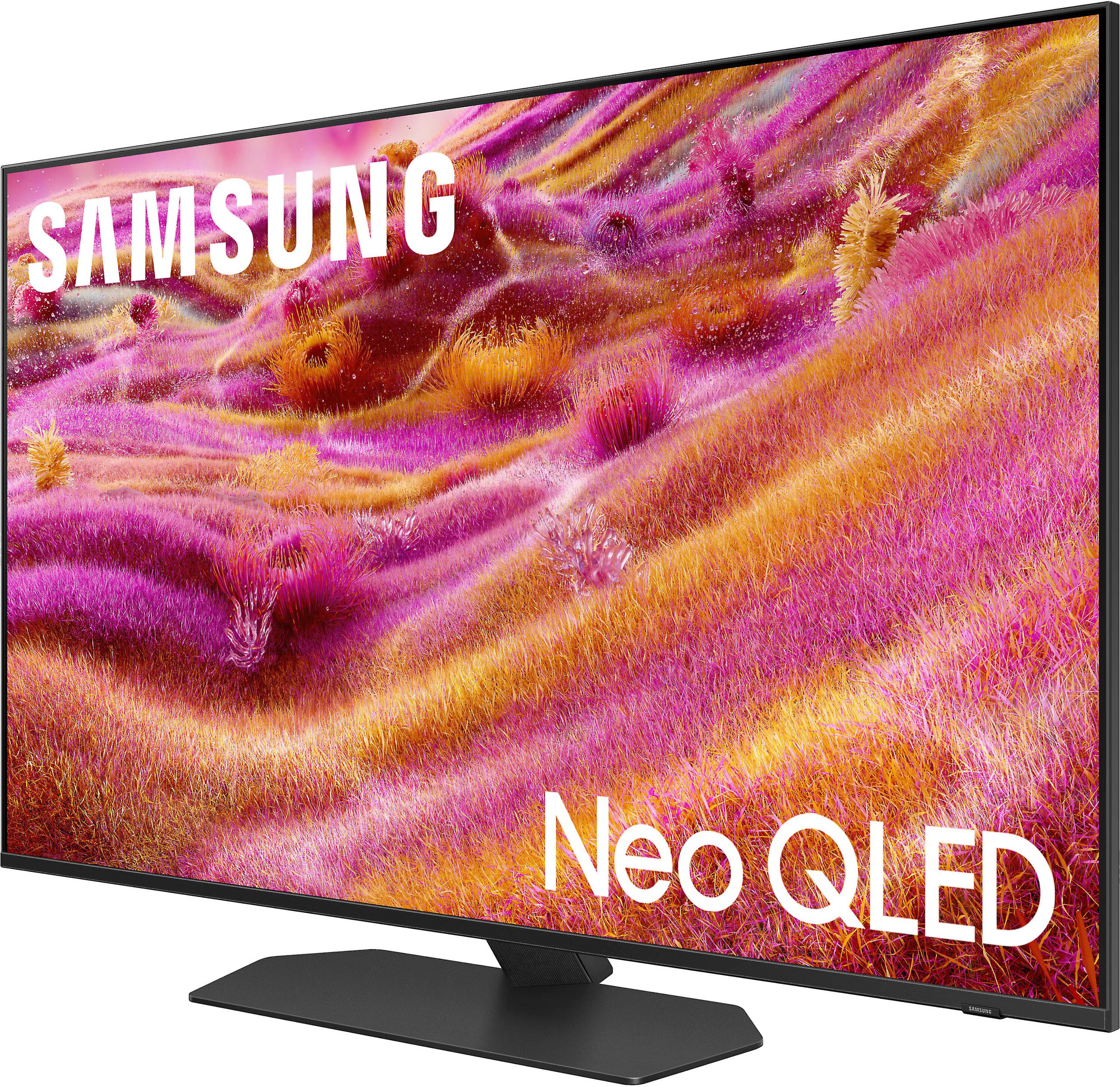
Neo QLED, found in the Samsung QN90F, takes a different approach. It uses thousands of tiny LED lights (called Mini LEDs) behind the screen, combined with quantum dot technology that enhances color production. These Mini LEDs are grouped into zones that can dim independently, creating deeper blacks than traditional LED TVs, though they can't match OLED's pixel-perfect control.
The trade-offs are significant. OLED delivers perfect blacks but struggles with brightness—imagine trying to use a smartphone screen outdoors on a sunny day. Neo QLED sacrifices some contrast perfection but can get incredibly bright, making it visible even in well-lit rooms.
In a darkened home theater, the Philips OLED974 truly comes alive. Its infinite contrast ratio means stars against a black space backdrop look genuinely three-dimensional, and shadow details in dark movie scenes remain visible without washing out nearby bright elements. This isn't marketing hyperbole—when pixels can turn completely off, you get contrast ratios that are mathematically infinite.
However, the Philips has a significant limitation: peak brightness. While exact measurements vary, OLED panels typically max out around 400-500 nits in sustained scenes. For context, a bright sunny day measures about 100,000 nits, while most HDR content is mastered for displays capable of 1,000-4,000 nits. This means HDR highlights—like sunlight streaming through windows or explosive special effects—lack the dramatic impact they're supposed to have.
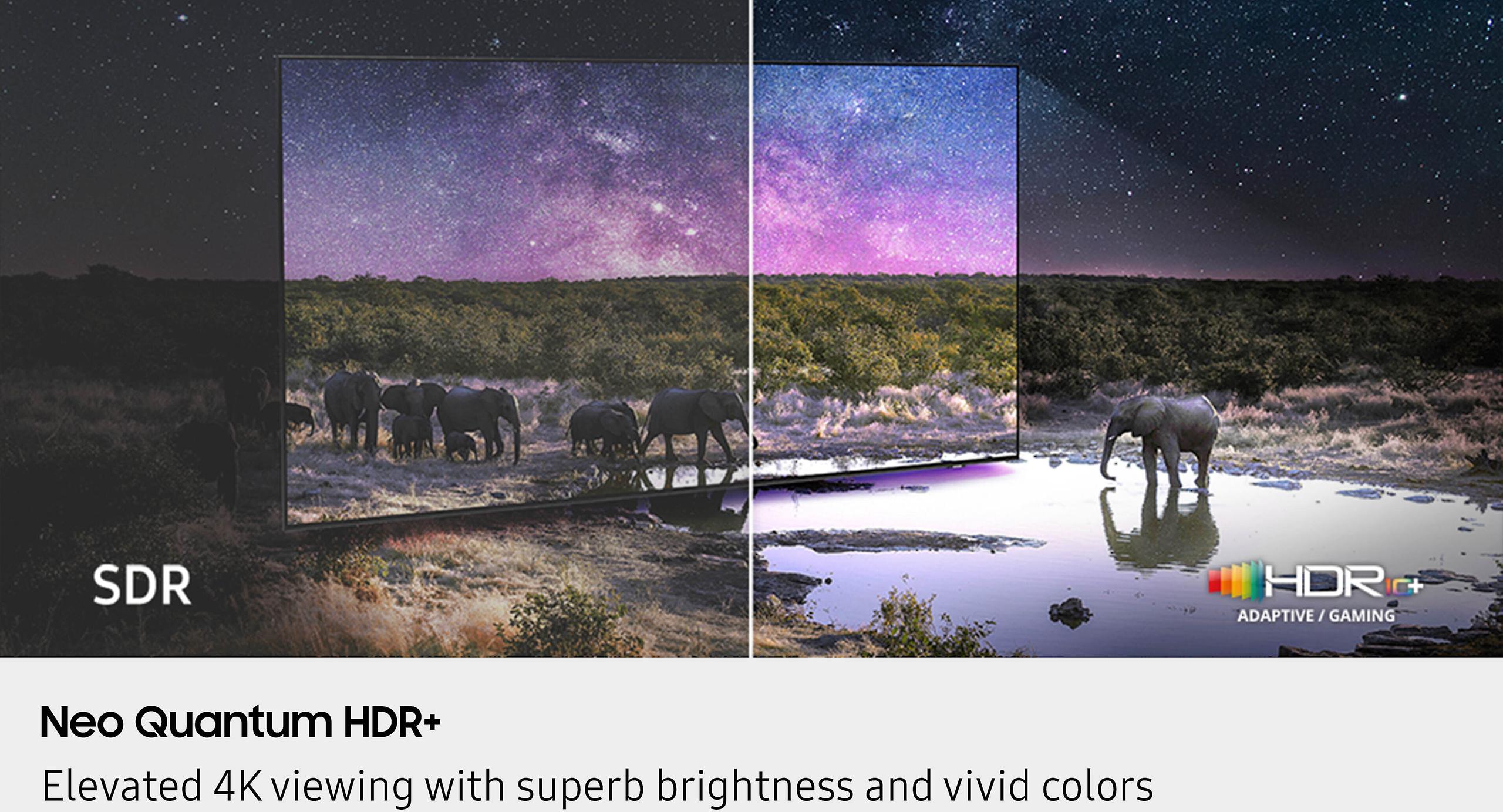
The Samsung QN90F approaches dark scenes differently. Its Mini LED backlighting can't achieve true blacks since there's always some light bleeding through, but it compensates with exceptional brightness reaching up to 1,900 nits in small highlights. When a lightsaber ignites on screen, it genuinely feels bright and intense. The trade-off is some "blooming"—a subtle halo effect around bright objects against dark backgrounds—though Samsung's latest generation has minimized this considerably.
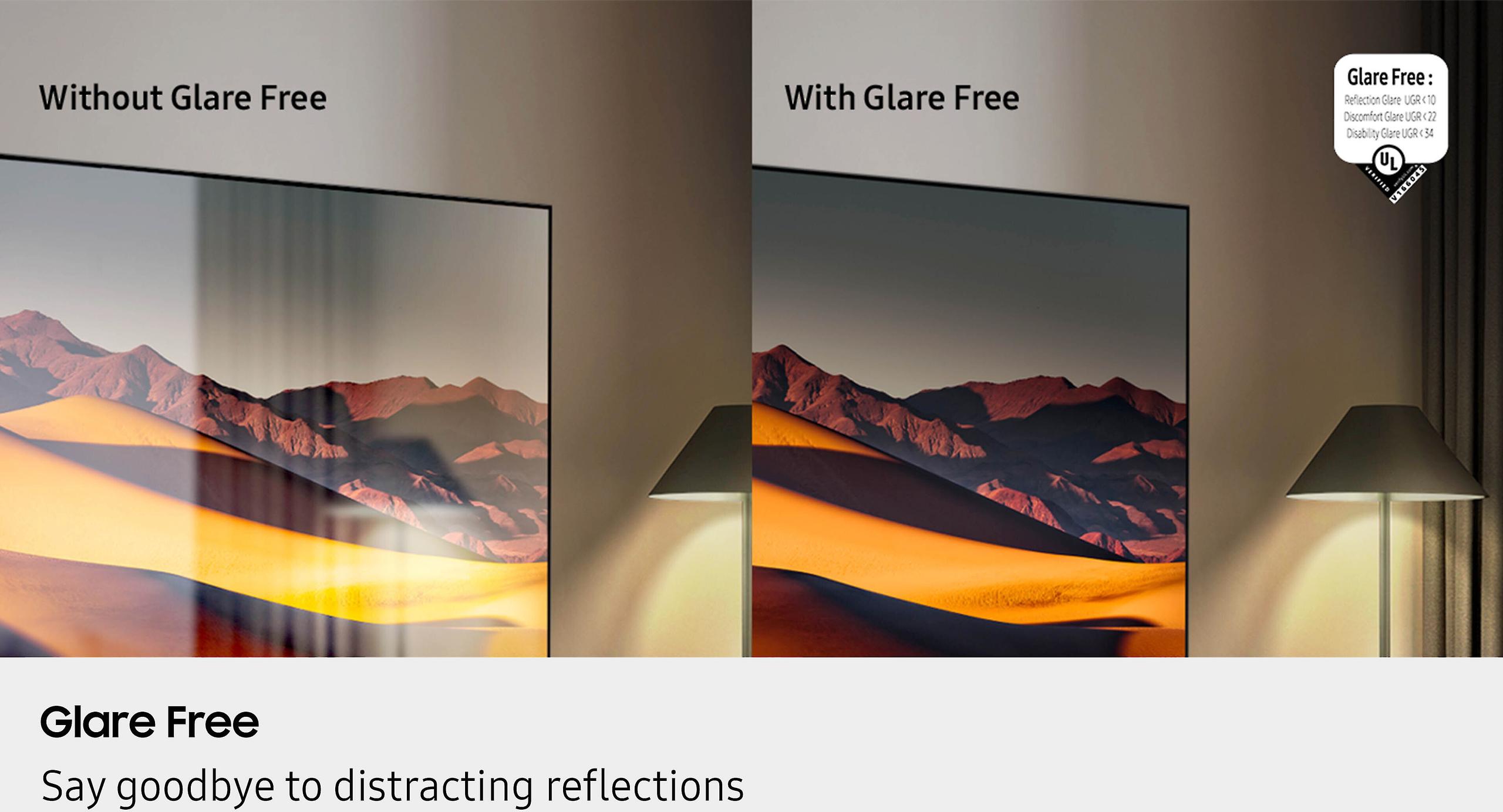
Here's where the Samsung QN90F absolutely dominates. Its anti-glare coating, which Samsung calls "Glare Free" technology, isn't just marketing speak—it genuinely transforms bright room viewing. The coating diffuses reflections so effectively that you can watch TV comfortably even with windows directly behind your seating position.
Combined with its high peak brightness, the Samsung maintains picture quality that would wash out completely on the Philips OLED. I've observed this difference countless times: OLED TVs that look spectacular in dark rooms become difficult to watch once ambient light increases, while high-end Neo QLED displays remain vibrant and detailed.
The Philips, despite having decent reflection handling for an OLED, simply can't overcome physics. Its limited brightness means bright room details disappear into the ambient light, making daytime viewing frustrating unless you can control lighting conditions.
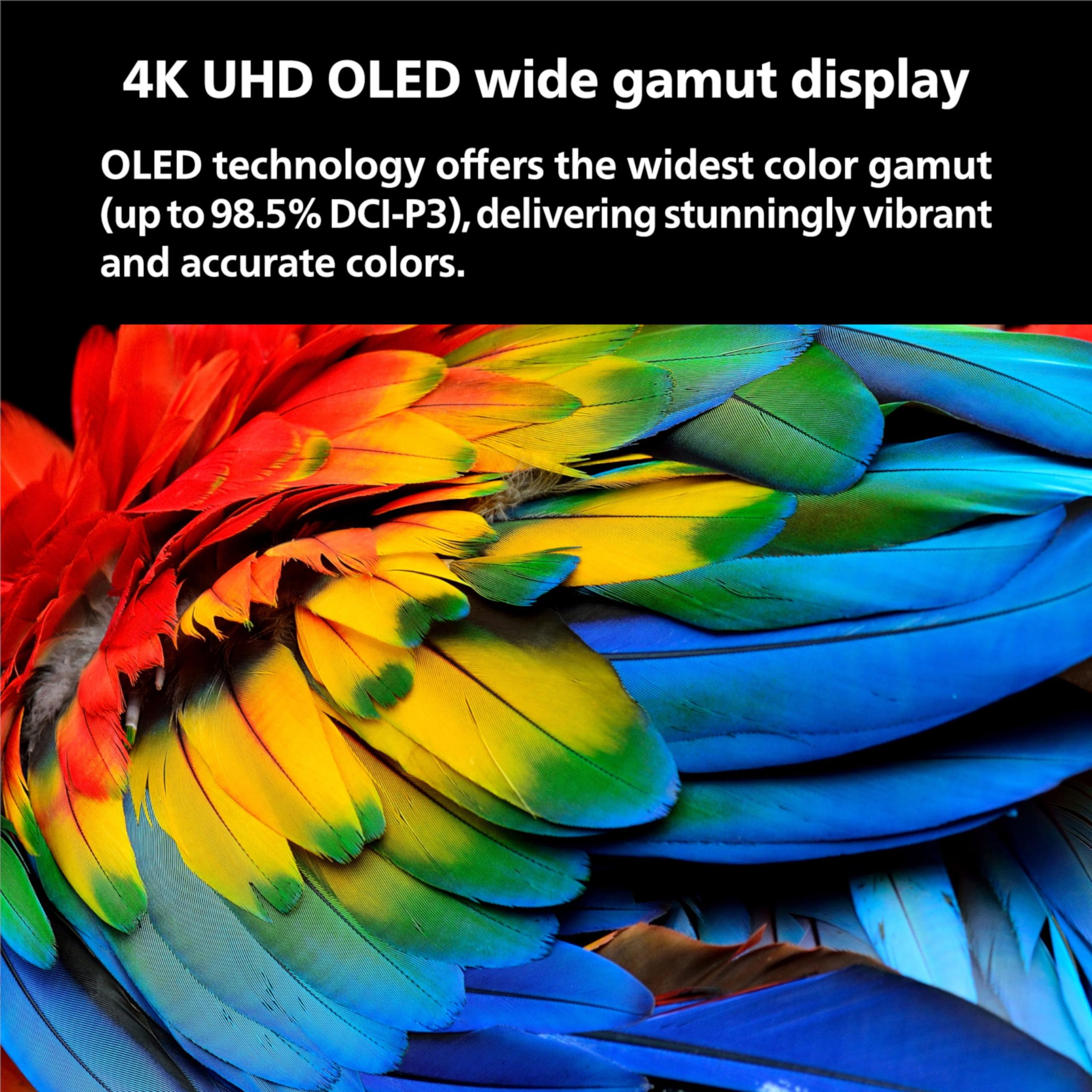
Both TVs excel at color reproduction but through different methods. The Philips OLED974 covers up to 98.5% of the DCI-P3 color gamut (the standard used for digital cinema) with excellent out-of-the-box accuracy. Colors look natural and vibrant without any calibration—something that's increasingly rare in budget-oriented displays.
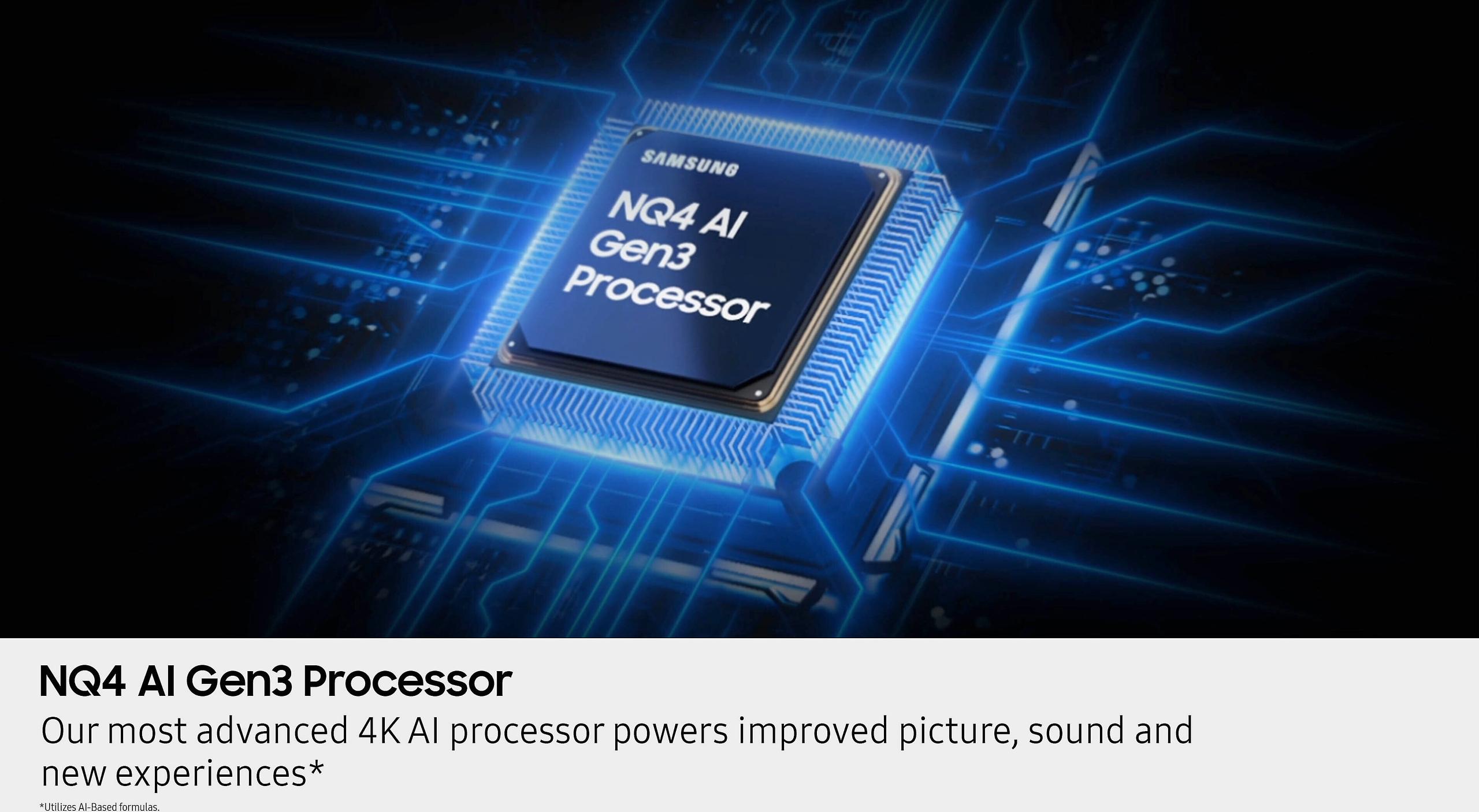
The Samsung QN90F uses quantum dot technology, which enhances color volume—essentially how vivid colors remain at different brightness levels. Its NQ4 AI Gen3 processor, powered by 128 neural networks, analyzes content in real-time and adjusts color mapping accordingly. This means older content gets enhanced color processing, while modern HDR material displays with maximum impact.
What's particularly impressive about the Samsung is how it maintains color accuracy across different brightness levels. Many displays lose color saturation as they get brighter, but quantum dot technology helps the QN90F maintain vibrant colors even at peak brightness.
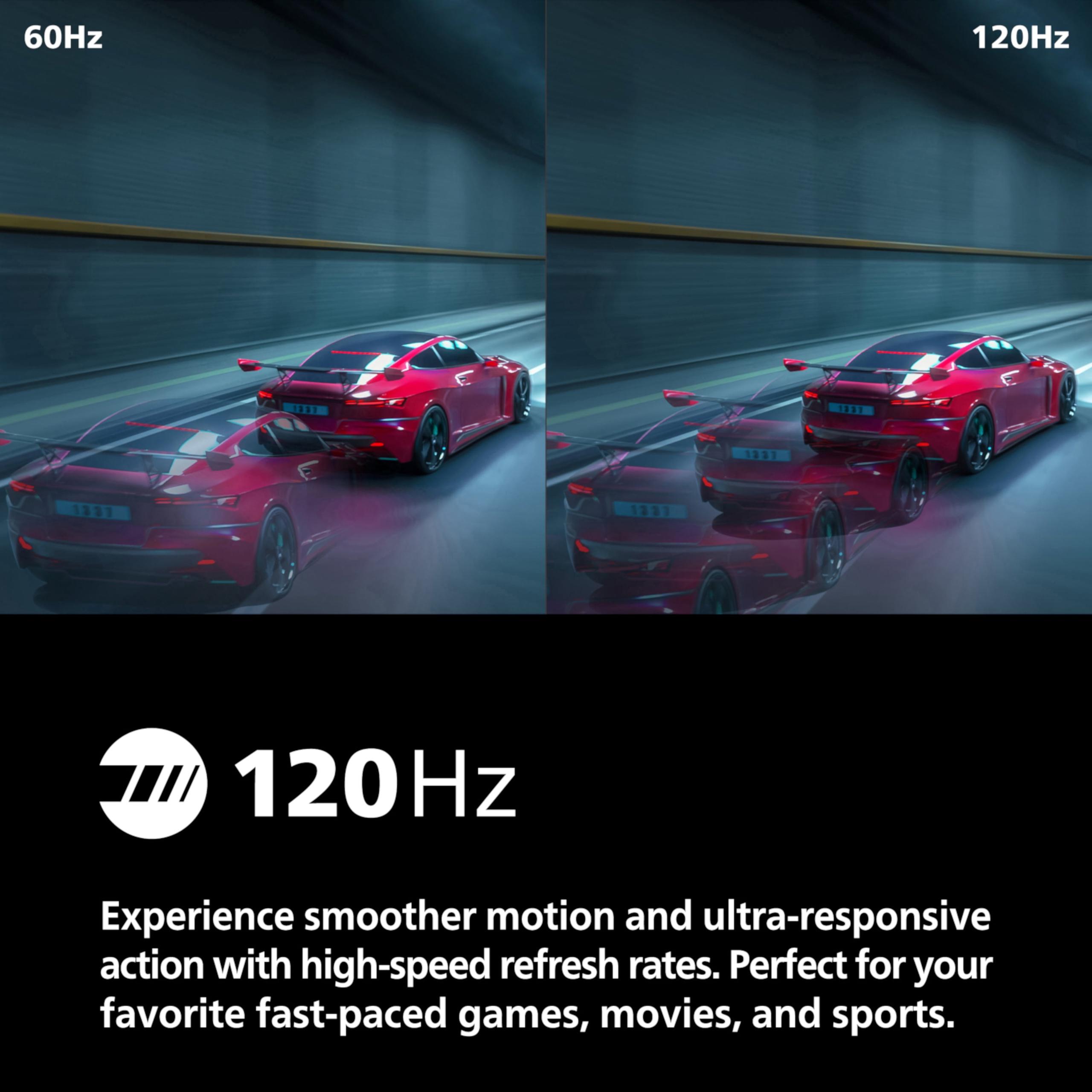
Gaming reveals the most interesting contrasts between these displays. The Philips OLED974 offers a <0.1ms response time—essentially instantaneous pixel transitions that eliminate motion blur entirely. For competitive gaming, especially fast-paced shooters or racing games, this creates an almost surreal clarity where moving objects remain perfectly sharp.
However, the Philips is limited by its 2018-era connectivity. While it supports 120Hz refresh rates and features FreeSync Premium for smooth gameplay, it's restricted to HDMI 1.4 bandwidth. This means no 4K gaming at 120Hz—a significant limitation for PlayStation 5, Xbox Series X, or high-end PC gaming.
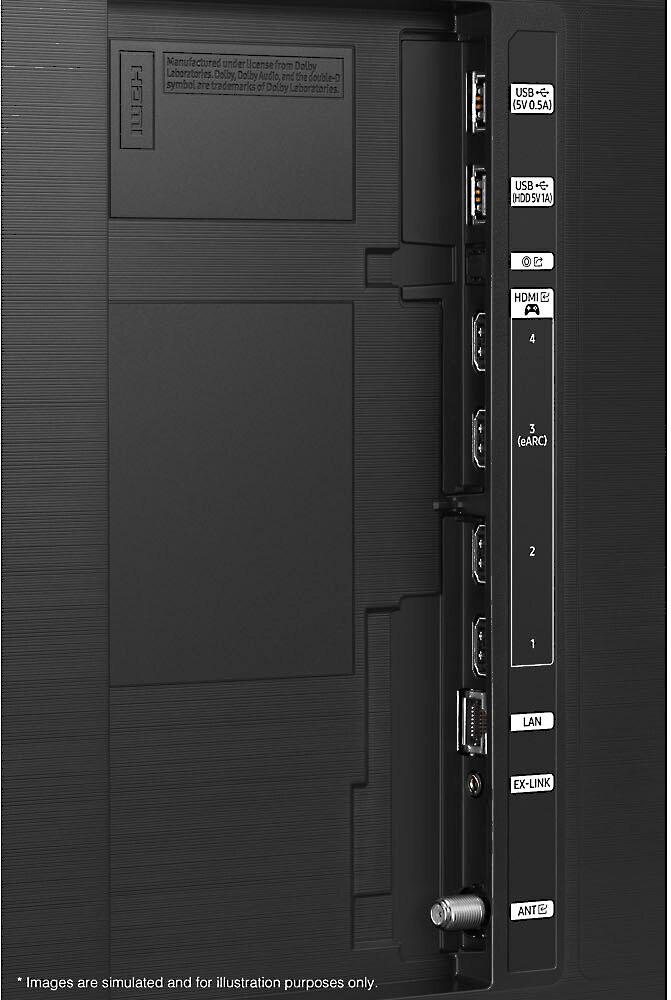
The Samsung QN90F takes the opposite approach, prioritizing connectivity and features over raw response times. Its four HDMI 2.1 ports support 4K gaming at up to 165Hz, Variable Refresh Rate (VRR), and Auto Low Latency Mode (ALLM). This makes it incredibly versatile for modern gaming setups where you might have multiple consoles, a gaming PC, and streaming devices all connected simultaneously.
The trade-off comes in Game Mode, where the Samsung's picture processing is reduced to minimize input lag. Black levels worsen noticeably, and some users report increased motion blur behind fast-moving objects. It's still an excellent gaming display, but the Philips OLED delivers cleaner motion handling for competitive scenarios.
The seven-year technology gap becomes most apparent in smart TV capabilities. The Philips OLED974 runs Roku TV, which remains one of the most user-friendly streaming platforms available. The interface is clean, app selection is comprehensive, and performance is generally smooth. However, it lacks modern AI features, advanced voice control, or smart home integration.
The Samsung QN90F represents current-generation smart TV technology with its Vision AI platform. This isn't just a faster processor—it's a fundamentally different approach to TV interaction. The system analyzes your viewing habits, automatically adjusts picture settings based on content type, and even offers gesture control for basic functions.
More practically, the Samsung's Tizen operating system includes features like universal search across streaming services, comprehensive smart home control through SmartThings, and regular software updates that add new capabilities. These differences matter more over time as streaming services evolve and new features become standard.
Neither TV will replace a dedicated sound system, but their built-in audio reveals different priorities. The Philips OLED974 includes a basic 2.1 speaker system with Dolby Atmos support, adequate for casual viewing but limited in power and spatial audio capabilities.
The Samsung QN90F features a more sophisticated 60W 4.2.2 channel system with Object Tracking Sound+. This technology attempts to match audio positioning with on-screen action—when a car moves across the screen, the sound follows. While still not comparable to a proper surround system, it creates a more immersive experience for everyday viewing.
At the time of writing, these TVs occupy very different price segments. The Philips OLED974 represents exceptional value for OLED technology, offering premium picture quality at a significantly lower cost than current-generation OLED displays. It's a Sam's Club exclusive, which helps explain the aggressive pricing but limits availability.
The Samsung QN90F commands a premium typical of flagship Neo QLED models, reflecting its advanced processing, modern connectivity, and comprehensive feature set. The price gap is substantial—often double or more—which fundamentally changes the value equation.
For dark room viewing and basic streaming, the Philips offers 80% of the picture quality experience at potentially half the cost. However, if you need bright room performance, advanced gaming connectivity, or modern smart features, the Samsung justifies its premium through capabilities the older OLED simply can't match.
For dedicated home theater setups, both displays have specific strengths. The Philips OLED974 excels in controlled lighting environments where its perfect blacks and natural color reproduction create an authentic cinematic experience. However, its limited HDR brightness means it can't fully realize the dynamic range that modern movies are designed to showcase.
The Samsung QN90F better handles the dramatic brightness swings that make HDR content impressive, but at the cost of some blooming in dark scenes. For action movies with varied lighting—think the Marvel Cinematic Universe—the Samsung often provides a more engaging experience despite not achieving perfect blacks.
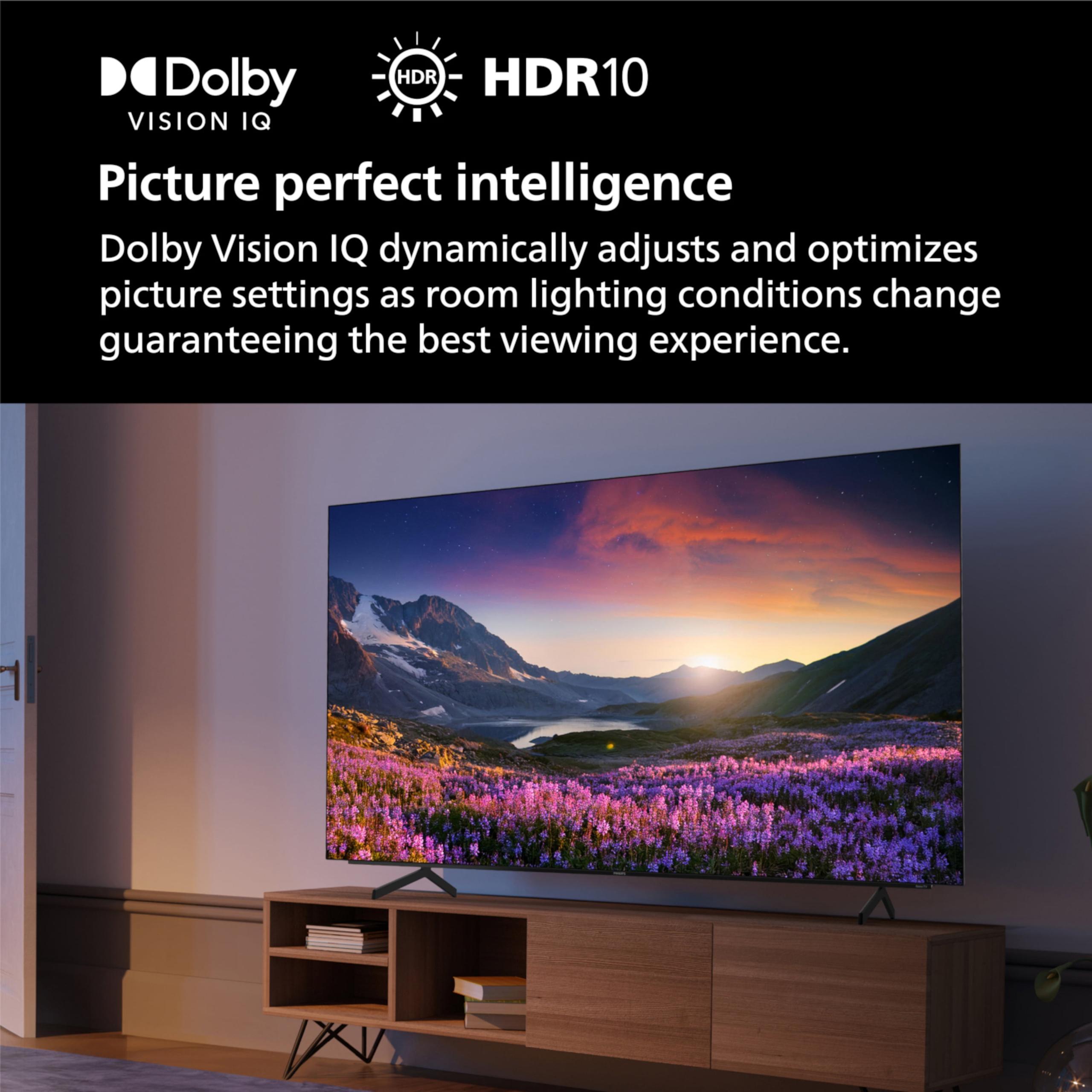
Neither TV supports Dolby Vision, which is increasingly common in streaming content and 4K Blu-rays. This is a notable limitation for home theater enthusiasts who want maximum compatibility with premium content sources.
The Philips 65OLED974/F7 makes sense for specific scenarios: dark room viewing enthusiasts who prioritize perfect contrast over brightness, competitive gamers who need the fastest response times available, and budget-conscious buyers who want OLED technology without current-generation pricing.
The Samsung QN90F suits users who watch TV in varied lighting conditions, gamers with modern consoles or high-end PCs who need full HDMI 2.1 connectivity, families who value smart TV features and ease of use, and anyone whose TV serves as both entertainment center and smart home hub.
Personally, I'd lean toward the Samsung for most users. While OLED technology is impressive, the practical limitations of the 2018 Philips—particularly its poor bright room performance and limited connectivity—outweigh its contrast advantages for everyday use. The Samsung's versatility and modern feature set make it a better long-term investment despite the higher initial cost.
However, if you have a dedicated dark room setup and primarily stream content or play older games, the Philips OLED delivers a premium viewing experience at an accessible price point. Just understand its limitations and plan your room lighting accordingly.
The choice ultimately depends on your specific viewing environment, content preferences, and budget priorities. Both represent excellent technology—just optimized for very different use cases.
| Philips 65OLED974/F7 | Samsung QN90F |
|---|---|
| Display Technology - Determines contrast performance and viewing environment suitability | |
| OLED with perfect blacks and infinite contrast | Neo QLED with Mini-LED backlighting and quantum dots |
| Peak Brightness - Critical for HDR impact and bright room viewing | |
| ~400-500 nits (excellent for dark rooms, struggles in bright spaces) | Up to 1,900 nits (exceptional for any lighting condition) |
| Response Time - Essential for gaming and fast motion clarity | |
| <0.1ms (virtually eliminates motion blur) | ~8-12ms (good for most gaming, some blur in fast scenes) |
| Refresh Rate - Affects motion smoothness | |
| 120Hz native panel | 100Hz native (supports up to 165Hz via HDMI 2.1) |
| HDMI Connectivity - Determines gaming and device compatibility | |
| HDMI 1.4 with limited 4K@120Hz support | Four HDMI 2.1 ports supporting 4K@165Hz, VRR, ALLM |
| Anti-Glare Technology - Critical for bright room performance | |
| Standard OLED reflective surface | Advanced "Glare Free" matte coating |
| Smart TV Platform - Affects user experience and feature availability | |
| Roku TV (simple, reliable, limited AI features) | Tizen with Vision AI (advanced features, smart home integration) |
| Audio System - Built-in sound quality | |
| 2.1 speakers with Dolby Atmos | 60W 4.2.2CH with Object Tracking Sound+ |
| Color Accuracy - Out-of-box picture quality | |
| Excellent SDR accuracy, covers 98.5% DCI-P3 | Good accuracy with AI-enhanced processing |
| Release Year - Indicates feature currency and future-proofing | |
| 2018 (mature OLED at budget price) | 2025 (latest features and connectivity) |
| Ideal Use Case - Best scenarios for each TV | |
| Dark room viewing, competitive gaming, budget OLED entry | Bright rooms, modern gaming, smart home integration |
The Philips 65OLED974/F7 is superior for dark room viewing due to its OLED technology that delivers perfect blacks and infinite contrast ratios. Each pixel can turn completely off, creating depth and realism that Mini-LED displays cannot match. While the Samsung QN90F offers excellent picture quality, it cannot achieve true blacks due to its backlighting system.
The Samsung QN90F excels in bright rooms thanks to its anti-glare coating and peak brightness reaching up to 1,900 nits. The "Glare Free" technology virtually eliminates reflections, while the Philips 65OLED974/F7 struggles in bright environments due to its limited brightness and reflective OLED surface.
For competitive gaming requiring the fastest response times, the Philips 65OLED974/F7 wins with its <0.1ms response time that eliminates motion blur. However, for modern console and PC gaming, the Samsung QN90F is more versatile with four HDMI 2.1 ports supporting 4K@165Hz, VRR, and ALLM features.
OLED technology in the Philips 65OLED974/F7 uses individual pixels that turn completely on or off for perfect contrast but limited brightness. Neo QLED in the Samsung QN90F uses Mini-LED backlighting with quantum dots for exceptional brightness and color volume, though it cannot achieve true blacks.
The Samsung QN90F offers superior smart features with its 2025 Vision AI platform, including gesture control, smart home integration, and advanced processing. The Philips 65OLED974/F7 uses Roku TV, which is reliable and user-friendly but lacks modern AI capabilities and advanced connectivity.
The Samsung QN90F provides a more impactful HDR experience due to its superior peak brightness that makes highlights pop dramatically. While the Philips 65OLED974/F7 offers excellent contrast in dark scenes, its limited brightness prevents HDR content from reaching its full potential.
The Samsung QN90F features four HDMI 2.1 ports supporting the latest gaming and streaming standards, while the Philips 65OLED974/F7 is limited to HDMI 1.4 connectivity. This makes the Samsung more future-proof for high-bandwidth gaming and emerging content formats.
The Philips 65OLED974/F7 offers exceptional value for OLED technology at a budget-friendly price point, making premium display technology accessible. The Samsung QN90F commands a premium but justifies it with modern features, superior bright room performance, and advanced connectivity.
For dedicated home theaters with controlled lighting, the Philips 65OLED974/F7 delivers a more cinematic experience with perfect blacks and natural colors. However, the Samsung QN90F better handles the dramatic brightness swings in modern HDR movies, creating more engaging action sequences.
The Samsung QN90F provides superior built-in audio with its 60W 4.2.2CH system and Object Tracking Sound+ technology that follows on-screen action. The Philips 65OLED974/F7 includes a basic 2.1 speaker system that's adequate for casual viewing but less immersive.
The Samsung QN90F offers better future-proofing with its 2025-era processor, full HDMI 2.1 implementation, and regular software updates. The Philips 65OLED974/F7, released in 2018, may feel outdated in smart features and connectivity as technology continues advancing.
Choose the Philips 65OLED974/F7 if you primarily watch in dark rooms, want OLED technology at an accessible price, or need the fastest gaming response times. Select the Samsung QN90F if you watch in bright rooms, want modern smart features, need advanced gaming connectivity, or prefer versatile all-around performance.
We've done our best to create useful and informative comparisons to help you decide what product to buy. Our research uses advanced automated methods to create this comparison and perfection is not possible - please contact us for corrections or questions. These are the sites we've researched in the creation of this article: rtings.com - versus.com - versus.com - rtings.com - samsclub.com - versus.com - youtube.com - usa.philips.com - bestbuy.com - usa.philips.com - consumerreports.org - usa.philips.com - documents.philips.com - tvoutlet.ca - displayspecifications.com - business.walmart.com - displayspecifications.com - ecoustics.com - walmart.com - rtings.com - images.samsung.com - youtube.com - listenup.com - youtube.com - cullenshomecenter.com - rtings.com - shopjetson.com - youtube.com - samsung.com - samsung.com - videoandaudiocenter.com - rtings.com - bestbuy.com - youtube.com - news.samsung.com - news.samsung.com - news.samsung.com - bestbuy.com - news.samsung.com - youtube.com - news.samsung.com - youtube.com - smarthomesounds.co.uk

Privacy Policy
Terms and Conditions - Affiliate Policy
Home Security
© Copyright 2008-2026.
11816 Inwood Rd #1211, Dallas, TX 75244