

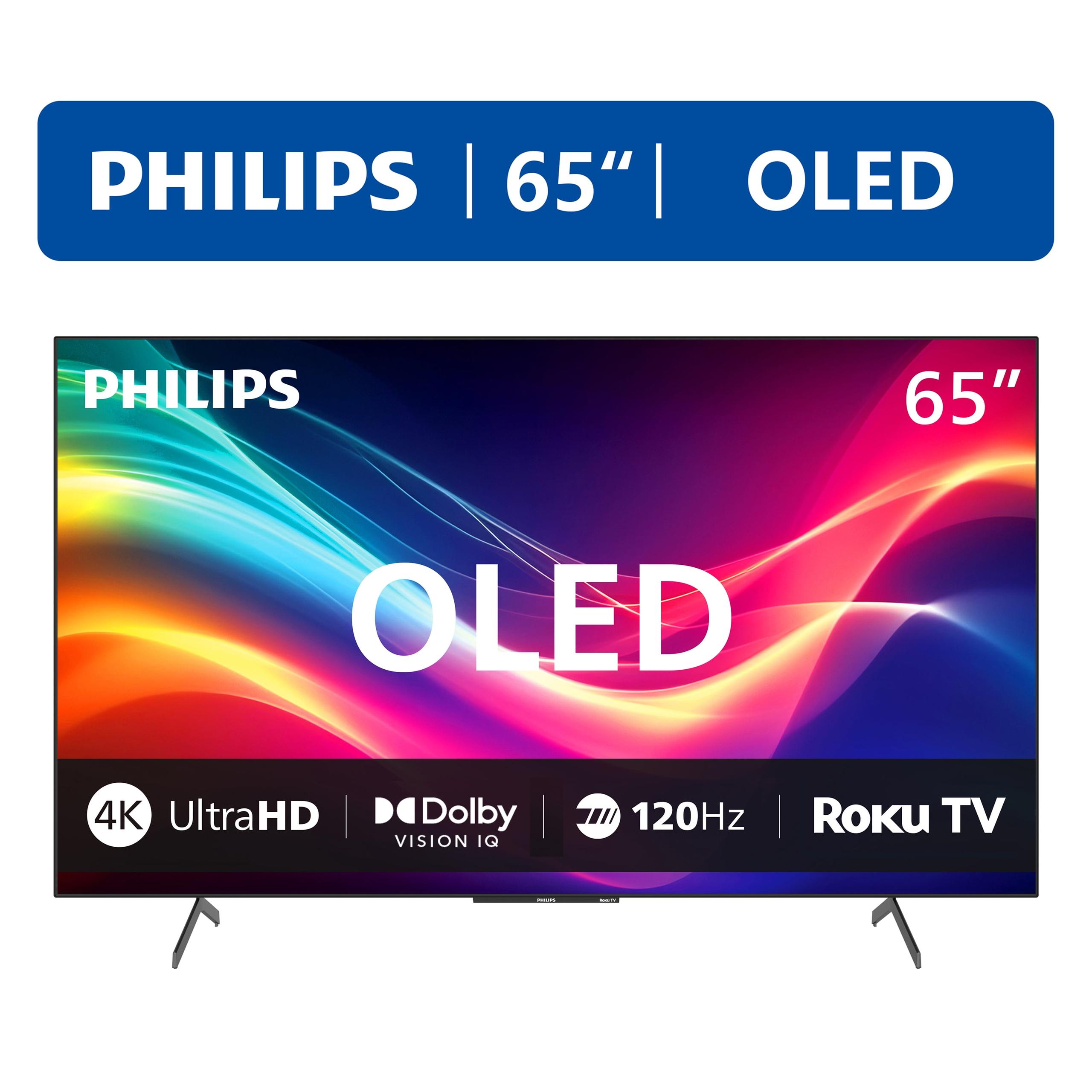
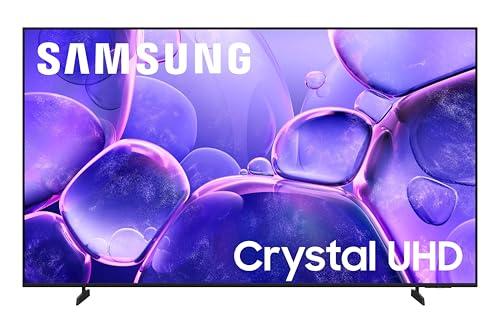
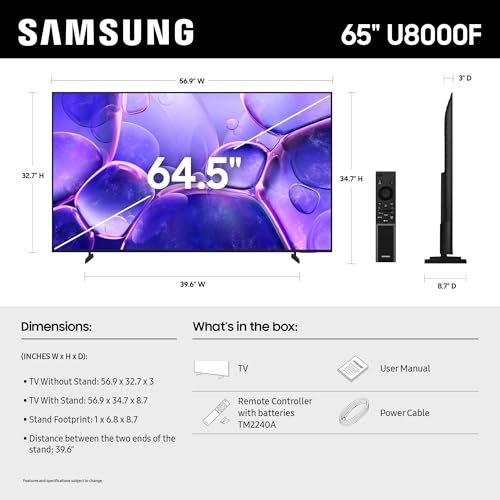
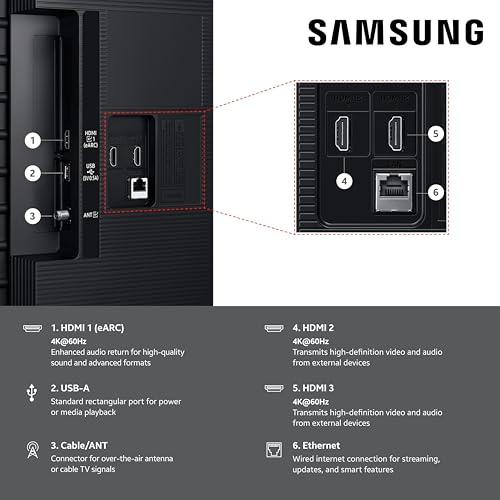
When you're shopping for a new TV, the choices can feel overwhelming. Should you splurge on the latest technology or stick with something more affordable? Today we're comparing two very different approaches to the 65-inch TV market: the Philips 65OLED974/F7, a premium OLED from 2018 that's still making waves, and the Samsung U8000F, a brand-new 2025 entry-level LED model.
At the time of writing, these TVs sit at opposite ends of the price spectrum—the Philips OLED costs roughly three times more than the Samsung LED. But that price difference tells only part of the story. Understanding what you're actually getting for your money requires diving into the technical details that truly impact your viewing experience.
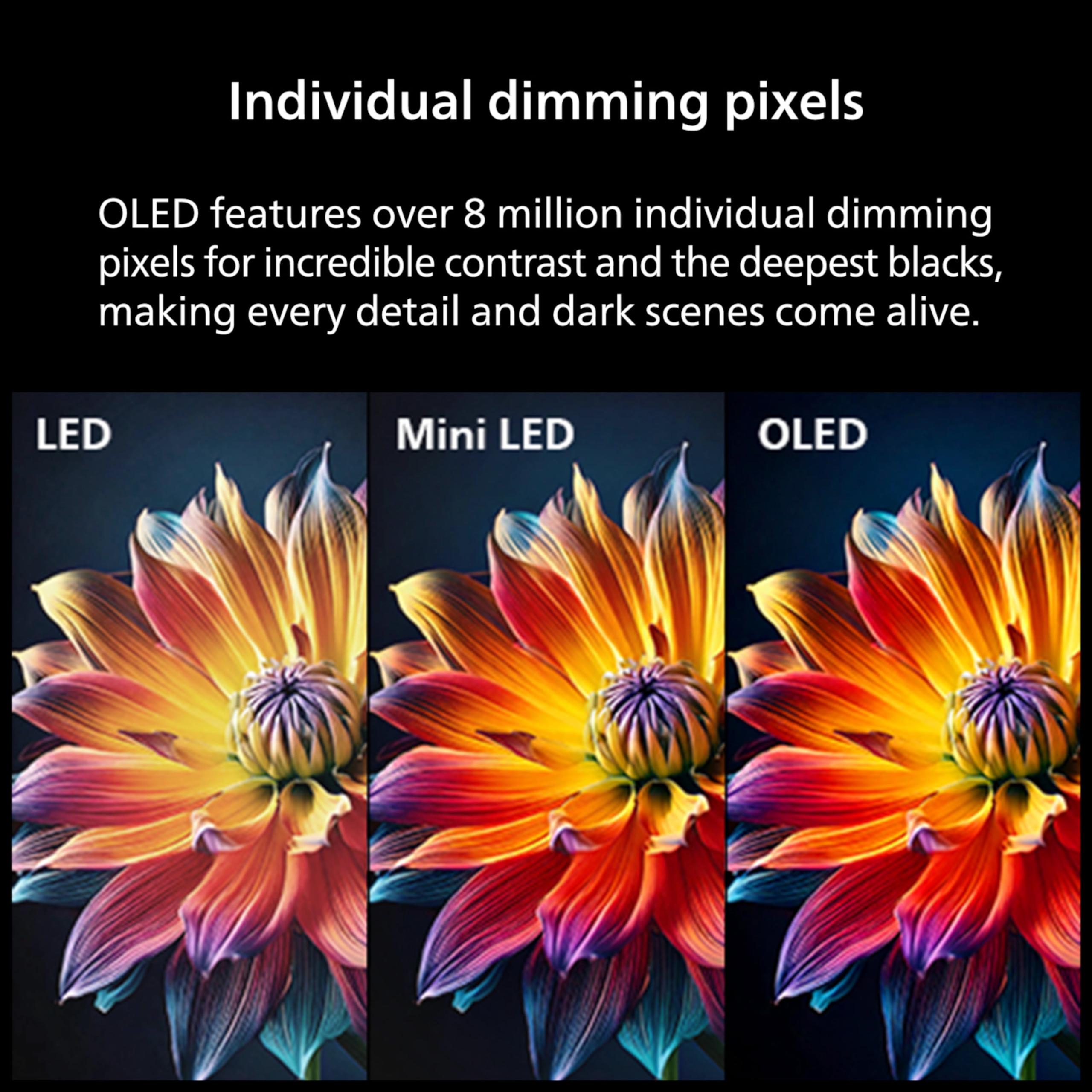
The fundamental difference between these TVs lies in how they create the picture you see. The Philips 65OLED974/F7 uses OLED technology, where each of the 8.3 million pixels produces its own light. Think of it like having millions of tiny lightbulbs that can turn completely on, partially on, or completely off independently. When a pixel needs to show pure black, it simply turns off entirely.
The Samsung U8000F, on the other hand, uses LED backlighting behind an LCD panel. Imagine a flashlight shining through a colored transparency—the backlight provides the illumination, while the LCD panel acts like shutters that block or allow light to pass through. The problem is that these shutters can never block 100% of the light, so you never get true black.
This technical difference creates the most dramatic performance gap between these two TVs. In our research of professional reviews and user feedback, the contrast difference is immediately obvious when watching movies with dark scenes. The Philips OLED displays letterbox bars (those black bars above and below movies) as pure black, while the Samsung shows them as dark gray.
Contrast ratio—the difference between the brightest whites and the darkest blacks—is arguably the most important factor in picture quality. The Philips OLED achieves an infinite contrast ratio because its pixels can turn completely off. This creates incredibly realistic depth in images, making you feel like you're looking through a window rather than at a screen.
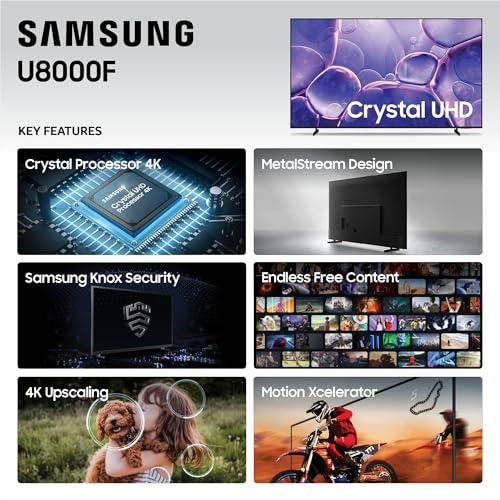
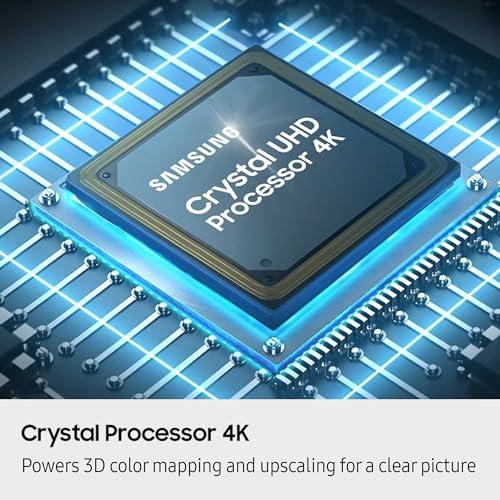
The Samsung U8000F delivers what manufacturers call "Mega Contrast," but in reality, its LED backlighting limits true contrast. Dark movie scenes look washed out, and you lose detail in shadows. However, Samsung's Crystal Processor 4K does an admirable job optimizing the contrast that's available, using techniques like UHD Dimming to adjust brightness across different screen zones.
Here's where things get interesting. While the Philips OLED excels in dark environments, it struggles with brightness. Professional reviews consistently note that OLED technology, despite its perfect blacks, simply can't get as bright as LED displays. This makes the Samsung U8000F surprisingly better for bright living rooms with lots of windows.
If you're watching TV during the day with sunlight streaming in, the Samsung will maintain better visibility and color vibrancy. The Philips performs best when you can control the lighting—think basement home theater or evening viewing with the curtains drawn.
Both TVs support 4K UHD resolution (3,840 x 2,160 pixels), but their HDR (High Dynamic Range) capabilities differ significantly. HDR expands the range of colors and brightness levels that TVs can display, making images more lifelike.
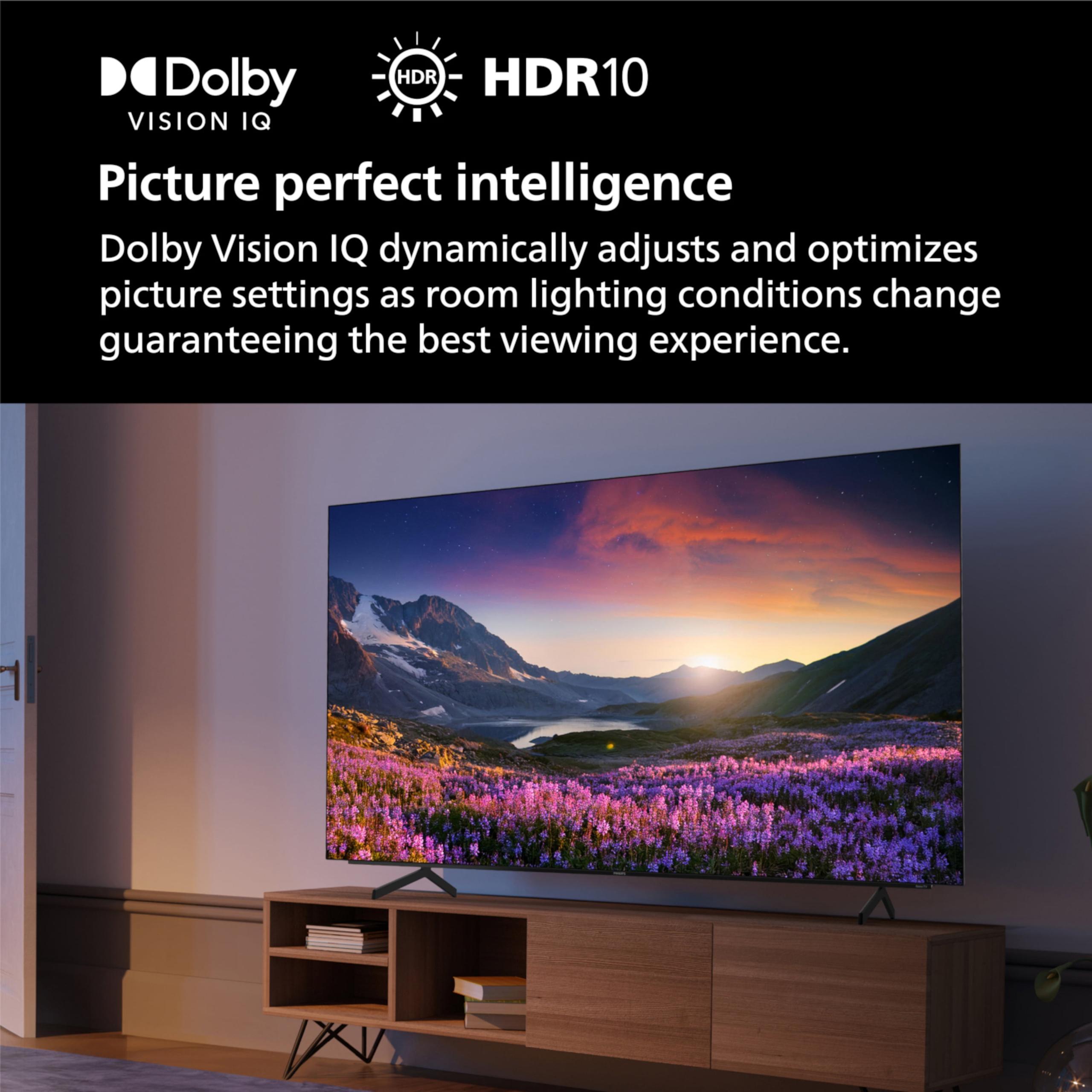
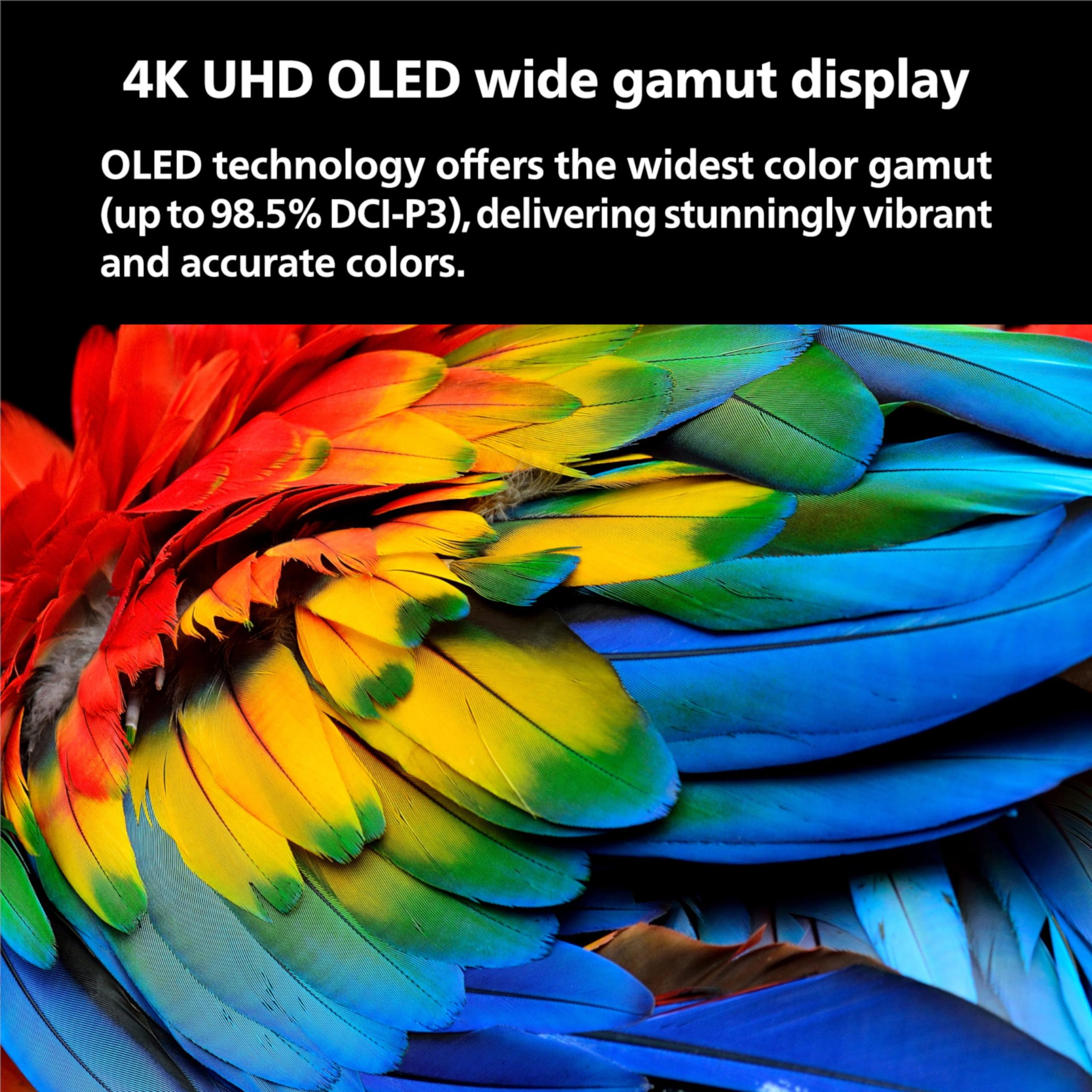
The Philips 65OLED974/F7 supports multiple HDR formats including Dolby Vision IQ, which automatically adjusts picture settings based on your room's lighting. It covers up to 98.5% of the DCI-P3 color gamut—a professional standard used in movie theaters. However, its brightness limitations mean that HDR highlights don't pop as dramatically as they should.
The Samsung U8000F supports HDR10+ but lacks Dolby Vision support. While it can't match the Philips for color accuracy or contrast, its higher brightness actually makes HDR content more impactful in many real-world viewing situations.
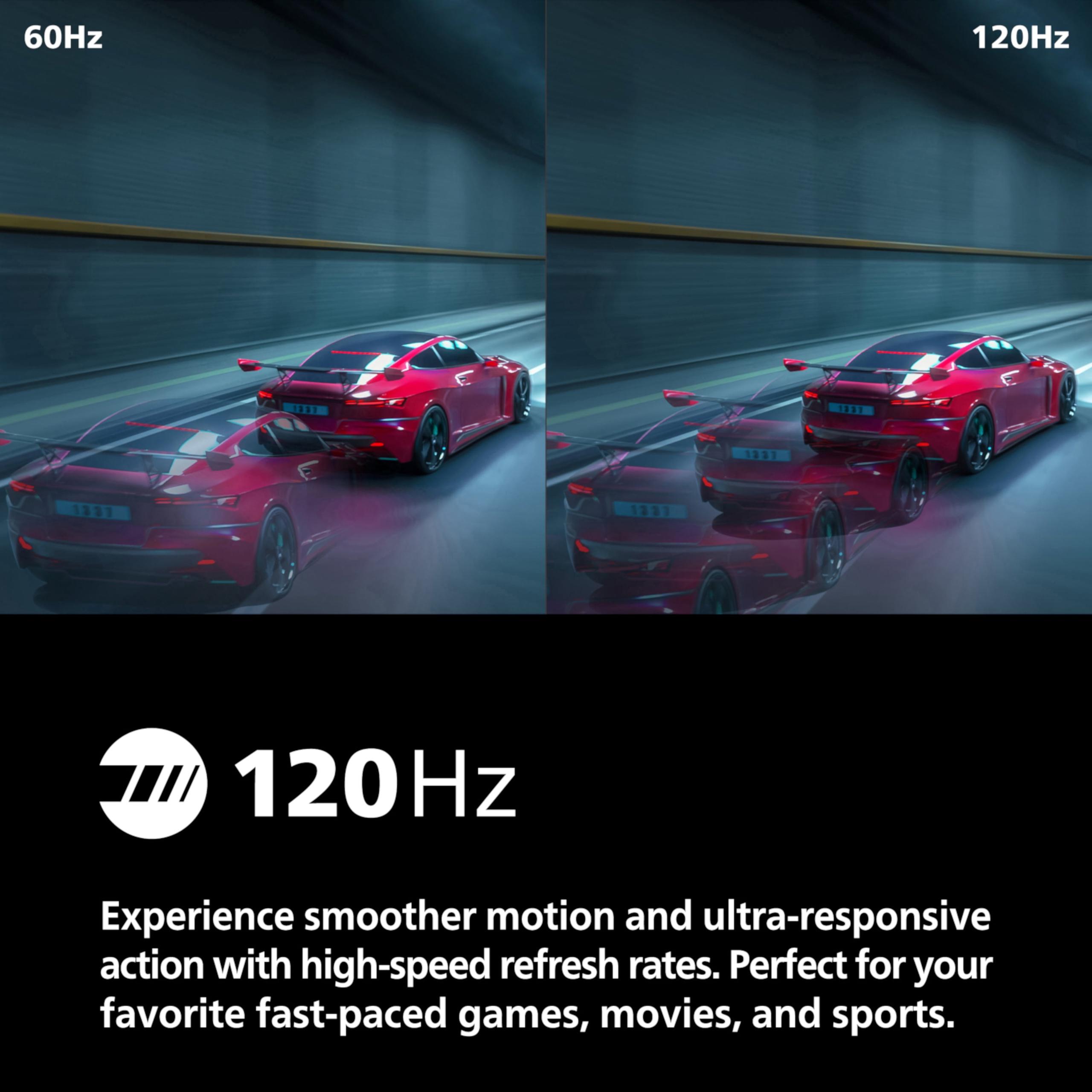
Gaming capabilities reveal another clear winner. The Philips OLED features a native 120Hz refresh rate with a response time under 0.1 milliseconds. This means the TV can display 120 frames per second without any blur or ghosting—crucial for competitive gaming and next-gen consoles like the PlayStation 5 and Xbox Series X.
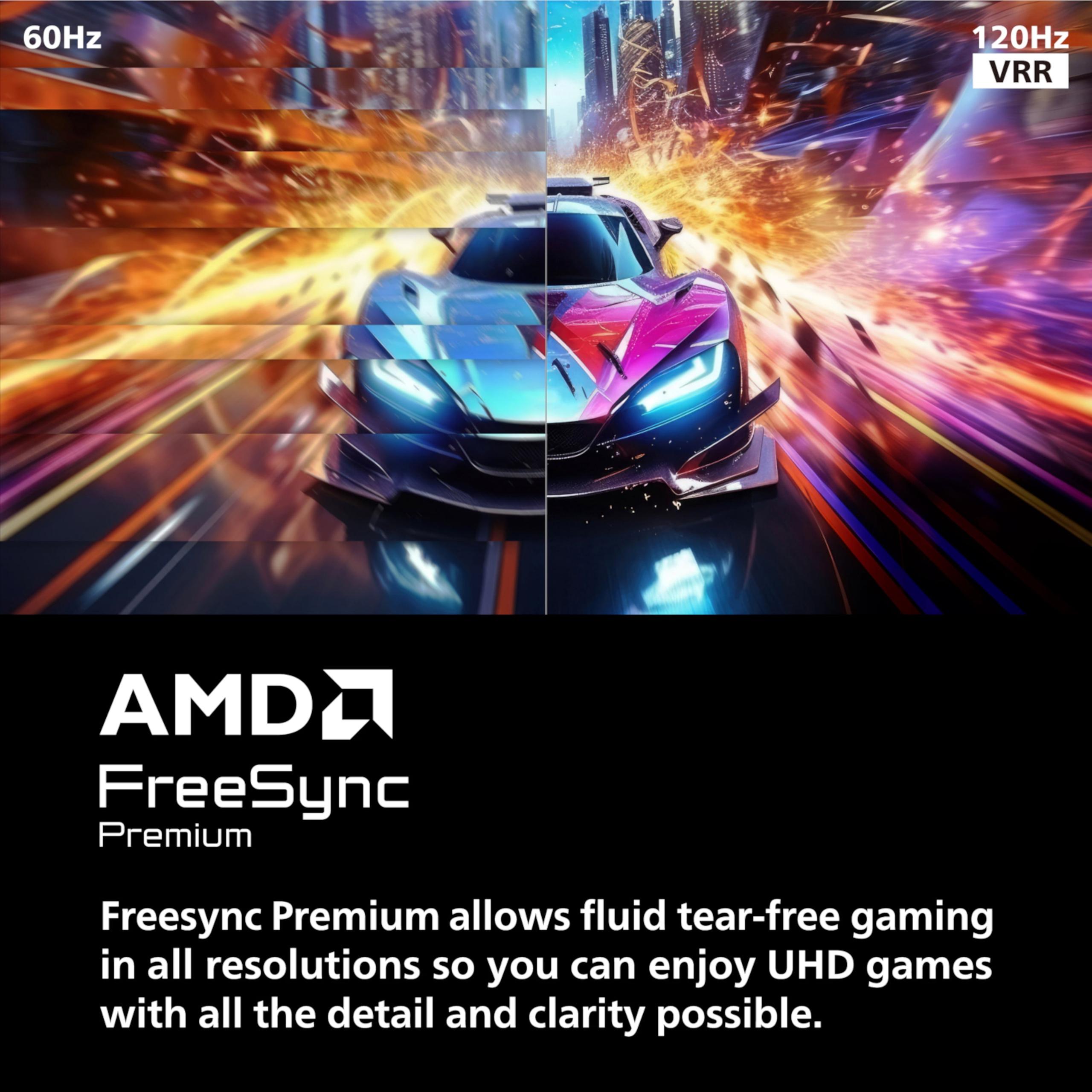
The TV also supports AMD FreeSync Premium, which synchronizes the display's refresh rate with your gaming device's frame rate. This eliminates screen tearing (when parts of different frames appear simultaneously) and provides buttery-smooth gameplay.
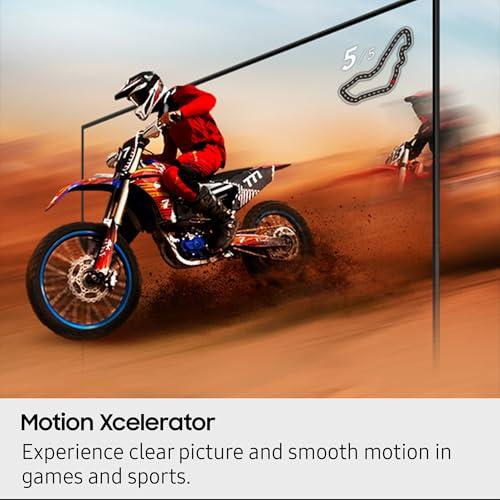
The Samsung U8000F is limited to 60Hz refresh rate with basic Variable Refresh Rate (VRR) support. While it offers acceptably low input lag for casual gaming, it simply can't match the Philips for serious gamers. The difference is particularly noticeable in fast-paced games like first-person shooters or racing games.
Both TVs offer different approaches to smart TV functionality. The Philips OLED runs Roku TV, which has earned praise for its simple, intuitive interface. Roku's strength lies in its universal search capabilities and vast app ecosystem. The platform treats all content sources equally, making it easy to find shows regardless of which streaming service hosts them.
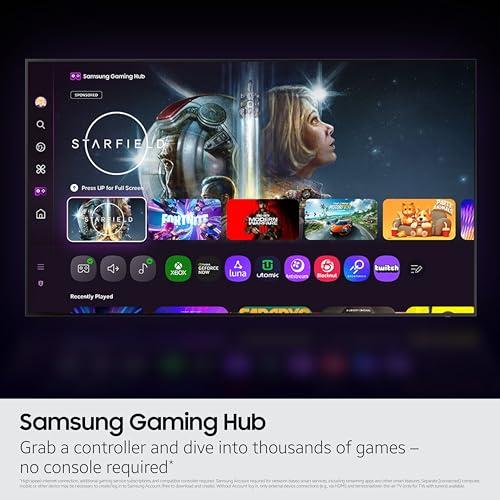
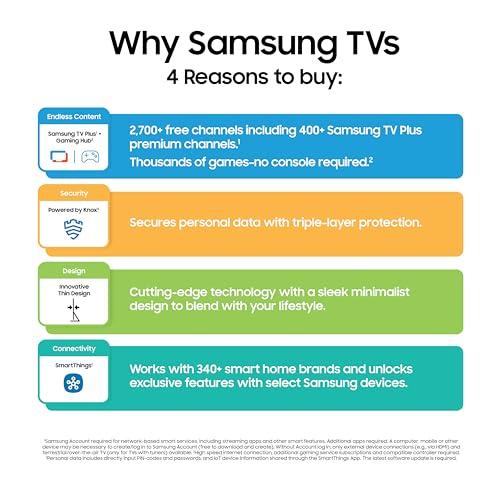
The Samsung U8000F uses Samsung's Tizen operating system with their latest One UI interface. Tizen offers more customization options and deeper integration with Samsung's ecosystem of devices. It includes Samsung TV Plus, which provides access to free streaming channels—a nice bonus for cord-cutters.
Both platforms perform smoothly for everyday use, but Roku's simplicity often wins over users who just want to watch content without fuss, while Tizen appeals to those who enjoy tweaking settings and connecting multiple Samsung devices.
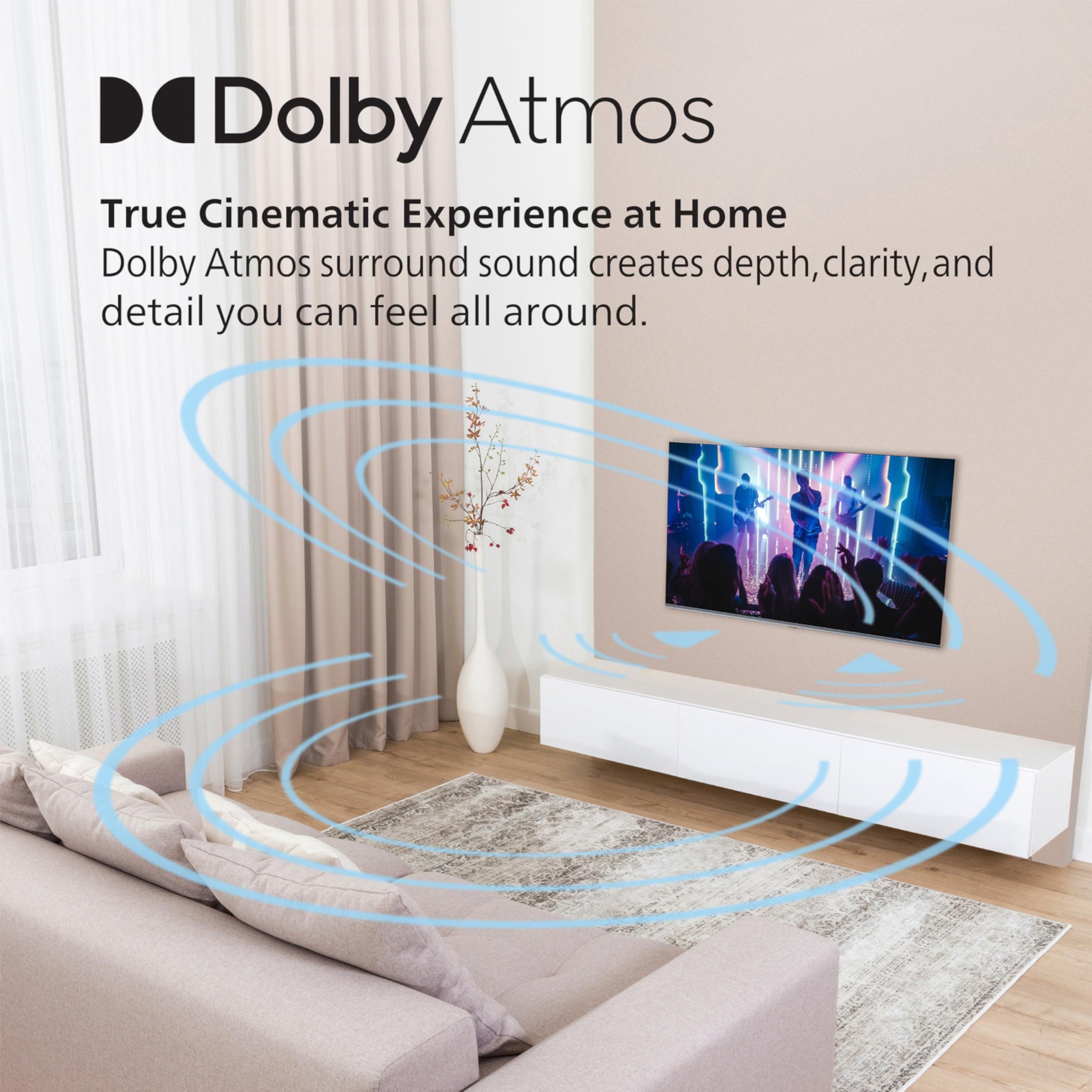
Built-in TV audio rarely impresses, but there are meaningful differences here. The Philips 65OLED974/F7 includes a 2.1 speaker system with a dedicated subwoofer and Dolby Atmos support. This creates fuller sound with better bass response and some sense of three-dimensional audio placement.
The Samsung U8000F uses a basic 2.0 speaker setup with Object Tracking Sound Lite, which attempts to match sound movement to on-screen action. While adequate for casual viewing, it lacks the depth and power of the Philips system.
Regardless of which TV you choose, serious movie watchers will likely want to add a soundbar or home theater system. However, the Philips provides a better interim solution if you're not ready to invest in additional audio equipment immediately.
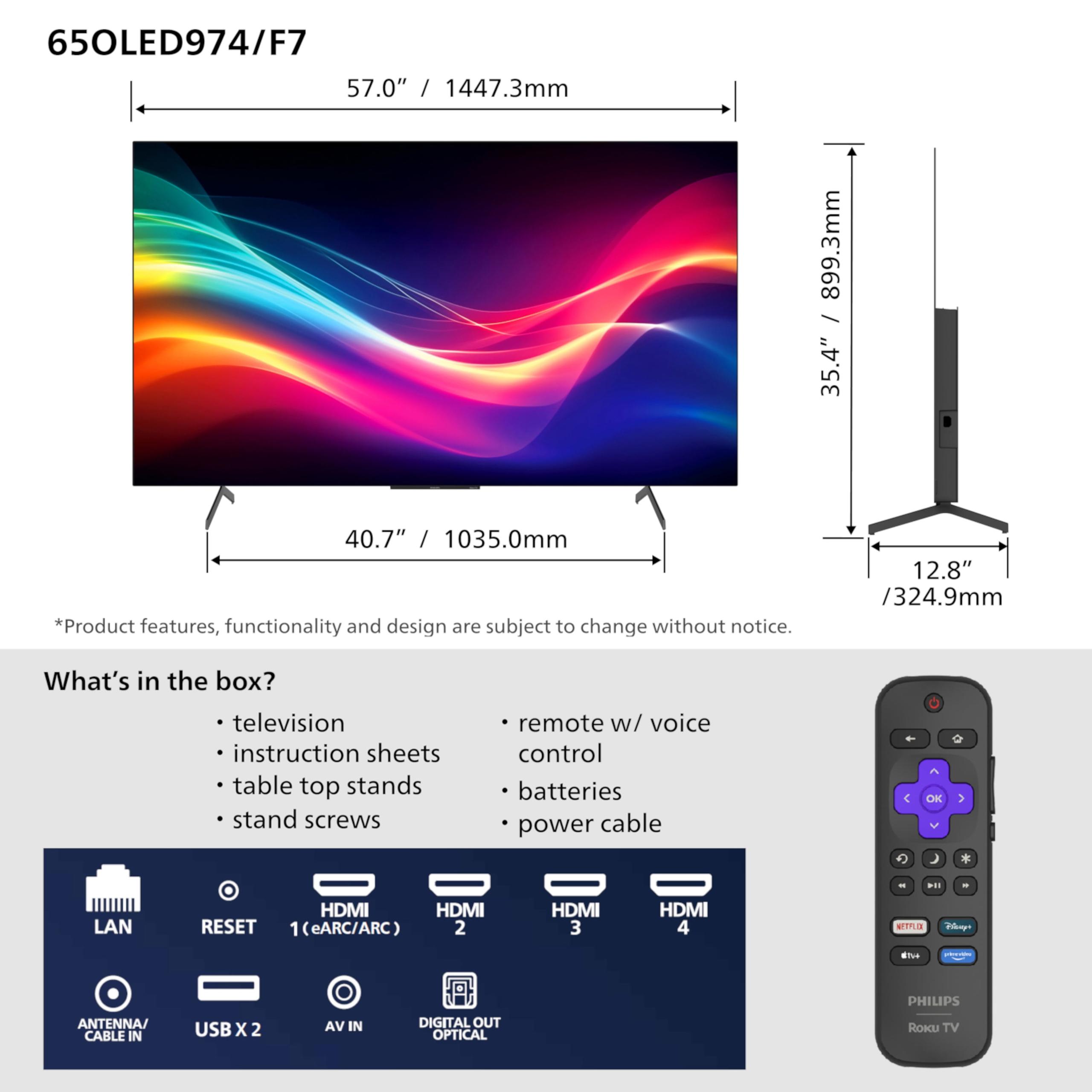
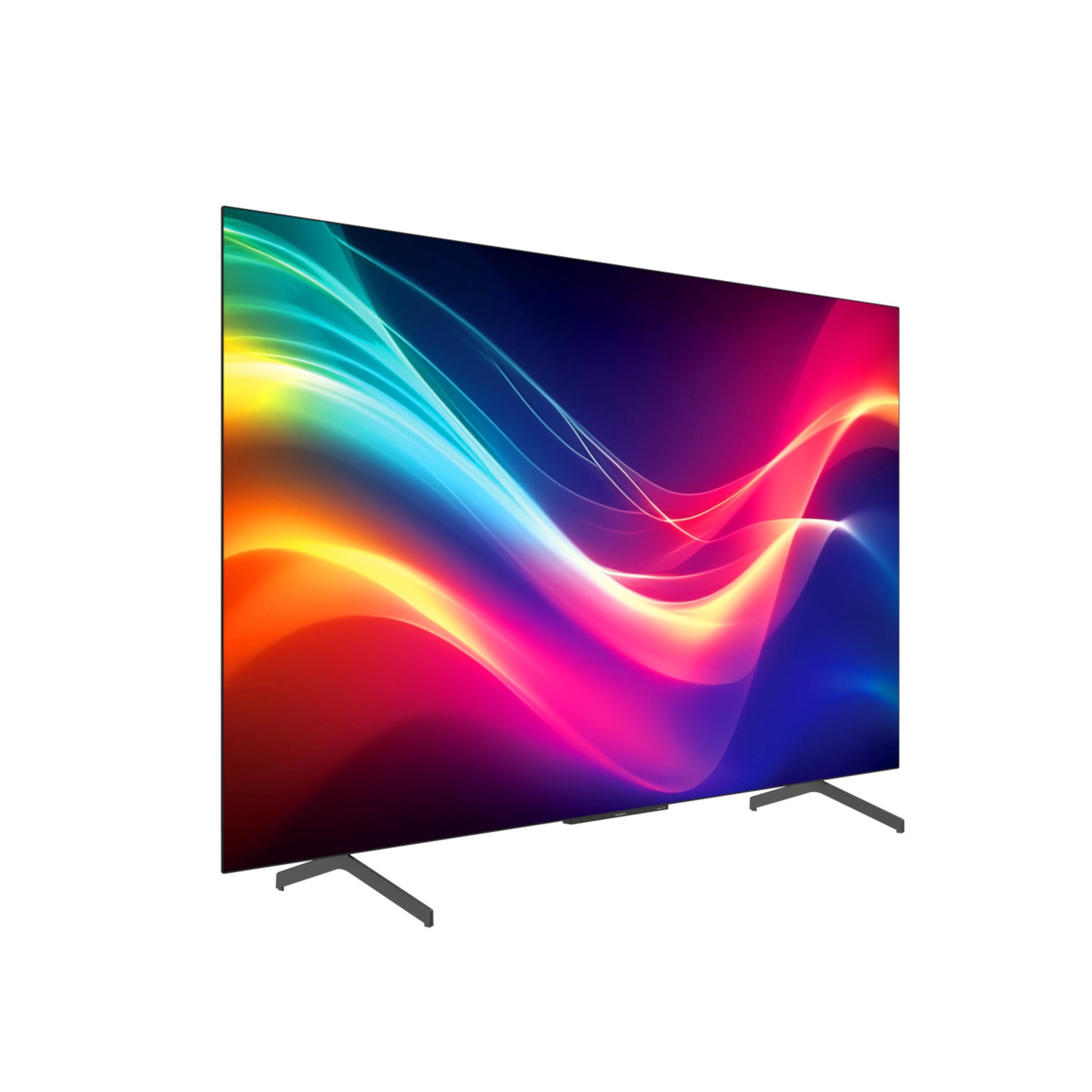
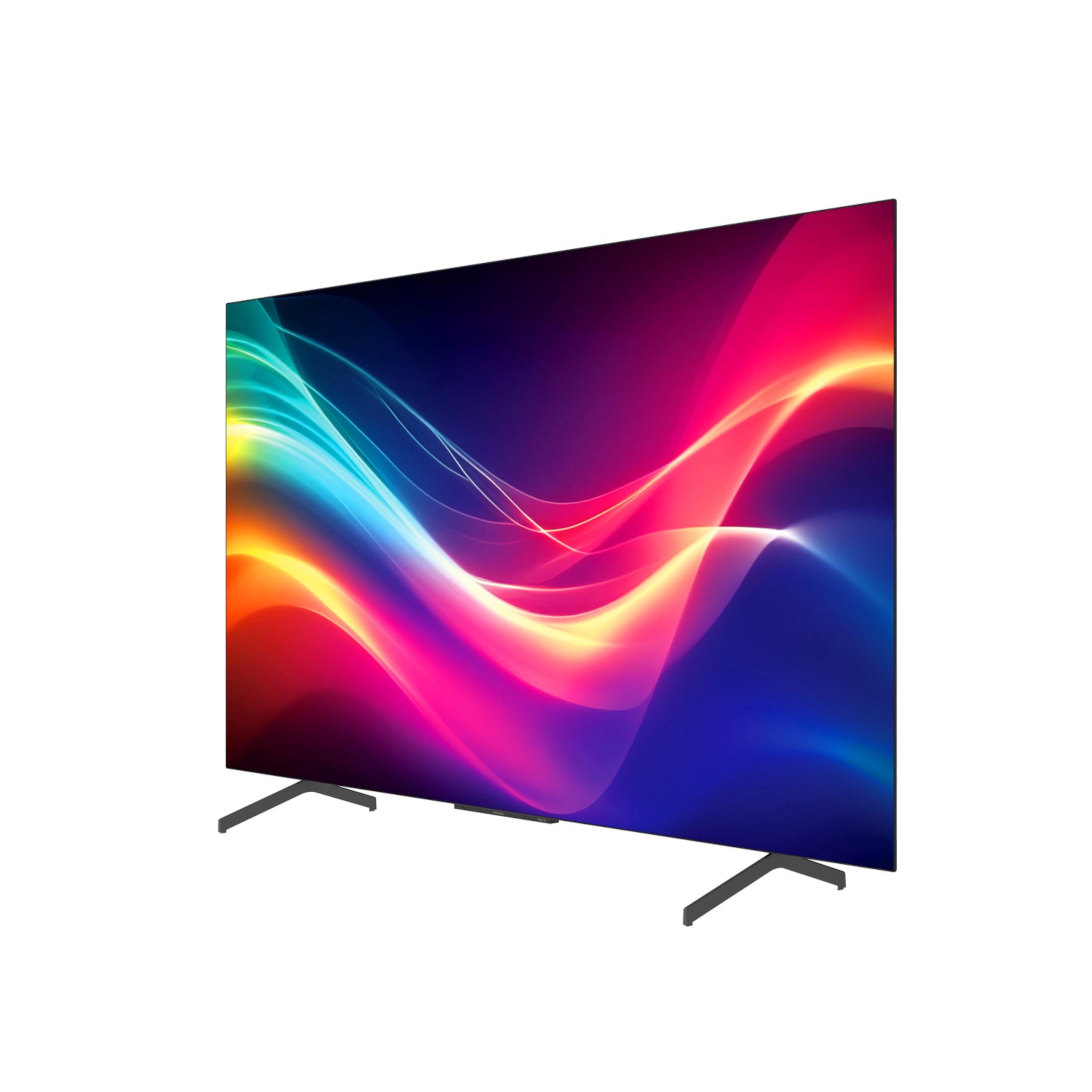
The design philosophy differs significantly between these models. The Philips OLED, despite being from 2018, maintains a timeless three-sided borderless design with an ultra-thin 2.2-inch profile. OLED panels can be made incredibly thin because they don't require backlighting hardware.
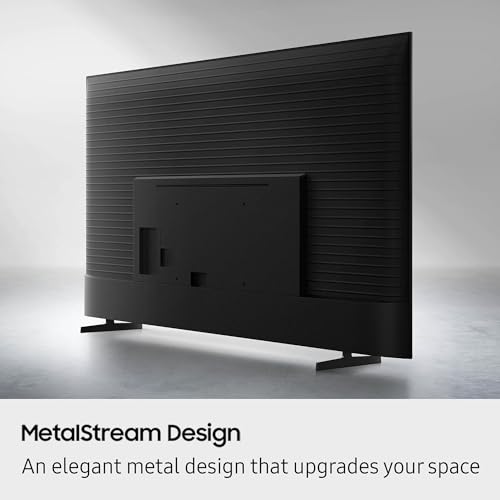
The Samsung U8000F showcases Samsung's 2025 MetalStream Design, featuring aircraft-inspired metal construction and slim bezels. As a newer model, it incorporates current design trends and likely offers better long-term software support.
Both TVs support standard VESA wall mounting, though the Philips lighter weight (without stand) makes installation somewhat easier.
For dedicated home theater use, the choice becomes clearer. The Philips OLED excels in controlled lighting environments where its perfect blacks and superior contrast create an immersive, cinema-like experience. Movie enthusiasts consistently praise OLED technology for its ability to reproduce the filmmaker's intended vision, especially in darker scenes where LED TVs struggle.
The 120Hz refresh rate also benefits movie watching by properly displaying 24fps cinema content without judder (slight stuttering motion). The Samsung U8000F, with its 60Hz limitation, may show some motion artifacts with film content.
However, if your "home theater" is actually a bright family room where you watch during the day, the Samsung might actually provide a more satisfying experience due to its superior brightness and glare resistance.
OLED technology has matured significantly since 2018, when the Philips 65OLED974/F7 was released. Early OLED concerns about burn-in (permanent image retention) have largely been addressed through improved manufacturing and built-in protective features. However, OLED panels do gradually lose brightness over time, though this typically takes many years of heavy use.
The Samsung U8000F, being a 2025 model, benefits from the latest LED technology and will likely receive software updates for several years. LED panels generally maintain consistent brightness over time and have fewer concerns about image retention.
The decision ultimately comes down to your priorities, viewing environment, and budget flexibility.
Choose the Philips 65OLED974/F7 if you:
Choose the Samsung U8000F if you:
Both TVs serve their intended markets well. The Philips OLED delivers on the promise of premium picture quality for those willing to pay for it, while the Samsung U8000F provides solid performance and modern features at a price that makes sense for most households.
The truth is, technology has progressed to the point where even entry-level TVs like the Samsung provide viewing experiences that would have been considered premium just a few years ago. But for those seeking the ultimate in picture quality and gaming performance, the Philips OLED demonstrates why premium display technology commands a premium price.
Your choice should align with how you actually use your TV, where it's located in your home, and what aspects of the viewing experience matter most to you. Both represent solid values within their respective market segments—just very different definitions of value.
| Philips 65OLED974/F7 65" OLED Roku TV | Samsung 65-Inch Crystal UHD U8000F 4K Smart TV 2025 |
|---|---|
| Display Technology - The fundamental difference that affects all picture quality | |
| OLED with self-lit pixels for perfect blacks and infinite contrast | LED backlit LCD with good brightness but limited contrast |
| Screen Size and Resolution - Both deliver sharp 4K detail at the same size | |
| 65" 4K UHD (3840 x 2160) | 65" 4K UHD (3840 x 2160) |
| Refresh Rate - Critical for gaming and smooth motion | |
| 120Hz native for buttery smooth gaming and motion | 60Hz standard refresh rate, adequate for most content |
| HDR Support - Enhanced color and brightness range for better realism | |
| Dolby Vision IQ, Dolby Vision, HDR10, HLG | HDR10+ support (no Dolby Vision) |
| Gaming Features - Response time and input lag matter for competitive play | |
| <0.1ms response, AMD FreeSync Premium, VRR, ALLM | Basic VRR and ALLM, slower response time |
| Brightness Performance - Determines usability in bright rooms | |
| Limited peak brightness, best for dark rooms | Higher peak brightness, better for bright living spaces |
| Smart TV Platform - Your daily interface for apps and streaming | |
| Roku TV (simple, universal search, vast app library) | Tizen OS with One UI (customizable, Samsung ecosystem integration) |
| Audio System - Built-in sound quality before adding external speakers | |
| 2.1 system with subwoofer and Dolby Atmos | 2.0 speaker system with Object Tracking Sound Lite |
| Viewing Angles - Picture quality consistency when not sitting directly in front | |
| 176° excellent viewing angles maintain color accuracy | Narrower viewing angles with color shifting from sides |
| Release Year - Affects features, design, and long-term support | |
| 2018 model with proven OLED technology | 2025 model with latest features and longer support window |
| Build Quality - Premium materials and design aesthetics | |
| Ultra-thin 2.2" depth, borderless design, lightweight | MetalStream Design with aircraft-inspired metal construction |
| Connectivity - HDMI ports and modern connection standards | |
| 4 HDMI ports with eARC/ARC, 2 USB, Wi-Fi, Ethernet | 3 HDMI ports with eARC/ARC, 1 USB, Wi-Fi 5, Bluetooth 5.3 |
The Philips 65OLED974/F7 delivers superior picture quality in dark rooms due to its OLED technology. Each pixel can turn completely off to create perfect blacks and infinite contrast, making movies and shows look incredibly realistic. The Samsung U8000F uses LED backlighting which cannot achieve true blacks, resulting in grayish dark scenes that lack depth and detail.
The Samsung U8000F performs better in bright rooms because LED technology can achieve higher peak brightness levels. This helps the TV overcome glare from windows and maintain good color visibility during daytime viewing. The Philips OLED struggles with brightness and is best suited for controlled lighting environments.
OLED technology in the Philips 65OLED974/F7 uses self-illuminating pixels that can turn completely on or off individually. LED technology in the Samsung U8000F uses a backlight behind an LCD panel, where liquid crystals act like shutters to control light. This fundamental difference gives OLED perfect blacks but limits its brightness compared to LED displays.
The Philips OLED is significantly better for gaming with its 120Hz refresh rate, sub-0.1ms response time, and AMD FreeSync Premium support. It can display 120 frames per second without blur, perfect for PlayStation 5 and Xbox Series X gaming. The Samsung U8000F is limited to 60Hz with basic VRR support, making it adequate for casual gaming but not ideal for competitive players.
Yes, both the Philips 65OLED974/F7 and Samsung U8000F offer 4K UHD resolution (3840 x 2160 pixels). However, their HDR support differs - the Philips includes Dolby Vision IQ and covers 98.5% of the DCI-P3 color gamut, while the Samsung supports HDR10+ but lacks Dolby Vision. The Philips offers more comprehensive HDR formats but the Samsung's higher brightness can make HDR more impactful in bright rooms.
The Philips OLED uses Roku TV, known for its simple interface and excellent universal search that finds content across all your streaming apps. The Samsung U8000F runs Tizen OS with more customization options and Samsung ecosystem integration. Roku is generally considered more user-friendly for those who just want to watch content, while Tizen offers more advanced features.
The Philips 65OLED974/F7 features a superior 2.1 speaker system with a dedicated subwoofer and Dolby Atmos support, providing fuller sound with better bass. The Samsung U8000F has a basic 2.0 speaker setup that's adequate but lacks depth. Both TVs benefit from adding a soundbar, but the Philips offers better interim audio performance.
The Philips OLED excels in dedicated home theater setups where you can control lighting. Its perfect blacks, infinite contrast, and 120Hz refresh rate create a cinema-like experience that's particularly impressive with movies. The Samsung U8000F is better suited for multi-purpose family rooms where you need good performance in various lighting conditions.
Value depends on your priorities and budget. The Samsung U8000F offers exceptional value for buyers seeking modern smart TV features at an affordable price point. The Philips OLED provides premium picture quality that justifies its higher cost for viewers who prioritize the best possible image quality and gaming performance.
The Philips 65OLED974/F7 maintains excellent picture quality at 176-degree viewing angles, with colors and contrast remaining consistent when viewed from the side. The Samsung U8000F has narrower viewing angles typical of LED TVs, with noticeable color shifting and brightness reduction when not viewing directly from the center.
The Samsung U8000F as a 2025 model will likely receive software updates for several years and represents current technology standards. The Philips OLED from 2018 has proven OLED technology that's matured significantly, with burn-in concerns largely addressed. Both should provide reliable performance, but the Samsung offers longer potential software support.
For your first 4K TV, consider your viewing environment and budget. Choose the Philips OLED if you primarily watch in dark rooms, want the absolute best picture quality, and can afford the premium price. Choose the Samsung U8000F if you need good performance in bright rooms, want modern features at an accessible price, or prefer to save money for other entertainment equipment.
We've done our best to create useful and informative comparisons to help you decide what product to buy. Our research uses advanced automated methods to create this comparison and perfection is not possible - please contact us for corrections or questions. These are the sites we've researched in the creation of this article: rtings.com - versus.com - versus.com - rtings.com - samsclub.com - versus.com - youtube.com - usa.philips.com - bestbuy.com - usa.philips.com - consumerreports.org - usa.philips.com - documents.philips.com - tvoutlet.ca - displayspecifications.com - business.walmart.com - displayspecifications.com - ecoustics.com - walmart.com - bestbuy.com - youtube.com - youtube.com - rtings.com - youtube.com - samsung.com - hometechnologyreview.com - rtings.com - samsung.com - displayspecifications.com - samsung.com - displayspecifications.com - walmart.com - billsmith.com - dentonstv.com - samsung.com - samsung.com - samsung.com - youtube.com - bestbuy.com - bestbuy.com - youtube.com - samsung.com - donstv.com

Privacy Policy
Terms and Conditions - Affiliate Policy
Home Security
© Copyright 2008-2026.
11816 Inwood Rd #1211, Dallas, TX 75244