

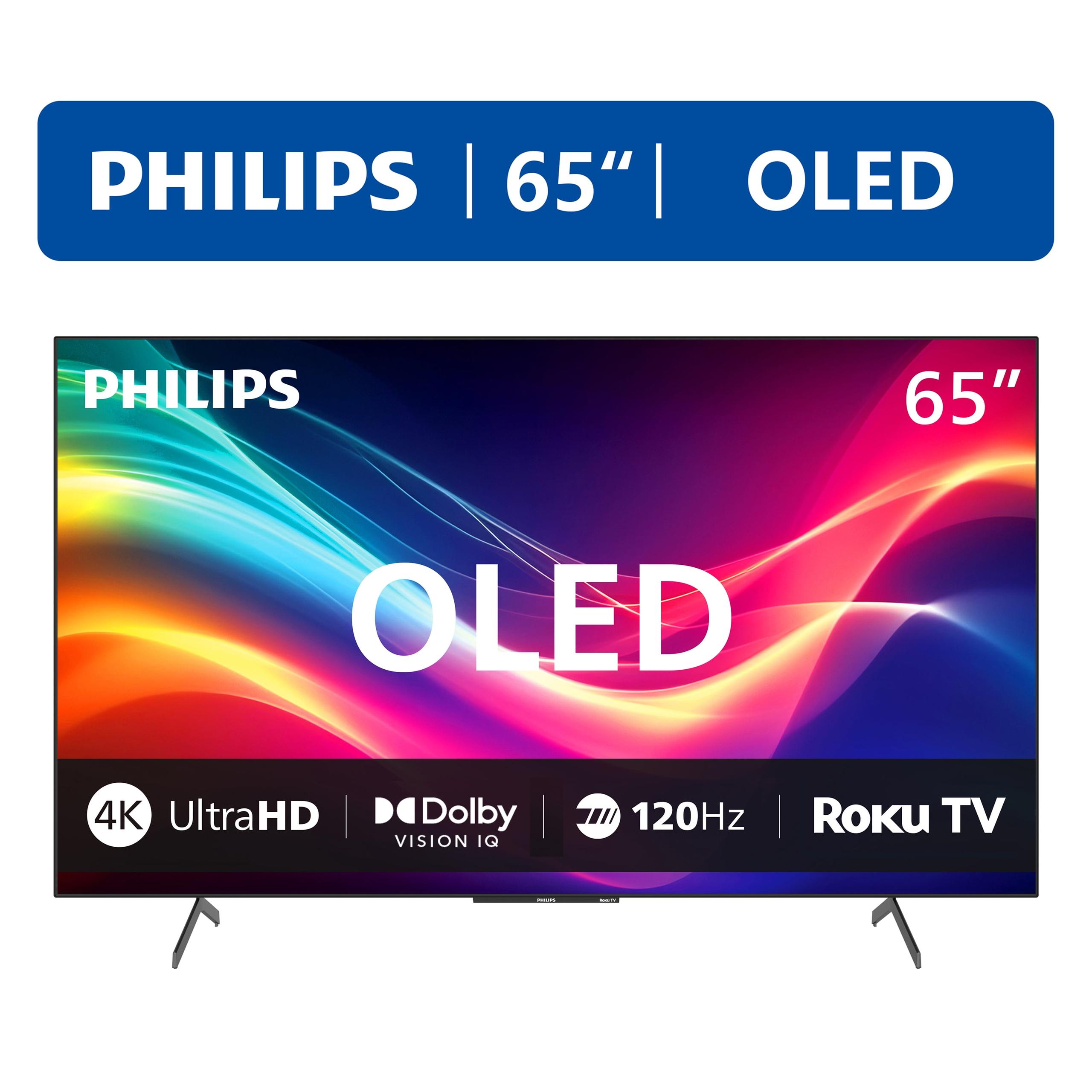

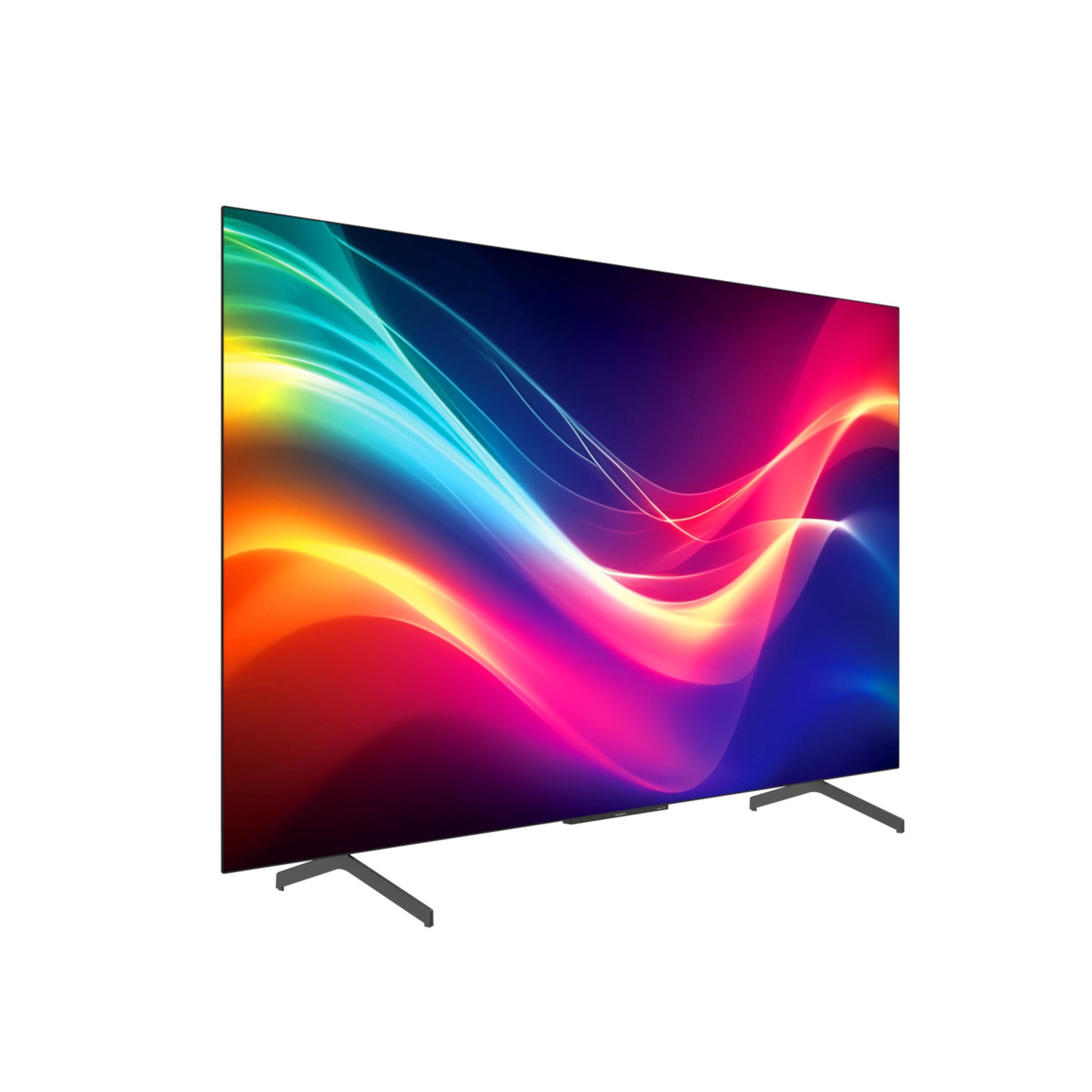
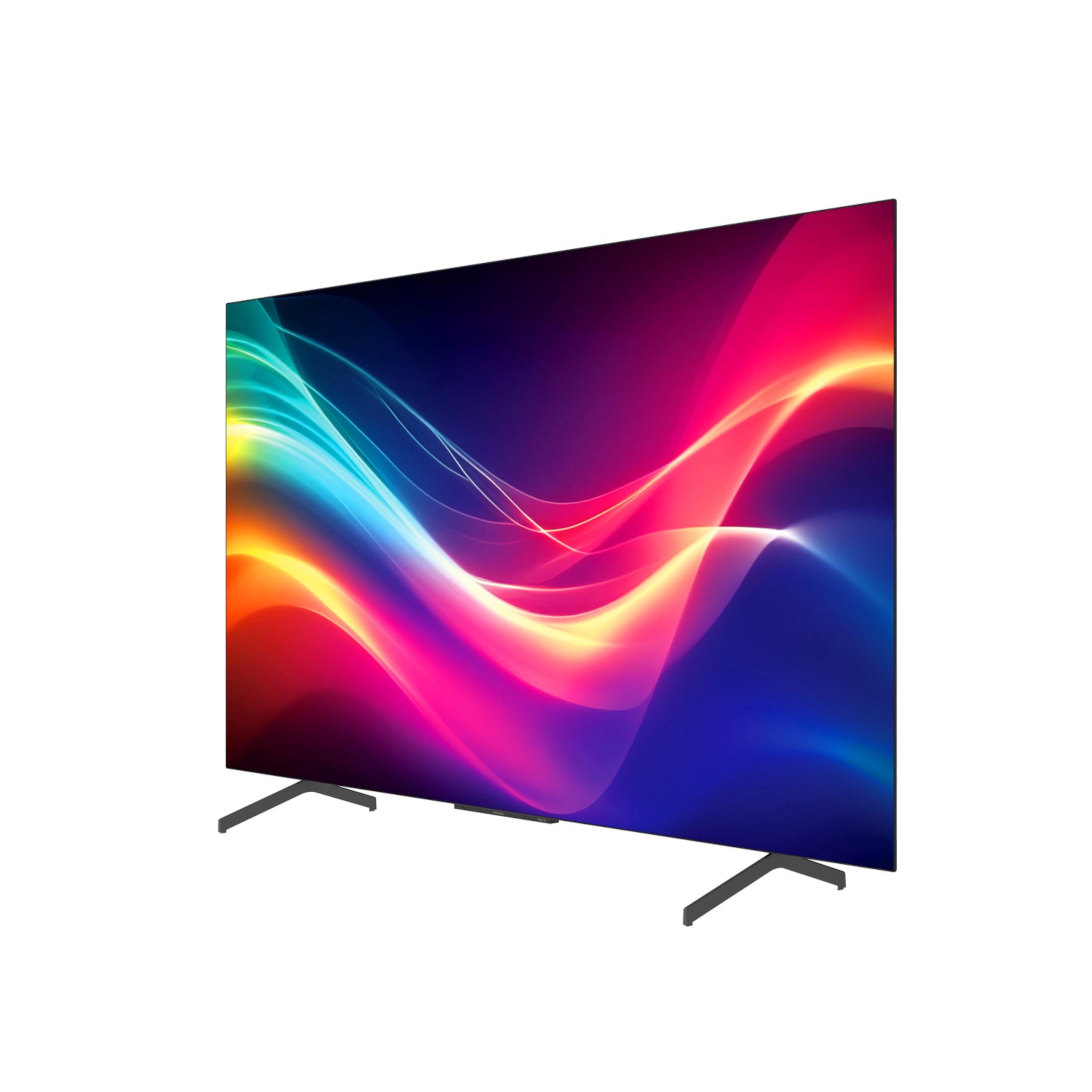
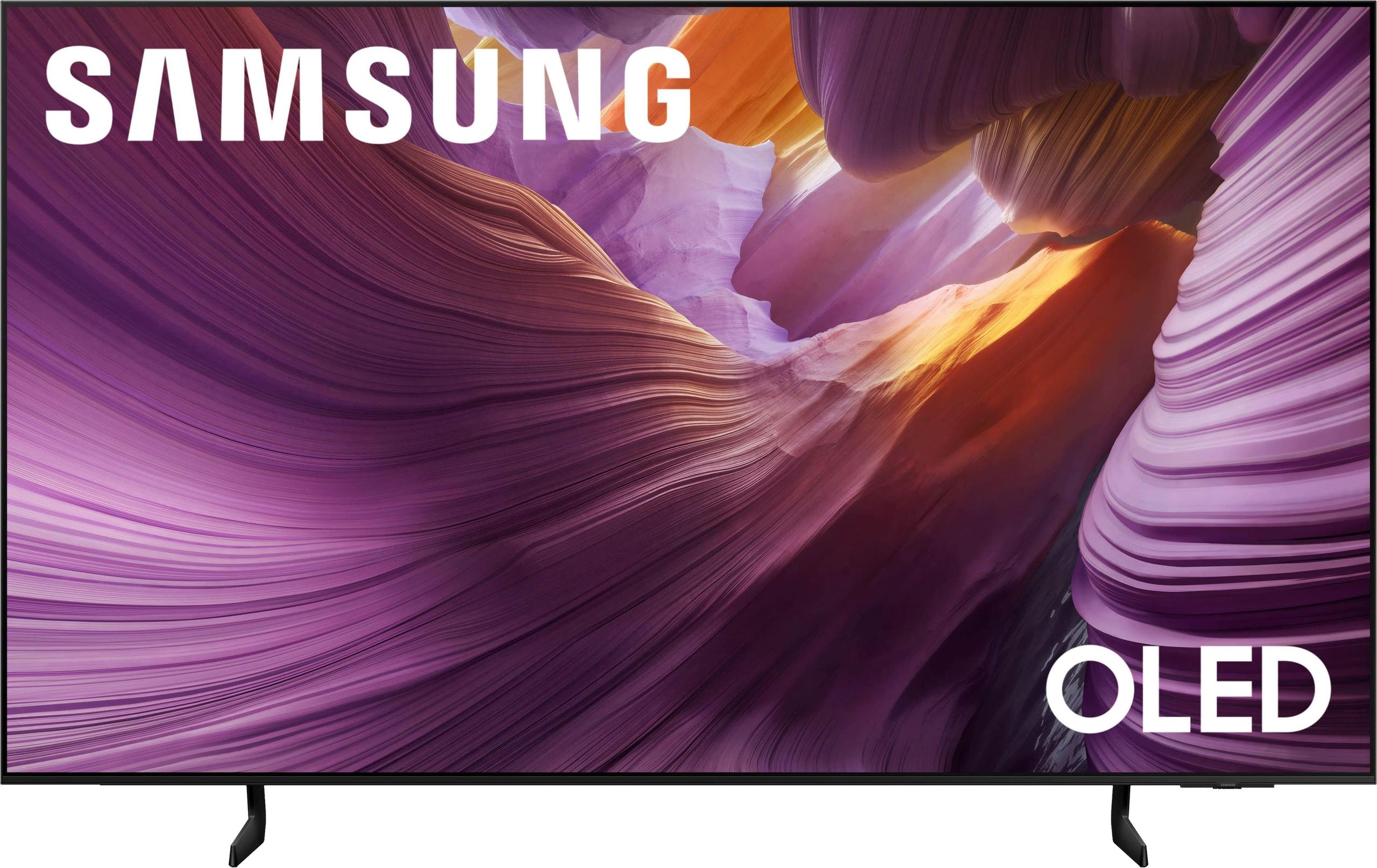
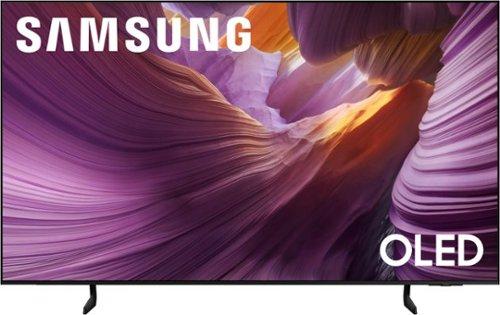
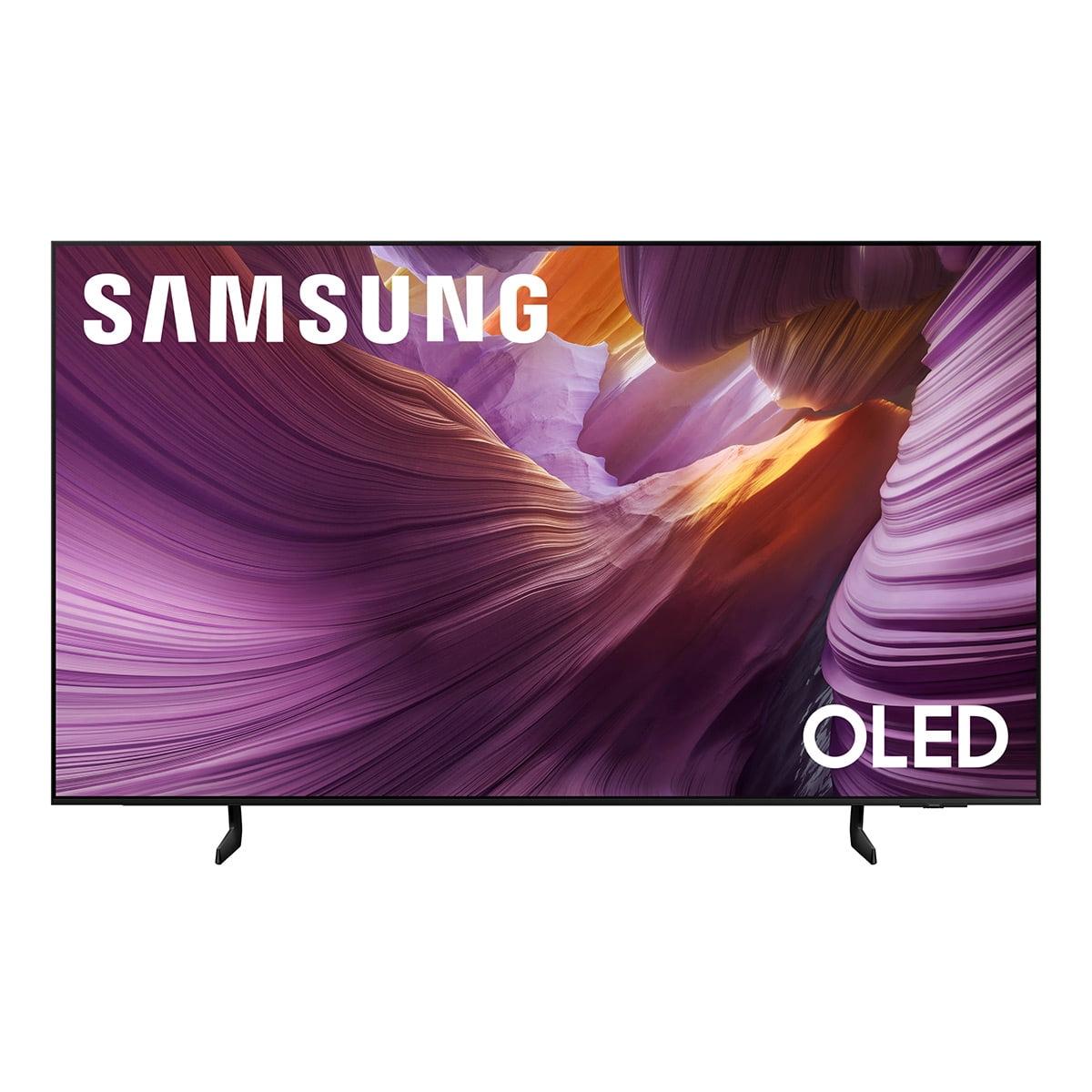
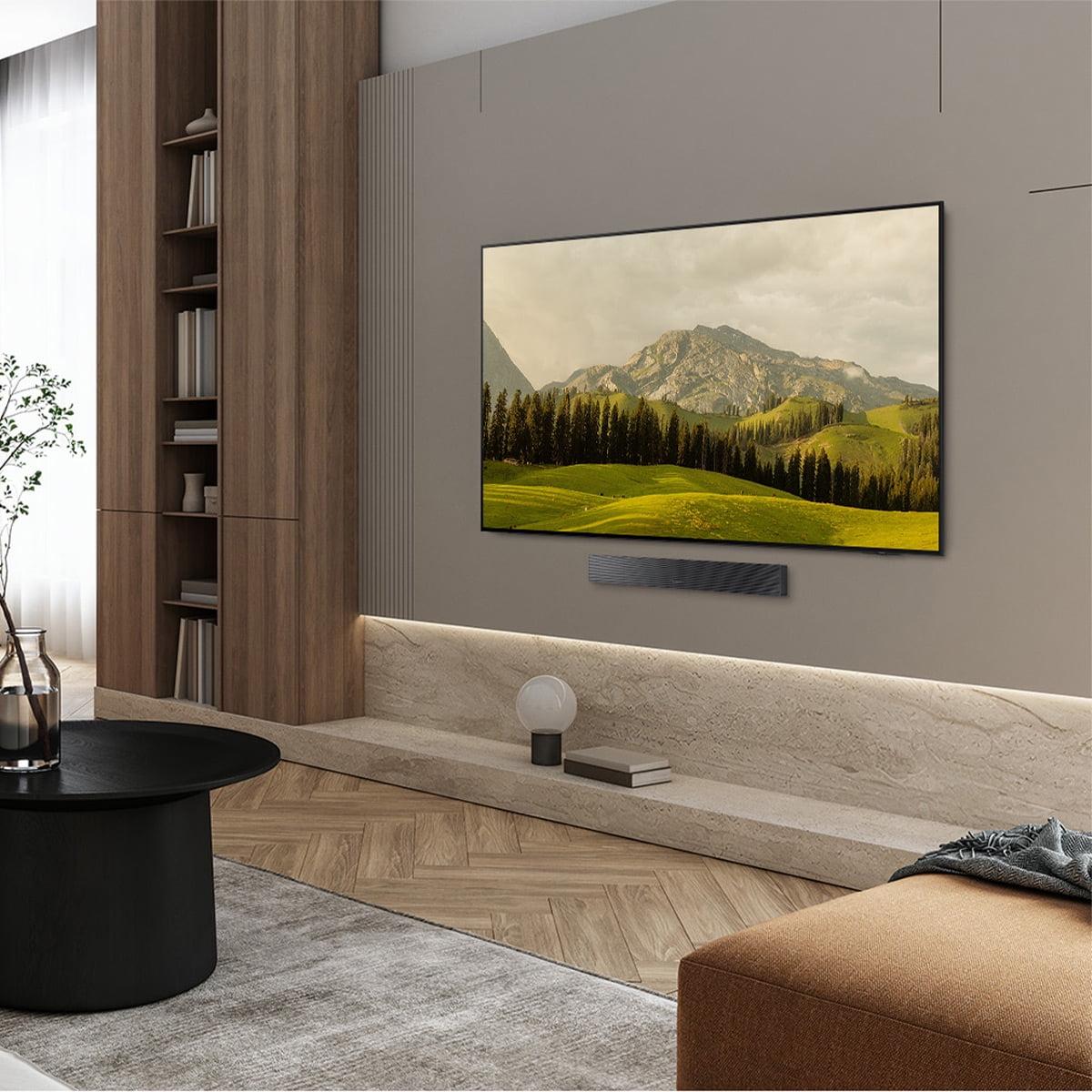
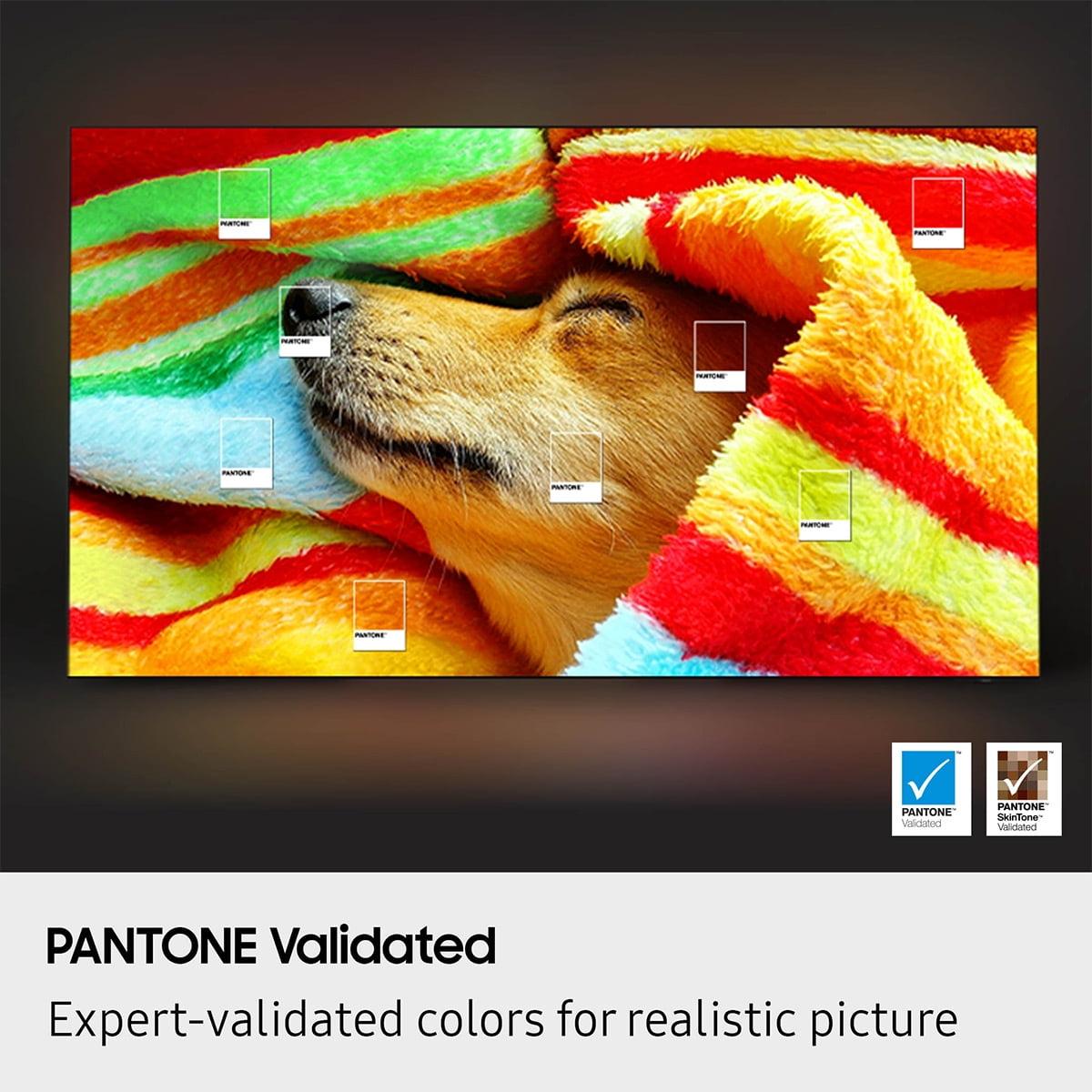

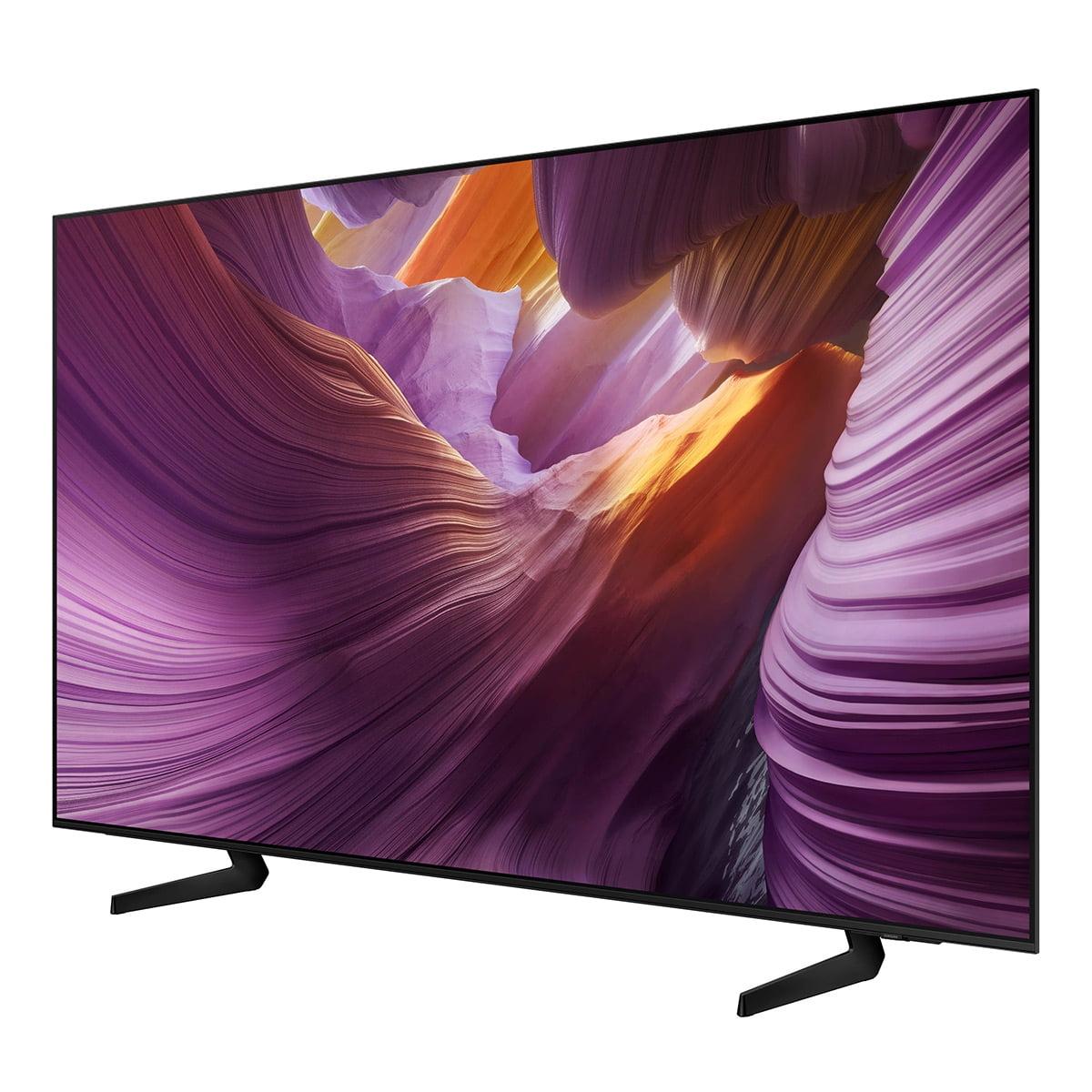
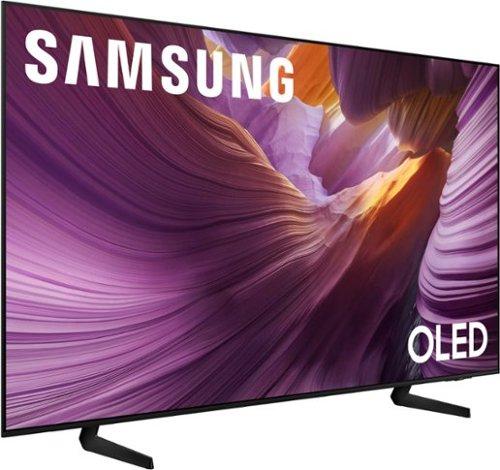
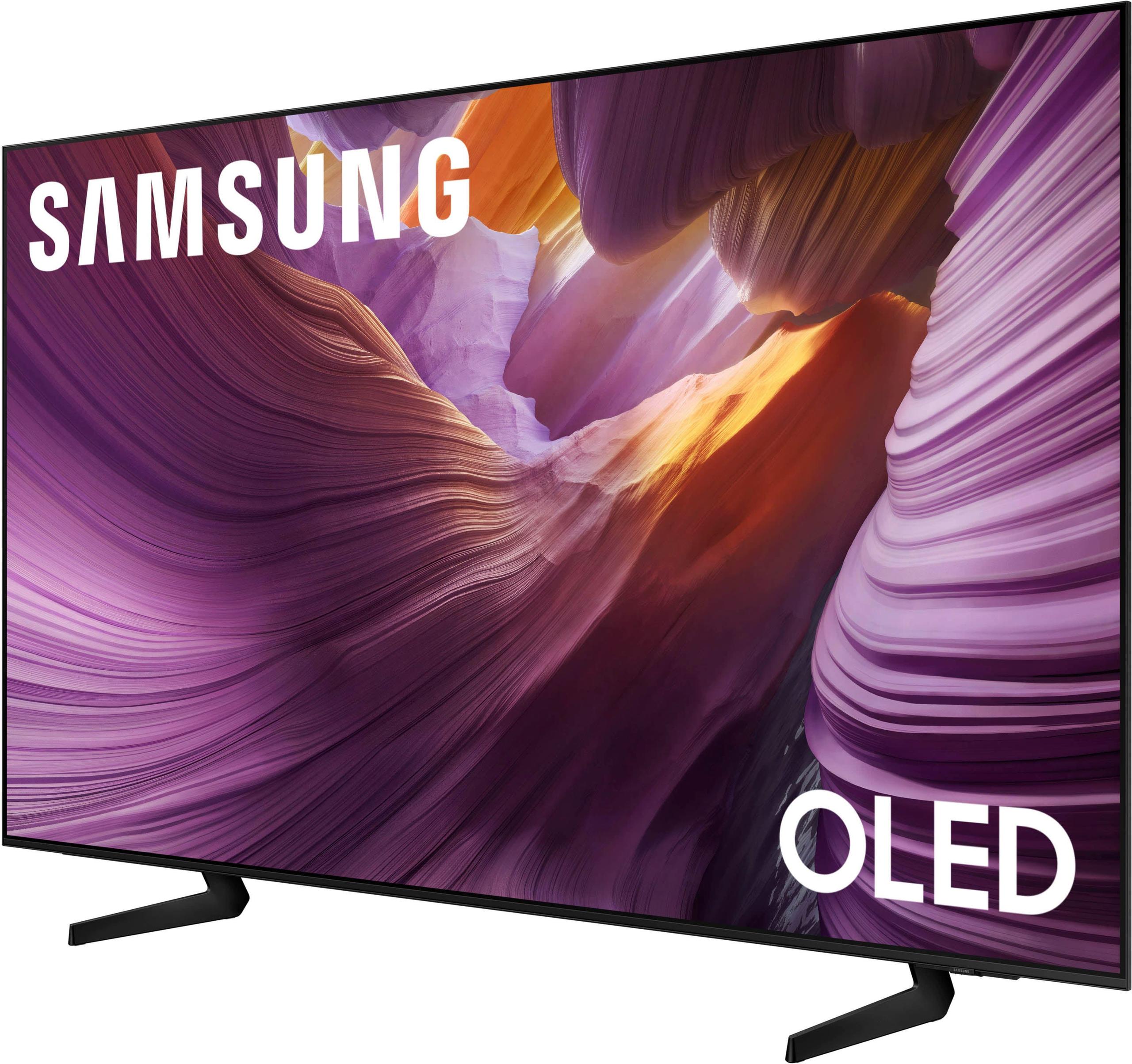
Shopping for a 65-inch OLED TV can feel overwhelming with so many seemingly similar options. Two models that often come up in searches are the Philips 65OLED974/F7 and Samsung's 65" S85F from 2025. While both deliver the signature OLED experience of perfect blacks and vibrant colors, they take notably different approaches that make each better suited for specific viewing situations.
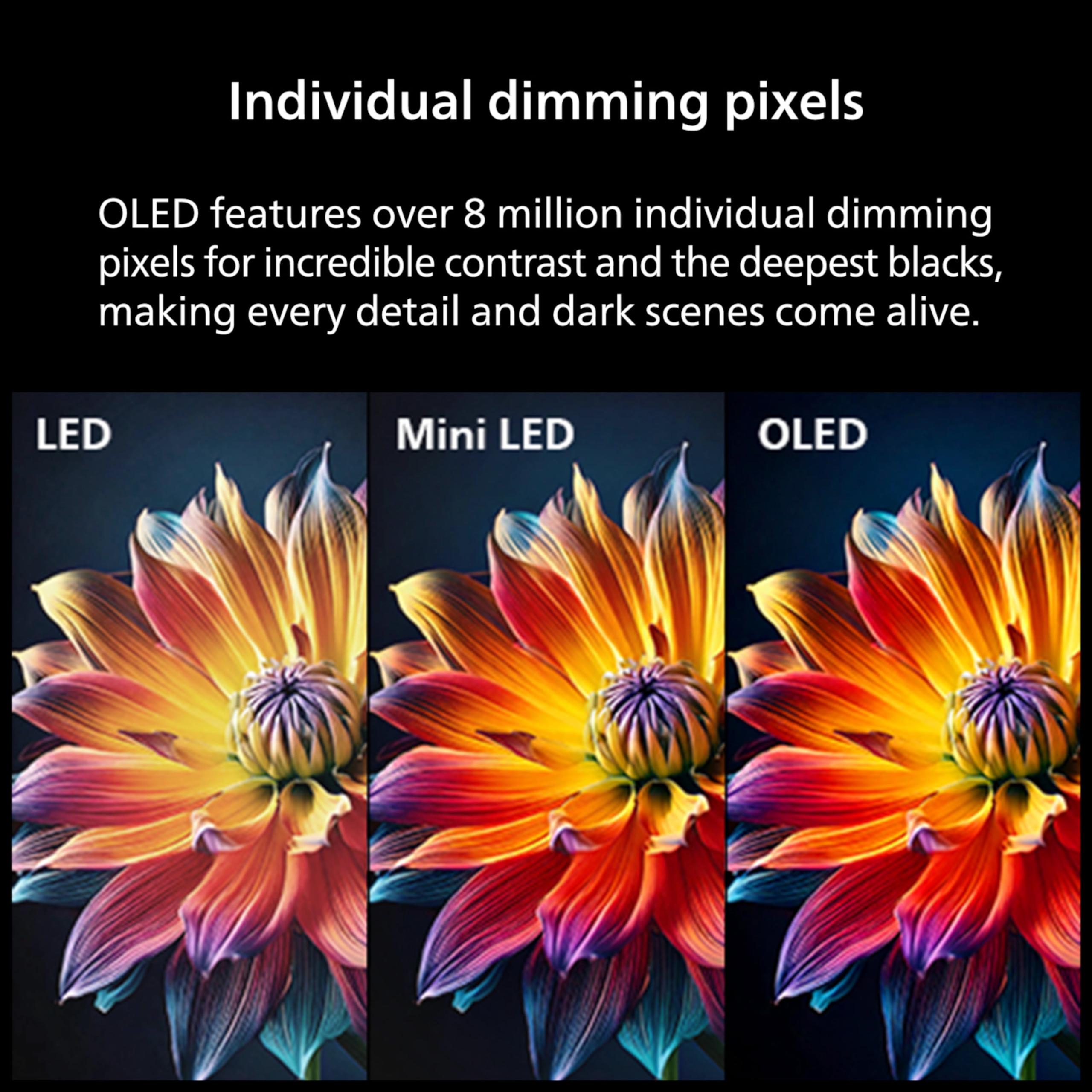
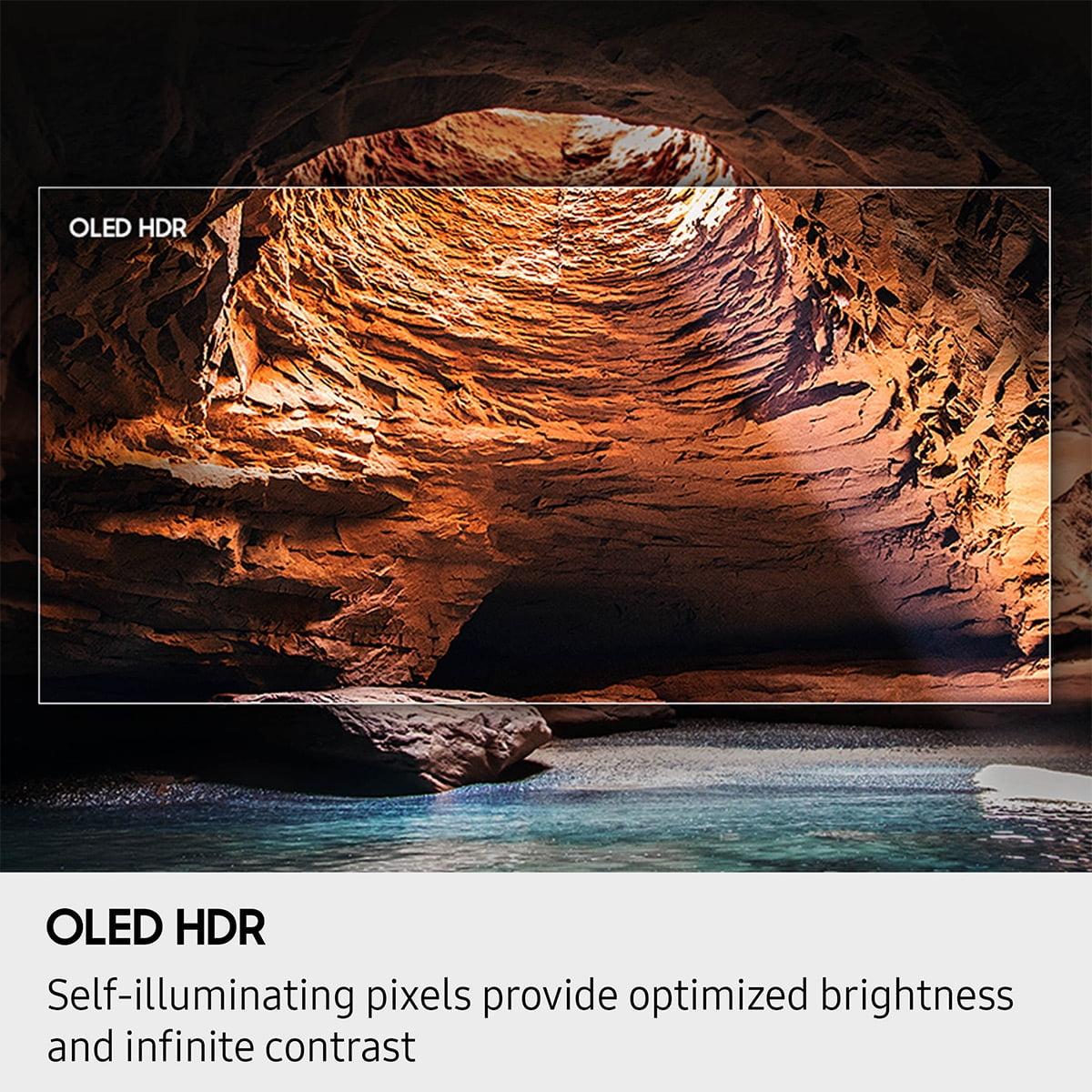
OLED (Organic Light-Emitting Diode) technology represents the current pinnacle of consumer TV displays. Unlike traditional LCD TVs that require a backlight, each pixel in an OLED panel produces its own light. This fundamental difference allows OLED TVs to achieve perfect blacks by completely turning off individual pixels, creating an infinite contrast ratio that makes dark scenes look incredibly realistic.
When evaluating OLED TVs in 2025, the most critical factors are brightness capabilities, gaming performance, smart TV platforms, HDR (High Dynamic Range) support, and overall value. While all OLEDs share certain advantages like perfect blacks and wide viewing angles, the differences in brightness, color processing, and feature sets can dramatically impact your viewing experience.
The key insight many buyers miss is that not all OLED TVs are equally suited for different room environments. This becomes the primary deciding factor between models like the Philips 974 and Samsung S85F.
The most significant difference between these TVs is their brightness output, and this single factor will likely determine which is better for your home setup. Our research into expert reviews and user experiences reveals a clear divide.
The Samsung S85F achieves peak HDR brightness of approximately 777 nits, while the Philips 974 delivers considerably less. To put this in perspective, "nits" measure how much light a display can produce per square meter. Higher nits mean the TV can better compete with ambient light in your room and make HDR highlights appear more dramatic.
This brightness gap creates real-world consequences. The Samsung can maintain image quality and color vibrancy even when you're watching during the day with windows open or lights on. The Philips, conversely, performs best in darker, more controlled environments where its perfect OLED blacks can truly shine without being washed out by ambient light.
For HDR content specifically, brightness directly impacts how impactful the experience feels. HDR is designed to reproduce the full range of light that our eyes can see, from deep shadows to bright sunlight. When a TV lacks sufficient peak brightness, those bright highlights in HDR movies and shows appear muted rather than eye-catching. Expert reviews consistently noted that the Philips 974's HDR experience felt "lackluster" compared to brighter OLED competitors.
The Samsung S85F uses QD-OLED (Quantum Dot OLED) technology in its 65-inch size for the North American market, representing a newer approach to OLED manufacturing. QD-OLED combines quantum dots with traditional OLED pixels to achieve a wider color gamut and higher color volume than standard WOLED panels.
In practice, this means the Samsung produces colors that experts describe as "significantly more vivid and punchy." The quantum dot layer enhances color saturation, making everything from nature documentaries to animated movies appear more vibrant. However, some viewers find this can occasionally border on oversaturation, especially in skin tones.
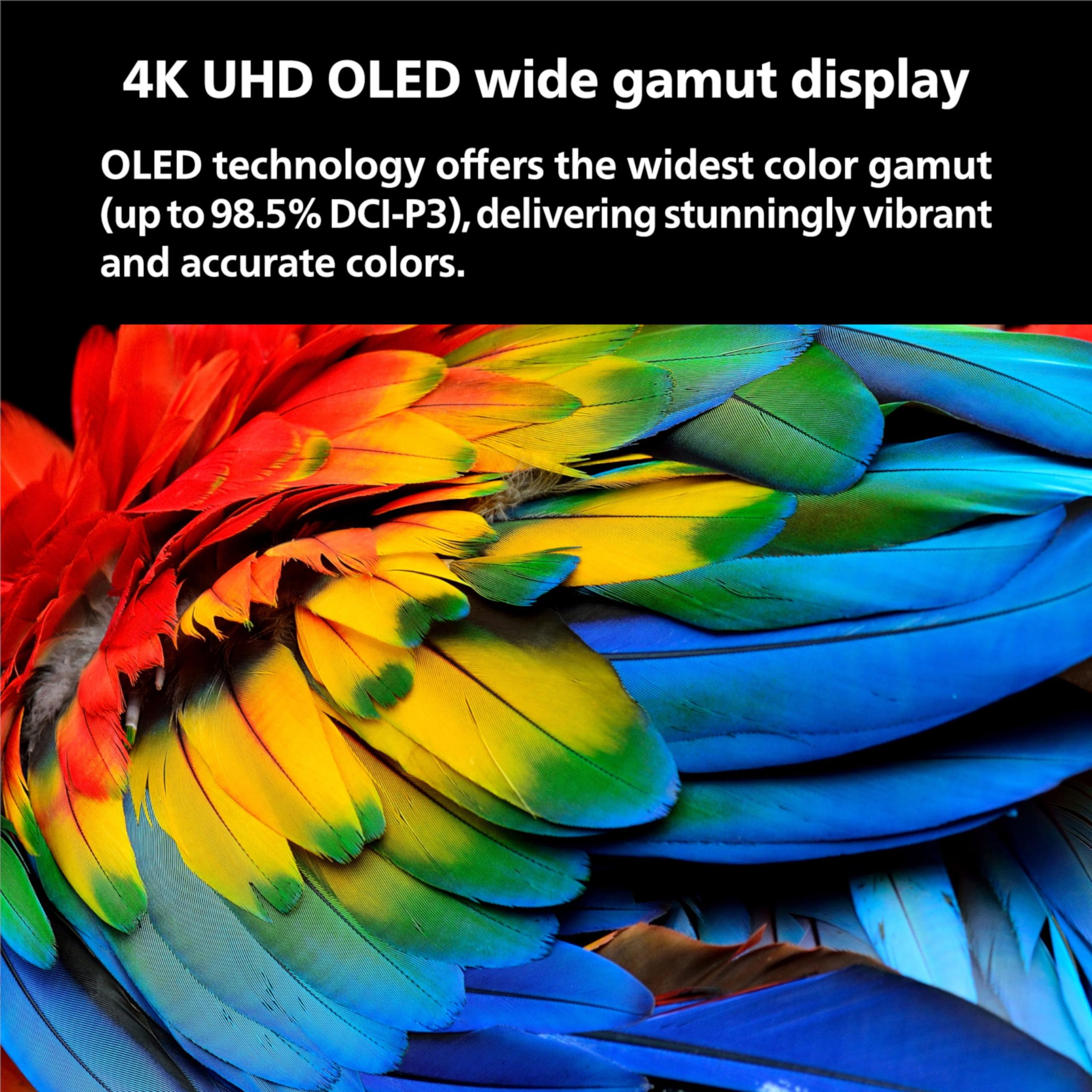
The Philips 974 uses traditional OLED technology but focuses on color accuracy rather than vibrancy. It covers up to 98.5% of the DCI-P3 color space, which is the standard used in movie theaters. This approach delivers more natural-looking colors that closely match what content creators intended, though they may appear less "wow-inducing" at first glance.
For home theater enthusiasts who prioritize accuracy, the Philips approach has merit. For general viewing where visual impact matters more than perfect accuracy, Samsung's more vibrant presentation often proves more engaging.
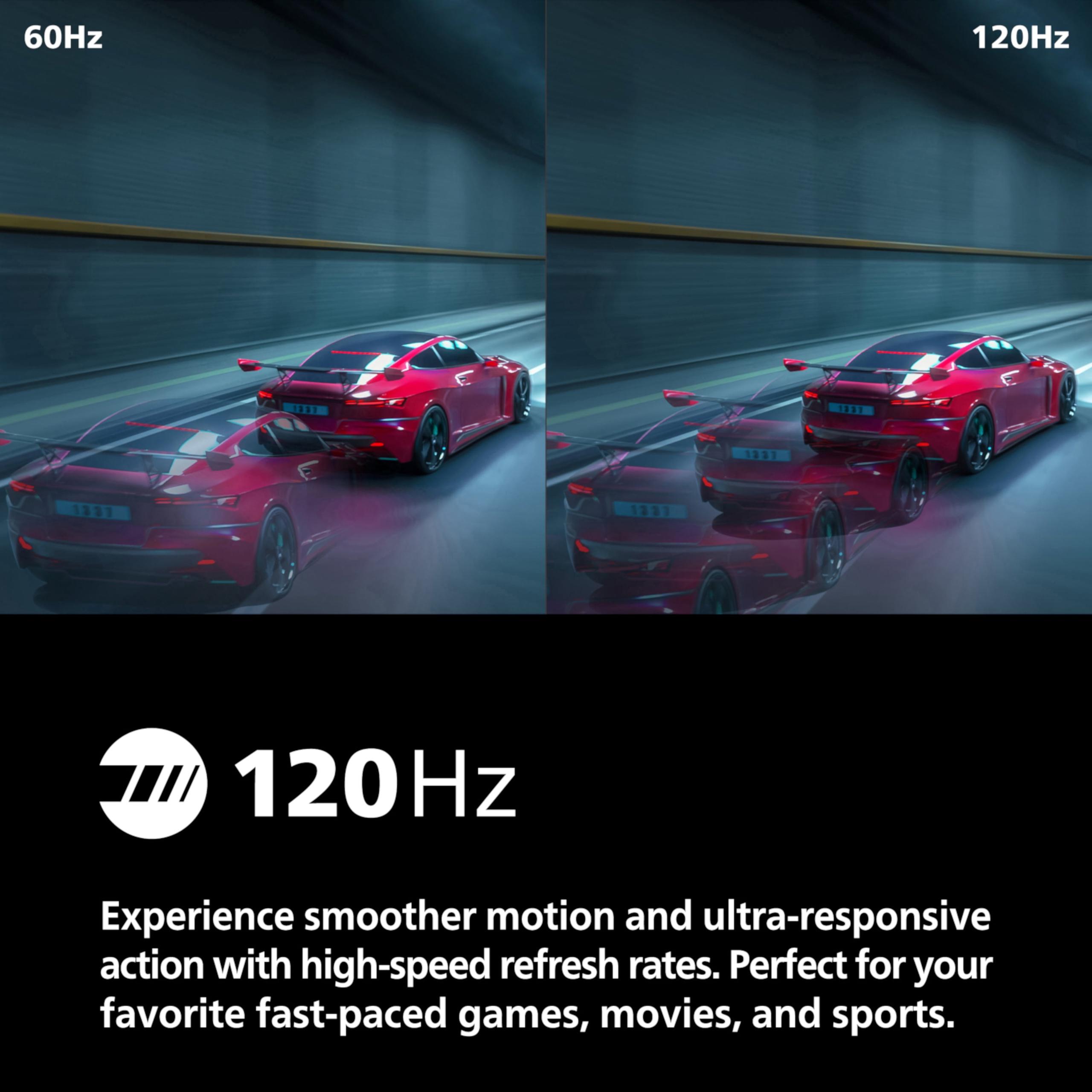
Both TVs excel for gaming, but with important differences that affect their long-term value. The Samsung S85F supports refresh rates up to 144Hz, while the Philips 974 maxes out at 120Hz.
Refresh rate determines how many times per second the display updates its image. Higher refresh rates create smoother motion, particularly noticeable in fast-paced games. Most current gaming consoles (PlayStation 5, Xbox Series X) output at 120Hz maximum, making both TVs fully compatible. However, PC gaming is increasingly moving toward higher refresh rates, making Samsung's 144Hz support a better investment for future compatibility.
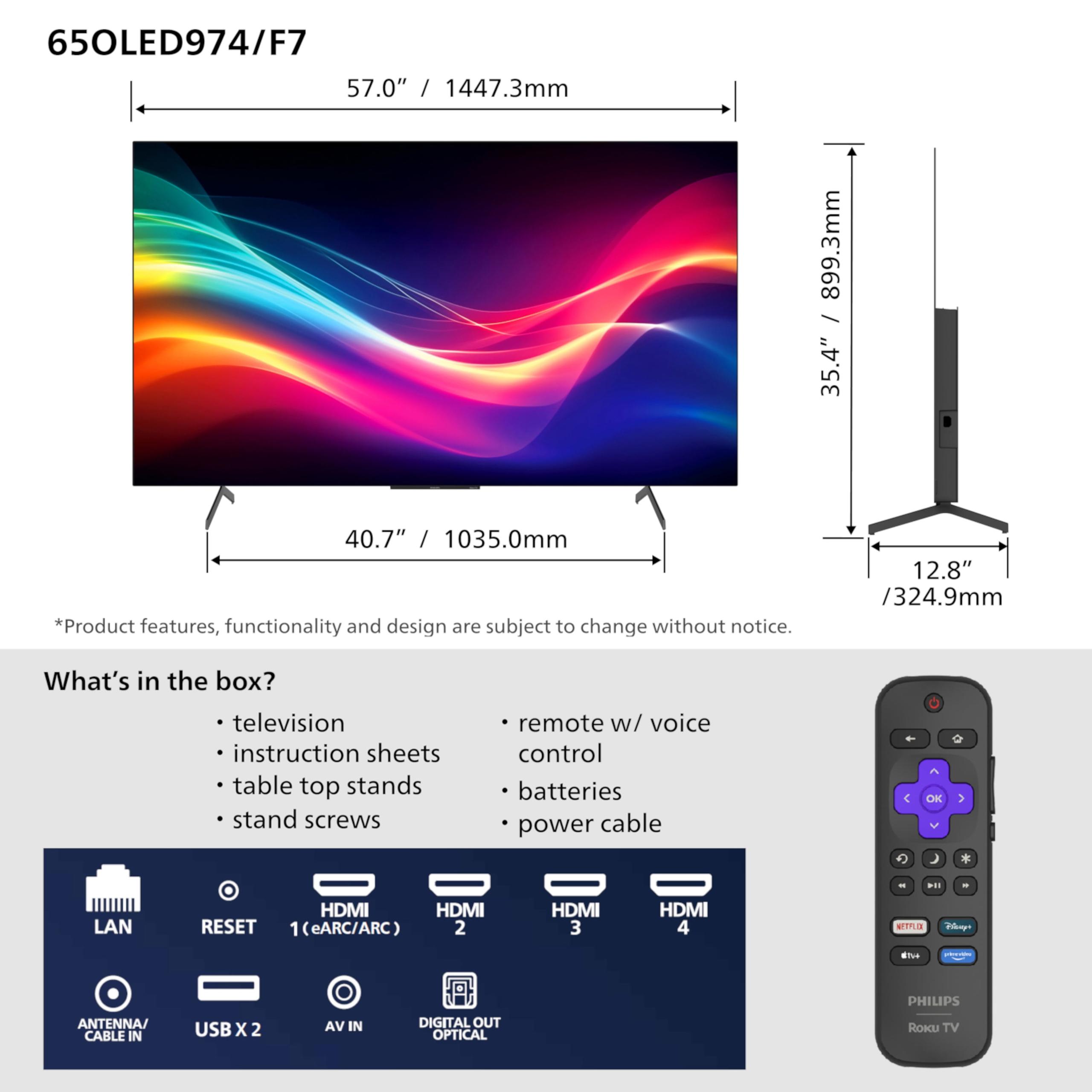
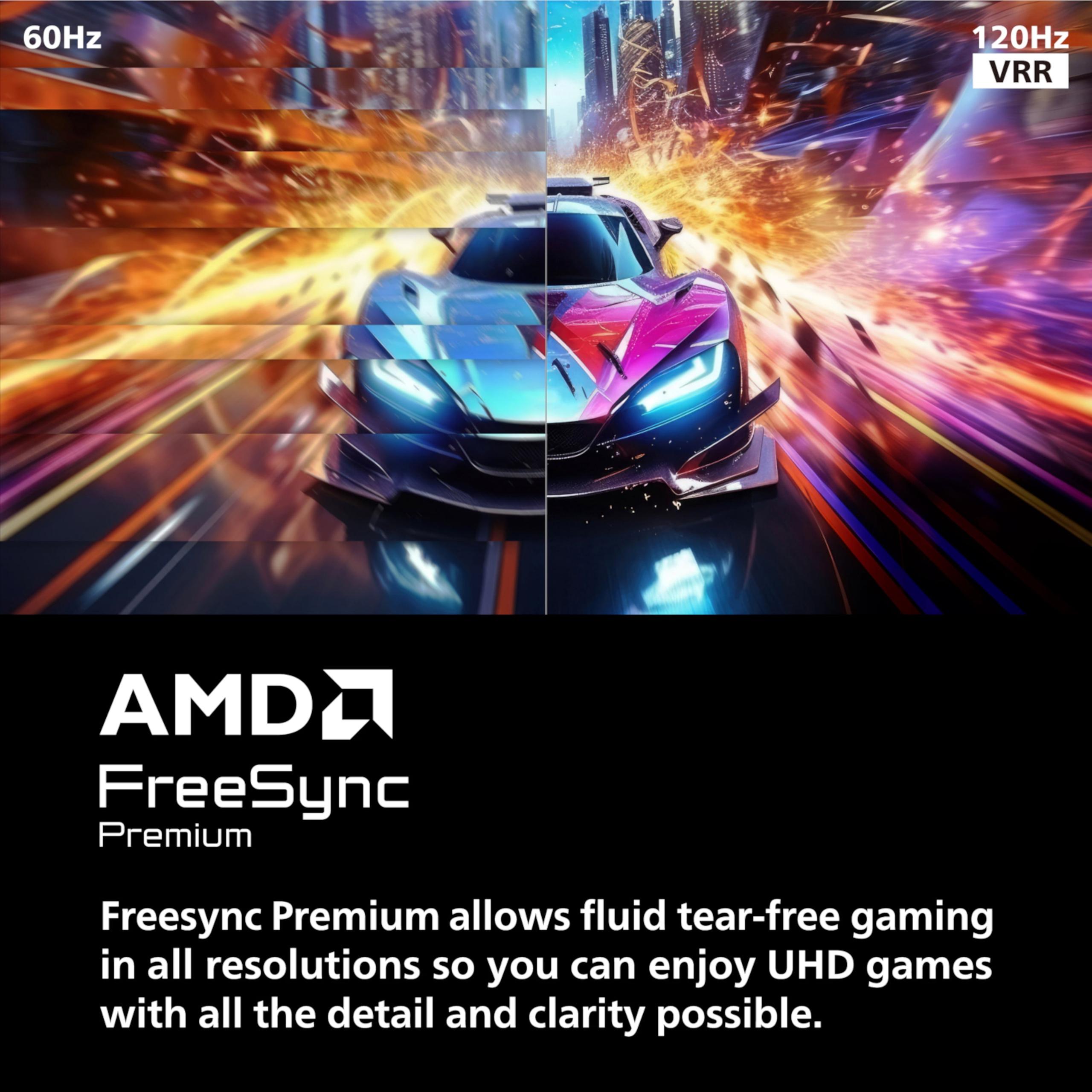
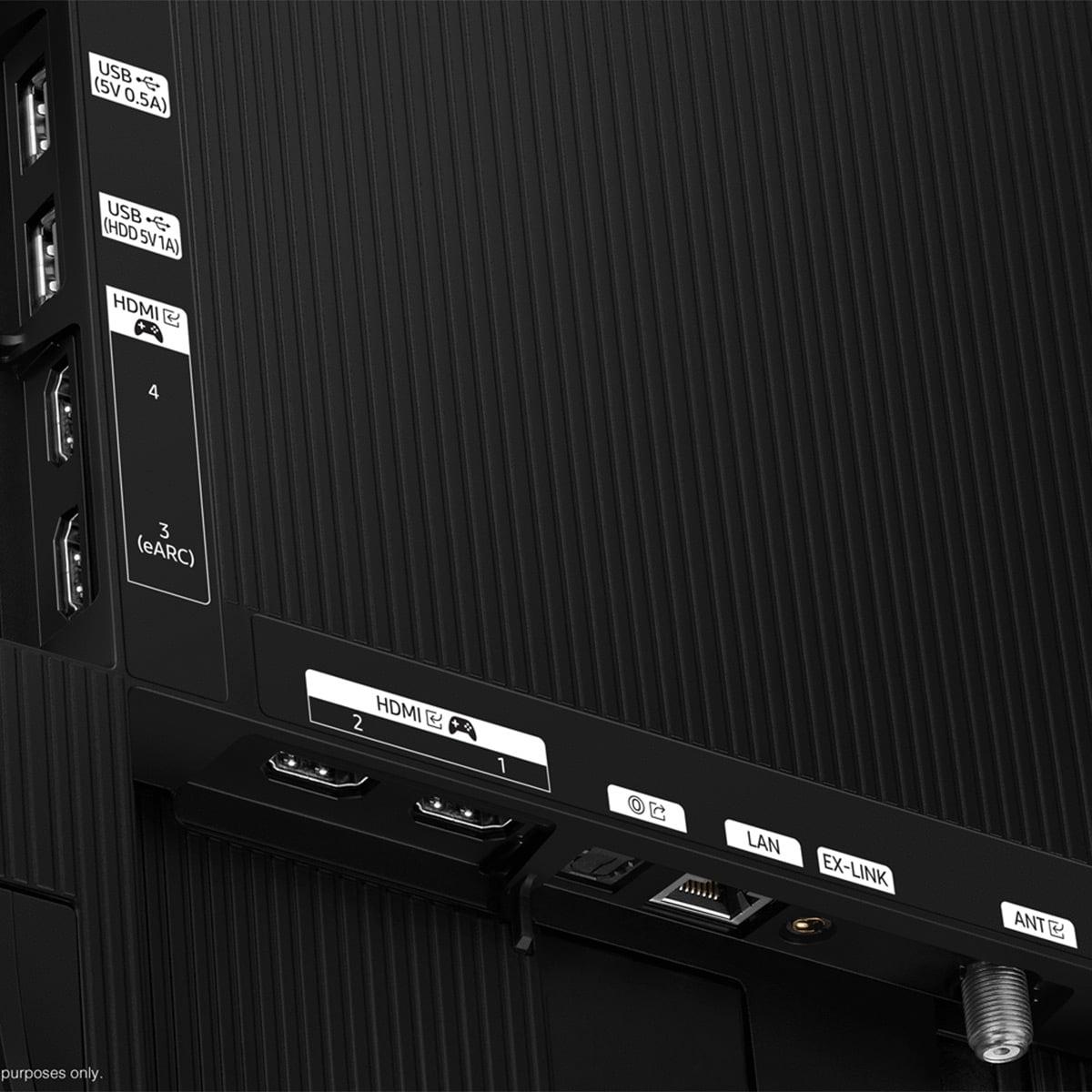
Both models feature HDMI 2.1 ports with full bandwidth, supporting 4K resolution at high refresh rates with Variable Refresh Rate (VRR). VRR synchronizes the TV's refresh rate with your gaming device's frame rate, eliminating screen tearing and stuttering for smoother gameplay. The Samsung includes four HDMI 2.1 ports compared to two on many competitors, providing more flexibility for connecting multiple high-end devices.
Input lag—the delay between pressing a controller button and seeing the action on screen—measures very low on both TVs, typically under 10 milliseconds in game mode. This responsiveness feels nearly instantaneous and satisfies even competitive gamers.
The Philips 974 includes AMD FreeSync Premium, which works particularly well with Xbox consoles and AMD graphics cards. The Samsung offers broader compatibility with various gaming features including Auto Low Latency Mode (ALLM), which automatically optimizes settings when it detects gaming content.
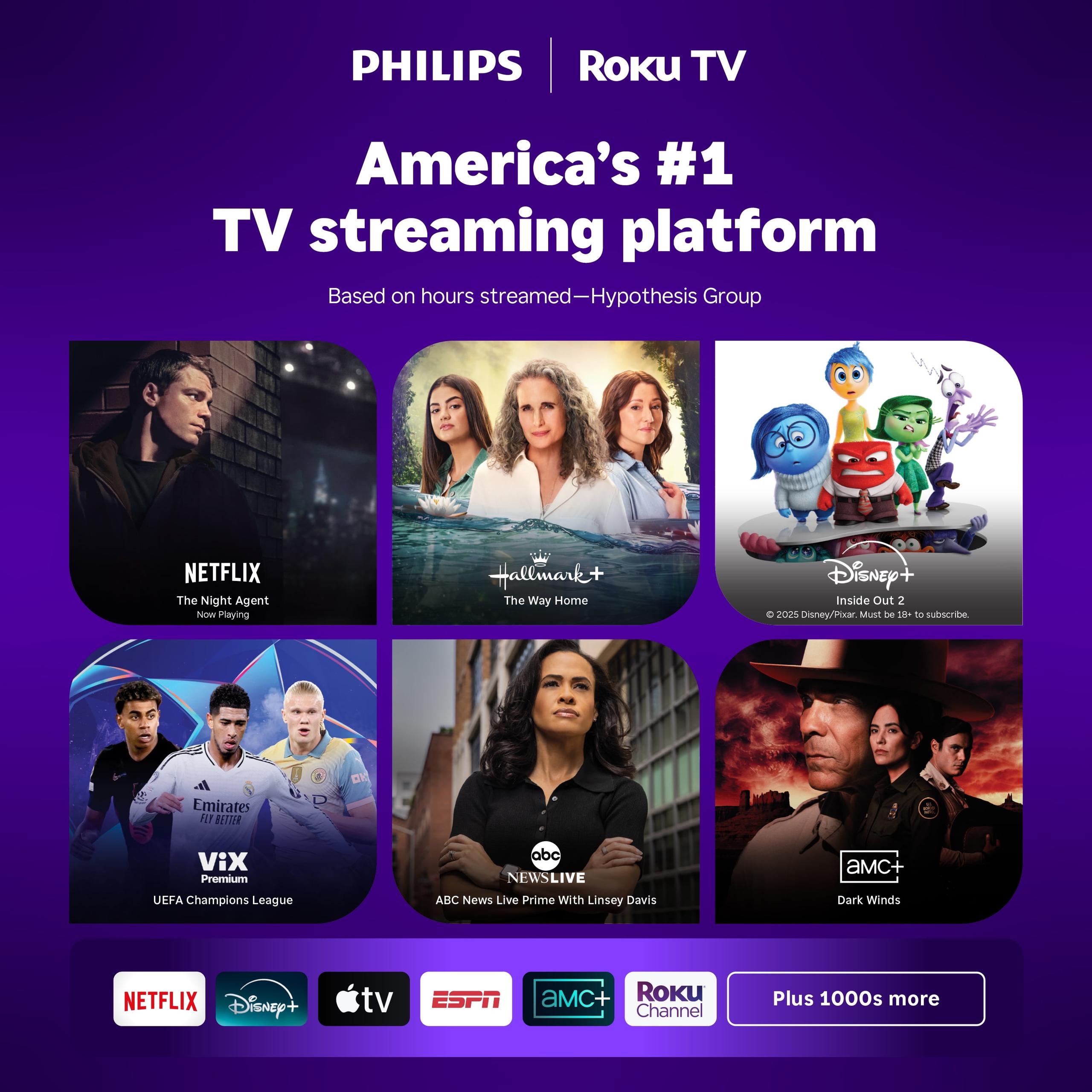
The choice between Roku TV on the Philips and Tizen OS on the Samsung often comes down to personal preference and how much you value simplicity versus advanced features.
Roku TV provides arguably the most intuitive smart TV interface available. Its home screen prioritizes content discovery, making it easy to find shows across different streaming services. The platform receives regular updates and maintains broad app compatibility. For viewers who just want their TV to work without complexity, Roku TV delivers an excellent experience.
Samsung's Tizen OS offers more advanced capabilities at the cost of some complexity. It integrates with Samsung's SmartThings ecosystem, allowing you to control smart home devices directly from your TV. The voice control implementation supports multiple assistants (Bixby, Alexa, Google Assistant), and the platform typically receives new streaming apps faster than competitors.
Tizen also includes unique features like Multi-View, which lets you watch two different video sources simultaneously—useful for sports fans who want to follow multiple games. The gaming hub provides access to cloud gaming services without needing a console.
However, neither platform supports every streaming service equally. Roku has historically had better relationships with certain content providers, while Samsung sometimes gets exclusive early access to new apps.
Audio represents another area where these TVs take different approaches. The Philips 974 includes a 2.1 speaker system with Dolby Atmos support, featuring dedicated speakers plus a built-in subwoofer. This configuration produces more substantial bass and creates a more immersive audio experience compared to typical TV speakers.
The Samsung S85F uses a 2.0 channel system but incorporates advanced audio processing technologies like Object Tracking Sound Lite, which attempts to match audio positioning with on-screen action. Q-Symphony allows the TV to work in tandem with compatible Samsung soundbars, using both the TV speakers and soundbar simultaneously for enhanced sound.
For most viewing, both TVs provide adequate audio quality, though serious home theater enthusiasts will likely add a dedicated sound system regardless. The Philips has a slight edge for viewers planning to rely primarily on built-in audio, while Samsung's Q-Symphony feature offers better upgrade potential if you later add a Samsung soundbar.
Importantly, the Samsung lacks DTS audio passthrough, which could affect compatibility with certain Blu-ray discs and streaming content that use DTS encoding. The Philips handles a broader range of audio formats but doesn't support every DTS variant either.
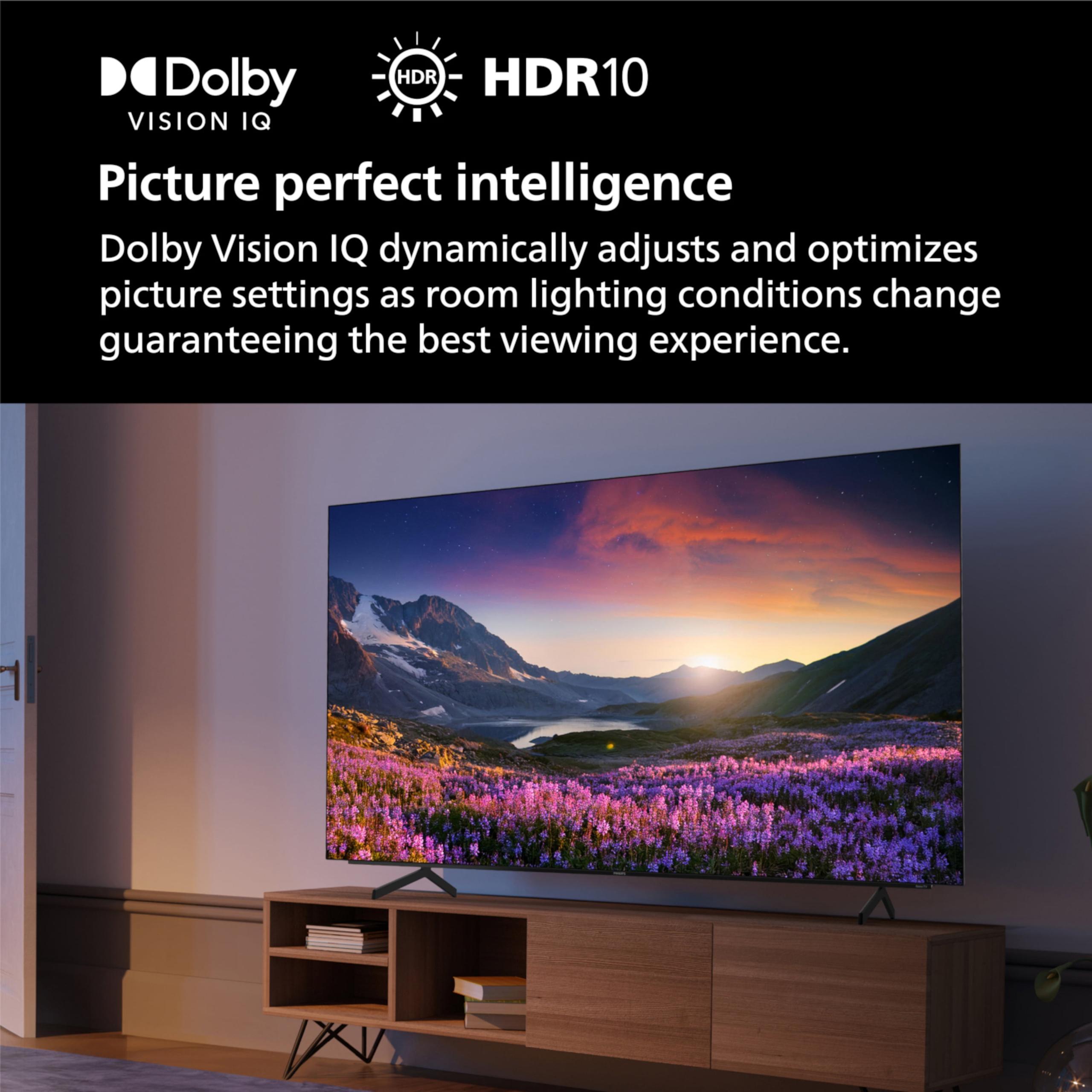
HDR support varies between these models in ways that affect content compatibility. The Philips 974 supports Dolby Vision, HDR10, and HLG, while the Samsung S85F supports HDR10+ instead of Dolby Vision.
Dolby Vision is more widely adopted by streaming services like Netflix, Disney+, and Apple TV+, making it potentially more valuable for future content. HDR10+ serves a similar technical purpose with dynamic tone mapping but has less industry adoption. This difference matters primarily for streaming content, as most 4K Blu-ray discs use HDR10 that both TVs handle well.
However, Samsung's superior brightness makes its HDR implementation more visually impactful despite the format limitation. Bright highlights in HDR content appear more dramatic and closer to real-world brightness levels on the Samsung, even when viewing Dolby Vision content that gets converted to HDR10+.
Your room's lighting conditions should heavily influence your decision between these TVs. The Samsung S85F works well in various lighting environments, from bright living rooms with large windows to dedicated dark home theaters. Its higher peak brightness maintains color vibrancy and contrast even when ambient light is present.
The Philips 974 truly excels only in darker environments where its perfect blacks and natural color accuracy can shine without interference from ambient light. In bright rooms, the limited brightness makes colors appear washed out and reduces overall image impact.
This doesn't mean the Philips is inferior—it's simply optimized for different viewing conditions. In a dedicated home theater with controlled lighting, the Philips can deliver a remarkably cinematic experience that prioritizes accuracy over punch.
Both TVs were released in 2025, representing the current generation of OLED technology. Since OLED technology matured around 2020, yearly improvements have focused more on brightness, gaming features, and smart TV capabilities rather than fundamental display quality changes.
At the time of writing, these models typically price within a few hundred dollars of each other, making features and performance the primary differentiators rather than cost. The Samsung S85F generally offers better overall value for most buyers due to its versatility across different viewing environments and comprehensive feature set.
The Philips 974 represents good value for specific use cases but has limitations that restrict its appeal to niche scenarios. It's worth noting that Philips TVs sold in the US are manufactured by Skyworth under license, while Samsung designs and manufactures its own displays.
The Samsung S85F makes sense for most buyers, particularly those who:
The Philips 974 better serves buyers who:
Based on our research into expert reviews and user experiences, the Samsung S85F emerges as the better choice for most people. Its superior brightness makes it significantly more versatile, while the QD-OLED technology delivers impressive visual impact that makes movies and games more engaging.
The brightness advantage isn't just a minor technical difference—it fundamentally changes how usable the TV is in different environments. Most people don't have perfectly controlled lighting in their homes, making Samsung's adaptability to various conditions more valuable than Philips's excellence in ideal conditions.
However, the Philips 974 isn't without merit. For dedicated home theater setups where lighting can be controlled and color accuracy matters more than visual punch, it offers a compelling alternative at a similar price point.
The technology improvements in 2025 OLED TVs focus heavily on brightness and gaming features, areas where Samsung has invested more heavily. While both TVs deliver the core OLED benefits of perfect blacks and excellent contrast, Samsung's implementation provides a more future-ready package that adapts better to real-world viewing conditions.
Ultimately, your room environment and viewing preferences should guide your decision. If you're unsure, Samsung's S85F provides the safer choice with broader appeal and better versatility for mixed-use scenarios.
| Philips 65OLED974/F7 | Samsung 65" S85F OLED |
|---|---|
| Peak HDR Brightness - Critical for HDR impact and bright room viewing | |
| ~400-500 nits (dim HDR highlights, dark room only) | 777 nits (punchy HDR, works in bright rooms) |
| Panel Technology - Affects color vibrancy and overall picture quality | |
| Traditional OLED (natural, accurate colors) | QD-OLED (vivid, punchy colors with wider gamut) |
| Gaming Refresh Rate - Important for future PC gaming compatibility | |
| 120Hz (handles all current consoles perfectly) | 144Hz (better future-proofing for high-end PC gaming) |
| Smart TV Platform - Daily user experience and app availability | |
| Roku TV (simple, intuitive, excellent content discovery) | Tizen OS (advanced features, smart home integration, faster updates) |
| HDR Format Support - Streaming service compatibility | |
| Dolby Vision, HDR10, HLG (better Netflix/Disney+ compatibility) | HDR10+, HDR10, HLG (no Dolby Vision support) |
| Audio System - Built-in sound quality without external speakers | |
| 2.1 channel with subwoofer + Dolby Atmos (richer bass) | 2.0 channel with Object Tracking Sound (advanced processing) |
| HDMI 2.1 Ports - High-bandwidth gaming and device connections | |
| 2 ports (sufficient for most setups) | 4 ports (excellent for multiple gaming devices) |
| Room Suitability - Where each TV performs best | |
| Dark rooms only (struggles with ambient light) | Any lighting condition (versatile for most homes) |
| Color Accuracy - Important for film enthusiasts and professionals | |
| Excellent out-of-box accuracy (natural, filmmaker intent) | Good accuracy but more saturated (eye-catching but less natural) |
| Gaming Features - Console and PC gaming optimization | |
| AMD FreeSync Premium, VRR, ALLM | Auto Game Mode, VRR, Game Motion Plus, Dynamic Black EQ |
The Samsung S85F is significantly better for bright rooms, achieving 777 nits peak brightness compared to the much dimmer Philips 65OLED974/F7. The Samsung maintains color vibrancy and contrast even with windows open or lights on, while the Philips struggles with glare and appears washed out in well-lit environments.
Yes, both the Philips 65OLED974/F7 and Samsung S85F support 4K gaming at 120Hz with HDMI 2.1 ports. However, the Samsung goes further by supporting 144Hz refresh rates for future PC gaming compatibility, while the Philips maxes out at 120Hz.
The Samsung S85F delivers superior HDR performance due to its much higher peak brightness, making highlights appear more dramatic and impactful. While the Philips 65OLED974/F7 supports Dolby Vision (which Samsung lacks), its limited brightness results in a less impressive HDR experience overall.
The Philips 65OLED974/F7 runs Roku TV, which offers a simpler, more intuitive interface with excellent content discovery. The Samsung S85F uses Tizen OS, providing more advanced features like smart home integration, multiple voice assistants, and typically faster app updates, though it's more complex to navigate.
For dedicated home theaters with controlled lighting, the Philips 65OLED974/F7 excels with its natural color accuracy and perfect blacks. However, the Samsung S85F is more versatile, delivering superior performance in mixed lighting conditions while still providing excellent dark room viewing.
The Philips 65OLED974/F7 has better built-in audio with a 2.1 speaker system including a subwoofer and Dolby Atmos support. The Samsung S85F features a 2.0 system with advanced processing like Object Tracking Sound, but lacks the dedicated subwoofer for deeper bass.
The Philips 65OLED974/F7 supports Dolby Vision, HDR10, and HLG, making it better for Netflix and Disney+ content. The Samsung S85F supports HDR10+ instead of Dolby Vision, which has less widespread adoption among streaming services.
Both the Samsung S85F and Philips 65OLED974/F7 are excellent for console gaming, featuring low input lag, VRR support, and 4K 120Hz compatibility. The Samsung offers more HDMI 2.1 ports (4 vs 2) and additional gaming features like Auto Game Mode.
The Samsung S85F produces more vibrant, punchy colors thanks to its QD-OLED technology, which some viewers prefer for its eye-catching presentation. The Philips 65OLED974/F7 focuses on color accuracy with more natural-looking tones that match filmmaker intentions.
The Samsung S85F handles daytime viewing much better due to its superior brightness capabilities. The Philips 65OLED974/F7 is not recommended for daytime viewing in bright rooms, as it lacks sufficient brightness to overcome glare effectively.
The Samsung S85F provides better overall value for most buyers due to its versatility across different room conditions, superior brightness, and comprehensive gaming features. The Philips 65OLED974/F7 offers good value only for specific dark room viewing scenarios.
Both the Philips 65OLED974/F7 and Samsung S85F offer excellent viewing angles typical of OLED technology, maintaining consistent picture quality when viewed from the sides. This makes both suitable for wide seating arrangements, though the Samsung's higher brightness maintains better image quality in off-angle bright room viewing.
We've done our best to create useful and informative comparisons to help you decide what product to buy. Our research uses advanced automated methods to create this comparison and perfection is not possible - please contact us for corrections or questions. These are the sites we've researched in the creation of this article: rtings.com - versus.com - versus.com - rtings.com - samsclub.com - versus.com - youtube.com - usa.philips.com - bestbuy.com - usa.philips.com - consumerreports.org - usa.philips.com - documents.philips.com - tvoutlet.ca - displayspecifications.com - business.walmart.com - displayspecifications.com - ecoustics.com - walmart.com - rtings.com - samsung.com - youtube.com - rtings.com - youtube.com - samsung.com - bestbuy.com - avsforum.com - avsforum.com - samsung.com - displayspecifications.com - videoandaudiocenter.com - bestbuy.com - flatpanelshd.com - myallsouth.com - samsung.com - richstv.com - samsung.com - heartlandappliance.com

Privacy Policy
Terms and Conditions - Affiliate Policy
Home Security
© Copyright 2008-2026.
11816 Inwood Rd #1211, Dallas, TX 75244