

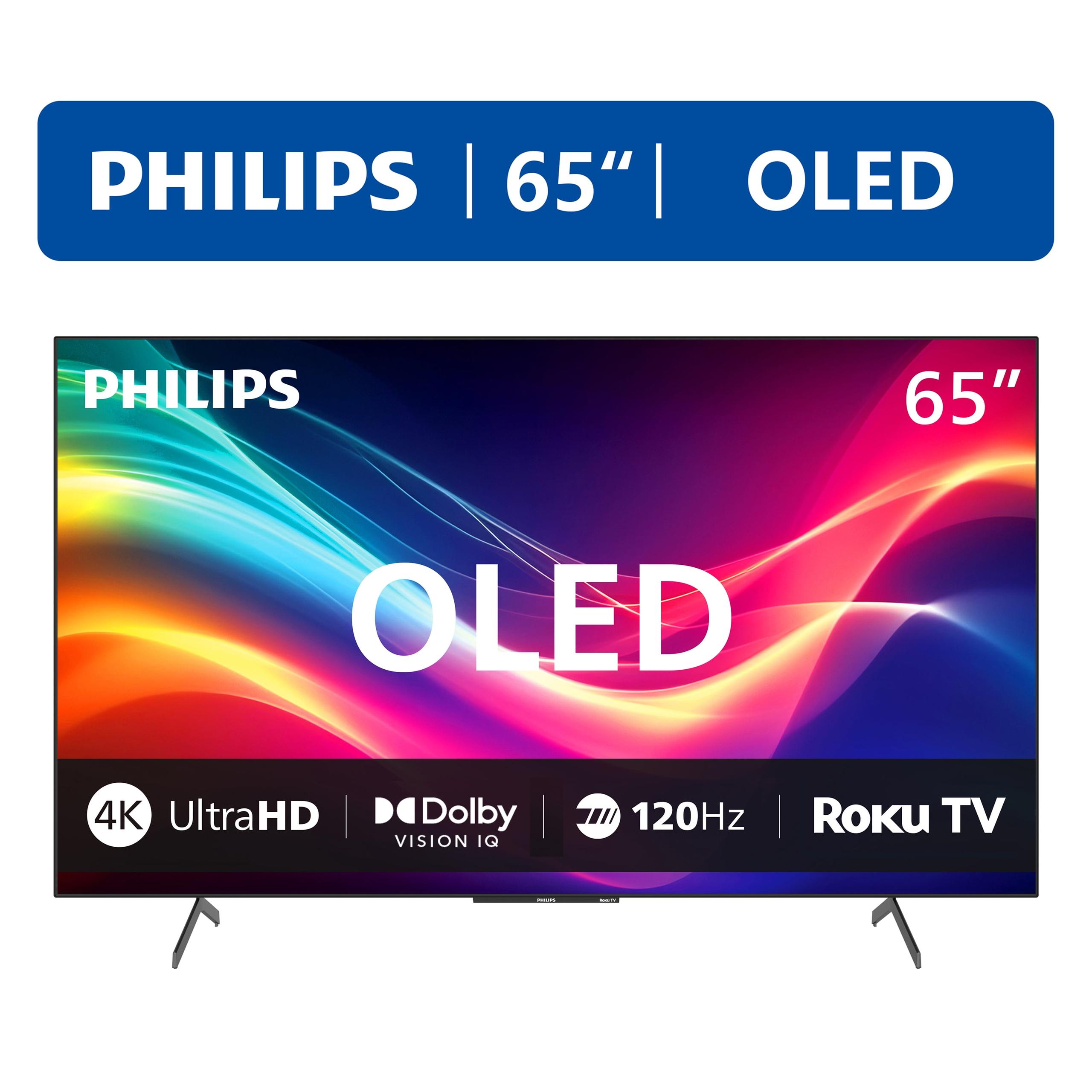

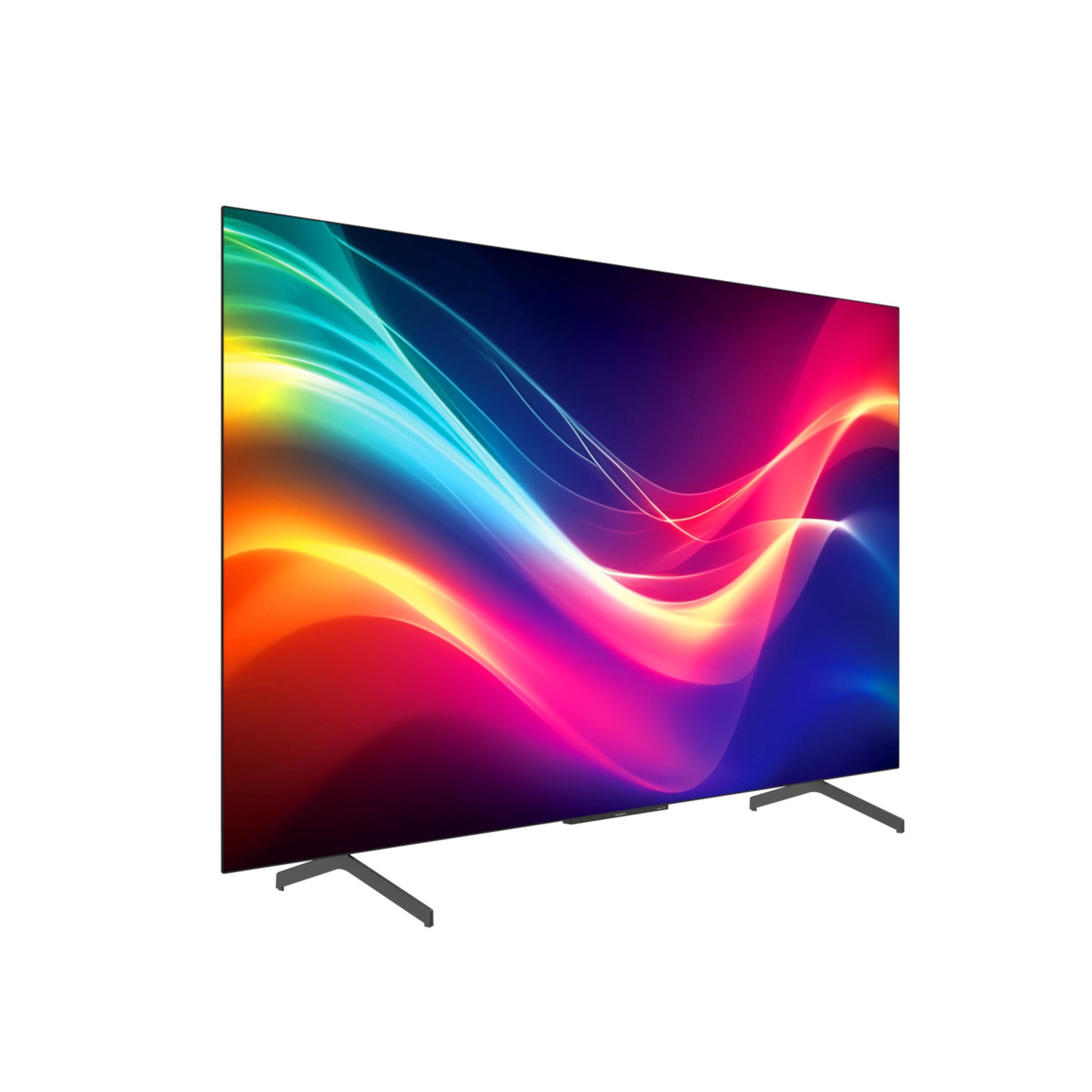
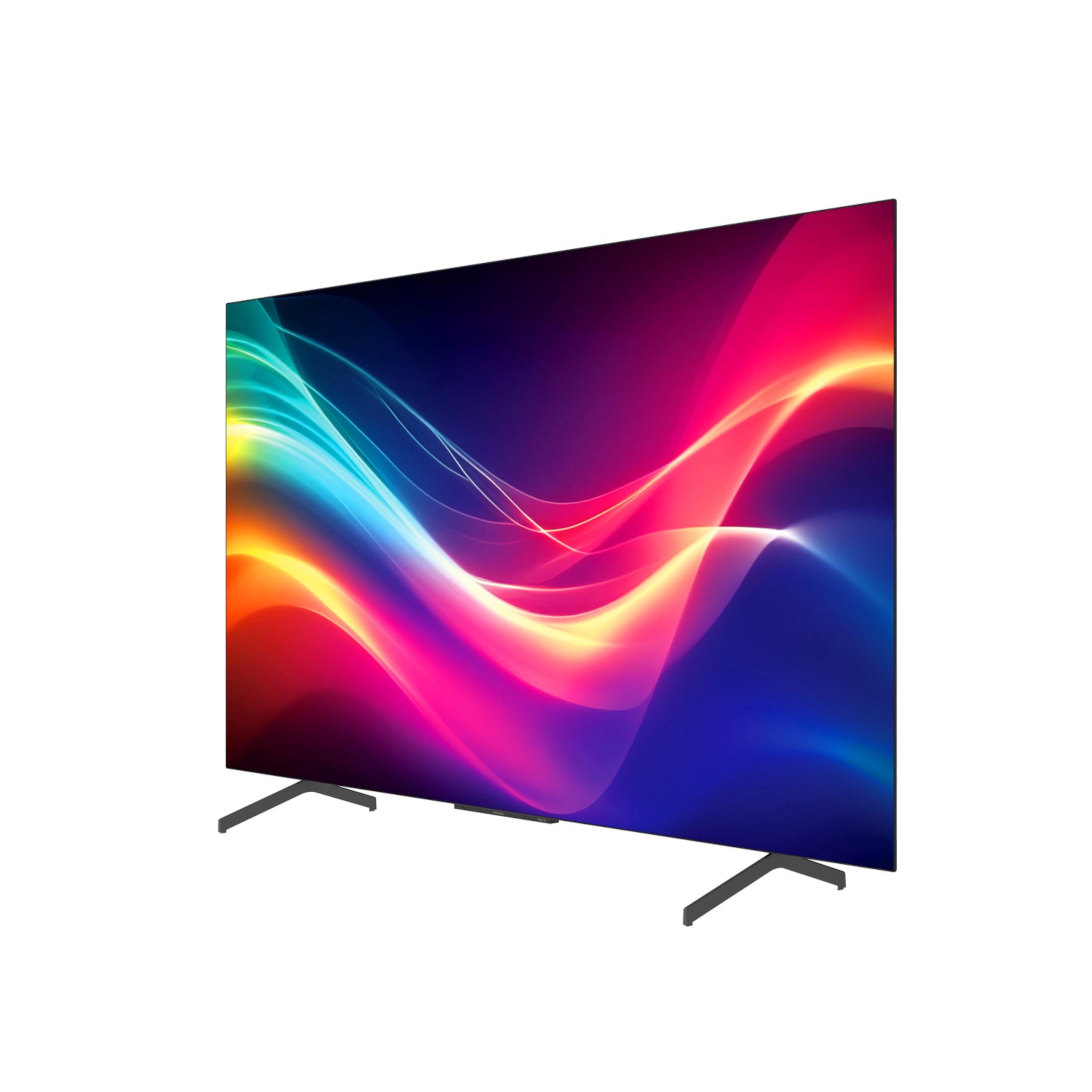


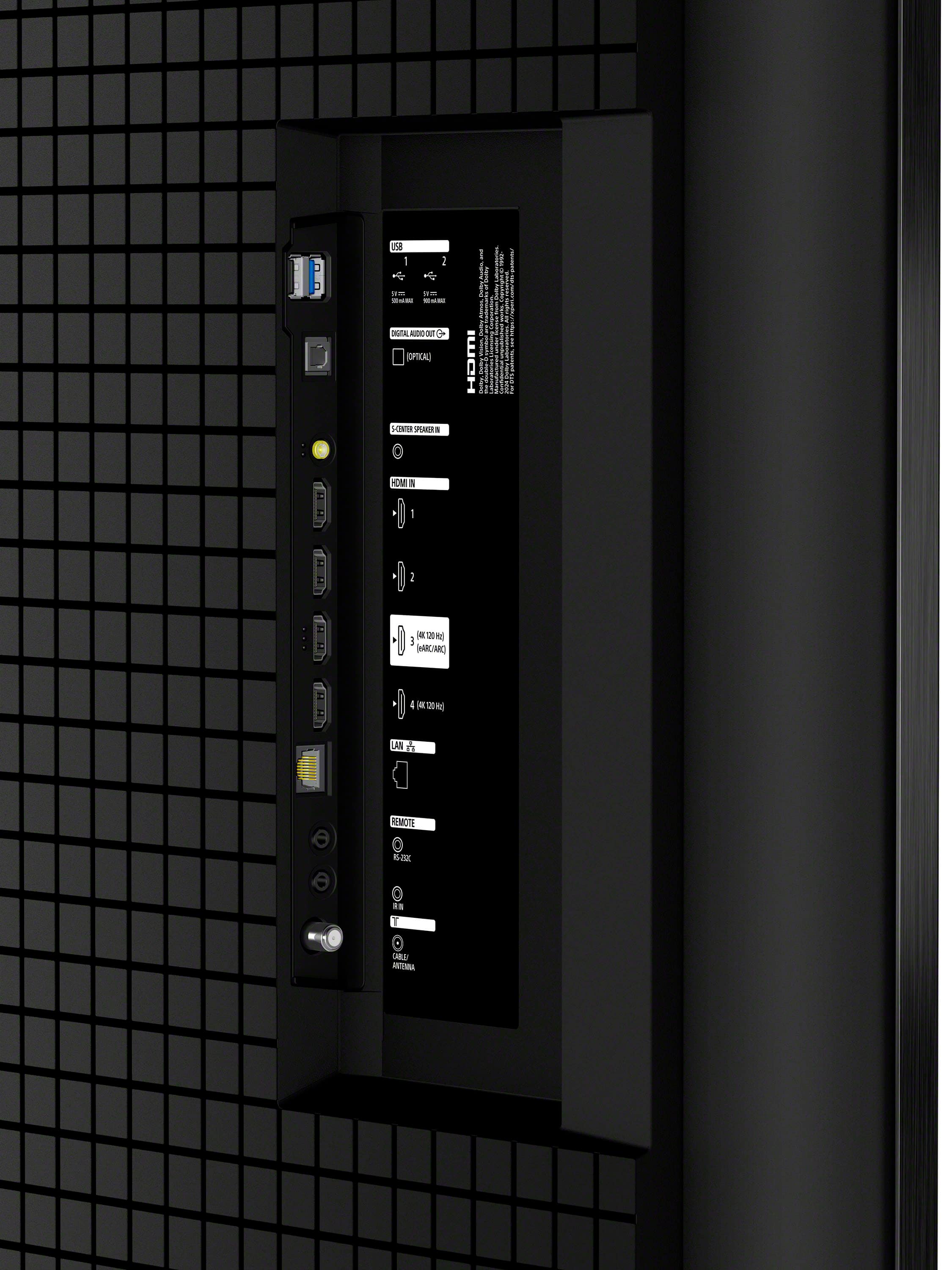
When shopping for a premium 65-inch TV, you'll quickly encounter two fundamentally different display technologies that promise exceptional picture quality. The Philips 65OLED974/F7 represents the OLED camp, while the Sony BRAVIA 5 champions Mini LED technology. Both approaches have passionate advocates, and for good reason—each excels in different scenarios.
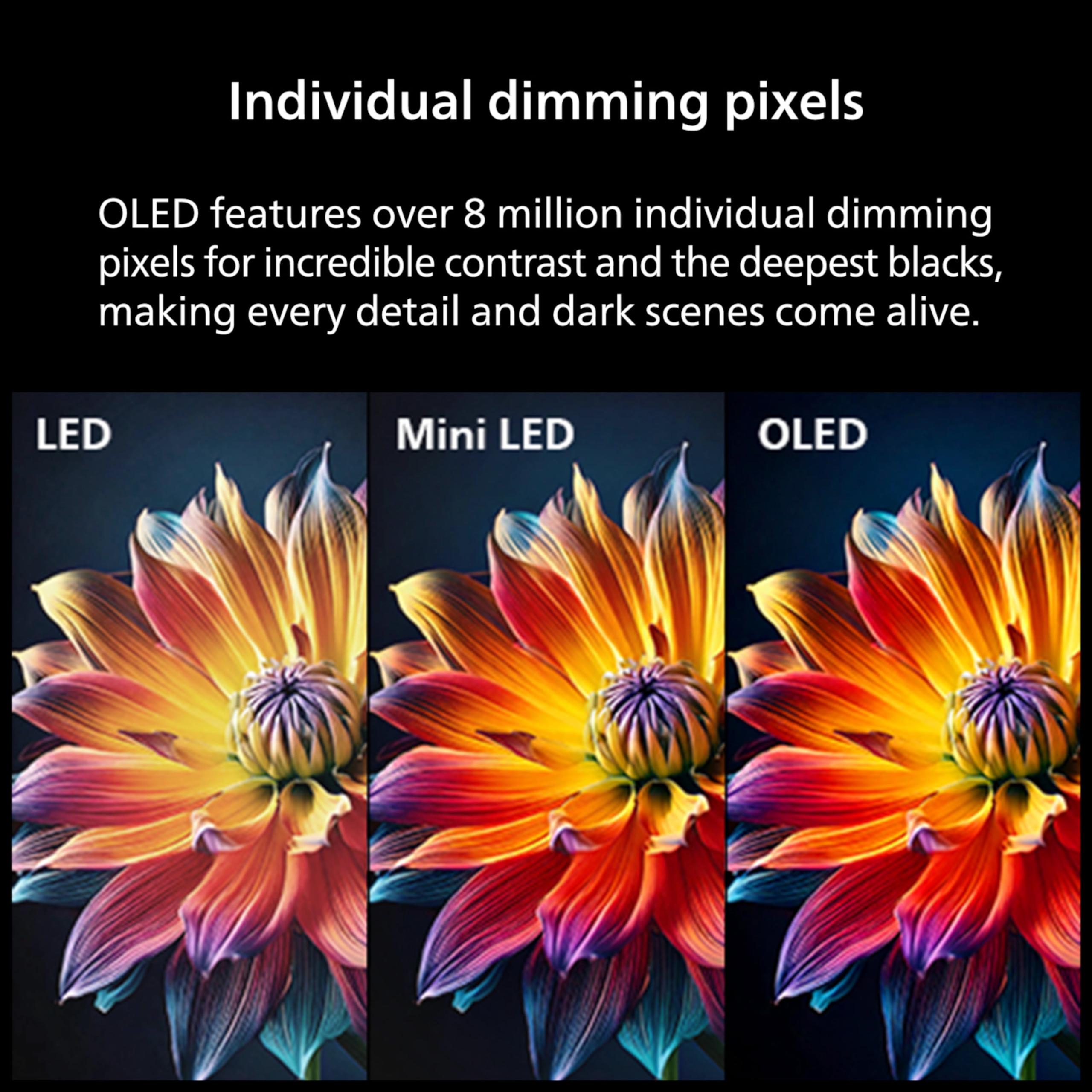
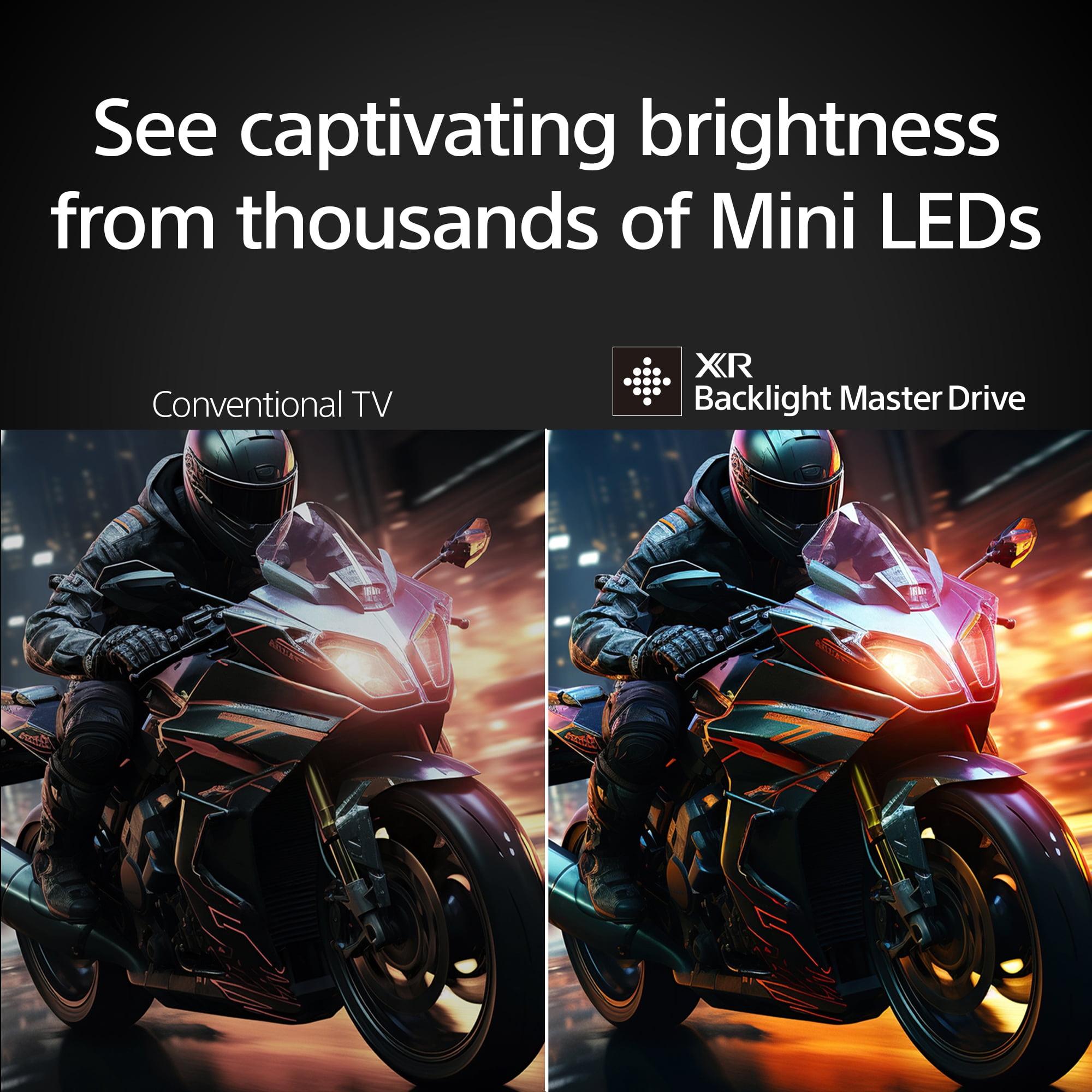
Understanding the difference between these technologies is crucial because it will largely determine how satisfied you'll be with your purchase. OLED (Organic Light-Emitting Diode) displays create light at each individual pixel, allowing them to turn completely off for perfect blacks. Mini LED takes a different approach, using thousands of tiny LED backlights with precise local dimming to achieve impressive contrast while delivering much higher peak brightness than traditional LED displays.
At the time of writing, both TVs occupy the premium segment but approach it from different angles. The Philips 65OLED974/F7 offers OLED technology at a more accessible price point, while the Sony BRAVIA 5 delivers current-generation Mini LED performance with Sony's renowned picture processing.
One crucial factor to consider is when these products were released. The Philips 65OLED974/F7 launched in 2018, making it a six-year-old design that's still available through certain retailers. The Sony BRAVIA 5, by contrast, represents 2025 technology with all the advances that entails.
This generational gap matters significantly. Since 2018, we've seen major improvements in TV processors, smart platforms, gaming features, and HDR implementation. Modern TVs like the Sony BRAVIA 5 benefit from AI-powered picture processing, more sophisticated local dimming algorithms, and comprehensive HDMI 2.1 support that simply wasn't available or refined six years ago.
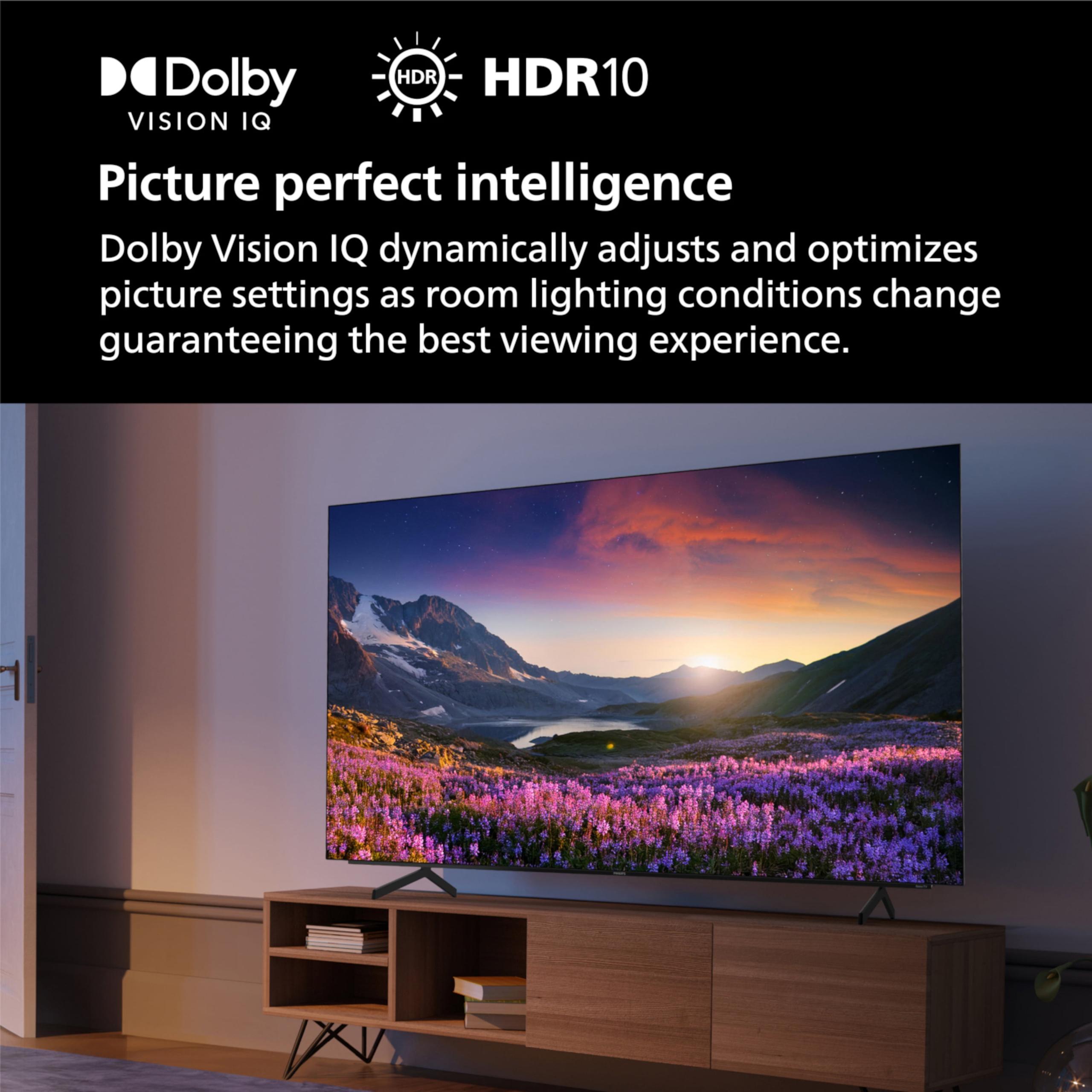
The Philips OLED does include some forward-thinking features for its era, such as AMD FreeSync Premium gaming support and Dolby Vision IQ, which adjusts HDR settings based on ambient lighting. However, its Roku TV platform and overall feature set reflect 2018 capabilities rather than current standards.
The most significant difference between these TVs lies in their brightness capabilities, and it's not even close. The Sony BRAVIA 5 delivers substantially higher peak brightness thanks to its Mini LED backlight system with thousands of individually controlled LEDs. This translates to dramatically better performance in well-lit rooms and more impactful HDR (High Dynamic Range) content.
HDR content is designed to showcase bright highlights alongside deep shadows, mimicking how our eyes see the real world. When a TV can't get bright enough, those spectacular sunset explosions or gleaming metal surfaces in movies look flat and underwhelming. Our research into user and expert reviews consistently shows the Philips OLED struggling in this area—its limited peak brightness makes HDR content appear muted, especially bright scenes that should pop off the screen.
The Sony's Mini LED system excels here because each LED can be controlled independently, allowing specific areas of the screen to get very bright while keeping other areas dark. This creates the contrast needed for compelling HDR while providing enough overall brightness to combat room lighting and glare.
Where the Philips OLED absolutely dominates is in black level performance and overall contrast. Because each OLED pixel generates its own light, it can turn completely off to produce true black—not dark gray, but actual black. This creates an infinite contrast ratio that no backlit display can match.
When watching a movie with dark scenes, like a space thriller or moody drama, the OLED's ability to display perfect blacks creates an almost three-dimensional depth that's genuinely striking. Star fields look like they're floating in space rather than projected on a gray background. Shadow details emerge naturally without the background glow that affects even the best Mini LED displays.
The Sony BRAVIA 5 uses sophisticated local dimming to minimize this issue, and Sony's XR Backlight Master Drive technology represents some of the best Mini LED implementation available. However, it still can't achieve true blacks due to the fundamental nature of backlit displays. You might notice some blooming—a subtle halo effect around bright objects on dark backgrounds—though Sony's processing does an excellent job minimizing this.
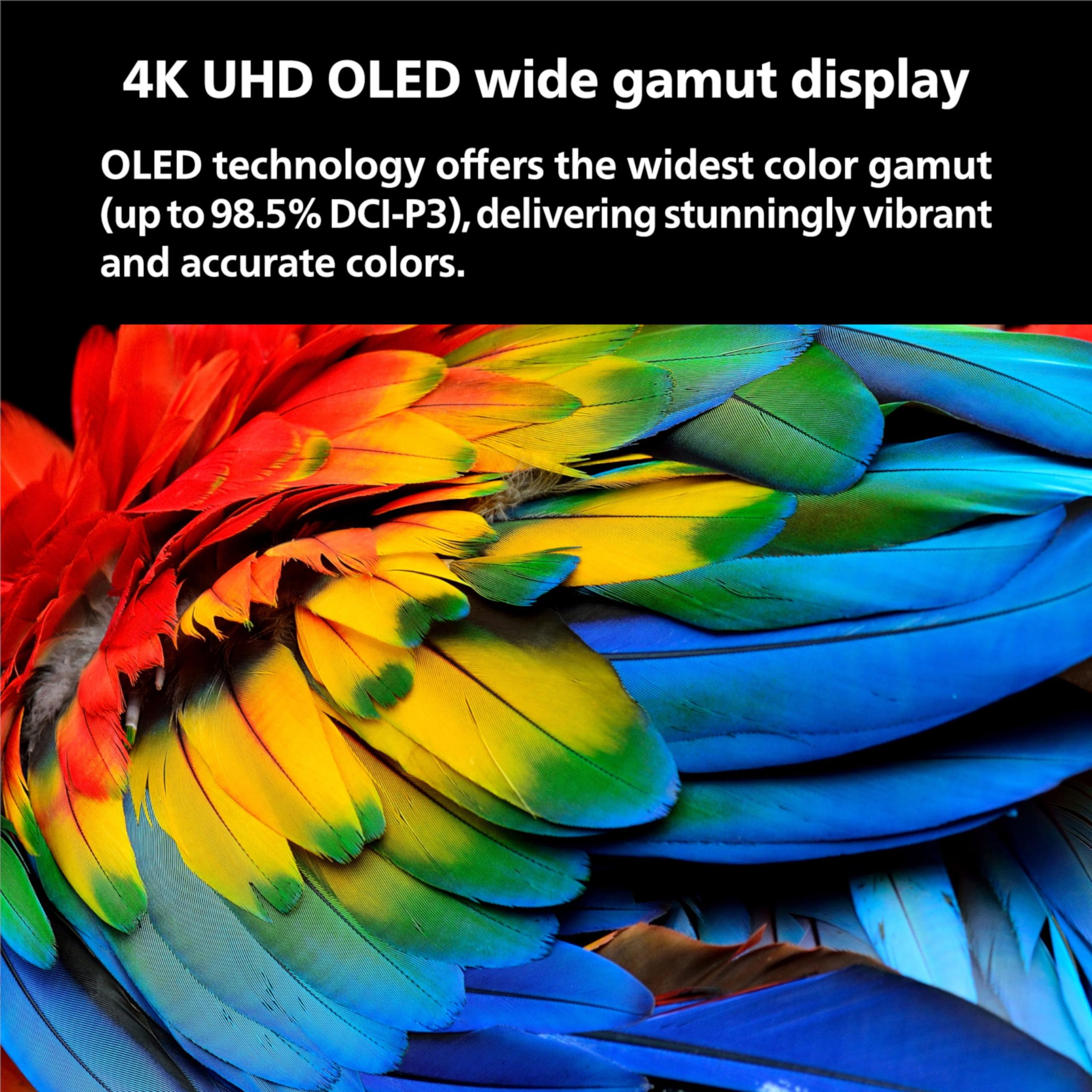
Both TVs deliver impressive color performance, but they approach it differently. The Philips OLED covers up to 98.5% of the DCI-P3 color gamut (the standard used in digital cinema) and delivers excellent out-of-the-box color accuracy in standard dynamic range (SDR) content. Colors look natural and vibrant without appearing oversaturated.
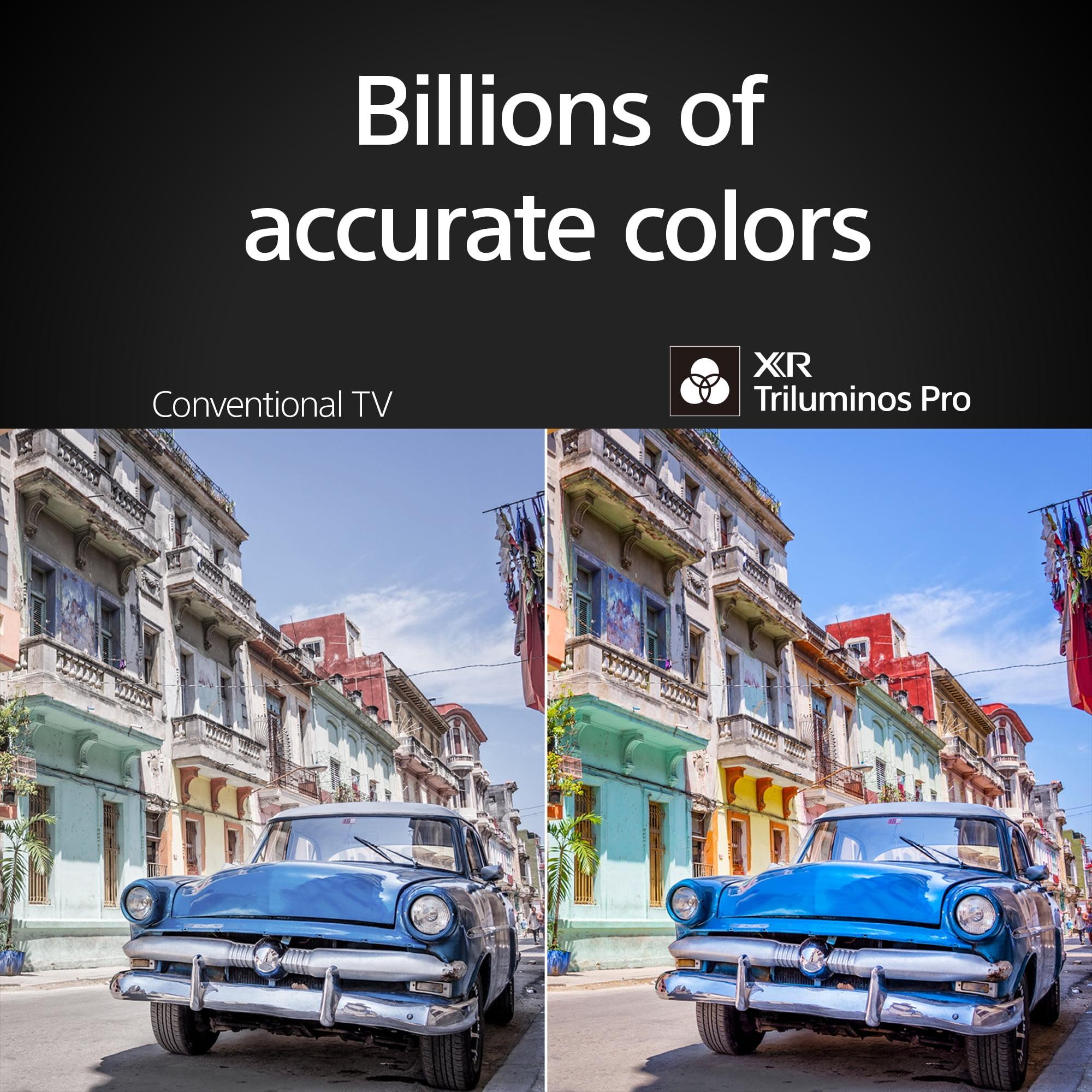
The Sony BRAVIA 5 features XR Triluminos Pro technology combined with Sony's latest XR processor, which uses AI to analyze and enhance every frame in real-time. This isn't just marketing speak—Sony's reputation for picture processing is well-earned, and their processors excel at upscaling lower-quality content and optimizing picture settings for different types of scenes.
Where Sony particularly shines is in handling varied source material. Whether you're watching a Netflix stream, Blu-ray disc, or broadcast TV, the XR processor adapts its enhancement algorithms accordingly. The Philips OLED, while capable, lacks this level of sophisticated processing due to its 2018-era chipset.
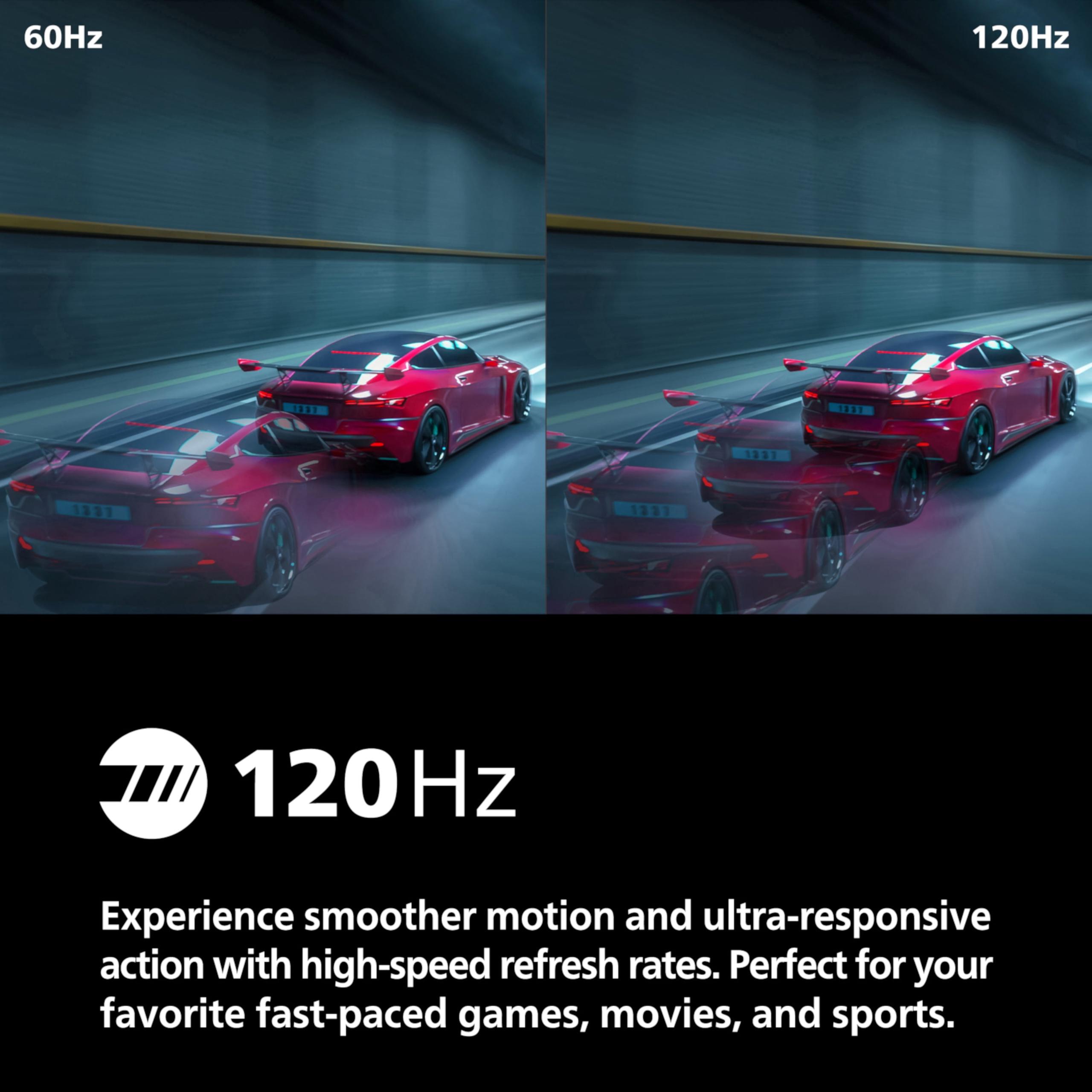
Gaming capabilities have evolved dramatically since 2018, and this shows in the feature comparison between these TVs. Both support 4K gaming at 120Hz, but their implementation and additional gaming features differ significantly.
The Philips OLED offers AMD FreeSync Premium support, which eliminates screen tearing and stuttering by synchronizing the display refresh rate with your graphics card or console output. Its sub-0.1 millisecond response time means virtually no motion blur during fast action sequences—a significant advantage for competitive gaming.
However, the Sony BRAVIA 5 provides more comprehensive modern gaming support. It includes both G-SYNC and HDMI Forum VRR (Variable Refresh Rate) compatibility, Auto Low Latency Mode (ALLM) that automatically switches to game mode when it detects a console signal, and special PlayStation 5 integration features like Auto HDR Tone Mapping and game-specific picture modes.
For PlayStation 5 owners specifically, the Sony offers compelling advantages. The TV automatically optimizes its settings for different game genres and can even function as a center channel speaker when paired with compatible Sony audio equipment—a unique feature for gaming setups.
Both TVs support 4K at 120Hz on multiple HDMI ports, which is essential for getting the most out of PlayStation 5, Xbox Series X, or high-end PC gaming. The choice between them often comes down to your preferred gaming ecosystem and whether you prioritize the OLED's instant response time or the Sony's comprehensive feature set.
The smart TV platforms represent another significant difference that affects daily usability. The Philips OLED runs Roku TV, which remains one of the most user-friendly smart TV interfaces available. Roku's strength lies in its simplicity—finding content across multiple streaming services is straightforward, and the platform includes extensive free content through The Roku Channel.
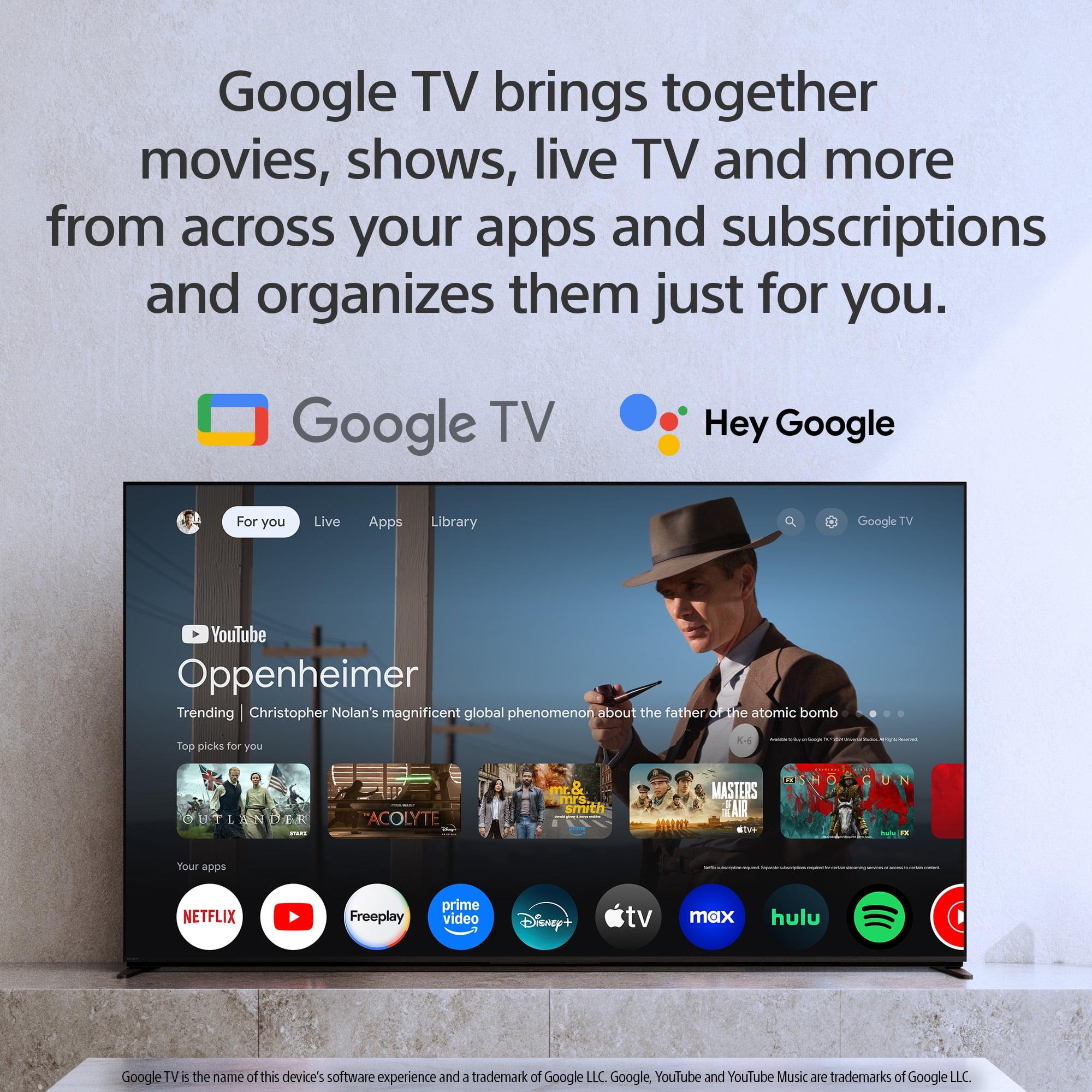
The Sony BRAVIA 5 uses Google TV version 12, which offers deeper integration with Google's ecosystem. If you use Google Assistant, Android devices, or Google's various services, this creates a more seamless experience. Google TV's AI-powered recommendations can be helpful for discovering new content, and the platform generally receives more frequent updates than older Roku implementations.
Voice control represents another differentiator. Sony's Google Assistant integration allows comprehensive voice control of the TV and connected smart home devices. The Philips includes Bluetooth voice control through its remote, but it's more limited in scope and capability.
Audio performance often gets overlooked in TV comparisons, but it significantly impacts the viewing experience, especially for home theater enthusiasts. The Philips OLED includes a 2.1 speaker system with a dedicated subwoofer, providing better bass response than typical TV speakers. This built-in subwoofer makes a noticeable difference for movie soundtracks and music content.
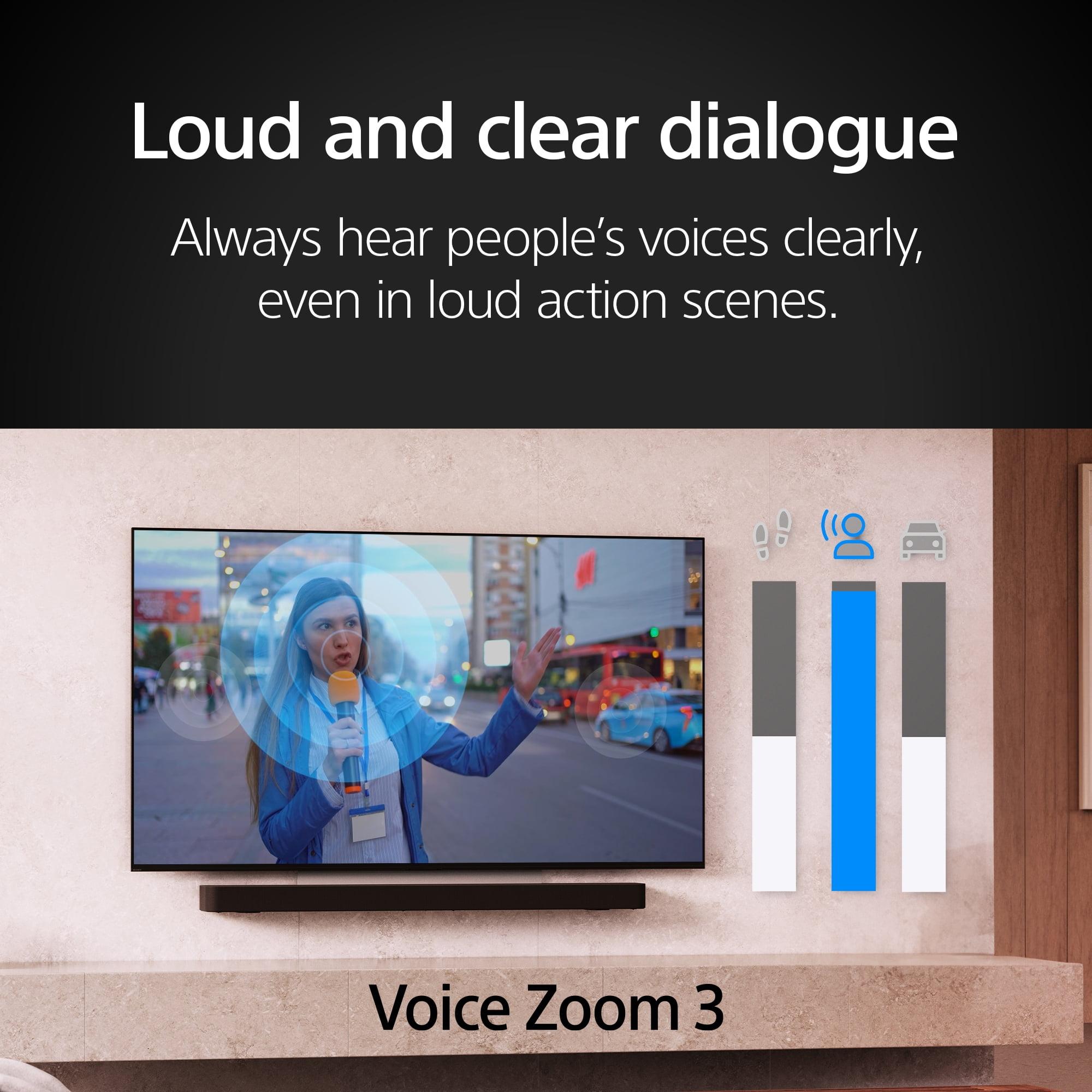
The Sony BRAVIA 5 takes a different approach with its downward-firing speakers and advanced audio processing. Sony's Voice Zoom 3 feature uses AI to enhance dialogue clarity—particularly valuable for movies with complex soundmixes where speech can get buried. The TV also supports Acoustic Center Sync, allowing it to work as a center channel when paired with compatible Sony soundbars.
Both TVs support eARC (enhanced Audio Return Channel) for passing high-quality audio to external sound systems, but the Sony's more recent implementation handles a wider variety of audio formats without issues.
For serious home theater use, most enthusiasts will add a dedicated sound system regardless of the TV's built-in capabilities. However, the Philips' subwoofer integration provides better immediate audio performance out of the box, while the Sony's processing features offer more flexibility for future audio system expansion.
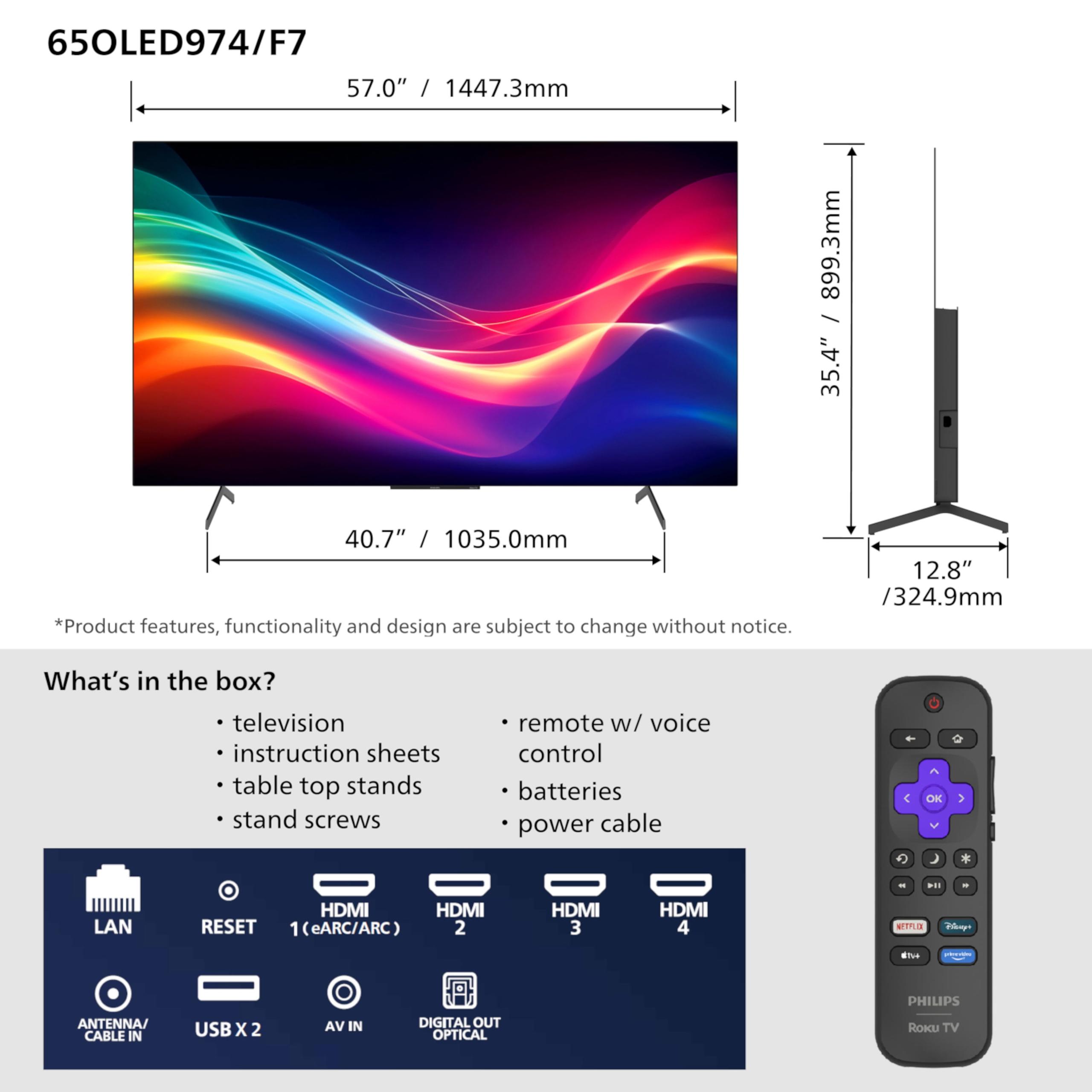
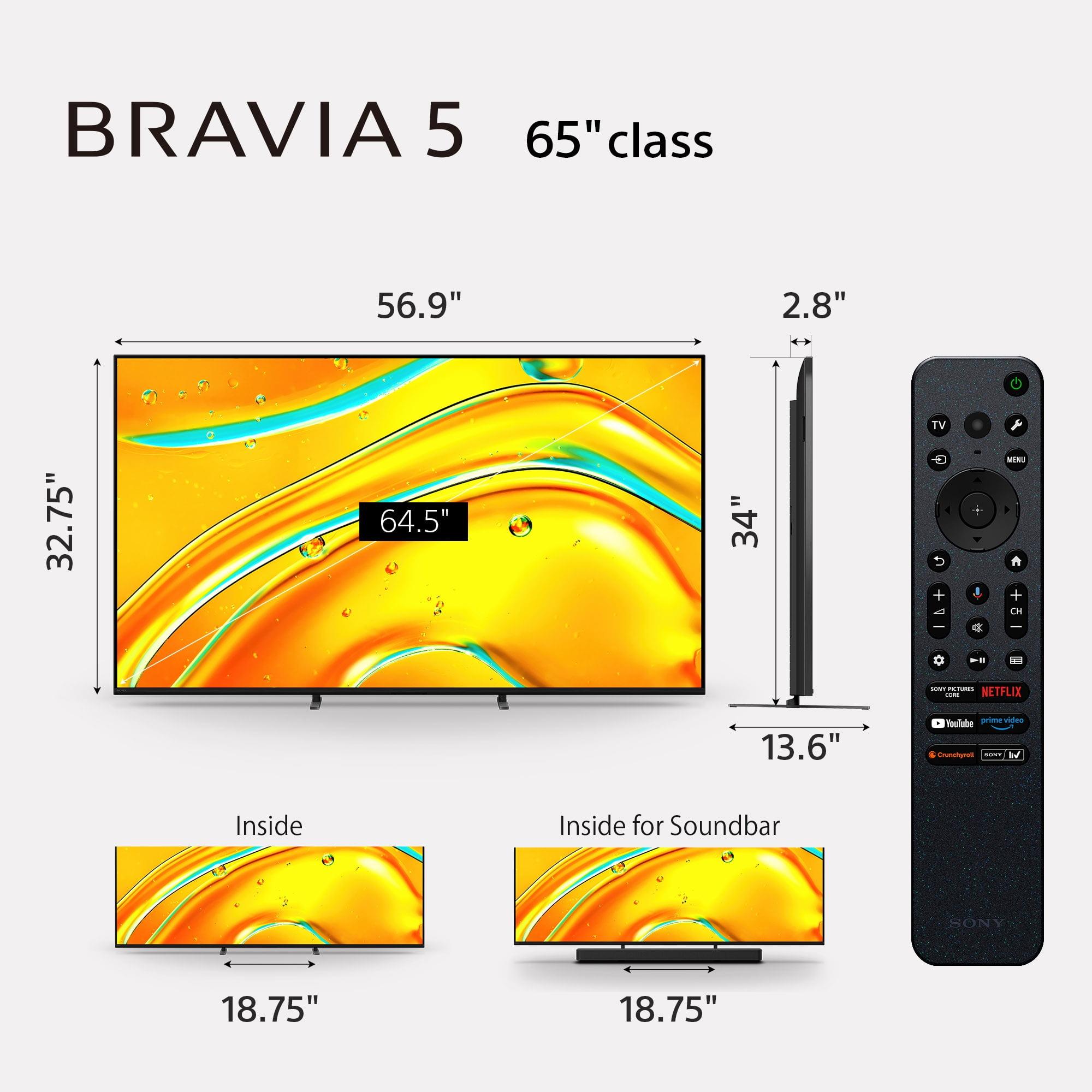
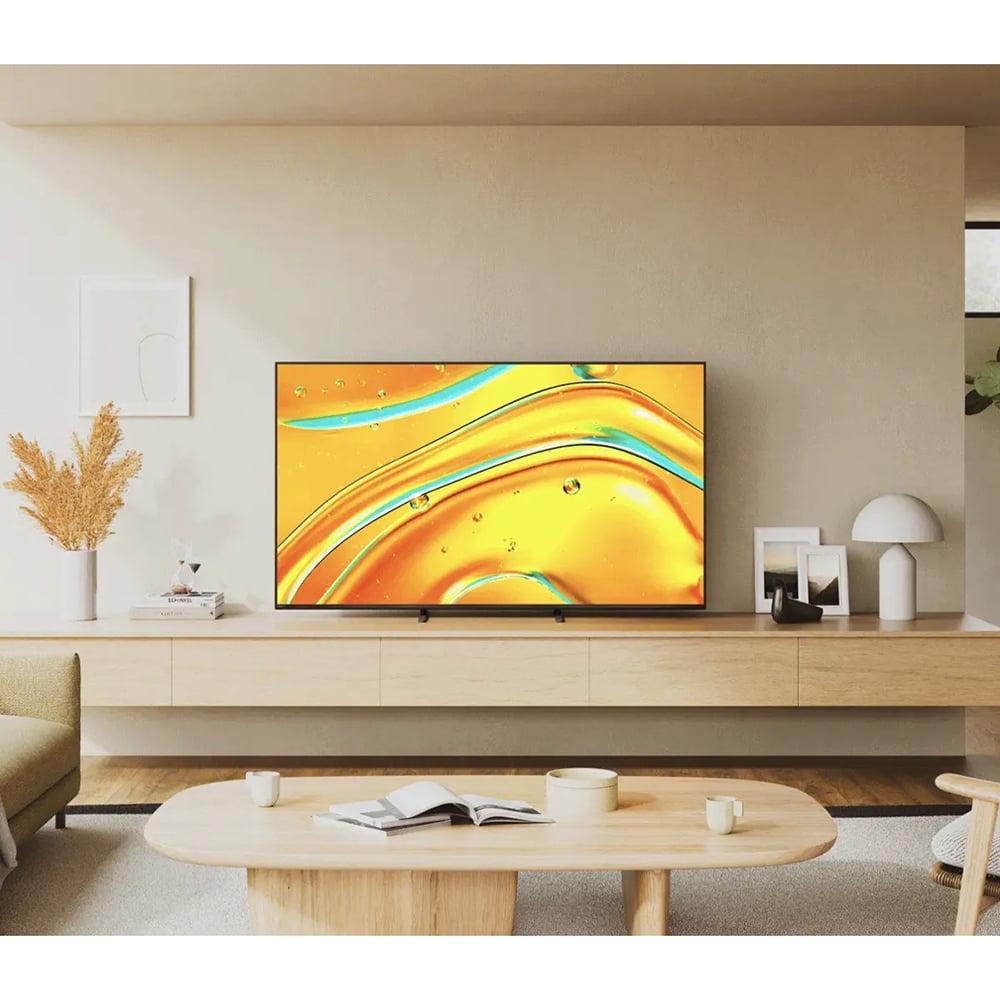
Aesthetically, these TVs reflect their different technologies and eras. The Philips OLED showcases OLED's signature ultra-thin profile at just 2.2 inches deep, with an elegant three-sided borderless design that looks stunning whether wall-mounted or on a stand. This minimalist aesthetic remains appealing and fits well in modern living spaces.
The Sony BRAVIA 5 maintains an attractive contemporary design while accommodating the Mini LED backlight system in a slightly thicker chassis. Sony's One Slate design philosophy minimizes visual distractions, and the included two-way stand offers flexibility for soundbar placement—a practical consideration for home theater setups.
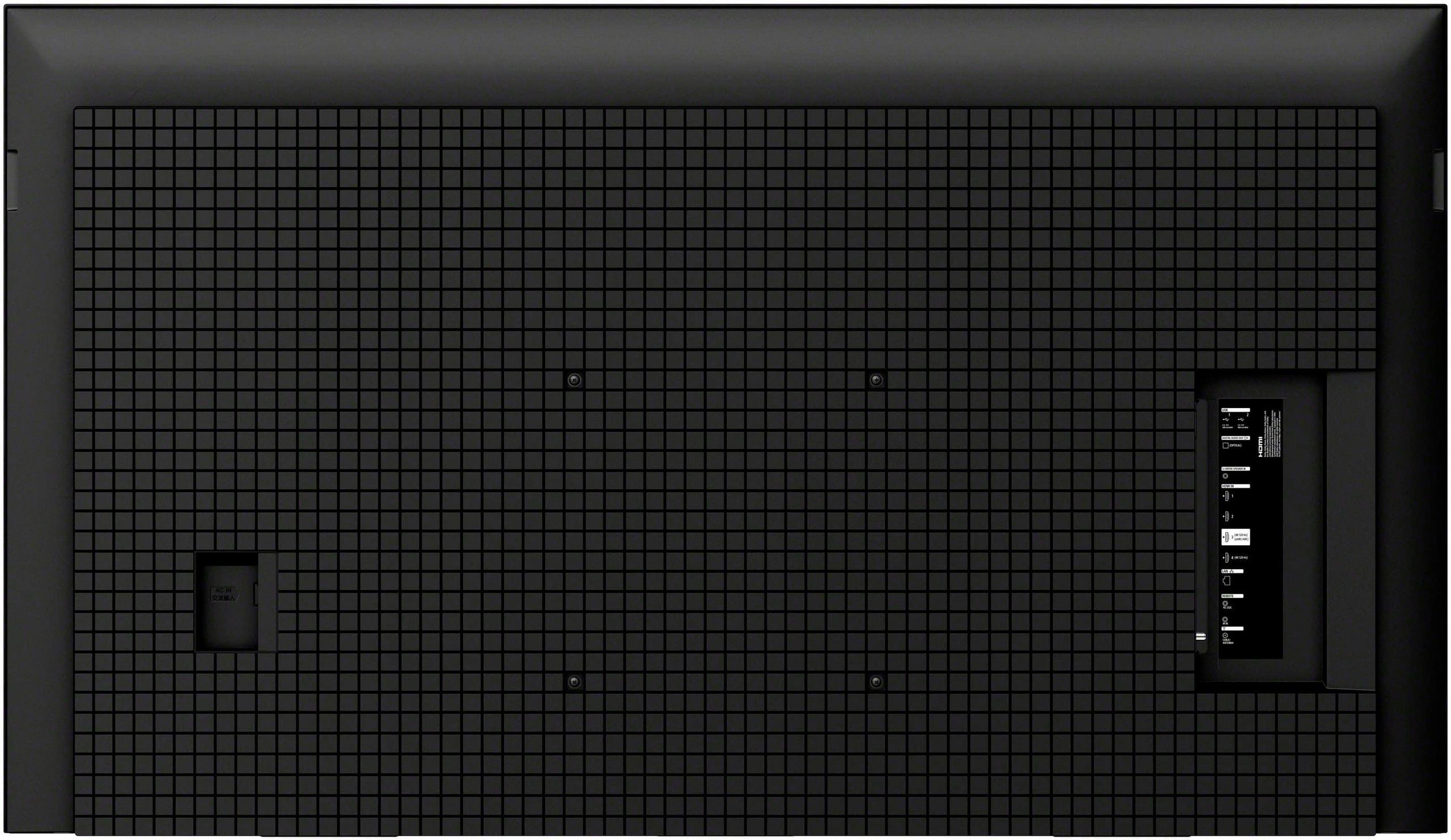
Both TVs support VESA wall mounting, though with different specifications. Build quality appears solid on both models, with the Sony benefiting from more recent manufacturing processes and quality control improvements.
Perhaps the most crucial factor in choosing between these technologies is your viewing environment. Our research consistently shows that room lighting dramatically affects satisfaction with either choice.
The Philips OLED excels in dark or dimly lit rooms where its perfect blacks and excellent shadow detail create an almost cinematic experience. However, it struggles significantly in bright rooms due to its limited peak brightness. Even with decent reflection handling, the TV simply cannot overcome ambient light the way brighter displays can.
The Sony BRAVIA 5 performs much better in varied lighting conditions. Its higher peak brightness allows it to maintain picture quality even with windows or lights in the room. This makes it more versatile for families who watch TV at different times of day or in rooms with significant natural light.
Consider your primary viewing habits honestly. If you mostly watch movies at night with the lights dimmed, the OLED's superior contrast will be more noticeable than its brightness limitations. If you watch TV throughout the day or in a bright living room, the Sony's brightness advantage becomes crucial for enjoying your investment.
The six-year age gap between these products raises important questions about long-term value. The Philips OLED represents mature 2018 technology that may have limited future software update support. While Roku TV platforms generally receive updates for several years, the underlying hardware and processing capabilities reflect older standards.
The Sony BRAVIA 5 offers more future-proofing with current-generation processing, comprehensive HDMI 2.1 implementation, and a modern smart platform likely to receive updates for many years. This matters for long-term satisfaction as streaming services evolve and new features become standard.
At the time of writing, pricing reflects this technology gap, with the Philips often available at significantly lower prices than the Sony. However, the value equation depends heavily on your priorities and viewing environment.
After extensive research into user experiences and expert evaluations, clear patterns emerge for who should choose each TV.
Choose the Philips 65OLED974/F7 if you primarily watch content in dark rooms, prioritize perfect black levels and contrast for movie viewing, prefer Roku's straightforward interface, and want to experience OLED technology at a more accessible price point. The TV excels for dedicated home theater rooms or bedrooms where lighting can be controlled.
Choose the Sony BRAVIA 5 if you watch TV in bright rooms, want impactful HDR performance with vibrant highlights, prefer Google's ecosystem integration, need current-generation features and processing, or value Sony's reputation for picture quality and long-term support. This TV works better for main living areas with varied lighting conditions.
The technology gap cannot be ignored—while the Philips offers compelling OLED advantages, the Sony represents six years of advancement in TV technology. For most buyers, the Sony's brightness, modern features, and longer support lifecycle provide better long-term value despite its higher initial cost.
However, if you have a dedicated dark viewing space and prioritize the dramatic contrast that only OLED can deliver, the Philips remains a compelling choice that demonstrates why OLED technology earned its premium reputation. The perfect blacks and infinite contrast still look remarkable, even from a 2018-era implementation.
Both TVs can deliver excellent experiences in the right circumstances—the key is honestly assessing your viewing environment, content preferences, and feature priorities to determine which technology better matches your needs.
| Philips 65OLED974/F7 | Sony BRAVIA 5 Mini LED |
|---|---|
| Display Technology - Fundamentally determines picture quality characteristics | |
| OLED with perfect blacks and infinite contrast | Mini LED with thousands of local dimming zones |
| Peak Brightness - Critical for bright rooms and HDR impact | |
| Poor brightness, unsuitable for well-lit rooms | Significantly brighter, excellent for varied lighting |
| Black Level Performance - Essential for dark scene detail and contrast | |
| Perfect blacks with pixels that turn completely off | Very good blacks but limited by backlight bleed |
| Response Time - Important for gaming and fast motion | |
| <0.1ms (virtually instantaneous for gaming) | Slower pixel transitions (good but not exceptional) |
| Gaming Features - Modern console compatibility | |
| AMD FreeSync Premium, VRR, ALLM, 4K@120Hz | G-SYNC/VRR, ALLM, PS5 optimization, 4K@120Hz |
| Smart Platform - Daily usability and app ecosystem | |
| Roku TV (simple interface, extensive free content) | Google TV 12 (AI recommendations, Google ecosystem) |
| Audio System - Built-in sound quality | |
| 2.1 system with dedicated subwoofer, Dolby Atmos | Downward-firing speakers, Voice Zoom 3, DTS:X |
| Release Year - Affects features and long-term support | |
| 2018 (mature but older technology) | 2025 (current-generation features and processing) |
| HDR Performance - Movie and streaming content quality | |
| Muted highlights due to brightness limitations | Impactful HDR with bright, vibrant highlights |
| Color Accuracy - Out-of-box picture quality | |
| Excellent SDR accuracy, 98.5% DCI-P3 coverage | XR Triluminos Pro with AI processing enhancement |
| Ideal Viewing Environment - Where each TV performs best | |
| Dark rooms where perfect blacks shine | Bright rooms where high brightness overcomes glare |
| Design Profile - Physical appearance and mounting | |
| Ultra-thin 2.2" OLED panel, 3-sided borderless | Contemporary design with 2-way stand flexibility |
The Sony BRAVIA 5 Mini LED is significantly better for bright rooms due to its much higher peak brightness. The Philips 65OLED974/F7 struggles with brightness and is unsuitable for well-lit environments, despite having decent reflection handling. If you watch TV during the day or have windows in your viewing room, the Sony BRAVIA 5 will provide a much better experience.
OLED displays like the Philips 65OLED974/F7 have pixels that emit their own light and can turn completely off for perfect blacks. Mini LED TVs like the Sony BRAVIA 5 use thousands of tiny LED backlights with local dimming for enhanced brightness and contrast. OLED excels in dark rooms with superior contrast, while Mini LED performs better in bright environments with higher peak brightness.
Both TVs support 4K gaming at 120Hz, but they offer different gaming features. The Philips OLED includes AMD FreeSync Premium and has an ultra-fast <0.1ms response time. The Sony BRAVIA 5 offers G-SYNC/VRR support, PlayStation 5 optimization features, and Auto Low Latency Mode. For PS5 specifically, the Sony BRAVIA 5 provides better integration and optimization.
The Philips 65OLED974/F7 uses Roku TV, which offers a simple interface and extensive free content through The Roku Channel. The Sony BRAVIA 5 runs Google TV 12 with AI-powered recommendations and deeper Google ecosystem integration. Roku is more straightforward, while Google TV offers more advanced features and smart home connectivity.
The Philips 65OLED974/F7 is superior for dark room movie watching due to its perfect black levels and infinite contrast ratio. OLED technology creates exceptional depth and shadow detail that the Sony BRAVIA 5 cannot match, despite Sony's excellent local dimming. For dedicated home theater rooms with controlled lighting, the Philips OLED delivers a more cinematic experience.
The age difference is significant - the Philips 65OLED974/F7 is from 2018 while the Sony BRAVIA 5 represents 2025 technology. This six-year gap means the Sony BRAVIA 5 has more advanced processing, better smart features, comprehensive HDMI 2.1 support, and longer software update support. The newer technology provides better future-proofing and overall capabilities.
The Philips 65OLED974/F7 includes a 2.1 speaker system with a dedicated subwoofer, providing better bass response than typical TV speakers. The Sony BRAVIA 5 features downward-firing speakers with Voice Zoom 3 for enhanced dialogue clarity using AI processing. Both support Dolby Atmos, but the Philips OLED offers more impactful built-in audio out of the box.
Both TVs support HDR formats including Dolby Vision and HDR10, but their performance differs significantly. The Sony BRAVIA 5 delivers much more impactful HDR with brighter highlights that make content pop. The Philips 65OLED974/F7 struggles with HDR brightness, causing highlights to appear muted and reducing the overall HDR impact, especially in well-lit rooms.
Value depends on your viewing environment and priorities. The Philips 65OLED974/F7 typically costs less and offers OLED technology at an accessible price point, making it good value for dark room viewing. The Sony BRAVIA 5 costs more but provides current-generation technology, better brightness, and longer support lifecycle, offering better long-term value for most users.
Yes, both TVs handle 4K content well, but their upscaling capabilities differ. The Sony BRAVIA 5 features Sony's latest XR processor with AI-powered upscaling that excels at improving lower-quality content. The Philips 65OLED974/F7 provides acceptable upscaling but lacks the advanced processing of the newer Sony BRAVIA 5, which better handles varied source material.
For sports, the choice depends on your room lighting. The Sony BRAVIA 5 is better for bright rooms due to superior peak brightness and better glare handling. The Philips 65OLED974/F7 offers faster motion handling with its sub-0.1ms response time and wide viewing angles, making it excellent for sports in darker environments. Both provide smooth 120Hz motion for fast-paced action.
For a dedicated home theater with controlled lighting, the Philips 65OLED974/F7 provides superior contrast and perfect blacks that create a more cinematic experience. However, if your theater room has any ambient light or you want the latest features and processing, the Sony BRAVIA 5 offers better overall performance with its advanced Mini LED technology and current-generation capabilities.
We've done our best to create useful and informative comparisons to help you decide what product to buy. Our research uses advanced automated methods to create this comparison and perfection is not possible - please contact us for corrections or questions. These are the sites we've researched in the creation of this article: rtings.com - versus.com - versus.com - rtings.com - samsclub.com - versus.com - youtube.com - usa.philips.com - bestbuy.com - usa.philips.com - consumerreports.org - usa.philips.com - documents.philips.com - tvoutlet.ca - displayspecifications.com - business.walmart.com - displayspecifications.com - ecoustics.com - walmart.com - rtings.com - pro.sony - youtube.com - electronics.sony.com - electronics.sony.com - electronics.sony.com - bestbuy.com - electronics.sony.com - youtube.com - bestbuy.com - videoandaudiocenter.com - valueelectronics.com - youtube.com - sony.ca - perpichtv.com - sony.com - displayspecifications.com - pioneertvandappliance.com - flatpanelshd.com

Privacy Policy
Terms and Conditions - Affiliate Policy
Home Security
© Copyright 2008-2026.
11816 Inwood Rd #1211, Dallas, TX 75244