


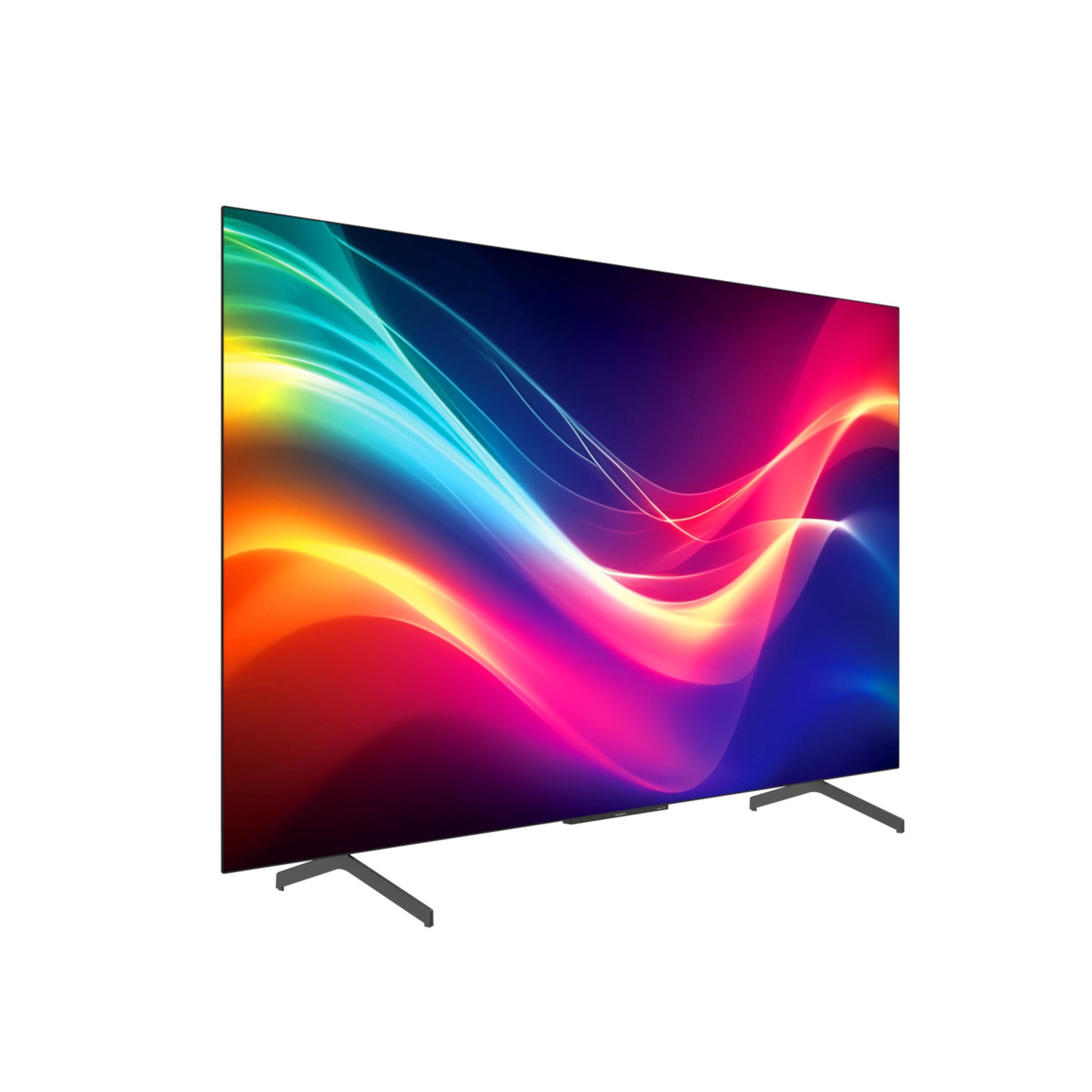
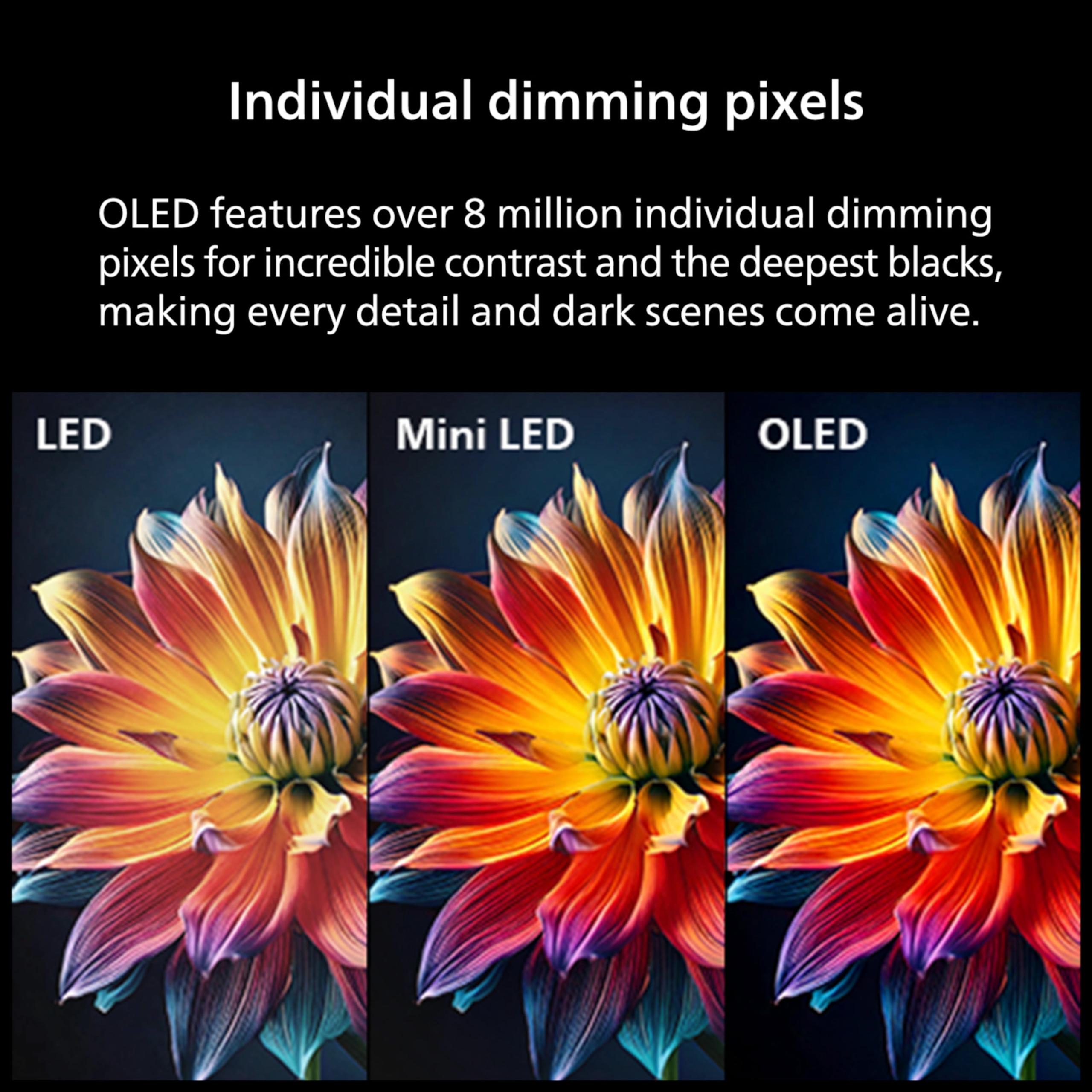
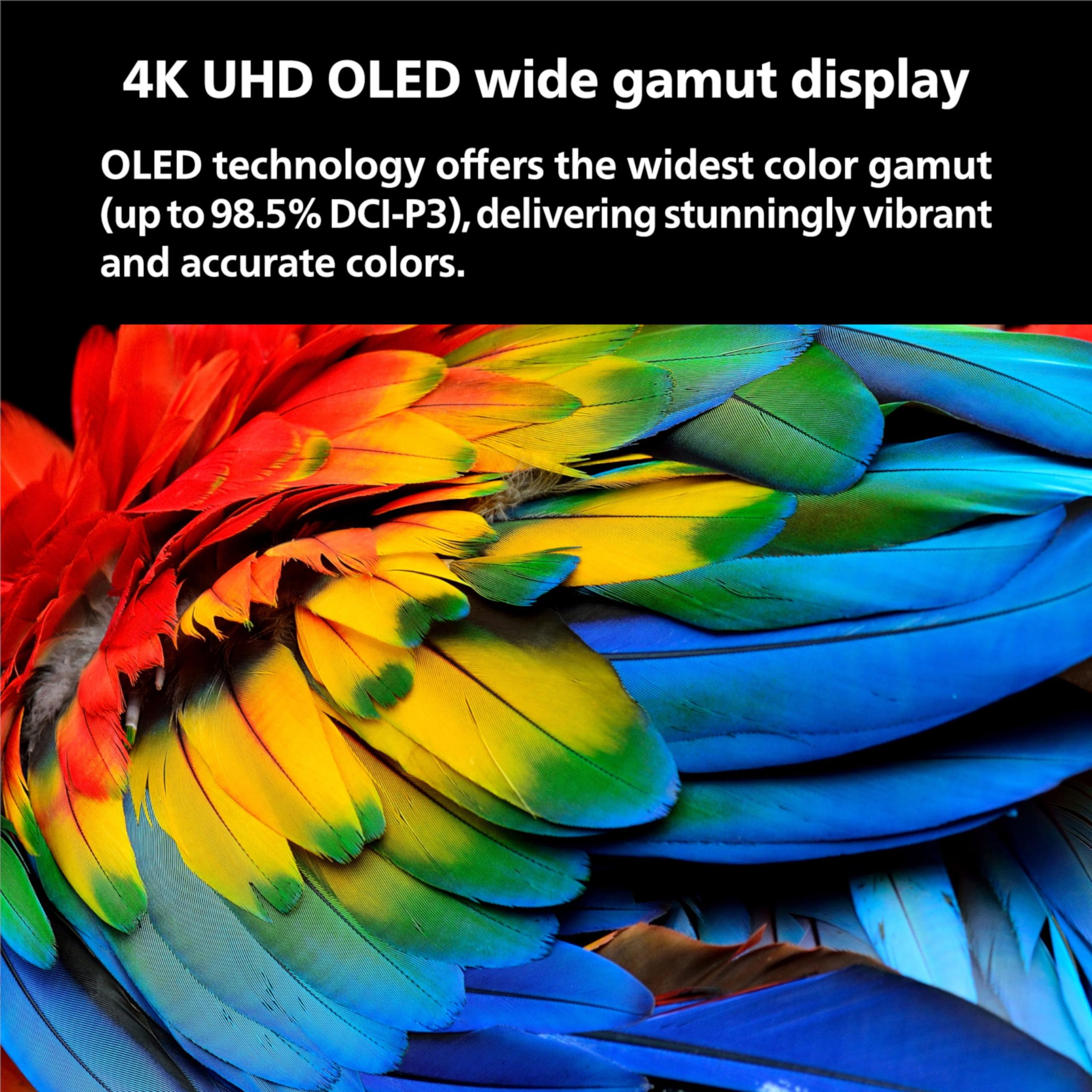
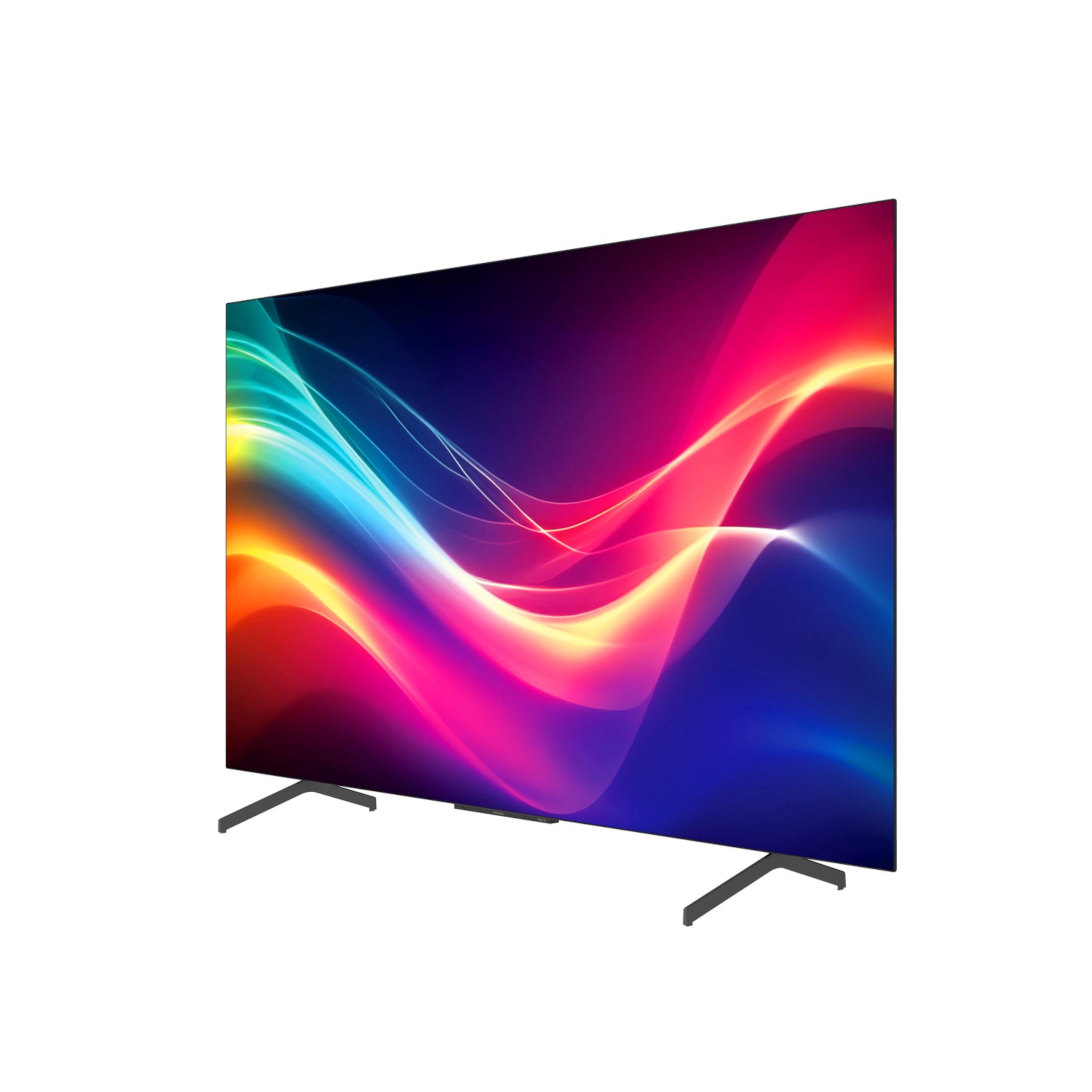



OLED TVs represent the gold standard in home entertainment displays, and for good reason. Unlike traditional LED-LCD TVs that rely on backlighting, OLED panels feature millions of self-illuminating pixels that can turn completely off to create perfect blacks and infinite contrast ratios. This technology delivers the kind of picture quality that makes movies feel more cinematic and games more immersive.
But here's the thing about OLED TVs in 2025: not all models are created equal. The technology has evolved rapidly, creating significant performance gaps between budget-friendly options and flagship models. Today we're comparing two 65-inch OLED TVs that perfectly illustrate this divide: the budget-conscious Philips 65OLED974/F7 and the premium Panasonic Z95B.
When evaluating OLED TVs, several key factors determine whether you'll love or regret your purchase. Peak brightness is arguably the most critical specification – it determines how well the TV handles bright rooms and how impactful HDR (High Dynamic Range) content appears. HDR content is designed to show a wider range of brightness and color than standard video, making highlights appear more realistic and colors more vibrant.
Gaming performance has become increasingly important as modern consoles like the PlayStation 5 and Xbox Series X can output 4K resolution at high frame rates. Features like VRR (Variable Refresh Rate) eliminate screen tearing by syncing the TV's refresh rate with the gaming console's output, while low input lag ensures your controller inputs register immediately on screen.
The smart TV platform – essentially the operating system that runs streaming apps – can make or break your daily experience. Some platforms are snappy and intuitive, while others feel sluggish and frustrating.
Finally, audio quality often gets overlooked, but it's crucial for the overall entertainment experience. Many TVs have mediocre built-in speakers, forcing you to buy a separate soundbar.
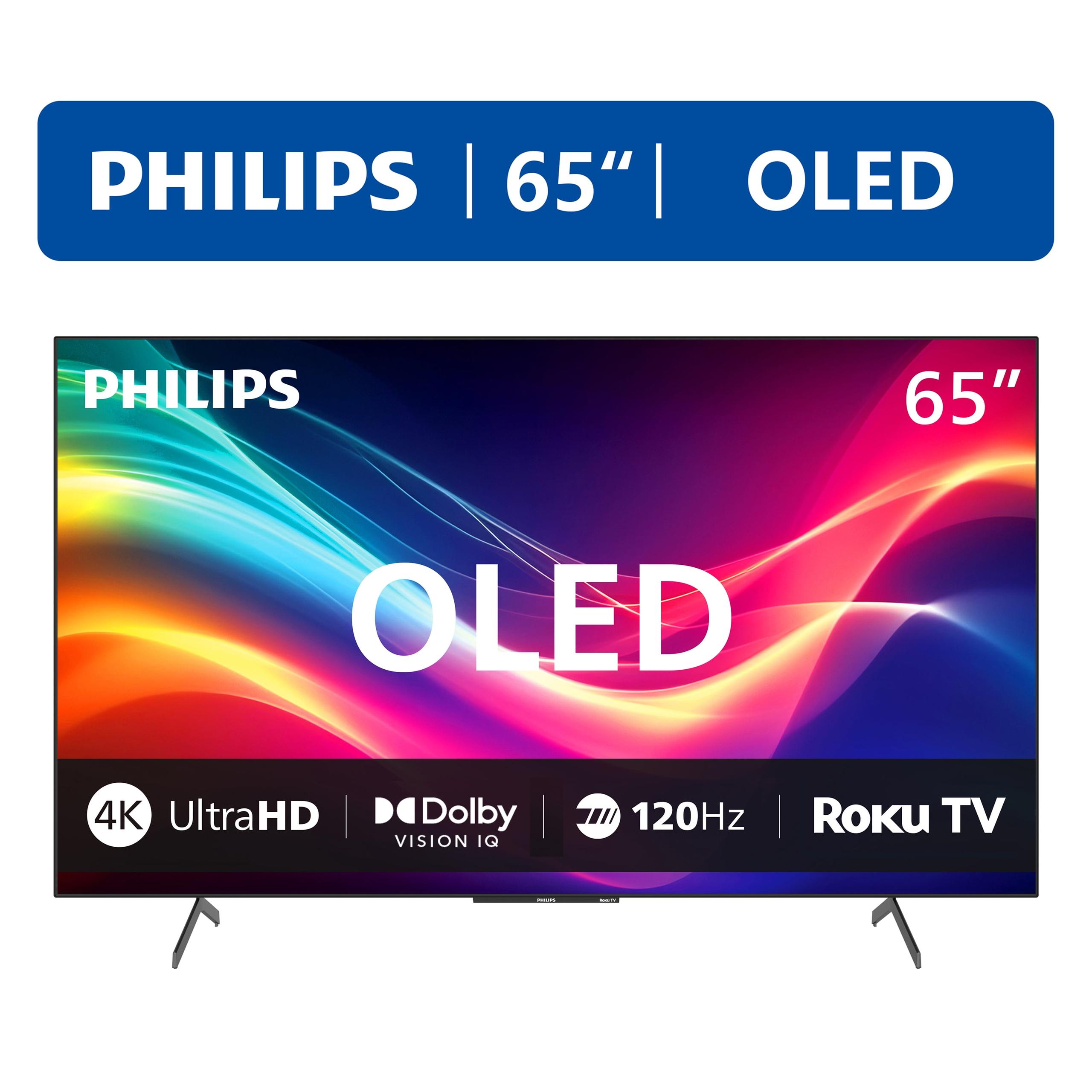
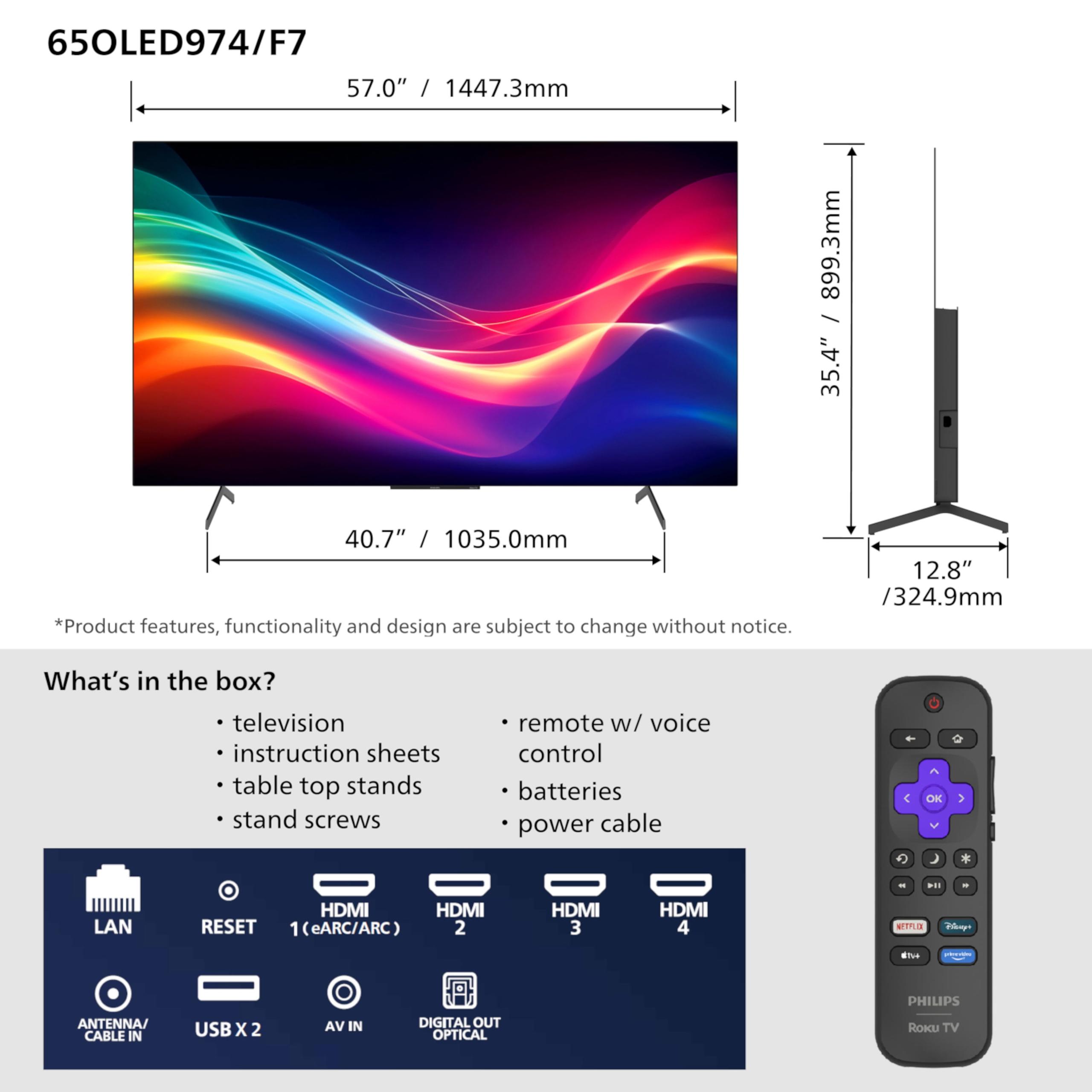
The Philips 65OLED974/F7, released in 2024, represents what we might call "standard" OLED technology. At its core, it delivers the fundamental OLED benefits – perfect blacks, infinite contrast, and vibrant colors – but without the advanced features found in flagship models.
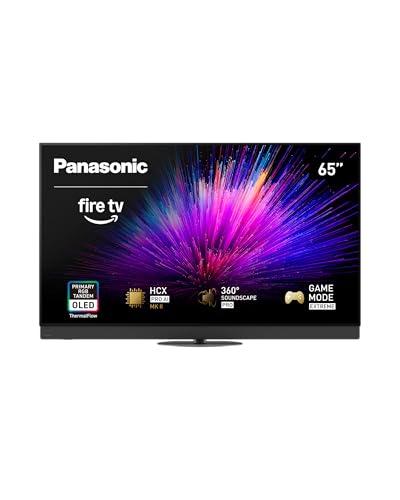
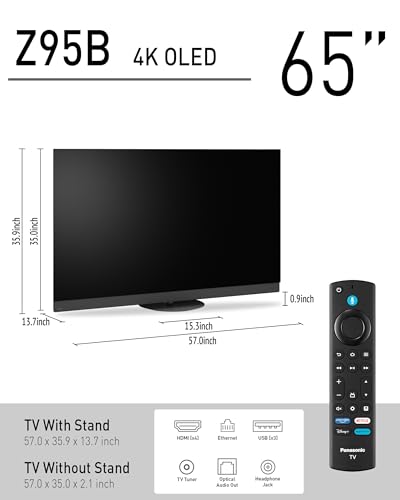
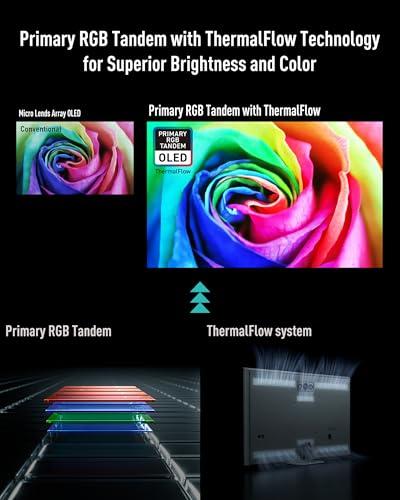
The Panasonic Z95B, launched in 2025, showcases the latest evolution in OLED technology. It features what Panasonic calls an RGB Tandem panel – essentially a four-layer OLED structure that dramatically improves brightness and color performance compared to traditional OLED designs. This represents a significant technological leap, similar to what LG introduced in their flagship models.
Here's where these TVs diverge dramatically. The Philips 65OLED974/F7 suffers from what reviewers consistently identify as poor peak brightness. In practical terms, this means the TV struggles in any room with ambient light. Bright scenes in HDR movies appear muted and lack the "wow" factor that HDR content is supposed to deliver. If you're watching in a bright living room during the day, you'll find yourself squinting at a dim, washed-out image.
The Panasonic Z95B, by contrast, achieves approximately 2,170 nits of peak brightness thanks to its advanced RGB Tandem panel technology. To put this in perspective, a typical LCD TV might reach 400-600 nits, while older OLED TVs often peaked around 800 nits. This massive brightness advantage means the Panasonic can deliver truly impactful HDR performance where bright explosions, sunny landscapes, and gleaming metal actually look bright and realistic.
This brightness difference isn't just about numbers – it fundamentally changes how useful each TV is. The Philips essentially requires a dark room to look its best, while the Panasonic adapts to any lighting condition.
Both TVs benefit from OLED's inherent color advantages, but the Panasonic Z95B takes things further with its HCX Pro AI Processor MK II. This processor uses artificial intelligence to analyze content in real-time, automatically adjusting picture settings based on what you're watching. It's particularly effective at upscaling lower-resolution content – taking 1080p Netflix shows and making them look crisp on the 4K display.
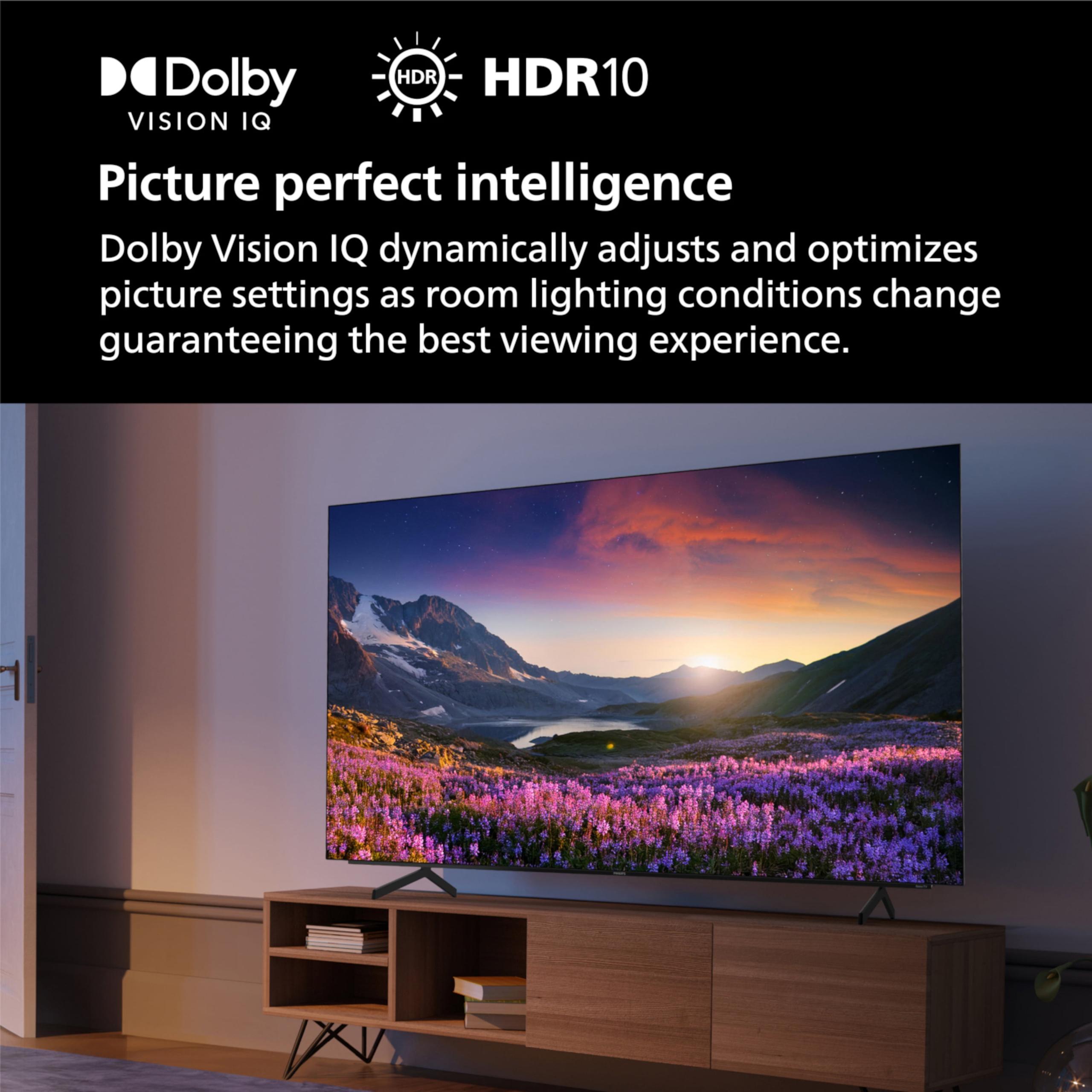
The Panasonic also supports HDR10+ Adaptive, a dynamic HDR format that adjusts brightness scene by scene, while the Philips lacks this feature. In practice, this means the Panasonic delivers more consistent and optimized HDR performance across different types of content.
What's particularly impressive about the Panasonic Z95B is its color volume – essentially how bright colors can get before washing out. Thanks to the RGB Tandem panel, bright reds, blues, and greens maintain their saturation even at high brightness levels, creating more lifelike imagery.
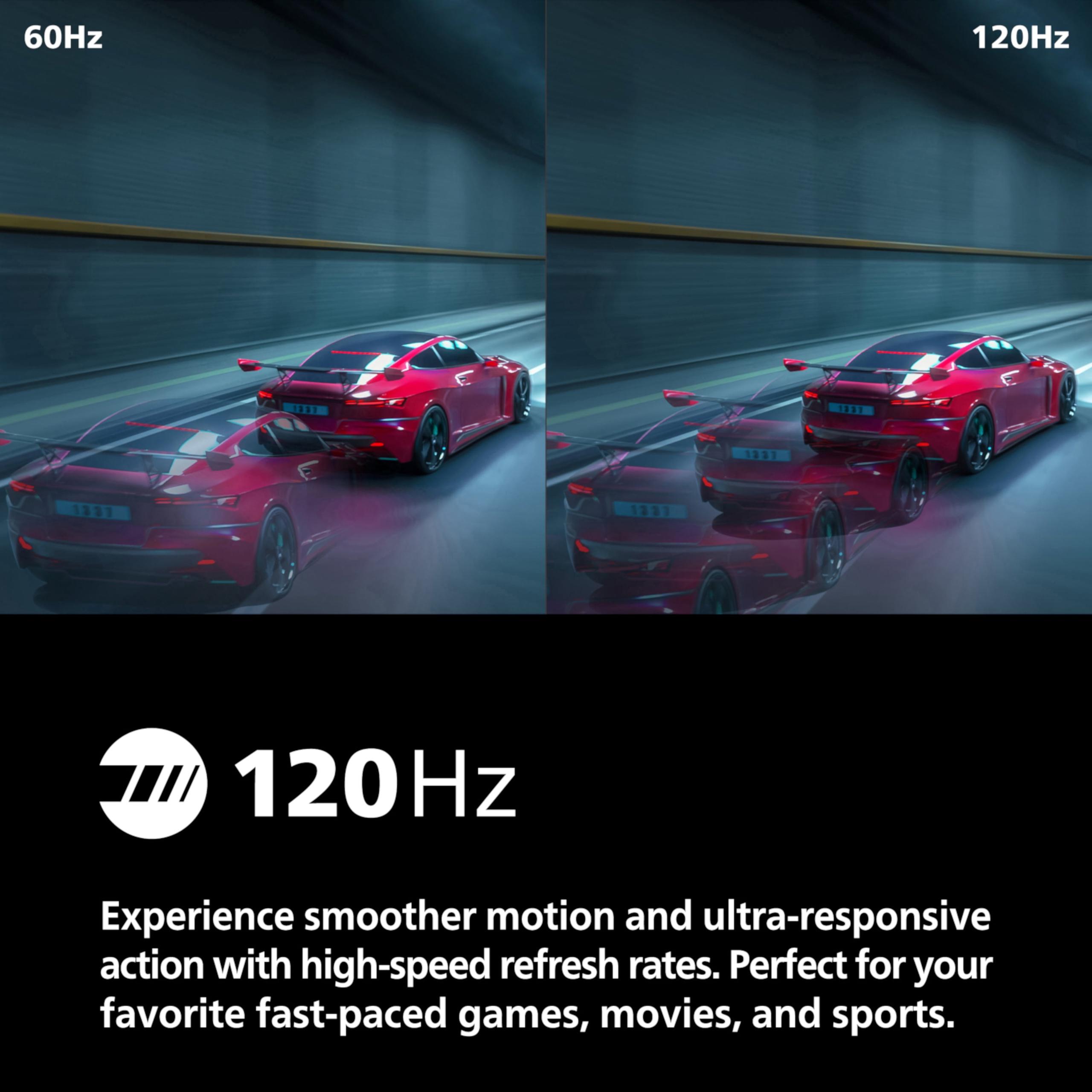
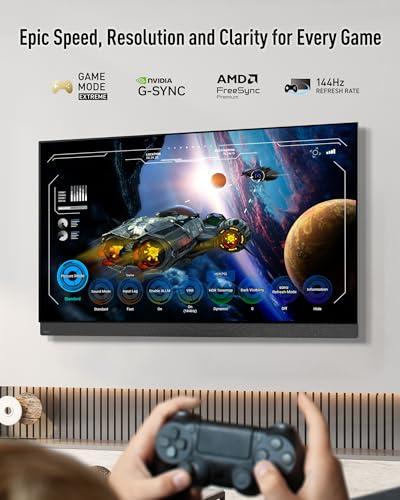
Gaming capabilities reveal another significant gap between these models. The Philips 65OLED974/F7 offers decent gaming features with its 120Hz refresh rate and FreeSync Premium support, which eliminates screen tearing when gaming. For most casual gamers, these features are perfectly adequate for enjoying PlayStation 5 or Xbox Series X games.
However, the Panasonic Z95B goes considerably further. Its 144Hz refresh rate provides even smoother motion, particularly noticeable in fast-paced competitive games. More importantly, it supports multiple VRR standards – including HDMI Forum VRR, AMD FreeSync Premium, and NVIDIA G-SYNC Compatible – ensuring compatibility with virtually any gaming device.
The Panasonic's "Game Mode Extreme" delivers ultra-low input lag, meaning the delay between pressing a controller button and seeing the action on screen is minimized. For competitive gamers, this responsiveness can be the difference between winning and losing.
Both TVs feature HDMI 2.1 connectivity, which is essential for getting the full capabilities of modern gaming consoles. However, the Panasonic provides this on two of its four HDMI ports, while the Philips has more limited HDMI 2.1 implementation.
This is where the Panasonic Z95B truly sets itself apart. Most TVs, including the Philips, come with basic built-in speakers that sound thin and lack bass response. The Philips uses a standard 2.1 speaker system with a small subwoofer – adequate for basic viewing but nothing special.
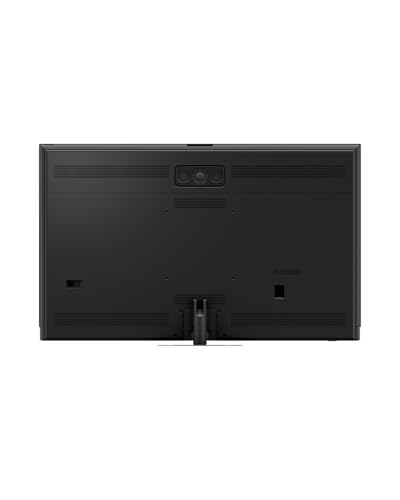
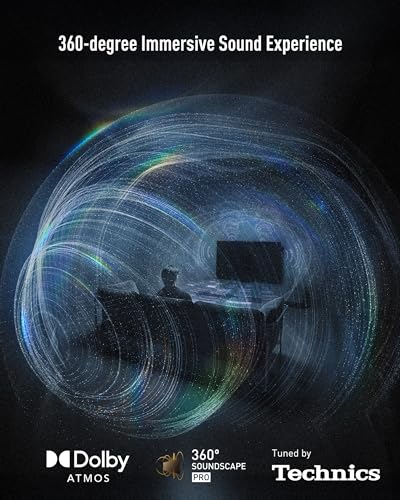
The Panasonic, however, features what they call "360° Soundscape Pro" – a sophisticated 5.1.2-channel speaker system tuned by Technics, Panasonic's premium audio brand. This system includes dedicated up-firing speakers for Dolby Atmos content, creating genuine surround sound effects without external speakers.
Based on expert reviews, the Panasonic's audio system is so capable that many users can skip buying a separate soundbar entirely. This is significant because a quality soundbar typically costs $500-1000, making the Panasonic's premium audio system add considerable value to the overall package.
The Philips 65OLED974/F7 runs Roku TV, which has earned a reputation for simplicity and reliability. Roku's interface focuses on content discovery, aggregating shows and movies from different streaming services into a single, easy-to-navigate homepage. The platform includes a voice remote and supports virtually every major streaming app.
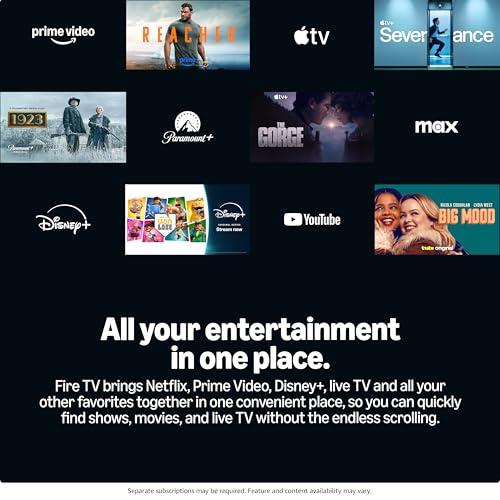
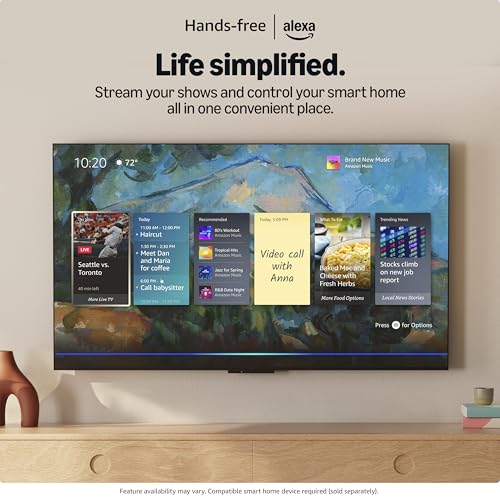
The Panasonic Z95B uses Amazon's Fire TV platform, which integrates deeply with Alexa and Amazon's ecosystem. Fire TV offers hands-free voice control – you can change channels or search for content just by speaking to the TV. The interface emphasizes personalized recommendations and works particularly well if you're already invested in Amazon Prime Video.
Both platforms are competent, but Fire TV can occasionally feel slower to navigate, while Roku maintains its reputation for consistent performance. Your preference here likely depends on whether you prefer Amazon's ecosystem integration or Roku's platform independence.
At the time of writing, these TVs exist in completely different price tiers. The Philips 65OLED974/F7 positions itself as an affordable entry point into OLED technology, typically priced significantly lower than flagship competitors. The Panasonic Z95B commands premium pricing, often costing more than twice the Philips model.
This price difference reflects genuine technological advancement. The Panasonic's RGB Tandem panel represents cutting-edge OLED technology that simply wasn't available when the Philips was designed. The advanced processing, superior audio system, and enhanced gaming features add considerable value, but they also drive up manufacturing costs.
However, value isn't just about features – it's about matching capabilities to your needs. If you primarily watch TV in a dark room and don't need premium audio or gaming features, the Philips delivers core OLED benefits at a fraction of the cost.
For dedicated home theater use, the choice becomes clearer. Home theaters typically feature controlled lighting, making the Philips 65OLED974/F7 more viable since you can minimize its brightness limitations. However, the Panasonic Z95B still offers significant advantages for movie enthusiasts.
The Panasonic supports professional calibration standards like ISFccc and Calman, allowing custom installers to precisely tune the display for your specific room. Its Filmmaker Mode ensures movies appear as directors intended, while Prime Video Calibrated Mode optimizes the display specifically for Amazon's streaming content.
The superior audio system becomes particularly valuable in home theater applications. While audiophiles might still prefer dedicated surround sound systems, the Panasonic's built-in speakers can eliminate the complexity and cost of external audio equipment for many users.
Budget is your primary concern and you're willing to accept performance compromises. This TV makes sense if you primarily watch content in dark rooms where its brightness limitations won't be apparent. It's ideal for basement home theaters or dedicated media rooms with controlled lighting.
Roku platform preferences also matter here. If you've used and loved Roku devices, you'll appreciate the familiar interface and reliable performance.
Picture quality is your top priority and you want the latest OLED technology. The superior brightness makes this TV suitable for bright living rooms and multi-purpose spaces where the TV competes with ambient light.
Gaming enthusiasts will appreciate the 144Hz refresh rate and comprehensive VRR support, particularly if you own multiple gaming devices or want future-proof capabilities.
Audio quality matters significantly to your viewing experience, and you'd prefer to avoid the complexity and expense of external speakers.
It's worth understanding how these products fit into OLED's evolution. The Philips represents 2024's approach to affordable OLED technology – delivering core benefits while minimizing advanced features to hit lower price points. The Panasonic showcases 2025's cutting-edge developments, particularly the RGB Tandem panel technology that addresses OLED's traditional brightness limitations.
This technological leap mirrors developments across the industry, with manufacturers like LG and Samsung also introducing brighter, more capable OLED panels in 2025. The result is a growing performance gap between budget and premium OLED models.
Ultimately, both TVs serve specific market segments effectively. The Philips 65OLED974/F7 democratizes OLED technology, making it accessible to budget-conscious buyers who can work within its limitations. The Panasonic Z95B represents what OLED technology can achieve when cost isn't the primary constraint.
For most buyers, I'd recommend seriously considering the Panasonic Z95B if budget allows. Its superior brightness, advanced gaming features, and exceptional audio system create a more versatile and future-proof entertainment solution. The ability to skip external speakers alone adds significant value to the overall package.
However, the Philips remains compelling for specific situations – particularly dark room viewing where its brightness limitations don't matter. If you're building a dedicated home theater and plan to add external audio anyway, the Philips provides genuine OLED benefits at a more accessible price point.
The key is honest assessment of your viewing environment and needs. OLED technology is inherently impressive, but these two models prove that implementation details make all the difference in real-world performance.
| Philips 65OLED974/F7 | Panasonic Z95B |
|---|---|
| Peak Brightness - Critical for HDR impact and bright room viewing | |
| Poor (~400 nits) - requires dark rooms | Excellent (~2,170 nits) - works in any lighting |
| Panel Technology - Determines overall picture quality capabilities | |
| Standard OLED with 8M dimming pixels | Advanced RGB Tandem 4-layer OLED with ThermalFlow cooling |
| Refresh Rate - Important for gaming and smooth motion | |
| 120Hz native (adequate for current consoles) | 144Hz native (future-proof for next-gen gaming) |
| Gaming Features - Essential for PlayStation 5/Xbox Series X optimization | |
| FreeSync Premium, ALLM, standard input lag | FreeSync Premium + G-SYNC + HDMI Forum VRR, ultra-low input lag |
| Audio System - Determines if you need a separate soundbar | |
| Basic 2.1 system (will need soundbar for quality sound) | Premium 5.1.2 Dolby Atmos tuned by Technics (eliminates soundbar need) |
| HDR Support - Affects compatibility with streaming content | |
| HDR10, Dolby Vision IQ (missing HDR10+) | HDR10, HDR10+ Adaptive, Dolby Vision IQ (complete support) |
| Smart Platform - Daily interface experience | |
| Roku TV (simple, reliable, platform independent) | Fire TV (Alexa integration, Amazon ecosystem focused) |
| HDMI 2.1 Ports - Future-proofing for gaming devices | |
| Limited HDMI 2.1 implementation | 2 full HDMI 2.1 ports (48Gbps bandwidth) |
| Image Processing - Affects upscaling and picture optimization | |
| Basic processing with limited noise reduction | HCX Pro AI Processor MK II with scene-by-scene optimization |
| Calibration Support - Important for home theater enthusiasts | |
| Standard calibration options | Professional ISFccc and Calman calibration support |
| Best Use Case - Who should buy this TV | |
| Dark room viewing, budget OLED entry point | Premium all-around performance, bright rooms, gaming |
The Panasonic Z95B is significantly better for bright rooms due to its superior peak brightness of approximately 2,170 nits compared to the Philips 65OLED974/F7's poor brightness performance. The Philips struggles with glare and appears dim in well-lit spaces, while the Panasonic maintains excellent picture quality even with ambient lighting.
The Panasonic Z95B offers superior gaming with 144Hz refresh rate, ultra-low input lag, and support for multiple VRR standards including G-SYNC and FreeSync Premium. The Philips 65OLED974/F7 provides adequate gaming with 120Hz and FreeSync Premium but lacks the advanced features serious gamers need for competitive play.
The Panasonic Z95B features an exceptional 5.1.2 Dolby Atmos speaker system tuned by Technics that eliminates the need for a separate soundbar for most users. The Philips 65OLED974/F7 has basic 2.1 speakers that will likely require a soundbar for quality audio performance.
Both platforms are solid choices. The Philips 65OLED974/F7 uses Roku TV, which offers simple navigation and platform independence. The Panasonic Z95B runs Fire TV with hands-free Alexa integration and deeper Amazon ecosystem connectivity. Choose based on your preferred ecosystem.
Yes, the Panasonic Z95B delivers dramatically better picture quality with its advanced RGB Tandem OLED panel, superior brightness, and enhanced color volume. The Philips 65OLED974/F7 provides basic OLED benefits but with significant brightness limitations that affect HDR performance and bright room viewing.
For dedicated home theaters with controlled lighting, both TVs work well, but the Panasonic Z95B offers advantages with professional calibration support (ISFccc and Calman), superior audio that may eliminate external speakers, and Filmmaker Mode for accurate movie reproduction. The Philips works in dark theaters but lacks premium features.
The Philips 65OLED974/F7 supports HDR10 and Dolby Vision IQ but lacks HDR10+ support. The Panasonic Z95B provides comprehensive HDR support including HDR10, HDR10+ Adaptive, and Dolby Vision IQ, ensuring compatibility with all major streaming services and content formats.
The Panasonic Z95B includes 2 full HDMI 2.1 ports with 48Gbps bandwidth, perfect for multiple next-gen gaming consoles. The Philips 65OLED974/F7 has limited HDMI 2.1 implementation, which may restrict future gaming device connectivity.
Both TVs offer excellent motion clarity thanks to OLED's fast pixel response, but the Panasonic Z95B has advantages with its 144Hz refresh rate and superior image processing. The Philips 65OLED974/F7 provides good motion at 120Hz but may show some stutter in certain content due to basic processing.
The Panasonic Z95B features an advanced RGB Tandem 4-layer OLED panel with ThermalFlow cooling that delivers 40% higher light efficiency and dramatically improved brightness. The Philips 65OLED974/F7 uses standard OLED technology with traditional single-layer emission, resulting in limited brightness capabilities.
Both TVs handle streaming well, but the Panasonic Z95B excels with its HCX Pro AI Processor that optimizes picture quality for different content types and superior upscaling of lower-resolution streams. The Philips provides decent streaming performance but with basic processing that may show more artifacts in compressed content.
The Philips 65OLED974/F7 offers excellent value as an entry-point into OLED technology for budget-conscious buyers who can accept brightness limitations. The Panasonic Z95B provides premium value with cutting-edge technology, superior audio that eliminates soundbar costs, and comprehensive features that justify the higher investment for most buyers.
We've done our best to create useful and informative comparisons to help you decide what product to buy. Our research uses advanced automated methods to create this comparison and perfection is not possible - please contact us for corrections or questions. These are the sites we've researched in the creation of this article: rtings.com - versus.com - versus.com - rtings.com - samsclub.com - versus.com - youtube.com - usa.philips.com - bestbuy.com - usa.philips.com - consumerreports.org - usa.philips.com - documents.philips.com - tvoutlet.ca - displayspecifications.com - business.walmart.com - displayspecifications.com - ecoustics.com - walmart.com - rtings.com - whathifi.com - techradar.com - tomsguide.com - youtube.com - youtube.com - youtube.com - avsforum.com - bestbuy.com - manuals.plus - na.panasonic.com - panasonic.com - displayspecifications.com - valueelectronics.com - flatpanelshd.com - valueelectronics.com - displayspecifications.com - flatpanelshd.com

Privacy Policy
Terms and Conditions - Affiliate Policy
Home Security
© Copyright 2008-2026.
11816 Inwood Rd #1211, Dallas, TX 75244