

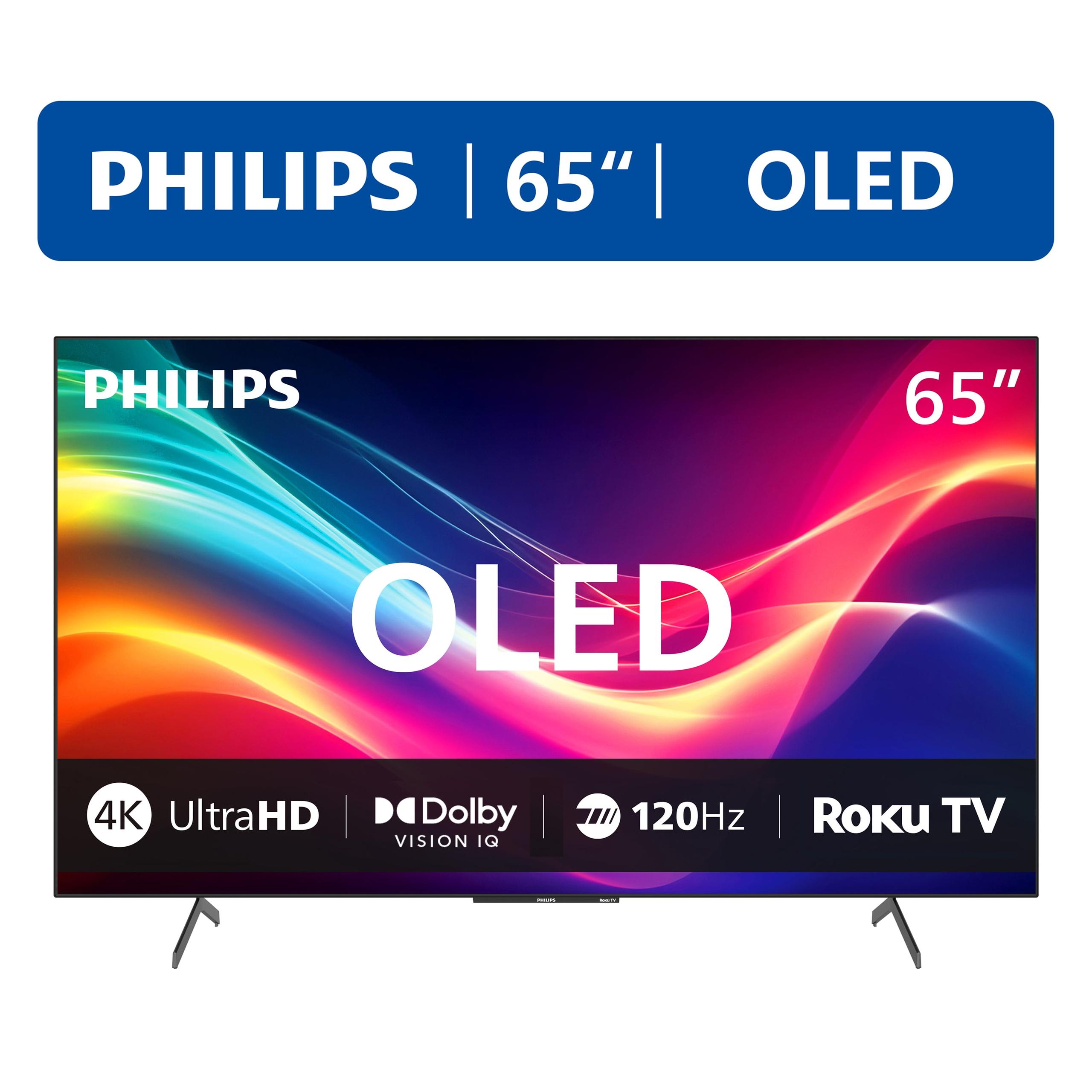

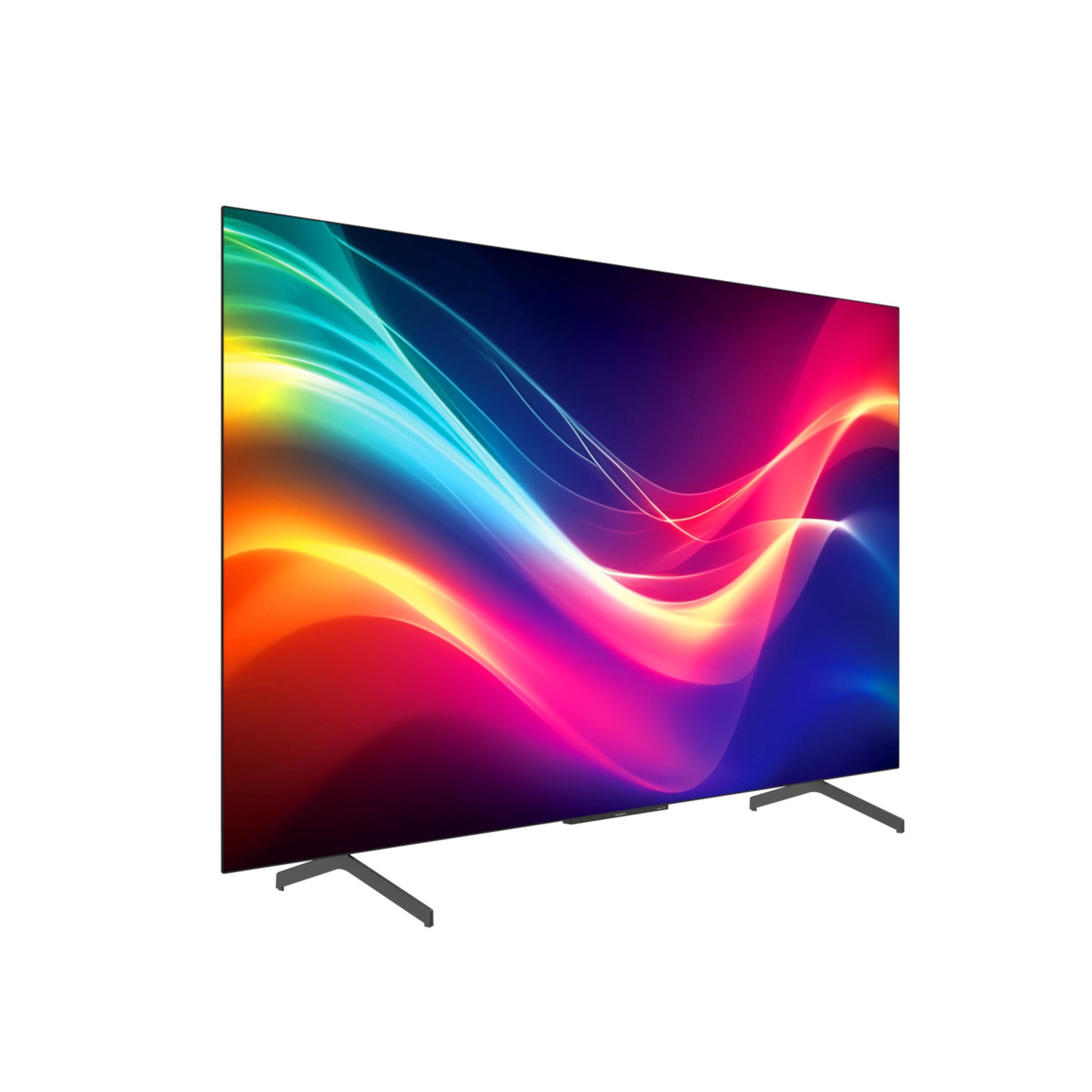
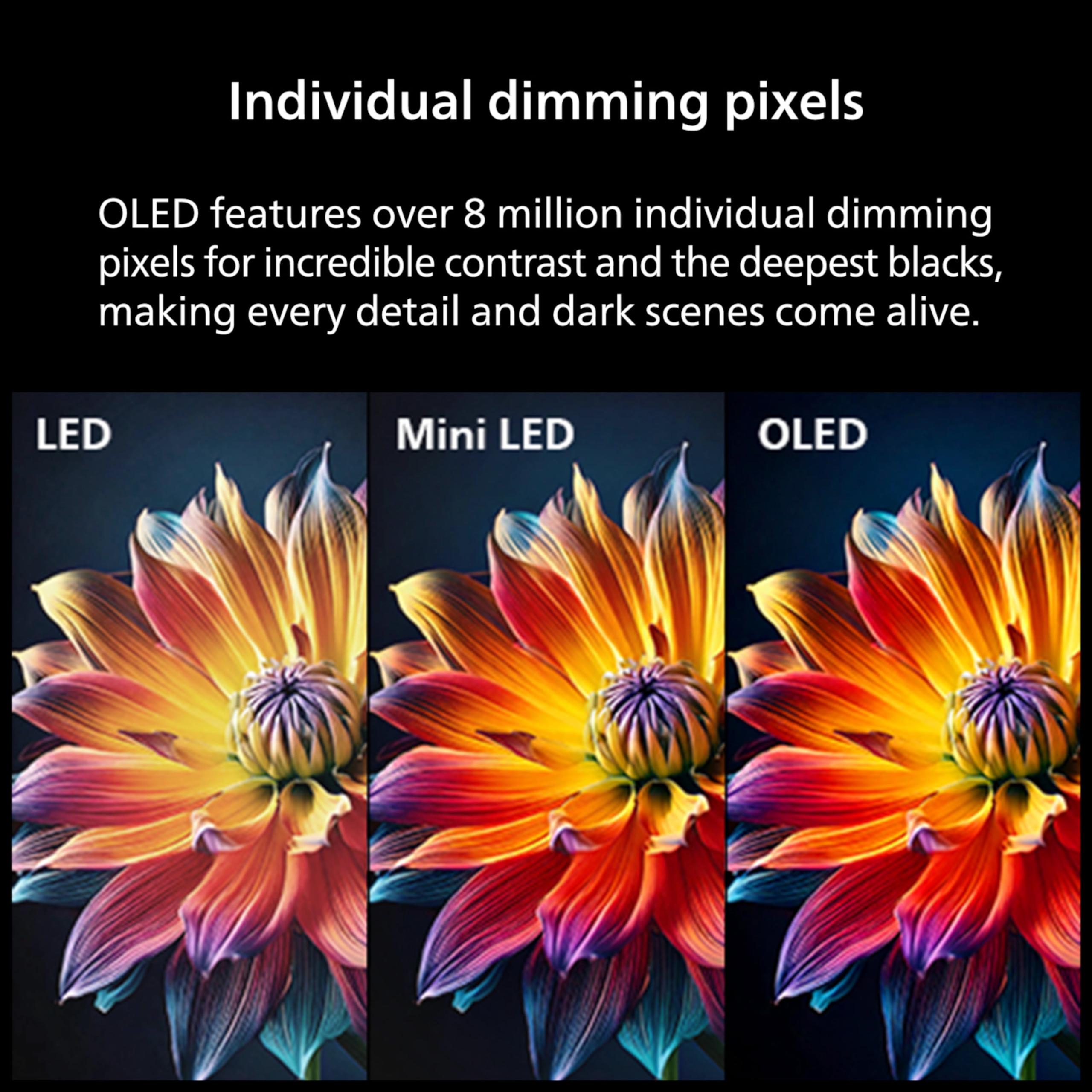



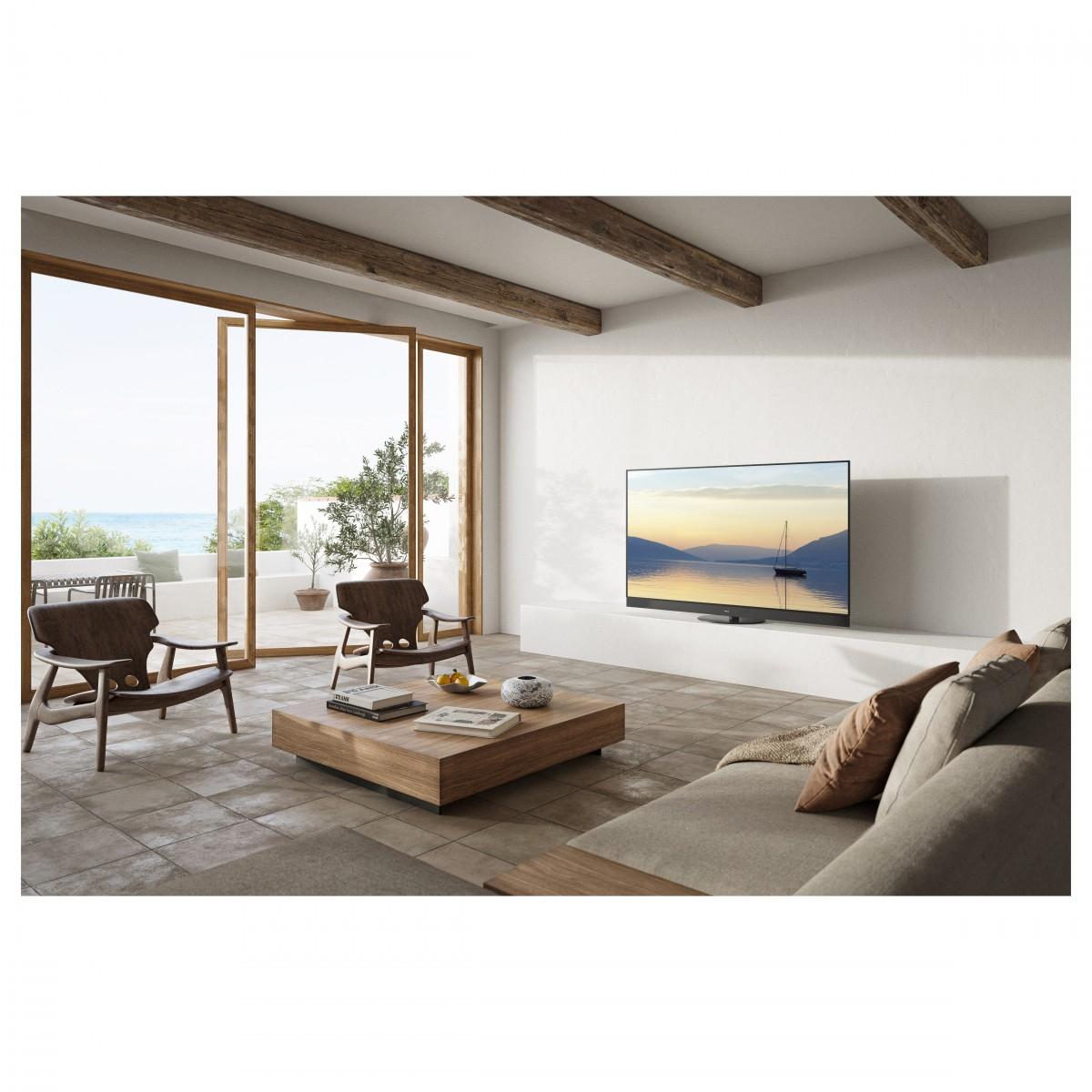
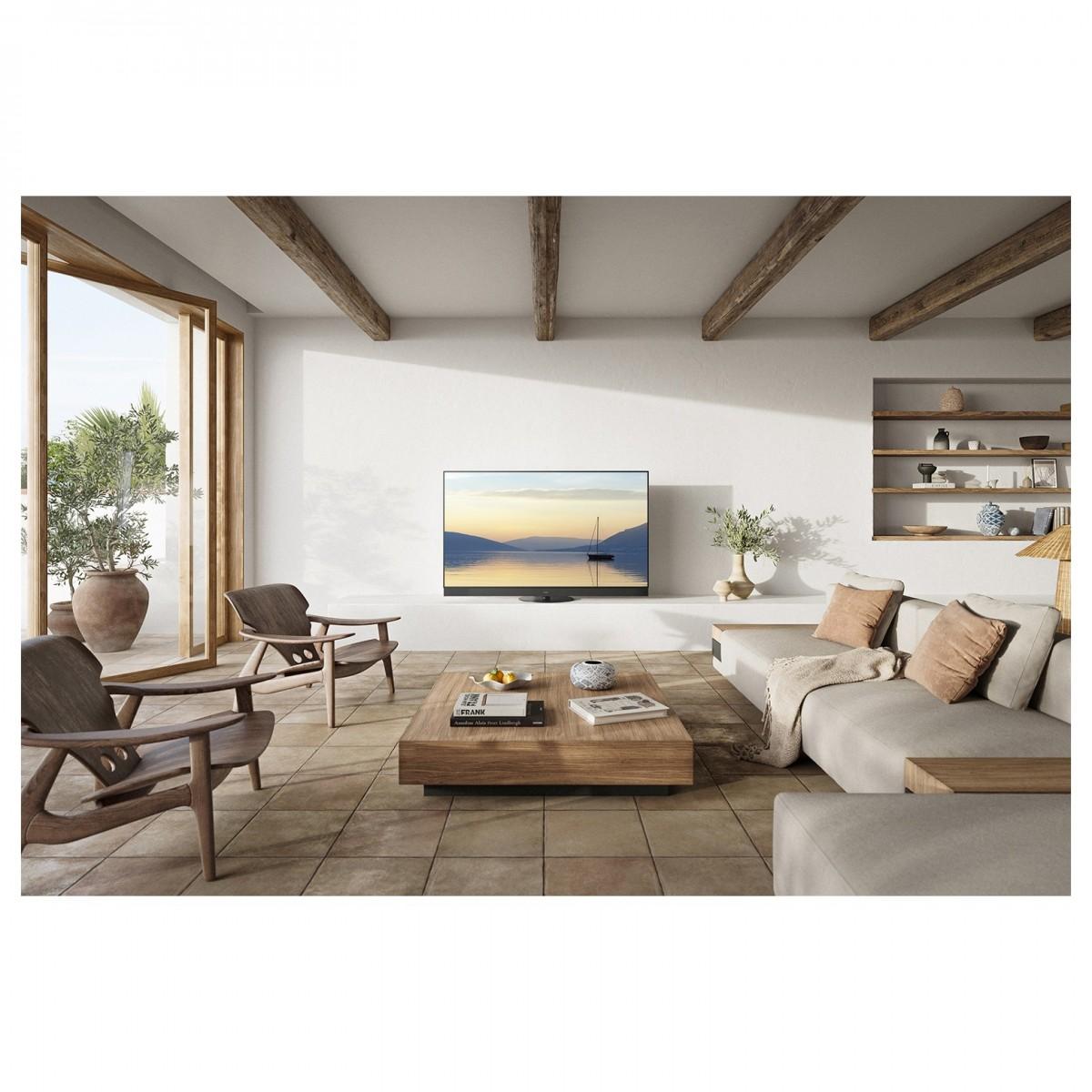
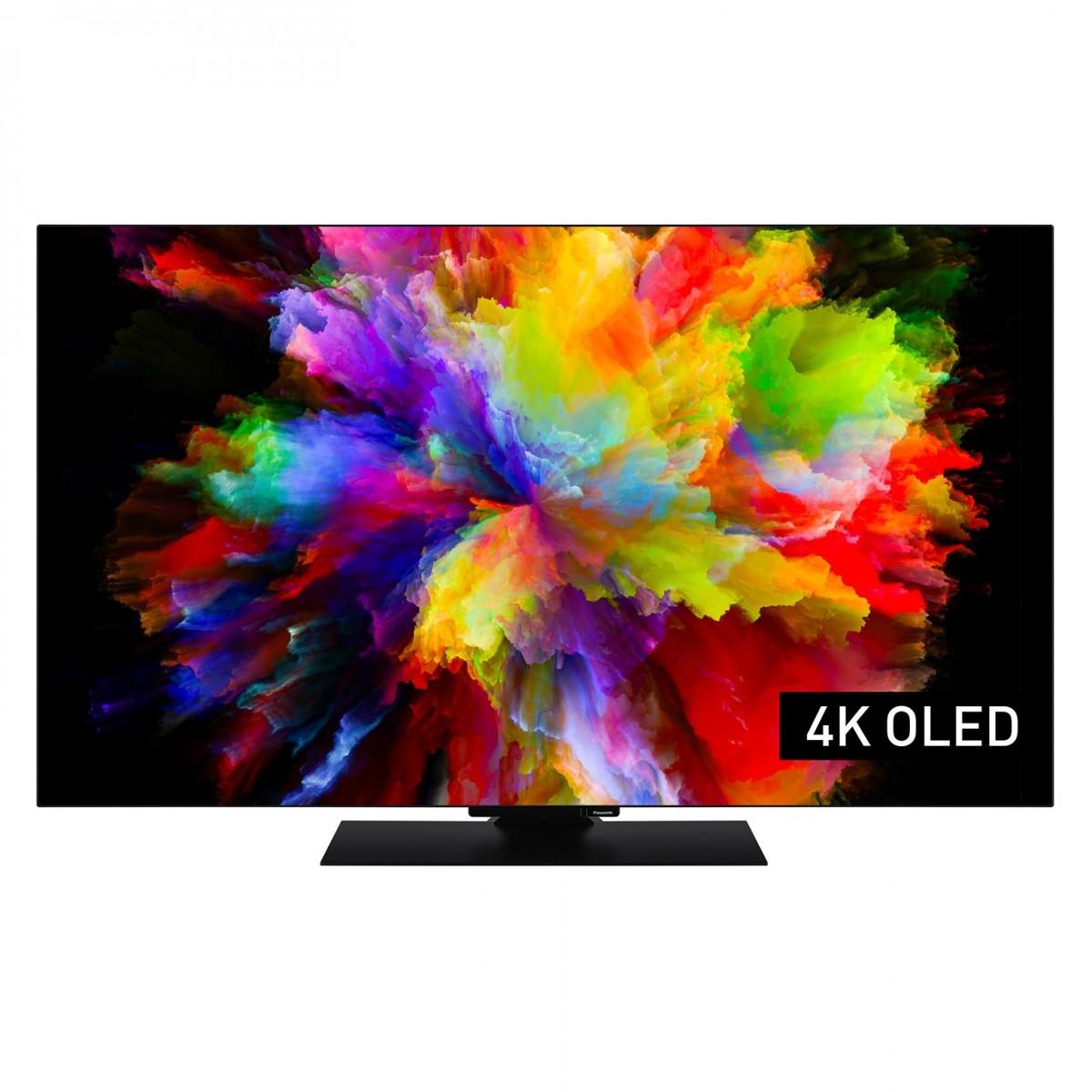
When you're shopping for a premium 65-inch OLED TV, you're entering the territory where picture quality reaches near-perfection. OLED technology uses millions of self-illuminating pixels that can turn completely off to create true black levels—something impossible with traditional LED TVs that rely on backlighting. This creates the dramatic contrast that makes movies pop off the screen.
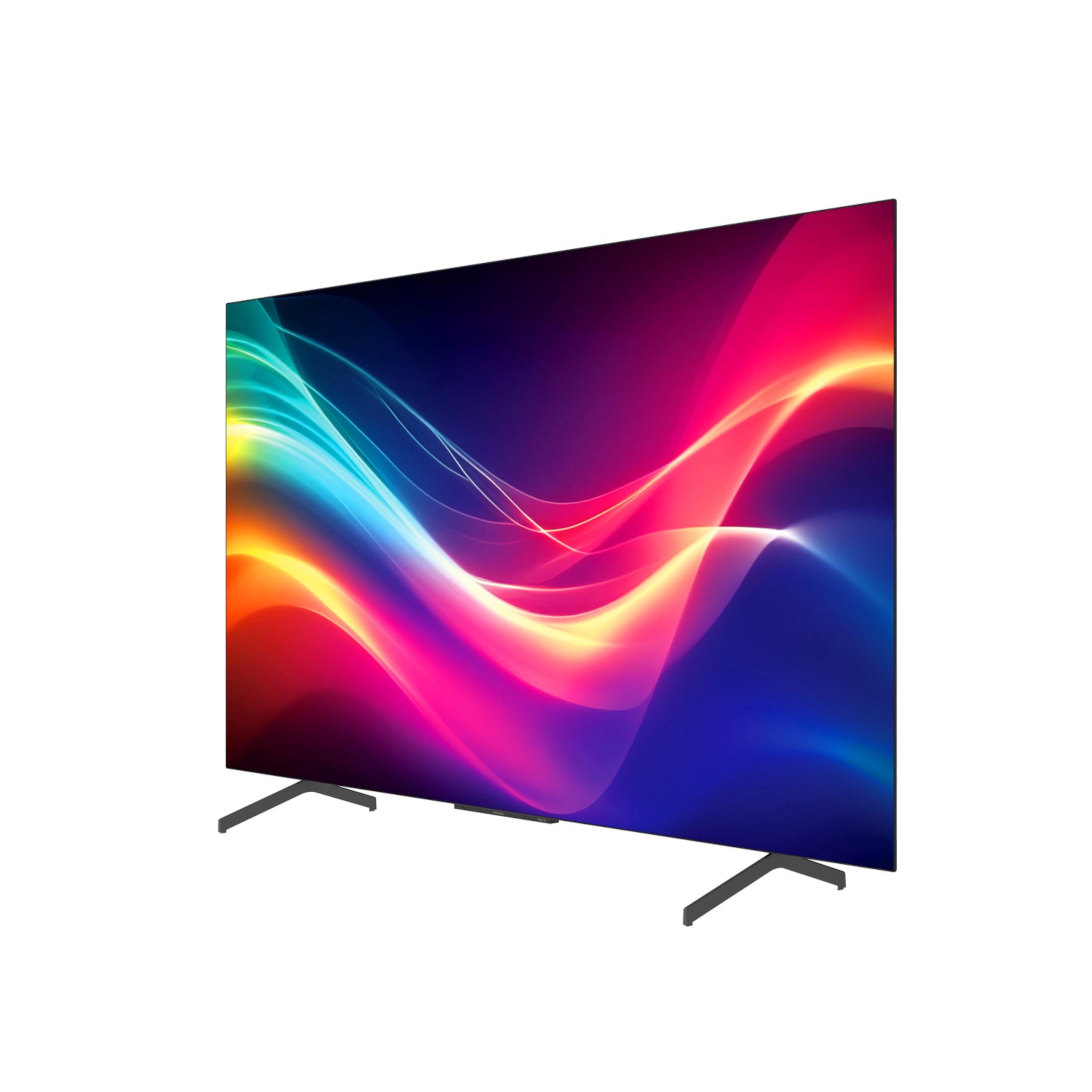
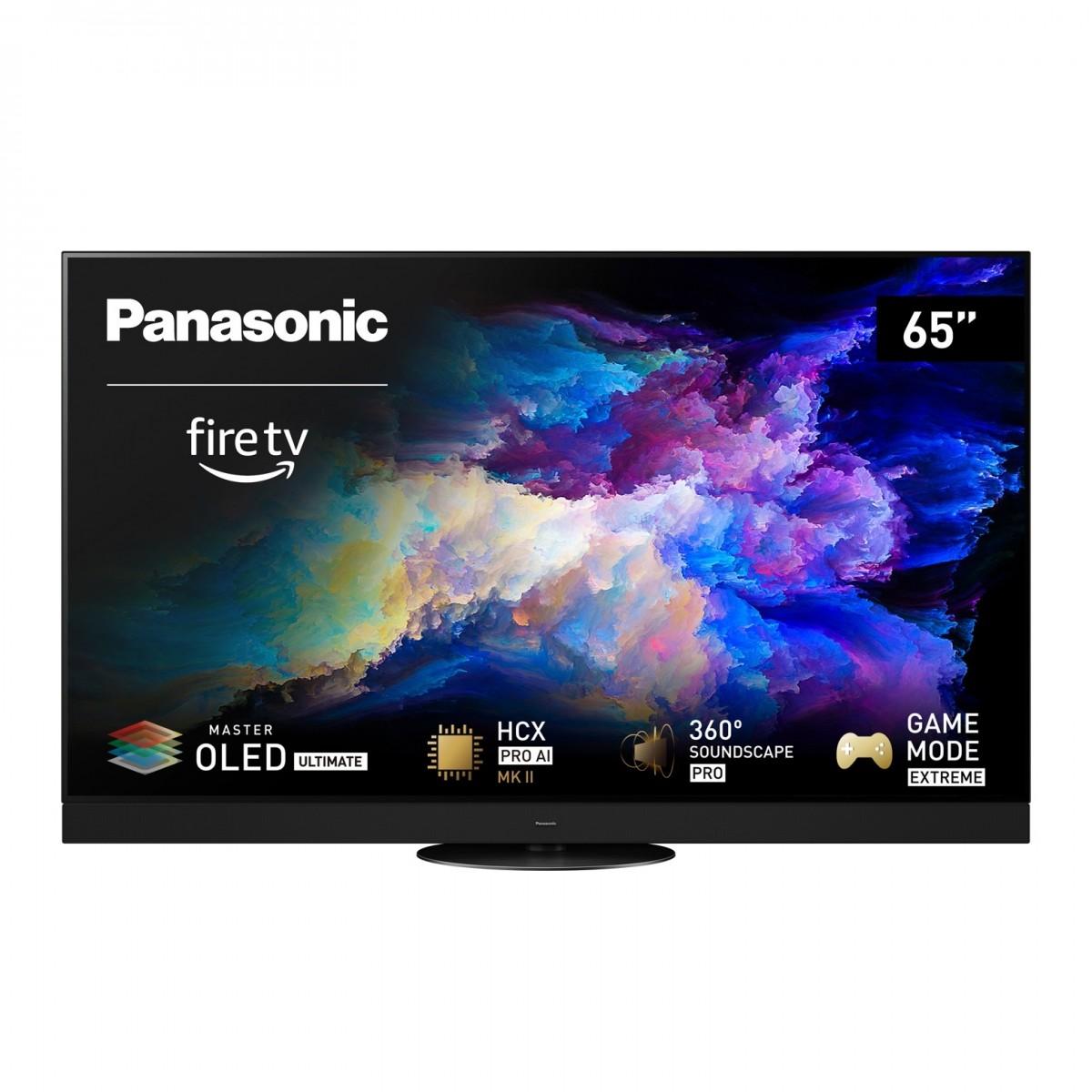
The two TVs we're comparing today represent different philosophies in the premium OLED space. The Philips 65OLED974/F7, released in 2023, focuses heavily on gaming performance while maintaining excellent picture quality at a more accessible price point. The Panasonic Z95A, launched in 2024, takes a more comprehensive approach with professional-grade picture processing and superior bright room performance.
Understanding which TV suits your needs requires diving into the technical details that actually matter for your viewing experience. Let's break down what makes each of these TVs special and where they excel.
Here's where these two TVs diverge most significantly. The Philips 65OLED974/F7 suffers from limited peak brightness, which becomes its most significant weakness. In practical terms, this means HDR content—those ultra-bright explosions in action movies or the gleaming highlights in nature documentaries—won't have the visual impact they should. When watching in a bright living room, the TV struggles to overcome ambient light, making the picture appear washed out.
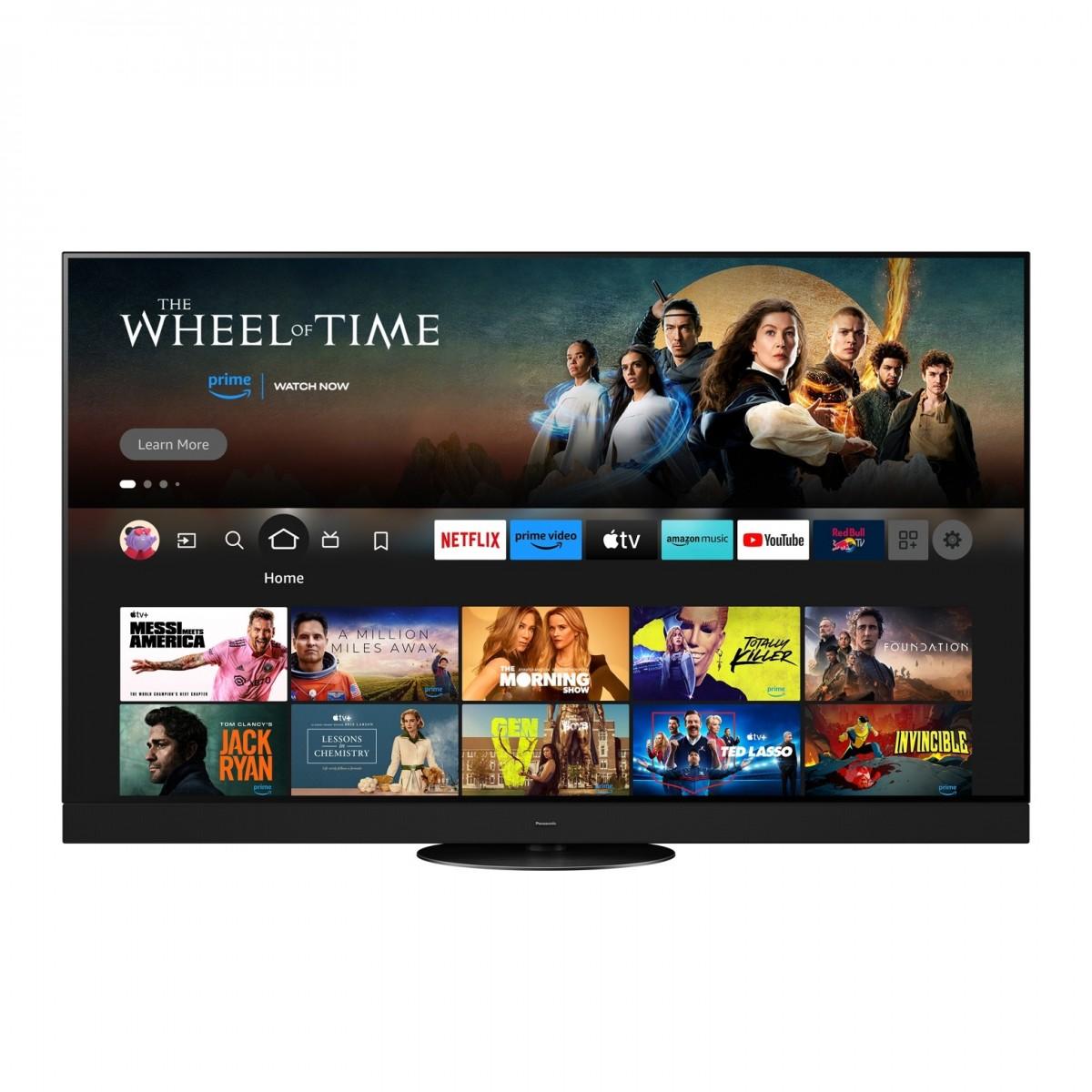
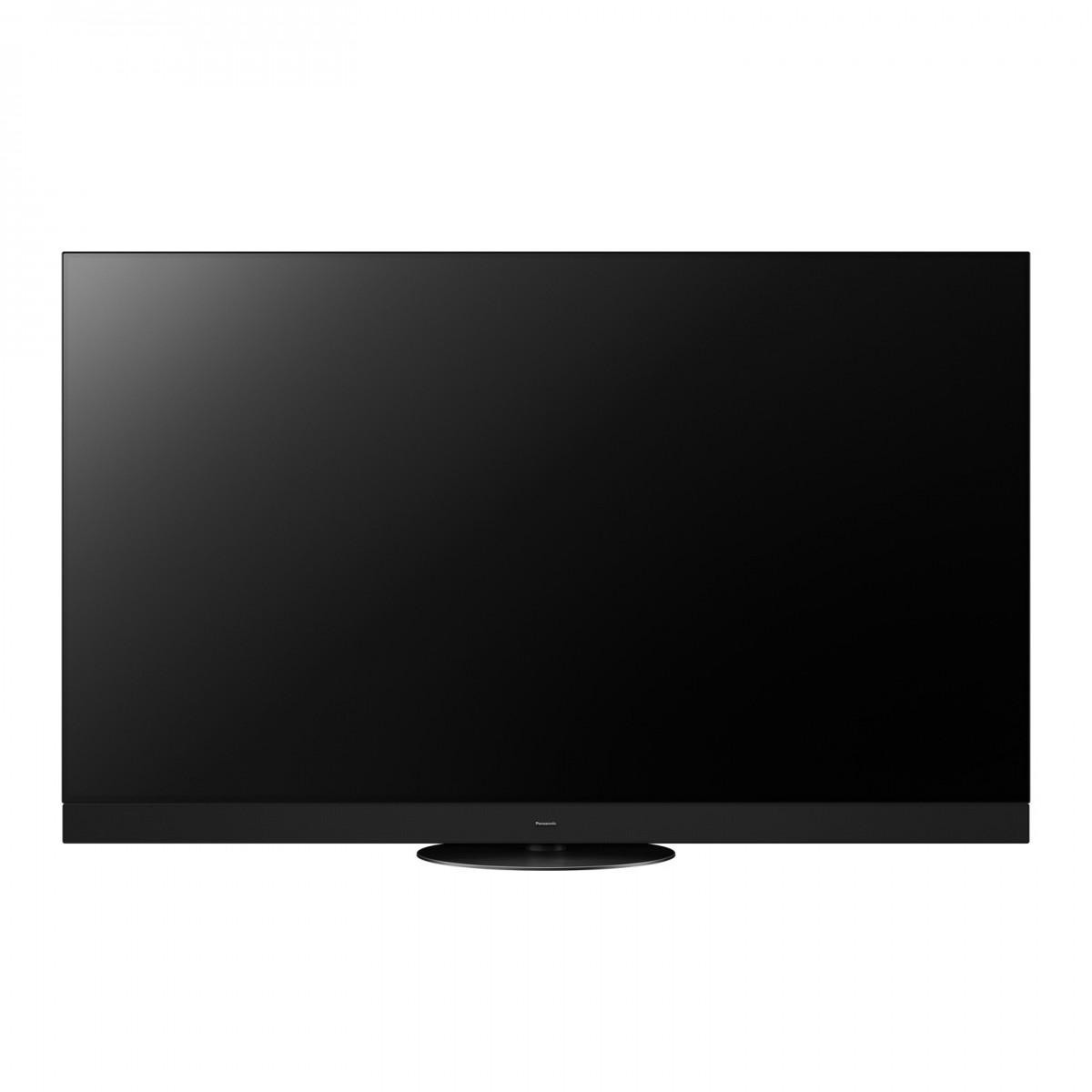
The Panasonic Z95A, conversely, delivers much better brightness performance thanks to its micro lens array technology. This innovation essentially focuses more light toward the viewer, making the same OLED panel appear brighter without sacrificing the perfect blacks that make OLED special. The difference is immediately noticeable when watching HDR content—bright scenes actually look bright, and the TV maintains picture quality even with windows open during daytime viewing.
This brightness difference isn't just about numbers on a spec sheet. If you're planning to use your TV in a typical living room with windows, the Panasonic will provide a significantly better experience. The Philips really shines (pun intended) in dedicated home theater setups where you can control the lighting.
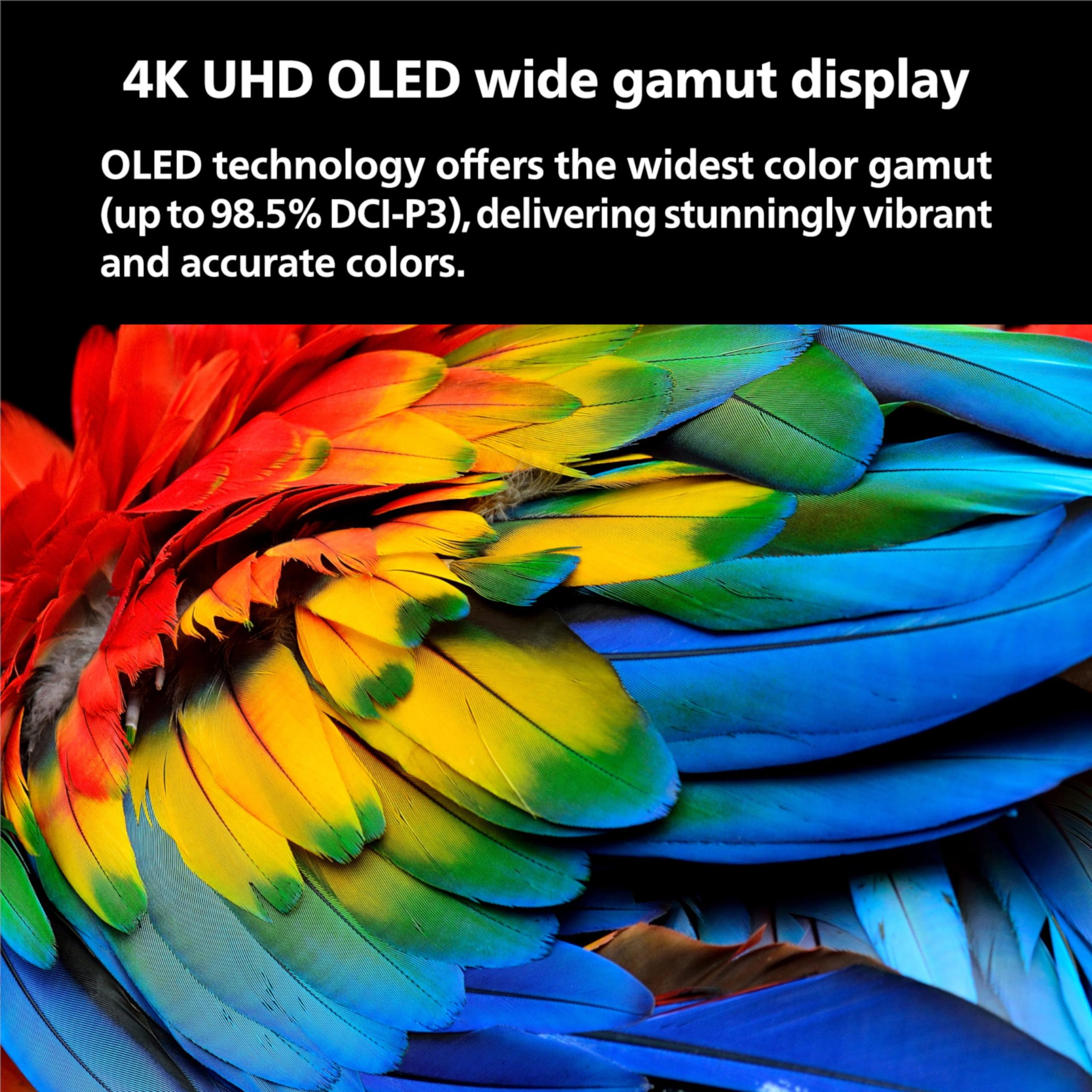
Both TVs deliver excellent color performance, but through different approaches. The Philips 65OLED974/F7 covers an impressive 98.5% of the DCI-P3 color gamut—essentially the range of colors used in movie production—and delivers excellent out-of-box color accuracy in standard content. This means you can unbox the TV and enjoy accurate colors without needing professional calibration.
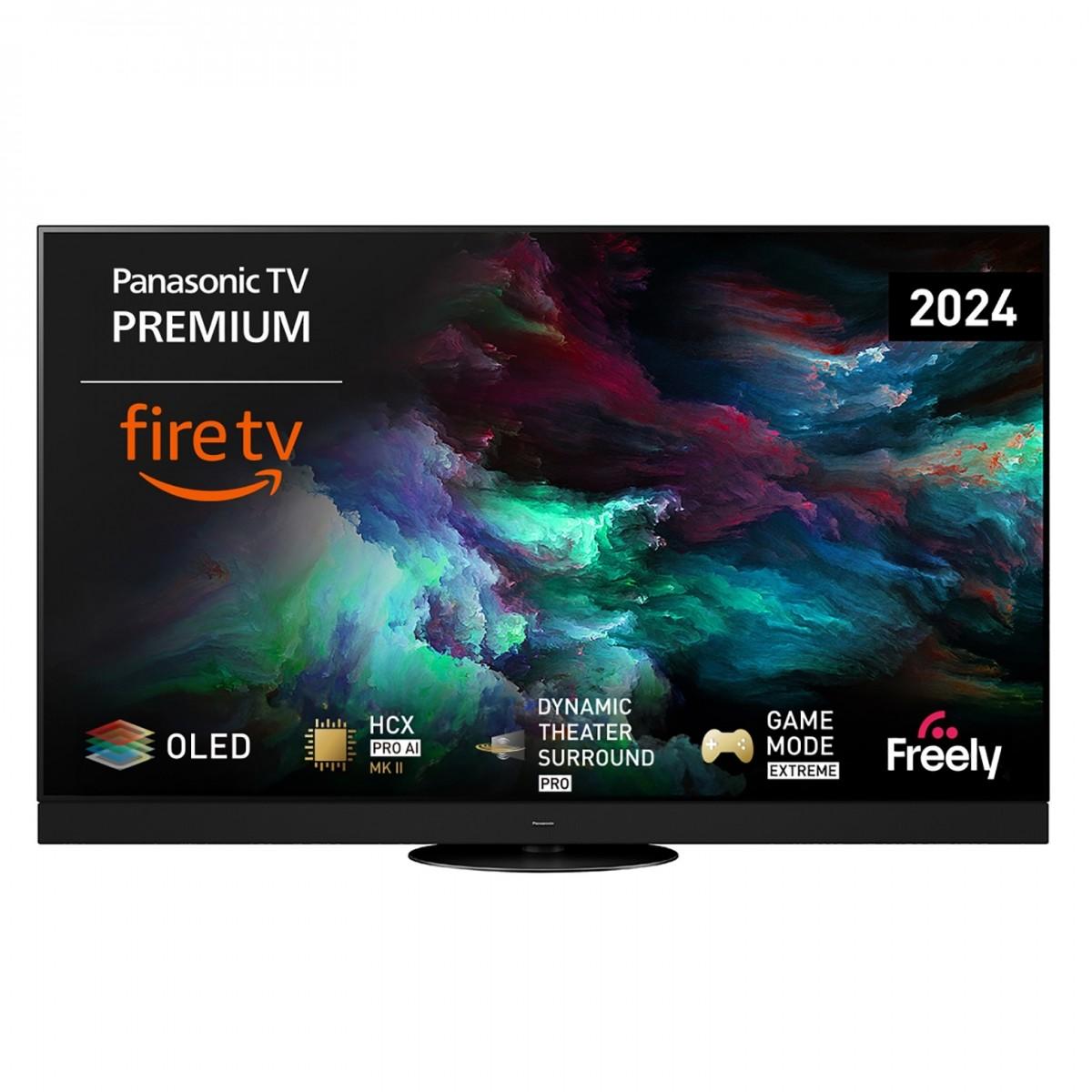
The Panasonic Z95A takes color reproduction further with its HCX Pro AI Processor MKII. This advanced chip analyzes incoming content in real-time and adjusts color processing accordingly. It recognizes whether you're watching a nature documentary, sports broadcast, or Hollywood blockbuster, then optimizes the color handling for that specific content type. The AI processing creates more natural-looking skin tones and handles color gradients with fewer artifacts.
In our research across professional reviews, the consensus is clear: while both TVs deliver excellent colors, the Panasonic's processing gives it an edge in handling diverse content types. The Philips, however, requires less tweaking to look great right out of the box.
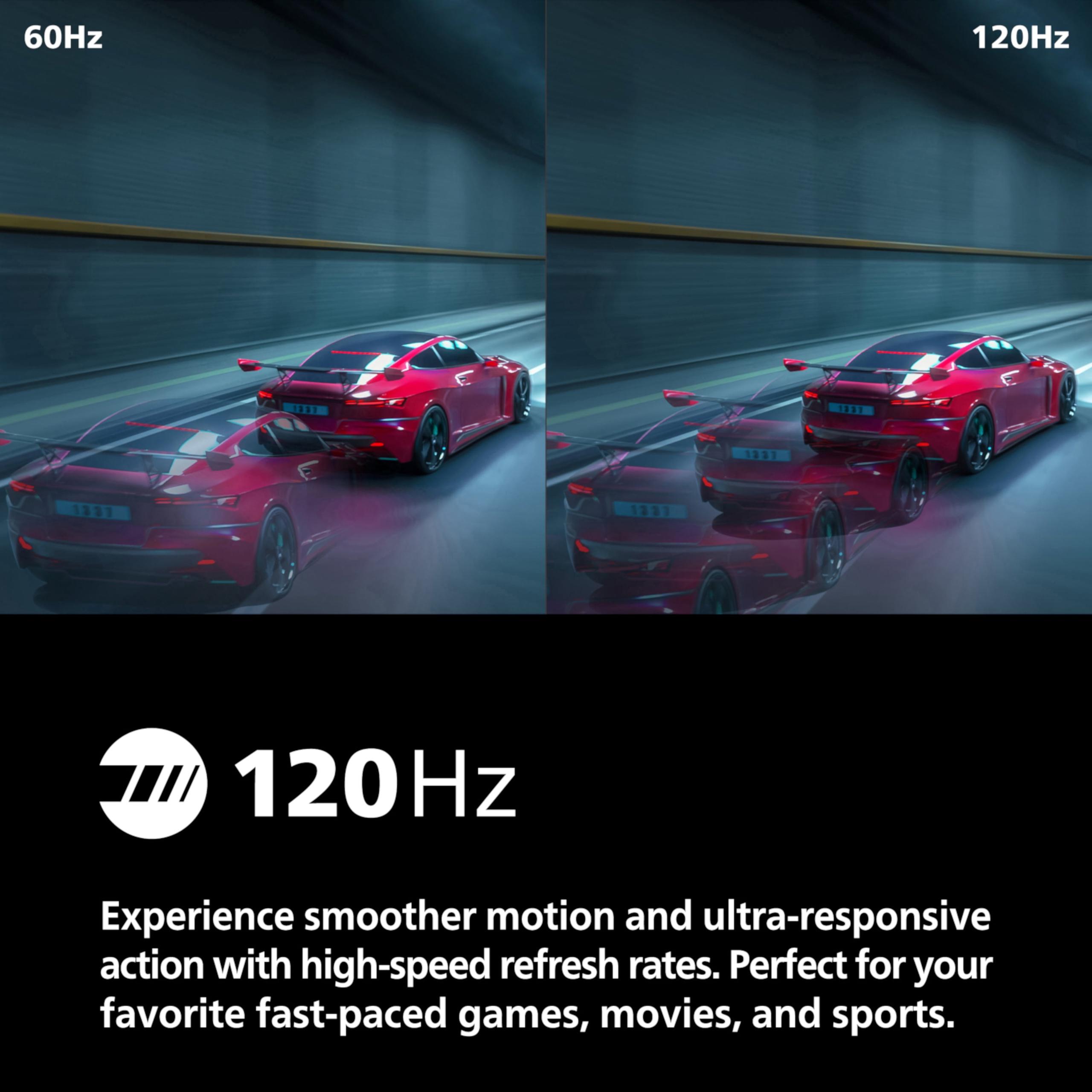
Gaming is where the Philips 65OLED974/F7 truly excels. Its native 120Hz panel refreshes the screen 120 times per second, compared to the typical 60Hz found on most TVs. Combined with a response time under 0.1 milliseconds—essentially instantaneous—this creates buttery-smooth gaming with zero motion blur. When you're playing fast-paced games like first-person shooters or racing games, this translates to a competitive advantage and more immersive experience.
The Panasonic Z95A counters with an even higher 144Hz refresh rate, which primarily benefits PC gaming. Most current gaming consoles max out at 120Hz, so the extra headroom mainly helps if you're connecting a high-end gaming PC. Both TVs support Variable Refresh Rate (VRR), which synchronizes the TV's refresh rate with your console's frame output to eliminate screen tearing—those annoying horizontal lines that can appear during gameplay.
Both TVs are fully equipped for current and next-generation gaming consoles. The Philips 65OLED974/F7 includes AMD FreeSync Premium, which works particularly well with Xbox Series X|S consoles and PC gaming. It features Auto Low Latency Mode (ALLM), which automatically switches to game mode when it detects a console, reducing input lag without manual intervention.
The Panasonic Z95A offers similar gaming features but adds MEMC (Motion Estimation and Motion Compensation) technology. This feature interpolates frames to create smoother motion, though many serious gamers prefer to disable it to avoid any potential input lag.
For dedicated gamers, the Philips edges ahead due to its specific gaming optimizations and AMD FreeSync integration. However, both TVs deliver excellent gaming performance that will satisfy all but the most competitive players.
The smart TV experience differs significantly between these models. The Philips 65OLED974/F7 runs Roku TV, which has earned acclaim for its simplicity and content discovery. Roku's interface presents all your streaming services equally—Netflix doesn't get preferential treatment over smaller services. The platform excels at helping you find content across multiple apps and offers an extensive channel selection including many free, ad-supported options.
The Panasonic Z95A features Amazon Fire TV Built-in, which integrates deeply with Amazon's ecosystem. If you're already invested in Amazon Prime, have Alexa smart home devices, or frequently use Amazon's various services, this integration feels seamless. Fire TV also provides excellent app support and regular updates.
Both TVs offer voice control, but with different implementations. The Philips includes a Bluetooth voice remote for basic voice search and playback control. The Panasonic Z95A goes further with hands-free Alexa built directly into the TV—you can control smart home devices, check weather, or search for content without picking up the remote.
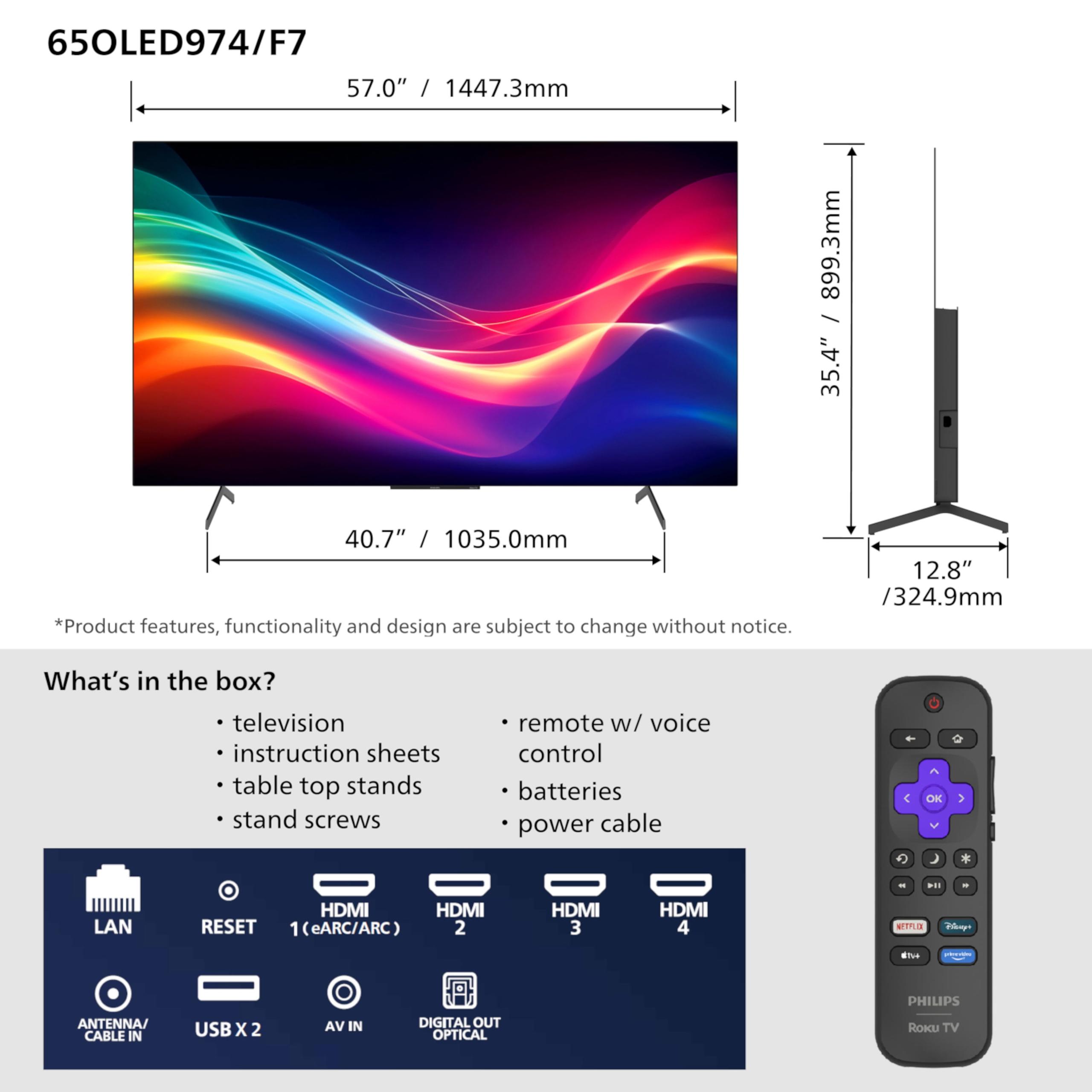
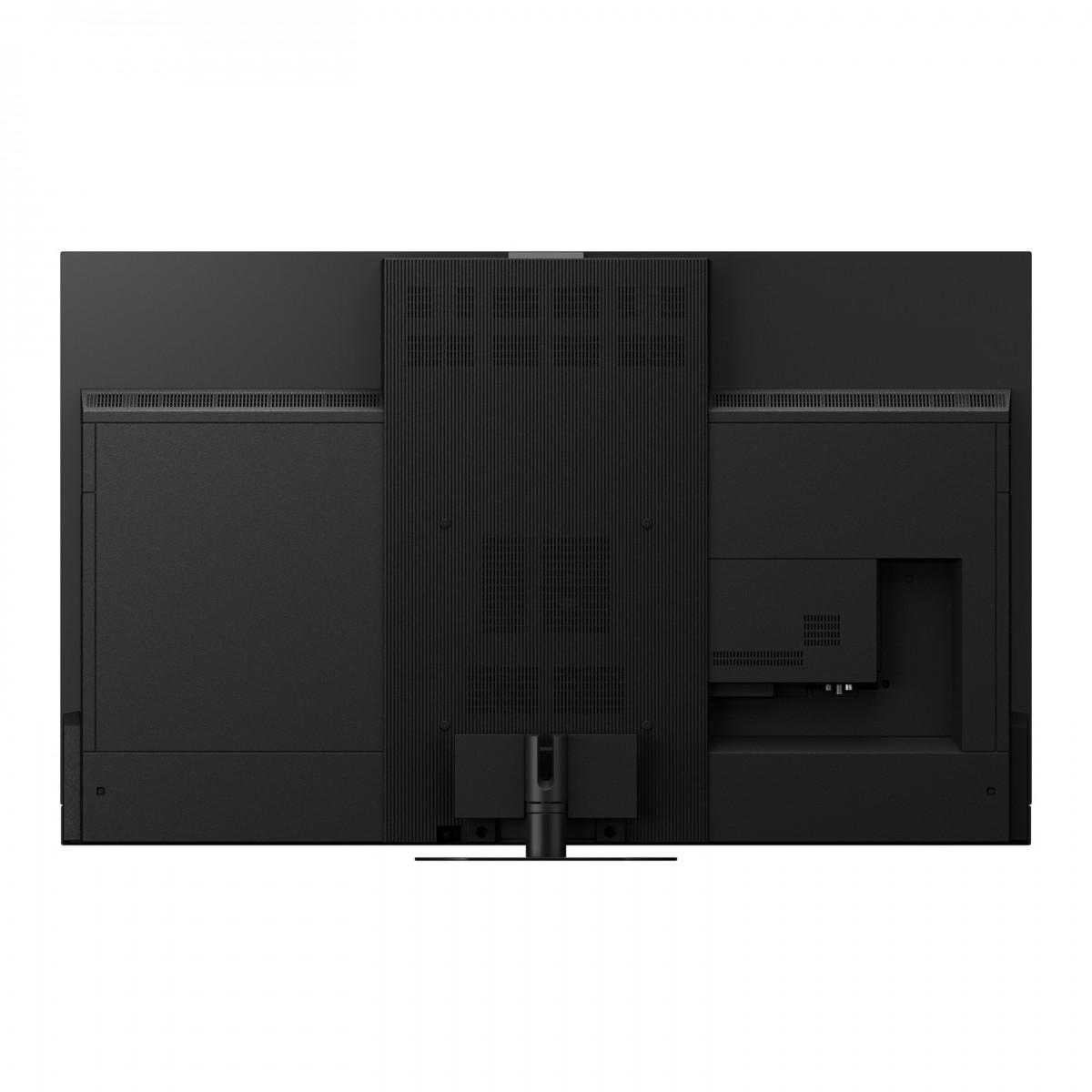
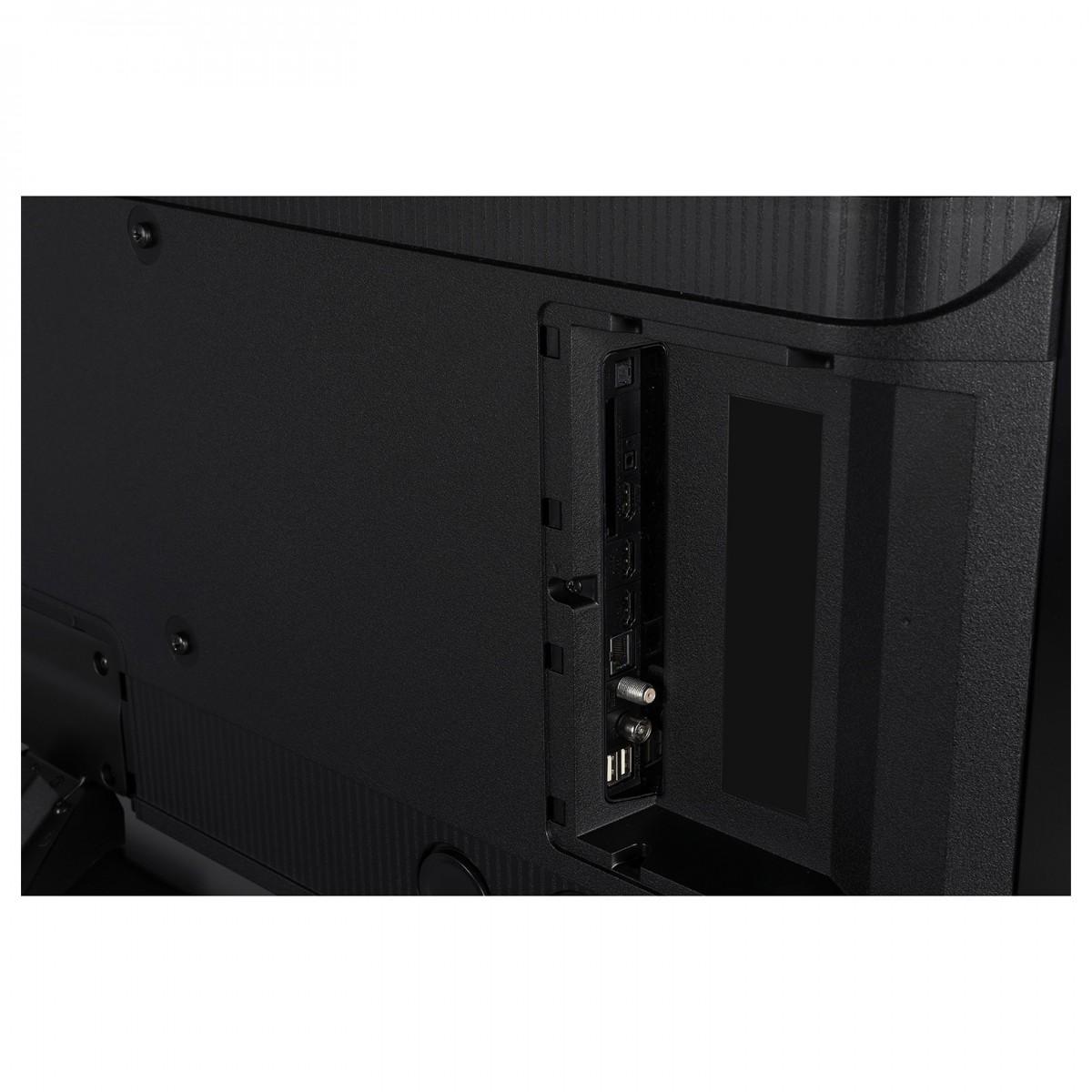
The connectivity story favors the Philips slightly, with four HDMI ports including two full HDMI 2.1 implementations supporting 4K at 120Hz. The Panasonic matches this connectivity but adds more comprehensive wireless options including built-in Chromecast and AirPlay support.
The Philips 65OLED974/F7 features a 2.1 speaker system with two main speakers plus a dedicated subwoofer, delivering 55 watts total output. This configuration provides clear dialogue and more impactful bass than typical TV speakers. The system supports Dolby Atmos, which creates a three-dimensional soundscape using advanced audio processing.
The Panasonic Z95A takes a different approach with its "home theater built-in" speaker system. It uses front-firing, upward-firing, and side-firing speakers to create a 360-degree soundscape. While the total power output is lower at 20 watts, the multi-directional speaker arrangement can create more immersive audio for Dolby Atmos content.
Based on professional reviews and user feedback, the Philips generally delivers better built-in audio quality due to its higher power output and dedicated subwoofer. However, both TVs benefit significantly from external sound systems. At this price level, most buyers invest in a dedicated soundbar or speaker system, making the built-in audio quality a secondary consideration.
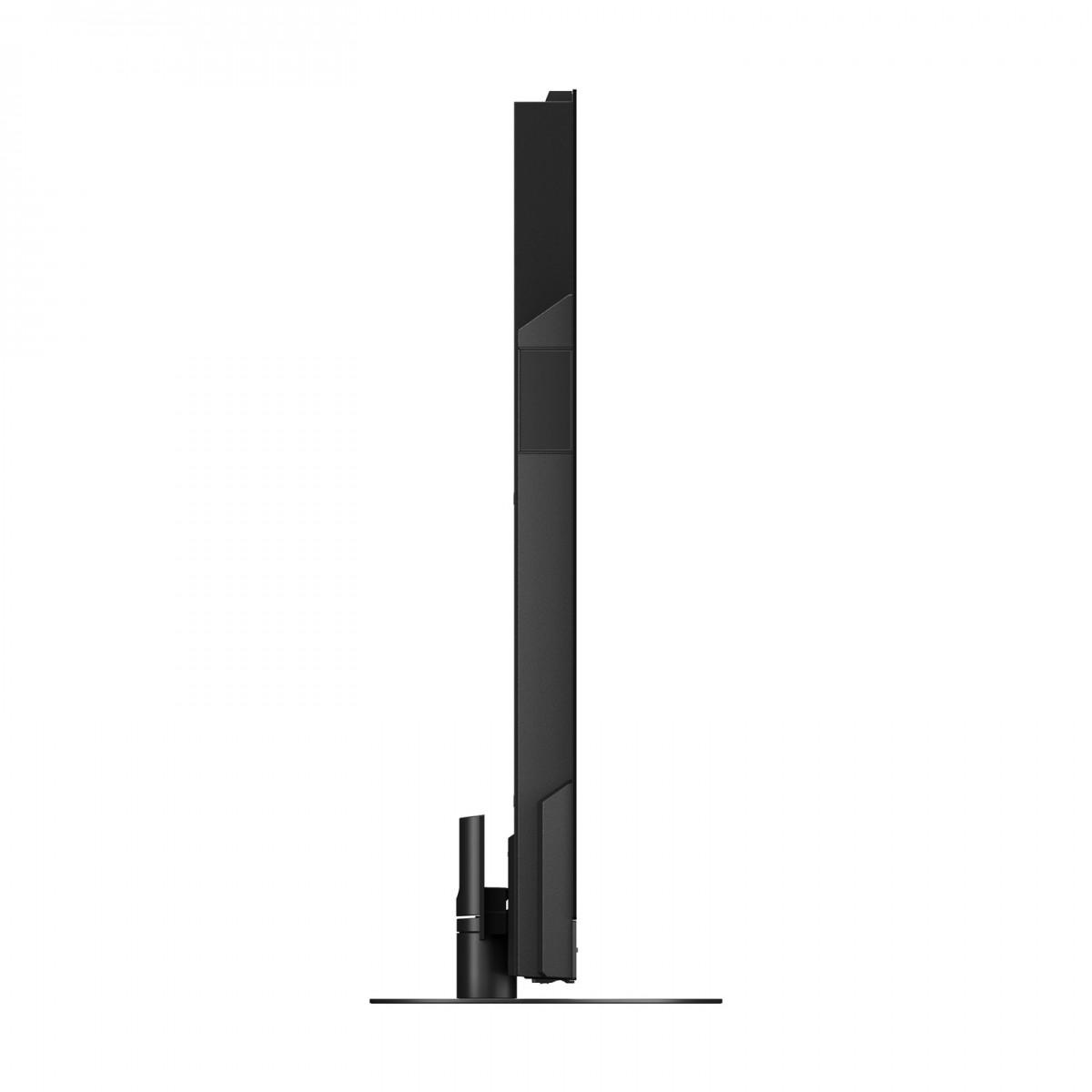
Both TVs showcase premium design philosophies. The Philips 65OLED974/F7 features an ultra-thin 2.2-inch depth with a three-sided borderless design that maximizes screen real estate. The stable tabletop stand accommodates most entertainment centers, and VESA mounting compatibility allows for clean wall installations.
The Panasonic Z95A emphasizes ergonomic design with a slightly tilted display for optimal viewing angles. This subtle angle reduces neck strain during extended viewing sessions—a thoughtful touch often overlooked in TV design.
At the time of writing, these TVs occupy different price tiers in the premium OLED market. The Philips 65OLED974/F7 typically offers better value for buyers seeking premium OLED technology without the highest-end pricing. It delivers the core OLED benefits—perfect blacks, vibrant colors, gaming performance—at a more accessible price point.
The Panasonic Z95A commands premium pricing but justifies it with superior HDR performance, advanced processing, and better bright room capability. The price difference reflects the additional engineering in brightness enhancement and AI-driven picture processing.
For dedicated home theater setups, both TVs excel but in different scenarios. The Philips 65OLED974/F7 works beautifully in controlled lighting environments where its perfect blacks create dramatic contrast. The excellent out-of-box color accuracy means less tweaking to achieve cinematic results.
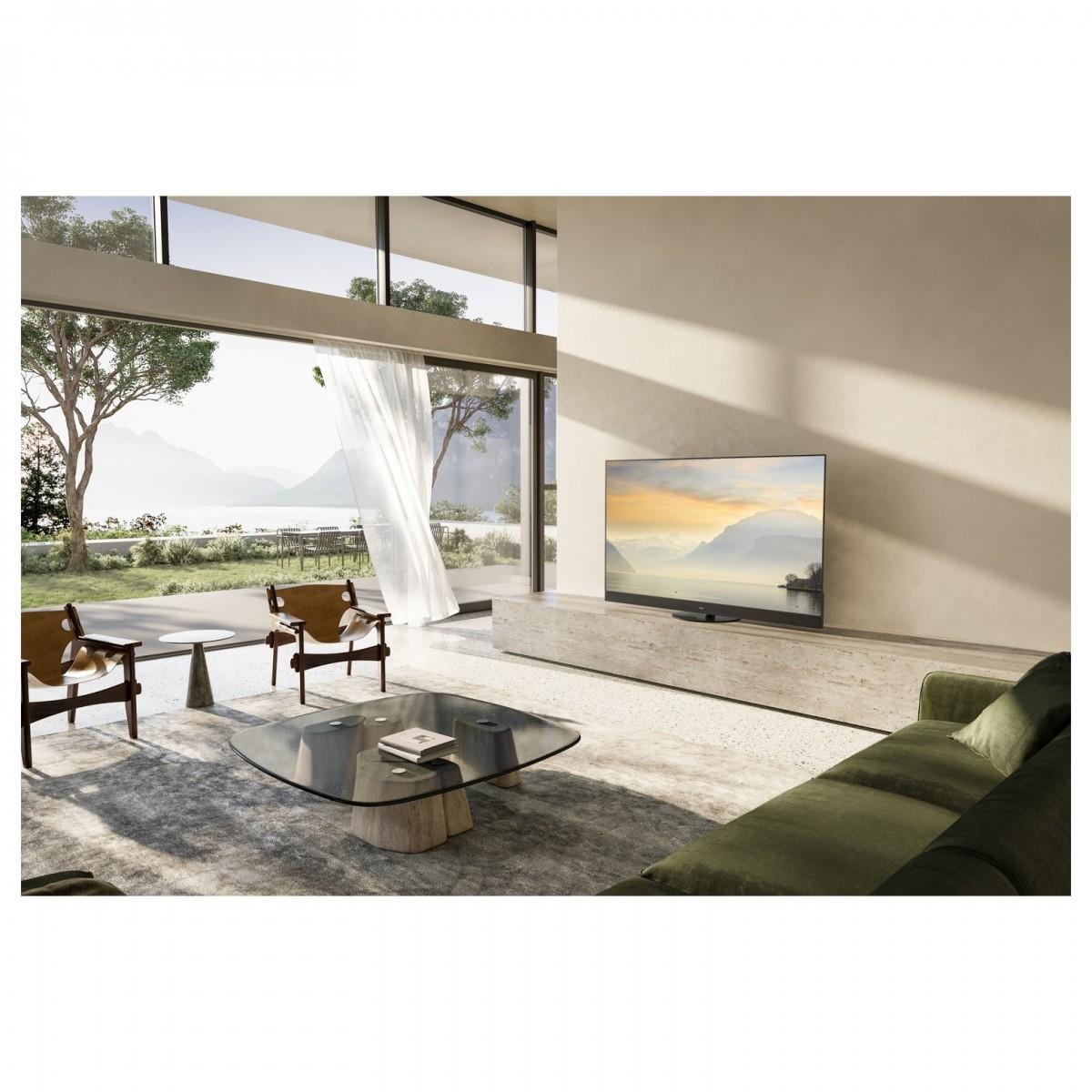
The Panasonic Z95A offers more flexibility for varying lighting conditions. Its superior HDR performance and ambient light adaptation make it suitable for multi-purpose rooms that serve as both living spaces and entertainment areas.
Choose the Philips 65OLED974/F7 if:
Choose the Panasonic Z95A if:
Both TVs represent excellent choices in the premium OLED category, but they serve different users optimally. The Philips 65OLED974/F7 delivers outstanding gaming performance and excellent dark room picture quality at a more accessible price point. It's the better choice for dedicated entertainment spaces and serious gamers.
The Panasonic Z95A justifies its premium positioning with superior HDR performance, better bright room capability, and more advanced processing. It's the better choice for living rooms with ambient light and users who prioritize versatility across different viewing conditions.
Your room's lighting conditions and primary use cases should drive your decision. In my experience researching TV technologies, these fundamental environmental factors matter more than minor specification differences. Both TVs will deliver years of excellent viewing—choose based on how and where you'll actually use the TV most often.
| Philips 65OLED974/F7 | Panasonic Z95A |
|---|---|
| Peak Brightness - Critical for HDR impact and bright room viewing | |
| Limited brightness, struggles in bright rooms and muted HDR | Superior brightness with micro lens array technology |
| Gaming Performance - Refresh rate and input lag for console gaming | |
| Native 120Hz, <0.1ms response, AMD FreeSync Premium | 144Hz refresh rate, Game Mode, ALLM, MEMC technology |
| Smart TV Platform - Interface and app ecosystem | |
| Roku TV (content-neutral, simple interface) | Amazon Fire TV Built-in (Alexa integration, Amazon ecosystem) |
| Picture Processing - Color accuracy and content optimization | |
| Excellent out-of-box SDR accuracy, basic processing | HCX Pro AI Processor MKII with real-time content analysis |
| HDR Support - High dynamic range format compatibility | |
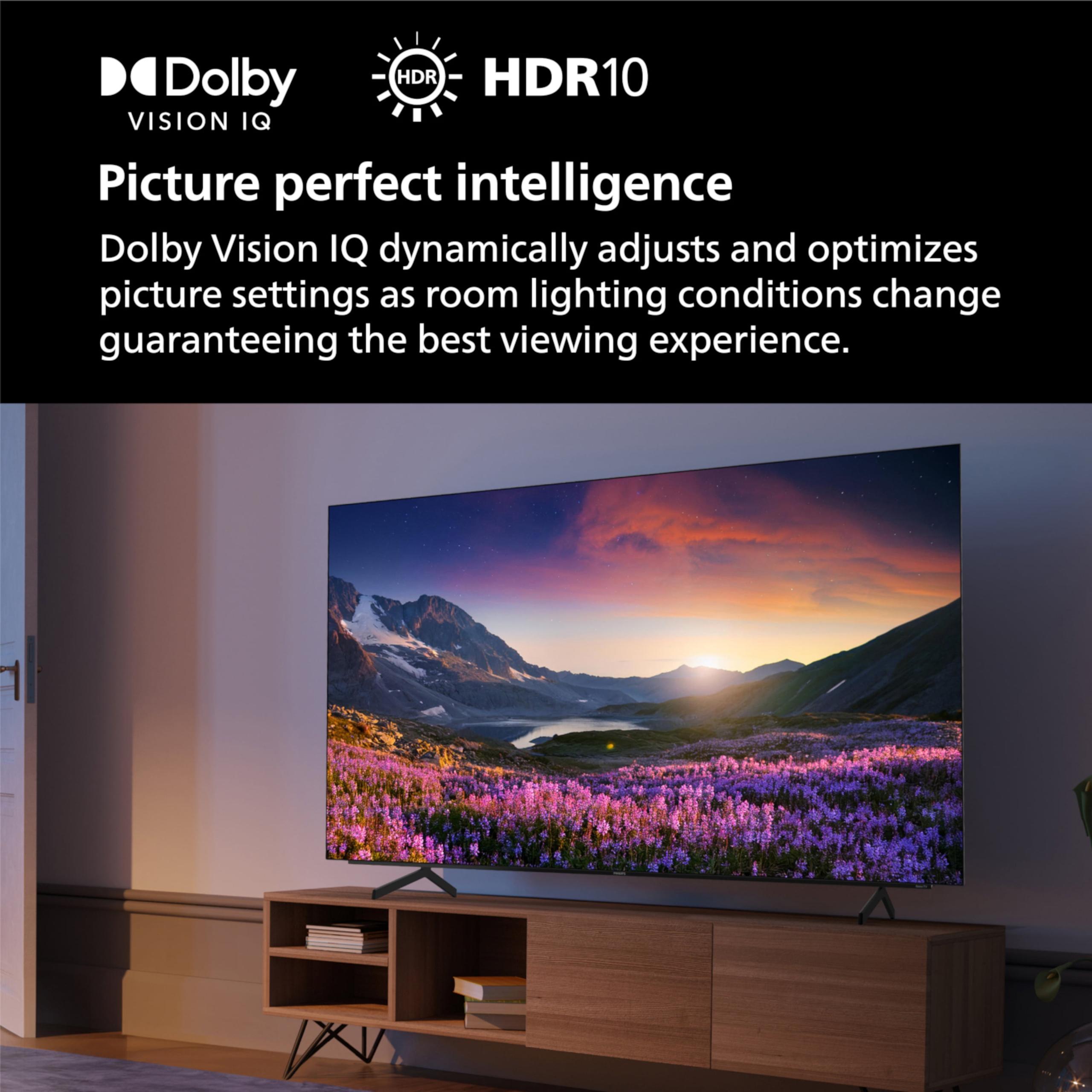
| Dolby Vision IQ, Dolby Vision, HDR10, HLG | HDR10, HDR10+, Dolby Vision, HLG with ambient light adaptation |
| Audio System - Built-in speaker configuration and power | |
| 2.1 system with subwoofer, 55W total output, Dolby Atmos | 360° speakers (front/up/side firing), 20W output, Dolby Atmos |
| Color Gamut Coverage - Range of colors the TV can display | |
| 98.5% DCI-P3, vibrant out-of-box colors | Wide color gamut with Hexa Chroma Drive processing |
| HDMI 2.1 Gaming Features - Next-gen console compatibility | |
| 4K@120Hz on 2 ports, VRR, ALLM, eARC | 4K gaming support, VRR, ALLM with AI optimization |
| Voice Control - Hands-free operation capabilities | |
| Bluetooth voice remote for search and playback | Hands-free Alexa Built-in, Google Assistant support |
| Design and Build - Physical characteristics and mounting | |
| Ultra-thin 2.2" depth, 3-sided borderless, VESA compatible | Ultra-slim with ergonomically tilted display |
| Best Use Cases - Ideal viewing scenarios | |
| Dark room gaming and entertainment, budget-conscious OLED buyers | Bright rooms, mixed lighting, premium HDR experience |
The Philips 65OLED974/F7 is the better choice for gaming. It offers a native 120Hz refresh rate with under 0.1ms response time and AMD FreeSync Premium support, which eliminates screen tearing and provides ultra-responsive gameplay. While the Panasonic Z95A has a higher 144Hz refresh rate, the Philips includes more gaming-specific optimizations that benefit console players.
The biggest difference is brightness performance. The Panasonic Z95A delivers significantly better peak brightness thanks to its micro lens array technology, making HDR content more impactful and improving visibility in bright rooms. The Philips 65OLED974/F7 has limited brightness, which makes it better suited for dark room viewing but causes HDR content to appear dim.
Both platforms are excellent but serve different preferences. The Philips 65OLED974/F7 uses Roku TV, which offers a content-neutral interface that treats all streaming services equally and excels at content discovery. The Panasonic Z95A features Amazon Fire TV, which integrates deeply with Alexa and Amazon services, making it ideal if you're already in the Amazon ecosystem.
No, there's a significant difference here. The Panasonic Z95A performs much better in bright rooms due to its superior peak brightness and ambient light adaptation features. The Philips 65OLED974/F7 struggles with glare and appears washed out in well-lit environments, making it better suited for dimly lit or dark rooms.
The Philips 65OLED974/F7 typically offers better value, delivering core OLED benefits like perfect blacks, excellent gaming performance, and vibrant colors at a more accessible price point. The Panasonic Z95A commands premium pricing but justifies it with superior HDR performance and advanced picture processing.
Yes, both the Philips 65OLED974/F7 and Panasonic Z95A fully support current and next-generation gaming consoles including PlayStation 5, Xbox Series X|S, and Nintendo Switch. Both offer HDMI 2.1 connectivity, 4K gaming at high refresh rates, and features like Auto Low Latency Mode (ALLM) and Variable Refresh Rate (VRR).
For dedicated home theaters with controlled lighting, the Philips 65OLED974/F7 excels with its perfect blacks and excellent out-of-box color accuracy. However, if your home theater has any ambient light, the Panasonic Z95A is the better choice due to its superior brightness and HDR performance that maintains quality across different lighting conditions.
The Philips 65OLED974/F7 has better built-in audio with a 2.1 speaker system including a subwoofer and 55W total output. The Panasonic Z95A uses a 360-degree speaker arrangement with only 20W output. However, at this price level, most users invest in external sound systems, making this difference less critical.
The Panasonic Z95A significantly outperforms the Philips 65OLED974/F7 in HDR content. The Panasonic supports more HDR formats (HDR10, HDR10+, Dolby Vision, HLG) and has the brightness needed to make HDR highlights pop. The Philips supports fewer HDR formats and its limited brightness makes HDR content appear dim and lacking impact.
The Panasonic Z95A is better for sports viewing due to its superior brightness and ability to handle bright room conditions where sports are often watched. Both TVs offer excellent motion handling, but the Panasonic's MEMC technology and higher refresh rate provide slightly smoother motion. The Philips 65OLED974/F7 works well for sports only in darker viewing environments.
The Philips 65OLED974/F7 has excellent out-of-box color accuracy, particularly for SDR content, requiring minimal calibration. The Panasonic Z95A uses advanced AI processing to optimize colors dynamically based on content type, potentially offering better overall color handling but may require some adjustment for personal preferences.
Choose the Panasonic Z95A for most living rooms, especially those with windows or ambient lighting. Its superior brightness and HDR performance work better in typical living room conditions. Only choose the Philips 65OLED974/F7 for living rooms if you primarily watch in dark conditions, prioritize gaming, or want to save money while still getting excellent OLED picture quality.
We've done our best to create useful and informative comparisons to help you decide what product to buy. Our research uses advanced automated methods to create this comparison and perfection is not possible - please contact us for corrections or questions. These are the sites we've researched in the creation of this article: rtings.com - versus.com - versus.com - rtings.com - samsclub.com - versus.com - youtube.com - usa.philips.com - bestbuy.com - usa.philips.com - consumerreports.org - usa.philips.com - documents.philips.com - tvoutlet.ca - displayspecifications.com - business.walmart.com - displayspecifications.com - ecoustics.com - walmart.com - youtube.com - youtube.com - whathifi.com - tomsguide.com - shop.panasonic.com - store.in.panasonic.com - rtings.com - applianceplus.co.nz - rtings.com - store.in.panasonic.com - samsung.com

Privacy Policy
Terms and Conditions - Affiliate Policy
Home Security
© Copyright 2008-2026.
11816 Inwood Rd #1211, Dallas, TX 75244