

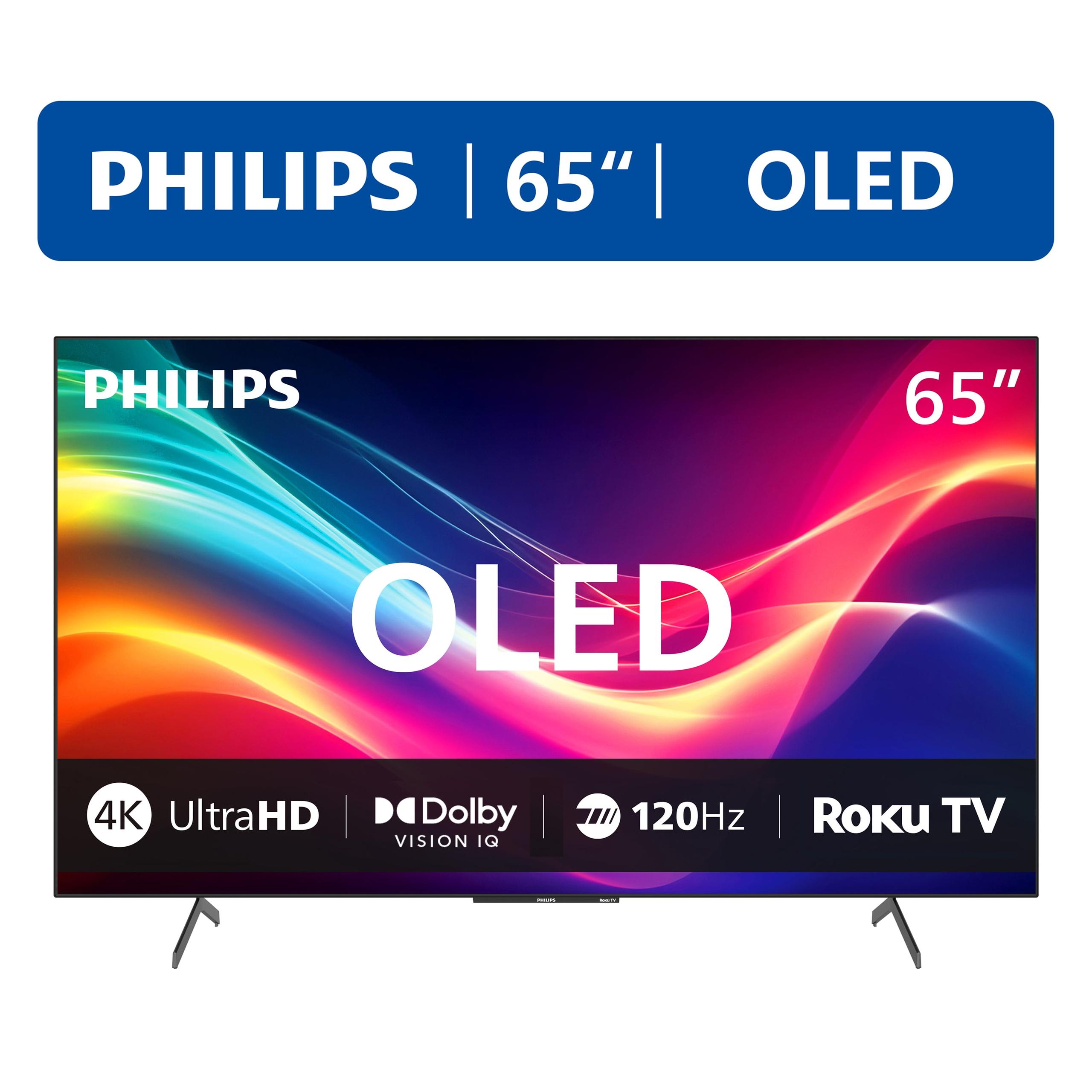
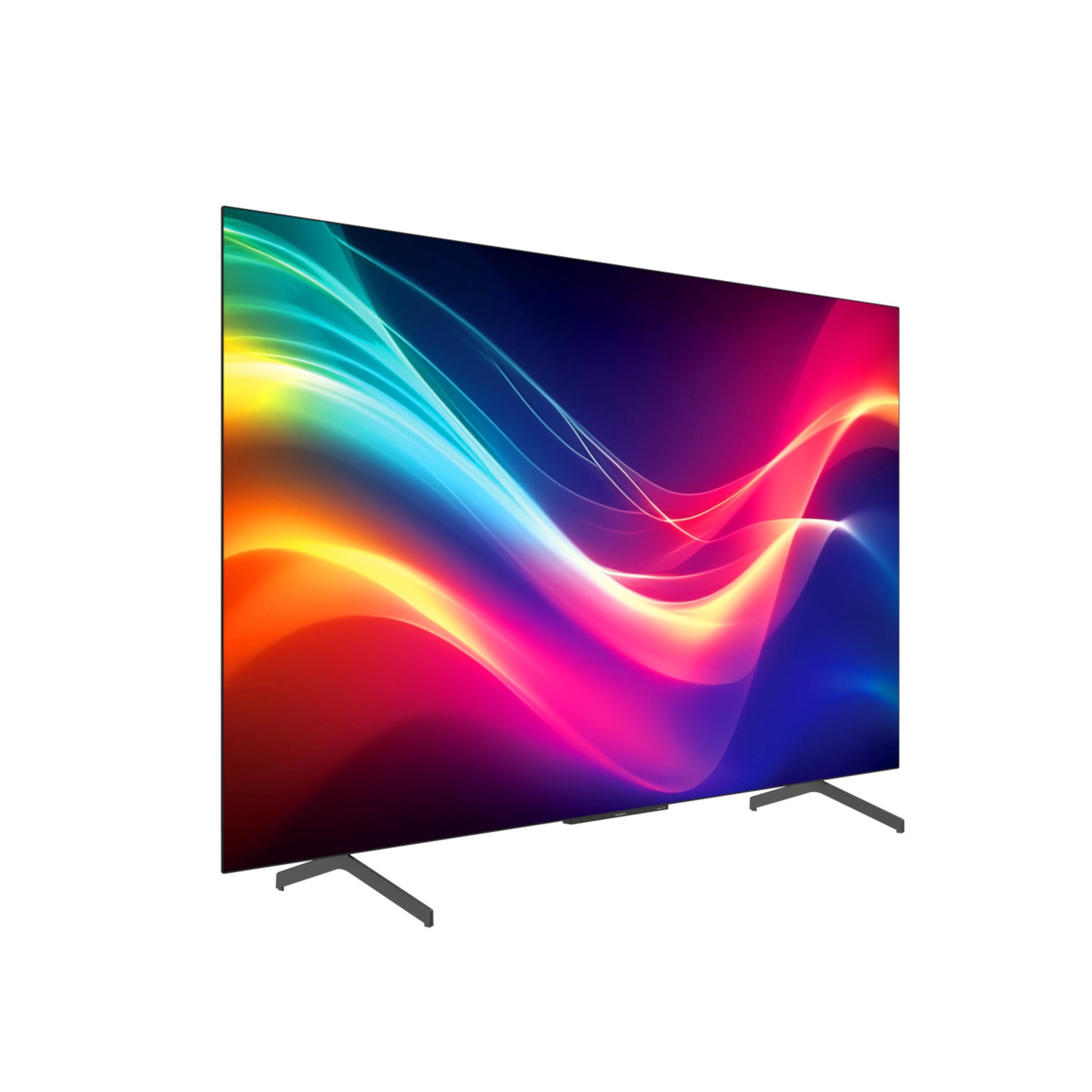


When you're shopping for a new 65-inch TV, you'll quickly discover that the display technology makes all the difference in your viewing experience. The choice between OLED and QLED represents more than just marketing buzzwords—it's a fundamental decision about how you want your TV to perform in your specific living space.
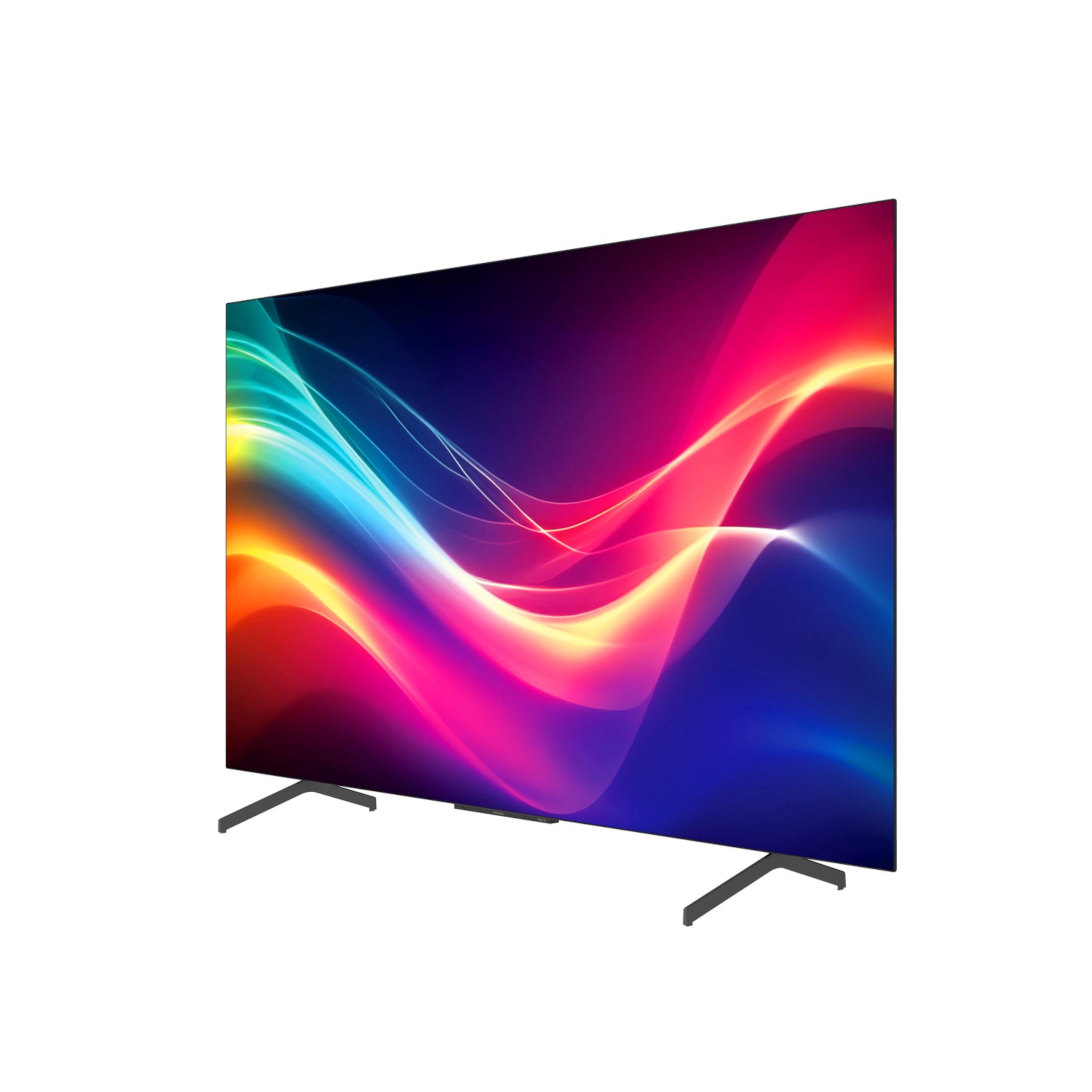
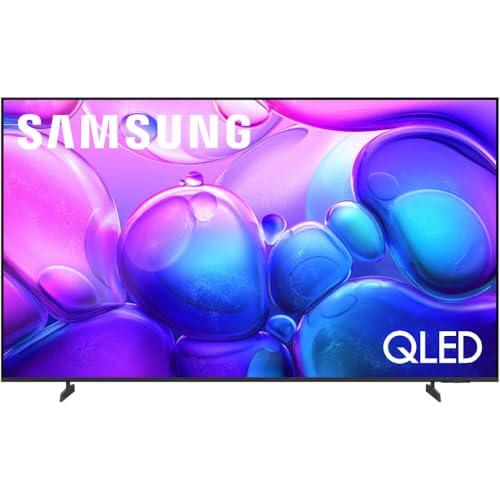
At the time of writing, the Philips 65OLED974/F7 represents premium OLED technology at a mid-range price point, while the Samsung Q6F 2025 offers entry-level QLED features for budget-conscious buyers. These TVs sit in completely different market segments, but understanding their differences helps illustrate the broader OLED versus QLED decision that many buyers face.
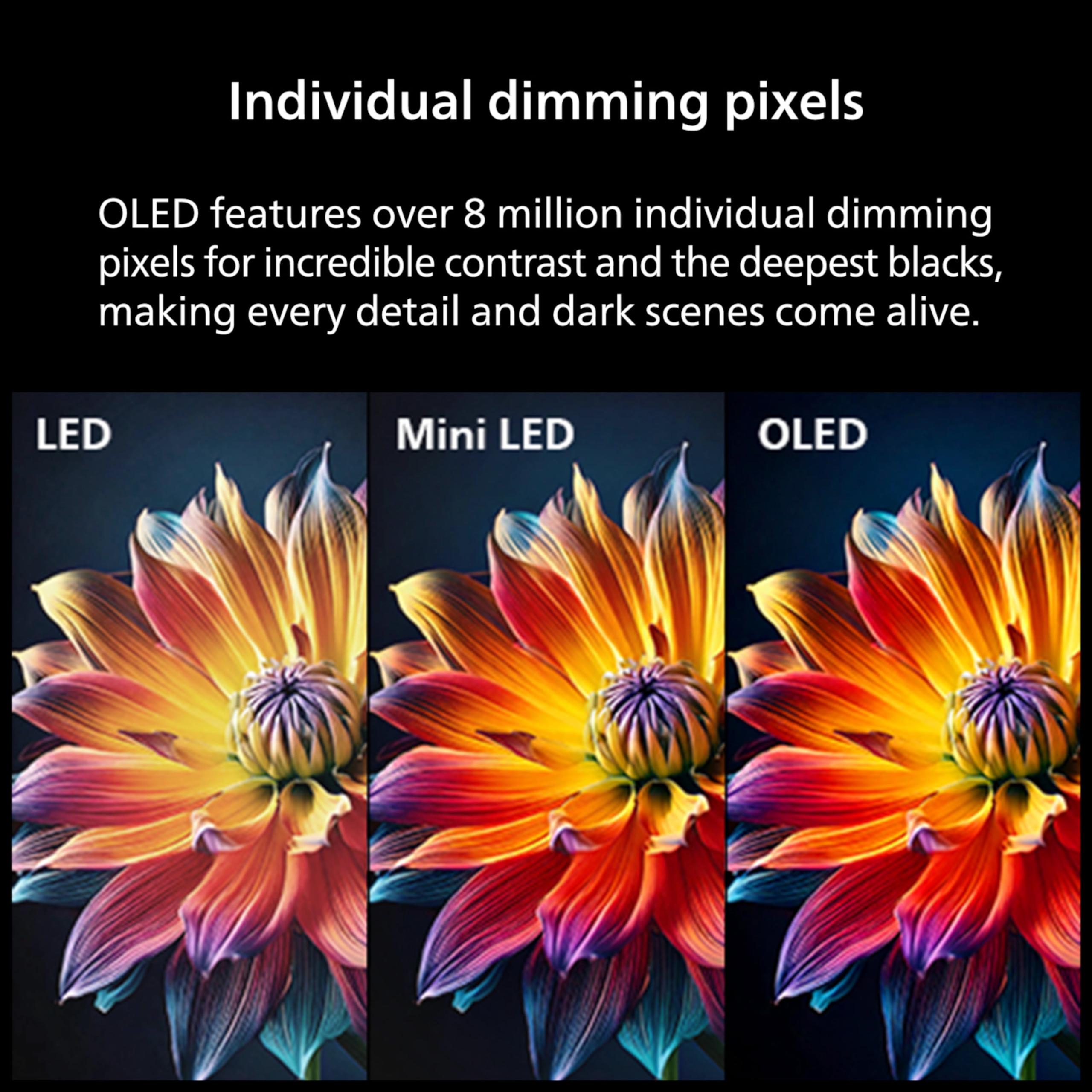
OLED (Organic Light-Emitting Diode) panels work fundamentally differently from traditional LED TVs. Each pixel generates its own light through organic compounds that emit photons when electricity passes through them. This means individual pixels can turn completely off, creating true black levels that no backlit display can match. Think of it like having 8 million tiny light bulbs that can independently brighten, dim, or shut off entirely.
QLED (Quantum Dot LED) technology enhances traditional LED-backlit LCD panels with quantum dots—microscopic semiconductor crystals that emit specific colors when hit by light. These quantum dots sit between the LED backlight and the LCD panel, improving color accuracy and brightness compared to standard LED TVs. However, QLED still relies on backlighting, meaning it can't achieve true blacks like OLED.
The Philips 65OLED974/F7, released in 2024, showcases mature OLED technology with features like Dolby Vision IQ and AMD FreeSync Premium that weren't common in earlier OLED models. OLED technology has evolved significantly since its consumer debut around 2013, with improvements in brightness, color accuracy, and longevity addressing early adoption concerns.
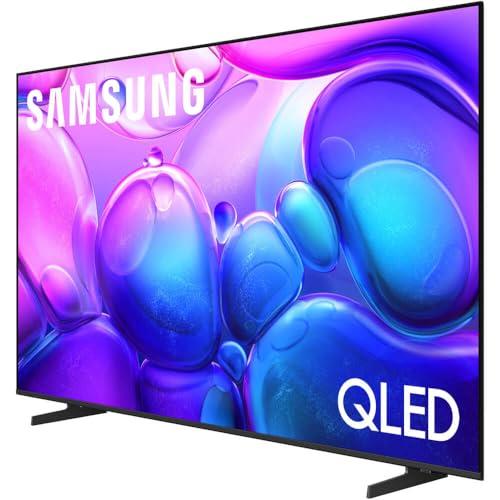
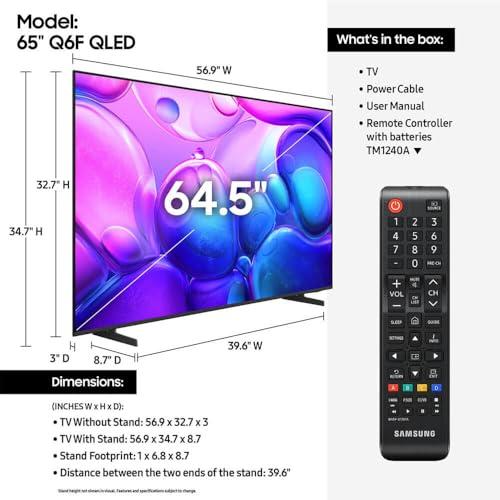
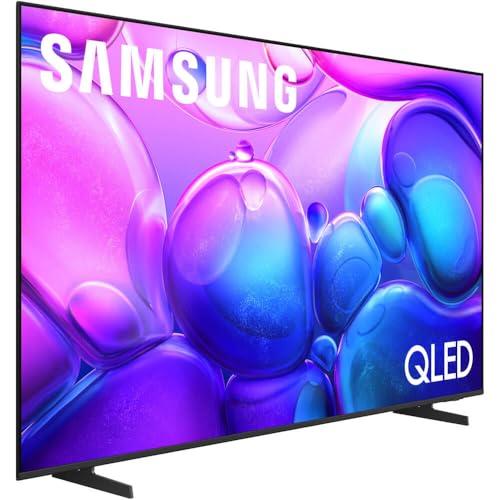
The Samsung Q6F 2025 represents Samsung's entry-level QLED offering, featuring quantum dot enhancement but lacking the advanced backlighting systems found in higher-end models. Samsung has been refining QLED technology since 2017, focusing on brightness improvements and smart TV integration.
The most dramatic difference between these TVs lies in their black level performance. The Philips 65OLED974/F7 achieves perfect blacks because its pixels can turn completely off. When you're watching a movie with dark scenes—think of the space sequences in Interstellar or the underground scenes in The Batman—individual stars and small light sources pop against the infinite darkness with stunning realism.
Our research into user experiences consistently shows that OLED's contrast advantage becomes most apparent in dimly lit or dark rooms. The Samsung Q6F 2025, lacking local dimming technology, cannot match this performance. Its LED backlight remains active even during dark scenes, creating a grayish appearance where true black should exist. This limitation becomes particularly noticeable when watching letterboxed movies, where the black bars above and below the image appear visibly gray rather than disappearing entirely.
Contrast ratio measures the difference between the brightest whites and darkest blacks a display can produce. While the Philips OLED achieves an infinite contrast ratio (since it can produce true zero brightness in black areas), the Samsung Q6F typically manages contrast ratios around 3000:1 to 4000:1—respectable for LED technology but nowhere near OLED performance.
Here's where the story gets interesting. The Samsung Q6F 2025 actually outperforms the Philips 65OLED974/F7 in peak brightness, achieving higher light output that proves beneficial in well-lit rooms. QLED technology generally reaches 400-600 nits in typical viewing scenarios, while this particular OLED model struggles with brightness output, often falling short of optimal HDR performance.
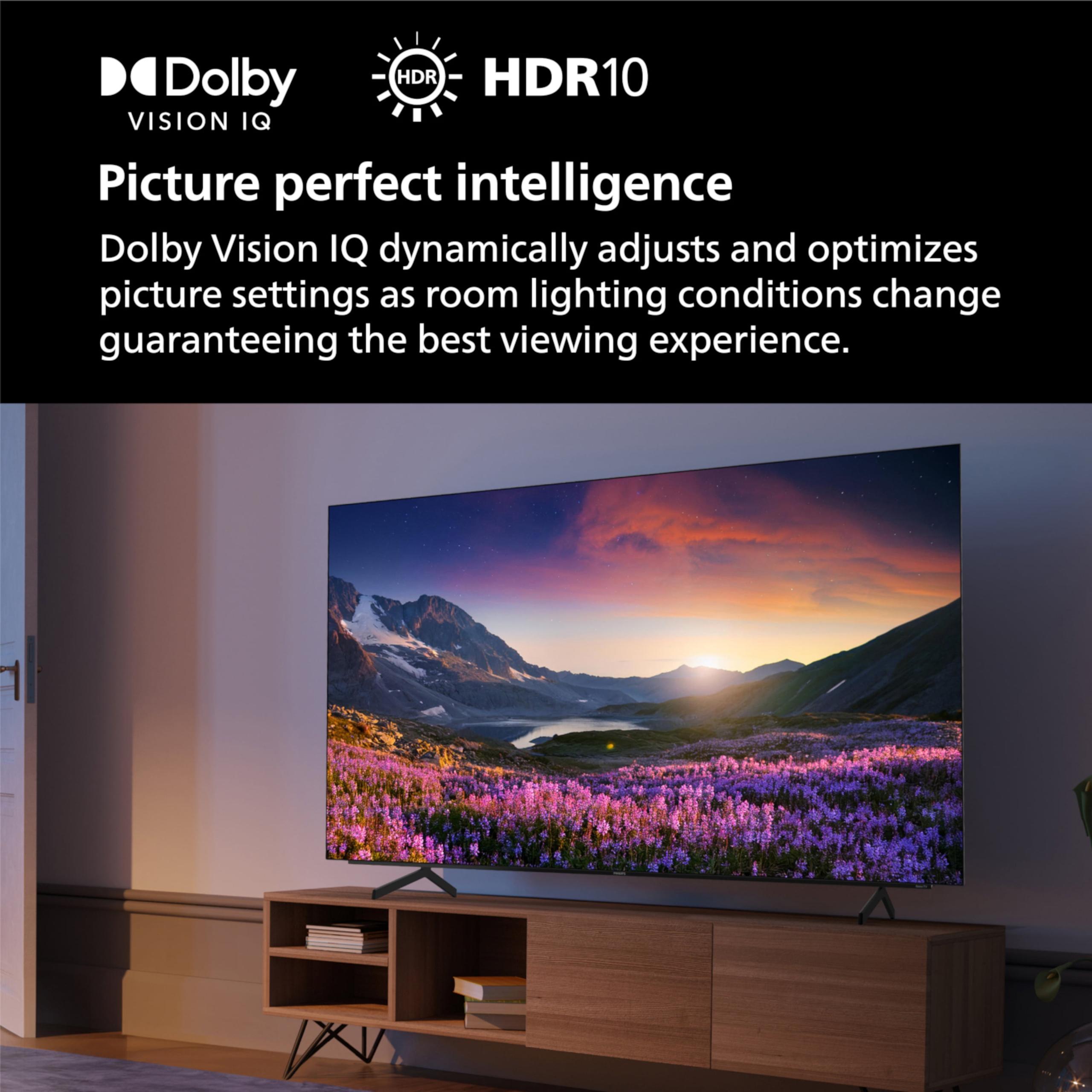
HDR (High Dynamic Range) content requires displays to reproduce a wider range of brightness levels than standard content. The Philips OLED supports Dolby Vision IQ, Dolby Vision, HDR10, and HLG formats, with Dolby Vision IQ automatically adjusting picture settings based on your room's ambient lighting. However, its limited brightness means HDR highlights don't achieve the intended impact—fireworks look muted, and sunny outdoor scenes lack the punch they should have.
The Samsung Q6F supports HDR10+ but notably lacks Dolby Vision support entirely. HDR10+ provides dynamic metadata (frame-by-frame optimization instructions) but isn't as widely adopted as Dolby Vision. This means you'll miss out on optimized viewing for Netflix, Disney+, and other streaming services that primarily use Dolby Vision for their premium HDR content.
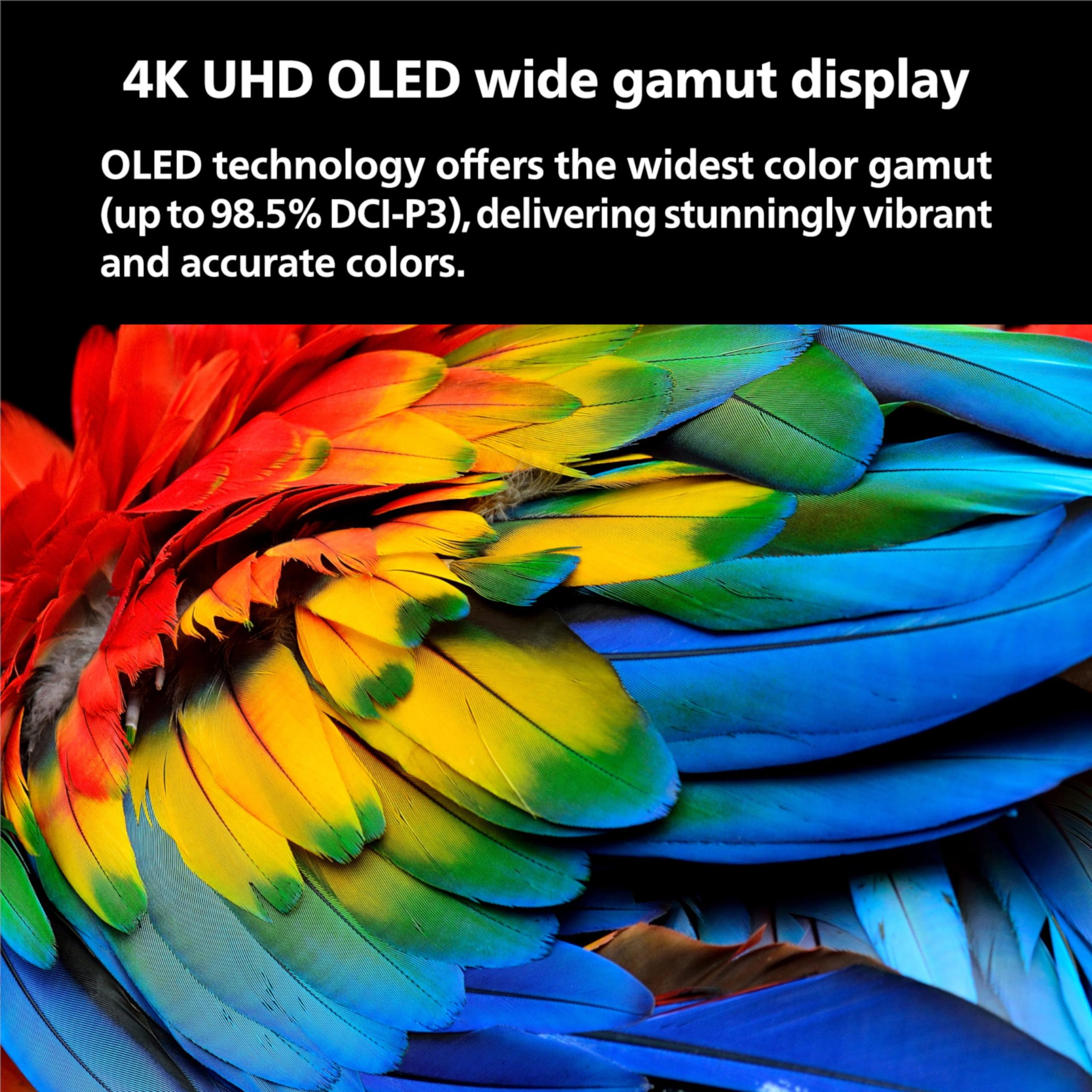
Color performance reveals another interesting contrast. The Philips 65OLED974/F7 covers up to 98.5% of the DCI-P3 color space—the standard used in digital cinema—delivering exceptional color accuracy straight out of the box. OLED technology naturally produces pure, saturated colors because each pixel emits specific wavelengths of light directly.
The Samsung Q6F 2025 advertises "100% Color Volume" through its quantum dot technology. Color volume refers to how well a display maintains color saturation across different brightness levels. Quantum dots excel at maintaining vibrant reds and greens even at high brightness levels, where traditional LED displays often wash out. However, the Q6F's entry-level implementation lacks the sophisticated color management found in premium QLED models.
In practical terms, the Philips OLED produces more natural, film-like colors that require minimal adjustment, while the Samsung QLED tends toward more vibrant, saturated colors that some viewers prefer for sports and animated content.
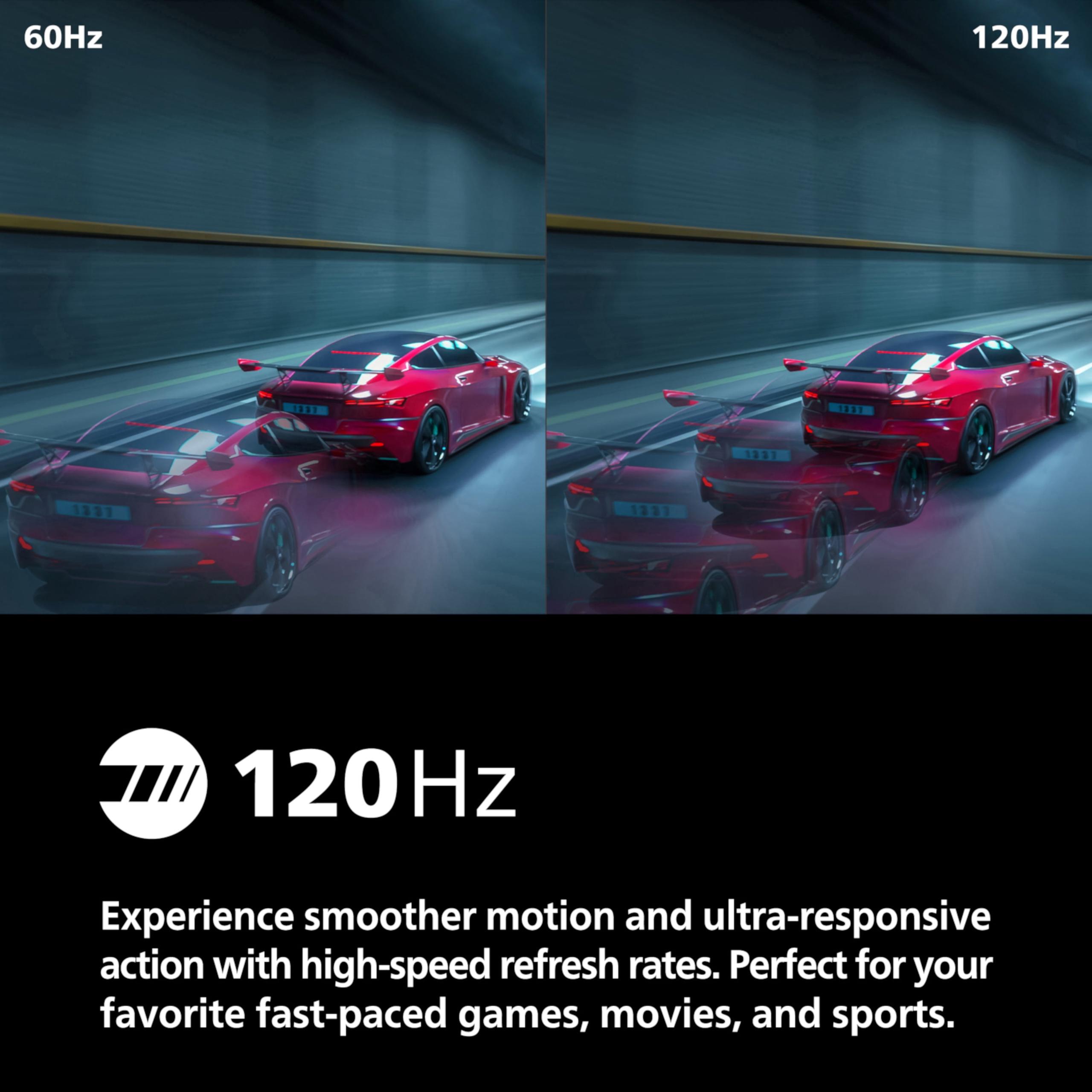
Gaming represents one area where the Philips 65OLED974/F7 demonstrates clear superiority. Its 120Hz native panel refreshes the image 120 times per second, compared to the Samsung Q6F's 60Hz limitation. This difference becomes crucial for fast-paced games, sports content, and any scenario involving quick motion.
Response time—how quickly individual pixels can change from one color to another—measures under 0.1 milliseconds on the Philips OLED. This near-instantaneous pixel switching eliminates motion blur and ghosting effects that plague slower displays. The Samsung Q6F, using traditional LCD technology, cannot match this performance, resulting in visible blur during rapid camera movements or fast action sequences.
The Philips TV includes AMD FreeSync Premium support, which synchronizes the display's refresh rate with your gaming console or PC's graphics card output. This Variable Refresh Rate (VRR) technology eliminates screen tearing and stuttering that occurs when frame rates don't match refresh rates. Modern gaming consoles like the PlayStation 5 and Xbox Series X/S can output 120 frames per second in supported games, but only the Philips OLED can properly display this high frame rate content.
Auto Low Latency Mode (ALLM) automatically switches both TVs to their lowest input lag settings when gaming consoles are detected. However, the Samsung Q6F lacks the advanced gaming features that serious gamers expect in 2025.
For competitive gaming, home theater gaming setups, or anyone who appreciates smooth motion, the Philips OLED provides a noticeably superior experience. The Samsung Q6F remains adequate for casual gaming but falls short of modern gaming standards.
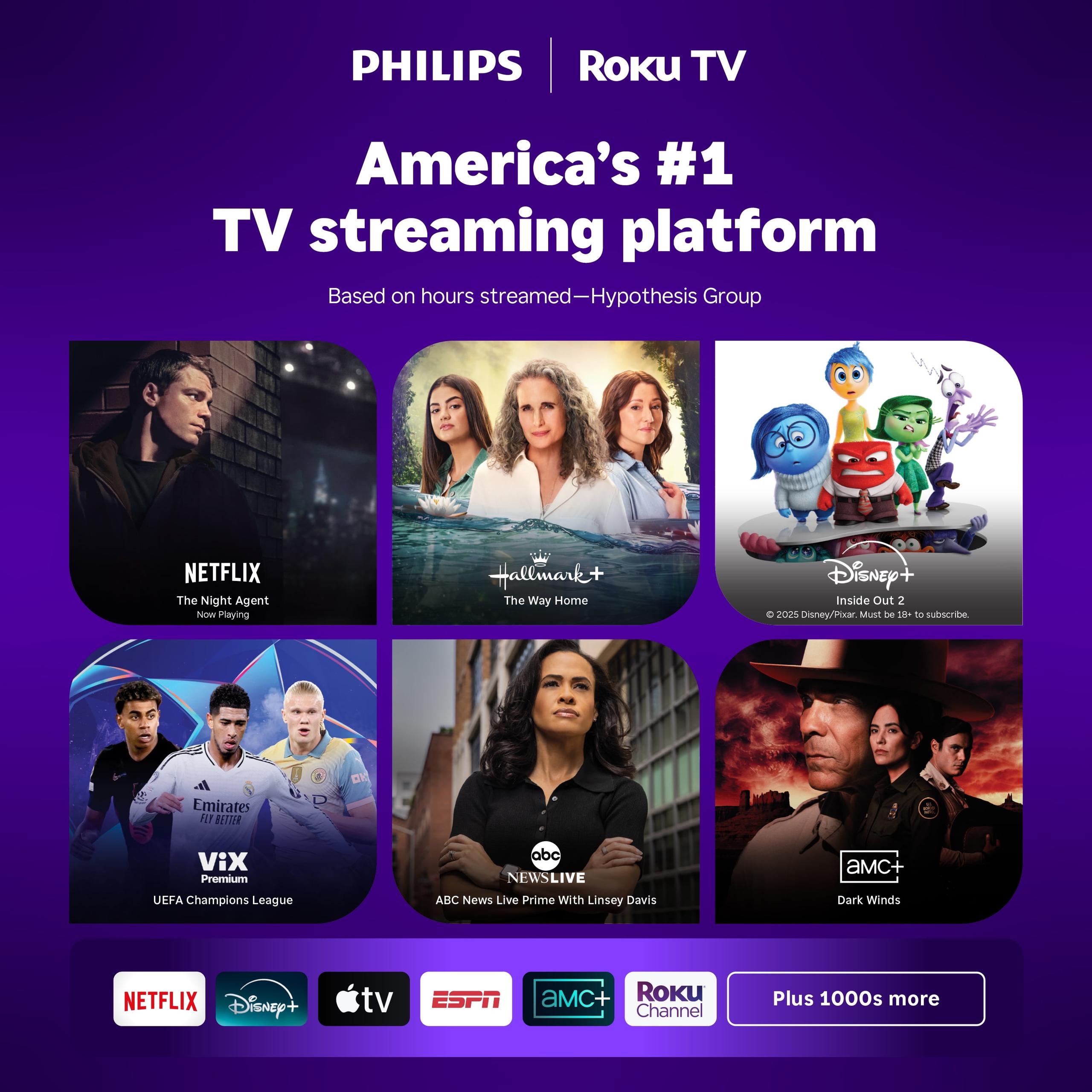
These TVs offer distinctly different smart TV experiences. The Philips 65OLED974/F7 runs Roku TV, widely regarded as one of the most user-friendly smart TV platforms available. Roku's interface prioritizes content discovery across multiple streaming services, making it easy to find shows and movies regardless of which app they're hosted on.
Roku TV includes a voice remote with hands-free voice control for searching content, adjusting volume, and controlling basic TV functions. The platform receives regular updates and supports virtually every major streaming service, from Netflix and Amazon Prime to newer services like Apple TV+ and Paramount+.
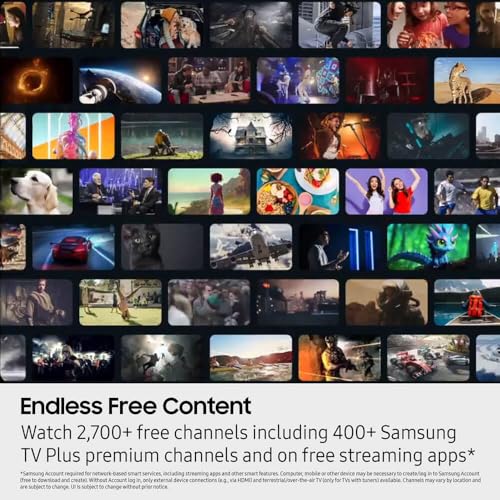
The Samsung Q6F 2025 uses a simplified version of Samsung's Tizen operating system. While Tizen offers good performance and access to major streaming apps, it lacks some of the advanced features found in higher-end Samsung models. Samsung's smart TV platform integrates well with other Samsung devices and services, but the user interface can feel less intuitive than Roku for newcomers.
Both TVs support voice assistants, but implementation differs. The Philips model focuses on Roku's native voice features, while the Samsung TV includes Bixby, Alexa, and Google Assistant support with varying degrees of integration quality.
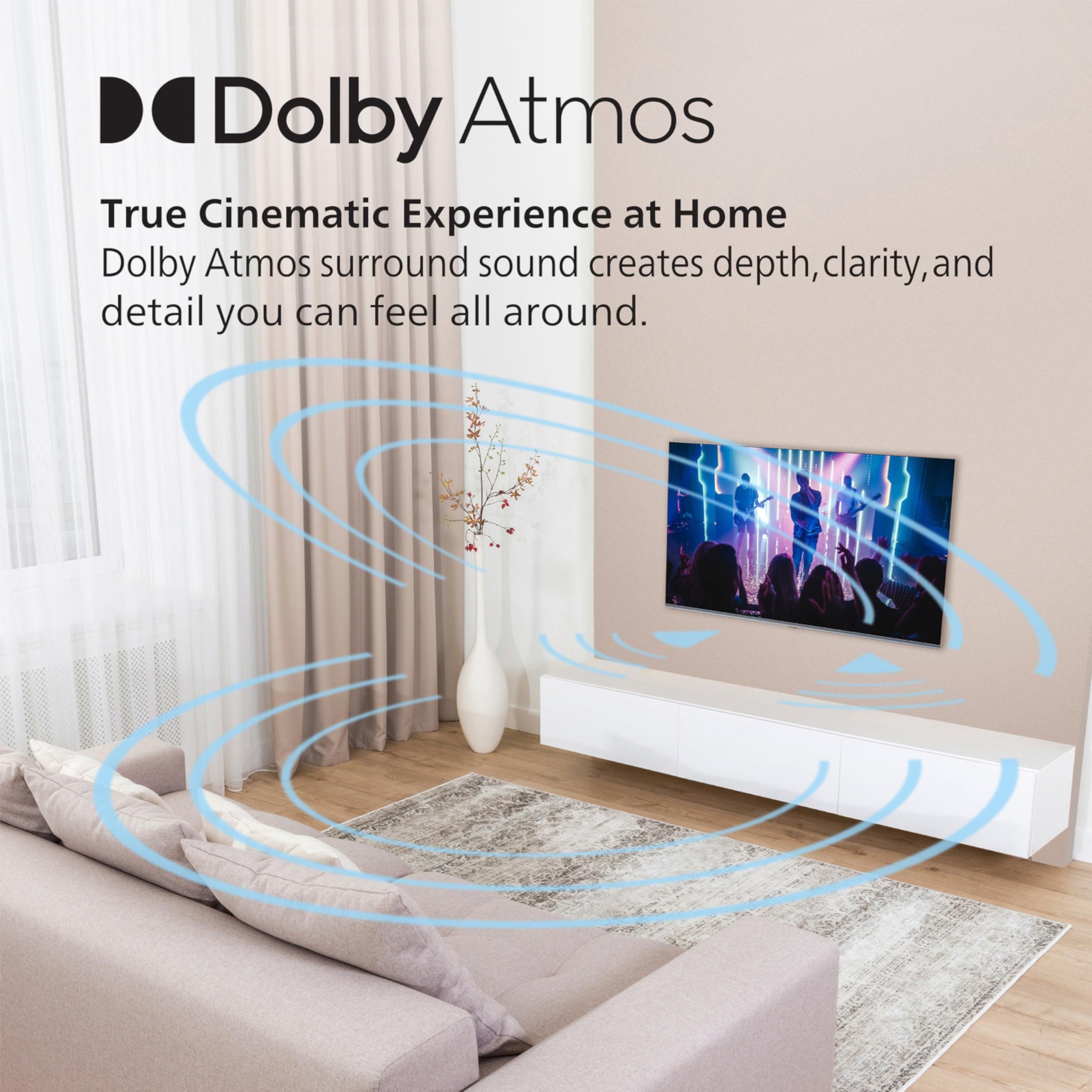
Audio represents another area of clear differentiation. The Philips 65OLED974/F7 features a 2.1 speaker system with dedicated subwoofer and Dolby Atmos support. Dolby Atmos creates three-dimensional soundscapes by precisely placing audio objects in space around the listener, adding height and movement to the audio experience.
This enhanced audio system produces noticeably better bass response and clearer dialogue compared to basic TV speakers. While no built-in TV audio system can match a dedicated soundbar or surround sound setup, the Philips OLED provides respectably immersive sound for typical viewing scenarios.
The Samsung Q6F 2025 includes basic 20-watt stereo speakers without advanced audio processing. The sound quality proves adequate for casual viewing but lacks the depth and clarity that enhances movie watching or gaming experiences.
For dedicated home theater setups, the Philips 65OLED974/F7 offers several advantages that justify its premium positioning. The perfect black levels create the cinematic experience that movie enthusiasts expect, especially in darkened viewing environments where OLED technology truly shines.
Filmmaker Mode, supported by the Philips OLED, automatically disables motion smoothing and other post-processing effects that can interfere with directors' creative intentions. This feature has gained strong support from filmmakers like Christopher Nolan and Martin Scorsese who want their movies viewed as originally intended.
The TV's wide 176-degree viewing angle ensures consistent picture quality for multiple viewers, important for family movie nights or entertainment spaces with varied seating arrangements.
However, the Philips model's brightness limitations become problematic in rooms with significant ambient lighting. Windows, lamps, and overhead lighting can wash out the image and reduce contrast advantages. Home theater enthusiasts typically prefer controlled lighting environments anyway, making this less of a concern for dedicated viewing rooms.
The Samsung Q6F 2025 performs better in bright rooms thanks to superior peak brightness, but its poor black levels and limited viewing angles make it less suitable for serious home theater applications.
Choose the Philips 65OLED974/F7 if you:
The Philips OLED targets viewers who prioritize picture quality above all else. If you've ever been frustrated by visible gray backlight during dark movie scenes, or if you notice motion blur during sports or gaming, this TV addresses those concerns definitively.
Choose the Samsung Q6F 2025 if you:
The Samsung Q6F serves viewers seeking modern smart TV features without premium pricing. It provides a significant upgrade from older LED TVs while maintaining affordability for budget-conscious buyers.
At the time of writing, these TVs occupy different market segments with the Philips OLED commanding roughly three to four times the price of the Samsung Q6F. This price difference reflects fundamental technology gaps rather than simple feature variations.
The most critical decision factor remains your primary viewing environment. OLED technology's advantages become most apparent in controlled lighting conditions, while QLED's brightness benefits shine in well-lit spaces. If you primarily watch TV during daytime hours with natural light streaming in, the Samsung Q6F might actually provide a better viewing experience despite its technological limitations.
For gaming enthusiasts, the choice becomes clearer. Modern gaming consoles and PCs can output 120Hz content, but only the Philips OLED can properly display it. The difference in gaming responsiveness and visual fluidity justifies the premium for serious gamers.
Consider your content preferences as well. Movie enthusiasts who appreciate cinematography and visual storytelling benefit most from OLED's perfect contrast and color accuracy. Sports fans and casual viewers might find QLED's brighter, more saturated presentation preferable.
Both TVs represent solid choices within their respective categories, but they serve fundamentally different audiences and use cases. The Philips 65OLED974/F7 delivers premium performance that justifies its higher cost for viewers who can appreciate its advantages, while the Samsung Q6F 2025 provides modern smart TV functionality at an accessible price point for mainstream consumers.
| Philips 65OLED974/F7 | Samsung Q6F 2025 |
|---|---|
| Display Technology - Fundamental difference affecting all picture quality | |
| OLED with individual pixel lighting | QLED with LED backlighting |
| Black Levels - Critical for movie watching and dark scenes | |
| Perfect blacks (infinite contrast ratio) | Gray blacks due to always-on backlight |
| Peak Brightness - Essential for HDR content and bright rooms | |
| Poor brightness (~400-500 nits, struggles in bright rooms) | Higher brightness (better for well-lit environments) |
| Refresh Rate - Crucial for gaming and smooth motion | |
| 120Hz native (smooth gaming and sports) | 60Hz (limited motion performance) |
| Gaming Features - Important for console and PC gaming | |
| AMD FreeSync Premium, VRR, ALLM, 4K@120Hz | Basic ALLM only (no VRR or high refresh) |
| Response Time - Affects motion blur in fast content | |
| <0.1ms (virtually no blur) | Standard LCD response (visible blur) |
| HDR Support - Determines premium streaming quality | |
| Dolby Vision IQ, Dolby Vision, HDR10, HLG | HDR10+ only (no Dolby Vision) |
| Color Coverage - Affects color accuracy and vibrancy | |
| 98.5% DCI-P3 (cinema-accurate colors) | 100% Color Volume with quantum dots |
| Viewing Angles - Important for off-center seating | |
| 176° horizontal/vertical (excellent) | Limited angles with color shifting |
| Audio System - Built-in sound quality | |
| 2.1 speakers with Dolby Atmos | Basic 20W stereo speakers |
| Smart Platform - User interface and app ecosystem | |
| Roku TV (simple, comprehensive) | Basic Tizen OS (Samsung ecosystem) |
| HDMI Ports - Connectivity for devices | |
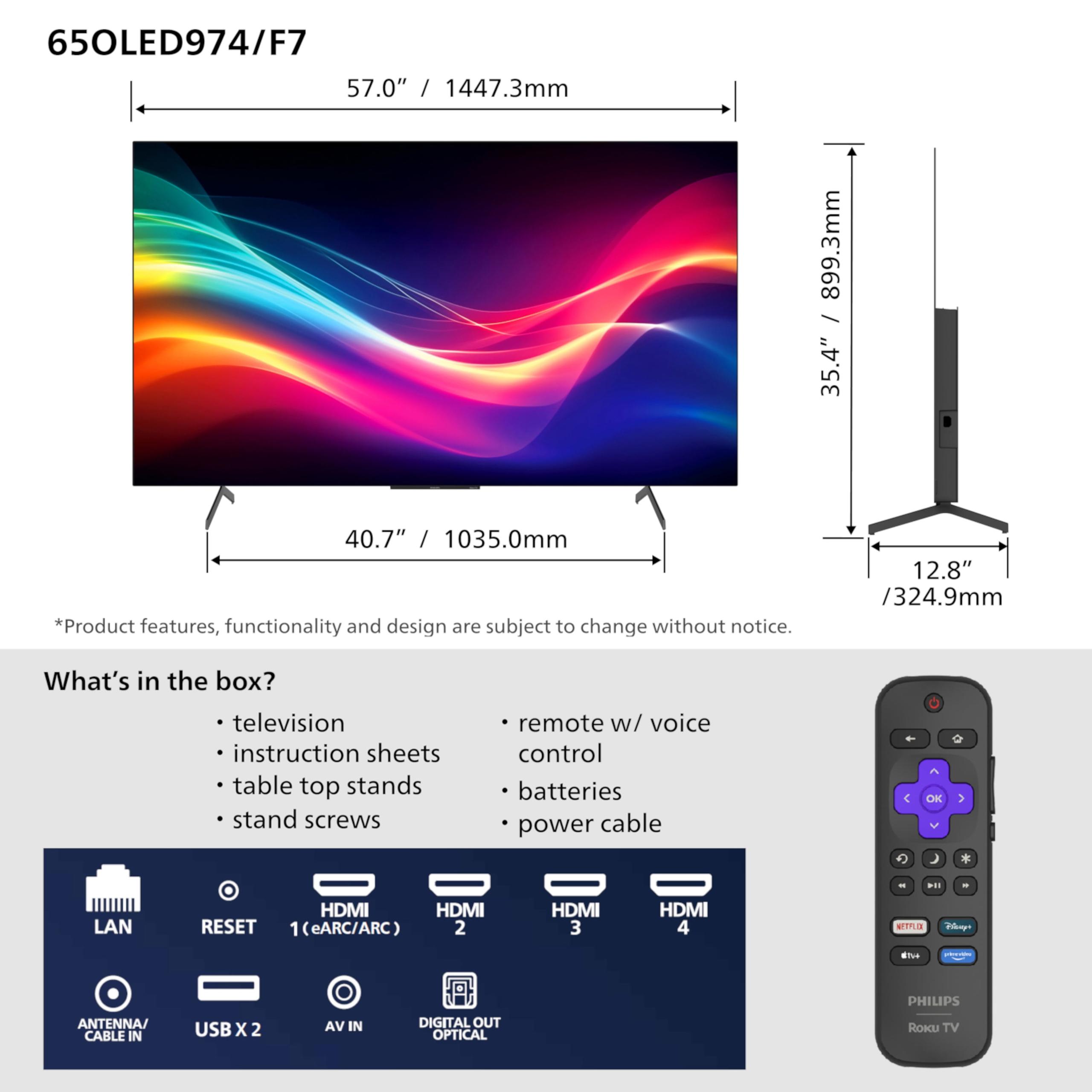
| 4 ports with eARC/ARC | 3 ports with eARC/ARC |
| Target Use Case - Best suited for | |
| Dark room home theater, premium gaming | Bright room casual viewing, budget 4K |
The Philips 65OLED974/F7 is significantly better for dark room viewing thanks to its OLED technology that produces perfect blacks. Each pixel can turn completely off, creating infinite contrast that makes dark scenes appear truly black rather than gray. The Samsung Q6F 2025 uses LED backlighting that remains active during dark scenes, resulting in visible gray levels where true black should appear.
OLED displays like the Philips 65OLED974/F7 have pixels that emit their own light and can turn completely off for perfect blacks. QLED technology in the Samsung Q6F 2025 uses quantum dots with LED backlighting to enhance colors and brightness, but cannot achieve true blacks since the backlight stays on. This fundamental difference affects contrast, viewing angles, and overall picture quality.
The Philips 65OLED974/F7 is far superior for gaming with its 120Hz native panel, sub-0.1ms response time, and AMD FreeSync Premium support. It can display 4K content at 120fps from modern consoles without blur or tearing. The Samsung Q6F 2025 is limited to 60Hz with higher response times, making it suitable only for casual gaming.
The Samsung Q6F 2025 performs better in bright rooms due to higher peak brightness that can overcome ambient light and glare. The Philips 65OLED974/F7 struggles with brightness output and is best suited for dimmed or dark viewing environments where its contrast advantages can shine.
The Philips 65OLED974/F7 runs Roku TV, which offers a more comprehensive and user-friendly smart platform with better content discovery and regular updates. The Samsung Q6F 2025 uses a basic version of Tizen OS that provides essential smart TV functions but lacks some advanced features found in premium Samsung models.
Both TVs support HDR, but with important differences. The Philips 65OLED974/F7 supports Dolby Vision IQ, Dolby Vision, HDR10, and HLG formats for maximum streaming compatibility. The Samsung Q6F 2025 only supports HDR10+ and lacks Dolby Vision, which means you'll miss optimized viewing for Netflix, Disney+, and other premium streaming services.
The Philips 65OLED974/F7 is the clear choice for dedicated home theater use with its perfect blacks, accurate colors, wide viewing angles, and Filmmaker Mode that preserves directors' creative intentions. The enhanced audio system with Dolby Atmos also provides better built-in sound. The Samsung Q6F 2025 lacks the contrast and viewing angle performance needed for serious home theater applications.
The Philips 65OLED974/F7 features a 2.1 speaker system with dedicated subwoofer and Dolby Atmos support for immersive three-dimensional sound. The Samsung Q6F 2025 has basic 20W stereo speakers without advanced audio processing, providing adequate sound for casual viewing but lacking depth and clarity.
Motion performance strongly favors the Philips 65OLED974/F7 with its 120Hz native refresh rate and near-instantaneous pixel response times that eliminate blur during fast action. The Samsung Q6F 2025 is limited to 60Hz with slower LCD response times, resulting in visible motion blur and judder during sports or action content.
Yes, viewing angles differ significantly. The Philips 65OLED974/F7 maintains consistent picture quality and colors when viewed from 176° horizontally and vertically, making it ideal for rooms with varied seating. The Samsung Q6F 2025 has limited viewing angles with noticeable color shifting and brightness loss when viewed from the side.
Value depends on your priorities and budget. The Samsung Q6F 2025 provides excellent value for budget-conscious buyers seeking basic 4K smart TV features and bright room performance. The Philips 65OLED974/F7 offers superior value for enthusiasts wanting premium picture quality, gaming performance, and home theater capabilities, though at a significantly higher investment.
Both TVs offer good connectivity, but with differences. The Philips 65OLED974/F7 provides 4 HDMI ports with full HDMI 2.1 support for next-gen consoles, plus eARC for soundbar connections. The Samsung Q6F 2025 has 3 HDMI ports with basic connectivity suitable for standard devices but limited support for advanced gaming features from modern consoles.
We've done our best to create useful and informative comparisons to help you decide what product to buy. Our research uses advanced automated methods to create this comparison and perfection is not possible - please contact us for corrections or questions. These are the sites we've researched in the creation of this article: rtings.com - versus.com - versus.com - rtings.com - samsclub.com - versus.com - youtube.com - usa.philips.com - bestbuy.com - usa.philips.com - consumerreports.org - usa.philips.com - documents.philips.com - tvoutlet.ca - displayspecifications.com - business.walmart.com - displayspecifications.com - ecoustics.com - walmart.com - tomsguide.com - bestbuy.com - samsung.com - rtings.com - youtube.com - rtings.com - bestbuy.com - samsung.com - samsung.com - samsung.com - manuals.plus - shopjetson.com - samsung.com - samsung.com - samsung.com - samsung.com - bestbuy.com - jefflynch.com

Privacy Policy
Terms and Conditions - Affiliate Policy
Home Security
© Copyright 2008-2026.
11816 Inwood Rd #1211, Dallas, TX 75244