

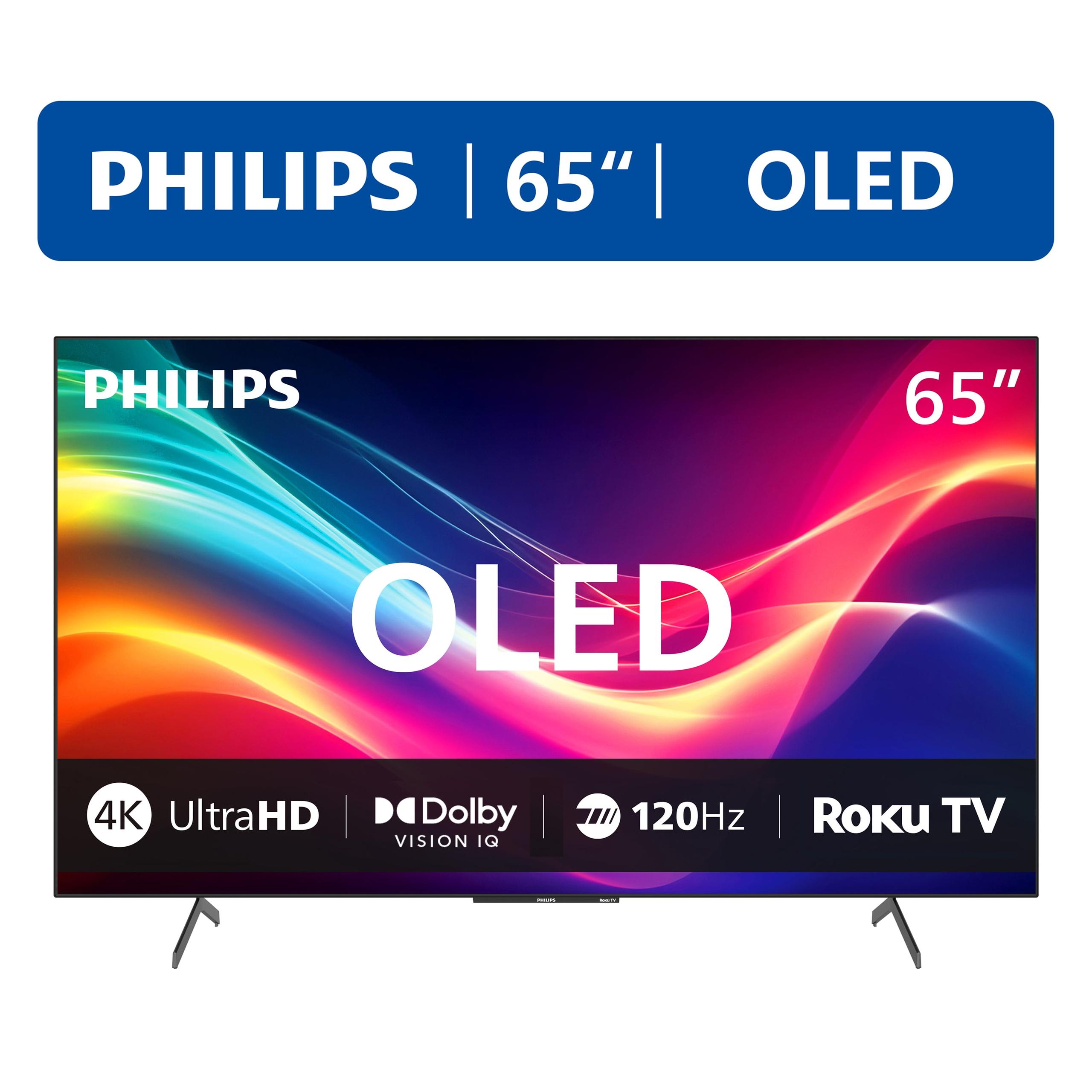
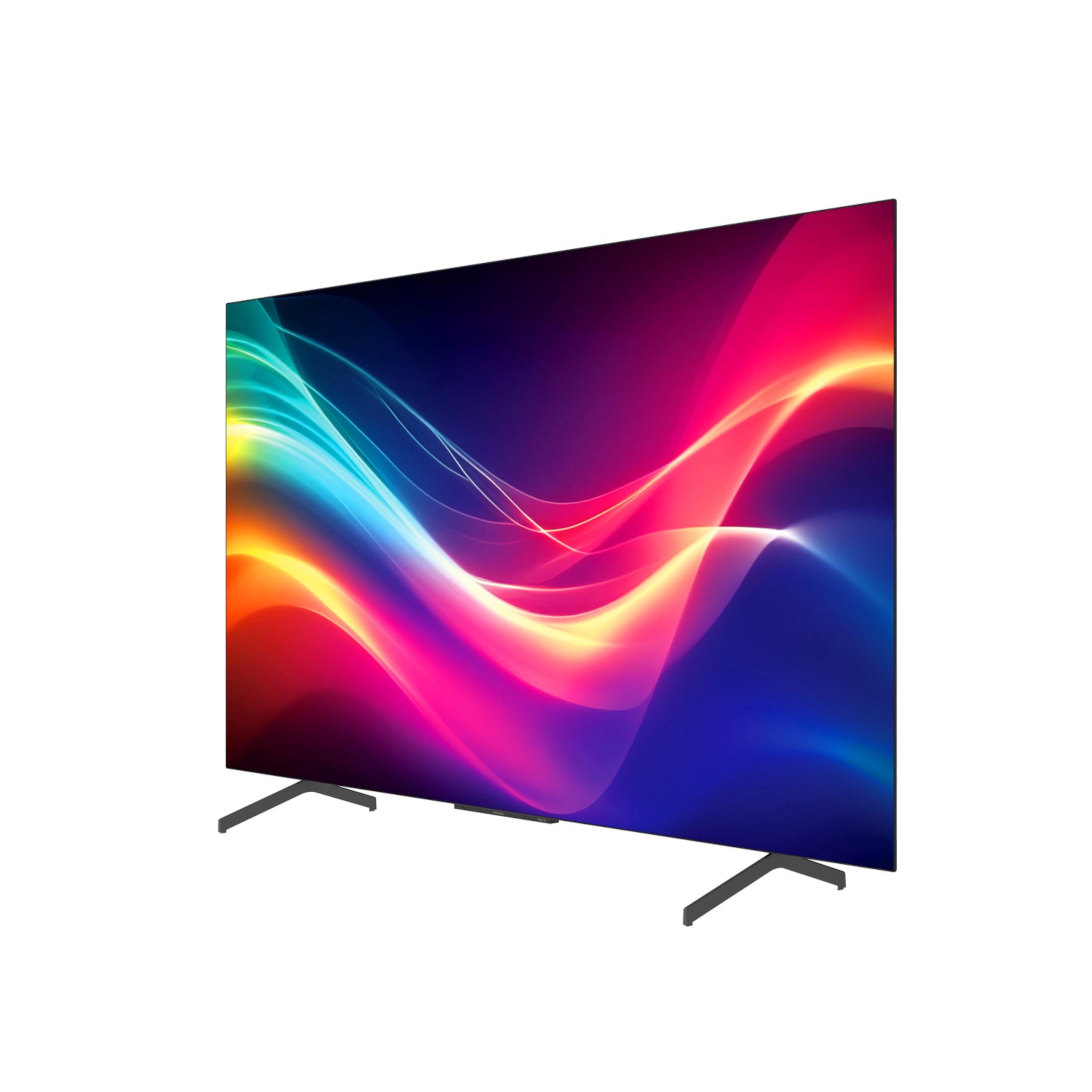


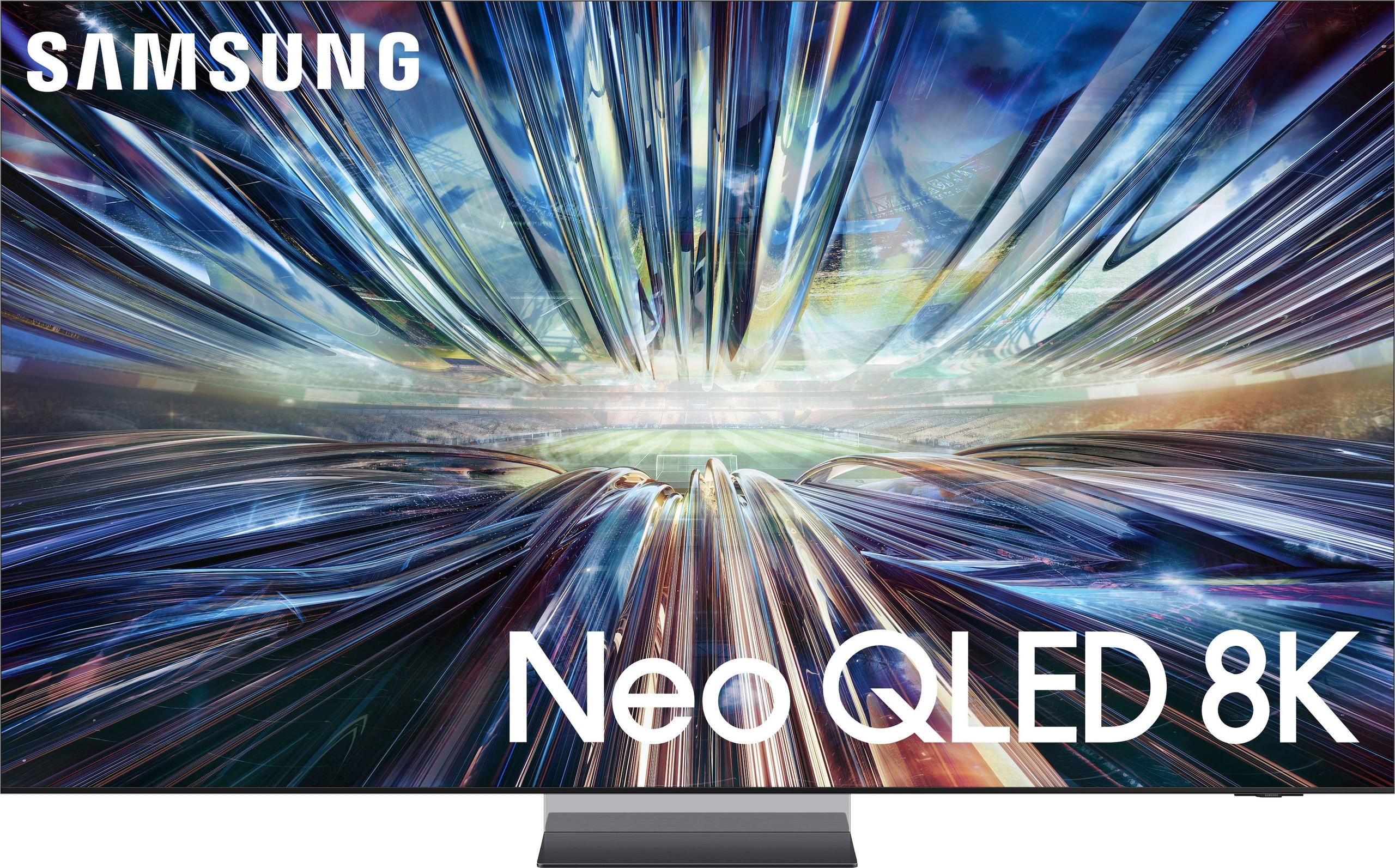
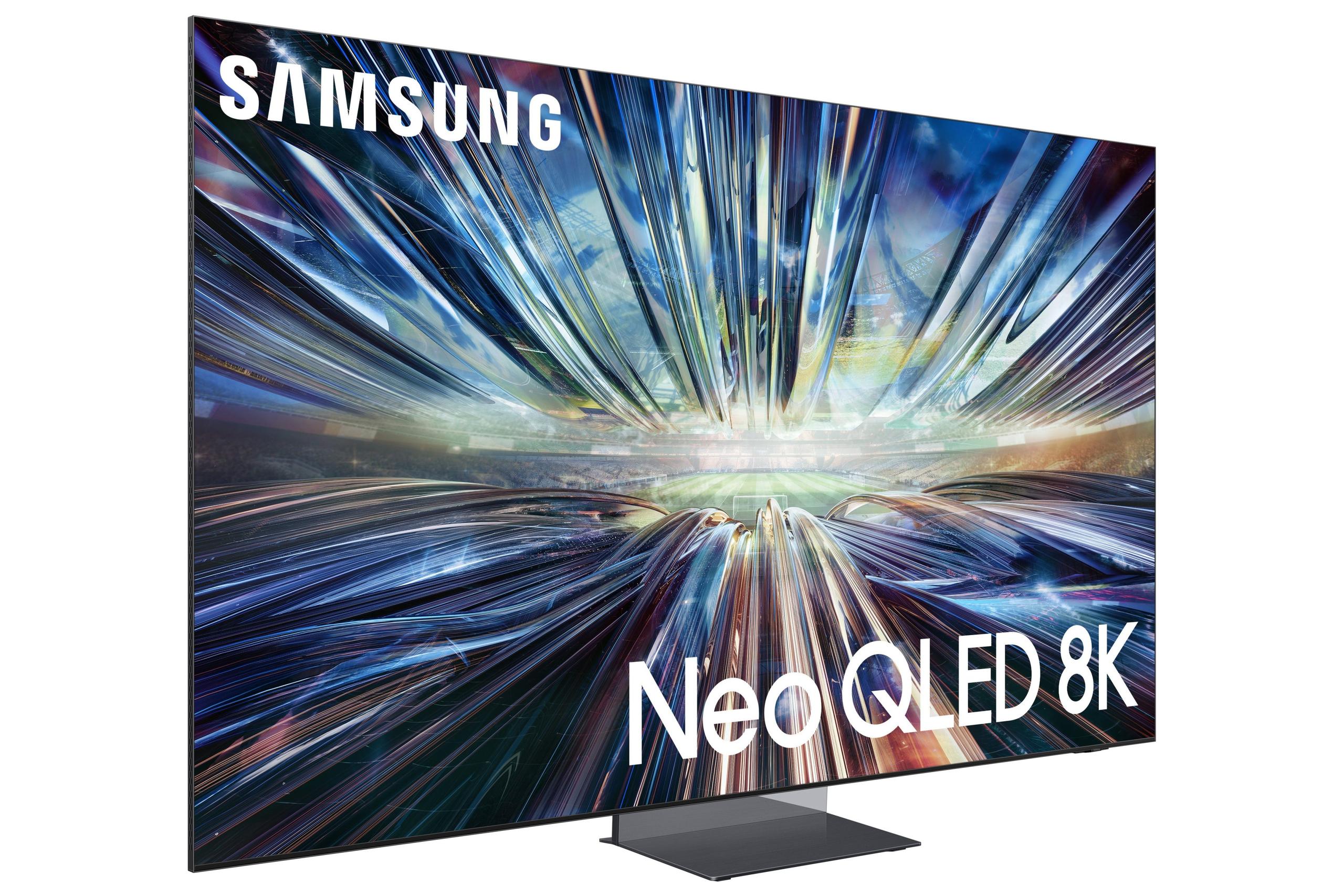
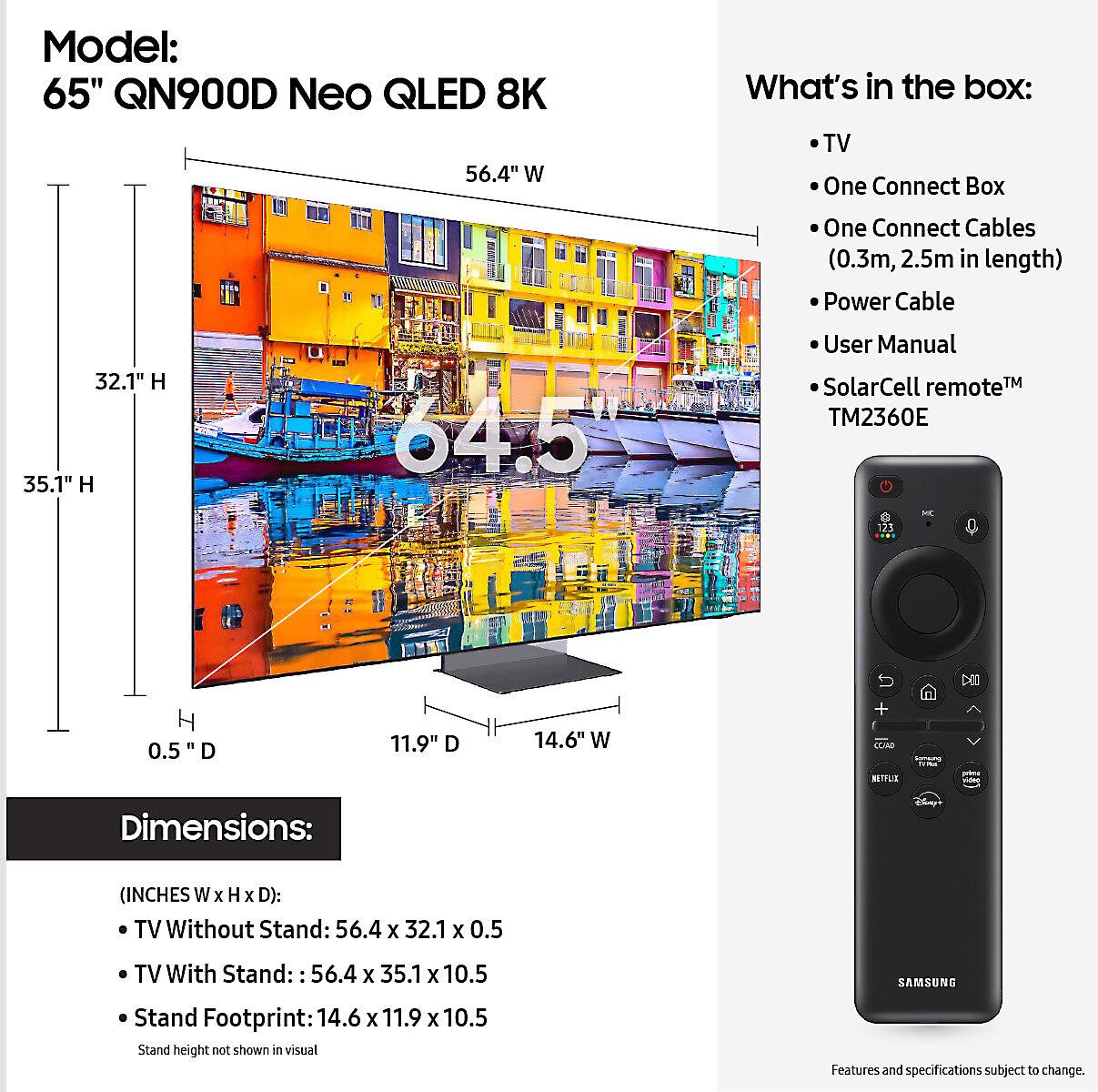
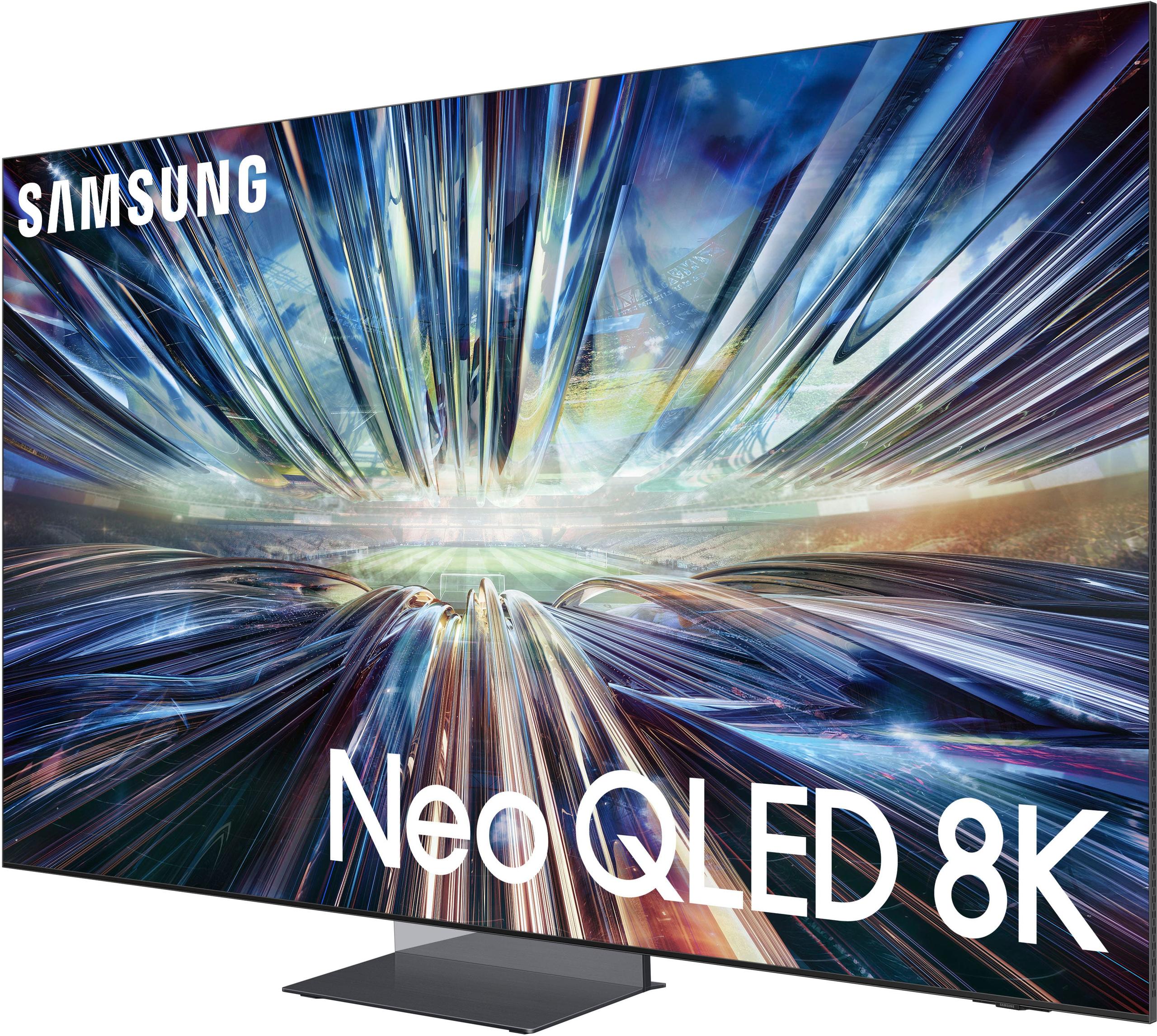
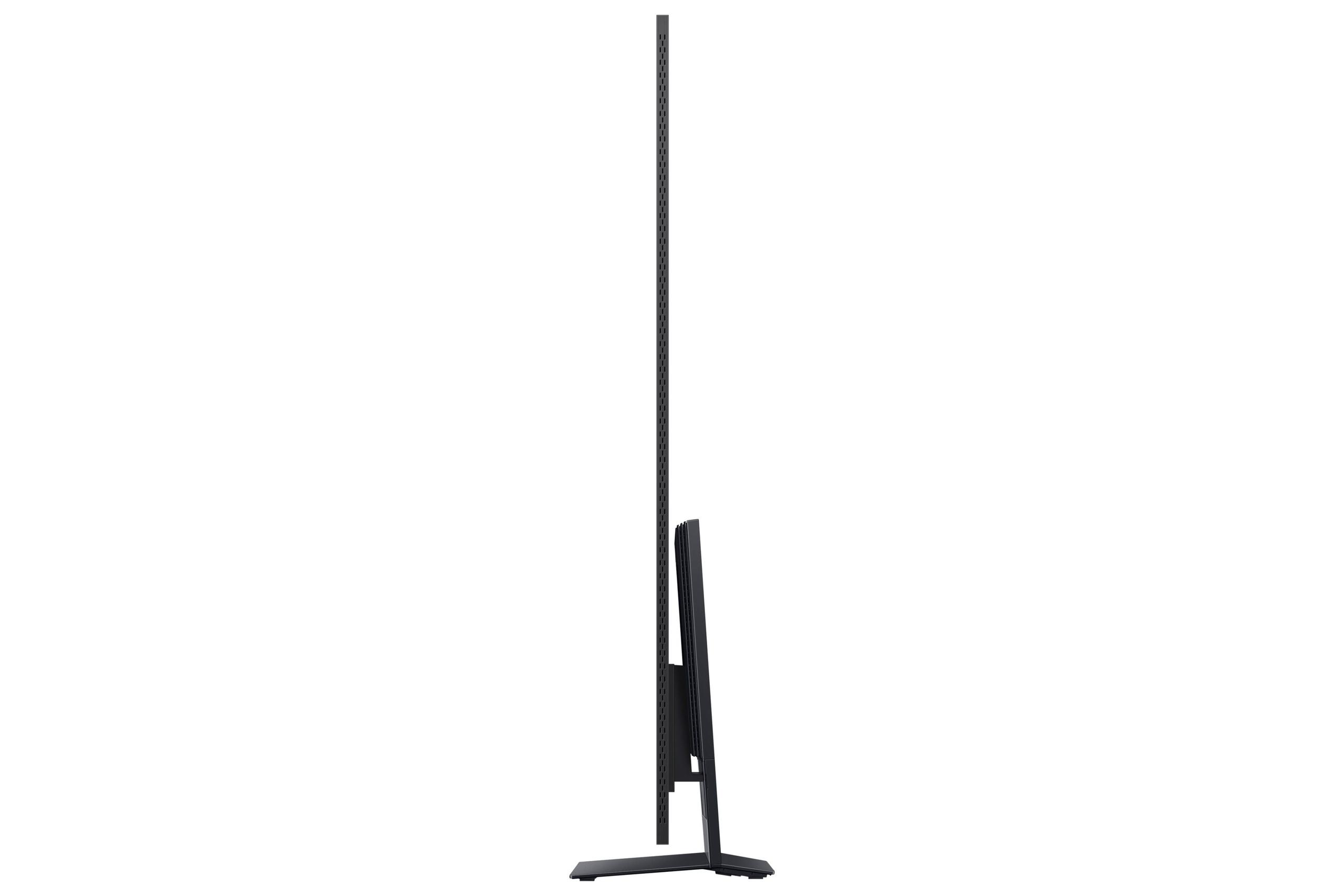
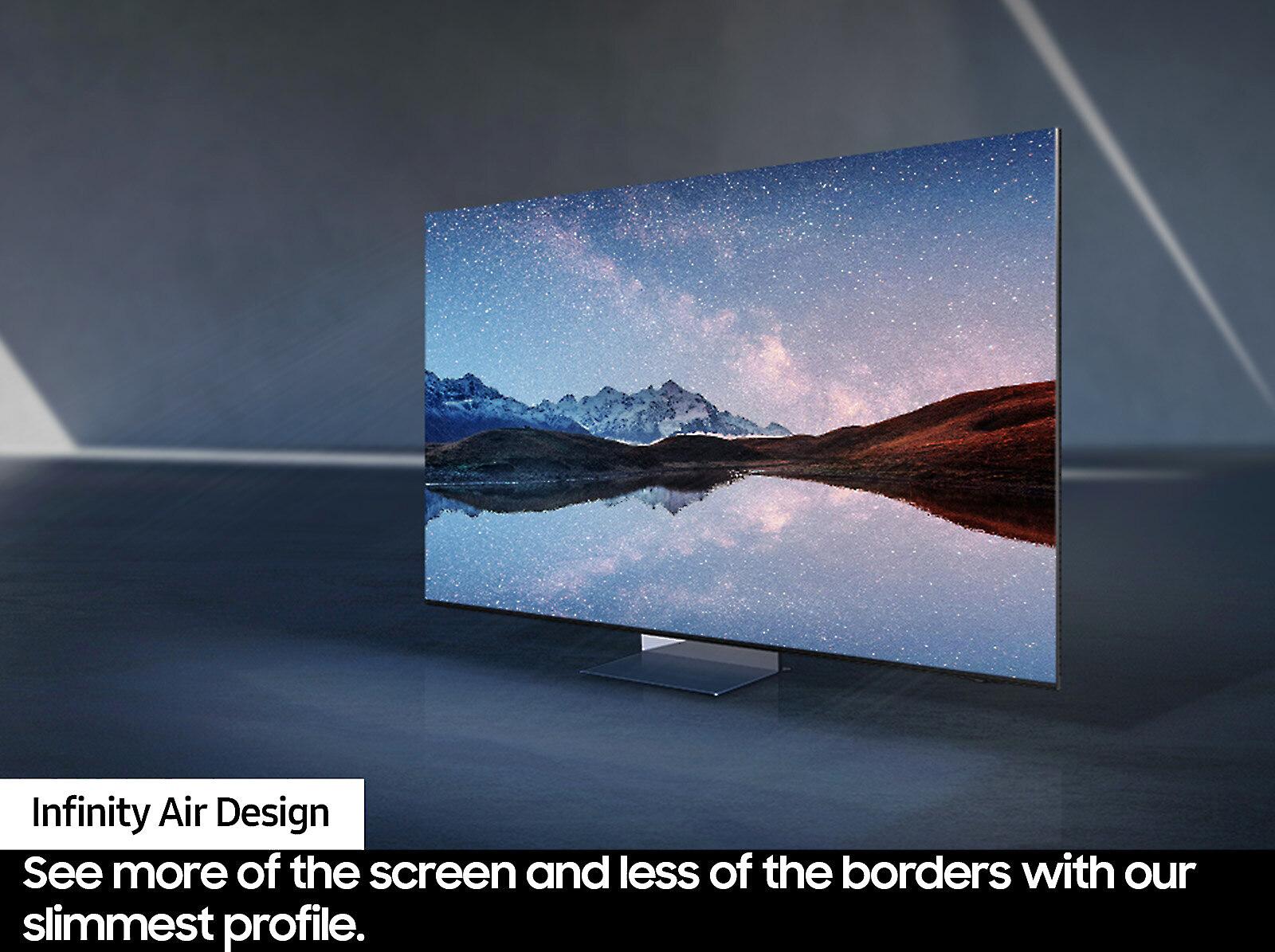

Shopping for a premium 65-inch TV in 2024 means navigating two fundamentally different display technologies that each excel in distinct scenarios. The Philips 65OLED974/F7 represents the compelling middle ground of OLED technology, while the Samsung QN900D Series showcases the bleeding edge of 8K Neo QLED displays. Understanding which technology fits your viewing habits and room setup is crucial for making the right choice.
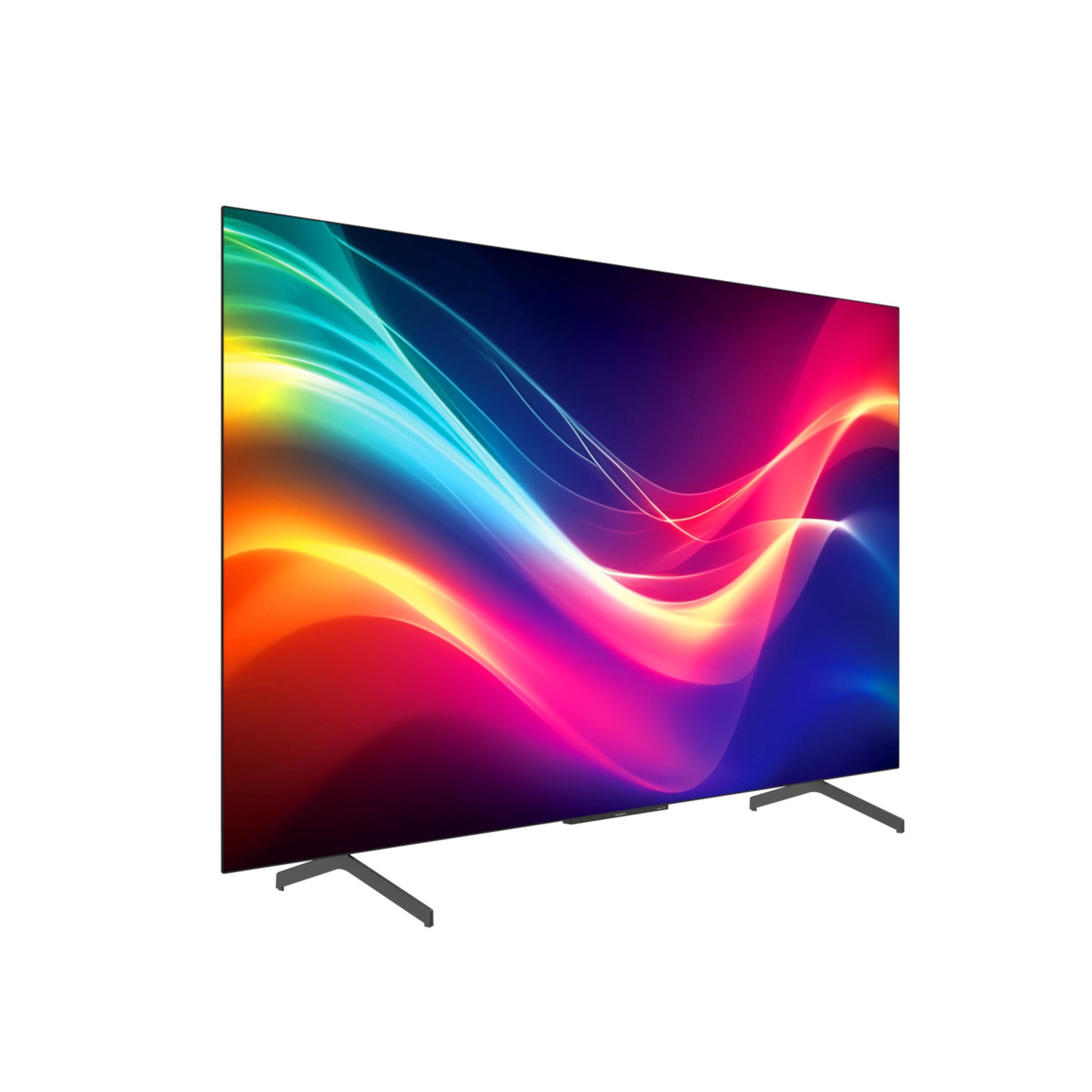
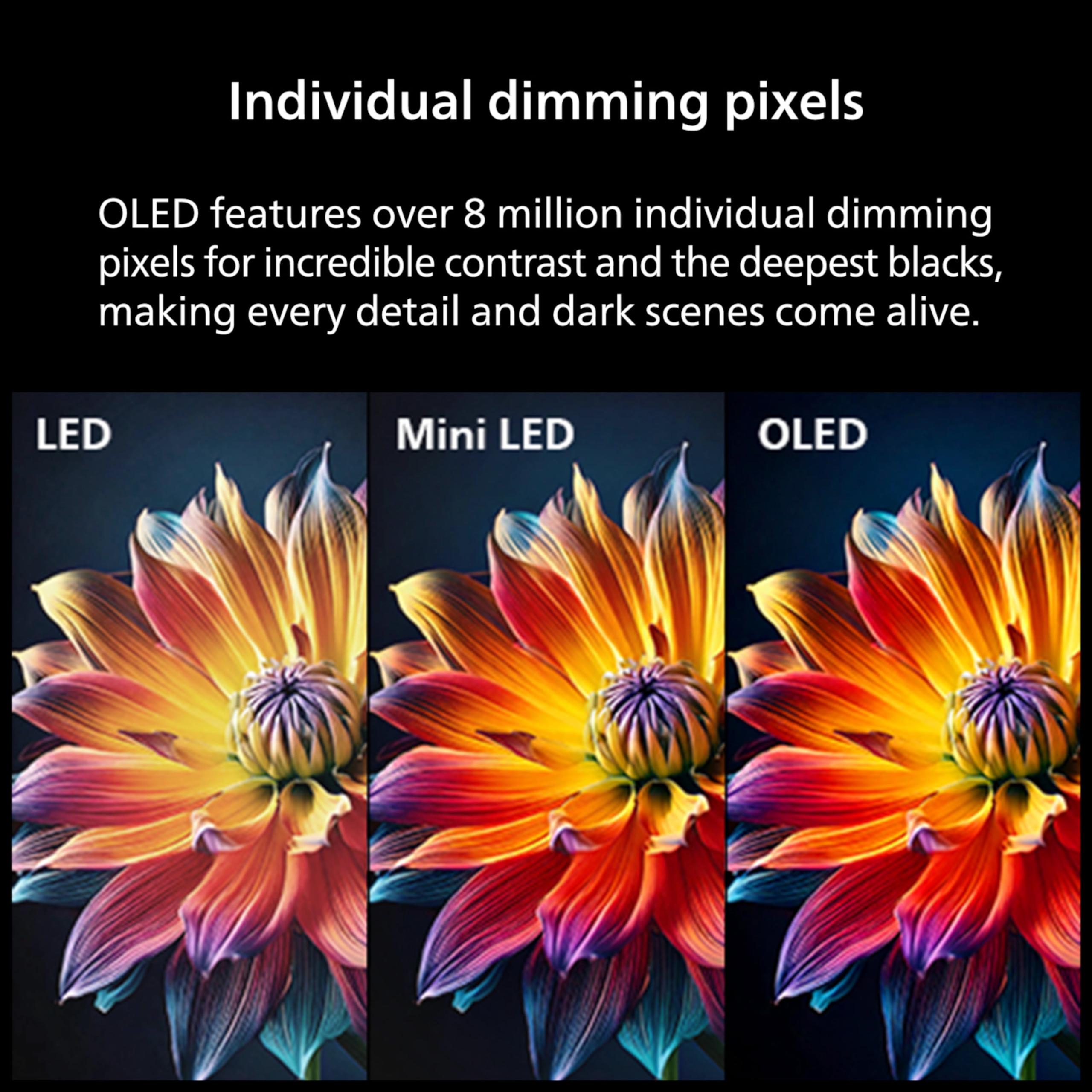
The premium TV market has evolved into two distinct camps, each with compelling advantages. OLED (Organic Light-Emitting Diode) technology creates images by having each pixel generate its own light, allowing for perfect blacks and infinite contrast ratios. When an OLED pixel needs to display black, it simply turns off completely – no light pollution, no gray wash, just pure darkness.
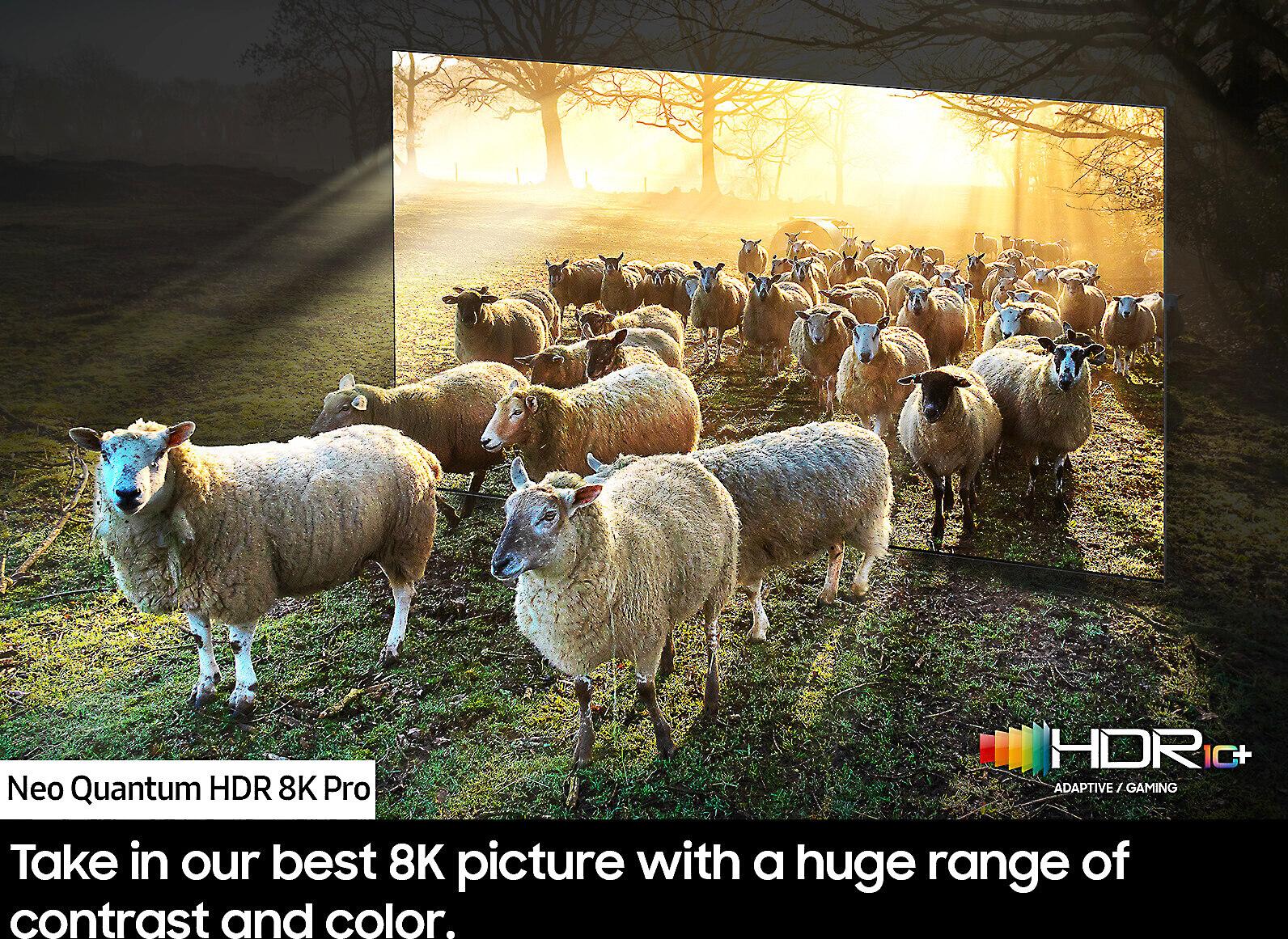
Neo QLED, Samsung's premium LED technology, takes a different approach. It uses thousands of tiny LED backlights (called Mini-LEDs) behind a quantum dot layer to create incredibly bright, vibrant images. These Mini-LEDs are grouped into dimming zones that can brighten or dim independently, creating impressive contrast while achieving brightness levels that OLED panels simply cannot match.
The fundamental trade-off comes down to contrast versus brightness. OLED gives you perfect contrast in darker environments, while Neo QLED delivers superior brightness for well-lit rooms and HDR content that really pops.
The Philips 65OLED974 delivers what many consider the holy grail of display performance: perfect blacks. When you're watching a space movie and seeing stars against the void of space, those black areas are truly black – not the dark gray you get with most TVs. This creates an incredible sense of depth that makes images appear three-dimensional.
The Samsung QN900D, despite its advanced Mini-LED backlighting with precise local dimming zones, cannot achieve true blacks. However, Samsung has made impressive strides in minimizing light bleed and haloing effects (bright outlines around objects in dark scenes). For most content, the difference is less noticeable than you might expect, especially in rooms with ambient lighting.
What's fascinating about modern TV technology is how these different approaches affect your viewing experience. The OLED's perfect blacks create a more film-like, natural presentation that many videophiles prefer for movies. The Samsung's approach, while not achieving perfect blacks, compensates with significantly higher overall brightness that can make HDR content more impactful.
Here's where the technologies diverge most dramatically. The Philips OLED974 suffers from poor peak brightness, making it genuinely unsuitable for bright rooms. Based on our research into user experiences and expert reviews, this OLED struggles to overcome glare from windows or room lighting, resulting in washed-out images during daytime viewing.
The Samsung QN900D, by contrast, excels in bright environments. Neo QLED technology can achieve peak brightness levels exceeding 1,000 nits (a measure of luminance), with some content reaching even higher peaks. This brightness advantage translates into several real-world benefits: better visibility in bright rooms, more impactful HDR highlights, and colors that maintain their vibrancy even with ambient lighting.
This brightness difference fundamentally changes how HDR (High Dynamic Range) content appears. HDR is designed to showcase the full range from the darkest shadows to the brightest highlights, simulating how our eyes see the real world. On the Philips OLED, HDR highlights often appear muted and lack the intended impact. The Samsung's superior brightness allows those bright explosions, sunshine, or gleaming metal surfaces to truly stand out from the rest of the image.
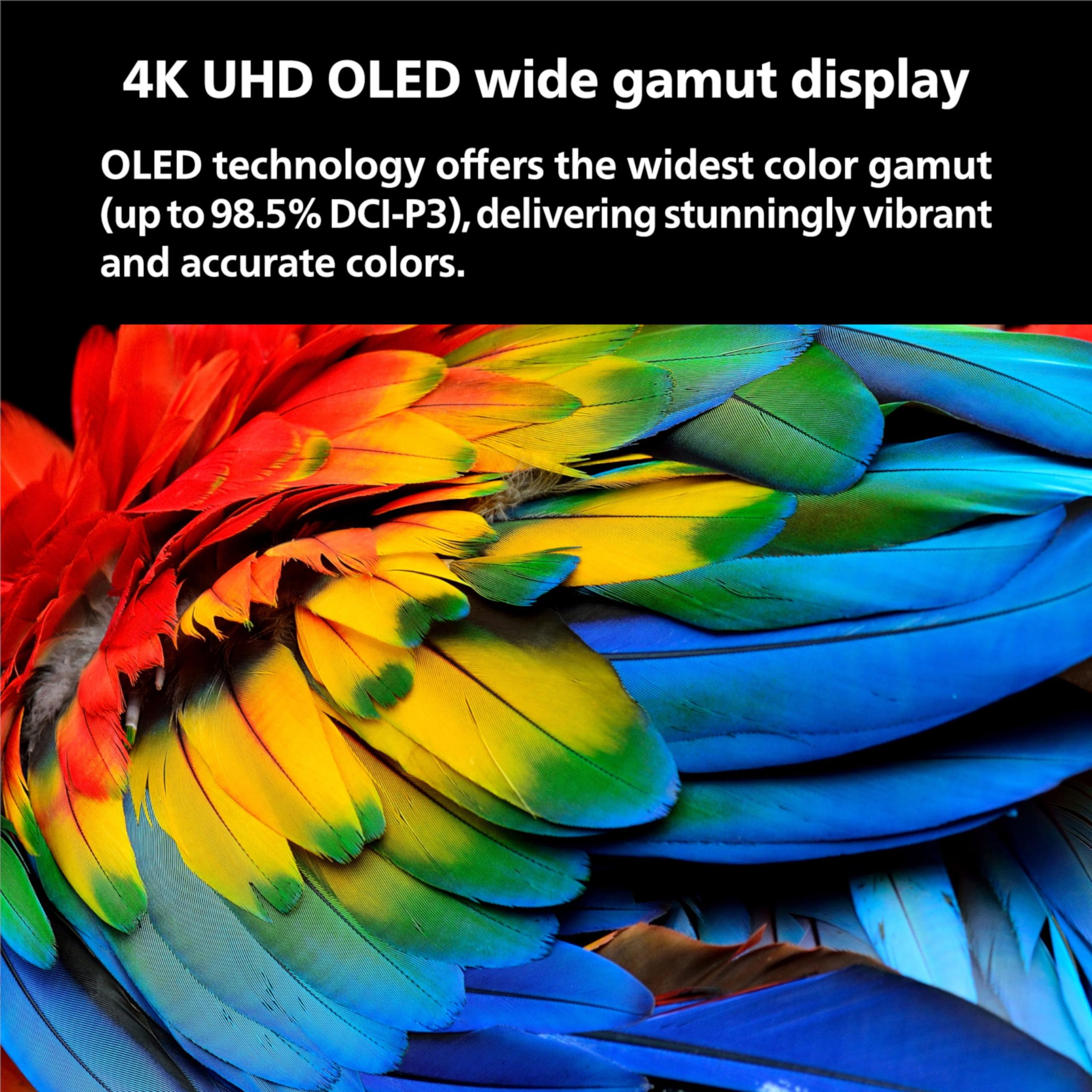
Both TVs deliver excellent color performance, but through different philosophies. The Philips OLED974 covers up to 98.5% of the DCI-P3 color gamut (the color space used for digital cinema) and offers exceptional out-of-the-box color accuracy in SDR content. Colors appear natural and film-accurate without requiring professional calibration.
The Samsung QN900D employs Quantum Matrix Technology Pro, which provides more precise control over color reproduction through its quantum dot layer. Quantum dots are microscopic crystals that emit specific colors when stimulated by light, allowing for incredibly pure, saturated colors. Samsung's approach often produces colors that "pop" more than natural, which many viewers prefer for sports, animation, and bright content.
The practical difference? The Philips tends toward more natural, organic-looking colors that filmmakers intended, while the Samsung often delivers more vibrant, eye-catching colors that can make content appear more engaging, even if less accurate to the source material.
Modern gaming demands have pushed TV manufacturers to optimize for low input lag, high refresh rates, and variable refresh rate technologies. Both TVs excel here, but with different strengths.
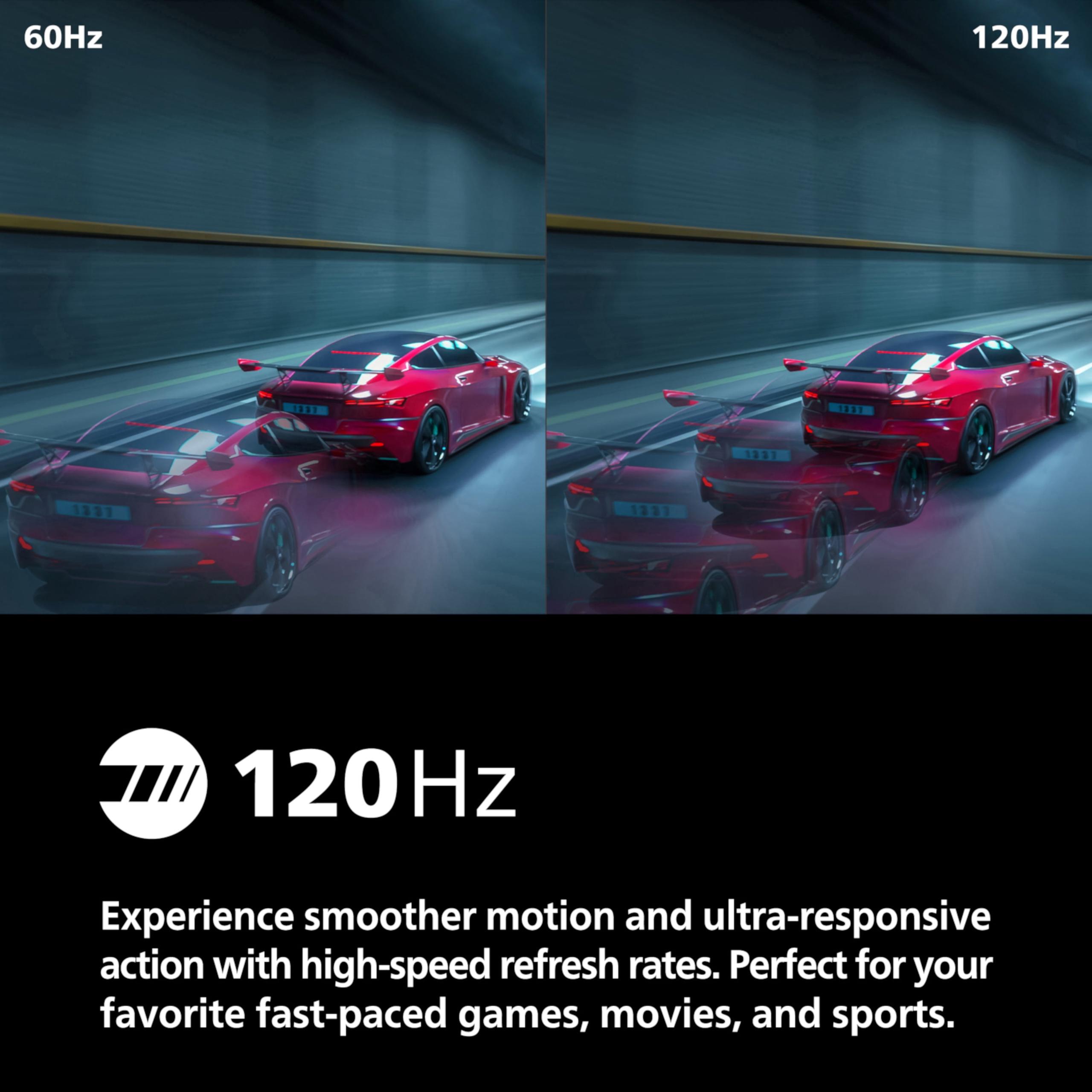
The Philips OLED974 achieves a response time of less than 0.1 milliseconds – essentially instantaneous. This means no motion blur whatsoever, making it exceptional for competitive gaming where every frame matters. Fast-paced games like first-person shooters or racing games appear crystal clear with no ghosting or streaking behind moving objects.
However, this ultra-fast response can create stutter with 24fps movie content, as there's no natural motion blur to smooth the transitions between frames. The Samsung QN900D handles motion differently, using its 100Hz panel with motion interpolation options to create smoother motion, though this may introduce some artifacts in gaming scenarios.
The gaming feature comparison reveals interesting trade-offs. The Philips OLED supports 4K gaming at 120Hz on two of its HDMI 2.1 ports, includes AMD FreeSync Premium (which eliminates screen tearing by synchronizing the display refresh rate with the graphics card), and features Auto Low Latency Mode for automatic optimization.
The Samsung QN900D goes further with 4K gaming at up to 240Hz or 8K gaming at 60Hz across all four HDMI 2.1 ports. This higher refresh rate capability means smoother motion and reduced input lag for competitive gaming. Samsung also supports all three major VRR technologies (FreeSync, G-Sync, and HDMI Forum VRR), ensuring compatibility with any gaming system.
For current-generation consoles like the PlayStation 5 and Xbox Series X, both TVs provide excellent experiences. The Samsung's advantage lies in future-proofing for next-generation gaming systems that may leverage higher refresh rates or 8K gaming.
The choice between Roku TV and Samsung's Tizen platform affects your daily interaction with these TVs significantly.
The Philips OLED974 runs Roku TV, which has earned praise for its straightforward, uncluttered interface. Roku's universal search function scans across all installed streaming apps simultaneously, helping you find content regardless of platform. The interface remains consistent and familiar, with no intrusive advertisements cluttering the main screen.
Roku's strength lies in content aggregation and discovery. When you search for a movie, Roku shows you which services have it available and at what cost, making it easy to find the best viewing option. The platform supports virtually every major streaming service and includes thousands of free channels.
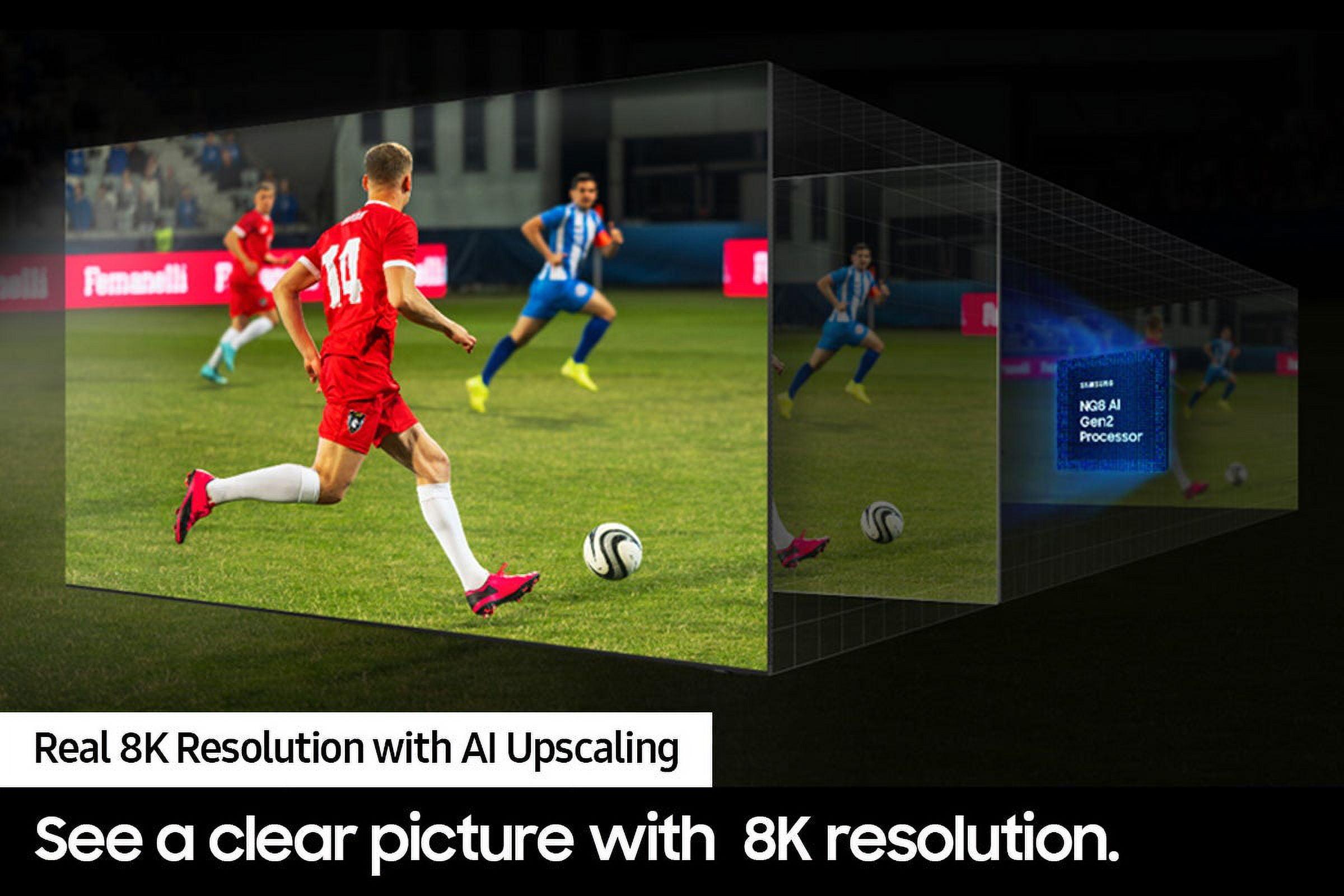
The Samsung QN900D runs Samsung's Tizen platform, which offers more sophisticated AI integration and smart home connectivity. The NQ8 AI Gen3 Processor continuously analyzes content to optimize picture and sound settings automatically. This AI processing is particularly valuable for upscaling lower-resolution content to take advantage of the 8K display.
Samsung's platform includes a Gaming Hub that provides access to cloud gaming services without requiring a console, SmartThings integration for controlling smart home devices, and more customization options. However, some users find the interface busier and occasionally encounter advertisements integrated into the home screen.
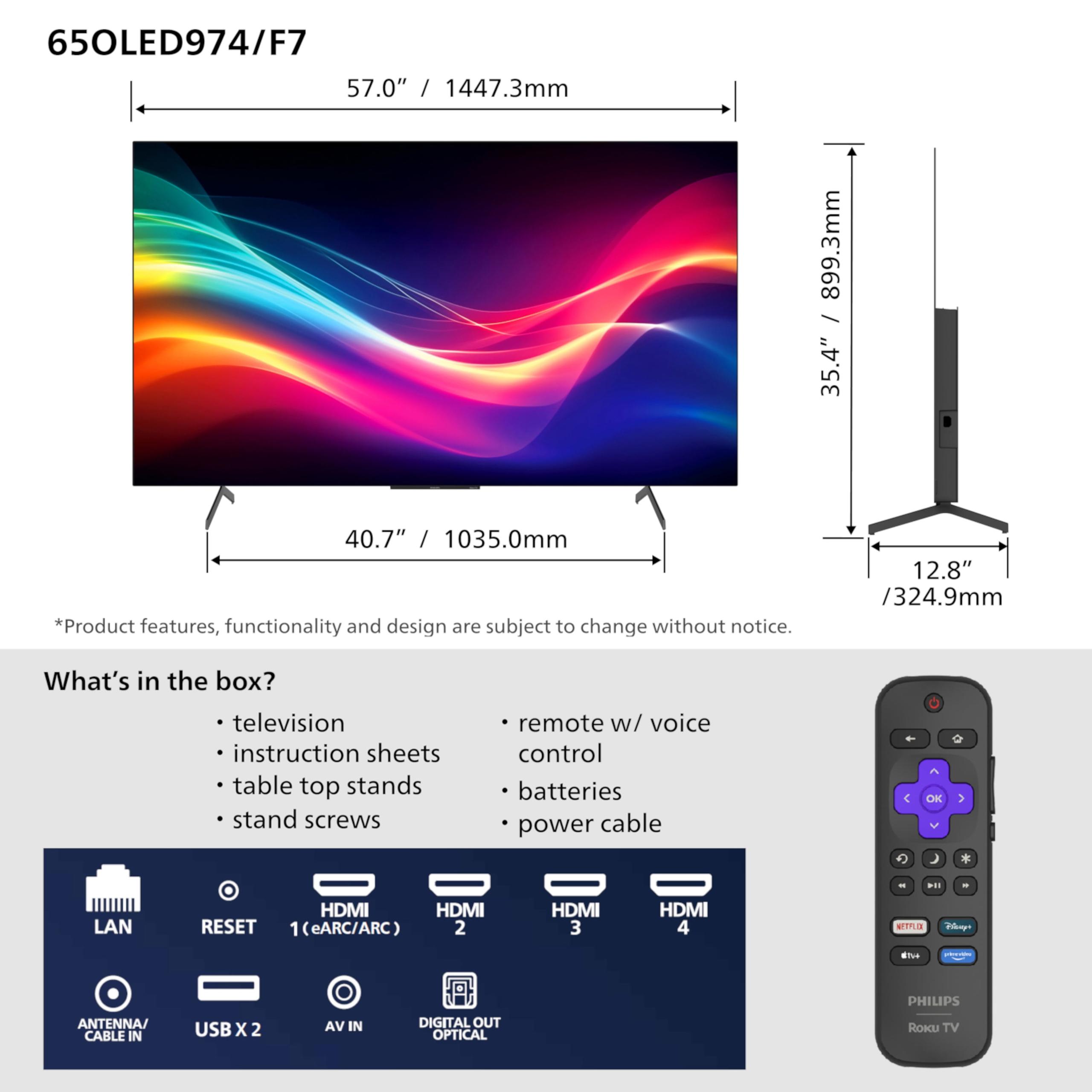
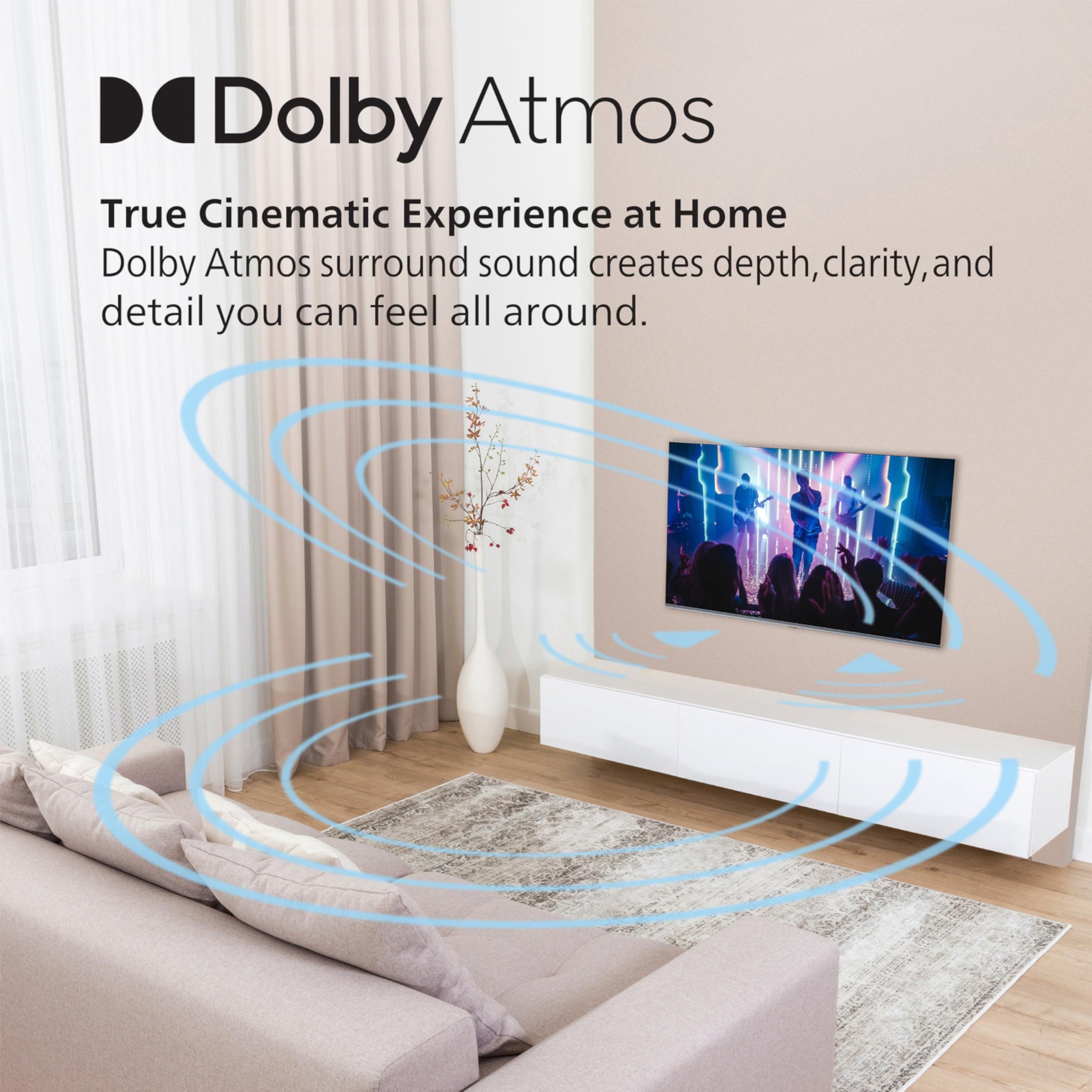
Audio performance reveals a significant difference between these models. The Philips OLED974 includes a basic 2.1 channel speaker system with 55 watts of total power. While it supports Dolby Atmos (which creates three-dimensional sound by using overhead audio channels), the limited speaker configuration means you're not getting the full Atmos experience.
The Samsung QN900D features a comprehensive 6.2.4 channel system outputting 90 watts. This configuration includes dedicated speakers for different audio channels, including overhead drivers for true Dolby Atmos reproduction. The system includes Object Tracking Sound, which moves audio around the screen to follow on-screen action, and 360 Audio for immersive soundscapes.
For many buyers, the Samsung's superior audio system could eliminate the need for a separate soundbar, potentially saving money and reducing setup complexity.
The Samsung QN900D represents Samsung's flagship 8K offering, featuring a resolution of 7,680 × 4,320 pixels – four times more than 4K. The TV's 8K AI Upscaling Pro uses neural networks to enhance lower-resolution content, potentially improving the appearance of current 4K and HD sources.
However, native 8K content remains extremely limited as of 2024. Most streaming services max out at 4K, and 8K broadcasts are virtually non-existent. The practical benefit comes from the upscaling technology and the premium panel quality that often accompanies 8K models.
The Philips OLED974 focuses on delivering exceptional 4K performance, which remains the premium standard for most content. This approach allows resources to be concentrated on color accuracy, contrast performance, and gaming features rather than pushing resolution beyond current content availability.
Your viewing environment should heavily influence your decision between these technologies.
For dedicated home theaters or media rooms that can be darkened effectively, the Philips OLED974 delivers an unmatched viewing experience. The perfect blacks create incredible depth in movie scenes, making space epics, horror films, and any content with dark scenes appear more realistic and immersive.
OLED's wide viewing angles (176 degrees horizontally and vertically) mean picture quality remains consistent even when viewed from the side, making it excellent for larger seating arrangements.
Most living rooms have windows, overhead lighting, and ambient illumination that favor the Samsung QN900D. The superior peak brightness and anti-reflection coating help combat glare, maintaining image quality throughout the day. For families who watch TV during various lighting conditions, this versatility is invaluable.
The Samsung's brightness advantage becomes particularly apparent with sports viewing, where bright stadium lighting and colorful uniforms benefit from the enhanced luminance and color volume.
At the time of writing, the Philips OLED974 represents strong value in the mid-tier OLED market, offering many premium OLED benefits at a more accessible price point. The Roku platform adds value by eliminating ongoing subscription costs for smart TV features.
The Samsung QN900D commands a premium price justified by its flagship positioning, 8K capability, superior brightness, and comprehensive audio system. The question becomes whether these premium features align with your viewing needs and room environment.
Long-term considerations include OLED's potential for burn-in (permanent image retention from static elements like channel logos), though this has become less concerning with modern OLED panels that include protective technologies. Samsung's Neo QLED technology doesn't face burn-in risks but may experience general degradation over many years of use.
Choose the Philips OLED974 if you:
Choose the Samsung QN900D if you:
The fundamental choice comes down to your viewing environment and priorities. The Philips OLED excels as a specialized dark room performer that delivers reference-quality images, while the Samsung QN900D serves as a versatile flagship that adapts to any viewing condition while showcasing the latest display technology.
Both represent the pinnacle of their respective technologies, released in 2024 with the latest advancements in processing, gaming features, and smart TV capabilities. Your specific viewing habits, room setup, and feature priorities should guide your decision more than abstract technical specifications.
| Philips 65OLED974/F7 | Samsung QN900D Series 65" |
|---|---|
| Display Technology - Determines contrast performance and room suitability | |
| OLED with perfect blacks and infinite contrast | Neo QLED 8K with Mini-LED backlighting |
| Resolution - Higher resolution provides sharper detail, but content availability matters | |
| 4K (3840 x 2160) with excellent pixel density | 8K (7680 x 4320) with AI upscaling for future-proofing |
| Peak Brightness - Critical for HDR impact and bright room viewing | |
| Poor brightness, unsuitable for bright rooms | Excellent brightness over 1000 nits, great for any lighting |
| Refresh Rate - Important for gaming and smooth motion | |
| 120Hz native panel with excellent motion clarity | 100Hz panel with 200 Motion Rate processing |
| Gaming Performance - Key specs for console and PC gaming | |
| 4K@120Hz on 2 ports, <0.1ms response time, FreeSync Premium | 4K@240Hz or 8K@60Hz on all 4 ports, comprehensive VRR support |
| HDR Support - Enhanced contrast and color for premium content | |
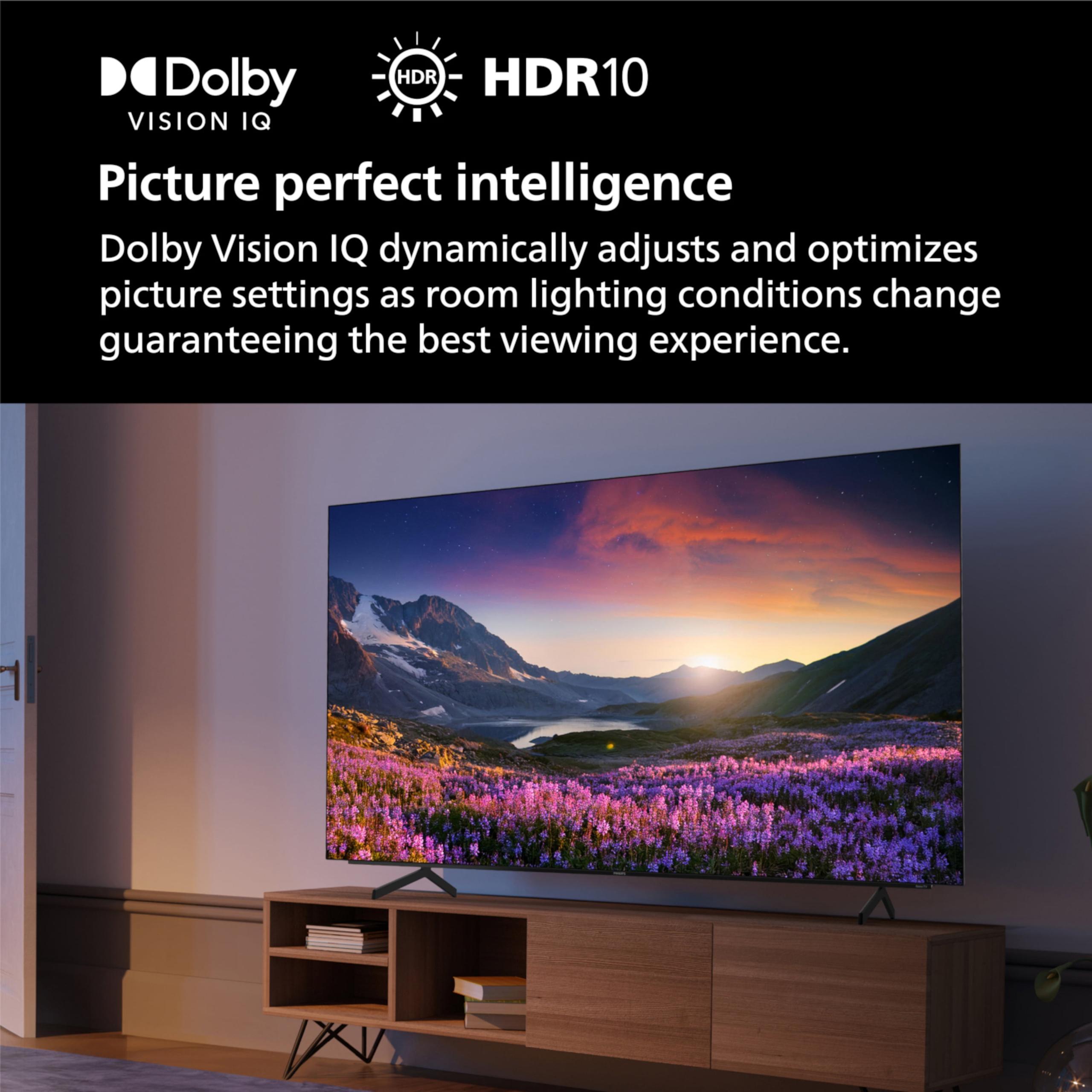
| Dolby Vision IQ, HDR10, HLG but limited by poor brightness | Neo Quantum HDR 8K+, HDR10+ Adaptive with excellent brightness |
| Smart TV Platform - Affects daily usability and app selection | |
| Roku TV with simple interface and universal search | Samsung Tizen with AI features and SmartThings integration |
| Audio System - Built-in sound quality affects need for soundbar | |
| 2.1 channel, 55W with basic Dolby Atmos | 6.2.4 channel, 90W with true Dolby Atmos and Object Tracking |
| HDMI Connectivity - Important for multiple devices and future compatibility | |
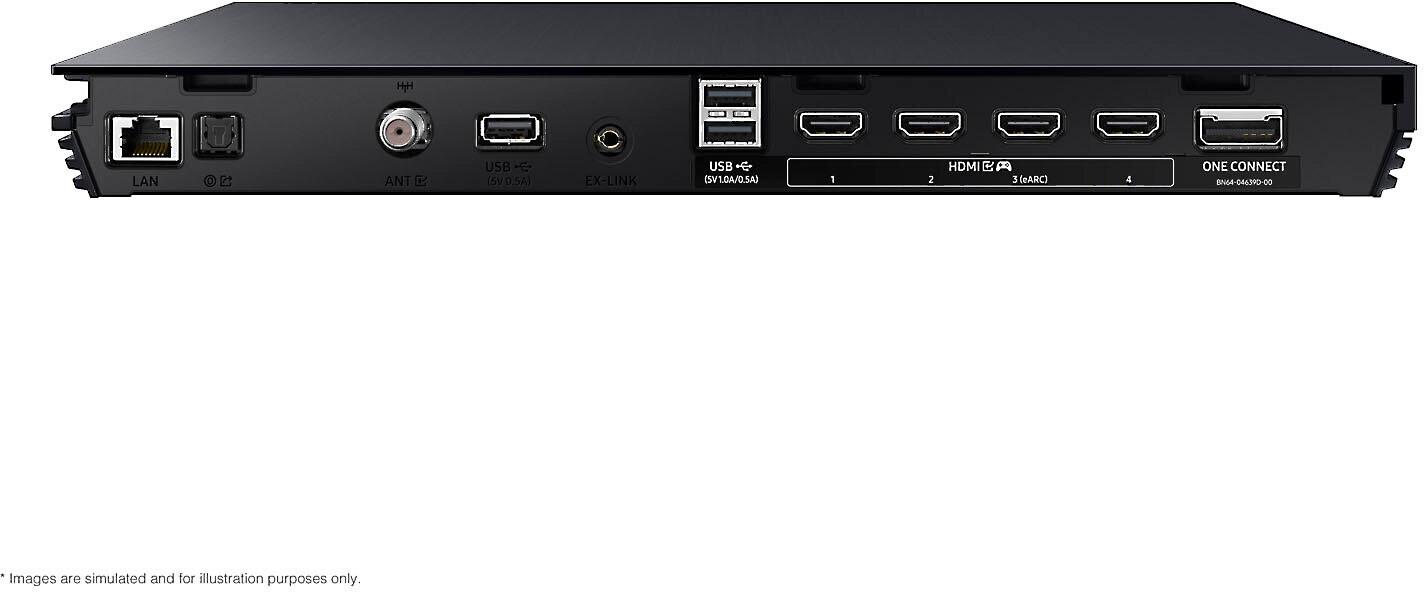
| 4 HDMI ports with eARC, 2 ports support full gaming features | 4 HDMI 2.1 ports with eARC, all ports support advanced gaming |
| Processor - Affects upscaling quality and smart features responsiveness | |
| Basic processing focused on color accuracy | NQ8 AI Gen3 with advanced 8K upscaling and optimization |
| Viewing Angle - Important for off-center seating arrangements | |
| 176° horizontal and vertical with consistent quality | Good viewing angles but some contrast loss at extreme angles |
| Best Use Case - Room and viewing conditions where each excels | |
| Dark rooms, home theaters, evening viewing | Bright rooms, daytime viewing, mixed lighting conditions |
| Burn-in Risk - Long-term durability consideration for static content | |
| Potential OLED burn-in with static images (logos, gaming UI) | No burn-in risk with LED-based technology |
| Value Proposition - What you get for the investment level | |
| Mid-tier OLED pricing with premium contrast performance | Flagship pricing justified by 8K, brightness, and audio system |
The Samsung QN900D Series is significantly better for bright rooms due to its superior peak brightness and anti-glare coating. The Philips 65OLED974/F7 struggles with glare and appears washed out in well-lit environments, making it unsuitable for daytime viewing or rooms with lots of windows.
OLED technology in the Philips 65OLED974/F7 uses self-illuminating pixels that can turn completely off for perfect blacks and infinite contrast. Neo QLED in the Samsung QN900D uses thousands of Mini-LED backlights with quantum dots for exceptional brightness and vibrant colors, but cannot achieve true blacks.
Both TVs excel for gaming but in different ways. The Philips 65OLED974/F7 offers ultra-fast <0.1ms response time with no motion blur, ideal for competitive gaming. The Samsung QN900D supports higher refresh rates (4K@240Hz or 8K@60Hz) and has more comprehensive VRR support across all four HDMI ports.
8K content remains very limited in 2024, but the Samsung QN900D uses advanced AI upscaling to enhance 4K and HD content. The 8K capability serves more as future-proofing, while the Philips OLED974 focuses on exceptional 4K performance for current content.
The Philips 65OLED974/F7 uses Roku TV, which offers a simple interface with excellent content discovery and no intrusive ads. The Samsung QN900D runs Tizen with more advanced AI features, smart home integration, and gaming hubs, but includes some advertising in the interface.
Modern OLED panels like the Philips 65OLED974/F7 include protective technologies that have significantly reduced burn-in risk, but it can still occur with prolonged display of static images like channel logos or gaming interfaces. The Samsung QN900D uses LED technology and has no burn-in risk.
The Philips 65OLED974/F7 excels for dedicated home theaters with its perfect blacks, infinite contrast, and film-accurate colors that create incredible depth in dark scenes. The Samsung QN900D is better for multi-purpose rooms where you need brightness to overcome ambient lighting.
HDR performance varies significantly between these models. The Samsung QN900D delivers impactful HDR with bright highlights that stand out dramatically, while the Philips OLED974 produces more muted HDR due to brightness limitations, though it maintains perfect shadow detail.
The Samsung QN900D has significantly superior audio with its 6.2.4 channel system, true Dolby Atmos, and Object Tracking Sound, potentially eliminating the need for a soundbar. The Philips 65OLED974/F7 has basic 2.1 channel audio that most users will want to supplement.
The Philips 65OLED974/F7 provides unmatched contrast and perfect blacks for dark room viewing, while the Samsung QN900D offers superior brightness, 8K resolution, and versatility for any lighting condition.
The Philips OLED974 provides excellent value for buyers wanting premium OLED performance at a mid-tier price point. The Samsung QN900D justifies its flagship pricing with 8K capability, superior brightness, premium audio, and advanced AI features.
Absolutely. Choose the Philips 65OLED974/F7 for dark or controllable lighting where you can appreciate its perfect blacks and contrast. Select the Samsung QN900D for bright rooms, daytime viewing, or spaces where you can't control ambient lighting effectively.
We've done our best to create useful and informative comparisons to help you decide what product to buy. Our research uses advanced automated methods to create this comparison and perfection is not possible - please contact us for corrections or questions. These are the sites we've researched in the creation of this article: rtings.com - versus.com - versus.com - rtings.com - samsclub.com - versus.com - youtube.com - usa.philips.com - bestbuy.com - usa.philips.com - consumerreports.org - usa.philips.com - documents.philips.com - tvoutlet.ca - displayspecifications.com - business.walmart.com - displayspecifications.com - ecoustics.com - walmart.com - rtings.com - videoandaudiocenter.com - bestbuy.com - avsforum.com - bestbuy.com - walts.com - images.samsung.com - samsung.com - merlinstv.com - samsung.com - avsforum.com - samsung.com

Privacy Policy
Terms and Conditions - Affiliate Policy
Home Security
© Copyright 2008-2026.
11816 Inwood Rd #1211, Dallas, TX 75244