

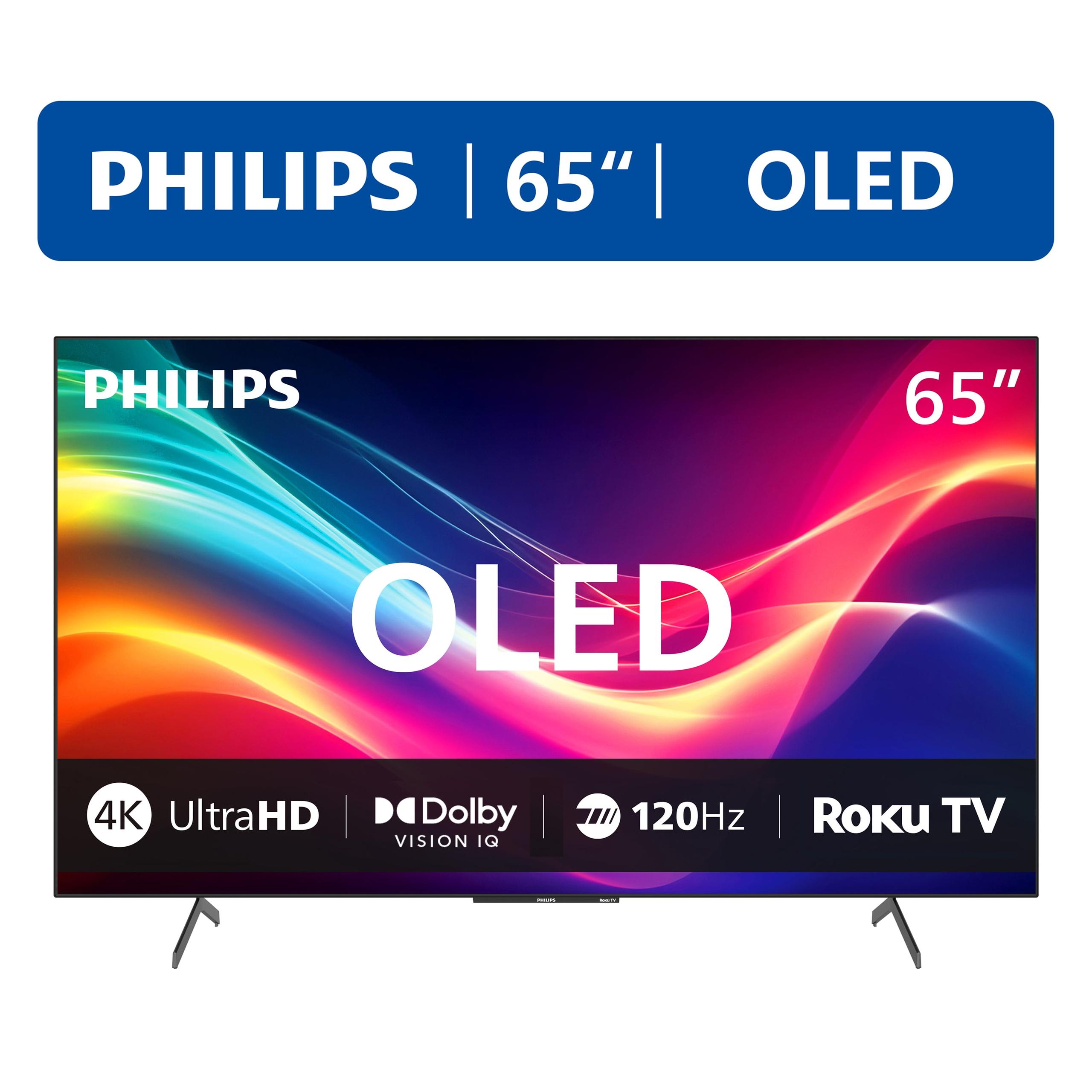

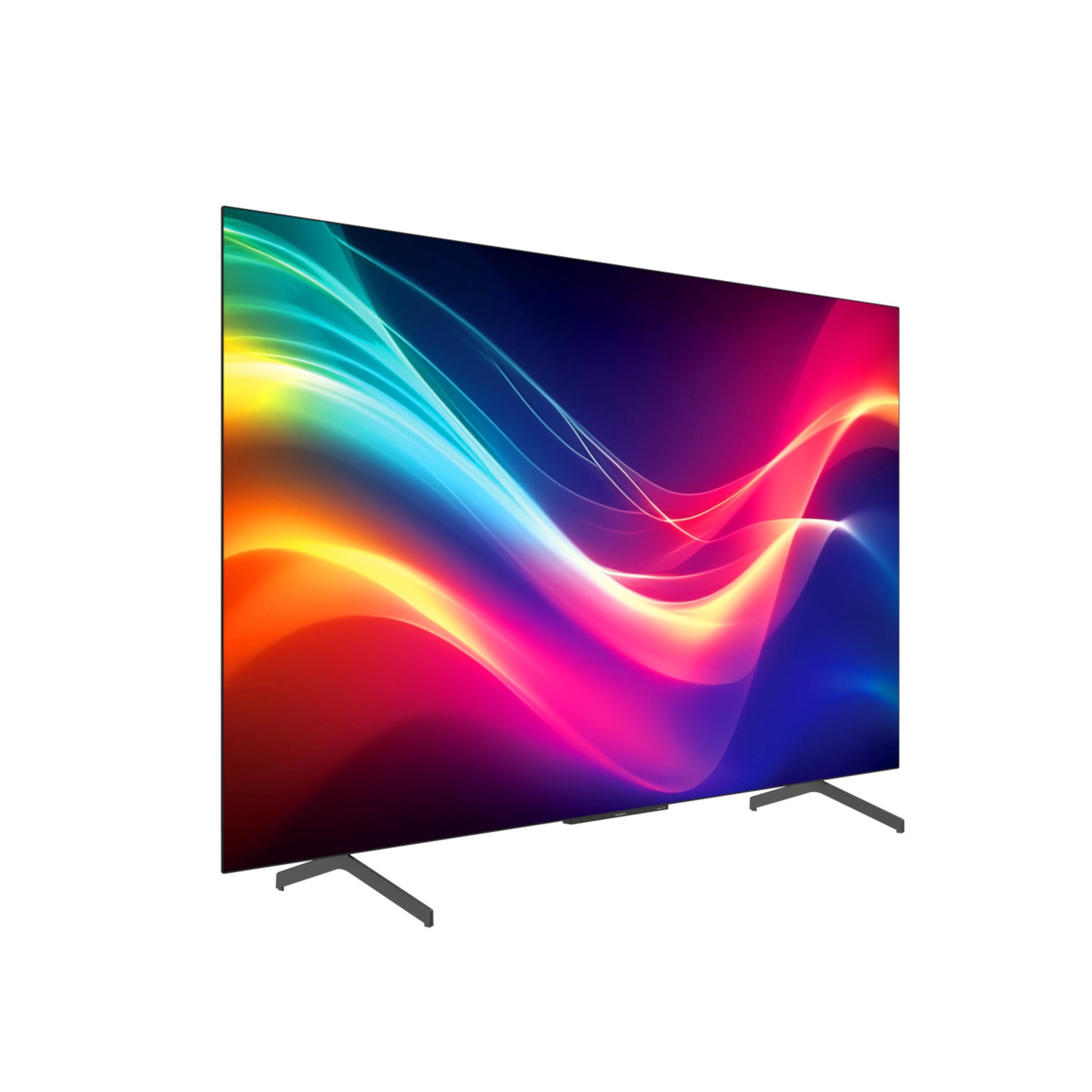
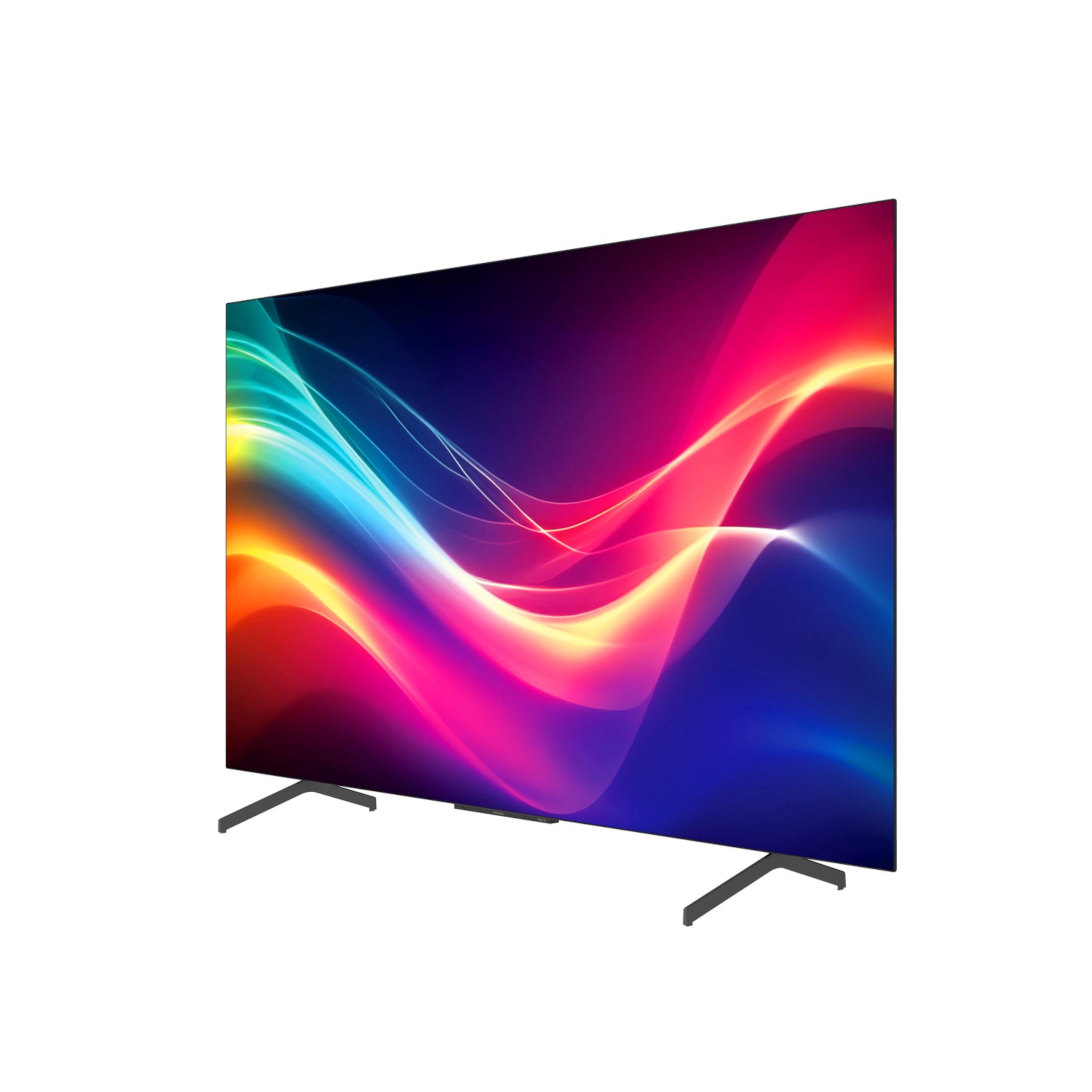

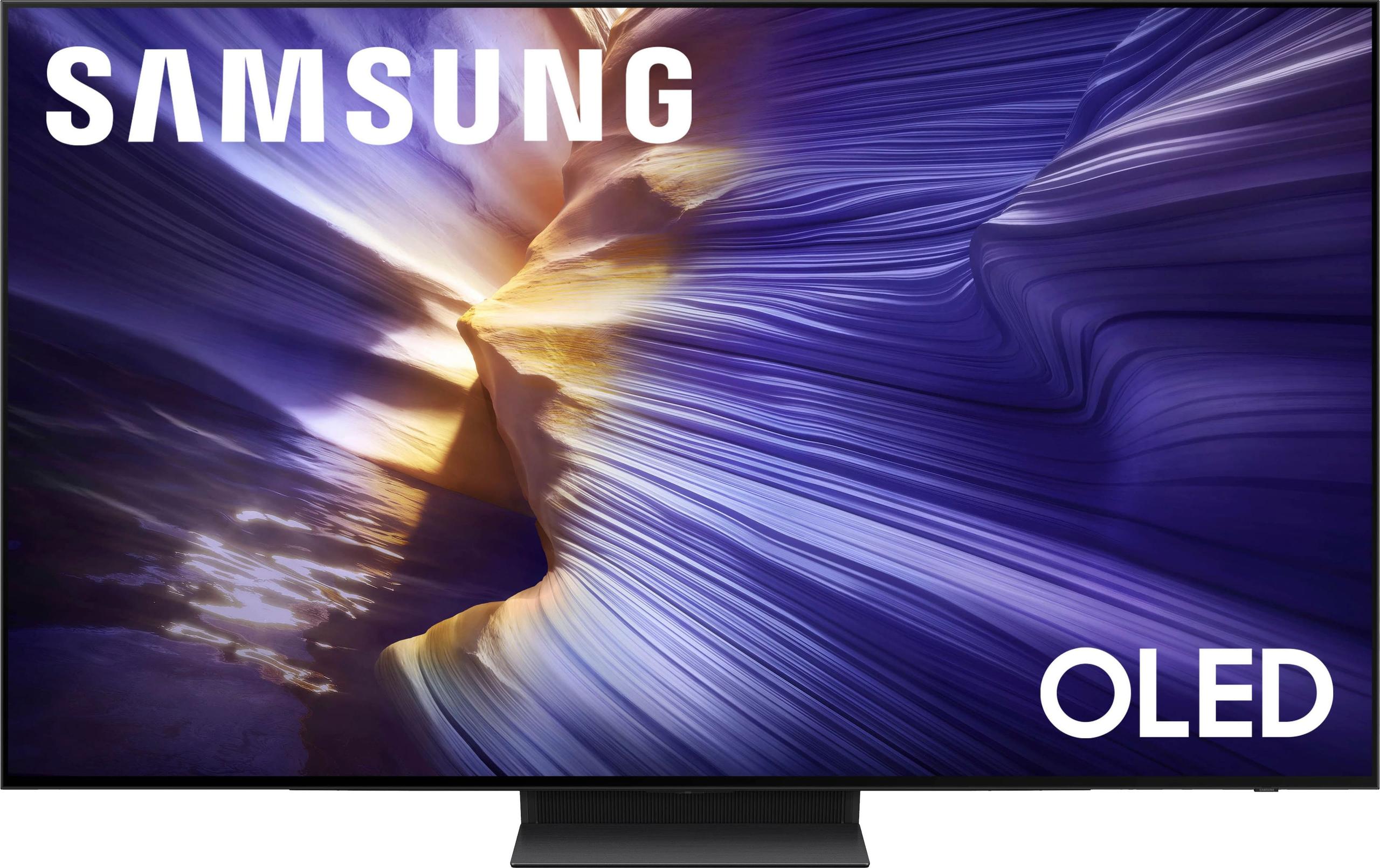
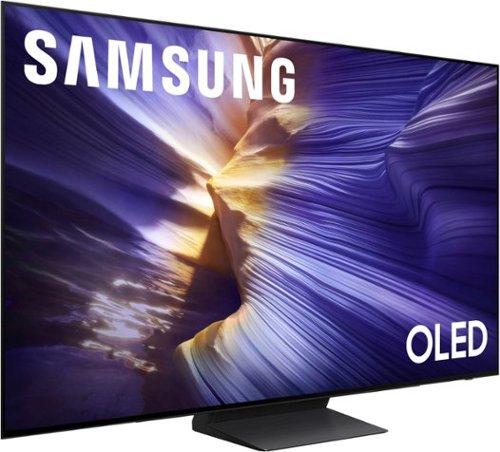
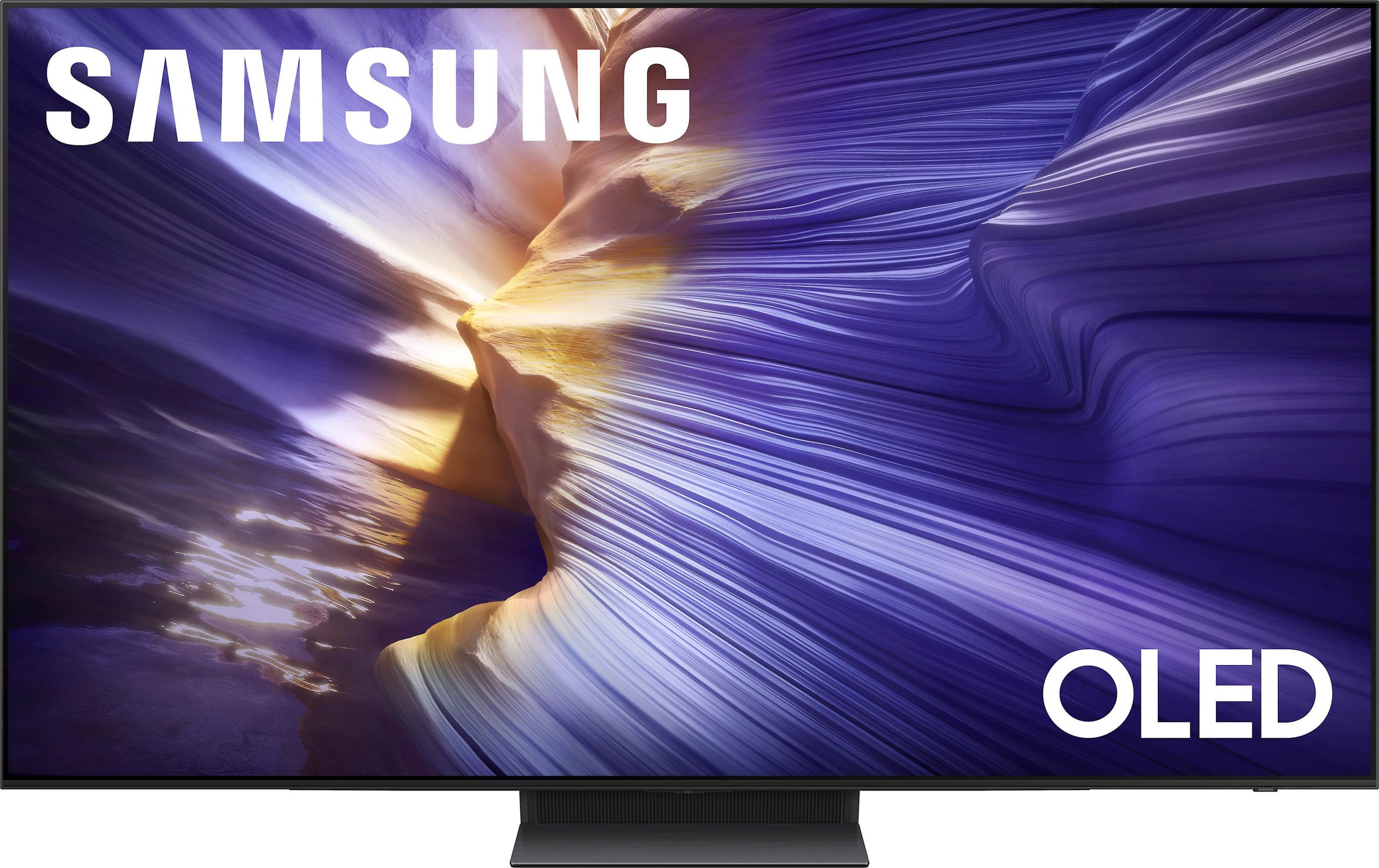
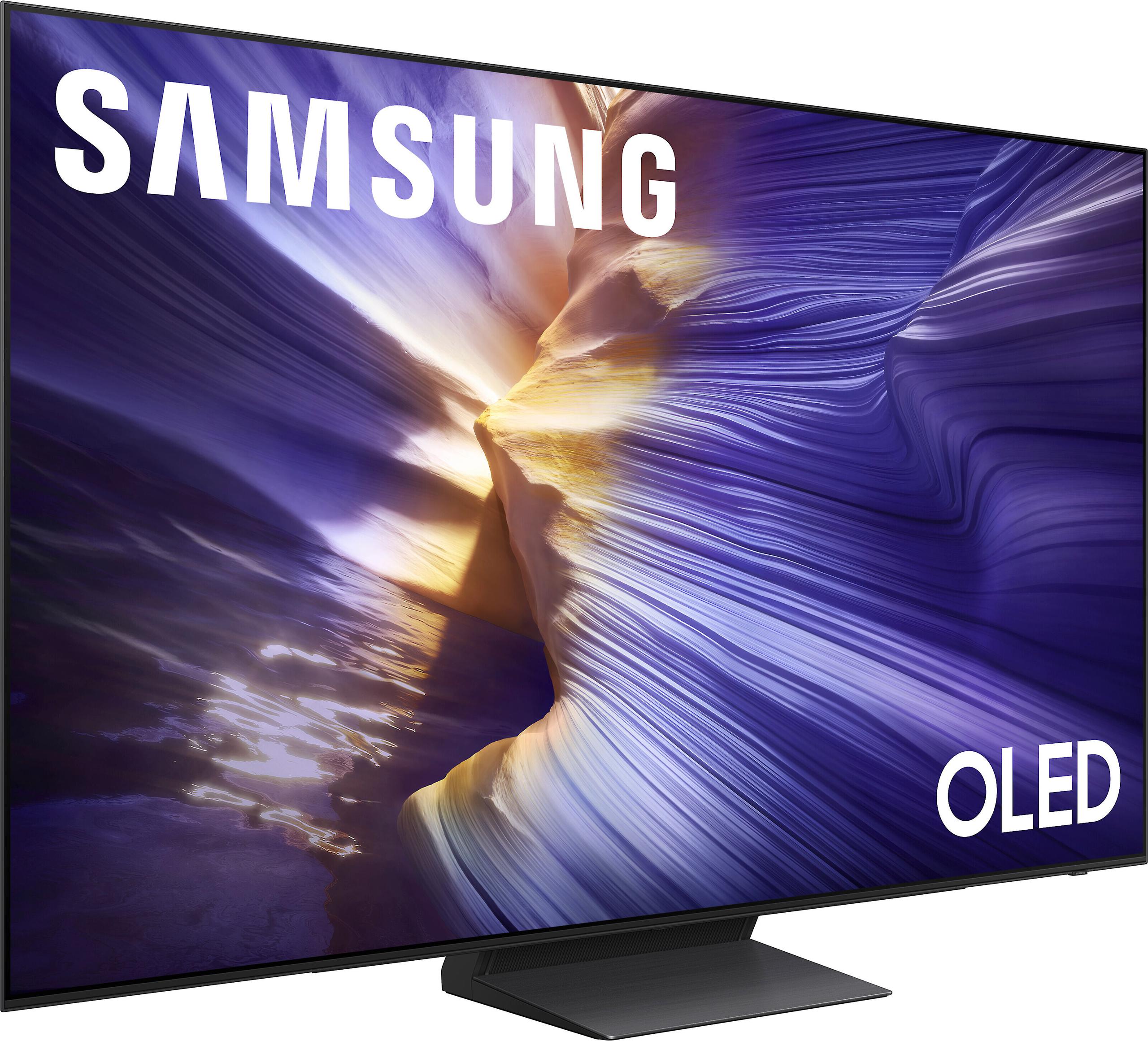



When you're ready to upgrade to a premium 65-inch OLED TV, the landscape can feel overwhelming. Two models that represent very different approaches to the OLED market are the Philips 65OLED974/F7 and the Samsung 65" S90F OLED. These TVs showcase the evolution of OLED technology from 2023 to 2025, with dramatically different price points and feature sets that cater to distinct viewing needs.
Understanding what separates these displays goes beyond simple spec comparisons. The real differences lie in how they handle brightness, process images, and adapt to your specific viewing environment. Let's dive into what makes each TV unique and which one deserves a place in your living room.
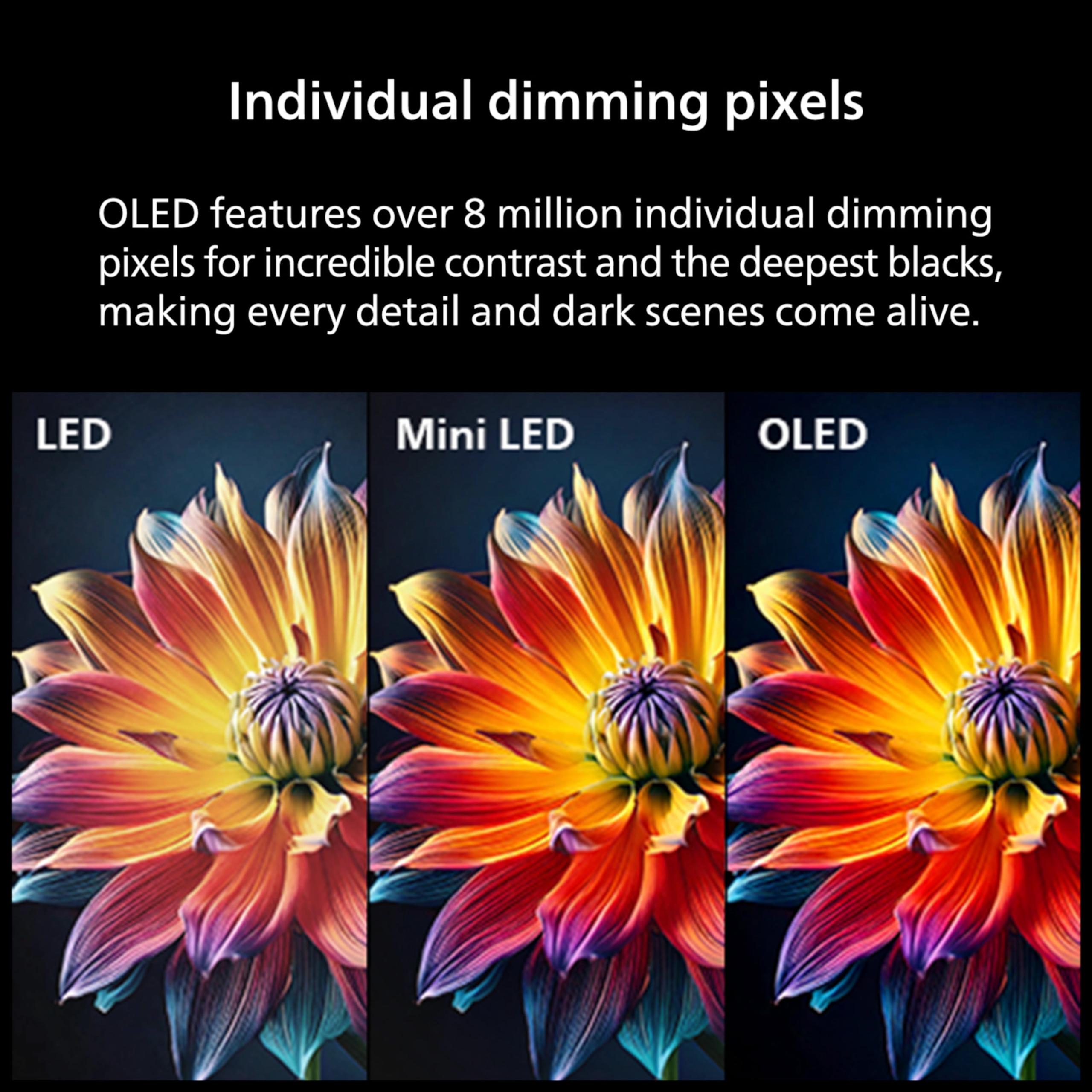
OLED (Organic Light-Emitting Diode) technology represents the current peak of consumer display quality. Unlike traditional LED TVs that use a backlight shining through liquid crystals, OLED pixels generate their own light. This means each individual pixel can turn completely off, creating true blacks that make shadows disappear into inky darkness—something impossible with backlit displays.
Both the Philips 65OLED974/F7 and Samsung S90F leverage this fundamental OLED advantage, but they implement the technology quite differently. The key considerations when choosing between premium OLEDs include brightness performance (how well they handle bright rooms), color accuracy and vibrancy, gaming capabilities, smart platform quality, and most importantly, how they perform in your specific viewing environment.
Here's where these two TVs diverge most dramatically. The Samsung S90F, released in 2025, uses Samsung's latest QD-OLED (Quantum Dot OLED) technology. This combines OLED's perfect blacks with quantum dots—microscopic nanocrystals that emit extremely pure colors when excited by light. The result is a panel that delivers significantly higher peak brightness than traditional OLED displays.
Our research into expert reviews consistently highlights the Samsung S90F's superior brightness performance. Professional reviewers describe it as "a veritable beacon" that handles HDR content with impressive impact. This brightness advantage isn't just about numbers—it translates to HDR highlights that actually pop, making bright scenes in movies feel realistic rather than dim.
The Philips 65OLED974/F7, on the other hand, suffers from what multiple expert reviews call "poor peak brightness." This isn't necessarily a fatal flaw, but it does limit where you can use the TV effectively. In well-lit rooms, the Philips struggles to overcome ambient light, making the image appear washed out during daytime viewing. HDR content, which relies on bright highlights to create visual impact, feels muted and lacks the punch you'd expect from premium content.
For context, peak brightness in OLED TVs typically ranges from 400-800 nits for budget models up to 1000+ nits for premium displays. The difference between a 600-nit and 1000-nit panel becomes immediately apparent when watching HDR movies with bright scenes—think sunrise shots, explosions, or snow-covered landscapes.
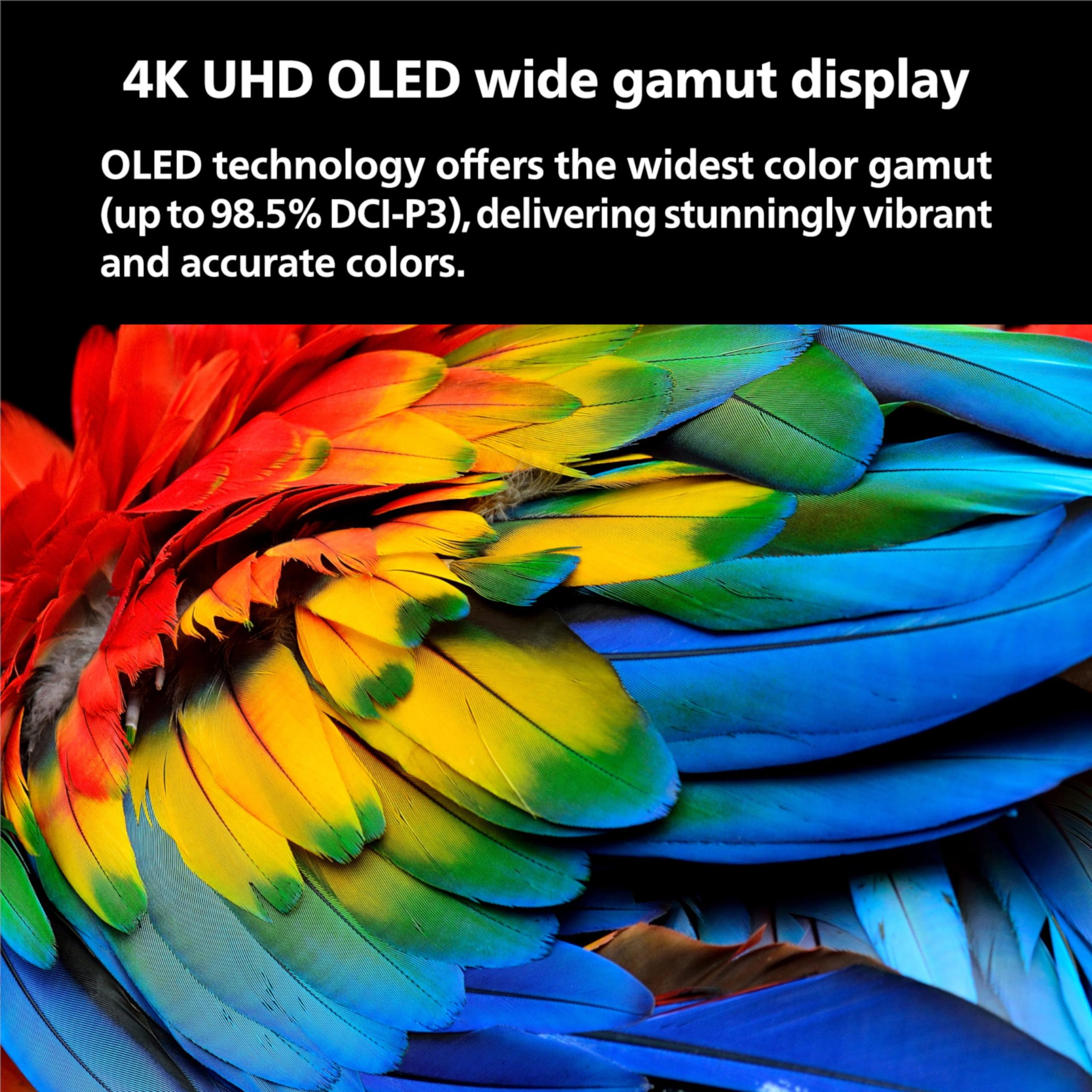
Color reproduction is another area where these displays take different approaches. The Samsung S90F's QD-OLED panel produces what reviewers consistently describe as more "vivid and punchy" colors. The quantum dot layer acts like a color filter, creating purer red, green, and blue light that results in a wider color gamut (the range of colors the display can reproduce).
This technical advantage translates to real viewing benefits. When watching nature documentaries, animated content, or vibrant HDR movies, the Samsung displays colors that appear more saturated and lifelike. The quantum dots particularly excel at producing pure reds and greens that traditional OLED displays struggle with.
The Philips 974 still delivers excellent color performance for its price range. Expert reviews praise its "vibrant and accurate SDR colors" and note that it requires minimal calibration out of the box. For standard dynamic range (SDR) content—which still makes up the majority of what most people watch—the Philips performs admirably. However, when displaying HDR content, the brightness limitations we discussed earlier also limit color volume, making bright colors appear less impactful.
Color volume refers to how well a display can maintain color saturation at different brightness levels. A TV might accurately display a bright red at 50% brightness, but struggle to maintain that same vivid red at 100% brightness. The Samsung S90F's superior brightness directly translates to better color volume performance.
Gaming performance has become increasingly important as more people use their TVs for PlayStation 5, Xbox Series X, and PC gaming. This is where the generational gap between these TVs becomes most apparent.
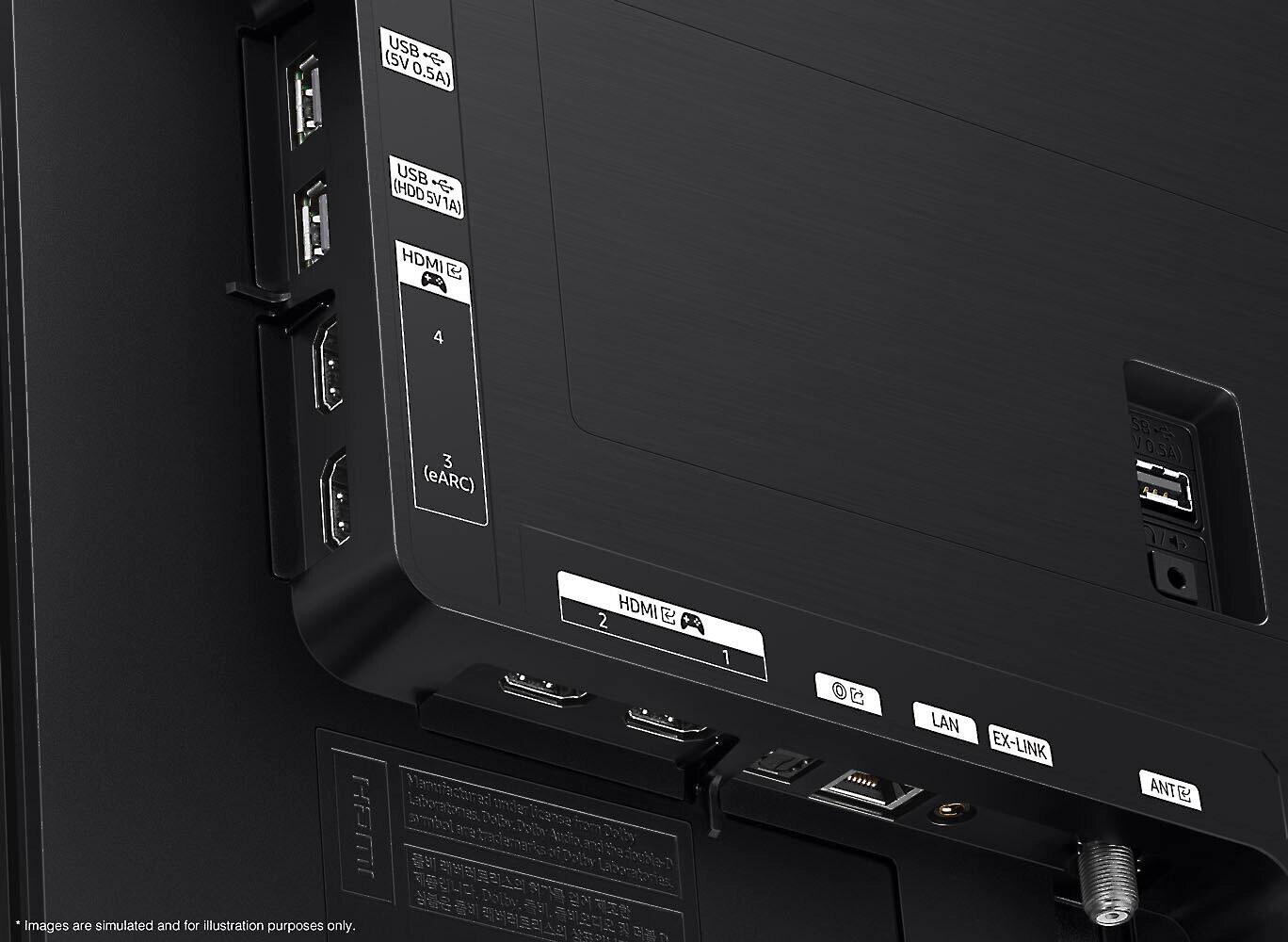
The Samsung S90F supports a 144Hz refresh rate with Variable Refresh Rate (VRR) and Auto Low Latency Mode (ALLM). In practical terms, this means the TV can display up to 144 frames per second with minimal input lag—the delay between pressing a button and seeing the action on screen. For competitive gaming or fast-paced action games, this responsiveness is crucial.
The Motion Xcelerator 144Hz technology in the Samsung also includes Black Frame Insertion (BFI), which inserts black frames between regular frames to reduce motion blur. While this slightly reduces brightness, it creates incredibly sharp motion that's particularly beneficial for racing games or first-person shooters.
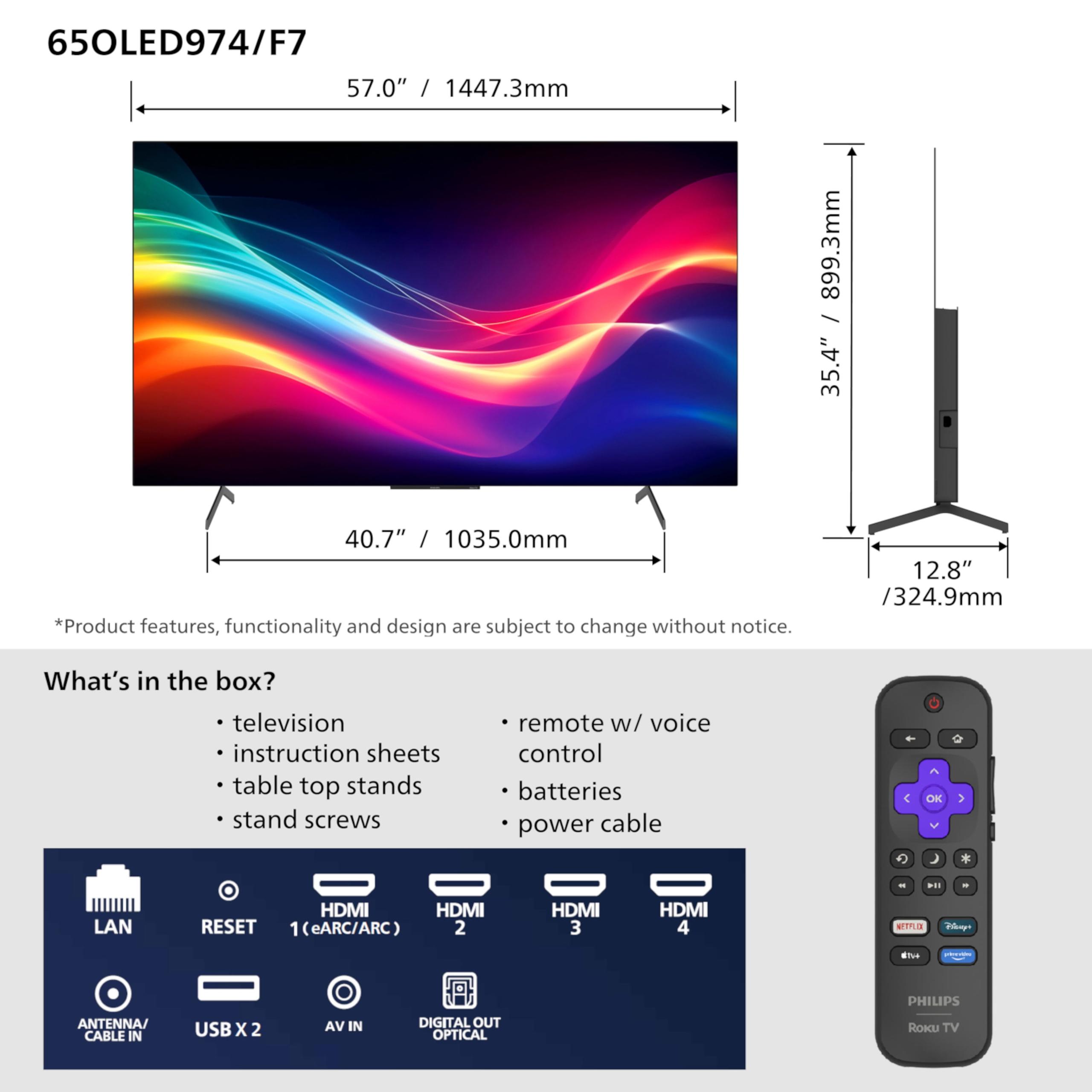
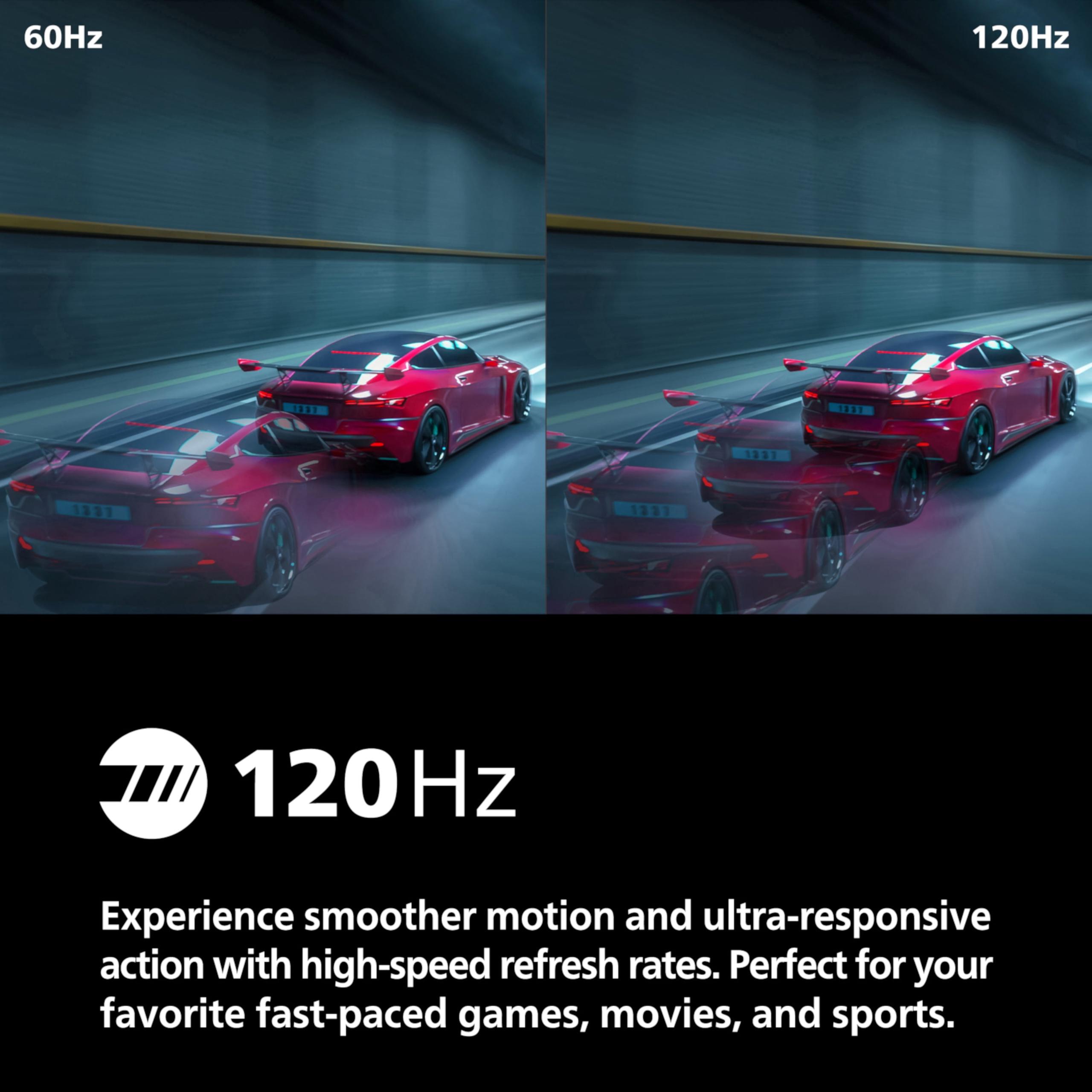
The Philips 974 offers solid but more basic gaming features with its 120Hz native panel and AMD FreeSync Premium support. This covers the needs of most console gamers perfectly well—both the PS5 and Xbox Series X top out at 120Hz for most games. The TV delivers low input lag and supports VRR to eliminate screen tearing, making it a capable gaming display without the premium features that serious PC gamers might want.
For most console gaming scenarios, the difference between 120Hz and 144Hz is minimal. However, if you're a PC gamer with a high-end graphics card capable of pushing frame rates above 120fps, the Samsung S90F's additional headroom becomes valuable.
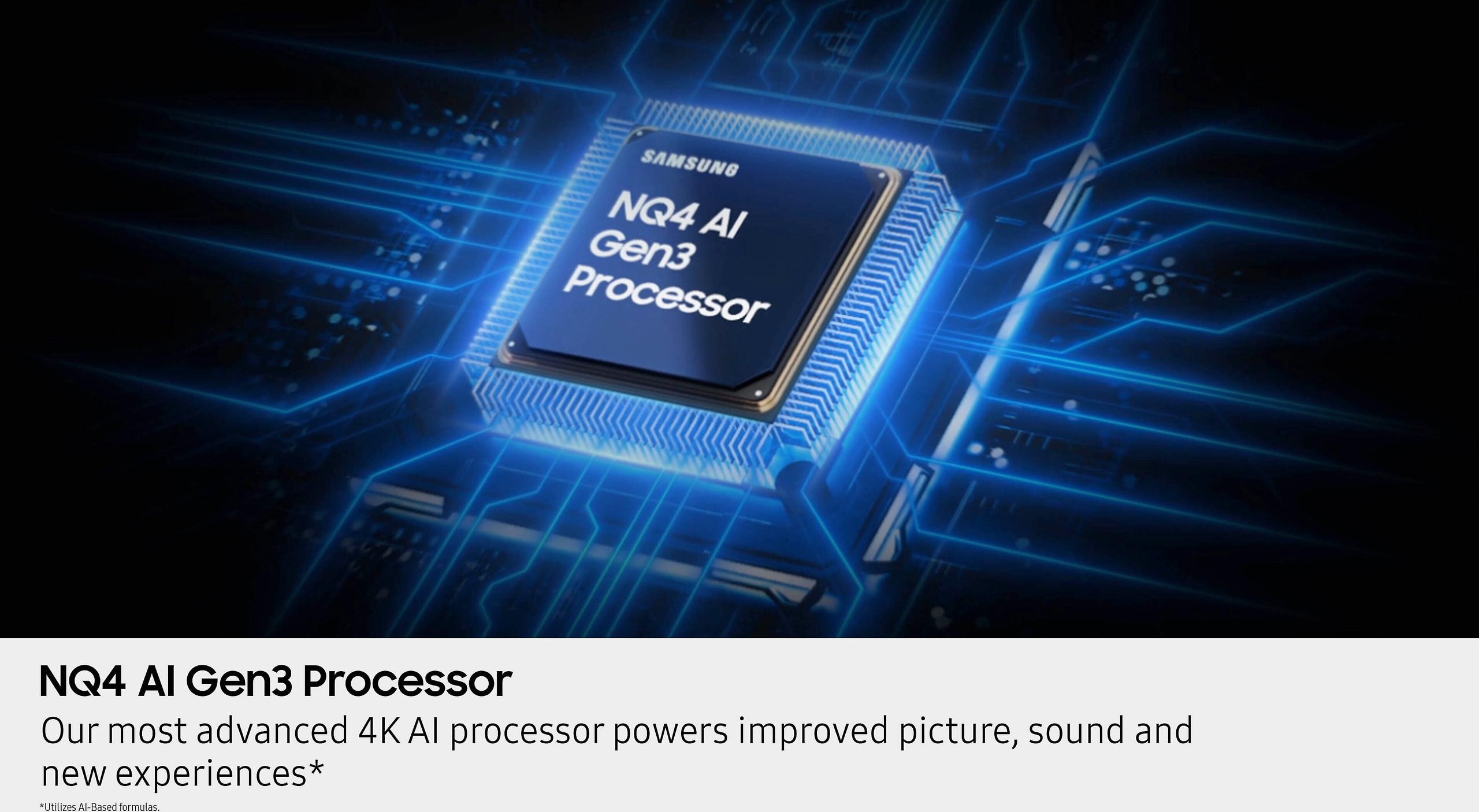
The smart TV experience represents another philosophical divide between these models. The Samsung S90F showcases Samsung's latest Vision AI technology, powered by the NQ4 AI Gen3 processor. This system uses machine learning to analyze content in real-time, adjusting picture settings based on what's being displayed.
The AI processing includes features like Auto HDR Remastering, which attempts to enhance standard dynamic range content to HDR-like quality. While this sounds like marketing speak, expert reviews suggest it works reasonably well, particularly for older movies and TV shows that weren't originally mastered in HDR.
The Samsung's Adaptive Sound Pro technology also uses AI to optimize audio based on room acoustics and content type. It can distinguish between dialogue and background music, adjusting levels to ensure voices remain clear even during action scenes.
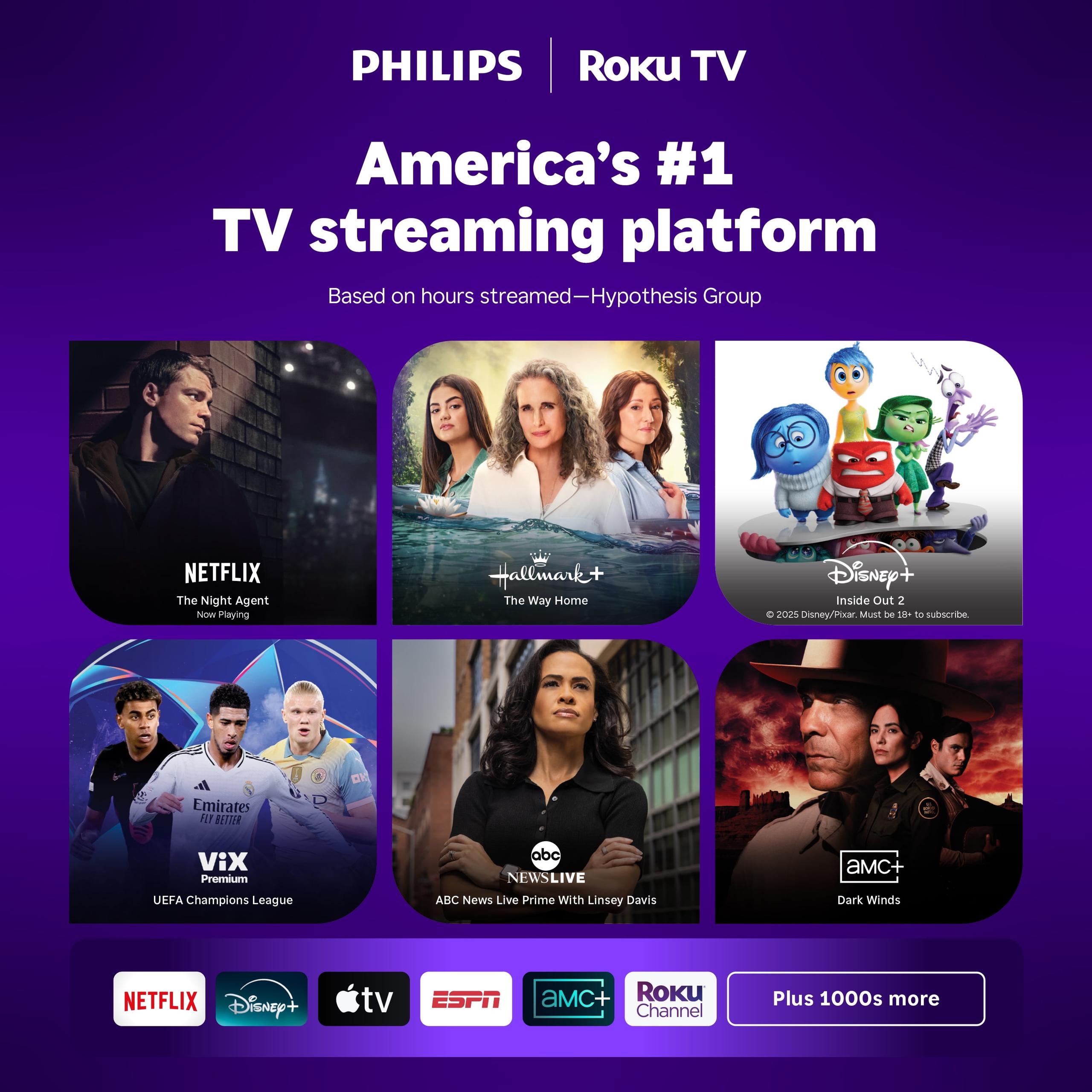
The Philips 974 takes a simpler approach with Roku TV OS. This platform prioritizes ease of use over advanced features. Roku's interface is consistently rated as one of the most intuitive smart TV platforms, with straightforward navigation and excellent content discovery. For many users, this simplicity is actually preferable to feature-heavy alternatives.
One unique Samsung feature worth highlighting is Pet Care, which can detect pet sounds through the TV's microphone and automatically play calming content for your animals when you're away. While niche, it demonstrates the kind of AI-powered functionality that separates modern premium TVs from basic models.
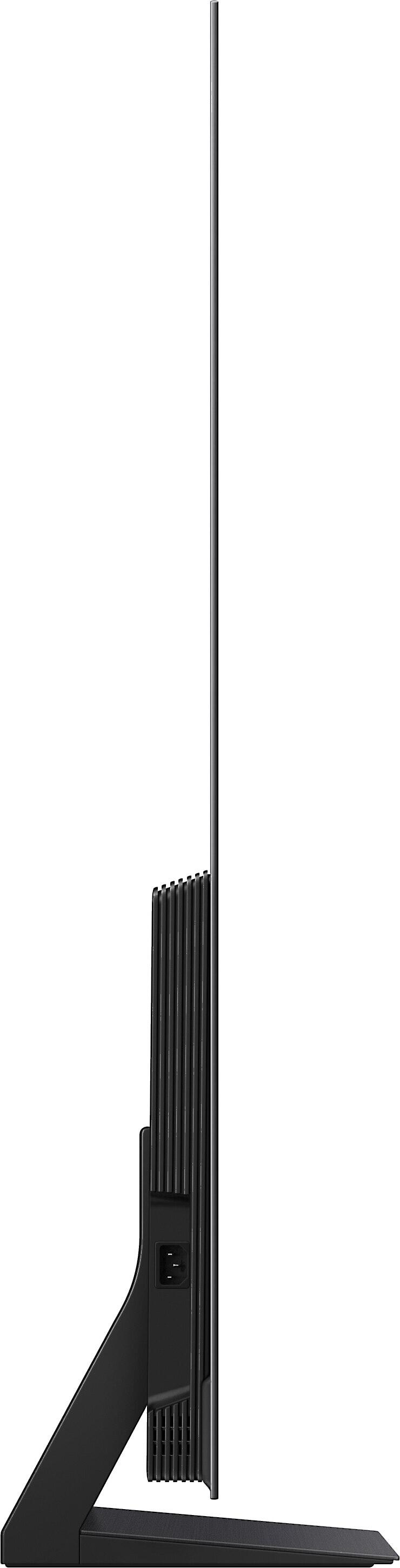
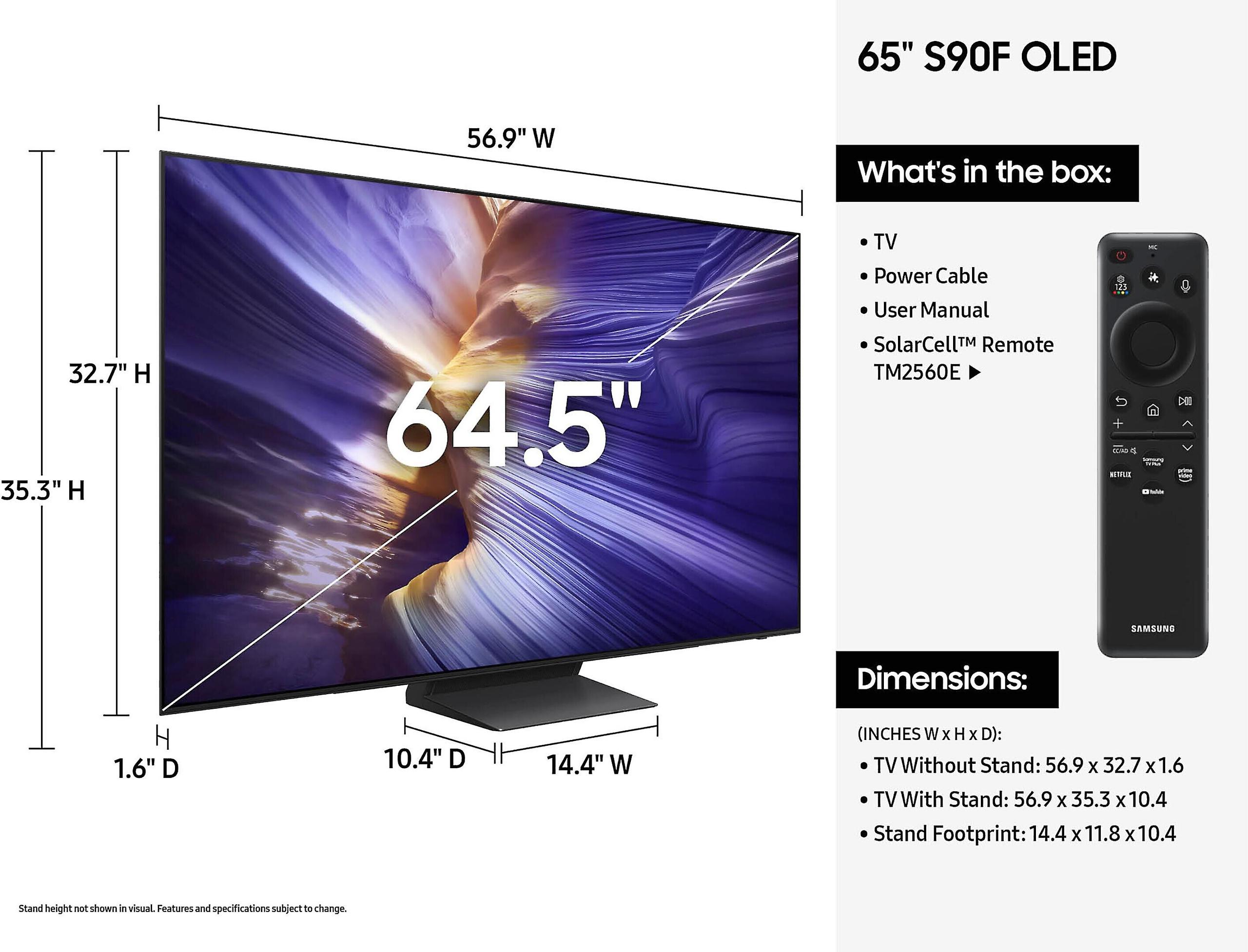
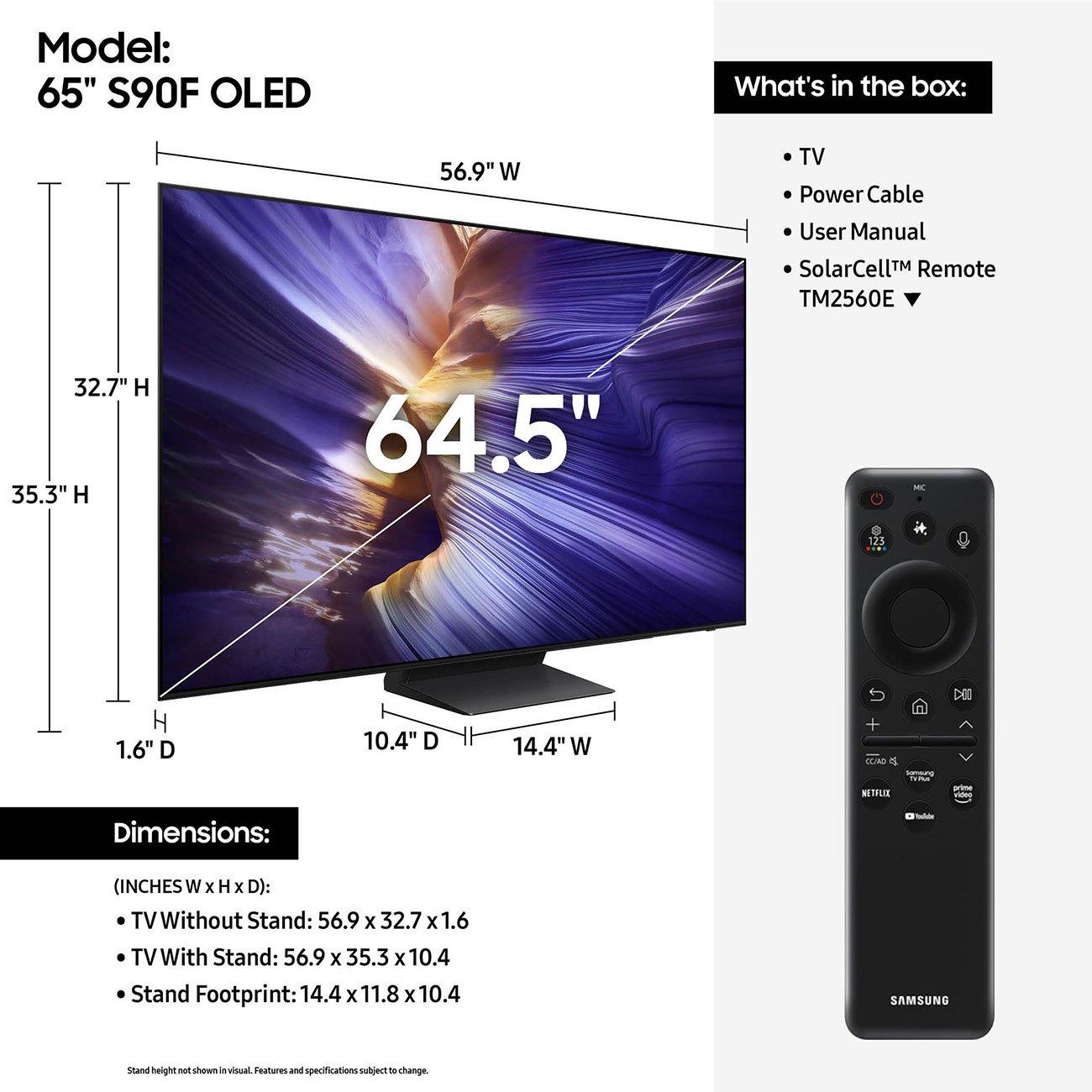
Both TVs embrace the minimalist aesthetic that OLED technology enables. The Philips 974's 2.2-inch panel depth creates an almost impossibly thin profile when wall-mounted, while its 3-sided borderless design maximizes the screen-to-bezel ratio.
The Samsung S90F represents Samsung's latest design language with refined construction that expert reviews consistently praise. As a 2025 model, it benefits from manufacturing improvements and is likely to receive longer software support compared to the 2023 Philips model.
This software support consideration is more important than many buyers realize. TV manufacturers typically provide major updates for 3-5 years, with premium models often receiving support longer. A TV purchased in 2025 will likely remain current with streaming app updates and new features well into the 2030s.
Bright Living Rooms: The Samsung S90F wins decisively here. Its superior peak brightness cuts through ambient light, maintaining image quality even with windows or lamps nearby. The Philips simply cannot compete in this environment, with expert reviews consistently noting it's "not bright enough for well-lit rooms."
Dedicated Home Theaters: This is where the value proposition becomes interesting. In a controlled lighting environment—think basement media room or bedroom with blackout curtains—both TVs excel at what OLED does best. The perfect black levels and infinite contrast ratio create an immersive experience that's difficult to achieve with other display technologies. In this scenario, the Philips 974 delivers roughly 90% of the premium experience at a significantly lower price point.
Mixed Usage: For family rooms that serve multiple purposes throughout the day, the Samsung S90F's versatility makes it the safer choice. It adapts better to changing lighting conditions and provides consistent performance whether you're watching morning news or evening movies.
At the time of writing, these TVs occupy very different price tiers, with the Samsung S90F commanding a significant premium over the Philips 974. This price gap reflects not just brand positioning, but genuine technological differences.
The Philips represents exceptional value for buyers prioritizing OLED technology over premium features. If your primary use case is movie watching in a dark room, the brightness limitations become less relevant, and you're getting true OLED performance at an entry-level price.
The Samsung justifies its premium through superior versatility, latest-generation panel technology, and advanced processing features. For buyers who want a single TV that excels in multiple scenarios, the additional cost delivers tangible benefits.
Choose the Philips 65OLED974/F7 if you have a dedicated dark viewing space, prioritize value over cutting-edge features, and primarily watch content in the evening. This TV excels in its intended environment and represents one of the most affordable ways to experience true OLED picture quality.
Opt for the Samsung 65" S90F OLED if you need a versatile display for mixed lighting conditions, value gaming performance, or want the latest AI-enhanced features. Despite its higher price, the Samsung provides better long-term value for most users through its superior brightness and broader capability set.
The generational improvement from 2023 to 2025 OLED technology is significant enough that buyers planning to keep their TV for 5+ years should seriously consider the newer Samsung model. The brightness improvements alone make it a more future-proof choice as HDR content continues to evolve.
Ultimately, both displays excel at what OLED technology does best—perfect blacks, excellent contrast, and immersive viewing experiences. Your choice should depend on your specific viewing environment, feature priorities, and budget considerations. The Philips 974 proves you don't need to spend premium prices for premium picture quality, while the Samsung S90F demonstrates why the latest display technology commands a price premium.
| Philips 65OLED974/F7 65" OLED Roku TV | Samsung 65" S90F OLED 4K Vision AI Smart TV 2025 |
|---|---|
| Panel Technology - Determines brightness and color performance | |
| Traditional OLED with limited peak brightness | QD-OLED with quantum dots for 10-15% higher brightness |
| Peak Brightness - Critical for HDR impact and bright room viewing | |
| Poor brightness performance, unsuitable for well-lit rooms | Excellent brightness that cuts through ambient light |
| Refresh Rate - Important for gaming and smooth motion | |
| 120Hz native panel with AMD FreeSync Premium | 144Hz with Motion Xcelerator and advanced VRR |
| Gaming Features - Essential for console and PC gaming | |
| Basic HDMI 2.1, low input lag, FreeSync support | Premium gaming with ALLM, BFI, ultra-low input lag |
| Smart Platform - Affects daily usability and app support | |
| Roku TV OS (simple, intuitive interface) | Tizen OS with Samsung Vision AI and advanced processing |
| AI Processing - Enhances picture quality and user experience | |
| Basic processing, no AI features | NQ4 AI Gen3 processor with Auto HDR Remastering |
| HDR Support - Determines premium content quality | |
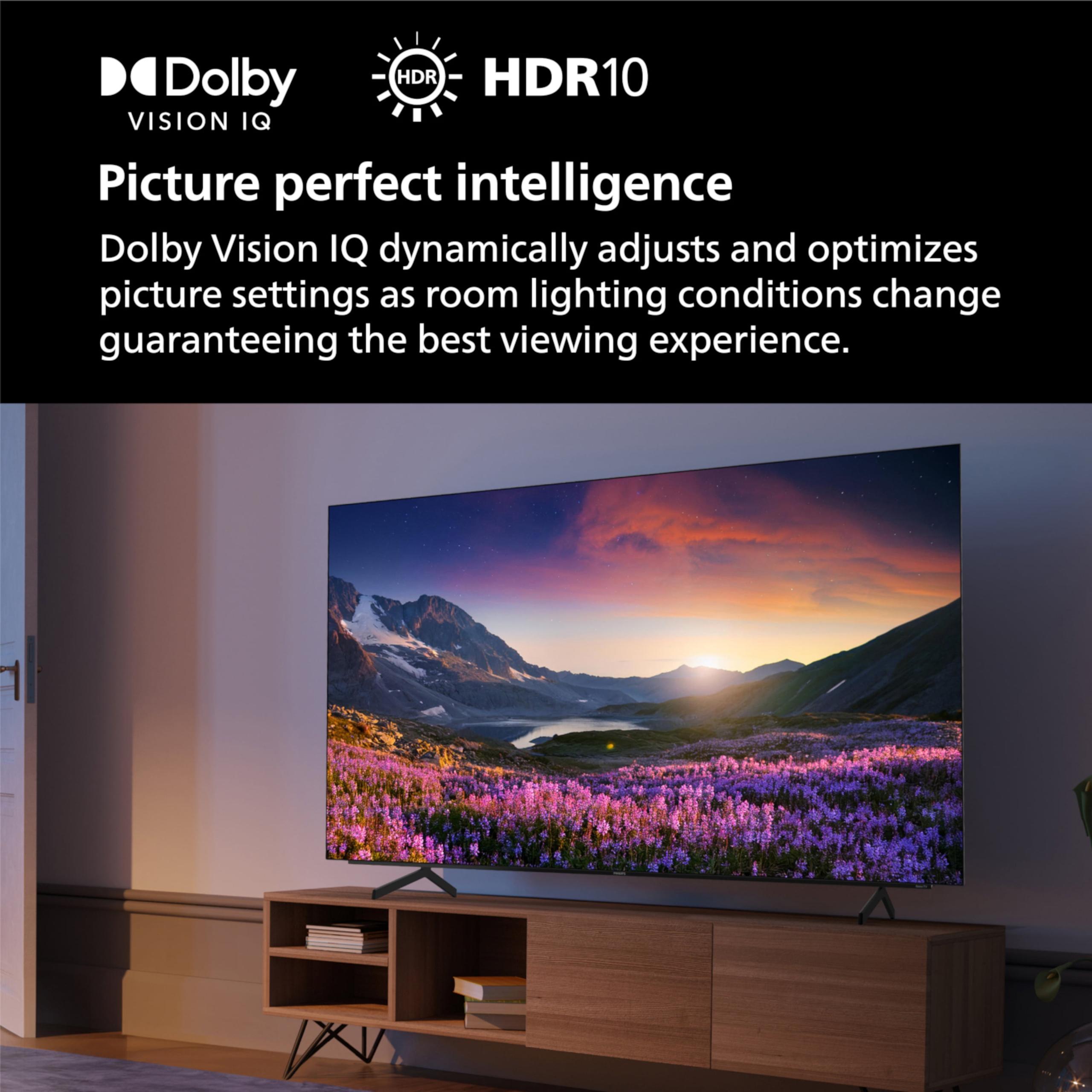
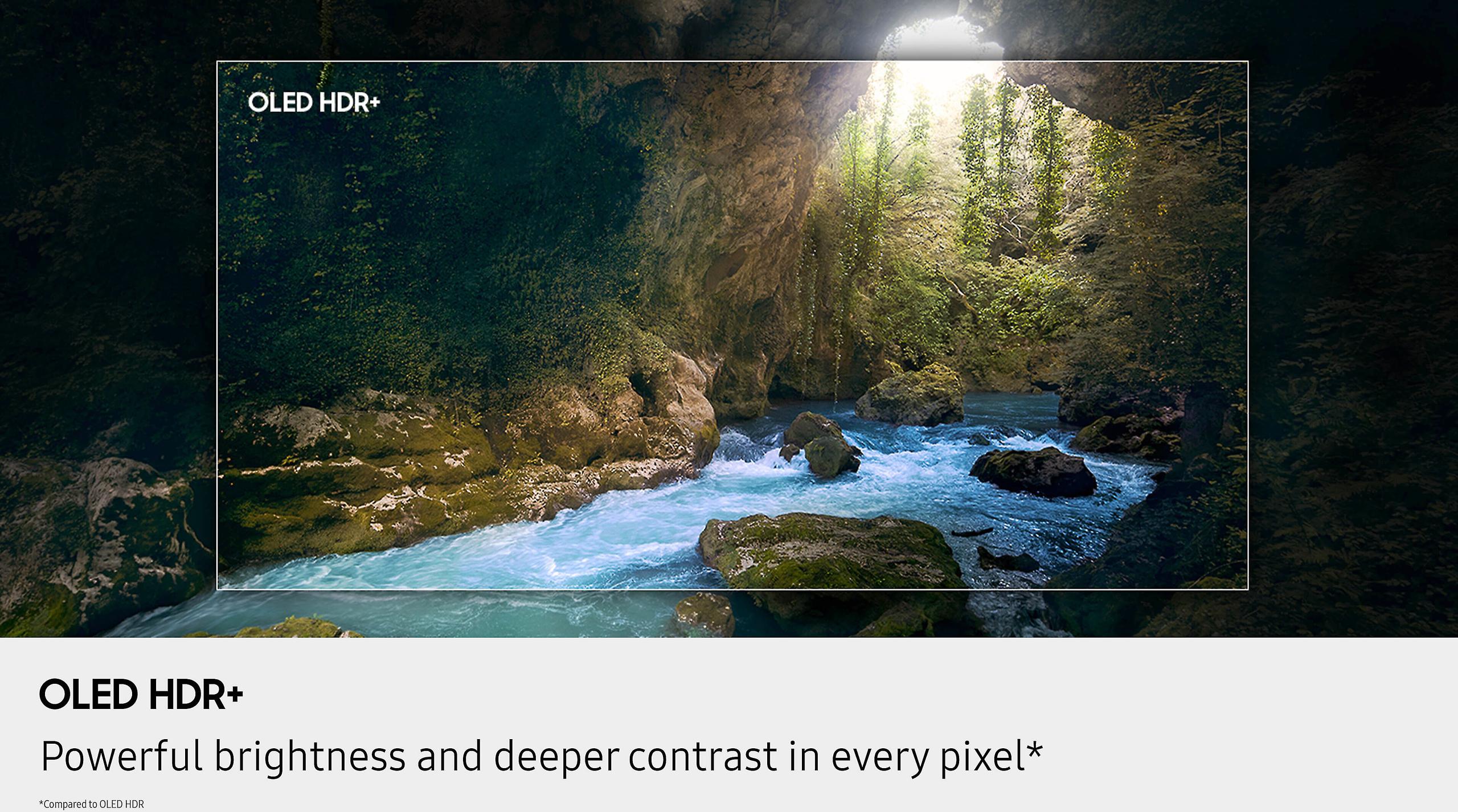
| Dolby Vision, HDR10, HLG (limited by dim panel) | HDR10+, OLED HDR+ (no Dolby Vision but better brightness) |
| Color Performance - Affects vibrancy and accuracy | |
| Good SDR colors, muted HDR colors due to brightness limits | Superior color volume and saturation with quantum dots |
| Audio System - Built-in sound quality | |
| Dolby 2.1 speaker system with subwoofer | Dynamic sound with Adaptive Sound Pro AI optimization |
| Release Year - Impacts software support and future-proofing | |
| 2023 model with shorter expected support lifecycle | 2025 model with latest technology and longer support |
| Best Use Case - Where each TV excels | |
| Dark room viewing, budget OLED entry point | Versatile all-room performance, premium features |
| Value Proposition - Cost vs. performance consideration | |
| Exceptional OLED value for controlled lighting | Premium price justified by superior brightness and features |
The Samsung 65" S90F OLED is significantly better for bright rooms due to its QD-OLED panel technology that delivers 10-15% higher peak brightness than traditional OLED displays. The Philips 65OLED974/F7 struggles in well-lit environments and is best suited for dark room viewing where its brightness limitations won't impact the viewing experience.
The Samsung S90F offers superior gaming features with 144Hz refresh rate, Motion Xcelerator technology, and ultra-low input lag around 9-10ms. The Philips 65OLED974/F7 provides solid gaming with 120Hz native panel and AMD FreeSync Premium, which is adequate for console gaming but lacks the premium PC gaming features of the Samsung model.
Both TVs deliver excellent OLED picture quality with perfect blacks and infinite contrast. However, the Samsung S90F provides superior HDR performance with brighter highlights and more vibrant colors thanks to its quantum dot technology. The Philips 65OLED974/F7 excels in dark rooms but HDR content appears muted due to brightness limitations.
The Philips 65OLED974/F7 runs Roku TV OS, known for its simple and intuitive interface with excellent content discovery. The Samsung S90F uses Samsung's Tizen OS with advanced Vision AI features, including Auto HDR Remastering and Adaptive Sound Pro for enhanced content optimization.
For dedicated home theaters with controlled lighting, both TVs excel, but the choice depends on your priorities. The Philips 65OLED974/F7 offers exceptional value for dark room viewing with perfect blacks and good color accuracy. The Samsung S90F provides superior HDR impact and future-proofing, making it the premium choice for serious home theater enthusiasts.
The Samsung S90F delivers superior color performance with its QD-OLED technology, producing more vivid and punchy colors with better color volume. The Philips 65OLED974/F7 offers good color accuracy in SDR content but bright HDR colors appear less impactful due to the panel's brightness limitations.
The Philips 65OLED974/F7 supports Dolby Vision, HDR10, and HLG, with Dolby Vision being widely available across streaming platforms. The Samsung S90F uses HDR10+ and OLED HDR+ but does not support Dolby Vision, though it compensates with superior brightness for better HDR impact.
The Philips 65OLED974/F7 provides exceptional value for buyers seeking OLED technology at an entry-level price point, especially for dark room viewing. The Samsung S90F justifies its premium pricing through superior brightness, advanced AI features, and better versatility across different viewing conditions.
The Samsung S90F supports up to 144Hz refresh rate with advanced VRR and ALLM features, making it ideal for high-end PC gaming. The Philips 65OLED974/F7 offers 120Hz native refresh rate with FreeSync Premium, which is perfectly adequate for console gaming with PS5 and Xbox Series X.
Both TVs handle motion well due to OLED's fast pixel response time. The Samsung S90F includes Motion Xcelerator 144Hz technology and optional Black Frame Insertion for exceptionally sharp motion. The Philips 65OLED974/F7 provides good motion clarity but may show noticeable stutter in some content due to its fast response time.
The Philips 65OLED974/F7 features a 3-sided borderless design with ultra-thin 2.2-inch panel depth and stable tabletop stand. The Samsung S90F represents Samsung's latest 2025 design language with refined construction and is expected to receive longer software support as a newer model.
Choose the Philips 65OLED974/F7 if you primarily watch in dark conditions and want excellent OLED performance at a lower price point. Select the Samsung S90F if you need versatile performance across different lighting conditions, value gaming features, or want the latest AI-enhanced technology with longer software support.
We've done our best to create useful and informative comparisons to help you decide what product to buy. Our research uses advanced automated methods to create this comparison and perfection is not possible - please contact us for corrections or questions. These are the sites we've researched in the creation of this article: rtings.com - versus.com - versus.com - rtings.com - samsclub.com - versus.com - youtube.com - usa.philips.com - bestbuy.com - usa.philips.com - consumerreports.org - usa.philips.com - documents.philips.com - tvoutlet.ca - displayspecifications.com - business.walmart.com - displayspecifications.com - ecoustics.com - walmart.com - youtube.com - t3.com - rtings.com - bestbuy.com - stereonet.com - samsung.com - bestbuy.com - flatpanelshd.com - myallsouth.com - pcrichard.com - samsung.com - bestbuy.com - samsung.com - samsung.com - samsung.com

Privacy Policy
Terms and Conditions - Affiliate Policy
Home Security
© Copyright 2008-2026.
11816 Inwood Rd #1211, Dallas, TX 75244