

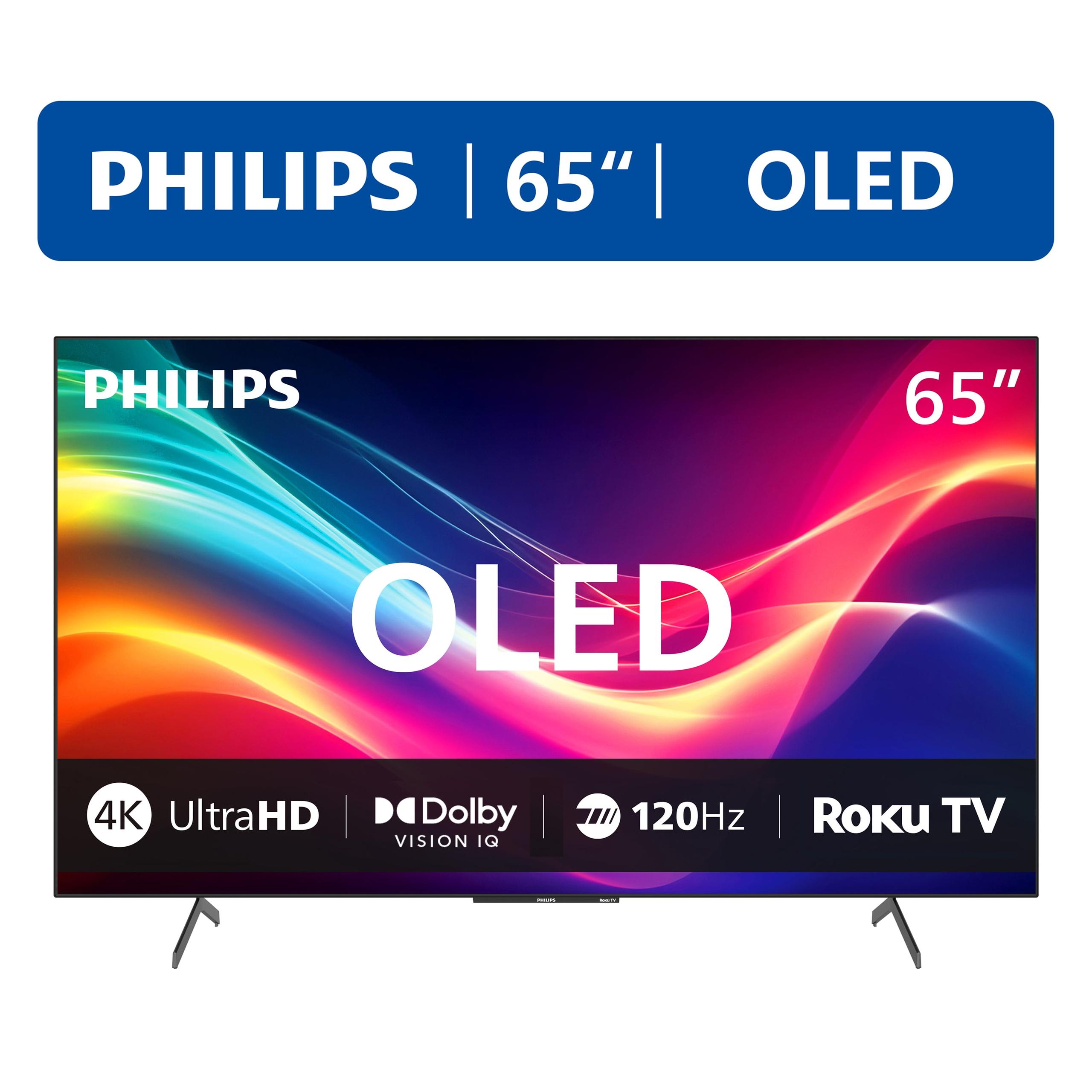
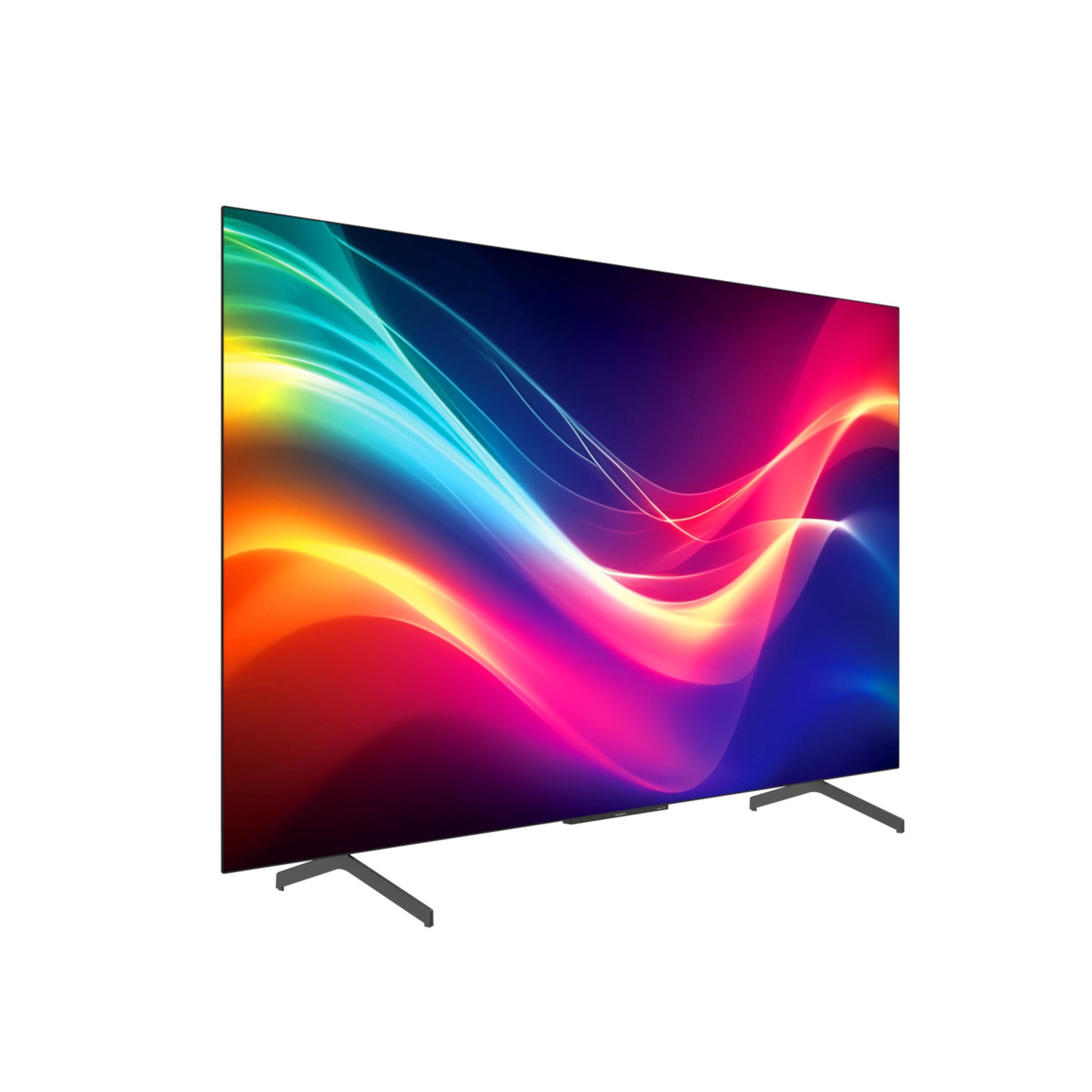

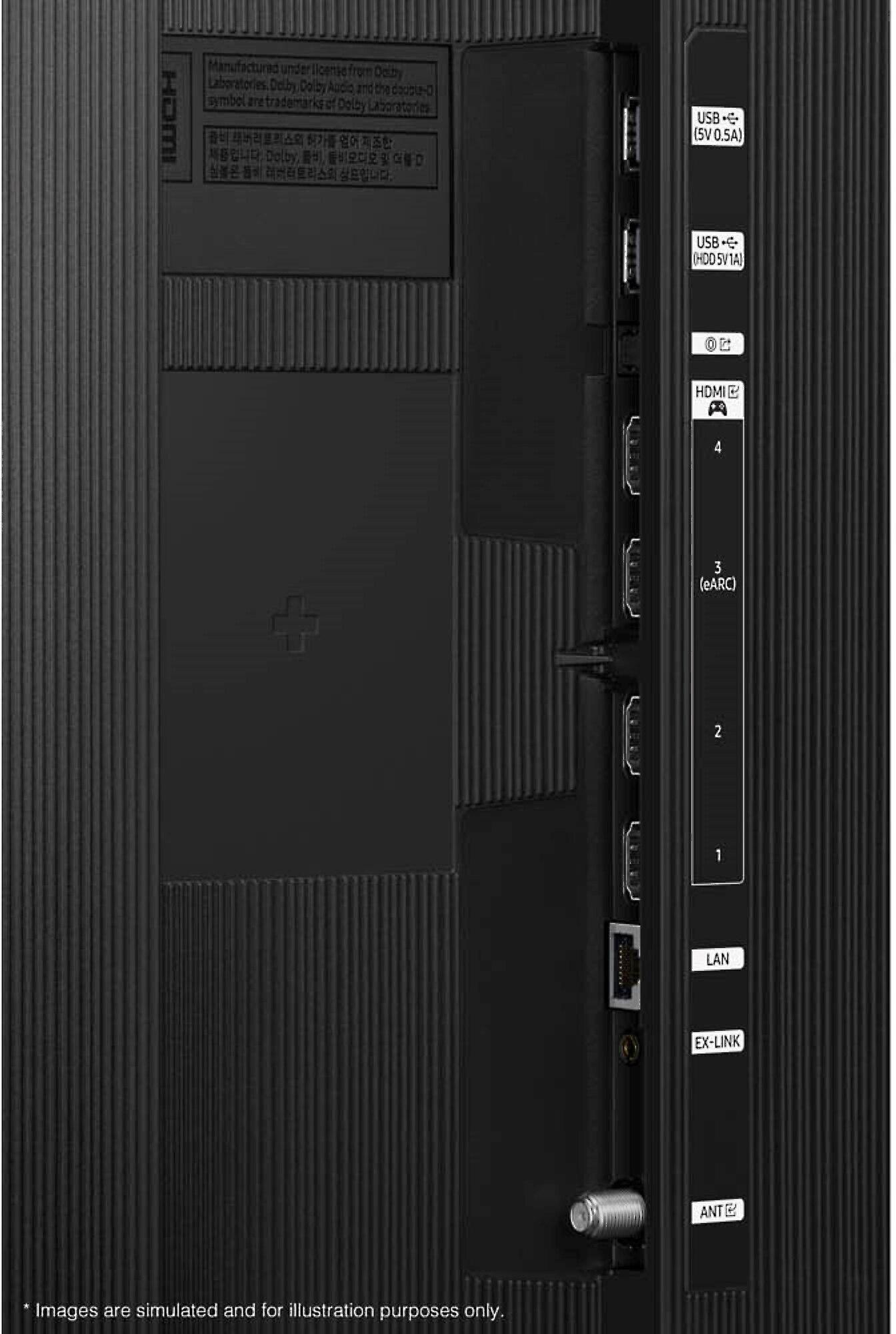
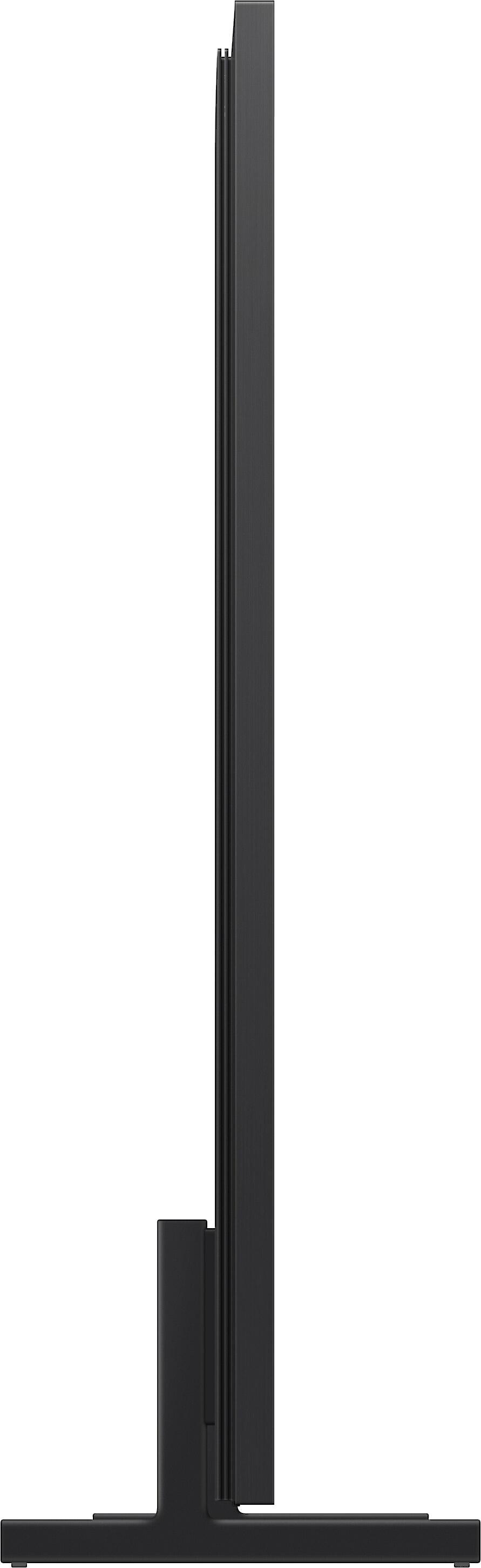
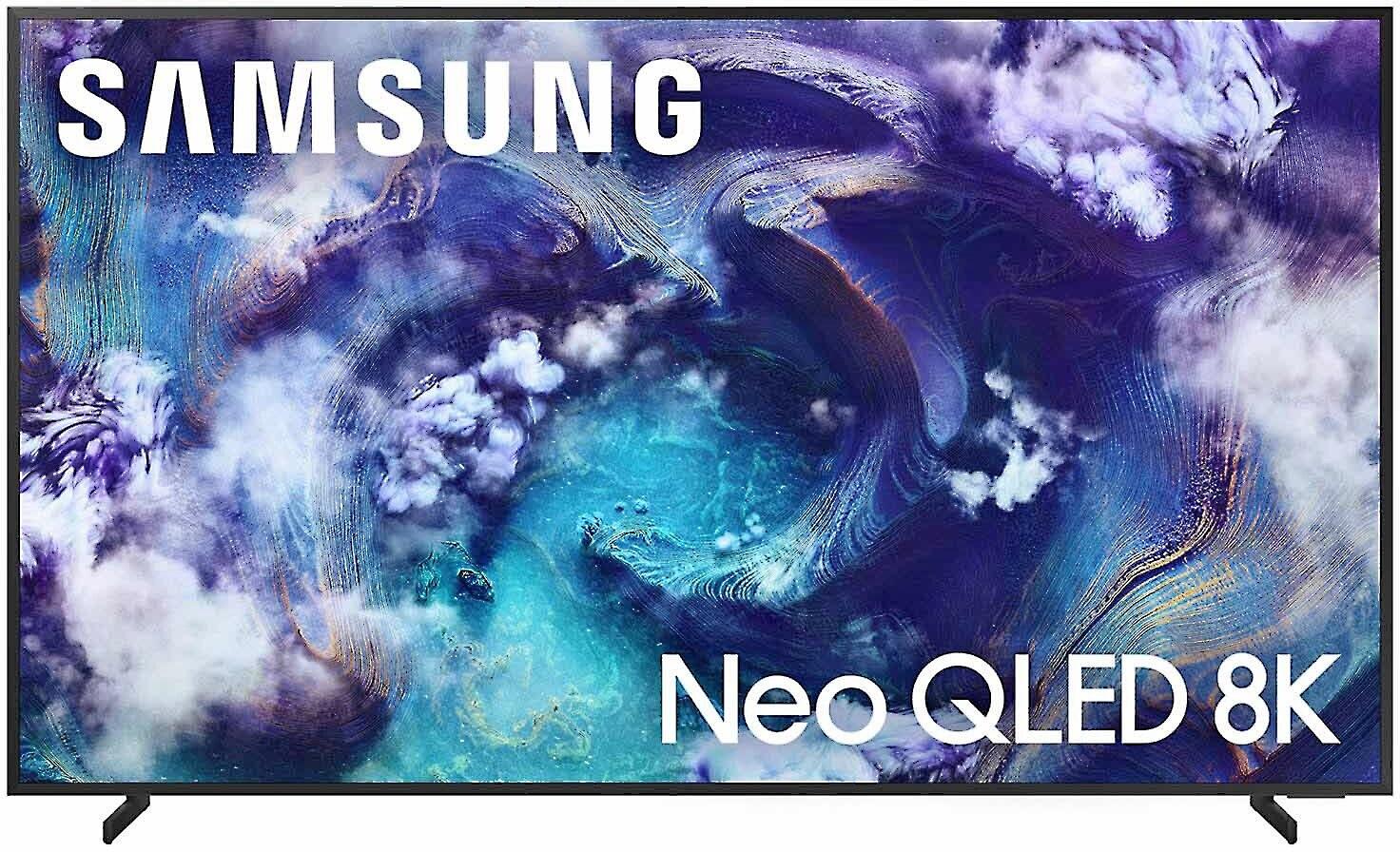
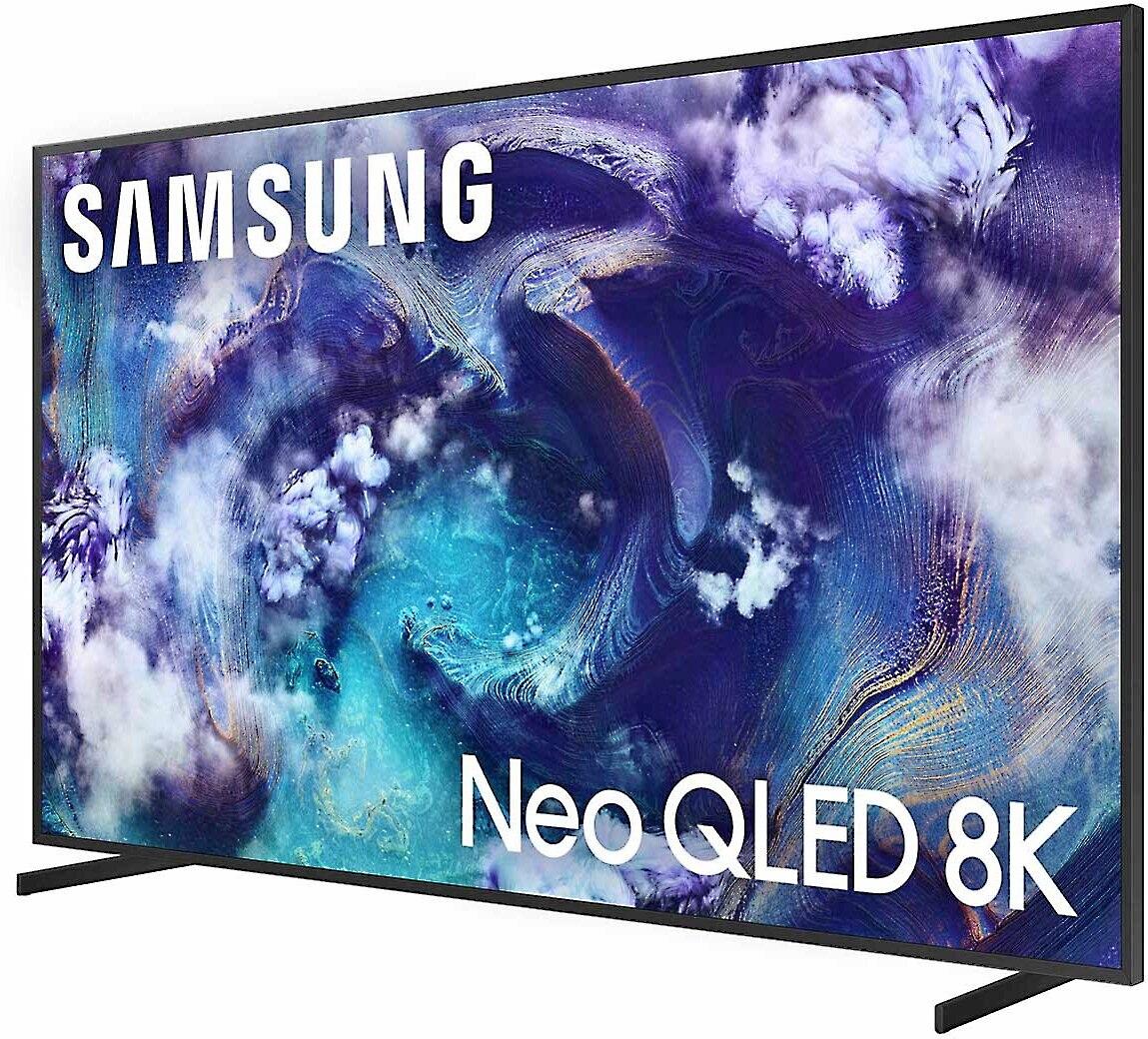

Choosing a premium 65-inch TV has never been more complex. Two fundamentally different technologies dominate the high-end market: OLED displays that create perfect blacks by turning off individual pixels, and advanced LCD panels with Mini LED backlighting that push brightness to new heights. Today we're comparing the Philips 65OLED974/F7, representing the refined OLED approach, against Samsung's cutting-edge QN900F Neo QLED 8K, which showcases the latest in LCD innovation.
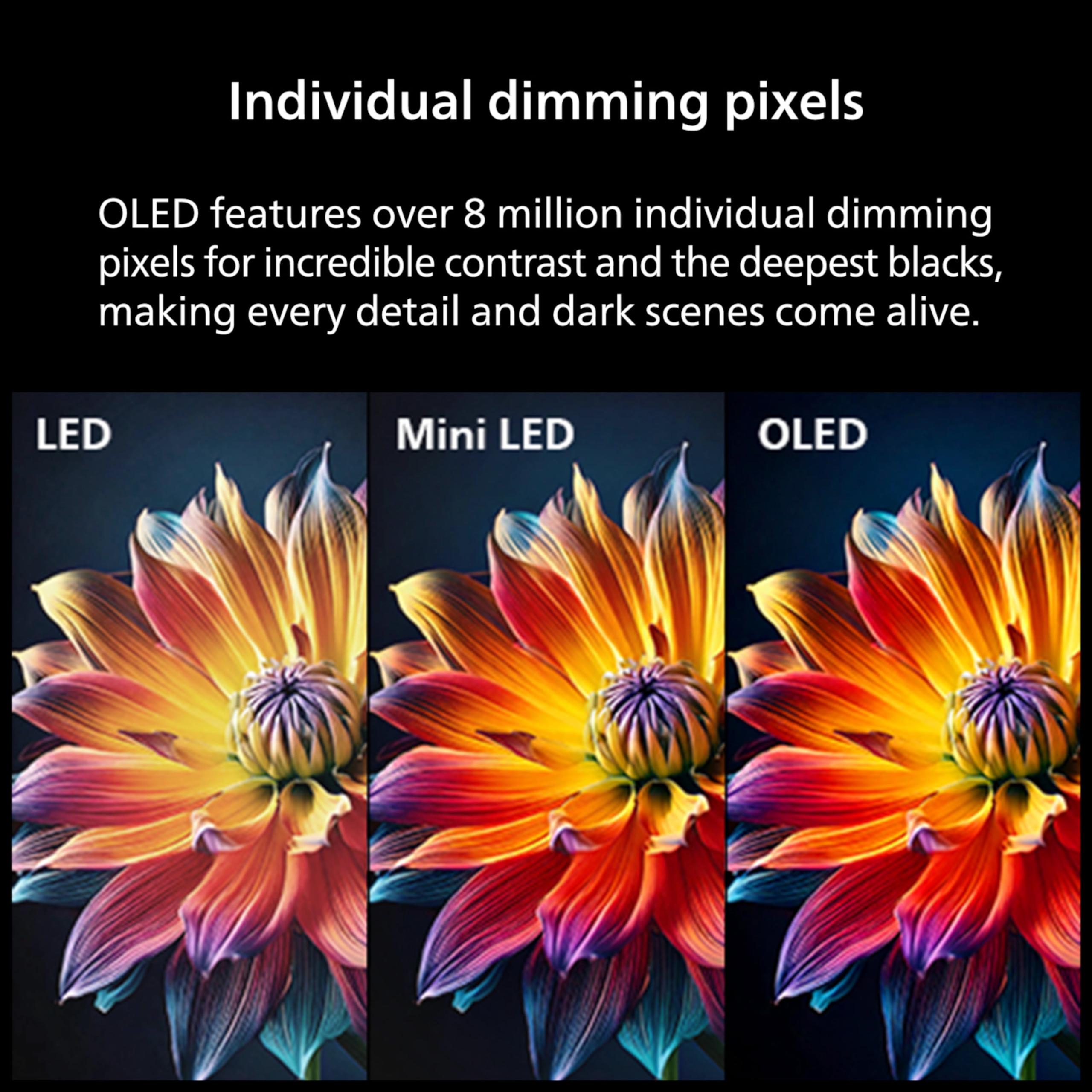
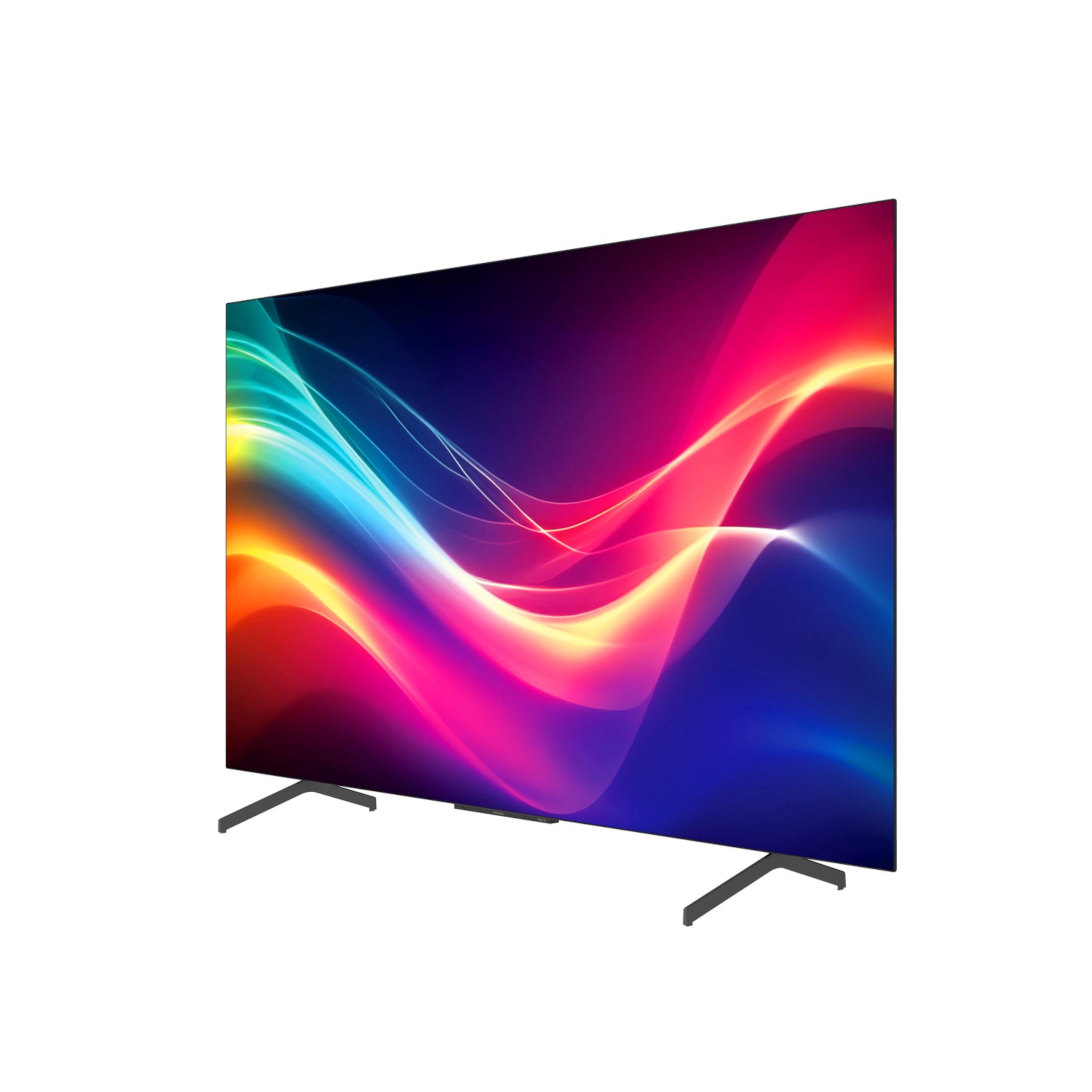
The choice between these TVs represents a fundamental decision about display technology. OLED (Organic Light-Emitting Diode) panels like the Philips OLED974/F7 use organic compounds that emit light when electricity passes through them. Each pixel can turn completely off, creating true blacks and infinite contrast ratios – the difference between the brightest white and darkest black a display can produce.
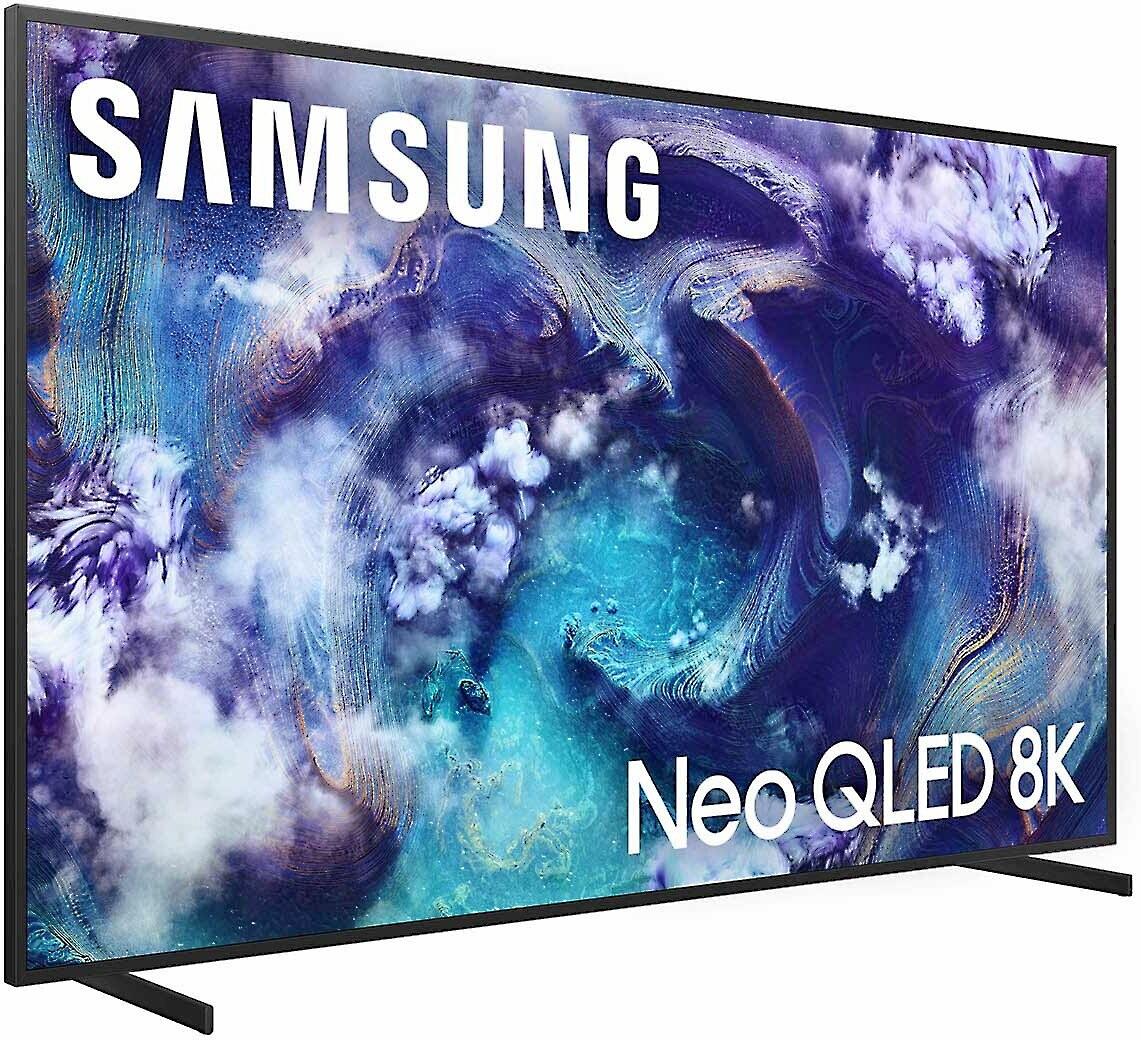
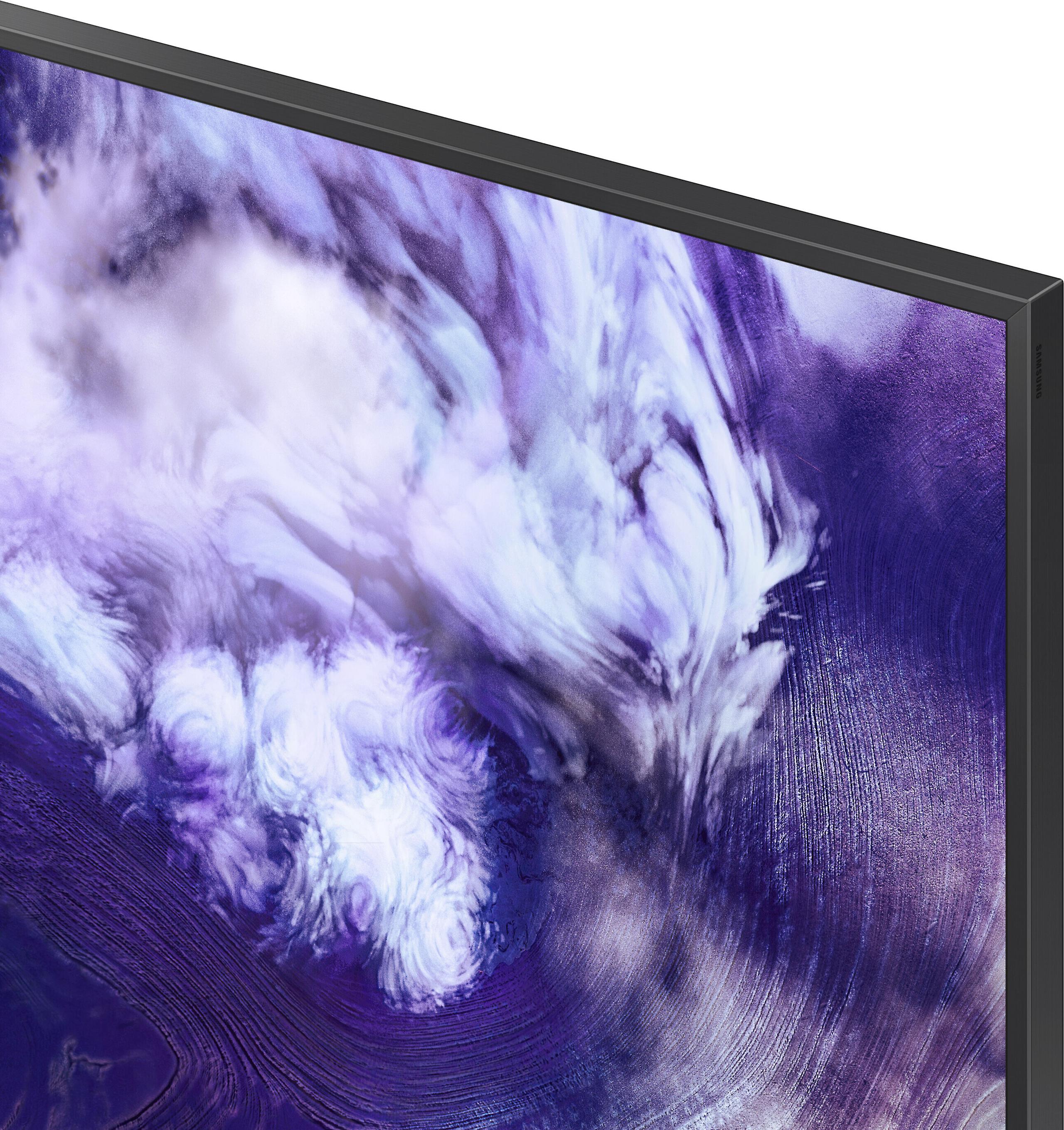
Mini LED LCD technology in the Samsung QN900F takes a different approach. It uses thousands of tiny LED lights behind a liquid crystal panel, combined with Quantum Dot technology – microscopic particles that convert blue LED light into precise colors. This creates exceptional brightness and vibrant colors, though it can't match OLED's perfect blacks since there's always some backlight present.
Released in 2024, both models represent significant advances. The Philips OLED974/F7 builds on years of OLED refinement with improved brightness and gaming features, while the Samsung QN900F pushes 8K resolution mainstream with advanced AI processing that didn't exist just a few years ago.
This is where the technological differences become immediately apparent. The Philips OLED974/F7 achieves perfect blacks because each of its 8.3 million pixels can turn completely off. When watching a movie with a dark space scene, those black areas are genuinely black – not dark gray like traditional TVs. This creates an almost three-dimensional depth that makes images pop off the screen.
The Samsung QN900F uses Full Array Local Dimming with thousands of Mini LEDs to approximate this effect. While it can't achieve true blacks like OLED, it gets remarkably close. More importantly, it can get much brighter in the white areas, creating a different but equally impressive visual impact. In practice, the Samsung's blacks look excellent unless you're doing direct side-by-side comparisons with an OLED.
For home theater enthusiasts who primarily watch in dark rooms, the Philips OLED974/F7 provides an unmatched cinematic experience. The perfect blacks make movie content appear exactly as directors intended, with shadow details that remain visible without any gray haze.
Here's where the Samsung QN900F takes a commanding lead. Peak brightness measures how bright the whitest whites can get, and Samsung's Mini LED array can reach over 2000 nits – roughly double what the Philips OLED974/F7 can achieve. This matters enormously for HDR (High Dynamic Range) content, which uses brightness variations to create more realistic images.
When watching HDR movies on the Samsung QN900F, bright scenes like sunlit landscapes or explosions have genuine visual impact. The sun actually looks bright, fire appears to glow, and metallic objects have convincing shine. The Philips OLED974/F7, while excellent in dark scenes, can't make these bright moments pop with the same intensity.
This brightness advantage becomes critical in normal living room conditions. If you watch TV during the day or with lights on, the Samsung QN900F maintains vibrant, punchy images while the Philips OLED974/F7 can appear somewhat dim and washed out.
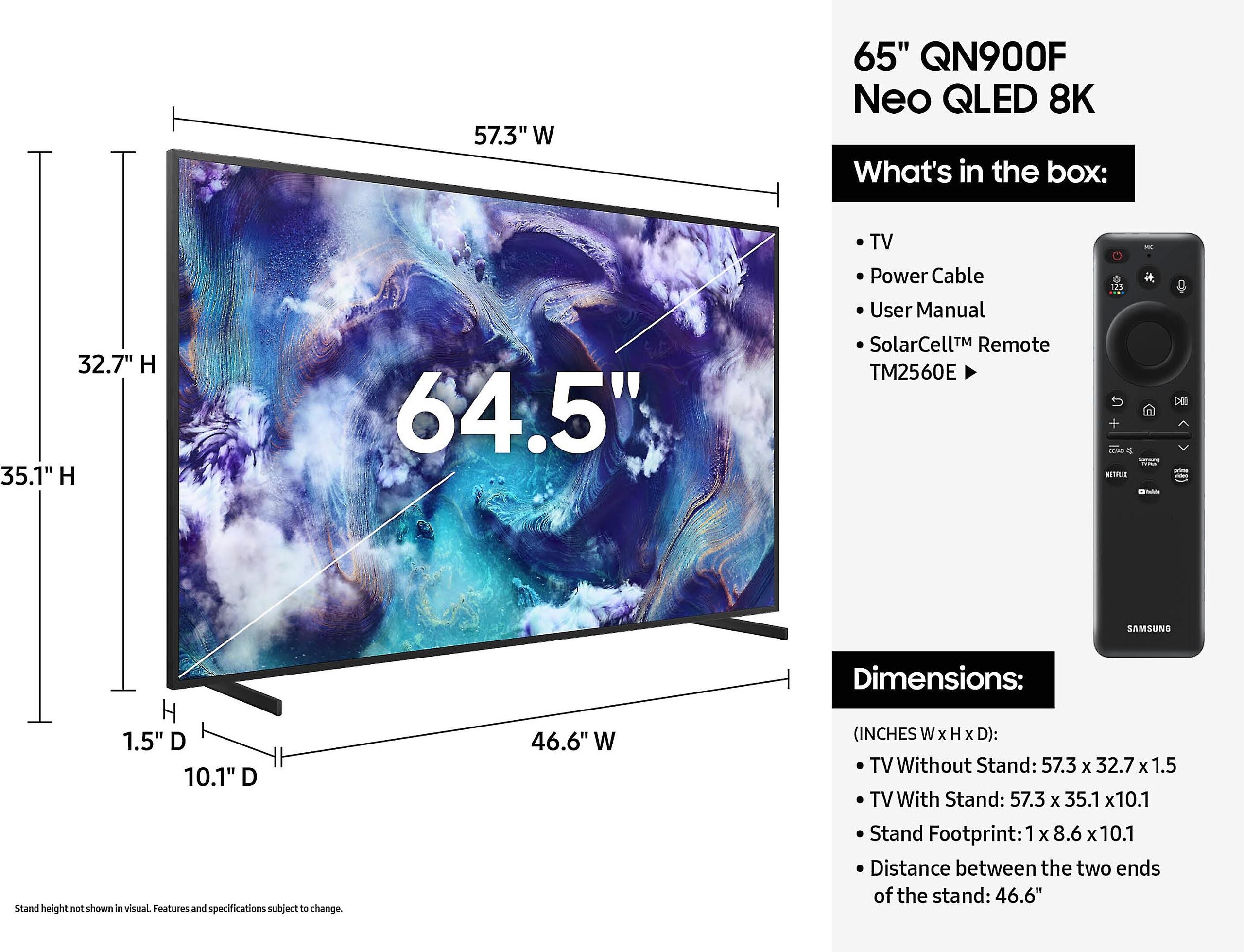
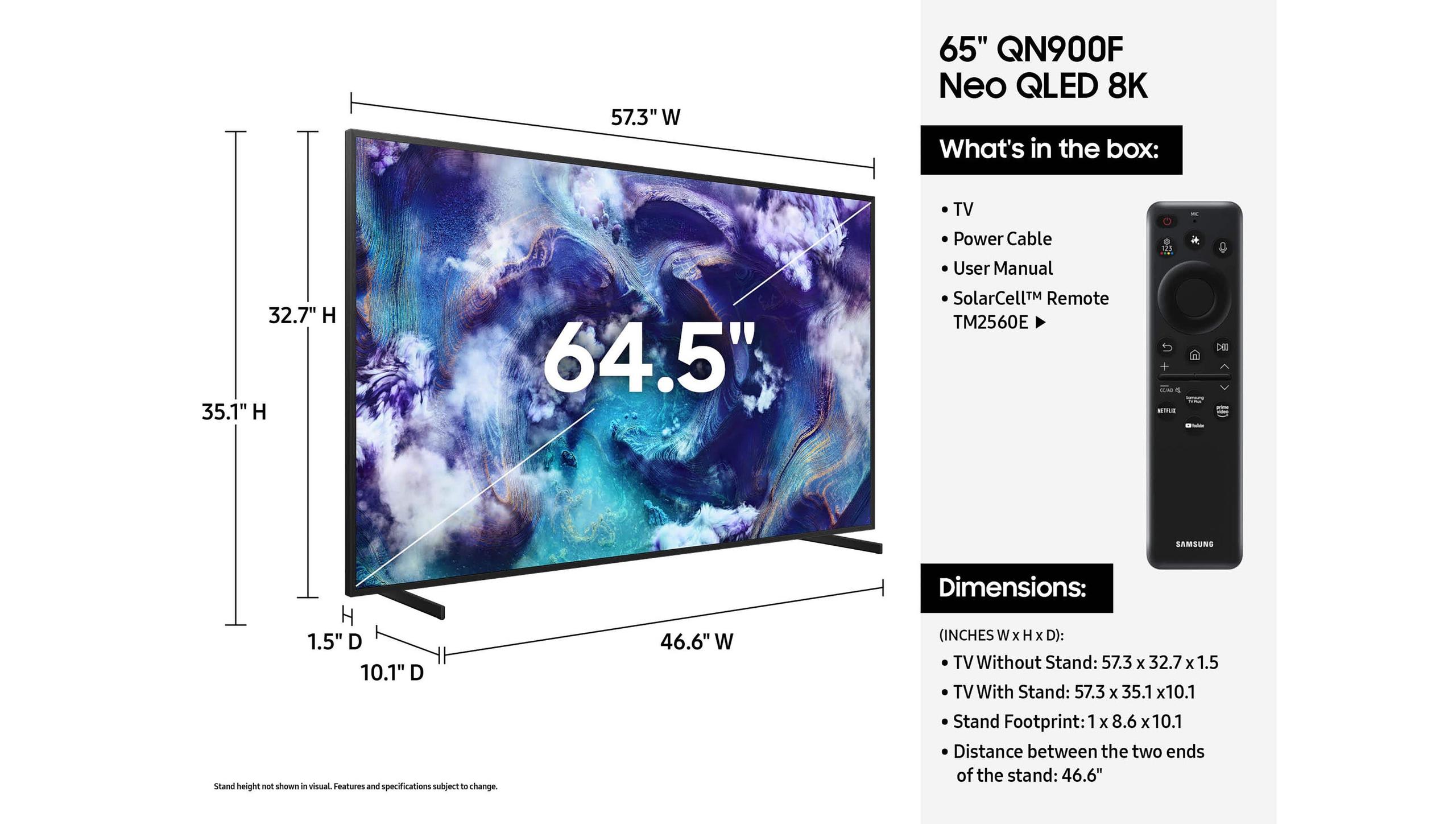
The Samsung QN900F offers native 8K resolution – 7680 x 4320 pixels, four times more detailed than the Philips OLED974/F7's 4K resolution. While true 8K content remains scarce, Samsung's NQ8 AI Gen3 Processor uses machine learning to upscale lower resolution sources. This Neural Quantum Processor analyzes content in real-time, reconstructing detail and sharpness that wasn't in the original signal.
In practice, this means everything from streaming shows to Blu-ray movies looks noticeably sharper on the Samsung QN900F. Text appears crisper, facial details are more defined, and complex scenes with lots of texture benefit from the enhanced resolution. The AI processing is sophisticated enough to avoid the artificial over-sharpening that plagued earlier upscaling technologies.
The Philips OLED974/F7 handles upscaling well for a 4K display, but it can't compete with dedicated 8K processing. For viewers who sit close to their 65-inch screen or have excellent vision, the resolution difference is genuinely noticeable.
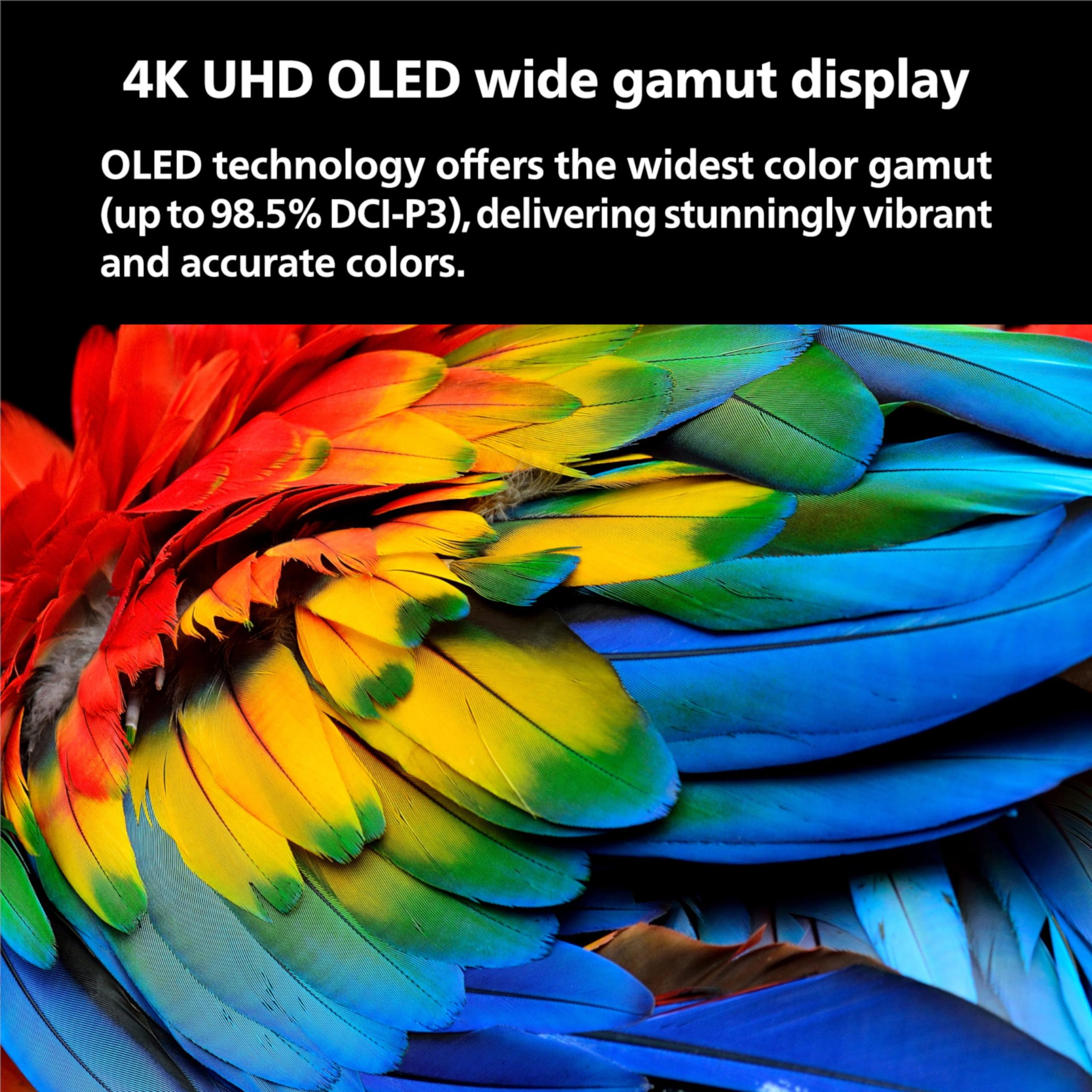
Both TVs excel at color reproduction but take different philosophies. The Philips OLED974/F7 covers 98.5% of the DCI-P3 color space – the standard used for digital cinema – with excellent out-of-box accuracy. Colors appear natural and film-accurate without adjustment, making it ideal for movie purists.
The Samsung QN900F achieves 100% Color Volume through its Quantum Dot technology, which means it can display vibrant colors even at high brightness levels. Traditional displays often lose color saturation as they get brighter, but Quantum Dots maintain rich, saturated colors across the entire brightness range. This creates a more vivid, sometimes slightly oversaturated look that many viewers prefer for sports and bright content.
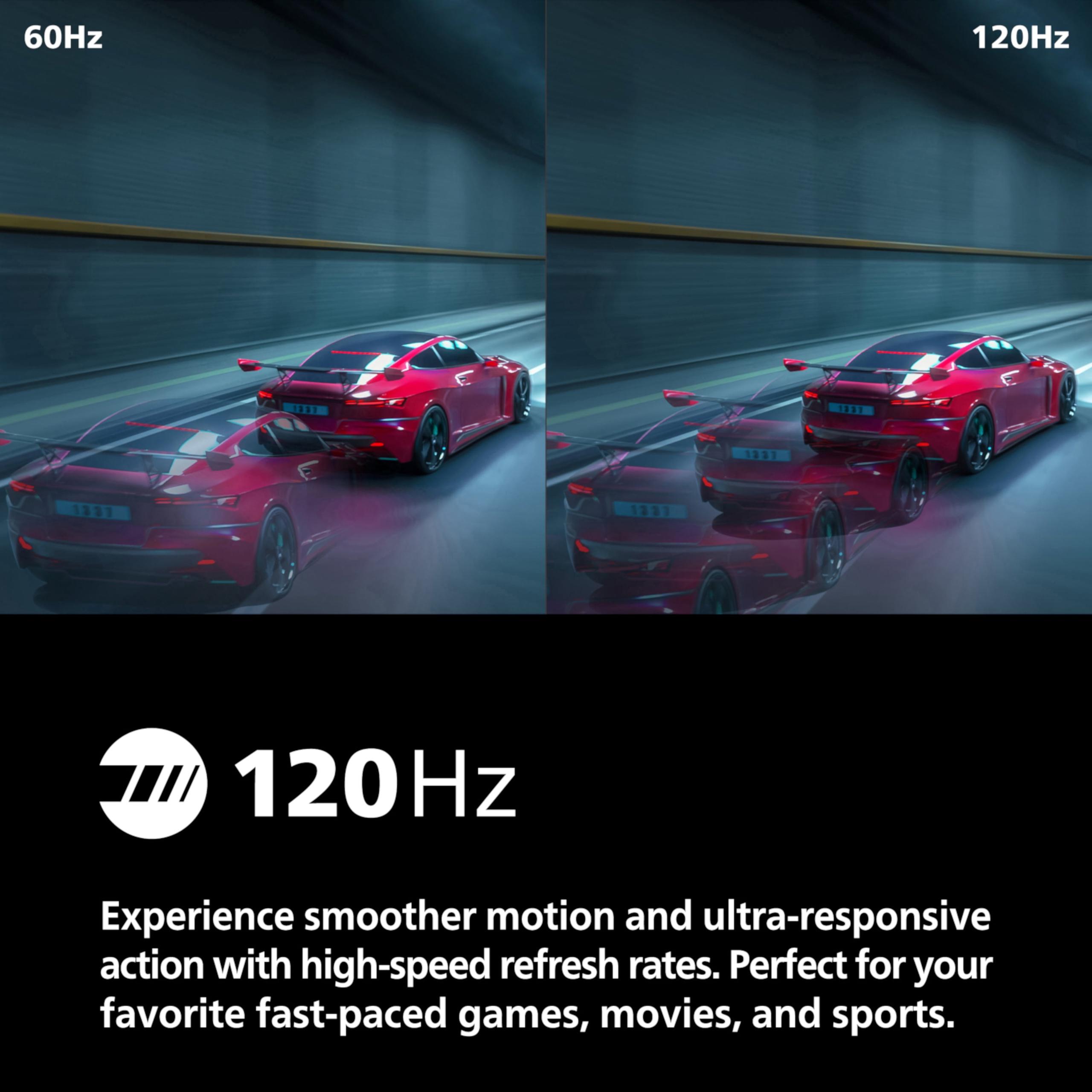
Gaming performance has become a crucial factor for modern TVs. The Philips OLED974/F7 offers a 120Hz native panel with response times under 0.1 milliseconds. This near-instantaneous pixel response means moving objects appear perfectly sharp without motion blur – essential for competitive gaming where tracking fast movement matters.
The Samsung QN900F supports refresh rates up to 165Hz at 4K resolution, with motion processing that can interpolate up to 240Hz. While its LCD technology can't match OLED's instant response times, the difference is minimal for most gaming scenarios. The higher refresh rate support gives it an edge for PC gaming with high-end graphics cards.
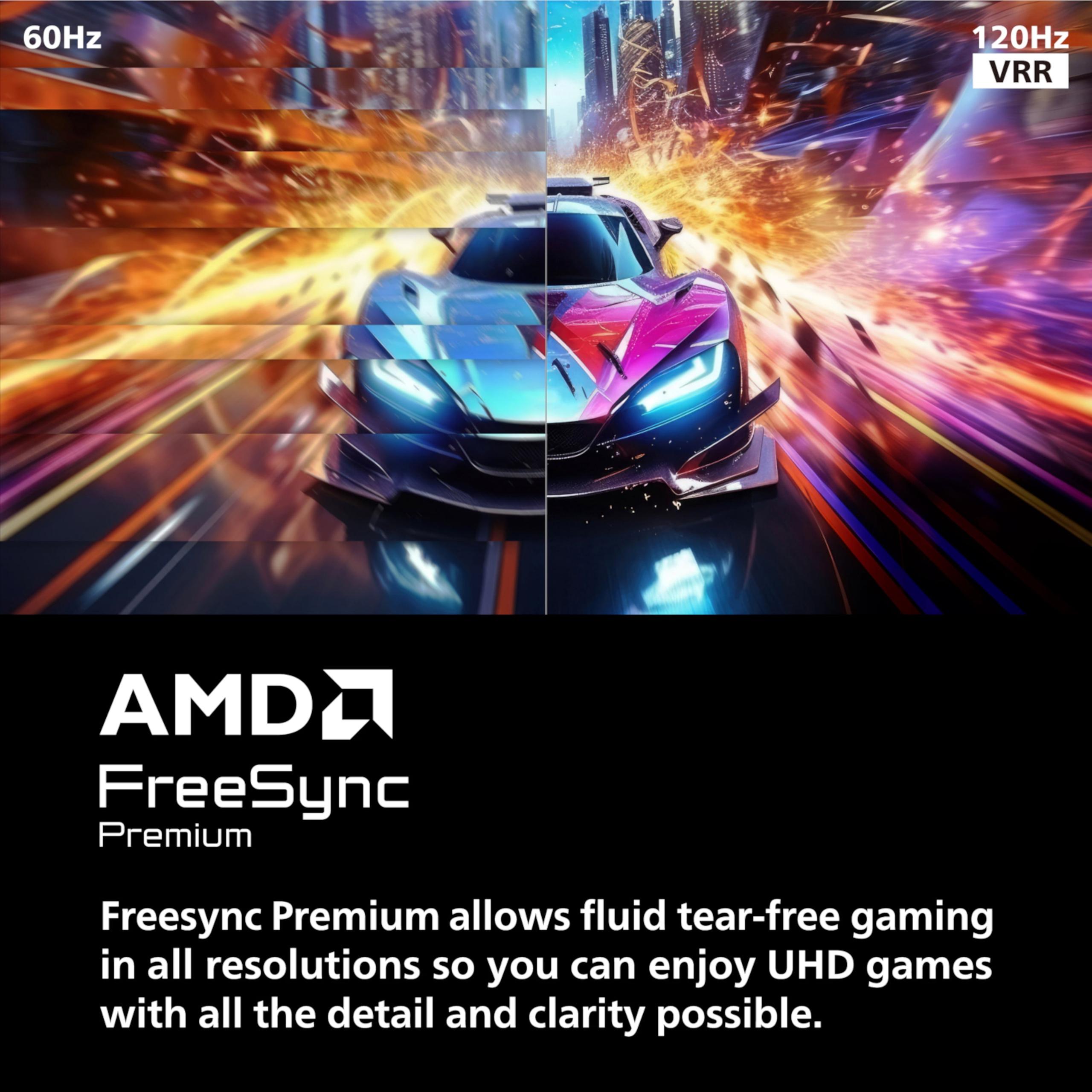
Both TVs support Variable Refresh Rate (VRR), which synchronizes the display's refresh with your console's frame rate to eliminate screen tearing. The Philips OLED974/F7 includes AMD FreeSync Premium, while the Samsung QN900F offers more comprehensive VRR support across different input sources.
Input lag – the delay between pressing a controller button and seeing the action on screen – is crucial for responsive gaming. Both TVs perform excellently here, with input lag under 20 milliseconds in game mode. The Samsung QN900F includes additional gaming features like Game Bar overlays, Super Ultrawide Game View for custom aspect ratios, and Auto Game Mode that automatically optimizes settings when it detects gaming consoles.
For serious gamers, especially those with PS5, Xbox Series X, or high-end PCs, both TVs provide excellent experiences. The Philips OLED974/F7 offers slightly better motion clarity for fast-paced competitive games, while the Samsung QN900F provides more gaming convenience features and higher brightness for HDR gaming impact.
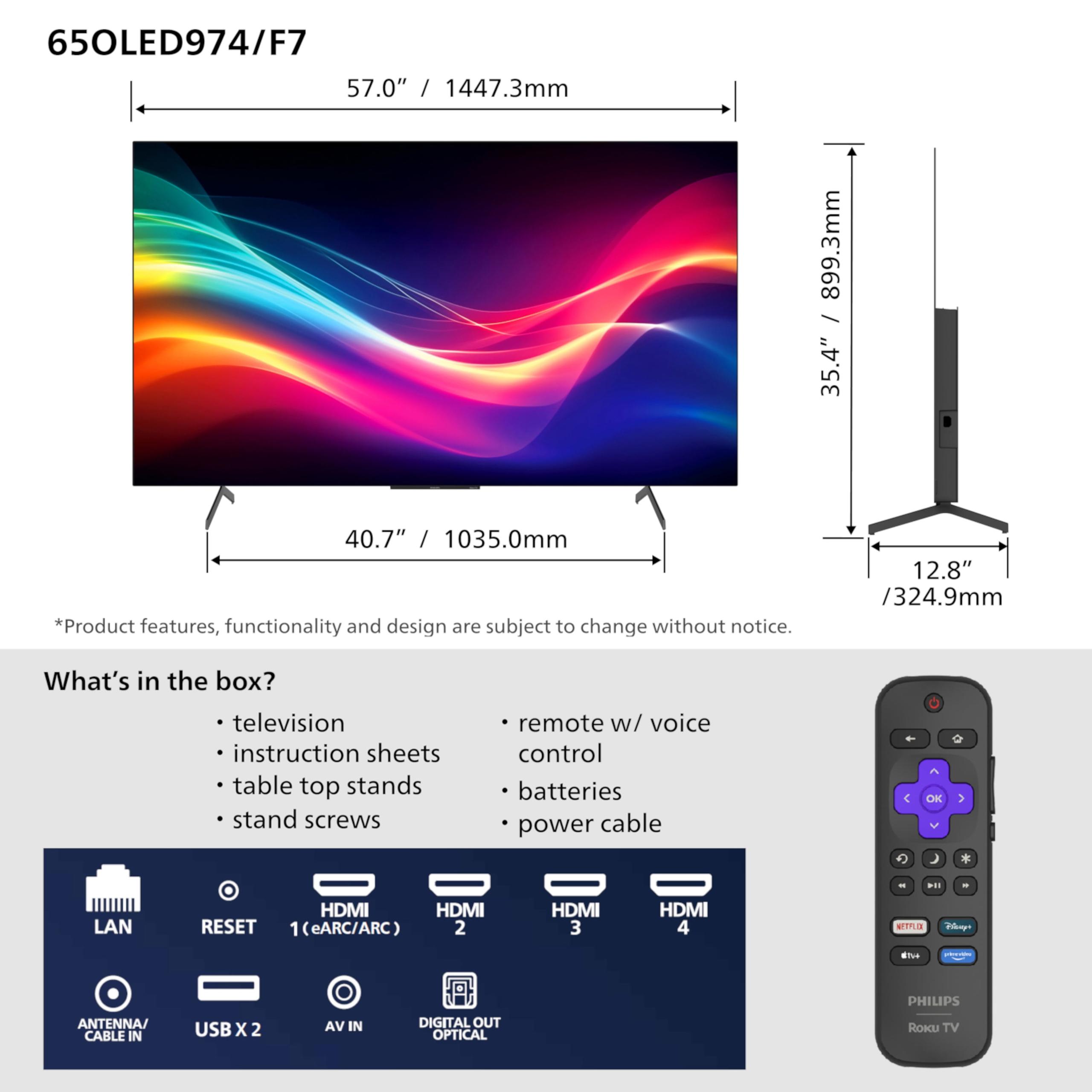
The smart TV experience differs dramatically between these models. The Philips OLED974/F7 runs Roku TV, widely regarded as the most user-friendly streaming platform. Its interface prioritizes content discovery across all your streaming services, making it easy to find something to watch. The remote includes voice control for basic functions, and the overall experience feels streamlined and responsive.
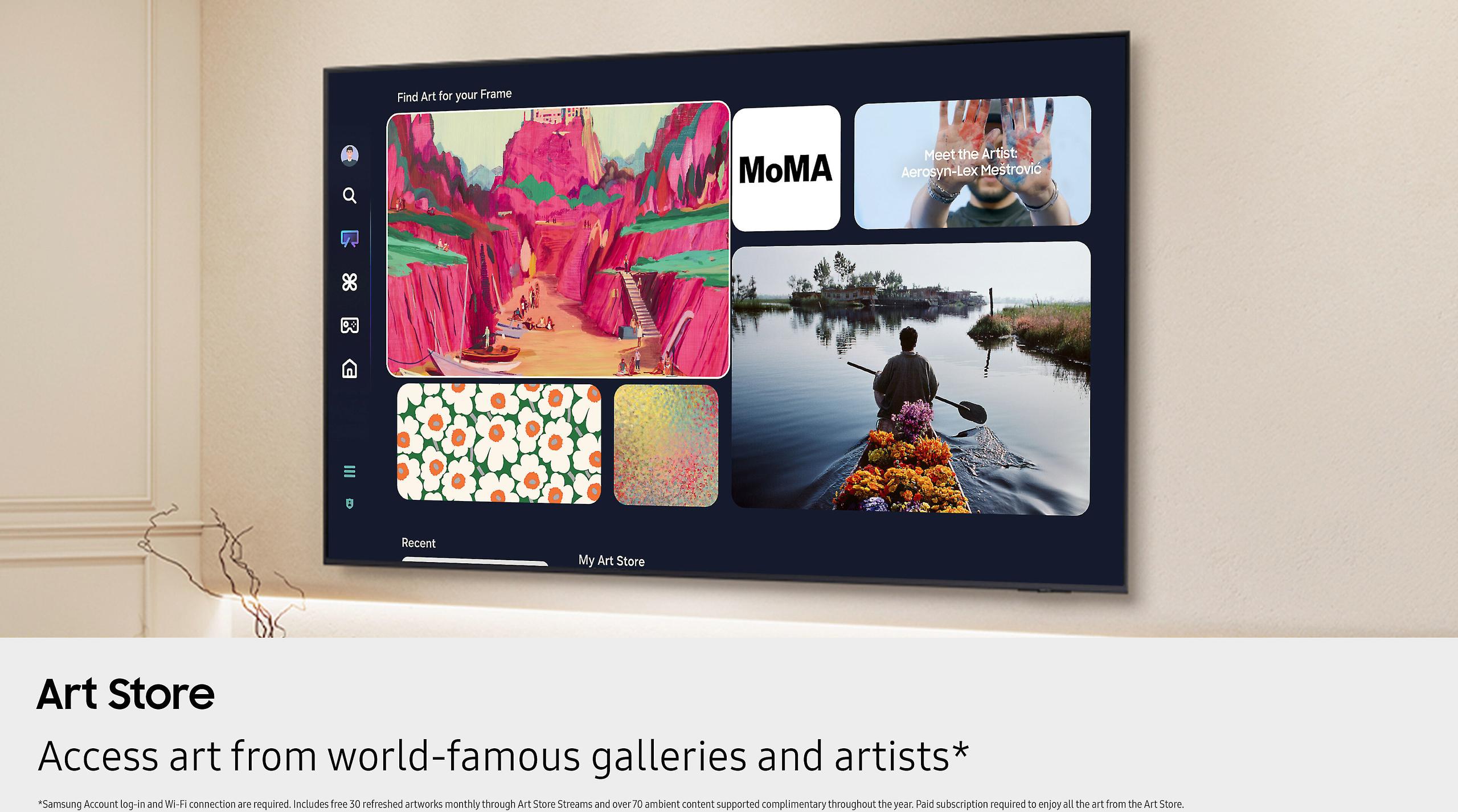
The Samsung QN900F features Tizen 9.0, Samsung's proprietary smart platform enhanced with Vision AI. This system offers extensive customization options, multiple voice assistant support (Bixby, Alexa, and Google Assistant), and AI-powered content recommendations that learn your viewing habits. The far-field microphone allows voice control without the remote, and features like Multi-View let you watch multiple sources simultaneously.
For users wanting simplicity and reliability, Roku TV on the Philips OLED974/F7 provides a more straightforward experience. Power users who enjoy customizing their TV experience and utilizing advanced features will appreciate the sophistication of the Samsung QN900F's Tizen platform.
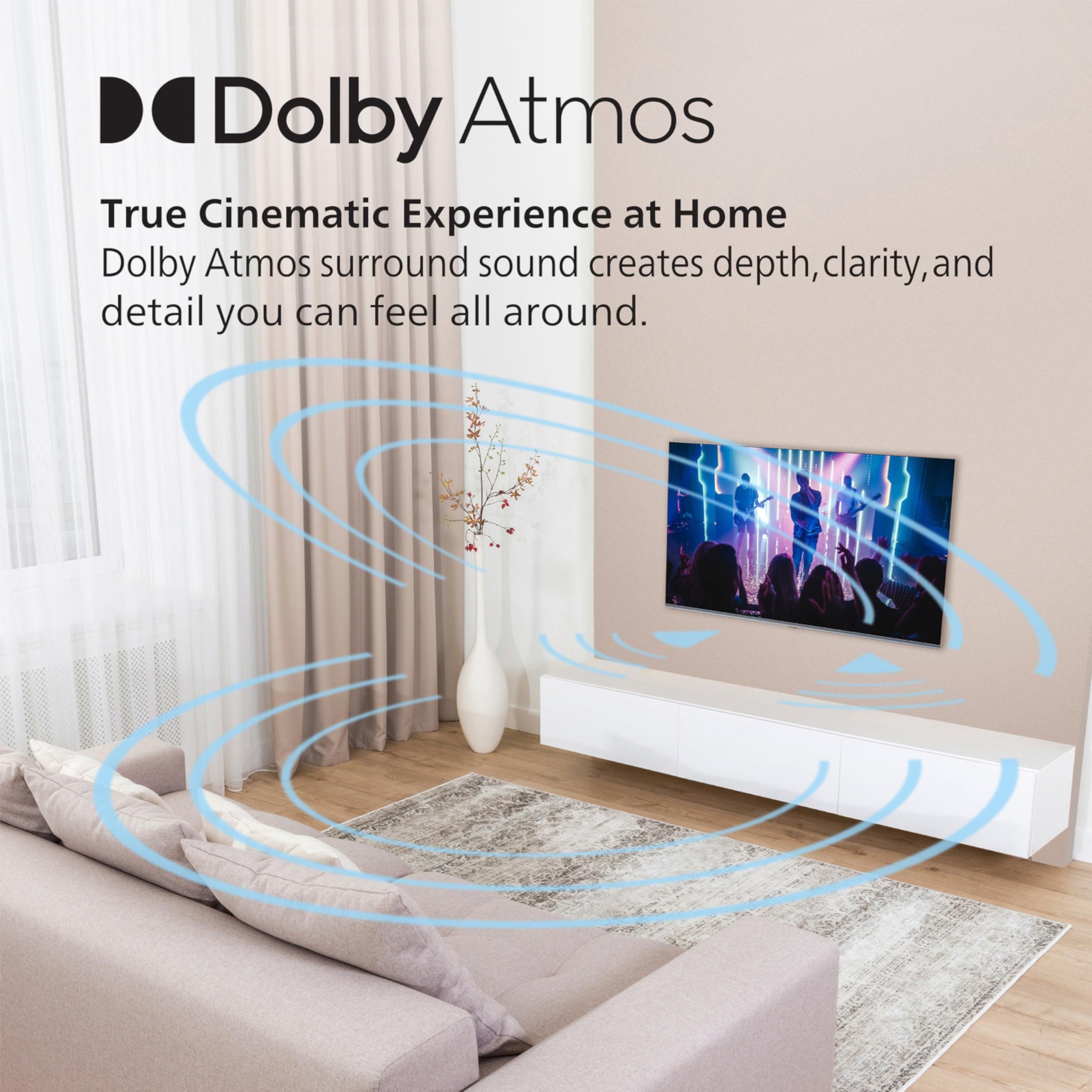
Audio represents another significant difference. The Philips OLED974/F7 includes a 2.1 speaker system with dedicated subwoofer support and Dolby Atmos processing. While adequate for casual viewing, it lacks the power and sophistication for serious home theater use.
The Samsung QN900F features a 4.2.2 channel speaker system with Object Tracking Sound Pro – technology that moves audio around the screen to match on-screen action. Combined with dedicated upward-firing speakers for Dolby Atmos height effects, it provides genuinely impressive built-in audio that reduces the immediate need for external sound systems.
Both TVs benefit from external audio systems for optimal home theater performance, but the Samsung QN900F offers more capability for users who prefer built-in solutions.
Your viewing environment significantly impacts which TV performs better. The Philips OLED974/F7 excels in dark or dimly lit rooms where its perfect blacks create an immersive, theater-like experience. The infinite contrast makes every scene appear more three-dimensional and engaging.
However, in bright rooms with windows or ambient lighting, the Philips OLED974/F7 struggles. Its limited peak brightness means images can appear dim and washed out during daytime viewing. The glossy screen also shows reflections from light sources.
The Samsung QN900F addresses these issues with significantly higher brightness and an anti-reflective coating that virtually eliminates glare. This "Glare Free" technology allows comfortable viewing even with bright lights or windows nearby, making it more versatile for typical living room setups.
For dedicated home theater rooms with controlled lighting, the Philips OLED974/F7 provides superior visual impact. For family rooms and multipurpose spaces, the Samsung QN900F offers more practical everyday performance.
At the time of writing, both TVs command premium pricing, but they offer different value propositions. The Philips OLED974/F7 delivers refined OLED technology at a somewhat more accessible price point for the premium TV category. You get excellent picture quality, gaming performance, and the user-friendly Roku platform without paying for bleeding-edge features you might not use.
The Samsung QN900F represents the technological forefront with 8K resolution, advanced AI processing, and premium build quality. The higher price reflects cutting-edge features like Vision AI, comprehensive gaming support, and superior built-in audio. For early adopters and technology enthusiasts, these advances justify the premium.
From a future-proofing perspective, the Samsung QN900F's 8K resolution and advanced processing provide better preparation for emerging content formats. While 8K content remains limited, the AI upscaling benefits all current content, and the resolution headroom ensures relevance as streaming services eventually adopt higher resolutions.
Choose the Philips OLED974/F7 if you prioritize cinematic picture quality in dark room viewing, prefer simple and reliable smart TV operation, and want excellent performance without paying for features you won't use. It's perfect for movie enthusiasts with dedicated home theater setups who value the pure visual impact of OLED technology.
The Samsung QN900F suits users who watch TV in bright environments, want the latest display technology, and appreciate advanced smart TV features. It's ideal for tech enthusiasts, serious gamers who want premium features, and households that need a TV performing well across various lighting conditions.
Both represent excellent choices within the premium TV market, but they serve different priorities and viewing environments. The Philips OLED974/F7 delivers refined performance focused on core picture quality, while the Samsung QN900F provides cutting-edge technology with comprehensive features for diverse usage scenarios.
Consider your primary viewing environment, content preferences, and whether you value established performance or emerging technology. Either choice will provide years of excellent viewing, but understanding these fundamental differences ensures you select the TV that best matches your specific needs and viewing habits.
| Philips 65OLED974/F7 65" OLED Roku TV | Samsung 65" Neo QLED 8K QN900F Vision AI Smart TV 2025 |
|---|---|
| Display Technology - Fundamental difference in how images are created | |
| OLED with 8+ million individual pixel dimming zones | Mini LED LCD with Quantum Dot enhancement |
| Resolution - Higher resolution provides sharper detail, especially for close viewing | |
| 4K (3840 x 2160) with standard upscaling | 8K (7680 x 4320) with AI-powered upscaling |
| Peak Brightness - Critical for HDR impact and bright room viewing | |
| ~1,000 nits (excellent for dark rooms, limited in bright spaces) | 2,000+ nits (outstanding for all lighting conditions) |
| Contrast Ratio - Determines depth and realism of image | |
| Infinite contrast with perfect blacks | Excellent contrast but cannot achieve true blacks |
| Refresh Rate - Important for gaming and smooth motion | |
| 120Hz native panel | Up to 165Hz at 4K, 240Hz motion processing |
| Response Time - Affects motion blur in fast content and gaming | |
| <0.1ms (virtually instant, best-in-class) | ~1ms (excellent for LCD technology) |
| Gaming Features - Modern console and PC compatibility | |
| HDMI 2.1, VRR, AMD FreeSync Premium, ALLM | Comprehensive gaming suite with Game Bar, VRR, custom aspect ratios |
| Smart TV Platform - Affects daily usability and content access | |
| Roku TV (simple, reliable, excellent content discovery) | Tizen 9.0 with Vision AI (advanced features, extensive customization) |
| Audio System - Built-in sound quality | |
| 2.1 channel system with Dolby Atmos | 4.2.2 channel with Object Tracking Sound Pro and Dolby Atmos |
| Viewing Angle - Picture quality when viewed from the side | |
| 176° with no degradation (OLED advantage) | Good but some color shift at extreme angles |
| Reflection Handling - Performance in bright rooms with ambient light | |
| Solid but shows some reflections from direct light sources | Anti-glare coating virtually eliminates reflections |
| Design Profile - Affects wall mounting and aesthetics | |
| Ultra-thin 2.2" depth, lightweight at 47.6 lbs | Thicker profile, premium metal frame, 66.6 lbs |
| Voice Control - Hands-free operation capability | |
| Bluetooth remote with basic voice commands | Far-field microphone with advanced AI and multiple assistants |
| Color Performance - Accuracy and vibrancy of colors | |
| 98.5% DCI-P3 coverage, natural and film-accurate | 100% Color Volume with Quantum Dots, vibrant across all brightness levels |
| Best Use Case - Optimal viewing scenarios | |
| Dark room home theater, movie enthusiasts, gaming purists | Bright rooms, tech enthusiasts, versatile family viewing |
The Philips 65OLED974/F7 delivers superior dark room picture quality thanks to its OLED technology that produces perfect blacks and infinite contrast. Each pixel can turn completely off, creating true blacks that make movies appear exactly as directors intended. For dedicated home theaters and dark room viewing, the Philips OLED974/F7 provides an unmatched cinematic experience.
The Samsung QN900F excels in bright rooms with its superior peak brightness of over 2,000 nits and anti-glare coating that virtually eliminates reflections. The Mini LED backlight technology maintains vibrant colors and sharp contrast even with ambient light present, making the Samsung QN900F the better choice for family rooms and spaces with windows.
The Philips OLED974/F7 offers 4K resolution (3840 x 2160 pixels), while the Samsung QN900F provides 8K resolution (7680 x 4320 pixels) - four times more detailed. The Samsung QN900F uses AI upscaling to enhance all content to near-8K quality, making text sharper and images more detailed, especially noticeable on the 65-inch screen size.
Both TVs offer excellent gaming performance with 120Hz refresh rates and low input lag. The Philips OLED974/F7 provides slightly better motion clarity with its instant pixel response time, while the Samsung QN900F includes more gaming features like Game Bar overlays and supports higher refresh rates up to 165Hz for PC gaming.
The Philips OLED974/F7 runs Roku TV, known for its simple interface and excellent content discovery across streaming services. The Samsung QN900F features Tizen with Vision AI, offering advanced customization, multiple voice assistants, and AI-powered recommendations. Roku is better for simplicity, while Tizen suits users wanting advanced smart features.
The Samsung QN900F significantly outperforms the Philips OLED974/F7 in audio quality with its 4.2.2 channel system featuring Object Tracking Sound Pro and dedicated height speakers for Dolby Atmos. The Philips OLED974/F7 has a basic 2.1 system that's adequate but may require external speakers for optimal home theater audio.
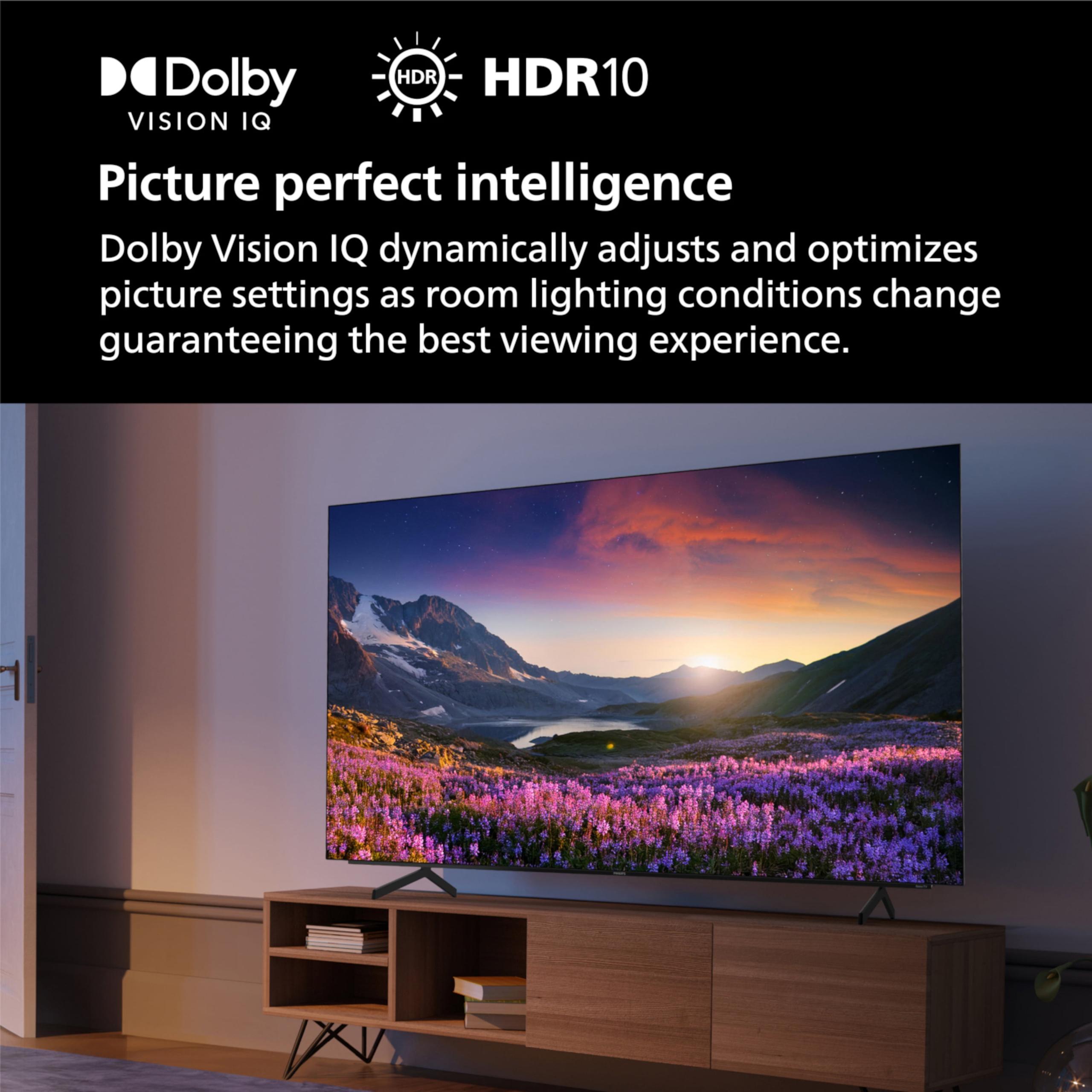
Yes, both TVs support HDR content, but differently. The Philips OLED974/F7 supports Dolby Vision, HDR10, and HLG with excellent dark scene detail but limited brightness. The Samsung QN900F supports HDR10+ and HLG (but not Dolby Vision) with superior brightness that makes HDR highlights more impactful and realistic.
The Samsung QN900F offers better future-proofing with its 8K resolution, advanced AI processing, and Vision AI features that will improve over time through software updates. While 8K content is currently limited, the AI upscaling benefits all current content, and the resolution headroom prepares for future streaming formats.
The Philips OLED974/F7 maintains perfect picture quality from any viewing angle up to 176 degrees with no color or contrast degradation - ideal for wide seating arrangements. The Samsung QN900F has good viewing angles for an LCD but shows some color shift and brightness reduction when viewed from extreme side angles.
The Philips OLED974/F7 typically offers better value for users prioritizing core picture quality and simplicity, delivering refined OLED performance at a more accessible premium price point. The Samsung QN900F commands a higher price for cutting-edge 8K technology and advanced features, making it better value for early adopters wanting the latest innovations.
Both handle motion excellently but differently. The Philips OLED974/F7 provides virtually blur-free motion with its instant pixel response time, perfect for fast sports and action scenes. The Samsung QN900F uses advanced motion processing up to 240Hz to smooth out motion, though it may occasionally appear slightly processed compared to the natural motion of the Philips OLED974/F7.
For dedicated home theaters with controlled lighting, choose the Philips OLED974/F7 for its perfect blacks and cinematic picture quality that closely matches professional mastering monitors. For multipurpose rooms or home theaters with some ambient light, the Samsung QN900F provides more versatile performance with superior brightness, better built-in audio, and advanced features for a complete entertainment experience.
We've done our best to create useful and informative comparisons to help you decide what product to buy. Our research uses advanced automated methods to create this comparison and perfection is not possible - please contact us for corrections or questions. These are the sites we've researched in the creation of this article: rtings.com - versus.com - versus.com - rtings.com - samsclub.com - versus.com - youtube.com - usa.philips.com - bestbuy.com - usa.philips.com - consumerreports.org - usa.philips.com - documents.philips.com - tvoutlet.ca - displayspecifications.com - business.walmart.com - displayspecifications.com - ecoustics.com - walmart.com - rtings.com - samsung.com - techradar.com - dolby.com - youtube.com - samsung.com - youtube.com - samsung.com - samsung.com - samsung.com - samsung.com - displayspecifications.com - samsung.com - rtings.com - bestbuy.com - merlinstv.com - news.samsung.com - bestbuy.com

Privacy Policy
Terms and Conditions - Affiliate Policy
Home Security
© Copyright 2008-2026.
11816 Inwood Rd #1211, Dallas, TX 75244