

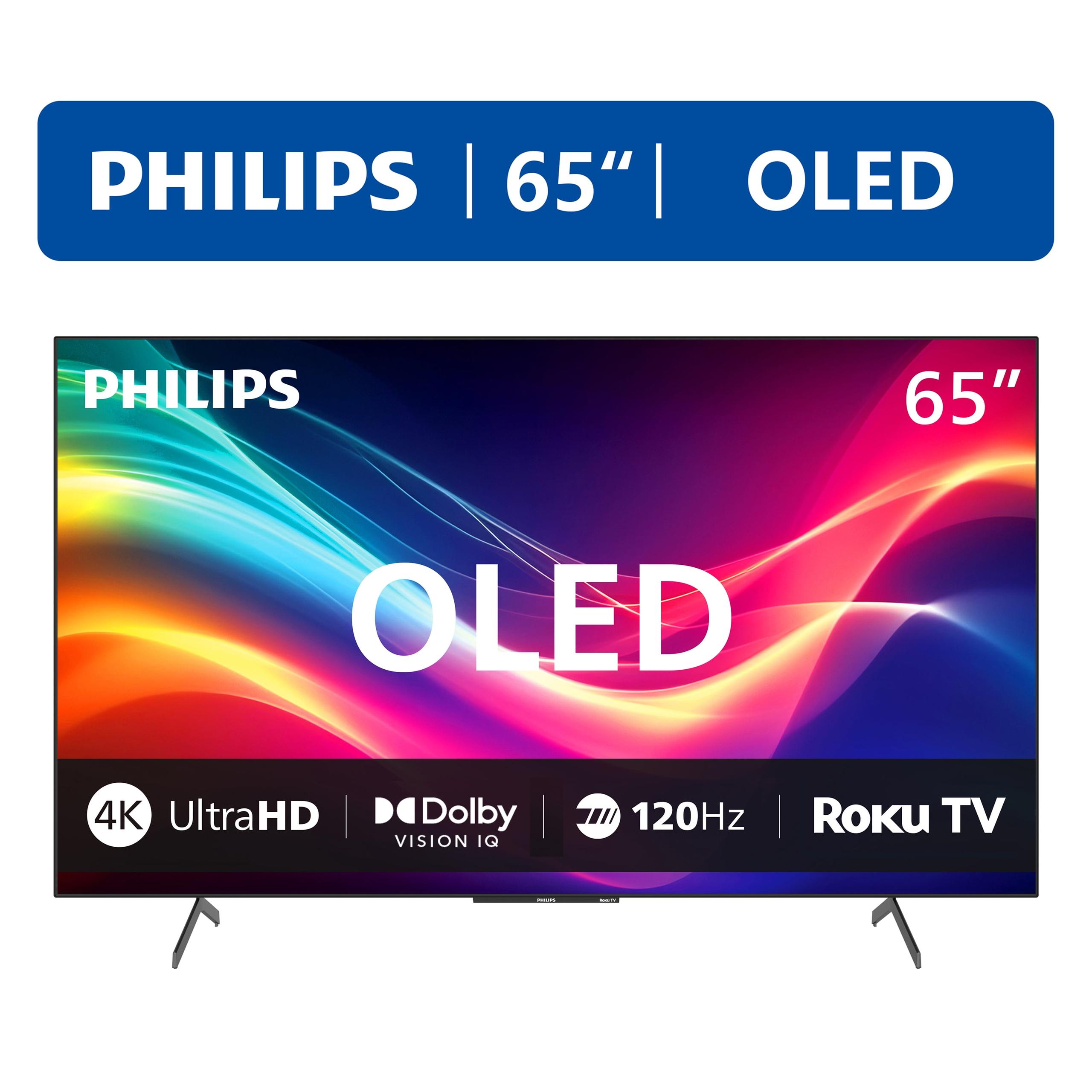
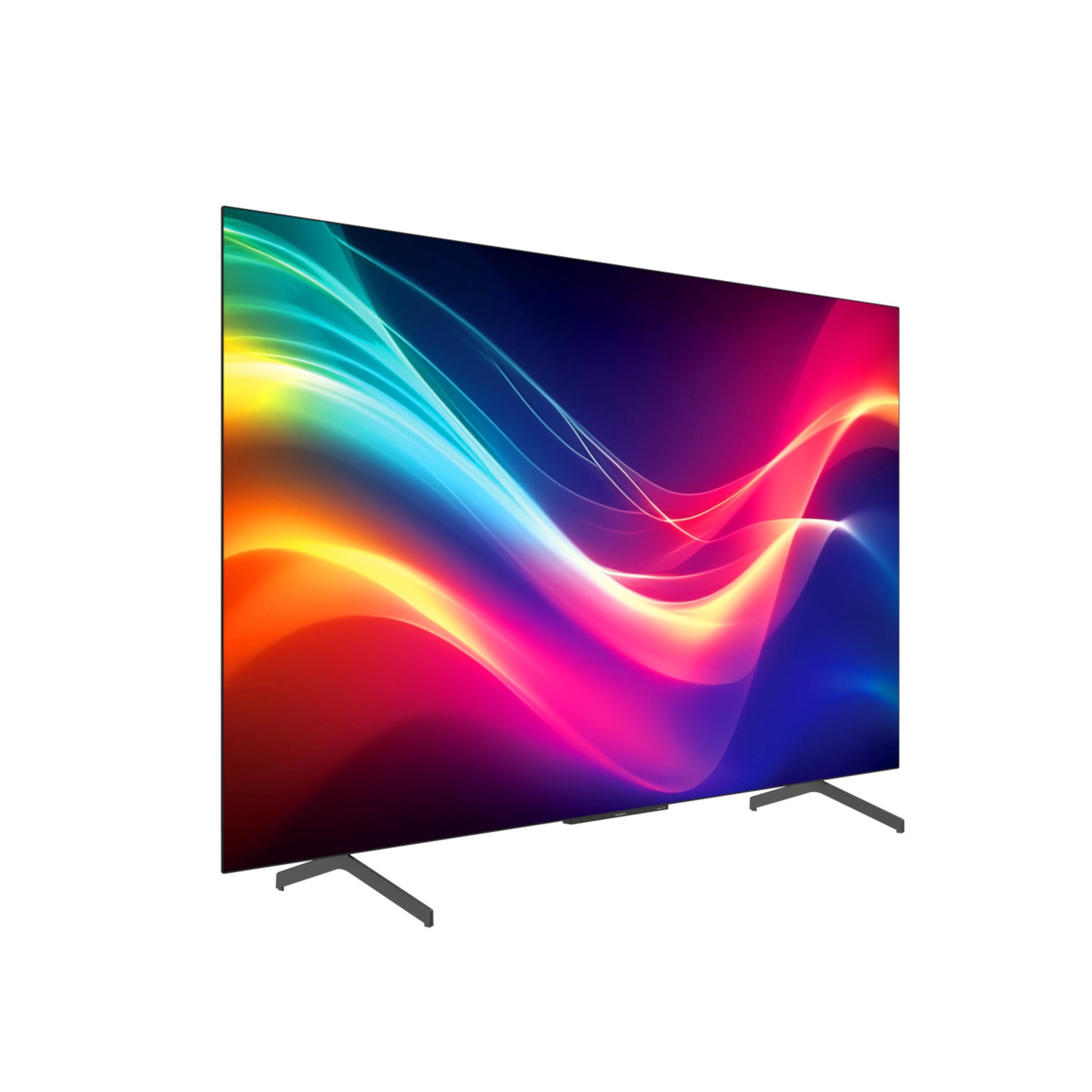
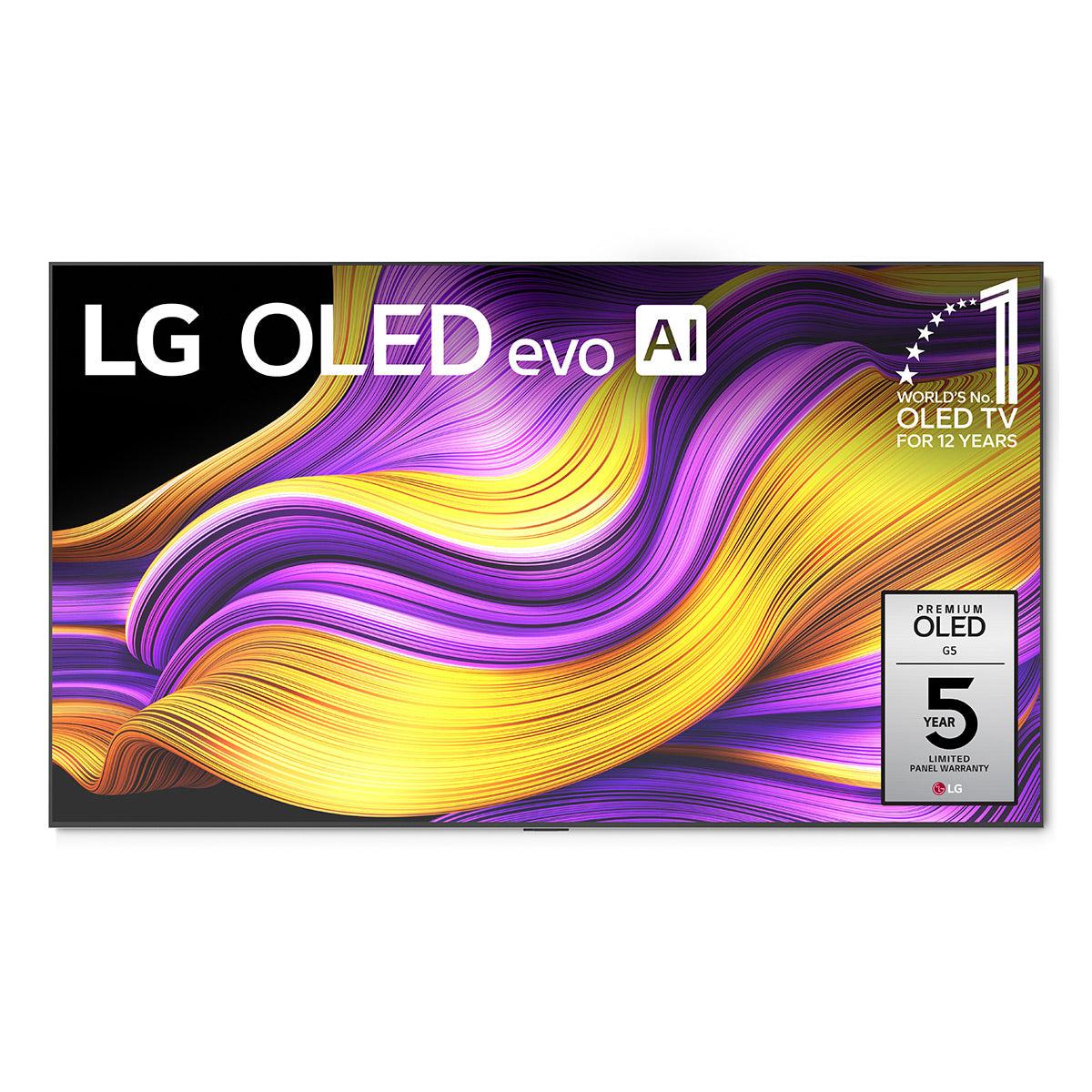
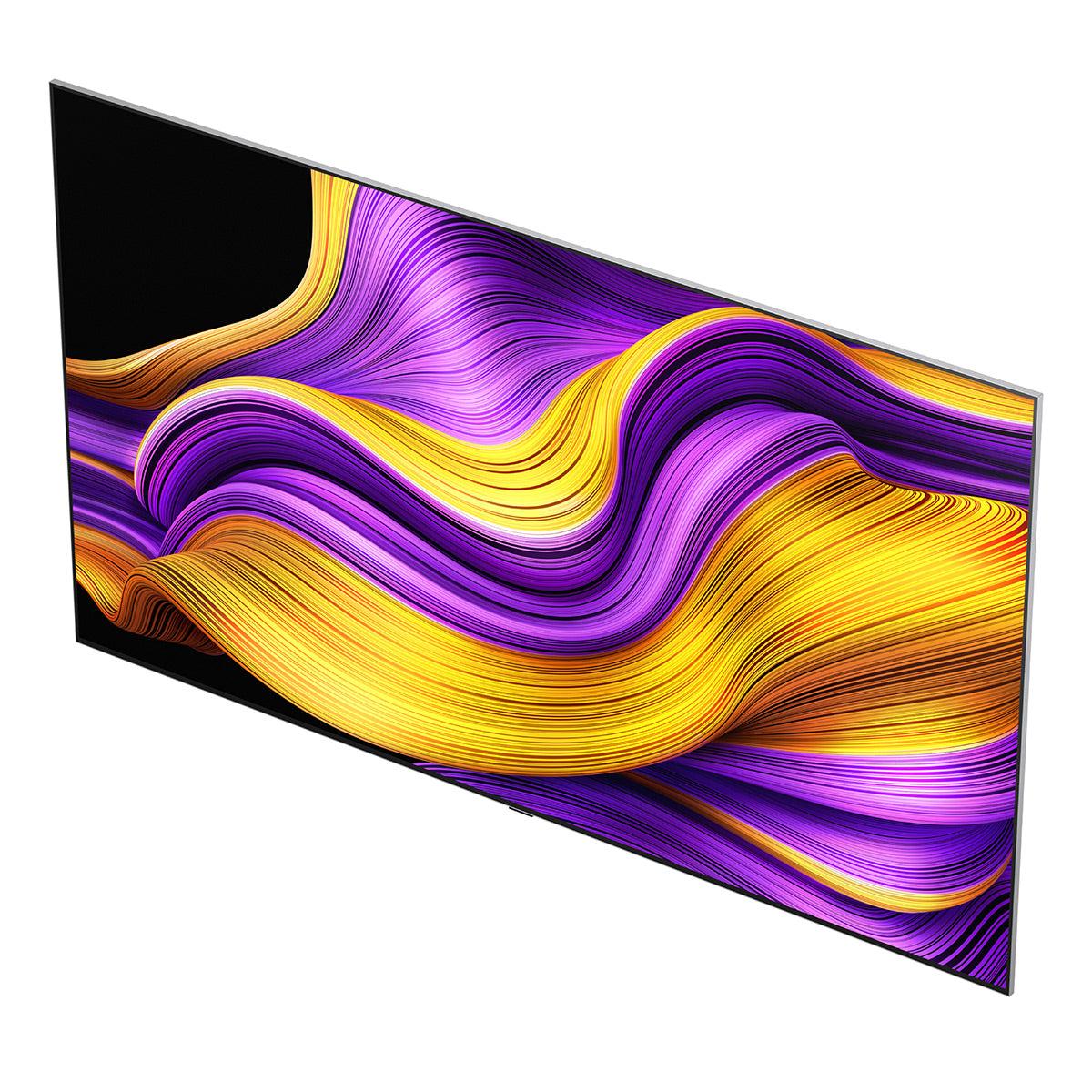
When you're ready to upgrade to a premium OLED TV, the choice can feel overwhelming. Today we're comparing two very different approaches to 65-inch OLED excellence: the Philips 65OLED974/F7, which represents solid previous-generation OLED technology, and the LG OLED evo G5, LG's 2025 flagship that pushes OLED brightness into new territory.
Both TVs deliver the core OLED magic—perfect blacks, infinite contrast, and vibrant colors—but they target different buyers with vastly different priorities and budgets. At the time of writing, these models sit in different price tiers, with the Philips positioned as an accessible entry into premium OLED territory while the LG G5 commands flagship pricing for its cutting-edge technology.
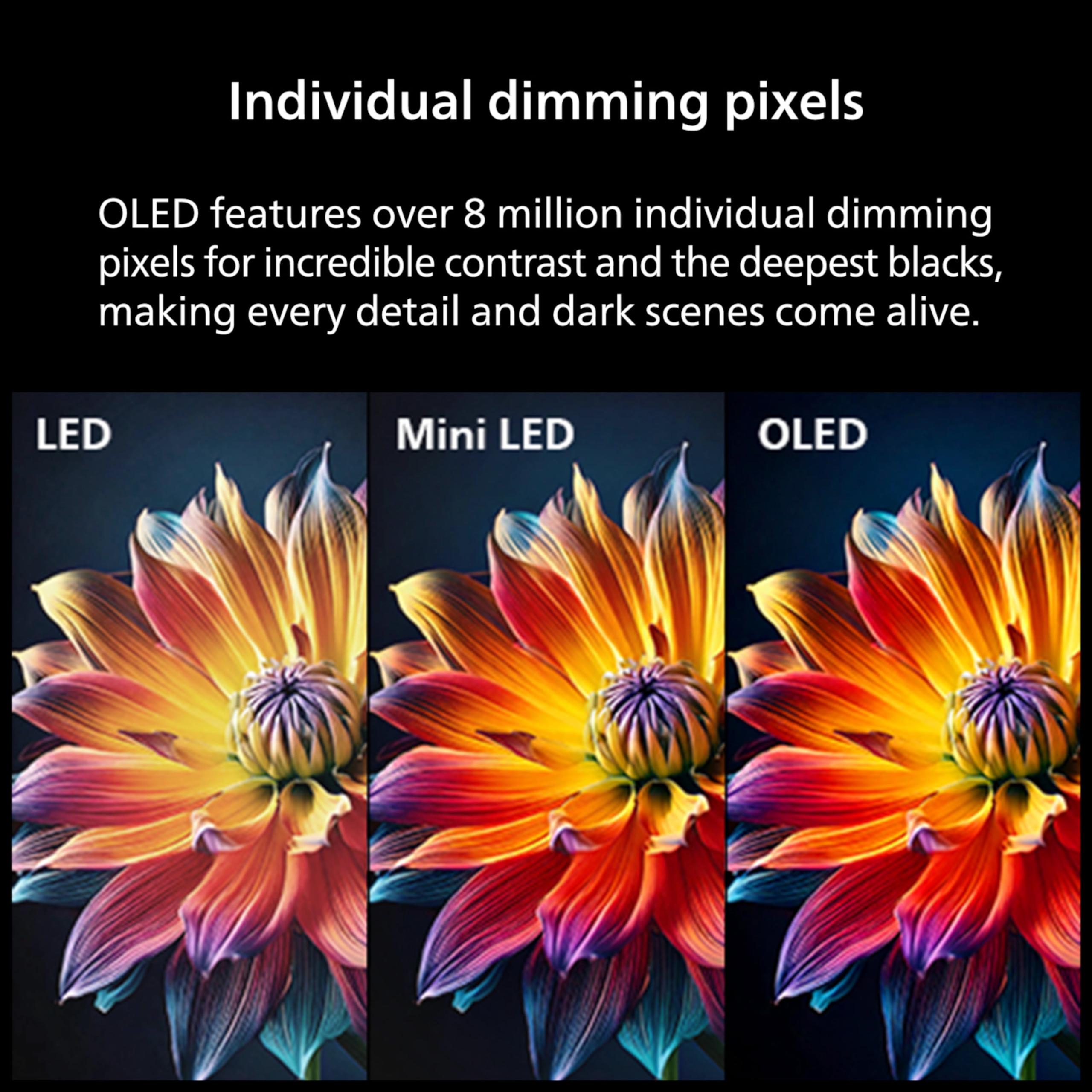
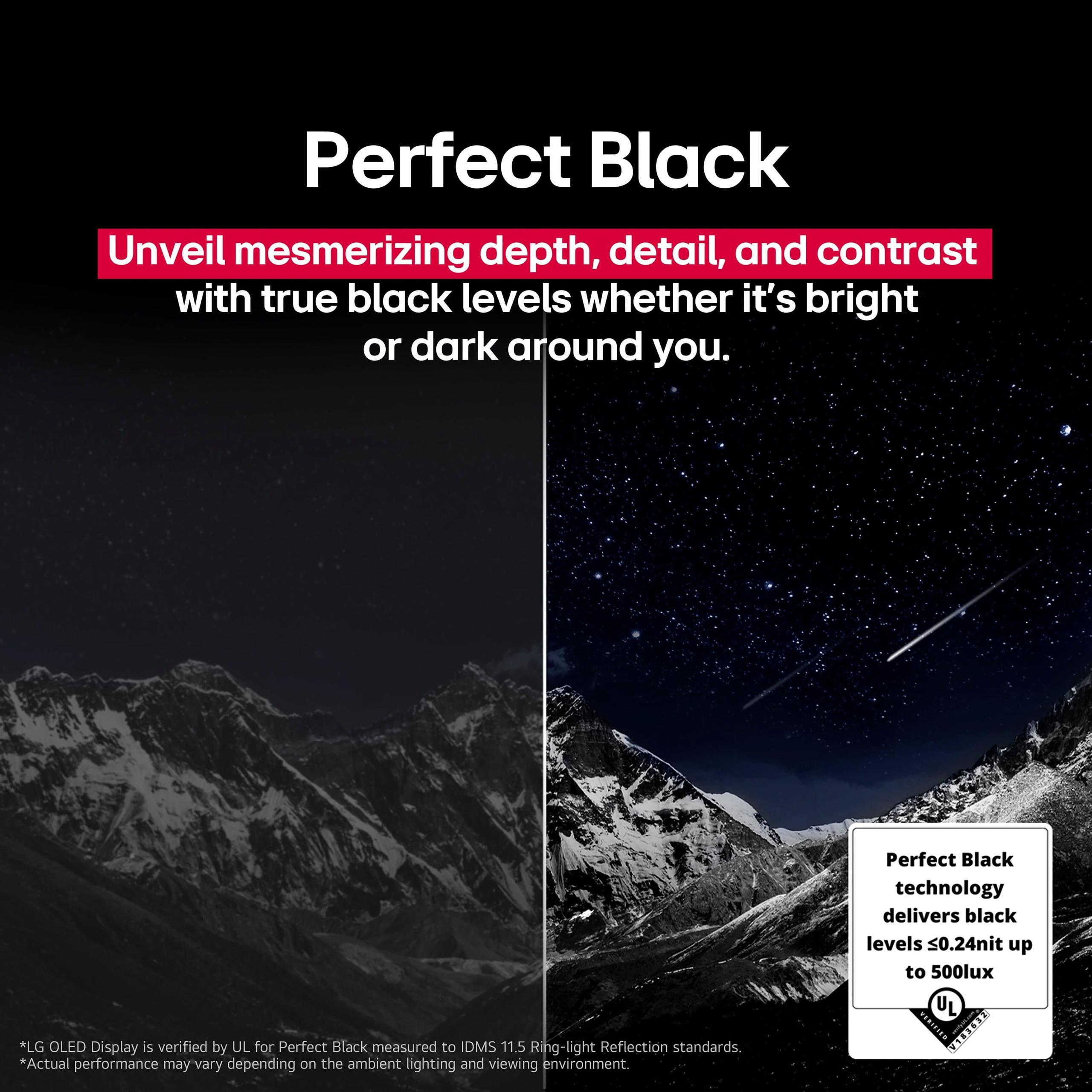
Before diving into specifics, let's clarify what makes OLED special. Unlike traditional LED TVs that use a backlight, OLED panels contain millions of individual pixels that light themselves. When a pixel needs to display black, it simply turns off completely, creating perfect darkness alongside bright highlights—this is called "infinite contrast ratio."
The magic happens because each of the roughly 8.3 million pixels acts like a tiny lightbulb that can produce any color and brightness level independently. This creates the incredibly lifelike picture quality that makes OLED the gold standard for home theater enthusiasts.
However, OLED technology has traditionally struggled with one key limitation: brightness. While OLED excels in dark rooms, bright ambient lighting can wash out the image and make HDR content (High Dynamic Range, which creates more realistic brightness and color) look underwhelming. This is where our two TVs diverge dramatically.
The most significant difference between the Philips 65OLED974/F7 and LG G5 lies in brightness performance—and this isn't just a minor spec difference. It fundamentally changes how and where you can enjoy these TVs.
The Philips represents traditional OLED brightness levels. Based on professional reviews and user feedback, it struggles significantly in well-lit rooms. HDR content that should pop with bright highlights instead appears muted and lacks impact. If you have windows in your TV room or prefer watching during the day, the Philips simply can't overcome ambient light effectively. Colors remain accurate, but the overall experience feels restrained.
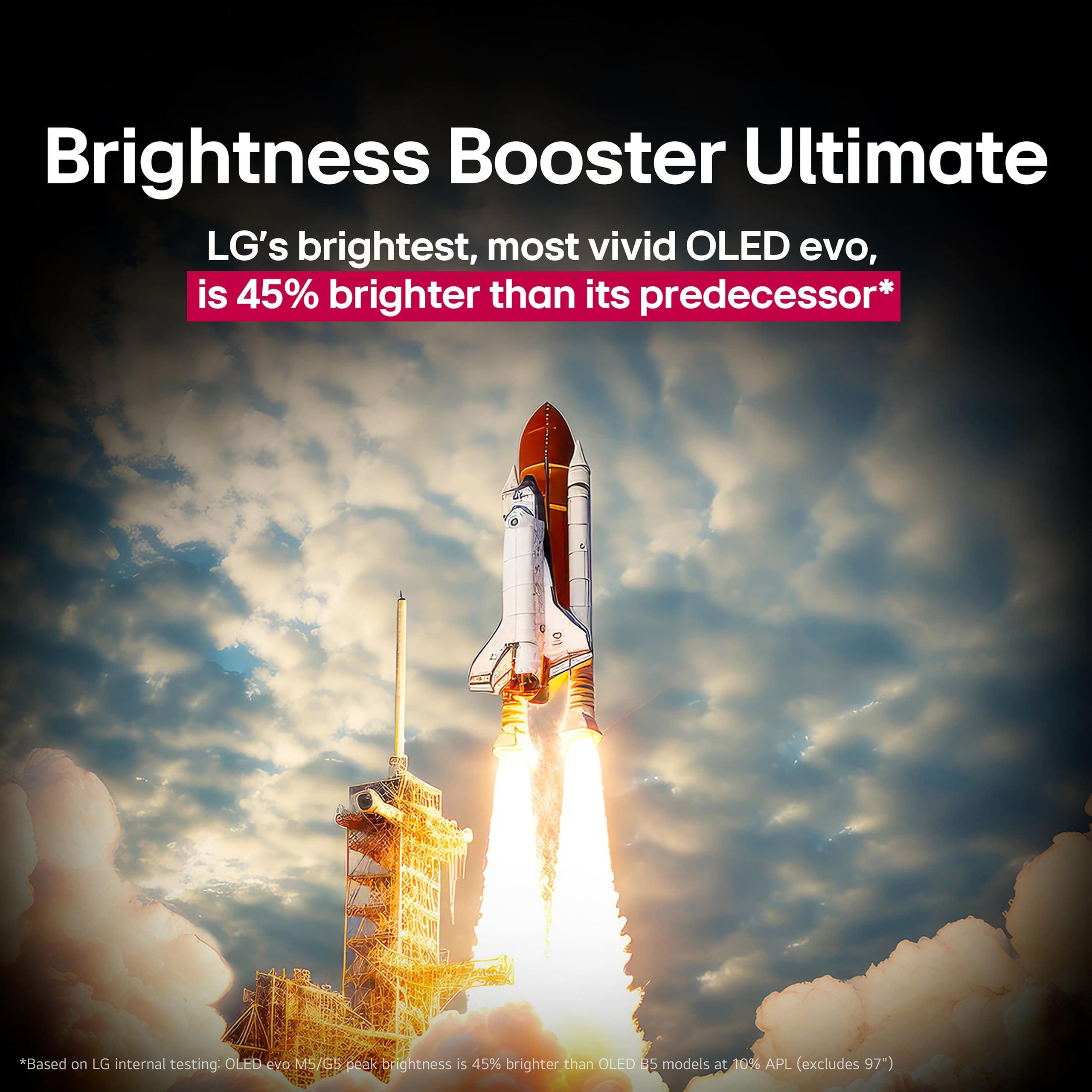
The LG G5 changes this equation entirely. LG's new 4-Stack RGB Tandem panel technology—essentially layering multiple light-emitting structures within each pixel—delivers up to 45% brighter images than previous OLED generations. In practical terms, this means HDR movies finally have the punch they're supposed to deliver, with bright scenes that genuinely stand out against perfect blacks.
This brightness improvement isn't just about numbers on a spec sheet. When watching something like a sunset scene in a nature documentary, the LG can make the sun actually look bright while maintaining deep shadows, creating a more realistic and immersive experience. The Philips would show the same scene with accurate colors but without that "wow" factor that makes you feel like you're looking through a window.
Modern gaming demands have transformed TV requirements, and both TVs approach this differently. Gaming performance involves several key metrics: input lag (how quickly your controller inputs appear on screen), refresh rate (how many times per second the image updates), and variable refresh rate support (which eliminates screen tearing when game frame rates fluctuate).
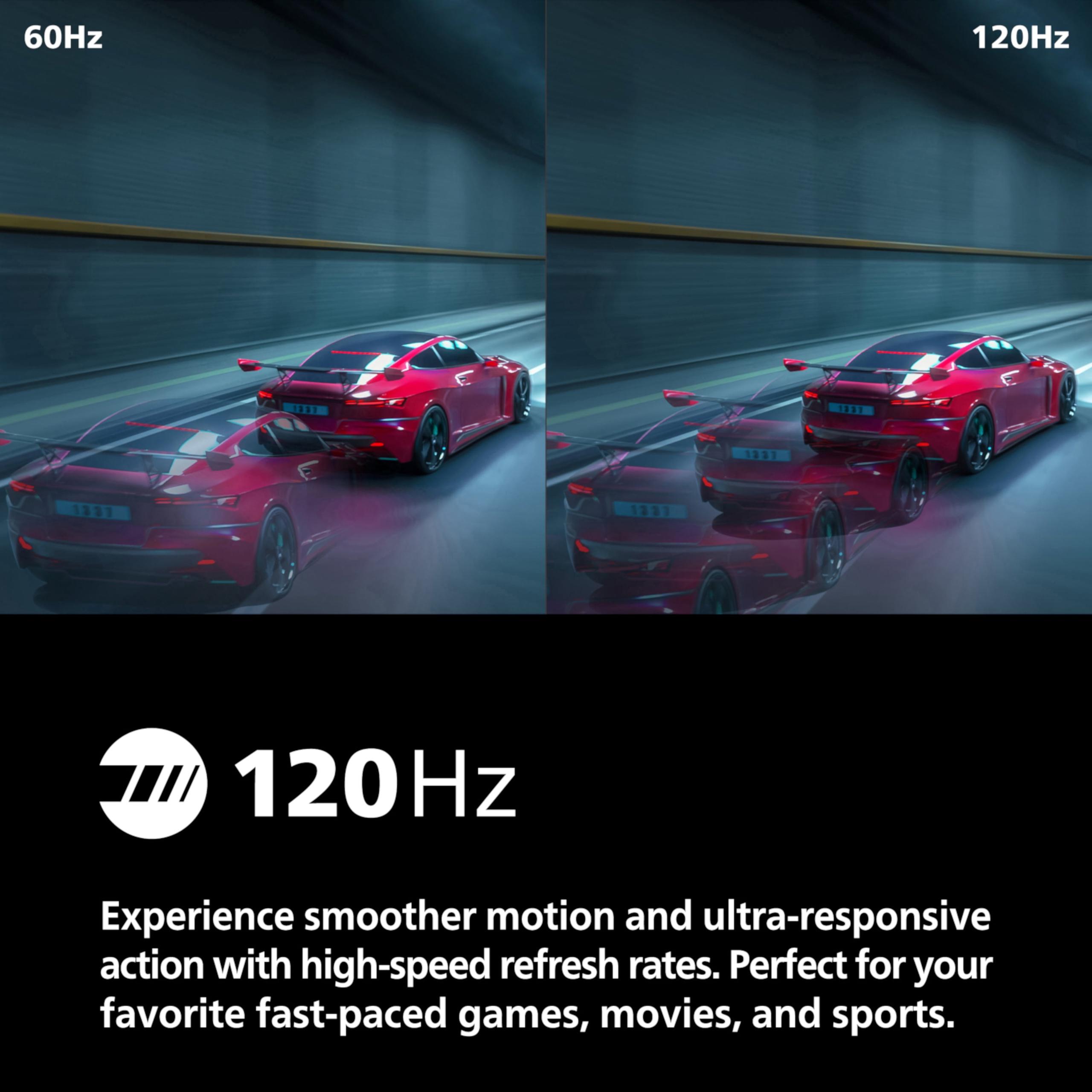
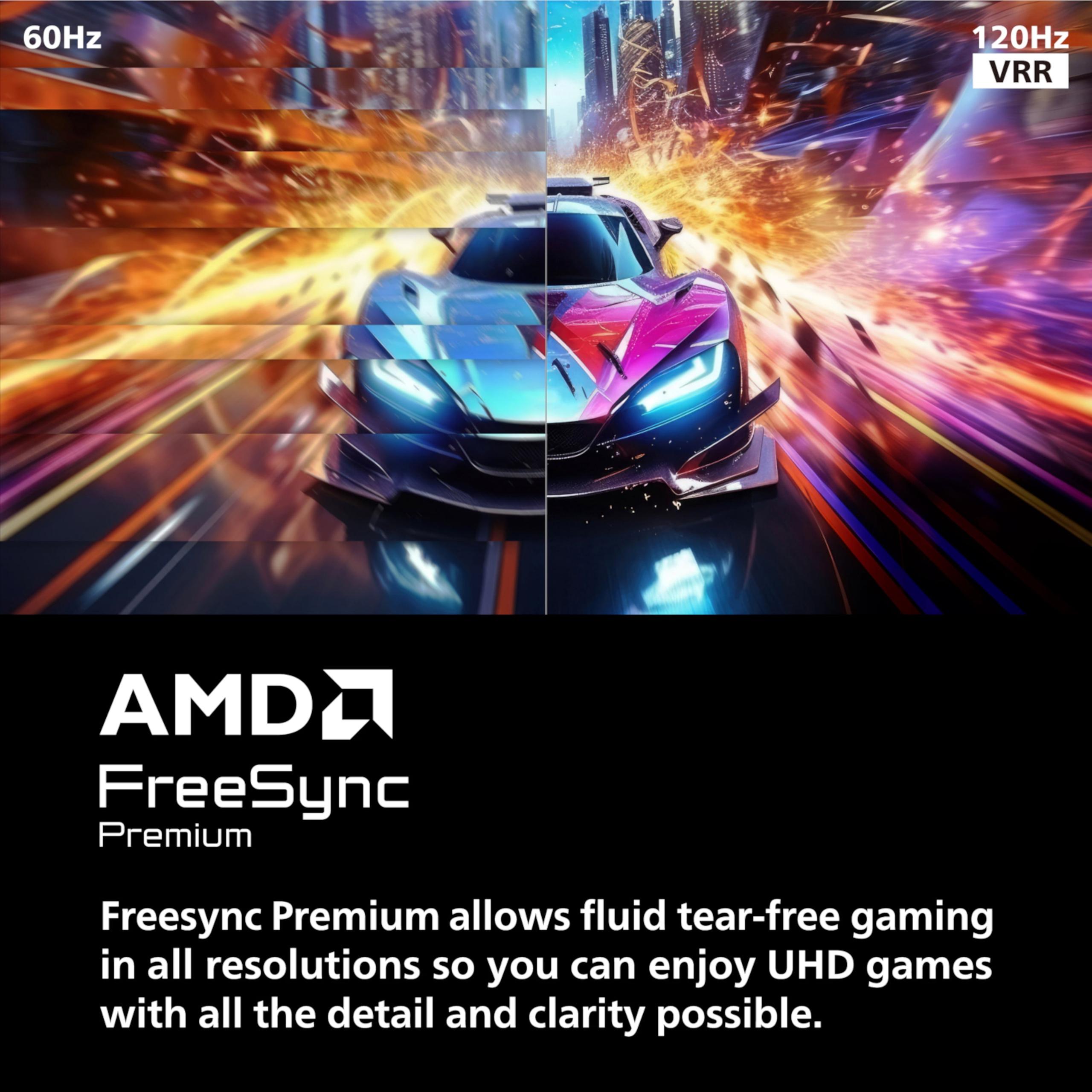
The Philips 65OLED974/F7 offers solid gaming fundamentals with its 120Hz native panel and FreeSync Premium support. This means it can display 120 frames per second smoothly and adapts its refresh rate to match your console or PC's output. For PlayStation 5 or Xbox Series X gaming, this delivers excellent performance with minimal input lag and sharp motion clarity.
However, the LG OLED evo G5 takes gaming to another level entirely. It supports up to 165Hz refresh rates on all four HDMI 2.1 ports, which matters enormously for PC gaming with high-end graphics cards. The difference between 120Hz and 165Hz might seem small, but competitive gamers notice the additional smoothness, especially in fast-paced shooters or racing games.
More importantly, the LG includes advanced features like Quick Media Switching (QMS), which eliminates the black screen when switching between devices with different refresh rates. If you frequently switch between a PC, console, and streaming device, this creates a seamless experience that feels more premium.
The nearly instantaneous 0.1ms response time on both TVs means motion blur is essentially eliminated, but the LG's additional processing power and AI-driven game optimization provide subtle improvements in upscaling lower-resolution games and optimizing picture settings automatically.
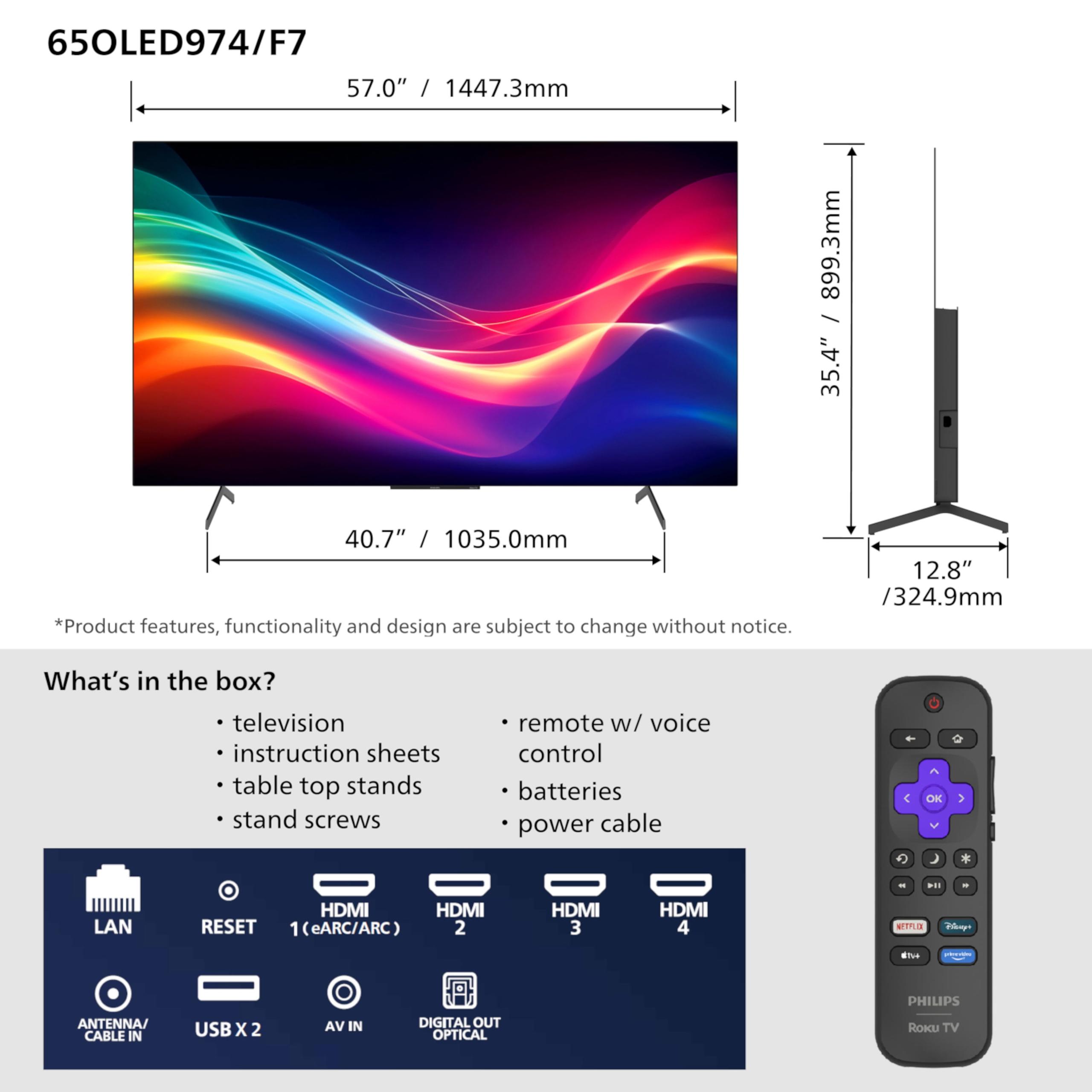
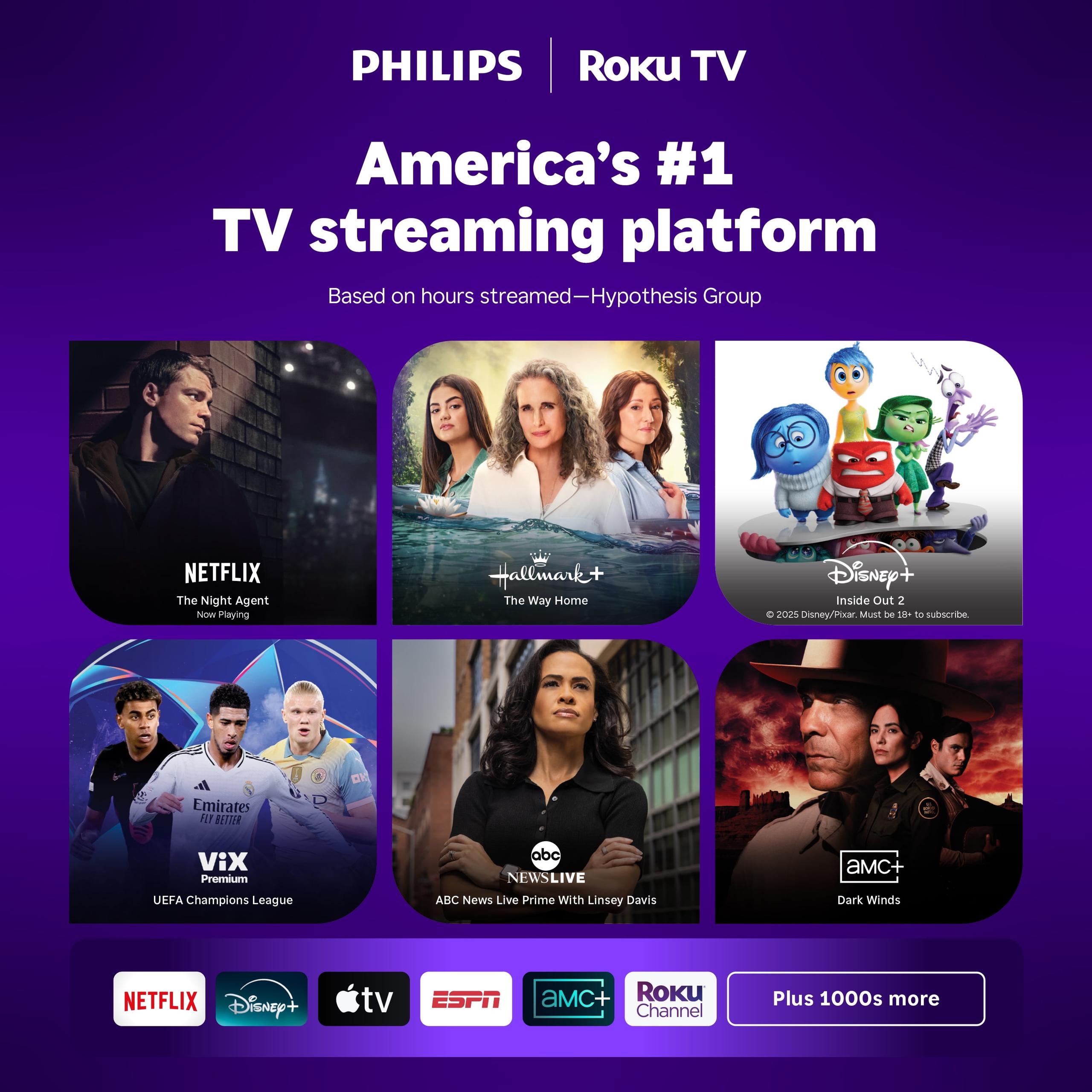
The smart TV experience represents another fundamental difference in approach. The Philips runs Roku TV, which prioritizes simplicity and reliability. Roku's interface presents a straightforward grid of apps with excellent search functionality and consistent performance. If you've used Roku streaming devices, you'll feel immediately at home.
Roku's strength lies in its mature ecosystem and universal app support. Nearly every streaming service works flawlessly, and the platform rarely experiences the bugs or slowdowns that plague some smart TV interfaces. The remote includes dedicated buttons for major services, making navigation intuitive even for less tech-savvy users.
The LG G5 runs webOS 25, LG's latest smart platform that emphasizes AI integration and personalization. The interface learns your viewing habits and suggests content across different apps, creating a more unified experience. Quick Cards allow you to organize favorite apps and content, while the Magic Remote includes an AI button for voice control.
WebOS 25's standout feature is its five-year software update guarantee through the webOS Renew program. This commitment matters significantly for long-term value—you're assured of new features and security updates well into the future. The Philips doesn't offer similar long-term support commitments, which could impact its usefulness as streaming services evolve.
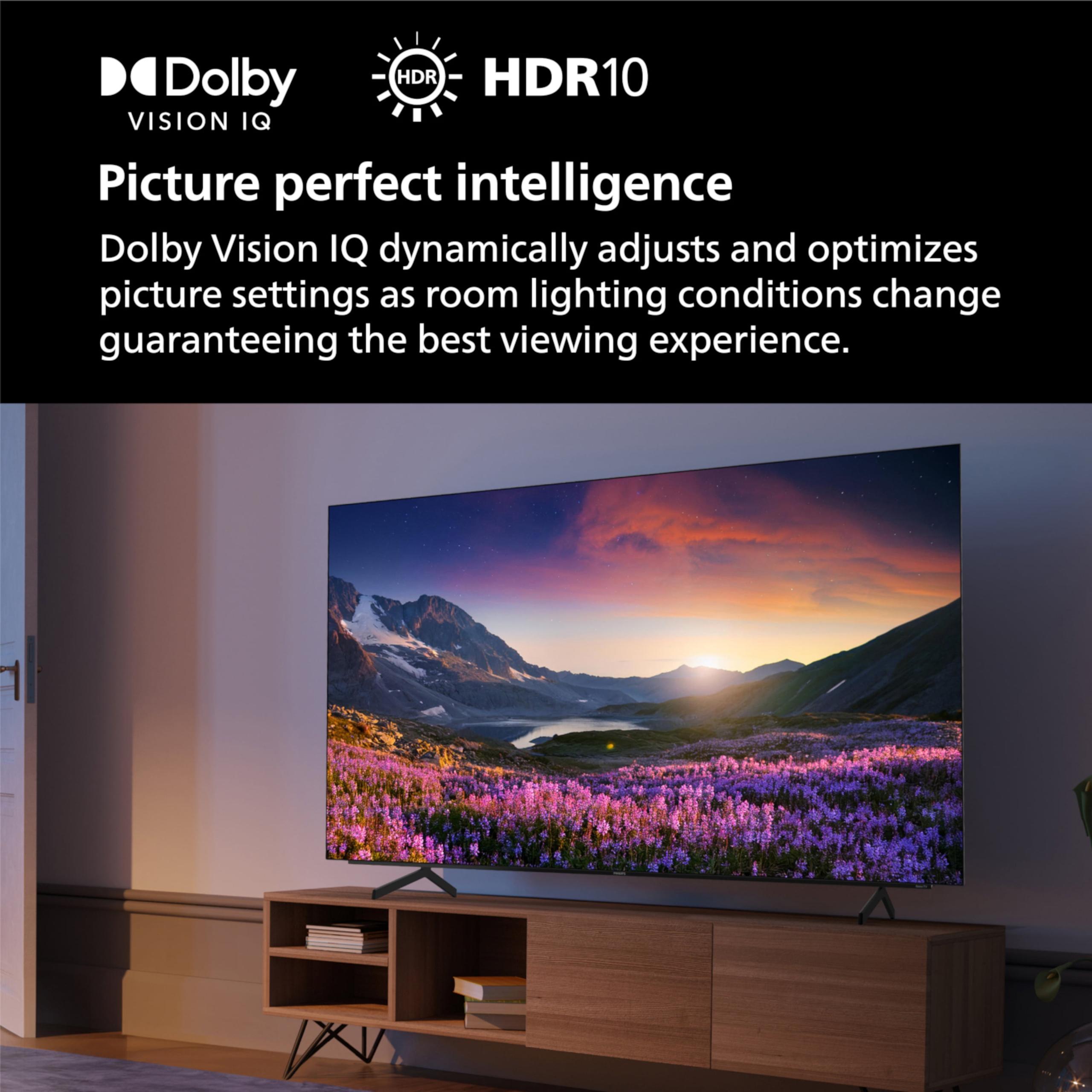
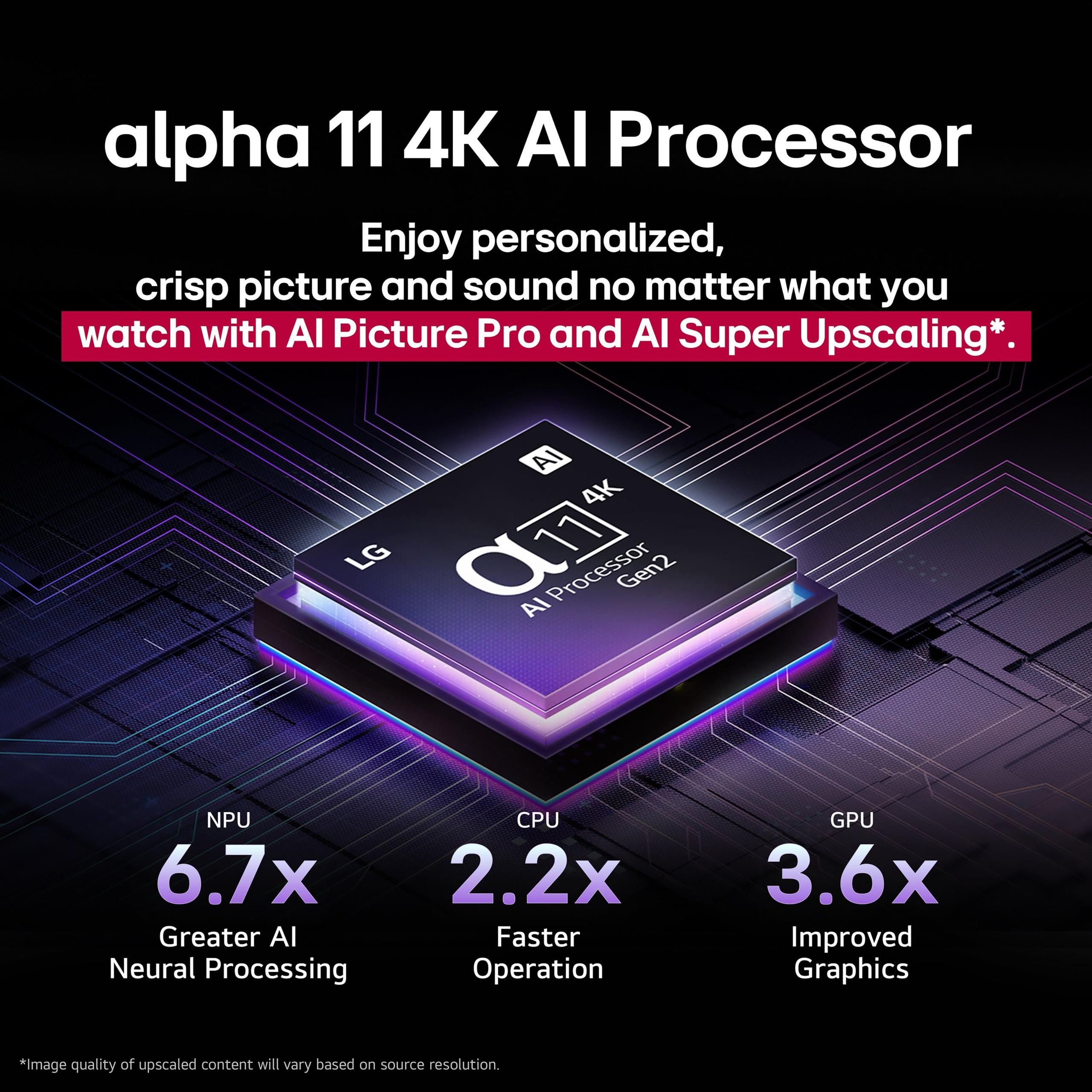
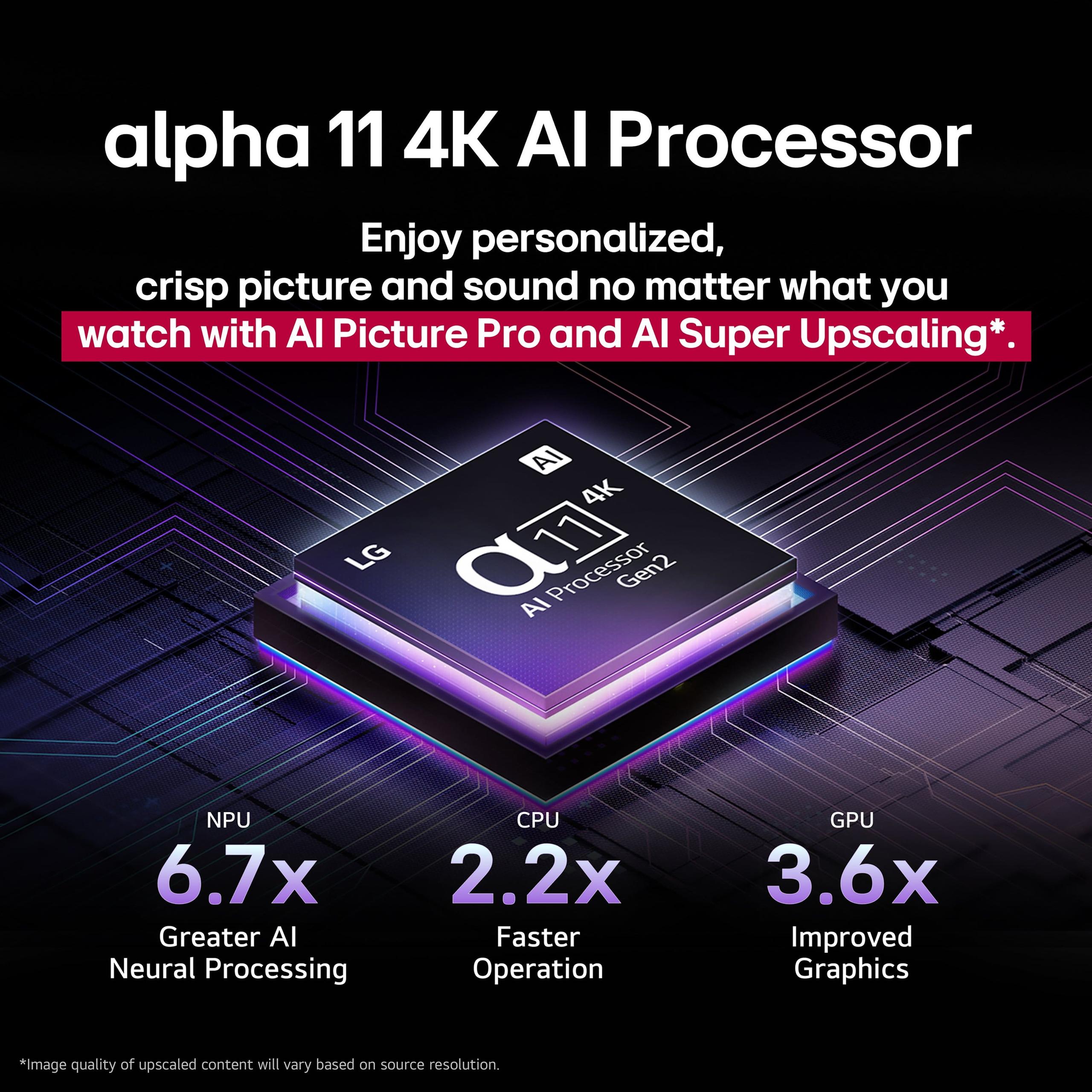
The AI integration in the LG extends beyond just app recommendations. The Alpha 11 AI Processor Gen 2 analyzes content in real-time, optimizing picture settings for different types of material. When watching a dark thriller, it might boost shadow detail. For bright nature documentaries, it enhances color vibrancy. This happens automatically without requiring manual adjustments.
Picture processing—how the TV analyzes and enhances incoming video signals—reveals another significant gap between these models. Both TVs must handle various tasks: upscaling lower-resolution content to 4K, reducing noise in poor-quality streams, and optimizing colors for different viewing conditions.
The Philips 65OLED974/F7 provides adequate processing for most content. It handles standard definition and 1080p upscaling reasonably well, though fine details can appear soft. Gradient handling (how smoothly colors transition, like in sunset skies) is quite good, preventing the color banding that can make gradients look steppy rather than smooth. However, its noise reduction capabilities are limited, so low-quality streaming content may show visible compression artifacts.
The LG G5's Alpha 11 AI Processor Gen 2 represents a substantial leap forward. Its AI Super Upscaling analyzes content frame-by-frame, identifying whether you're watching a nature documentary, sports, or animation, then applying appropriate enhancement algorithms. This results in noticeably sharper upscaling of lower-resolution content and better detail preservation.
One practical example: when streaming older TV shows that weren't filmed in 4K, the LG can make them look surprisingly crisp and detailed, while the Philips might leave them looking obviously upscaled. This matters increasingly as more viewing happens through streaming services with varying quality levels.
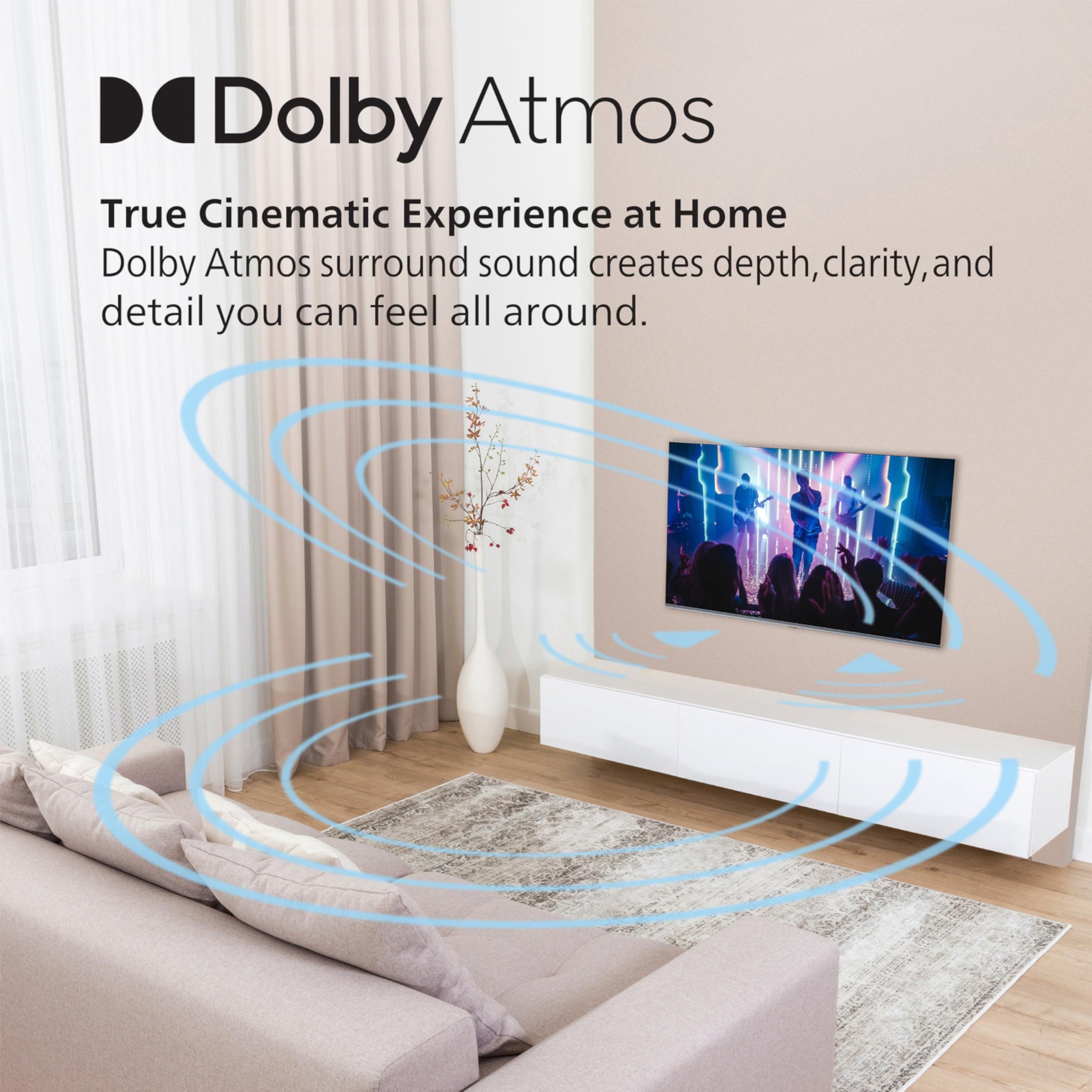
Both TVs support Dolby Atmos, the surround sound format that creates three-dimensional audio by bouncing sound off your ceiling. However, their built-in speaker implementations differ significantly.
The Philips includes a 2.1 speaker system with dedicated subwoofer, providing decent bass response for a flat-panel TV. Dialogue remains clear, and the soundstage feels reasonably wide for built-in speakers. However, like most slim TVs, it can't compete with dedicated sound systems for dynamic range or room-filling volume.
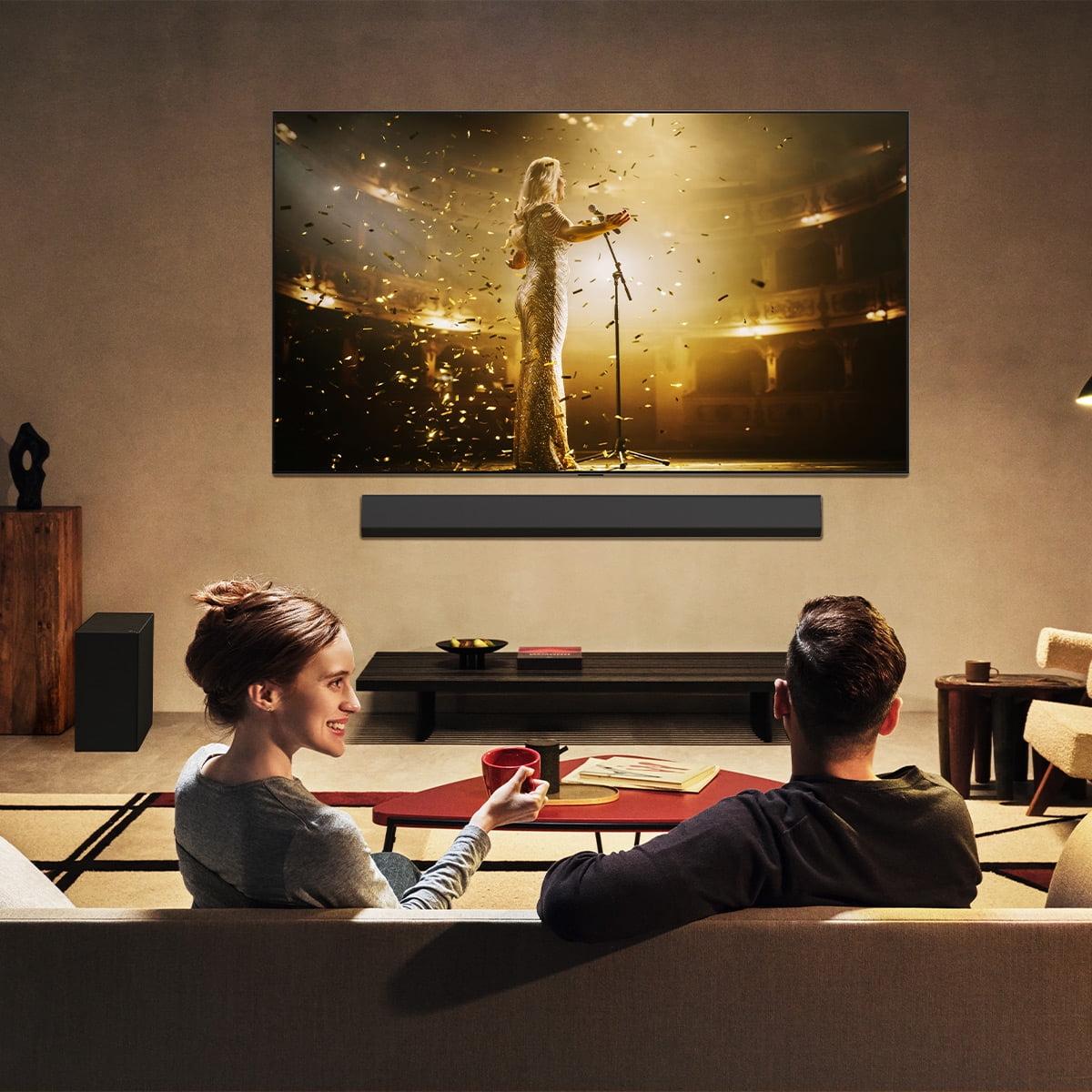
The LG G5 focuses more on audio integration than raw speaker power. Its WOW Orchestra feature allows seamless pairing with LG soundbars, creating a more cohesive audio experience where the TV's speakers work in harmony with external audio equipment. This approach acknowledges that serious home theater enthusiasts will likely add a soundbar or surround system.
For most users, either TV will benefit substantially from adding external audio. The ultra-thin OLED panels simply don't have the internal volume needed for powerful, room-filling sound. Budget at least a few hundred dollars for a quality soundbar to match these premium displays.
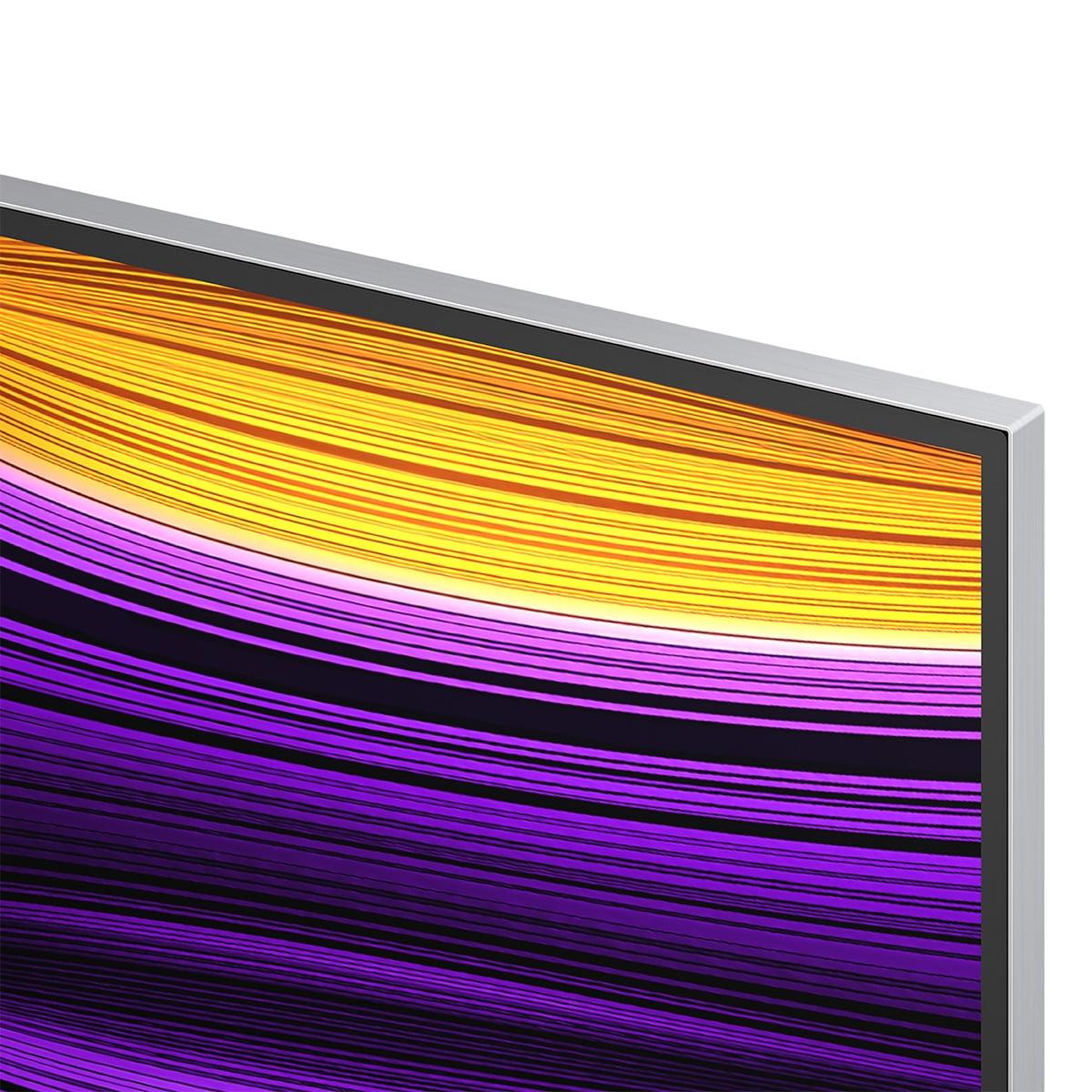
Premium TVs should look premium, and both models approach this differently. The LG OLED evo G5 features LG's "One Wall Design," mounting completely flush against the wall like a piece of art. When not displaying content, it can show artwork or personal photos, blending into your room's décor. The build quality feels genuinely premium with high-quality materials throughout.
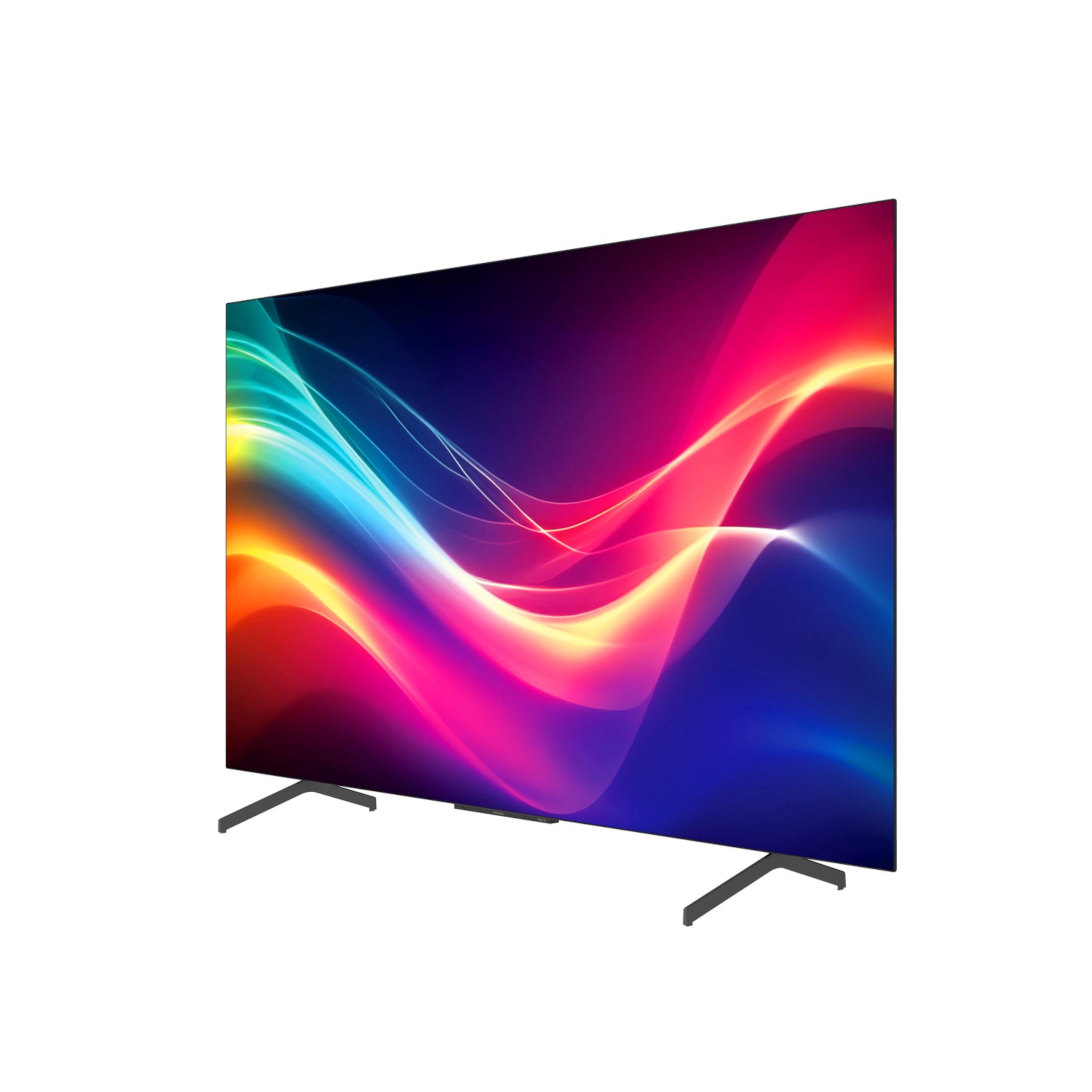
The Philips offers a more conventional approach with its 3-sided borderless design and stable tabletop stand. While attractive, it doesn't quite achieve the gallery-like aesthetic of the LG. The construction feels solid but uses less premium materials to achieve its lower price point.
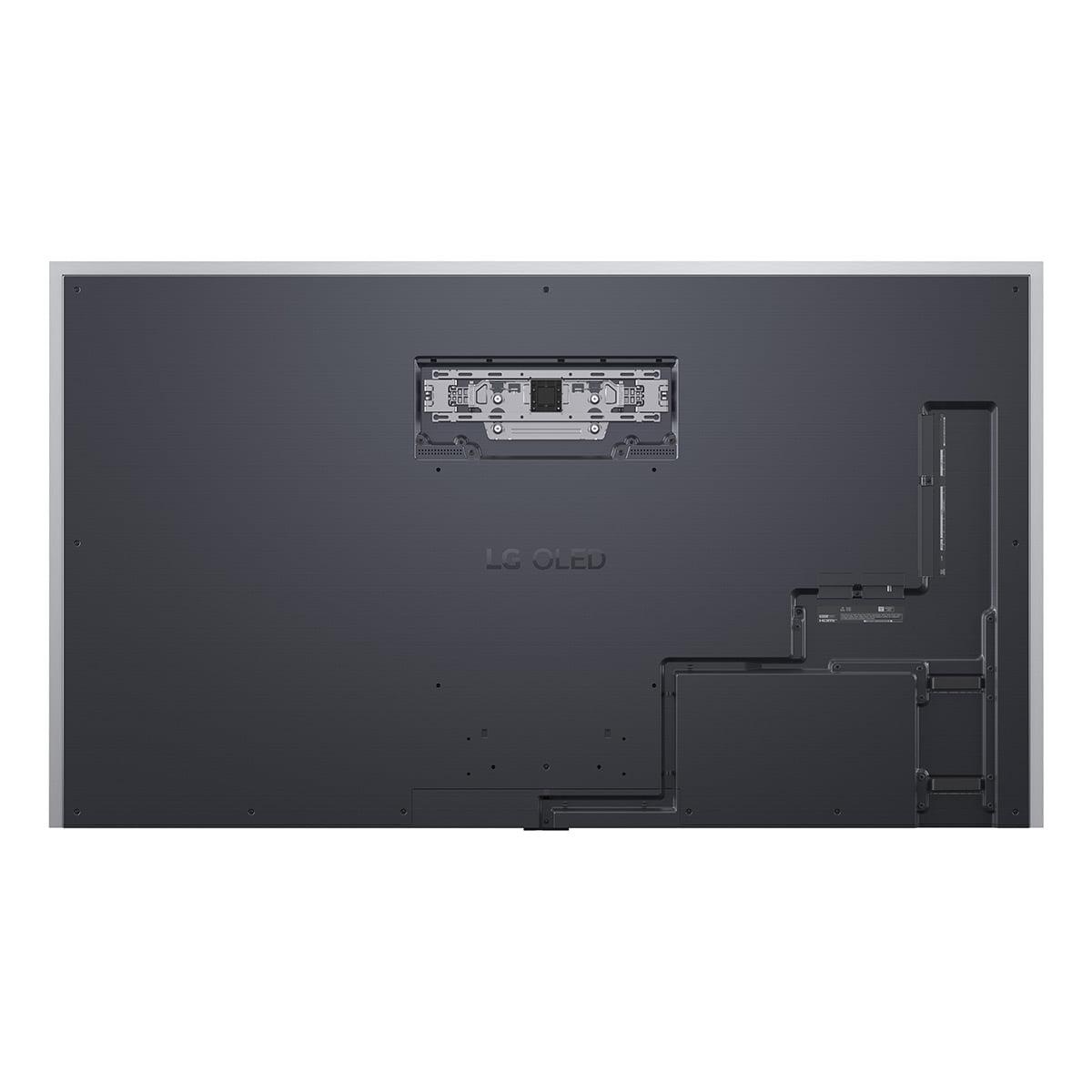
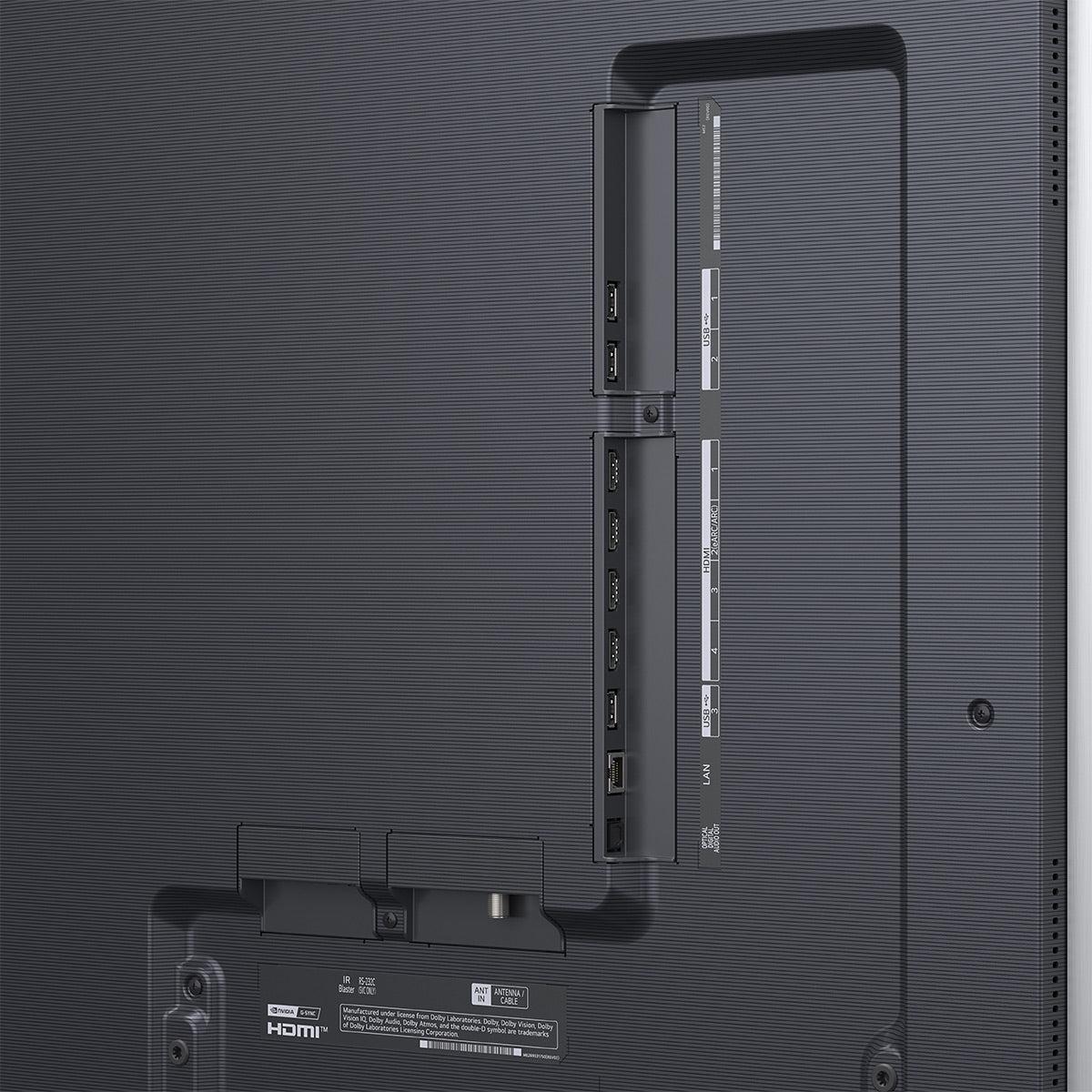
Both TVs are remarkably thin—around 2 inches deep—but the LG includes more thoughtful cable management and mounting solutions. If wall mounting is important to you, the LG provides a more elegant installation.
For dedicated home theater use, these differences become magnified. A proper home theater setup typically involves controlled lighting, comfortable seating positioned at optimal viewing distances, and high-quality source material.
In this environment, the Philips 65OLED974/F7 can shine. With room lighting controlled, its brightness limitations become less problematic, and its accurate colors and perfect blacks create an engaging cinematic experience. Movie enthusiasts who prioritize value and primarily watch in dark conditions might find it perfectly satisfying.
However, the LG G5 elevates the home theater experience significantly. FILMMAKER MODE automatically adjusts picture settings to match the director's intent, while Ambient Light Compensation adapts these settings based on room lighting. The enhanced brightness means HDR content displays with the impact it's supposed to have—bright explosions actually look bright, while maintaining perfect blacks for shadow detail.
The LG's superior processing also becomes more apparent with high-quality 4K Blu-ray content, where subtle details and color gradations are preserved more faithfully. For serious movie enthusiasts building a dedicated home theater, the LG provides a more future-proof foundation.
At the time of writing, these TVs occupy different value propositions entirely. The Philips offers an accessible entry point into premium OLED technology, delivering core OLED benefits without flagship pricing. If your budget is constrained and you primarily watch in dark rooms, it provides genuine OLED magic at a more reasonable price.
The LG G5 commands flagship pricing but delivers genuinely advanced technology that addresses OLED's traditional weaknesses. The brightness improvements, advanced processing, and long-term software support create a more complete and future-ready package.
Consider your typical viewing patterns honestly. If you watch primarily in well-lit rooms, during daytime, or enjoy HDR content, the LG's brightness advantage becomes essential rather than optional. The price premium pays for technology that fundamentally improves the viewing experience in challenging conditions.
For buyers planning to keep their TV for 5-7 years, the LG's software update commitment and advanced processing provide better long-term value, even at higher initial cost. The Philips might feel dated more quickly as streaming quality improves and gaming demands increase.
Choose the Philips 65OLED974/F7 if you primarily watch in dark, controlled environments and value Roku's straightforward interface. It's ideal for budget-conscious buyers who want genuine OLED performance without flagship pricing. The gaming performance handles current consoles well, and the picture quality delivers classic OLED benefits.
Select the LG OLED evo G5 if you want the most advanced OLED technology available. Its brightness improvements make it suitable for any lighting condition, while advanced gaming features and AI processing provide a more premium, future-proof experience. The higher price reflects genuinely superior technology rather than just brand positioning.
Ultimately, both TVs deliver the core OLED experience that makes this technology special. Your choice depends on whether brightness performance, advanced features, and long-term software support justify the price difference for your specific viewing needs and room conditions. The LG represents the current state of the art, while the Philips offers solid OLED fundamentals at a more accessible price point.
| Philips 65OLED974/F7 | LG OLED evo G5 65" |
|---|---|
| Panel Technology - Foundation of picture quality and longevity | |
| Traditional WOLED with 8+ million self-lit pixels | 4-Stack RGB Tandem OLED evo with enhanced brightness structure |
| Peak Brightness - Critical for HDR impact and bright room viewing | |
| Significantly limited, dark room only viewing | Up to 45% brighter than previous OLEDs, suitable for bright rooms |
| Gaming Refresh Rate - Essential for smooth motion and competitive gaming | |
| 120Hz native with FreeSync Premium | Up to 165Hz with advanced VRR on all HDMI 2.1 ports |
| Processor - Determines upscaling quality and smart features | |
| Standard processing, basic upscaling | Alpha 11 AI Processor Gen 2 with real-time optimization |
| Smart Platform - Interface experience and long-term software support | |
| Roku TV (simple, reliable, universal app support) | webOS 25 with AI features and 5-year update guarantee |
| HDMI Connectivity - Future-proofing for gaming and devices | |
| 4 HDMI ports with eARC support | 4 HDMI 2.1 ports with full bandwidth and advanced gaming features |
| Design Approach - Aesthetic integration and build quality | |
| 3-sided borderless with tabletop stand, 2.2" thin | One Wall Design, flush-mount gallery aesthetic with premium materials |
| Audio System - Built-in sound quality and external integration | |
| Dolby 2.1 speaker system with subwoofer | Dolby Atmos with WOW Orchestra soundbar integration |
| HDR Support - Color accuracy and dynamic range capabilities | |
| Dolby Vision, HDR10, HLG with limited brightness impact | Dolby Vision IQ with FILMMAKER MODE and ambient light compensation |
| Warranty Coverage - Long-term protection and manufacturer confidence | |
| Standard 1-year warranty | 5-year limited panel warranty demonstrating build quality confidence |
| Target Use Case - Best fit scenarios for optimal performance | |
| Budget-conscious dark room viewing with solid gaming | Premium bright room performance with cutting-edge gaming and AI features |
The LG OLED evo G5 is significantly better for bright rooms. Its new 4-Stack RGB Tandem panel technology delivers up to 45% brighter images than traditional OLEDs, making it suitable for rooms with windows or daytime viewing. The Philips 65OLED974/F7 has limited brightness and is best suited only for dark, controlled lighting environments where its dim panel won't be overwhelmed by ambient light.
The LG OLED evo G5 offers superior gaming capabilities with support for up to 165Hz refresh rates on all four HDMI 2.1 ports, advanced VRR features, and Quick Media Switching. The Philips 65OLED974/F7 provides solid gaming with 120Hz native refresh rate and FreeSync Premium support, which handles current consoles well but lacks the advanced features for high-end PC gaming that the LG G5 provides.
Both platforms excel in different ways. The Philips 65OLED974/F7 runs Roku TV, which offers exceptional simplicity, reliability, and universal app compatibility. The LG OLED evo G5 features webOS 25 with AI integration, personalized recommendations, and a guaranteed 5-year software update program. Choose Roku for straightforward use or webOS for advanced features and long-term support.
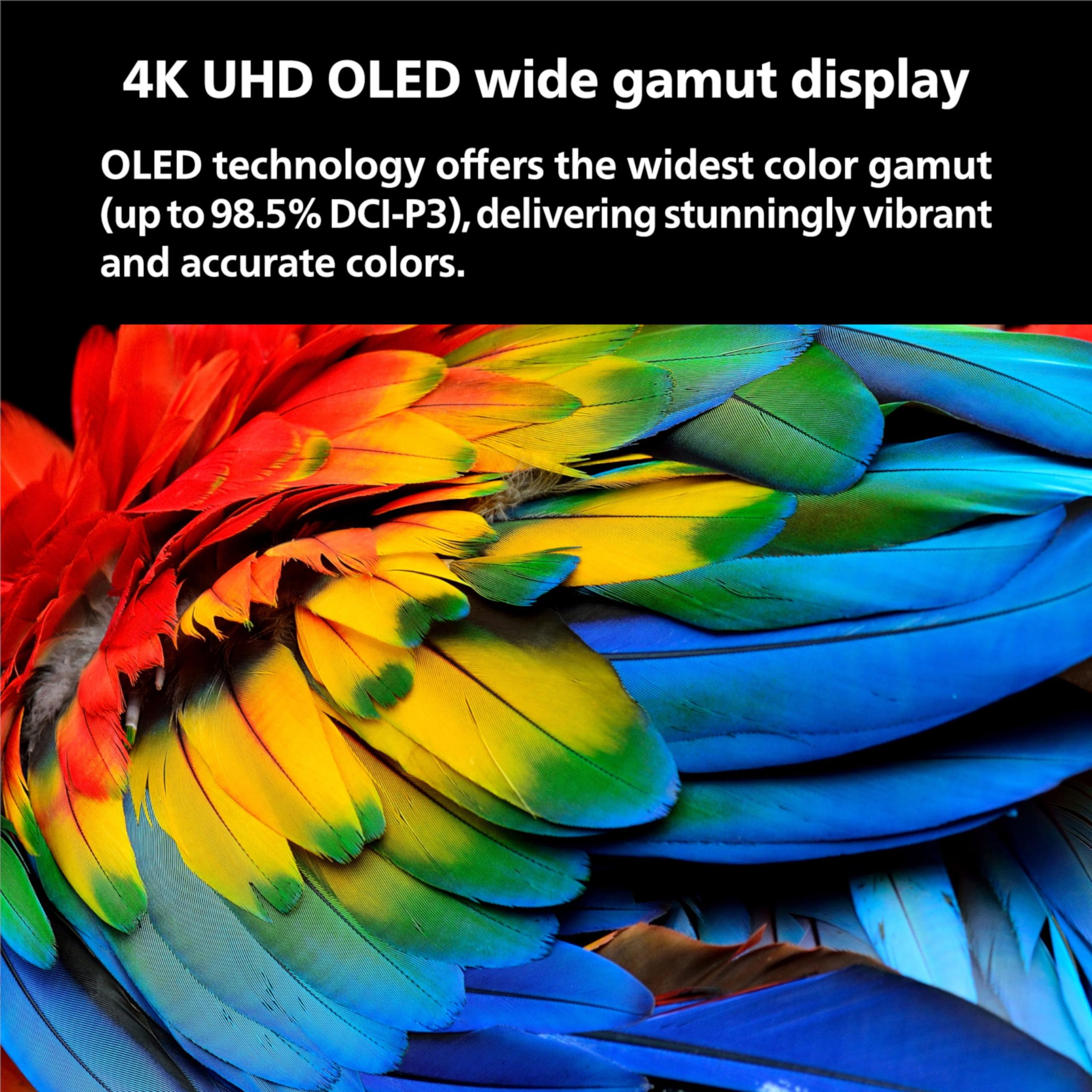
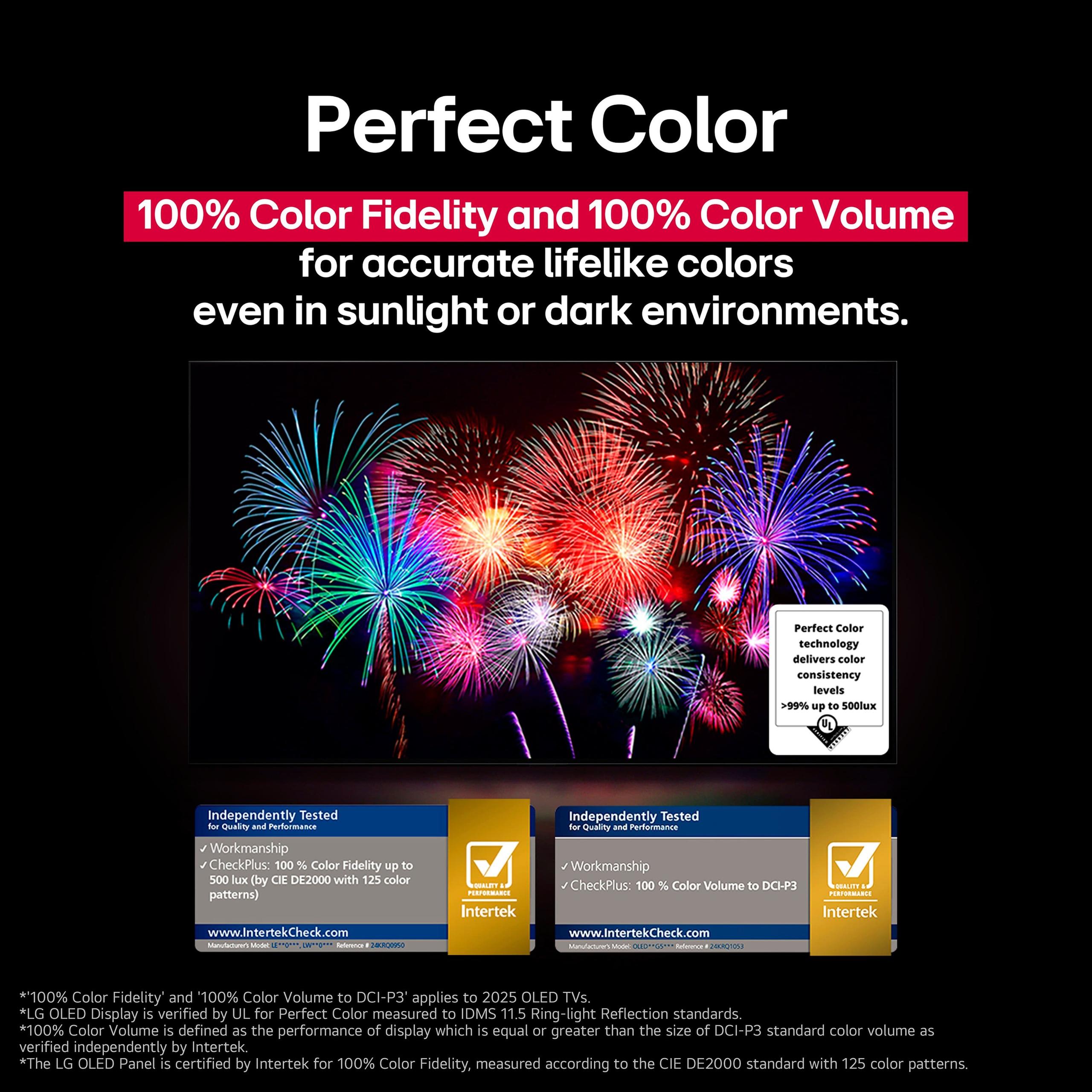
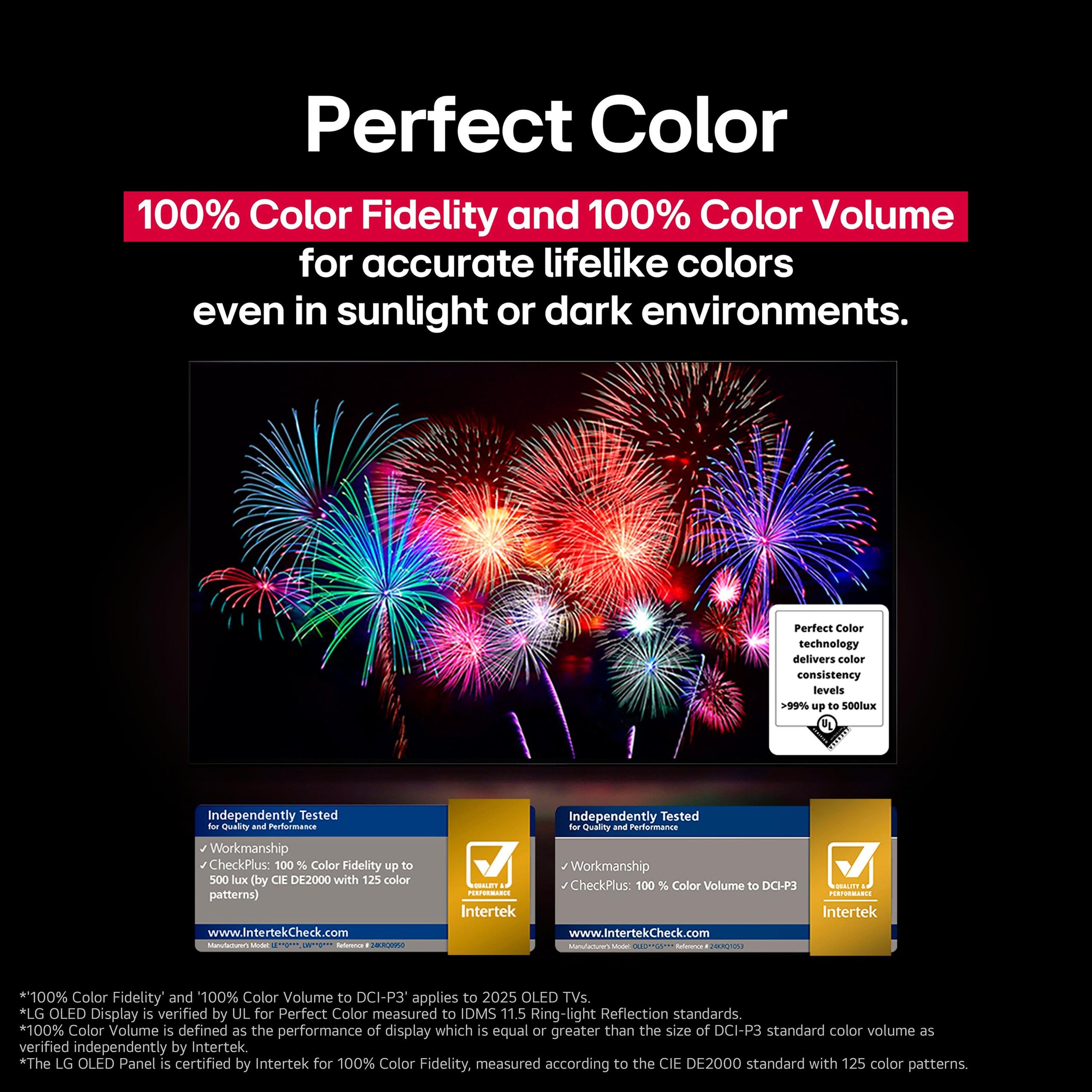
Both TVs deliver excellent OLED picture quality with perfect blacks and vibrant colors, but the LG OLED evo G5 has superior color processing through its Alpha 11 AI Processor Gen 2 and enhanced color gamut from the new panel technology. The Philips 65OLED974/F7 offers good out-of-the-box color accuracy in SDR content, though HDR performance is limited by its brightness constraints compared to the brighter LG G5.
For dedicated home theater use, the LG OLED evo G5 provides a more premium experience with FILMMAKER MODE, ambient light compensation, and superior HDR performance that delivers the impact directors intended. The Philips 65OLED974/F7 can work well in controlled dark room theaters where its brightness limitations won't affect viewing, especially for budget-conscious home theater enthusiasts.
The LG OLED evo G5 features premium build quality with its One Wall Design that mounts flush against walls, high-quality materials, and a 5-year panel warranty. The Philips 65OLED974/F7 offers solid construction with a 3-sided borderless design and stable stand, though it uses less premium materials to achieve its lower price point compared to the flagship LG G5.
Both TVs support Dolby Atmos, but with different approaches. The Philips 65OLED974/F7 includes a built-in 2.1 speaker system with a dedicated subwoofer for better bass response. The LG OLED evo G5 focuses on integration with external audio through its WOW Orchestra feature that pairs seamlessly with LG soundbars for enhanced home theater audio.
The LG OLED evo G5 significantly outperforms the Philips 65OLED974/F7 in HDR content due to its superior brightness capabilities. HDR movies and shows appear with proper impact and bright highlights on the LG G5, while the same content looks muted and lacks punch on the dimmer Philips, especially in anything but completely dark rooms.
The LG OLED evo G5 excels at upscaling with its Alpha 11 AI Processor Gen 2 that analyzes content type and applies appropriate enhancement algorithms, making older TV shows and lower-quality streams look noticeably sharper. The Philips 65OLED974/F7 provides adequate upscaling for most content but lacks the advanced AI processing that makes the LG G5 superior for streaming and older content.
Value depends on your priorities and viewing conditions. The Philips 65OLED974/F7 offers excellent value for dark room viewing with core OLED benefits at a lower price point. The LG OLED evo G5 provides better overall value for users who need bright room performance, advanced gaming features, and long-term software support, justifying its premium pricing with genuinely superior technology.
The LG OLED evo G5 offers superior long-term protection with a 5-year limited panel warranty and guaranteed software updates through 2030 via the webOS Renew program. The Philips 65OLED974/F7 comes with standard warranty coverage but lacks the extended panel protection and long-term software commitment that the LG G5 provides for future-proofing your investment.
Choose the Philips 65OLED974/F7 if you primarily watch in dark rooms, prefer Roku's simple interface, and want OLED quality at a more accessible price. Select the LG OLED evo G5 if you have bright room conditions, want the latest display technology, need advanced gaming features, or prioritize long-term software support and premium build quality over initial cost savings.
We've done our best to create useful and informative comparisons to help you decide what product to buy. Our research uses advanced automated methods to create this comparison and perfection is not possible - please contact us for corrections or questions. These are the sites we've researched in the creation of this article: rtings.com - versus.com - versus.com - rtings.com - samsclub.com - versus.com - youtube.com - usa.philips.com - bestbuy.com - usa.philips.com - consumerreports.org - usa.philips.com - documents.philips.com - tvoutlet.ca - displayspecifications.com - business.walmart.com - displayspecifications.com - ecoustics.com - walmart.com - bestbuy.com - techradar.com - rtings.com - youtube.com - youtube.com - rtings.com - bestbuy.com - youtube.com - valueelectronics.com - lg.com - audio-videoplus.com - lg.com - lg.com - lg.com

Privacy Policy
Terms and Conditions - Affiliate Policy
Home Security
© Copyright 2008-2026.
11816 Inwood Rd #1211, Dallas, TX 75244