

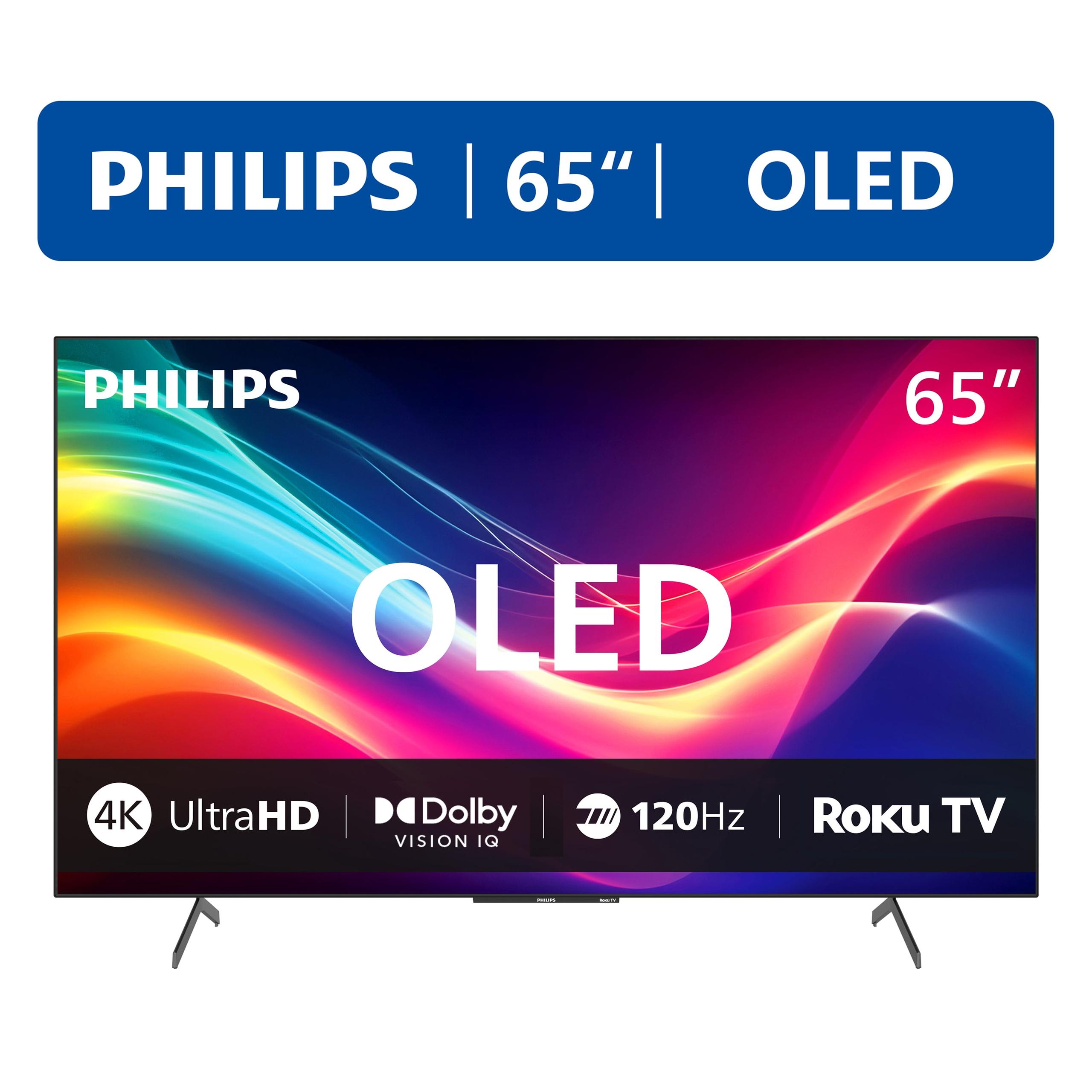
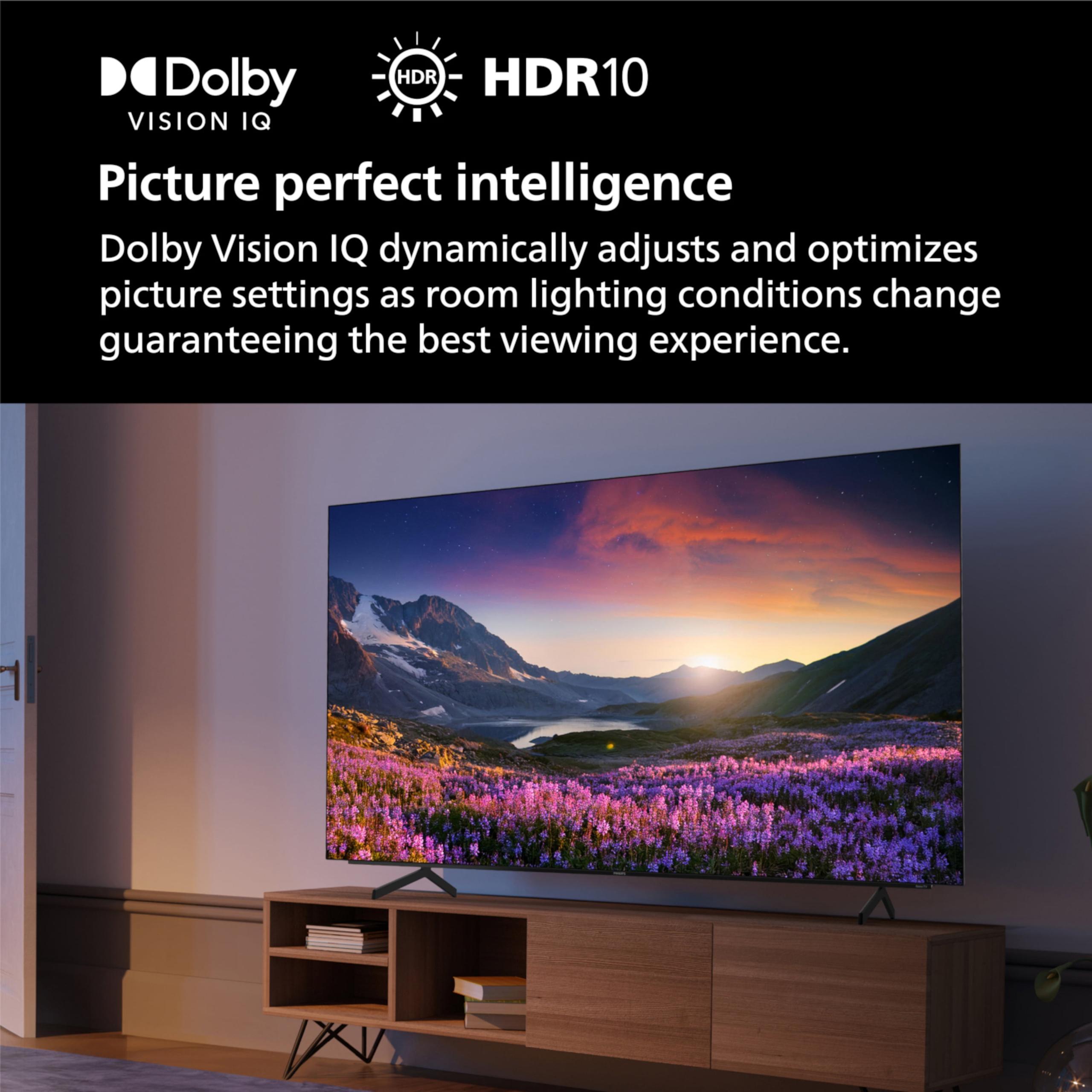
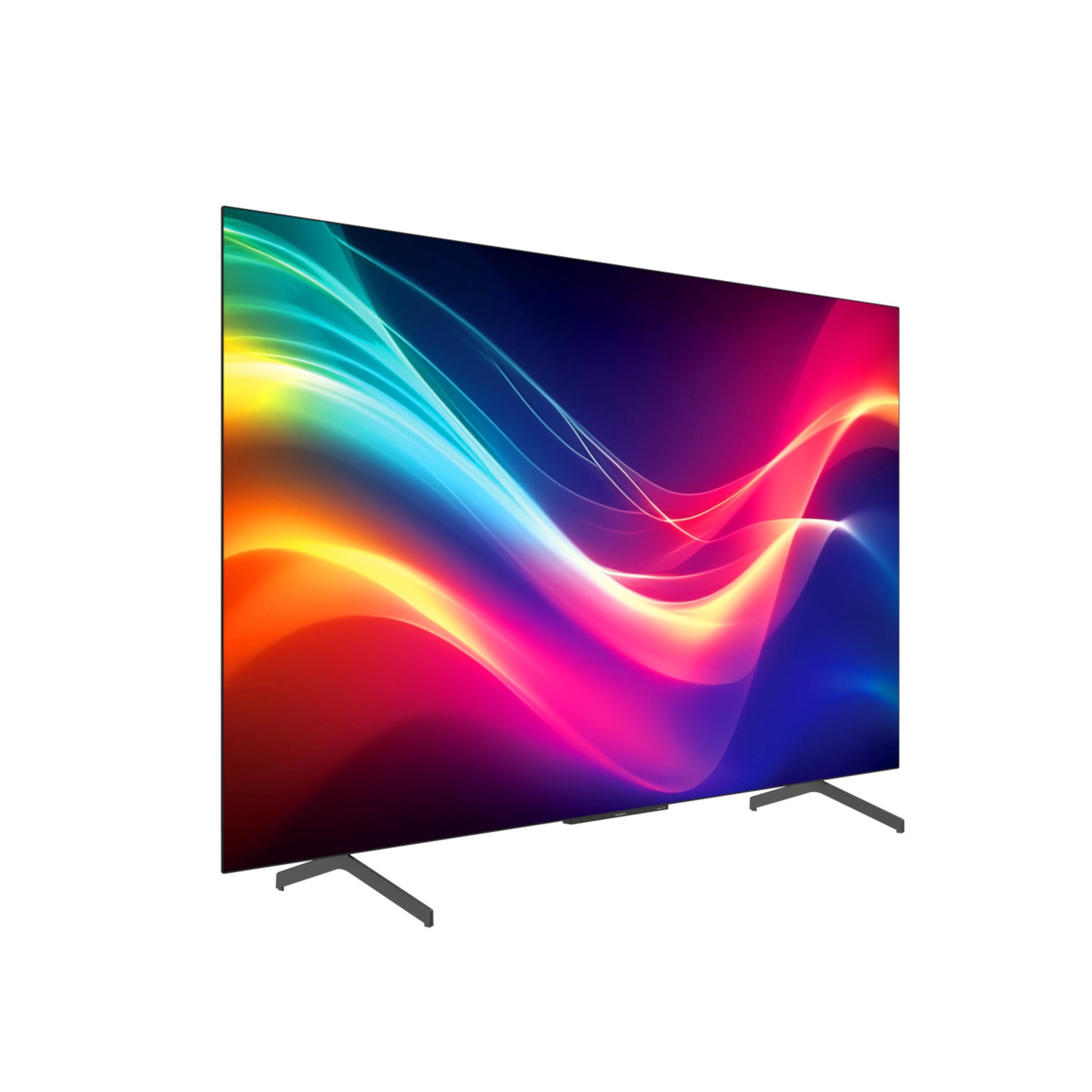
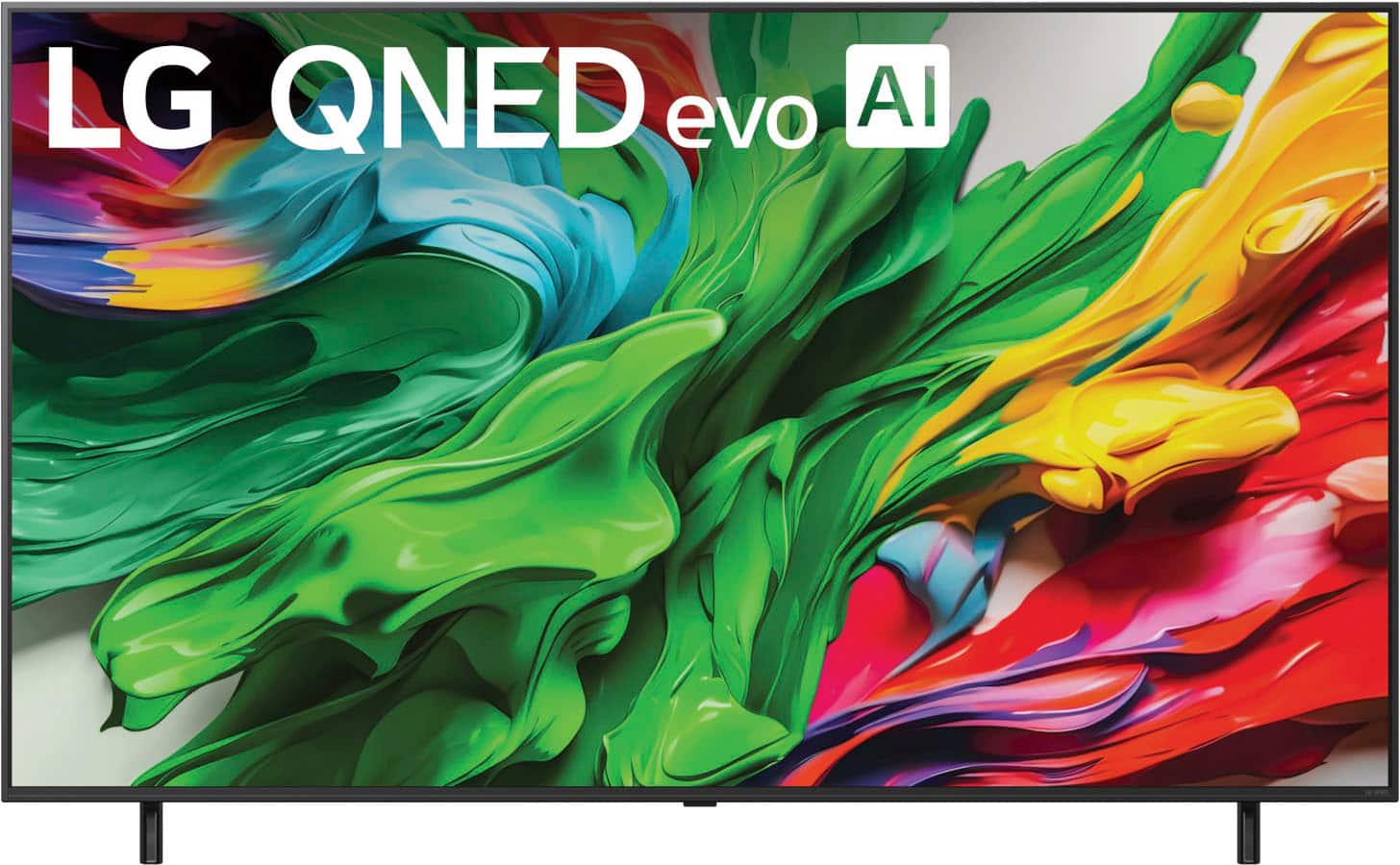
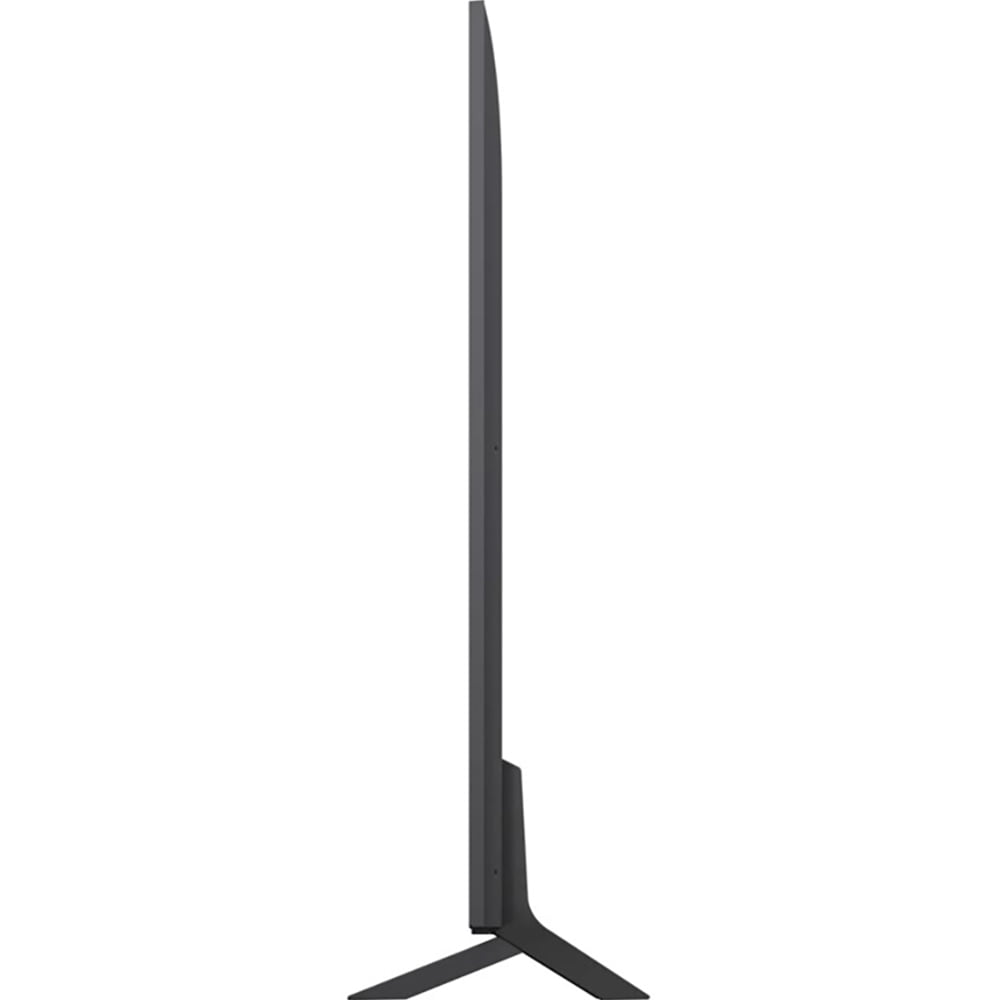
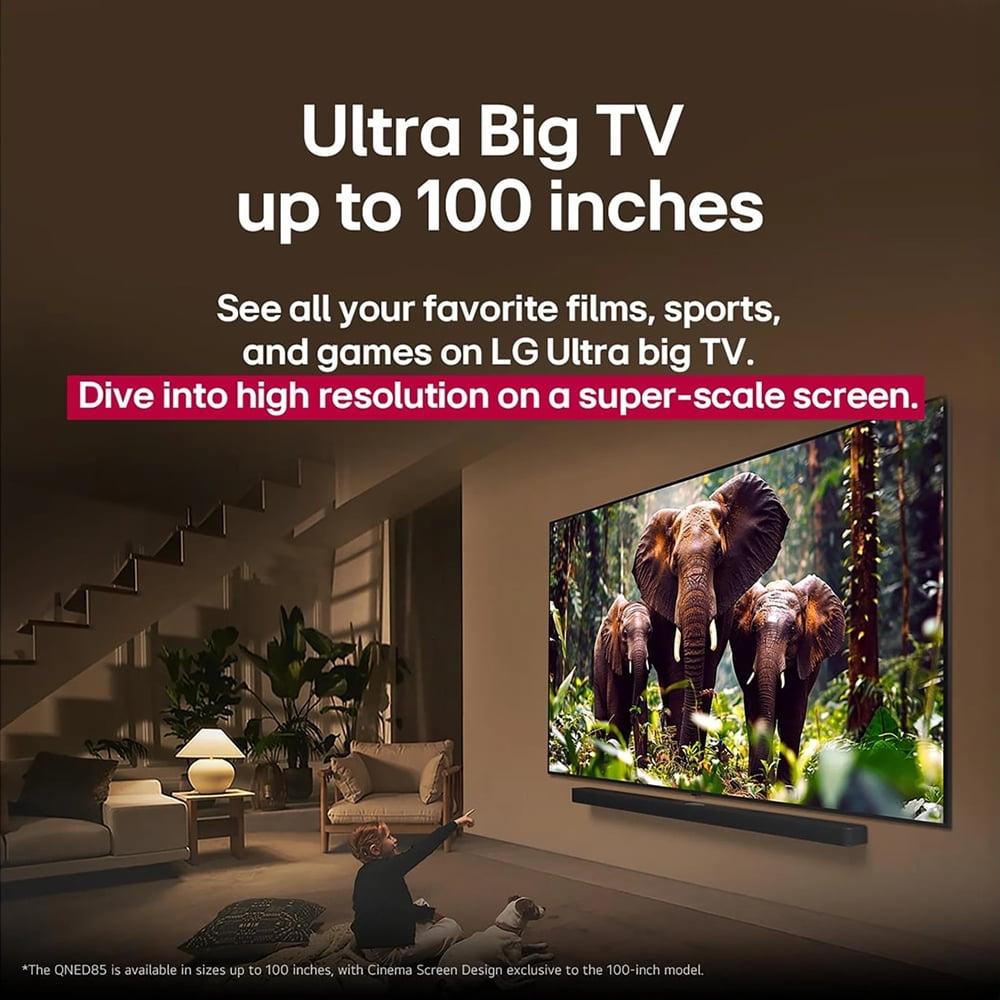
When you're shopping for a premium 65-inch 4K TV, you'll quickly discover that display technology makes all the difference. Two compelling options represent fundamentally different approaches: the Philips 65OLED974/F7 with its self-illuminating OLED panel, and the LG QNED85A featuring cutting-edge MiniLED backlighting. Understanding these technologies will help you make the right choice for your viewing habits and room setup.
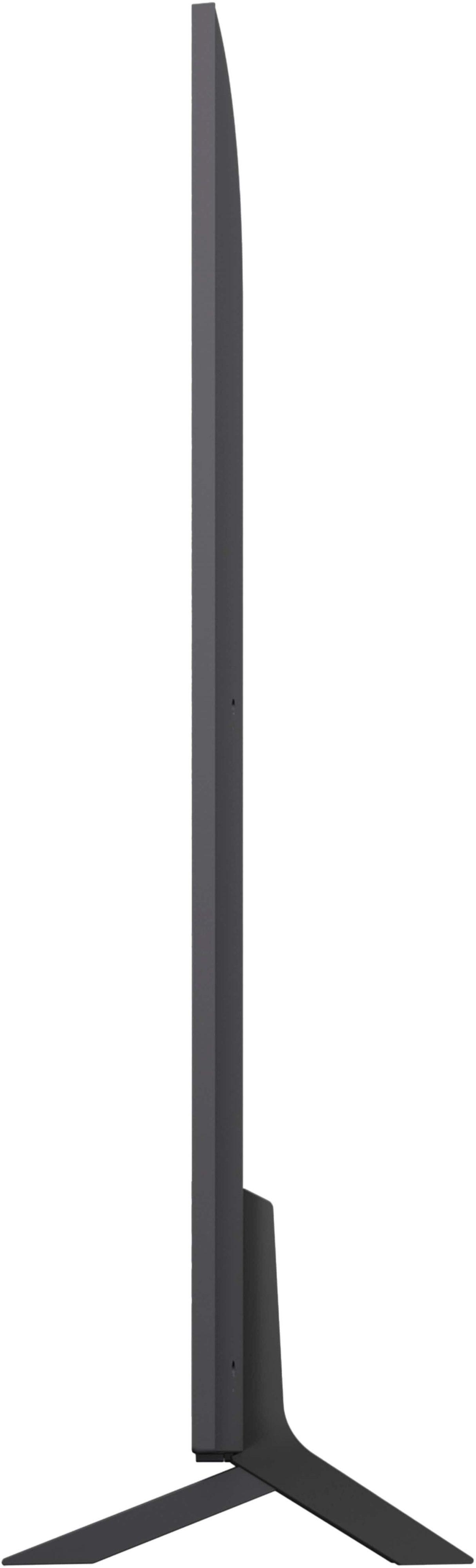
The television industry has evolved dramatically over the past decade, with manufacturers pursuing different paths to achieve the perfect picture. OLED (Organic Light-Emitting Diode) technology allows each pixel to produce its own light and turn completely off, creating true blacks and infinite contrast. MiniLED takes the traditional LED backlight approach but uses thousands of tiny LEDs arranged in zones behind an LCD panel, dramatically improving contrast while maintaining superior brightness.
The Philips OLED, released in 2018, represents mature OLED technology that has been refined over several years. While it may lack some newer smart features, the core display technology remains excellent. The LG QNED85A, launching in 2025, showcases the latest advances in MiniLED and AI processing, demonstrating how this technology has evolved to challenge OLED's dominance.
The fundamental question becomes whether you prioritize perfect blacks and contrast (OLED) or superior brightness and versatility (MiniLED). Your room lighting, viewing habits, and content preferences will largely determine which approach works better for you.
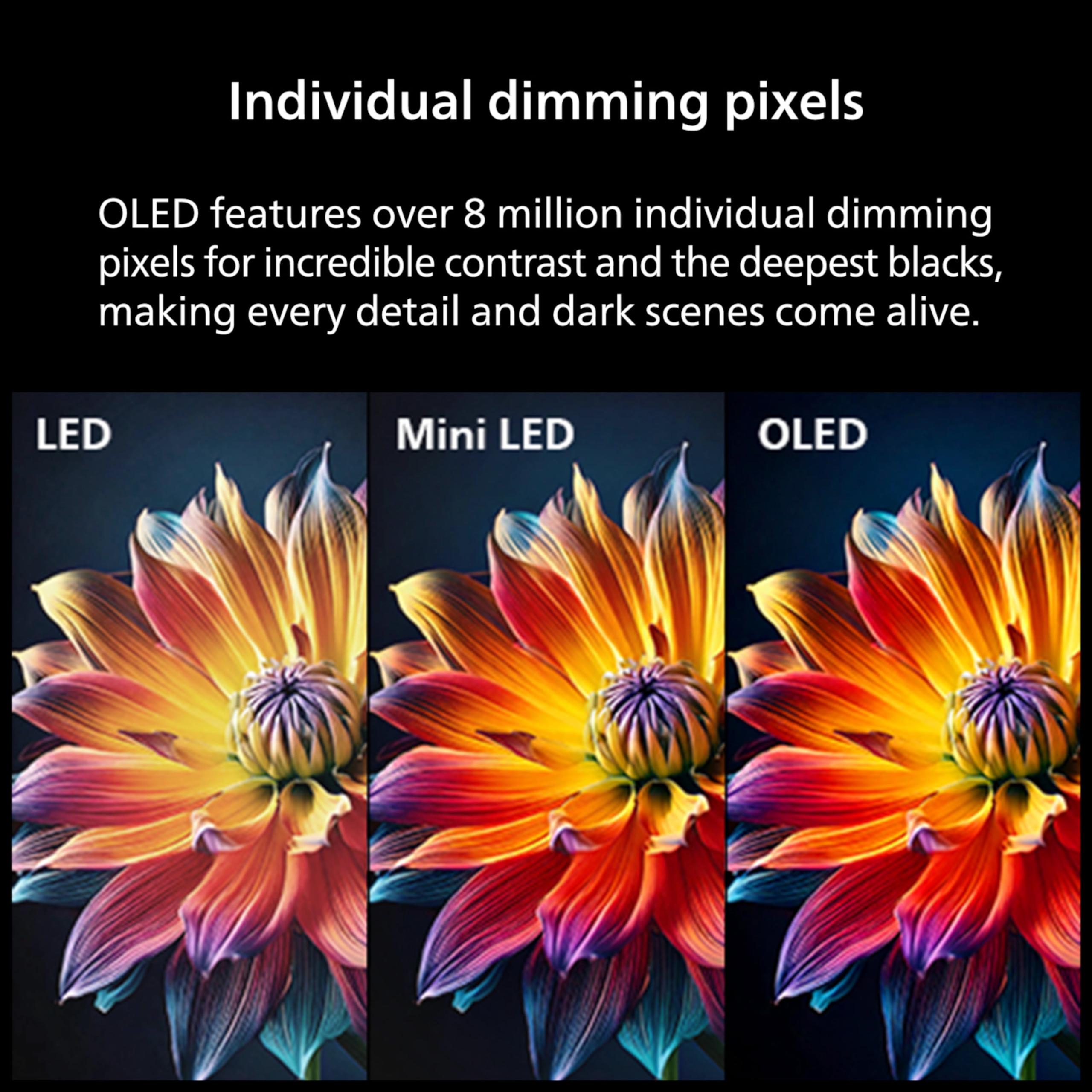
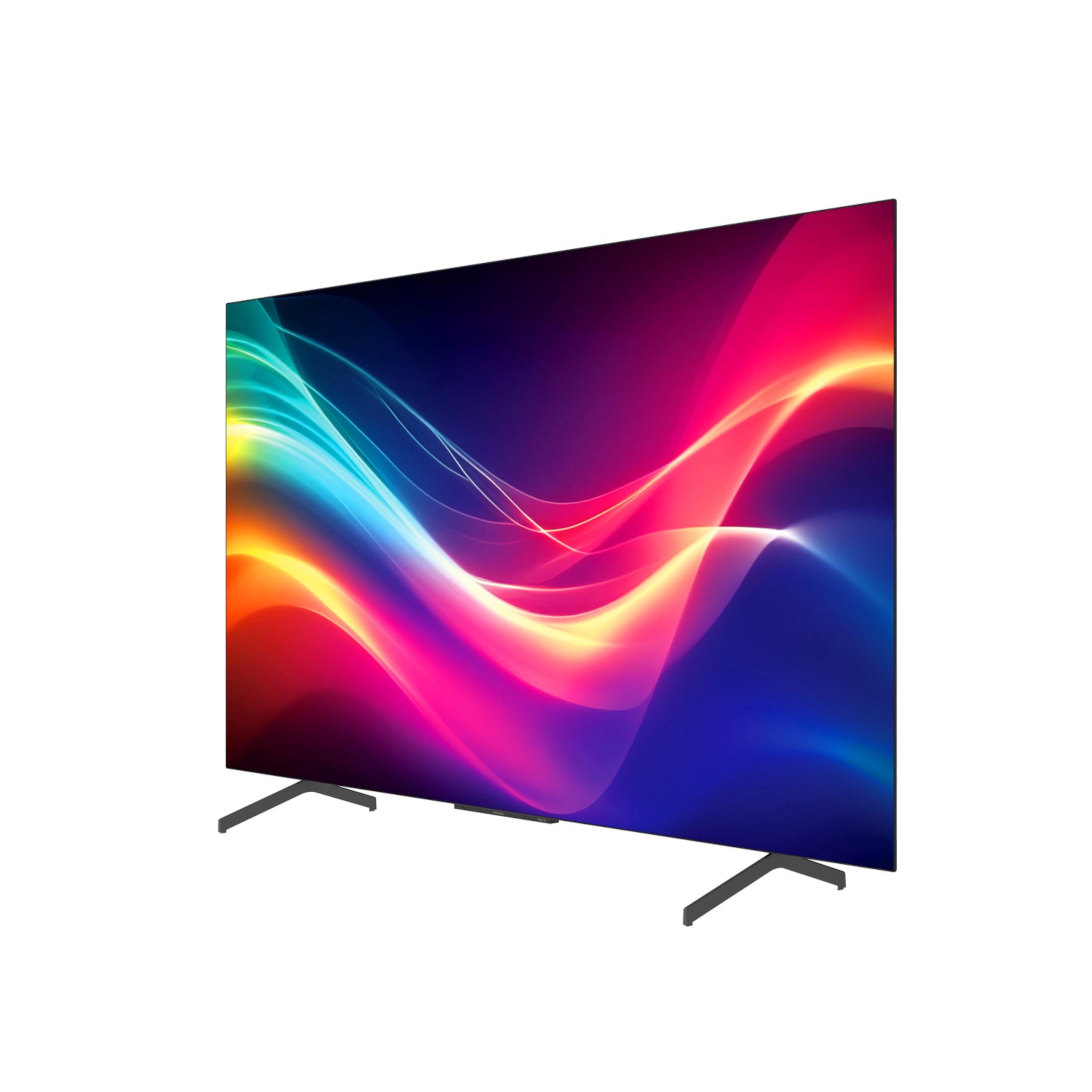
In a dark room, the Philips OLED delivers an almost magical viewing experience. Each of its 8 million pixels can turn completely off, creating true blacks that make stars pop against the darkness of space or reveal subtle details in shadowy movie scenes. This infinite contrast ratio—the difference between the darkest and brightest parts of the image—creates exceptional depth and dimensionality.
When watching movies like "Blade Runner 2049" or "The Dark Knight," the OLED's ability to display perfect blacks enhances the atmospheric cinematography in ways that backlighted displays simply cannot match. Dark scenes retain all their detail without the gray "clouding" that affects LCD-based TVs, including MiniLED models.
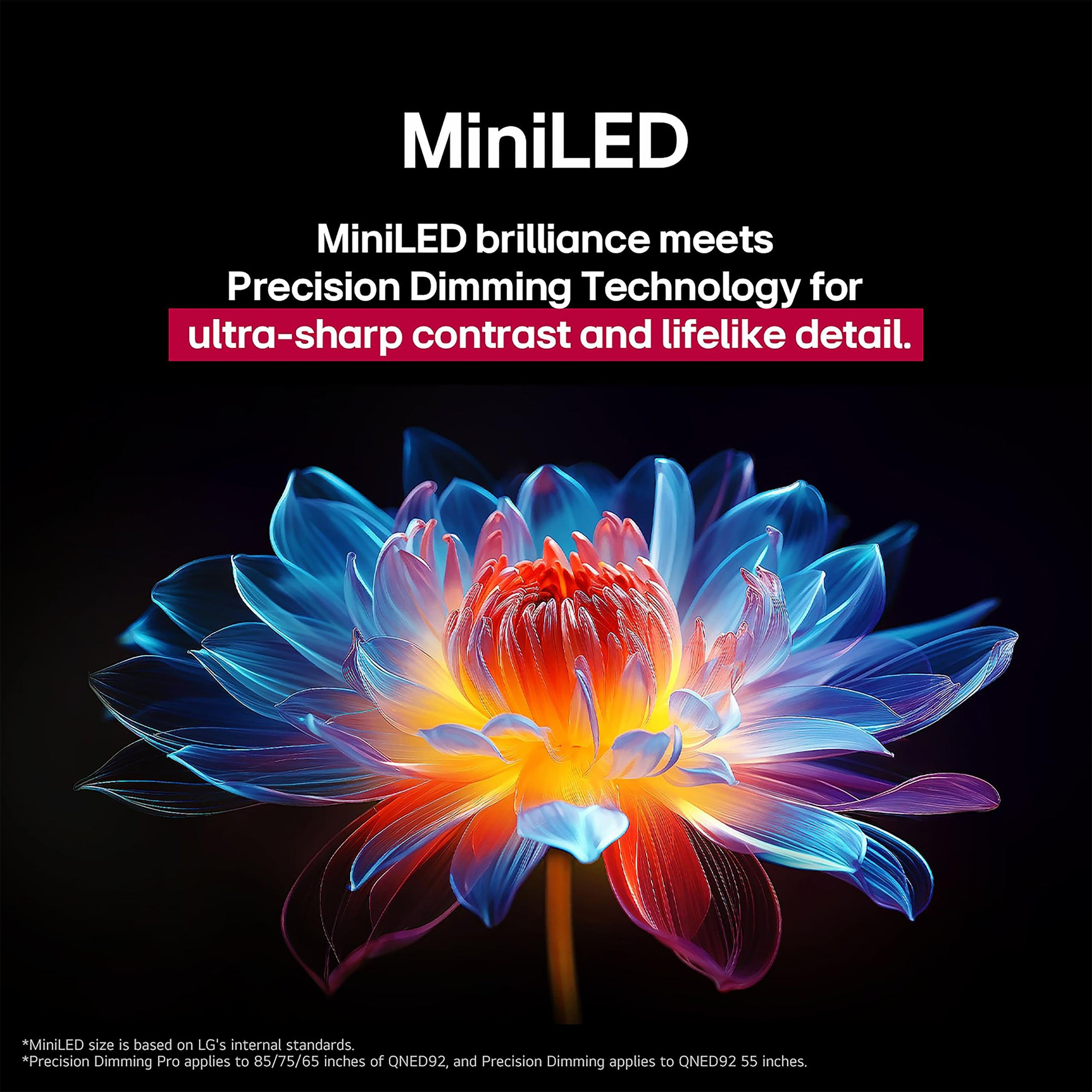
The LG MiniLED performs admirably in dark rooms with its 30,000 tiny LEDs organized into 2,500 dimming zones. This precision dimming technology allows sections of the backlight to dim significantly, creating much better contrast than traditional LED TVs. However, the backlight cannot turn completely off, so dark scenes will always have a subtle glow compared to OLED's absolute darkness.
Here's where the tables turn completely. The LG QNED85A excels in bright rooms thanks to its significantly higher peak brightness. While specific brightness measurements weren't available, MiniLED technology typically delivers 2-3 times the peak brightness of OLED panels. This translates to better visibility during daytime viewing and superior performance when dealing with ambient light from windows or lamps.
The Philips OLED struggles considerably in bright environments. Our research consistently shows that this model lacks the brightness needed to overcome glare, making it unsuitable for well-lit living rooms or spaces with large windows. Even with decent reflection handling, the fundamental brightness limitation means HDR content loses its impact and regular programming appears dim.
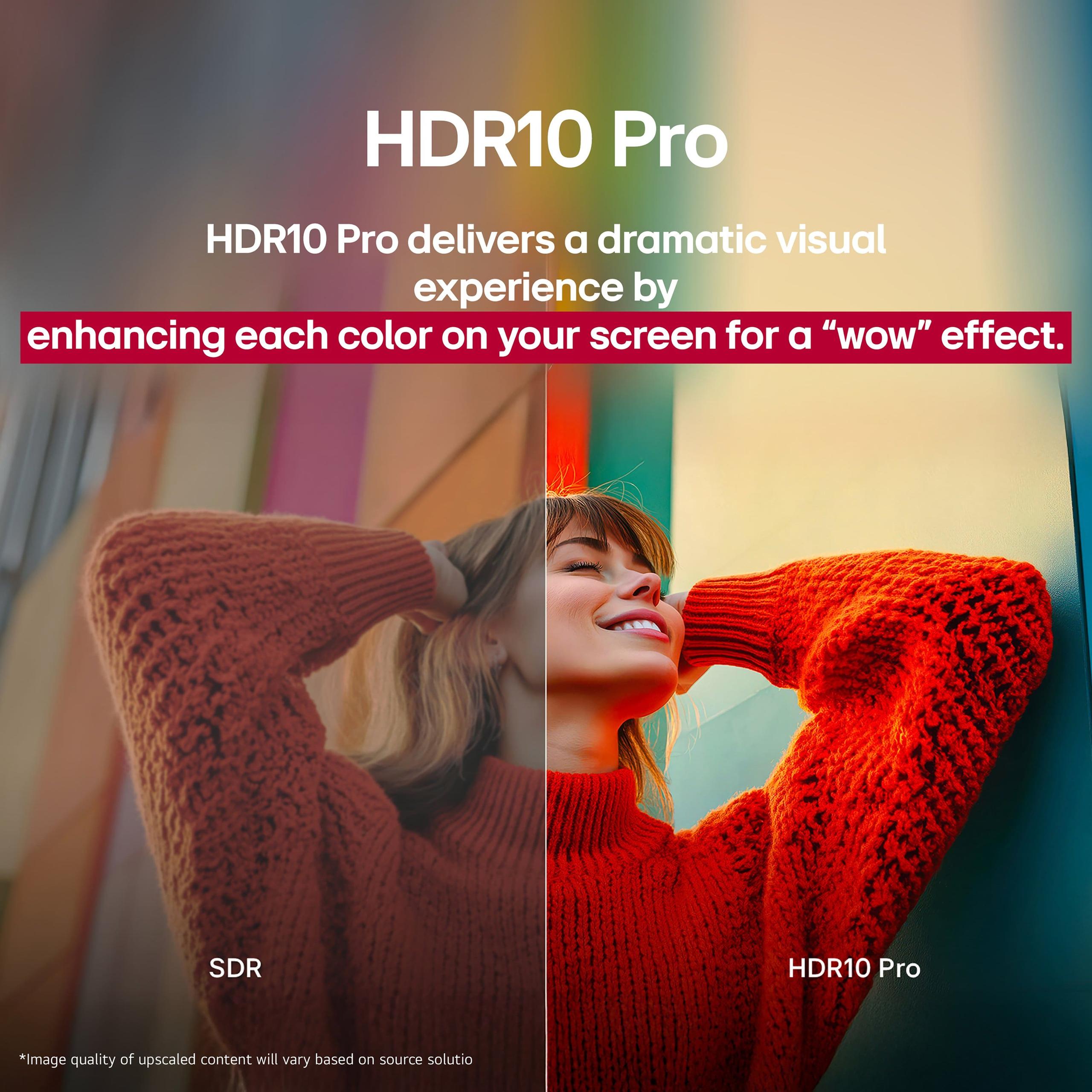
High Dynamic Range (HDR) content—which includes enhanced contrast and color information—reveals the most significant performance gap between these technologies. HDR works by displaying a wider range of brightness levels, from deep blacks to brilliant highlights. The LG MiniLED can reproduce those bright highlights more convincingly, making fireworks, sunlight, and bright objects appear more realistic and impactful.
The Philips OLED handles the "high" part of HDR beautifully with perfect blacks but falls short on the "dynamic range" aspect due to brightness limitations. Bright HDR scenes appear muted, and highlights don't have the punch they should. This doesn't make HDR content unwatchable, but it certainly diminishes the intended experience compared to what the content creators envisioned.
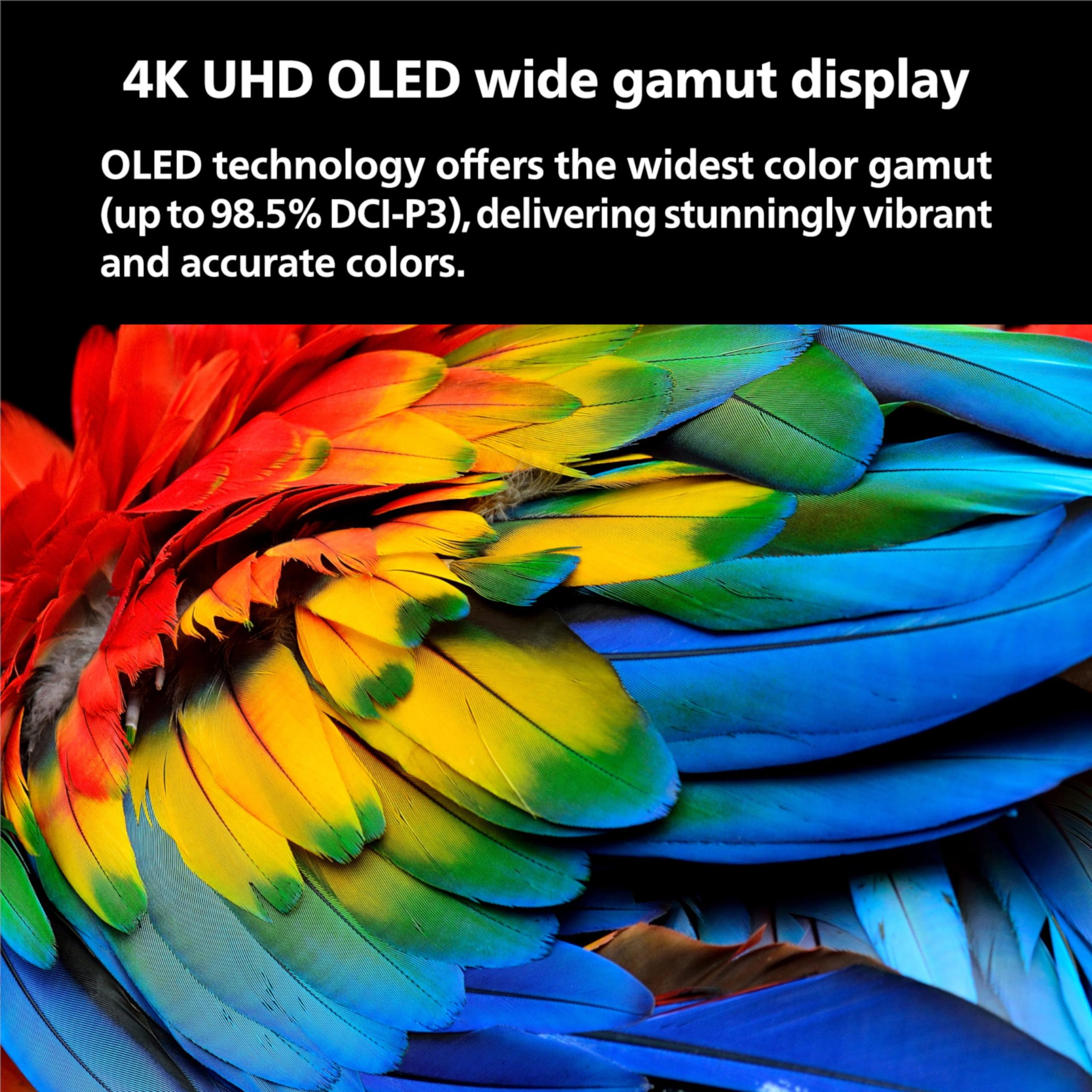
Both TVs deliver excellent color reproduction, but through different technological approaches. The Philips OLED covers up to 98.5% of the DCI-P3 color space—a professional standard used in movie theaters—and benefits from perfect blacks that make colors appear more saturated and vibrant. The infinite contrast enhances color perception, particularly in darker scenes where OLED's perfect blacks make colors pop with exceptional richness.
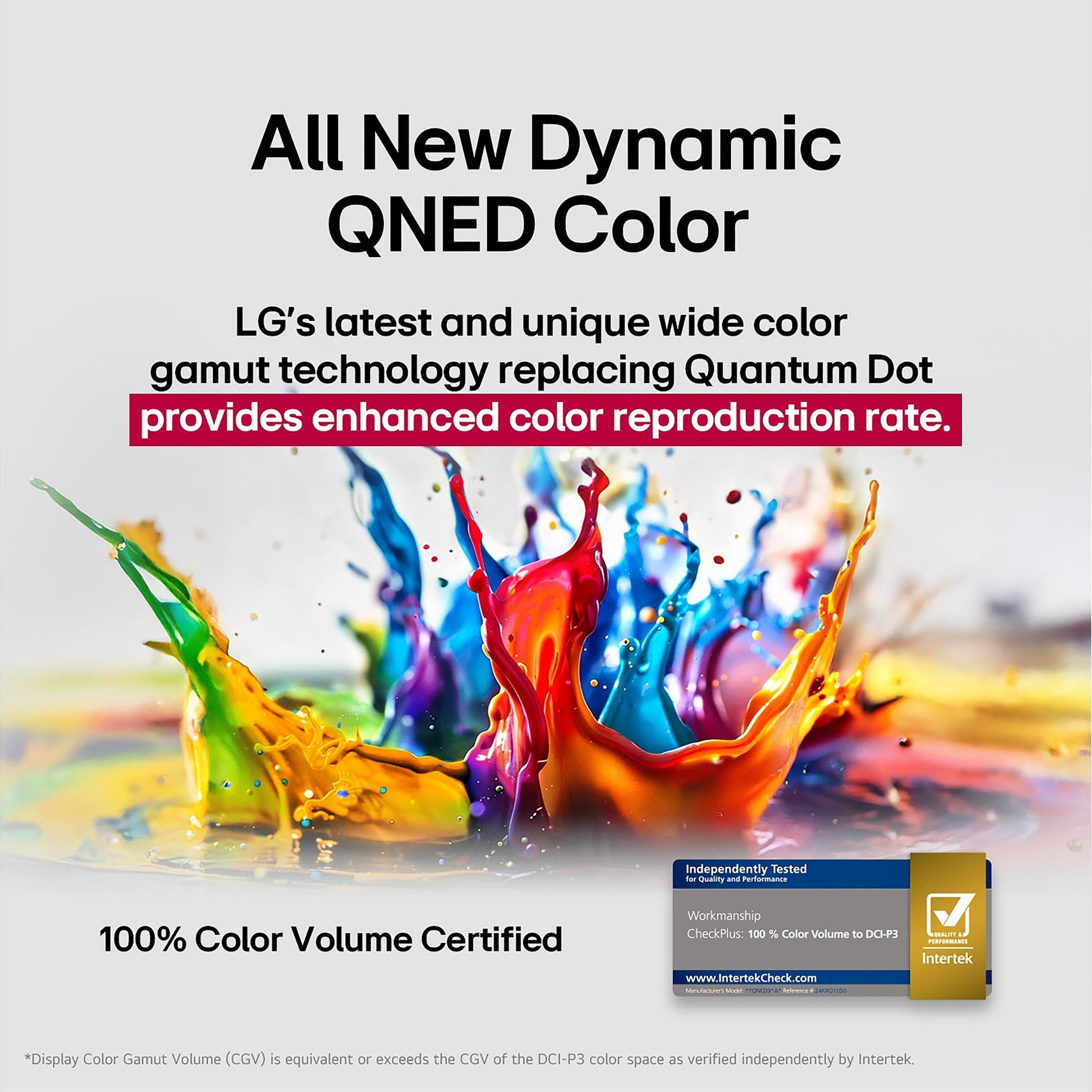
The LG QNED85A employs quantum dot and NanoCell technologies to achieve what LG claims is 100% color volume, verified by testing company Intertek. Color volume measures how well a display can reproduce colors at different brightness levels, and the LG's superior brightness allows it to maintain color accuracy even in very bright scenes—something the Philips struggles with.
In practical terms, both TVs will display vibrant, accurate colors for most content. The difference becomes apparent in extreme scenarios: the Philips excels with dark, moody content where its perfect blacks enhance color saturation, while the LG maintains better color fidelity in bright scenes and HDR content with brilliant highlights.
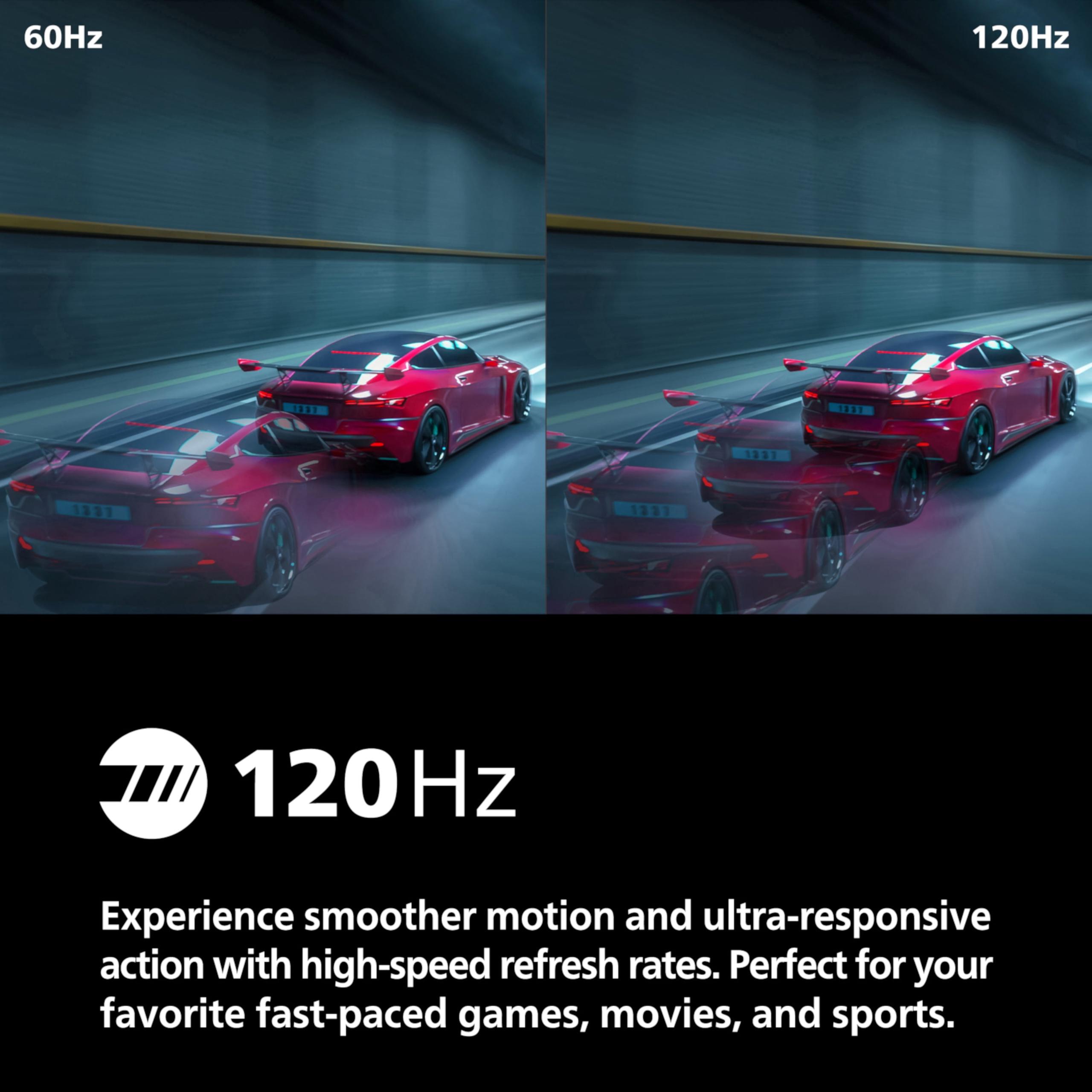
Gaming represents one area where both TVs excel, though with different strengths. The Philips OLED offers an extraordinary <0.1ms response time, meaning pixels change color almost instantaneously. This creates incredibly sharp motion clarity with no blur behind fast-moving objects—crucial for competitive gaming where every frame matters.
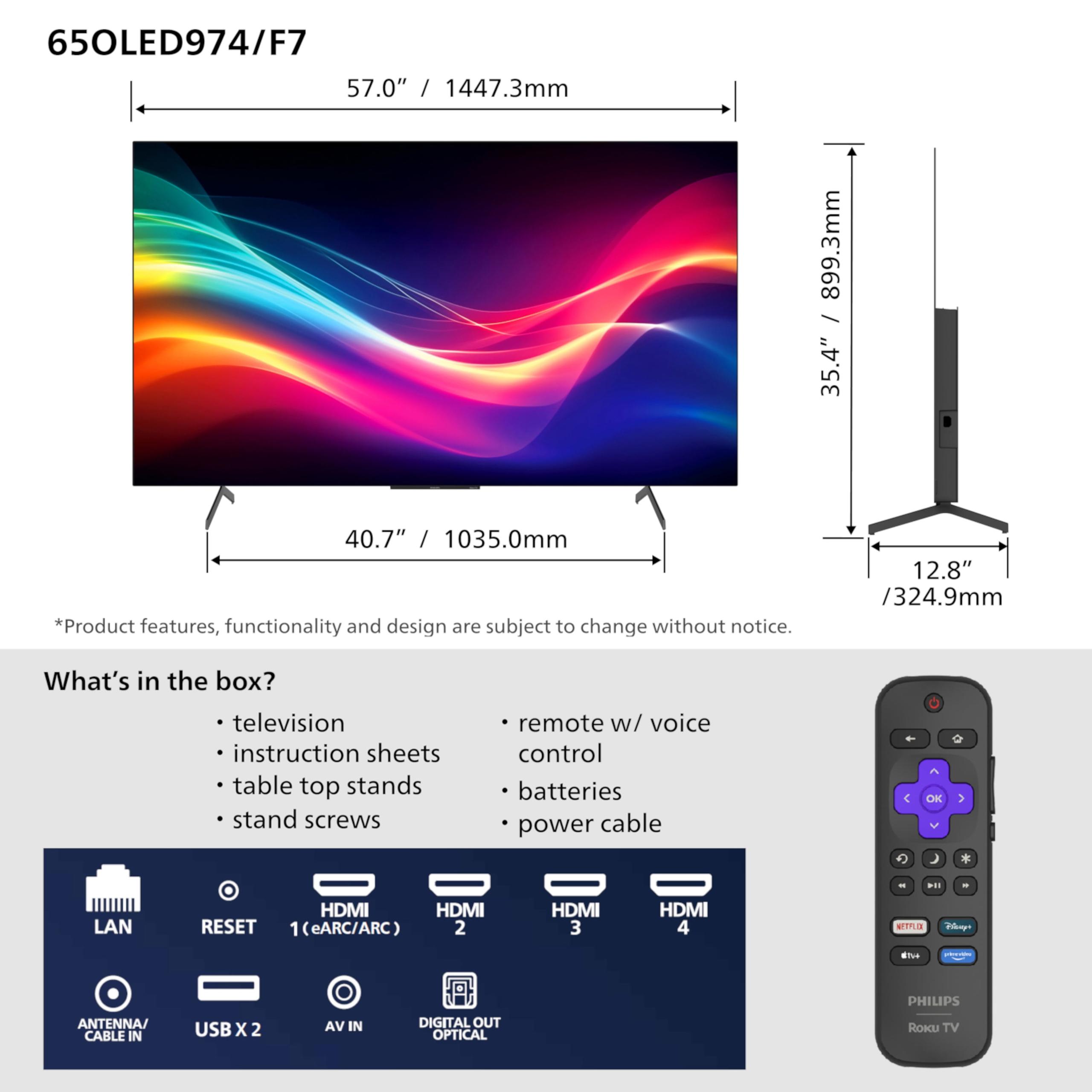
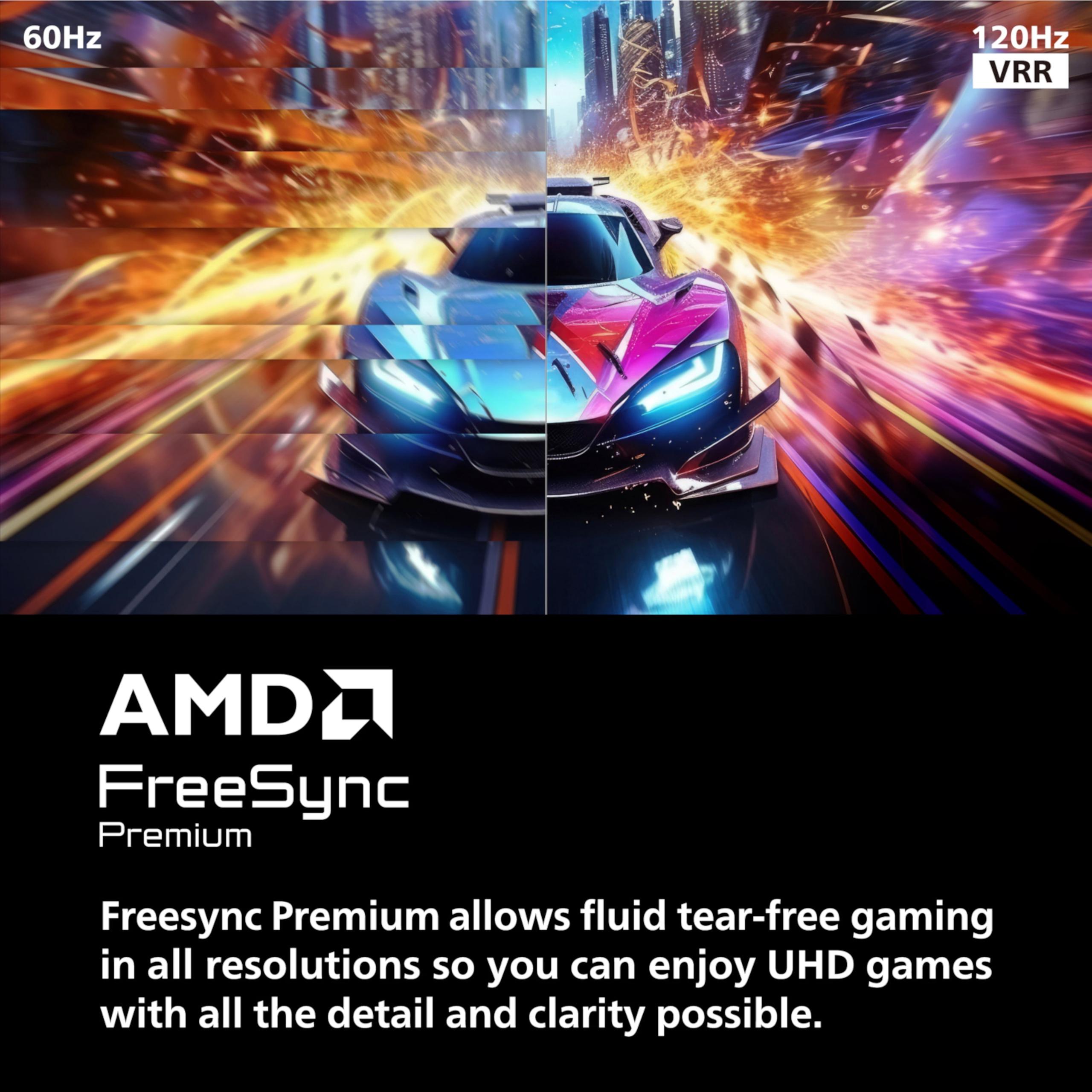
The 120Hz native panel supports AMD FreeSync Premium, which synchronizes the display's refresh rate with your gaming console or PC's frame rate. This eliminates screen tearing (when the image appears split) and reduces input lag (the delay between pressing a button and seeing the action on screen). Two HDMI 2.1 ports support 4K gaming at 120Hz, making it future-proof for next-generation consoles.
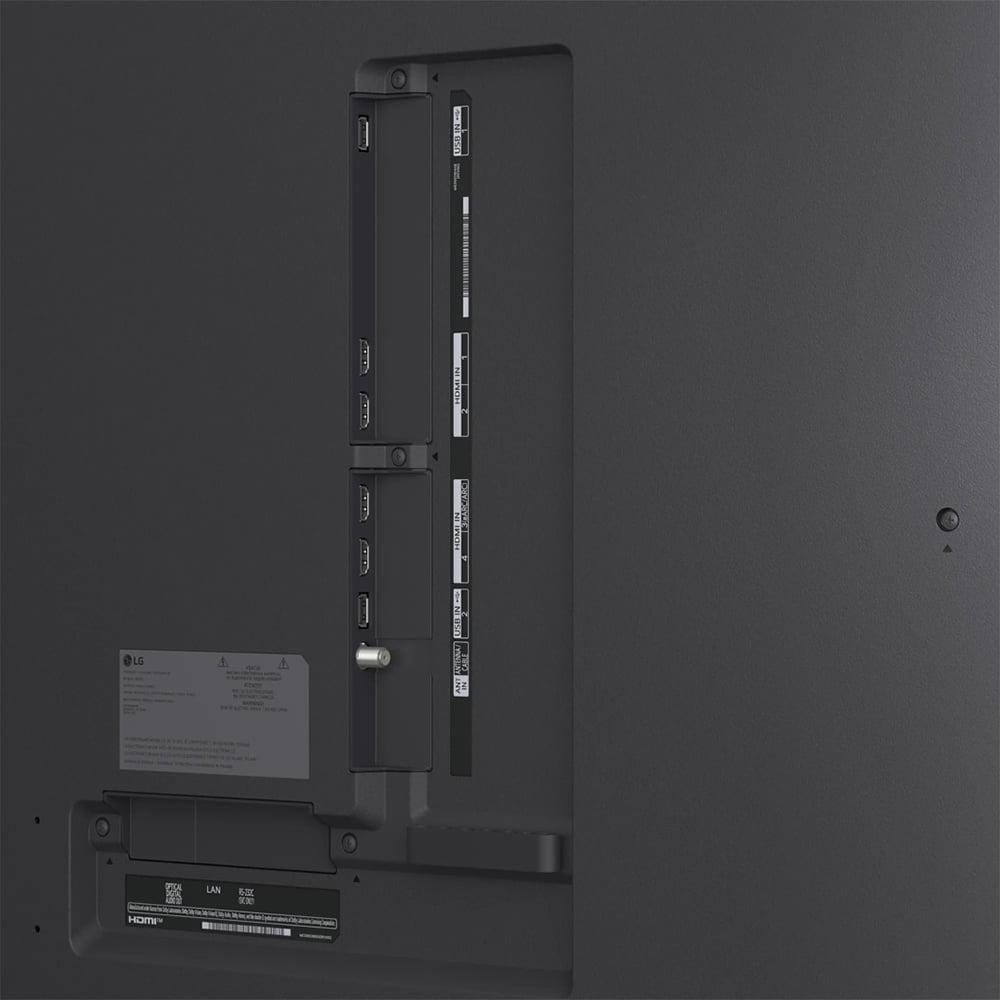
The LG MiniLED matches the gaming credentials with native 120Hz refresh rate and Variable Refresh Rate (VRR) support up to 144Hz. Four HDMI 2.1 ports provide more connectivity options for multiple gaming devices. While its response time isn't quite as fast as OLED technology, it's still very good for gaming, and the superior brightness can make games more enjoyable in well-lit rooms.
For competitive gaming in a dark room, the Philips OLED has a slight edge due to its near-instantaneous response time. For casual gaming or playing in bright rooms, the LG MiniLED offers better versatility and more connection options.
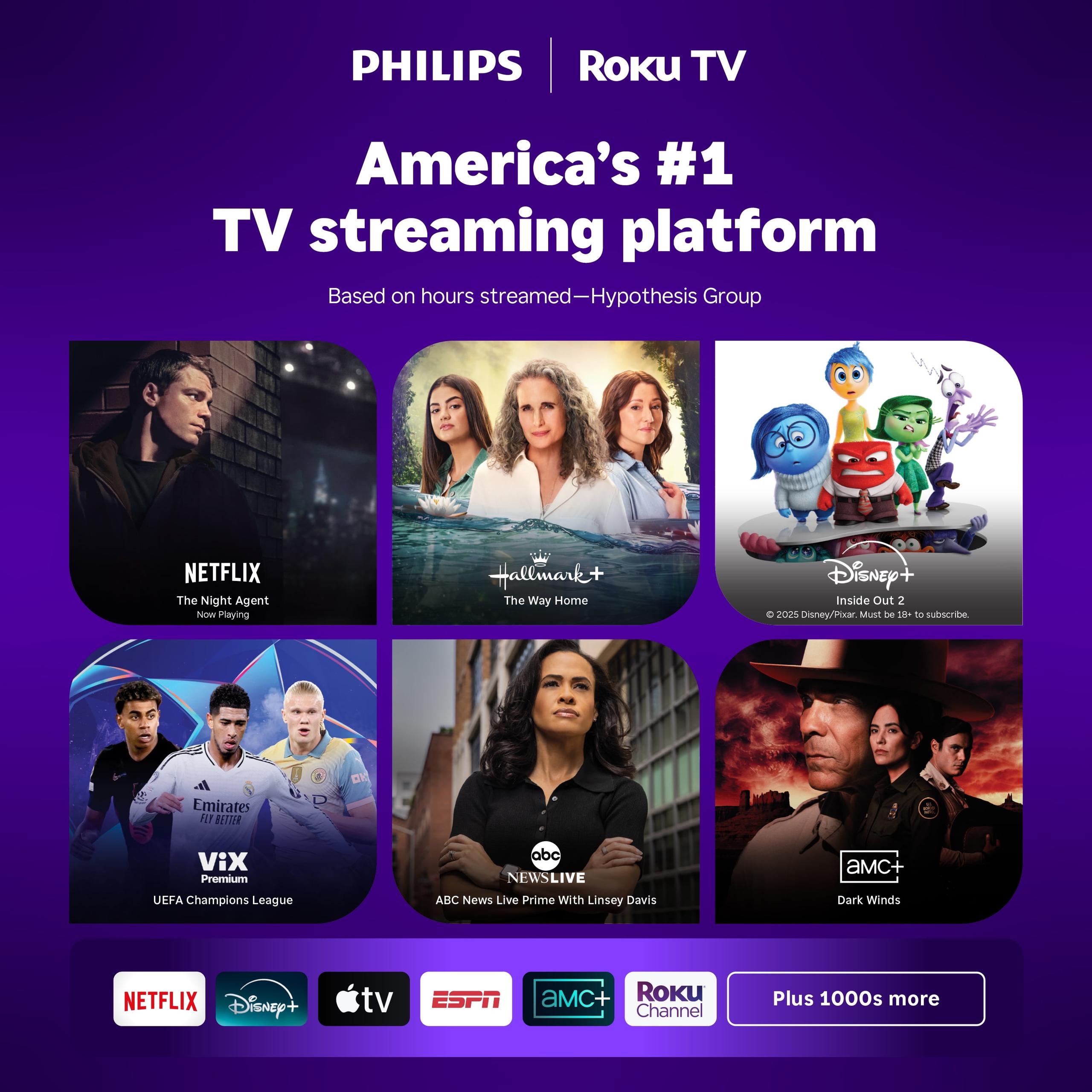
The smart TV experience reveals the generational gap between these models. The Philips OLED runs Roku TV, which provides a clean, intuitive interface with excellent app selection and a simple remote. However, being a 2018 model, it lacks modern AI features and won't receive major software updates.
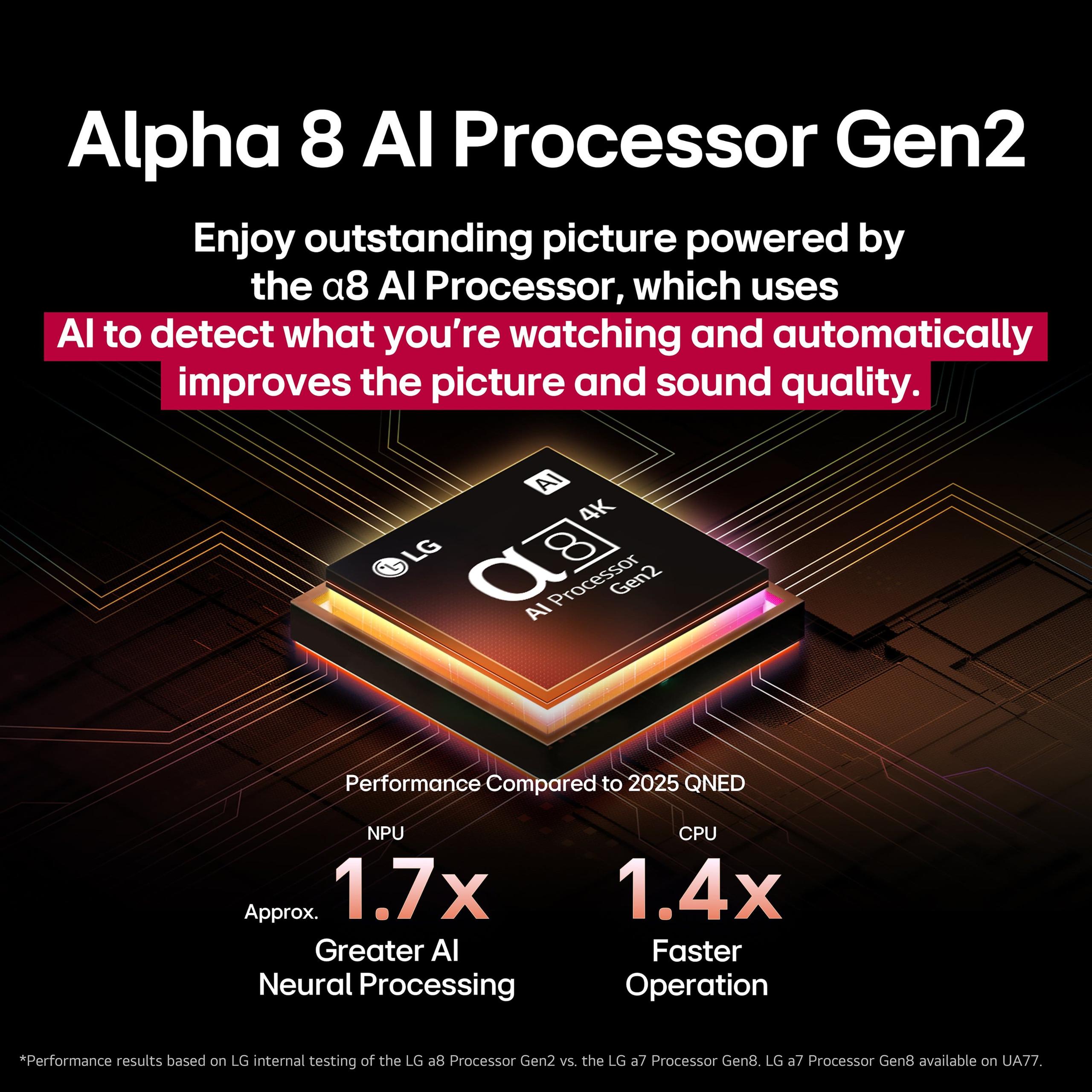
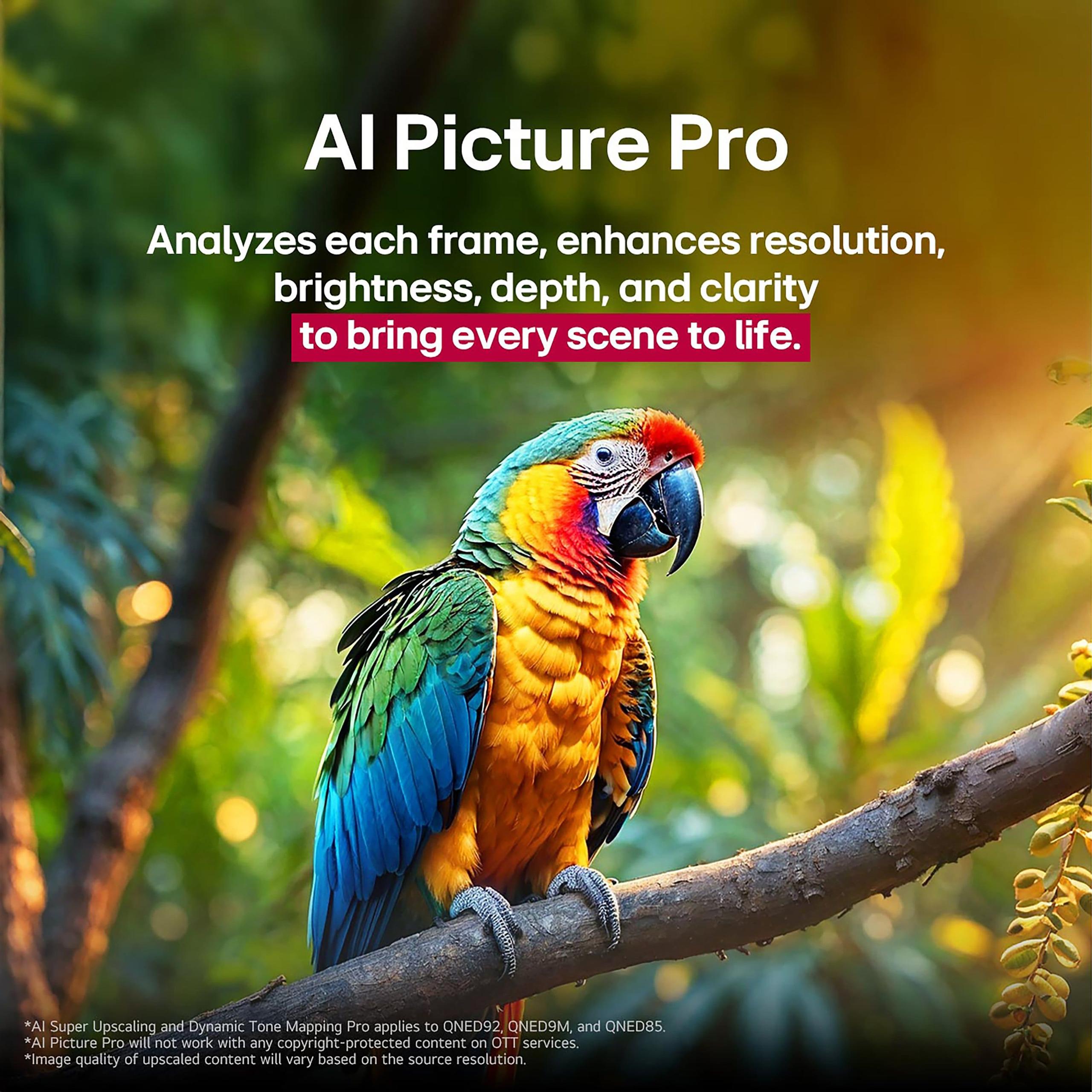
The LG QNED85A showcases 2025-level smart TV technology with webOS 25 and the α8 Gen 2 AI processor. This delivers 70% better AI performance than previous generations, enabling features like AI Voice ID (which recognizes different family members), AI Concierge (for personalized content recommendations), and real-time picture optimization based on content analysis.
The LG's webOS Re:New Program guarantees five years of OS upgrades, ensuring the TV stays current with new features and security updates. It also includes Microsoft Copilot integration and supports major smart home platforms including Google Assistant, Amazon Alexa, and Apple HomeKit.
If you value having the latest smart features and long-term software support, the LG clearly wins this category. However, if you prefer simplicity and find Roku's interface appealing, the Philips remains perfectly functional for streaming and basic smart TV needs.
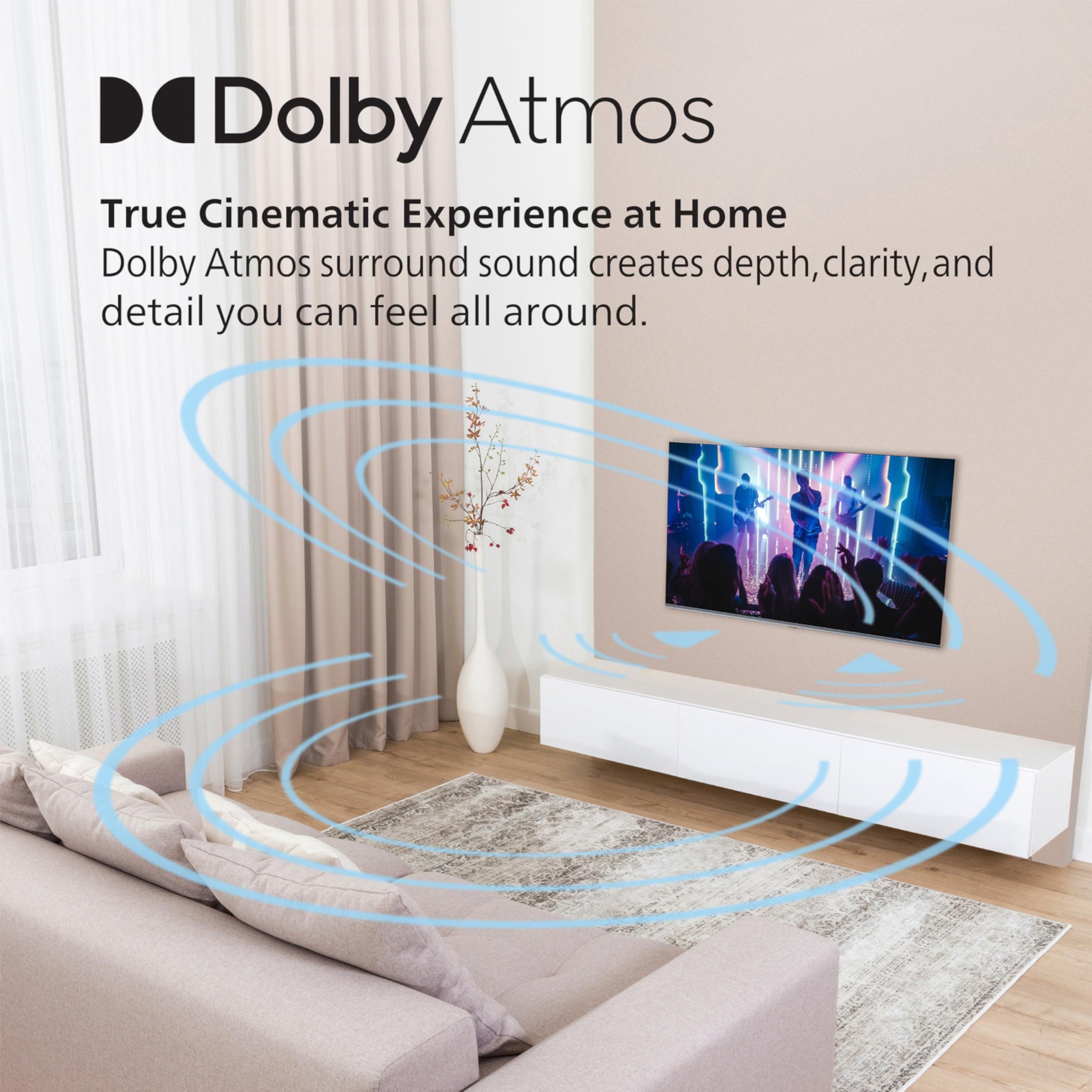
Both TVs include built-in audio solutions, though neither replaces a dedicated sound system for serious home theater use. The Philips OLED features a 2.1 speaker system (two main speakers plus a subwoofer) with Dolby Atmos support, providing decent sound for its size and age.
The LG MiniLED includes virtual 5.1 surround sound processing and AI Sound Pro, which analyzes audio in real-time to enhance dialogue clarity and create a more immersive soundscape. The downward-firing speakers are typical for modern thin TVs.
For serious movie watching, both TVs would benefit from external audio solutions, whether a soundbar or full surround sound system. The good news is both support modern audio formats and have the necessary connection options for external audio equipment.
At the time of writing, OLED technology typically commands premium pricing, though the Philips model may offer better value as an older, but still capable, OLED option. The LG QNED85A represents the sweet spot in MiniLED pricing—more expensive than basic LED TVs but significantly less than premium OLED models.
The value equation depends heavily on your priorities. The Philips OLED delivers a premium cinema experience that's hard to match, but only in the right environment. The LG MiniLED offers broader appeal with excellent performance across various viewing conditions, plus modern smart features and long-term software support.
Consider the total cost of ownership as well. The LG includes five years of software updates and newer HDMI standards that should remain relevant longer. The Philips, while excellent, represents older technology that may feel outdated sooner in terms of smart features.
For dedicated home theater use, the Philips OLED offers advantages that are hard to ignore. The perfect blacks create exceptional depth and dimensionality that enhances the cinematic experience, particularly with darker films and content mastered for theater presentation. The wide viewing angle ensures everyone in the room gets consistent picture quality.
However, home theater success depends on proper room setup. You'll need to control ambient light to maximize the OLED's strengths. Blackout curtains, controlled lighting, and darker room colors will help create the ideal environment where this TV truly shines.
The LG MiniLED works better for multipurpose family rooms where the TV serves various functions beyond movie watching. Its brightness advantage means it performs well regardless of room lighting, making it more practical for spaces that aren't dedicated exclusively to entertainment.
Choose the Philips OLED if you primarily watch TV in dark or controlled lighting conditions, prioritize the absolute best contrast and black levels, and don't mind working with older smart TV features. It's perfect for movie enthusiasts who can optimize their viewing environment and want that premium OLED experience without paying current flagship prices.
The LG QNED85A makes more sense if you need a versatile TV that performs well in various lighting conditions, want the latest smart features and AI enhancements, or watch a mix of content including sports, news, and daytime programming. It's the better choice for most living rooms and family viewing situations.
Consider your room's lighting carefully—this factor alone should heavily influence your decision. If you can control lighting and primarily use the TV for evening movie watching, the OLED's superior contrast creates a more immersive experience. If your TV room has windows, ambient lighting, or serves multiple purposes throughout the day, the MiniLED's brightness advantage provides better day-to-day usability.
Both represent excellent technology in their own right, but they serve different viewing preferences and room environments. Understanding these differences ensures you'll choose the TV that best matches your specific needs and viewing habits.
| Philips 65OLED974/F7 65" OLED Roku TV | LG 65" QNED evo AI QNED85A 4K MiniLED Smart TV 2025 |
|---|---|
| Display Technology - Determines black levels, brightness, and viewing experience | |
| OLED with 8 million self-illuminating pixels (perfect blacks, limited brightness) | MiniLED with 30,000 LEDs in 2,500 zones (very good blacks, superior brightness) |
| Peak Brightness - Critical for HDR impact and bright room viewing | |
| Poor brightness, unsuitable for well-lit rooms | Significantly higher brightness, excellent for bright rooms and HDR |
| Black Levels - Essential for contrast and dark scene detail | |
| Perfect blacks with infinite contrast ratio | Very good blacks with minimal blooming, but cannot achieve true black |
| Refresh Rate - Important for gaming and smooth motion | |
| 120Hz native panel | 120Hz native with VRR support up to 144Hz |
| Response Time - Crucial for gaming performance | |
| <0.1ms (virtually instantaneous, best for competitive gaming) | Very good response time (excellent for gaming, slight edge to OLED) |
| Gaming Features - Next-gen console compatibility | |
| AMD FreeSync Premium, ALLM, 2 HDMI 2.1 ports for 4K@120Hz | VRR, FreeSync, GeForce NOW, 4 HDMI 2.1 ports for 4K@120Hz |
| Smart Platform - Affects long-term usability and features | |
| Roku TV (simple interface, limited updates as 2018 model) | webOS 25 with AI features, 5-year OS upgrade guarantee |
| AI Processing - Real-time picture and sound optimization | |
| Basic processing (2018 technology) | α8 Gen 2 AI Processor with 70% performance boost, real-time content analysis |
| Color Performance - Affects vibrancy and accuracy | |
| Up to 98.5% DCI-P3, enhanced by perfect blacks | 100% color volume (Intertek verified), quantum dot + NanoCell technology |
| Viewing Angle - Important for group viewing | |
| 176° horizontal and vertical (excellent consistency) | Wide viewing angle with minimal color shift |
| Best Use Case - Where each TV excels | |
| Dark room cinema, home theater, competitive gaming | Bright rooms, mixed usage, daytime viewing, sports |
| Audio System - Built-in sound capabilities | |
| 2.1 speaker system with Dolby Atmos | Virtual 5.1 surround with AI Sound Pro |
| Release Year - Affects features and future support | |
| 2018 (mature OLED tech, limited smart updates) | 2025 (latest MiniLED advances, modern AI features) |
The Philips 65OLED974/F7 is superior for dark room viewing thanks to its OLED technology that delivers perfect blacks and infinite contrast ratio. Each pixel can turn completely off, creating true darkness that makes colors pop and reveals shadow details that LCD-based displays cannot match. The LG QNED85A performs well in dark rooms but cannot achieve the same level of black depth due to its backlight technology.
The LG QNED85A excels in bright rooms with significantly higher peak brightness that can overcome ambient light and glare. The Philips OLED struggles in bright environments and is unsuitable for well-lit living rooms or spaces with large windows, as its limited brightness makes the picture appear dim and washed out.
OLED technology in the Philips 65OLED974/F7 uses self-illuminating pixels that can turn completely off for perfect blacks. MiniLED technology in the LG QNED85A uses thousands of tiny LEDs behind an LCD panel for local dimming, achieving much better contrast than regular LED TVs while maintaining superior brightness compared to OLED.
Both TVs offer excellent gaming performance. The Philips OLED has a faster <0.1ms response time and AMD FreeSync Premium, making it ideal for competitive gaming. The LG QNED85A supports 144Hz refresh rates and has four HDMI 2.1 ports versus two on the Philips, offering more connectivity options for multiple gaming devices.
The LG QNED85A has significantly more advanced smart features with webOS 25, AI processing, voice recognition, and guaranteed software updates for five years. The Philips OLED uses the simpler Roku TV platform, which is user-friendly but lacks modern AI features and receives limited updates as a 2018 model.
For dedicated movie watching in a dark room, the Philips 65OLED974/F7 provides a superior cinematic experience with perfect blacks, infinite contrast, and excellent color saturation. However, for mixed viewing conditions or HDR content, the LG QNED85A delivers brighter highlights and more impactful HDR performance.
Both TVs offer excellent color performance through different approaches. The Philips OLED covers 98.5% of DCI-P3 color space with colors enhanced by perfect blacks. The LG QNED85A achieves 100% color volume through quantum dot technology, maintaining better color accuracy at higher brightness levels.
The LG QNED85A is better for sports viewing due to its superior brightness that works well in bright rooms where sports are typically watched. Both TVs handle fast motion well, but the LG's brightness advantage makes it more suitable for daytime sports viewing and group watching scenarios.
Both the Philips OLED and LG QNED85A offer wide viewing angles suitable for group viewing. The Philips maintains more consistent color and contrast when viewed from the sides, while the LG shows minimal color shifting typical of modern LCD technology but still performs well for family viewing.
The LG QNED85A offers better long-term support with five years of guaranteed OS updates through webOS Re:New Program and newer HDMI standards. The Philips OLED, being a 2018 model, has limited future software support but uses mature, proven OLED technology.
Value depends on your priorities. The Philips 65OLED974/F7 may offer better OLED value as an older but capable model, ideal for dark room viewing. The LG QNED85A provides broader appeal with excellent performance across various conditions, modern features, and longer software support, making it better value for mixed usage.
For a dedicated dark home theater, choose the Philips OLED for its perfect blacks and cinematic contrast. For a multipurpose family room or theater with ambient light, the LG QNED85A offers better versatility with superior brightness and modern smart features while still delivering excellent picture quality.
We've done our best to create useful and informative comparisons to help you decide what product to buy. Our research uses advanced automated methods to create this comparison and perfection is not possible - please contact us for corrections or questions. These are the sites we've researched in the creation of this article: rtings.com - versus.com - versus.com - rtings.com - samsclub.com - versus.com - youtube.com - usa.philips.com - bestbuy.com - usa.philips.com - consumerreports.org - usa.philips.com - documents.philips.com - tvoutlet.ca - displayspecifications.com - business.walmart.com - displayspecifications.com - ecoustics.com - walmart.com - rtings.com - rtings.com - youtube.com - lg.com - smarthomesounds.co.uk - abt.com - abt.com - lg.com - displayspecifications.com - walmart.com - bestbuy.com - lg.com - lg.com - lg.com - files.bbystatic.com - flatpanelshd.com - north-side-appliance.com - lgnewsroom.com - lg.com - youtube.com - youtube.com - hindustantimes.com

Privacy Policy
Terms and Conditions - Affiliate Policy
Home Security
© Copyright 2008-2026.
11816 Inwood Rd #1211, Dallas, TX 75244