

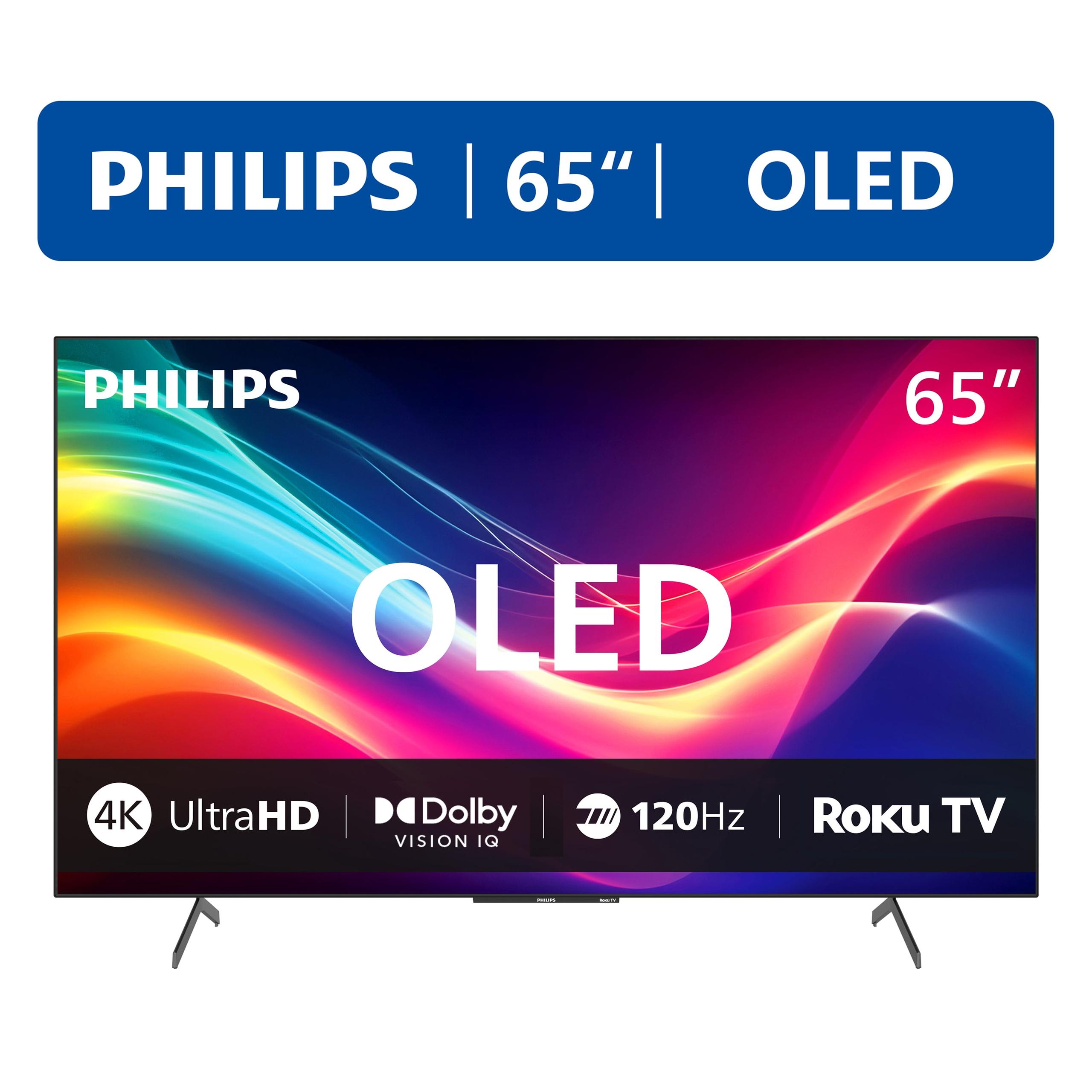

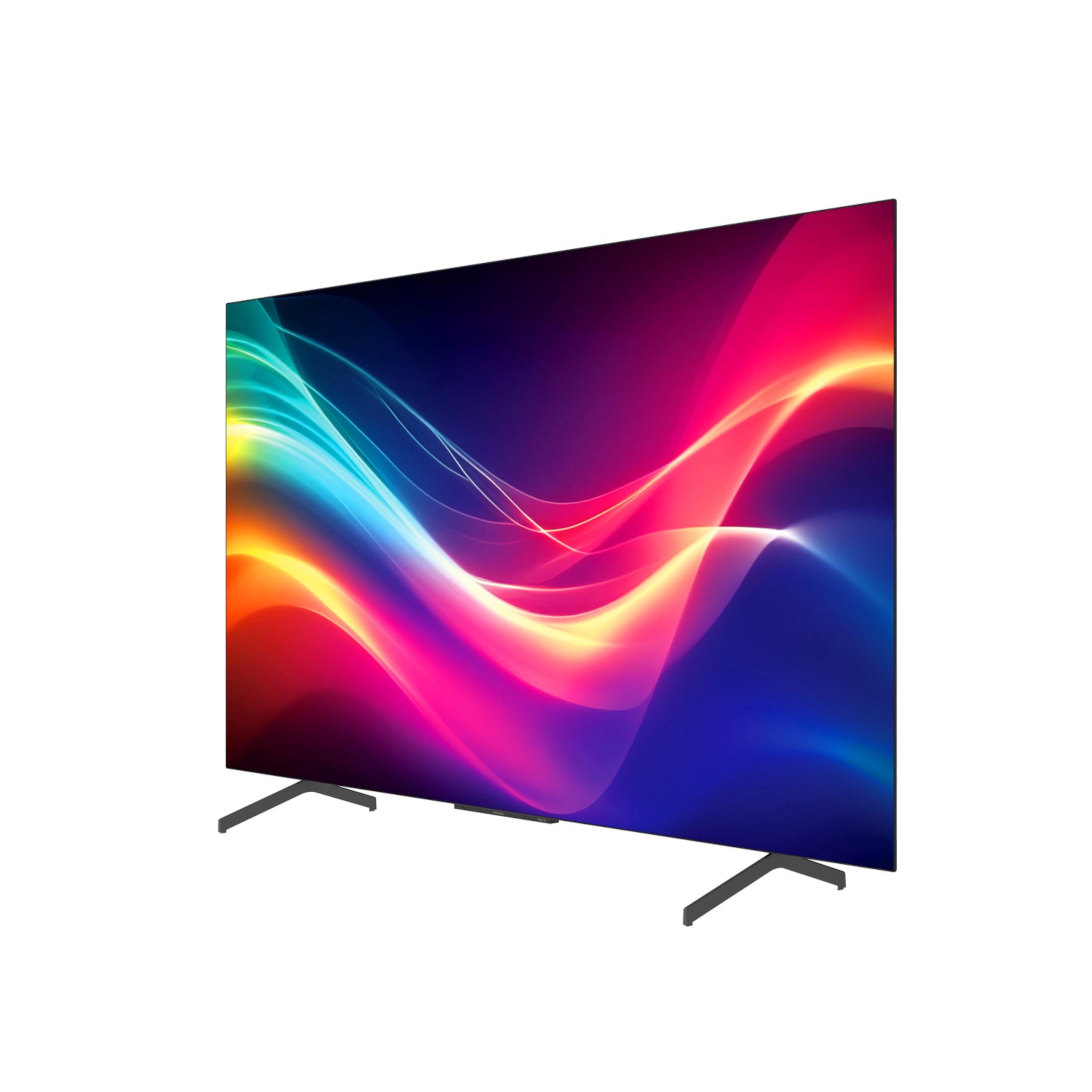

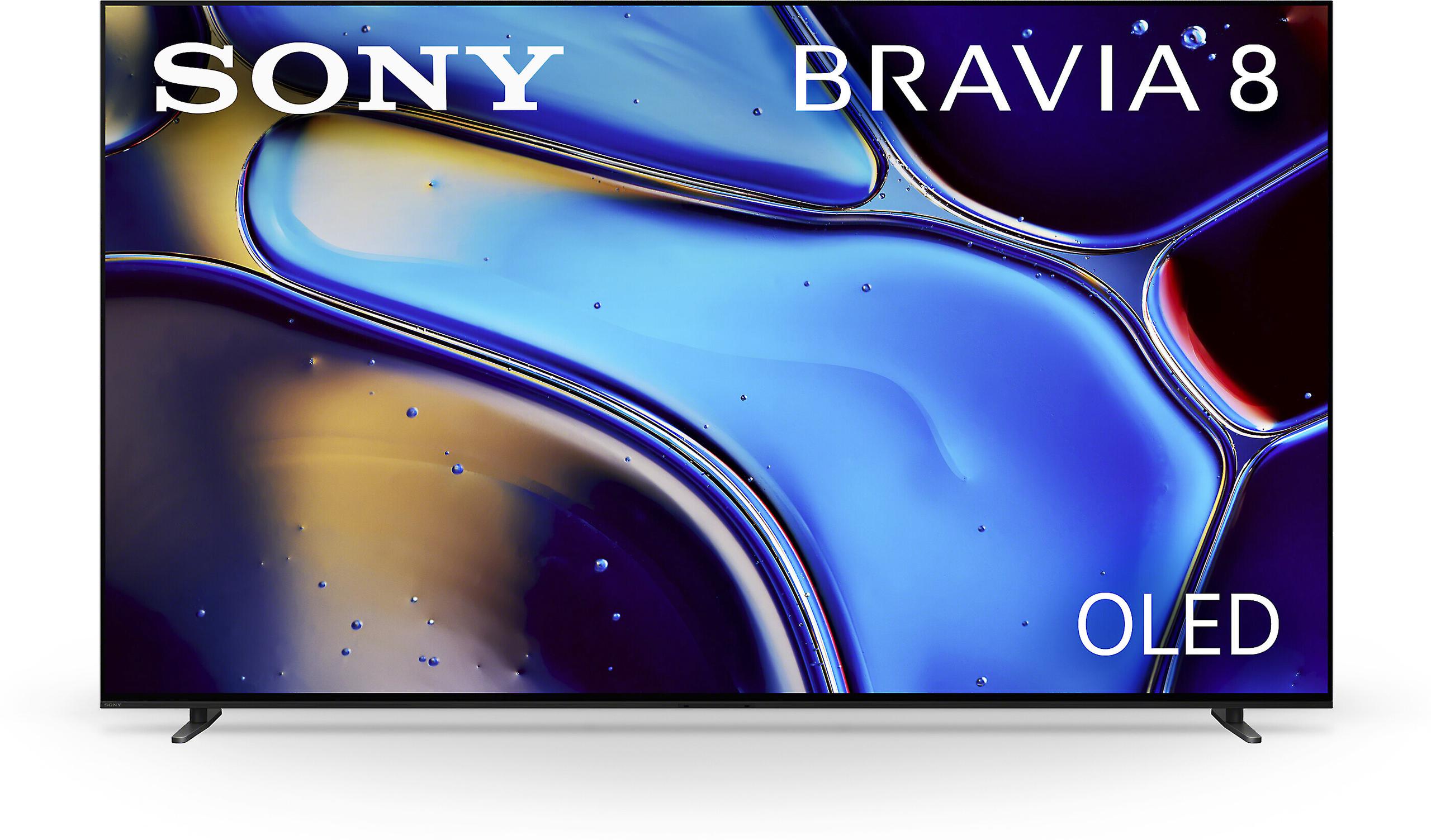
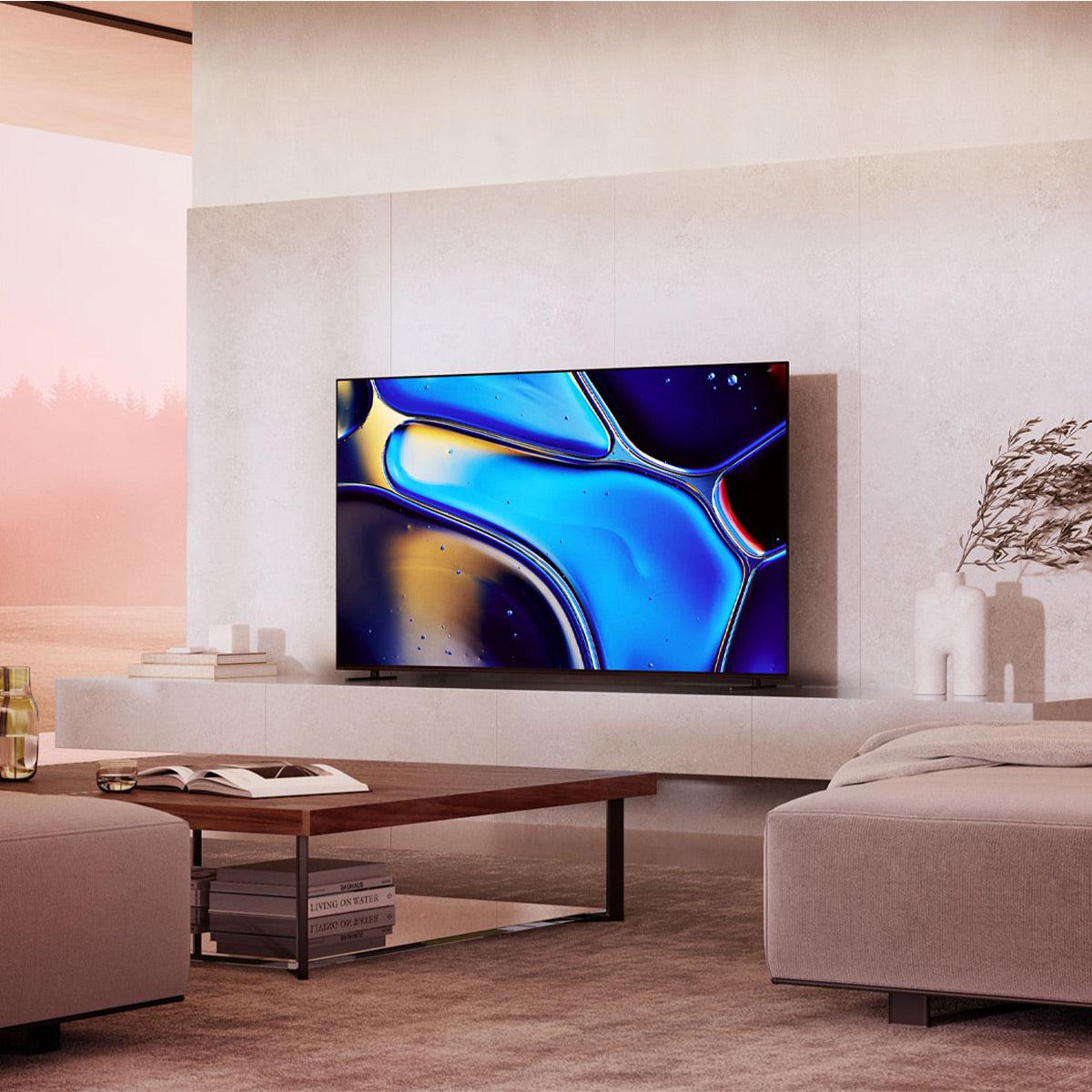
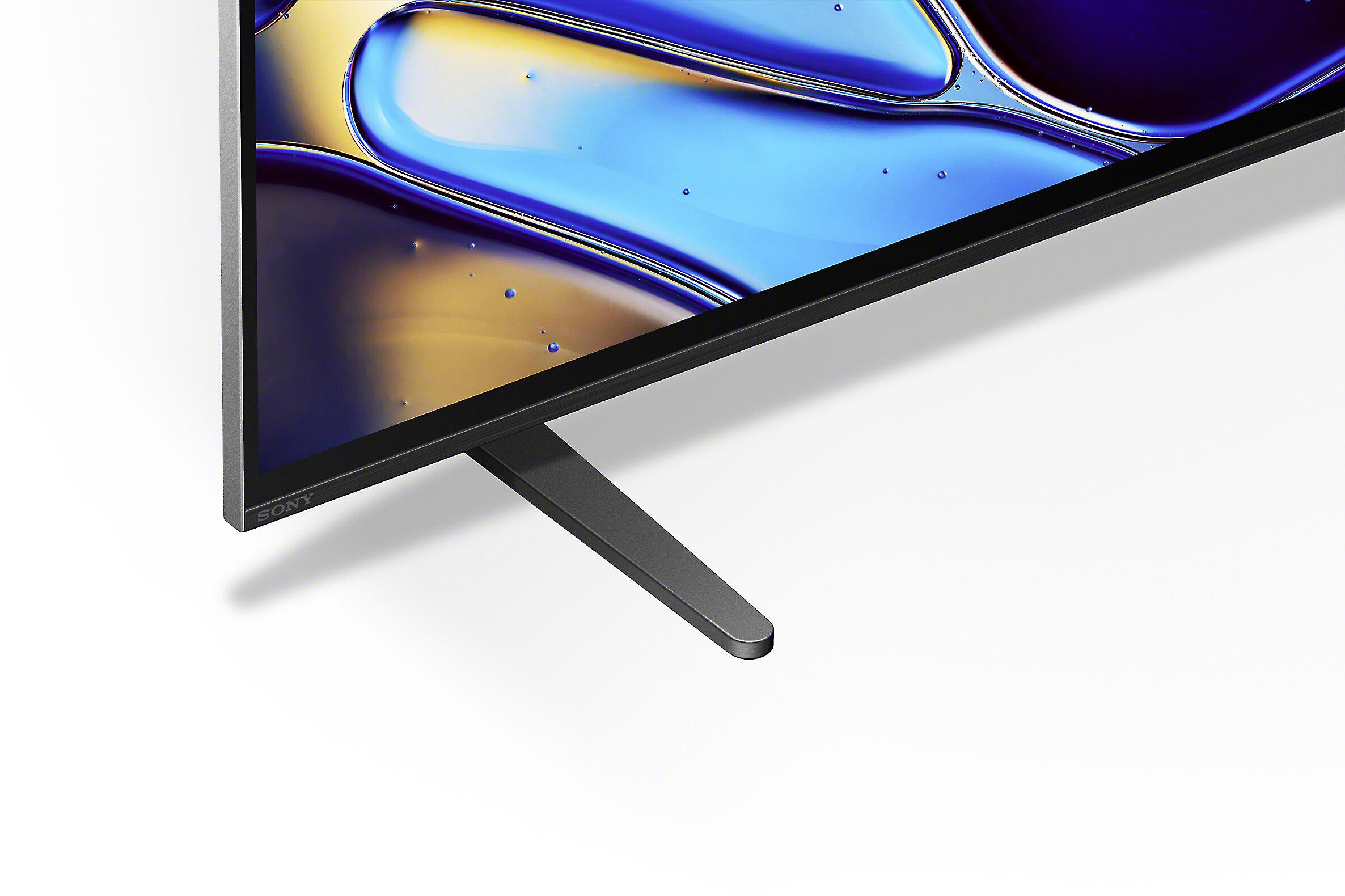
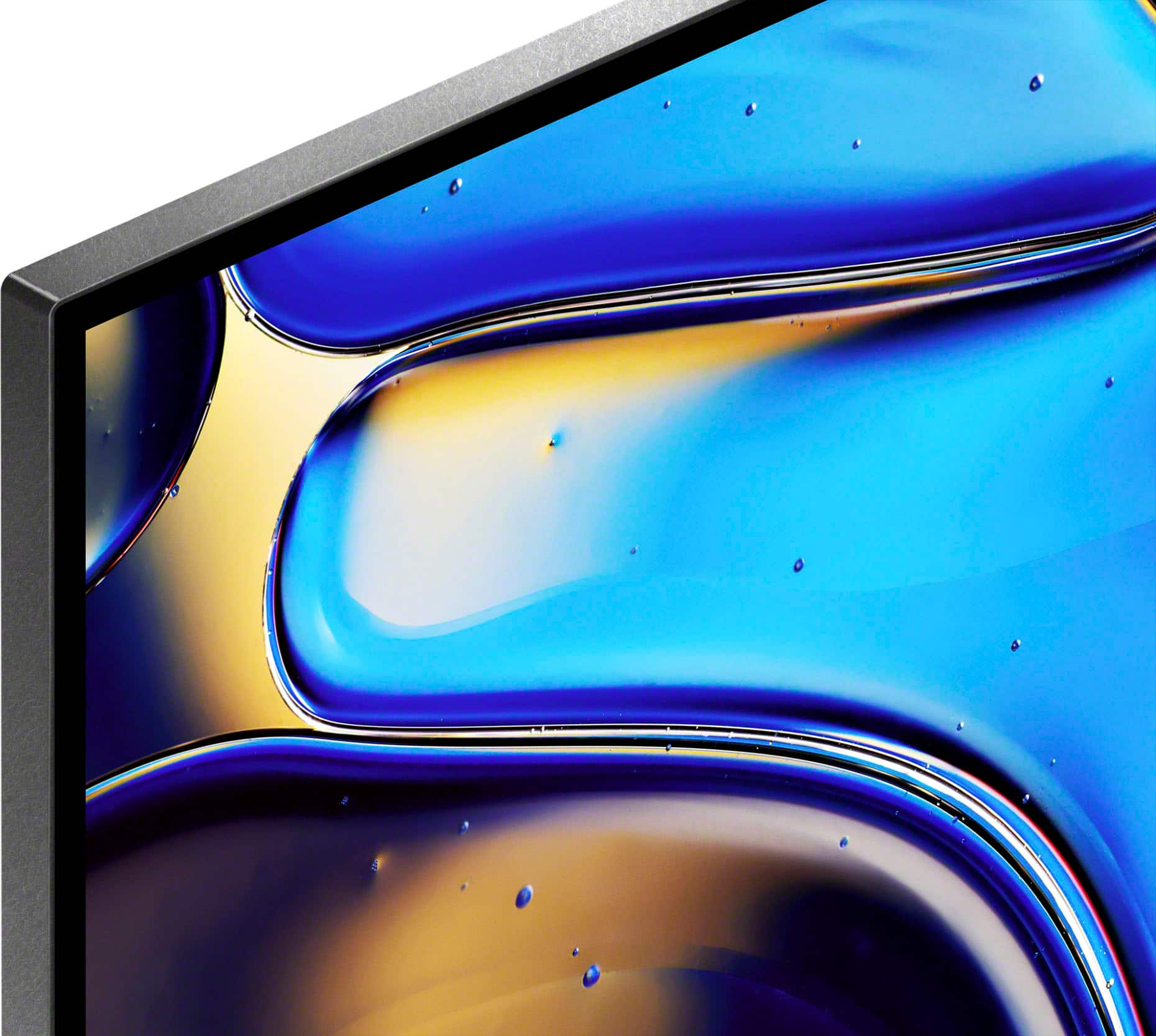
Shopping for a premium 65-inch OLED TV can feel overwhelming, especially when you're deciding between two seemingly similar models. Both the Philips 65OLED974/F7 and Sony BRAVIA 8 promise stunning picture quality with deep blacks and vibrant colors, but our research reveals they take dramatically different approaches to delivering that premium OLED experience.
After diving deep into expert reviews, user feedback, and technical specifications, we've found these TVs cater to distinctly different viewing situations and priorities. While both use the same fundamental OLED technology—where individual pixels create their own light—the execution tells a very different story about which TV belongs in your living room.
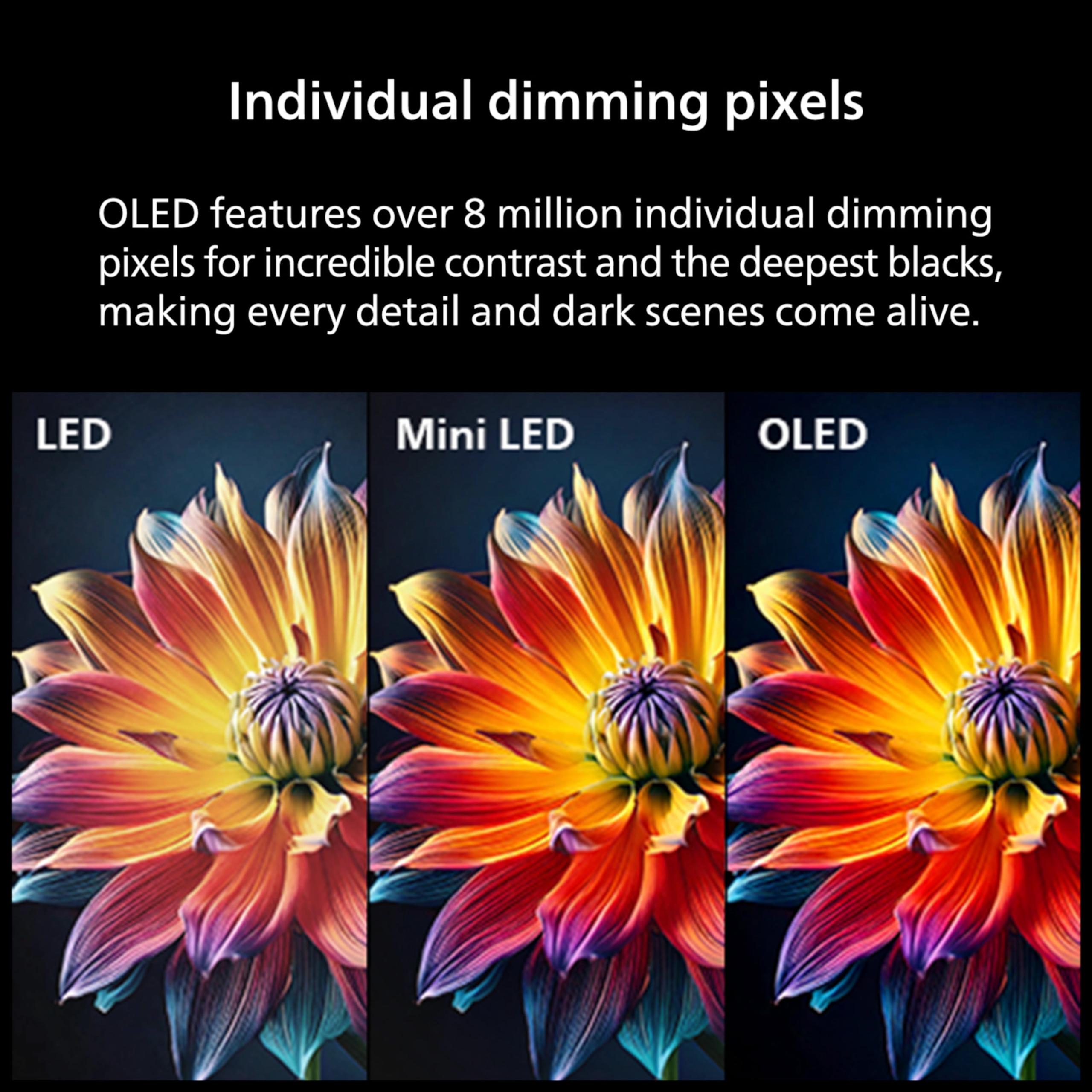
OLED (Organic Light-Emitting Diode) technology represents the current gold standard for home entertainment displays. Unlike traditional LED TVs that require a backlight shining through LCD panels, each pixel in an OLED display generates its own light. This means when a pixel needs to show black, it simply turns off completely, creating perfect blacks that no other consumer TV technology can match.
The magic happens through organic compounds that emit light when electricity passes through them. This technology enables infinite contrast ratios—the difference between the brightest whites and deepest blacks—because true black is actually the absence of light rather than a dimly lit gray panel.
Both the Philips 65OLED974/F7 and Sony BRAVIA 8 leverage this technology, but what separates good OLED TVs from great ones comes down to peak brightness capabilities, color processing, smart features, and how well they handle different viewing environments.
The most critical distinction between these two TVs lies in their peak brightness capabilities, and this difference fundamentally changes the viewing experience. Peak brightness measures how bright white areas of the screen can become, typically measured in nits (a unit of luminance where higher numbers mean brighter displays).
Based on our research of professional reviews and testing data, the Sony BRAVIA 8 delivers significantly higher peak brightness than the Philips 65OLED974/F7. This isn't just a numbers game—brightness directly impacts how well HDR (High Dynamic Range) content appears and how the TV performs in different lighting conditions.
HDR content is designed to showcase a wider range of brightness levels, from deep shadows to blazing highlights like sunlight reflecting off water or explosions in action movies. When a TV lacks sufficient peak brightness, these highlights appear muted and gray rather than the brilliant, eye-catching moments directors intended.
The Philips OLED, according to multiple expert reviews, struggles with poor peak brightness that makes it unsuitable for well-lit rooms. In practical terms, this means watching during the day with windows open or evening viewing with bright room lights creates a washed-out, disappointing experience. The TV simply can't produce enough light to overcome ambient lighting conditions.
Conversely, the Sony BRAVIA 8 provides substantially better brightness performance that allows it to fight glare and deliver impactful HDR experiences even in mixed lighting conditions. This makes it significantly more versatile for real-world use.
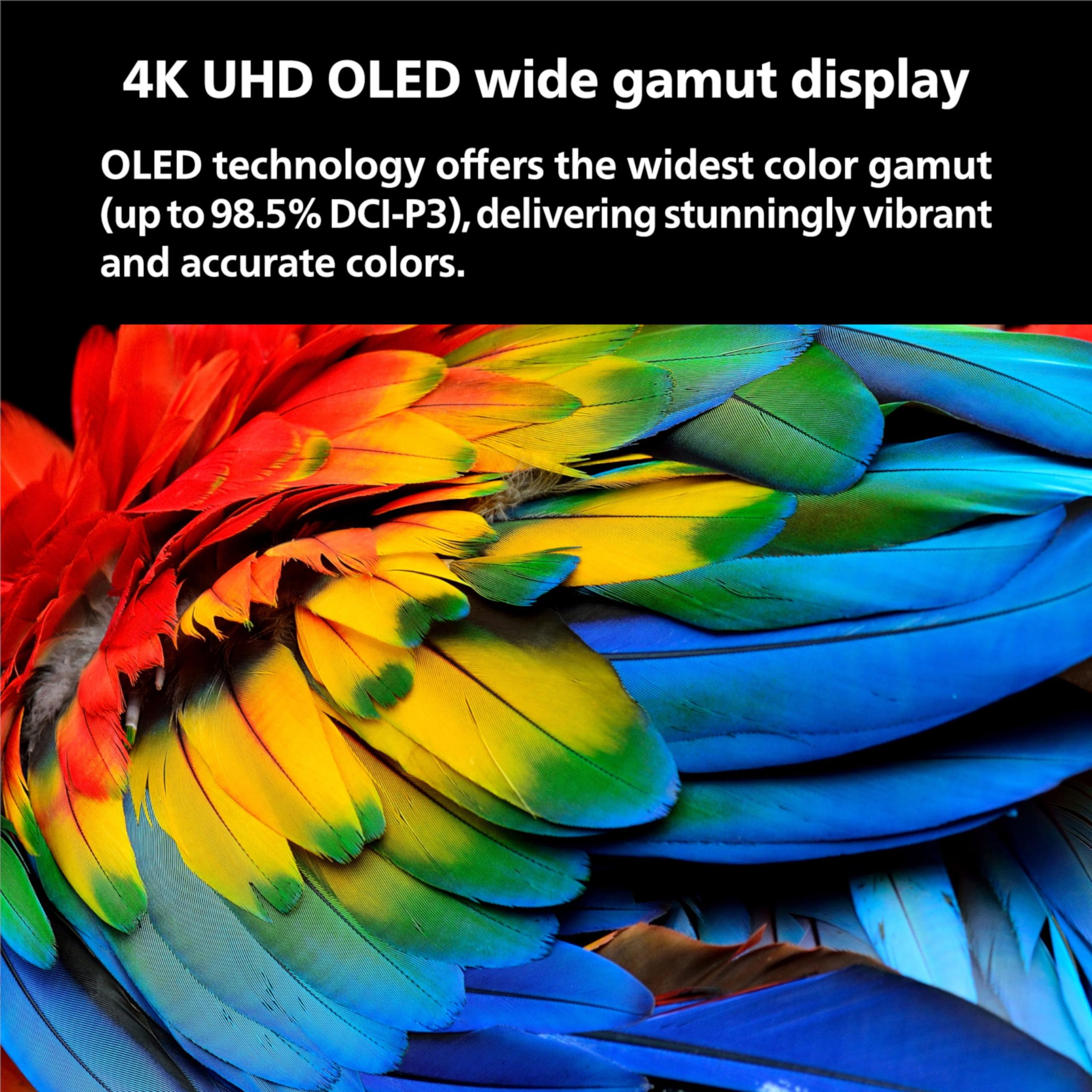
While both TVs use OLED panels capable of producing vibrant, accurate colors, their processing approaches create noticeable differences in the final image quality.
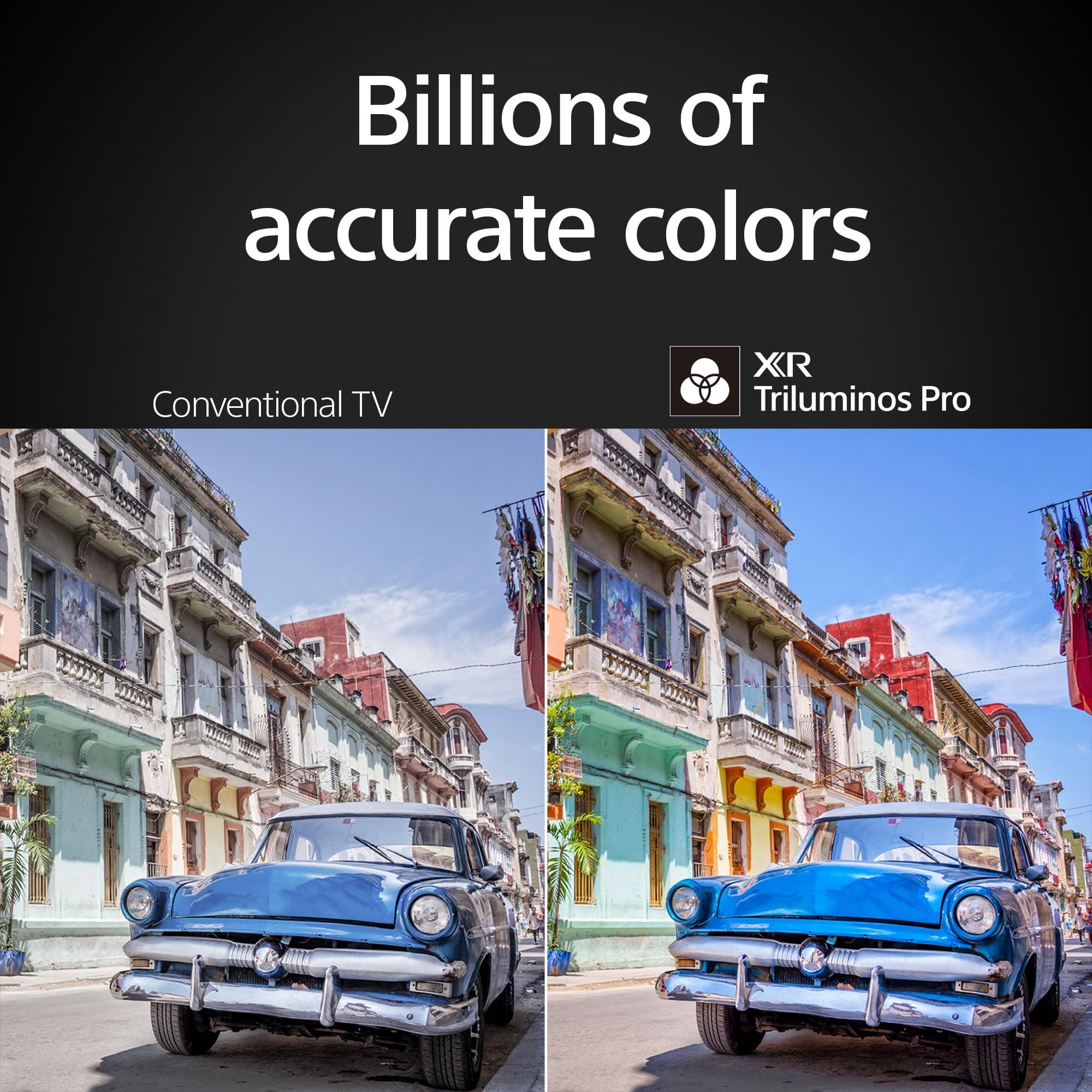
The Sony BRAVIA 8 incorporates XR Triluminos Pro technology, which analyzes content in real-time to expand the color palette and create more natural-looking images. Sony's XR Processor examines how human vision works and processes images to match what our eyes naturally expect to see. This translates to colors that appear more lifelike, particularly in HDR content where the expanded color gamut (range of available colors) really shines.
The Philips OLED offers good color performance in standard definition content, with vibrant and accurate colors straight out of the box without requiring calibration. However, the brightness limitations we discussed earlier also impact color performance—bright, saturated colors in HDR content appear muted because the TV can't produce enough light to make them pop.
Color volume—how well a TV reproduces colors at different brightness levels—becomes crucial here. A TV might display perfect reds in dim scenes but struggle to maintain that color accuracy when those same reds need to appear bright and vibrant.
The smart TV experience represents another major differentiator, with each manufacturer choosing distinctly different platforms that cater to different user preferences.
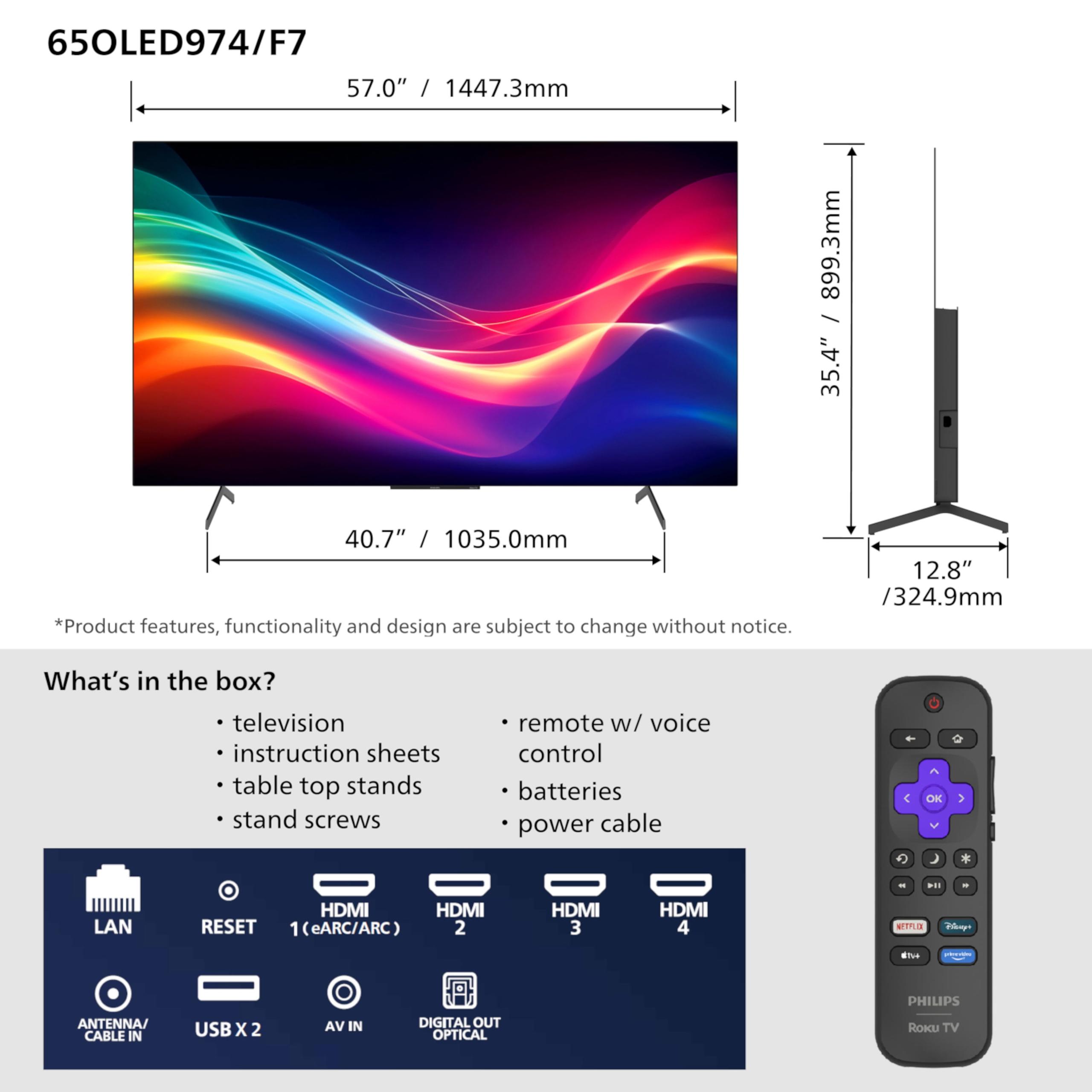
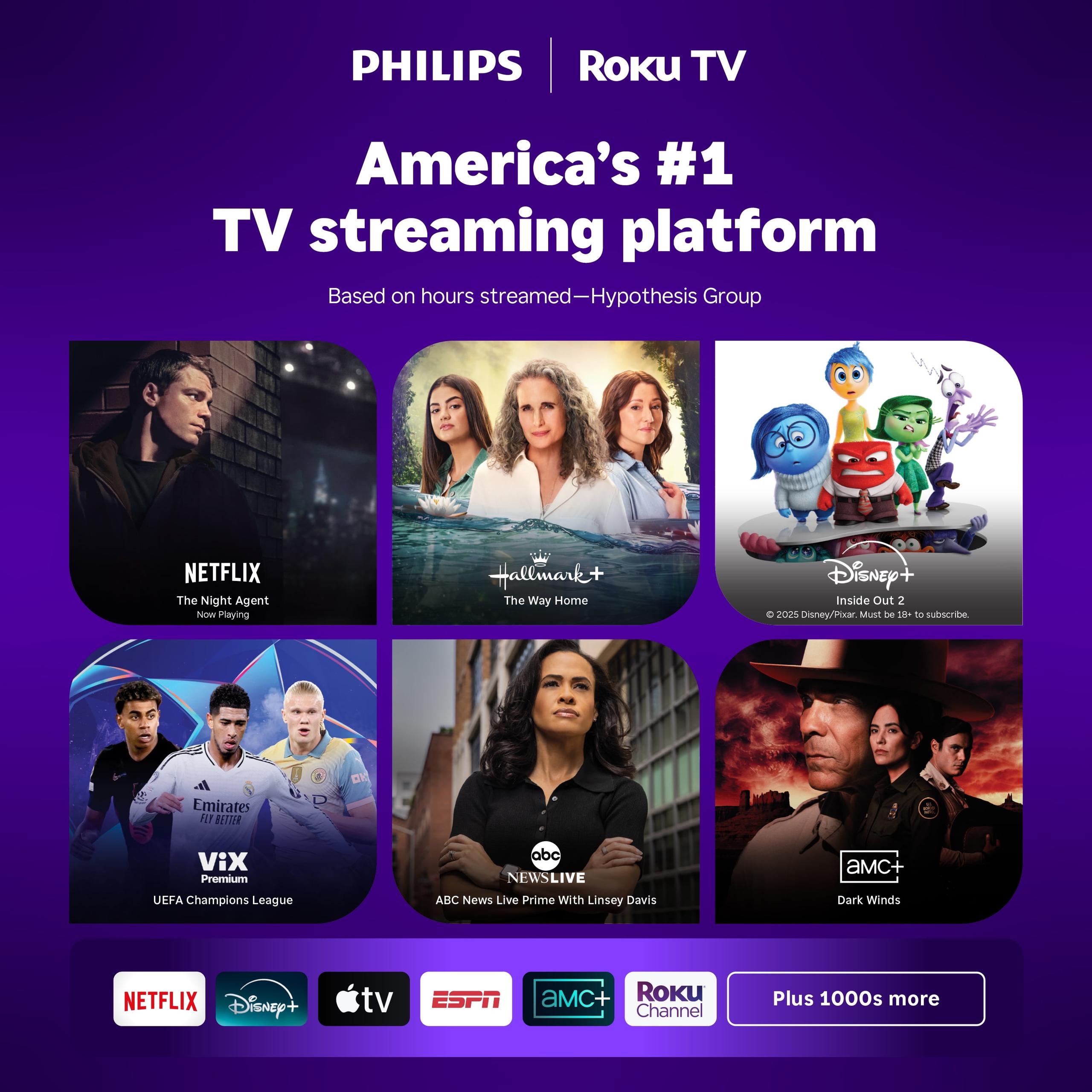
The Philips 65OLED974/F7 runs Roku TV, a platform beloved for its simplicity and content-first approach. Roku's interface prioritizes helping you find something to watch rather than showcasing flashy features. The home screen aggregates content from multiple streaming services, and the included voice remote makes searching across platforms effortless. For users who want to turn on the TV and quickly find entertainment without learning complex navigation systems, Roku TV delivers exactly that experience.
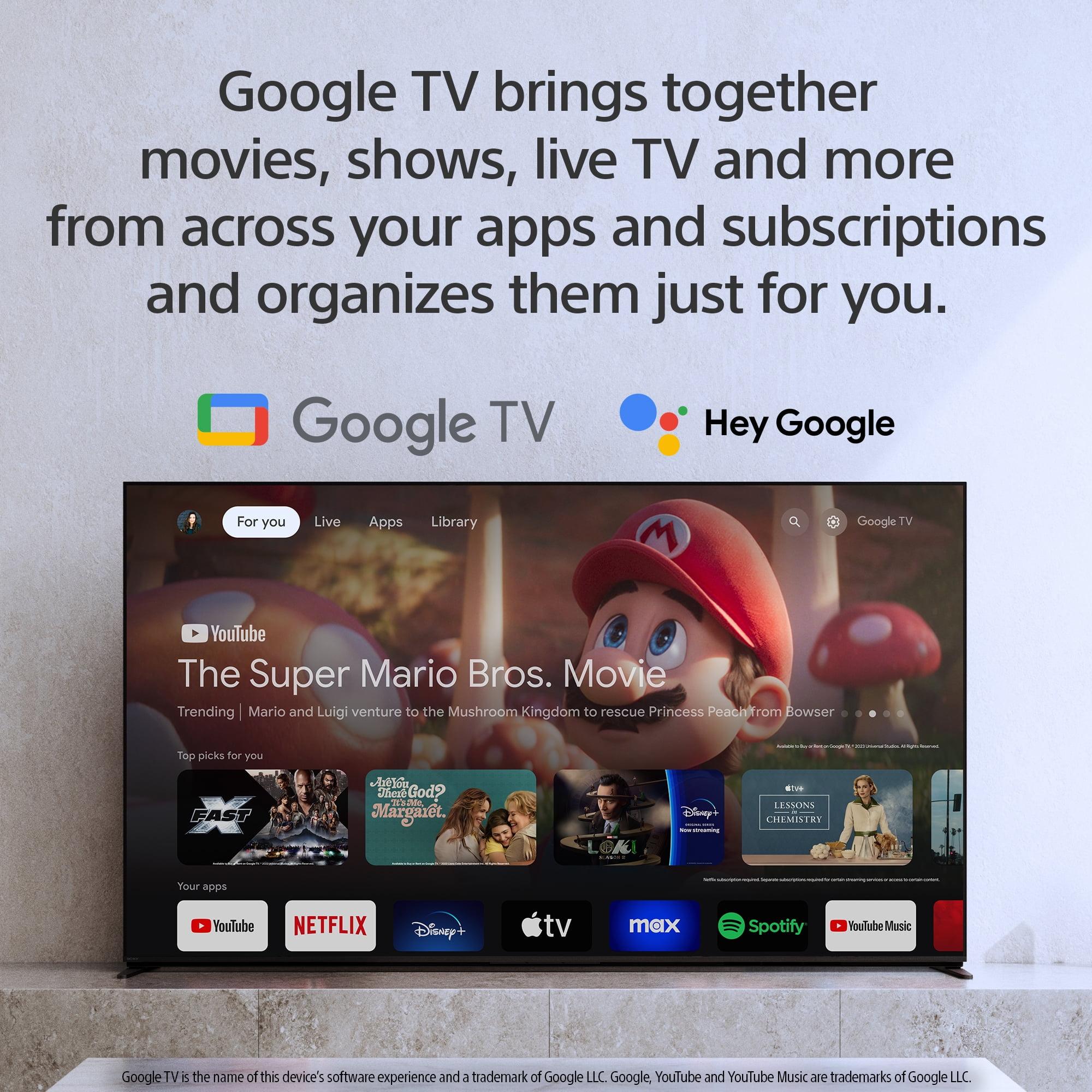
The Sony BRAVIA 8 uses Google TV, which offers a more sophisticated approach to content discovery and smart home integration. Google TV learns your viewing habits and provides personalized recommendations across different streaming services. The platform seamlessly integrates with other Google services and smart home devices, allowing voice control through Google Assistant for everything from adjusting volume to controlling lights.
From a long-term perspective, Google TV typically receives more frequent software updates and longer support lifecycles compared to Roku TV implementations. This means your Sony TV is more likely to continue receiving new features and security updates years after purchase.
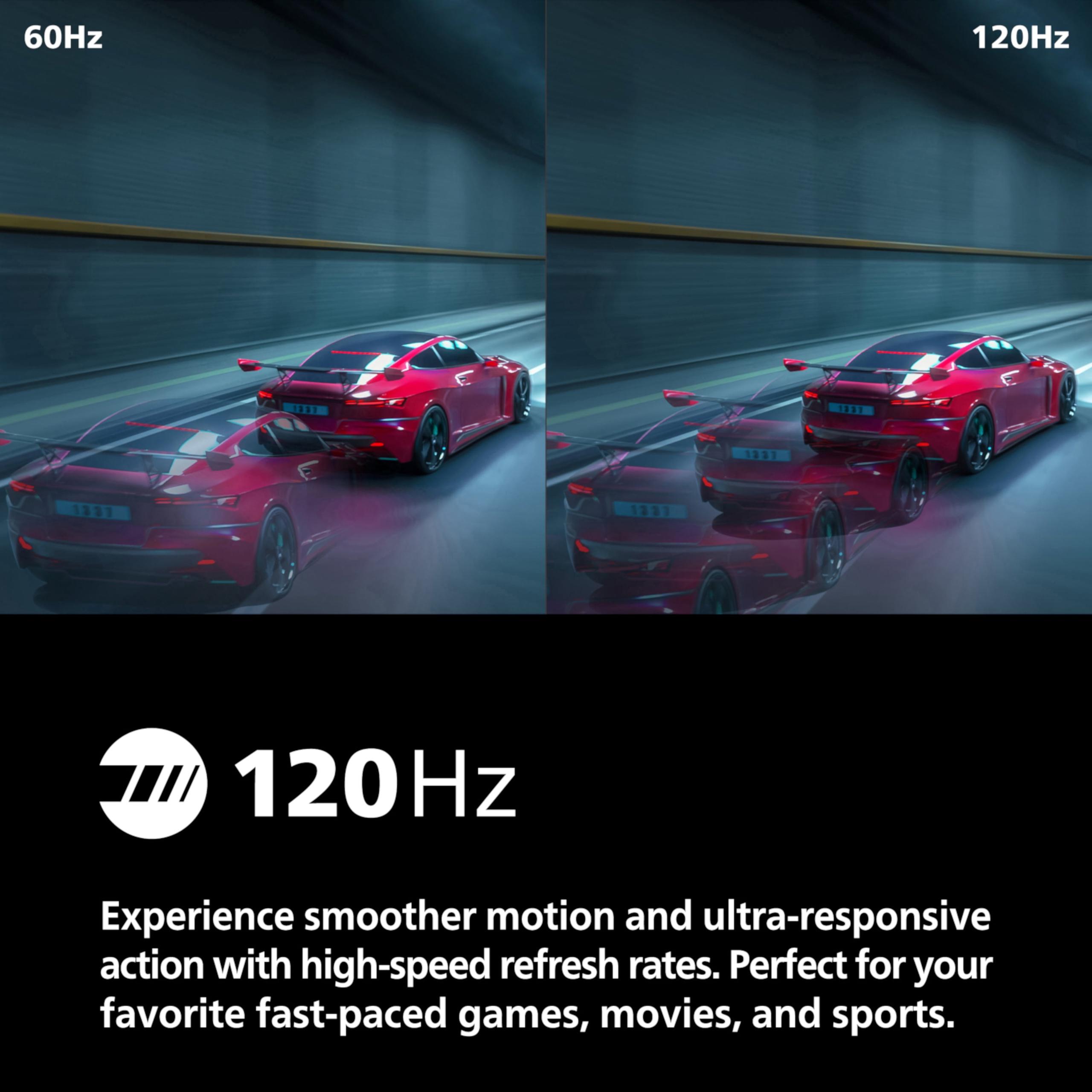
Both TVs excel as gaming displays, incorporating features specifically designed for modern consoles and PC gaming. The 2024 Sony BRAVIA 8 and the Philips OLED support 4K resolution at 120Hz refresh rates, which means they can display 120 frames per second for incredibly smooth motion in supported games.
Variable Refresh Rate (VRR) technology eliminates screen tearing by synchronizing the TV's refresh rate with the gaming device's frame rate output. When a game renders frames at inconsistent rates—say jumping between 90 and 110 frames per second—VRR adjusts the display accordingly to maintain smooth visuals.
Auto Low Latency Mode (ALLM) automatically reduces input lag when gaming devices are detected. Input lag measures the delay between pressing a button on your controller and seeing the corresponding action on screen. Lower input lag means more responsive gaming, particularly crucial for competitive gaming or fast-paced action titles.
Both TVs deliver excellent input lag performance, especially at 120Hz, making them suitable for serious gaming. However, the brightness advantage of the Sony BRAVIA 8 creates more impactful HDR gaming experiences where bright explosions, sunlight, and other highlights appear as developers intended.
Audio performance showcases another interesting philosophical difference between these manufacturers.
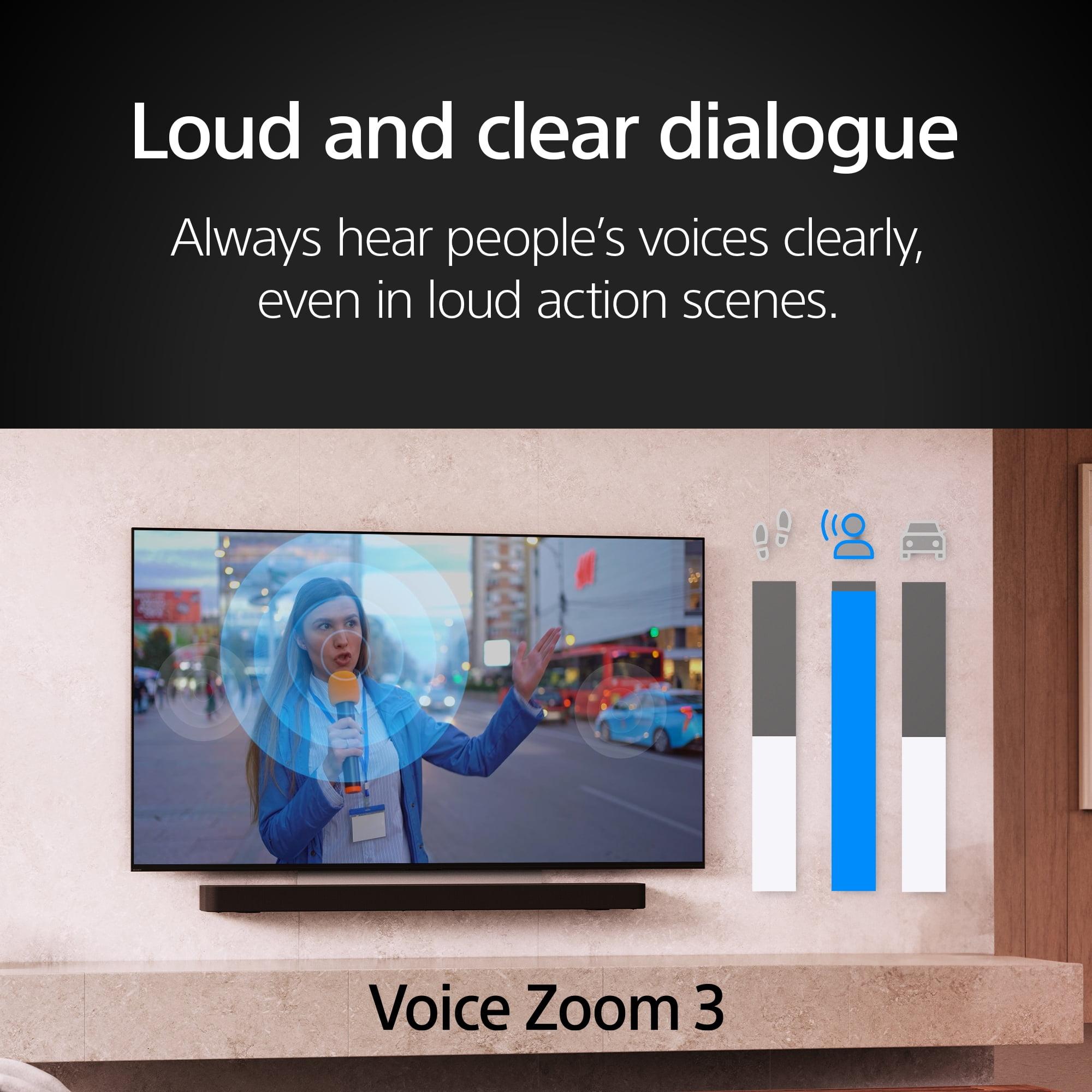
The Sony BRAVIA 8 features Acoustic Surface Audio+ technology, where the entire OLED screen functions as a speaker. Sony achieves this by placing actuators behind the display panel that vibrate the screen itself to produce sound. This creates a unique audio experience where dialogue appears to come directly from characters' mouths on screen, rather than from speakers positioned below or beside the display.
The system includes a 2.1-channel setup with 50 watts of total power, and the screen-as-speaker approach provides surprisingly good audio positioning and clarity. For most users, this eliminates the immediate need for a separate soundbar while delivering better audio than traditional TV speakers.
The Philips OLED uses a more conventional Dolby 2.1 speaker system with dedicated speakers and a subwoofer. While this provides good sound quality with clear dialogue and decent bass response, it lacks the innovative positioning benefits of Sony's approach.
Both TVs support Dolby Atmos, an audio format that creates three-dimensional soundscapes using overhead audio channels. However, the effectiveness depends heavily on room acoustics and whether you plan to use the built-in speakers or connect external audio equipment.
Your viewing environment fundamentally determines which TV will provide the better experience.
For bright rooms with large windows or significant artificial lighting, the Sony BRAVIA 8 emerges as the clear winner. Its superior peak brightness allows it to overcome ambient lighting and maintain image quality throughout the day. HDR content retains its impact, colors remain vibrant, and the overall viewing experience stays consistent regardless of lighting conditions.
The Philips 65OLED974/F7 performs exceptionally well in dim or dark environments where its brightness limitations don't impact the viewing experience. In movie theater-like conditions, both TVs deliver stunning picture quality with perfect blacks and vibrant colors. However, introduce ambient lighting, and the Philips struggles to maintain image quality while the Sony adapts gracefully.
This environmental sensitivity extends to HDR performance. HDR content is specifically designed to showcase wide brightness ranges, and TVs that can't achieve sufficient peak brightness fail to deliver the intended visual impact. Bright scenes like desert landscapes, snow-covered mountains, or sunny beach scenes simply don't look as impressive on displays with limited brightness capabilities.
At the time of writing, the Philips OLED typically commands a lower price point than the Sony BRAVIA 8, making premium OLED technology more accessible for budget-conscious buyers. However, the value equation extends beyond initial purchase price.
The Sony's superior brightness and processing capabilities make it more versatile for various viewing conditions and content types. This versatility often translates to better long-term satisfaction, particularly as HDR content becomes increasingly prevalent and room lighting conditions change throughout the day.
Consider also the software support lifecycle. Google TV's track record suggests longer-term updates and feature additions compared to Roku TV implementations. While both platforms currently support major streaming services, the Sony's platform may continue receiving enhancements for a longer period.
The build quality and design philosophy also differ. Sony's minimalist aesthetic and premium materials typically age better over several years of use, while the display quality advantages become more apparent as you use the TV in various scenarios.
Choose the Philips 65OLED974/F7 if you primarily watch television in controlled lighting environments—think dedicated home theaters, basement media rooms, or evening viewing with minimal ambient lighting. The Roku TV interface appeals to users who prioritize simplicity and quick access to content without complex navigation systems. If your budget prioritizes getting OLED technology at the lowest possible price and you're willing to accept brightness limitations, the Philips delivers excellent value in its intended use case.
The Sony BRAVIA 8 suits buyers who want maximum versatility and the best overall HDR experience. If your TV placement involves variable lighting throughout the day, or if you frequently watch HDR content where brightness impact matters, the Sony justifies its premium pricing through superior performance. The Google TV platform appeals to tech-savvy users who appreciate advanced features and smart home integration.
For home theater enthusiasts specifically, the choice depends on your room setup. A dedicated theater room with controlled lighting allows the Philips to shine while saving money for other theater equipment. A multipurpose living room with windows and variable lighting strongly favors the Sony's brightness capabilities.
After analyzing expert reviews, user feedback, and technical specifications, the Sony BRAVIA 8 emerges as the more well-rounded television. Its superior peak brightness, advanced processing, and room versatility create a premium viewing experience that justifies the higher price point for most users.
The Philips 65OLED974/F7 serves specific scenarios exceptionally well—particularly dark room viewing where brightness limitations don't impact the experience. For users with suitable viewing environments and tighter budgets, it provides access to OLED's fundamental advantages at a more accessible price point.
Your specific viewing habits, room environment, and budget priorities should ultimately drive this decision. Both TVs deliver the OLED advantages of perfect blacks and wide viewing angles, but they excel in different scenarios and cater to different user priorities. The key is matching the TV's strengths to your specific needs rather than simply choosing the model with the most impressive specification sheet.
| Philips 65OLED974/F7 | Sony BRAVIA 8 |
|---|---|
| Peak Brightness - Critical for HDR impact and bright room viewing | |
| Poor brightness performance, struggles in well-lit rooms | Significantly brighter, excellent for mixed lighting conditions |
| Smart TV Platform - Affects daily usability and long-term support | |
| Roku TV (simple, content-focused interface) | Google TV (advanced features, better long-term updates) |
| Screen Size and Resolution - Foundation specs | |
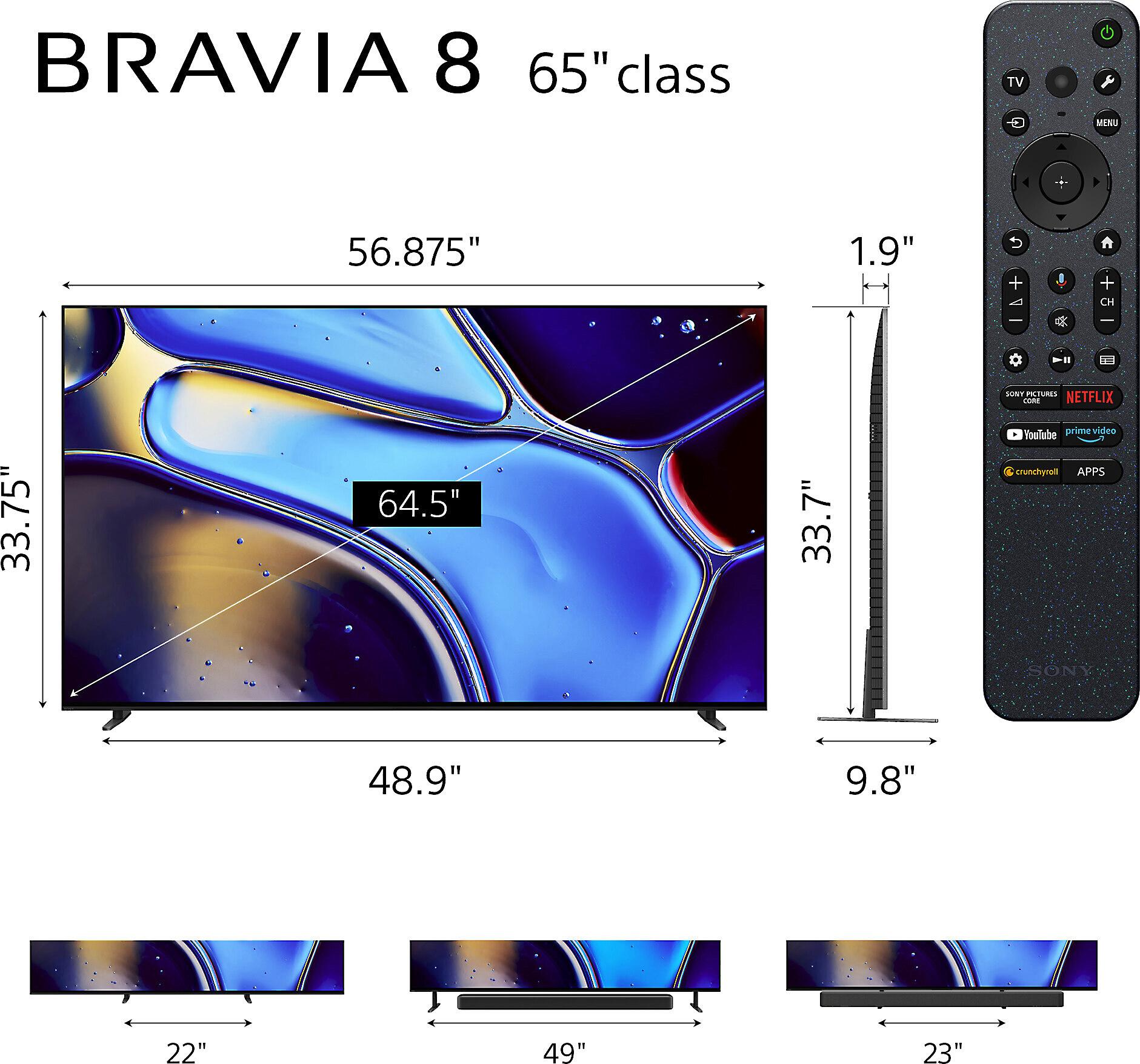
| 65" OLED, 4K (3840 x 2160), 120Hz native | 65.4" OLED, 4K (3840 x 2160), 120Hz |
| Gaming Features - Essential for console and PC gaming | |
| 4K@120Hz, VRR, ALLM, FreeSync Premium, <0.1ms response | 4K@120Hz on HDMI 3&4, VRR, ALLM, Auto HDR Tone Mapping |
| HDR Format Support - Determines premium content quality | |
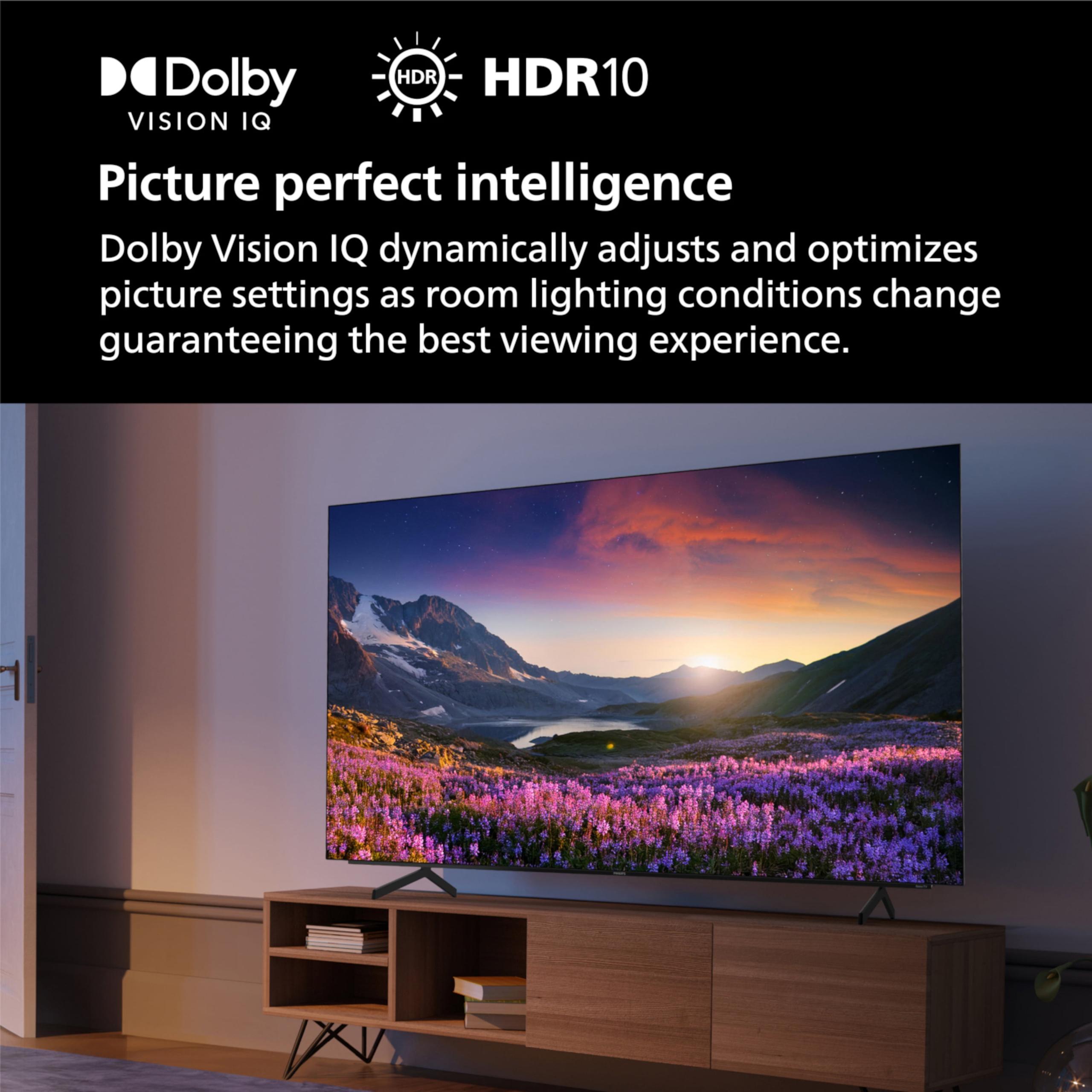
| Dolby Vision IQ, Dolby Vision, HDR10, HLG | HDR10, Dolby Vision with scene-by-scene optimization |
| Color Technology - Affects color accuracy and vibrancy | |
| Up to 98.5% DCI-P3 color gamut, 10-bit color depth | XR Triluminos Pro for wider, more natural colors |
| Audio System - Built-in sound quality | |
| Dolby 2.1 speakers with subwoofer, Dolby Atmos | Acoustic Surface Audio+ (screen-as-speaker), 50W 2.1 system |
| Image Processing - Upscaling and motion handling | |
| Basic processing, noise reduction ineffective | XR Processor with advanced upscaling and motion processing |
| HDMI Connectivity - Future-proofing for devices | |
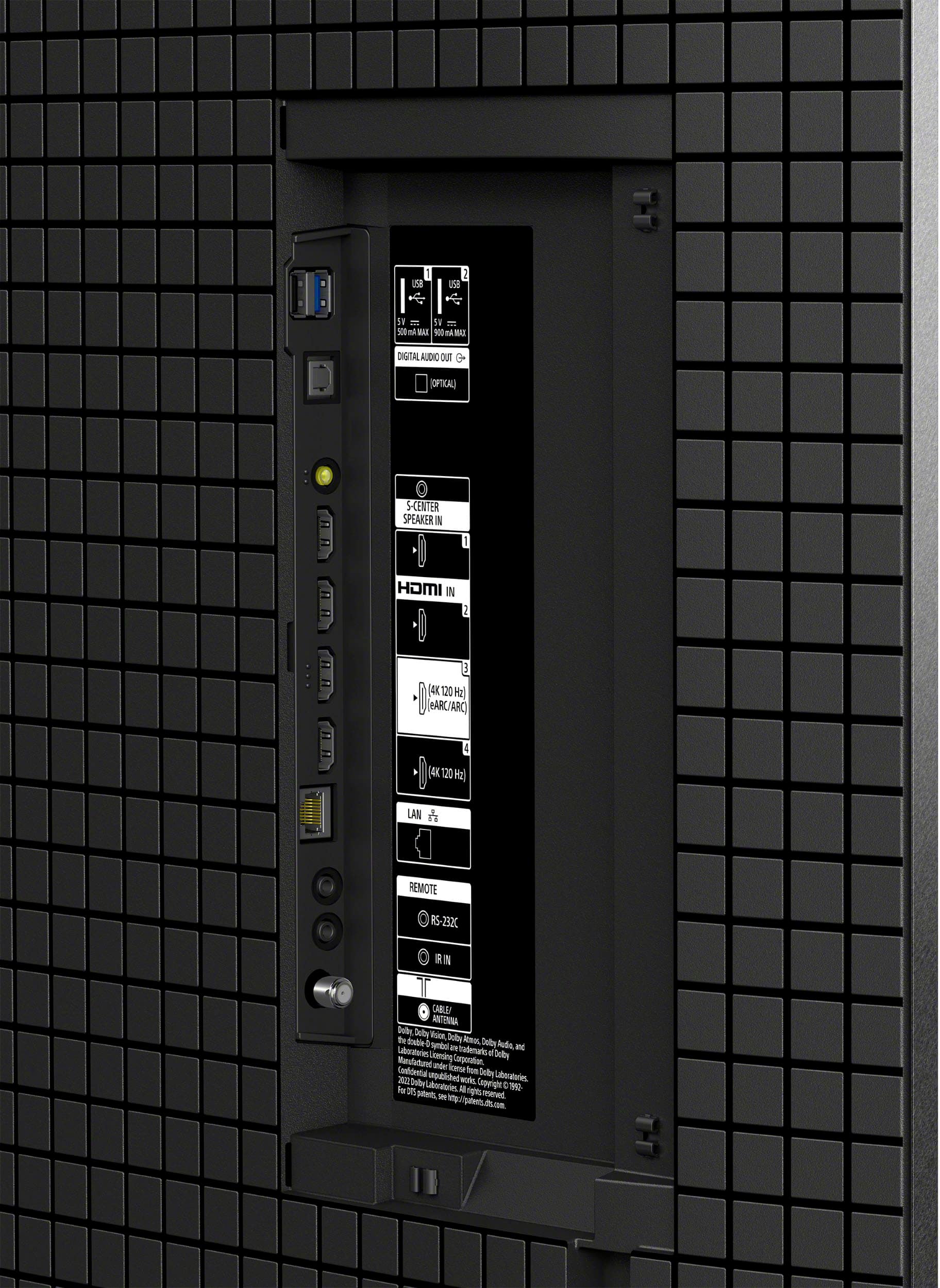
| 4 HDMI ports with eARC/ARC on HDMI 1 | 4 HDMI ports (2x HDMI 2.1, 2x HDMI 2.0b) with eARC |
| Ideal Room Environment - Where each TV performs best | |
| Dark or dimly lit rooms only | Versatile for bright rooms and mixed lighting |
| Voice Control - Hands-free operation | |
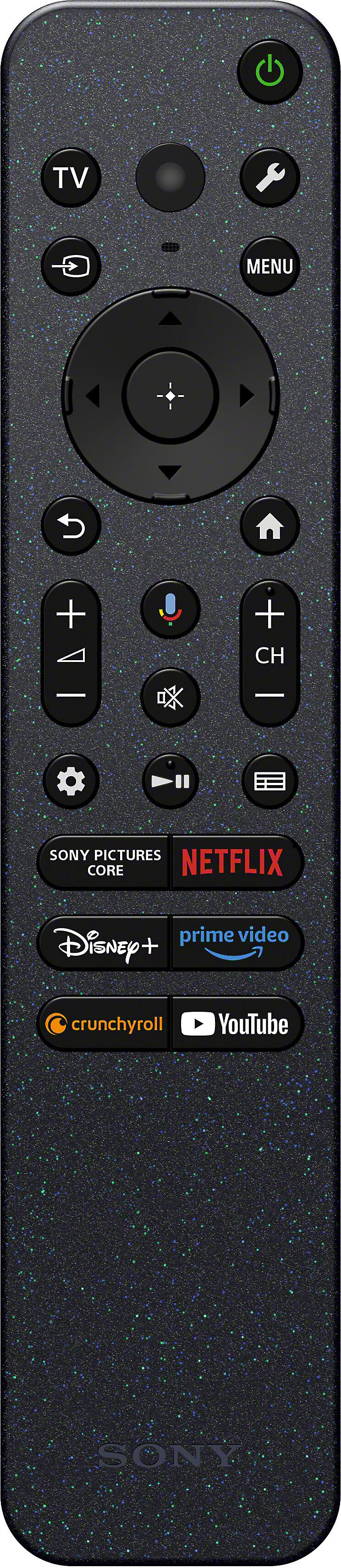
| Bluetooth Voice Control Remote for Roku | Google Assistant built-in with comprehensive smart home control |
| Best For - Target user scenarios | |
| Budget-conscious buyers with controlled lighting | Users wanting premium performance and room versatility |
The Sony BRAVIA 8 delivers significantly better picture quality in bright rooms due to its superior peak brightness capabilities. While the Philips 65OLED974/F7 struggles with poor brightness that makes it unsuitable for well-lit environments, the Sony BRAVIA 8 can overcome glare and maintain vibrant colors throughout the day.
The Philips OLED TV uses Roku TV, which offers a simple, content-focused interface that's easy to navigate and prioritizes helping you find something to watch quickly. The Sony BRAVIA 8 runs Google TV, providing more advanced features, personalized recommendations, smart home integration, and typically longer software support with more frequent updates.
Both the Philips 65OLED974/F7 and Sony BRAVIA 8 excel for gaming with 4K@120Hz support, Variable Refresh Rate (VRR), Auto Low Latency Mode (ALLM), and excellent input lag performance. However, the Sony BRAVIA 8 provides more impactful HDR gaming experiences due to its superior brightness capabilities.
The Sony BRAVIA 8 features innovative Acoustic Surface Audio+ technology where the entire screen acts as a speaker, creating unique sound positioning where dialogue appears to come directly from characters on screen. The Philips OLED TV uses a traditional Dolby 2.1 speaker system with dedicated speakers and subwoofer, providing good sound quality but without Sony's positioning advantages.
The Sony BRAVIA 8 delivers significantly better HDR performance due to its superior peak brightness, making highlights pop and creating the impactful visual experience HDR content is designed to provide. The Philips 65OLED974/F7 struggles with dim HDR where bright scenes appear muted and lack the intended visual impact.
For dedicated home theaters with controlled lighting, both TVs can deliver excellent performance with perfect OLED blacks and vibrant colors. However, the Sony BRAVIA 8 offers more versatility for multipurpose rooms where lighting conditions vary. The Philips OLED TV works best in consistently dark environments like basement media rooms.
The Philips 65OLED974/F7 typically offers better upfront value by providing OLED technology at a lower price point, making premium display features more accessible. The Sony BRAVIA 8 provides better long-term value through superior brightness, processing, and versatility that enhance the overall viewing experience across different scenarios.
Both the Philips OLED TV and Sony BRAVIA 8 support major streaming services, but with different approaches. Roku TV on the Philips prioritizes simplicity and content discovery, while Google TV on the Sony offers advanced personalization, smart home integration, and typically receives longer software support with more feature updates.
Both TVs offer excellent motion clarity thanks to OLED's near-instantaneous pixel response times and 120Hz refresh rates. The Sony BRAVIA 8 has a slight advantage with its superior XR Processor that provides better motion processing and upscaling. However, both the Philips 65OLED974/F7 and Sony BRAVIA 8 deliver crystal-clear sports viewing.
The Philips 65OLED974/F7's main weakness is poor peak brightness that limits HDR impact and makes it unsuitable for bright rooms, plus basic image processing. The Sony BRAVIA 8's primary drawback is its higher price point, though this is generally justified by superior performance and features.
For streaming in varied lighting conditions, the Sony BRAVIA 8 provides a better overall experience with superior brightness and advanced processing that enhances content quality. The Philips OLED TV excels for streaming in dark rooms where its brightness limitations don't impact the viewing experience, while offering the simplicity of Roku's content-focused interface.
Choose the Philips 65OLED974/F7 if you primarily watch in dim lighting and want OLED technology at a more accessible price. Select the Sony BRAVIA 8 if your living room has windows or variable lighting throughout the day, or if you want the best possible HDR experience and don't mind paying more for superior overall performance.
We've done our best to create useful and informative comparisons to help you decide what product to buy. Our research uses advanced automated methods to create this comparison and perfection is not possible - please contact us for corrections or questions. These are the sites we've researched in the creation of this article: rtings.com - versus.com - versus.com - rtings.com - samsclub.com - versus.com - youtube.com - usa.philips.com - bestbuy.com - usa.philips.com - consumerreports.org - usa.philips.com - documents.philips.com - tvoutlet.ca - displayspecifications.com - business.walmart.com - displayspecifications.com - ecoustics.com - walmart.com - bestbuy.com - bestbuy.com - crutchfield.com - avsforum.com - electronics.sony.com - sony.com - store.sony.co.nz - sony.com - displayspecifications.com

Privacy Policy
Terms and Conditions - Affiliate Policy
Home Security
© Copyright 2008-2026.
11816 Inwood Rd #1211, Dallas, TX 75244