

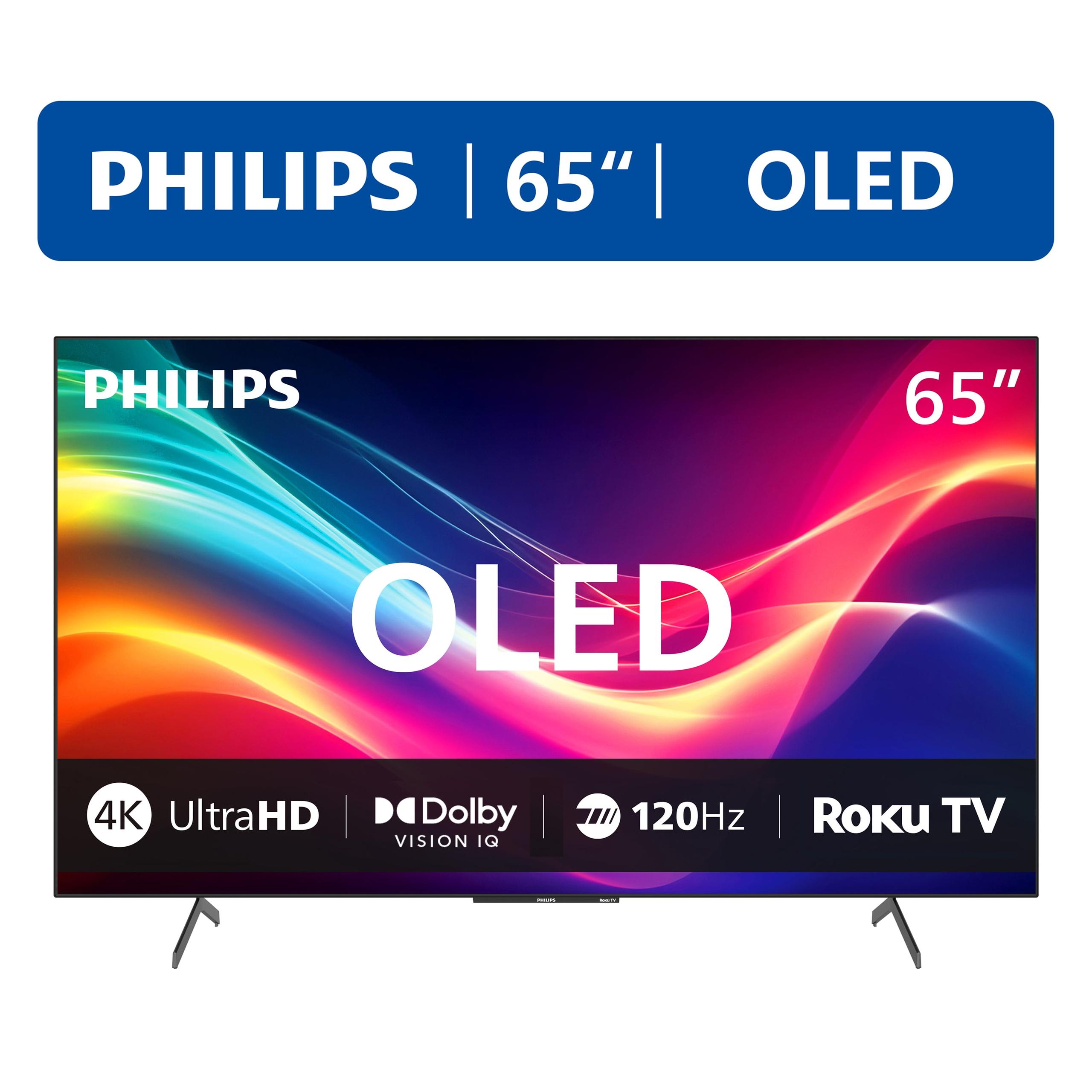
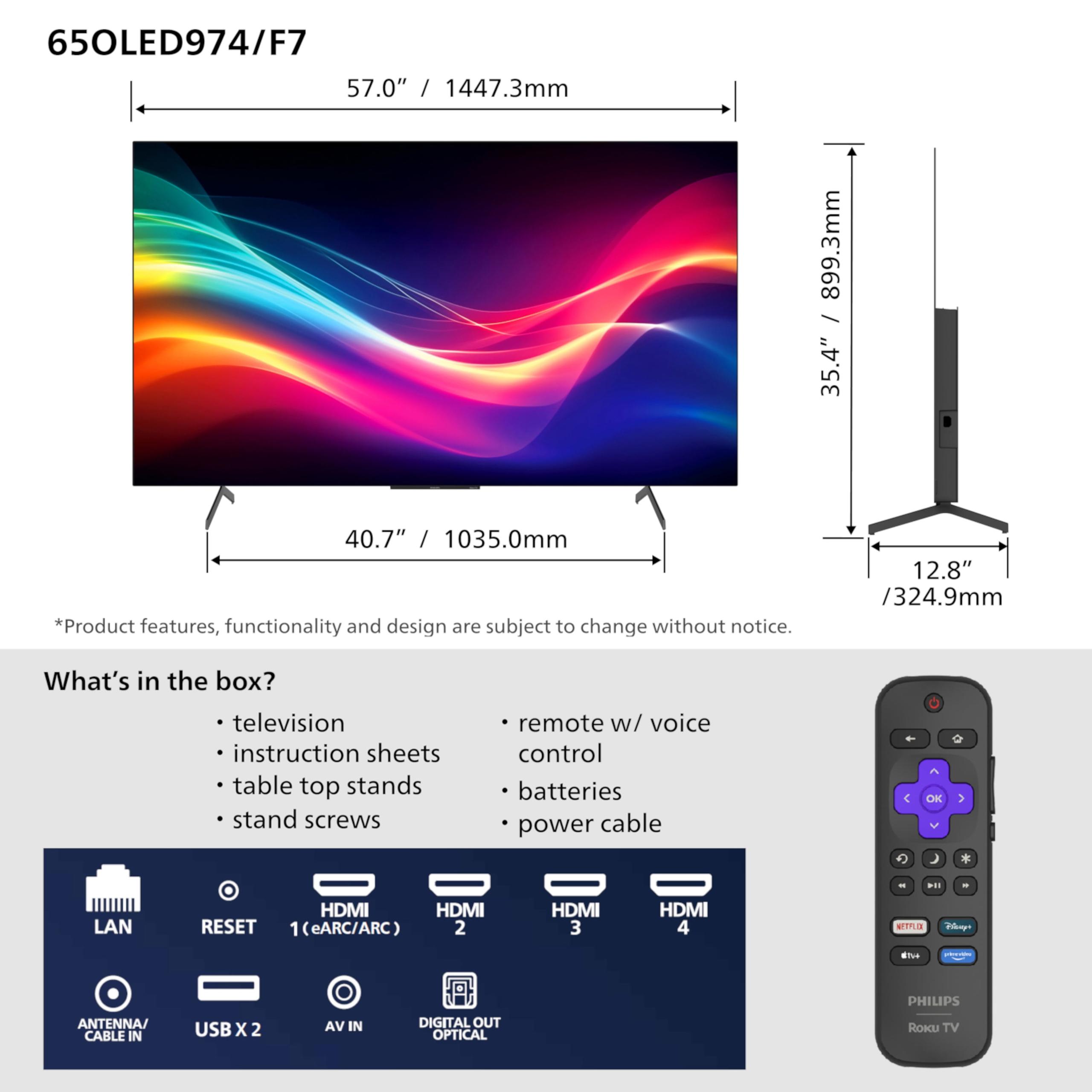
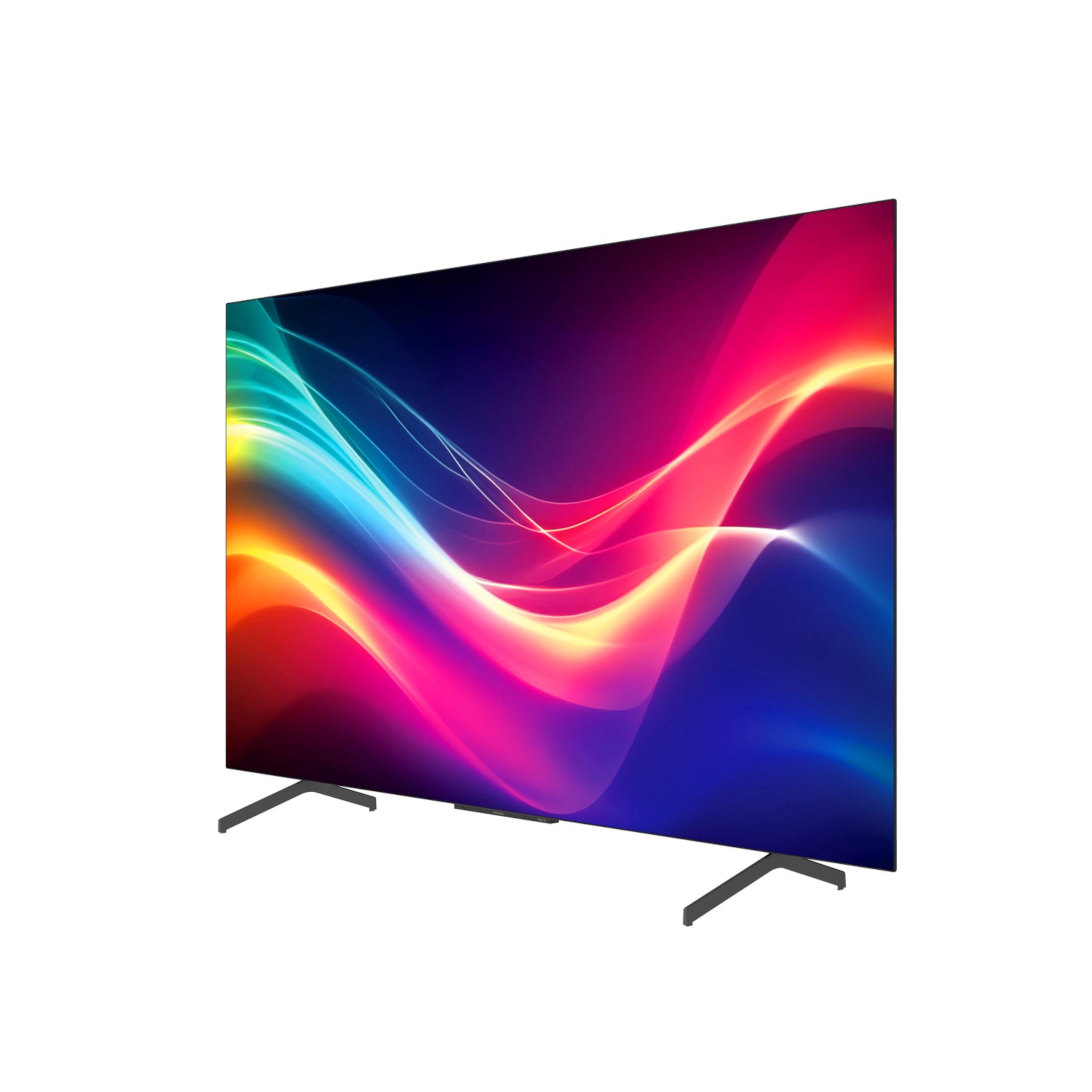

When you're ready to upgrade to a premium 65-inch TV, you'll quickly encounter two dominant display technologies battling for your living room: OLED and QLED. These aren't just marketing buzzwords – they represent fundamentally different approaches to creating the picture on your screen, and understanding their strengths will help you make the right choice for your viewing habits and room setup.
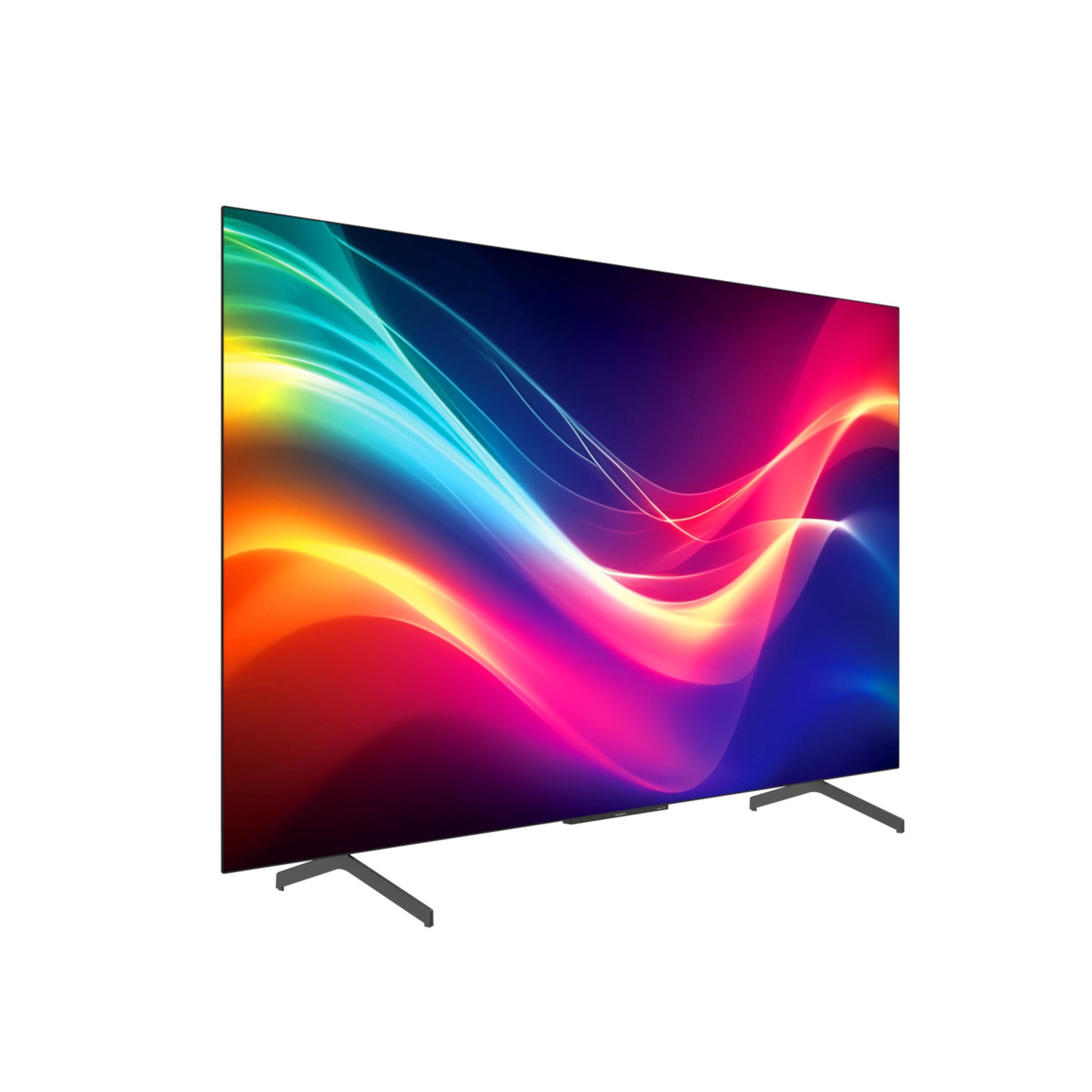
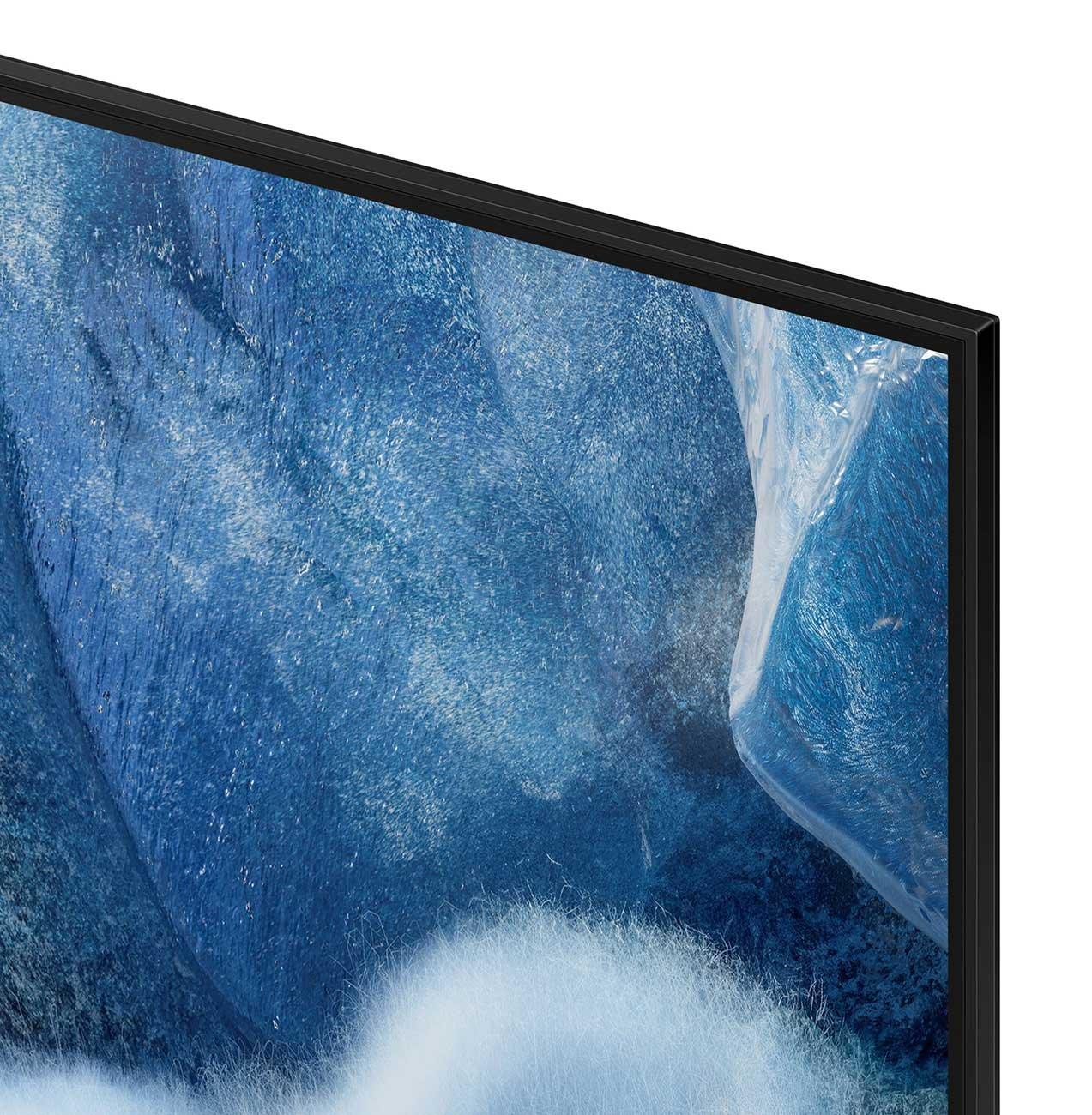
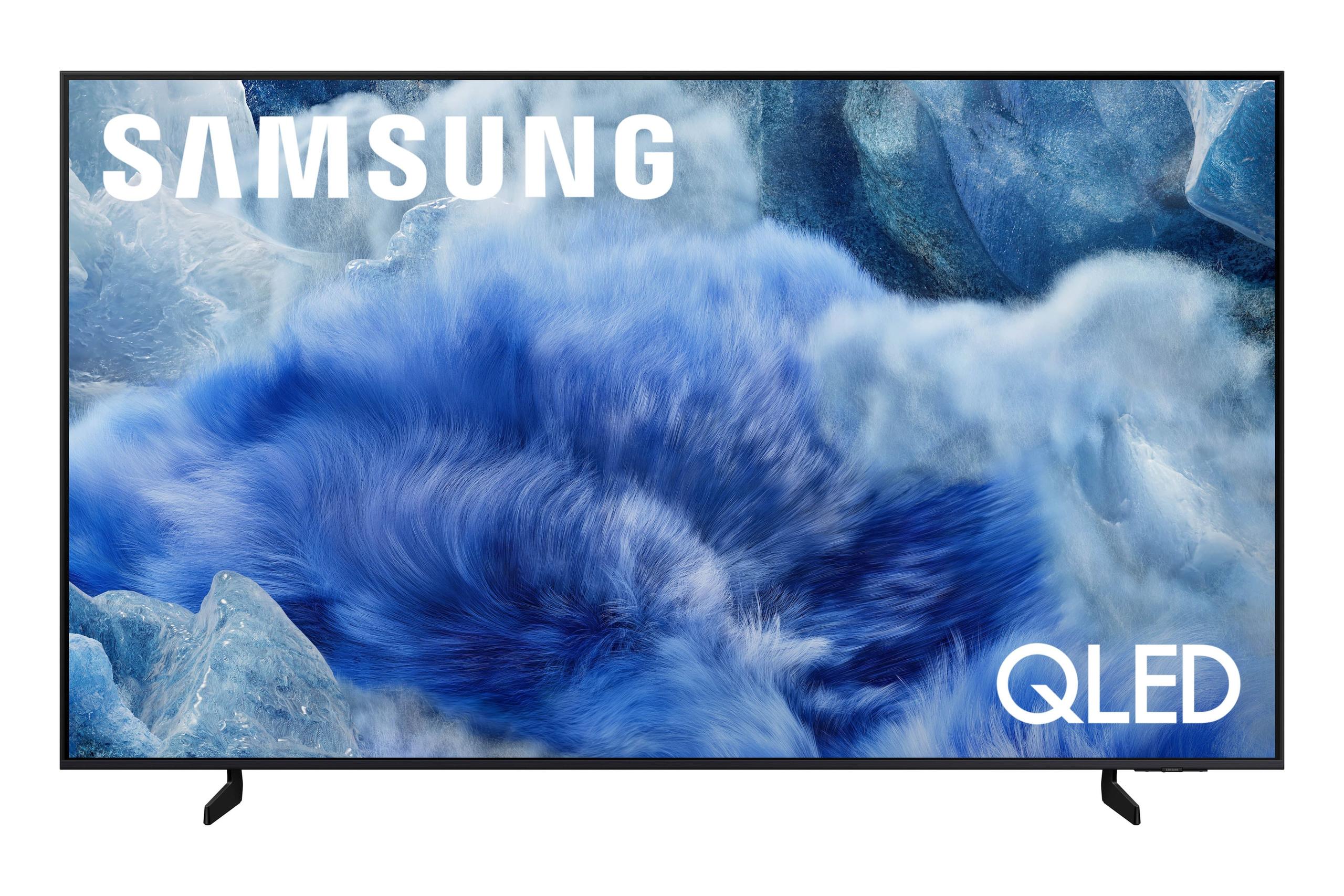
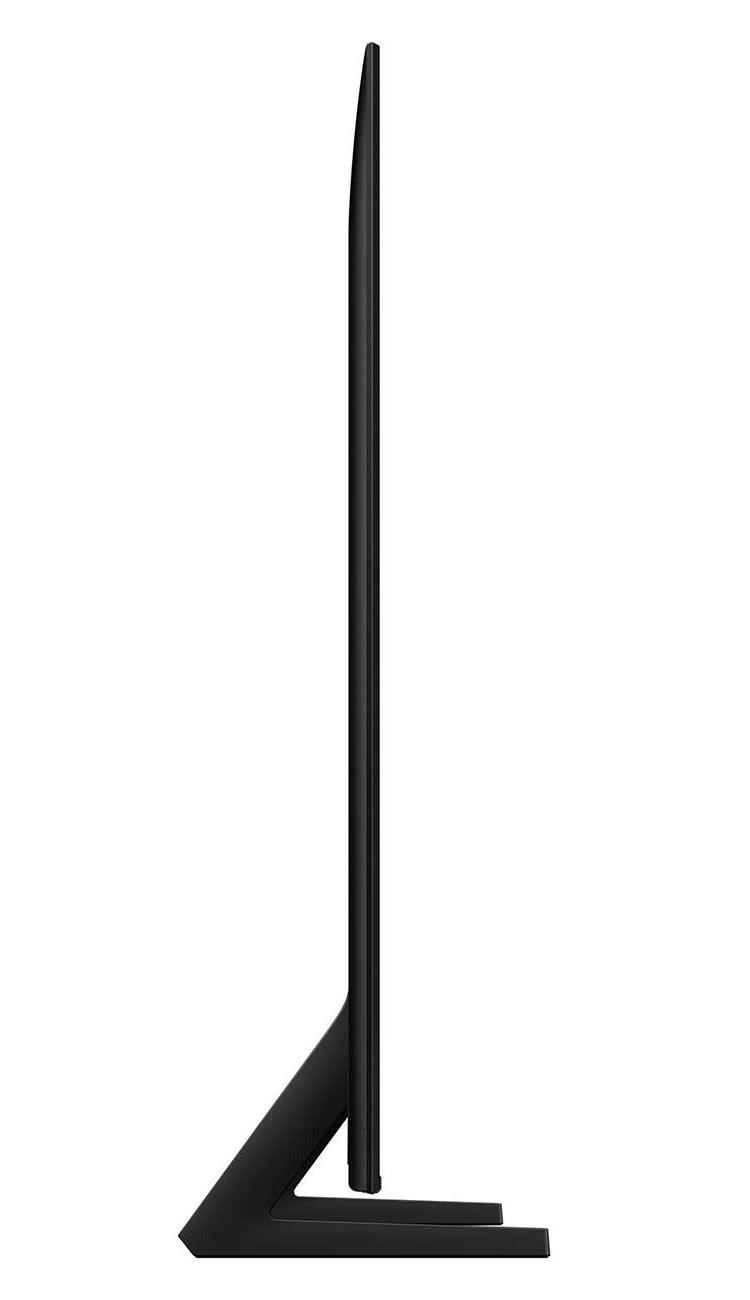
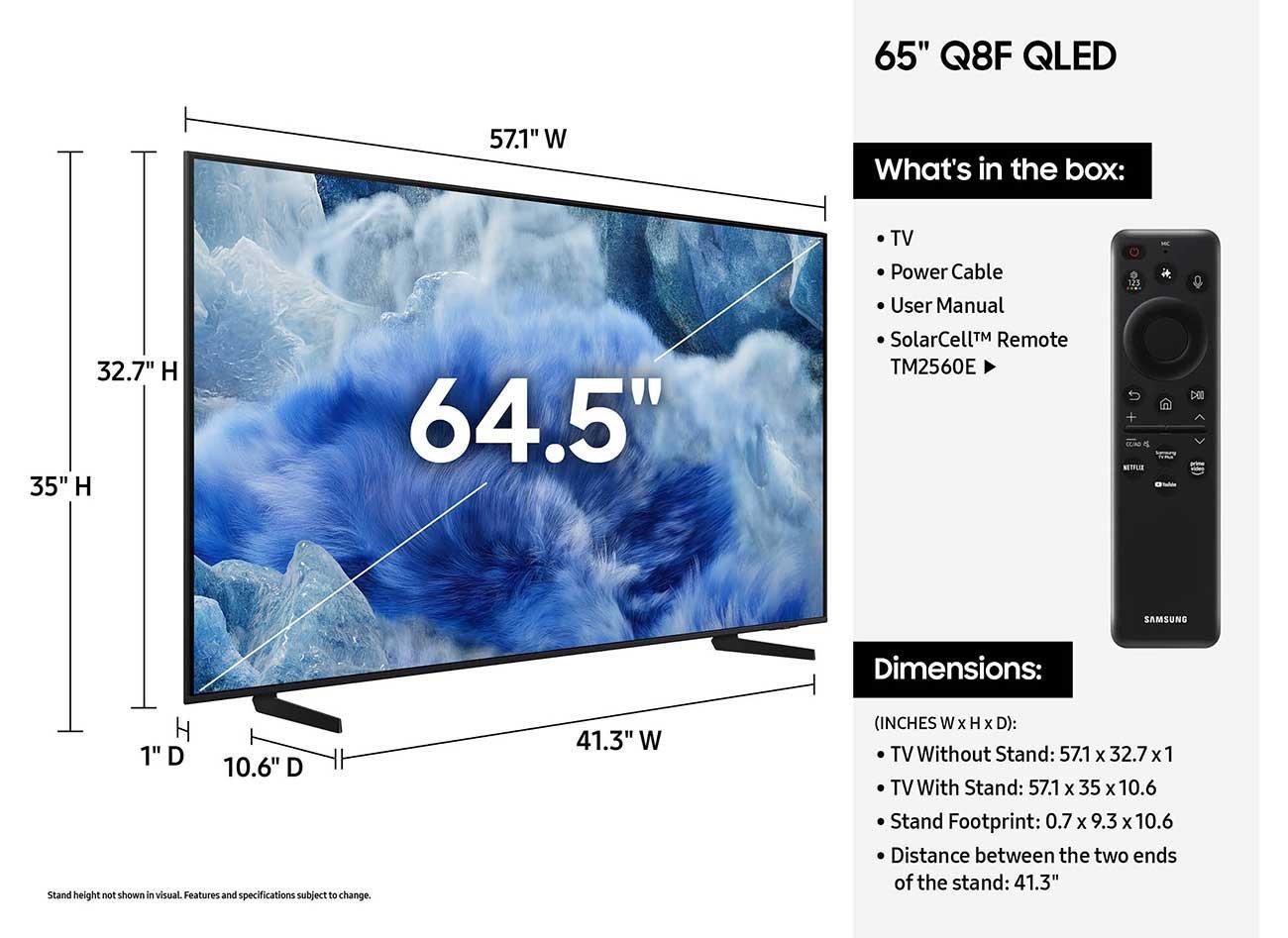
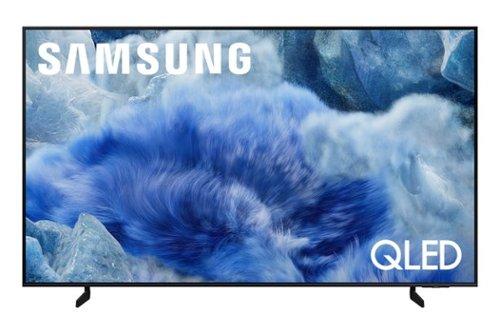
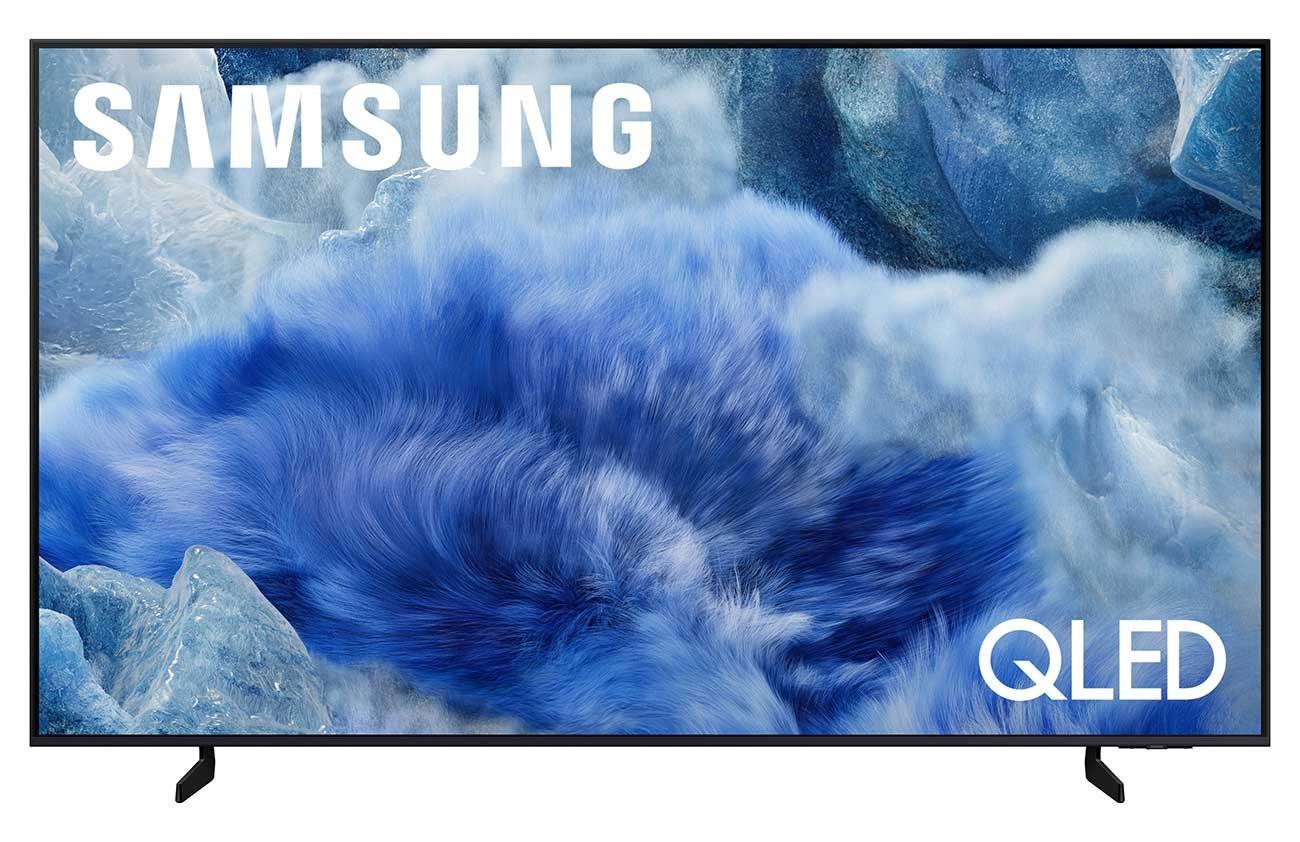
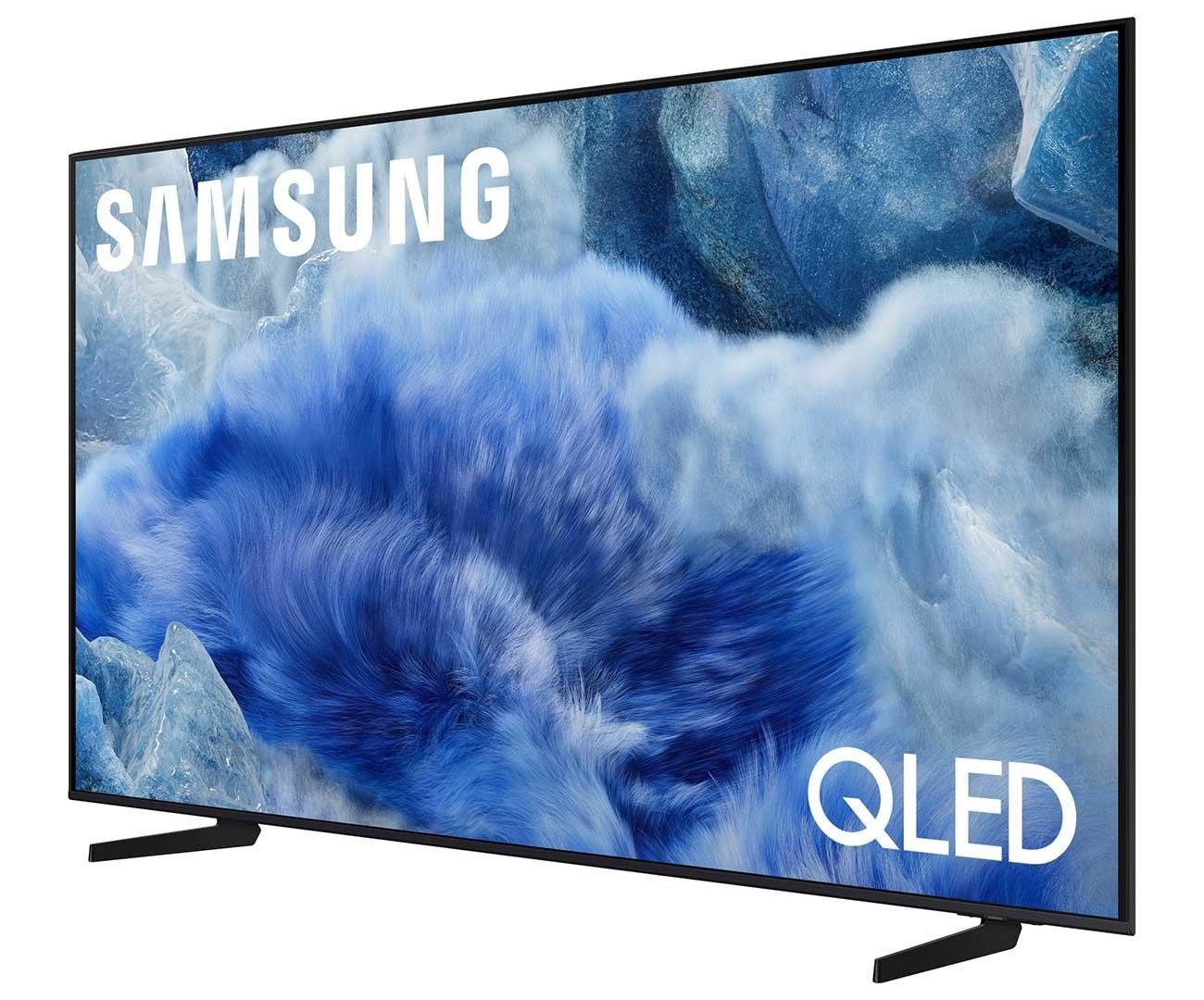
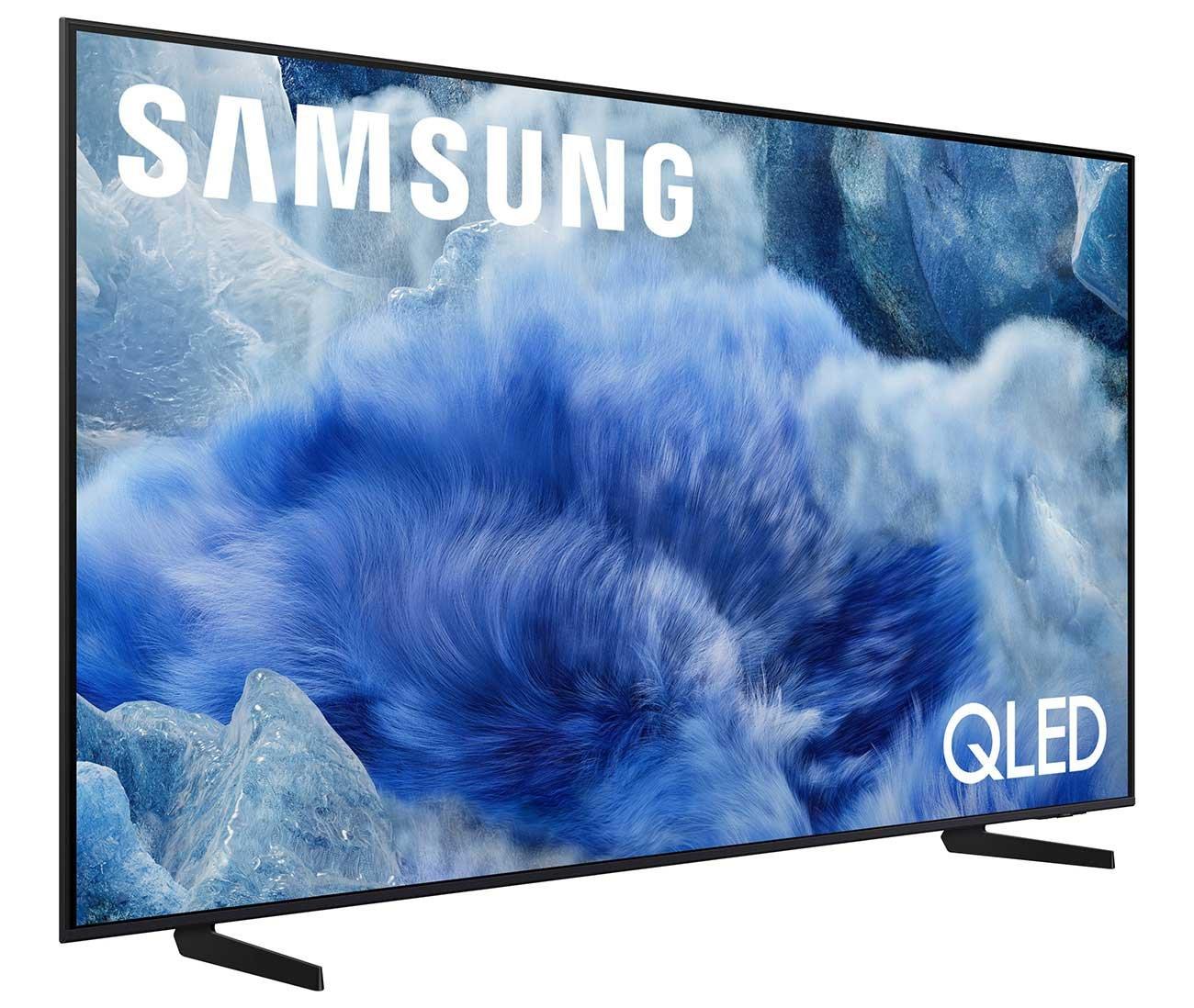
The Philips 65OLED974/F7 represents the OLED camp with its perfect black levels and cinematic picture quality, while the Samsung 65" QN8F Series QLED champions the QLED approach with bright, vibrant images and comprehensive smart features. At the time of writing, these TVs sit at very different price points, with the Philips OLED commanding a significant premium over the Samsung QLED, making the value equation particularly interesting.
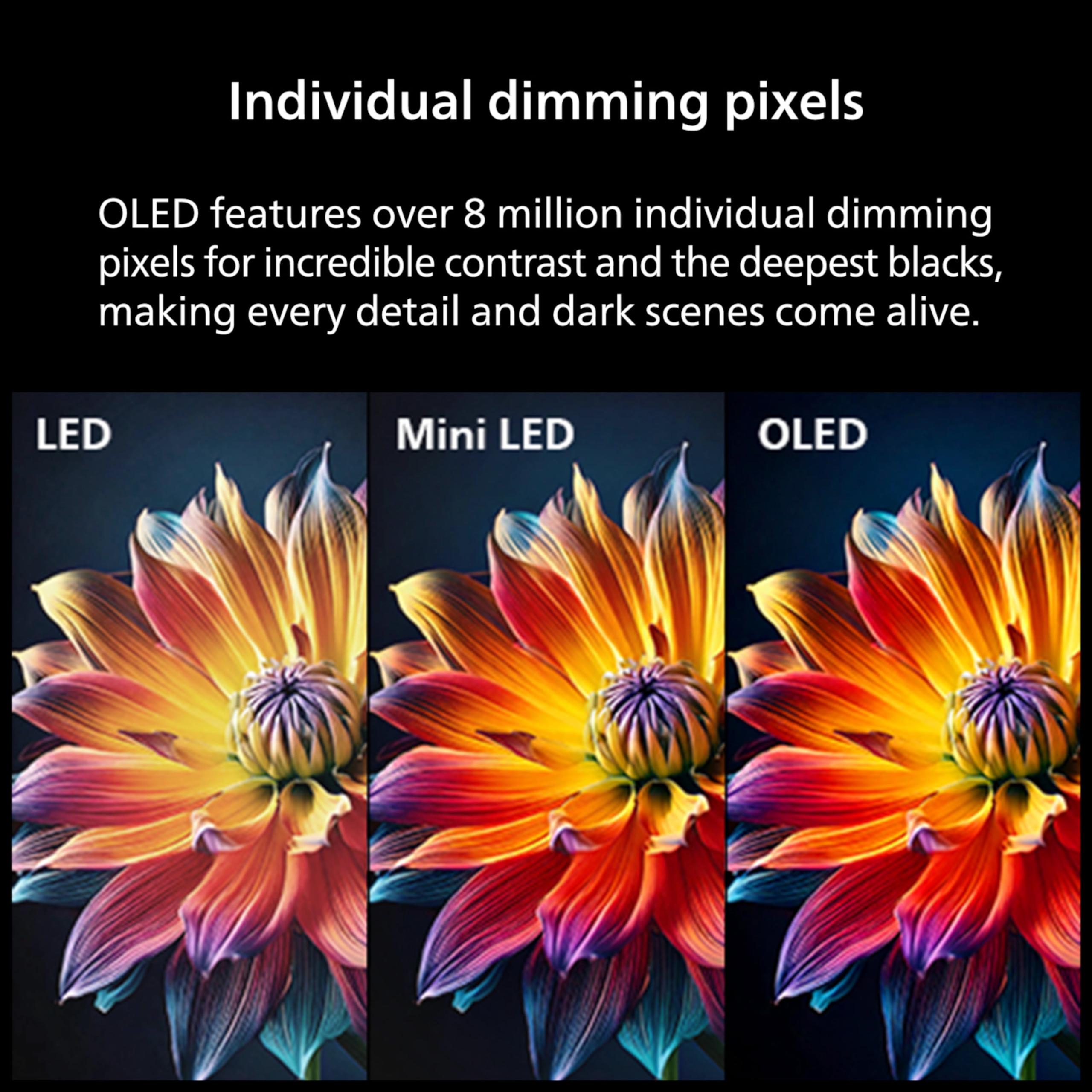
OLED (Organic Light-Emitting Diode) technology is fascinating because each pixel creates its own light. Imagine millions of tiny light bulbs that can turn completely on, completely off, or anywhere in between. When a pixel needs to show black, it simply turns off entirely – no light leaks through because there's no backlight to leak. This creates what we call "perfect blacks" and an infinite contrast ratio (the difference between the darkest and brightest parts of an image).
QLED (Quantum Dot LED) takes a different approach. It starts with a traditional LED backlight but enhances it with quantum dots – microscopic particles that convert blue LED light into precise red and green wavelengths. The Samsung QLED uses what Samsung calls "Dual LED" technology, combining this quantum dot layer with local dimming zones that can brighten or dim sections of the backlight independently. Think of it as having hundreds of dimmable light switches behind different parts of your screen.
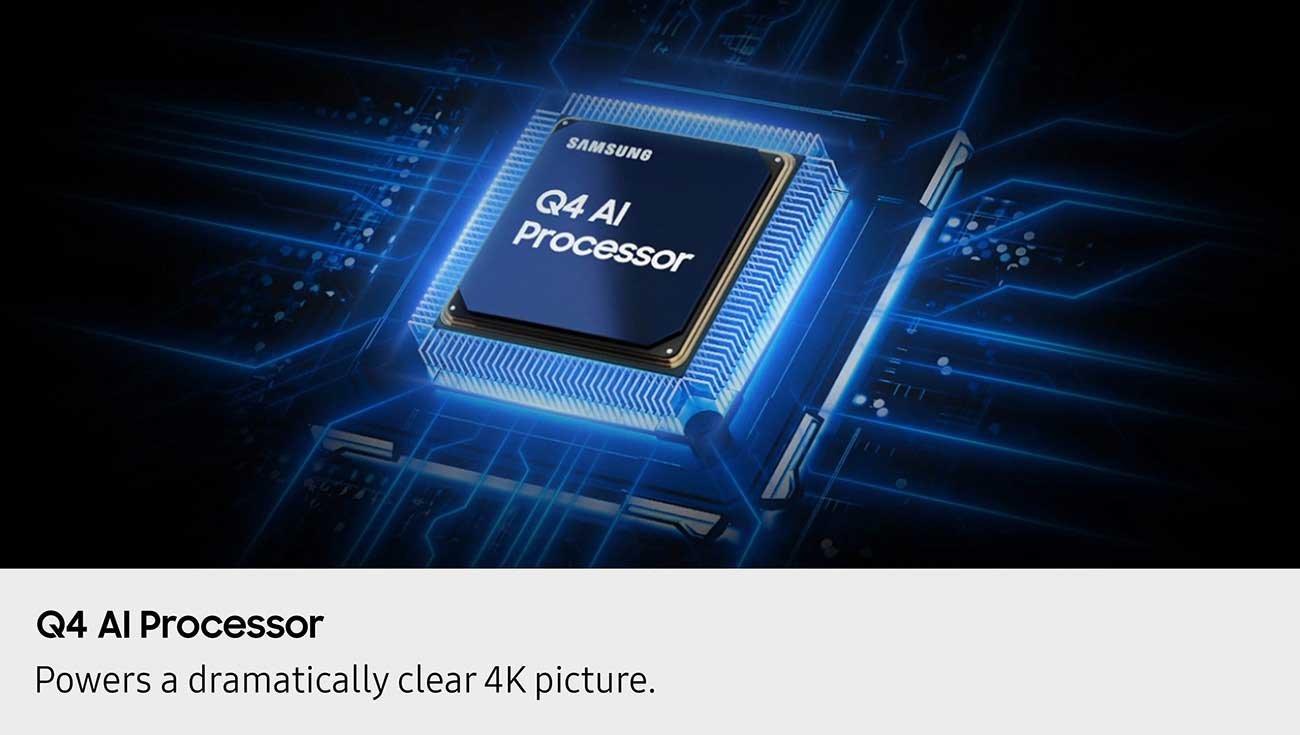
The 2025 Samsung model brings several improvements over earlier QLED generations, including the Q4 AI Processor that uses artificial intelligence to analyze and optimize content in real-time. Meanwhile, the Philips OLED, released as part of the 2024 model year, incorporates mature OLED technology with gaming enhancements that weren't common in earlier OLED TVs.
The most dramatic difference between these technologies becomes apparent the moment you watch a dark scene. The Philips OLED delivers what can only be described as perfect blacks – when a pixel should be black, it's completely off, producing true darkness that makes stars pop against space or creates that cinematic letterbox effect without any gray bleeding.
Our research into professional reviews and user feedback consistently shows that this perfect black capability gives OLED an almost unfair advantage in dark room viewing. The infinite contrast ratio means you can see subtle details in shadows while bright elements maintain their impact. It's particularly noticeable in movies with dramatic lighting – think of candlelit scenes in period dramas or the inky darkness of space in sci-fi films.
The Samsung QLED, despite its Dual LED technology and local dimming zones, can't match this performance. LED backlights inherently produce some light bleed, creating what's often called "blooming" around bright objects against dark backgrounds. However, Samsung has made significant improvements in recent generations, and for many viewers, especially those watching in brighter rooms, this difference becomes less noticeable.
Here's where the tables turn dramatically. The Samsung QLED can achieve peak brightness levels that leave the Philips OLED looking dim by comparison. This isn't just about making the picture brighter overall – peak brightness affects how HDR (High Dynamic Range) content appears and how well the TV performs in bright rooms.
HDR content is mastered with the assumption that your display can hit certain brightness targets. When watching HDR movies or shows on the Philips OLED, highlights often appear muted because the TV simply can't get bright enough to render them as intended. The sun reflecting off water, explosions in action movies, or the bright sky in outdoor scenes lack the visual punch they're supposed to have.
The Samsung QLED excels here, delivering bright highlights that make HDR content genuinely impressive. This higher peak brightness also means better performance in rooms with windows or ambient lighting. While the Philips OLED can become difficult to see clearly in bright conditions, the Samsung maintains good visibility and color saturation.
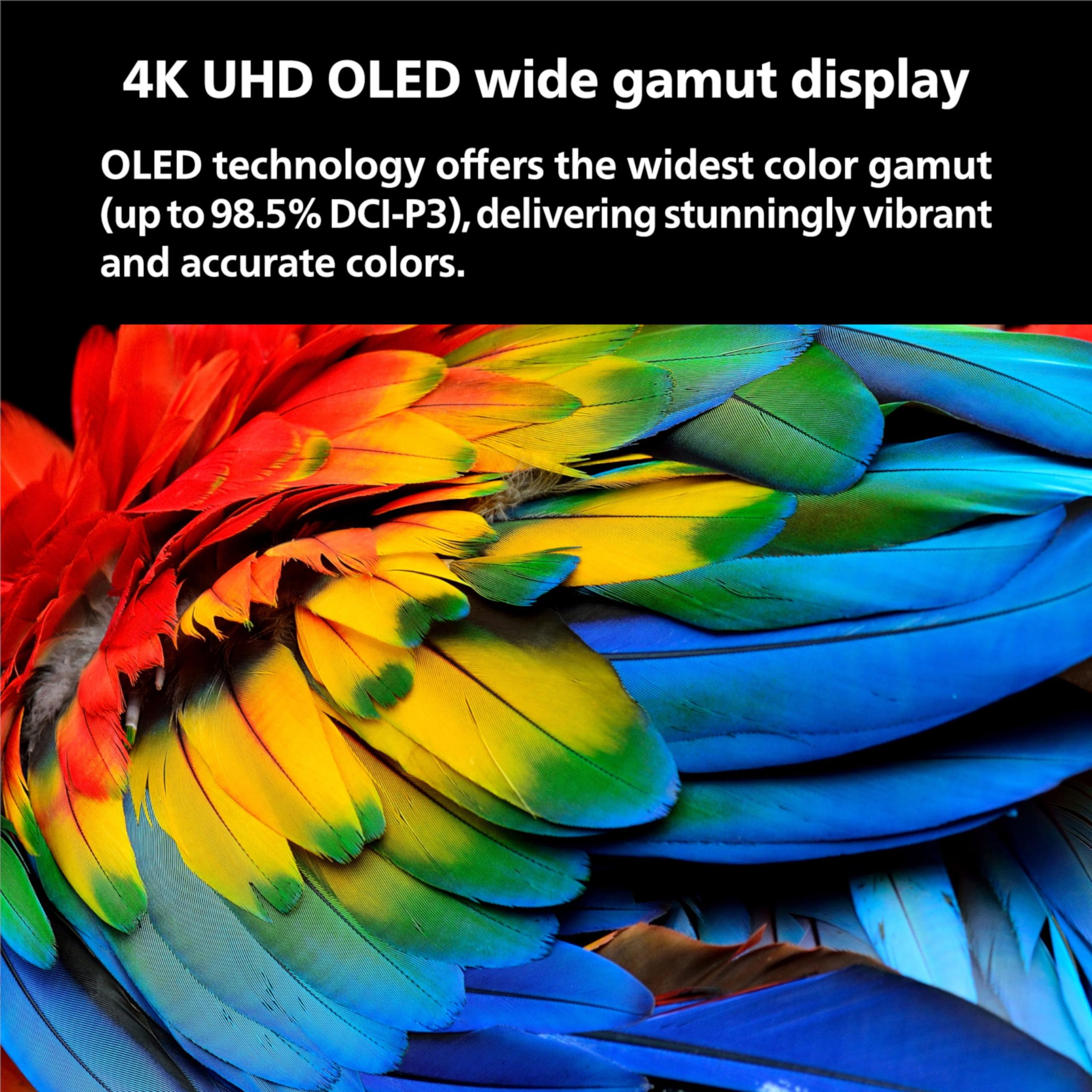
The Philips OLED covers an impressive 98.5% of the DCI-P3 color gamut, which is the standard used in digital cinema. Its colors are accurate and natural-looking, particularly in SDR (Standard Dynamic Range) content where it requires little to no calibration to achieve professional-grade accuracy.
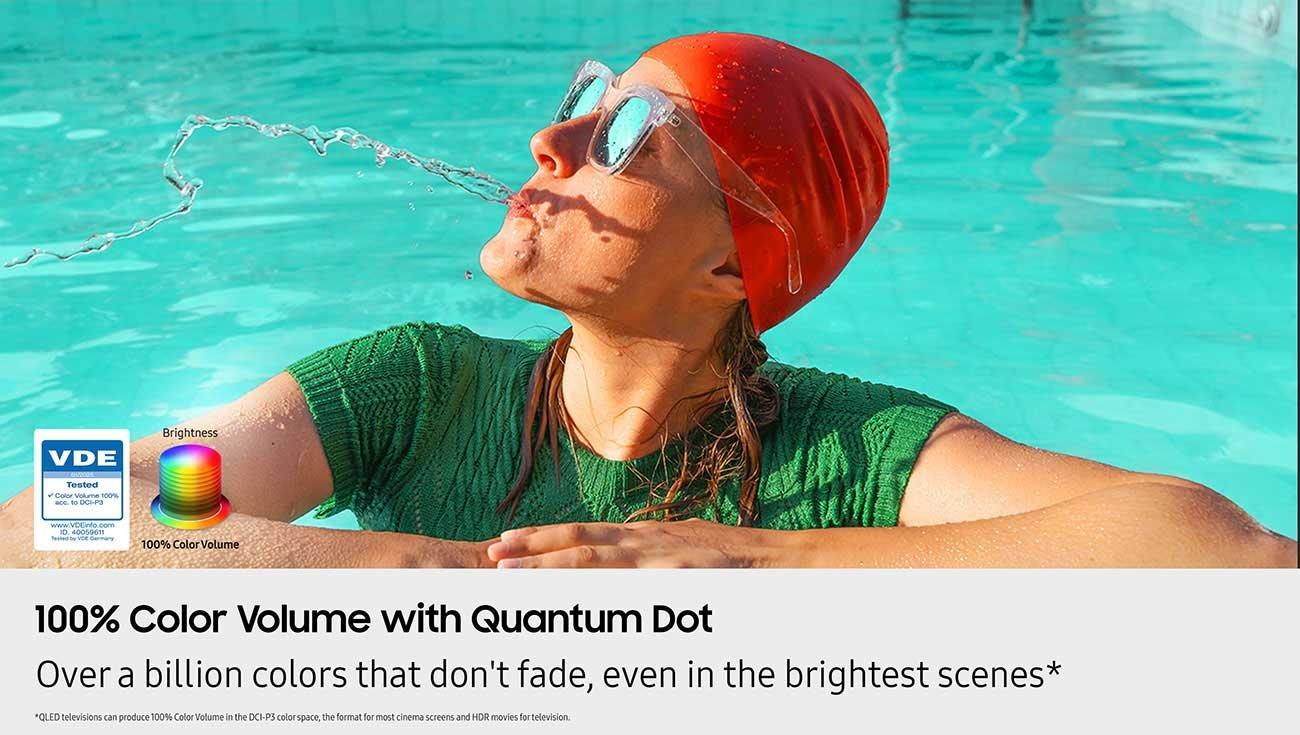
The Samsung QLED takes a different approach with its Quantum Dot technology, claiming "100% Color Volume." This means it can maintain color saturation even at high brightness levels – something OLED struggles with. Colors on Samsung QLEDs tend to be more vibrant and punchy, which many viewers prefer even if they're not technically more accurate.
The practical difference: the Philips OLED delivers colors that look natural and film-like, while the Samsung QLED produces colors that pop off the screen and grab attention. Neither approach is wrong – it depends on your preference for accuracy versus impact.
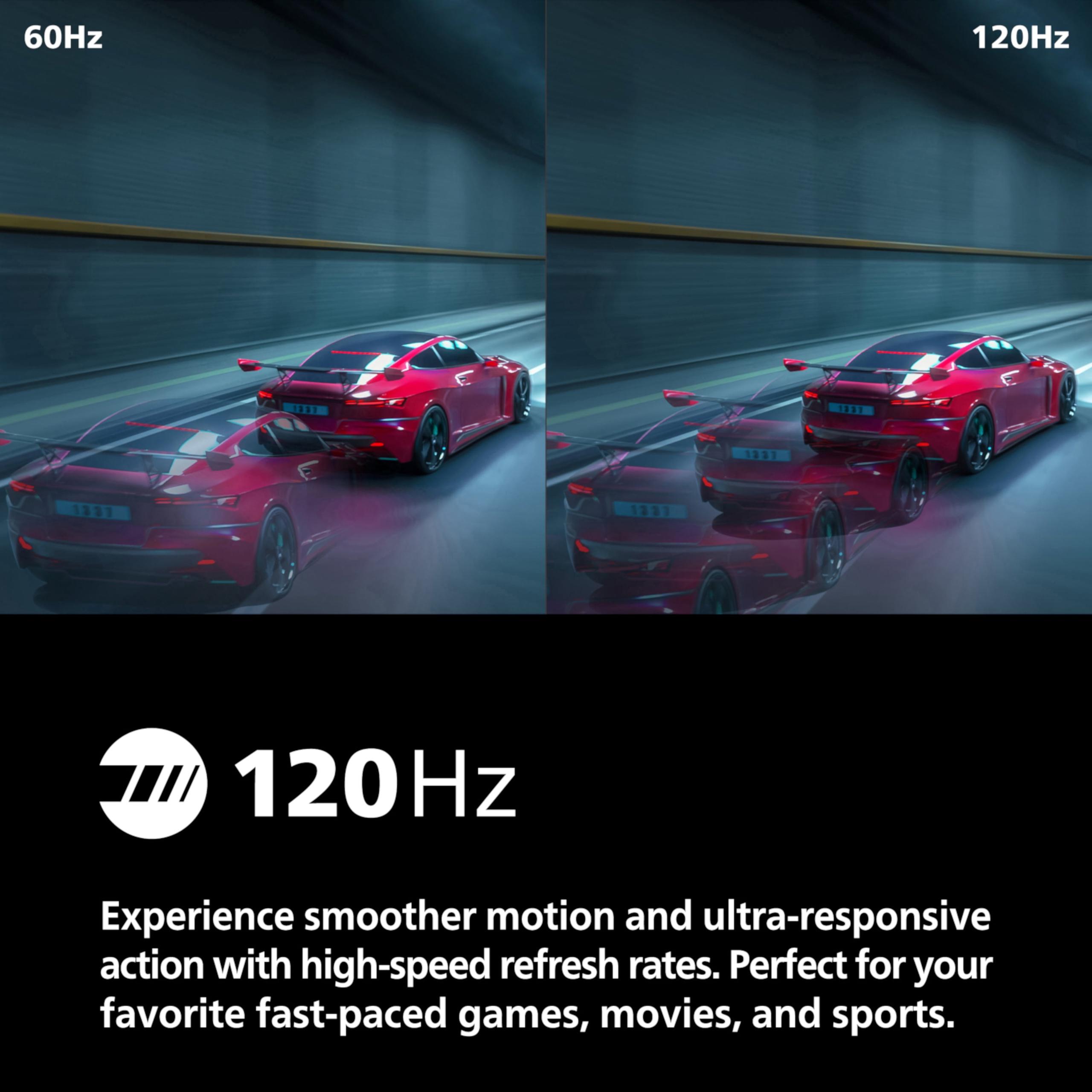
Gaming has become a crucial consideration for modern TVs, especially with the PlayStation 5 and Xbox Series X pushing 4K gaming at 120Hz refresh rates.
The Philips OLED has a significant technical advantage with its response time under 0.1 milliseconds. Response time measures how quickly pixels can change from one color to another, and OLED's near-instantaneous transitions mean you'll see incredibly sharp motion with no blur trailing behind fast-moving objects. This is particularly noticeable in competitive games where clarity during rapid movement can affect performance.
The TV also supports AMD FreeSync Premium, which synchronizes the display's refresh rate with your gaming console or PC's frame rate. This eliminates screen tearing (when the top and bottom of the image don't align) and reduces input lag – the delay between pressing a button and seeing the result on screen.
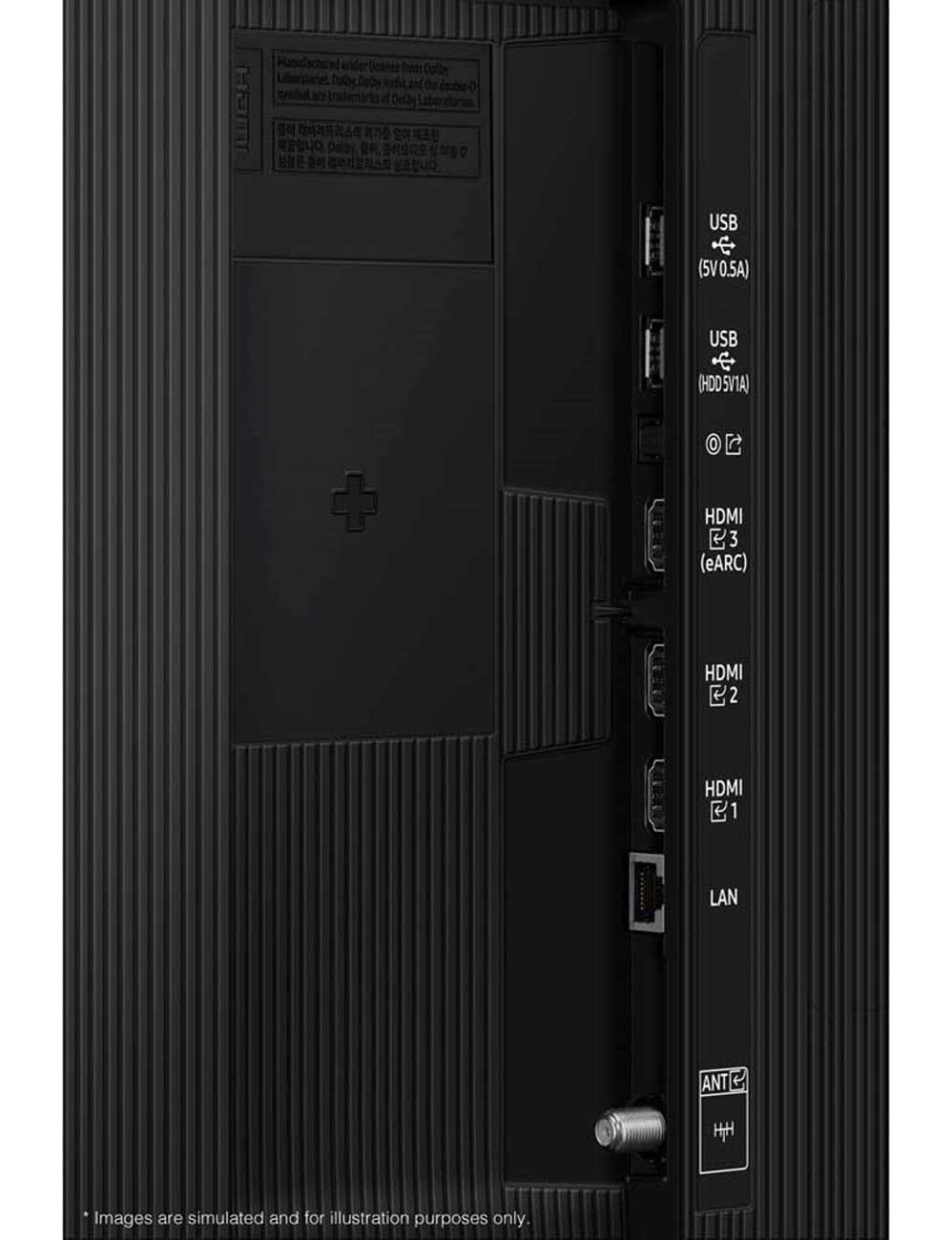
However, the Samsung QLED counters with more comprehensive gaming features. While its response time isn't quite as fast as OLED, it's still excellent for gaming. More importantly, it includes HDMI 2.1 ports on all four inputs, compared to the Philips which has fewer HDMI 2.1 connections. This means more flexibility for connecting multiple gaming devices, streaming devices, and sound systems.
The Samsung also includes Variable Refresh Rate (VRR) support and Auto Low Latency Mode (ALLM), which automatically switches to game mode when it detects gaming content. The Q4 AI Processor can even optimize gaming performance based on the type of game you're playing.
For HDR gaming specifically, the Samsung QLED has a notable advantage. The Philips OLED's limited peak brightness means HDR games lack the visual impact they should have – bright explosions, sunlight, and other highlights don't pop the way developers intended. The Samsung's higher brightness delivers a more impressive HDR gaming experience.
The smart TV experience differs significantly between these models, reflecting different philosophies about user interaction and features.
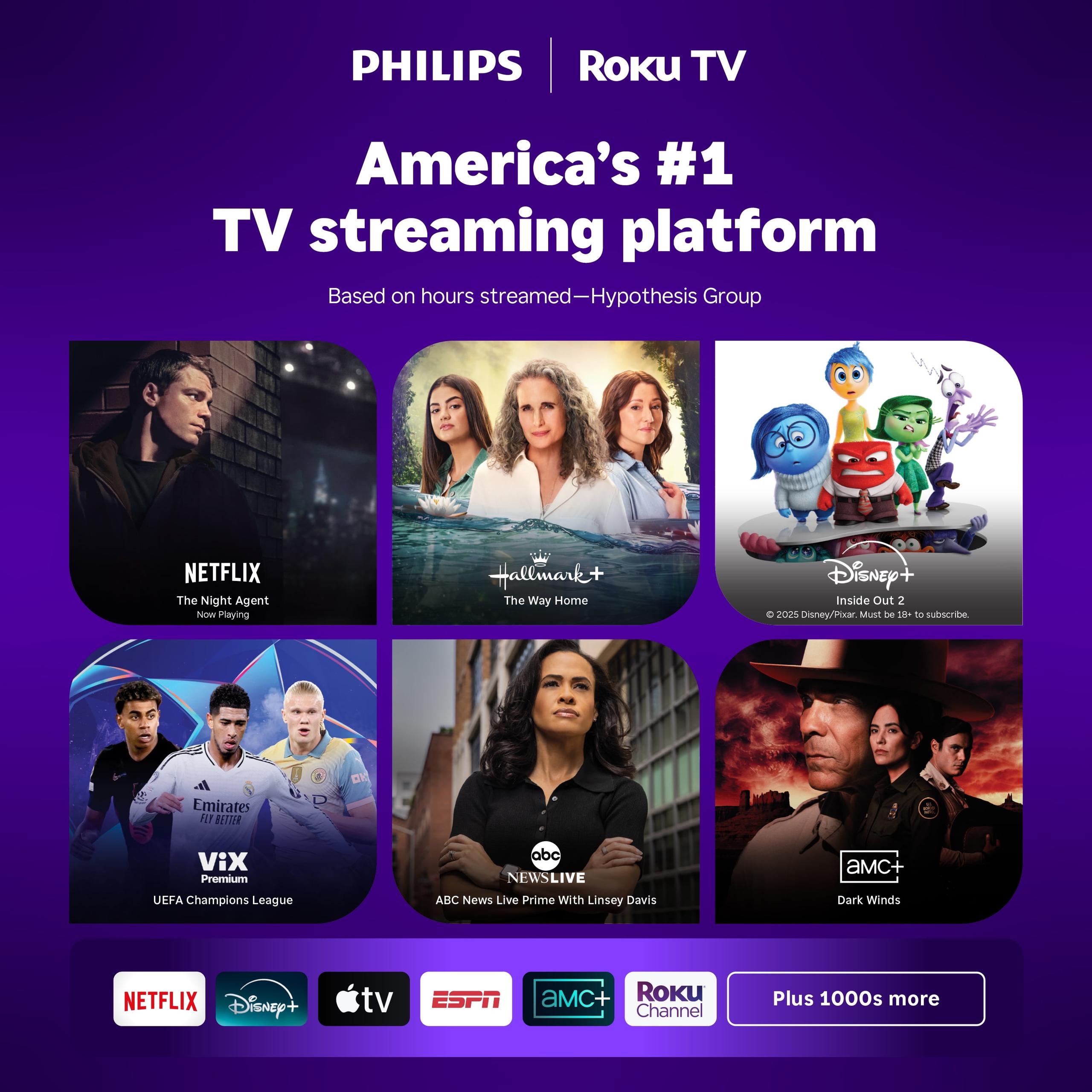
The Philips OLED runs Roku TV, which has earned a reputation for being one of the most user-friendly smart TV platforms available. The interface is clean, intuitive, and fast. App selection is excellent, and the universal search function works across multiple streaming services simultaneously. Roku's strength lies in its simplicity – you can find what you want to watch without navigating complex menus or dealing with sluggish performance.
The Samsung QLED uses Samsung's Tizen operating system enhanced with Vision AI technology. This 2025 implementation includes several interesting features that showcase Samsung's focus on artificial intelligence. The AI analyzes what you're watching and automatically optimizes picture and sound settings. For example, it might boost dialogue clarity during a conversation scene or enhance brightness during an action sequence.
Samsung's platform also includes enhanced Bixby voice control that can process multiple commands simultaneously and understand context better than previous versions. The system can control not just the TV but other Samsung devices in your home, making it part of a broader smart home ecosystem.
One unique feature worth mentioning is the Generative Wallpaper capability, where the AI creates custom wallpaper based on keywords you provide. While this might seem gimmicky, it's actually quite impressive in practice and shows the direction Samsung is taking with AI integration.
Neither TV will replace a dedicated sound system, but their built-in audio capabilities differ meaningfully.
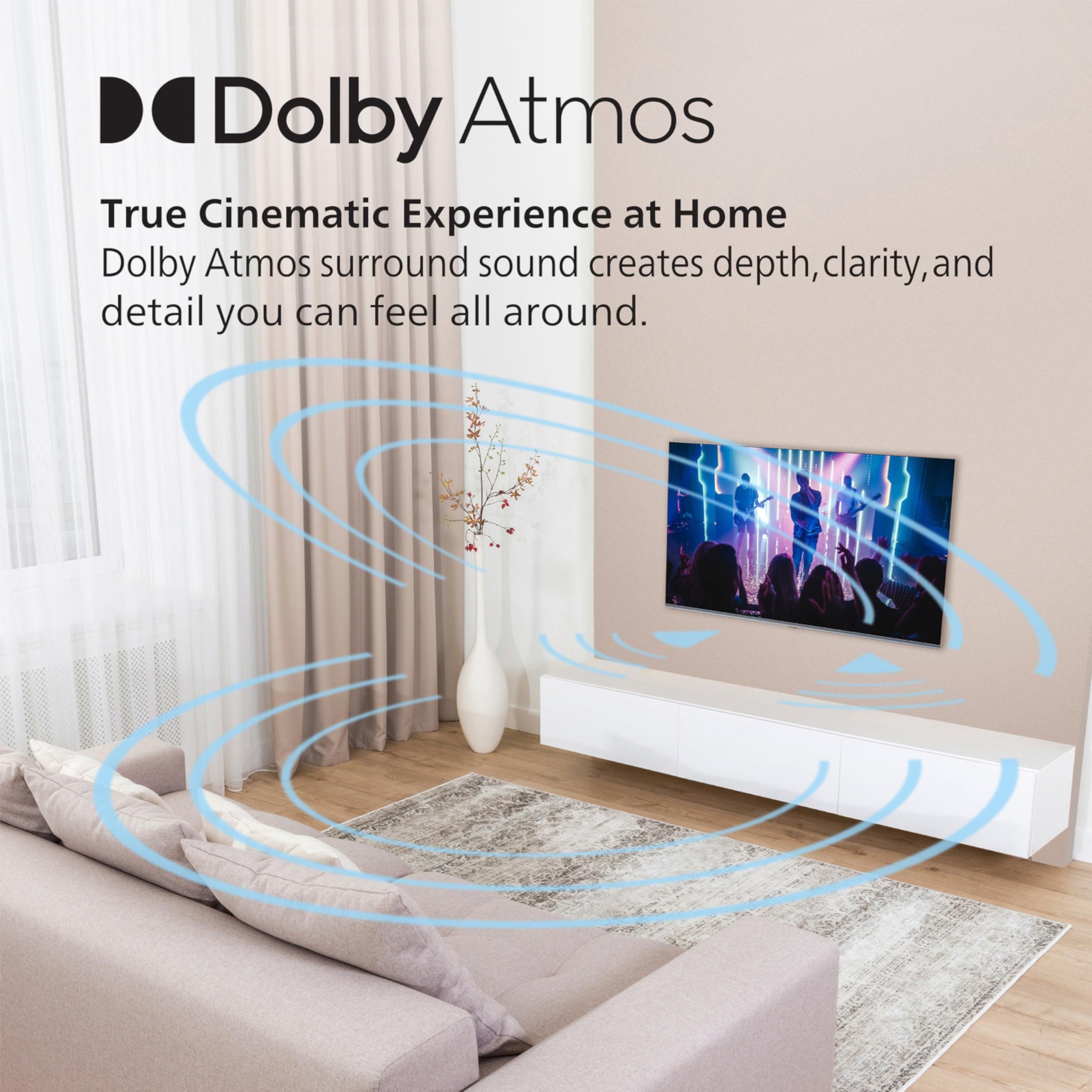
The Philips OLED includes a 2.1 speaker system with a dedicated subwoofer and Dolby Atmos support. Dolby Atmos creates three-dimensional sound by placing audio objects in virtual space around you. While TV speakers can't fully replicate the surround sound experience of a proper home theater system, the inclusion of Atmos processing and a subwoofer gives the Philips better bass response and overall audio quality.
The Samsung QLED features a 20-watt 2-channel system with Adaptive Sound+ technology. This AI-driven feature analyzes the content and your room's acoustics to optimize audio output. It can emphasize dialogue during quiet conversations or enhance sound effects during action scenes. The system also includes Object Tracking Sound Lite, which tries to make audio appear to come from the correct location on screen.
In practice, the Philips OLED produces fuller, richer sound with better bass, while the Samsung QLED offers more intelligent audio processing that adapts to what you're watching.
Your viewing environment often determines which technology will serve you better, regardless of other preferences.
Dark Room Viewing: The Philips OLED is virtually unbeatable here. The perfect blacks create an almost theater-like experience where the screen seems to disappear into darkness, leaving only the image floating in space. Colors appear more saturated against the true black background, and the overall viewing experience feels more immersive and cinematic.
Bright Room Viewing: The Samsung QLED is the clear winner in rooms with windows or ambient lighting. Its high peak brightness cuts through glare and maintains good color saturation even in challenging lighting conditions. The Philips OLED can become difficult to see clearly and may require adjusting room lighting to achieve optimal viewing.
Mixed Lighting Conditions: If your viewing room experiences both bright and dark conditions throughout the day, the Samsung QLED adapts better to these changes. Its AI optimization can adjust to different lighting conditions, though it won't match the Philips OLED's performance in truly dark environments.
At the time of writing, these TVs occupy very different price segments, making the value equation interesting to analyze.
Choose the Philips 65OLED974/F7 if you:
Choose the Samsung 65" QN8F Series QLED if you:
From a pure value perspective, the Samsung QLED offers remarkable features and performance for its price point. The inclusion of 2025 AI enhancements, comprehensive gaming support, and bright HDR capability makes it an excellent choice for most households.
However, if picture quality is your primary concern and you have an appropriate viewing environment, the Philips OLED delivers an experience that QLED technology simply cannot match. The perfect blacks and infinite contrast create a viewing experience that feels almost magical in the right conditions.
These technologies represent different philosophies about what makes a great TV. OLED prioritizes absolute picture quality in ideal conditions, while QLED emphasizes versatility and performance across all environments and use cases.
The Samsung QLED is probably the better choice for most people because it performs well in more situations and offers excellent value for its feature set. However, the Philips OLED provides an unmatched viewing experience for those who can take advantage of its strengths.
Your room, viewing habits, and priorities should guide your decision more than any technical specification or review. Consider how and where you watch TV most often, and choose the technology that best fits your real-world usage patterns.
| Philips 65OLED974/F7 | Samsung 65" QN8F Series QLED |
|---|---|
| Display Technology - Fundamentally different approaches to creating picture quality | |
| OLED with self-illuminating pixels for perfect blacks | QLED with Quantum Dot enhancement and LED backlighting |
| Peak Brightness - Critical for HDR impact and bright room viewing | |
| Limited brightness (~400-600 nits), struggles in bright rooms | High peak brightness (1000+ nits), excellent for all lighting conditions |
| Black Levels - Determines contrast and dark scene detail | |
| Perfect blacks with infinite contrast ratio | Deep blacks with local dimming, but some light bleed |
| Response Time - Important for gaming and fast motion clarity | |
| <0.1ms (virtually instantaneous pixel changes) | Good gaming response time but not OLED-level |
| Gaming Features - Modern console and PC gaming support | |
| AMD FreeSync Premium, ALLM, limited HDMI 2.1 ports | VRR support, HDMI 2.1 on all four ports, Game Mode optimization |
| Smart Platform - Daily user experience and app ecosystem | |
| Roku TV (simple, intuitive, excellent app selection) | Tizen OS with Vision AI (advanced features, AI optimization) |
| Color Performance - Accuracy vs vibrancy trade-offs | |
| 98.5% DCI-P3 coverage, natural film-like colors | 100% Color Volume with Quantum Dots, vibrant punchy colors |
| Audio System - Built-in sound quality | |
| 2.1 speakers with subwoofer and Dolby Atmos | 20W 2CH with Adaptive Sound+ and room optimization |
| Best Use Case - Where each TV truly excels | |
| Dark room movie watching and competitive gaming | Bright rooms, HDR content, and versatile all-day viewing |
| Voice Control - Smart assistant capabilities | |
| Basic Bluetooth voice remote with search functions | Enhanced Bixby with multi-command processing and device integration |
| HDR Performance - High dynamic range content quality | |
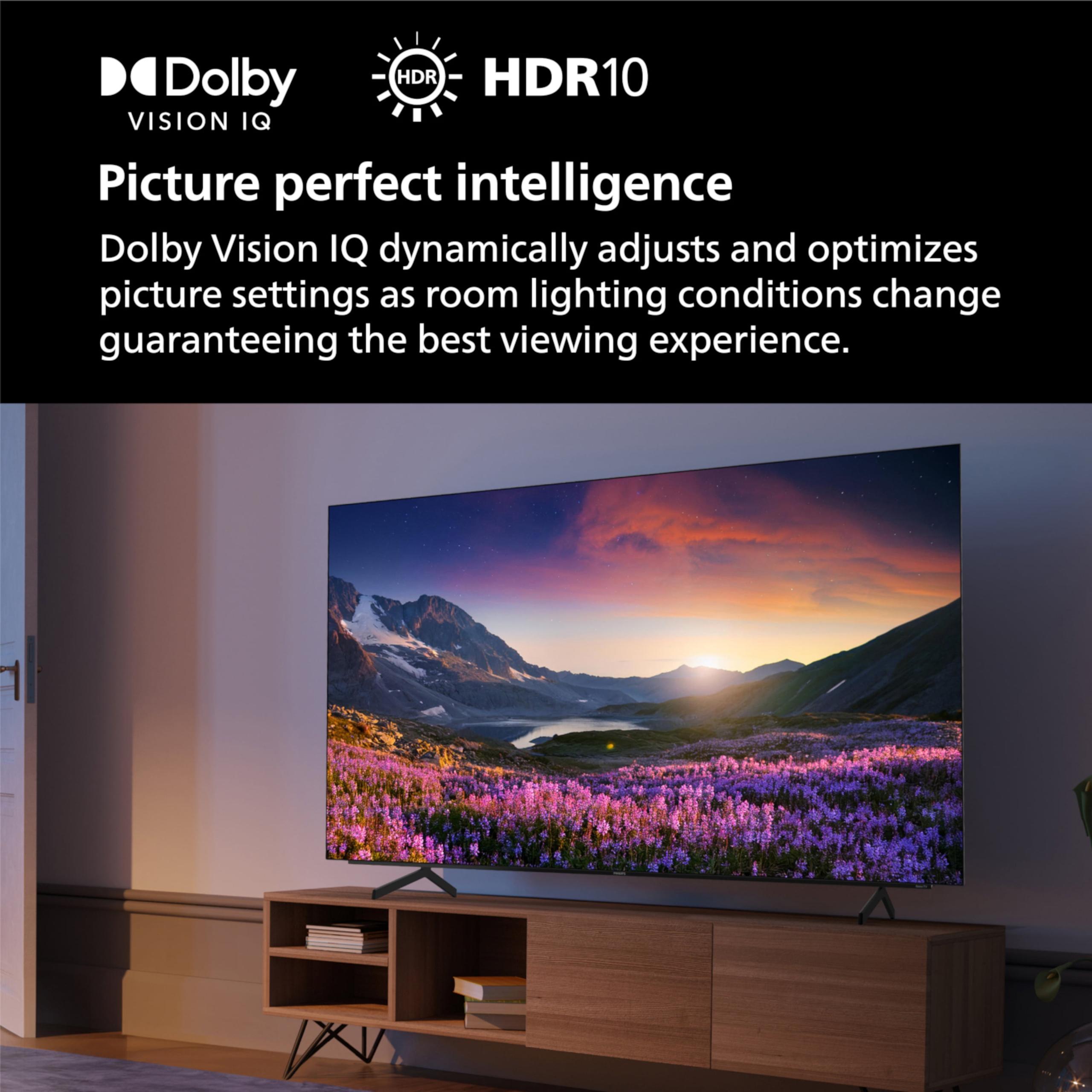
| Supports Dolby Vision IQ but limited by low peak brightness | Bright, impactful HDR with better highlight rendering |
The Philips 65OLED974/F7 is significantly better for dark room viewing due to its OLED technology. Each pixel can turn completely off to create perfect blacks, resulting in infinite contrast that makes movies look more cinematic. The Samsung QN8F Series QLED cannot match this performance since it uses LED backlighting that creates some light bleed in dark scenes.
The Samsung 65" QN8F Series QLED is the clear winner for bright rooms. Its higher peak brightness cuts through glare and maintains vibrant colors even with windows or ambient lighting. The Philips OLED struggles in bright conditions and may require dimming room lights for optimal viewing.
OLED technology in the Philips 65OLED974/F7 uses self-illuminating pixels that can turn completely on or off, creating perfect blacks and infinite contrast. QLED technology in the Samsung QN8F Series uses quantum dots with LED backlighting and local dimming zones to achieve bright, vibrant colors with good contrast, though not as perfect as OLED.
Both TVs excel at gaming but in different ways. The Philips OLED offers superior response times under 0.1ms and AMD FreeSync Premium for competitive gaming. The Samsung QLED provides more gaming connectivity with HDMI 2.1 on all four ports and better HDR gaming performance due to its higher brightness levels.
The Philips 65OLED974/F7 runs Roku TV, which is known for its simple, intuitive interface and excellent app selection. The Samsung 65" QN8F Series uses Tizen OS with Vision AI features that offer more advanced capabilities but may be more complex for some users. Roku is generally considered more user-friendly.
Picture quality depends on your viewing environment. The Philips OLED delivers superior picture quality in dark rooms with perfect blacks and natural colors. The Samsung QLED provides better overall picture quality across all lighting conditions with brighter HDR performance and vibrant colors that work well in any room.
The Samsung 65" QN8F Series QLED typically offers better value with its comprehensive feature set, AI optimization, and strong performance across all use cases. The Philips 65OLED974/F7 commands a premium for its specialized OLED technology and perfect black levels, making it better value for dark room enthusiasts.
The Philips OLED features a 2.1 speaker system with a dedicated subwoofer and Dolby Atmos support for fuller sound. The Samsung QLED offers a 20W 2-channel system with Adaptive Sound+ technology that intelligently optimizes audio based on content and room acoustics. The Philips generally provides richer bass and overall audio quality.
For home theater movie watching, the Philips 65OLED974/F7 is superior in dark rooms due to its perfect blacks, infinite contrast, and film-accurate colors with Dolby Vision IQ support. However, the Samsung QN8F Series may be better for HDR movies in brighter rooms due to its higher peak brightness that makes highlights more impactful.
The Samsung 65" QN8F Series QLED offers more advanced smart features with its Vision AI technology, Q4 AI processor, enhanced Bixby voice control, and features like Generative Wallpaper. The Philips OLED focuses on simplicity with Roku TV's straightforward interface and reliable performance rather than cutting-edge AI features.
The Samsung QN8F Series is better for HDR content overall due to its significantly higher peak brightness that makes highlights pop and colors appear more vibrant. While the Philips 65OLED974/F7 supports excellent HDR formats including Dolby Vision IQ, its limited brightness means HDR content often appears dimmer than intended.
Choose the Samsung 65" QN8F Series QLED if your living room has windows or varied lighting conditions, as it performs well in all environments. Select the Philips 65OLED974/F7 if you have a dedicated dark viewing space and prioritize the absolute best picture quality for movies and shows. The Samsung is more versatile for typical living room use.
We've done our best to create useful and informative comparisons to help you decide what product to buy. Our research uses advanced automated methods to create this comparison and perfection is not possible - please contact us for corrections or questions. These are the sites we've researched in the creation of this article: rtings.com - versus.com - versus.com - rtings.com - samsclub.com - versus.com - youtube.com - usa.philips.com - bestbuy.com - usa.philips.com - consumerreports.org - usa.philips.com - documents.philips.com - tvoutlet.ca - displayspecifications.com - business.walmart.com - displayspecifications.com - ecoustics.com - walmart.com - bestbuy.com - samsung.com - rtings.com - youtube.com - samsung.com - pcrichard.com - abt.com - images.samsung.com - cnet.com - news.samsung.com - samsung.com - bestbuy.com

Privacy Policy
Terms and Conditions - Affiliate Policy
Home Security
© Copyright 2008-2026.
11816 Inwood Rd #1211, Dallas, TX 75244