

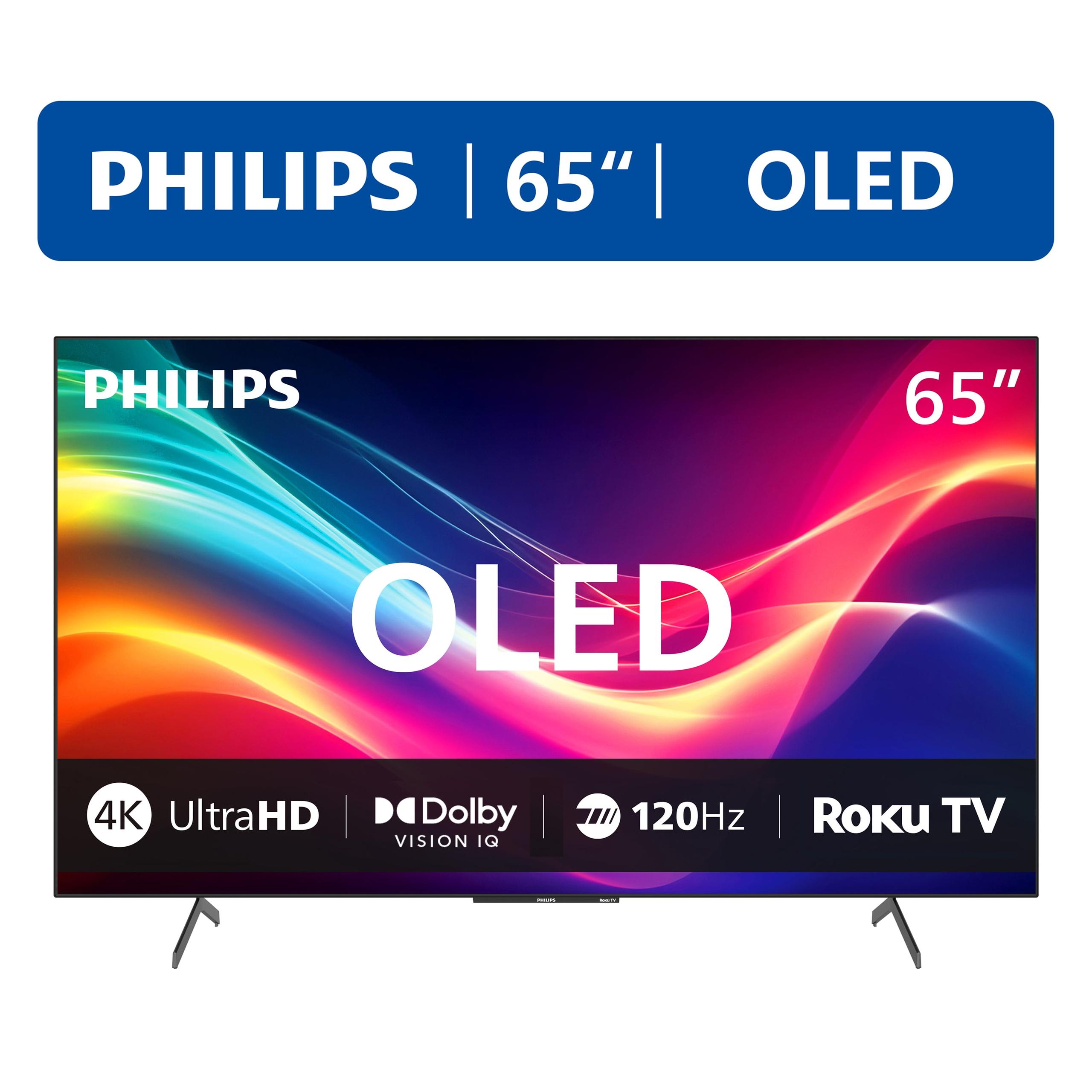
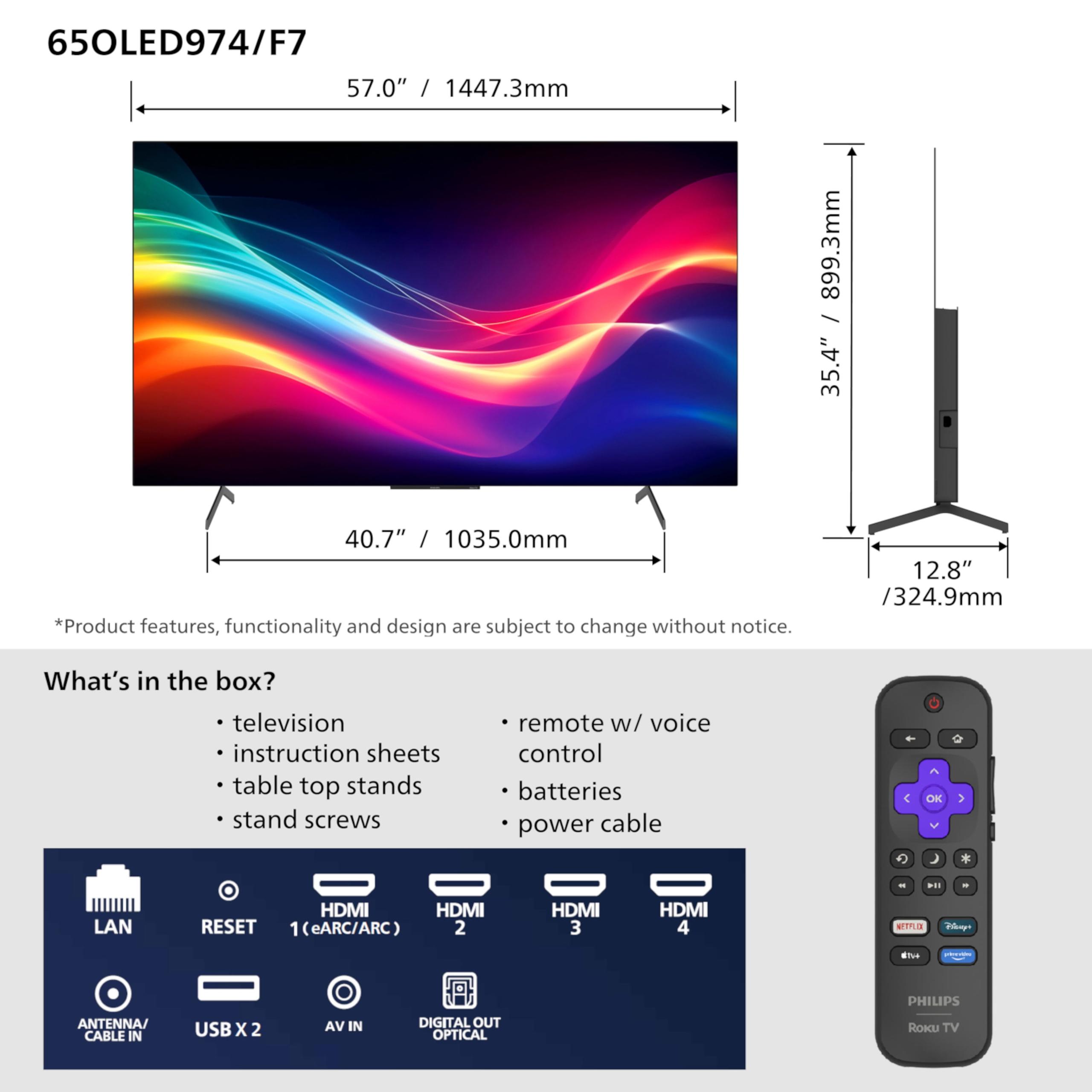
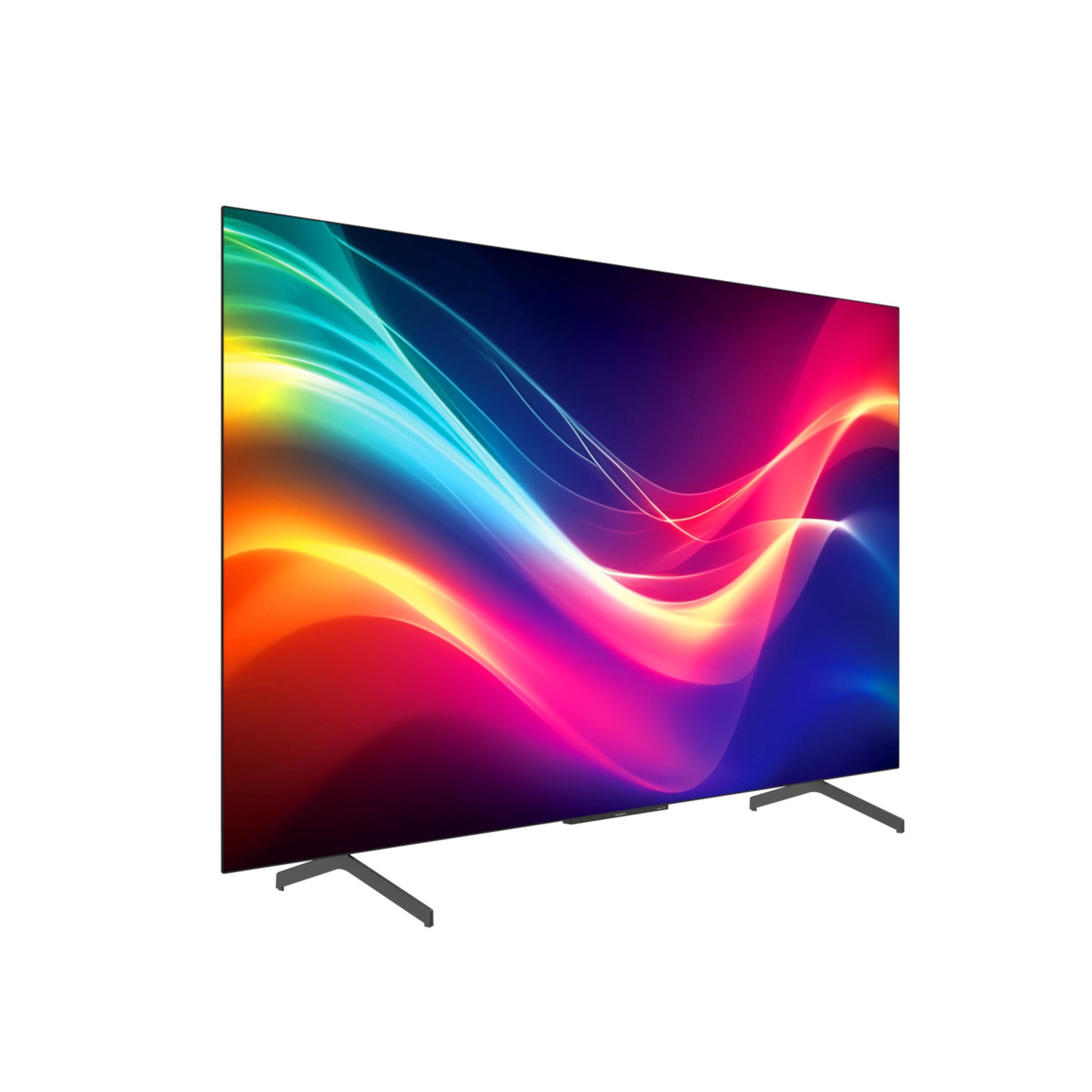
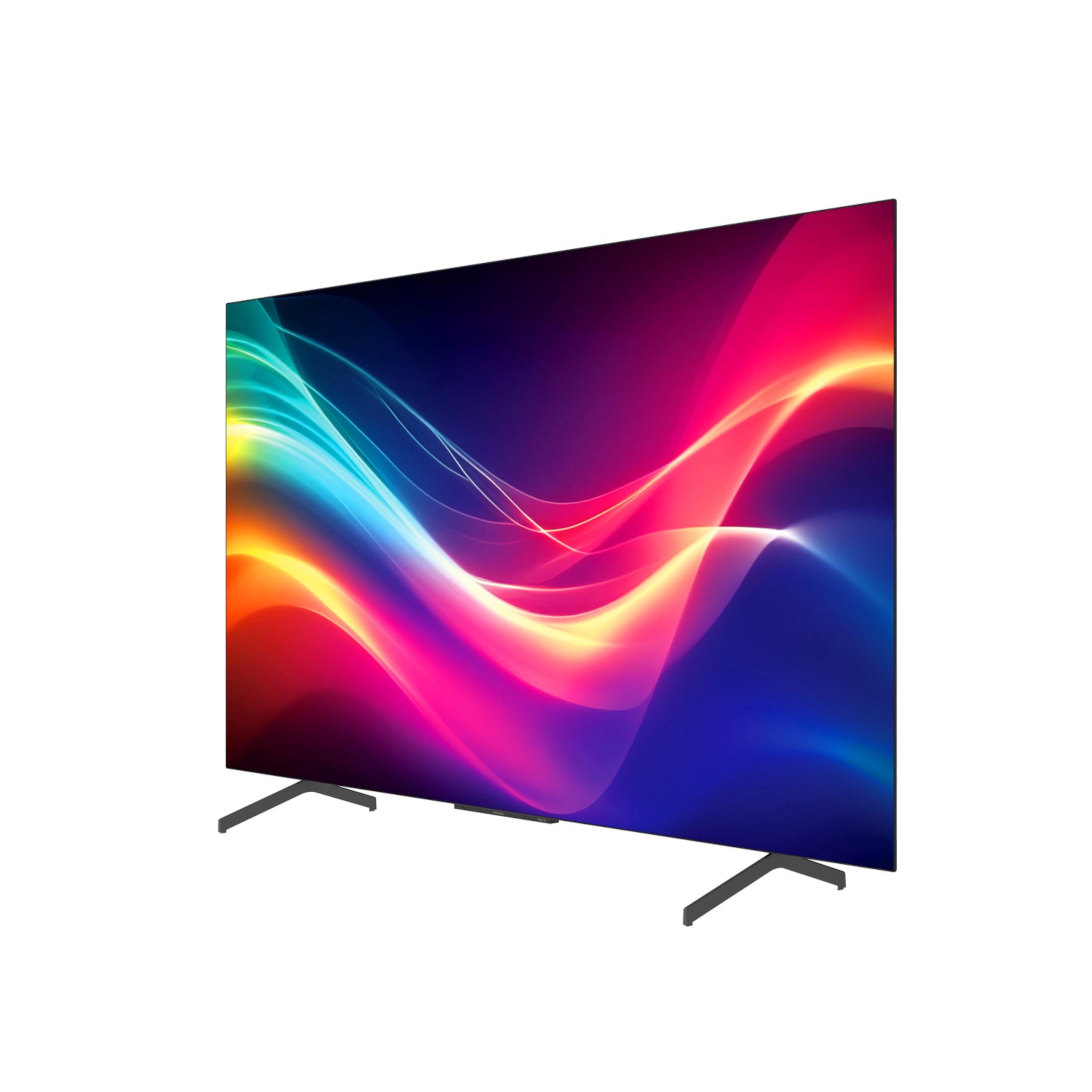
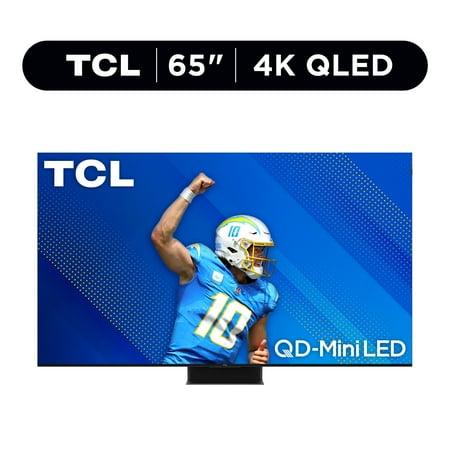




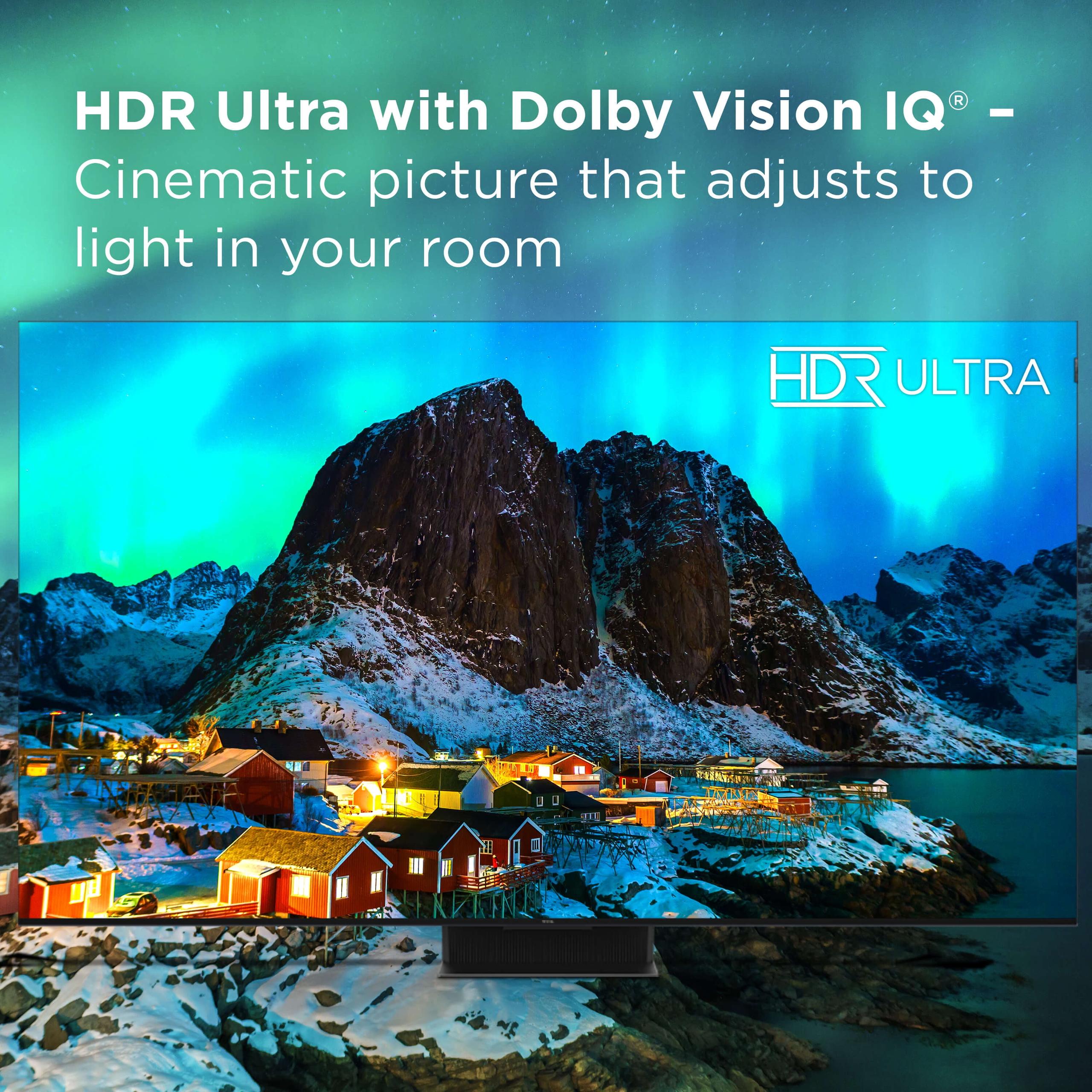
When shopping for a premium 65-inch TV, you'll quickly encounter two fundamentally different display technologies that represent the current pinnacle of picture quality: OLED and Mini-LED with quantum dots. The Philips 65OLED974/F7 exemplifies the OLED approach, while the TCL 65" QM8 showcases what Mini-LED can achieve. Understanding these technologies and their trade-offs is crucial for making the right choice for your home.
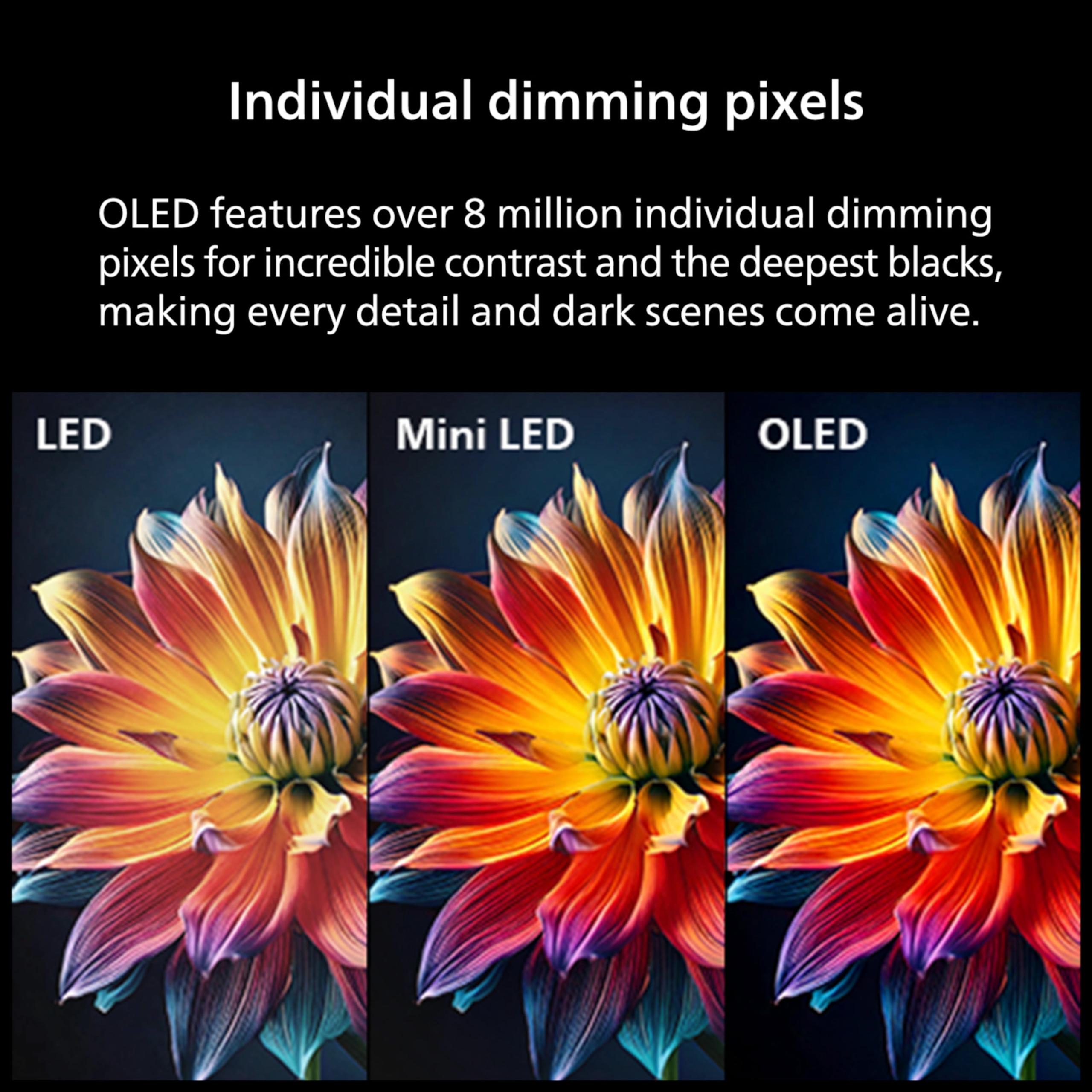
Television display technology has evolved dramatically over the past decade. OLED (Organic Light-Emitting Diode) technology allows each pixel to produce its own light and turn completely off when displaying black, creating perfect contrast. Mini-LED, meanwhile, uses thousands of tiny LED backlights behind a traditional LCD panel, combined with quantum dots that enhance color production.
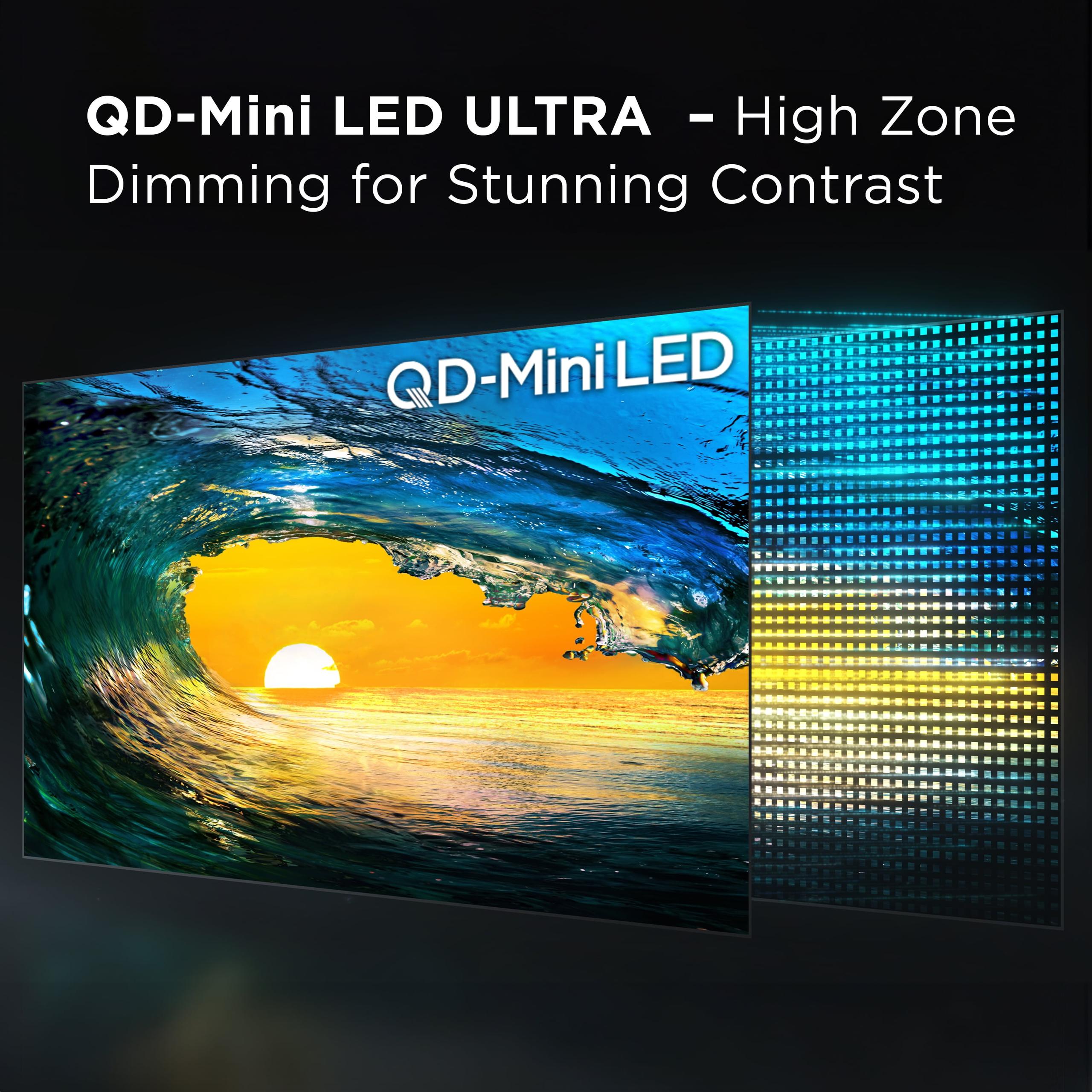
The Philips OLED974 released in 2024, represents a more mature OLED technology that has refined the balance between performance and affordability. OLED panels have been steadily improving their brightness capabilities while maintaining their signature perfect blacks. The TCL QM8, also from 2024, showcases the latest Mini-LED advancement with an unprecedented number of local dimming zones - up to 5,000 compared to just hundreds in older models.
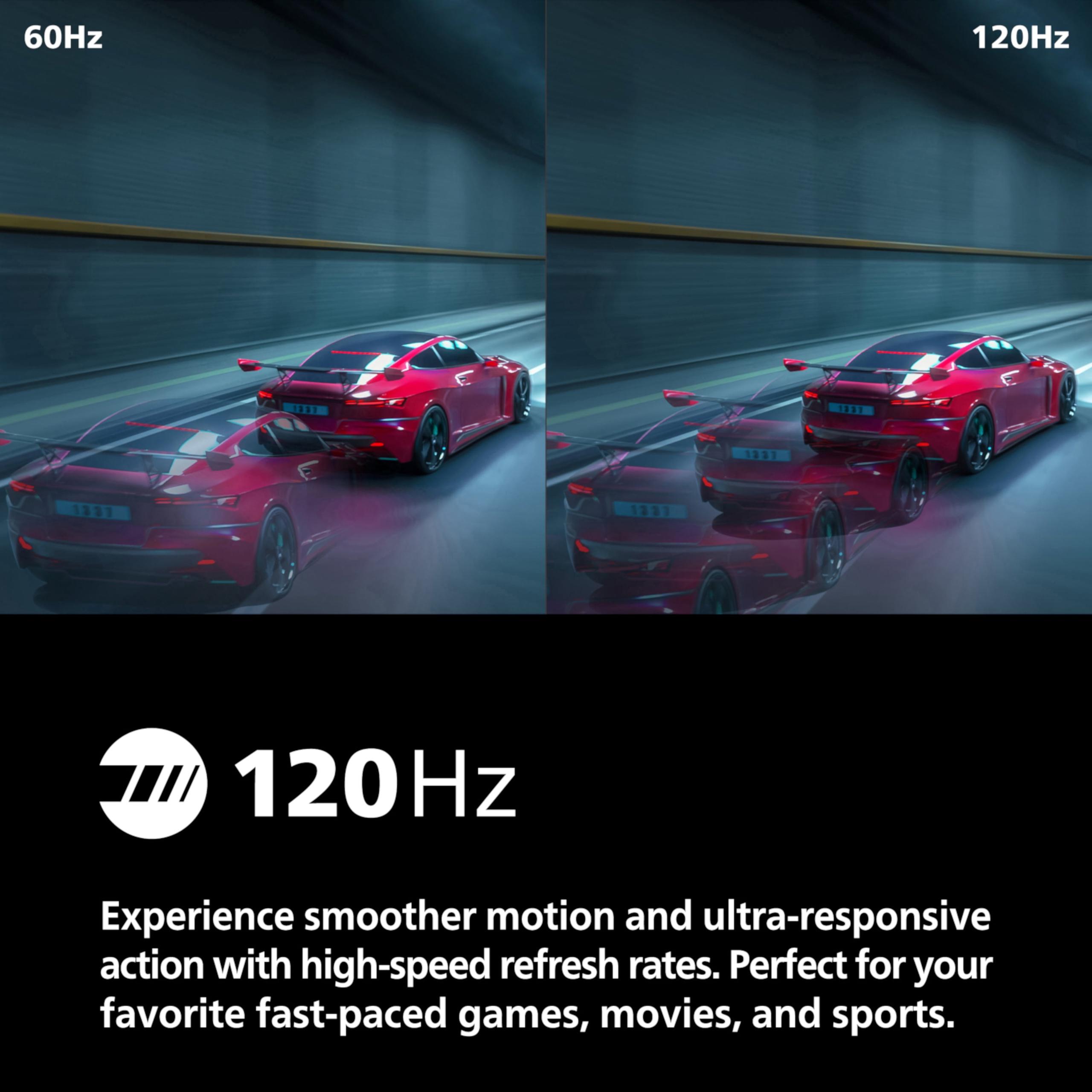
Both TVs support the essential modern features you'd expect: 4K resolution (3840 x 2160 pixels), HDR (High Dynamic Range for enhanced contrast and colors), and 120Hz refresh rates for smooth motion. However, they achieve these specifications through completely different approaches.
The most dramatic difference between these displays lies in contrast performance. Contrast ratio measures the difference between the darkest and brightest parts of an image - think of a starry night scene where you want deep black space but brilliant white stars.
The Philips OLED974 achieves what's technically called "infinite contrast" because its pixels can turn completely off, producing true black with zero light output. When you're watching a movie like "Interspace" with vast black space punctuated by bright stars or spacecraft, each black pixel emits absolutely no light, creating an incredibly immersive experience that makes you feel like you're looking through a window into space.
The TCL QM8 uses local dimming technology with up to 5,000 zones. Local dimming means the TV can dim or brighten specific areas of the backlight independently. While this creates very deep blacks - much better than traditional LED TVs - it can't match OLED's perfection. You might notice subtle "blooming" where bright objects have a faint glow extending into nearby dark areas, though with 5,000 zones, this effect is minimal and often unnoticeable during normal viewing.
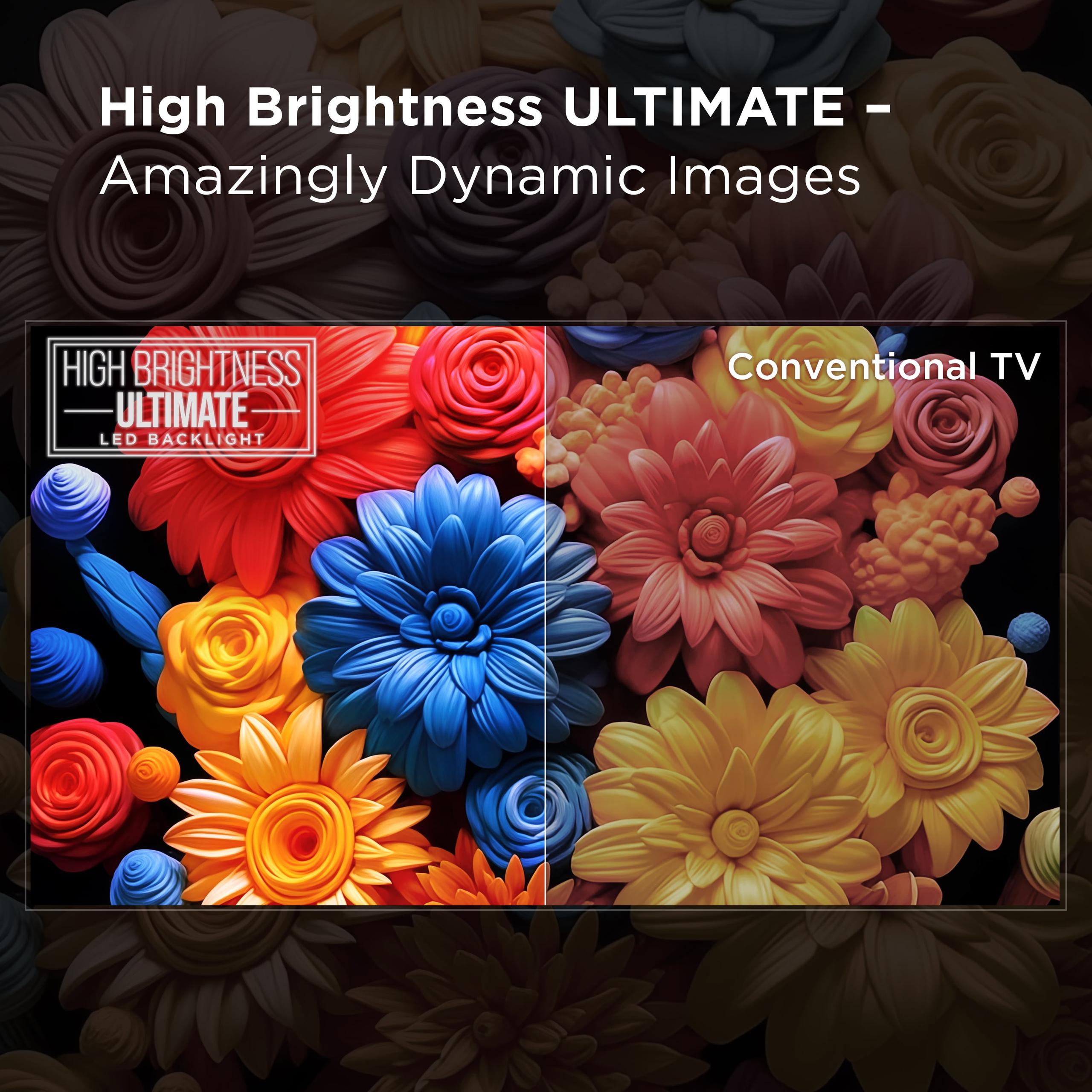
Here's where the tables turn dramatically. The TCL QM8 can achieve peak brightness levels up to 5,000 nits (a measure of luminance), while the Philips OLED974 typically peaks around 800-1,000 nits. To put this in perspective, a bright sunny day measures about 10,000 nits, while a dimly lit room might be 50-100 nits.
This brightness difference profoundly impacts HDR content. HDR (High Dynamic Range) aims to reproduce the full range of brightness our eyes can see, from deep shadows to brilliant highlights. When watching a scene with bright sunlight streaming through a window or an explosion in an action movie, the TCL QM8 can make these highlights truly pop and feel dazzling, closer to what the director intended. The Philips OLED974, while still displaying beautiful images, simply can't create that same "wow" factor in bright scenes.
Your room's lighting dramatically affects which technology performs better. In a dedicated home theater with blackout curtains and controlled lighting, the Philips OLED974 creates an incredibly immersive experience. The perfect blacks make you forget you're looking at a screen, especially during dark, atmospheric content.
However, in a typical living room with windows, lamps, and varying light throughout the day, the TCL QM8 maintains its visual impact regardless of ambient lighting. Its superior brightness cuts through glare and maintains vibrant colors even in bright afternoon sunlight streaming through windows.
Both TVs cater to serious gamers, but with different strengths. Modern gaming consoles like the PlayStation 5 and Xbox Series X can output 4K resolution at 120 frames per second, demanding TVs that can keep up.
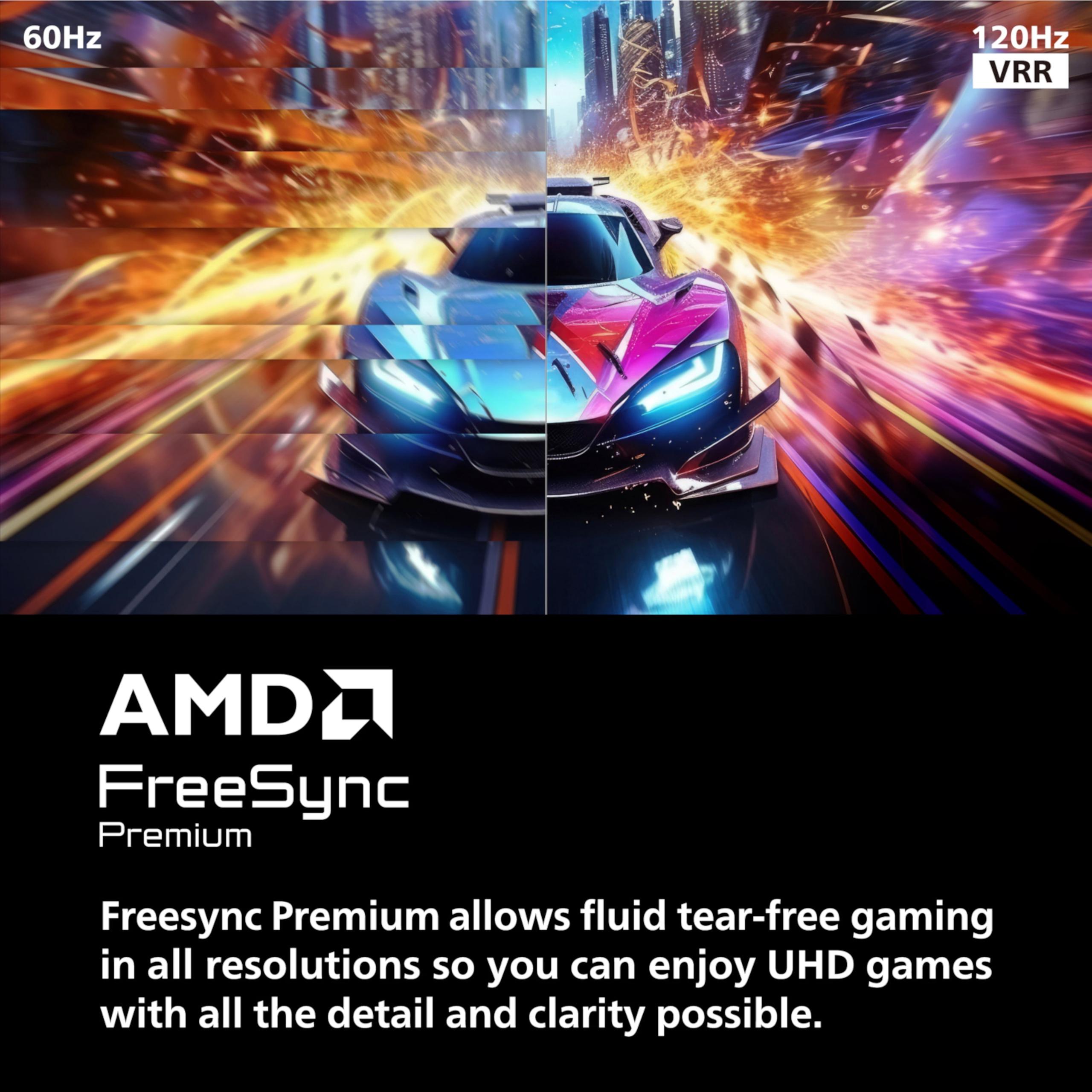
The Philips OLED974 offers incredibly fast response times - less than 0.1 milliseconds for pixels to change from one color to another. This virtually eliminates motion blur during fast-paced gaming, making it excellent for competitive gaming where every frame matters. It supports AMD FreeSync Premium, which synchronizes the TV's refresh rate with your gaming console to eliminate screen tearing (when part of the image appears to lag behind the rest).
The TCL QM8 takes gaming further with support for refresh rates up to 144Hz through Variable Refresh Rate (VRR) technology. Its "Game Accelerator 240" feature optimizes the TV's processing for minimal input lag - the delay between pressing a button and seeing the action on screen. For competitive gamers, this TV offers more advanced gaming features and future-proofing.
Both TVs automatically switch to low-latency gaming modes when they detect a console, but the TCL QM8 provides a more comprehensive gaming feature set that serious enthusiasts will appreciate.
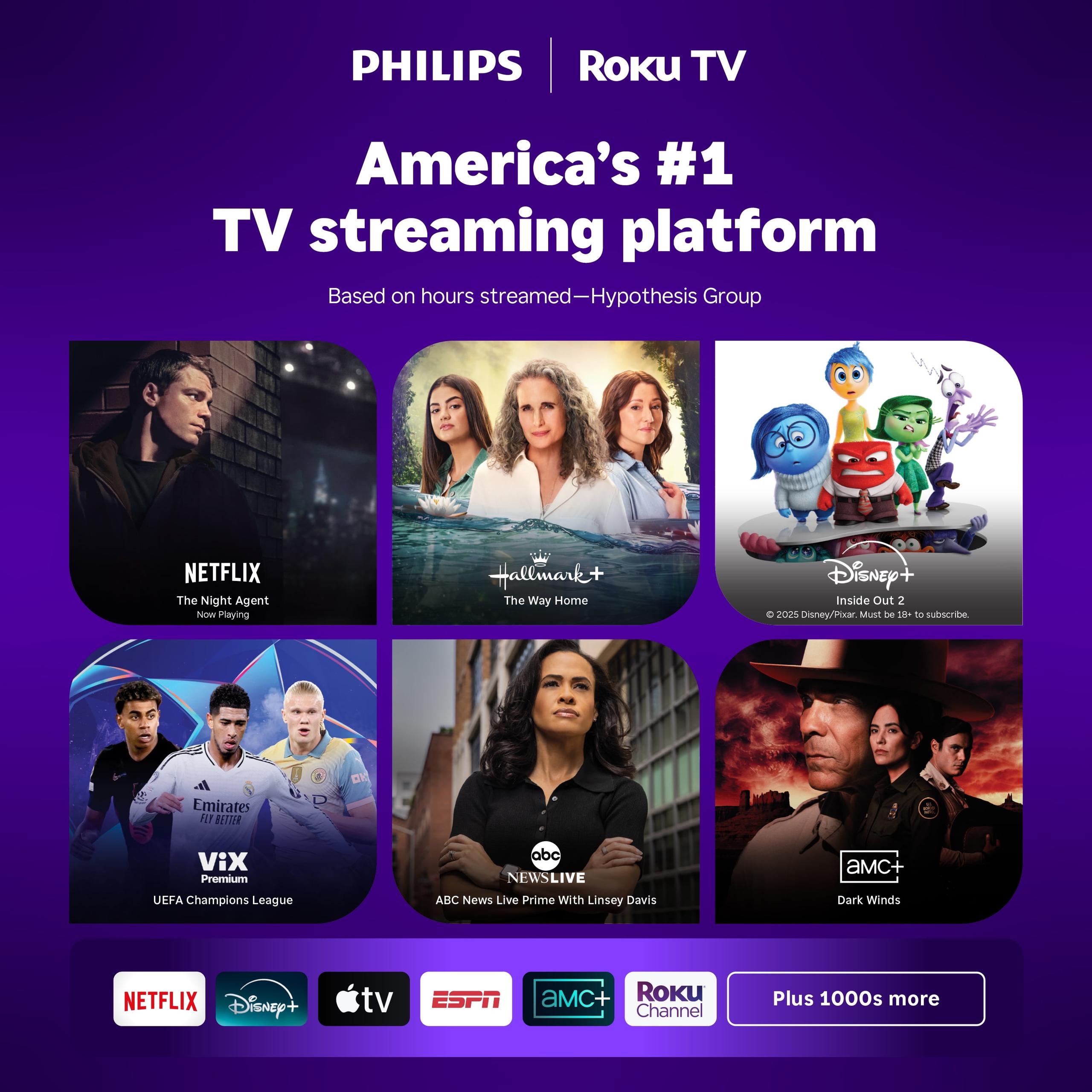
The smart TV experience differs significantly between these models. The Philips OLED974 uses Roku TV, known for its simple, grid-based interface that's easy to navigate. Roku offers excellent app selection and reliable performance, making it ideal for users who want straightforward access to Netflix, Disney+, and other streaming services without complexity.
The TCL QM8 runs Google TV, which provides a more sophisticated experience with advanced content recommendations, Google Assistant integration, and access to the full Google Play Store for apps. Google TV learns your viewing habits and suggests content across different services, creating a more personalized experience. However, this added intelligence comes with slightly more complexity.
For home theater enthusiasts, both platforms support the major streaming services and can handle high-quality 4K HDR content, though Google TV generally receives updates more frequently and offers more customization options.
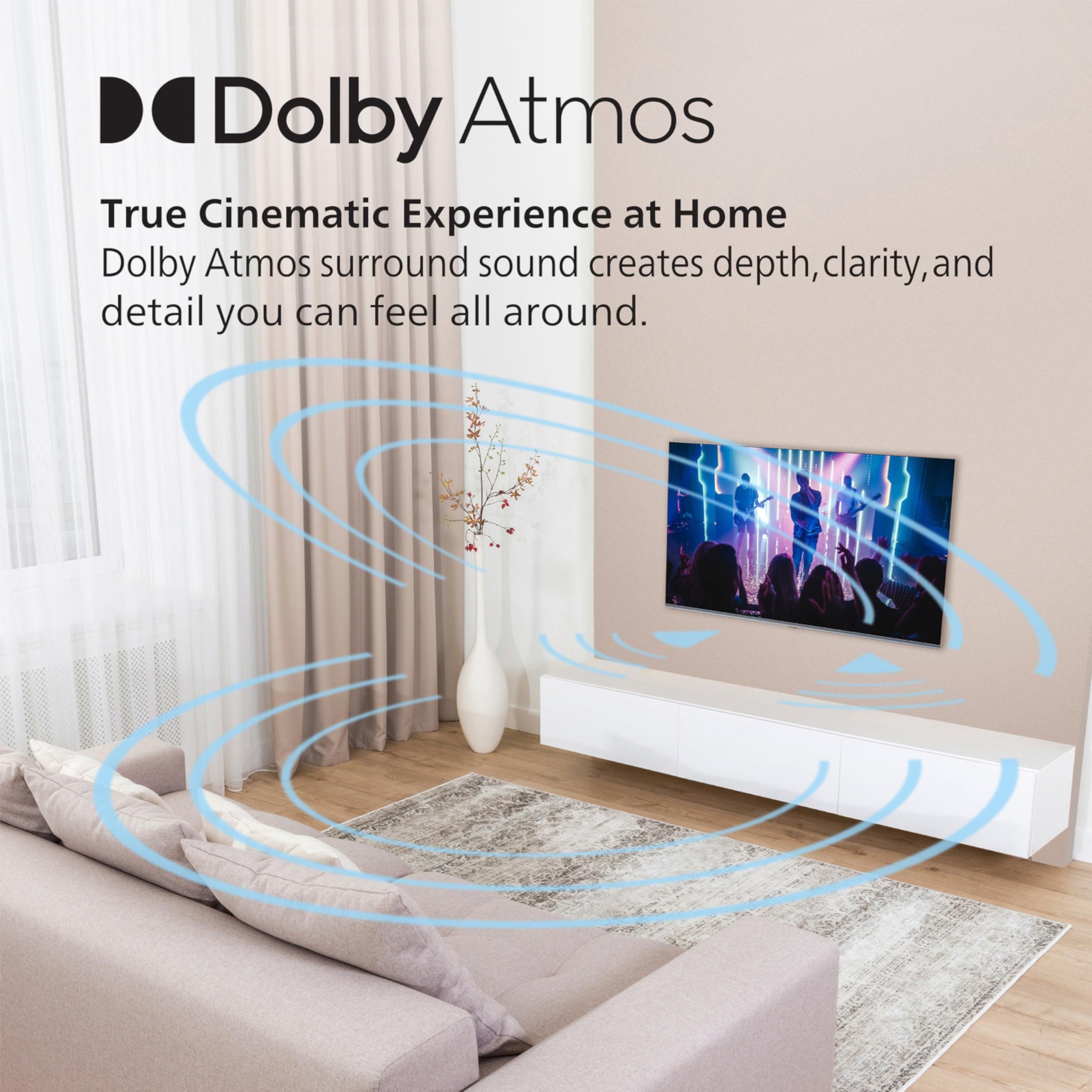
Audio quality varies notably between these models. The Philips OLED974 features a 2.1 Dolby Atmos speaker system - two main speakers plus a subwoofer designed to create spatial audio that seems to come from around and above you. While respectable for built-in TV audio, OLED TVs are generally thinner, which limits speaker size and bass response.
The TCL QM8 incorporates an ONKYO-designed 2.1.2 speaker system with up-firing drivers and a built-in subwoofer, producing 80 watts of total power. The up-firing speakers bounce sound off your ceiling to create height effects, making explosions and atmospheric sounds more immersive. This more robust audio system better matches the TV's bright, impactful video performance.
However, serious home theater enthusiasts will likely connect external sound systems to either TV, as even the best built-in TV speakers can't match dedicated speakers and receivers.
At the time of writing, the Philips OLED974 typically costs several hundred dollars less than the TCL QM8, making it an attractive entry point into premium display technology. You're getting genuine OLED picture quality with perfect blacks and excellent gaming performance at a more accessible price point.
The TCL QM8 commands a premium, but delivers brightness performance that was previously only available in much more expensive TVs. If you prioritize HDR impact, bright room performance, and cutting-edge gaming features, the additional cost provides tangible benefits you'll notice daily.
Consider your viewing environment when evaluating value. If you primarily watch in dim conditions, the Philips OLED974 delivers premium performance at a lower cost. If you need a TV that excels in any lighting condition, the TCL QM8's higher price becomes justified by its versatility.
OLED technology has matured significantly since its consumer debut, with manufacturers gradually increasing brightness while maintaining the technology's core advantages. The 2024 Philips OLED974 represents this evolution, offering better brightness than earlier OLED models while preserving perfect contrast.
Mini-LED technology has advanced even more rapidly. Early Mini-LED TVs had hundreds of dimming zones; the TCL QM8 pushes this to thousands, creating much more precise control over backlighting. This rapid advancement suggests Mini-LED will continue improving, potentially achieving even higher brightness and better contrast in future generations.
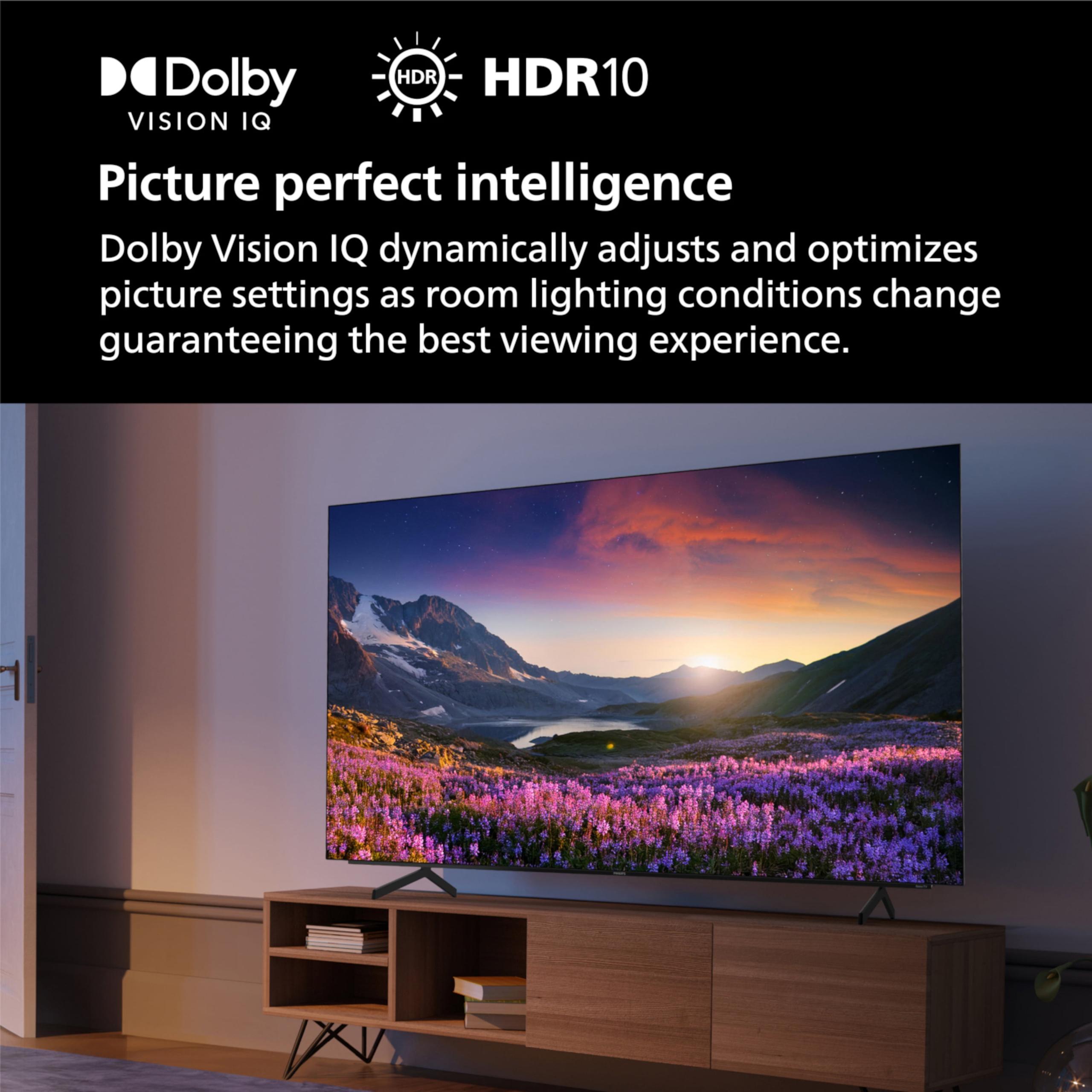
Both technologies support the latest HDR formats including Dolby Vision, which dynamically adjusts picture settings scene by scene for optimal presentation. As streaming services and game developers create more ambitious HDR content, having a display capable of properly rendering these formats becomes increasingly important.
Choose the Philips OLED974 if you:
The Philips OLED974 excels in dark room scenarios where its perfect blacks create an almost ethereal viewing experience. Horror movies, space films, and moody dramas look spectacular, with shadow details that LCD-based displays simply cannot match.
Choose the TCL QM8 if you:
The TCL QM8 provides more versatility and room-independent performance. Its exceptional brightness means HDR content always looks impactful, whether you're watching during bright afternoon hours or in evening darkness.
After extensive research into expert reviews and user feedback, room environment emerges as the single most important factor in choosing between these displays. The Philips OLED974 rewards viewers who can optimize their environment, delivering an almost magical viewing experience in dark conditions. The TCL QM8 performs excellently regardless of circumstances, making it the safer choice for most living situations.
Both represent excellent values in their respective categories, but they serve different viewing priorities. Consider where and when you watch most of your content, and choose the technology that best serves those scenarios. Either choice will deliver a significant upgrade over standard LED TVs and provide years of exceptional viewing pleasure.
| Philips 65OLED974/F7 | TCL 65" QM8 |
|---|---|
| Display Technology - Fundamentally different approaches to picture quality | |
| OLED with individual pixel control | Mini-LED with up to 5,000 local dimming zones |
| Peak Brightness - Critical for HDR impact and bright room viewing | |
| ~800-1,000 nits (best for dark rooms) | Up to 5,000 nits (excellent for any lighting) |
| Black Level Performance - Essential for contrast and dark scene detail | |
| Perfect blacks (infinite contrast ratio) | Very deep blacks with minimal blooming |
| Gaming Refresh Rate - Important for console and PC gaming | |
| 120Hz with AMD FreeSync Premium | 120Hz native, up to 144Hz VRR with Game Accelerator 240 |
| Smart TV Platform - Daily user interface experience | |
| Roku TV (simple, reliable interface) | Google TV (advanced features, better app selection) |
| Response Time - Critical for gaming and fast motion | |
| <0.1ms (virtually instant pixel response) | Low input lag optimized for competitive gaming |
| HDR Format Support - Future-proofing for premium content | |
| Dolby Vision IQ, Dolby Vision, HDR10, HLG | HDR ULTRA with Dolby Vision IQ, HDR10+, HDR10, HLG |
| Audio System - Built-in sound quality | |
| 2.1 Dolby Atmos (moderate power output) | ONKYO 2.1.2 with 80W total power and up-firing speakers |
| Viewing Angles - Important for family viewing and room layout | |
| Excellent 176° viewing angles | Narrow viewing angles (image degrades from sides) |
| Power Consumption - Long-term operating costs | |
| 240W average consumption | Higher consumption due to bright backlighting |
| Best Use Case - Where each TV excels most | |
| Dark room home theater with perfect blacks | Bright living rooms requiring versatile performance |
| Value Proposition - Performance per dollar consideration | |
| Premium OLED technology at accessible pricing | Higher cost justified by superior brightness and gaming features |
The TCL 65" QM8 is significantly better for bright rooms due to its exceptional peak brightness of up to 5,000 nits, which easily overcomes glare and ambient lighting. The Philips 65OLED974/F7 has limited brightness output and performs best in dark or dimly lit environments where its perfect blacks can shine.
OLED technology in the Philips 65OLED974/F7 uses self-illuminating pixels that can turn completely off for perfect blacks and infinite contrast. Mini-LED technology in the TCL 65" QM8 uses thousands of tiny LED backlights with local dimming zones to achieve very bright highlights and deep blacks, though not as perfect as OLED.
Both TVs offer excellent gaming features, but the TCL 65" QM8 has more advanced gaming capabilities with support for up to 144Hz refresh rates and comprehensive VRR technology. The Philips 65OLED974/F7 provides incredibly fast response times under 0.1ms and AMD FreeSync Premium support, making both suitable for serious gaming.
The Philips 65OLED974/F7 uses Roku TV, which offers a simple, reliable interface that's easy to navigate. The TCL 65" QM8 runs Google TV, providing more advanced features like personalized content recommendations, Google Assistant integration, and access to a wider app selection through Google Play Store.
For dedicated home theater setups with controlled lighting, the Philips 65OLED974/F7 creates a more immersive experience with perfect blacks that make you forget you're looking at a screen. However, the TCL 65" QM8 delivers more impactful HDR highlights and works better if your theater room has any ambient lighting.
The Philips 65OLED974/F7 excels in contrast with perfect blacks and excellent color accuracy, ideal for dark room viewing. The TCL 65" QM8 provides superior brightness and HDR impact with more vivid highlights, making it better for varied lighting conditions and bright HDR content.
The TCL 65" QM8 has superior built-in audio with an ONKYO-designed 2.1.2 speaker system producing 80W total power, including up-firing speakers for Dolby Atmos effects. The Philips 65OLED974/F7 features a more basic 2.1 Dolby Atmos system with lower power output.
The Philips 65OLED974/F7 offers excellent viewing angles of 176° both horizontally and vertically, maintaining consistent image quality from the sides. The TCL 65" QM8 has narrower viewing angles typical of LCD-based displays, where the image degrades when viewed from off-center positions.
The Philips 65OLED974/F7 is more energy efficient with 240W average power consumption, as OLED pixels only use power when displaying bright content. The TCL 65" QM8 consumes more power due to its bright backlighting system, though exact consumption varies by content brightness.
Both TVs support comprehensive HDR formats. The Philips 65OLED974/F7 includes Dolby Vision IQ, Dolby Vision, HDR10, and HLG. The TCL 65" QM8 supports HDR ULTRA with Dolby Vision IQ, HDR10+, HDR10, and HLG, providing slightly more format compatibility.
The Philips 65OLED974/F7 typically offers better value for dark room viewing with genuine OLED technology at a lower price point. The TCL 65" QM8 costs more but provides superior versatility, brightness performance, and gaming features that justify the premium for users needing all-around performance.
Choose the Philips 65OLED974/F7 if you can control lighting and prioritize perfect contrast for cinematic viewing. Select the TCL 65" QM8 if you need a TV that performs well in any lighting condition, watch varied content throughout the day, or want the most advanced gaming features available.
We've done our best to create useful and informative comparisons to help you decide what product to buy. Our research uses advanced automated methods to create this comparison and perfection is not possible - please contact us for corrections or questions. These are the sites we've researched in the creation of this article: rtings.com - versus.com - versus.com - rtings.com - samsclub.com - versus.com - youtube.com - usa.philips.com - bestbuy.com - usa.philips.com - consumerreports.org - usa.philips.com - documents.philips.com - tvoutlet.ca - displayspecifications.com - business.walmart.com - displayspecifications.com - ecoustics.com - walmart.com - rtings.com - rtings.com - techradar.com - tcl.com - the-gadgeteer.com - nfm.com - ecoustics.com - careyscommunications.com - pcrichard.com - tcl.com

Privacy Policy
Terms and Conditions - Affiliate Policy
Home Security
© Copyright 2008-2026.
11816 Inwood Rd #1211, Dallas, TX 75244