

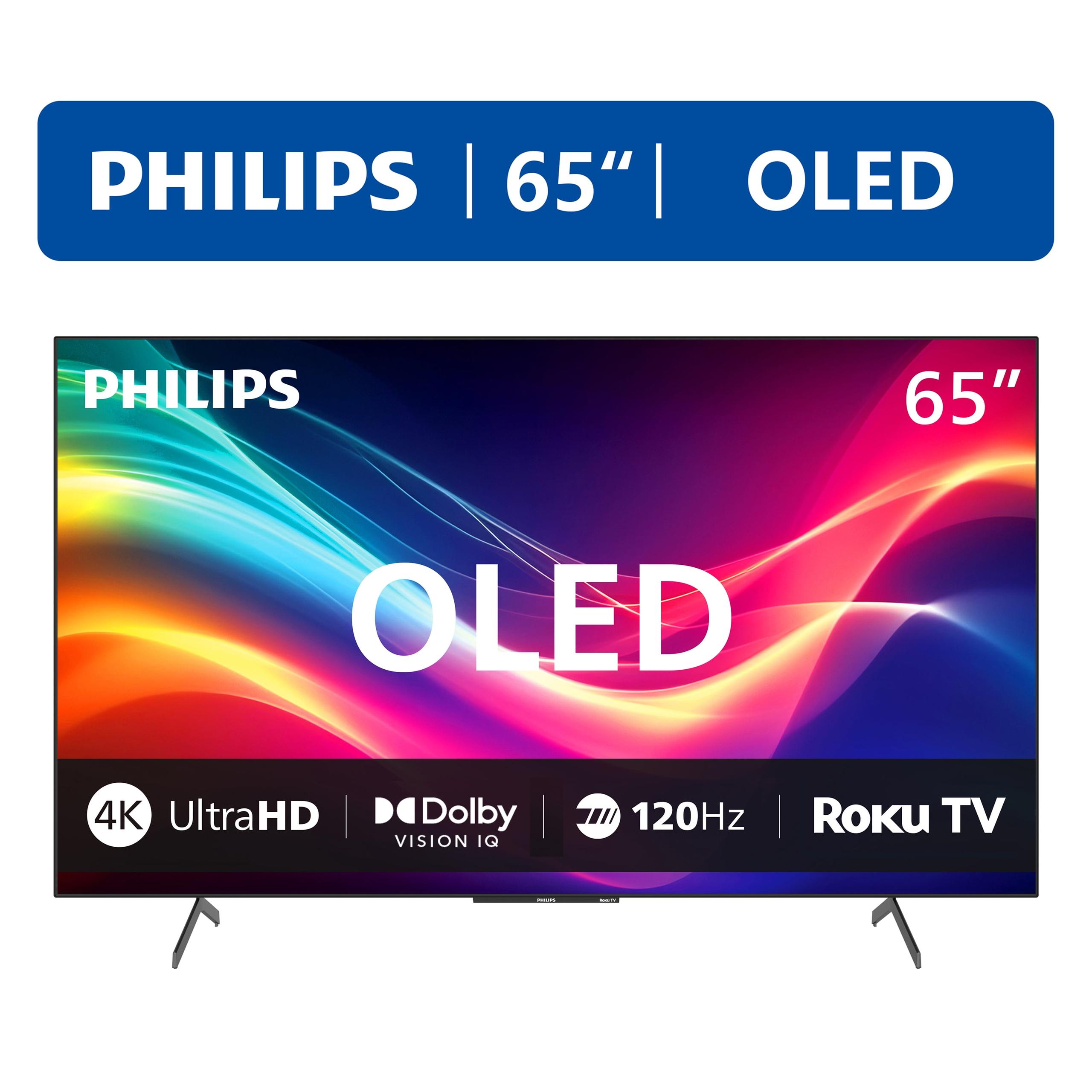



Choosing between the Philips 65OLED974/F7 and the TCL 65" NXTVISION QLED 4K Art Frame TV isn't just about picking a television—it's about deciding what role your TV plays in your daily life. These 65-inch displays represent two completely different philosophies in premium TV design, and understanding their approaches will help you make the right choice for your home.
The large-screen TV market has evolved dramatically since 2024, when both of these models were released. What we've learned from extensive research and user feedback is that the "best" TV depends entirely on your specific situation. The Philips OLED974 follows the traditional path—maximize picture quality at all costs. The TCL NXTVISION takes a radically different approach, asking "what if your TV could disappear when you're not watching it?"
When evaluating any premium TV, five factors consistently matter most: picture quality in your specific lighting conditions, gaming performance if you're a console player, smart features and ease of use, physical design and room integration, and overall value for what you actually need. Both of our featured TVs excel in different areas, making this comparison particularly interesting.
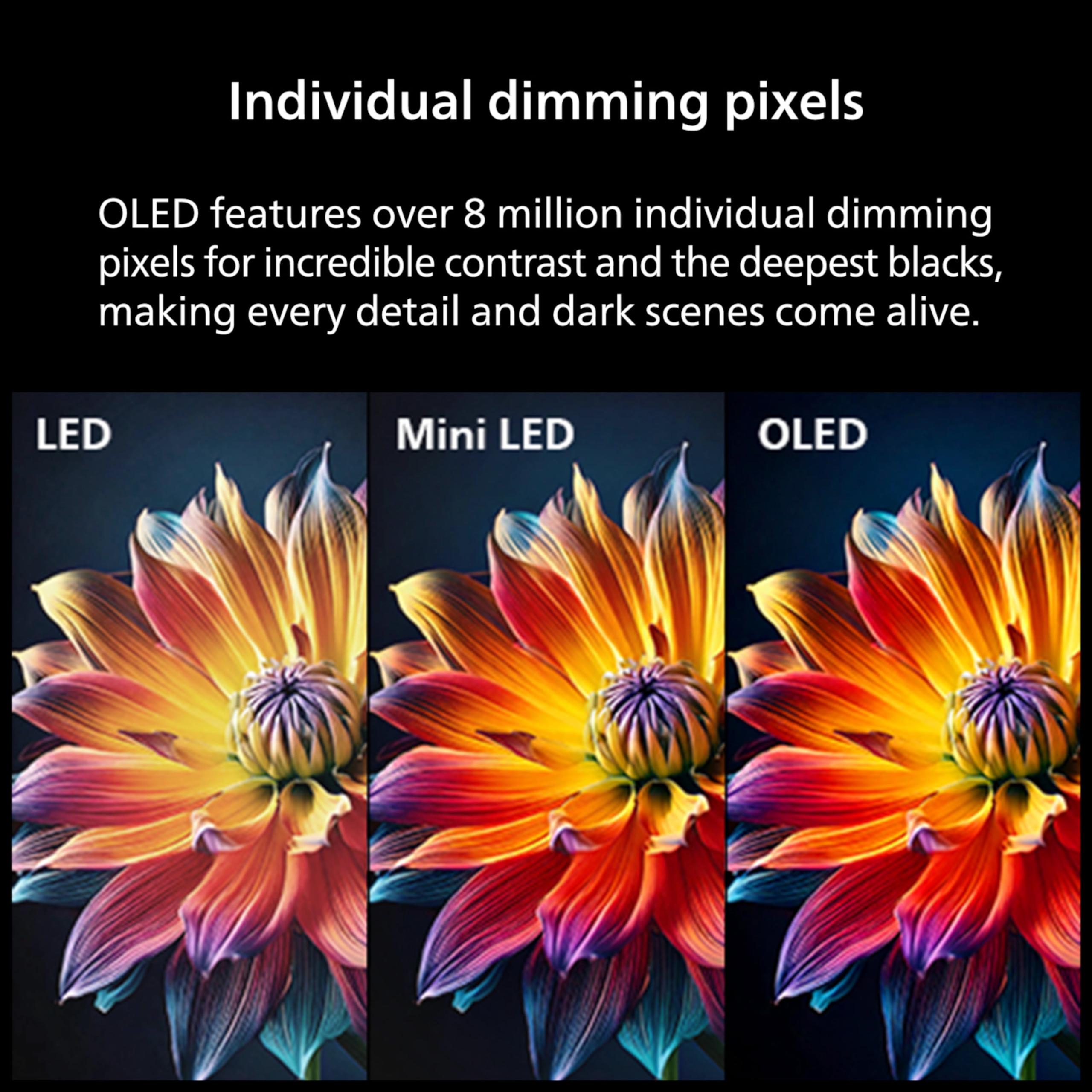
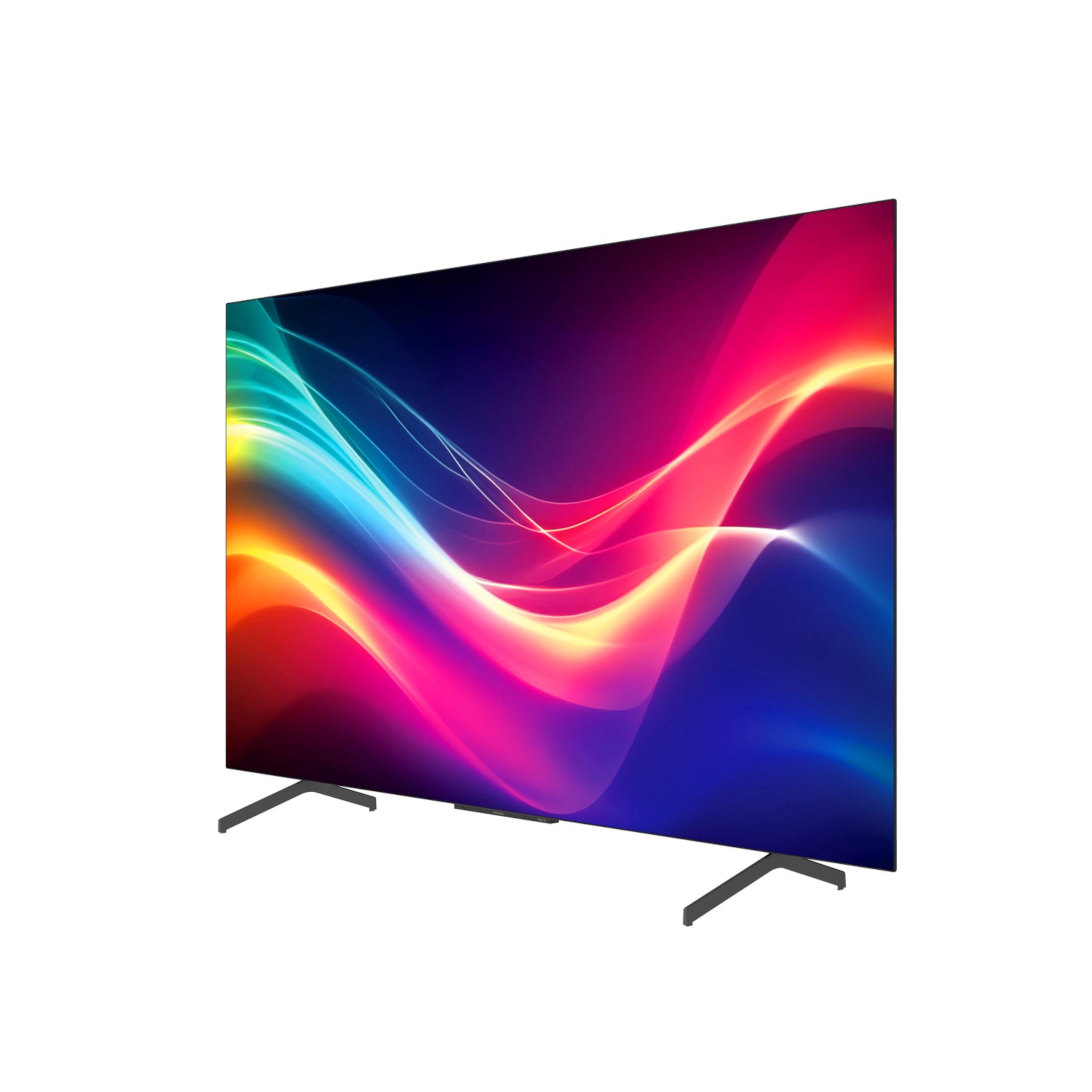
The core difference between these TVs starts with how they create light and color. The Philips OLED974 uses OLED technology, where each of the roughly 8 million pixels generates its own light. When a pixel needs to show black, it simply turns off completely—creating what's called "perfect blacks" with infinite contrast ratio. This is why OLED TVs look so stunning in dark rooms, with shadows that have genuine depth and bright highlights that seem to float off the screen.
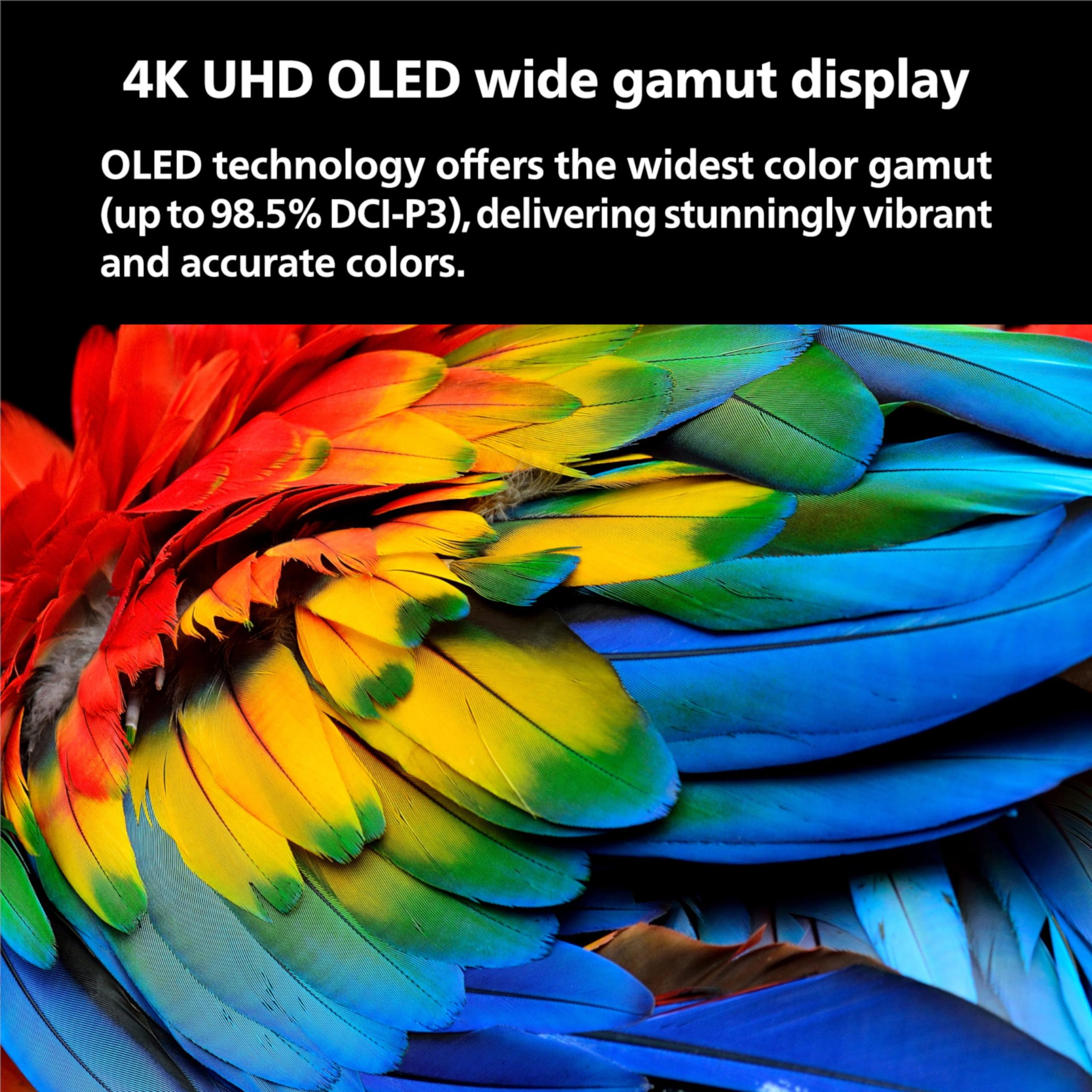
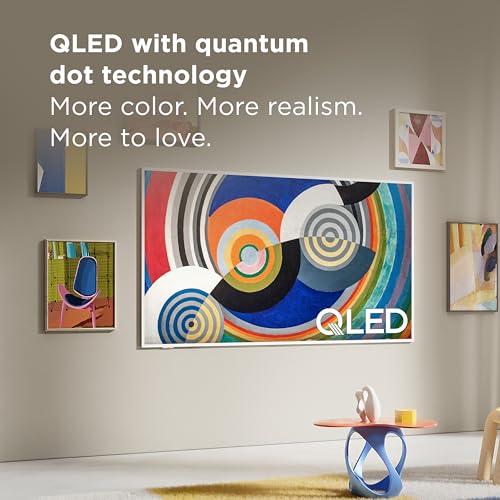
The TCL NXTVISION uses QLED technology, which is essentially a high-end LCD panel with quantum dot enhancement. Here, an LED backlight shines through multiple layers, including a quantum dot film that converts blue light into precise red and green wavelengths. The result is more vibrant colors than standard LCD TVs, but the backlight can never fully turn off, so black areas appear as dark gray rather than true black.
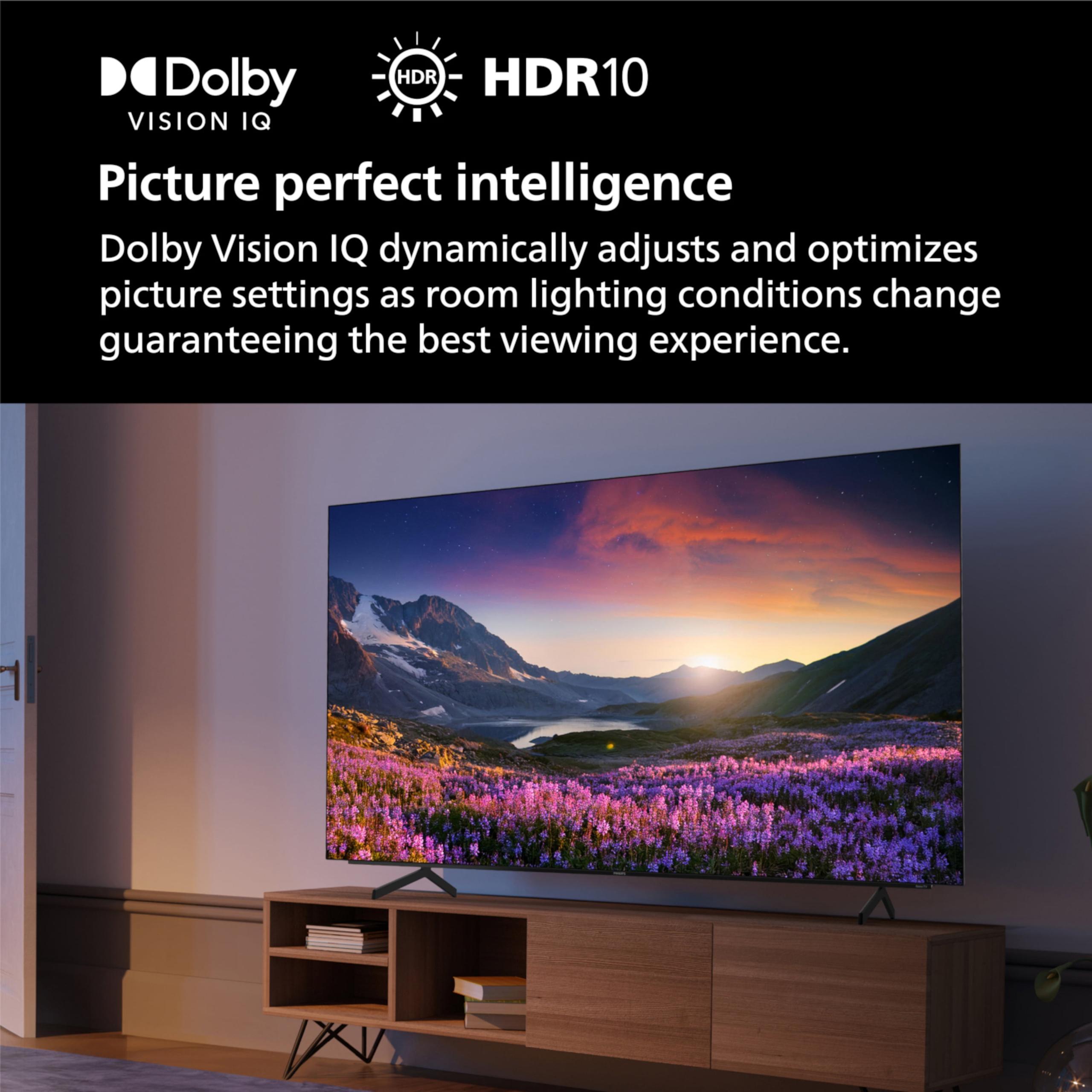
Based on our research into user experiences and professional reviews, the OLED advantage in dark room viewing is immediately apparent. Movies with space scenes, nighttime action sequences, or any content with dramatic lighting look significantly better on the Philips OLED974. The contrast difference isn't subtle—it's the kind of improvement you notice within seconds of comparison.
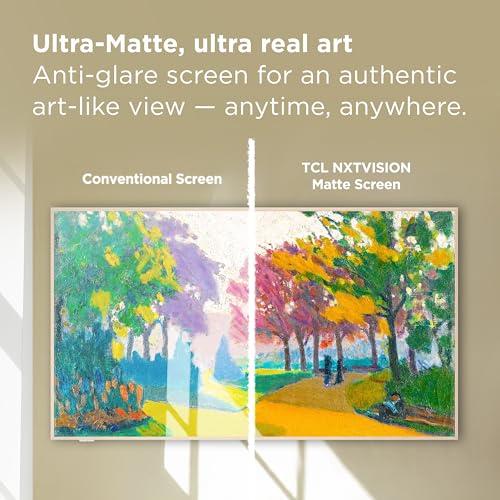
However, the TCL NXTVISION fights back with its ultra-matte anti-glare screen coating. This specialized surface treatment scatters reflected light so effectively that the TV remains clearly visible even in bright rooms with windows. Traditional OLED panels, including the Philips, struggle with reflections and can become nearly unwatchable in well-lit spaces during daytime viewing.
Here's where room planning becomes crucial. The Philips OLED974 delivers poor peak brightness by current standards, maxing out around 400-500 nits in typical viewing. That's fine for evening watching but insufficient for competing with sunlight streaming through windows. Our research shows this brightness limitation is the single biggest complaint from users who bought OLED TVs without considering their room setup.
The TCL NXTVISION achieves higher peak brightness—likely in the 600-800 nit range based on similar QLED panels—but more importantly, its matte coating prevents most glare issues. Users consistently report being able to watch during bright afternoons without closing curtains or adjusting seating position.
For home theater enthusiasts, this creates an interesting dilemma. The Philips OLED974 absolutely excels in dedicated media rooms with controlled lighting, delivering the kind of contrast that makes HDR content genuinely impressive. But if your "home theater" is really your living room that gets used all day, the TCL NXTVISION becomes more practical despite its technical limitations.
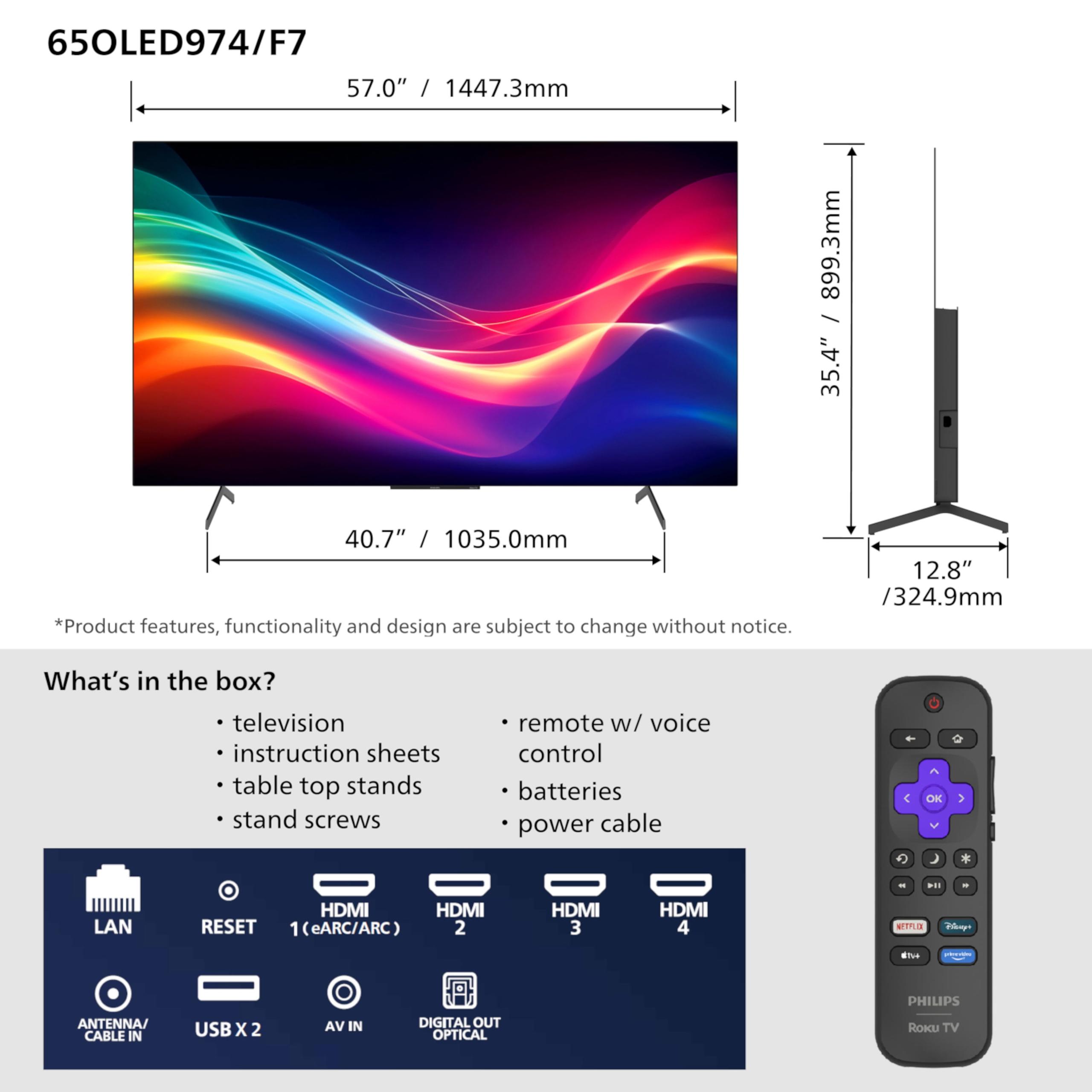
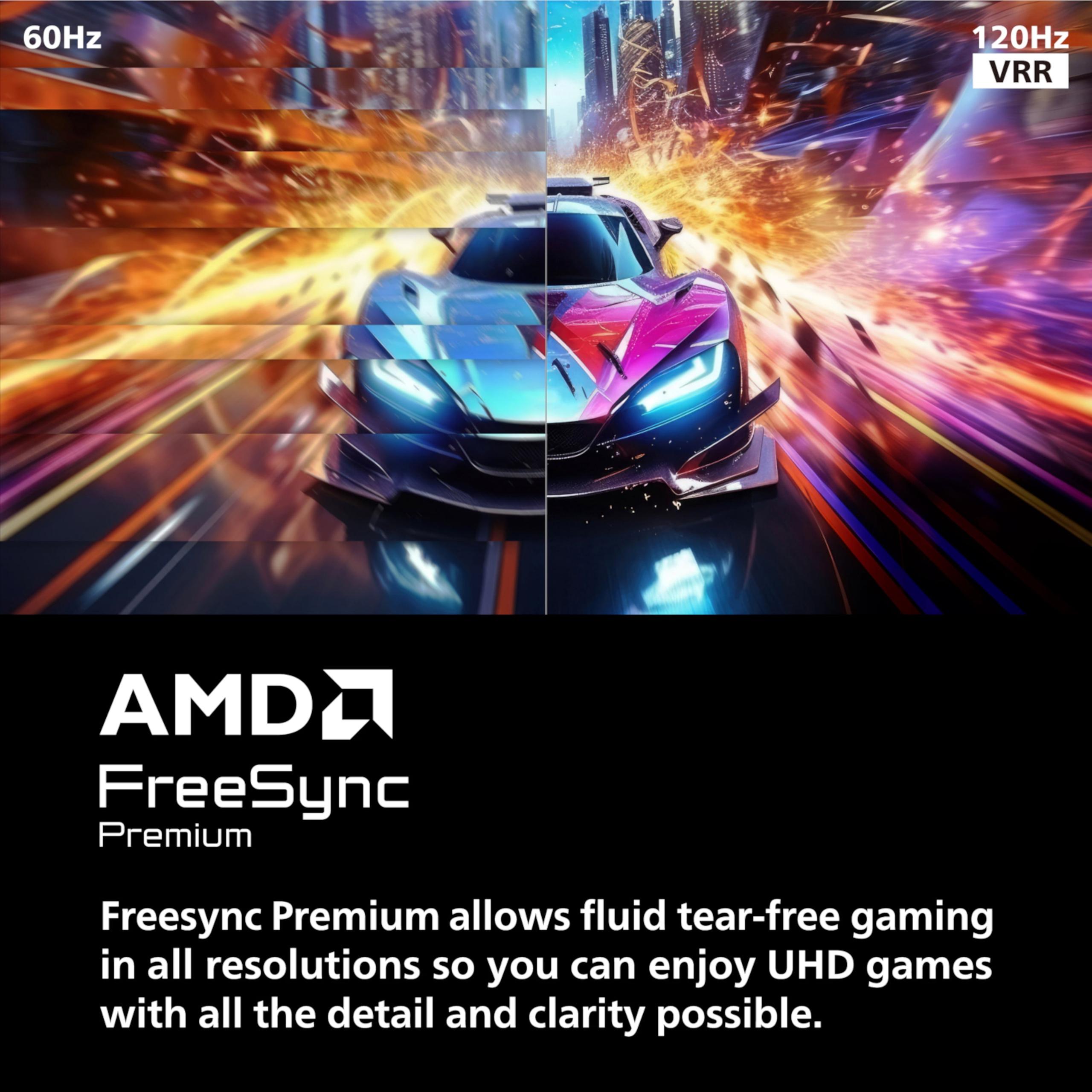
Both TVs arrived in 2024 with impressive gaming specifications on paper. The Philips OLED974 includes HDMI 2.1 ports supporting 4K at 120Hz, AMD FreeSync Premium for eliminating screen tearing, and Auto Low Latency Mode (ALLM) that automatically switches to game mode when it detects console input.
The TCL NXTVISION matches these features and technically goes further, supporting up to 240Hz variable refresh rate and 1080p at 240Hz. Those numbers sound impressive, but our research reveals the reality is more complicated.
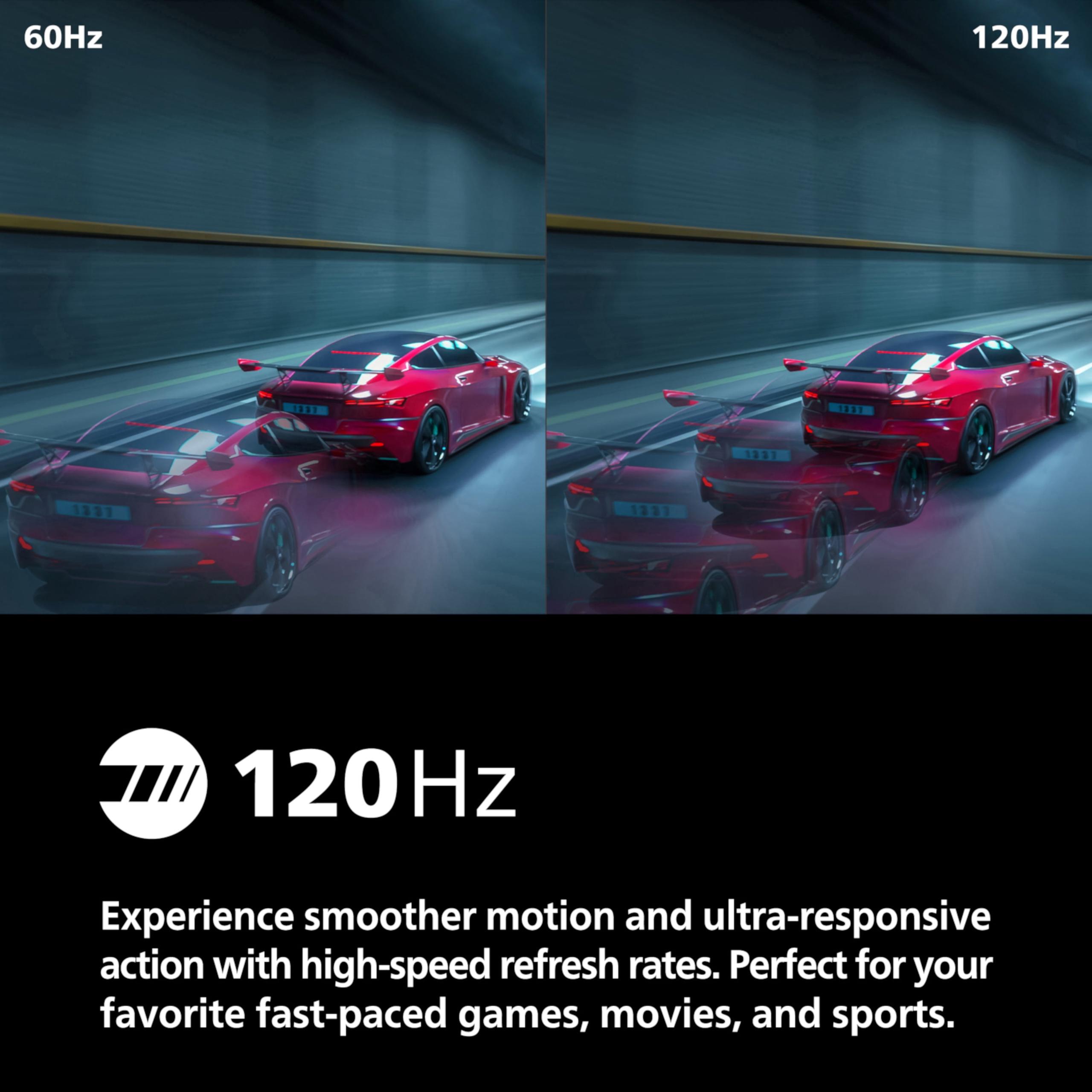
OLED's inherent advantage is response time—how quickly individual pixels can change color. The Philips OLED974 achieves response times under 0.1 milliseconds, which means essentially zero motion blur during fast action. Competitive gamers particularly appreciate this clarity during quick movements in shooters or racing games.
The TCL NXTVISION suffers from typical QLED limitations here. Its response time is significantly slower, creating noticeable motion blur that affects gaming experience. While it supports higher refresh rates on paper, the slower pixel transitions mean you don't get the full benefit of those specifications.
For casual gaming—story-driven RPGs, puzzle games, or anything turn-based—both TVs work fine. But for competitive multiplayer gaming where every frame matters, the Philips OLED974 provides a meaningful advantage despite its lower maximum refresh rate.
The Philips OLED974 runs Roku TV, which has earned a reputation for simplicity and reliability since its introduction. The interface loads quickly, streaming apps work consistently, and the voice remote handles basic functions well. It's the kind of smart platform that gets out of your way and lets you watch content without frustration.
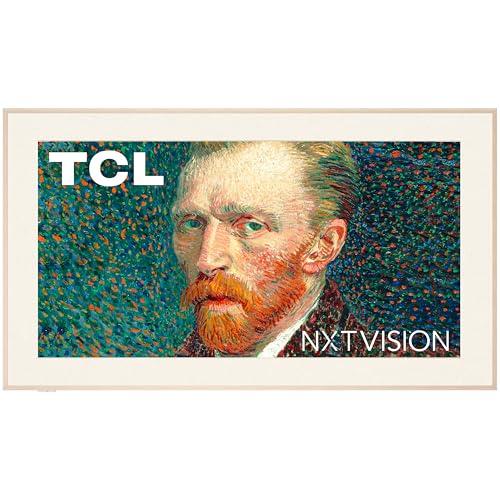
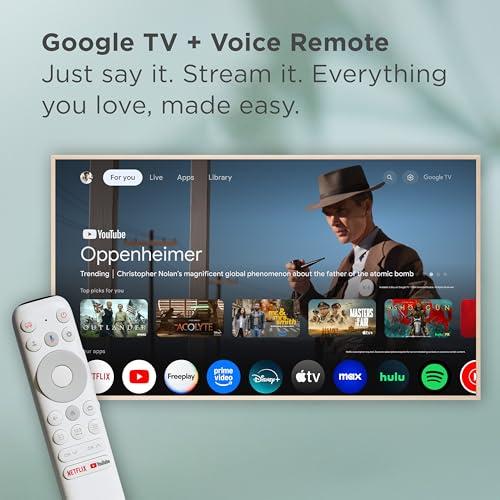
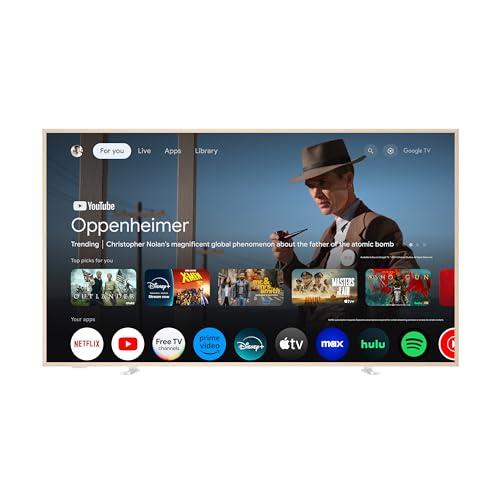
The TCL NXTVISION uses Google TV with more ambitious smart features, including hands-free voice control and extensive integration with Google services. But the real differentiator is the art mode functionality. When not displaying video content, the TV transforms into a digital art gallery with over 400 curated artworks, AI-generated images, or your personal photos.
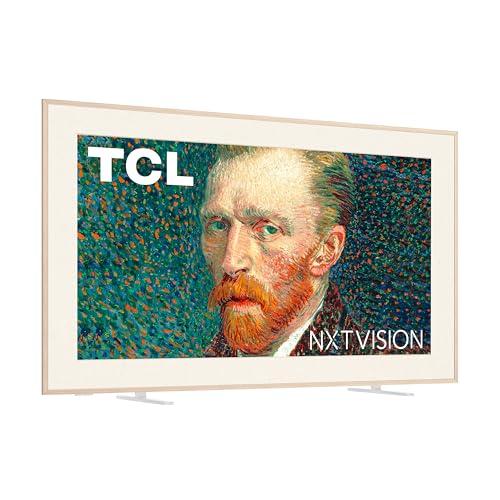
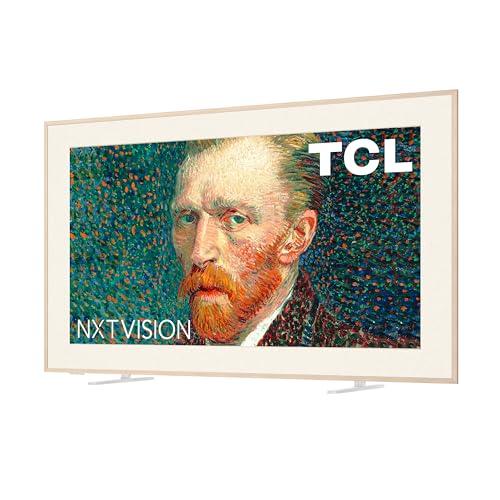
This art mode capability addresses a common complaint about large TVs—they dominate room aesthetics even when turned off. The TCL NXTVISION essentially disappears visually, displaying artwork that looks remarkably like a framed canvas due to the matte screen coating. Users report guests frequently not realizing they're looking at a TV until it's turned on.
The AI art generation feature, while somewhat gimmicky, does provide practically unlimited variety in displayed artwork. The system can generate images based on prompts or preferences, ensuring the "artwork" can match seasonal changes, mood preferences, or room redesigns.
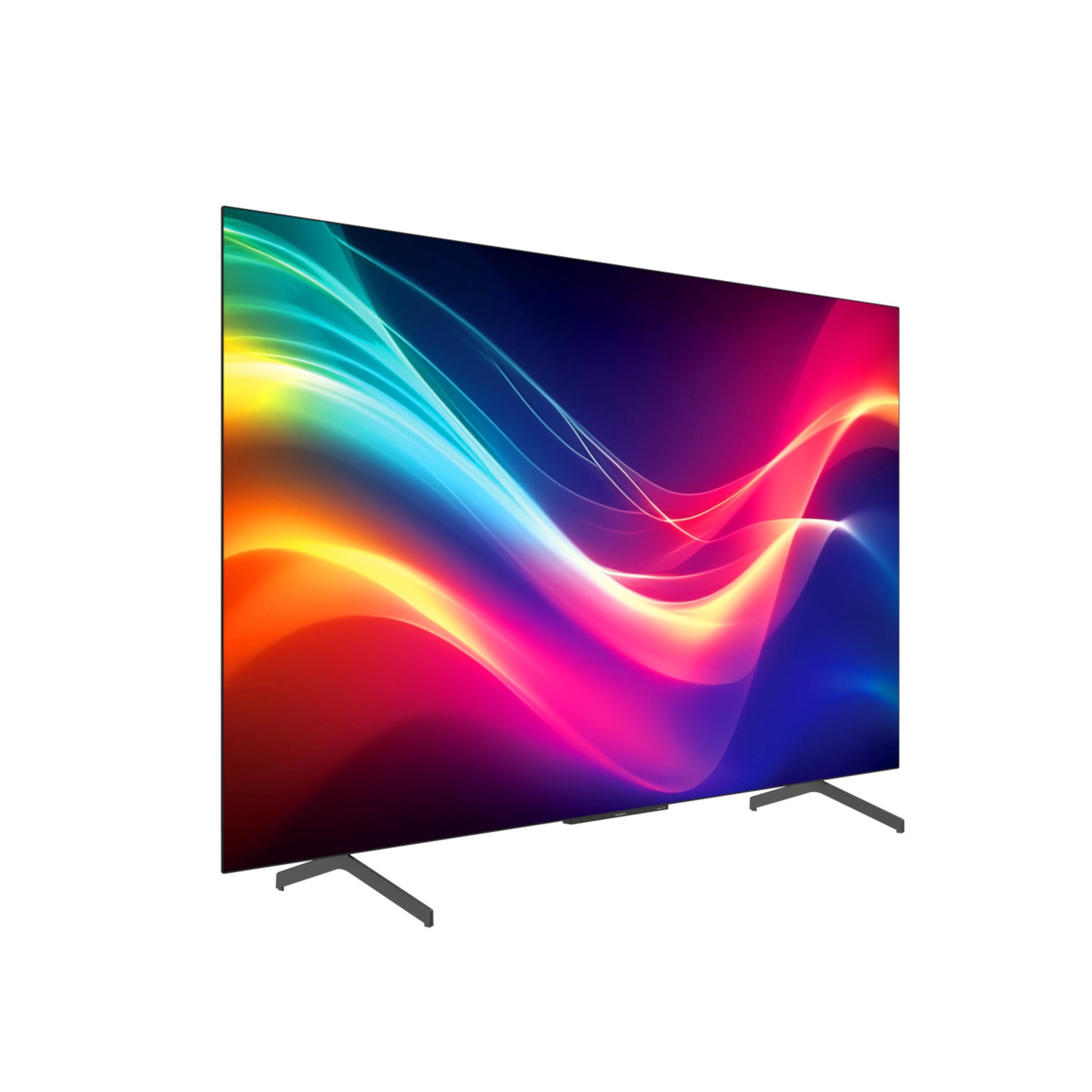
The Philips OLED974 follows traditional TV design principles. At 2.2 inches deep, it's reasonably slim but clearly recognizable as a television. The design focuses entirely on maximizing screen quality rather than room integration. This approach works perfectly if you're comfortable with your TV looking like a TV.
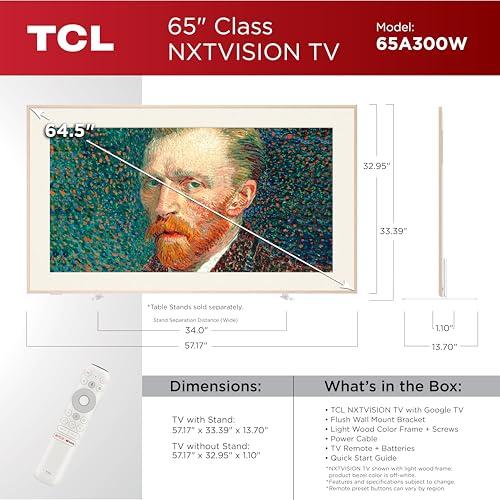
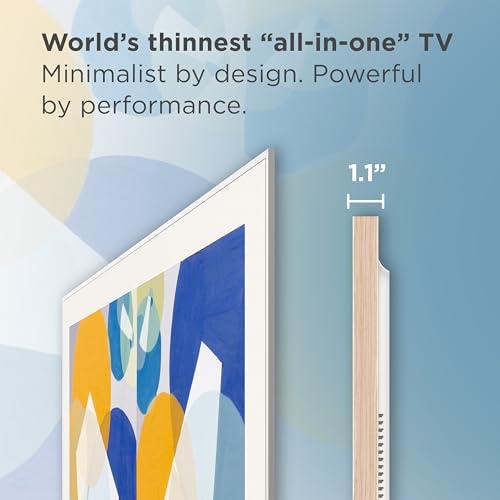
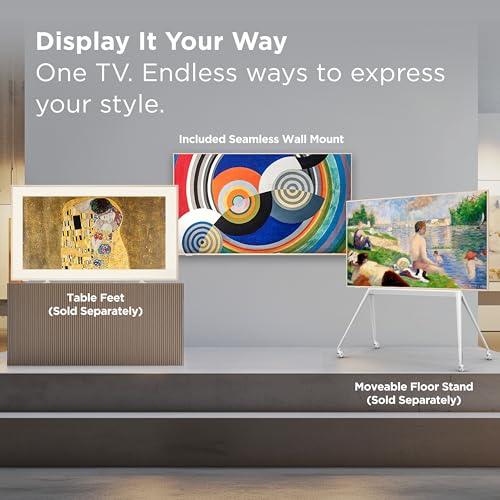
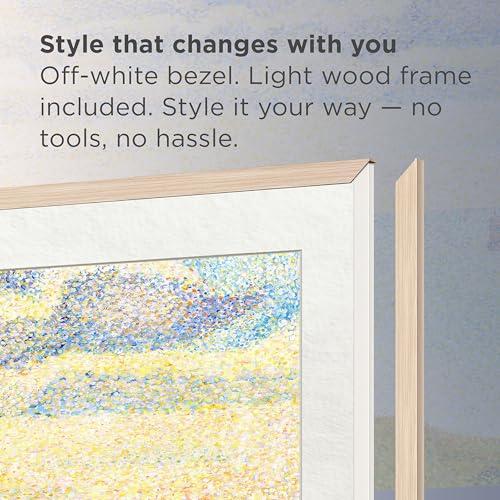
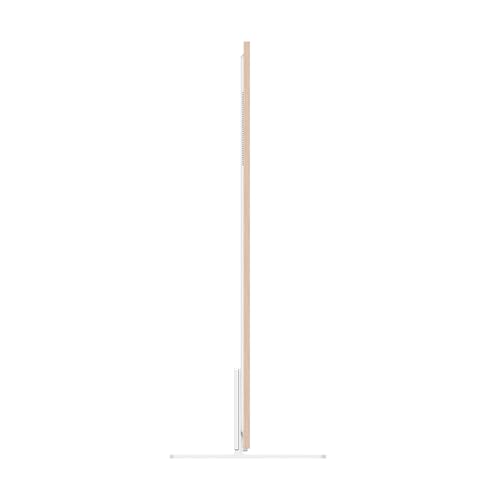
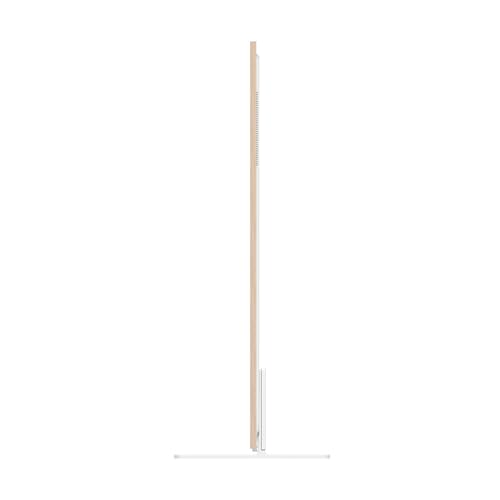
The TCL NXTVISION represents a fundamental rethinking of TV design. At just 1.1 inches deep, it's among the world's thinnest TVs, designed specifically for flush wall mounting that mimics hanging artwork. The included magnetic wood frame can be swapped for different finishes, and optional easel stands allow floor placement like actual artwork.
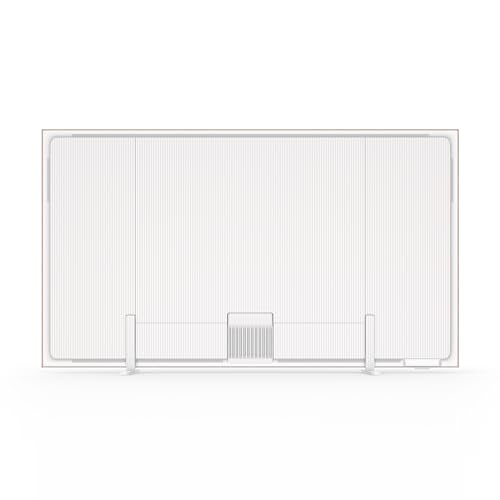
This design difference affects installation significantly. The Philips OLED974 requires traditional TV mounting or furniture placement. The TCL NXTVISION includes a custom flush mount system that eliminates the gap between TV and wall, creating the gallery-like appearance that justifies its higher price premium.
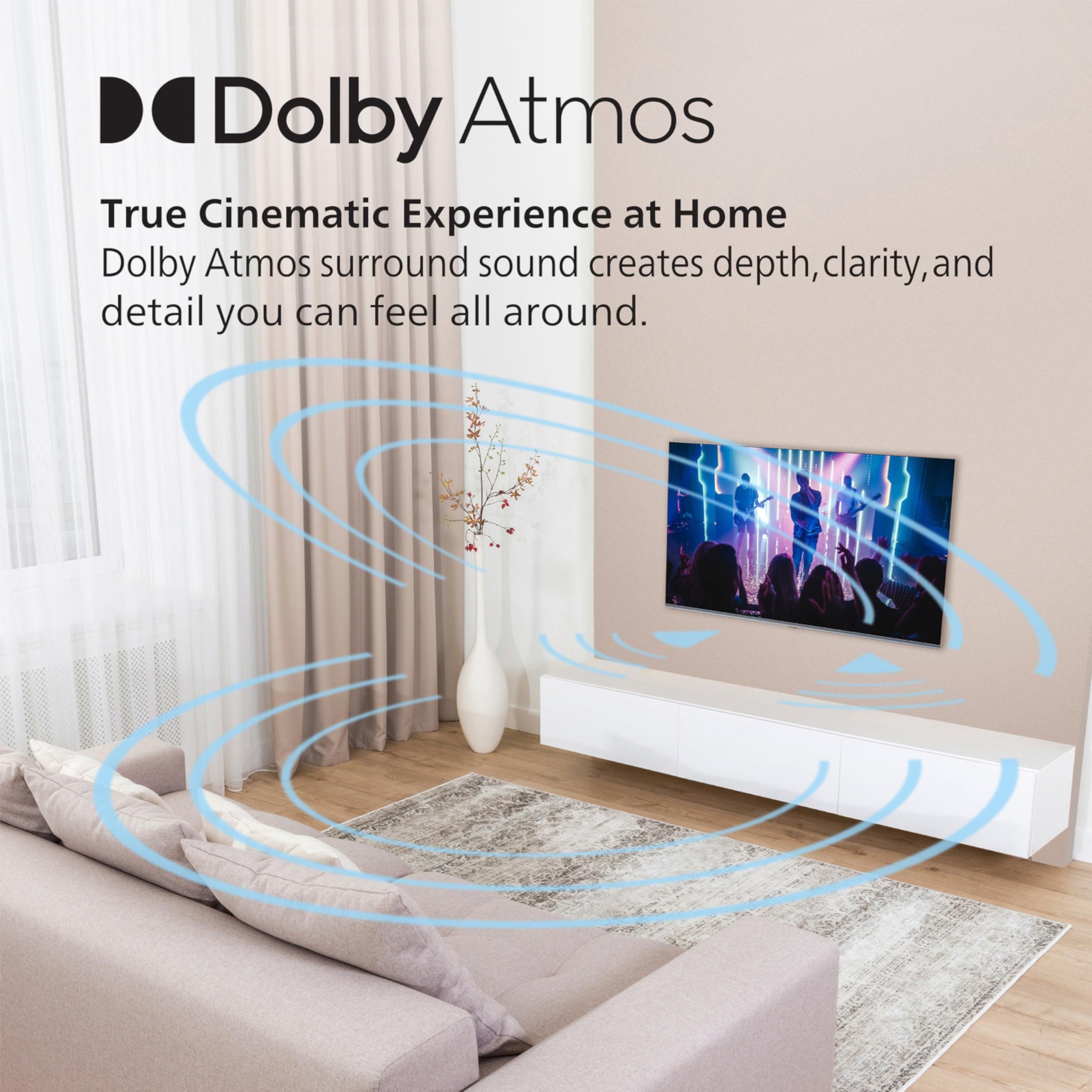
The Philips OLED974 includes a Dolby 2.1 speaker system with dedicated subwoofer, delivering surprisingly robust sound for a TV of its thickness. Users consistently report the audio being adequate for most content without requiring immediate soundbar purchase.
The TCL NXTVISION supports Dolby Atmos processing but with just two 10-watt speakers, the actual audio output is limited by physics—there simply isn't room for substantial drivers in the ultra-thin chassis. The enhanced dialogue mode helps with voice clarity, but music and action sequences expose the limitations.
Both TVs include eARC support for connecting high-end soundbars or audio systems, which becomes essential if you're building a serious home theater setup. The audio limitations shouldn't be deal-breakers since most premium TV buyers eventually upgrade their sound system anyway.
At the time of writing, the Philips OLED974 typically costs significantly less than the TCL NXTVISION, making value comparison complex. You're not just comparing TV features—you're comparing different lifestyle approaches.
The Philips OLED974 delivers exceptional picture quality per dollar, especially for users with appropriate viewing environments. The OLED technology typically commands premium pricing, making this model competitive for pure performance seekers. However, it's limited in versatility—bright rooms expose its fundamental brightness limitations.
The TCL NXTVISION commands a premium for its design innovation and lifestyle integration features. You're paying extra for the ultra-thin profile, flush mounting system, art mode capabilities, and anti-glare screen technology. Whether this premium makes sense depends entirely on how much you value aesthetic integration versus pure performance.
Choose the Philips OLED974 if you prioritize picture quality above all other considerations. This TV excels in dedicated entertainment spaces where you can control lighting conditions. Home theater enthusiasts will appreciate the perfect blacks and infinite contrast ratio, especially for movie watching and serious gaming. The lower price point makes it attractive for performance-focused buyers who don't need lifestyle features.
The TCL NXTVISION makes sense for users who want their TV to integrate seamlessly into daily living spaces. If your TV will be visible all day in a bright living room, family room, or open-concept space, the anti-glare coating and art mode functionality justify the premium pricing. It's particularly appealing for design-conscious buyers who view large TVs as aesthetic challenges rather than focal points.
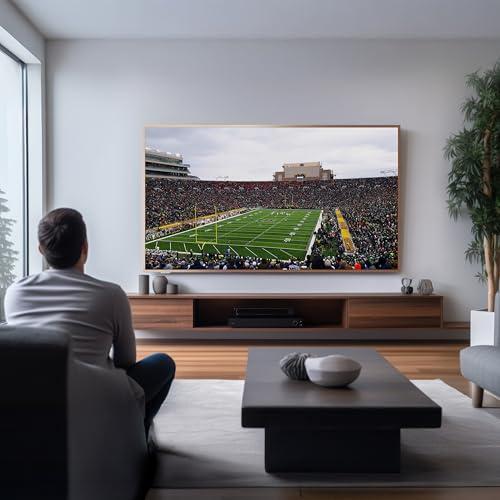
Consider your viewing patterns carefully. If you primarily watch TV in evening darkness, the Philips OLED974 will provide a superior experience. If you need a display that works well during afternoon football games, morning news, or as background ambiance during parties, the TCL NXTVISION offers more versatility.
These TVs represent two successful but incompatible approaches to premium display design. The Philips OLED974 maximizes performance for dedicated viewing, while the TCL NXTVISION prioritizes lifestyle integration with acceptable performance compromises.
Neither approach is objectively better—they serve different needs and preferences. The key is honestly evaluating your space, viewing habits, and priorities. If you're building a serious home theater or have a dedicated entertainment room, the Philips OLED974 delivers superior cinematic experience. If you need a TV that enhances rather than dominates your living space, the TCL NXTVISION offers unique benefits that traditional TVs simply cannot match.
The technology improvements since 2024 have been incremental rather than revolutionary, making both of these models remain competitive choices. Your decision should focus less on future-proofing and more on matching current capabilities to your specific needs and environment.
| Philips 65OLED974/F7 65" OLED Roku TV | TCL 65" NXTVISION QLED 4K Art Frame TV |
|---|---|
| Display Technology - Determines contrast and black levels | |
| OLED with perfect blacks and infinite contrast | QLED with quantum dots but no local dimming |
| Peak Brightness - Critical for bright room viewing | |
| Poor (~400-500 nits, struggles with glare) | Moderate (~600-800 nits) with ultra-matte anti-glare coating |
| Response Time - Essential for gaming and motion clarity | |
| <0.1ms (virtually no motion blur) | Slow (noticeable blur in fast action) |
| Gaming Features - Next-gen console compatibility | |
| 4K@120Hz, AMD FreeSync Premium, ALLM on 2 HDMI 2.1 ports | 4K@144Hz, 1080p@240Hz, AMD FreeSync Premium, ALLM |
| Design Philosophy - How it integrates with your room | |
| Traditional TV design, 2.2" depth, requires standard mounting | Ultra-slim 1.1" art frame design with flush wall mount included |
| Art Mode Capabilities - When TV becomes decor | |
| None (standard black screen when off) | 400+ curated artworks, AI art generation, personal photo gallery |
| Smart Platform - Interface and streaming experience | |
| Roku TV (simple, reliable, fast) | Google TV with hands-free voice control |
| Audio System - Built-in sound quality | |
| Dolby 2.1 system with subwoofer | Dolby Atmos processing with basic 2x10W speakers |
| Best Viewing Environment - Where each TV excels | |
| Dark/dimly lit rooms (home theater ideal) | Bright rooms and all-day viewing scenarios |
| HDR Performance - Dynamic range and highlight detail | |
| Excellent contrast but dim highlights due to low brightness | Poor black levels limit overall HDR impact |
| Value Proposition - What you're paying for | |
| Premium OLED performance at competitive price | Lifestyle integration and design innovation premium |
The Philips 65OLED974/F7 delivers superior picture quality for movies, especially in dark rooms. Its OLED technology produces perfect blacks and infinite contrast ratio, making it ideal for cinematic content with dramatic lighting. The TCL NXTVISION offers vibrant colors but suffers from poor black levels that appear gray rather than true black.
The TCL NXTVISION QLED Art Frame TV is specifically designed for bright room viewing with its ultra-matte anti-glare screen coating that eliminates most reflections. The Philips OLED974 struggles significantly in bright environments due to poor peak brightness and reflection issues.
The Philips 65OLED974/F7 provides better gaming performance despite lower refresh rate specs. Its <0.1ms response time eliminates motion blur, while the TCL NXTVISION suffers from noticeable blur during fast action despite supporting higher refresh rates up to 240Hz.
Yes, both the Philips OLED974 and TCL NXTVISION include HDMI 2.1 ports supporting 4K@120Hz, AMD FreeSync Premium, and Auto Low Latency Mode for PS5 and Xbox Series X compatibility.
The TCL NXTVISION QLED 4K Art Frame TV transforms into a digital art display when not in use, showing over 400 curated artworks or personal photos. The Philips OLED974 appears as a standard black screen when powered off.
The TCL NXTVISION is ultra-slim at just 1.1 inches deep and includes a flush wall mount for seamless installation. The Philips 65OLED974/F7 measures 2.2 inches deep and requires traditional VESA mounting.
The TCL NXTVISION QLED Art Frame TV runs Google TV with hands-free voice control and extensive smart home integration. The Philips OLED974 uses Roku TV, which is simpler and more reliable but less feature-rich.
The Philips 65OLED974/F7 excels in dedicated home theater rooms with controlled lighting, delivering cinema-quality contrast and color accuracy. The TCL NXTVISION is better suited for multi-purpose living spaces rather than serious home theater applications.
The Philips OLED974 includes a Dolby 2.1 speaker system with subwoofer that delivers more robust sound. The TCL NXTVISION has basic speakers limited by its ultra-thin design, though it supports Dolby Atmos processing.
The Philips 65OLED974/F7 works well as a large monitor with excellent color accuracy and wide viewing angles. The TCL NXTVISION QLED Art Frame TV uses BGR subpixel layout which may affect text clarity for PC use.
The Philips OLED974 typically offers better performance value with premium OLED technology at a competitive price point. The TCL NXTVISION commands a premium for its unique design features and art display capabilities.
Choose the Philips 65OLED974/F7 OLED if you prioritize picture quality and watch primarily in dark rooms. Select the TCL NXTVISION QLED Art Frame TV if you need bright room performance and want lifestyle integration features over peak picture quality.
We've done our best to create useful and informative comparisons to help you decide what product to buy. Our research uses advanced automated methods to create this comparison and perfection is not possible - please contact us for corrections or questions. These are the sites we've researched in the creation of this article: rtings.com - versus.com - versus.com - rtings.com - samsclub.com - versus.com - youtube.com - usa.philips.com - bestbuy.com - usa.philips.com - consumerreports.org - usa.philips.com - documents.philips.com - tvoutlet.ca - displayspecifications.com - business.walmart.com - displayspecifications.com - ecoustics.com - walmart.com - rtings.com - tcl.com - bestbuy.com - tcl.com - bestbuy.com - tcl.com - youtube.com - rcwilley.com - businessinsider.com - bestbuy.com - target.com - youtube.com - support.tcl.com - nfm.com - woodruffappliance.com - flatpanelshd.com - tcl.com

Privacy Policy
Terms and Conditions - Affiliate Policy
Home Security
© Copyright 2008-2026.
11816 Inwood Rd #1211, Dallas, TX 75244