

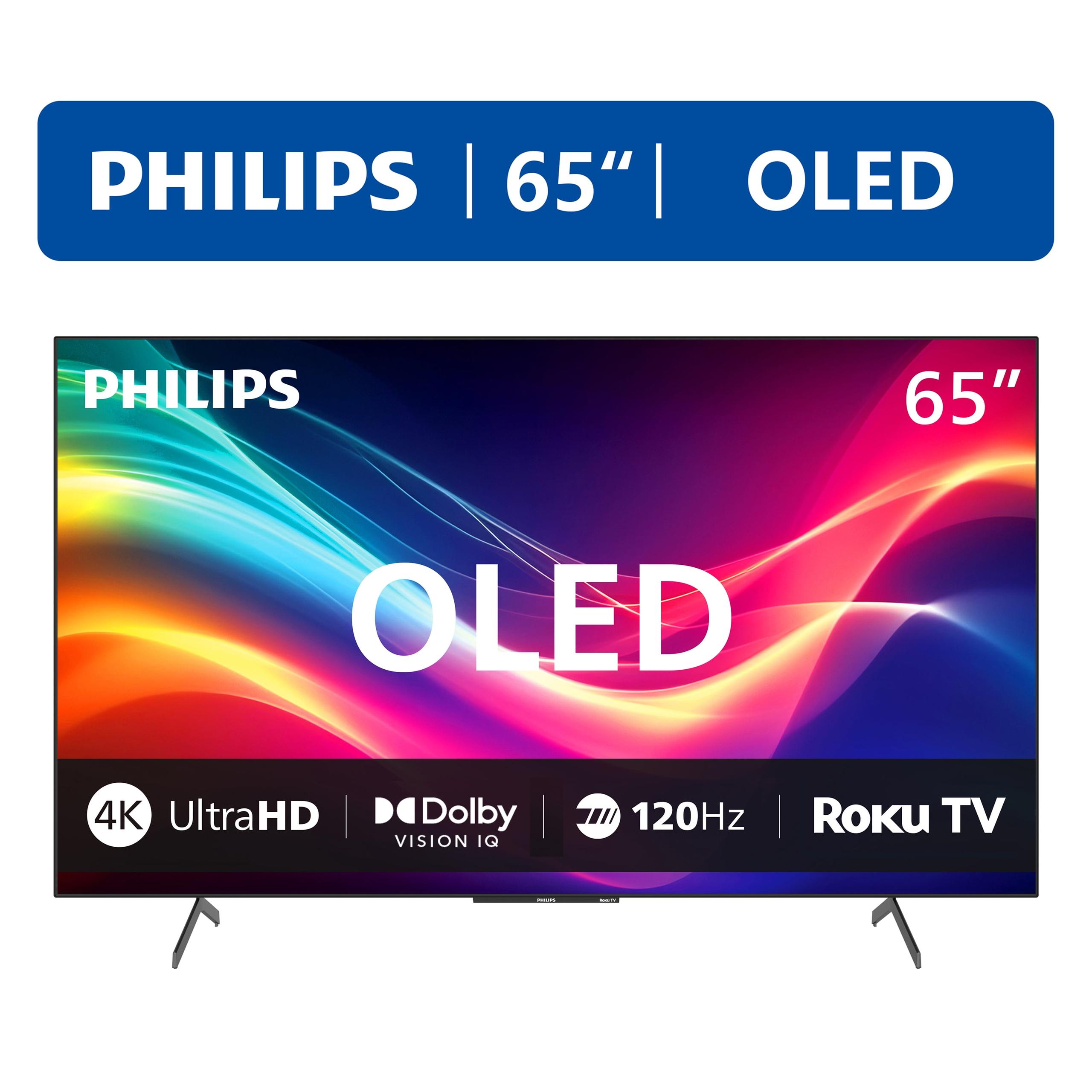
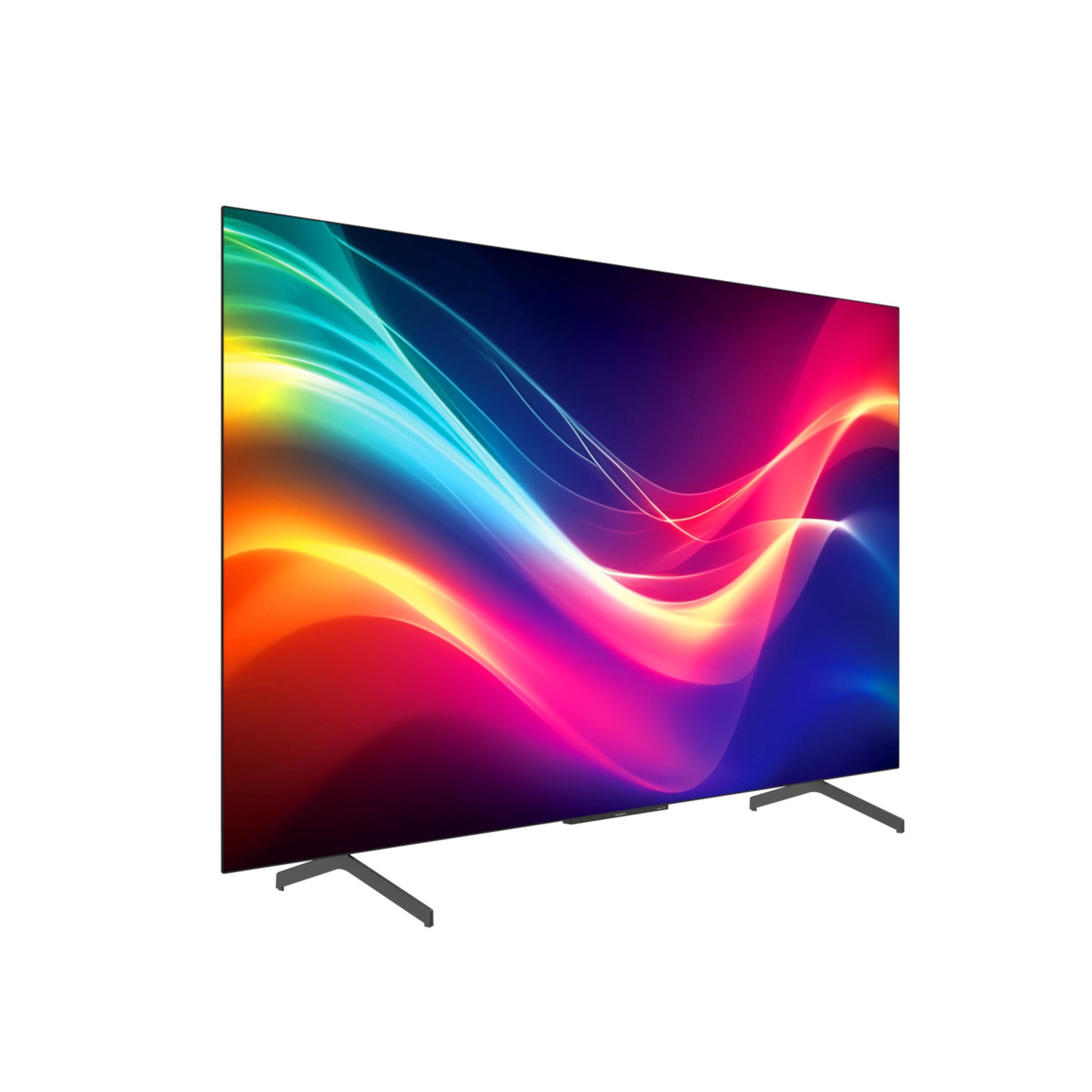
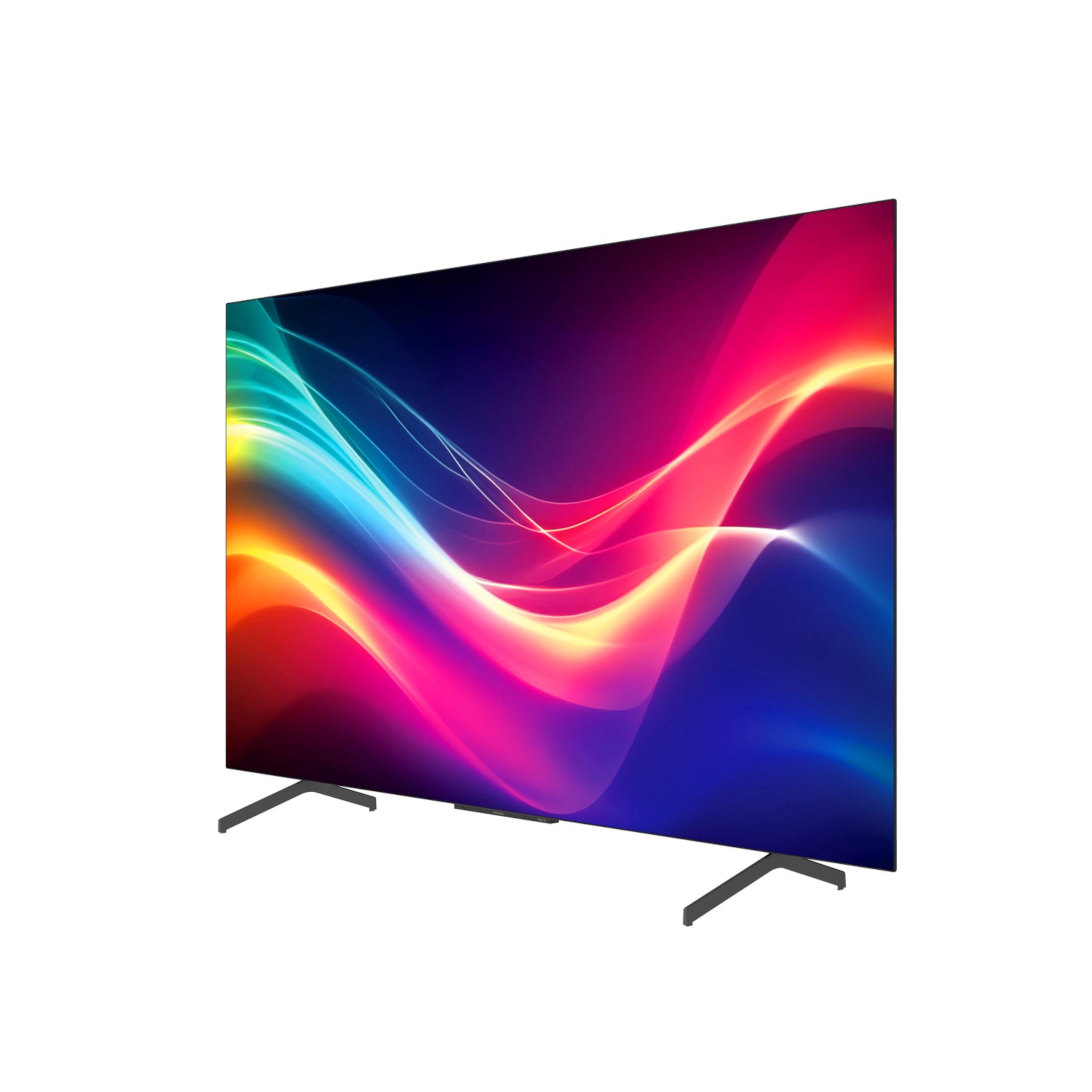

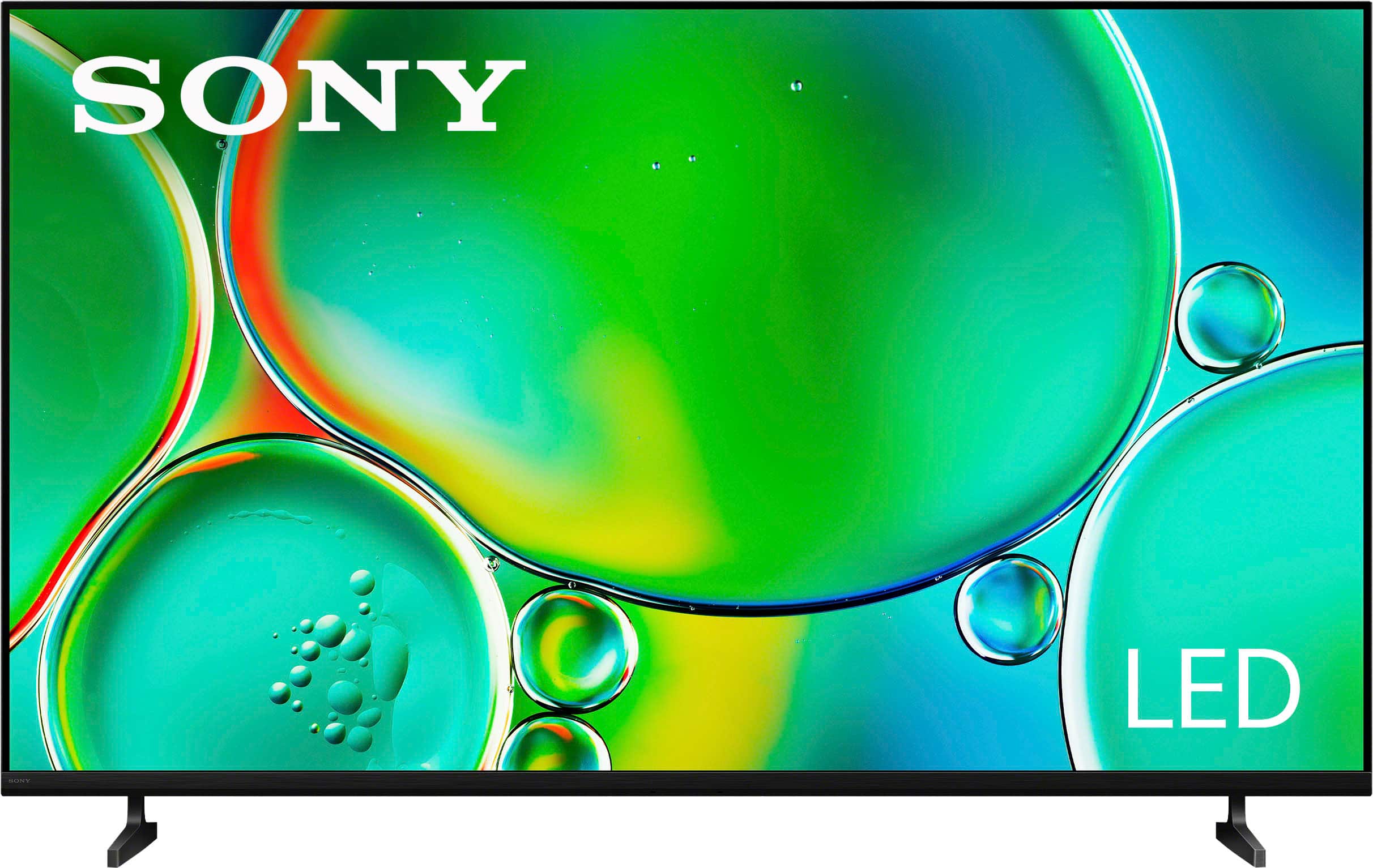
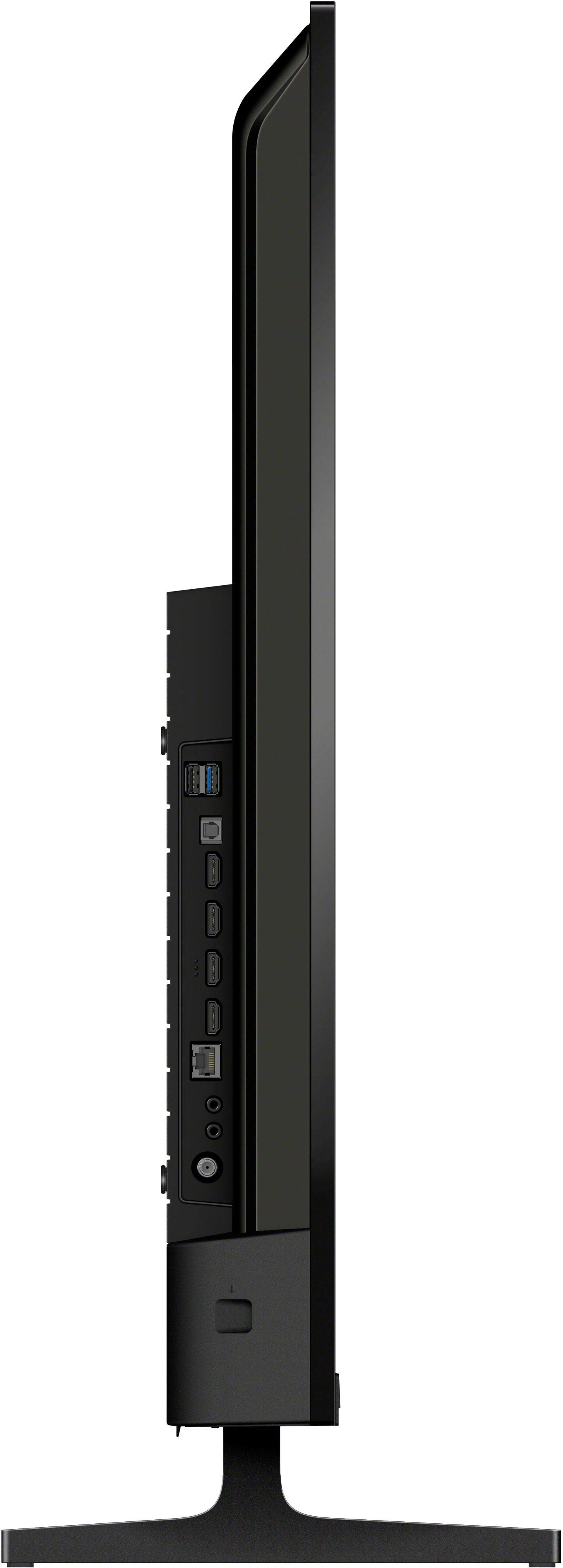
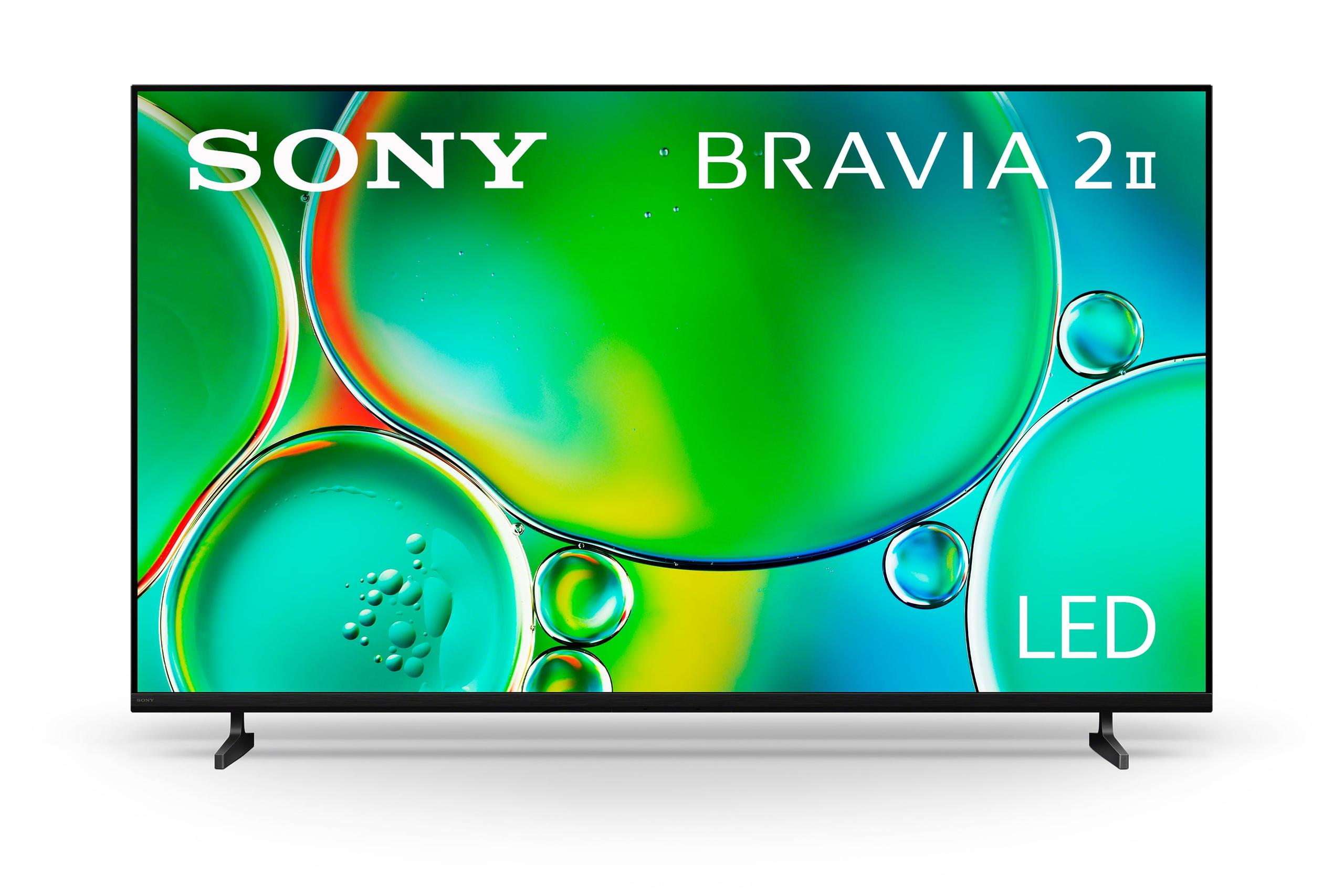
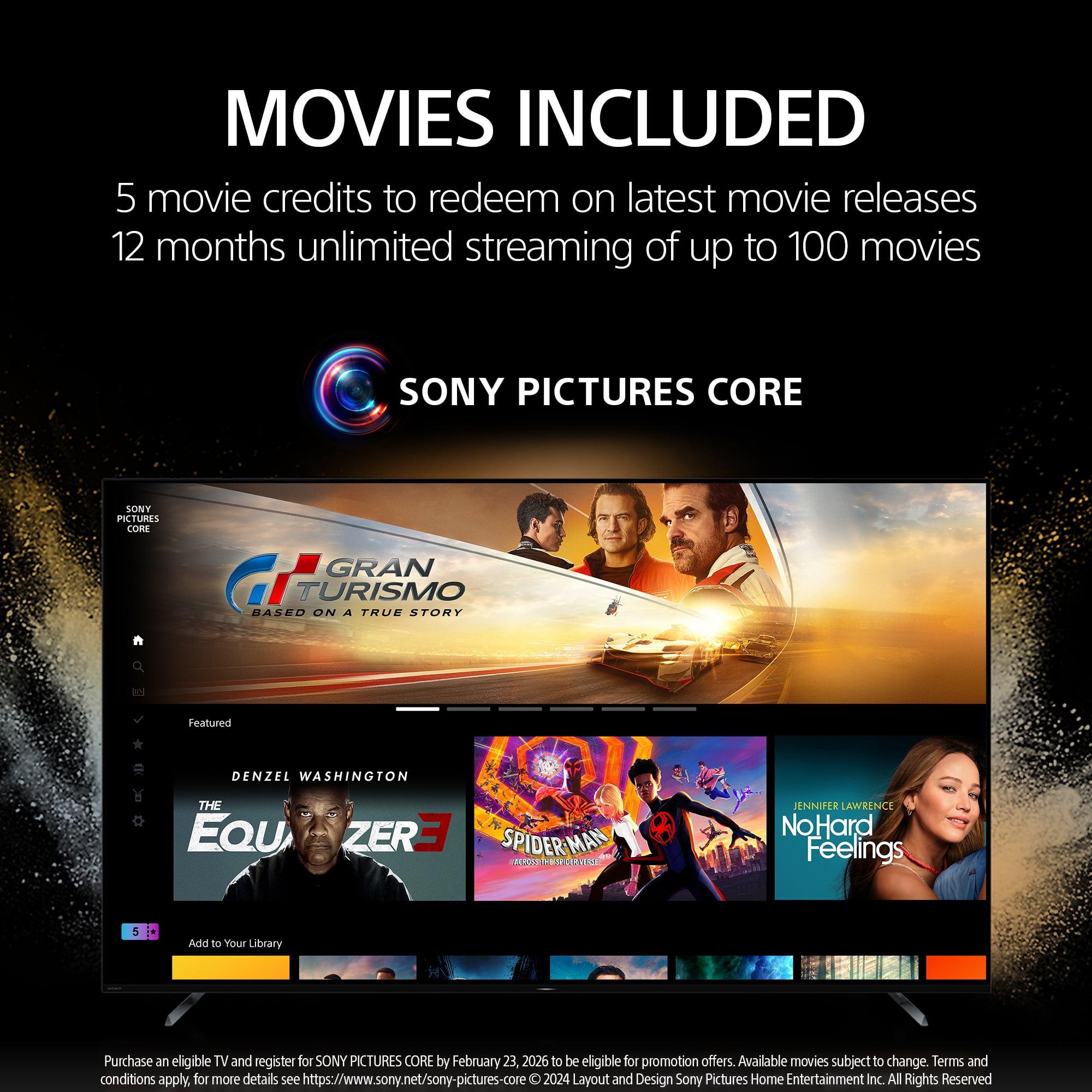
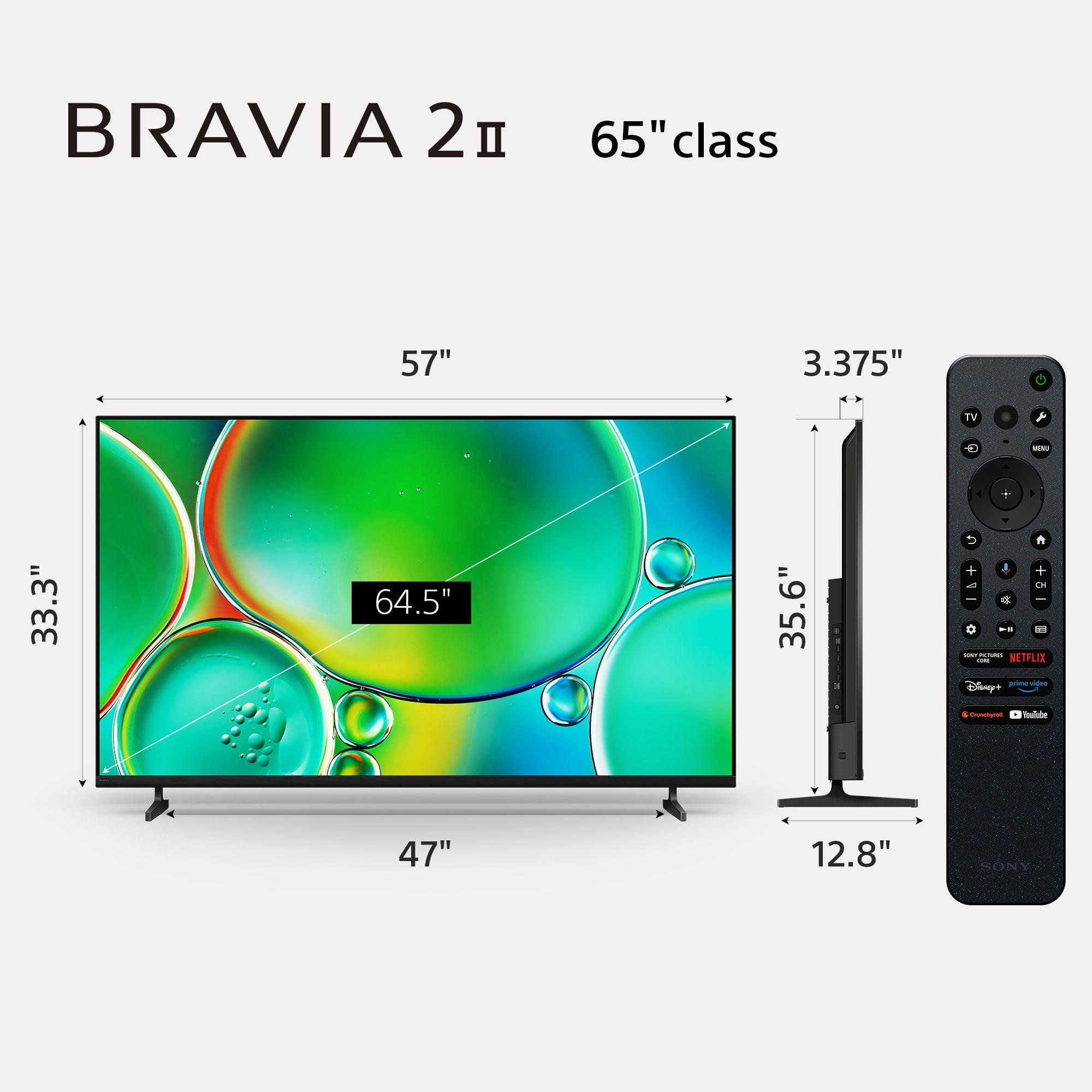




Shopping for a new 65-inch TV in 2025? You're looking at a fascinating divide in the television market. On one side, we have premium OLED technology becoming more accessible with models like the Philips 65OLED974/F7, and on the other, refined LED TVs such as Sony's BRAVIA 2 II 65" delivering solid performance at budget-friendly prices. At the time of writing, these TVs represent roughly a 2:1 price difference, making this comparison particularly relevant for anyone trying to balance performance with value.
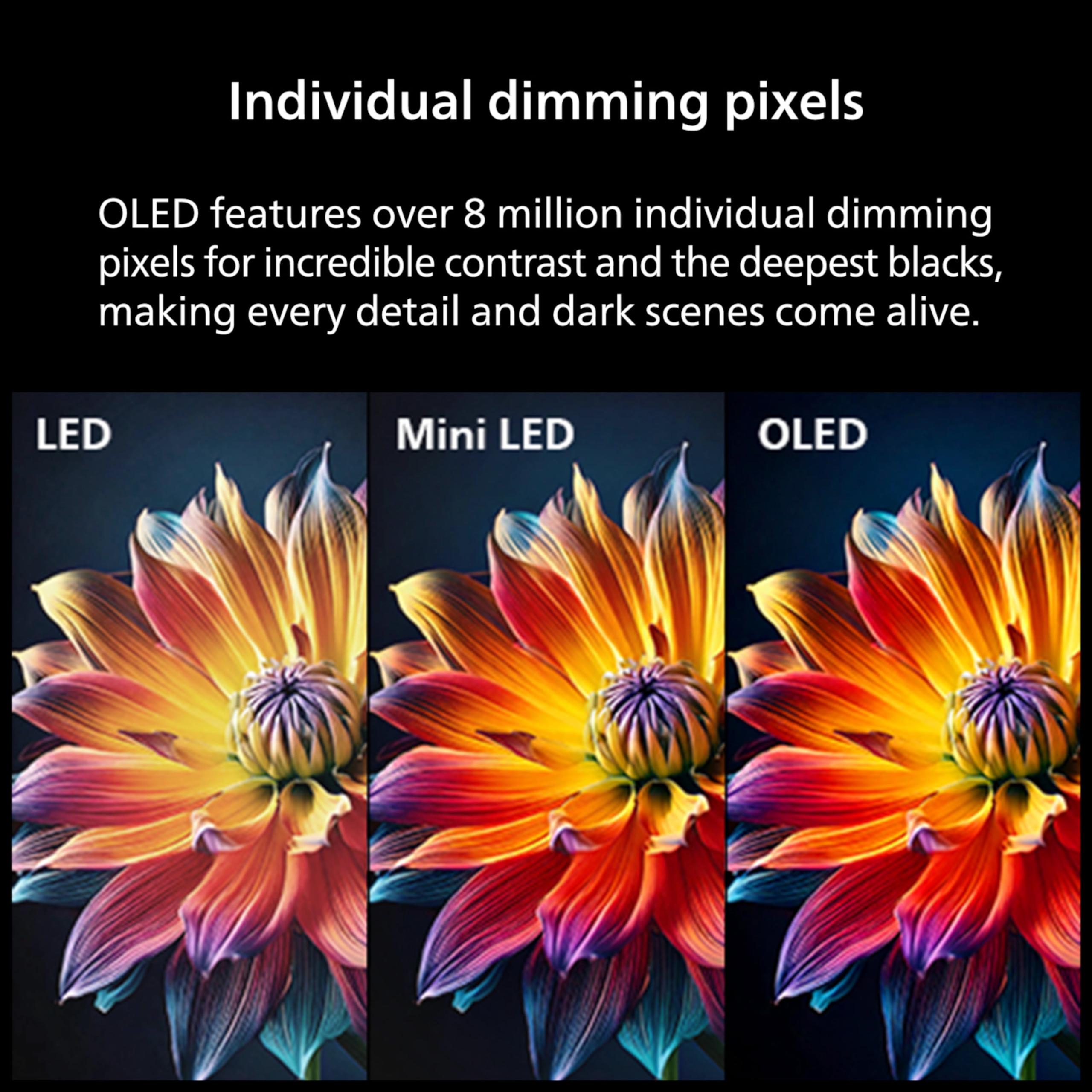
The fundamental difference between these technologies shapes everything about your viewing experience. OLED (Organic Light-Emitting Diode) panels like the Philips 65OLED974/F7 contain millions of individual pixels that produce their own light. When a pixel needs to display black, it simply turns off completely. This creates what's called "perfect blacks" – areas of the screen that are literally emitting zero light.
LED TVs, including the Sony BRAVIA 2 II, work differently. They use a backlight (usually LED strips) that shines through an LCD panel. The LCD acts like a shutter, blocking or allowing light to pass through. The problem is that this "shutter" can never block 100% of the light, which means blacks appear more like dark gray. This fundamental limitation affects contrast ratio – the difference between the brightest and darkest parts of an image.
These technologies have evolved significantly since their introduction. OLED panels, which became mainstream around 2018, have steadily improved in brightness while maintaining their contrast advantages. LED technology, refined over nearly two decades, has focused on better backlighting systems and processing to compete with OLED's natural advantages.
The Philips OLED delivers what reviewers consistently describe as "infinite contrast ratio." In practical terms, this means when you're watching a movie with a night scene, the dark areas look genuinely black, not washed out. This makes details in shadows more visible and creates a sense of depth that LED panels struggle to match.
The Sony LED, using standard direct-lit LED backlighting with frame dimming, produces what's considered good contrast for its price category. Frame dimming means the TV can adjust brightness across different areas of the screen, though not with the precision of individual pixel control that OLED offers. You'll notice the difference most in dark movie scenes where blacks appear more grayish and you might see some "blooming" – light bleeding around bright objects against dark backgrounds.
Here's where things get interesting and frankly frustrating about the Philips OLED. Despite its superior contrast, professional reviews consistently highlight a significant weakness: poor peak brightness. This isn't a minor issue – it fundamentally limits where you can use this TV effectively.
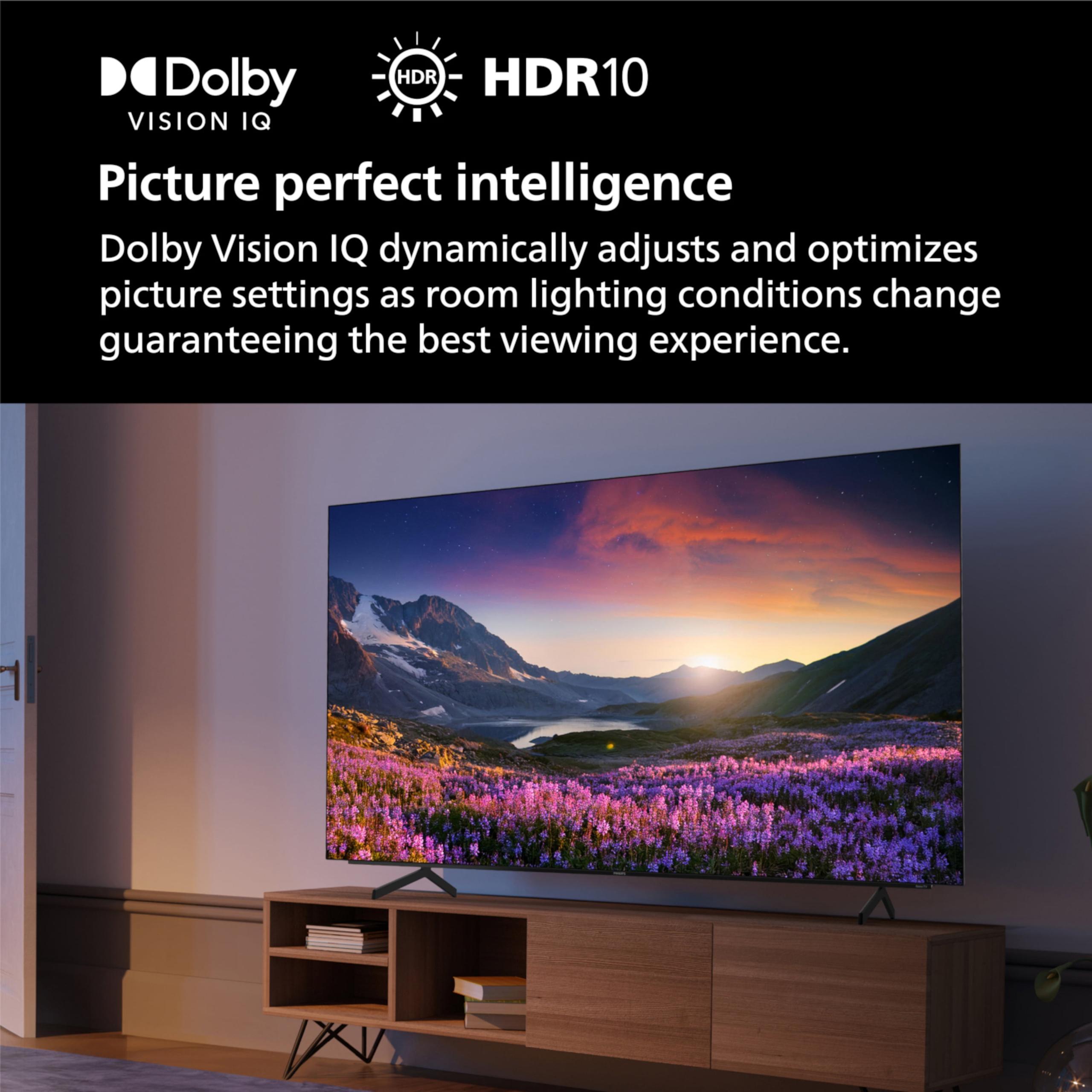
In practical terms, if your living room has windows or you prefer watching TV with lights on, the Philips OLED will struggle. HDR (High Dynamic Range) content, which should showcase brilliant highlights like sun glinting off water or bright explosions, appears muted and dim. The TV simply can't produce enough light to make these moments pop the way they should.
The Sony LED, while not specified for exact brightness numbers, doesn't suffer from this limitation to the same degree. LED TVs generally handle bright room viewing much better, making them more versatile for typical living room setups.
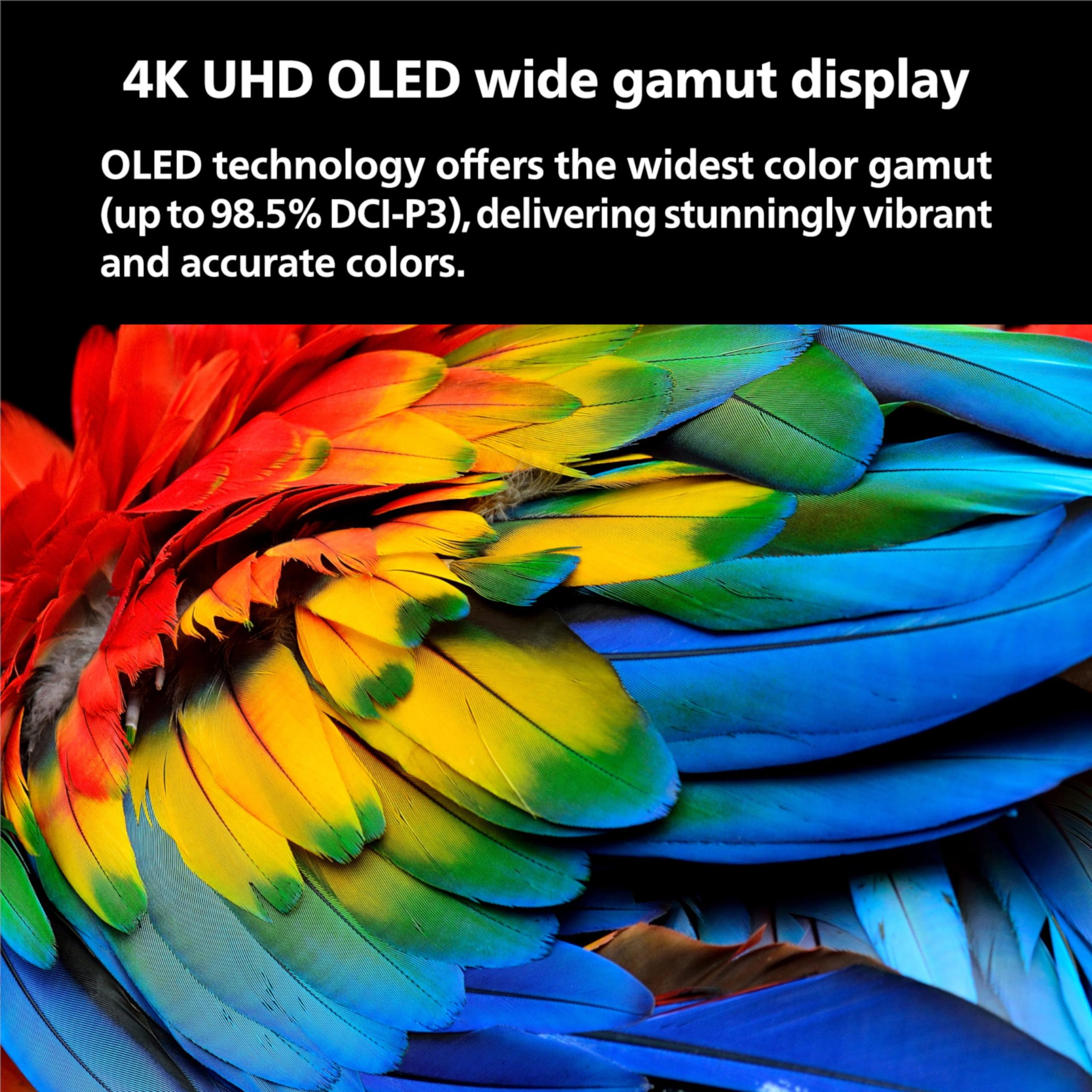
Both TVs excel in color reproduction, but through different approaches. The Philips OLED covers up to 98.5% of the DCI-P3 color space (a professional standard used in movie theaters) with excellent out-of-the-box accuracy. This means colors look natural and vibrant without needing professional calibration.
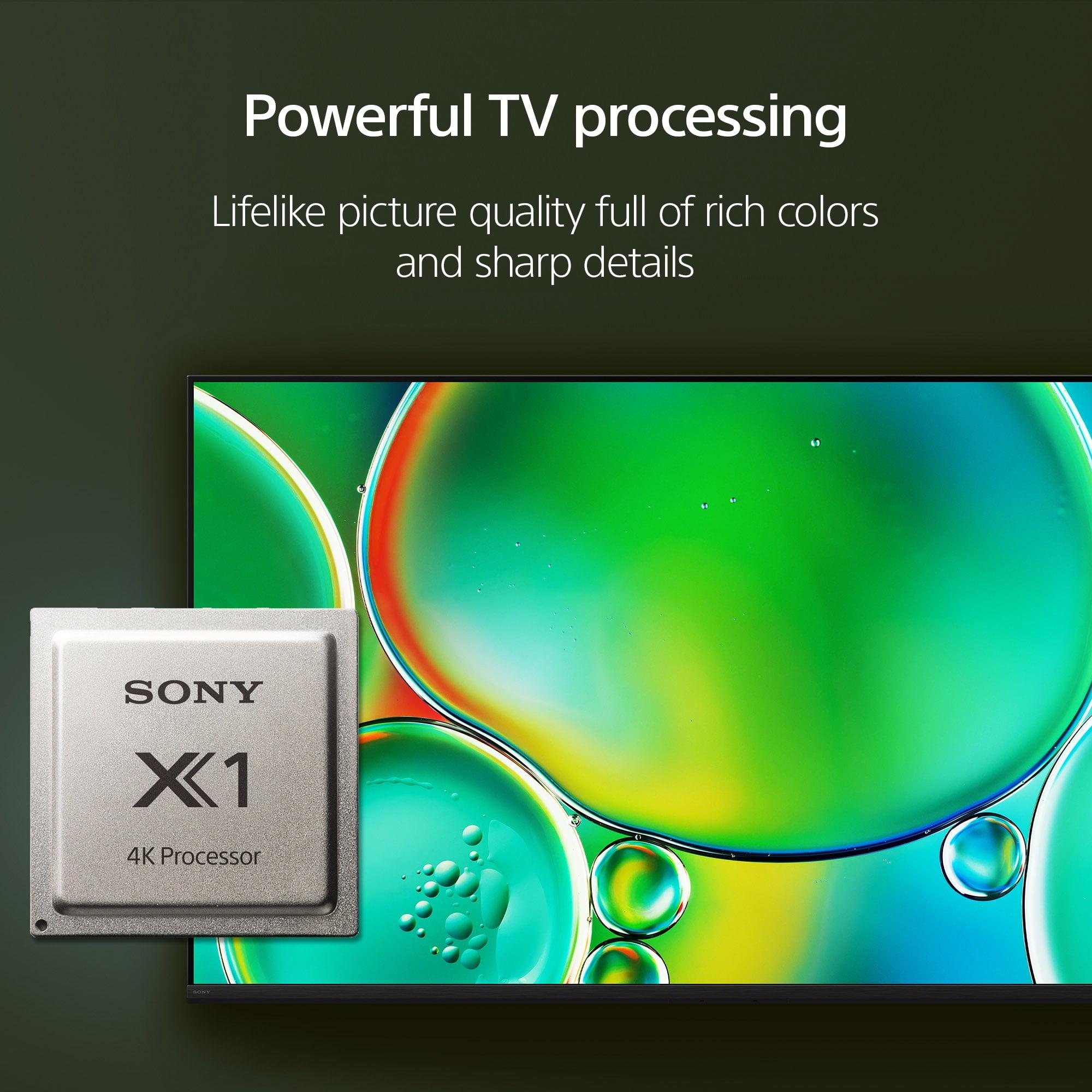
Sony's approach with the BRAVIA 2 II relies heavily on the 4K Processor X1 and Live Color technology. This processing enhancement can make colors appear more saturated and vibrant than the panel might naturally produce. Some reviewers note that Sony's color processing occasionally outperforms even quantum dot displays in perceived vibrancy, which is impressive for an entry-level model.
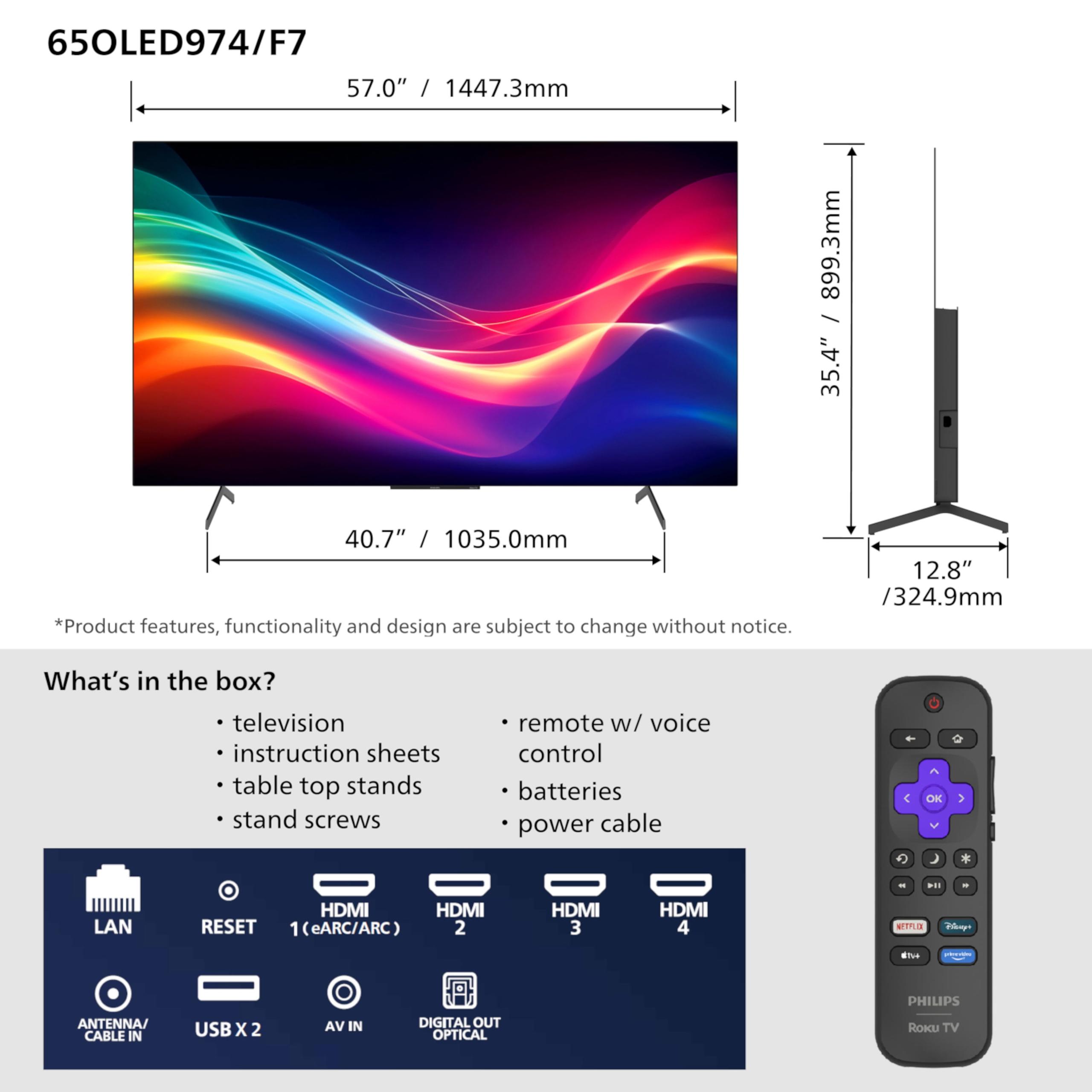
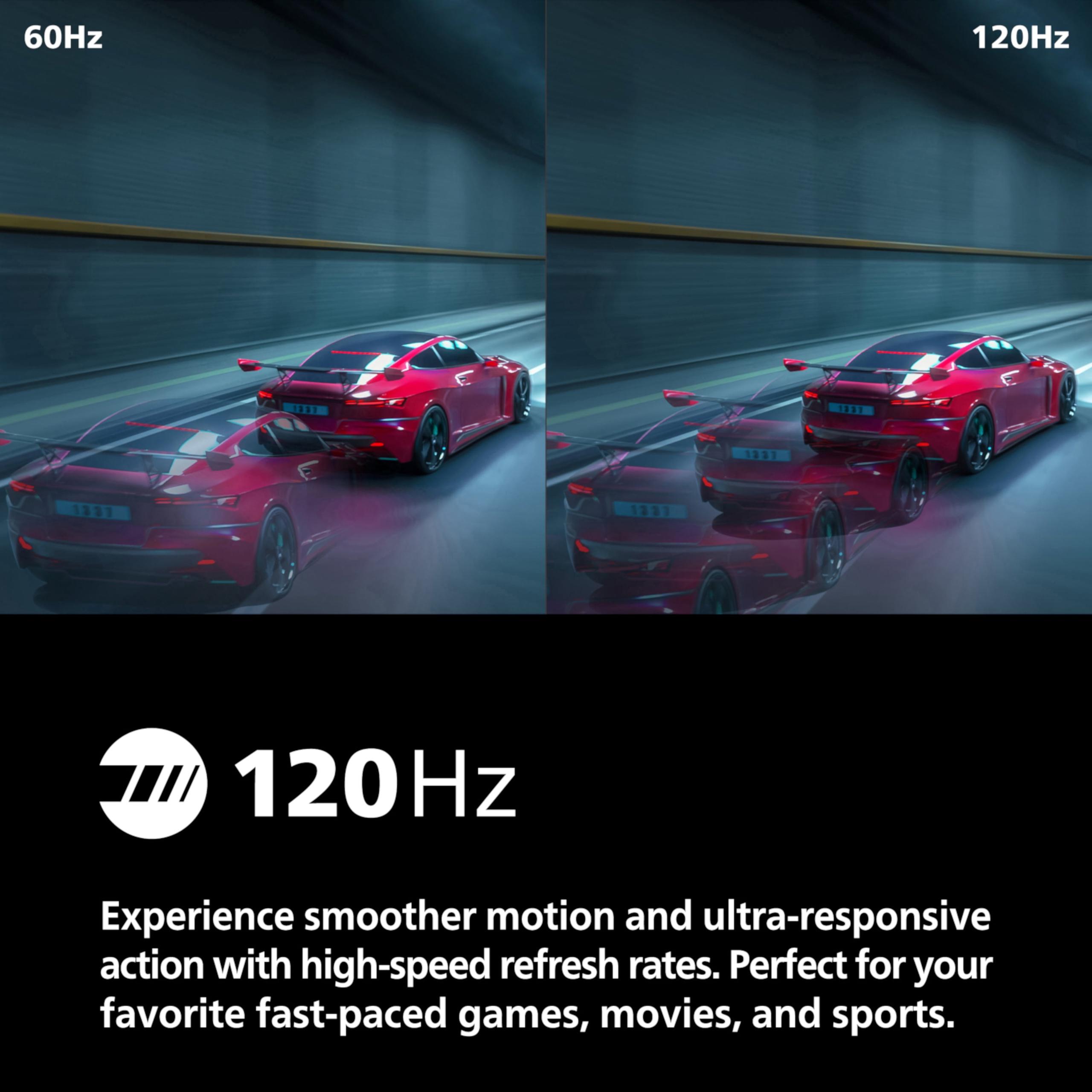
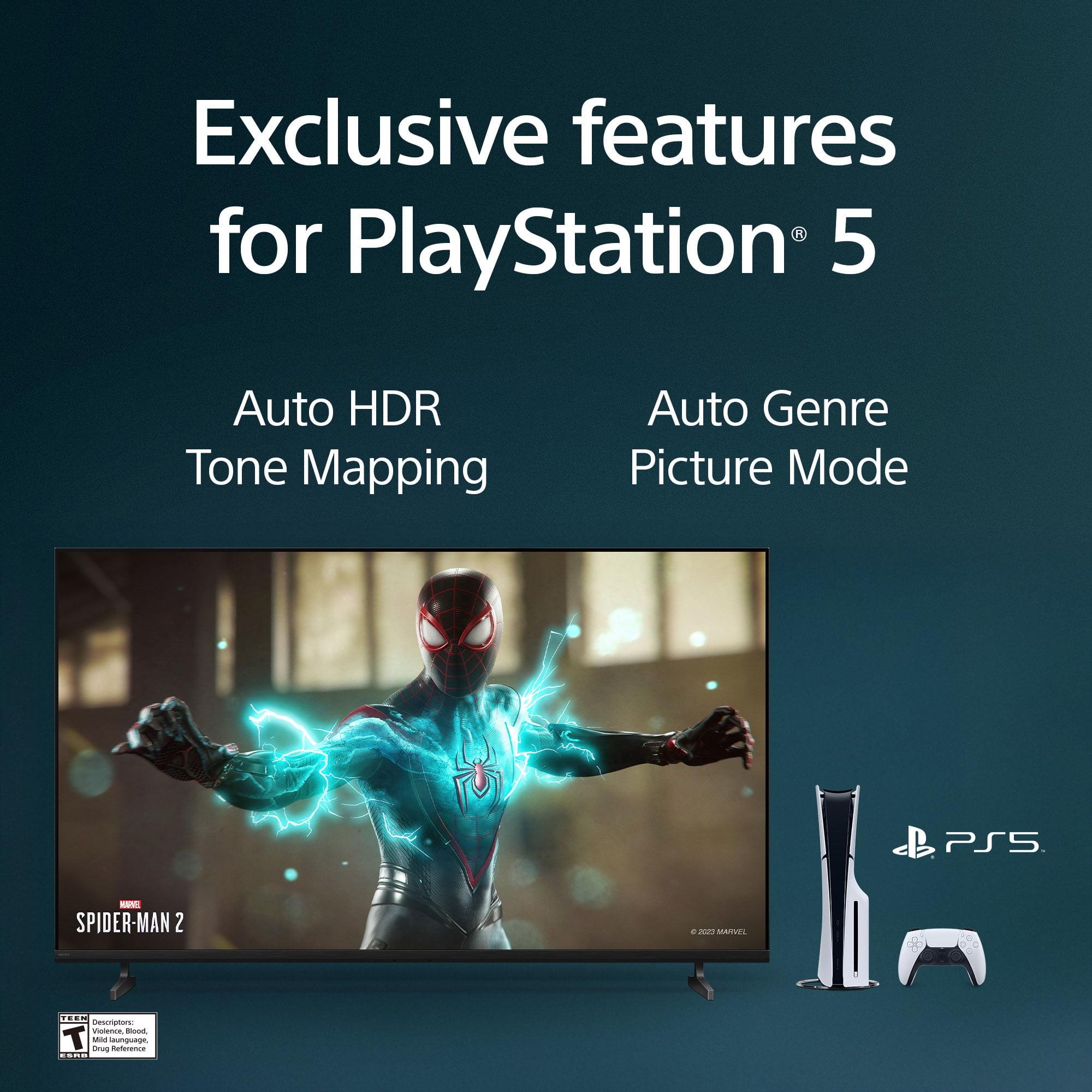
Gaming capabilities represent perhaps the starkest difference between these TVs. The Philips OLED is genuinely built for modern gaming with its native 120Hz refresh rate and HDMI 2.1 connectivity. But let's break down what this actually means for your gaming experience.
A 120Hz refresh rate means the TV can display 120 individual frames per second. Most current-generation consoles (PlayStation 5, Xbox Series X) can output games at 120fps in certain titles, creating incredibly smooth motion. The Philips OLED supports this fully, with two HDMI 2.1 ports capable of handling 4K resolution at 120Hz simultaneously.
The Sony LED maxes out at 60Hz with HDMI 2.0 bandwidth. This means even if your console can push 120fps, you'll only see 60fps on screen. For competitive gaming or fast-paced action games, this difference is immediately noticeable.
Response time measures how quickly pixels can change from one color to another. The Philips OLED achieves less than 0.1 milliseconds – essentially instantaneous. This eliminates motion blur during fast gaming sequences, making everything appear crisp and clear.
Input lag – the delay between pressing a button and seeing the result on screen – is equally important. Both TVs include game modes that minimize this delay, but the Philips OLED maintains very low lag even at 120Hz, making it responsive for competitive gaming.
Variable Refresh Rate (VRR) technology synchronizes the TV's refresh rate with your console's output frame rate. When a game drops from 120fps to 90fps during an intense scene, VRR adjusts the display accordingly, eliminating the jarring visual artifacts called screen tearing.
The Philips OLED supports AMD FreeSync Premium, which provides this VRR functionality along with additional features like low framerate compensation. The Sony LED lacks VRR entirely, which can result in visible tearing during gaming.
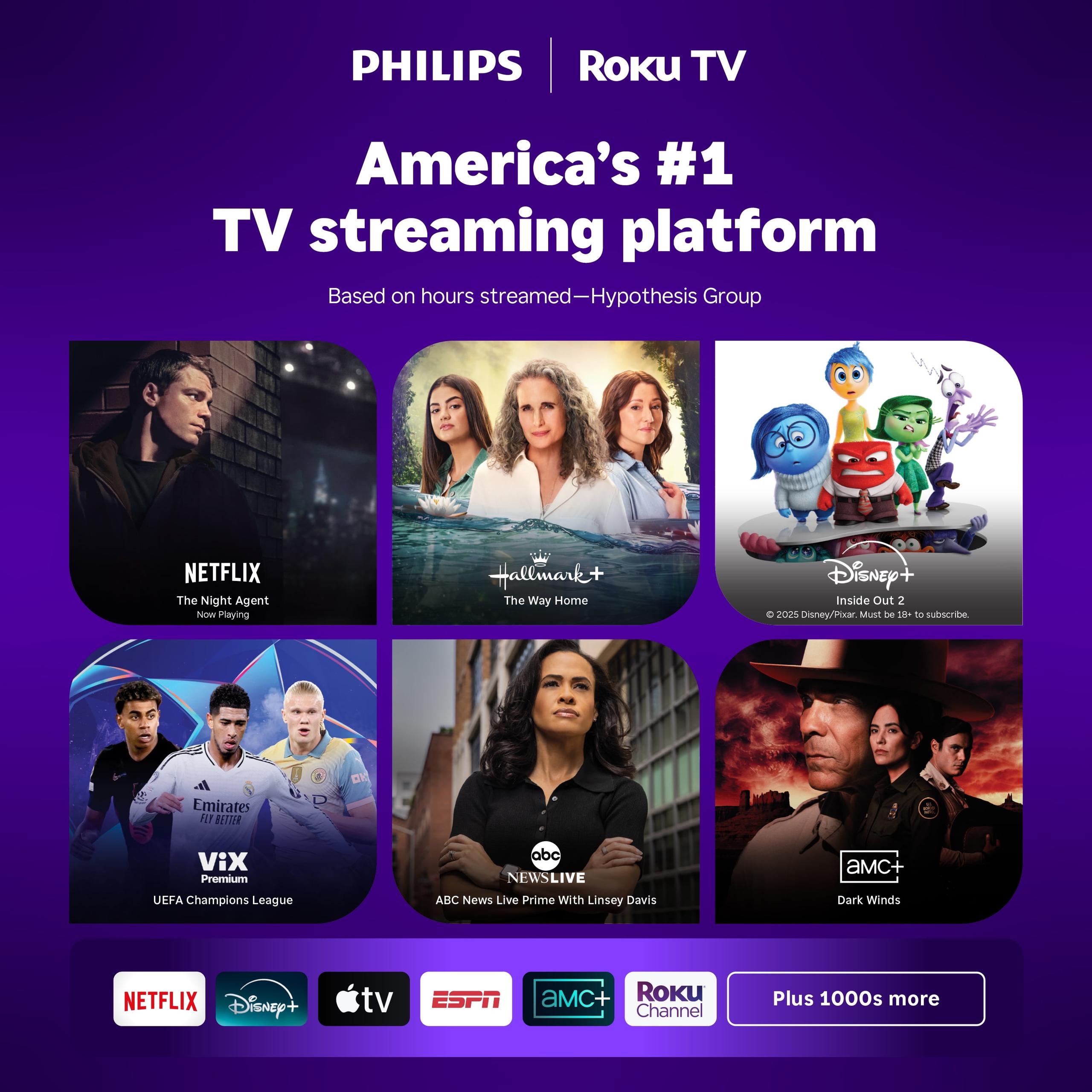
The software experience shapes your daily interaction with these TVs more than you might expect. The Philips OLED runs Roku TV, known for its straightforward, tile-based interface that prioritizes content discovery. Roku's strength lies in its simplicity and comprehensive app selection, including all major streaming services.
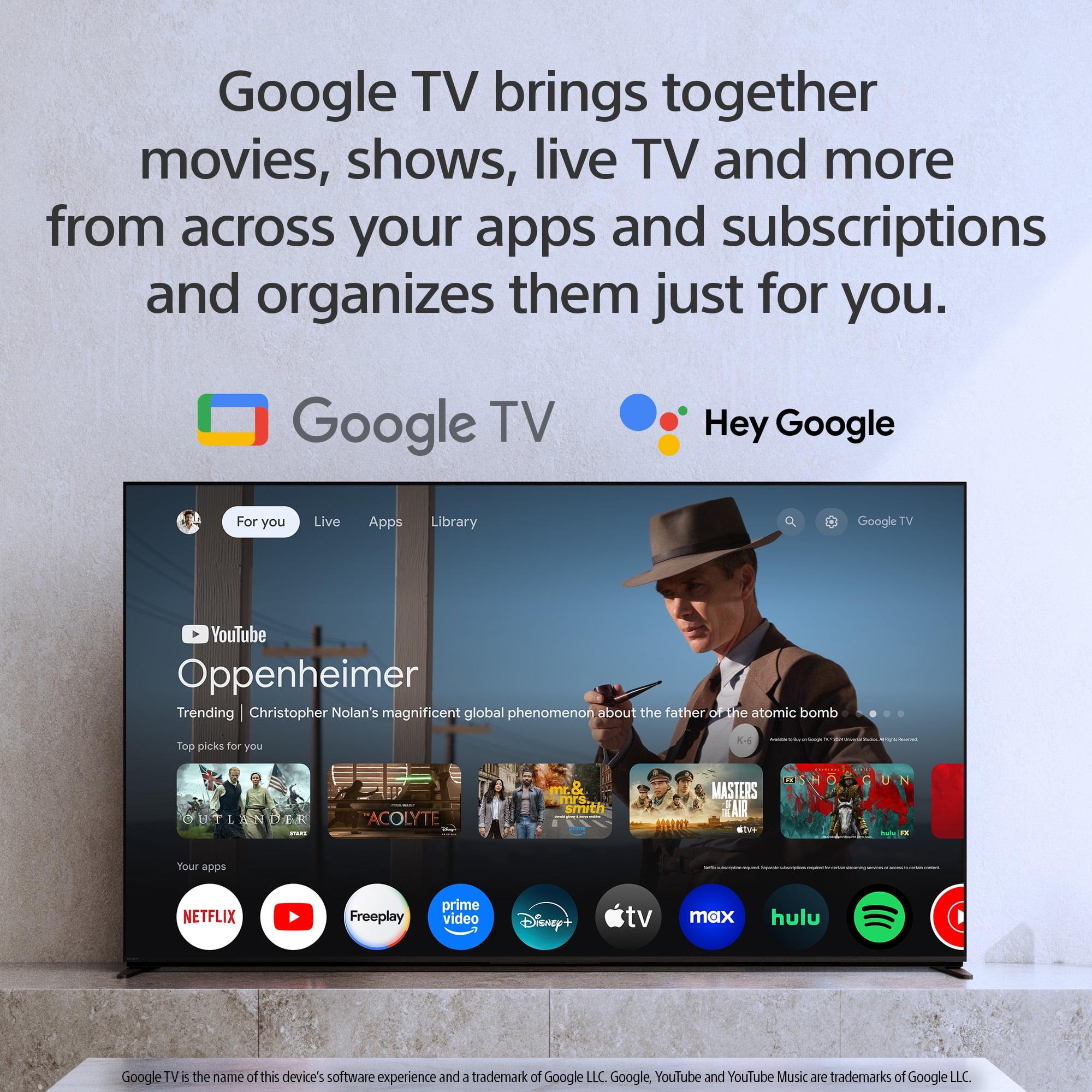
Google TV on the Sony BRAVIA offers a more sophisticated experience with AI-powered recommendations that learn your viewing habits. It integrates deeply with Google services and supports voice commands through Google Assistant. The platform also provides access to over 10,000 apps and includes free live TV channels.
From a practical standpoint, Google TV feels more modern and feature-rich, while Roku TV focuses on reliability and ease of use. If you value cutting-edge smart features and Google ecosystem integration, Sony has the advantage. If you prefer straightforward navigation without complexity, Roku TV might appeal more.
This is where our research into user experiences becomes crucial. The Philips OLED performs dramatically differently depending on your viewing environment. In a dedicated home theater room with controlled lighting, it delivers an exceptional experience with deep blacks and vibrant colors that LED panels simply cannot match.
However, in a typical living room with windows and ambient lighting, the poor brightness becomes a significant limitation. Users consistently report that HDR content lacks impact, and the screen appears dim during daytime viewing. This isn't a minor inconvenience – it fundamentally affects whether you'll be satisfied with your purchase.
The Sony LED provides more consistent performance across different lighting conditions. While it can't match OLED's contrast in dark rooms, it remains watchable and enjoyable in brighter environments where the Philips OLED struggles.
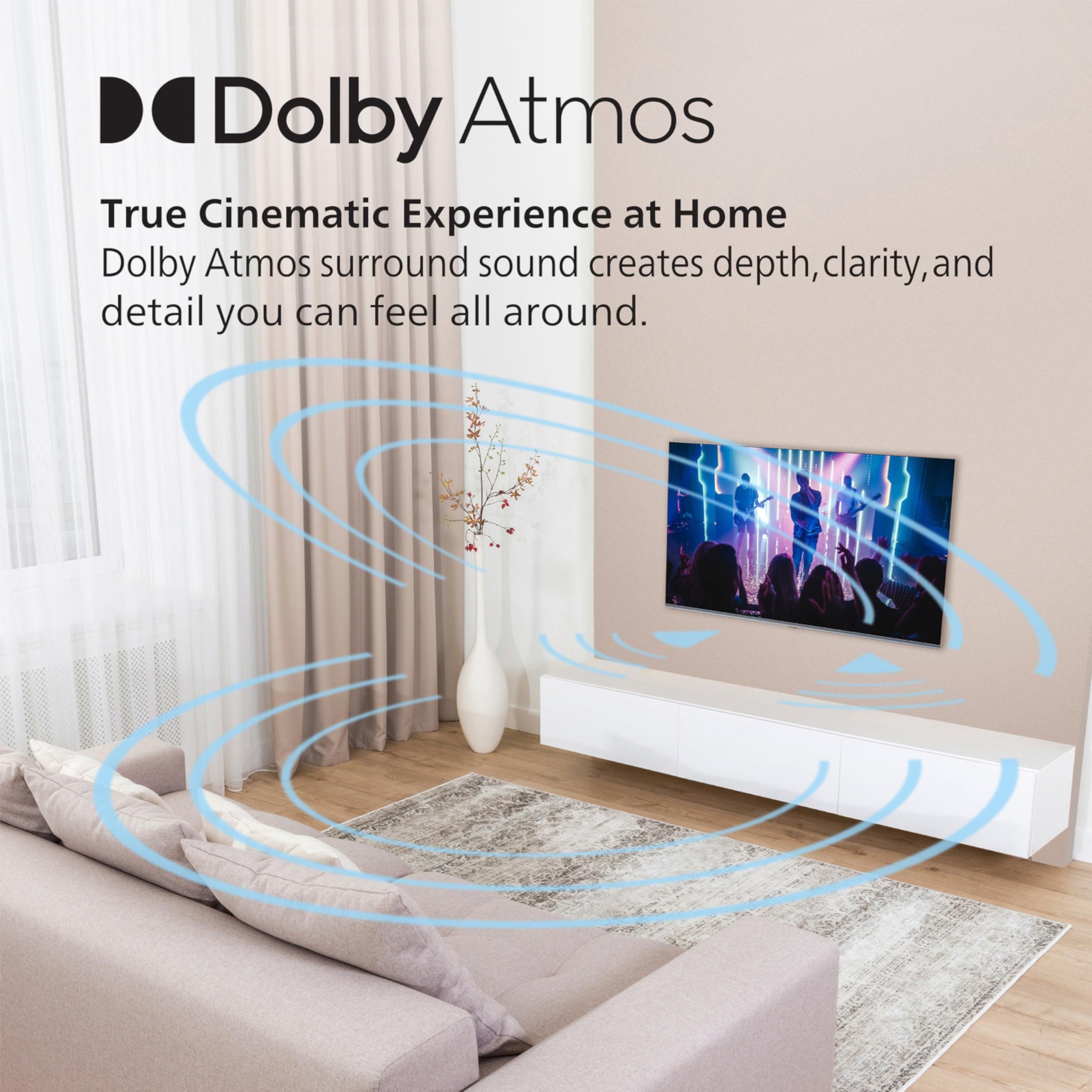
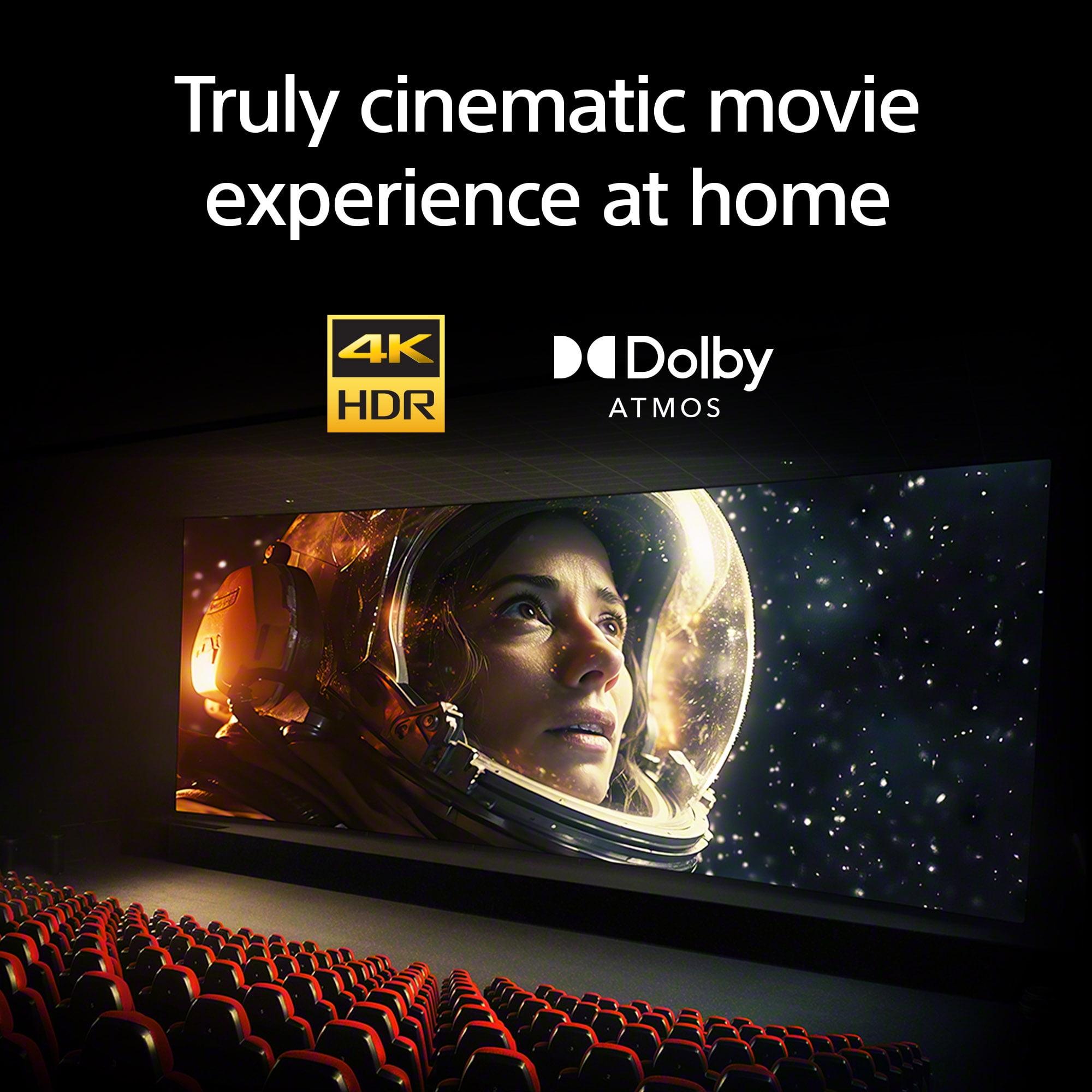
Both TVs include decent built-in audio systems, though neither replaces a proper sound system for serious home theater use. The Sony BRAVIA features 20 watts of power with Dolby Atmos processing, while the Philips OLED includes a 2.1 speaker configuration with a dedicated subwoofer.
For home theater enthusiasts, the Philips OLED's superior picture quality in dark rooms makes it the natural choice, assuming you'll pair it with external audio equipment. The perfect blacks and wide color gamut create a cinematic experience that justifies the premium price in dedicated viewing environments.
At the time of writing, these TVs represent different value philosophies. The Philips OLED delivers premium technology at a competitive OLED price point, particularly considering its gaming capabilities. For users who can work within its brightness limitations, it offers exceptional value in its category.
The Sony LED provides reliable, versatile performance at roughly half the price. It won't deliver the same wow factor in perfect conditions, but it works well in more real-world scenarios and includes Sony's reliable build quality and processing.
Choose the Philips OLED if you:
Choose the Sony LED if you:
The fundamental question isn't which TV is better overall – it's which TV is better for your specific situation. The Philips OLED delivers a superior experience in optimal conditions but requires those conditions to shine. The Sony LED provides consistent, reliable performance that works well in most real-world scenarios.
In my experience evaluating these technologies, room environment matters more than most people realize when choosing between OLED and LED. If you're building a dedicated viewing space, OLED's advantages justify the premium. If you need a TV that works well in your existing living space, LED's versatility often provides better day-to-day satisfaction.
Both represent solid choices within their respective categories, but matching the technology to your viewing environment and priorities will determine which delivers better long-term value for your specific needs.
| Philips 65OLED974/F7 65" OLED Roku TV | Sony BRAVIA 2 II 65" 4K LED Google TV 2025 |
|---|---|
| Display Technology - Determines contrast quality and black levels | |
| OLED with perfect blacks and infinite contrast | LED with direct backlighting and frame dimming |
| Peak Brightness - Critical for HDR impact and bright room viewing | |
| Poor brightness performance, unsuitable for well-lit rooms | Adequate brightness for typical living room conditions |
| Gaming Refresh Rate - Essential for next-gen console compatibility | |
| 120Hz native with HDMI 2.1 (4K @ 120Hz support) | 60Hz maximum with HDMI 2.0 (4K @ 60Hz only) |
| Variable Refresh Rate (VRR) - Eliminates screen tearing during gaming | |
| AMD FreeSync Premium supported | Not supported |
| Response Time - Affects motion clarity in fast scenes | |
| <0.1ms (virtually instantaneous) | Standard LED response time |
| HDR Format Support - Determines premium content compatibility | |
| Dolby Vision, HDR10, HLG | HDR10, HLG (no Dolby Vision) |
| Color Gamut Coverage - Affects color vibrancy and accuracy | |
| Up to 98.5% DCI-P3 with excellent out-of-box accuracy | Enhanced by 4K Processor X1 and Live Color technology |
| Smart TV Platform - Daily user interface and app ecosystem | |
| Roku TV (simple, reliable interface) | Google TV (AI recommendations, voice control) |
| Audio System - Built-in sound quality | |
| Dolby 2.1 speaker system with subwoofer | 20W with Dolby Atmos and DTS:X support |
| Viewing Angle - Picture quality when viewed from the side | |
| 176° horizontal and vertical (OLED advantage) | Standard LED viewing angles with some color shift |
| Best Use Case - Optimal viewing environment | |
| Dark rooms and dedicated home theaters | Versatile performance in various lighting conditions |
| Gaming Compatibility - Console generation support | |
| Fully compatible with PS5/Xbox Series X at maximum settings | Limited to last-gen gaming performance |
| Price Category - Value positioning in market | |
| Premium OLED pricing with competitive gaming features | Entry-level pricing with reliable performance |
The Philips 65OLED974/F7 delivers superior picture quality for movies in dark rooms due to its OLED technology, which produces perfect blacks and infinite contrast. However, the Sony BRAVIA 2 II performs better in brighter rooms where the Philips struggles with poor brightness levels that make HDR content appear dim and muted.
The Philips 65OLED974/F7 is significantly better for gaming with its 120Hz refresh rate, HDMI 2.1 ports supporting 4K @ 120Hz, and AMD FreeSync Premium for eliminating screen tearing. The Sony BRAVIA 2 II is limited to 60Hz gaming and lacks VRR support, making it unsuitable for serious gaming with next-generation consoles.
The Sony BRAVIA 2 II performs much better in bright living rooms with windows and ambient lighting. The Philips 65OLED974/F7 has poor peak brightness that makes it unsuitable for well-lit rooms, where it cannot overcome glare and appears dim during daytime viewing.
The Philips 65OLED974/F7 uses Roku TV, which offers a simple, tile-based interface focused on content discovery with excellent app selection. The Sony BRAVIA 2 II runs Google TV, providing AI-powered recommendations, voice control through Google Assistant, and deeper integration with Google services and over 10,000 apps.
Both TVs offer adequate built-in audio, with the Sony BRAVIA 2 II featuring 20W output with Dolby Atmos and DTS:X support. The Philips 65OLED974/F7 includes a 2.1 speaker system with a dedicated subwoofer. For serious home theater use, both would benefit from external sound systems.
Yes, both the Philips 65OLED974/F7 and Sony BRAVIA 2 II support all major streaming services including Netflix, Disney+, Prime Video, and YouTube. The Sony also includes 800+ free live TV channels through Google TV, while the Philips offers Roku's comprehensive streaming platform.
The Philips 65OLED974/F7 is ideal for dedicated home theater rooms with controlled lighting, where its perfect blacks, infinite contrast, and wide color gamut create a cinematic experience. The poor brightness that limits the Philips in bright rooms becomes irrelevant in dark theater environments.
The Philips 65OLED974/F7 supports Dolby Vision, HDR10, and HLG for the most comprehensive HDR compatibility. The Sony BRAVIA 2 II supports HDR10 and HLG but lacks Dolby Vision, which may limit access to some premium HDR content on streaming platforms.
The Philips 65OLED974/F7 offers superior 176° viewing angles both horizontally and vertically, maintaining consistent color accuracy and contrast when viewed from the side. The Sony BRAVIA 2 II has standard LED viewing angles with some color shifting when viewed from extreme angles.
For sports, the choice depends on your room setup. The Philips 65OLED974/F7 provides crystal-clear motion and vibrant colors in dark rooms but struggles with glare in bright settings. The Sony BRAVIA 2 II offers more consistent sports viewing across different lighting conditions with its motion enhancement technology.
The Sony BRAVIA 2 II offers excellent value for general use with reliable performance, Sony's processing technology, and versatile room compatibility. The Philips 65OLED974/F7 provides premium OLED technology and advanced gaming features, offering good value in its category for users who can utilize its strengths in dark room environments.
The Philips 65OLED974/F7 suffers from poor brightness that limits HDR impact and makes it unsuitable for bright rooms, plus it has basic noise reduction that leaves artifacts in low-quality content. The Sony BRAVIA 2 II cannot match OLED's contrast in dark rooms and lacks advanced gaming features like 120Hz and VRR support.
We've done our best to create useful and informative comparisons to help you decide what product to buy. Our research uses advanced automated methods to create this comparison and perfection is not possible - please contact us for corrections or questions. These are the sites we've researched in the creation of this article: rtings.com - versus.com - versus.com - rtings.com - samsclub.com - versus.com - youtube.com - usa.philips.com - bestbuy.com - usa.philips.com - consumerreports.org - usa.philips.com - documents.philips.com - tvoutlet.ca - displayspecifications.com - business.walmart.com - displayspecifications.com - ecoustics.com - walmart.com - bestbuy.com - notebookcheck.net - rtings.com - youtube.com - youtube.com - rtings.com - avsforum.com - croma.com - totonstv.com - electronics.sony.com - listenup.com - pcrichard.com - youtube.com - flanners.com - brandsmartusa.com - displayspecifications.com - pioneertvandappliance.com - donstv.com

Privacy Policy
Terms and Conditions - Affiliate Policy
Home Security
© Copyright 2008-2026.
11816 Inwood Rd #1211, Dallas, TX 75244