

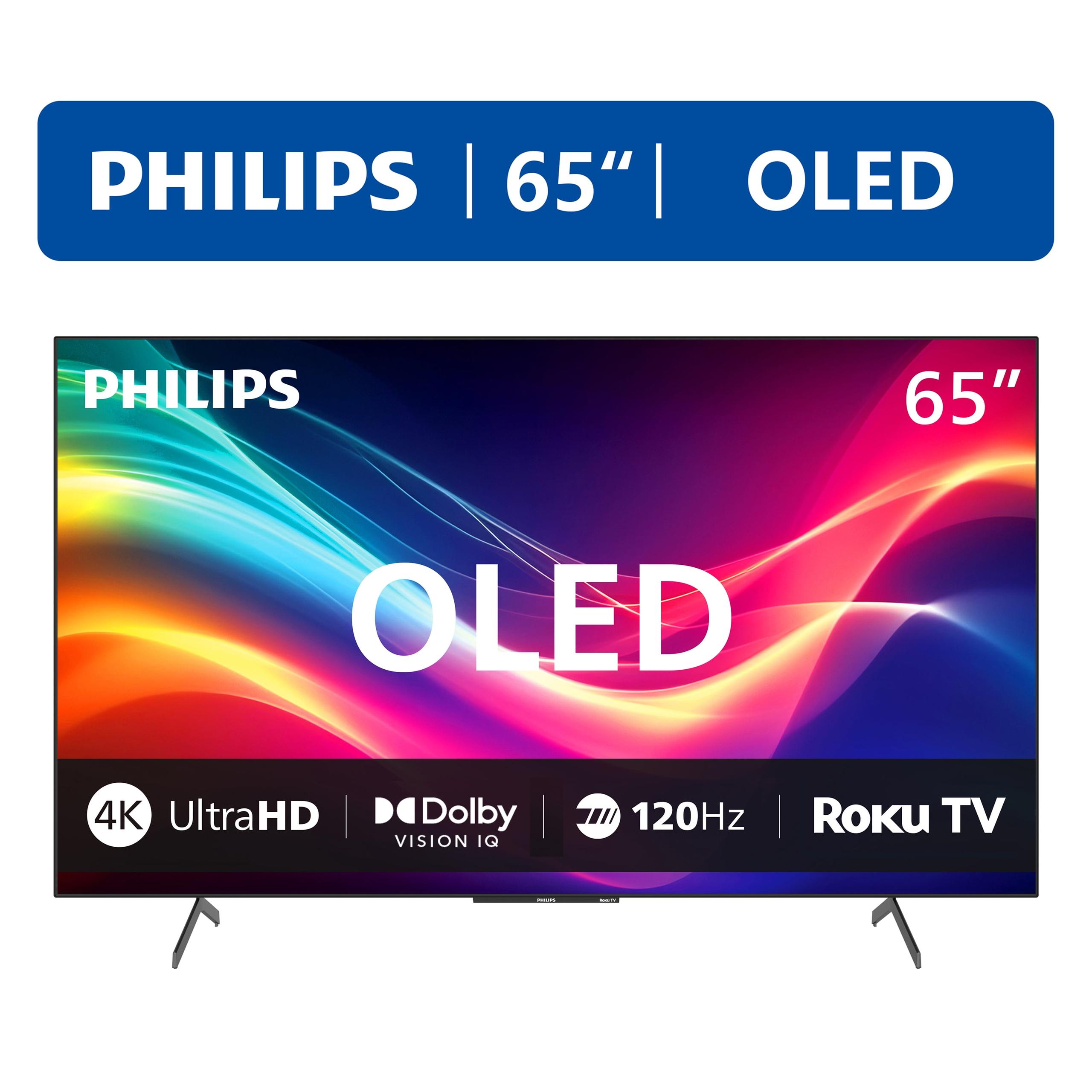





Shopping for a premium 65-inch OLED TV can feel overwhelming, especially when you're comparing models that seem similar on paper but perform very differently in real life. The Philips 65OLED974/F7 and LG OLED evo C5 both promise stunning picture quality with perfect blacks and vibrant colors, but our research reveals significant differences that could make or break your viewing experience.
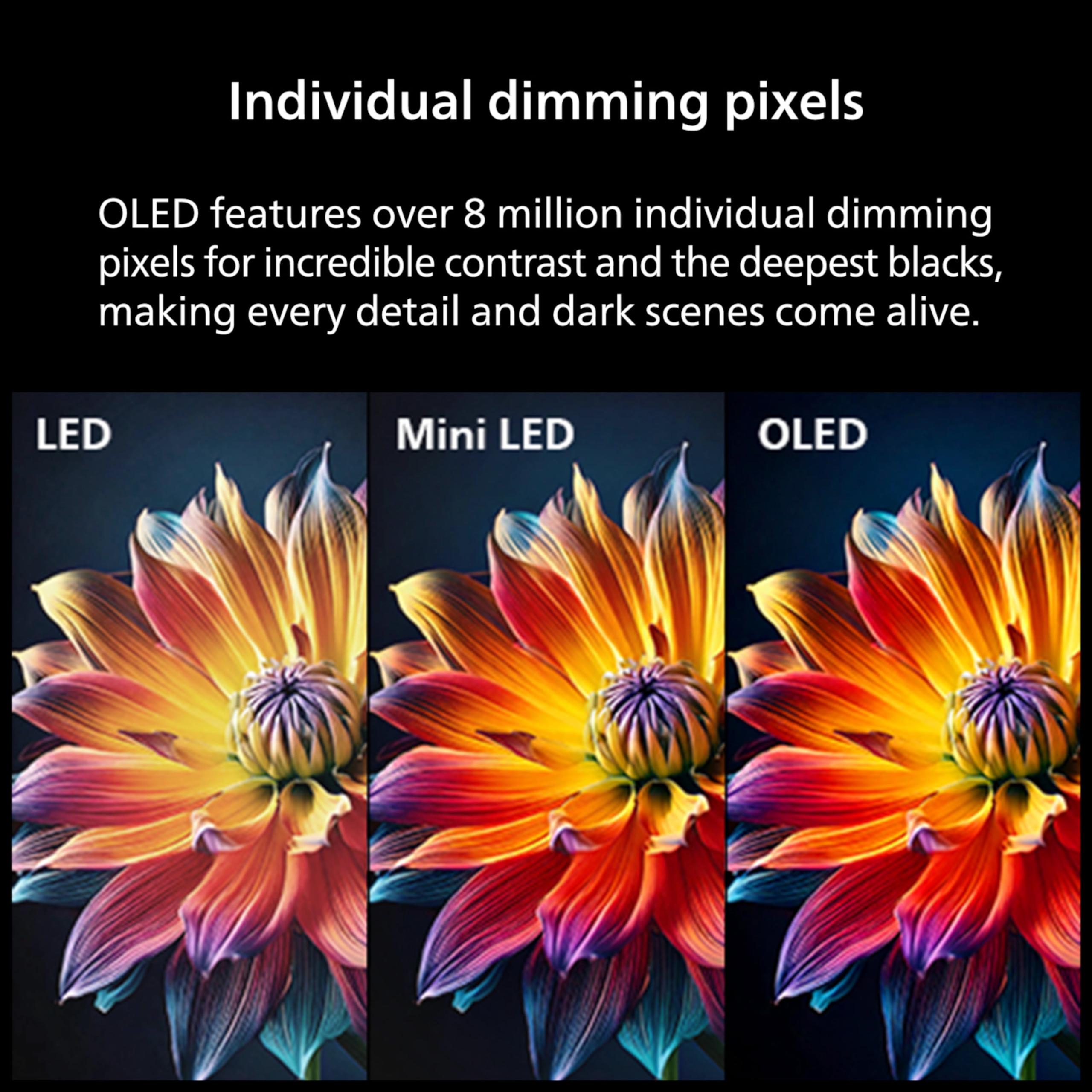
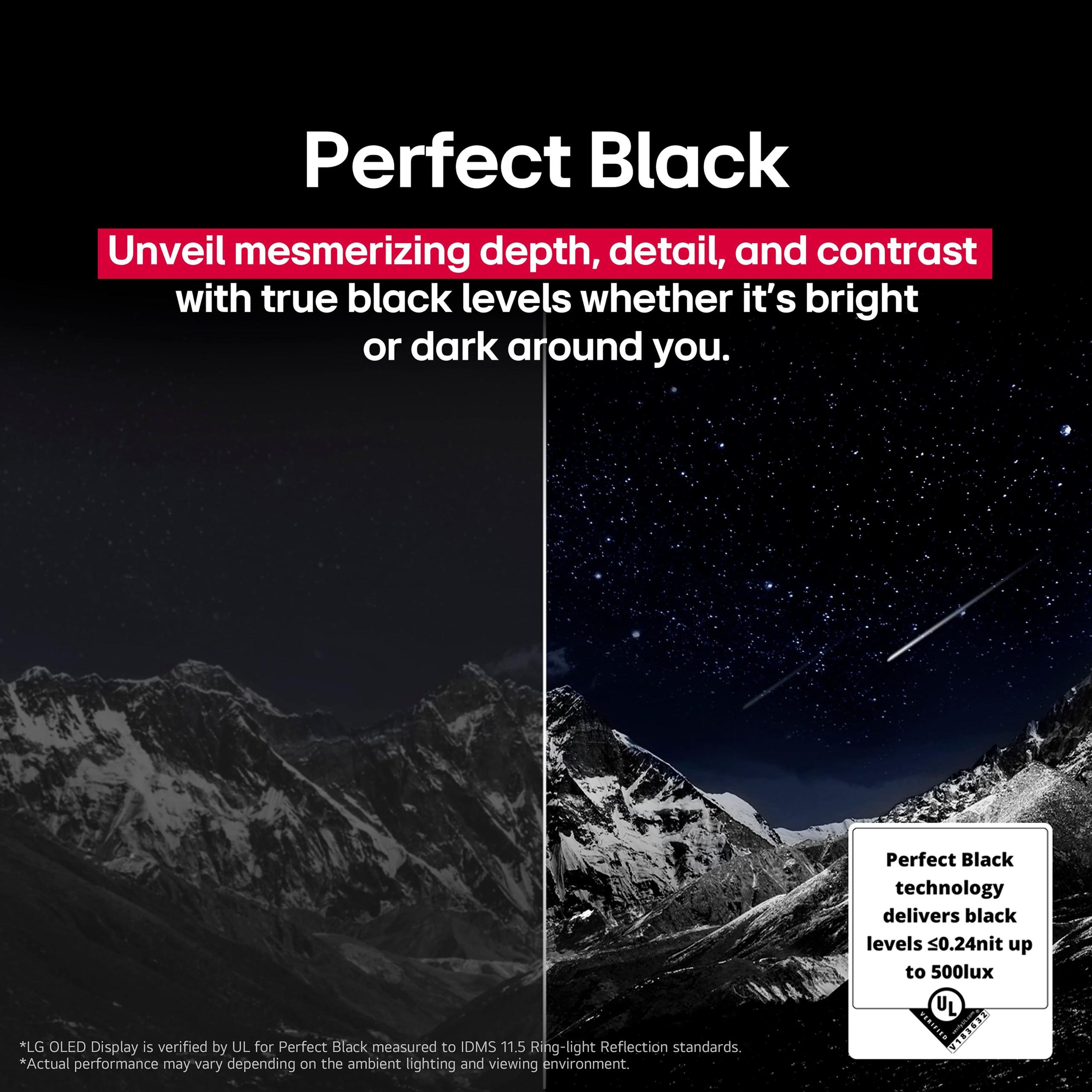
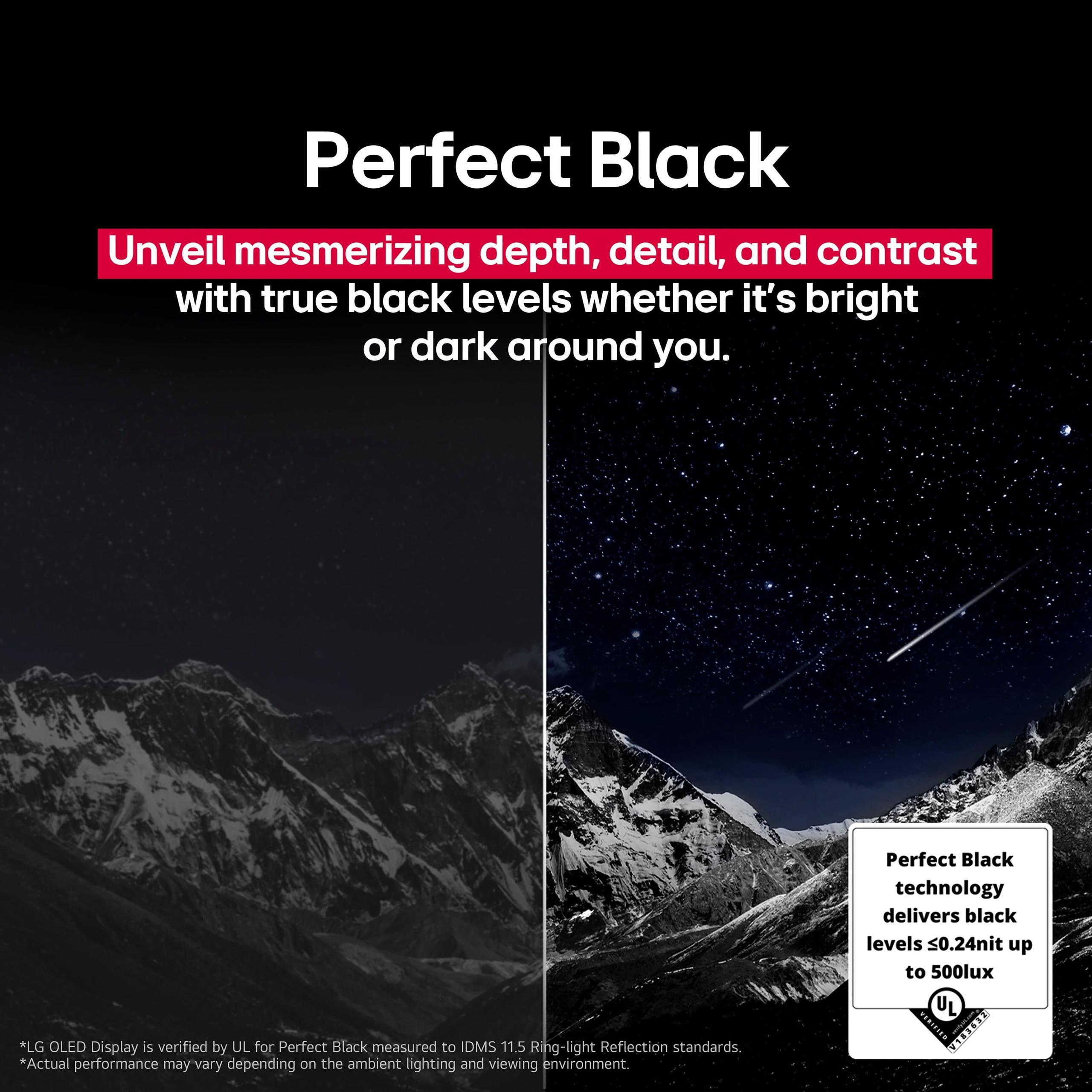
OLED technology represents the pinnacle of TV display quality. Unlike traditional LED TVs that use a backlight shining through liquid crystals, OLED panels have millions of self-lighting pixels that can turn completely on or off individually. This creates perfect black levels - when a pixel is off, it produces true black rather than the gray you see on other TV types. Both the Philips 974 and LG C5 deliver this fundamental OLED advantage, but they handle brightness, gaming, and smart features very differently.
The most critical difference between these TVs is peak brightness, and it's not even close. The LG C5 delivers approximately 30% brighter output than standard OLEDs, making it what LG calls "Bright Room Ready." This isn't just marketing speak - it fundamentally changes where and how you can use the TV.
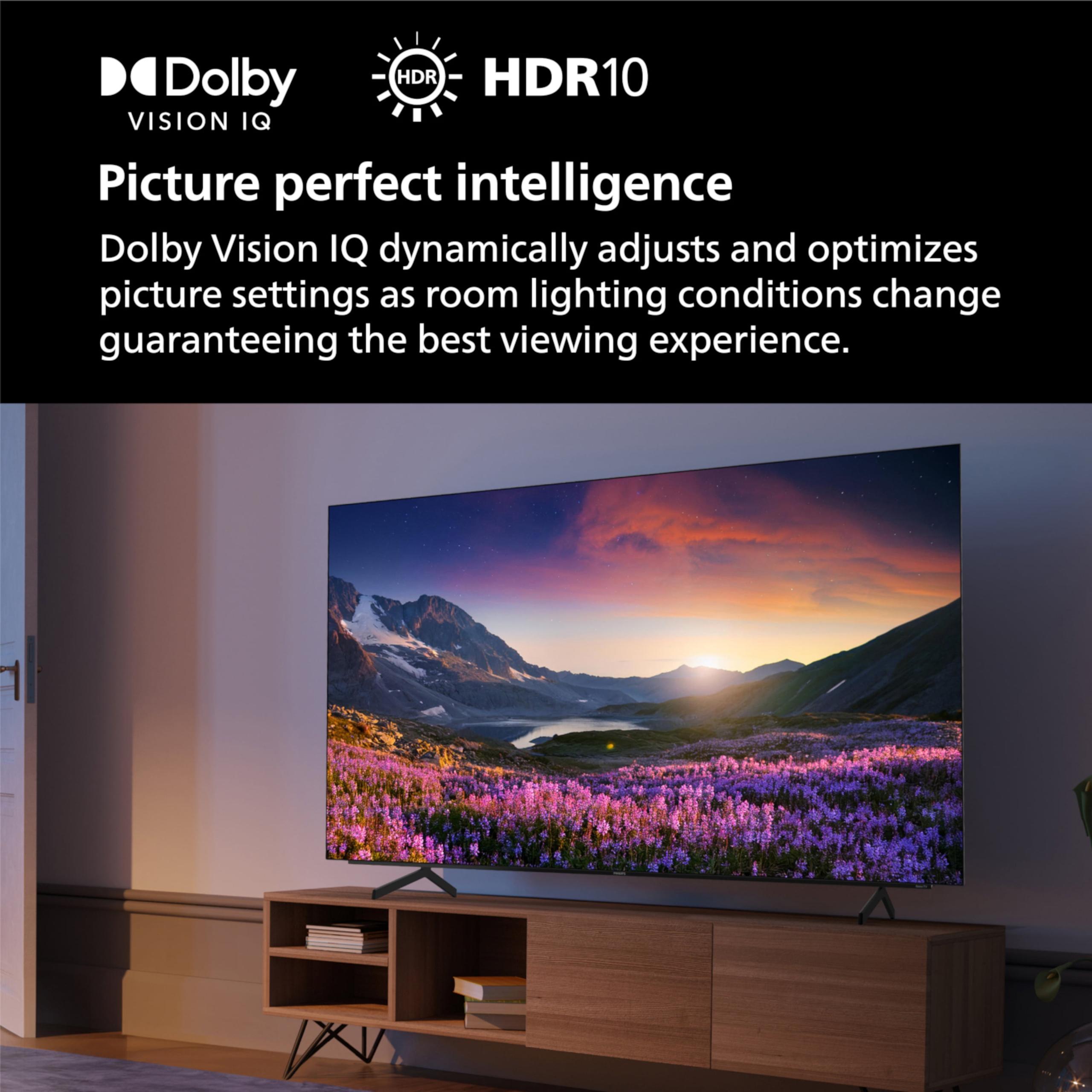
Peak brightness matters because it determines how well your TV fights ambient light and how impactful HDR (High Dynamic Range) content looks. HDR is designed to show a wider range of brightness levels, from deep shadows to brilliant highlights like sunlight reflecting off water or explosions in action movies. Without sufficient peak brightness, those highlights look dull and lifeless.
The Philips 974 struggles here. Our research consistently shows it has poor peak brightness that makes it unsuitable for well-lit rooms. If you have windows near your TV or overhead lighting, the Philips will look washed out during daytime viewing. Even worse, HDR content loses its impact because bright scenes appear muted and dim. That spectacular sunset in your favorite nature documentary won't have the wow factor it should.
The LG C5 takes a completely different approach with its brightness-boosting technology. It uses advanced algorithms to maximize light output from individual pixels while maintaining color accuracy. This means you can watch in rooms with ambient lighting and still get excellent picture quality. HDR content truly shines - specular highlights like car headlights, fire, or bright sky have the punch they're supposed to have.
For home theater enthusiasts, this brightness difference is crucial. While both TVs excel in dedicated dark rooms, the LG C5 gives you flexibility. You can watch during the day without closing all the blinds, and HDR movies have the dynamic range that directors intended.
Gaming performance separates these TVs dramatically, especially if you own modern consoles like the PlayStation 5, Xbox Series X, or plan to upgrade your PC setup. The LG C5 is built for the gaming future, while the Philips 974 offers solid but limited gaming features.
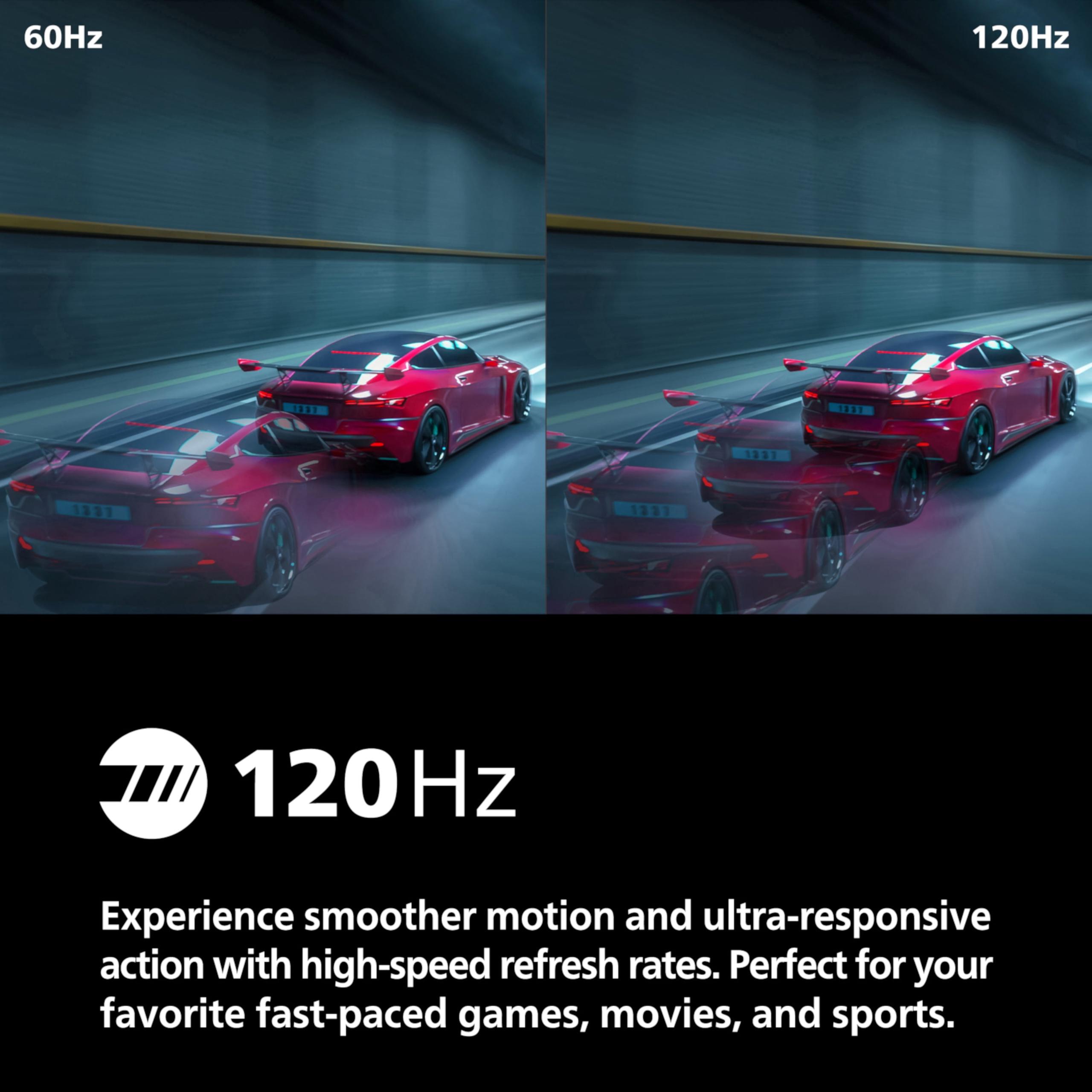
The LG C5 supports refresh rates up to 144Hz, compared to the Philips' 120Hz maximum. Refresh rate is how many times per second your TV updates the image - higher numbers mean smoother motion. While 120Hz handles most current console games perfectly, 144Hz futureproofs your setup for PC gaming and upcoming console generations.
More importantly, the LG C5 has four full-bandwidth HDMI 2.1 ports versus just two on the Philips 974. HDMI 2.1 is the latest connection standard that enables 4K gaming at high refresh rates. With four ports, you can connect multiple modern consoles, a gaming PC, and a sound system without constantly swapping cables.
Both TVs support Variable Refresh Rate (VRR), which syncs your TV's refresh rate to your gaming device's frame rate, eliminating screen tearing and stuttering. They also feature Auto Low Latency Mode (ALLM), which automatically switches to game mode when it detects gaming content, reducing input lag - the delay between pressing a button and seeing the action on screen.
The LG C5 adds NVIDIA G-Sync and AMD FreeSync Premium certification, ensuring compatibility with high-end gaming PCs. These technologies work with VRR to deliver the smoothest possible gaming experience. The certified 0.1ms response time means virtually no motion blur during fast-paced games.
For casual gamers who play occasionally, the Philips 974 provides adequate performance. But if gaming is important to you, the LG C5 is significantly more capable and future-ready.
The smart TV experience differs substantially between these models. The Philips 974 runs Roku TV, while the LG C5 uses webOS 25. Both work well, but they target different user preferences.
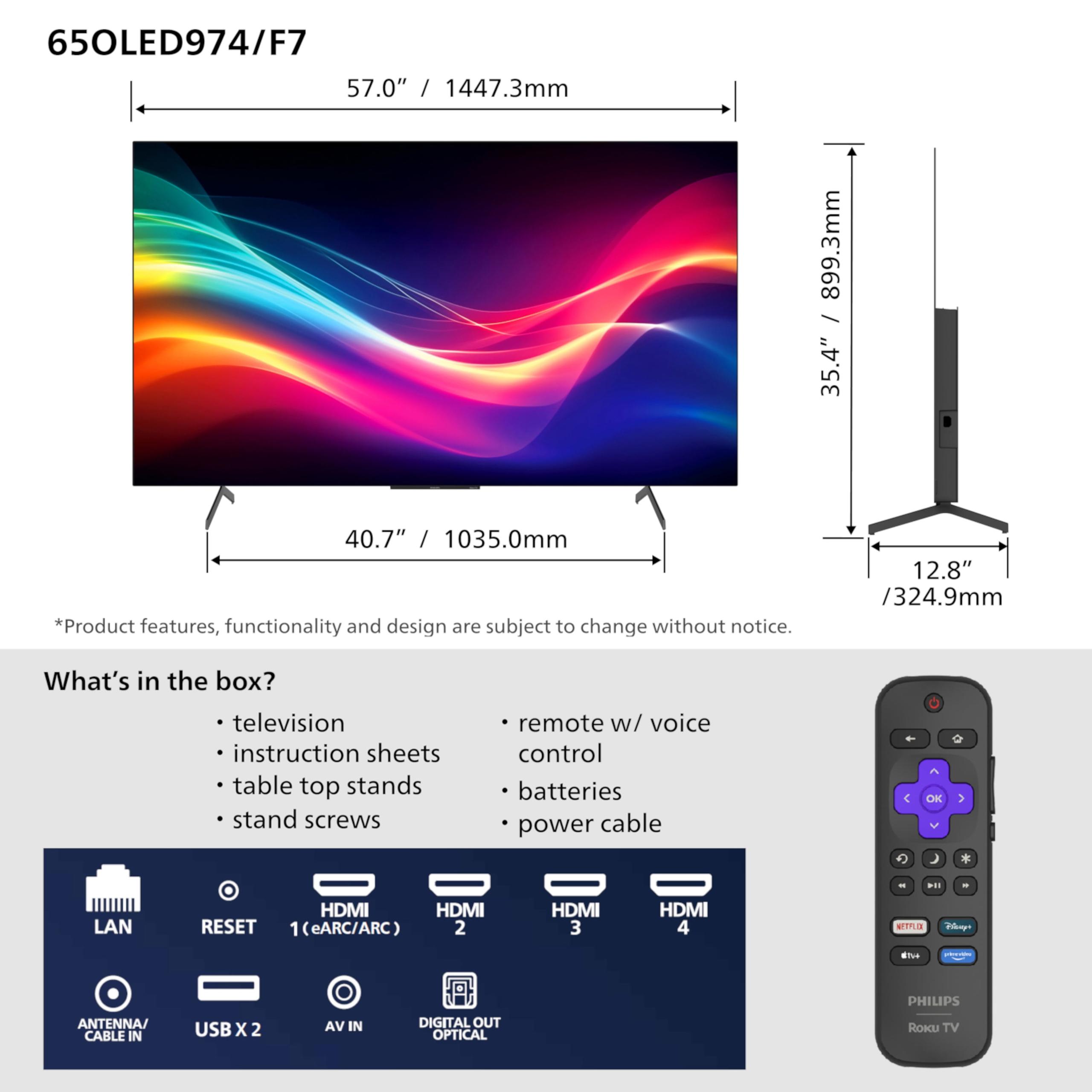
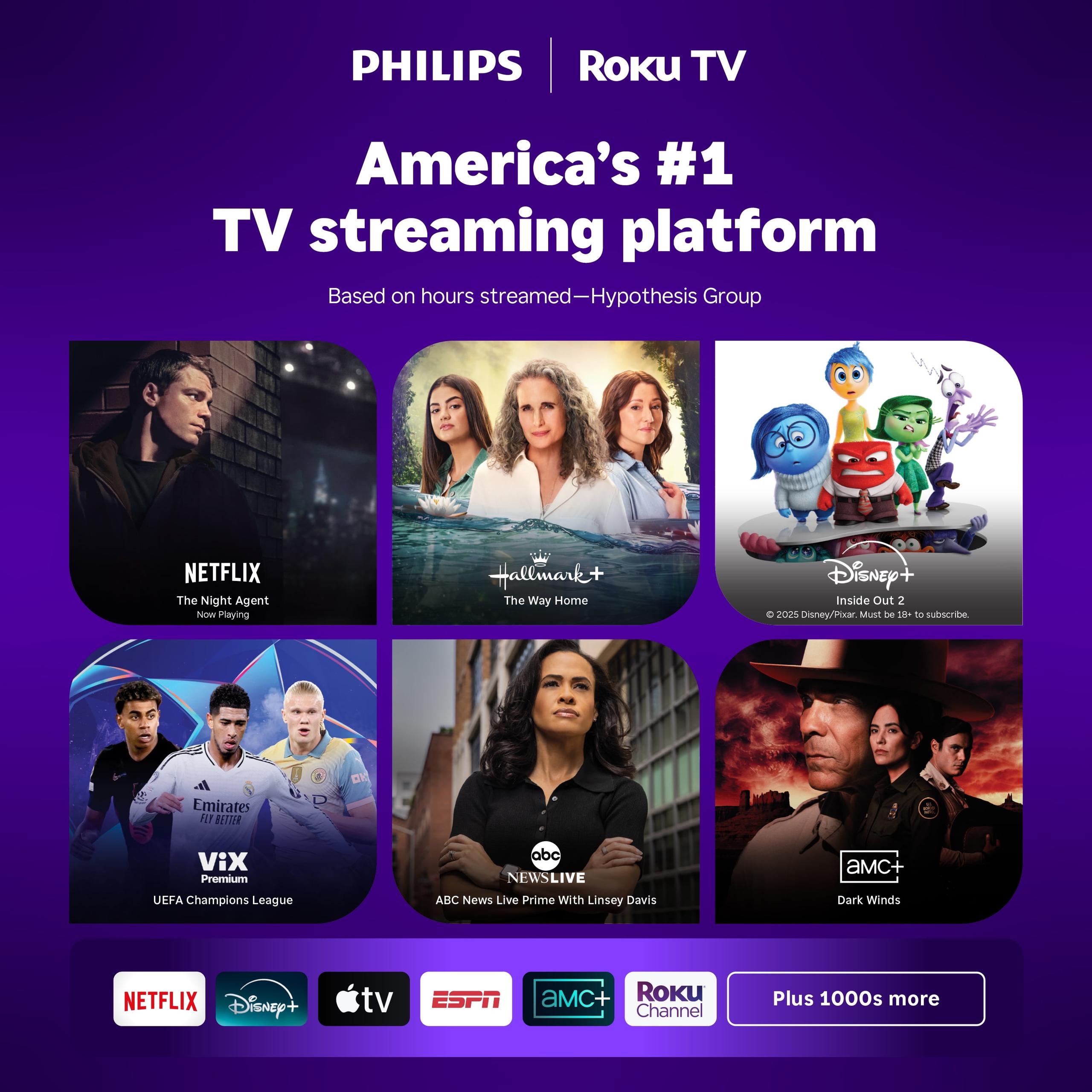
Roku TV on the Philips 974 prioritizes simplicity and reliability. The interface is straightforward, with a home screen that focuses on popular streaming apps and content discovery. Setup is guided and intuitive, making it excellent for users who want their TV to just work without complexity. The included Bluetooth voice remote handles basic commands well, and the platform has broad app support for major streaming services.
The LG C5 offers webOS 25, a more sophisticated platform with AI-driven features. The interface learns your viewing habits and provides personalized recommendations. Quick Cards organize apps and content for faster access, and the Magic Remote supports advanced voice control with natural language processing. You can say "show me action movies from the 2000s" rather than navigating through menus.
WebOS 25 includes over 300 free LG Channels, AI Picture Pro that optimizes settings based on content type, and seamless integration with smart home ecosystems. LG also commits to five years of software updates, ensuring your TV stays current with new features and security patches.
The choice depends on your preferences. If you want straightforward functionality, Roku TV is excellent. If you enjoy customization and AI-enhanced features, webOS 25 offers more sophistication.
Modern TVs don't just display content - they actively process and enhance it. This is where the LG C5 shows significant advantages over the Philips 974.
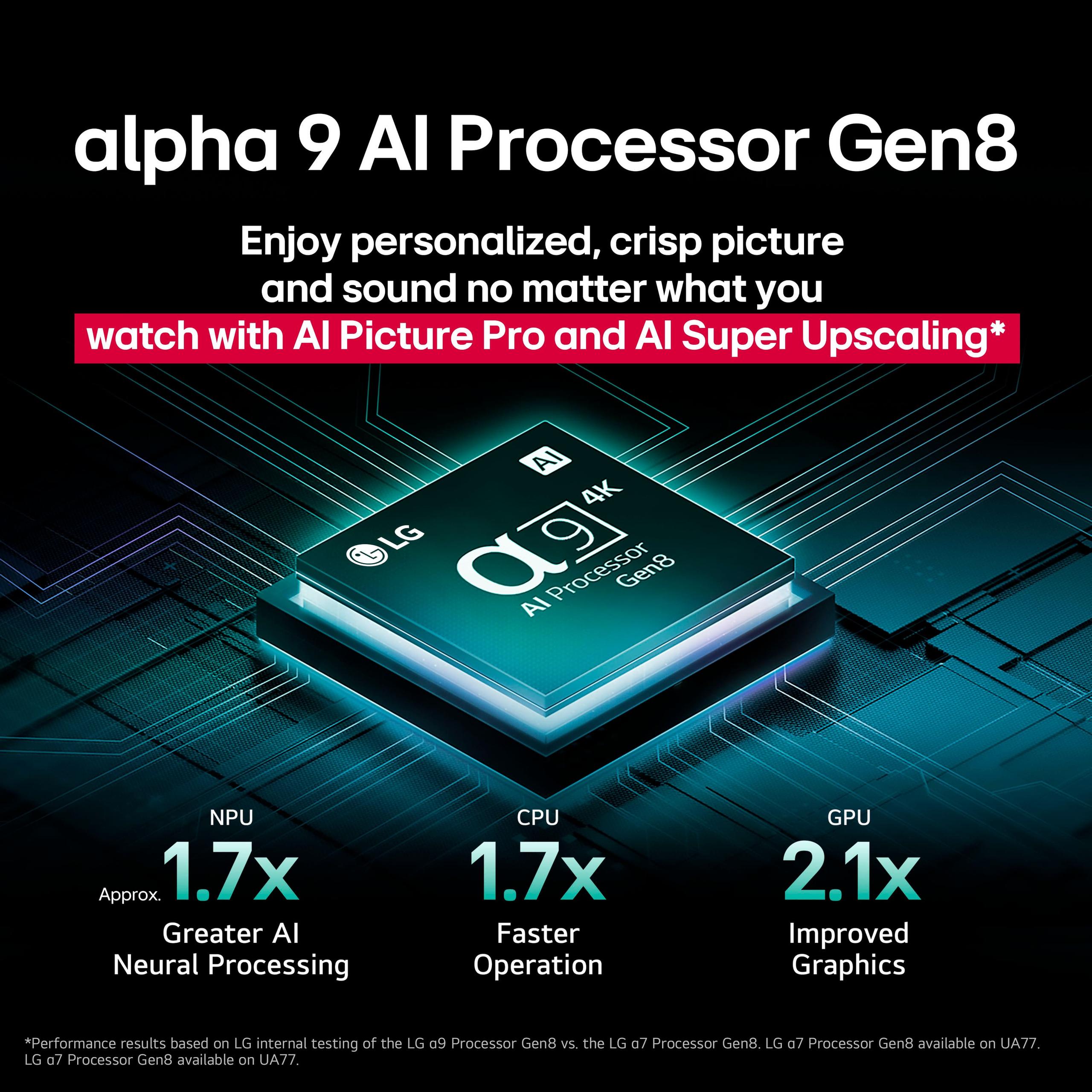
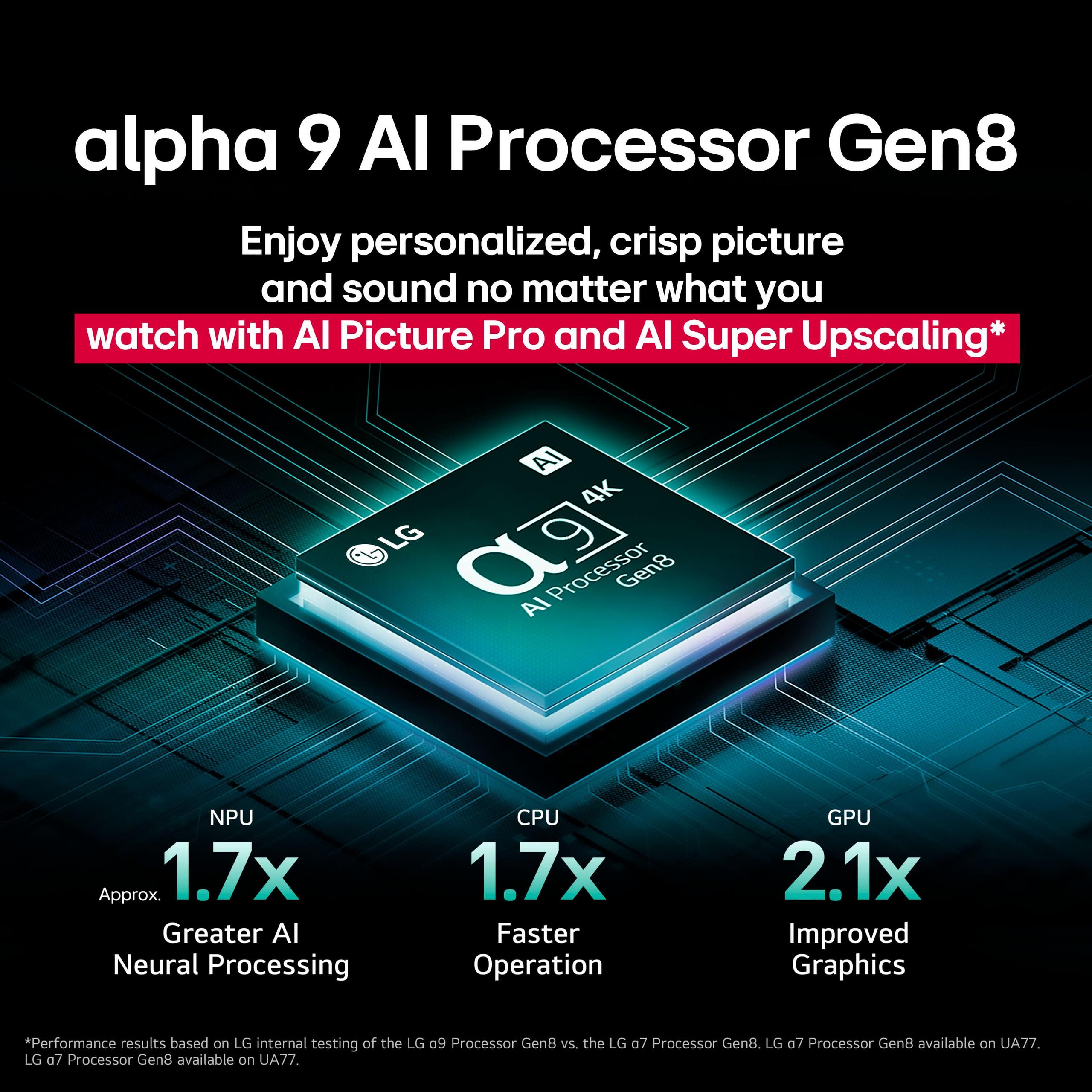
The LG C5 features the Alpha 9 AI Processor Gen8, designed specifically for OLED panels. This processor uses machine learning to analyze content in real-time, optimizing picture settings for each scene. AI Super Upscaling improves lower-resolution content, making 1080p Netflix shows or cable TV look sharper on the 4K display.
The processor also handles motion smoothing intelligently. Fast-moving sports or action scenes maintain clarity without the "soap opera effect" that makes movies look artificially smooth. Gradient handling ensures smooth color transitions without visible banding in skies or shadows.
The Philips 974 has competent but unremarkable processing. While it handles basic upscaling acceptably, fine details in lower-resolution content aren't as sharp. The noise reduction feature doesn't function effectively, meaning compressed video files or low-quality streaming may show artifacts.
For home theater use, superior processing matters significantly. Many streaming services compress content to save bandwidth, and broadcast TV is often 720p or 1080i. The LG C5 makes this content look better than the source material, while the Philips 974 displays it more or less as-is.
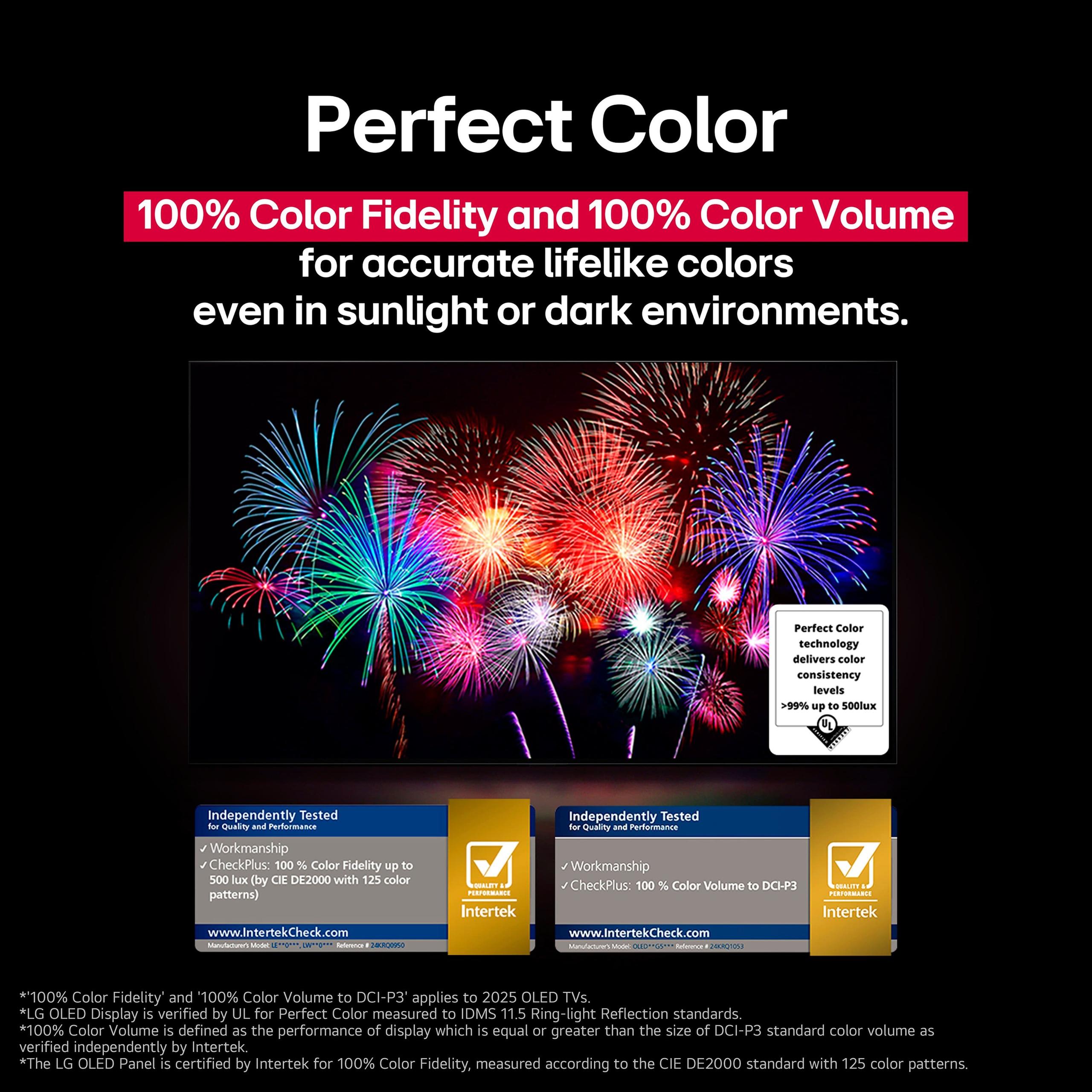
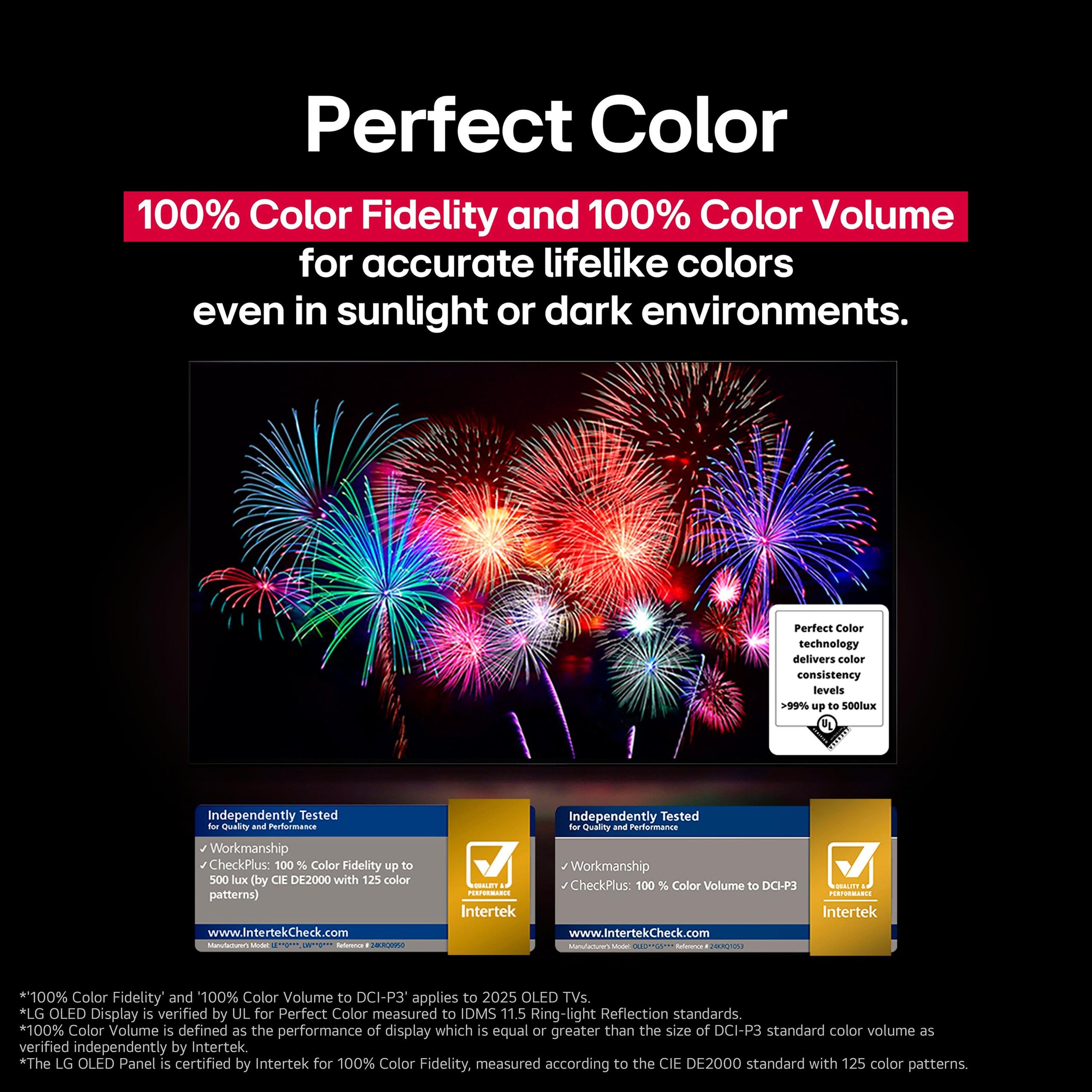
Both TVs deliver excellent color performance, but with different strengths. The LG C5 achieves exceptional out-of-the-box accuracy that rivals professionally calibrated displays. Colors appear natural and lifelike across all content types, from documentaries to animated films.
The Philips 974 also provides good color accuracy in standard dynamic range (SDR) content without requiring calibration. However, HDR colors appear less vibrant due to the brightness limitations discussed earlier. When highlights are dim, the entire color spectrum feels compressed.
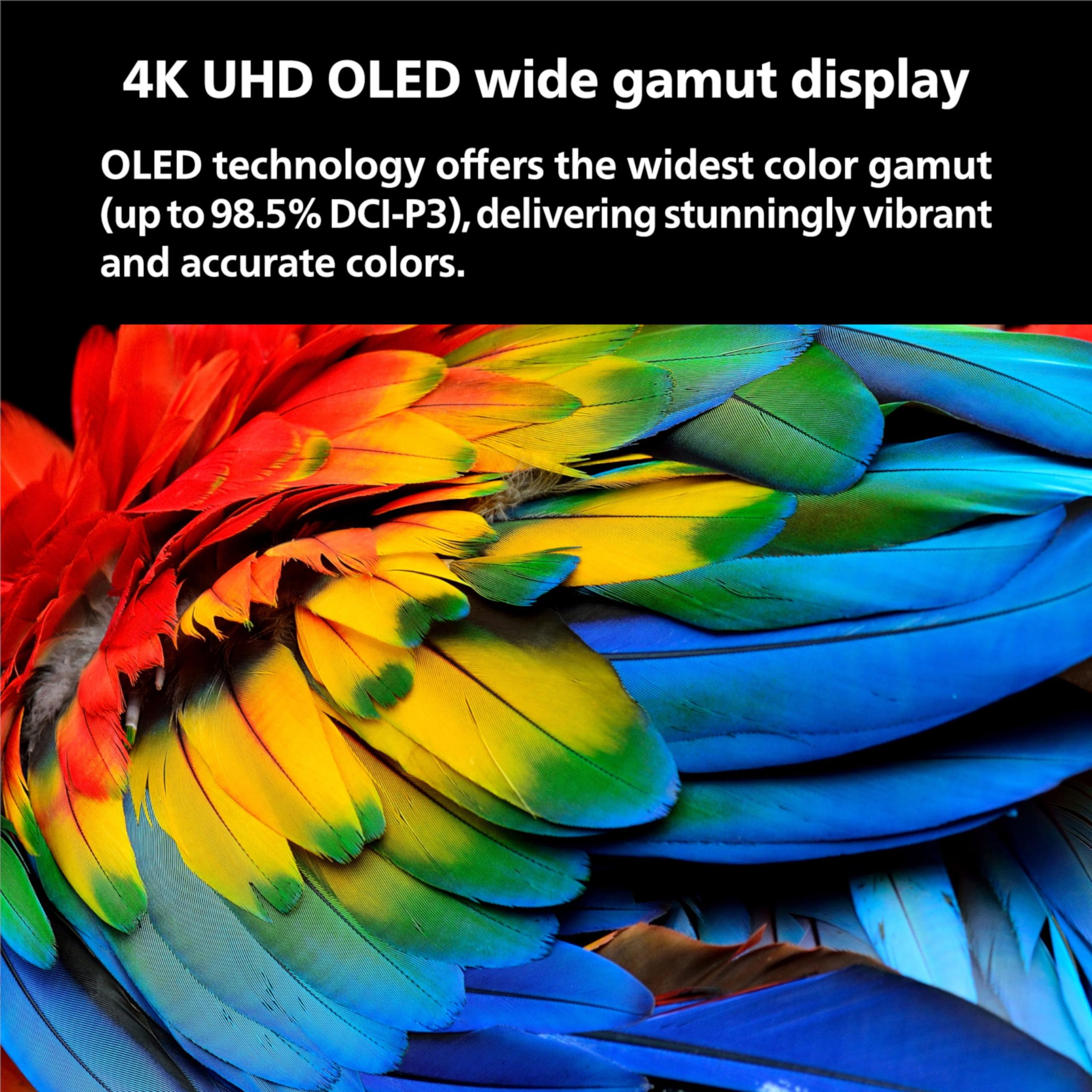
Color gamut refers to the range of colors a display can reproduce. Both TVs cover wide color gamuts suitable for modern HDR content, but the LG C5 maintains color accuracy across different brightness levels more effectively.
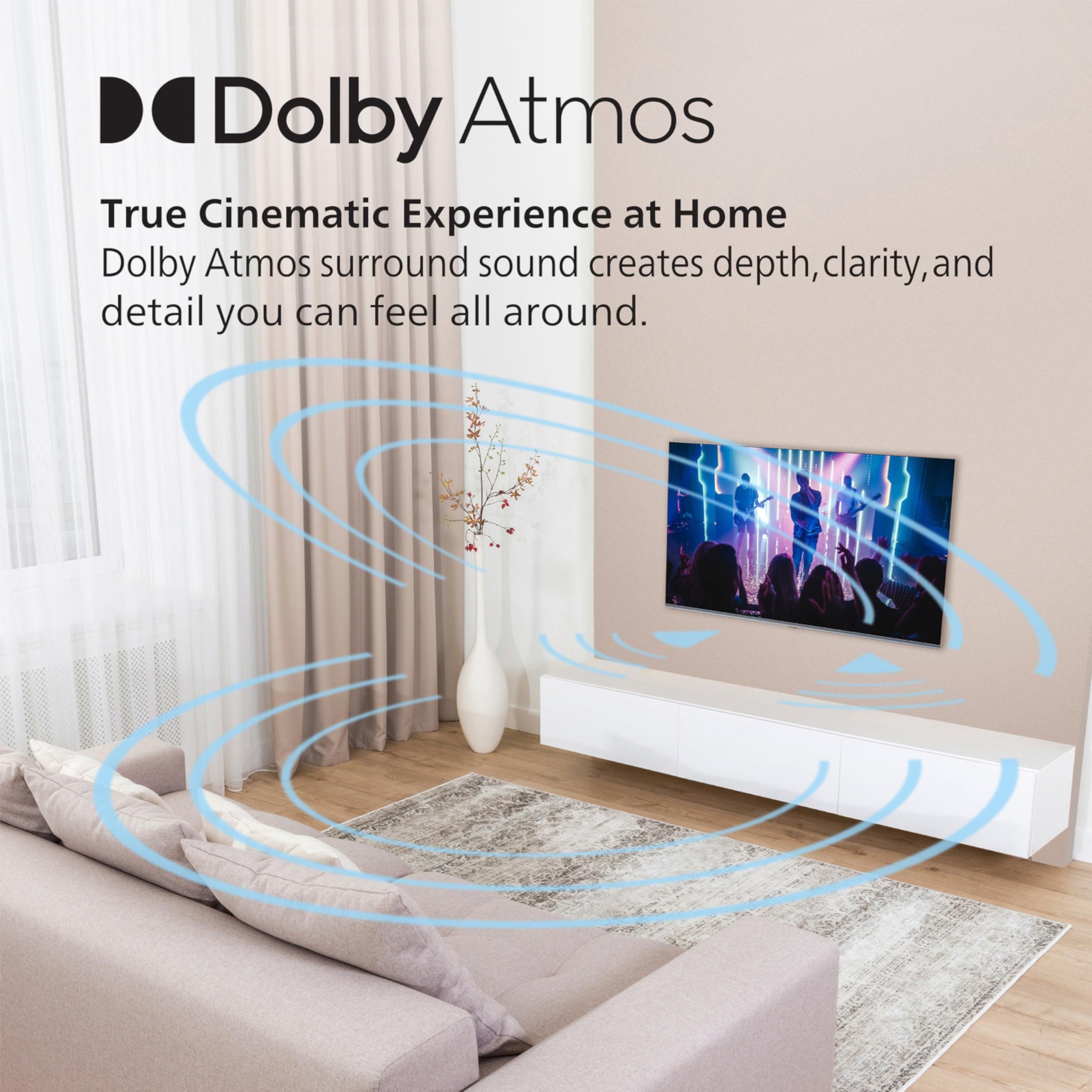
Both TVs include competent built-in audio systems with Dolby Atmos support. Dolby Atmos creates three-dimensional soundscapes that seem to come from around and above you, enhancing immersion without external speakers.
The Philips 974 features a 2.1 speaker system with dedicated subwoofer for enhanced bass response. The 55-watt total output provides clear dialogue and impactful sound effects for casual viewing.
The LG C5 emphasizes processing over raw power, using AI Sound Pro to optimize audio based on content type and room acoustics. While both systems work well for everyday viewing, serious home theater enthusiasts will likely add external sound systems regardless of built-in capabilities.
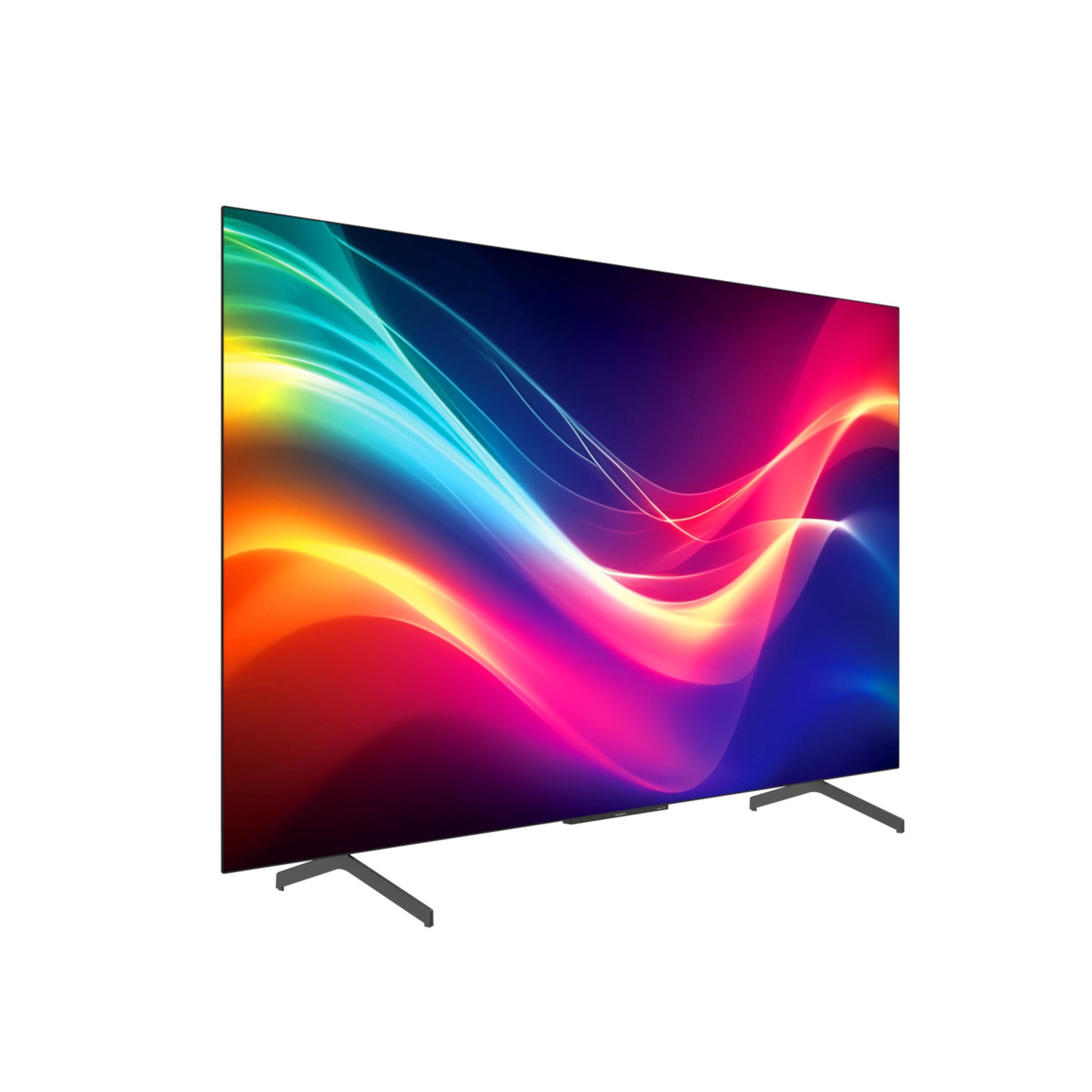
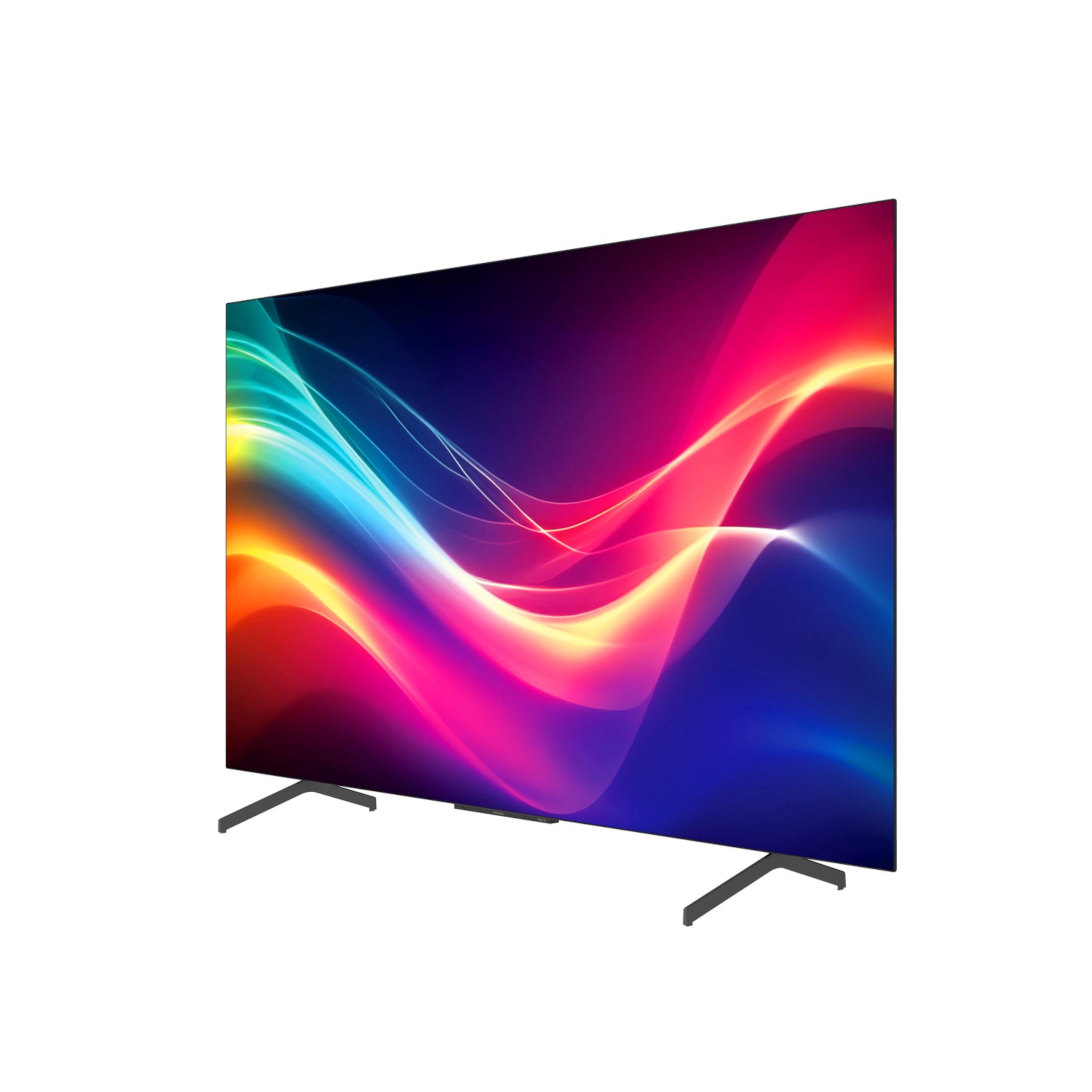
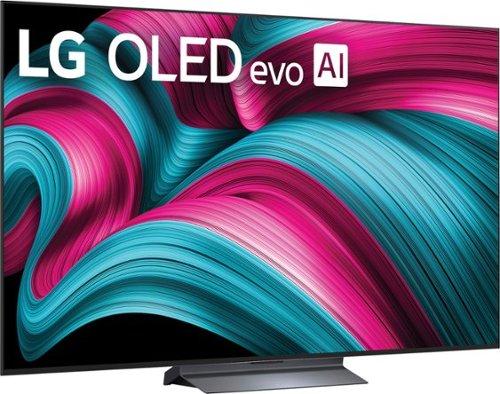
Both TVs showcase premium OLED design with ultra-thin profiles and minimal bezels. The LG C5 features an almost invisible bezel that makes the screen appear to float, while the Philips 974 offers a clean, borderless look.
The thin OLED panels mean both TVs can wall-mount flush against the wall, creating a picture-frame aesthetic. Stand designs differ slightly, but both provide stable tabletop placement.
The Philips 974 represents earlier OLED technology, while the LG C5 launched in 2025 with significant improvements developed over several generations. LG has been refining OLED technology since 2013, and the C5 benefits from years of brightness optimization and AI processing development.
This generational gap explains many performance differences. OLED technology has advanced rapidly, with each new generation addressing previous limitations like peak brightness and gaming features.
At the time of writing, pricing varies significantly between these models, with the Philips 974 typically positioned as a more budget-friendly option compared to the LG C5. However, value extends beyond initial cost to long-term satisfaction and capability.
The LG C5 offers premium performance across all categories. If you can afford the higher price, you're getting superior brightness, advanced gaming features, better processing, and longer software support. For most users, this represents better long-term value despite higher upfront cost.
The Philips 974 makes sense for budget-conscious buyers who primarily watch in dark rooms and have modest gaming needs. If you're upgrading from an older LCD TV, even its limitations will feel like a massive improvement.
For dedicated home theaters, both TVs deliver the perfect blacks and contrast that make OLED ideal for movie watching. However, the LG C5 provides more flexibility and better HDR performance that maximizes your movie experience.
FILMMAKER MODE on both TVs preserves directors' intended color and motion settings, but the LG C5's superior brightness makes HDR movies more impactful. If you're investing in a home theater setup, the extra capabilities justify the additional cost.
Choose the LG OLED evo C5 if you want the best overall OLED experience. It excels in bright rooms, delivers stunning HDR performance, offers comprehensive gaming features, and provides advanced smart TV capabilities. The superior processing and long-term software support make it an excellent investment for users who want their TV to remain current for many years.
The LG C5 is ideal for: movie enthusiasts who want impactful HDR, serious gamers with modern consoles, families who watch TV throughout the day in various lighting conditions, and anyone who values premium performance and future-proofing.
Choose the Philips 65OLED974/F7 if you're budget-conscious but still want OLED picture quality. It's perfect for dark room viewing and provides solid performance for casual use. The simple Roku interface appeals to users who prefer straightforward functionality.
The Philips 974 works well for: budget-focused buyers, dark room viewing primarily, casual gaming needs, users who prefer simple interfaces, and anyone upgrading from much older TV technology.
Based on our research and analysis of expert reviews and user feedback, the LG OLED evo C5 is the clear winner for most buyers. Its superior brightness performance alone makes it more versatile and enjoyable for everyday use. Add the advanced gaming features, better processing, and longer software support, and it represents a significantly better long-term investment.
The Philips 974 serves a specific niche for budget-conscious buyers who can live with its brightness limitations. While it delivers OLED's fundamental advantages of perfect blacks and good color, the compromises are significant enough to recommend stretching your budget for the LG C5 if at all possible.
In the premium OLED market, performance differences matter enormously for long-term satisfaction. The LG C5 delivers the complete OLED experience without major compromises, making it worth the investment for most buyers seeking premium picture quality.
| Philips 65OLED974/F7 65" OLED Roku TV | LG OLED evo C5 65" 4K TV 2025 |
|---|---|
| Peak Brightness - Critical for bright rooms and HDR impact | |
| Poor brightness, struggles with glare and dim HDR | 30% brighter than standard OLEDs, "Bright Room Ready" |
| Gaming Refresh Rate - Higher numbers mean smoother motion | |
| 120Hz native (good for current consoles) | Up to 144Hz (future-ready for PC gaming) |
| HDMI 2.1 Ports - Needed for 4K gaming at high refresh rates | |
| 2 ports (may require cable swapping) | 4 full-bandwidth ports (connect everything) |
| Gaming Features - Advanced gaming compatibility | |
| AMD FreeSync Premium, VRR, ALLM | G-Sync + FreeSync Premium, VRR, ALLM, 0.1ms certified |
| Smart TV Platform - Daily interface experience | |
| Roku TV (simple, reliable interface) | webOS 25 (AI features, 5-year updates) |
| Processor & AI - Affects upscaling and picture optimization | |
| Basic processing, unremarkable upscaling | Alpha 9 AI Gen8, AI Picture Pro, superior upscaling |
| Color Accuracy - How realistic colors appear out of box | |
| Good SDR accuracy, muted HDR colors | Exceptional accuracy across all content types |
| Ideal Viewing Environment - Where TV performs best | |
| Dark rooms only due to brightness limitations | Any lighting condition, versatile placement |
| Release Year - Technology generation and feature currency | |
| Earlier OLED technology generation | 2025 latest generation with current innovations |
| Audio System - Built-in sound capabilities | |
| 2.1 speakers with subwoofer (55W output) | Dolby Atmos with AI Sound Pro processing |
| Software Support - Long-term viability | |
| Standard platform updates | 5-year commitment with ongoing feature additions |
| Best For - Primary use case recommendations | |
| Budget buyers, dark room viewing, casual gaming | Premium experience, bright rooms, serious gaming |
The LG OLED evo C5 is significantly better for bright rooms. It features "Bright Room Ready" technology with approximately 30% brighter output than standard OLEDs, allowing it to overcome glare from windows and ambient lighting. The Philips 65OLED974/F7 has poor peak brightness and is only suitable for dark room viewing, as it struggles with glare and washed-out picture quality in well-lit environments.
The LG OLED evo C5 offers superior gaming performance with support for up to 144Hz refresh rates, four full-bandwidth HDMI 2.1 ports, and certified 0.1ms response time. It includes NVIDIA G-Sync and AMD FreeSync Premium for PC gaming compatibility. The Philips 65OLED974/F7 provides solid gaming with 120Hz refresh rate and AMD FreeSync Premium, but only has two HDMI 2.1 ports, which may require cable swapping for multiple gaming devices.
The LG OLED evo C5 delivers superior picture quality for movies and HDR content due to its significantly higher peak brightness, which makes HDR highlights more impactful and realistic. Both TVs offer perfect OLED blacks, but the Philips 65OLED974/F7 produces muted and dim HDR scenes that lack the intended visual impact, especially in bright moments like explosions or sunlight.
The Philips 65OLED974/F7 runs Roku TV, offering a simple, reliable interface with guided setup and broad app support. The LG OLED evo C5 features webOS 25 with AI-driven personalization, advanced voice control via Magic Remote, Quick Cards for app organization, and a commitment to five years of software updates for long-term support.
For dedicated home theaters, the LG OLED evo C5 is the better choice. While both TVs deliver perfect blacks ideal for movie watching, the LG's superior brightness makes HDR movies more impactful with proper highlight detail. It also includes FILMMAKER MODE with ambient light compensation and better image processing for enhanced viewing experiences in dark room environments.
Both TVs support Dolby Atmos for immersive sound. The Philips 65OLED974/F7 features a 2.1 speaker system with a dedicated subwoofer providing 55-watt output for enhanced bass. The LG OLED evo C5 uses AI Sound Pro processing to optimize audio based on content type and room acoustics, though both systems work well for casual viewing.
Value depends on your priorities and budget. The Philips 65OLED974/F7 typically costs less upfront, making it suitable for budget-conscious buyers who primarily watch in dark rooms. However, the LG OLED evo C5 offers better long-term value with superior brightness, advanced gaming features, better processing, and five-year software support that keeps the TV current longer.
The LG OLED evo C5 achieves exceptional out-of-the-box color accuracy that rivals professionally calibrated displays, with lush, realistic colors across all content types. The Philips 65OLED974/F7 provides good SDR color accuracy without calibration, but HDR colors appear less vibrant due to brightness limitations that compress the overall color spectrum.
The LG OLED evo C5 is significantly better for modern console gaming. Its four HDMI 2.1 ports allow you to connect PS5, Xbox Series X, and other devices simultaneously without cable swapping. The 144Hz support and certified gaming features provide better future-proofing, while the Philips 65OLED974/F7 limits you to two HDMI 2.1 connections and 120Hz maximum.
The LG OLED evo C5 features the Alpha 9 AI Processor Gen8 with AI Super Upscaling that significantly improves lower-resolution content, making 1080p Netflix shows and cable TV look sharper on the 4K display. The Philips 65OLED974/F7 handles basic upscaling acceptably but doesn't enhance fine details as effectively, and its noise reduction feature doesn't function properly.
Both TVs handle fast motion well due to OLED's instant pixel response, but the LG OLED evo C5 provides better overall sports viewing. Its superior brightness makes daytime sports viewing possible in rooms with ambient lighting, while advanced motion processing ensures smooth action without soap opera effects. The Philips 65OLED974/F7 works well for sports only in dark rooms due to brightness limitations.
Choose the LG OLED evo C5 if you want versatile room placement, impactful HDR performance, comprehensive gaming features, and future-proofing with long-term software support. Choose the Philips 65OLED974/F7 if you're budget-focused, primarily watch in dark rooms, prefer simple Roku interface, and have basic gaming needs with older consoles or casual gaming habits.
We've done our best to create useful and informative comparisons to help you decide what product to buy. Our research uses advanced automated methods to create this comparison and perfection is not possible - please contact us for corrections or questions. These are the sites we've researched in the creation of this article: rtings.com - versus.com - versus.com - rtings.com - samsclub.com - versus.com - youtube.com - usa.philips.com - bestbuy.com - usa.philips.com - consumerreports.org - usa.philips.com - documents.philips.com - tvoutlet.ca - displayspecifications.com - business.walmart.com - displayspecifications.com - ecoustics.com - walmart.com - bestbuy.com - rtings.com - youtube.com - businessinsider.com - youtube.com - bestbuy.com - lg.com - files.bbystatic.com - lg.com - flatpanelshd.com - lg.com - blvdhome.com - bhphotovideo.com - flanners.com - videopro.com.au

Privacy Policy
Terms and Conditions - Affiliate Policy
Home Security
© Copyright 2008-2026.
11816 Inwood Rd #1211, Dallas, TX 75244