

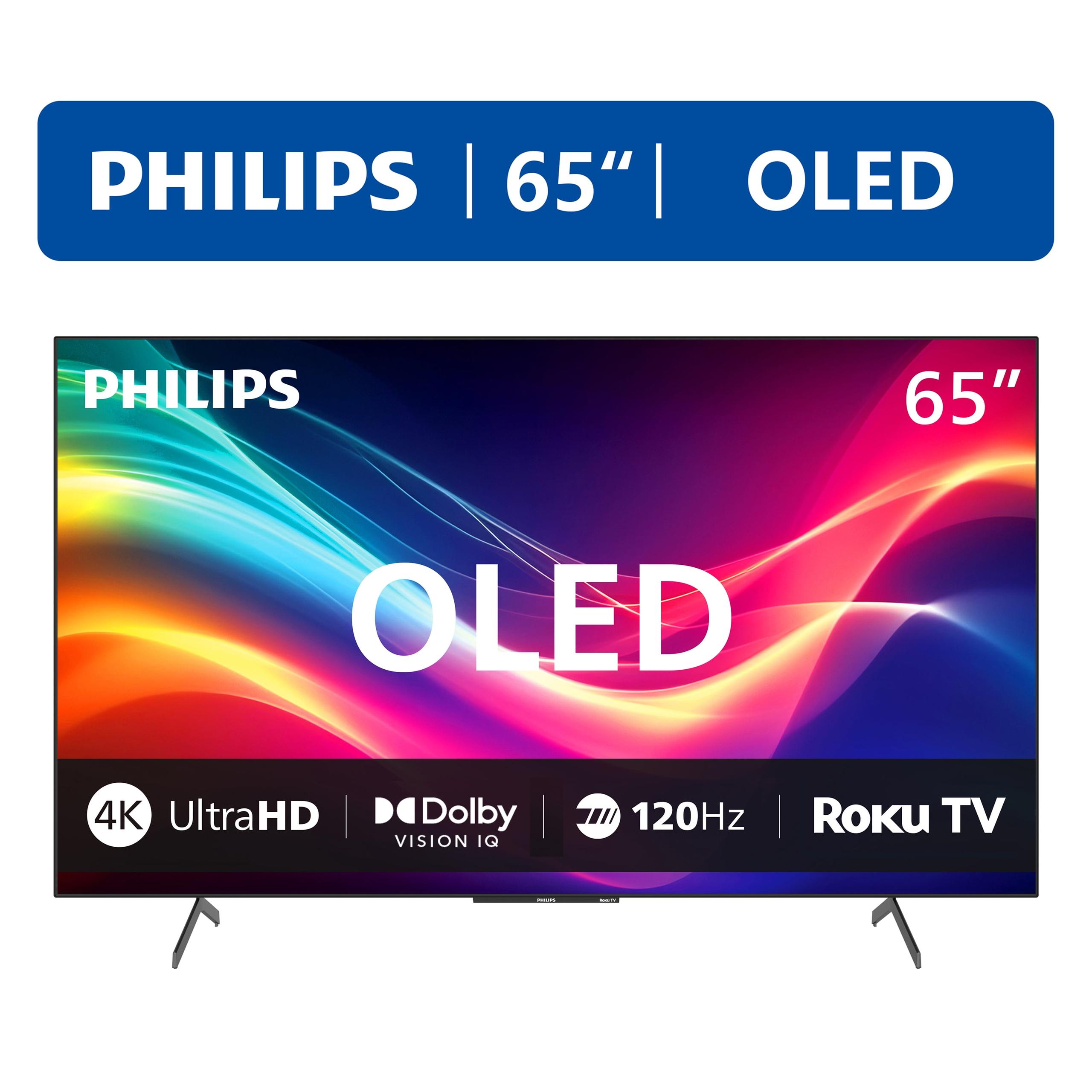

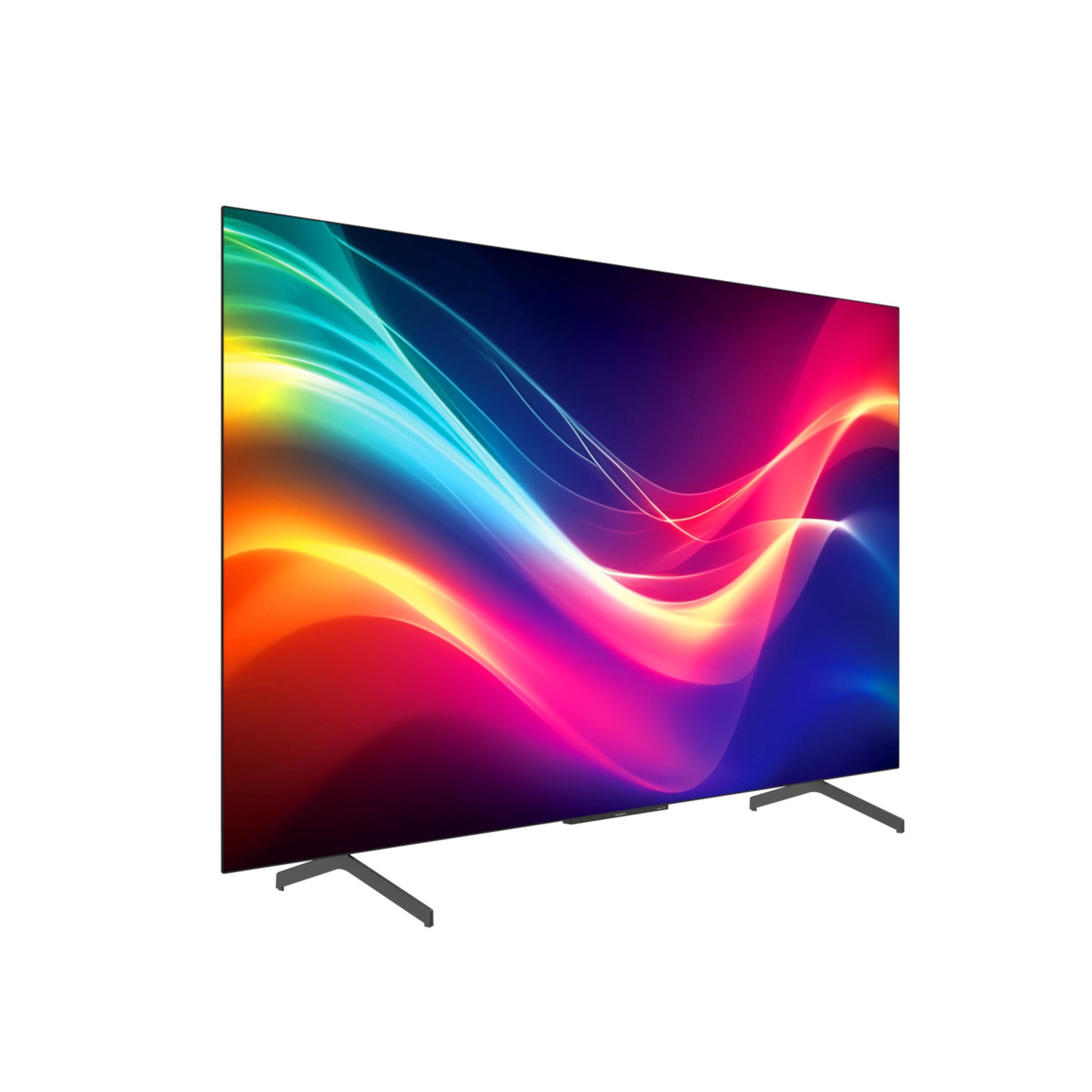
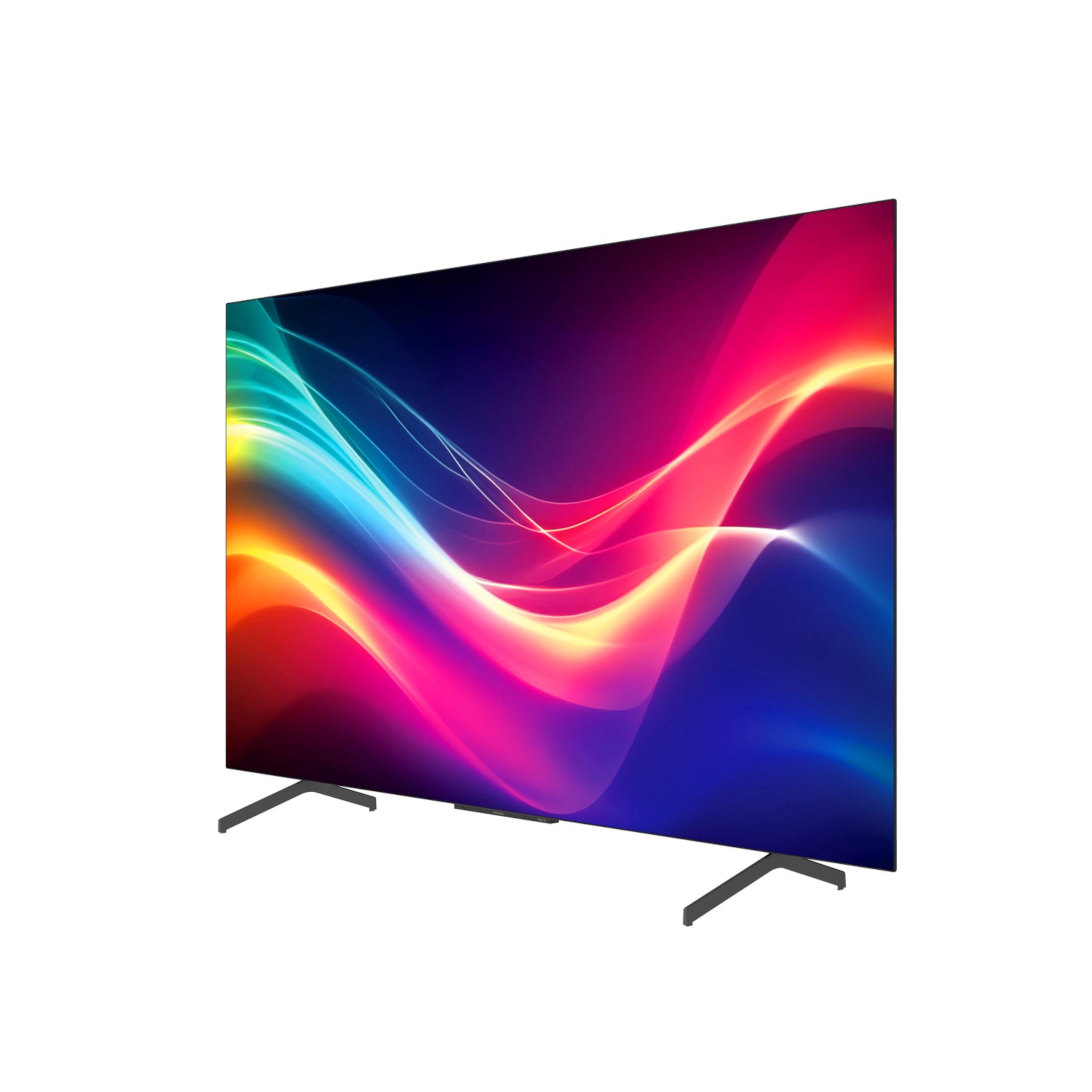

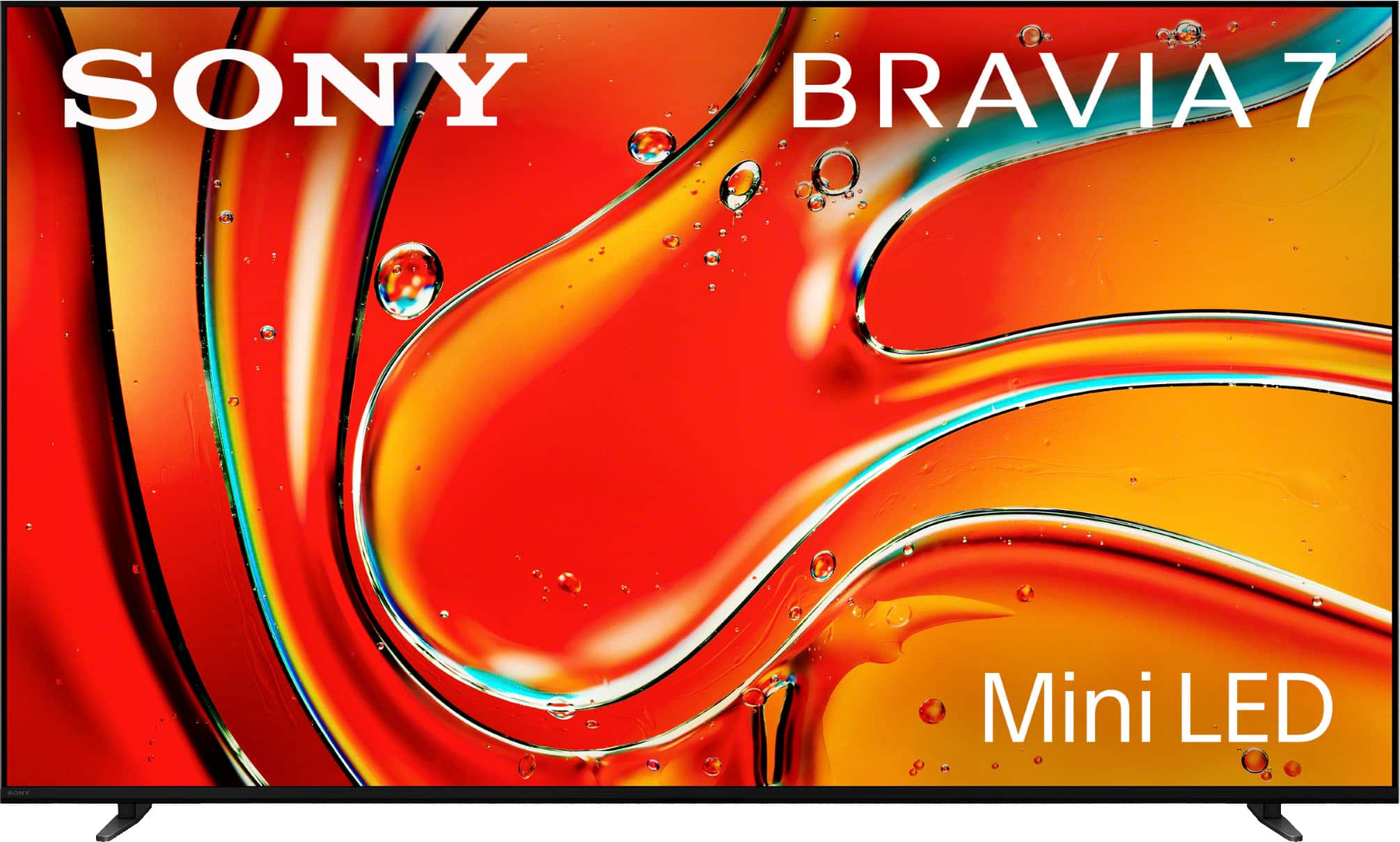
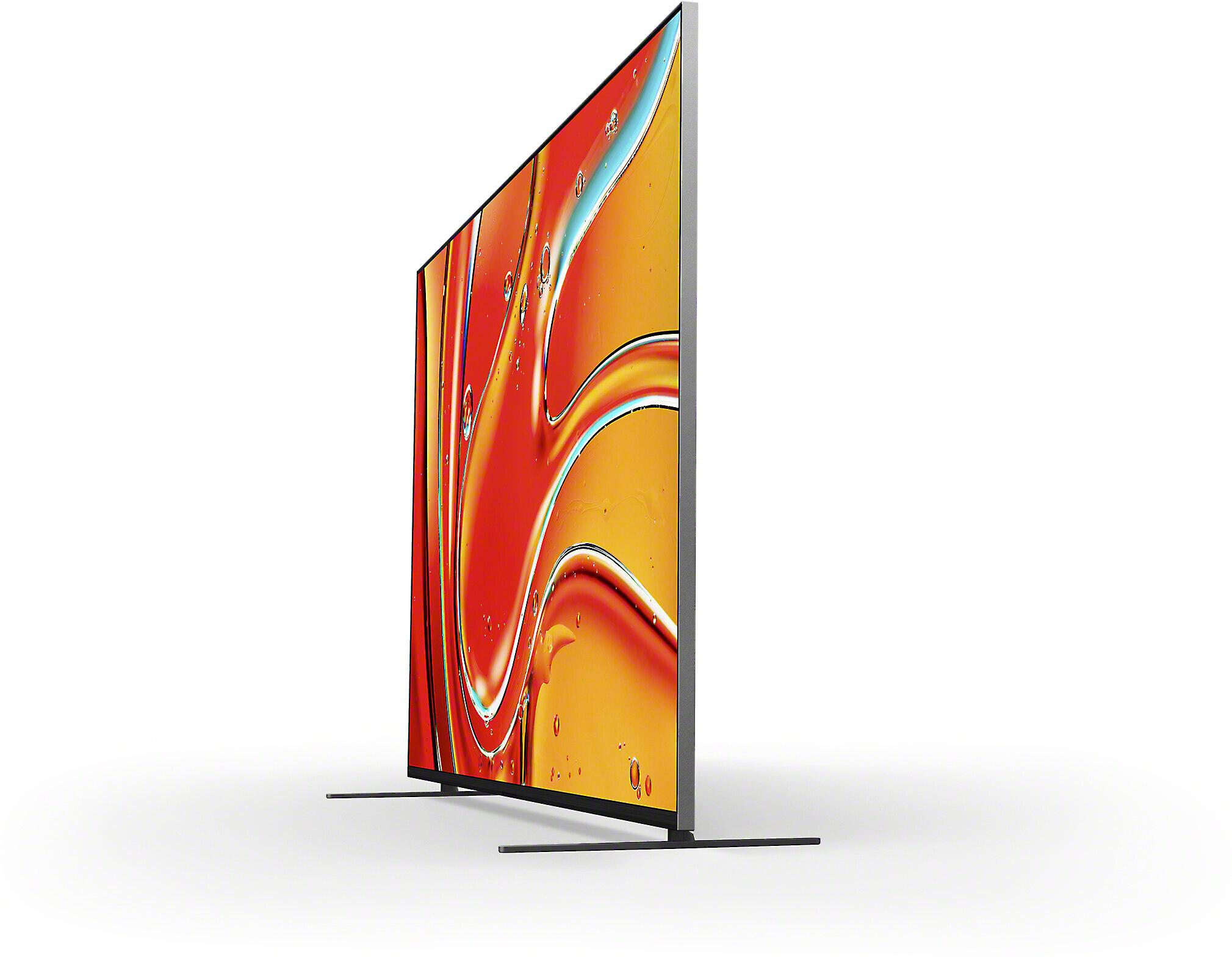
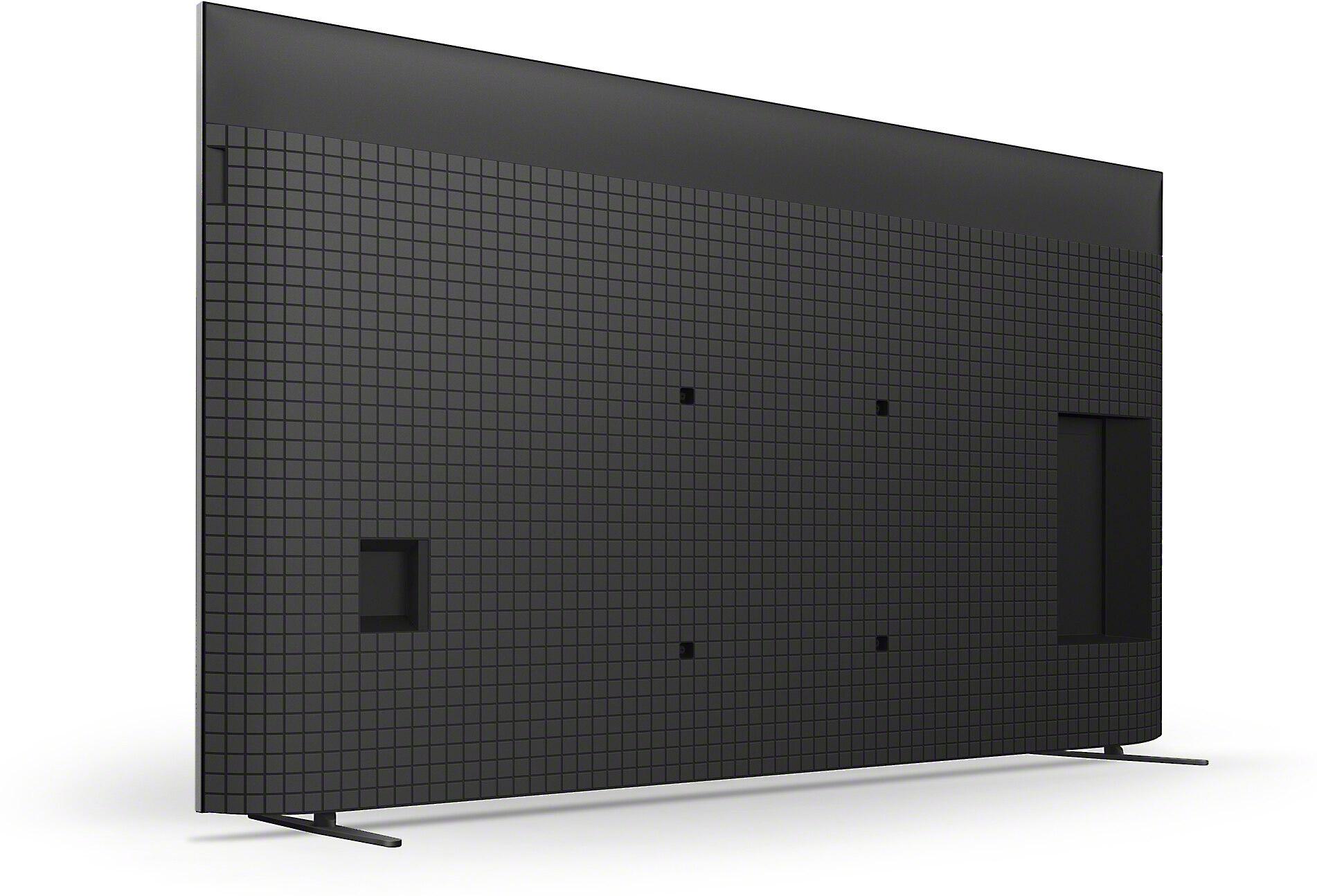
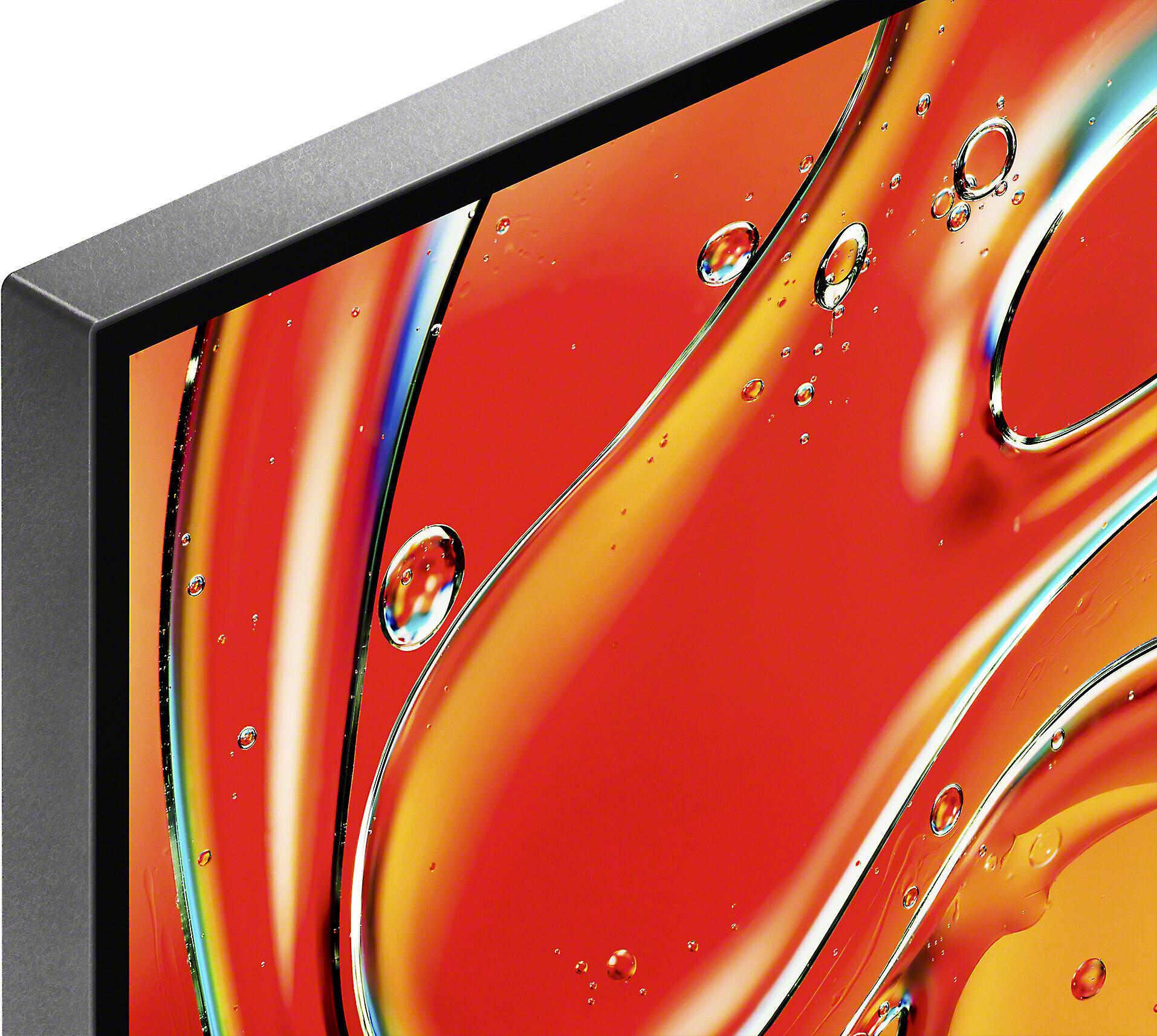
When you're shopping for a premium 65-inch TV, you're essentially choosing between two fundamentally different approaches to creating beautiful pictures. On one side, we have the Philips 65OLED974/F7, representing the OLED camp with its self-illuminating pixels. On the other, the Sony BRAVIA 7 showcases the latest in Mini LED technology with quantum dot enhancement. Both arrived in 2024, but they tackle picture quality in remarkably different ways.
Understanding these differences matters because your choice will shape your viewing experience for years to come. This isn't just about brand preference—it's about matching the right display technology to your specific viewing habits and room environment.
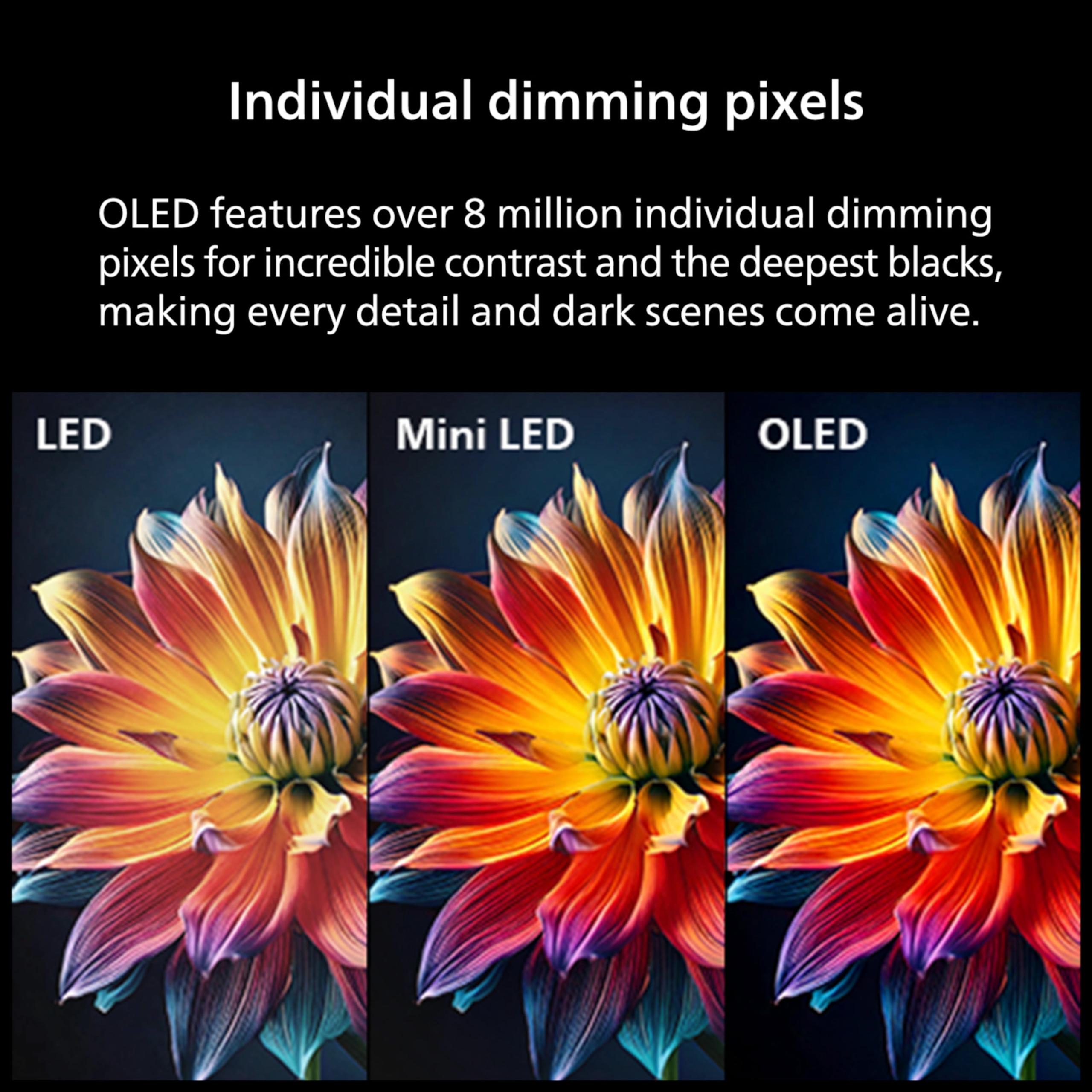
OLED (Organic Light-Emitting Diode) technology works like having millions of tiny light bulbs that can individually turn on and off. When a pixel needs to be black, it simply switches off completely, creating what we call "perfect blacks." This is fundamentally different from traditional LCD TVs, which rely on a backlight shining through liquid crystals and can never achieve true darkness.
The Philips OLED exemplifies this approach beautifully. Each of its 8.3 million pixels can illuminate independently, creating infinite contrast ratios that make dark movie scenes look incredibly realistic. Think of watching a space movie where the darkness of space appears genuinely black, not the dark gray you might notice on cheaper TVs.
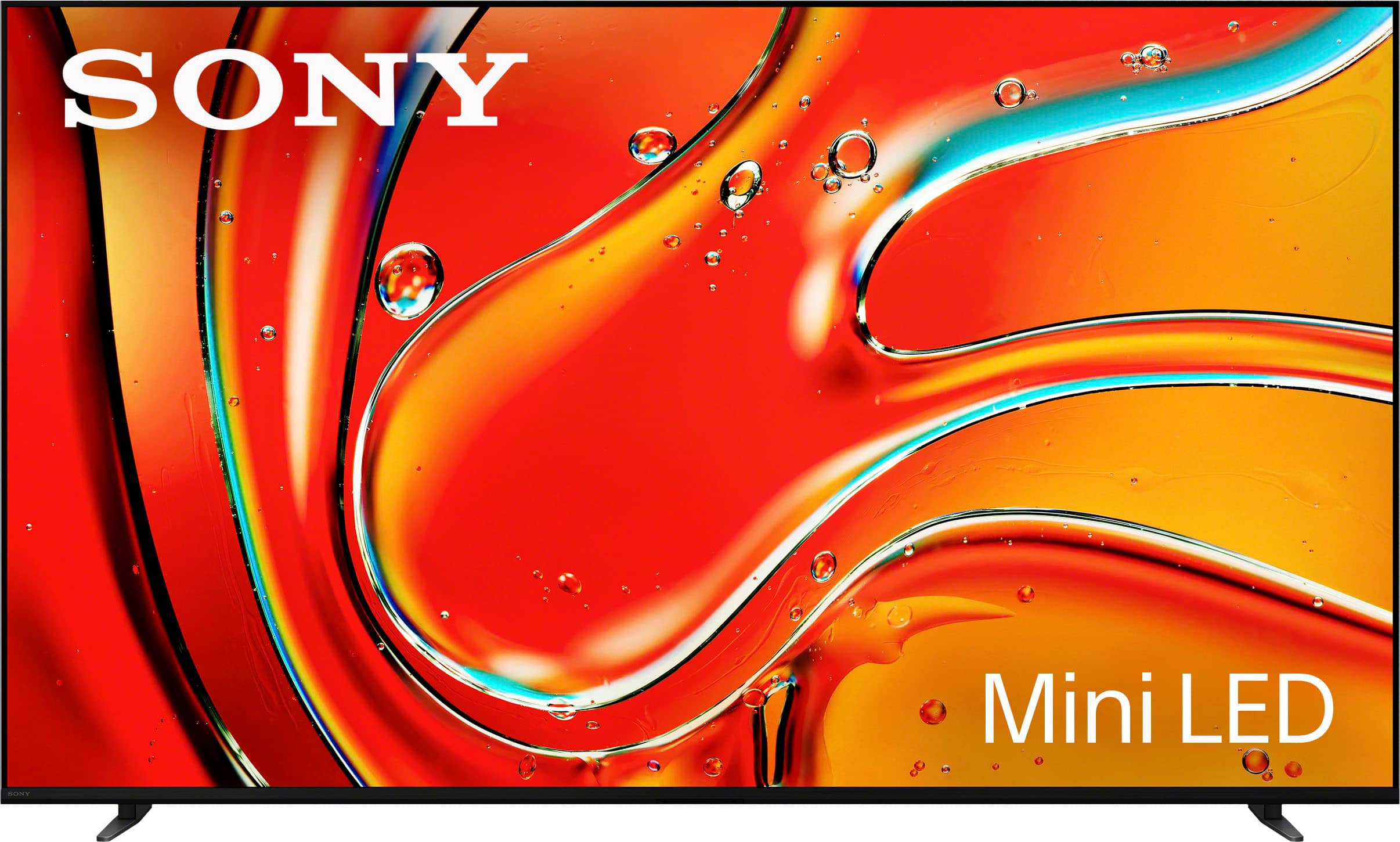
Mini LED takes a different route. Instead of self-illuminating pixels, it uses thousands of tiny LED lights behind an LCD panel—the Sony BRAVIA 7 employs this method with what Sony calls XR Backlight Master Drive. These mini LEDs are arranged in zones that can dim or brighten independently, creating what's known as "local dimming." While not achieving the pixel-perfect control of OLED, modern Mini LED implementations can deliver significantly higher peak brightness while maintaining good contrast.
Here's where the rubber meets the road: your viewing environment dramatically affects which technology serves you better. Through extensive research of professional reviews and user experiences, one thing becomes crystal clear—the Philips OLED struggles significantly in bright rooms.
OLED's Achilles' heel is peak brightness. Our evaluation of expert consensus shows the Philips 974 Series simply cannot produce enough light output to overcome ambient lighting or window glare. In a bright living room during daytime viewing, the picture can appear dim and washed out, robbing you of the very contrast advantages that make OLED special.
The Sony BRAVIA 7, conversely, was designed to excel in these conditions. Its Mini LED backlight can pump out significantly more brightness—the kind that makes HDR highlights truly pop even with sunlight streaming through windows. Sony's XR Contrast Booster 20 technology intelligently balances this brightness across the screen, ensuring bright scenes don't blow out while dark areas maintain depth.
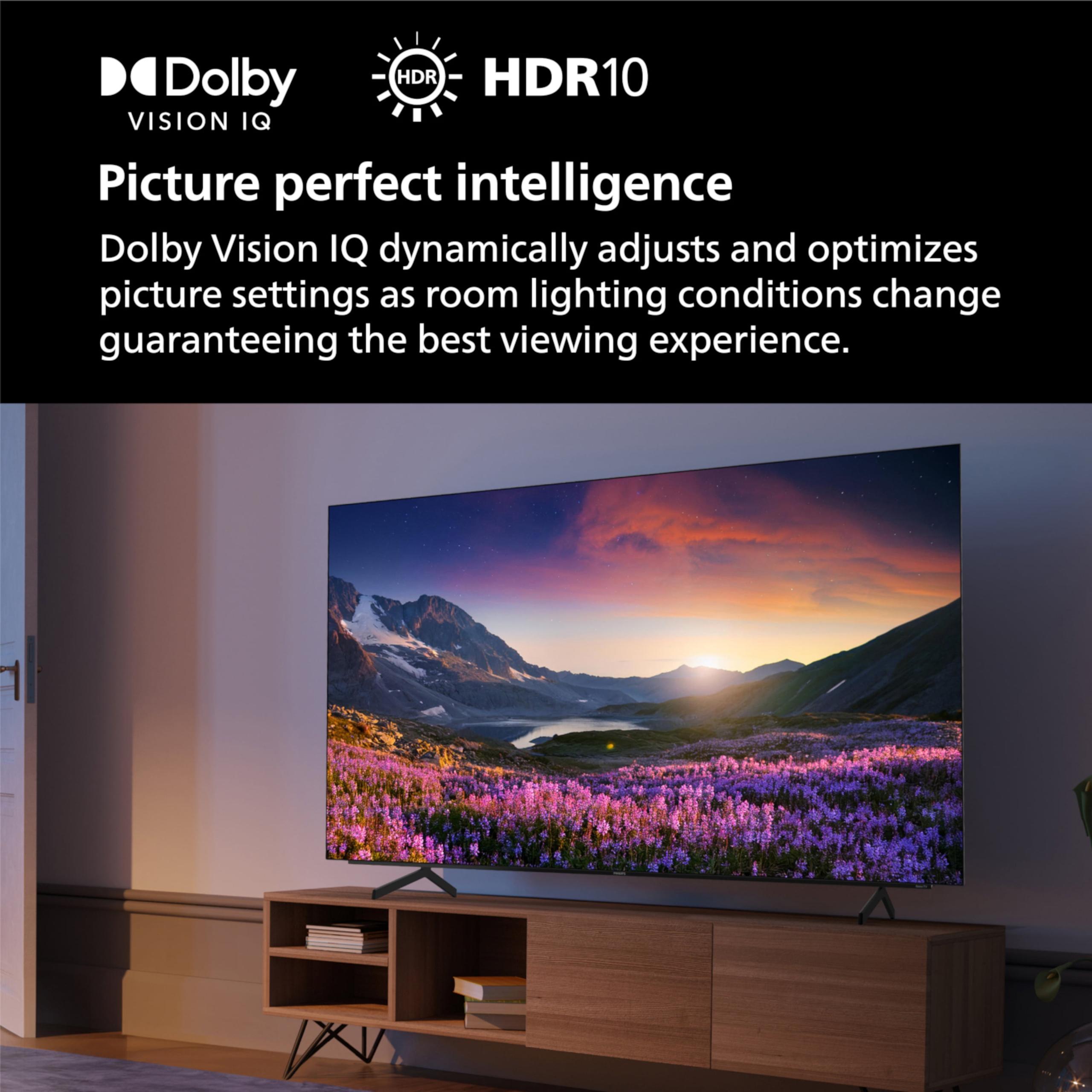
This brightness difference isn't just about numbers on a spec sheet. When watching HDR content—think the bright explosions in action movies or the sun-drenched landscapes in nature documentaries—the Sony delivers the visual impact that HDR is supposed to provide. The Philips, despite supporting the same HDR formats (HDR10, Dolby Vision, HLG), simply cannot make those highlights shine with the intended intensity.
Flip the scenario to a dedicated home theater or basement viewing room, and the story changes dramatically. In dark environments, the Philips OLED's perfect blacks become a significant advantage. When you're watching classic films with dramatic lighting or modern prestige TV shows with moody cinematography, true blacks create a sense of depth and immersion that's difficult to match.
During dark scenes—think of the cave sequences in recent adventure films or the dimly lit conversations in psychological thrillers—OLED technology shines. There's no light bleeding from adjacent bright areas, no haloing around objects, just pure darkness where darkness should be. This creates what home theater enthusiasts call "infinite contrast ratio," and once you experience it in the right environment, it's hard to go back to anything else.
The Sony BRAVIA 7 handles dark rooms respectably with its local dimming technology, but physics remains physics. Even with hundreds of dimming zones, some light inevitably bleeds from bright areas into dark ones. It's minimal with quality implementation, but it's there if you're looking for it.
Beyond picture quality, these TVs represent different philosophies about how you should interact with your entertainment. The Philips OLED runs Roku TV, which prioritizes simplicity and content discovery above all else. Roku's interface treats all your streaming services equally, making it easy to find content across Netflix, Disney+, HBO Max, and dozens of other services through universal search.
Roku's approach appeals to cord-cutters who've embraced streaming but don't want to think too hard about their TV's operating system. The included voice remote understands natural language—you can say "show me comedies from the 1990s" and it'll aggregate results from multiple services. This simplicity extends to setup and daily use, making the Philips particularly appealing for users who want their TV to stay out of their way.
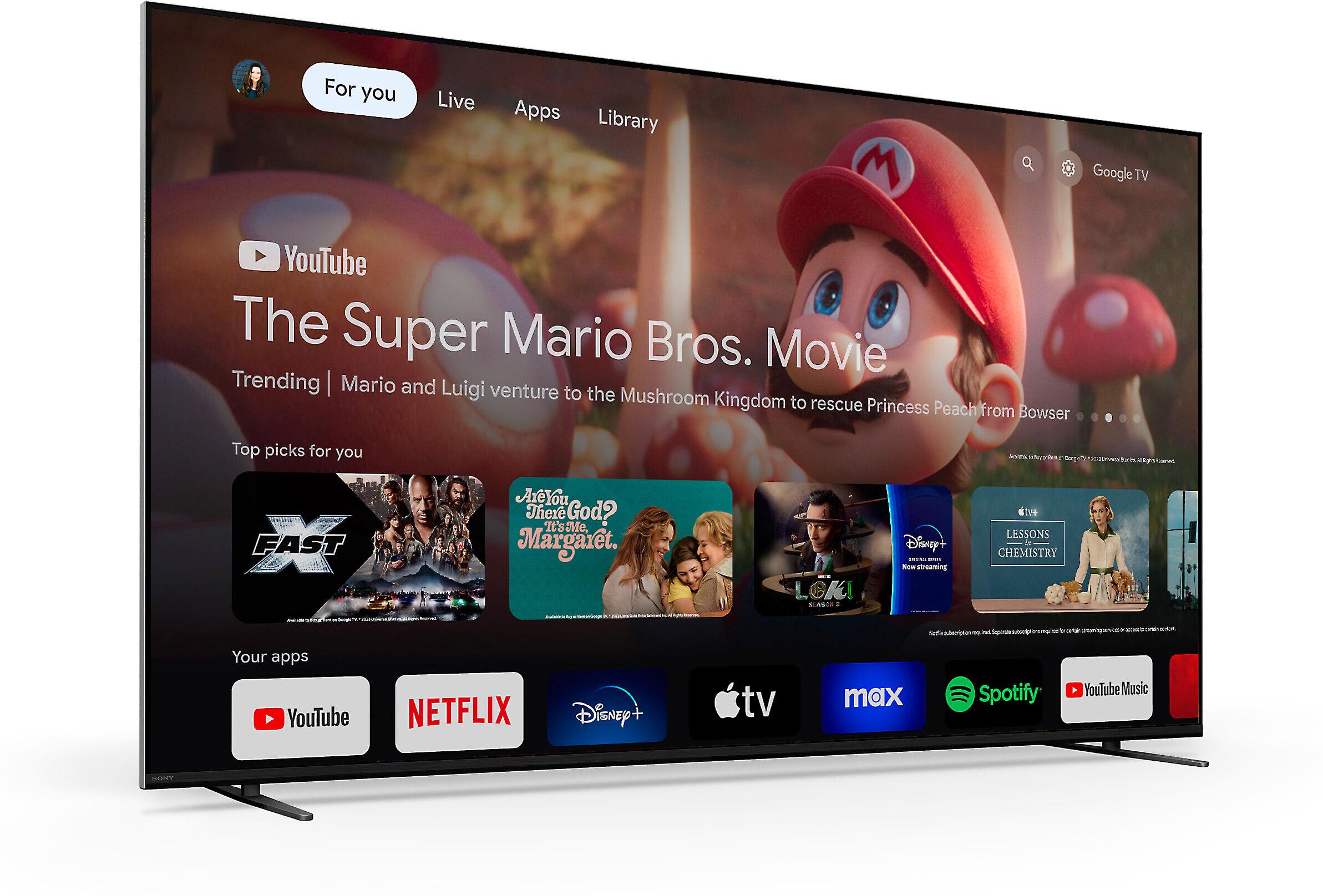
The Sony BRAVIA 7 takes a more ambitious approach with Google TV. Built on Android TV but refined with Google's AI recommendations, it learns your viewing habits and suggests content proactively. The interface is more visually rich, with personalized rows highlighting content based on your interests and viewing history.
Google TV also integrates more deeply with the broader Google ecosystem. If you use Google Assistant smart speakers, Android phones, or Chromecast devices, the Sony becomes a natural hub for your connected home. You can cast content seamlessly, control smart lights while watching, or ask Google Assistant to find specific actors or genres.
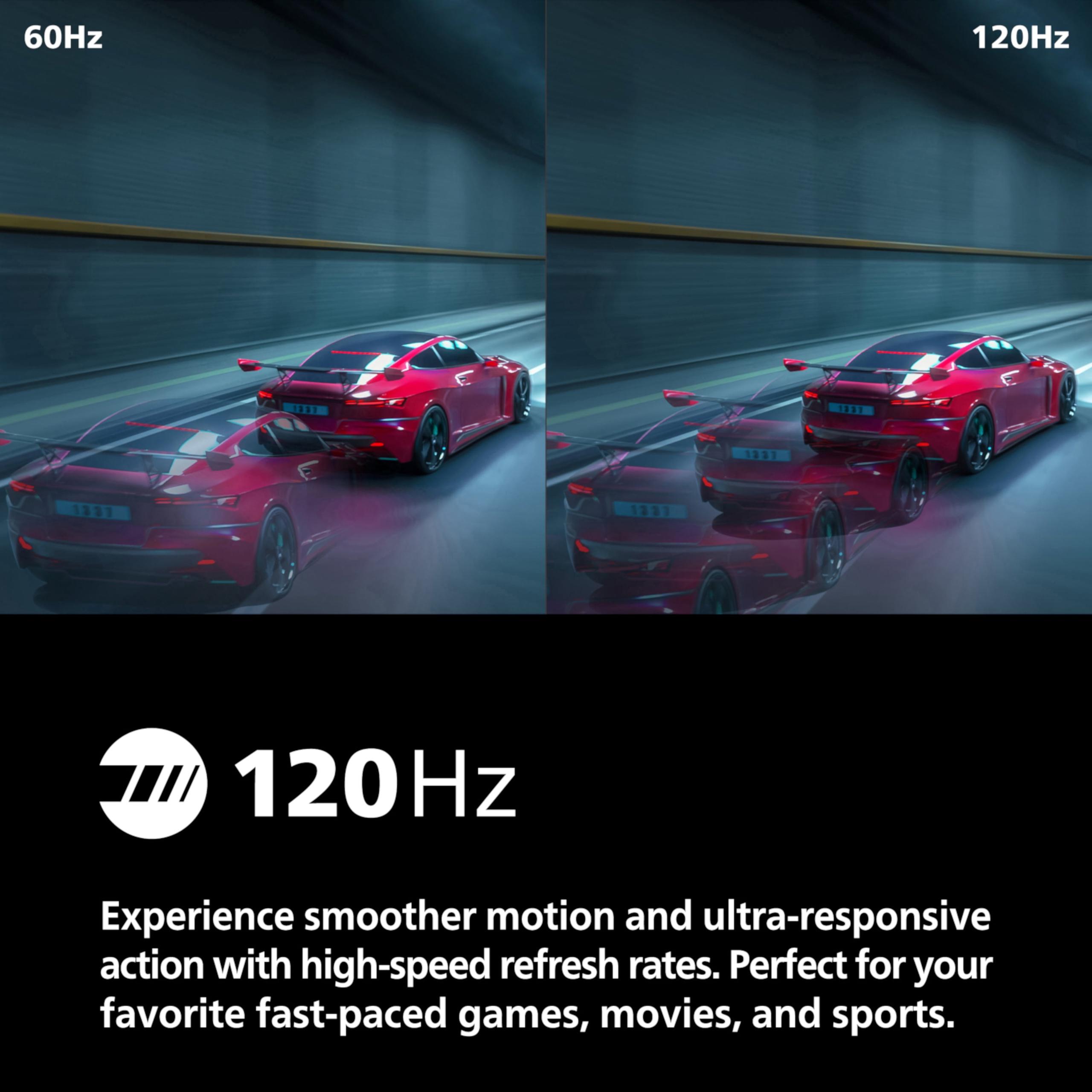
Both TVs arrived in 2024 with full awareness of the gaming revolution brought by PlayStation 5 and Xbox Series X consoles. They support the crucial gaming features that serious players demand: 4K resolution at 120Hz refresh rates, Variable Refresh Rate (VRR) to eliminate screen tearing, and Auto Low Latency Mode (ALLM) that automatically switches to game mode when it detects console input.
The Philips OLED has a secret weapon for gaming: near-instantaneous pixel response times. OLED pixels can change from one color to another in less than 0.1 milliseconds, essentially eliminating motion blur during fast-paced games. Whether you're tracking enemies in competitive shooters or following fast-moving objects in racing games, the picture remains sharp and clear.
Additionally, the Philips includes AMD FreeSync Premium support, which primarily benefits PC gamers with AMD graphics cards. This technology synchronizes the TV's refresh rate with your graphics card's output, preventing the visual artifacts that can occur when frame rates fluctuate during demanding game sequences.
The Sony BRAVIA 7 takes a more console-focused approach, with specific optimizations for PlayStation 5. Its Auto HDR Tone Mapping automatically adjusts HDR settings for optimal gaming visuals, while the dedicated Game Mode reduces input lag to under 8.5 milliseconds. Sony's XR Motion Clarity technology helps maintain smooth motion during gaming without introducing significant input lag.
Both TVs support 4K@120Hz gaming on two of their HDMI ports, making them future-ready for upcoming console generations and high-end gaming PCs.
Modern TVs have evolved beyond just picture quality, and both models recognize that audio plays a crucial role in the viewing experience. The Philips OLED includes a 2.1 speaker system with a dedicated subwoofer, providing better bass response than typical TV speakers. Its Dolby Atmos support creates a more immersive soundscape, though it cannot passthrough certain DTS audio formats—a limitation that might affect some Blu-ray movie enthusiasts.
The Sony BRAVIA 7 takes a more comprehensive approach to audio with its 40-watt speaker system and broader format support, including DTS:X and various DTS formats. Its Acoustic Auto Calibration feature analyzes your room's acoustics and adjusts sound accordingly, optimizing audio for your specific space.
Both TVs include eARC (Enhanced Audio Return Channel) support, allowing you to connect high-end soundbars or AV receivers while maintaining full audio quality for streaming services and gaming consoles.
At the time of writing, the Philips OLED typically costs several hundred dollars less than the Sony BRAVIA 7, making it an attractive entry point into OLED technology. This pricing advantage becomes more significant when you consider that the Philips includes a three-year manufacturer warranty compared to Sony's standard one-year coverage.
However, value extends beyond initial price. The Sony delivers more consistent performance across different viewing conditions and content types. If you watch a mix of bright HDR content and dark movies, use your TV in various lighting conditions throughout the day, or prioritize the latest smart TV features, the Sony's premium pricing reflects genuine advantages.
The Philips offers exceptional value for specific use cases. If you primarily watch in dark or dimly lit rooms, prefer streaming content over HDR-heavy 4K Blu-rays, and value Roku's straightforward interface, it delivers flagship-level contrast and gaming performance at a more accessible price point.
Since 2024, both display technologies have continued evolving. OLED panels have gradually improved brightness output while maintaining their contrast advantages, while Mini LED implementations have increased the number of dimming zones and improved algorithms for more precise local dimming.
The Philips OLED represents OLED technology at a transitional moment—offering traditional OLED benefits like perfect blacks and excellent gaming performance while acknowledging brightness limitations that newer, more expensive OLED panels are beginning to address.
The Sony BRAVIA 7 showcases Mini LED technology approaching its potential, with sophisticated processing that maximizes the benefits of precise local dimming while minimizing traditional LCD drawbacks like blooming and uniformity issues.
Choose the Philips OLED if you prioritize dark room viewing, value exceptional contrast over peak brightness, prefer Roku's content-focused interface, and want to experience OLED technology without flagship pricing. It's ideal for dedicated home theaters, basement family rooms, or evening viewing sessions where ambient light isn't a concern.
The Sony BRAVIA 7 makes sense for mixed-use environments where you watch TV throughout the day in varying lighting conditions. If you consume significant HDR content, want the latest smart TV features, or need consistent performance across all content types, the Sony justifies its premium positioning.
Consider your viewing habits honestly. Do you mainly watch Netflix and cable TV in the evening, or do you frequently watch 4K HDR movies during weekend afternoons? Do you prefer simple interfaces, or do you want AI-driven content recommendations? Your answers to these questions matter more than specifications on paper.
Both TVs represent excellent choices within their intended use cases, but they're optimized for different viewing philosophies. The key is matching your specific needs to each TV's strengths rather than trying to find a one-size-fits-all solution.
| Philips 65OLED974/F7 65" OLED Roku TV | Sony BRAVIA 7 65" 4K UHD Smart Google TV |
|---|---|
| Display Technology - Determines contrast, brightness, and viewing angle performance | |
| OLED with self-illuminating pixels for perfect blacks | Mini LED with Full Array Local Dimming for higher peak brightness |
| Peak Brightness - Critical for HDR impact and bright room viewing | |
| Poor brightness output, best for dark rooms only | Significantly brighter, excellent for mixed lighting conditions |
| Contrast Performance - Affects picture depth and realism | |
| Infinite contrast ratio with perfect blacks | Excellent contrast with minimal blooming, but not true blacks |
| Gaming Features - Essential for console and PC gaming | |
| 4K@120Hz, VRR, ALLM, AMD FreeSync Premium, <0.1ms response time | 4K@120Hz, VRR, ALLM, PlayStation 5 optimization, <8.5ms input lag |
| Smart Platform - Determines interface simplicity and ecosystem integration | |
| Roku TV with universal search and simple content discovery | Google TV with AI recommendations and Google ecosystem integration |
| HDR Support - Affects color and brightness in premium content | |
| HDR10, Dolby Vision, HLG (limited by poor brightness) | HDR10, Dolby Vision, HLG with studio-calibrated modes for streaming services |
| Audio System - Important for viewers not using external speakers | |
| Dolby Atmos 2.1 system with subwoofer, limited DTS support | 40W system with Dolby Atmos, DTS:X, and room calibration |
| Viewing Angle - Matters for larger seating areas | |
| Excellent 176° viewing angles with consistent picture quality | Good viewing angles with minimal color shift when viewed off-center |
| Build Quality and Design - Affects aesthetics and durability | |
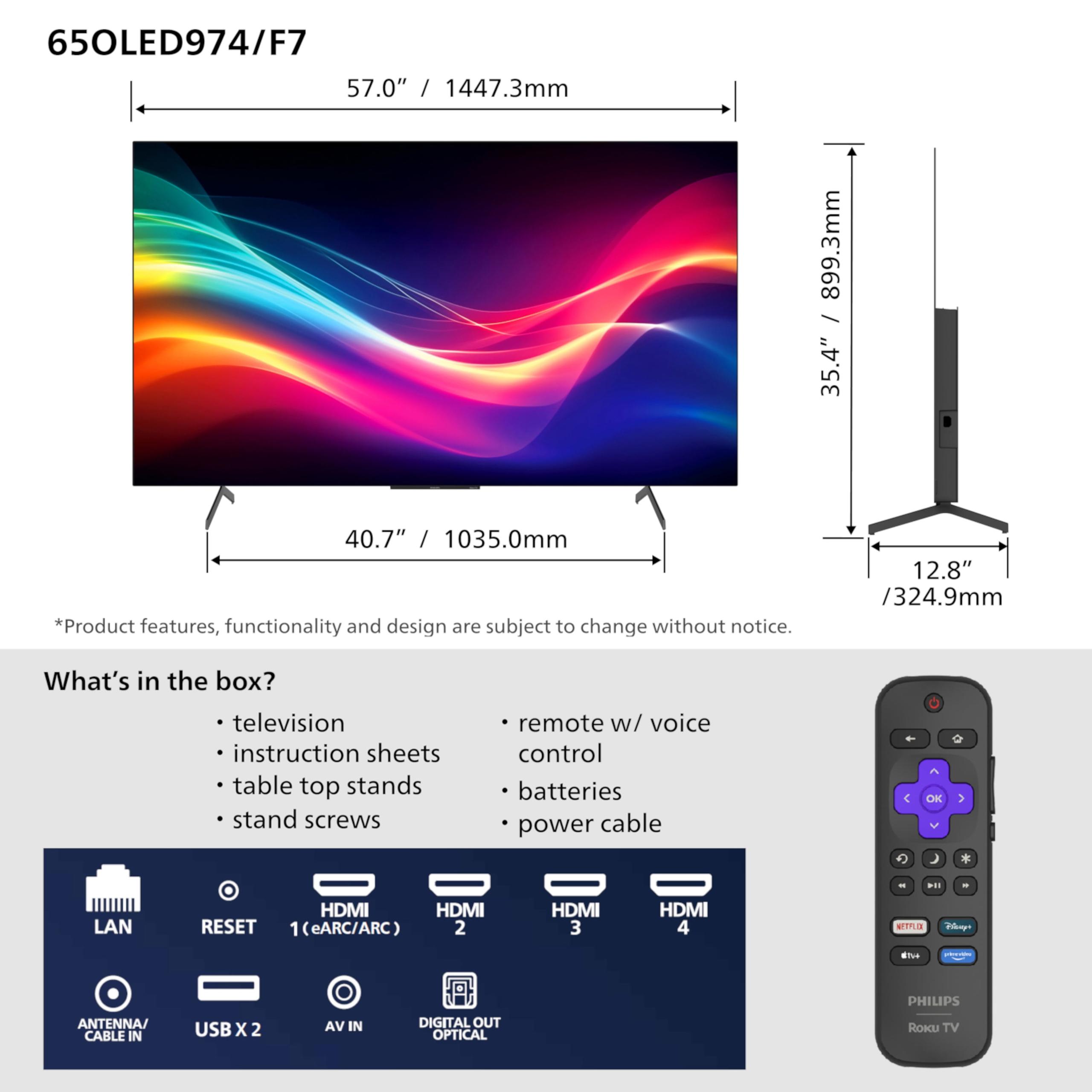
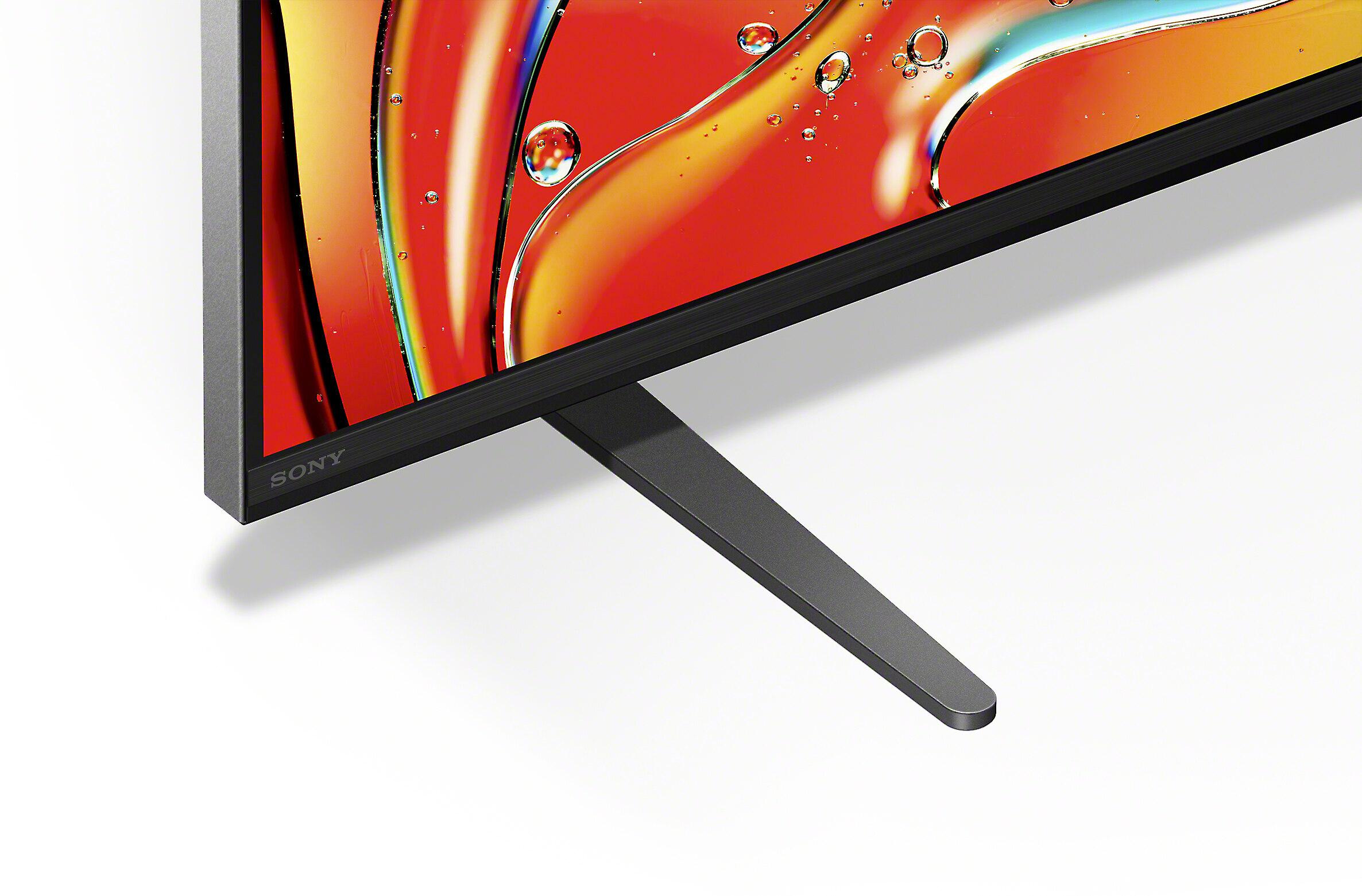
| 3-sided borderless design, 2.2" thin profile, 3-year warranty | Premium Sony build quality, 2.25" profile, 1-year warranty |
| HDMI Connectivity - Important for multiple devices and future compatibility | |
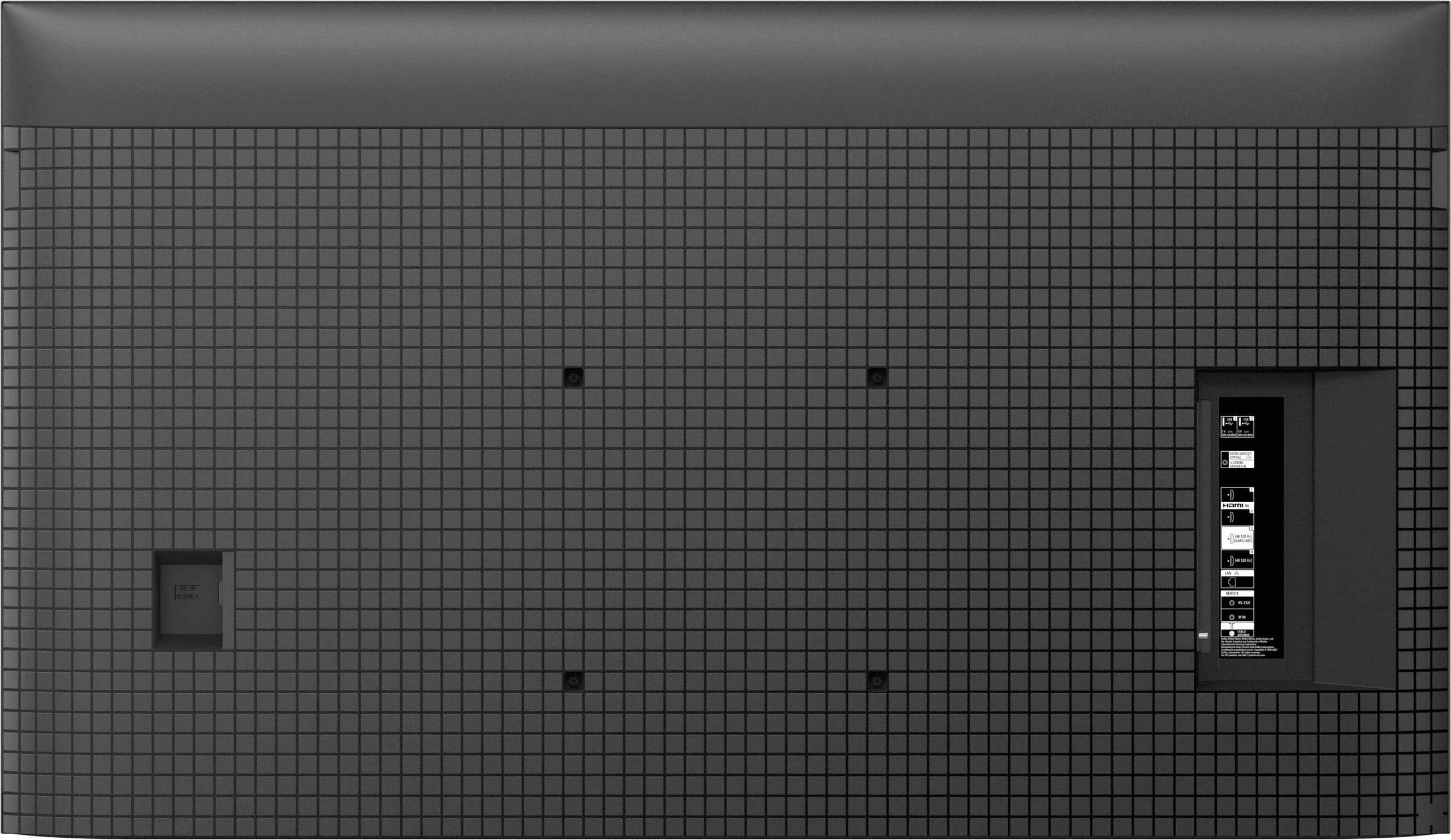
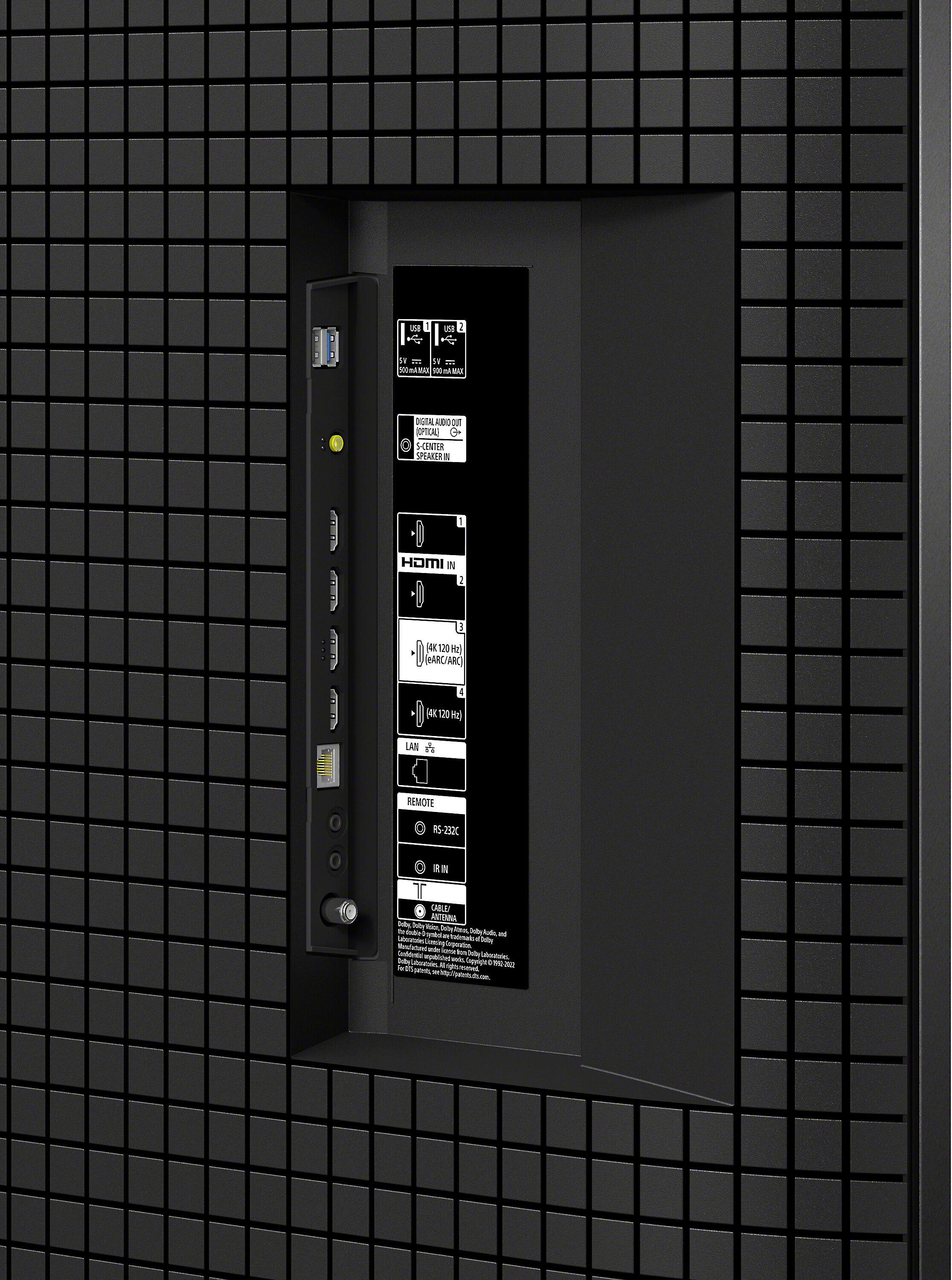
| 4 HDMI ports with HDMI 2.1 on two ports, eARC support | 4 HDMI ports with HDMI 2.1 on two ports, comprehensive format support |
| Motion Handling - Critical for sports and action content | |
| Near-instantaneous pixel response, minimal motion blur | XR Motion Clarity with effective blur reduction |
| Color Performance - Affects picture vibrancy and accuracy | |
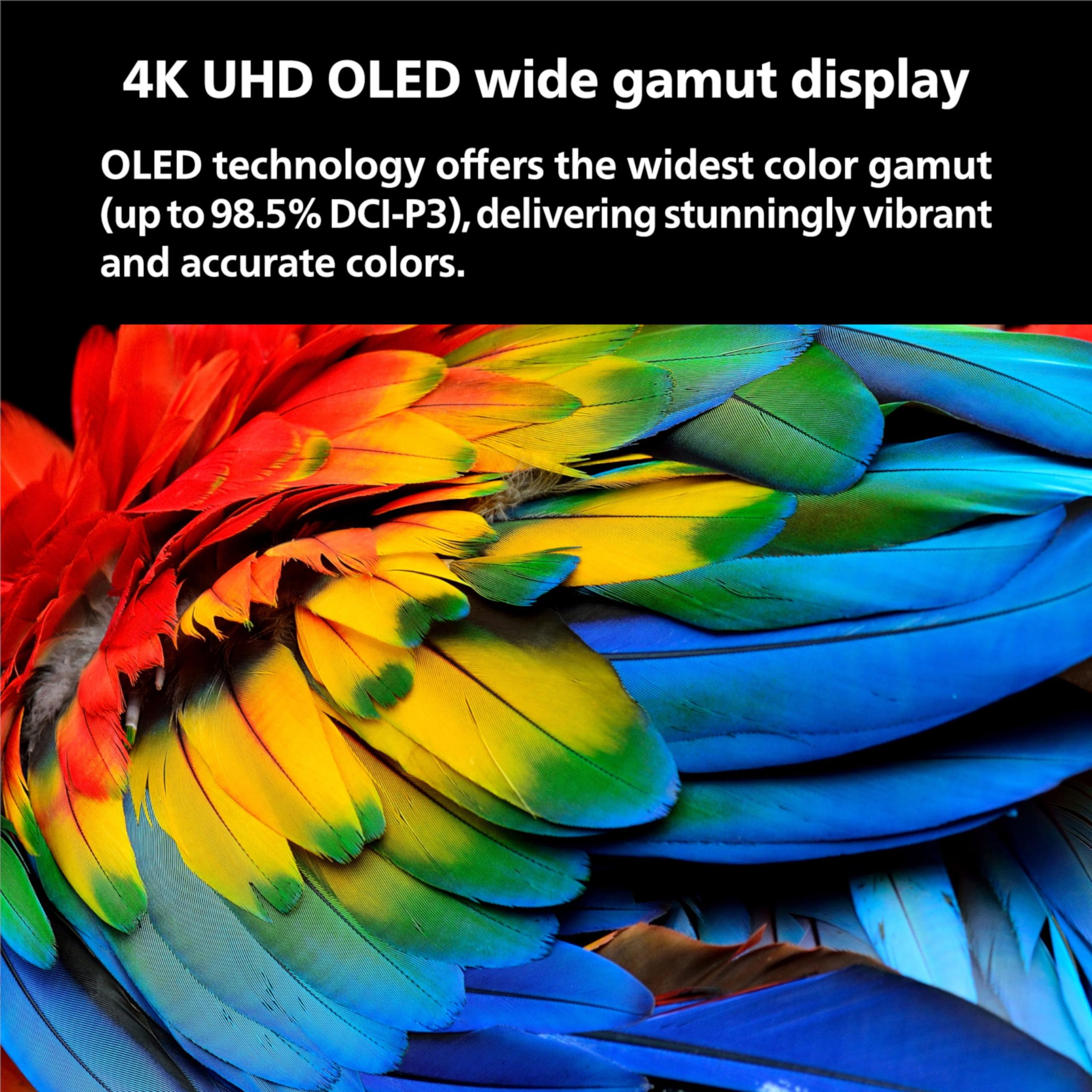
| Up to 98.5% DCI-P3 coverage, excellent SDR accuracy out-of-box | XR Triluminos Pro with enhanced color palette and volume |
| Best Use Case - Who should choose each TV | |
| Dark room enthusiasts prioritizing contrast and value | Mixed-lighting viewers wanting consistent HDR performance |
The Sony BRAVIA 7 is significantly better for bright rooms due to its Mini LED technology that produces much higher peak brightness. The Philips 65OLED974/F7 struggles with brightness output and is best suited for dark or dimly lit viewing environments where its perfect blacks can shine.
OLED technology in the Philips 65OLED974/F7 uses self-illuminating pixels that can turn completely off for perfect blacks and infinite contrast. Mini LED in the Sony BRAVIA 7 uses thousands of tiny LEDs behind an LCD panel for precise brightness control and higher peak brightness, though it cannot achieve true blacks.
Both TVs offer excellent gaming with 4K@120Hz, VRR, and ALLM support. The Philips OLED has a slight edge with near-instantaneous pixel response times and AMD FreeSync Premium support, while the Sony BRAVIA 7 features PlayStation 5 optimization and dedicated game modes with low input lag.
Yes, the Philips 65OLED974/F7 excels in home theater environments with controlled lighting. Its perfect blacks and infinite contrast create exceptional depth during dark movie scenes, making it ideal for cinematic viewing when brightness isn't a concern.
The Philips OLED uses Roku TV, which offers a simpler, more straightforward interface focused on content discovery across streaming services. The Sony BRAVIA 7 runs Google TV, providing more advanced features like AI recommendations and deeper Google ecosystem integration, but with added complexity.
The Sony BRAVIA 7 delivers superior HDR performance due to its higher peak brightness, making highlights and bright scenes truly impactful. While the Philips 65OLED974/F7 supports the same HDR formats, its limited brightness makes HDR content appear muted and less dramatic.
The Philips OLED typically costs several hundred dollars less and includes a three-year warranty, offering excellent value for dark room viewing. The Sony BRAVIA 7 costs more but provides better all-around performance across different lighting conditions and content types.
Yes, both the Philips 65OLED974/F7 and Sony BRAVIA 7 fully support PlayStation 5 and Xbox Series X|S with 4K@120Hz gaming on two HDMI 2.1 ports, Variable Refresh Rate, and Auto Low Latency Mode for optimal gaming performance.
The Sony BRAVIA 7 is better for sports viewing, especially in bright rooms, due to its superior brightness and effective motion handling. The Philips OLED can work for sports in dark rooms but may struggle with brightness during daytime viewing.
The Philips 65OLED974/F7 features a 2.1 speaker system with Dolby Atmos and a dedicated subwoofer for better bass. The Sony BRAVIA 7 offers broader audio format support including DTS:X and room calibration features, making it more versatile for different audio setups.
Both TVs offer solid build quality, but the Philips OLED includes a generous three-year manufacturer warranty compared to Sony's standard one-year coverage. The Sony BRAVIA 7 features premium Sony construction and design aesthetics typical of their flagship models.
Choose the Philips 65OLED974/F7 if your living room has controlled lighting and you prioritize contrast and value. Select the Sony BRAVIA 7 if your living room has windows or mixed lighting throughout the day, as its higher brightness will provide better visibility and HDR impact in various conditions.
We've done our best to create useful and informative comparisons to help you decide what product to buy. Our research uses advanced automated methods to create this comparison and perfection is not possible - please contact us for corrections or questions. These are the sites we've researched in the creation of this article: rtings.com - versus.com - versus.com - rtings.com - samsclub.com - versus.com - youtube.com - usa.philips.com - bestbuy.com - usa.philips.com - consumerreports.org - usa.philips.com - documents.philips.com - tvoutlet.ca - displayspecifications.com - business.walmart.com - displayspecifications.com - ecoustics.com - walmart.com - bestbuy.com - bestbuy.com - avsforum.com - avsforum.com - crutchfield.com - sony.com - rtings.com - schaeferstv.com - youtube.com - displayspecifications.com

Privacy Policy
Terms and Conditions - Affiliate Policy
Home Security
© Copyright 2008-2026.
11816 Inwood Rd #1211, Dallas, TX 75244