

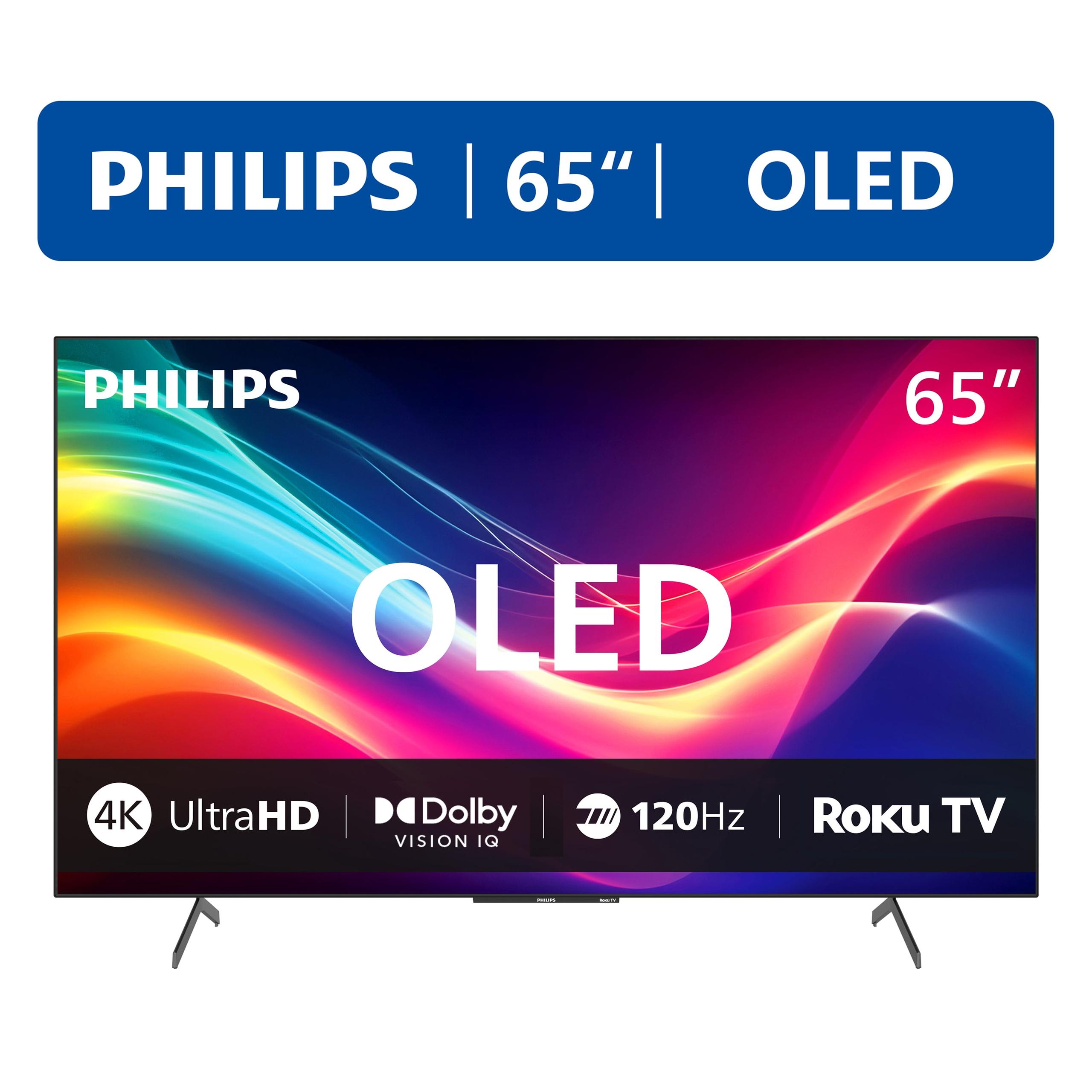

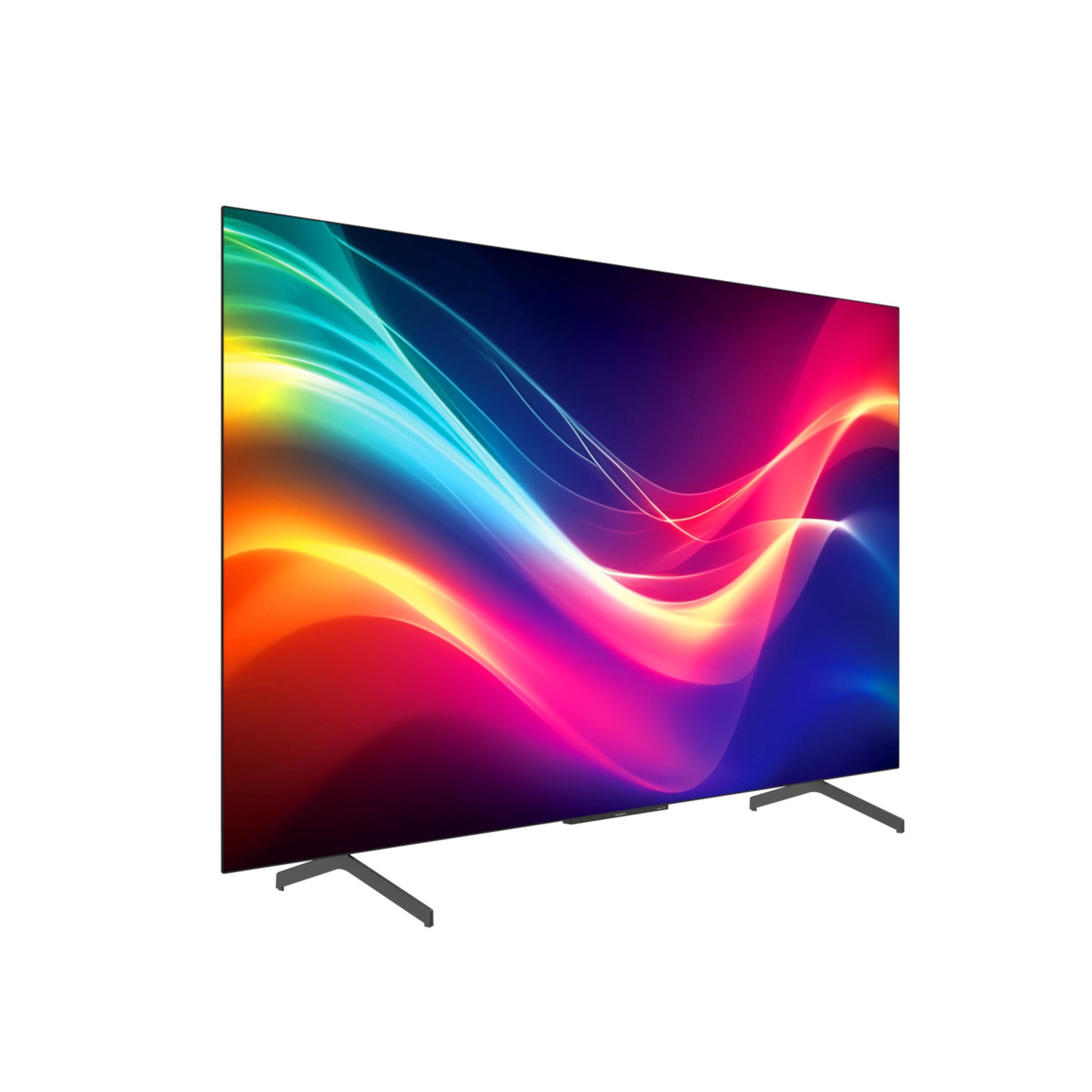
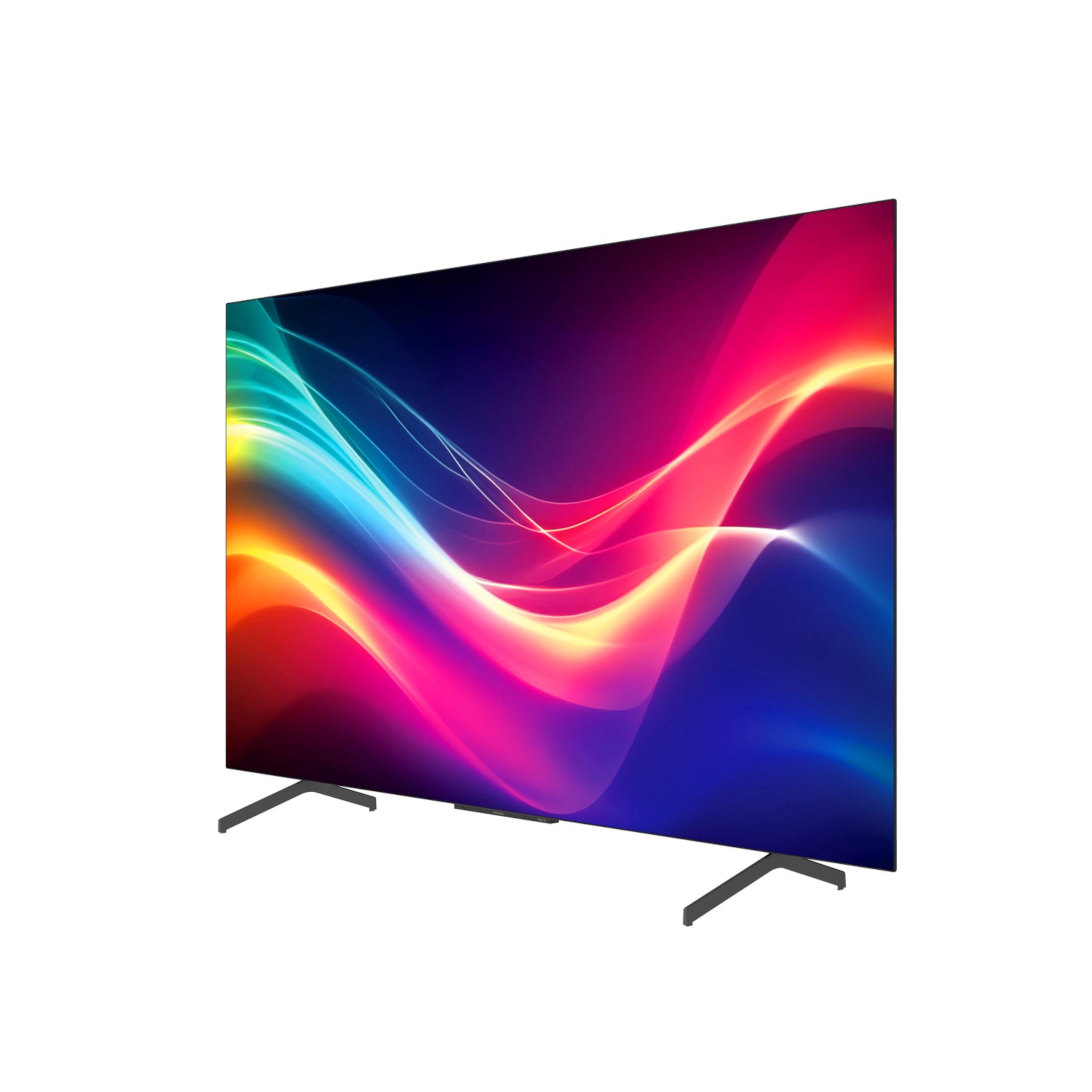


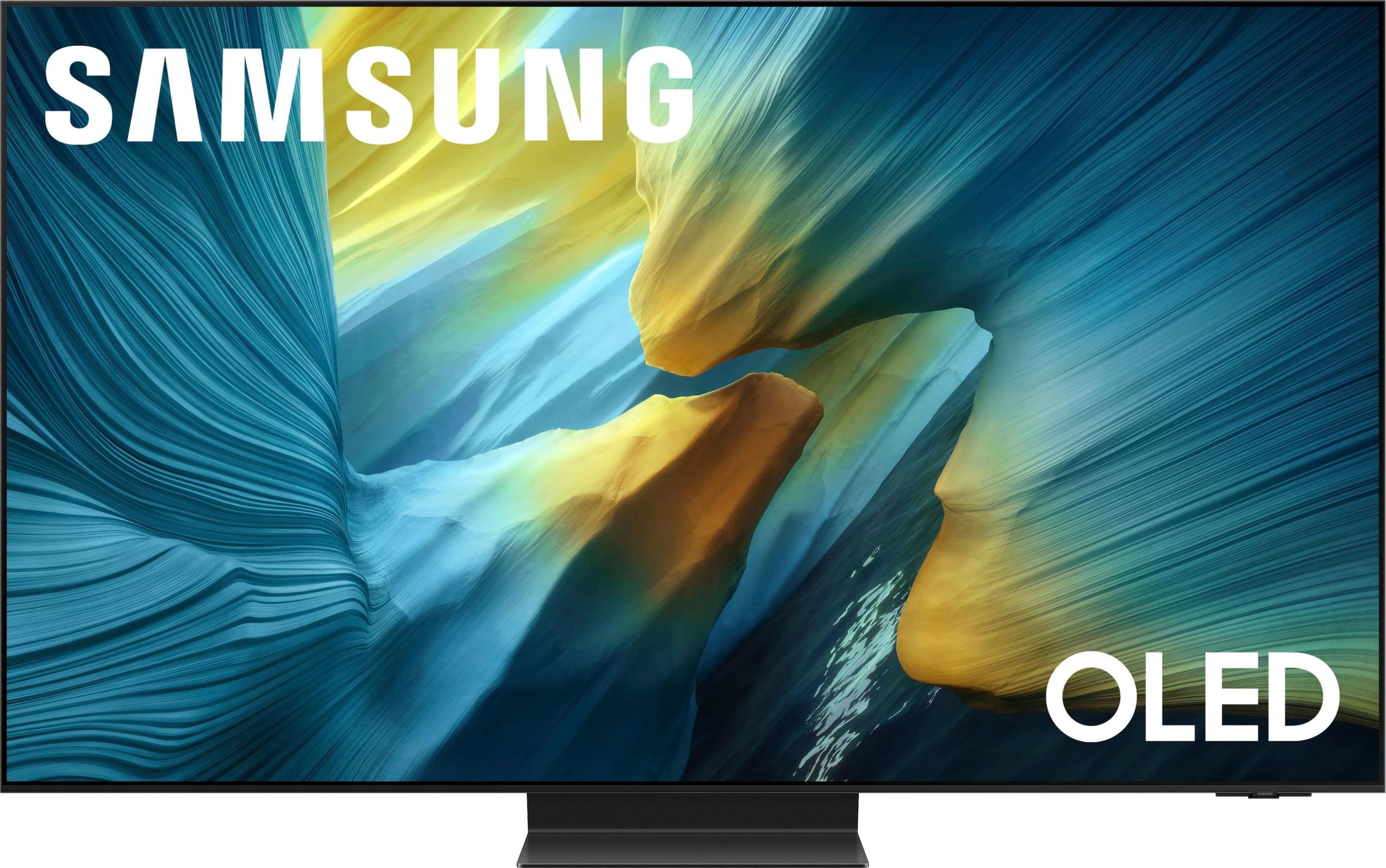
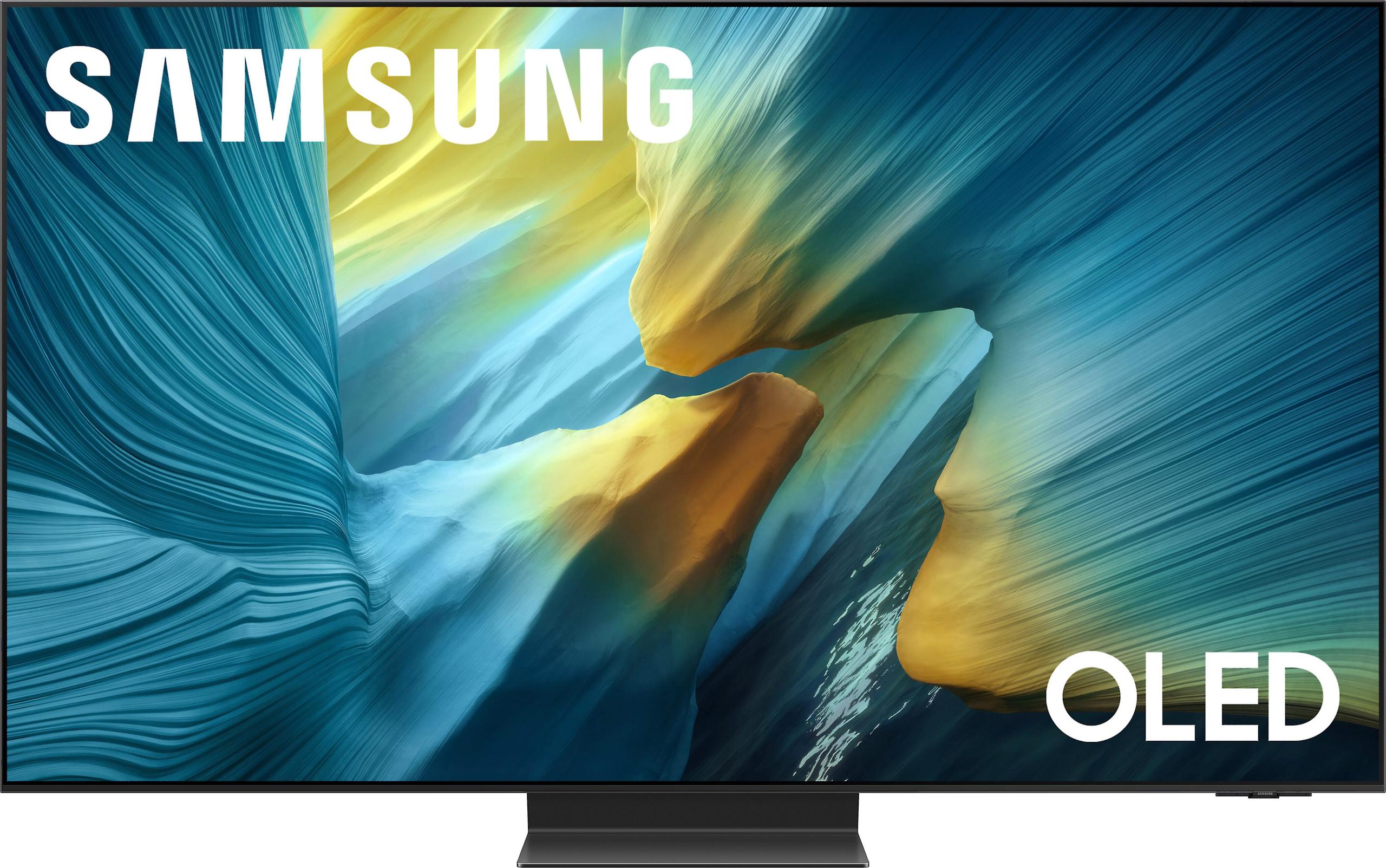
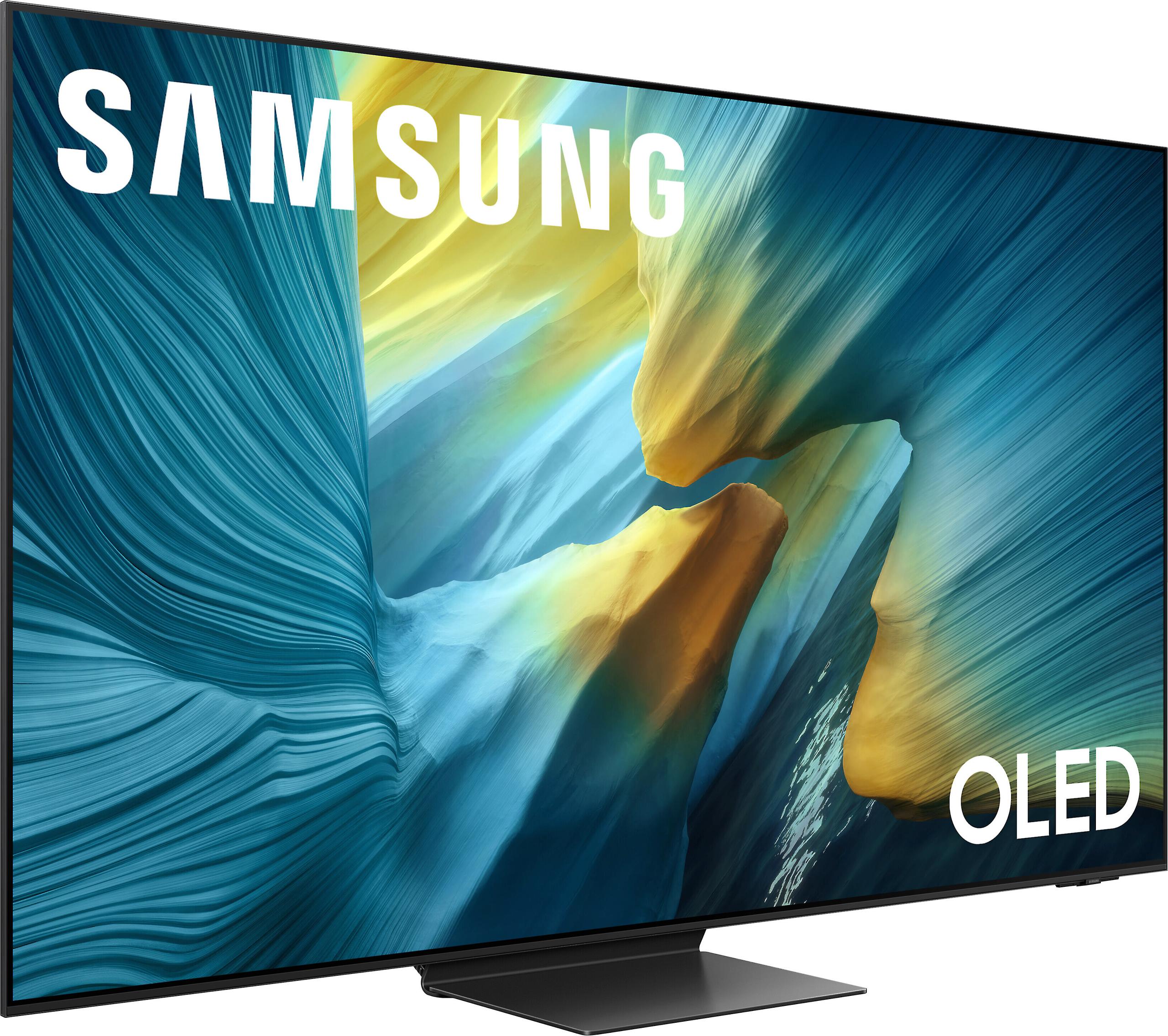


When you're ready to upgrade to a premium 65-inch OLED TV, you're entering the territory where every option delivers stunning picture quality. But that doesn't mean all OLEDs are created equal. The Philips 65OLED974/F7 and Samsung S95F represent two distinctly different approaches to OLED technology, each with compelling strengths that make them better suited for different viewing situations and budgets.
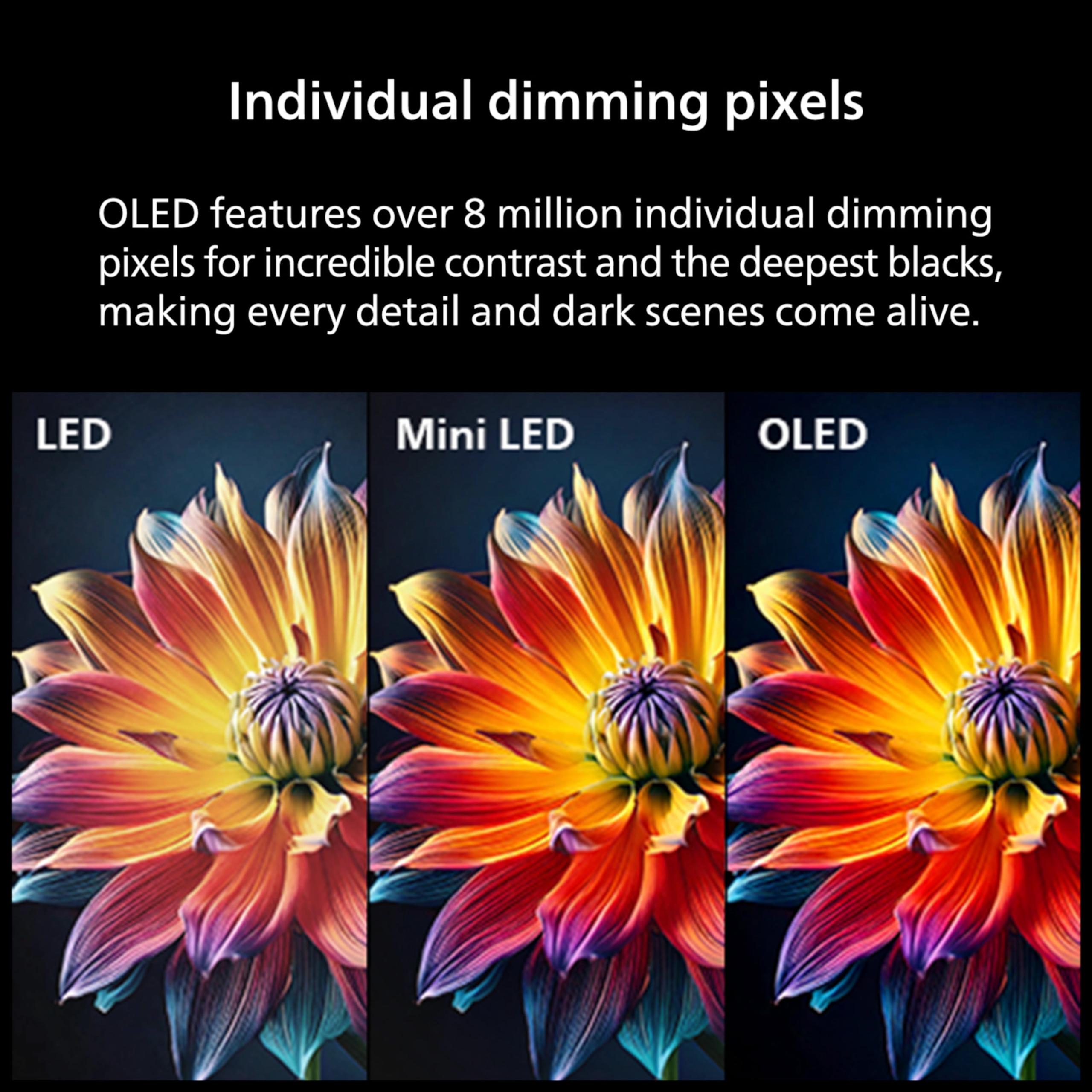
Before diving into the specifics, let's clarify what makes OLED technology so appealing. Unlike traditional LED TVs that use a backlight, OLED displays have millions of individual pixels that can turn completely on or off independently. This creates those famous "perfect blacks" you hear about - when a pixel needs to show black, it simply turns off entirely, creating infinite contrast that makes colors pop and gives images incredible depth.
Both the Philips 65OLED974/F7 and Samsung S95F deliver this fundamental OLED advantage, but they achieve it through different technological approaches that significantly impact their real-world performance.
The most crucial difference between these TVs lies in their underlying display technology. The Philips 65OLED974/F7 uses what's now considered traditional OLED technology - still excellent, but representing the previous generation of OLED development. Released in 2024, it delivers the classic OLED experience with perfect blacks and excellent color accuracy that OLED enthusiasts have come to love.
The Samsung S95F, launched in 2025, represents Samsung's fourth-generation QD-OLED technology. QD-OLED stands for "Quantum Dot OLED," which combines the self-illuminating pixels of OLED with quantum dot technology that was previously only found in high-end LED TVs. This hybrid approach allows Samsung to achieve much higher brightness levels while maintaining OLED's perfect blacks.
Think of it this way: traditional OLED is like having a perfectly dark theater with excellent color reproduction, while QD-OLED is like having that same theater but with the ability to make bright scenes dramatically more vivid and impactful.
Here's where these TVs diverge most dramatically. Brightness might not seem like the most exciting specification, but it's arguably the most important factor in determining which TV will work best in your home.
The Philips 65OLED974/F7 delivers what our research shows is relatively modest peak brightness for an OLED - adequate for dark rooms but struggling in well-lit environments. When we examine expert reviews and user feedback, the consistent theme is that this TV truly shines in dimly lit or dark rooms where its perfect blacks and accurate colors can work their magic without fighting ambient light.
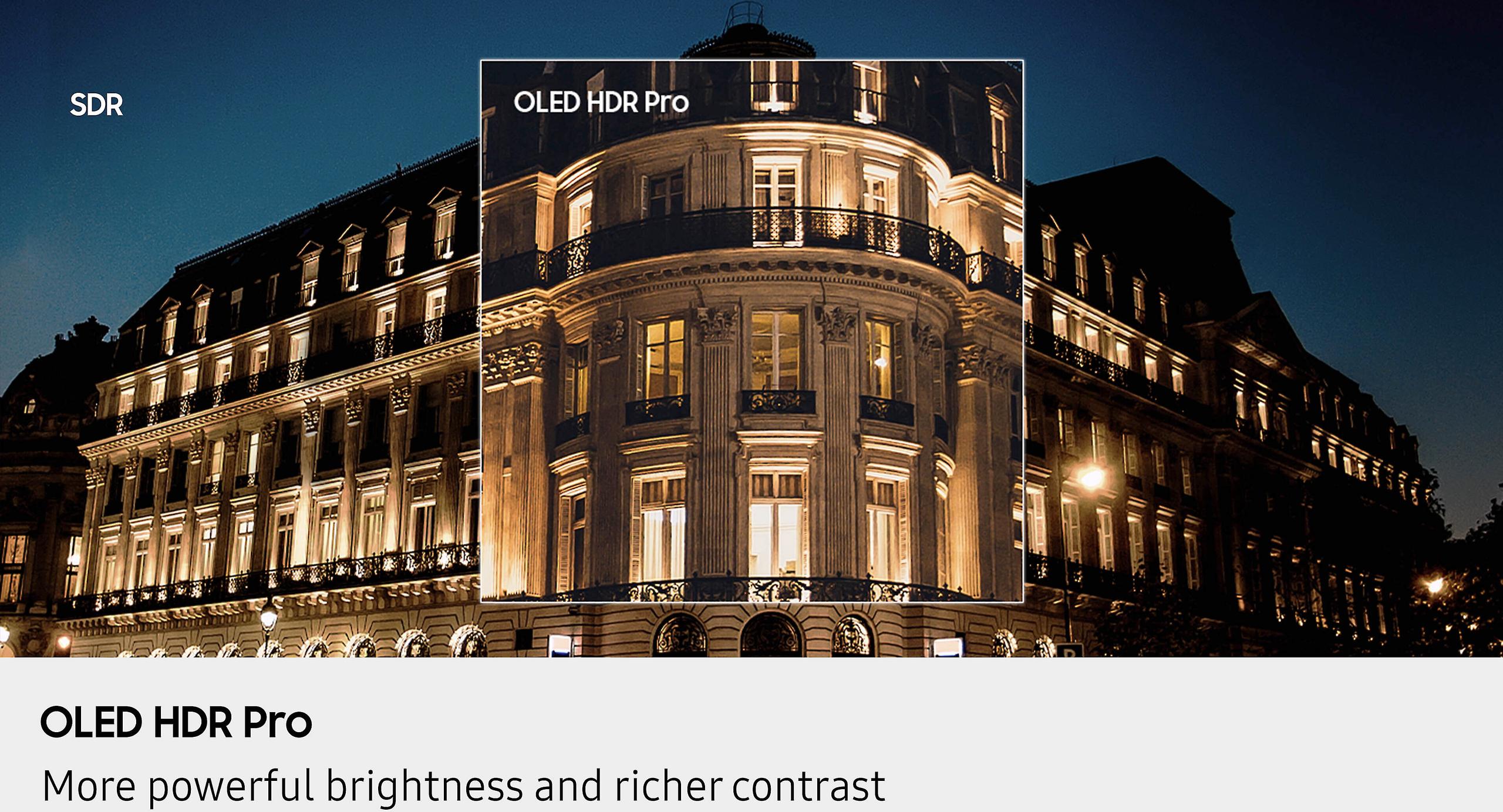
In contrast, the Samsung S95F achieves peak brightness levels that approach 4,000 nits in small highlight areas - that's roughly three times brighter than many traditional OLEDs. This isn't just about numbers on a spec sheet. This brightness difference translates to HDR content that actually looks dramatically different. Explosions in action movies appear more realistic, sunlit scenes have genuine impact, and bright colors maintain their vibrancy even when your living room windows are letting in afternoon sunlight.
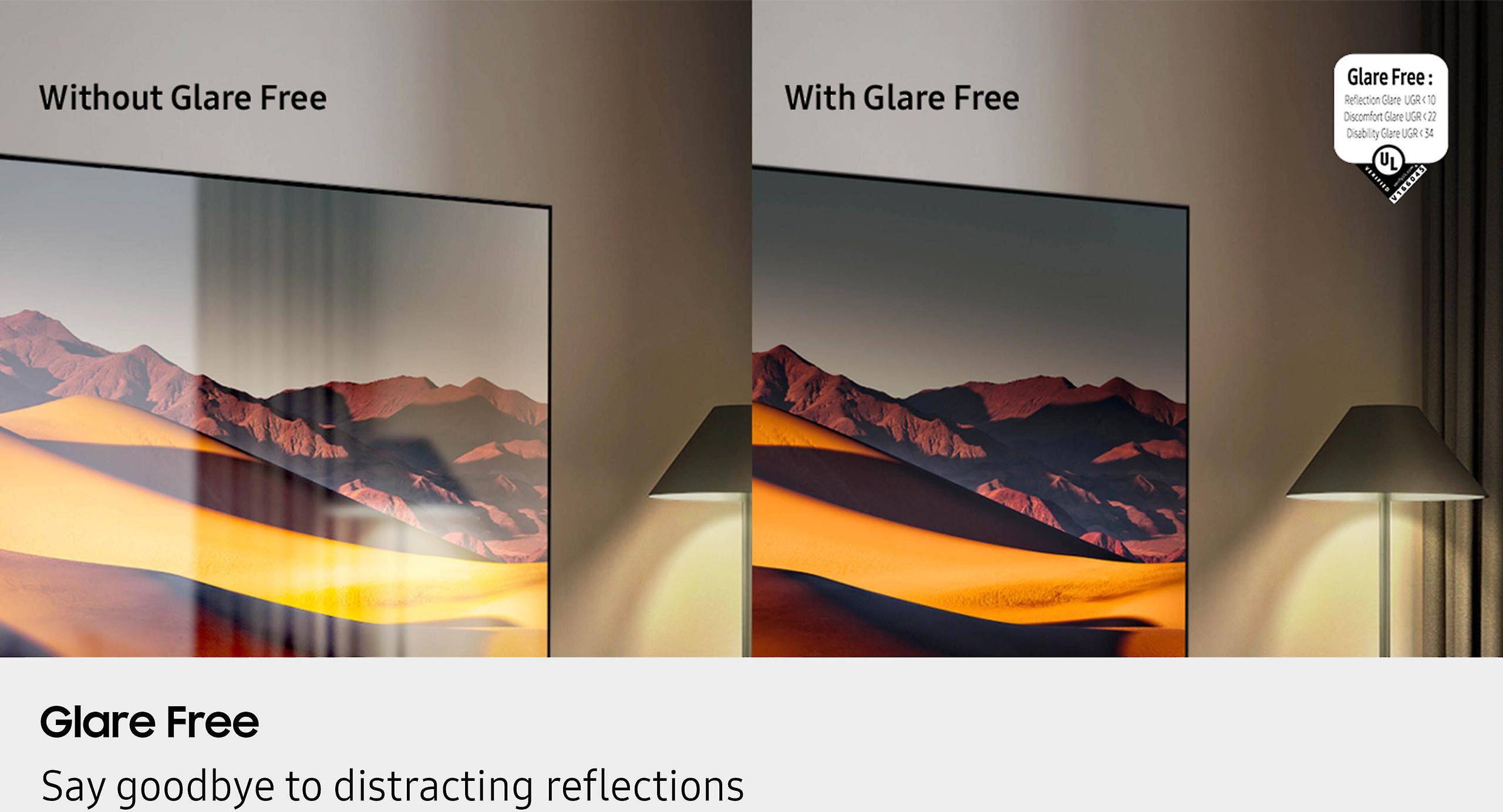
The Samsung S95F also includes what Samsung calls "Anti-Glare 2.0" technology - essentially a matte coating that reduces reflections. While this coating slightly raises the black levels compared to a glossy OLED (making blacks appear very slightly gray in bright rooms), the trade-off is worthwhile for most users because it makes the TV genuinely usable in brightly lit spaces.
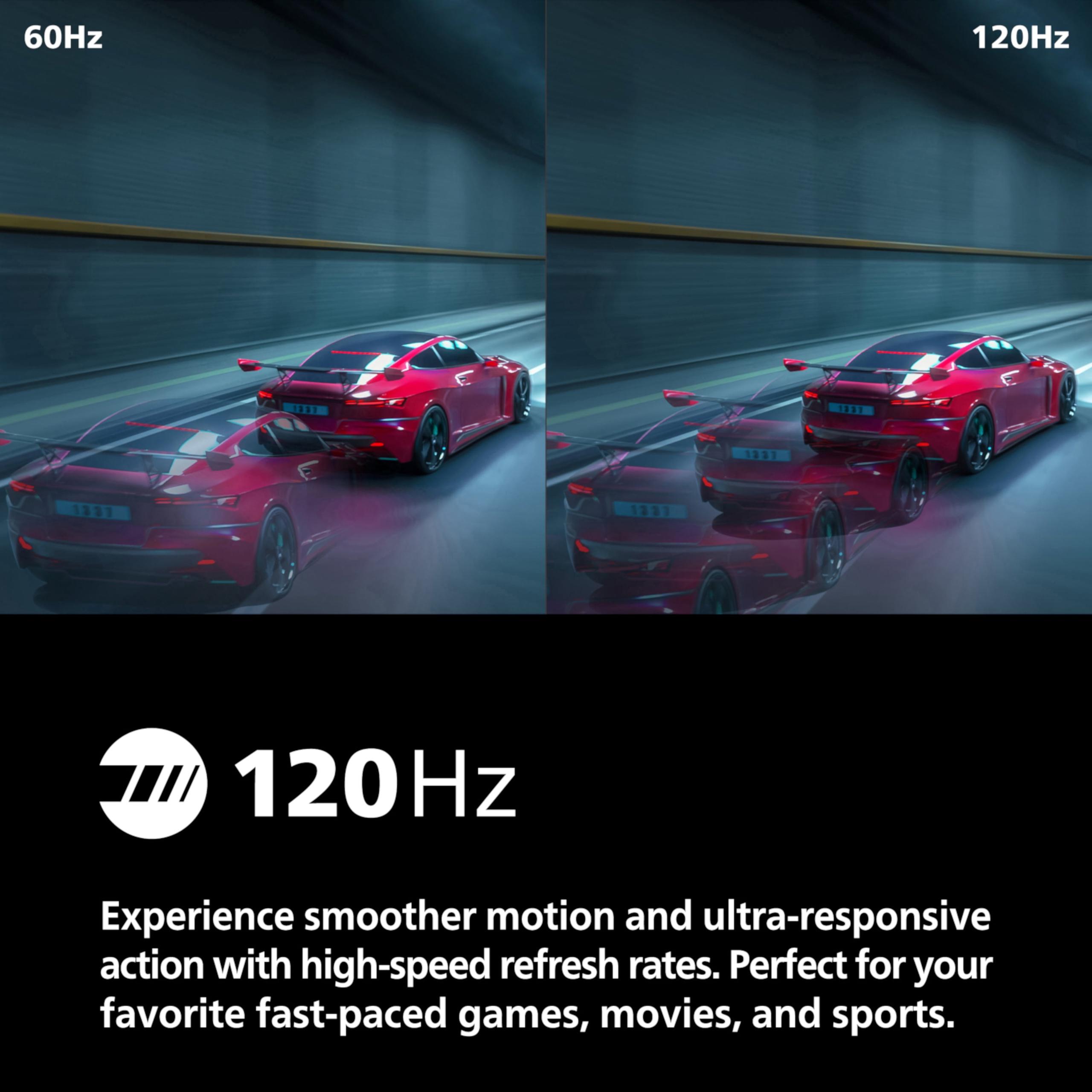
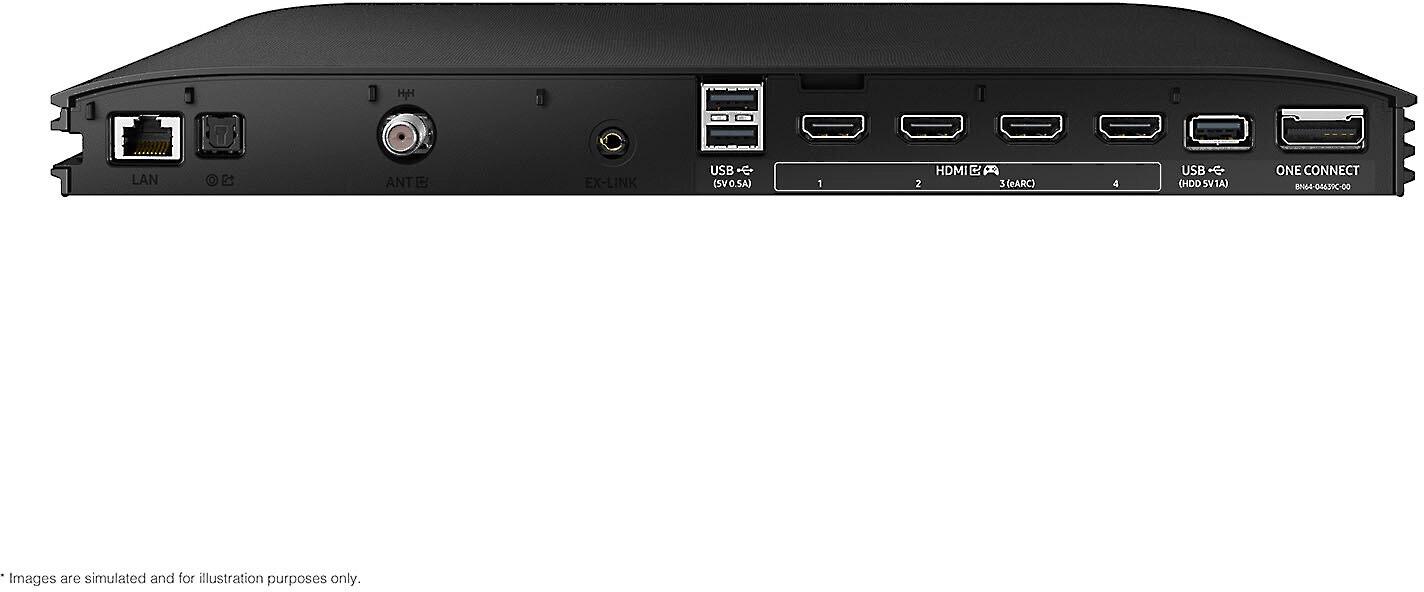
For gamers, these TVs offer notably different experiences. The Samsung S95F supports 4K gaming at up to 165Hz refresh rate across all four of its HDMI 2.1 ports. To put this in perspective, most TVs max out at 120Hz, and many older models only support 60Hz. Higher refresh rates mean smoother motion in fast-paced games and reduced input lag - the delay between when you press a button and when the action appears on screen.
The 165Hz capability makes the Samsung S95F particularly appealing for PC gamers with high-end graphics cards that can push frame rates beyond 120fps. It also supports AMD FreeSync Premium Pro, which synchronizes the TV's refresh rate with your graphics card to eliminate screen tearing (those horizontal lines that appear during fast motion).
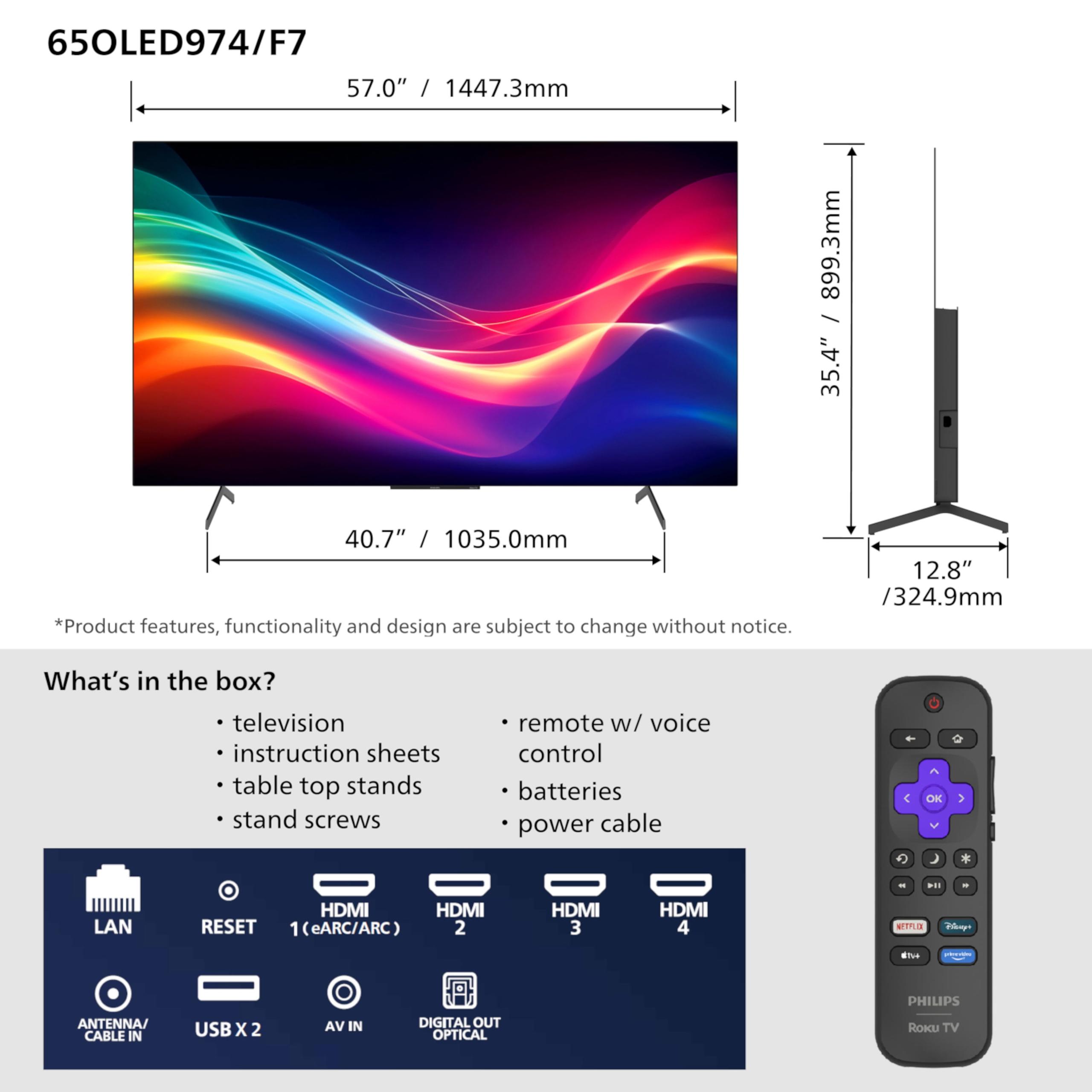
The Philips 65OLED974/F7 offers solid gaming performance with 4K at 120Hz and standard FreeSync Premium support. For console gaming on PlayStation 5 or Xbox Series X, this is perfectly adequate since these consoles typically target 120fps maximum. Both TVs feature Auto Low Latency Mode (ALLM), which automatically switches to game mode when it detects a gaming signal.
From a practical standpoint, unless you're a serious PC gamer with a high-end setup, the difference in gaming performance might not be noticeable day-to-day. Both TVs deliver responsive gaming experiences that feel immediate and smooth.
High Dynamic Range (HDR) is where things get technically interesting and practically important. HDR content contains information about brighter highlights and darker shadows than standard video, but your TV needs to be capable of displaying that range effectively.
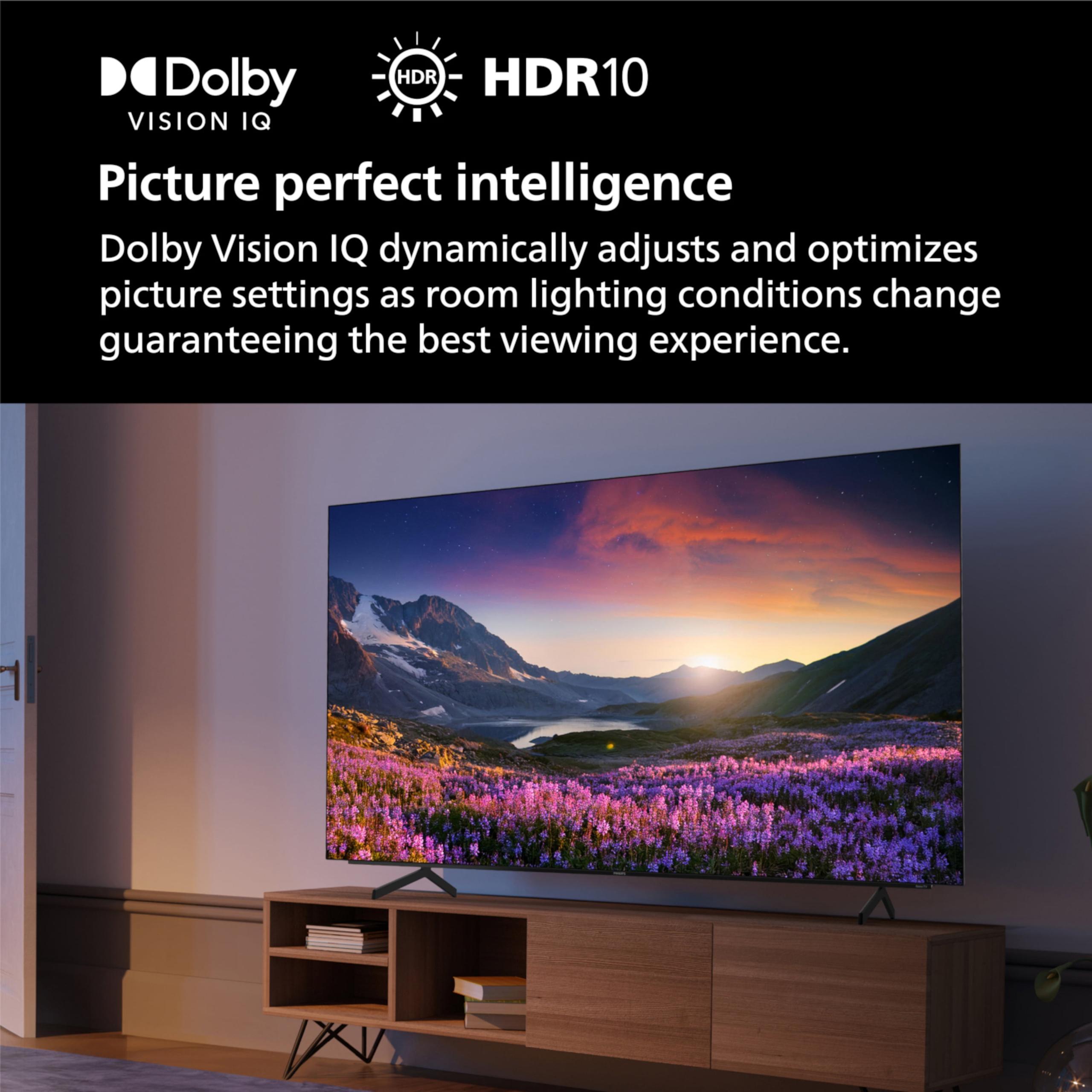
The Philips 65OLED974/F7 supports the full suite of HDR formats including Dolby Vision, HDR10, and HLG. Dolby Vision is particularly significant because it's widely used by streaming services like Netflix and Disney+ for their premium content. It includes dynamic metadata that tells the TV exactly how to display each scene for optimal impact.
Here's the catch with the Samsung S95F: despite its superior brightness, it doesn't support Dolby Vision. Samsung has chosen to support HDR10+ instead, which provides similar dynamic optimization but isn't as widely adopted. This means when you're watching Dolby Vision content on Netflix, the Samsung S95F will fall back to standard HDR10, potentially missing some of the director's intended visual impact.
However, the Samsung S95F's dramatically higher brightness often compensates for this limitation. In our analysis of expert reviews, many note that even standard HDR10 content looks more impactful on the Samsung due to its ability to make highlights genuinely bright rather than just relatively bright.
The color story is similarly nuanced. The Philips 65OLED974/F7 delivers excellent out-of-the-box color accuracy, particularly for SDR (standard dynamic range) content. Colors look natural and faithful to the source material without requiring calibration.
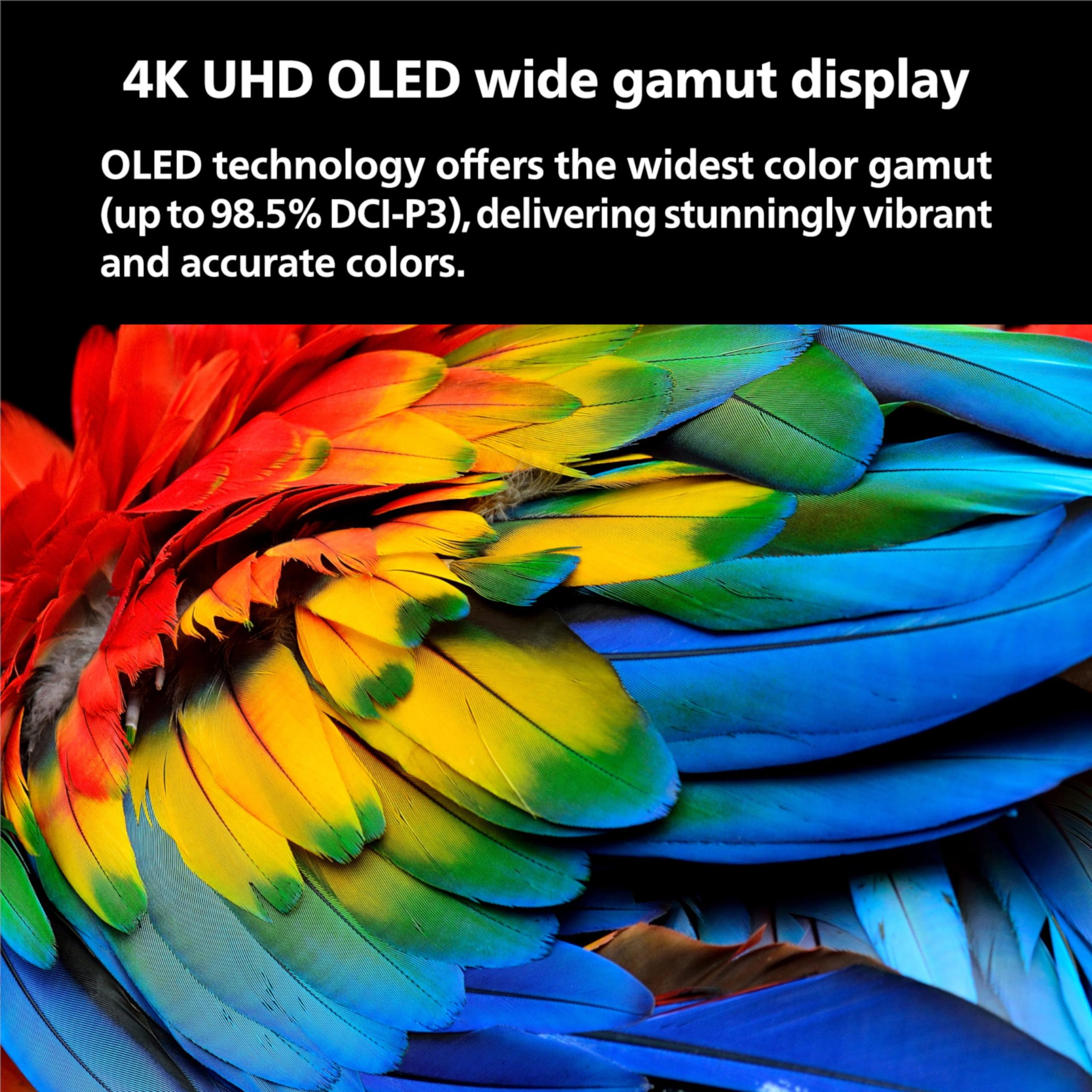
The Samsung S95F uses quantum dot technology to achieve a wider color gamut - essentially, it can display more vivid colors that fall outside the range of traditional displays. This can make content look more vibrant and eye-catching, though some purists prefer the more natural color reproduction of traditional OLED.
The software experience differs significantly between these TVs. The Philips 65OLED974/F7 runs Roku TV, which is widely regarded as one of the most user-friendly smart TV platforms. Roku's interface is straightforward, app support is comprehensive, and the search functionality works well across multiple streaming services. If you've ever used a Roku streaming device, the experience is essentially identical.
The Samsung S95F uses Samsung's Tizen operating system, which offers deeper integration with Samsung's ecosystem of devices. If you have Samsung phones, tablets, or other smart home devices, the integration can be convenient. Samsung also promises seven years of software updates, which is longer than most TV manufacturers commit to providing.
Both platforms support the major streaming services, but Roku typically gets new apps faster and has broader compatibility with smaller or niche streaming services. For most users, both platforms will handle their streaming needs effectively, though Roku's simpler approach often feels more intuitive.
Neither TV will replace a dedicated sound system, but their built-in audio differs meaningfully. The Samsung S95F includes a more sophisticated 4.2.2-channel system with 70 watts of power and Object Tracking Sound Plus (OTS+). OTS+ uses multiple speakers to make audio appear to come from the location of objects on screen - so when a car moves from left to right, the sound follows naturally.
The Philips 65OLED974/F7 features a simpler 2.1-channel system with a dedicated subwoofer. While less complex than Samsung's setup, it still provides reasonable audio quality with Dolby Atmos support for spatial audio effects.
If you plan to use a soundbar or surround sound system, the audio differences become less relevant. However, for users relying primarily on built-in speakers, the Samsung S95F offers a noticeably richer and more immersive audio experience.
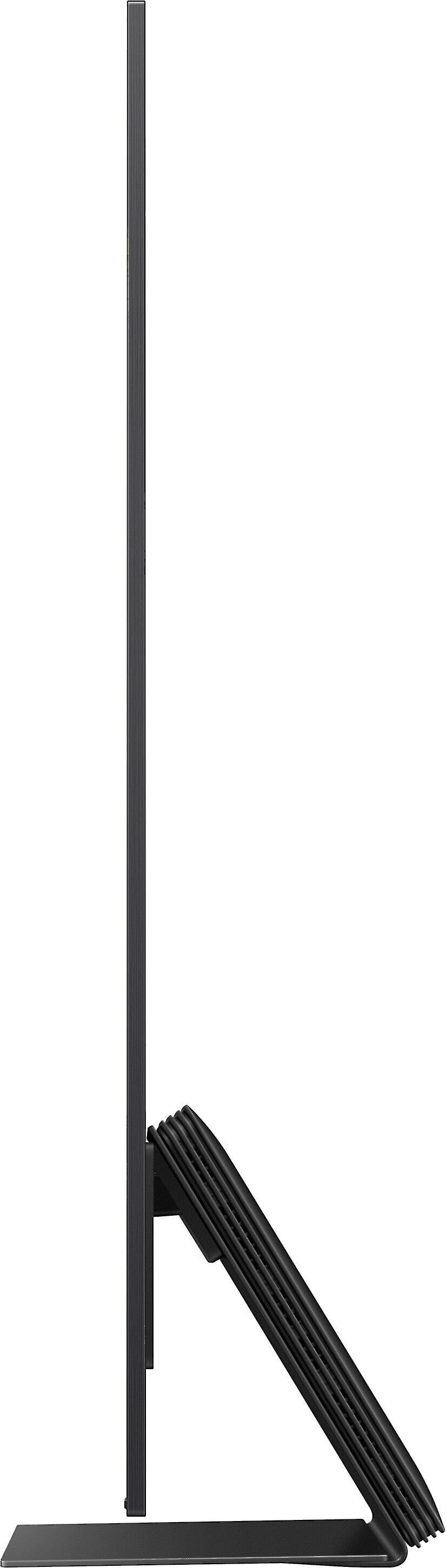
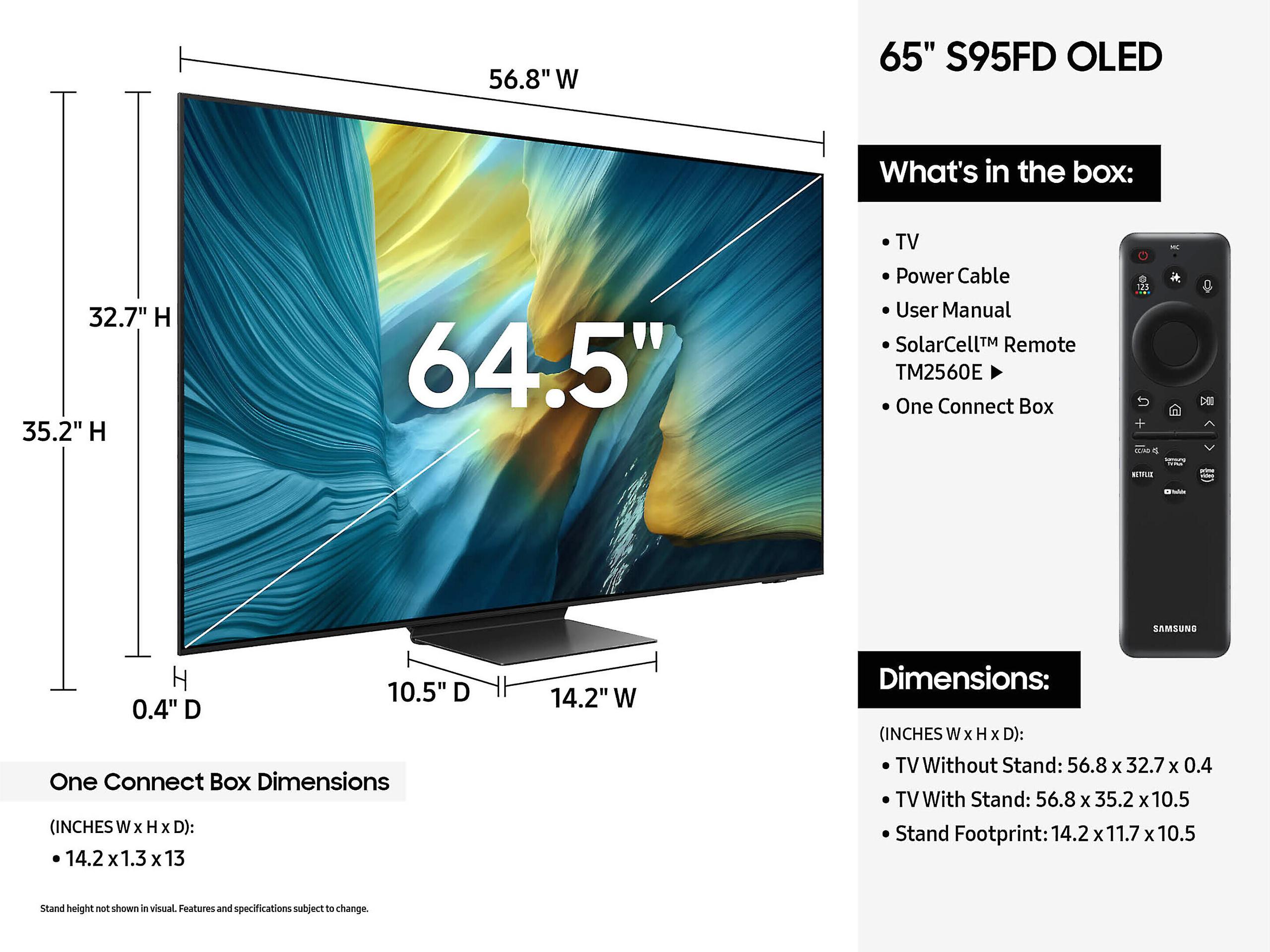
Aesthetically, these TVs take different approaches. The Samsung S95F achieves an impossibly thin profile - just 1.1 centimeters thick - by moving all the processing and connections to a separate One Connect Box. This creates a minimalist wall-mounted appearance but requires running a single cable between the box and display. The design is undeniably premium, though the One Connect Box needs to be placed somewhere accessible.
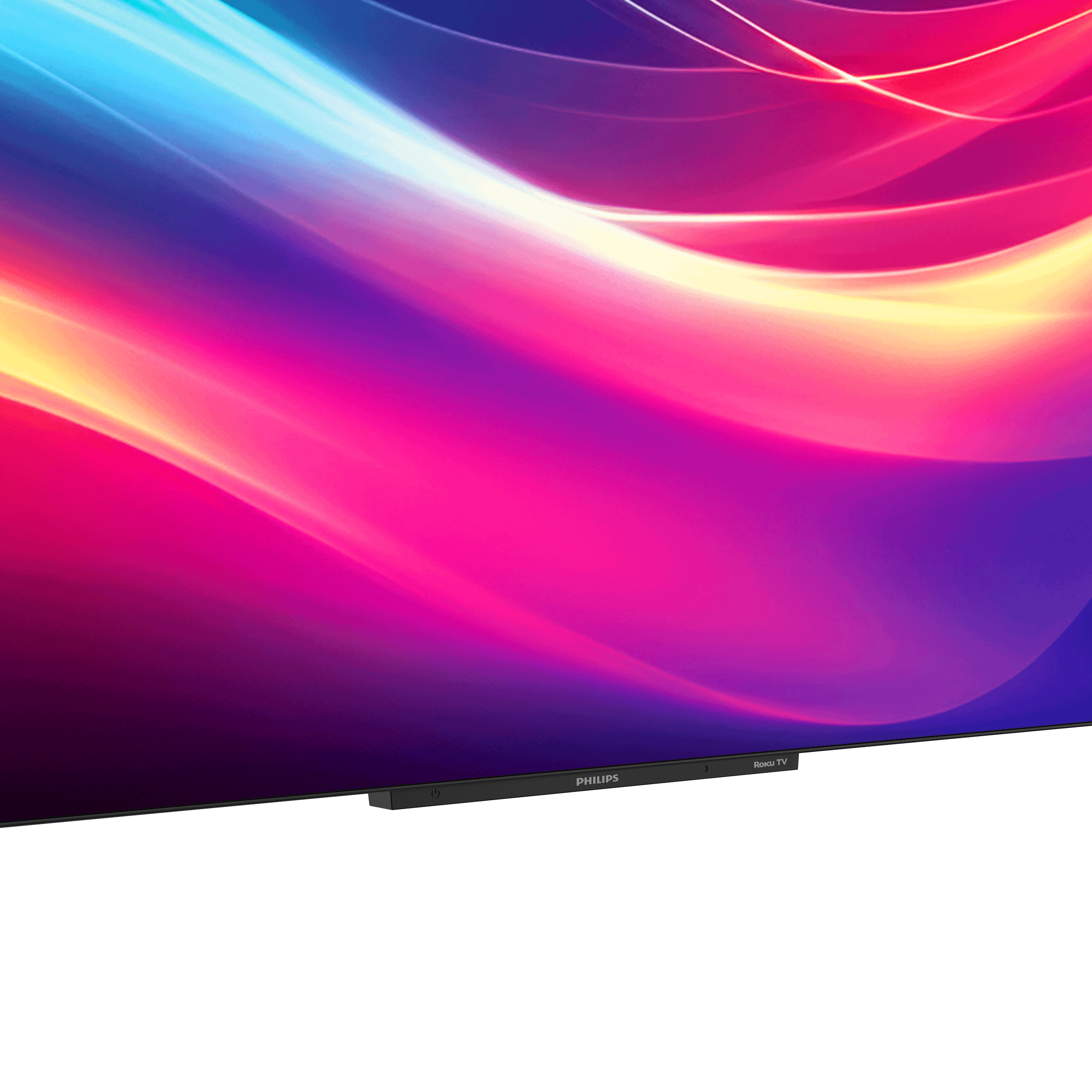
The Philips 65OLED974/F7 uses a more conventional design with a 2.2-inch depth that incorporates all connections directly into the TV. This approach is more practical for most installations, though it results in a thicker profile. The three-sided borderless design still looks modern and attractive.
Both TVs support VESA wall mounting, though their different designs affect installation considerations. The Samsung's ultra-thin profile looks more dramatic on the wall, while the Philips's integrated approach simplifies cable management.
At the time of writing, these TVs occupy different price segments that reflect their technological differences. The Philips 65OLED974/F7 typically costs significantly less than the Samsung S95F, making it an attractive entry point into premium OLED technology.
The value equation depends heavily on your specific needs and room conditions. If you have a dedicated home theater or prefer watching in darker environments, the Philips 65OLED974/F7 delivers excellent OLED performance at a more accessible price point. Its perfect blacks, accurate colors, and comprehensive HDR support make it genuinely satisfying for movie watching and general entertainment.
The Samsung S95F commands premium pricing but justifies it with cutting-edge QD-OLED technology that performs well in various lighting conditions. For users who want a single TV that works equally well for daytime sports viewing and nighttime movie watching, the extra cost often proves worthwhile.
For dedicated home theater setups, the decision becomes more nuanced. The Philips 65OLED974/F7 excels in controlled lighting environments where its perfect blacks and accurate colors can be fully appreciated. Its Dolby Vision support ensures compatibility with premium streaming content, and its lower brightness isn't a limitation in dark rooms.
However, the Samsung S95F's superior peak brightness can enhance the home theater experience even in dark rooms. HDR highlights appear more impactful, and bright scenes have greater visual punch. The lack of Dolby Vision support is more concerning in a home theater context where content quality matters most.
For serious home theater enthusiasts, both TVs benefit from professional calibration, though the Philips 65OLED974/F7 requires less adjustment out of the box for accurate color reproduction.
The decision between these TVs ultimately comes down to your viewing environment, priorities, and budget tolerance.
Choose the Samsung S95F if you have a bright living room, prioritize the latest gaming features, want exceptional HDR impact, or need a TV that performs well in various lighting conditions. Despite its higher cost at the time of writing, it represents the current state-of-the-art in OLED technology and offers the most versatile performance.
Choose the Philips 65OLED974/F7 if you primarily watch in dark rooms, want comprehensive HDR format support including Dolby Vision, prefer Roku's user-friendly interface, or seek excellent OLED performance at a more reasonable price point. It's particularly appealing for users who understand that OLED technology traditionally performs best in controlled lighting environments.
Both TVs deliver the fundamental OLED advantages of perfect blacks and excellent contrast, but they optimize for different use cases. The Samsung pushes brightness and versatility, while the Philips focuses on traditional OLED strengths and value. Neither choice is wrong - they're simply designed for different priorities and budgets in the premium TV market.
The good news is that either TV will provide a significant upgrade over most LED/LCD displays, delivering the kind of picture quality that makes movie nights genuinely more enjoyable and immersive. The key is honestly assessing your room conditions, viewing habits, and feature priorities to choose the TV that best matches your specific situation.
| Philips 65OLED974/F7 | Samsung S95F |
|---|---|
| Panel Technology - Determines brightness capability and room versatility | |
| Traditional OLED with perfect blacks, modest brightness | QD-OLED 4th gen with quantum dots, exceptional brightness up to 4,000 nits |
| Peak Brightness - Critical for HDR impact and bright room performance | |
| Limited brightness, best for dark rooms | Up to 4,000 nits peak, excellent for any lighting condition |
| Gaming Performance - Important for console and PC gaming | |
| 4K/120Hz, AMD FreeSync Premium, low input lag | 4K/165Hz on all ports, AMD FreeSync Premium Pro, superior for PC gaming |
| HDR Format Support - Affects streaming service compatibility | |
| Dolby Vision, HDR10, HLG (complete support) | HDR10+, HDR10 only (missing Dolby Vision from Netflix/Disney+) |
| Smart Platform - Daily usability and app ecosystem | |
| Roku TV (simple, comprehensive app support) | Tizen OS (Samsung ecosystem integration, 7-year updates) |
| Audio System - Built-in sound quality | |
| 2.1 channels with subwoofer, Dolby Atmos | 4.2.2 channels, 70W, Object Tracking Sound+ |
| Anti-Glare Technology - Reduces reflections in bright rooms | |
| Standard glossy OLED (shows reflections) | Anti-Glare 2.0 matte coating (minimal reflections) |
| Design Approach - Installation and aesthetics | |
| 2.2" depth, integrated connections, conventional design | 1.1cm ultra-thin with separate One Connect Box |
| Color Accuracy - Out-of-box performance | |
| Excellent SDR accuracy, natural colors | Wider color gamut with quantum dots, more vivid |
| Value Positioning - Performance per dollar consideration | |
| Premium OLED experience at accessible pricing | Cutting-edge QD-OLED technology at premium cost |
The Samsung S95F is significantly better for bright rooms due to its QD-OLED technology that reaches up to 4,000 nits peak brightness and Anti-Glare 2.0 coating that reduces reflections. The Philips 65OLED974/F7 has limited brightness and performs best in dark or dimly lit rooms where its perfect blacks can shine without competing against ambient light.
The key difference is panel technology: the Samsung S95F uses cutting-edge QD-OLED with quantum dots for exceptional brightness, while the Philips 65OLED974/F7 uses traditional OLED technology. This makes the Samsung much brighter and more versatile across different lighting conditions, while the Philips excels in dark room viewing at a lower price point.
The Samsung S95F offers superior gaming performance with 4K/165Hz support on all four HDMI ports and AMD FreeSync Premium Pro. The Philips 65OLED974/F7 supports 4K/120Hz gaming with standard FreeSync Premium, which is adequate for console gaming but the Samsung is better for high-end PC gaming setups.
No - the Philips 65OLED974/F7 supports Dolby Vision, HDR10, and HLG for complete compatibility with Netflix and Disney+ premium content. The Samsung S95F only supports HDR10+ and HDR10, missing Dolby Vision support, though its superior brightness often compensates for this limitation in overall HDR impact.
The Samsung S95F has superior built-in audio with a 70W 4.2.2-channel system and Object Tracking Sound+ technology that moves audio around the screen. The Philips 65OLED974/F7 features a simpler 2.1-channel system with subwoofer that's adequate but less sophisticated than the Samsung's setup.
The Philips 65OLED974/F7 runs Roku TV, known for its simple interface and comprehensive app support. The Samsung S95F uses Samsung's Tizen OS with deeper ecosystem integration and promises 7 years of software updates. Both platforms support major streaming services effectively.
For home theaters, the Philips 65OLED974/F7 offers excellent value with perfect blacks, accurate colors, and full Dolby Vision support that's ideal for dark room viewing. However, the Samsung S95F provides more impactful HDR highlights even in dark rooms, though it lacks Dolby Vision support which is important for premium streaming content.
Yes - the Samsung S95F features an ultra-thin 1.1cm profile using a separate One Connect Box for all connections, creating a minimalist wall-mount appearance. The Philips 65OLED974/F7 uses a more conventional 2.2-inch design with integrated connections, which is more practical but less dramatic-looking when wall-mounted.
The Philips 65OLED974/F7 typically offers better value with excellent traditional OLED performance, complete HDR format support, and user-friendly Roku platform at a more accessible price. The Samsung S95F commands premium pricing but justifies it with cutting-edge QD-OLED technology and superior brightness for versatile room use.
The Philips 65OLED974/F7 delivers excellent out-of-the-box color accuracy with natural, faithful reproduction. The Samsung S95F uses quantum dot technology for a wider color gamut and more vivid colors, plus dramatically higher brightness that makes HDR content more impactful, though some prefer the Philips's more natural color approach.
The Samsung S95F excels across all lighting conditions due to its high brightness and anti-glare coating, making it suitable for bright living rooms and dark theaters. The Philips 65OLED974/F7 performs best in controlled lighting environments where its perfect blacks and accurate colors aren't competing with ambient light reflections.
Choose the Samsung S95F if you have a bright living room, want the latest gaming features, or need versatile performance across different times of day. Pick the Philips 65OLED974/F7 if you primarily watch in darker conditions, want complete HDR format support including Dolby Vision, prefer Roku's simplicity, or seek excellent OLED performance at a more reasonable price point.
We've done our best to create useful and informative comparisons to help you decide what product to buy. Our research uses advanced automated methods to create this comparison and perfection is not possible - please contact us for corrections or questions. These are the sites we've researched in the creation of this article: rtings.com - versus.com - versus.com - rtings.com - samsclub.com - versus.com - youtube.com - usa.philips.com - bestbuy.com - usa.philips.com - consumerreports.org - usa.philips.com - documents.philips.com - tvoutlet.ca - displayspecifications.com - business.walmart.com - displayspecifications.com - ecoustics.com - walmart.com - businessinsider.com - tomsguide.com - youtube.com - avsforum.com - zdnet.com - samsung.com - pioneertvandappliance.com - samsung.com - displayspecifications.com - samsung.com

Privacy Policy
Terms and Conditions - Affiliate Policy
Home Security
© Copyright 2008-2026.
11816 Inwood Rd #1211, Dallas, TX 75244