




Choosing an OLED TV has never been more complicated—or more rewarding. These self-illuminating displays represent the pinnacle of home entertainment technology, where each pixel lights itself independently to create perfect blacks and stunning contrast that LCD TVs simply can't match. But with options ranging from budget-friendly to premium flagship models, understanding the real-world differences becomes crucial for making the right choice.
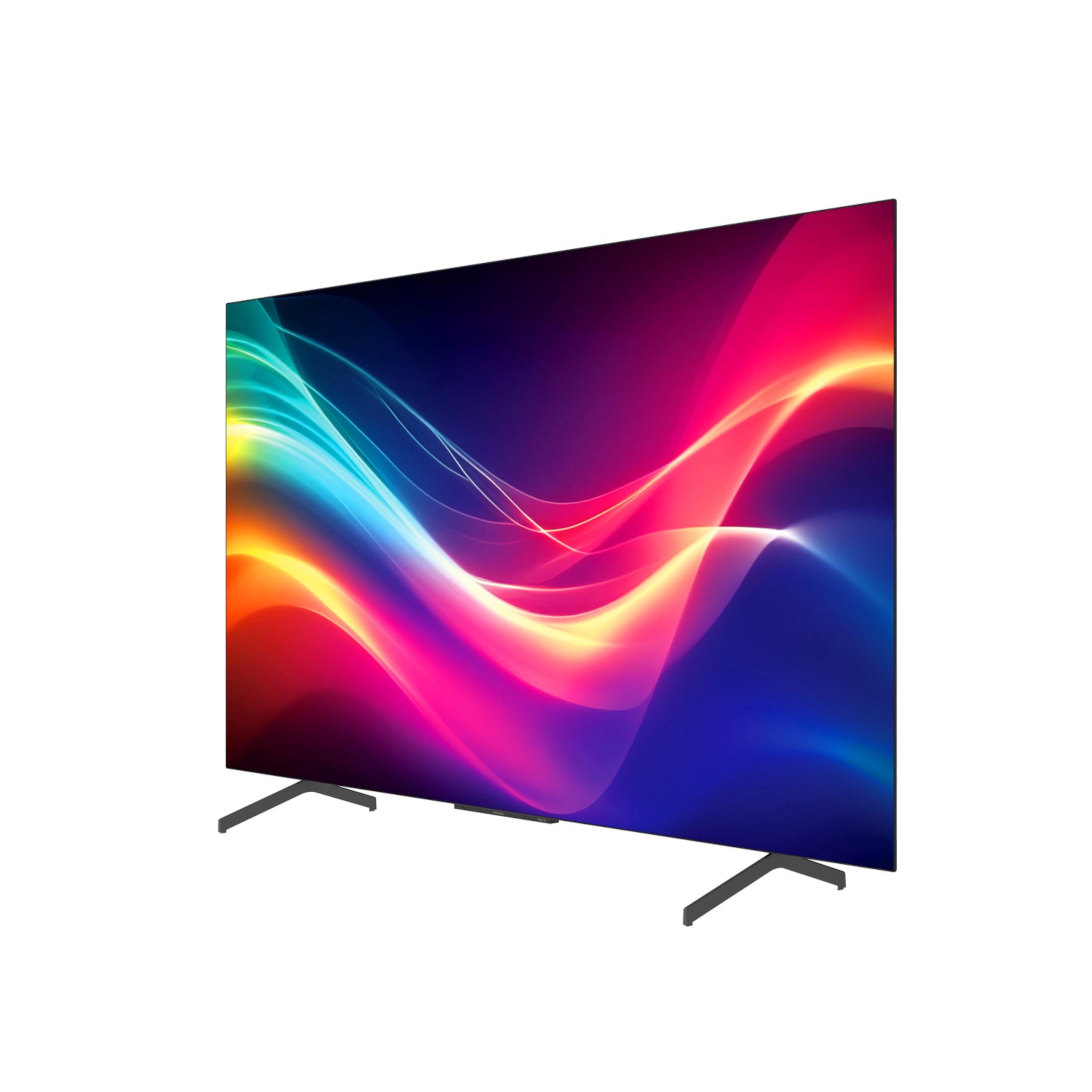
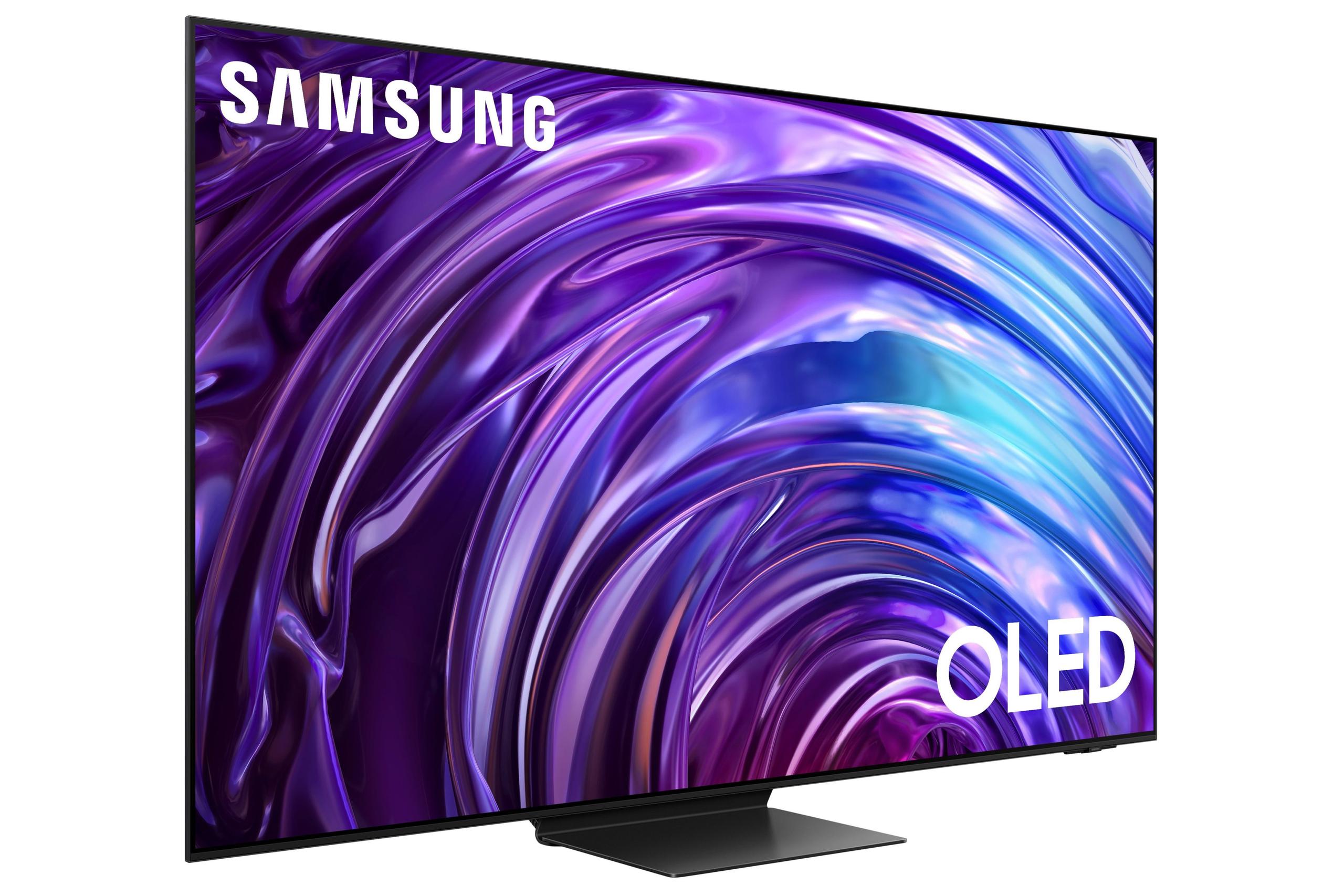
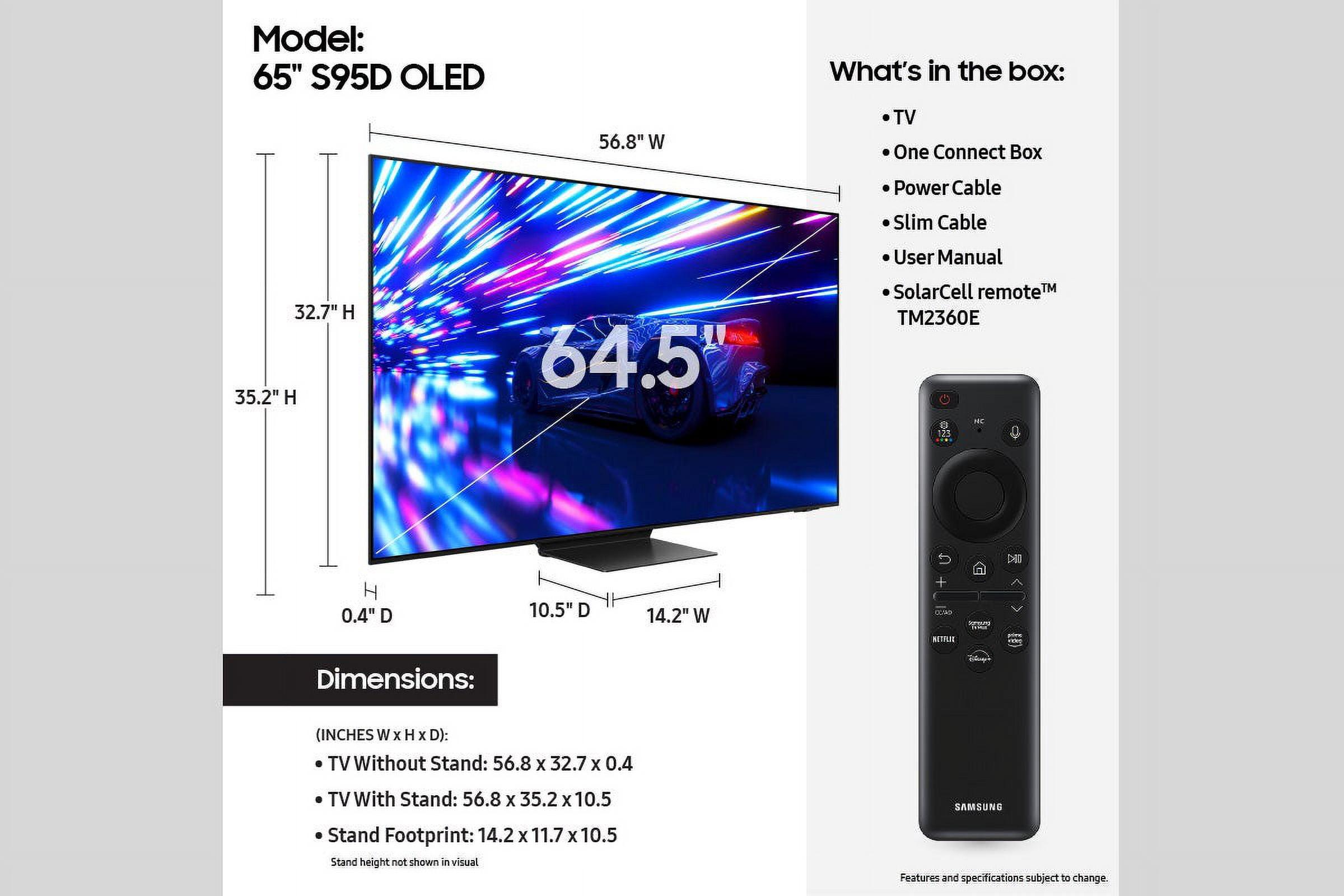
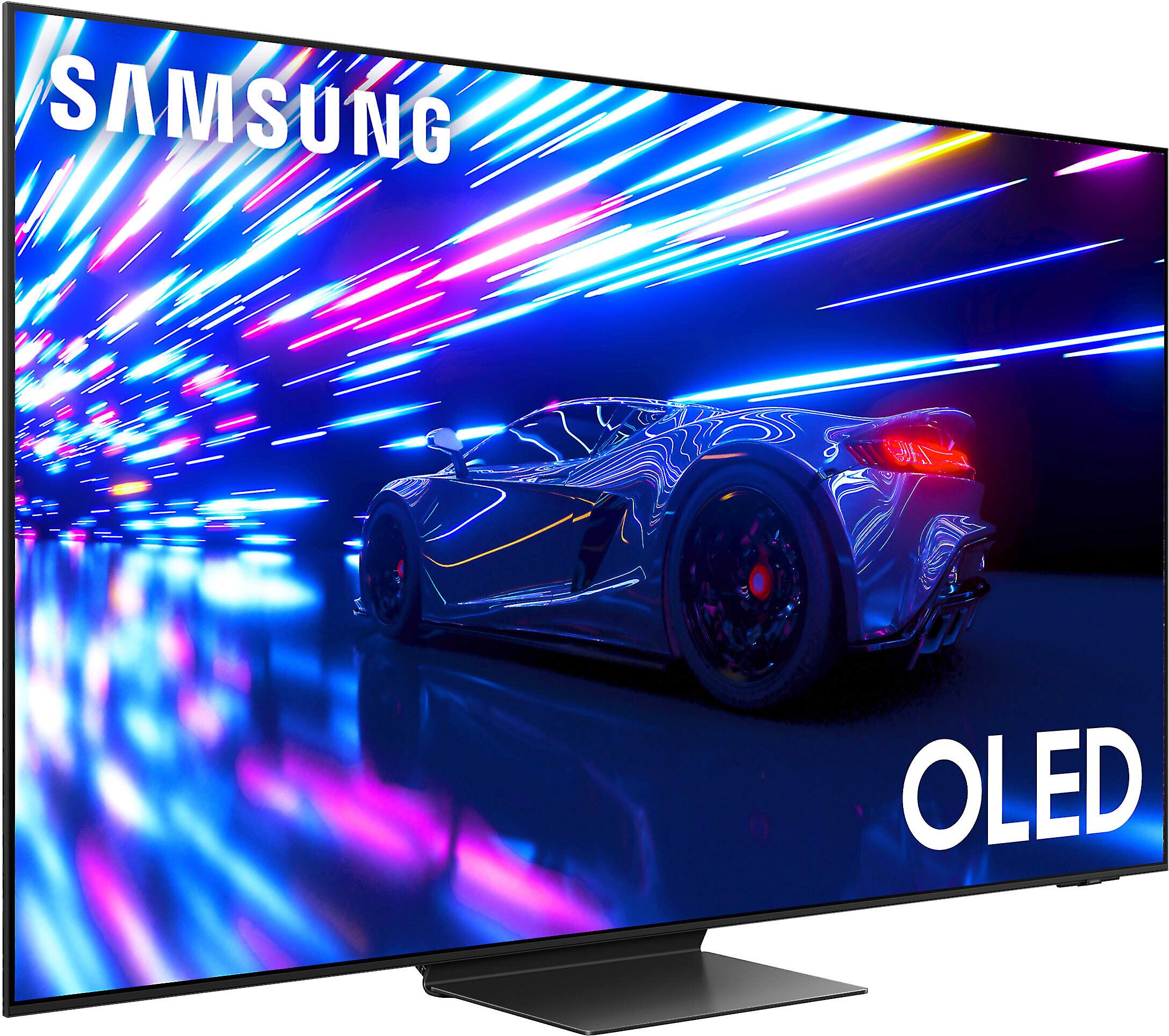
Today we're comparing two very different approaches to OLED excellence: the Philips 65OLED974/F7, a budget-conscious option that delivers core OLED benefits without breaking the bank, and Samsung's 65" S95D, a flagship model that pushes OLED technology to its absolute limits. Both hit the market in 2024, but they target completely different audiences with vastly different priorities.
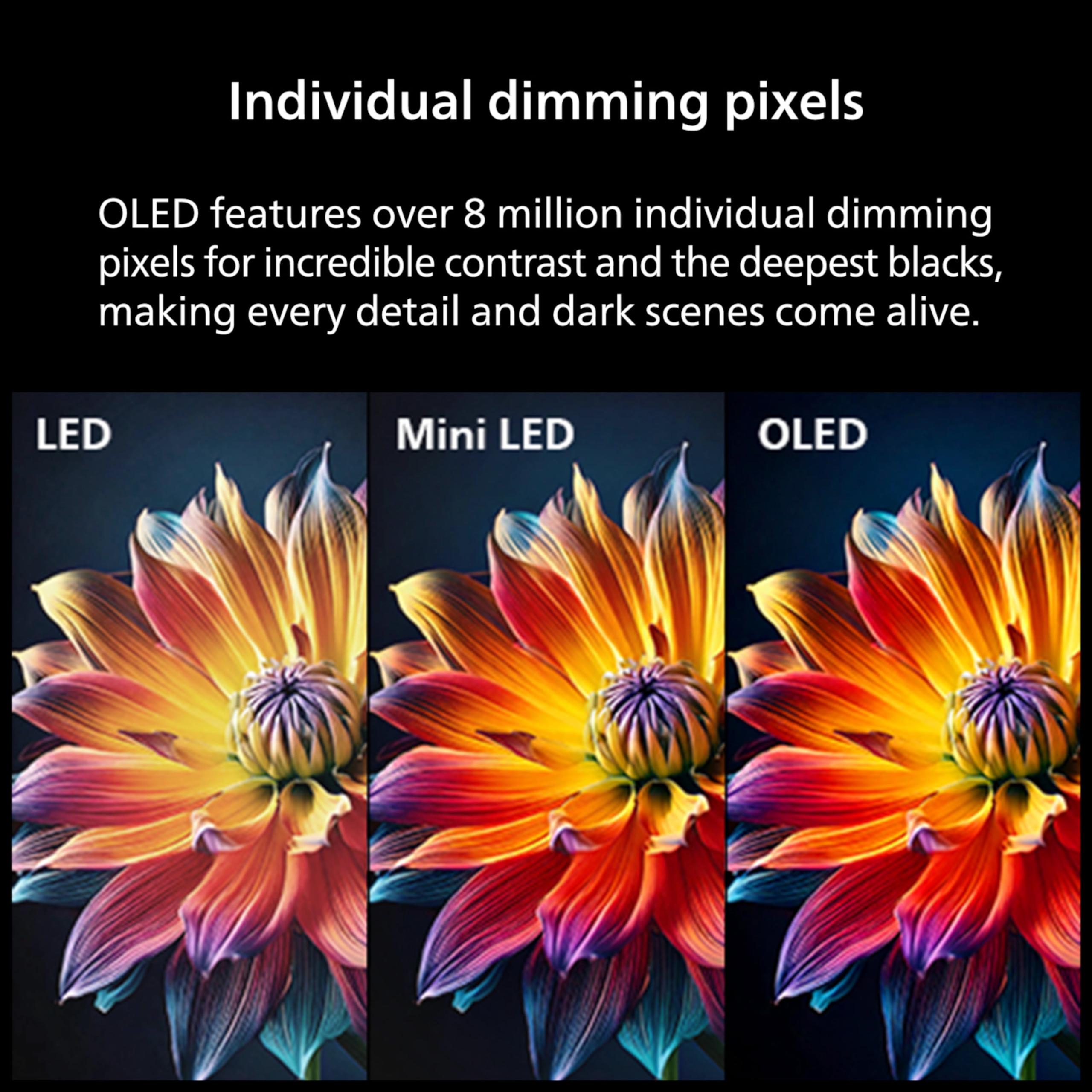
Before diving into specifics, it's worth understanding why OLED technology matters. Unlike traditional LCD TVs that use a backlight shining through liquid crystal panels, OLED (Organic Light-Emitting Diode) displays have pixels that produce their own light. When a pixel needs to be black, it simply turns off completely—creating true, perfect blacks that give images incredible depth and realism.
The main considerations when choosing any OLED TV include brightness capability (how well it handles bright rooms and HDR content), color accuracy (how lifelike images appear), gaming performance (response times and modern features), smart platform experience, and overall value. However, not all OLED panels are created equal, and the differences between budget and premium options have become more pronounced in recent years.
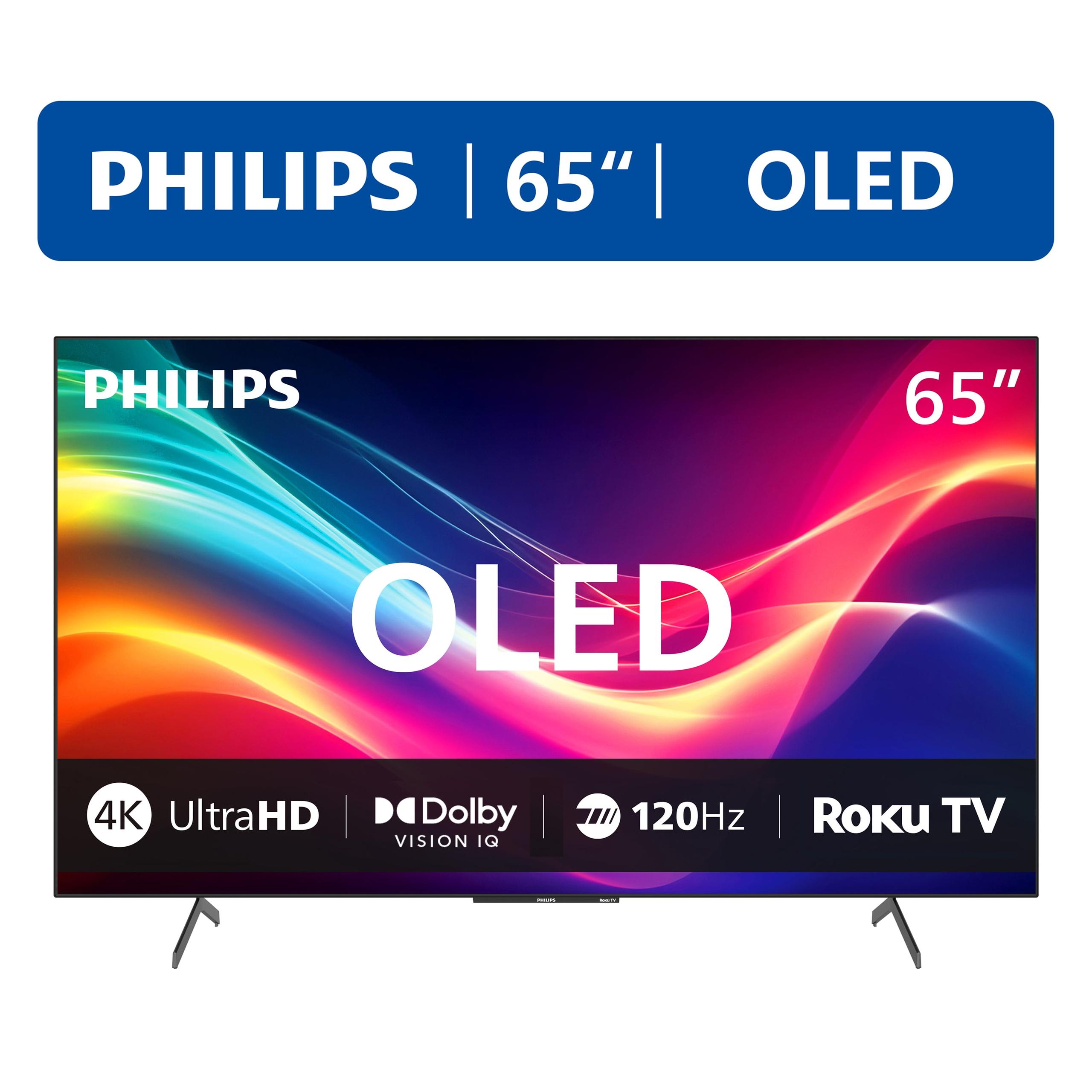
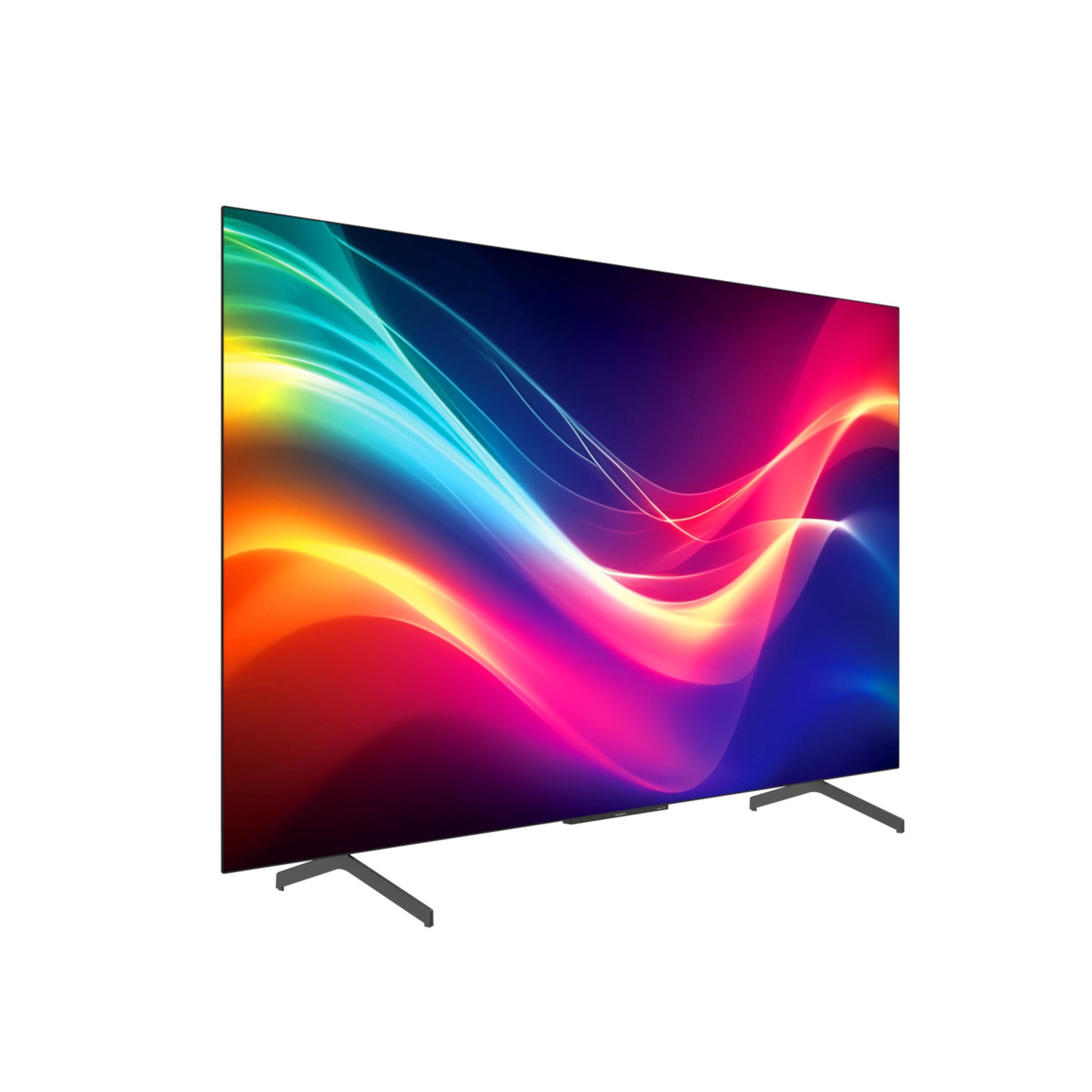
The Philips 65OLED974/F7 represents the democratization of OLED technology. At the time of writing, it costs roughly half what you'd pay for Samsung's flagship, making it an attractive entry point into OLED ownership. This TV uses a standard OLED panel manufactured by Skyworth under Philips licensing—a cost-effective approach that delivers core OLED benefits while keeping prices reasonable.
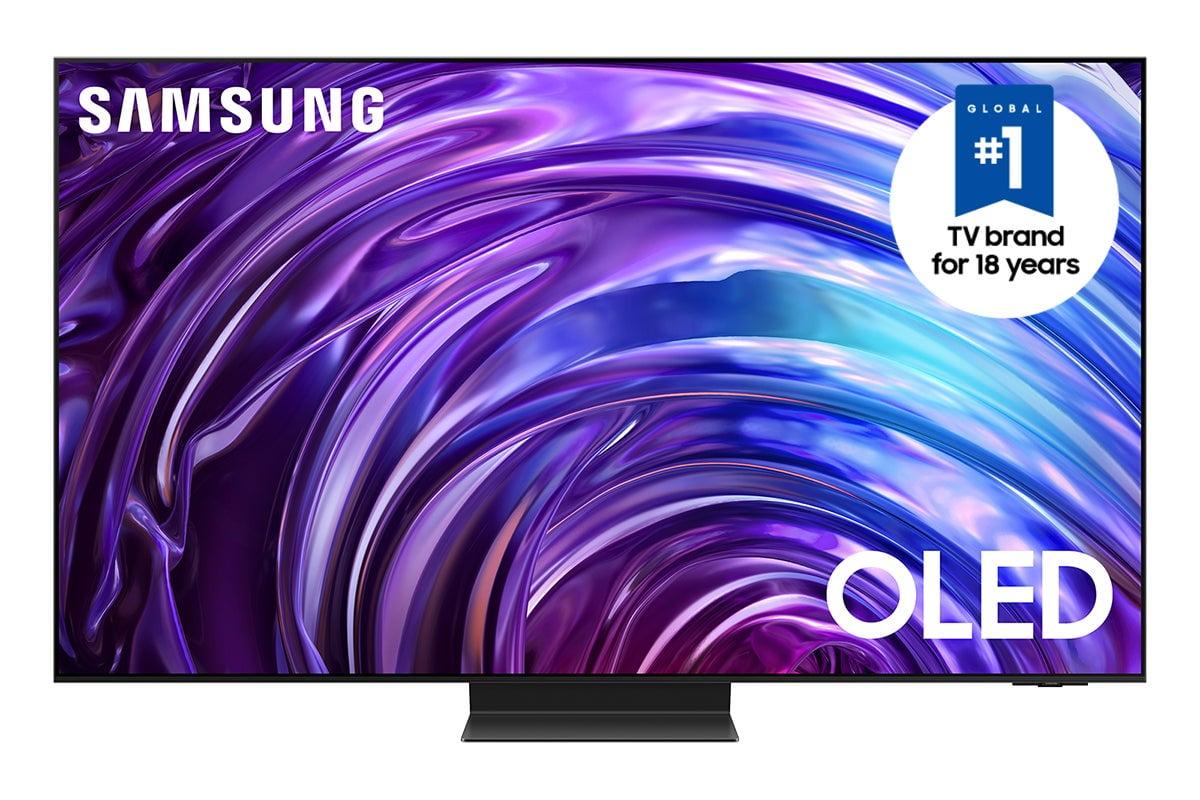
Samsung's S95D, conversely, showcases what happens when engineering budgets aren't constrained. It uses Samsung's cutting-edge QD-OLED (Quantum Dot OLED) technology, which combines traditional OLED's perfect blacks with quantum dot color enhancement for superior brightness and color vibrancy. The price premium reflects this technological sophistication.
Here's where these TVs diverge most dramatically. The Samsung S95D delivers significantly superior brightness performance—a difference that fundamentally changes how and where you can use the TV. In our research evaluating expert reviews and user experiences, the Samsung consistently handles bright rooms and HDR content with authority, producing highlights that truly pop and grab your attention.
The Philips 974, unfortunately, suffers from poor peak brightness that severely limits its versatility. HDR content—those Netflix shows and Ultra HD Blu-rays specifically mastered to take advantage of high dynamic range—appears muted and lackluster. Bright highlights that should dazzle instead look dim and underwhelming. This isn't just a minor inconvenience; it fundamentally changes what content looks good on the TV.
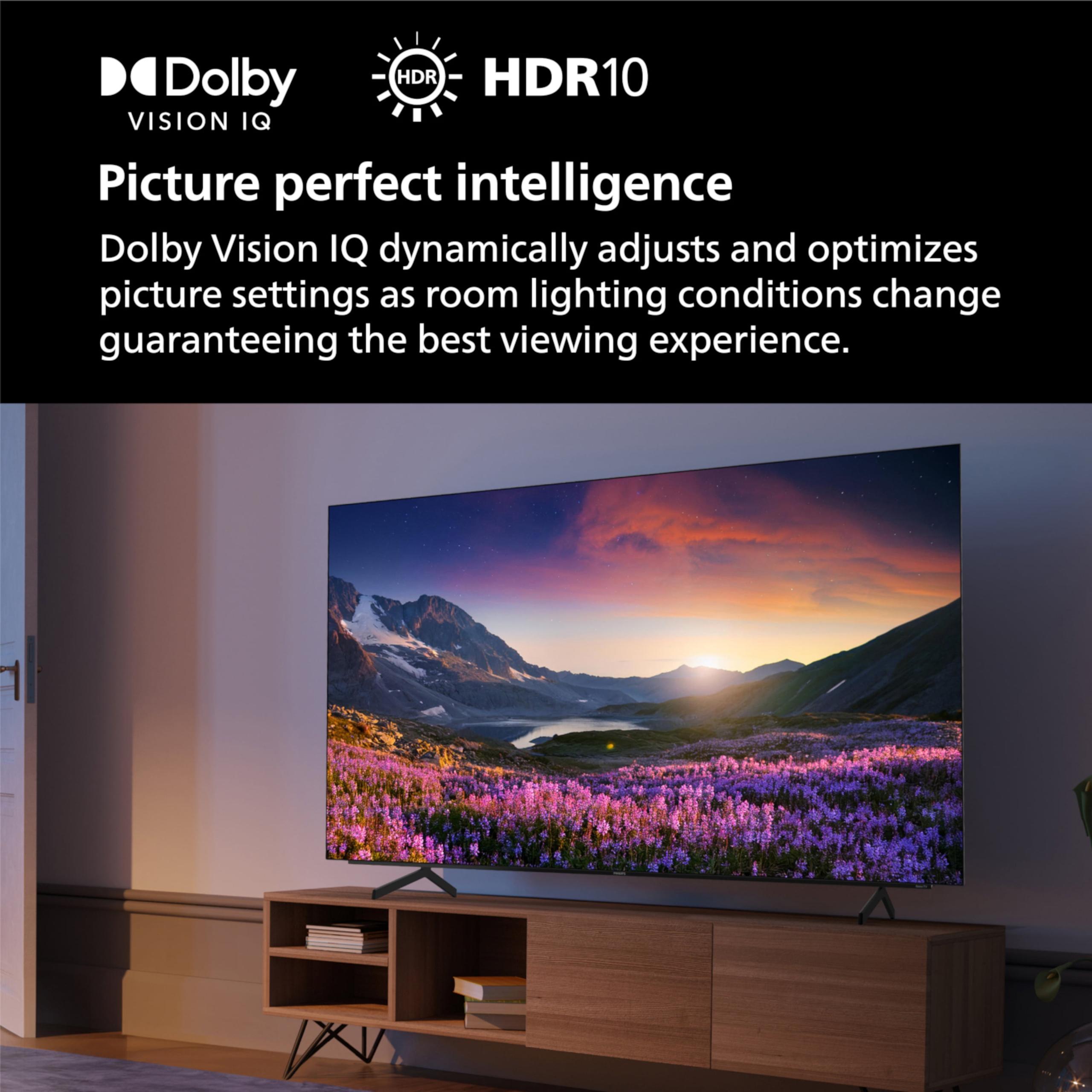
HDR (High Dynamic Range) deserves explanation here, as it's become crucial for modern content. HDR allows TVs to display a much wider range of brightness levels, from deeper blacks to brighter whites, more closely matching what our eyes see in real life. But HDR only works when your TV can actually get bright enough to display those highlights properly. The Philips simply can't reach the brightness levels needed to make HDR content shine.
For home theater enthusiasts, this brightness limitation is particularly problematic. A dedicated home theater setup might seem like it would favor the darker-optimized Philips, but even in controlled lighting environments, HDR content benefits from peak brightness capability. Movies like "Blade Runner 2049" or "Dune" use bright highlights against dark backgrounds to create stunning visual impact—something the Philips can't fully deliver.
Both TVs excel at color reproduction, but in different ways that matter for different users. The Philips 974 delivers exceptional out-of-the-box color accuracy for standard definition content (SDR). Colors appear natural and lifelike without requiring professional calibration—a significant advantage for most users who just want their TV to look good immediately after setup.
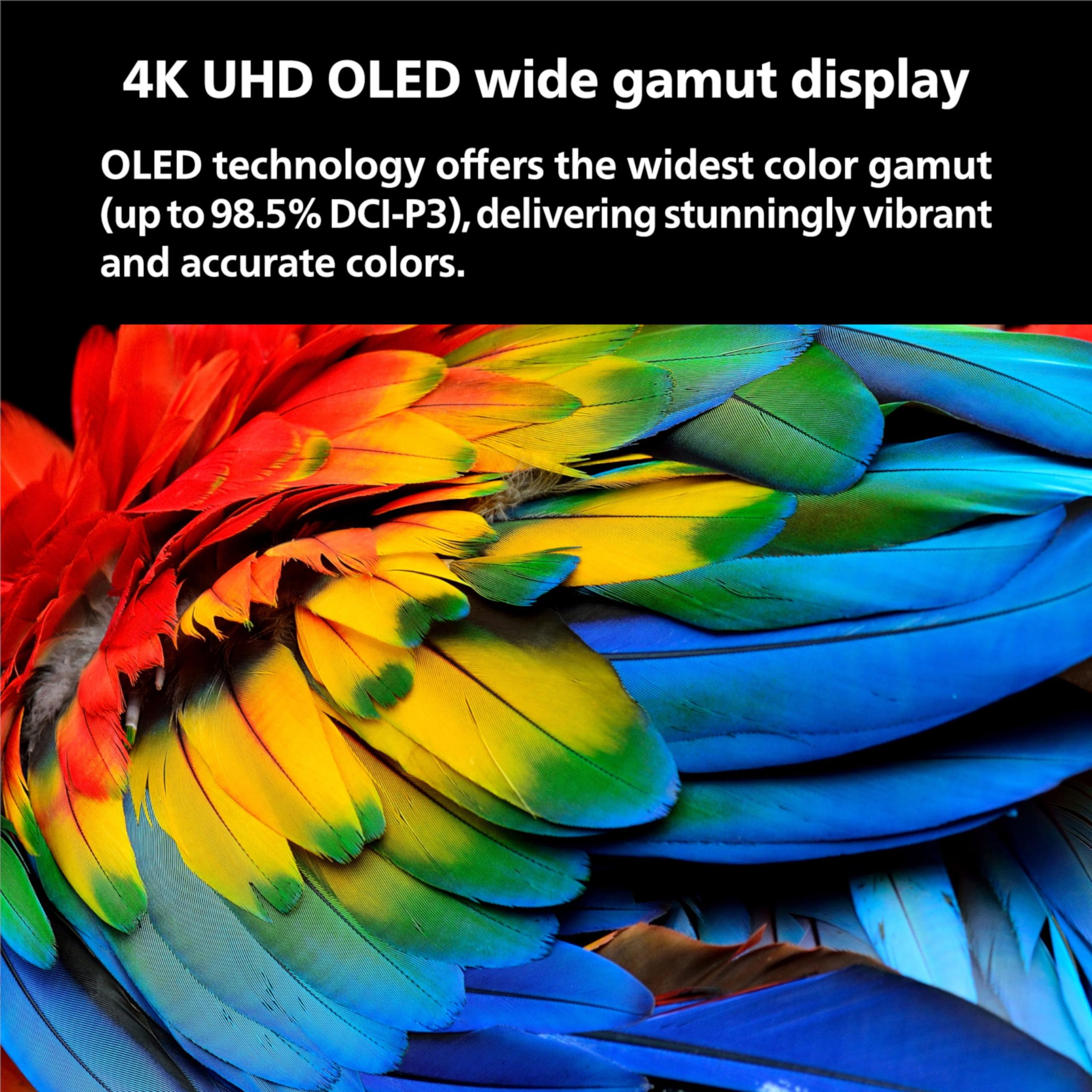
The Samsung S95D's QD-OLED technology takes a different approach. Quantum dots act like tiny color filters, allowing the display to produce more vibrant, saturated colors across a wider color gamut (the range of colors the TV can display). Samsung's Pantone validation ensures these enhanced colors remain accurate to professional standards. The result is imagery that often looks more vivid and eye-catching than real life—which some viewers love and others find oversaturated.
For home theater applications, both approaches have merit. The Philips excels with content mastered in standard color spaces, delivering filmmaker intent with remarkable accuracy. The Samsung better handles modern wide color gamut content, where directors specifically intended more vibrant, expanded color palettes.
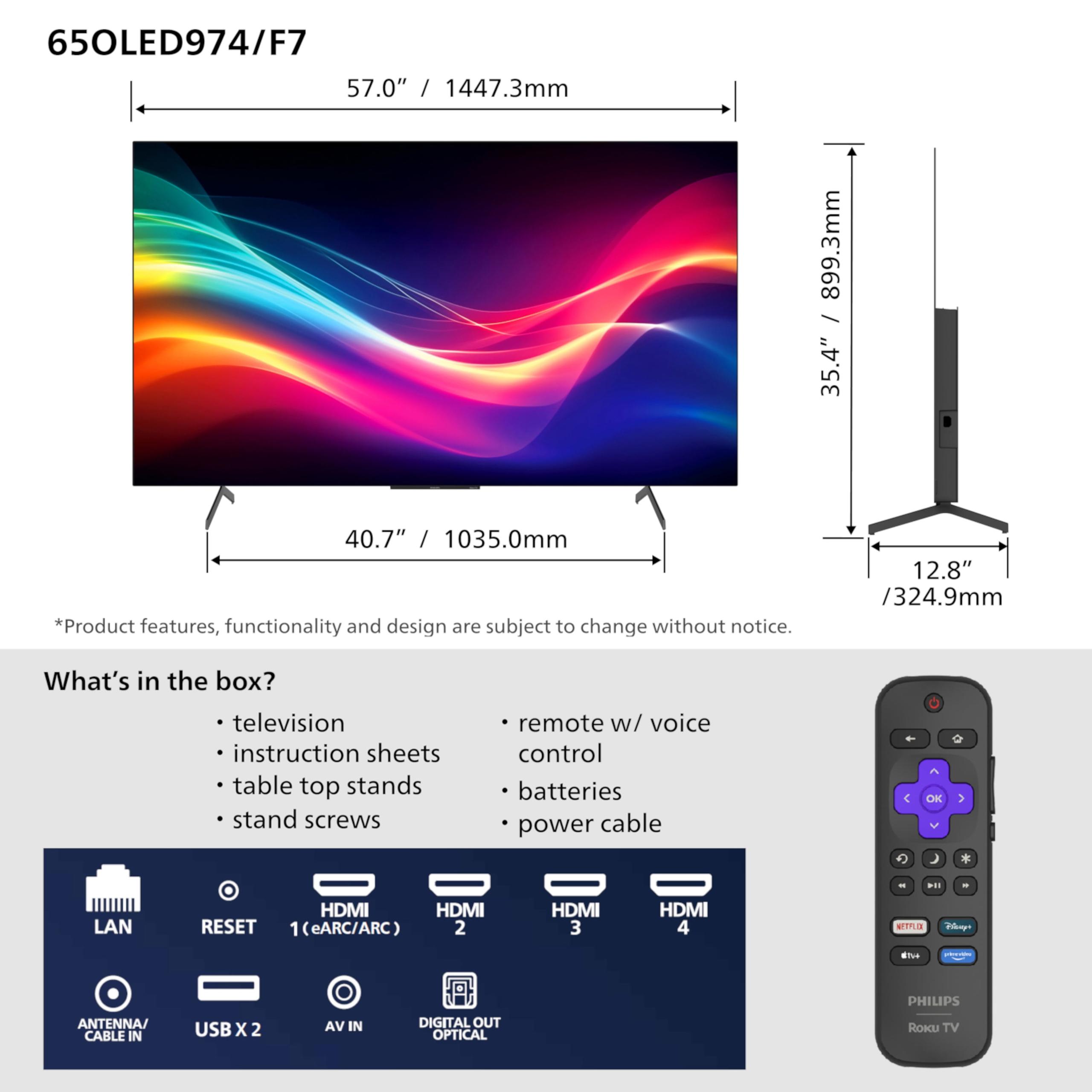
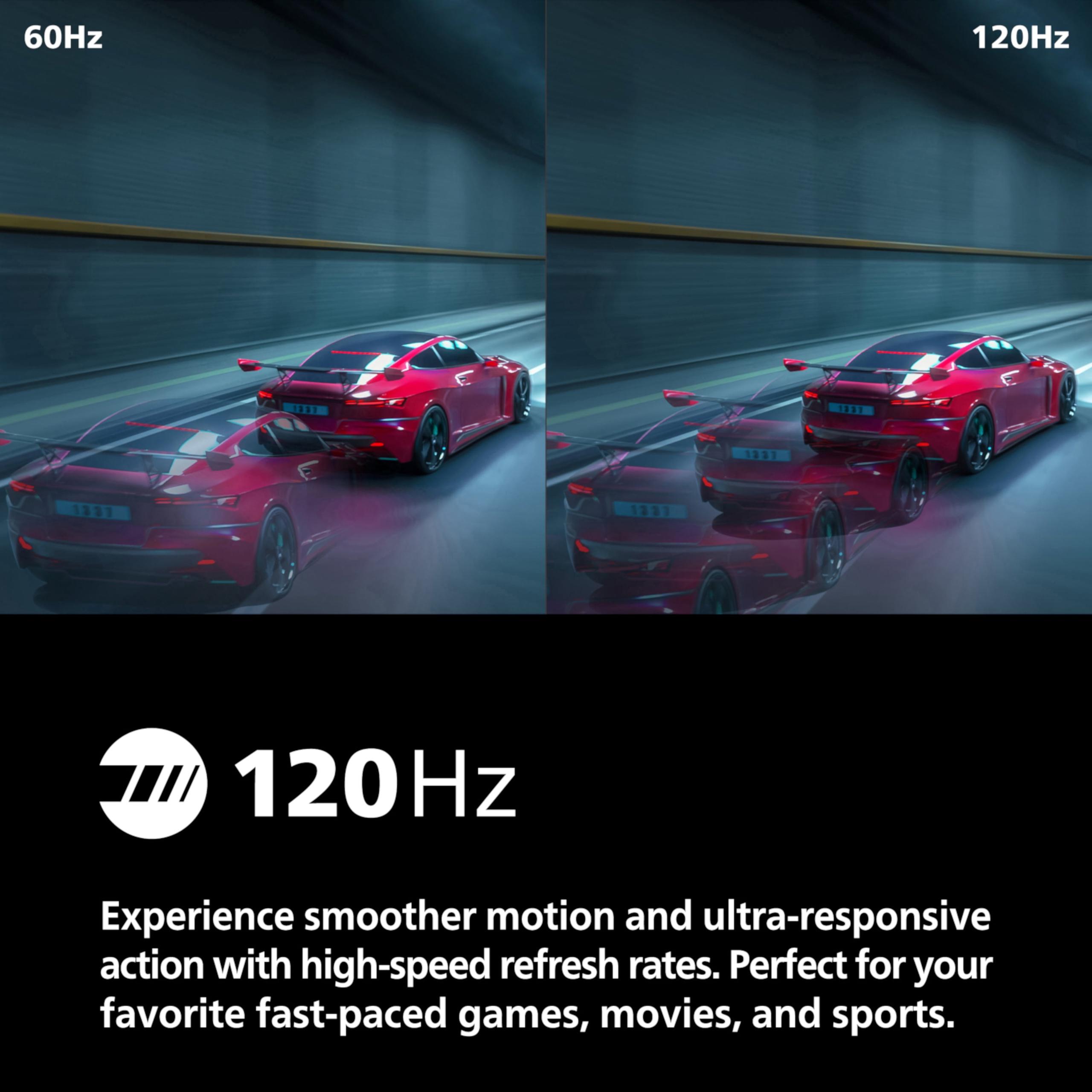
Gaming represents one area where both TVs deliver genuinely impressive performance, though with different strengths. The Philips 974 supports 4K gaming at 120Hz on two HDMI 2.1 ports, includes Variable Refresh Rate (VRR) to eliminate screen tearing, and features AMD FreeSync Premium for smooth, artifact-free gaming. Input lag—the delay between controller input and on-screen response—stays low enough for competitive gaming.
The Samsung S95D pushes gaming performance even further with Motion Xcelerator 144Hz support and input lag around 9 milliseconds in game mode. For context, anything under 20 milliseconds feels responsive to most gamers, so both TVs easily clear this bar. The Samsung's higher refresh rate capability provides additional smoothness for PC gaming and future console generations.
VRR (Variable Refresh Rate) technology synchronizes your TV's refresh rate with your gaming device's frame rate output. When games can't maintain steady frame rates—dropping from 60fps to 45fps during complex scenes—VRR prevents the stuttering and screen tearing that would normally result.
Both TVs work excellently with PlayStation 5, Xbox Series X|S, and upcoming Nintendo Switch 2. The brightness advantage gives the Samsung an edge for HDR gaming, where bright explosions and highlights add visual impact, but the Philips handles fast-paced gaming smoothly and responsively.
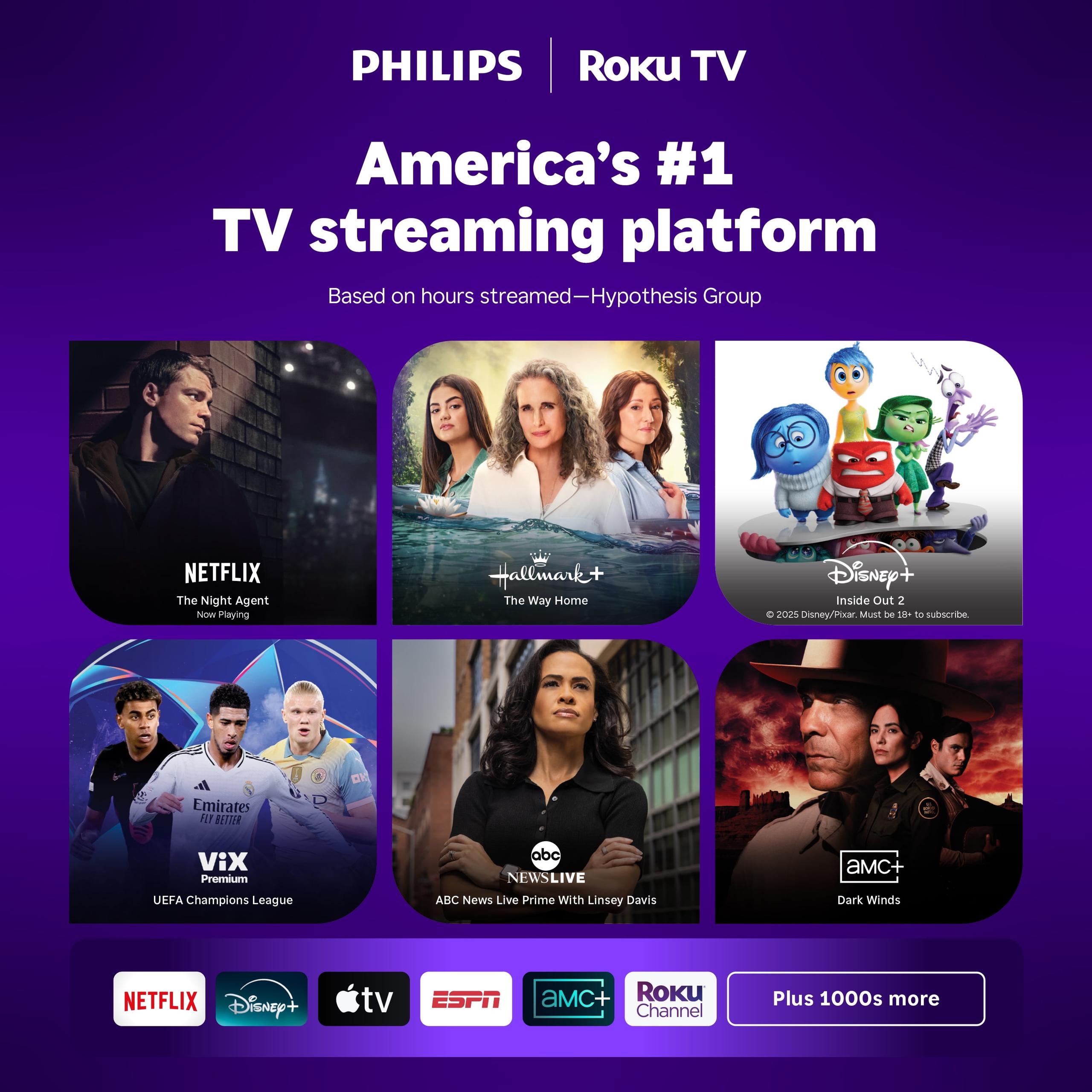
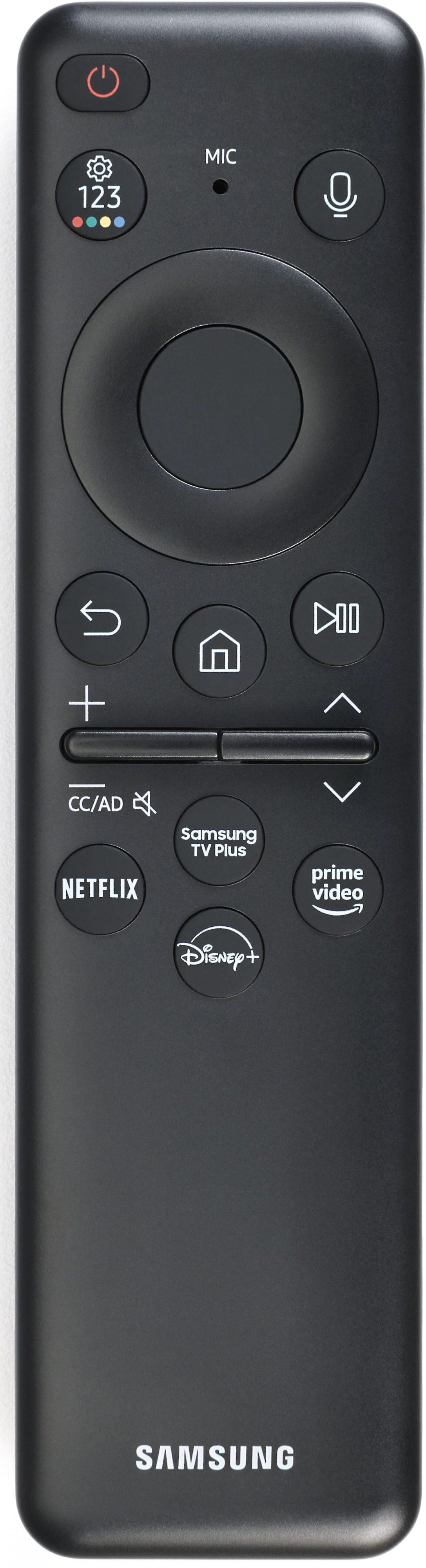
Platform choice significantly impacts daily TV usage, and these TVs take contrasting approaches. The Philips 974 runs Roku TV, widely regarded as the most user-friendly smart TV platform. Roku's interface remains fast, intuitive, and regularly updated with new streaming apps. The included Bluetooth voice remote allows hands-free searching and control—genuinely useful features that work reliably.
Samsung's S95D uses the company's Tizen operating system, which offers more sophisticated features but potentially more complexity. The NQ4 AI Gen2 processor provides advanced 4K upscaling (improving lower-resolution content quality) and real-time picture optimization. SmartThings integration lets you control compatible smart home devices directly from the TV. These features add genuine utility but require more technical comfort to fully utilize.
For most users, Roku's simplicity wins. The platform just works without fuss, receives regular updates, and provides access to virtually every streaming service. Power users who want cutting-edge features and smart home integration might prefer Samsung's more sophisticated approach.
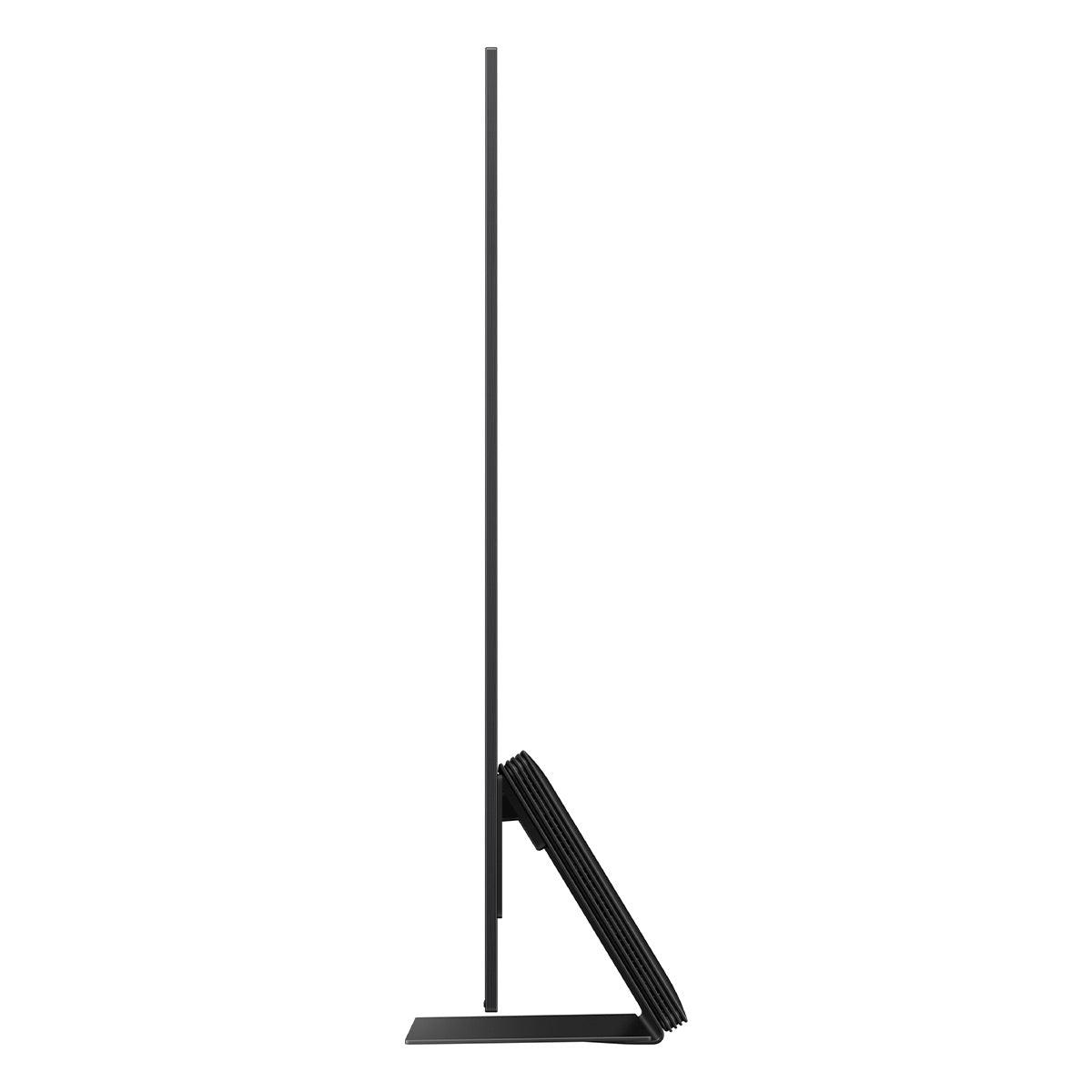
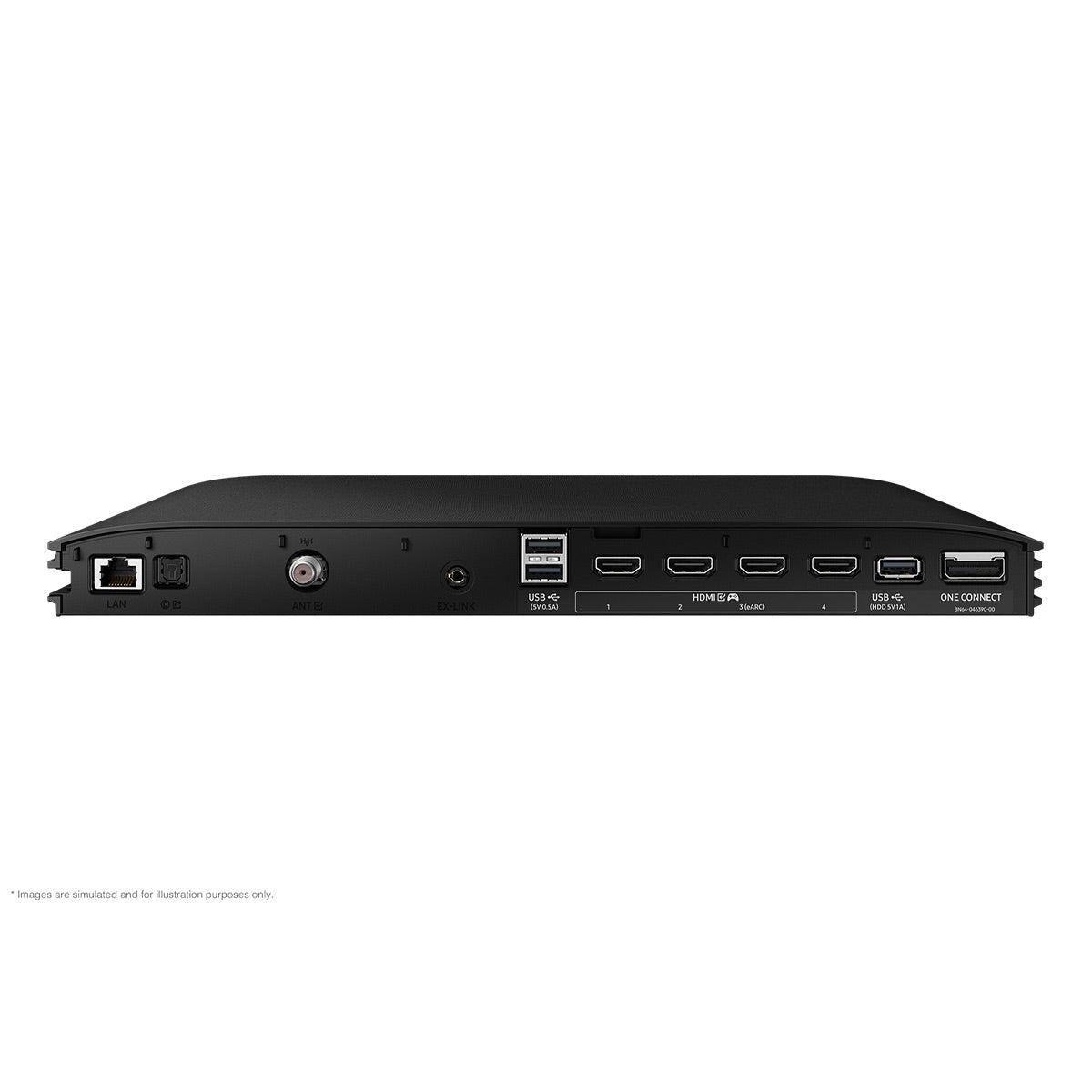
Physical design reflects each TV's priorities. The Samsung S95D achieves an impossibly thin 11mm panel depth thanks to its One Connect box design, which houses all inputs and connections in a separate unit connected by a single cable. This creates a minimalist, premium aesthetic that looks stunning wall-mounted.
The Philips 974 uses a more conventional design with a 2.2-inch panel depth and integrated connections. While thicker, this approach offers practical advantages—no separate box to hide, simpler installation, and more reliable connectivity. The three-sided borderless design still looks modern and clean.
Build quality matches pricing expectations. The Samsung feels premium throughout, with higher-grade materials and refined construction details. The Philips delivers solid, reliable construction appropriate for its price point without premium flourishes.
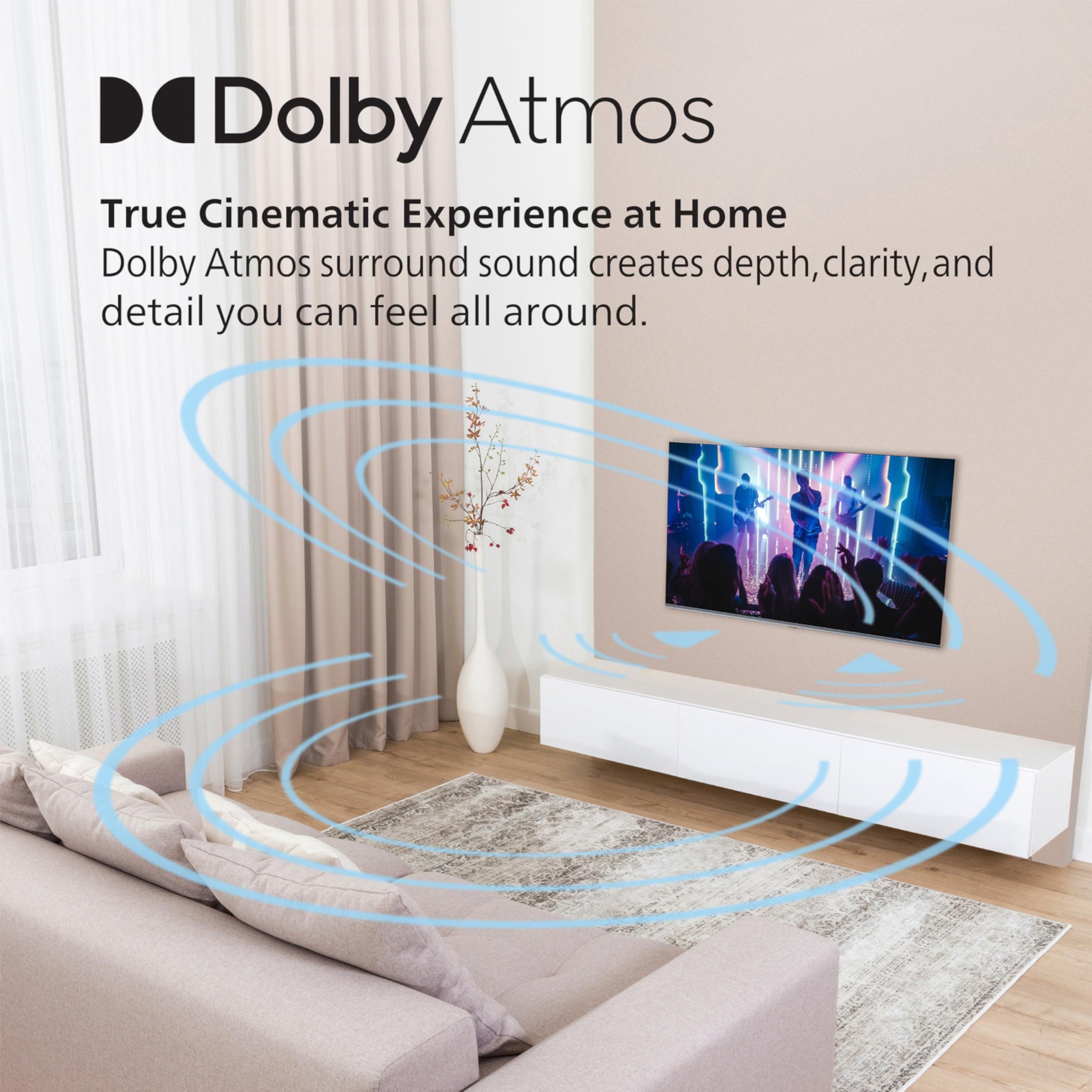
Audio performance often gets overlooked when choosing TVs, but it significantly impacts daily enjoyment. The Samsung S95D includes Dolby Atmos with Object Tracking Sound+, creating three-dimensional audio that moves around the room to match on-screen action. This technology genuinely enhances movie watching and gaming immersion.
The Philips 974 offers a more straightforward Dolby 2.1 speaker system with dedicated subwoofer. While less sophisticated than Samsung's implementation, it provides clear dialogue and adequate bass for most viewing scenarios. Both TVs benefit from external sound systems, but the Samsung's built-in audio requires less immediate upgrading.
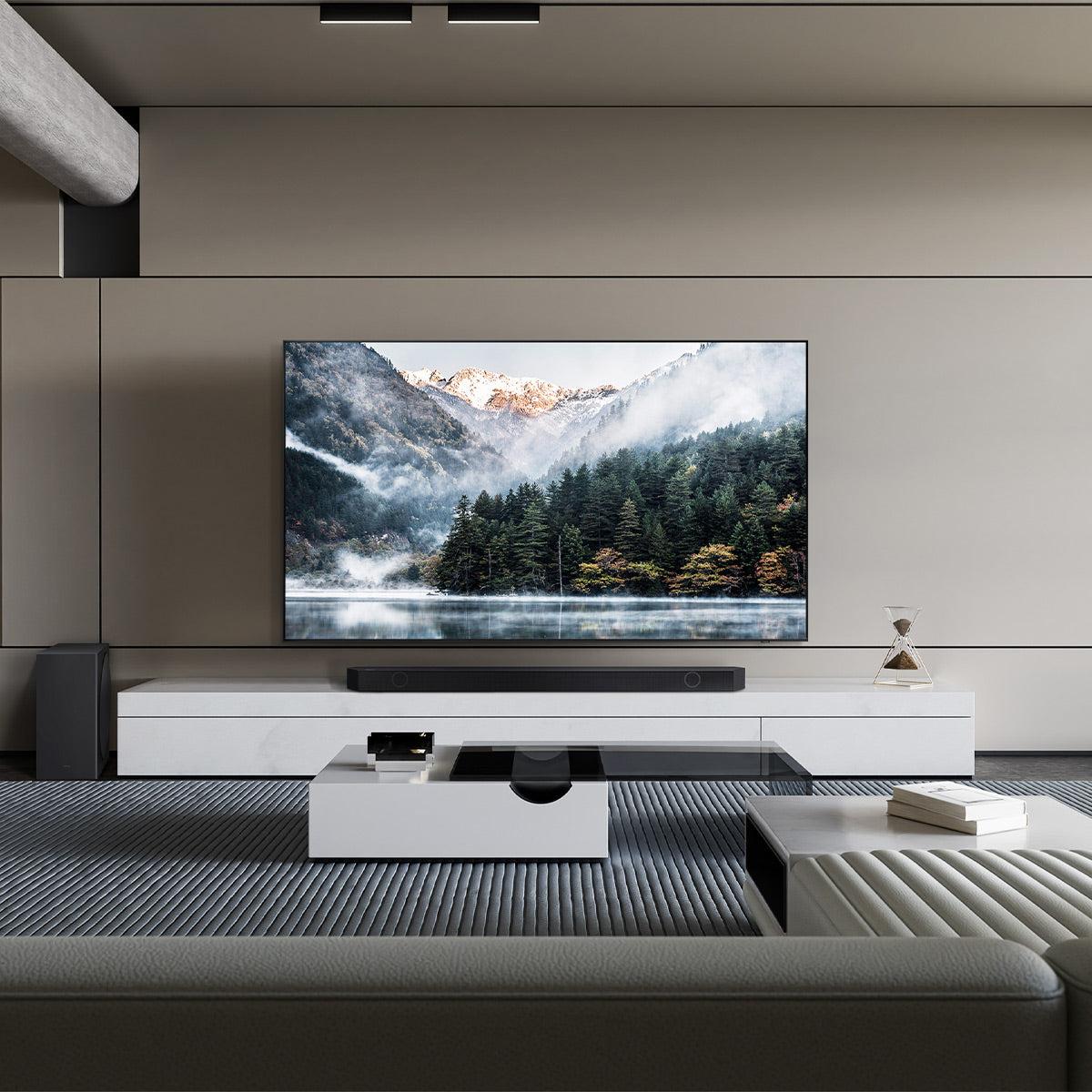
Let's be direct about the most important difference: room lighting compatibility. The Samsung S95D works well in virtually any lighting condition, from dark home theaters to bright living rooms with large windows. Its anti-glare matte coating virtually eliminates reflections while maintaining excellent image quality.
The Philips 974 requires careful room consideration. In dark or dimly lit environments, it delivers stunning OLED performance that rivals much more expensive TVs. But place it in a bright room, and limitations become obvious—the picture appears dim, HDR content looks flat, and reflections become distracting.
This isn't just about peak brightness numbers; it's about real-world usability. Many buyers don't realize how much room lighting affects TV enjoyment until after purchase. If your TV sits opposite windows or in a bright room, the Samsung provides dramatically better daily experience despite its higher cost.
At the time of writing, the Philips 974 costs roughly half what you'd pay for the Samsung S95D. This price difference represents one of the biggest value gaps in the OLED market, making direct comparison challenging.
For dark room viewing, the Philips delivers 80-90% of the Samsung's performance at 50% of the cost—exceptional value for the right use case. Perfect blacks, accurate colors, and solid gaming performance make it genuinely competitive with TVs costing significantly more.
However, the Samsung's brightness and HDR capabilities aren't just incremental improvements—they're fundamental advantages that expand where and how you can use the TV. For many buyers, paying double for a TV that works well in any lighting condition proves worthwhile long-term.
Dedicated home theater setups present interesting considerations for both TVs. Controlled lighting might seem to favor the budget Philips, but even in dark rooms, HDR content benefits from peak brightness capability. Movies use bright highlights against dark backgrounds for visual impact—technique the Samsung handles more effectively.
The Samsung's superior audio system also matters in home theater contexts, where built-in speakers might supplement rather than replace dedicated audio systems. Its advanced processing provides better upscaling for older movies and TV shows.
That said, the Philips delivers genuinely impressive dark room performance that satisfies most viewers, especially those primarily watching standard definition content or prioritizing value over peak performance.
Choose the Philips 65OLED974/F7 if you have a dark or dimly lit viewing environment, prioritize value over peak performance, and primarily watch standard definition content. It excels for budget-conscious buyers who want OLED technology's core benefits—perfect blacks, accurate colors, and solid gaming performance—without flagship pricing.
Choose the Samsung 65" S95D if you need a TV that works well in any lighting condition, want the best possible HDR experience, or consider your TV a long-term investment worthy of premium pricing. Its superior brightness and advanced features provide better future-proofing and broader usability.
The decision ultimately comes down to room lighting and budget flexibility. In dark rooms, both TVs deliver excellent experiences, making the Philips an outstanding value. In bright rooms, only the Samsung truly excels, justifying its premium pricing through dramatically better real-world performance.
For most buyers, honestly assessing your viewing environment and budget constraints will make the right choice clear. Both represent solid options for their intended audiences—just very different audiences with different priorities and expectations.
| Philips 65OLED974/F7 | Samsung 65" S95D |
|---|---|
| Peak Brightness - Critical for HDR performance and bright room viewing | |
| Poor brightness capability, struggles in well-lit rooms | Excellent brightness with QD-OLED technology, works in any lighting |
| Panel Technology - Determines color vibrancy and overall picture quality | |
| Standard OLED panel (Skyworth manufactured) | Advanced QD-OLED with quantum dot enhancement |
| HDR Performance - Makes modern movies and shows look more realistic | |
| Limited HDR impact due to brightness constraints | Exceptional HDR with bright, impactful highlights |
| Anti-Glare Treatment - How well the TV handles room reflections | |
| Glossy screen shows direct light reflections | Matte anti-glare coating virtually eliminates reflections |
| Gaming Features - Important for console and PC gaming | |
| 4K@120Hz, VRR, AMD FreeSync Premium, low input lag | 4K@144Hz, VRR, ALLM, 9ms input lag, advanced gaming modes |
| Smart Platform - Daily user experience and app selection | |
| Roku TV (simple, reliable, regularly updated) | Samsung Tizen OS (feature-rich, smart home integration) |
| Audio System - Built-in sound quality without external speakers | |
| Dolby 2.1 system with subwoofer | Dolby Atmos with Object Tracking Sound+ |
| Design and Build - Physical appearance and construction quality | |
| Standard 2.2" depth, integrated connections, solid build | Ultra-thin 11mm panel, One Connect box, premium materials |
| Color Accuracy - How natural and lifelike colors appear | |
| Excellent out-of-box SDR accuracy, no calibration needed | Pantone-validated colors, wider color gamut coverage |
| Best Use Case - Where each TV excels most | |
| Dark rooms, budget-conscious OLED entry, SDR content | Any lighting condition, HDR enthusiasts, premium features |
| Value Proposition - Performance relative to cost | |
| Outstanding OLED value for dark room viewing | Premium pricing justified by superior brightness and features |
The Samsung S95D is significantly better for bright rooms due to its superior peak brightness and anti-glare matte coating that virtually eliminates reflections. The Philips 65OLED974/F7 struggles in well-lit environments because of its limited brightness capability and glossy screen that shows reflections from windows and lights.
The primary difference is brightness performance. The Samsung S95D uses advanced QD-OLED technology for excellent brightness and HDR performance, while the Philips 65OLED974/F7 uses a standard OLED panel with poor peak brightness that limits HDR impact and bright room viewing.
The Philips 65OLED974/F7 offers exceptional value for dark room viewing, delivering core OLED benefits at roughly half the cost of premium models. However, the Samsung S95D provides better long-term value if you need a TV that works well in any lighting condition and want superior HDR performance.
Yes, both TVs excel at gaming. The Philips 65OLED974/F7 supports 4K@120Hz, VRR, and AMD FreeSync Premium with low input lag. The Samsung S95D offers even better gaming performance with 144Hz support and 9ms input lag, making both excellent choices for PlayStation 5, Xbox Series X|S, and PC gaming.
The Samsung S95D delivers significantly better HDR performance with bright, impactful highlights that make HDR content shine. The Philips 65OLED974/F7 has limited HDR capability due to poor peak brightness, causing HDR movies and shows to appear muted and lackluster.
The Philips 65OLED974/F7 runs Roku TV, which is simple, fast, and regularly updated with excellent app selection. The Samsung S95D uses Samsung's Tizen OS with more advanced features like AI processing and smart home integration, but with added complexity.
For dedicated home theaters, the Samsung S95D is generally better even in dark rooms because HDR movies benefit from peak brightness capability for impactful highlights. The Philips 65OLED974/F7 works well in home theaters for standard content but limits the full HDR movie experience.
Both deliver excellent OLED picture quality with perfect blacks, but they differ significantly in brightness and color performance. The Samsung S95D offers superior brightness, wider color gamut, and better HDR, while the Philips 65OLED974/F7 excels at accurate SDR colors and dark room viewing.
The Samsung S95D has superior audio with Dolby Atmos and Object Tracking Sound+ for immersive 3D sound. The Philips 65OLED974/F7 offers a decent Dolby 2.1 system with subwoofer that provides clear dialogue and adequate bass, but isn't as advanced.
Both are 65-inch OLED TVs that support VESA wall mounting. The Samsung S95D is ultra-thin at 11mm thanks to its One Connect box design, while the Philips 65OLED974/F7 has a standard 2.2-inch depth with integrated connections.
For dark rooms, both TVs handle Netflix excellently, with the Philips 65OLED974/F7 offering outstanding value. For bright rooms or if you watch a lot of HDR content on Netflix, the Samsung S95D provides a much better experience with superior brightness and anti-glare properties.
Choose the Philips 65OLED974/F7 if you have a dark viewing room and want excellent OLED performance at a budget-friendly price. Choose the Samsung S95D if you need a TV that works well in any lighting condition and want the best possible HDR performance, despite the premium cost.
We've done our best to create useful and informative comparisons to help you decide what product to buy. Our research uses advanced automated methods to create this comparison and perfection is not possible - please contact us for corrections or questions. These are the sites we've researched in the creation of this article: rtings.com - versus.com - versus.com - rtings.com - samsclub.com - versus.com - youtube.com - usa.philips.com - bestbuy.com - usa.philips.com - consumerreports.org - usa.philips.com - documents.philips.com - tvoutlet.ca - displayspecifications.com - business.walmart.com - displayspecifications.com - ecoustics.com - walmart.com - techradar.com - videoandaudiocenter.com - avsforum.com - cnet.com - abt.com - merlinstv.com - nfm.com - rtings.com - flintsfurniture.com - samsung.com - bestbuy.com - displayspecifications.com

Privacy Policy
Terms and Conditions - Affiliate Policy
Home Security
© Copyright 2008-2026.
11816 Inwood Rd #1211, Dallas, TX 75244