

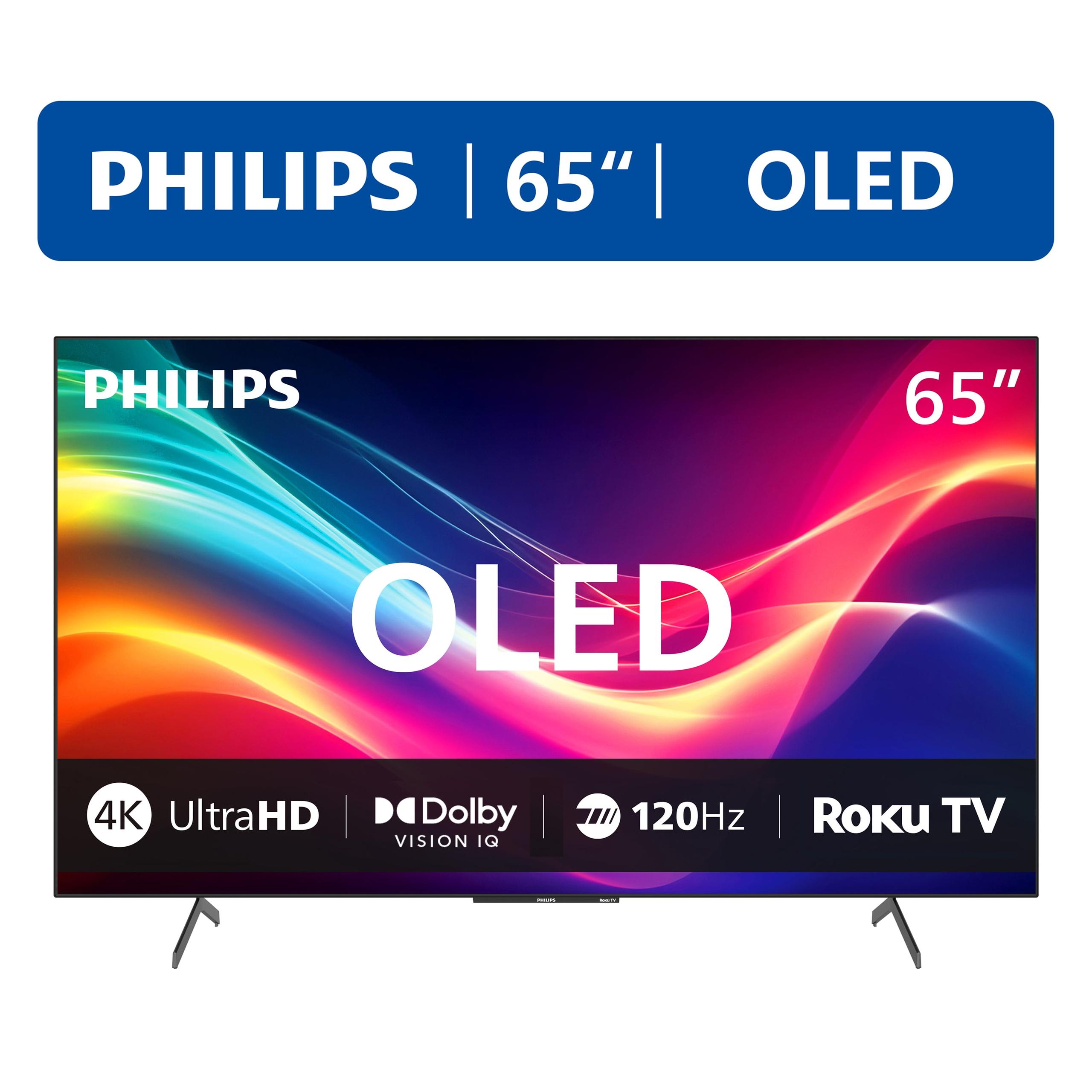
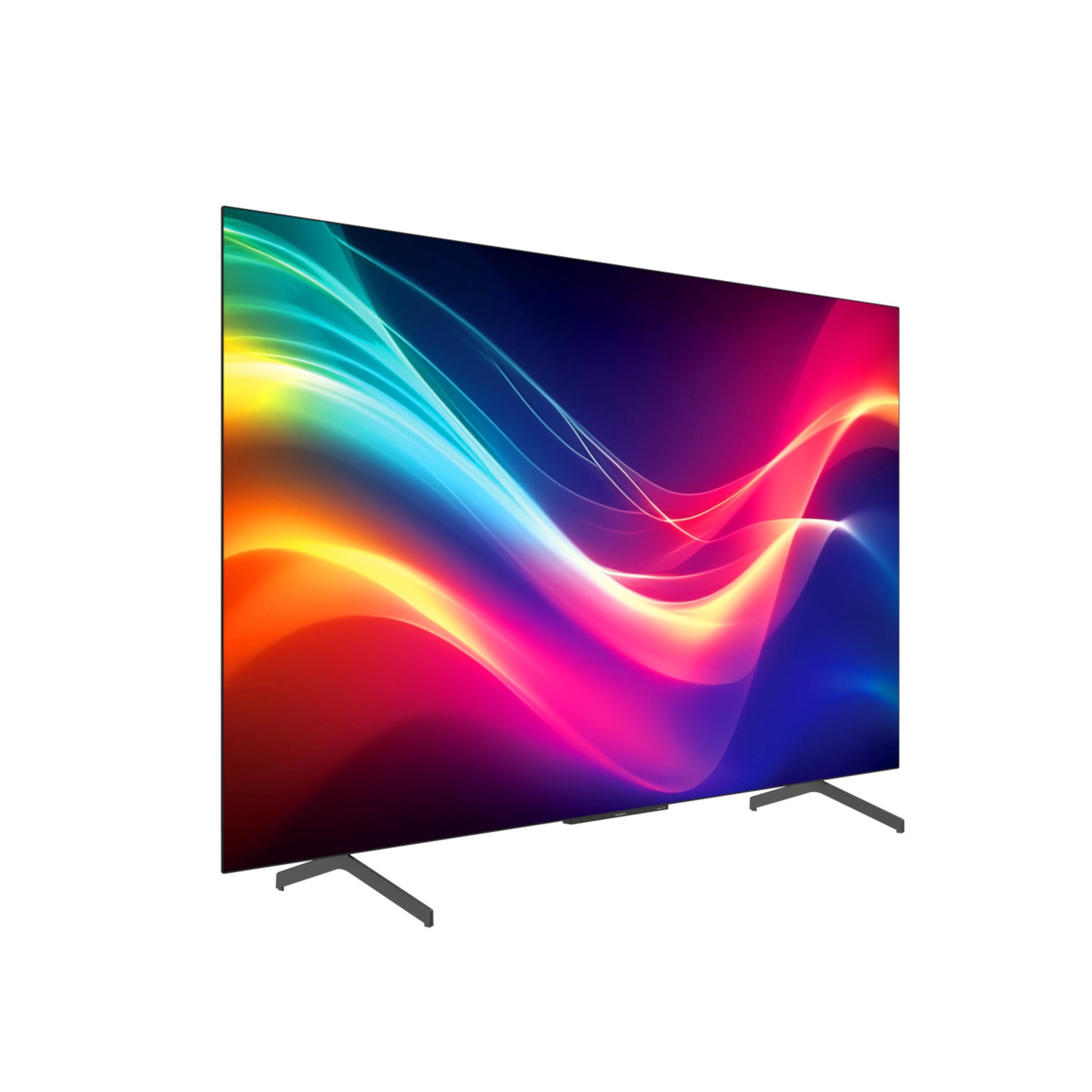
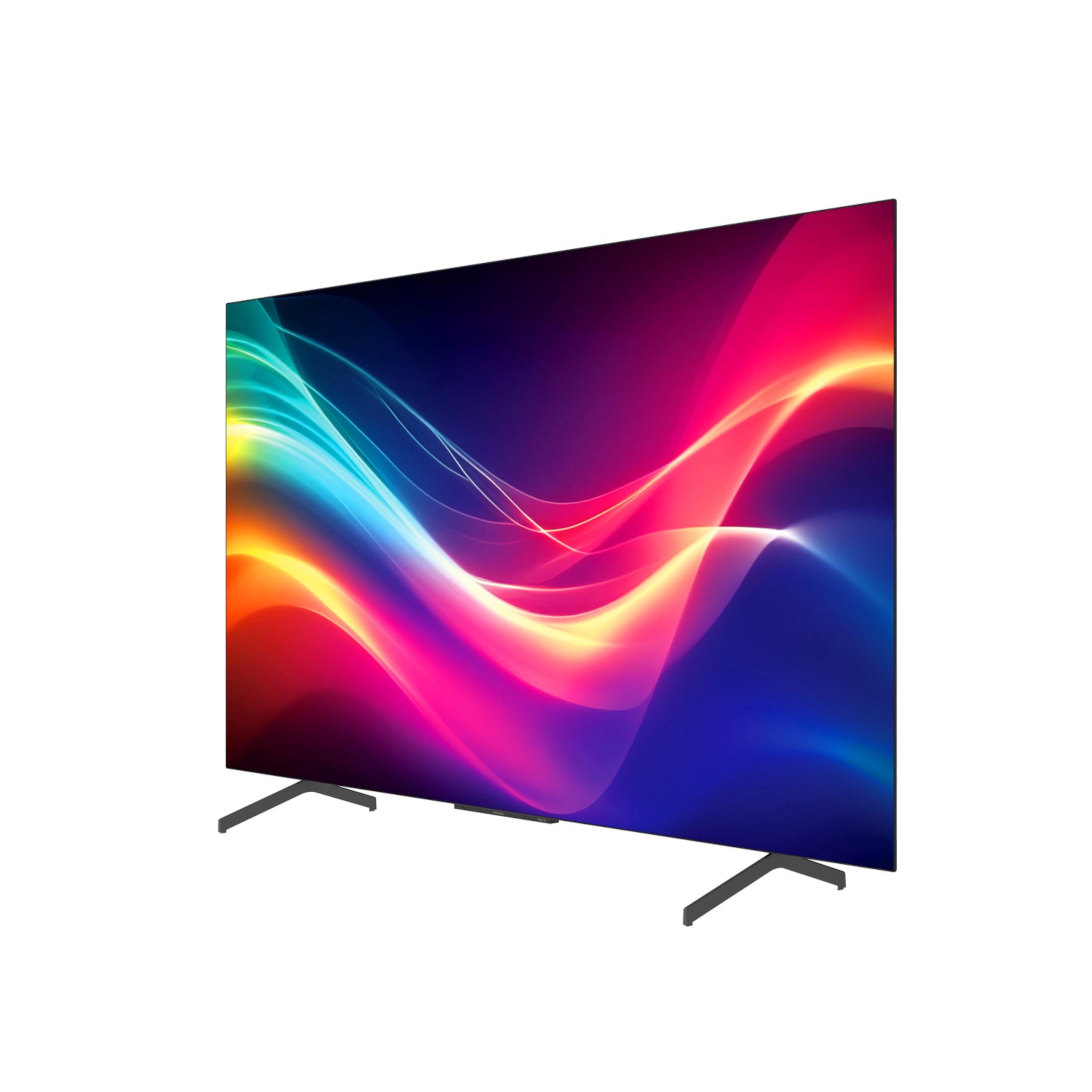

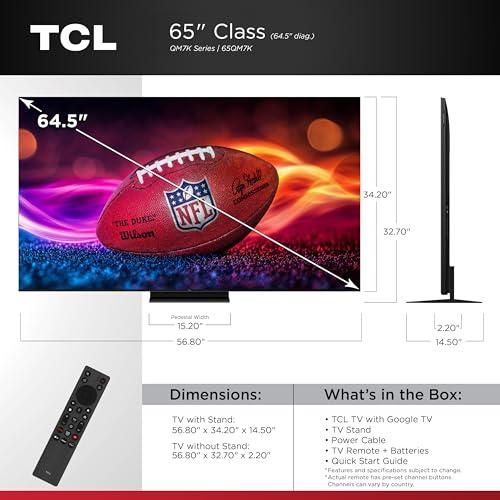
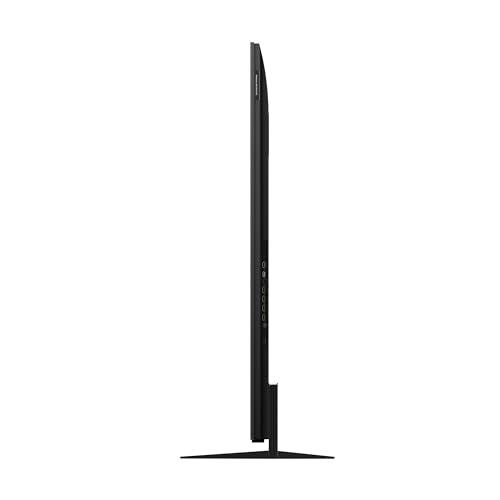
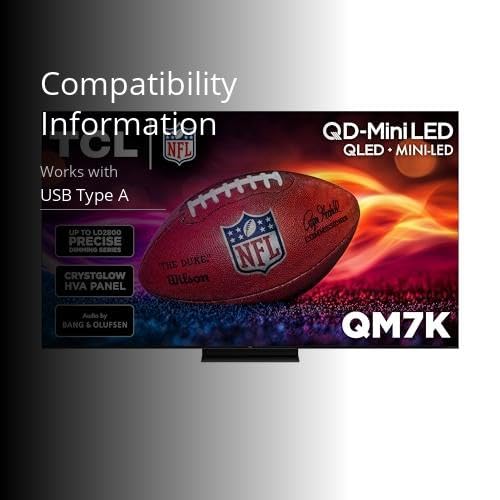
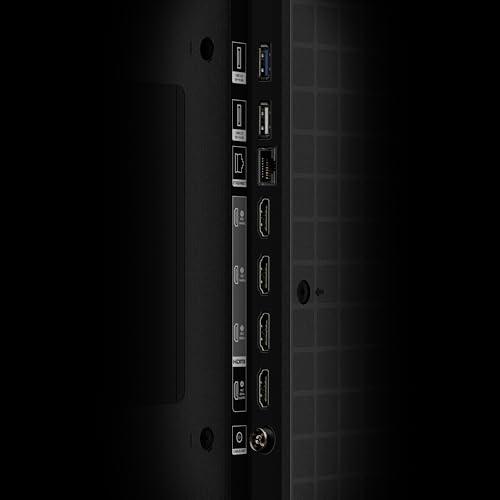


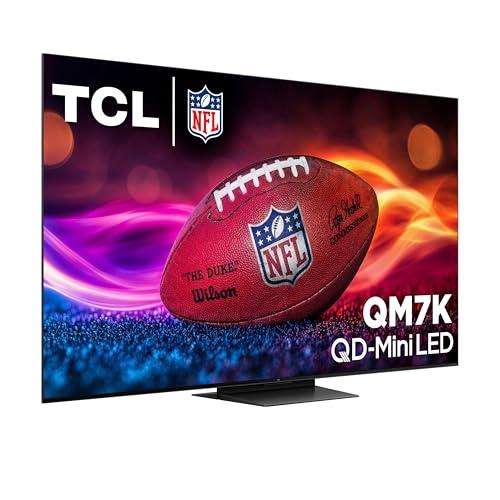
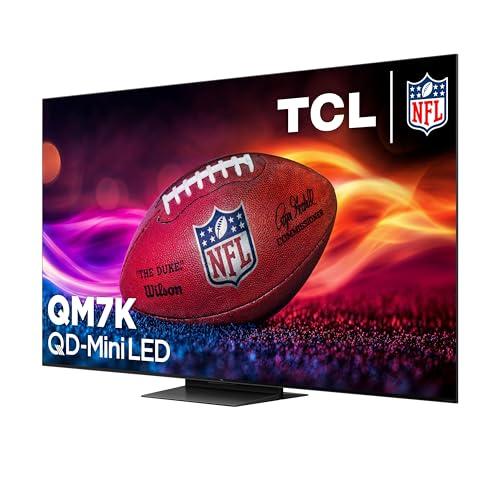
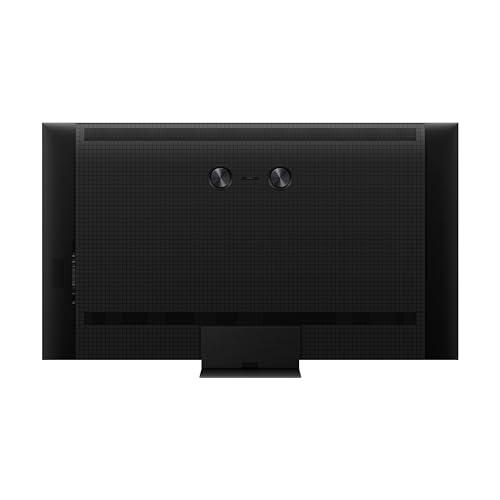
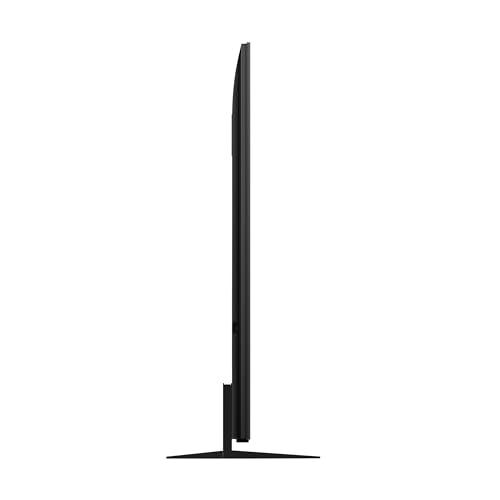
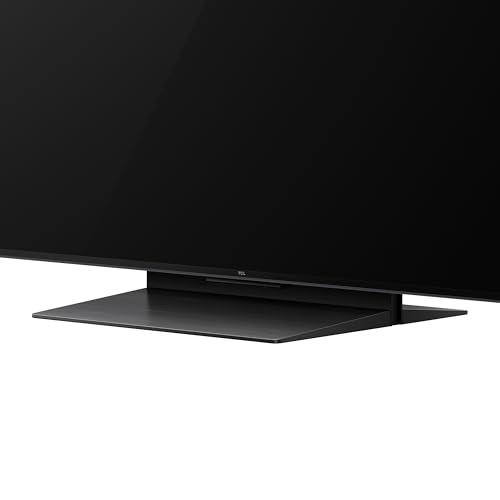
When shopping for a premium 65-inch TV in 2025, you'll likely encounter two compelling but very different technologies: OLED and QD-Mini LED. The Philips 65OLED974/F7 represents OLED's perfect blacks and infinite contrast, while the TCL 65QM7K showcases the brightness and versatility of quantum dot Mini LED technology. Both arrived in 2024, bringing significant improvements to their respective display technologies—but they solve the "perfect picture" puzzle in completely opposite ways.
Understanding these differences isn't just about tech specs—it's about matching the right TV to your specific room and viewing habits. After researching extensive professional reviews and user feedback, one thing becomes crystal clear: your room's lighting conditions will largely determine which technology delivers the better experience.
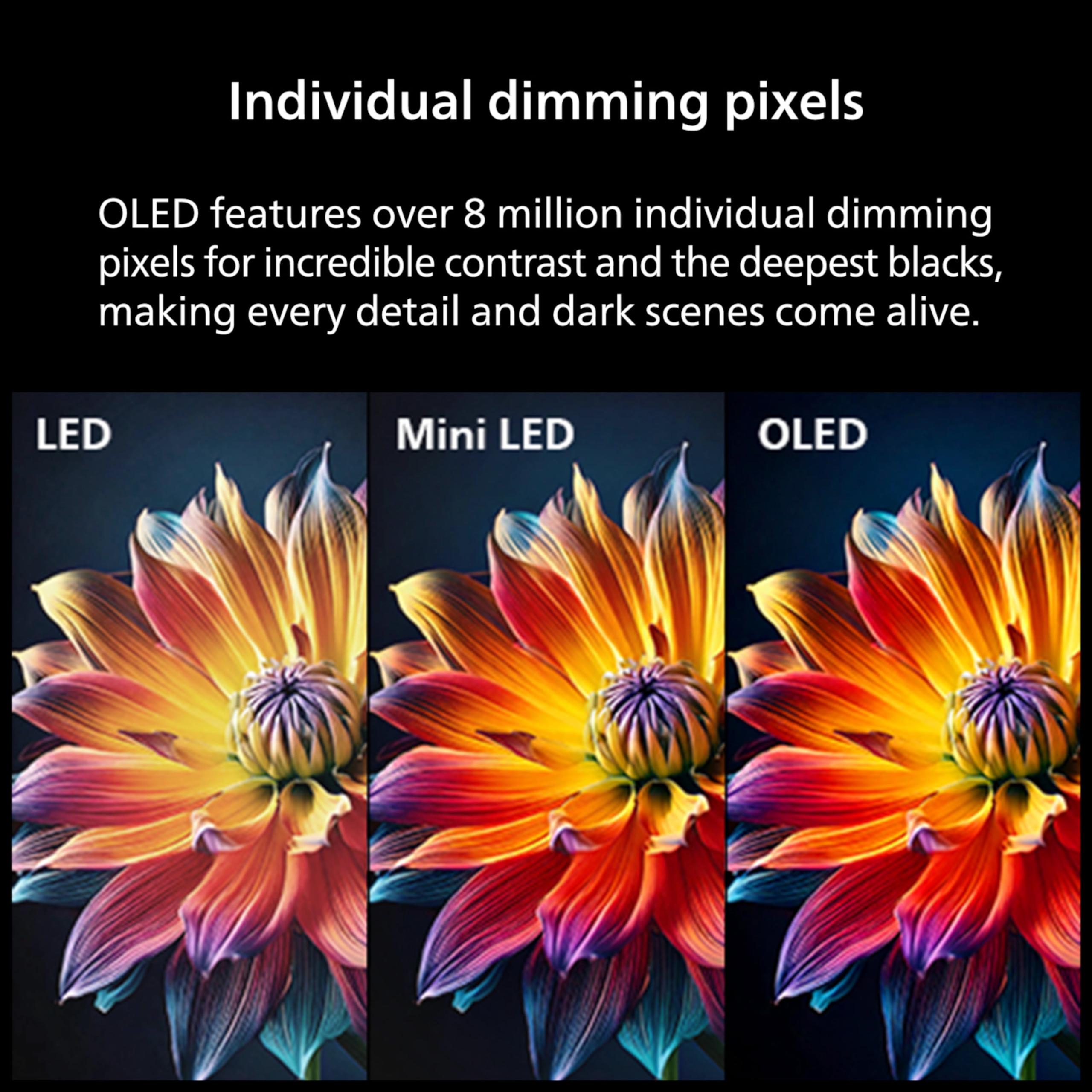
OLED and QD-Mini LED represent fundamentally different approaches to creating stunning images. OLED (Organic Light-Emitting Diode) panels contain millions of individual pixels that can emit their own light or turn completely off. Think of it like having 8 million tiny light bulbs that can independently shut off to create perfect darkness. This self-emissive technology means when you're watching a space scene, those black areas are truly black—not dark gray like traditional TVs.
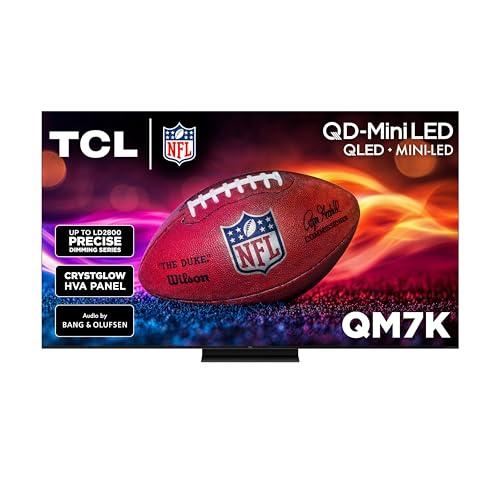
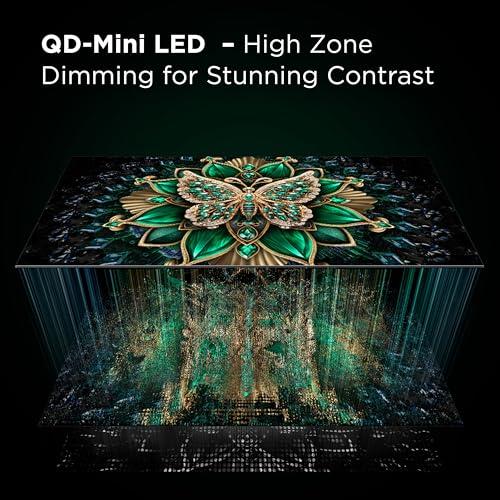
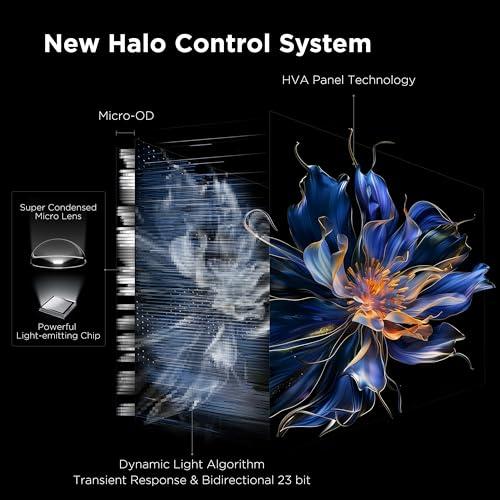
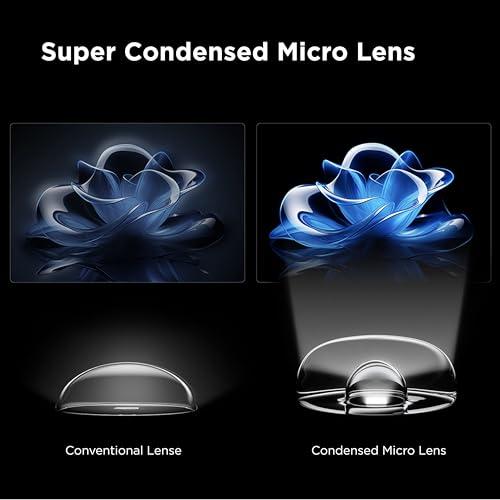
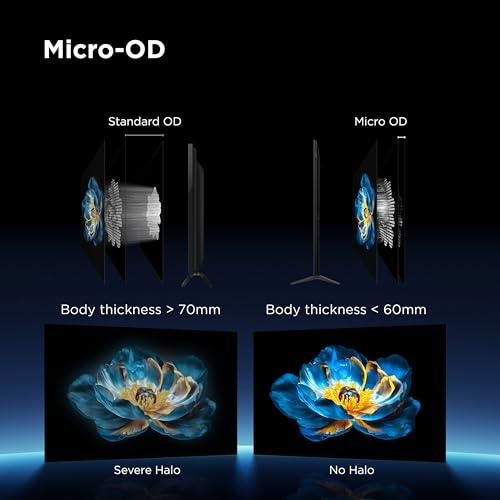
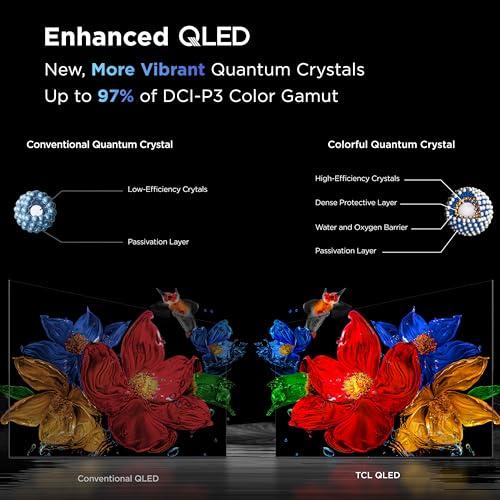
QD-Mini LED takes the opposite approach. The TCL 65QM7K uses thousands of tiny LED lights (called local dimming zones) behind the screen, combined with a quantum dot layer that purifies colors. Instead of pixels turning off completely, Mini LED TVs precisely control which zones light up and how bright they get. The quantum dot layer acts like a color filter, converting the LED light into incredibly pure, vibrant colors.
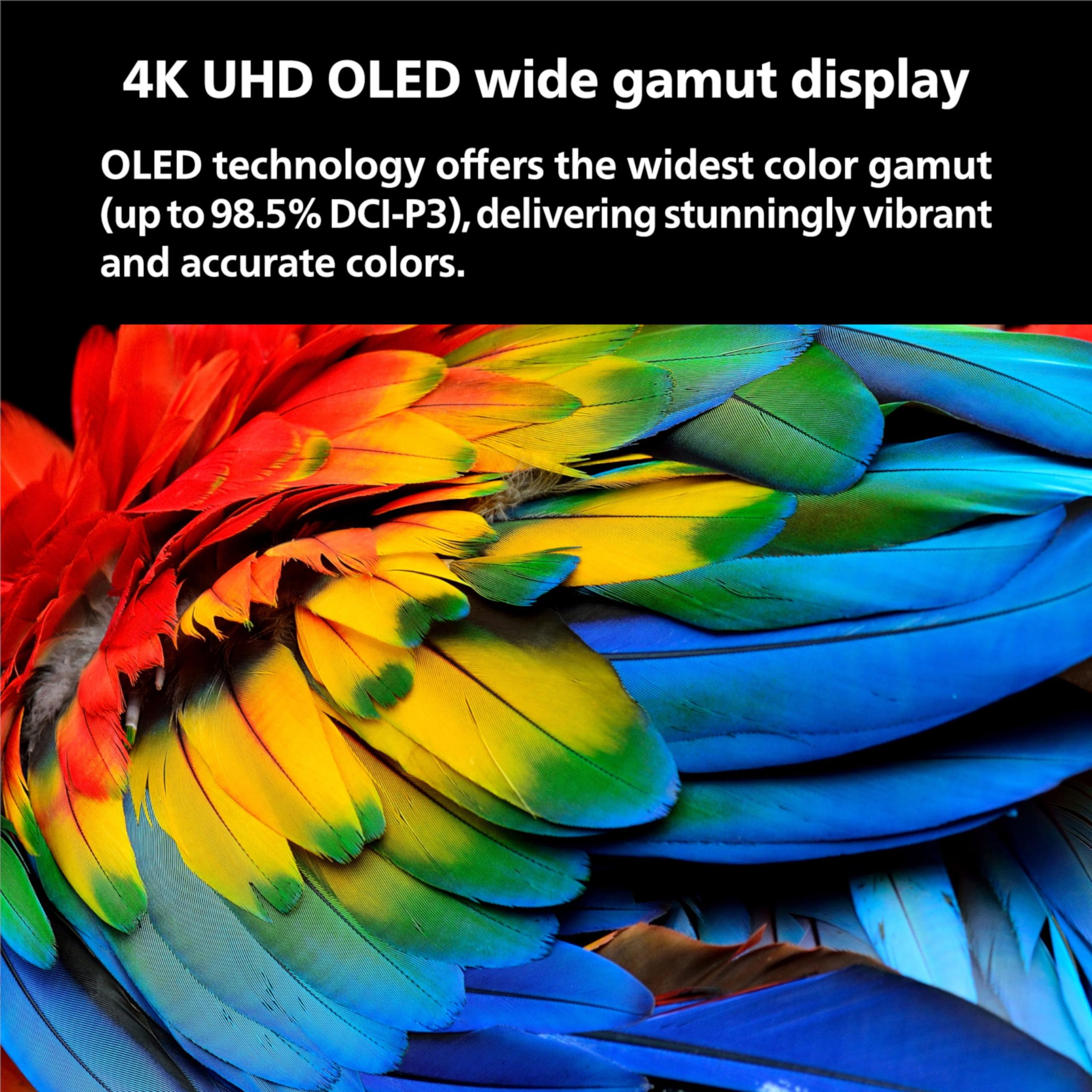
The quantum dot technology deserves special attention because it's genuinely revolutionary. These microscopic crystals absorb light and re-emit it at specific wavelengths, creating colors that are both more accurate and more intense than traditional LED TVs. When combined with Mini LED backlighting, you get the brightness to make HDR content truly pop while maintaining excellent color purity.
Here's where these TVs diverge dramatically, and it's probably the most important consideration for most buyers. The Philips 65OLED974/F7 suffers from what professional reviewers consistently identify as poor peak brightness. In practical terms, this means it can't produce enough light to overcome glare in well-lit rooms, and HDR content—which relies on bright highlights to create impact—appears muted and lackluster.
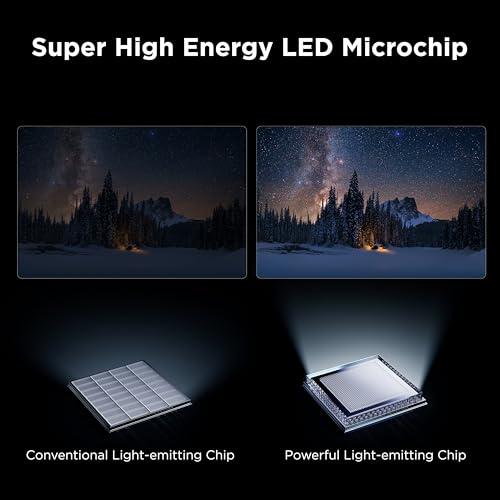
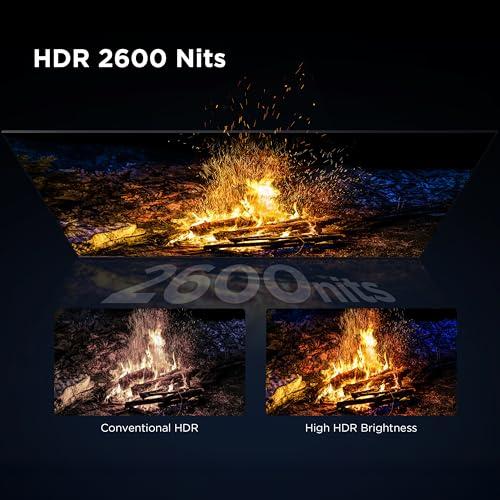
Peak brightness is measured in nits (a unit of luminance), and the difference here is staggering. While the Philips struggles to deliver impactful brightness, the TCL 65QM7K reaches up to 3,000 nits in peak areas. To put this in perspective, a typical bright room has ambient lighting around 100-200 nits, while direct sunlight can reach 100,000 nits. The TCL's superior brightness means it can maintain image quality even when competing with table lamps, overhead lighting, or windows.
This brightness difference fundamentally changes the viewing experience. HDR (High Dynamic Range) content is designed to showcase the full spectrum from deep blacks to brilliant whites—think sunlight reflecting off water or explosions in action movies. The Philips OLED can deliver the deep blacks perfectly but fails at the bright end, while the TCL excels at both extremes through its combination of precise local dimming and high peak brightness.
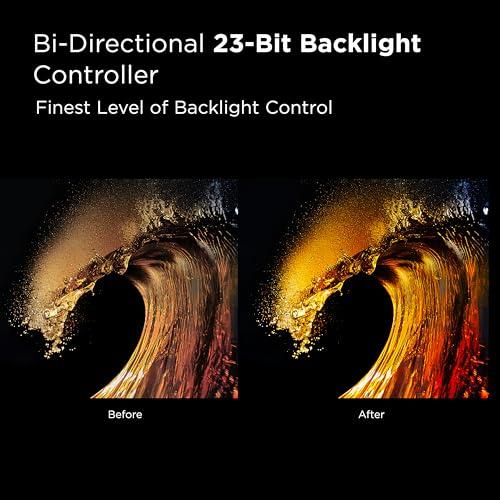
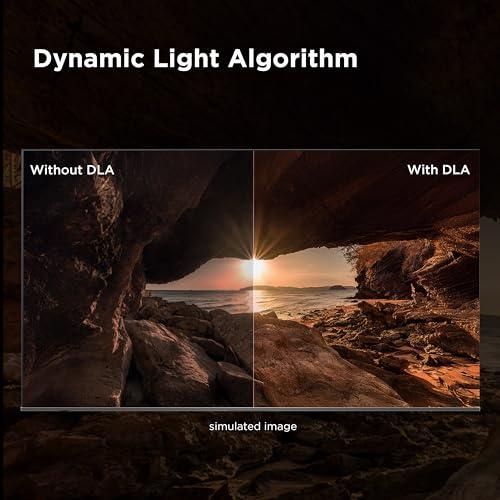
Local dimming zones are worth understanding because they're crucial to the TCL's performance. The TCL 65QM7K features up to 2,500 individual zones that can brighten or dim independently. When a bright star appears against a dark sky, only the zones behind that star light up while surrounding zones stay dim. This creates excellent contrast without the "blooming" (unwanted light spill) that plagued earlier LED TVs.
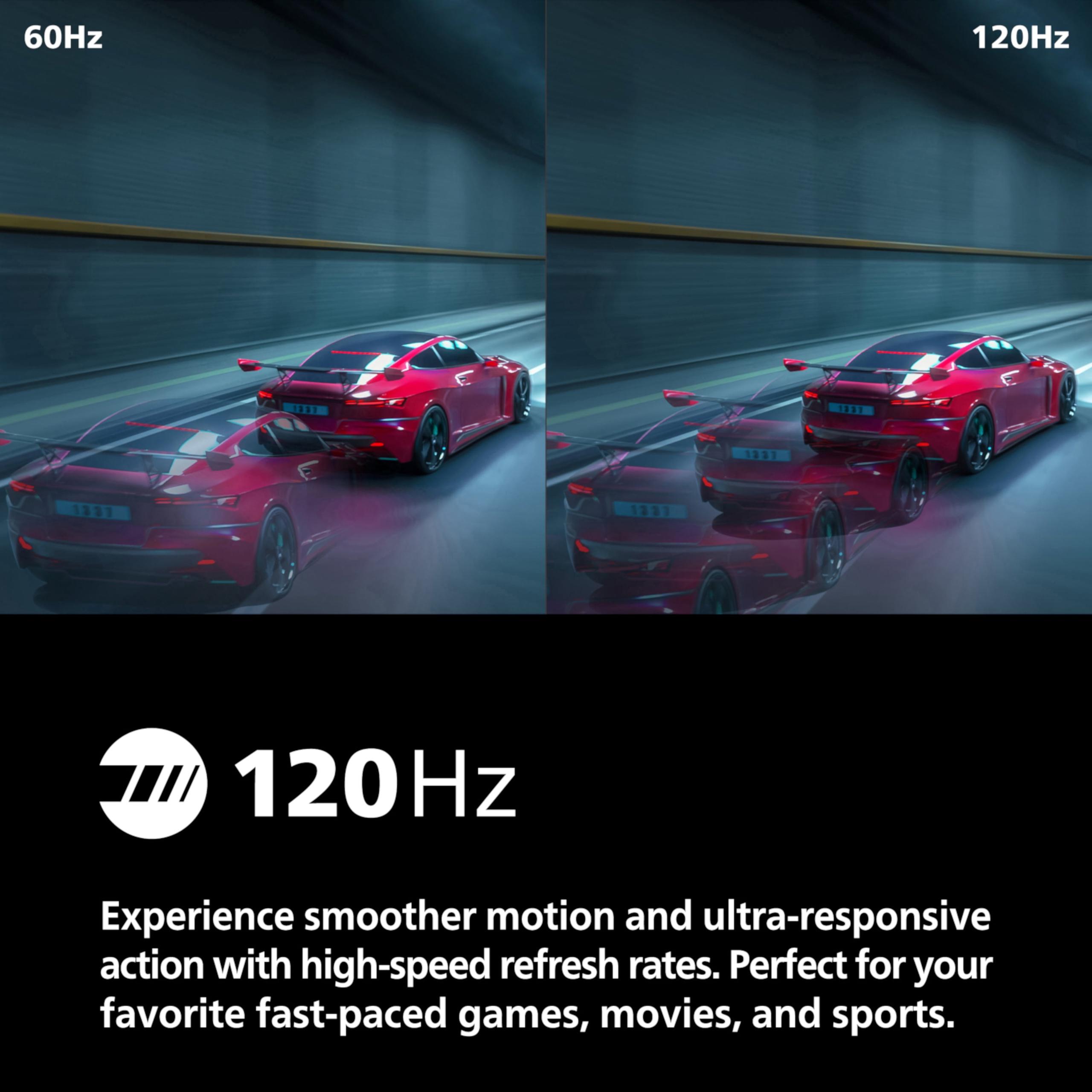
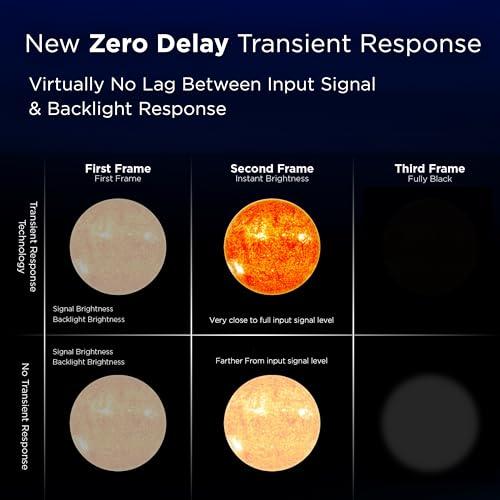
Both TVs excel for gaming, but in slightly different ways. The Philips 65OLED974/F7 offers a near-instantaneous response time of less than 0.1 milliseconds, which means virtually zero motion blur during fast action. This, combined with its 120Hz refresh rate and AMD FreeSync Premium support, creates incredibly responsive gameplay.
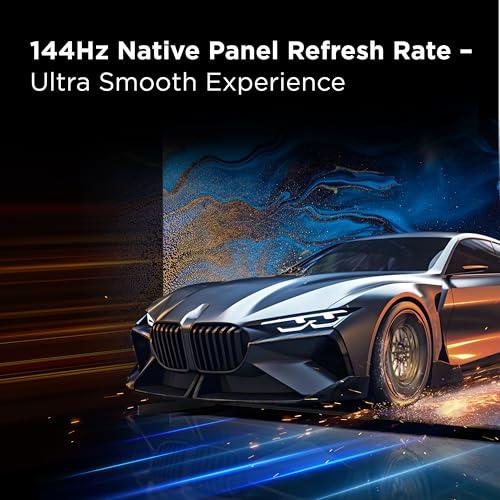
The TCL 65QM7K takes gaming a step further with native 144Hz refresh rate and support for up to 288Hz variable refresh rate at 1080p resolution. Variable Refresh Rate (VRR) is a technology that synchronizes your TV's refresh rate with your gaming device's frame rate, eliminating the visual tearing that occurs when these get out of sync. For PC gamers with high-end graphics cards, this higher refresh rate support is genuinely beneficial.
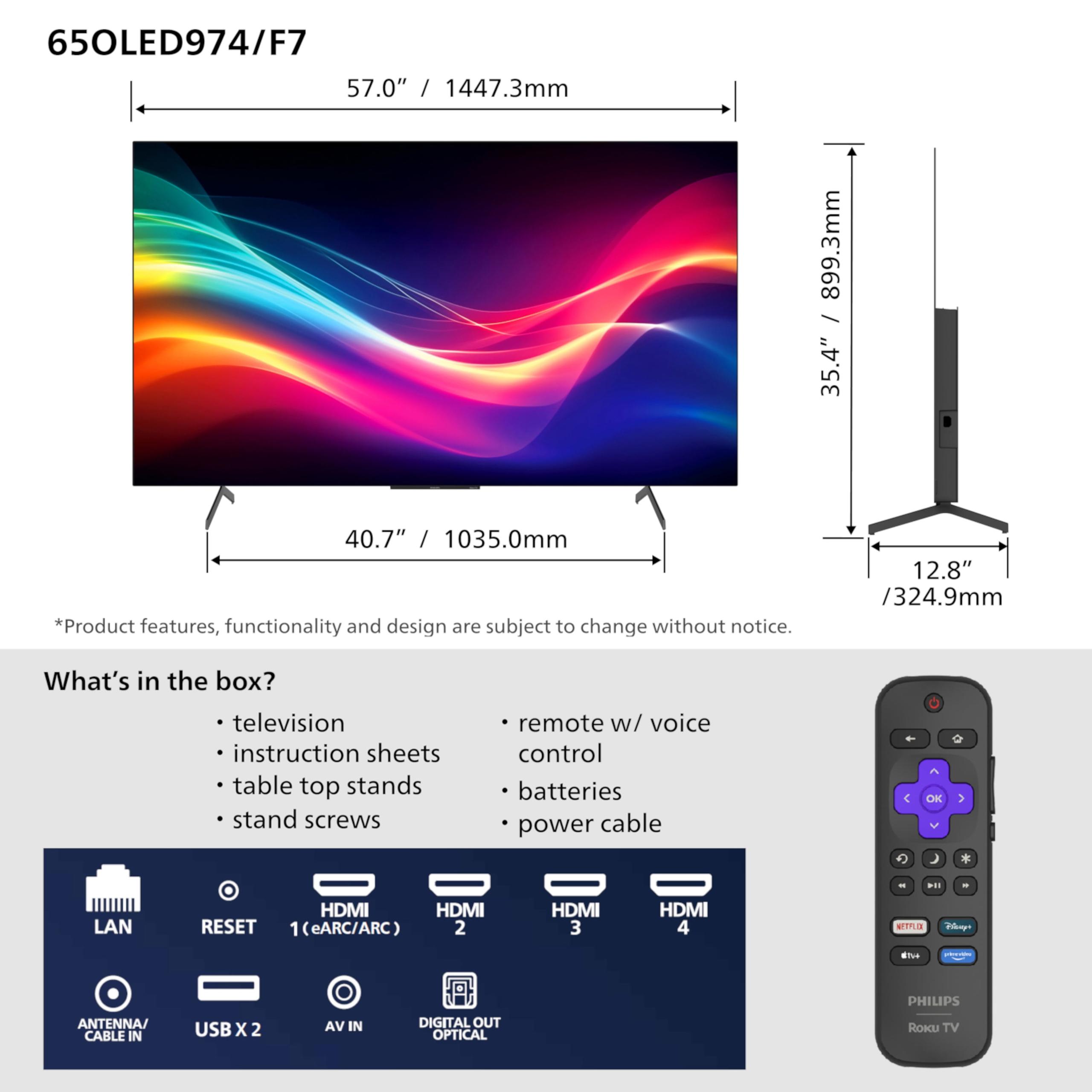
Both TVs feature HDMI 2.1 ports—the latest connectivity standard that enables 4K resolution at high refresh rates. However, having researched user experiences extensively, the limitation of only two HDMI 2.1 ports on each TV can be frustrating for households with multiple gaming consoles, PCs, or other high-bandwidth devices.
Auto Low Latency Mode (ALLM) automatically switches both TVs into their fastest gaming modes when a console is detected, minimizing input lag—the delay between pressing a button and seeing the action on screen. This feature has become essential for competitive gaming.
This is where the rubber meets the road. The Philips 65OLED974/F7 is genuinely spectacular in dark or dimly lit rooms. Its perfect blacks create an almost ethereal viewing experience where space scenes look like you're peering through a window into actual space. The infinite contrast ratio means details in shadows are preserved while bright elements remain distinct.
However, our research consistently shows that the Philips becomes problematic in bright environments. Not only does the poor peak brightness fail to overcome ambient light, but OLED panels are inherently reflective. While the TV handles indirect reflections reasonably well, direct light sources create noticeable mirror-like reflections that can be distracting.
The TCL 65QM7K proves far more adaptable. Its exceptional brightness allows it to maintain image quality even in brightly lit living rooms, while its local dimming zones still deliver impressive blacks in dark environments. This versatility is crucial for families who watch TV at different times of day or in multi-purpose rooms with varying lighting conditions.
Viewing angles represent another significant difference. OLED technology maintains consistent image quality when viewed from the sides—up to 176 degrees horizontally and vertically. The TCL, using an LCD-based panel, experiences some color shifting and contrast loss when viewed off-center, though it's improved compared to older LED TVs.
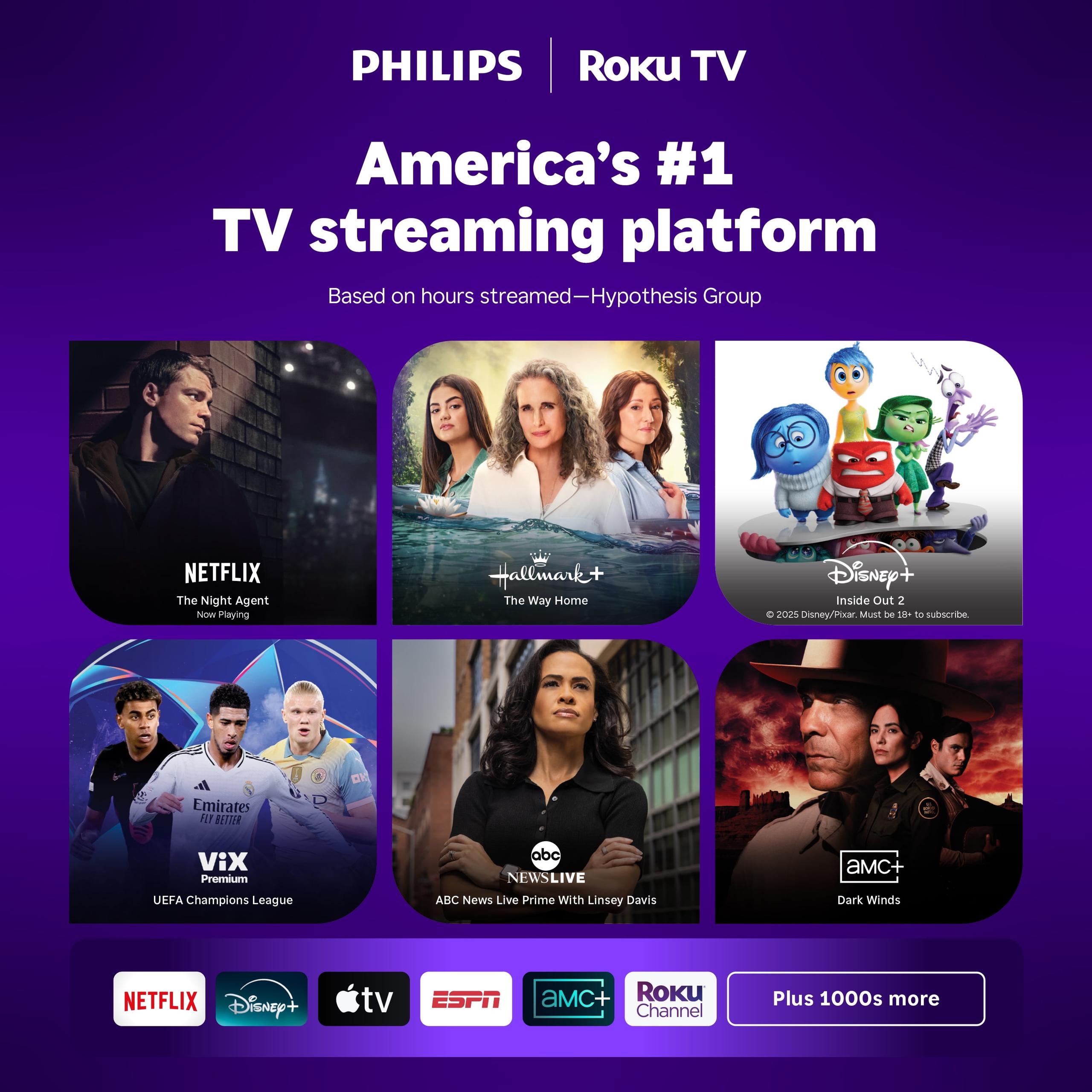
The smart TV experience differs substantially between these models. The Philips 65OLED974/F7 runs Roku TV, which has earned praise for its simplicity and comprehensive app selection. The interface is straightforward, and the included Bluetooth voice remote allows natural voice commands for searching content, adjusting volume, and controlling playback.
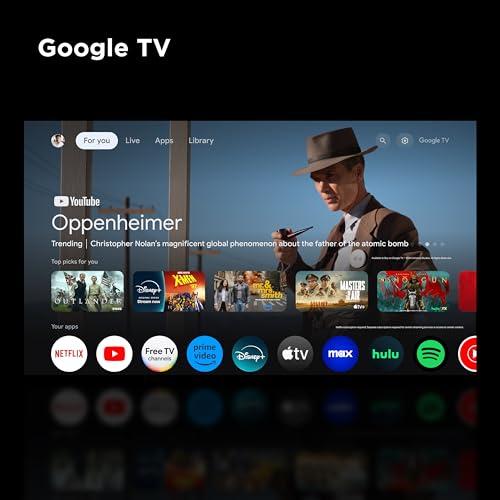
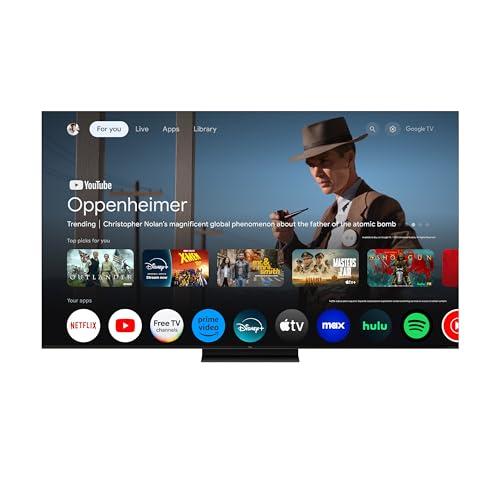
The TCL 65QM7K uses Google TV, which is more sophisticated but also more complex. It integrates deeply with Google's ecosystem, offering built-in Chromecast, Google Assistant, and even hands-free voice control through far-field microphones. This means you can control the TV without picking up the remote—simply say "Hey Google" and issue commands.
Google TV also provides more personalized content recommendations by pulling from your viewing history across different streaming services. However, this integration requires more setup and might feel overwhelming for users who prefer simplicity.
Both platforms support major streaming services, but Google TV's deeper integration with services like YouTube and Google's own content ecosystem provides advantages for users already invested in Google products.
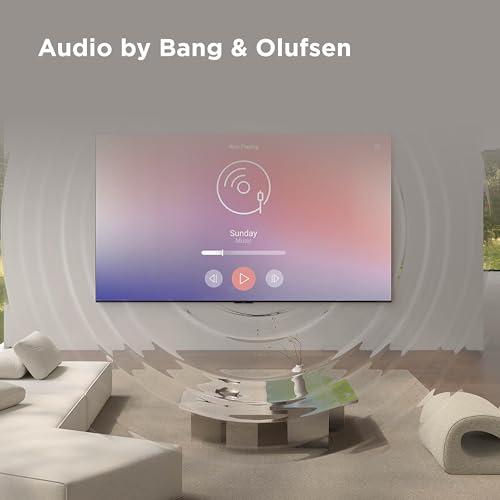
Audio performance represents a clear win for the TCL 65QM7K. Its Bang & Olufsen-tuned 60W speaker system with Dolby Atmos and DTS Virtual:X provides genuinely impressive built-in sound. While no TV speakers can match a dedicated sound system, the TCL's audio is good enough that many users might delay or skip adding a soundbar.
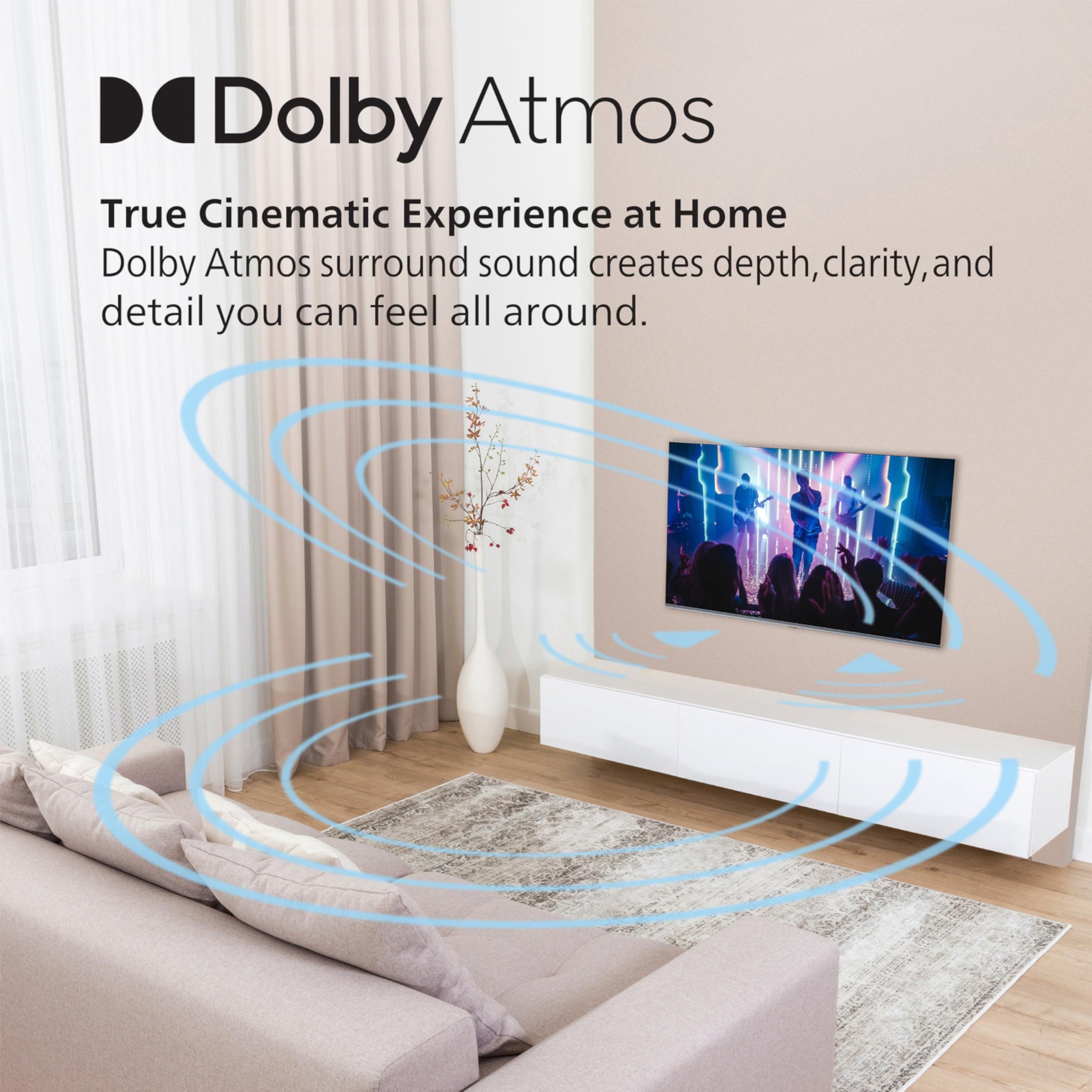
The Philips OLED features a more modest Dolby 2.1 speaker system that, while supporting Dolby Atmos, doesn't deliver the same impact or clarity. For home theater enthusiasts, this might not matter since most will add dedicated audio equipment anyway, but it's worth considering for simpler setups.
HDR content has become the standard for premium streaming and gaming, making this performance area crucial. HDR is designed to showcase a wider range of brightness and color than traditional content, but it requires displays capable of producing both deep blacks and bright highlights.
The Philips 65OLED974/F7 excels at the blacks but falls short on bright highlights, which means HDR content loses much of its intended impact. Sunsets don't gleam, explosions don't dazzle, and bright outdoor scenes appear flatter than they should.
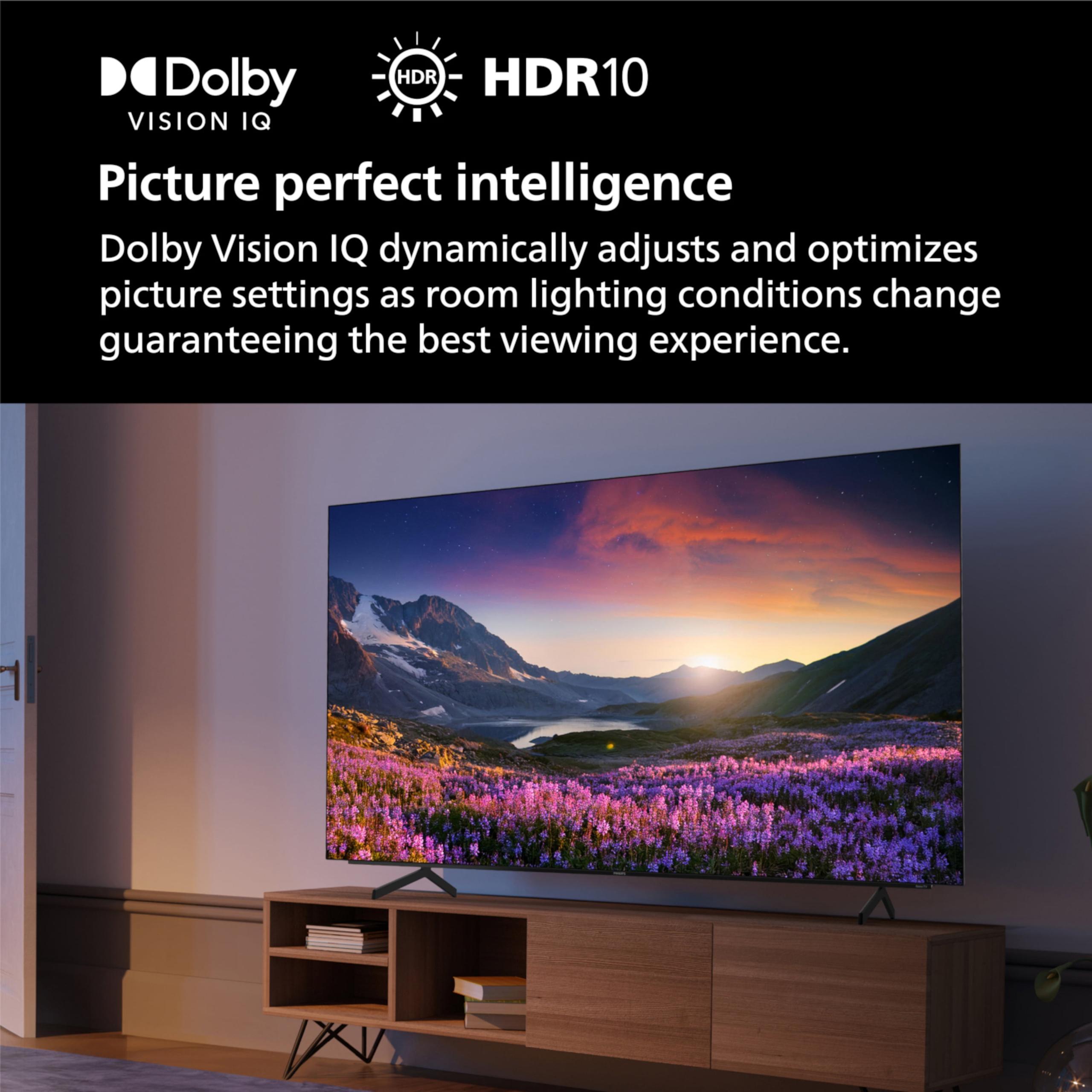
The TCL 65QM7K delivers the full HDR experience. Its high peak brightness allows highlights to truly stand out, while its local dimming zones maintain contrast in darker areas of the image. Both TVs support major HDR formats including Dolby Vision IQ (which adjusts based on room lighting), HDR10+, and standard HDR10.
At the time of writing, the TCL 65QM7K typically costs several hundred dollars less than the Philips OLED, making the value equation even more favorable toward the TCL. You're getting superior brightness, better gaming specs, more advanced smart features, and better audio for less money.
However, OLED technology does offer some long-term advantages. OLED panels don't rely on backlighting, so there's no backlight degradation over time. They also consume less power during dark content since black pixels are completely off.
The 2024 model year brought significant improvements to both technologies. OLED panels have become brighter than previous generations (though still not matching Mini LED), while Mini LED systems have dramatically reduced blooming and improved zone control. Both represent mature technologies that should provide excellent longevity.
For dedicated home theater rooms with controlled lighting, the Philips 65OLED974/F7 creates a genuinely cinematic experience. The perfect blacks and excellent color accuracy provide the closest thing to a commercial cinema experience available in consumer displays. Movie enthusiasts who prioritize this experience and can control room lighting will find the OLED compelling.
However, most "home theaters" are really multi-purpose family rooms or living rooms where lighting varies throughout the day. In these more common scenarios, the TCL 65QM7K proves more practical and enjoyable for daily use.
Choose the Philips 65OLED974/F7 if you primarily watch in dark environments, have a dedicated home theater setup, and prioritize perfect blacks over bright highlights. It's also the better choice if you prefer Roku's simpler interface and don't mind the brightness limitations.
The TCL 65QM7K is the better choice for most buyers. Its versatility across different room conditions, superior HDR performance, advanced gaming capabilities, and better value proposition make it the more practical option. It excels in bright rooms while still delivering impressive performance in dark environments.
After reviewing extensive professional and user feedback, the TCL represents the sweet spot of premium TV technology in 2024. While OLED technology has its devoted fans—and for good reason—the practical advantages of Mini LED make it the better choice for most households. The brightness alone transforms how you can use and enjoy your TV, and that flexibility is worth more than perfect blacks in most real-world viewing situations.
| Philips 65OLED974/F7 | TCL 65QM7K |
|---|---|
| Display Technology - Fundamentally different approaches to picture quality | |
| OLED with perfect blacks and infinite contrast | QD-Mini LED with quantum dots and up to 2,500 local dimming zones |
| Peak Brightness - Critical for HDR impact and bright room viewing | |
| Poor brightness, unsuitable for well-lit rooms | Up to 3,000 nits, excellent for any lighting condition |
| Refresh Rate - Important for gaming and sports | |
| 120Hz native with VRR support | 144Hz native, up to 288Hz VRR (gaming advantage) |
| Gaming Features - Essential for console and PC gaming | |
| 2 HDMI 2.1 ports, | 2 HDMI 2.1 ports, 144Hz support, AMD FreeSync Premium Pro |
| Smart Platform - Affects daily usability and app ecosystem | |
| Roku TV with simple interface and Bluetooth voice remote | Google TV with Chromecast, hands-free voice control, deeper integration |
| Audio System - Determines if you need external speakers | |
| Dolby 2.1 system with modest 55W output | Bang & Olufsen 60W with superior Dolby Atmos implementation |
| Room Adaptability - Where you can actually enjoy the TV | |
| Excellent in dark rooms only, poor in bright spaces | Versatile performance in both bright and dark environments |
| HDR Performance - Makes or breaks premium content experience | |
| Limited impact due to poor brightness, muted highlights | Outstanding with bright, impactful highlights that stand out |
| Viewing Angles - Important for family viewing and room layout | |
| Excellent 176° viewing with consistent image quality | Good but shows some color shift when viewed off-center |
| Best Use Case - Who should buy each TV | |
| Dark room home theater enthusiasts who prioritize perfect blacks | Most buyers wanting versatility, bright HDR, and excellent value |
The TCL 65QM7K is significantly better for bright rooms due to its exceptional peak brightness of up to 3,000 nits. The Philips 65OLED974/F7 suffers from poor brightness and cannot overcome glare in well-lit spaces, making it unsuitable for rooms with windows or overhead lighting.
OLED technology in the Philips 65OLED974/F7 uses self-emitting pixels that can turn completely off for perfect blacks. QD-Mini LED in the TCL 65QM7K combines thousands of tiny LED zones with quantum dot color enhancement for superior brightness and vibrant colors while maintaining excellent contrast.
Both TVs offer excellent gaming performance, but the TCL 65QM7K has a slight edge with its 144Hz native refresh rate compared to the Philips 65OLED974/F7's 120Hz. The TCL also supports higher variable refresh rates up to 288Hz at 1080p, making it better for competitive PC gaming.
The Philips 65OLED974/F7 uses Roku TV for simple, straightforward navigation with extensive app support. The TCL 65QM7K features Google TV with built-in Chromecast, hands-free voice control, and deeper integration with Google services, offering more advanced smart features.
Picture quality depends on your viewing environment. The Philips 65OLED974/F7 delivers superior blacks and contrast in dark rooms, while the TCL 65QM7K provides better overall picture quality in mixed lighting with brighter, more impactful HDR performance and excellent local dimming.
The TCL 65QM7K has significantly better built-in audio with its Bang & Olufsen 60W system featuring Dolby Atmos and DTS Virtual:X. The Philips 65OLED974/F7 has a more modest Dolby 2.1 speaker system that may require external audio for the best experience.
For dedicated dark room home theaters, the Philips 65OLED974/F7 creates a more cinematic experience with perfect blacks. However, for most home theater setups in family rooms, the TCL 65QM7K is more practical with its superior HDR brightness and room adaptability.
Both TVs handle sports well, but the TCL 65QM7K's 144Hz refresh rate provides slightly smoother motion than the Philips 65OLED974/F7's 120Hz. The TCL's higher brightness also makes it better for sports viewing in bright living rooms where most people watch games.
The TCL 65QM7K typically offers better value, providing superior brightness, advanced gaming features, better audio, and more smart TV capabilities often at a lower price point than the Philips 65OLED974/F7, making it the more practical choice for most buyers.
The Philips 65OLED974/F7 maintains excellent image quality from wide viewing angles up to 176 degrees, perfect for family viewing. The TCL 65QM7K has good but more limited viewing angles with some color shifting when viewed from the sides, though it's improved over older LED TVs.
The TCL 65QM7K delivers superior HDR performance with bright, impactful highlights that make HDR content truly stand out. While the Philips 65OLED974/F7 has perfect blacks, its limited brightness significantly reduces HDR impact, making bright scenes appear muted.
For most living room setups, the TCL 65QM7K Mini LED technology is more versatile, handling various lighting conditions throughout the day while delivering excellent picture quality. Choose the Philips 65OLED974/F7 OLED only if you primarily watch in dark conditions and prioritize perfect blacks over brightness and versatility.
We've done our best to create useful and informative comparisons to help you decide what product to buy. Our research uses advanced automated methods to create this comparison and perfection is not possible - please contact us for corrections or questions. These are the sites we've researched in the creation of this article: rtings.com - versus.com - versus.com - rtings.com - samsclub.com - versus.com - youtube.com - usa.philips.com - bestbuy.com - usa.philips.com - consumerreports.org - usa.philips.com - documents.philips.com - tvoutlet.ca - displayspecifications.com - business.walmart.com - displayspecifications.com - ecoustics.com - walmart.com - bestbuy.com - businessinsider.com - tomsguide.com - tomsguide.com - rtings.com - tomsguide.com - youtube.com - rtings.com - consumerreports.org - youtube.com - youtube.com - displayspecifications.com - youtube.com - tcl.com - tcl.com - tcl.com - youtube.com - rcwilley.com - bestbuy.com - tclcentral.com - displayspecifications.com - tomsguide.com - tcl.com - brandsmartusa.com - tcl.com - tcl.com - gizmochina.com - nfm.com - dolby.com - alexraytv.com

Privacy Policy
Terms and Conditions - Affiliate Policy
Home Security
© Copyright 2008-2026.
11816 Inwood Rd #1211, Dallas, TX 75244