

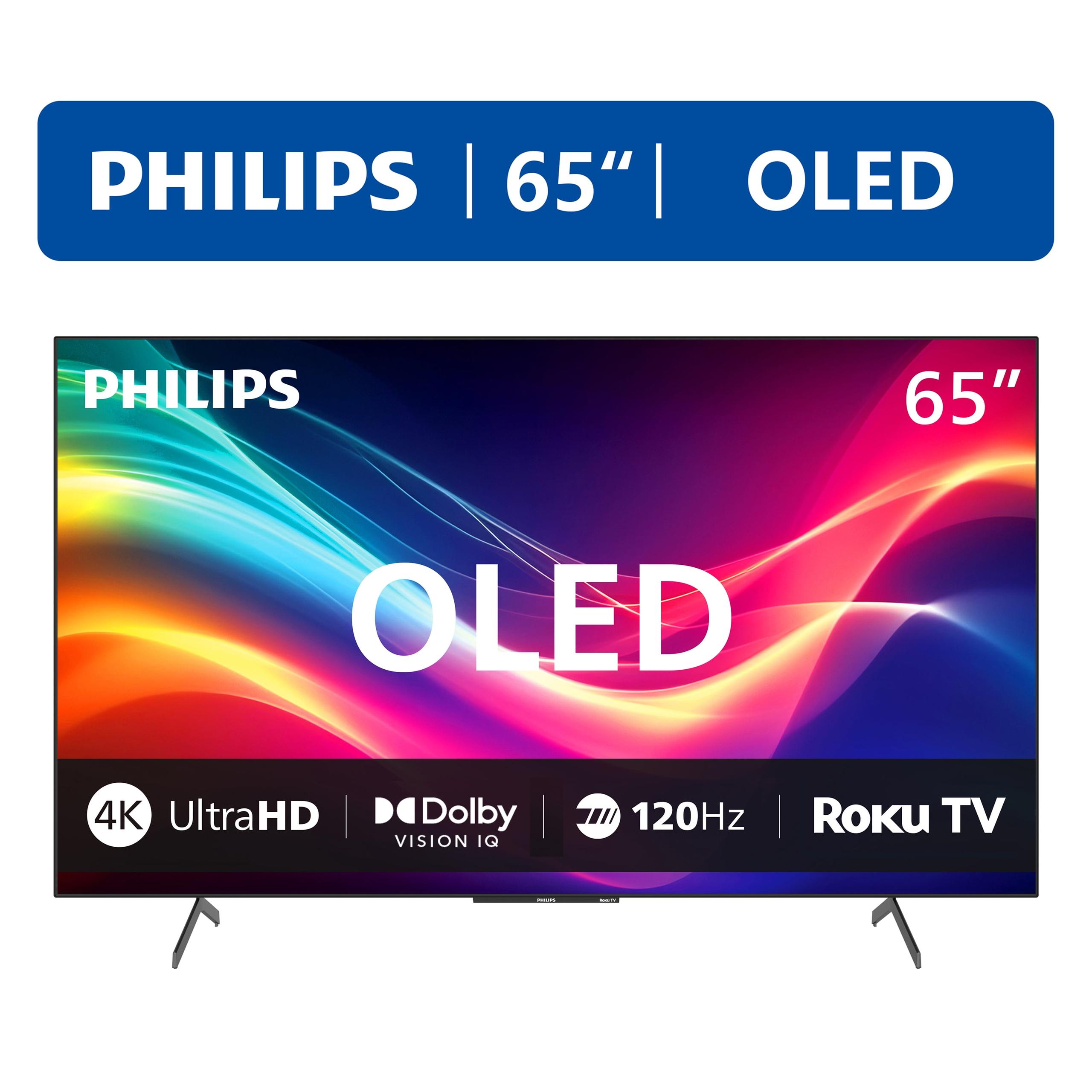
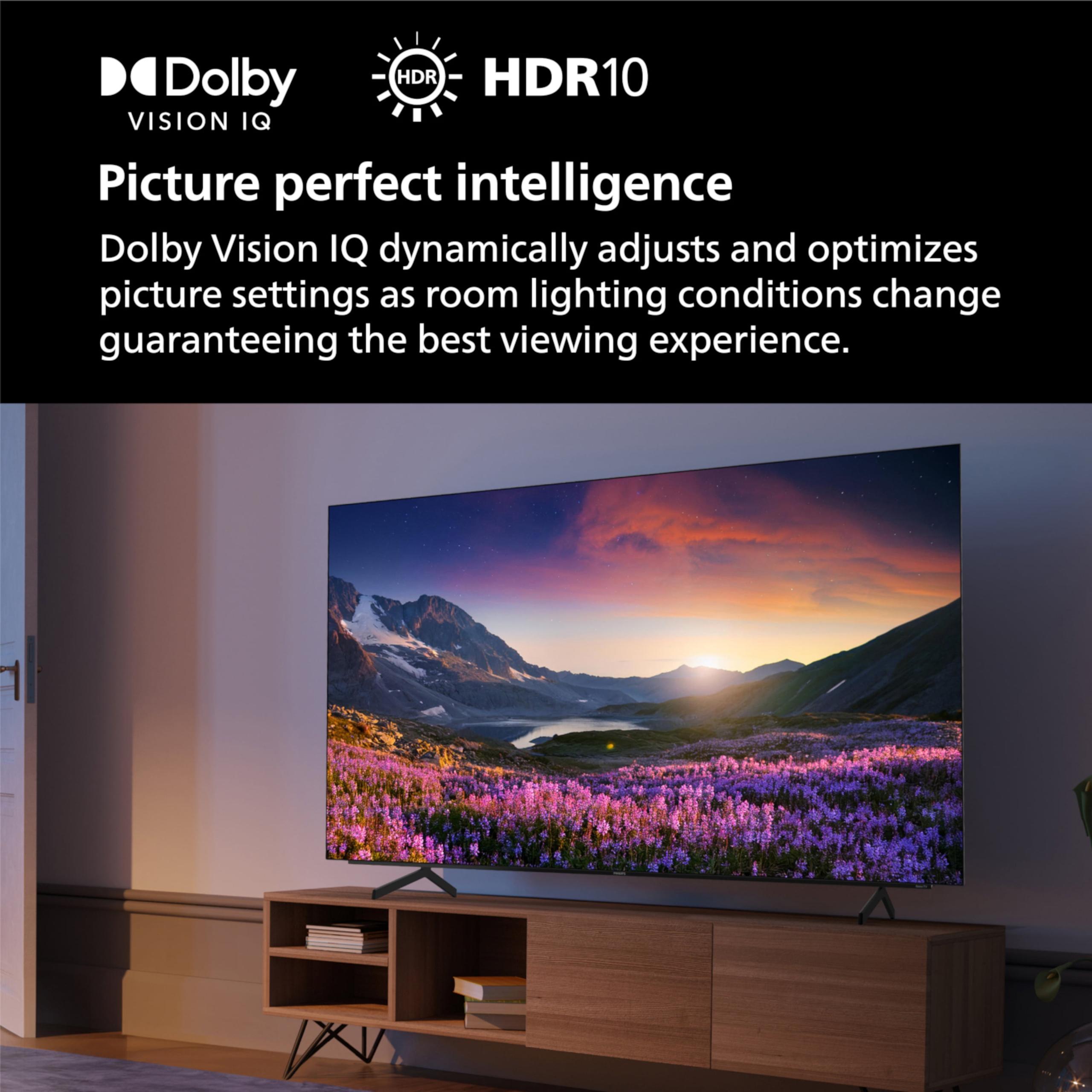
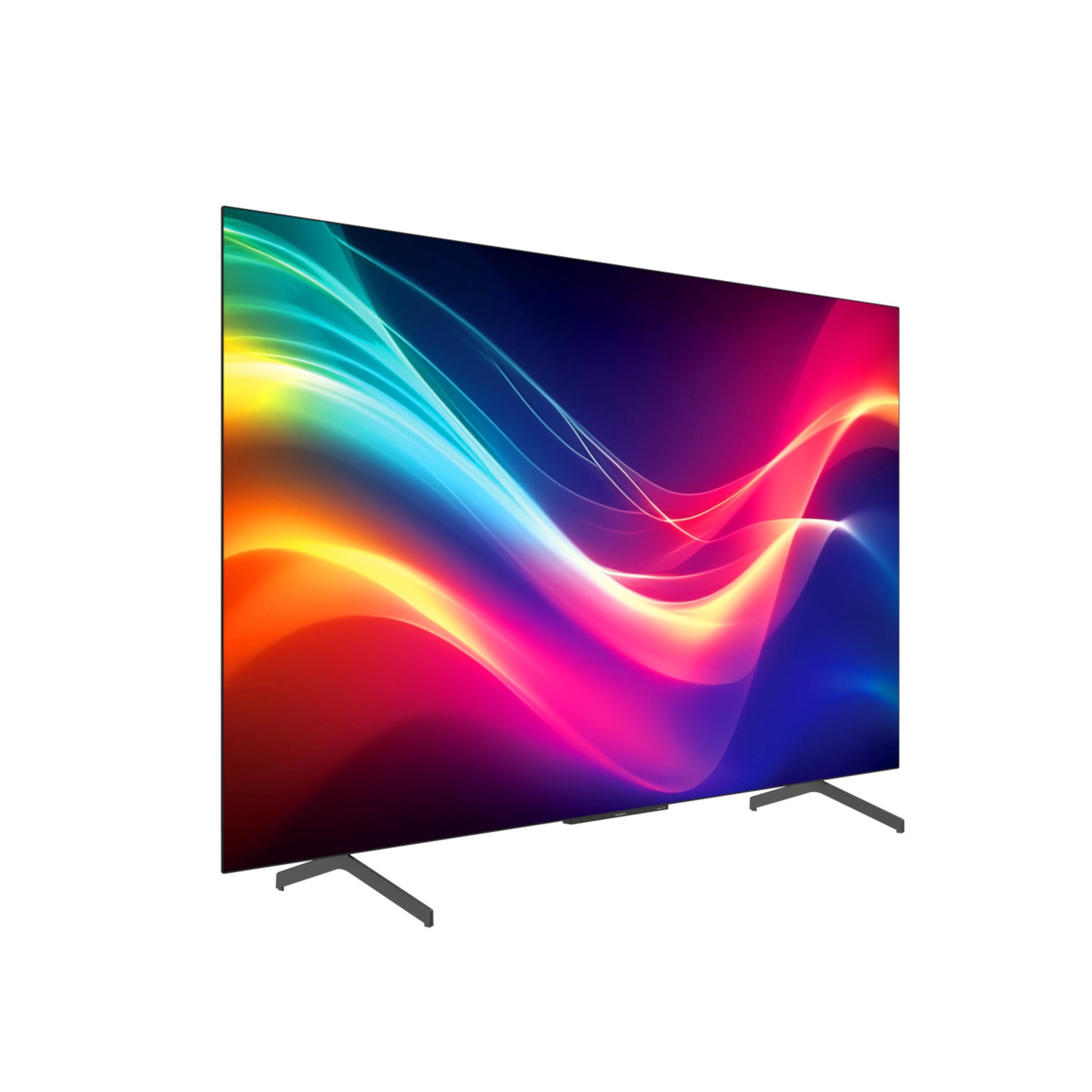


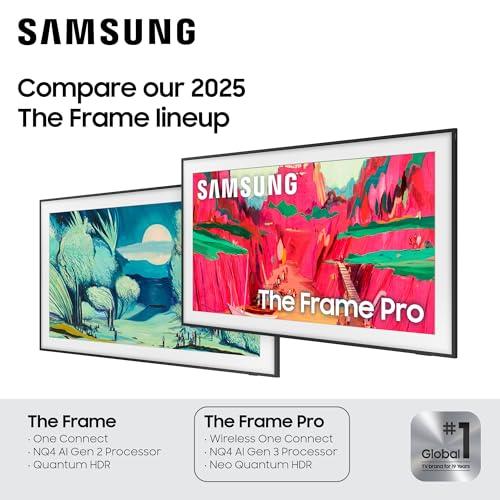


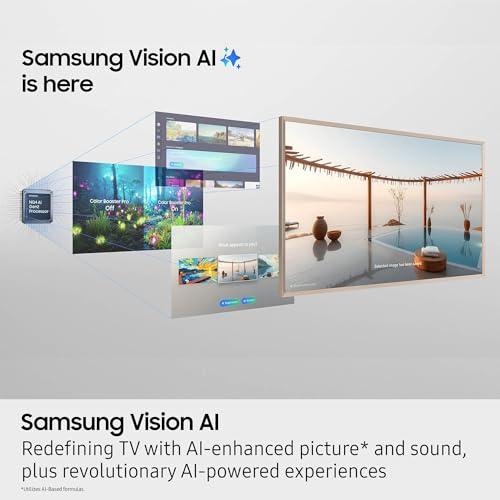

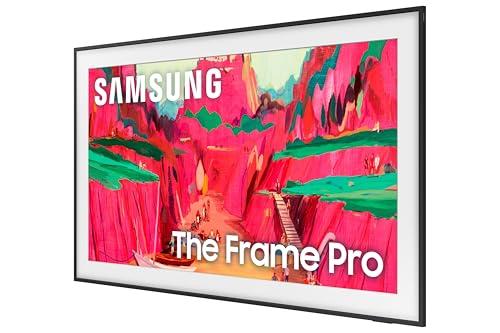
The premium TV market has become increasingly diverse, with manufacturers targeting different lifestyles and viewing preferences. Two compelling 65-inch options represent this split perfectly: the Philips 65OLED974/F7, a traditional performance-focused OLED from 2024, and Samsung's Frame Pro 4K Neo QLED, released in 2025 as the company's most advanced lifestyle television.
These TVs tackle the same fundamental challenge—delivering excellent picture quality—but take dramatically different approaches. One prioritizes pure visual performance while the other balances picture quality with artistic integration into your living space. Understanding these differences is crucial for making the right choice.
The biggest difference between these TVs lies in their display technology, which affects everything from how dark scenes look to how well they perform in bright rooms.
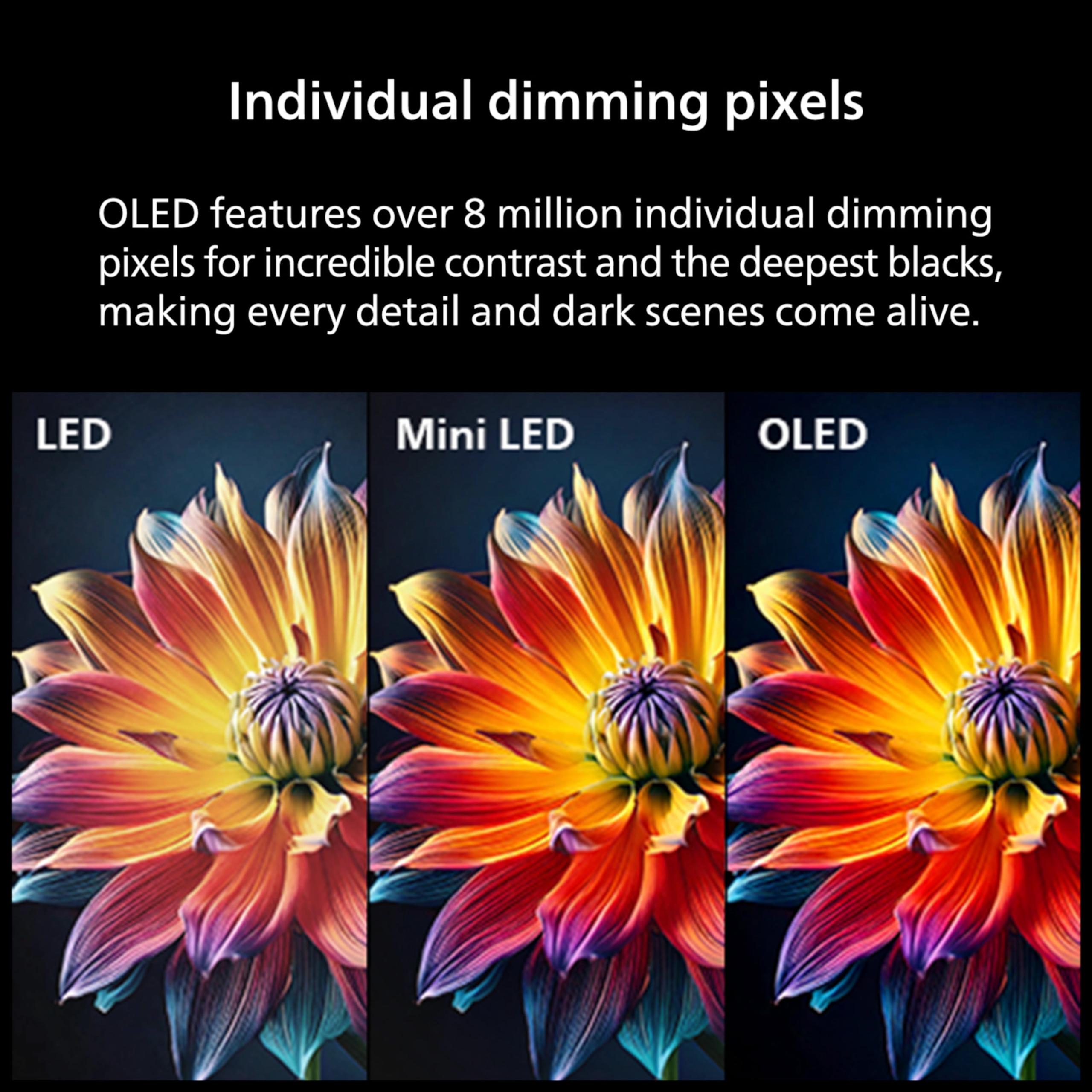
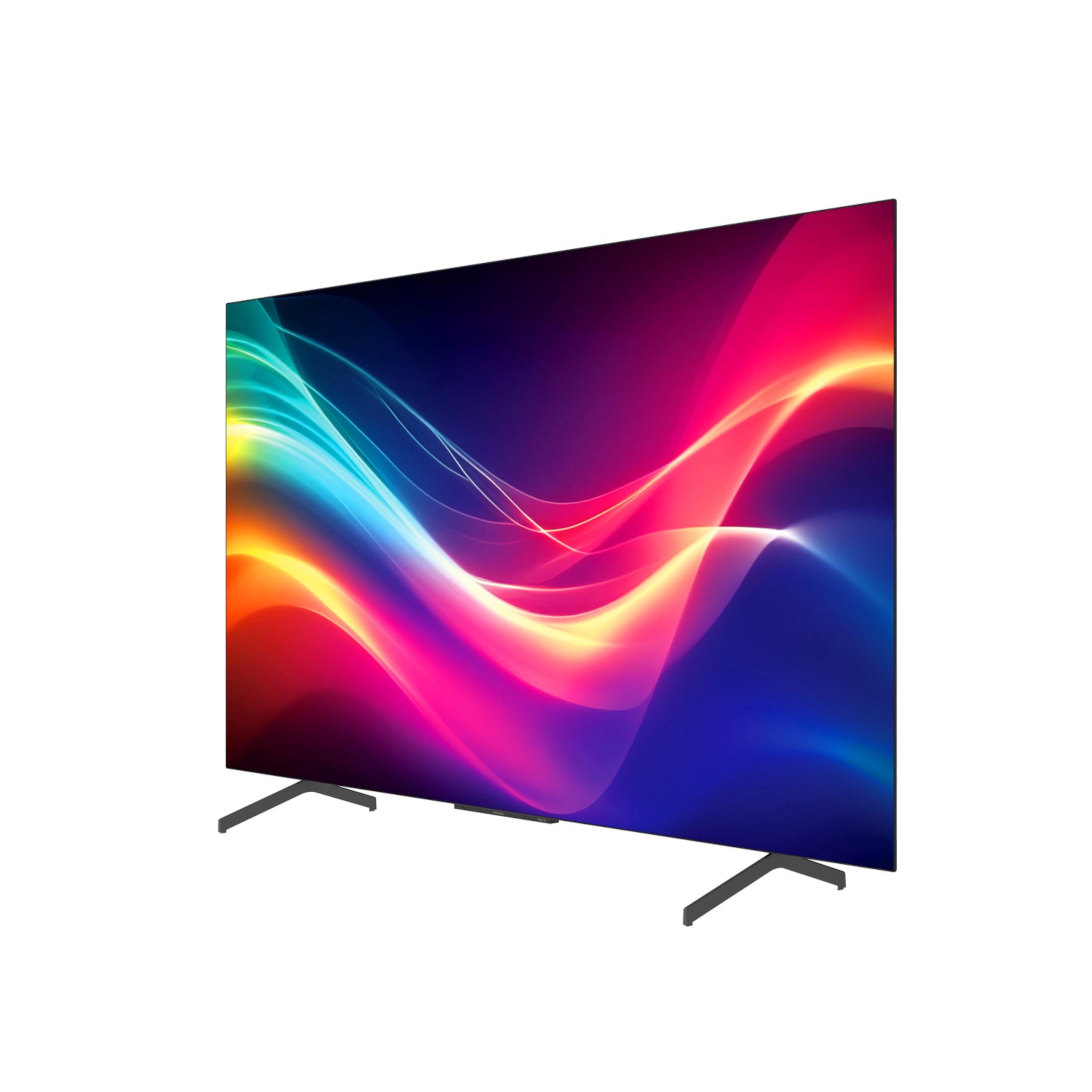
The Philips OLED uses organic light-emitting diode technology, where each of the 8.3 million pixels produces its own light. When a pixel needs to be black, it simply turns off completely—no backlight bleeding through, no grayish blacks. This creates what's called an "infinite contrast ratio," meaning the difference between the darkest and brightest parts of the image is as dramatic as physically possible.
This technology excels in dark environments. Watch a space scene in a movie, and the star field appears to float in perfect darkness. The trade-off is brightness limitations—OLED panels typically max out around 600-800 nits (a measurement of brightness), which can make HDR content look underwhelming in bright rooms.
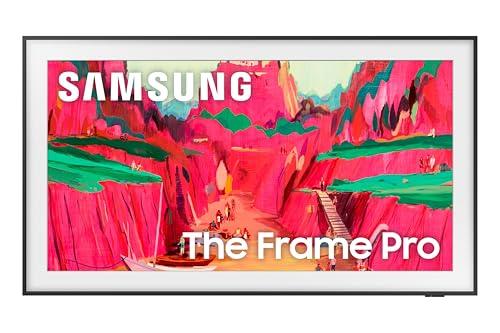
Samsung's Frame Pro uses quantum dot technology with Mini LED backlighting. Quantum dots are microscopic semiconductors that convert blue LED light into pure red and green wavelengths, creating more accurate and vibrant colors. The "Mini LED" designation means the backlight uses thousands of smaller LEDs instead of a few large ones, allowing for more precise light control.
However, the Frame Pro's implementation is edge-lit rather than full-array, meaning the Mini LEDs are positioned around the screen's edges rather than behind the entire panel. This keeps the TV ultra-thin for its art display function but prevents the deep blacks and precise local dimming you'd get from a full-array design. The benefit is much higher peak brightness—over 1,000 nits—making HDR content pop in any lighting condition.
For home theater enthusiasts, the Philips OLED delivers a superior experience in dark rooms. The perfect blacks create incredible depth in shadow details—you'll notice textures and gradations in dark scenes that simply disappear on LCD-based displays. This is particularly important for cinematic content where directors use darkness creatively.
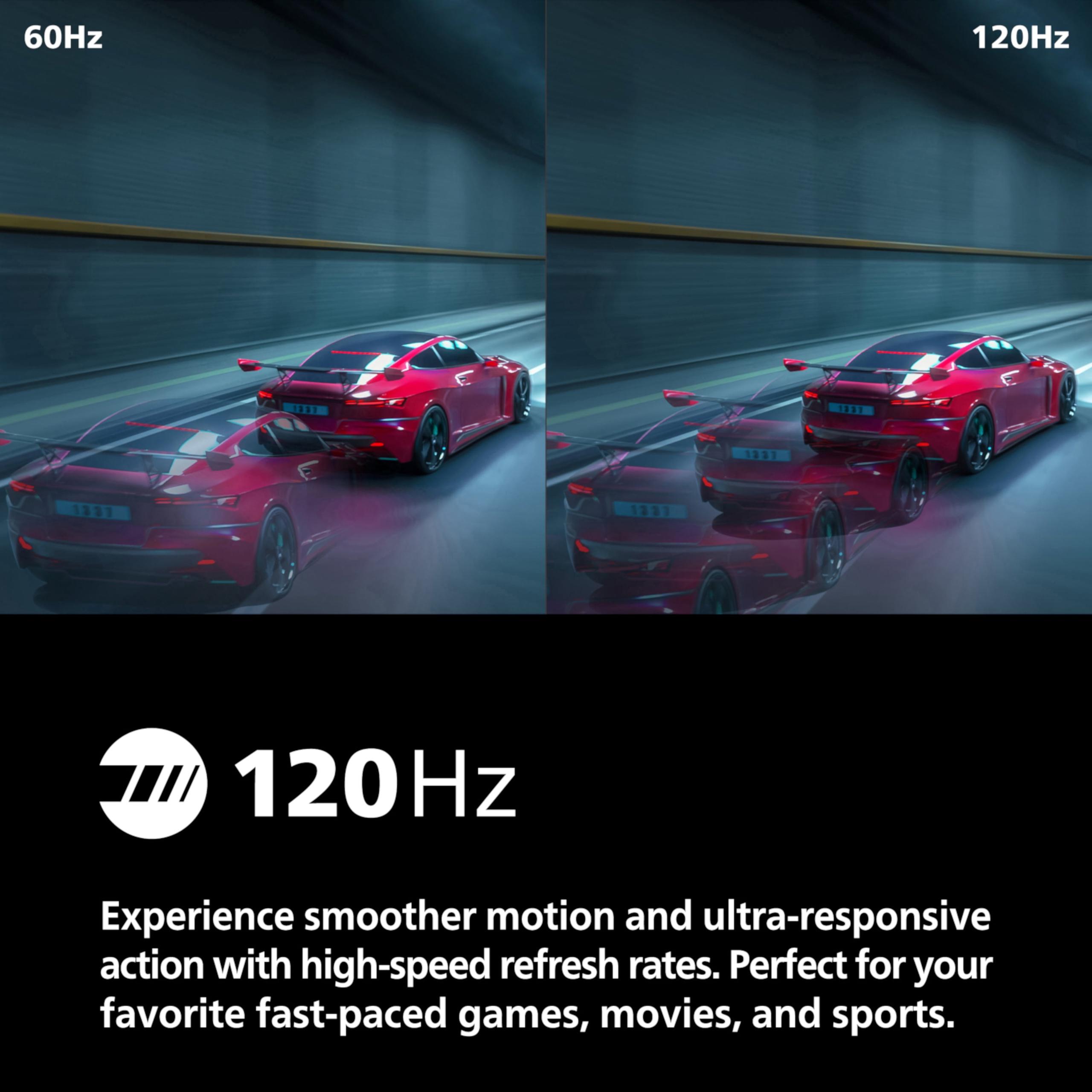
The OLED's response time of less than 0.1 milliseconds means motion appears crystal clear with no ghosting or blur trails behind moving objects. Combined with its 120Hz native refresh rate, fast sports action and action movie sequences look exceptionally smooth.
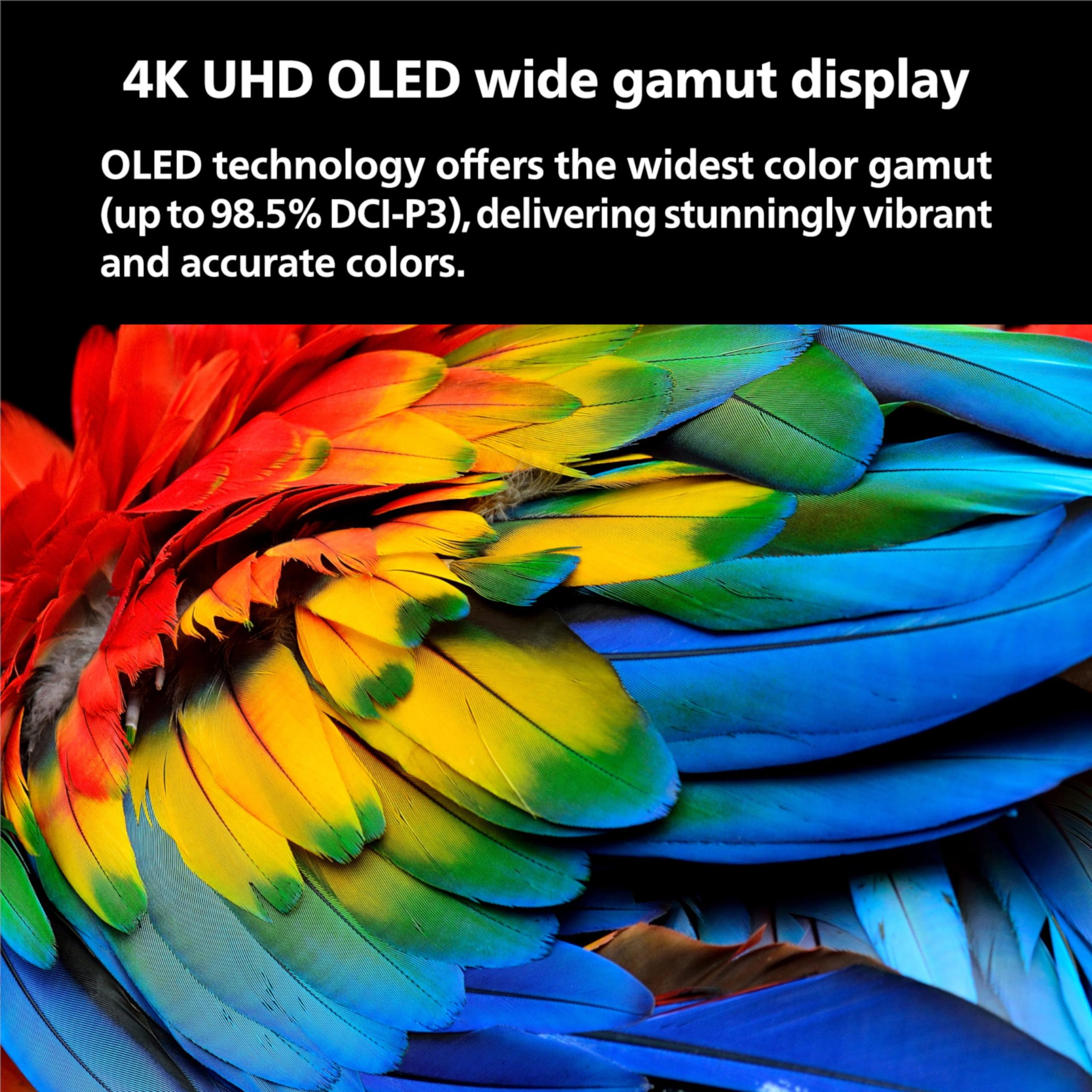
Color performance is excellent out of the box, covering 98.5% of the DCI-P3 color gamut that Hollywood uses for movie mastering. This means you're seeing colors very close to the director's intent without needing professional calibration.
The Samsung Frame Pro transforms in bright environments where the Philips OLED struggles. Its peak brightness of over 1,000 nits combined with a matte anti-glare coating makes it usable even with windows directly opposite the screen. This matters enormously for living room installations where you can't control ambient light.
HDR content truly shines here—literally. When the sun explodes in a sci-fi movie or lightning flashes during a storm scene, the Frame Pro's brightness reserves make these moments feel impactful rather than dim and washed out. The quantum dot technology ensures colors remain vibrant even at high brightness levels.
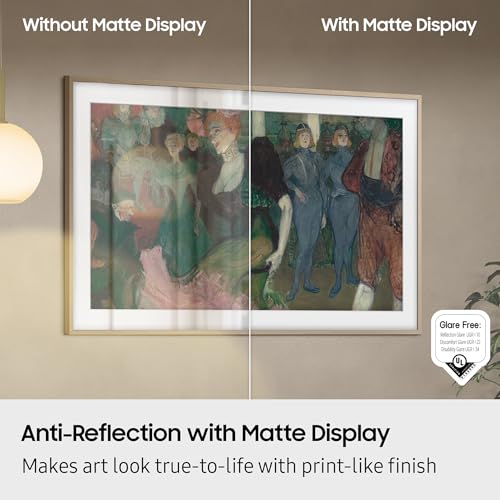
The matte coating is particularly clever for the Frame Pro's art display function. Unlike glossy screens that show harsh reflections, the matte surface makes displayed artwork appear more like a real painting or photograph on the wall.
Gaming reveals interesting strengths and weaknesses for both displays that don't align with their overall picture quality rankings.
The Philips OLED delivers low input lag, especially at 120Hz, making it very responsive for competitive gaming. The near-instantaneous pixel response time eliminates motion blur completely—crucial for tracking fast-moving targets in first-person shooters or following the ball in sports games.
Support for AMD FreeSync Premium eliminates screen tearing and stuttering by synchronizing the display's refresh rate with your gaming device's output. This works seamlessly with PlayStation 5, Xbox Series X|S, and gaming PCs for smooth, artifact-free gameplay up to 120Hz.
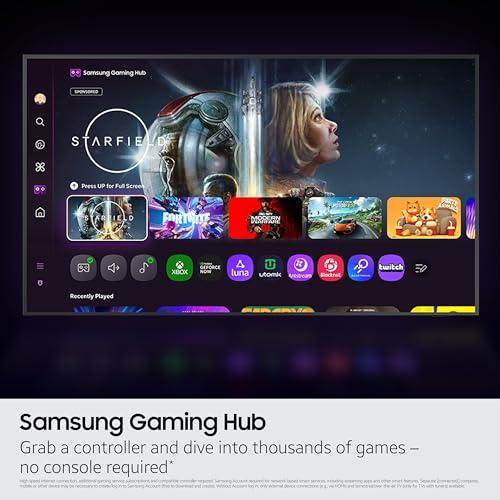
The Samsung Frame Pro offers impressive gaming features on paper—144Hz refresh rate, FreeSync Premium Pro, and five HDMI 2.1 ports supporting 4K at 144Hz. However, input lag measurements reveal a significant weakness: over 30ms of delay, which is considerably higher than most modern gaming TVs.
This high input lag makes the Frame Pro less suitable for competitive gaming where every millisecond counts. Casual gamers playing story-driven single-player games likely won't notice, but anyone serious about online multiplayer will feel the disadvantage.
The 144Hz capability does benefit PC gaming if you can accept the input lag trade-off, and the multiple HDMI 2.1 ports make it easy to connect multiple next-gen consoles simultaneously.
Both TVs offer capable smart platforms, but with different philosophies that reflect their target audiences.
The Philips OLED runs Roku TV, which prioritizes ease of use and content discovery. The interface remains consistently fast and responsive, with a clean grid layout that makes finding your favorite streaming apps intuitive. The included voice remote allows hands-free searching and control, though it's not as advanced as Samsung's implementation.
Roku's strength lies in its neutrality—it doesn't push Samsung's own services or ecosystem, instead presenting all streaming options equally. The platform receives regular updates and maintains excellent app compatibility.
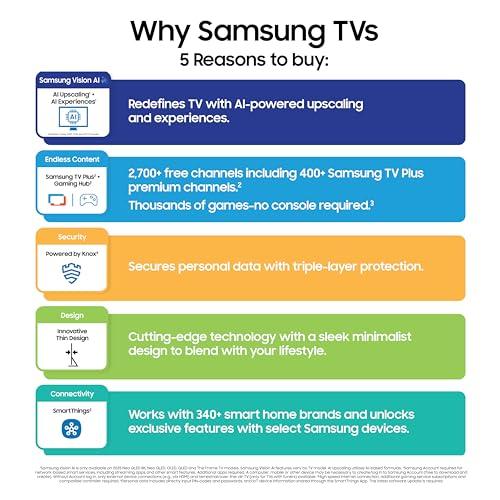
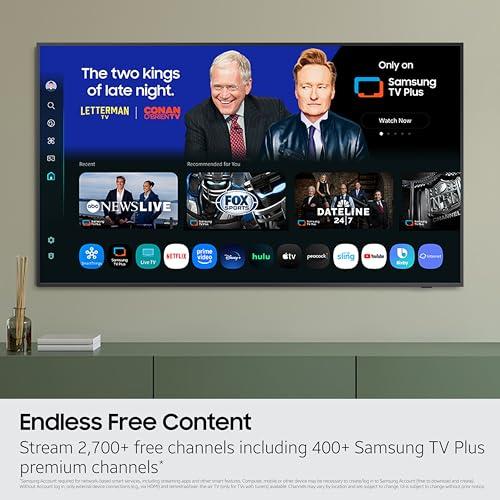
Samsung's Frame Pro runs the Tizen platform, which integrates deeply with Samsung's broader ecosystem. Built-in Alexa and Bixby provide more sophisticated voice control, and the Samsung SmartThings app allows the TV to serve as a hub for smart home devices.
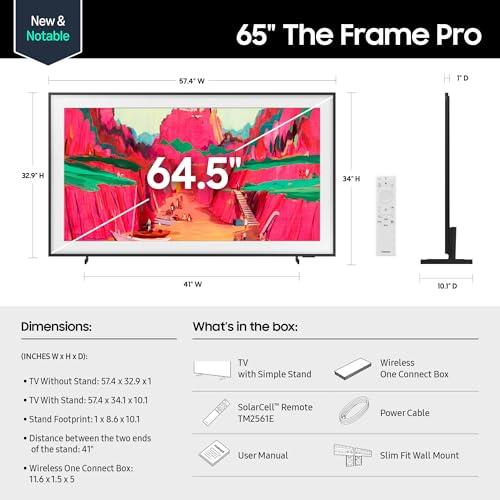
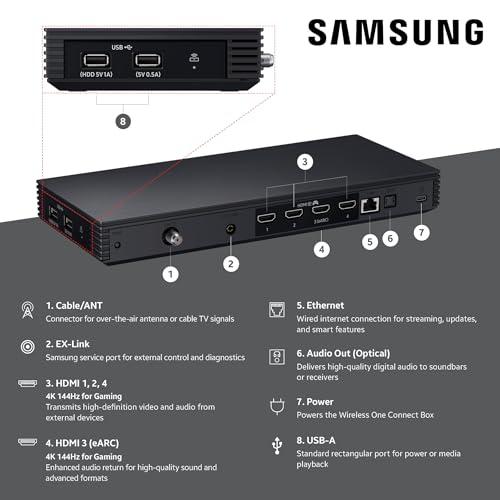
The real innovation is the wireless One Connect Box, which handles all connectivity wirelessly up to 33 feet away. This eliminates the cable clutter that would otherwise compromise the Frame Pro's clean aesthetic when wall-mounted as artwork.
Audio capabilities reflect each TV's design priorities and physical constraints.
The Philips OLED incorporates a proper 2.1 speaker system with dedicated left and right drivers plus a subwoofer, totaling 55 watts of output power. This configuration provides decent bass response and clear dialogue without external speakers, though serious audiophiles will still want to add a soundbar.
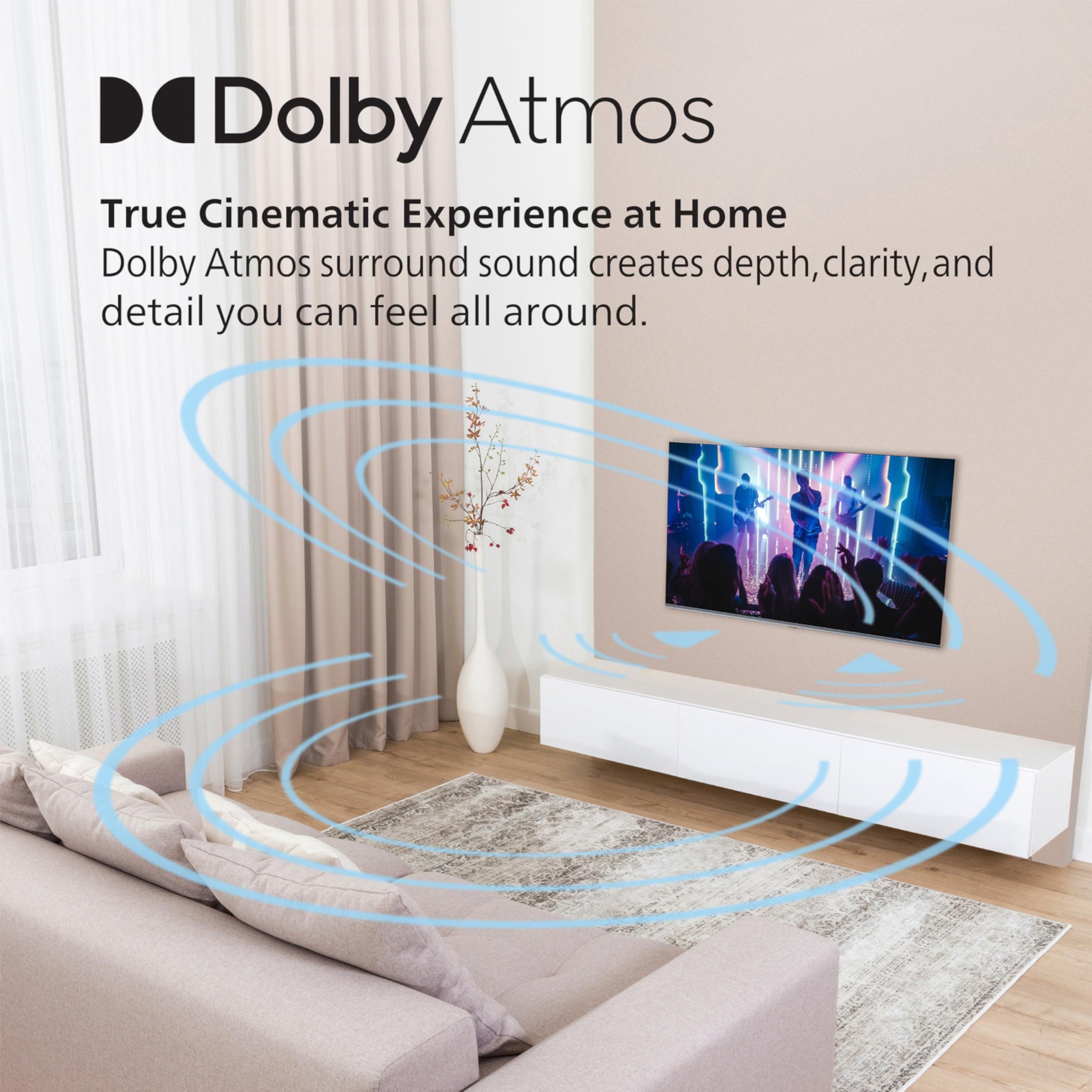
Dolby Atmos support creates a more immersive soundstage for compatible content, making action sequences feel more enveloping and helping with spatial audio cues in games.
The Samsung Frame Pro's ultra-slim profile limits speaker placement options, resulting in a 40-watt 2.0.2 channel system. However, Samsung compensates with clever audio processing, including Object Tracking Sound that attempts to move audio effects across the screen to match visual motion.
Q-Symphony Pro is the standout feature, allowing the TV's speakers to work in harmony with compatible Samsung soundbars rather than shutting off completely. This creates a larger, more immersive soundstage while maintaining the clean aesthetic.
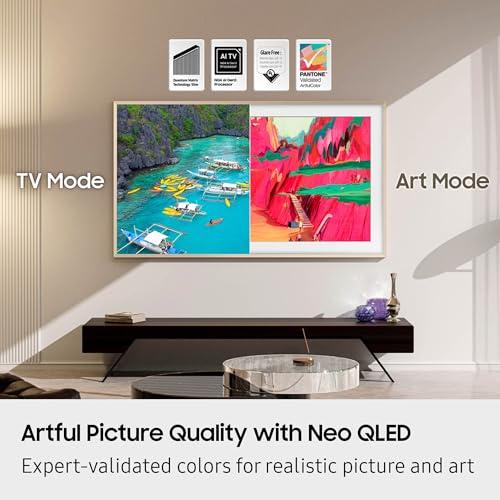
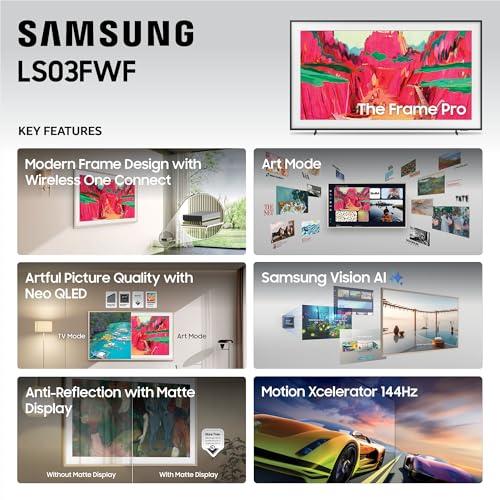
The Samsung Frame Pro's art mode functionality deserves serious consideration beyond its novelty value. When not displaying video content, the TV showcases artwork from Samsung's curated collection or your personal photos with remarkable realism.
The matte display coating eliminates the glare and reflections that make most TVs obviously electronic when displaying static images. Combined with customizable bezels that mimic picture frames, the effect is convincing enough to fool guests from across the room.
This isn't just about aesthetics—it's about justifying a large screen's presence in living spaces where a traditional TV might feel intrusive. For design-conscious households, this functionality can be worth the premium over conventional displays.
At the time of writing, these TVs occupy similar price points in the premium 65-inch segment, though specific pricing varies with sales and promotions. The value proposition depends heavily on your priorities and room setup.
The Philips OLED offers exceptional picture quality for its price point, delivering flagship-level contrast and color accuracy typically reserved for more expensive models. For dark room viewing, it competes with OLEDs costing significantly more while including gaming features that satisfy most users.
The value becomes questionable in bright rooms where its fundamental brightness limitations prevent it from performing at its best. You're paying for premium display technology that can't overcome environmental constraints.
The Samsung Frame Pro commands a lifestyle premium that's harder to quantify. You're paying extra for the art functionality, wireless connectivity, and design flexibility rather than pure performance gains over Samsung's traditional QLED models.
For households where the TV's aesthetic integration matters, this premium makes sense. For pure performance-focused buyers, traditional Samsung QLEDs offer better picture quality per dollar.
Your decision should be driven primarily by your viewing environment and priorities.
Choose the Philips OLED if you:
Choose the Samsung Frame Pro if you:
The room lighting factor cannot be overstated. An OLED in a bright room will disappoint despite its technical superiority, while a Neo QLED in a dark room won't showcase the deep blacks that make movie watching magical.
Both TVs represent mature technologies executed well by their respective manufacturers. The Philips OLED delivers on the promise of OLED technology—perfect blacks and stunning contrast—while the Samsung Frame Pro successfully balances performance with lifestyle integration in ways that weren't possible just a few years ago.
Your choice ultimately comes down to whether you prioritize peak visual performance or need a TV that earns its place in your living space even when turned off. Both approaches have merit, but only one will be right for your specific situation and preferences.
| Philips 65OLED974/F7 65" OLED Roku TV | Samsung 65" The Frame Pro 4K Neo QLED Smart TV 2025 |
|---|---|
| Display Technology - Determines contrast, blacks, and overall picture quality | |
| OLED with self-emitting pixels for perfect blacks | Neo QLED with quantum dots and edge-lit Mini LED |
| Peak Brightness - Critical for HDR impact and bright room viewing | |
| Poor brightness (~600 nits), struggles in bright rooms | Excellent brightness (1,000+ nits), great for any lighting |
| Contrast Ratio - How dramatic the difference between dark and bright areas | |
| Infinite contrast ratio with perfect blacks | Limited contrast due to edge-lit backlight |
| Screen Finish - Affects glare and reflections | |
| Standard glossy screen with solid reflection handling | Matte anti-glare coating, excellent for bright rooms |
| Gaming Performance - Input lag and refresh rate for responsive gaming | |
| Low input lag, 120Hz native, excellent for competitive gaming | High input lag (30ms+), 144Hz refresh, poor for serious gaming |
| Smart Platform - Interface and app ecosystem | |
| Roku TV with simple, fast interface | Tizen with Samsung ecosystem integration |
| Connectivity Setup - How you connect devices and manage cables | |
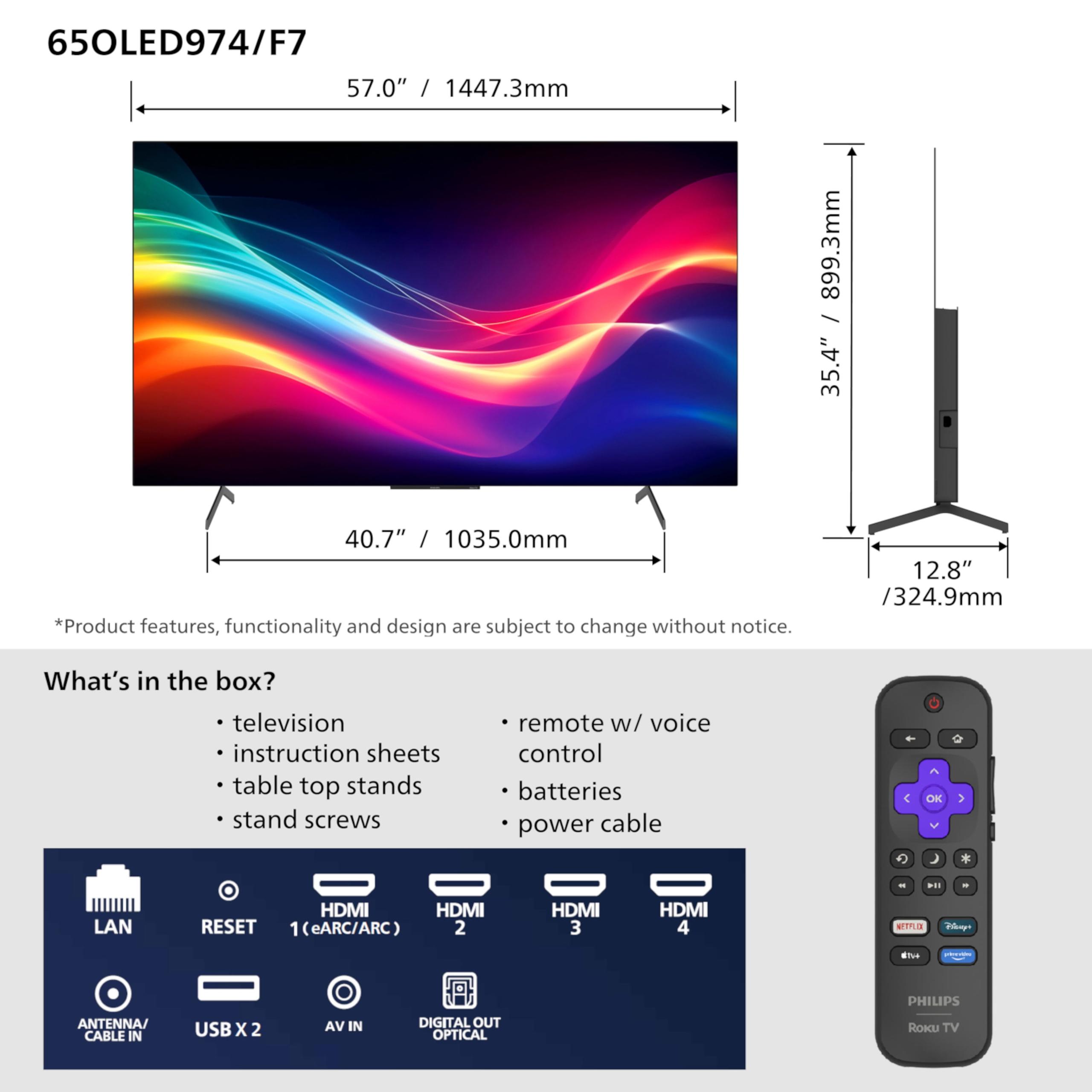
| Traditional wired connections, 4 HDMI ports | Wireless One Connect Box eliminates cable clutter |
| Art Display Function - Ability to show artwork when not watching TV | |
| None - traditional TV only | Dedicated Art Mode with curated artwork collection |
| Design Flexibility - Customization and room integration options | |
| Standard TV design with fixed bezels | Ultra-slim profile with customizable frame bezels |
| Audio System - Built-in sound quality | |
| 2.1 system with subwoofer (55W total) | 2.0.2 system with Object Tracking Sound (40W total) |
| HDR Performance - How well bright scenes and highlights display | |
| Limited HDR impact due to brightness constraints | Vibrant, impactful HDR with high peak brightness |
| Best Use Case - Ideal viewing environment and user type | |
| Dark room home theater and serious movie watching | Bright living rooms and design-conscious households |
The Philips 65OLED974/F7 delivers superior picture quality in dark rooms thanks to its OLED technology. Each pixel can turn completely off to create perfect blacks and infinite contrast, making it ideal for home theater setups. Dark scenes in movies show incredible depth and detail that the Samsung Frame Pro cannot match due to its edge-lit backlighting.
The Samsung Frame Pro 4K Neo QLED is significantly better for bright rooms with its 1,000+ nits peak brightness and matte anti-glare coating. The Philips OLED struggles in bright environments due to poor peak brightness, making HDR content appear dim and washed out when competing with ambient light.
The Philips 65OLED974/F7 is better for serious gaming with low input lag and near-instantaneous response times. While the Samsung Frame Pro offers 144Hz refresh rates and multiple HDMI 2.1 ports, its high input lag (30ms+) makes it unsuitable for competitive gaming where every millisecond matters.
Yes, the Samsung Frame Pro genuinely transforms into convincing wall art when not in use. Its matte display eliminates glare, customizable bezels mimic picture frames, and the Art Mode displays thousands of curated artworks. The wireless One Connect Box keeps cables hidden, maintaining the gallery aesthetic that the Philips OLED cannot provide.
Both offer capable smart platforms, but serve different needs. The Philips OLED uses Roku TV for simple, fast navigation and content discovery. The Samsung Frame Pro runs Tizen with deeper ecosystem integration, built-in voice assistants, and the innovative wireless One Connect Box for cable-free setup.
The Philips 65OLED974/F7 excels for dedicated home theater use with perfect blacks, infinite contrast, and excellent color accuracy. It delivers the cinematic experience directors intended, especially in controlled lighting. The Samsung Frame Pro cannot match the depth and shadow detail crucial for movie watching in dark environments.
The Philips OLED features a traditional 2.1 speaker system with a dedicated subwoofer for better bass response. The Samsung Frame Pro uses a slimmer 2.0.2 system with Object Tracking Sound and Q-Symphony Pro for soundbar integration, though its ultra-thin design limits speaker placement options.
HDR performance depends on your viewing environment. The Samsung Frame Pro delivers more impactful HDR in any lighting with its high peak brightness making highlights pop. The Philips OLED offers better HDR contrast and shadow detail in dark rooms but lacks the brightness to make HDR content shine in well-lit spaces.
Value depends on your priorities. The Philips 65OLED974/F7 offers exceptional picture quality per dollar for dark room viewing. The Samsung Frame Pro commands a lifestyle premium for its art functionality and design flexibility, making it worthwhile for design-conscious buyers but expensive for pure performance seekers.
Both support modern console gaming with HDMI 2.1 and variable refresh rate technologies. The Philips OLED provides better responsiveness for competitive gaming, while the Samsung Frame Pro offers more gaming-focused features like 144Hz support but with higher input lag that affects performance.
The Samsung Frame Pro offers easier installation with its wireless One Connect Box that eliminates cable management and allows flexible device placement up to 33 feet away. The Philips 65OLED974/F7 requires traditional wired connections but offers simpler overall setup without lifestyle features to configure.
Choose OLED (Philips 65OLED974/F7) for superior contrast and dark room performance, perfect for movie enthusiasts and home theater setups. Choose Neo QLED (Samsung Frame Pro) for bright room viewing, lifestyle integration, and when you want the TV to serve as wall art when not in use.
We've done our best to create useful and informative comparisons to help you decide what product to buy. Our research uses advanced automated methods to create this comparison and perfection is not possible - please contact us for corrections or questions. These are the sites we've researched in the creation of this article: rtings.com - versus.com - versus.com - rtings.com - samsclub.com - versus.com - youtube.com - usa.philips.com - bestbuy.com - usa.philips.com - consumerreports.org - usa.philips.com - documents.philips.com - tvoutlet.ca - displayspecifications.com - business.walmart.com - displayspecifications.com - ecoustics.com - walmart.com - tomsguide.com - youtube.com - smarthomesounds.co.uk - images.samsung.com - rtings.com - samsung.com - bestbuy.com - bestbuy.com - businessinsider.com - dentonstv.com - samsung.com - flatpanelshd.com - samsung.com - jefflynch.com - youtube.com - costco.com

Privacy Policy
Terms and Conditions - Affiliate Policy
Home Security
© Copyright 2008-2026.
11816 Inwood Rd #1211, Dallas, TX 75244