


When you're shopping for a premium 65-inch TV, you're entering exciting territory. These large screens can transform any living room into a mini theater, but the technology choices can feel overwhelming. Today's premium TVs use fundamentally different approaches to create stunning pictures, and understanding these differences is crucial for making the right choice.
The two main technologies dominating the premium market are OLED and Neo QLED. OLED (Organic Light Emitting Diode) displays create light from each individual pixel, while Neo QLED uses thousands of tiny LED lights behind a quantum dot layer to produce images. Both technologies deliver exceptional picture quality, but they excel in different scenarios.
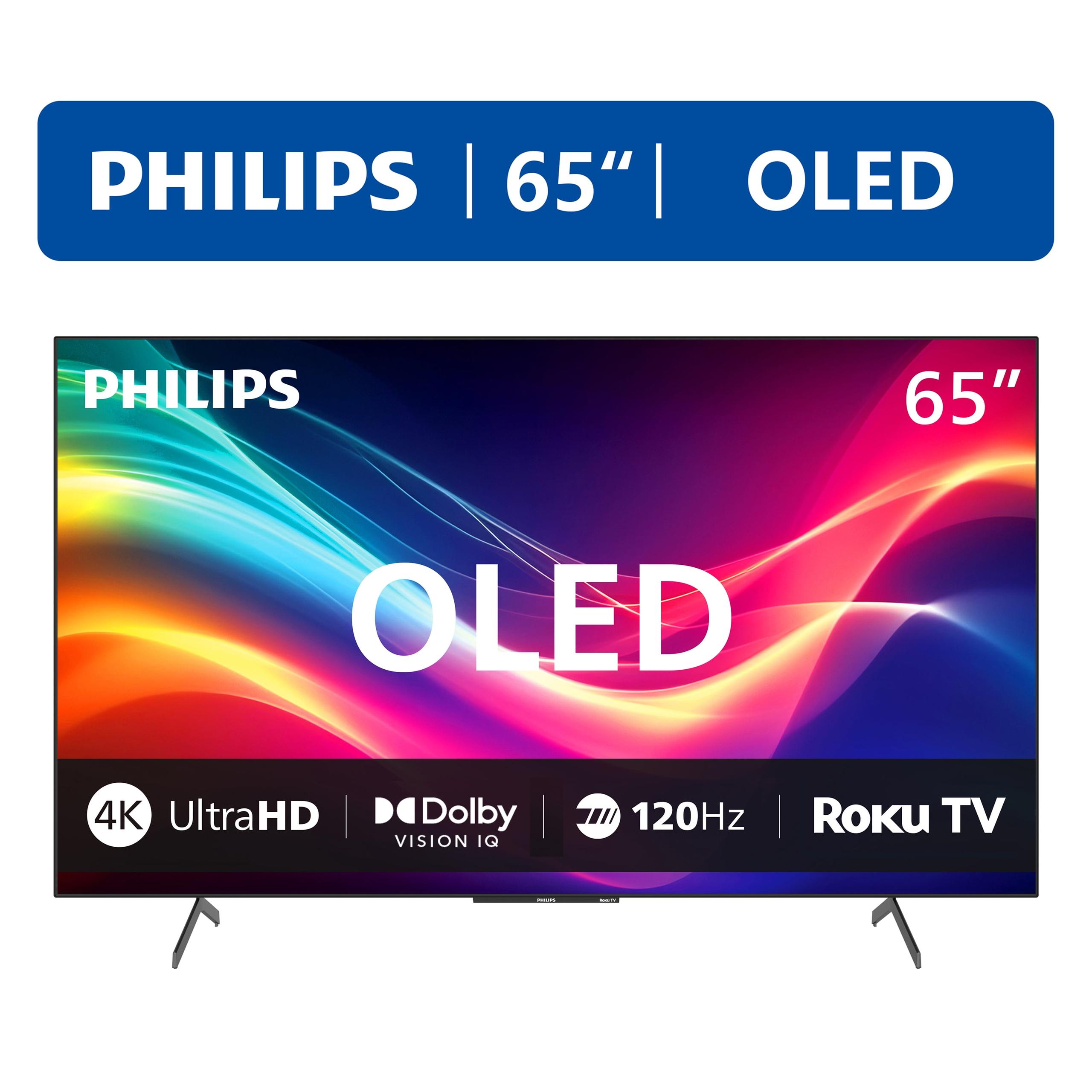
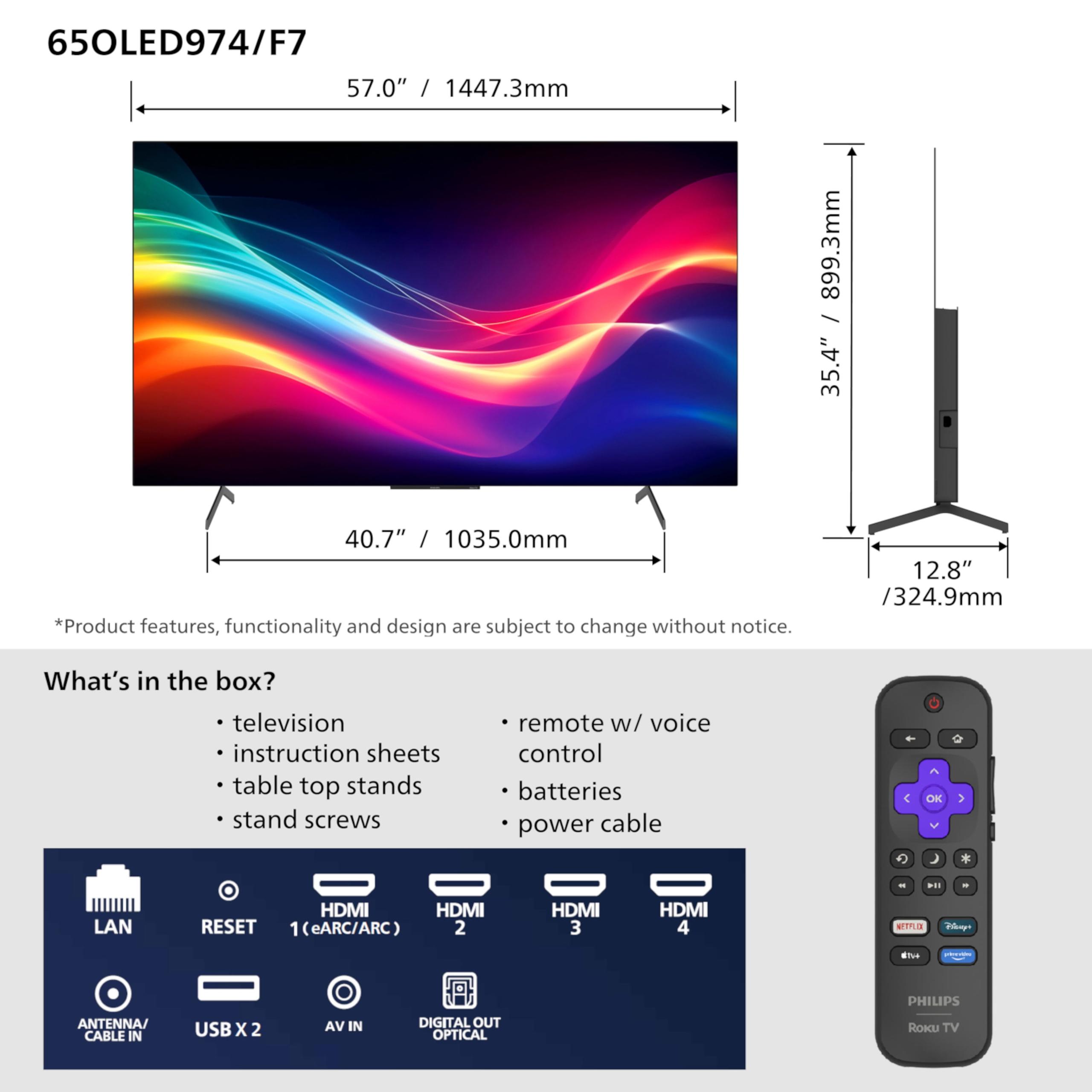
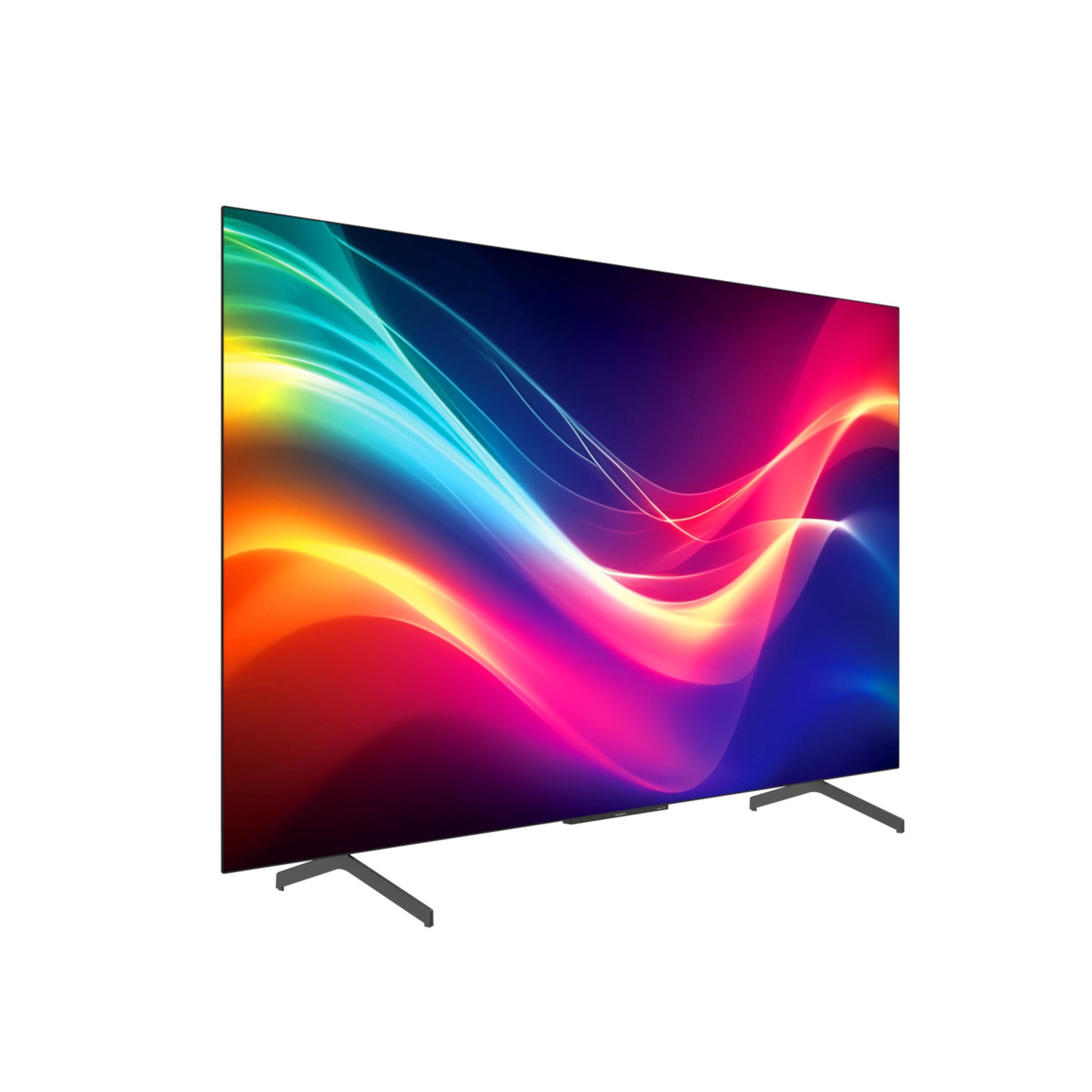
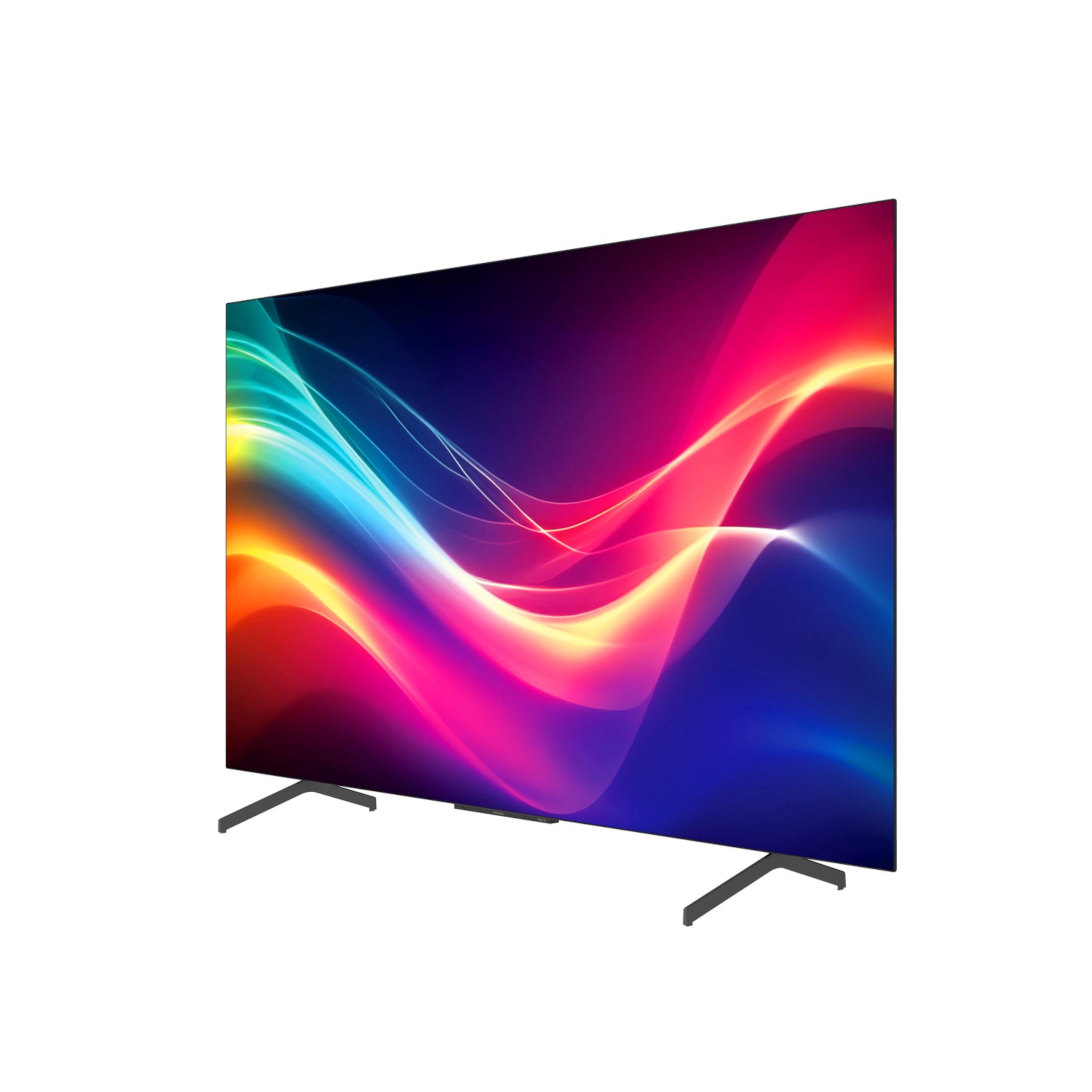
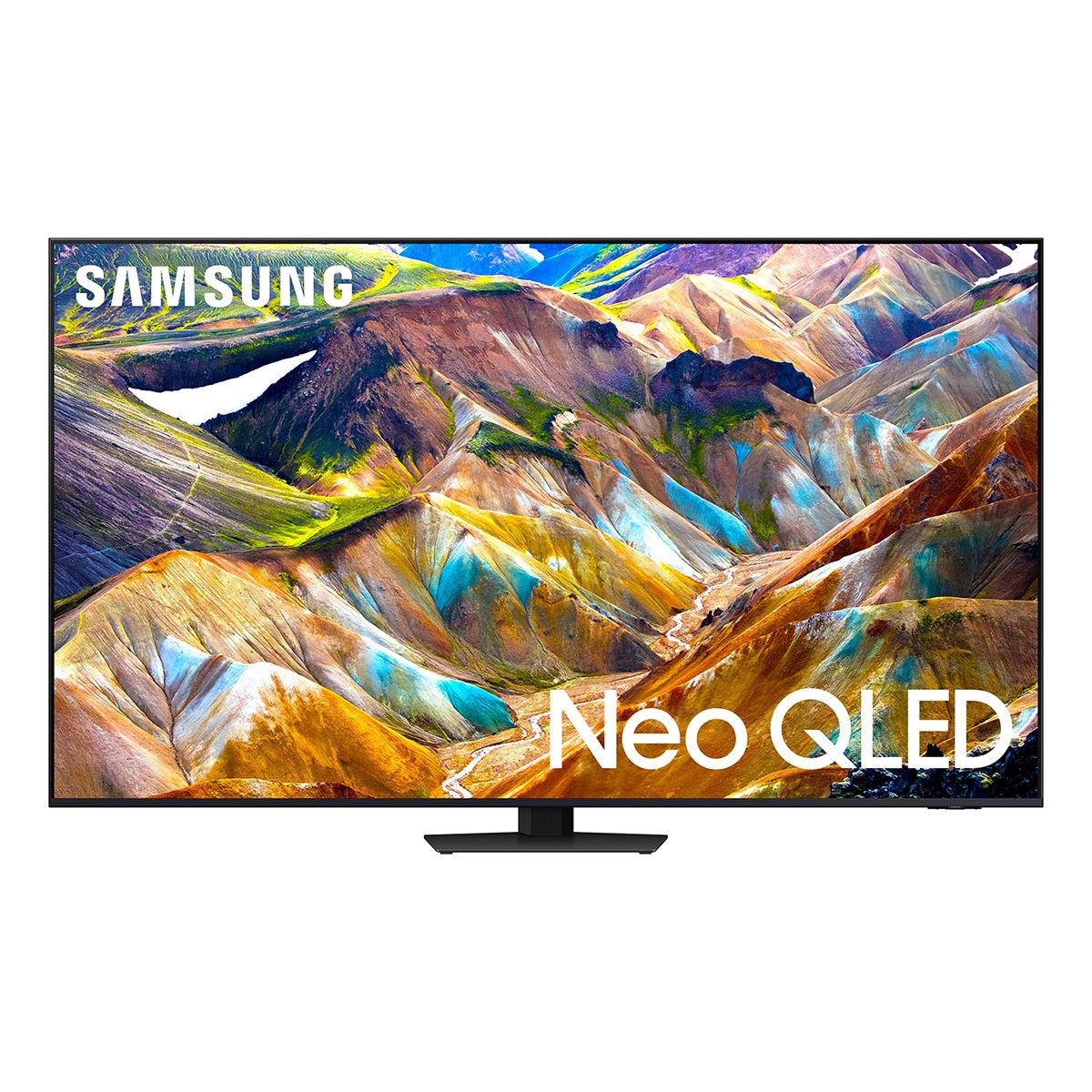
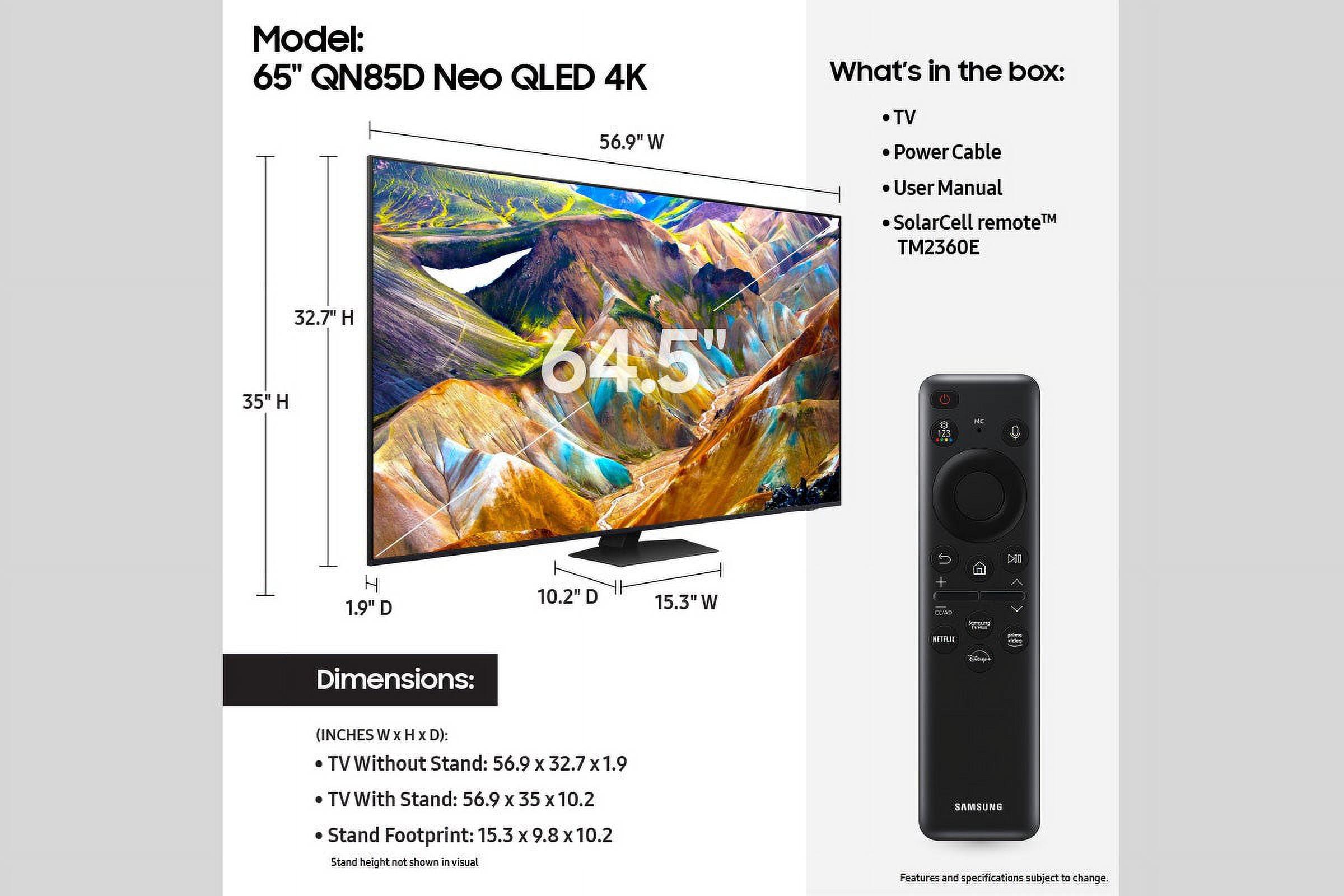
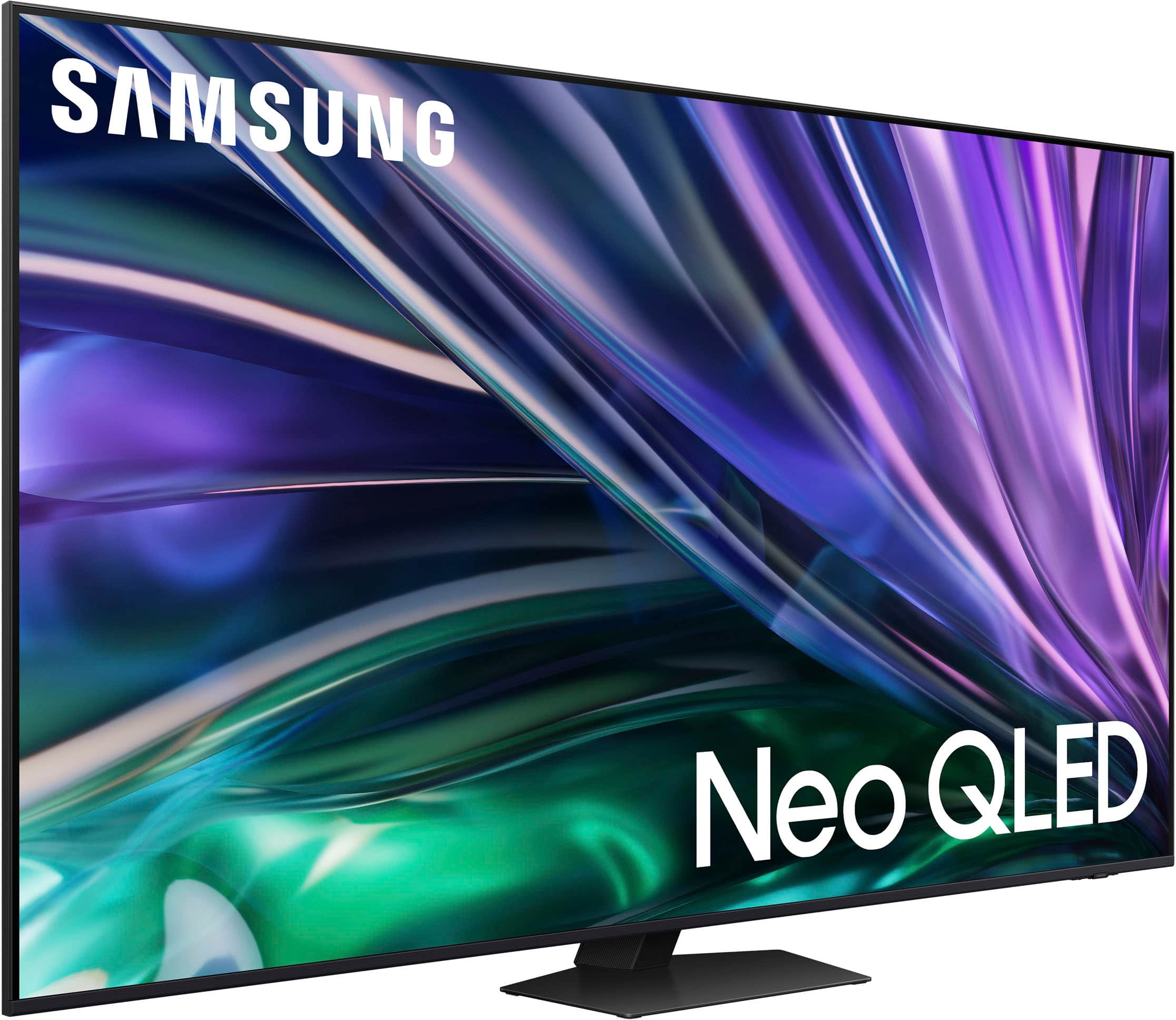
In this comparison, we're looking at the Philips 65OLED974/F7 OLED Roku TV and the Samsung 65" QN85D Neo QLED. Released in 2024, both represent current-generation technology with significant improvements over their predecessors. The Philips OLED brings advanced OLED panel technology with a simplified Roku interface, while the Samsung QN85D introduces Samsung's latest Mini LED innovations with comprehensive smart features.
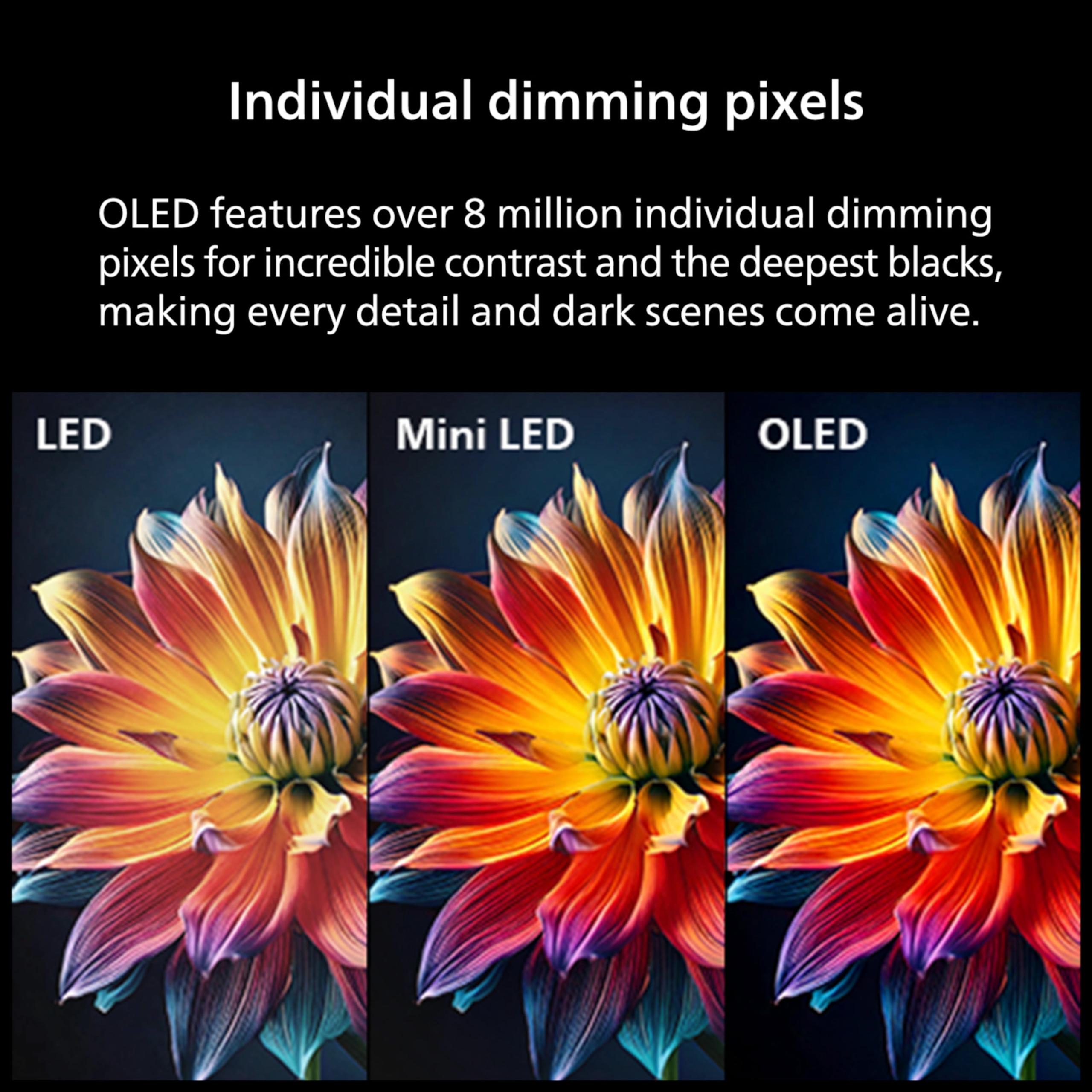
The core difference between these TVs lies in how they create light and color. The Philips 65OLED974/F7 uses self-illuminating pixels that can turn completely off to create true black levels. This means when you're watching a space scene with stars against the void, those black areas are genuinely black – not just very dark gray like traditional LCD screens.
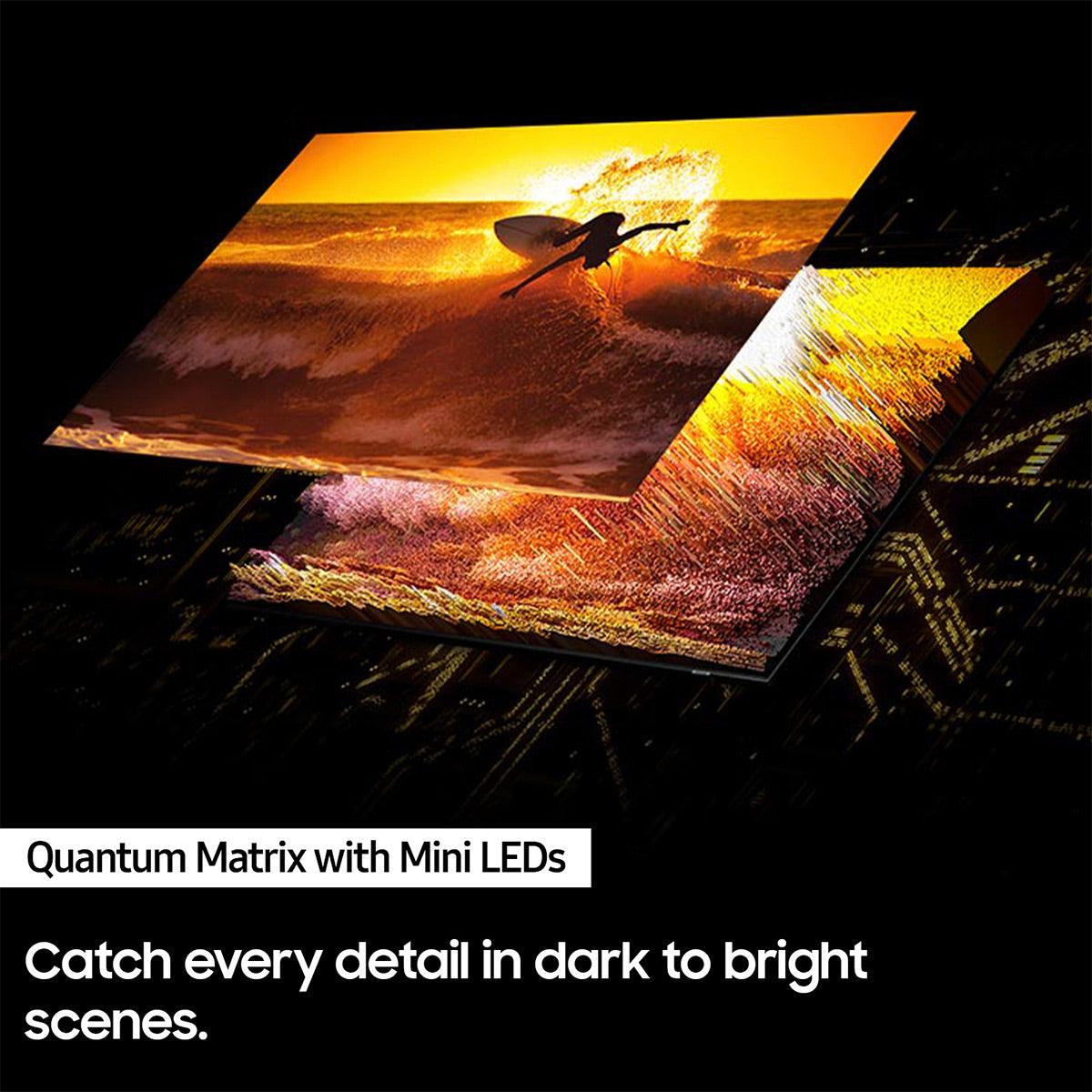
The Samsung QN85D takes a different approach with its Quantum Matrix Mini LED technology. Instead of pixels creating their own light, thousands of tiny LED lights sit behind the screen in 160 separate dimming zones on the 65-inch model. These zones can brighten or dim independently, creating impressive contrast while maintaining much higher peak brightness than OLED panels.
This fundamental difference shapes everything else about these TVs. OLED's perfect blacks come with a brightness limitation, while Mini LED's superior brightness comes with slightly imperfect blacks due to some light bleeding between zones.
The Philips OLED delivers what many consider the gold standard for black levels. Each of its 8 million pixels can turn completely off, creating an infinite contrast ratio. When watching movies with dark scenes, like horror films or space epics, this creates an almost three-dimensional depth that's immediately noticeable. Colors appear to float against the pure black background rather than sitting on a grayish canvas.
The Samsung Neo QLED achieves excellent contrast through its local dimming system, reaching ratios exceeding 160,000:1. While not infinite like OLED, this is still exceptional for LED technology. You'll notice some subtle blooming around bright objects in dark scenes – imagine a streetlight creating a slight halo in a nighttime movie scene – but Samsung's dimming algorithm has improved significantly, making this effect minimal during normal viewing.
Here's where the Samsung QN85D pulls ahead decisively. Its Mini LED backlight can achieve much higher peak brightness than the Philips OLED, making it ideal for rooms with windows or bright lighting. If your TV sits opposite a window or you prefer watching with lights on, the Samsung's superior brightness helps maintain picture quality and color vibrancy.
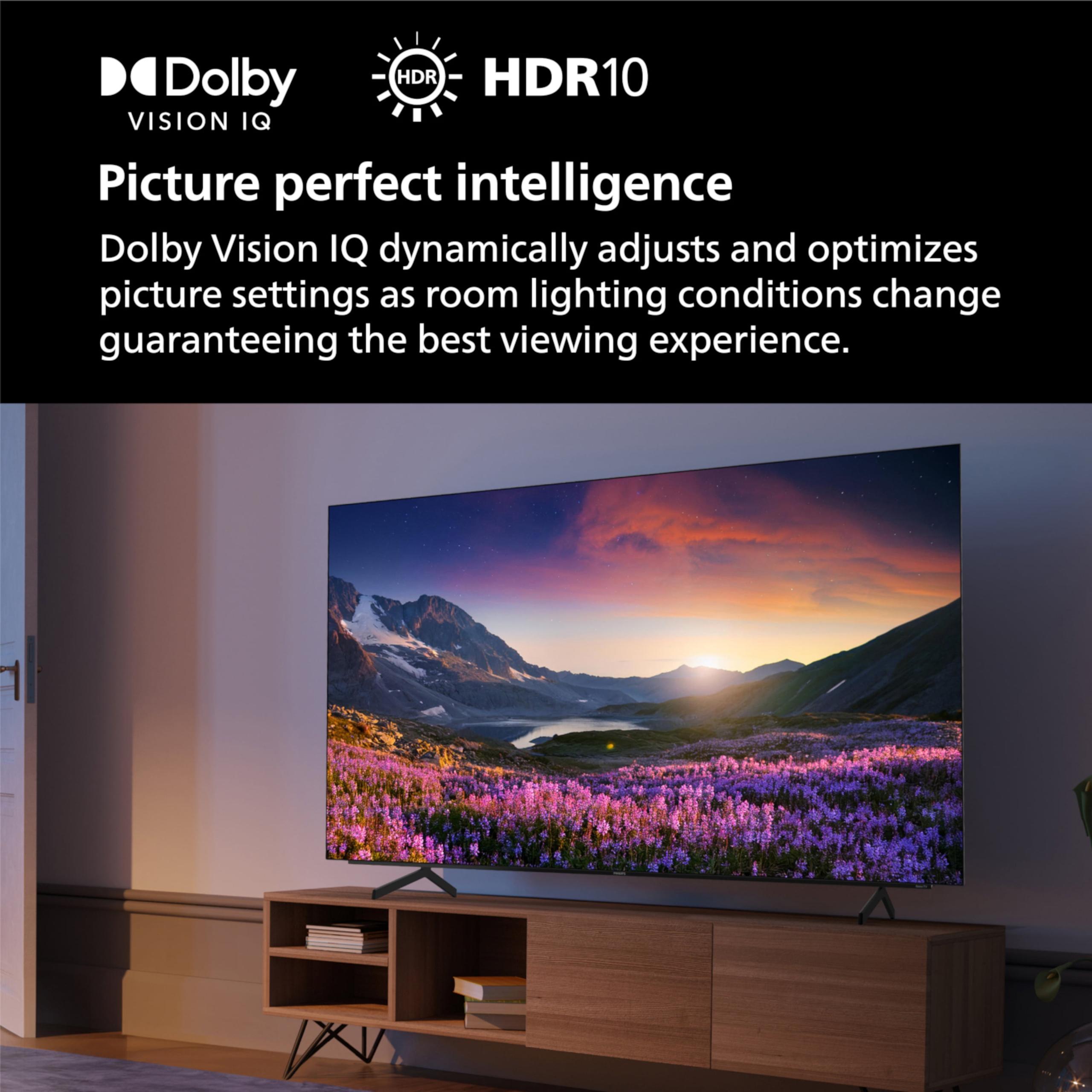
The Philips OLED struggles in bright environments. Our research into user reviews consistently shows that OLED TVs, including this Philips model, perform best in darker rooms where their limited brightness isn't competing with ambient light. In bright rooms, the picture can appear washed out, and HDR content loses its intended impact.
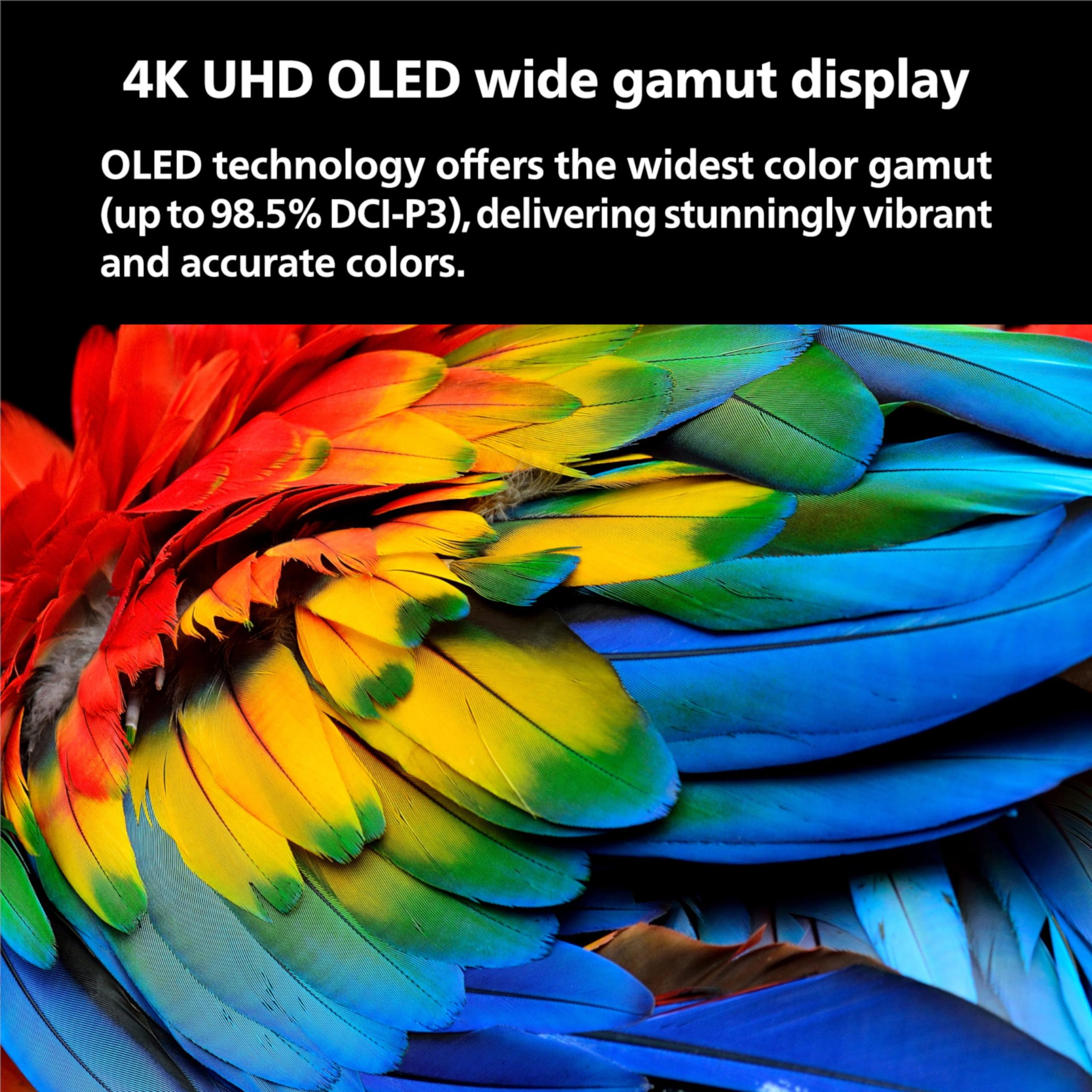
Both TVs excel at color reproduction but through different methods. The Philips OLED covers up to 98.5% of the DCI-P3 color space (the standard used in movie theaters) and delivers excellent out-of-the-box accuracy. Colors appear natural and film-like without needing calibration.
The Samsung QN85D uses Quantum Dot technology, which filters light through nanocrystals to produce pure colors. Samsung claims 100% color volume, meaning colors remain vibrant even at different brightness levels. The TV includes a "Color Booster" setting for those who prefer more saturated, punchy colors, though the default settings already provide pleasing and realistic images.
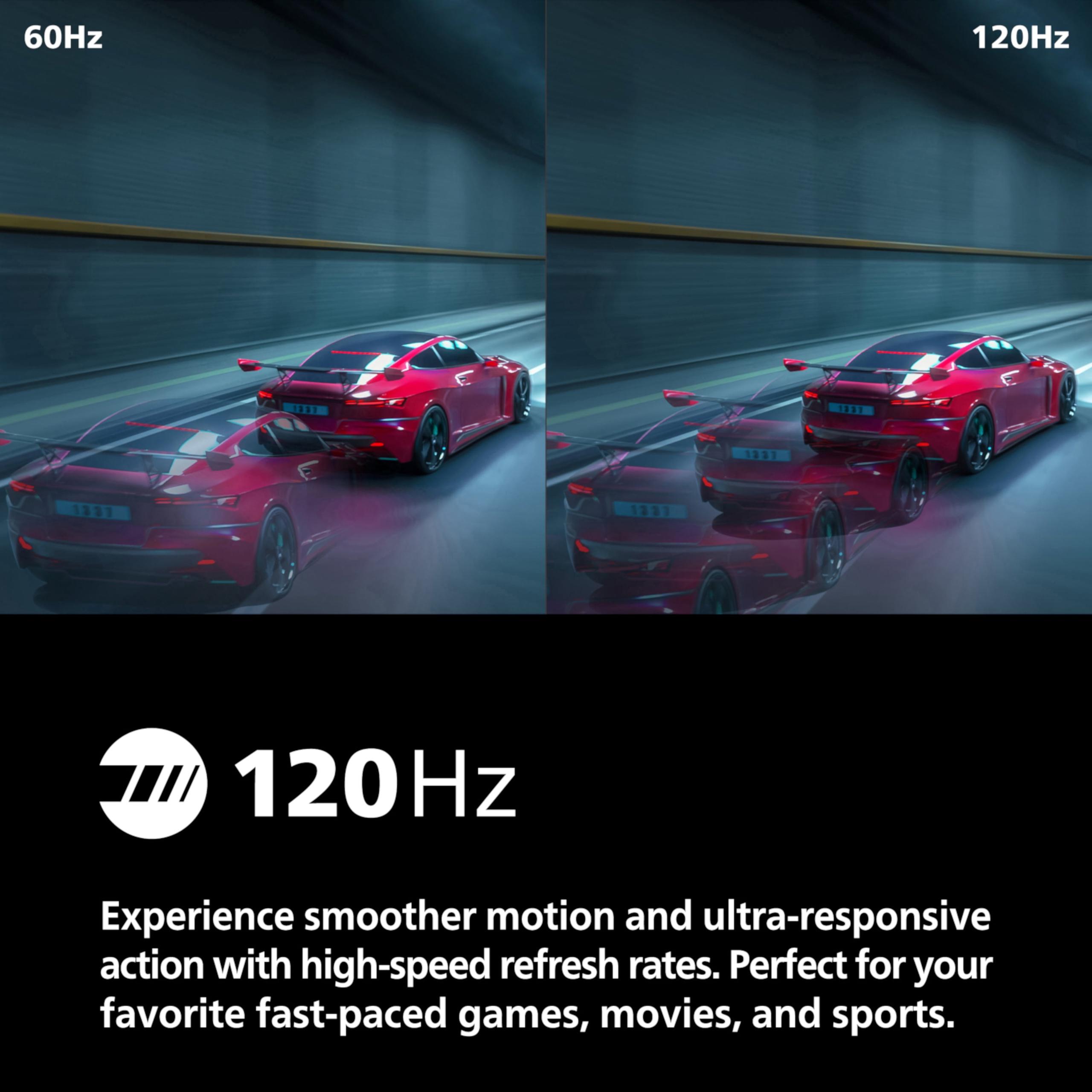
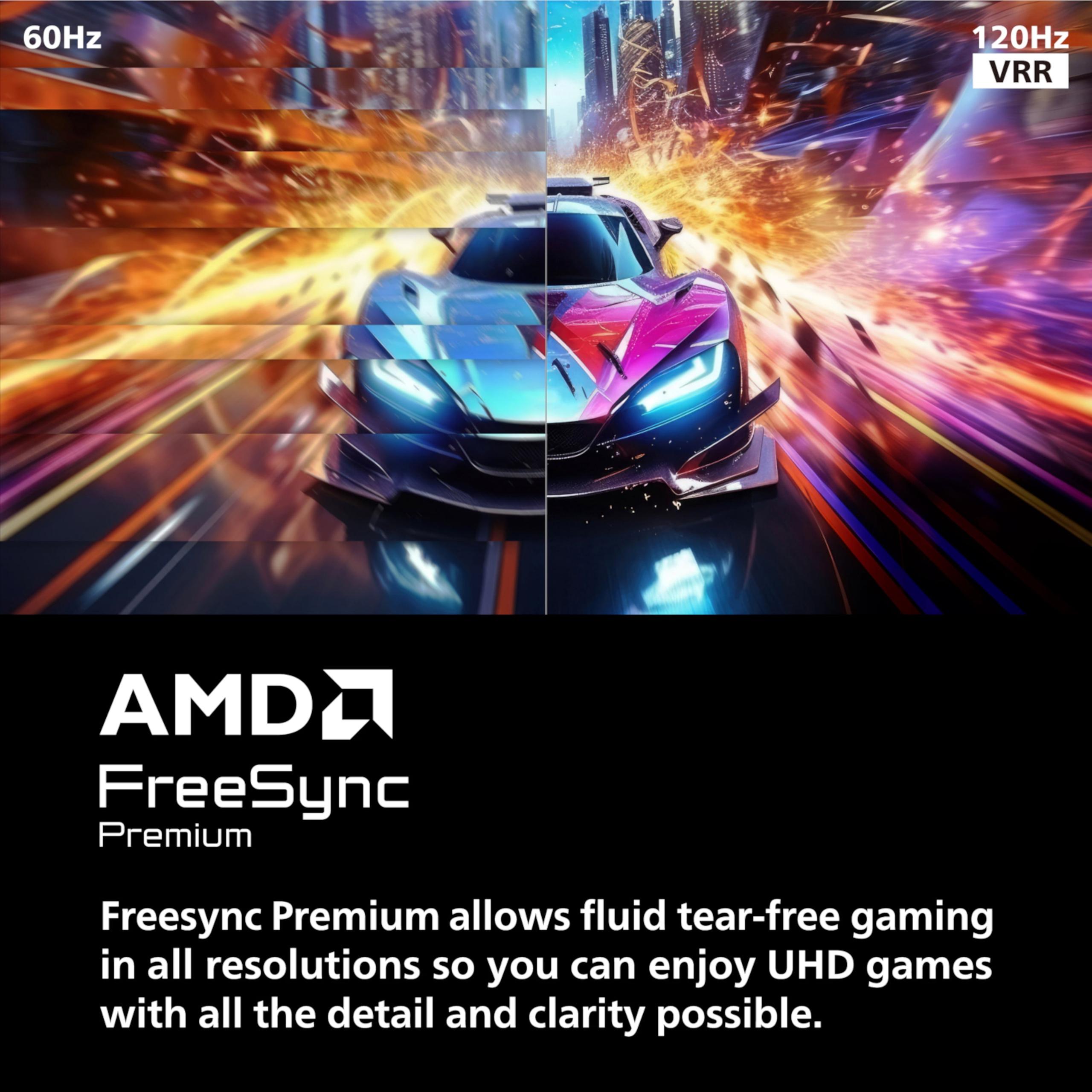
Modern gaming demands specific features, and both TVs deliver comprehensively. The Philips OLED offers AMD FreeSync Premium, which synchronizes the display's refresh rate with your gaming device to eliminate screen tearing and stuttering. Its response time of less than 0.1 milliseconds means virtually no motion blur during fast action sequences.
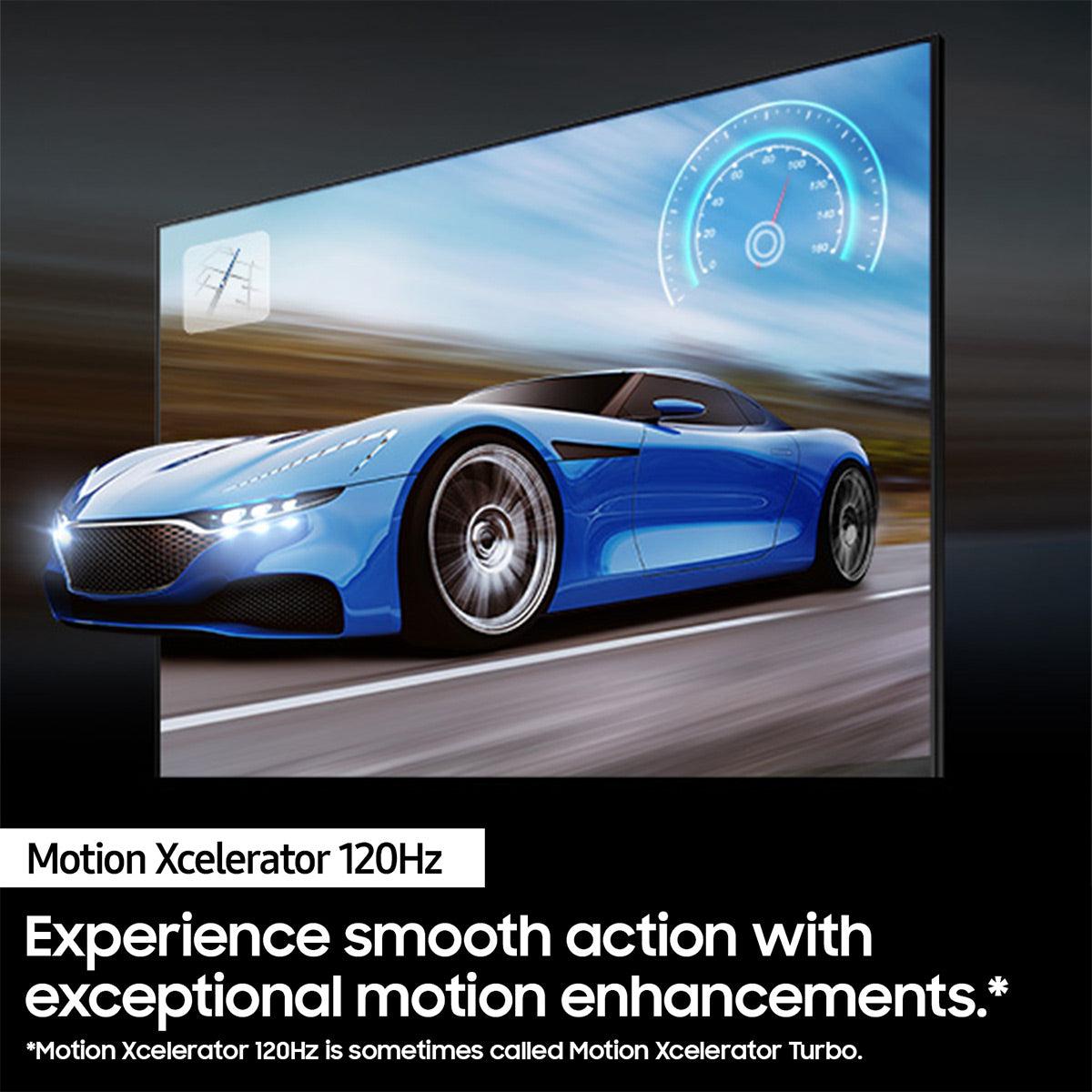
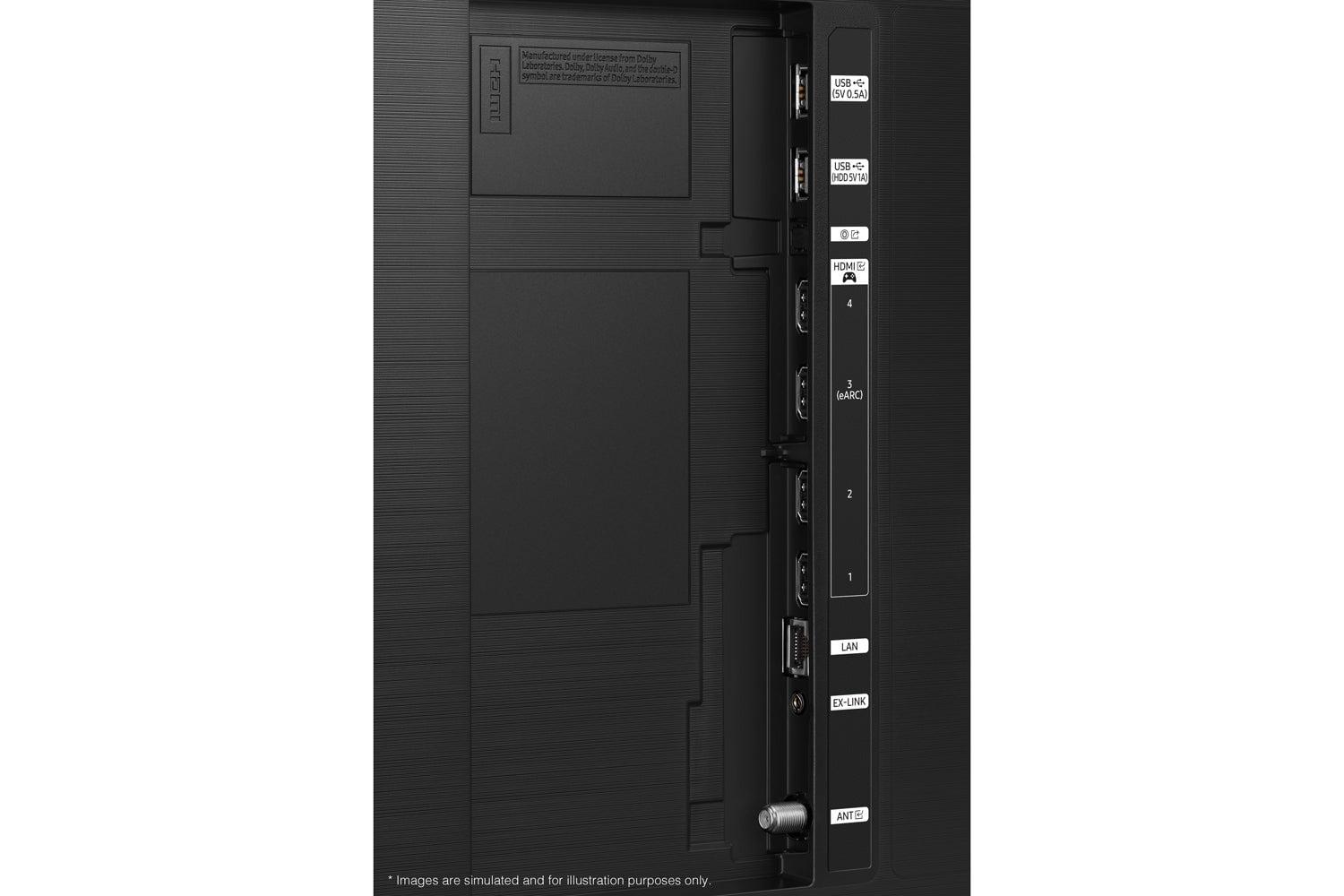
The Samsung QN85D goes further with gaming features, offering four HDMI 2.1 ports that support 4K gaming at up to 144Hz. This makes it future-proof for high-end gaming PCs and provides more connection options for multiple gaming devices. Its Motion Xcelerator Turbo 120Hz technology ensures smooth gameplay across all supported frame rates.
Both TVs include Auto Low Latency Mode (ALLM), which automatically switches to game mode when it detects a gaming signal, reducing input lag to ensure responsive controls. For serious gamers, the Samsung's additional ports and higher refresh rate support give it an edge, while the Philips OLED's perfect blacks create incredible atmosphere in darker games.
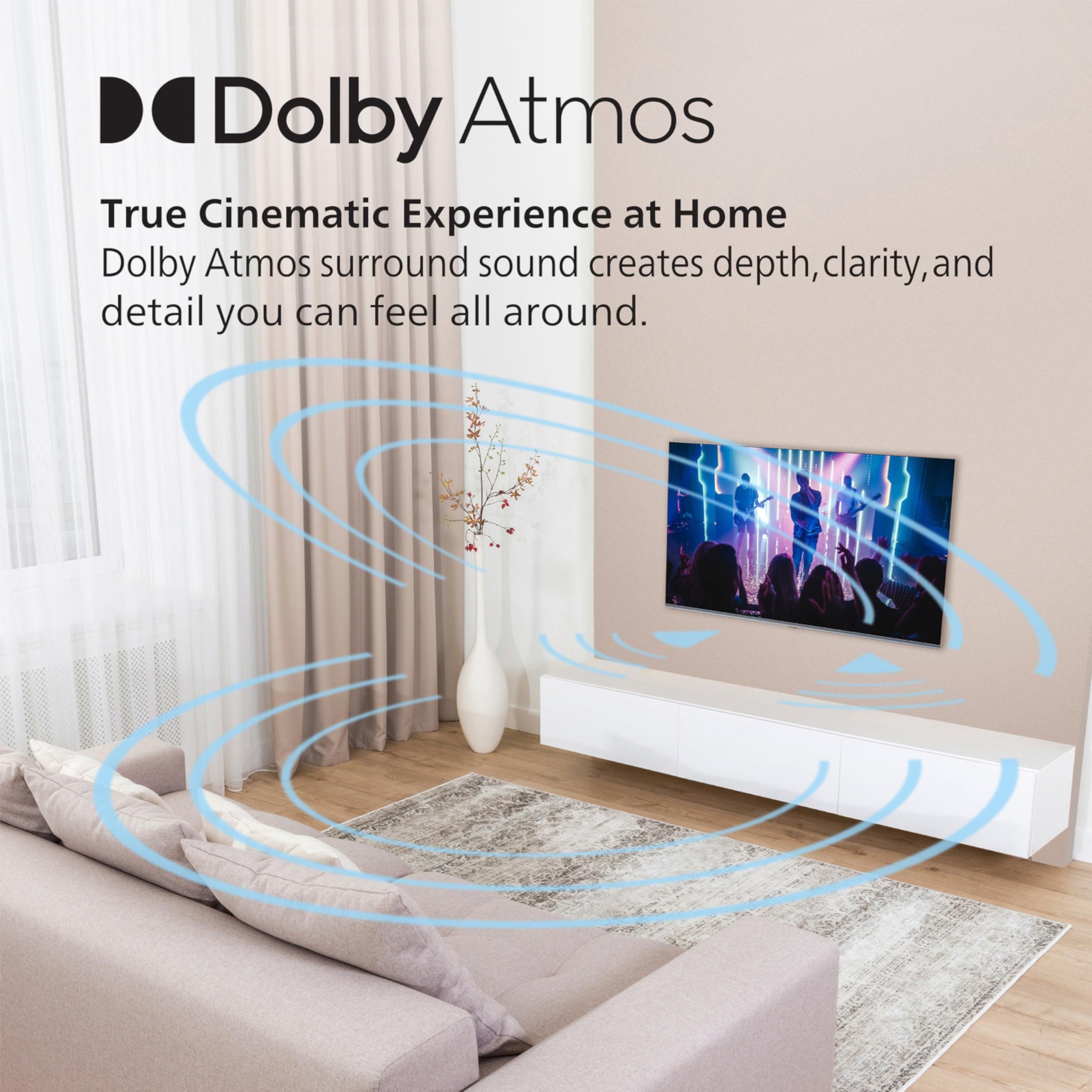
Audio often gets overlooked in TV comparisons, but both manufacturers have invested in sound quality. The Philips OLED features a Dolby 2.1 speaker system with two main speakers plus a subwoofer, delivering clear dialogue and reasonable bass response for a flat-screen TV.
The Samsung QN85D includes Object Tracking Sound Lite, which moves audio across the screen to follow action – car chases will have engine sounds that pan from left to right as vehicles move across the screen. This creates a more immersive experience than traditional TV speakers, though both TVs benefit significantly from external sound systems for true home theater experiences.
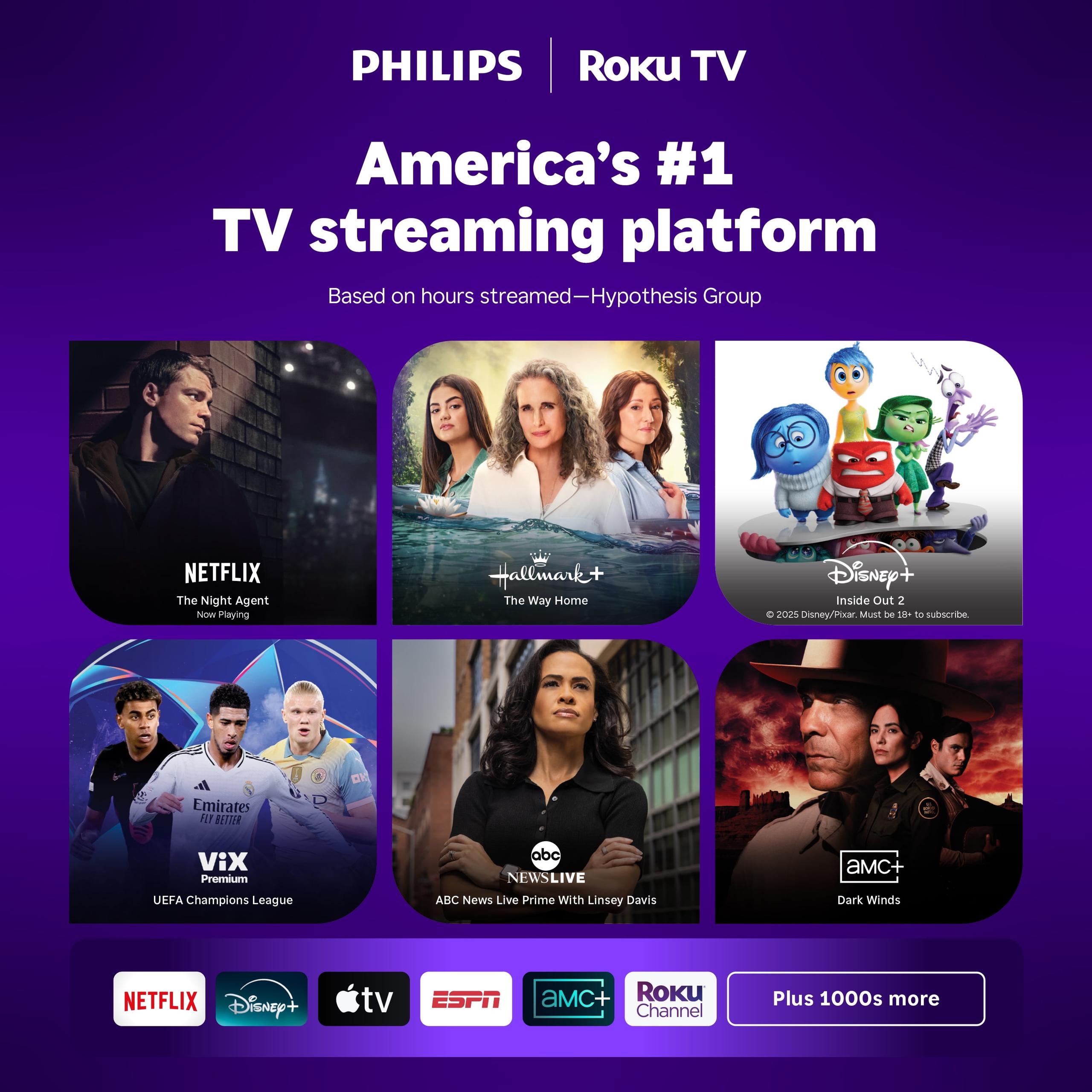
The software experience differs significantly between these TVs. The Philips OLED runs Roku TV, which has earned praise for its simplicity and content discovery. The interface is straightforward – you'll find your apps quickly without navigating complex menus. Roku's universal search function works across multiple streaming services, making it easy to find content without opening individual apps.
The Samsung QN85D uses Samsung's Tizen OS, which offers more advanced features but with increased complexity. It includes Samsung Gaming Hub for cloud gaming, SmartThings integration for home automation control, and Samsung TV Plus for free live TV streaming. The interface is more feature-rich but requires more learning time.
Both platforms support major streaming apps, but Roku's reputation for long-term app support gives it an edge for future-proofing. However, Samsung's ecosystem integration appeals to users already invested in Samsung devices.
The Philips OLED maintains perfect picture quality at wide viewing angles – up to 176 degrees horizontally and vertically. This means family members sitting at the sides of your couch will see the same great picture as those directly in front.
The Samsung QN85D uses a VA panel, which provides excellent contrast when viewed straight-on but shows color shifting and contrast reduction when viewed from angles. If your seating arrangement has people watching from the sides regularly, this could be a consideration.
For dedicated home theaters with optimal seating positions, this isn't a major factor. But for family rooms with varied seating arrangements, the Philips OLED's consistent performance at all angles provides more flexibility.
At the time of writing, both TVs occupy different value propositions in the premium segment. OLED technology traditionally commands higher prices, but the Philips model positions itself competitively within the OLED category. The Samsung QN85D represents Samsung's entry-level Neo QLED offering, providing flagship features at a more accessible price point than their premium models.
Consider long-term ownership factors: OLED panels have historically raised concerns about burn-in (permanent image retention), though modern panels like the Philips include protective technologies that make this largely a non-issue for normal viewing habits. The Samsung's LED technology faces no burn-in risk and typically offers stable performance over many years.
For dedicated home theater setups, the Philips OLED creates an exceptional experience in controlled lighting environments. Its perfect blacks enhance the cinematic feel, especially for movies shot with dark scenes or space settings. The wide color gamut ensures films appear as directors intended.
However, the Samsung QN85D shouldn't be dismissed for home theater use. Its superior brightness makes HDR content more impactful, and bright scenes in movies truly pop. For theaters that aren't completely dark or for viewers who prefer more vibrant, punchy images, the Samsung provides excellent performance.
Choose the Philips 65OLED974/F7 if you're building a dedicated home theater or primarily watch in dark rooms. Its perfect blacks create an unmatched viewing experience for movies and dramatic content. The simplified Roku interface appeals to users who want streaming without complexity, and the wide viewing angles accommodate flexible seating arrangements.
The Samsung 65" QN85D better suits families who watch TV throughout the day in various lighting conditions. Its brightness advantage makes it versatile for both daytime shows and evening movies. Gamers will appreciate the four HDMI 2.1 ports and advanced gaming features, while tech enthusiasts will enjoy Samsung's comprehensive smart features.
Neither choice is wrong – they excel in different scenarios. The Philips OLED specializes in creating the ultimate dark-room viewing experience, while the Samsung Neo QLED provides excellent performance across all use cases and room conditions. Your viewing habits, room setup, and priorities should guide your decision between these two excellent premium TVs.
| Philips 65OLED974/F7 65" OLED Roku TV | Samsung 65" QN85D Neo QLED 4K Smart TV |
|---|---|
| Display Technology - Determines black levels, brightness capability, and viewing experience | |
| OLED with self-illuminating pixels for perfect blacks | Mini LED with Quantum Matrix technology for high brightness |
| Peak Brightness - Critical for bright rooms and HDR impact | |
| Limited brightness, best for dark rooms | Excellent SDR/HDR brightness, handles bright rooms well |
| Contrast Ratio - How deep blacks appear against bright areas | |
| Infinite contrast with perfect pixel-level blacks | 160,000:1 with local dimming (excellent for LED technology) |
| Refresh Rate & Gaming - Smoothness for sports and gaming performance | |
| 120Hz native, AMD FreeSync Premium, 2 HDMI 2.1 ports | 120Hz with Motion Xcelerator, 4 HDMI 2.1 ports supporting 144Hz |
| Color Performance - Accuracy and vibrancy of colors | |
| 98.5% DCI-P3 coverage, excellent out-of-box accuracy | 100% color volume with Quantum Dot, vibrant and punchy |
| Viewing Angles - Picture quality when not sitting directly in front | |
| 176° horizontal/vertical with no quality loss | VA panel with narrower angles, some color/contrast shift from sides |
| Smart Platform - User interface and app ecosystem | |
| Roku TV (simple, excellent content discovery) | Samsung Tizen OS (feature-rich, gaming hub, SmartThings integration) |
| Audio System - Built-in sound quality and features | |
| Dolby 2.1 system with subwoofer | Dolby Atmos with Object Tracking Sound Lite |
| Room Suitability - Best lighting conditions for optimal performance | |
| Dark to dimly lit rooms for best experience | Versatile for any lighting, excels in bright environments |
| Burn-in Risk - Long-term image retention concerns | |
| Minimal risk with modern OLED protection features | No burn-in risk with LED technology |
| Best For - Primary use case recommendation | |
| Home theater enthusiasts prioritizing perfect blacks | Mixed-use families wanting bright, versatile performance |
The Samsung 65" QN85D Neo QLED is significantly better for bright rooms. Its Mini LED technology delivers much higher peak brightness, making it ideal for rooms with windows or bright lighting. The Philips 65OLED974/F7 struggles in bright environments and performs best in dark or dimly lit rooms where its perfect blacks can shine.
OLED technology in the Philips 65OLED974/F7 uses self-illuminating pixels that can turn completely off for perfect blacks and infinite contrast. Neo QLED in the Samsung QN85D uses thousands of tiny LED lights behind a quantum dot layer, providing much higher brightness but with slightly less perfect blacks due to some light bleeding between dimming zones.
Both TVs offer excellent gaming performance, but the Samsung 65" QN85D has an edge with four HDMI 2.1 ports supporting 4K at up to 144Hz and comprehensive gaming features. The Philips OLED provides two HDMI 2.1 ports, AMD FreeSync Premium, and incredibly fast response times under 0.1ms for blur-free gaming.
For dedicated home theater setups in dark rooms, the Philips 65OLED974/F7 excels with perfect blacks that create exceptional depth and atmosphere in movies. However, the Samsung Neo QLED provides more impactful HDR experiences with brighter highlights and works better in rooms that aren't completely dark.
This depends on preference. The Philips OLED uses Roku TV, which is simple, intuitive, and excellent for content discovery across streaming services. The Samsung QN85D runs Tizen OS, offering more advanced features like gaming hubs, SmartThings integration, and Samsung TV Plus, but with a steeper learning curve.
The Philips 65OLED974/F7 maintains perfect picture quality at 176° viewing angles, making it ideal for family rooms with varied seating. The Samsung Neo QLED uses a VA panel that provides excellent contrast when viewed straight-on but shows some color shifting and contrast reduction when viewed from the sides.
Both handle sports well, but the Samsung 65" QN85D has advantages for most sports viewing scenarios due to its superior brightness and motion handling in bright rooms. The Philips OLED provides crystal-clear motion and vibrant colors but works best when you can control room lighting during games.
The Philips OLED has minimal burn-in risk thanks to modern OLED protection features, making it safe for normal viewing habits. The Samsung Neo QLED faces no burn-in risk whatsoever due to its LED technology, making it worry-free for static content like news channels or gaming interfaces.
The Samsung QN85D provides superior built-in audio with Dolby Atmos and Object Tracking Sound Lite that moves audio across the screen to follow action. The Philips OLED offers a decent Dolby 2.1 system with subwoofer, though both TVs benefit significantly from external sound systems for optimal audio.
HDR performance differs significantly between them. The Samsung 65" QN85D excels at HDR with its high peak brightness making highlights truly pop and stand out. The Philips 65OLED974/F7 supports advanced HDR formats like Dolby Vision IQ but its limited brightness reduces HDR impact compared to brighter displays.
Value depends on your priorities and room setup. The Philips OLED provides premium OLED technology at competitive pricing for dark room enthusiasts. The Samsung Neo QLED offers versatile performance across all lighting conditions and use cases, making it better value for mixed-use scenarios and bright rooms.
For dedicated dark home theaters, the Philips 65OLED974/F7 creates an unmatched cinematic experience with perfect blacks and wide viewing angles. However, if your theater isn't completely dark or you want more impactful bright scenes, the Samsung QN85D provides excellent home theater performance with superior brightness and comprehensive features.
We've done our best to create useful and informative comparisons to help you decide what product to buy. Our research uses advanced automated methods to create this comparison and perfection is not possible - please contact us for corrections or questions. These are the sites we've researched in the creation of this article: rtings.com - versus.com - versus.com - rtings.com - samsclub.com - versus.com - youtube.com - usa.philips.com - bestbuy.com - usa.philips.com - consumerreports.org - usa.philips.com - documents.philips.com - tvoutlet.ca - displayspecifications.com - business.walmart.com - displayspecifications.com - ecoustics.com - walmart.com - bestbuy.com - rtings.com - youtube.com - youtube.com - avsforum.com - youtube.com - samsung.com - videoandaudiocenter.com - shopjetson.com - mysoundconcepts.com - samsung.com - merlinstv.com - youtube.com - samsung.com - samsung.com

Privacy Policy
Terms and Conditions - Affiliate Policy
Home Security
© Copyright 2008-2026.
11816 Inwood Rd #1211, Dallas, TX 75244