


The TV market has reached an interesting crossroads. After years of incremental improvements, we now have two genuinely different approaches to creating the ultimate viewing experience. On one side, there's OLED technology with its perfect blacks and infinite contrast. On the other, Mini LED systems that can pump out eye-searing brightness while maintaining impressive contrast control.
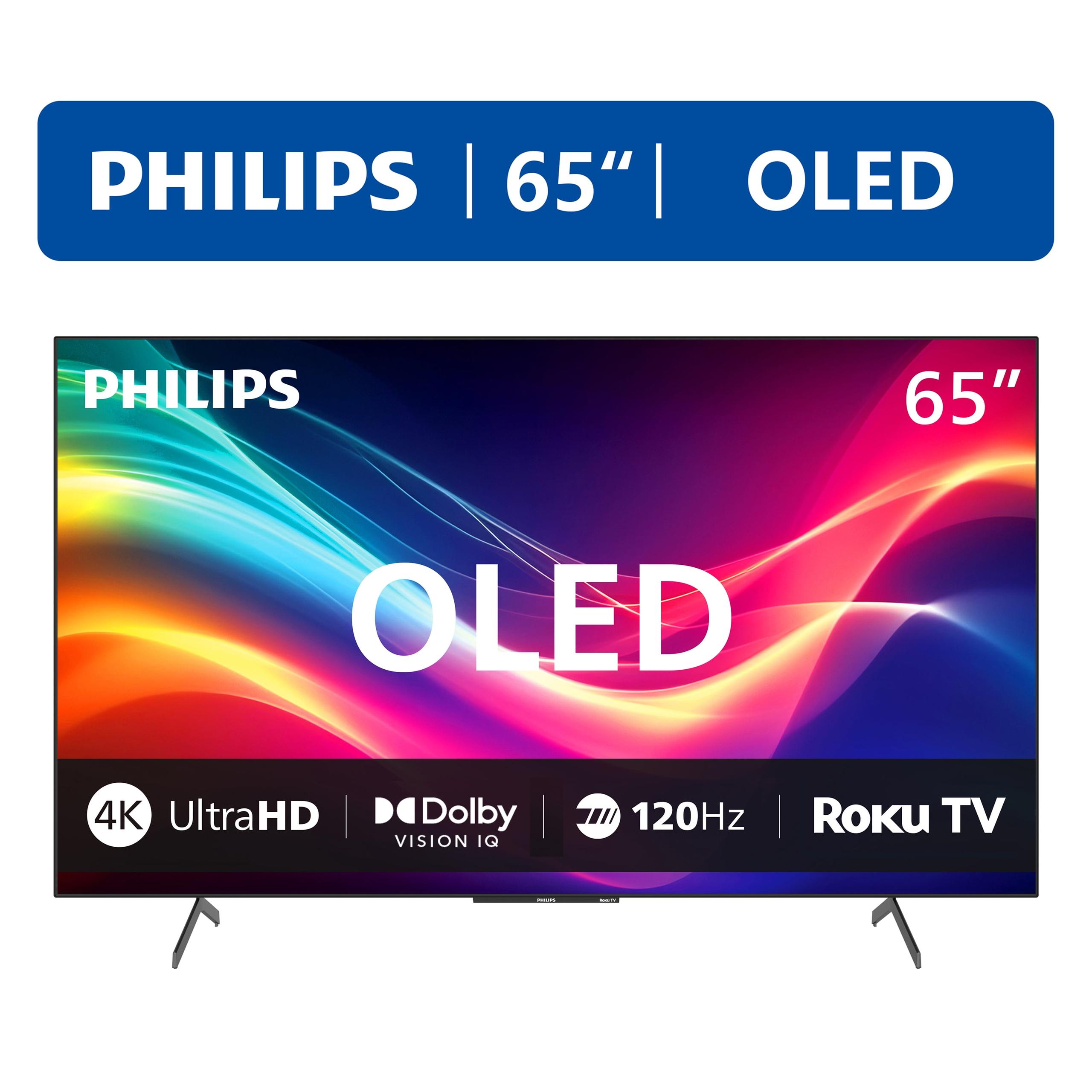
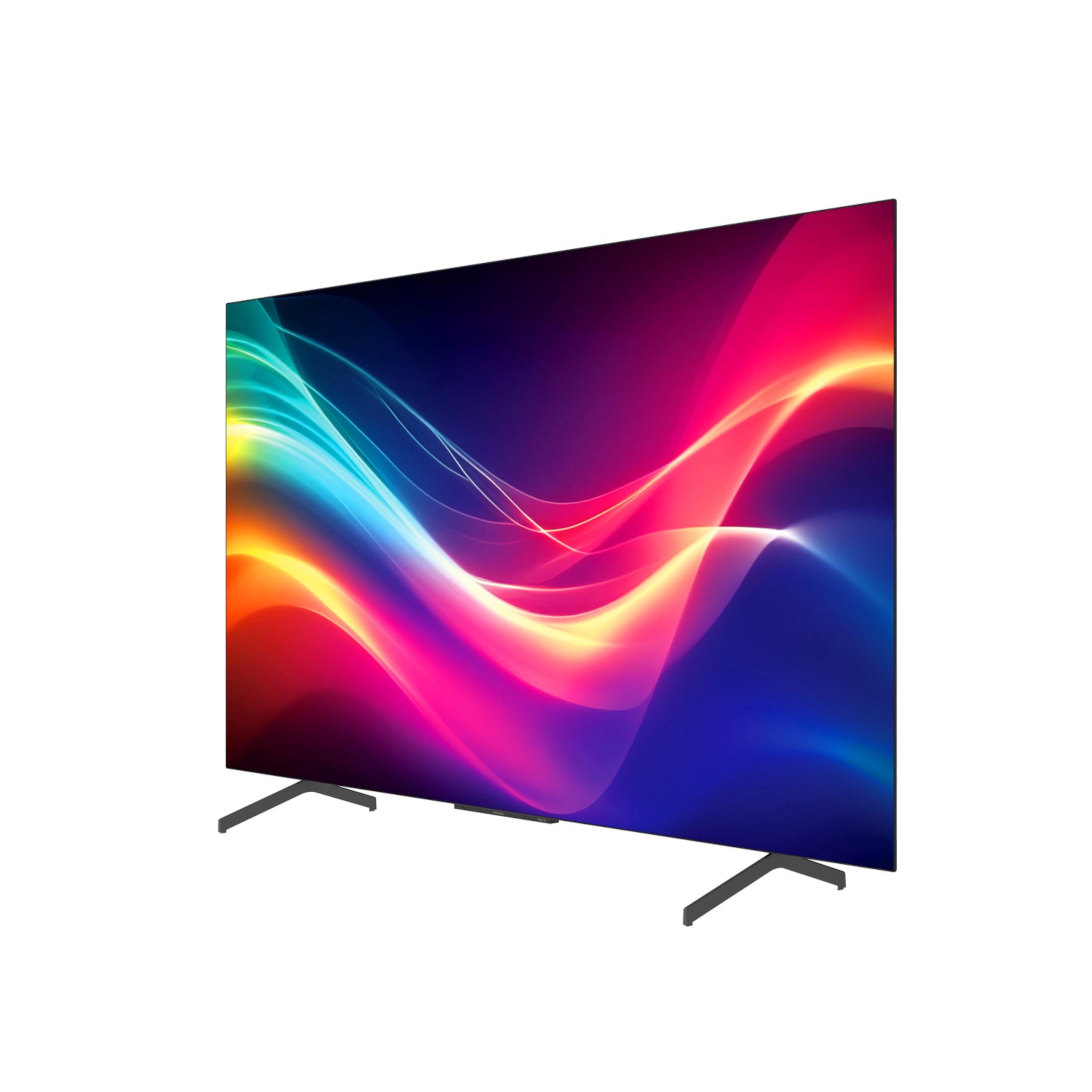
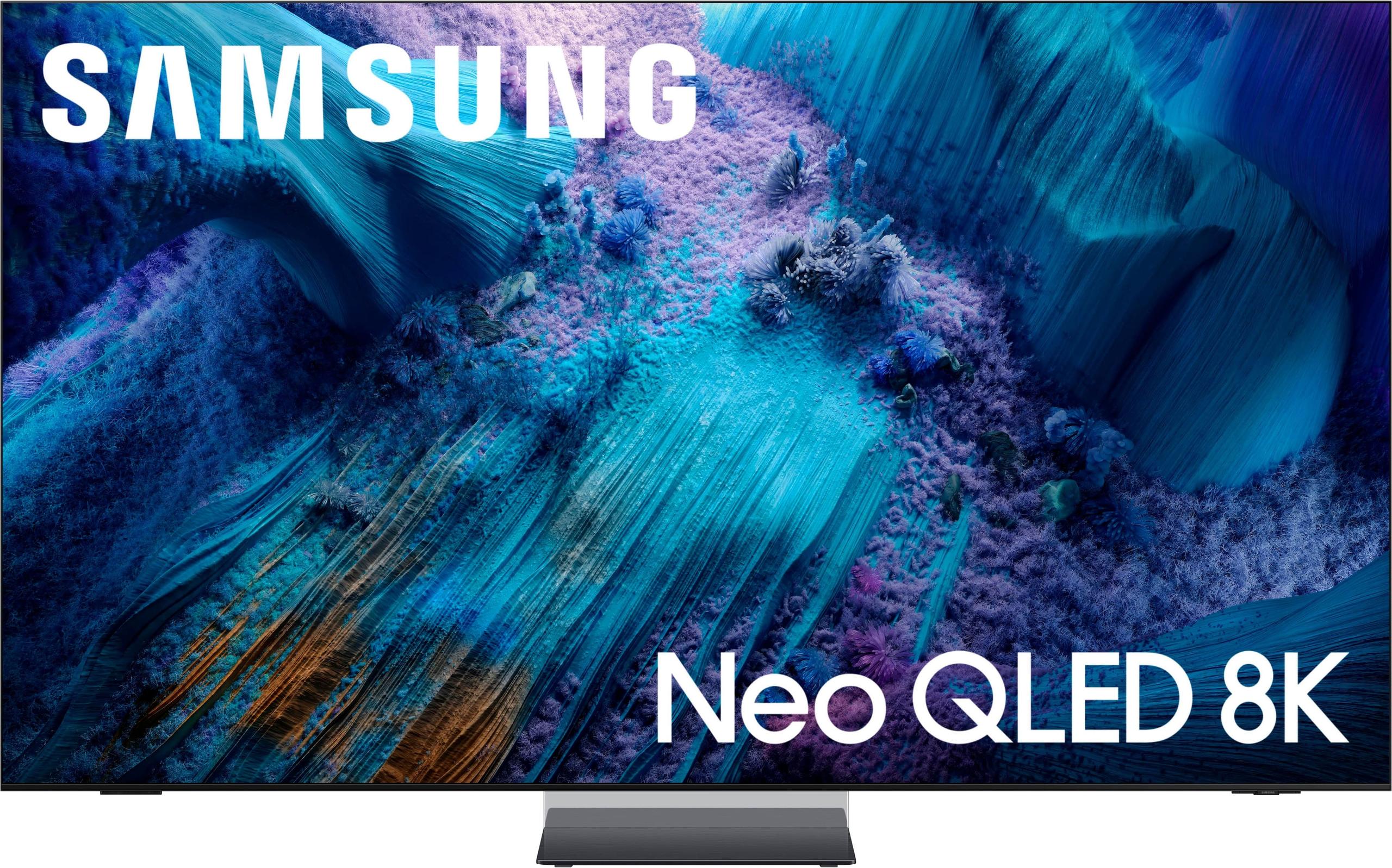
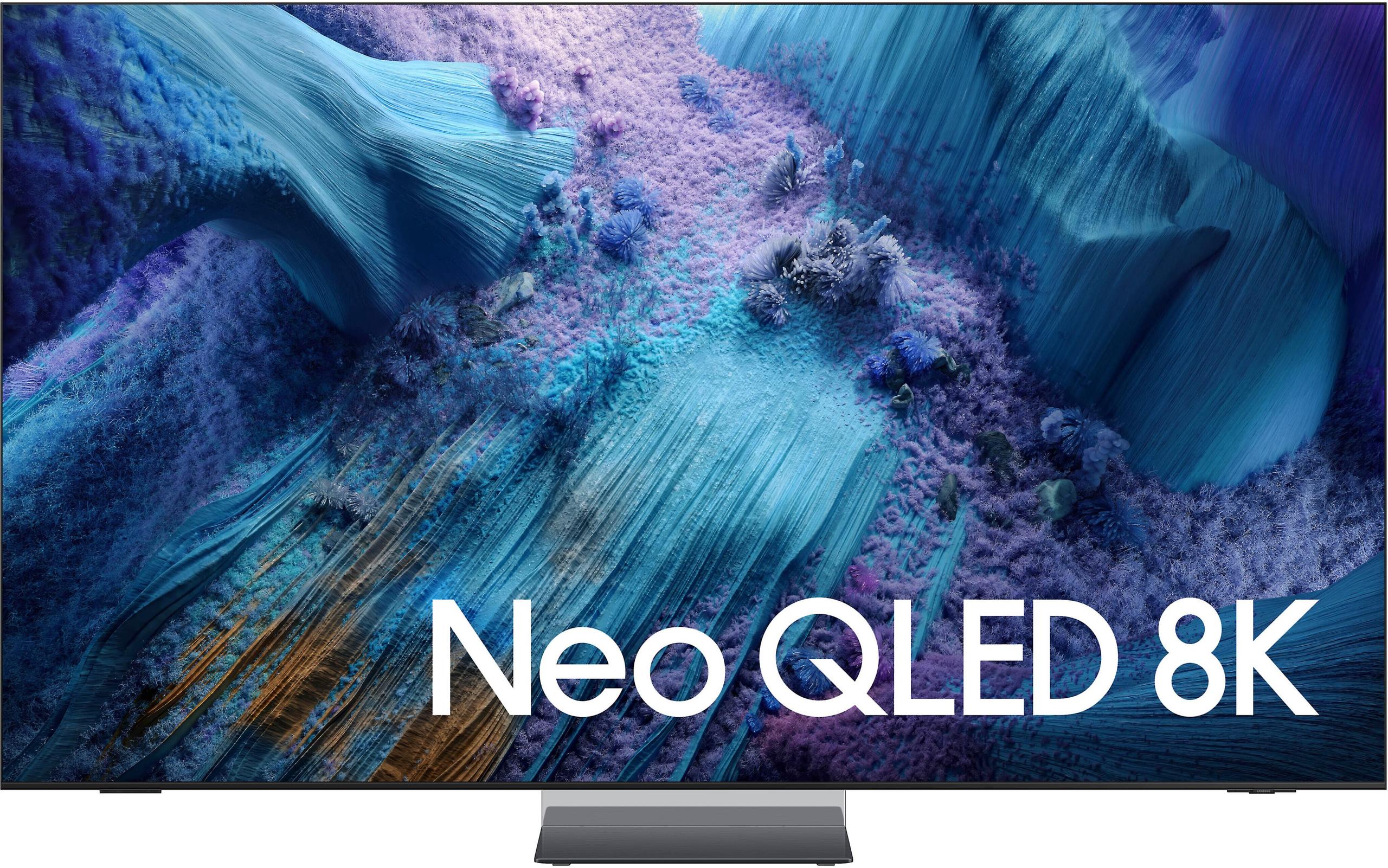
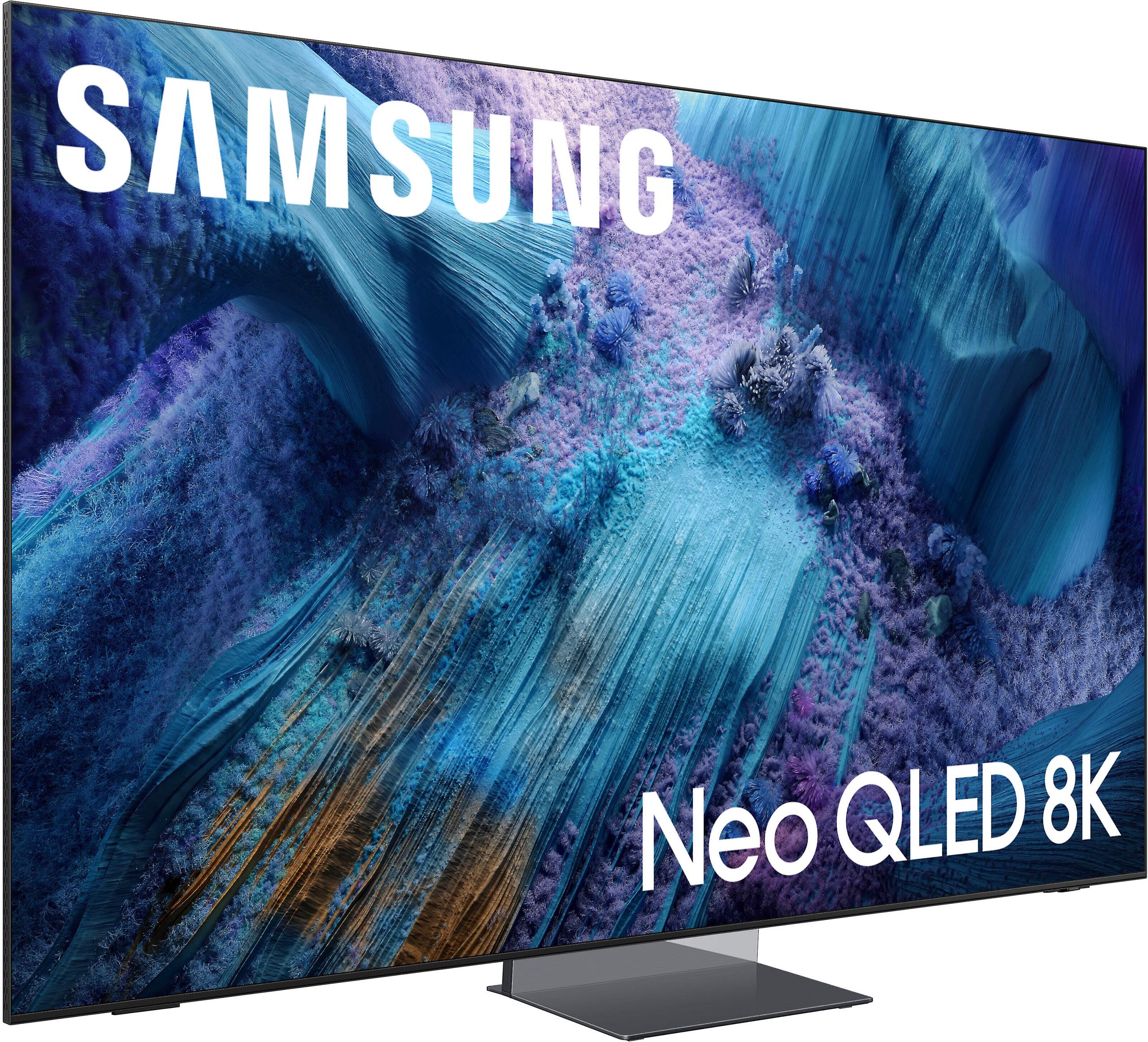
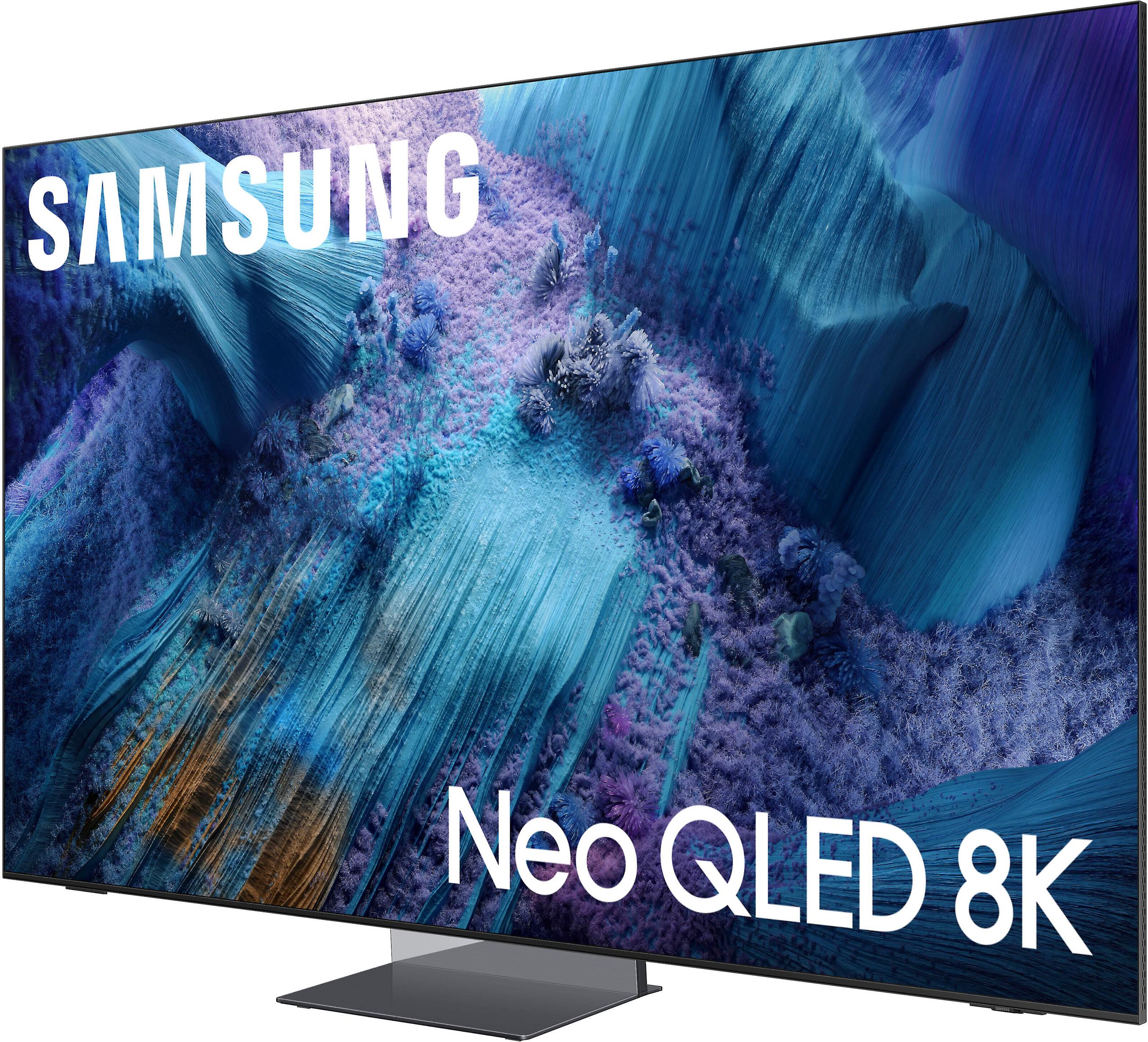
This comparison puts these technologies head-to-head through two compelling examples: the Philips 65OLED974/F7, representing excellent value in OLED technology, and Samsung's flagship QN990F 8K Mini LED, showcasing what happens when manufacturers throw everything at the premium TV problem.
Both TVs launched in 2025, giving us a clear picture of where each technology stands today. The timing is particularly interesting because OLED panels have matured significantly since their early days, while Mini LED has evolved from a promising concept into a legitimate OLED competitor.
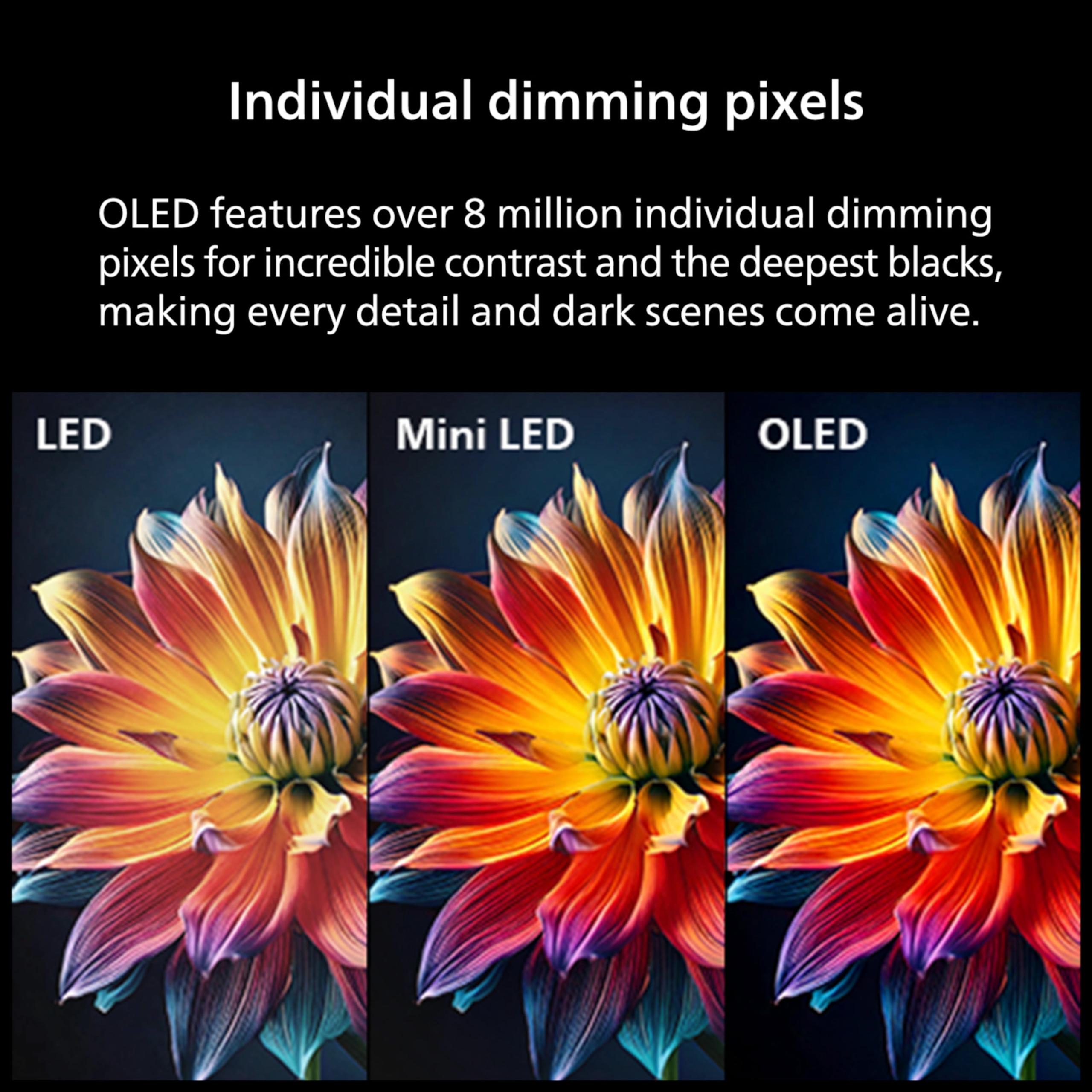
OLED (Organic Light-Emitting Diode) works fundamentally differently from traditional TVs. Instead of a backlight shining through layers of filters, each pixel generates its own light. This means when the TV wants to show pure black, those pixels simply turn off completely. No light leaks, no gray blacks – just perfect darkness that makes bright elements pop with incredible contrast.
The Philips OLED uses this technology in its purest form. When you're watching a movie like "Dune" with its mix of desert brightness and shadowy interiors, those dark scenes have genuine depth because the TV can display true blacks alongside brilliant highlights in the same frame.
Mini LED with Quantum Dot enhancement takes a different approach entirely. The Samsung QN990F uses thousands of tiny LED backlights arranged in over 1,900 individual dimming zones. Think of it like having nearly two thousand tiny flashlights that can independently brighten or dim behind different parts of the screen. When combined with Quantum Dot technology – which uses microscopic crystals to produce incredibly pure colors – you get a system that can blast out tremendous brightness while maintaining impressive contrast control.
The key difference? OLED gives you perfect contrast but limited brightness. Mini LED gives you incredible brightness with very good (but not perfect) contrast.
This is where the fundamental technology differences become most apparent. The Philips OLED delivers what's technically called "infinite contrast ratio" because it can display pure black (zero light output) next to bright elements. In practical terms, this means when you're watching something like "The Batman" with its noir-heavy cinematography, the dark Gotham scenes have genuine depth and atmosphere that draws you into the screen.
The Samsung Mini LED can't quite match this perfection, but it gets surprisingly close through its Quantum Matrix technology. With nearly 2,000 dimming zones, it can darken specific screen areas while keeping others bright. However, physics still applies – there's a backlight behind the screen, so pure black isn't possible. Instead, you get very dark grays that look convincingly black in most content.
For home theater enthusiasts, this difference matters most in darker content. The OLED's perfect blacks create a sense of infinite depth that's particularly noticeable in space scenes, night sequences, or any content shot with dramatic lighting. The Mini LED's approach works better when the screen needs to display both very dark and very bright elements simultaneously.
Here's where the Samsung QN990F absolutely dominates. Peak brightness measurements show it can hit around 2,000 nits – bright enough to genuinely hurt your eyes if you stare at a white screen. The Philips OLED, by contrast, struggles to reach even moderate brightness levels that would be acceptable in a well-lit room.
This isn't just about numbers on a spec sheet. In real-world use, the Samsung can maintain vibrant, punchy colors even when your living room has large windows or bright overhead lighting. HDR (High Dynamic Range) content – which is designed to take advantage of bright displays – truly shines on the Samsung, with highlights that pop off the screen and create that "wow factor" moment when the sun reflects off water or explosions light up the screen.
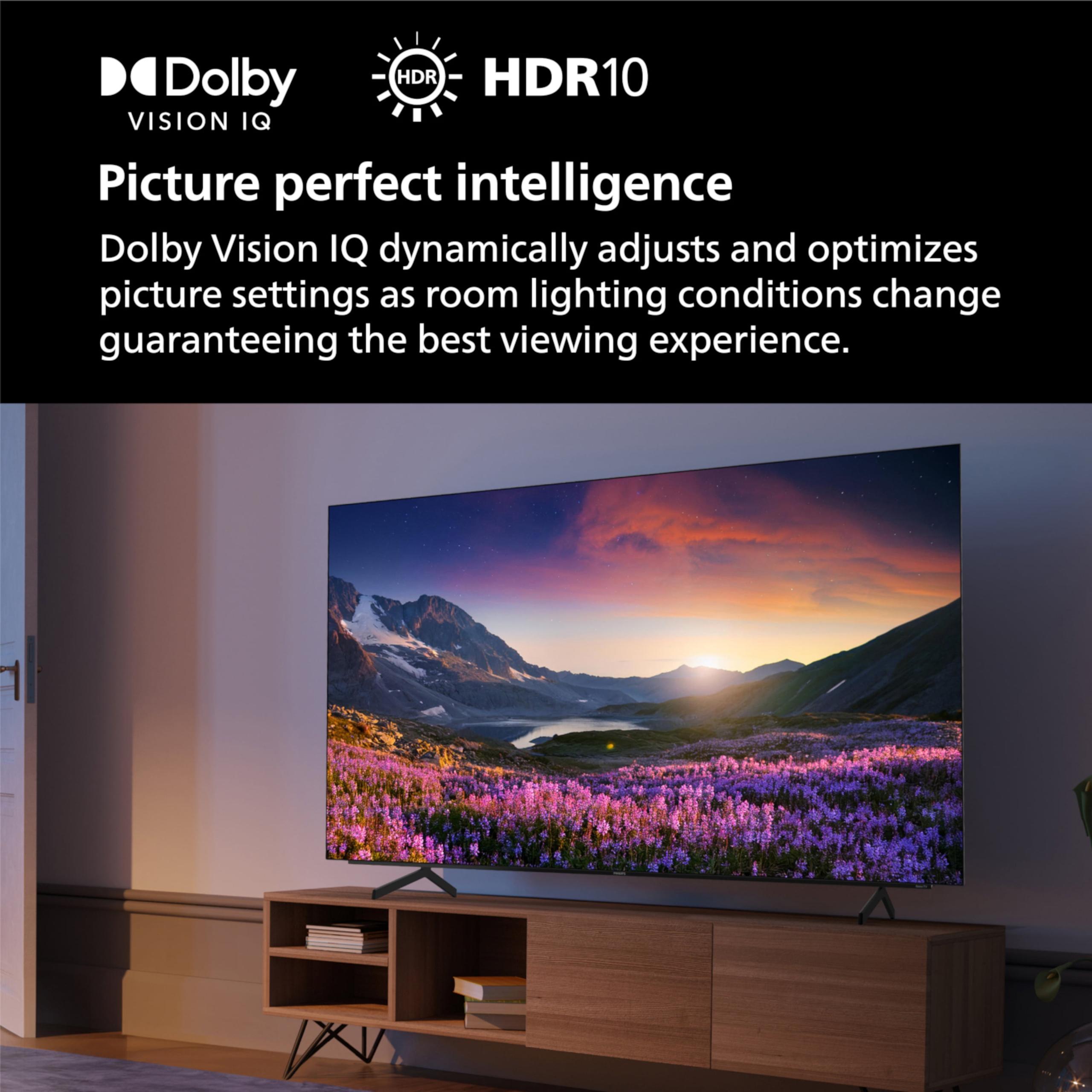
The Philips, meanwhile, delivers its best performance in dimmed or dark rooms. In bright environments, not only do colors look washed out, but HDR content loses much of its intended impact. Those bright explosions or sunny outdoor scenes that should make you squint just look... ordinary.
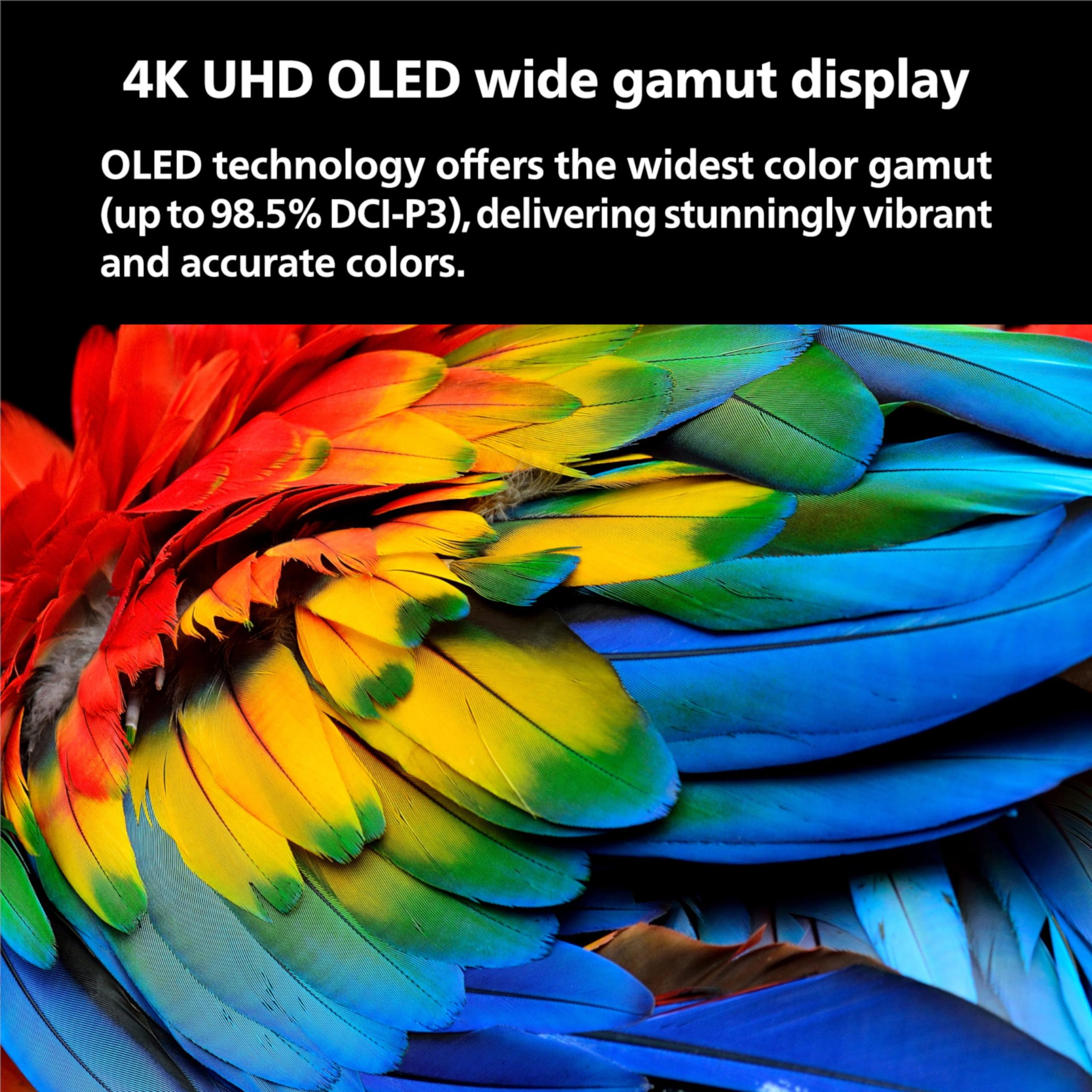
Both TVs excel here, but through different approaches. The Philips OLED covers up to 98.5% of the DCI-P3 color space – the professional standard for digital cinema – and delivers remarkably accurate colors straight out of the box. This means movies and shows look very close to what directors intended without any calibration needed.
The Samsung's Quantum Dot technology takes a different route to excellent colors. Those microscopic crystals I mentioned earlier can produce incredibly pure red, green, and blue light, resulting in colors that often appear more vivid than the OLED. Combined with the superior brightness, this creates colors that literally pop off the screen in HDR content.
The practical difference? The Philips gives you more "accurate" colors that match professional standards. The Samsung gives you more "exciting" colors that grab your attention. Both approaches have merit depending on your priorities.
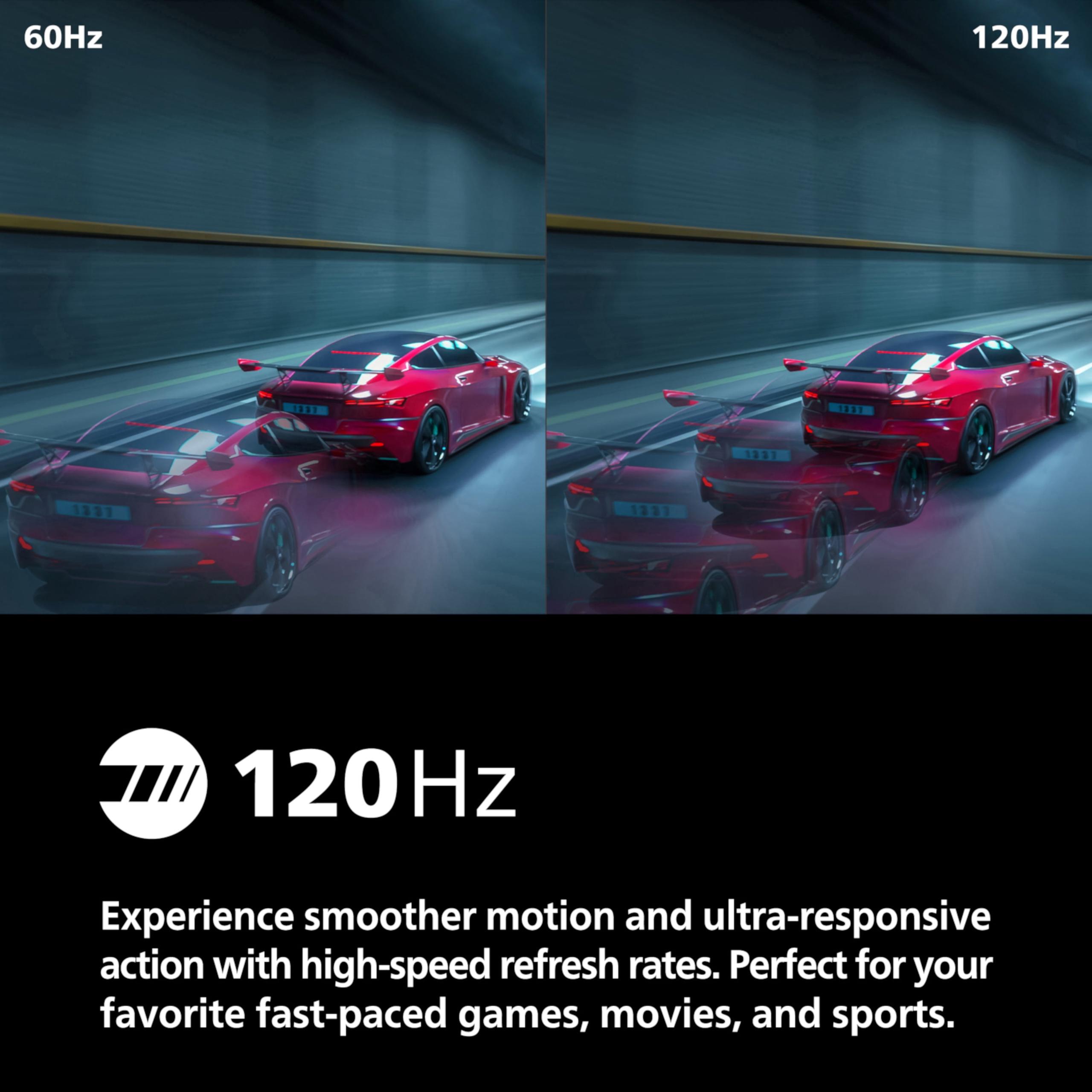
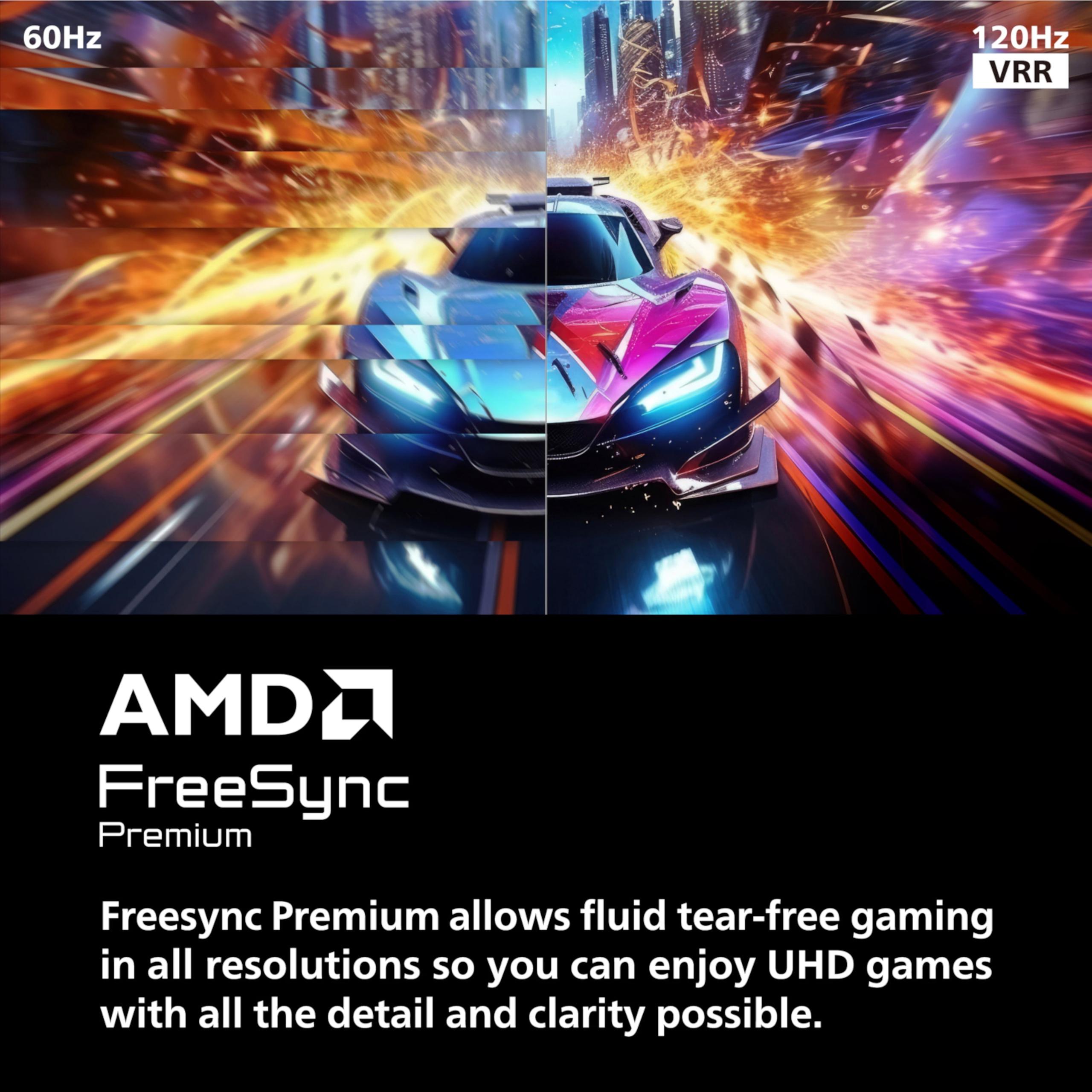
Gaming represents another area where these TVs take notably different approaches. The Philips OLED covers all the current gaming essentials beautifully: 4K at 120Hz, Variable Refresh Rate (VRR) to eliminate screen tearing, and FreeSync Premium for AMD graphics card compatibility. Its near-instantaneous pixel response time means fast-moving objects stay razor sharp without motion blur.
For PlayStation 5, Xbox Series X, or even high-end PC gaming at current standards, the Philips delivers excellent performance. Input lag – the delay between pressing a controller button and seeing the action on screen – stays low enough for competitive gaming.
The Samsung QN990F takes this much further with support for up to 4K at 240Hz refresh rates. While no current console can output at these frame rates, high-end PC gaming is increasingly pushing beyond 120 frames per second. The Samsung's Motion Xcelerator 240Hz technology ensures even the fastest action stays smooth and clear.
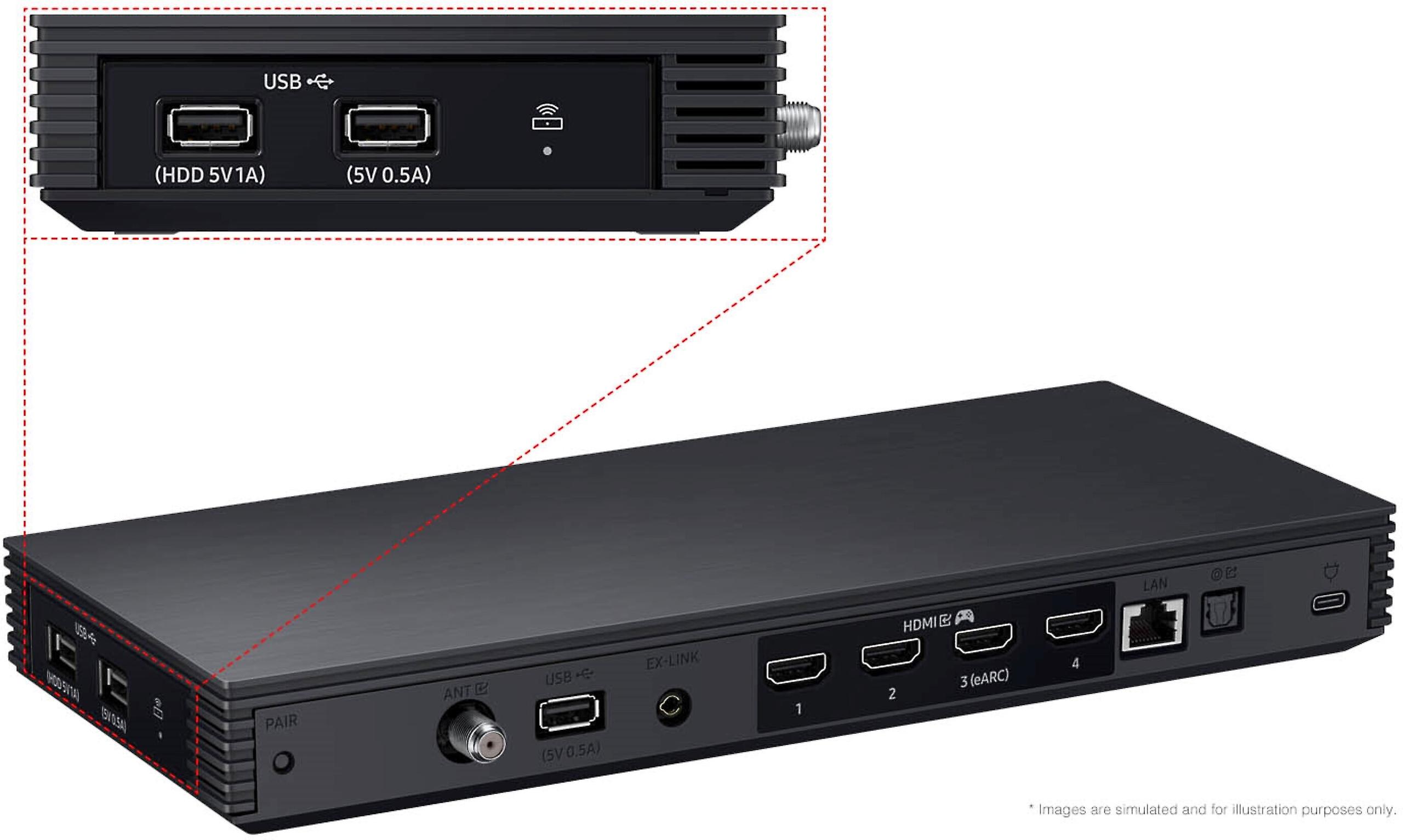
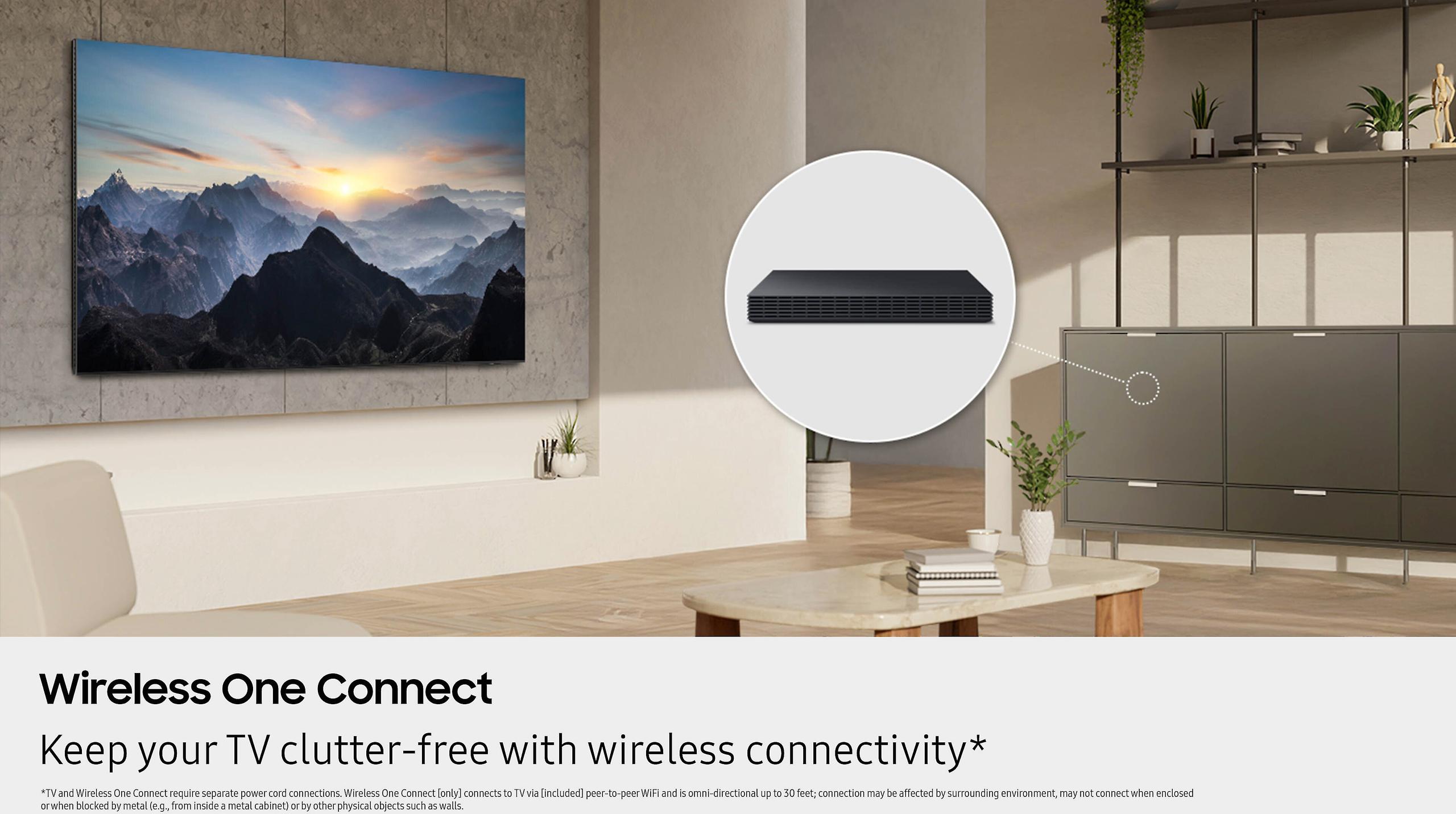
However, there's an important caveat with Samsung's Wireless One Connect feature. While this wireless connectivity box eliminates cable clutter by connecting devices wirelessly from up to 30 feet away, it adds significant input lag that makes competitive gaming problematic. Serious gamers should connect directly to the TV's built-in HDMI ports to bypass this issue.
For home theater gaming – where you want impressive visuals over competitive edge – both TVs excel, but the Samsung's higher brightness makes HDR games more impactful.
The software experience represents another philosophical divide. The Philips runs Roku TV, which prioritizes simplicity and reliability. The interface is straightforward, app selection is comprehensive, and the universal search function works across multiple streaming services. Voice control through the included remote handles basic functions well without complexity.
Samsung's Tizen platform on the QN990F offers more sophistication through Vision AI, which analyzes content and viewing conditions to automatically optimize picture and sound settings. The interface provides more customization options and integrates well with other Samsung devices, but this added functionality comes with increased complexity.
For users who want to turn on the TV and find content quickly, Roku's approach wins. For those who enjoy tweaking settings and want their TV to adapt intelligently to different content, Samsung's platform offers more capability.
This represents one of the clearest victories for the Samsung QN990F. Its 90-watt, 6.2.2-channel audio system with Object Tracking Sound Pro technology creates genuinely immersive sound that follows action across the screen. When a car races from left to right, the audio moves with it. When helicopters fly overhead, you hear them above you.
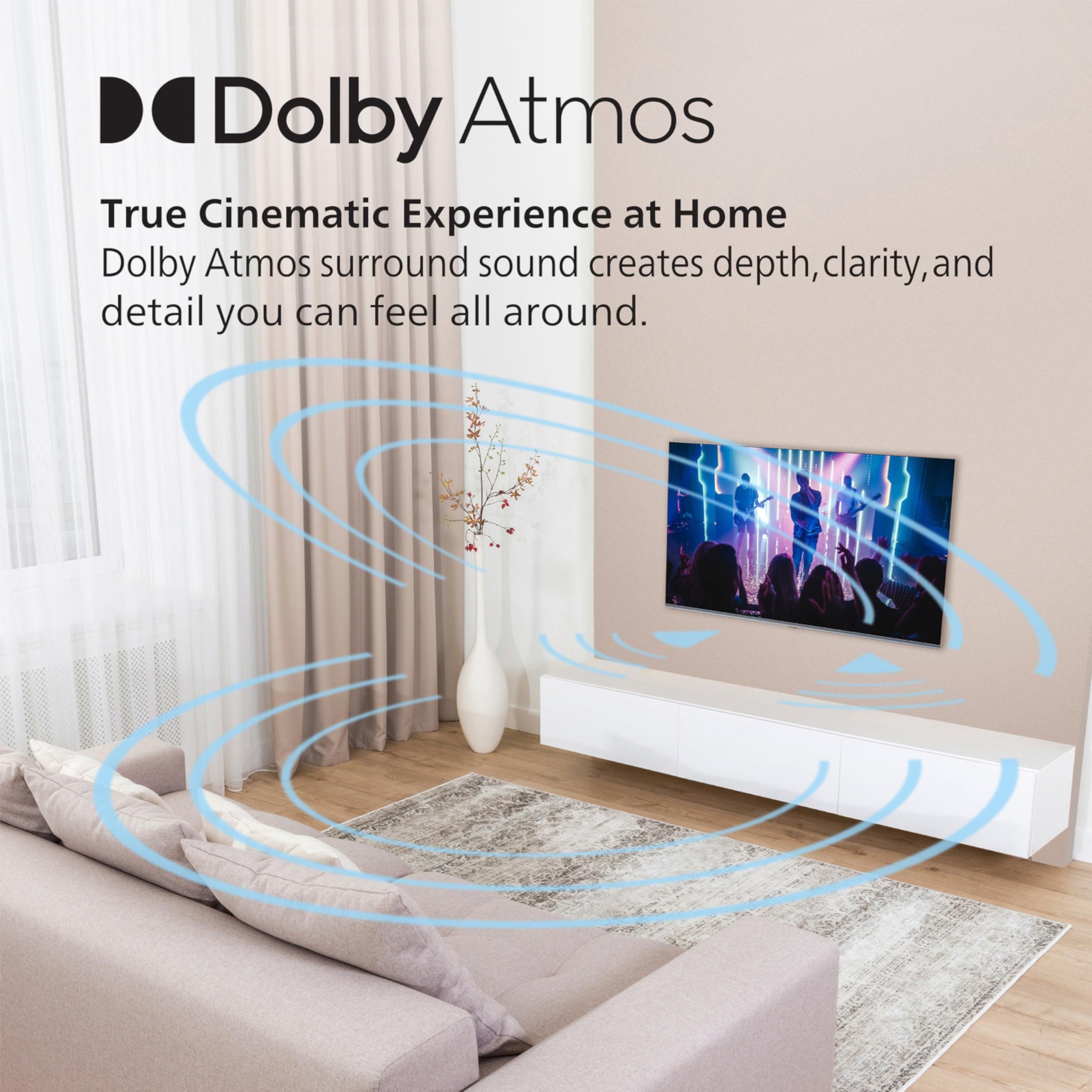
The Philips offers a more modest 2.1 Dolby Atmos system that's competent but not exceptional. While it handles dialogue clearly and provides some spatial awareness, it lacks the dynamic range and positional accuracy of Samsung's system.
For home theater setups, this difference matters significantly. The Samsung often eliminates the immediate need for a separate soundbar, while the Philips practically requires external audio for a premium experience.
At the time of writing, the Samsung QN990F commands a significant premium over the Philips OLED – we're talking about a difference of several thousand dollars. This price gap raises important questions about value and necessity.
The Samsung's premium buys you 8K AI processing, superior brightness for any lighting condition, advanced gaming capabilities, premium built-in audio, and innovative wireless connectivity. These features represent genuine technological advances, but their value depends heavily on your specific needs and viewing environment.
The Philips delivers core OLED benefits – perfect contrast, accurate colors, solid gaming performance – at a much more accessible price point. For many users, especially those with controlled lighting environments, it provides 90% of the premium TV experience for significantly less money.
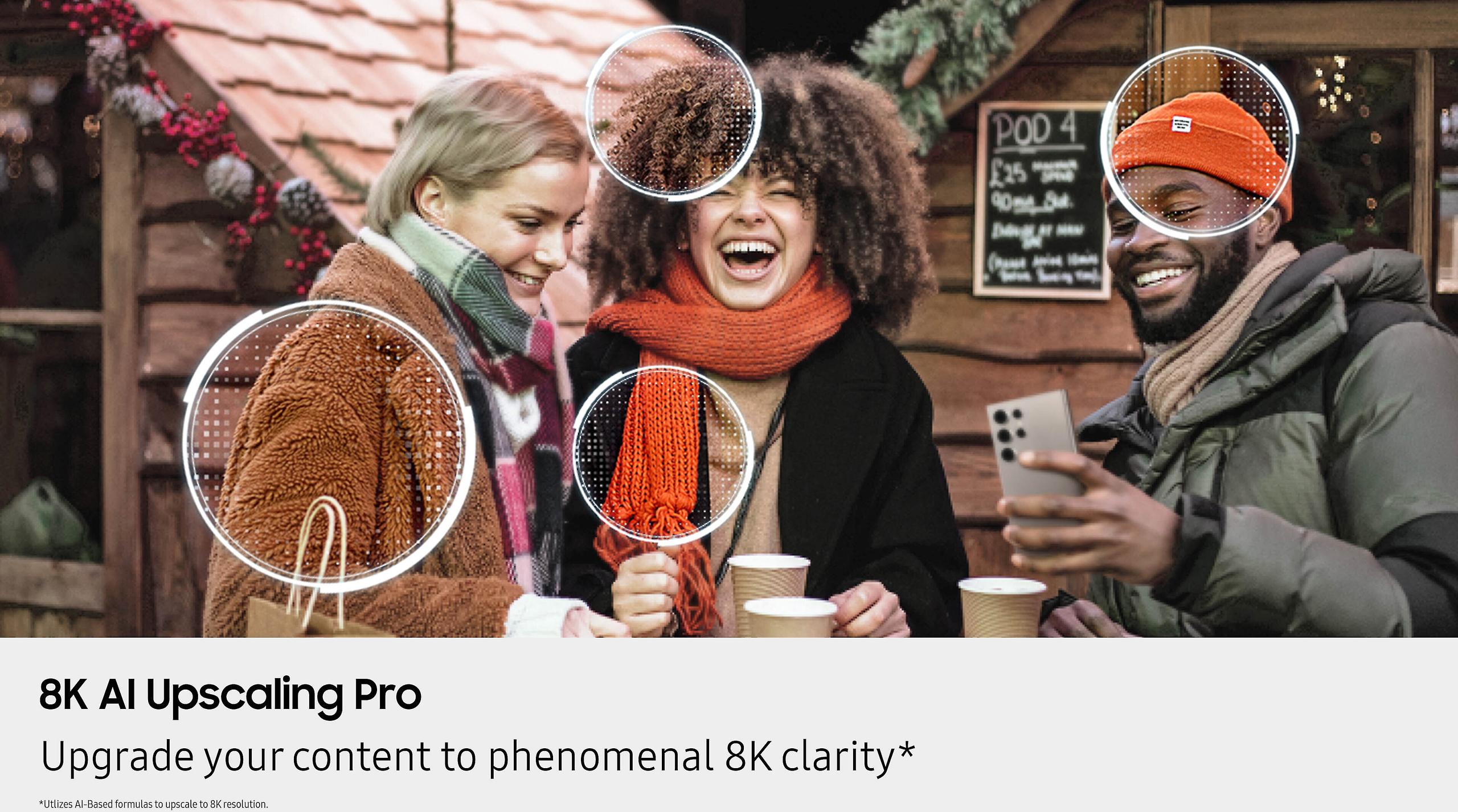
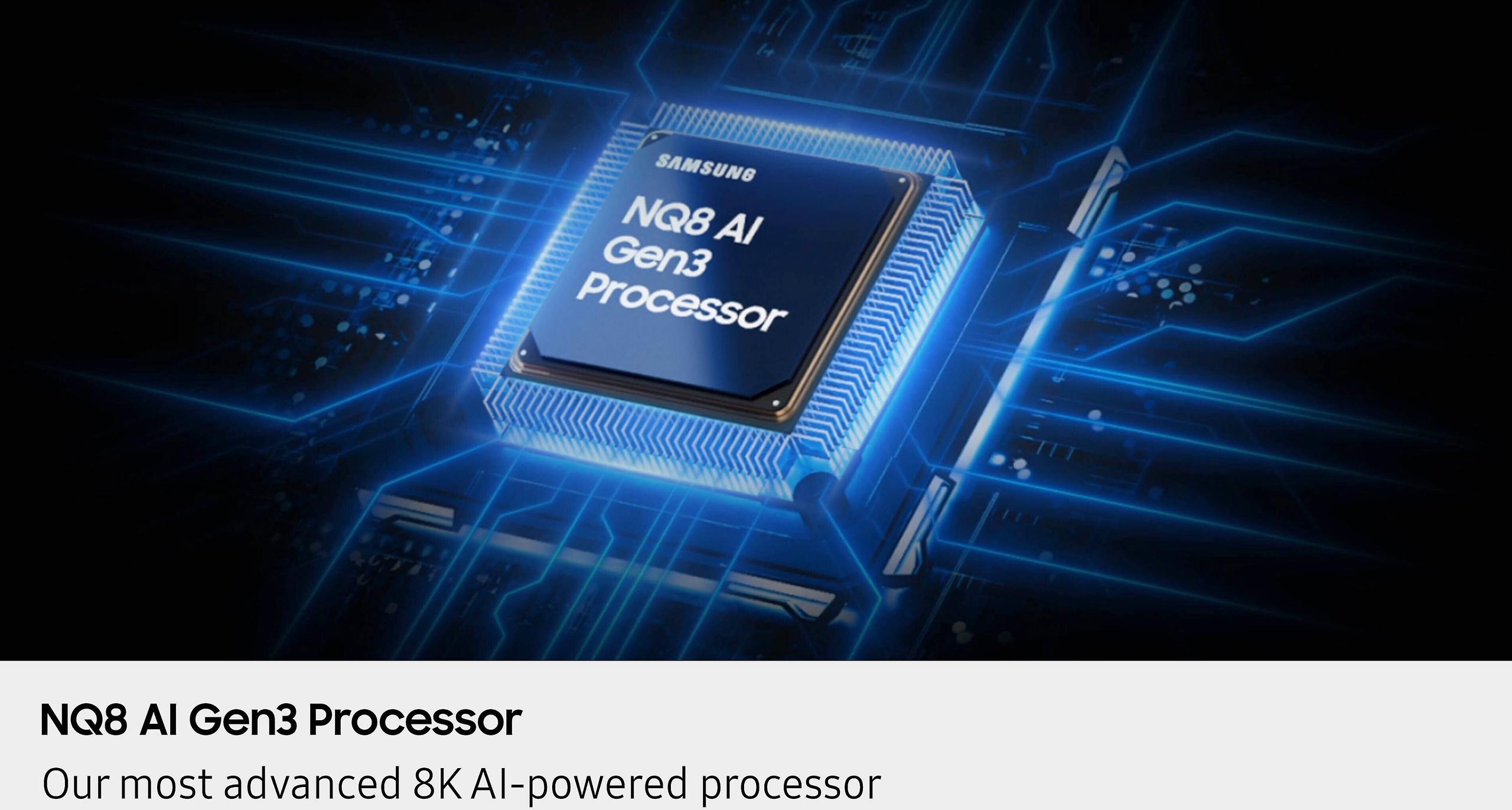
The Samsung's 8K resolution deserves specific discussion because it's both impressive and potentially irrelevant. Currently, virtually no native 8K content exists from streaming services, broadcast TV, or physical media. The TV's NQ8 AI Gen3 processor, with its 768 neural networks, does upscale 4K content intelligently, often with noticeable improvements in detail and clarity.
However, the practical benefit varies dramatically based on source quality. Well-mastered 4K Blu-rays see modest improvements, while streaming content or cable TV may show little difference. The Philips' 4K resolution remains perfectly adequate for all current content ecosystems.
The 8K question ultimately comes down to timing and belief in future content availability. If you plan to keep your TV for many years and believe 8K content will become mainstream, Samsung's processing advantage matters. If you upgrade TVs every few years, the current content ecosystem favors 4K optimization.
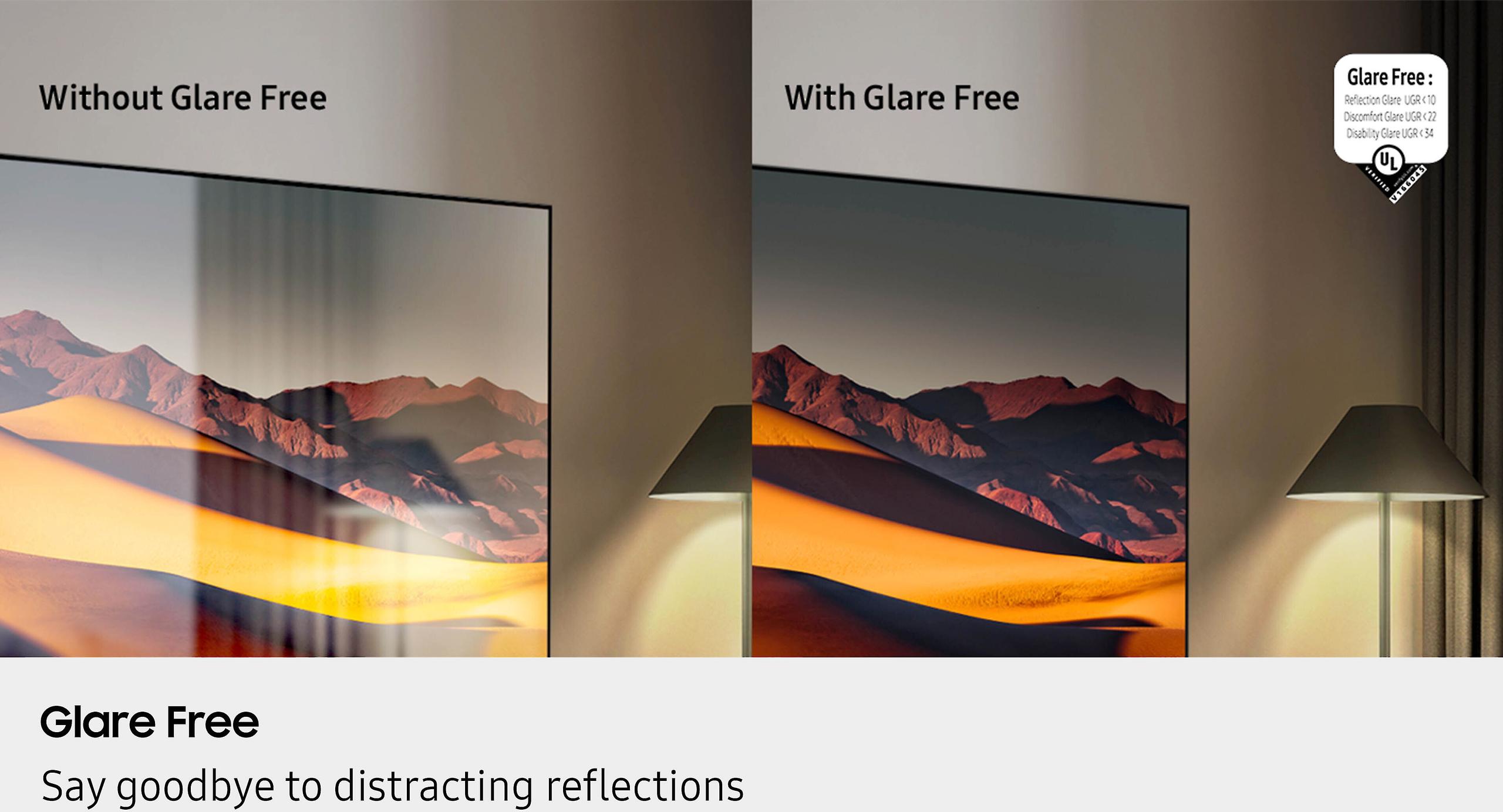
Your viewing environment often determines which TV will perform better. The Samsung Mini LED excels in any lighting condition thanks to its high brightness and anti-glare coating. Living rooms with large windows, bright overhead lighting, or inability to control ambient light strongly favor the Samsung's approach.
The Philips OLED requires more consideration of room lighting but rewards you with superior picture quality when conditions align. Dedicated home theater spaces, rooms with controllable lighting, or evening viewing scenarios showcase OLED's strengths most effectively.
The Philips OLED makes sense for:
The Samsung QN990F suits:
The decision ultimately comes down to matching technology strengths to your specific viewing priorities and room conditions. Both represent excellent TVs that excel in different scenarios, making the choice more about personal circumstances than objective superiority.
These TVs represent two mature approaches to premium display technology, each with clear advantages. The Philips OLED delivers the core benefits that made OLED technology famous – perfect blacks, accurate colors, excellent gaming – at a price point that makes premium TV technology accessible to more buyers.
The Samsung Mini LED pushes the boundaries of what's possible with brightness, processing power, and feature integration, justifying its premium pricing through technological advancement and superior performance in challenging viewing conditions.
Your choice should align with your viewing environment first, budget second, and feature priorities third. Neither TV will disappoint in its intended use cases, but the wrong choice for your specific situation will leave you wondering what you missed.
| Philips 65OLED974/F7 65" OLED Roku TV | Samsung 65" Neo QLED QN990F 8K Smart TV 2025 |
|---|---|
| Display Technology - Fundamentally different approaches to picture quality | |
| OLED with self-illuminating pixels for perfect blacks | Mini LED with Quantum Dot and 1,900+ dimming zones |
| Peak Brightness - Critical for bright room viewing and HDR impact | |
| Poor brightness, unsuitable for well-lit rooms | ~2,000 nits, excellent for any lighting condition |
| Resolution - Future-proofing vs current content optimization | |
| 4K (3840 x 2160) with excellent current content quality | 8K (7680 x 4320) with AI upscaling for future content |
| Refresh Rate - Gaming performance and motion clarity | |
| 120Hz native, covers current console gaming needs | Up to 240Hz at 4K, future-proofs for high-end PC gaming |
| Contrast Ratio - Depth and realism in dark scenes | |
| Infinite contrast with true blacks (OLED advantage) | Excellent contrast but not perfect blacks (Mini LED limitation) |
| Gaming Features - Console and PC compatibility | |
| HDMI 2.1, VRR, FreeSync Premium, low input lag | HDMI 2.1, VRR, Motion Xcelerator 240Hz, advanced gaming features |
| Smart TV Platform - User experience and app ecosystem | |
| Roku TV with simple interface and excellent content discovery | Samsung Tizen with Vision AI and advanced customization |
| Audio System - Built-in sound quality and immersion | |
| 2.1 Dolby Atmos system, adequate but basic | 90W 6.2.2-channel with Object Tracking Sound Pro |
| Design Innovation - Modern aesthetics and connectivity | |
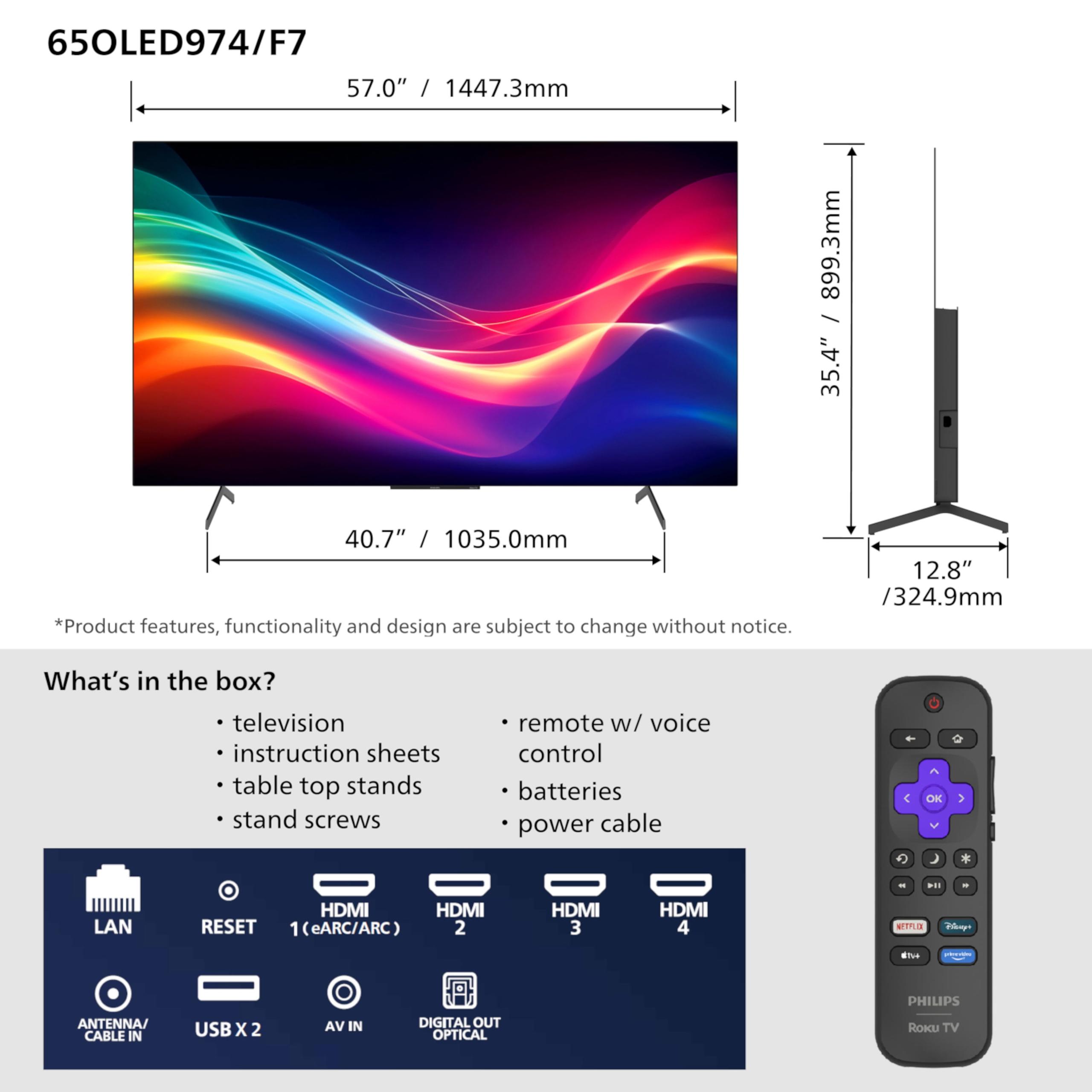
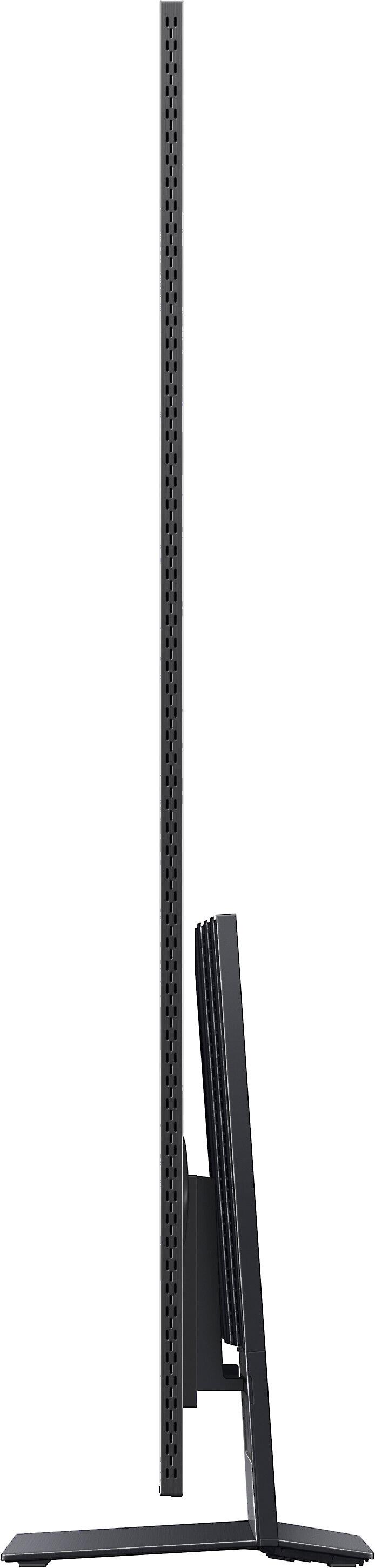
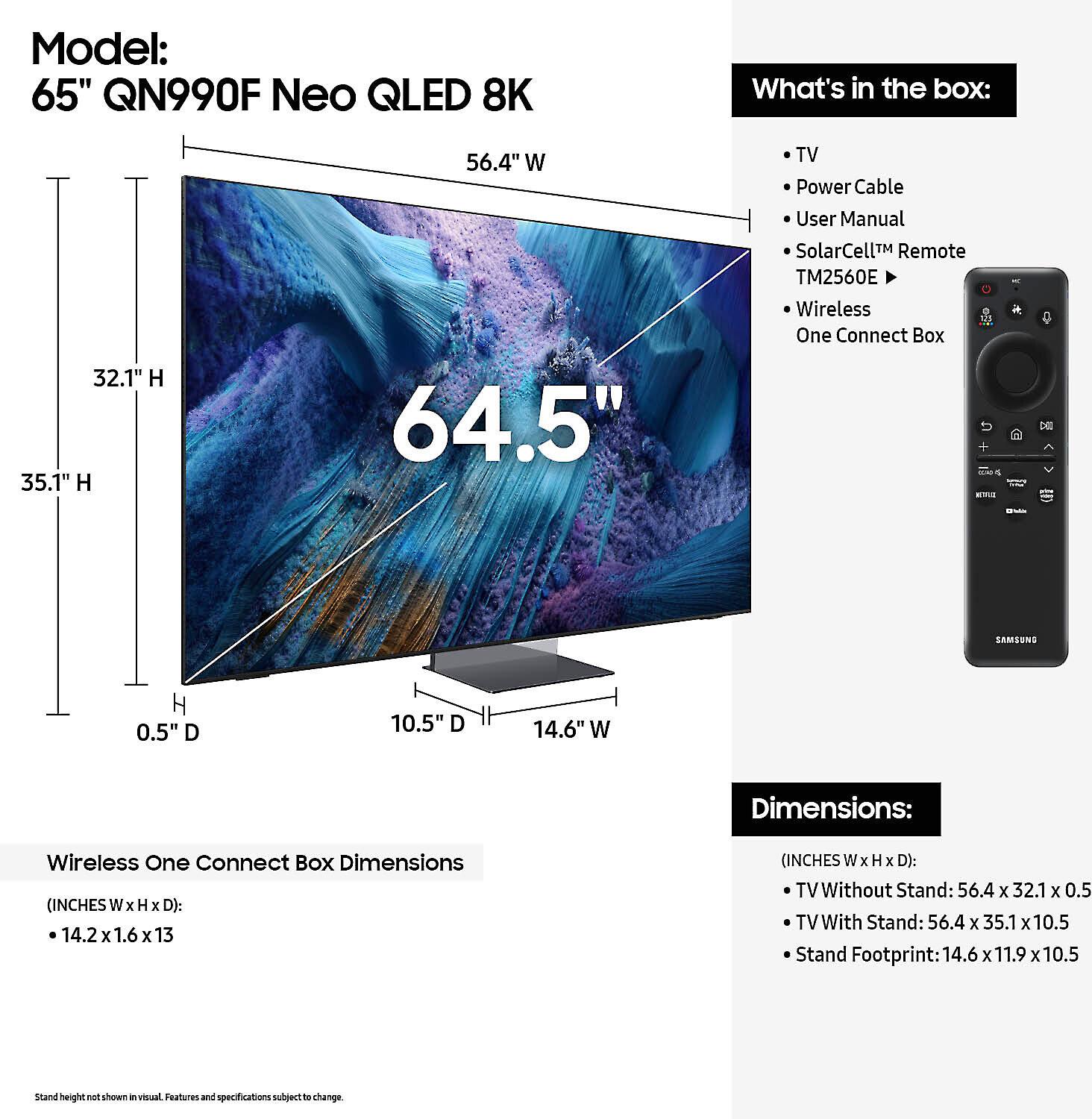
| Ultra-thin 2.2" depth with borderless design | Nearly edgeless with Wireless One Connect box (30ft range) |
| HDR Support - Enhanced dynamic range for compatible content | |
| Dolby Vision IQ, HDR10, HLG with limited bright room impact | HDR10+ with exceptional bright highlight performance |
| Viewing Environment - Optimal room conditions for best performance | |
| Requires controlled lighting, excels in dark rooms | Excellent in any lighting, anti-glare coating |
| Value Proposition - Performance per dollar consideration | |
| Excellent OLED quality at accessible premium pricing | Flagship features and performance at premium cost |
The Samsung QN990F 8K Mini LED is significantly better for bright rooms. It can reach approximately 2,000 nits of peak brightness and features an anti-glare coating that virtually eliminates reflections. The Philips OLED has poor brightness performance and is unsuitable for well-lit rooms, where colors appear washed out and HDR content loses impact.
The Philips OLED uses self-illuminating pixels that can turn completely off for perfect black levels and infinite contrast. The Samsung Mini LED uses thousands of tiny LED backlights with over 1,900 dimming zones to control brightness and contrast. OLED delivers perfect blacks but limited brightness, while Mini LED provides exceptional brightness with very good (but not perfect) contrast.
Both TVs offer excellent gaming performance, but the Samsung QN990F has an edge for future-proofing with support for up to 4K 240Hz refresh rates and advanced Motion Xcelerator technology. The Philips OLED covers current gaming needs perfectly with 4K 120Hz, VRR, and FreeSync Premium support, plus near-instantaneous pixel response times that eliminate motion blur.
Currently, virtually no native 8K content exists from streaming services or physical media. The Samsung's 8K resolution includes advanced AI upscaling with 768 neural networks that can enhance 4K content, but the practical benefit varies by source quality. The Philips' 4K resolution remains perfectly adequate for all current content ecosystems.
The Samsung QN990F has substantially better audio with its 90-watt 6.2.2-channel system and Object Tracking Sound Pro technology that moves audio effects around the screen. This often eliminates the need for a soundbar. The Philips OLED features a more modest 2.1 Dolby Atmos system that's competent but typically requires external speakers for a premium audio experience.
For dedicated home theater spaces with controlled lighting, the Philips OLED excels with perfect black levels that create incredible depth in dark scenes and cinematic content. However, if your home theater has any ambient light, the Samsung Mini LED performs better with its superior brightness and maintains picture quality in various lighting conditions.
The Philips runs Roku TV, which offers a simple, intuitive interface with excellent content discovery and universal search across streaming services. The Samsung uses Tizen with Vision AI that automatically optimizes settings but provides more complexity. Roku is better for users wanting simplicity, while Samsung offers more advanced features and customization.
The Philips OLED provides excellent value by delivering core premium TV benefits - perfect contrast, accurate colors, solid gaming - at a significantly lower price point than flagship models. The Samsung QN990F justifies its premium pricing through cutting-edge 8K processing, superior brightness, advanced gaming features, and premium built-in audio.
Both support HDR, but with different strengths. The Samsung Mini LED excels at HDR with its high brightness making highlights pop dramatically and colors appear more vivid. The Philips OLED supports Dolby Vision IQ and HDR10 but struggles with HDR impact due to limited brightness - bright scenes appear muted compared to what directors intended.
The Samsung QN990F is better for sports due to its exceptional brightness that maintains vibrant colors even in bright rooms where sports are often watched. Both TVs handle fast motion well, but the Samsung's superior brightness and anti-glare coating make it more versatile for daytime sports viewing when you can't control room lighting.
Both TVs feature premium, nearly edgeless designs. The Philips OLED is ultra-thin at just 2.2 inches deep with a minimalist aesthetic. The Samsung QN990F includes innovative Wireless One Connect technology that lets you connect devices wirelessly from up to 30 feet away, eliminating cable clutter but potentially adding input lag for gaming when not connected directly to the TV.
The Samsung Mini LED has no burn-in risk and may offer better longevity for users who display static content like news channels or gaming HUDs. OLED displays like the Philips have inherent burn-in risk with static images, though modern panels include protective measures. The Samsung's 8K processing and higher refresh rates also provide more future-proofing for emerging content standards.
We've done our best to create useful and informative comparisons to help you decide what product to buy. Our research uses advanced automated methods to create this comparison and perfection is not possible - please contact us for corrections or questions. These are the sites we've researched in the creation of this article: rtings.com - versus.com - versus.com - rtings.com - samsclub.com - versus.com - youtube.com - usa.philips.com - bestbuy.com - usa.philips.com - consumerreports.org - usa.philips.com - documents.philips.com - tvoutlet.ca - displayspecifications.com - business.walmart.com - displayspecifications.com - ecoustics.com - walmart.com - samsung.com - abt.com - bestbuy.com - pcnation.com - samsung.com - videoandaudiocenter.com - exertisalmo.com - displayspecifications.com - theapplianceplug.com - news.samsung.com

Privacy Policy
Terms and Conditions - Affiliate Policy
Home Security
© Copyright 2008-2026.
11816 Inwood Rd #1211, Dallas, TX 75244