

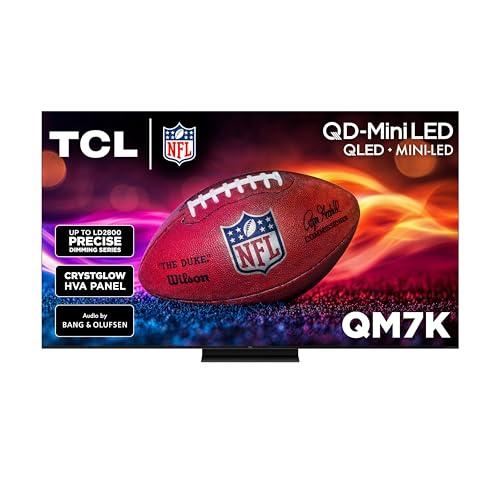
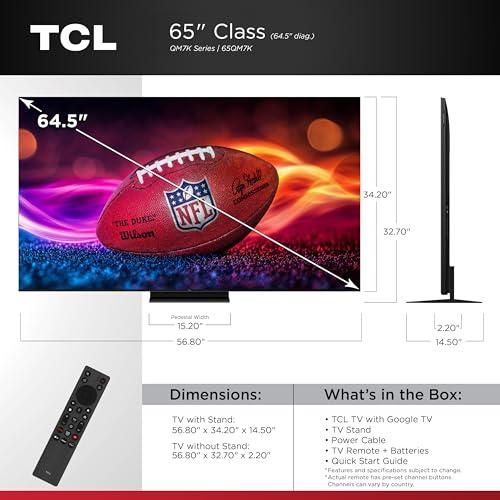
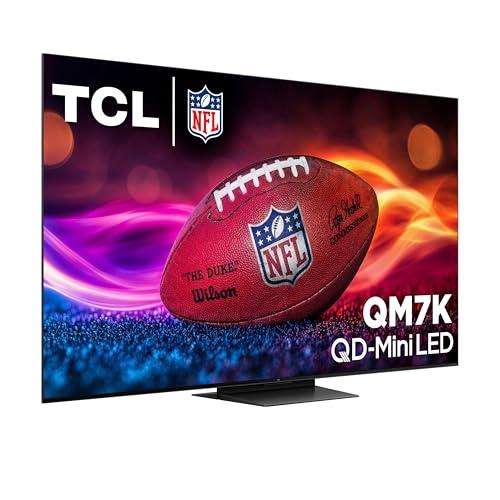
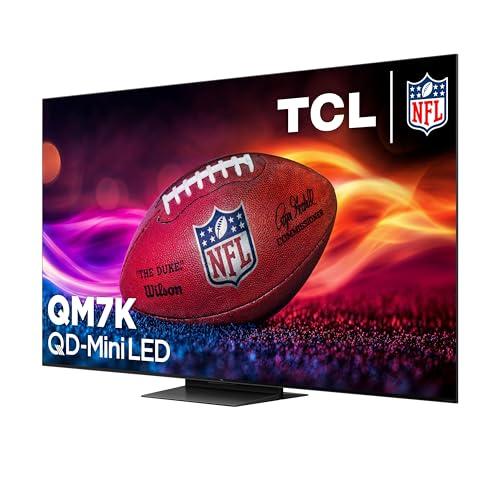
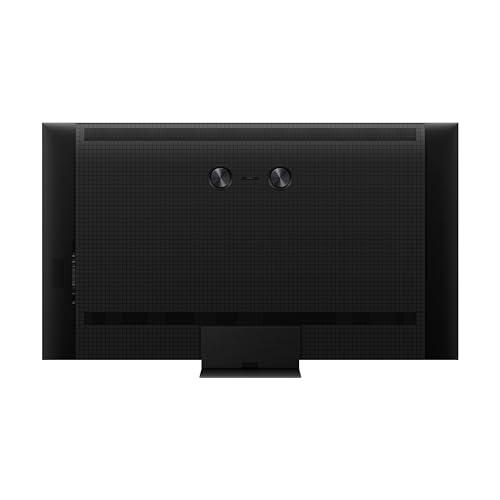
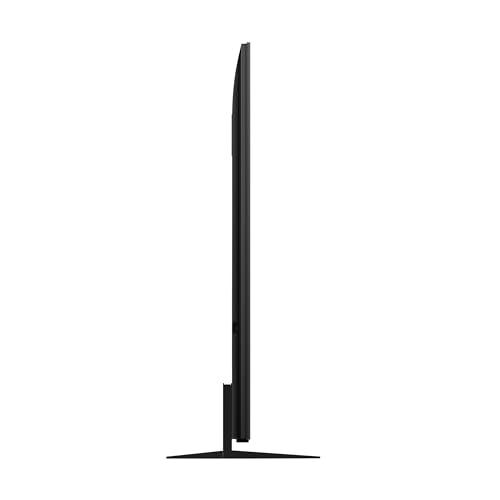
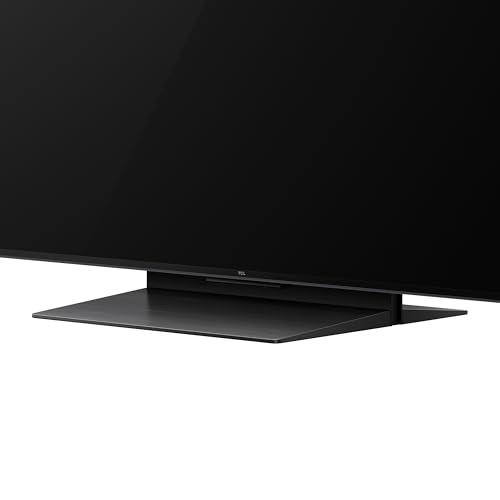
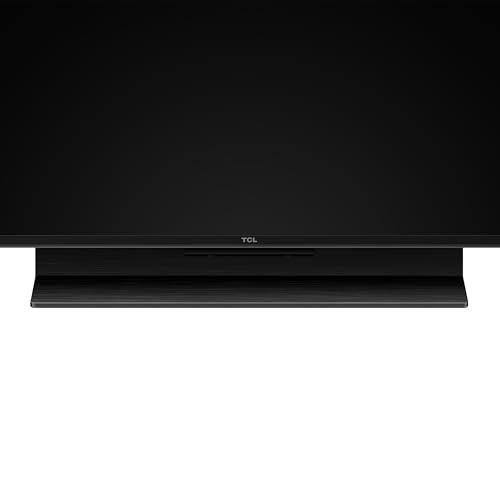
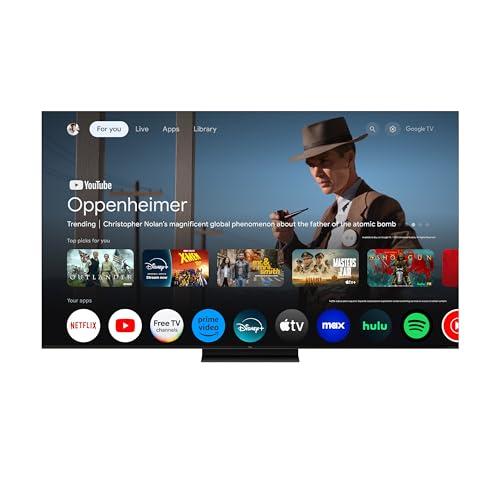
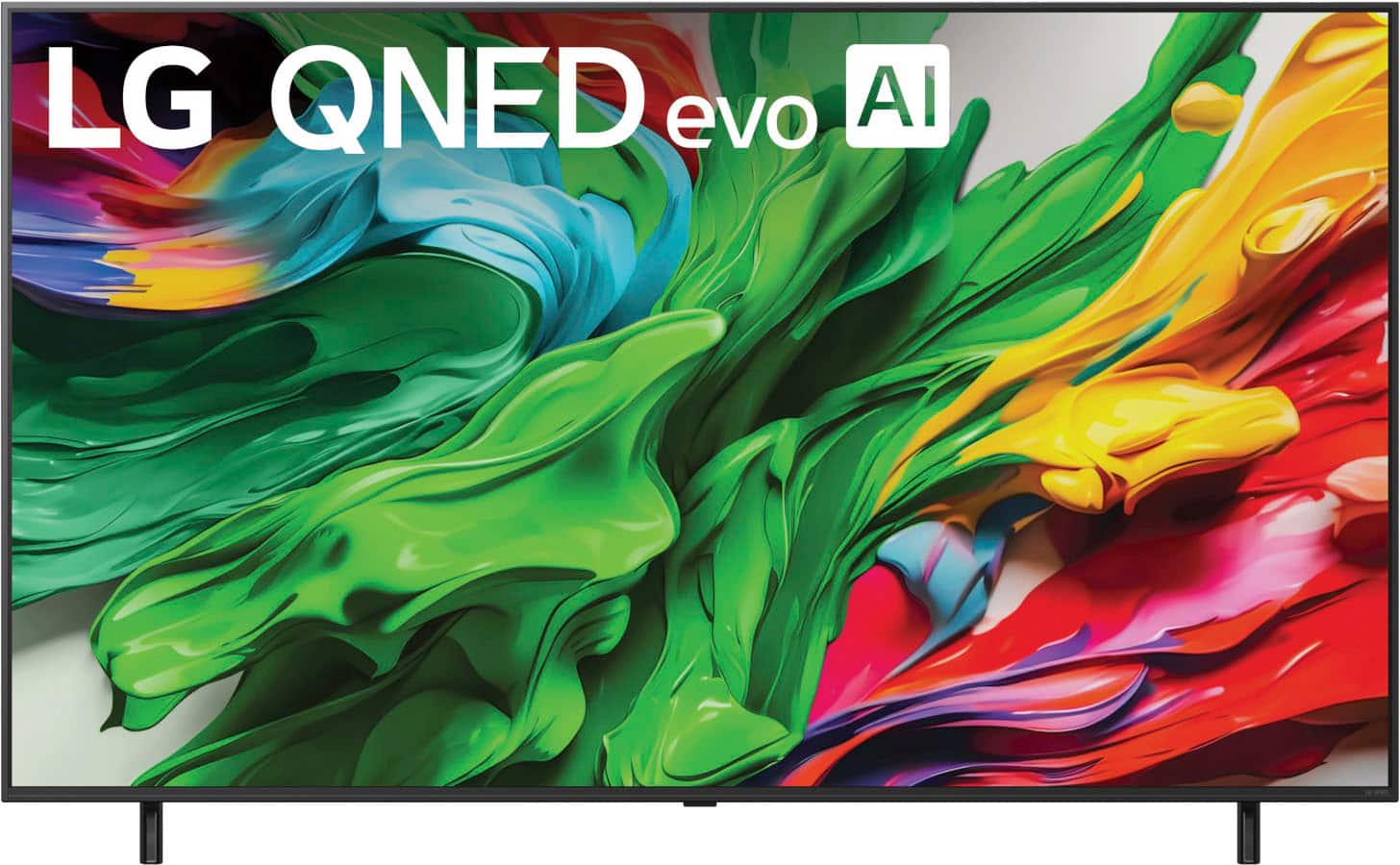
When you're investing in a premium 65-inch TV in 2025, you're likely choosing between two compelling approaches to Mini-LED technology. The TCL 65QM7K represents the "go big or go home" philosophy with maximum brightness and gaming prowess, while the LG 65" QNED85A takes a more refined approach focused on color accuracy, viewing angles, and smart features. Both hit the market in 2024-2025, but they solve the same problem—delivering exceptional picture quality without OLED's burn-in risks—in distinctly different ways.
Understanding these differences matters because Mini-LED TVs occupy the sweet spot between standard LED displays and premium OLED panels. They use thousands of tiny LEDs (hence "Mini-LED") combined with local dimming zones to control brightness and darkness across different areas of the screen simultaneously. This creates deeper blacks and brighter highlights than traditional LED TVs, while avoiding the potential burn-in issues that can affect OLED displays over time.
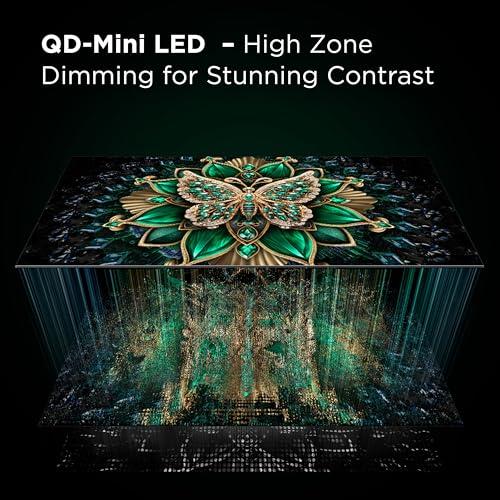
The fundamental difference between these TVs starts with how they arrange their Mini-LEDs. The TCL QM7K uses full-array local dimming with up to 2,500 individual zones spread across the entire back panel. Think of this like having 2,500 tiny flashlights that can independently turn on and off behind different parts of the screen. When you're watching a movie with a bright explosion against a dark sky, those zones controlling the explosion can blast at full brightness while the zones behind the dark sky stay dim.
The LG QNED85A, by contrast, uses edge-lit Mini-LED technology. Instead of spreading LEDs across the entire panel, they're positioned around the edges with sophisticated light guides directing illumination across the screen. This approach uses fewer LEDs but relies on advanced algorithms to simulate the effect of full-array dimming.
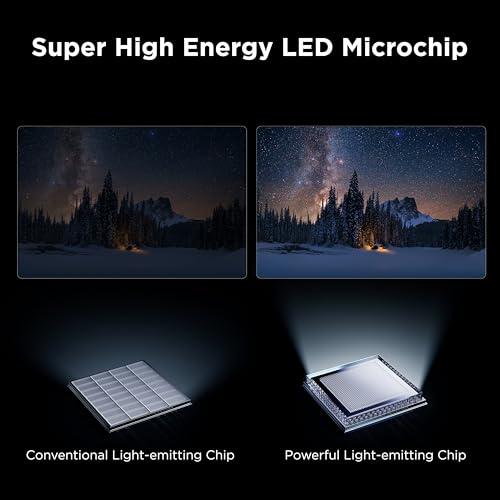
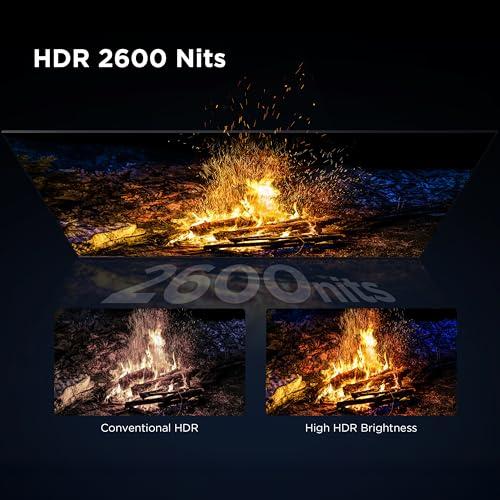
Peak brightness might sound like marketing speak, but it's crucial for HDR (High Dynamic Range) content. The TCL QM7K reaches an impressive 2,600-3,000 nits—that's roughly 10 times brighter than older LCD TVs. For context, a sunny day measures about 100,000 nits, while indoor lighting typically ranges from 50-500 nits. This massive brightness headroom means HDR content like the desert scenes in "Dune" or the neon-soaked cityscapes in "Blade Runner 2049" display with genuine impact.
The LG QNED85A peaks at around 1,500-2,000 nits, which is still excellent but noticeably less dramatic. However, LG compensates with superior tone mapping—the process that translates the ultra-bright HDR signal into what your display can actually show. Better tone mapping often results in more natural-looking images, even if the raw numbers are lower.
Gaming performance has become a major differentiator in premium TVs, especially as PlayStation 5 and Xbox Series X push 4K at 120 frames per second. Here's where these TVs diverge significantly.
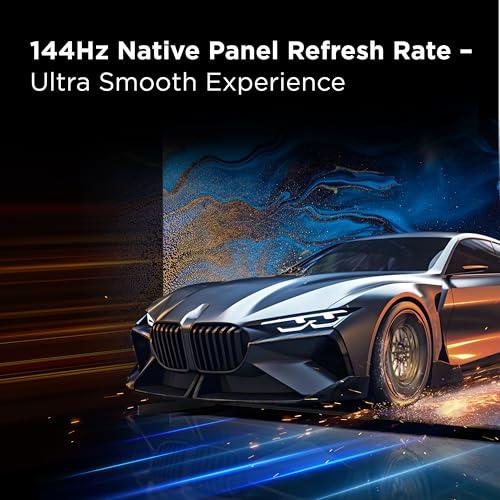
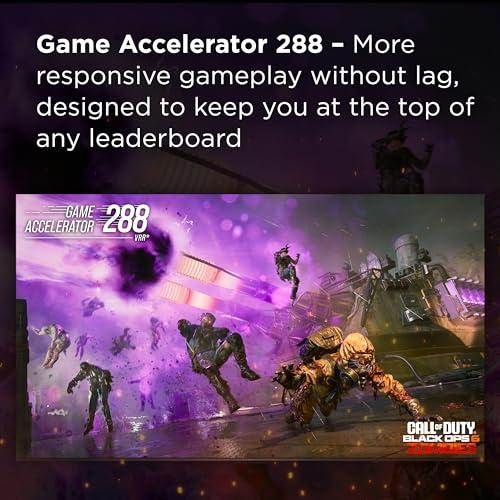
The TCL QM7K supports a native 144Hz refresh rate with Variable Refresh Rate (VRR) up to 288Hz at lower resolutions. VRR synchronizes the TV's refresh rate with your gaming device's output, eliminating screen tearing and stuttering. The 288Hz capability, achieved through TCL's Game Accelerator technology, is particularly valuable for competitive PC gaming where every millisecond matters.
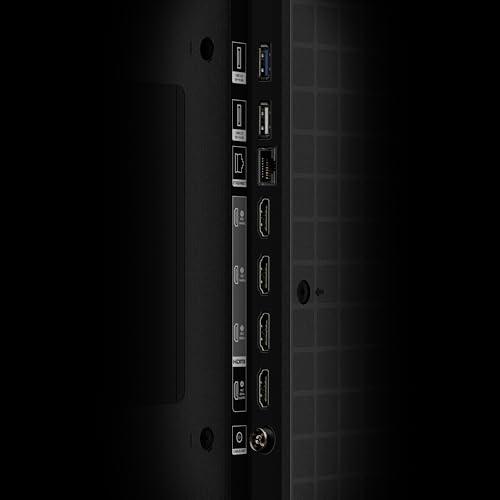
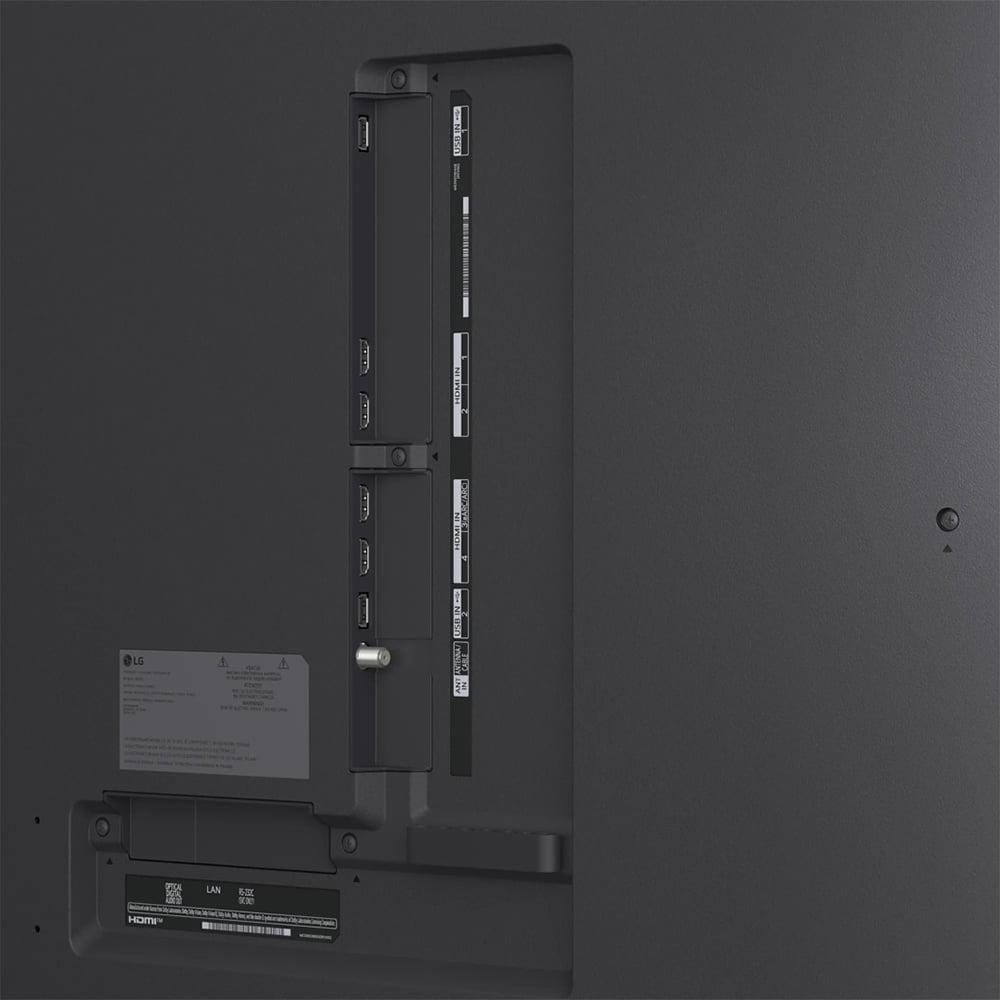
The LG QNED85A offers 120Hz native refresh rate, which perfectly matches current-generation consoles. While it can't hit the TCL's extreme refresh rates, it includes four HDMI 2.1 ports compared to the TCL's two. HDMI 2.1 ports support the full bandwidth needed for 4K at 120Hz with VRR, so having four means you can connect multiple gaming devices without constantly swapping cables.
From a practical standpoint, unless you're a serious PC gamer targeting 144Hz+ gameplay, the LG's 120Hz is perfectly adequate and its extra connectivity proves more useful day-to-day.
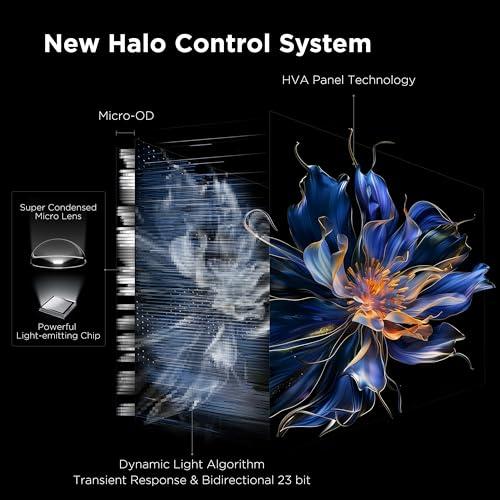
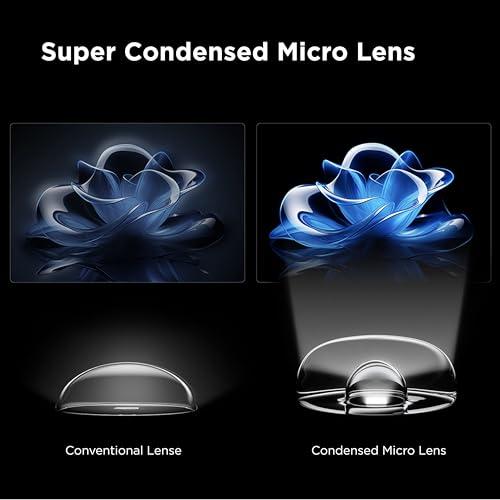
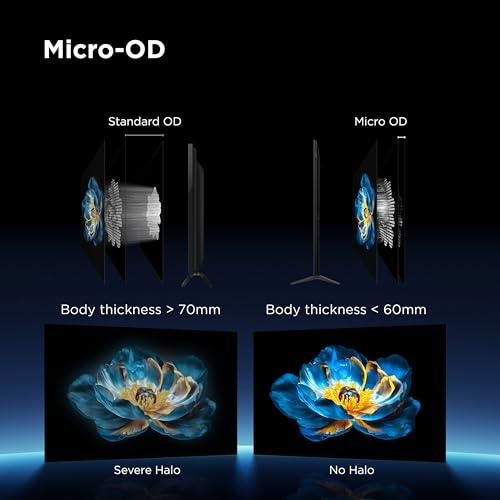
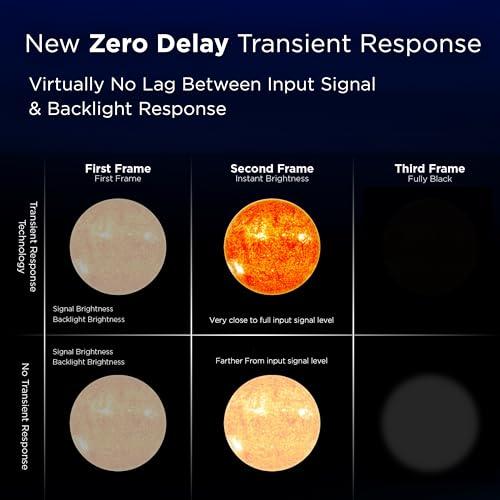
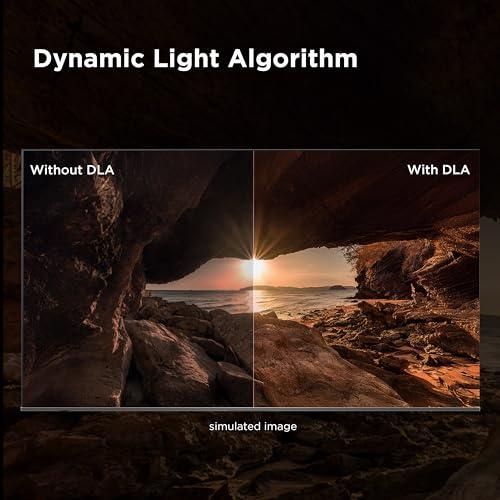
The TCL QM7K's full-array approach with 2,500 zones delivers superior contrast performance. When watching dark scenes like the cave sequences in recent Marvel movies, individual zones can turn completely off, creating true blacks adjacent to bright highlights. This precision comes from TCL's Halo Control System, which uses advanced algorithms and micro-lenses to minimize blooming—the unwanted light bleeding around bright objects in dark scenes.
The LG QNED85A's edge-lit system can't match this zone-level precision, but it compensates with sophisticated processing that often produces more natural-looking results. The blooming is more controlled, even if the absolute blacks aren't quite as deep.
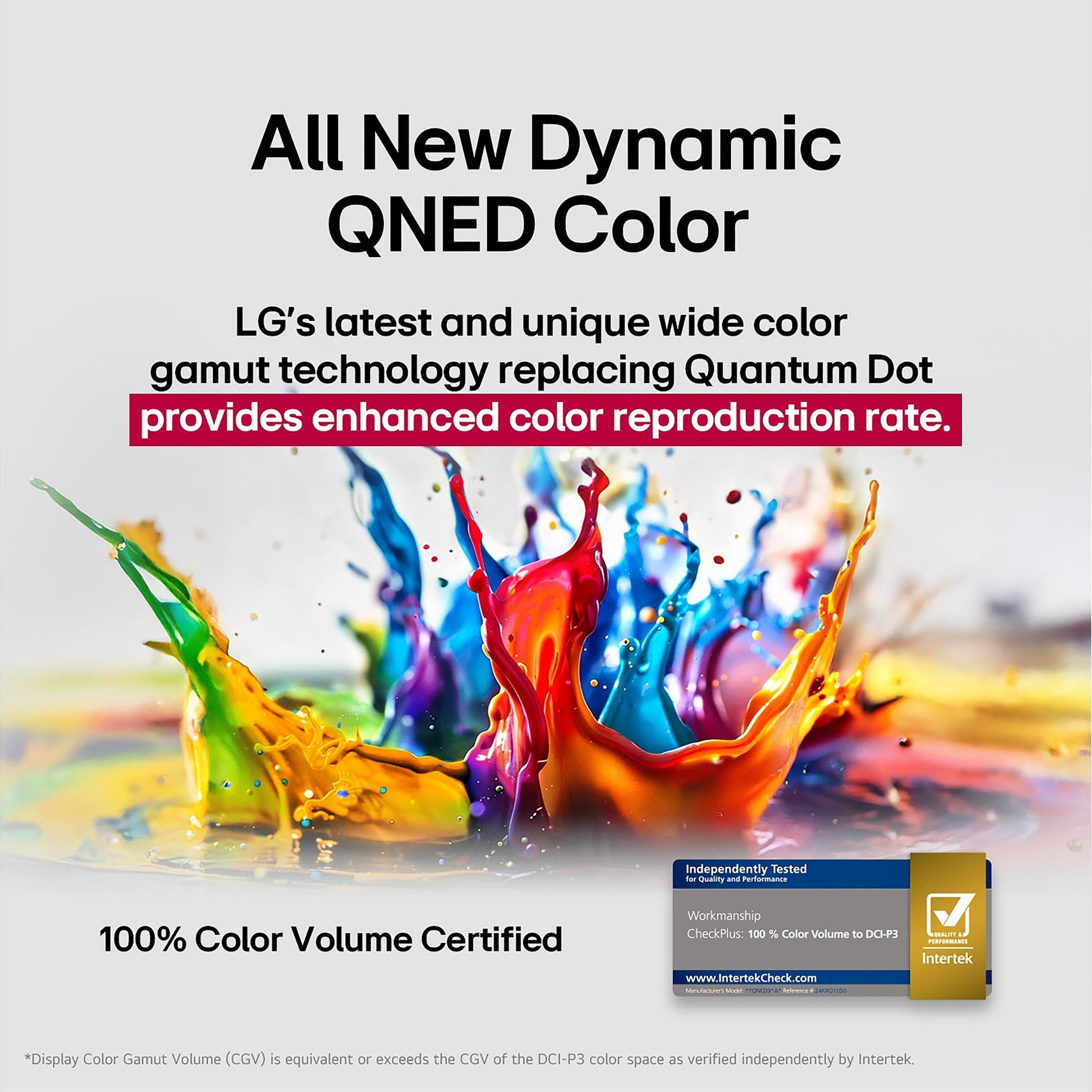
Here's where the LG pulls ahead significantly. The QNED85A's combination of Quantum Dot and NanoCell technologies achieves 100% Color Volume, meaning colors remain saturated and accurate at all brightness levels. More importantly, these colors stay consistent when you move to the sides of the TV.
The TCL QM7K uses traditional VA (Vertical Alignment) panel technology, which looks fantastic when viewed straight-on but suffers from color shift and brightness loss at wider angles. If you have a large sectional sofa or frequently watch with groups, this becomes a significant limitation.
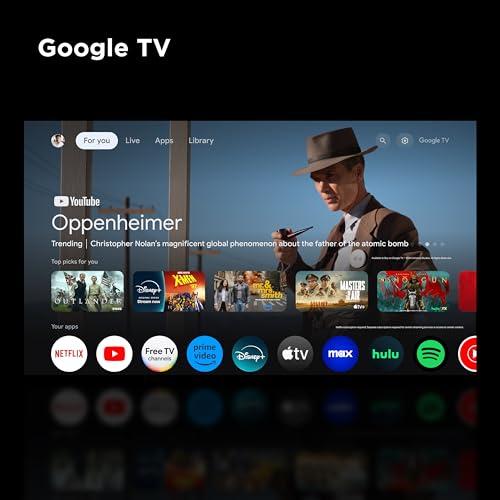
Smart TV platforms have evolved dramatically, and these models showcase two different philosophies. The TCL QM7K runs Google TV, which essentially puts Android TV in a more consumer-friendly package. You get excellent app support, seamless integration with Google services, and hands-free voice control through built-in microphones. The interface is clean and customizable, though it can feel overwhelming with its abundance of content recommendations.
The LG QNED85A features webOS 25, LG's proprietary platform that's matured into one of the most polished smart TV experiences available. The standout feature is LG's commitment to five years of software updates—unprecedented in the TV industry where most manufacturers abandon support after two or three years. WebOS 25 also introduces AI Voice ID, which recognizes different family members and provides personalized recommendations and settings.
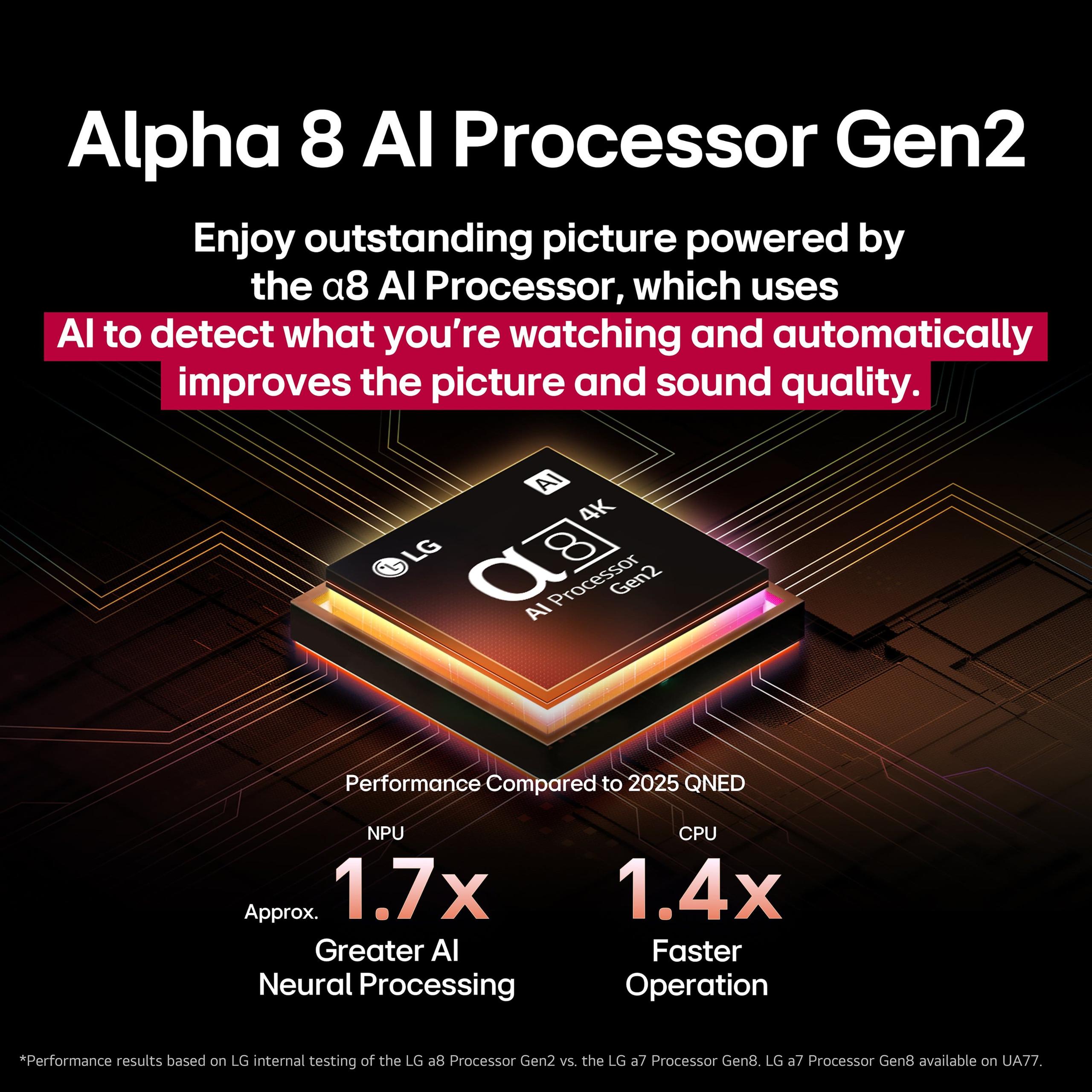
The AI integration goes deeper with features like Microsoft Copilot and an AI Concierge that can help troubleshoot issues or suggest content based on natural language requests. While these features might seem gimmicky now, they represent genuine attempts to make TVs more intuitive and helpful over time.
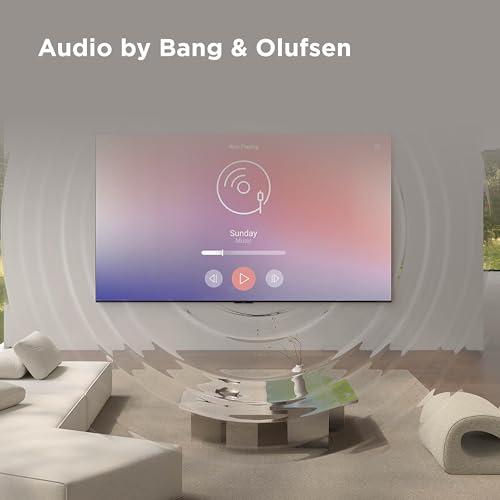
Audio represents another philosophical divide. The TCL QM7K includes a Bang & Olufsen-tuned speaker system with 60W output and full Dolby Atmos processing. This isn't just marketing collaboration—the tuning genuinely improves dialogue clarity and creates a more spacious soundstage than typical TV speakers. For many users, this eliminates the immediate need for a soundbar purchase.
The LG QNED85A includes AI Sound Pro, which converts stereo content into virtual 5.1 surround sound and enhances dialogue clarity by distinguishing voices from background noise. However, it only offers Dolby Atmos pass-through, meaning you need an external soundbar or receiver to experience full Atmos effects.
Room lighting dramatically affects TV performance, and this is where the TCL QM7K's superior brightness becomes crucial. In rooms with large windows or bright overhead lighting, the extra 1,000+ nits of peak brightness translates to better contrast and color saturation during daytime viewing. The difference is particularly noticeable with HDR content, where bright specular highlights—like reflections on water or car chrome—maintain their impact even in well-lit conditions.
The LG QNED85A performs adequately in bright rooms but requires more controlled lighting to show its best qualities.
For dedicated home theater use with controlled lighting, both TVs excel but in different ways. The TCL QM7K delivers more dramatic, cinema-like contrast with deeper blacks and more impactful highlights. However, its narrow viewing angles can be problematic if you have stadium seating or a wide seating arrangement.
The LG QNED85A provides more consistent picture quality across wider viewing positions, making it better suited for family movie nights or entertaining groups. Its superior tone mapping also tends to preserve director intent better, especially with properly mastered 4K Blu-rays.
At the time of writing, these TVs are positioned competitively in the premium Mini-LED segment, with pricing fluctuating based on sales and market conditions. The LG QNED85A typically offers better value when considering long-term ownership costs, thanks to its extended software support guarantee and broader feature set.
The TCL QM7K justifies any price premium through its superior brightness performance, gaming capabilities, and premium audio system. However, this value equation only makes sense if you specifically need these advantages.
You prioritize maximum visual impact and have a room with significant ambient light. The superior brightness and contrast make it ideal for daytime viewing and dramatic HDR content. Serious PC gamers will appreciate the 144Hz+ capabilities, while the Bang & Olufsen audio system provides immediate satisfaction without additional purchases.
The narrow viewing angles make it best suited for single-viewer setups or arrangements where everyone sits relatively close to center. This TV excels in man caves, gaming rooms, or living rooms with traditional front-facing furniture arrangements.
You value long-term software support, wide viewing angles, and smart features. The five-year update guarantee alone provides significant peace of mind in an industry notorious for abandoning older models. Families will appreciate the consistent picture quality from multiple seating positions and the personalized AI features.
Console gamers benefit from the four HDMI 2.1 ports, while the superior color accuracy appeals to movie enthusiasts who prioritize faithful reproduction over maximum impact.
Both TVs represent excellent choices in the premium Mini-LED category, but they serve different priorities. The TCL QM7K delivers maximum performance for single-viewer setups and gaming-focused environments, while the LG QNED85A provides better overall value for families and long-term ownership.
For most buyers, the LG's combination of viewing angle performance, extended software support, and comprehensive smart features make it the more practical choice. However, the TCL's superior brightness and gaming capabilities create compelling reasons to choose it for specific use cases.
The decision ultimately comes down to your viewing environment, seating arrangement, and priorities. Both represent significant steps forward in Mini-LED technology, bringing OLED-like contrast performance without the burn-in concerns that still affect long-term OLED ownership.
| TCL 65QM7K QD-Mini LED 4K Google TV | LG 65" QNED evo AI QNED85A 4K MiniLED Smart TV 2025 |
|---|---|
| Peak Brightness - Critical for HDR impact and bright room performance | |
| 2,600-3,000 nits (exceptional HDR highlights) | 1,500-2,000 nits (good HDR with better tone mapping) |
| Local Dimming Technology - Determines contrast precision and blooming control | |
| Full-array with up to 2,500 zones (superior blacks) | Edge-lit Mini-LED with fewer zones (more uniform but less precise) |
| Gaming Refresh Rate - Important for PC gaming and future console support | |
| 144Hz native, up to 288Hz VRR (excellent for PC gaming) | 120Hz native (perfect for PS5/Xbox Series X) |
| HDMI 2.1 Ports - Determines how many 4K/120Hz devices you can connect | |
| 2 ports (sufficient for most setups) | 4 ports (excellent connectivity for multiple devices) |
| Viewing Angles - Critical for group viewing and wide seating arrangements | |
| Narrow (VA panel, best for centered viewing) | Wide (maintains color accuracy from sides) |
| Color Technology - Affects color accuracy and saturation | |
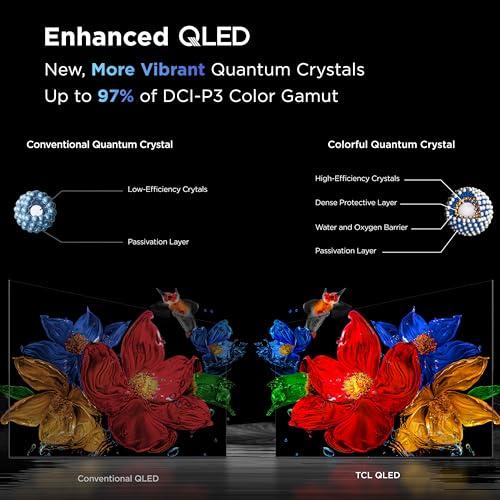
| QD-Mini LED with 97% DCI-P3 (vivid colors) | QNED with 100% Color Volume (accurate at all brightness levels) |
| Smart Platform & Updates - Long-term usability and feature additions | |
| Google TV (broad app support, uncertain update timeline) | webOS 25 with 5-year update guarantee (future-proof) |
| Built-in Audio - Determines if you need an external soundbar immediately | |
| Bang & Olufsen 60W with full Dolby Atmos (soundbar optional) | AI Sound Pro with Atmos pass-through (benefits from soundbar) |
| HDR Format Support - Compatibility with streaming and disc content | |
| Dolby Vision, HDR10+, HDR10, HLG (complete support) | Dolby Vision, HDR10, HLG (missing HDR10+ support) |
| Network Connectivity - Future-proofing for streaming and smart features | |
| Wi-Fi 5 (adequate for current needs) | Wi-Fi 6E (better for high-bandwidth streaming and smart home) |
The TCL 65QM7K is significantly better for bright rooms due to its higher peak brightness of 2,600-3,000 nits compared to the LG QNED85A's 1,500-2,000 nits. This extra brightness helps overcome glare and maintains better contrast during daytime viewing with windows or overhead lighting.
The TCL QM7K offers superior PC gaming with 144Hz native refresh rate and up to 288Hz VRR, making it ideal for competitive gaming. The LG QNED85A provides excellent console gaming with 120Hz refresh rate and four HDMI 2.1 ports, perfect for PS5 and Xbox Series X users who need multiple device connections.
Picture quality depends on your priorities. The TCL QM7K delivers more dramatic contrast with deeper blacks and brighter highlights, ideal for cinematic impact. The LG QNED85A offers more accurate colors and better tone mapping, resulting in more natural-looking images that preserve director intent.
The TCL QM7K uses Google TV with excellent app support and Google ecosystem integration. The LG QNED85A features webOS 25 with a guaranteed 5-year software update program, AI voice recognition, and Microsoft Copilot integration, making it more future-proof for long-term ownership.
The LG QNED85A is much better for families due to its wide viewing angles that maintain color accuracy when viewed from the sides. The TCL QM7K uses a VA panel with narrow viewing angles, making it best suited for centered viewing positions.
The TCL QM7K includes Bang & Olufsen audio with full Dolby Atmos processing, providing excellent built-in sound that doesn't require an immediate soundbar purchase. The LG QNED85A has decent built-in audio with AI Sound Pro but benefits significantly from adding a soundbar for the best experience.
Value depends on your needs and current pricing. The LG QNED85A typically offers better long-term value due to its 5-year software update guarantee, wide viewing angles, and comprehensive smart features. The TCL QM7K provides better value if you prioritize maximum brightness, gaming performance, and premium built-in audio.
Both excel in dark rooms but differently. The TCL QM7K delivers more dramatic contrast with deeper blacks thanks to its full-array local dimming with 2,500 zones. The LG QNED85A provides more natural-looking images with superior color accuracy, making it better for preserving film grain and director intent in movies.
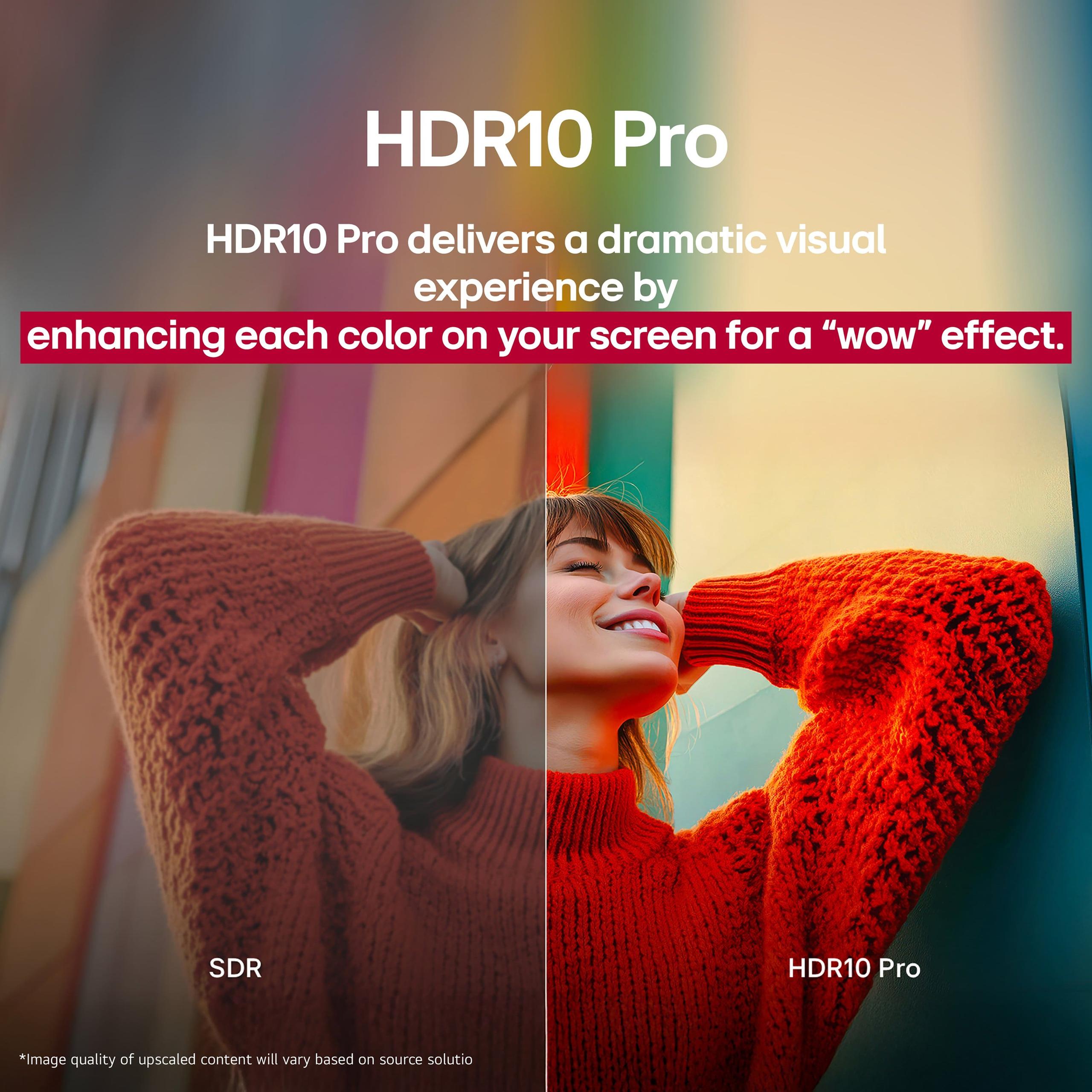
The TCL QM7K offers more impactful HDR with higher peak brightness and supports all major HDR formats including HDR10+. The LG QNED85A provides more balanced HDR with better tone mapping but lacks HDR10+ support, though it handles Dolby Vision and HDR10 excellently.
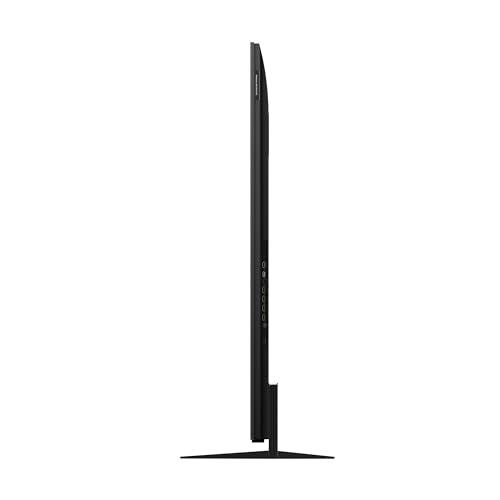
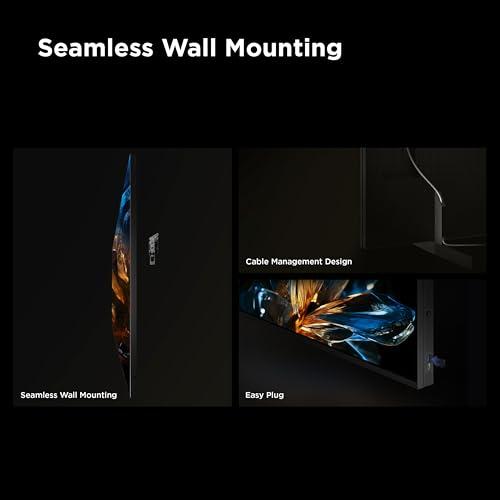
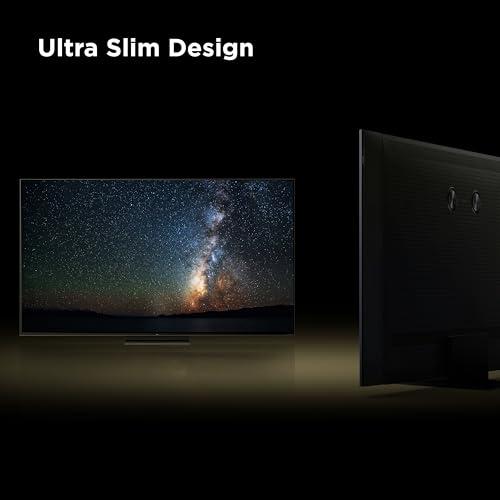
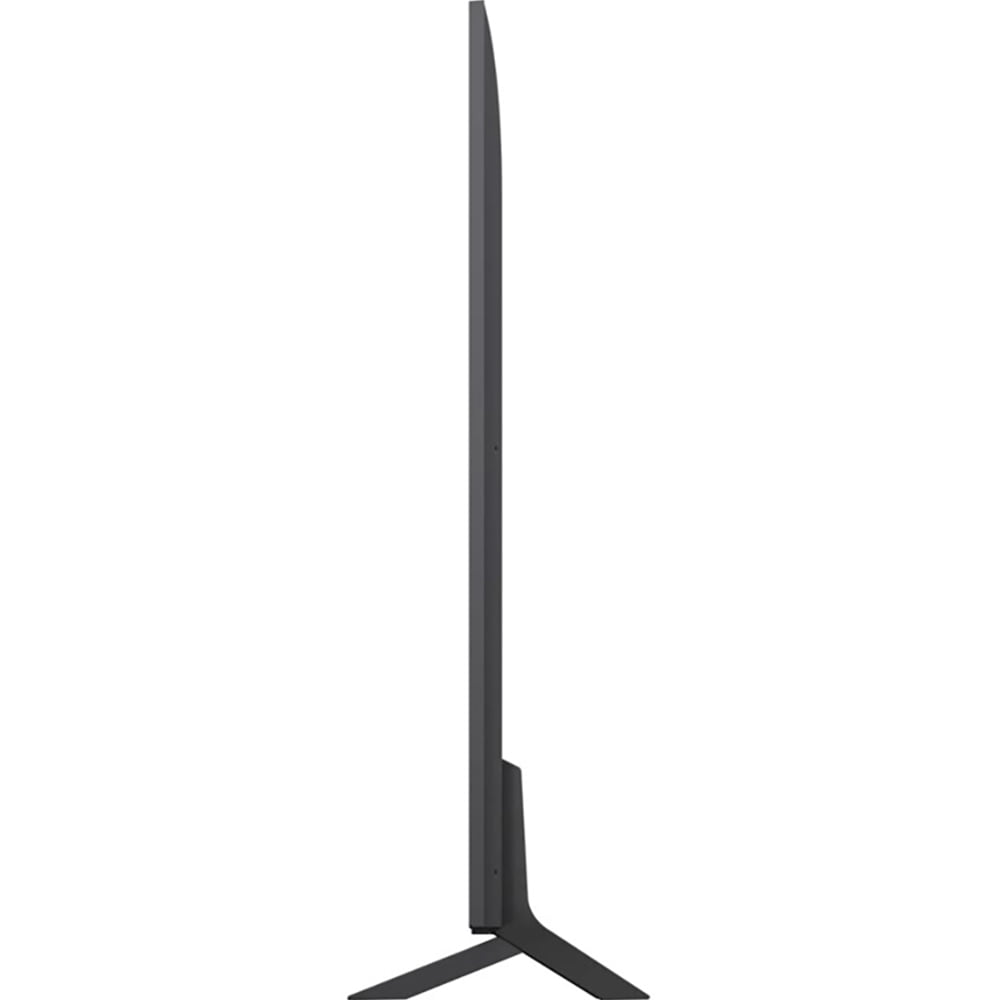
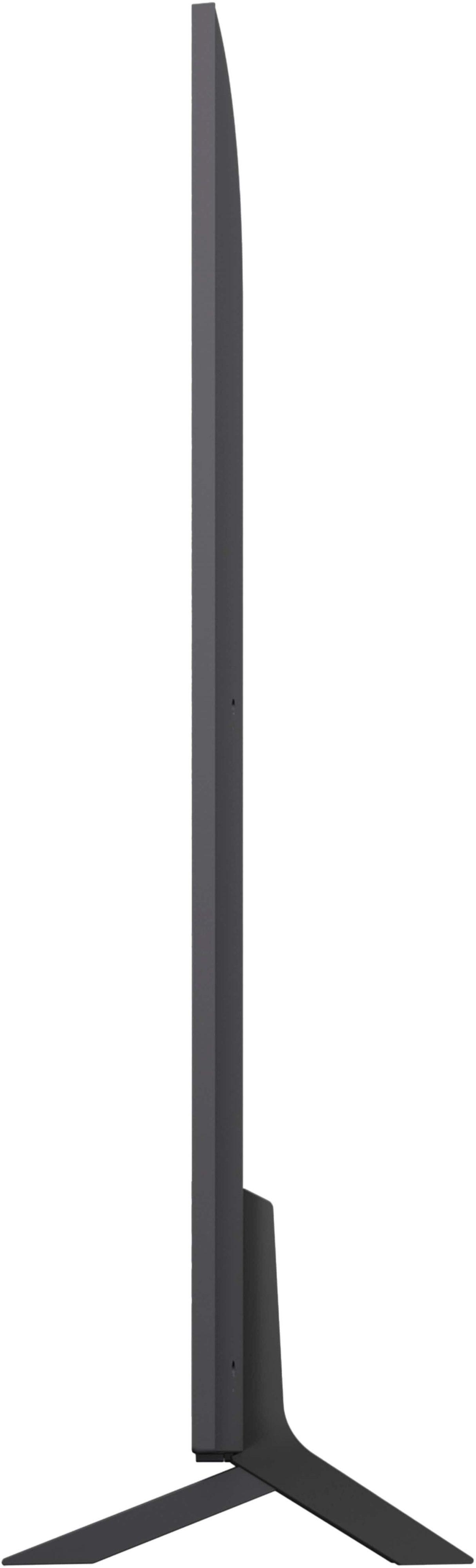
Both TVs feature premium build quality with slim profiles. The TCL QM7K uses advanced optical engineering with micro-lens technology for its full-array design. The LG QNED85A offers a slightly more refined aesthetic and better cable management, while both support VESA wall mounting.
The LG QNED85A is more future-proof with its guaranteed 5-year software update program, Wi-Fi 6E support, and four HDMI 2.1 ports. The TCL QM7K offers excellent current performance but has less certain long-term software support and fewer next-generation connectivity options.
Choose the TCL QM7K if you have a bright room, primarily watch from a central position, prioritize gaming performance, or want premium built-in audio. Choose the LG QNED85A if you have wide seating arrangements, want long-term software support, prioritize color accuracy, or need multiple HDMI 2.1 connections for various devices.
We've done our best to create useful and informative comparisons to help you decide what product to buy. Our research uses advanced automated methods to create this comparison and perfection is not possible - please contact us for corrections or questions. These are the sites we've researched in the creation of this article: bestbuy.com - businessinsider.com - tomsguide.com - tomsguide.com - rtings.com - tomsguide.com - youtube.com - rtings.com - consumerreports.org - youtube.com - youtube.com - displayspecifications.com - youtube.com - tcl.com - tcl.com - tcl.com - youtube.com - rcwilley.com - bestbuy.com - tclcentral.com - displayspecifications.com - tomsguide.com - tcl.com - brandsmartusa.com - tcl.com - tcl.com - gizmochina.com - nfm.com - dolby.com - alexraytv.com - rtings.com - rtings.com - youtube.com - lg.com - smarthomesounds.co.uk - abt.com - abt.com - lg.com - displayspecifications.com - walmart.com - bestbuy.com - lg.com - lg.com - lg.com - files.bbystatic.com - flatpanelshd.com - north-side-appliance.com - lgnewsroom.com - lg.com - youtube.com - youtube.com - hindustantimes.com

Privacy Policy
Terms and Conditions - Affiliate Policy
Home Security
© Copyright 2008-2026.
11816 Inwood Rd #1211, Dallas, TX 75244