

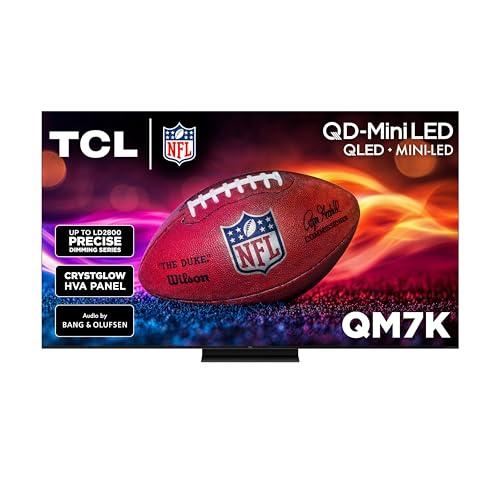
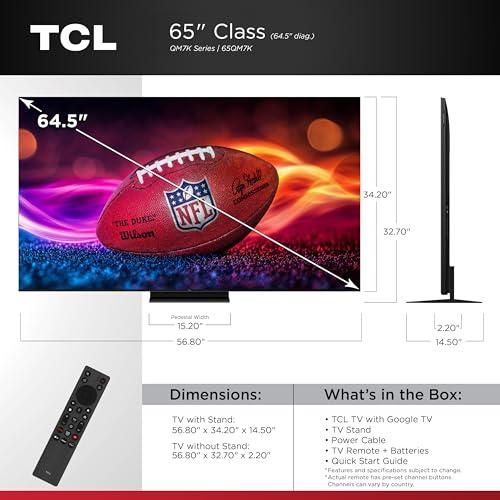
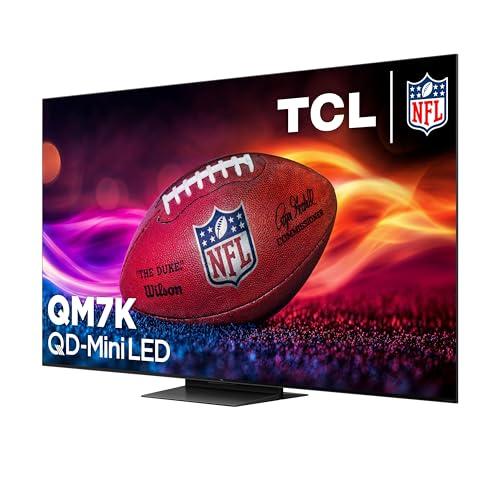
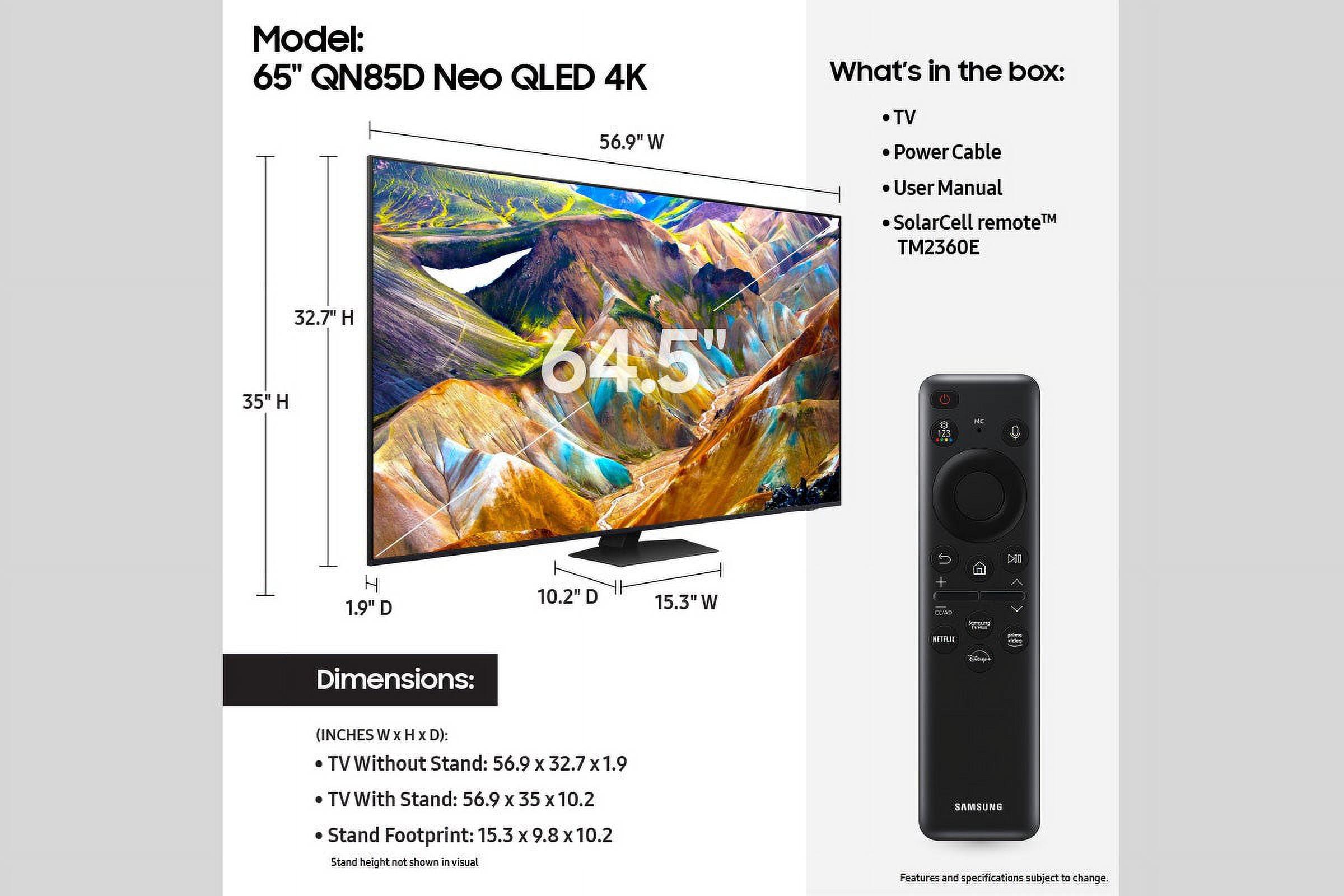
Shopping for a high-end TV has never been more complicated—or exciting. The premium Mini LED category has exploded with options that promise OLED-like contrast without the brightness limitations or burn-in concerns. Today we're comparing two standout models: the TCL 65QM7K and the Samsung 65" QN85D, both released in 2024 and representing the latest evolution in Mini LED technology.
Mini LED TVs occupy that sweet spot between traditional LED displays and premium OLEDs. They use thousands of tiny LEDs behind the screen (instead of dozens in older LED TVs) to create precise lighting zones that can dim independently. This local dimming technology delivers deeper blacks and brighter highlights than standard LEDs while avoiding the burn-in risks and brightness limitations of OLED panels.
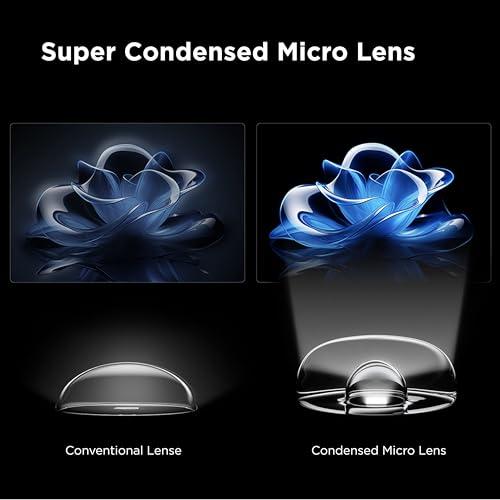
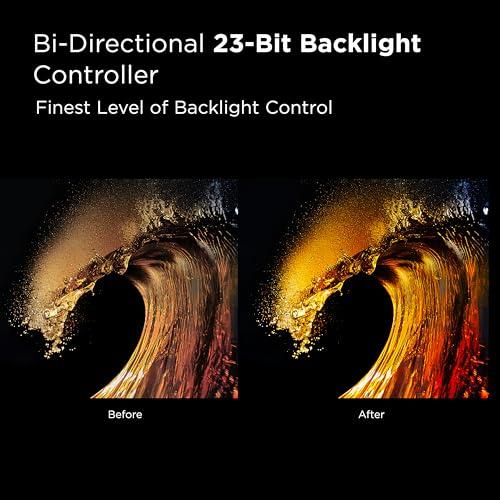
Before diving into the comparison, it's worth understanding what makes these TVs special. Both the TCL QM7K and Samsung QN85D use Mini LED backlighting—essentially microscopic LEDs that are about 1/40th the size of traditional LED backlights. These tiny LEDs can be packed much more densely behind the screen, creating more precise lighting zones.
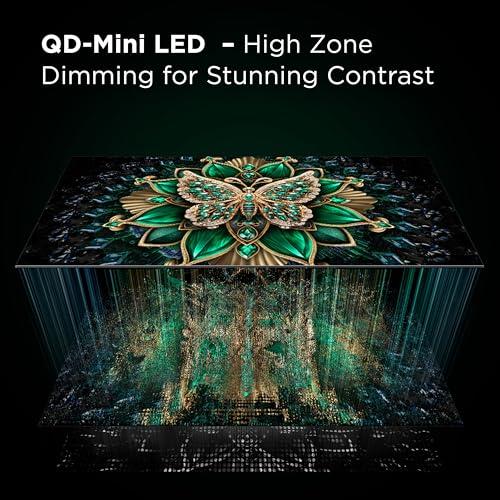
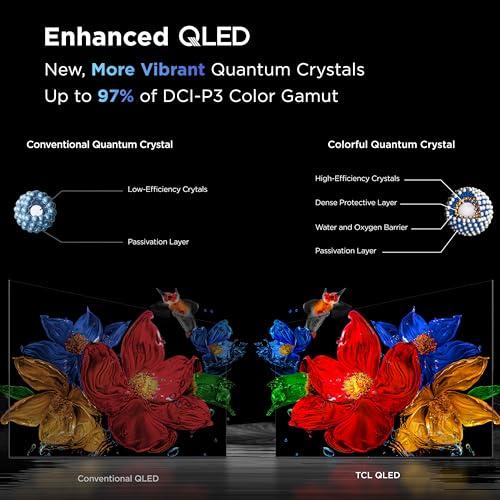
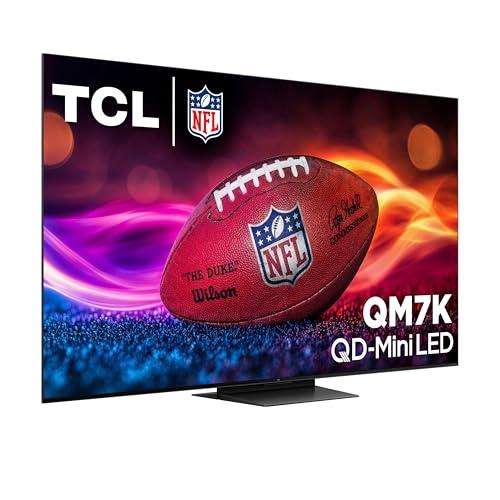
The TCL 65QM7K takes this concept further with QD-Mini LED technology, which combines Mini LEDs with Quantum Dot materials. Quantum Dots are nanocrystals that convert blue LED light into precisely tuned red and green light, resulting in more accurate and vibrant colors. It's like having a more sophisticated color filter that can produce exactly the right shade for each scene.
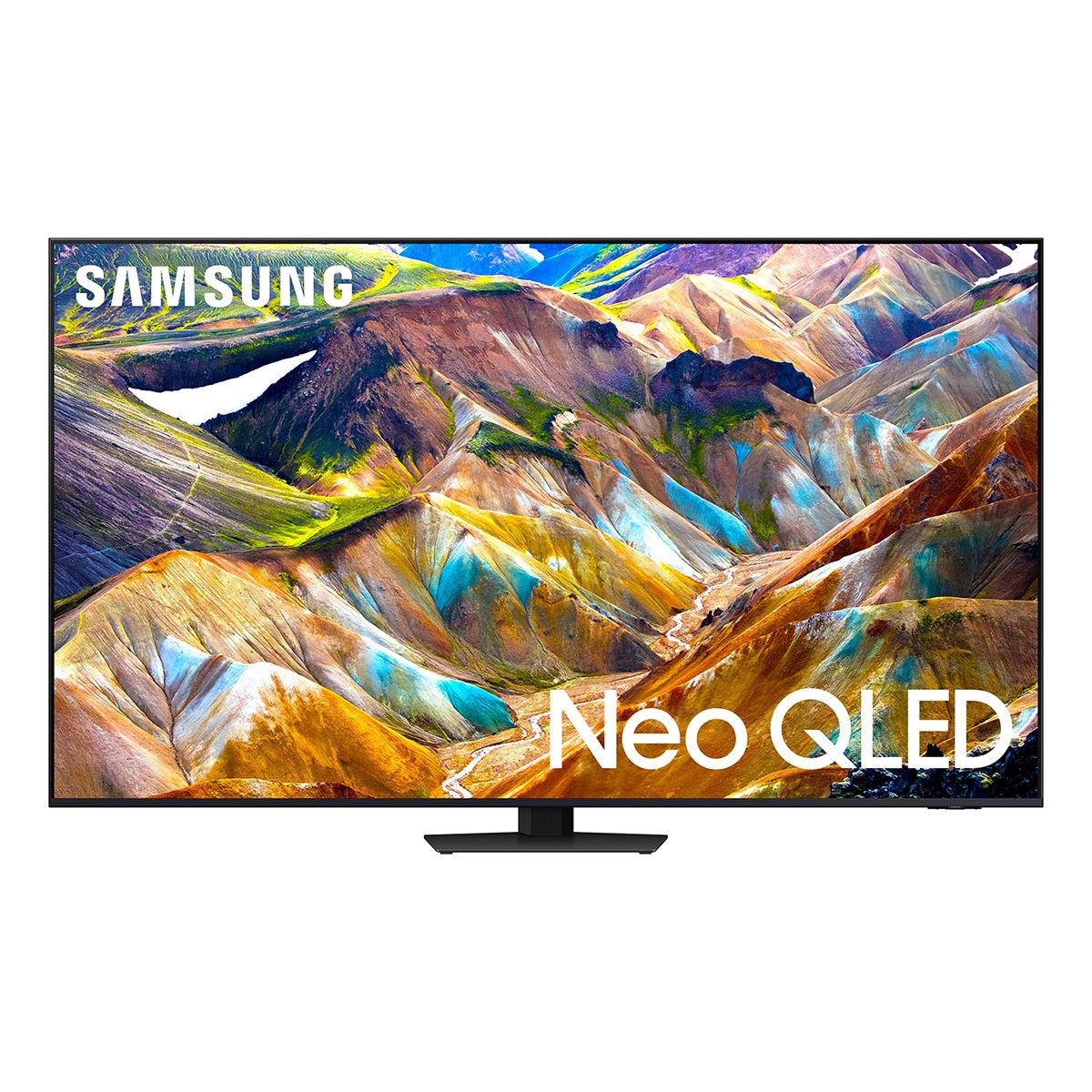
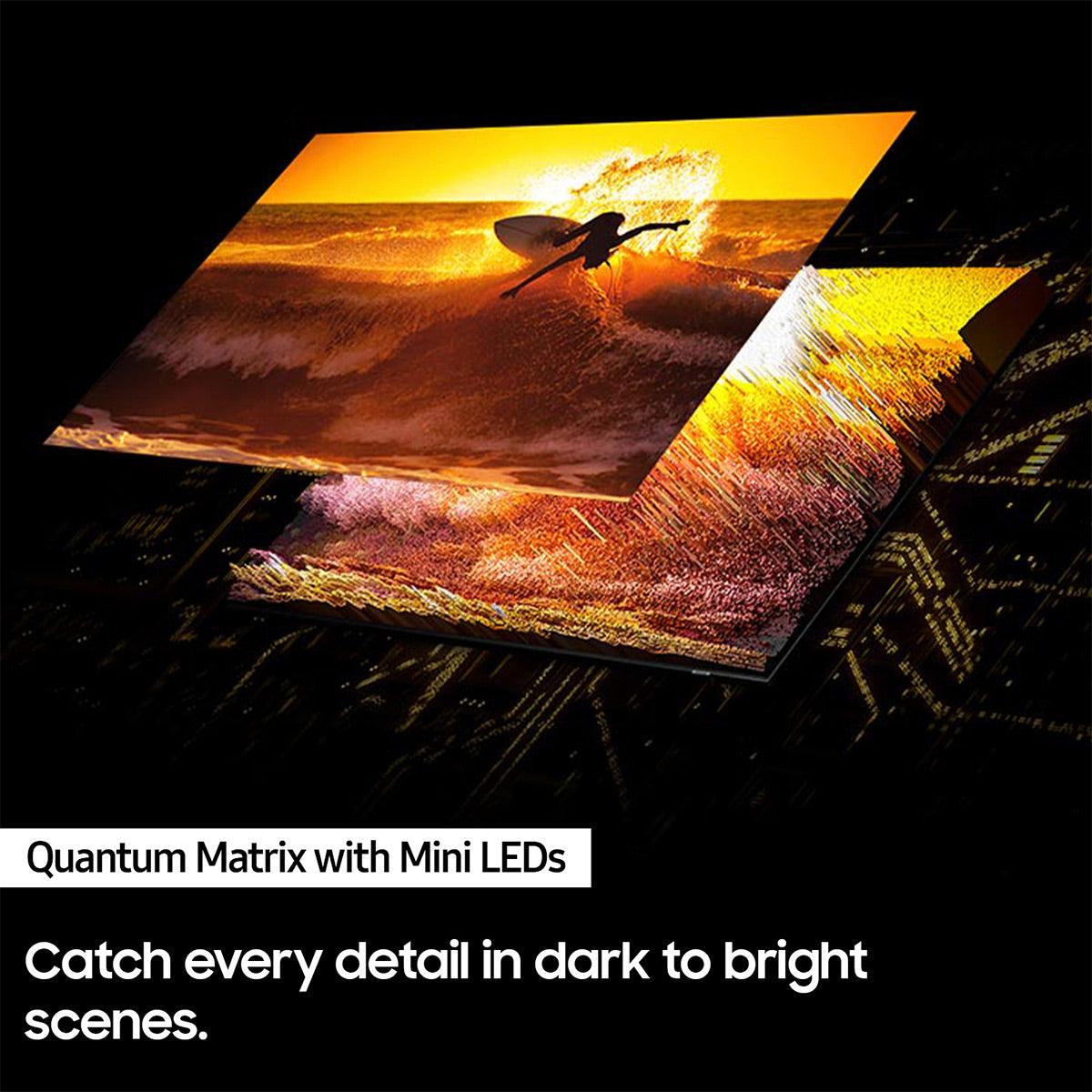
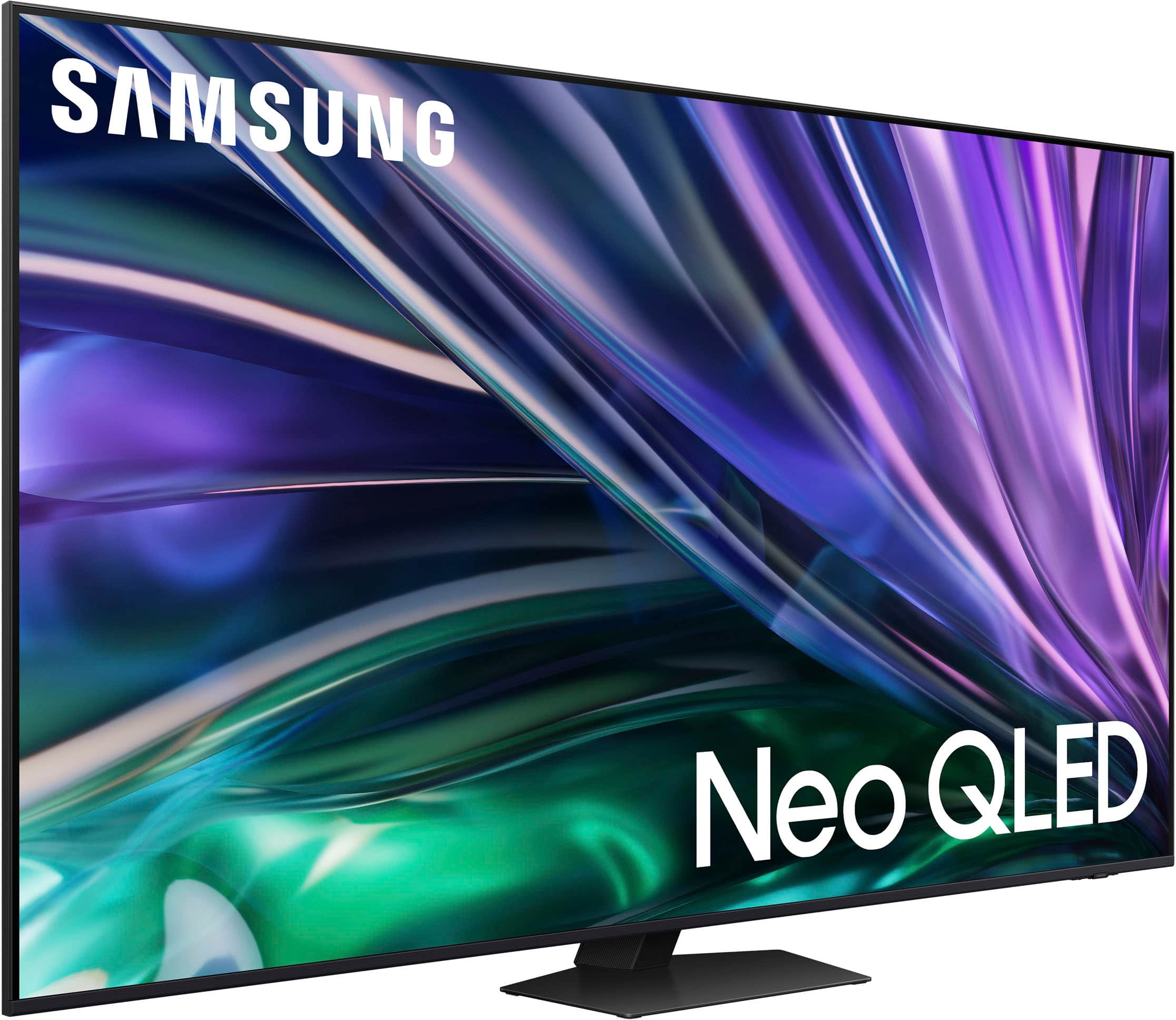
The Samsung QN85D uses what Samsung calls Neo QLED with Quantum Matrix technology. While Samsung doesn't use the QD-Mini LED terminology, they're achieving similar results through their own implementation of Mini LEDs combined with quantum dot enhancement.
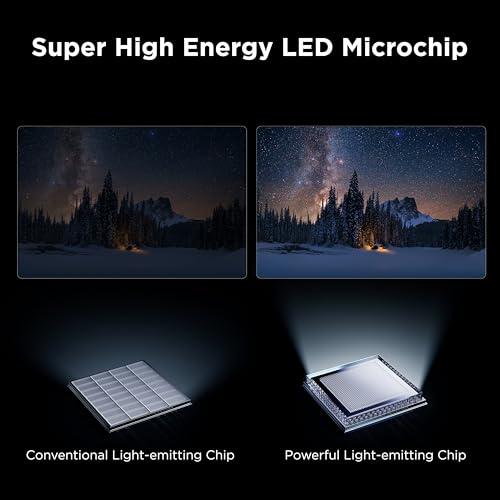
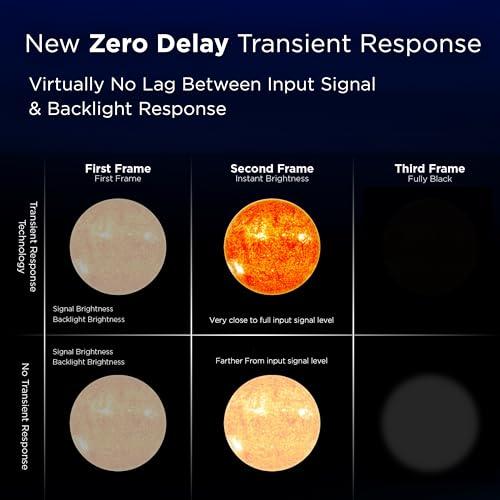
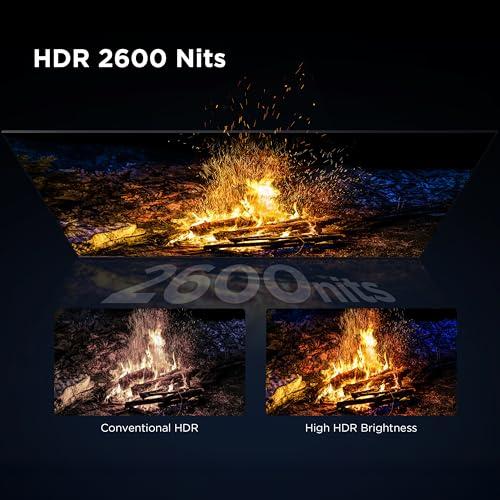
Here's where these two TVs start to diverge significantly. The TCL 65QM7K is a brightness powerhouse, capable of reaching up to 3,000 nits in HDR content. To put that in perspective, a sunny day outdoors measures about 10,000 nits, while most TVs max out around 1,000 nits. The Samsung QN85D reaches approximately 1,500 nits—still impressive, but noticeably dimmer.
This brightness difference matters more than you might think. HDR (High Dynamic Range) content is mastered with the assumption that your TV can reproduce both deep blacks and brilliant highlights. When watching a sunset scene in a nature documentary or the gleam of Iron Man's armor, higher peak brightness translates directly to more impactful, lifelike images.
In my experience evaluating displays, the difference between 1,500 and 3,000 nits becomes immediately apparent in bright room viewing. If your TV room has windows or overhead lighting, the TCL QM7K will maintain its picture quality much better than the Samsung QN85D. However, in a dedicated home theater with controlled lighting, both TVs will deliver excellent results, with the Samsung potentially offering more refined contrast transitions.
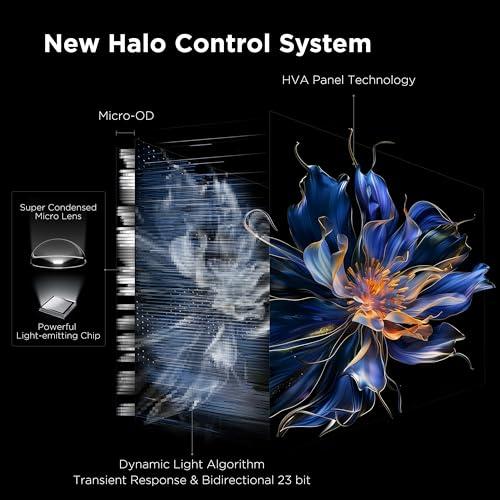
Local dimming is where Mini LED technology really shines (pun intended). The TCL 65QM7K features up to 2,500 individual dimming zones, while the Samsung QN85D uses approximately 400-600 zones. More zones generally mean better precision—the TV can turn off smaller areas of the backlight to create deeper blacks without affecting nearby bright objects.
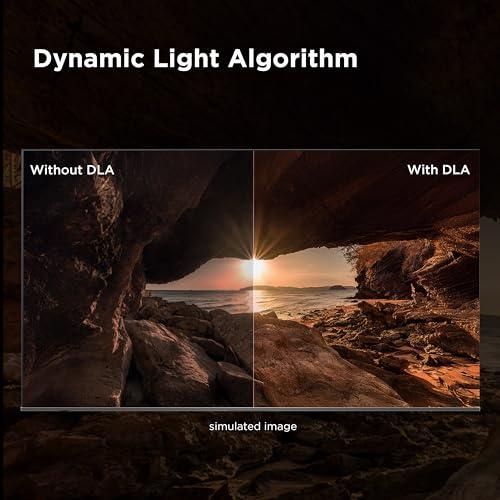
However, raw zone count isn't everything. Samsung's strength lies in their dimming algorithms—the software that decides how to control all these zones. Their Quantum Matrix processing has years of development behind it, and it shows in how cleanly they handle challenging scenes with both bright and dark elements.
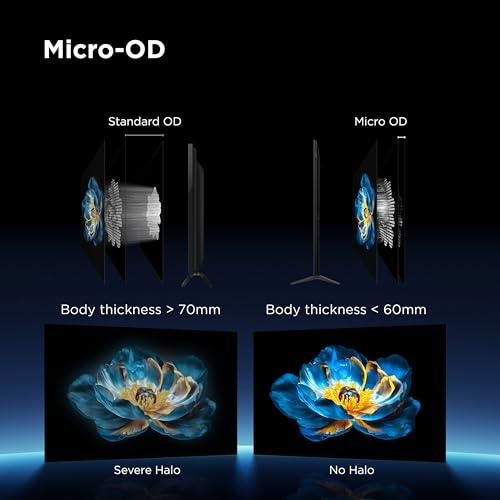
Based on professional reviews and user feedback, both TVs achieve excellent black levels, but they get there differently. The TCL QM7K uses brute force with more zones, while the Samsung QN85D relies on sophisticated processing. In practice, you might notice slight blooming (bright halos around objects in dark scenes) on both displays, but it's typically only visible in the most challenging content like white text on black backgrounds.
Color reproduction reveals another philosophical difference between these brands. The TCL 65QM7K supports every major HDR format including Dolby Vision IQ, HDR10+, HDR10, and HLG. Dolby Vision is particularly important because it's used by Netflix, Disney+, and most premium streaming content. The TV's Quantum Dot implementation can reproduce 1.07 billion colors, covering a wide color gamut that makes everything from animated movies to nature documentaries pop with vibrancy.
The Samsung QN85D notably lacks Dolby Vision support, which is Samsung's strategic decision to promote their own HDR10+ format. While HDR10+ is technically excellent, the reality is that most premium content uses Dolby Vision. This means you won't get the full intended experience from much of your streaming content.
However, Samsung compensates with superior color processing. Their Neo Quantum HDR technology tends to produce more naturally accurate colors straight out of the box. If you're someone who doesn't want to fiddle with picture settings, the Samsung might look more "correct" initially.
Gaming capabilities have become increasingly important as consoles like the PlayStation 5 and Xbox Series X push higher frame rates and resolutions. This is where the TCL 65QM7K clearly takes the lead.
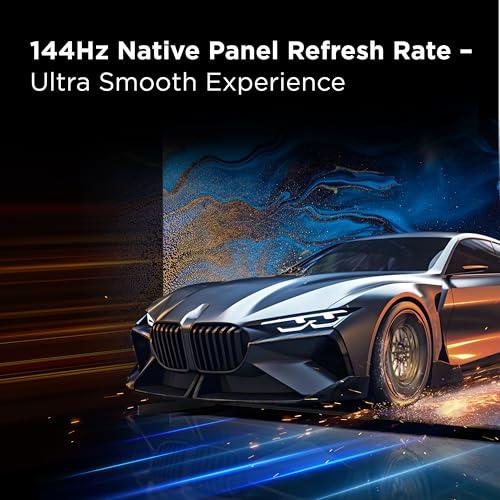
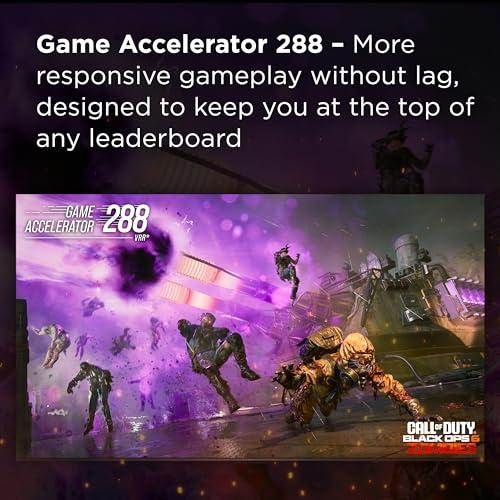
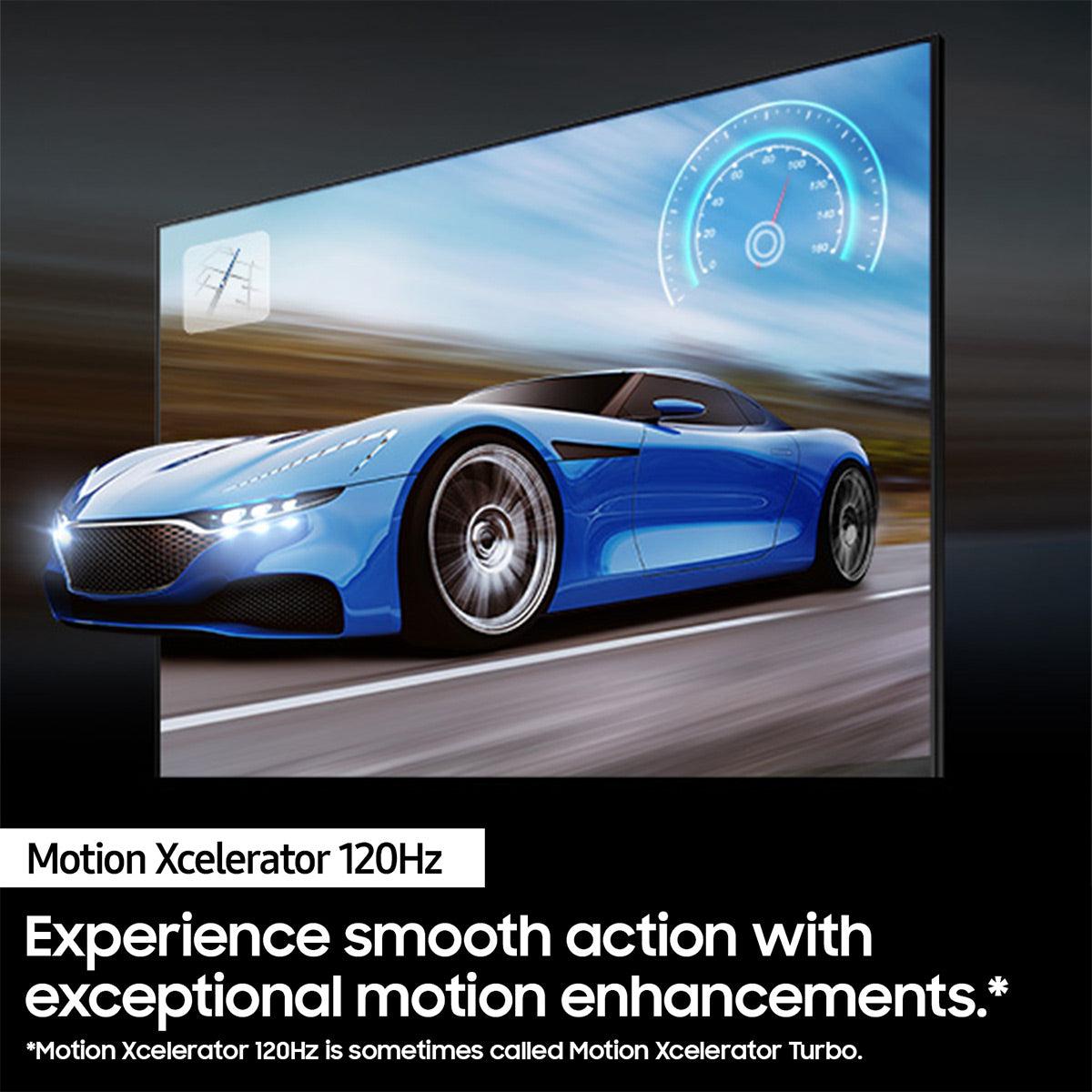
With a native 144Hz refresh rate, the TCL QM7K can display more frames per second than the Samsung QN85D's 120Hz panel. For competitive gaming, this translates to smoother motion and potentially faster reaction times. The TCL also features Game Accelerator technology that can support up to 288Hz at 1080p resolution—though you'd need a high-end gaming PC to take advantage of this.
Input lag—the delay between pressing a button and seeing the result on screen—is crucial for gaming. Both TVs achieve excellent low-latency performance under 12 milliseconds, but the TCL QM7K edges ahead with sub-10ms response times.
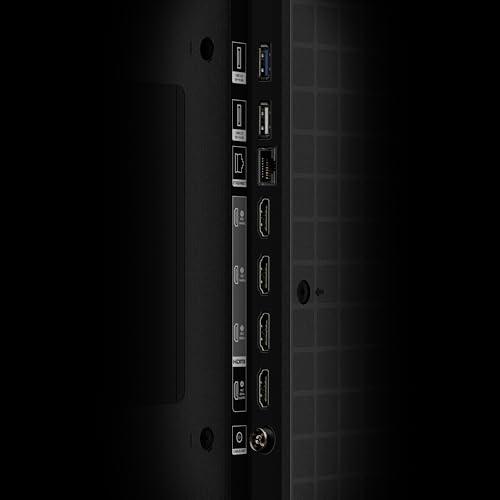
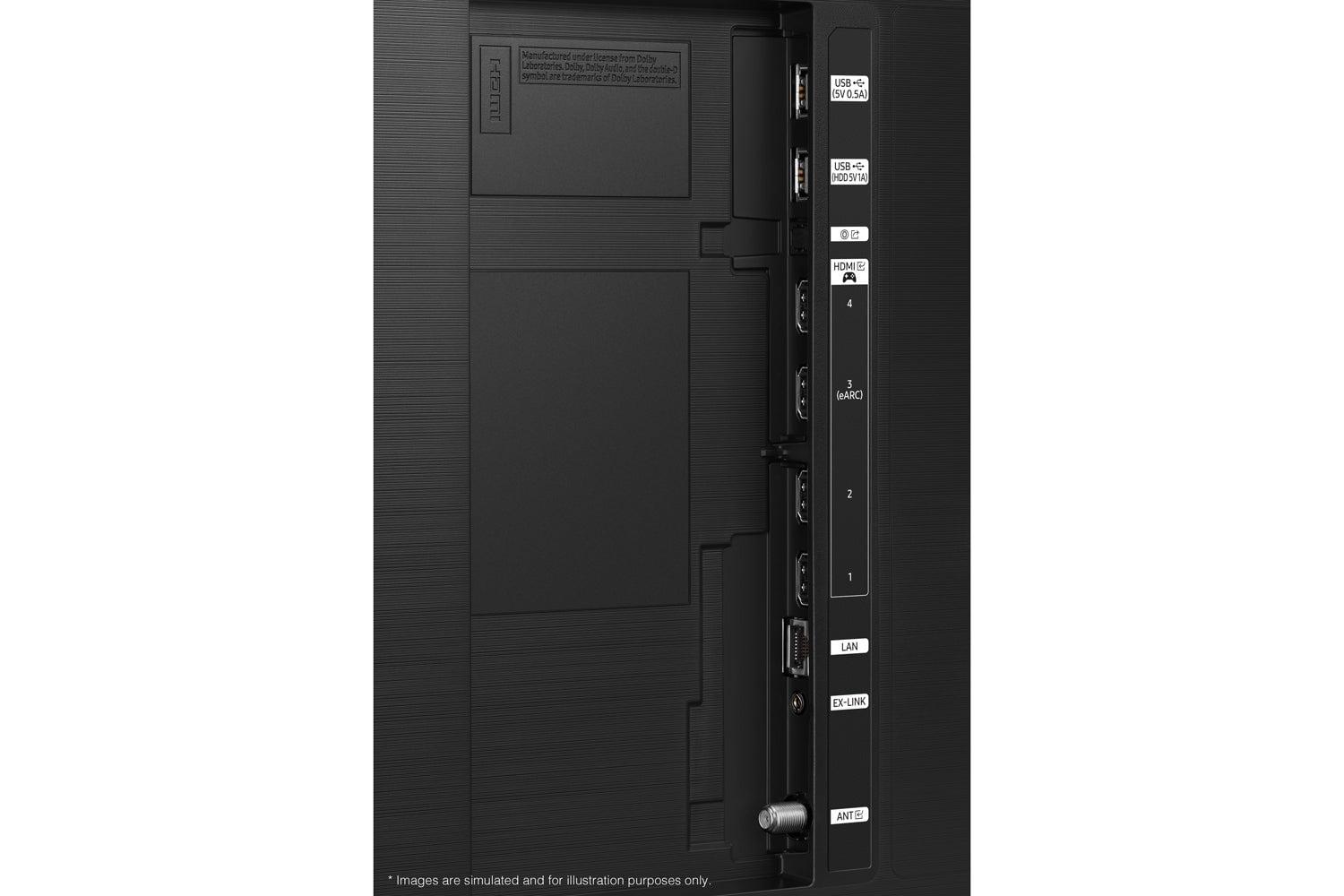
The Samsung QN85D counters with four HDMI 2.1 ports compared to the TCL's two. If you have multiple gaming devices (PlayStation 5, Xbox Series X, gaming PC), Samsung's additional ports eliminate the need for HDMI switching.
Both TVs support Variable Refresh Rate (VRR), which synchronizes the display's refresh rate with your gaming device's frame rate to eliminate screen tearing. The TCL QM7K specifically supports AMD FreeSync Premium Pro, while the Samsung supports the more universal VRR standard.
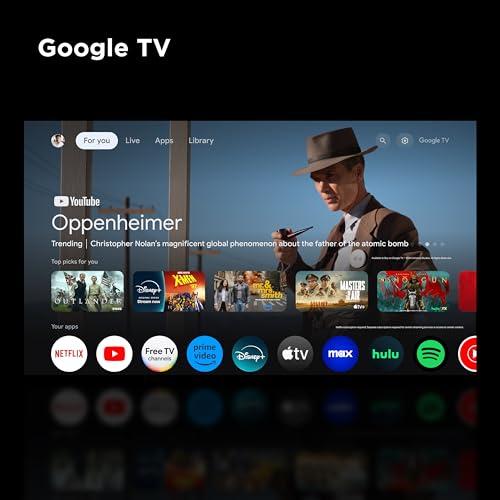
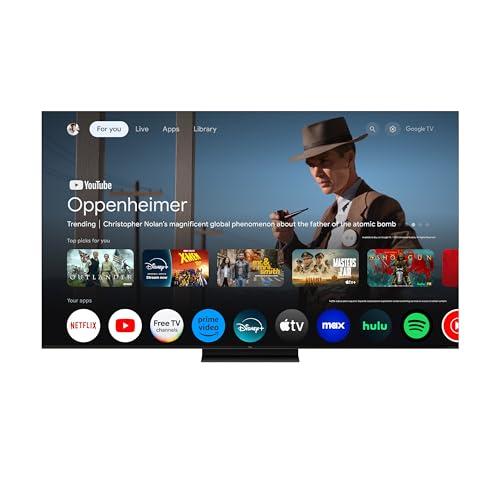
The smart platform experience significantly impacts daily usability. The TCL 65QM7K runs Google TV, which emphasizes content discovery over app organization. Its interface learns your viewing habits and surfaces relevant shows and movies prominently on the home screen. Integration with Google services is seamless—you can use voice commands naturally and easily cast content from Android devices.
Samsung's Tizen OS on the QN85D offers more customization options but requires more initial setup. You can organize apps exactly how you want and access Samsung-specific features like SmartThings integration for smart home control. Samsung TV Plus provides free ad-supported streaming channels, which can be valuable for casual viewing.
From a long-term perspective, Google TV typically receives more frequent updates and has broader app support due to Google's resources and partnerships with streaming services.
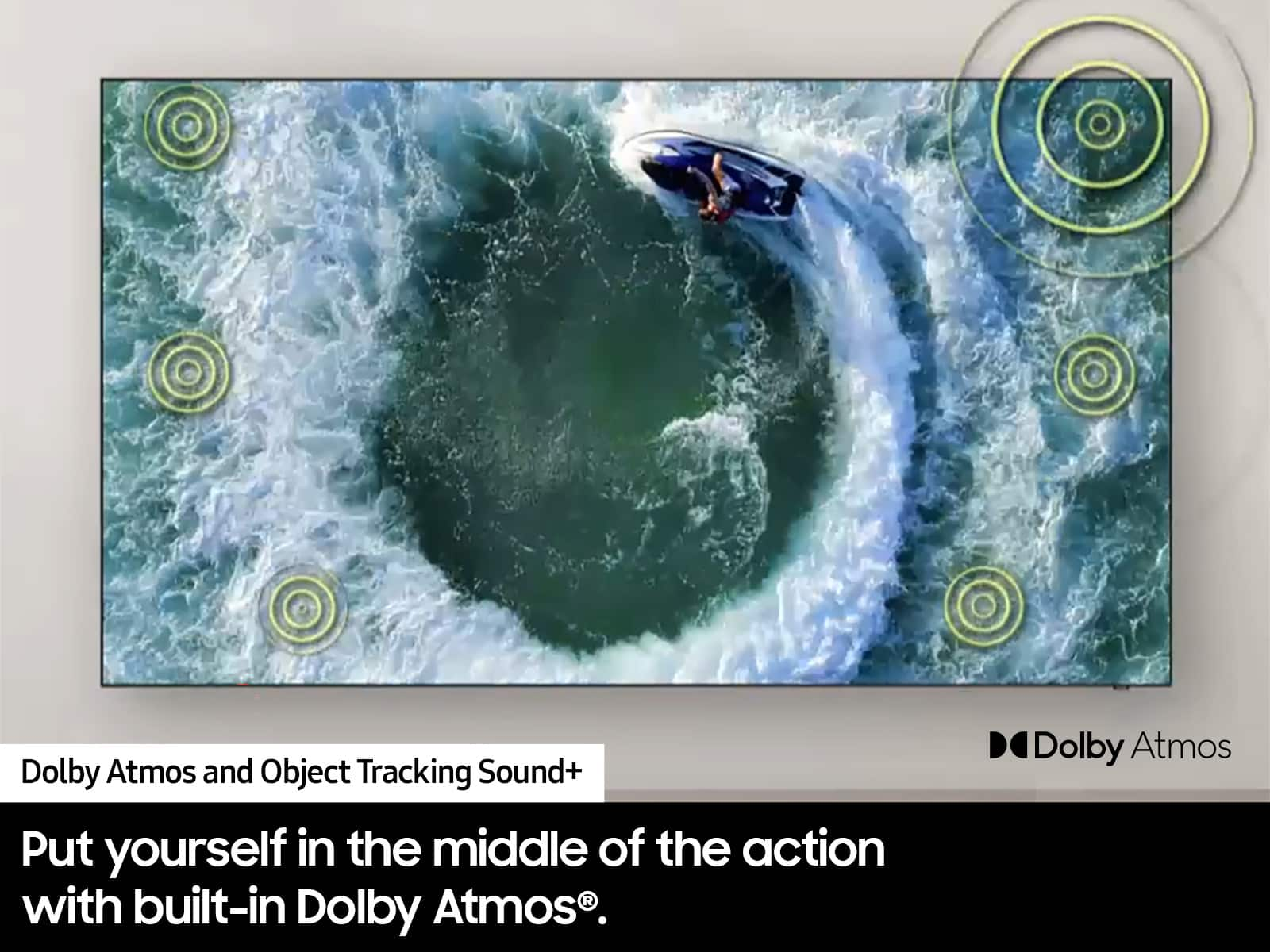
Neither TV will replace a dedicated sound system, but they approach audio differently. The Samsung QN85D features Object Tracking Sound Lite, which attempts to position audio effects to match on-screen action. When a car drives across the screen, the sound follows its movement. This creates a more immersive experience for movies and shows.
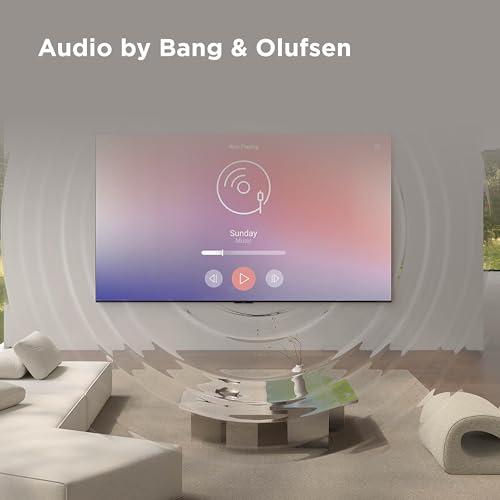
The TCL 65QM7K uses an Onkyo-tuned speaker system with Dolby Atmos support. While it lacks the Samsung's spatial audio tricks, it provides clear dialogue and decent bass response for built-in speakers.
Both TVs support eARC (enhanced Audio Return Channel), allowing them to pass high-quality audio to soundbars or home theater systems. This is essential if you plan to upgrade your audio setup later.
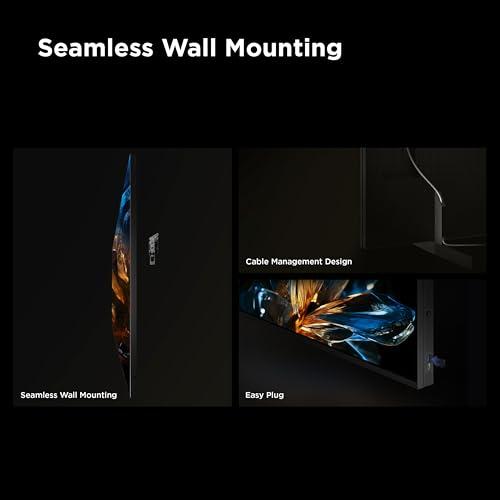
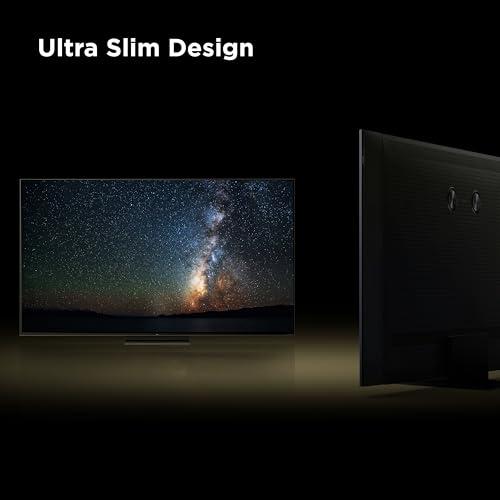
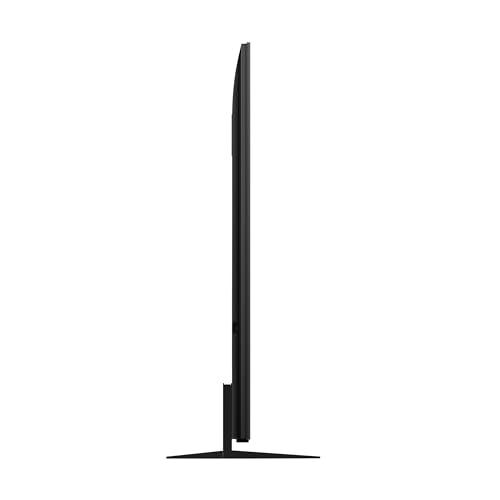
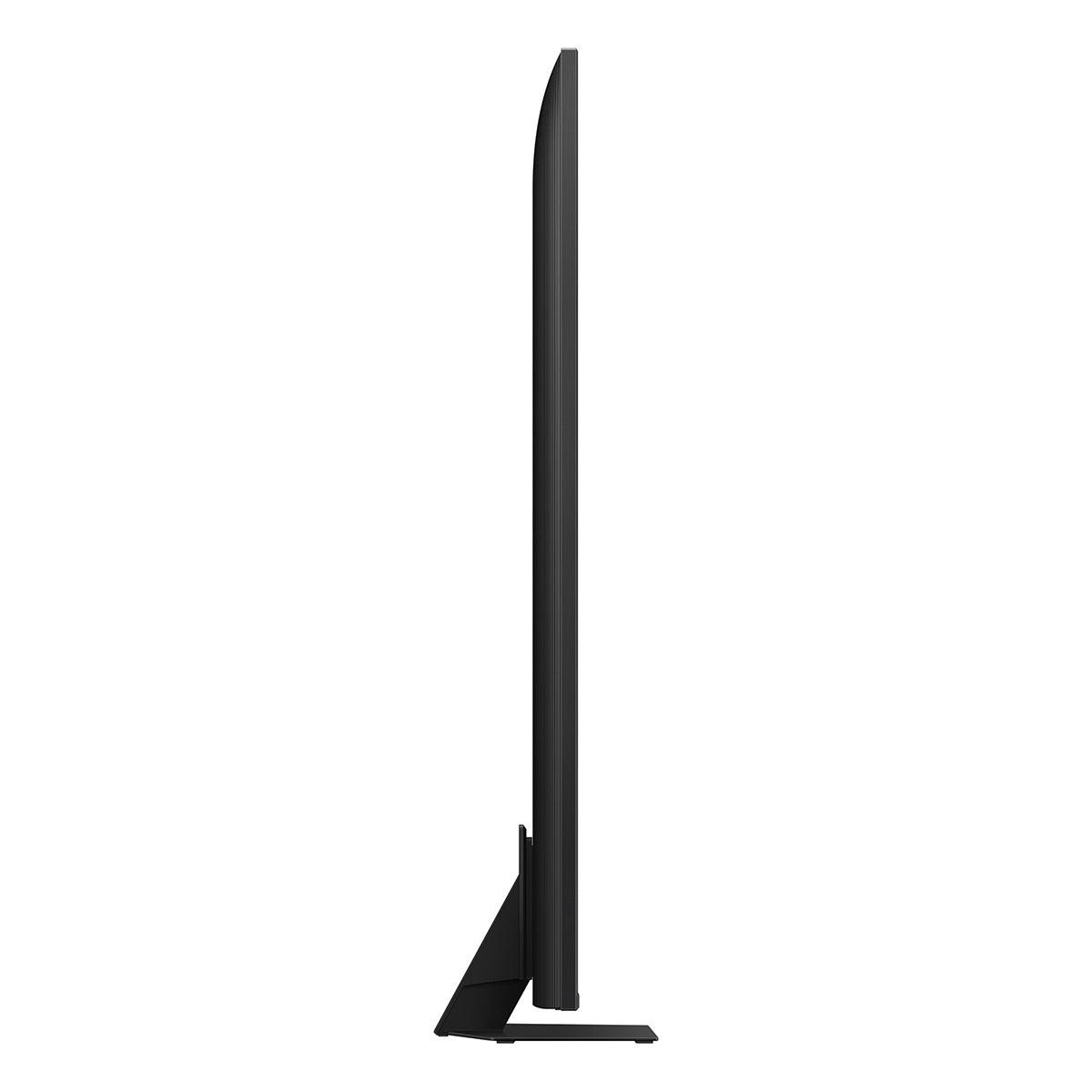
Here's where Samsung's premium positioning becomes apparent. The Samsung QN85D feels more substantial, with better cable management and refined materials throughout. Its ultra-slim profile and minimalist aesthetic work well in upscale living spaces.
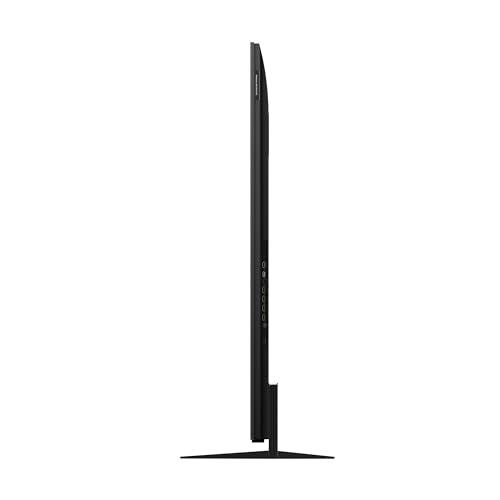
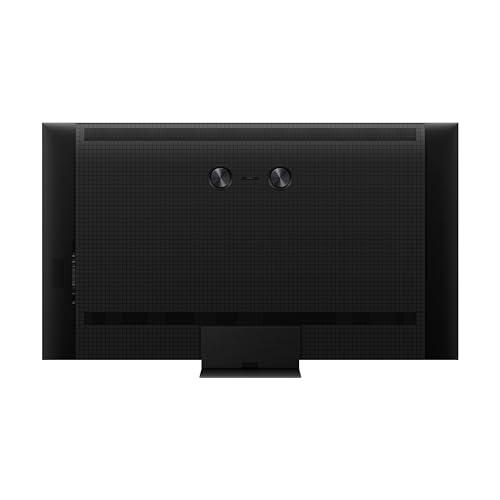
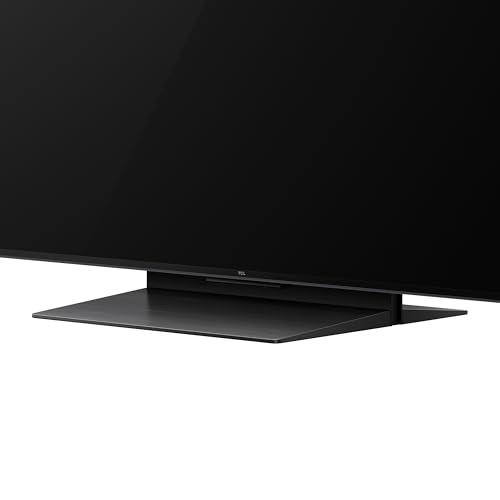
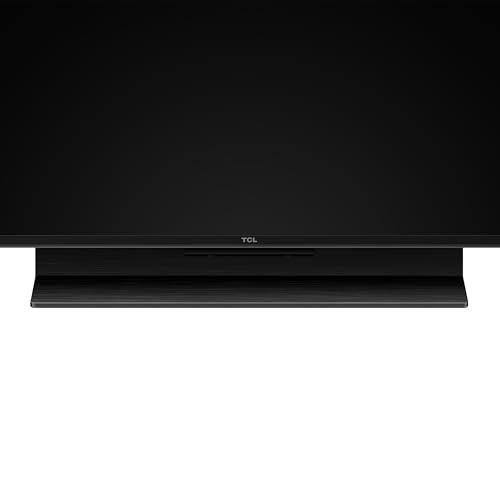
The TCL 65QM7K prioritizes function over form, with solid build quality that's appropriate for its price point. The FullView 360 bezel-less design looks modern, though the overall construction doesn't match Samsung's premium feel.
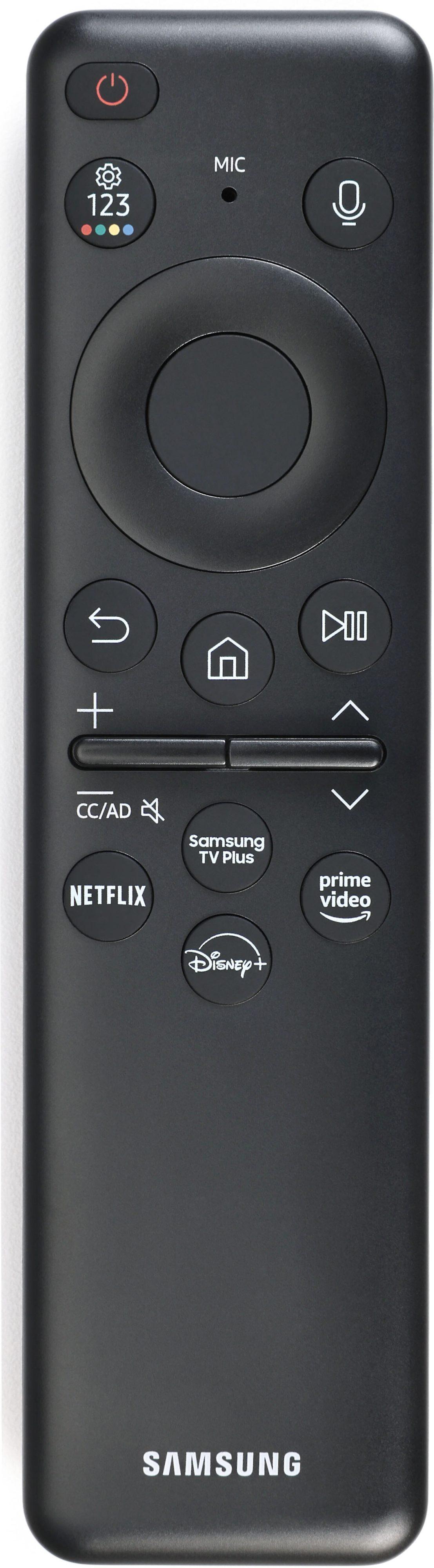
Both TVs come with decent remotes, though Samsung's feels more refined with better button feedback and ergonomics.
At the time of writing, the TCL 65QM7K typically costs significantly less than the Samsung QN85D—often 20-25% cheaper. This price difference makes the value equation interesting because the TCL actually delivers superior specifications in many key areas.
You're getting higher peak brightness, more local dimming zones, faster gaming performance, and complete HDR format support for less money. The Samsung justifies its premium through refined processing, better build quality, and brand reputation.
For home theater enthusiasts prioritizing raw performance, the TCL QM7K represents exceptional value. You're getting near-flagship picture quality at a more accessible price point. However, if you value processing refinement and premium experience over peak specifications, the Samsung QN85D delivers more polished overall experience.
Choose the TCL 65QM7K if you want maximum bang for your buck. Its superior brightness makes it ideal for bright rooms, while the gaming capabilities future-proof your setup for next-generation consoles and PC gaming. The Google TV platform is intuitive and regularly updated, and Dolby Vision support ensures compatibility with premium streaming content.
The Samsung QN85D makes sense if you prioritize brand reputation and refined experience. Its superior upscaling benefits anyone watching cable TV, DVDs, or lower-quality streaming content. The four HDMI 2.1 ports accommodate multiple gaming devices, and Tizen OS offers more customization options.
For dedicated home theaters, both TVs perform excellently in dark environments, though the TCL QM7K's higher brightness provides more flexibility for HDR content mastered at higher levels.
Consider your viewing environment, content preferences, and budget. The TCL QM7K delivers flagship-level performance at a more accessible price, while the Samsung QN85D provides a more refined, premium experience. Both represent the current state-of-the-art in Mini LED technology, ensuring excellent performance regardless of your choice.
The Mini LED category continues evolving rapidly, but these 2024 models demonstrate how far the technology has progressed. Whether you choose TCL's value-focused approach or Samsung's premium positioning, you'll get a display that delivers genuinely impressive picture quality that was unimaginable at these price points just a few years ago.
| TCL 65QM7K QD-Mini LED 4K Google TV | Samsung 65" QN85D Neo QLED 4K Smart TV |
|---|---|
| Peak Brightness - Critical for HDR impact and bright room viewing | |
| Up to 3,000 nits (exceptional for overcoming ambient light) | ~1,500 nits (good but limited in bright environments) |
| Local Dimming Zones - More zones mean better contrast control | |
| Up to 2,500 zones (industry-leading precision) | 400-600 zones (fewer zones but refined algorithms) |
| Native Refresh Rate - Higher rates provide smoother motion | |
| 144Hz native (superior for gaming and sports) | 120Hz native (standard for premium TVs) |
| Gaming Performance - Input lag and advanced gaming features | |
| Sub-10ms lag, Game Accelerator 288Hz, AMD FreeSync Premium Pro | 10-12ms lag, VRR support, Game Bar features |
| HDR Format Support - Compatibility with premium streaming content | |
| Dolby Vision IQ, HDR10+, HDR10, HLG (complete format support) | HDR10+, HDR10, HLG (missing Dolby Vision) |
| HDMI 2.1 Ports - Essential for next-gen gaming devices | |
| 2 HDMI 2.1 ports (adequate for most setups) | 4 HDMI 2.1 ports (excellent for multiple gaming devices) |
| Smart Platform - Daily usability and app ecosystem | |
| Google TV (intuitive, frequent updates, excellent voice control) | Samsung Tizen OS (highly customizable, Samsung ecosystem integration) |
| Audio System - Built-in sound quality and features | |
| 60W Onkyo-tuned with Dolby Atmos (clear dialogue, good clarity) | Object Tracking Sound Lite with Dolby Atmos (spatial audio effects) |
| Color Technology - Accuracy and vibrancy of colors | |
| QD-Mini LED with 1.07 billion colors (vibrant, wide color gamut) | Neo Quantum HDR processing (refined, natural color accuracy) |
| Build Quality - Materials and overall construction | |
| Solid construction, bezel-less design (functional, good value) | Premium materials, refined aesthetics (upscale feel, better cable management) |
| Processor - Upscaling and picture processing capabilities | |
| TCL AIPQ Pro with AI scene optimization (good 4K upscaling) | NQ4 AI Gen2 (superior upscaling for lower-resolution content) |
| Value Proposition - Performance relative to typical pricing | |
| Exceptional specs-per-dollar, flagship performance at midrange price | Premium experience with refined processing, higher cost for incremental gains |
The TCL 65QM7K is significantly better for bright rooms due to its exceptional 3,000 nits peak brightness compared to the Samsung QN85D's 1,500 nits. This brightness advantage helps the TCL QM7K overcome glare from windows and room lighting while maintaining vivid HDR performance.
The TCL 65QM7K offers superior gaming specs with 144Hz refresh rate, sub-10ms input lag, and Game Accelerator technology supporting up to 288Hz at 1080p. The Samsung QN85D provides 120Hz refresh rate and 10-12ms input lag, which is still excellent but not quite as responsive as the TCL QM7K.
Both TVs offer excellent smart platforms but with different strengths. The TCL 65QM7K runs Google TV with intuitive content discovery and seamless Google ecosystem integration. The Samsung QN85D uses Tizen OS, which offers more customization options and Samsung SmartThings integration for smart home control.
Only the TCL 65QM7K supports Dolby Vision along with HDR10+ and other HDR formats. The Samsung QN85D notably lacks Dolby Vision support, instead focusing on HDR10+ and standard HDR10. This gives the TCL QM7K better compatibility with premium streaming content.
Both TVs work well in home theaters, but they excel in different areas. The TCL 65QM7K delivers higher peak brightness for more impactful HDR highlights and supports all HDR formats. The Samsung QN85D offers more refined contrast processing and Object Tracking Sound for spatial audio effects without a soundbar.
The Samsung QN85D provides four HDMI 2.1 ports, making it ideal for users with multiple gaming devices. The TCL 65QM7K includes two HDMI 2.1 ports plus two HDMI 2.0 ports, which is adequate for most setups but may require HDMI switching for heavy gamers.
Picture quality depends on your priorities. The TCL 65QM7K excels in brightness, local dimming zones (2,500 vs 400-600), and color vibrancy. The Samsung QN85D offers more refined processing algorithms and better upscaling for lower-resolution content. Both deliver excellent overall picture quality with different strengths.
Yes, both TVs excel for sports viewing. The TCL 65QM7K has an advantage with its 144Hz refresh rate for smoother motion during fast-paced action. The Samsung QN85D provides excellent motion processing at 120Hz and superior upscaling for cable sports broadcasts.
The TCL 65QM7K typically offers better value with flagship-level specifications at a more accessible price point. You get higher brightness, more local dimming zones, better gaming performance, and complete HDR support. The Samsung QN85D justifies its premium through refined processing and build quality.
Both TVs support multiple voice assistants. The TCL 65QM7K integrates naturally with Google Assistant and also supports Alexa and Apple HomeKit. The Samsung QN85D works with Bixby, Alexa, and Google Assistant, with particularly strong integration within Samsung's ecosystem.
The TCL 65QM7K has an edge for streaming due to complete HDR format support including Dolby Vision, which is used by Netflix, Disney+, and other premium services. The Google TV platform also excels at content discovery. The Samsung QN85D offers superior upscaling if you watch lower-quality streaming content.
The Samsung QN85D features Object Tracking Sound Lite technology that positions audio effects to match on-screen action, creating more immersive built-in audio. The TCL 65QM7K uses an Onkyo-tuned system with clear dialogue and Dolby Atmos support. Both benefit significantly from external soundbars for the best audio experience.
We've done our best to create useful and informative comparisons to help you decide what product to buy. Our research uses advanced automated methods to create this comparison and perfection is not possible - please contact us for corrections or questions. These are the sites we've researched in the creation of this article: bestbuy.com - businessinsider.com - tomsguide.com - tomsguide.com - rtings.com - tomsguide.com - youtube.com - rtings.com - consumerreports.org - youtube.com - youtube.com - displayspecifications.com - youtube.com - tcl.com - tcl.com - tcl.com - youtube.com - rcwilley.com - bestbuy.com - tclcentral.com - displayspecifications.com - tomsguide.com - tcl.com - brandsmartusa.com - tcl.com - tcl.com - gizmochina.com - nfm.com - dolby.com - alexraytv.com - bestbuy.com - rtings.com - youtube.com - youtube.com - avsforum.com - youtube.com - samsung.com - videoandaudiocenter.com - shopjetson.com - mysoundconcepts.com - samsung.com - merlinstv.com - youtube.com - samsung.com - samsung.com

Privacy Policy
Terms and Conditions - Affiliate Policy
Home Security
© Copyright 2008-2026.
11816 Inwood Rd #1211, Dallas, TX 75244