

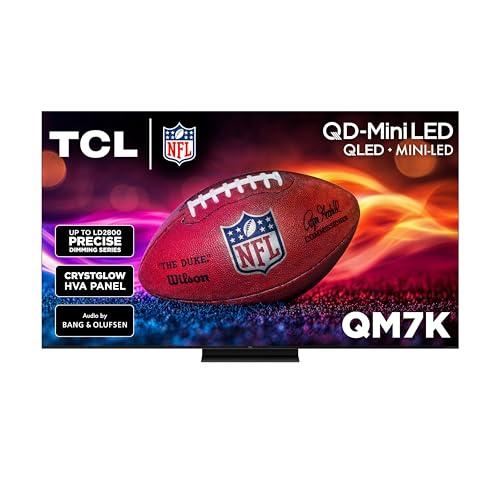
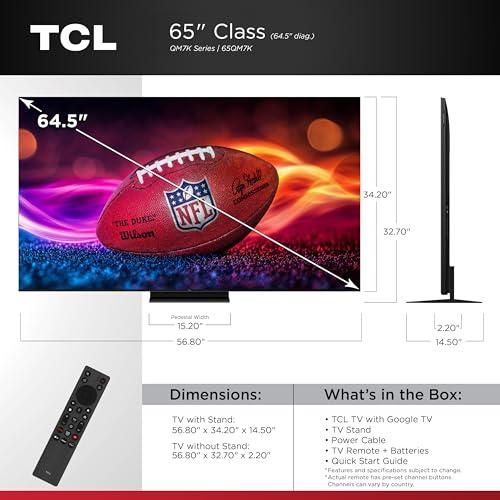

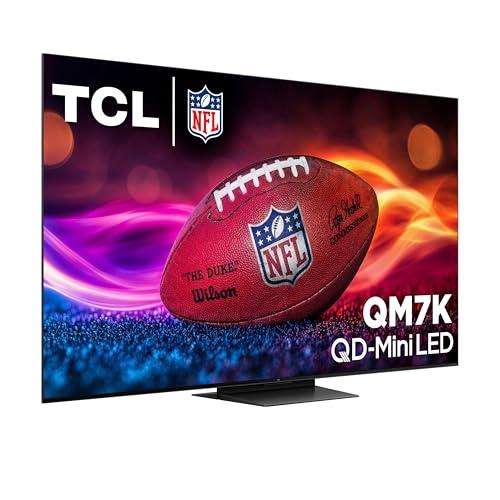
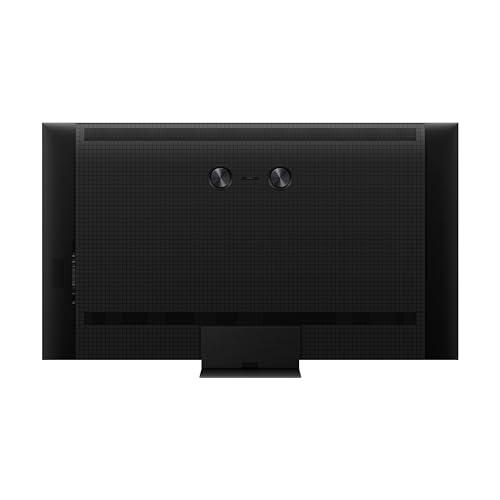
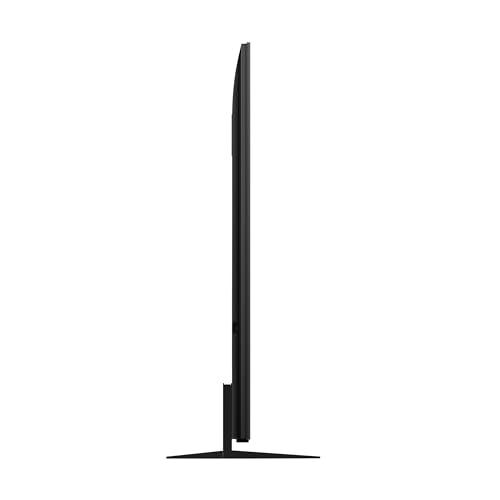
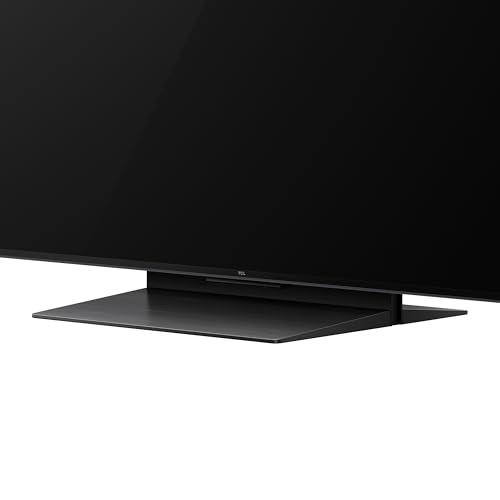
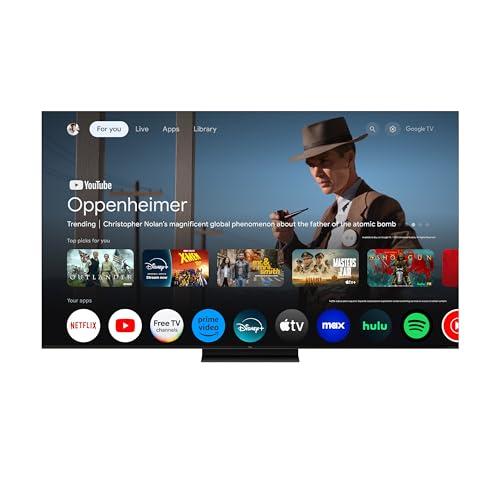
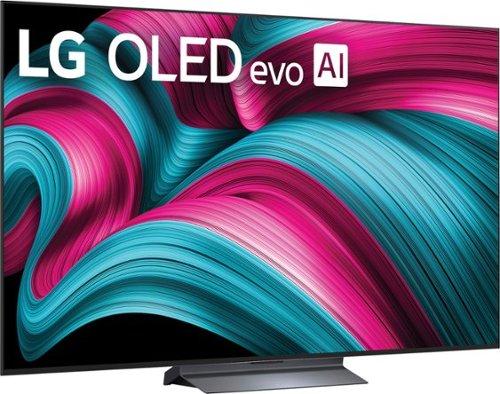
Shopping for a premium 65-inch TV can feel overwhelming, especially when you're comparing two completely different display technologies. The TCL 65QM7K QD-Mini LED and LG OLED evo C5 both deliver stunning 4K picture quality, but they take fundamentally different approaches to get there. Understanding these differences is crucial for making the right choice for your home.
Both TVs represent the latest in their respective technologies as of 2025. The TCL QM7K showcases the company's most advanced Mini LED implementation yet, while the LG C5 builds on decades of OLED refinement. Each has distinct strengths that make them better suited for different viewing environments and preferences.
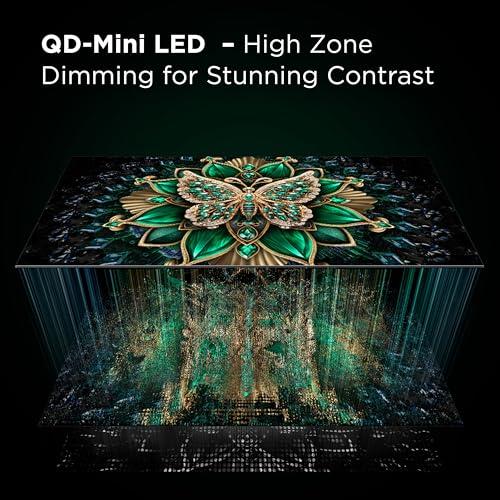
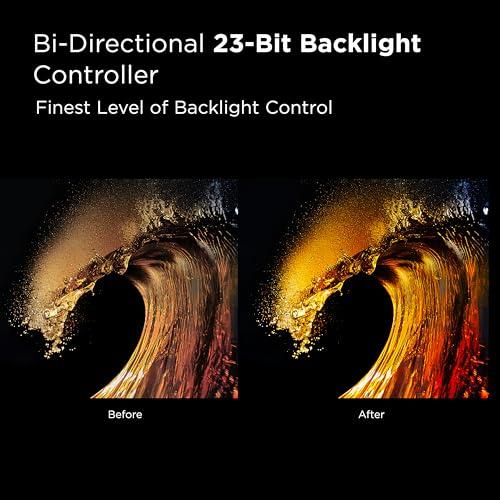
The core difference between these TVs lies in how they create light and color. The TCL QM7K uses a QD-Mini LED system—think of it as thousands of tiny LED lights behind the screen, organized into 2,500 separate zones that can dim or brighten independently. These LEDs shine through a layer of quantum dots (microscopic crystals that convert light into pure colors) to create the image you see.
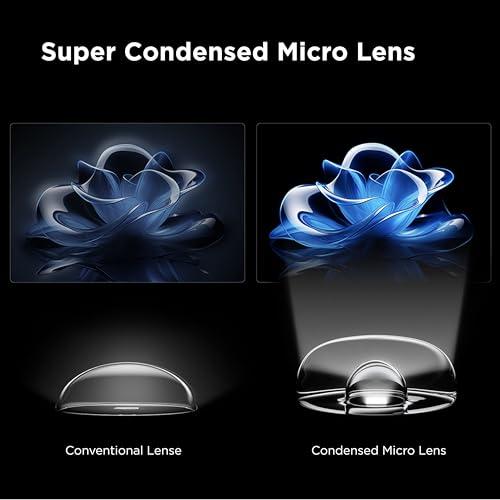
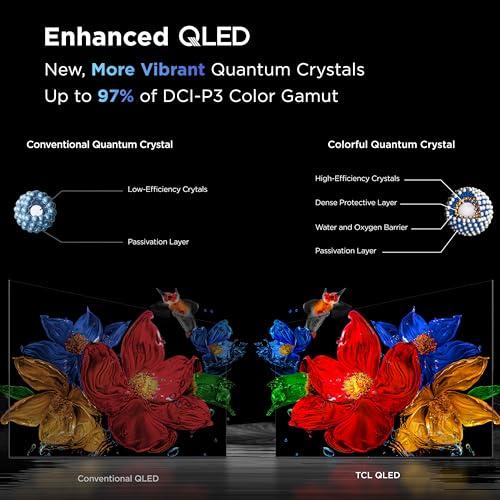
The quantum dot layer is what makes the "QD" in QD-Mini LED so important. When the LED backlight hits these quantum dots, they emit incredibly pure colors—much more vibrant than traditional LED TVs can produce. The Mini LED part refers to the size of the individual LEDs, which are much smaller than regular LEDs, allowing for more precise control and less light bleeding between dark and bright areas of the screen.
The LG C5 takes a completely different approach with OLED technology. OLED stands for Organic Light-Emitting Diode, where each of the 8.3 million pixels produces its own light. When you need a black pixel, it simply turns off completely. When you need a bright white pixel, it glows at full intensity. This eliminates the need for any backlight system entirely.
This fundamental difference shapes everything about how these TVs perform. The TCL's backlight system makes it incredibly bright but requires sophisticated algorithms to prevent light from bleeding into areas that should be dark. The LG's pixel-level control delivers perfect blacks but has physical limits on how bright it can get since each tiny pixel has to generate its own light.
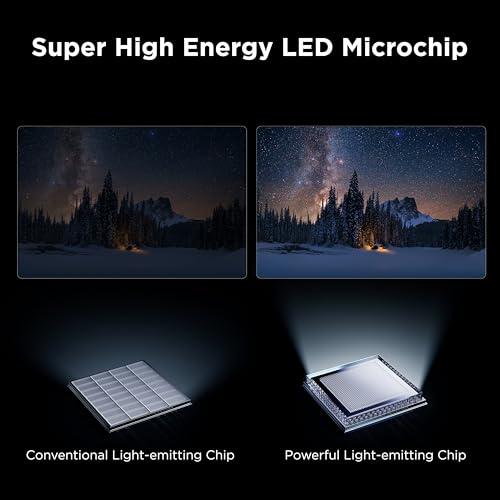
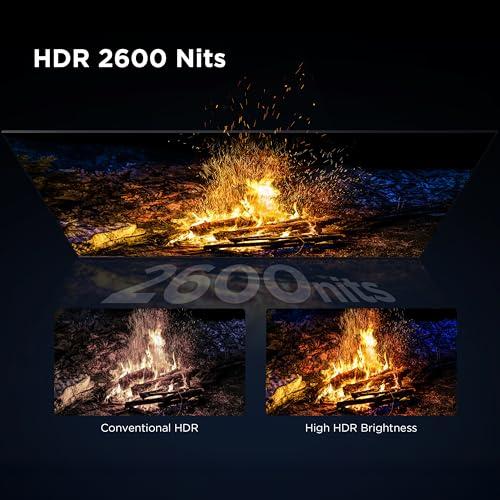
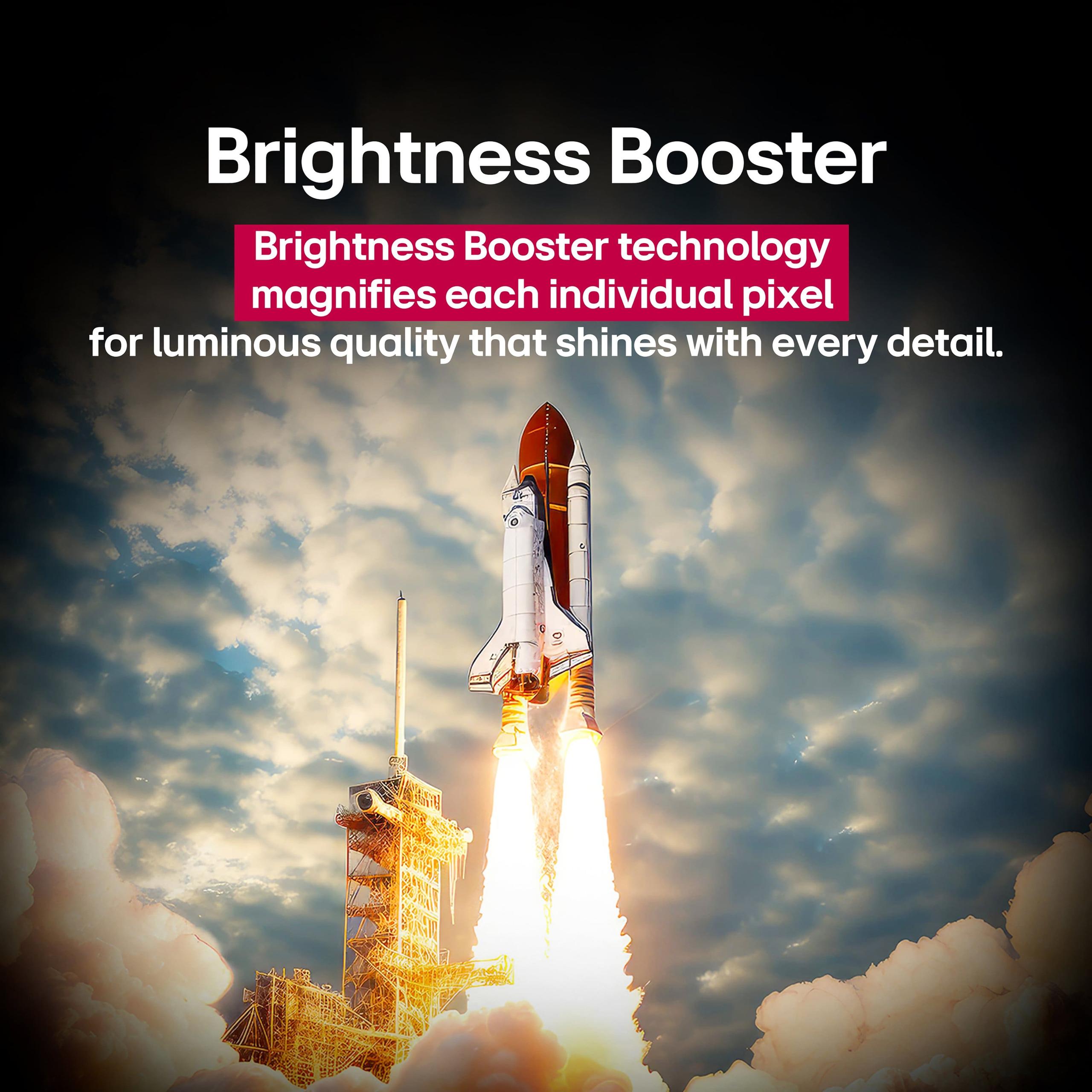
If your TV room has large windows, overhead lighting, or generally stays bright during the day, the TCL QM7K holds a significant advantage. Its peak brightness reaches up to 3,000 nits in HDR content—bright enough to overcome most ambient light while maintaining vibrant colors and contrast. For context, a typical LED TV might hit 400-600 nits, while older OLED TVs struggled to reach 700 nits.
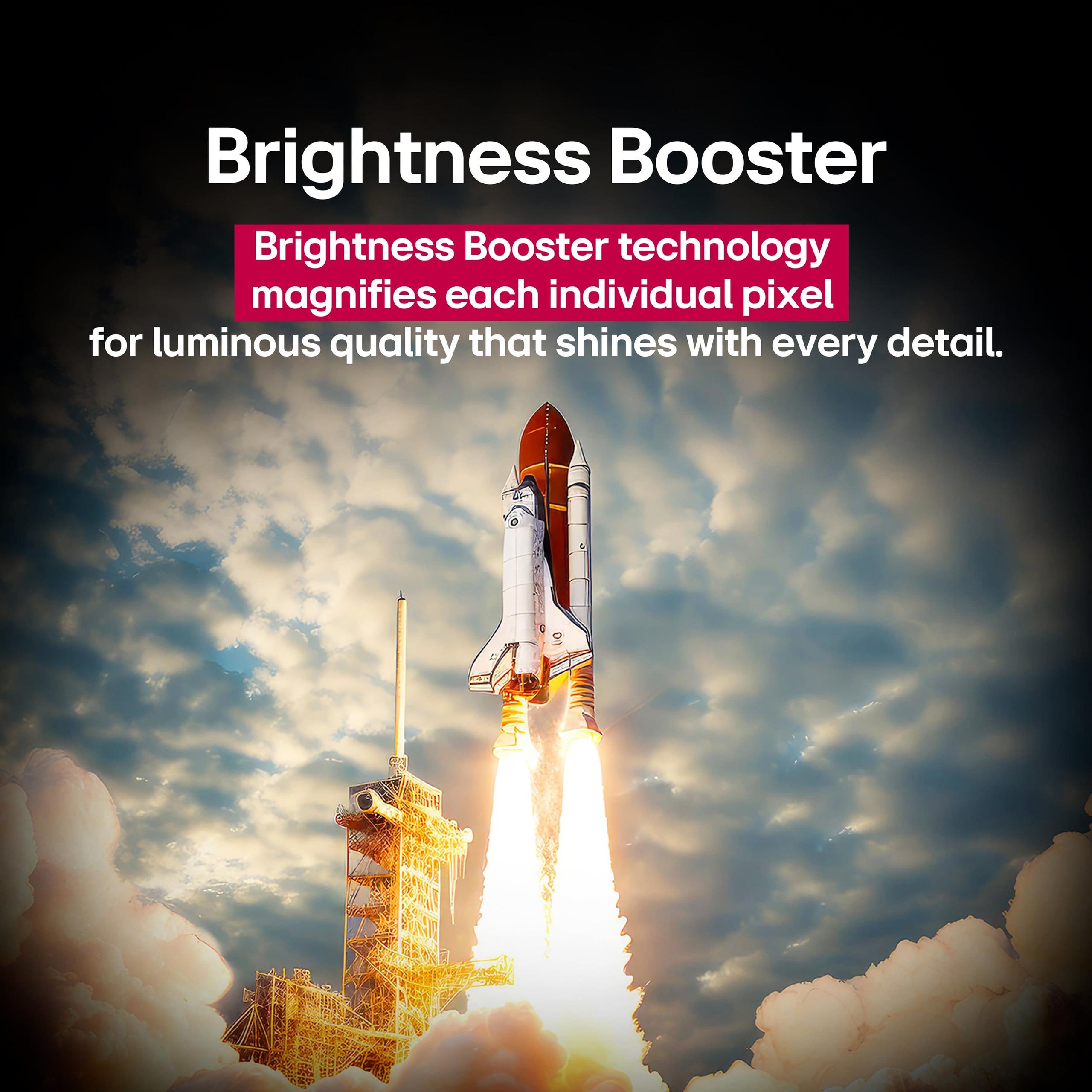
The LG C5 represents a major improvement in OLED brightness compared to previous generations. LG's "Bright Room Ready" technology and enhanced evo panel push brightness significantly higher than the 2024 C4 model. However, it still tops out around 800-1000 nits sustained, with brief peaks potentially higher. This is excellent for moderately lit rooms but won't overpower bright ambient lighting the way the TCL can.
Here's where it gets interesting: the TCL's anti-reflective coating helps reduce glare, making its high brightness even more effective in bright rooms. The LG lacks this coating, so direct light sources can create reflections that interfere with viewing, despite its otherwise excellent image quality.
For home theater setups where you can control the lighting, the brightness advantage becomes less critical. In fact, many home theater enthusiasts prefer the LG's more natural brightness levels, which don't strain the eyes during long viewing sessions in dark rooms.
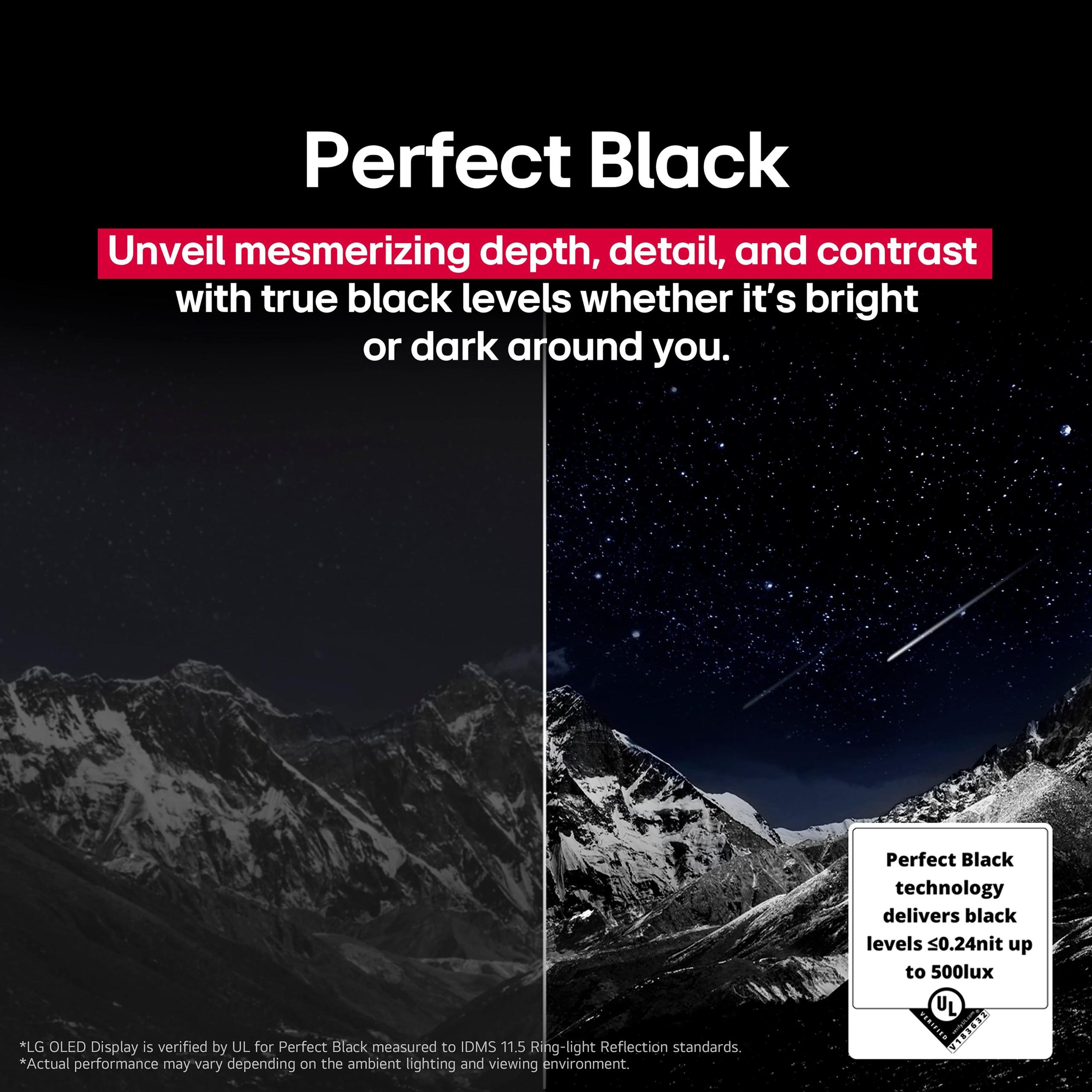
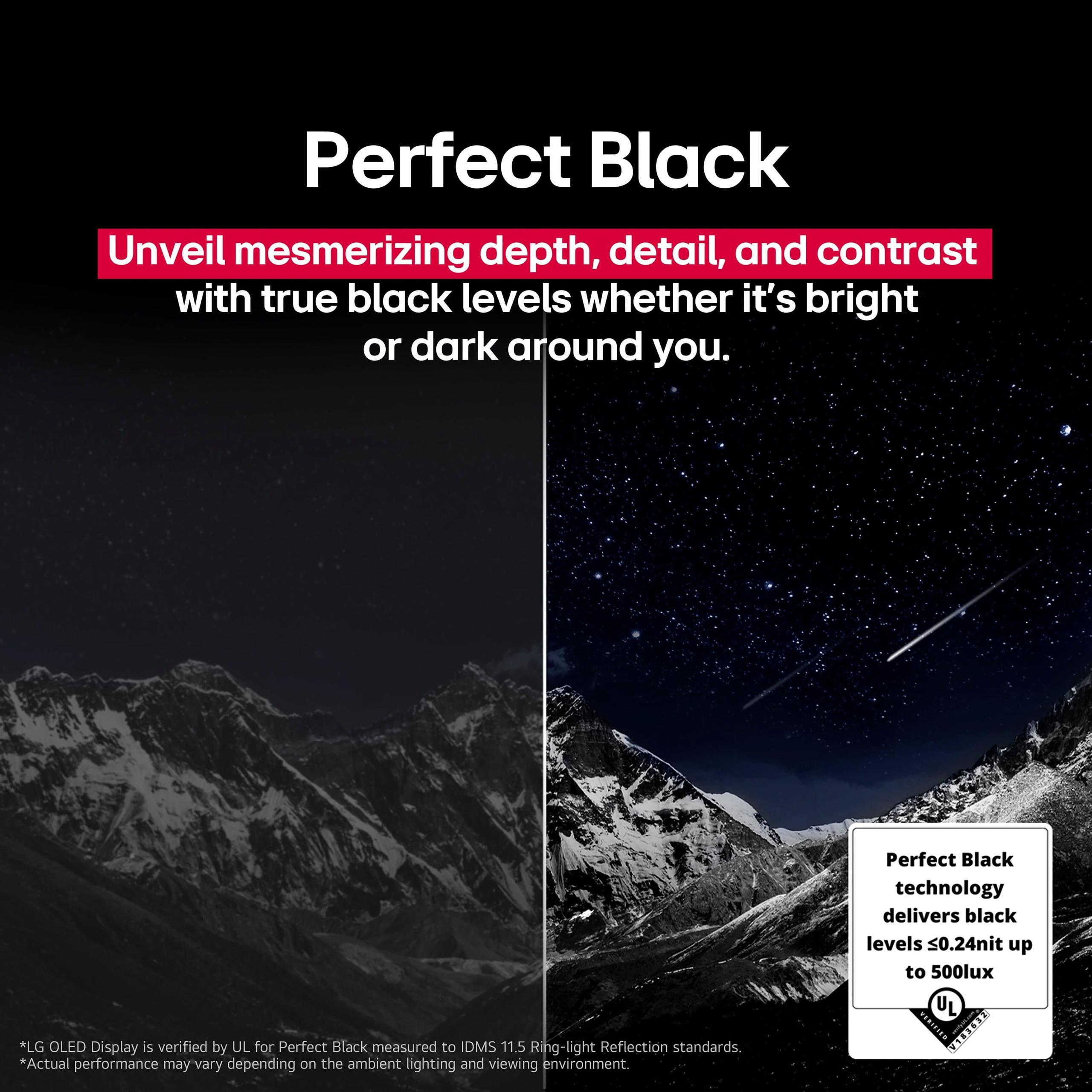
This is where the LG OLED C5 absolutely dominates. When an OLED pixel turns off, it produces true black—not dark gray, but the complete absence of light. This creates an infinite contrast ratio that no backlit display can match. When you watch a movie with a starfield or credits rolling over a black background, the LG delivers an almost three-dimensional depth that's genuinely striking.
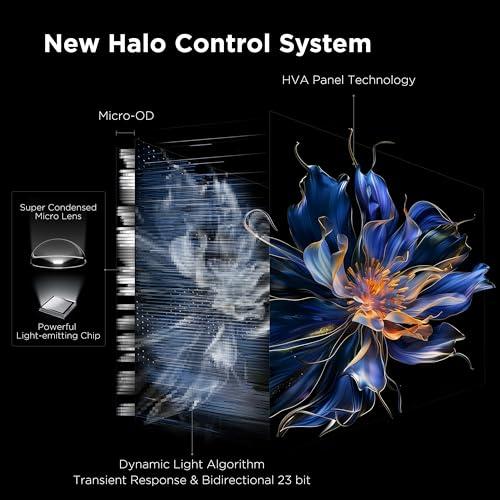
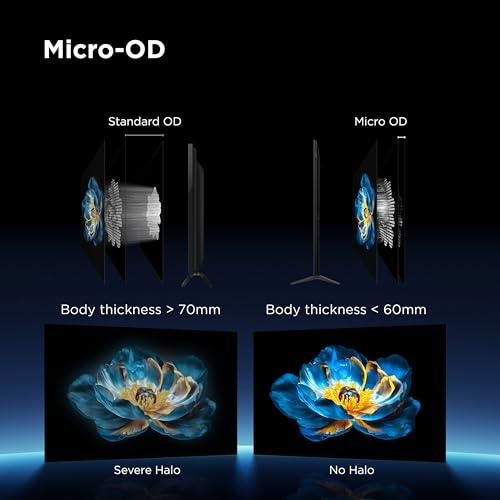
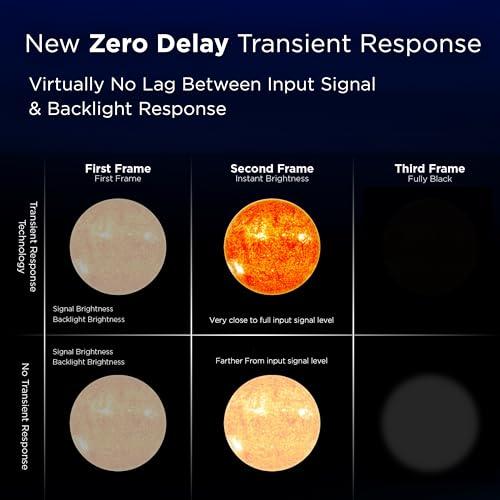
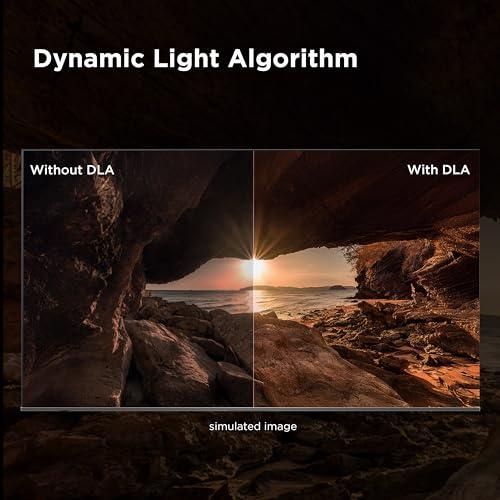
The TCL QM7K fights back with impressive local dimming technology. Its 2,500 zones can dim very precisely, and TCL's "Halo Control System" uses advanced algorithms to minimize blooming (where bright objects create halos of light in dark areas). The result is a 7,000:1 static contrast ratio that's excellent for a backlit display, though still nowhere near OLED levels.
In practical terms, the difference is most noticeable in dark scenes. Horror movies, space films, or any content with lots of shadows will look more realistic and immersive on the LG. The TCL handles these scenes well, but you'll occasionally notice slight blooming around bright objects against dark backgrounds—like subtitles over a night scene.
However, the TCL's superior brightness means its contrast can actually appear more dramatic in bright room conditions. When ambient light raises the black level of any display, the TCL's much brighter whites maintain a strong contrast ratio that keeps the image punchy and engaging.
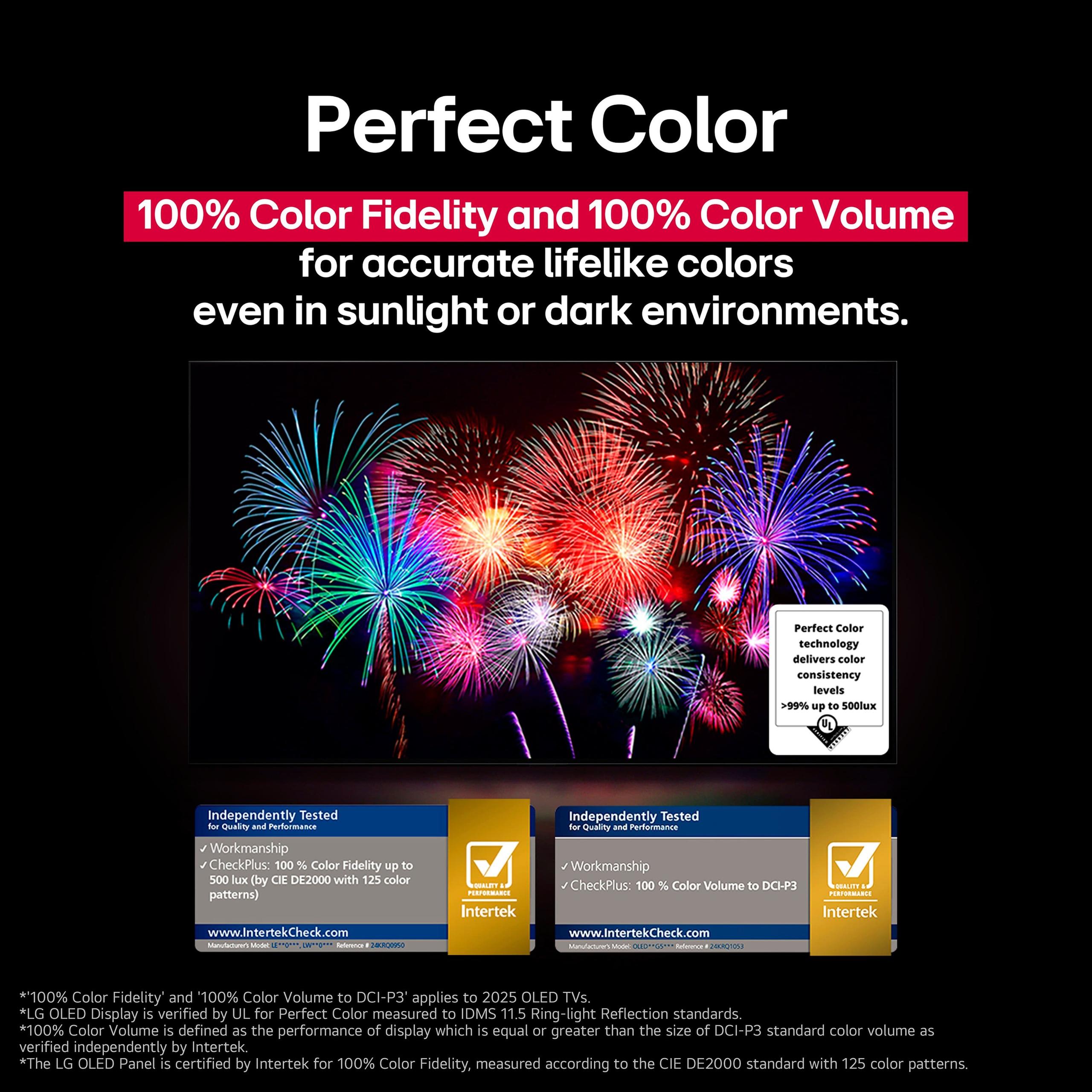
Both TVs deliver exceptional color, but through different methods. The TCL QM7K's quantum dot technology produces incredibly wide color gamuts with 1.07 billion distinct colors. These quantum dots are particularly effective at creating pure, saturated reds and greens that pop off the screen. This makes the TCL excellent for animated content, video games, and HDR movies with stylized color palettes.
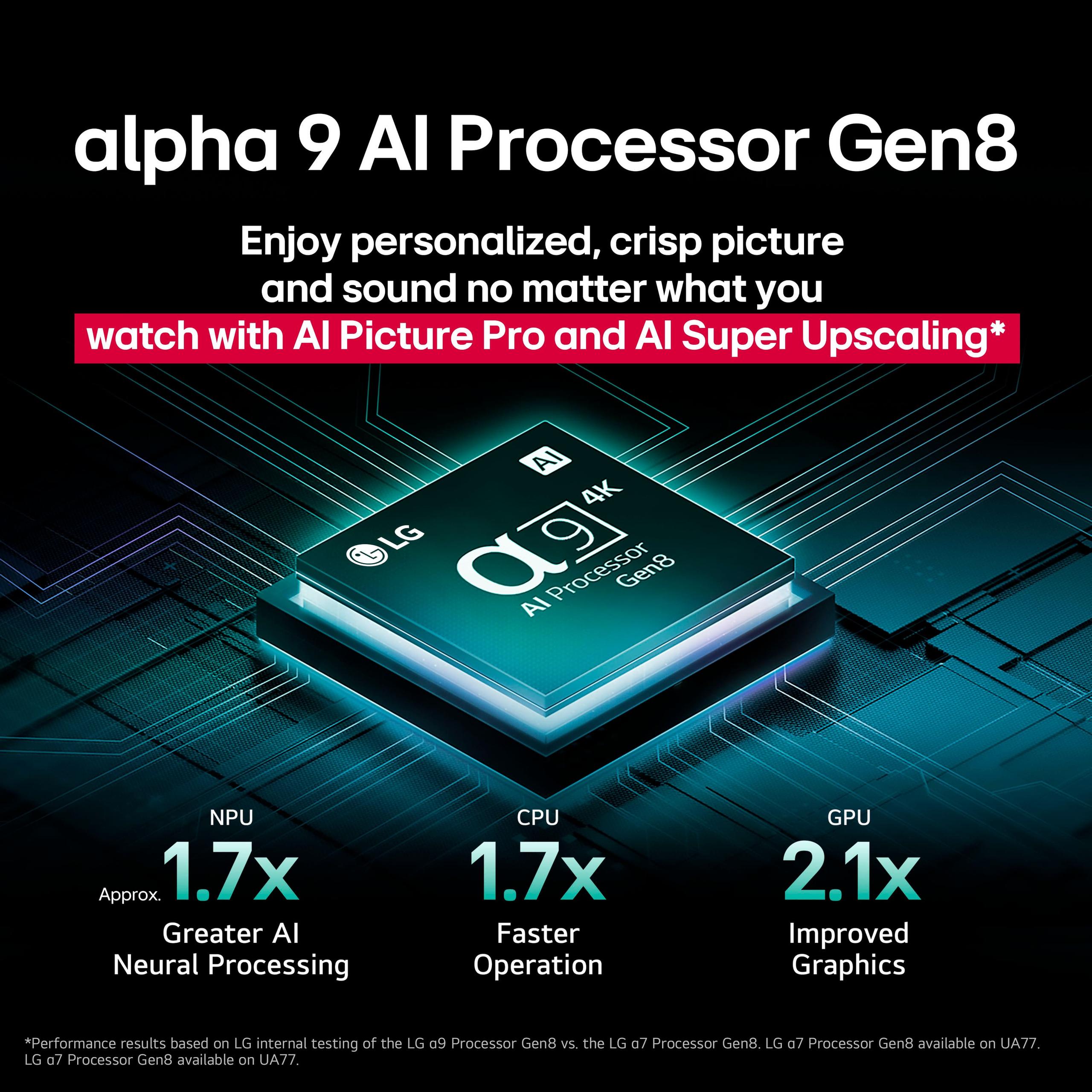
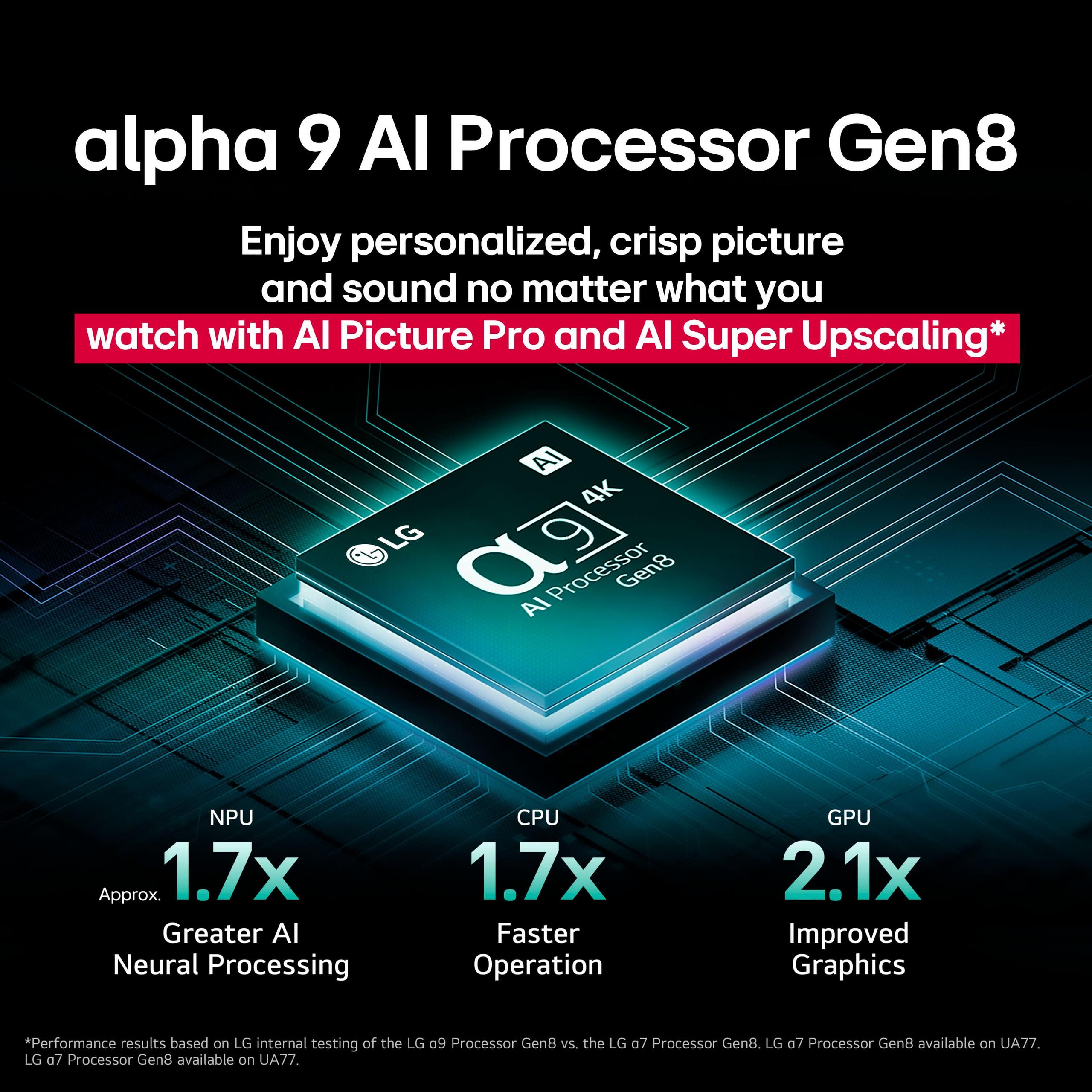
The LG C5 takes a more naturalistic approach. Its WOLED (White OLED) technology, enhanced by the Alpha 9 Gen8 processor, excels at color accuracy out of the box. Professional reviews consistently praise recent LG OLEDs for their accurate color reproduction, often requiring minimal calibration to achieve reference-quality results.
The practical difference: the TCL often looks more vibrant and exciting in store demonstrations or when showing colorful content, while the LG tends to look more natural and film-like. Neither approach is inherently better—it depends on your preferences and content.
For color-critical work like photo editing or professional content creation, the LG's superior accuracy gives it an edge. For gaming and general entertainment where visual impact matters more than perfect accuracy, many prefer the TCL's more vivid presentation.
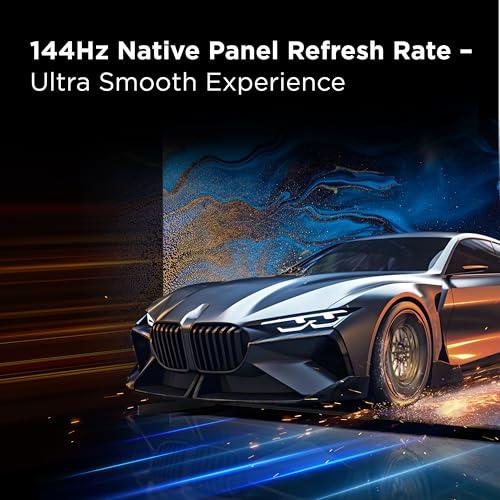
Gaming reveals another key difference between these displays. The TCL QM7K pushes gaming specifications to impressive heights with native 144Hz refresh rate support and Game Accelerator technology that can achieve up to 288Hz variable refresh rate at 1080p resolution. This makes it particularly appealing for PC gaming where high frame rates are common.
The refresh rate determines how many times per second the screen updates the image. Higher refresh rates mean smoother motion and reduced blur, especially important in fast-paced games. While 60Hz was standard for years, 120Hz has become the new baseline for premium gaming, and the TCL's 144Hz native support puts it ahead of most competitors.
The LG C5 offers a more balanced gaming approach with 120Hz native refresh rate (expandable to 144Hz for gaming) and an incredibly fast 0.1ms response time. Response time measures how quickly pixels can change colors, affecting motion blur and ghosting. The LG's near-instantaneous response time eliminates these issues entirely.
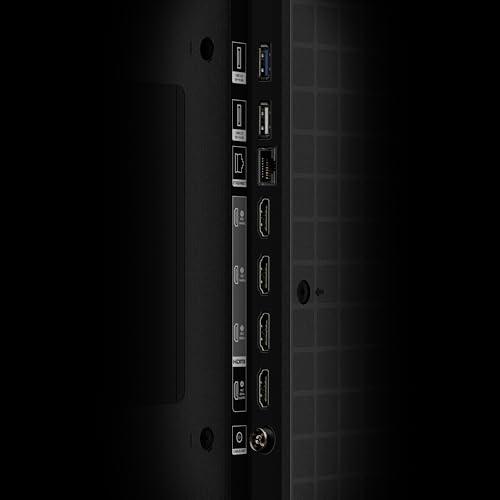
Connectivity tells another important story. The LG includes four full-bandwidth HDMI 2.1 ports, while the TCL has only two HDMI 2.1 ports alongside two HDMI 2.0 ports. HDMI 2.1 is crucial for getting full 4K 120Hz signals from modern gaming consoles like the PlayStation 5 and Xbox Series X. If you have multiple next-gen consoles plus a PC, the LG's connectivity advantage becomes significant.
Both TVs support Variable Refresh Rate (VRR) and Auto Low Latency Mode (ALLM), which automatically switch the TV to its lowest-lag gaming mode when a game console is detected. The TCL adds AMD FreeSync Premium Pro certification, while the LG supports both AMD FreeSync and NVIDIA G-Sync for tear-free gaming.
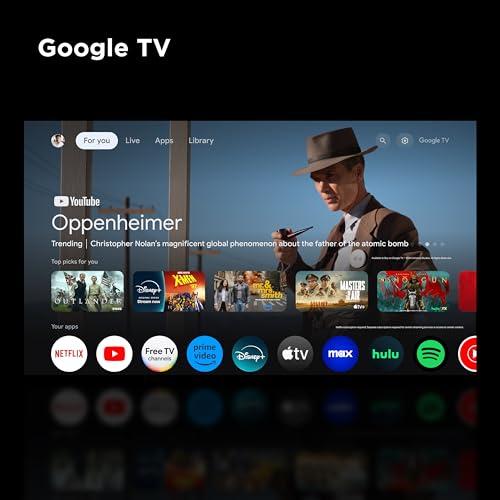
The smart TV platforms reveal philosophical differences between the manufacturers. The TCL QM7K runs Google TV, which integrates seamlessly with Google services and Android devices. The hands-free voice control with far-field microphones means you can change channels or search for content without picking up the remote—handy when your hands are full.
Google TV's strength lies in its content aggregation and recommendation engine. It pulls together content from multiple streaming services and suggests what to watch based on your viewing history across all platforms. For households heavily invested in Google's ecosystem (Android phones, Chromecast devices, Google Assistant smart speakers), the integration feels natural and convenient.
The LG C5 runs webOS 25, LG's proprietary smart platform that's received significant updates for 2025. LG's Magic Remote remains one of the best TV remotes available, functioning like a computer mouse for easy navigation. The webOS interface is clean, fast, and regularly updated with new features.
WebOS excels at customization and ease of use. Its card-based interface makes switching between inputs and apps intuitive, and LG's commitment to long-term software support (up to five years through their Re:New program) ensures the TV stays current with new streaming services and features.
Both platforms support all major streaming apps, voice assistants, and screen mirroring from phones and tablets. The choice often comes down to personal preference and existing device ecosystems.
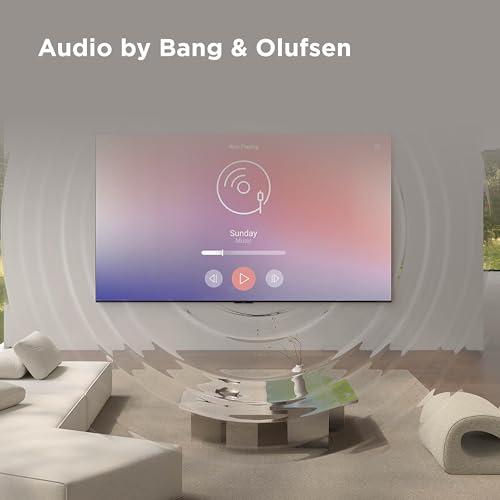
Audio reveals a clear winner in the TCL QM7K, which includes a 60W Bang & Olufsen tuned speaker system with dedicated subwoofer channels. This 2.1.1 configuration delivers noticeably better bass and overall volume than typical TV speakers. Dolby Atmos support creates height effects that enhance the listening experience for compatible content.
The LG C5 includes decent speakers with Dolby Atmos support, but the ultra-thin design leaves little room for substantial drivers. While the sound processing is sophisticated, the physical limitations mean it can't compete with the TCL's more robust audio system.
However, both TVs work excellently with external audio systems. The LG's eARC (enhanced Audio Return Channel) support ensures compatibility with high-end soundbars and AV receivers for lossless audio formats. Many buyers in this price range plan to add external audio anyway, making the built-in speaker difference less critical for some users.
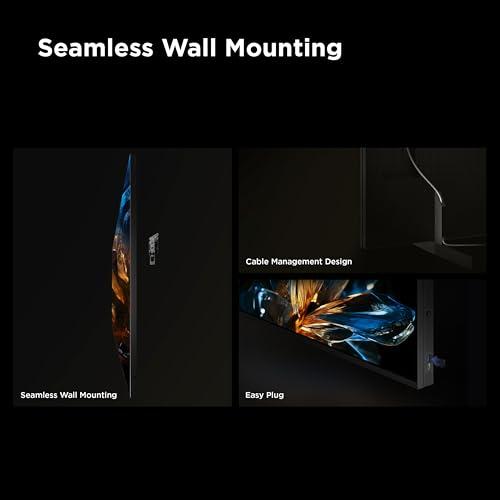
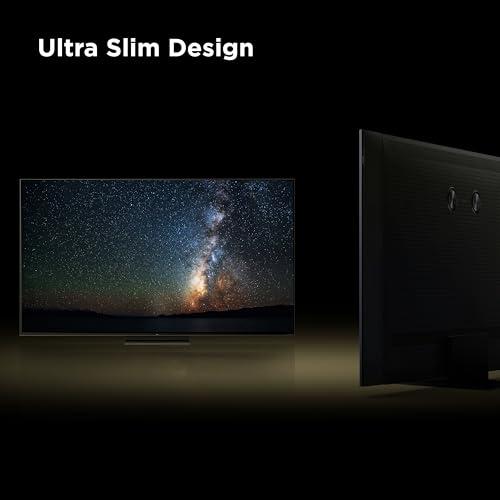
The LG OLED C5 wins decisively on aesthetics. Its "Gallery Design" creates an almost impossibly thin profile around the edges, making it appear to float on the wall when mounted. The minimal bezels and premium materials give it a luxury appearance that complements modern home decor.
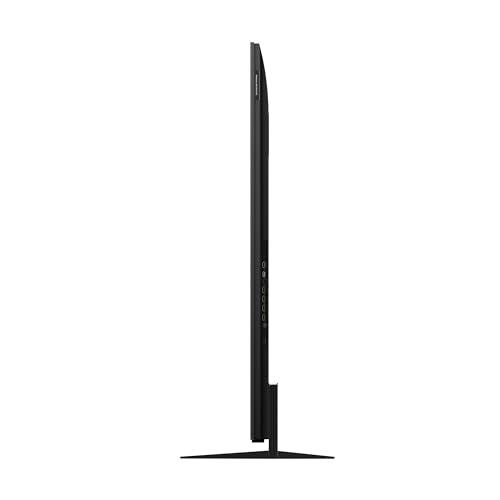
The TCL QM7K takes a more functional approach with a slim but not ultra-thin design. It's attractive without being a statement piece, focusing engineering efforts on performance rather than industrial design. The anti-reflective coating mentioned earlier also serves an aesthetic purpose by reducing visible reflections that can distract from the content.
For living rooms where the TV serves as a focal point, the LG's superior design may justify its higher cost. For dedicated home theaters or media rooms where performance matters more than appearance, the TCL's practical design makes more sense.
OLED technology brings one consideration that LED-backlit displays don't: potential burn-in from static images. While modern OLEDs like the LG C5 include numerous burn-in prevention technologies and the risk is much lower than early OLED generations, it's still a factor for users who display static content regularly (news tickers, video game HUDs, desktop computer use).
The TCL QM7K's LED backlight technology doesn't suffer from burn-in, making it worry-free for any usage pattern. The quantum dot layer should maintain color performance for many years, and LED backlights typically last 50,000+ hours of use.
Both manufacturers provide standard warranties, but the peace of mind regarding usage patterns may influence some buyers' decisions.
At the time of writing, the TCL QM7K typically costs significantly less than the LG C5—often 40-50% less for comparable sizes. This price difference makes the TCL one of the best performance-per-dollar values in the premium TV market.
The TCL delivers roughly 80% of flagship TV performance at 60% of the cost. Its brightness, color, gaming features, and smart capabilities compete directly with TVs costing much more. For buyers seeking maximum value without sacrificing important features, it's hard to beat.
The LG C5 commands premium pricing because it offers the best display technology currently available to consumers. The perfect blacks, superior design, and cutting-edge OLED features justify the higher cost for buyers who prioritize the ultimate viewing experience.
Choose the TCL 65QM7K if you have a bright living room, want excellent gaming performance on a budget, consume varied content types, or prefer worry-free operation without burn-in concerns. It's also ideal for first-time premium TV buyers who want flagship features without flagship prices.
Choose the LG OLED evo C5 if you have a dedicated dark viewing environment, prioritize perfect black levels for movies, want the most aesthetically pleasing design, or need maximum connectivity for multiple gaming devices. It's perfect for serious home theater enthusiasts and buyers who want the absolute best display technology available.
Both TVs represent excellent choices within their respective approaches to premium display technology. The decision ultimately comes down to your specific room conditions, usage patterns, and budget priorities. Either choice will deliver a substantially better viewing experience than mid-range alternatives, just through different technological paths to excellence.
| TCL 65QM7K QD-Mini LED 4K Google TV | LG OLED evo C5 65" 4K TV 2025 |
|---|---|
| Display Technology - Determines fundamental picture characteristics | |
| QD-Mini LED with 2,500 local dimming zones | Self-emissive OLED with 8.3 million individually controlled pixels |
| Peak Brightness - Critical for bright rooms and HDR impact | |
| Up to 3,000 nits (excellent for daylight viewing) | ~800-1,000 nits sustained (best for controlled lighting) |
| Black Levels - Affects contrast and dark scene detail | |
| 7,000:1 static contrast with minimal blooming | Perfect blacks with infinite contrast ratio |
| Refresh Rate - Important for gaming and sports | |
| 144Hz native, up to 288Hz VRR at 1080p | 120Hz native with 144Hz gaming support |
| Response Time - Affects motion blur and gaming performance | |
| Not specified (typical Mini LED: 5-10ms) | 0.1ms (virtually eliminates motion blur) |
| HDMI 2.1 Ports - Essential for next-gen gaming consoles | |
| 2 HDMI 2.1 ports (plus 2 HDMI 2.0) | 4 HDMI 2.1 ports (maximum flexibility) |
| Smart Platform - Affects daily usability and app support | |
| Google TV with hands-free voice control | webOS 25 with Magic Remote |
| Audio System - Built-in sound quality | |
| 60W Bang & Olufsen 2.1.1 system with dedicated subwoofer | Standard OLED speakers with Dolby Atmos |
| Design Profile - Wall mounting and aesthetics | |
| Slim design with anti-reflective coating | Ultra-thin "Gallery Design" with minimal bezels |
| Burn-in Risk - Long-term reliability consideration | |
| No burn-in risk (LED backlight technology) | Minimal risk with modern OLED protection features |
| Color Technology - Affects color vibrancy and accuracy | |
| Quantum Dot for wide color gamut and vibrancy | WOLED with exceptional out-of-box accuracy |
| HDR Support - Premium content compatibility | |
| Dolby Vision, HDR10+, HDR10, HLG | Dolby Vision, HDR10, HLG |
| Best Use Case - Optimal viewing scenarios | |
| Bright rooms, mixed content, budget-conscious buyers | Dark rooms, movies, design-focused installations |
The TCL 65QM7K is significantly better for bright rooms with its 3,000 nits peak brightness and anti-reflective coating. The LG OLED evo C5 reaches around 800-1,000 nits, making it better suited for controlled lighting environments. If your TV room has large windows or stays well-lit during the day, the TCL QM7K will maintain better contrast and color vibrancy.
The LG OLED evo C5 delivers superior picture quality in dark rooms with perfect blacks and infinite contrast, while the TCL 65QM7K excels in bright environments with exceptional HDR brightness. OLED technology like the LG C5 provides more cinematic viewing for movies, while Mini LED displays like the TCL QM7K offer worry-free operation without burn-in concerns.
Both TVs excel at gaming but in different ways. The TCL 65QM7K offers higher refresh rates (144Hz native, 288Hz VRR) ideal for PC gaming, while the LG OLED evo C5 provides four HDMI 2.1 ports and 0.1ms response time perfect for console gaming. The LG C5 is better if you have multiple next-gen consoles, while the TCL QM7K suits competitive PC gamers.
The TCL 65QM7K uses QD-Mini LED with 2,500 backlight zones and quantum dots for enhanced brightness and color, while the LG OLED evo C5 has 8.3 million self-lit pixels that can turn completely off. This means the TCL QM7K gets much brighter but the LG C5 achieves perfect blacks and better contrast in dark scenes.
Both the TCL 65QM7K with Google TV and LG OLED evo C5 with webOS 25 offer excellent smart platforms. The TCL QM7K provides hands-free voice control and seamless Google ecosystem integration, while the LG C5 features the intuitive Magic Remote and five-year software update commitment. Choice depends on your preference for Google services versus LG's interface.
The LG OLED evo C5 has minimal burn-in risk thanks to modern OLED protection features, but static images can still cause issues over time. The TCL 65QM7K has no burn-in risk due to its LED backlight technology. For worry-free usage with gaming, news channels, or computer use, the TCL QM7K offers greater peace of mind.
For dedicated home theaters with controlled lighting, the LG OLED evo C5 provides superior cinematic experience with perfect blacks and film-like image quality. However, the TCL 65QM7K offers better built-in audio with its 60W Bang & Olufsen system. Both work excellently with external sound systems, but the LG C5 delivers more authentic movie theater atmosphere in dark rooms.
The TCL 65QM7K offers 144Hz native refresh rate compared to the LG OLED evo C5's 120Hz, providing slightly smoother motion for fast sports and action scenes. Both support variable refresh rate technology, but the TCL QM7K can reach 288Hz VRR at lower resolutions. For most viewers, both provide excellent motion handling that surpasses standard 60Hz displays.
The TCL 65QM7K typically offers significantly better value, delivering roughly 80% of premium TV performance at a much lower cost than the LG OLED evo C5. The TCL QM7K includes flagship features like high refresh rates, excellent HDR, and premium audio. The LG C5 justifies its premium pricing with cutting-edge OLED technology and superior design aesthetics.
Both TVs support next-gen gaming features, but the LG OLED evo C5 has four HDMI 2.1 ports versus two on the TCL 65QM7K, providing more flexibility for multiple consoles. Both support 4K 120Hz gaming, VRR, and ALLM. The LG C5 is better if you need to connect multiple high-end gaming devices simultaneously, while the TCL QM7K excels for single-console setups.
The LG OLED evo C5 provides exceptional color accuracy out of the box, while the TCL 65QM7K delivers more vibrant colors through quantum dot technology. For HDR impact, the TCL QM7K wins with much higher peak brightness making HDR highlights more dramatic. The LG C5 offers more natural, film-accurate colors that professional reviewers consistently praise.
The LG OLED evo C5 features an ultra-thin "Gallery Design" that appears to float on the wall, while the TCL 65QM7K has a more functional slim profile with anti-reflective coating. The LG C5 serves as a design statement piece with minimal bezels, whereas the TCL QM7K focuses on performance over aesthetics while still maintaining an attractive appearance.
We've done our best to create useful and informative comparisons to help you decide what product to buy. Our research uses advanced automated methods to create this comparison and perfection is not possible - please contact us for corrections or questions. These are the sites we've researched in the creation of this article: bestbuy.com - businessinsider.com - tomsguide.com - tomsguide.com - rtings.com - tomsguide.com - youtube.com - rtings.com - consumerreports.org - youtube.com - youtube.com - displayspecifications.com - youtube.com - tcl.com - tcl.com - tcl.com - youtube.com - rcwilley.com - bestbuy.com - tclcentral.com - displayspecifications.com - tomsguide.com - tcl.com - brandsmartusa.com - tcl.com - tcl.com - gizmochina.com - nfm.com - dolby.com - alexraytv.com - bestbuy.com - rtings.com - youtube.com - businessinsider.com - youtube.com - bestbuy.com - lg.com - files.bbystatic.com - lg.com - flatpanelshd.com - lg.com - blvdhome.com - bhphotovideo.com - flanners.com - videopro.com.au

Privacy Policy
Terms and Conditions - Affiliate Policy
Home Security
© Copyright 2008-2026.
11816 Inwood Rd #1211, Dallas, TX 75244