


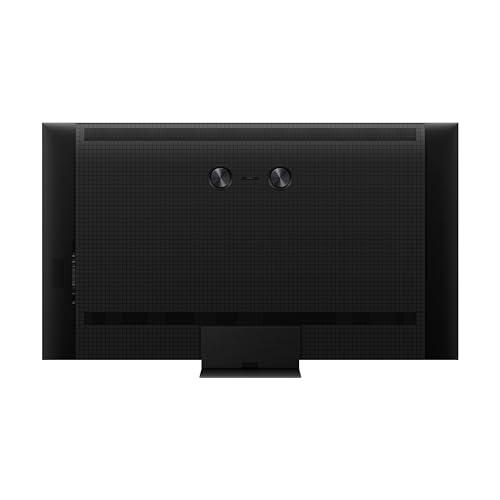
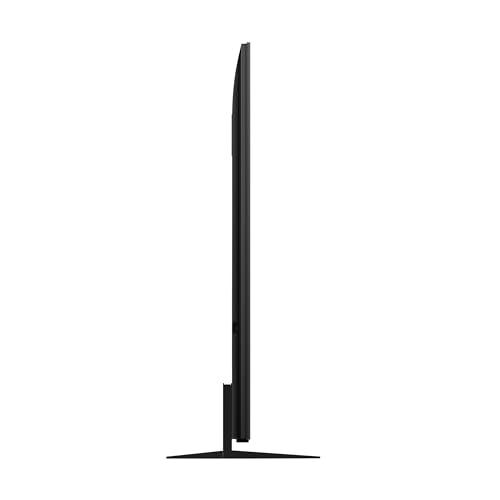
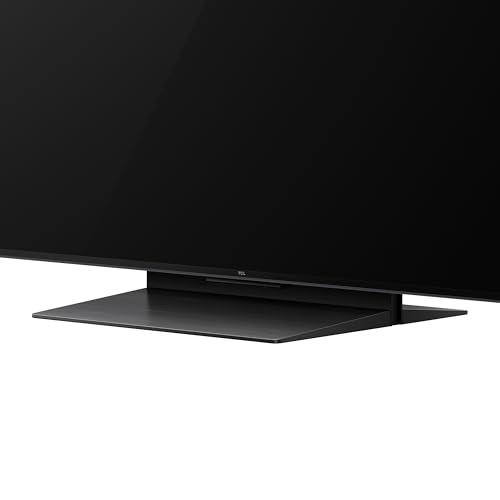
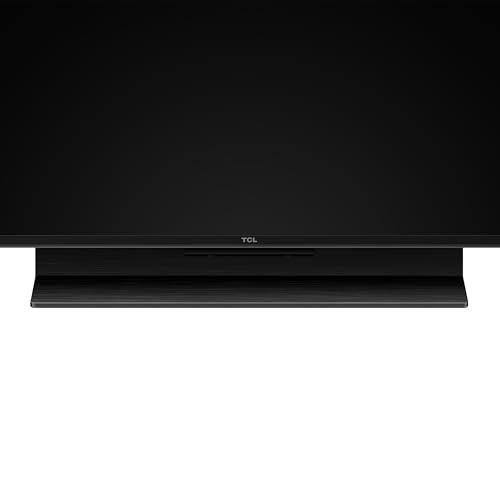
When you're shopping for a premium 65-inch TV in 2024, you'll likely encounter two very different philosophies. On one side, you have performance-focused models like the TCL 65QM7K that pack flagship features into a more affordable package. On the other, lifestyle TVs like the Samsung 65" The Frame prioritize blending seamlessly into your living space. Both approaches have merit, but they serve dramatically different needs.
The question isn't really which TV is "better"—it's which approach fits your priorities. Do you want maximum picture quality and gaming performance? Or would you prefer a TV that doubles as a piece of art when not displaying Netflix? Let's break down what makes each of these TVs unique and help you figure out which one deserves a spot on your wall.
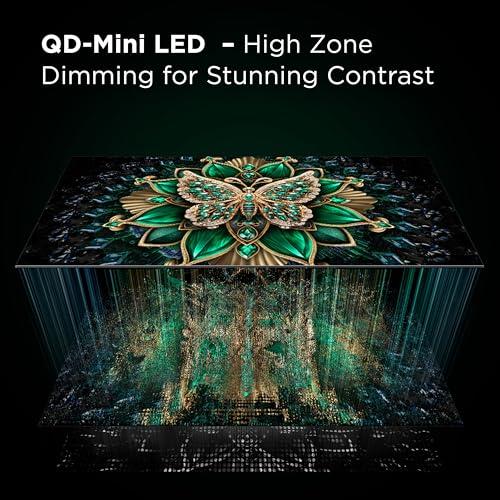
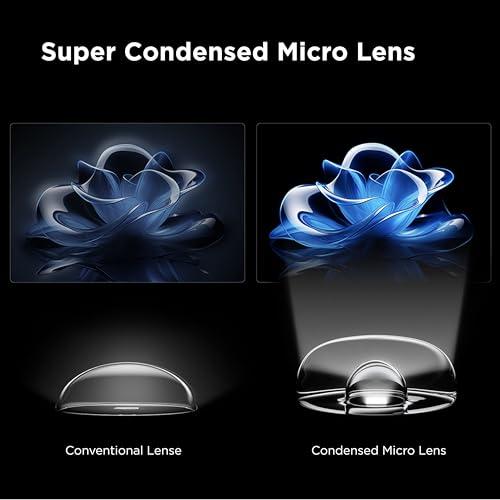
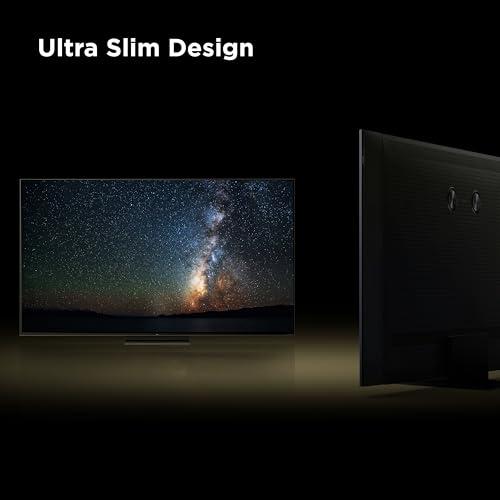
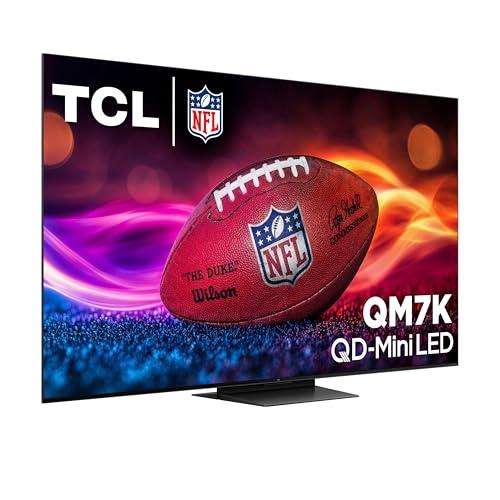
Before diving into specifics, it's worth understanding what separates these TVs from basic models. Both use advanced display technologies that go far beyond simple LED backlighting. The TCL QM7K uses QD-Mini LED technology—a hybrid approach that combines quantum dots (microscopic particles that enhance color) with thousands of tiny LEDs for precise brightness control. Meanwhile, the Samsung Frame employs QLED (Quantum Dot LED) technology with a special matte coating designed to reduce reflections.
These aren't your grandfather's TVs. Modern premium displays can produce over a billion colors, adjust brightness thousands of times per second, and even change their refresh rates based on what you're watching. Understanding these capabilities helps explain why these models command premium prices and why choosing between them requires thinking about your specific needs.
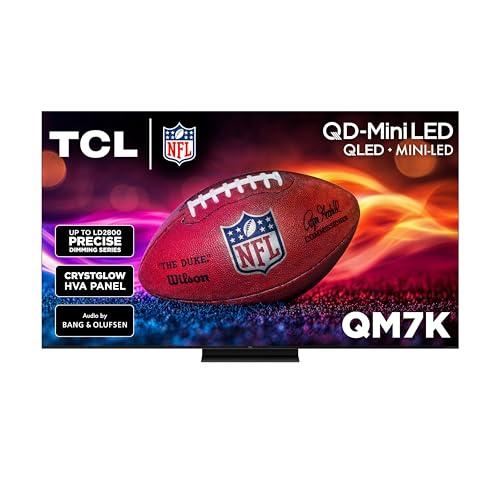
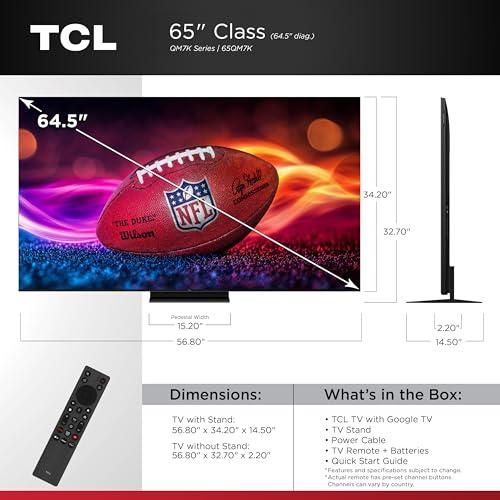
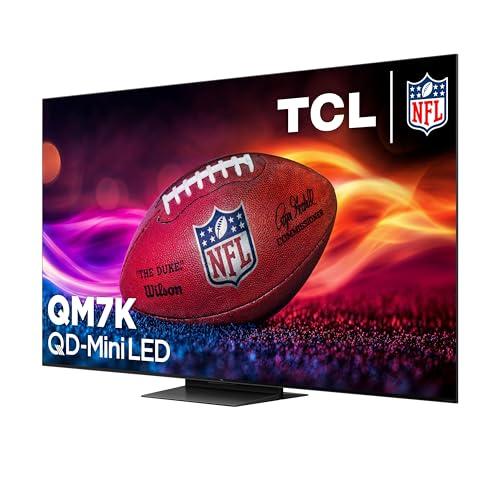
Released in 2024, the TCL 65QM7K represents TCL's attempt to democratize flagship TV features. This isn't a budget model trying to punch above its weight—it's a genuine performance machine that happens to cost significantly less than comparable offerings from Samsung or LG.
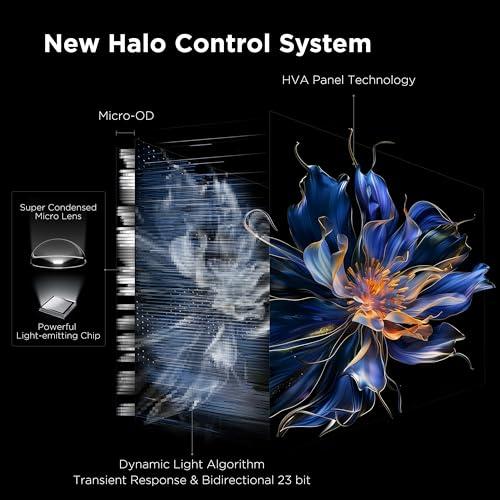
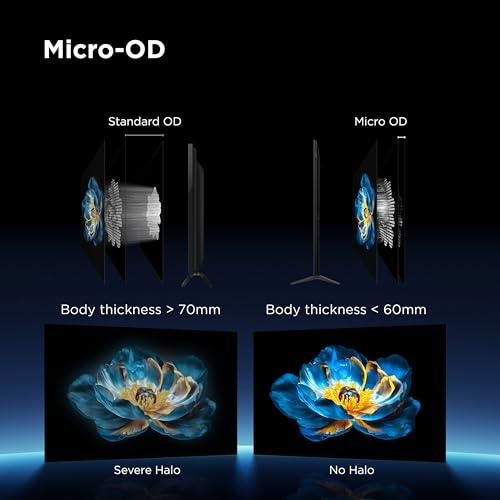
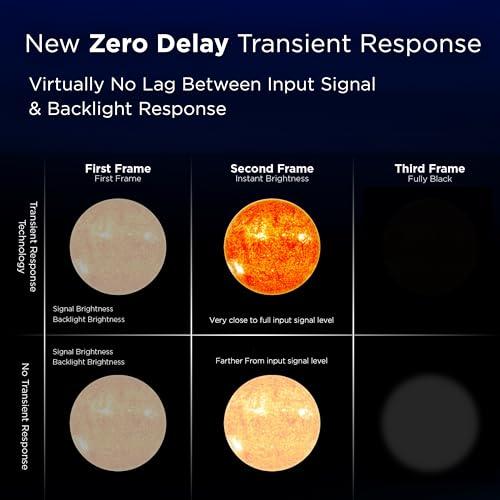
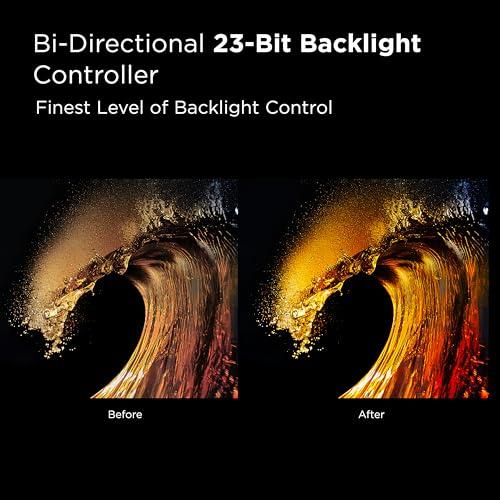
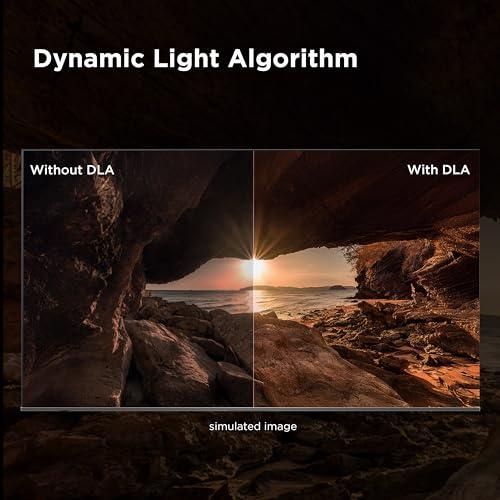
The QM7K's secret weapon is its QD-Mini LED backlighting system with up to 2,500 local dimming zones. Think of local dimming zones as individual sections of the screen that can brighten or dim independently. More zones mean better control over contrast—the difference between bright whites and deep blacks. With 2,500 zones controlling the backlight, the TCL QM7K can make stars pop against a truly black night sky or render the subtle shadows in a dimly lit movie scene.
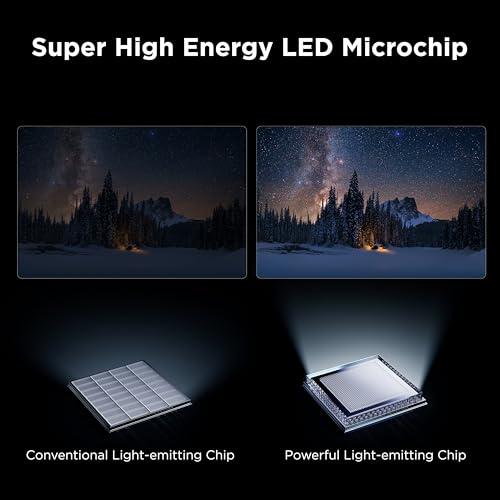
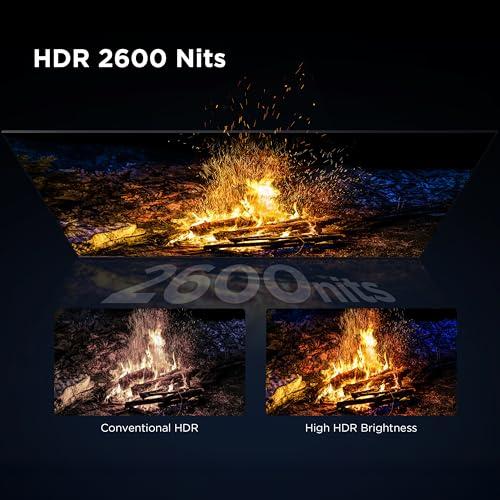
Peak brightness reaches an impressive 3,000 nits in HDR mode. To put that in perspective, a typical living room is around 100 nits, while direct sunlight measures about 100,000 nits. At 3,000 nits, this TV can reproduce the blinding flash of an explosion or the glare of sunlight on water with convincing realism. This high brightness also means the TV remains clearly visible even in bright rooms with lots of windows.
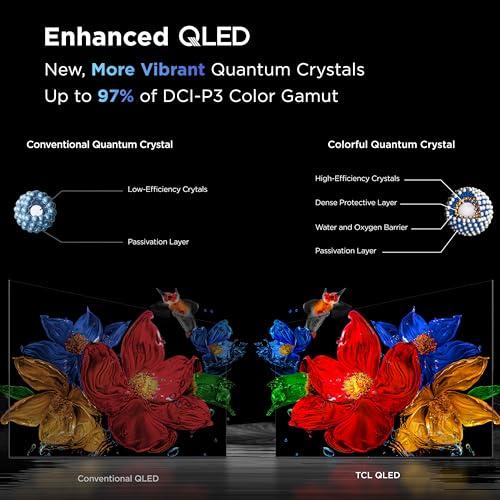
The color reproduction benefits from TCL's upgraded quantum dot technology, which can display over a billion colors. More importantly, these colors remain accurate at different brightness levels—a key advantage when watching HDR (High Dynamic Range) content that demands both bright highlights and saturated colors simultaneously.
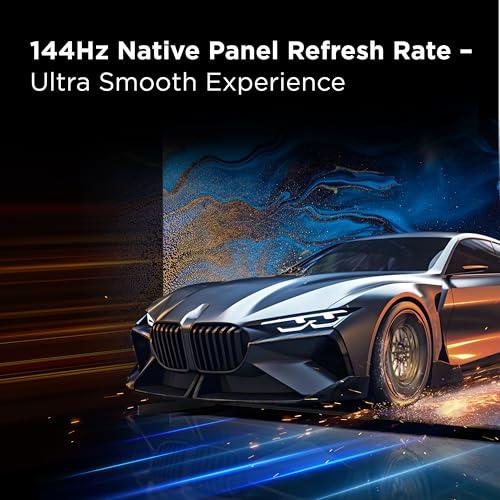
Where the TCL QM7K truly shines is gaming performance. The native 144Hz refresh rate means the screen updates 144 times per second—more than double the standard 60Hz rate. For gamers, this translates to smoother motion and reduced blur during fast-paced action sequences.
But TCL goes further with their Game Accelerator 288 technology, which can handle up to 288Hz refresh rates at 1080p resolution. Variable Refresh Rate (VRR) support eliminates screen tearing—those annoying horizontal lines that appear when your gaming console and TV get out of sync. The TV also includes AMD FreeSync Premium Pro certification, ensuring compatibility with both PlayStation 5 and Xbox Series X gaming systems.
Input lag—the delay between pressing a controller button and seeing the action on screen—measures impressively low on the QM7K. While exact measurements vary by source and settings, consensus reviews suggest input lag well under 20 milliseconds, making it responsive enough for competitive gaming.
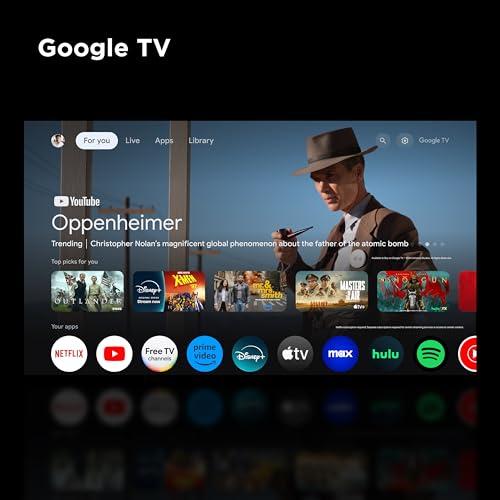
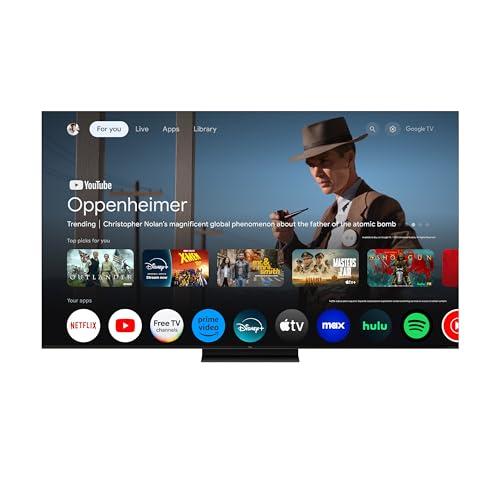
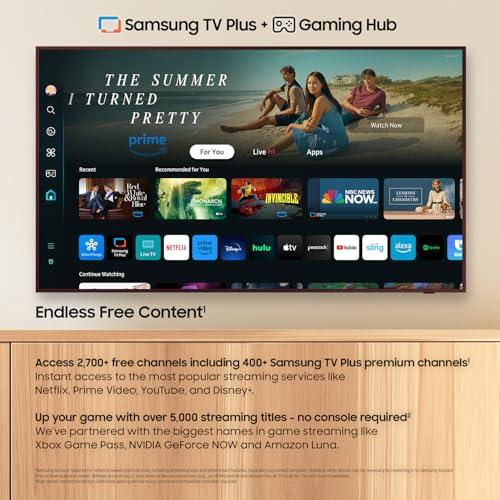
The TCL QM7K runs Google TV, which has evolved significantly since its launch. Unlike earlier smart TV platforms that felt sluggish and limited, Google TV provides fast navigation, excellent content recommendations, and integration with the broader Google ecosystem. The far-field microphone array enables hands-free voice control—you can simply say "Hey Google, play The Mandalorian" without reaching for the remote.
Google TV also supports major streaming services natively, including Netflix, Amazon Prime, Disney+, and HBO Max. The interface learns your viewing habits and suggests content across different apps, something that feels genuinely useful rather than intrusive.
Samsung's approach with The Frame is fundamentally different. Released as part of Samsung's 2024 lifestyle TV lineup, it builds on the concept Samsung introduced in 2017—a TV that disappears into your décor when not actively displaying entertainment content.
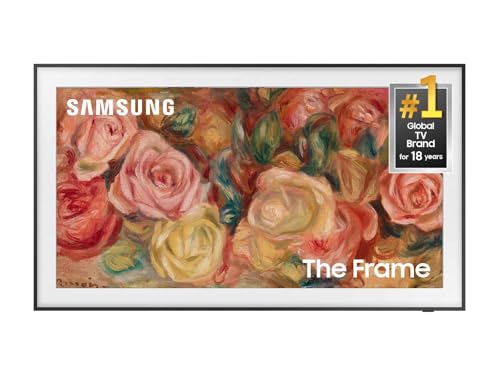
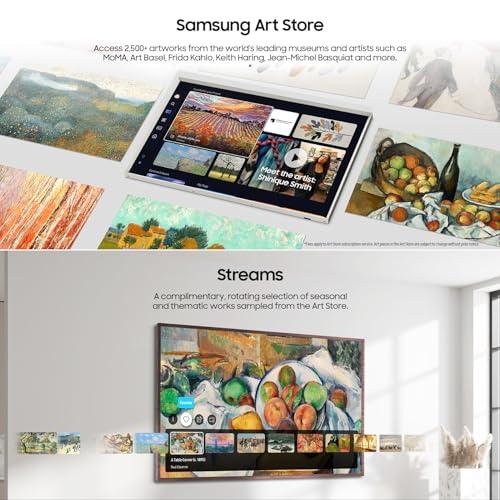
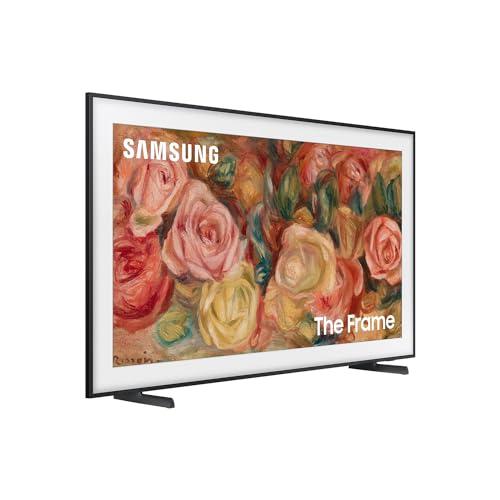
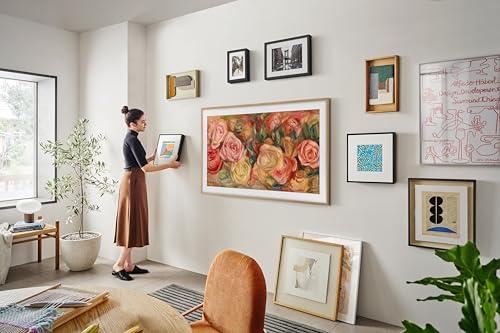
The Frame's signature feature transforms your TV into a digital art gallery. When powered off, the screen displays high-resolution artwork that looks surprisingly convincing as a framed piece. The 2024 model includes a motion sensor that activates Art Mode when someone enters the room and dims or turns off the display when the room is empty—a thoughtful touch that reduces energy consumption.
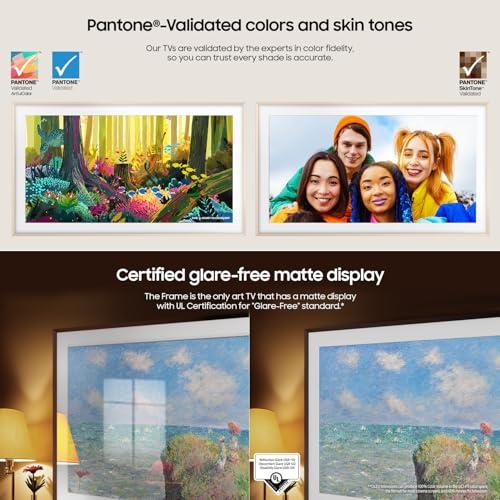
Samsung has partnered with major museums and artists to offer thousands of curated pieces through their Art Store subscription service. While this requires an ongoing fee, the quality and variety surpass what you'd get from simply displaying your own photos. The TV's Pantone art certification ensures color accuracy that meets professional standards for art reproduction.
The Samsung Frame features a matte display coating that significantly reduces reflections compared to glossy TV screens. This isn't just marketing speak—the difference is immediately noticeable when you place the TV opposite a window or under bright room lighting. Where most TVs would show distracting reflections, The Frame maintains image clarity and color saturation.
This anti-glare technology proves particularly valuable in modern homes with large windows and open floor plans. The trade-off is slightly reduced color vibrancy compared to glossy screens, but for many users, the improved daytime viewing experience more than compensates.
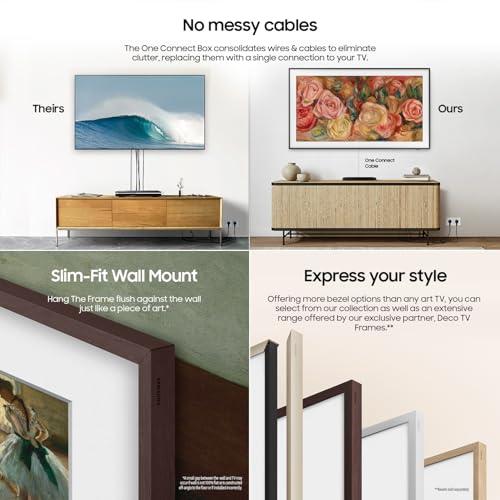
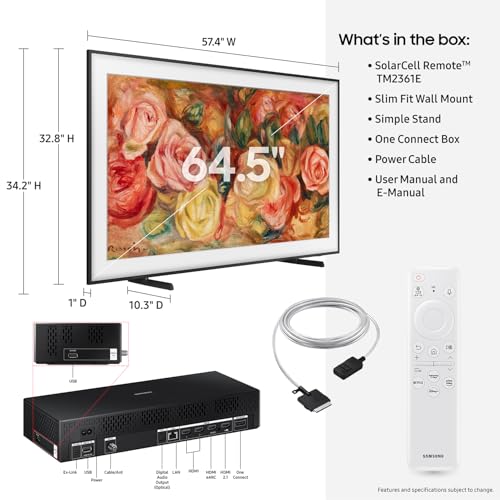
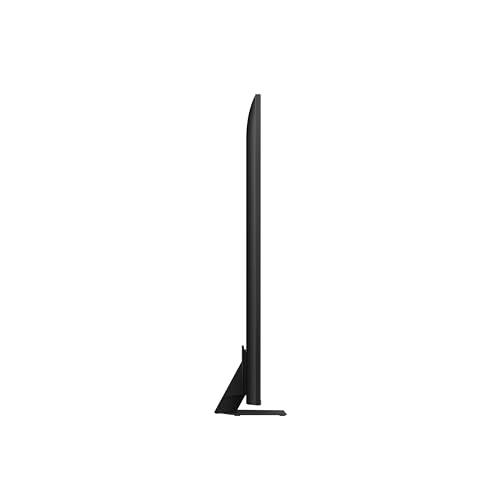
The Frame's aesthetic appeal extends beyond the screen itself. Magnetic, customizable bezels let you match the TV to your room's décor—modern, traditional, or anywhere in between. The included Slim-Fit Wall Mount enables truly flush installation, making the TV appear like a picture frame hanging on your wall.
Samsung's One Connect Box centralizes all connections, requiring only a single, nearly invisible cable to run to the TV. This eliminates the cable clutter that typically accompanies wall-mounted displays and enables cleaner installations than competitors can achieve.
The performance difference between these TVs is stark. The TCL QM7K delivers significantly brighter images with better contrast control. In a dark room watching HDR movies, this translates to more impactful highlights—think the gleam of lightsabers in Star Wars or the fire effects in Game of Thrones. The QM7K's local dimming zones also produce deeper blacks, making nighttime scenes more convincing.
However, the Samsung Frame holds advantages in bright room viewing thanks to its matte coating. While it can't match the QM7K's peak brightness, its superior reflection control often results in better practical visibility during daytime viewing. The Frame also tends toward more accurate colors out of the box, requiring less calibration for optimal performance.
For gaming, the TCL QM7K is the clear winner. The 144Hz refresh rate and VRR support provide tangible benefits for both console and PC gaming. The higher refresh rate makes fast-paced games like Call of Duty or racing simulations noticeably smoother. Lower input lag ensures your controller inputs register quickly—crucial for competitive online gaming.
The Samsung Frame offers adequate gaming performance with its 120Hz refresh rate and single HDMI 2.1 port, but it's clearly designed for casual gaming rather than serious enthusiasts. If you own multiple current-generation consoles or game competitively, the QM7K's superior specifications matter significantly.
Google TV on the TCL QM7K generally provides a more intuitive and responsive experience than Samsung's Tizen platform. The recommendation engine works better across multiple streaming services, and integration with Google Assistant and smart home devices feels more natural. Regular updates also ensure the platform stays current with new features and apps.
Samsung's Tizen OS on The Frame prioritizes ecosystem integration if you already use Samsung devices. The SmartThings hub functionality can control compatible smart home devices, and features like Samsung Health provide additional functionality beyond basic TV viewing.
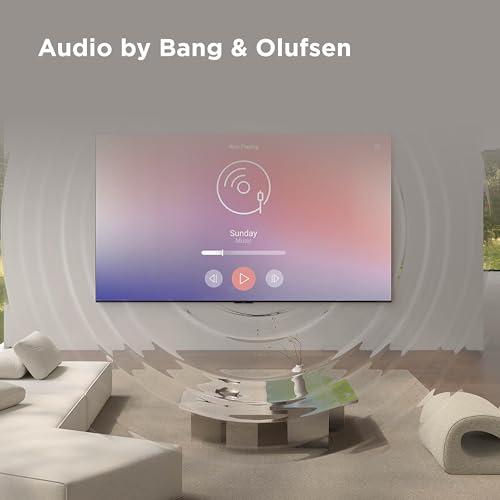
Neither TV will replace a dedicated sound system, but there are meaningful differences. The TCL QM7K includes a 60W Bang & Olufsen audio system with Dolby Atmos support. In practice, this provides clearer dialogue and better spatial effects than The Frame's 40W system. For users planning to rely on built-in speakers, the QM7K offers noticeably superior performance.
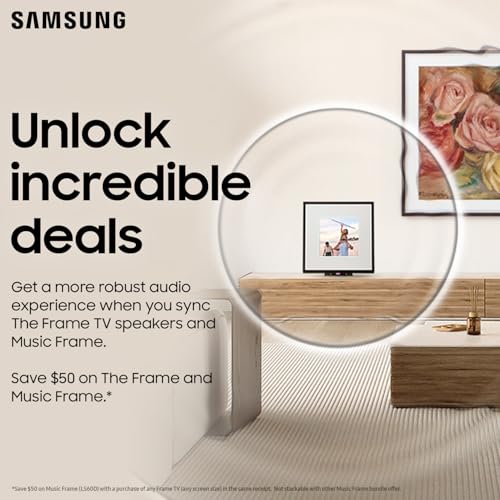
Both TVs benefit significantly from adding a soundbar, but The Frame's ultra-thin design can complicate soundbar placement. The One Connect Box does enable some interesting installation options, but you'll need to plan carefully to avoid blocking the screen or creating an awkward setup.
At the time of writing, the TCL QM7K typically costs $200-400 less than The Frame while delivering superior performance in most measurable categories. For pure entertainment value, the QM7K represents exceptional bang for your buck—you're getting flagship-level brightness, advanced gaming features, and premium audio at a midrange price.
The Samsung Frame commands a premium for its design and lifestyle features. You're paying extra for the art mode, customizable bezels, anti-glare coating, and One Connect Box. Whether this premium is justified depends entirely on how much you value aesthetic integration versus raw performance.
In a dedicated home theater environment, the TCL QM7K is the obvious choice. Its superior brightness and contrast control excel in dark room viewing, while the advanced gaming features future-proof your setup for next-generation consoles. The Google TV platform also integrates well with home automation systems for seamless theater control.
The Frame feels out of place in a traditional theater room. Its design advantages don't matter in a dark environment, and its performance limitations become more apparent when entertainment takes priority over aesthetics.
Choose the TCL QM7K if you prioritize performance and value. This TV suits serious gamers, movie enthusiasts, and anyone who wants flagship features without flagship prices. It's particularly compelling if you have a bright room but still want excellent HDR performance, or if you're building a dedicated entertainment space.
The Samsung Frame makes sense for design-conscious buyers who want their TV to enhance their living space rather than dominate it. It's ideal for open-concept homes, formal living rooms, or anywhere the TV needs to blend with sophisticated décor. If you frequently entertain guests and want conversation pieces beyond your entertainment content, The Frame delivers unique value.
Based on our research and evaluation of expert reviews, the TCL QM7K represents better overall value for most buyers. Its combination of performance, features, and pricing is difficult to beat in today's market. The picture quality genuinely competes with TVs costing significantly more, while the gaming features ensure relevance for years to come.
However, The Frame succeeds brilliantly at its specific mission. If you want a TV that functions as art when not entertaining, the premium is arguably justified. The matte coating and design flexibility offer genuine practical benefits that some users will find indispensable.
Ultimately, your choice comes down to priorities. If you want the best possible entertainment experience for your money, choose the TCL QM7K. If you want a TV that enhances your living space while providing good entertainment performance, The Frame remains unmatched in its category. Both represent well-executed visions of what a modern premium TV can be—they just serve very different needs.
| TCL 65QM7K QD-Mini LED 4K Google TV | Samsung 65" The Frame QLED 4K 2024 TV |
|---|---|
| Peak Brightness - Critical for HDR impact and bright room viewing | |
| 3,000 nits (excellent for any lighting condition) | ~600 nits (adequate but limited HDR punch) |
| Local Dimming Zones - Controls contrast and reduces blooming | |
| 2,500 zones (flagship-level precision) | Edge-lit only (basic contrast control) |
| Refresh Rate - Determines gaming smoothness and motion clarity | |
| 144Hz native, up to 288Hz VRR (gaming powerhouse) | 120Hz with VRR (good for casual gaming) |
| Display Technology - Affects color accuracy and viewing experience | |
| QD-Mini LED with quantum dots (vibrant colors, deep blacks) | QLED with anti-glare matte coating (reduced reflections) |
| Smart Platform - Daily usability and app ecosystem | |
| Google TV (superior recommendations and voice control) | Tizen OS (Samsung ecosystem integration) |
| Audio System - Built-in speaker quality | |
| 60W Bang & Olufsen with Dolby Atmos (premium sound) | 40W 2.0.2 system with OTS (adequate audio) |
| Gaming Features - Console compatibility and performance | |
| AMD FreeSync Premium Pro, Game Master 2.0, ultra-low lag | Standard VRR, single HDMI 2.1 port |
| HDR Support - Content compatibility and quality | |
| Dolby Vision IQ, HDR10+, HDR10, HLG (comprehensive) | HDR10+, HDR10, HLG (no Dolby Vision support) |
| Design Focus - Primary aesthetic approach | |
| Performance-first with standard TV appearance | Lifestyle integration with customizable art display |
| Connectivity - Port selection and cable management | |
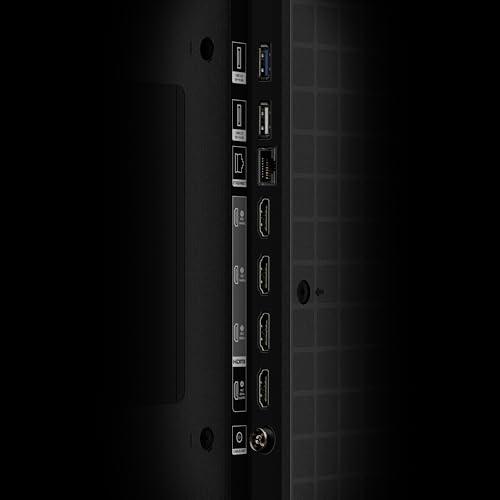
| 4 HDMI (2 HDMI 2.1), standard connections | 4 HDMI (1 HDMI 2.1), One Connect Box for clean setup |
| Unique Features - Standout capabilities | |
| AI scene optimization, hands-free voice control | Art Mode, magnetic bezels, Pantone certification |
| Best Use Cases - Ideal scenarios for each TV | |
| Gaming, home theater, bright rooms, value seekers | Design-focused spaces, art display, reflection reduction |
The TCL 65QM7K delivers significantly better picture quality for entertainment content. With 3,000 nits peak brightness and 2,500 local dimming zones, it produces more vibrant HDR highlights and deeper blacks compared to the Samsung Frame. The QM7K's QD-Mini LED technology provides superior contrast control, making it the clear choice for serious movie watching and home theater setups.
The Samsung Frame justifies its premium if you prioritize design and want a TV that doubles as wall art. However, the TCL QM7K offers better performance value with flagship-level features at a lower cost. Choose the Frame for aesthetic integration; choose the TCL for maximum entertainment bang for your buck.
The TCL QM7K is substantially better for gaming with its 144Hz native refresh rate, 288Hz VRR capability, and AMD FreeSync Premium Pro certification. It offers lower input lag and more HDMI 2.1 ports compared to the Samsung Frame, which only provides basic gaming features with 120Hz and a single HDMI 2.1 port.
Both handle bright rooms differently. The Samsung Frame excels with its anti-glare matte coating that reduces reflections, making it ideal for rooms with direct sunlight. The TCL QM7K combats brightness with raw power - its 3,000-nit peak brightness can overpower most ambient lighting, though it may show more reflections on its glossy screen.
The TCL QM7K runs Google TV, which generally provides better content recommendations, faster performance, and superior voice control with hands-free activation. The Samsung Frame uses Tizen OS, which integrates well with Samsung devices but lacks the intuitive interface and cross-platform suggestions that make Google TV more user-friendly.
Yes, the Samsung Frame is specifically designed for this with its Art Mode feature. It displays high-quality artwork from Samsung's curated collection and includes a motion sensor to activate when you enter the room. The TCL QM7K doesn't offer this lifestyle feature - it's focused purely on entertainment performance.
The TCL QM7K has superior built-in audio with a 60W Bang & Olufsen system featuring Dolby Atmos support. This provides clearer dialogue and better spatial effects compared to the Samsung Frame's 40W speaker system. However, both TVs benefit significantly from adding a dedicated soundbar for optimal audio performance.
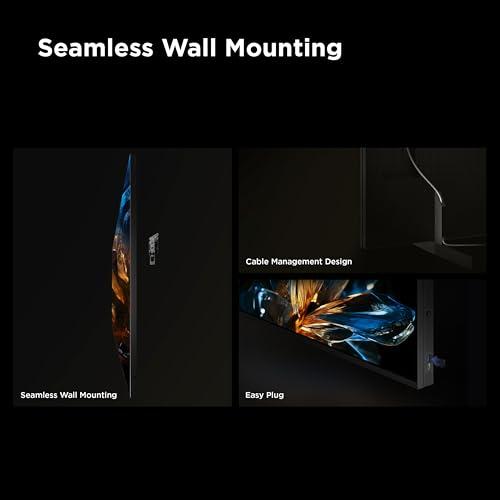
The Samsung Frame is designed for flush wall mounting with its included Slim-Fit mount and One Connect Box for clean cable management. The TCL QM7K can be wall-mounted but requires standard installation with all cables connecting directly to the TV, creating a less clean appearance compared to the Frame's minimalist design approach.
Both TCL QM7K and Samsung Frame should receive regular updates for several years. Google TV on the TCL typically gets more frequent updates and new features, while Samsung's Tizen platform receives steady but less frequent updates. The QM7K's higher refresh rate and gaming features may provide better future-proofing for evolving content standards.
The Samsung Frame requires additional purchases for the full experience - decorative bezels cost extra, and accessing the full Art Store collection requires a subscription. The TCL QM7K includes everything needed out of the box, though you may want to add a soundbar to either TV for enhanced audio performance.
The TCL QM7K is the clear winner for home theater use. Its superior brightness, contrast control, and local dimming create more immersive movie experiences in dark rooms. The Samsung Frame's design advantages don't matter in a dedicated theater space, and its lower peak brightness limits HDR impact compared to the QM7K's performance capabilities.
Focus on specific features that match your needs rather than brand loyalty. The TCL QM7K offers exceptional performance features typically found in much more expensive TVs, while the Samsung Frame excels at its unique lifestyle positioning. Both brands have solid reputations, but the individual product capabilities should drive your decision based on whether you prioritize entertainment performance or design integration.
We've done our best to create useful and informative comparisons to help you decide what product to buy. Our research uses advanced automated methods to create this comparison and perfection is not possible - please contact us for corrections or questions. These are the sites we've researched in the creation of this article: bestbuy.com - businessinsider.com - tomsguide.com - tomsguide.com - rtings.com - tomsguide.com - youtube.com - rtings.com - consumerreports.org - youtube.com - youtube.com - displayspecifications.com - youtube.com - tcl.com - tcl.com - tcl.com - youtube.com - rcwilley.com - bestbuy.com - tclcentral.com - displayspecifications.com - tomsguide.com - tcl.com - brandsmartusa.com - tcl.com - tcl.com - gizmochina.com - nfm.com - dolby.com - alexraytv.com - tomsguide.com - rtings.com - rtings.com - youtube.com - bestbuy.com - techlicious.com - youtube.com - smalllilystudio.com - theeverymom.com - livingetc.com - pcrichard.com - image-us.samsung.com - samsung.com - images.samsung.com - samsung.com - buydig.com - tvsbook.com - bestbuy.com - samsung.com - samsung.com - flatpanelshd.com

Privacy Policy
Terms and Conditions - Affiliate Policy
Home Security
© Copyright 2008-2026.
11816 Inwood Rd #1211, Dallas, TX 75244