

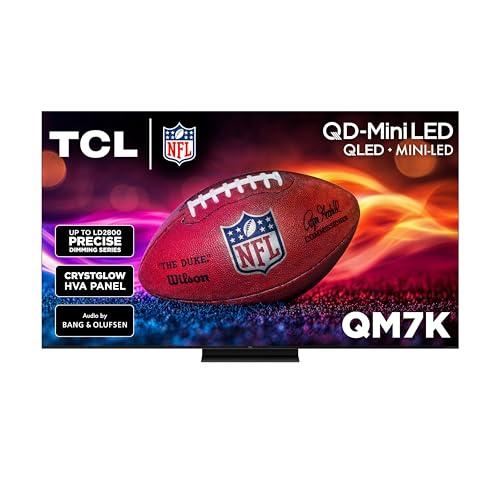
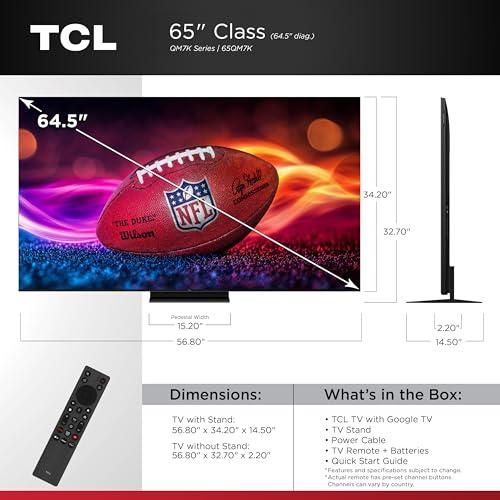
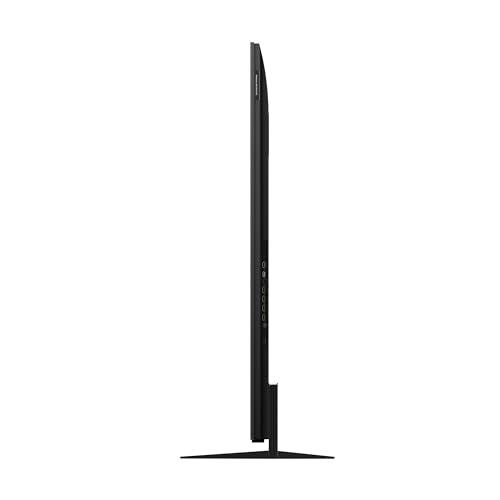
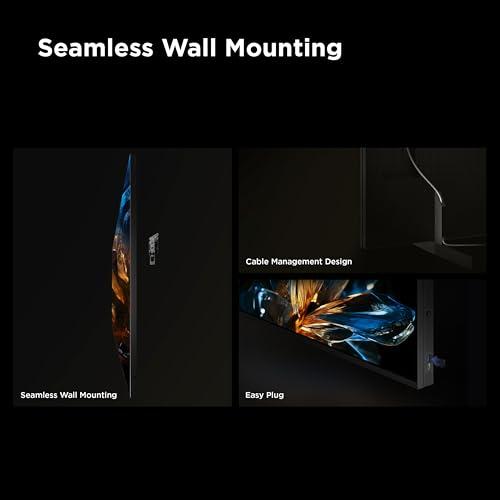
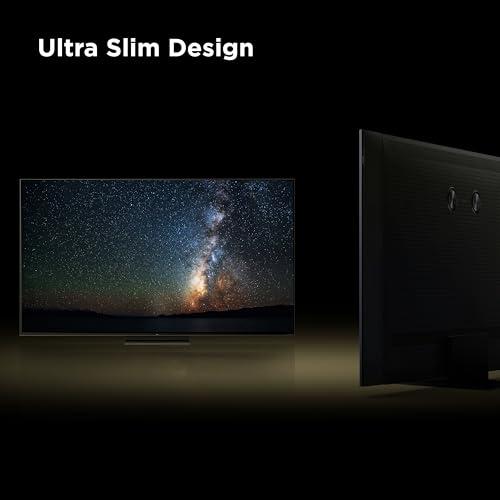
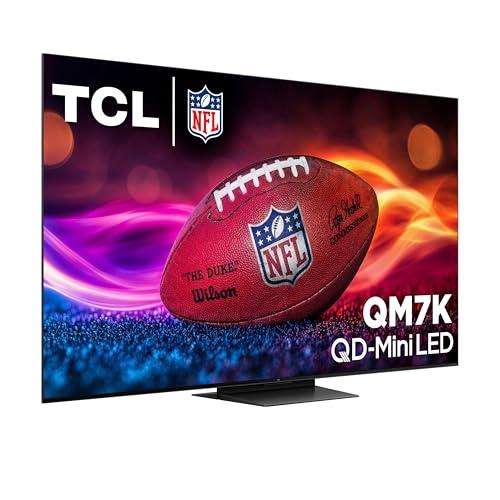
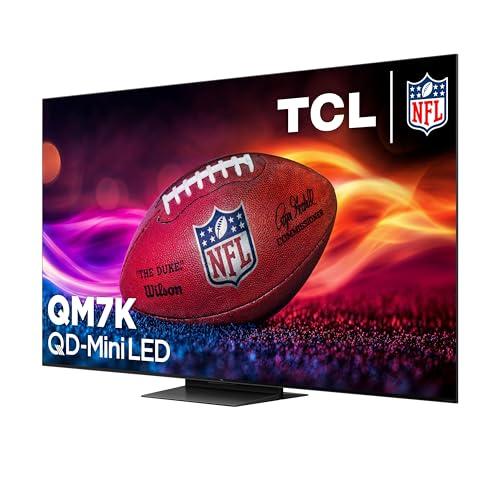
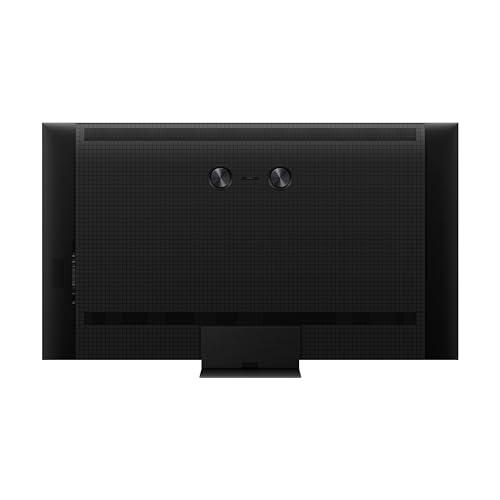
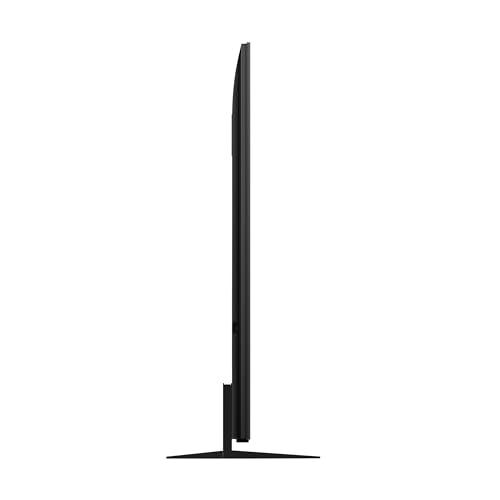
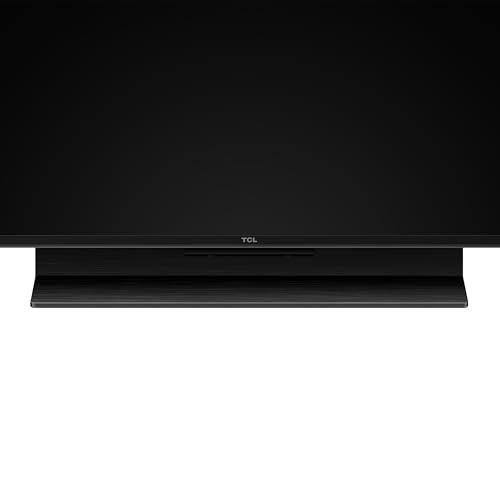
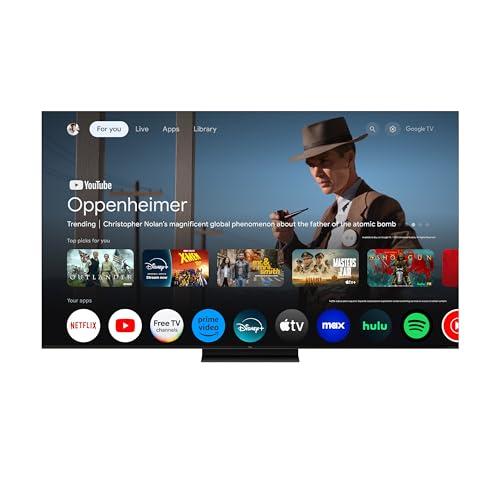
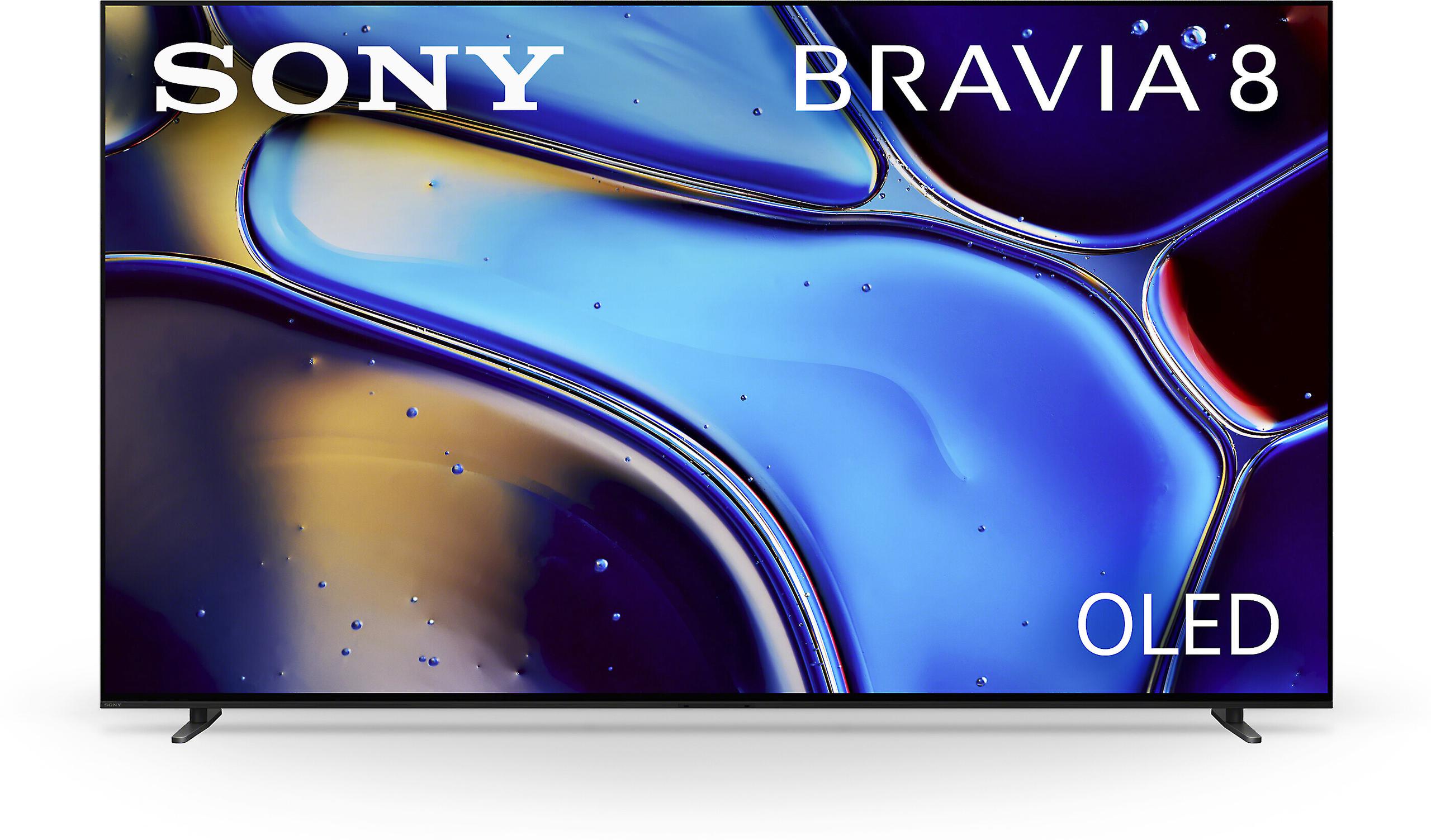
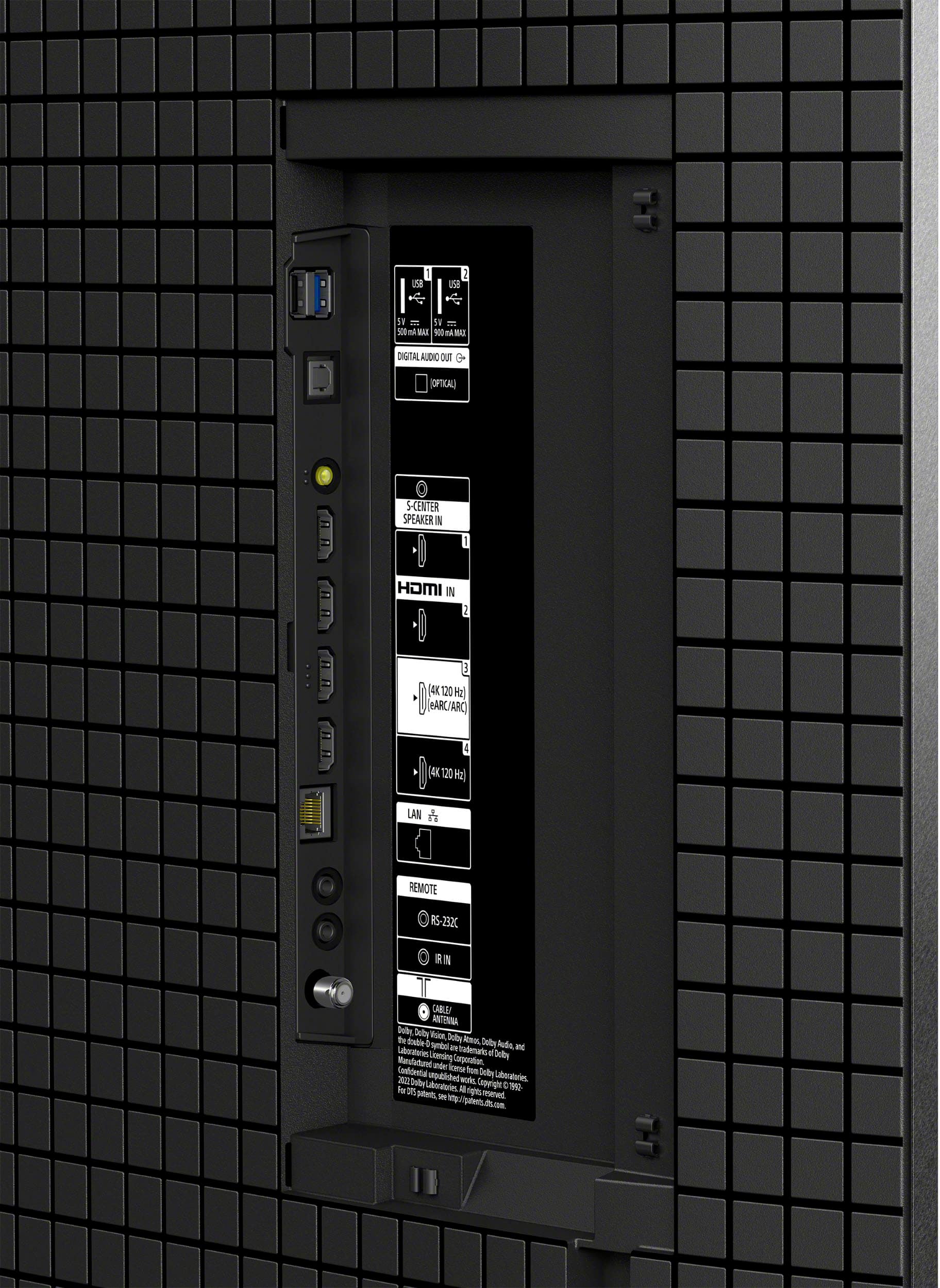
When shopping for a premium 65-inch TV in 2024, you're likely to encounter two compelling but very different technologies: QD-Mini LED and OLED. The TCL 65QM7K represents the former with its quantum dot-enhanced mini-LED backlighting, while the Sony BRAVIA 8 showcases the latter with its self-illuminating OLED pixels. Both launched in 2024 and represent significant technological leaps from their predecessors, but they solve picture quality challenges in fundamentally different ways.
Understanding these differences isn't just about specs—it's about matching the right technology to your viewing environment, preferences, and budget. At the time of writing, these TVs occupy different price tiers, with the TCL QM7K positioned as a value-oriented premium option and the Sony BRAVIA 8 commanding a higher price for its OLED technology and Sony's brand premium.
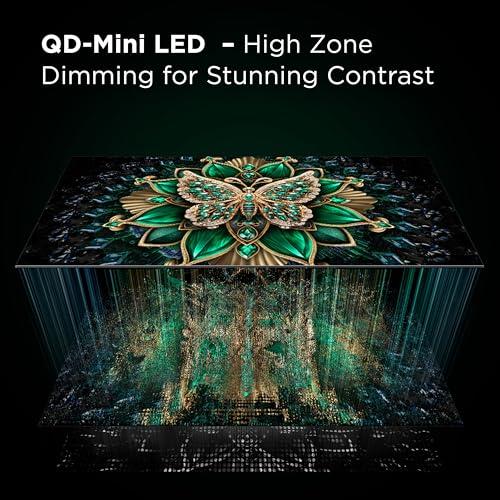
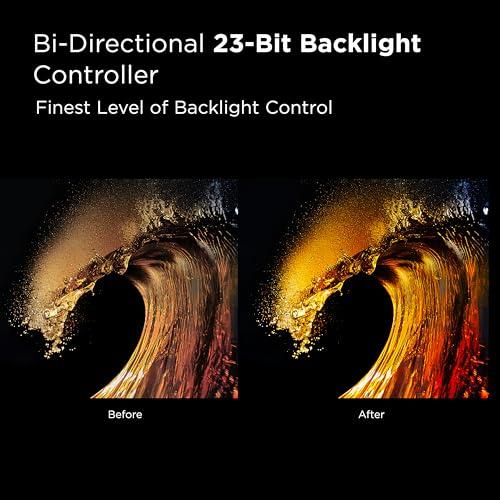
The TCL 65QM7K uses QD-Mini LED technology, which sounds complex but breaks down into two key innovations. First, "mini-LED" refers to backlighting composed of thousands of tiny LEDs instead of traditional larger LEDs. The TCL packs an impressive 2,500 local dimming zones behind its 65-inch screen—imagine having 2,500 individual flashlights that can brighten or dim independently to create the perfect lighting for each part of the image.
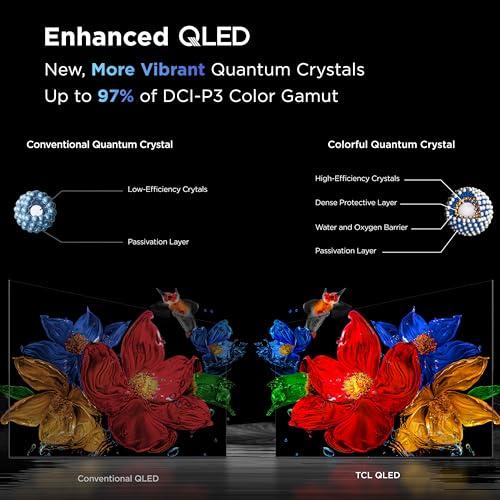
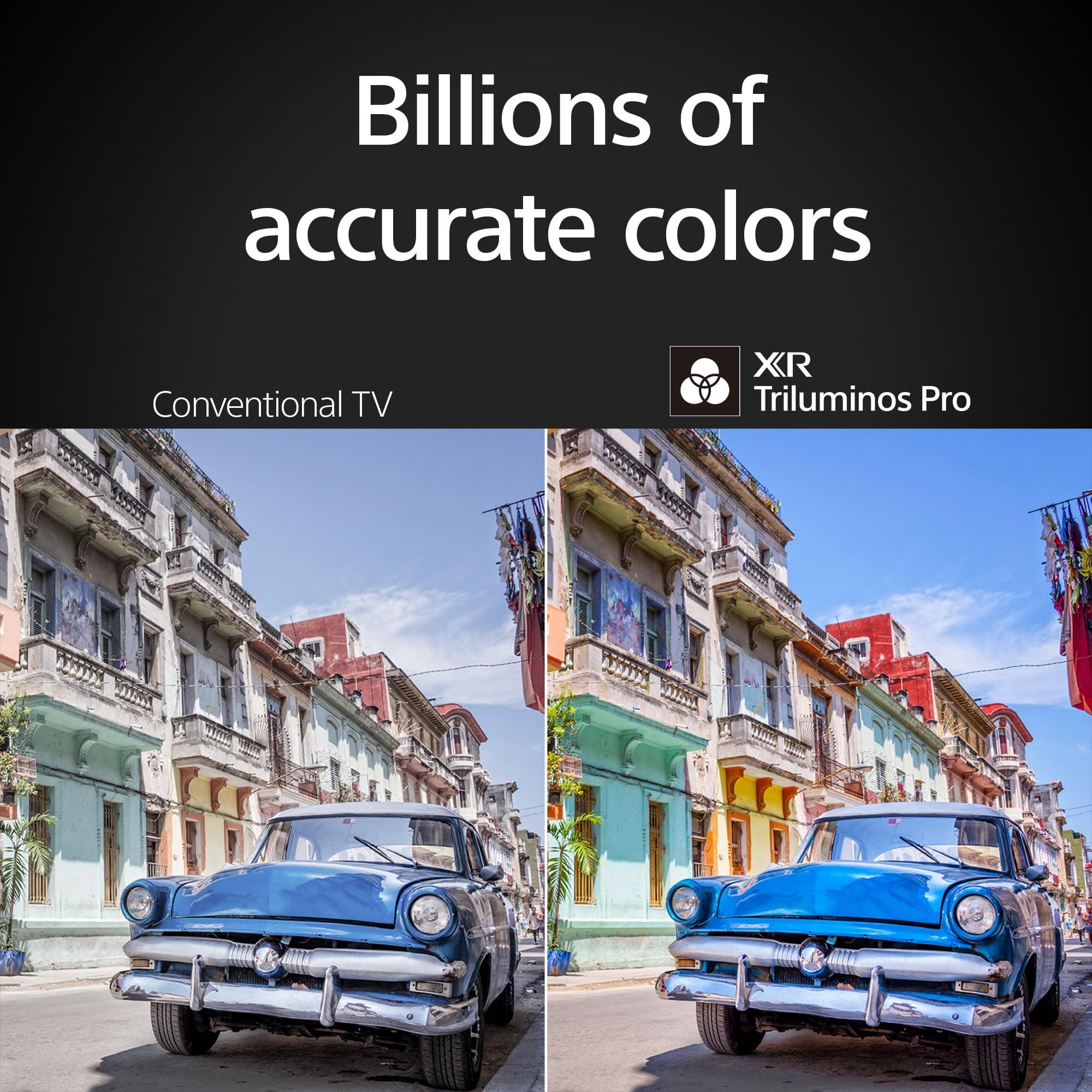
The "QD" stands for Quantum Dot, a layer of microscopic crystals that convert the blue light from those mini-LEDs into pure, vibrant colors. When blue light hits these quantum dots, they emit precise wavelengths of red and green light, creating colors that are both more accurate and more vivid than traditional LED TVs can produce.
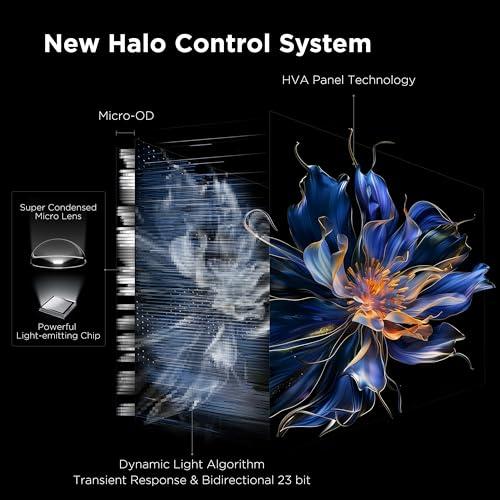
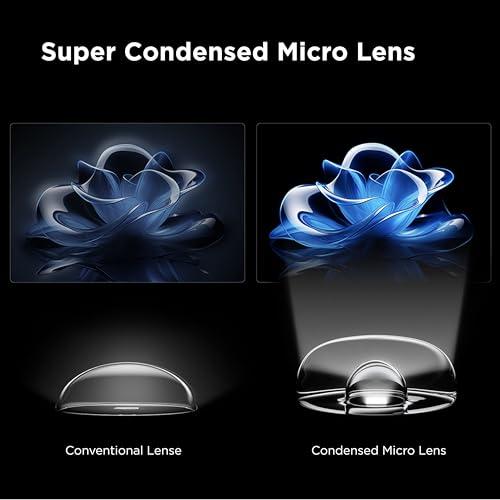
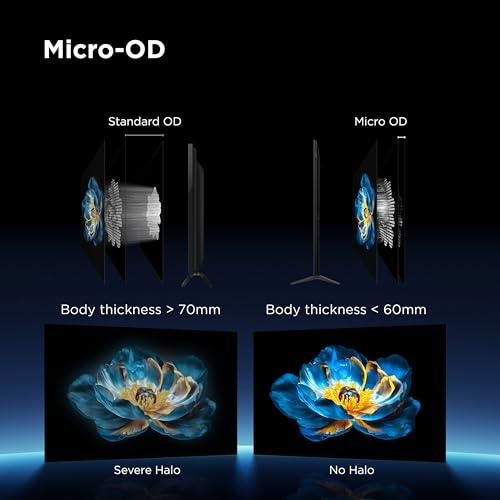
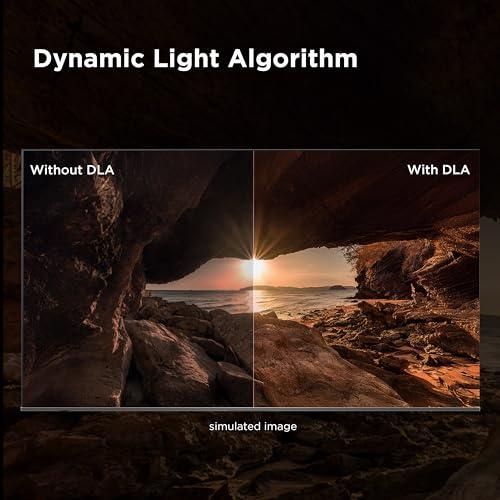
TCL's implementation goes beyond basic mini-LED with their "All-Domain Halo Control Technology"—a system designed to minimize the blooming effect (unwanted light spill around bright objects on dark backgrounds) that can plague lesser mini-LED TVs. This involves precise optical engineering with condensed micro lenses and sophisticated algorithms that predict and prevent unwanted light spread.
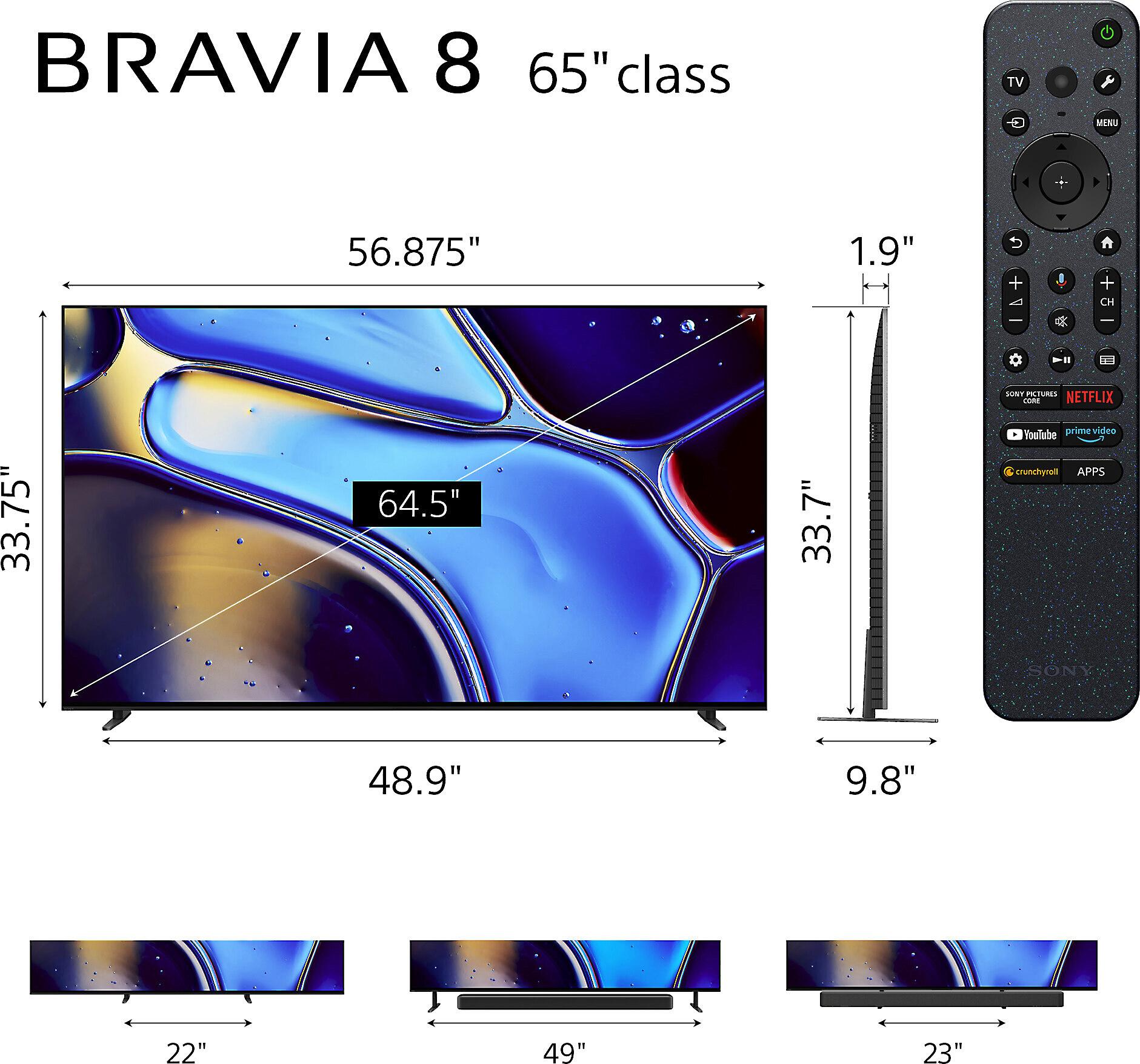
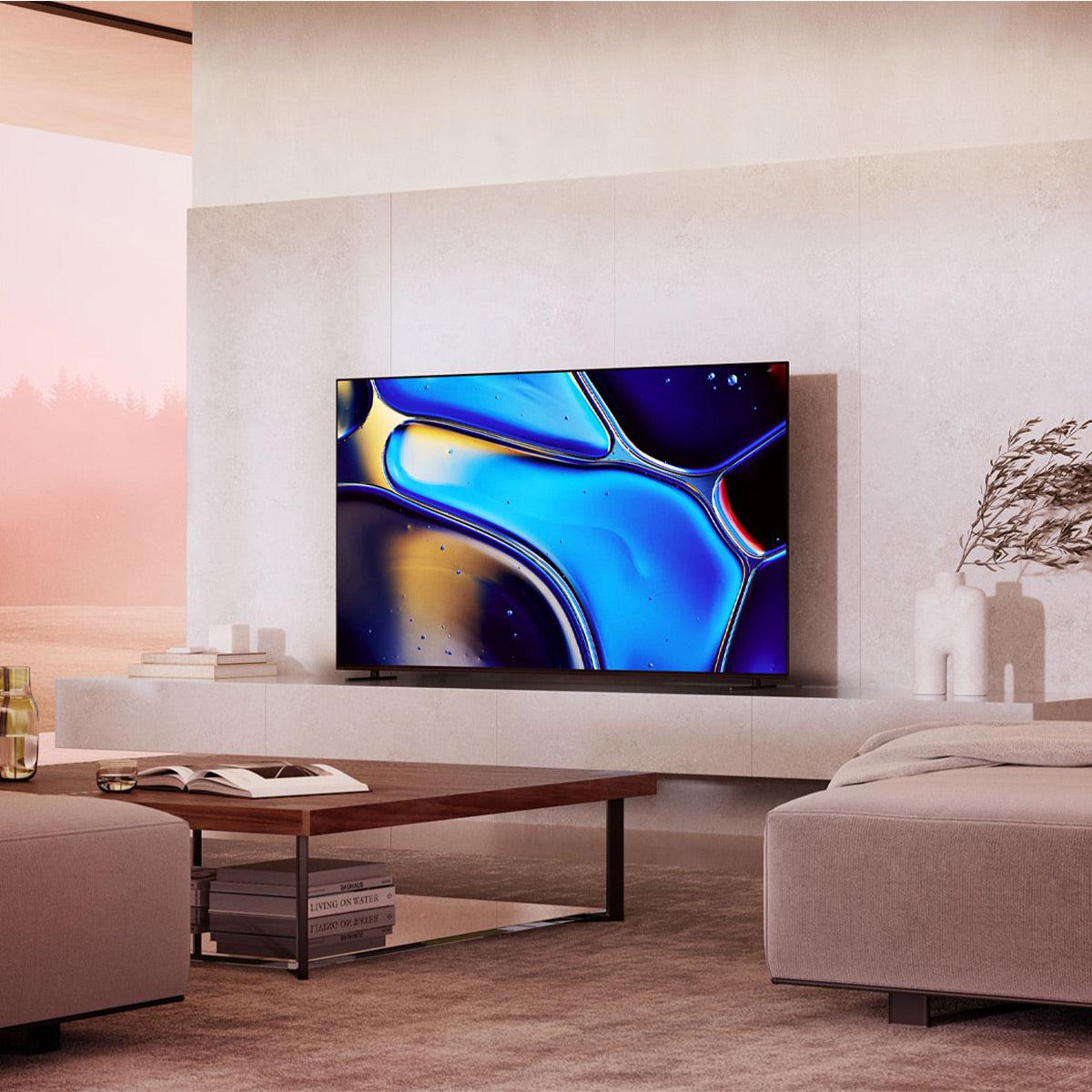
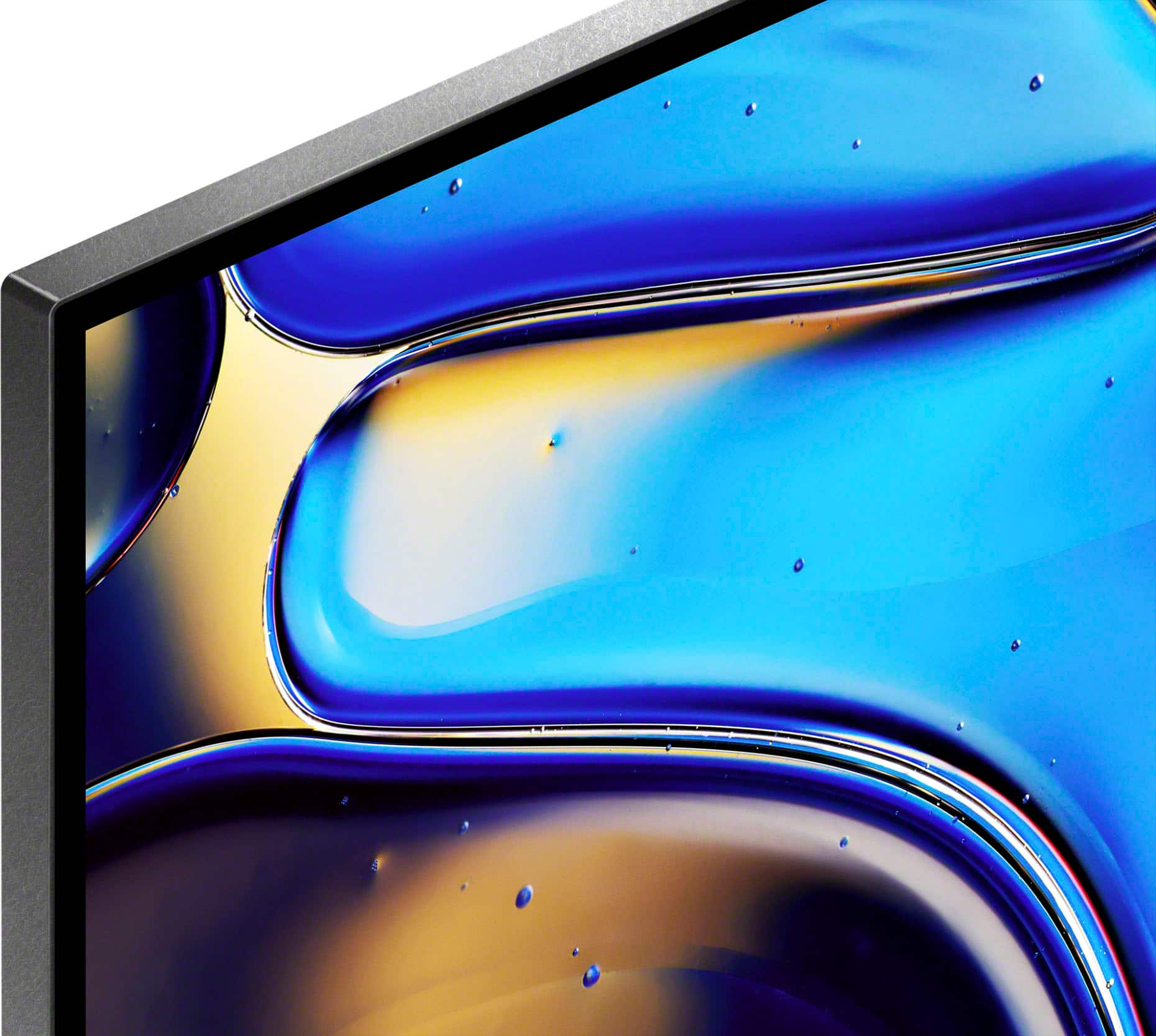
The Sony BRAVIA 8 takes a radically different approach with OLED (Organic Light-Emitting Diode) technology. Instead of a backlight shining through liquid crystals, each of the TV's 8.3 million pixels generates its own light. When displaying black, these pixels simply turn off completely, creating true black—something impossible with any backlit display.
Sony's 2024 OLED panels represent an evolution from their 2023 models, with improved brightness capabilities while maintaining OLED's signature infinite contrast ratio. The company's XR Processor leverages machine learning to analyze content in real-time, optimizing brightness, contrast, and color on a scene-by-scene basis.
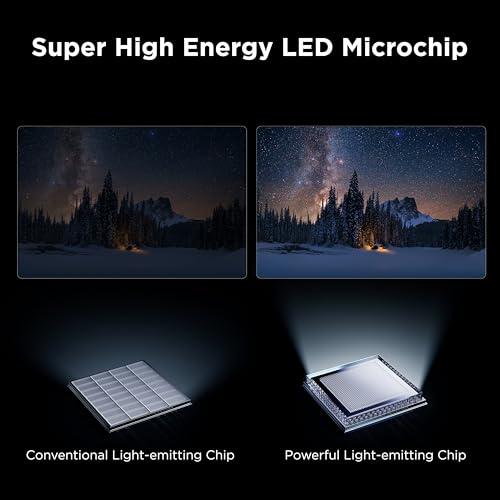
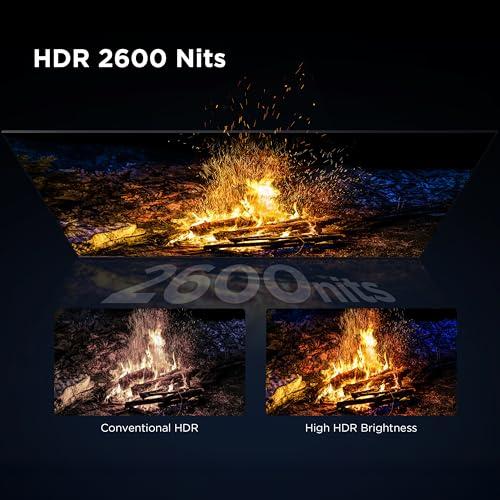
This is where the TCL QM7K demonstrates its biggest advantage. With peak brightness reaching up to 3,000 nits in HDR content, it can display highlights that genuinely pop, even in bright living rooms. To put this in perspective, a typical sunny day outdoors measures around 10,000 nits, while most TVs struggle to exceed 400-500 nits. The TCL's exceptional brightness means HDR (High Dynamic Range) content—like the sun gleaming off a car windshield in a movie—appears genuinely bright rather than just relatively brighter than the rest of the image.
The Sony BRAVIA 8, like most OLEDs, peaks at around 800-900 nits. While this might seem dim compared to the TCL, it's important to understand that OLED's perfect black levels create a different kind of contrast. When pixels can turn completely off, even modest brightness levels create dramatic contrast ratios that can appear more impactful than higher brightness with imperfect blacks.
For HDR performance, the TCL QM7K excels with content featuring bright highlights—think sunsets, explosions, or gleaming metal surfaces. The Sony BRAVIA 8 delivers more nuanced HDR with superior shadow detail and gradations, making it excellent for films with subtle lighting and atmospheric scenes.
Here's where OLED technology demonstrates its fundamental advantage. The Sony BRAVIA 8 achieves perfect black because its pixels can turn completely off, creating an infinite contrast ratio. When watching a movie with black bars or dark scenes, those areas disappear into the bezel, creating an immersive, cinema-like experience.
The TCL QM7K, despite its 2,500 local dimming zones, still relies on a backlight. While its zones can dim to near-black, they can't achieve true black. However, TCL's advanced dimming algorithm and halo control technology minimize the blooming that typically plagues mini-LED displays. In practice, the difference is most noticeable in dark rooms with content featuring stark black-and-white contrasts.
Both TVs excel in color reproduction but through different approaches. The TCL QM7K uses quantum dots to achieve wide color gamut coverage with exceptional color volume—meaning it can display vibrant colors even at high brightness levels. This makes it particularly effective for animated content, nature documentaries, and HDR material designed to showcase vivid colors.
The Sony BRAVIA 8 leverages OLED's natural color accuracy combined with Sony's decades of experience in professional displays. Colors appear more natural and film-like out of the box, with excellent color gradations and skin tone reproduction. Sony's XR Triluminos Pro technology further enhances color accuracy through real-time processing.
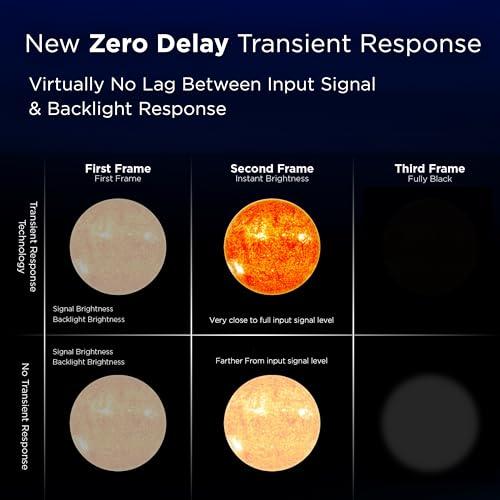
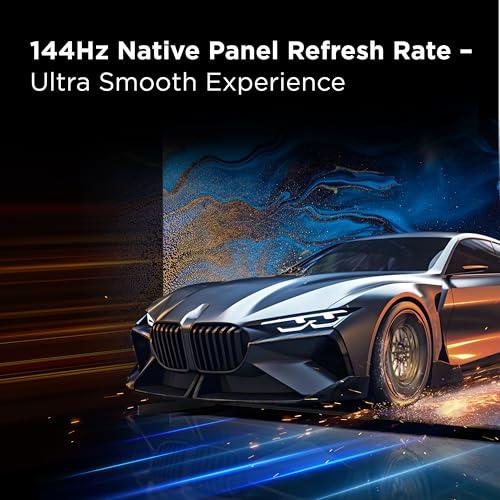
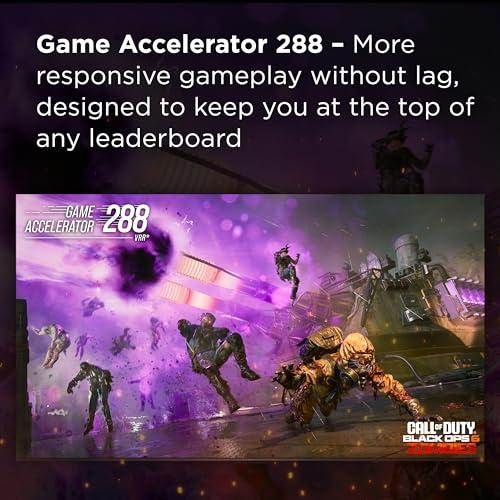
Gaming is where the TCL QM7K truly flexes its muscles. Its native 144Hz refresh rate with Game Accelerator technology can reach up to 288Hz with variable refresh rate (VRR) at 1080p resolution. VRR synchronizes the TV's refresh rate with your gaming console or PC's frame rate output, eliminating screen tearing and stuttering during fast-paced gameplay.
For context, most current-generation gaming consoles target 60-120 frames per second, so the TCL's 144Hz native capability ensures it can handle anything current or future consoles throw at it. The higher refresh rates particularly benefit competitive gaming, where smooth motion and reduced input lag provide competitive advantages.
The Sony BRAVIA 8 offers a 120Hz refresh rate with VRR support, which is perfectly adequate for current gaming consoles. However, its real gaming advantage lies in pixel response times. Since OLED pixels can change states instantaneously, there's virtually no motion blur or ghosting—common issues with LCD-based displays during fast gaming sequences.
Both TVs include Auto Low Latency Mode (ALLM), which automatically switches to game mode when detecting gaming consoles, reducing input lag—the delay between pressing a button and seeing the action on screen. The Sony BRAVIA 8 typically achieves slightly lower input lag due to OLED's instantaneous pixel response.
The TCL QM7K includes Game Master 2.0, a comprehensive gaming interface that provides real-time information about frame rates, VRR status, and other gaming metrics. It also supports AMD FreeSync Premium Pro, ensuring compatibility with PC gaming setups.
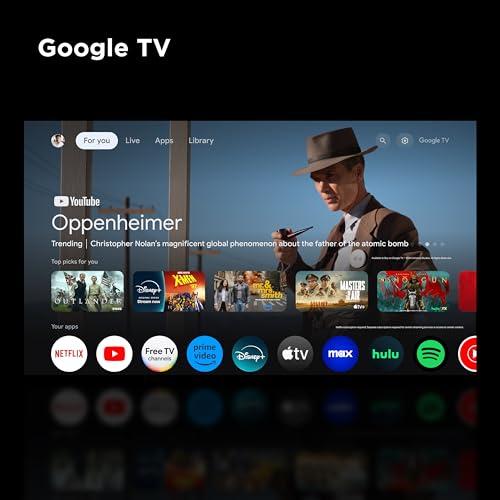
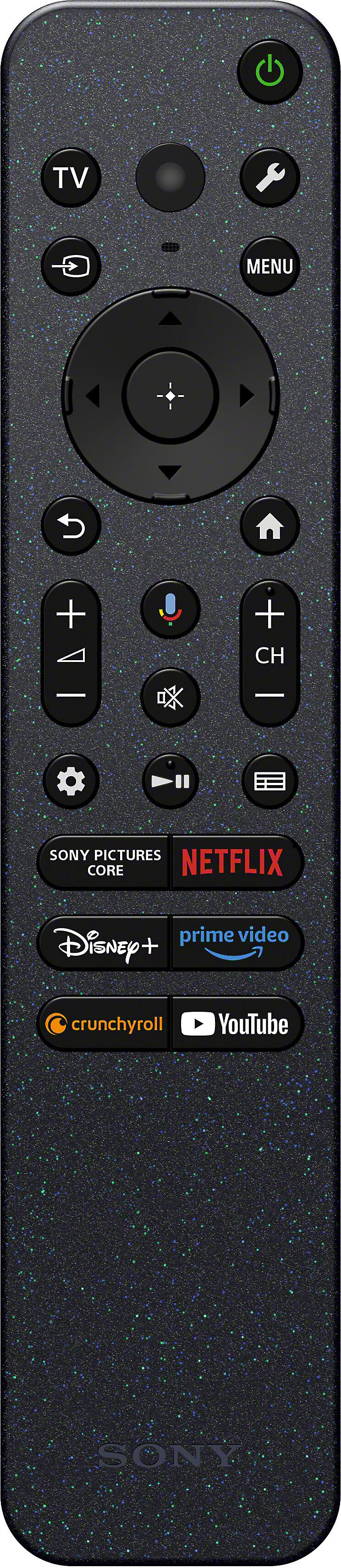
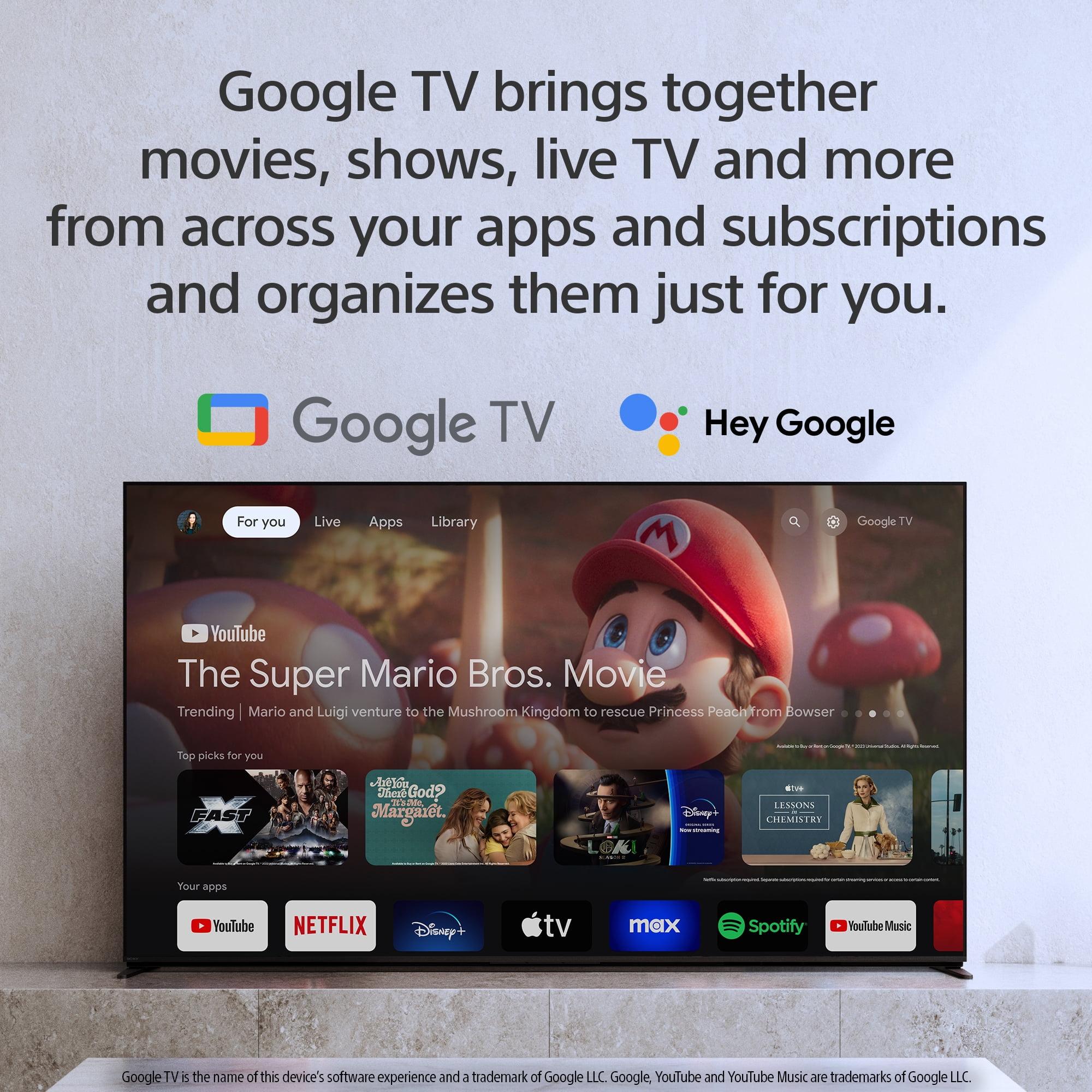
Both TVs run Google TV, but with different implementations. The TCL QM7K includes hands-free voice control with a far-field microphone array, allowing you to control the TV without the remote. It also supports Apple HomeKit integration, making it compatible with Apple's smart home ecosystem.
The Sony BRAVIA 8 features Sony's refined Google TV interface with optimizations for better performance and user experience. Sony's track record suggests longer software support and more consistent updates, which matters for long-term usability.
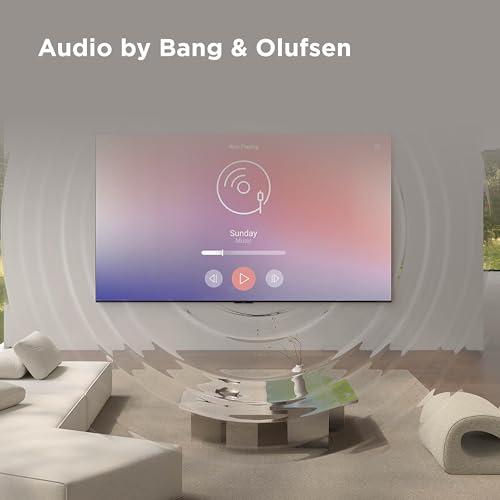
The TCL QM7K partners with Bang & Olufsen for its audio system, delivering 60 watts of power with Dolby Atmos support. The sound is clear and surprisingly powerful for built-in TV speakers, with customizable EQ profiles through Beosonic technology.
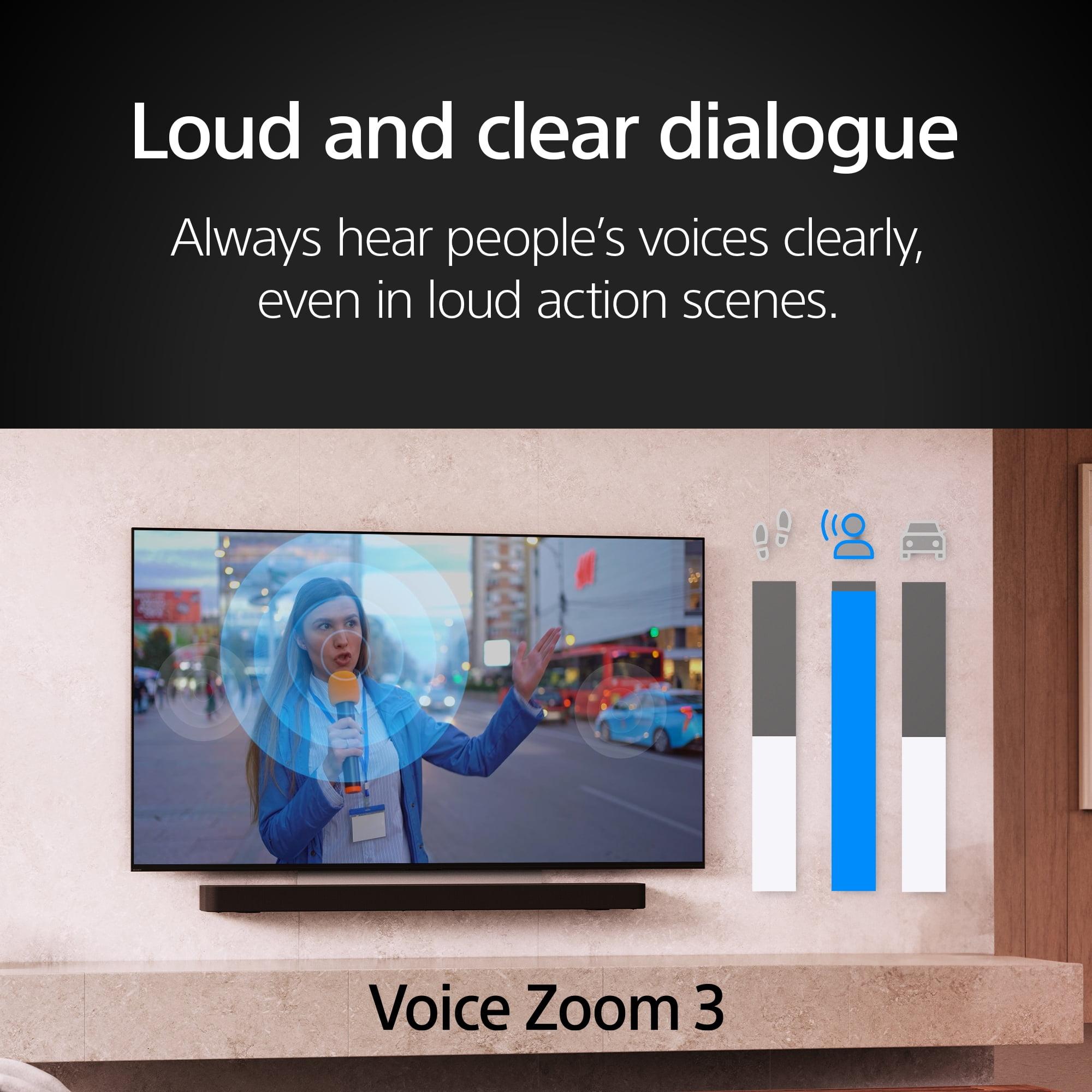
The Sony BRAVIA 8 takes a more innovative approach with Acoustic Surface Audio+, which turns the entire screen into a speaker. This creates a unique effect where dialogue appears to come directly from characters' mouths on screen, enhancing immersion. While the total power output is lower at 50 watts, the spatial positioning creates a more engaging audio experience.
This is where the choice becomes clear-cut. The TCL QM7K is specifically engineered for bright rooms. Its 3,000-nit peak brightness and quantum dot color enhancement ensure the picture remains vibrant and detailed even with windows open on sunny days or bright overhead lighting.
The Sony BRAVIA 8 struggles in bright environments. OLED's perfect blacks become gray when ambient light reflects off the screen, and the lower brightness output means the picture can appear washed out during daytime viewing.
For dedicated home theaters or dark room viewing, the Sony BRAVIA 8 provides a superior cinematic experience. The perfect black levels create the illusion of infinite depth, while the wide viewing angles ensure everyone in the room sees consistent colors and contrast.
The TCL QM7K performs well in dark rooms but may show some blooming around bright objects on black backgrounds, which can be distracting during movies with letterbox formatting or dark scenes.
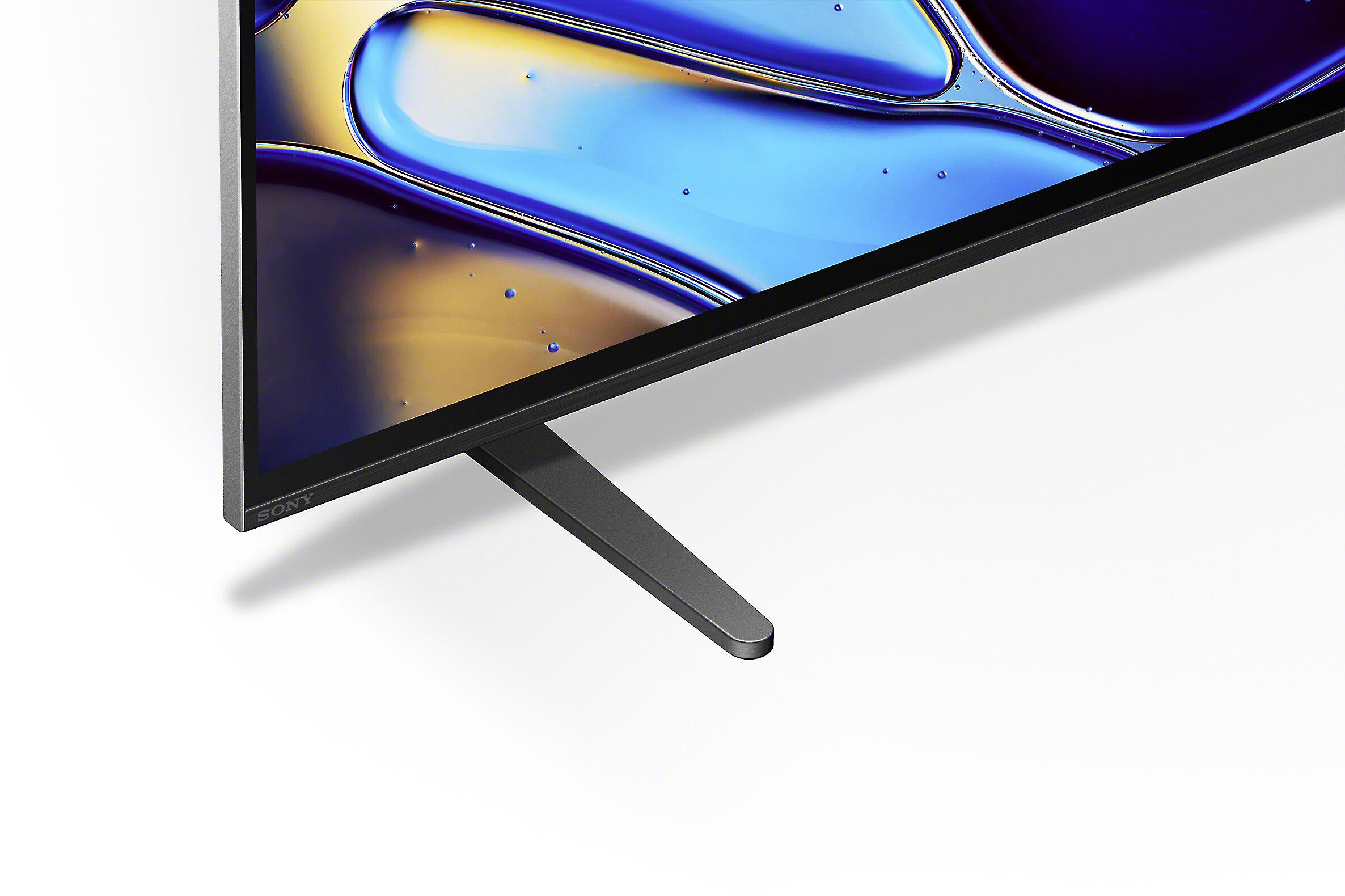
Sony's reputation for build quality and longevity is well-established, and the BRAVIA 8 continues this tradition with premium materials and construction. OLED panels typically maintain their picture quality for 100,000+ hours of use, and Sony's track record suggests strong long-term software support.
The TCL QM7K represents excellent build quality for its price point, with a slim profile despite the complex mini-LED backlight system. However, TCL's software support history is shorter, and mini-LED backlights have more components that could potentially fail over time.
At the time of writing, the TCL QM7K typically costs significantly less than the Sony BRAVIA 8, making it exceptional value for the features provided. You're getting flagship-level brightness, gaming capabilities, and smart features at a mid-premium price point.
The Sony BRAVIA 8 commands a premium that reflects both OLED technology costs and Sony's brand positioning. For buyers prioritizing long-term investment, build quality, and the ultimate dark room viewing experience, the premium may be justified.
Choose the TCL QM7K if you primarily watch TV during the day, have a bright living room, or prioritize gaming performance and value. Its exceptional brightness and gaming features make it ideal for mixed-use family rooms where the TV needs to perform well in various lighting conditions.
Choose the Sony BRAVIA 8 if you have a dedicated viewing space, prefer evening and night viewing, or prioritize cinematic picture quality above all else. Its perfect blacks and natural color reproduction create an unmatched dark room experience that justifies the premium for serious movie enthusiasts.
Both represent excellent choices within their intended use cases. The key is honestly evaluating your viewing environment and priorities. A bright family room will never allow the Sony BRAVIA 8 to show its best qualities, while a dark home theater won't fully utilize the TCL QM7K's impressive brightness capabilities. Match the technology to your space, and either choice will deliver years of exceptional viewing experiences.
| TCL 65QM7K QD-Mini LED 4K Google TV | Sony BRAVIA 8 65" 4K OLED TV |
|---|---|
| Display Technology - Determines picture quality approach and room suitability | |
| QD-Mini LED with 2,500 local dimming zones | Self-illuminating OLED pixels with infinite contrast |
| Peak Brightness - Critical for HDR impact and bright room viewing | |
| Up to 3,000 nits (exceptional for daytime viewing) | ~800-900 nits (limited in bright rooms) |
| Black Levels - Affects contrast and dark scene detail | |
| Near-black with minimal blooming (7,000:1 native contrast) | Perfect blacks with pixels that turn completely off |
| Refresh Rate - Important for gaming and sports smoothness | |
| Native 144Hz with Game Accelerator up to 288Hz VRR | 120Hz with VRR support |
| HDMI 2.1 Ports - Needed for next-gen gaming features | |
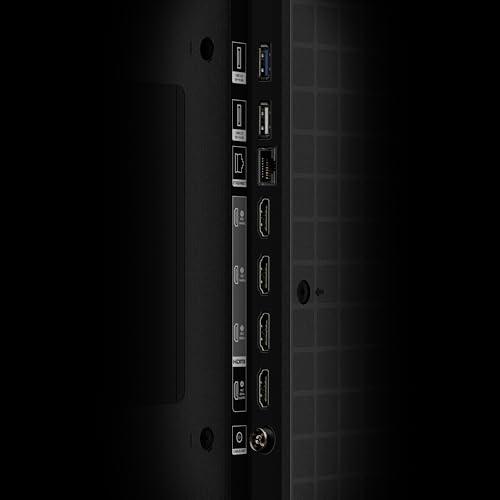
| 2 HDMI 2.1 ports (4K@120Hz, VRR, ALLM) | 2 HDMI 2.1 ports (4K@120Hz, VRR, ALLM) |
| HDR Formats - Ensures compatibility with premium content | |
| Dolby Vision IQ, HDR10+, HDR10, HLG | Dolby Vision, HDR10 (missing HDR10+) |
| Smart Platform - Affects long-term usability and app support | |
| Google TV with hands-free voice control | Google TV with Sony's refined interface optimization |
| Audio System - Determines if you need external speakers | |
| Bang & Olufsen 60W with Dolby Atmos | Acoustic Surface Audio+ 50W (screen-as-speaker) |
| Gaming Features - Matters for console and PC gamers | |
| AMD FreeSync Premium Pro, Game Master 2.0 interface | Auto HDR Tone Mapping for PS5, instant pixel response |
| Viewing Angles - Important for wide seating arrangements | |
| Limited off-angle performance (typical LCD limitation) | Excellent viewing angles maintain color/contrast |
| Best Room Environment - Where each TV performs optimally | |
| Bright living rooms, mixed lighting conditions | Dark rooms, dedicated home theaters, evening viewing |
| Long-term Support - Affects software updates and reliability | |
| Shorter track record, aggressive feature updates | Proven Sony reliability, longer software support history |
The TCL QM7K is significantly better for bright rooms with its 3,000 nits peak brightness and quantum dot technology that maintains vibrant colors even in daylight. The Sony BRAVIA 8 OLED struggles in bright environments as ambient light causes blacks to appear gray and the lower brightness output makes the picture look washed out.
The TCL QM7K uses QD-Mini LED technology with 2,500 local dimming zones and quantum dots for enhanced brightness and color. The Sony BRAVIA 8 uses OLED technology where each pixel generates its own light and can turn completely off for perfect blacks. Mini LED excels in brightness while OLED provides superior contrast and viewing angles.
The TCL QM7K offers superior gaming specs with native 144Hz refresh rate, Game Accelerator up to 288Hz VRR, and AMD FreeSync Premium Pro support. The Sony BRAVIA 8 provides 120Hz with excellent pixel response times and PS5 optimization features. Choose the TCL for competitive gaming or the Sony for console gaming with instant response.
The Sony BRAVIA 8 justifies its premium through perfect black levels, superior build quality, longer software support, and exceptional dark room performance. The TCL QM7K offers better value with flagship features at a lower price point. Choose Sony for cinema-quality viewing or TCL for maximum features per dollar.
For dedicated home theater setups, the Sony BRAVIA 8 provides superior cinematic experience with perfect blacks, infinite contrast, and excellent color accuracy in dark rooms. The TCL QM7K works well for movies but may show some blooming around bright objects. OLED technology creates a more immersive theater-like experience.
Yes, both the TCL QM7K and Sony BRAVIA 8 support 4K gaming at 120Hz through their HDMI 2.1 ports. Both include Variable Refresh Rate (VRR) and Auto Low Latency Mode (ALLM) for smooth gaming. The TCL offers higher refresh rates while the Sony provides instant pixel response times.
Both the TCL QM7K and Sony BRAVIA 8 run Google TV platform with similar streaming capabilities. The TCL includes hands-free voice control and Apple HomeKit integration, while the Sony offers Sony's refined interface optimization and historically longer software support. Both provide excellent smart TV experiences.
The TCL QM7K delivers more impactful HDR highlights with its 3,000 nits brightness, making bright scenes genuinely pop. The Sony BRAVIA 8 provides more accurate HDR with superior shadow detail and gradations due to perfect black levels. Choose TCL for bright HDR impact or Sony for HDR accuracy.
The TCL QM7K features Bang & Olufsen 60W audio system with higher power output and customizable EQ profiles. The Sony BRAVIA 8 uses innovative Acoustic Surface Audio+ technology that turns the screen into a speaker for unique spatial positioning. Both support Dolby Atmos, but the Sony offers more immersive audio positioning.
The Sony BRAVIA 8 maintains excellent color and contrast from wide viewing angles due to OLED technology. The TCL QM7K has limited off-angle performance typical of LCD displays, with colors and contrast degrading when viewed from the side. Choose Sony for wide seating arrangements.
The Sony BRAVIA 8 has Sony's proven track record for build quality, reliability, and longer software support cycles. The TCL QM7K offers solid build quality for its price point but has a shorter support history. OLED panels typically last 100,000+ hours, while mini-LED backlights have more components that could potentially fail.
Choose the TCL QM7K if you have a bright living room with windows, prioritize gaming performance, or want maximum value. Select the Sony BRAVIA 8 if you primarily watch in darker conditions, have wide seating arrangements, or prioritize cinematic picture quality. Consider your room's lighting and primary use cases when deciding.
We've done our best to create useful and informative comparisons to help you decide what product to buy. Our research uses advanced automated methods to create this comparison and perfection is not possible - please contact us for corrections or questions. These are the sites we've researched in the creation of this article: bestbuy.com - businessinsider.com - tomsguide.com - tomsguide.com - rtings.com - tomsguide.com - youtube.com - rtings.com - consumerreports.org - youtube.com - youtube.com - displayspecifications.com - youtube.com - tcl.com - tcl.com - tcl.com - youtube.com - rcwilley.com - bestbuy.com - tclcentral.com - displayspecifications.com - tomsguide.com - tcl.com - brandsmartusa.com - tcl.com - tcl.com - gizmochina.com - nfm.com - dolby.com - alexraytv.com - bestbuy.com - bestbuy.com - crutchfield.com - avsforum.com - electronics.sony.com - sony.com - store.sony.co.nz - sony.com - displayspecifications.com

Privacy Policy
Terms and Conditions - Affiliate Policy
Home Security
© Copyright 2008-2026.
11816 Inwood Rd #1211, Dallas, TX 75244