

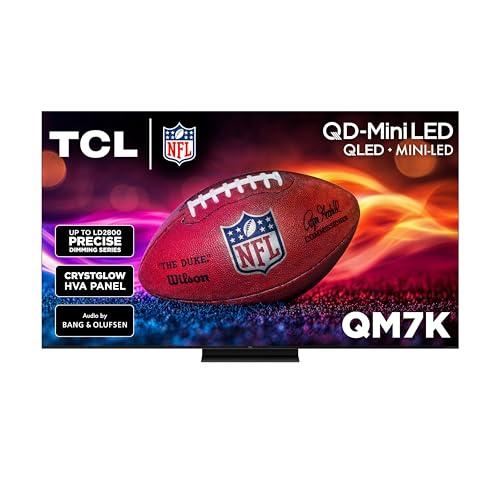
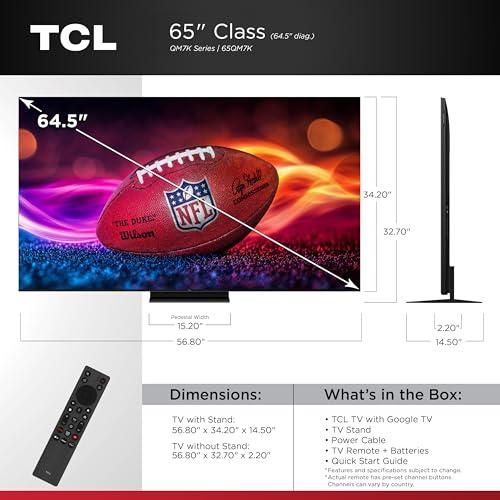
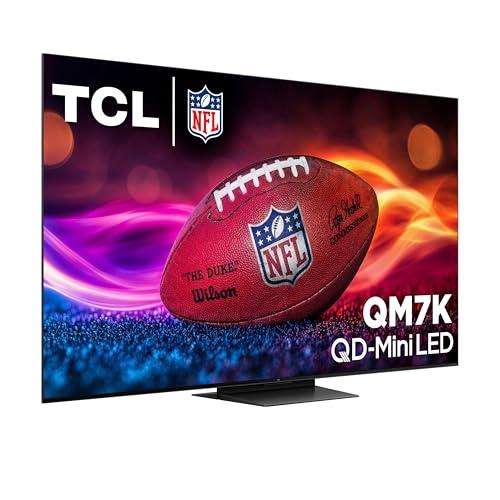
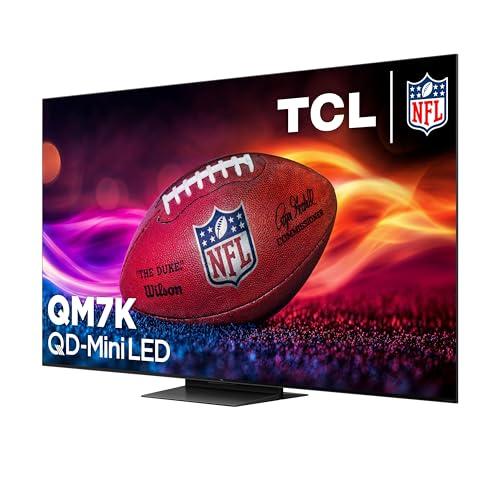
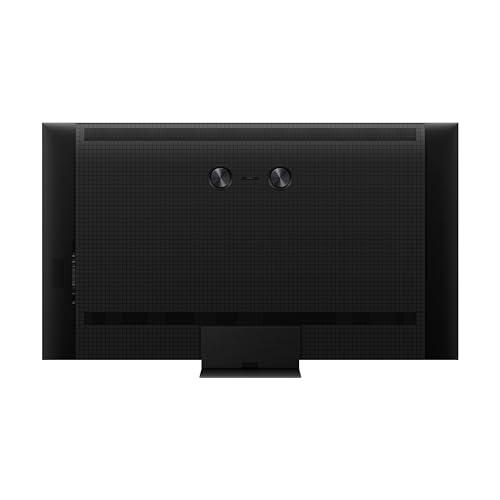
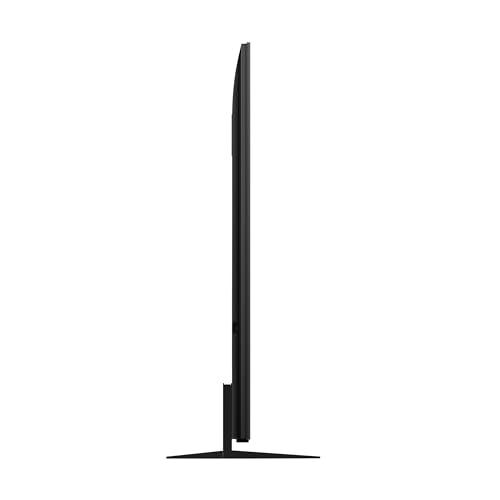
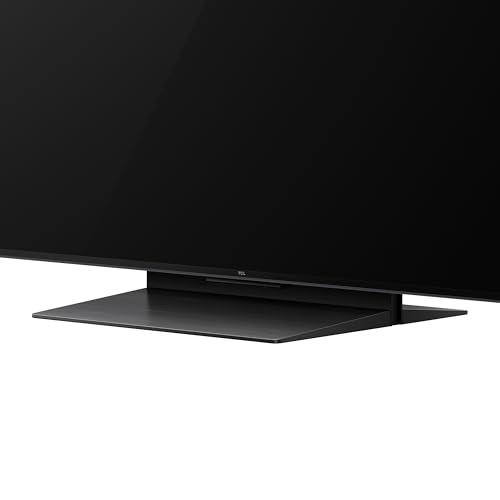
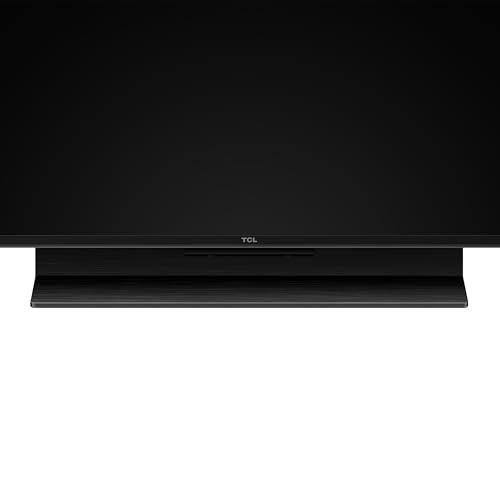
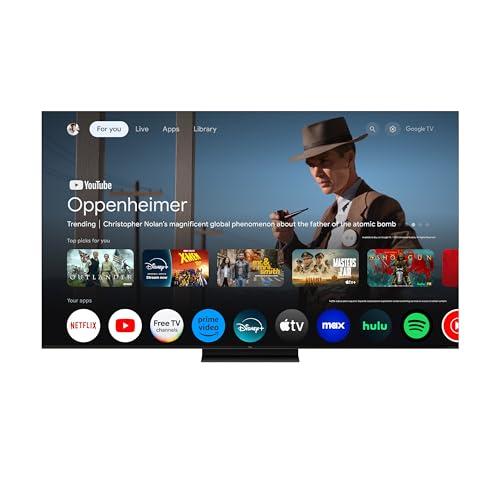
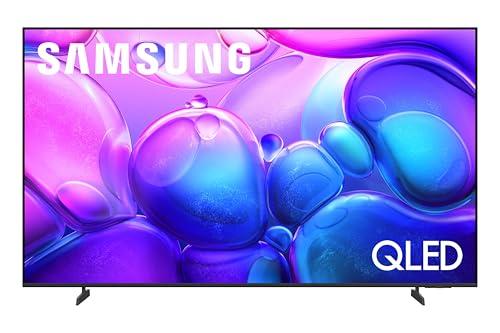
When you're shopping for a new TV in 2025, you'll quickly discover that bigger isn't always better—and better isn't always bigger. The TCL 65QM7K and Samsung 75-Inch QLED Q6F perfectly illustrate this tension between screen size and picture quality that defines today's TV market.
Both TVs arrived in 2025, representing different philosophies in TV design. The TCL 65QM7K brings premium display technology to a more accessible price point, while the Samsung Q6F focuses on delivering maximum screen real estate with solid, if basic, picture quality. Understanding which approach works better for your situation requires diving into what makes each TV tick.
Before we compare these specific models, it's worth understanding what separates today's premium TVs from basic ones. The biggest advances in recent years have centered around local dimming—the ability to control brightness in different zones across the screen—and peak brightness, which determines how vivid HDR content can look.
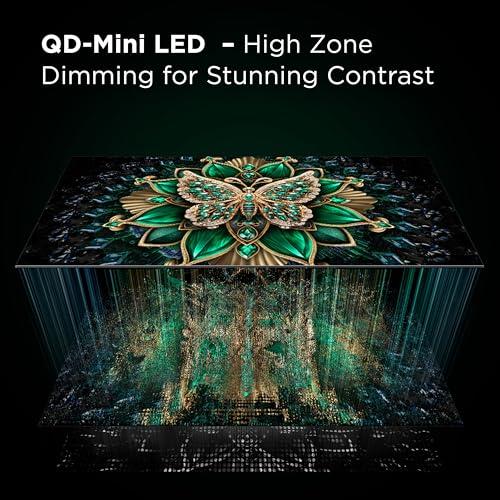
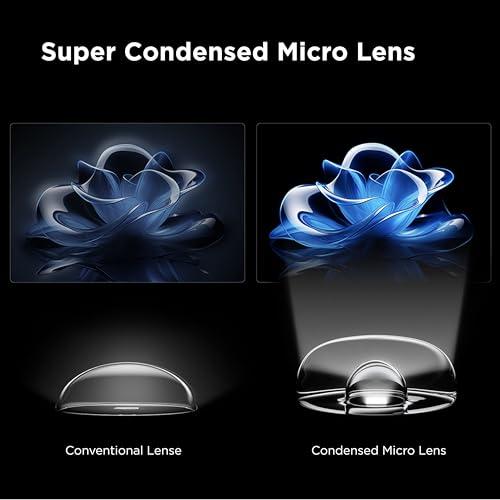
Traditional LED TVs use edge lighting or basic full-array backlighting, but premium models now use Mini LED technology. Think of Mini LEDs as thousands of tiny, precise lights behind the screen that can turn on and off independently. This creates much better contrast because dark areas can be truly dark while bright areas shine brilliantly.
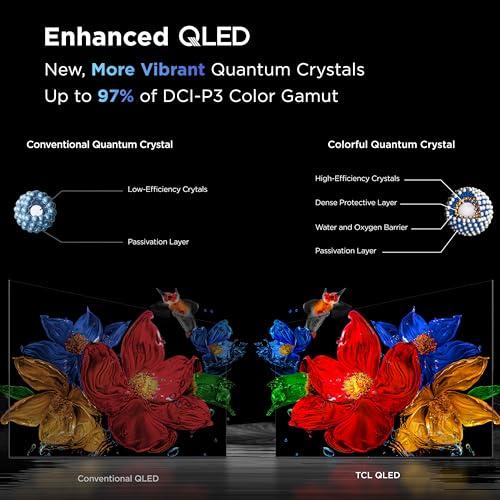
Quantum Dot technology, used in both TVs, adds a layer of special crystals that make colors more vibrant and accurate. When light hits these crystals, they emit very pure red and blue light, resulting in colors that pop off the screen.
The gaming landscape has also transformed dramatically. Variable Refresh Rate (VRR) eliminates screen tearing by matching the TV's refresh rate to your gaming device's output. 120Hz and higher refresh rates make motion smoother, whether you're watching sports or playing fast-paced games.
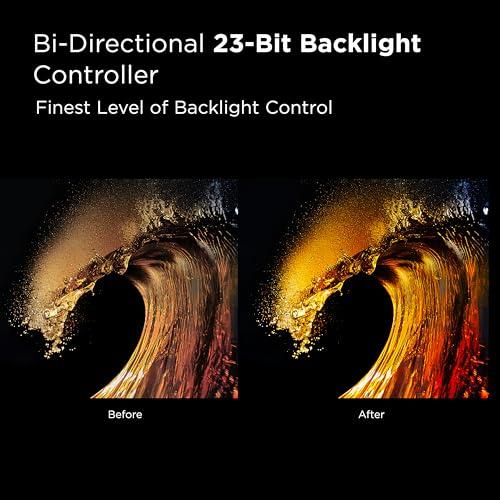
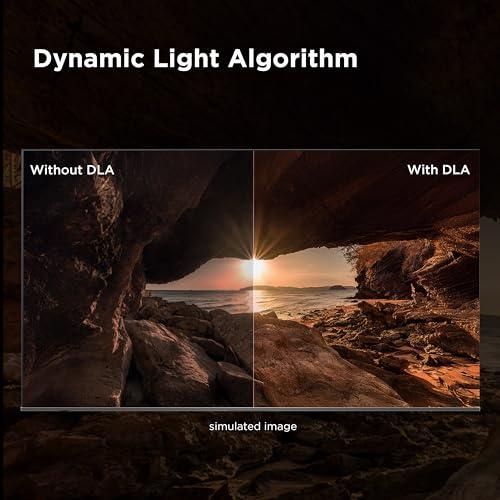
The most significant difference between these TVs lies in their approach to picture quality. The TCL 65QM7K uses QD-Mini LED technology with up to 2,500 individual dimming zones. To put this in perspective, most budget TVs have zero to maybe 50 dimming zones. Each zone can independently control its brightness, creating what's essentially a grid of precise lighting control across the entire screen.
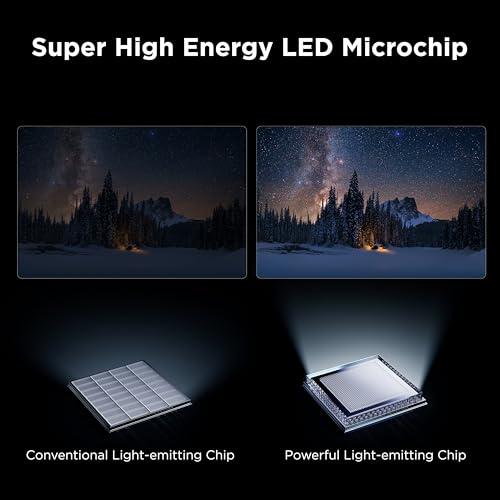
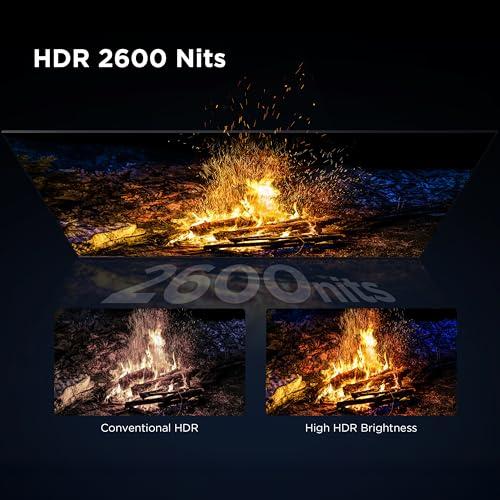
This translates to dramatic real-world benefits. When you're watching a movie with a campfire scene against a dark forest, the TCL 65QM7K can make the fire glow brilliantly while keeping the surrounding darkness truly black. Lesser TVs would either dim the fire or light up the entire scene, losing that dramatic contrast.
The TCL's 3,000-nit peak brightness capability puts it in flagship territory. For comparison, most basic TVs struggle to exceed 400 nits, while good HDR requires at least 1,000 nits for noticeable impact. This extreme brightness means HDR highlights—like sunlight reflecting off water or explosions in action movies—actually look like they're glowing.
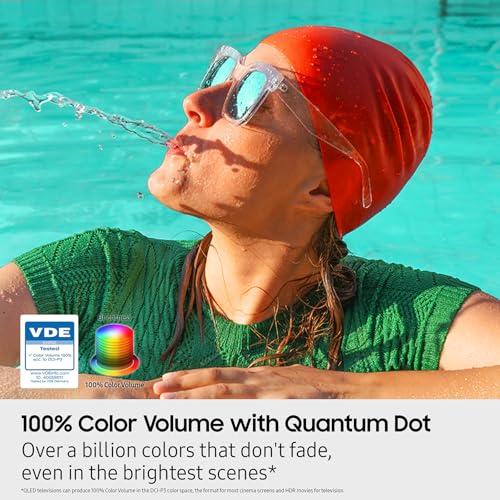
The Samsung Q6F takes a different approach. Its Quantum Dot technology excels at color reproduction, delivering what Samsung claims is 100% color volume. This means colors stay vibrant and accurate even at different brightness levels. However, with basic UHD Dimming rather than true local dimming zones, it can't achieve the same contrast control as the TCL.
What this means practically is that the Samsung will show more vibrant, saturated colors in bright scenes, but struggles with contrast in darker content. The TCL handles the full range from bright to dark more effectively, making it superior for movie watching and HDR content.
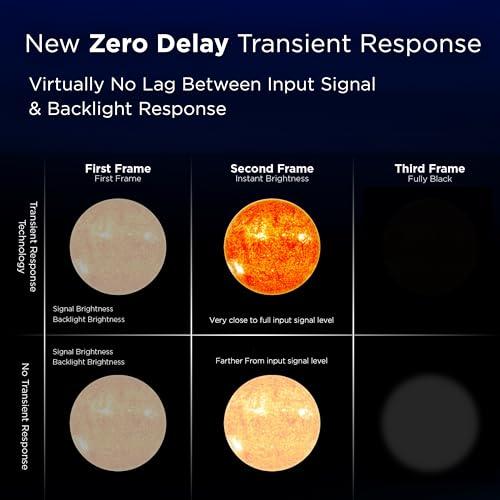
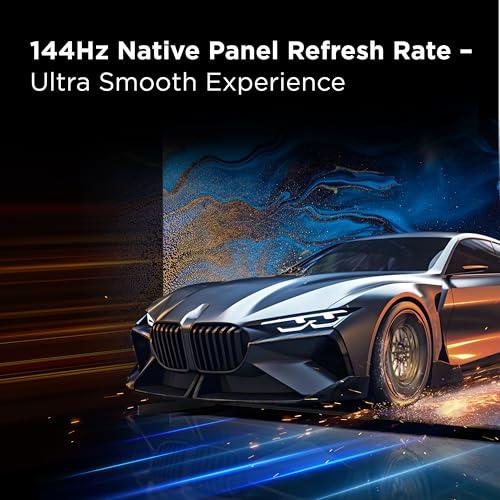
Gaming capabilities reveal perhaps the starkest difference between these TVs. The TCL 65QM7K was clearly designed with serious gamers in mind, featuring a native 144Hz refresh rate. This isn't just marketing speak—it means the TV can display 144 unique frames per second, more than double what most TVs offer.
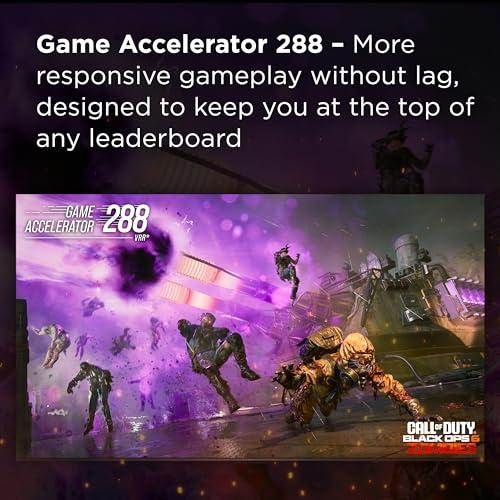
Even more impressive is the Game Accelerator 288 feature, which can handle up to 288Hz at 1080p resolution. While few games currently push these frame rates, having this capability future-proofs your setup for upcoming console generations and high-end PC gaming.
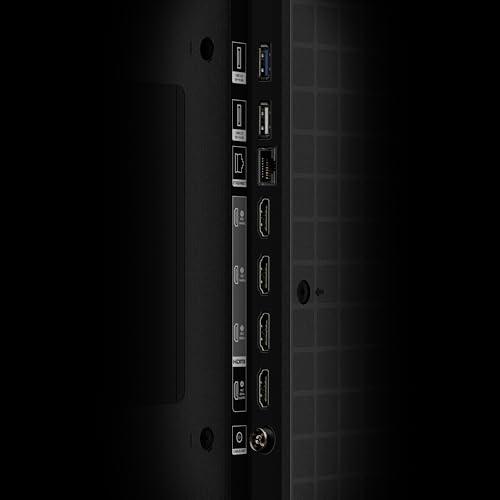
The TCL's two HDMI 2.1 ports support the full 4K at 120Hz experience that PlayStation 5 and Xbox Series X can deliver. These ports also handle VRR (Variable Refresh Rate) and ALLM (Auto Low Latency Mode), automatically optimizing the TV for gaming when it detects a console.
AMD FreeSync Premium Pro certification means the TCL meets strict standards for smooth, tear-free gaming. The Game Master 2.0 interface provides quick access to gaming-specific picture modes and settings without diving through multiple menus.
The Samsung Q6F offers basic gaming features like Auto Game Mode and VRR support, but limits you to 60Hz refresh rates. While this handles current console games adequately, it lacks the future-proofing that serious gamers typically want.
For casual gaming—checking out the latest Netflix series or playing mobile games cast to the TV—the Samsung performs perfectly well. But if you're building a gaming setup around a PlayStation 5, Xbox Series X, or gaming PC, the TCL provides a substantially superior experience.
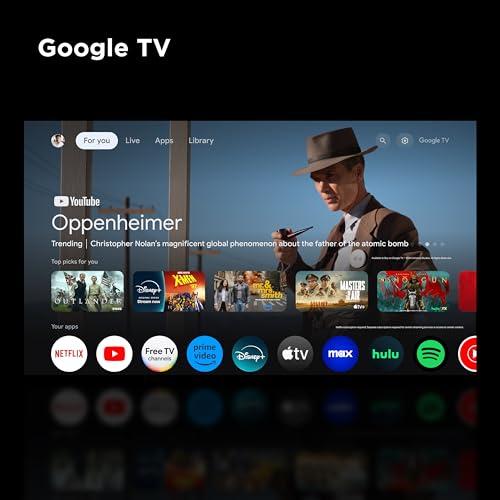
Both TVs offer solid smart TV platforms, but with different strengths. The TCL 65QM7K runs Google TV, which combines the familiar Android TV interface with improved content discovery. The built-in Chromecast means any Android device can easily cast content, while Apple AirPlay 2 support keeps iPhone and iPad users happy.
The far-field microphone array on the TCL enables hands-free voice control without the remote—useful for adjusting volume or changing channels when your hands are full. Integration with Google Assistant, Amazon Alexa, and Apple HomeKit makes it a genuine smart home hub.
The Samsung Q6F uses Samsung's Tizen platform, which has evolved into one of the most polished smart TV interfaces. Samsung TV Plus provides access to hundreds of free streaming channels, while the Gaming Hub centralizes cloud gaming services like Xbox Game Pass and GeForce Now.
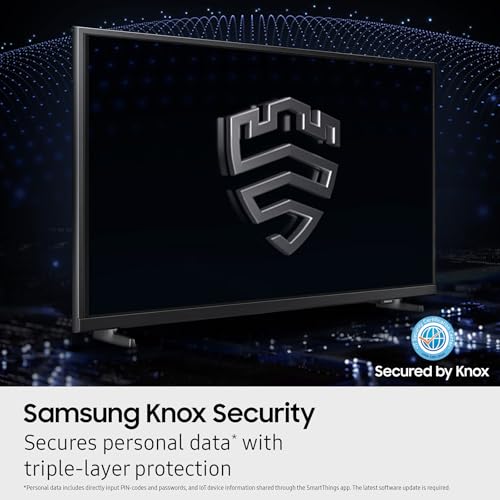
SmartThings Hub functionality turns the Samsung into a control center for compatible smart home devices. The Knox Security system adds an extra layer of protection for your personal data and connected devices.
Both platforms handle the essential streaming apps—Netflix, Disney+, Amazon Prime Video, YouTube—without issues. The choice often comes down to ecosystem preference: Google services users might prefer the TCL, while Samsung device owners could find the Samsung more convenient.
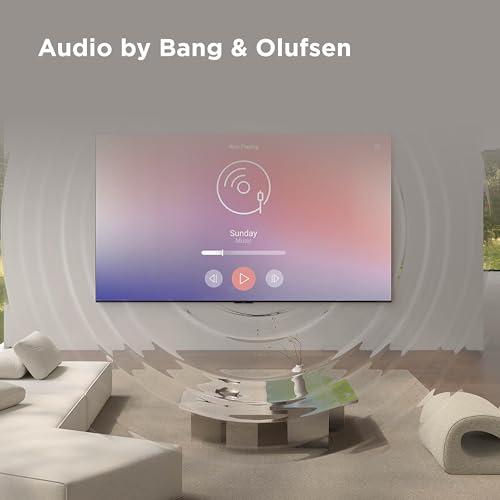
Audio quality differs significantly between these TVs. The TCL 65QM7K features a 60W speaker system tuned by Bang & Olufsen, the Danish audio company known for premium sound equipment. Dolby Atmos and DTS Virtual:X create simulated surround sound that's surprisingly effective for built-in speakers.
IMAX Enhanced certification means the TCL meets specific standards for both picture and sound quality when playing IMAX-enhanced content. While no TV speakers truly replace a dedicated sound system, the TCL's audio quality reduces the urgency of buying additional equipment.
The Samsung Q6F's 20W speaker system with Object Tracking Sound Lite attempts to match audio to on-screen action, but the significant power difference is noticeable. Q-Symphony compatibility means if you add a Samsung soundbar later, the TV speakers can work in harmony rather than being disabled—a clever feature that extends the audio capability.
Based on our research into user and expert reviews, most owners find the TCL's built-in audio adequate for daily viewing, while Samsung Q6F users more frequently invest in soundbars or external speakers.
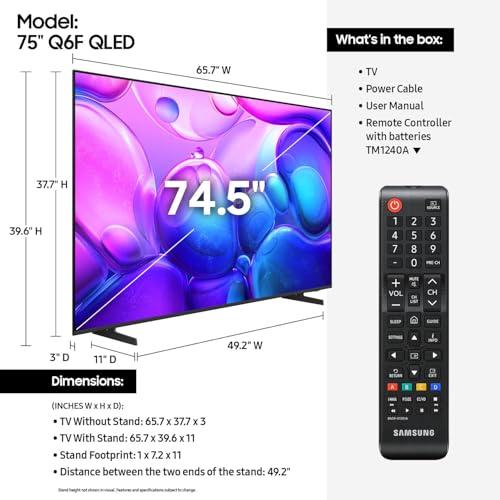
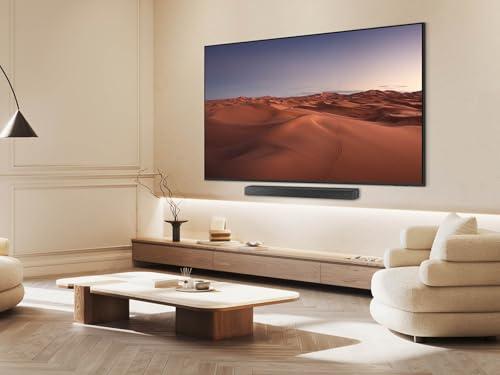
The 10-inch size difference between these TVs represents about 32% more viewing area—a substantial jump that shouldn't be underestimated. The Samsung's 75-inch screen transforms how content feels, creating a more immersive experience that draws you into movies and shows.
For larger living rooms or dedicated theater spaces, the Samsung Q6F's size advantage can outweigh its picture quality limitations. Sitting 12 feet away from a 65-inch TV leaves you missing details that would be clearly visible on a 75-inch screen at the same distance.
However, screen size needs to match your space appropriately. In smaller rooms, a 75-inch TV can feel overwhelming, causing eye strain as you try to take in the entire picture. The generally recommended viewing distance for a 75-inch TV is 9-12 feet, while 65-inch works well at 7-10 feet.
For dedicated home theater setups, picture quality typically trumps screen size, making the TCL 65QM7K the stronger choice. Its superior HDR performance, local dimming capability, and higher peak brightness create the dramatic contrast that makes movies feel cinematic.
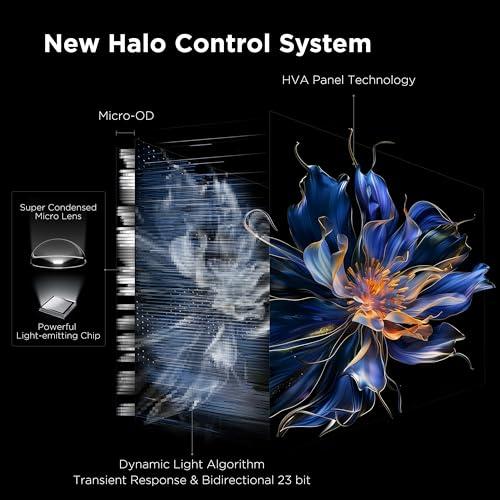
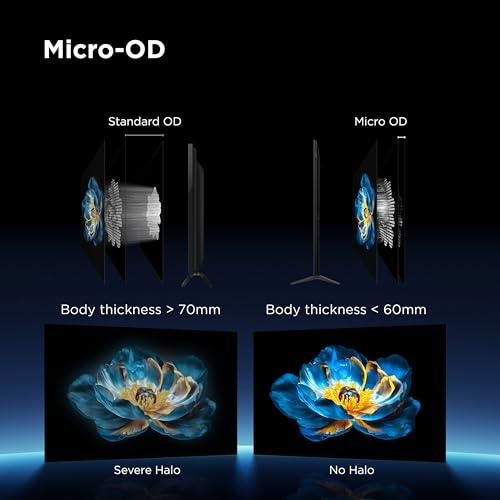
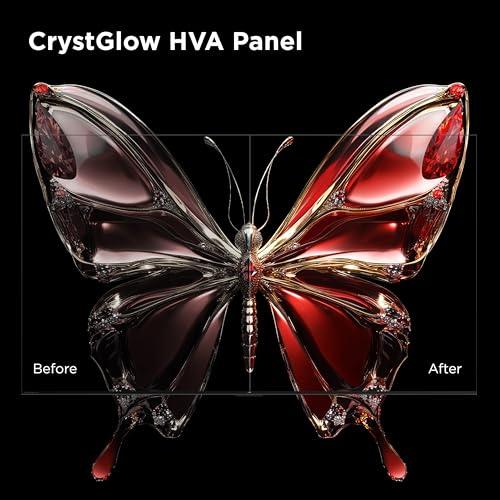
The TCL's CrystGlow HVA panel technology reduces reflections better than typical panels, important in light-controlled theater rooms. The Halo Control System minimizes the blooming effect where bright objects create halos of light in dark areas—a common issue with lesser local dimming implementations.
Filmmaker Mode support on both TVs automatically adjusts settings to match the creator's intended vision, but the TCL's superior hardware better delivers that vision.
For family rooms or multi-purpose spaces where ambient light is common, the Samsung Q6F's larger size might provide better overall enjoyment despite technical limitations. Its Quantum Dot technology maintains color vibrancy even in brighter environments.
At the time of writing, both TVs occupy different value segments. The TCL 65QM7K represents exceptional value in the premium features category—you're getting display technology typically reserved for much more expensive TVs. The QD-Mini LED backlighting, high brightness, and advanced gaming features would cost significantly more from established premium brands.
The Samsung Q6F offers different value: maximum screen size with respectable picture quality at entry-level QLED pricing. For buyers prioritizing size over features, it delivers impressive bang for the buck.
Consider the long-term value equation: TVs typically last 7-10 years, and display technology doesn't become obsolete like smartphones. The TCL's advanced features—particularly its gaming capabilities—provide better future-proofing as content standards evolve.
However, if your primary use case involves streaming shows and movies with occasional casual gaming, the Samsung's larger screen might deliver more daily enjoyment than advanced features you rarely utilize.
The TCL 65QM7K makes sense for:
Gaming enthusiasts who want the best possible experience from current and future consoles. The 144Hz capability and advanced VRR support justify the choice for serious gamers.
Home theater aficionados prioritizing picture quality over screen size. The superior HDR performance and local dimming create the dramatic contrasts that make movies shine.
Tech enthusiasts who appreciate having the latest display innovations. QD-Mini LED technology represents the current state-of-the-art in LED backlighting.
Smaller to medium rooms where 65 inches provides optimal viewing without overwhelming the space.
The Samsung Q6F works better for:
Large room owners who need maximum screen presence. The 75-inch size creates impact that smaller TVs can't match in big spaces.
Samsung ecosystem users with Galaxy phones, tablets, or other Samsung devices who value seamless integration.
Casual viewers who prioritize size and brand familiarity over cutting-edge features.
Budget-conscious buyers wanting the largest possible QLED experience.
These TVs represent fundamentally different approaches to the modern TV dilemma. The TCL 65QM7K pushes display technology boundaries while maintaining reasonable pricing, delivering premium performance in a sensible size. The Samsung Q6F focuses on maximizing screen real estate while providing solid, if unspectacular, picture quality.
Your choice should ultimately depend on what matters most in your viewing environment. If you value picture quality, gaming performance, and future-proofing, the TCL delivers exceptional value despite its smaller size. If screen presence and room-filling impact are priorities, the Samsung provides impressive scale with respectable quality.
Neither choice is wrong—they simply serve different priorities in the eternal balance between size, performance, and price that defines TV shopping today.
| TCL 65QM7K QD-Mini LED 4K Google TV | Samsung 75-Inch QLED Q6F Series 2025 Smart TV |
|---|---|
| Screen Size - Bigger means more immersive, but must fit your room and viewing distance | |
| 65 inches (ideal for 7-10 foot viewing distance) | 75 inches (ideal for 9-12 foot viewing distance, 32% more screen area) |
| Display Technology - Determines contrast, brightness, and overall picture quality | |
| QD-Mini LED with 2,500 local dimming zones (flagship-level contrast control) | QLED with basic UHD dimming (good colors, limited contrast control) |
| Peak Brightness - Critical for HDR impact and bright room viewing | |
| 3,000 nits (exceptional HDR highlights, flagship-tier brightness) | Not specified (likely 400-600 nits, basic HDR performance) |
| Refresh Rate - Determines gaming smoothness and motion clarity | |
| Native 144Hz, up to 288Hz with Game Accelerator (future-proof gaming) | 60Hz (adequate for current content, limited gaming potential) |
| Gaming Features - Important for console and PC gaming experience | |
| 2x HDMI 2.1, VRR, ALLM, AMD FreeSync Premium Pro, Game Master 2.0 | Basic VRR and ALLM, Gaming Hub, standard HDMI 2.0 |
| Smart Platform - Affects daily usability and app selection | |
| Google TV with Chromecast, voice control, Apple AirPlay 2 | Tizen with Samsung TV Plus, SmartThings Hub, Knox Security |
| Audio System - Built-in sound quality affects need for external speakers | |
| 60W Bang & Olufsen with Dolby Atmos (surprisingly capable built-in audio) | 20W 2-channel with OTS Lite (likely needs soundbar upgrade) |
| HDR Support - Determines compatibility with premium streaming content | |
| Dolby Vision, Dolby Vision IQ, HDR10+, HDR10, HLG (comprehensive support) | Quantum HDR, HDR10+ (good but missing Dolby Vision) |
| Value Proposition - What you get for the investment | |
| Premium display tech at midrange pricing (exceptional features-per-dollar) | Large screen QLED at entry-level pricing (size-focused value) |
The TCL 65QM7K delivers superior picture quality with its QD-Mini LED technology and 2,500 local dimming zones. This creates deeper blacks and brighter highlights, essential for dramatic movie scenes. The Samsung Q6F offers vibrant colors through Quantum Dot technology but lacks the contrast control that makes HDR content truly shine.
The Samsung 75-Inch QLED Q6F provides a 75-inch screen, while the TCL 65QM7K offers a 65-inch display. The Samsung delivers 32% more viewing area, creating a more immersive experience for large rooms but requiring 9-12 feet of viewing distance compared to the TCL's optimal 7-10 feet.
The TCL 65QM7K excels for gaming with its native 144Hz refresh rate, HDMI 2.1 ports, and advanced features like VRR and AMD FreeSync Premium Pro. The Samsung Q6F offers basic gaming features but limits you to 60Hz, making the TCL the clear choice for serious gamers.
The TCL 65QM7K runs Google TV with built-in Chromecast and voice control, ideal for Android and Google service users. The Samsung Q6F uses Tizen with Samsung TV Plus free channels and SmartThings integration, better suited for Samsung ecosystem users.
The TCL 65QM7K reaches up to 3,000 nits peak brightness, delivering exceptional HDR performance that makes highlights truly pop. The Samsung Q6F doesn't specify peak brightness but likely achieves much lower levels, resulting in less impactful HDR viewing.
The TCL 65QM7K features a 60W Bang & Olufsen audio system with Dolby Atmos, providing surprisingly good built-in sound. The Samsung Q6F has a basic 20W speaker system that will likely require a soundbar upgrade for satisfying audio.
The TCL 65QM7K offers exceptional value with premium display technology typically found in much more expensive TVs. The Samsung Q6F provides different value focused on maximum screen size at entry-level QLED pricing, appealing to size-over-features buyers.
The TCL 65QM7K excels in home theater applications with superior contrast, local dimming, and HDR performance that creates cinematic experiences. While the Samsung Q6F offers impressive size, its limited contrast control makes the TCL better for dedicated theater rooms.
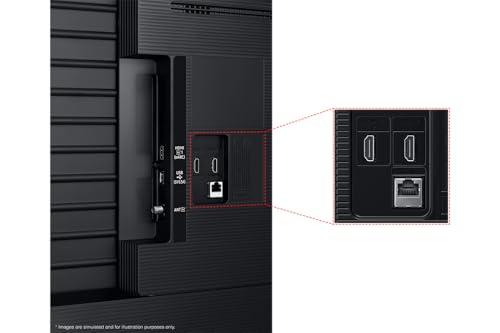
The TCL 65QM7K provides 4 HDMI ports with 2 being HDMI 2.1 for high-speed gaming and devices. The Samsung Q6F offers 3 HDMI ports, all HDMI 2.0, which may limit connectivity for users with multiple gaming consoles and streaming devices.
The TCL 65QM7K handles motion exceptionally well with its 144Hz refresh rate and advanced motion processing. The Samsung Q6F uses Motion Xcelerator at 60Hz, which is adequate for most content but not as smooth for fast-paced sports or action scenes.
The TCL 65QM7K supports all major HDR formats including Dolby Vision, Dolby Vision IQ, HDR10+, and HDR10. The Samsung Q6F supports HDR10+ and HDR10 but lacks Dolby Vision, potentially limiting compatibility with some premium streaming content.
The choice comes down to premium picture quality versus screen size. The TCL 65QM7K delivers flagship-level display technology in a 65-inch package, while the Samsung Q6F prioritizes maximum screen real estate with solid but basic picture quality in its 75-inch form factor.
We've done our best to create useful and informative comparisons to help you decide what product to buy. Our research uses advanced automated methods to create this comparison and perfection is not possible - please contact us for corrections or questions. These are the sites we've researched in the creation of this article: bestbuy.com - businessinsider.com - tomsguide.com - tomsguide.com - rtings.com - tomsguide.com - youtube.com - rtings.com - consumerreports.org - youtube.com - youtube.com - displayspecifications.com - youtube.com - tcl.com - tcl.com - tcl.com - youtube.com - rcwilley.com - bestbuy.com - tclcentral.com - displayspecifications.com - tomsguide.com - tcl.com - brandsmartusa.com - tcl.com - tcl.com - gizmochina.com - nfm.com - dolby.com - alexraytv.com - youtube.com - rtings.com - cnet.com - youtube.com - rtings.com - samsung.com - bestbuy.com - samsung.com - samsung.com - bestbuy.com - manuals.plus - arrowassociatedstores.com - samsung.com - samsung.com - samsung.com - flatpanelshd.com - device.report

Privacy Policy
Terms and Conditions - Affiliate Policy
Home Security
© Copyright 2008-2026.
11816 Inwood Rd #1211, Dallas, TX 75244