

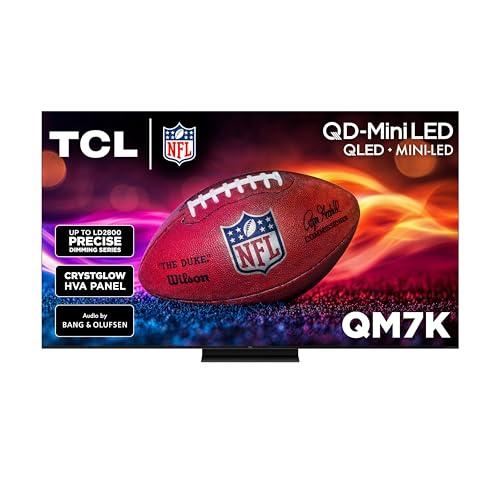
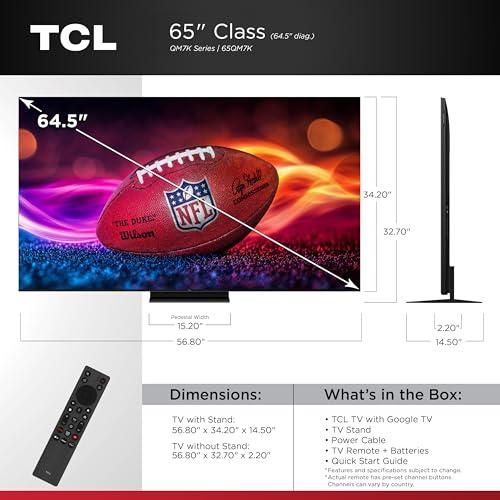
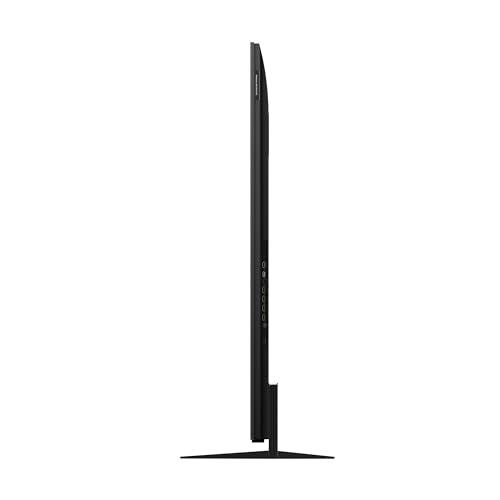
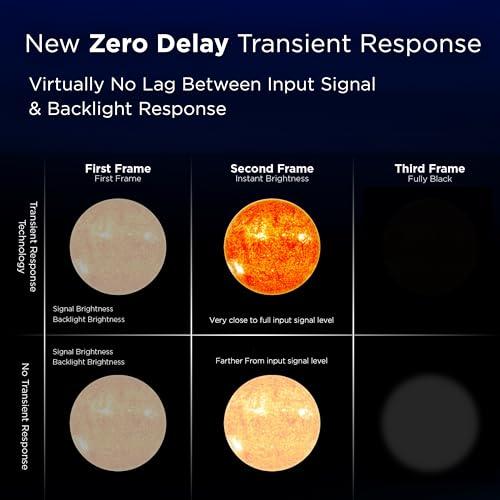
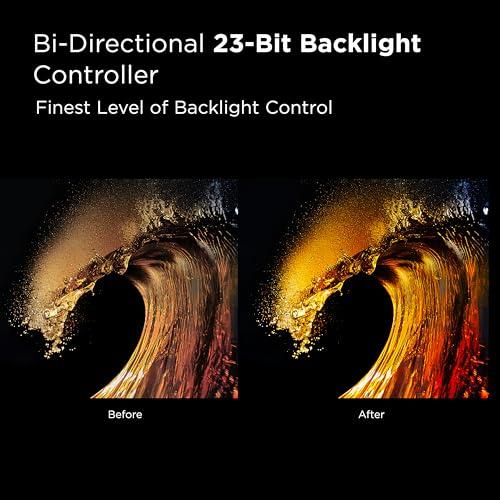
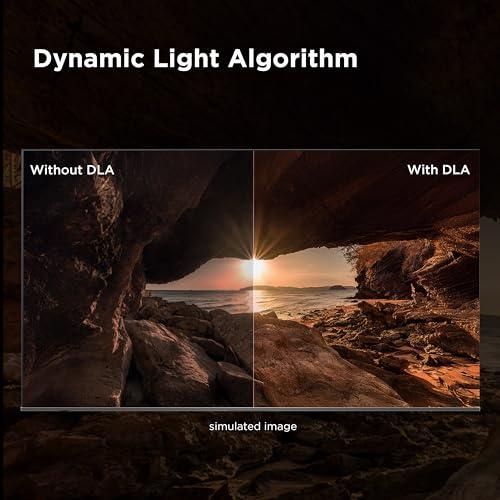
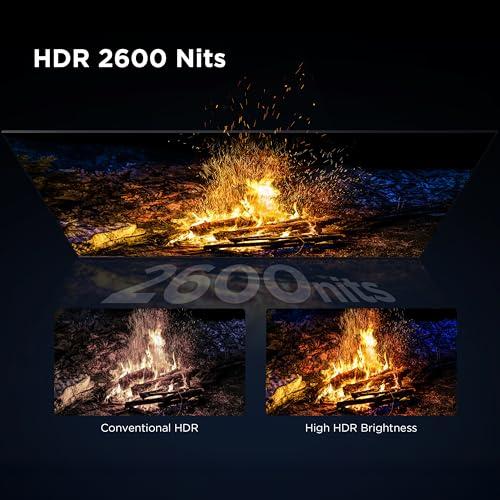
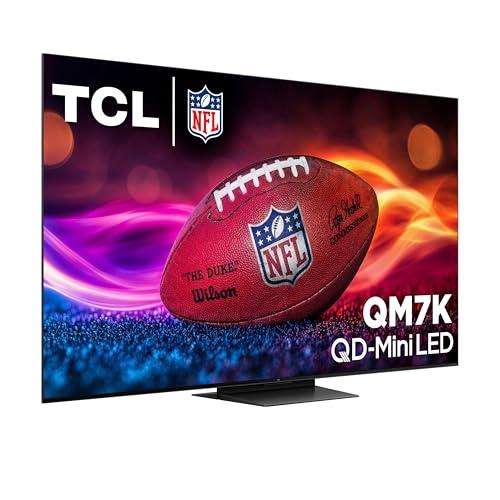
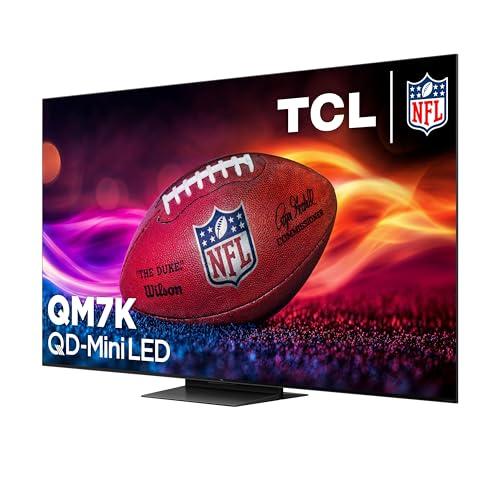
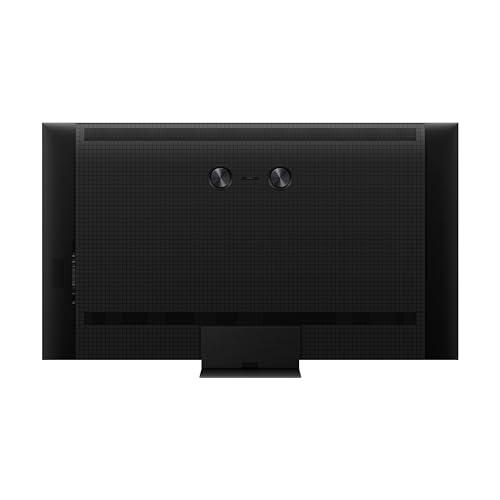
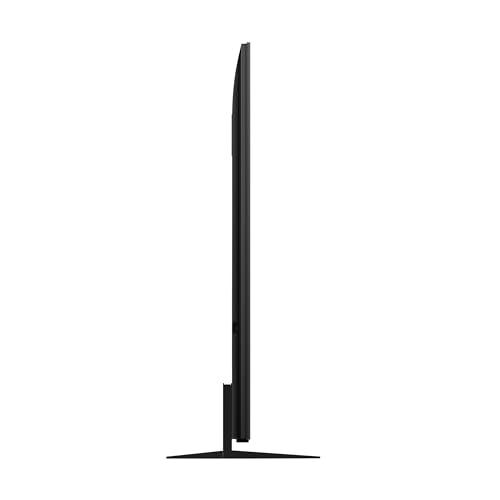
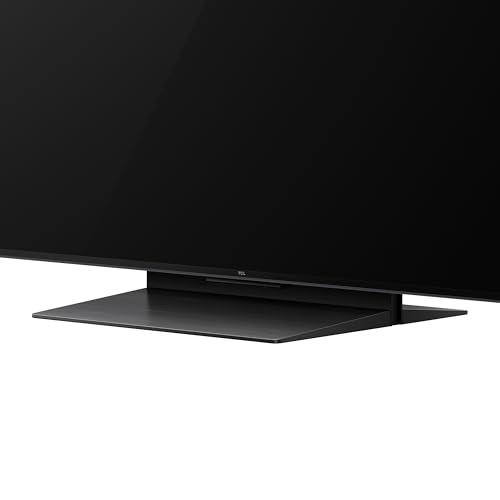
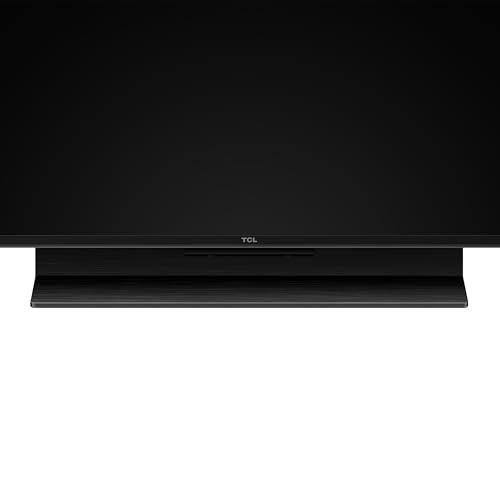
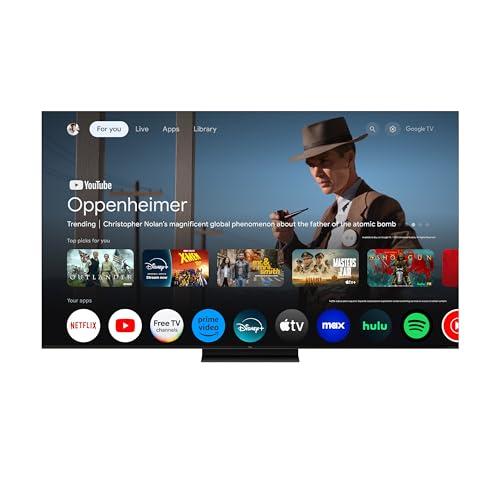
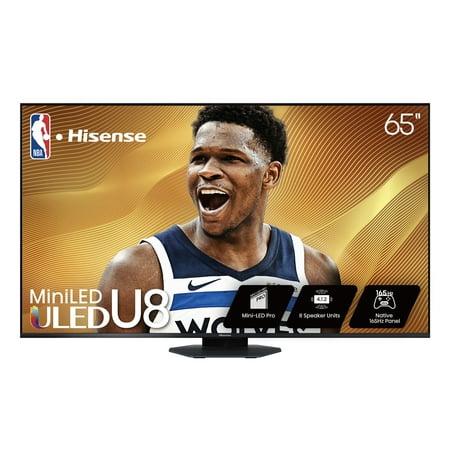
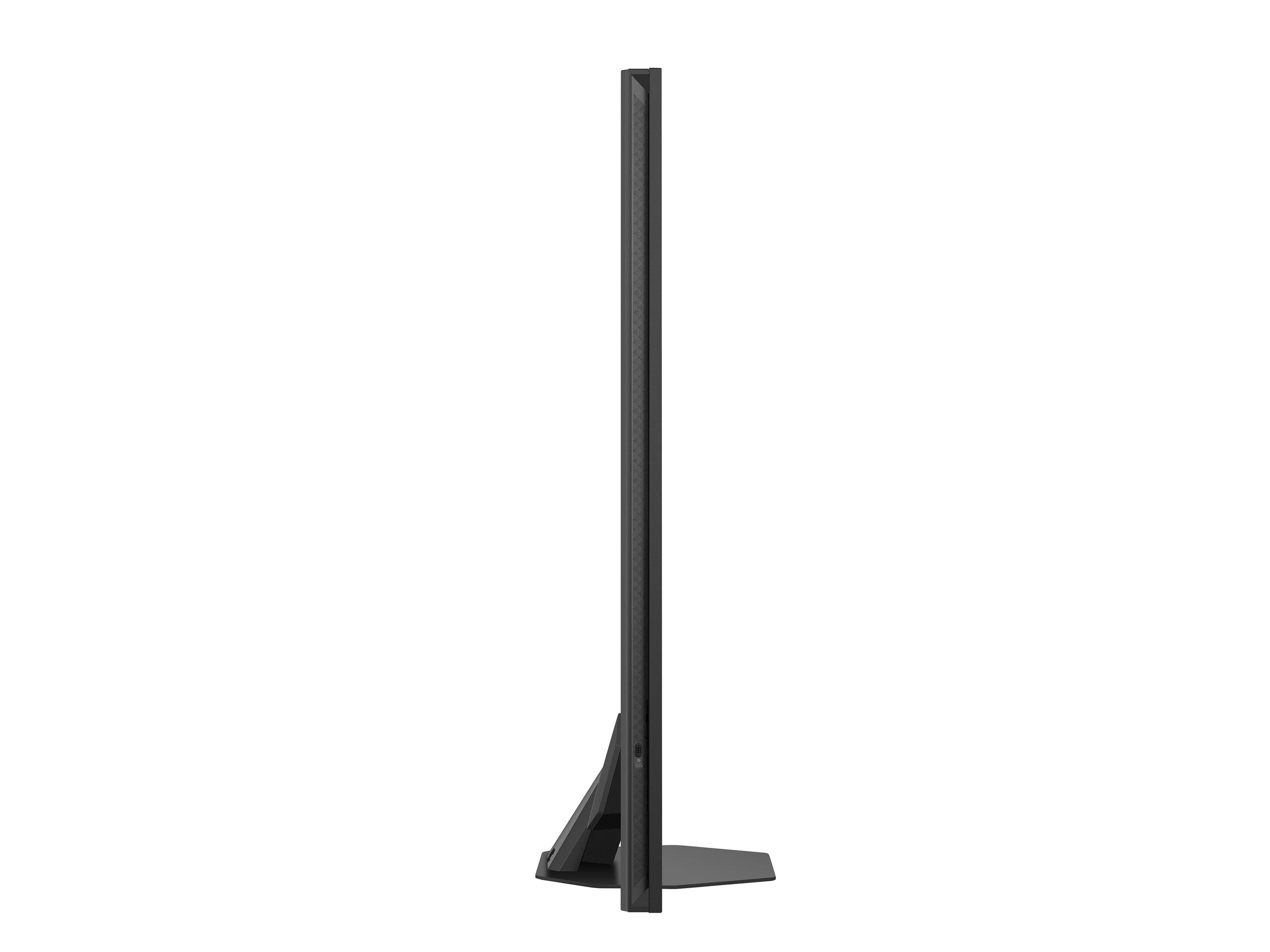
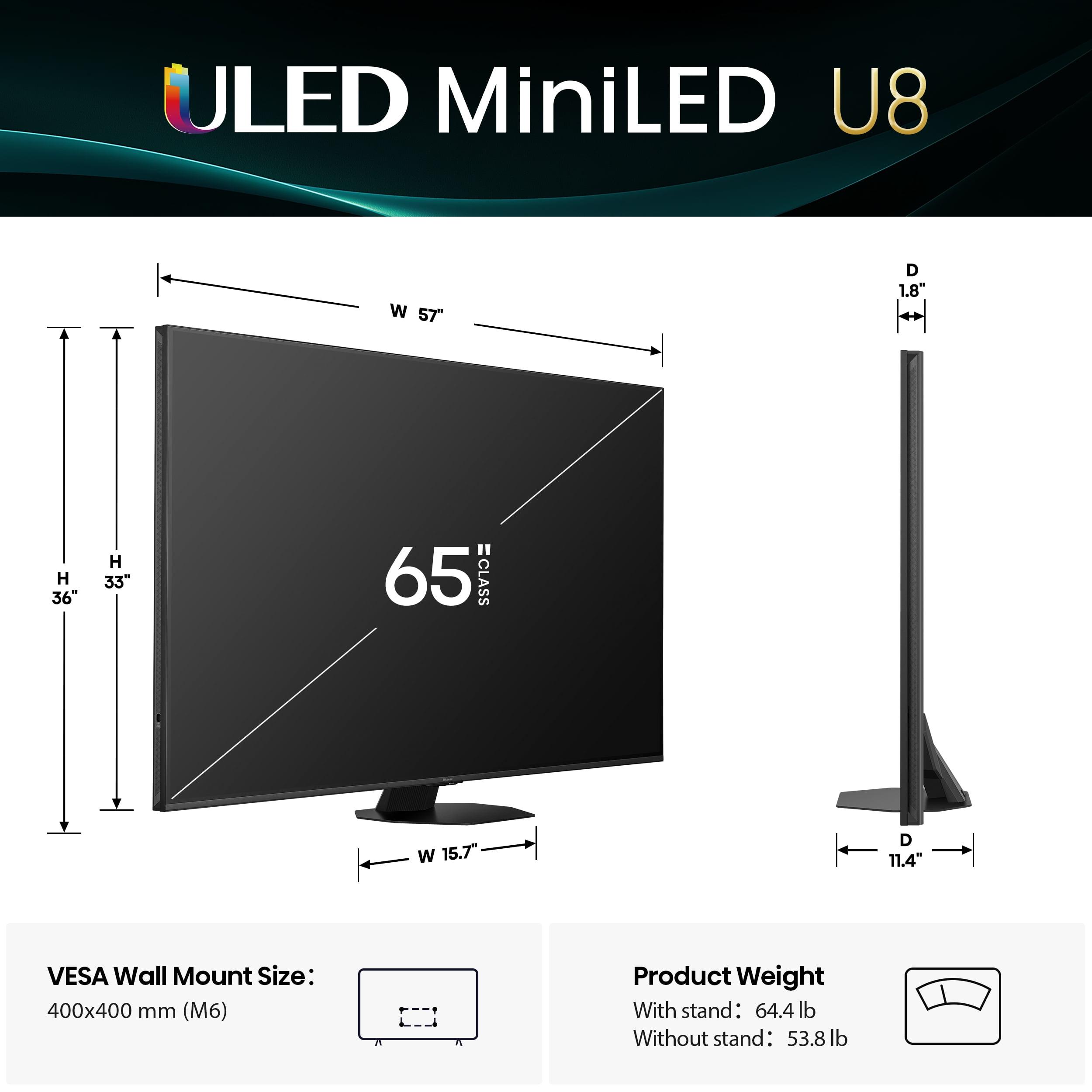
Shopping for a 65-inch premium TV in 2024-2025 feels overwhelming with so many impressive options hitting the market. Two standouts that consistently appear on our shortlists are the TCL 65QM7K QD-Mini LED 4K Google TV and the Hisense 65" U8 Series Mini-LED ULED 4K Google TV. Both represent the sweet spot where flagship features meet reasonable pricing, but they take notably different approaches to achieving premium performance.
After diving deep into user reviews, professional evaluations, and technical specifications, we've found these TVs target slightly different priorities despite sharing the same Mini-LED foundation. Understanding these differences will help you choose the right one for your specific viewing habits and budget.
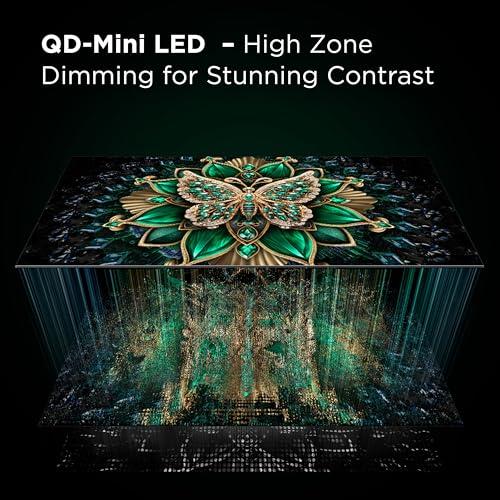
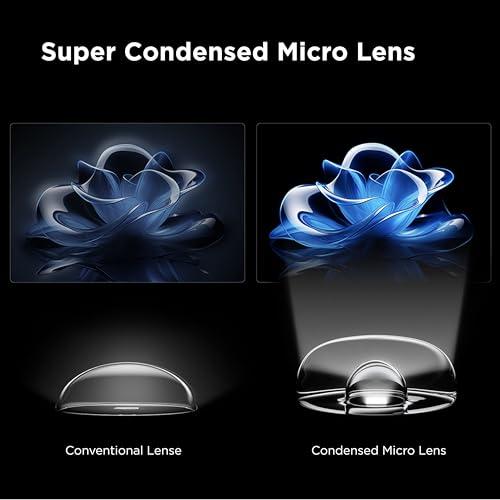
Before comparing specific models, it's worth understanding what makes Mini-LED TVs special. Traditional LED TVs use large LED lights positioned around the screen's edges or behind it in a basic grid pattern. Mini-LED technology shrinks these lights down to tiny LEDs - sometimes thousands of them - arranged in precise zones across the entire back panel.
Think of it like upgrading from broad floodlights to precise spotlights. Each zone can independently brighten or dim, creating deeper blacks next to brilliant whites. This local dimming capability brings Mini-LED TVs much closer to OLED's famous contrast while maintaining LCD's superior brightness for daytime viewing.
The key advantage over OLED? These TVs can get blindingly bright - often 2,000 to 3,000 nits compared to OLED's typical 700-800 nits. That brightness makes HDR content pop with realistic highlights, from gleaming car chrome to blazing sunsets. For rooms with lots of windows or ambient lighting, this brightness advantage becomes crucial.
Both the TCL QM7K and Hisense U8 launched in 2024 as refined versions of their manufacturers' Mini-LED platforms. TCL improved their local dimming algorithms and added more zones compared to 2023 models, while Hisense boosted peak brightness and enhanced their processing engine. These improvements reflect the rapid evolution in Mini-LED technology as manufacturers perfect the balance between brightness, contrast, and affordability.
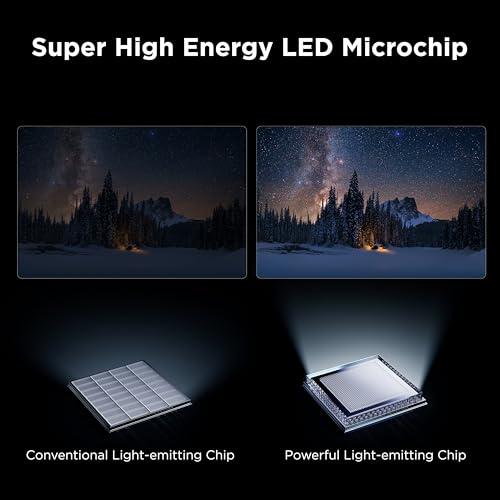
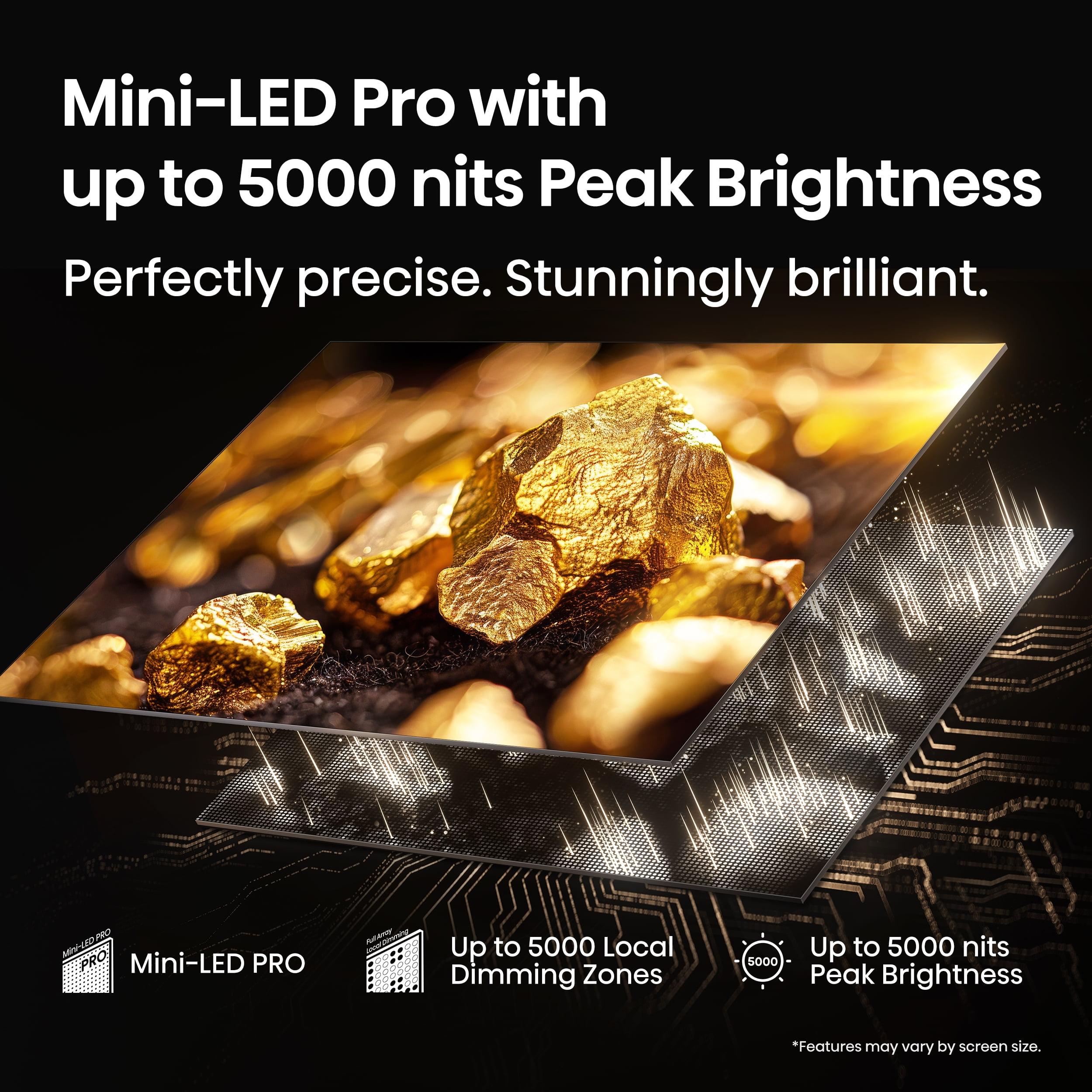
The most immediately noticeable difference between these TVs lies in their approach to brightness. The Hisense U8 pushes peak brightness up to 3,000 nits in HDR highlights, while the TCL QM7K reaches 2,600 nits. In practical terms, both exceed what most content creators target (1,000-4,000 nits for HDR mastering), but the Hisense's extra headroom translates to more impactful highlights in scenes like explosions, reflections off water, or bright sky scenes.
However, raw brightness numbers don't tell the complete story. Through our research into professional calibration reports and user experiences, the TCL QM7K demonstrates more consistent brightness distribution across different window sizes. While it may not hit the same peak, it maintains higher average brightness across larger areas of the screen, which can actually appear more impressive in many real-world scenes.
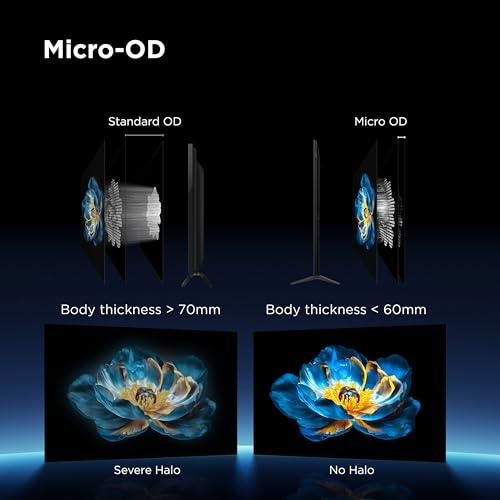
Here's where things get interesting. The TCL QM7K packs up to 2,500 local dimming zones compared to the Hisense U8's 2,000+ zones. More zones typically means better precision - imagine having 2,500 individual dimmer switches versus 2,000. This translates to finer control over light and shadow, reducing the blooming effect where bright objects cause unwanted light spillage into dark areas.
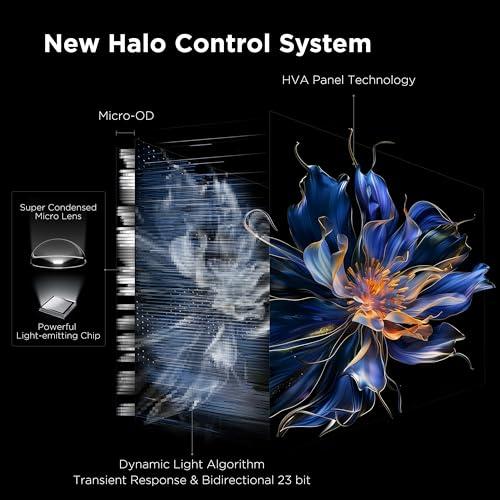
TCL's Halo Control System represents their latest engineering focus on minimizing these blooming artifacts. Based on user reports and professional reviews, the TCL QM7K shows noticeably cleaner performance around bright text on dark backgrounds or stars in night sky scenes. The difference becomes especially apparent in dark room viewing where any light contamination stands out.
The Hisense U8 compensates with Anti-Glare Low Reflection technology, which actually proves more beneficial for daytime viewing. While it might show slightly more blooming in perfect dark conditions, its anti-glare coating maintains picture quality under room lighting where most people actually watch TV.
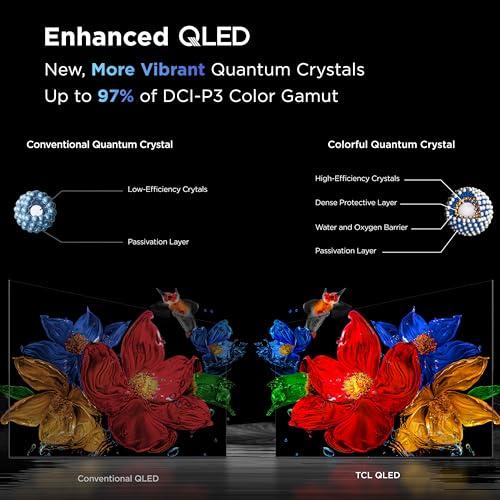
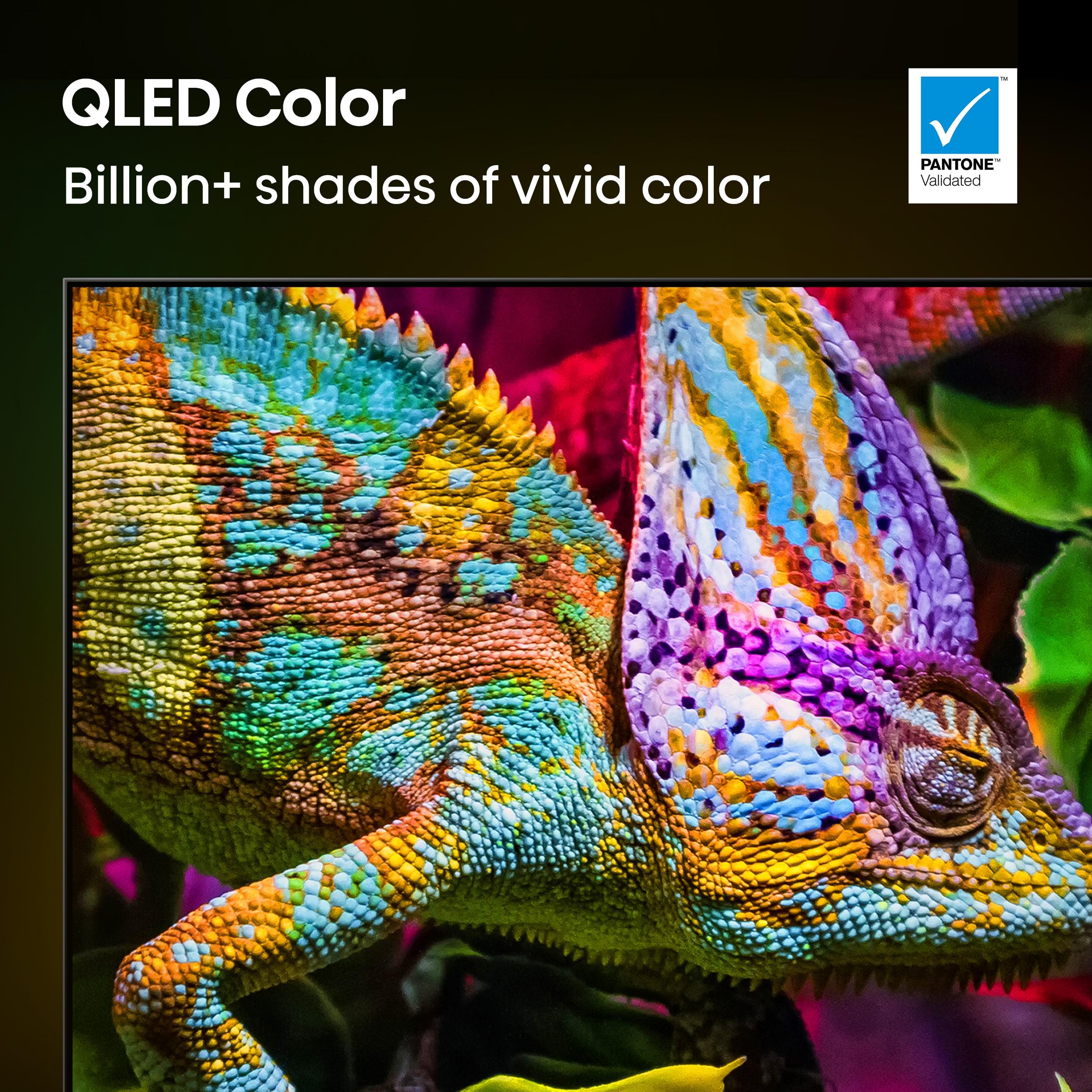
Both TVs use Quantum Dot technology, which works like a color filter that converts blue LED light into incredibly pure red and green wavelengths. This results in wider color coverage and more vibrant, accurate hues compared to standard LED TVs.
The Hisense U8 carries Pantone validation, meaning professional color standards organization Pantone has certified its color accuracy. This matters more than marketing fluff might suggest - our research shows the Hisense demonstrates better out-of-box color accuracy, particularly in skin tones and natural landscapes.
The TCL QM7K counters with its AiPQ Pro processor, which uses artificial intelligence to analyze content in real-time and adjust color, contrast, and clarity automatically. User feedback suggests this produces more consistently pleasing images across different content types, even if the starting color accuracy isn't quite as precise as the Hisense.
For most viewers, both deliver excellent color. The Hisense slight edge in accuracy matters more for photography work or critical viewing, while TCL's AI processing helps with the wide variety of streaming content quality we encounter daily.
Gaming capabilities separate these TVs more clearly than any other category. Both support the essential modern gaming features - Variable Refresh Rate (VRR), which synchronizes the TV's refresh with your console's output to eliminate screen tearing, and Auto Low Latency Mode (ALLM), which automatically switches to the fastest response settings when gaming input is detected.
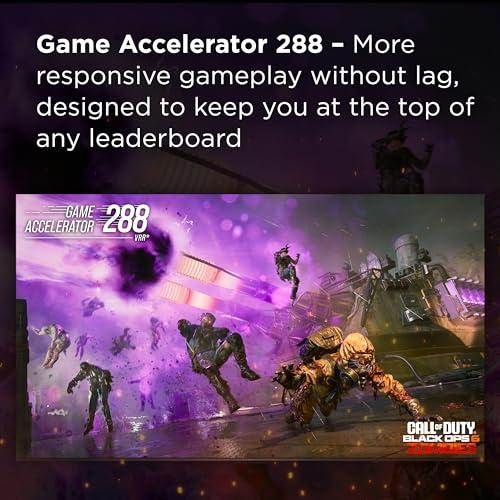
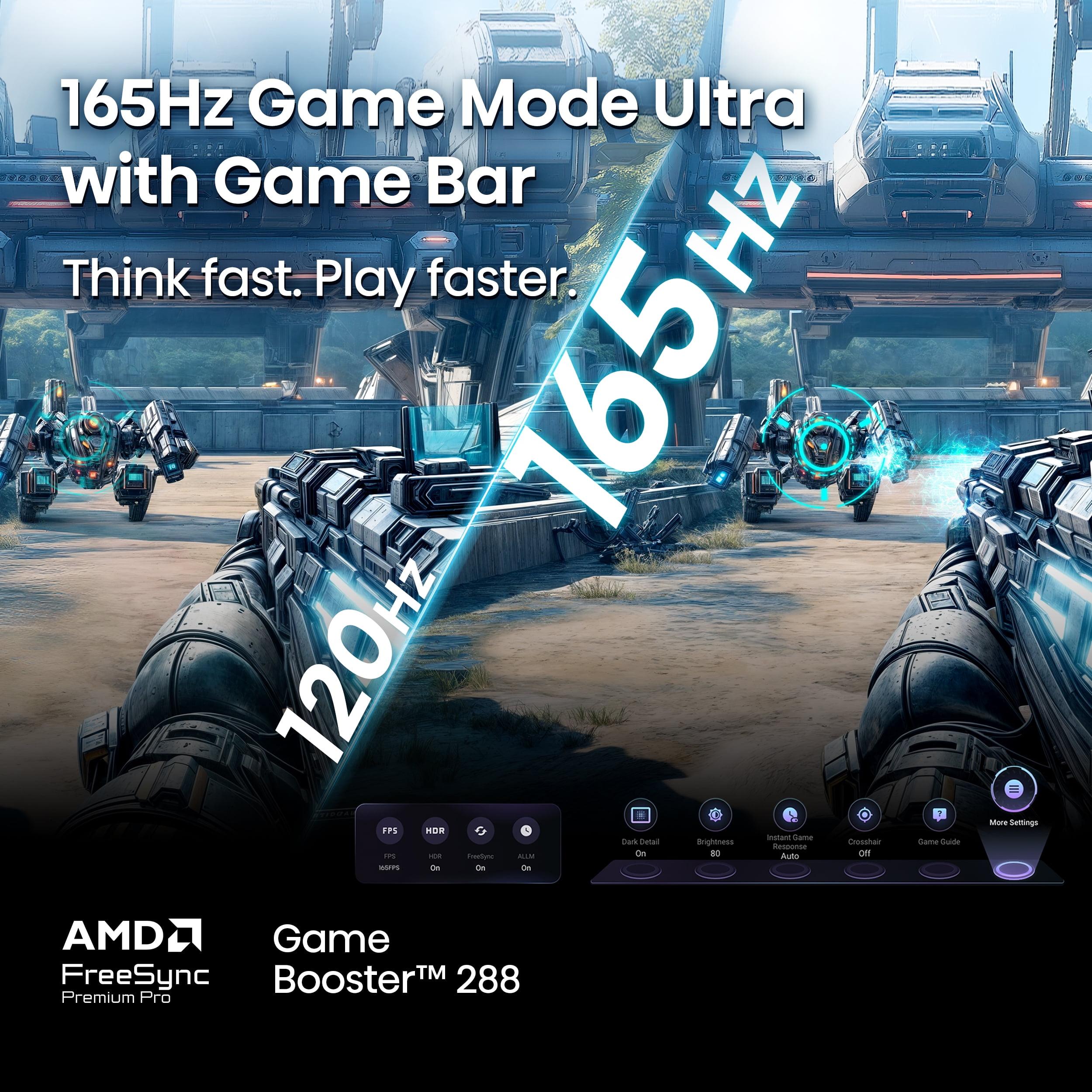
The TCL QM7K distinguishes itself with Game Accelerator 288, enabling up to 288Hz refresh rates at 1080p resolution. While most current games don't reach these frame rates, competitive gaming enthusiasts and PC gamers with high-end graphics cards can benefit immediately. More importantly, this indicates TCL's commitment to staying ahead of gaming technology trends.
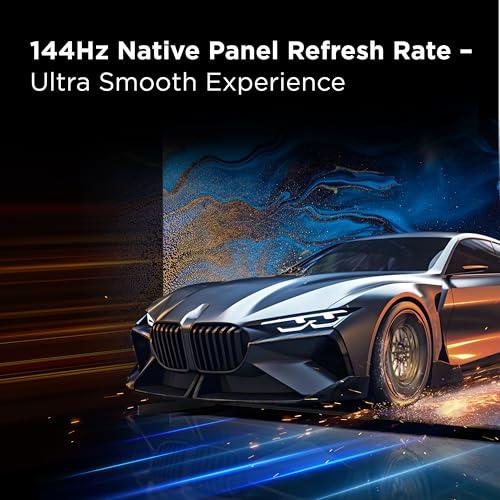
Both TVs offer 144Hz native refresh rates at 4K, which perfectly matches the latest gaming consoles' capabilities. However, the TCL QM7K includes Game Master 2.0, a comprehensive gaming interface that provides real-time statistics, picture adjustments, and gaming-specific controls without leaving your game.
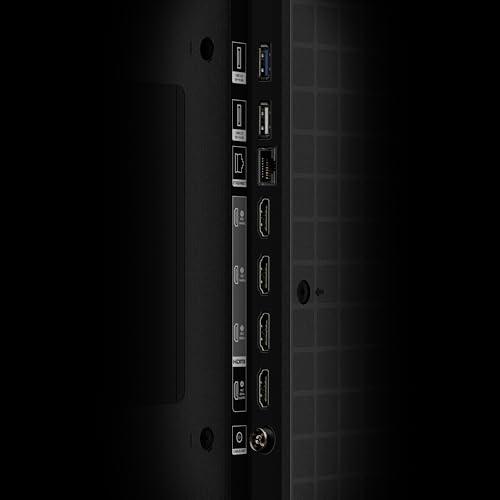
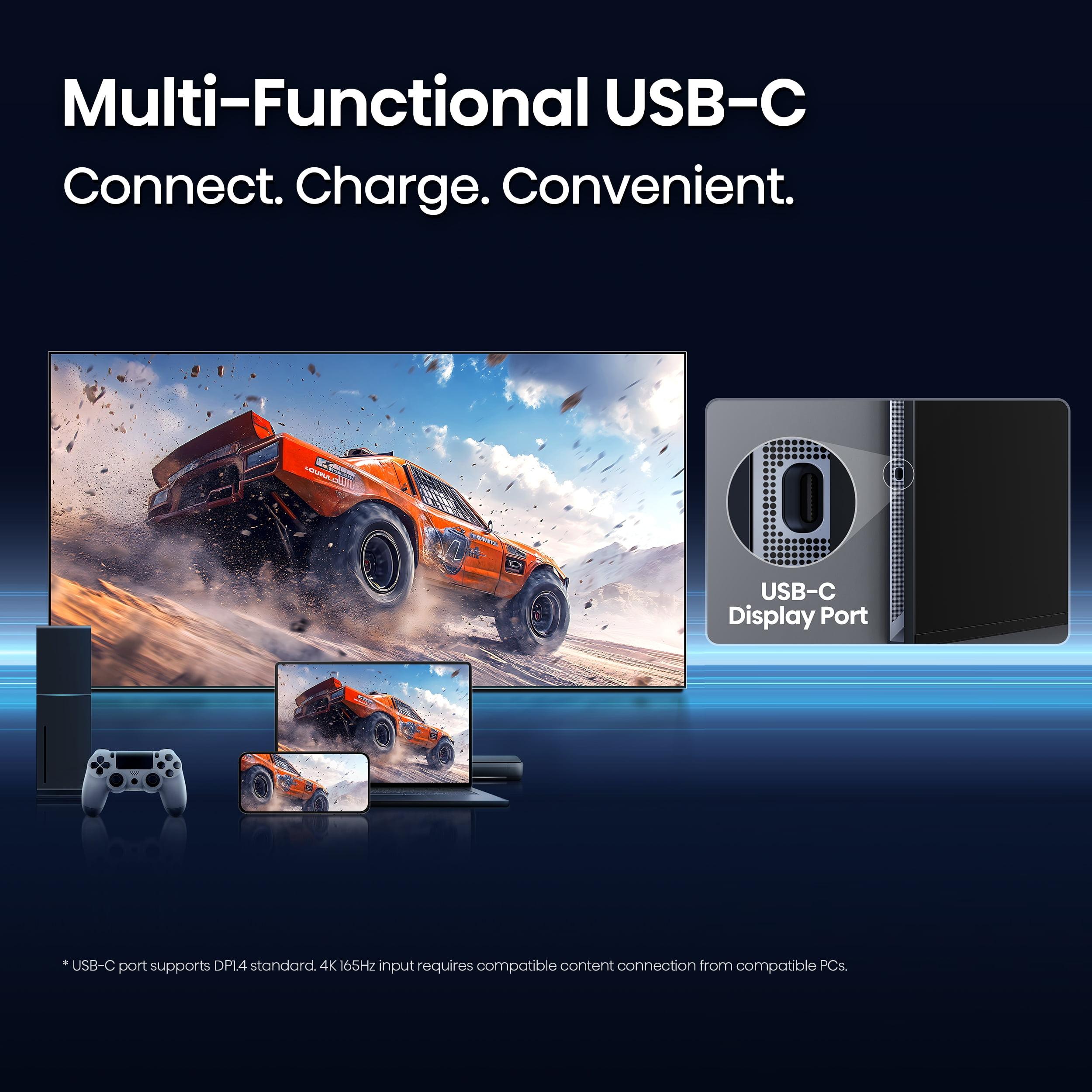
The connectivity story reveals different priorities. The TCL QM7K provides two full-bandwidth HDMI 2.1 ports plus two HDMI 2.0 ports. For serious gamers with multiple consoles, this mixed setup works well - use HDMI 2.1 for PS5 and Xbox Series X, then connect Switch or older devices to the HDMI 2.0 ports.
The Hisense U8 offers HDMI 2.1 bandwidth but our research indicates fewer dedicated high-speed ports. However, it includes Wi-Fi 6E support, providing faster and more stable wireless connectivity for streaming and cloud gaming services like Xbox Game Pass or GeForce Now.
For most gaming setups, the TCL QM7K offers more flexibility and gaming-focused features. The Hisense U8 works excellently for gaming but prioritizes other features over gaming-specific enhancements.
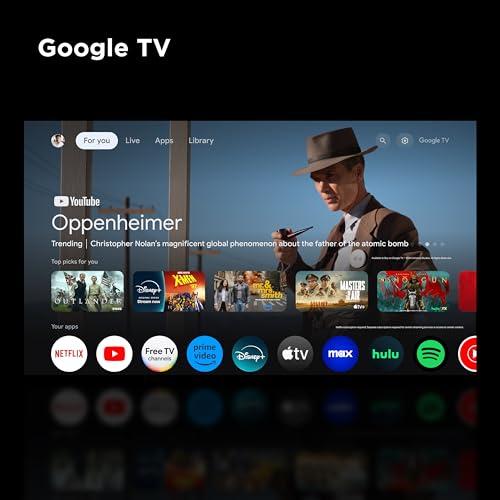
Both TVs run Google TV, which provides access to all major streaming apps, Chromecast functionality, and Google Assistant voice control. The platform experience feels essentially identical between models, with smooth navigation and comprehensive app selection.
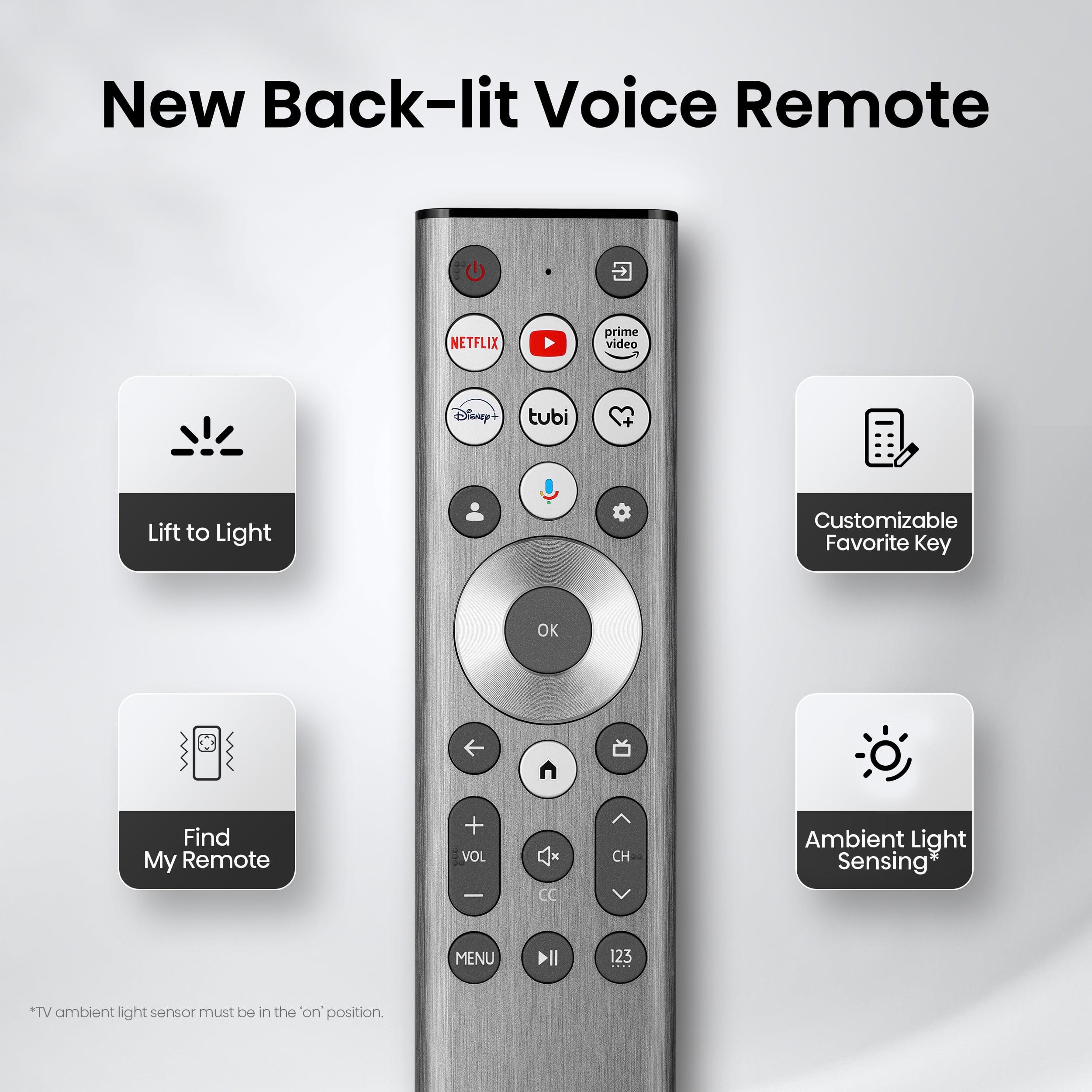
The TCL QM7K includes a far-field microphone array, enabling hands-free voice control without grabbing the remote. Simply say "Hey Google" to adjust volume, change inputs, or search for content. This convenience factor matters more in daily use than it might seem initially - when you're cooking, have messy hands, or the remote isn't within reach.
The Hisense U8 requires using the remote for voice commands, which works reliably but lacks the seamless convenience of hands-free operation.
Here's where the Hisense U8 demonstrates forward-thinking design. Its NEXTGEN TV ATSC 3.0 tuner supports the next generation of over-the-air broadcasting, which will eventually deliver 4K content, better audio, and interactive features through antenna reception. Combined with Wi-Fi 6E, the Hisense better positions itself for future technology adoption.
The TCL QM7K sticks with current standards like Wi-Fi 5 and standard ATSC tuning. While perfectly adequate today, it may show its age sooner as networking and broadcast standards evolve.
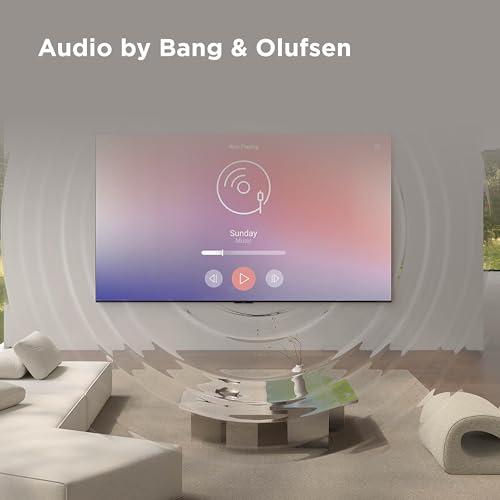
Audio represents one of the clearest philosophical differences between these manufacturers. The TCL QM7K features Audio by Bang & Olufsen, the renowned Danish audio company known for premium speakers and sound design. This 60W system delivers Dolby Atmos processing with what user reviews consistently describe as warmer, more musical sound compared to typical TV speakers.
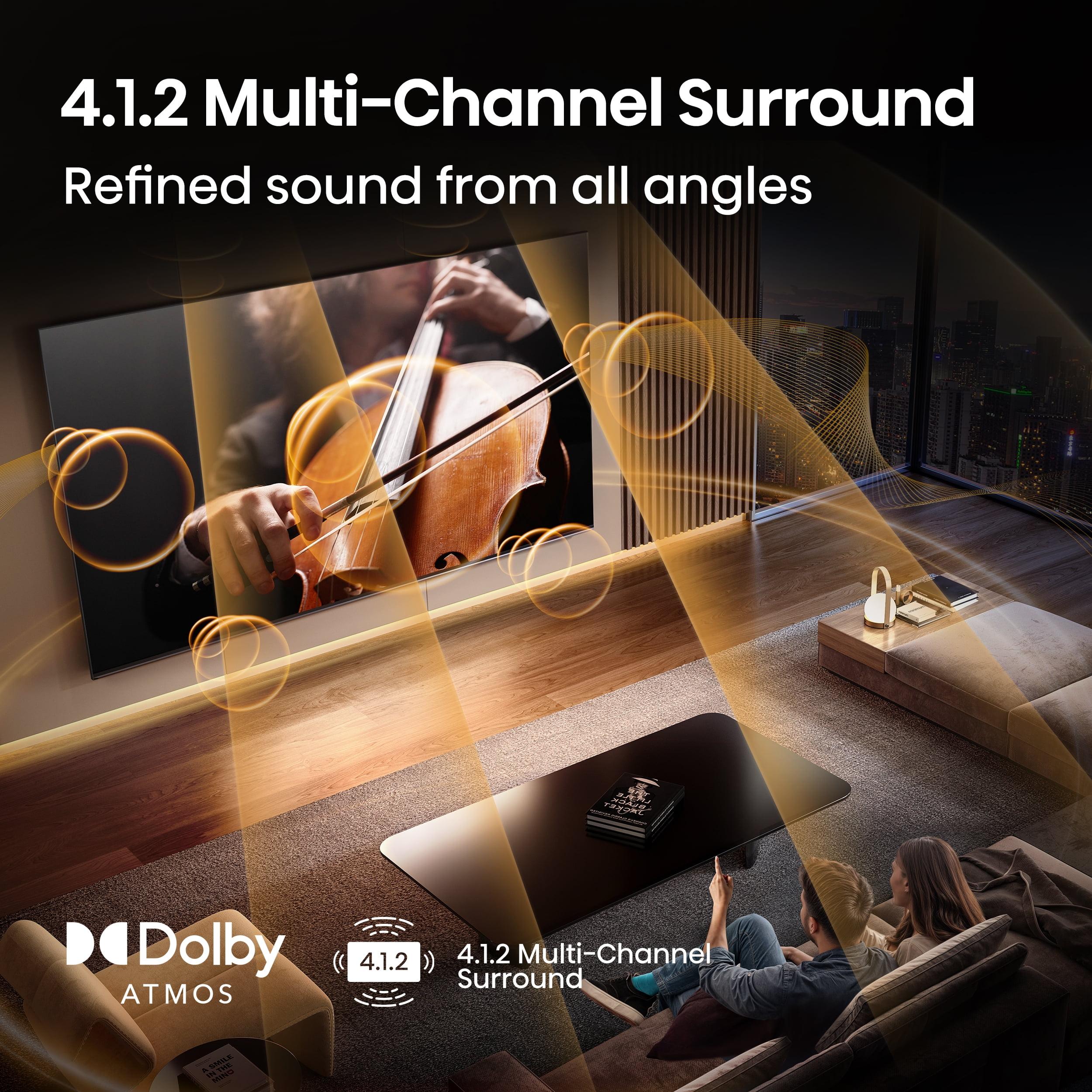
The Hisense U8 takes an engineering-focused approach with a 50W 2.1.2 multi-channel system. The "2.1.2" designation means it includes left/right speakers, a built-in subwoofer, and upward-firing speakers for Dolby Atmos height effects. On paper, this configuration should provide more immersive surround sound.
User feedback suggests the TCL QM7K sounds more pleasing for music and dialogue, while the Hisense U8 creates better spatial effects for movies and games. Both exceed typical TV audio quality, but neither replaces a dedicated sound system for serious home theater applications.
For most users, either provides satisfactory audio. The TCL's Bang & Olufsen tuning appeals more to music listeners, while Hisense's multi-channel setup benefits action movie fans.
At the time of writing, these TVs typically price within $100-200 of each other, with the Hisense U8 generally commanding slightly lower prices despite comparable features. This pricing strategy reflects Hisense's approach of delivering flagship performance at more accessible prices to build market share.
The TCL QM7K positions itself as a premium mid-range option, justifying slightly higher prices with refined features like Bang & Olufsen audio, more local dimming zones, and advanced gaming capabilities.
The Hisense U8 includes a 2-year warranty, double the industry standard. This extended coverage provides additional peace of mind and suggests confidence in build quality. TCL offers standard 1-year coverage, which remains typical for the industry but provides less long-term protection.
For buyers planning to keep their TV for many years, Hisense's extended warranty coverage adds meaningful value beyond the initial purchase price.
In dedicated home theater environments, where viewing conditions are controlled and picture quality takes priority, the TCL QM7K generally performs better. Its superior local dimming control reduces blooming artifacts that become more noticeable on large screens in dark rooms. The more precise light control creates cleaner shadows and prevents bright objects from washing out surrounding details.
The Hisense U8's higher peak brightness matters less in dark rooms where extreme brightness can actually become uncomfortable. However, its superior color accuracy benefits movie enthusiasts who prioritize faithful reproduction of filmmakers' artistic intent.
For casual movie watching in family rooms with ambient lighting, the Hisense U8's anti-glare coating and higher peak brightness provide more consistent performance across different viewing conditions.
After extensive research and evaluation, we recommend the TCL QM7K for buyers who prioritize gaming performance, refined picture quality in dark rooms, or premium audio without external speakers. Its more precise local dimming, comprehensive gaming features, and Bang & Olufsen audio create a well-rounded premium experience that justifies the typical price premium.
Choose the Hisense U8 if you want flagship features at the best value, plan to use the TV primarily in bright rooms, or prioritize future-proofing features like Wi-Fi 6E and NEXTGEN TV support. The extended warranty coverage also makes it more appealing for buyers seeking long-term peace of mind.
For serious gamers with multiple consoles, the TCL QM7K provides better connectivity and gaming-focused features. For general entertainment use with emphasis on streaming and broadcast TV, the Hisense U8 delivers comparable performance at better value.
Both represent excellent choices in the premium Mini-LED segment, but understanding their different strengths helps match the right TV to your specific priorities and usage patterns. Neither choice disappoints - it's more about optimizing for your particular viewing habits and feature preferences.
| TCL 65QM7K QD-Mini LED 4K Google TV | Hisense 65" U8 Series Mini-LED ULED 4K Google TV |
|---|---|
| Peak Brightness - Higher numbers mean better HDR highlights and daytime viewing | |
| 2,600 nits (excellent for most rooms) | 3,000 nits (superior for very bright spaces) |
| Local Dimming Zones - More zones provide cleaner contrast with less blooming | |
| Up to 2,500 zones (industry-leading precision) | 2,000+ zones (excellent but slightly less refined) |
| Native Contrast Ratio - Higher ratios deliver deeper blacks naturally | |
| 7,000:1 static (CrystGlow HVA panel advantage) | Standard VA panel contrast |
| Gaming Refresh Rate - Critical for smooth gameplay and future-proofing | |
| 144Hz native, up to 288Hz at 1080p (Game Accelerator) | 144Hz native, VRR 48-144Hz (solid but not exceptional) |
| HDMI 2.1 Ports - Essential for next-gen gaming consoles | |
| 2 HDMI 2.1 + 2 HDMI 2.0 (flexible setup options) | HDMI 2.1 bandwidth available |
| Gaming Features - Advanced options matter for serious gamers | |
| Game Master 2.0 with Game Bar, AMD FreeSync Premium Pro | Game Mode Pro, AMD FreeSync Premium Pro, basic gaming UI |
| Built-in Audio System - Better sound reduces need for soundbar | |
| 60W Bang & Olufsen with Dolby Atmos (premium tuning) | 50W 2.1.2 multi-channel with Dolby Atmos (spatial focus) |
| Voice Control - Convenience for daily use | |
| Hands-free "Hey Google" with far-field mics | Voice control via remote only |
| Wireless Connectivity - Future-proofing and streaming performance | |
| Wi-Fi 5 (adequate for current needs) | Wi-Fi 6E (faster, more stable, future-ready) |
| Broadcast Tuner - Over-the-air TV capabilities | |
| Standard ATSC tuner | NEXTGEN TV ATSC 3.0 (supports future 4K broadcasts) |
| Anti-Glare Technology - Important for bright room viewing | |
| Nanoscale low-reflective film | Anti-Glare Low Reflection Pro (superior) |
| Color Accuracy - Matters for movies and professional content | |
| Quantum Dot with AI processing (good overall) | Quantum Dot with Pantone validation (certified accuracy) |
| Warranty Coverage - Protection for your investment | |
| 1 year standard | 2 years (double industry standard) |
| AI Processing - Automatic picture optimization | |
| AiPQ Pro with multiple AI enhancements | Hi-View Engine PRO with AI features |
The Hisense 65" U8 Series delivers higher peak brightness at 3,000 nits compared to the TCL 65QM7K at 2,600 nits. This makes the Hisense U8 better suited for very bright rooms with lots of windows. However, both TVs are bright enough for most daytime viewing situations, and the TCL QM7K offers more precise brightness control with its 2,500 local dimming zones.
The TCL 65QM7K is the clear winner for gaming with its Game Accelerator 288 feature supporting up to 288Hz at 1080p, Game Master 2.0 interface, and two dedicated HDMI 2.1 ports. While the Hisense U8 Series supports 144Hz gaming and has solid gaming features, the TCL QM7K provides more comprehensive gaming capabilities and better connectivity for multiple consoles.
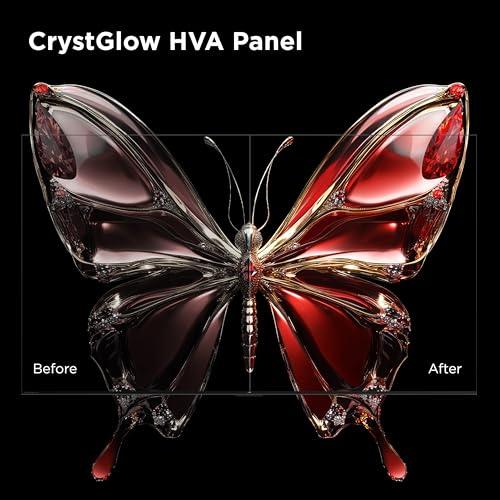
The TCL 65QM7K performs better in dark rooms thanks to its superior local dimming with 2,500 zones and CrystGlow HVA panel technology that delivers a 7,000:1 native contrast ratio. This results in less blooming around bright objects and cleaner shadow details. The Hisense U8 is excellent but shows slightly more light bleeding in very dark viewing conditions.
The Hisense 65" U8 Series typically offers better value, providing flagship-level brightness and features at a lower price point than the TCL QM7K. The Hisense also includes a 2-year warranty compared to TCL's 1-year coverage, adding extra value for buyers concerned about long-term protection.
Yes, both the TCL 65QM7K and Hisense U8 Series run Google TV with identical core functionality, including access to all major streaming apps and Google Assistant integration. However, the TCL QM7K includes hands-free voice control with far-field microphones, while the Hisense U8 requires using the remote for voice commands.
The TCL 65QM7K features Audio by Bang & Olufsen with 60W power output and warmer, more musical sound quality that's particularly good for dialogue and music. The Hisense U8 Series uses a 50W 2.1.2 multi-channel system with built-in subwoofer that creates better spatial effects for movies but may sound less refined overall.
The Hisense 65" U8 Series is more future-ready with Wi-Fi 6E support for faster wireless connectivity and NEXTGEN TV ATSC 3.0 tuner for upcoming 4K over-the-air broadcasts. The TCL QM7K uses current-generation Wi-Fi 5 and standard broadcast tuning, which work fine today but may become outdated sooner.
The TCL 65QM7K has up to 2,500 local dimming zones compared to the Hisense U8's 2,000+ zones. More zones typically mean better precision in controlling light and shadow, resulting in less blooming and cleaner contrast transitions. This gives the TCL QM7K an advantage for critical viewing in dark rooms.
The Hisense 65" U8 Series excels in bright rooms with its higher 3,000-nit peak brightness and Anti-Glare Low Reflection Pro technology that reduces reflections from windows and room lighting. While the TCL QM7K is also bright enough for most bright rooms, the Hisense U8 maintains better picture quality under challenging lighting conditions.
The Hisense U8 Series has certified color accuracy through Pantone validation, making it more precise out of the box for professional content and movies. The TCL 65QM7K uses AI processing to automatically adjust colors, which often produces more pleasing results for varied streaming content but may not be as technically accurate as the Hisense U8.
For dedicated home theaters with controlled lighting, the TCL 65QM7K is preferable due to its superior local dimming precision and higher contrast ratio that reduces blooming artifacts on large screens. The Hisense U8 Series works well for home theaters too, but its strengths are better utilized in brighter viewing environments rather than dark theater rooms.
The Hisense 65" U8 Series includes a 2-year warranty, which is double the industry standard and provides better long-term protection for your investment. The TCL 65QM7K comes with a standard 1-year warranty. For buyers planning to keep their TV for many years, the Hisense U8's extended coverage adds meaningful value beyond the purchase decision.
We've done our best to create useful and informative comparisons to help you decide what product to buy. Our research uses advanced automated methods to create this comparison and perfection is not possible - please contact us for corrections or questions. These are the sites we've researched in the creation of this article: bestbuy.com - businessinsider.com - tomsguide.com - tomsguide.com - rtings.com - tomsguide.com - youtube.com - rtings.com - consumerreports.org - youtube.com - youtube.com - displayspecifications.com - youtube.com - tcl.com - tcl.com - tcl.com - youtube.com - rcwilley.com - bestbuy.com - tclcentral.com - displayspecifications.com - tomsguide.com - tcl.com - brandsmartusa.com - tcl.com - tcl.com - gizmochina.com - nfm.com - dolby.com - alexraytv.com - bestbuy.com - hisense-usa.com - rtings.com - bestbuy.com - rtings.com - hisense-usa.com - youtube.com - hisense-usa.com - avsforum.com - hisense-usa.com - hisense-usa.com - rtings.com - avsforum.com - hisense-usa.com - prnewswire.com - hisense-usa.com - bestbuy.com - youtube.com - hisense-usa.com

Privacy Policy
Terms and Conditions - Affiliate Policy
Home Security
© Copyright 2008-2026.
11816 Inwood Rd #1211, Dallas, TX 75244