

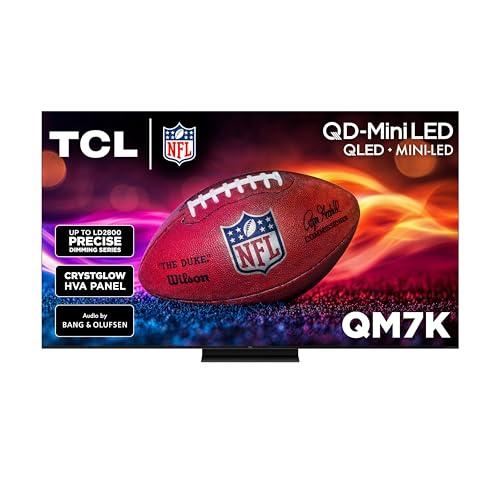
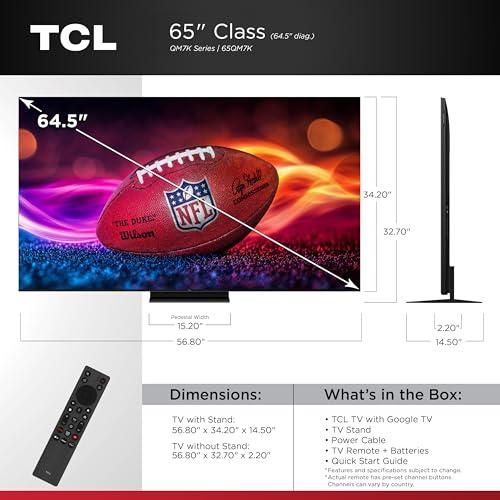
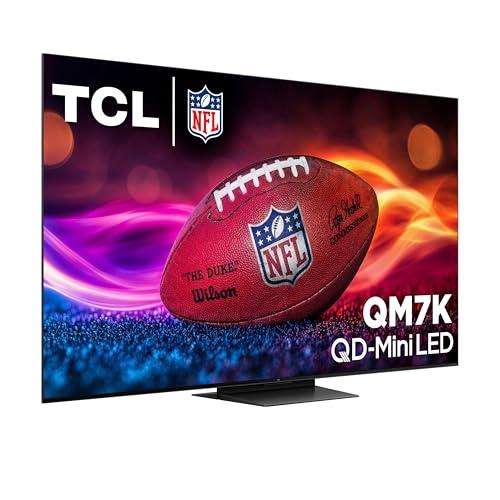
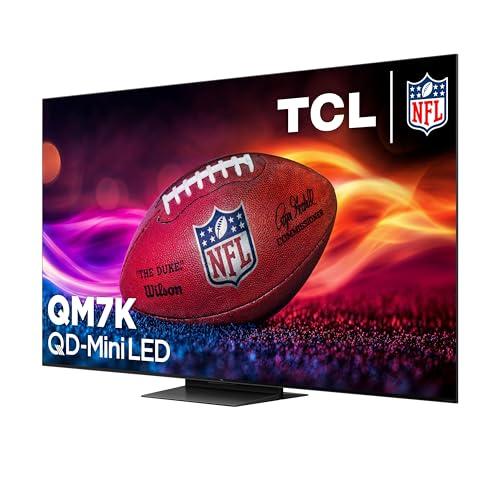
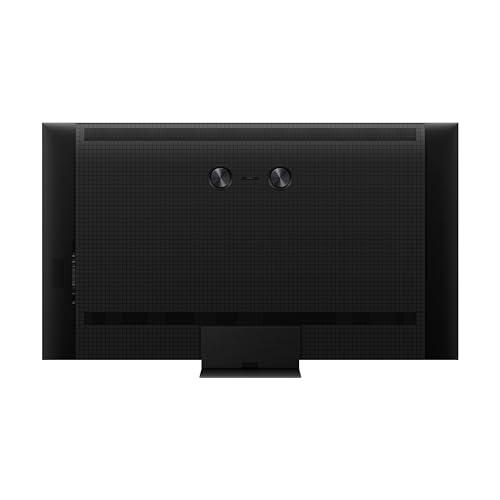
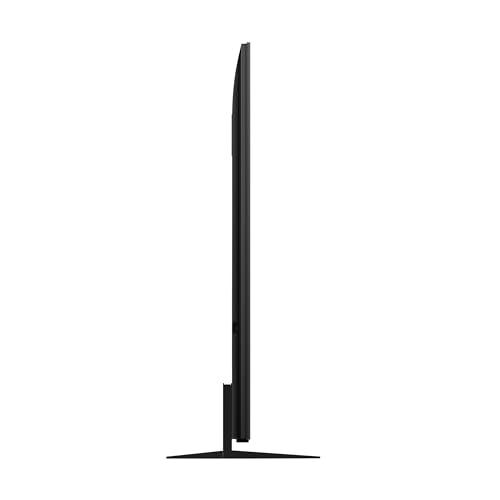
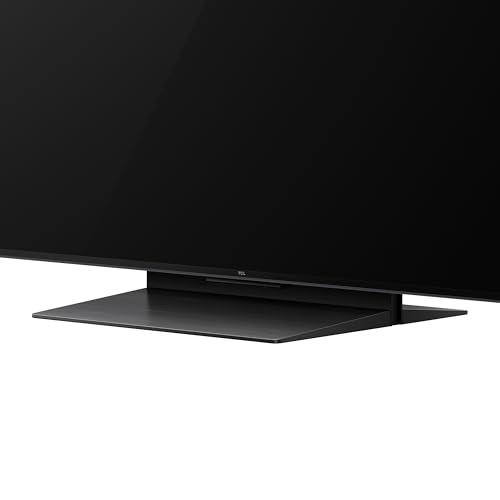
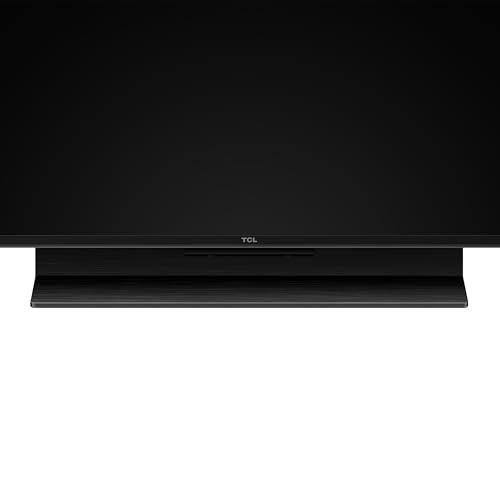
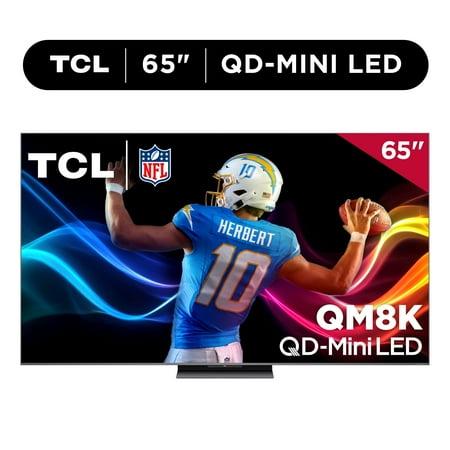


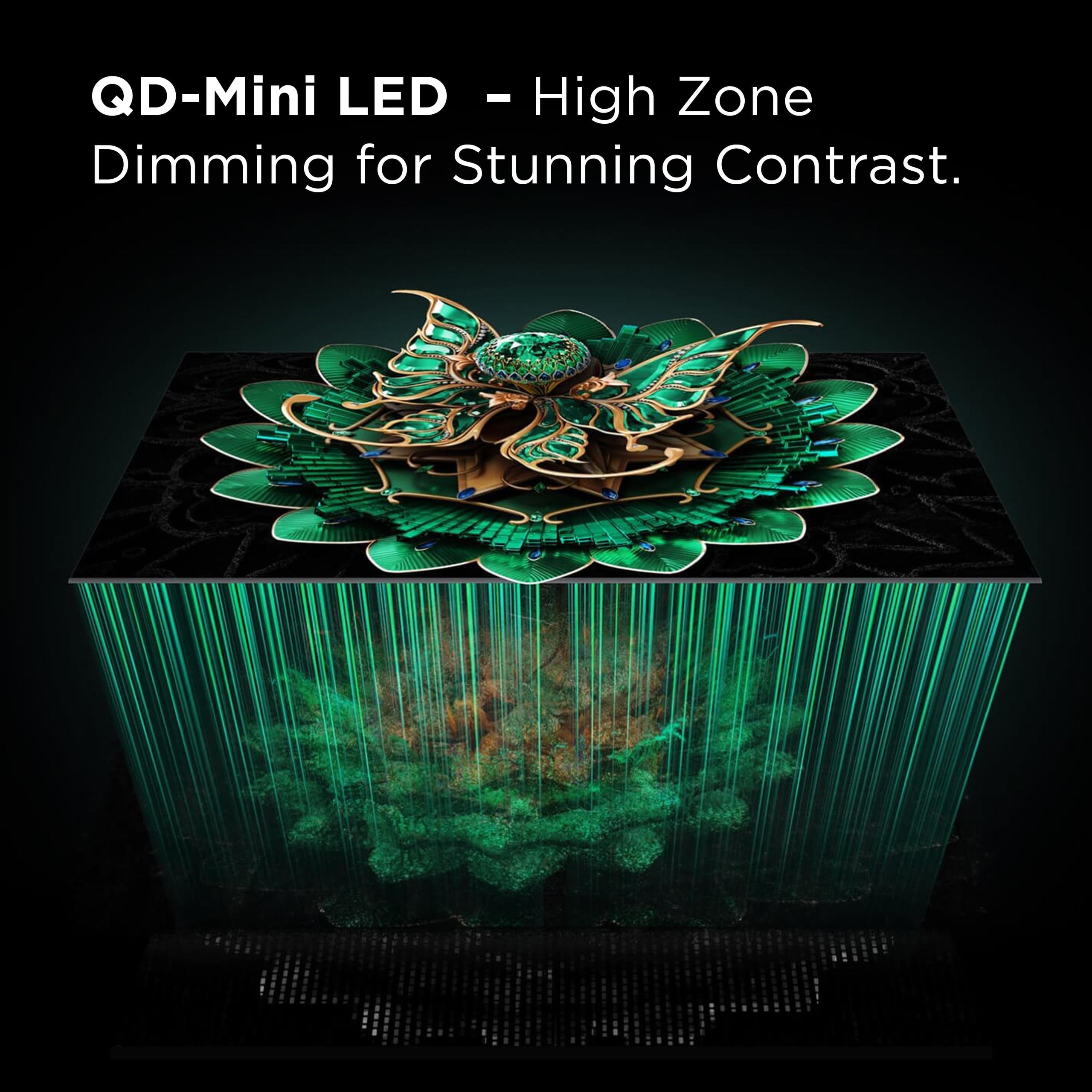
When shopping for a premium television in 2025, Mini LED technology has emerged as one of the most compelling options for buyers who want exceptional picture quality without the premium price tag of OLED displays. TCL's QM series represents the company's flagship Mini LED lineup, with the TCL 65QM7K and TCL 65QM8K sitting at different points in their 2025 range. Both released in 2025, these models showcase significant improvements over previous generations, particularly in brightness control, gaming features, and smart TV capabilities.
Understanding what sets these two apart—and which one makes sense for your home—requires digging into the technical details that actually impact your viewing experience. At the time of writing, the price gap between these models varies significantly by retailer and timing, making the value equation more complex than simple specifications might suggest.
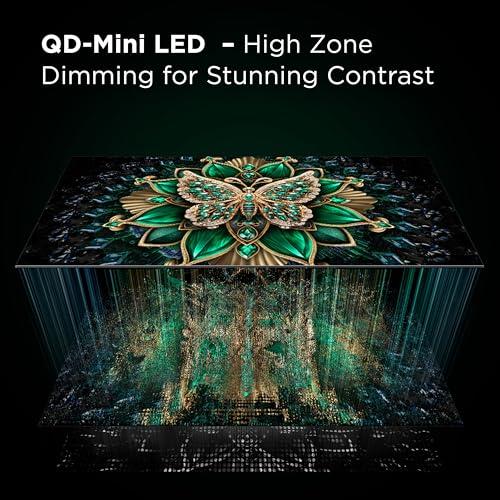
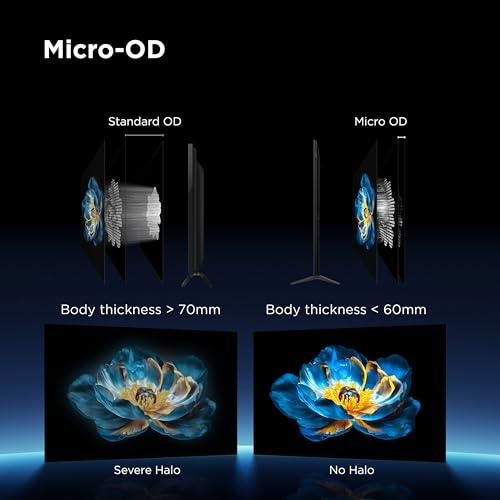
Before diving into the comparison, it's worth understanding what Mini LED technology brings to the table. Traditional LED TVs use a handful of large LED zones for backlighting, which creates problems when trying to display bright and dark areas simultaneously—you get "blooming" where bright objects create visible halos in dark scenes.
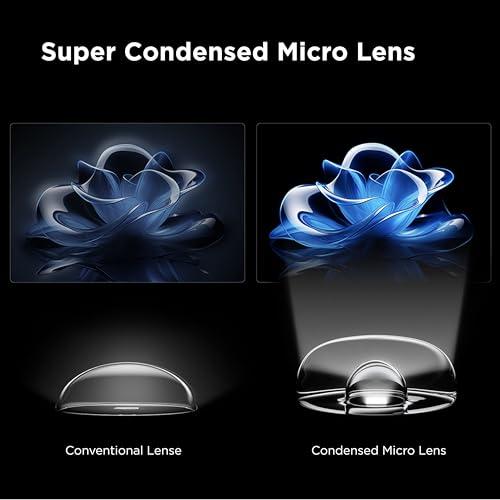
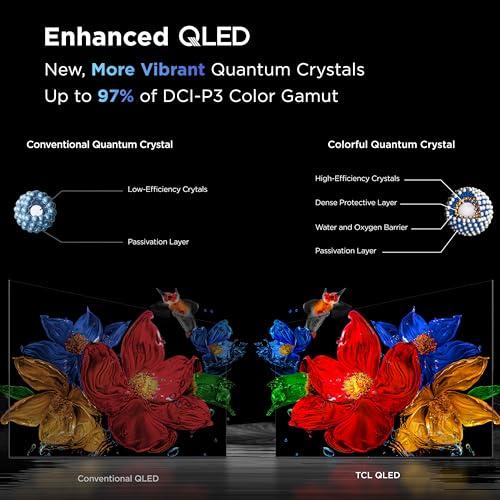
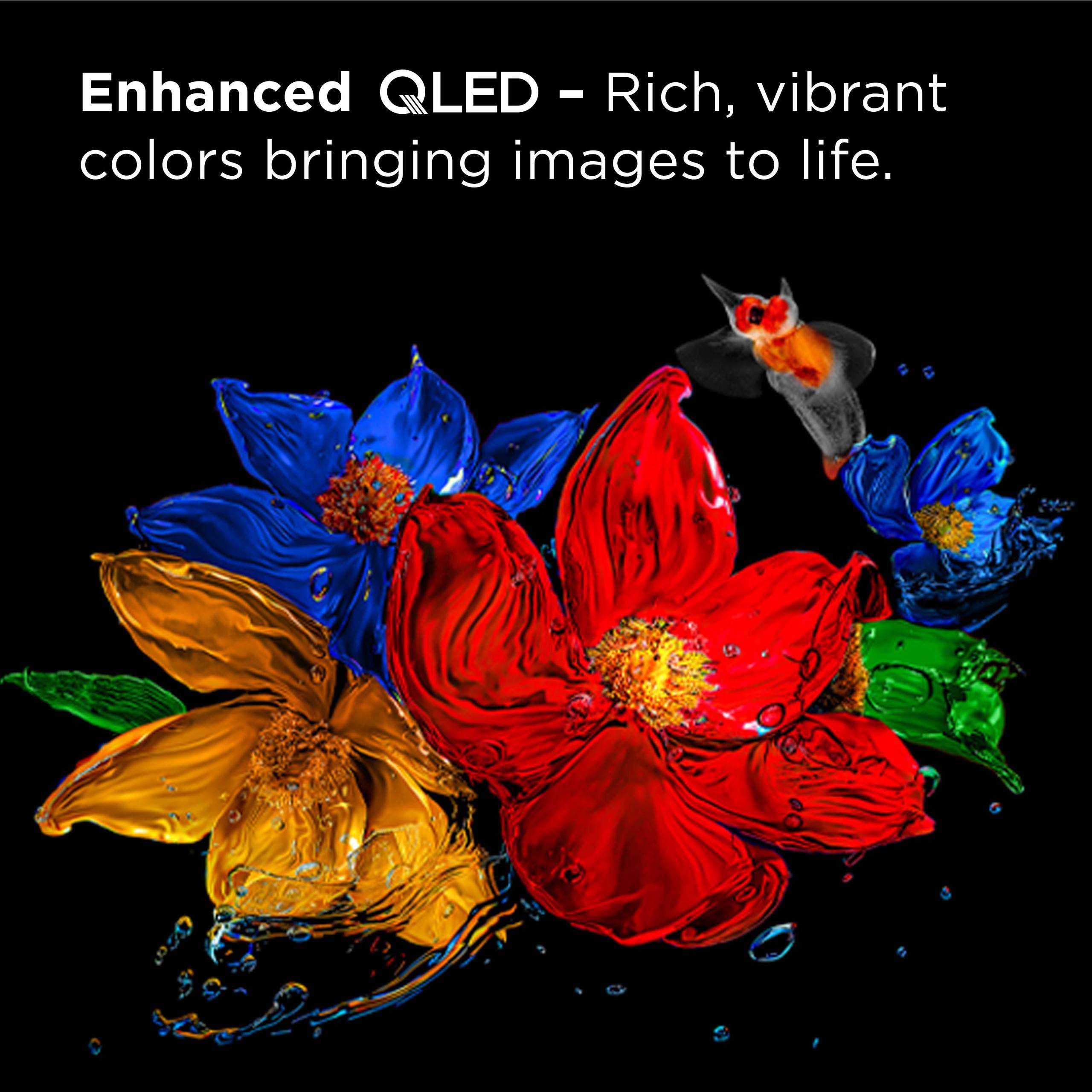
Mini LED solves this by using thousands of tiny LEDs paired with quantum dot technology (the "QD" in both model names). Quantum dots are microscopic crystals that produce pure colors when hit with light, resulting in more vibrant and accurate color reproduction than traditional LED phosphors. The combination allows these TVs to get incredibly bright while maintaining precise control over where that light goes.
Both the QM7K and QM8K use this technology, but implement it differently. The key metrics that separate good Mini LED TVs from great ones are peak brightness (measured in nits), the number of local dimming zones, and how well the processing handles the transition between bright and dark areas.
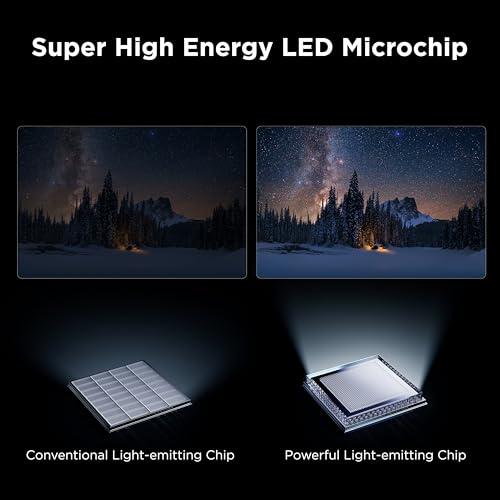
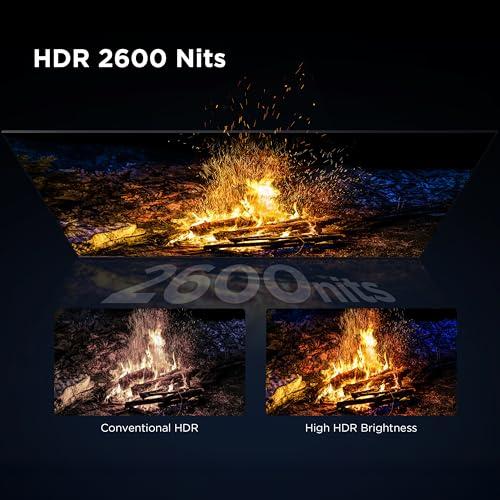
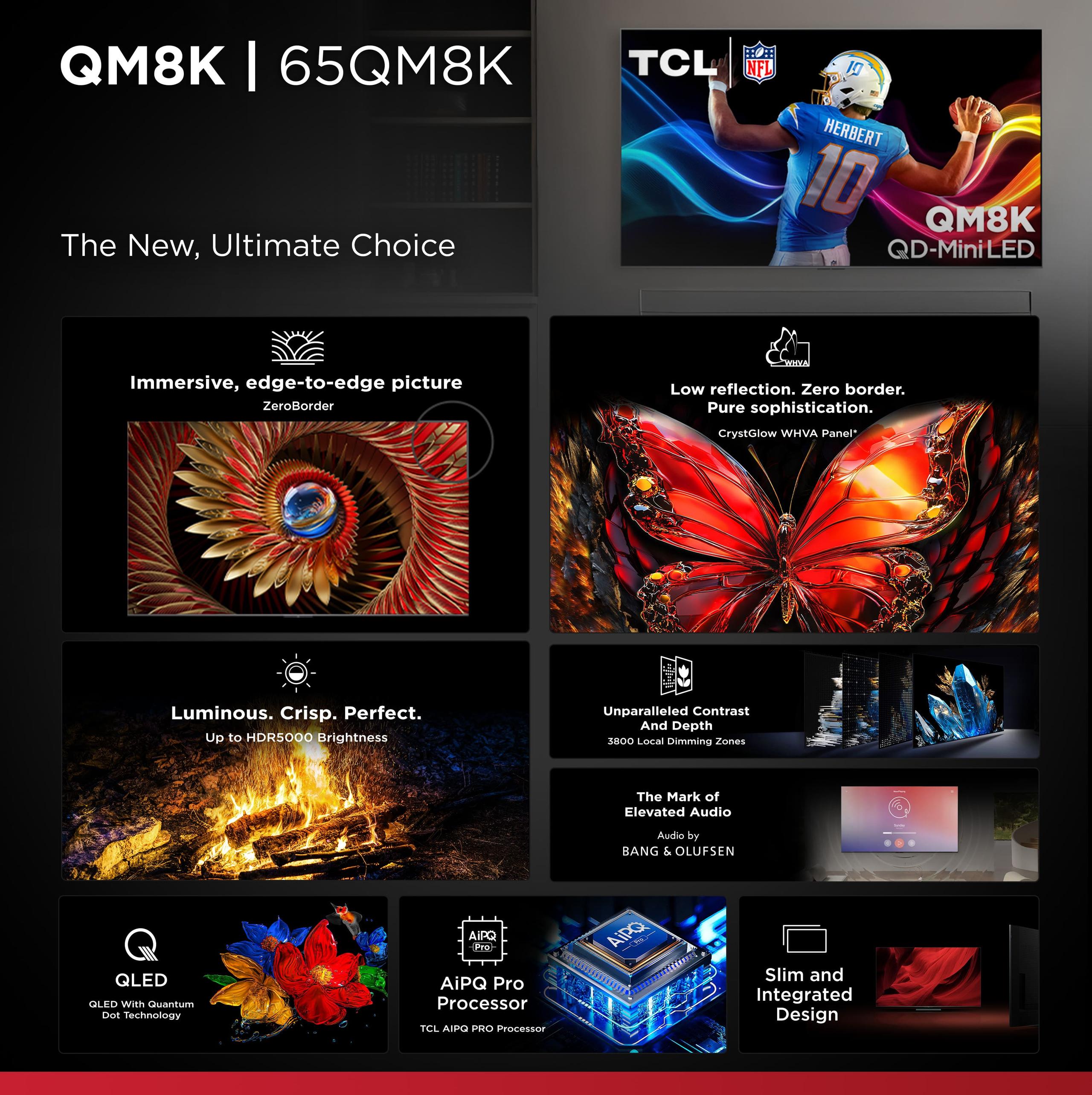
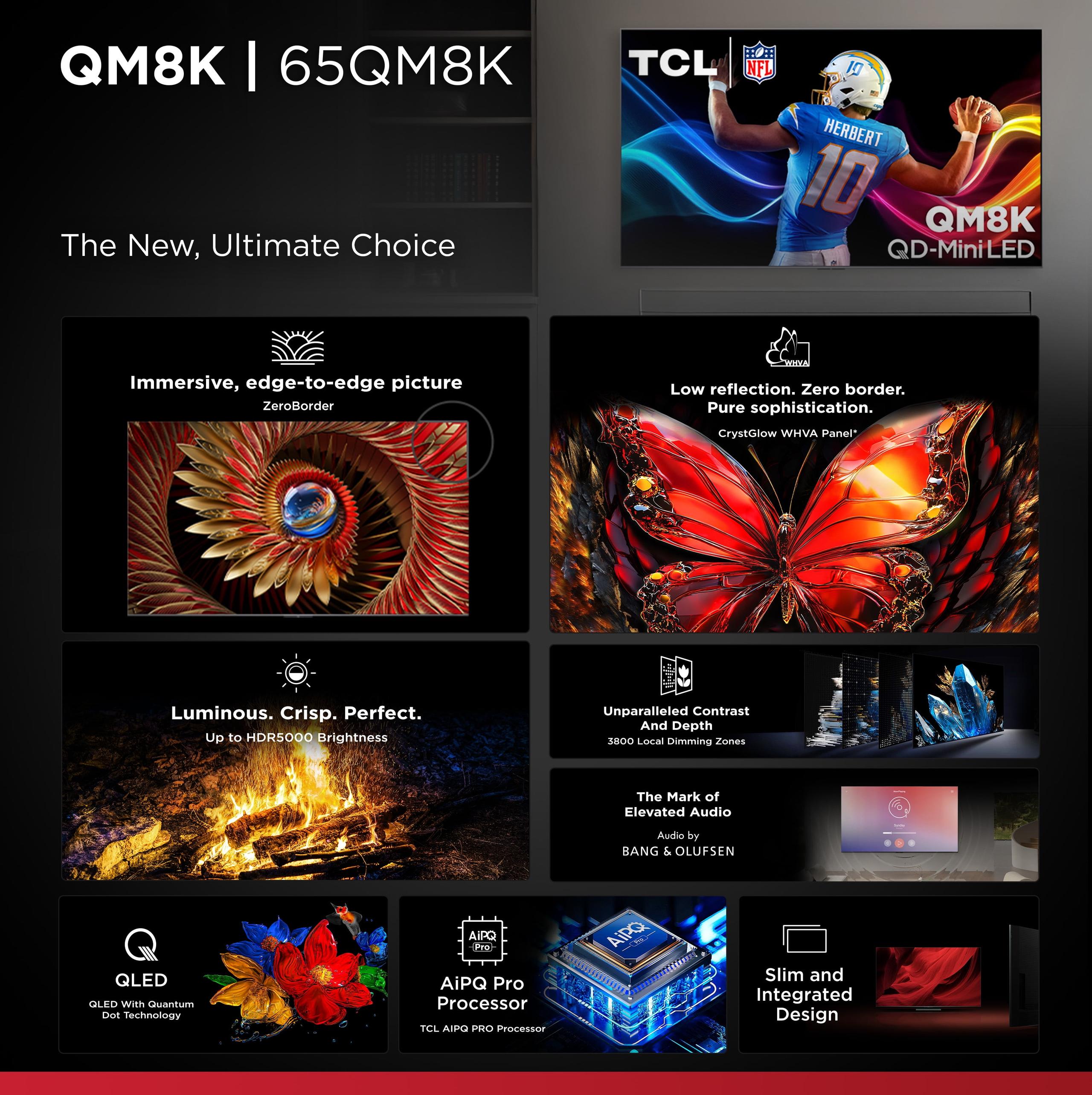
Peak brightness represents one of the most significant differences between these models. The QM8K delivers substantially higher brightness levels, reaching over 4,000 nits in small areas with its HDR5000 specification. The QM7K peaks at around 3,000 nits according to specifications, though real-world testing typically shows closer to 1,800-2,000 nits in practical viewing scenarios.
Why does this matter? HDR (High Dynamic Range) content is mastered assuming displays can hit specific brightness levels. When a movie shows sunlight reflecting off water or an explosion lighting up a dark scene, the content creators expect your TV to actually get bright enough to sell that effect. The QM8K can reproduce these highlights more accurately, making HDR content appear more lifelike and impactful.
In bright rooms, this brightness advantage becomes even more pronounced. If you have large windows or prefer watching TV during the day, the QM8K maintains better contrast and color saturation when competing with ambient light. The QM7K still performs admirably in these conditions—better than most traditional LED TVs—but lacks that extra punch that makes highlights truly pop.
For home theater setups in controlled lighting, both models deliver excellent performance. However, the QM8K provides that extra margin that makes you occasionally pause and think "wow, that looks incredible" during particularly well-mastered HDR scenes.
Local dimming zones represent another crucial differentiator. The QM8K features up to 3,800 individual dimming zones compared to the QM7K's 2,500 zones. Each zone can be independently controlled to create precise transitions between light and dark areas of the screen.
More zones mean finer control. Imagine watching a space movie where a bright spaceship moves across a field of stars. With more dimming zones, the TV can keep the area directly around the ship bright while maintaining deep blacks for the surrounding space. Fewer zones might require brightening a larger area, creating visible blooming or making the black space appear grayish.
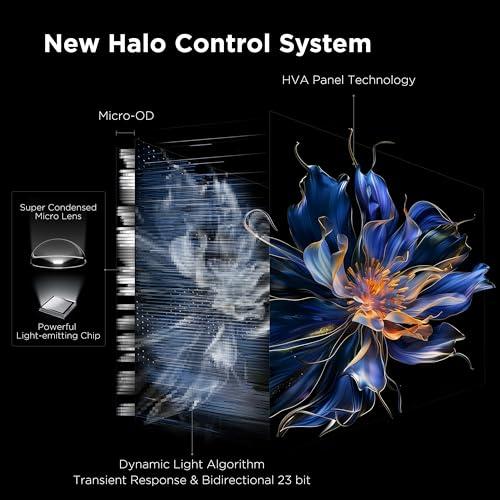
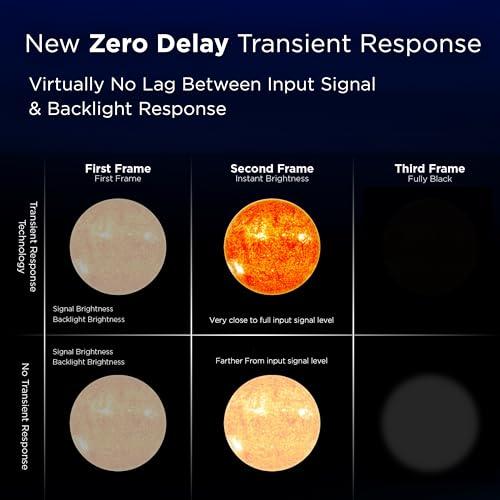
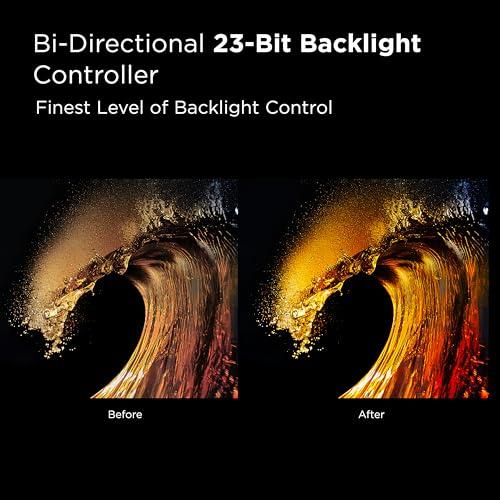
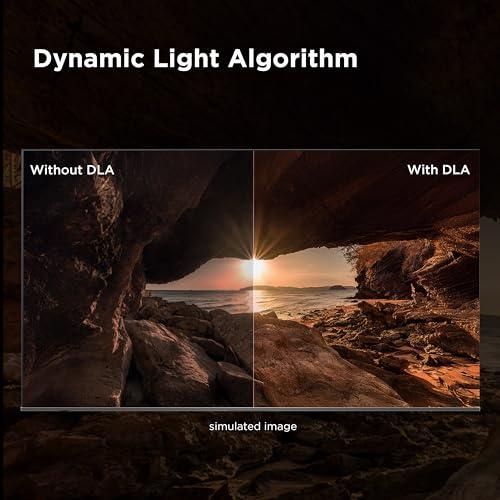
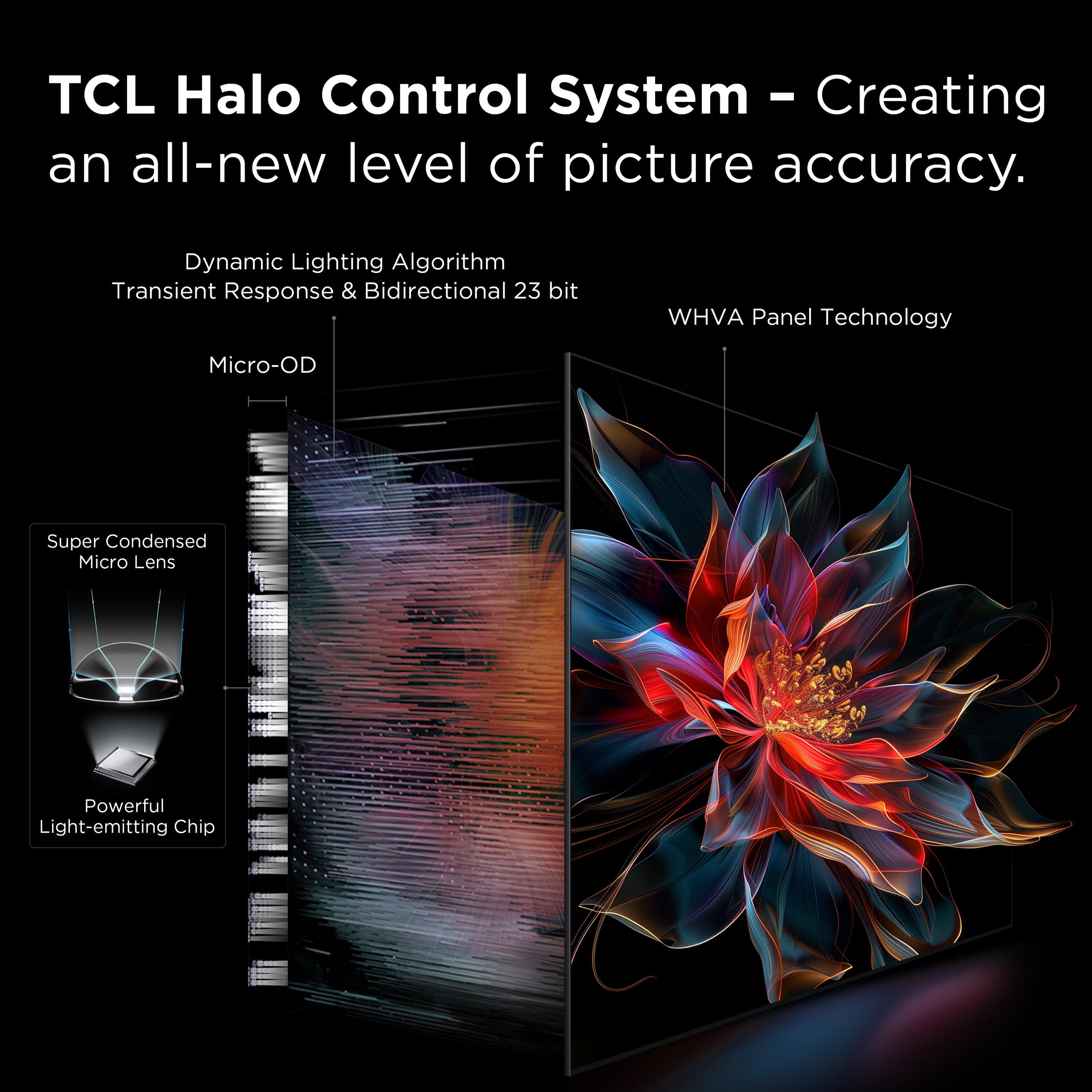
Both TVs implement TCL's Halo Control System, which uses advanced algorithms and hardware improvements to minimize blooming effects. This includes technologies like Zero Delay Transient Response, which ensures the backlight responds instantly to scene changes, and a 23-bit backlight controller for precise brightness adjustments. The QM8K simply has more zones to work with, making these algorithms more effective.
In practice, both models handle blooming impressively well for Mini LED displays. The QM7K occasionally shows subtle halos around bright objects in very dark scenes, but it's rarely distracting during normal viewing. The QM8K gets closer to OLED-level precision, where blooming becomes nearly impossible to spot even when looking for it.
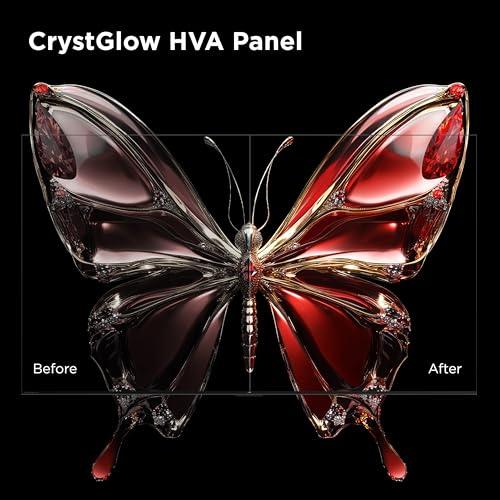
TCL made an important change with the QM8K, implementing a new WHVA (Wide High Vertical Alignment) panel designed to improve viewing angles while maintaining the deep blacks characteristic of VA panels. The QM7K uses a more traditional VA panel approach.
VA panels typically offer excellent contrast and deep blacks when viewed straight-on, but colors can shift and brightness can decrease when viewed from the sides. This matters more than you might expect—even if you sit directly in front of your TV, you probably lean left or right, walk around the room, or have family members sitting at angles.
The QM8K's improved viewing angles mean colors stay more consistent and the image doesn't appear washed out when viewed off-axis. For larger rooms or households where people watch from various positions, this represents a meaningful improvement in daily usability.
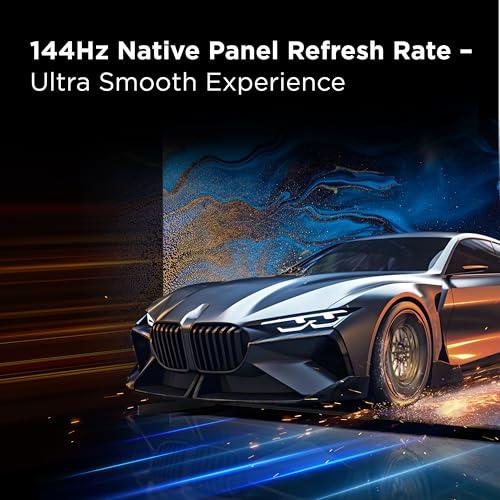
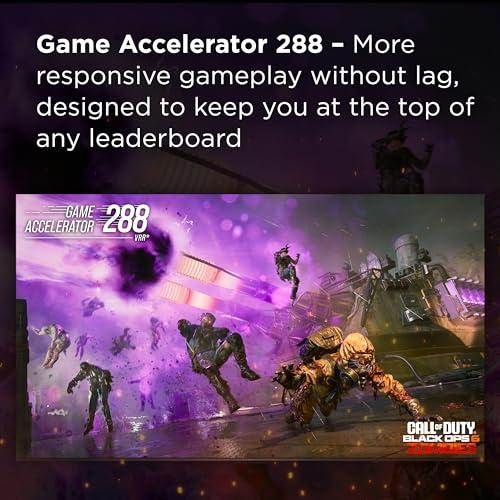
Both TVs excel for gaming, but in slightly different ways. They share core gaming features including native 144Hz refresh rates, Variable Refresh Rate (VRR) support up to 288Hz at 1080p through TCL's "Game Accelerator 288" feature, and Auto Low Latency Mode (ALLM) that automatically switches to game mode when it detects console input.
The 144Hz native refresh rate matters for PC gaming and future console games. Most current-gen console games run at 60Hz or 120Hz, but having a native 144Hz panel ensures smooth performance across all scenarios without the TV having to interpolate or convert refresh rates.
Both models support AMD FreeSync Premium Pro, which synchronizes the TV's refresh rate with graphics card output to eliminate screen tearing and stuttering. They also include gaming-specific features like shadow enhancement to make dark areas more visible in competitive games, and on-screen frame rate displays.
The QM8K gains an edge through superior brightness and contrast, making games more immersive. HDR gaming particularly benefits from the extra brightness—imagine the difference between a dimly lit torch in a dungeon game versus one that actually appears to illuminate the surrounding area.
Connectivity-wise, the QM8K includes Wi-Fi 6 support compared to Wi-Fi 5 on the QM7K. For cloud gaming services like Xbox Game Pass or GeForce Now, this improved wireless performance can reduce latency and provide more stable connections.
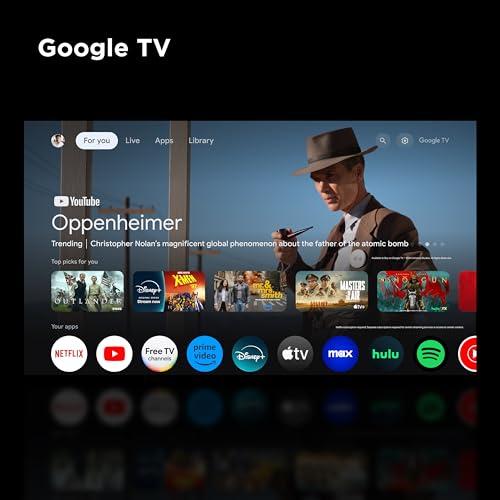
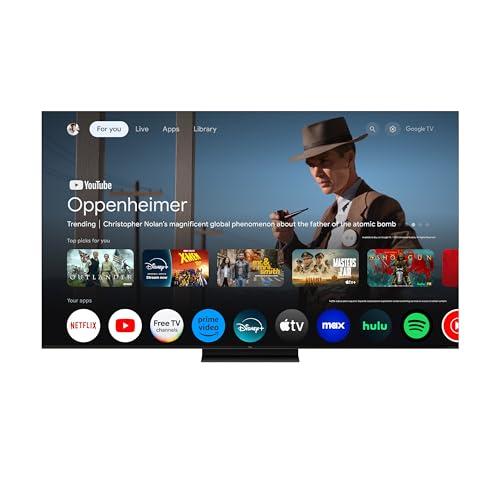
Both models run Google TV, which has evolved into one of the most comprehensive smart TV platforms. The interface is fast and intuitive, with excellent integration for streaming services, voice control through Google Assistant, and casting capabilities. Both support major streaming apps, AirPlay 2 for iPhone users, and hands-free voice control.
The QM8K includes ATSC 3.0 support, which enables reception of future 4K over-the-air broadcasts. While this might seem niche, it's valuable for cord-cutters who rely on antenna TV and want to future-proof their setup for when local stations begin broadcasting in 4K.
The Wi-Fi 6 support in the QM8K also provides better long-term wireless performance, especially important as streaming quality continues to improve and more devices compete for bandwidth in modern homes.
Both TVs feature Bang & Olufsen audio tuning with Dolby Atmos support, representing a significant step up from typical TV speakers. The QM7K delivers 60W of audio power, while specific wattage for the QM8K varies by size.
The built-in audio is adequate for casual viewing and certainly better than most TV speakers, but neither model truly excels in this area. For serious home theater setups, both benefit significantly from external audio solutions. The improved Bass & Olufsen tuning makes dialogue clear and provides some spatial audio effects, but don't expect room-filling bass or true surround sound immersion.
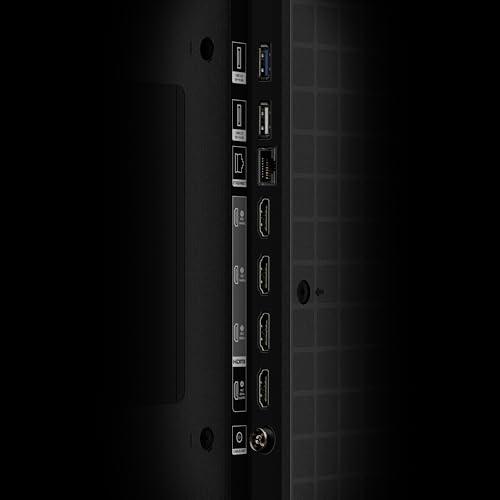
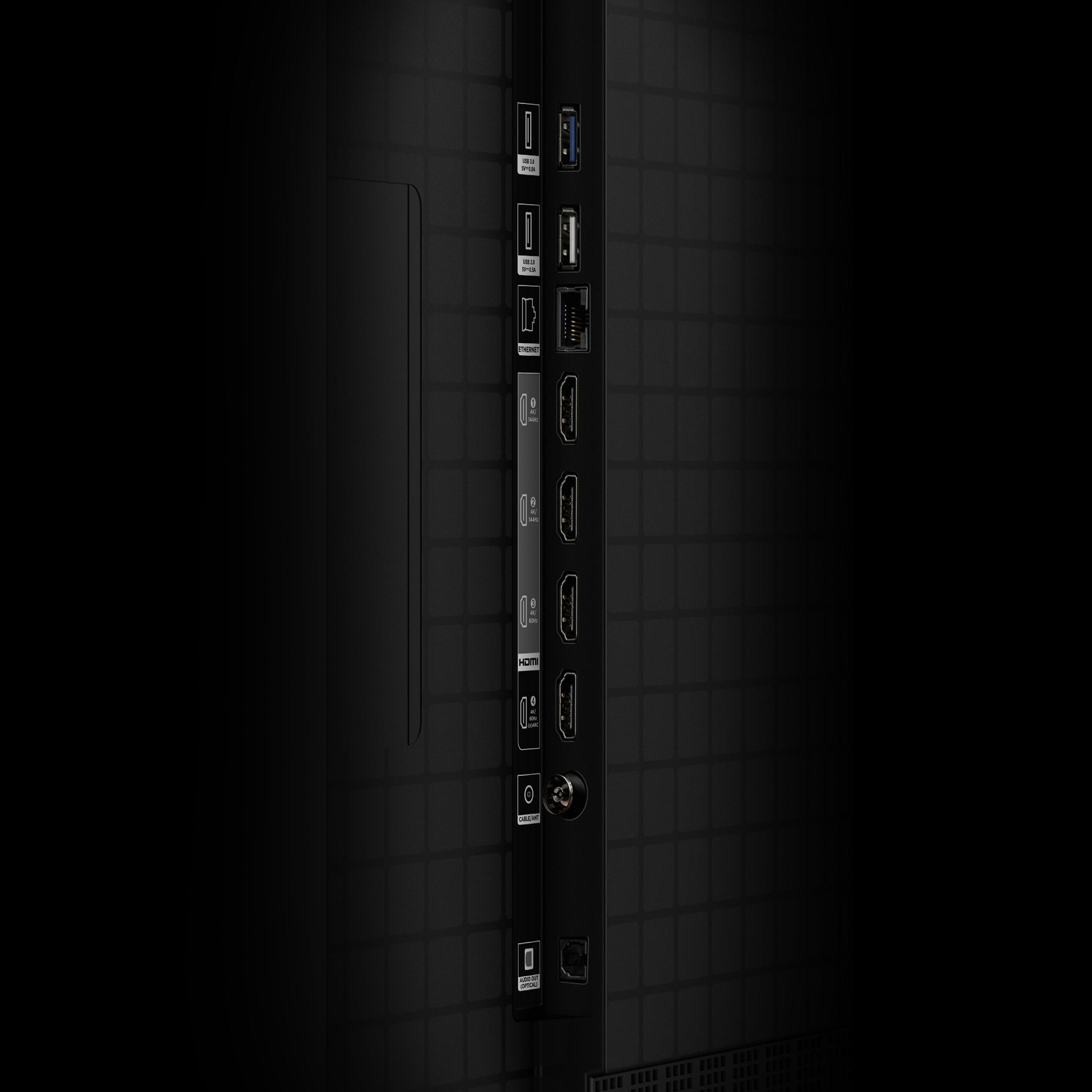
Both TVs include eARC HDMI ports for connecting high-end soundbars or AV receivers, ensuring you can take advantage of lossless audio formats like Dolby TrueHD when upgrading your audio setup.
TCL's AiPQ Pro processor powers both models, but with different levels of sophistication. This processor analyzes incoming content in real-time and adjusts various picture parameters including contrast, color, clarity, motion handling, and upscaling.
The AI features include scene detection that recognizes content types (sports, movies, nature documentaries) and optimizes settings accordingly. Motion handling through AI-MEMC (Motion Estimation, Motion Compensation) reduces judder in film content while maintaining smoothness in sports and action scenes.
The QM8K benefits from more advanced processing algorithms and the additional hardware resources that come with the flagship positioning. This translates to more nuanced picture adjustments and better optimization across diverse content types.
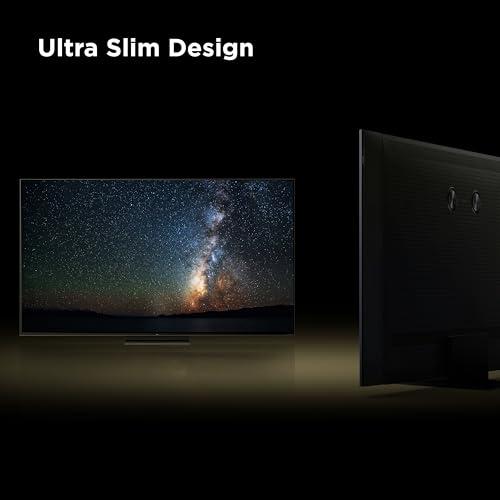
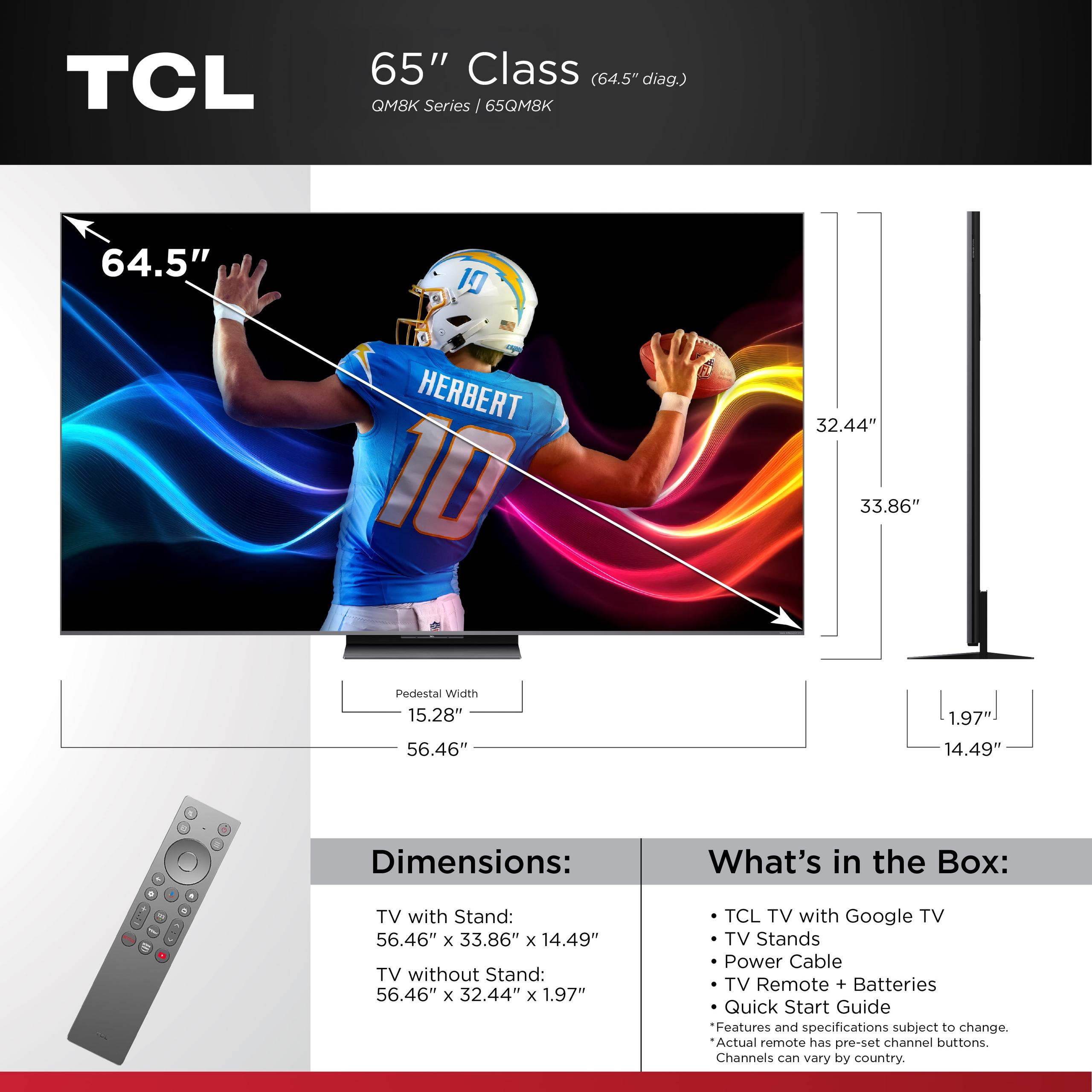
Aesthetically, both models embrace modern design principles with minimal bezels and sleek profiles. The QM8K features a more premium build with TCL's ZeroBorder design that virtually eliminates visible bezels, creating a more immersive viewing experience.
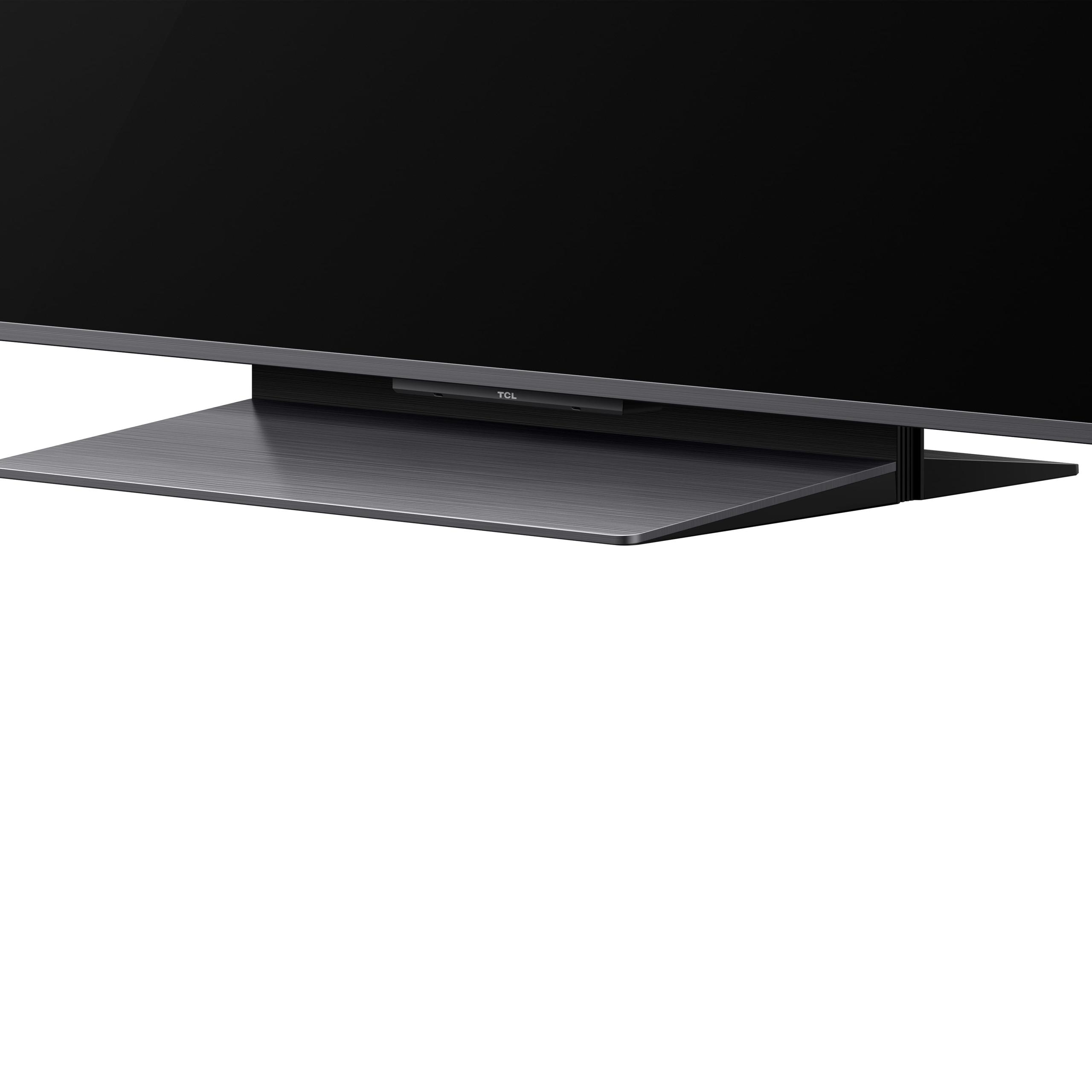
Both include height-adjustable stands, which is increasingly rare and valuable for optimizing viewing angles and accommodating soundbars. The stands are sturdy and well-designed, though the depth requirement (around 14+ inches) means you'll need adequate furniture depth or wall mounting.
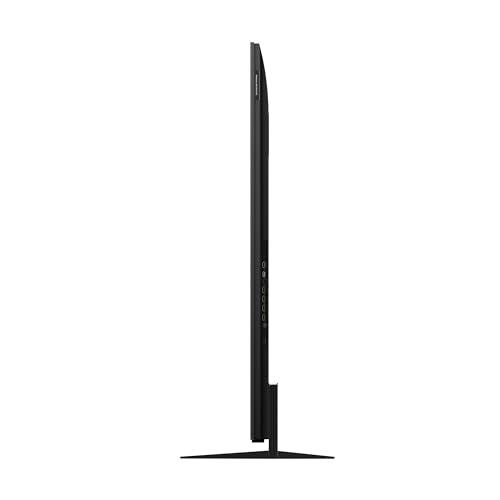
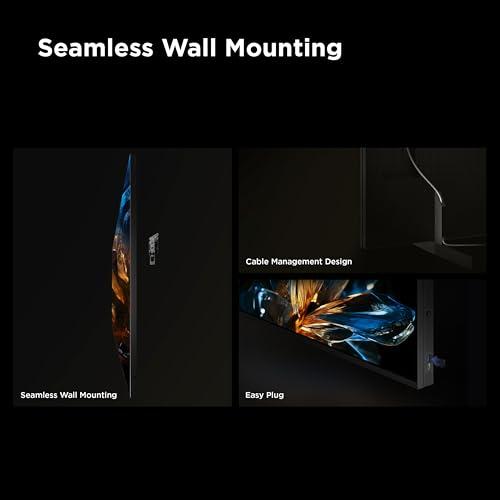
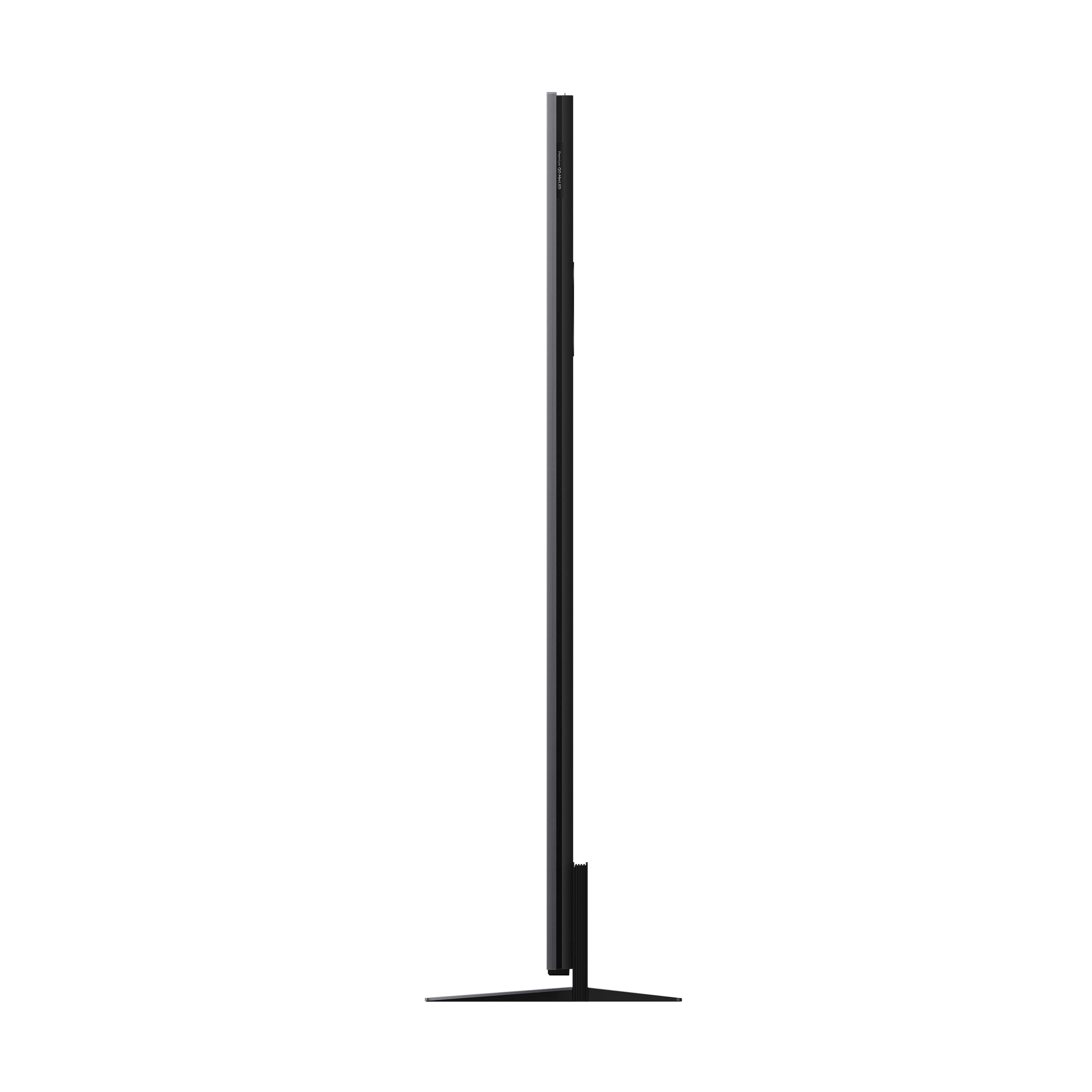
Wall mounting is straightforward with both models, and the relatively slim profiles (around 2 inches thick) look modern when wall-mounted without creating an overly bulky appearance.
At the time of writing, pricing varies significantly based on sales, retailer promotions, and seasonal timing. Typically, the QM8K commands a substantial premium over the QM7K—often $400-600 more at regular pricing. However, sales can compress this gap dramatically, sometimes bringing the models within $100-200 of each other.
When the price gap is substantial (over $400), the QM7K represents excellent value. It delivers roughly 80-85% of the QM8K's performance at 60-70% of the cost, making it ideal for buyers who want premium Mini LED performance without flagship pricing.
When sales bring the models closer together (under $200 difference), the QM8K becomes compelling even for budget-conscious buyers. The additional brightness, improved local dimming, better viewing angles, and future-proofing features justify the smaller premium.
The QM7K makes sense for buyers who want excellent Mini LED performance at a reasonable price point. If you primarily watch in controlled lighting conditions, sit relatively centered in front of the TV, and don't need cutting-edge brightness levels, it delivers exceptional value. It's particularly appealing for first-time Mini LED buyers who want to experience the technology without flagship pricing.
The QM8K targets users building premium home theater setups or those with challenging viewing environments. If you watch a lot of HDR content, have a bright room, need good performance from multiple viewing angles, or simply want the best possible picture quality, the flagship features justify the premium. It's also the better choice for future-proofing, with Wi-Fi 6 and ATSC 3.0 support.
For gaming enthusiasts, both models perform similarly for current games, but the QM8K's superior brightness and contrast create more immersive experiences, particularly for HDR gaming.
The choice between these models ultimately comes down to your priorities and the current pricing landscape. Both represent significant improvements over previous generation Mini LED TVs and compete effectively with OLED displays in many scenarios while offering superior brightness.
Monitor pricing carefully, as sales can dramatically shift the value equation. When the price gap is minimal, the QM8K becomes an easy recommendation for most buyers. When priced normally with a substantial premium, the QM7K offers better value for many use cases.
Consider your room environment, viewing habits, and long-term plans. The QM8K provides more headroom for future content improvements and changing viewing conditions, while the QM7K delivers excellent current performance at a more accessible price point.
Both represent compelling options in the rapidly evolving Mini LED landscape, bringing flagship-level performance to price points that were unimaginable just a few years ago.
| TCL 65QM7K | TCL 65QM8K |
|---|---|
| Peak Brightness - Critical for HDR impact and bright room viewing | |
| 3,000 nits peak (excellent HDR performance) | 5,000 nits peak (exceptional HDR, best-in-class brightness) |
| Local Dimming Zones - Controls blooming and contrast precision | |
| Up to 2,500 zones (very good blooming control) | Up to 3,800 zones (superior contrast control, near-OLED precision) |
| Panel Technology - Affects viewing angles and color consistency | |
| Standard VA panel (excellent contrast, limited viewing angles) | WHVA panel (improved off-axis viewing while maintaining deep blacks) |
| Gaming Refresh Rate - Important for smooth motion and competitive gaming | |
| Native 144Hz with VRR up to 288Hz | Native 144Hz with VRR up to 288Hz |
| Smart Platform - Daily usability and app ecosystem | |
| Google TV with hands-free voice control | Google TV with hands-free voice control |
| Wi-Fi Standard - Future-proofing for streaming and smart home integration | |
| Wi-Fi 5 (adequate for current streaming needs) | Wi-Fi 6 (better wireless performance, future-ready) |
| Over-the-Air TV Support - Important for cord-cutters and sports fans | |
| Standard ATSC 1.0 only | ATSC 3.0 support (4K broadcast ready) |
| Color Gamut Coverage - Affects color vibrancy and accuracy | |
| Excellent quantum dot color reproduction | Enhanced quantum dot with 97% DCI-P3 coverage |
| Audio System - Built-in sound quality | |
| 60W Bang & Olufsen with Dolby Atmos | Bang & Olufsen with enhanced Dolby Atmos and up-firing drivers |
| Design Premium - Build quality and aesthetics | |
| Modern slim design with adjustable stand | ZeroBorder premium design with ultra-slim profile |
| Target Market - Who should consider each model | |
| Best value for excellent Mini LED performance | Flagship choice for premium home theaters and bright rooms |
The primary difference is brightness and local dimming precision. The TCL QM8K delivers up to 5,000 nits peak brightness compared to the TCL QM7K's 3,000 nits, and features 3,800 local dimming zones versus 2,500 zones. This translates to more impactful HDR highlights and better contrast control in the flagship QM8K.
Both run identical Google TV platforms with the same apps, voice control, and casting capabilities. The key difference is that the TCL QM8K includes Wi-Fi 6 for better wireless performance and ATSC 3.0 for future 4K over-the-air broadcasts, while the TCL QM7K has Wi-Fi 5 and standard broadcast tuning.
The TCL QM8K is superior for movies and HDR content due to its higher peak brightness and more precise local dimming. It can reproduce HDR highlights more accurately and provides better contrast control during dark movie scenes. The TCL QM7K still delivers excellent movie performance but with less dramatic HDR impact.
Both feature Bang & Olufsen audio tuning with Dolby Atmos support, but the TCL QM8K includes enhanced audio processing and up-firing drivers for better spatial sound. However, both models benefit significantly from external soundbars for serious home theater setups.
We've done our best to create useful and informative comparisons to help you decide what product to buy. Our research uses advanced automated methods to create this comparison and perfection is not possible - please contact us for corrections or questions. These are the sites we've researched in the creation of this article: bestbuy.com - businessinsider.com - tomsguide.com - tomsguide.com - rtings.com - tomsguide.com - youtube.com - rtings.com - consumerreports.org - youtube.com - youtube.com - displayspecifications.com - youtube.com - tcl.com - tcl.com - tcl.com - youtube.com - rcwilley.com - bestbuy.com - tclcentral.com - displayspecifications.com - tomsguide.com - tcl.com - brandsmartusa.com - tcl.com - tcl.com - gizmochina.com - nfm.com - dolby.com - alexraytv.com - tomsguide.com - youtube.com - businessinsider.com - rtings.com - youtube.com - avsforum.com - avsforum.com - bestbuy.com - tcl.com - tcl.com - tcl.com - flatpanelshd.com - romomattressfurniture.com - brandsmartusa.com - pcrichard.com - tvsbook.com - youtube.com - prnewswire.com - tcl.com - tcl.com

Privacy Policy
Terms and Conditions - Affiliate Policy
Home Security
© Copyright 2008-2026.
11816 Inwood Rd #1211, Dallas, TX 75244