

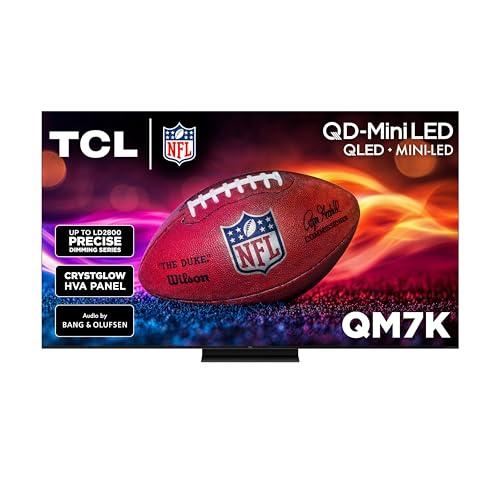
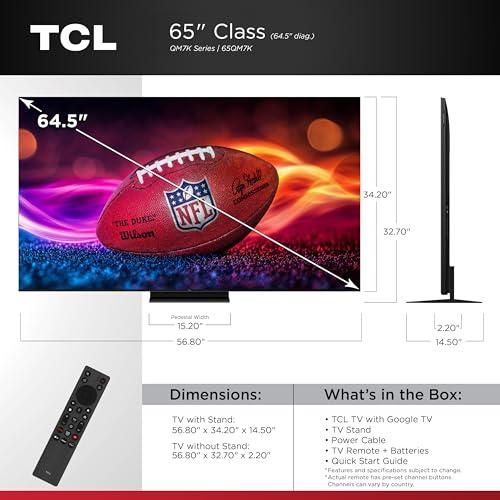
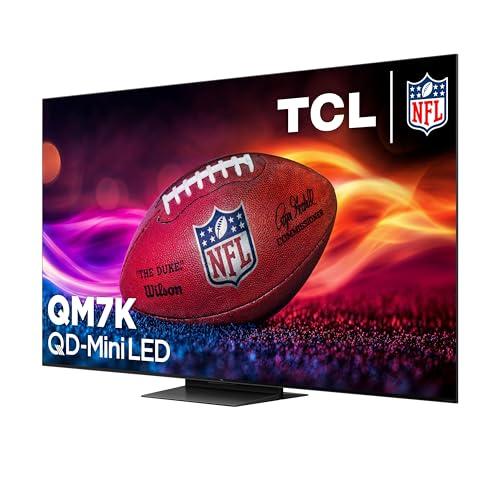
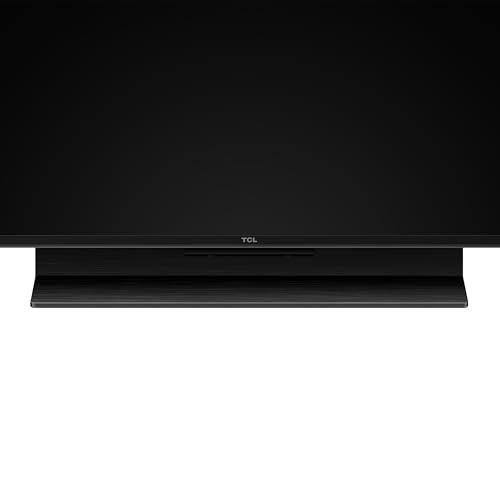

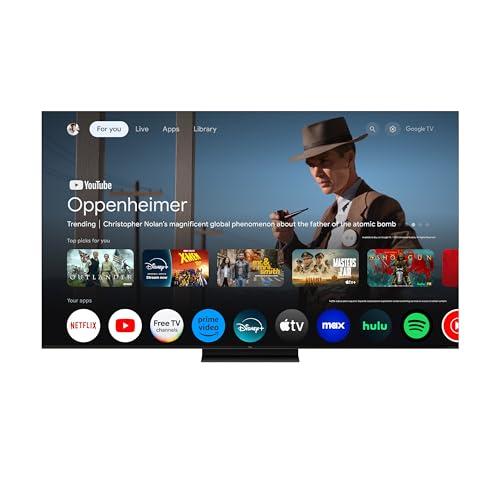
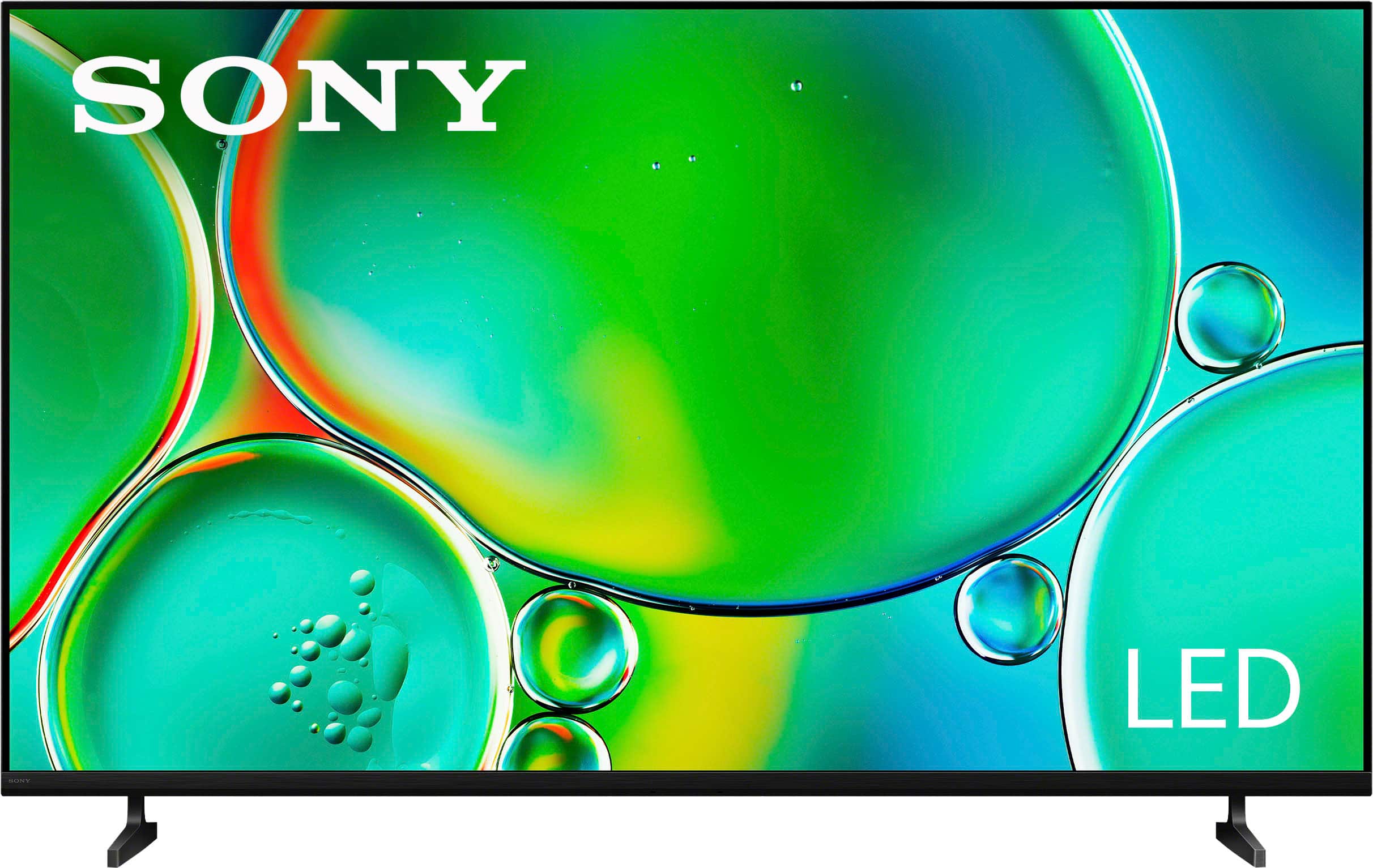
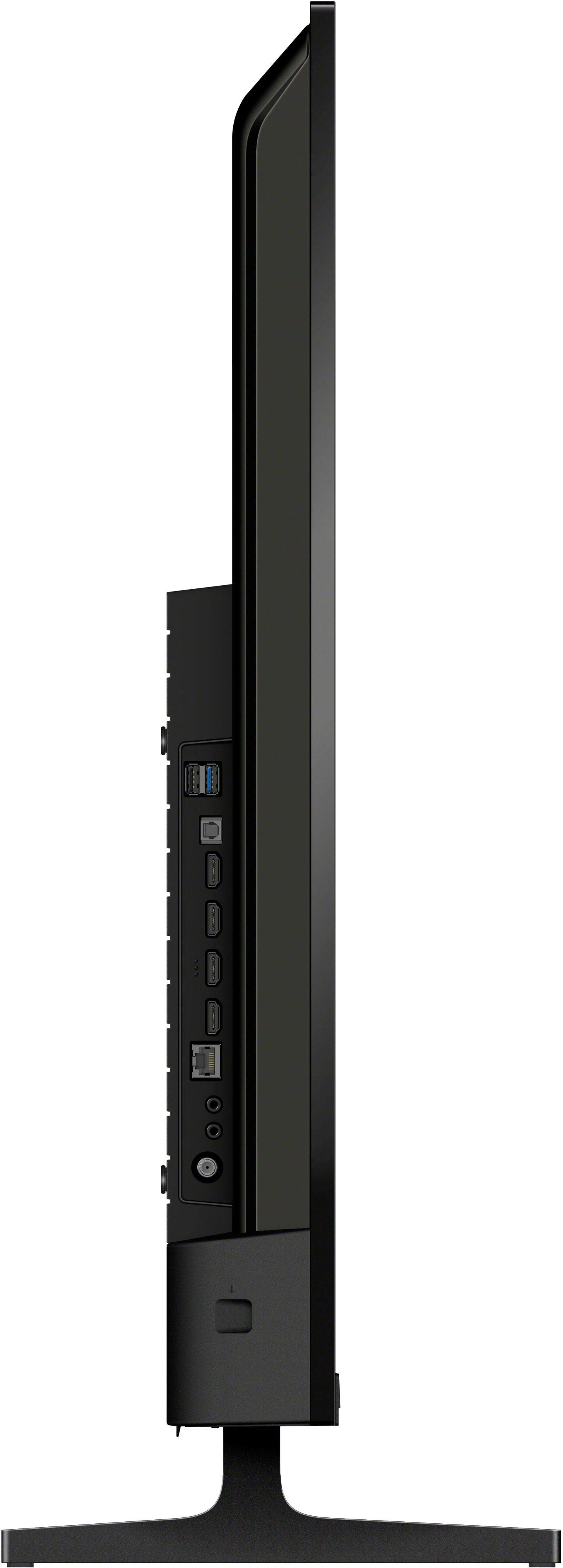
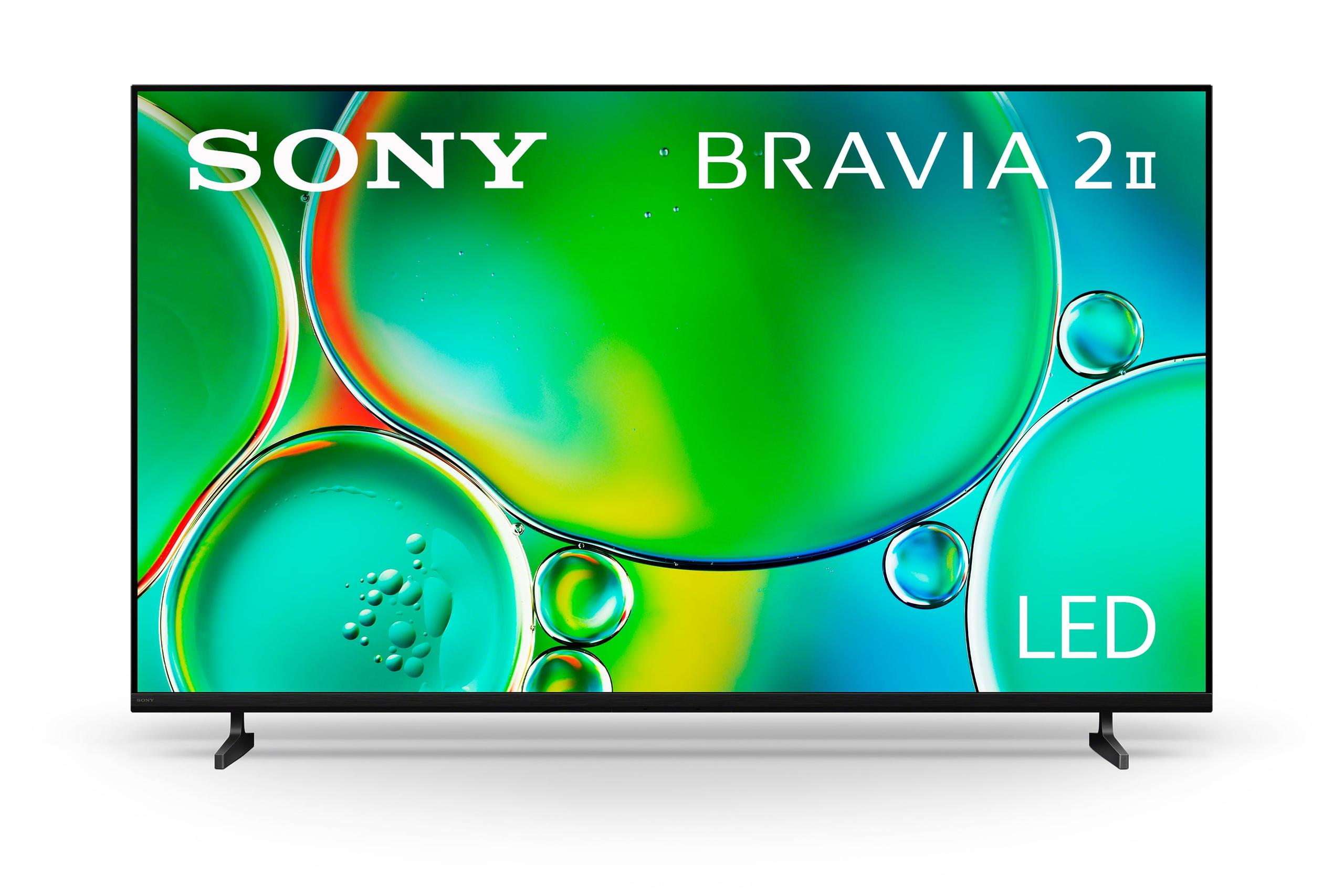
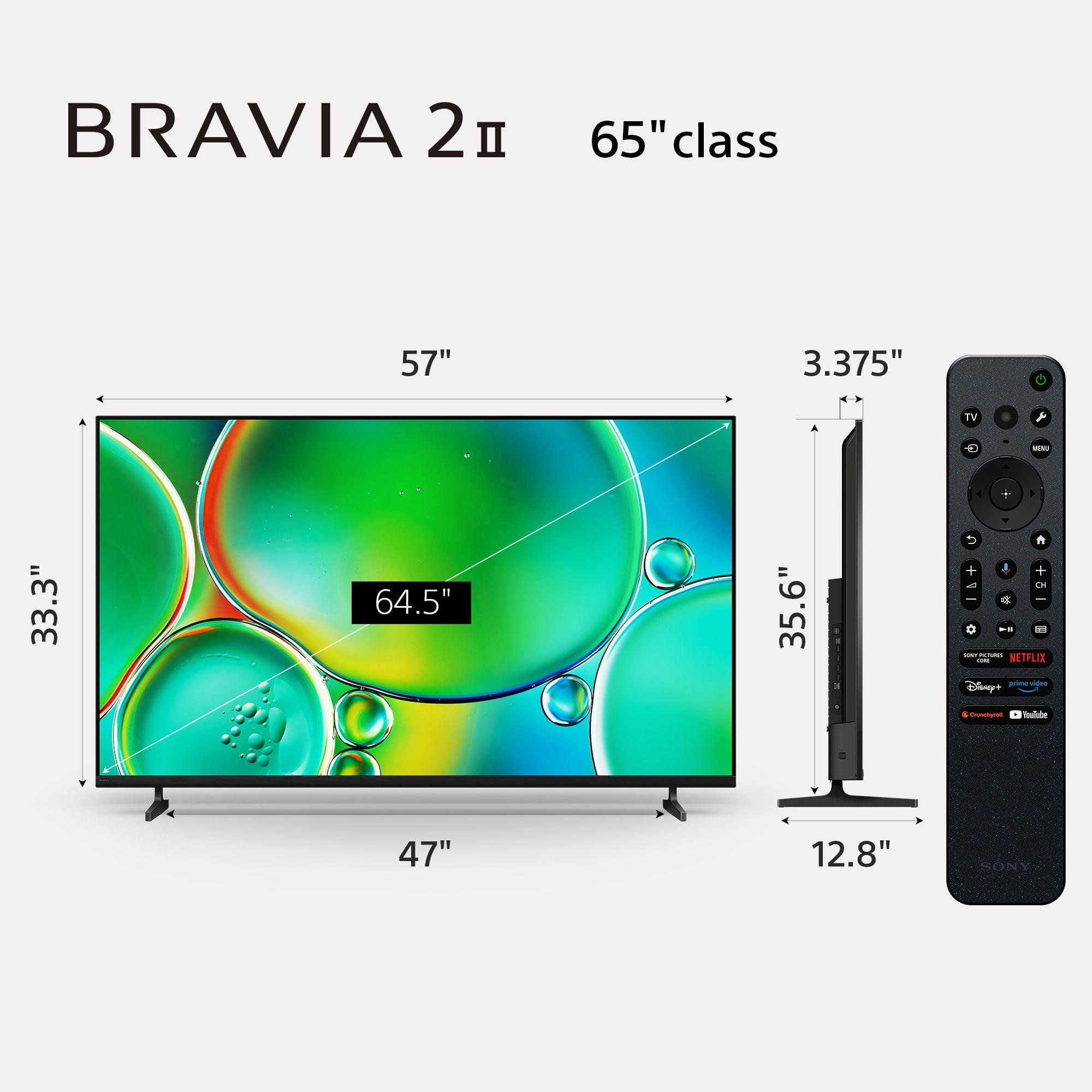

When shopping for a 65-inch 4K TV in 2025, you'll encounter two very different philosophies represented by the TCL 65QM7K and the Sony BRAVIA 2 II. The TCL pushes advanced display technology into an affordable package, while Sony focuses on delivering their renowned picture processing at an entry-level price point. Understanding these approaches—and what they mean for your viewing experience—is crucial for making the right choice.
The 4K TV market has evolved dramatically since these models launched. The TCL QM7K arrived in 2024 as part of TCL's push to bring premium Mini LED technology to more affordable price tiers. Meanwhile, the Sony BRAVIA 2 II represents Sony's 2025 entry-level offering, designed to maintain the brand's reputation for color accuracy while competing on price.
What makes this comparison interesting is that we're looking at fundamentally different approaches to the same problem: delivering great 4K content in your living room. The TCL QM7K takes a hardware-forward approach, packing in cutting-edge display technology. The Sony BRAVIA 2 II relies on Sony's decades of experience in image processing to make the most of more basic hardware.
The key considerations when choosing between these TVs come down to picture quality, gaming performance, smart features, and value. But it's not just about checking boxes—it's about understanding how these features translate to real-world performance in your specific viewing environment.
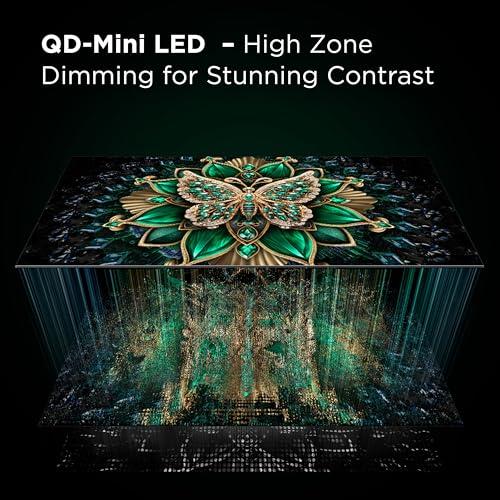
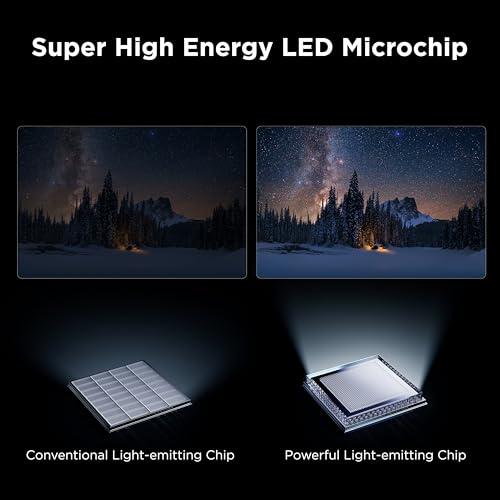
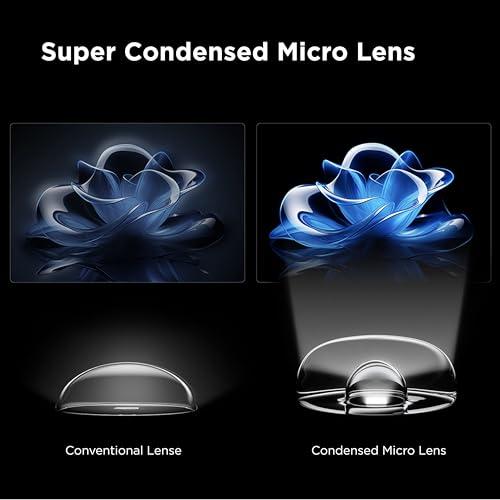
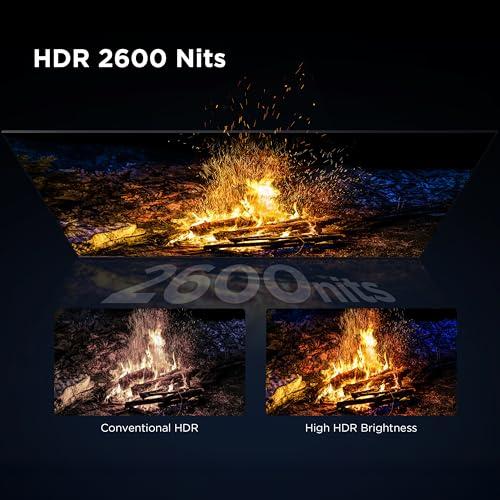
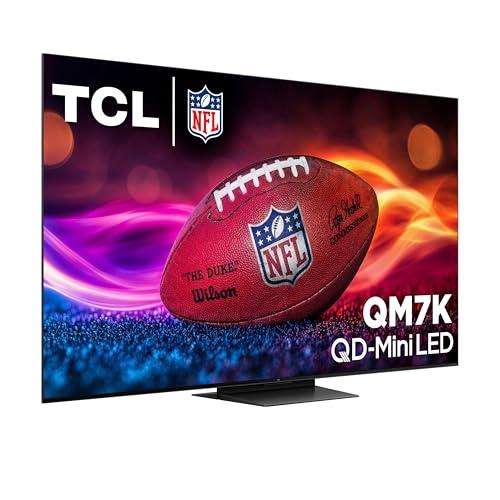
The most significant difference between these TVs lies in their approach to brightness and contrast. The TCL QM7K uses QD-Mini LED technology—essentially thousands of tiny LEDs combined with Quantum Dot materials—to achieve peak brightness levels of 2,600 to 3,000 nits. To put this in perspective, most standard LED TVs struggle to hit 400-600 nits, while premium OLED displays typically max out around 1,000 nits.
This brightness advantage isn't just about numbers on a spec sheet. When you're watching HDR (High Dynamic Range) content—think the bright explosion scenes in action movies or the sun-dappled landscapes in nature documentaries—that extra brightness translates to more impactful, lifelike images. The TCL QM7K can actually display those bright highlights the way content creators intended.
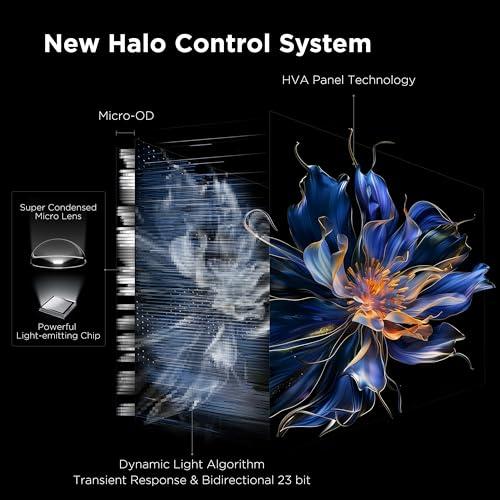
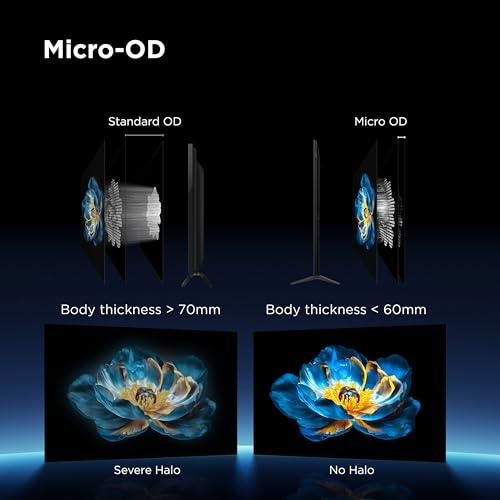
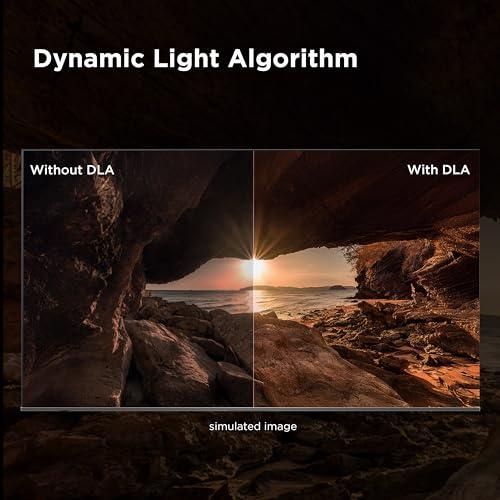
The TCL's Mini LED backlighting also enables up to 2,500 local dimming zones. Local dimming is like having thousands of individual light switches behind your screen, allowing the TV to make specific areas bright or dark independently. This creates deeper blacks and reduces the "blooming" effect where bright objects create unwanted halos in dark scenes.
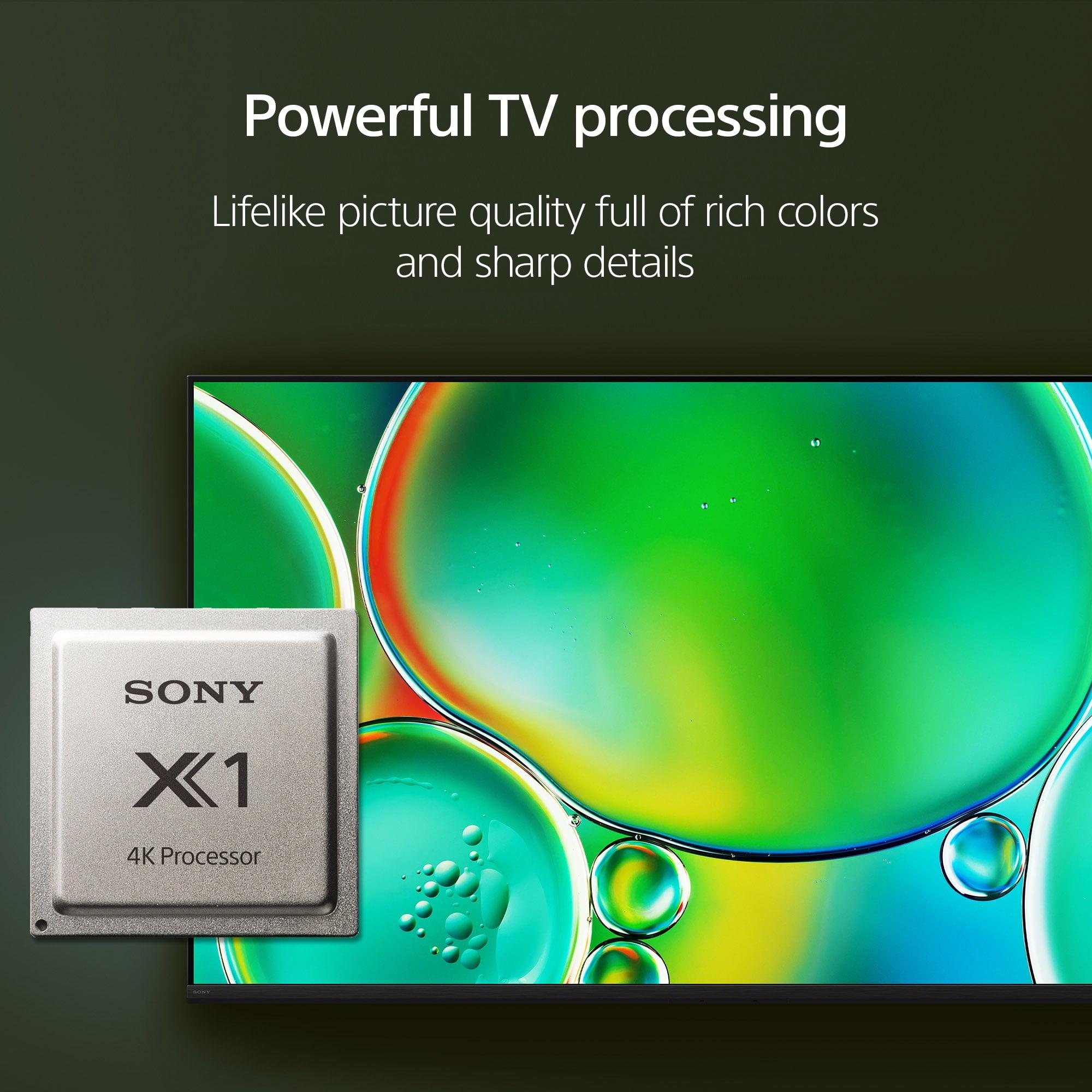
The Sony BRAVIA 2 II, by contrast, uses traditional LED backlighting with what Sony calls "Frame Dimming"—essentially full-screen brightness adjustment rather than local control. While Sony's 4K Processor X1 works to optimize contrast through software processing, it can't overcome the fundamental hardware limitations. The result is respectable contrast for the price point, but nothing approaching the TCL QM7K's dramatic dynamic range.
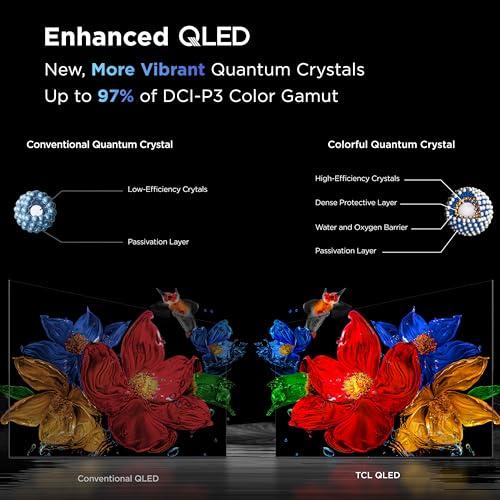
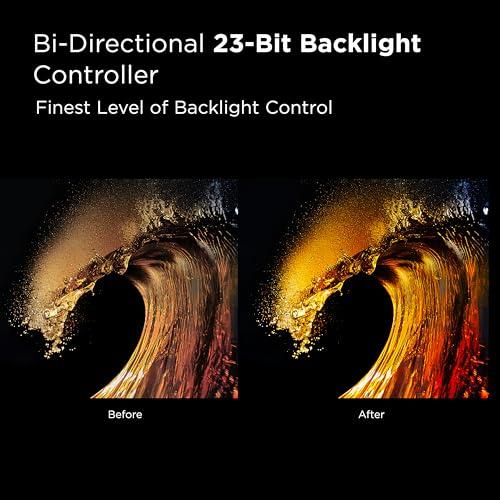
Here's where things get interesting. The TCL QM7K can technically display 1.07 billion colors with 97% DCI-P3 color gamut coverage—impressive numbers that translate to vibrant, saturated images. The Quantum Dot technology ensures these colors remain pure and accurate even at high brightness levels.
However, Sony's approach with the BRAVIA 2 II focuses on color processing rather than raw color volume. Sony's Live Color technology and 4K X-Reality PRO engine have been refined over decades of TV manufacturing. While the Sony can't match the TCL's color gamut on paper, many viewers find Sony's colors more natural and film-accurate, especially with standard content.
This reflects a broader philosophy difference: TCL prioritizes technical capabilities that wow in bright showrooms, while Sony emphasizes natural reproduction that looks correct over long viewing sessions. Neither approach is inherently better—it depends on your preferences and content consumption habits.
Gaming has become a crucial TV consideration since the PlayStation 5 and Xbox Series X launched, and the differences between these models are stark.
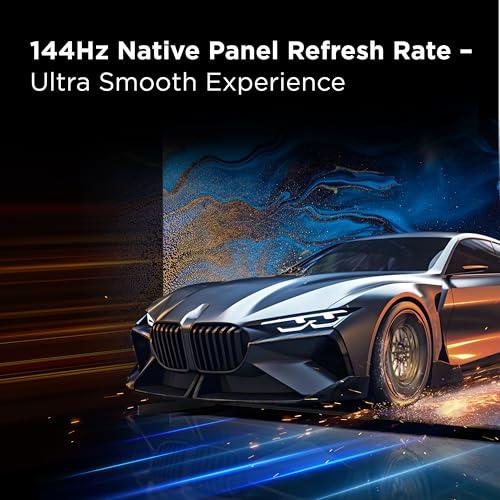
The TCL QM7K offers a native 144Hz refresh rate with Variable Refresh Rate (VRR) support up to 288Hz at 1080p. VRR synchronizes the TV's refresh rate with your gaming console's frame output, eliminating screen tearing and stuttering. For competitive gamers or those with high-end PCs, this creates noticeably smoother gameplay.
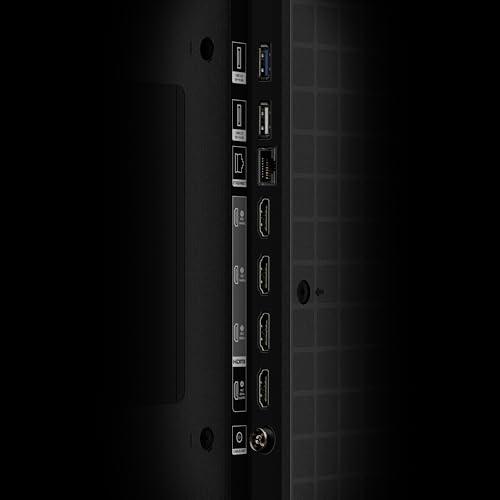
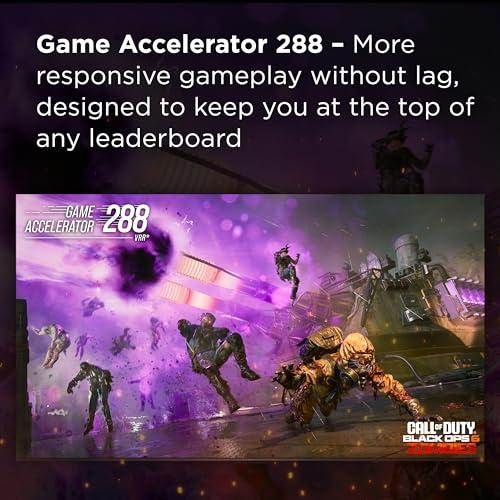
The TV's Game Accelerator 288 feature and AMD FreeSync Premium Pro certification ensure compatibility with a wide range of gaming hardware. The TCL QM7K also includes two HDMI 2.1 ports supporting 4K at 120Hz—essential for next-generation console gaming at maximum quality.
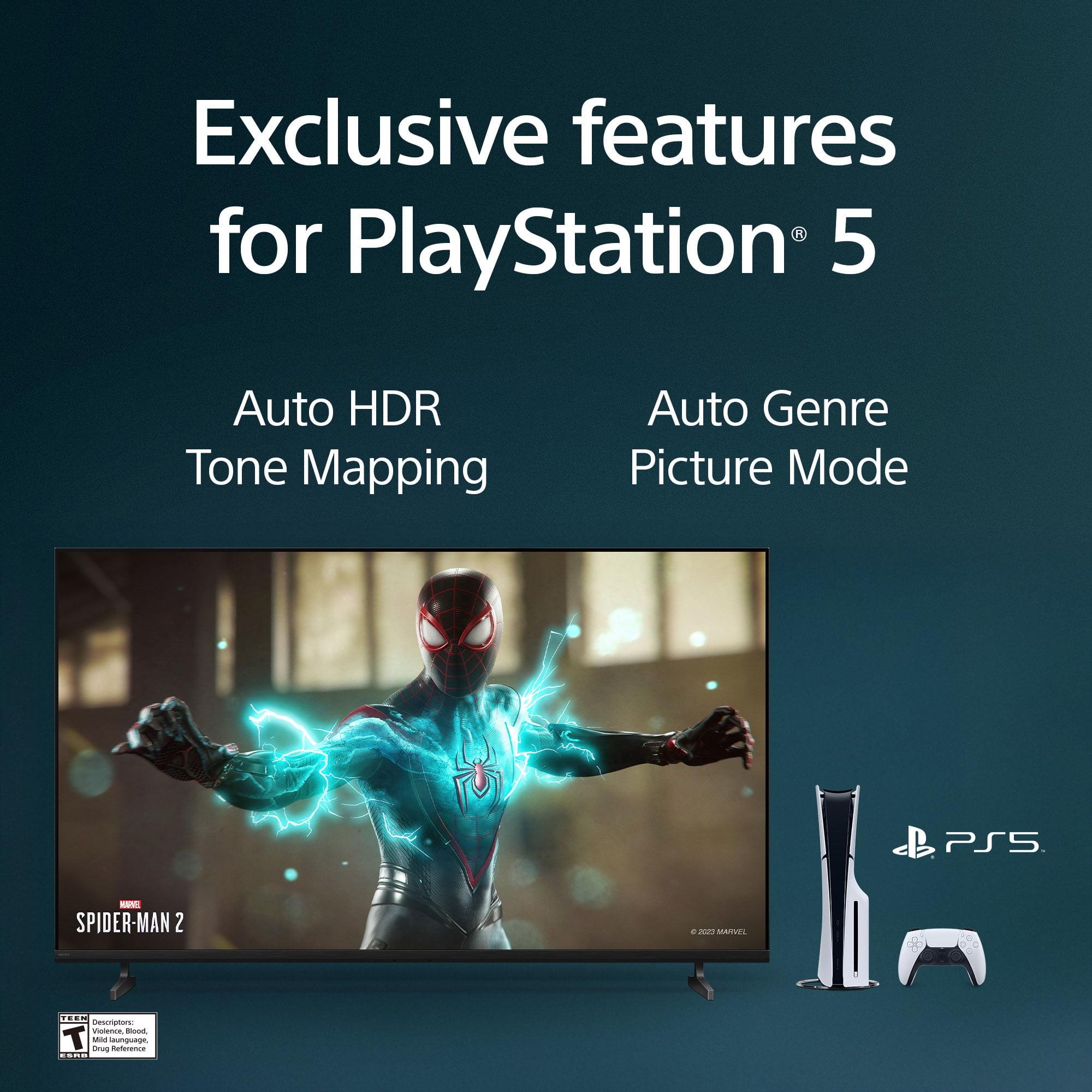
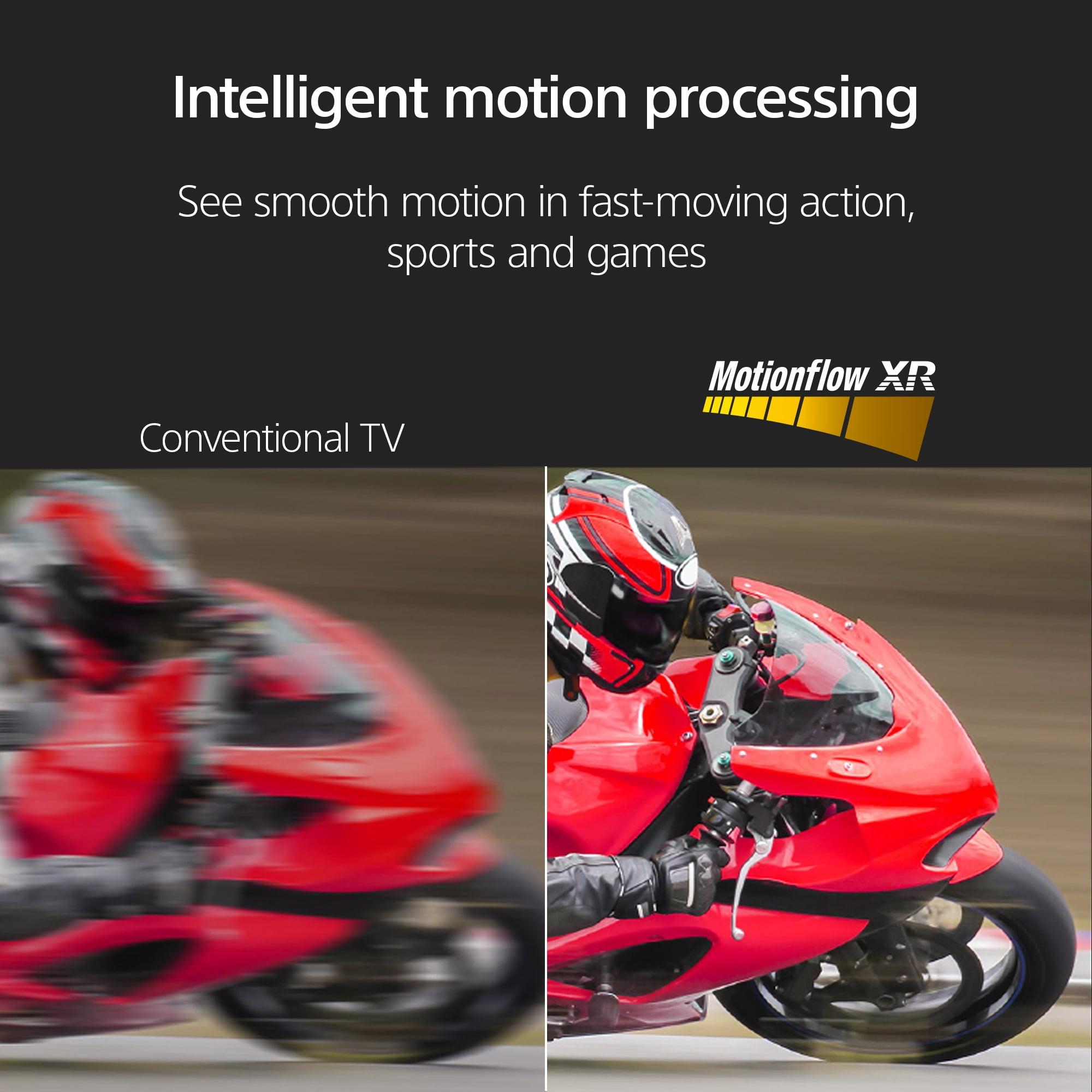
The Sony BRAVIA 2 II takes a more conservative approach with a 60Hz refresh rate and Motionflow XR 200 processing. While it includes PlayStation 5-specific optimizations like Auto HDR Tone Mapping and Auto Low Latency Mode (ALLM), it can't match the TCL's raw gaming performance. For casual gamers who primarily play single-player campaigns, this may be perfectly adequate. For anyone serious about competitive gaming or who owns high-end hardware, the limitations become apparent quickly.
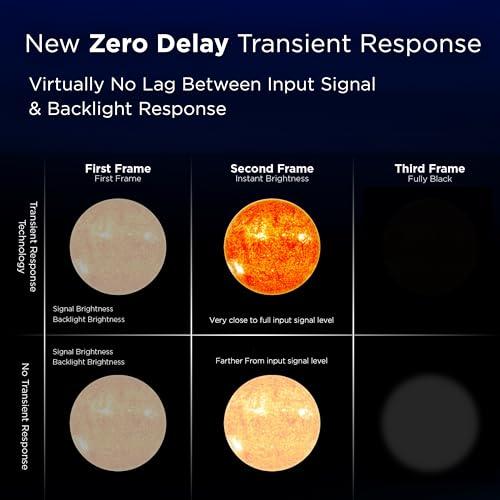
Both TVs offer low input lag in game mode—typically under 20 milliseconds—but the TCL QM7K includes more sophisticated game optimization through its Game Master 2.0 system. This provides real-time adjustments for different game genres and automatically switches picture modes based on content detection.
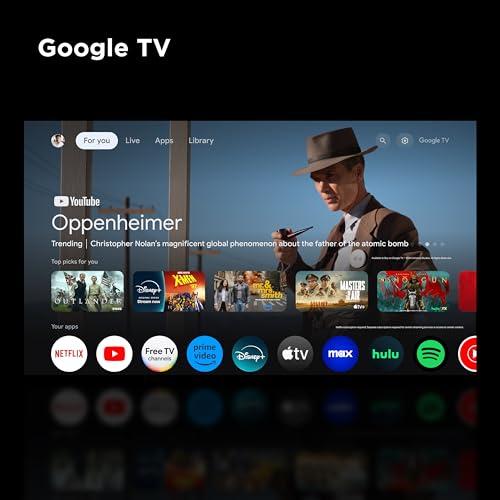
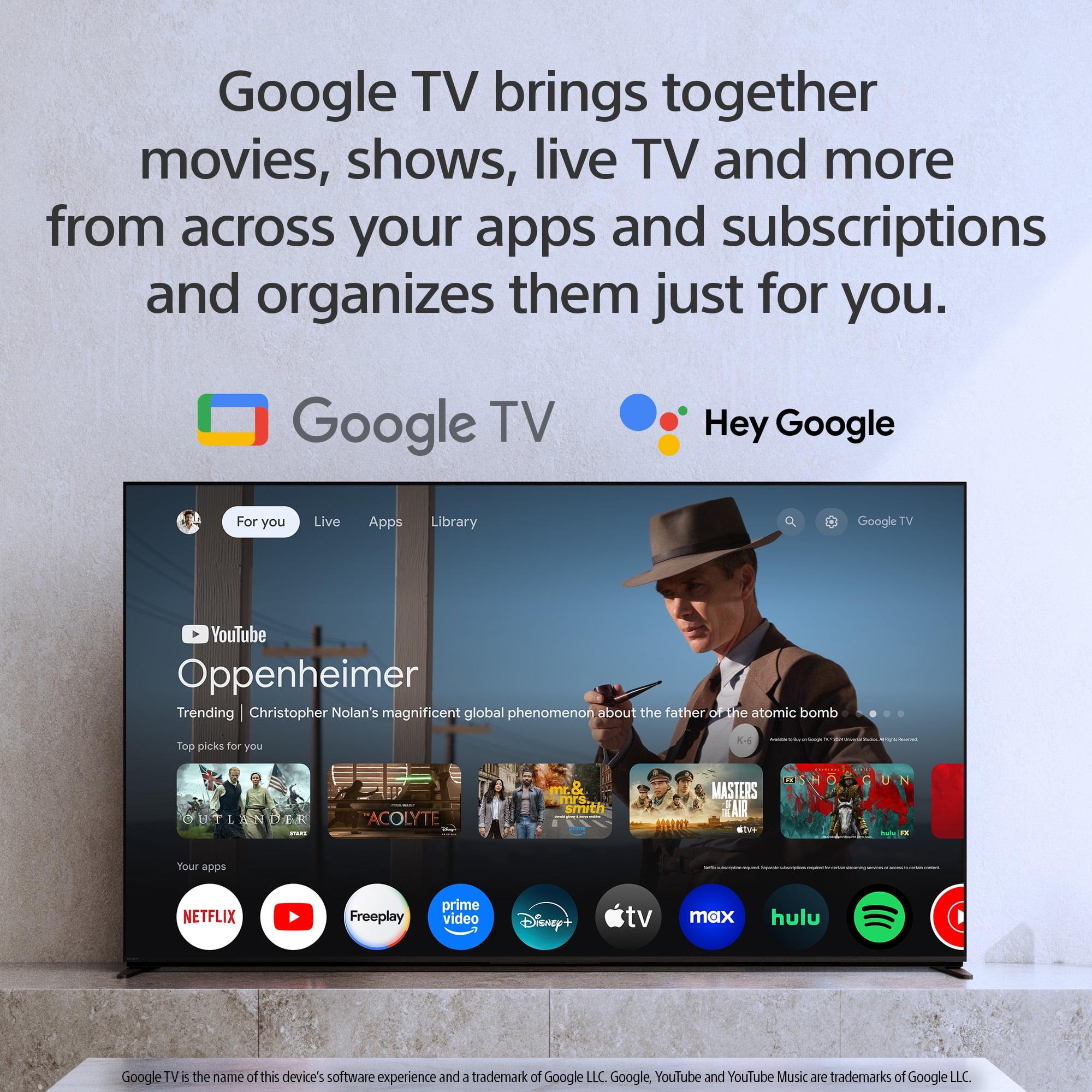
Both TVs run Google TV, which has evolved significantly since its launch. The platform offers access to virtually every major streaming service, with an interface that learns your viewing habits and suggests relevant content.
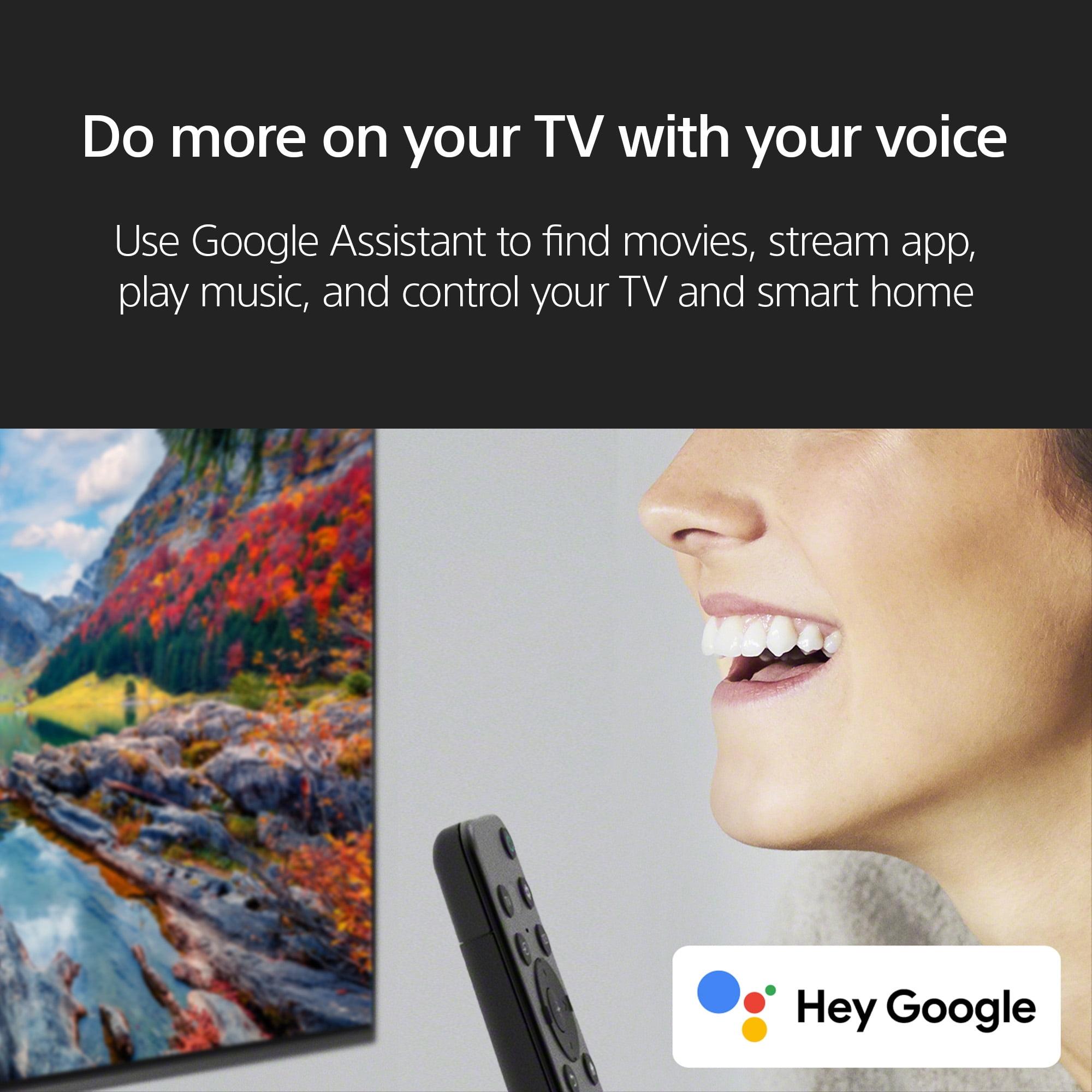
The TCL QM7K distinguishes itself with hands-free voice control through built-in far-field microphones. You can ask Google Assistant questions or control the TV without reaching for the remote—genuinely useful when you're settled in with snacks during a long movie. The integration with Gemini AI also promises more sophisticated content recommendations, though this technology is still evolving.
The Sony BRAVIA 2 II focuses on interface refinement rather than advanced features. Sony's implementation of Google TV tends to be more stable and responsive, reflecting their experience with software optimization. The PlayStation integration is also notably smooth, with features like Auto Genre Picture Mode that automatically adjusts settings when you switch between games and movies.
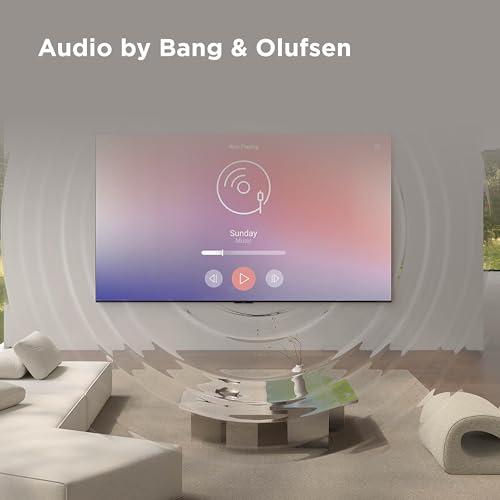
TV audio often gets overlooked until you're actually living with the device daily. The TCL QM7K includes a Bang & Olufsen-tuned 60W speaker system with Dolby Atmos support. While no TV speakers truly replace a dedicated soundbar, TCL's audio implementation provides surprisingly good dialog clarity and some sense of spatial audio for casual viewing.
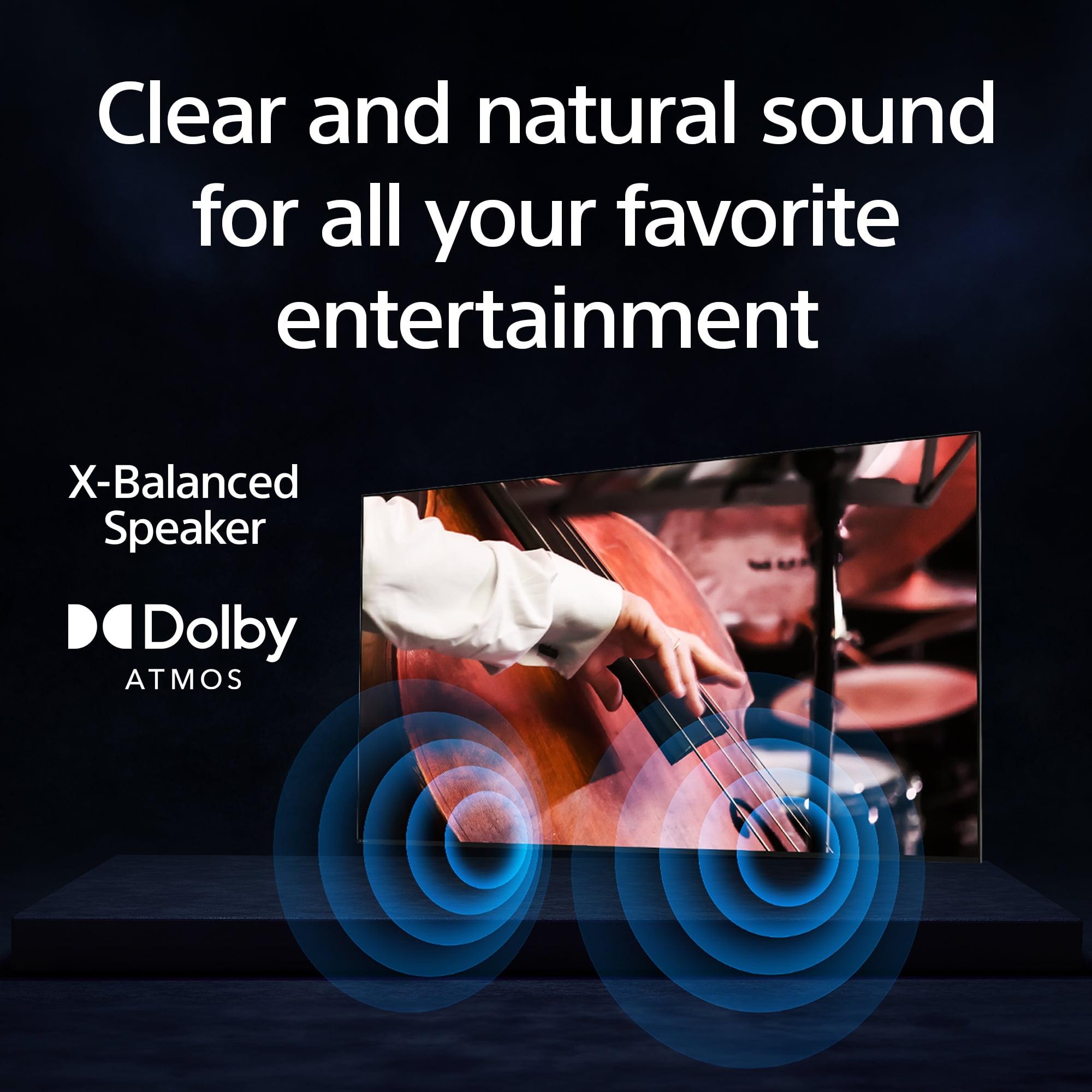
The Sony BRAVIA 2 II offers a more modest 40W system but benefits from Sony's Clear Phase technology, which optimizes sound timing for better acoustic harmony. Sony's approach prioritizes dialog intelligibility and tonal balance over raw power.
For serious home theater enthusiasts, both TVs will likely be paired with external audio systems. However, if you're planning to rely on built-in speakers, the TCL QM7K's additional power and premium audio tuning provide a meaningful advantage.
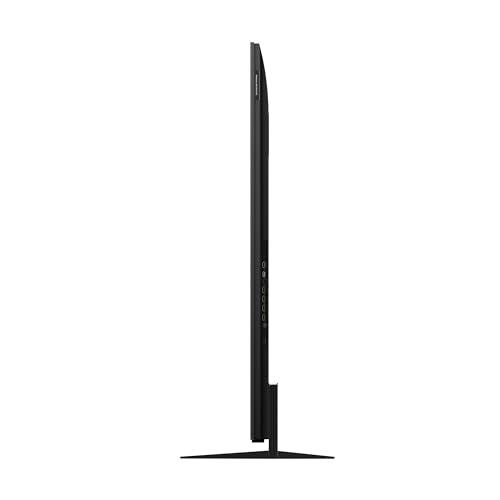
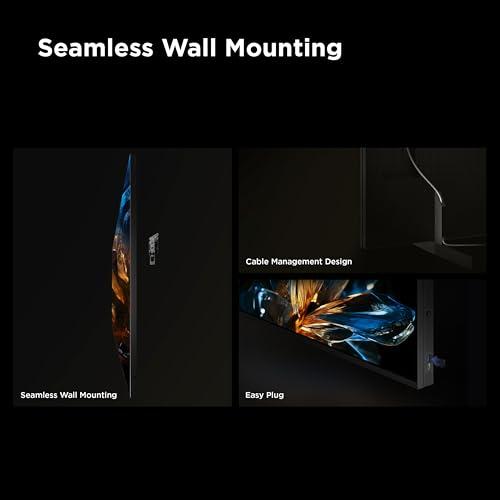
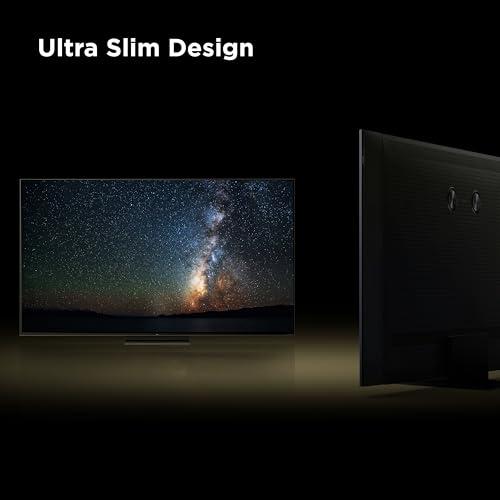
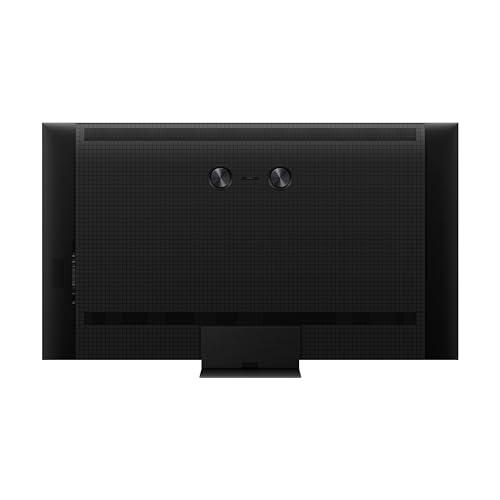
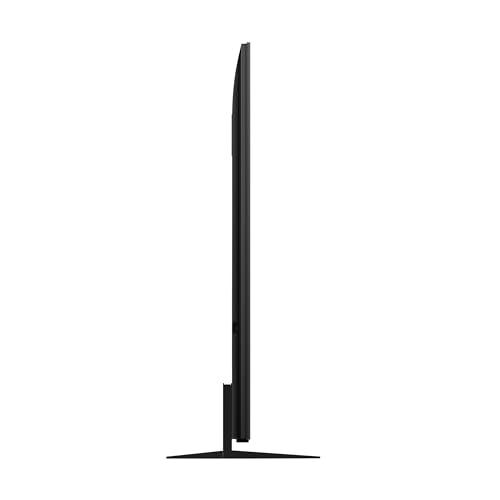
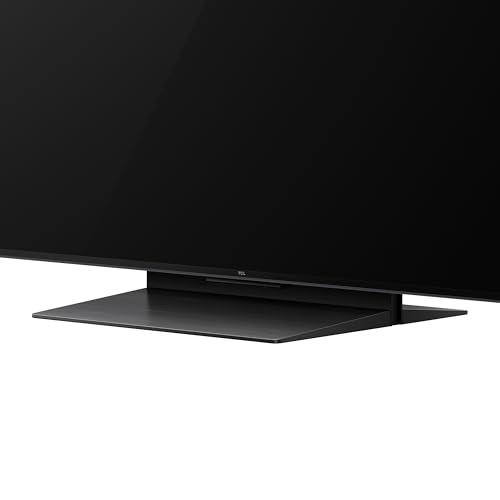
The TCL QM7K showcases the engineering required to pack Mini LED technology into a consumer-friendly form factor. The ultra-slim profile belies the complex backlighting system inside, and the build quality reflects TCL's growing confidence as a premium brand.
Sony's BRAVIA 2 II emphasizes the refined aesthetic Sony is known for, with a metal frame and clean lines that complement most home décor. While the internal components are less sophisticated than the TCL's, Sony's reputation for long-term reliability provides peace of mind for many buyers.
At the time of writing, these TVs occupy different price tiers that reflect their capabilities. The TCL QM7K typically commands a moderate premium over the Sony BRAVIA 2 II, but the feature difference is substantial rather than incremental.
The TCL represents exceptional value for buyers who want premium display technology without flagship pricing. The Mini LED backlighting, high refresh rate gaming features, and advanced HDR support deliver performance that competed with TVs costing significantly more just a few years ago.
The Sony BRAVIA 2 II offers entry-level access to Sony's brand reputation and color processing expertise. For buyers on tight budgets who still want reliable 4K performance, it provides a sensible foundation that will handle standard streaming and broadcast content competently.
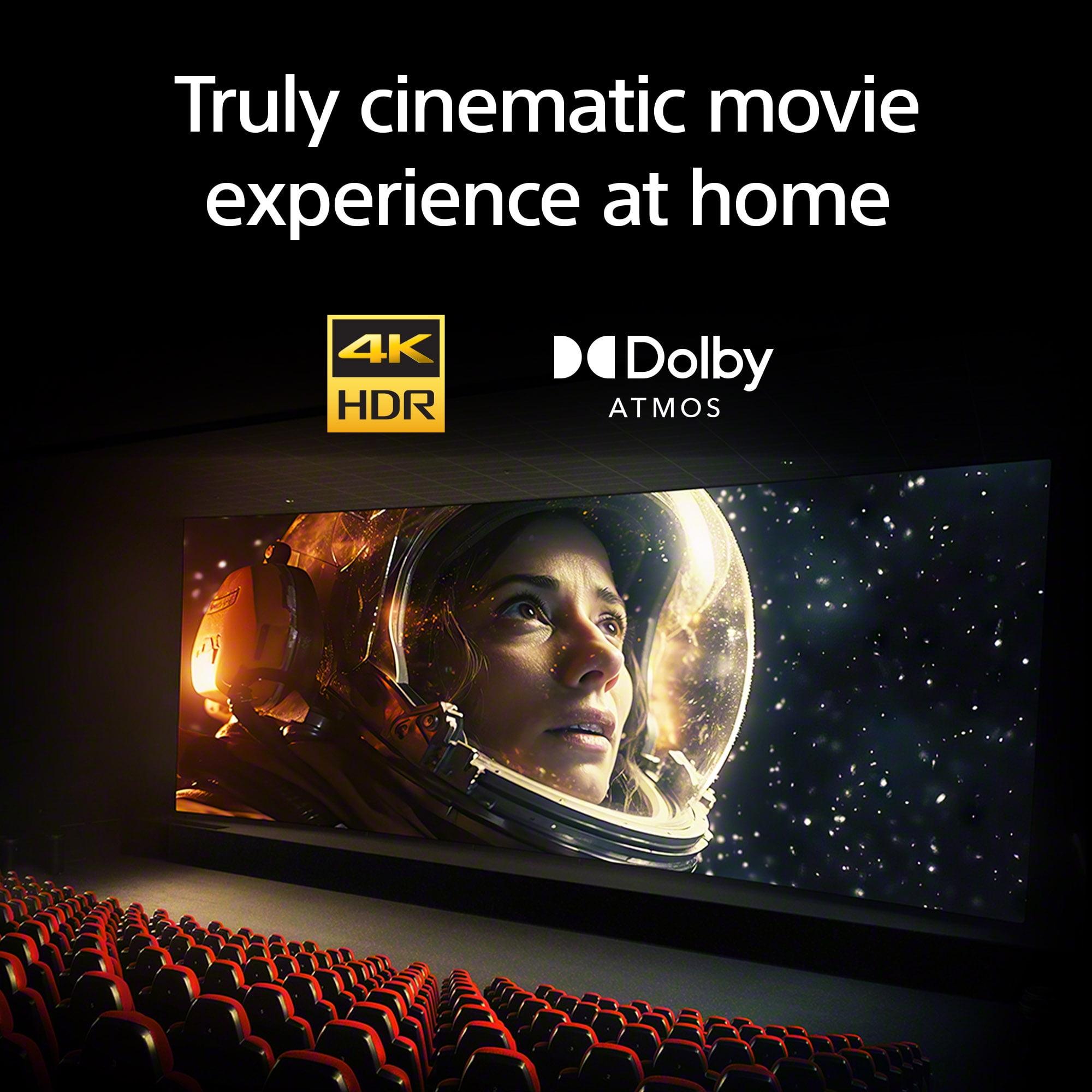
If you're building a dedicated home theater, the TCL QM7K is the clear choice. Its high brightness handles ambient light well, while the local dimming provides the contrast needed for cinematic dark scenes. The advanced HDR support ensures you're getting the full benefit of premium content from services like Netflix, Disney+, or 4K Blu-ray discs.
The gaming capabilities also make the TCL future-proof for entertainment beyond traditional movies and TV. As streaming services begin offering higher frame rate content and gaming becomes increasingly integrated into TV platforms, the TCL QM7K's technical advantages become more valuable over time.
The Sony BRAVIA 2 II works better in more casual viewing environments where consistent, natural-looking images matter more than peak performance. Its color processing shines with standard definition content and broadcast television, making it ideal for families who primarily watch network TV and basic streaming.
Choose the TCL QM7K if you're an enthusiast who wants the latest display technology, game regularly on modern consoles, frequently watch HDR content, or have a bright living room that demands high peak brightness. The technical advantages justify the price premium for viewers who will notice and appreciate the enhanced performance.
The TCL QM7K also makes sense if you're planning to keep the TV for many years and want something that will remain competitive as content and gaming technology evolve. The 144Hz refresh rate and advanced HDR support provide genuine future-proofing.
Select the Sony BRAVIA 2 II if you prioritize brand reliability, have a strict budget, primarily consume standard content, or value Sony's natural color reproduction over technical specifications. It's also the better choice if you want a simple, refined experience without complicated features you might not use.
The Sony particularly appeals to buyers who trust the brand's reputation for longevity and software support. Sony's TVs tend to receive longer software update cycles and maintain performance consistency over time.
These TVs represent two valid but different approaches to 4K entertainment. The TCL QM7K pushes the boundaries of what's possible at its price point, delivering premium features that were unattainable in affordable TVs just a few years ago. The Sony BRAVIA 2 II focuses on doing the basics exceptionally well, leveraging Sony's expertise to deliver natural, pleasing images without overwhelming complexity.
For most buyers seeking maximum value and future-proofing, the TCL QM7K provides substantially more performance for a relatively modest price increase. However, the Sony BRAVIA 2 II serves an important role for budget-conscious buyers who want reliable performance from a trusted brand.
The key is honestly assessing your viewing habits, room environment, and long-term plans. Both TVs will display 4K content competently, but they'll do so in notably different ways that become apparent during daily use.
| TCL 65QM7K QD-Mini LED 4K Google TV | Sony BRAVIA 2 II 65" 4K LED Google TV 2025 |
|---|---|
| Peak Brightness - Critical for HDR impact and bright room viewing | |
| 2,600-3,000 nits (excellent for daytime viewing and true HDR) | Moderate brightness (good for controlled lighting) |
| Local Dimming - Controls contrast and reduces blooming in dark scenes | |
| Up to 2,500 zones (Mini LED precision for deep blacks) | Frame dimming only (basic contrast control) |
| Refresh Rate - Essential for gaming and sports smoothness | |
| 144Hz native, up to 288Hz VRR (future-proof gaming) | 60Hz with motion processing (adequate for casual use) |
| HDR Support - Determines premium content quality | |
| Dolby Vision IQ, HDR10+, HDR10, HLG (comprehensive support) | HDR10, HLG, IMAX Enhanced (basic HDR capabilities) |
| Gaming Features - Important for console and PC gaming | |
| 2x HDMI 2.1, VRR, AMD FreeSync Premium Pro, Game Master 2.0 | HDMI 2.0, ALLM, PS5 optimization (entry-level gaming) |
| Display Technology - Affects color vibrancy and contrast | |
| QD-Mini LED with Quantum Dots (wide color gamut, high contrast) | Traditional LED with frame dimming (reliable but basic) |
| Audio System - Built-in sound quality | |
| Bang & Olufsen 60W, Dolby Atmos (premium audio tuning) | 40W speakers, Dolby Atmos, Clear Phase (adequate quality) |
| Smart Features - Voice control and AI capabilities | |
| Google TV, hands-free voice, Gemini AI integration | Google TV, standard remote control (refined interface) |
| Color Processing - Image accuracy and vibrancy | |
| 1.07 billion colors, 97% DCI-P3, AI color optimization | Sony Live Color, X1 processor (natural, film-accurate) |
| Target Market - Best suited for | |
| Enthusiasts wanting premium features at mid-range pricing | Budget-conscious buyers prioritizing brand reliability |
The TCL QM7K is significantly better for gaming with its 144Hz native refresh rate, VRR support up to 288Hz, two HDMI 2.1 ports, and AMD FreeSync Premium Pro certification. The Sony BRAVIA 2 II offers basic gaming features with 60Hz refresh rate and PlayStation 5 optimizations, making it suitable for casual gaming but not competitive or high-end PC gaming.
The TCL QM7K delivers superior picture quality with QD-Mini LED technology, 2,600-3,000 nits peak brightness, and up to 2,500 local dimming zones for exceptional contrast and HDR performance. The Sony BRAVIA 2 II uses traditional LED backlighting with Sony's color processing expertise, providing natural-looking images but with limited brightness and contrast compared to the TCL.
The TCL QM7K is much better for bright rooms due to its high peak brightness of 2,600-3,000 nits and anti-reflective coating. The Sony BRAVIA 2 II has moderate brightness levels that work best in controlled lighting conditions rather than rooms with lots of natural light or ambient lighting.
Yes, both the TCL QM7K and Sony BRAVIA 2 II run Google TV and support all major streaming services including Netflix, Disney+, Prime Video, YouTube, and more. The TCL adds hands-free voice control, while Sony focuses on interface refinement and stability.
The TCL QM7K has superior built-in audio with Bang & Olufsen tuning, 60W speaker output, and Dolby Atmos support. The Sony BRAVIA 2 II offers 40W speakers with Dolby Atmos and Sony's Clear Phase technology, which is adequate but less powerful than the TCL's audio system.
The TCL QM7K is excellent for HDR content with support for Dolby Vision IQ, HDR10+, and the brightness needed to display true HDR highlights. The Sony BRAVIA 2 II supports HDR10 and HLG but lacks the peak brightness to deliver impactful HDR performance, making it better suited for standard content.
The Sony BRAVIA 2 II benefits from Sony's reputation for long-term reliability, consistent software updates, and proven build quality over many years. The TCL QM7K represents newer technology with solid construction, but Sony's track record for longevity and support gives it an edge in reliability expectations.
Both TVs offer quality construction, with the TCL QM7K featuring an ultra-slim profile that houses complex Mini LED backlighting technology. The Sony BRAVIA 2 II emphasizes Sony's refined aesthetic with a metal frame and clean lines that complement most home décor while maintaining proven durability.
The TCL QM7K offers better value for feature-focused buyers, providing premium Mini LED technology, advanced gaming capabilities, and high HDR performance at a mid-range price point. The Sony BRAVIA 2 II provides better value for budget-conscious buyers who want reliable Sony quality and natural color processing without premium features.
The TCL QM7K fully supports 4K gaming at 120Hz through its HDMI 2.1 ports, VRR, and advanced gaming features. The Sony BRAVIA 2 II supports 4K gaming but is limited to 60Hz without VRR, making it suitable for most console games but not optimal for competitive gaming or high-frame-rate titles.
The TCL QM7K is significantly better for home theater use with its high brightness for ambient light handling, deep blacks from local dimming, comprehensive HDR support, and superior audio system. The Sony BRAVIA 2 II works for basic home theater needs but lacks the dynamic range and brightness for a premium cinematic experience.
Choose the TCL QM7K if you want premium display technology, game regularly, watch lots of HDR content, or have a bright room. Choose the Sony BRAVIA 2 II if you're on a budget, prioritize brand reliability, prefer natural color processing, or mainly watch standard definition content and don't need advanced gaming features.
We've done our best to create useful and informative comparisons to help you decide what product to buy. Our research uses advanced automated methods to create this comparison and perfection is not possible - please contact us for corrections or questions. These are the sites we've researched in the creation of this article: bestbuy.com - businessinsider.com - tomsguide.com - tomsguide.com - rtings.com - tomsguide.com - youtube.com - rtings.com - consumerreports.org - youtube.com - youtube.com - displayspecifications.com - youtube.com - tcl.com - tcl.com - tcl.com - youtube.com - rcwilley.com - bestbuy.com - tclcentral.com - displayspecifications.com - tomsguide.com - tcl.com - brandsmartusa.com - tcl.com - tcl.com - gizmochina.com - nfm.com - dolby.com - alexraytv.com - bestbuy.com - notebookcheck.net - rtings.com - youtube.com - youtube.com - rtings.com - avsforum.com - croma.com - totonstv.com - electronics.sony.com - listenup.com - pcrichard.com - youtube.com - flanners.com - brandsmartusa.com - displayspecifications.com - pioneertvandappliance.com - donstv.com

Privacy Policy
Terms and Conditions - Affiliate Policy
Home Security
© Copyright 2008-2026.
11816 Inwood Rd #1211, Dallas, TX 75244