

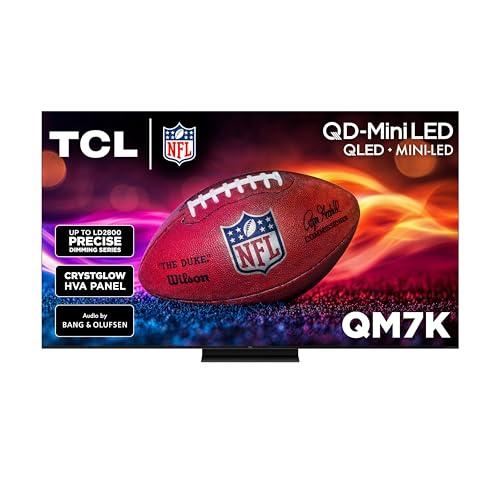
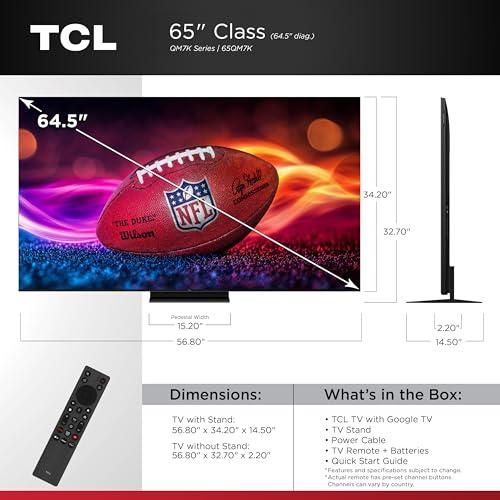
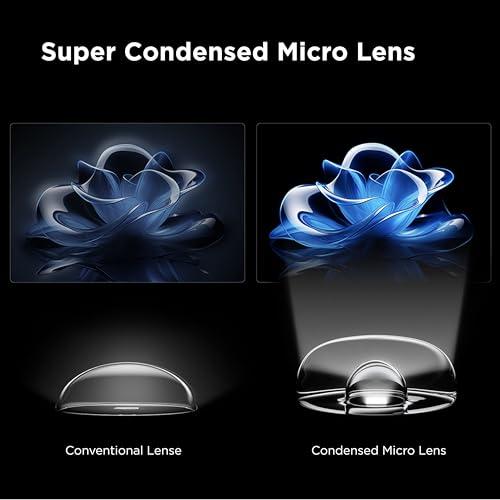
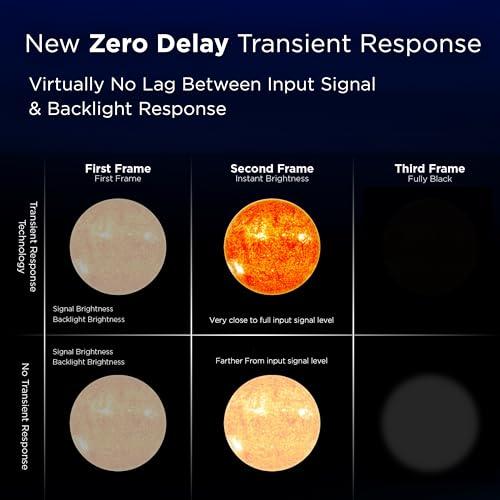
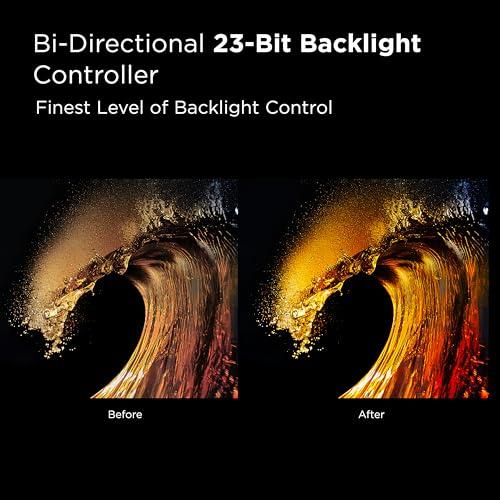
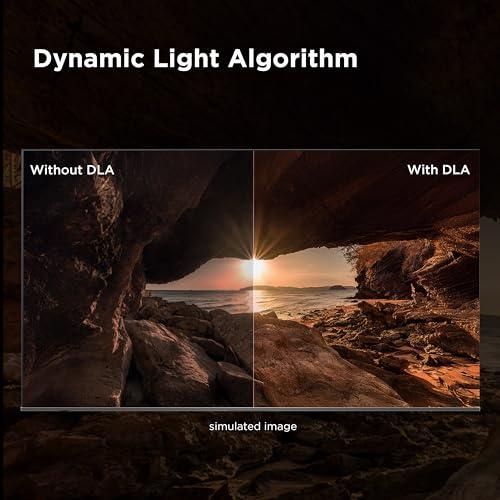

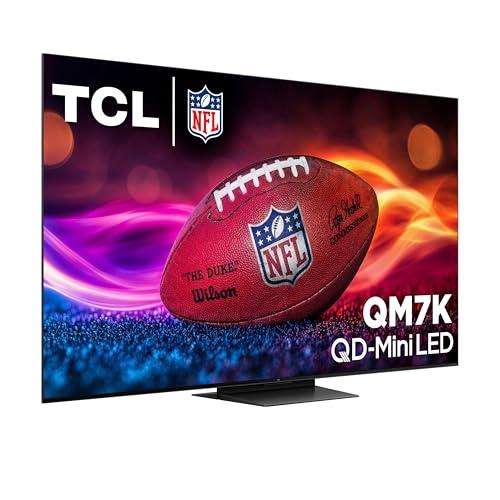
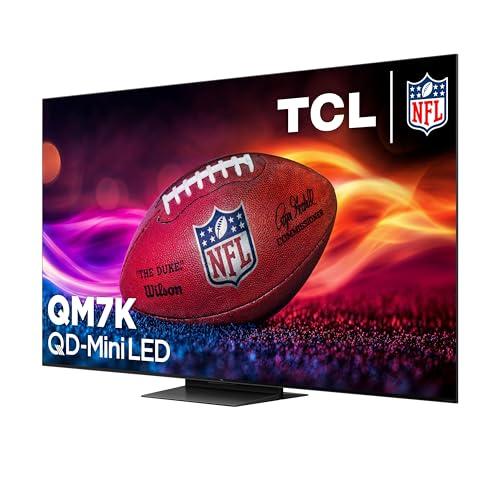
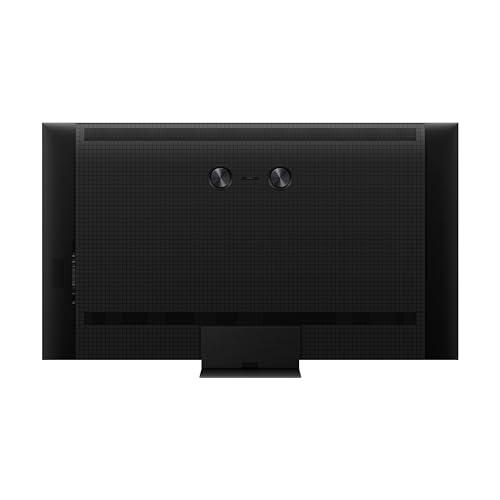
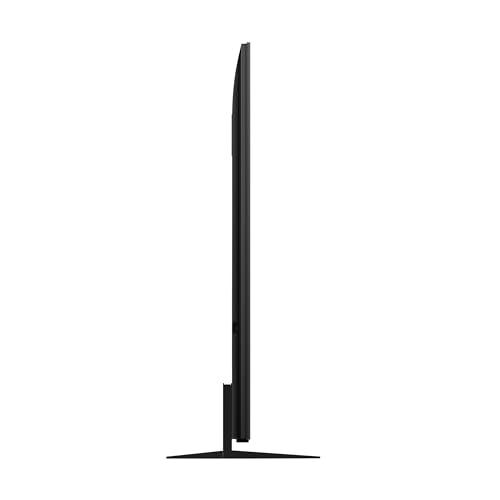
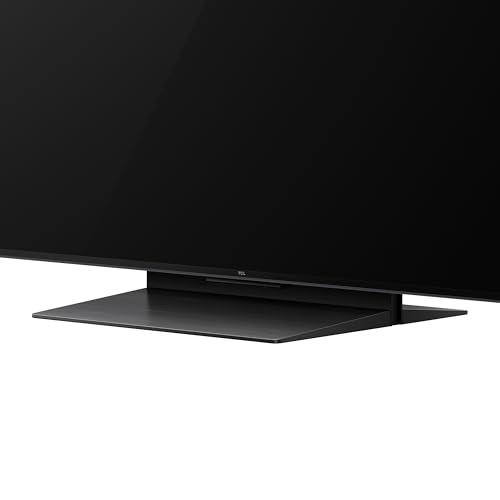
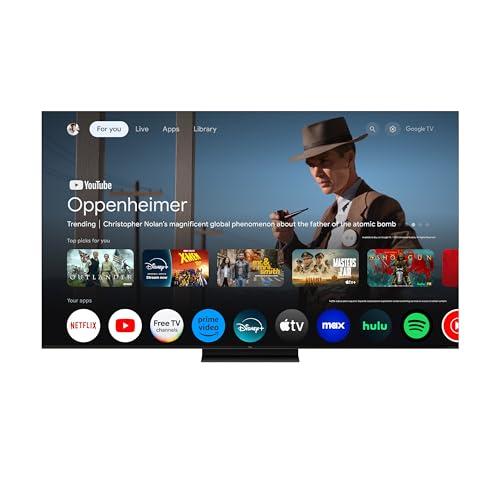
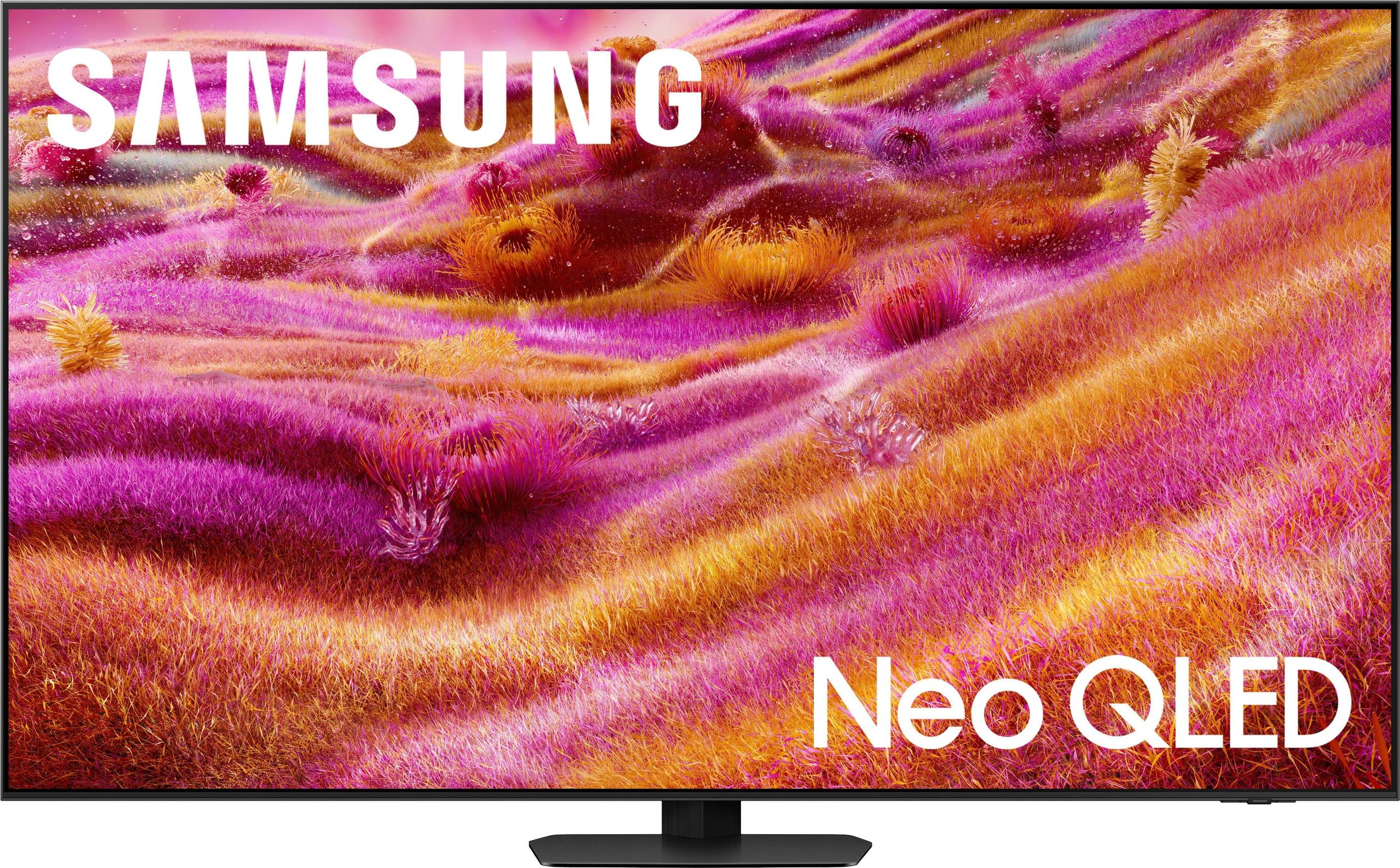
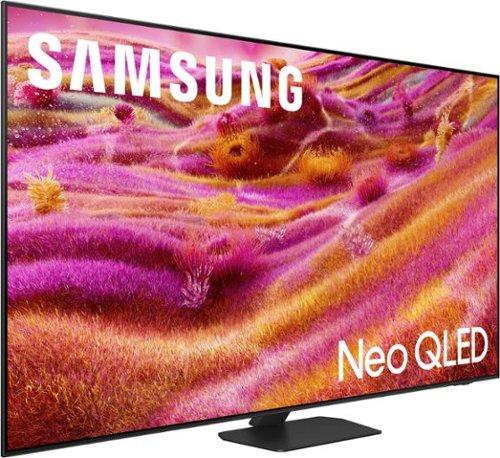
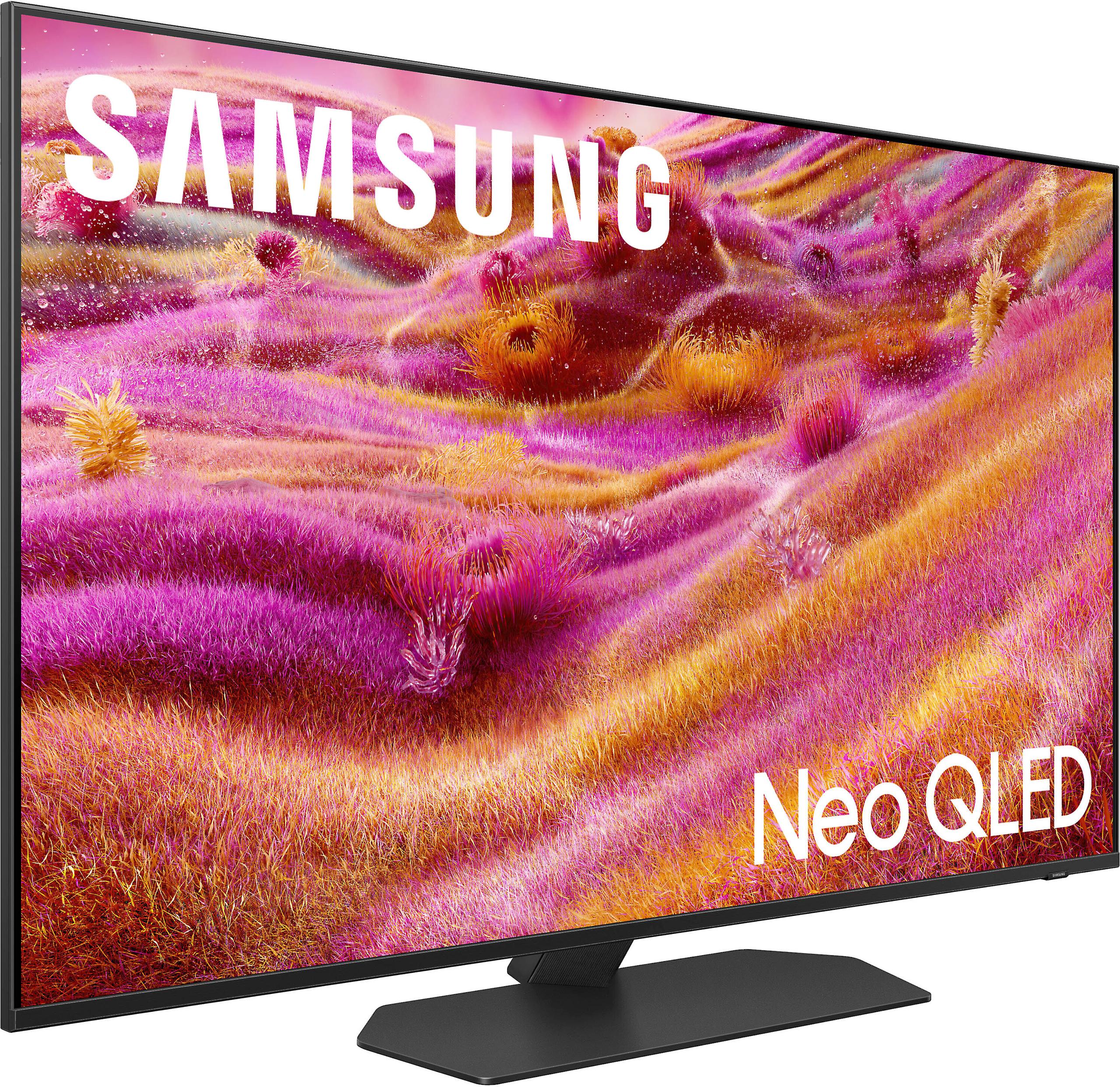
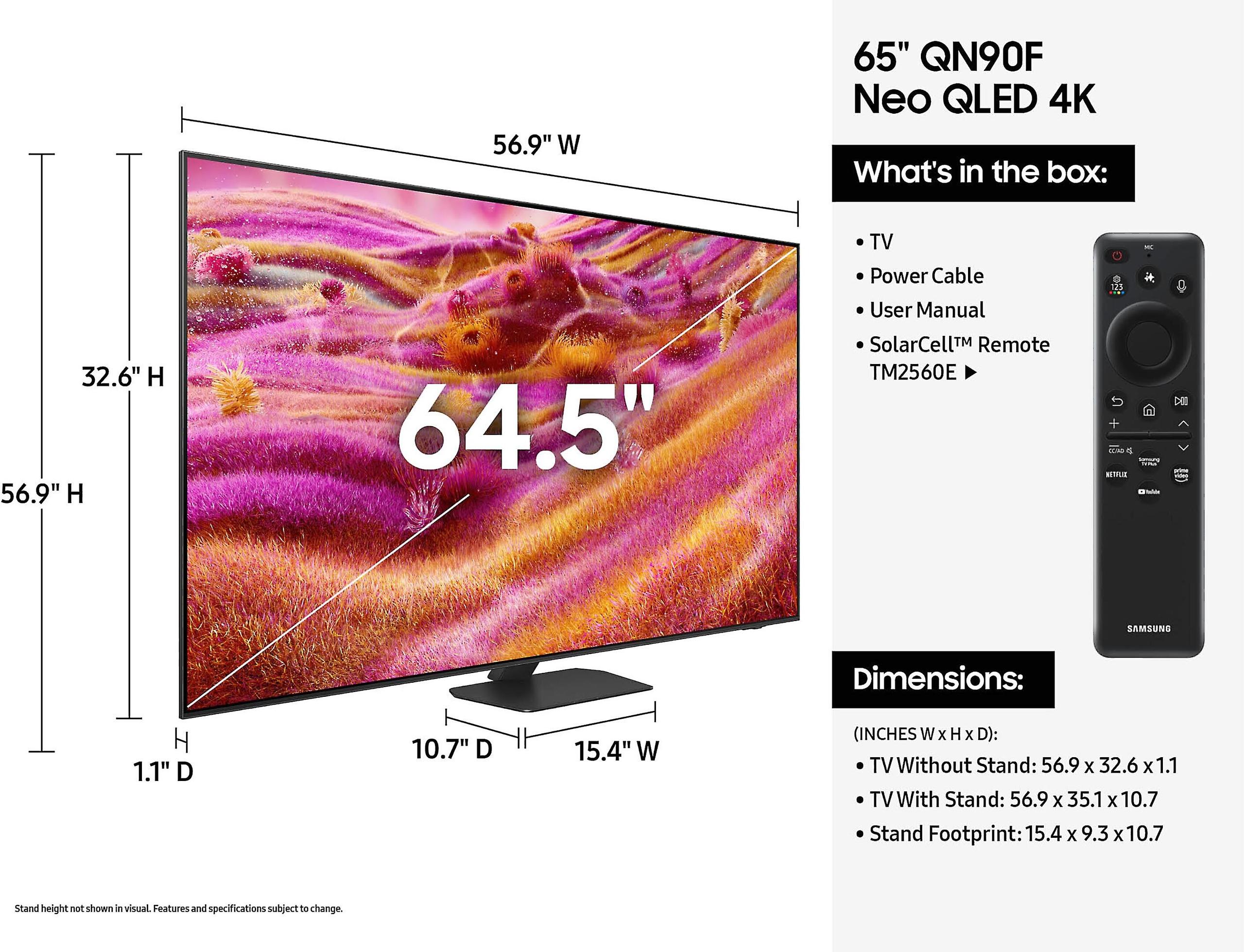
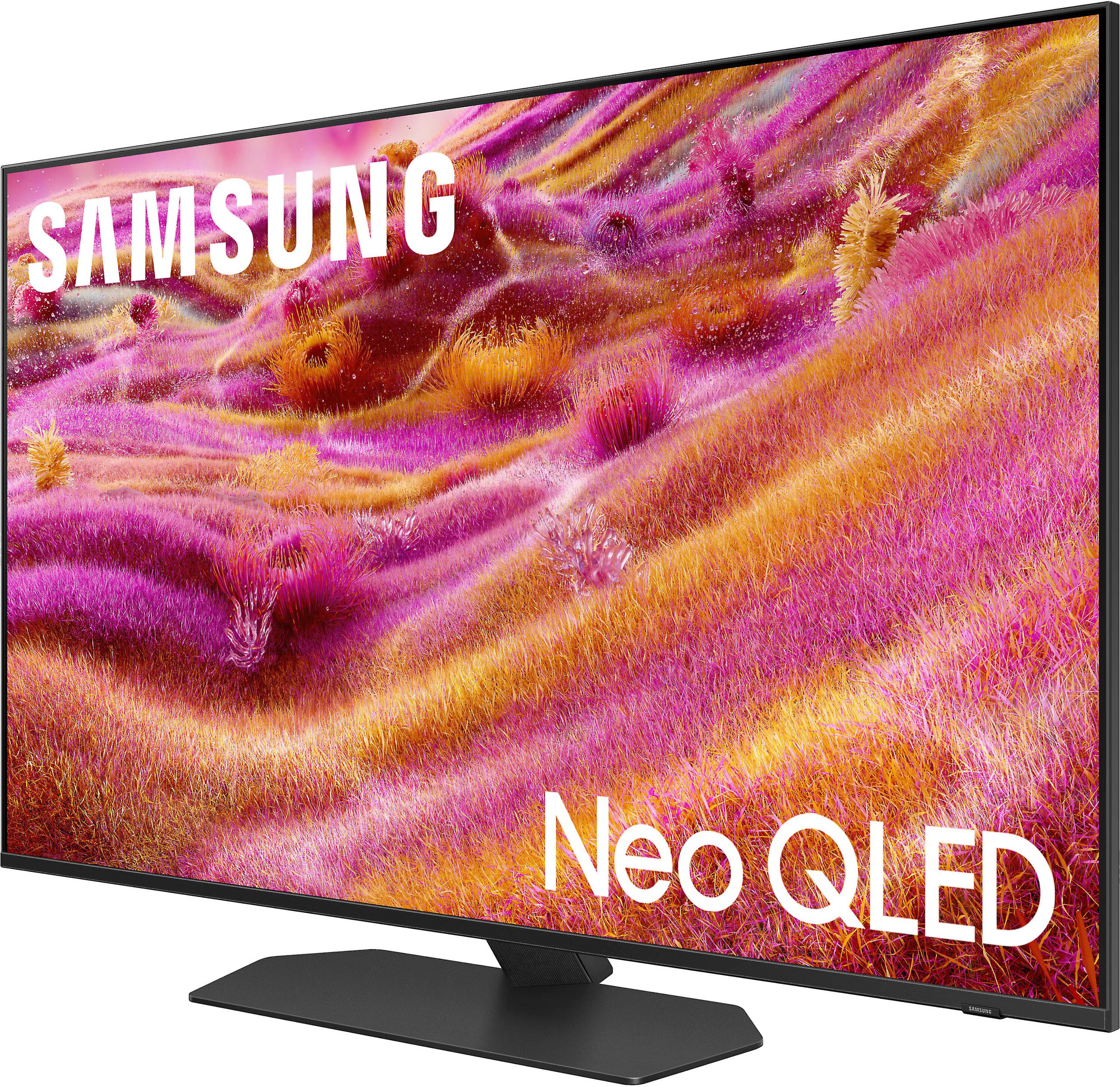
When shopping for a premium 65-inch TV in 2025, you'll likely encounter two standout options that represent different philosophies in mini-LED technology: the TCL 65QM7K and the Samsung QN90F. Both released in 2025, these televisions showcase how mini-LED technology has matured, offering picture quality that rivals OLED displays while maintaining the brightness advantages that only LED backlighting can provide.
Mini-LED represents a significant evolution from traditional LED TVs. Instead of using a few dozen LED zones behind the screen, these displays employ thousands of tiny LEDs (hence "mini") with precise local dimming control. This means the TV can turn off LEDs behind dark parts of the image while keeping others bright, creating the deep blacks and bright highlights that make HDR content truly pop. Think of it as having thousands of tiny flashlights behind your TV screen, each one controlled independently to create the perfect lighting for every part of the picture.
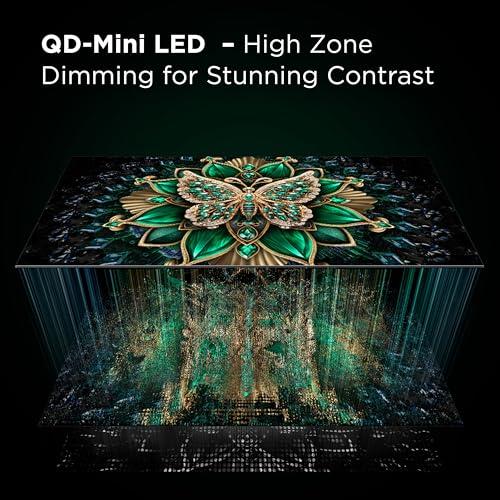
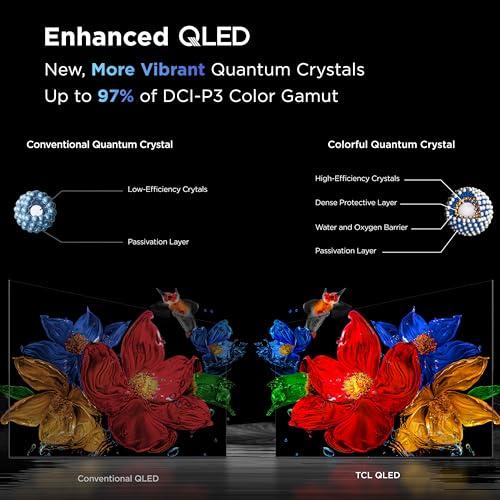
The TCL QM7K uses what they call QD-Mini LED technology, combining quantum dots (the "QD" part) with mini-LED backlighting. Quantum dots are microscopic crystals that, when hit by light, produce incredibly pure and vibrant colors. It's like having a color filter that makes everything more vivid and accurate. The Samsung QN90F, meanwhile, uses Neo QLED technology, which is Samsung's approach to combining mini-LEDs with their quantum dot technology.
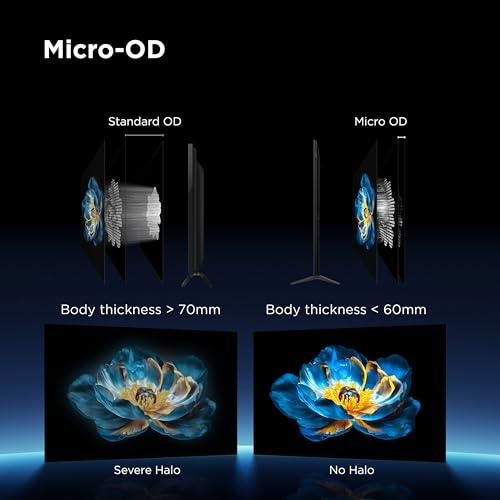
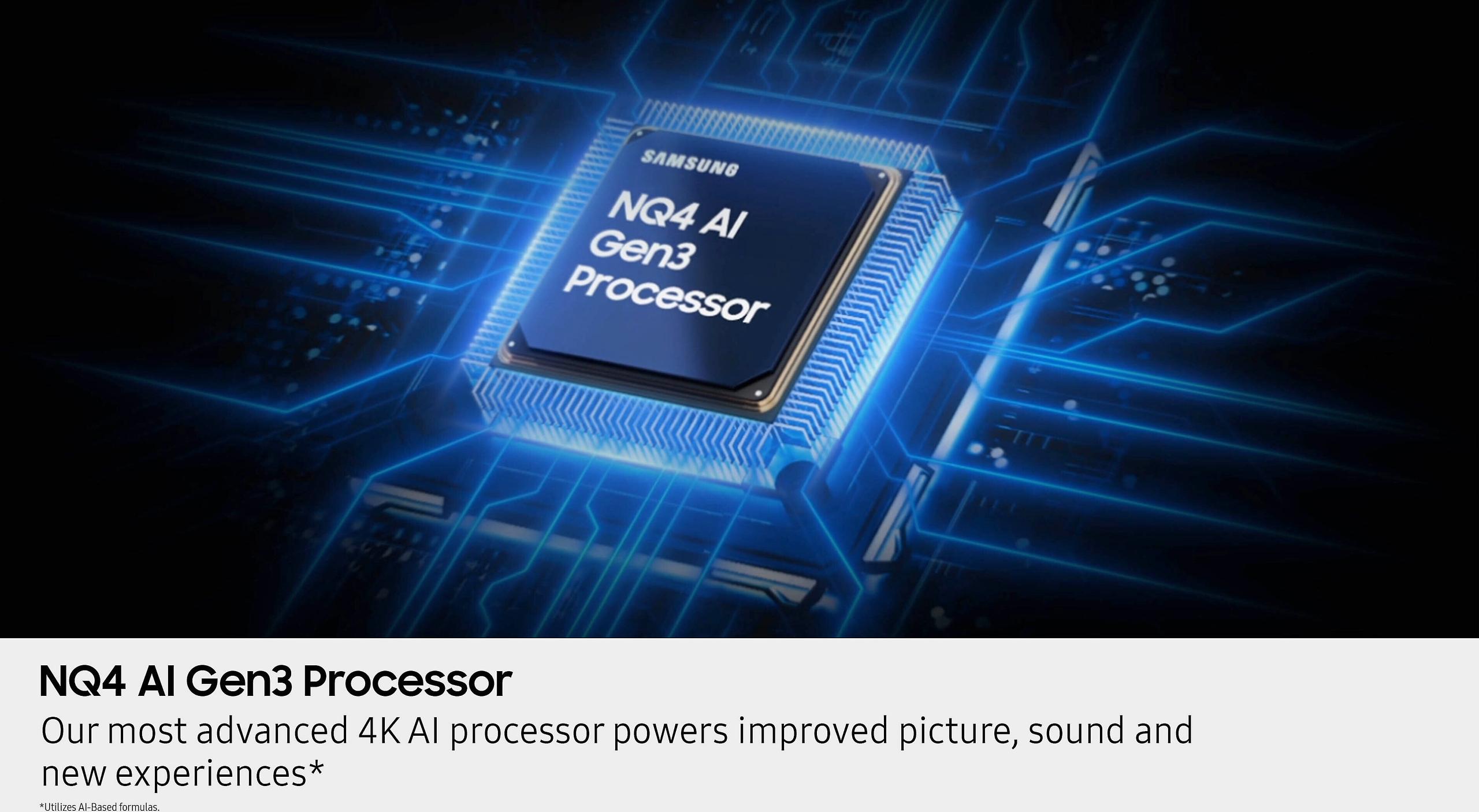
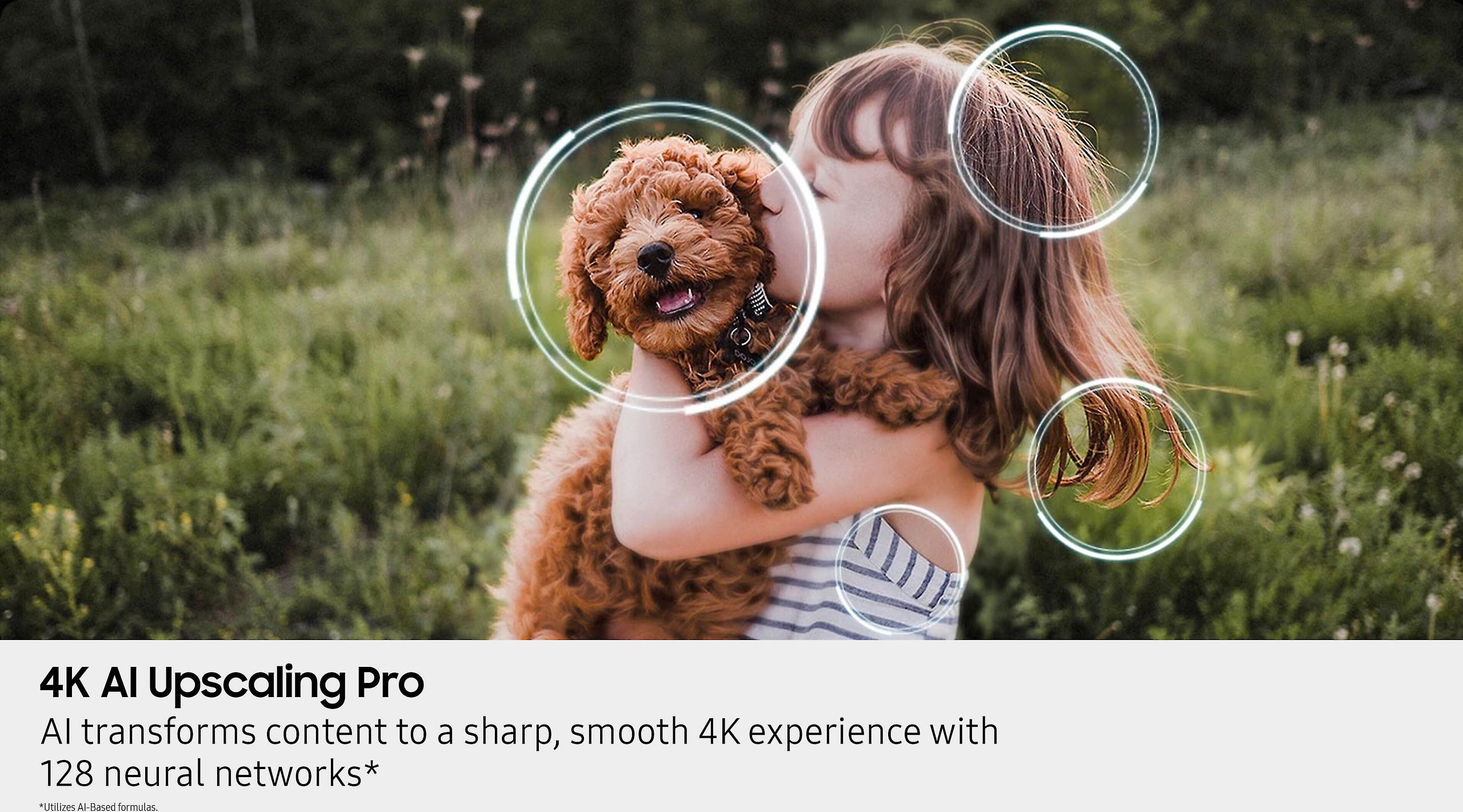
Both TVs arrived in early 2025 with significant improvements over their 2024 predecessors. The mini-LED technology has become more refined, with better zone control and reduced "blooming" (that annoying halo effect you sometimes see around bright objects). The processors powering these displays have also become more sophisticated, using artificial intelligence to analyze and optimize every frame in real-time.
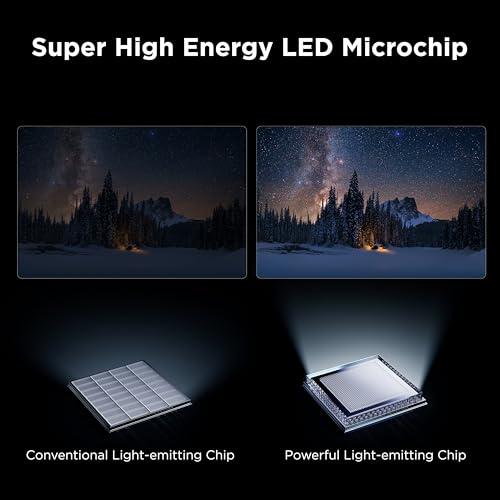
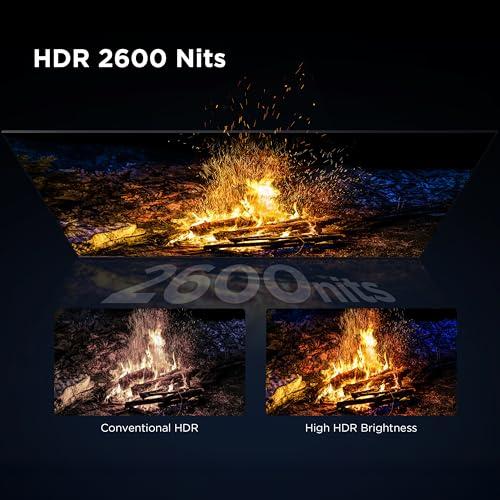
Peak brightness is where the TCL QM7K flexes its muscles most impressively. With a maximum brightness of 3,000 nits, it can make HDR highlights absolutely dazzling. To put this in perspective, a typical sunny day measures about 100,000 nits, while most indoor lighting ranges from 100-500 nits. When you're watching a movie with bright explosions or sunlit scenes, that extra brightness translates to more realistic and impactful visuals.
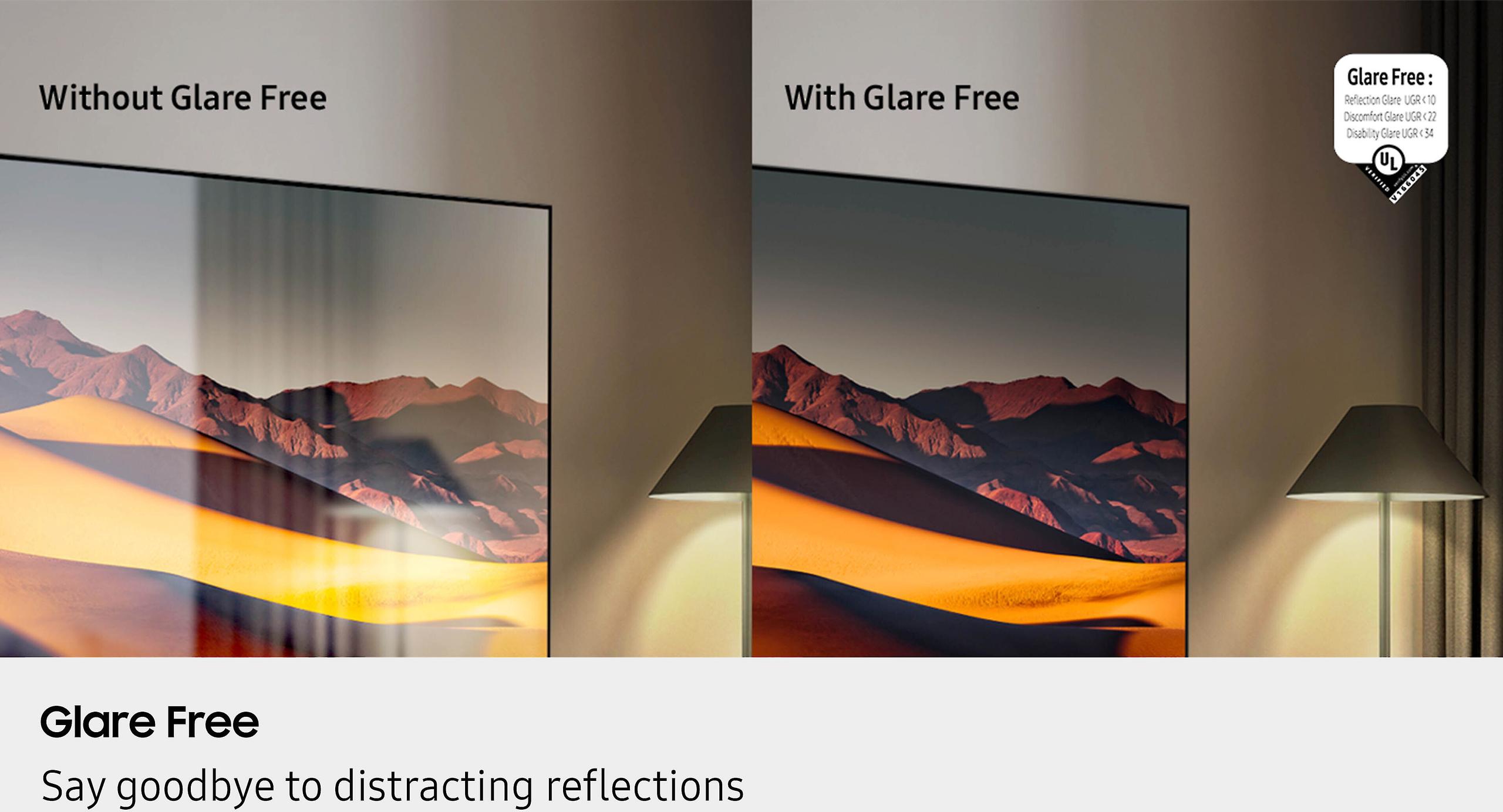
The Samsung QN90F reaches around 1,900 nits, which is still excellent but noticeably less intense in direct comparison. However, Samsung's strength lies in how it manages that brightness. Their anti-glare technology is genuinely impressive – it's like having an invisible coating that absorbs reflections rather than bouncing them back into your eyes.
Based on our research into user and expert reviews, the brightness difference becomes most apparent in dark room viewing. The TCL QM7K delivers those jaw-dropping HDR moments that make you feel like you're looking through a window rather than at a screen. The Samsung, while still excellent, doesn't quite reach those same peaks but compensates with more consistent performance across different lighting conditions.
Local dimming zones are like having individual light switches for different parts of your TV screen. The TCL QM7K boasts up to 2,500 dimming zones, which is exceptional for this price category. More zones mean more precise control over where light appears on screen, resulting in deeper blacks and less blooming around bright objects.
Samsung doesn't publish exact zone counts for the QN90F, but expert analysis suggests it's in the 1,000-1,500 range. While fewer zones might sound like a disadvantage, Samsung's processing algorithms are sophisticated enough to make excellent use of what they have. Their zone transitions are smoother, and the overall blooming control is impressive.
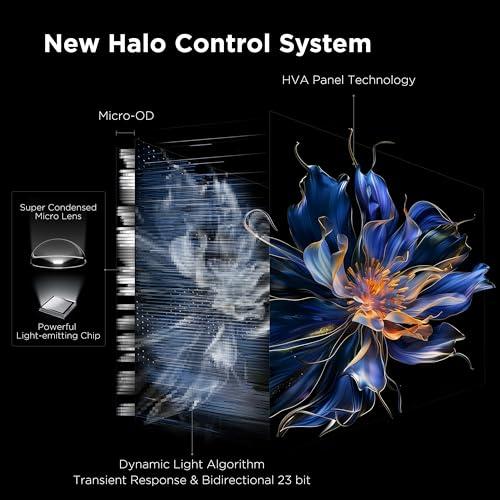
The TCL QM7K includes what they call Halo Control Technology, which specifically targets the blooming issue that has plagued mini-LED displays. In practice, this means you'll see cleaner transitions between bright and dark areas, especially important for movie watching where precise contrast creates that cinematic feel.
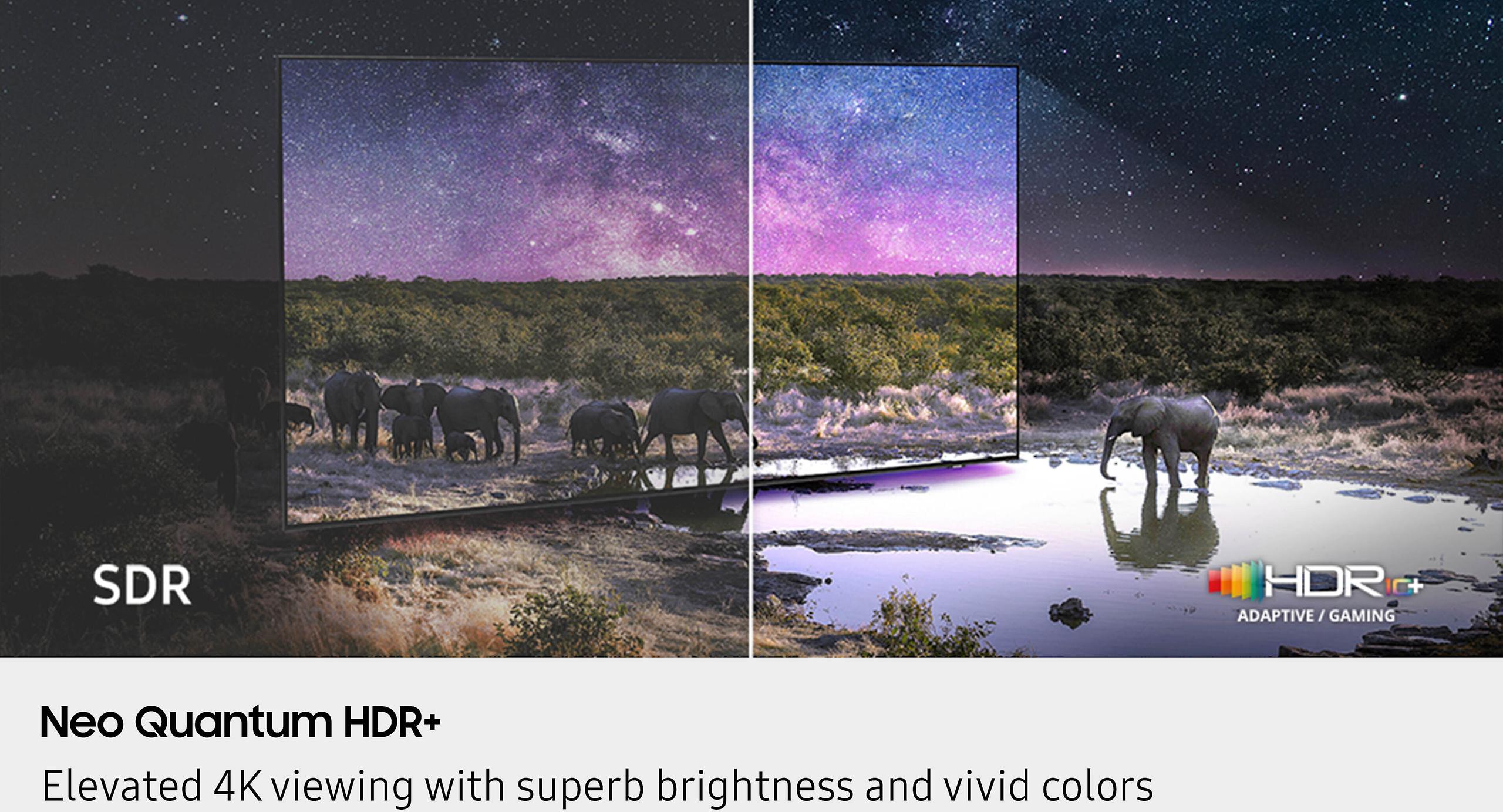
Here's where the TCL QM7K pulls ahead significantly: it supports every major HDR format, including Dolby Vision, HDR10+, HDR10, and HLG. Dolby Vision, in particular, is crucial for streaming services like Netflix and Disney+, providing scene-by-scene optimization that makes content look exactly as directors intended.
The Samsung QN90F supports HDR10+ but notably lacks Dolby Vision support. This is frustrating because Dolby Vision content is increasingly common, and you'll miss out on the enhanced experience when streaming from major platforms. It's like buying a high-end stereo system that doesn't support certain music formats – it still sounds good, but you're not getting everything you paid for.
Both displays excel at color reproduction, but they take different approaches. The TCL QM7K tends toward more vibrant, saturated colors out of the box, which makes nature documentaries and animated content particularly striking. The Samsung offers more subdued but arguably more accurate colors, which some prefer for film watching.
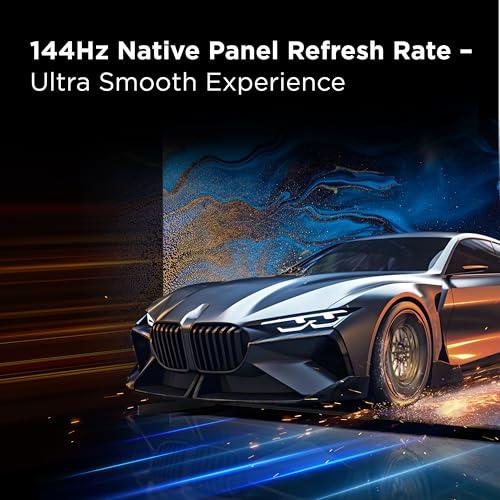
Gaming has become a major consideration for TV buyers, especially with Xbox Series X and PlayStation 5 pushing higher frame rates and resolutions. The TCL QM7K is genuinely impressive here, supporting native 144Hz at 4K resolution and up to 288Hz at 1080p through its Game Accelerator feature. For competitive gamers, this higher refresh rate means smoother motion and potentially better response times.
The Samsung QN90F maxes out at 120Hz for console gaming but can handle up to 165Hz when connected to compatible PCs. While 120Hz is sufficient for current consoles, the TCL's higher refresh rate provides more future-proofing and better performance for PC gaming.
Both TVs support Variable Refresh Rate (VRR) technology, which synchronizes the display's refresh rate with your gaming device's frame rate, eliminating screen tearing and stuttering. They also support Auto Low Latency Mode (ALLM), automatically switching to game mode when they detect a gaming device.
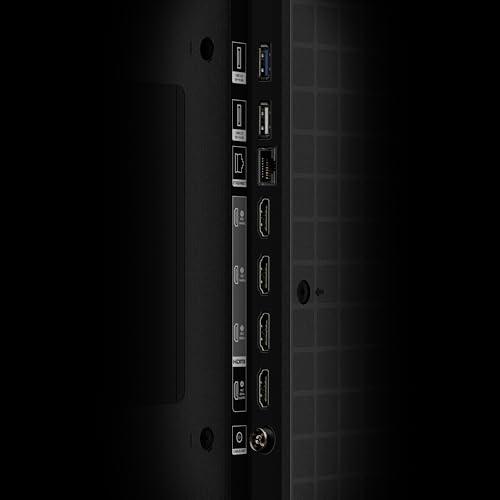
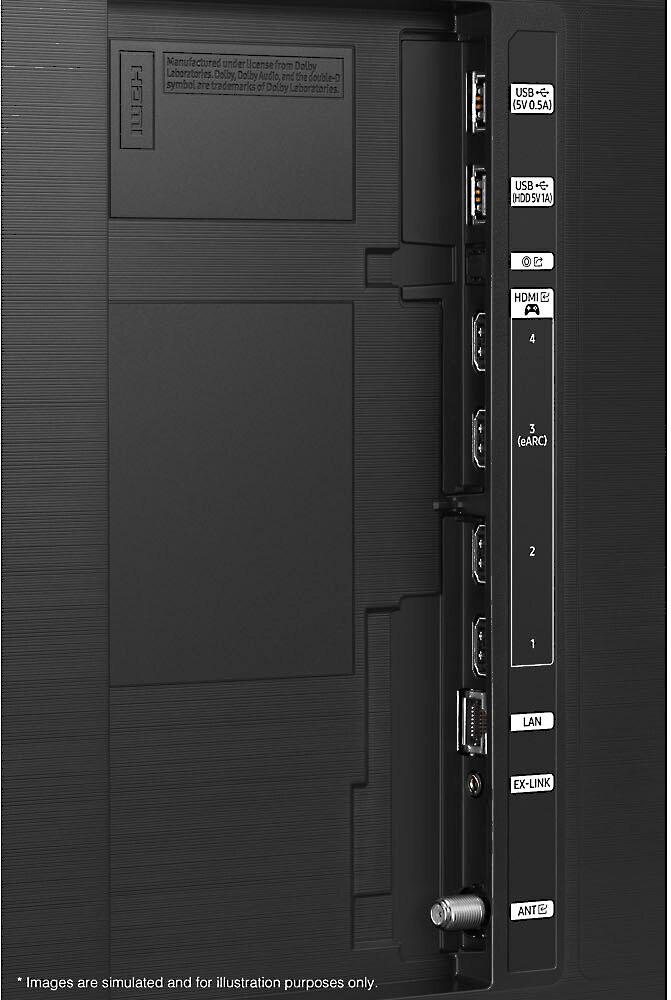
The Samsung QN90F has one significant advantage: four HDMI 2.1 ports compared to the TCL's two. If you have multiple next-generation gaming devices, a high-end streaming device, and a soundbar, those extra ports become valuable real estate.
Input lag – the delay between pressing a button and seeing the action on screen – is excellent on both displays, typically measuring under 10 milliseconds in game mode. This is crucial for competitive gaming where every millisecond counts.
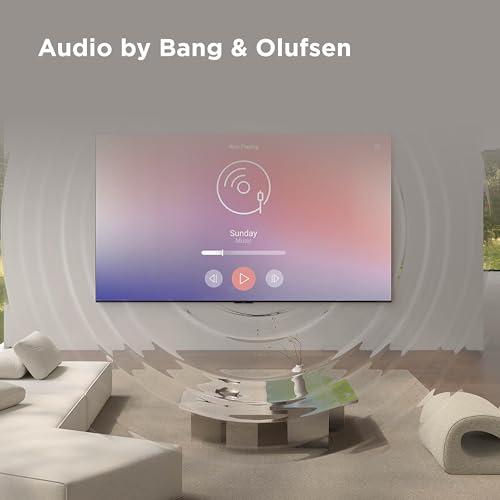
This is where the TCL QM7K absolutely dominates. Its Bang & Olufsen audio system with 60W of power output is genuinely impressive for built-in TV speakers. The difference is immediately noticeable when you first fire up the TV – there's actual bass response and clear dialogue without the thin, tinny sound that plagues most flat-screen TVs.
The Samsung QN90F includes a 4.2.2 channel system with 30W output, which is adequate but not exceptional. It supports Dolby Atmos and Object Tracking Sound+, which follows action across the screen, but the power limitation means it can't deliver the full impact of movie soundtracks or game audio.
For home theater enthusiasts, the TCL's audio quality might actually eliminate the immediate need for a soundbar, saving hundreds of dollars. The Samsung, while decent, will likely leave you shopping for external audio solutions sooner rather than later.
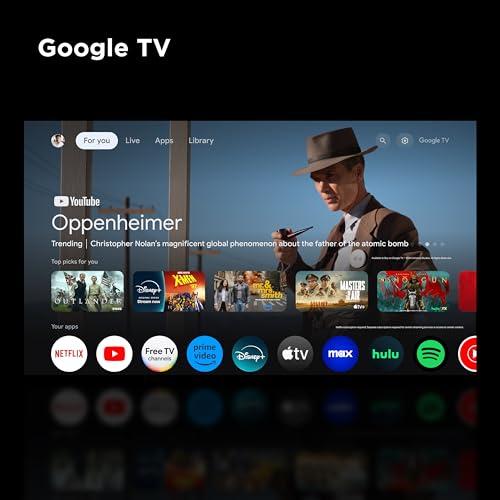
Both TVs run mature, capable smart platforms, but they cater to different ecosystems. The TCL QM7K uses Google TV, which offers excellent integration with Google services, Chromecast built-in, and broad compatibility with smart home devices from various manufacturers.
The Samsung QN90F runs Tizen OS enhanced with Vision AI features. Samsung's platform excels if you're invested in their ecosystem – it integrates seamlessly with Samsung smartphones, smartwatches, and appliances. The Vision AI adds interesting features like adaptive picture optimization based on ambient lighting and content analysis.
Both platforms provide access to all major streaming services, but Google TV tends to be more neutral in its recommendations, while Samsung sometimes promotes its own content partnerships more heavily.
Room environment significantly impacts which TV will serve you better. The Samsung QN90F is genuinely exceptional in bright rooms thanks to its anti-glare technology. If your TV faces windows or you watch primarily during daylight hours, Samsung's approach makes a substantial difference. The anti-glare coating doesn't just reduce reflections – it virtually eliminates them while maintaining color saturation and contrast.
The TCL QM7K performs well in bright rooms but can't match Samsung's reflection management. However, in controlled lighting or dark room environments, the TCL's superior peak brightness and local dimming create a more immersive, cinematic experience.
For home theater setups where you can control ambient lighting, the TCL QM7K delivers more impactful visuals. For family rooms with lots of natural light, the Samsung QN90F provides more consistent, comfortable viewing.
At the time of writing, the TCL QM7K typically retails for several hundred dollars less than the Samsung QN90F, making the value proposition quite compelling. You're getting superior brightness, better audio, more comprehensive HDR support, and advanced gaming features for less money.
The Samsung commands its premium through build quality, anti-glare technology, and ecosystem integration. Whether that premium is justified depends largely on your specific needs and room environment.
For most users, the TCL QM7K offers better performance per dollar, but the Samsung isn't overpriced – it's targeting different priorities and use cases.
Choose the TCL QM7K if you want maximum picture quality for movies and HDR content, superior gaming performance, excellent built-in audio, and the best overall value. This TV excels in dedicated media rooms or any space where you can control ambient lighting. It's particularly appealing for gamers, home theater enthusiasts, and anyone who prioritizes pure performance.
Choose the Samsung QN90F if your TV will live in a bright room with windows, you prefer Samsung's ecosystem, or you need four HDMI 2.1 ports. The anti-glare technology alone might justify the premium if reflections have been an issue with previous TVs. It's also the better choice if you value brand reputation and want the most polished smart TV experience.
Both televisions represent significant achievements in mini-LED technology, but they solve different problems. The TCL QM7K maximizes performance and value, while the Samsung QN90F optimizes for specific use cases where its unique features provide clear advantages. Understanding your viewing environment and priorities will guide you to the right choice.
In my evaluation, the TCL QM7K offers more television for your money unless you specifically need the Samsung's bright room capabilities or ecosystem integration. The superior audio alone saves hundreds in soundbar costs, while the better HDR support and gaming features provide more future-proofing. However, if reflections are ruining your current viewing experience, the Samsung's anti-glare technology is genuinely transformative and worth the premium.
| TCL 65QM7K QD-Mini LED 4K Google TV | Samsung 65" QN90F Neo QLED 4K Vision AI Smart TV 2025 |
|---|---|
| Peak Brightness - Critical for HDR impact and daytime viewing | |
| 3,000 nits (exceptional HDR highlights) | 1,900 nits (very good but less impactful) |
| Local Dimming Zones - Controls blooming and contrast precision | |
| Up to 2,500 zones (excellent blooming control) | ~1,000-1,500 zones (good with smart processing) |
| Anti-Glare Technology - Essential for bright rooms with windows | |
| Standard coating (reflections visible in bright rooms) | Industry-leading matte coating (virtually eliminates reflections) |
| HDR Format Support - Determines streaming service compatibility | |
| Dolby Vision IQ, HDR10+, HDR10, HLG (comprehensive) | HDR10+, HDR10, HLG (missing Dolby Vision) |
| Gaming Refresh Rate - Higher rates mean smoother motion | |
| Native 144Hz at 4K, up to 288Hz at 1080p | 120Hz at 4K, up to 165Hz with PC |
| HDMI 2.1 Ports - Needed for next-gen consoles and high-end devices | |
| 2 ports (may limit connectivity options) | 4 ports (excellent for multiple devices) |
| Audio System - Affects whether you need a soundbar | |
| Bang & Olufsen 60W with Dolby Atmos (excellent bass) | 4.2.2 channel 30W with Object Tracking Sound+ (adequate) |
| Smart Platform - Determines app availability and user experience | |
| Google TV with Chromecast built-in | Tizen OS with Vision AI features |
| Voice Control - Hands-free convenience | |
| Far-field mic array (hands-free Google Assistant) | Voice remote required (no hands-free option) |
| Build Quality & Design - Premium feel and durability | |
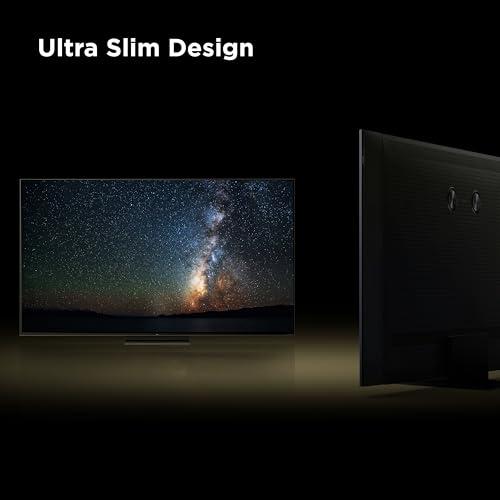
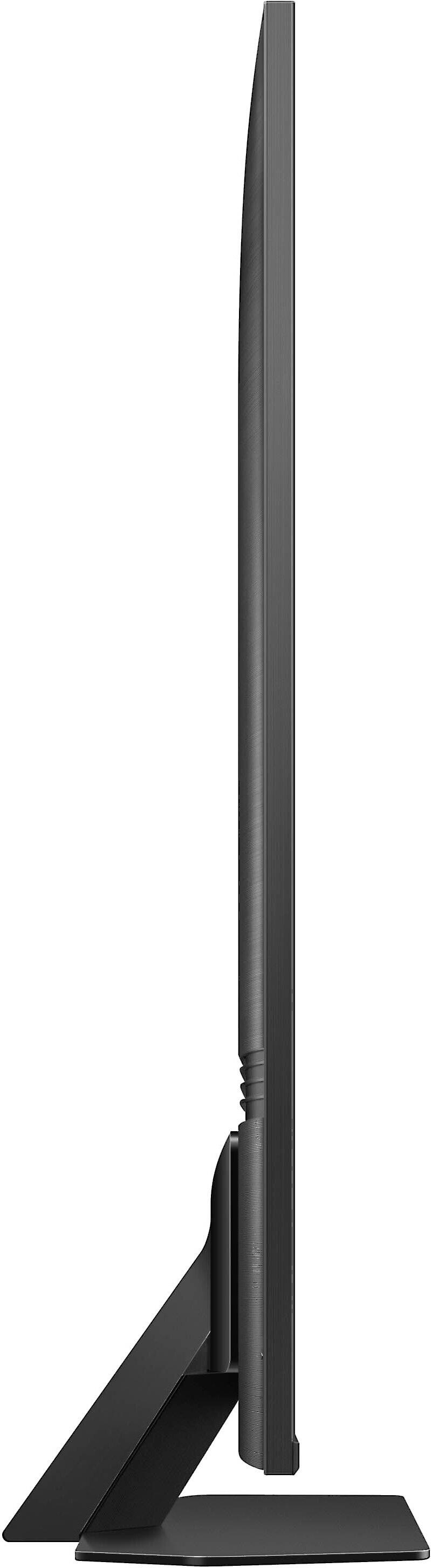
| Good build quality, standard bezels | Premium materials, ultra-thin profile |
| Overall Value Proposition - Performance per dollar spent | |
| Exceptional value with flagship-level features | Premium pricing justified by specific advantages |
The TCL 65QM7K delivers superior picture quality for movies and HDR content thanks to its higher peak brightness of 3,000 nits compared to the Samsung QN90F's 1,900 nits. The TCL QM7K also supports Dolby Vision, which is essential for Netflix and Disney+ content, while the Samsung QN90F lacks this format. For home theater enthusiasts, the TCL's combination of brighter highlights and comprehensive HDR support creates a more cinematic experience.
The TCL 65QM7K offers superior gaming performance with native 144Hz at 4K resolution and support up to 288Hz at 1080p, compared to the Samsung QN90F's 120Hz maximum. Both TVs support VRR and ALLM for smooth gameplay, but the Samsung QN90F has an advantage with four HDMI 2.1 ports versus the TCL's two ports, making it better for users with multiple gaming devices.
The Samsung QN90F is significantly better for bright rooms thanks to its industry-leading anti-glare technology that virtually eliminates reflections. The TCL 65QM7K has standard coating that shows reflections in bright environments. If your TV faces windows or you watch primarily during daylight hours, the Samsung QN90F provides much more comfortable viewing.
The TCL 65QM7K features an excellent Bang & Olufsen 60W audio system that may eliminate the need for an immediate soundbar purchase. The Samsung QN90F has a decent 30W system but will likely require a soundbar for satisfying home theater audio. The TCL QM7K offers significant savings by providing quality built-in audio that rivals external sound systems.
The TCL 65QM7K provides exceptional value with flagship-level features including higher brightness, comprehensive HDR support, superior audio, and advanced gaming capabilities at a lower price point. The Samsung QN90F commands a premium but justifies it through anti-glare technology, premium build quality, and superior bright room performance. For most buyers, the TCL QM7K delivers more performance per dollar.
The TCL 65QM7K runs Google TV, which offers excellent integration with Google services, universal device compatibility, and Chromecast built-in. The Samsung QN90F uses Tizen OS with Vision AI features that work best within Samsung's ecosystem. Both platforms access all major streaming services, but Google TV tends to be more neutral while Samsung promotes its content partnerships more heavily.
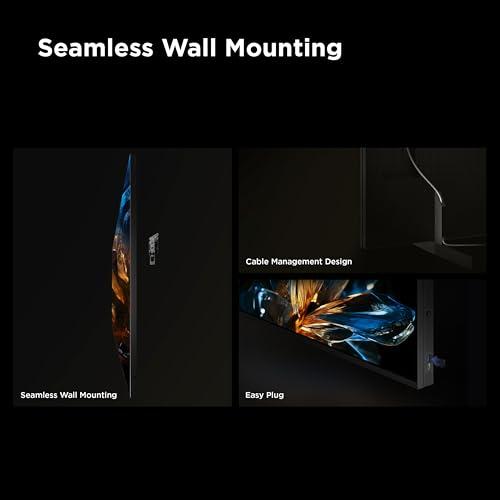
The Samsung QN90F features premium materials, ultra-thin bezels, and superior overall build quality with a more refined design aesthetic. The TCL 65QM7K offers solid construction but with a more utilitarian appearance. The Samsung QN90F feels more premium in hand and on the wall, though both TVs are well-manufactured and durable.
Both the TCL 65QM7K and Samsung QN90F excel at sports with smooth motion processing and bright, vibrant pictures. The TCL QM7K has an edge with higher refresh rates for ultra-smooth motion, while the Samsung QN90F performs better in bright rooms where sports are often watched. Both handle fast action without blur or judder effectively.
The TCL 65QM7K is superior for dedicated home theaters where lighting can be controlled. Its higher peak brightness creates more impactful HDR highlights, the comprehensive Dolby Vision support enhances streaming content, and the Bang & Olufsen audio system provides theater-quality sound. The Samsung QN90F is excellent but doesn't reach the same cinematic peaks in controlled lighting environments.
Yes, both the TCL 65QM7K and Samsung QN90F support all major streaming services including Netflix, Disney+, Prime Video, and Apple TV+. However, the TCL QM7K provides a better experience with Dolby Vision content from these services, while the Samsung QN90F is limited to HDR10+ format, potentially missing enhanced picture quality on some content.
Both the TCL 65QM7K and Samsung QN90F offer solid long-term prospects, but Samsung typically provides longer software support and more frequent updates. The Samsung QN90F may receive new features and security updates for more years. However, the TCL QM7K offers more future-proofing for gaming with higher refresh rate support and comprehensive HDR format compatibility.
Choose the TCL 65QM7K if you prioritize picture quality, gaming performance, audio quality, and overall value in controlled lighting. Choose the Samsung QN90F if you need excellent bright room performance, prefer Samsung's ecosystem, or want premium build quality. The TCL QM7K offers more TV for your money, while the Samsung QN90F excels in specific use cases that justify its premium positioning.
We've done our best to create useful and informative comparisons to help you decide what product to buy. Our research uses advanced automated methods to create this comparison and perfection is not possible - please contact us for corrections or questions. These are the sites we've researched in the creation of this article: bestbuy.com - businessinsider.com - tomsguide.com - tomsguide.com - rtings.com - tomsguide.com - youtube.com - rtings.com - consumerreports.org - youtube.com - youtube.com - displayspecifications.com - youtube.com - tcl.com - tcl.com - tcl.com - youtube.com - rcwilley.com - bestbuy.com - tclcentral.com - displayspecifications.com - tomsguide.com - tcl.com - brandsmartusa.com - tcl.com - tcl.com - gizmochina.com - nfm.com - dolby.com - alexraytv.com - rtings.com - images.samsung.com - youtube.com - listenup.com - youtube.com - cullenshomecenter.com - rtings.com - shopjetson.com - youtube.com - samsung.com - samsung.com - videoandaudiocenter.com - rtings.com - bestbuy.com - youtube.com - news.samsung.com - news.samsung.com - news.samsung.com - bestbuy.com - news.samsung.com - youtube.com - news.samsung.com - youtube.com - smarthomesounds.co.uk

Privacy Policy
Terms and Conditions - Affiliate Policy
Home Security
© Copyright 2008-2026.
11816 Inwood Rd #1211, Dallas, TX 75244