

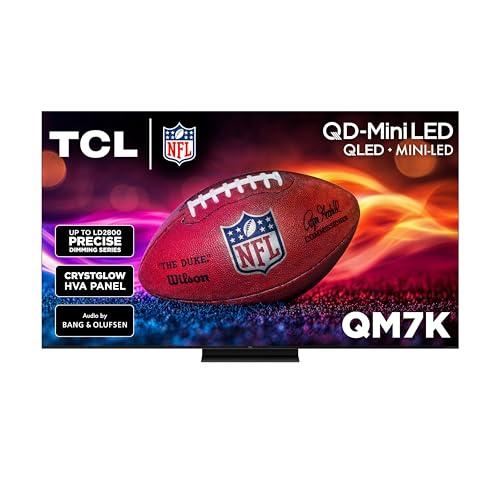
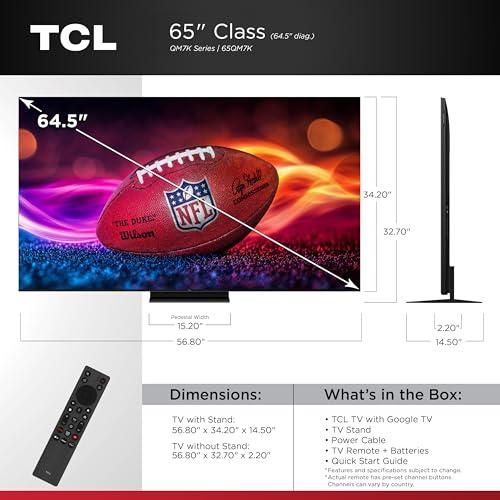
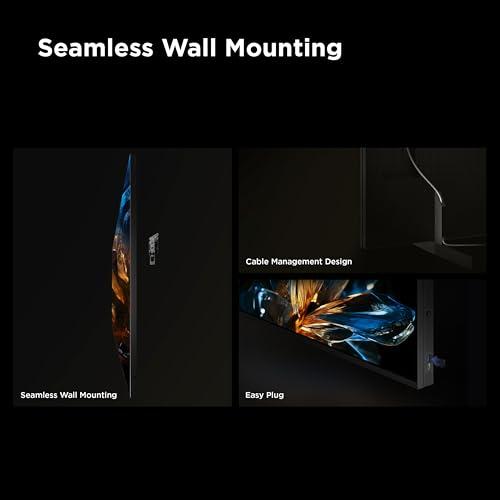
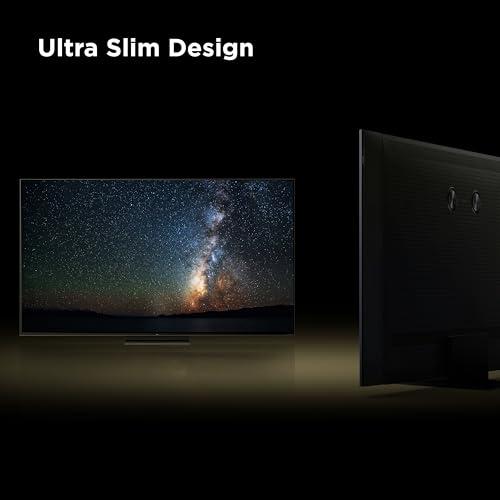
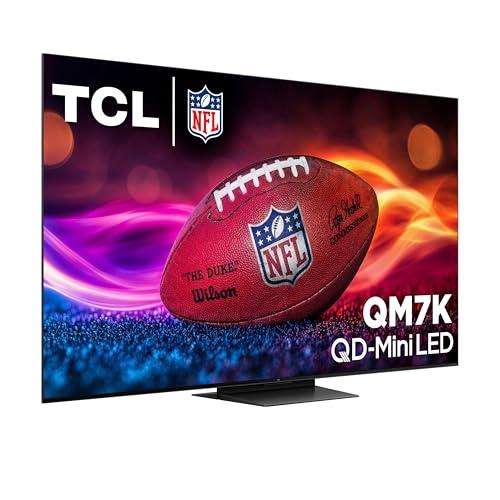
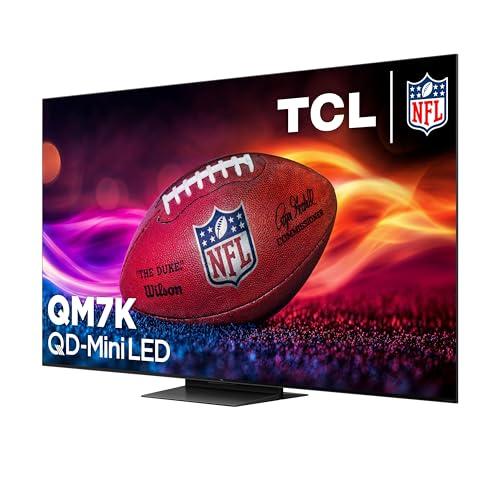
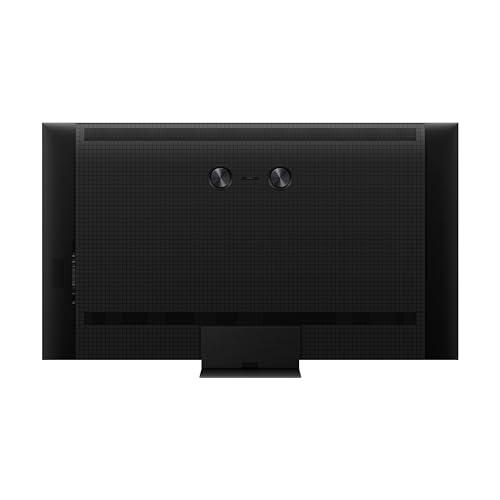
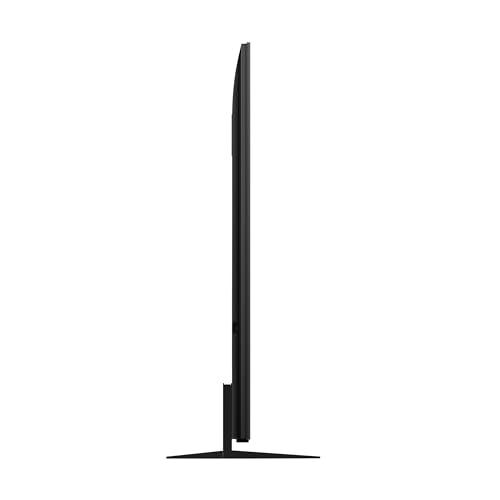
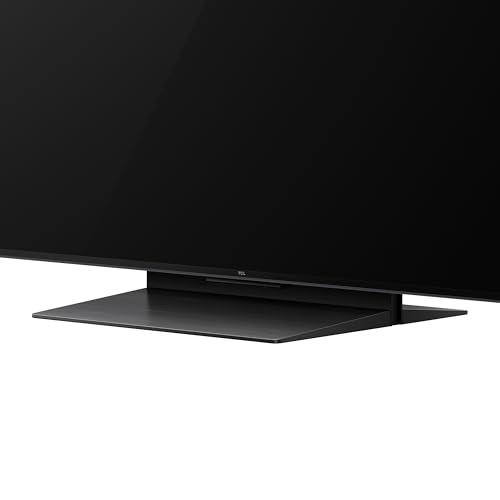
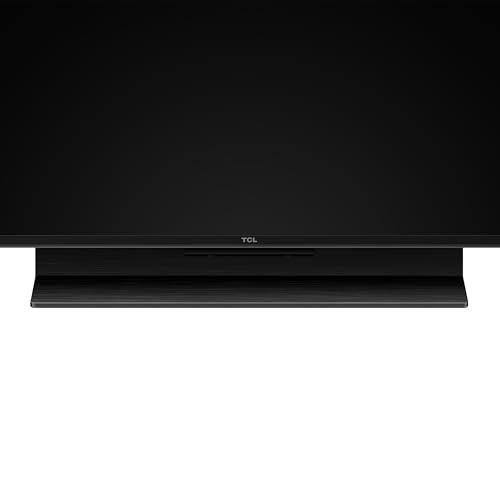
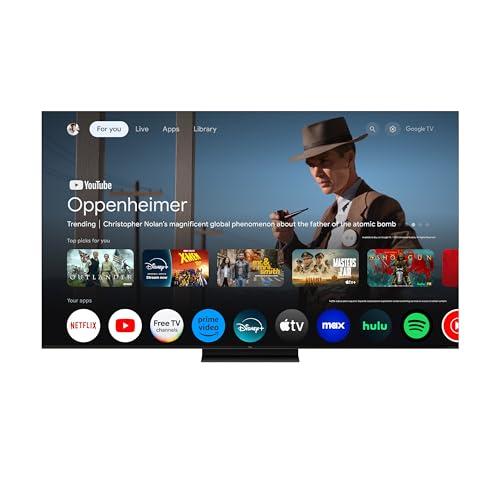
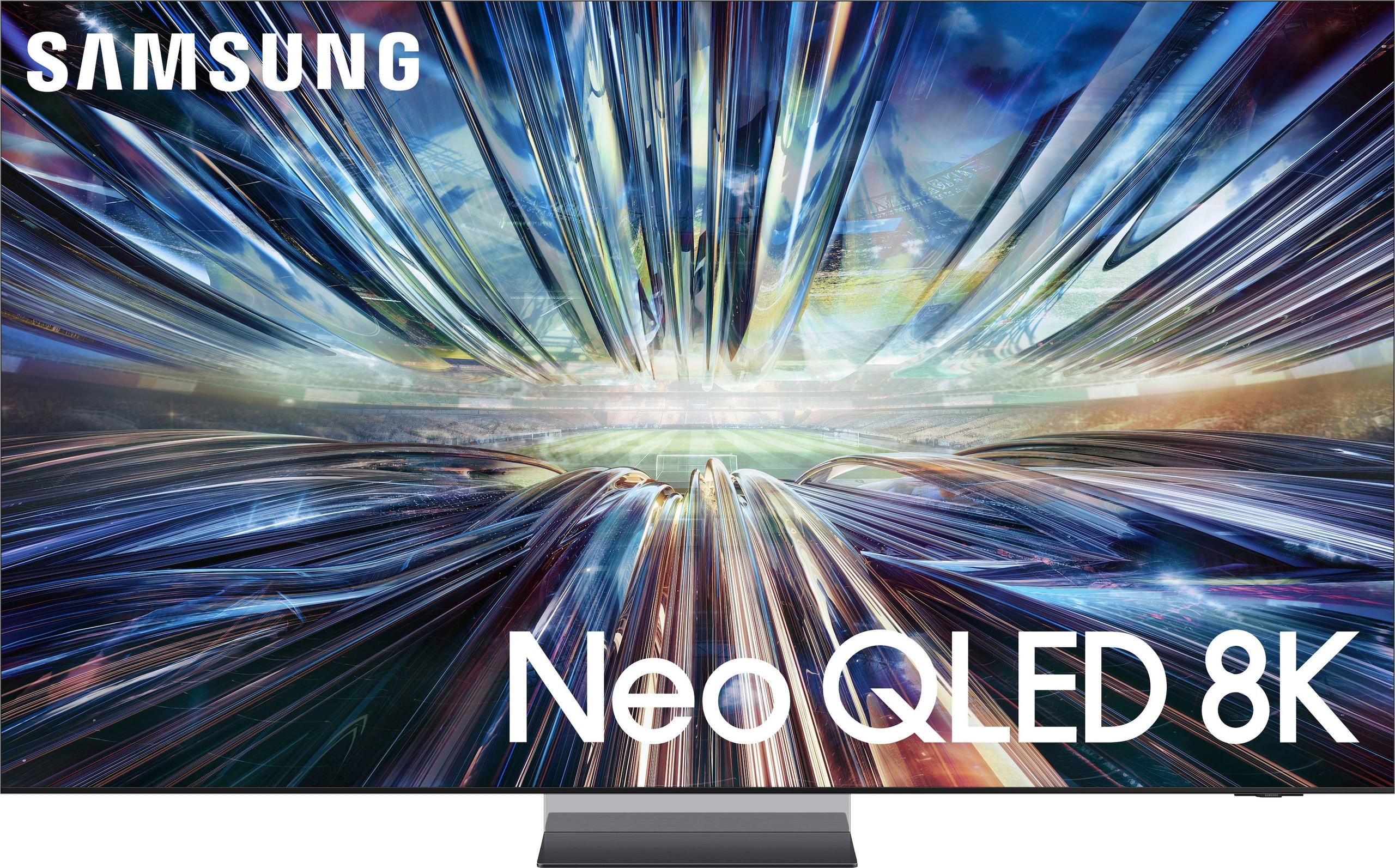
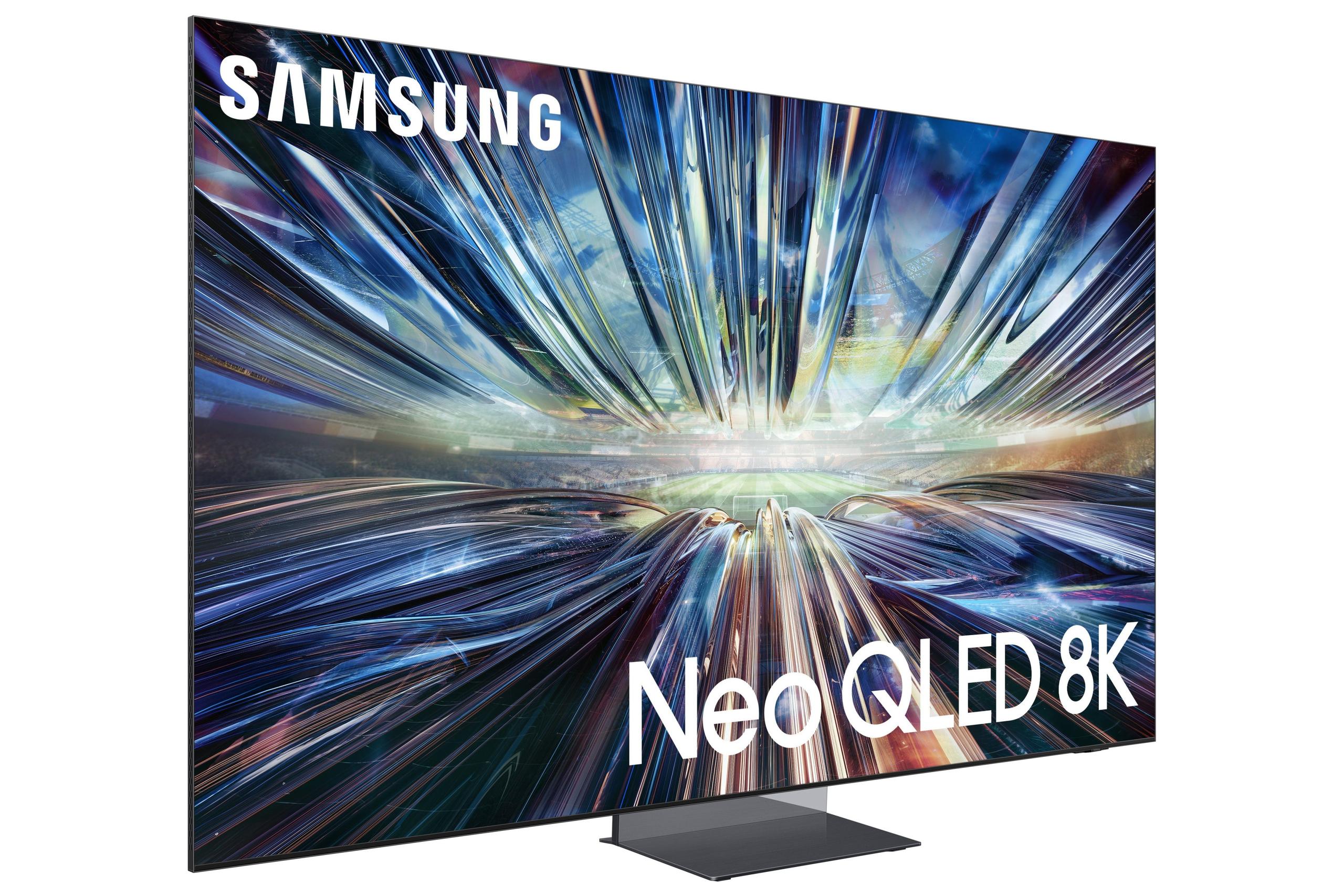
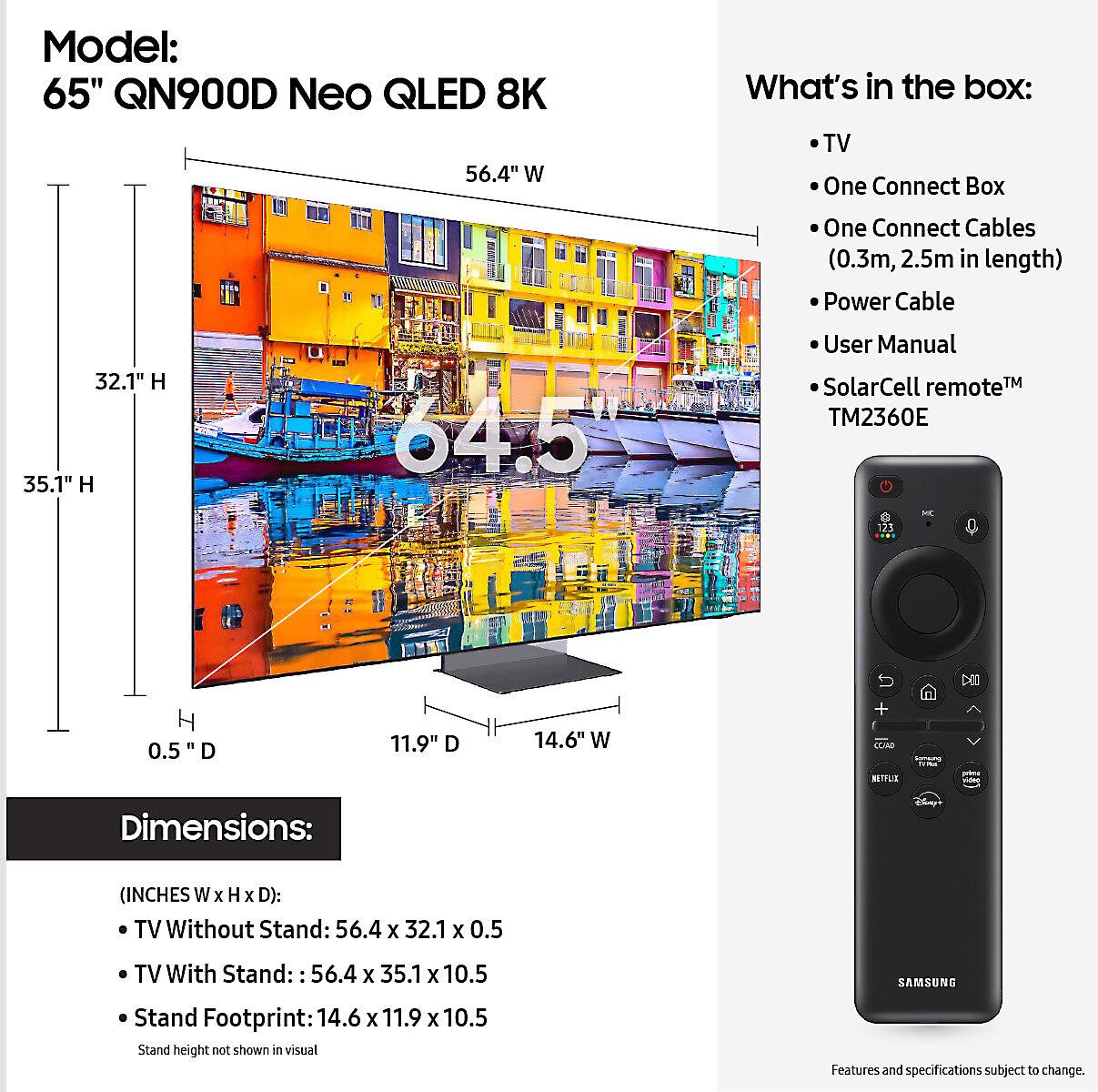
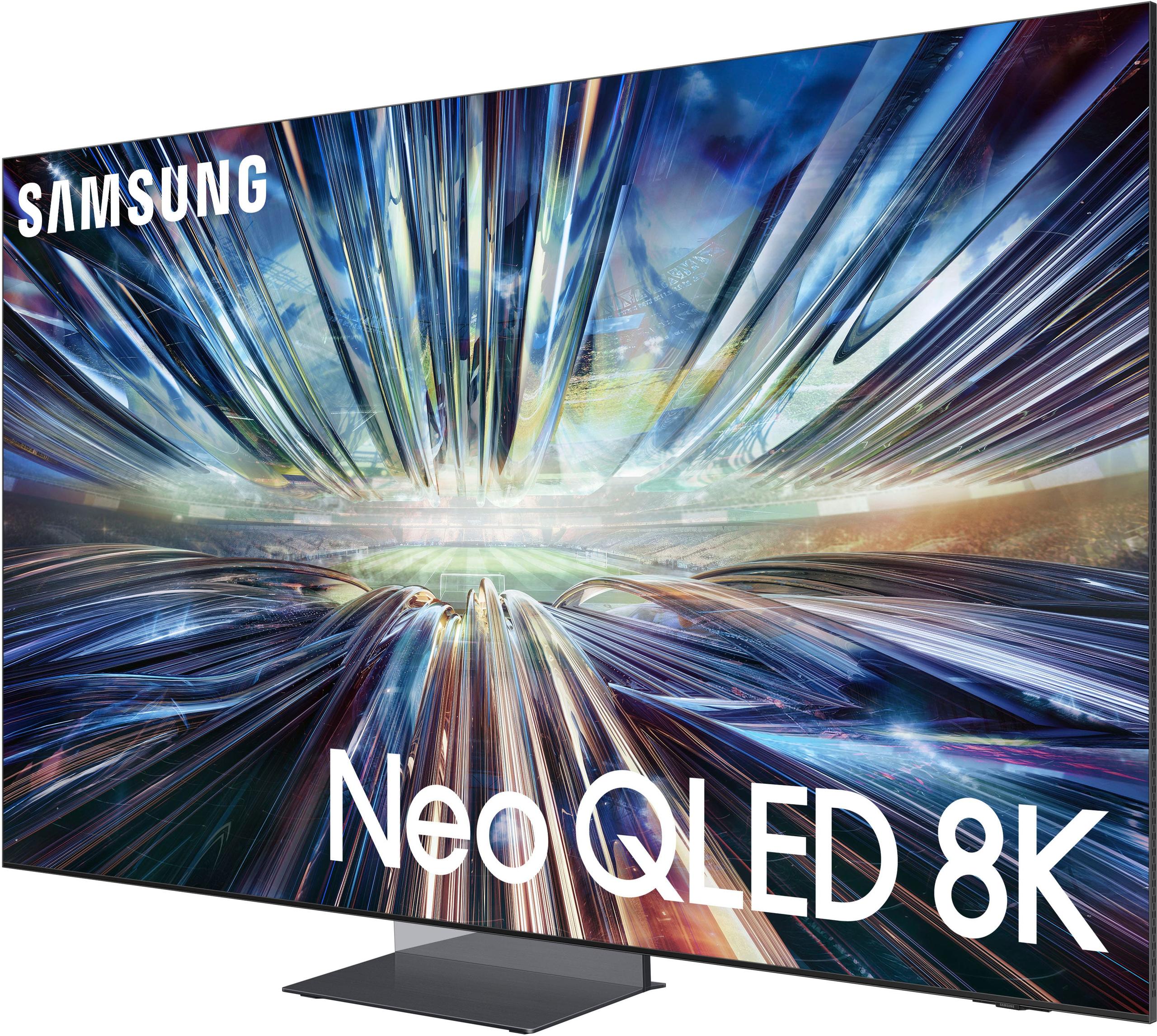
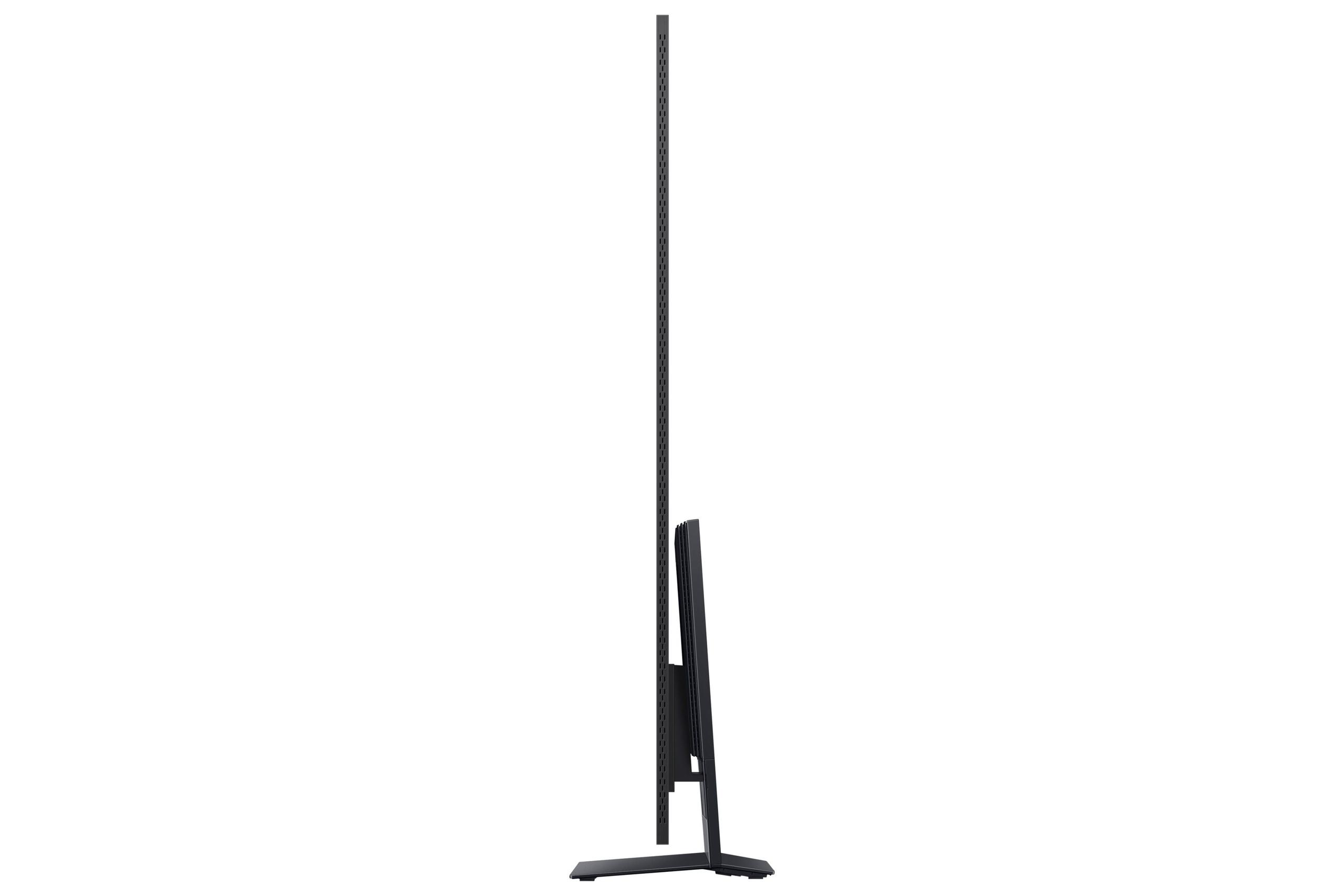
Shopping for a premium 65-inch TV in 2024 means navigating an incredibly competitive landscape where manufacturers are pushing the boundaries of what's possible at different price points. Two standout options that caught our attention are the TCL 65QM7K QD-Mini LED 4K Google TV and the Samsung QN900D Series 65" Neo QLED 8K Smart TV. While both target the premium market, they take fundamentally different approaches to delivering exceptional performance.
The TV market has evolved dramatically over the past few years. We've seen Mini-LED technology become mainstream, bringing near-OLED contrast performance to LED TVs. Gaming features have exploded in importance as consoles like the PlayStation 5 and Xbox Series X demand high refresh rates and variable refresh rate (VRR) support. Meanwhile, streaming services have pushed HDR formats like Dolby Vision into the spotlight, making format compatibility more critical than ever.
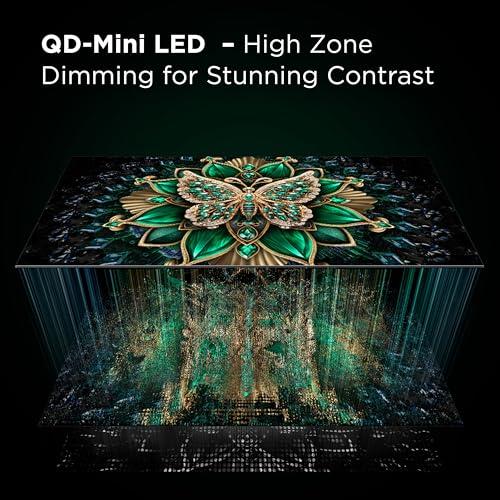
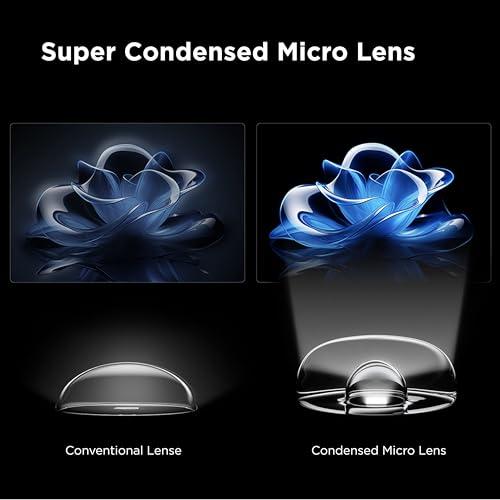
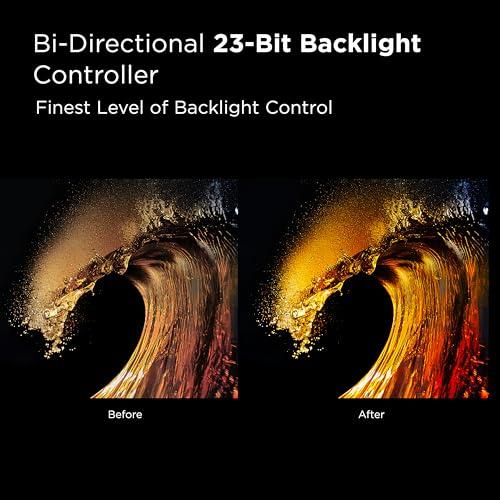
Both televisions represent the cutting edge of LED display technology, but they achieve their impressive performance through different methods. The TCL QM7K uses what's called QD-Mini LED technology—a hybrid approach that combines quantum dots (tiny crystals that produce pure colors) with Mini-LED backlighting. This setup allows for incredibly precise local dimming, where different zones of the screen can be independently brightened or darkened to create deeper blacks and brighter highlights.
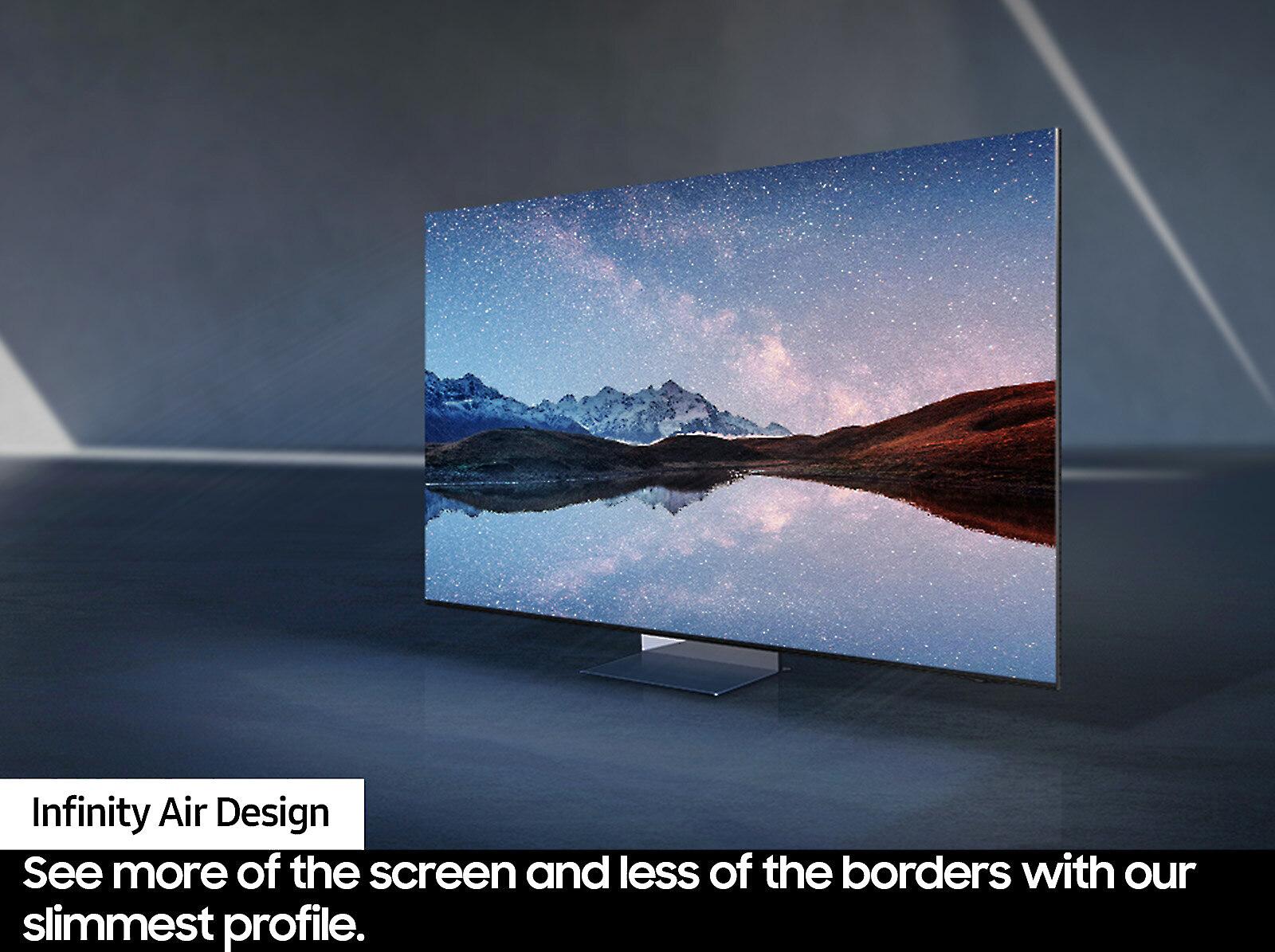
The Samsung QN900D, on the other hand, employs Neo QLED technology, Samsung's premium take on Mini-LED displays. What makes it "Neo" is the use of even smaller Mini-LEDs and more sophisticated control algorithms, plus Samsung's proprietary quantum dot layer that they've been refining for years.
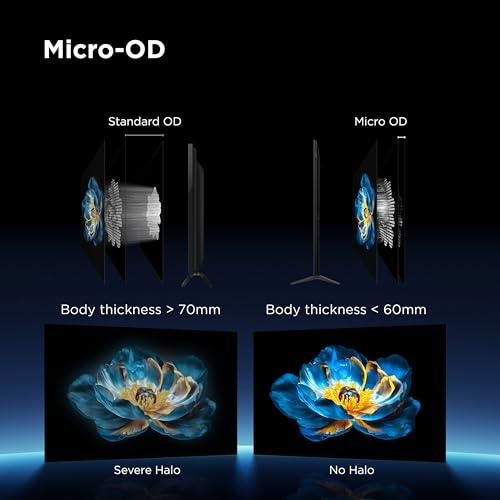
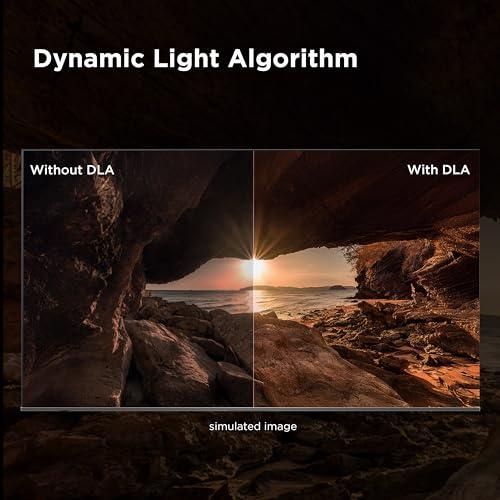
Both TVs use what's called "full-array local dimming" (FALD), but the number of dimming zones makes a huge difference. The TCL QM7K boasts up to 2,500 local dimming zones, which is genuinely impressive for its price range. The Samsung QN900D likely uses around 1,000+ zones, but Samsung's superior processing algorithms mean it can control those zones more precisely, reducing the "blooming" effect where bright objects create halos against dark backgrounds.
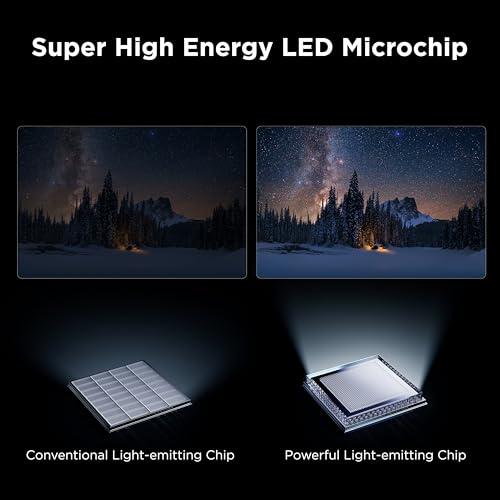
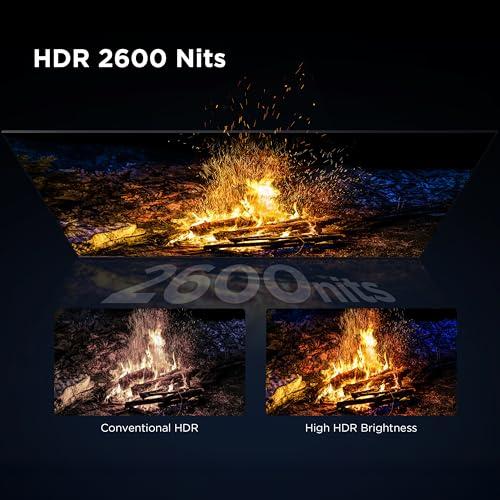
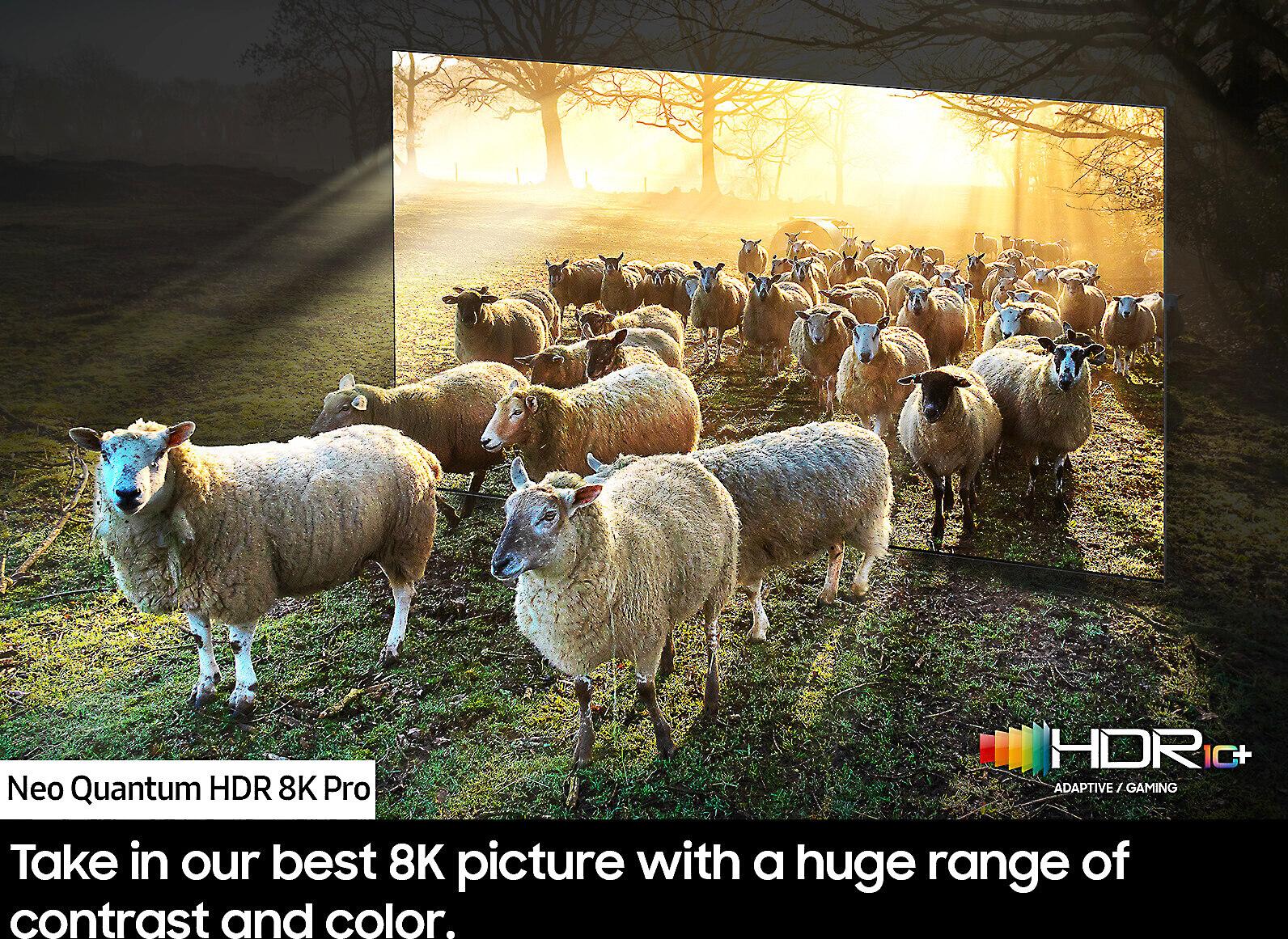
When it comes to pure picture quality, both TVs deliver stunning results, but with different strengths. The Samsung QN900D achieves peak brightness levels exceeding 2,000 nits, which makes HDR content absolutely pop. To put this in perspective, a typical TV might reach 400-600 nits, while these premium models can get 3-5 times brighter. This matters enormously for HDR (High Dynamic Range) content, where the contrast between the darkest shadows and brightest highlights creates a more lifelike image.
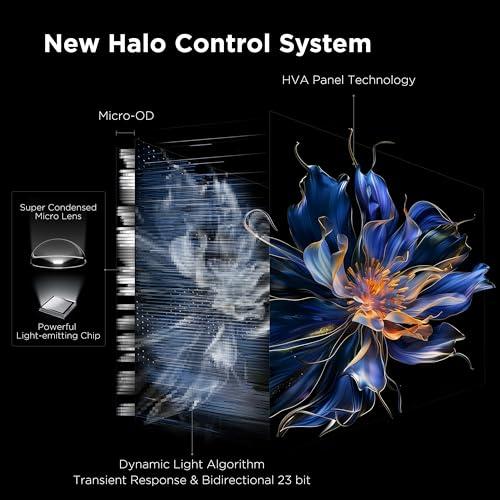
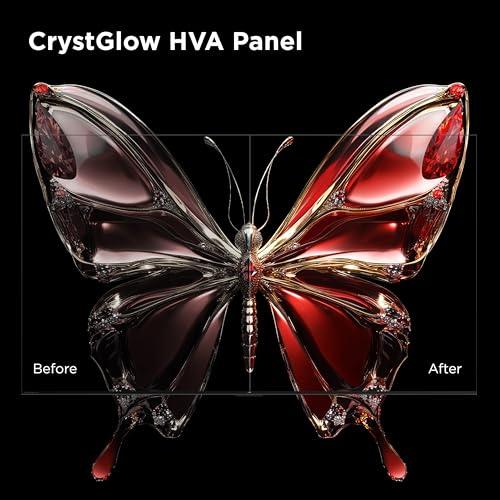
The TCL QM7K reaches approximately 1,500 nits peak brightness, which is still excellent and more than sufficient for most viewing environments. Where TCL really shines is in its contrast ratio—the difference between the darkest black and brightest white the TV can display. TCL's CrystGlow HVA panel technology delivers an impressive 7,000:1 static contrast ratio, which means deeper blacks and better shadow detail.
One critical difference that many buyers overlook is HDR format support. The TCL QM7K supports every major HDR format, including Dolby Vision IQ, HDR10+, HDR10, and HLG. Dolby Vision, in particular, is used extensively by Netflix, Disney+, and Apple TV+ for their premium content. The Samsung QN900D notably lacks Dolby Vision support, which could be a deal-breaker for serious movie enthusiasts who want to see content exactly as directors intended.
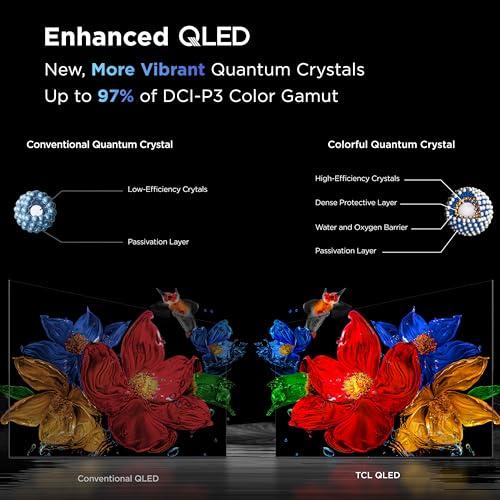
Color reproduction is another area where these TVs excel but differ in approach. Samsung's quantum dot technology has been refined over many generations, delivering exceptional color volume—the ability to maintain accurate colors even at high brightness levels. The TCL QM7K uses upgraded quantum dot materials that produce over one billion colors, creating vibrant, lifelike images that particularly excel with animated content and nature documentaries.
Perhaps the most fundamental difference between these TVs is resolution. The TCL QM7K delivers 4K resolution (3,840 x 2,160 pixels), while the Samsung QN900D pushes into 8K territory with 7,680 x 4,320 pixels—exactly four times more pixels than 4K.
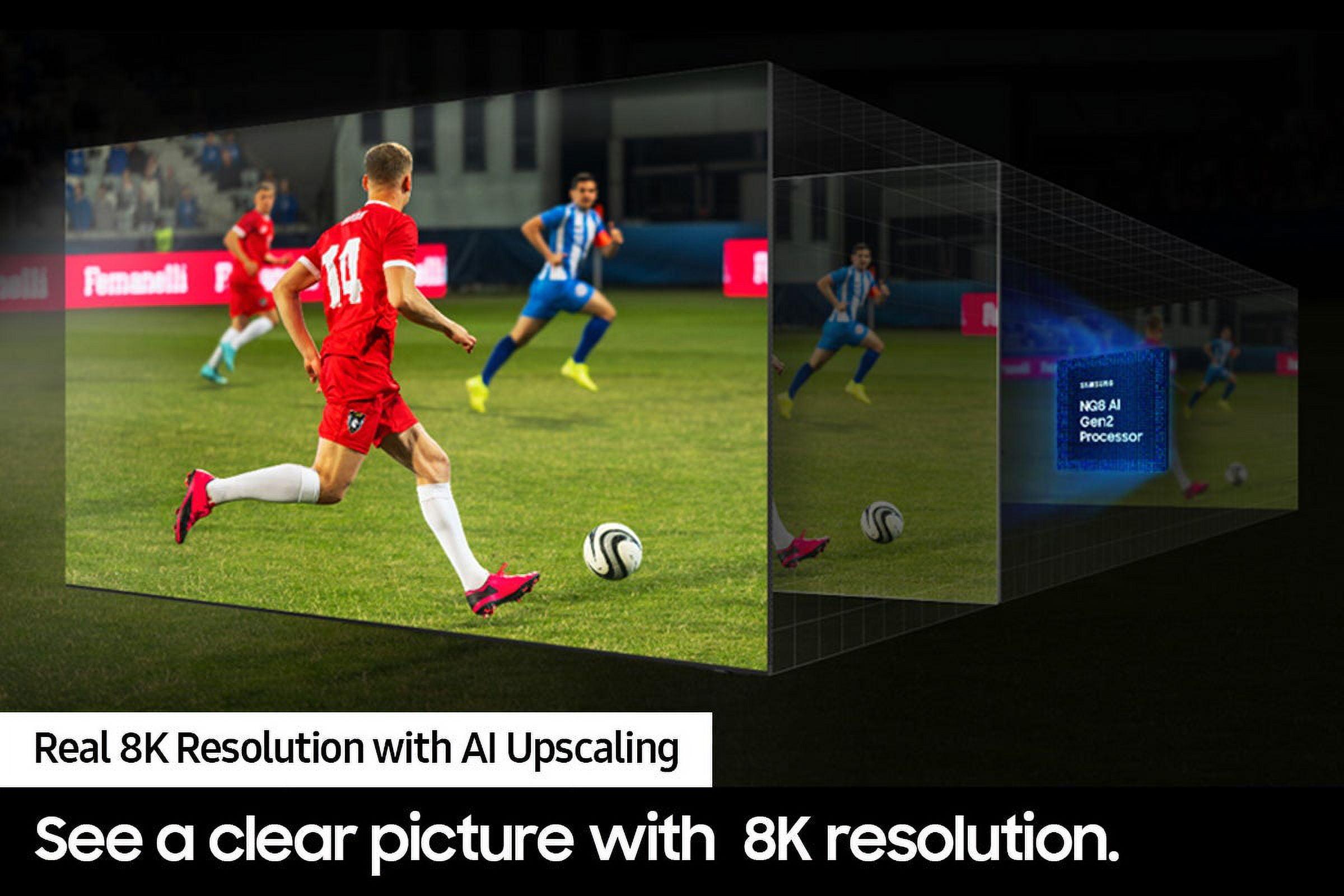
Here's the reality: native 8K content is virtually non-existent in 2024. No streaming service offers 8K content, gaming consoles don't output 8K for games, and 8K Blu-ray discs don't exist. This means the Samsung QN900D relies heavily on upscaling—using AI algorithms to add detail to lower-resolution content.
Samsung's NQ8 AI Gen3 processor is genuinely impressive at this task. It analyzes each frame and reconstructs detail in a way that can make 4K content look sharper and more detailed on the 8K panel. However, this processing introduces a slight delay and doesn't truly add information that wasn't there originally.
For most viewers, 4K resolution on a 65-inch screen provides plenty of detail, especially when sitting at typical viewing distances of 8-10 feet. The jump from 1080p to 4K was revolutionary because it was clearly visible to most people. The jump from 4K to 8K is much more subtle and often only noticeable when sitting very close to the screen.
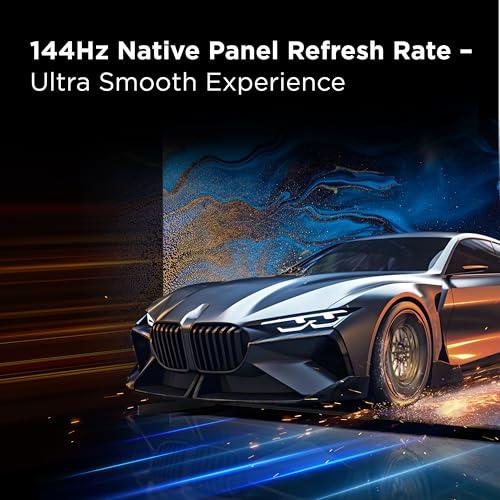
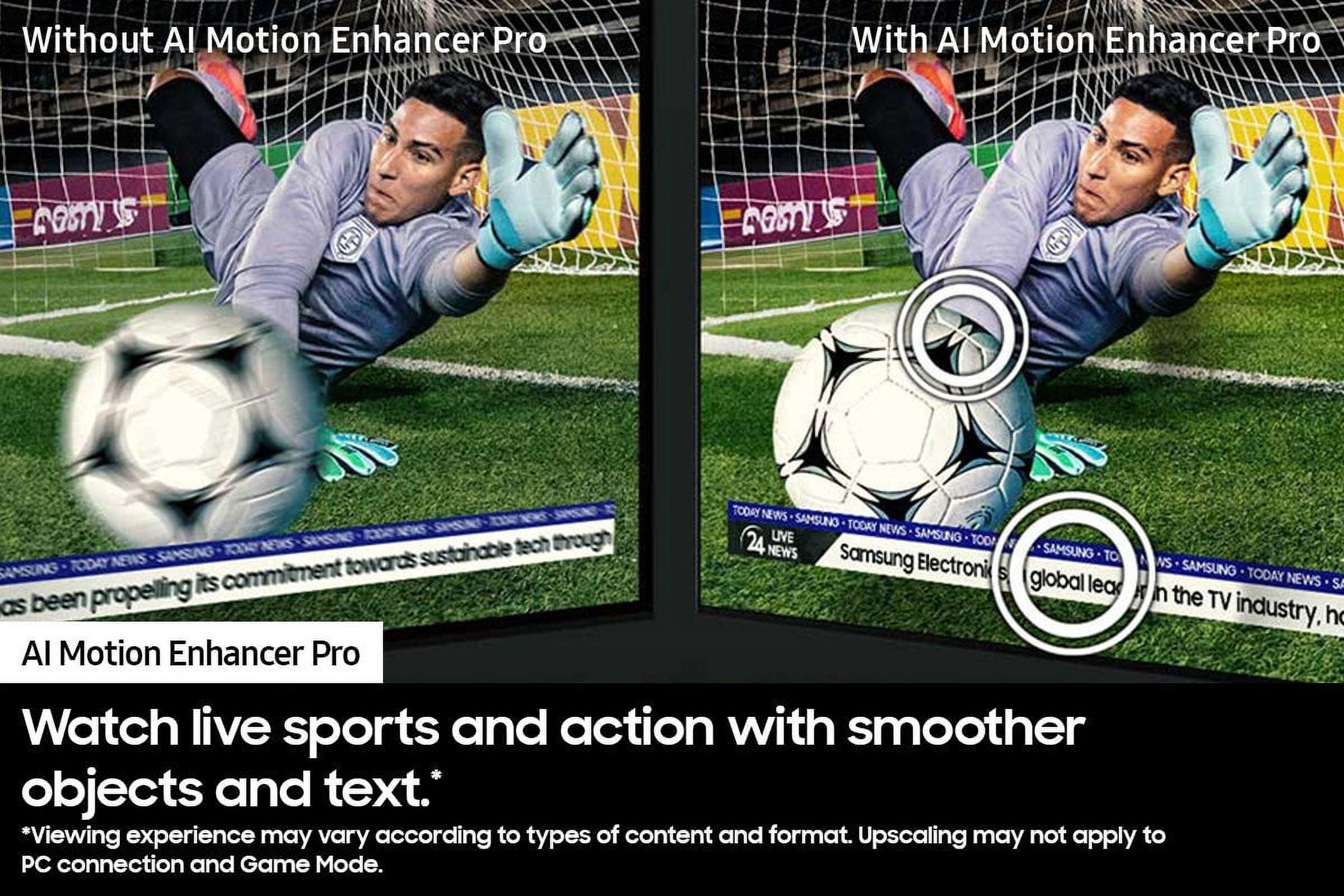
Both TVs excel for gaming, but they cater to slightly different gaming scenarios. The TCL QM7K features a native 144Hz refresh rate, which is higher than most TVs and perfect for console gaming. Modern consoles can output 120Hz for certain games, and having that extra headroom means smoother motion and reduced judder.
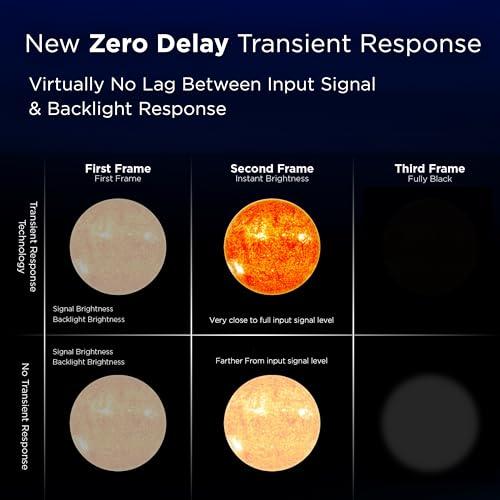
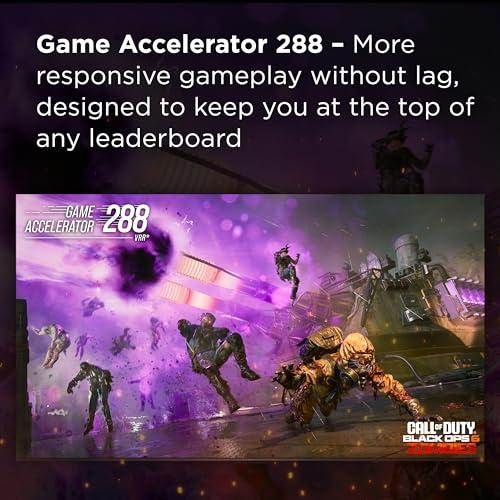
What's particularly impressive about the TCL QM7K is its Game Accelerator 288 feature, which can accept input signals up to 288Hz at 1080p resolution. This makes it excellent for competitive PC gaming where frame rates matter more than resolution.
The Samsung QN900D takes a different approach with native 120Hz but support for 4K at 240Hz input from gaming PCs. For serious PC gamers with high-end graphics cards, this could be the deciding factor. Samsung also achieves lower input lag—approximately 6 milliseconds compared to the TCL's 10 milliseconds. While both are excellent, competitive gamers might notice that extra responsiveness.
Variable Refresh Rate (VRR) support is crucial for modern gaming, and both TVs handle this well. VRR synchronizes the TV's refresh rate with the gaming device's frame rate, eliminating screen tearing and reducing stuttering. The TCL QM7K supports AMD FreeSync Premium Pro, while the Samsung QN900D supports all major VRR formats.
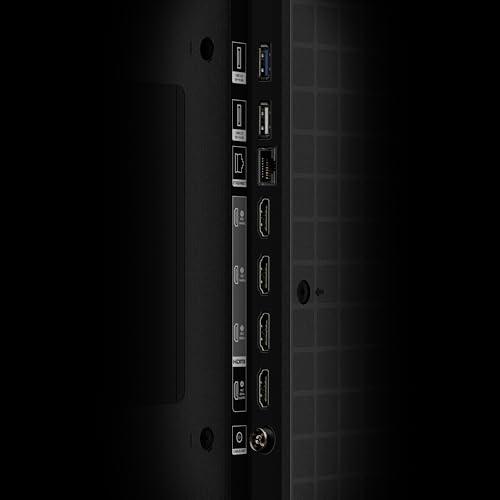
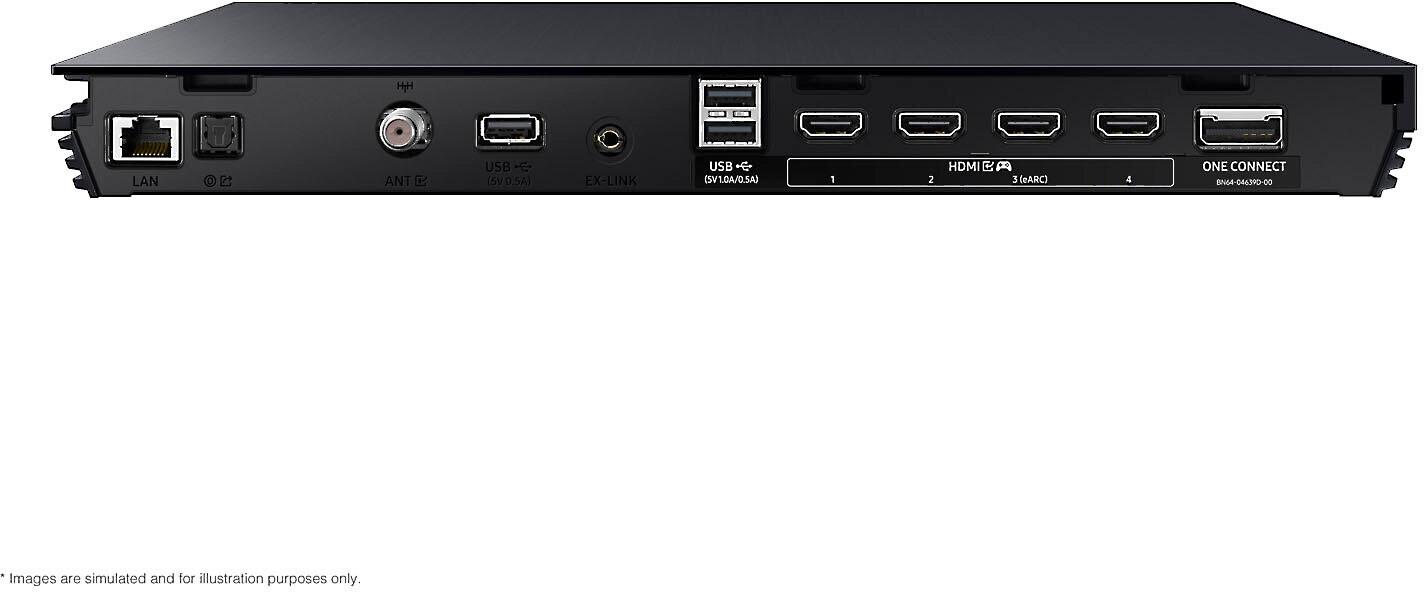
The connectivity story slightly favors Samsung, with four HDMI 2.1 ports compared to TCL's two HDMI 2.1 and two HDMI 2.0 ports. For users with multiple gaming devices, sound bars, and streaming devices, having more high-bandwidth ports reduces the need for HDMI switches.
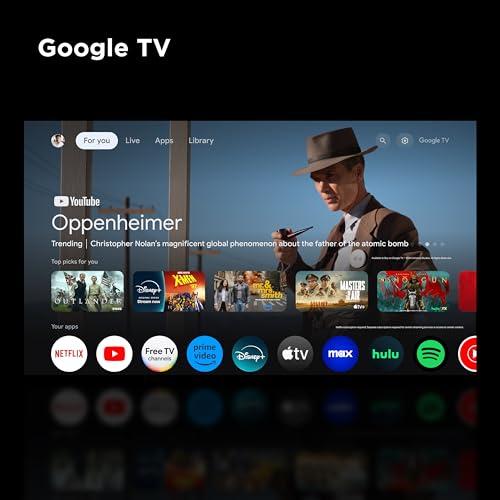
The smart TV platform significantly impacts your daily experience, and these TVs take different approaches. The TCL QM7K runs Google TV, which has evolved into one of the most user-friendly smart TV platforms. Google TV excels at content discovery, using AI to recommend shows and movies from across your subscribed services. The interface is clean, fast, and integrates seamlessly with Google services and Android devices.
Google TV also supports Chromecast built-in, making it incredibly easy to cast content from phones, tablets, or laptops. Voice search through Google Assistant is remarkably accurate and can understand natural language queries like "show me action movies with Tom Cruise."
The Samsung QN900D uses Samsung's Tizen operating system, which is polished and feature-rich but has become increasingly cluttered with advertisements and sponsored content in recent years. While Tizen offers good app support and smooth performance, the user experience can feel more commercial and less focused on your actual content.
Both platforms support all major streaming apps, but Google TV's content-first approach and superior recommendation engine make it more enjoyable for daily use. The TCL QM7K also includes hands-free voice control through its far-field microphone array, allowing you to control the TV without reaching for the remote.
Audio performance represents one of the clearest differences between these TVs. The Samsung QN900D features a premium 6.2.4 channel speaker system with 90 watts of power and Object Tracking Sound technology. This system can actually track moving objects on screen and direct sound accordingly, creating a surprisingly immersive experience for a built-in TV speaker system.
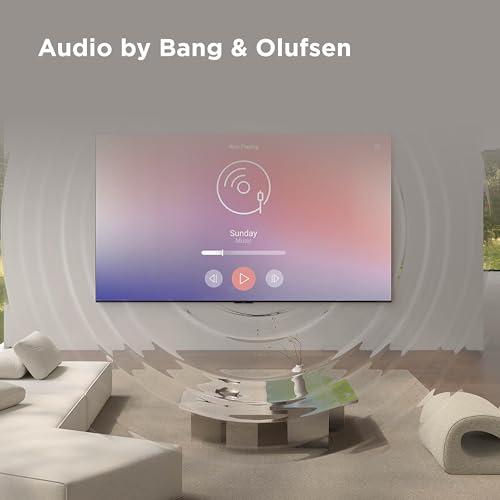
The TCL QM7K includes a Bang & Olufsen-tuned audio system with 60 watts of power and Dolby Atmos support. While this sounds good for a TV speaker system, it doesn't match the sophistication and power of Samsung's implementation.
That said, most serious home theater enthusiasts will pair either TV with a dedicated sound bar or surround sound system, making this difference less critical for many buyers. Both TVs support eARC (enhanced Audio Return Channel) for sending high-quality audio to external sound systems.
At the time of writing, these TVs occupy different price tiers, with the TCL QM7K positioned as a premium value option while the Samsung QN900D sits in the flagship category. The price difference represents roughly a 30-40% premium for the Samsung.
The TCL QM7K delivers remarkable value by offering many flagship features at a more accessible price point. You get excellent picture quality, comprehensive HDR support, high refresh rate gaming, and a superior smart TV platform. The main compromises are slightly lower peak brightness and less sophisticated audio.
The Samsung QN900D justifies its premium pricing through 8K resolution, superior processing, better gaming connectivity, and premium audio. However, the real-world benefits of 8K are limited by content availability, and many of the other advantages are incremental rather than transformative.
For most users, the TCL QM7K provides 85-90% of the performance at 60-70% of the cost, making it exceptional value. The Samsung becomes more attractive for users who prioritize future-proofing, have unlimited budgets, or specifically need its advanced gaming features.
In a dedicated home theater environment, both TVs perform admirably, but with different optimal setups. The Samsung QN900D excels in completely dark rooms where its superior contrast control and processing can shine. Its higher peak brightness also means it can handle some ambient light without losing HDR impact.
The TCL QM7K works well in various lighting conditions thanks to its excellent peak brightness and anti-reflective coating. Its comprehensive HDR format support makes it ideal for serious movie watching, especially if you use streaming services that prioritize Dolby Vision.
For home theater audio, both TVs will benefit significantly from external audio systems. However, the Samsung QN900D provides better interim performance if you're building your system gradually.
The TCL QM7K makes the most sense for buyers who want flagship performance without flagship pricing. It's perfect for console gamers, movie enthusiasts who value Dolby Vision support, and anyone who prefers Google's ecosystem. The comprehensive feature set and excellent value make it our top recommendation for most buyers.
The Samsung QN900D appeals to technology enthusiasts who want the latest and greatest, regardless of cost. It's the better choice for serious PC gamers who can take advantage of 4K at 240Hz, users who prioritize built-in audio quality, and anyone who believes 8K content will become prevalent sooner rather than later.
Both represent the current state of the art in LED TV technology, but they serve different priorities and budgets. The TCL QM7K proves that you don't need to pay flagship prices for flagship performance, while the Samsung QN900D pushes the boundaries of what's possible with current display technology.
Ultimately, either TV will provide years of exceptional viewing experiences. The choice comes down to whether you prioritize value and current content optimization, or prefer future-proofing and premium features regardless of immediate utility. For most buyers, the TCL QM7K offers the better balance of performance, features, and value.
| TCL 65QM7K QD-Mini LED 4K Google TV | Samsung QN900D Series 65" Neo QLED 8K Smart TV |
|---|---|
| Resolution - Future-proofing vs current content optimization | |
| 4K (3,840 x 2,160) - matches all current content standards | 8K (7,680 x 4,320) - 4x more pixels but limited native content |
| Peak Brightness - Critical for HDR impact and bright room viewing | |
| ~1,500 nits (excellent for most environments) | ~2,000+ nits (superior HDR highlights and bright room performance) |
| Local Dimming Zones - Controls contrast and reduces blooming | |
| Up to 2,500 zones (exceptional precision for the price) | ~1,000+ zones (fewer zones but superior processing algorithms) |
| Refresh Rate - Important for gaming and motion handling | |
| Native 144Hz, up to 288Hz VRR (ideal for console gaming) | Native 120Hz, 4K@240Hz input support (better for PC gaming) |
| HDR Format Support - Affects streaming service compatibility | |
| Dolby Vision IQ, HDR10+, HDR10, HLG (comprehensive support) | HDR10+, HDR10, HLG only (missing Dolby Vision for Netflix/Disney+) |
| Gaming Input Lag - Critical for competitive gaming responsiveness | |
| ~10ms (excellent for console gaming) | ~6ms (superior for competitive PC gaming) |
| HDMI 2.1 Ports - Future-ready connectivity for gaming devices | |
| 2 HDMI 2.1, 2 HDMI 2.0 (adequate for most setups) | 4 HDMI 2.1 (superior for multiple high-bandwidth devices) |
| Smart TV Platform - Daily user experience and app ecosystem | |
| Google TV (superior interface, content discovery, and voice search) | Tizen OS (polished but increasingly ad-heavy) |
| Audio System - Built-in speaker quality and features | |
| Bang & Olufsen 60W with Dolby Atmos (good but basic) | 6.2.4 channel 90W with Object Tracking Sound (premium quality) |
| Processing Power - Upscaling and AI enhancement capabilities | |
| AiPQ Pro Processor (solid 4K optimization) | NQ8 AI Gen3 Processor (exceptional 8K upscaling and processing) |
| Voice Control - Hands-free operation convenience | |
| Far-field microphone array (hands-free Google Assistant) | Remote-based voice control (Bixby and Alexa support) |
| Release Year - Technology generation and feature currency | |
| 2025 model (latest TCL flagship technology) | 2024 model (current Samsung flagship with mature tech) |
Both the TCL 65QM7K and Samsung QN900D deliver excellent picture quality, but with different strengths. The Samsung QN900D achieves higher peak brightness (over 2,000 nits) and superior contrast control, making it better for HDR content in dark rooms. However, the TCL 65QM7K supports Dolby Vision, which is used by Netflix, Disney+, and Apple TV+ for their premium content, while the Samsung QN900D lacks this format. For most movie watching, the TCL 65QM7K provides exceptional value with comprehensive HDR support.
The Samsung QN900D offers 8K resolution while the TCL 65QM7K is 4K. Currently, there's virtually no native 8K content available - no streaming services, games, or Blu-ray discs offer 8K. The Samsung QN900D relies on AI upscaling to enhance 4K content, which works well but doesn't add true detail. For most viewers at typical viewing distances, the 4K resolution of the TCL 65QM7K provides plenty of detail and better matches current content standards.
Both TVs excel for console gaming, but the TCL 65QM7K has advantages for most gamers. It features a higher native 144Hz refresh rate compared to the Samsung QN900D's 120Hz, and supports up to 288Hz VRR at 1080p. The Samsung QN900D has slightly lower input lag (6ms vs 10ms) and more HDMI 2.1 ports (4 vs 2), making it better for users with multiple gaming devices. For typical console gaming, the TCL 65QM7K provides excellent performance at better value.
The TCL 65QM7K runs Google TV, which offers superior content discovery, cleaner interface, and better voice search capabilities. It integrates seamlessly with Android devices and Google services, plus supports Chromecast built-in. The Samsung QN900D uses Tizen OS, which is polished but has become more cluttered with ads and sponsored content. Most users find the Google TV experience on the TCL 65QM7K more intuitive and less commercial.
The Samsung QN900D achieves higher peak brightness at over 2,000 nits compared to the TCL 65QM7K's approximately 1,500 nits. This makes the Samsung QN900D better for very bright rooms with lots of windows. However, both TVs perform well in typical living room lighting conditions, and the TCL 65QM7K's brightness is more than adequate for most viewing environments while offering better value.
The Samsung QN900D significantly outperforms the TCL 65QM7K in audio quality. Samsung's 6.2.4 channel system with 90W power and Object Tracking Sound creates immersive audio that tracks movement on screen. The TCL 65QM7K features a Bang & Olufsen-tuned 60W system that's decent but more basic. However, most home theater enthusiasts will add external sound systems, making this difference less critical for many buyers.
The TCL 65QM7K provides exceptional value by delivering flagship-level features at a more accessible price point. You get excellent picture quality, comprehensive HDR support including Dolby Vision, high refresh rate gaming, and superior smart TV platform. The Samsung QN900D justifies its premium pricing with 8K resolution, superior processing, and premium audio, but the real-world benefits are incremental for most users. The TCL 65QM7K offers about 90% of the performance at roughly 70% of the cost.
The TCL 65QM7K's main limitations include only having 2 HDMI 2.1 ports (vs 4 on Samsung), slightly higher input lag for competitive gaming, and less sophisticated built-in audio. The Samsung QN900D's biggest disadvantage is lacking Dolby Vision support, which means missing out on premium HDR content from major streaming services. It also costs significantly more while offering limited real-world 8K benefits due to content scarcity.
In a dark, dedicated home theater, the Samsung QN900D has slight advantages with its superior contrast control and higher peak brightness for HDR impact. However, the TCL 65QM7K is excellent for home theaters too, especially considering its Dolby Vision support for premium movie content. The choice often comes down to budget - the TCL 65QM7K delivers outstanding home theater performance at better value, while the Samsung QN900D offers premium features for those with flexible budgets.
The Samsung QN900D offers theoretical future-proofing with 8K resolution, though widespread 8K content adoption timeline remains uncertain. The TCL 65QM7K provides solid future-proofing with 4K resolution (current standard), HDMI 2.1 connectivity, high refresh rates, and comprehensive HDR support. Both TVs should remain relevant for 5-7 years, but the TCL 65QM7K better matches current content standards while the Samsung QN900D bets on future 8K adoption.
Both TCL and Samsung offer standard warranties and reasonable support networks. Samsung has a longer premium TV track record and established service network, while TCL has rapidly improved quality and support in recent years. The TCL 65QM7K represents TCL's flagship technology with premium build quality, while the Samsung QN900D benefits from Samsung's mature manufacturing processes. Both should provide reliable long-term performance, with Samsung having a slight edge in service availability.
Choose the TCL 65QM7K if you want flagship performance at better value, prioritize Dolby Vision content from streaming services, primarily game on consoles, or prefer Google's ecosystem. Choose the Samsung QN900D if you want the latest display technology regardless of cost, need superior built-in audio, game competitively on PC with high frame rates, or believe 8K content will become important soon. For most buyers, the TCL 65QM7K provides the better balance of performance, features, and value.
We've done our best to create useful and informative comparisons to help you decide what product to buy. Our research uses advanced automated methods to create this comparison and perfection is not possible - please contact us for corrections or questions. These are the sites we've researched in the creation of this article: bestbuy.com - businessinsider.com - tomsguide.com - tomsguide.com - rtings.com - tomsguide.com - youtube.com - rtings.com - consumerreports.org - youtube.com - youtube.com - displayspecifications.com - youtube.com - tcl.com - tcl.com - tcl.com - youtube.com - rcwilley.com - bestbuy.com - tclcentral.com - displayspecifications.com - tomsguide.com - tcl.com - brandsmartusa.com - tcl.com - tcl.com - gizmochina.com - nfm.com - dolby.com - alexraytv.com - rtings.com - videoandaudiocenter.com - bestbuy.com - avsforum.com - bestbuy.com - walts.com - images.samsung.com - samsung.com - merlinstv.com - samsung.com - avsforum.com - samsung.com

Privacy Policy
Terms and Conditions - Affiliate Policy
Home Security
© Copyright 2008-2026.
11816 Inwood Rd #1211, Dallas, TX 75244